When The First Crowd Gets It Very, Very Wrong
Hollywood loves a test screening. Dim the lights, hand out comment cards, and let a roomful of strangers decide a movie’s fate. Sometimes that feedback saves a project. Other times, it nearly buries films that would later be crowned untouchable classics. From endings that were completely rewritten to tones that were wildly misunderstood, these movies all faced brutal early reactions—and survived anyway.
Last Action Hero
Audiences had no idea what to do with Last Action Hero. The movie’s meta humor, genre-bending tone, and self-awareness confused viewers expecting a straightforward Arnold Schwarzenegger action romp. Test cards reportedly slammed it for being too strange, too jokey, and not “Arnold enough”. What audiences missed was that the film was years ahead of its time. Today, its playful takedown of action movie clichés feels clever rather than chaotic.
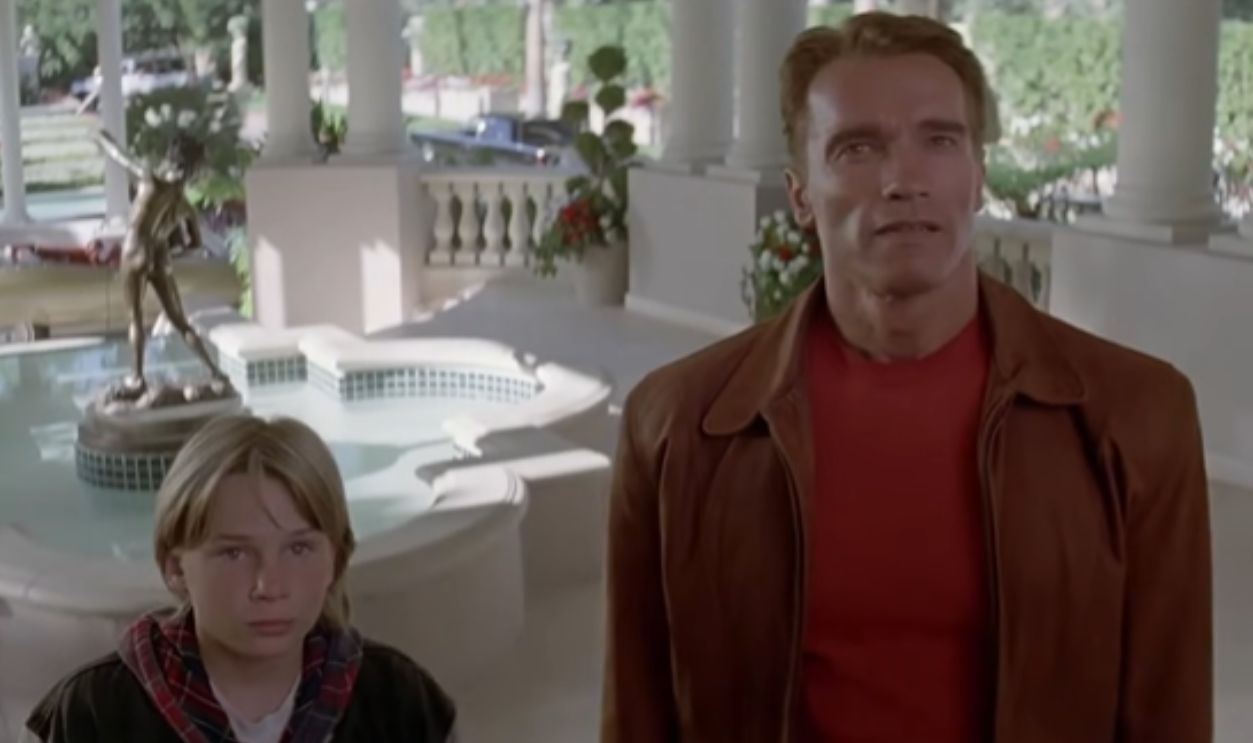 Screenshot from Last Action Hero, Columbia Pictures (1993)
Tank Girl
Tank Girl didn’t just polarize test audiences—it outright baffled them. The anarchic tone, surreal visuals, and comic-book chaos clashed with expectations of a more traditional sci-fi action movie. Viewers didn’t know whether to laugh, recoil, or walk out. Studio interference followed, smoothing out some of its weirdest edges. Ironically, those rough edges are exactly what later audiences embraced, turning the film into a cult favorite.
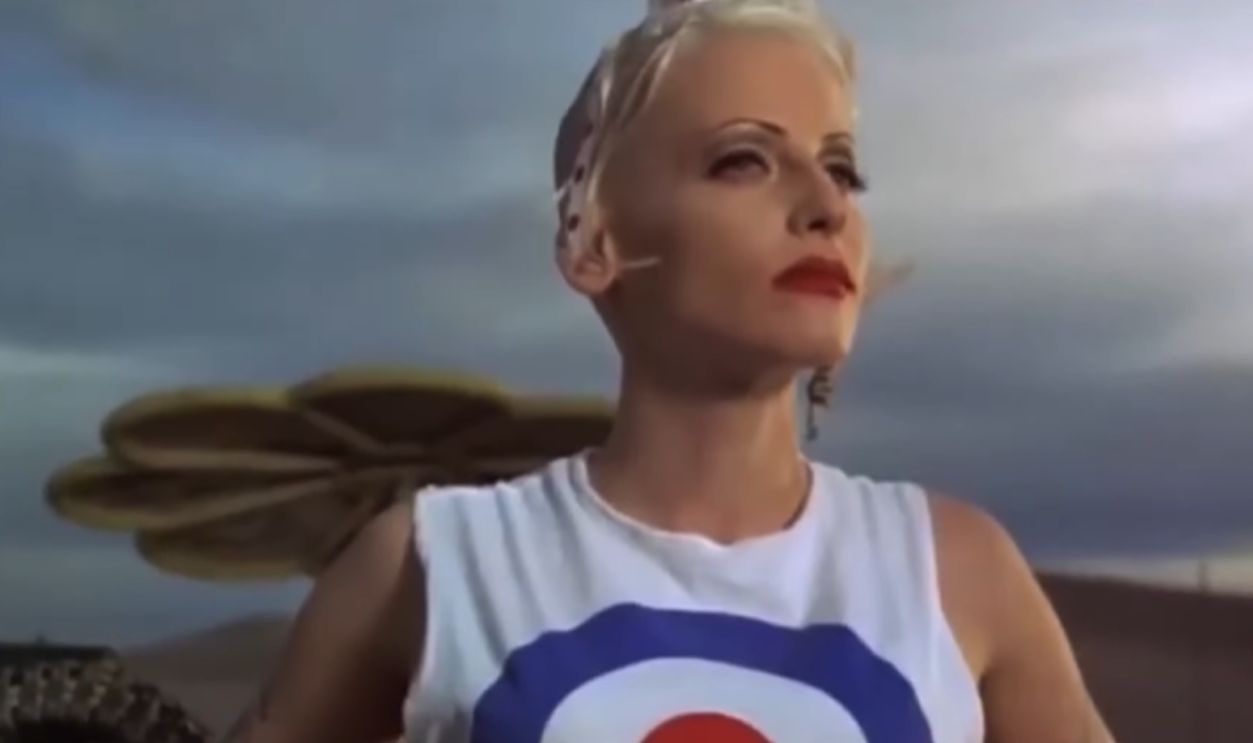 Screenshot from Tank Girl, MGM (1995)
Alien 3
Test audiences were deeply unhappy with Alien 3, particularly its bleak tone and shocking early passing of beloved characters. Many viewers felt betrayed before the story even had a chance to begin. The reaction sent the studio into panic mode. Multiple cuts, reshoots, and narrative compromises followed. While still divisive, the film’s darker vision has gained respect over time—especially compared to the safer alternatives that almost replaced it.
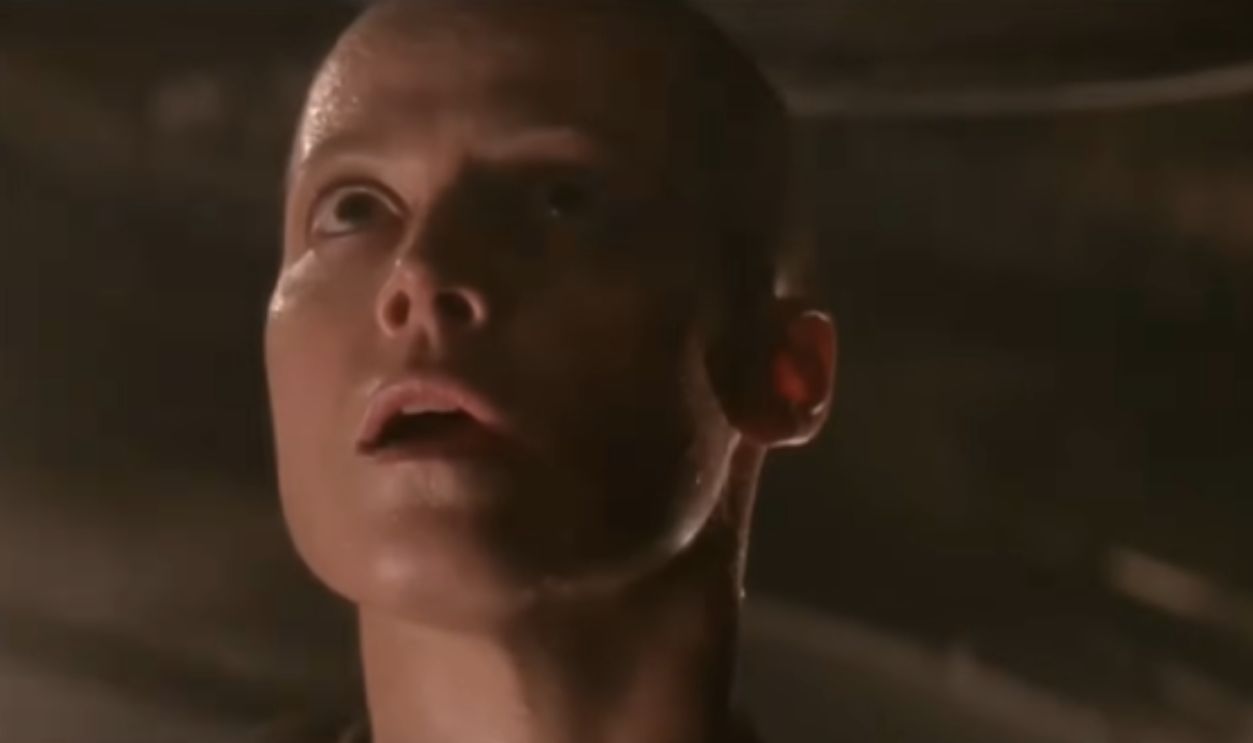 Screenshot from Alien 3, 20th Century Fox (1992)
Event Horizon
Early screenings of Event Horizon left audiences unsettled in all the wrong ways. The film’s nightmarish imagery and psychological horror were considered too intense and confusing. Viewers complained that it crossed an invisible line of comfort. Large chunks were cut to soften the experience. Even in its trimmed form, the movie developed a reputation as one of the most disturbing sci-fi horrors ever released.
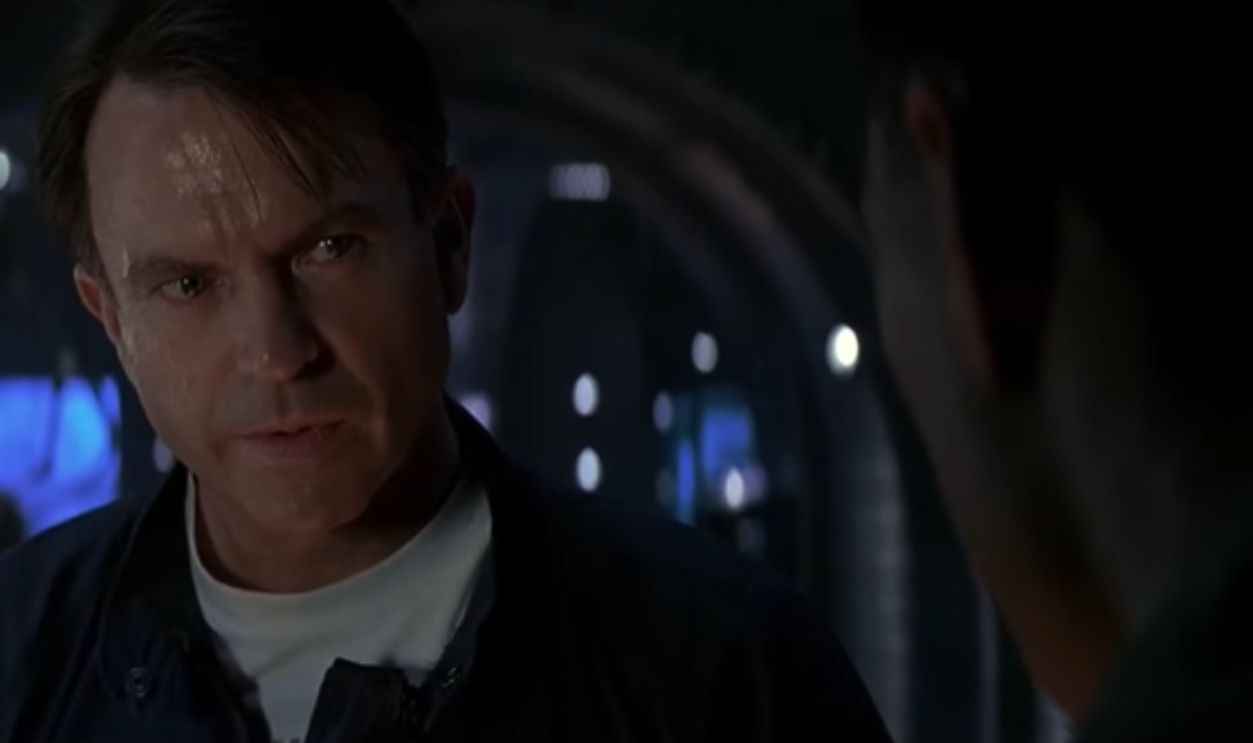 Screenshot from Event Horizon, Paramount Pictures (1997)
I Am Legend
Test audiences weren’t ready for I Am Legend’s original ending. The darker, more faithful-to-the-source conclusion left viewers uncomfortable and unsatisfied. They wanted something clearer, simpler, and more heroic. The studio obliged with a last-minute change. Years later, fans would argue the original ending was not only braver, but better, reshaping how the film is remembered.
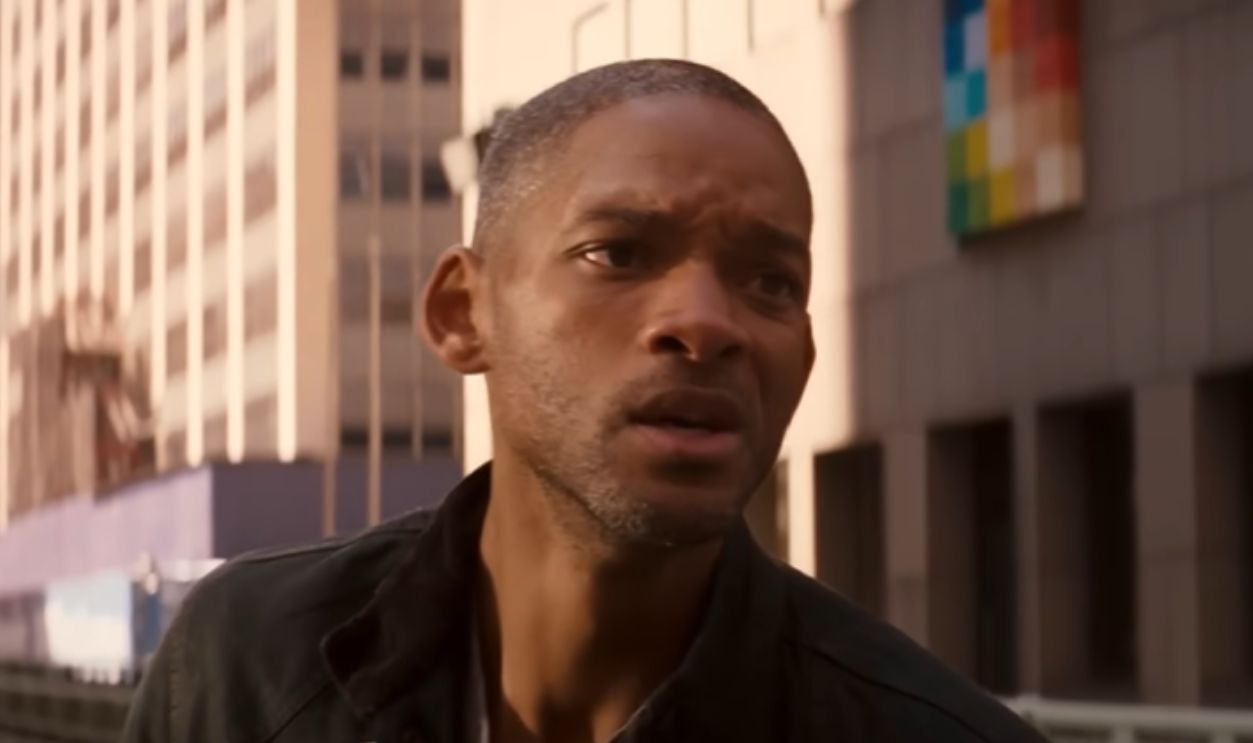 Screenshot from I Am Legend, Warner Bros. (2007)
First Blood
Early viewers didn’t like how bleak First Blood originally was. Test audiences pushed back against its anti-war themes and grim ending, which felt too heavy for an action movie. The response forced a significant rewrite.By adjusting the tone and ending, the film launched one of cinema’s most enduring action franchises—though its original intent still lingers beneath the surface.
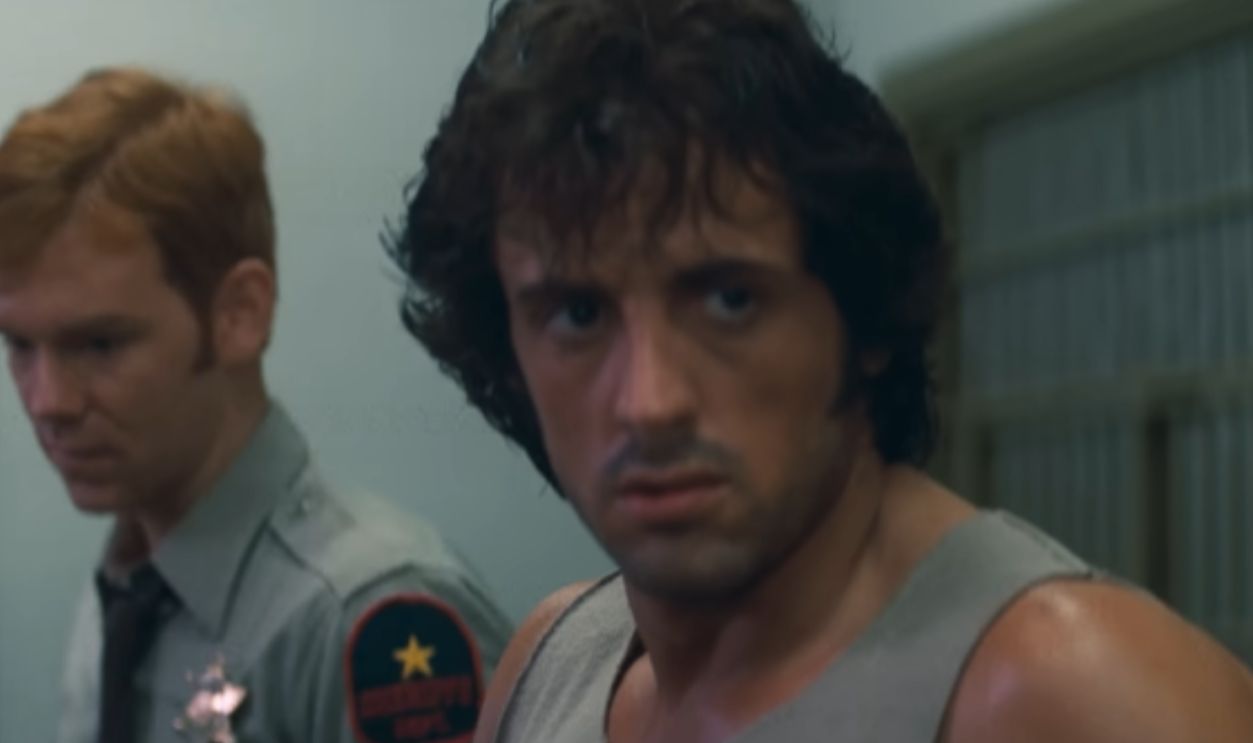 Screenshot from First Blood, Orion Pictures (1982)
Fatal Attraction
The original ending of Fatal Attraction absolutely did not play well. Test audiences rejected its ambiguity and lack of catharsis, demanding a clearer resolution. Viewers wanted punishment, not introspection. The rewritten finale transformed the film into a cultural phenomenon. That change also shifted its entire legacy from psychological drama to full-blown thriller.
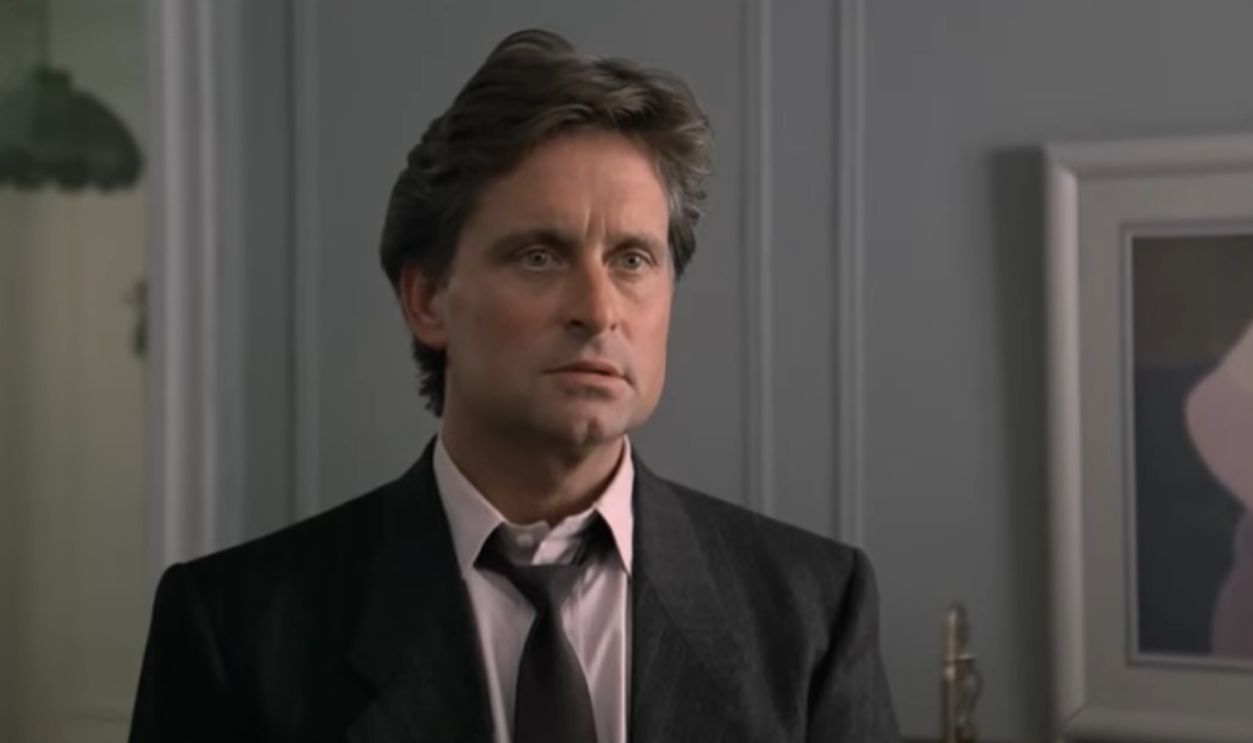 Screenshot from Fatal Attraction, Paramount Pictures (1987)
Halloween
John Carpenter’s Halloween wasn’t always a guaranteed hit. Early screenings reportedly fell flat, with audiences unsure how to react to its slow-burn tension and minimalist approach. It wasn’t loud or flashy enough. A new musical score was added, tightening the suspense. That simple change turned confusion into dread, and the rest is horror history.
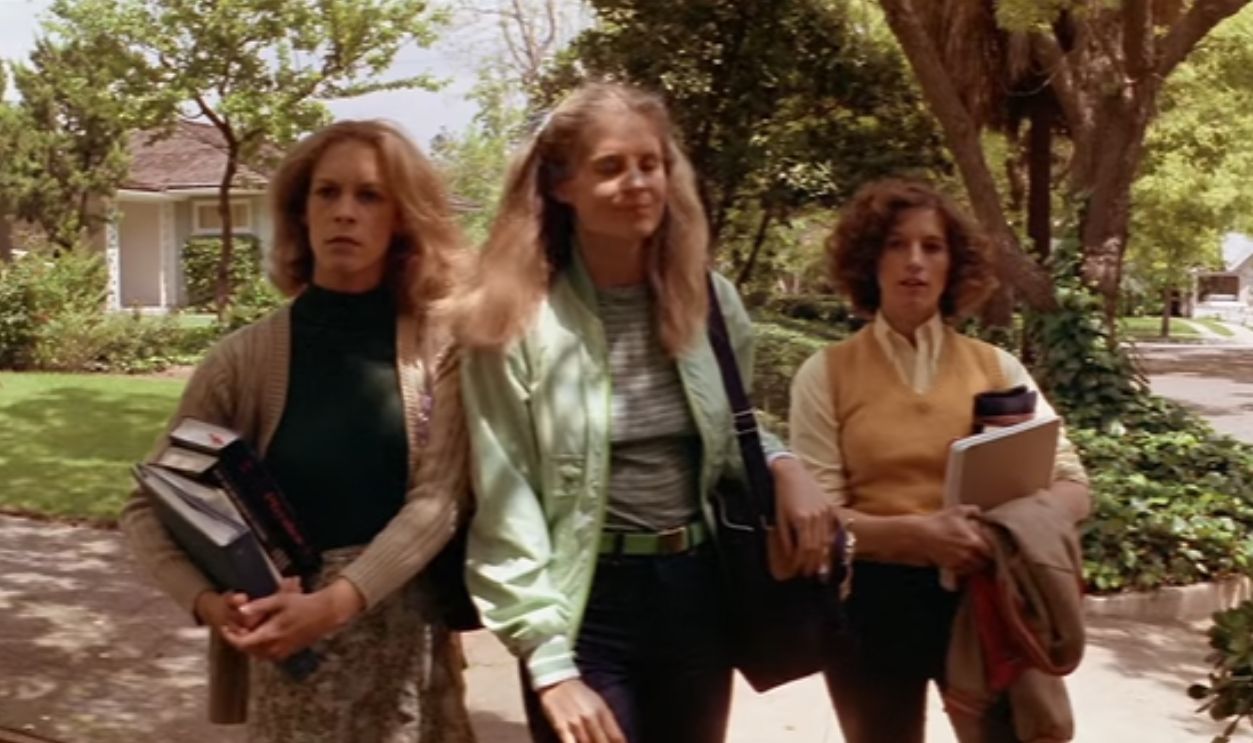 Screenshot from Halloween, Compass International Pictures (1978)
Blade Runner
Test audiences struggled mightily with Blade Runner. Complaints poured in about its pacing, ambiguity, and lack of clear answers. Viewers found it cold, confusing, and emotionally distant. Studio-mandated narration and changes followed. Over time, later cuts restored the film’s original vision—and its status as a sci-fi masterpiece.
 Screenshot from Blade Runner, Warner Bros. (1982)
A Perfect Murder
Test audiences felt A Perfect Murder lacked emotional punch in early screenings. The film’s tension and character motivations didn’t land as intended, leading to re-edits and tonal tweaks. Though never universally praised, the finished version found its audience. Its glossy suspense now feels like a time capsule of late-’90s thrillers done right.
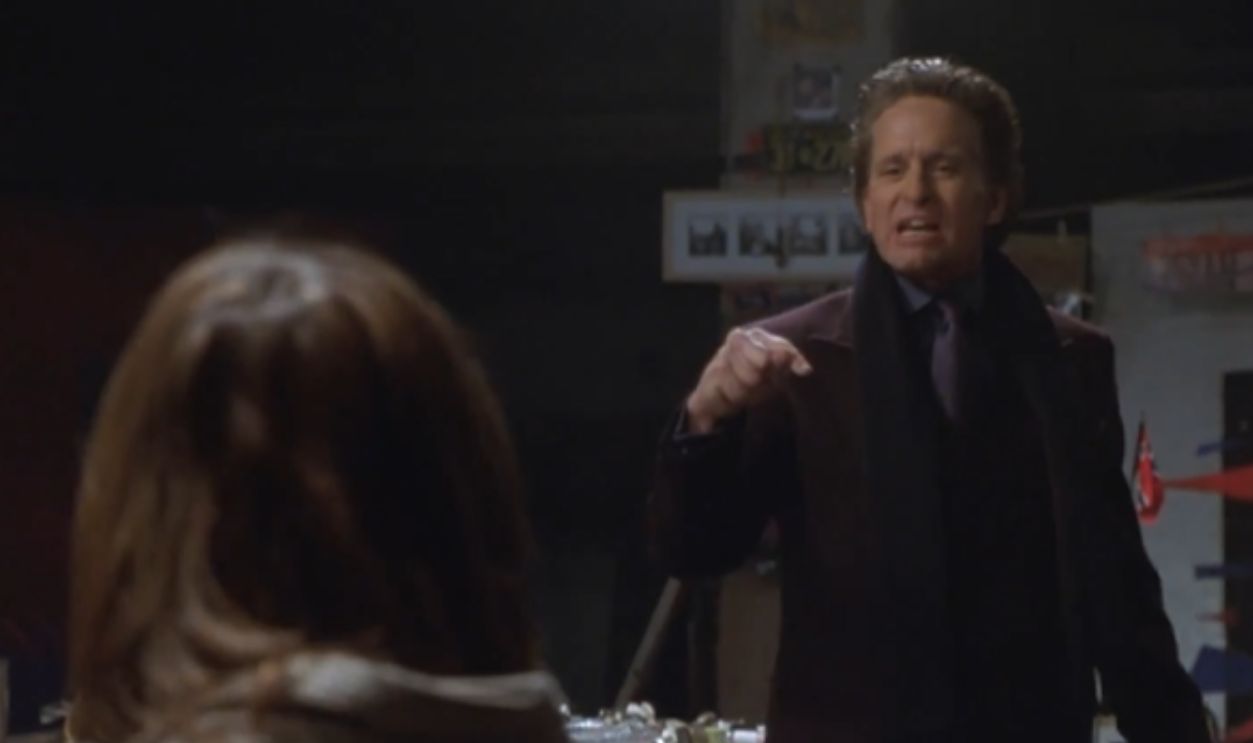 Screenshot from A Perfect Murder, Warner Bros. (1998)
Scott Pilgrim vs. the World
Scott Pilgrim vs. the World confused test audiences who weren’t familiar with its source material. The hyper-stylized visuals, gaming references, and offbeat humor didn’t click immediately. The studio made minor adjustments, but its fate was sealed at release. Years later, it became a defining cult classic for an entire generation.
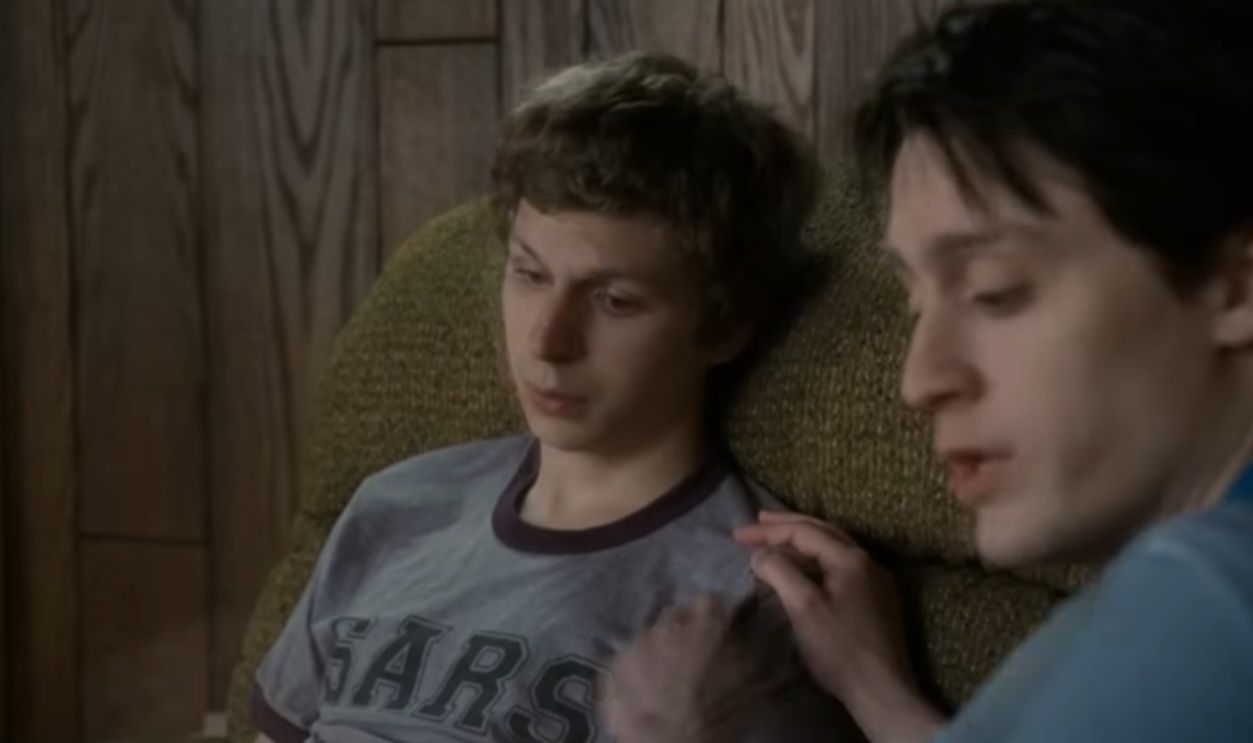 Screenshot from Scott Pilgrim vs. the World, Universal Pictures (2010)
Snake Eyes
Test screenings of Snake Eyes reportedly found the original cut too complex and dialogue-heavy. Audiences wanted more spectacle and fewer twists. Changes streamlined the plot, emphasizing action over mystery. While the film remains divisive, its ambition still stands out in Nicolas Cage’s filmography.
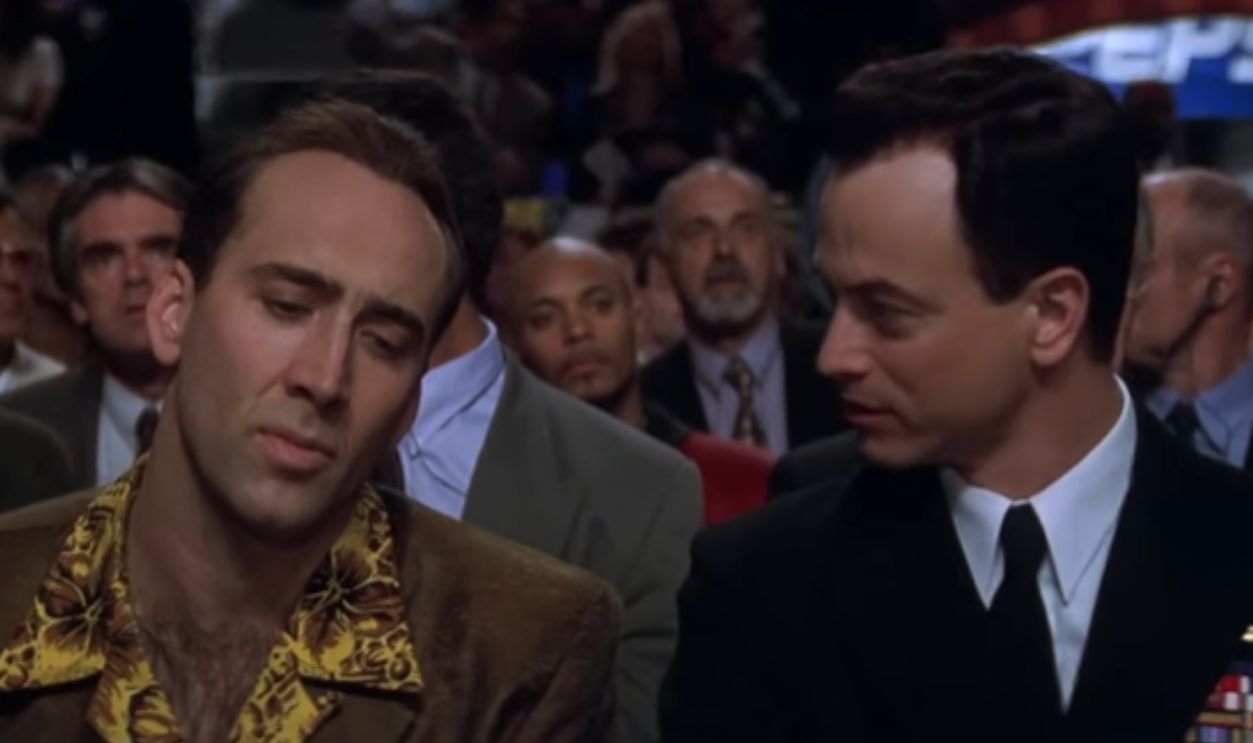 Screenshot from Snake Eyes, Paramount Pictures (1998)
A Fish Called Wanda
Early viewers didn’t know how to take A Fish Called Wanda’s mix of farce and danger. Some found it hilarious, others deeply uncomfortable. Test reactions were wildly inconsistent. Instead of overcorrecting, the filmmakers leaned into the chaos. The gamble paid off, earning the film lasting acclaim and awards recognition.
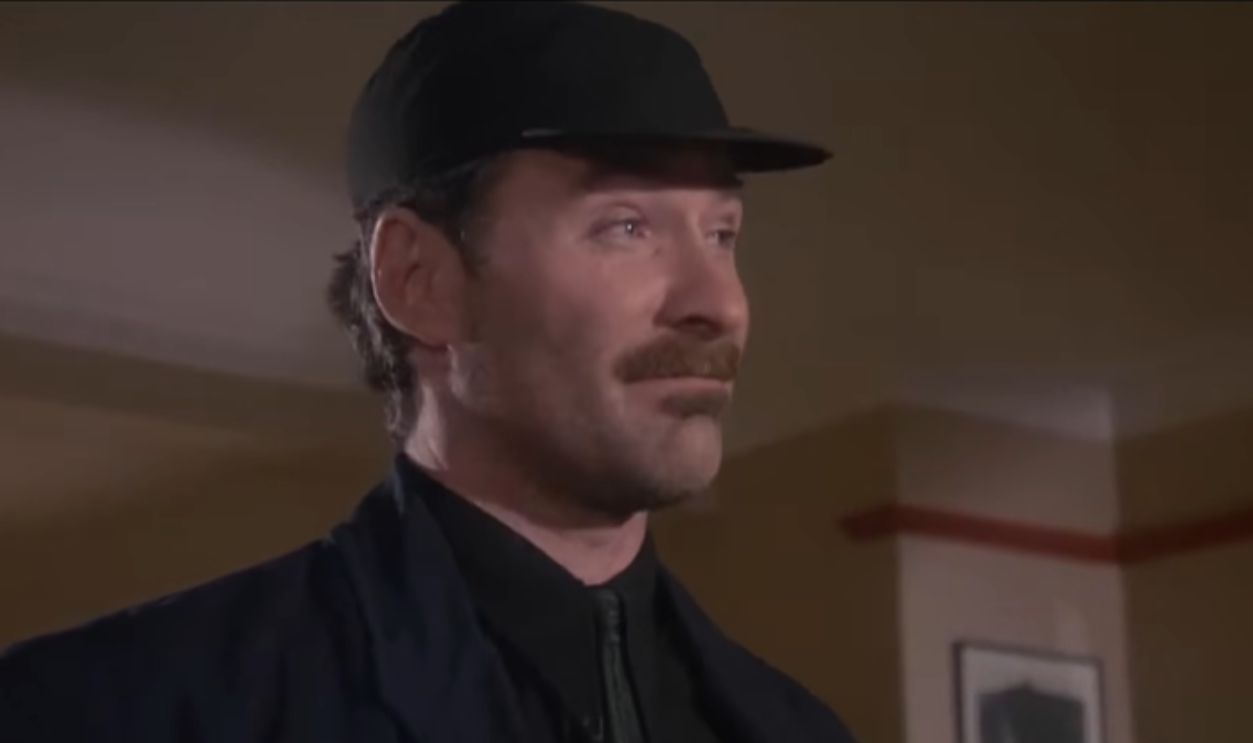 Screenshot from A Fish Called Wanda, MGM (1988)
Legend
Ridley Scott’s Legend struggled mightily with test audiences. Complaints focused on its slow pace, abstract storytelling, and tone. Viewers didn’t know who it was for. The studio replaced the score and re-edited the film. Both versions now exist, fueling decades of debate over which cut truly works.
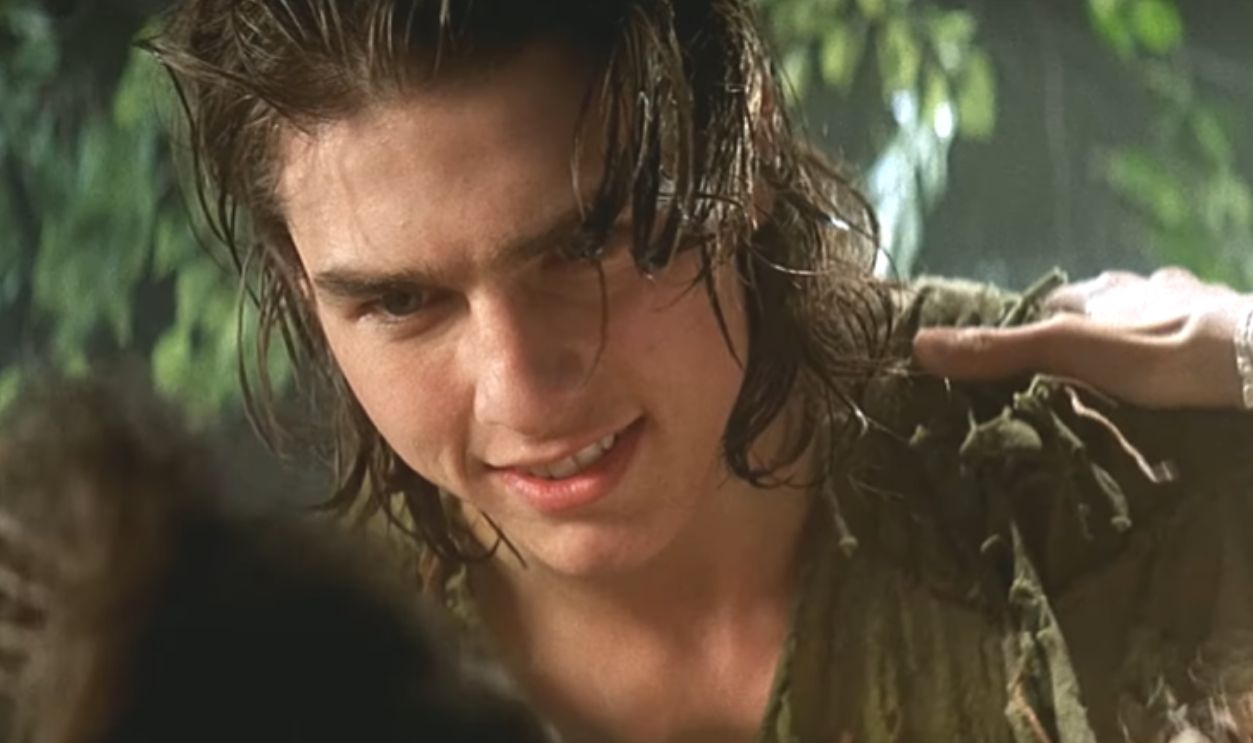 Screenshot from Legend, Universal Pictures (1985)
Little Shop Of Horrors
The original ending of Little Shop Of Horrors stunned test audiences—and not in a good way. Its dark, apocalyptic finale left viewers horrified instead of entertained. The studio demanded a rewrite. While the theatrical ending softened the blow, the original cut is now beloved for its boldness.
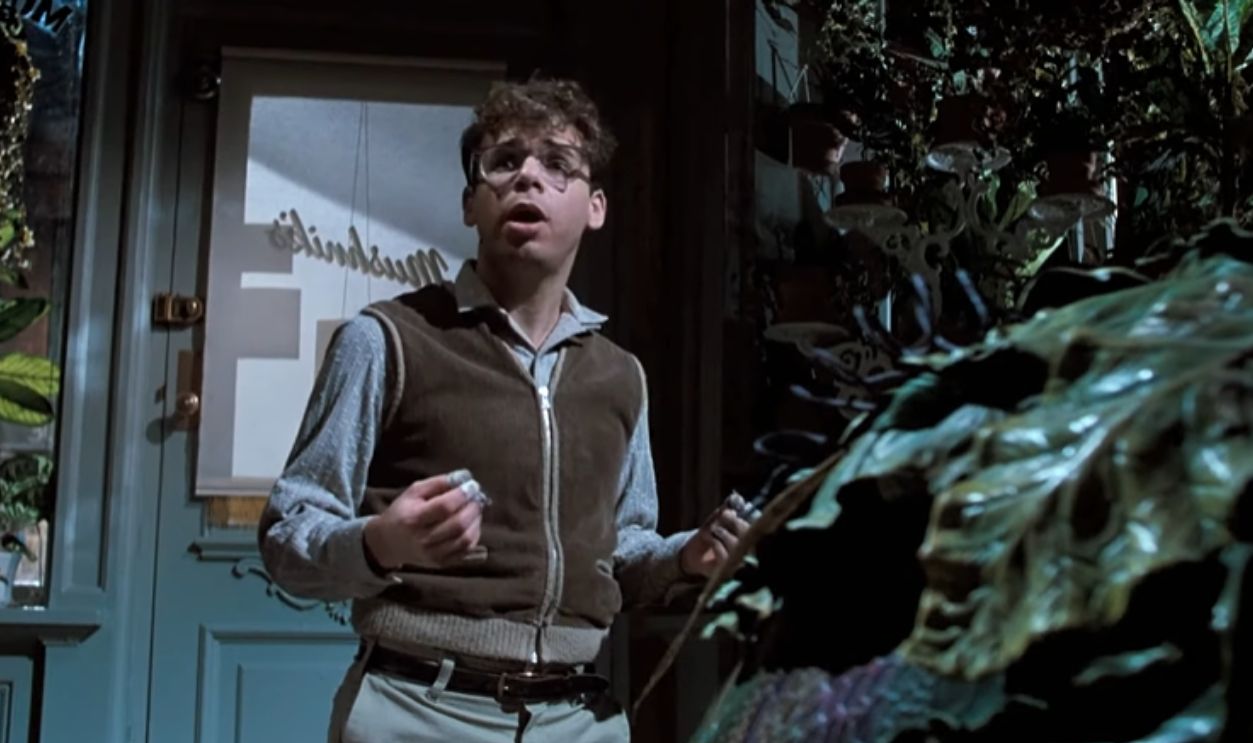 Screenshot from Little Shop of Horrors, Warner Bros. (1986)
Pretty In Pink
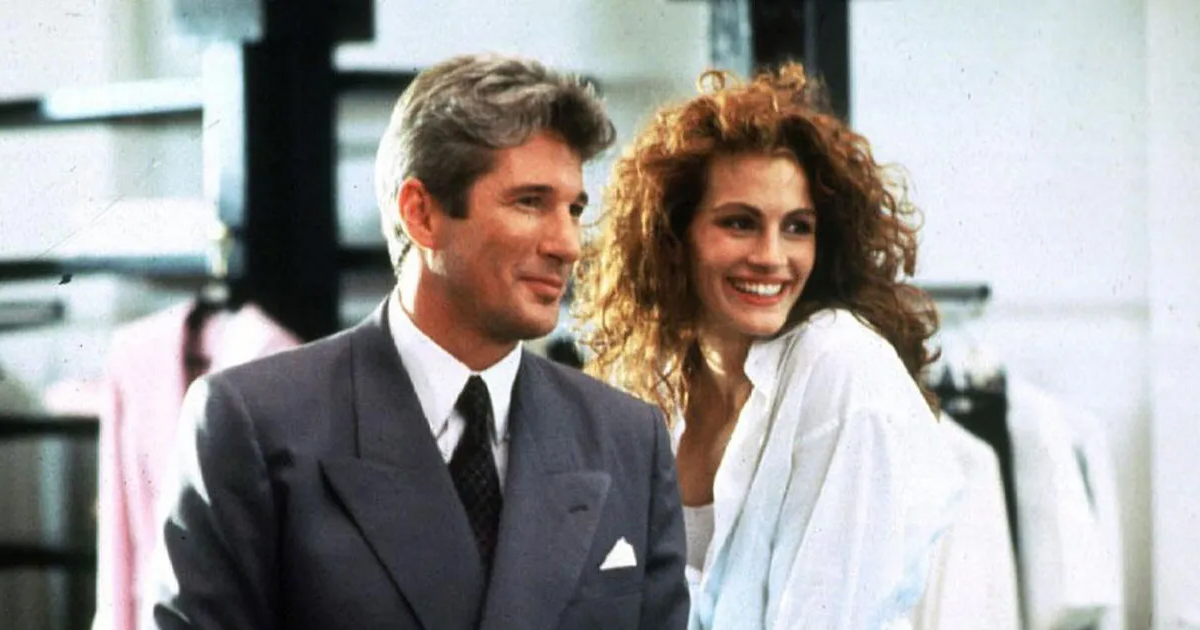
Test audiences rejected Pretty In Pink’s original romantic pairing. Viewers overwhelmingly rooted for the wrong guy, forcing the filmmakers to rethink the ending. The revised finale pleased crowds and cemented the movie’s place in teen-movie history. Even now, debates rage over which ending feels right.
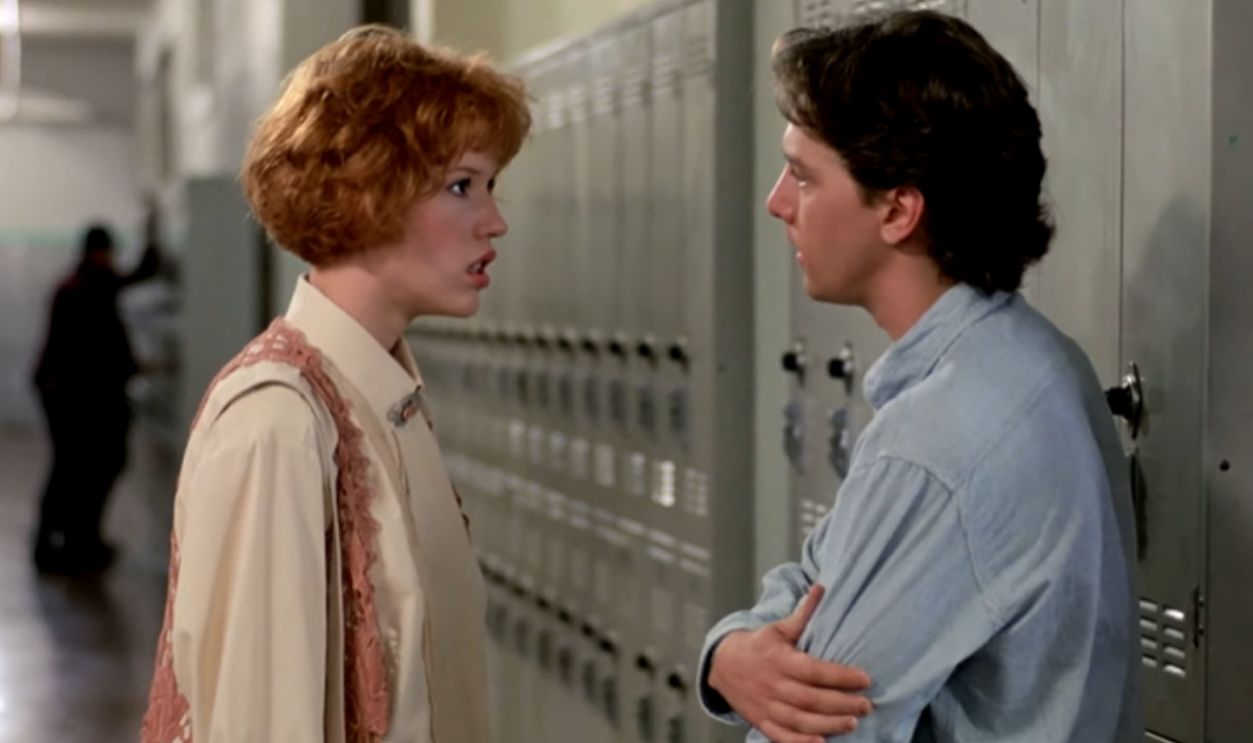 Screenshot from Pretty in Pink, Paramount Pictures (1986)
Thor: The Dark World
Early screenings of Thor: The Dark World suggested the film felt uneven and tonally off. Audiences struggled with its mix of cosmic stakes and grounded humor. Reshoots and re-editing tried to smooth things out. While still one of Marvel’s most debated entries, its troubled history explains a lot.
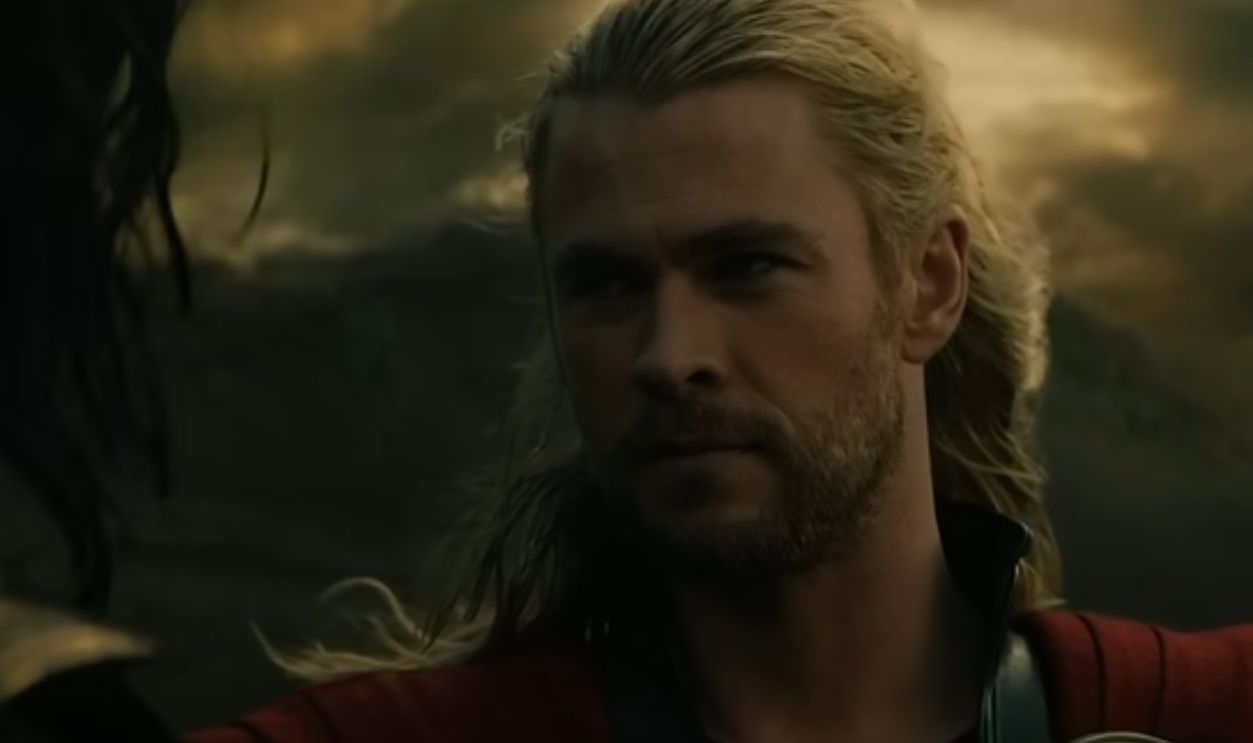 Screenshot from Thor: The Dark World, Walt Disney Studios Motion Pictures (2013)
Back To The Future
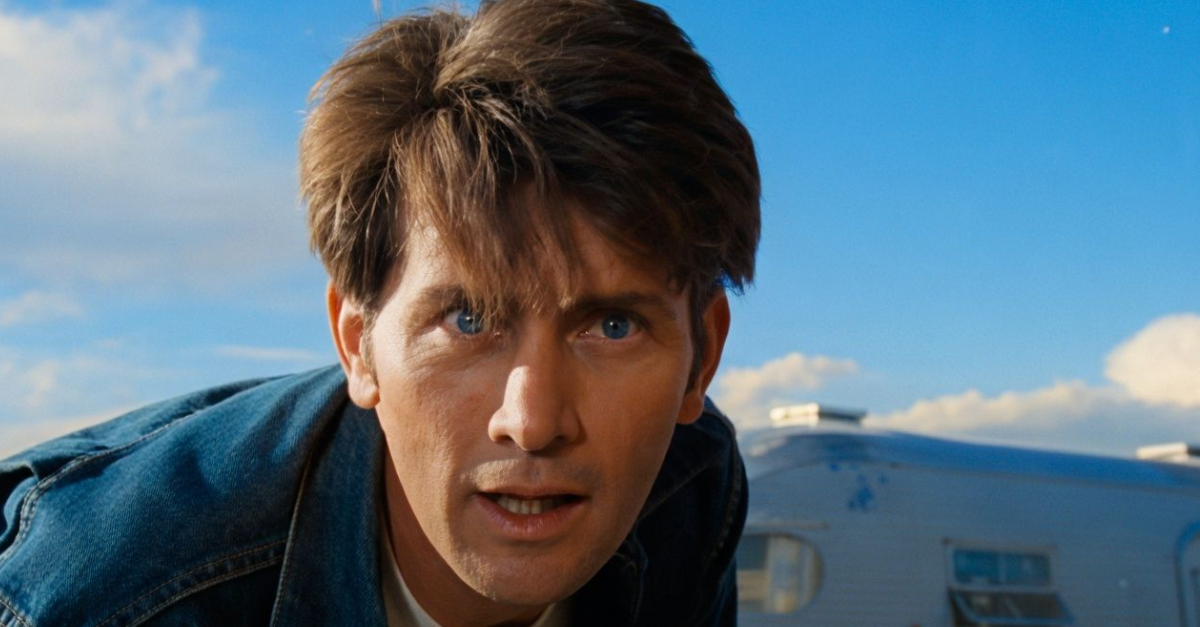
It’s hard to imagine now, but Back To The Future tested poorly in early screenings. Some viewers found its premise confusing, while others didn’t connect emotionally. Refinements tightened the pacing and sharpened character beats. The result became one of the most beloved blockbusters ever made.
 Screenshot from Back to the Future, Universal Pictures (1985)
Goodfellas
Test audiences were unsettled by Goodfellas. Its unflinching portrayal of violence and moral decay didn’t offer easy heroes or redemption. Studio concerns lingered, but Martin Scorsese held firm. What once shocked viewers now defines the film’s legendary status.
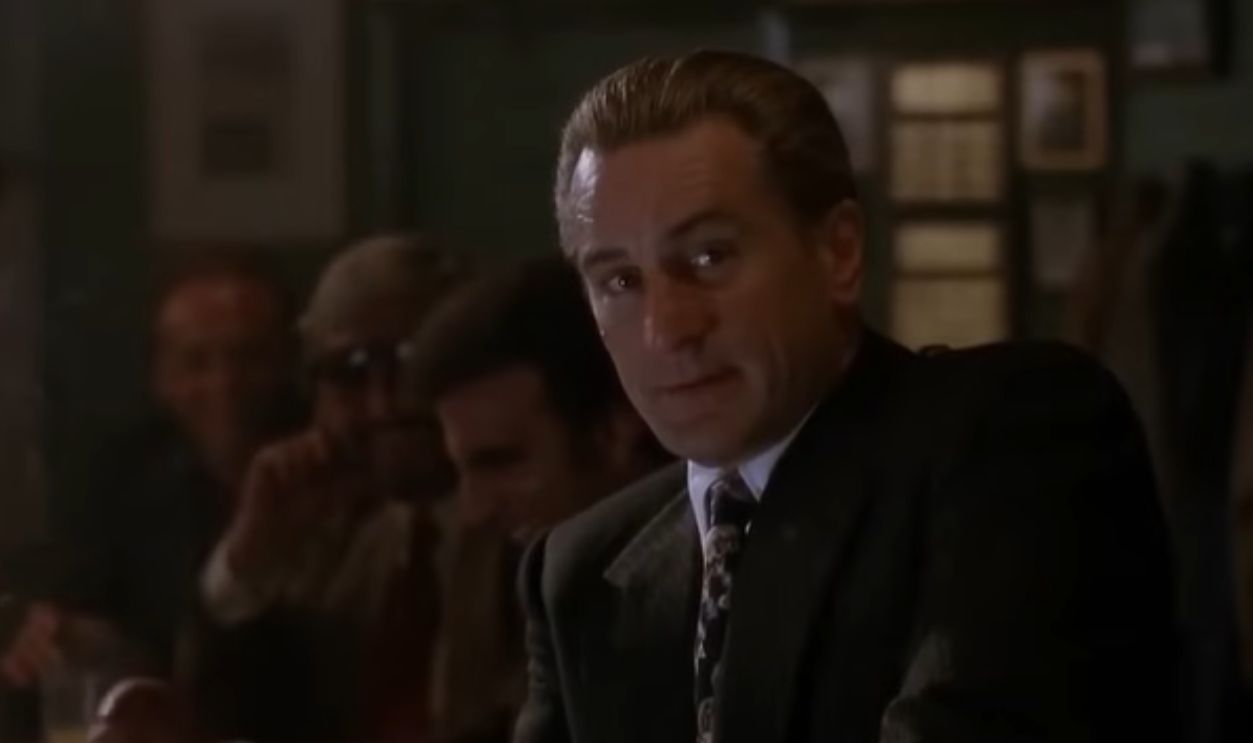 Screenshot from Goodfellas, Warner Bros. (1990)
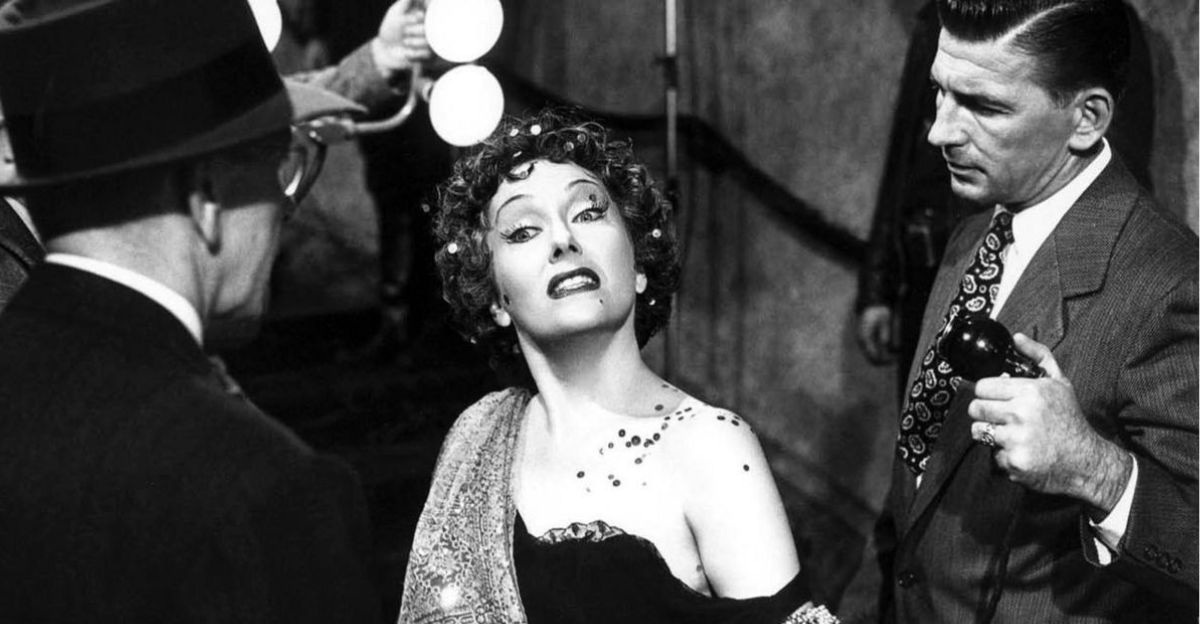
Sunset Boulevard
Early reactions to Sunset Boulevard were mixed, with some audiences uncomfortable with its dark tone and cynical take on Hollywood. It didn’t fit neatly into expectations of the era. Time proved kinder than test cards. The film is now considered one of the sharpest Hollywood satires ever produced.
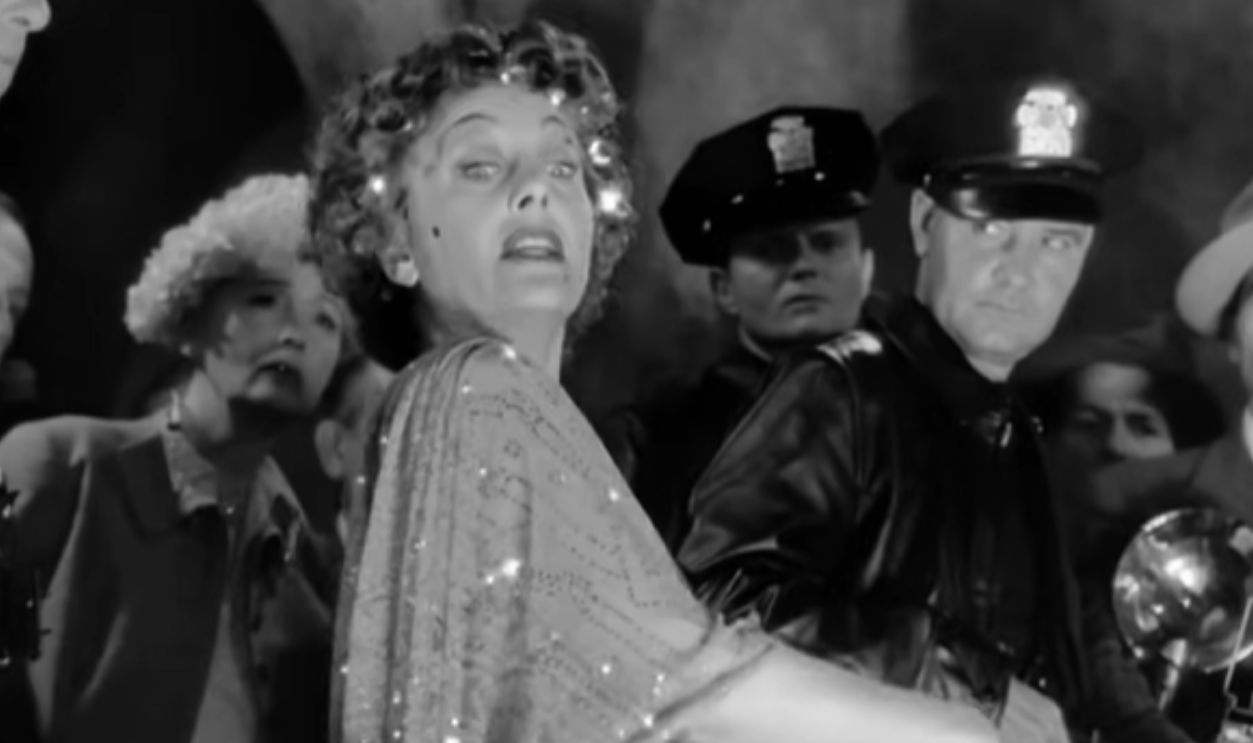 Screenshot from Sunset Boulevard, Paramount Pictures (1950)
The Lovely Bones
Test audiences struggled with The Lovely Bones’ tonal balance. The blend of grief, fantasy, and mystery didn’t resonate as intended, leading to re-edits and changes. Despite its flaws, the film continues to spark discussion about adaptation and emotional storytelling.
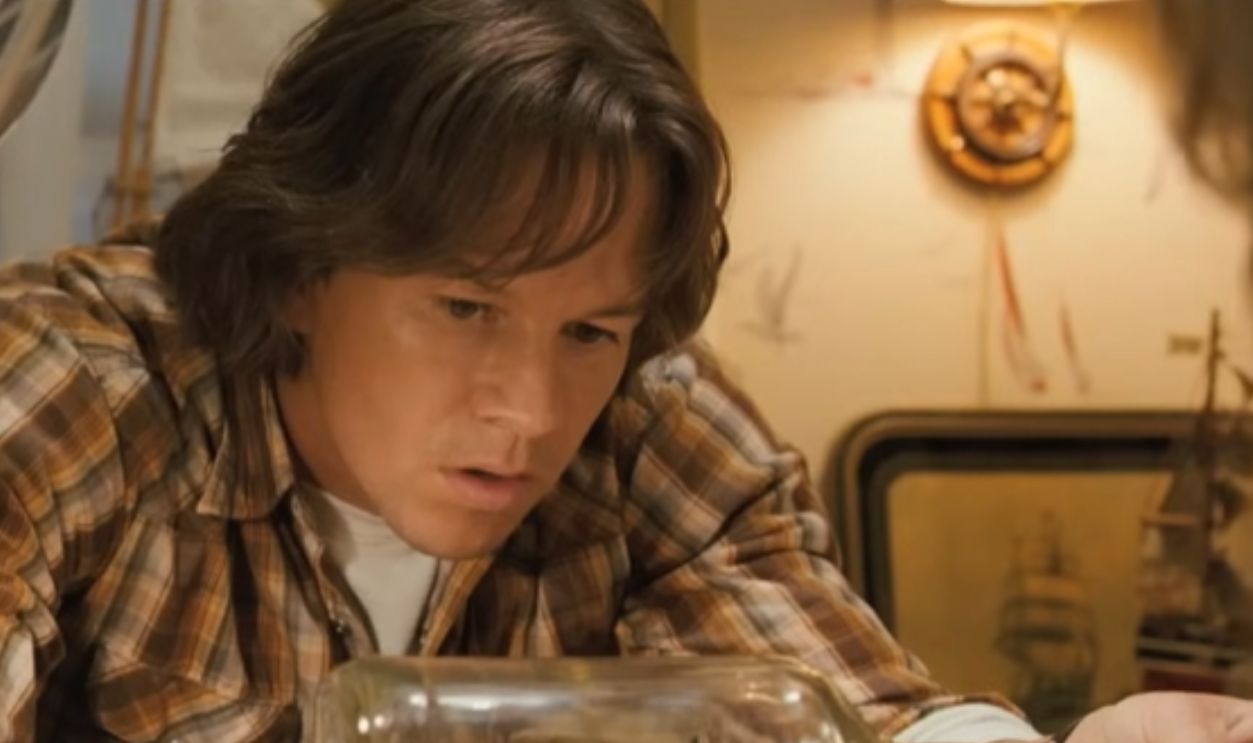 Screenshot from The Lovely Bones, DreamWorks Pictures (2009)
The Shawshank Redemption
Test audiences didn’t hate The Shawshank Redemption, but they didn’t love it either. Early reactions were muted, failing to recognize its emotional power. It would take time, word of mouth, and repeat viewings for its reputation to grow. Today, it stands as one of the most beloved films of all time—proof that test audiences don’t always see the big picture.
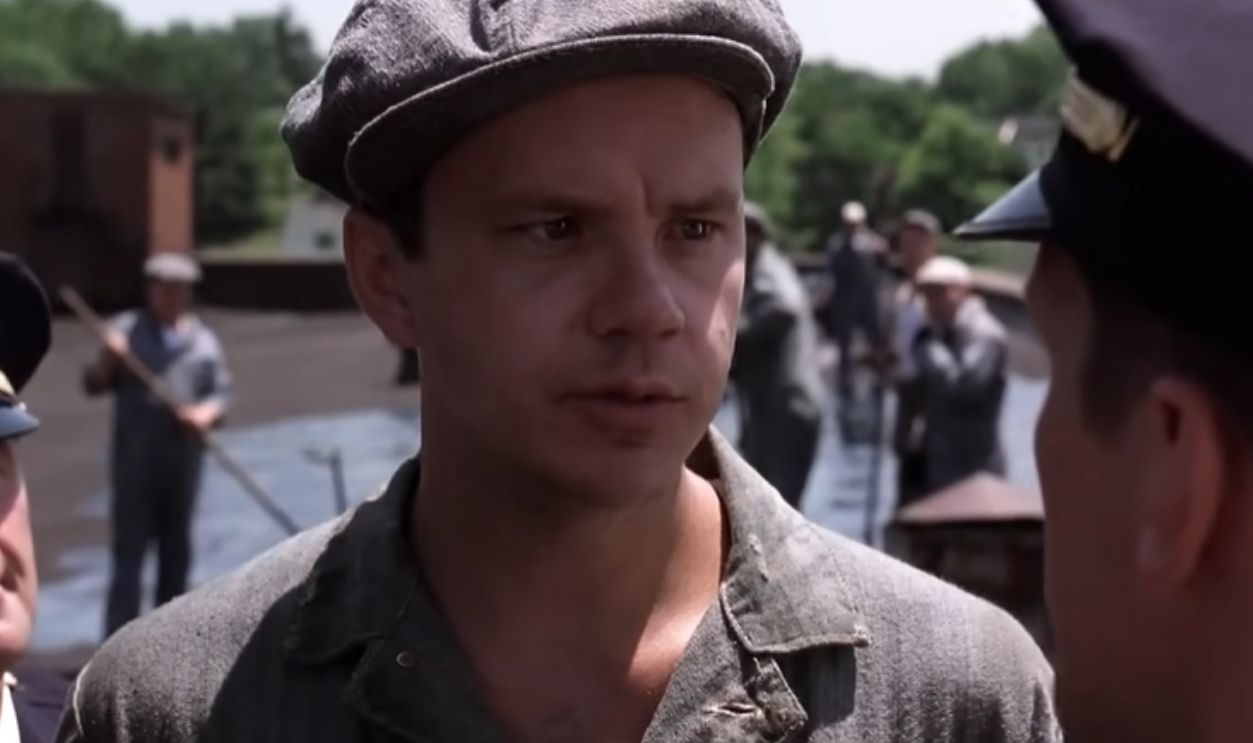 Screenshot from The Shawshank Redemption, Columbia Pictures (1994)
You May Also Like:
Directors Who Never Miss—And The One Time They Did
These Sidekicks Are So Iconic They Deserve Their Own Movie
Movie Buffs Don't Just Want DVDs For Christmas—Here Are Way Better Gifts