
When The Music Stopped Too Soon
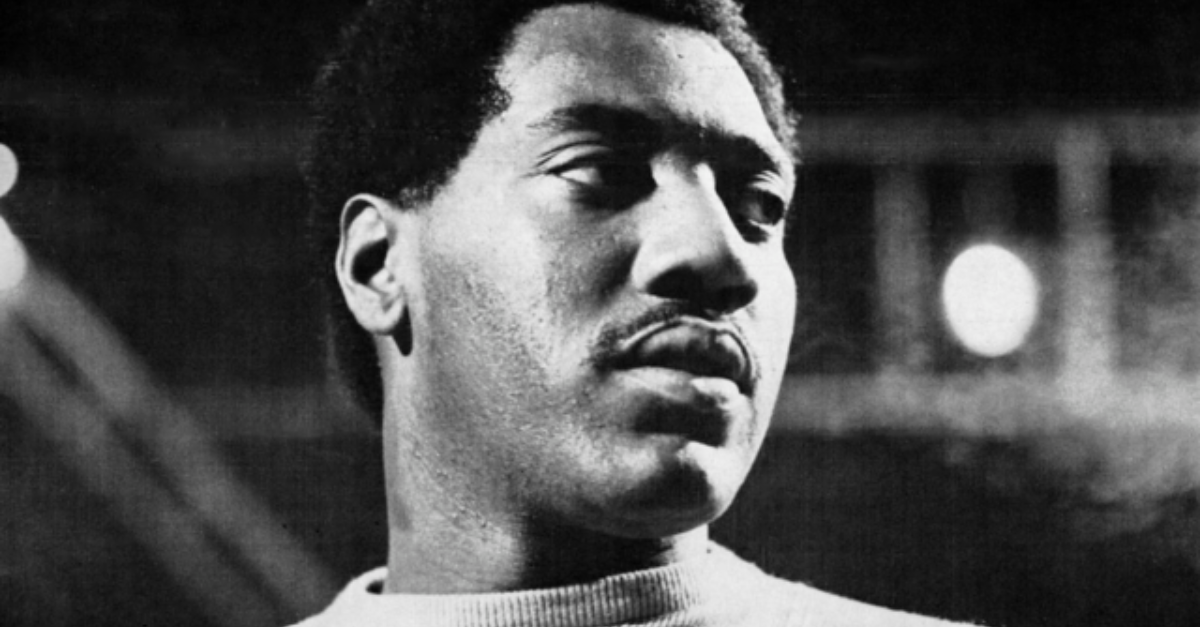
Otis Redding didn’t just sing soul—he was soul, distilled into a voice that could plead, roar, and break your heart in a single breath. By 1967, he stood at the peak of his powers, bridging Black R&B audiences and mainstream pop in ways few artists had ever managed. And then, suddenly, everything stopped. What followed was one of music history’s most haunting coincidences: the song he’d just recorded, calm and reflective, would become both his goodbye and his most enduring legacy.
A Southern Childhood Steeped In Sound
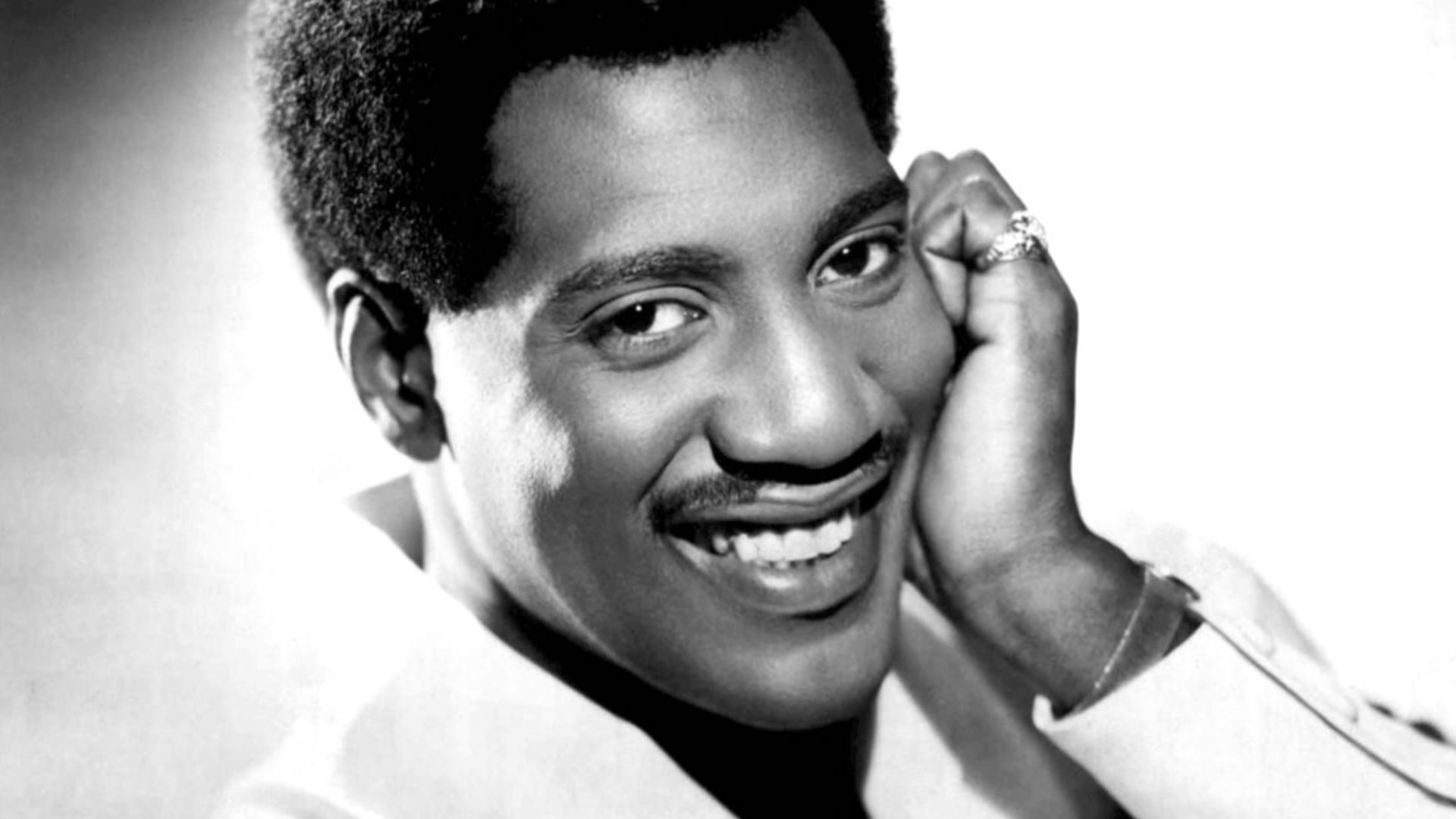
Born in rural Georgia, Otis Redding grew up surrounded by church music, radio blues, and the emotional directness of gospel singing. Those influences shaped not just his voice, but the way he approached feeling itself—openly, urgently, without apology. Even as a teenager, it was clear he wasn’t just copying what he heard; he was internalizing it.
 Stax Records, Wikimedia Commons
Leaving School To Chase A Feeling
Redding dropped out of high school to help support his family, but music quickly became more than a side hustle. He worked menial jobs, sang whenever he could, and treated every performance like it mattered. That hunger gave his voice a lived-in quality that listeners could feel instantly.
An Accidental Breakthrough
His big break came almost by chance, when he was invited to sing during a recording session meant for someone else. The room stopped when he opened his mouth. That raw, pleading delivery was impossible to ignore, and it marked the moment when Otis Redding stopped being local talent and started being inevitable.
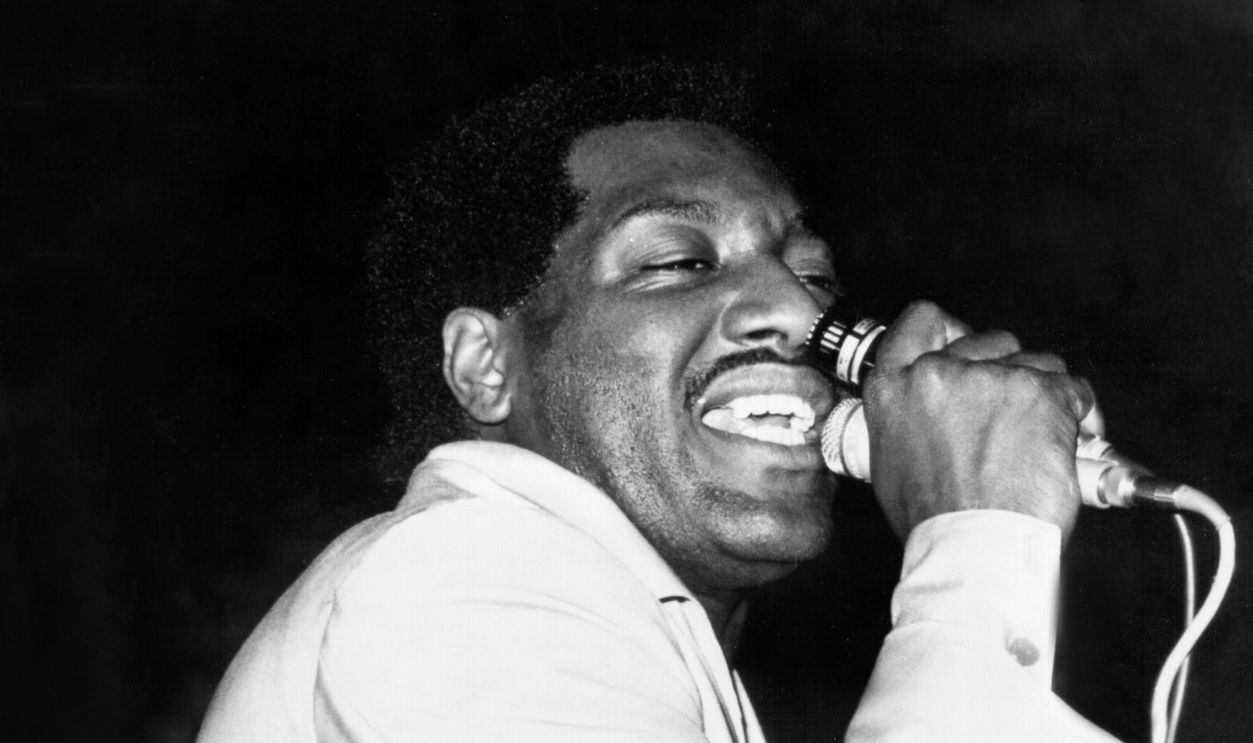 Michael Ochs Archives, Getty Images
A Voice That Refused To Sit Still
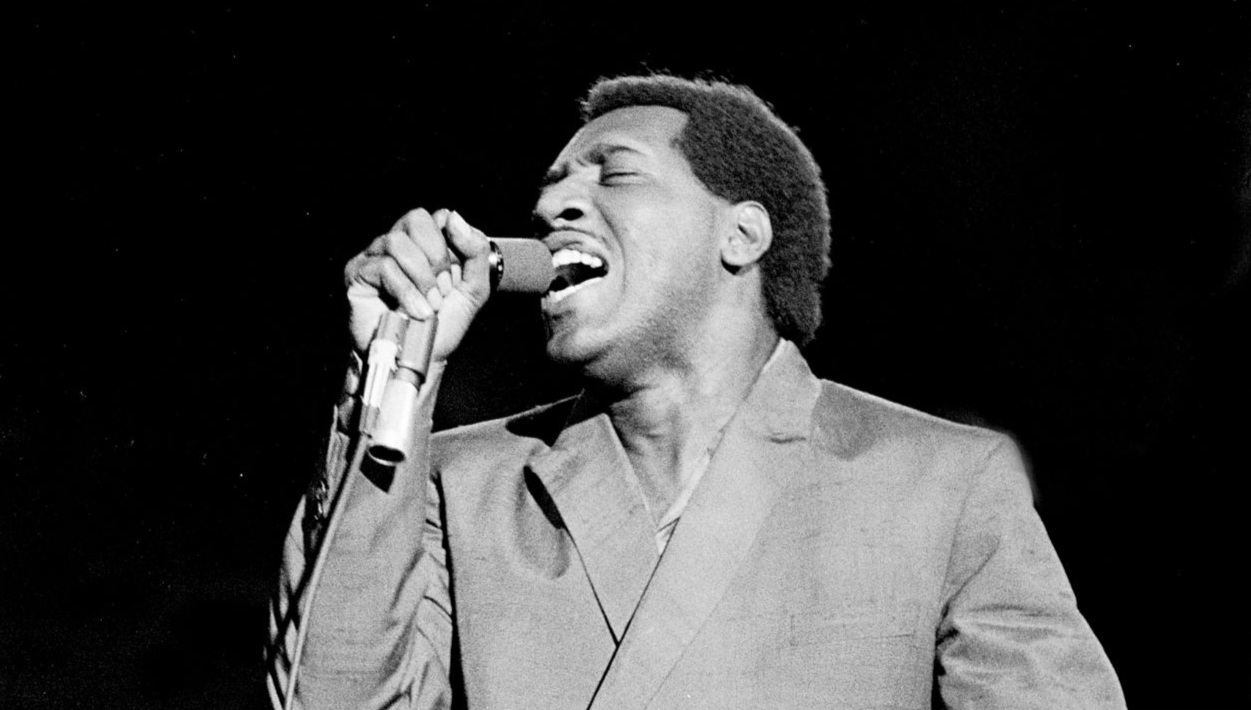
Redding’s voice was flexible without ever sounding slick. He could rasp, soar, whisper, and shout, sometimes all within a single line. More importantly, he sang like every lyric was personal—even when it wasn’t.
 Sulfiati Magnuson, Getty Images
Stax Records And A Creative Home
At Stax, Redding found collaborators who understood restraint as well as power. The arrangements were tight, uncluttered, and perfectly suited to his delivery. The result was music that sounded immediate and alive, like it was happening in real time.
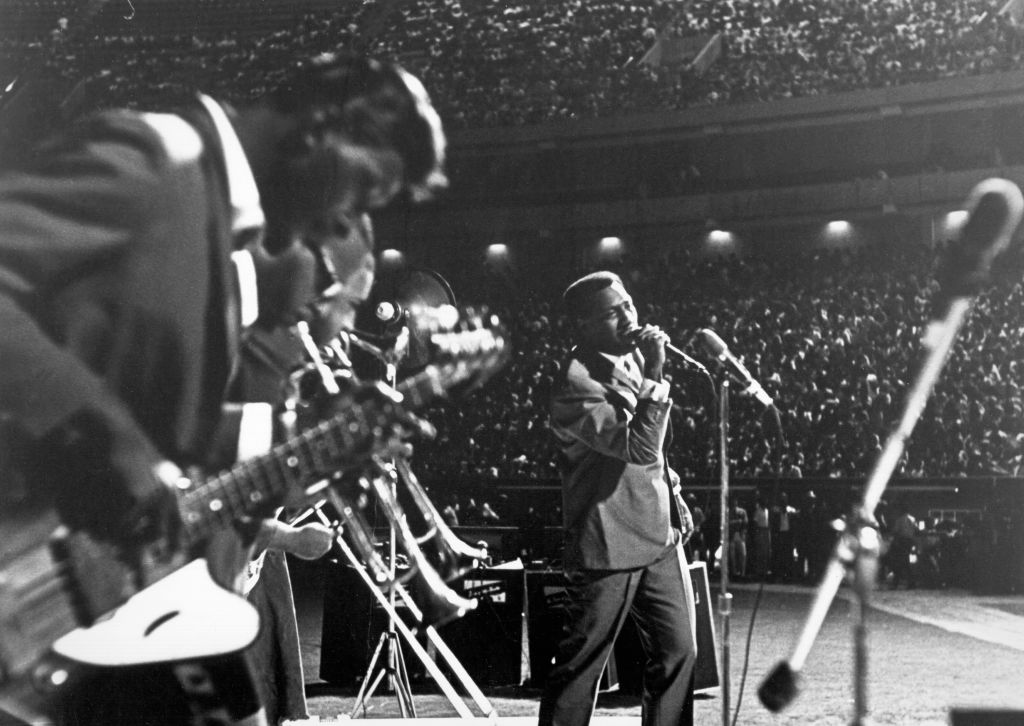 Michael Ochs Archives, Getty Images
Writing Songs That Cut Deep
Redding wasn’t just a vocalist—he was a songwriter with a keen sense of emotional economy. He knew when to say less, when to let repetition do the work, and when silence mattered. That instinct would prove crucial later, even though he didn’t know it yet.
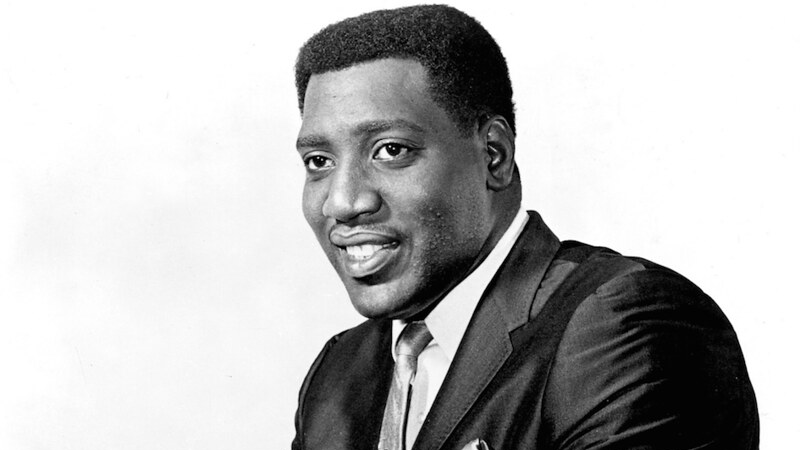
The Monterey Moment
His performance at Monterey Pop in 1967 introduced him to a broader, largely white audience who hadn’t experienced soul music this directly before. He didn’t soften his style or adjust his delivery. He simply showed up and commanded the stage.
 Sulfiati Magnuson, Getty Images
Standing At A Crossroads
By late 1967, Redding felt himself changing as an artist. He was listening to different music, thinking about space, mood, and understatement. The fire was still there—but so was reflection.
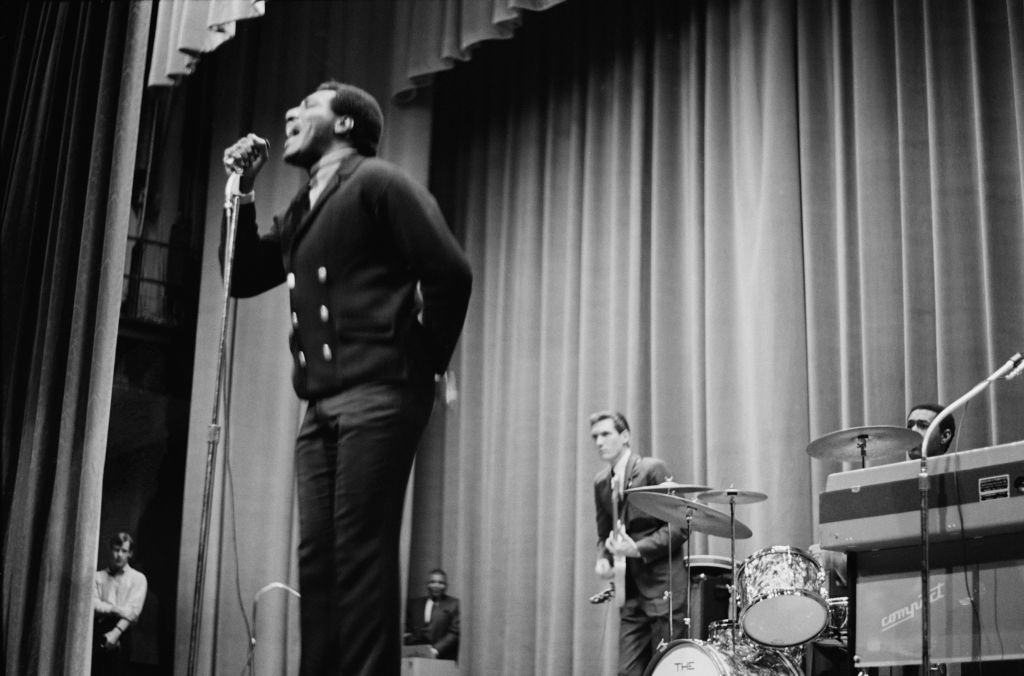 Michael Ochs Archives, Getty Image
Discovering A New Kind Of Song
While staying on a houseboat, Redding began sketching a song unlike anything he’d done before. It wasn’t dramatic or explosive. It was quiet, observational, and patient.
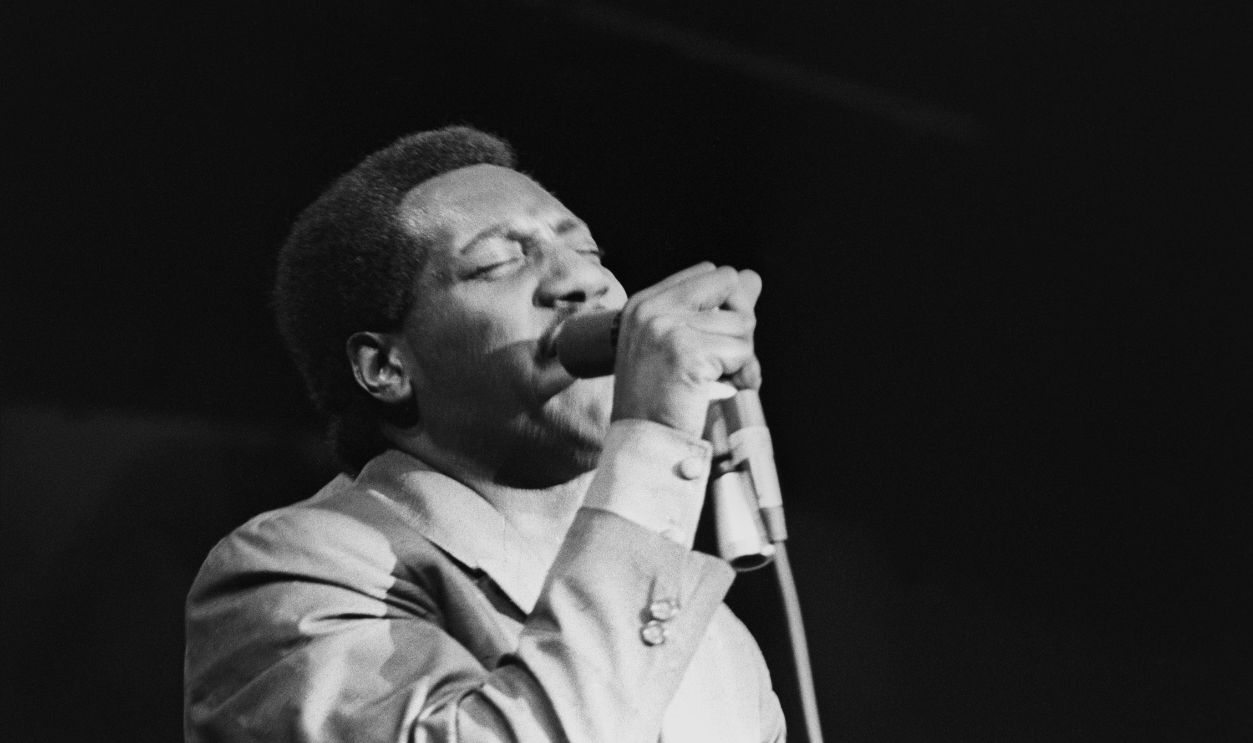 Sherry Rayn Barnett, Getty Images
Writing With Space To Breathe
Working with longtime collaborator Steve Cropper, Redding shaped the song into something deceptively simple. The melody drifted rather than pushed, and the lyrics felt like thoughts spoken out loud. It sounded less like a performance and more like a confession.
 Alberto Cabello from Vitoria-Gasteiz, Spain, Wikimedia Commons
Recording A Different Side
When Redding recorded the track, he treated it gently. There was no strain, no reaching for the rafters. Instead, he let the song settle, trusting its stillness to carry the weight.
 Volt Records, Wikimedia Commons
An Ending Left Unfinished
Redding planned to revisit the song to add or revise lyrics, particularly toward the end. He even talked about replacing the now-famous whistling. Fate, however, had other plans.
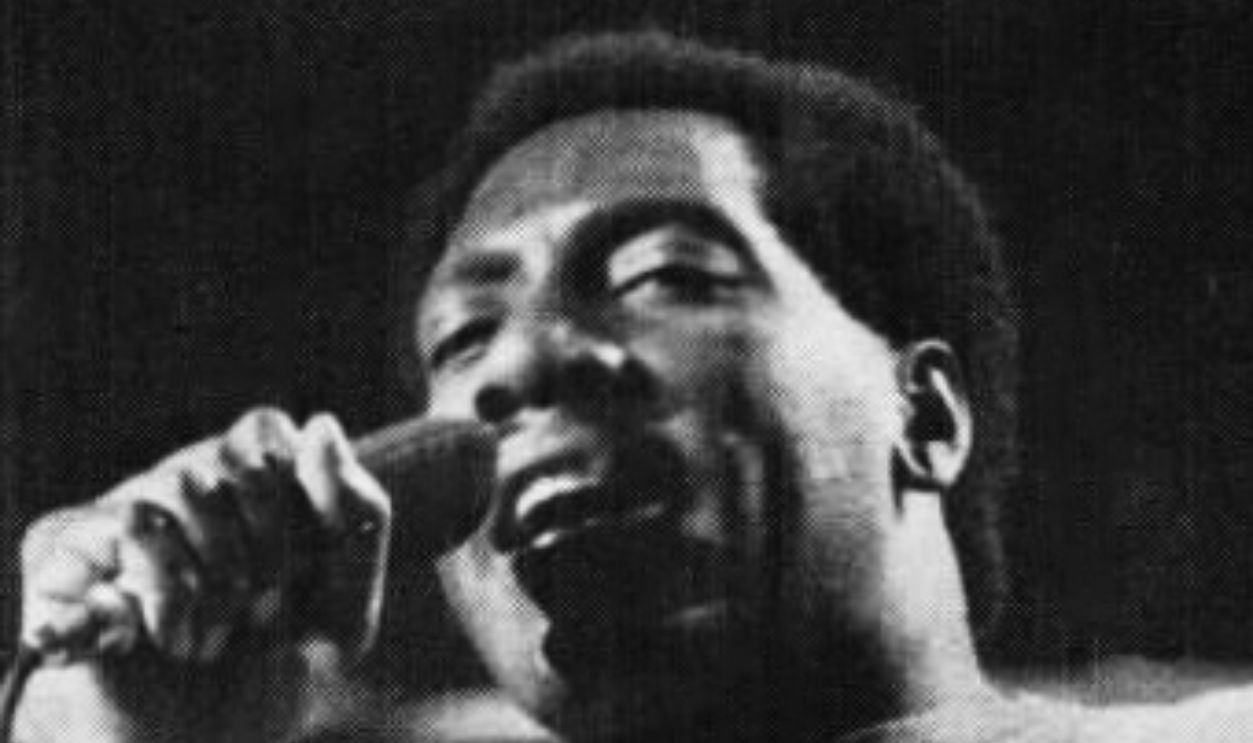 Atco Records, Wikimedia Commons
A Winter Flight North
On December 10, 1967, Redding boarded a small plane with members of his band, heading to a show in the Midwest. The weather was poor, visibility was limited, and conditions were far from ideal. It was the kind of risk musicians took constantly, without much thought.
 Sherry Rayn Barnett, Getty Images
Tragedy In The Water
The plane crashed into an icy lake just short of the runway. Only one person survived. Otis Redding was gone at just 26 years old.
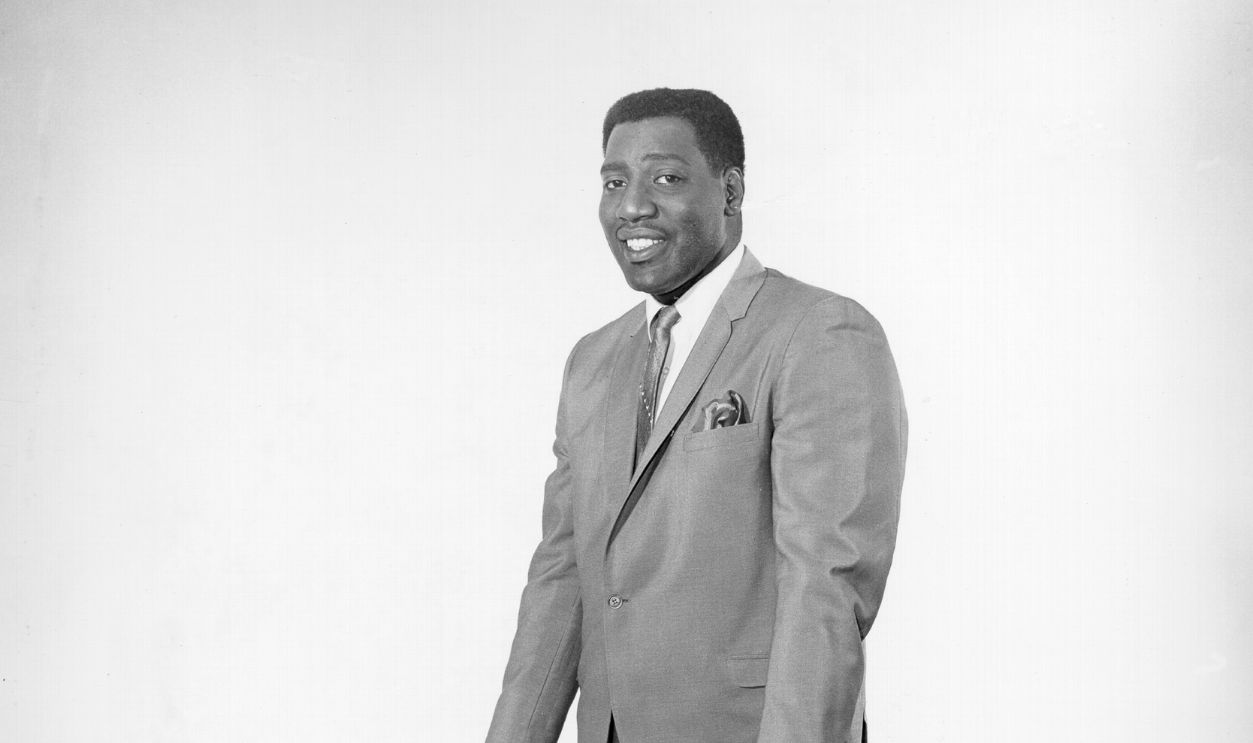 Michael Ochs Archives, Getty Images
Shock Across The Music World
The news hit like a gut punch. Redding wasn’t seen as a nostalgic figure or a fading star—he was the future. The end of his life felt abrupt, unfair, and deeply disorienting.
 carlos corzo, CC BY-SA 3.0, Wikimedia Commons
Releasing A Song Without Its Singer
Weeks later, (Sittin’ On) The Dock of the Bay was released. Listeners heard it without knowing it had been meant as anything more than a stylistic experiment. In hindsight, it sounded like a farewell.
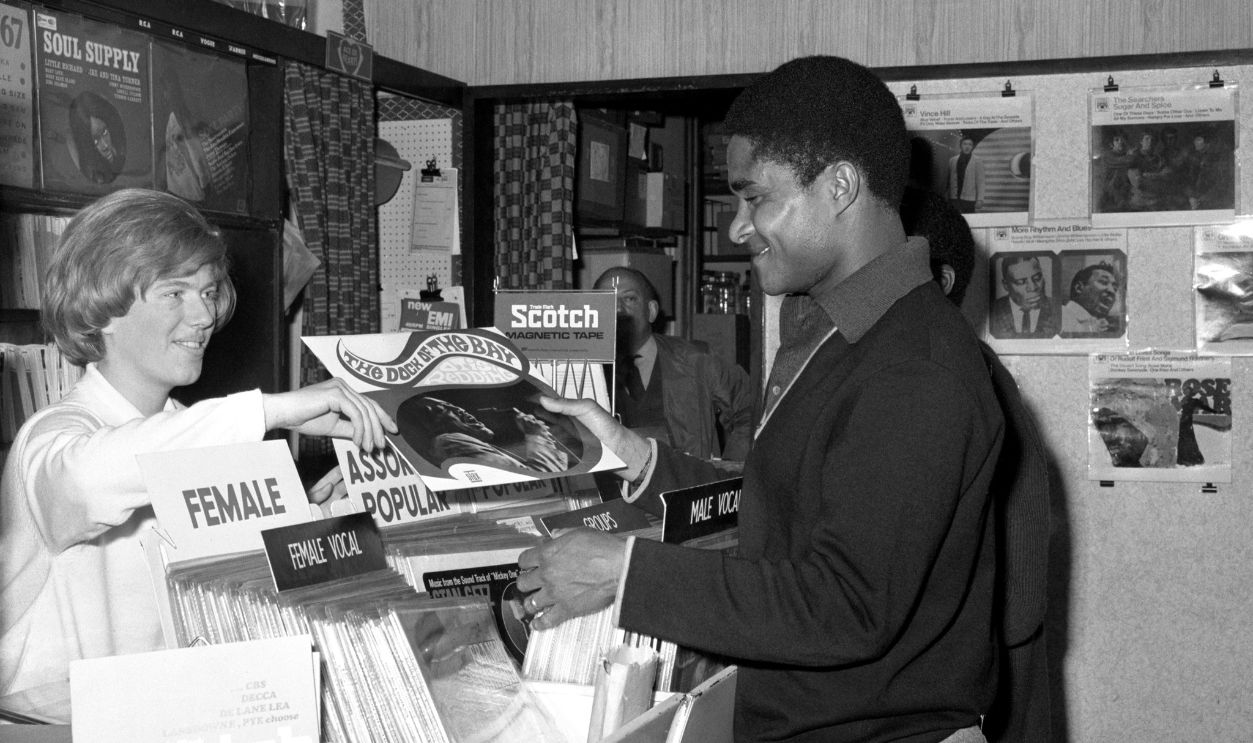
A Song That Stopped Time
The track didn’t just succeed—it dominated. Its calm, reflective tone cut through the noise of the era, offering something gentler and strangely timeless. People didn’t just like it; they lingered with it.
 Screenshot from (Sittin' On) The Dock of the Bay, Stax Records (1968)
The First Of Its Kind
The song became the first posthumous No. 1 hit in American chart history. That milestone felt bittersweet, marking triumph and loss in the same breath. Success arrived too late for the man who created it.
 Linda Cooley, CC BY-SA 3.0, Wikimedia Commons
Hearing It Differently With Time
Once listeners knew the story, the song took on new meaning. Lines about watching time roll away felt prophetic rather than casual. What once sounded relaxed now felt unbearably poignant.
 Screenshot from (Sittin' On) The Dock of the Bay, Stax Records (1968)
A Legacy Sealed In Silence
Otis Redding never got to see how deeply his final recording would resonate. Yet in that quiet, unfinished song, he left behind something rare: a moment of stillness that continues to speak. (Sittin’ On) The Dock of the Bay remains not just his greatest hit, but his lasting goodbye. Screenshot from (Sittin' On) The Dock of the Bay, Stax Records (1968)
You May Also Like:






.png)

