
When Folk Music Was Everywhere
The 70s turned folk, roots music, and singer-songwriters into a major part of mainstream culture. Acoustic guitars were suddenly sharing radio space with hard rock and disco, while deeply personal songs became huge hits. Some of these artists are still revered today, but younger listeners may know only one famous song, if they know the name at all.
 kpa/United Archives via Getty Images
Nick Drake
Nick Drake is unusual because he wasn't actually a major star while he was alive. His reputation grew slowly after his 1974 death, eventually making him one of the most influential folk singers of his generation. Pink Moon was barely noticed upon release, yet its title track later became his signature song. “Northern Sky” and “River Man” also helped turn Drake into a cult figure decades after the fact.
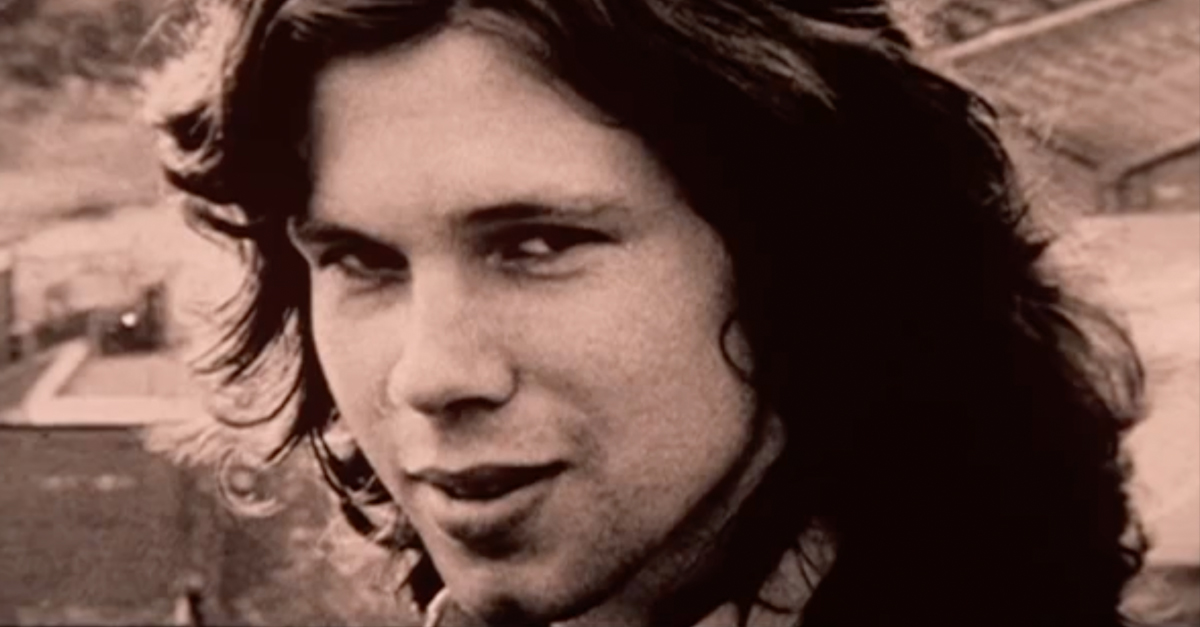 Screenshot from A Skin Too Few: The Days Of Nick Drake, Island (2002)
John Denver
For a stretch of the 70s, John Denver was one of the biggest entertainers in America. “Take Me Home, Country Roads,” “Rocky Mountain High,” “Sunshine on My Shoulders,” and “Thank God I'm a Country Boy” made his gentle folk-country sound a constant presence on radio and television. Rocky Mountain High became his first Top 10 album, and his wholesome image became practically inseparable from 70s popular culture.
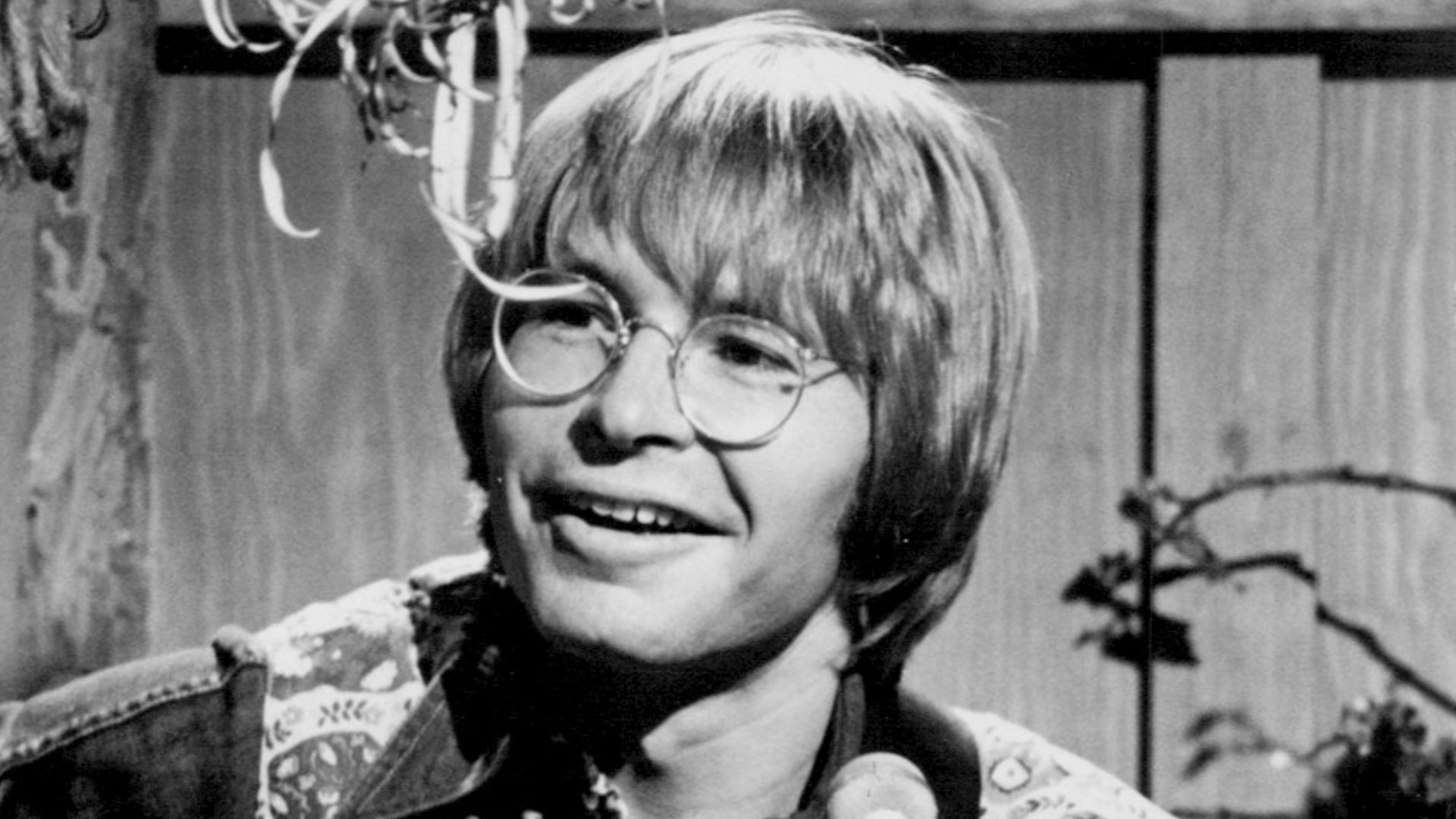 ABC Television, Wikimedia Commons
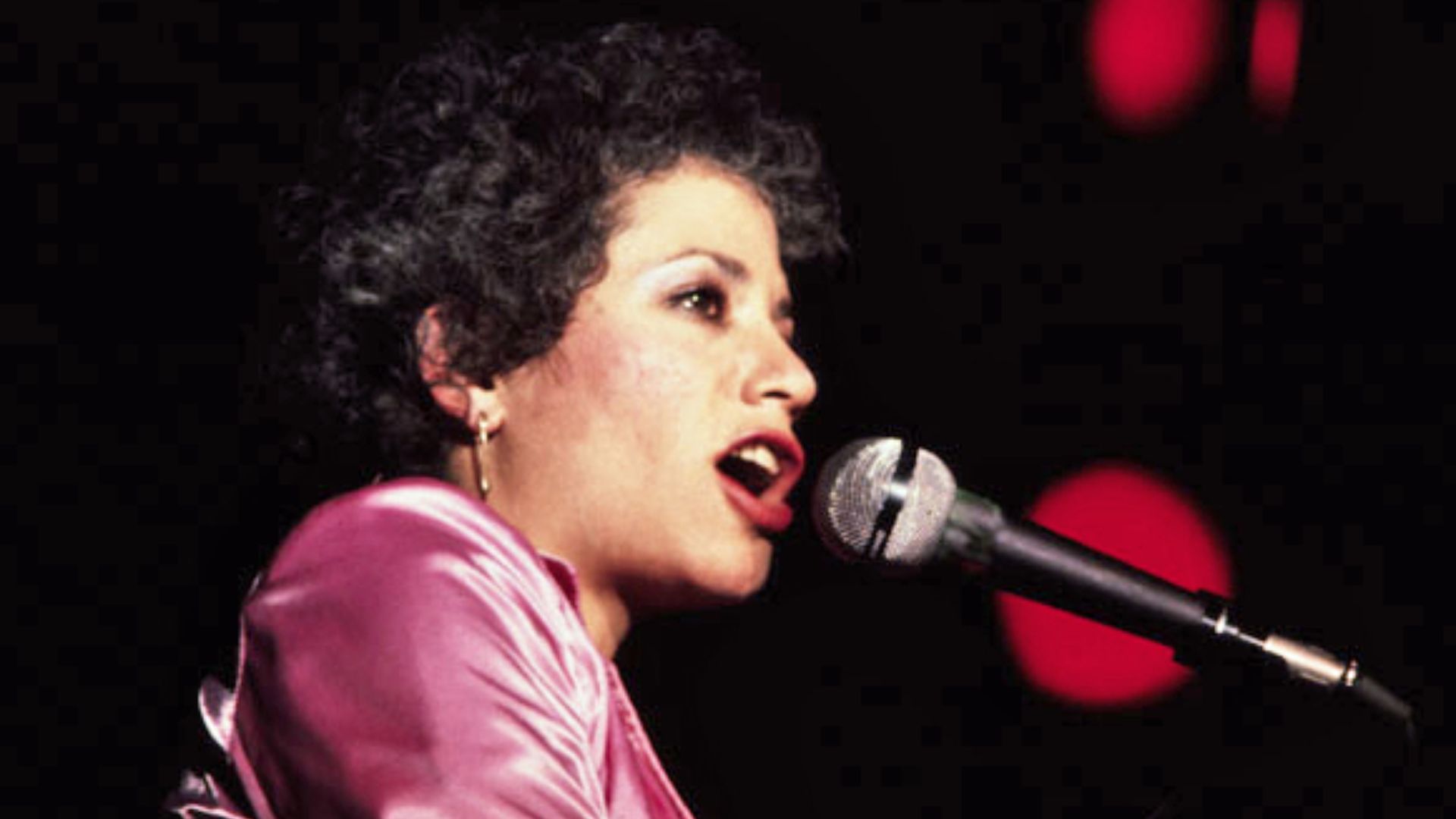
Janis Ian
Janis Ian had already attracted attention in the 60s, but her biggest commercial moment arrived with 1975's “At Seventeen". The song dealt with adolescent insecurity and social exclusion with unusual bluntness, reaching the Top 5 and winning Ian a Grammy. “Between the Lines” became a Number 1 album, yet her mainstream visibility faded afterward. For many listeners today, “At Seventeen” remains the doorway into a much larger songwriting catalog.
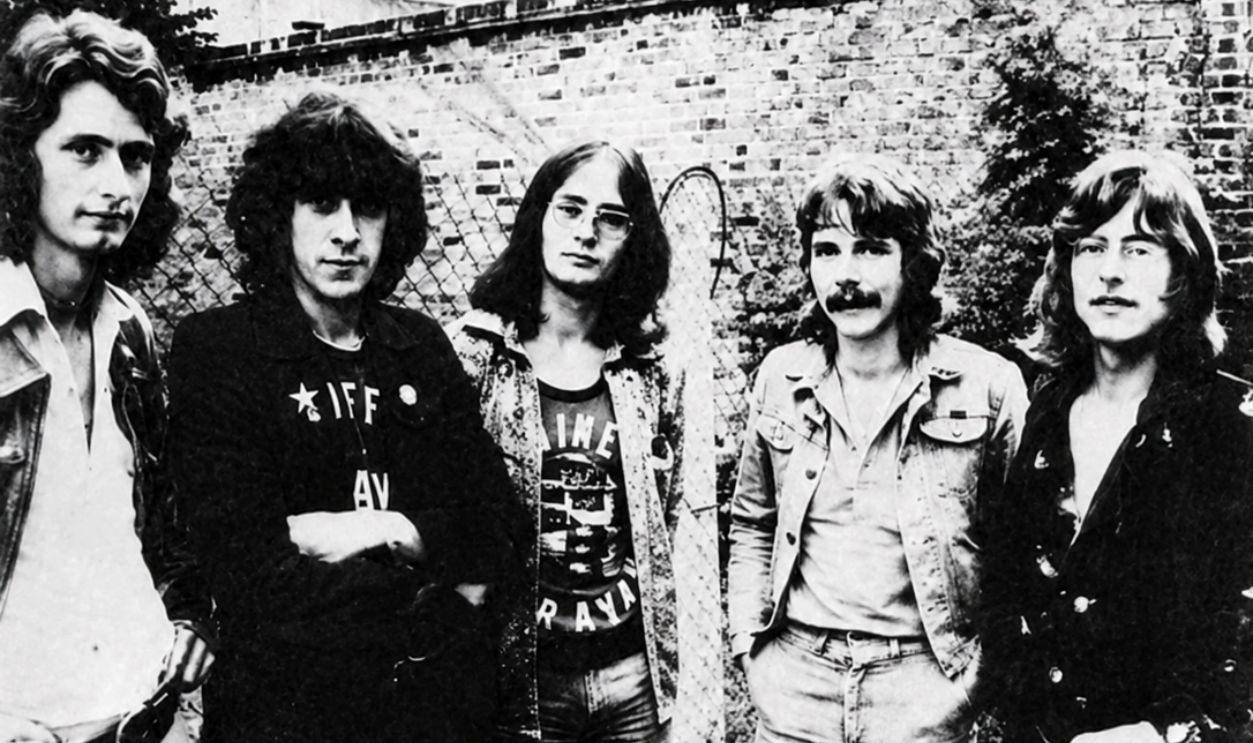
Caravan
Caravan belonged to Britain's Canterbury scene, where folk, jazz, psychedelic rock, and progressive music freely overlapped. They never became conventional pop superstars, but albums like In the Land of Grey and Pink earned a devoted following. “Golf Girl” and the sprawling “Nine Feet Underground” showed how the band could move from whimsical English folk-pop into complicated instrumental passages without making the transition feel forced.
 British Talent Managers, Wikimedia Commons, Modified
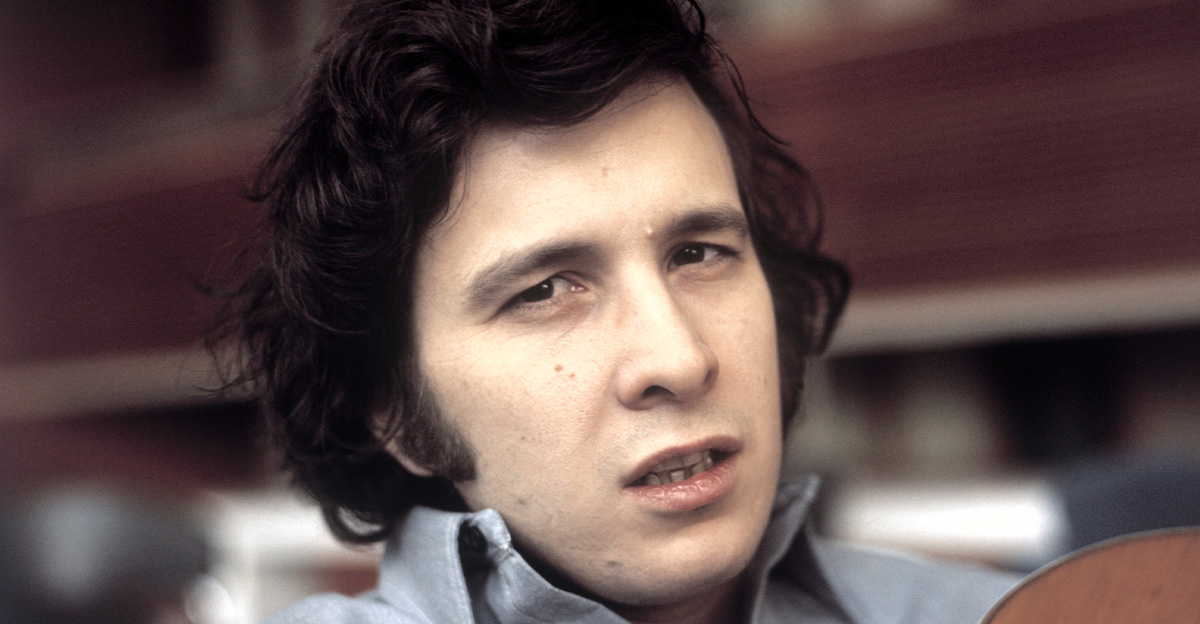
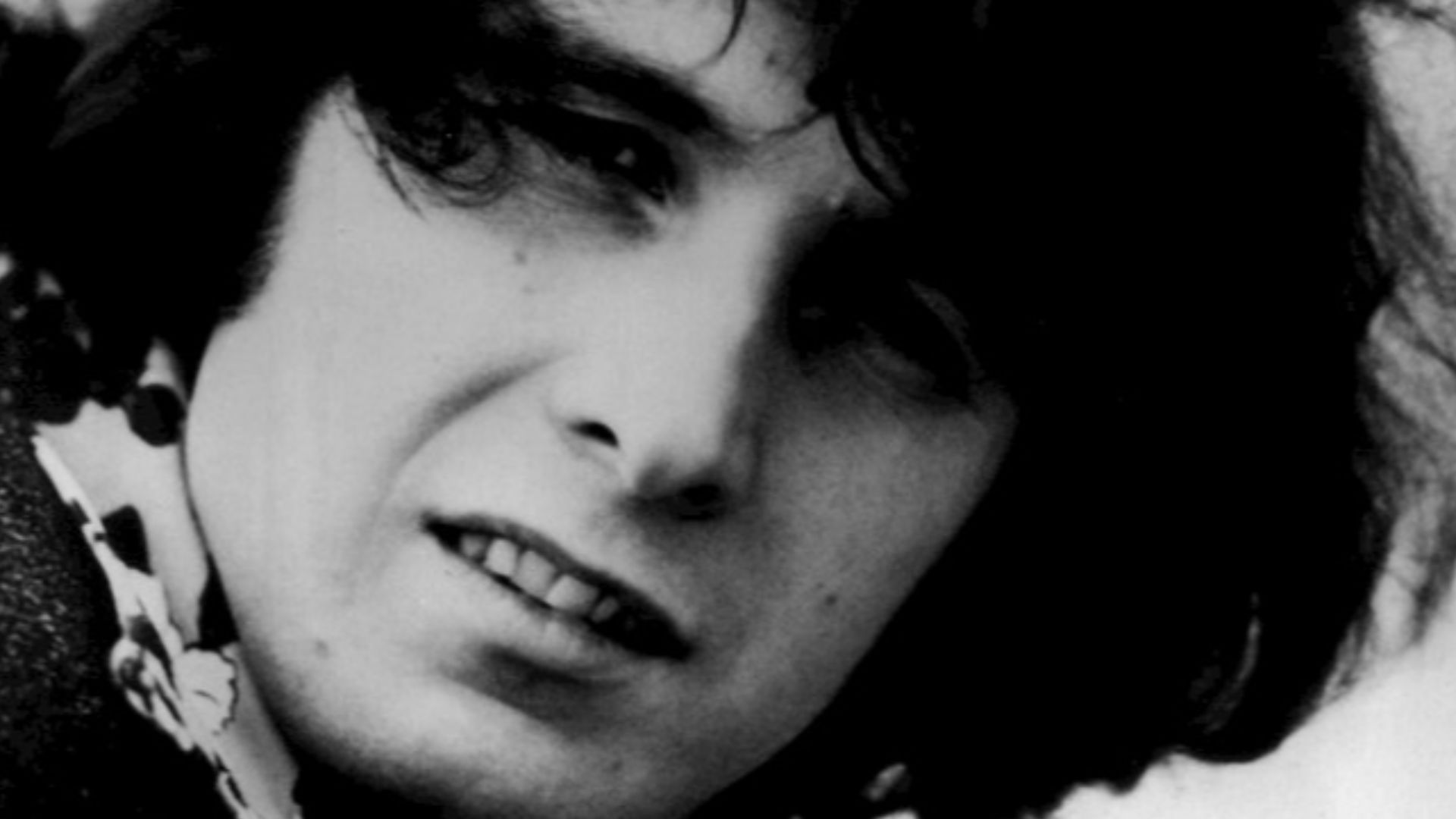
Don McLean
“American Pie” became so enormous that it sometimes overshadows Don McLean's broader career. The long, cryptic song reached Number 1 and became one of the defining recordings of the early 70s, while the tender “Vincent” gave him another international standard. McLean continued releasing music for decades, but for many casual listeners his entire career has gradually been compressed into those two songs.
 Herbert S. Gart, management, Wikimedia Commons
Linda Ronstadt
Linda Ronstadt moved easily between folk, country, rock, and pop, which made her one of the decade's most adaptable singers. Her versions of “You're No Good,” “When Will I Be Loved,” and “Blue Bayou” became major hits, while albums like Heart Like a Wheel turned her into an arena-level star. She didn't write most of her material, but few singers of the era were better at making someone else's song sound completely personal.
![Collectie / Archief : Fotocollectie Anefo
Reportage / Serie : [ onbekend ]
Beschrijving : Zangeres Linda Ronstadt op Schiphol
Datum : 20 november 1976
Locatie : Noord-Holland, Schiphol
Trefwoorden : zangeressen
Fotograaf : Bogaerts, Rob / Anefo
Auteursrec](https://www.factinate.com/storage/app/media/theshot/2026/9/25/179033243956607e20300eeba98e6b4a07aaa23ef743fc0d1e.jpg) Rob Bogaerts for Anefo, Wikimedia Commons
Rob Bogaerts for Anefo, Wikimedia Commons
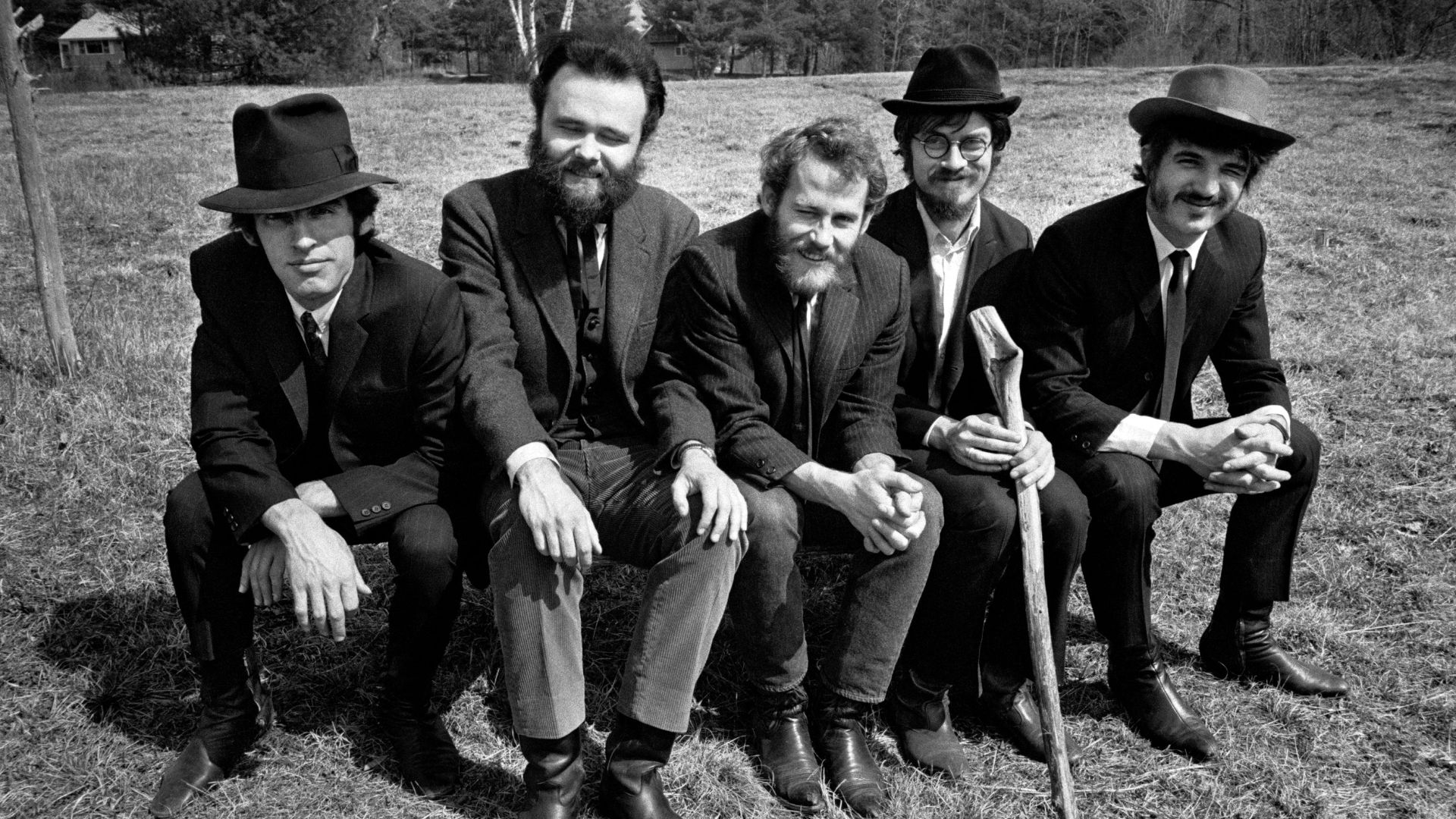
The Band
The Band helped pull rock away from psychedelia and back toward American roots music, even though four of the group's five classic members were Canadian. “The Weight,” “Up on Cripple Creek,” and “The Night They Drove Old Dixie Down” blended folk storytelling with country, gospel, blues, and rock. By the 70s, their influence was enormous, even if their songs weren't always chart monsters in the conventional sense.
 Capitol Records, Wikimedia Commons
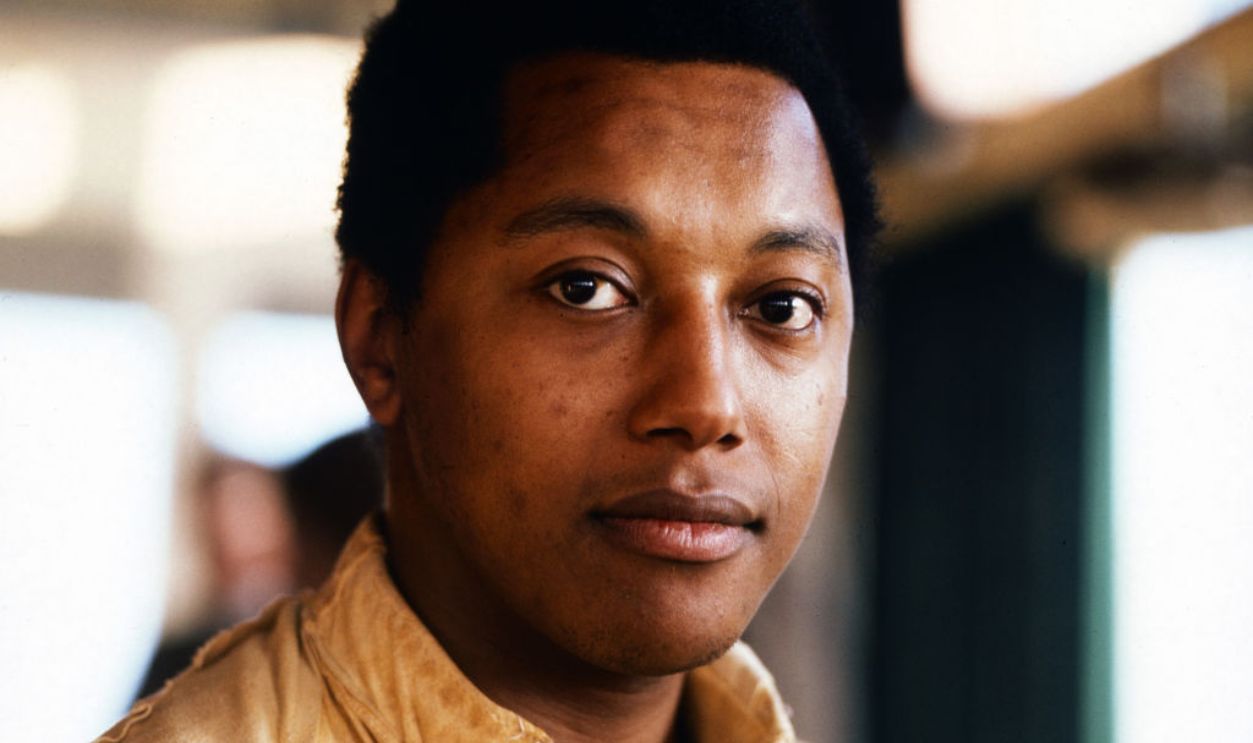
Labi Siffre
Labi Siffre was never easy to place neatly inside folk, soul, or pop, but that flexibility made his early-70s work especially interesting. “It Must Be Love” later became better known through Madness, while “Crying Laughing Loving Lying” survived through films and television. “My Song” eventually found another audience after Kanye West sampled it. Siffre's name faded, but pieces of his catalog kept quietly resurfacing.
Nitty Gritty Dirt Band
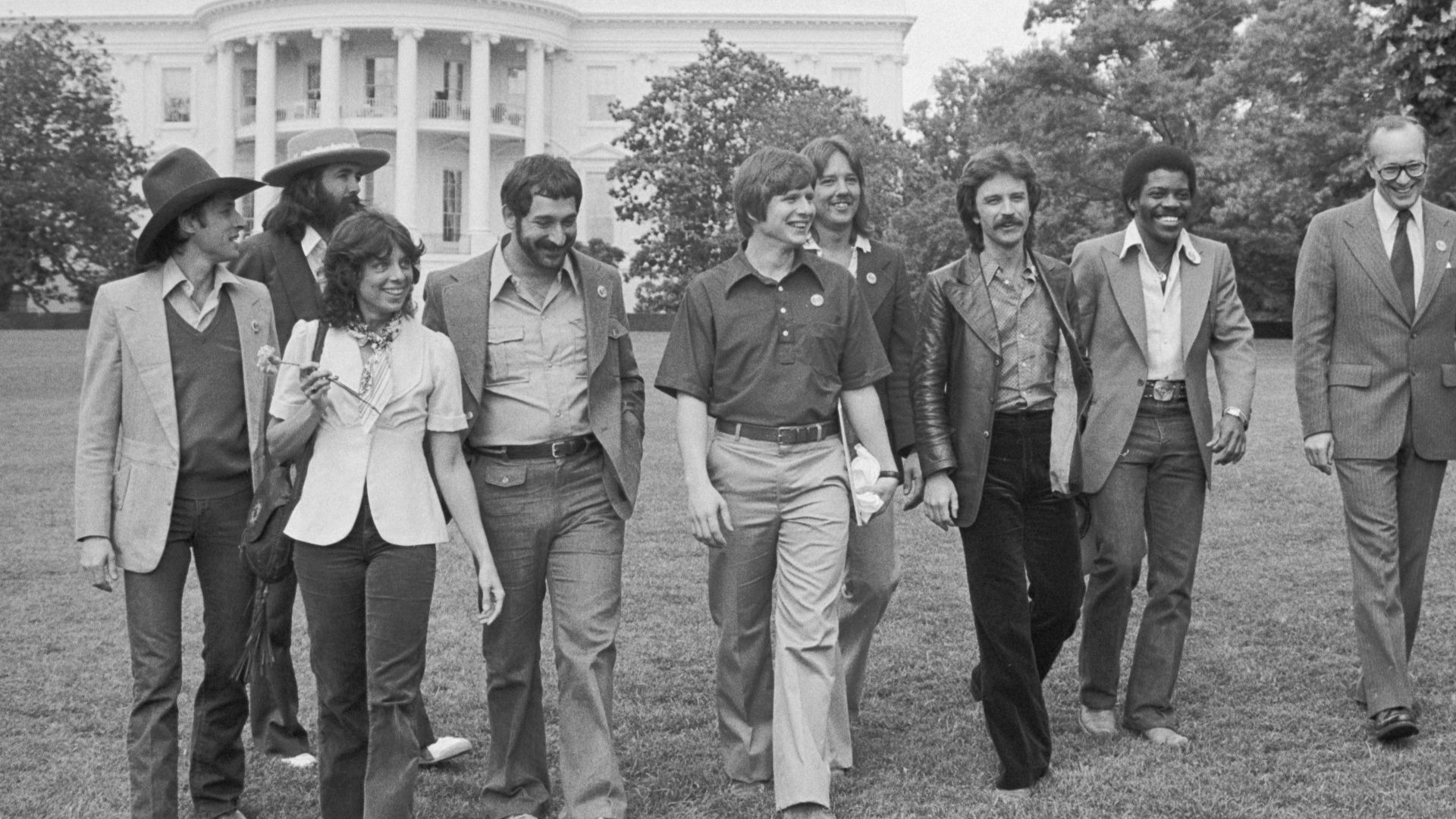
The Nitty Gritty Dirt Band helped connect younger folk-rock listeners with much older country and roots traditions. Their 1970 recording of “Mr. Bojangles” became a major hit, while 1972's Will the Circle Be Unbroken brought them together with legends including Mother Maybelle Carter, Doc Watson, and Earl Scruggs. The album became enormously influential, introducing a new generation to musicians and songs with much deeper roots.
 Thomas J. O'Halloran, Wikimedia Commons
Bill Withers
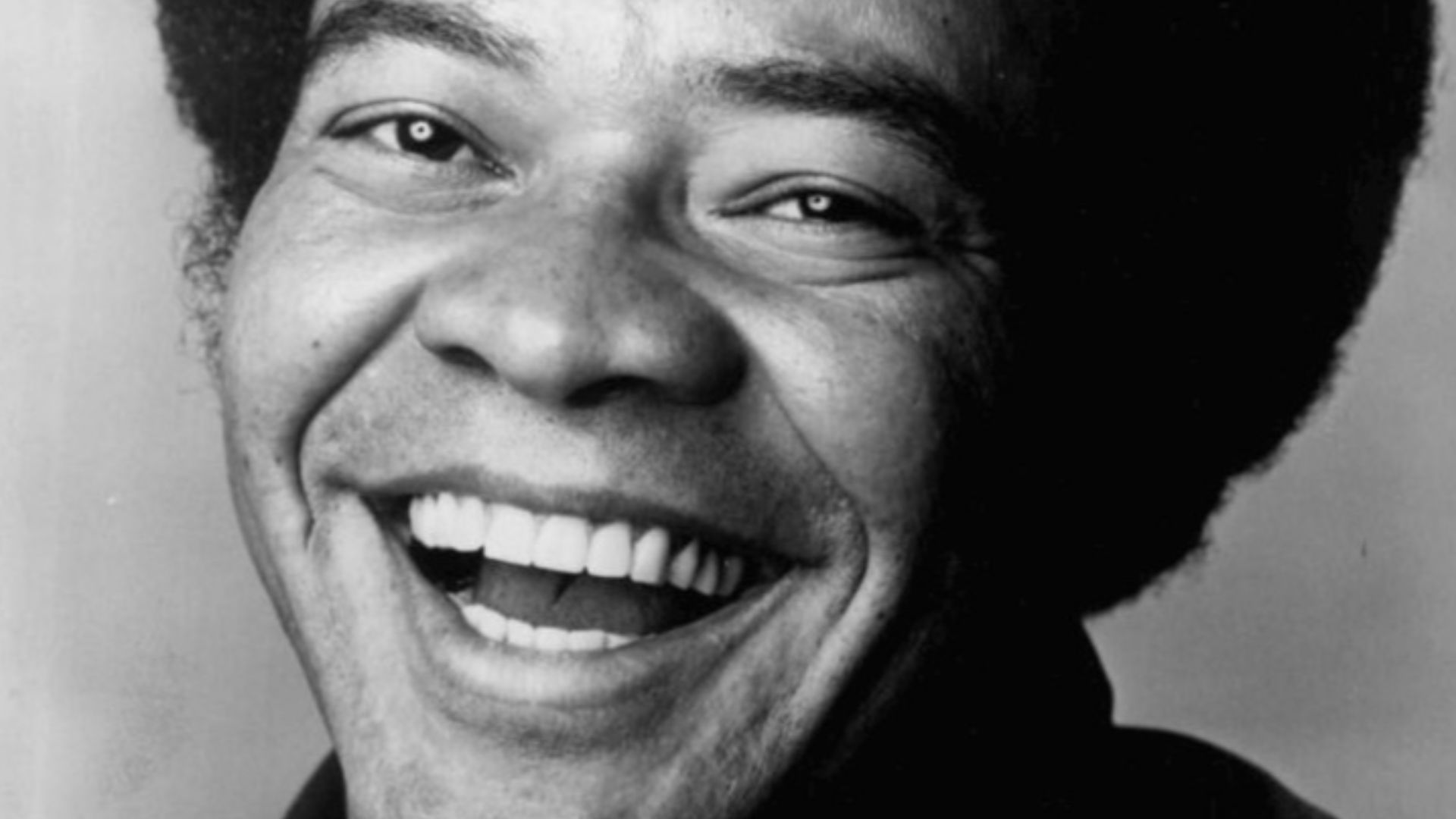
Bill Withers had one of the most instantly recognizable catalogs of the decade despite entering music comparatively late. “Ain't No Sunshine” announced him in 1971, followed by “Lean on Me,” “Use Me,” and “Lovely Day". His arrangements were usually straightforward, which kept the attention on his voice and remarkably direct songwriting. Withers eventually walked away from the industry, but his songs never really disappeared.
 Columbia Records, Wikimedia Commons
Bonnie Raitt
Bonnie Raitt spent much of the 70s earning admiration from musicians long before she became a major commercial star. Her slide guitar playing was unusual enough in itself, while her interpretations of songs like “Love Me Like a Man” showed how naturally she could move between blues, folk, and rock. Albums like Give It Up built her reputation slowly, laying the groundwork for the massive comeback she enjoyed years later.

Cat Stevens
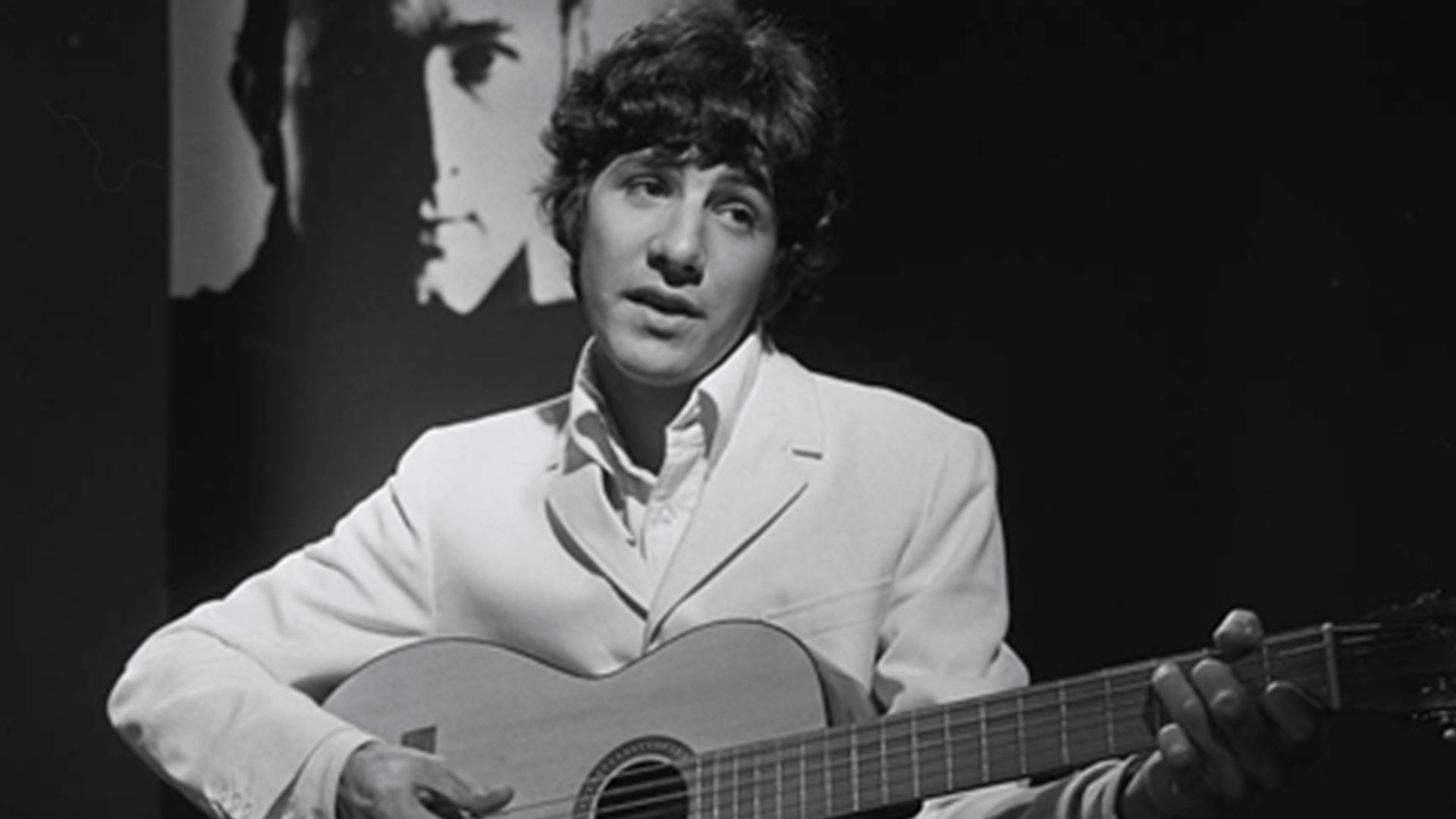
Cat Stevens became one of the era's quintessential singer-songwriters with records that sounded intimate even when millions were listening. “Wild World,” “Peace Train,” “Moonshadow,” and “Morning Has Broken” gave him a remarkable run of recognizable songs. He stepped away from the music industry near the decade's end after converting to Islam, which helped make his sudden absence from pop culture feel especially dramatic.
 Photographer A. Vente, Wikimedia Commons
America
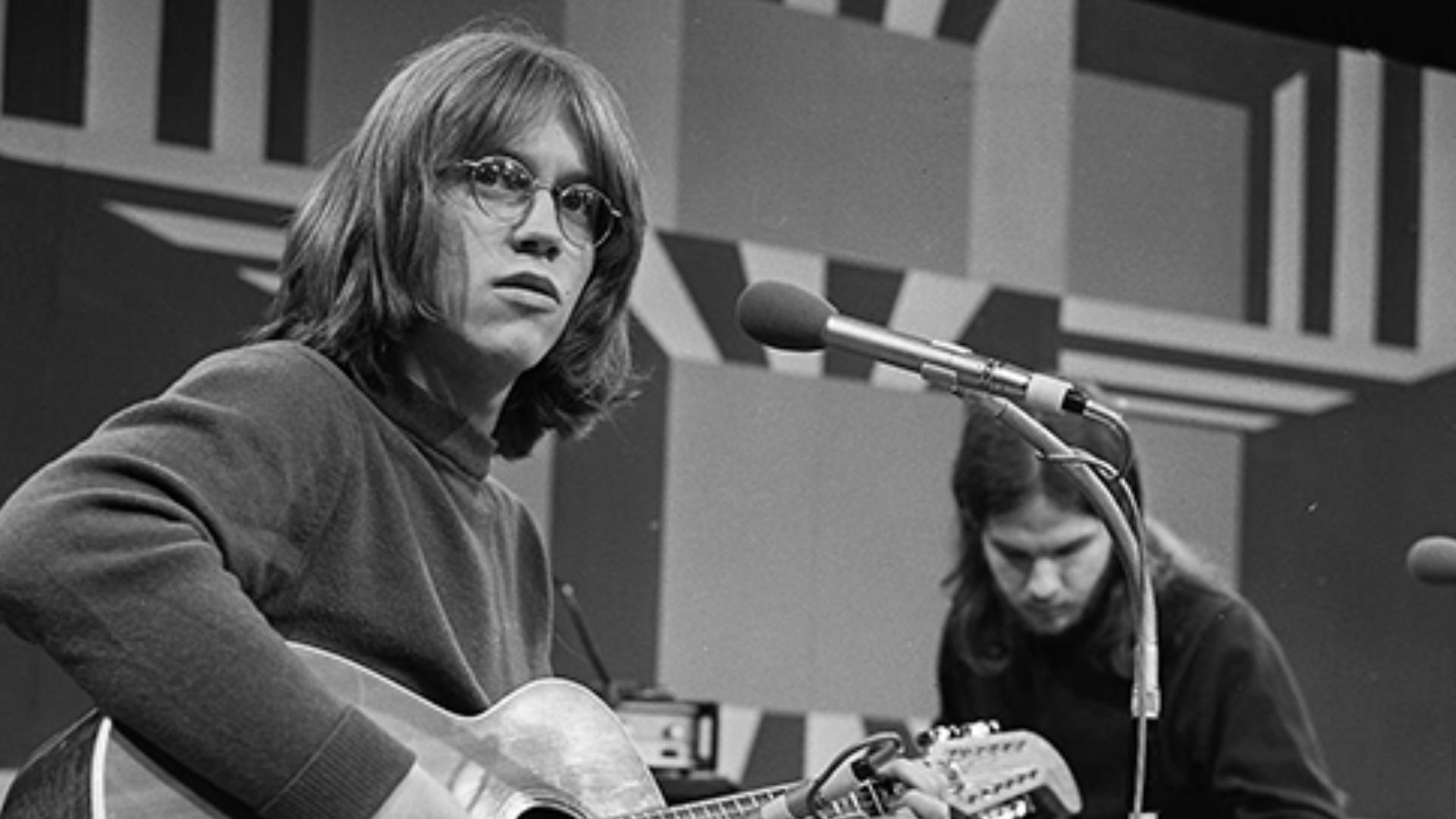
America's harmonies and acoustic guitars fit perfectly into early-70s folk rock, even though the trio was formed by Americans living in England. “A Horse with No Name” reached Number 1, while “Ventura Highway,” “Sister Golden Hair,” and “Tin Man” kept them on radio throughout the decade. Their laid-back sound became so closely associated with the period that hearing a few guitar chords can instantly evoke 70s soft rock.
The Staple Singers
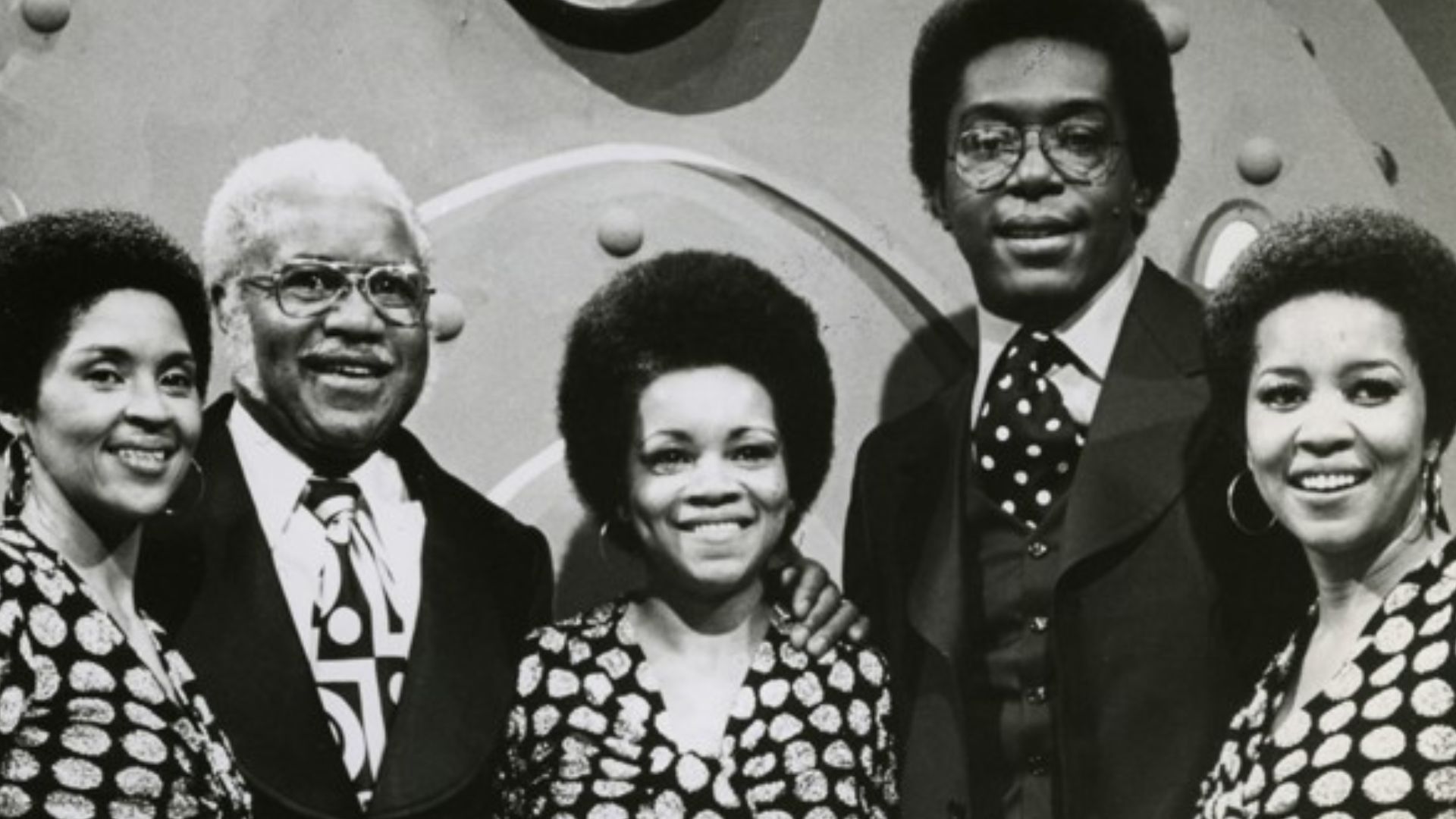
The Staple Singers brought gospel roots directly into soul, folk, and the continuing civil rights conversation. Mavis Staples' voice led songs that could be spiritual, political, and danceable at the same time. “Respect Yourself” became a statement of dignity, while “I'll Take You There” reached Number 1 in 1972. Their music has remained influential even as the group's name has become less familiar to casual younger listeners.
Judee Sill
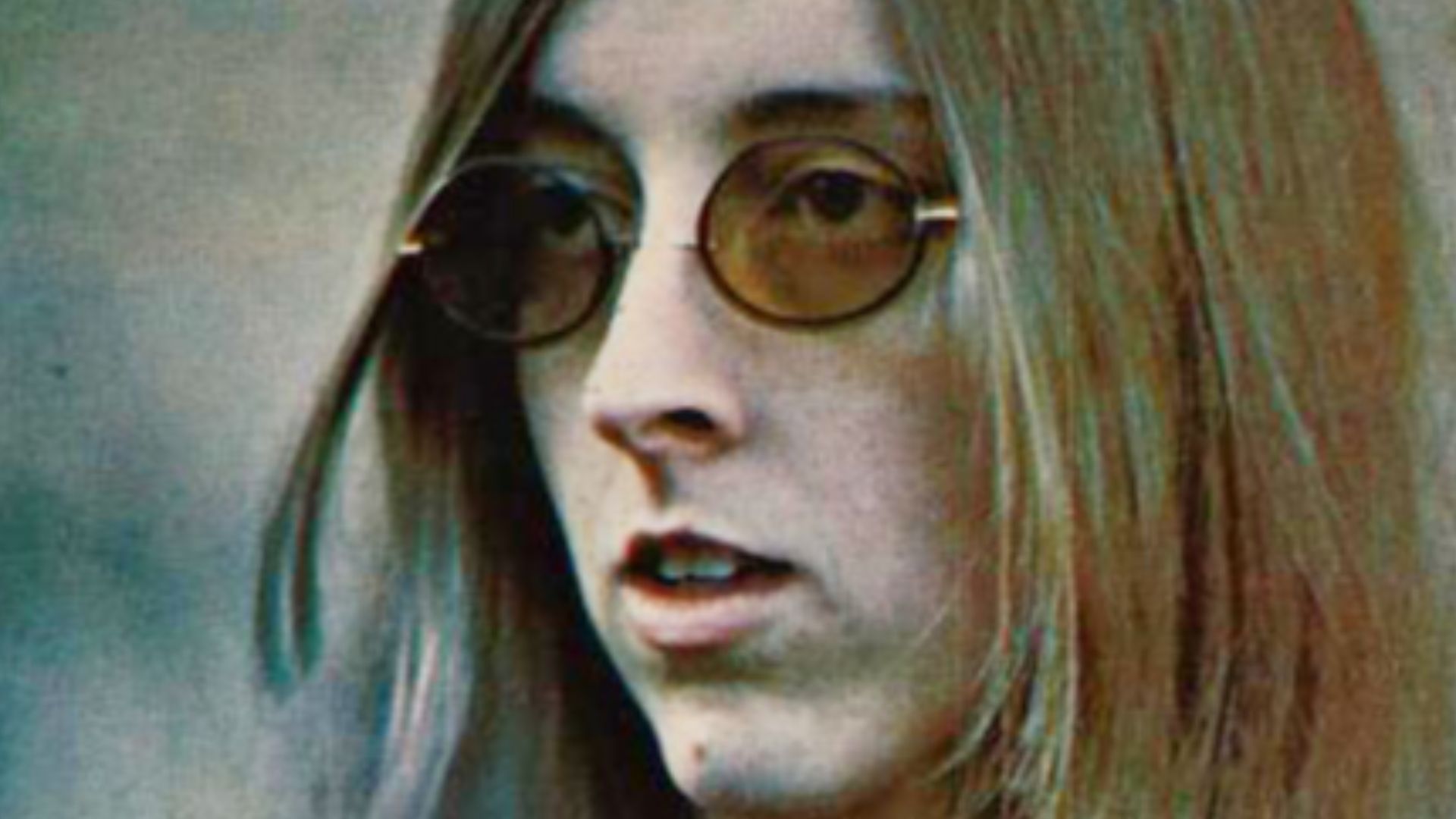
Judee Sill had the talent and respect of her peers but never the commercial breakthrough enjoyed by many other 70s singer-songwriters. Her intricate melodies, spiritual imagery, and unusual chord changes gave songs like “Jesus Was a Cross Maker,” “The Kiss,” and “Crayon Angels” a sound unlike almost anyone else. She released only two albums during her lifetime, leaving behind a small catalog that musicians have spent decades rediscovering.
 Geffen Records, Wikimedia Commons
Townes Van Zandt
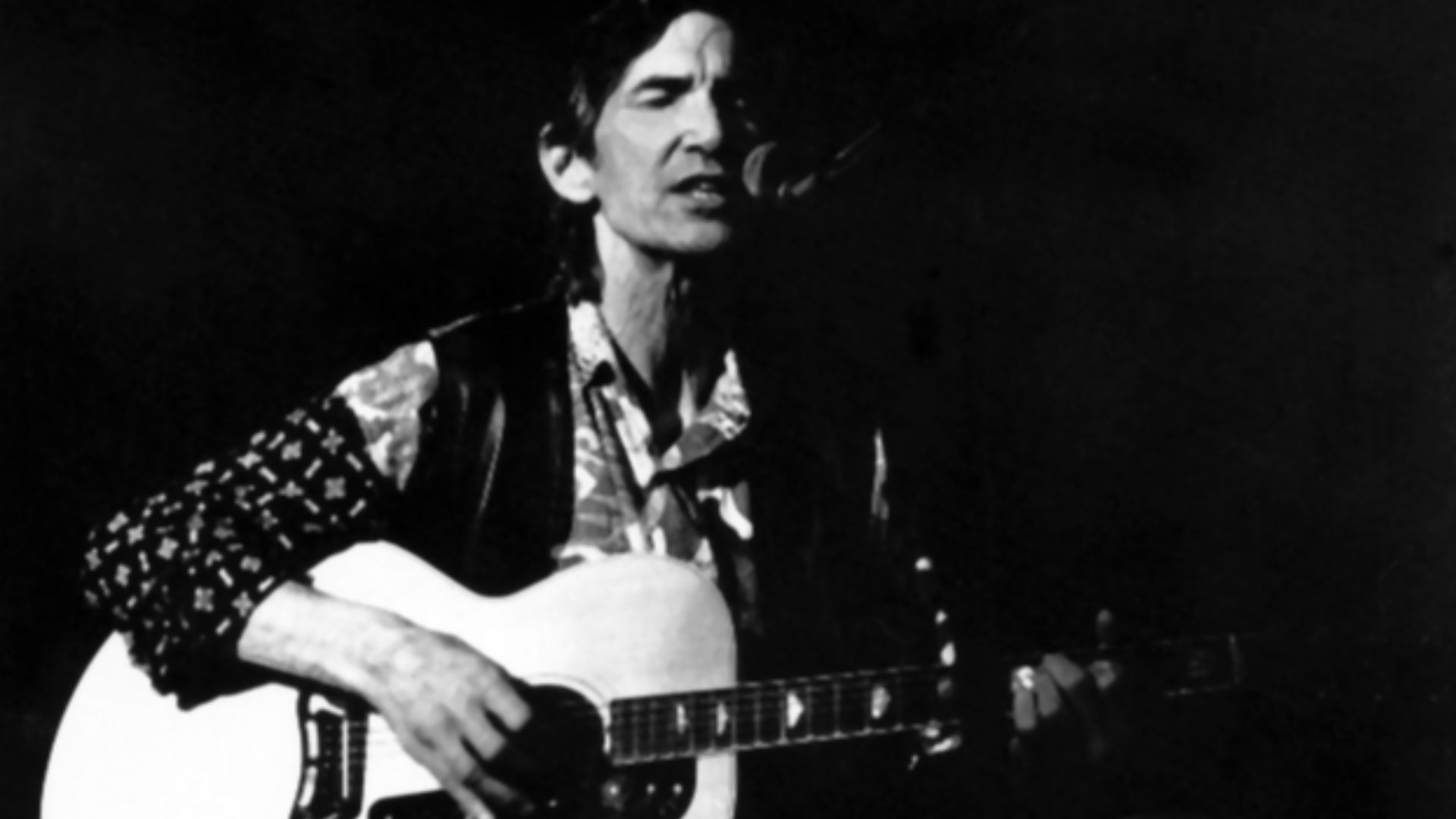
Townes Van Zandt never had the mass-market fame of James Taylor or John Denver, but songwriters treated him like royalty. His 1972 album The Late Great Townes Van Zandt contained both “Pancho and Lefty” and “If I Needed You,” songs that became standards through later versions by other artists. His own recordings remained cult favorites, helping create the model for the troubled, fiercely respected Texas songwriter.
Paul Simon
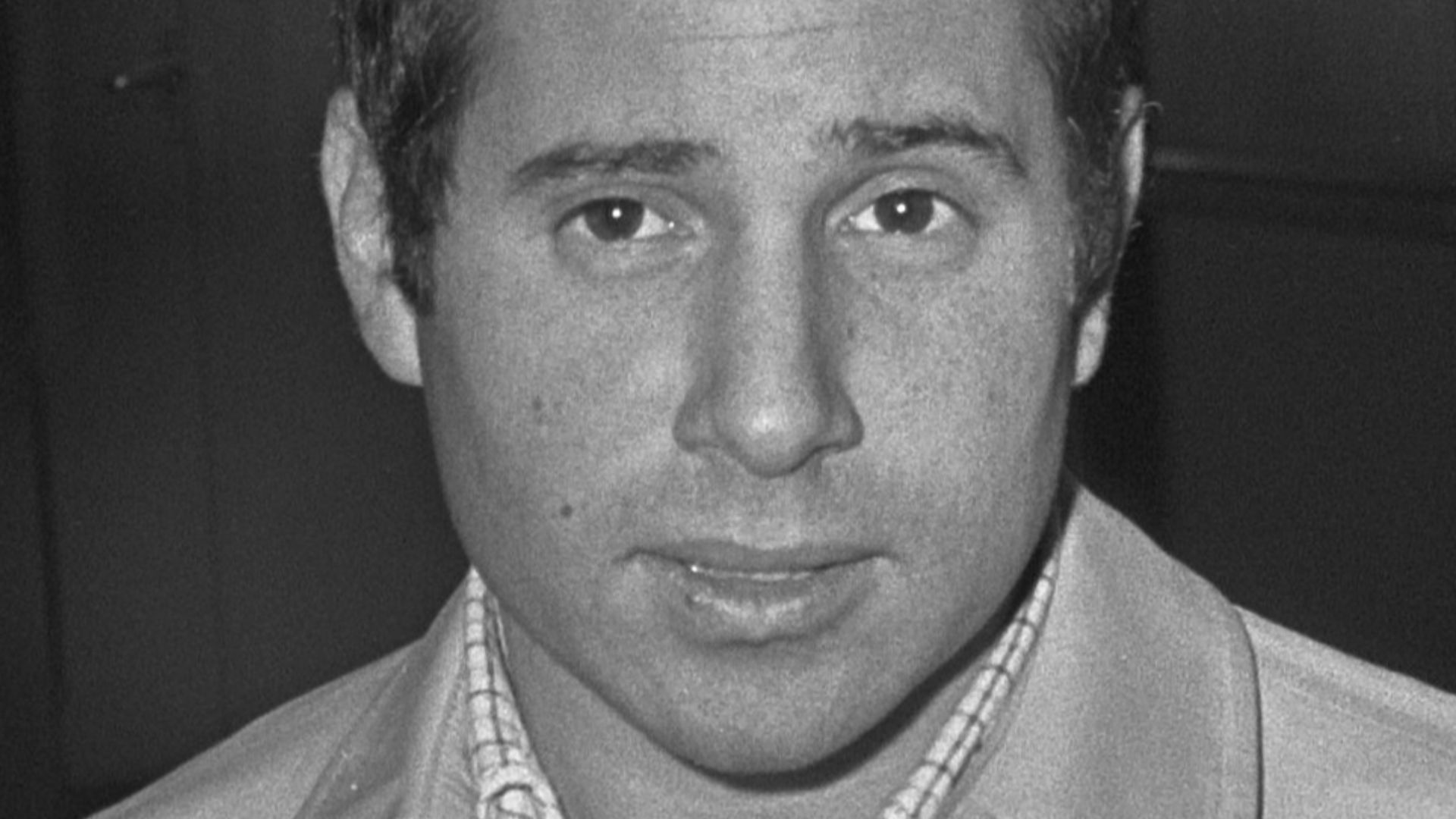
After Simon & Garfunkel ended, Paul Simon immediately proved he could thrive alone. His 1972 self-titled album produced “Mother and Child Reunion” and “Me and Julio Down by the Schoolyard,” while later hits included “Kodachrome,” “50 Ways to Leave Your Lover,” and “Slip Slidin' Away". Simon certainly hasn't disappeared from music history, but younger listeners can easily miss how thoroughly his songs filled 70s radio.
James Taylor
James Taylor helped define the confessional singer-songwriter boom with a voice and guitar style that made enormous audiences feel like they were listening in a small room. “Fire and Rain” established him just before the decade began in earnest, while “You've Got a Friend,” “Don't Let Me Be Lonely Tonight,” and “Handy Man” kept him prominent throughout the 70s. His understated style became one of the decade's most copied formulas.
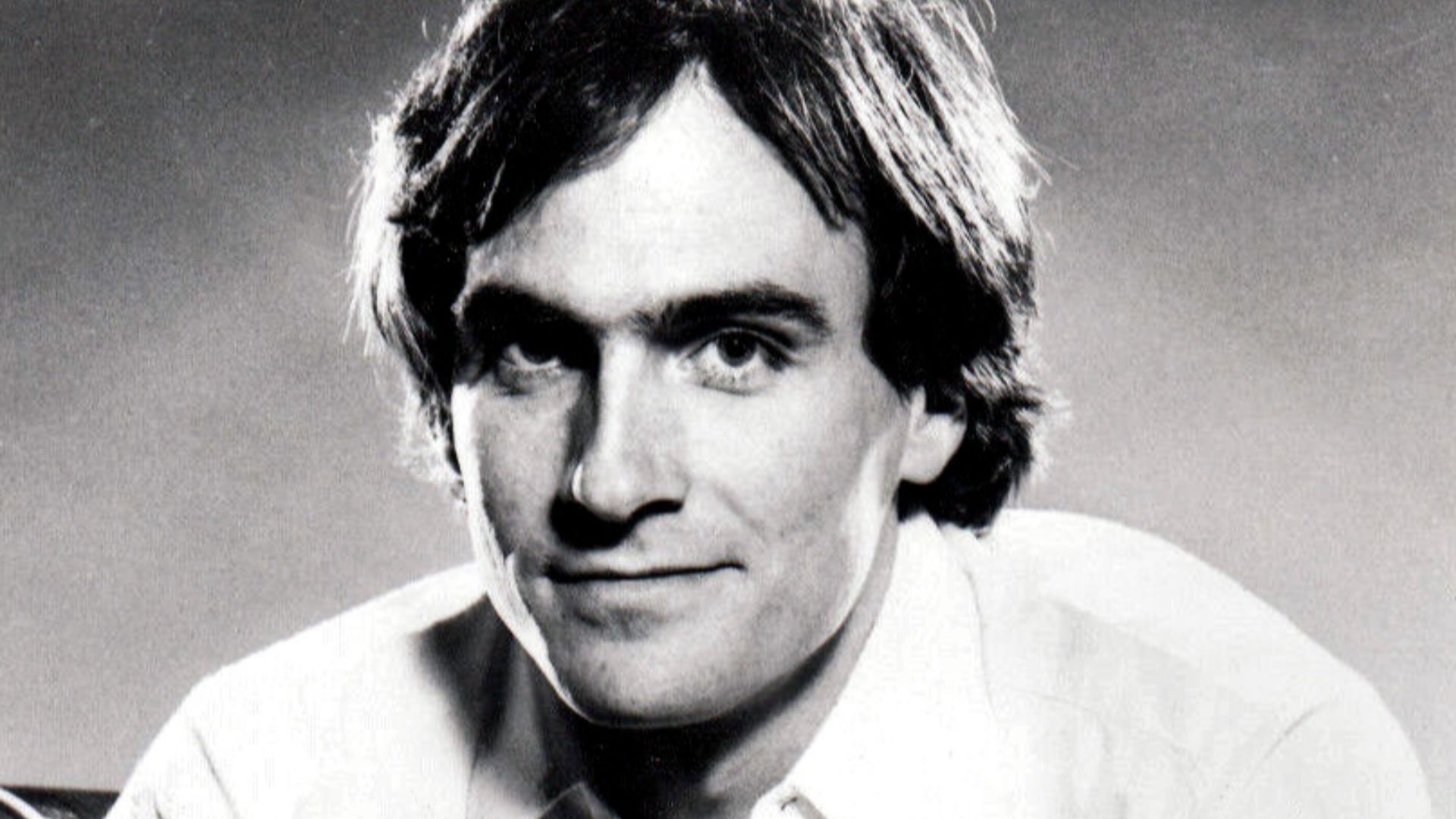 Columbia Records, Wikimedia Commons
John Prine
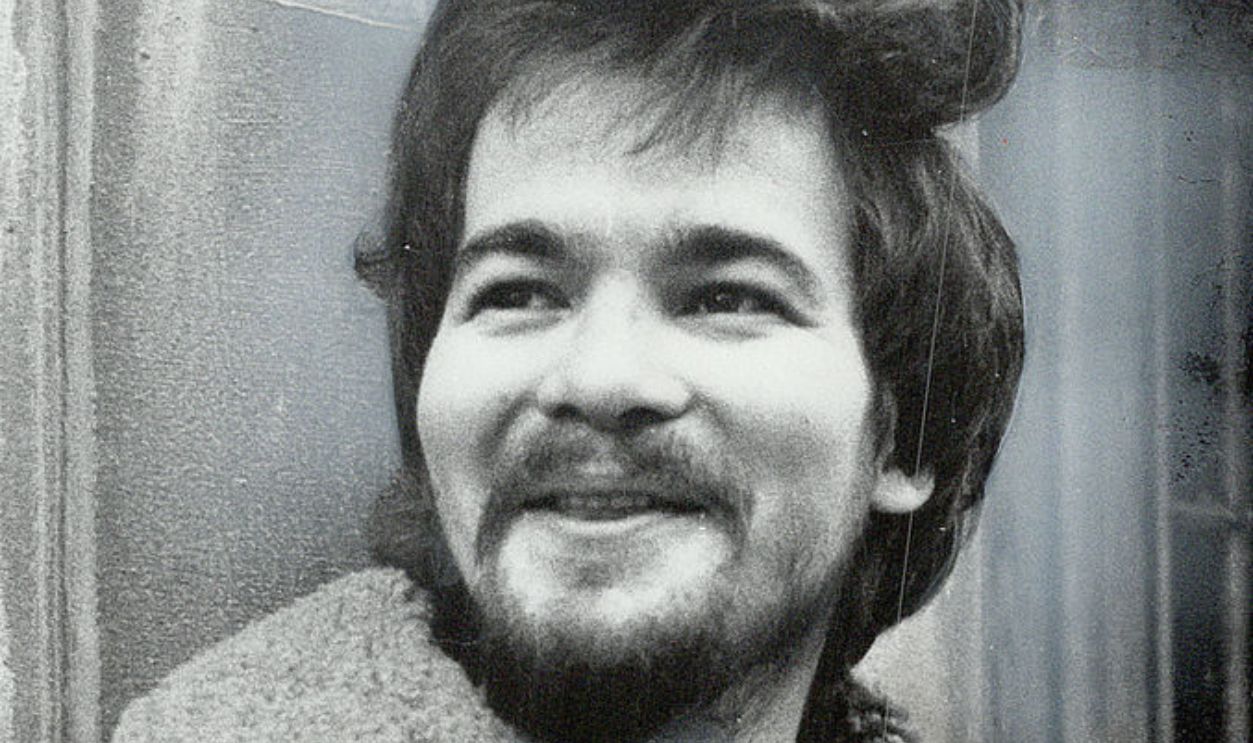
John Prine arrived with songs that sounded like they'd been written by someone decades older. “Sam Stone,” “Hello in There,” and “Angel from Montgomery” dealt with addiction, aging, loneliness, and complicated lives without becoming heavy-handed. Kris Kristofferson helped champion him after hearing Prine perform in Chicago, and his 1971 debut quickly established him as a songwriter's songwriter whose influence became far larger than his chart presence.
David Bromberg
David Bromberg's name was familiar to musicians before much of the public had heard his own records. A gifted guitarist and multi-instrumentalist, he worked with artists including Bob Dylan before releasing his self-titled debut in 1972. Songs such as “The Holdup” and his interpretations of traditional material showcased a performer equally comfortable with folk, blues, bluegrass, and country. He became a fixture of the roots scene without chasing pop stardom.
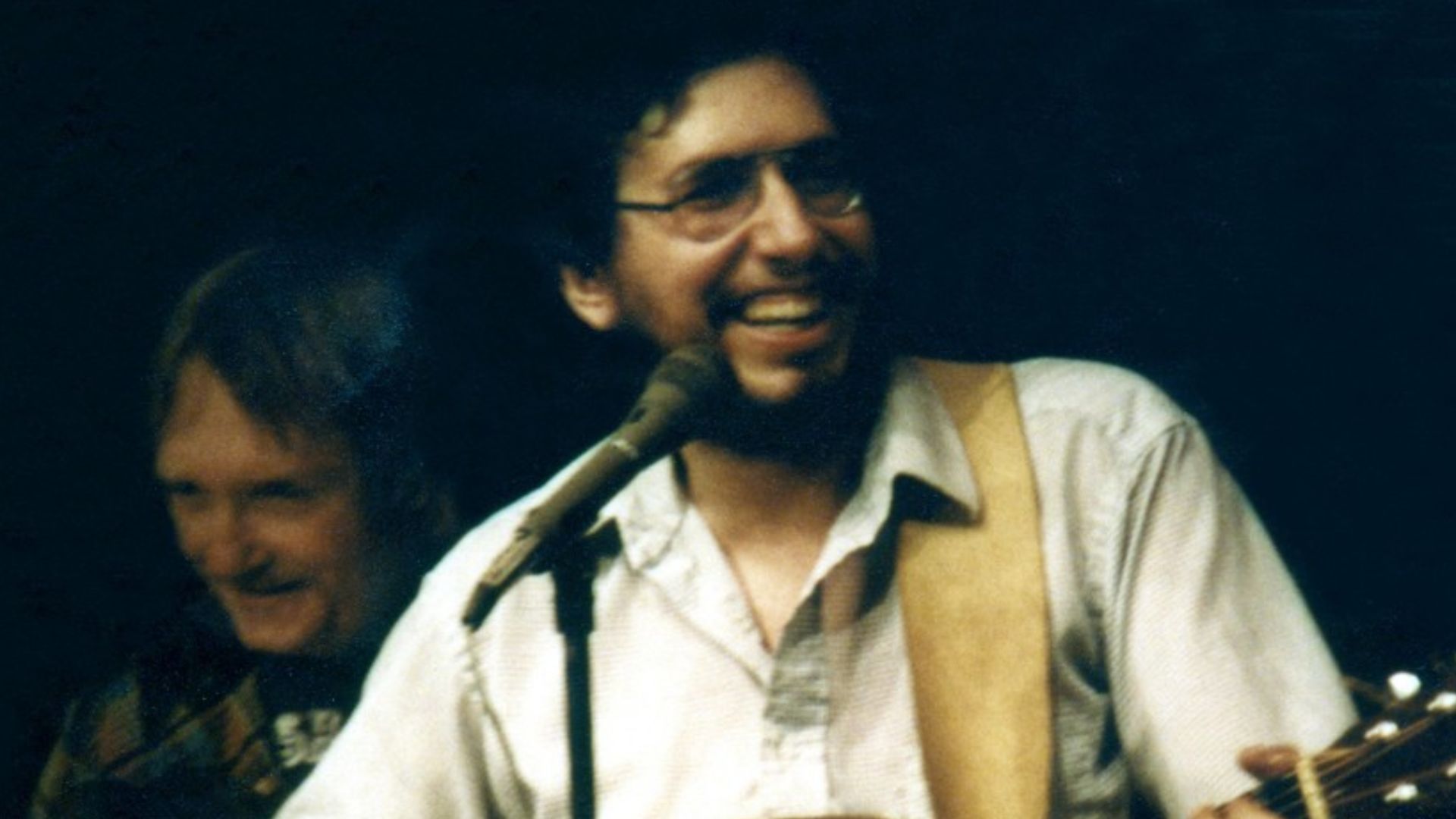 David Saddler, Wikimedia Commons
Crosby, Stills, Nash & Young
Few folk-rock combinations looked more unstoppable than Crosby, Stills, Nash & Young around 1970. Déjà Vu produced “Teach Your Children,” “Our House,” and “Woodstock,” while the group also turned Neil Young's “Ohio” into one of the era's most urgent protest songs. Their personal relationships were notoriously unstable, preventing them from operating consistently, but the harmonies and songwriting established a standard countless later groups tried to imitate.
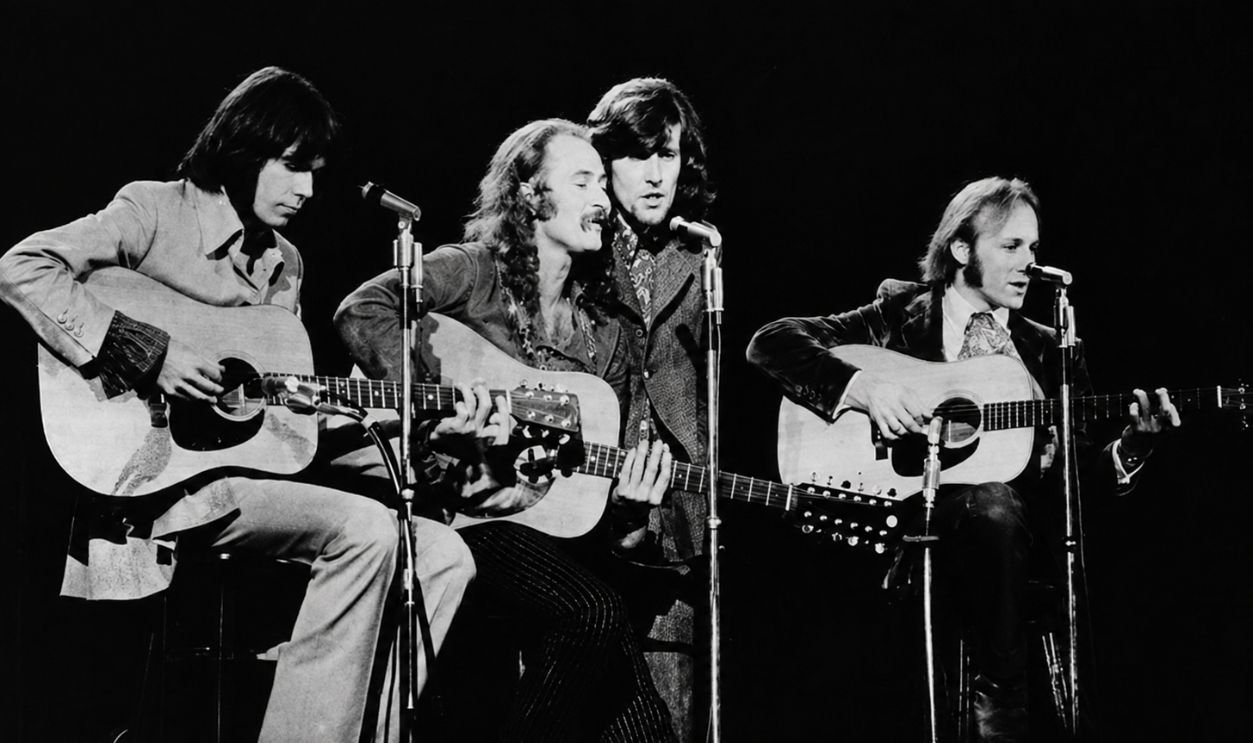 CMA-Creative Management Associates/Atlantic Records, Wikimedia Commons, Modified
Van Morrison
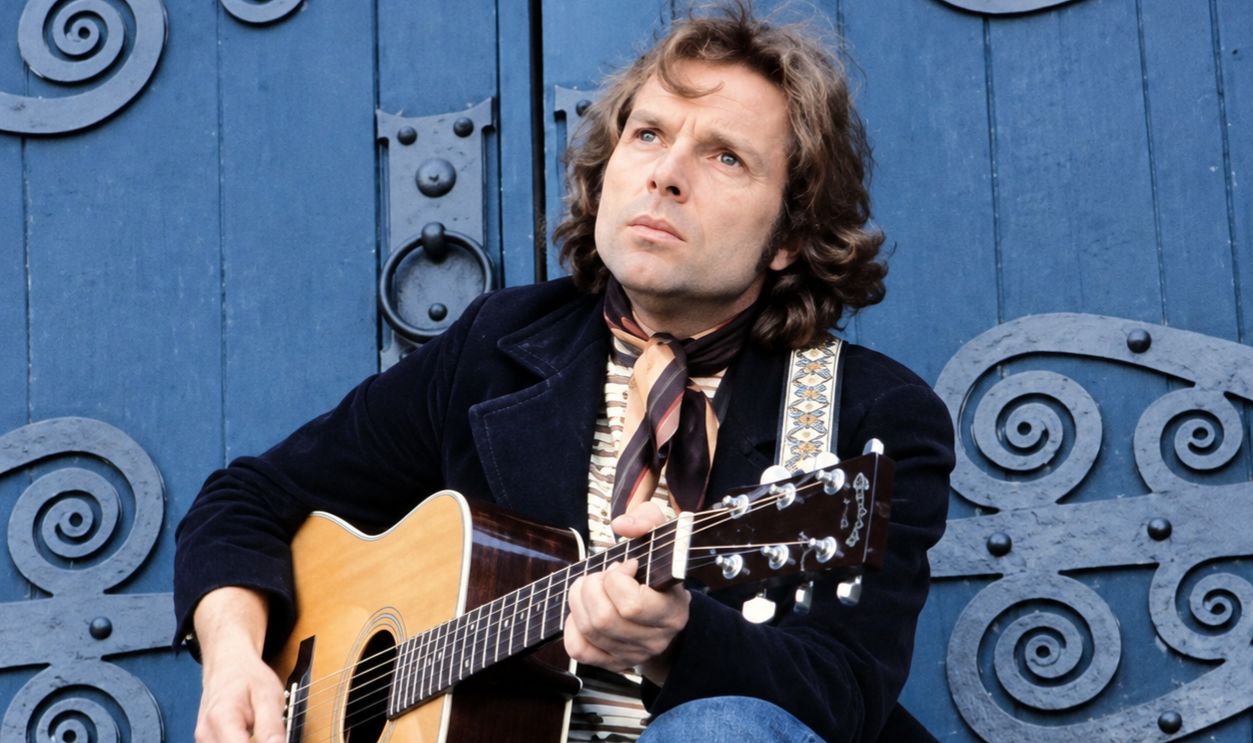
Van Morrison was difficult to categorize even during the 70s. Folk, jazz, soul, blues, and Celtic influences all flowed through albums like Moondance, Tupelo Honey, and Saint Dominic's Preview. “Moondance” became a standard, while “Wild Night” and “Domino” showed he could still make concise radio hits. His catalog remains respected, but the depth of his 70s run can easily disappear behind the handful of songs everyone still knows.
 Warner Bros. Records, Wikimedia Commons, Modified
Gordon Lightfoot
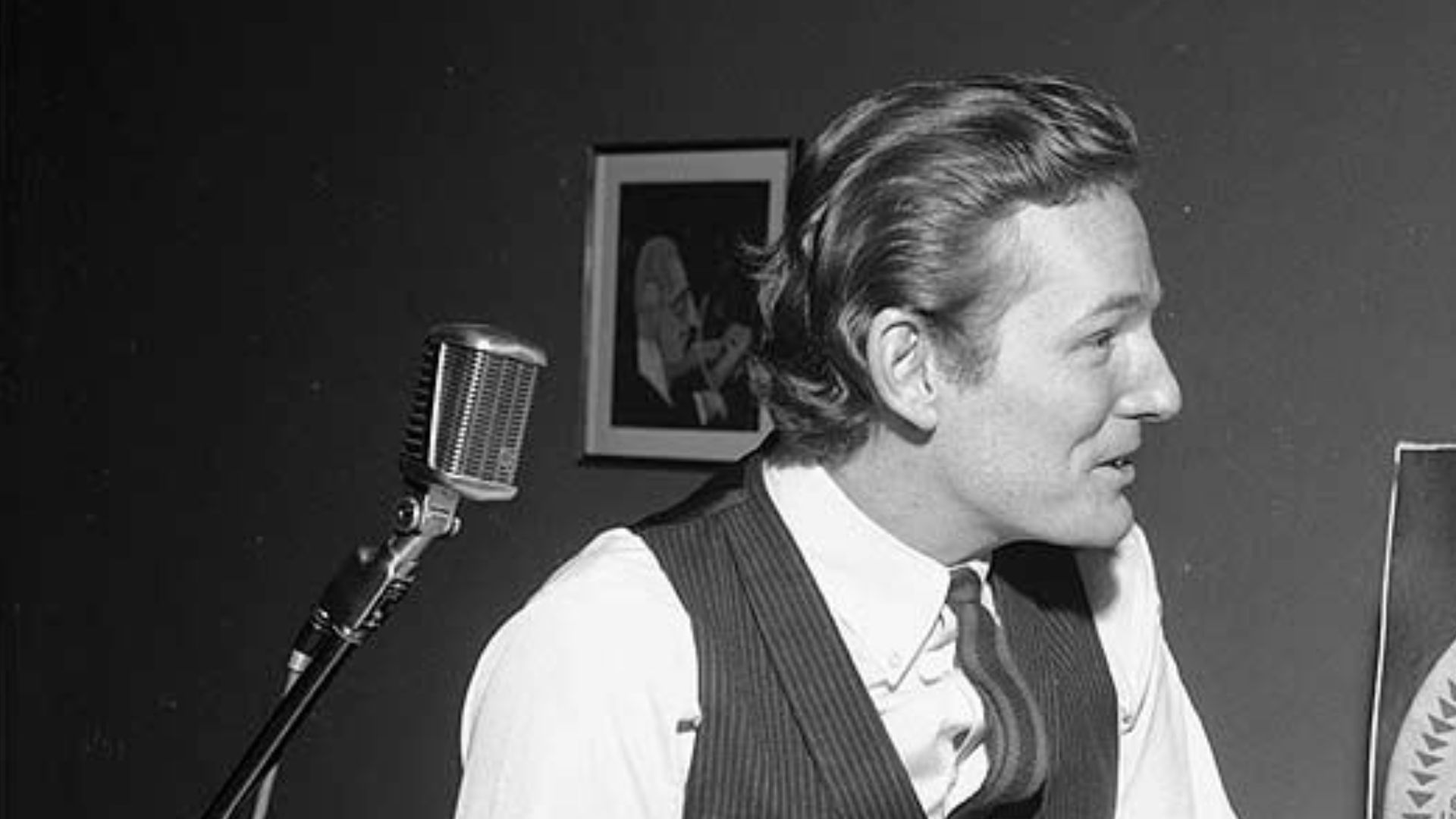
Gordon Lightfoot turned Canadian landscapes, doomed relationships, and historical tragedies into songs that traveled internationally. “If You Could Read My Mind” became a major breakthrough, followed by “Sundown,” “Carefree Highway,” and the haunting “The Wreck of the Edmund Fitzgerald”. His 70s run made him one of Canada's biggest singer-songwriters, yet younger audiences don't always realize how frequently those songs once appeared on mainstream radio.
 Toronto History from Toronto, Canada, Wikimedia Commons
Neil Young
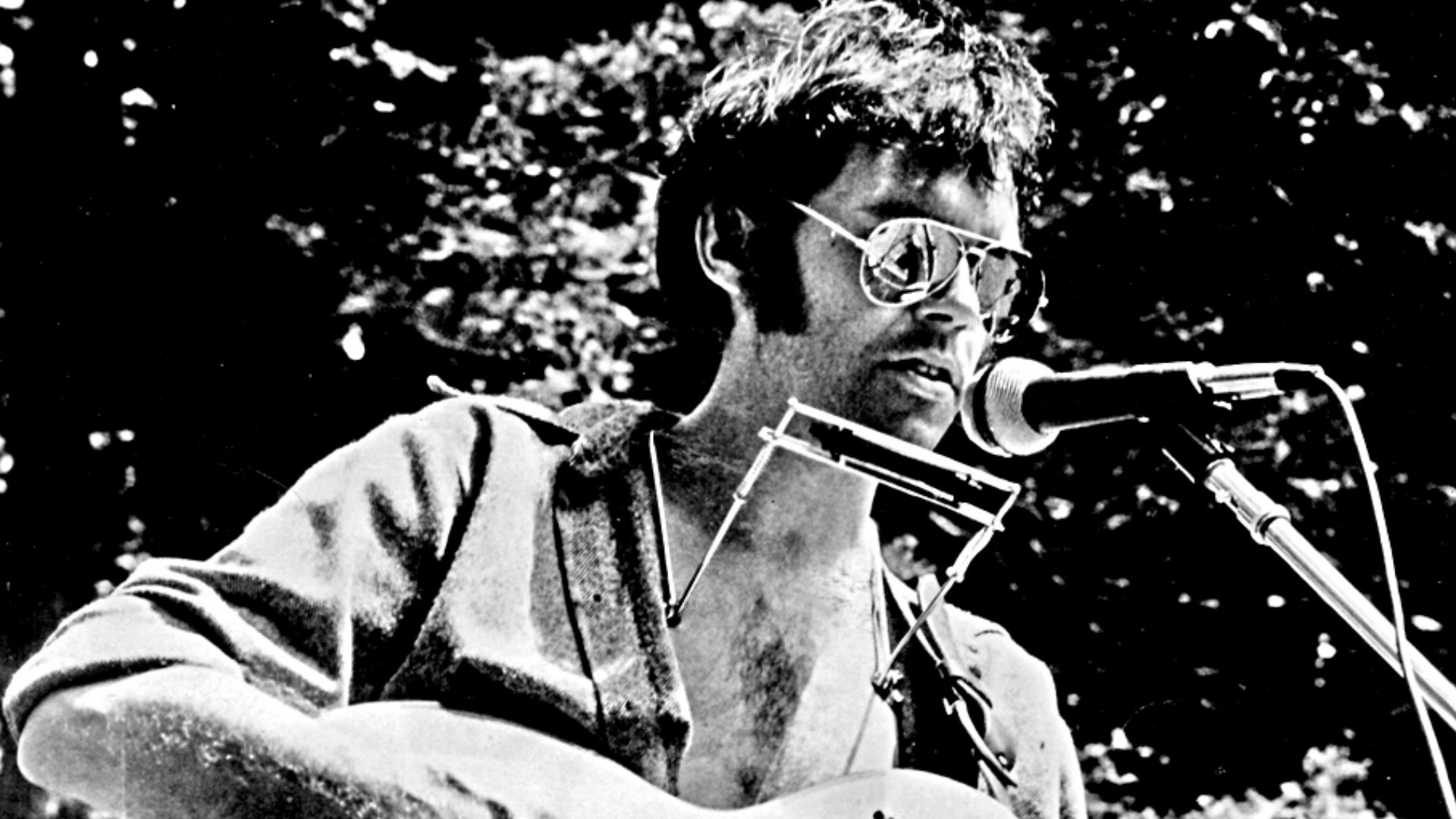
Neil Young is hardly forgotten, but the sheer scale of his 70s folk-rock presence can be easy to underestimate now. Harvest became an enormous success thanks to songs such as “Heart of Gold” and “Old Man,” yet Young almost immediately resisted repeating the formula. “The Needle and the Damage Done,” “After the Gold Rush,” and later rougher albums showed an artist constantly moving away from whatever audiences expected next.
 Warner/Reprise, Wikimedia Commons
Joan Baez
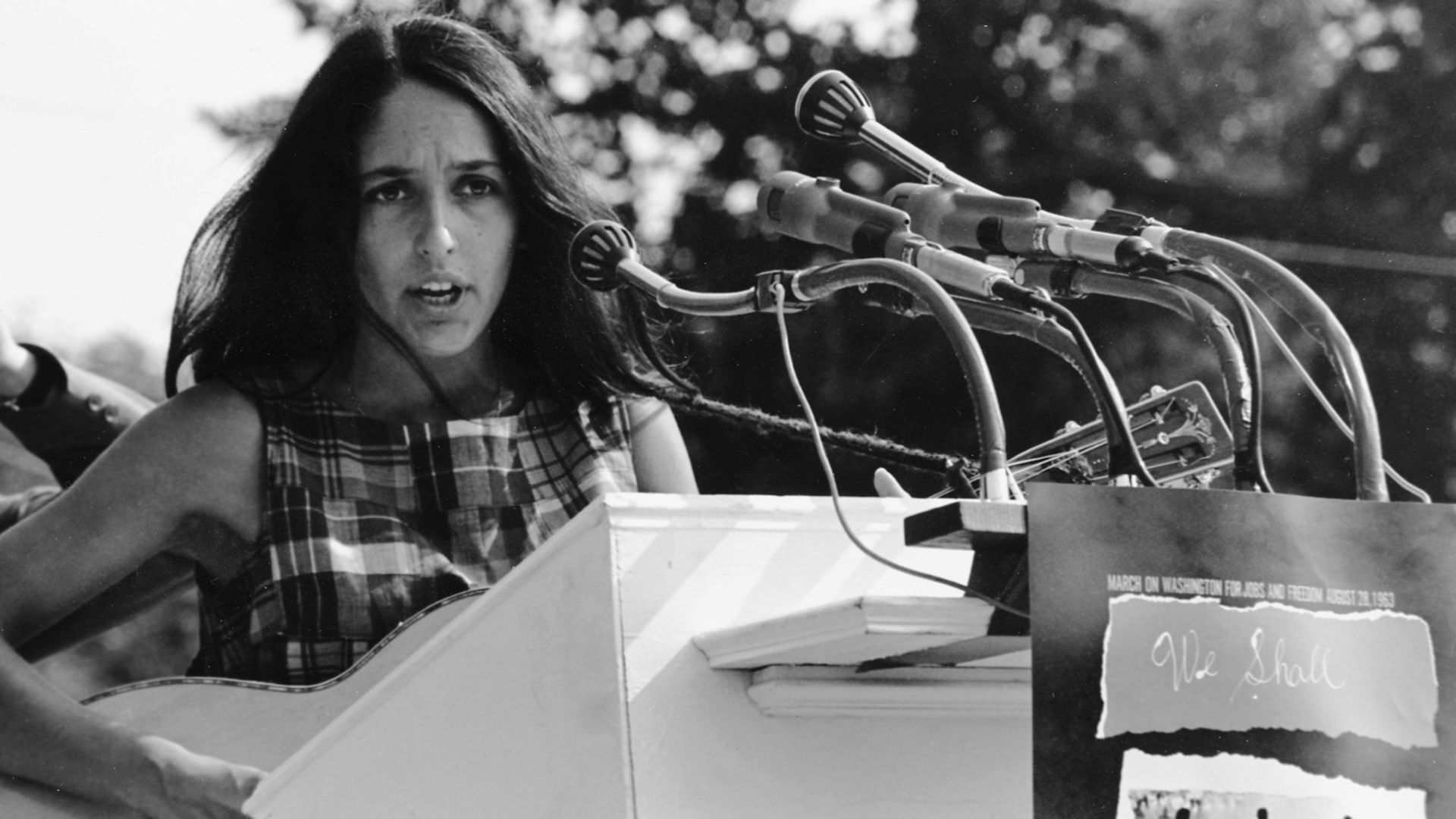
Joan Baez entered the 70s already established as one of the great voices of the folk revival, but she continued producing important work throughout the decade. Her version of “The Night They Drove Old Dixie Down” became a major hit, while “Diamonds & Rust” turned her complicated memories of Bob Dylan into one of her finest original songs. Her activism remained inseparable from her music even as mainstream folk gradually lost ground.
You May Also Like:
1970s Singers Who Had One Big Hit And Then Seemed To Disappear
Forgotten Rock Frontmen From The 1970s Who Once Seemed Larger Than Life
The Easiest 1970s Rock & Roll Trivia Quiz Ever—Can You Get At Least 18 Out Of 20?







.png)