First and Best
Some bands get better with time, while others come out with their first album and knock it out of the park right from the get-go. The songs land, people pay attention, and while what comes after might still be good—sometimes very good—it never quite hits the same way again.
Boston: Boston (1976)
Almost every song on this album still gets played regularly, and the numbers back that up. Boston has sold over 17 million copies in the U.S. alone, making it one of the best-selling debut albums of all time. It’s polished, big, and easy to listen to all the way through. Boston spent the rest of their career chasing that same sound, but nothing else ever felt as complete.
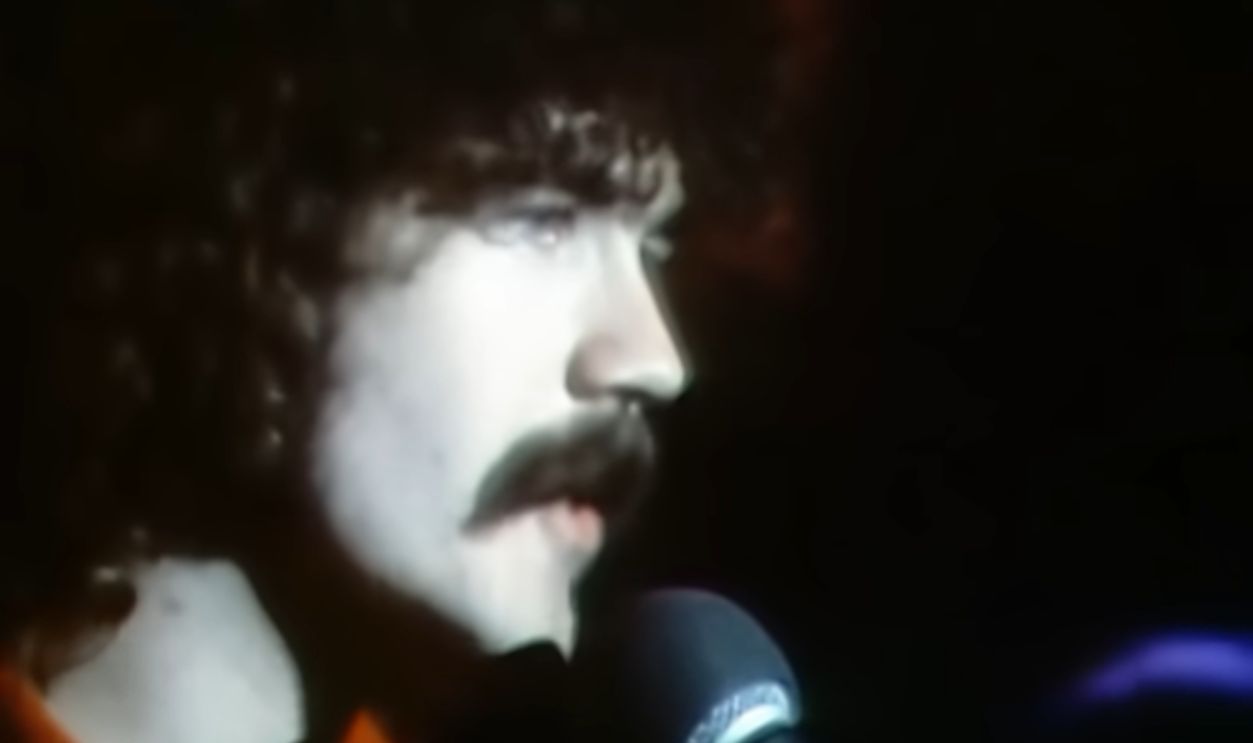 Screenshot from More Than a Feeling, Epic Records (1976)
Oasis: Definitely Maybe (1994)
Definitely Maybe feels reckless in the best way possible. Yes, What’s the Story (Morning Glory)? is undeniably great and packed with massive songs. But as Noel Gallagher put it: “Definitely Maybe is the sound of a band trying to get somewhere. Morning Glory is the sound of a band that already got there.” And where they got with Definitely Maybe is the top of the Oasis music mountain.
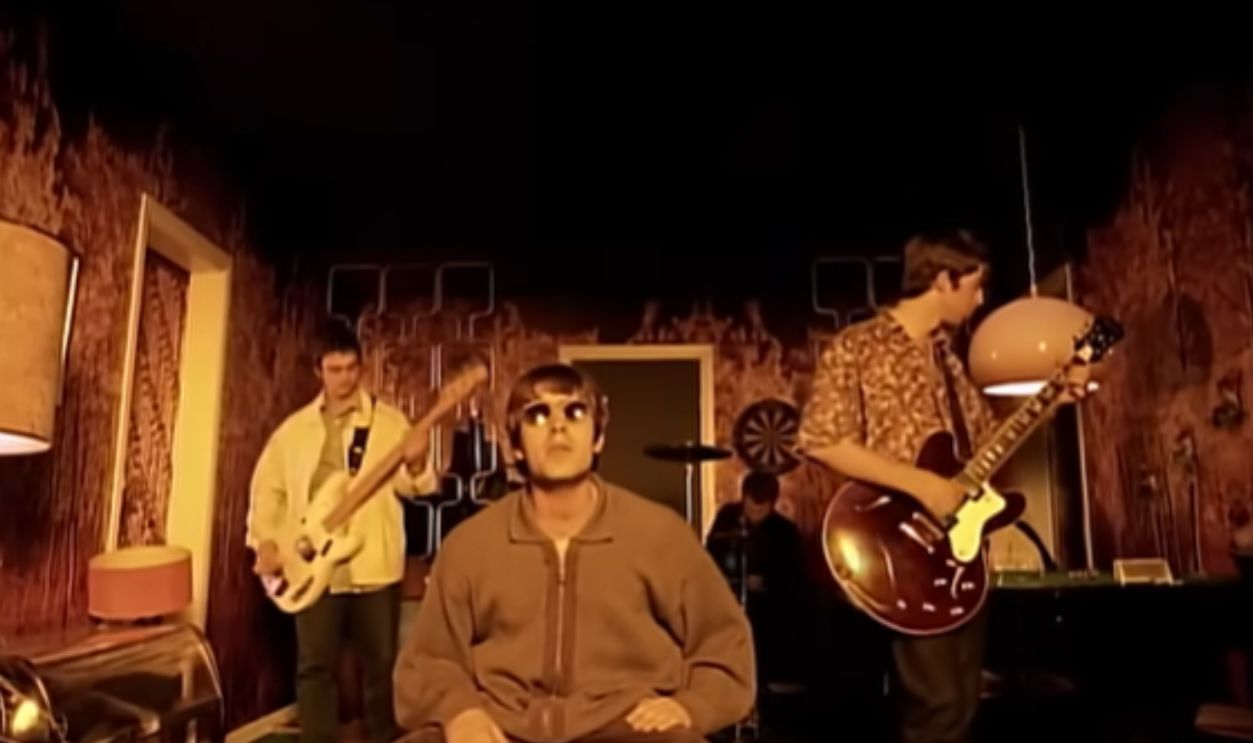 Screenshot from Morning Glory, Creation Records (1995)
The Doors: The Doors (1967)
This debut introduced Jim Morrison as a fully formed frontman right away. The album feels dark and confident without being overdone. The Doors made strong albums later, but none felt as focused or as surprising as the first one.
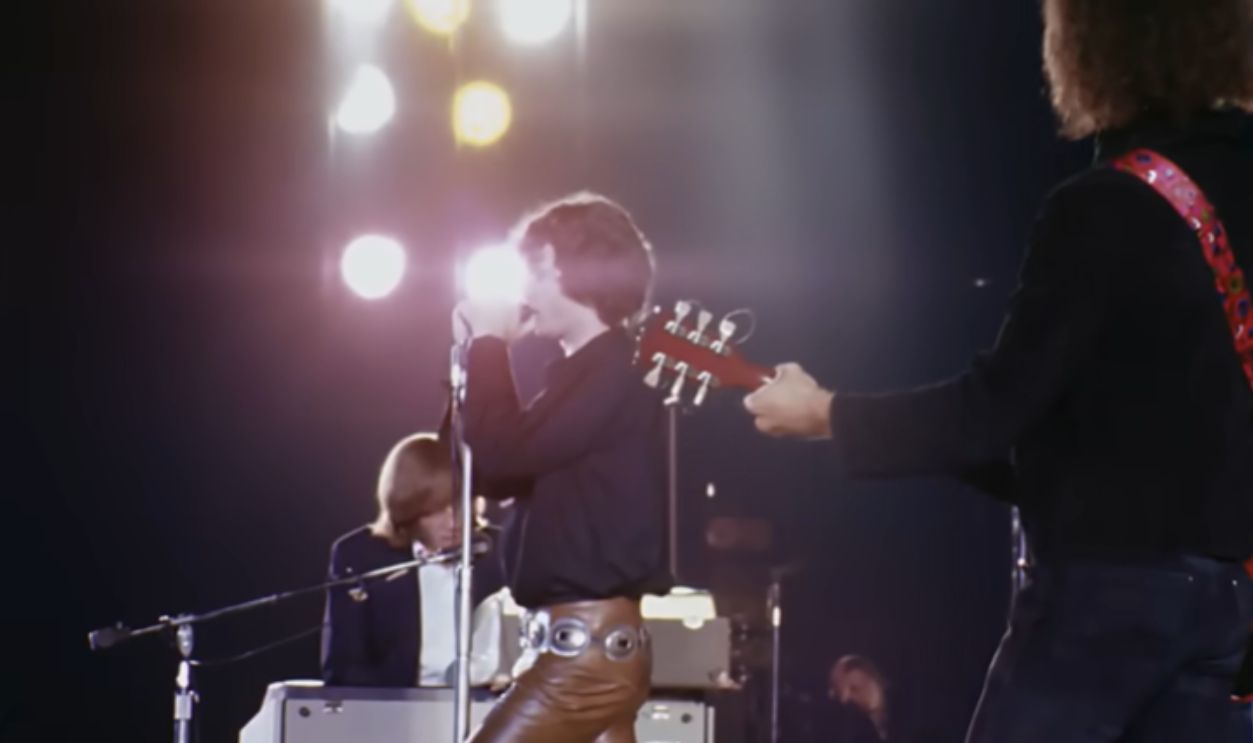 Screenshot from Light My Fire, Elektra Records (1967)
Pearl Jam: Ten (1991)
Ten connected with a massive audience almost immediately—and it never really stopped. The album has sold over 13 million copies in the U.S., making it one of the defining rock releases of the ’90s. Pearl Jam moved away from this sound later on, but fans still debate whether they ever topped the debut’s impact.
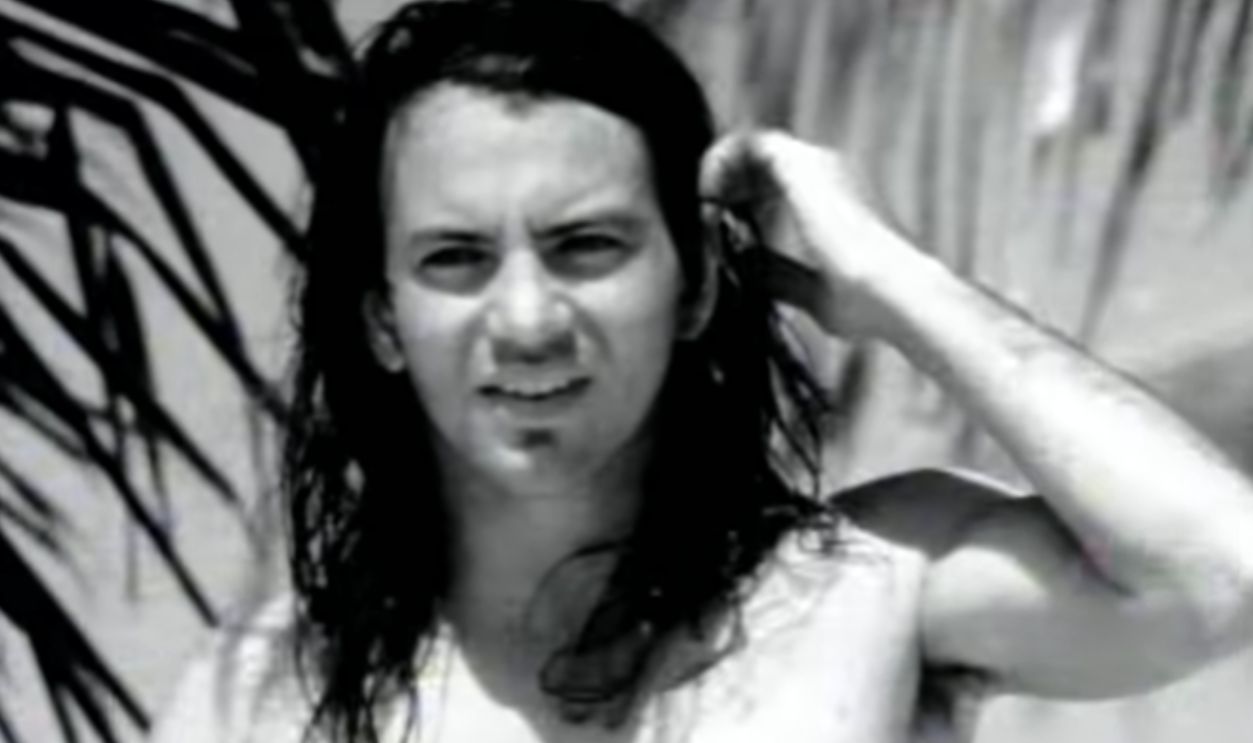 Screenshot from Oceans, Epic Records (1991)
Guns N’ Roses: Appetite for Destruction (1987)
Appetite for Destruction sounds tight, loud, and focused in a way Guns N’ Roses never really matched again. It’s also one of the best-selling debut albums ever, with over 30 million copies sold worldwide. Slash later called it “lightning in a bottle,” and that feels fair. Use Your Illusion I & II have great songs and big ambition, but they’re long and uneven. The debut works because it stays locked in from start to finish.
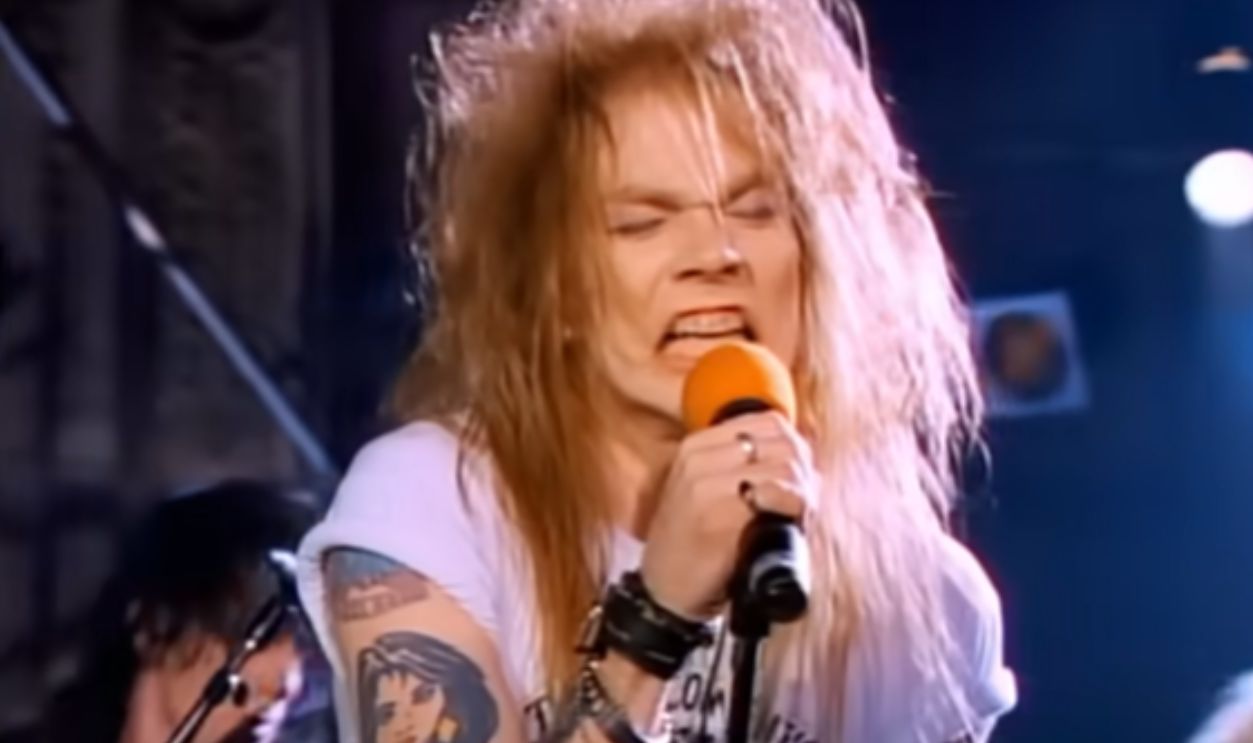 Screenshot from Welcome to the Jungle, Geffen Records (1987)
The Strokes: Is This It (2001)
This album showed up and immediately reset what modern rock sounded like. The songs feel simple, confident, and never overthought. The Strokes released plenty of good albums after, but none had the same impact or moment. Is This It still feels like the one where everything lined up just right.
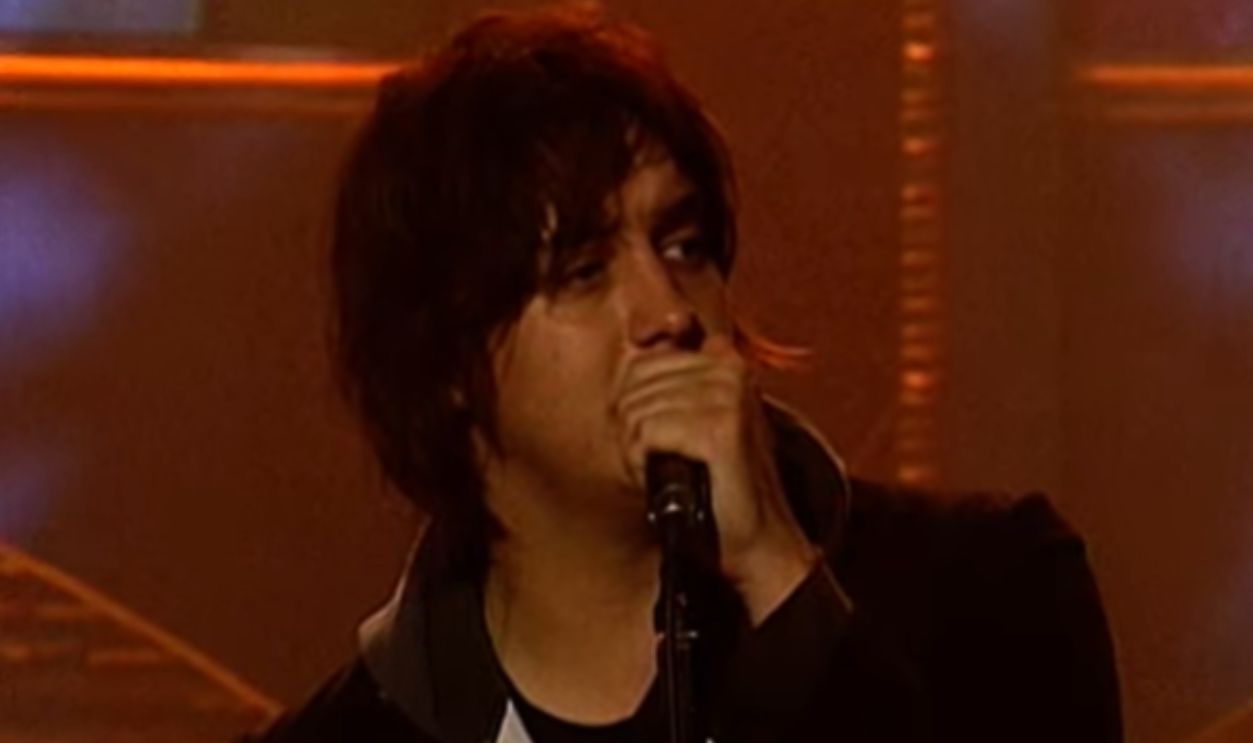 Screenshot from Is This It, RCA Records (2001)
The Killers: Hot Fuss (2004)
Hot Fuss is packed with songs people still know by heart, and it didn’t fade quickly. The album has sold over 7 million copies worldwide and stayed relevant for years. The Killers have had hits ever since, but no later album feels as consistent front to back. This one still sounds like the moment where everything came together naturally.
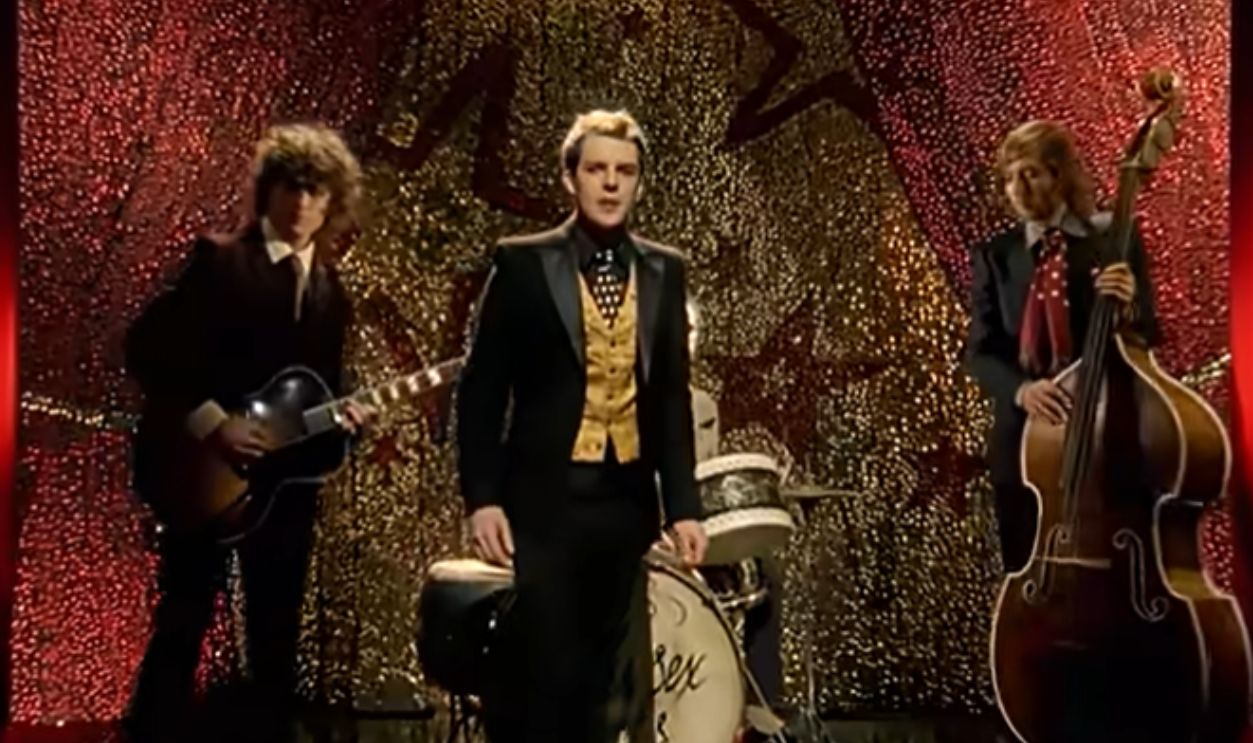 Screenshot from Mr. Brightside, Island Records (2003)
The Cars: The Cars (1978)
This debut still feels sharp and easy to listen to. Nearly every song could’ve been a single, and none of them feel like filler. The Cars had success for years, but nothing else they released felt this consistent from start to finish.
 Screenshot from Just What I Needed, Elektra Records (1978)
Weezer: Weezer (The Blue Album) (1994)
The Blue Album nailed a balance Weezer has been chasing ever since. It’s catchy, honest, and slightly awkward in a way fans connected with immediately. Later albums have their defenders, but most people agree the debut stands on its own.
 Screenshot from Say It Ain't So, DGC Records (1994)
The Stone Roses: The Stone Roses (1989)
This album helped define a scene and influenced a lot of bands that came after it. It feels relaxed and confident without trying too hard. The Stone Roses never really delivered a proper follow-up, which only made the debut loom larger over time.
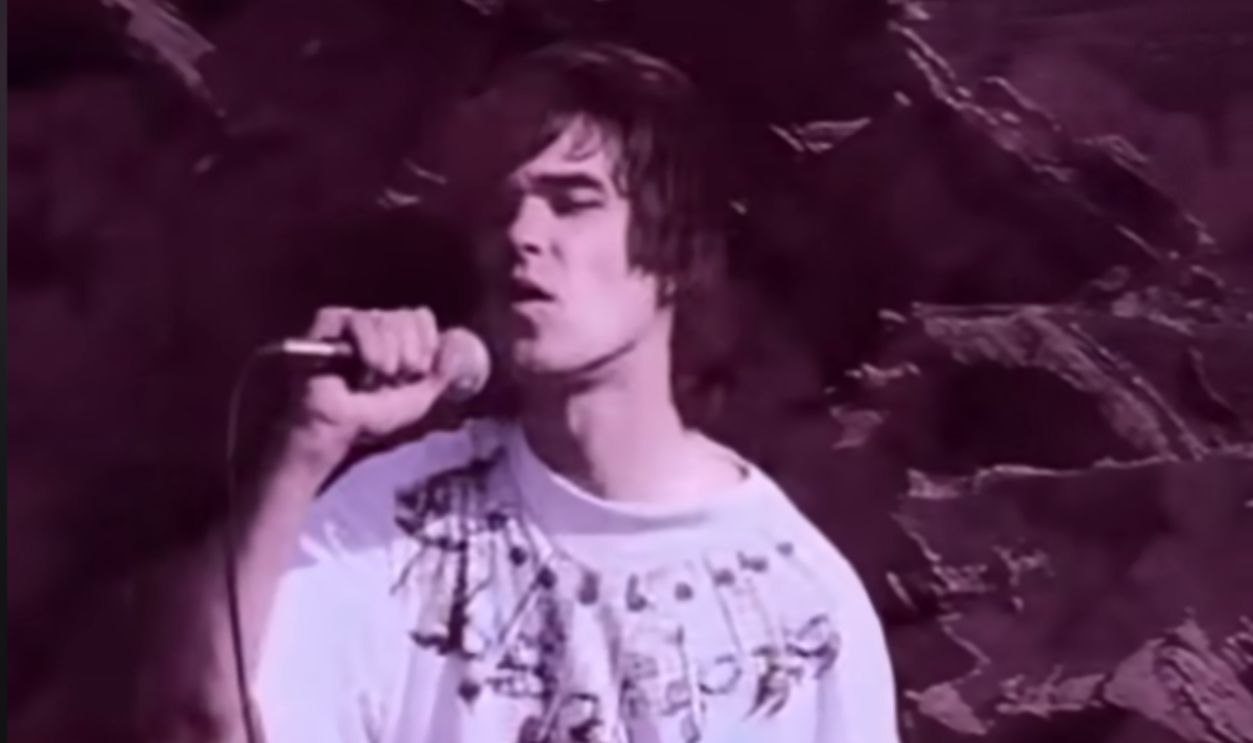 Screenshot from I Wanna Be Adored, RCA Records (1989)
Violent Femmes: Violent Femmes (1983)
This album feels stripped-down and awkward in a way that works. Songs like Blister in the Sun became unavoidable, but the deeper cuts matter just as much. The band kept going, but nothing else captured this same tone.
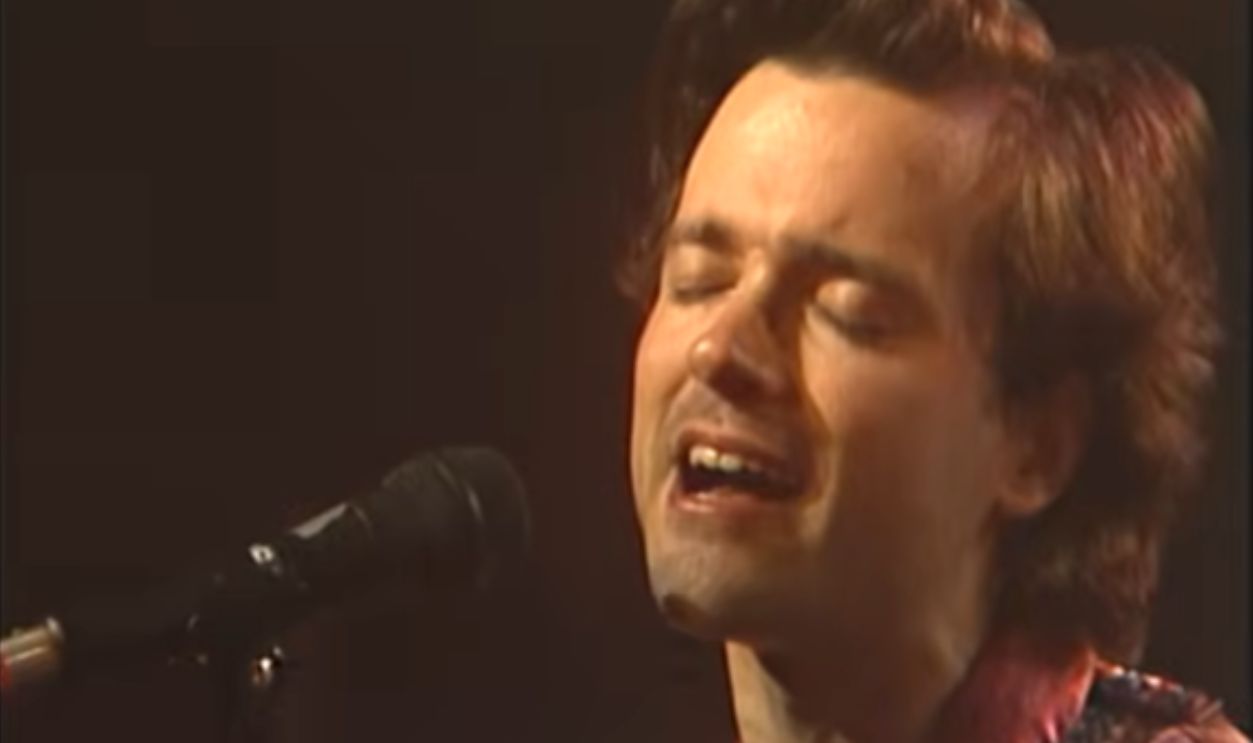 Screenshot from Blister in the Sun, Slash Records (1983)
The Ramones: Ramones (1976)
Fast songs, simple chords, and no wasted time. This album laid out the basic formula for punk rock. The Ramones stuck close to it for years, but nothing ever felt as pure or as important as the first album.
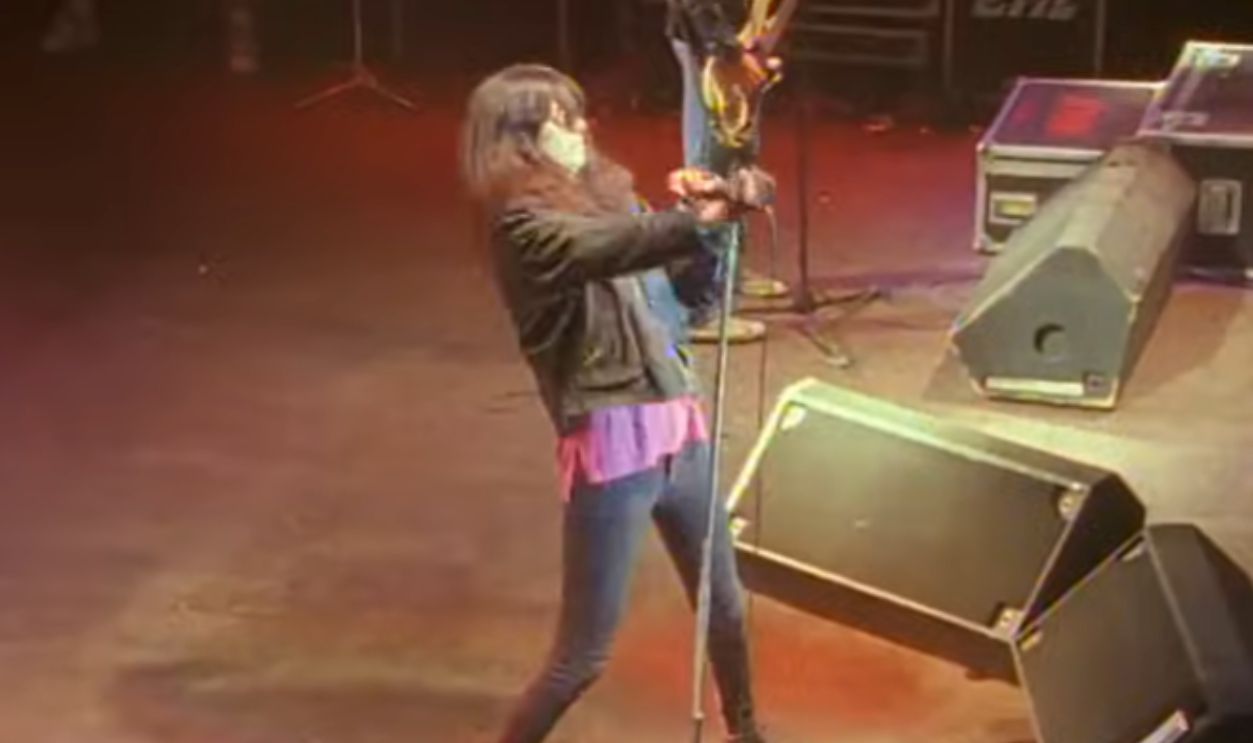 Screenshot from Blitzkrieg Bop, Sire Records (1976)
Third Eye Blind: Third Eye Blind (1997)
This album is darker than people often remember. It’s full of hits, but it also works as a complete album. Third Eye Blind released more music later, but they never found this exact balance again.
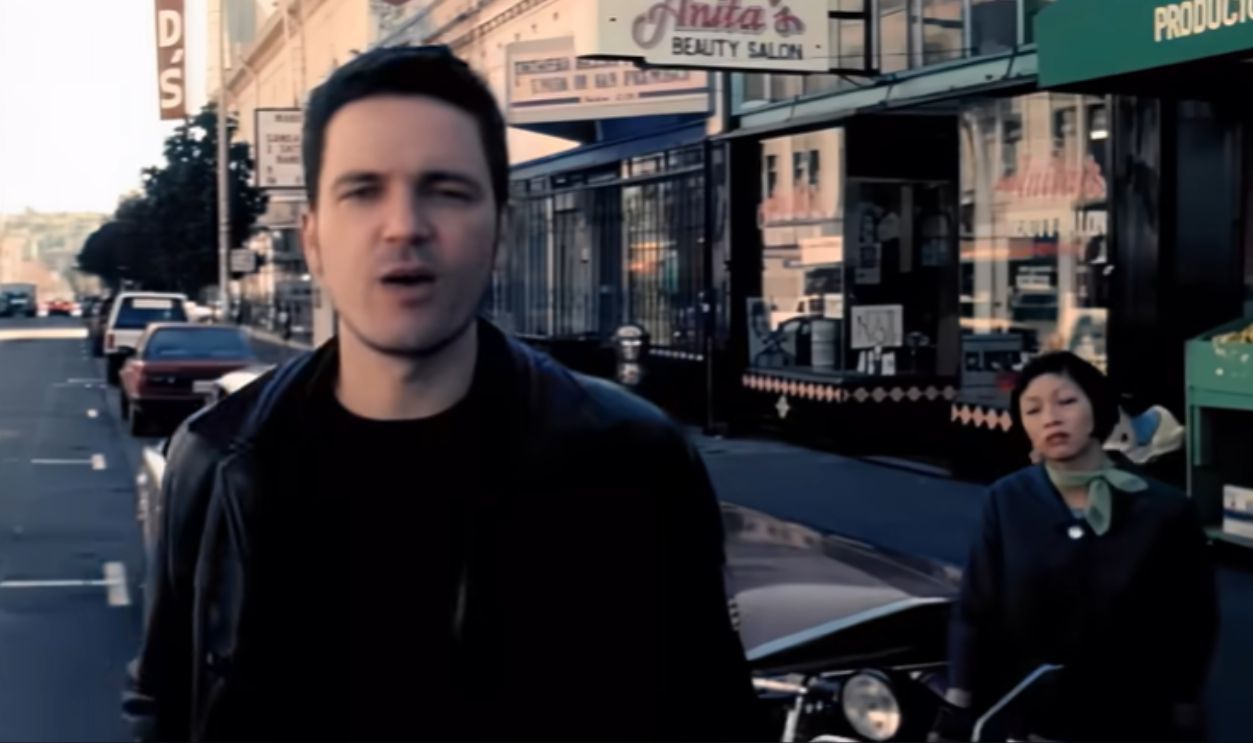 Screenshot from Semi-Charmed Life, Elektra Records (1997)
Alanis Morissette: Jagged Little Pill (1995)
Okay, ya Jagged Little Pill wasn’t technically Alanis Morissette’s first album overall, but it was her first international release and so we are going to count it. That decision seems fair, considering the album has sold over 33 million copies worldwide, making it one of the best-selling albums of all time.
 Screenshot from Ironic, Maverick Recording Company (1996)
The B-52’s: The B-52’s (1979)
This album sounded different from everything else when it came out. It was fun, strange, and hard to ignore. The B-52’s had hits later, but the debut still feels like the moment where everything felt new.
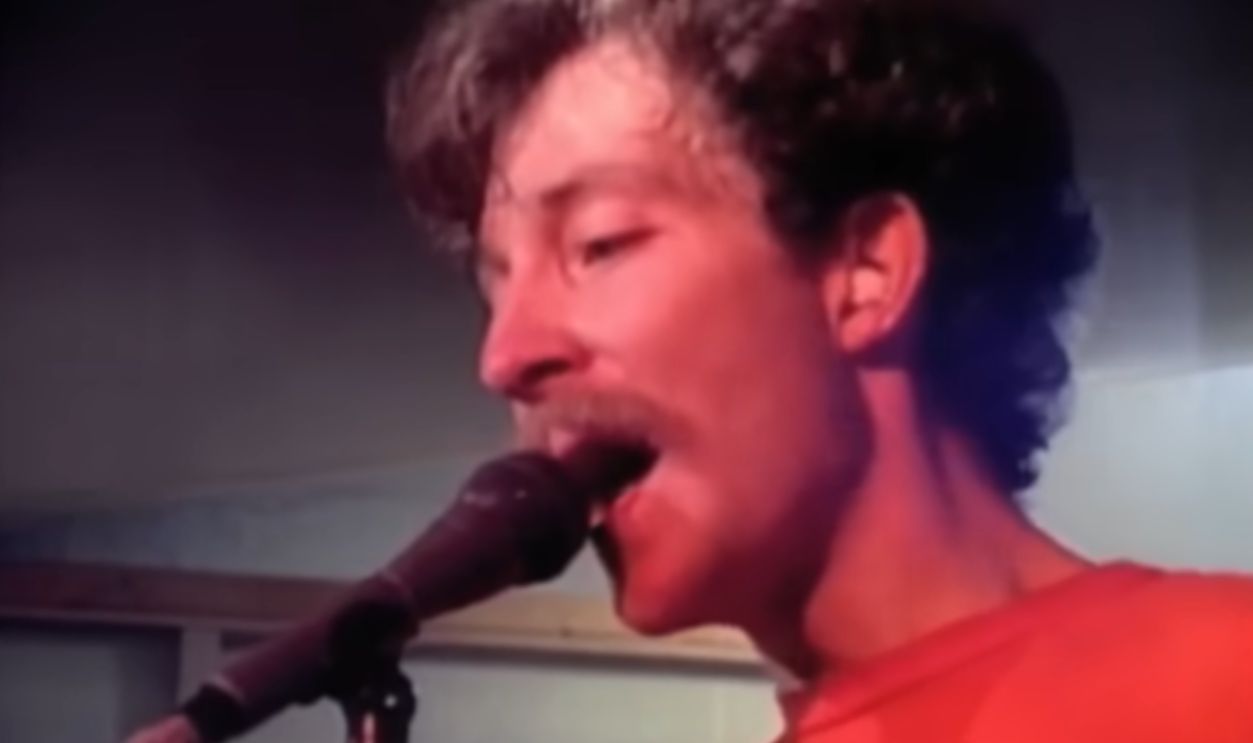 Screenshot from Rock Lobster, Warner Bros. Records (1978)
Joy Division: Unknown Pleasures (1979)
This album set the tone for everything that followed. While Closer is also highly regarded, many fans still point to the debut as the defining release. It’s usually the one people start with—and come back to.
 Screenshot from Day of the Lords, Factory Records (1979)
Franz Ferdinand: Franz Ferdinand (2004)
The band kept things simple here. Sharp guitars, clear hooks, and no wasted space. Franz Ferdinand stayed solid afterward, but nothing else felt as immediate as this debut.
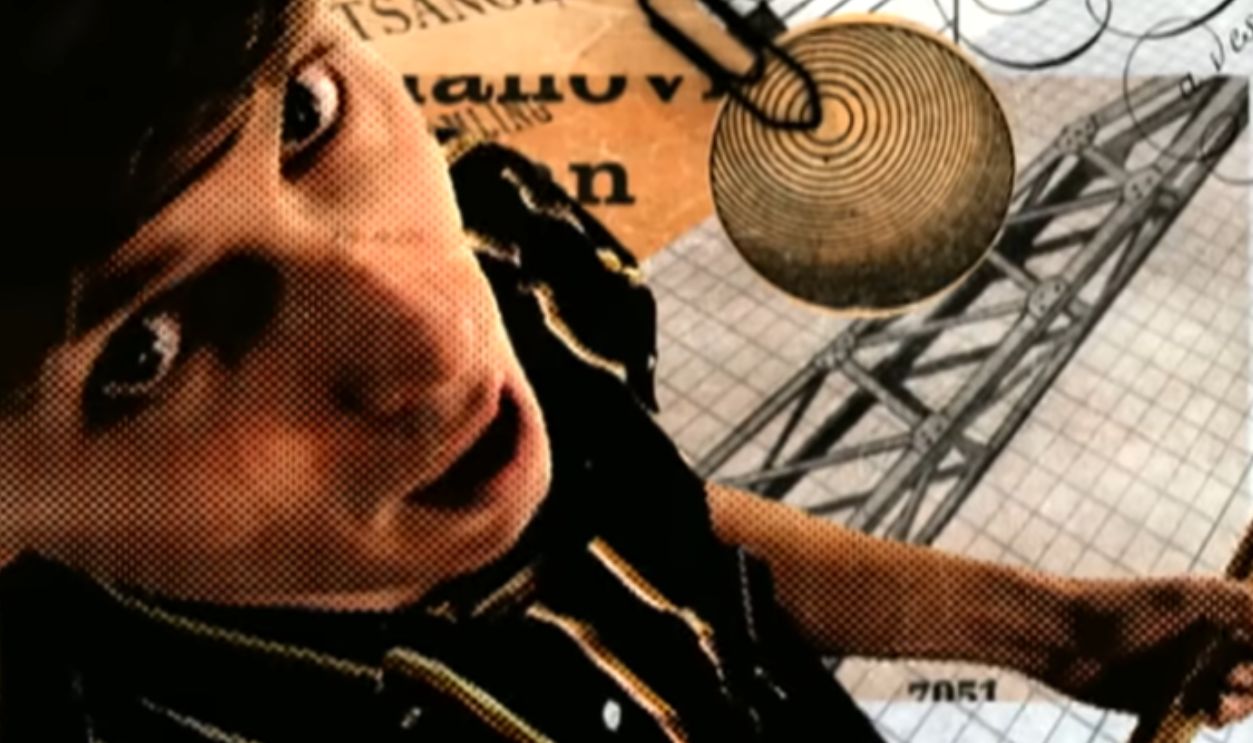 Screenshot from Take Me Out, Domino Recording Company (2004)
The Pretenders: Pretenders (1980)
Chrissie Hynde sounded confident right out of the gate. The album balances toughness and melody without forcing anything. Lineup changes followed, and nothing later quite matched the feel of the debut.
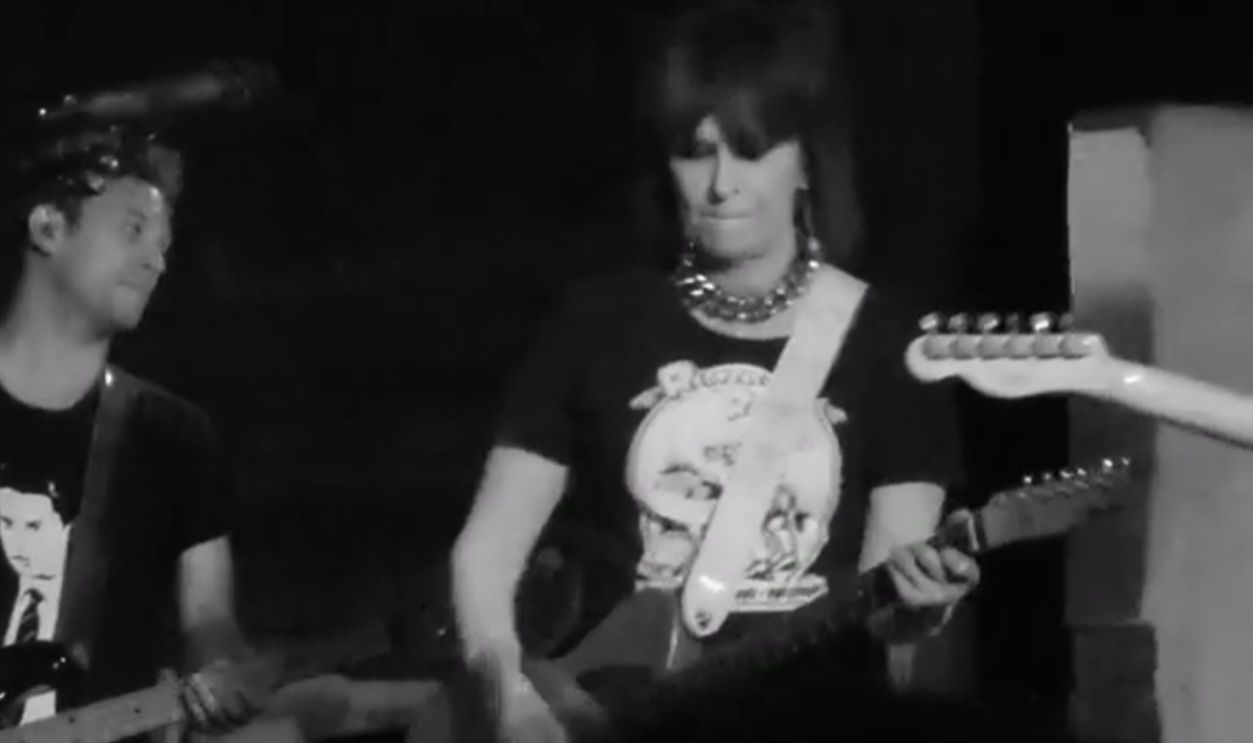 Screenshot from Tequila, BMG (2020)
Stone Temple Pilots: Core (1992)
Core was everywhere in the early ’90s. Big riffs, big hooks, and a clear sense of who the band was. Stone Temple Pilots changed over time, but many fans still point to the debut as their strongest album.
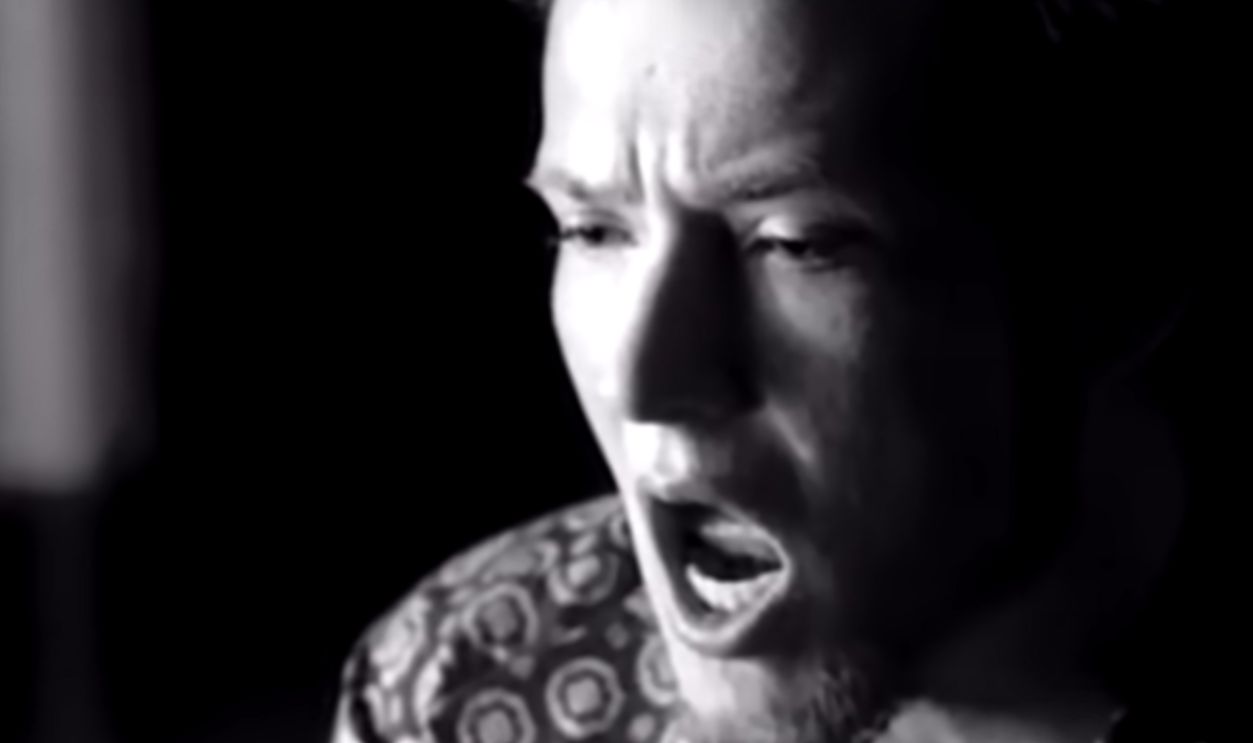 Screenshot from Creep, Atlantic Records (1992)
Arcade Fire: Funeral (2004)
This album connected with people immediately and still holds up. It’s emotional without being overdone and focused all the way through. Arcade Fire released ambitious albums later, but Funeral remains the one fans talk about most.
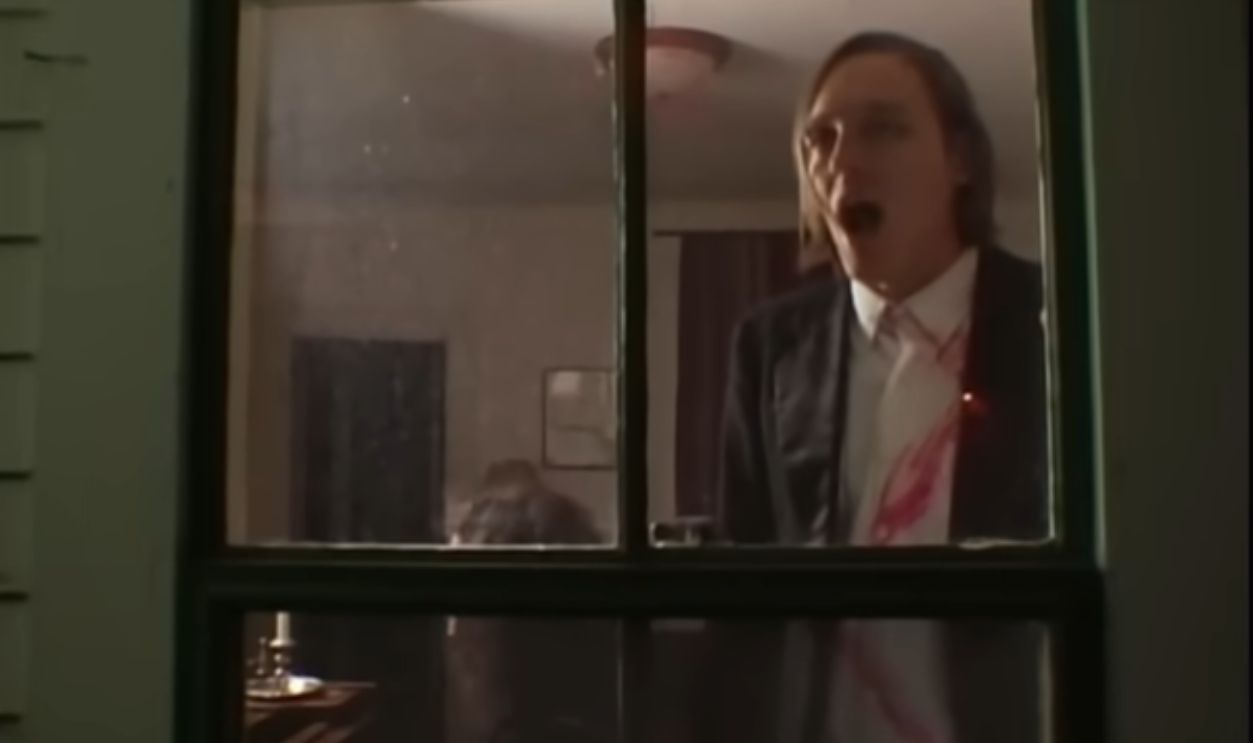 Screenshot from Rebellion (Lies), Merge Records (2004)
The Darkness: Permission to Land (2003)
This album knew exactly what it was going for. Big riffs, over-the-top vocals, and a lot of fun, without winking too hard at the audience. Later albums leaned further into the joke and lost some of the charm. The debut worked because it still felt like a real rock album underneath the theatrics.
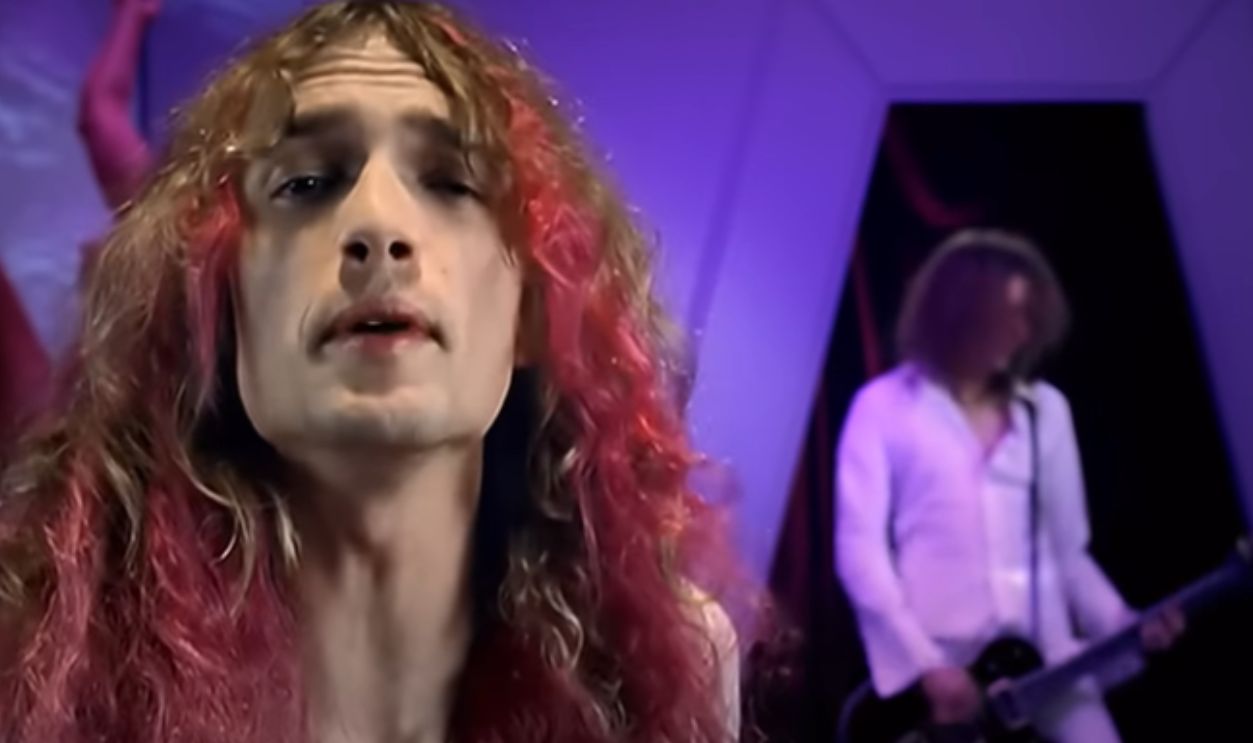 Screenshot from I Believe in a Thing Called Love, Atlantic Records (2003)
Counting Crows: August and Everything After (1993)
This album connected with listeners because it didn’t try too hard. It’s reflective without being dramatic, and personal without feeling forced. Counting Crows stuck around for years and had plenty of success, but nothing else they released captured the same mood or emotional pull as the debut.
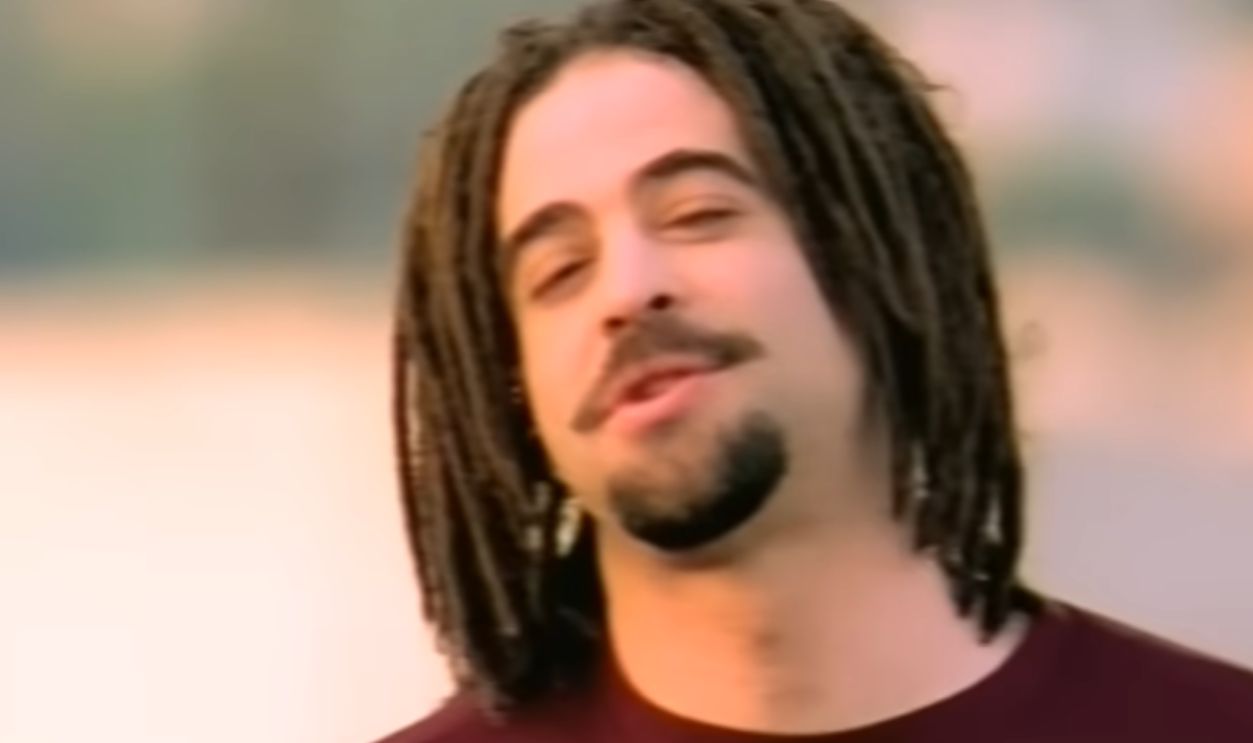 Screenshot from Round Here, DGC Records (1993)
The Smashing Pumpkins: Gish (1991)
Gish feels raw compared to what came later. It’s heavier, simpler, and more direct than the albums that followed. While the band reached bigger commercial highs afterward, many fans still prefer the debut’s straightforward sound and lack of excess.
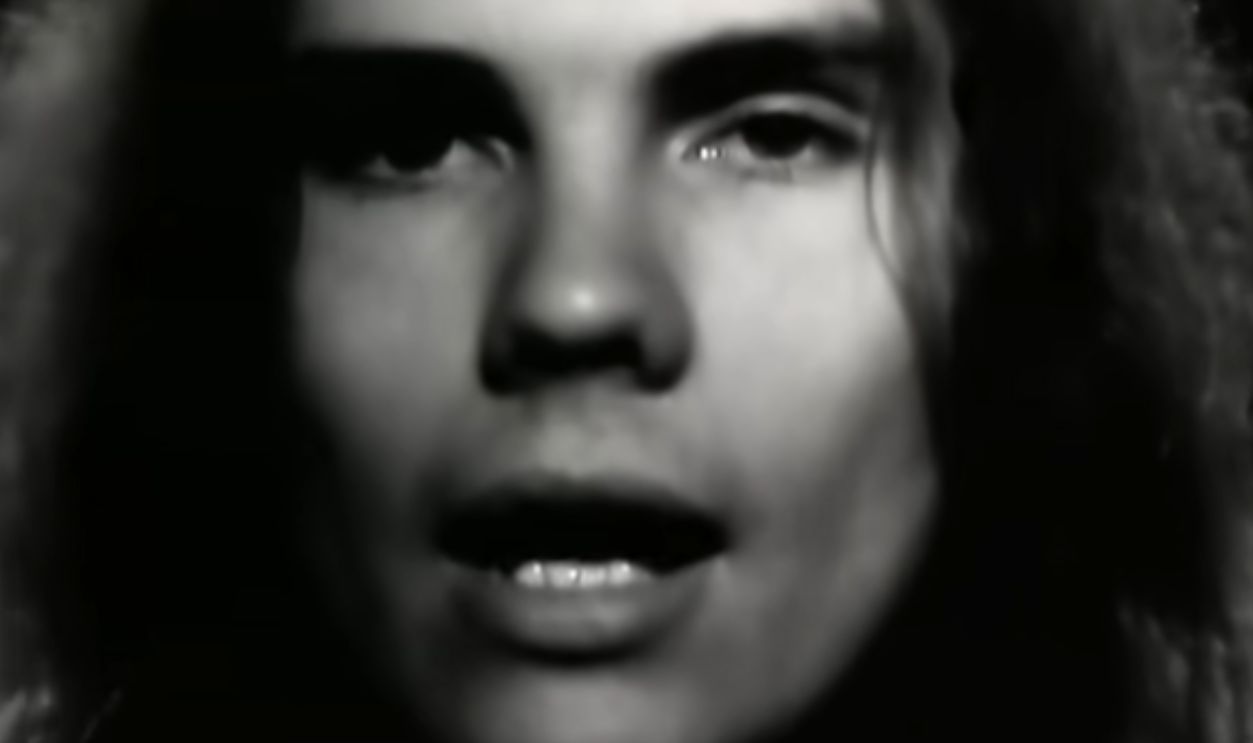 Screenshot from Rhinoceros, Caroline Records (1990)
Living Colour: Vivid (1988)
This album made a strong first impression without playing it safe. It sounded different from most rock radio at the time and stood out because of that. Living Colour released good music later, but the debut still feels like their clearest statement.
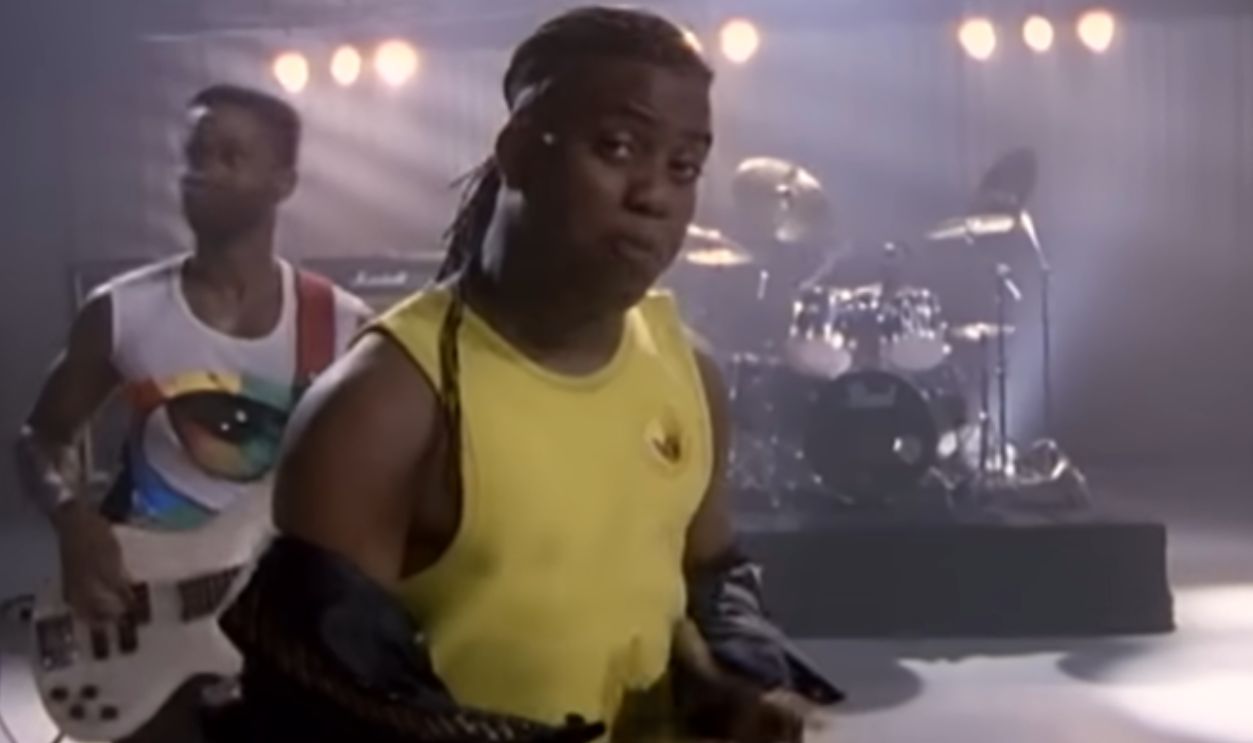 Screenshot from Cult of Personality, Epic Records (1988)
The Knack: Get the Knack (1979)
Get the Knack didn’t just get attention—it moved serious numbers. The album sold over 2 million copies in the U.S., driven largely by My Sharona. The band released several albums after, but none came close to matching the attention or staying power of the debut. Everything they did afterward lived in its shadow.
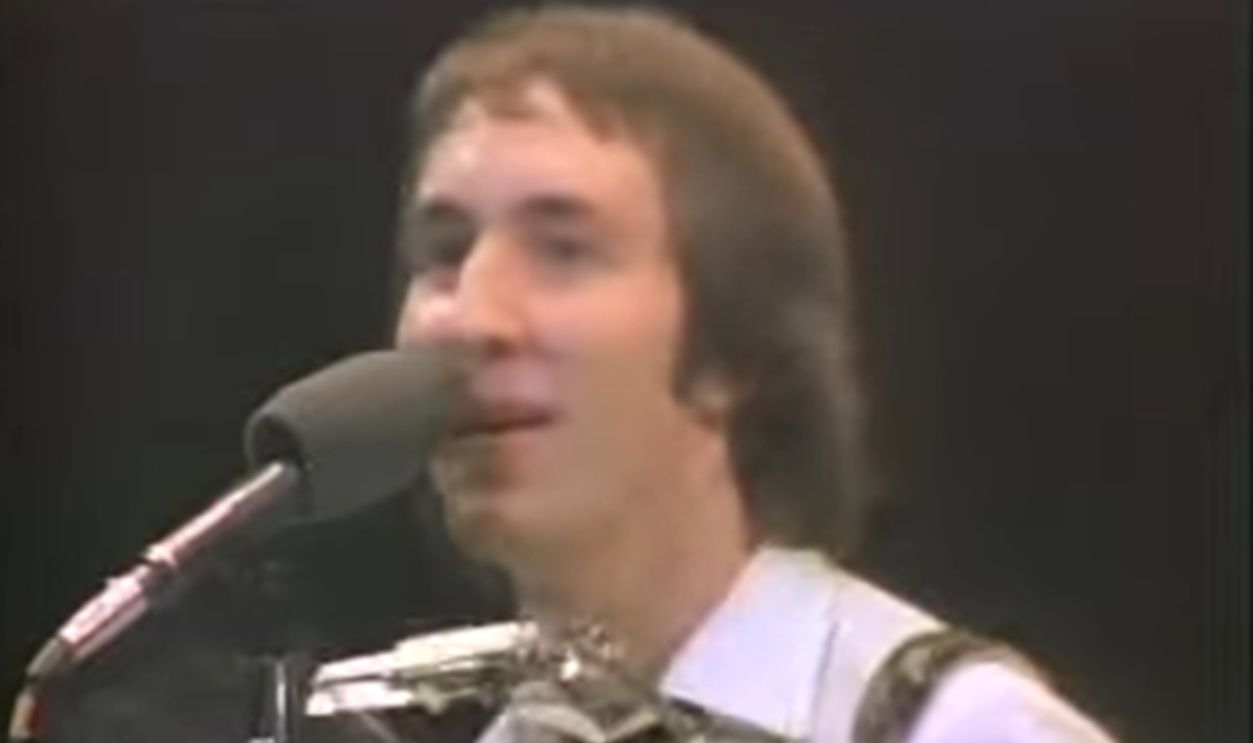 Screenshot from Good Girls Don't, Capitol Records (1979)
Spin Doctors: Pocket Full of Kryptonite (1991)
This debut was everywhere in the early ’90s. Two Princes and Little Miss Can’t Be Wrong turned the band into a mainstream success. They kept releasing albums, but nothing else landed the same way or stuck around as long.
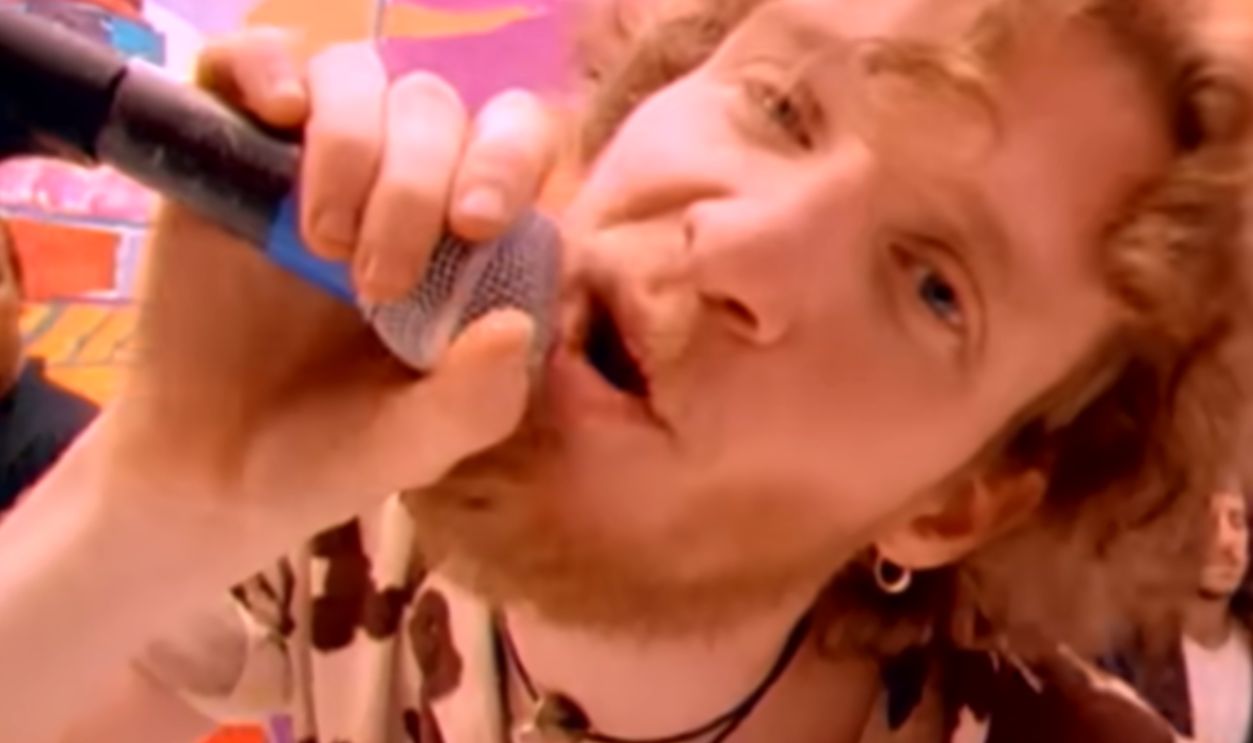 Screenshot from Little Miss Can't Be Wrong, Epic Records (1991)
Rage Against the Machine: Rage Against the Machine (1992)
The band came out sounding fully formed on their first album. The sound, the message, and the energy were all there from the start. Rage Against the Machine stayed strong for years, but many fans still see the debut as the most direct and focused release.
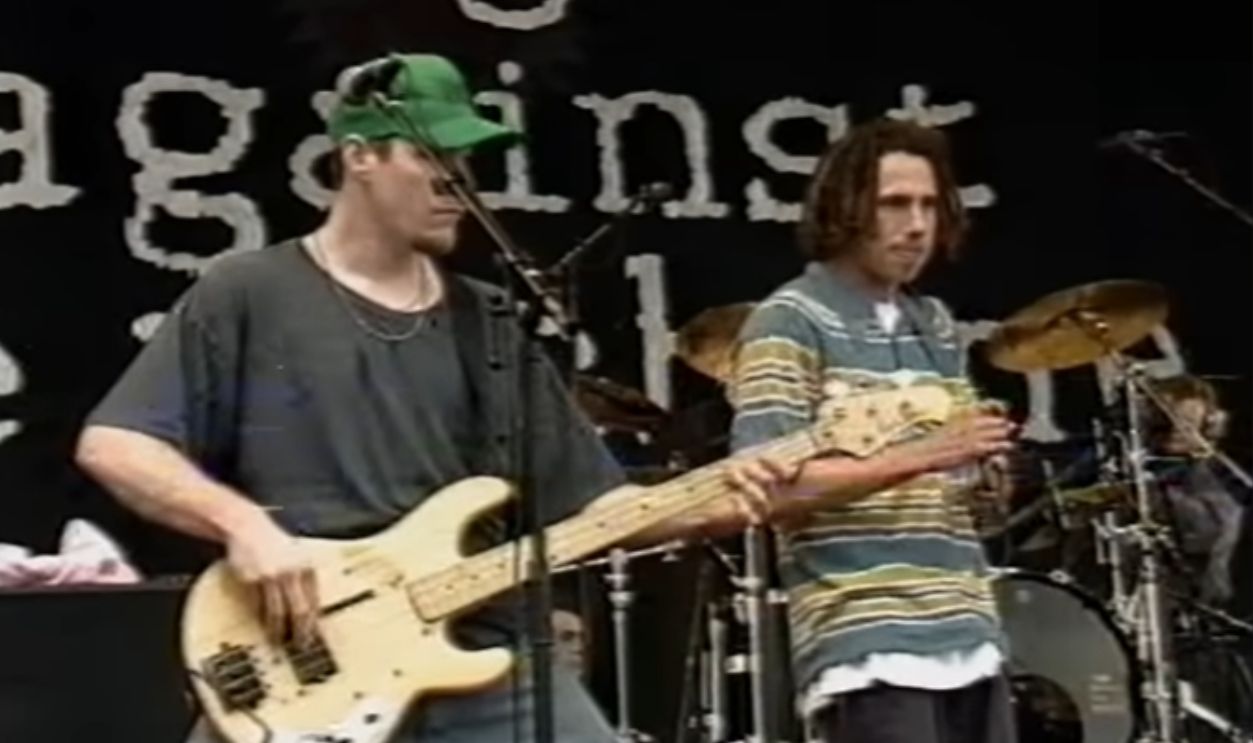 Screenshot from Fistful of Steel, Epic Records (1992)
You Might Also Like:
1960s Bands Who Made One Perfect Album…Then Vanished
Bands Boomers Love That Most Millennials Haven't Even Heard Of