Lost Somewhere Between The Record Store And History
Back in the 60s and 70s, rock albums weren't just music—they were practically a way of life. People bought them, debated them, memorized every song, and played them until the vinyl nearly wore out.
The funny thing is that many albums boomers absolutely loved have quietly disappeared from the conversation. Some were huge sellers. Others became cult favorites. Either way, plenty of millennials have never heard of them. Let's see how many you recognize.

"Breakfast in America" (Supertramp)
In 1979, this album seemed to be everywhere. It produced hits like The Logical Song, Goodbye Stranger, and the title track, helping Supertramp become one of the biggest bands on the planet. Boomers know every note. Many younger listeners know the songs but have no idea they all came from the same album.
"Frampton Comes Alive!" (Peter Frampton)
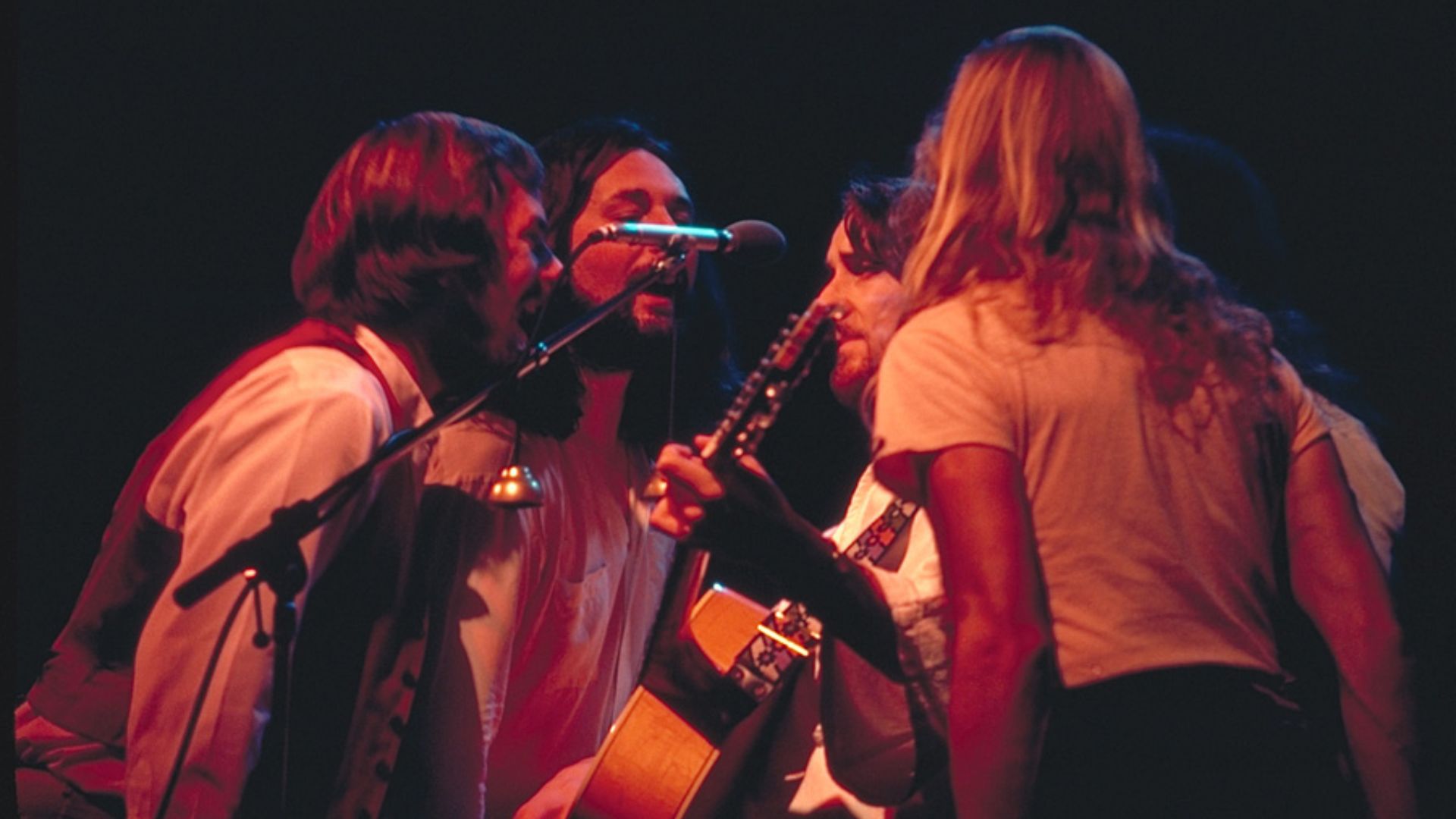
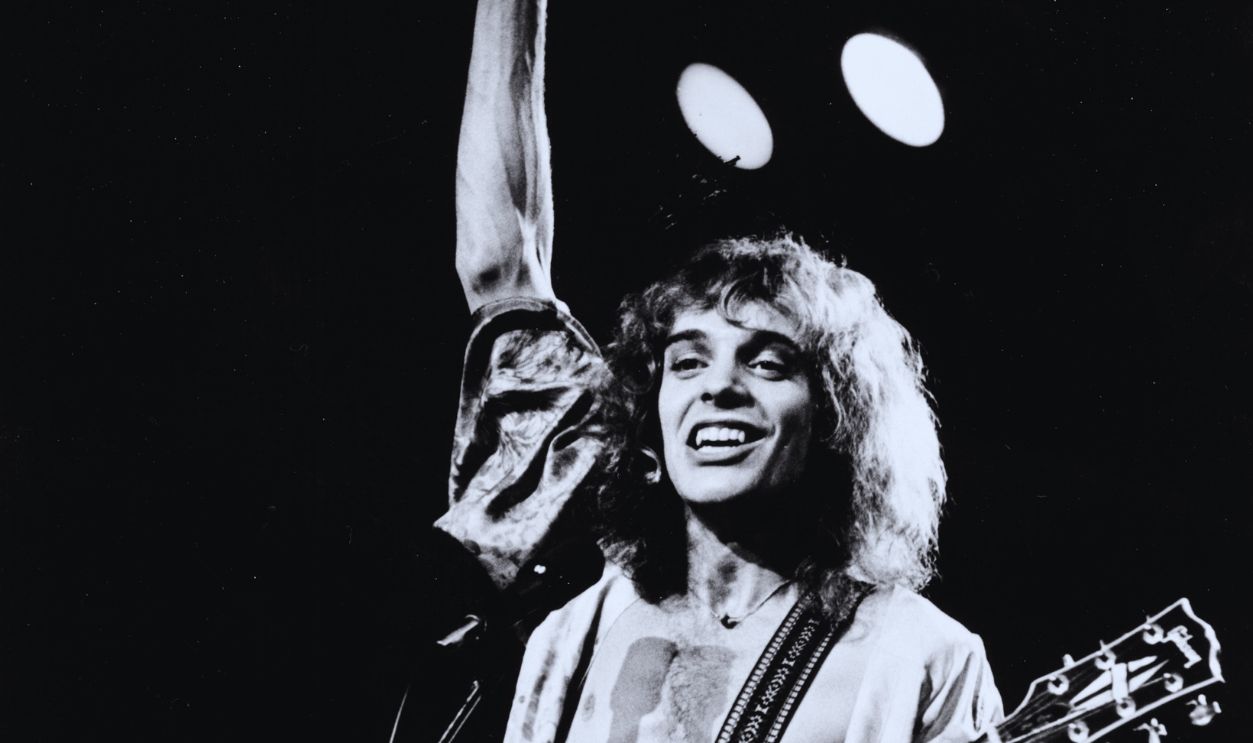
If you were alive in the mid-70s, somebody in your neighborhood owned this album. Probably several people. One of the best-selling live albums ever, it turned Peter Frampton into a superstar overnight. Millennials often recognize the name, but many have never actually listened to the record that made him famous.
 Michael Ochs Archives, Getty Images
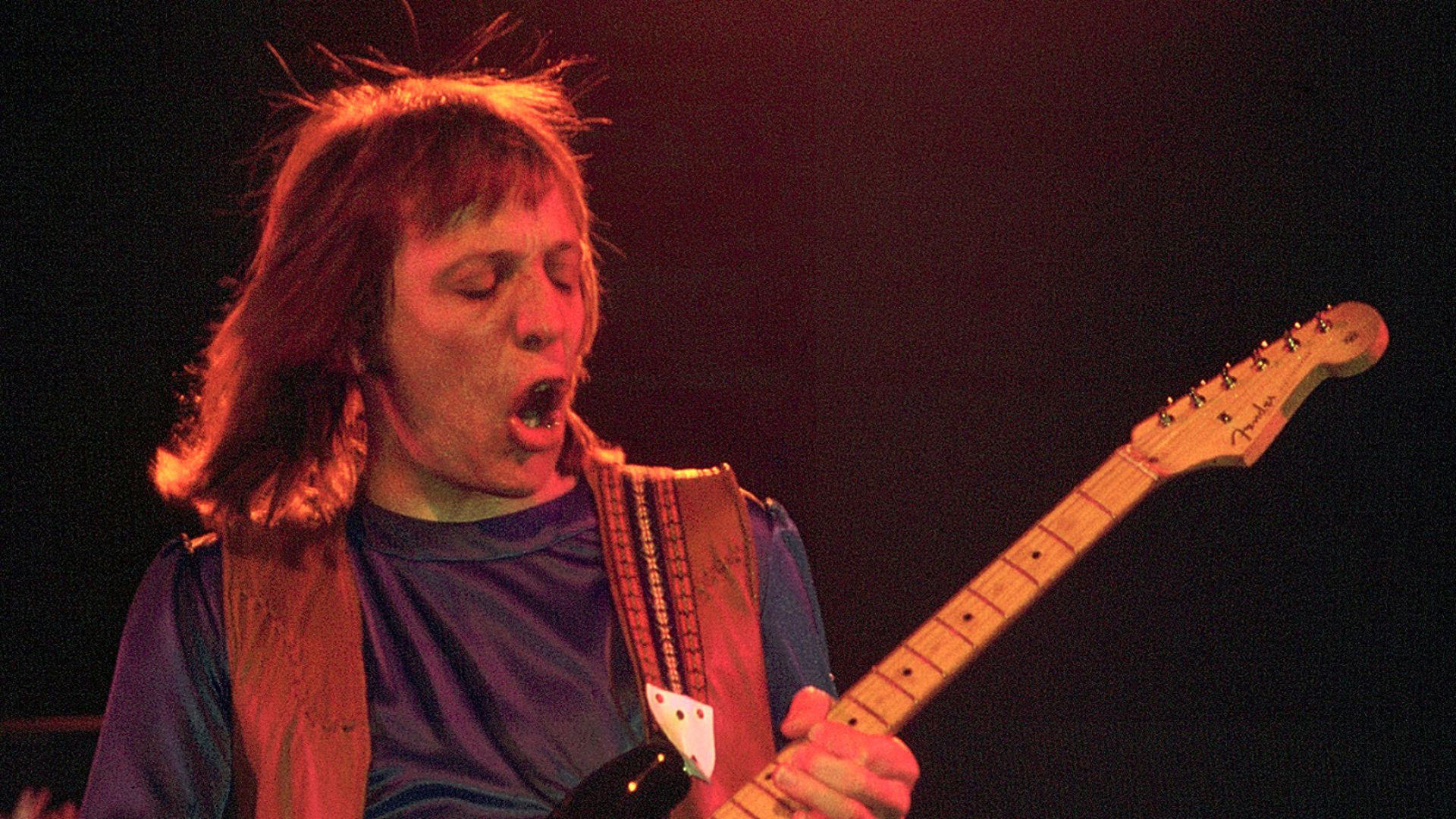
"Bridge of Sighs" (Robin Trower)
Robin Trower was once considered one of rock's greatest guitar players. Today, he's largely become a name boomers remember and younger listeners rarely encounter. Bridge of Sighs remains a favorite among guitar fans and sounds surprisingly fresh more than 50 years later.
 Jim Summaria, Wikimedia Commons
"Bat Out of Hell" (Meat Loaf)
This album has sold tens of millions of copies, yet somehow feels less talked about today than it should. Jim Steinman's over-the-top songwriting and Meat Loaf's larger-than-life vocals created something that sounds more like a rock opera than a traditional album. Boomers absolutely ate it up.
 Ronden Talent Management, Wikimedia Commons
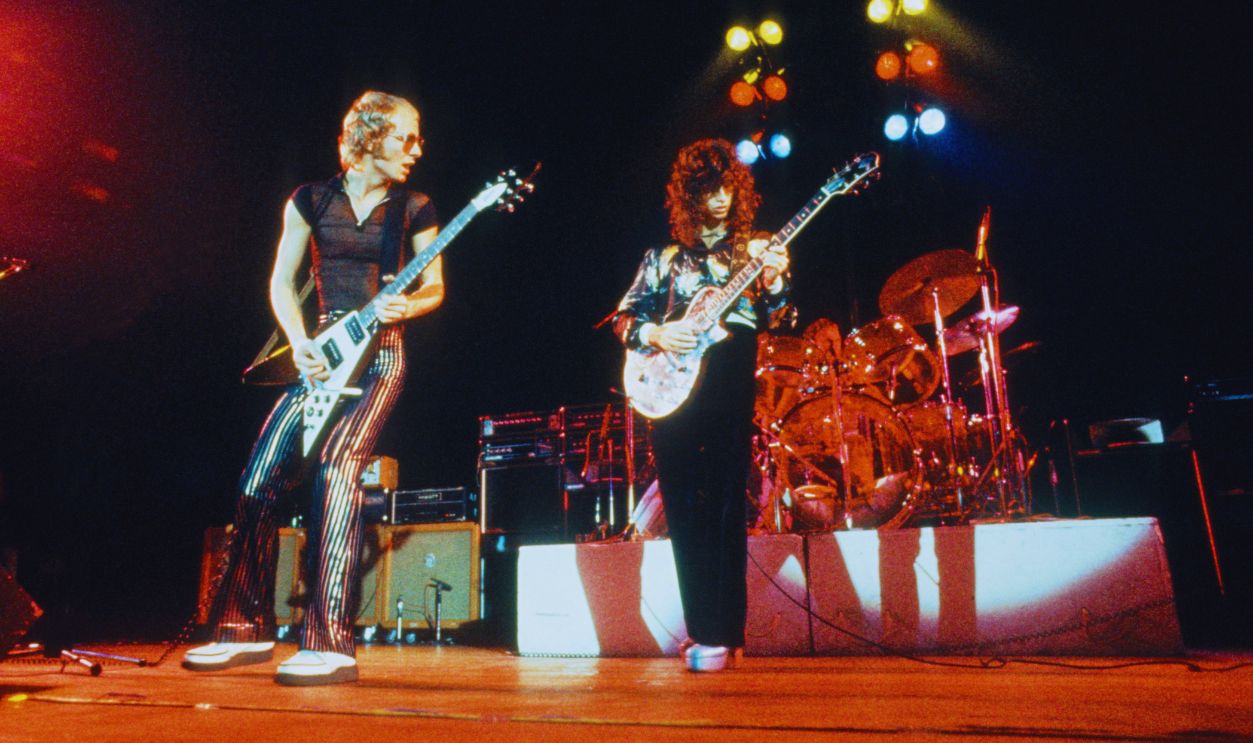
"Argus" (Wishbone Ash)
This one isn't as famous as some of the others here, but older rock fans love bringing it up. Released in 1972, Argus helped define the twin-guitar sound that influenced countless bands. If you've never heard of Wishbone Ash, you're definitely not alone.
 Gijsbert Hanekroot, Getty Images
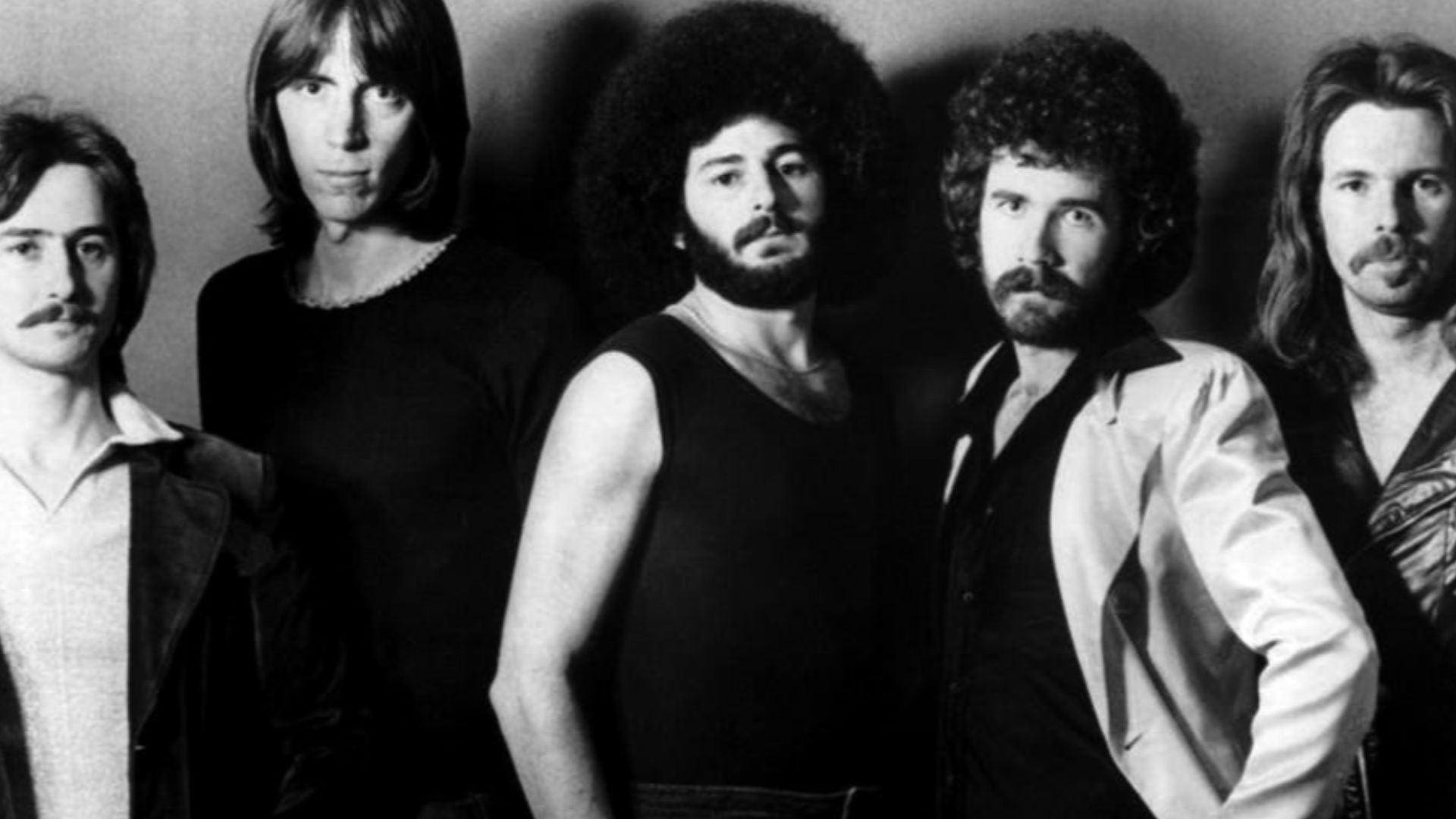
"Boston" (Boston)
Few debut albums have exploded the way Boston did. Songs like More Than a Feeling became instant classics and are still all over classic-rock radio. The funny part is that many younger listeners know the songs without ever realizing they came from one album.
 Premier Talent Associates (management company), Wikimedia Commons
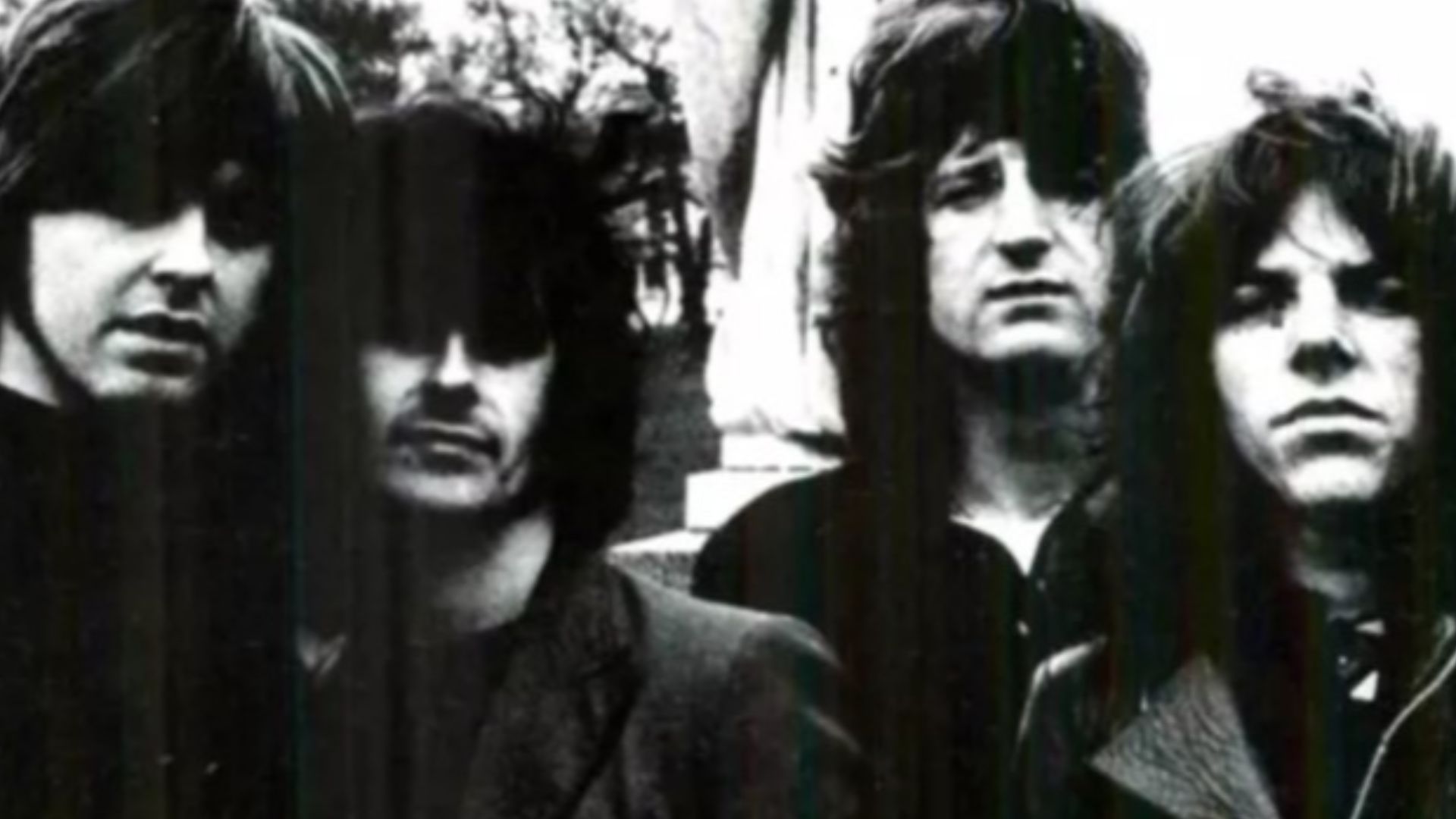
"Straight Up" (Badfinger)
Badfinger should have been much bigger than they ended up becoming. Straight Up is packed with fantastic melodies and some of the strongest songwriting of the early 70s. Boomers often remember it fondly, while many millennials have never even heard the band's name.
 Apple Records, Wikimedia Commons
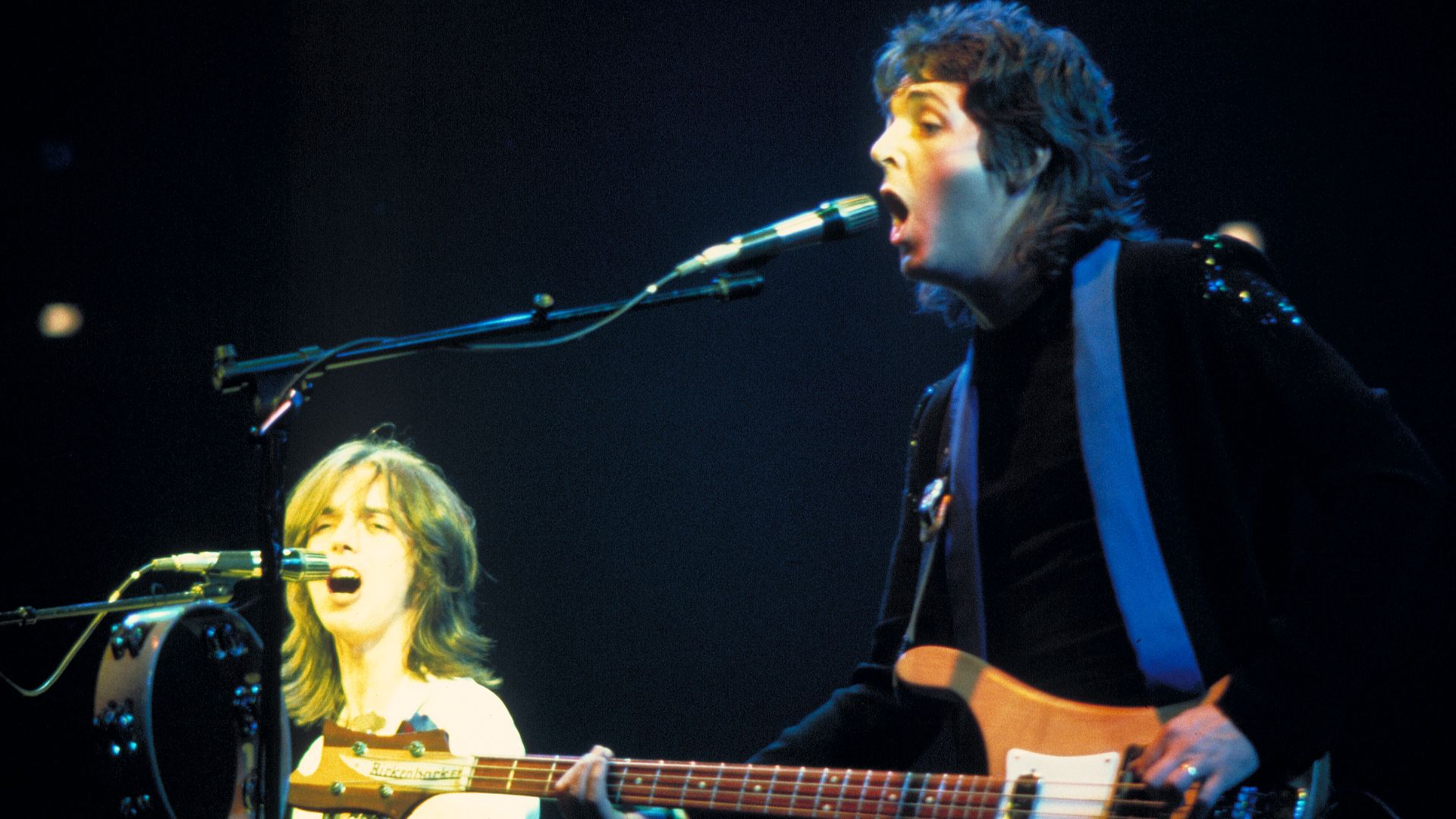
"Band on the Run" (Paul McCartney & Wings)
Everybody knows Paul McCartney. Far fewer people know Band on the Run. Released after The Beatles had long since broken up, it became one of McCartney's greatest achievements and helped prove he could thrive outside the shadow of his former band.
 Jim Summaria., Wikimedia Commons
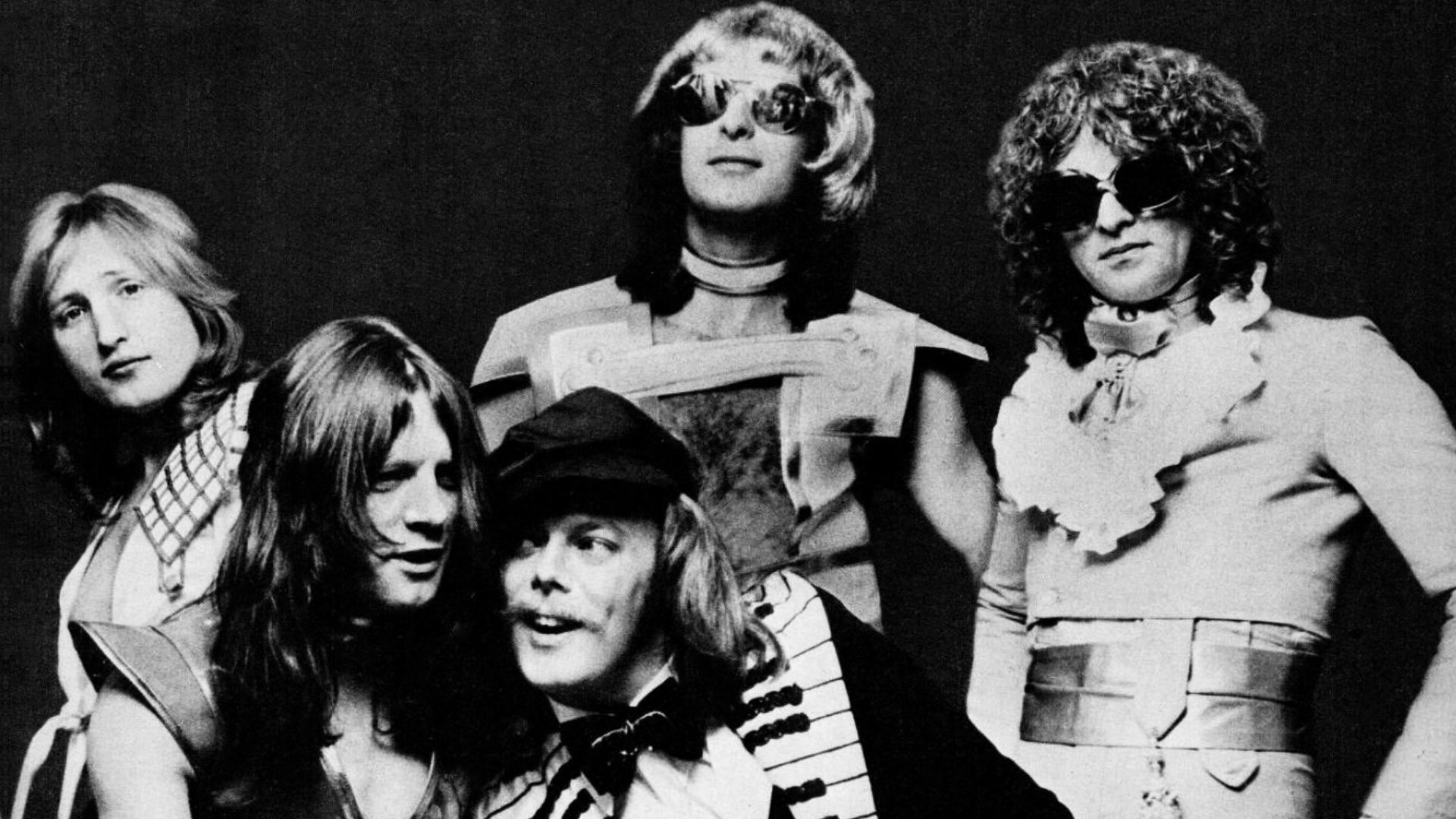
"Mott" (Mott the Hoople)
Mott the Hoople never quite became a household name, but plenty of boomers still remember them. Mott delivered glam-rock swagger, great hooks, and enough attitude to fill an arena. It deserves far more recognition than it gets today.
 Columbia Records, Wikimedia Commons
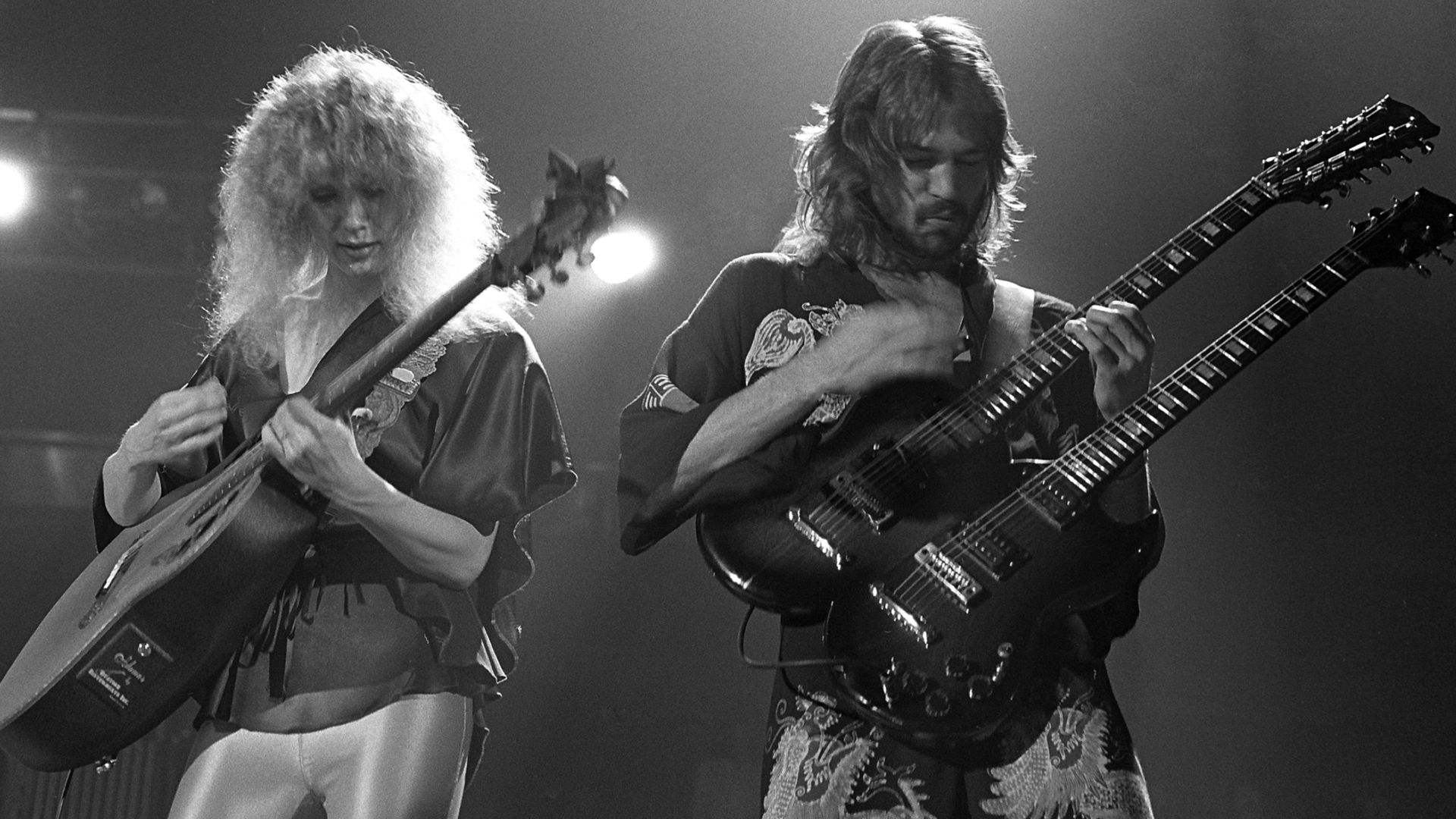
"Dreamboat Annie" (Heart)
Before Heart became arena-rock legends, there was Dreamboat Annie. The album introduced the world to Ann and Nancy Wilson and featured some of the strongest debut material of the decade. Boomers loved it. Many younger listeners have never gone back that far into Heart's catalog.
 Jim Summaria, http://jimsummariaphoto.com, Wikimedia Commons
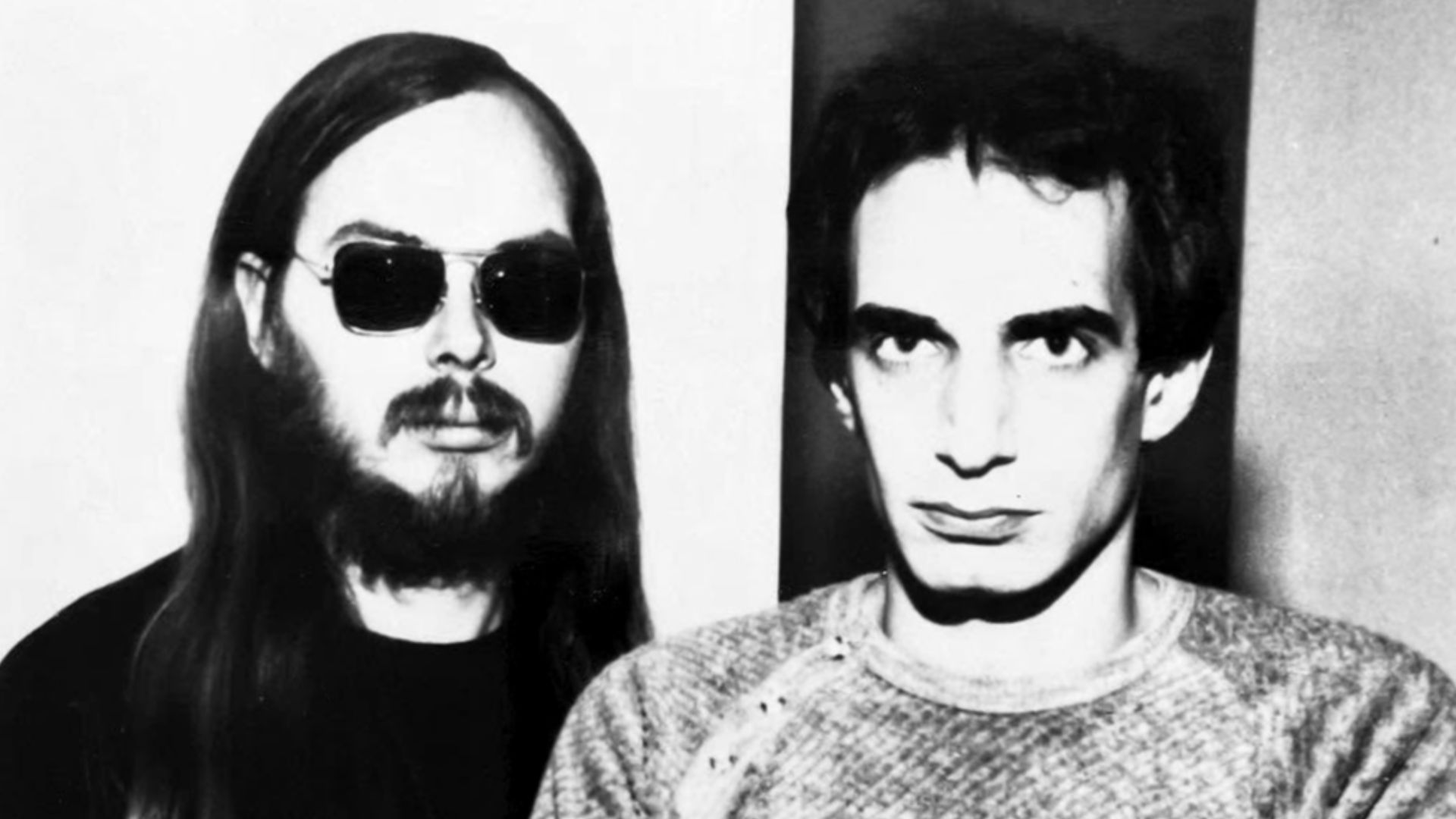
"Aja" (Steely Dan)
Some boomers will tell you this is one of the greatest albums ever recorded. Others will tell you it's the greatest album ever recorded. Either way, Aja remains a masterpiece of songwriting, musicianship, and production. Younger listeners often know Steely Dan by name but not by album.
 Distributed by MCA Records, Wikimedia Commons
"Nantucket Sleighride" (Mountain)
Most people know Mountain for Mississippi Queen. Boomers know that's only part of the story. Nantucket Sleighride showed the band's heavier side and became a favorite among classic-rock fans who appreciated long, dramatic guitar-driven songs.
 Frank Schwichtenberg, Wikimedia Commons
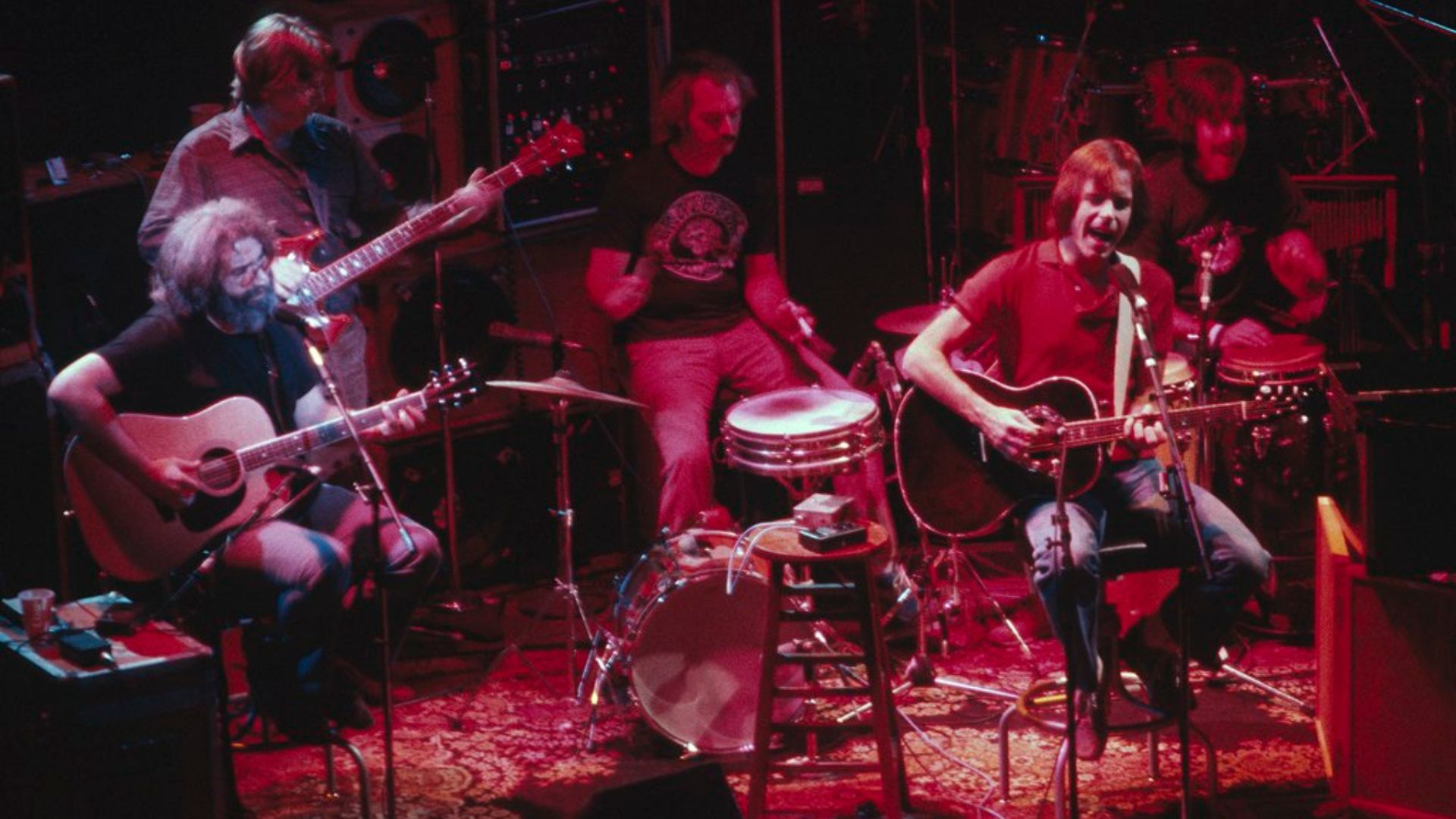
"American Beauty" (Grateful Dead)
The Grateful Dead's logo remains famous. The music? Maybe not so much among younger generations. American Beauty features some of the band's most accessible songs and remains one of the albums boomers recommend most often to people trying to understand what all the fuss was about.
 Chris Stone https://gratefulphoto.com, Wikimedia Commons
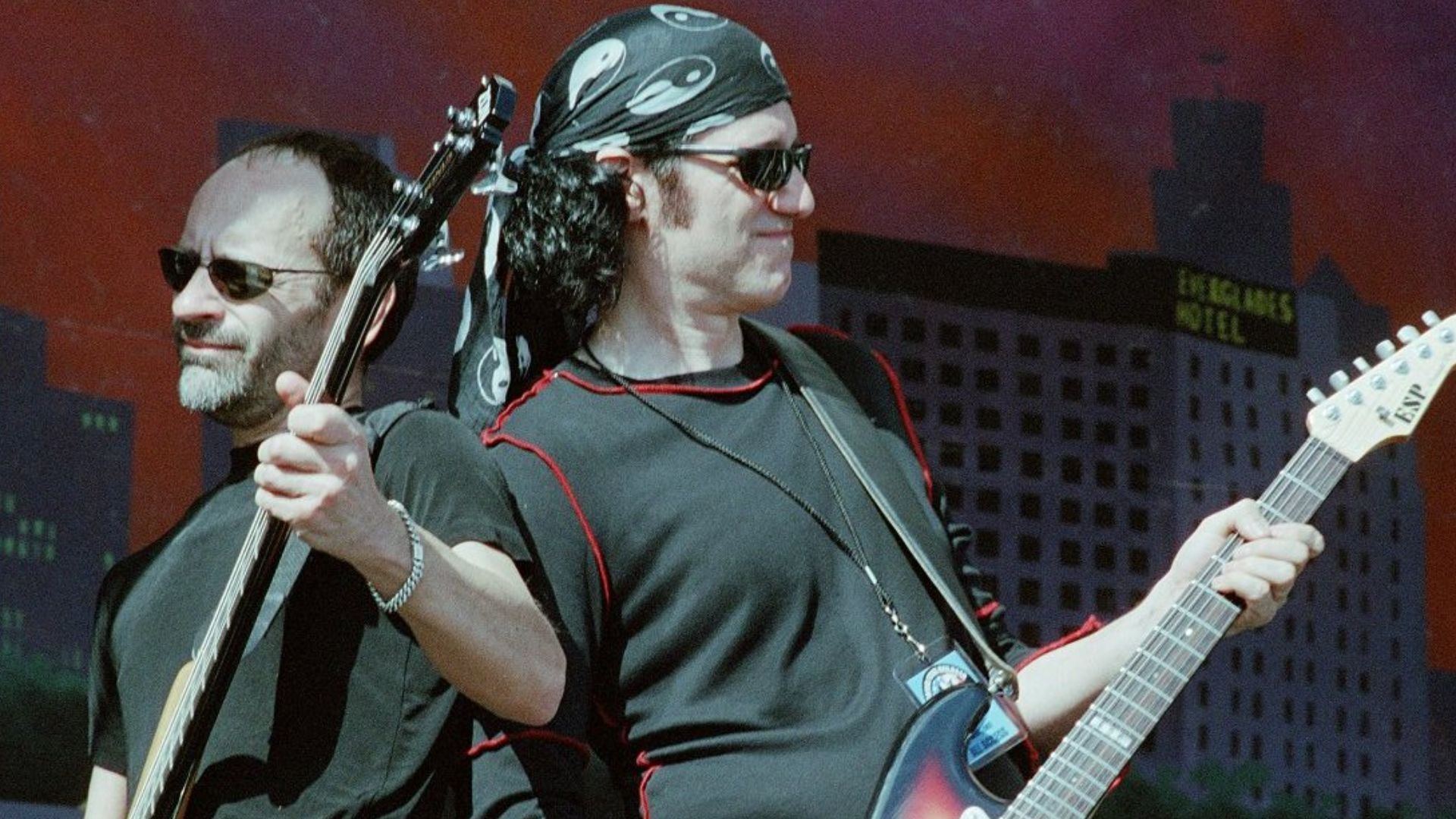
"Phoenix" (Grand Funk Railroad)
Grand Funk Railroad once filled arenas and sold millions of records. Today, many younger listeners barely recognize the name. Phoenix helped show the band's evolution while keeping the hard-rock sound that made them famous in the first place.
 Carl Lender at https://www.flickr.com/photos/clender/, Wikimedia Commons
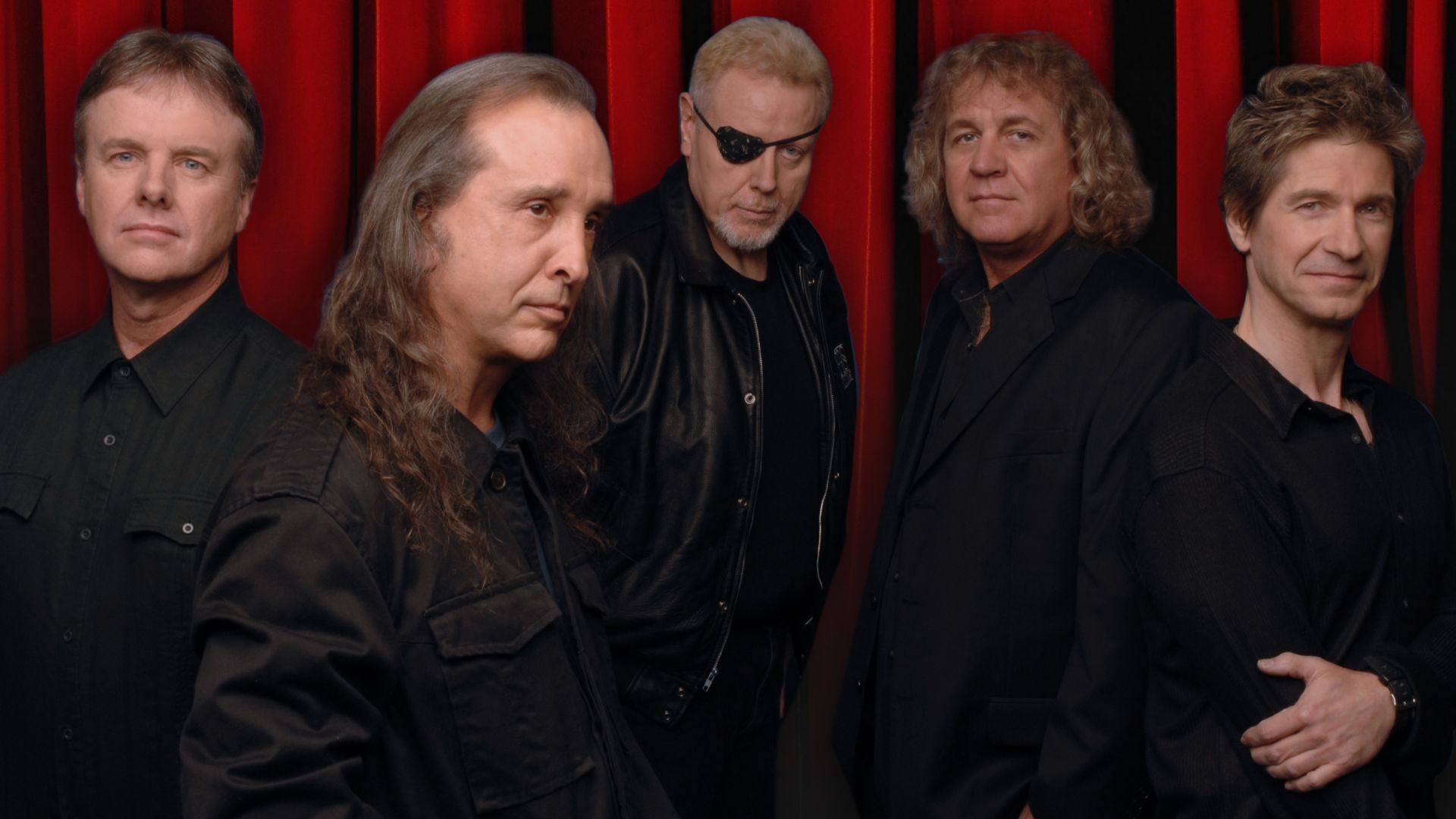
"Leftoverture" (Kansas)
Even people who don't know Kansas usually know Carry On Wayward Son. What many don't realize is that it came from one of the strongest rock albums of the decade. Leftoverture blended progressive-rock complexity with enough hooks to make it a massive success.
 Glenn Smith Presents, Inc., Wikimedia Commons
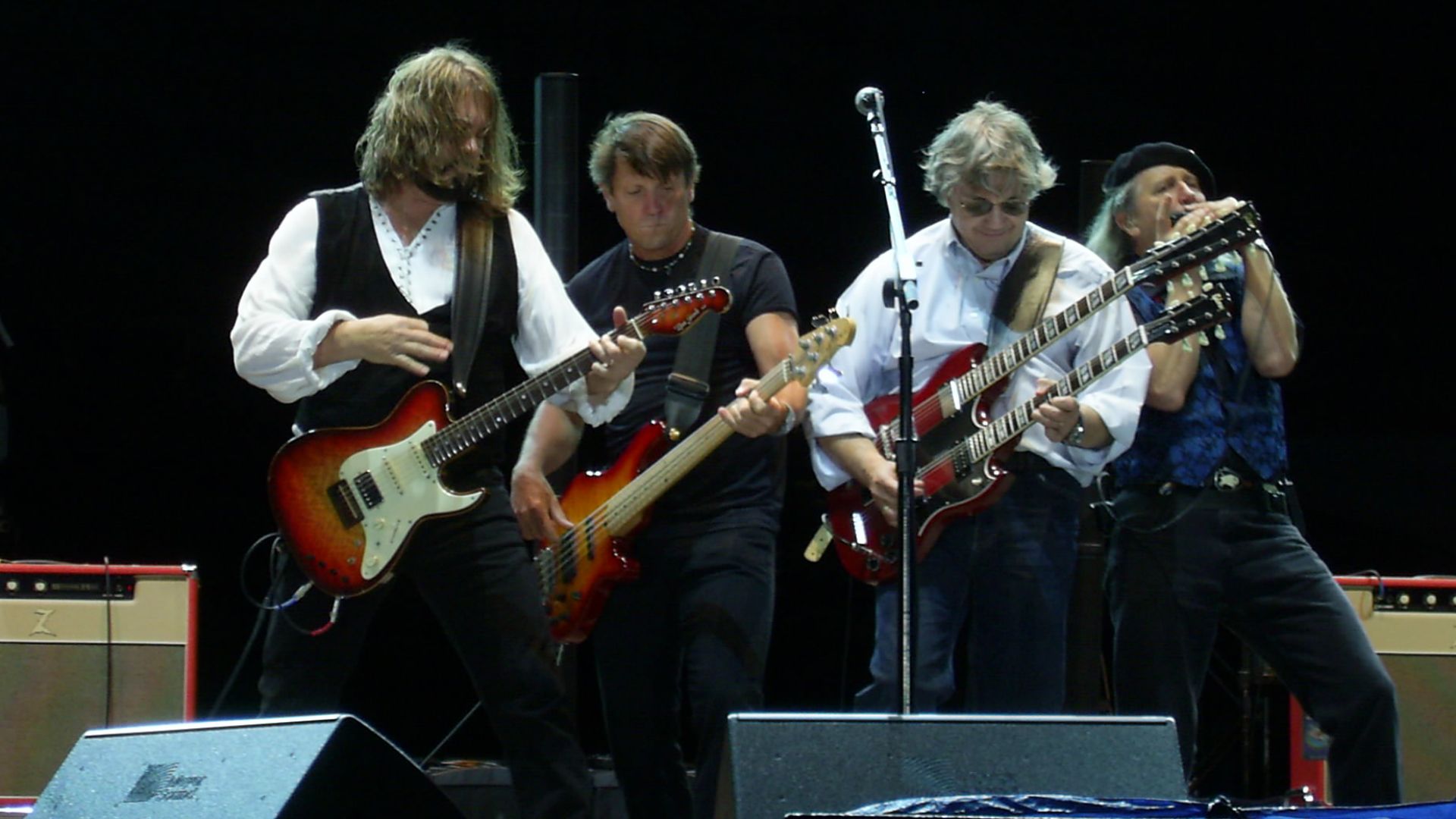
"Book of Dreams" (Steve Miller Band)
The Steve Miller Band was unstoppable in the late 70s. Book of Dreams delivered hit after hit and became one of the defining albums of the era. Boomers still remember hearing these songs everywhere, while millennials often only recognize them from movie soundtracks and commercials.
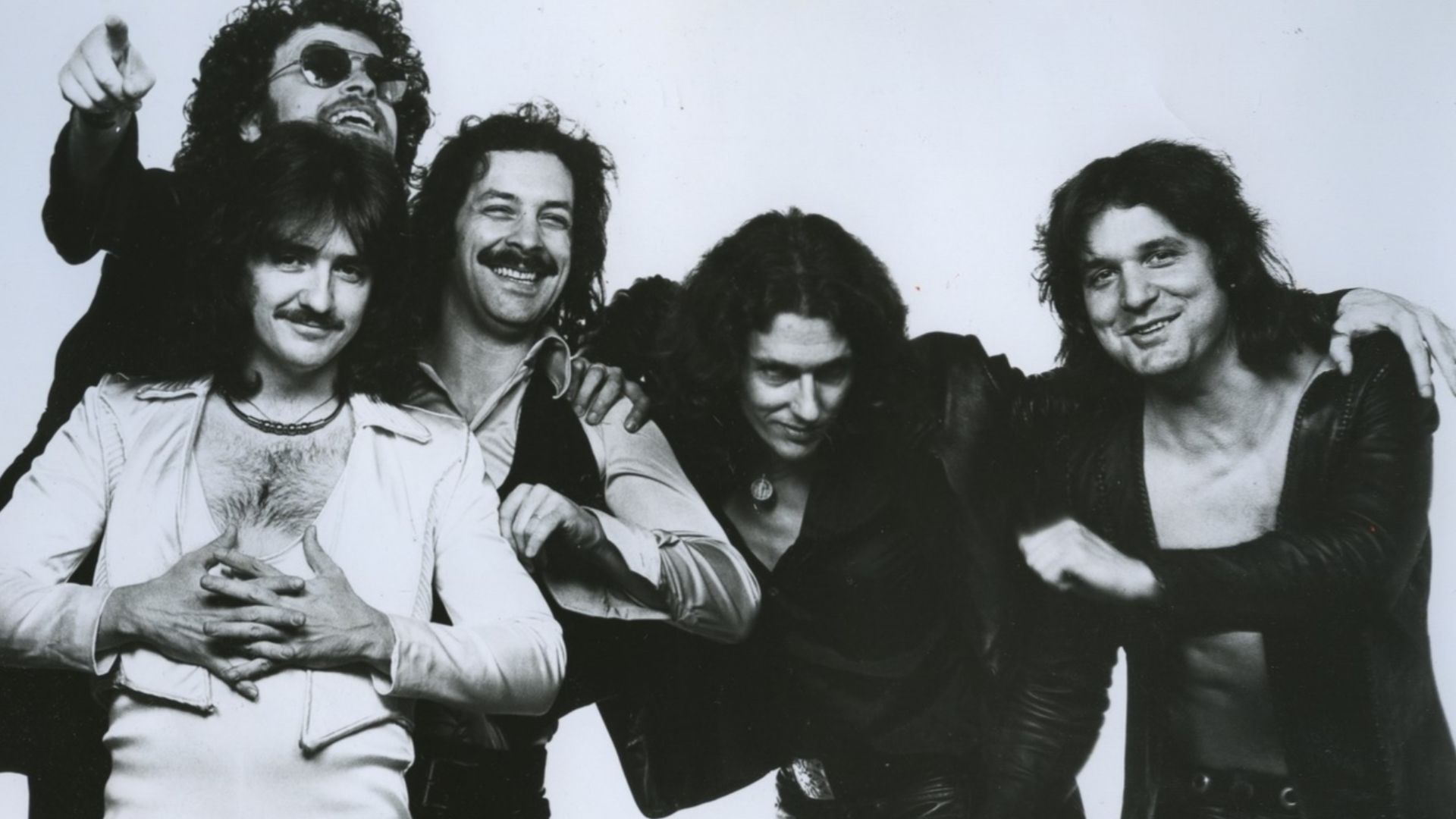
"Agents of Fortune" (Blue Öyster Cult)
Most people know (Don't Fear) The Reaper. Boomers know the rest of Agents of Fortune deserves attention too. The album mixed hard rock, mystery, and some surprisingly clever songwriting into one of the band's most successful releases.
 Eric Meola, Columbia Records, Wikimedia Commons
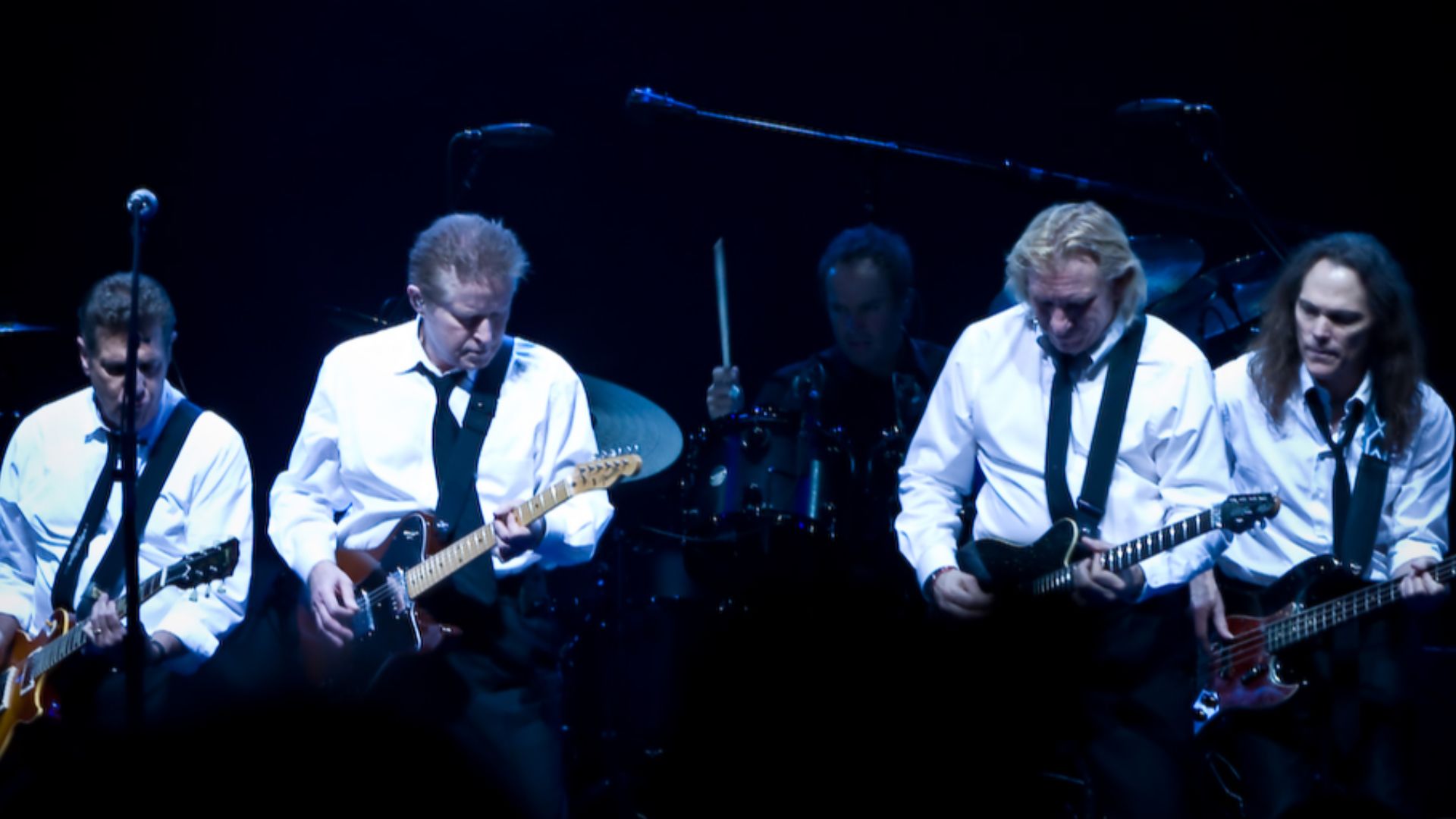
"On the Border" (Eagles)
Before Hotel California took over the world, the Eagles were still figuring out exactly what kind of band they wanted to be. On the Border captured them during that transition and remains a favorite among longtime fans who prefer the group's earlier sound.
 Steve Alexander, Wikimedia Commons
"Tea for the Tillerman" (Cat Stevens)
Many boomers practically treat this album like a treasured family heirloom. Songs like Wild World helped make Cat Stevens a star, but the entire record is worth hearing. It's one of those albums that seems to get better with age.
 William McElligott, Wikimedia Commons
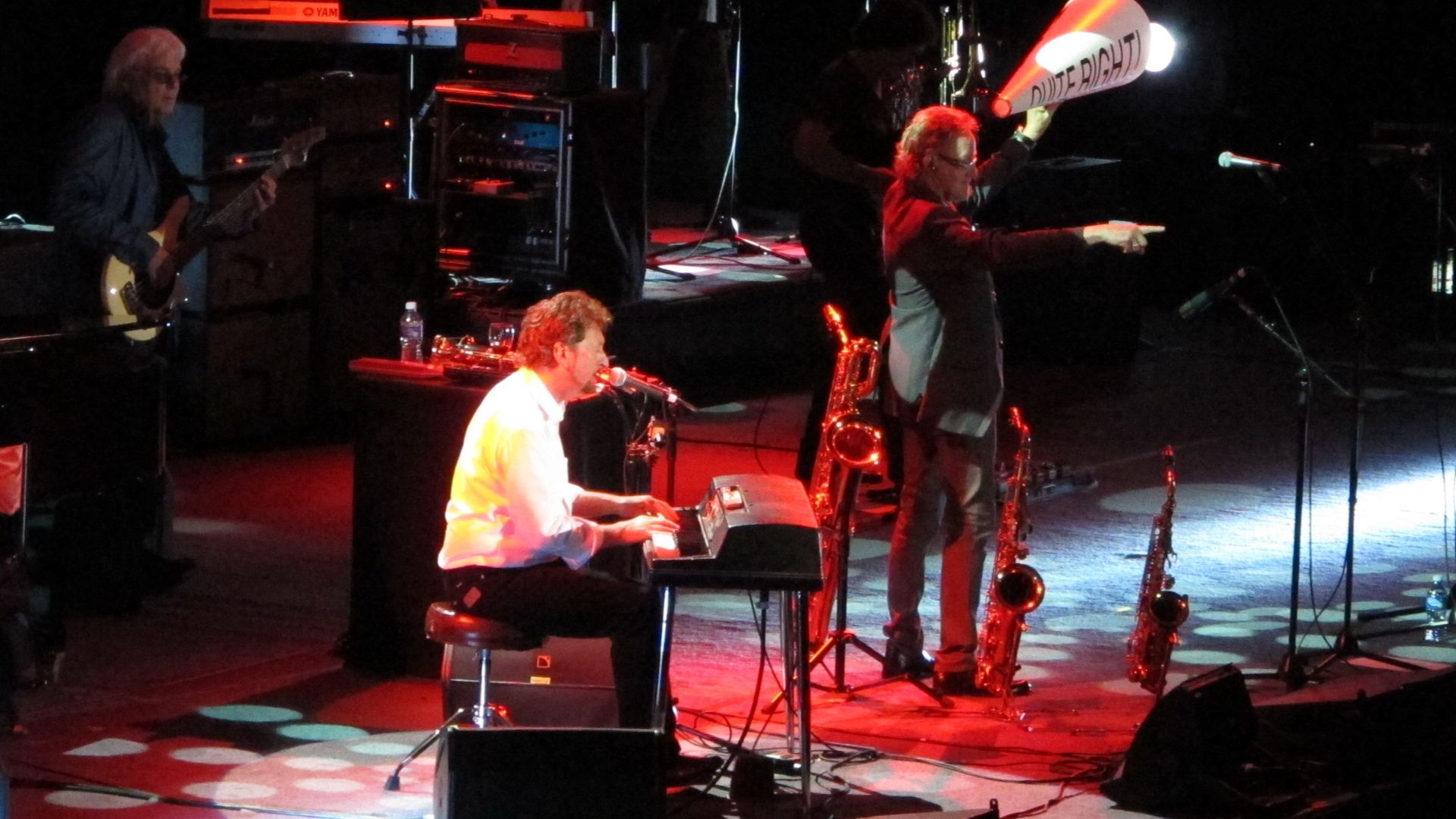
"Crime of the Century" (Supertramp)
Supertramp makes a second appearance because plenty of boomers would argue this album is even better than Breakfast in America. Released in 1974, it blended progressive-rock ambition with songs that somehow still managed to stick in your head.
 Shayne Kaye, Wikimedia Commons
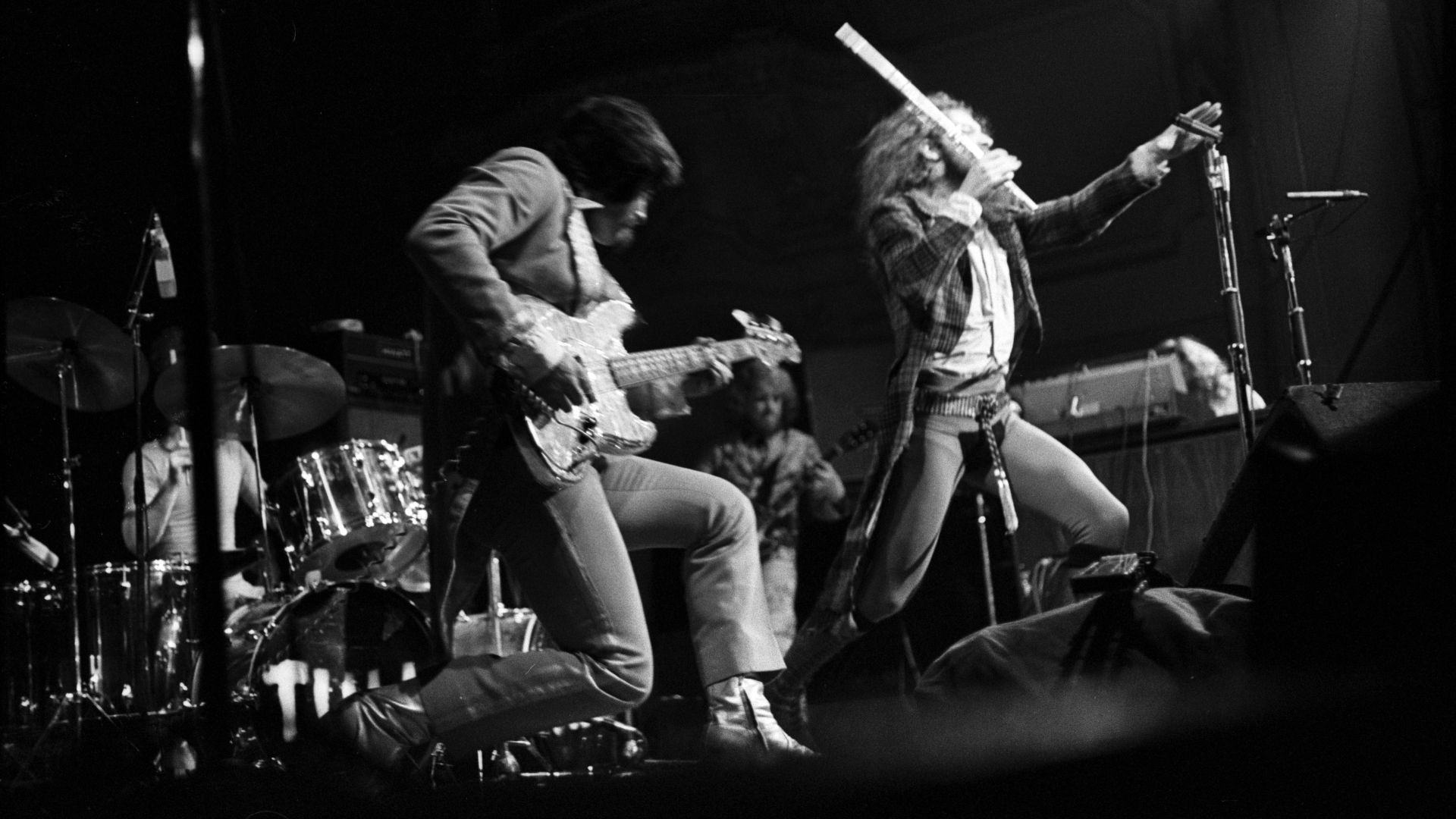
"Aqualung" (Jethro Tull)
If younger listeners know Jethro Tull at all, it's often because of some random music trivia. Boomers know Aqualung as one of the defining rock albums of the early 70s. It remains every bit as unique and memorable today.
 Heinrich Klaffs, Wikimedia Commons
"The Grand Illusion" (Styx)
Styx helped define arena rock, and The Grand Illusion played a huge role in that success. Packed with big hooks and bigger ambitions, the album remains one of the records boomers return to again and again.
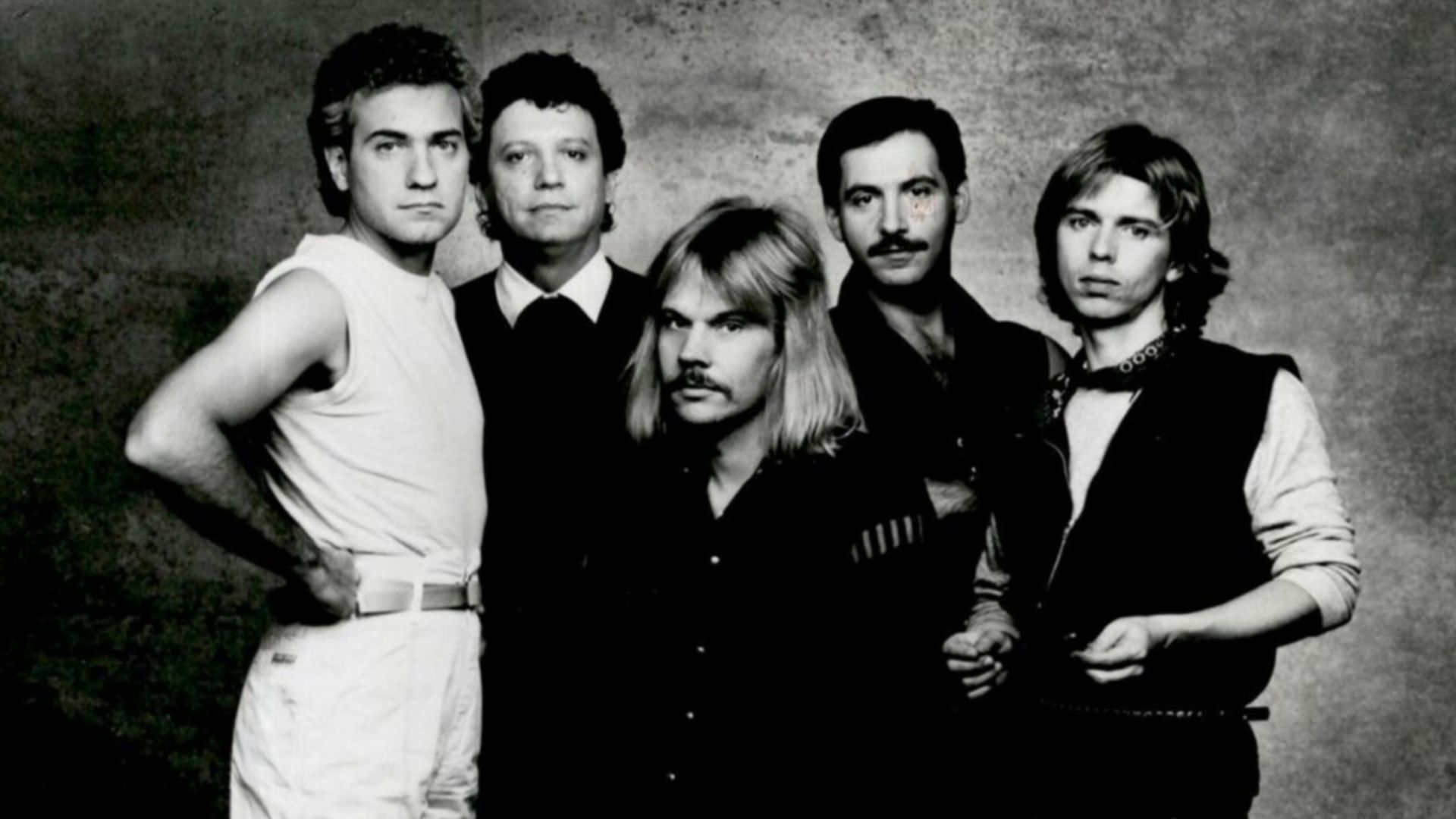 Front Line Management Company; Distributed by A&M Records, Wikimedia Commons
"Forever Changes" (Love)
Ask serious rock fans about the greatest forgotten albums ever made and this title comes up constantly. Released in 1967, Forever Changes blended folk, rock, and psychedelia into something timeless. Critics love it. Musicians love it. Most millennials have never heard of it.
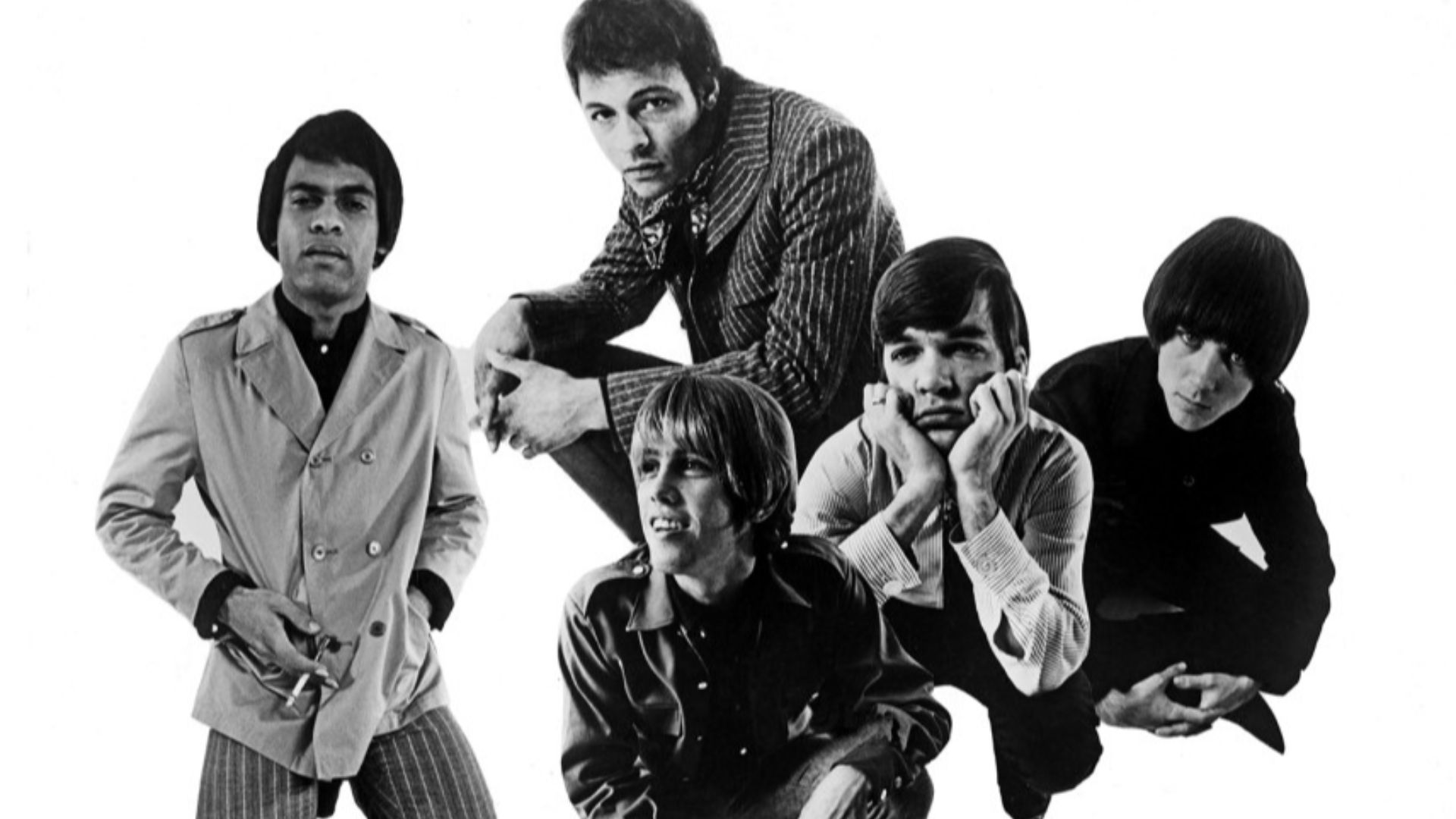 Elektra Records or the photographer(s), Wikimedia Commons
"Minute by Minute" (The Doobie Brothers)
This album dominated the late 70s and helped make The Doobie Brothers one of the biggest bands in America. Songs like What a Fool Believes remain classics, even if the album itself doesn't get discussed nearly as much anymore.
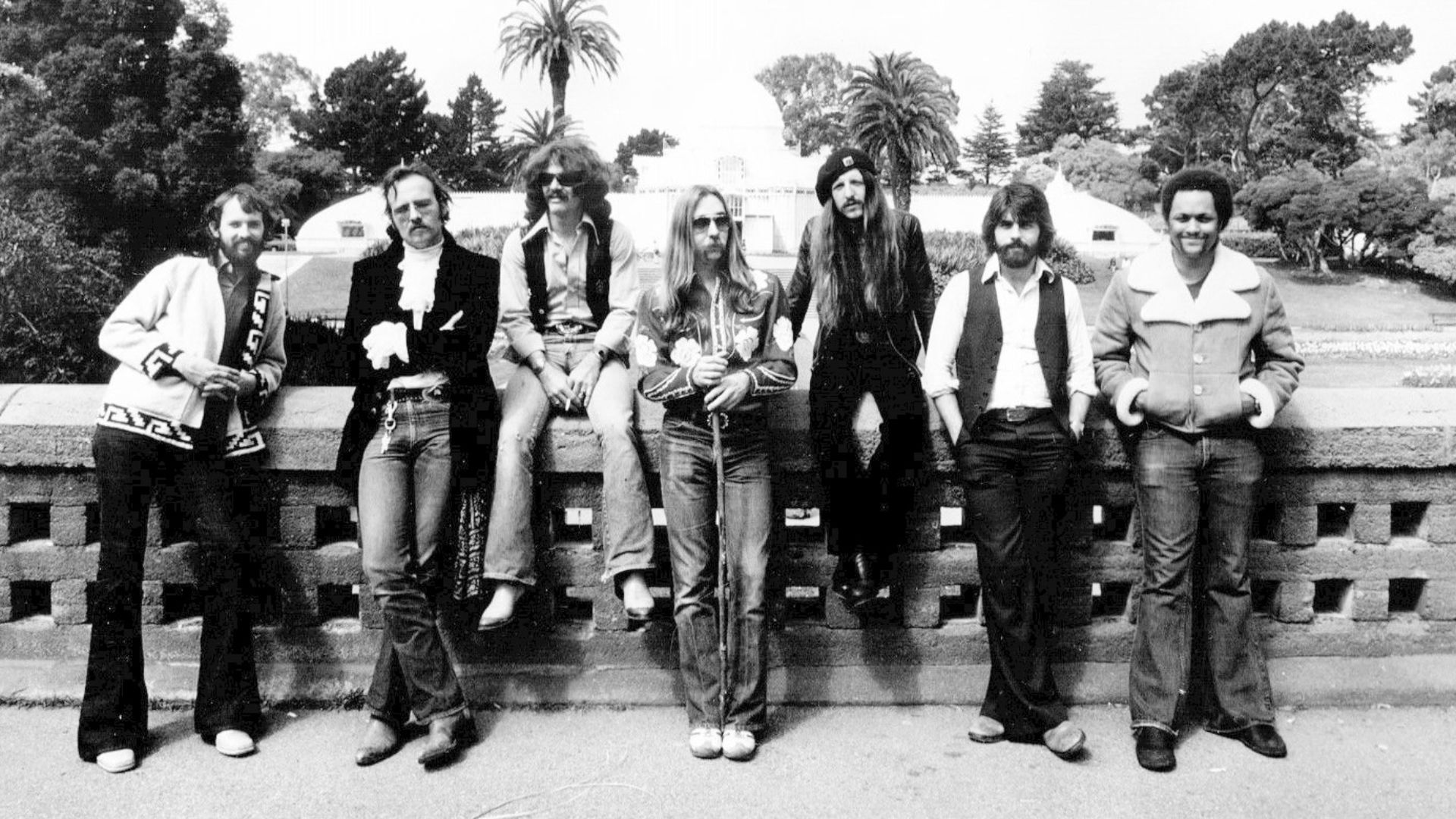 Warner/Reprise Records, Wikimedia Commons
"Billion Dollar Babies" (Alice Cooper)
Alice Cooper was already famous when this album arrived, but Billion Dollar Babies took things to another level. It became his biggest commercial success and helped cement his reputation as rock's king of theatrical excess. Boomers remember it well. Many younger listeners only know the name Alice Cooper.
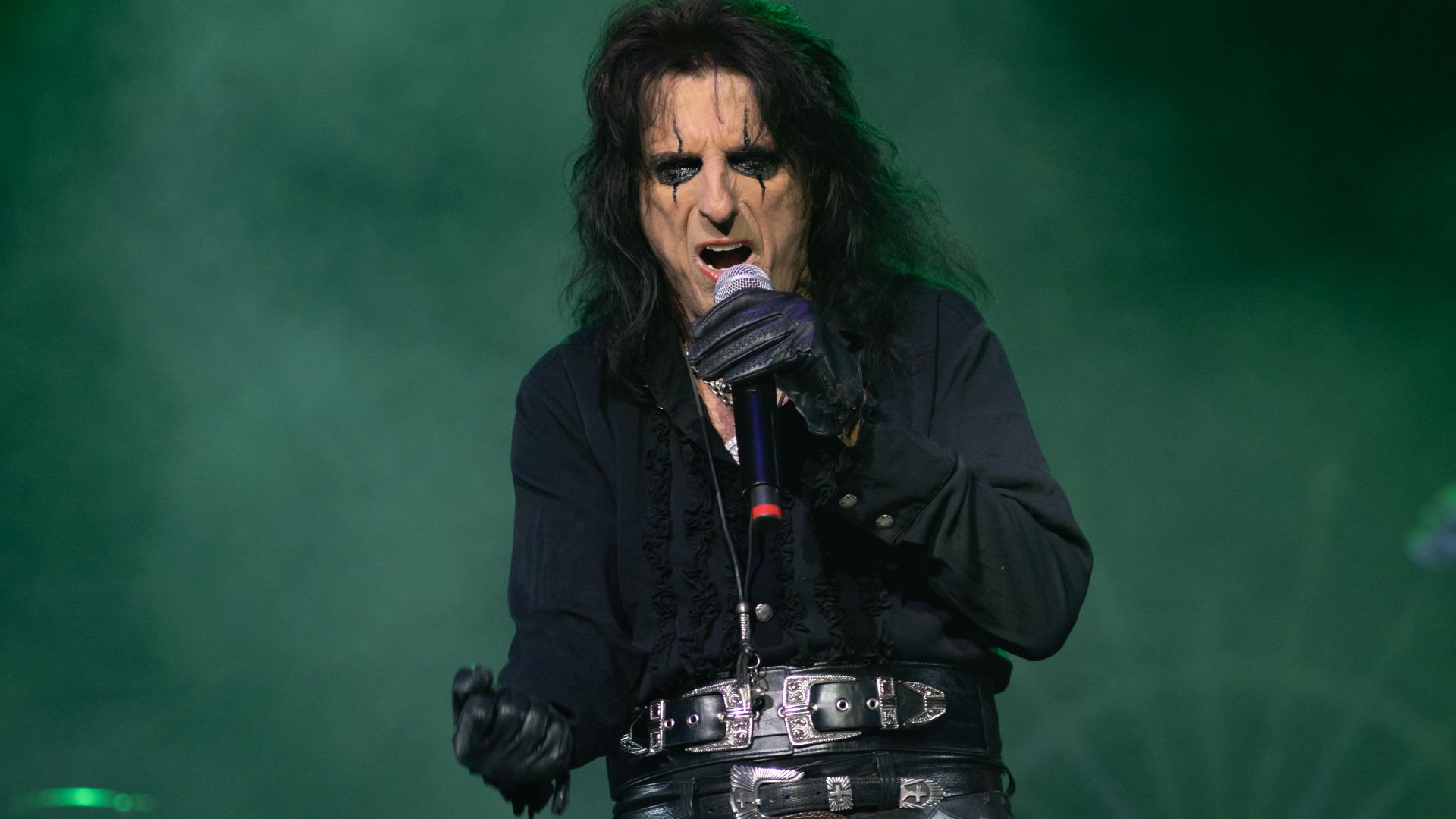
You Might Also Like:
Ranking Rock’s Best Live Acts Of All Time—Do You Agree?
Ranking The Best Rock Drummers Ever—What Do You Think?
Rock Bands Who Clearly Didn’t Want To Make These Albums—And You Can Hear It