Turn Up the Synthesizers
The 1980s gave us booming drums, dazzling videos, enormous hair, and choruses designed to survive forever. These pop songs did more than rule the radio. They helped create the sound, look, and attitude of the decade. How many can you recognize from the opening seconds?
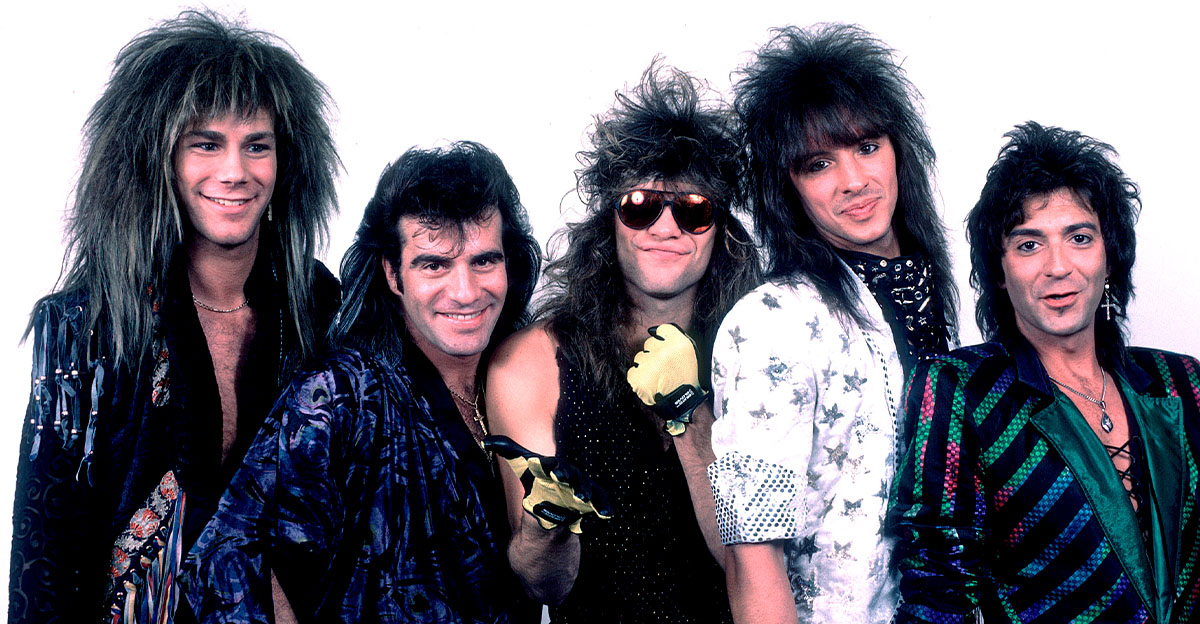
#30: “Walking on Sunshine” by Katrina and the Waves
Released internationally in 1985, “Walking on Sunshine” sounded like someone had bottled pure optimism and added horns. Its pounding beat, handclaps, and wildly enthusiastic vocal made it perfect for movies, commercials, weddings, and any scene requiring immediate happiness. Cynicism never stood a chance once that chorus arrived.
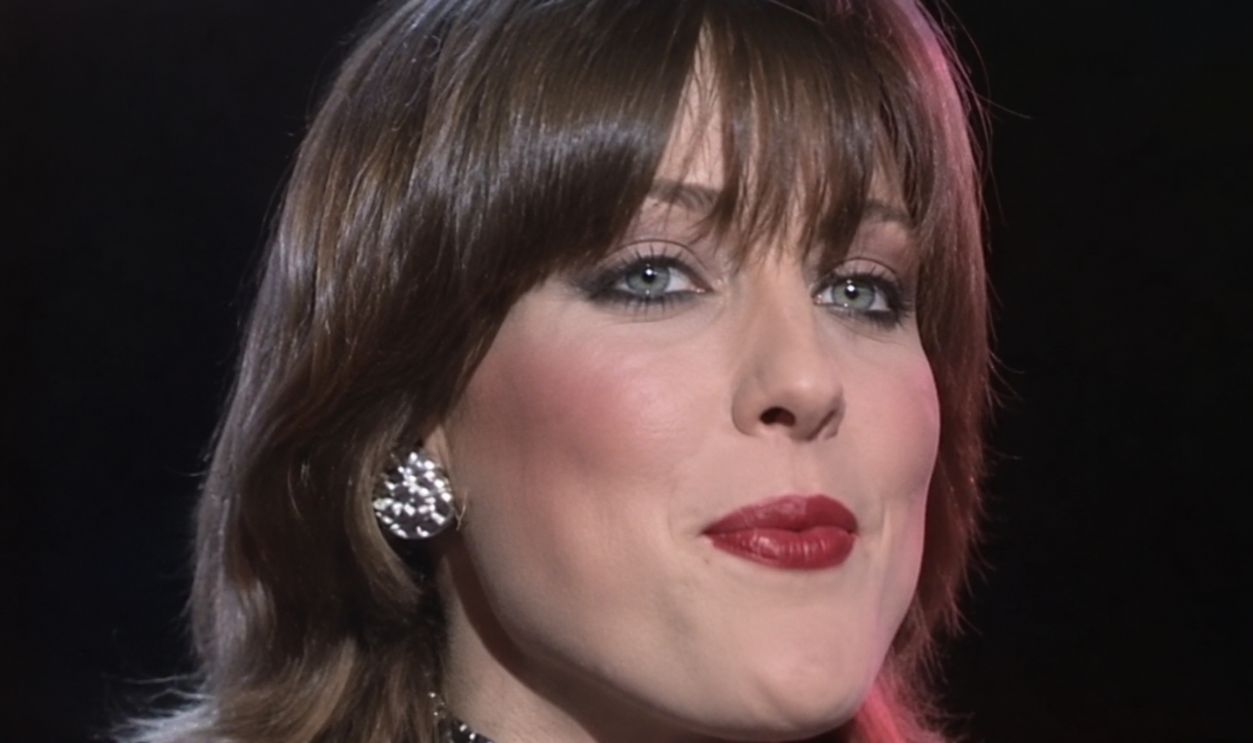 Screenshot from Walking on Sunshine, Capitol Records (1985), Enhanced
#29: “Mickey” by Toni Basil
Toni Basil transformed Racey’s “Kitty” into “Mickey,” added cheerleading chants, and scored one of the decade’s most recognizable hits. The low-budget music video featured Basil and a team of cheerleaders performing tightly choreographed routines. It was catchy, colorful, and nearly impossible to hear only once.
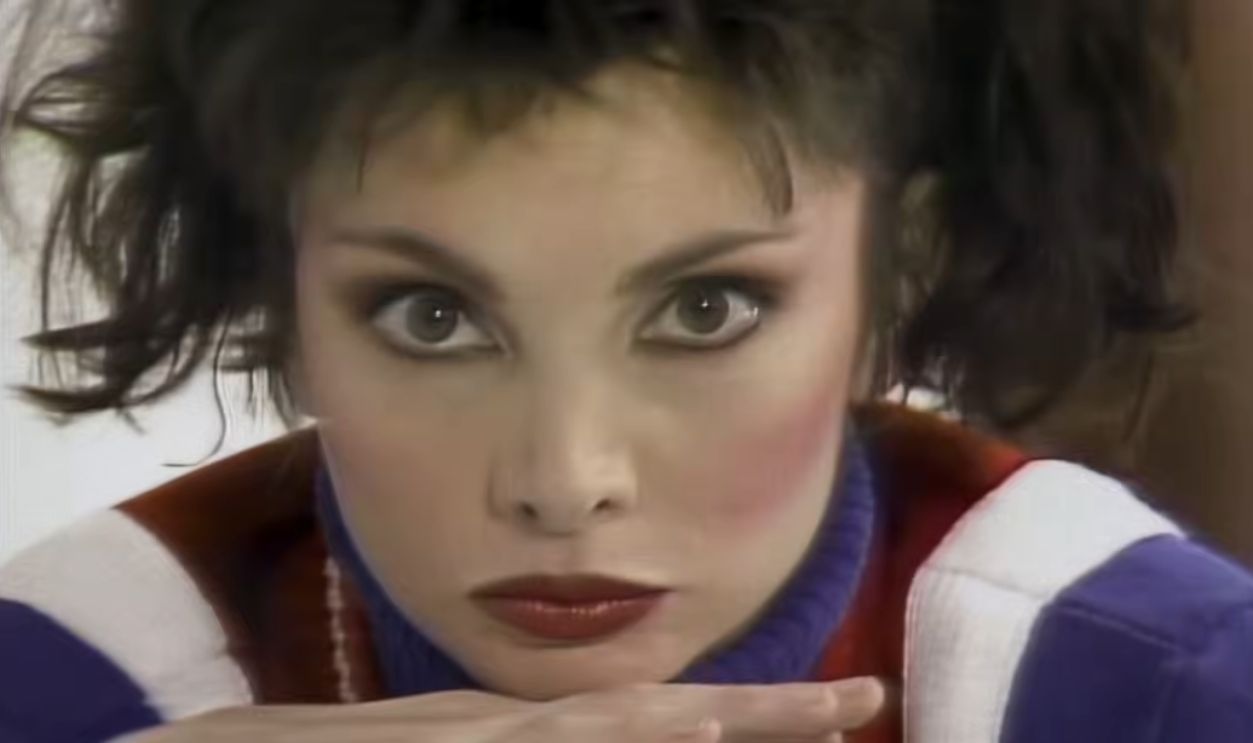 Screenshot from Mickey, Chrysalis Records (1982)
#28: “99 Luftballons” by Nena
Nena’s German-language hit turned a story about balloons accidentally triggering military panic into an international pop sensation. An English recording followed, but many American listeners preferred the original despite understanding little beyond the number 99. The song captured the Cold War atmosphere without sacrificing its bouncing synthesizer hook.
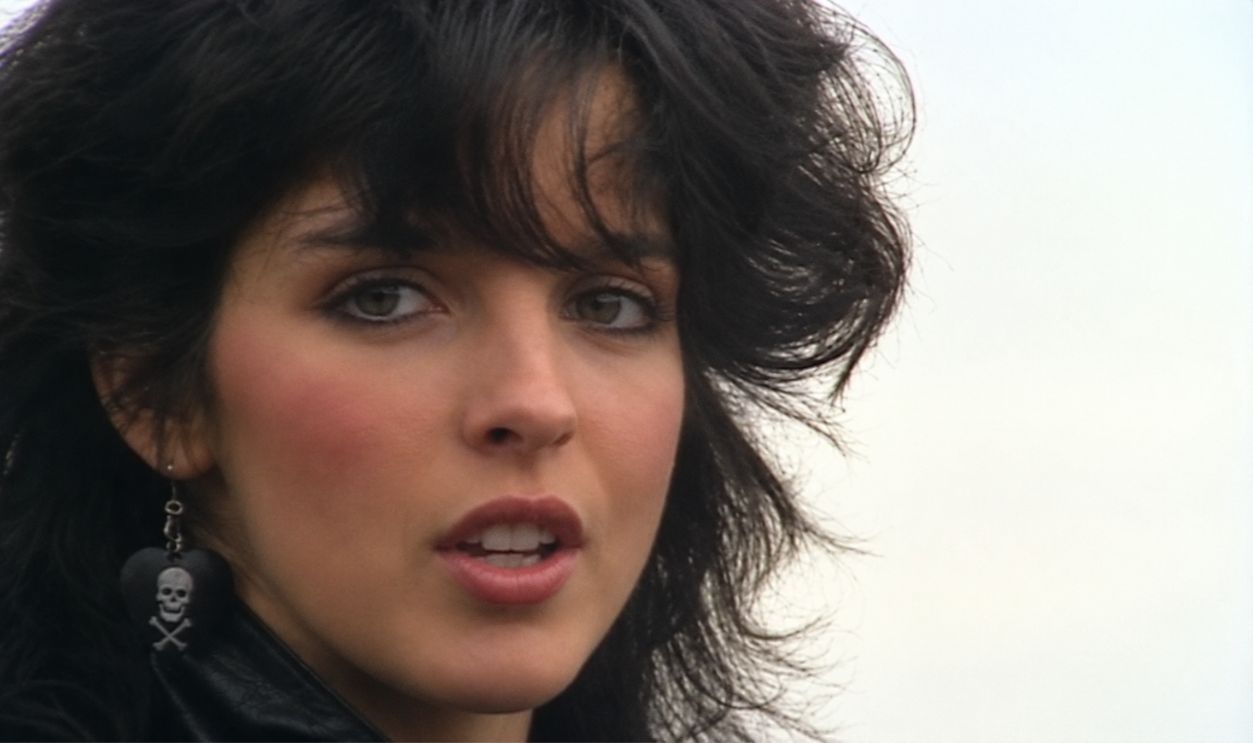 Screenshot from 99 Luftballons, CBS Records (1983), Enhanced
#27: “Jessie’s Girl” by Rick Springfield
Rick Springfield turned romantic jealousy into a crisp power-pop anthem with one unforgettable guitar riff. “Jessie’s Girl” topped the Billboard Hot 100 in 1981 and earned Springfield a Grammy for Best Male Rock Vocal Performance. It also inspired generations of listeners to wonder what Jessie had that they did not.
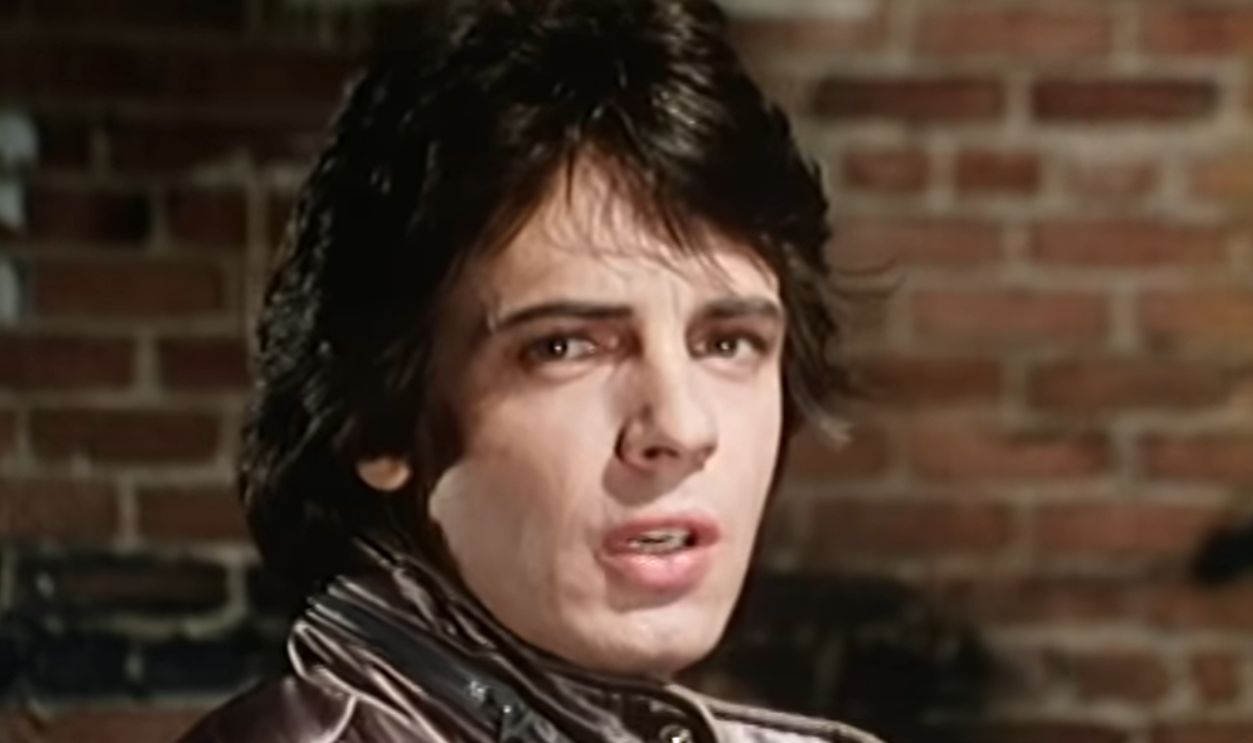 Screenshot from Jessie’s Girl, RCA Records (1981), Enhanced
#26: “Tainted Love” by Soft Cell
Soft Cell completely reinvented a 1960s soul song by Gloria Jones, replacing the original arrangement with chilly synthesizers and electronic percussion. Released in Britain in 1981, the duo’s version became an international hit. Its mixture of dance-floor energy and emotional exhaustion became an early blueprint for 1980s synth-pop.
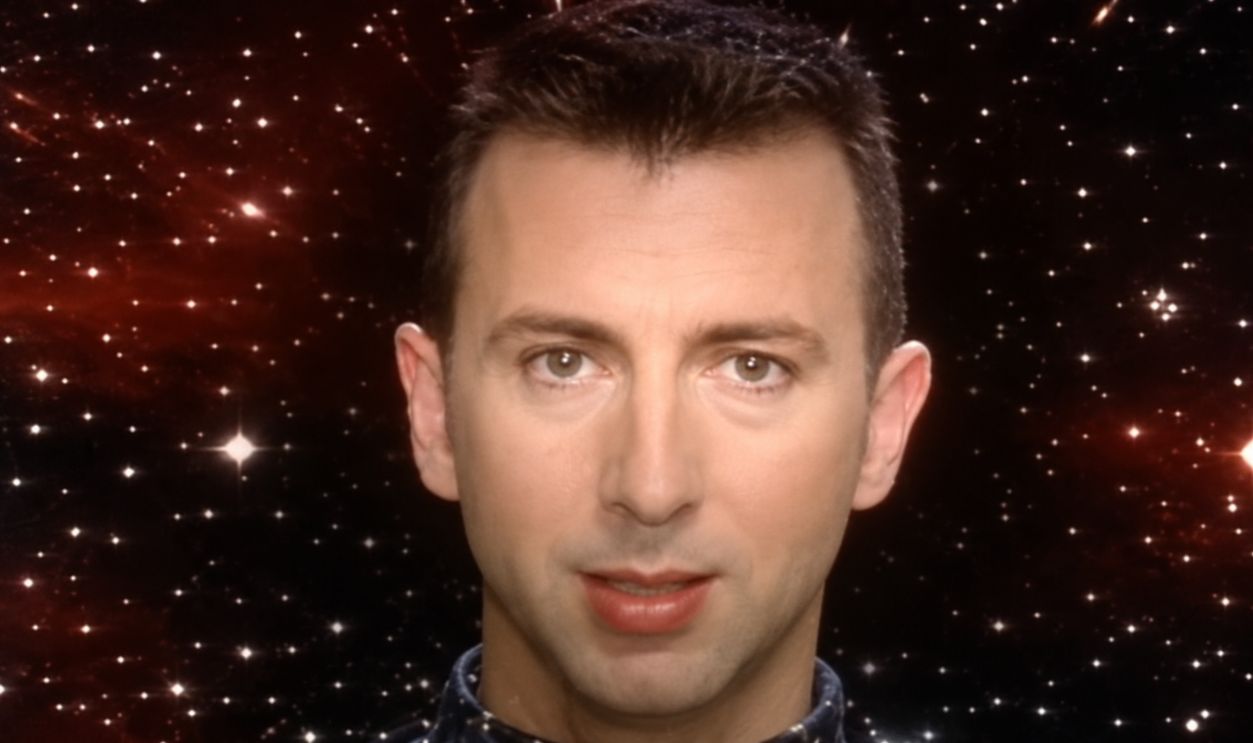 Screenshot from Tainted Love, Some Bizzare Records (1981), Enhanced
#25: “You Spin Me Round (Like a Record)” by Dead or Alive
Pete Burns’ commanding voice, the relentless electronic rhythm, and an extremely literal spinning metaphor helped make this a dance-pop landmark. Released in 1984, it became Dead or Alive’s signature hit and the first British number-one single produced by Stock Aitken Waterman. Few songs sounded more perfectly suited to neon lights.
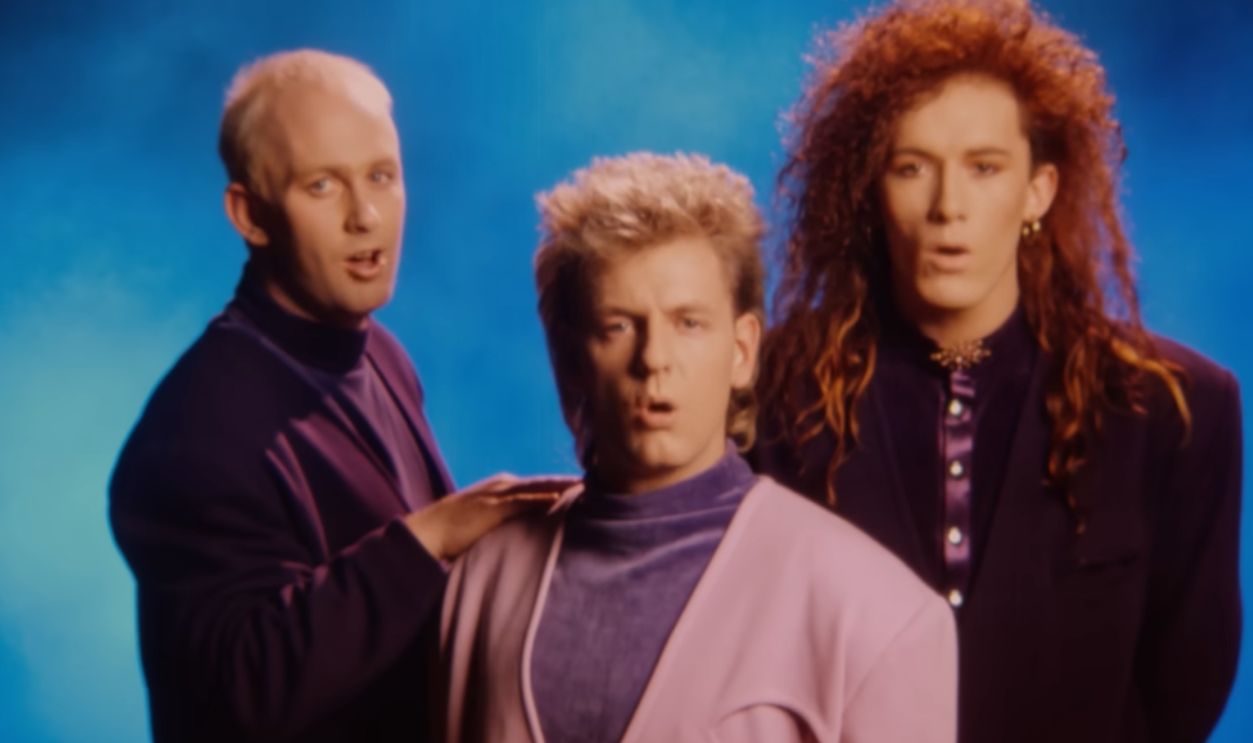 Screenshot from You Spin Me Round (Like a Record), Epic Records (1984)
#24: “Karma Chameleon” by Culture Club
Culture Club combined soul, pop, harmonica, and Boy George’s unmistakable voice on one of the decade’s brightest singles. “Karma Chameleon” reached number one in both Britain and the United States. Its colorful riverboat video only strengthened the band’s image, although most listeners were still slightly unsure what a karma chameleon actually was.
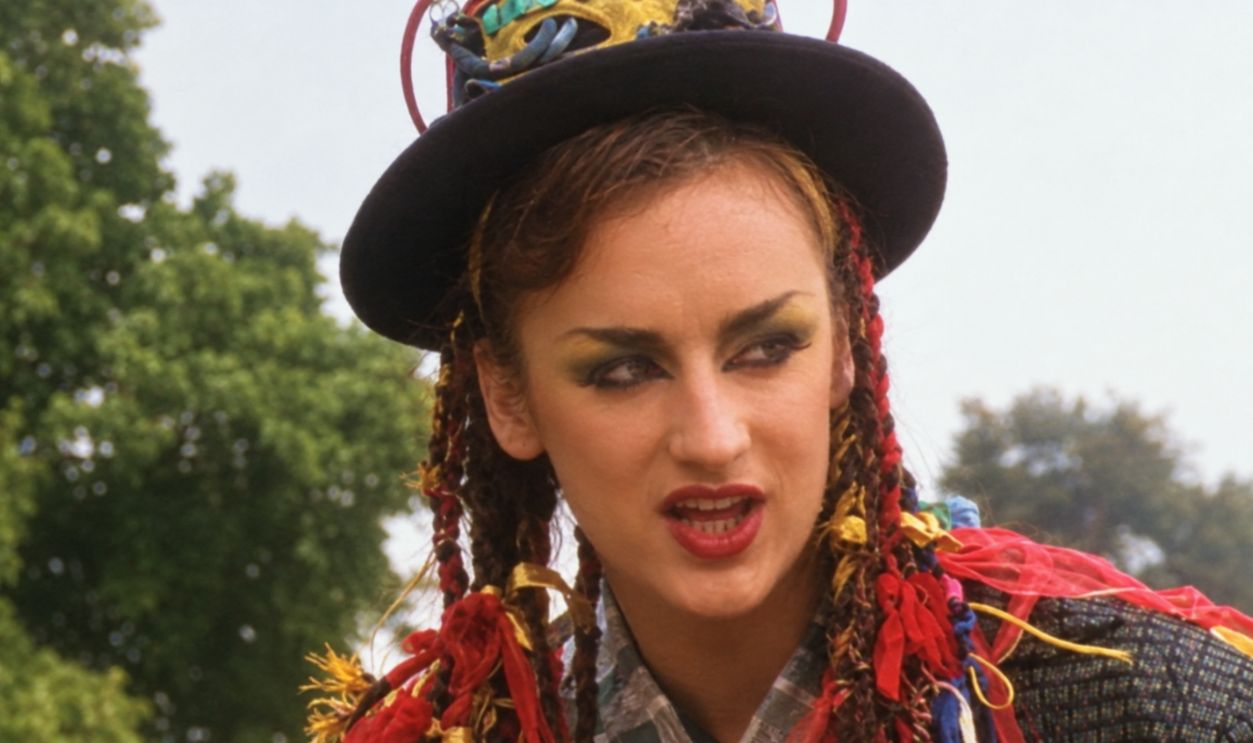 Screenshot from Karma Chameleon, Virgin Records (1983), Enhanced
#23: “Walk Like an Egyptian” by The Bangles
The Bangles turned an unusual collection of lyrics and novelty dance moves into one of 1986’s biggest pop hits. Each verse featured a different lead singer, while the video encouraged practically everyone to attempt the sideways Egyptian pose. Historical accuracy was questionable, but participation was almost mandatory.
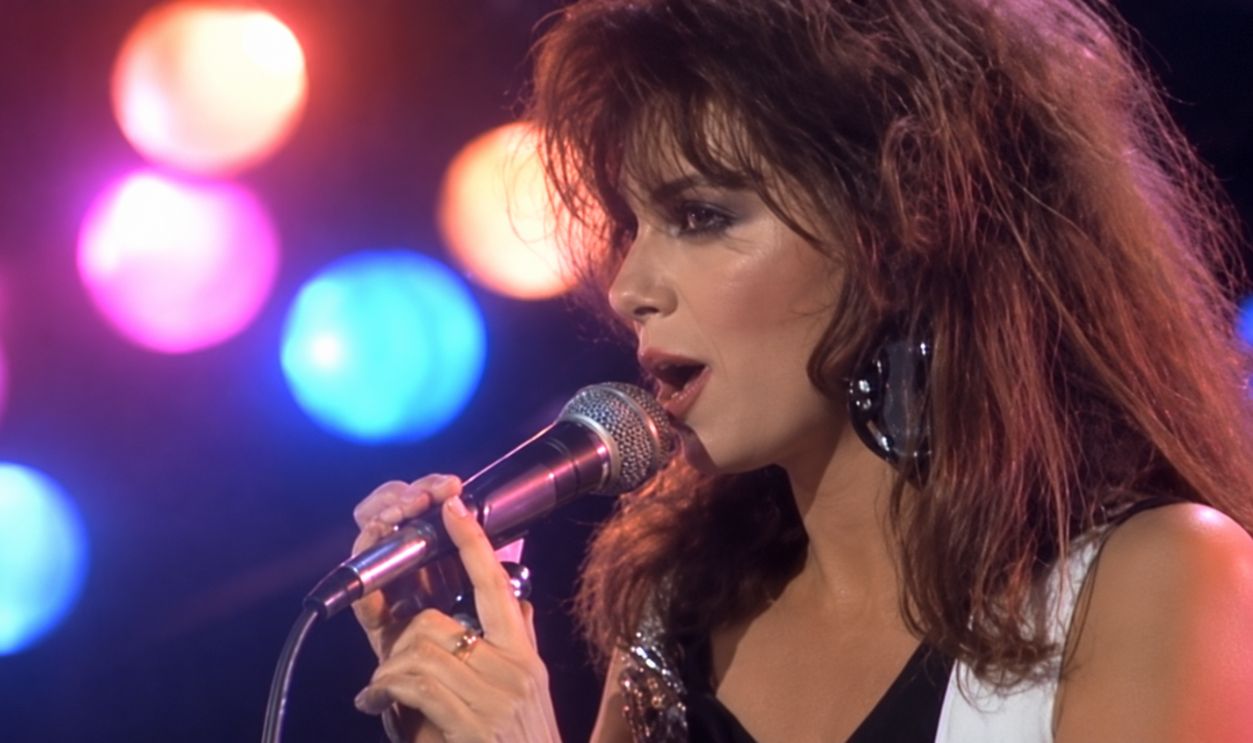 Screenshot from Walk Like an Egyptian, Columbia Records (1986), Enhanced
#22: “Footloose” by Kenny Loggins
Written for the 1984 film of the same name, “Footloose” became the sound of rebellion in a town where dancing had been banned. Kenny Loggins delivered the song with enough energy to make that fictional law seem especially unreasonable. It topped the American chart and remains capable of clearing chairs from a dance floor.
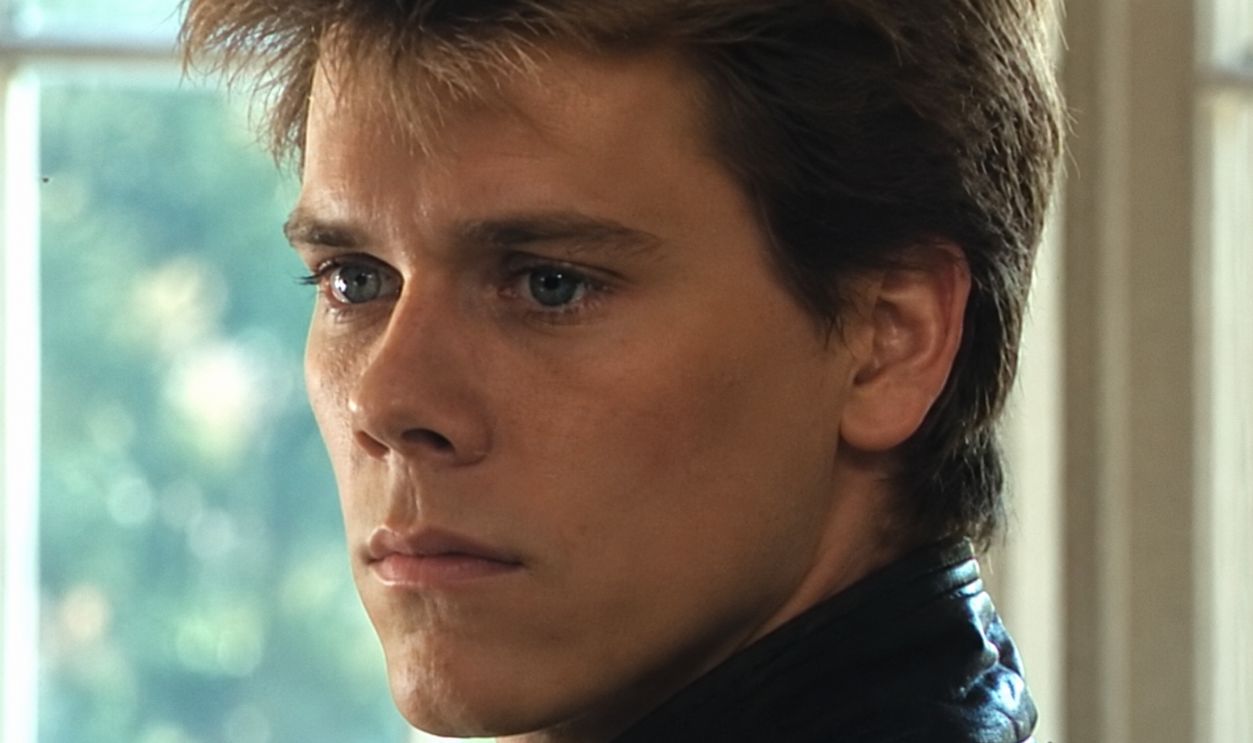 Screenshot from Footloose, Columbia Records (1984), Enhanced
#21: “Flashdance... What a Feeling” by Irene Cara
Irene Cara’s soaring performance turned “Flashdance... What a Feeling” into much more than a movie theme. The song topped the Billboard Hot 100, won the Academy Award for Best Original Song, and became an anthem for anyone chasing an unlikely dream. Leg warmers were optional, but strongly encouraged.
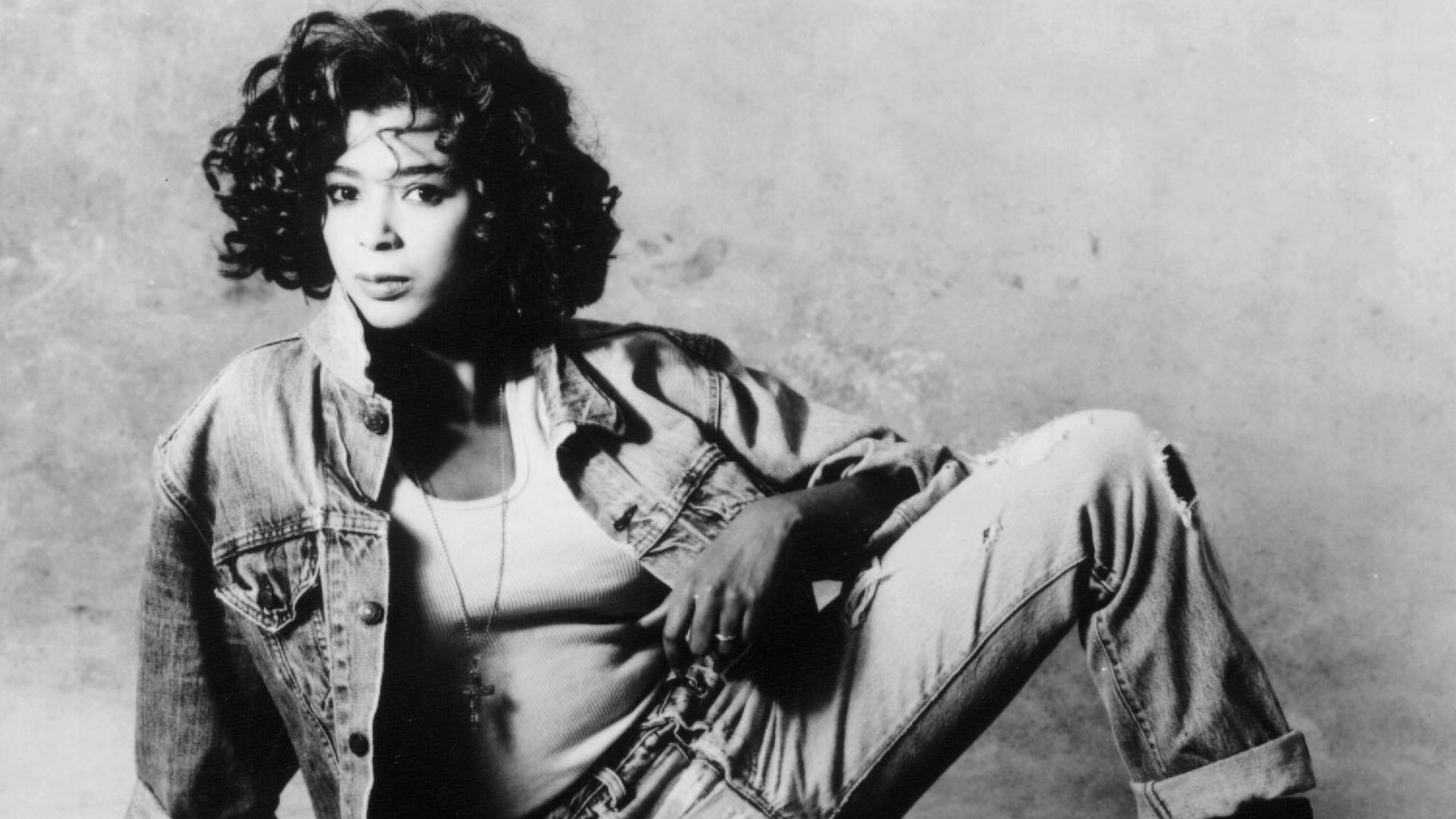 Aaron Rapoport. Published and Distributed by Elektra Records, Wikimedia Commons
#20: “Love Is a Battlefield” by Pat Benatar
Pat Benatar gave teenage frustration a dramatic new uniform with “Love Is a Battlefield.” Written by Holly Knight and Mike Chapman, the song paired electronic drums with Benatar’s forceful vocals. Its famous video featured a rebellious runaway, a sinister club owner, and synchronized shoulder dancing powerful enough to settle almost any dispute.
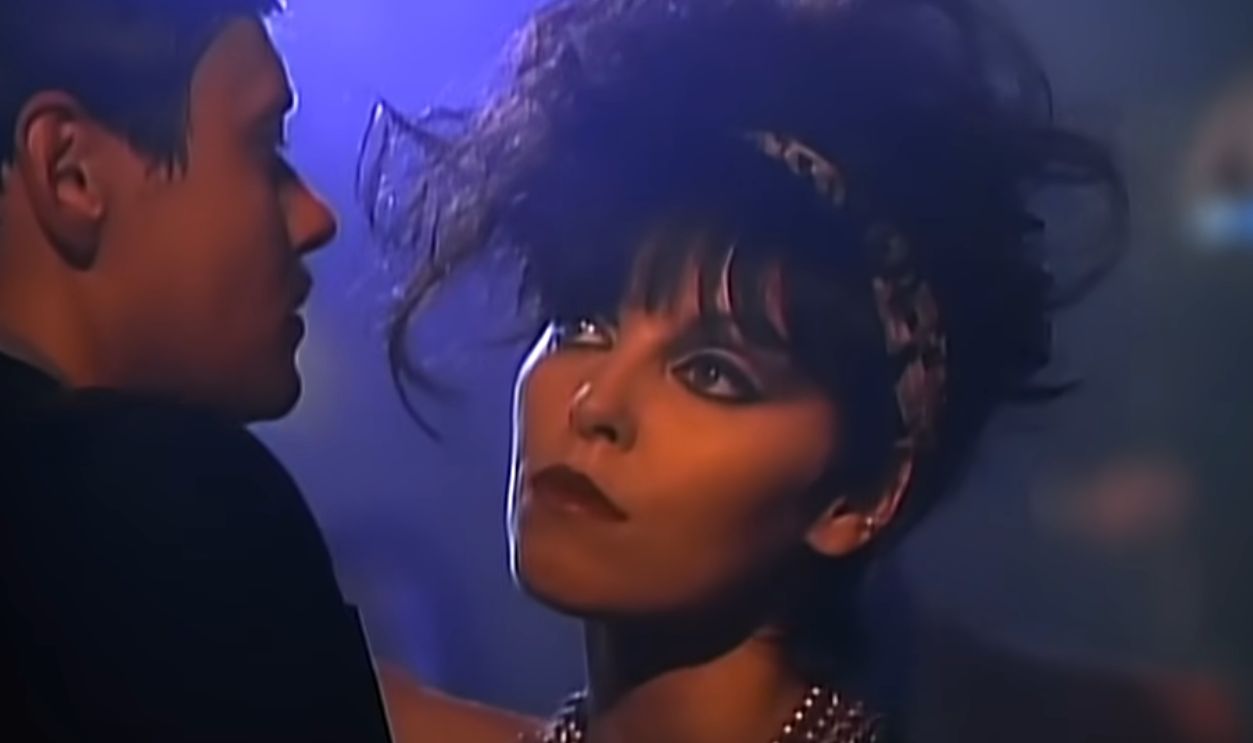 Screenshot from Love Is a Battlefield, Chrysalis Records (1983)
#19: “Hungry Like the Wolf” by Duran Duran
Duran Duran already had the song, but MTV helped turn “Hungry Like the Wolf” into a global event. Its adventurous video, filmed in Sri Lanka, made the band look like glamorous action heroes rather than musicians avoiding a studio. The combination of exotic imagery and sharp pop hooks defined the early MTV era.
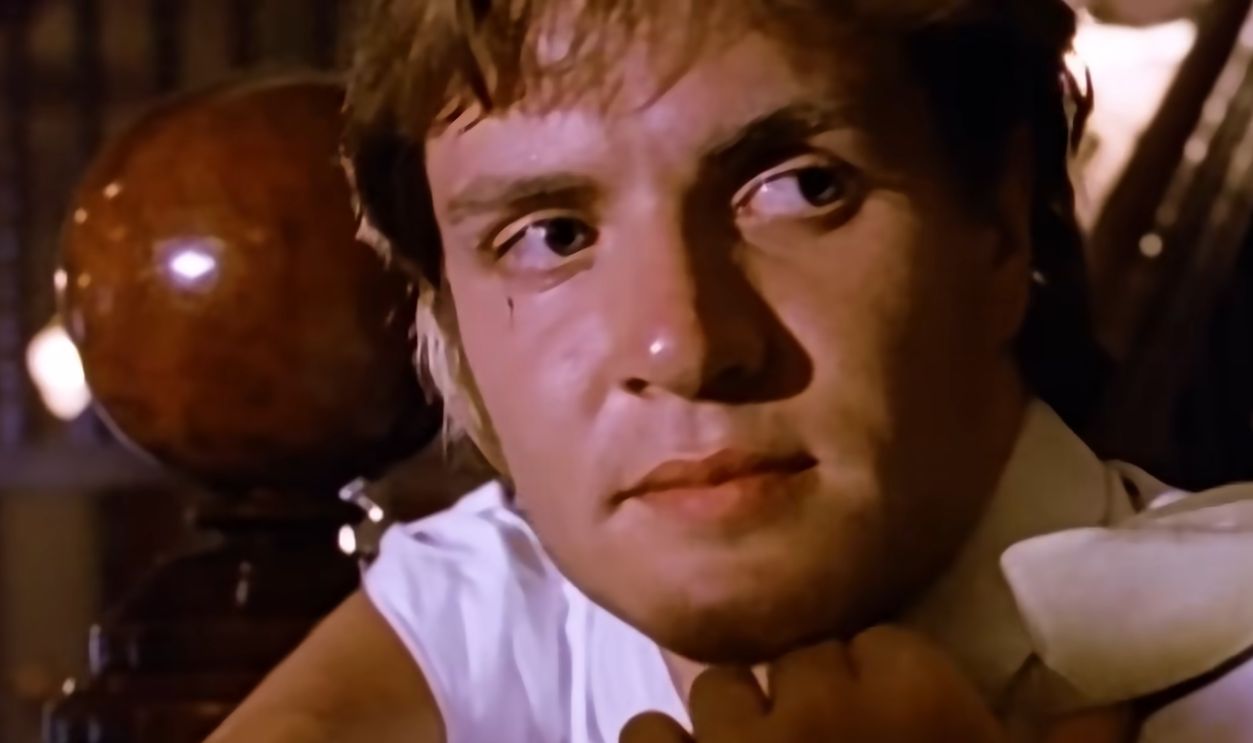 Screenshot from Hungry Like the Wolf, EMI Records (1982)
#18: “Don’t You Want Me” by The Human League
The Human League’s biggest hit transformed a collapsing relationship into a perfectly balanced synth-pop argument. Philip Oakey and Susan Ann Sulley traded conflicting versions of the story while the keyboards remained coolly detached. Released in 1981, it topped charts on both sides of the Atlantic and helped electronic pop conquer mainstream radio.
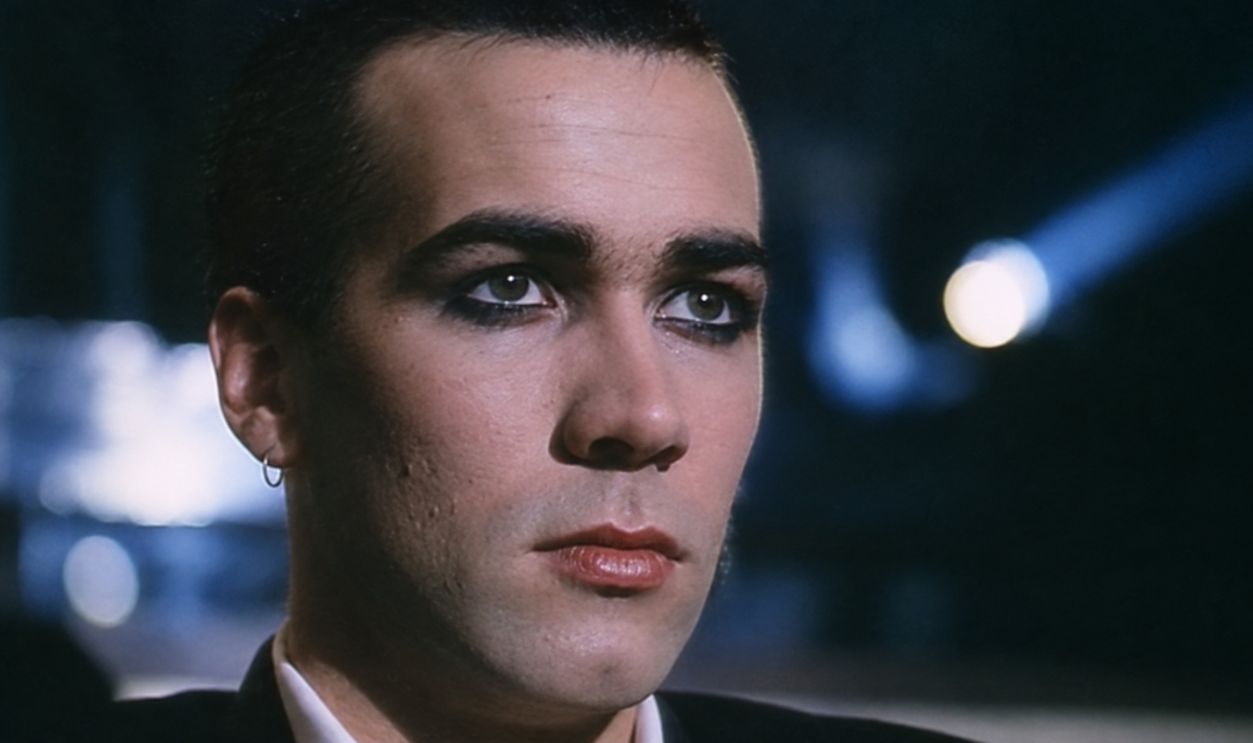 Screenshot from Don’t You Want Me, Virgin Records (1981), Enhanced
#17: “Wake Me Up Before You Go-Go” by Wham!
George Michael reportedly drew inspiration from a note containing the accidentally repeated word “go,” then turned it into one of the happiest songs ever recorded. Released in 1984, “Wake Me Up Before You Go-Go” topped charts in Britain and America. The fluorescent “Choose Life” shirts completed the sugar rush.
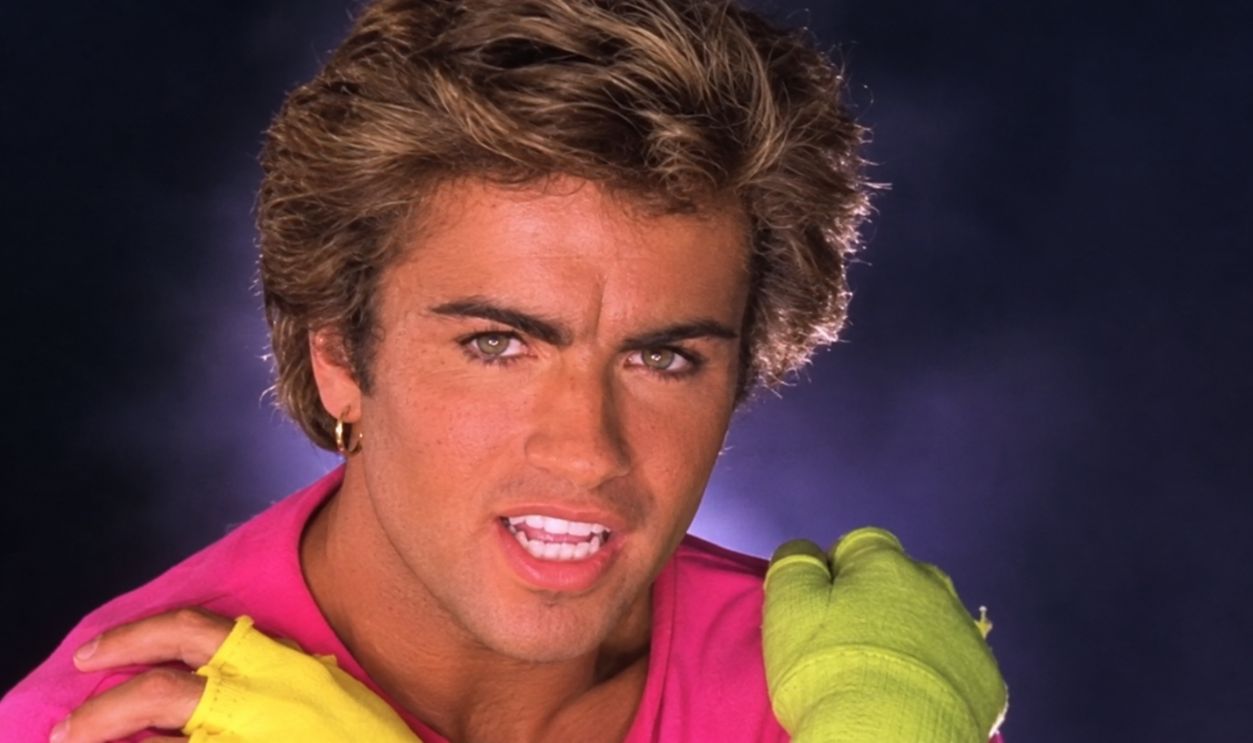 Screenshot from Wake Me Up Before You Go-Go, Columbia Records (1984), Enhanced
#16: “Take on Me” by a-ha
A-ha recorded more than one version of “Take on Me,” but the 1985 release finally became an international smash. Its innovative video blended live action with pencil-sketch animation through rotoscoping. The visuals attracted viewers, while Morten Harket’s spectacular high notes ensured that karaoke singers would suffer for decades.
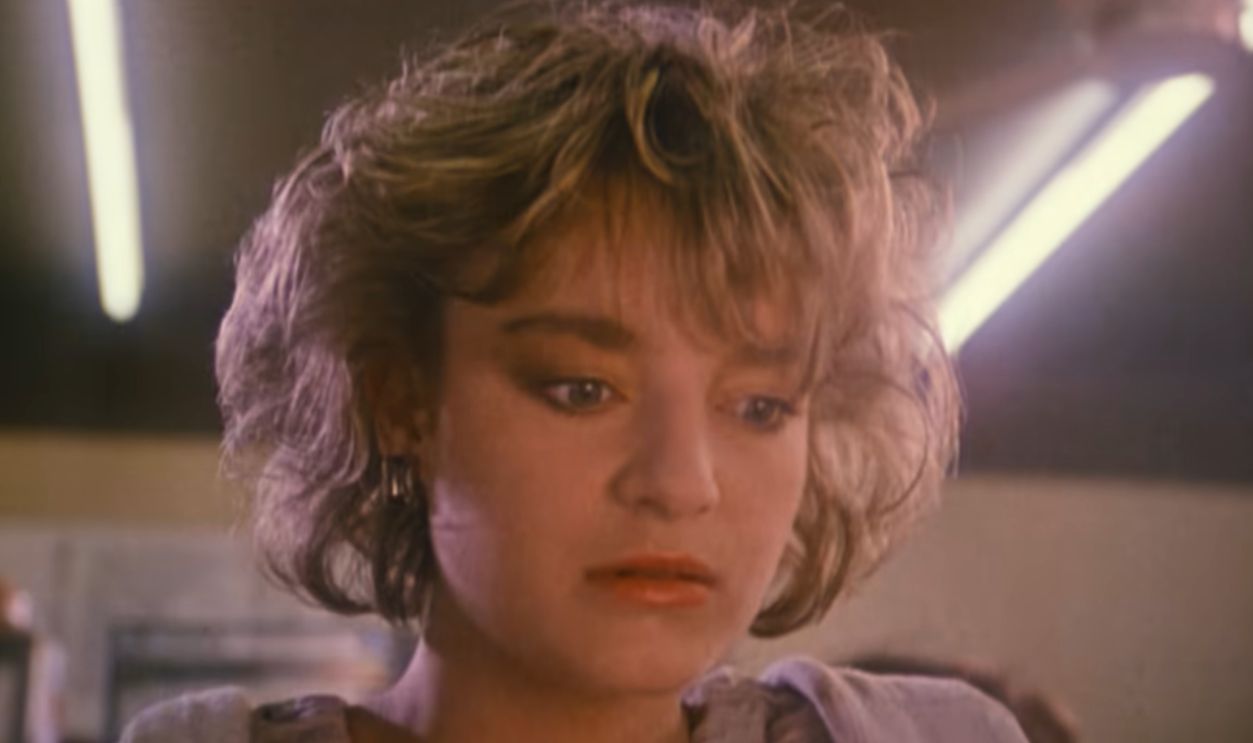 Screenshot from “Take On Me”, Warner Bros. Records (1984)
#15: “Girls Just Want to Have Fun” by Cyndi Lauper
Written and first recorded by Robert Hazard, the song became something entirely different in Cyndi Lauper’s hands. Her 1983 version turned it into a joyful declaration of female independence, supported by a playful, endlessly replayed video. Lauper’s voice, fashion, and personality made her an immediate symbol of 1980s pop.
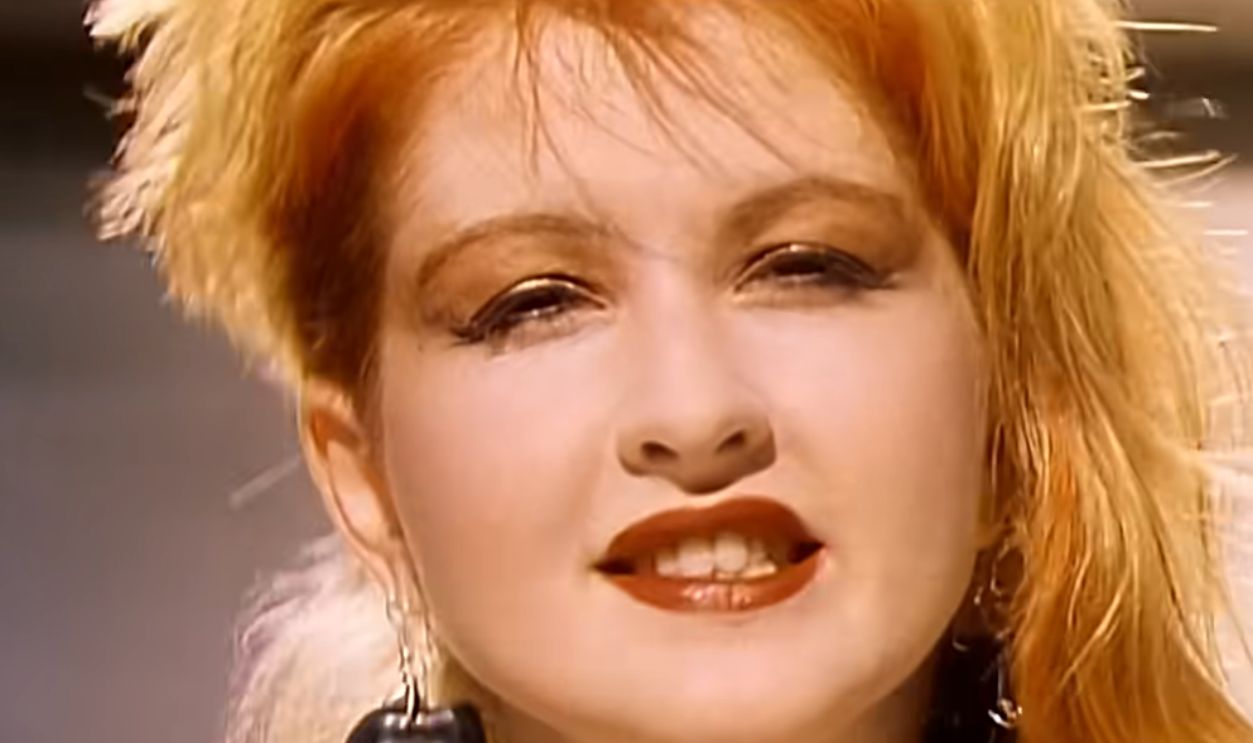 Screenshot from Girls Just Want to Have Fun, Portrait Records (1983)
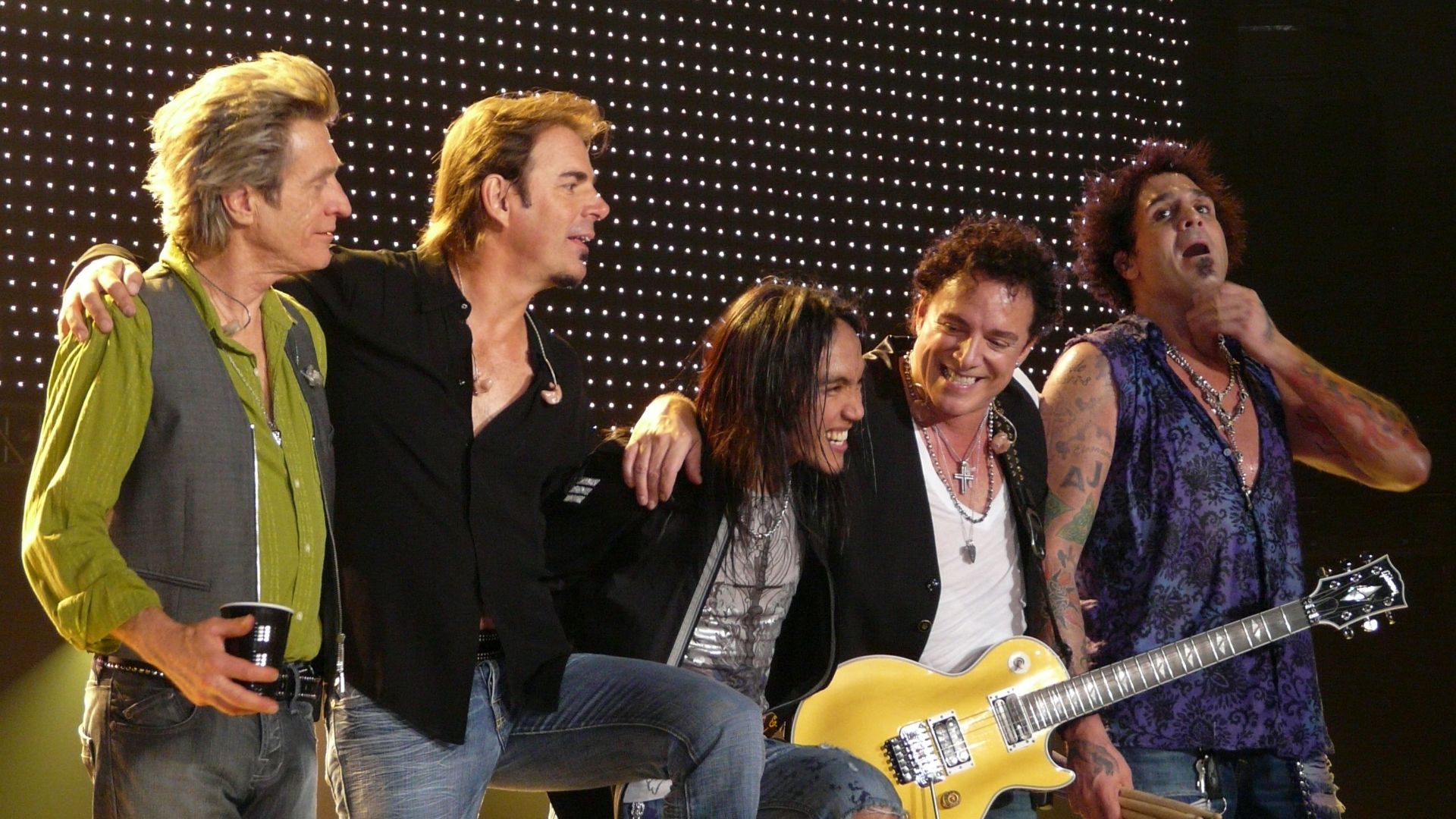
#14: “Don’t Stop Believin’” by Journey
“Don’t Stop Believin’” was already a major hit in 1981, but its popularity kept growing long after the decade ended. Steve Perry’s soaring vocal, Jonathan Cain’s piano introduction, and the patiently delayed chorus made it ideal for arenas and communal singalongs. Even people who skip the verses eventually surrender.
 Matt Becker, Wikimedia Commons
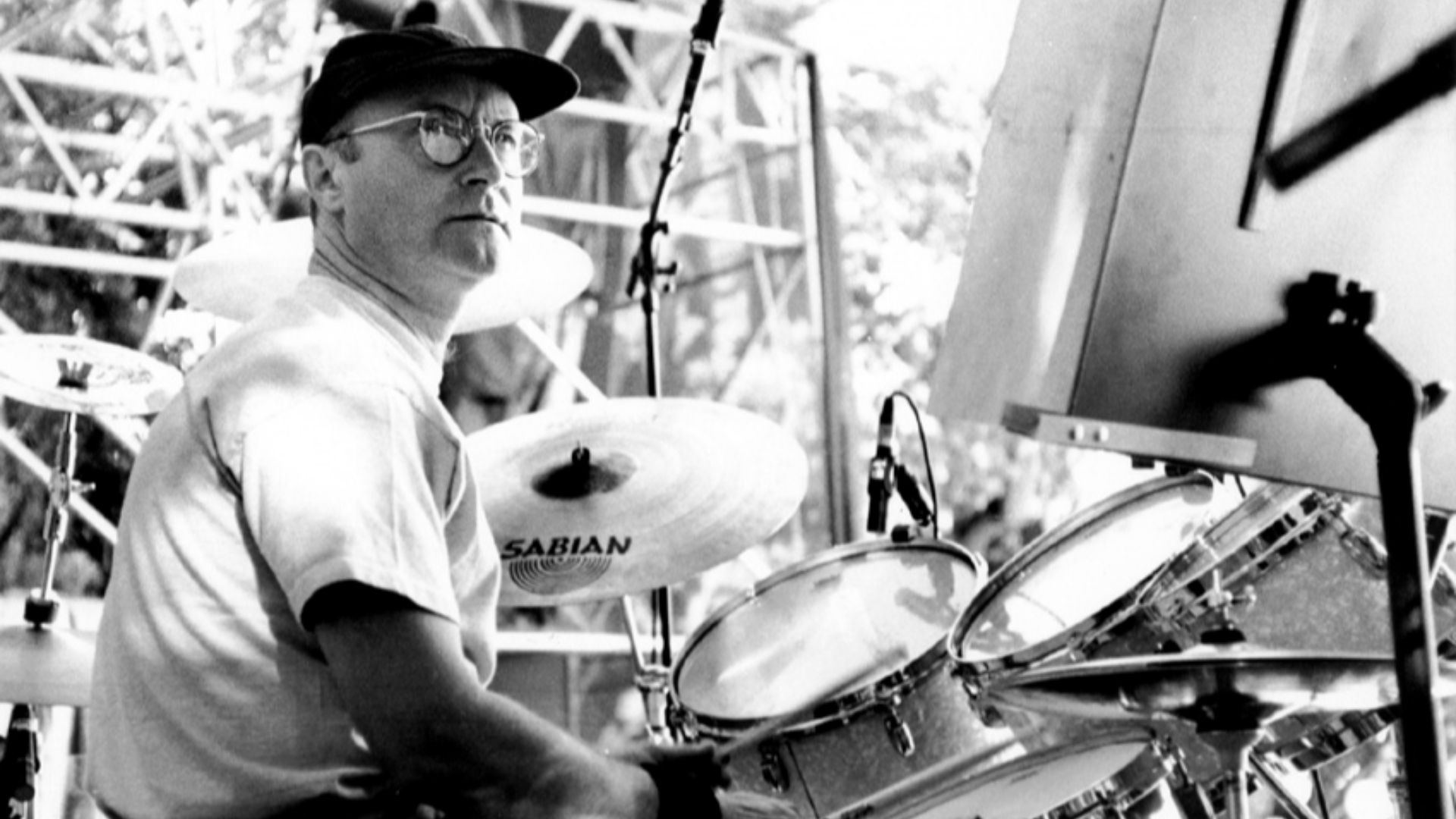
#13: “In the Air Tonight” by Phil Collins
Phil Collins built “In the Air Tonight” around brooding synthesizers, sparse percussion, and a feeling that something enormous was approaching. Then the famous drum break arrived. Released in 1981 as his debut solo single, the song showed that dramatic restraint could be even more powerful than turning every instrument up immediately.
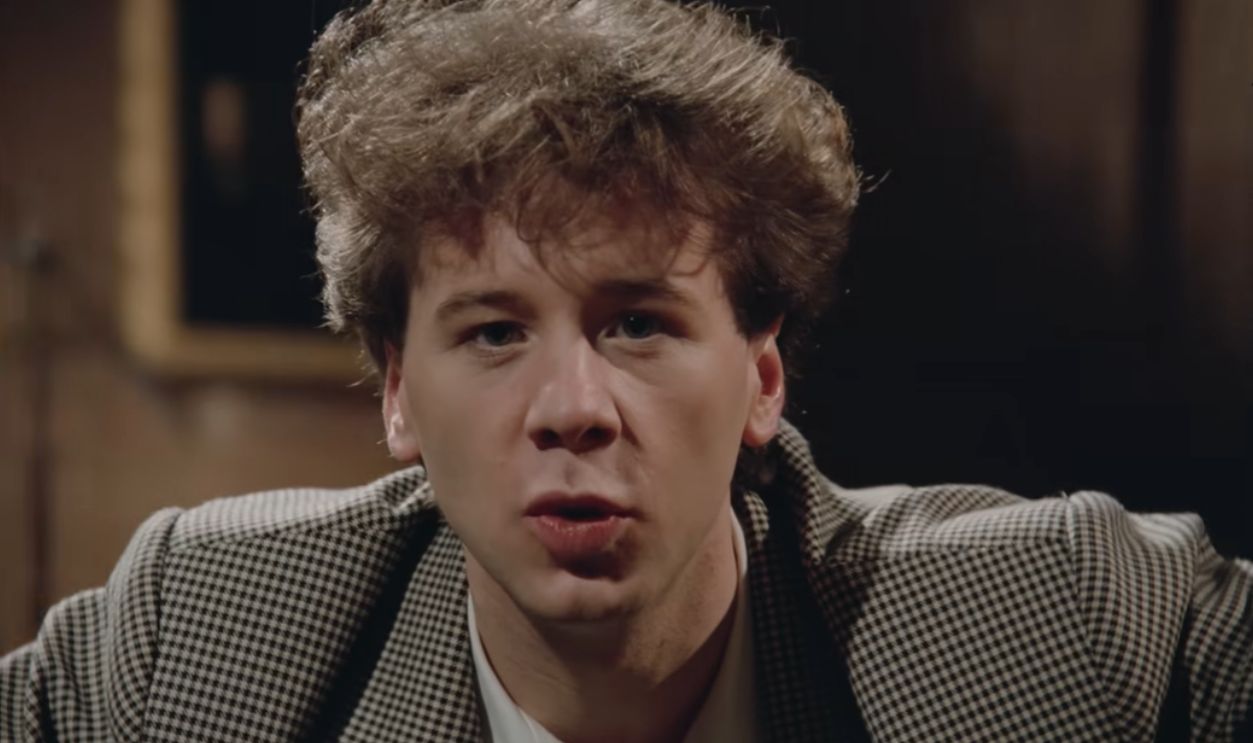
#12: “Don’t You (Forget About Me)” by Simple Minds
Simple Minds initially hesitated to record “Don’t You (Forget About Me),” a song written for The Breakfast Club. Fortunately, they reconsidered. The single reached number one in America, while the film’s closing image of Judd Nelson raising his fist made the track inseparable from teenage life in the 1980s.
 Screenshot from Don’t You (Forget About Me), A&M Records (1985)
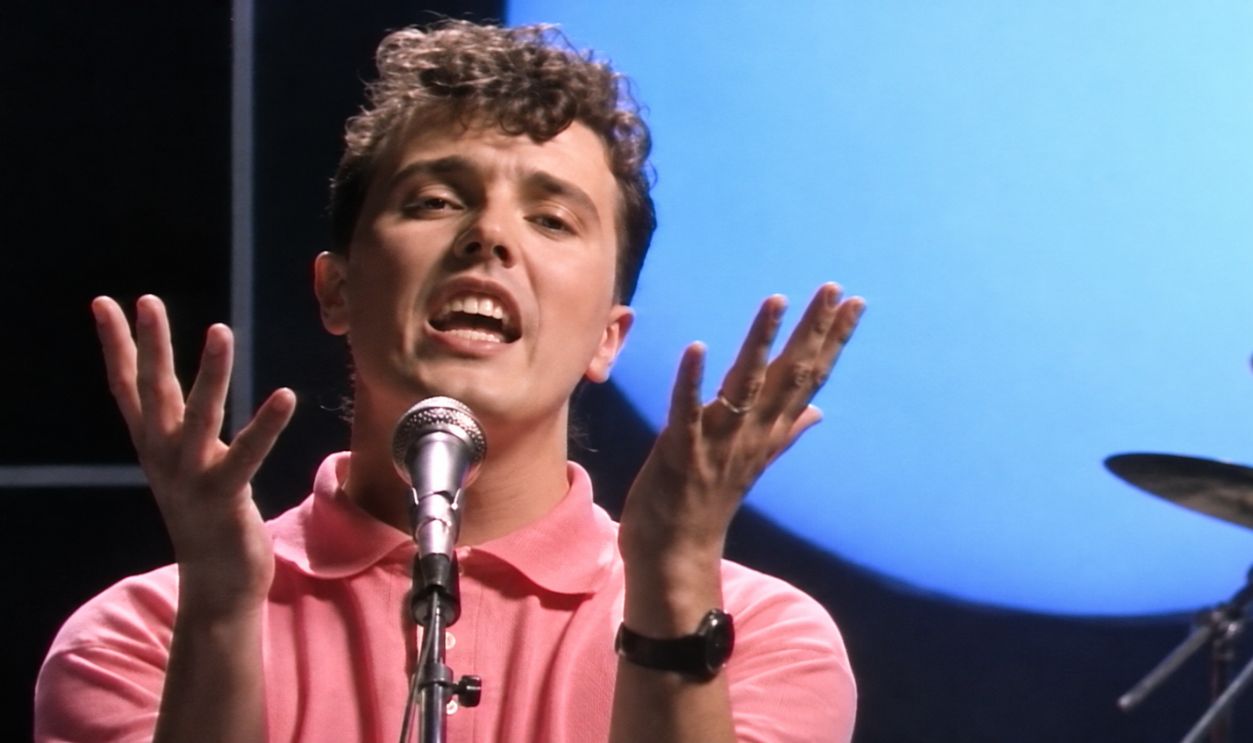
#11: “Everybody Wants to Rule the World” by Tears for Fears
Released in 1985, this polished pop song paired a relaxed shuffle with lyrics about ambition, conflict, and the hunger for power. That contrast helped make it timeless. “Everybody Wants to Rule the World” topped the American chart and proved that a song could sound breezy while quietly worrying about civilization.
 Screenshot from Everybody Wants to Rule the World, Mercury Records (1985), Enhanced
#10: “Africa” by Toto
“Africa” combined layered percussion, gleaming keyboards, and lyrics that sounded both romantic and geographically adventurous. The song reached number one in America in 1983 and later found an entirely new audience online. Its enduring appeal suggests that no amount of rain blessing was ever going to be enough.
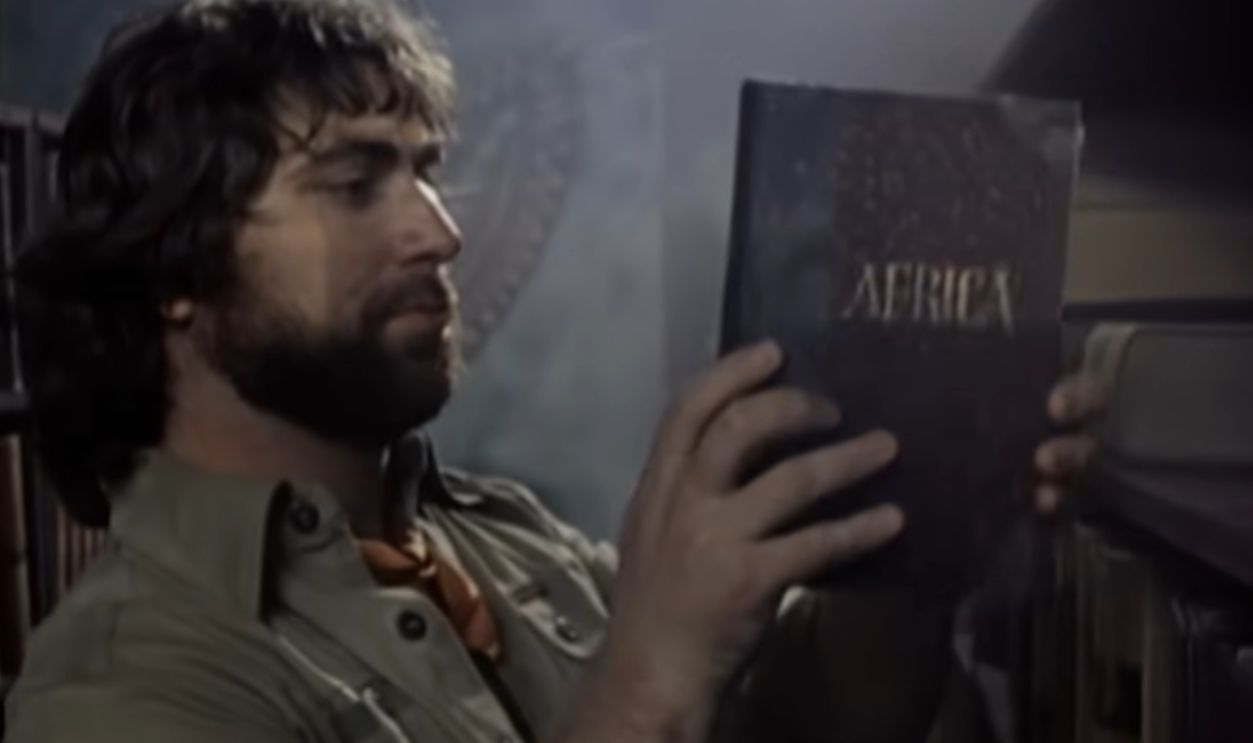 Screenshot from Africa, Columbia Records (1982)
#9: “Sweet Dreams (Are Made of This)” by Eurythmics
Annie Lennox’s commanding appearance in the video was as memorable as the song’s pulsing synthesizer line. Released in 1983 in the United States, “Sweet Dreams” became Eurythmics’ breakthrough American hit. It was cool, mysterious, slightly unsettling, and unlike almost anything else receiving heavy radio play.
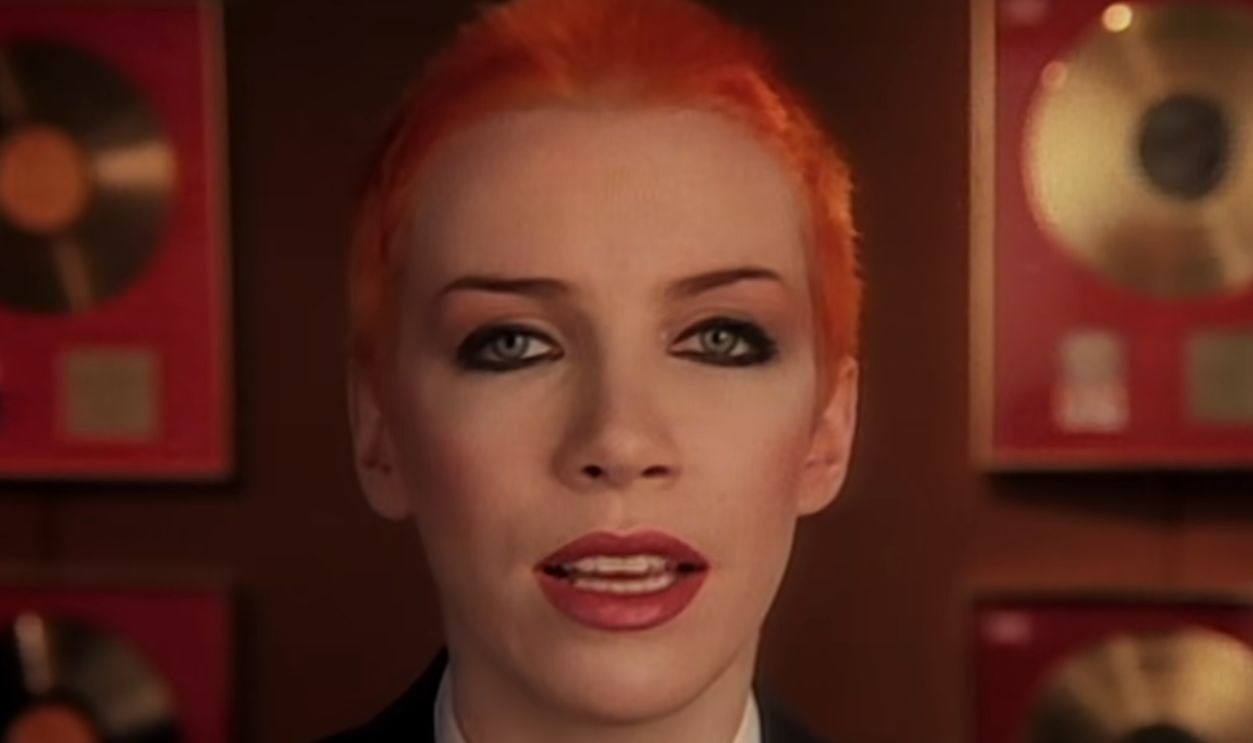 Screenshot from Sweet Dreams (Are Made of This), RCA Records (1983)
#8: “Livin’ on a Prayer” by Bon Jovi
Tommy and Gina were fictional, but their struggle felt real to millions of listeners. “Livin’ on a Prayer” combined working-class storytelling with Richie Sambora’s talk-box guitar and an enormous key change. The 1986 single became Bon Jovi’s signature anthem and gave every crowded bar its inevitable closing singalong.
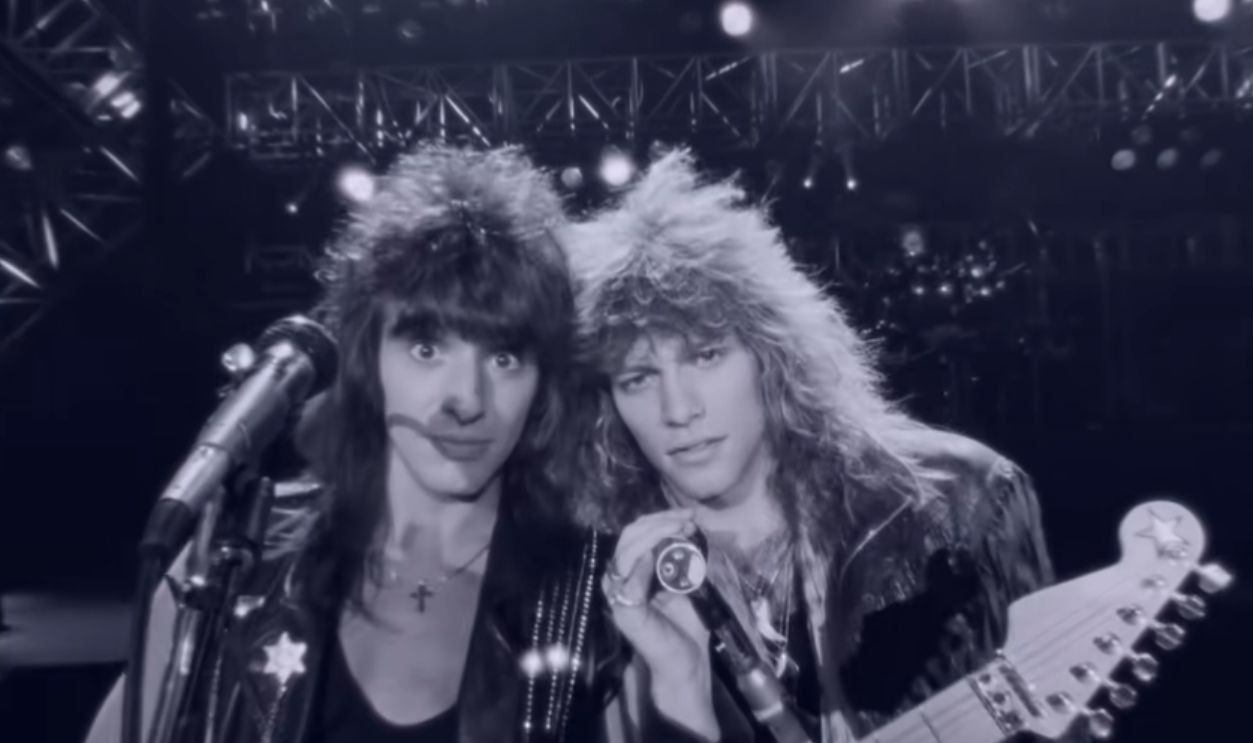 Screenshot from Livin’ on a Prayer, Mercury Records (1986)
#7: “Faith” by George Michael
George Michael opened “Faith” with a church organ before launching into rockabilly guitar and a tight pop rhythm. The title track from his debut solo album became a number-one American hit and reinforced his transformation from Wham! heartthrob to serious solo artist. The leather jacket did not hurt the campaign.
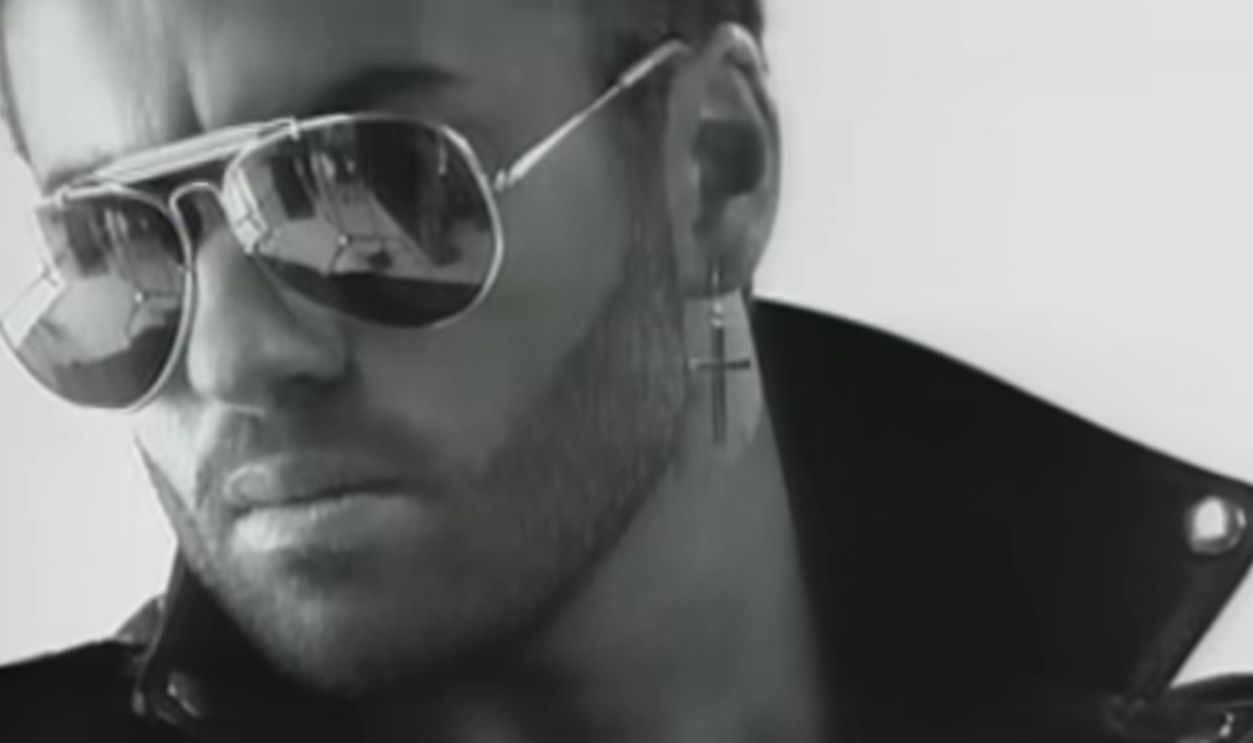 Screenshot from Faith, Epic Records (1987)
#6: “Every Breath You Take” by The Police
Listeners frequently mistook “Every Breath You Take” for a love song, despite Sting’s lyrics describing control and obsession. Its restrained arrangement and Andy Summers’ distinctive guitar part made it hypnotic. The song spent eight weeks atop the Billboard Hot 100 and won the Grammy for Song of the Year.
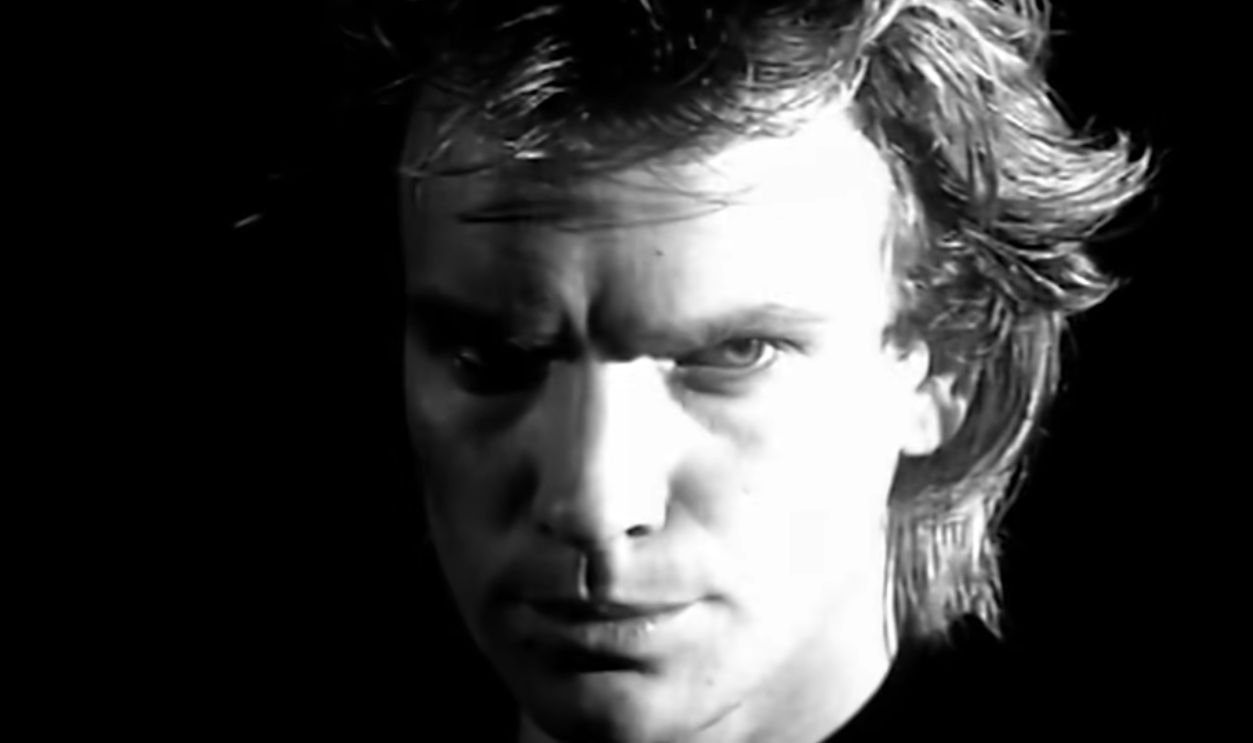 Screenshot from Every Breath You Take, A&M Records (1983)
#5: “What’s Love Got to Do with It” by Tina Turner
Tina Turner completed one of pop music’s greatest career comebacks with this sophisticated 1984 hit. Her performance balanced toughness, vulnerability, and hard-earned confidence. The song became her first solo number-one single in America and won Grammys for Record of the Year, Song of the Year, and Best Female Pop Vocal Performance.
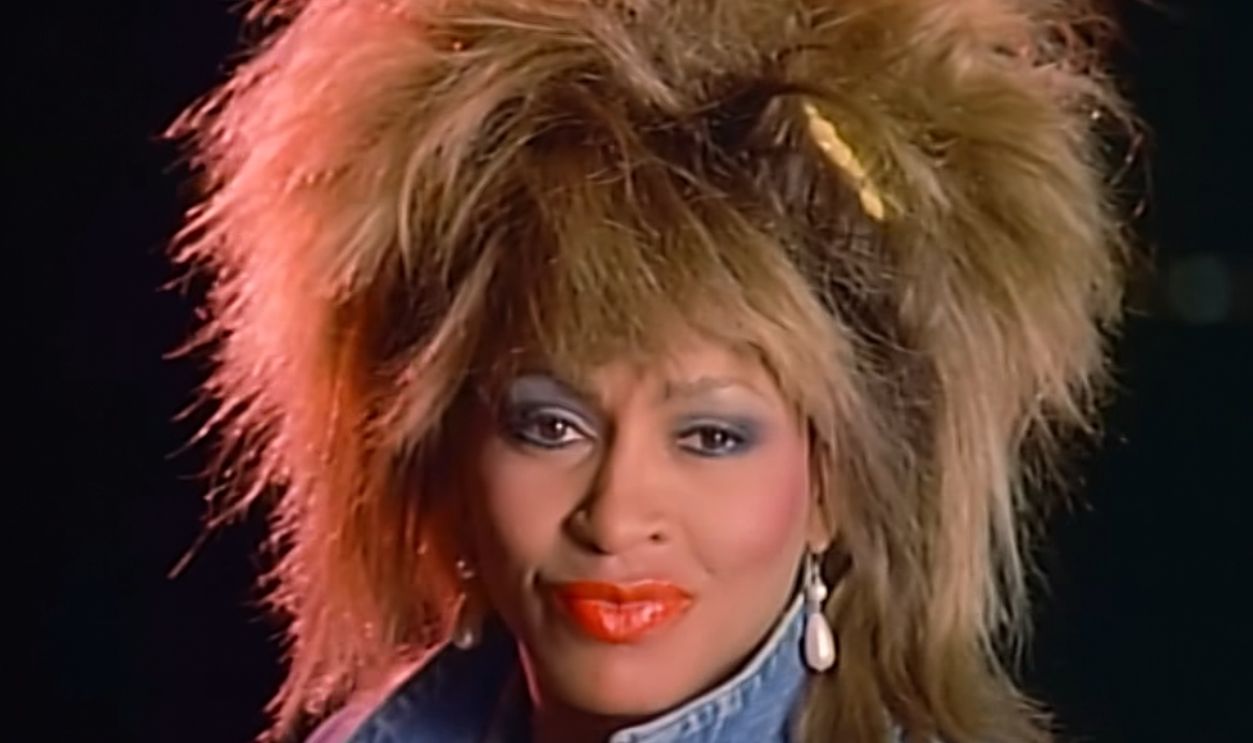 Screenshot from I Wanna Dance with Somebody (Who Loves Me), Arista Records (1987)
#4: “I Wanna Dance with Somebody” by Whitney Houston
Whitney Houston could turn even the brightest dance-pop song into a vocal showcase. Released in 1987, “I Wanna Dance with Somebody” reached number one in numerous countries and earned her a Grammy for Best Female Pop Vocal Performance. Beneath its cheerful production was a surprisingly lonely desire for real connection.
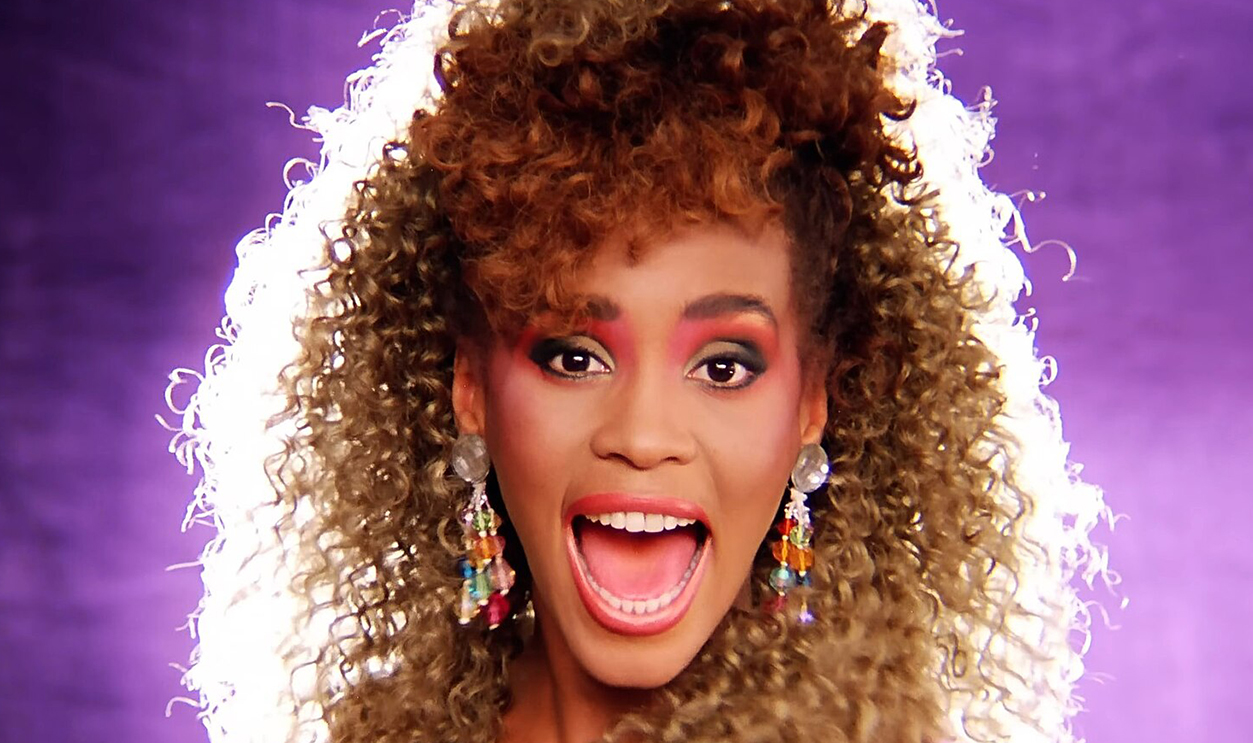 Screenshot from I Wanna Dance with Somebody, Arista Records (1987)
#3: “Like a Prayer” by Madonna
Madonna combined pop, rock, gospel, and religious imagery on a song that sounded both personal and enormous. Released in 1989, “Like a Prayer” topped the American chart while its provocative video ignited intense public debate. It closed the decade by demonstrating how completely Madonna understood music, image, and controversy.
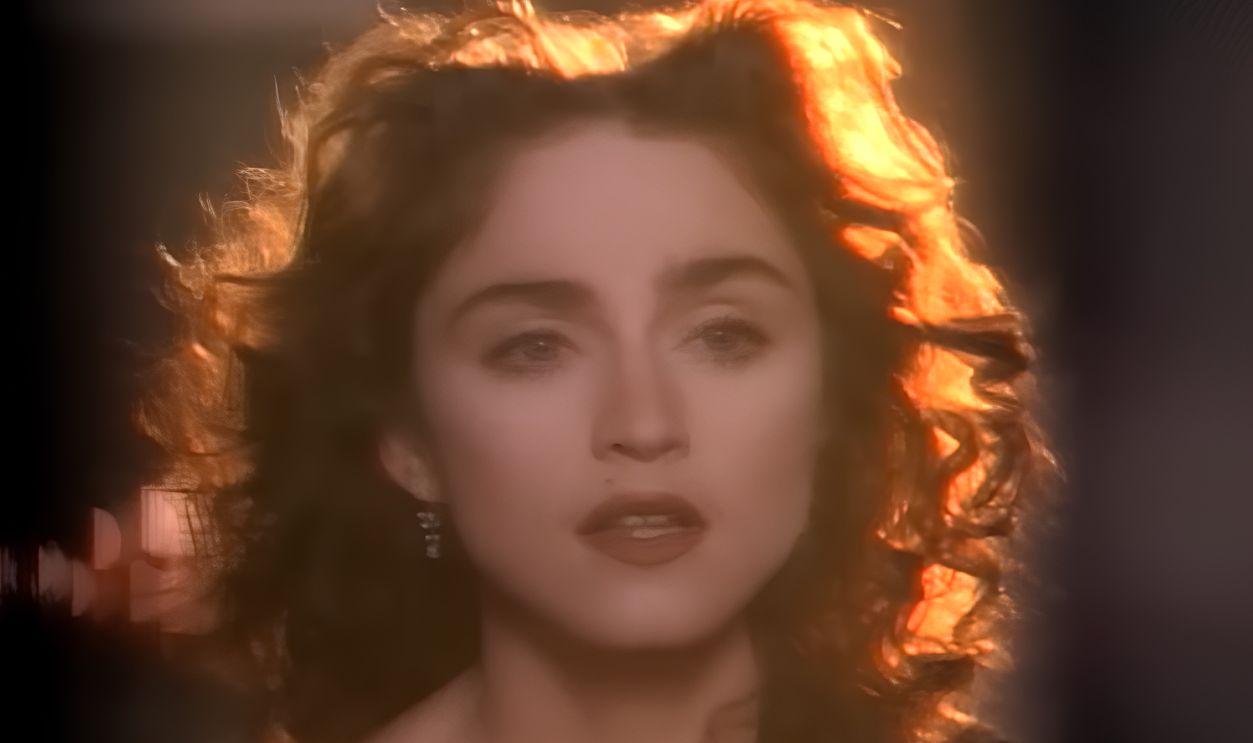 Screenshot from Like A Prayer, Warner Music Group (1989)
#2: “Purple Rain” by Prince and the Revolution
“Purple Rain” was a rock ballad, gospel performance, emotional finale, and cinematic climax rolled into one. Recorded partly during a live performance in Minneapolis, the song became the heart of Prince’s 1984 film and soundtrack. Its extended guitar solo made seven-minute songs feel perfectly reasonable on pop radio.
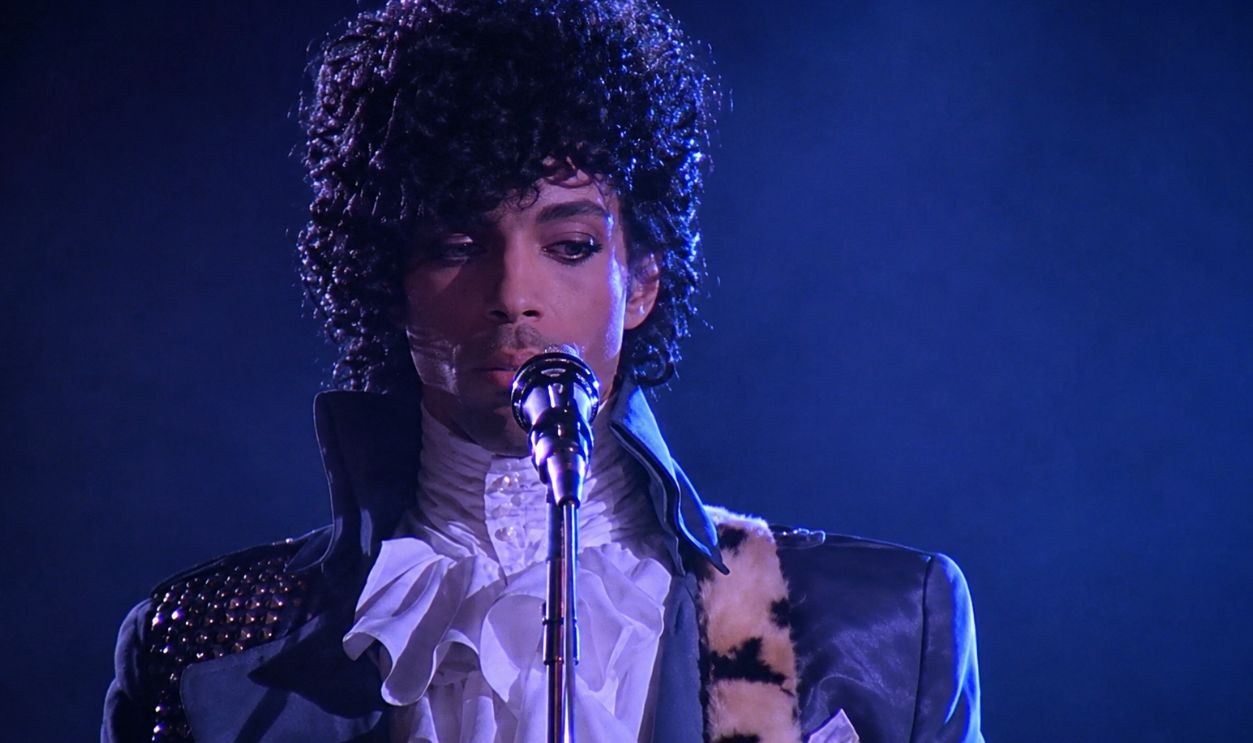 Screenshot from Purple Rain, Warner Bros. (1984), Modified
#1: “Billie Jean” by Michael Jackson
No song captures the ambition and excitement of 1980s pop more completely. “Billie Jean” combined an unforgettable bass line, mysterious lyrics, precise production, and Michael Jackson’s electrifying performance style. His televised moonwalk during the song in 1983 became a defining cultural moment. Pop music was never quite the same afterward.
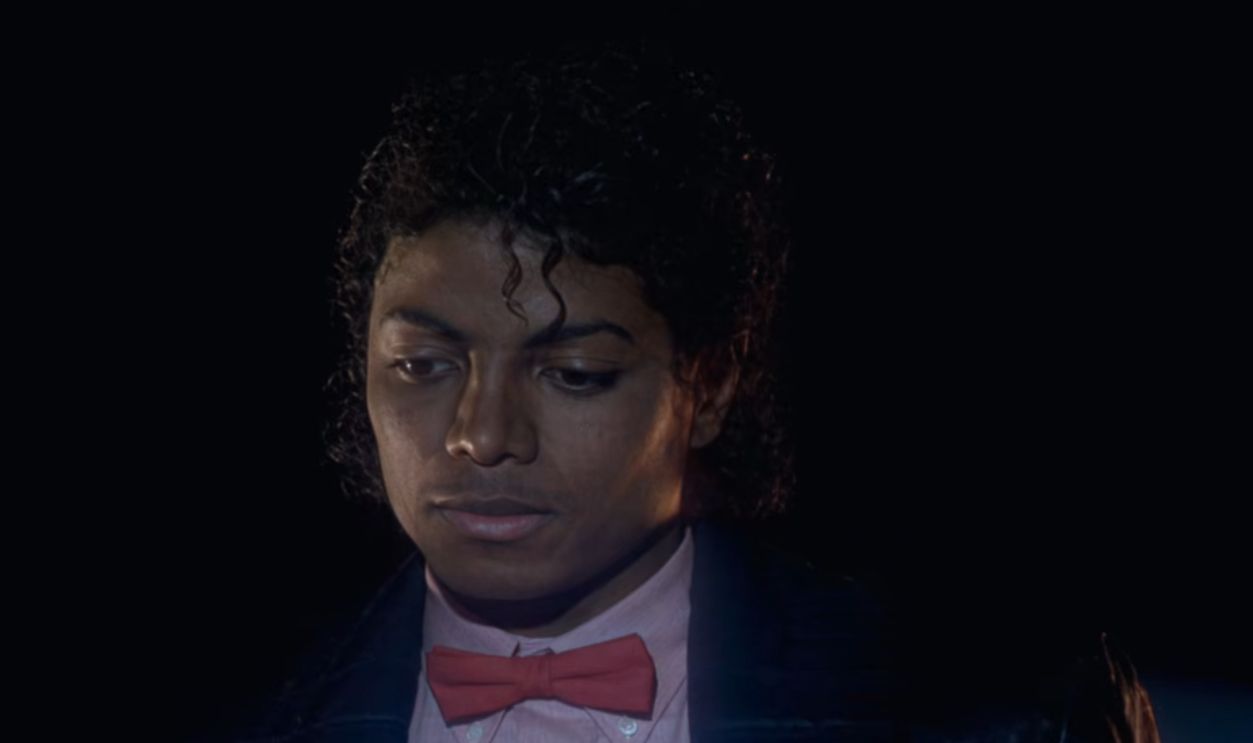 Screenshot from Billie Jean, Epic Records (1983)
You May Also Like:
Albums That Capture The Hangover Of The 1980s
Rock Songs Parents Hated In The 1980s
Pop Albums That Defined The 1970s, But Few People Would Recognize Today