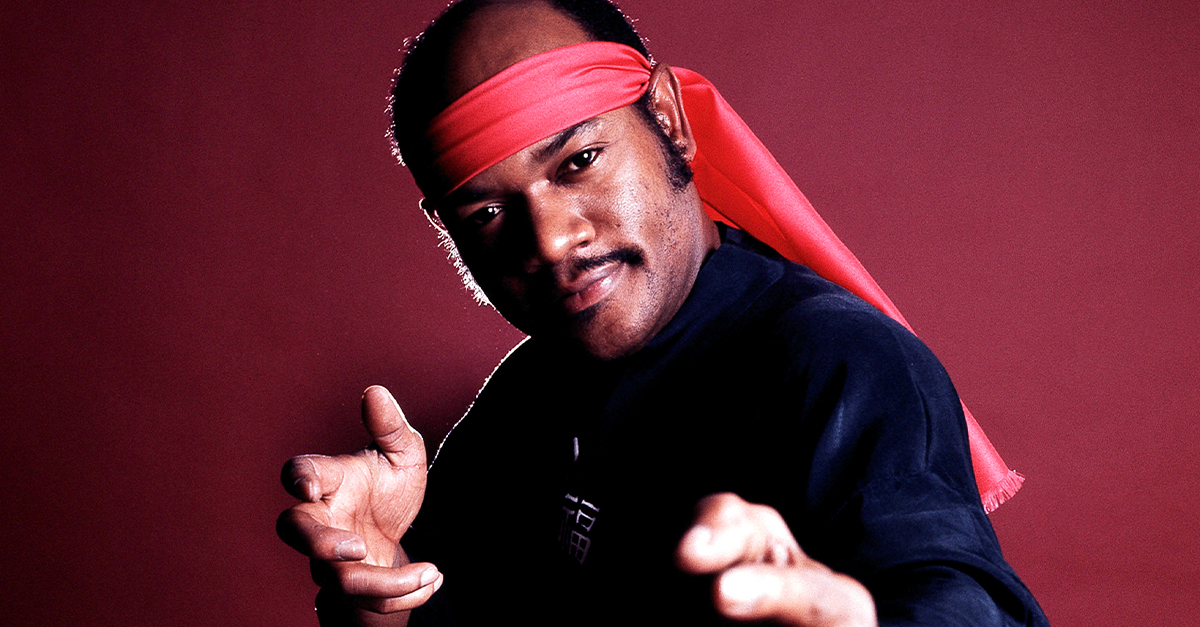
The Songs That Ruled The Radio, Then Disappeared
The 1970s were full of songs that seemed impossible to escape. They played on car radios, jukeboxes, variety shows, school dances, and backyard stereos. Then, almost as quickly as they arrived, many faded into pop history, leaving behind melodies that once felt everywhere but now sound like postcards from another world.
What favorite tune still has your heart?
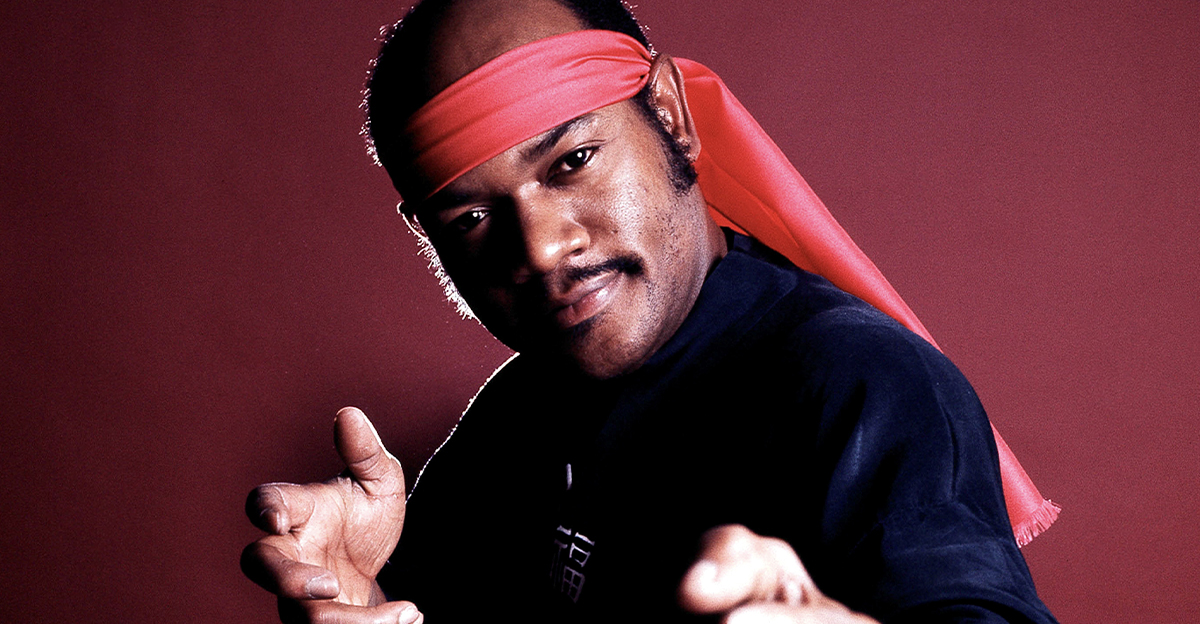
“Love Grows” By Edison Lighthouse
We're kicking it off with my personal favorite. In 1970, Edison Lighthouse brightened radio with “Love Grows (Where My Rosemary Goes)". The song had a sunny, singalong sweetness that fit perfectly into the early decade’s pop landscape. For a moment, it sounded like the band might last. Instead, the song became their defining flash of fame.
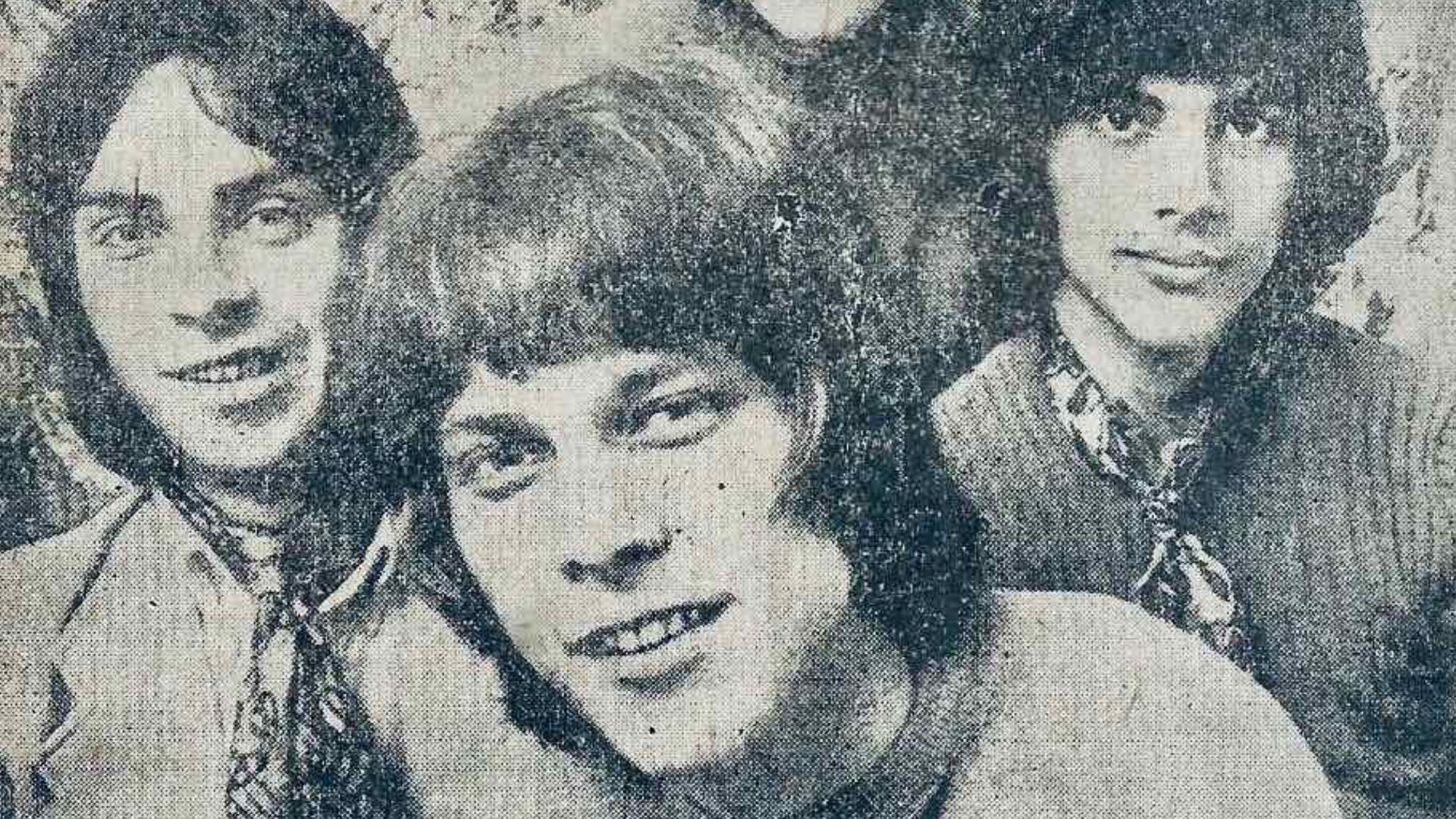 Majalah Aktuil, Wikimedia Commons
“Vehicle” By The Ides Of March
“Vehicle” blasted onto the charts in 1970 with horns, swagger, and a huge rock-soul sound. It felt bold enough to compete with the decade’s biggest bands, yet The Ides of March never repeated that level of pop success. Today, many listeners know the riff before they know the group.
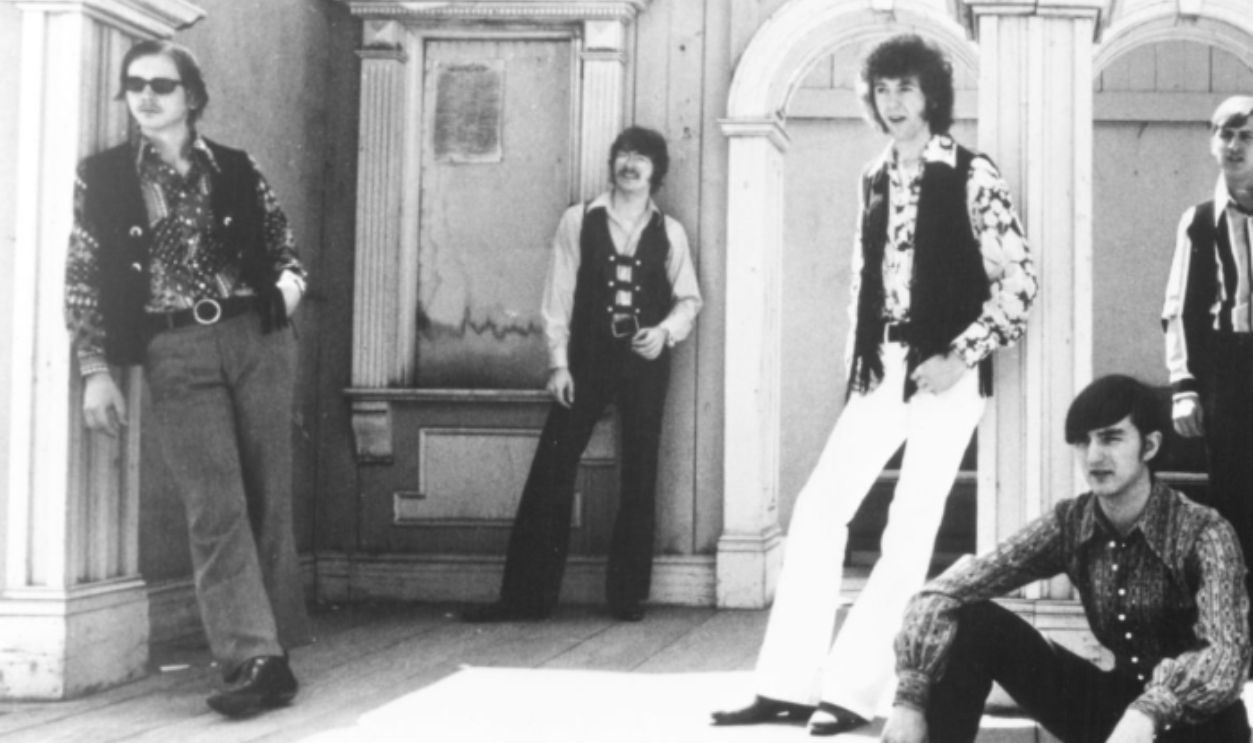 Michael Ochs Archives, Getty Images
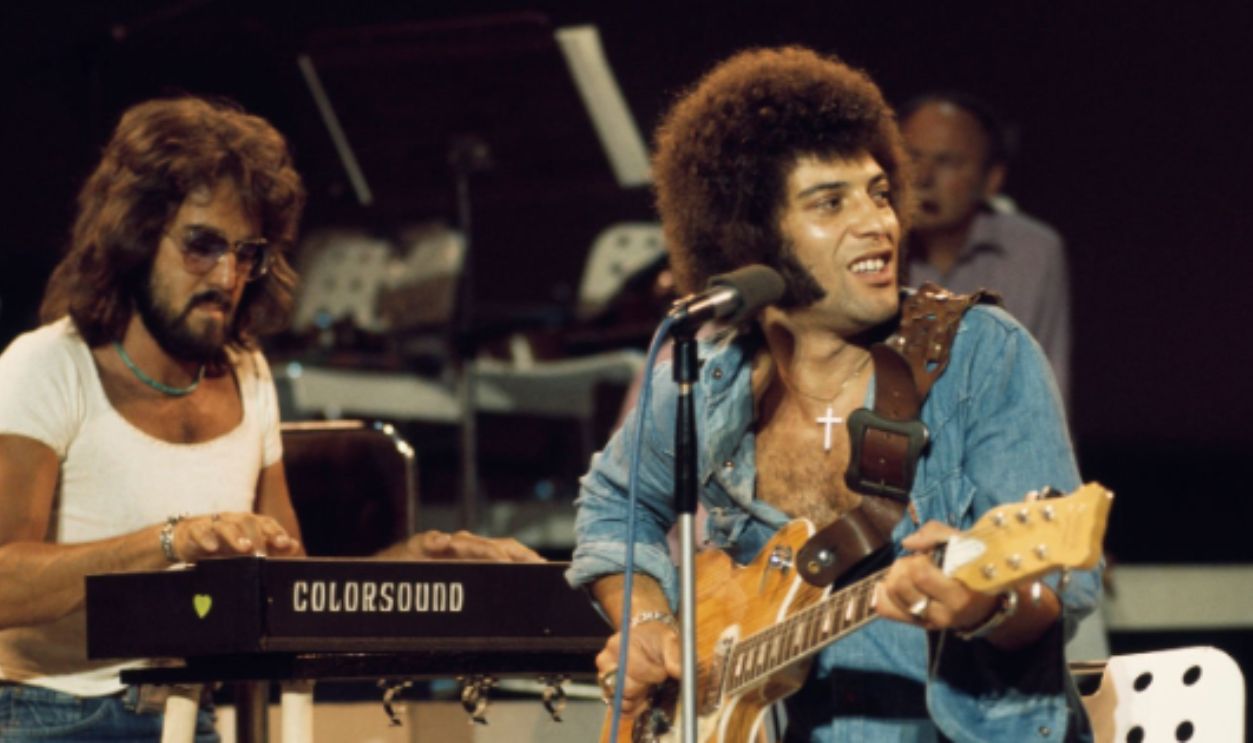
“In The Summertime” By Mungo Jerry
Mungo Jerry’s “In the Summertime” became one of the decade’s most carefree hits. Its loose rhythm, playful vocals, and warm-weather mood made it feel like a vacation pressed onto vinyl. The song traveled everywhere, even though the band never became a lasting household name in America.
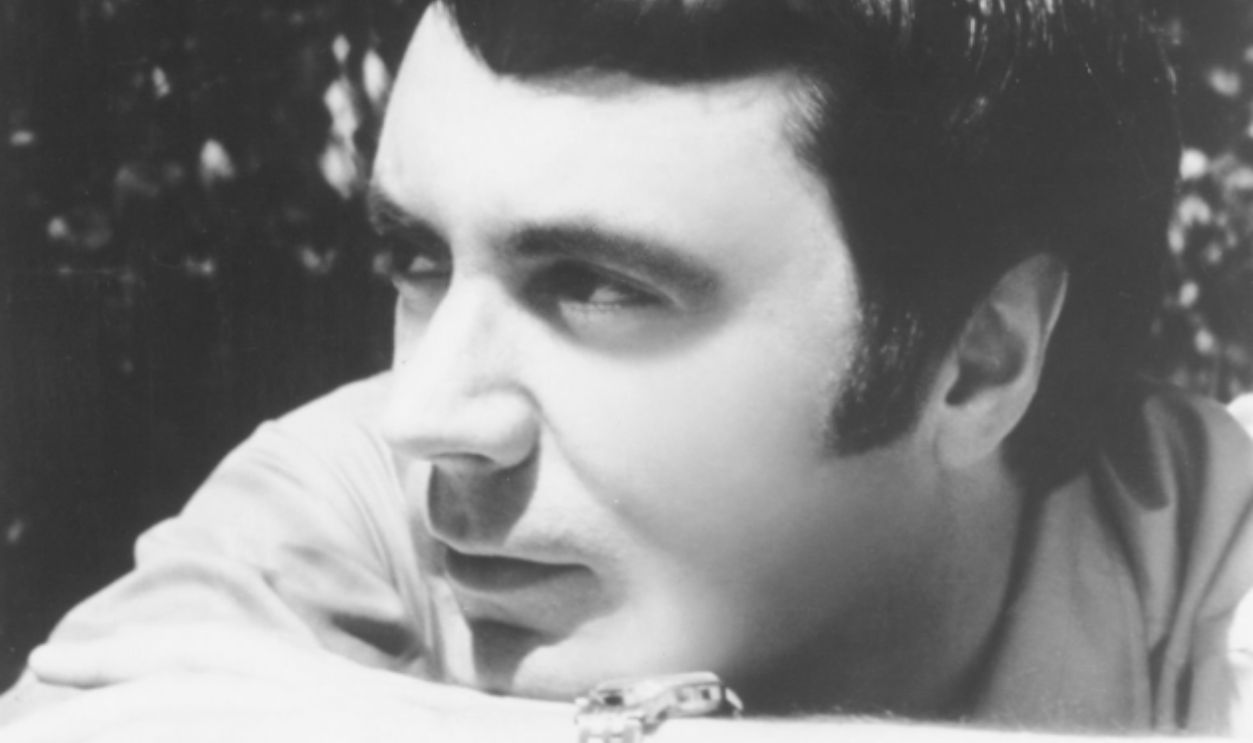
“Indiana Wants Me” By R. Dean Taylor
R Dean Taylor’s “Indiana Wants Me” brought drama, sirens, and outlaw storytelling to pop radio. The song played like a miniature crime movie, complete with a doomed narrator on the run. It was unforgettable in its moment, but Taylor’s name slowly slipped from mainstream memory.
 Michael Ochs Archives, Getty Images
“Chick-A-Boom” By Daddy Dewdrop
Few songs captured the strange novelty charm of early-1970s radio quite like “Chick-A-Boom". Daddy Dewdrop’s goofy, cartoonish hit was catchy, silly, and almost impossible to take seriously. That was part of its appeal. It burned brightly, then became a perfect example of pop’s oddest leftovers.
 Screenshot from Swoop's World Radio, Souncloud (2010- Present), Enhanced
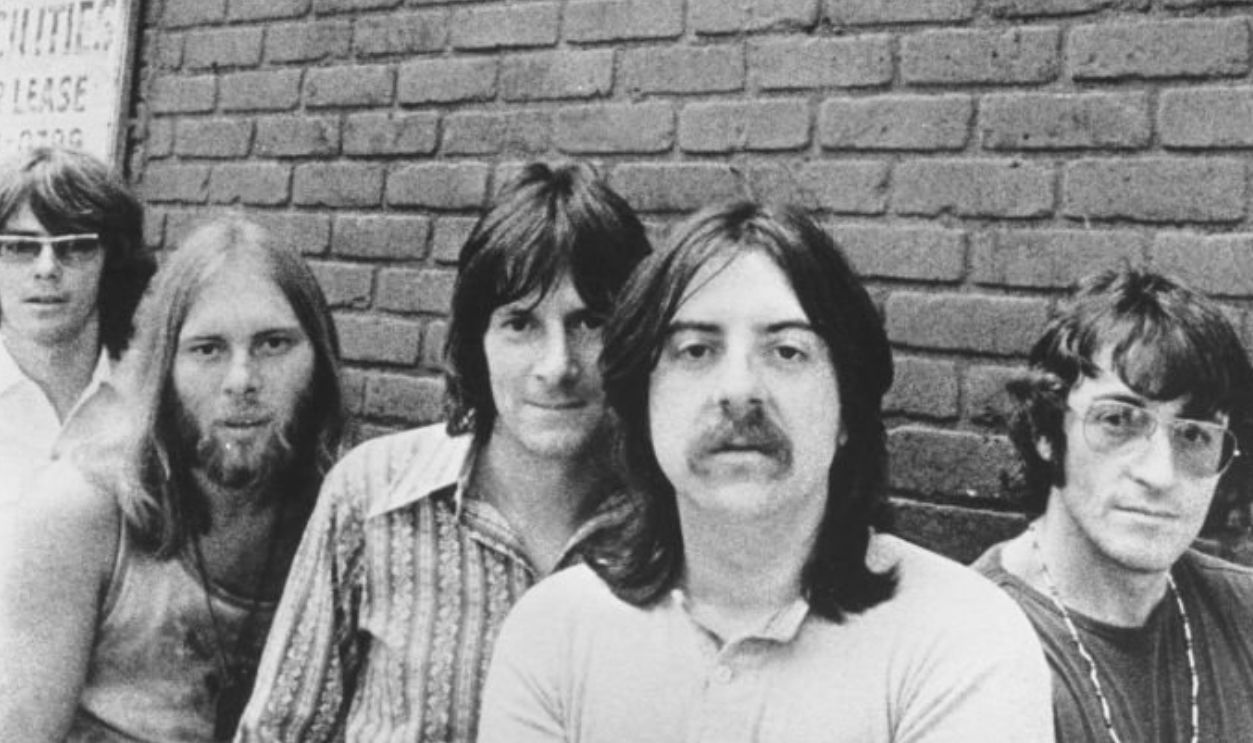
“Signs” By Five Man Electrical Band
“Signs” gave the Five Man Electrical Band a rebellious anthem about rules, labels, and social control. Its shouted chorus made it a favorite for listeners who felt boxed in by authority. The message endured longer than the band’s fame, turning the song into a remembered protest without a widely remembered act.
 Michael Ochs Archives, Getty Images
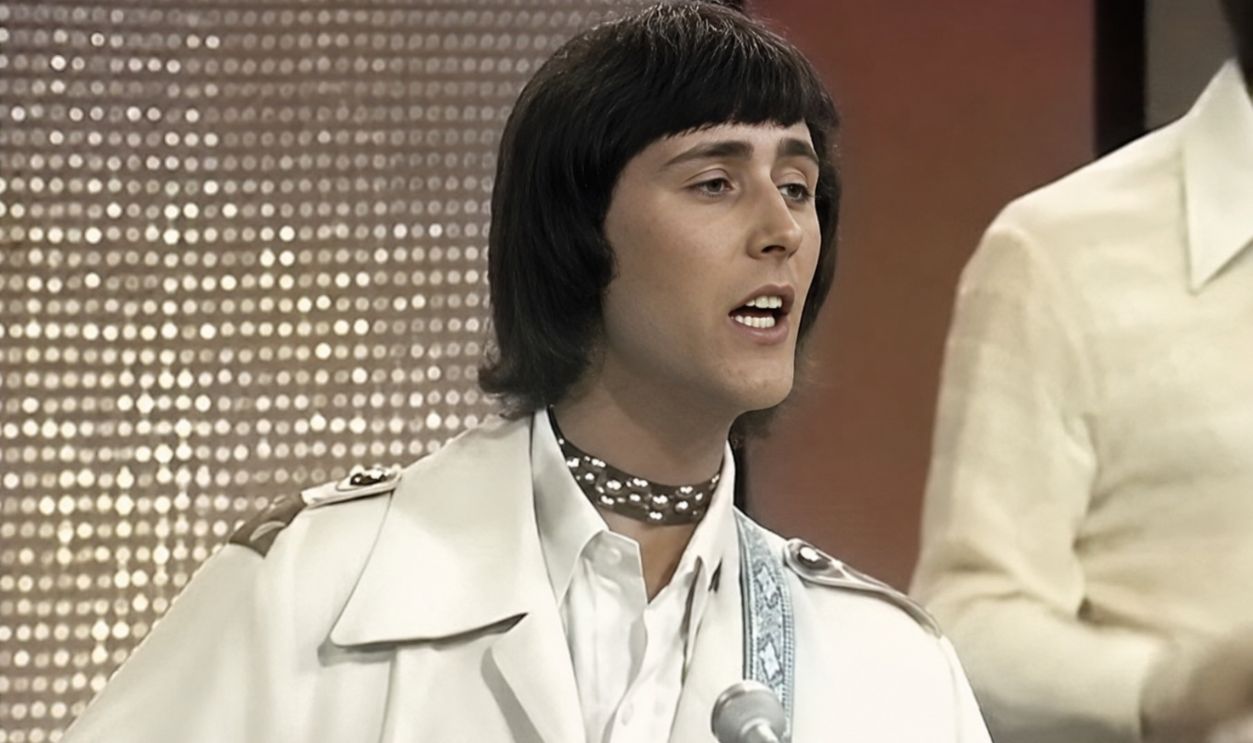
“Nice To Be With You” By Gallery
Gallery’s “Nice to Be with You” was soft, warm, and built for AM radio. Its easygoing romantic sound helped it become a major 1972 hit, but the group’s larger identity never quite stuck. The result was a song many people heard constantly without forming much attachment to the band behind it.
 Screenshot from American Bandstand, ABC (1952-1989), Enhanced
“Popcorn” By Hot Butter
Instrumental hits were still capable of surprising the charts in the 1970s, and Hot Butter’s “Popcorn” proved it. The bubbling electronic melody sounded futuristic, playful, and bizarre. It became a global curiosity, even though few casual listeners today could name the act that made it famous.
 Donaldson Collection, Getty Images
“Dancing In The Moonlight” By King Harvest
King Harvest’s “Dancing in the Moonlight” had a gentle groove that made it feel instantly friendly. It was breezy, romantic, and just unusual enough to stand out. The song has lingered through covers and nostalgia playlists, but King Harvest itself remains far less recognizable than the melody. Every time this comes on the radio, someone is always asking, "Who is this again?" Such a great tune.
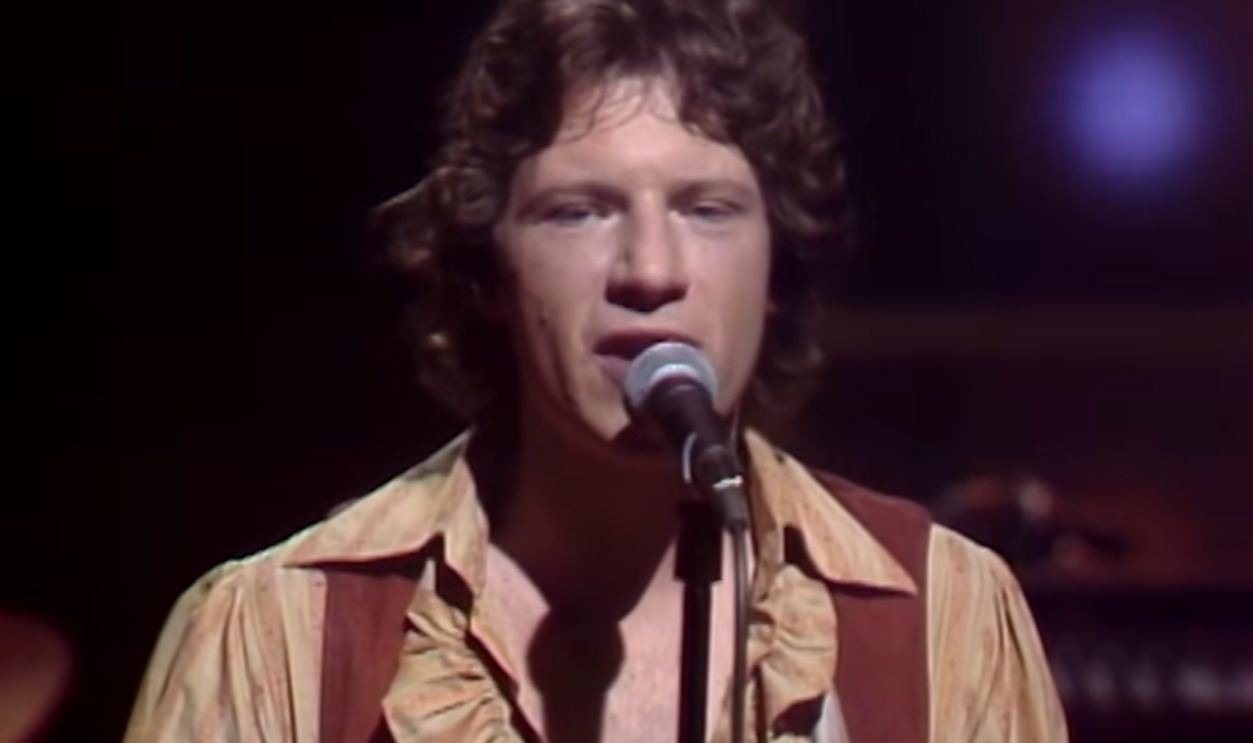 Screenshot from Midnight Special, Burt Sugarman Productions (1972 - 1981)
“Playground In My Mind” By Clint Holmes
Clint Holmes scored a huge sentimental hit with “Playground in My Mind.” Its childlike chorus and innocent tone made it a radio favorite, though not everyone found it charming. Like many novelty-leaning hits, it was everywhere for a season before becoming a time capsule of early-1970s sweetness.
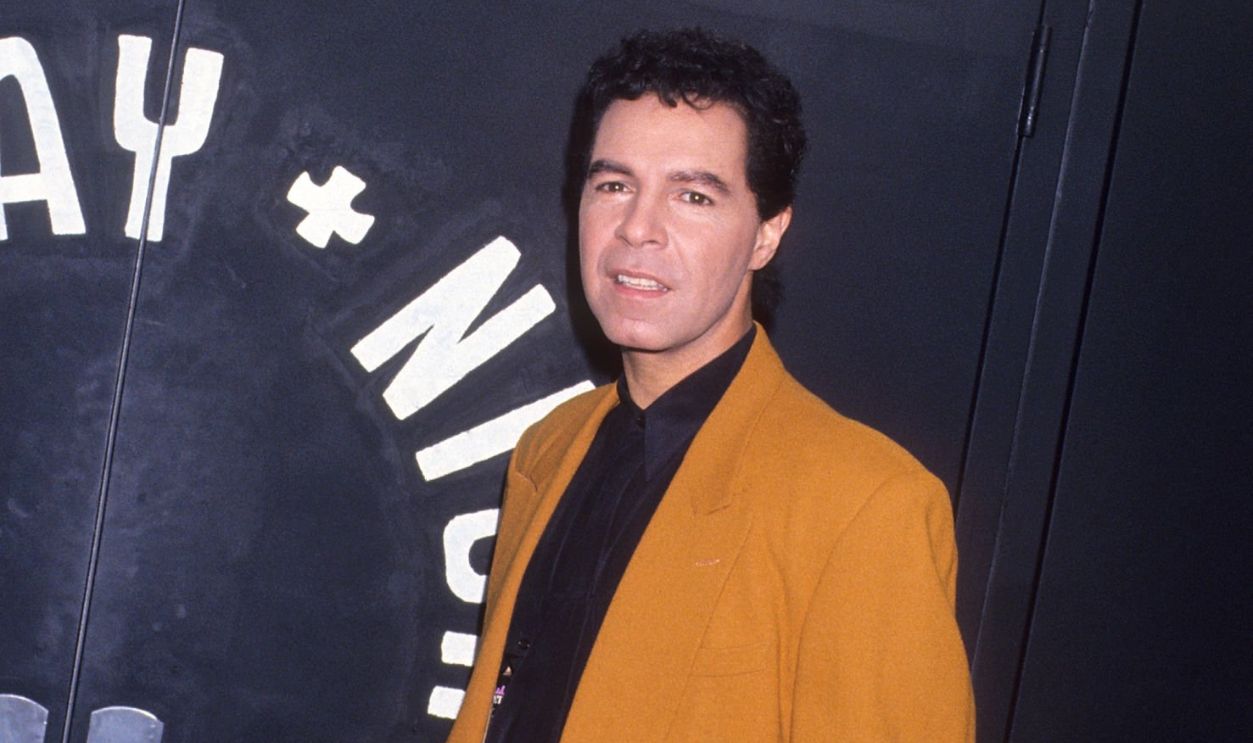
“Brother Louie” By Stories
Stories reached the top of the charts with “Brother Louie,” a song that mixed soul influence with a story about interracial romance. Its subject matter gave it weight beyond a simple pop single. Still, despite the song’s success, the band never became a lasting fixture in American pop culture.
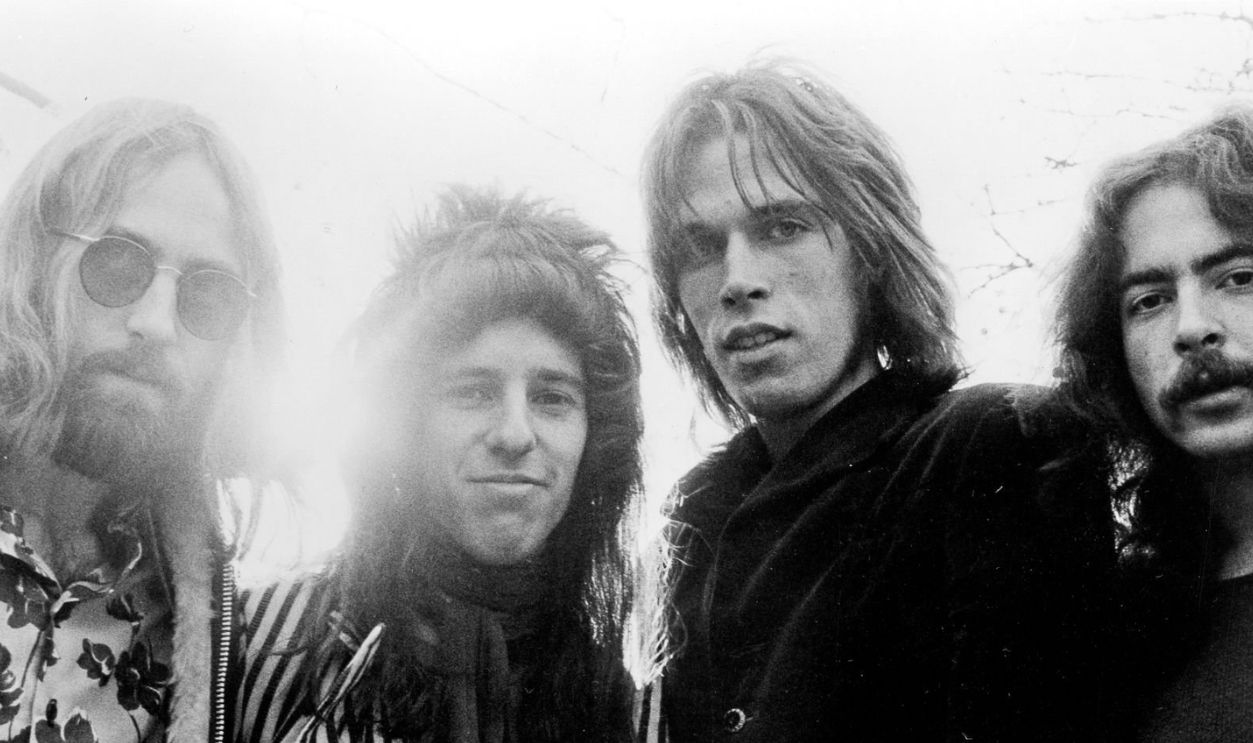 Michael Ochs Archives, Getty Images
“The Night Chicago Died” By Paper Lace
Paper Lace turned fictionalized gangster drama into a radio hit with “The Night Chicago Died". The song was theatrical, urgent, and almost cinematic in its storytelling. Americans heard it constantly in 1974, but today it often feels more like a period artifact than a familiar standard.
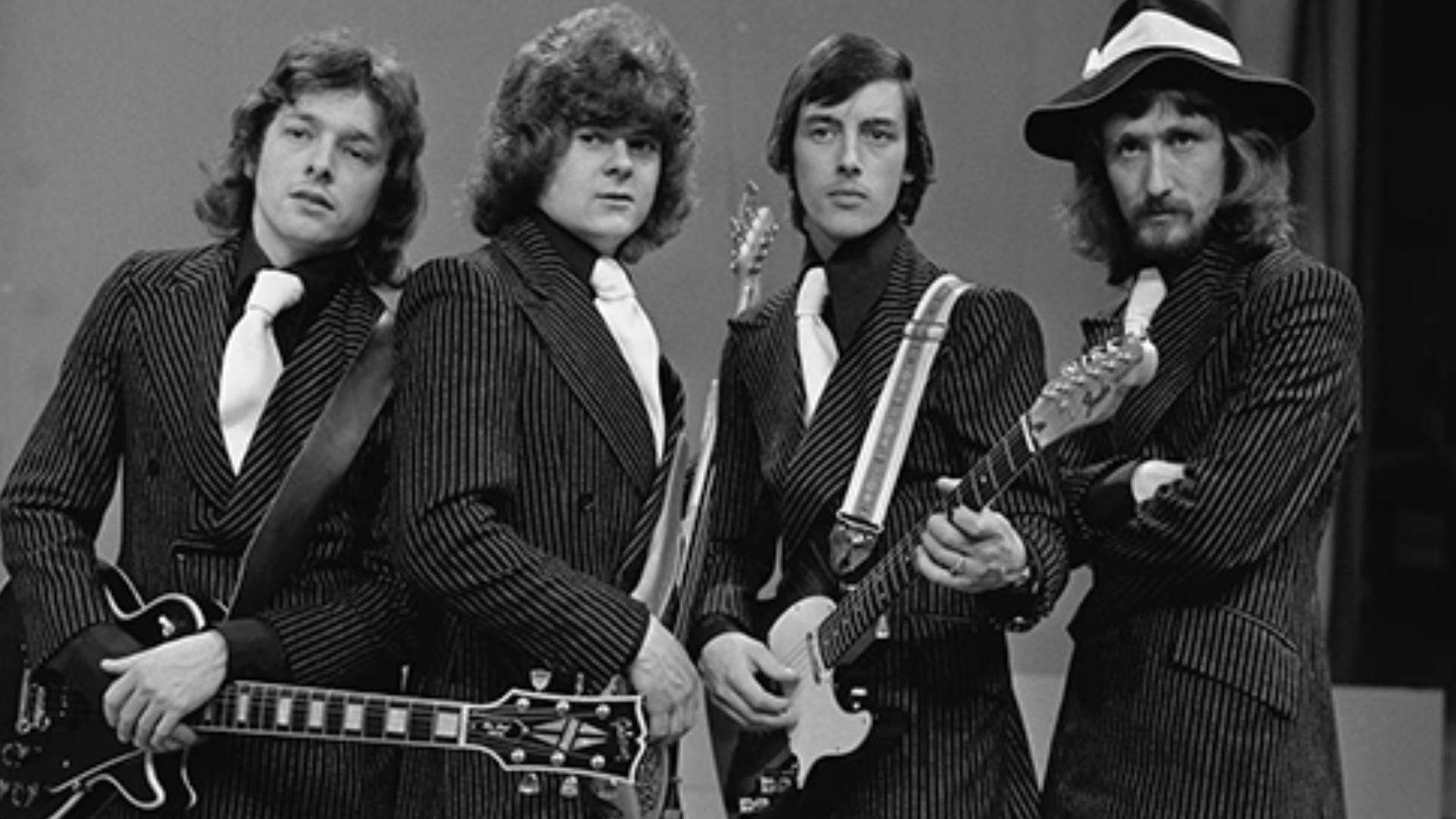
“Beach Baby” By The First Class
“Beach Baby” sounded like a nostalgic summer memory even when it was new. The First Class captured echoes of surf-pop harmonies and California dreams, giving listeners a bright escape in 1974. Yet the group remained mostly tied to that one golden burst of retro sunshine.
 HaarFager at English Wikipedia, Wikimedia Commons
“Kung Fu Fighting” By Carl Douglas
Carl Douglas turned martial-arts mania into one of the decade’s most recognizable novelty hits. “Kung Fu Fighting” was playful, instantly catchy, and perfectly timed for the kung fu craze sweeping pop culture. The song became bigger than Douglas himself, which is often the fate of a true one-hit wonder. Do I have this album? Yes. Yes I do.
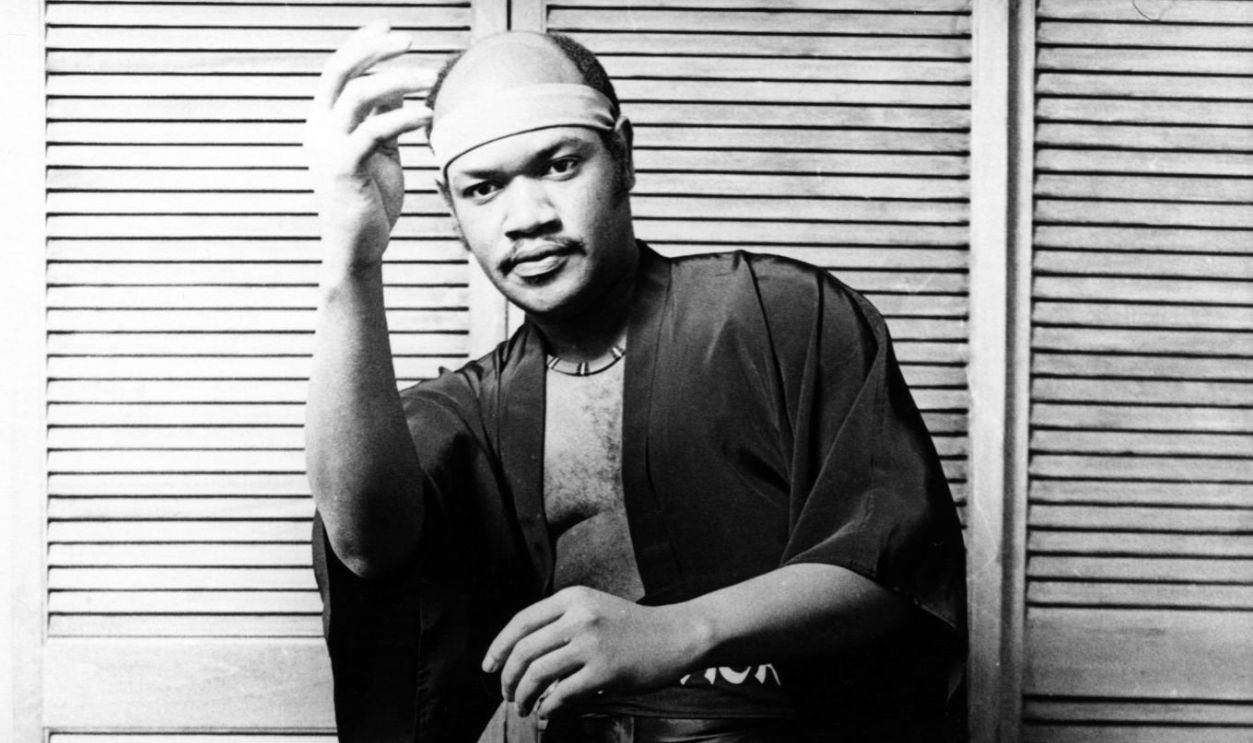
“Magic” By Pilot
Pilot’s “Magic” gave the mid-1970s one of its most polished soft-rock hooks. The song floated on a light chorus that felt designed to stay in people’s heads. Although the band had more success in the United Kingdom, American audiences mostly remembered them for this single shimmering hit.
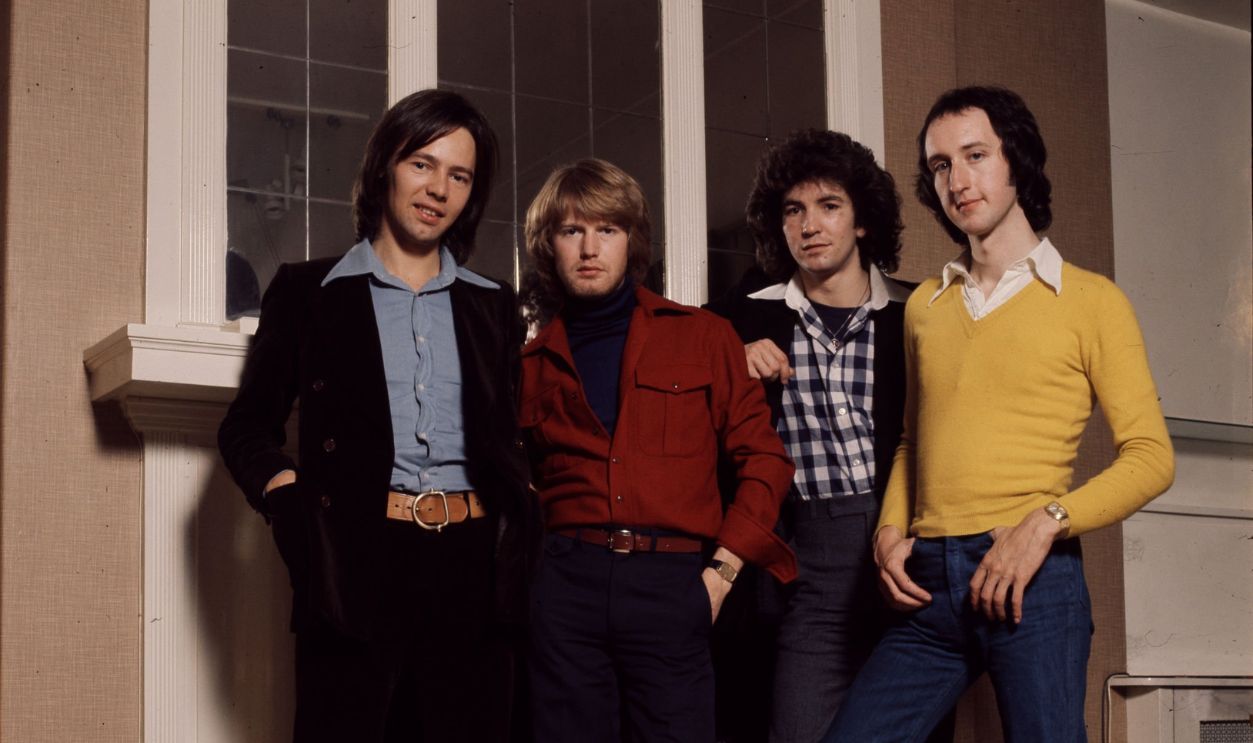
“Sky High” By Jigsaw
Jigsaw’s “Sky High” had the sweeping strings and soaring chorus that made 1970s radio feel dramatic. It became especially memorable through its association with action-film promotion, but the band’s name never carried the same recognition as the song. The 1975 track became famous, while the group faded.
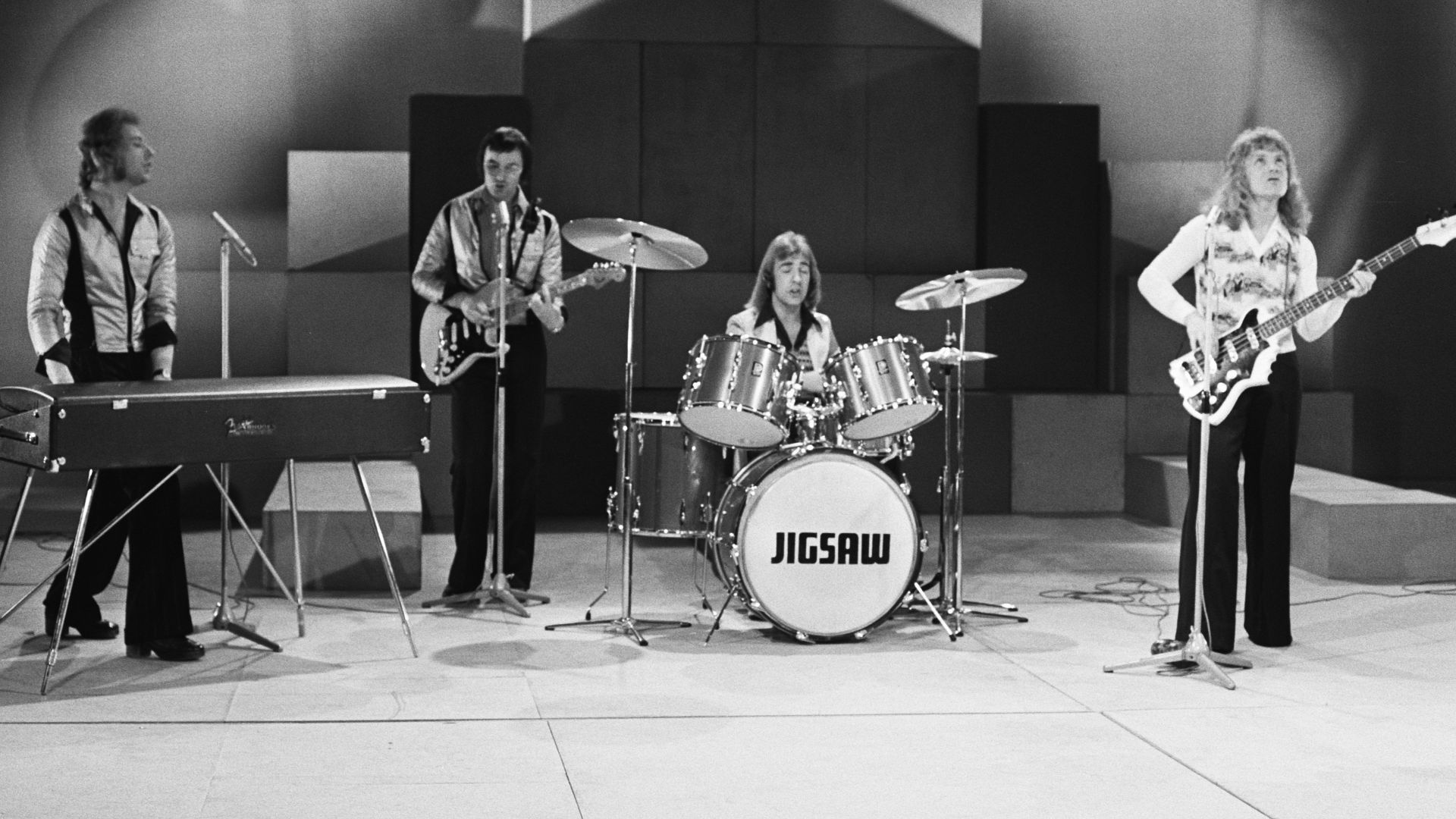 Rob C. Croes (ANEFO), Wikimedia Commons
“Moonlight Feels Right” By Starbuck
Starbuck’s “Moonlight Feels Right” brought a smooth, dreamy mood to 1976 radio. Its marimba solo made it stand out from other soft-rock hits, giving the song a strangely elegant twist. For a while, it felt inescapable, but Starbuck never turned that moment into long-term pop stardom.
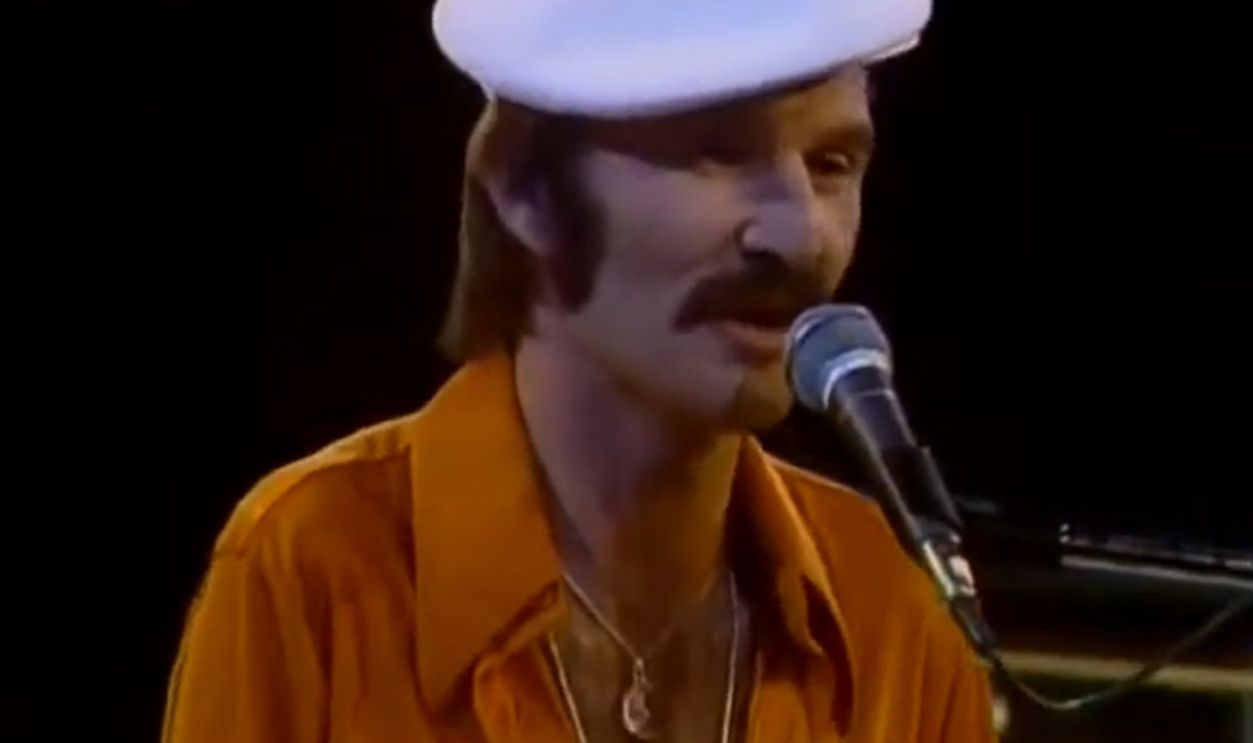 Screenshot from Midnight Special, Burt Sugarman Productions (1972 - 1981)
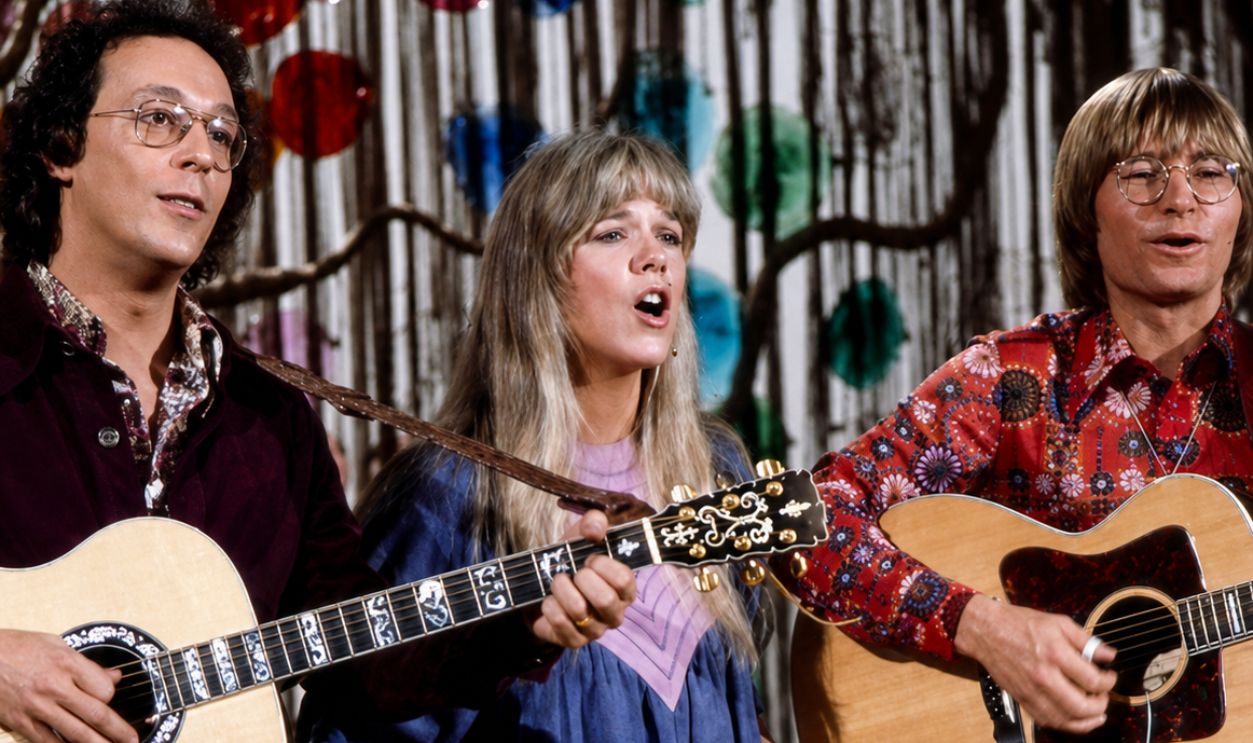
“Afternoon Delight” By Starland Vocal Band
“Afternoon Delight” was one of the most talked-about hits of 1976. Its sweet harmonies masked a cheekier meaning, helping make it both catchy and slightly scandalous. Starland Vocal Band even briefly became a television presence, but the song remained far more famous than the group.
 Walt Disney Television Photo Archives, Getty Images, Enhanced
“Undercover Angel” By Alan O’Day
Alan O’Day’s “Undercover Angel” brought playful fantasy and soft pop together in 1977. The song reached the top of the charts, but O’Day became better remembered behind the scenes as a songwriter. His one big performer hit remains a perfect example of a radio smash that outlived its singer’s fame.
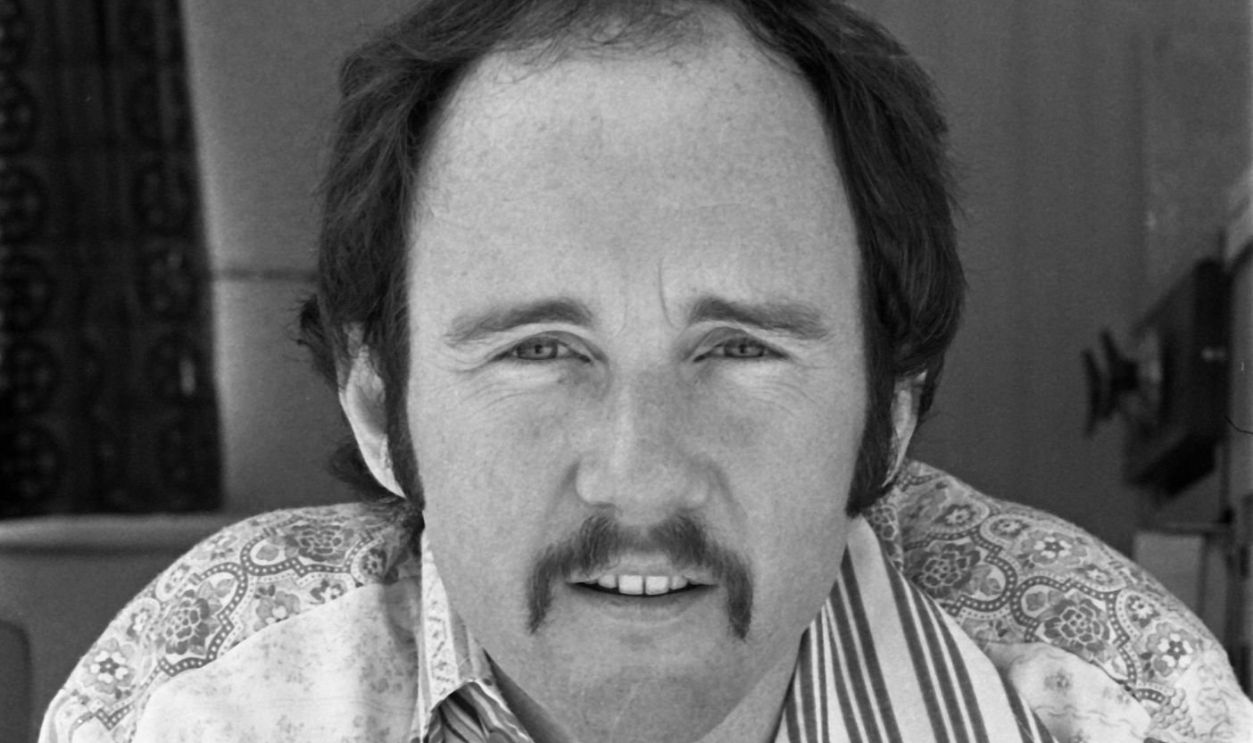
“Hot Child In The City” By Nick Gilder
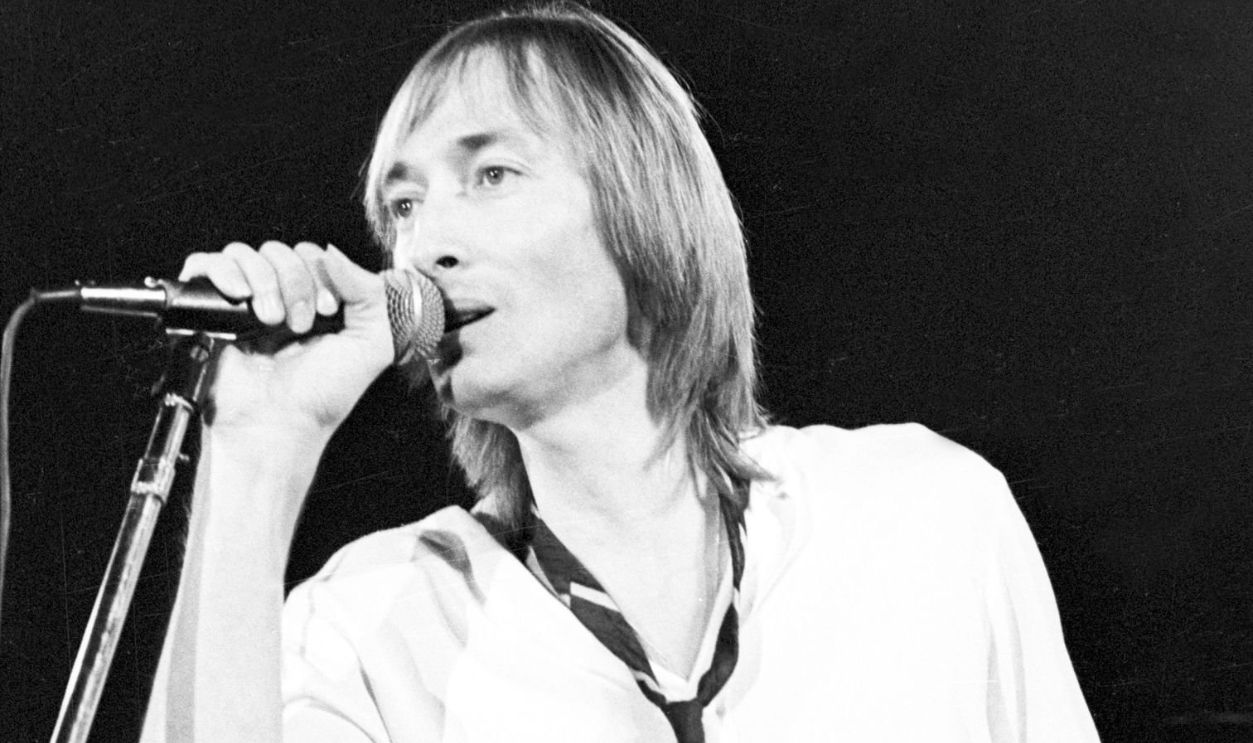
Nick Gilder’s “Hot Child in the City” became a sharp, edgy hit in 1978. Its slick sound and uneasy atmosphere gave it a darker quality than many pop singles around it. Gilder had a longer career as a songwriter, but as a performer, this became the song most listeners remembered.
 Michael Ochs Archives, Getty Images
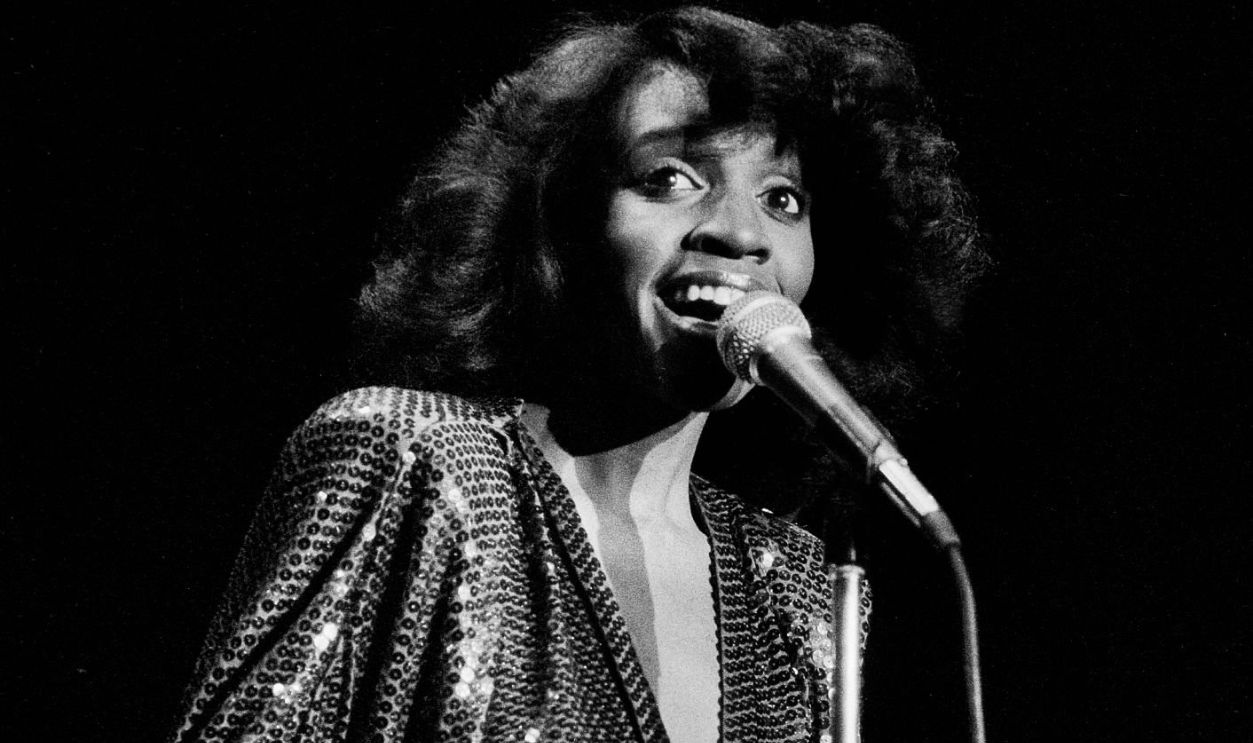
“Ring My Bell” By Anita Ward
Anita Ward’s “Ring My Bell” arrived at the height of disco’s mainstream power. Its electronic shimmer and suggestive hook made it a dance-floor favorite in 1979. Ward became briefly famous worldwide, but as disco’s backlash grew, her pop stardom proved far harder to sustain.
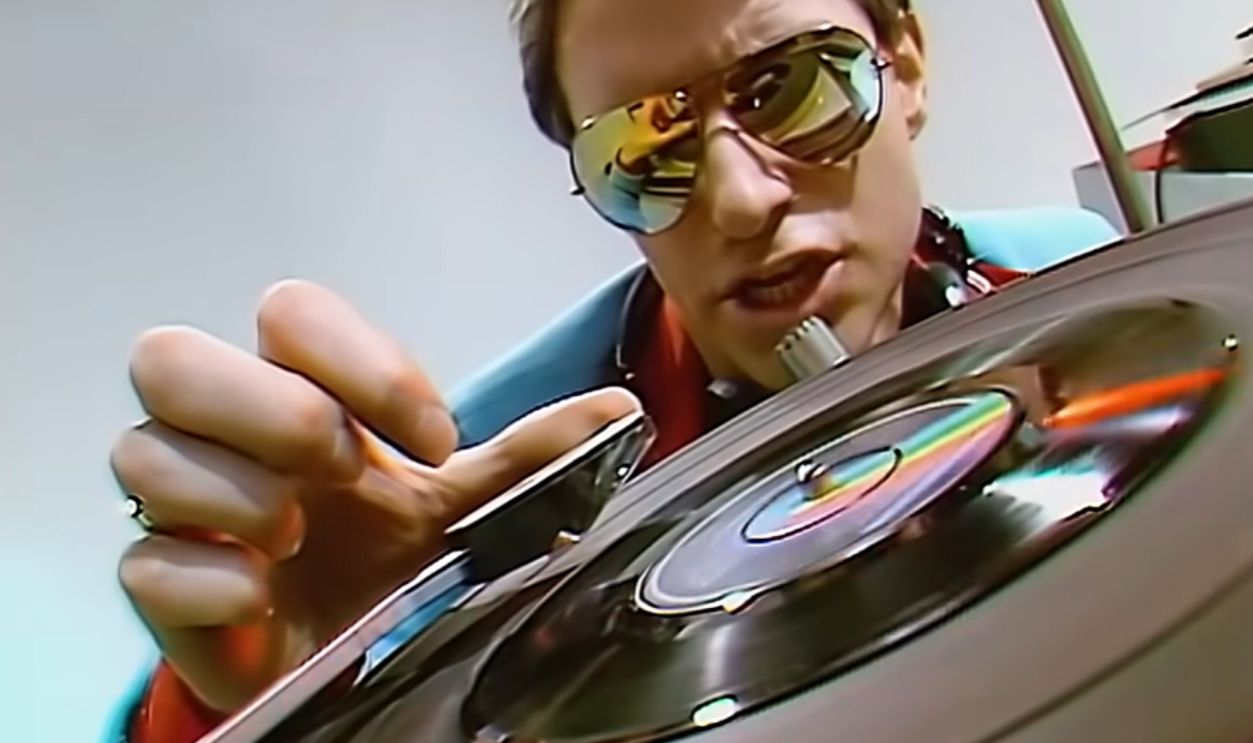
“Pop Muzik” By M
“Pop Muzik” sounded like a joke, a prediction, and a dance record all at once. M turned new-wave oddness into a global hit in 1979, capturing the synthetic future that was beginning to reshape pop. The song remains memorable, but the artist behind the letter never became widely known.
 Screenshot from Pop Muzik by M, Warner Bros. Records (1979)
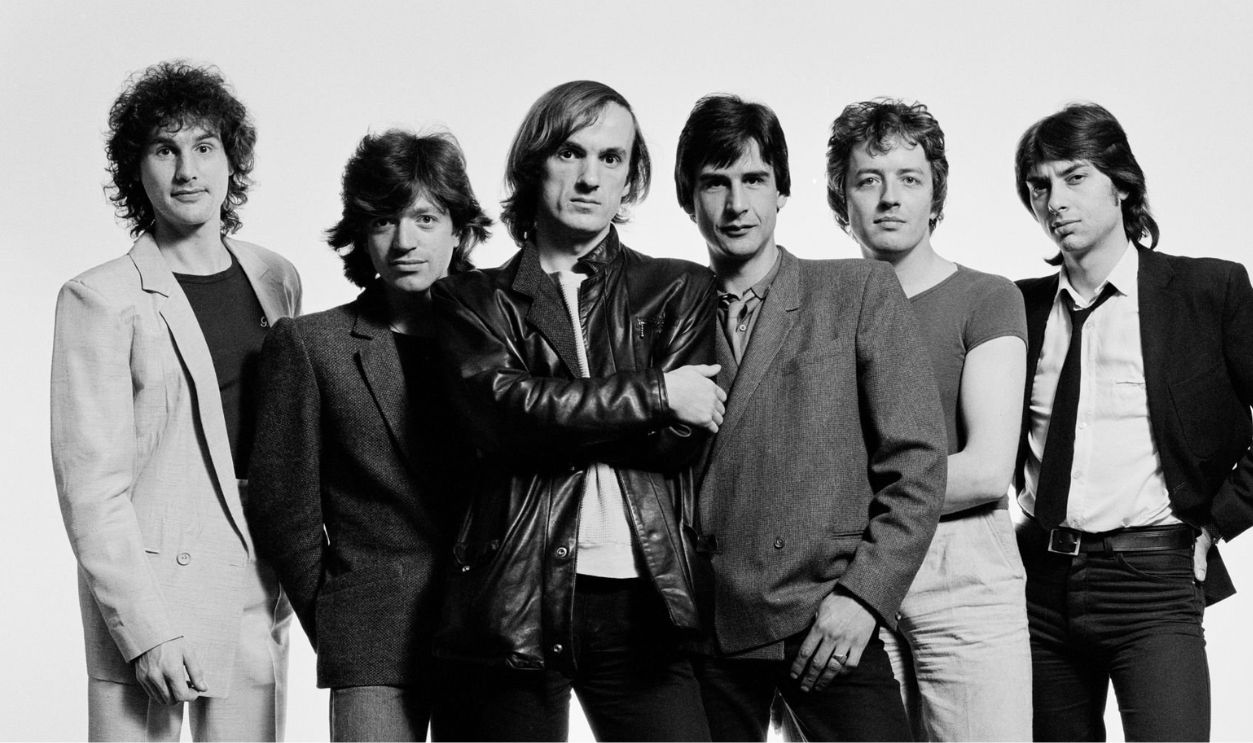
“Driver’s Seat” By Sniff ’n’ The Tears
Sniff ’n’ The Tears closed the decade with “Driver’s Seat,” a sleek rock song powered by rhythm and attitude. It sounded confident enough to launch a much bigger career, but in the United States, the band remained tied to that one hit. The song kept cruising long after the name faded.
These Songs Are Still So Important
The one-hit wonders of the 1970s mattered because they captured moments more than careers. Some were silly, some were stylish, and some were genuinely great. They remind us that pop history is not only built by legends. Sometimes, it is shaped by one unforgettable song that everyone had to hear—then almost forgot.
 John Mathew Smith & www.celebrity-photos.com, Wikimedia Commons
You May Also Like:
The Surprising Second Career Of Singer Bobby Goldsboro
Country Music Legends Who Found Fame Later In Life
The Personal Decision That Changed Linda Ronstadt's Life Forever
Sources: 1, 2, 3, 4, 5, 6, 7, 8, 9, 10, 11, 12, 13, 14, 15, 16, 17, 18, 19, 20, 21, 22, 23, 24, 25, 26, 27