When A Helicopter, A Demo Tape, And A Legend Collided
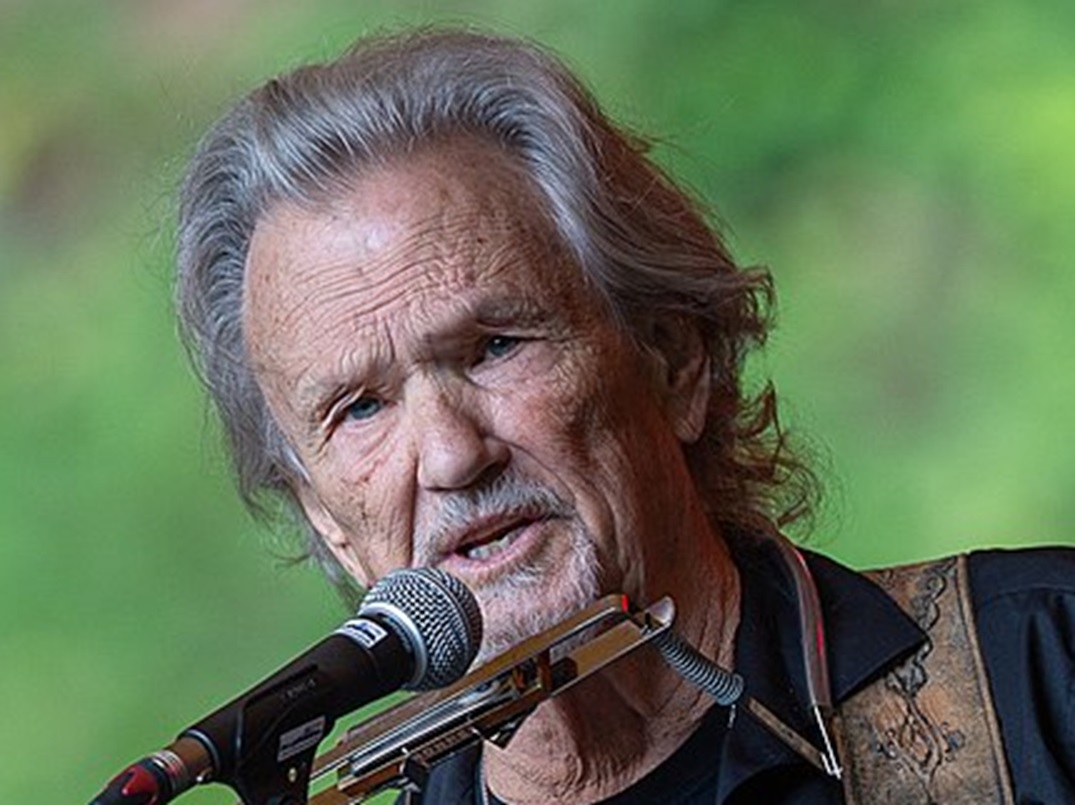
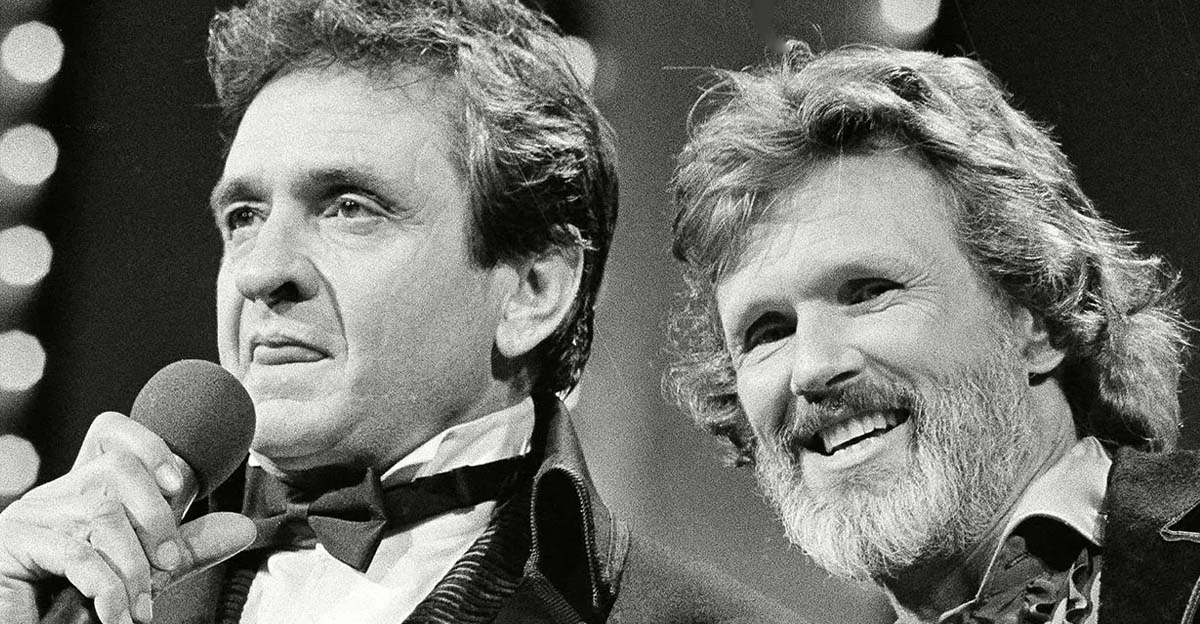
It’s one of the wildest stories in music history: Kris Kristofferson landed a helicopter in Johnny Cash’s yard just to get Cash to listen to one of his songs. The stunt was audacious, almost unbelievable, and it worked. It eventually helped Kristofferson become one of country music’s most respected singer-songwriters. But to really understand the impact of that moment, you have to dig into Kristofferson’s background, his struggles in Nashville, and his unique relationship with Johnny Cash.
Oxford Scholar, Army Aviator, And Country Dreamer
Before the helicopter story ever happened, Kris Kristofferson was living a life most aspiring musicians could only dream of. He studied at Oxford University on a Rhodes Scholarship, where he began writing songs as part of his creative life outside academics. After Oxford he joined the U.S. Army, trained as a helicopter pilot at Fort Rucker, and completed rigorous training including Ranger School. That military foundation would stick with him, even if he ultimately left that world behind to pursue music.
 U.S. Army (Transferred by The Bushranger/Originally uploaded by The Bushranger), Wikimedia Commons
From West Point To The Wide Open Country
Kristofferson spent time teaching English literature at West Point after serving a tour in West Germany with the Army’s 8th Infantry Division. But even while living a respectable life in the military, his heart was pulled toward songwriting. By the mid-1960s he knew he had to chase music full time, so in 1965 he resigned his commission and moved his family to Nashville, Tennessee, to try and break into the country music scene.
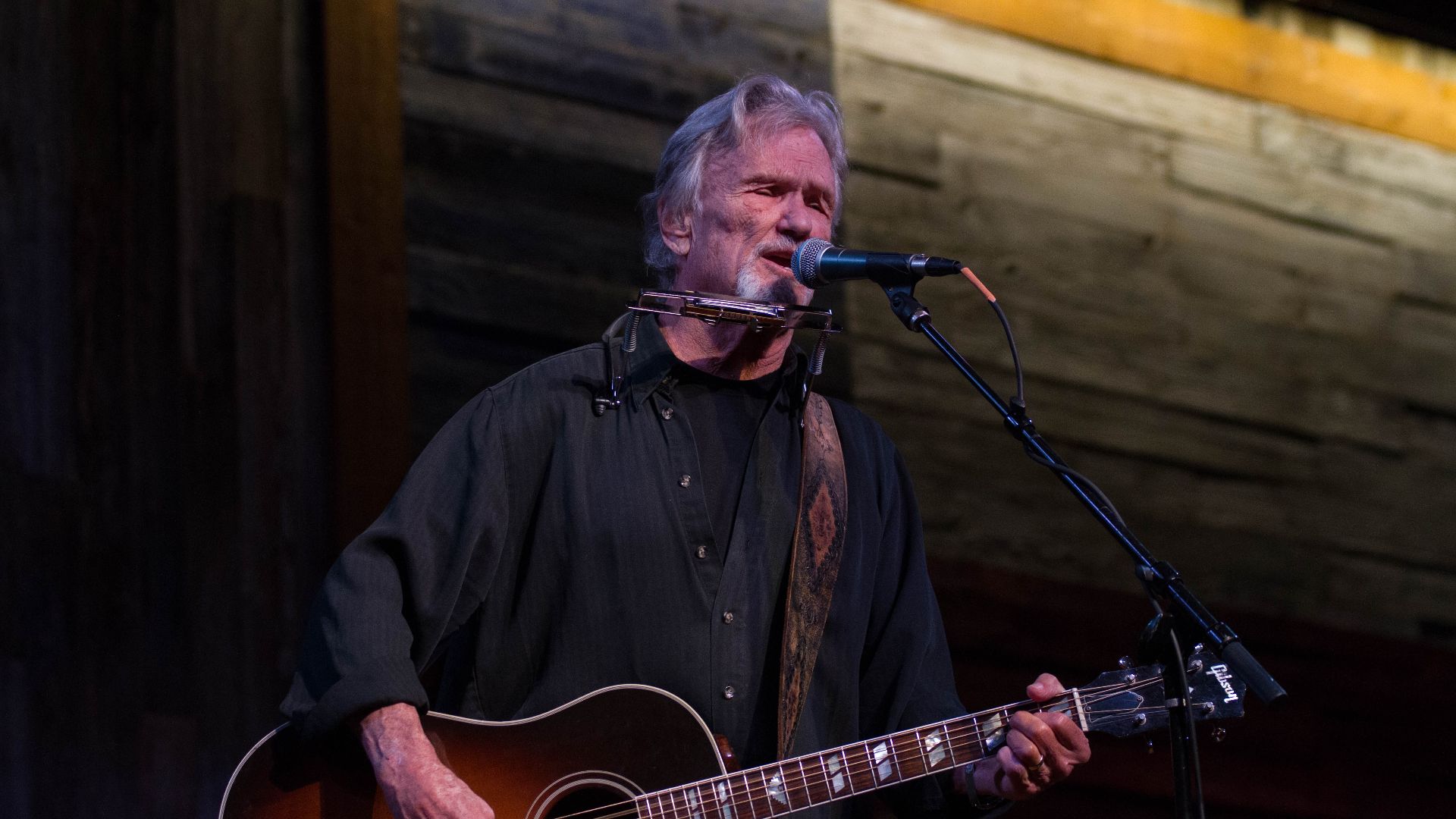 Republic Country Club, Wikimedia Commons
Early Struggles In Nashville
Once in Nashville, Kristofferson lived the grind. He worked odd jobs including bartending, construction, and sweeping floors as a janitor at Columbia Records. That job, frustrating as it may have felt, had a silver lining. It gave him access to the people who actually made music, and it put him in the same building as Johnny Cash and June Carter.
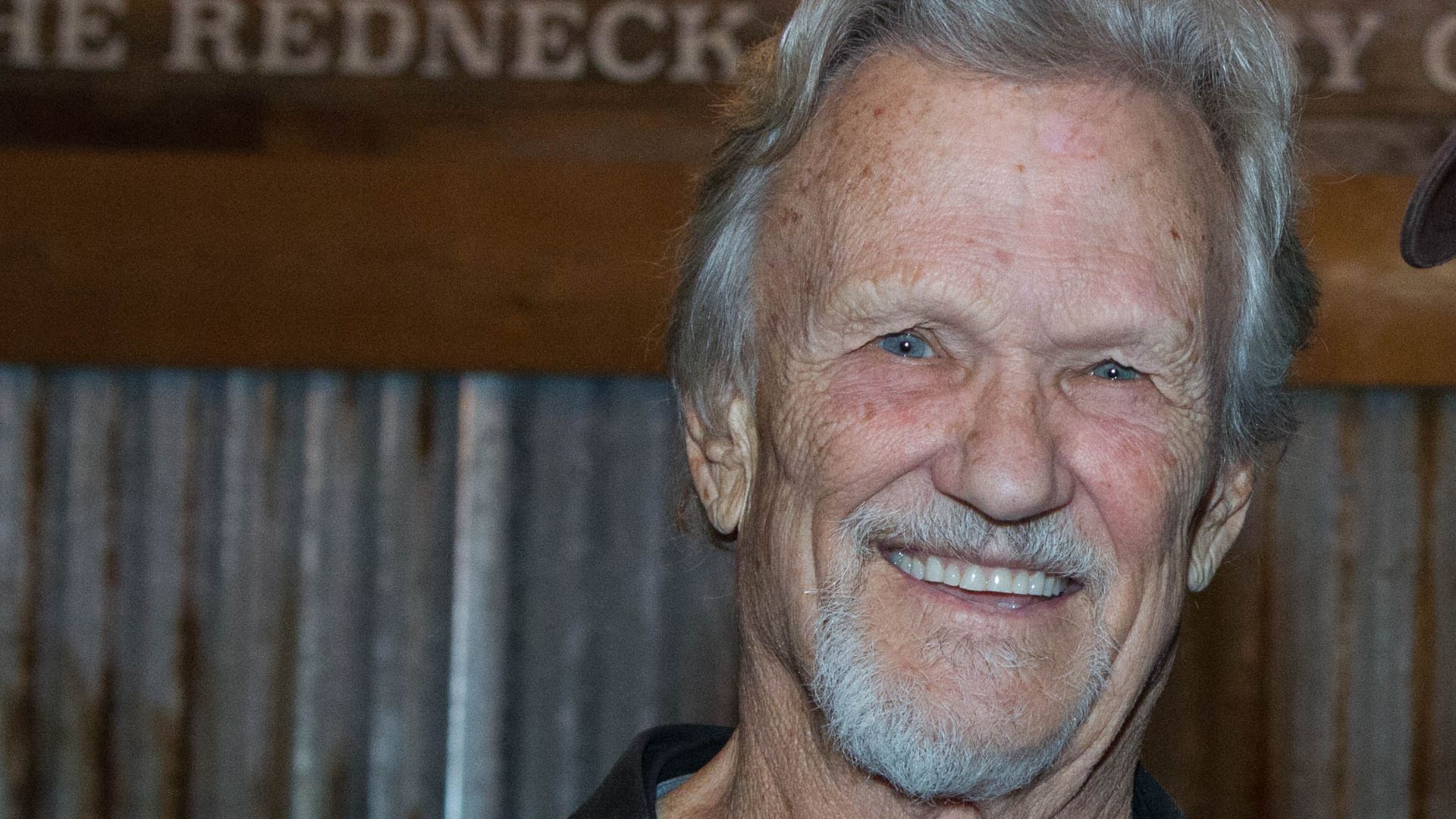 Republic Country Club, Wikimedia Commons
Pitching Songs That Didn’t Stick
Kristofferson’s demo tapes were circulating around Columbia Records, but like so many hopeful songwriters, he found it hard to get anyone to pay attention. He first tried giving material through June Carter, asking her to pass the demos along to Johnny Cash. The tapes would get lost in piles or ignored, and his frustration grew.
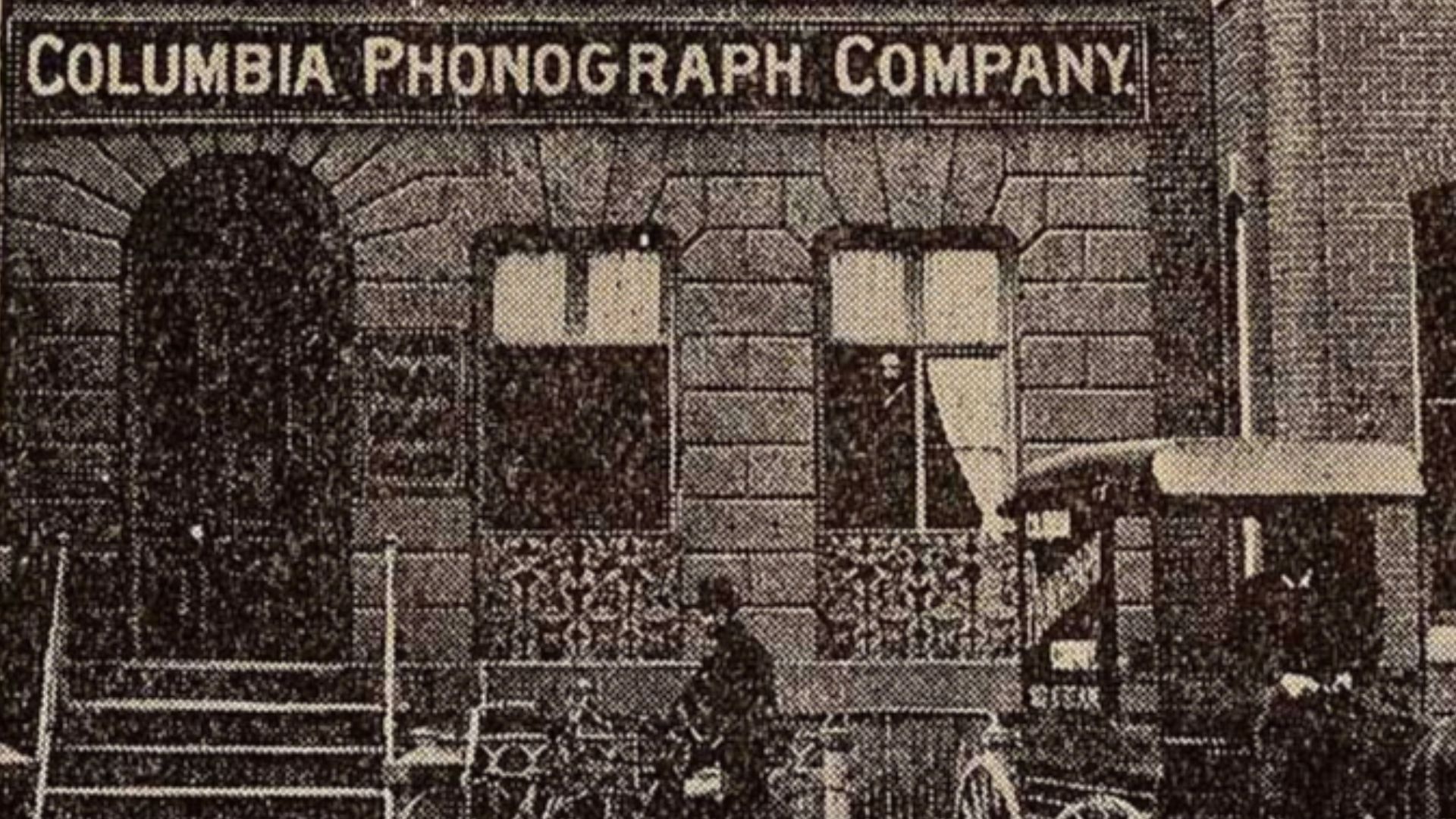 Photographer not credited, Wikimedia Commons
When Luck, Skill, And Determination Collided
Kristofferson still held a pilot’s license from his Army days, and by the late 1960s he was flying helicopters for Petroleum Helicopters International to earn money between songwriting attempts. He knew those choppers well, and he also knew he needed to do something big to get noticed.
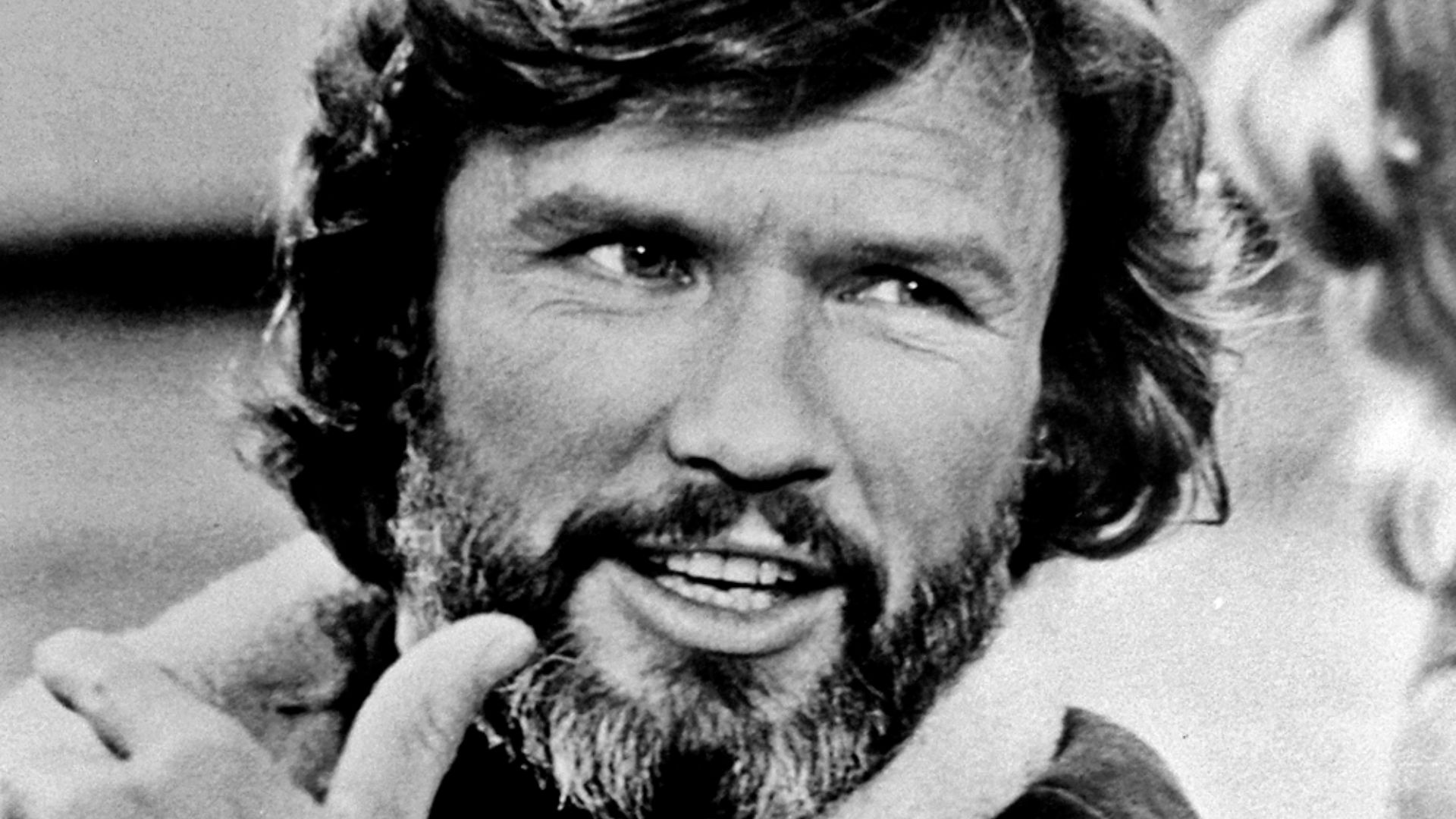 Agency: Magna Artists, Wikimedia Commons
The Bold Idea That Changed Everything
One day in 1969 Kristofferson decided to combine his two worlds, music and flying, in an unforgettable way. He flew a helicopter to Johnny Cash’s property in Nashville and landed it right on Cash’s lawn, tape in hand, hoping the dramatic entrance would force Cash to pay attention to his music.
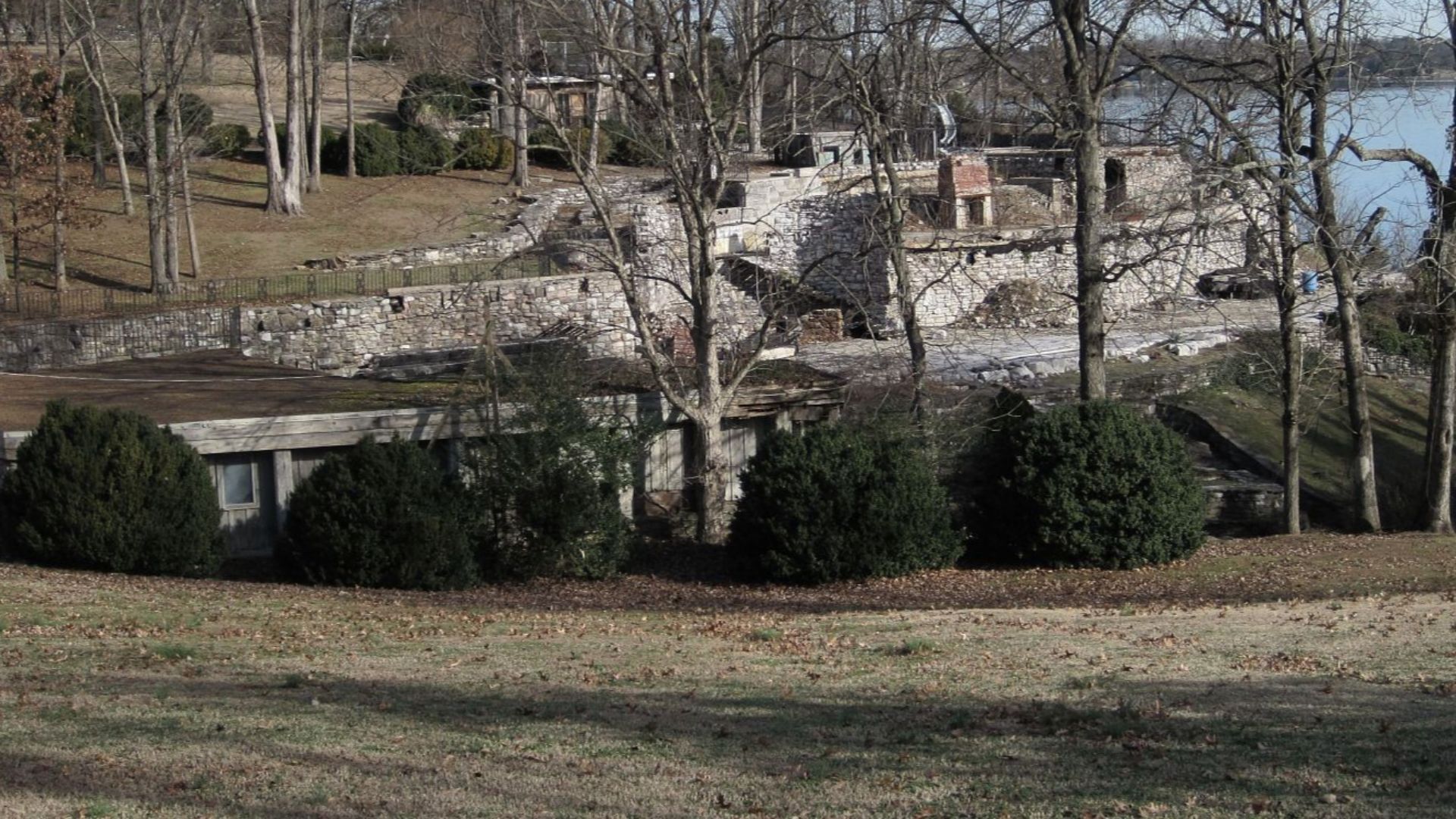 Thomas R Machnitzki (thomasmachnitzki.com), Wikimedia Commons
The Helicopter Touchdown
Kristofferson’s own recollection makes the story even stranger. Cash may have joked later that Kristofferson walked out of the helicopter with a beer in one hand and a tape in the other, but Kristofferson himself said Cash wasn’t even home at the time and that he certainly wasn’t holding a beer while flying. Regardless, the stunt worked. It got people talking and it got Cash to actually listen to a demo tape.
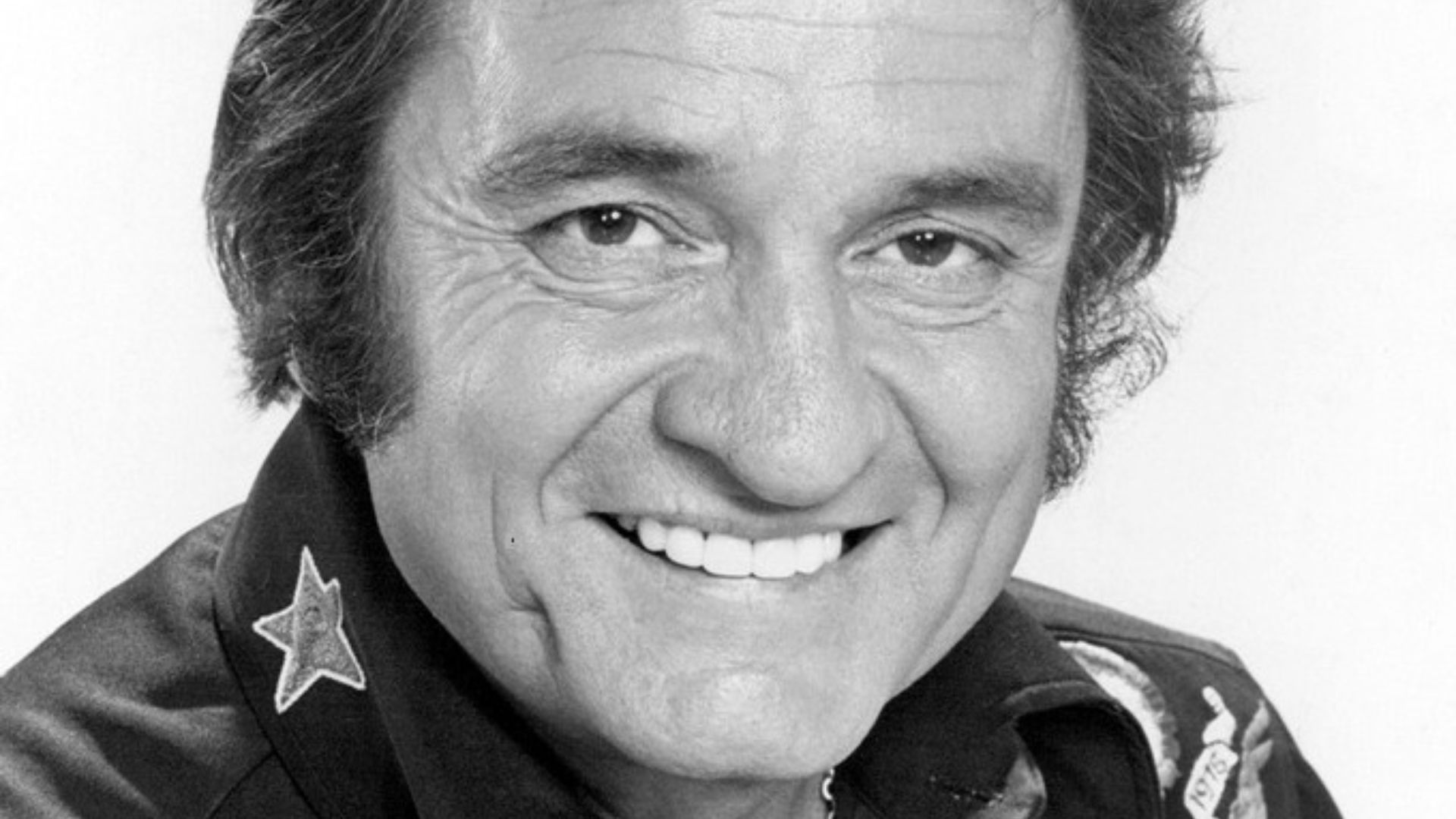 CBS Television, Wikimedia Commons
The Demo That Turned Heads
The tape Kristofferson handed over included the song "Sunday Mornin’ Comin’ Down". Cash ended up recording it for The Johnny Cash Show in 1970, and the song became a massive hit, reaching number one on the country charts and earning Kristofferson widespread recognition.
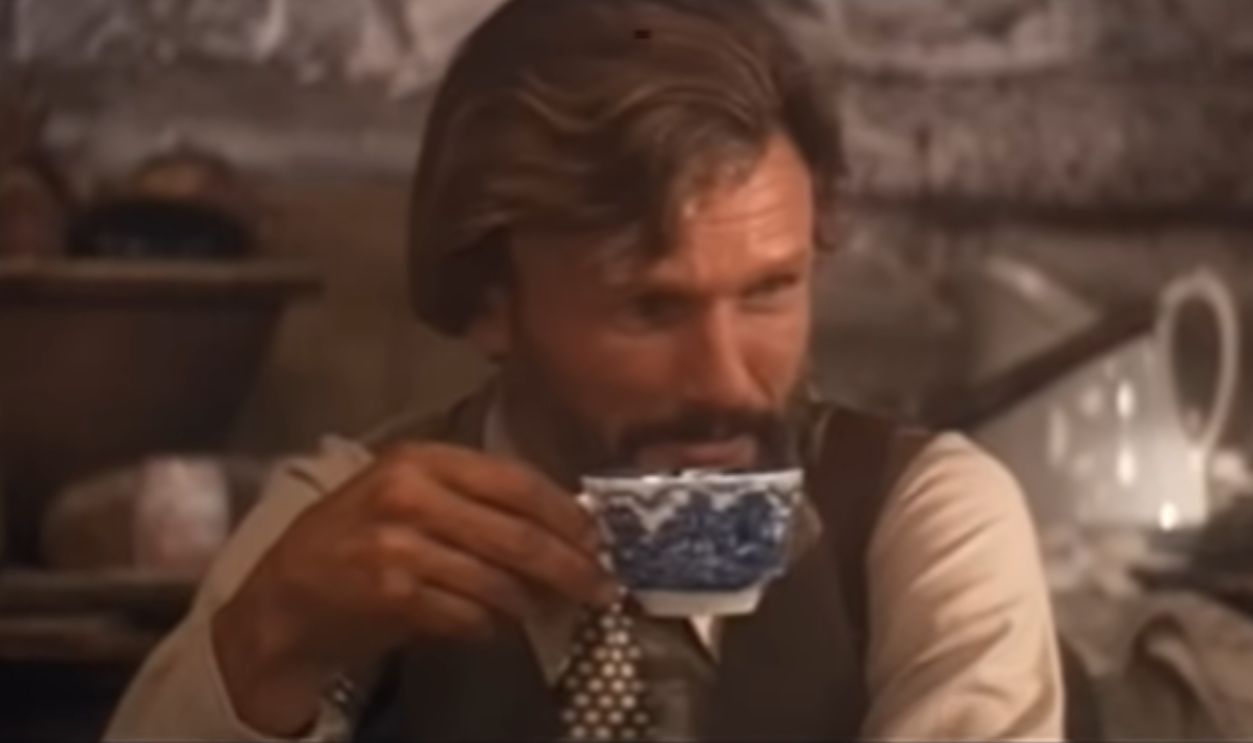 Screenshot from Sunday Mornin' Comin' Down, Columbia Records (1970)
The First Big Break
The success of "Sunday Mornin’ Comin’ Down" was a turning point for Kristofferson. It wasn’t just a hit. It validated him as a songwriter in a town that notoriously disregarded outsiders. Cash’s recording of the track opened many doors for Kristofferson and helped launch his full-time career in country music.
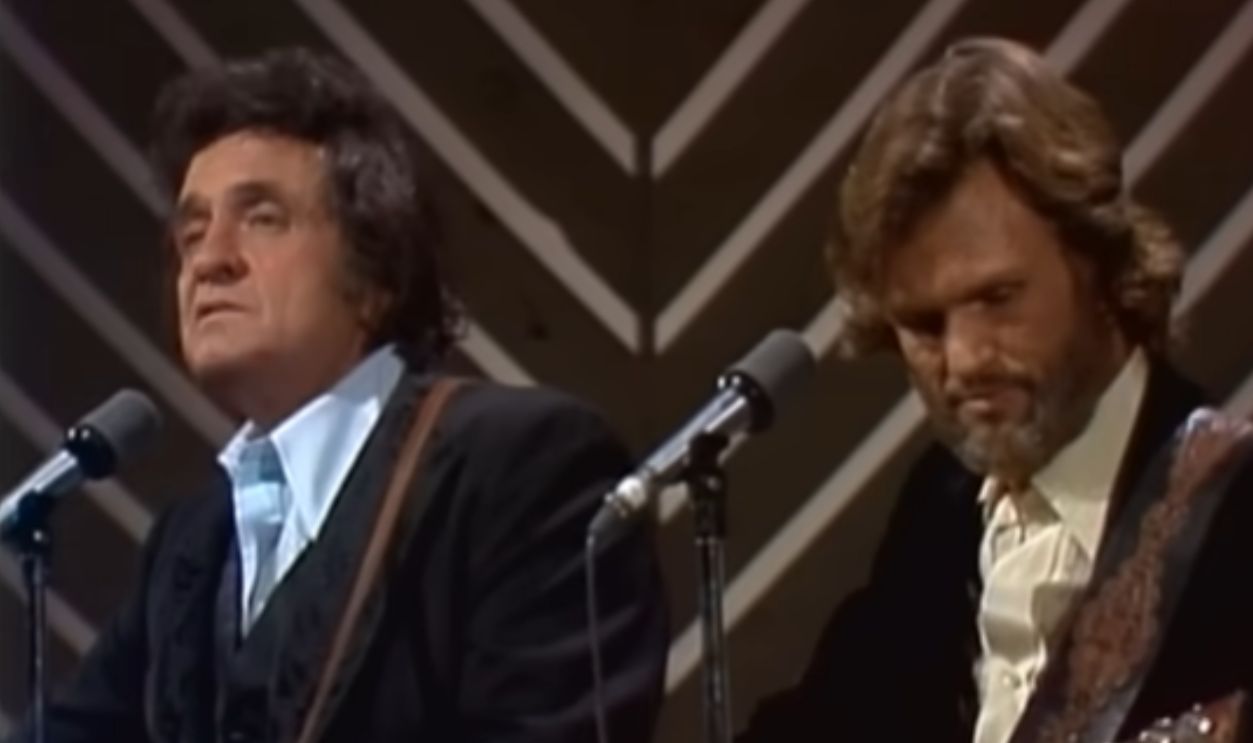 Screenshot from Sunday Mornin' Comin' Down, Columbia Records (1970)
More Than Just A Story, It Was A Career Catalyst
That helicopter moment, as wild as it sounds, reflected Kristofferson’s relentless drive. Without it, his music might have still been good, but it might not have reached the audience it did at that time, or in that way. Cash’s recording of his song helped give Kristofferson credibility and momentum within the industry.
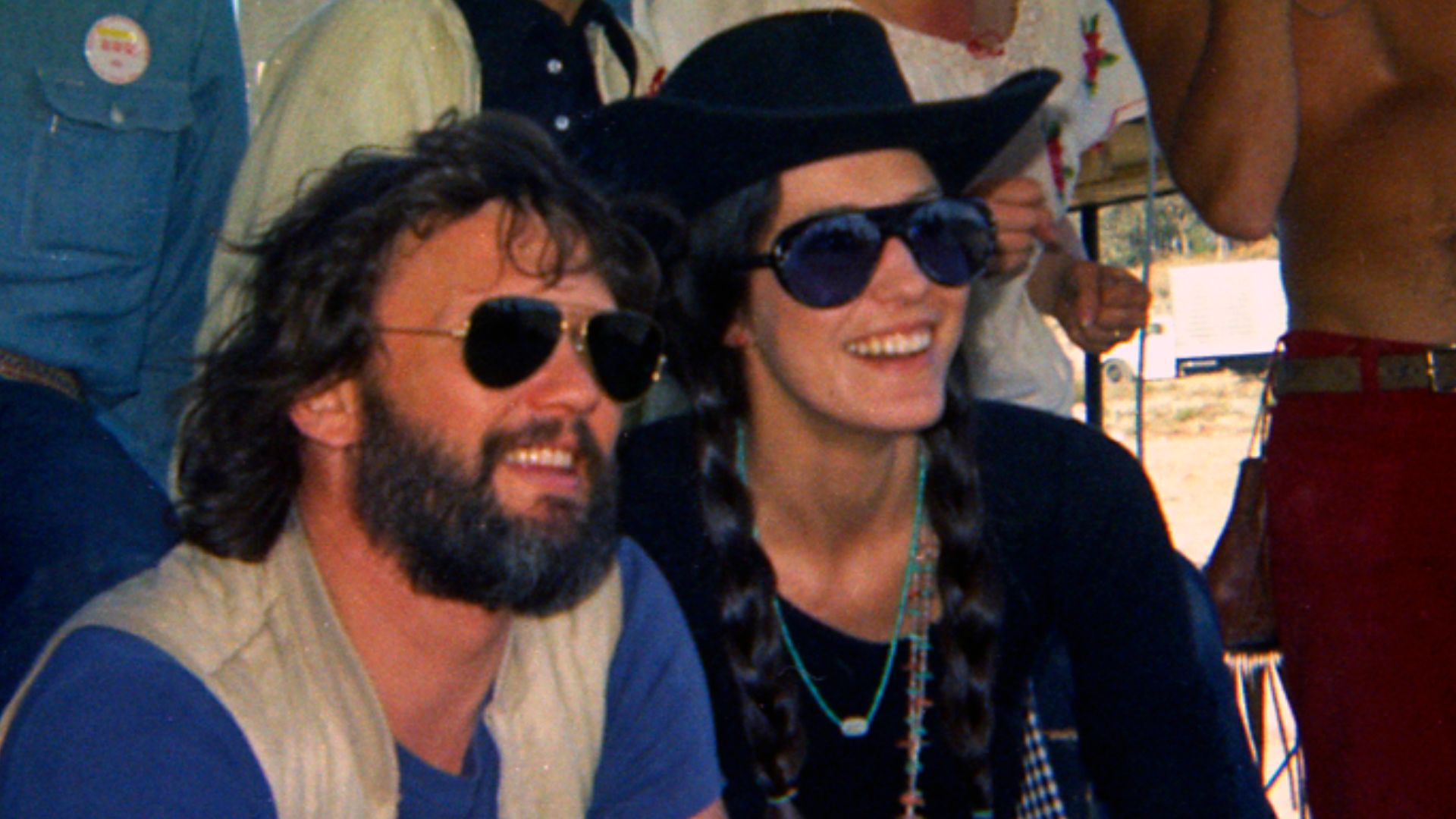 Bozotexino at English Wikipedia, Wikimedia Commons
Songwriting Success Begins To Grow
After that break Kristofferson’s reputation as a songwriter blossomed. Songs like Me and Bobby McGee, Help Me Make It Through the Night, and many others were picked up and recorded by major artists, bringing him both chart success and respect among his peers.
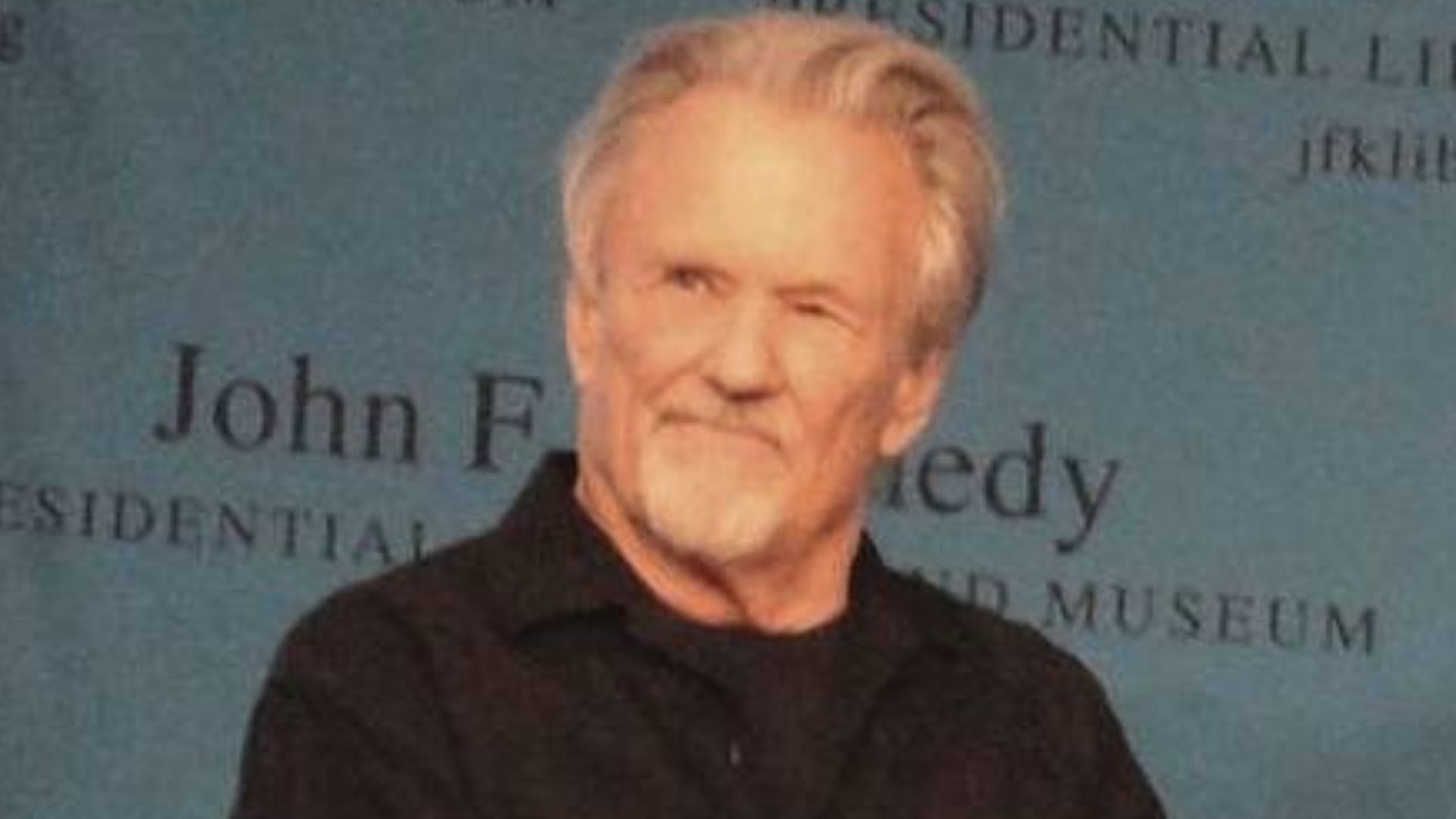 protestphotos1, Wikimedia Commons
A Deeper Bond With Cash
Kristofferson and Cash’s relationship grew beyond that helicopter stunt. Cash admired Kristofferson’s writing, and they became friends and collaborators over the years, even forming part of the country supergroup The Highwaymen along with Willie Nelson and Waylon Jennings. Their shared respect and camaraderie left an imprint on country music for decades.
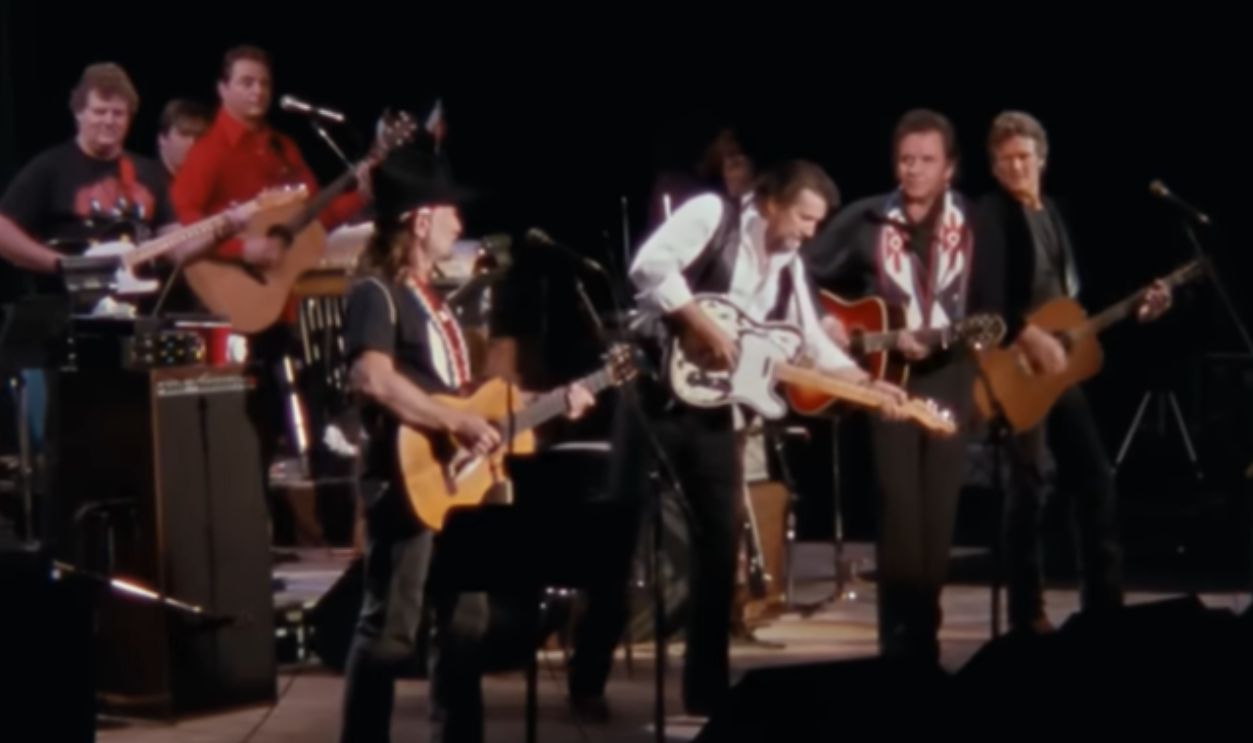 Screenshot from Highwayman, Columbia Records (1985)
The Impact On Nashville Culture
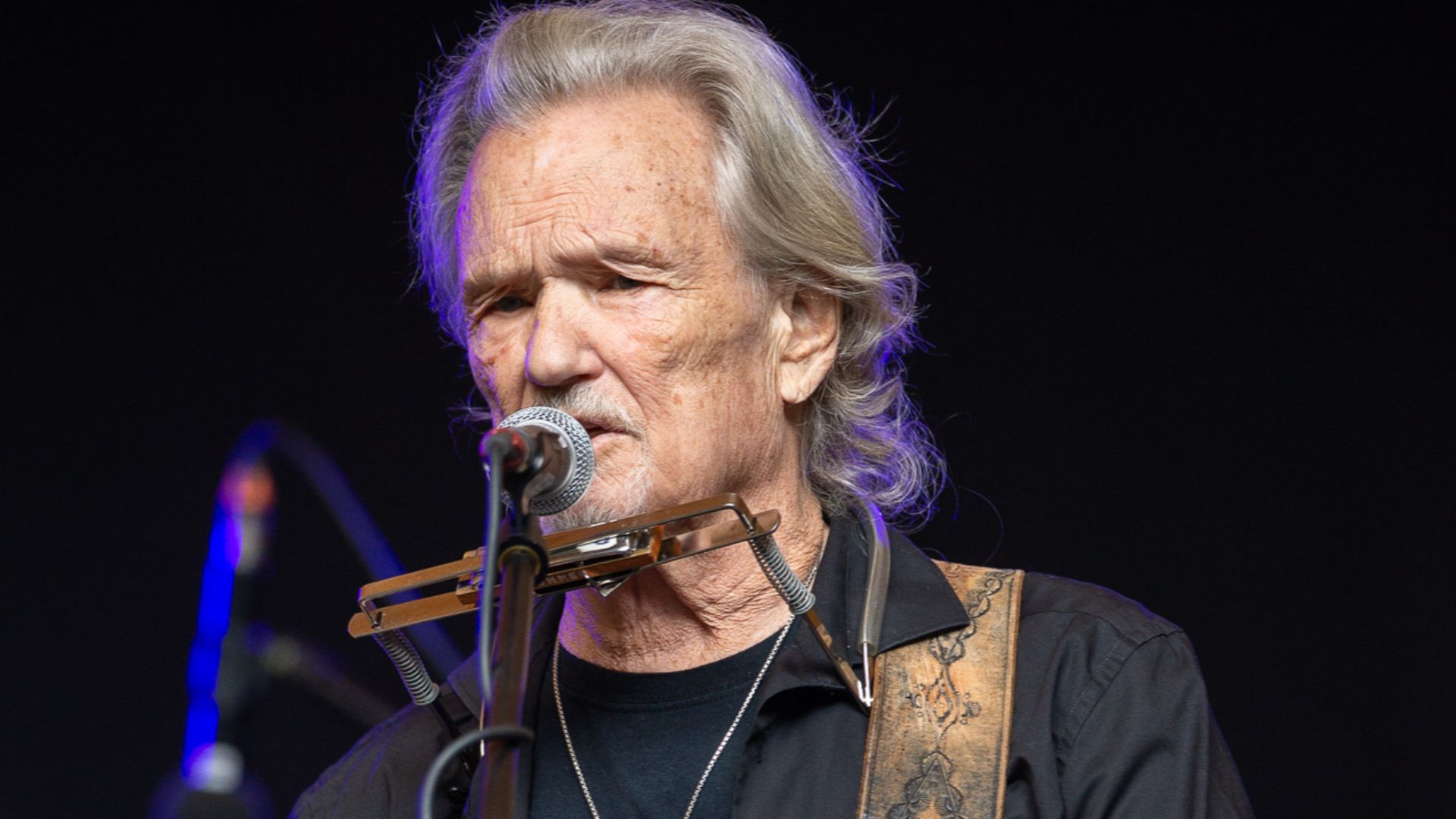
Kristofferson didn’t just become successful because of that song. He helped reshape the storytelling style in country music. His provocative, poetic, and sometimes raw lyrical approach expanded what songs in the genre could be about, inspiring other writers to push boundaries.
 Stefan Brending (2eight), Wikimedia Commons
Why "Sunday Mornin’ Comin’ Down" Mattered
The song Cash recorded touched on loneliness, meaning, and human complexity in a way that resonated deeply with audiences. The success of that track proved that country music could be introspective and richly emotional, not just danceable or simple, and it helped Kristofferson stand out as a songwriter.
 Stefan Brending (2eight), Wikimedia Commons
Invitations To Larger Stages
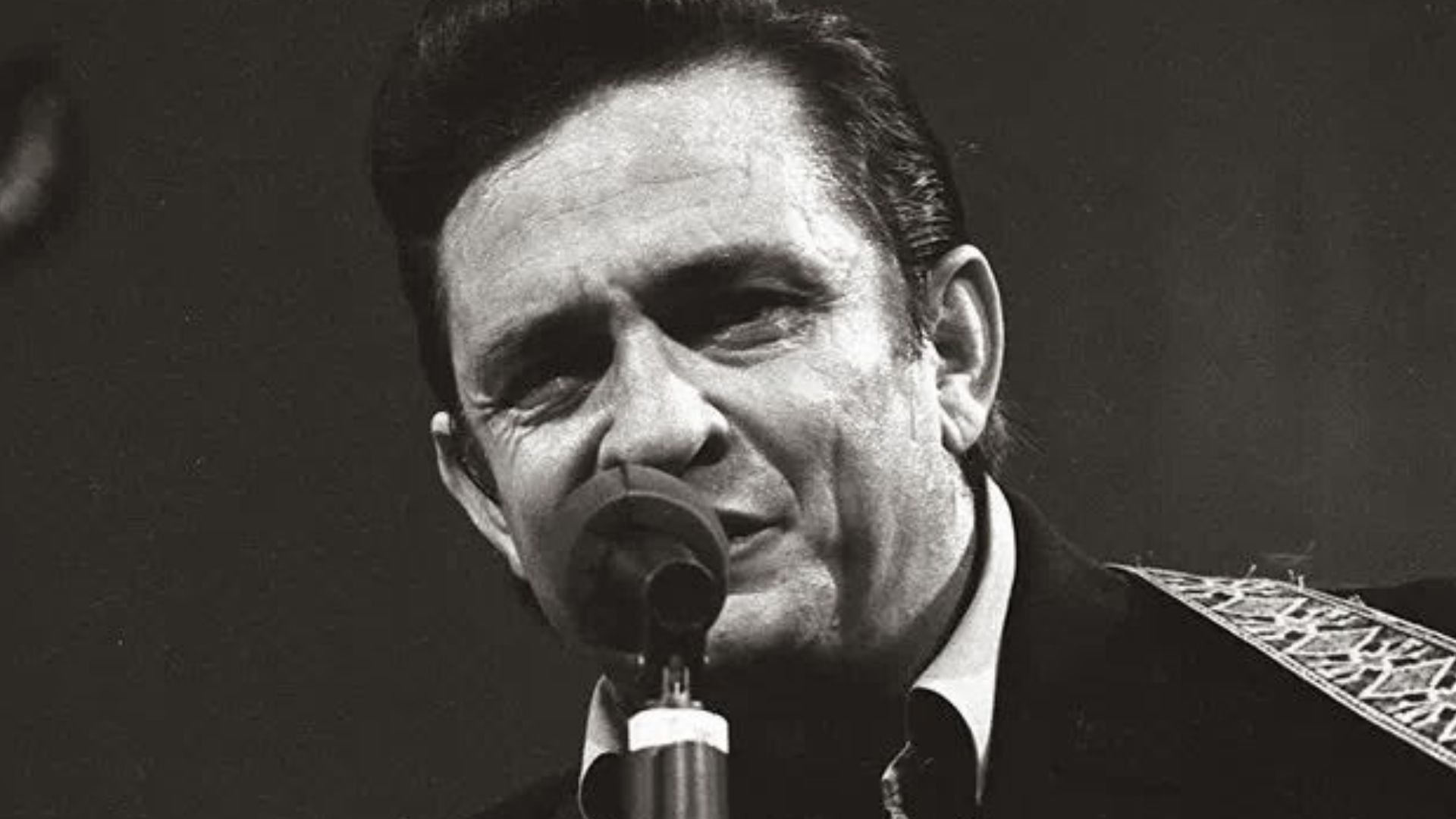
Cash not only recorded Kristofferson’s songs, he also invited him to participate in important music events, including performances and festivals. This support helped Kristofferson reach even larger audiences and solidify his career.
 User:Johnnycash1950-2003, Wikimedia Commons
A Legacy Built On Songs And Stories
Kristofferson went on to have a long, respected career as both a songwriter and performer. His influence stretches across genres and generations, and that helicopter event remains one of the most legendary anecdotes in music history.
 Ron Baker (Kingsnake), Wikimedia Commons
Collaboration And The Highwaymen
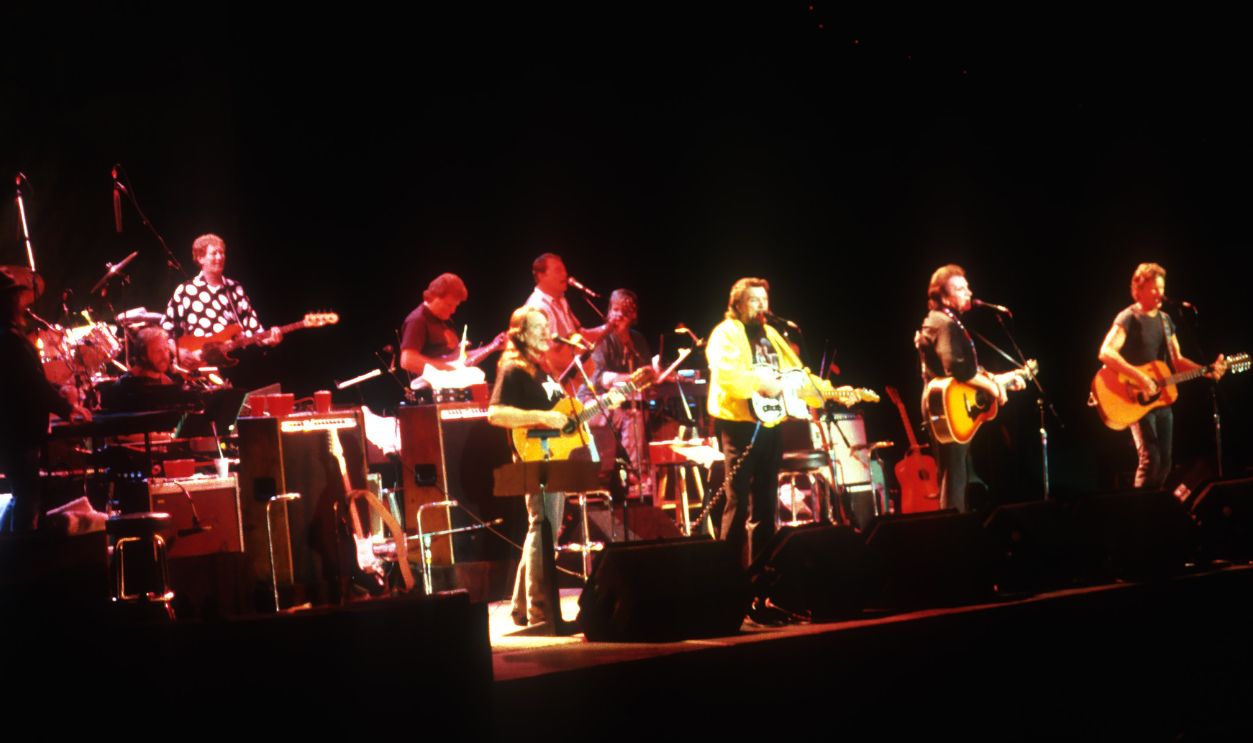
Later in life Cash, Kristofferson, Willie Nelson, and Waylon Jennings formed The Highwaymen, one of the most beloved supergroups in country music history. Their shared love of songcraft and mutual respect grew from moments like those early interactions between Kristofferson and Cash.
Final Thoughts
The helicopter landing may seem like a quirky anecdote, but it represents the grit, creativity, and hustle it takes to succeed in music. Kristofferson didn’t just need a big break; he invented one. And in doing so, he changed the course of his life and country music itself.
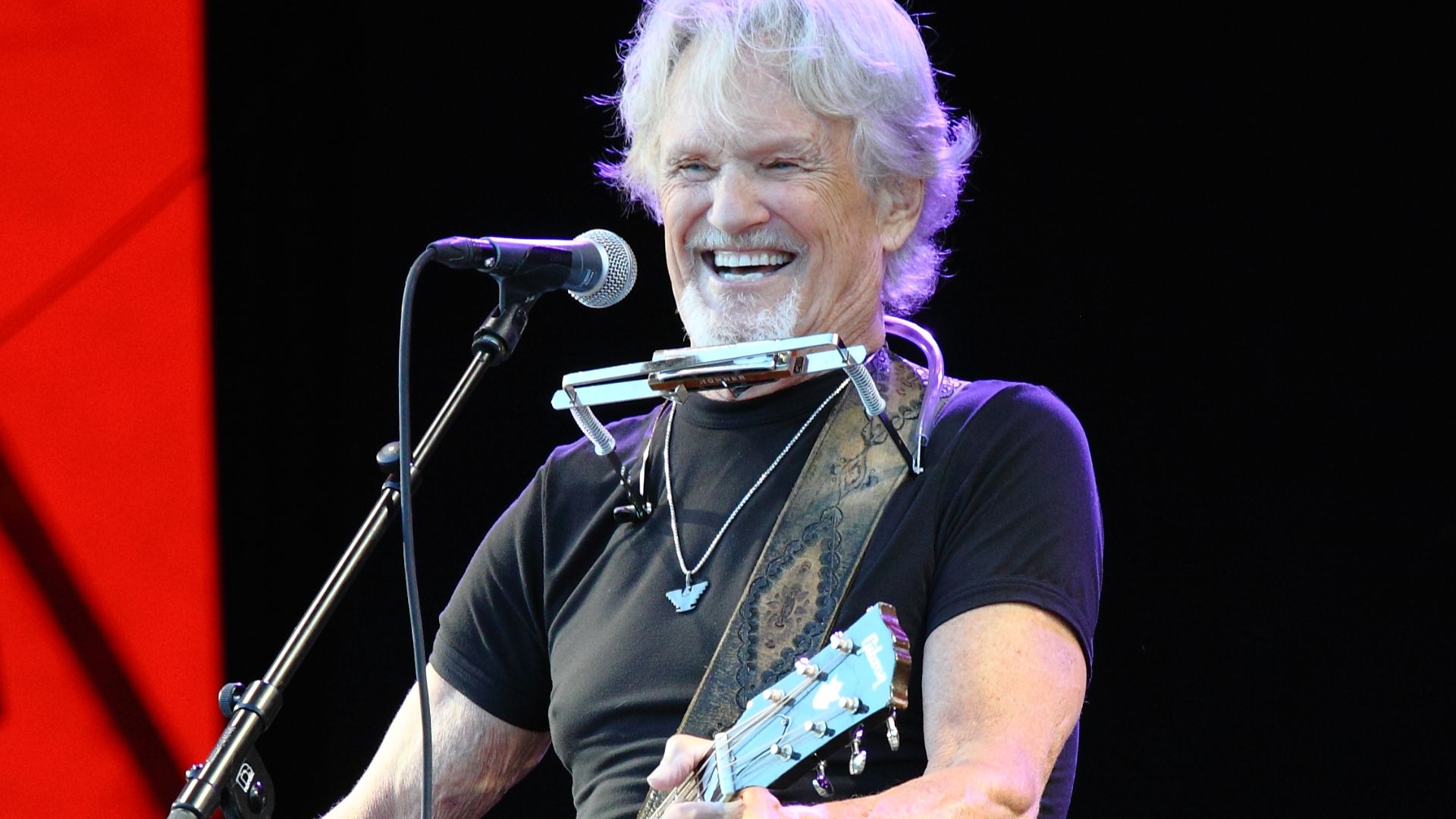 Morten Jensen, Wikimedia Commons
You May Also Like:
When Bob Dylan “went electric” in 1965, fans booed, purists fumed—and rock music changed forever.