Sometimes The First Try Really Is The Best
Recording a hit song usually takes patience, countless adjustments, and plenty of second chances. But some of music's most unforgettable performances happened almost immediately. From legendary rock bands to powerhouse vocalists, these artists captured something special on their first attempt. Sometimes it was an entire band performing together, while other times it was a perfect vocal take over an existing instrumental. Either way, the results became classics.
 Matthew Rolston; Distributed by Epic Records, Wikimedia Commons
Jerry Lee Lewis—Whole Lotta Shakin' Goin' On
In 1957, Jerry Lee Lewis was working on another song at Sun Records when producer Jack Clement suggested trying something different. Lewis launched into a number he'd been performing live, and Clement recorded the entire performance without rehearsal. One take was all it needed, and an early rock-and-roll classic was born.
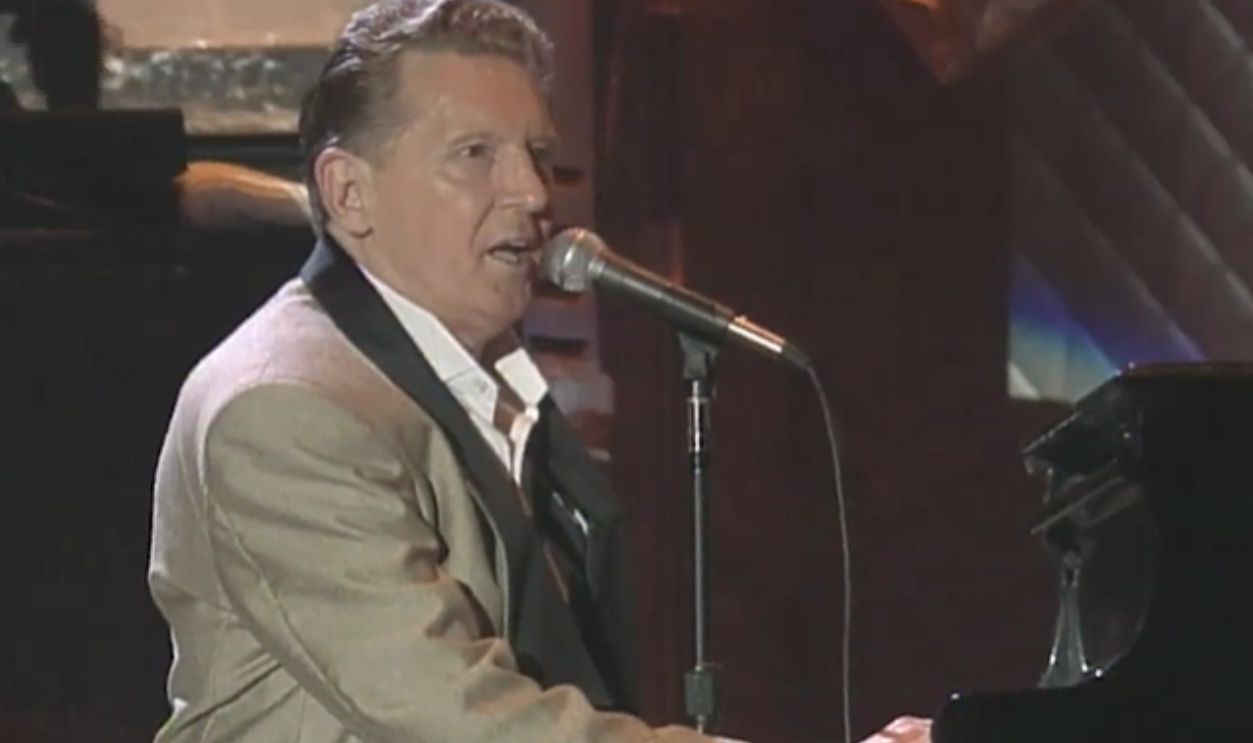 Screenshot from Whole Lotta Shakin' Goin' On, Sun Records (1957)
The Isley Brothers—Shout
The Isley Brothers already knew that "Shout" could get a crowd moving before they recorded it in 1959. Wanting to recreate that excitement, they brought their live energy into the studio. Ronnie Isley later revealed that the group performed the song just once. The result became a party anthem for generations.
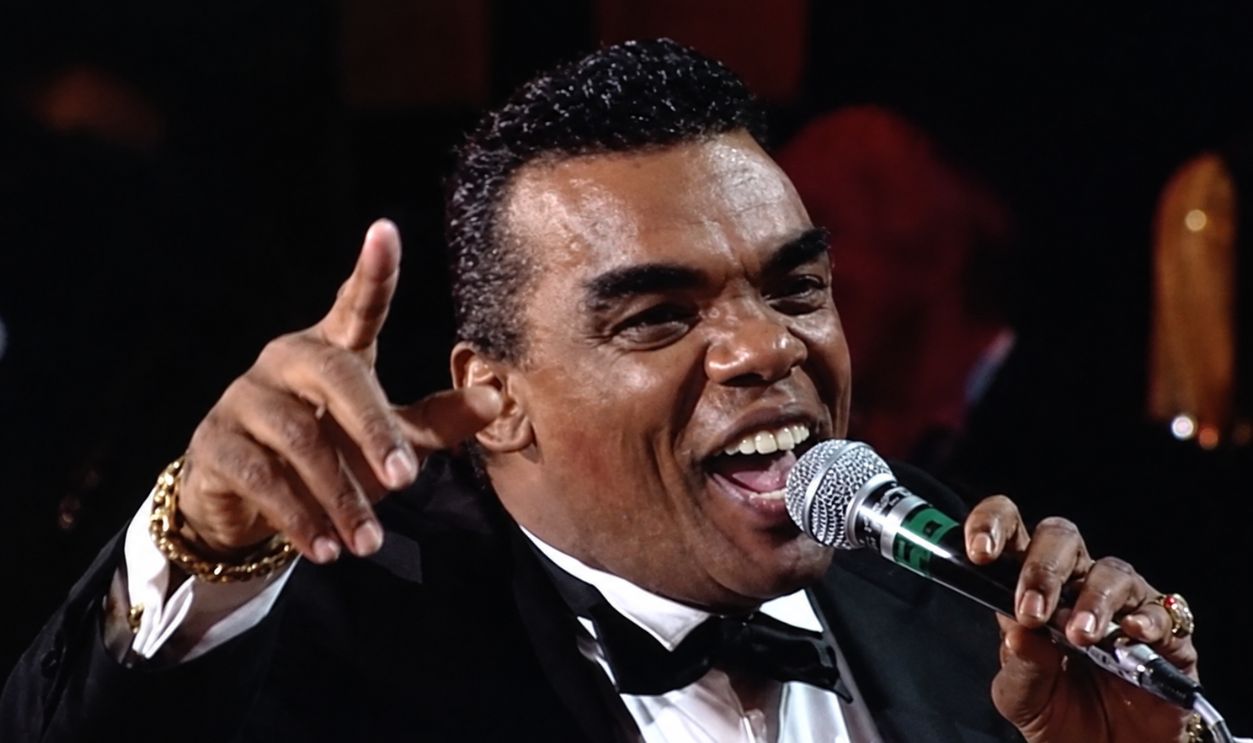 Screenshot from Shout, RCA Victor (1959), Enhanced
Patsy Cline—Crazy
Patsy Cline's 1961 recording of Willie Nelson's "Crazy" sounds effortless, but getting there wasn't easy. Recovering from a serious car accident, she initially struggled to sing the demanding melody. After the musicians recorded the backing track, Cline returned when she was feeling better and delivered her unforgettable lead vocal in one take.
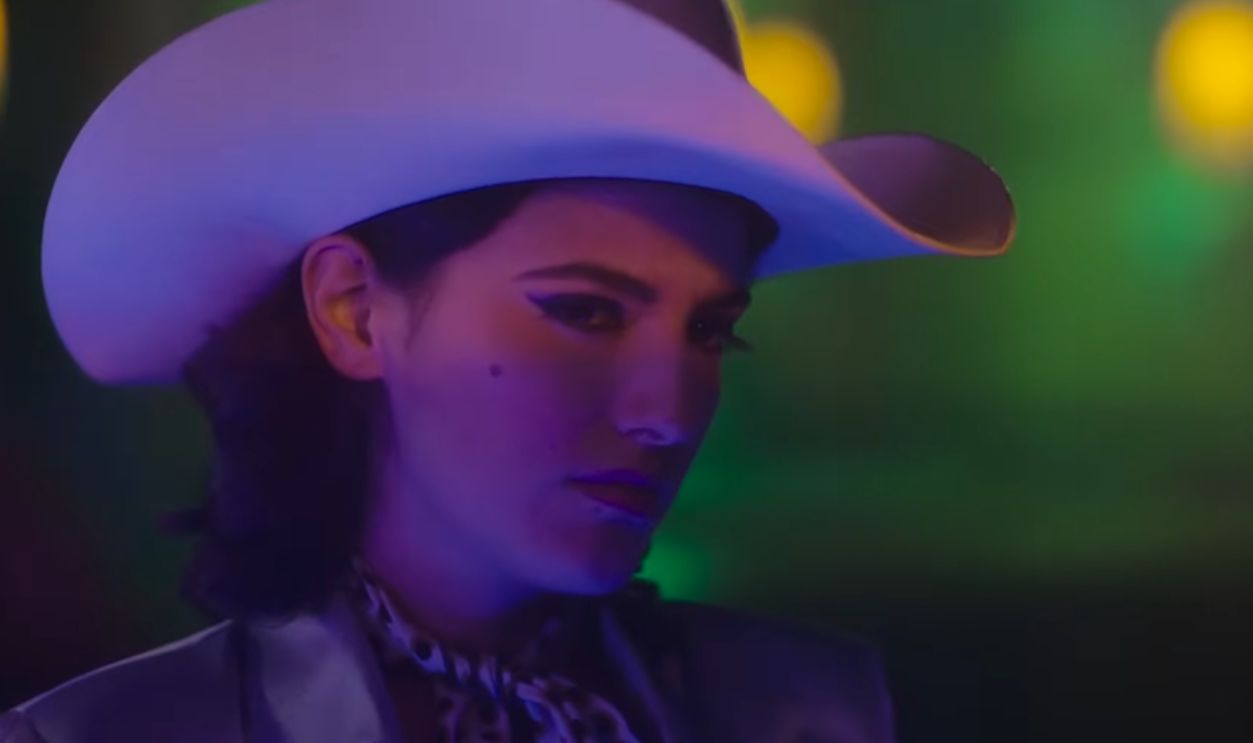 Screenshot from Crazy, Decca Records (1961)
The Beatles—Twist And Shout
By the end of the Beatles' marathon recording session in February 1963, John Lennon's voice was nearly finished. Nevertheless, he powered through "Twist and Shout" with remarkable intensity. A second attempt was made, but his voice couldn't hold up. The band kept that explosive first take, creating one of their signature recordings.
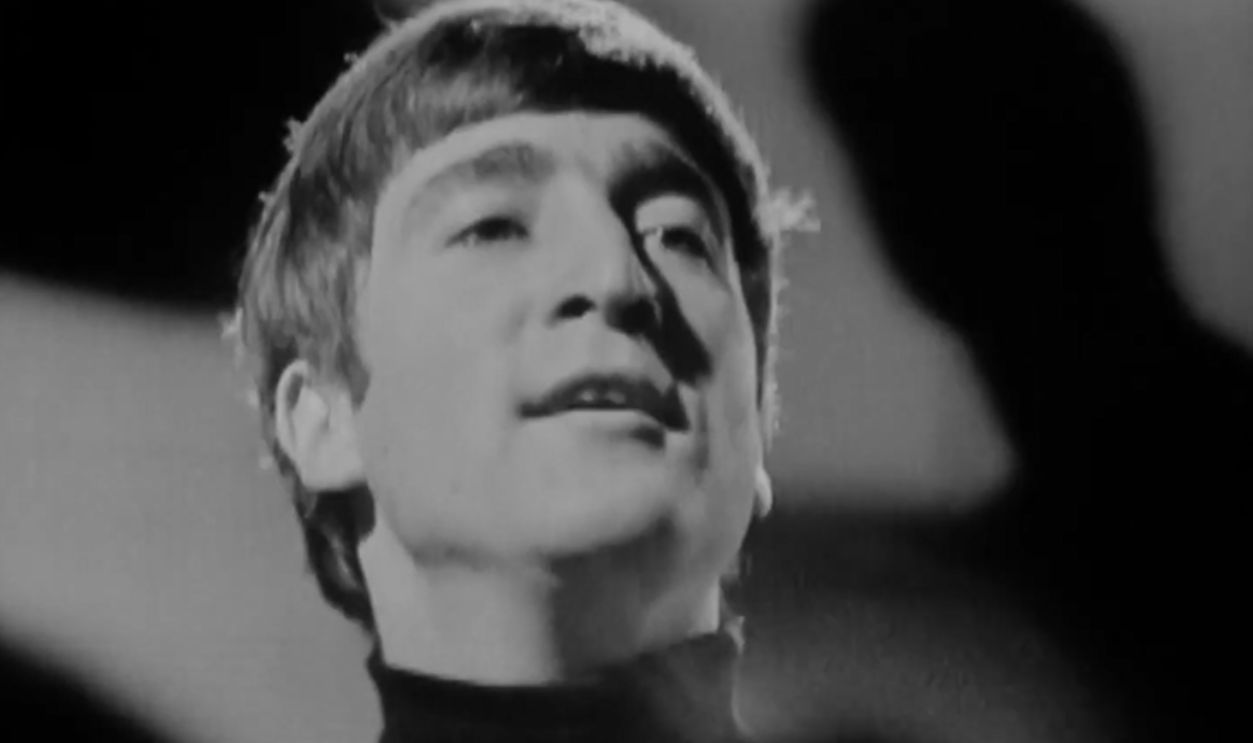 Screenshot from Twist and Shout, The Beatles (1963)
The Kingsmen—Louie Louie
The Kingsmen recorded their famously chaotic version of "Louie Louie" in 1963 during a hurried studio session. With a microphone positioned awkwardly above singer Jack Ely, the lyrics became almost impossible to understand. The band completed the recording in one live take, mistakes included. Its rough sound became garage-rock history.
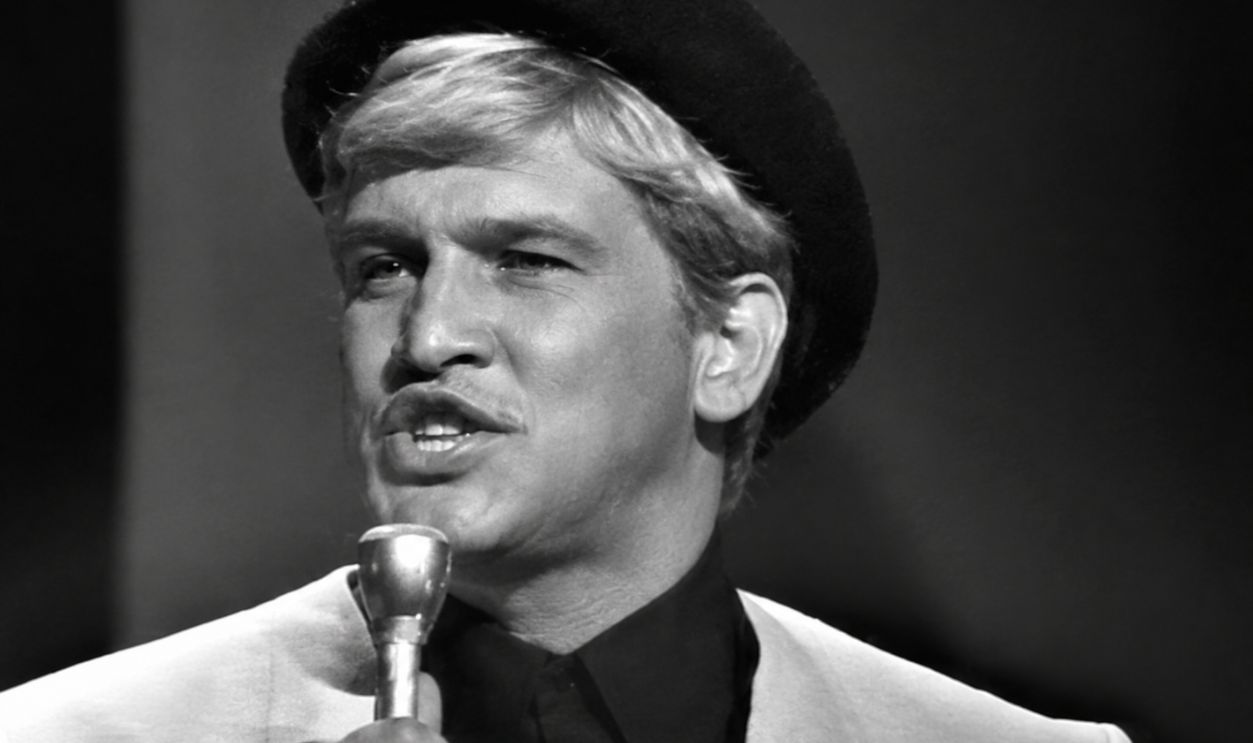 Screenshot from Louie Louie, Wand Records (1963)
The Animals—House Of The Rising Sun
When the Animals entered a London studio in May 1964, they were already comfortable performing "House of the Rising Sun" onstage. Producer Mickie Most captured their haunting arrangement in a single take during a session lasting approximately 15 minutes. Eric Burdon's powerful voice and Alan Price's organ helped turn an old folk song into an international sensation.
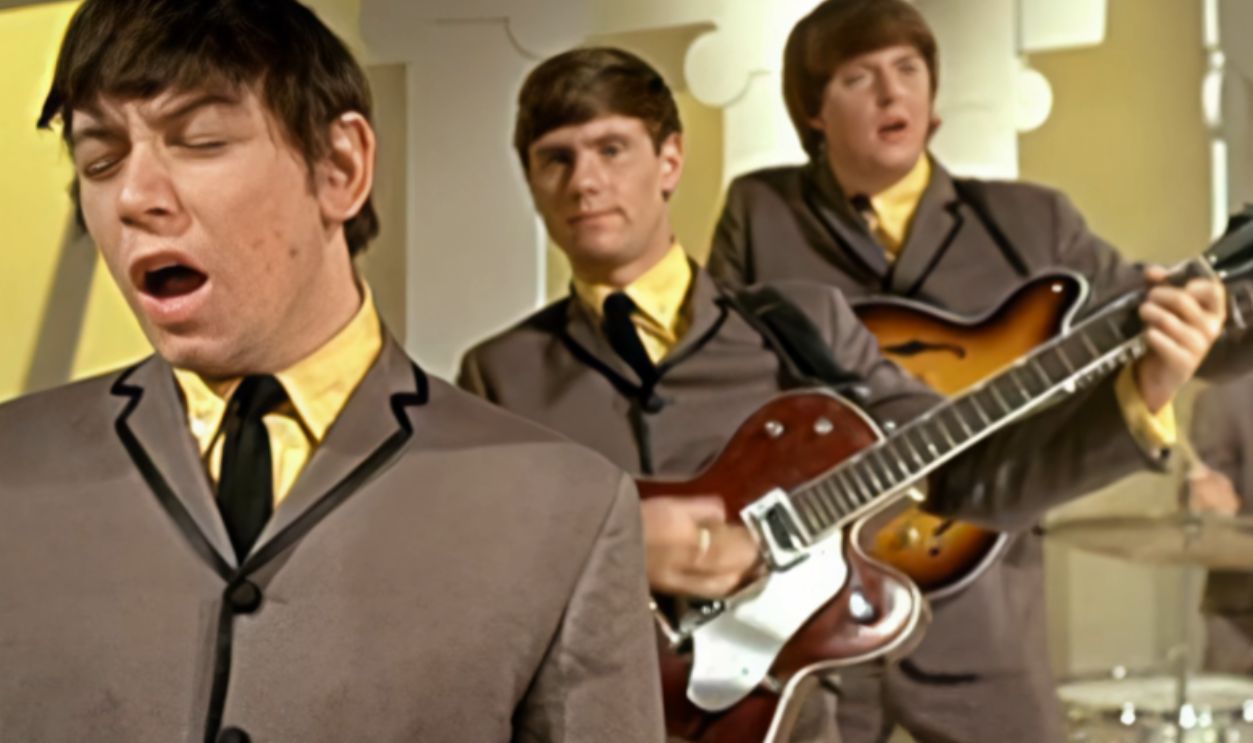 Screenshot from The House of the Rising Sun, Columbia Records (1964)
The Beatles—Long Tall Sally
The Beatles had spent years performing Little Richard's "Long Tall Sally," so recording their version in March 1964 was surprisingly straightforward. Paul McCartney delivered the demanding lead vocal while his bandmates and producer George Martin played alongside him. The first performance was so convincing that nobody considered another take necessary.
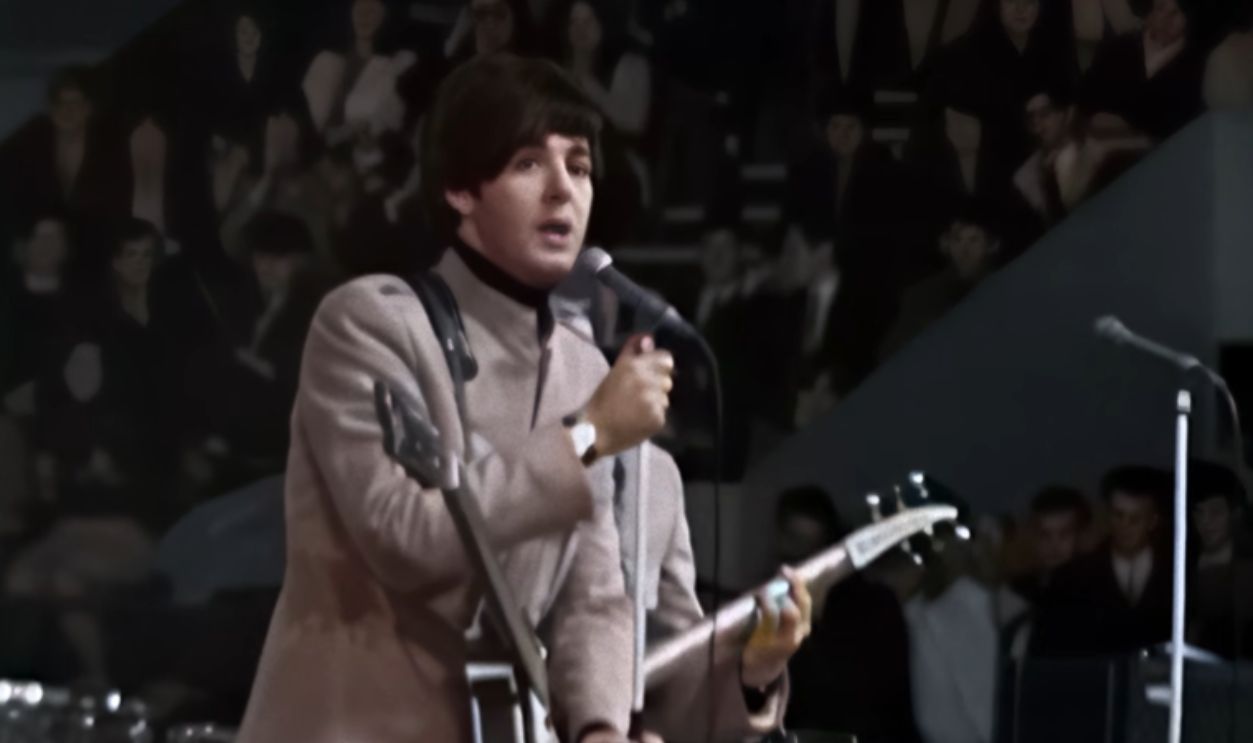 Screenshot from Long Tall Sally, Parlophone Records (1964)
Otis Redding—Respect
Before Aretha Franklin transformed "Respect" into her signature anthem, Otis Redding recorded his original version in 1965. Redding later explained that writing the song took roughly a day, arranging it took approximately 20 minutes, and recording it required one take. His recording became a soul classic in its own right.
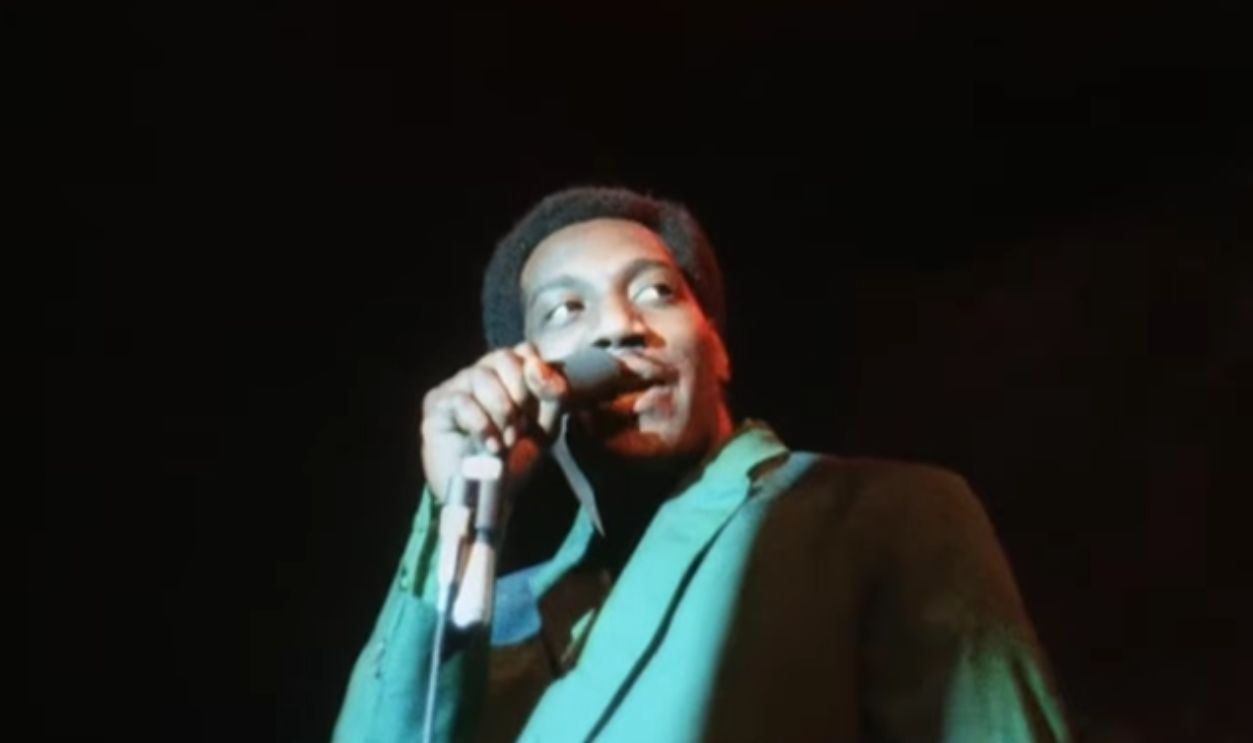 Screenshot from Respect, Volt Records (1965)
James Brown—Papa's Got A Brand New Bag
James Brown helped shape funk music with his groundbreaking 1965 single "Papa's Got a Brand New Bag." Remarkably, the band recorded the underlying performance in one take, initially treating it like a run-through. The recording was subsequently edited and sped up for release, giving the already irresistible groove additional urgency.
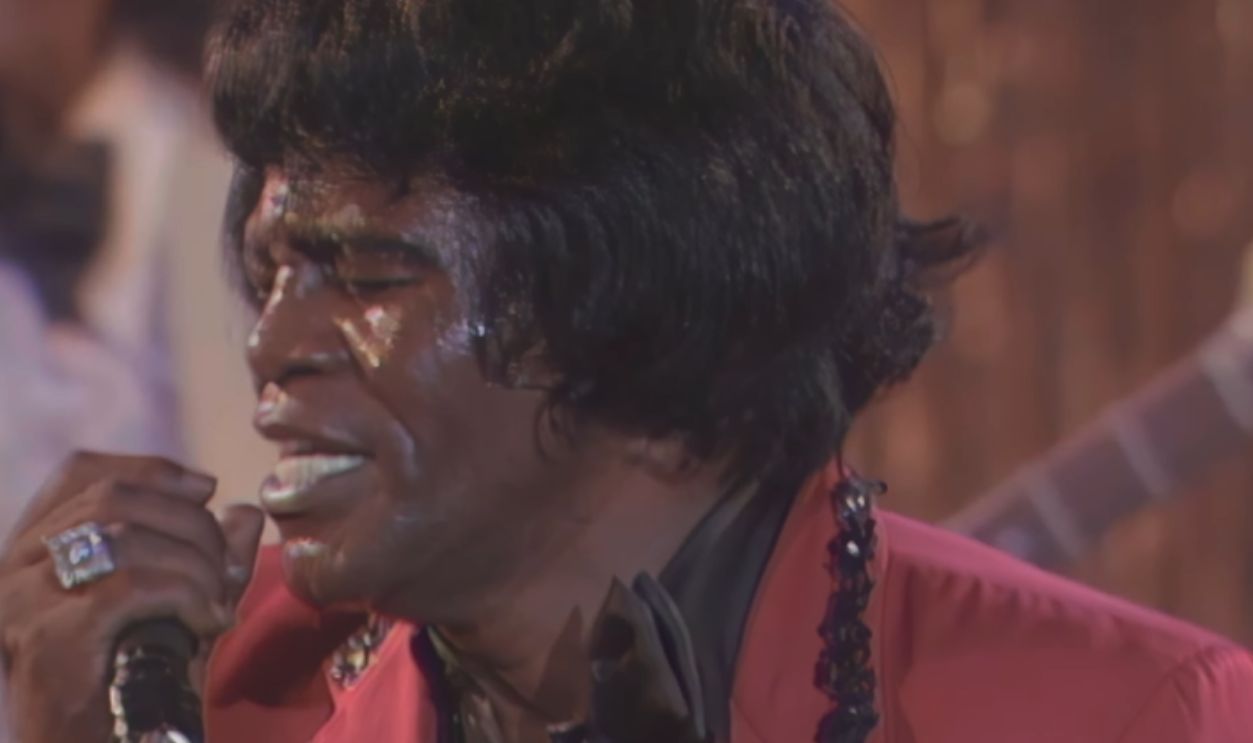 Screenshot from Papa's Got a Brand New Bag, King Records (1965)
Frank Sinatra—My Way
Frank Sinatra's commanding rendition of "My Way" became one of his defining performances. Written especially for him by Paul Anka using the melody of a French song, it was recorded in December 1968. Following rehearsals with the orchestra, Sinatra captured the finished performance in one take, delivering the confidence that made it famous.
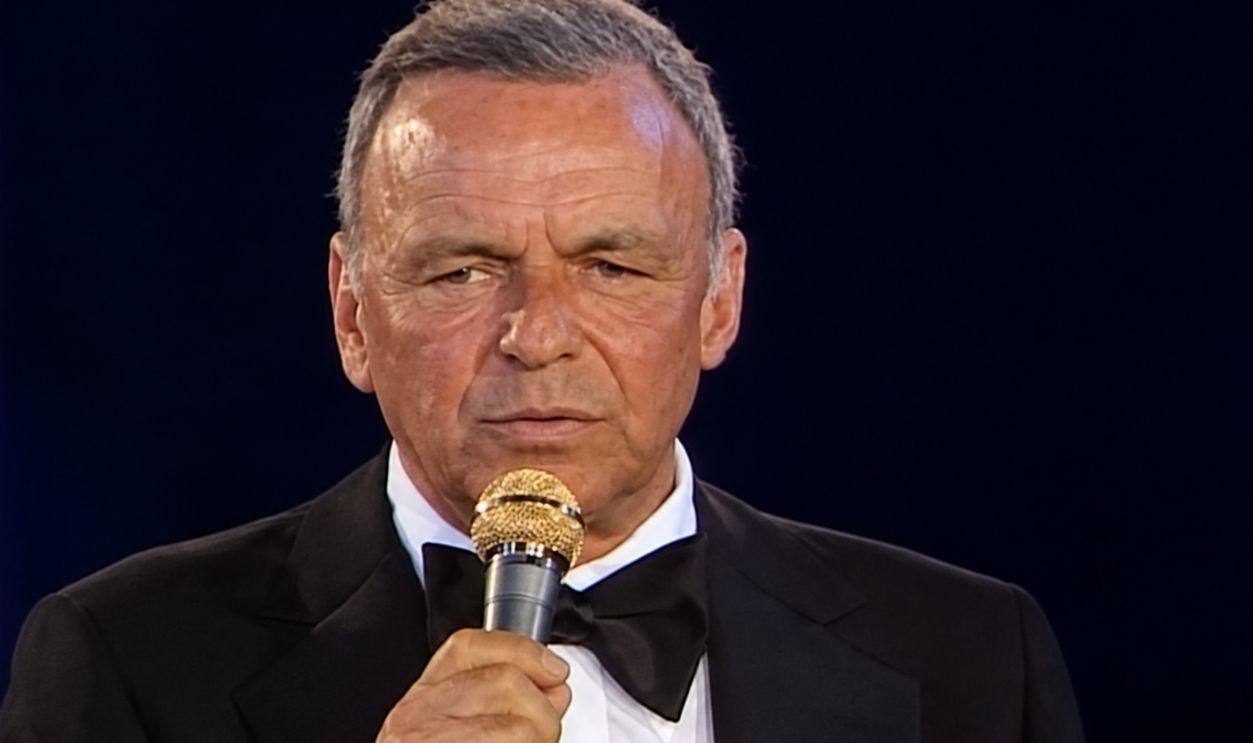 Screenshot from My Way, Reprise Records (1969), Enhanced
Janis Joplin—Mercedes Benz
Janis Joplin recorded "Mercedes Benz" on October 1, 1970, without any accompanying musicians. Her humorous, unaccompanied performance was completed in a single take during sessions for Pearl. Recorded just three days before her passing, the song eventually became one of her most recognizable recordings, despite its remarkably simple production.
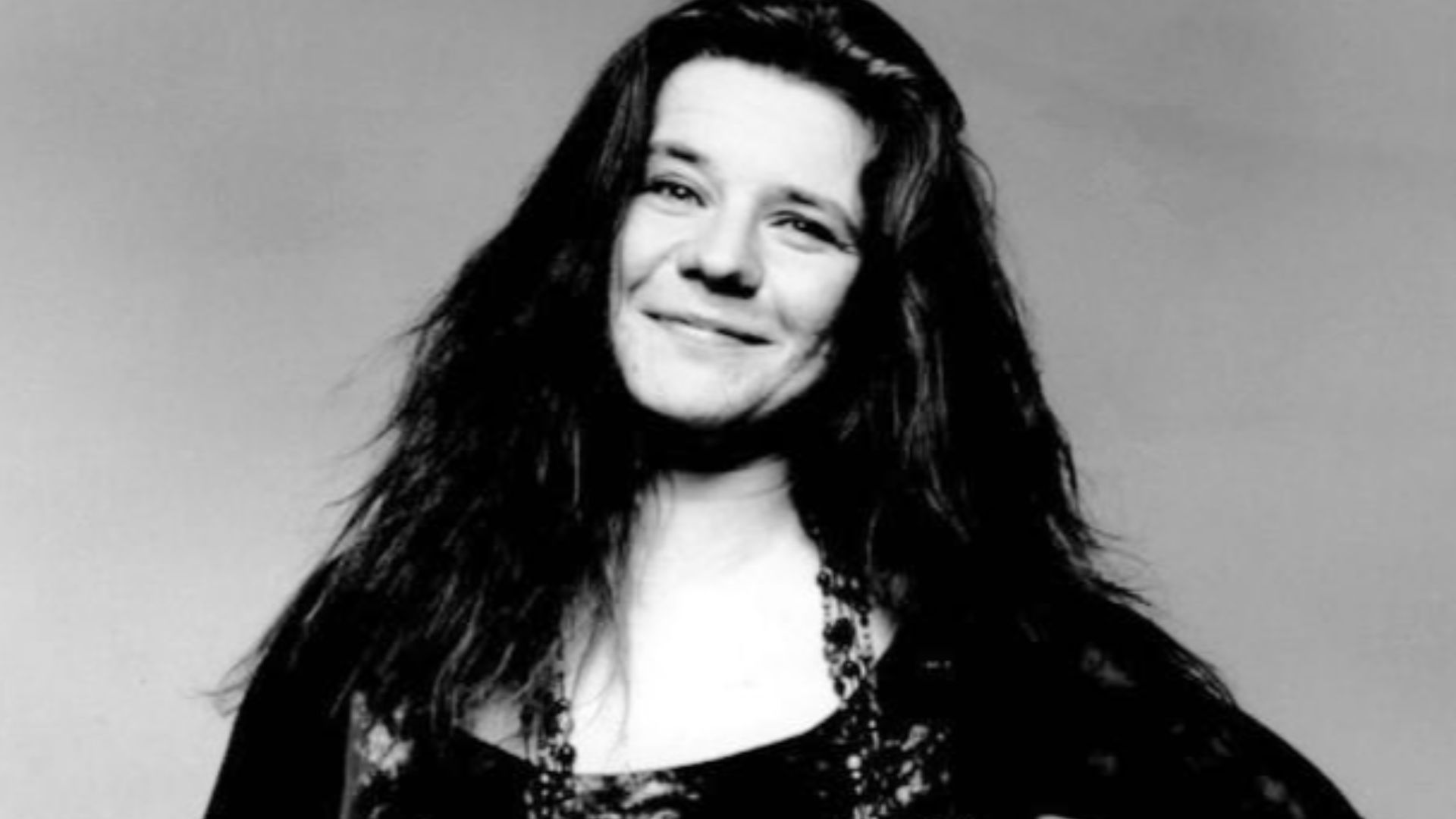 Grossman Glotzer Management Corporation, Wikimedia Commons
Bachman-Turner Overdrive—You Ain't Seen Nothing Yet
Randy Bachman originally recorded "You Ain't Seen Nothing Yet" as a joke involving his brother's stutter. His imperfect first vocal take was never intended for commercial release. Although Bachman attempted to replace it, the new performance lacked the original's charm. The initial recording remained, and the song became a chart-topping hit in 1974.
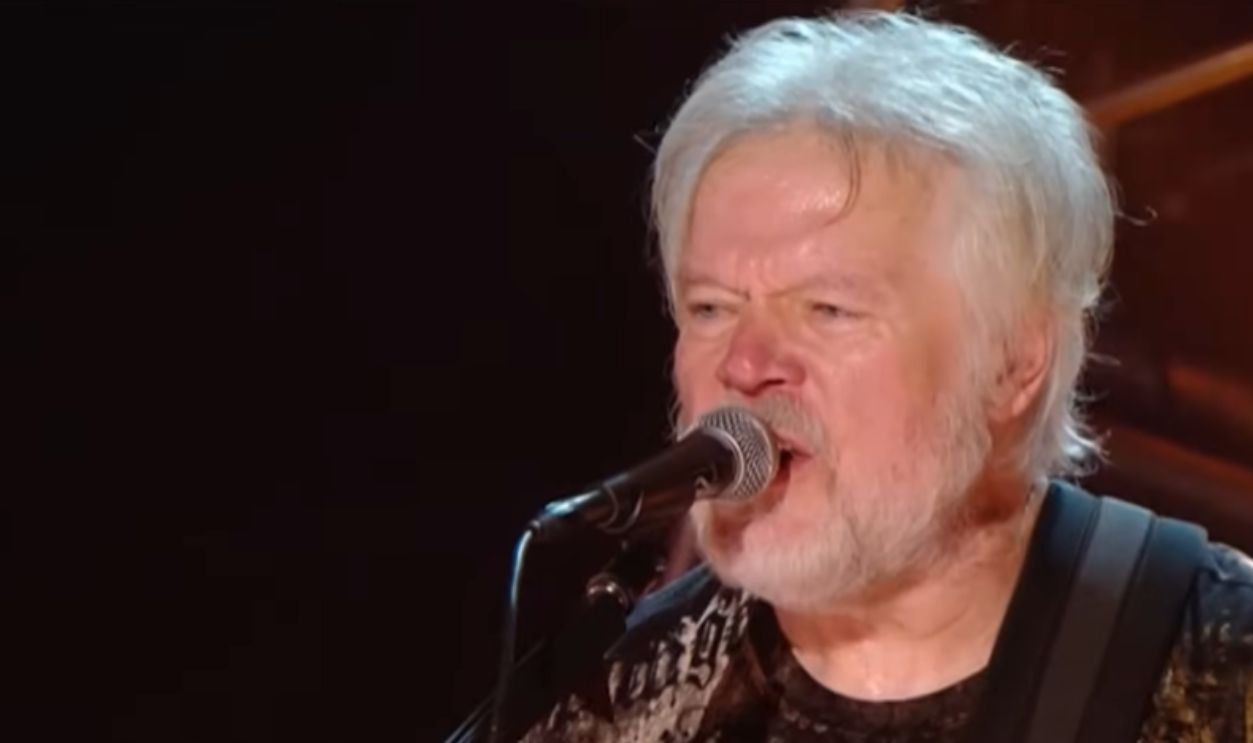 Screenshot from You Ain't Seen Nothing Yet, Mercury Records (1974)
Gordon Lightfoot—The Wreck Of The Edmund Fitzgerald
Gordon Lightfoot's haunting 1976 hit began with an extraordinary recording session. His musicians had barely heard the complete song when they performed it together for the first time. That initial take became the foundation of the finished recording. Later attempts couldn't recreate its atmosphere, preserving the spontaneity behind one of Canada's most enduring songs.
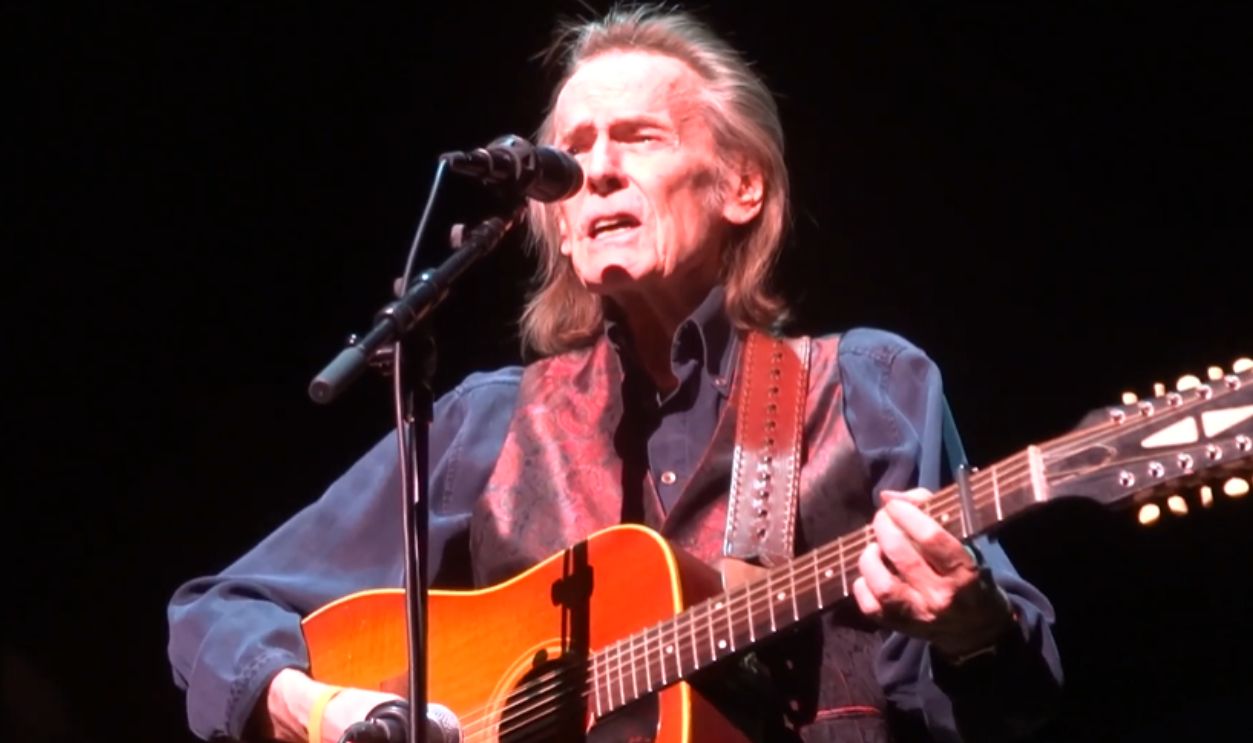 Screenshot from The Wreck of the Edmund Fitzgerald, Reprise Records (1976)
Donna Summer—I Feel Love
Donna Summer's futuristic 1977 disco breakthrough required extensive work to build its electronic instrumental track. But when Summer arrived to record her lead vocal, things moved considerably faster. She delivered the performance in one take, floating effortlessly above Giorgio Moroder's pulsing synthesizers. The combination helped transform the sound of dance music.
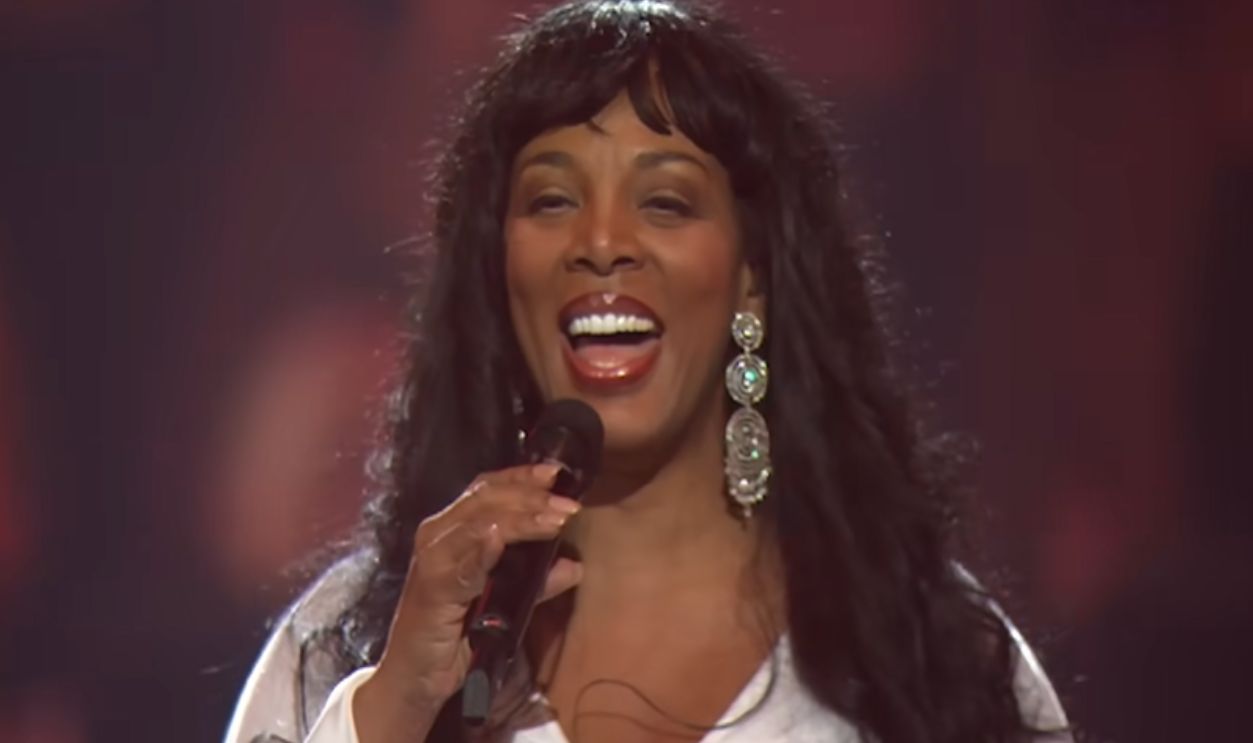 Screenshot from I Feel Love, Casablanca Records (1977)
Kim Carnes—Bette Davis Eyes
Kim Carnes completely reinvented "Bette Davis Eyes" for her 1981 album Mistaken Identity. The distinctive synthesizer riff, created by Bill Cuomo, helped turn the recording into a worldwide sensation. Carnes later confirmed that the musicians recorded the entire track live in one take, without overdubs, making its polished sound especially impressive.
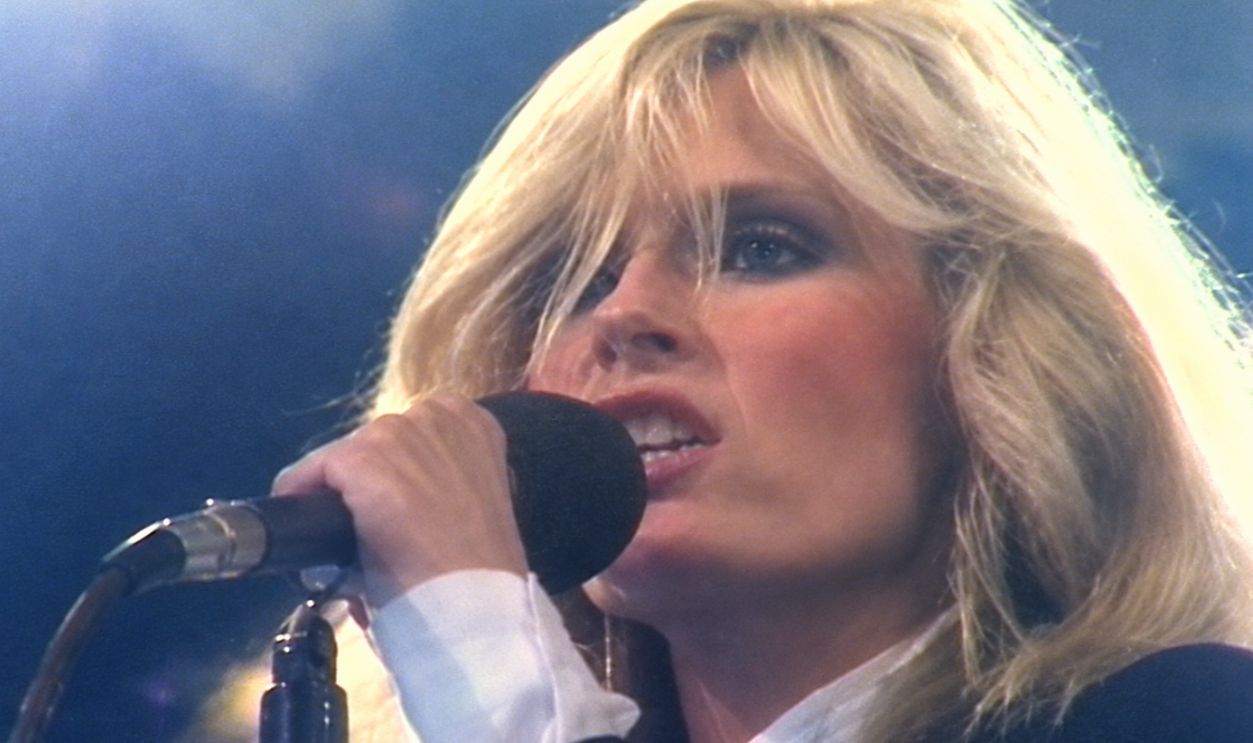 Screenshot from Bette Davis Eyes, EMI America Records (1981), Enhanced
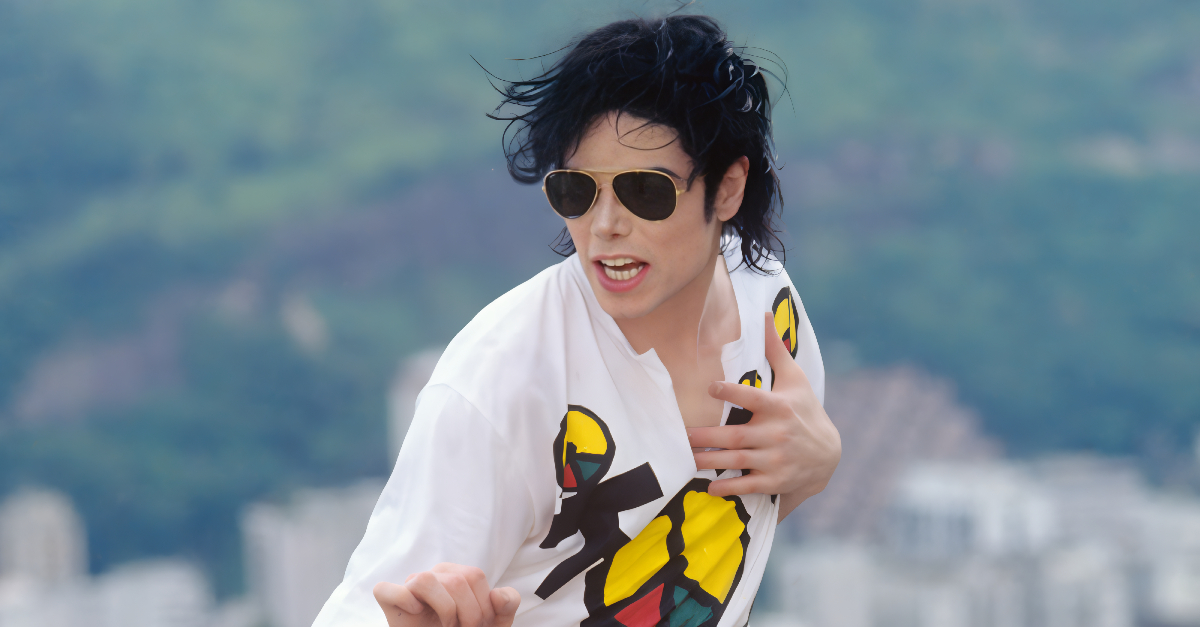
Michael Jackson—Billie Jean
Michael Jackson's "Billie Jean" involved extensive studio experimentation, but his lead vocal was reportedly captured in one take. Producer Quincy Jones and engineer Bruce Swedien spent considerable effort shaping its distinctive instrumental sound. The recording eventually became one of Jackson's biggest hits, proving that a spontaneous vocal can anchor an elaborate production.
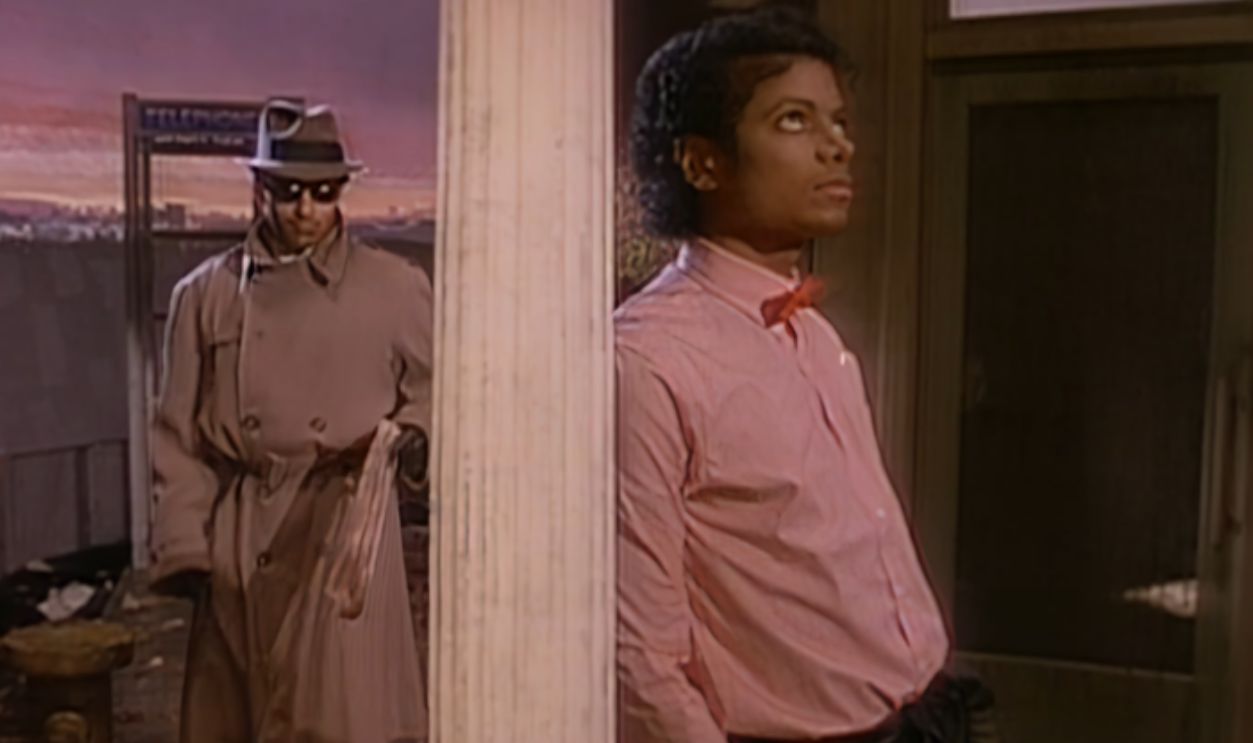 Screenshot from Billie Jean, Epic Records (1983)
Israel Kamakawiwoʻole—Somewhere Over The Rainbow
In 1988, Israel Kamakawiwoʻole arrived at a Honolulu recording studio around three in the morning with an idea. Engineer Milan Bertosa prepared the microphones, and Israel performed his gentle ukulele arrangement in one take. The recording remained largely unheard until its release on Facing Future in 1993, eventually becoming beloved worldwide.
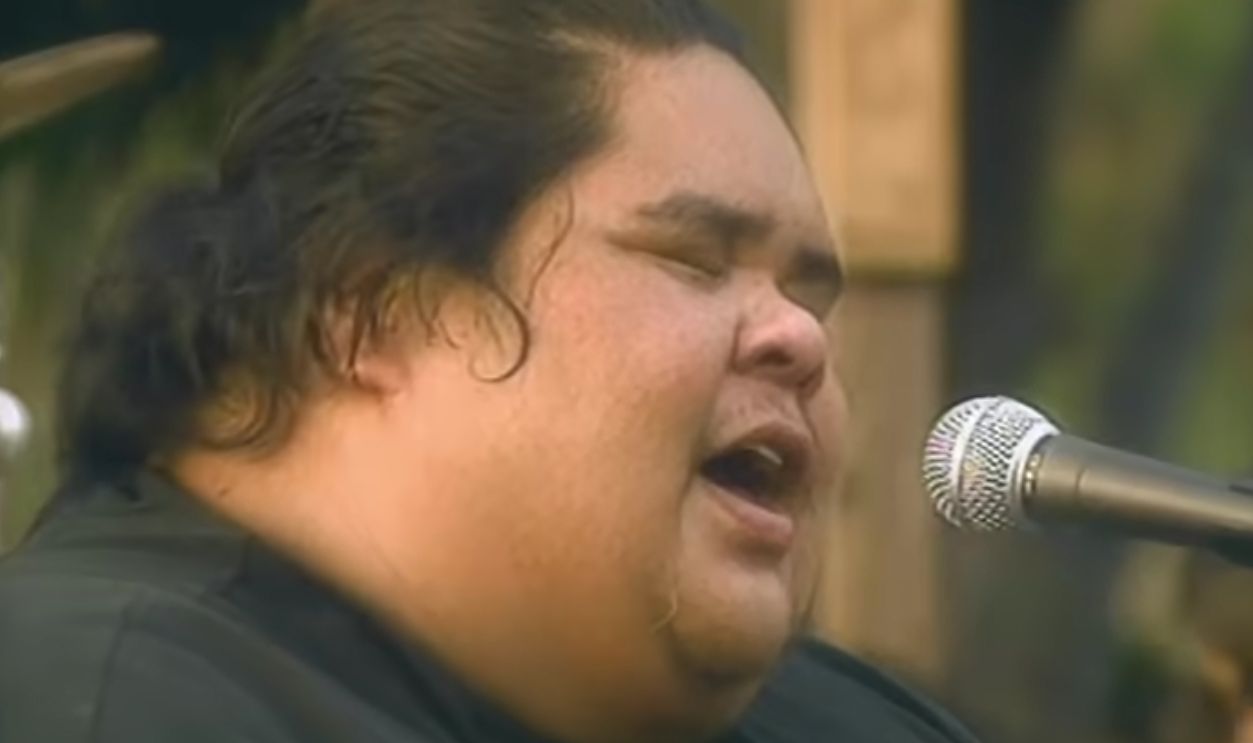 Screenshot from Somewhere Over the Rainbow/What a Wonderful World, Mountain Apple (1993)
Sinéad O'Connor—Nothing Compares 2 U
Sinéad O'Connor's heartbreaking interpretation of Prince's "Nothing Compares 2 U" became a worldwide sensation in 1990. According to co-producer Chris Birkett, she completed her lead vocal in one uninterrupted take. She immediately recorded another complete performance to double-track it. Both captured the extraordinary emotional intensity that defined the finished record.
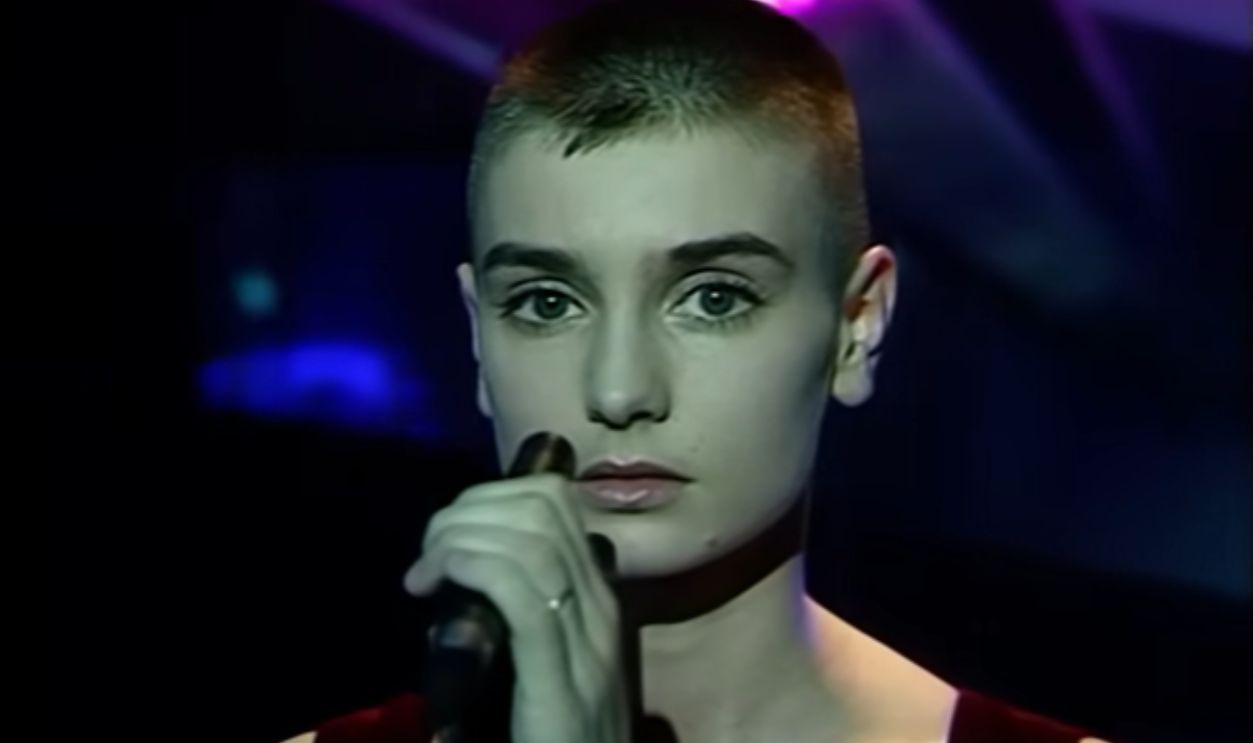 Screenshot from Nothing Compares 2 U, Chrysalis Records (1990)
R.E.M.—Losing My Religion
R.E.M.'s "Losing My Religion" developed from a mandolin riff Peter Buck discovered while experimenting with the instrument. The music came together unusually quickly, and Michael Stipe reportedly completed his lead vocal in one take. Released in 1991, the song became one of the band's defining hits and introduced millions to its distinctive sound.
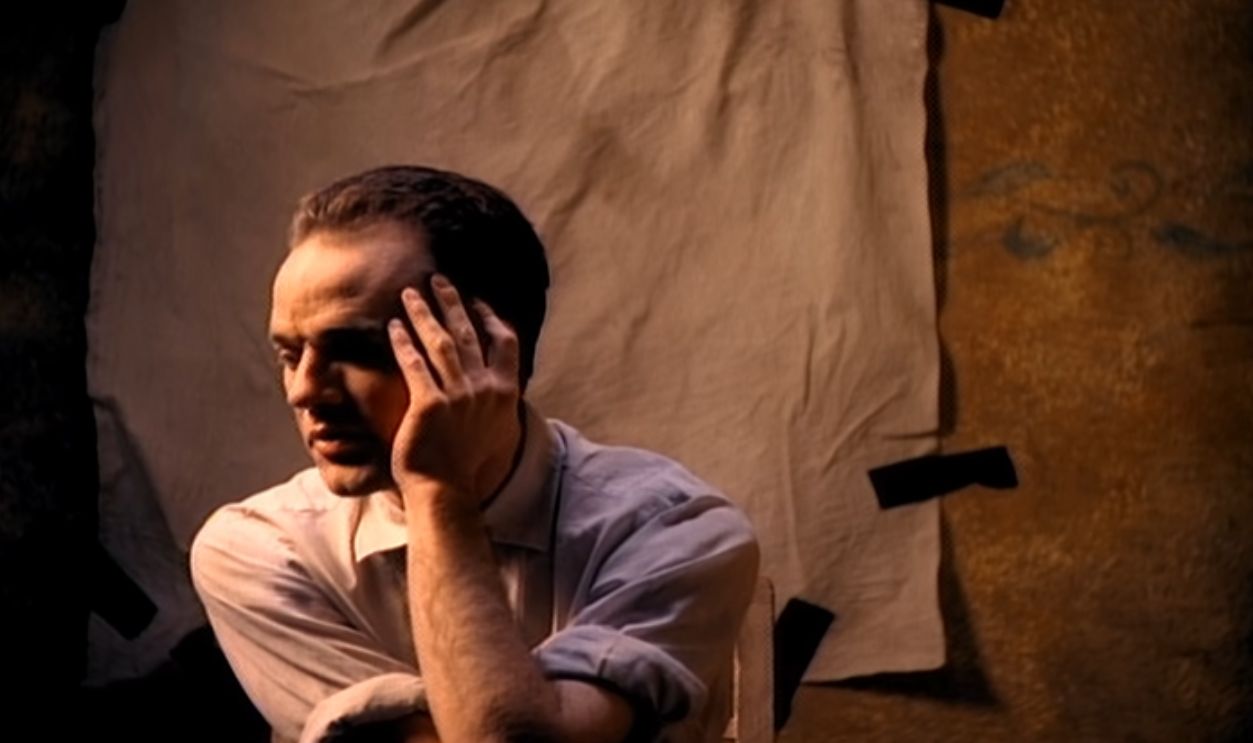 Screenshot from Losing My Religion, Warner Bros. Records (1991)
Bonnie Raitt—I Can't Make You Love Me
Bonnie Raitt understood that "I Can't Make You Love Me" demanded extraordinary emotional honesty. During its 1991 recording, she delivered what became essentially a one-take lead vocal, with only minor repairs afterward. Accompanied by Bruce Hornsby's piano, her restrained performance helped establish the song as one of modern music's most affecting ballads.
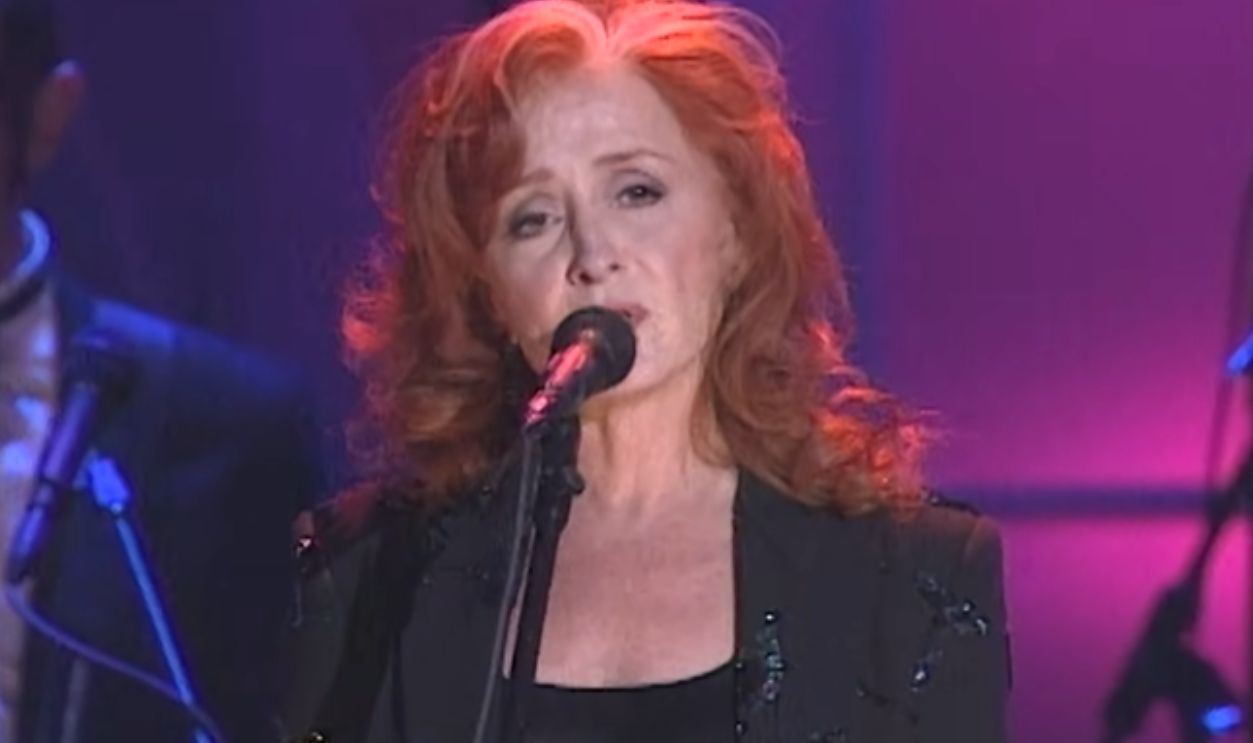 Screenshot from I Can't Make You Love Me, Capitol Records (1991)
Eminem—Lose Yourself
Eminem wrote and recorded "Lose Yourself" while filming 8 Mile, frequently working inside a portable recording studio on the movie set. He later explained that the song wasn't performed straight through in one attempt. Instead, he captured each verse in a single take, preserving the intensity that helped make the track an Oscar-winning phenomenon.
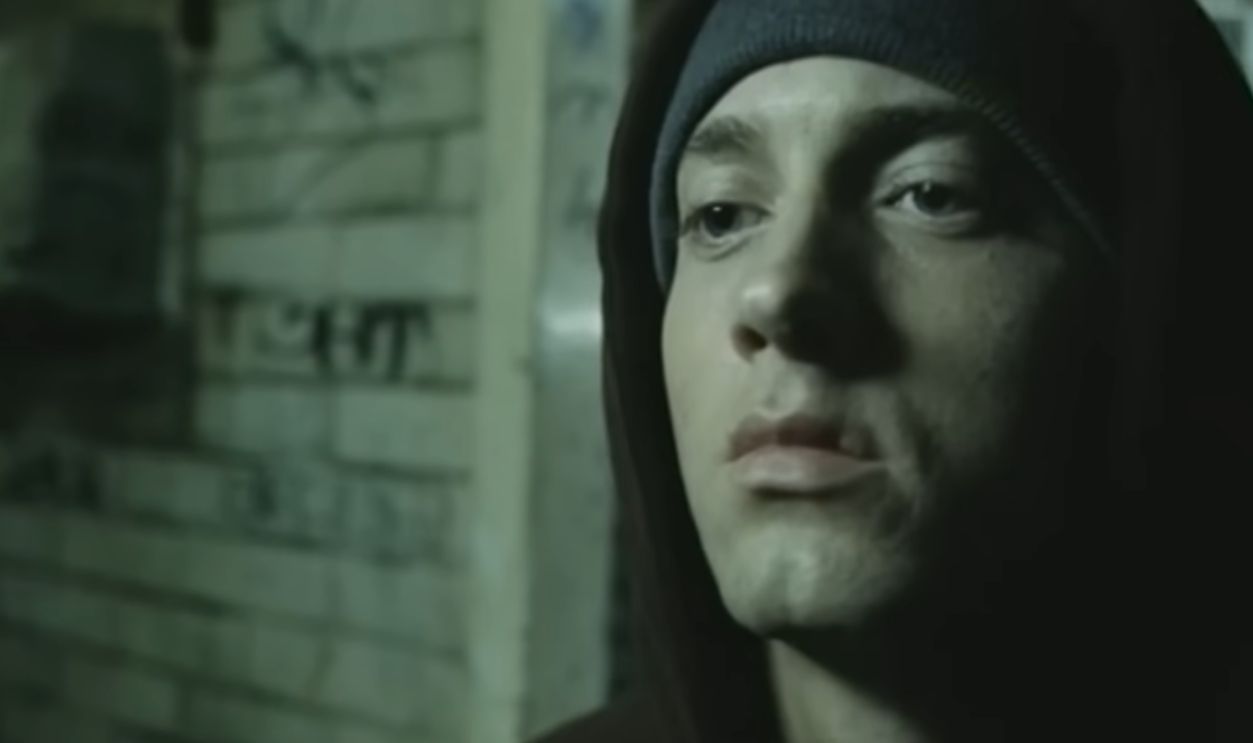 Screenshot from Lose Yourself, Shady Records (2002)
Gnarls Barkley—Crazy
When CeeLo Green entered the studio to record "Crazy," he had never actually sung the completed lyrics before. Producer Danger Mouse later recalled that Green delivered the vocal in a single take, reading the words from paper. They kept that original performance, and the song became one of 2006's biggest international hits.
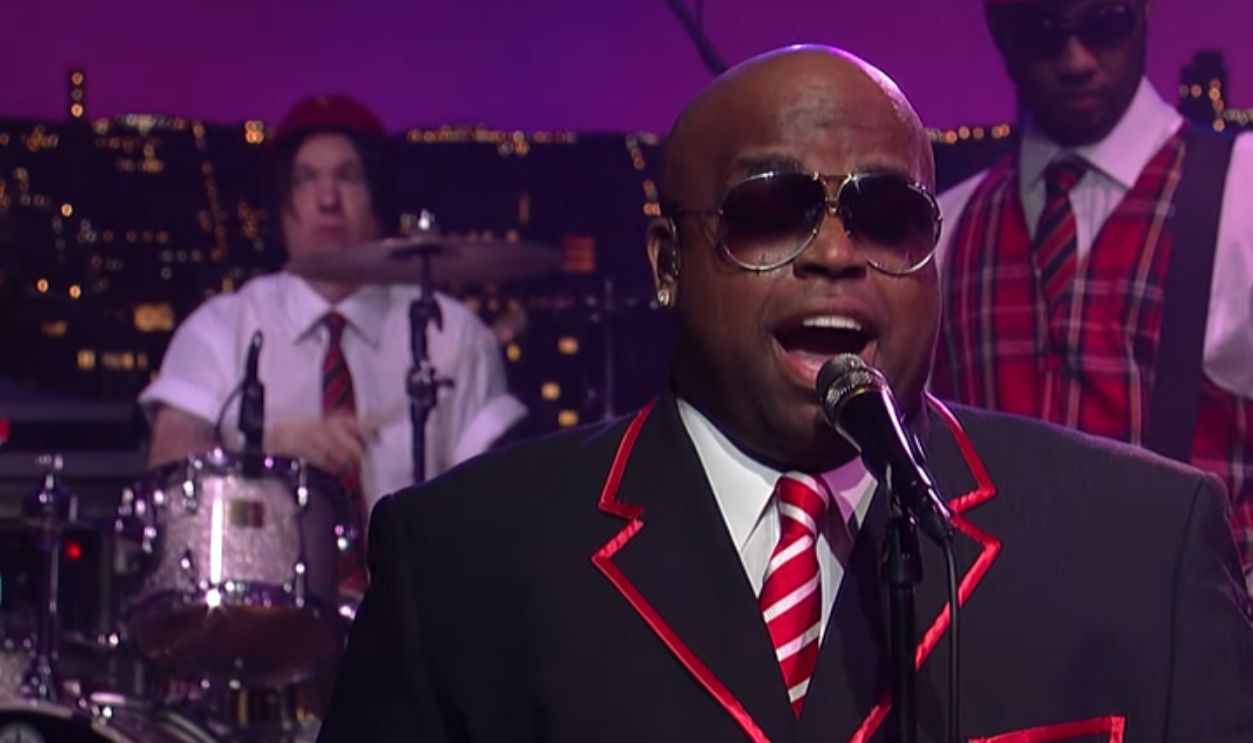 Screenshot from Crazy, Warner Bros. Records (2006)
Radiohead—Bodysnatchers
Radiohead recorded "Bodysnatchers" during the sessions for their 2007 album In Rainbows. Thom Yorke was feeling unwell when the band tackled the song, but his lead vocal was captured in one take. Although his guitar playing required some subsequent adjustments, the raw vocal remained untouched, preserving the recording's frantic energy.
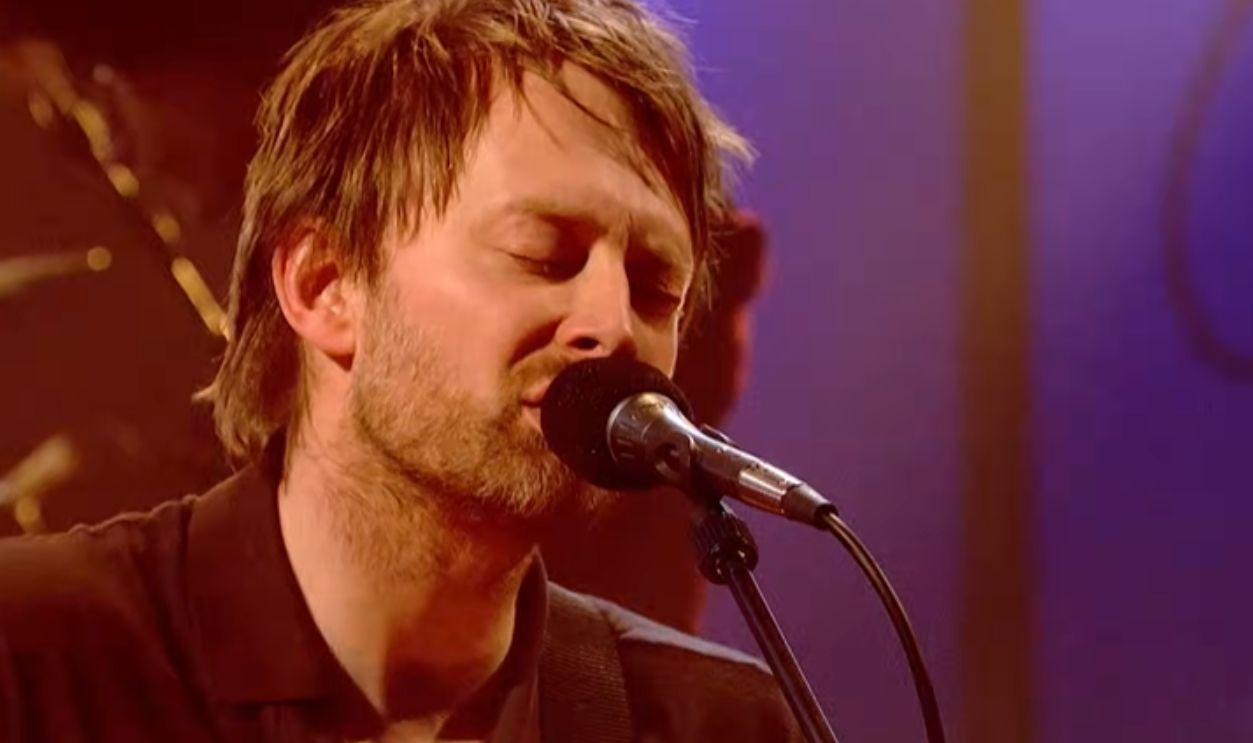 Screenshot from Bodysnatchers, XL Recordings (2007)
You May Also Like:
Classic Songs That Disappeared From Their Artists' Concert Setlists For Surprising Reasons
70s Rock Bands That Opened For Legendary Acts—Then Became Legends Themselves
Sources: 1, 2, 3, 4, 5, 6, 7, 8, 9, 10, 11, 12, 13, 14, 15, 16, 17, 18, 19, 20, 21