From Number One To Disaster
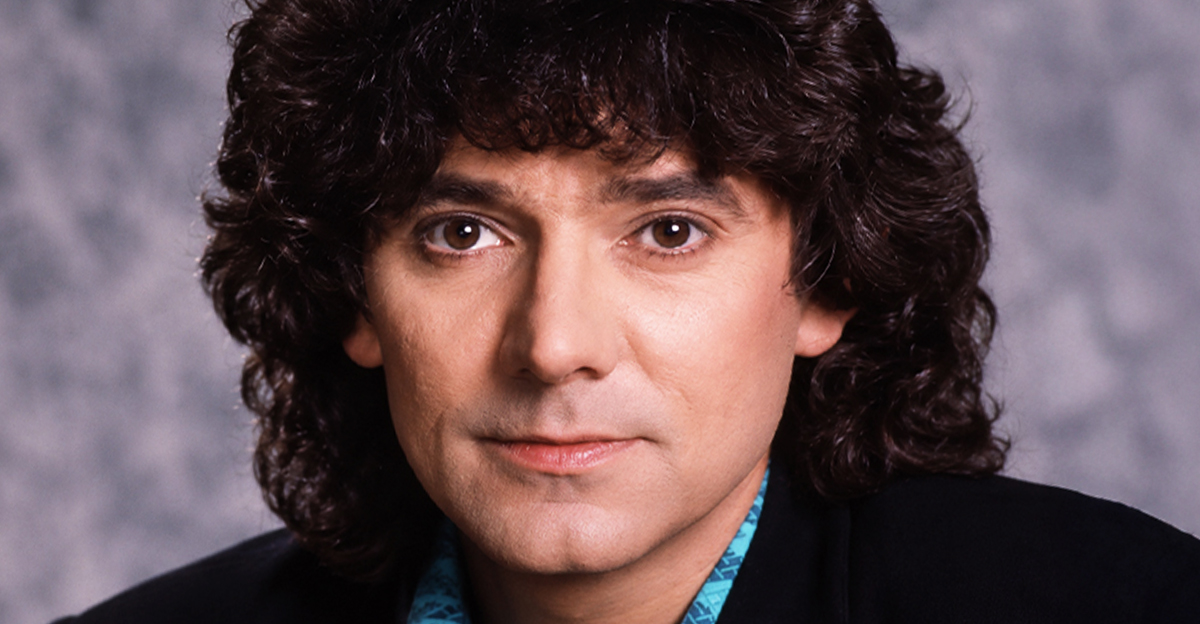
Mickey Thomas had one of rock's most recognizable voices, powering Starship through three number-one hits during the 1980s. But in September 1989, a violent confrontation with drummer Donny Baldwin left him with devastating facial injuries requiring reconstructive surgery. The incident disrupted Thomas's career and helped bring Starship's remarkable 80s run to a painful end. But long before all that happened, Mickey Thomas was just a Georgia boy with an extraordinary singing voice and dreams of making it big.
 Lynn Goldsmith/Corbis/VCG via Getty Images (modified)); Factinate Ltd
A Georgia Boy
John Michael Thomas was born on December 3, 1949, in Cairo, Georgia. Growing up in the American South, he absorbed the sounds of rock, blues, and soul. His remarkable vocal range would eventually distinguish him from other singers, but his journey to international stardom began far from California's famous recording studios.
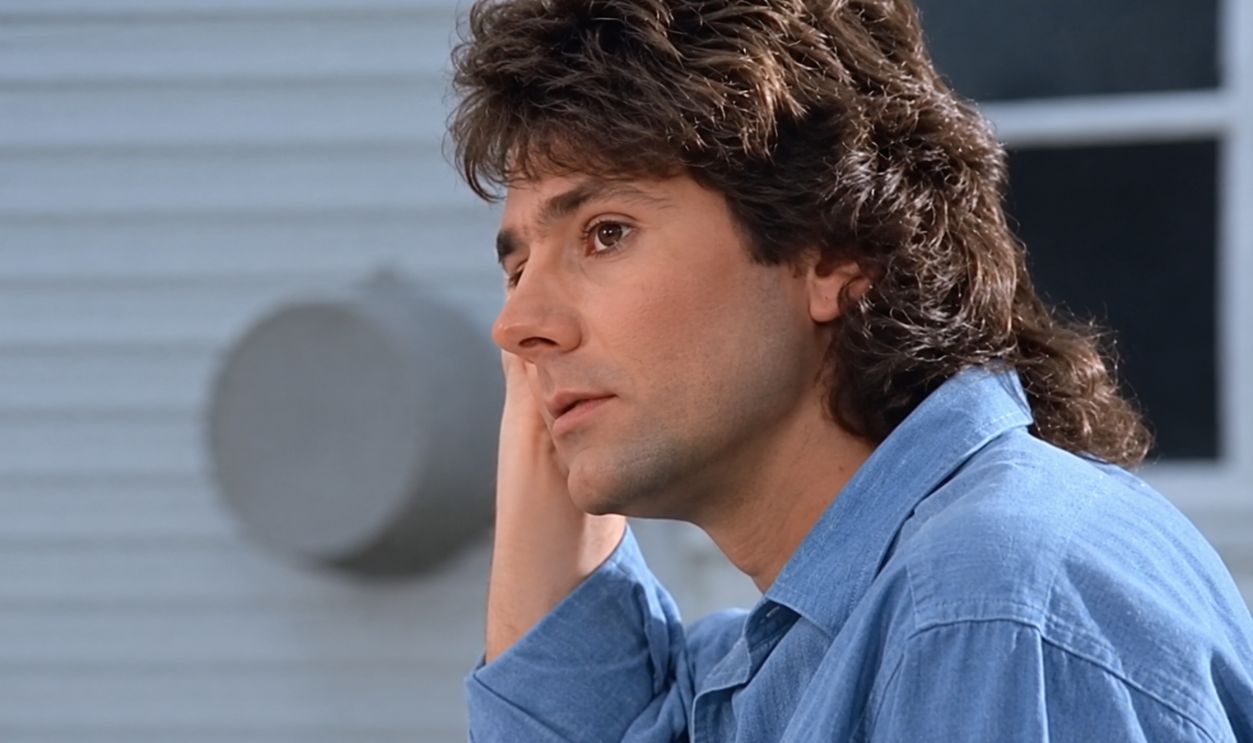 Screenshot from Sara by Starship, RCA Records (1985)
The Beatles Change Everything
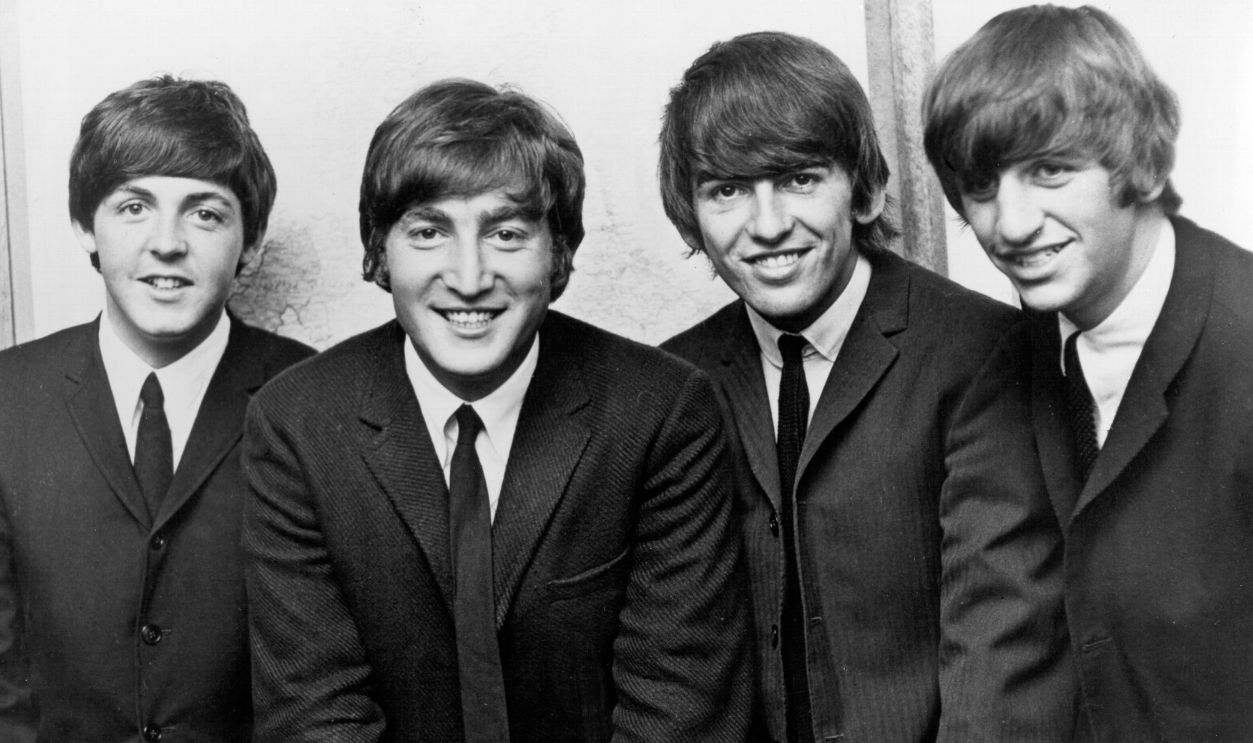
In 1965, Thomas traveled to Atlanta with friends to see the Beatles perform. The experience helped convince him to pursue music seriously. He began playing with friends Charles Connell and Tommy Verran, laying the foundations for a career that would eventually take him from Georgia clubs to arenas around the world.
 Michael Ochs Archives, Getty Images
Learning The Ropes
Thomas gained experience singing with regional bands, including the Lords of London and the Jets. The latter group brought him together with several longtime musical friends. These early years allowed him to develop his distinctive blend of rock power and soulful phrasing, qualities that would soon attract the attention of established musicians.

A Chance With Elvin Bishop
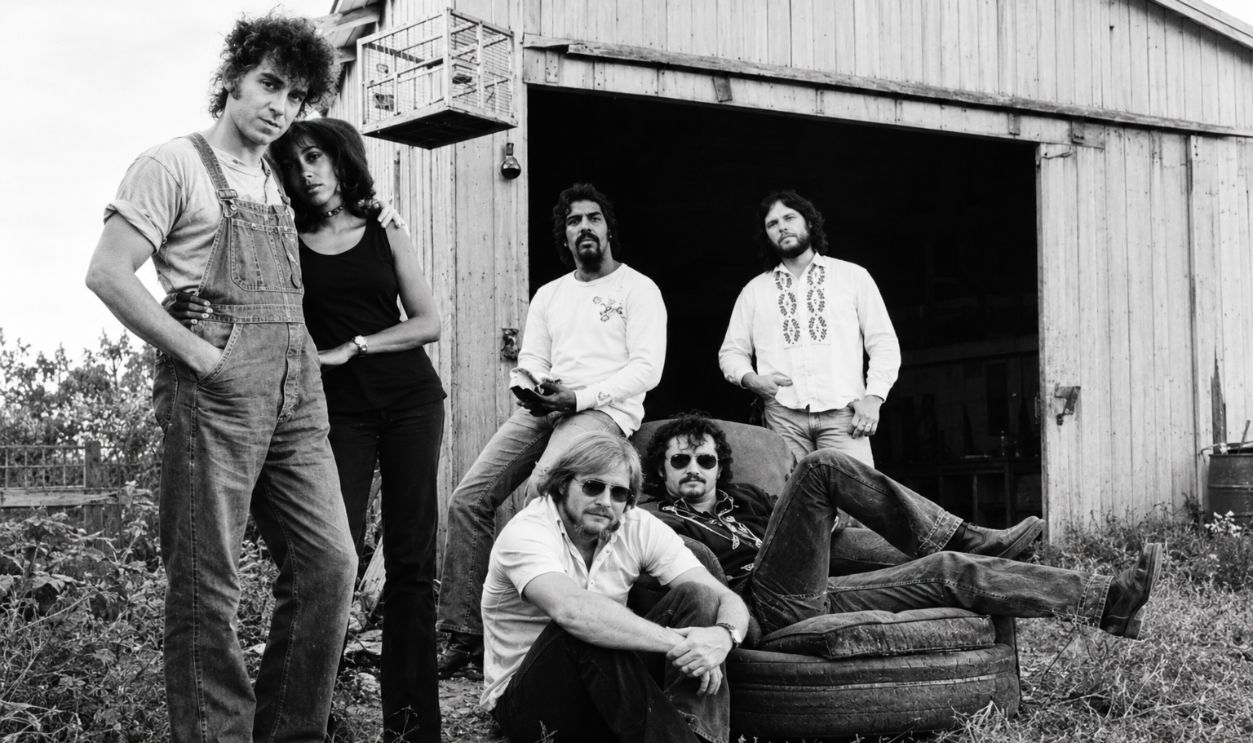
In 1974, Thomas joined guitarist Elvin Bishop's band as a backing vocalist. Bishop was already an established blues-rock musician, having previously played with the Paul Butterfield Blues Band. Thomas initially worked behind the scenes, but his extraordinary voice quickly became an increasingly important part of the group's sound.
An Unexpected Lead Singer
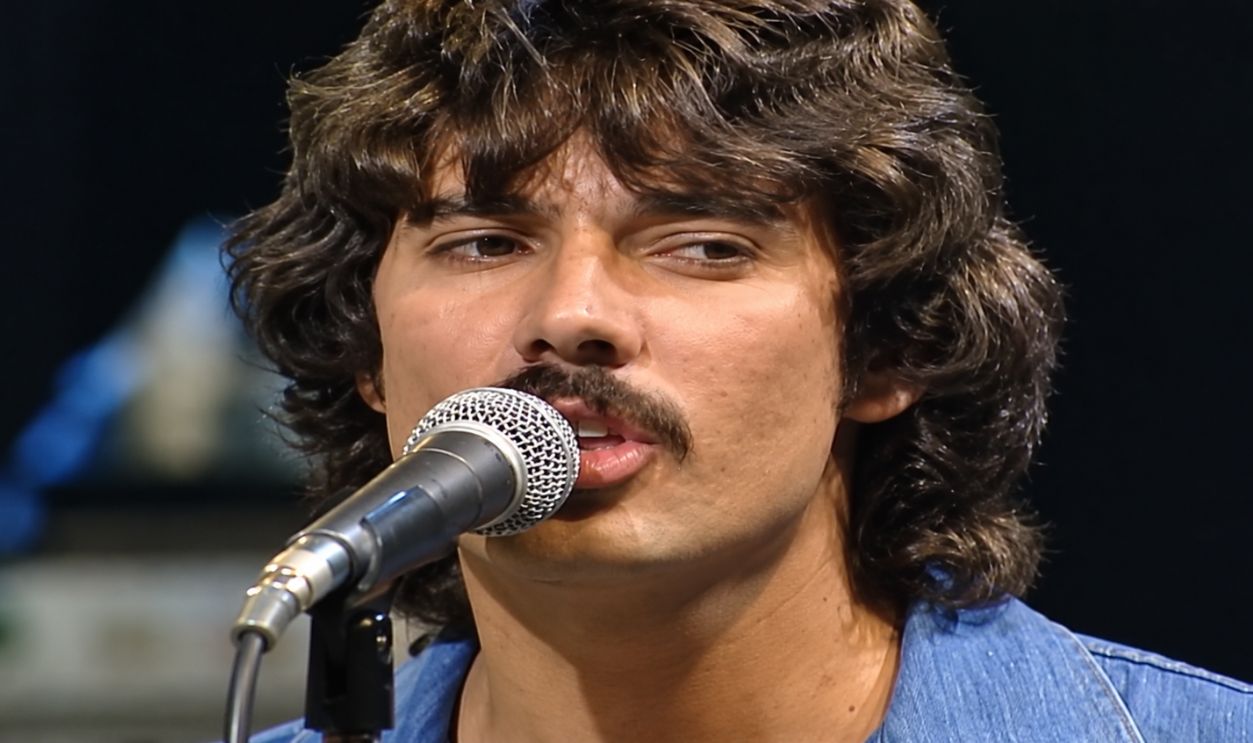
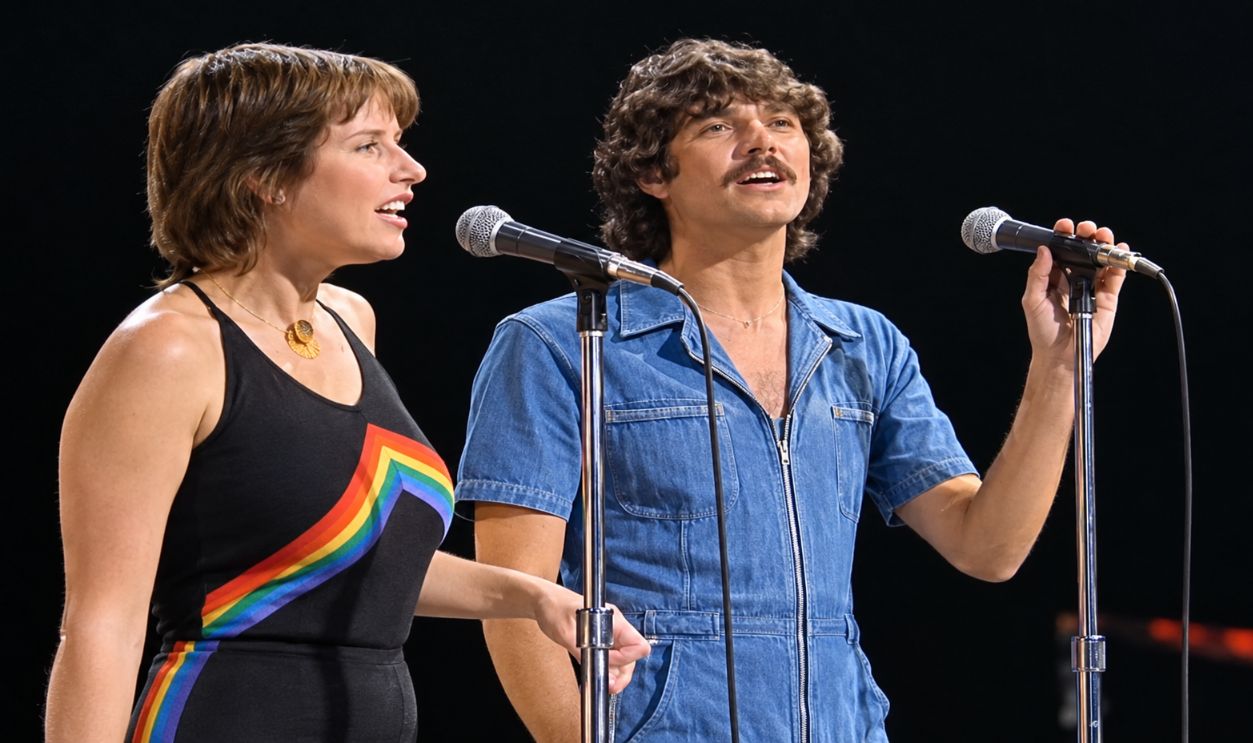
Bishop recognized that Thomas possessed a smoother, more soulful voice than his own. When the group recorded "Fooled Around and Fell in Love" for Struttin' My Stuff (1975), Thomas was given the lead vocal. It was an inspired decision that would transform the young singer's career almost overnight.
 Screenshot from The Midnight Special, NBC (1972-1981)
His First Huge Hit
Released as a single in 1976, "Fooled Around and Fell in Love" climbed to number three on the Billboard Hot 100. Many listeners assumed Bishop himself was singing, unaware that the powerful voice belonged to Thomas. The recording became a classic-rock staple and gave Thomas his first taste of major commercial success.
 Screenshot from The Midnight Special, NBC (1972-1981)
Going Out On His Own
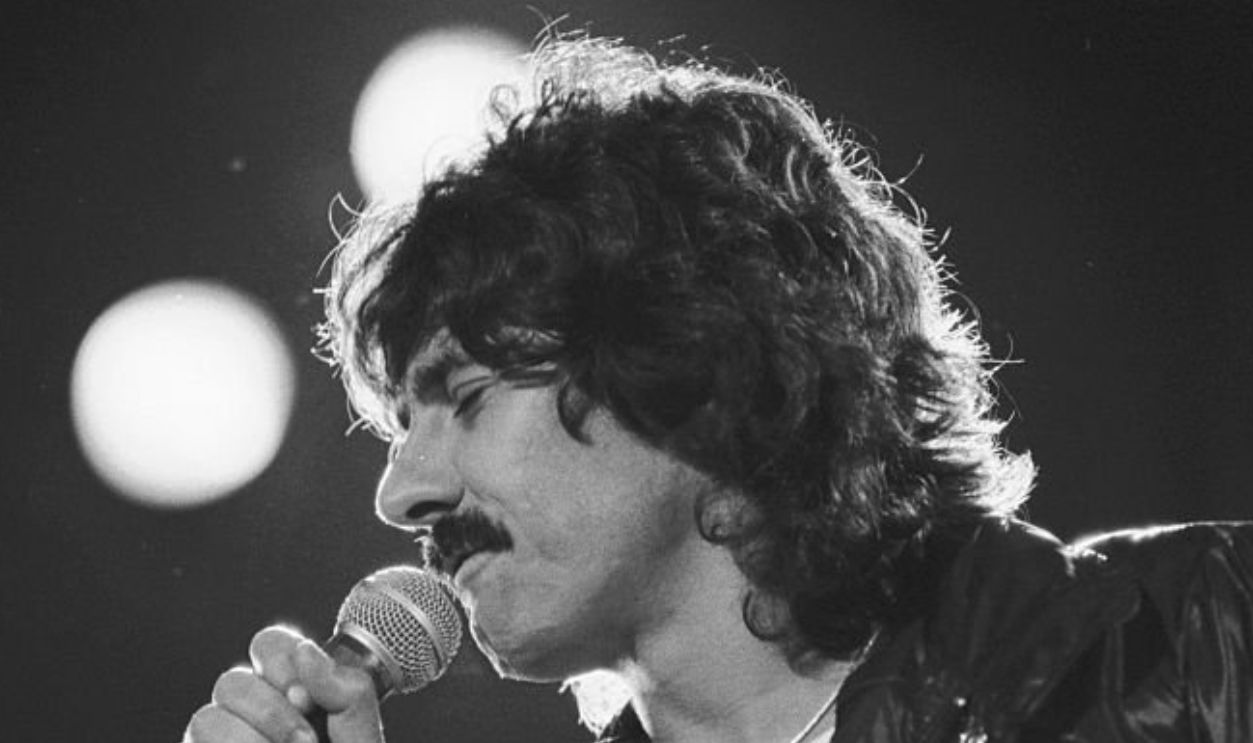
Thomas continued performing with Bishop before pursuing a solo career. His debut album, As Long as You Love Me, failed to match the success of his breakthrough single. But he was still a respected vocalist and session performer, building the connections that would soon lead to a way bigger opportunity.
Jefferson Starship Needs A Singer
By 1978, Jefferson Starship was facing serious uncertainty. Grace Slick and Marty Balin had both departed, leaving the successful San Francisco group without its familiar lead vocalists. Guitarist Craig Chaquico and founder Paul Kantner needed someone capable of handling some seriously demanding rock material while also helping the band forge a fresh identity.

The Call That Changed Everything
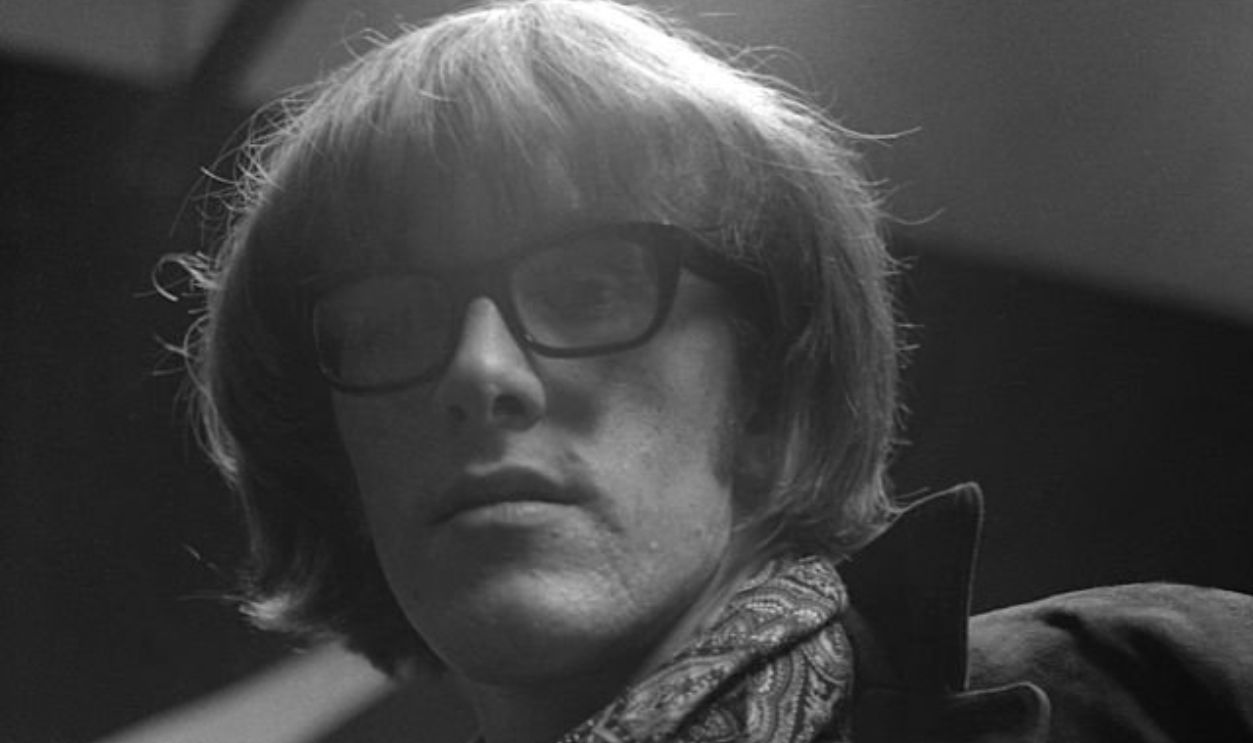
In 1979, Thomas received an unexpected invitation from Kantner to meet Jefferson Starship. He was preparing another solo project when the opportunity arrived. After getting together with the musicians, Thomas joined the group, starting an association that would define the most commercially successful period of his career.
 Michael Ochs Archives, Getty Images
A Powerful New Beginning
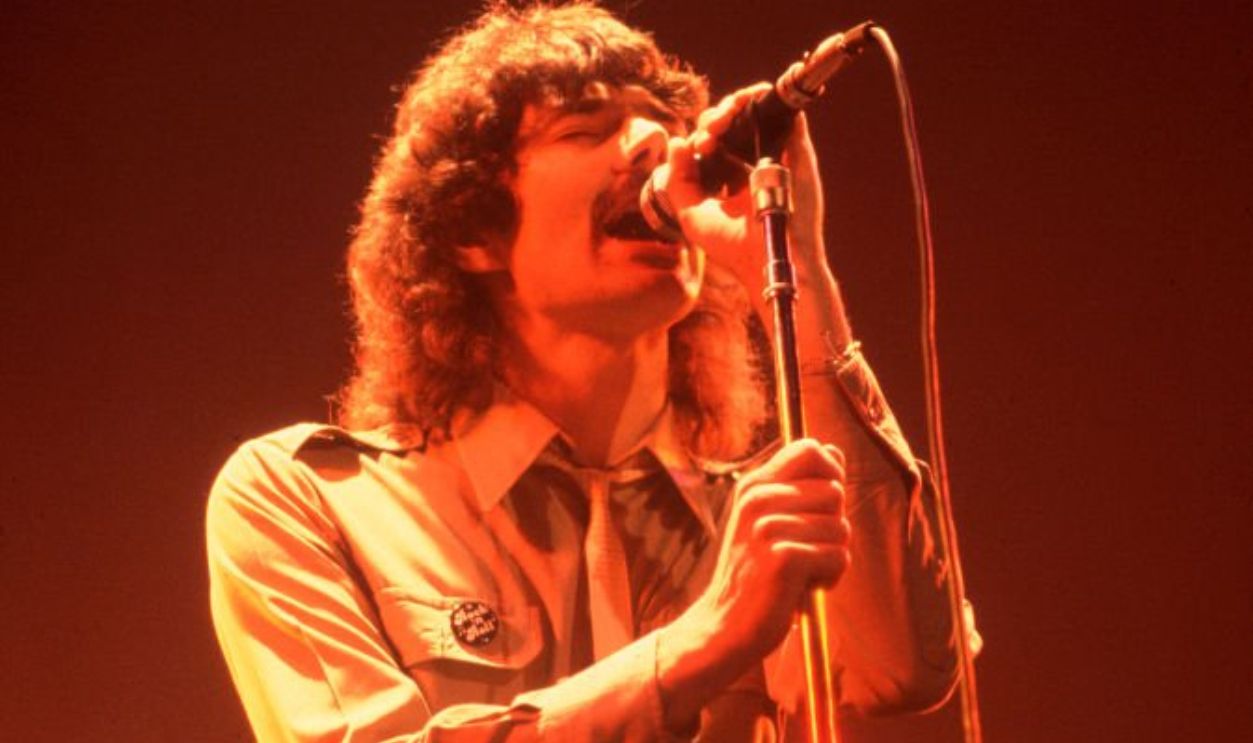
Thomas made his Jefferson Starship debut on Freedom at Point Zero (1979). The album featured "Jane," a hard-rocking single that demonstrated his extraordinary range and ability to deliver soaring vocals over powerful guitars. It became a concert favorite and helped establish Thomas as a convincing replacement for the band's departed singers.
Grace Slick Returns
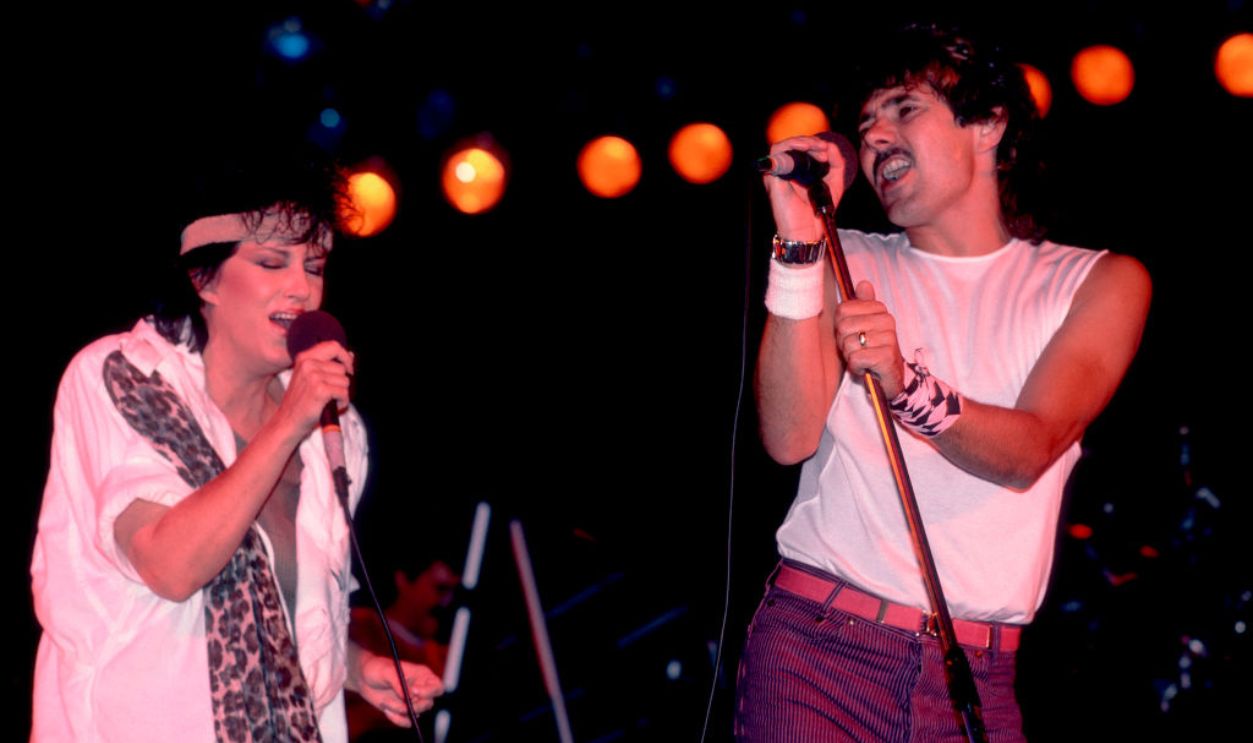
Grace Slick returned to Jefferson Starship for Modern Times (1981), giving the band two formidable vocalists. Thomas and Slick developed an effective musical partnership, alternating leads and combining their voices. Songs including "Find Your Way Back" and "Stranger" helped maintain the group's presence on rock radio.
Another Familiar Face Arrives
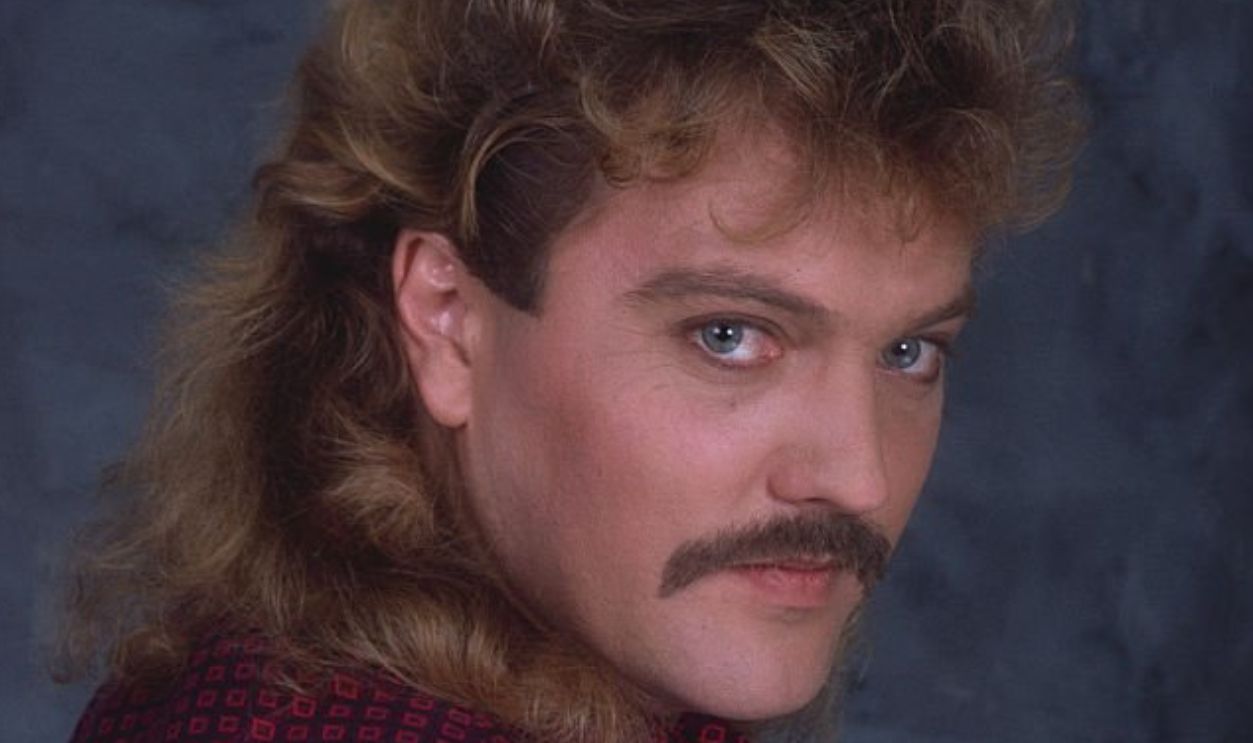
In 1982, Jefferson Starship recruited drummer Donny Baldwin to replace Aynsley Dunbar. Baldwin had previously played alongside Thomas in Elvin Bishop's band, and the two were in fact longtime friends. Their reunion appeared entirely natural. Neither the musicians nor their audiences could have anticipated how disastrously that friendship would eventually unravel.
Jefferson Starship Keeps Evolving
The group continued releasing albums, including Winds of Change (1982) and Nuclear Furniture (1984). Thomas remained central to its sound, delivering strong performances on songs such as "No Way Out" and "Layin' It on the Line." But disagreements about musical direction were starting to disrupt the band's stability.
Paul Kantner Walks Away
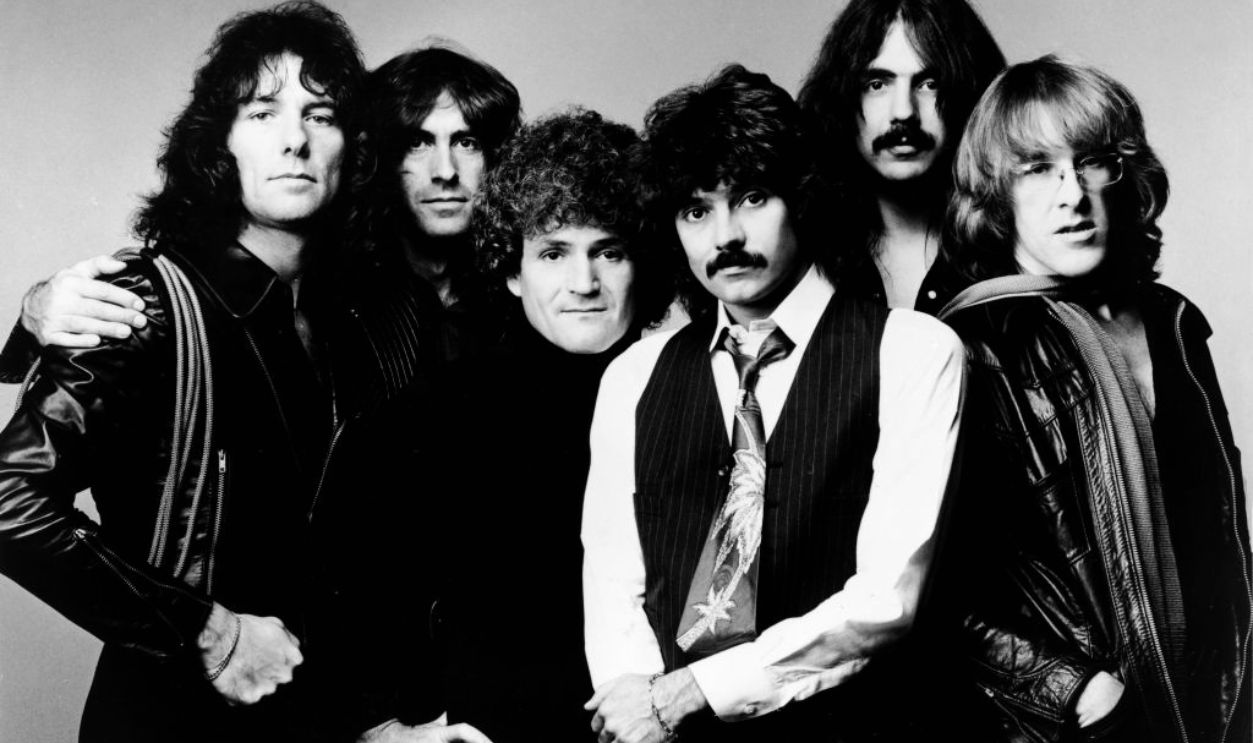
In 1984, founding member Paul Kantner departed after increasingly serious disagreements over the band's direction. A legal dispute followed over the use of the Jefferson Starship name. The remaining musicians eventually agreed to drop "Jefferson," leaving them with a shorter name and an opportunity to reinvent themselves: Starship.
A Completely Different Sound
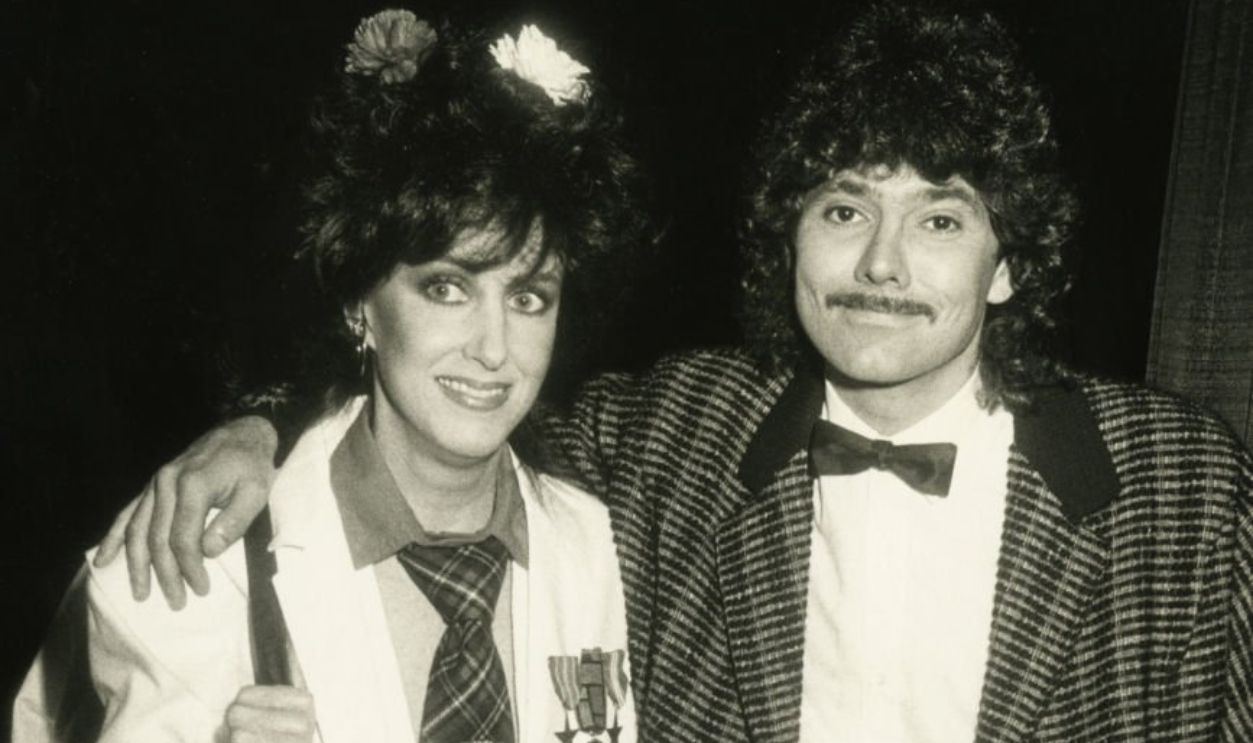
Starship embraced the synthesizers, electronic production, and polished pop-rock arrangements dominating mid-1980s radio. Their first album under the new name, Knee Deep in the Hoopla (1985), represented a dramatic departure from Jefferson Airplane's psychedelic beginnings. Thomas and Slick remained the group's principal voices, but the music was unmistakably designed for a different generation and audience.
 Ron Galella, Ltd., Getty Images
They Built This City
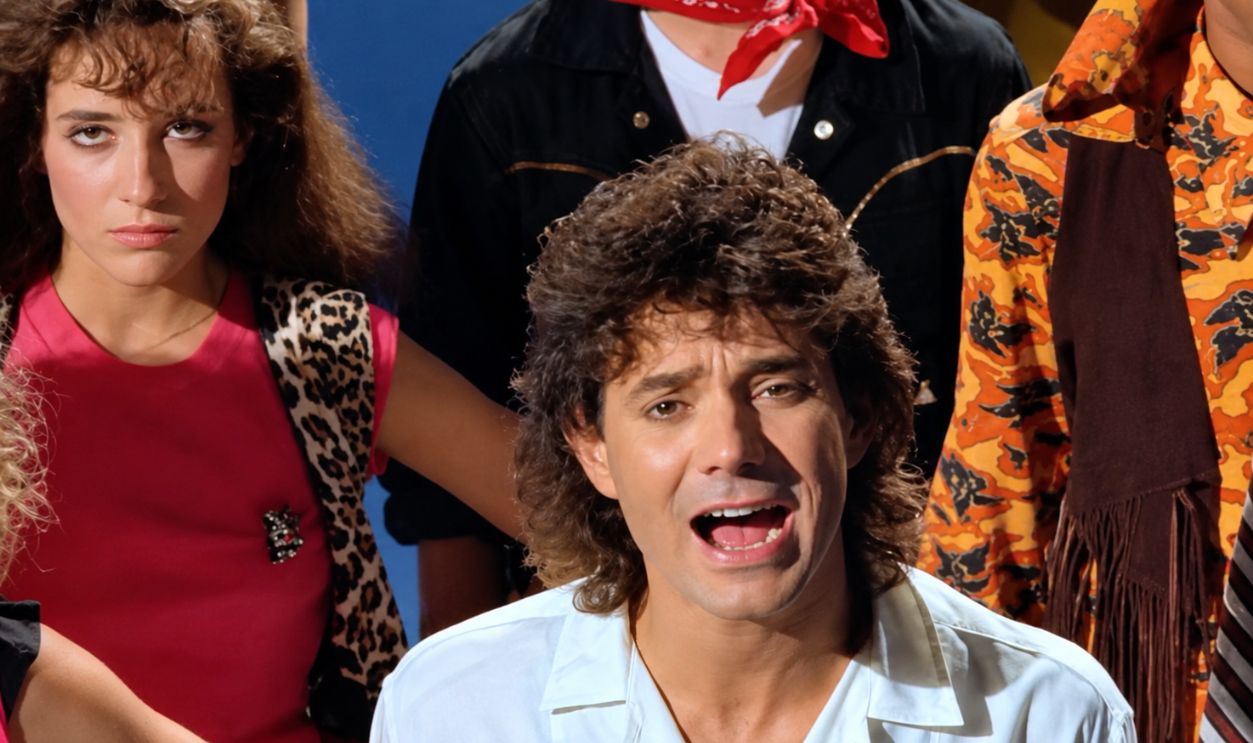
"We Built This City" became Starship's first number-one Billboard Hot 100 single in 1985. Written by Bernie Taupin, Martin Page, Dennis Lambert, and Peter Wolf, the song was enormously successful despite later becoming a frequent target of critics. Its infectious chorus, glossy production, and MTV exposure made Thomas one of the decade's most recognizable singers.
 Screenshot from They Built This City by Starship, Grunt Records (1985)
Sara Takes Them Higher
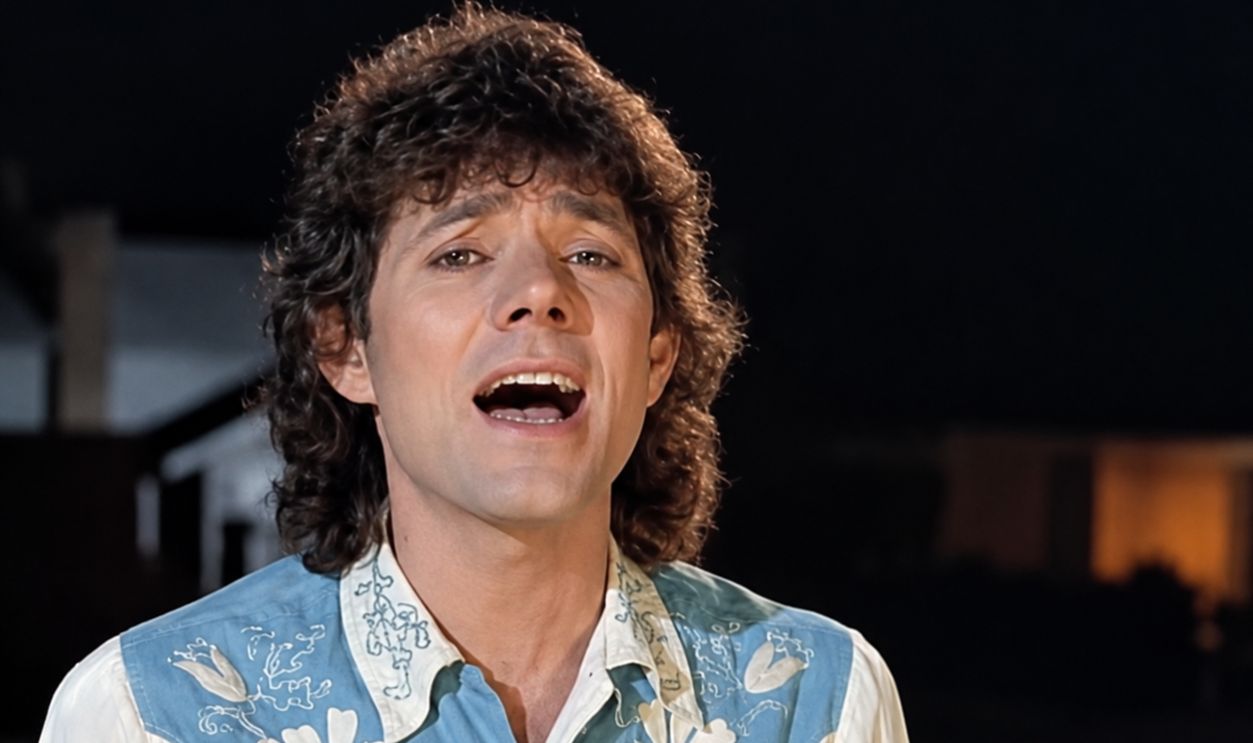
Starship followed with "Sara," another number-one hit in 1986. The romantic ballad showcased a gentler side of Thomas's voice and featured a memorable music video starring actress Rebecca De Mornay. Together, "We Built This City" and "Sara" transformed Starship from an established rock act into a genuine pop phenomenon.
 Screenshot from Sara by Starship, RCA Records (1985)
Nothing Could Stop Them
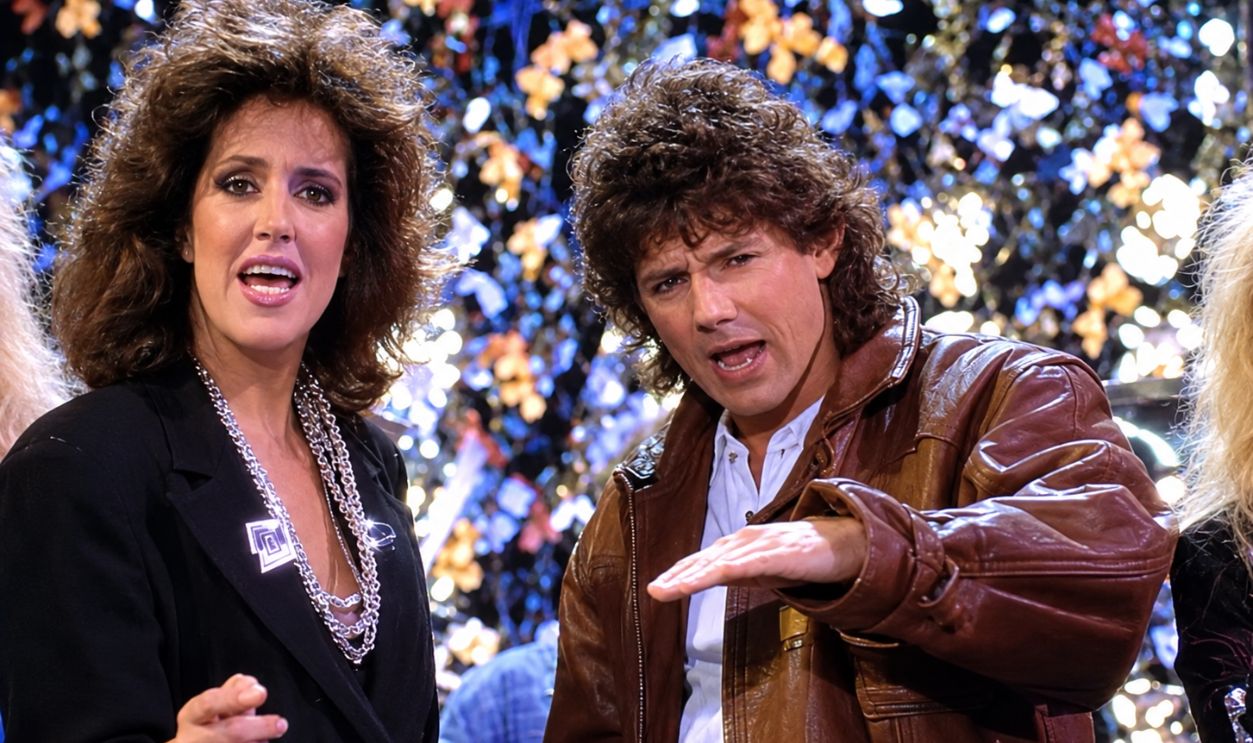
In 1987, Starship scored its third number-one single with "Nothing's Gonna Stop Us Now," written by Diane Warren and Albert Hammond for the romantic comedy Mannequin (1987). Thomas and Slick's duet became an international success and even received an Academy Award nomination for Best Original Song. Commercially, Starship seemed virtually unstoppable.
 Screenshot from Nothing's Gonna Stop Us Now by Starship, Rhino Entertainment Company (1987)
Trouble Behind The Success
Despite this parade of hits, Starship was becoming increasingly unstable. The band's polished pop direction alienated their core of longtime 60s-era fans, while personal and professional disagreements complicated relationships. Grace Slick departed again in 1988, leaving Thomas as the principal lead singer. Starship still had commercial potential, but its most successful lineup was already breaking apart.
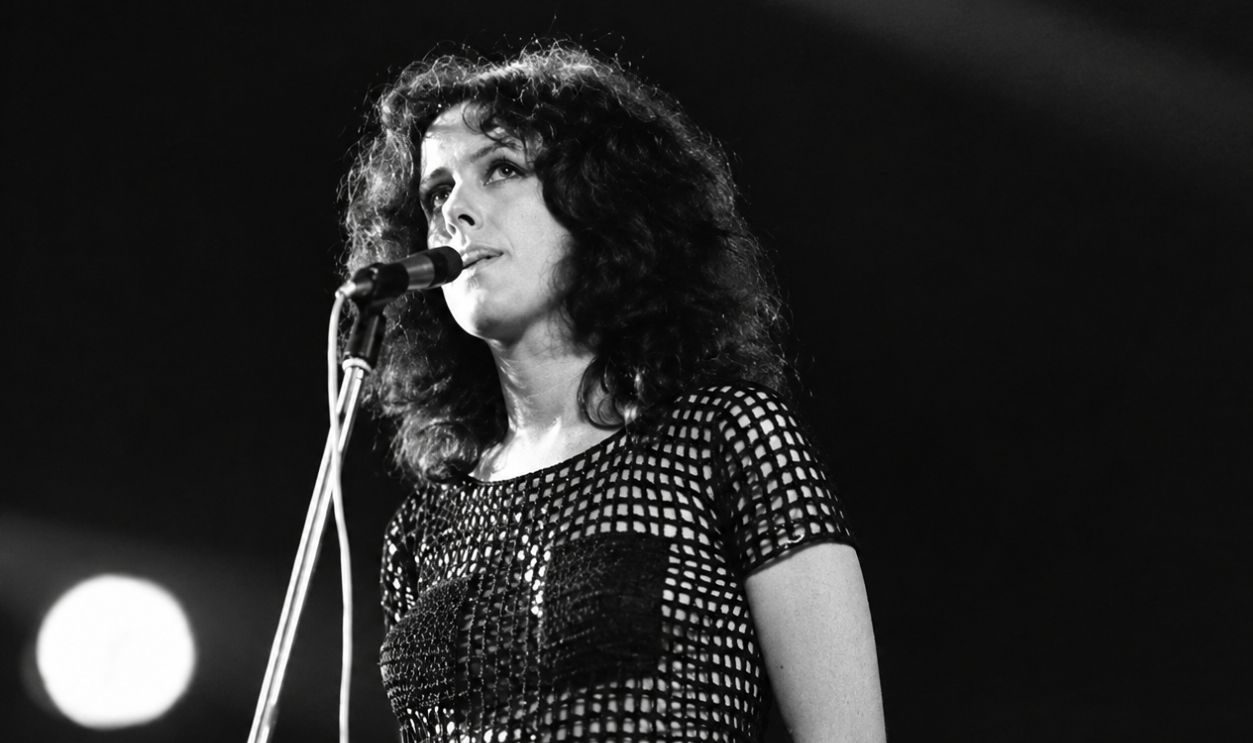 Fotopersbureau De Boer, Wikimedia Commons
Love Among The Cannibals
Starship released Love Among the Cannibals (1989), an album Thomas later described as one of his favorites. Its harder-edged sound represented an attempt to reconnect with the band's rock roots. The single "It's Not Enough" reached number 12 on the Billboard Hot 100, but the album couldn't match its predecessors' enormous success.
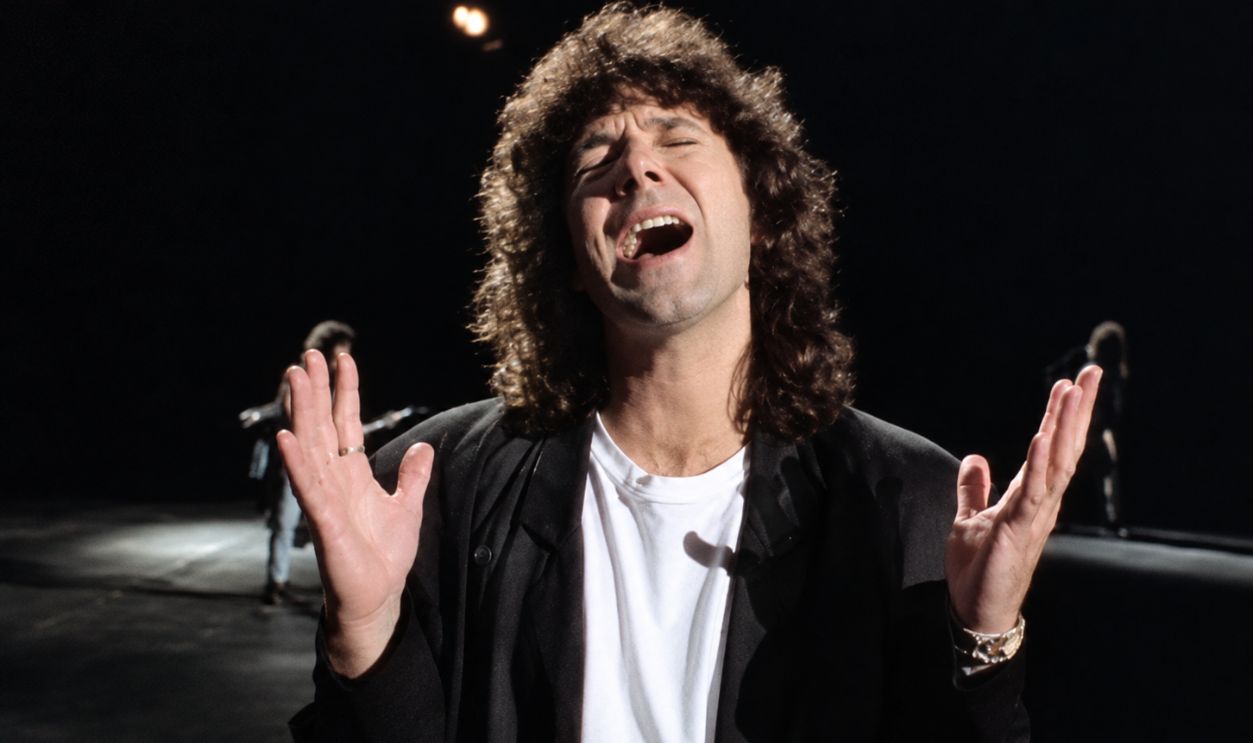 Screenshot from It's Not Enough by Starship, RCA Records (1989)
A Friendship Turns Violent
On September 24, 1989, Starship was in Scranton, Pennsylvania, during its tour supporting Love Among the Cannibals. Members of the group gathered socially, but tensions between Thomas and drummer Donny Baldwin erupted into a violent confrontation. During the free-for-all, Baldwin hammered his longtime friend, leaving Thomas seriously injured and Starship suddenly facing an unexpected crisis.
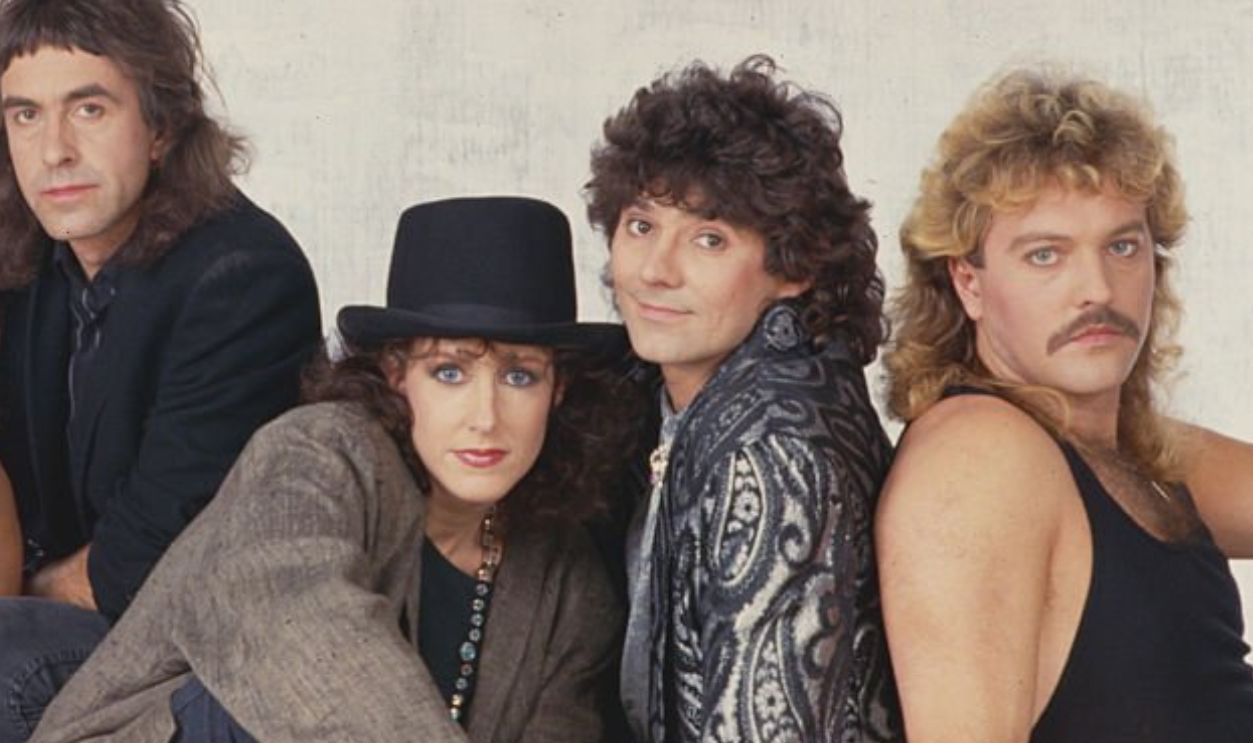
Devastating Facial Injuries
Thomas suffered extensive facial injuries, including fractures around one of his eyes, as well as broken ribs. Reconstructive surgery required doctors to insert titanium plates to stabilize the damaged bones. The singer later described an extraordinarily invasive procedure involving numerous staples across his scalp. The injuries forced him to suspend performing so he could recuperate.
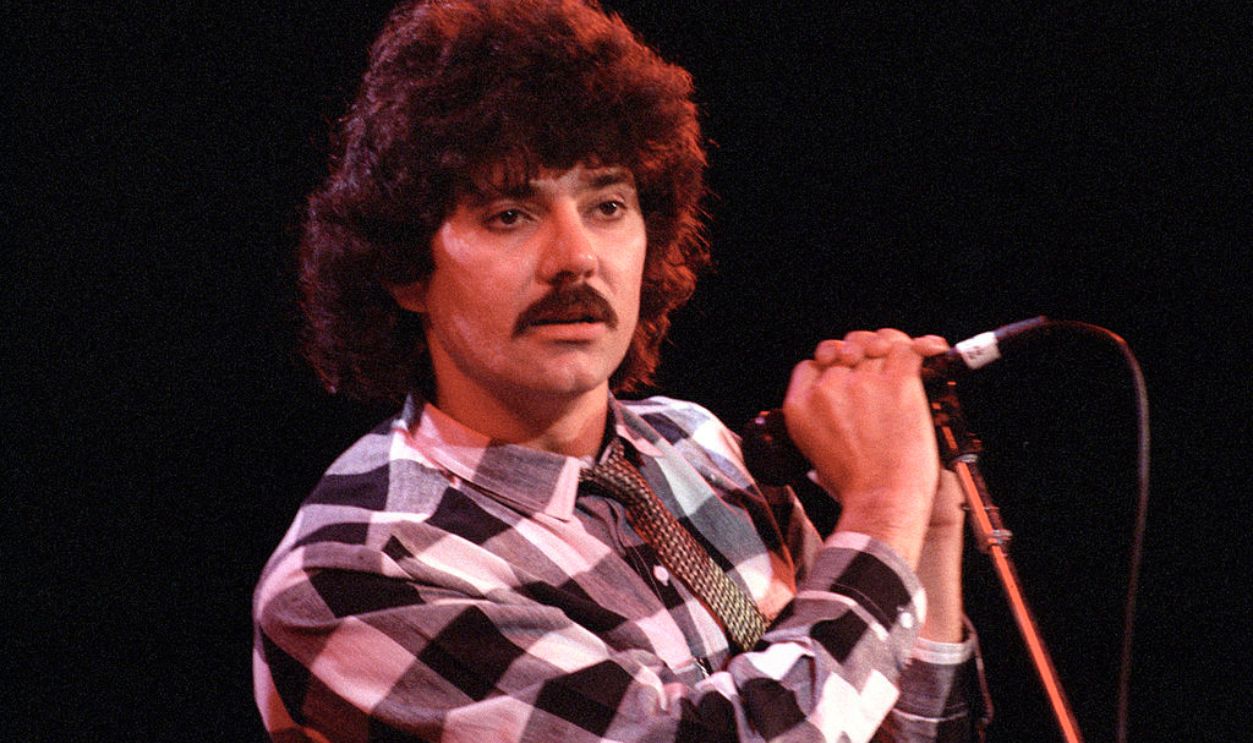
The End Of Starship
Baldwin left the band following the altercation, and Starship's remaining tour dates were postponed during Thomas's recovery. Although the group eventually resumed performing, things would never go back to how they were. Guitarist Craig Chaquico departed after the tour and Starship subsequently went inactive, apart from new recordings included on a 1991 greatest-hits collection. The brawl hadn't caused every problem, but it accelerated an already unpleasant breakup.
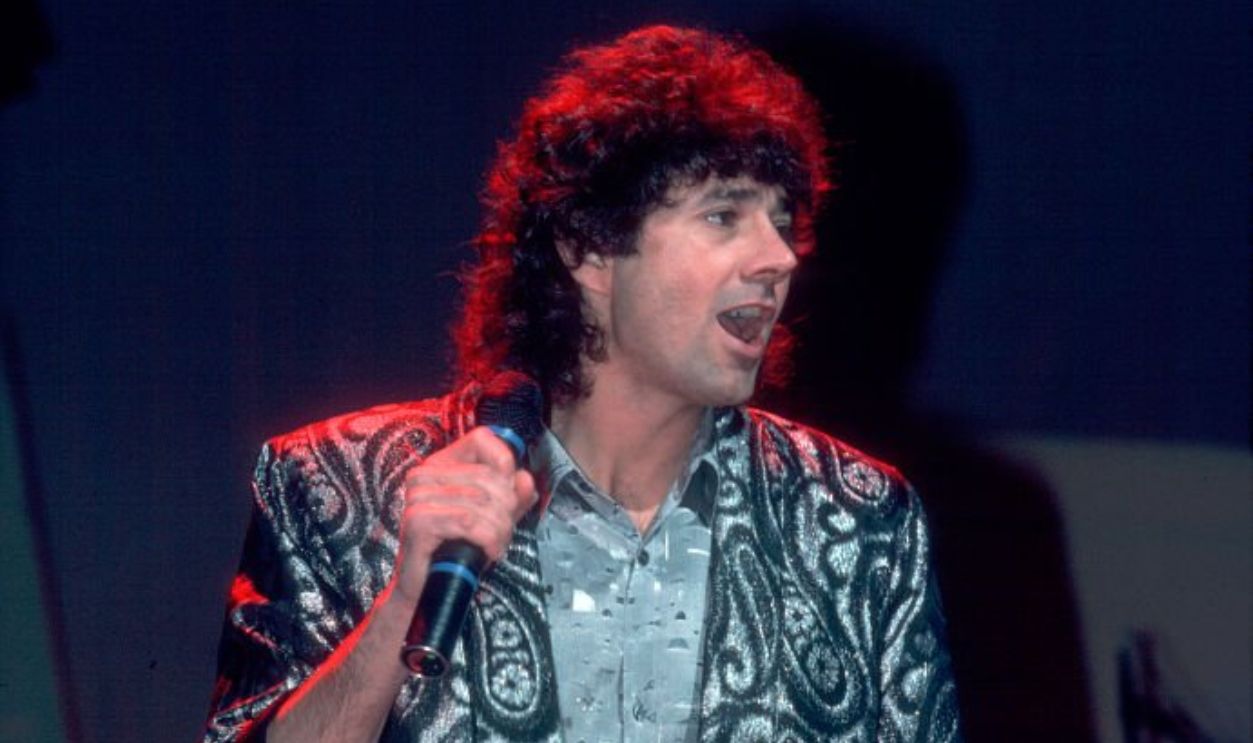
Mickey Thomas Carries On
Thomas refused to let the experience end his career. In 1992, he began performing under a new version of the Starship name, eventually establishing Starship featuring Mickey Thomas. He continued touring with musicians of his choosing, performing the hits that had made him famous while rebuilding his professional life outside the original band's troubled relationships.
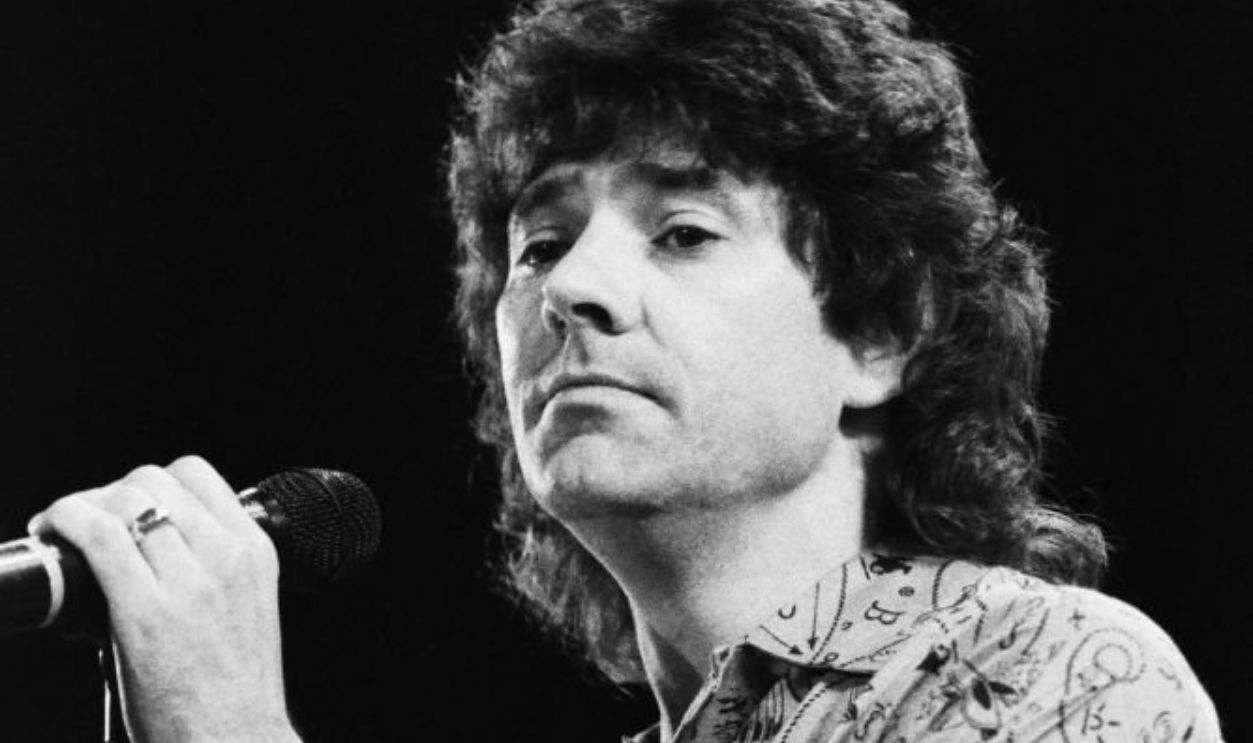
A Voice That Endured
Thomas continued to record and perform through the following decades. His solo projects included Over the Edge (2004) and Marauder (2011), while Starship featuring Mickey Thomas released Loveless Fascination (2013). He also explored acting, including a 2019 stage production of Rock of Ages. His career had by now extended well beyond the era that first made him famous.

One Of Rock's Great Voices
Mickey Thomas's legacy reaches back several decades. From "Fooled Around and Fell in Love" to "Jane," "Sara," and "Nothing's Gonna Stop Us Now," his extraordinary range helped define two decades of American rock. The 1989 fisticuffs ended a friendship and contributed to Starship's collapse, but it never silenced the voice that made Thomas famous.

You May Also Like:
Famous Songs That Some Members Of The Band Absolutely Hated
Pop Songs That Were Everywhere In The 1980s—But Now Only Get Played At Throwback Parties
Psychedelic Facts About Grace Slick, The Rock Star Chasing A White Rabbit