The Star Nobody Saw Coming
Alex Chilton achieved something most musicians only dream about: a number one hit while still in high school. But the teenage sensation behind the Box Tops' "The Letter" would go on to make records that barely sold, only to become some of the most influential albums in rock history. His career was a remarkable journey from commercial superstardom to cult immortality.
A Musical Memphis Childhood
William Alexander Chilton was born on December 28, 1950, in Memphis, Tennessee. His father, Sidney, played jazz trumpet, while his mother, Mary, was a classically trained musician. Their home was filled with music, and visiting musicians were frequent guests. Growing up in Memphis also exposed young Alex to the city's extraordinary mixture of blues, gospel, soul, and rock and roll.
 Michael Ochs Archives/Getty Images
A Teenager With An Extraordinary Voice
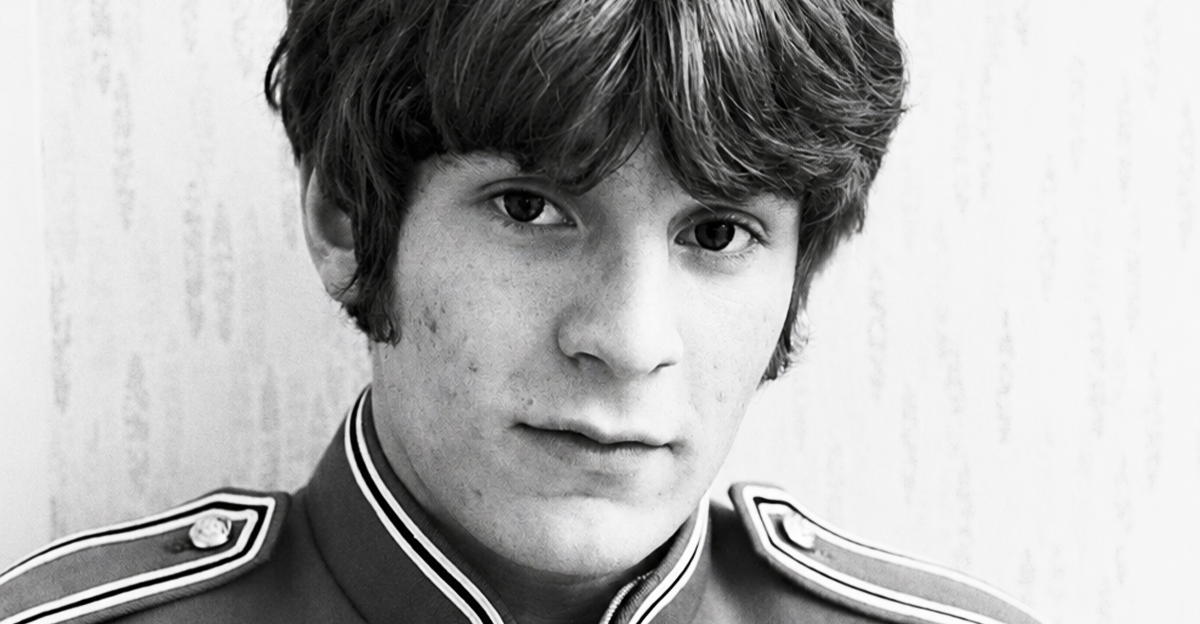
In 1966, Chilton joined a Memphis group that soon became the Box Tops. Although he was only 16 when the band's breakthrough record appeared, his gravelly, soulful voice sounded remarkably mature. Producer Dan Penn helped shape his vocal delivery, encouraging the teenager to sing with the intensity of an experienced rhythm-and-blues performer. The result would change Chilton's life almost overnight.
The Letter Changes Everything
Released in 1967, "The Letter" became an international sensation, spending four weeks at number one on the Billboard Hot 100. Written by Wayne Carson Thompson, the song lasted less than two minutes but packed an extraordinary amount of energy into its brief running time. Chilton was suddenly a teenage star, performing on television and touring extensively while his classmates were still finishing high school.
More Hits, Growing Frustration
The Box Tops followed their breakthrough with "Neon Rainbow," "Cry Like a Baby," and "Soul Deep." "Cry Like a Baby" reached number two in 1968, confirming that the group was more than a one-hit wonder. But Chilton grew frustrated with the tightly controlled recording process. Producers frequently used session musicians, leaving the band with limited creative input. By 1970, Chilton had left the Box Tops, determined to pursue music on his own terms. (Below: The Box Tops, left-to-right: Jerry Riley, bassist Bill Cunningham, keyboard player Rick Allen, drummer Thomas Boggs and singer Alex Chilton.)
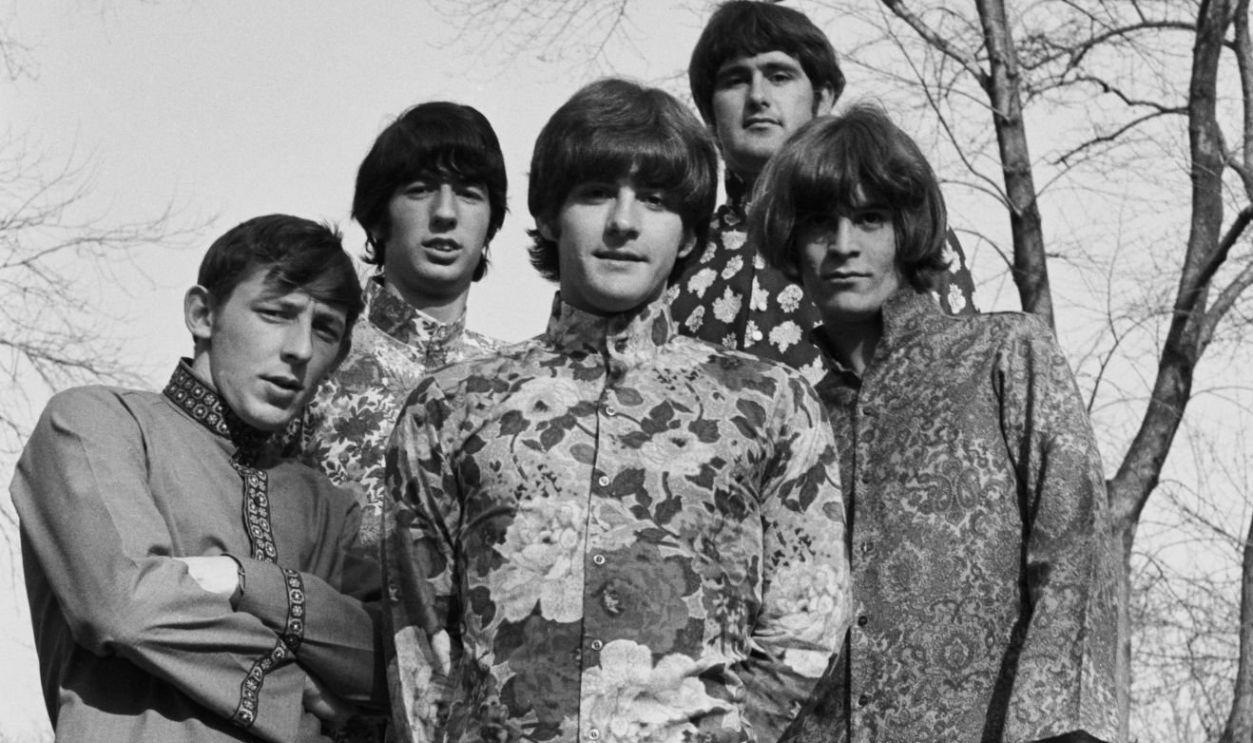 Michael Ochs Archives, Getty Images
Starting Again From Scratch
After leaving the group, Chilton spent time in New York, experimenting with songwriting and a less commercial sound. He eventually returned to Memphis, where guitarist and songwriter Chris Bell was working with bassist Andy Hummel and drummer Jody Stephens at Ardent Studios. Chilton joined them in 1971, and the musicians adopted the name Big Star, borrowed from a regional supermarket chain. Their ambitions were considerable, even if their prospects were uncertain.
Big Star Makes A Masterpiece
Big Star's debut album, #1 Record, appeared in 1972. Chilton and Bell combined Beatles-inspired melodies, ringing guitars, and bittersweet lyrics on songs including "Thirteen," "The Ballad of El Goodo," and "In the Street." Critics were enthusiastic, but the record's distribution was disastrous. Ardent's association with the struggling Stax organization meant that even interested customers frequently couldn't find copies. The ironically titled album sold poorly, and Bell eventually departed.
Another Album, Another Disappointment
With Chilton increasingly directing the group, Big Star recorded Radio City (1974). Its standout track, "September Gurls," would eventually become a power-pop standard, but the album suffered from distribution problems similar to those that undermined its predecessor. Bassist Andy Hummel subsequently departed, leaving Chilton and Stephens to continue. Despite extraordinary critical praise, Big Star remained virtually unknown to mainstream audiences. ( Below: Big Star Left-to-Right Chris Bell, Jody Stephens, Andy Hummel and Alex Chilton)
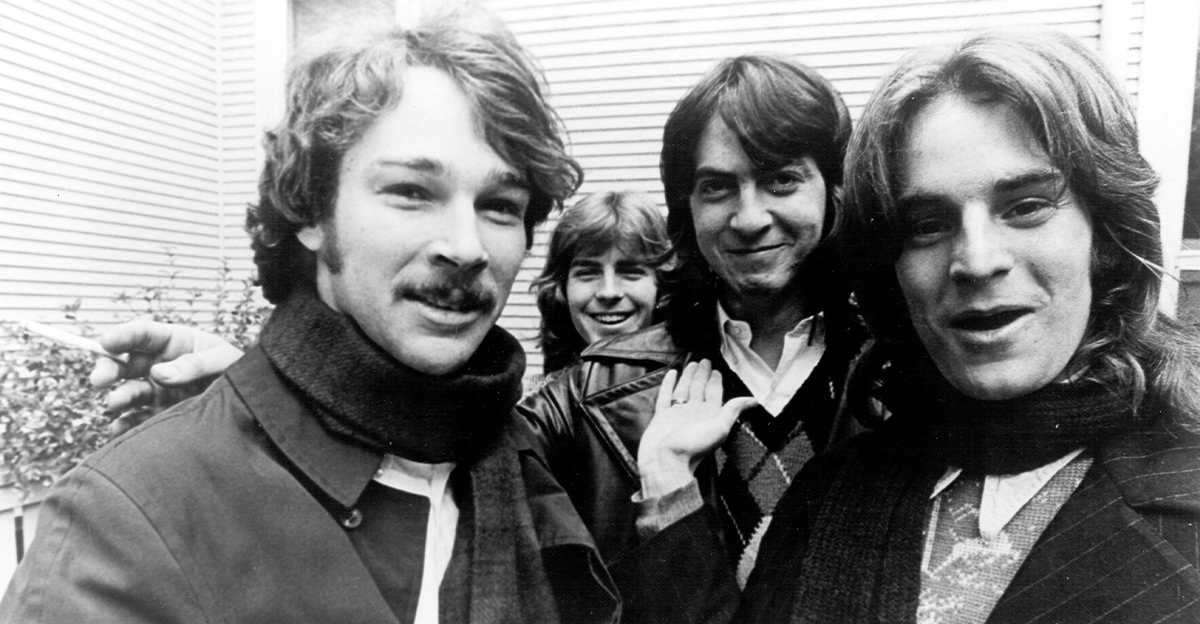 Michael Ochs Archives/Getty Images
The Band Falls Apart
Working with producer Jim Dickinson, Chilton and Stephens recorded material for a third Big Star album in 1974 and 1975. The sessions produced darker, more fragmented music that reflected Chilton's increasingly troubled circumstances. The recordings initially failed to secure a conventional release, eventually appearing in different forms beginning in 1978 as Third or Sister Lovers. By then, Big Star had effectively collapsed, leaving behind three albums whose reputation would grow enormously in the following decades.
A Strange Solo Career
Chilton spent the late 1970s pursuing an unpredictable solo career, producing recordings by the Cramps and experimenting with punk, country, and deliberately rough-edged rock. His album Like Flies on Sherbert (1979) bewildered listeners expecting the polished melodies of Big Star. He also worked with Tav Falco's Panther Burns. During the 1980s, he settled in New Orleans, where he gradually rebuilt his career, recording albums including High Priest (1987).
The Musicians Who Remembered
While Chilton's commercial fortunes remained modest, younger musicians were discovering Big Star. R.E.M., the Bangles, and the Replacements enthusiastically championed his work. The Bangles recorded "September Gurls" in 1986, while the Replacements released a song actually titled "Alex Chilton" in 1987. It was an extraordinary reversal: the musician who couldn't sell records in the 1970s had become a hero to some of the most important alternative-rock artists of the 1980s.
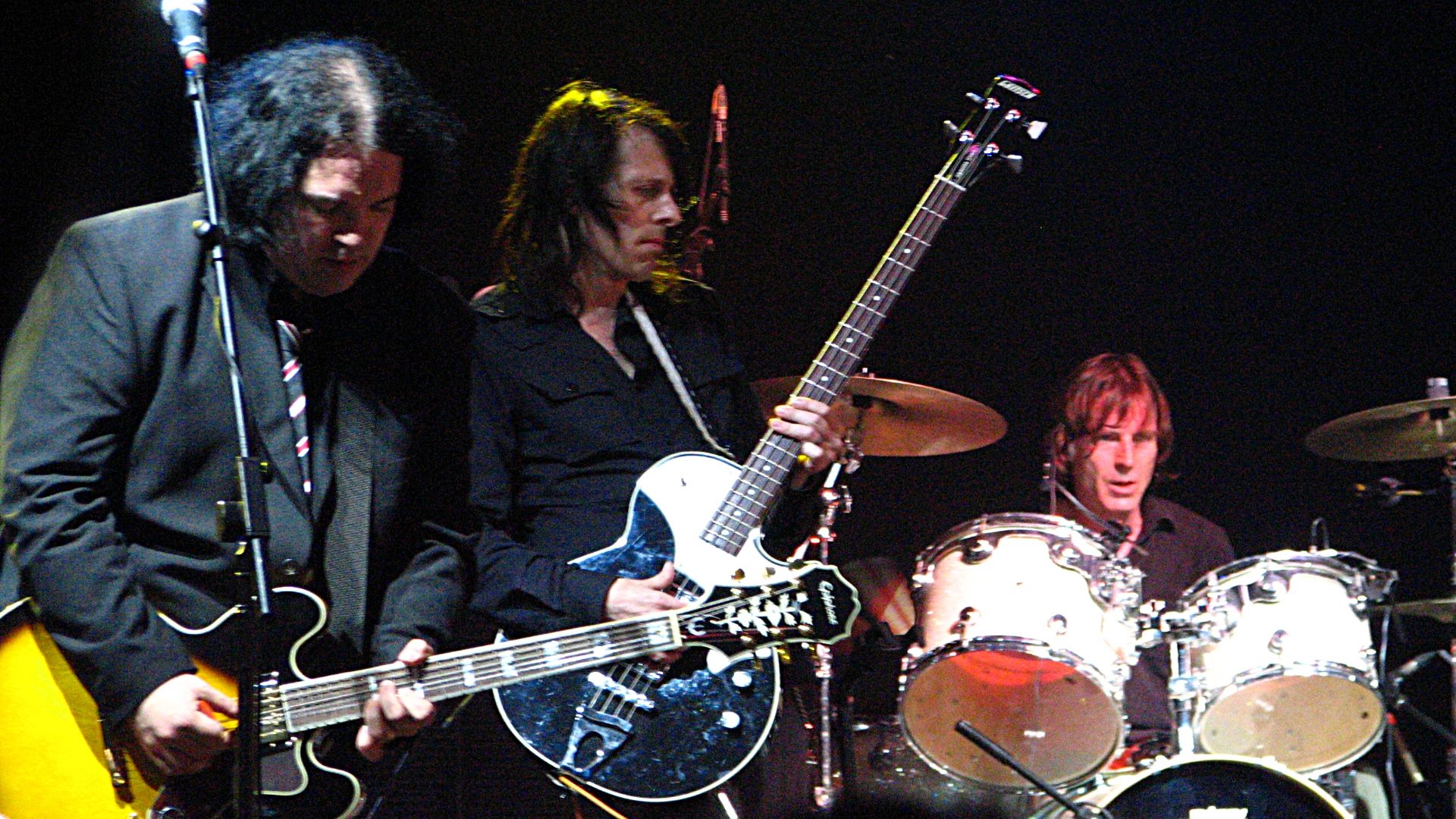 Marcelo Costa, Wikimedia Commons
Big Star Finally Returns
In 1993, Chilton and Stephens revived Big Star with Jon Auer and Ken Stringfellow of the Posies. The reunited group performed internationally and eventually released In Space (2005), its first album of new material in three decades. Meanwhile, "In the Street" found a much wider audience through its use as the theme song for That '70s Show, in a version recorded by Cheap Trick. The music that had once been nearly impossible to purchase was finally reaching millions.
An Unexpected Final Curtain
On March 17, 2010, Chilton died in New Orleans after suffering heart problems. He was 59 and had been scheduled to perform with Big Star at the South by Southwest festival in Austin just days later. He was survived by his wife, Laura, and son, Timothy. His death prompted tributes from musicians whose careers had been shaped by his recordings.
 Marcelo Costa, Wikimedia Commons
The Legacy Of Big Star
Alex Chilton's career unfolded almost in reverse. He enjoyed his greatest commercial success at 16, then spent decades making music that initially attracted relatively few listeners. Yet Big Star's recordings ultimately became foundational works of power pop and alternative rock. His greatest achievement wasn't simply reaching number one with "The Letter." It was helping create music whose influence continued expanding long after the charts had forgotten him.
You May Also Like:
Great 70s Rock Albums That Have Been Almost Completely Forgotten. Did You Own Any Of These?