The Records Time Left Behind
Not every great rock album from the 1970s became a platinum-selling classic. Some were made by bands that broke up too soon, others got lost in record-company confusion, and a few came from famous musicians before they found their signature sound. But tucked away in those old record collections are some extraordinary albums that deserve another spin. How many of these do you remember?
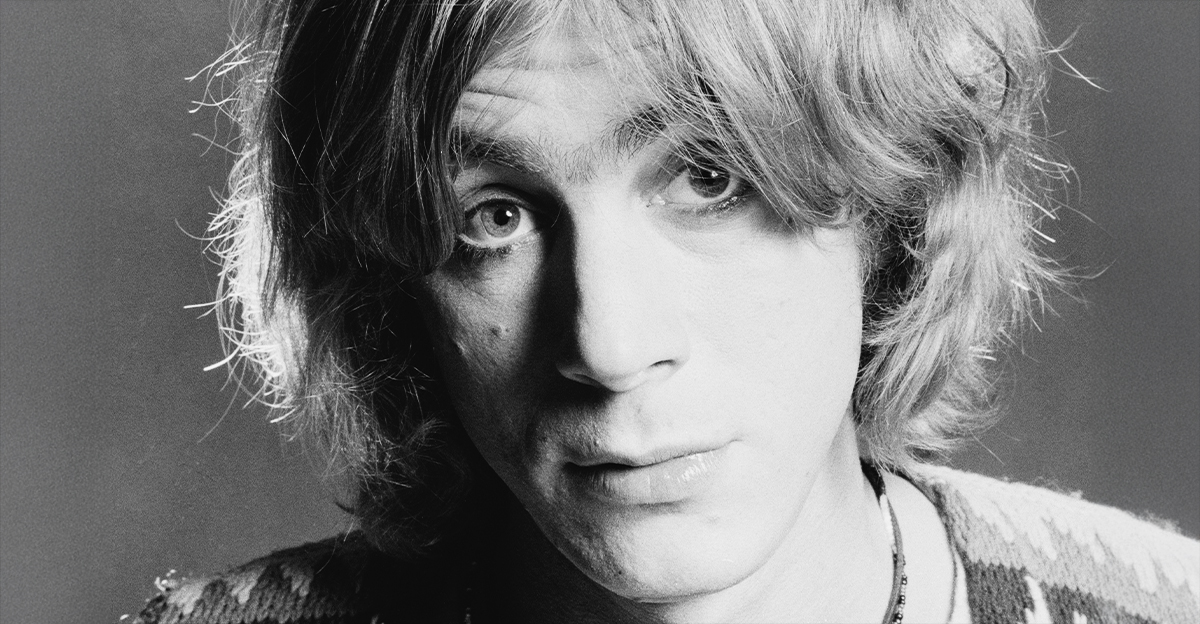
Armageddon — Armageddon (1975)
Former Yardbirds singer Keith Relf assembled an impressive lineup featuring former Steamhammer guitarist Martin Pugh, bassist Louis Cennamo, and Captain Beyond drummer Bobby Caldwell. Their only album mixed thunderous hard rock with ambitious progressive arrangements, particularly on “Buzzard” and “Silver Tightrope.” Sadly, Relf died in a freak accident in 1976, ending any possibility of a follow-up. It's a fascinating final chapter in the career of one of British rock's pioneering voices.
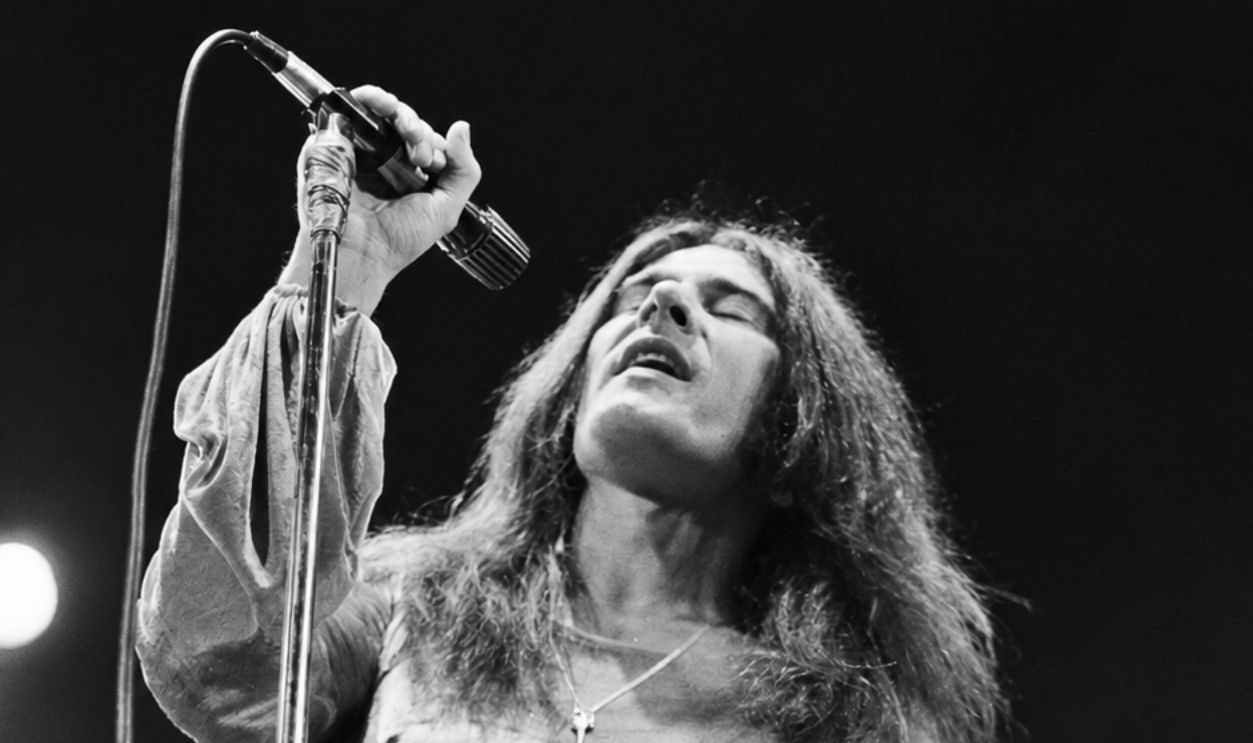
Captain Beyond — Captain Beyond (1972)
Former Deep Purple singer Rod Evans joined guitarist Larry “Rhino” Reinhardt, bassist Lee Dorman, and drummer Bobby Caldwell for this remarkable debut. Its shifting rhythms, psychedelic atmosphere, and muscular guitar work made it unlike most American hard rock of the period. Songs such as “Dancing Madly Backwards (On A Sea Of Air)” still sound adventurous. Despite the musicians' impressive backgrounds, Captain Beyond never achieved the recognition its debut deserved.
 Michael Putland, Getty Images, Enhanced
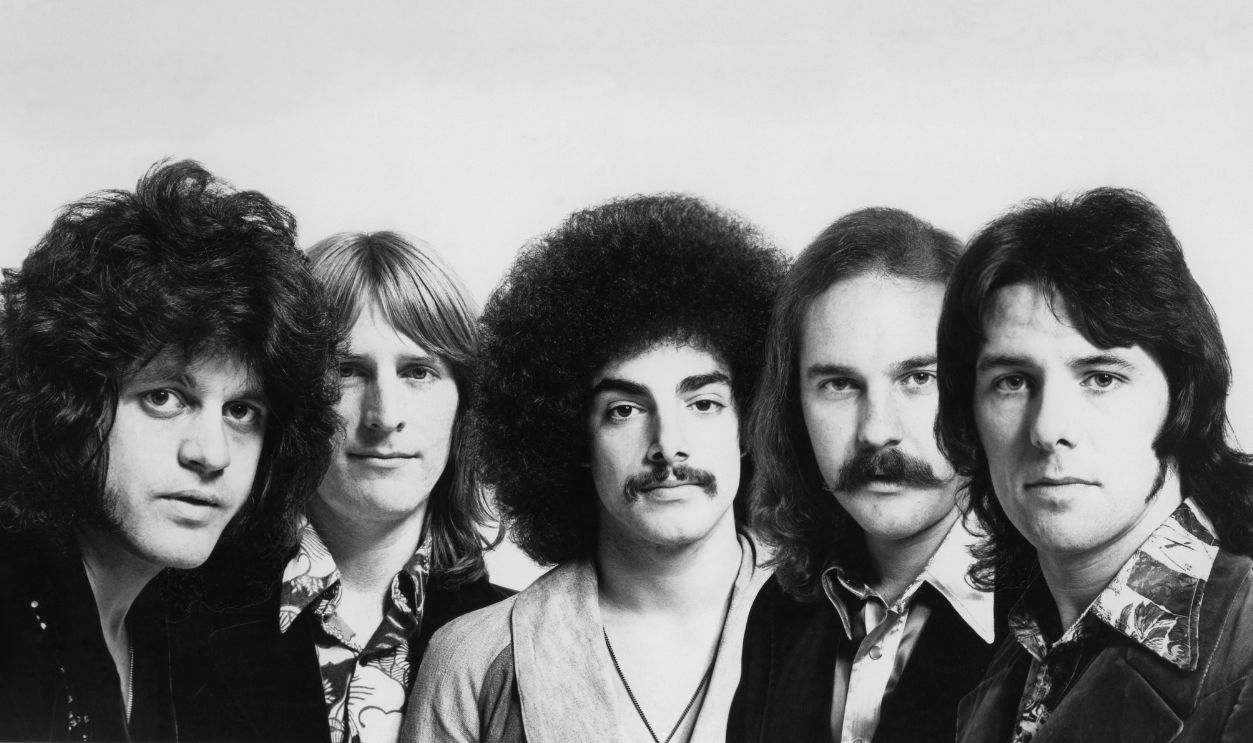
Journey — Journey (1975)
Before Steve Perry transformed Journey into arena-rock royalty, the band was an adventurous progressive-rock outfit led by keyboardist and singer Gregg Rolie. Neal Schon's guitar work dominated their debut, while drummer Aynsley Dunbar brought formidable technical ability. Tracks like “Of A Lifetime” and “Kohoutek” sound almost nothing like “Don't Stop Believin'.” Anyone familiar only with Journey's later hits might barely recognize this band.
 Michael Ochs Archives, Getty Images
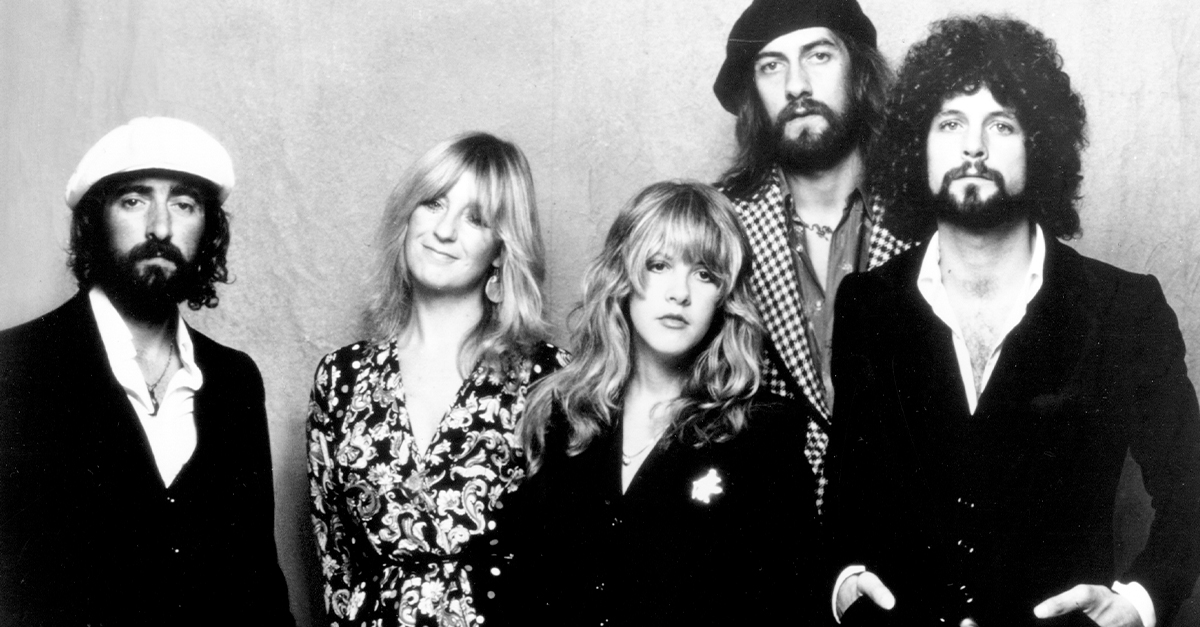
Fleetwood Mac — Mystery To Me (1973)
Before Lindsey Buckingham and Stevie Nicks arrived, guitarist Bob Welch helped steer Fleetwood Mac toward a sophisticated, atmospheric rock sound. Mystery To Me featured the hypnotic “Hypnotized,” alongside “Emerald Eyes” and Christine McVie's “Why.” The album never enjoyed the enormous success of the band's later releases, but its dreamy arrangements reveal how Fleetwood Mac was evolving long before Rumours.
 Michael Ochs Archives, Getty Images
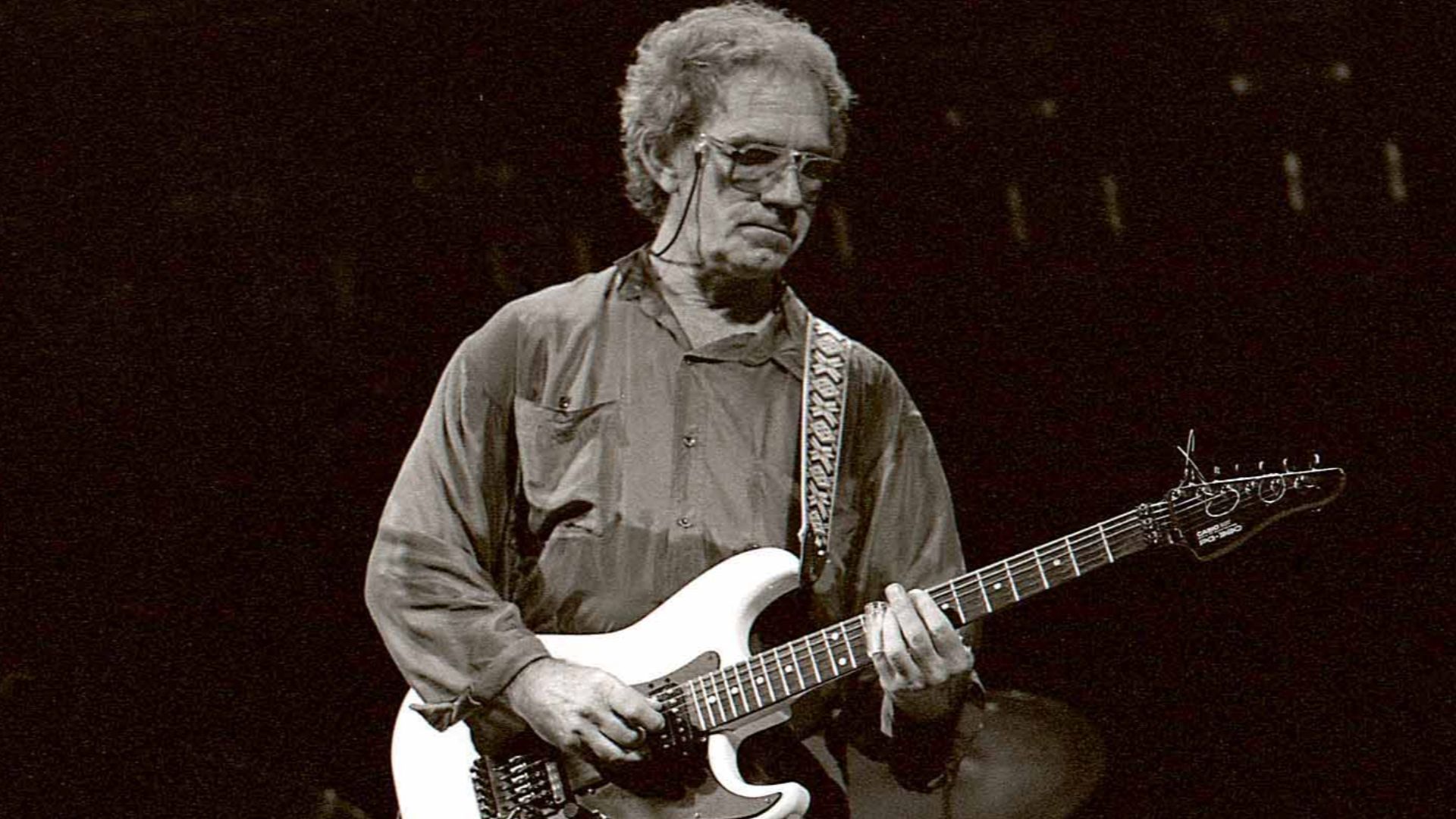
J.J. Cale — Really (1972)
J.J. Cale's understated approach to blues and country-rock influenced Eric Clapton, Mark Knopfler, and countless others. His second album, Really, was even more relaxed than his debut, featuring quietly irresistible grooves on “Lies,” “If You're Ever In Oklahoma,” and “Changes.” Cale never chased the spotlight, and this record rewards listeners who appreciate musicianship without unnecessary showmanship. It's the sound of someone making great music without trying to impress anybody.
 Louis Ramirez, Wikimedia Commons
Badfinger — Wish You Were Here (1974)
Badfinger should have been one of the biggest bands of the decade. Their 1974 album Wish You Were Here combined great melodies, powerful guitars, and Pete Ham's remarkable songwriting. Unfortunately, a legal dispute involving Warner Bros. and the band's management led to the album being withdrawn from stores in early 1975, just weeks after its release. Songs like “Know One Knows” and “Just A Chance” deserved a much larger audience. It's one of rock's saddest examples of a terrific album being buried by business troubles.
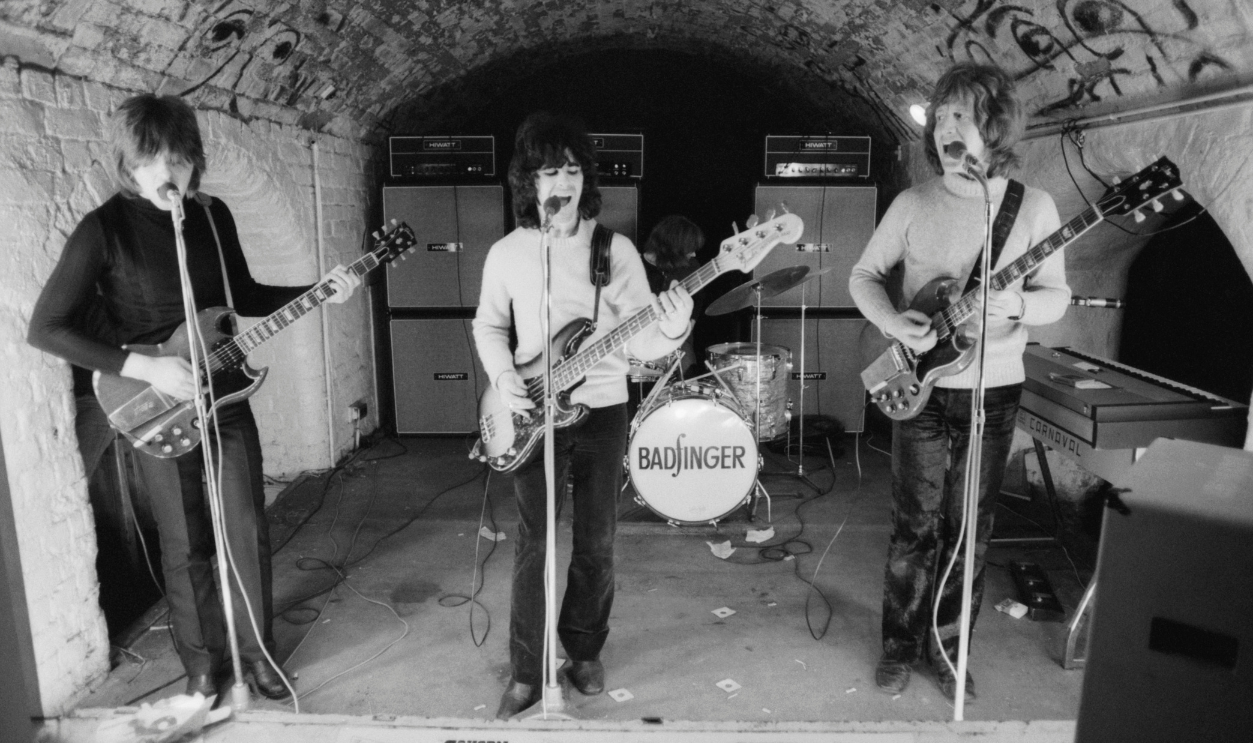 Shepard Sherbell, Getty Images
Trapeze — Medusa (1970)
Before joining Deep Purple, Glenn Hughes sang and played bass in Trapeze, a British power trio with guitarist Mel Galley and drummer Dave Holland. Their second album, Medusa, blended hard rock with blues and soul, showcasing Hughes' extraordinary voice on “Black Cloud” and the title track. Holland later joined Judas Priest, while Galley eventually played with Whitesnake. Considering the talent involved, it's remarkable how rarely this album appears in discussions of classic 1970s hard rock.
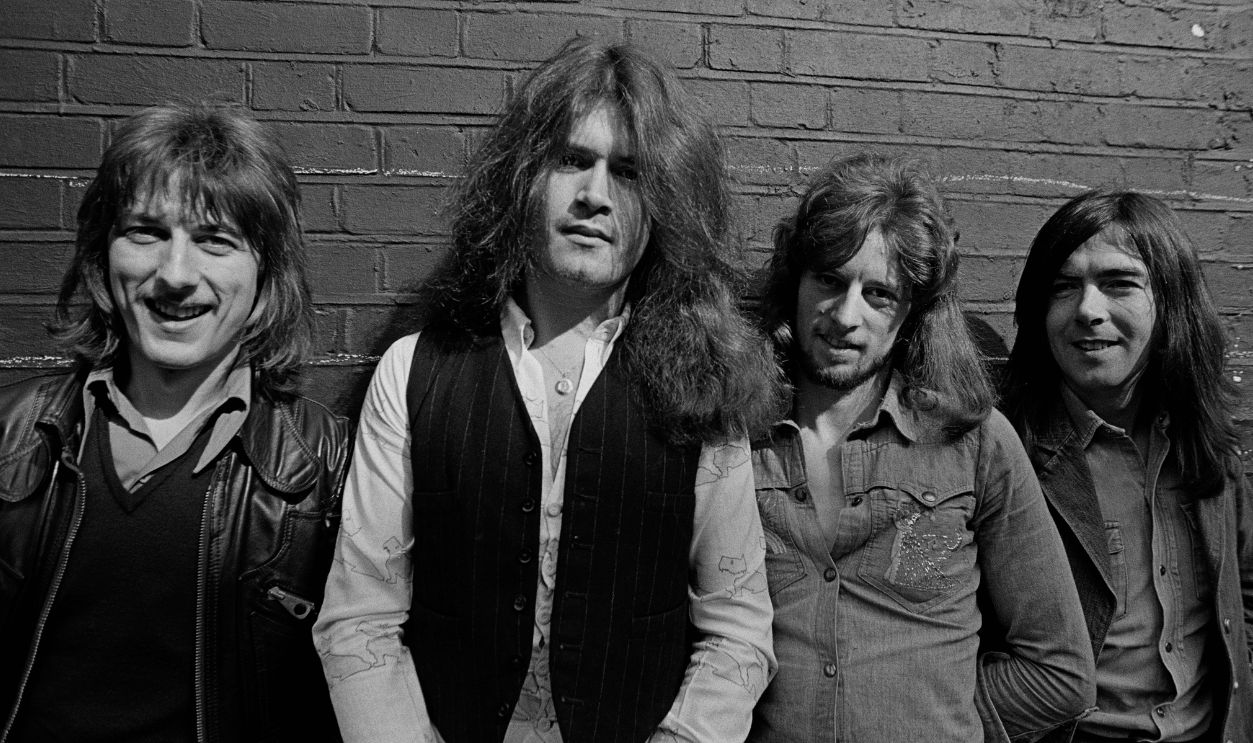
Fanny — Fanny Hill (1972)
Fanny were genuine trailblazers: an all-female rock band who wrote their own material and played their own instruments with considerable skill. Their third album, Fanny Hill, featured tight arrangements, tough guitars, and excellent vocal harmonies. “Ain't That Peculiar” and “Blind Alley” demonstrated their versatility. Despite earning the respect of fellow musicians, Fanny never became household names. Their recordings offer compelling evidence that women were making first-rate guitar-driven rock long before the genre properly acknowledged them.
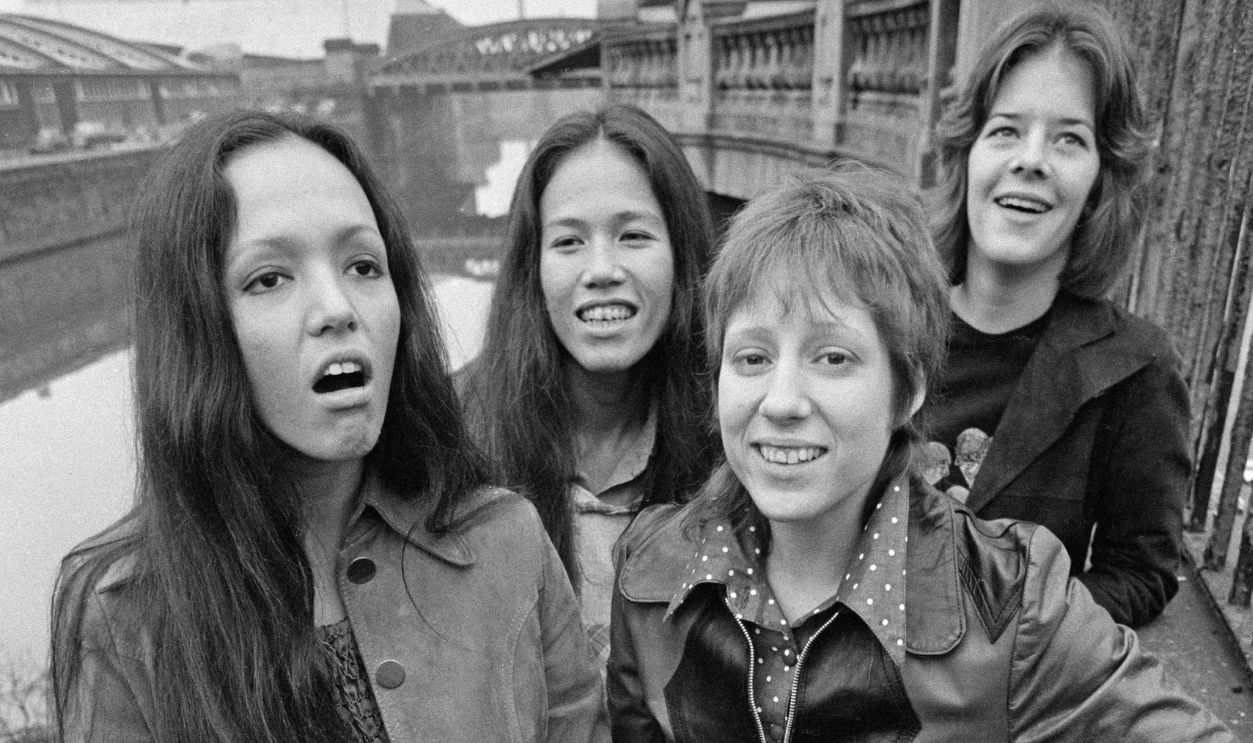
Montrose — Montrose (1973)
Before Sammy Hagar became Van Halen's singer, he fronted Ronnie Montrose's explosive hard-rock band. Their debut delivered “Rock Candy,” “Bad Motor Scooter,” and “Space Station No. 5,” with production by Ted Templeman. The album helped establish a template for American hard rock, combining massive guitar riffs with direct, energetic songwriting. Although musicians have celebrated it for decades, it never became as universally familiar as albums by other bands of the era.
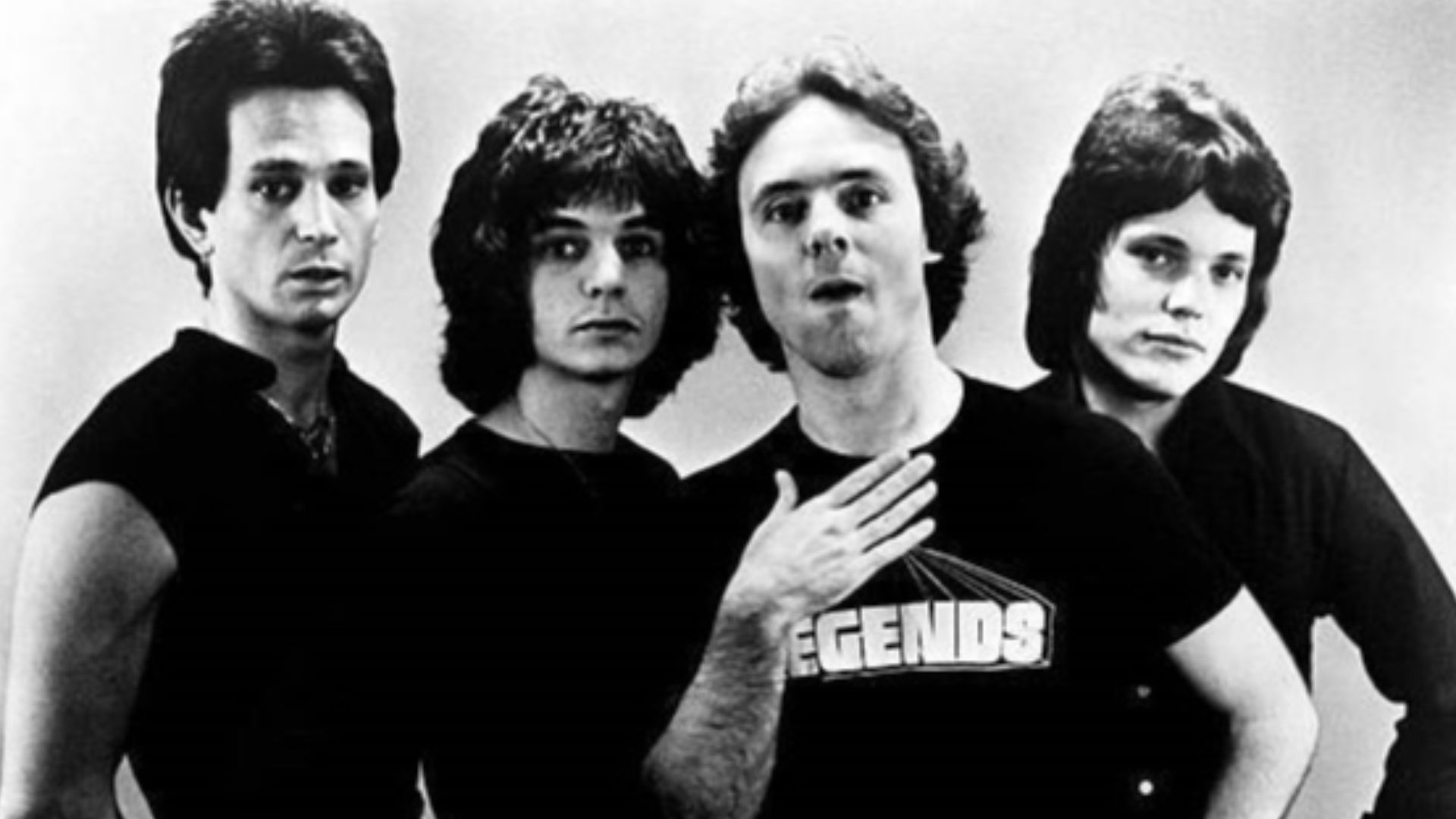 Warner Bros. Records, Wikimedia Commons
Budgie — Never Turn Your Back On A Friend (1973)
Welsh trio Budgie combined Black Sabbath-style heaviness with a peculiar sense of humor and surprisingly adventurous arrangements. Their third album opened with “Breadfan,” later covered by Metallica, and also included the sprawling “Parents.” Guitarist Tony Bourge supplied enormous riffs, while bassist and singer Burke Shelley delivered unmistakably high-pitched vocals. Budgie never achieved comparable American success to the bands they influenced, but this album deserves a place in any serious hard-rock collection.
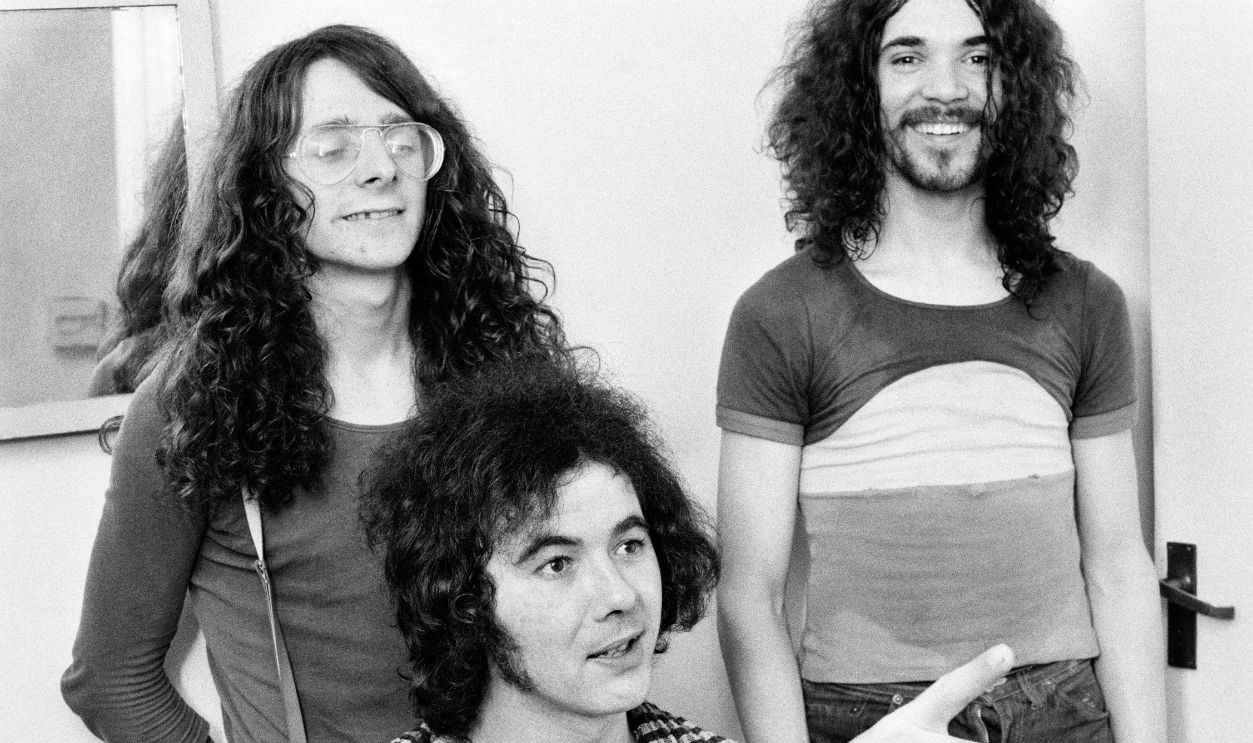
Wishbone Ash — Argus (1972)
Wishbone Ash's third album is celebrated by devoted fans, particularly in Britain, but remains surprisingly unfamiliar to many American classic-rock listeners. Guitarists Andy Powell and Ted Turner perfected their intertwining lead-guitar style on songs such as “The King Will Come,” “Warrior,” and “Throw Down The Sword.” The album combines progressive ambition with melodic hard rock and medieval imagery. It reached Britain's Top Five, yet never became a comparable commercial phenomenon in the United States.
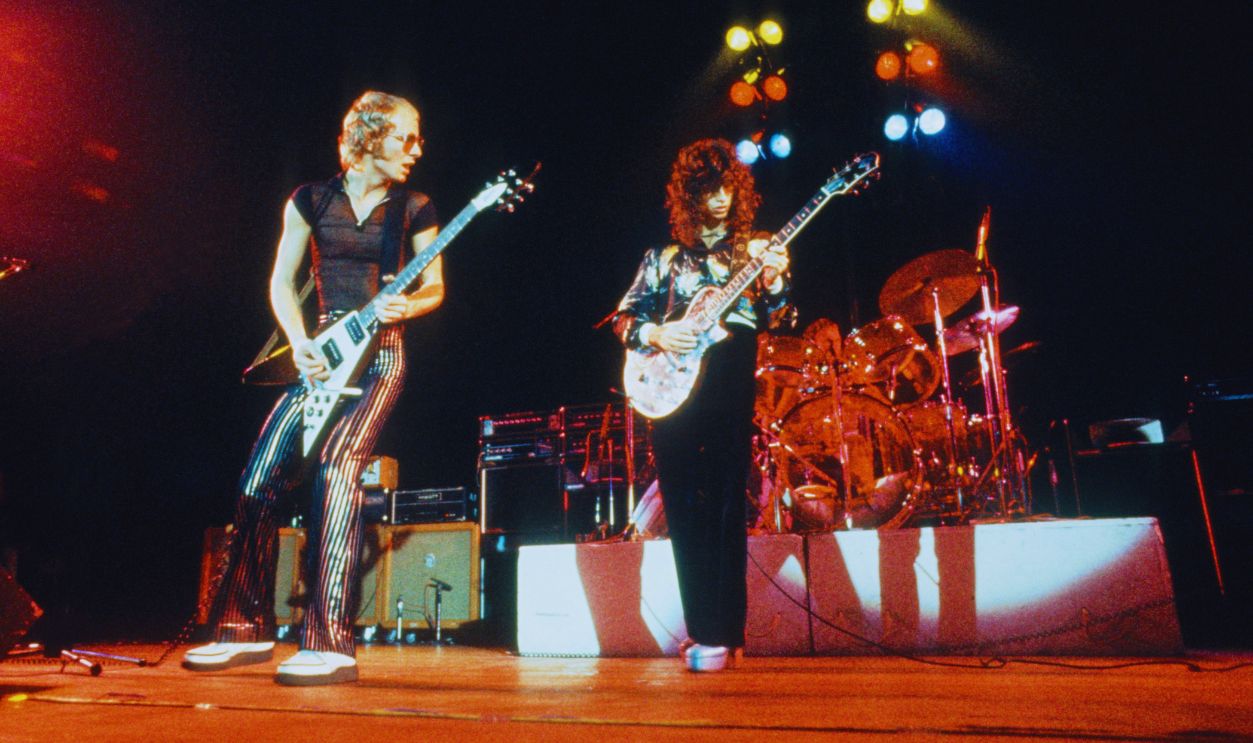 Gijsbert Hanekroot, Getty Images
Humble Pie — Rock On (1971)
Steve Marriott had already established himself as one of Britain's great rock singers with the Small Faces, but Humble Pie gave him a chance to really cut loose. Their fourth album, Rock On, featured Peter Frampton on guitar, Greg Ridley on bass, and Jerry Shirley on drums. Songs like "Stone Cold Fever," "Shine On," and "Rollin' Stone" combined ferocious blues-rock with Marriott's soul-drenched vocals. Although Frampton would soon depart for solo stardom, this overlooked album captures one of the finest British rock bands of the era at full strength.
 Majalah Varianada, Wikimedia Commons
Patto — Hold Your Fire (1971)
Named after singer Mike Patto, this British quartet featured the extraordinary guitarist Ollie Halsall, whose jazz-influenced technique set him apart from conventional blues-rock players. Their second album, Hold Your Fire, blended raw rock energy with unexpected rhythmic twists. The title track and “You, You Point Your Finger” demonstrate how unpredictable the group could be. Patto never found mainstream success, but Halsall's dazzling playing continues to make this record a rewarding discovery.
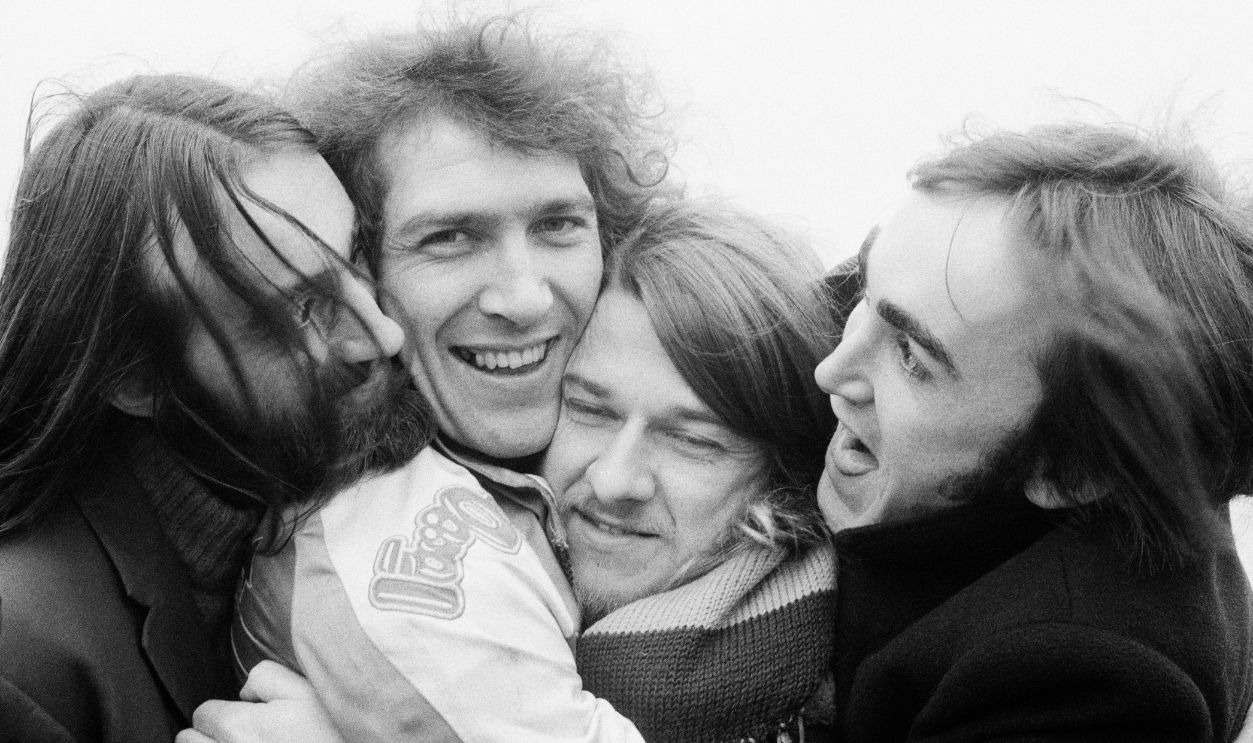 Estate Of Keith Morris, Getty Images
The Pretty Things — Parachute (1970)
The Pretty Things never achieved the fame enjoyed by their contemporaries, despite making some remarkably ambitious music. Their 1970 album Parachute was recorded at Abbey Road with producer Norman Smith, who had worked with the Beatles. The record mixed psychedelic rock, intricate harmonies, and interconnected compositions, particularly on “The Good Mr. Square” and “Sickle Clowns.” Critics admired it, but commercial success remained elusive. Today, it sounds like a missing link between late-60s psychedelia and early-70s progressive rock.
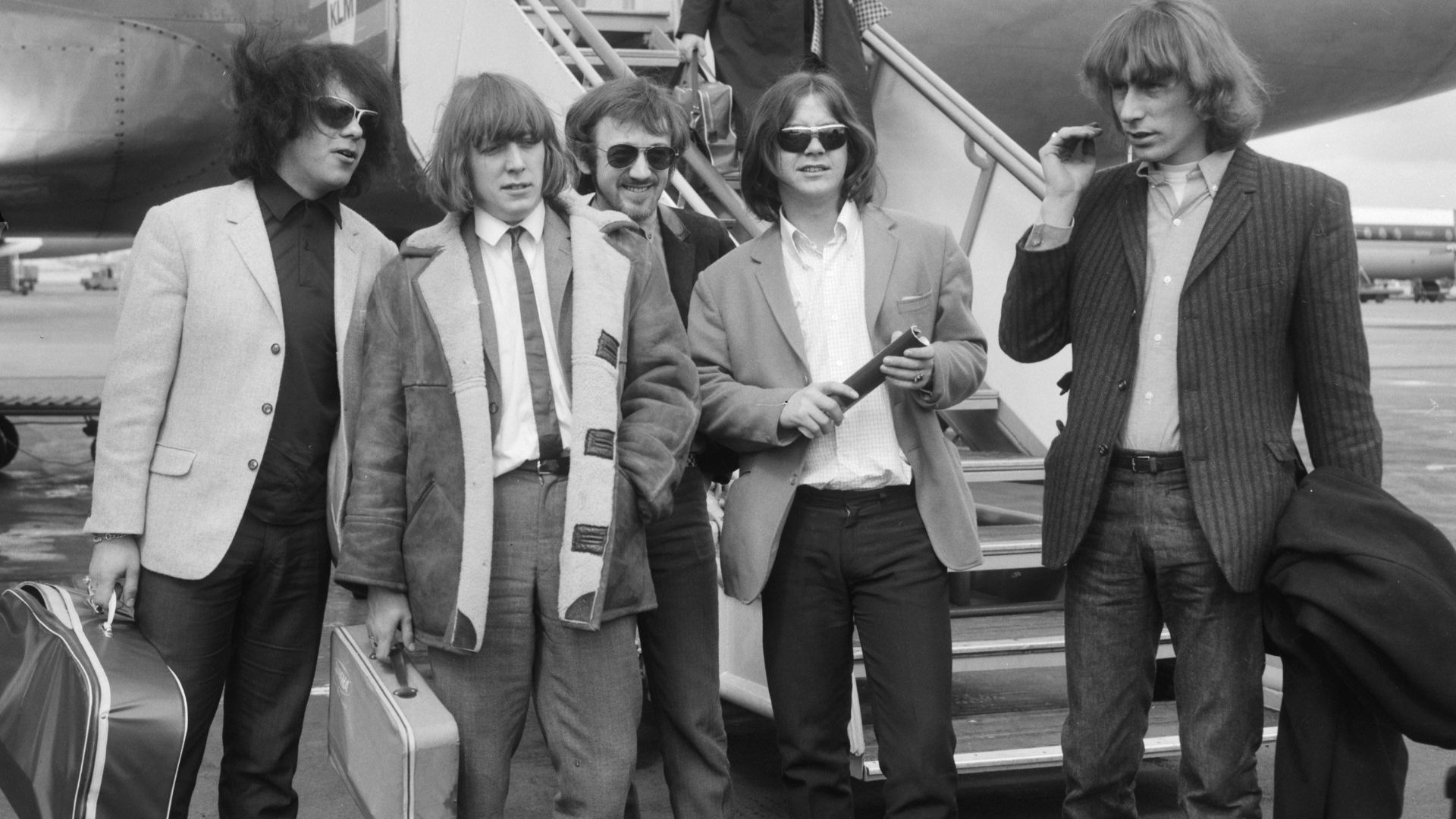 Joop van Bilsen for Anefo, Wikimedia Commons
Hard Stuff — Bulletproof (1972)
After leaving Atomic Rooster, guitarist John Du Cann joined bassist John Gustafson and drummer Paul Hammond to form Hard Stuff. Their debut, Bulletproof, appeared on Deep Purple's Purple Records label and delivered aggressive, riff-heavy rock with a distinctly British edge. “Jay Time” and “Sinister Minister” captured the group's raw energy. Despite their pedigree and a strong debut, Hard Stuff never broke through commercially. Their two albums remain fascinating artifacts of the era before heavy metal became a clearly defined genre.
Flash — Flash (1972)
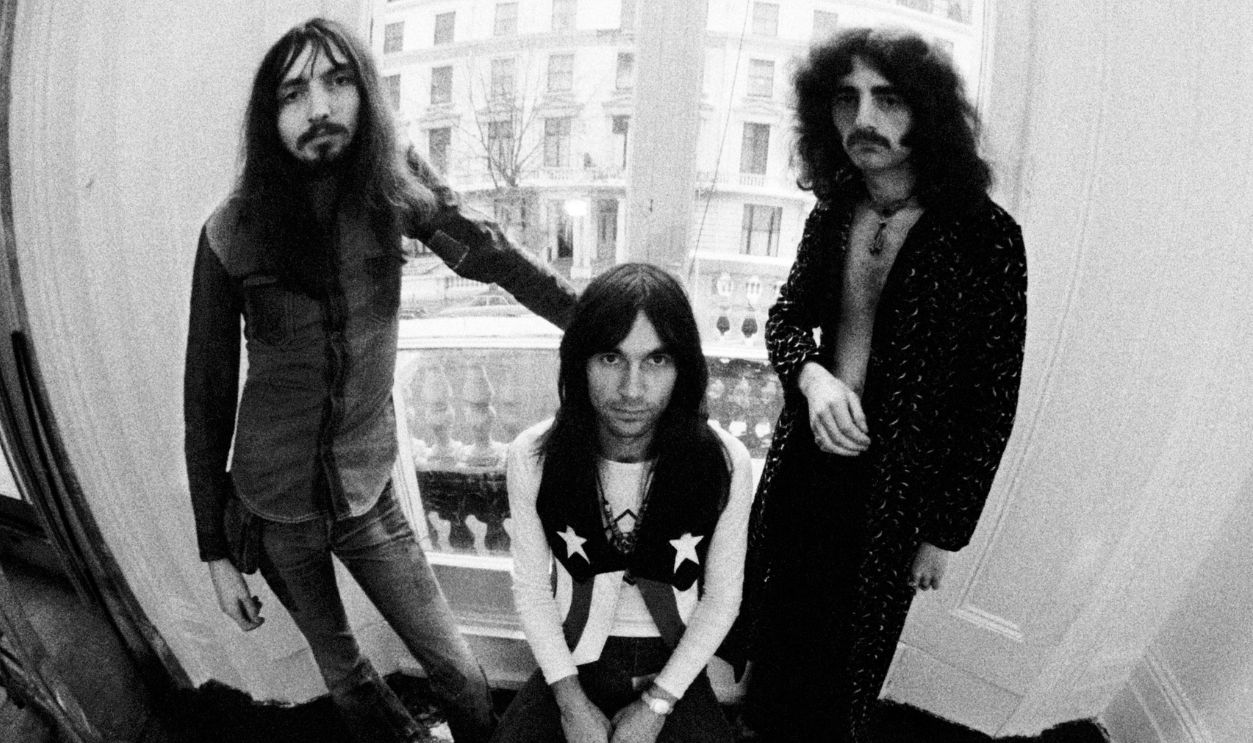
When guitarist Peter Banks left Yes, he formed Flash, a progressive-rock band that retained some of his former group's adventurous spirit. Their self-titled debut featured intricate arrangements, lengthy instrumental passages, and the memorable “Small Beginnings.” Former Yes keyboardist Tony Kaye contributed to the recording. Flash enjoyed a brief burst of attention, but the group dissolved after three albums. For listeners who love early Yes, this is an especially rewarding discovery.
David Gilmour — David Gilmour (1978)
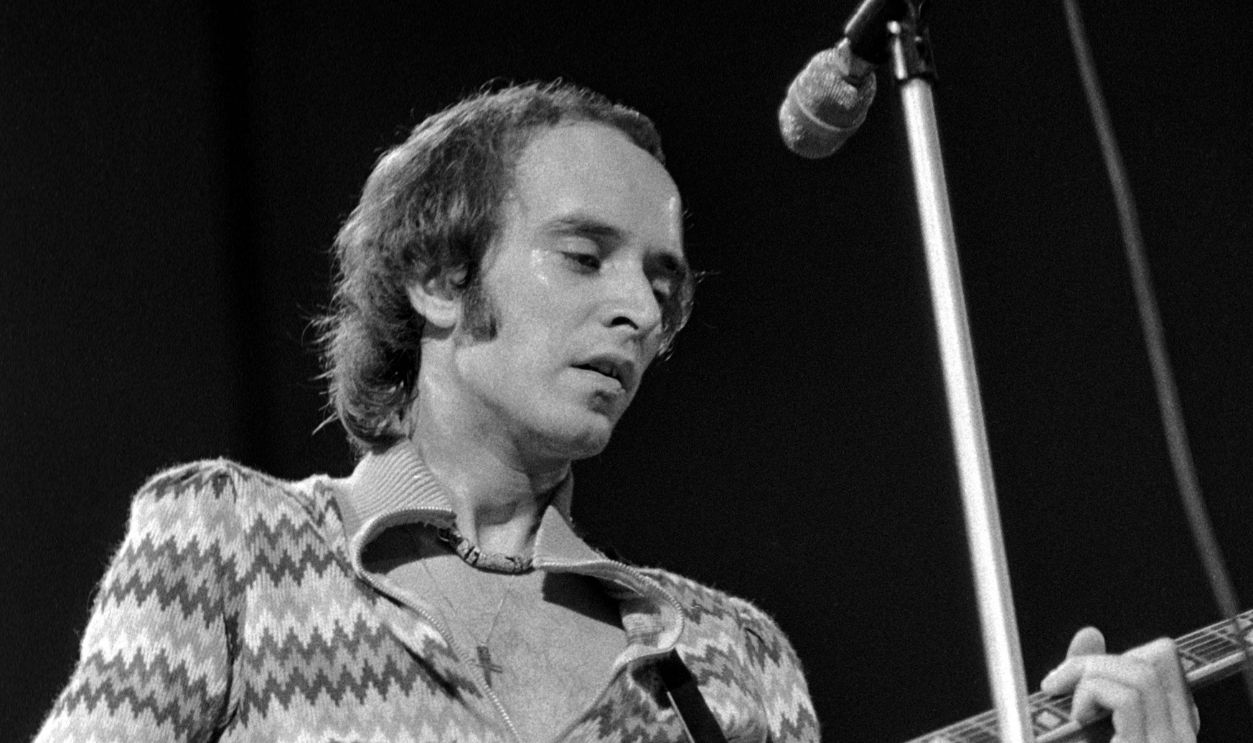
Fresh from Pink Floyd's enormous mid-70s success, guitarist David Gilmour recorded his first solo album with longtime friends Rick Wills and Willie Wilson. The result was a wonderfully atmospheric collection of blues-influenced rock. Although the album sold well, it has largely been overshadowed by Gilmour's legendary work with Pink Floyd. For fans of his unmistakable guitar playing, it's a forgotten treasure.
 Klaus Hiltscher, Wikimedia Commons
Man — Be Good To Yourself At Least Once A Day (1972)
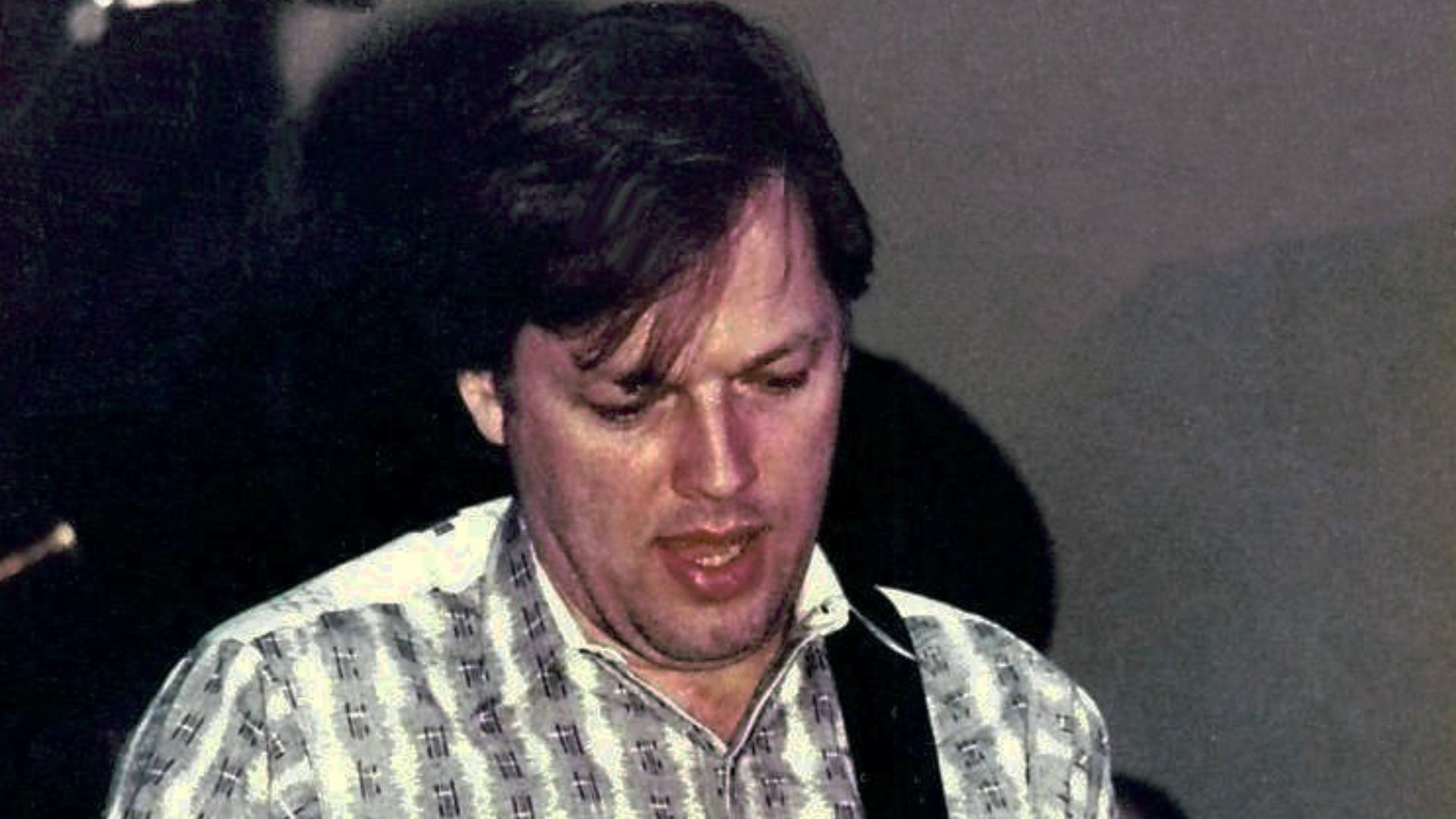
Welsh rock band Man developed a devoted following through their extended improvisations and psychedelic guitar interplay. Their wonderfully titled 1972 album features just four lengthy tracks, including “C'mon” and “Keep On Crinting.” The music moves effortlessly between blues, space rock, and freewheeling jams. Man never became an American household name, but their recordings capture the excitement of musicians who were more interested in exploration than conventional hit singles.
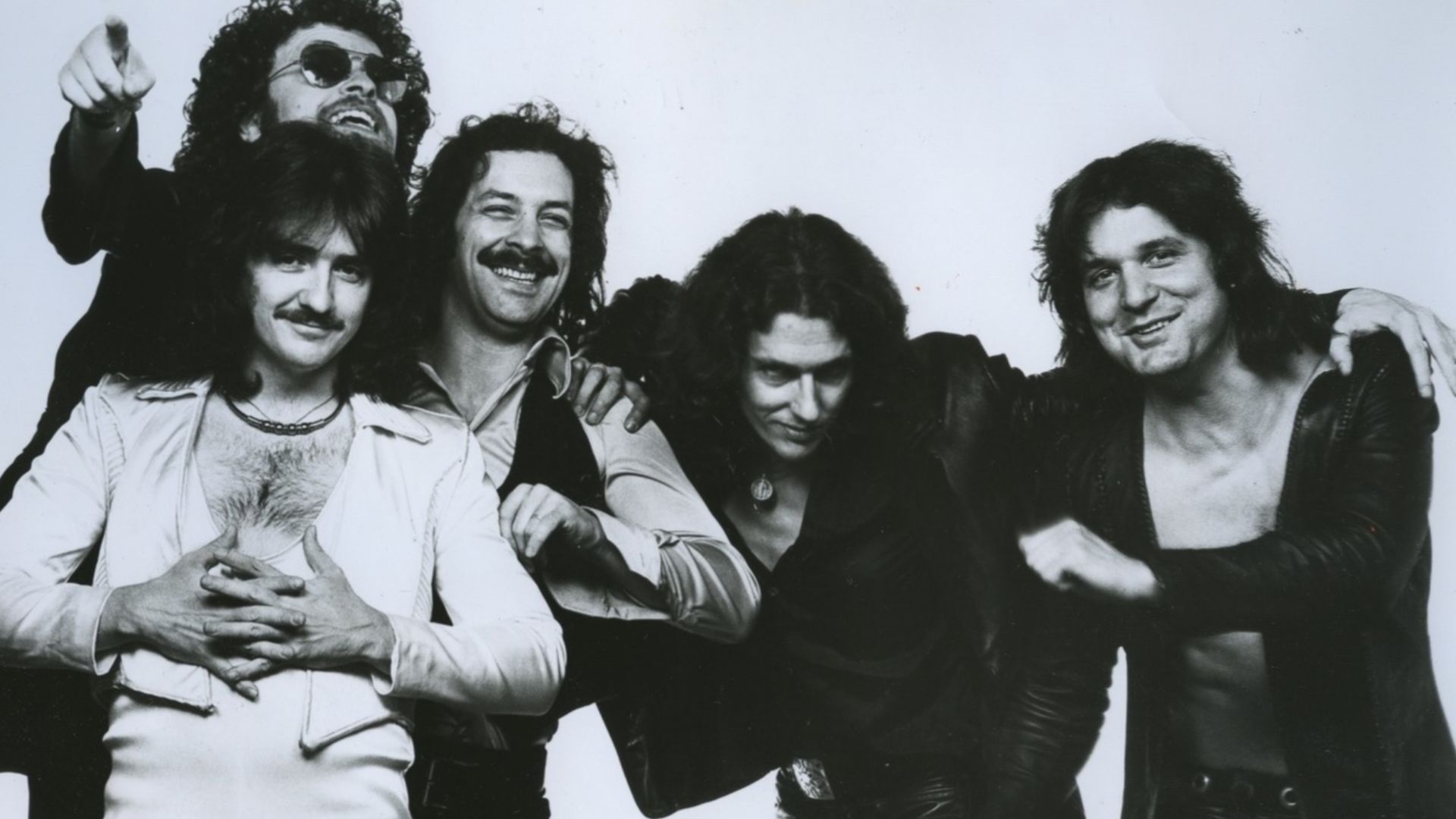
Blue Öyster Cult — Tyranny And Mutation (1973)
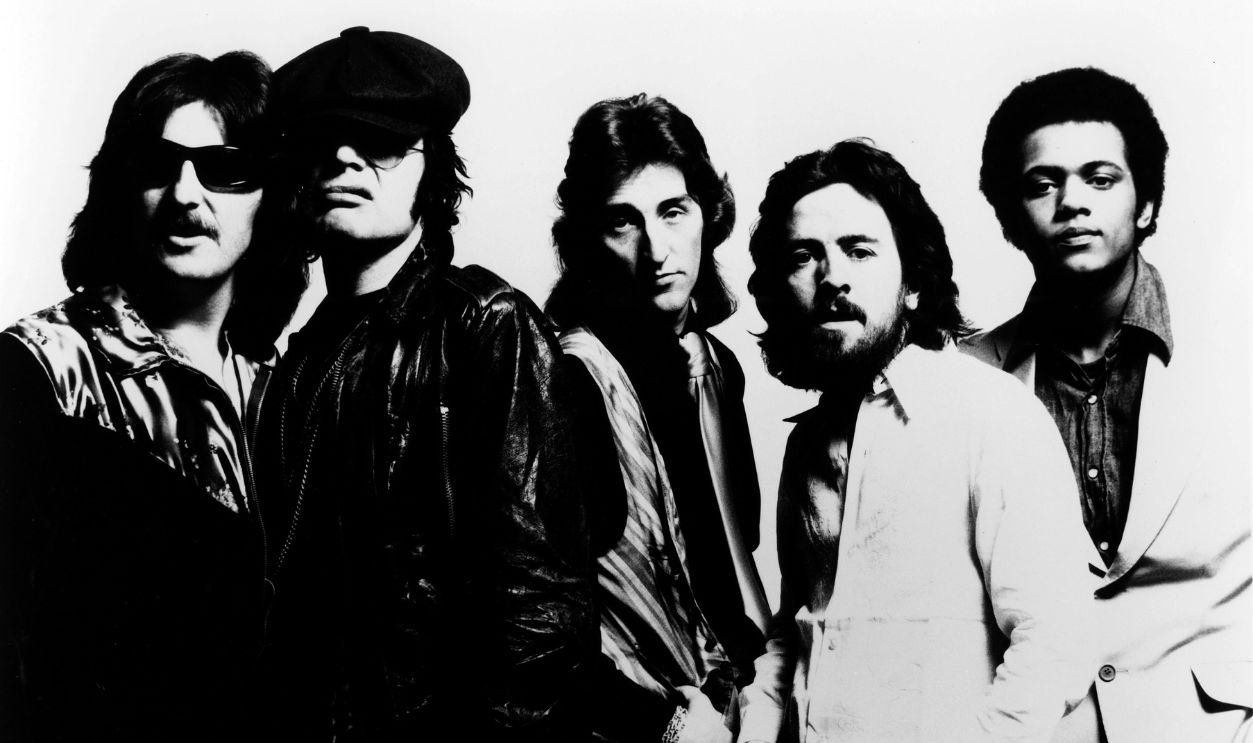
Before “(Don't Fear) The Reaper” made Blue Öyster Cult famous, the band released this wonderfully strange second album. Tyranny And Mutation featured sinister imagery, fierce guitar playing, and great songs. The record was heavier and less commercially polished than the band's later work, but its dark atmosphere helped establish the distinctive identity that eventually made Blue Öyster Cult successful.
 Eric Meola, Columbia Records, Wikimedia Commons
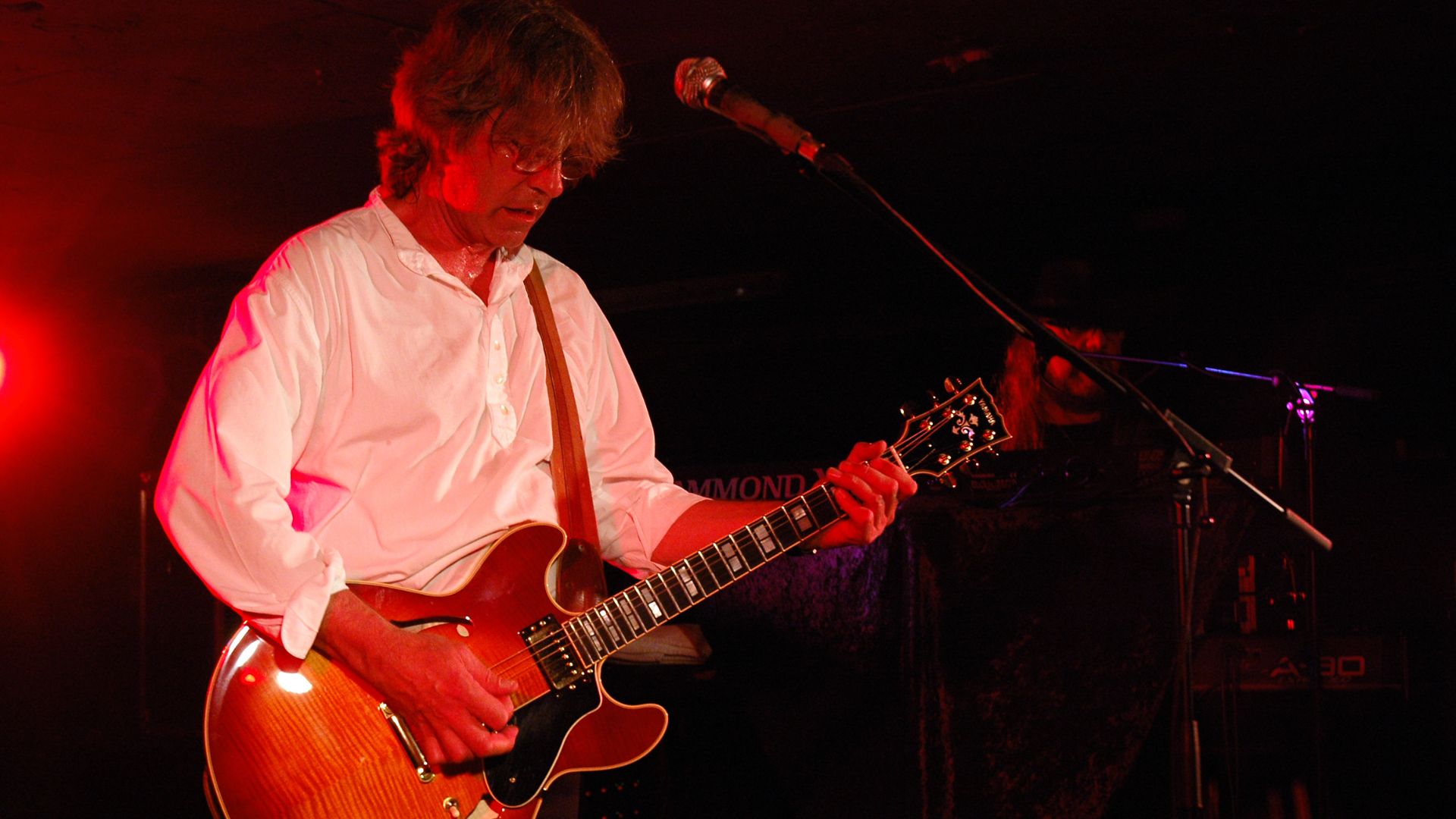
Nektar — Remember The Future (1973)
Nektar were British musicians based in Germany, creating elaborate progressive rock that attracted a cult following on both sides of the Atlantic. Their 1973 album Remember The Future consisted of one continuous composition divided across two LP sides. Its melodic passages, changing rhythms, and science-fiction concept made it a favorite among adventurous FM-radio listeners. Despite achieving a degree of American success, Nektar never became as widely remembered as Yes, Genesis, or Emerson, Lake & Palmer.
 BlueBreezeWiki, Wikimedia Commons
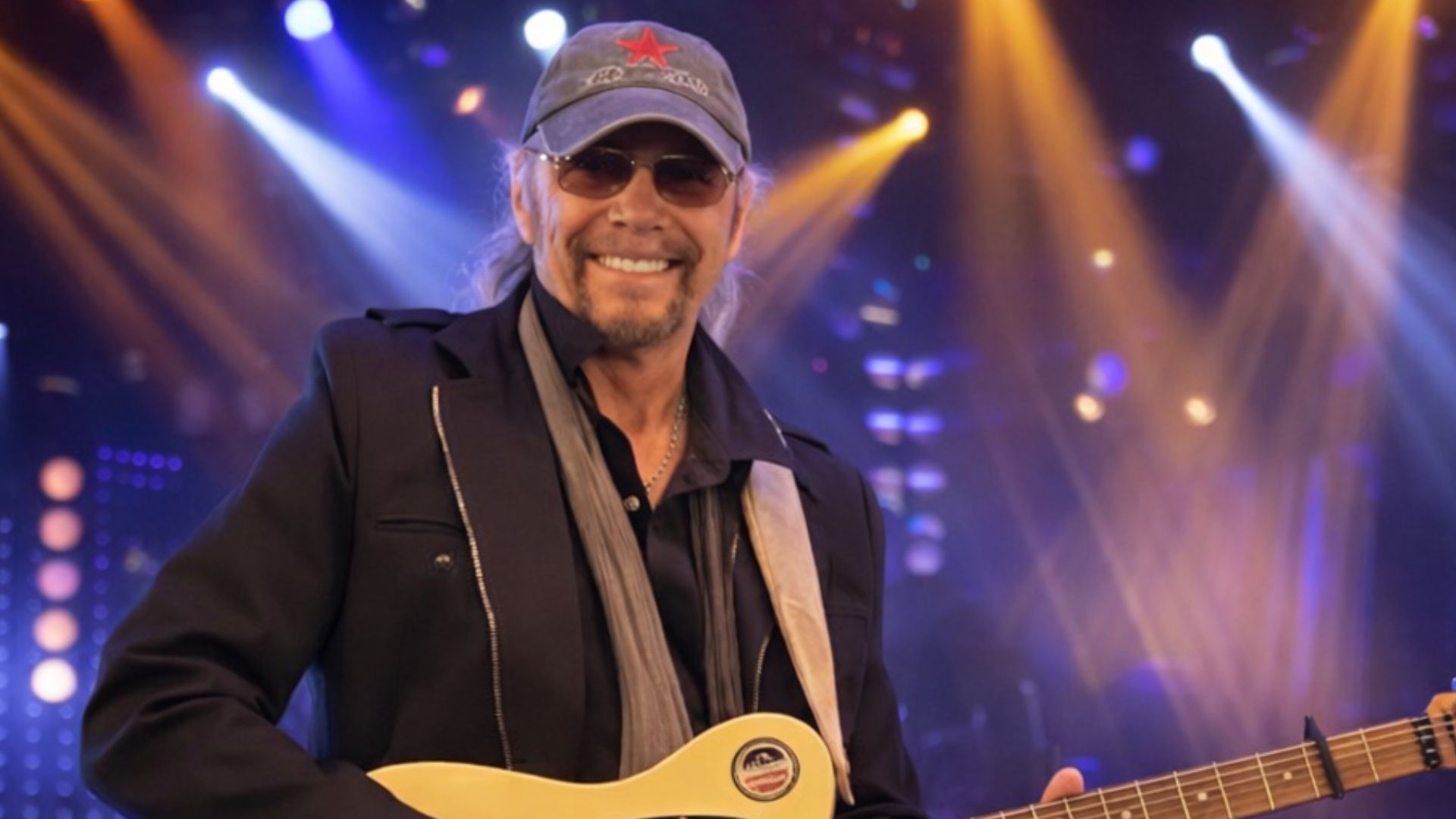
Detective — Detective (1977)
Signed to Led Zeppelin's Swan Song label, Detective seemed positioned for success. Their lineup included former Yes keyboardist Tony Kaye, guitarist Michael Monarch of Steppenwolf, and singer Michael Des Barres. Their self-titled debut combined muscular blues-rock with polished arrangements and Des Barres' charismatic vocals. Despite encouragement from Jimmy Page and a prestigious record deal, Detective never developed a substantial following. The group released just two studio albums before disappearing into rock history.
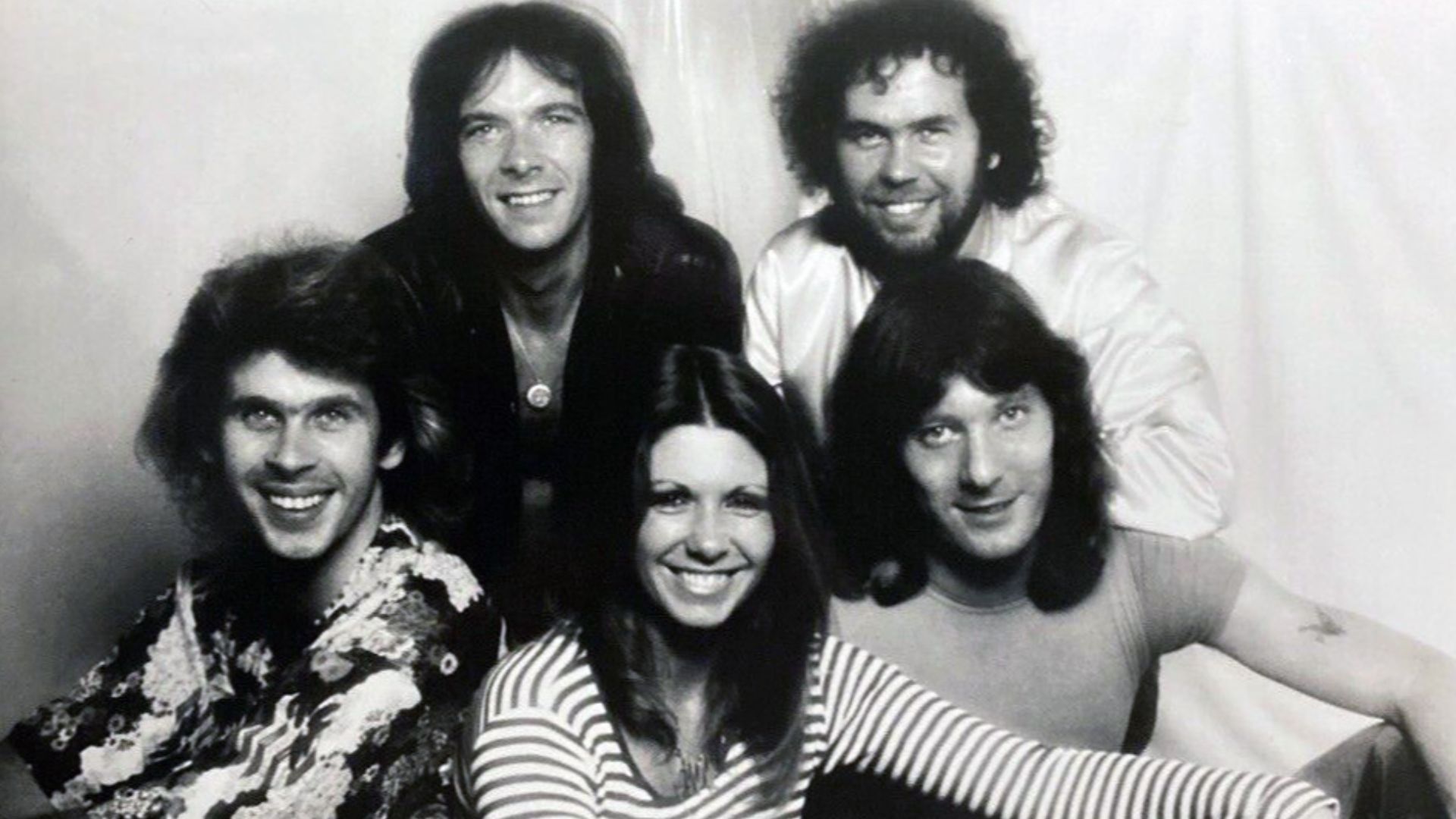
Renaissance — Ashes Are Burning (1973)
Renaissance had roots in the Yardbirds, but by 1973 the group had evolved into something entirely different. With Annie Haslam's vocals, John Tout's classical-influenced keyboards, and elaborate arrangements, Ashes Are Burning offered a graceful alternative to guitar-dominated progressive rock. “Carpet Of The Sun” and the extended title track remain highlights. Wishbone Ash guitarist Andy Powell even contributed to the latter. The album attracted devoted listeners but never achieved the mainstream recognition enjoyed by the decade's biggest progressive bands.
 Distributed by Sire Records, Wikimedia Commons
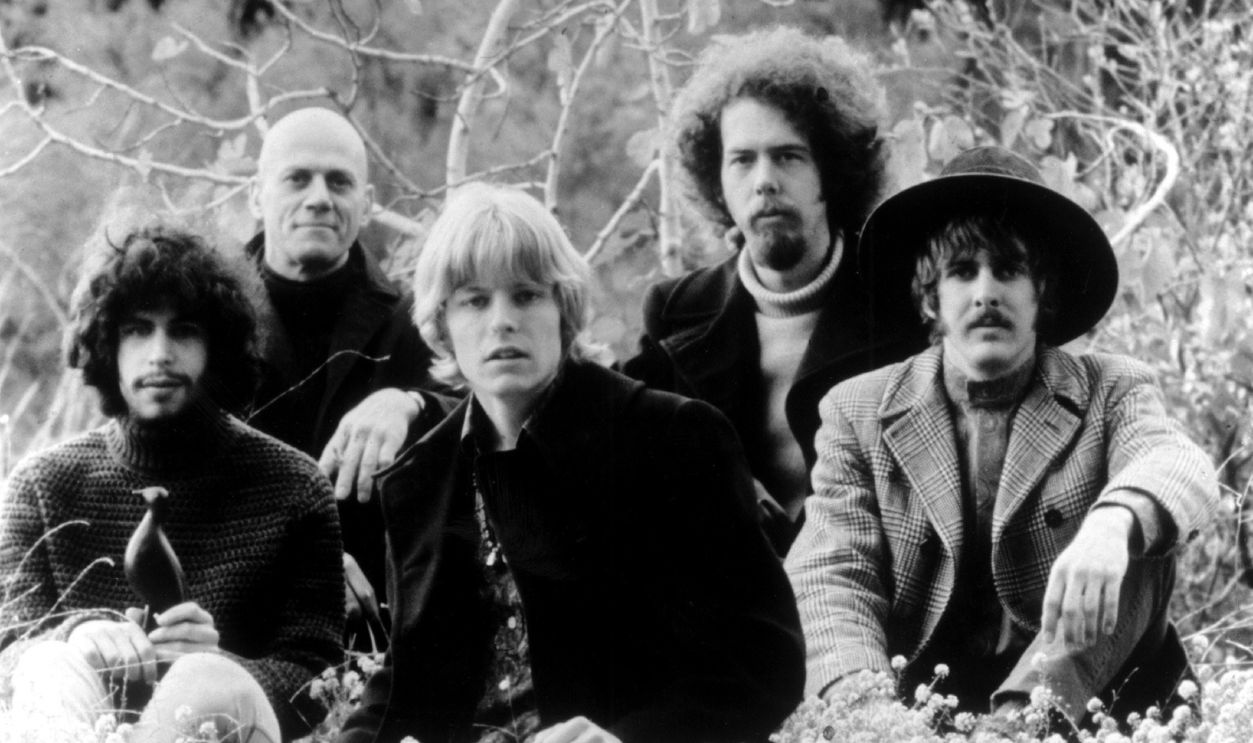
Spirit — Twelve Dreams Of Dr. Sardonicus (1970)
California band Spirit combined psychedelic rock, jazz, blues, and sophisticated songwriting in ways few contemporaries attempted. Their fourth album, Twelve Dreams Of Dr. Sardonicus, included “Nature's Way,” “Animal Zoo,” and “Mr. Skin.” Guitarist Randy California's inventive playing and the group's intricate arrangements gave the record an unmistakable character. Although it developed a strong reputation among collectors and critics, Spirit never achieved the enduring commercial recognition their music deserved.
 Michael Ochs Archives, Getty Images
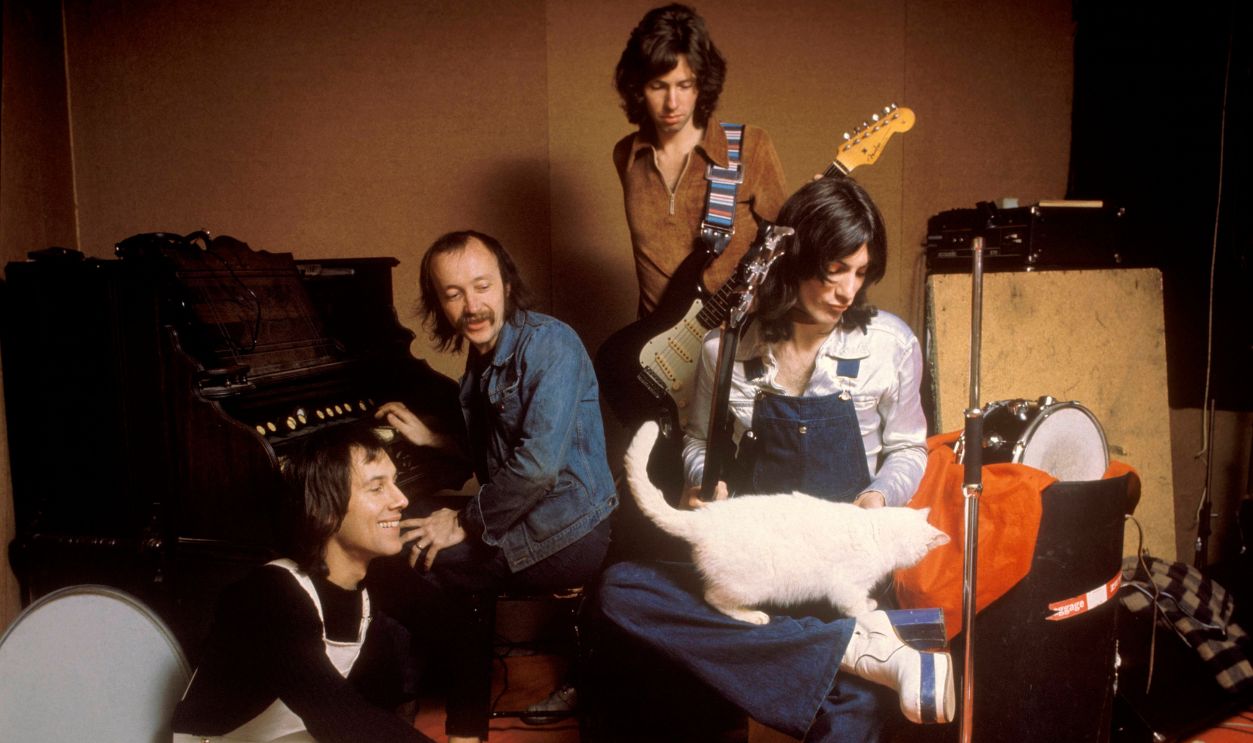
The Groundhogs — Split (1971)
Led by guitarist and singer Tony McPhee, the Groundhogs evolved from a traditional British blues band into a formidable psychedelic power trio. Their 1971 album Split featured a four-part title suite alongside the ferocious “Cherry Red.” McPhee's guitar work was aggressive, inventive, and frequently unpredictable. The album became a British chart success, but the group remained relatively obscure in America. Anyone who enjoys early Black Sabbath or heavy blues-rock should investigate this remarkable recording.
 Estate Of Keith Morris, Getty Images
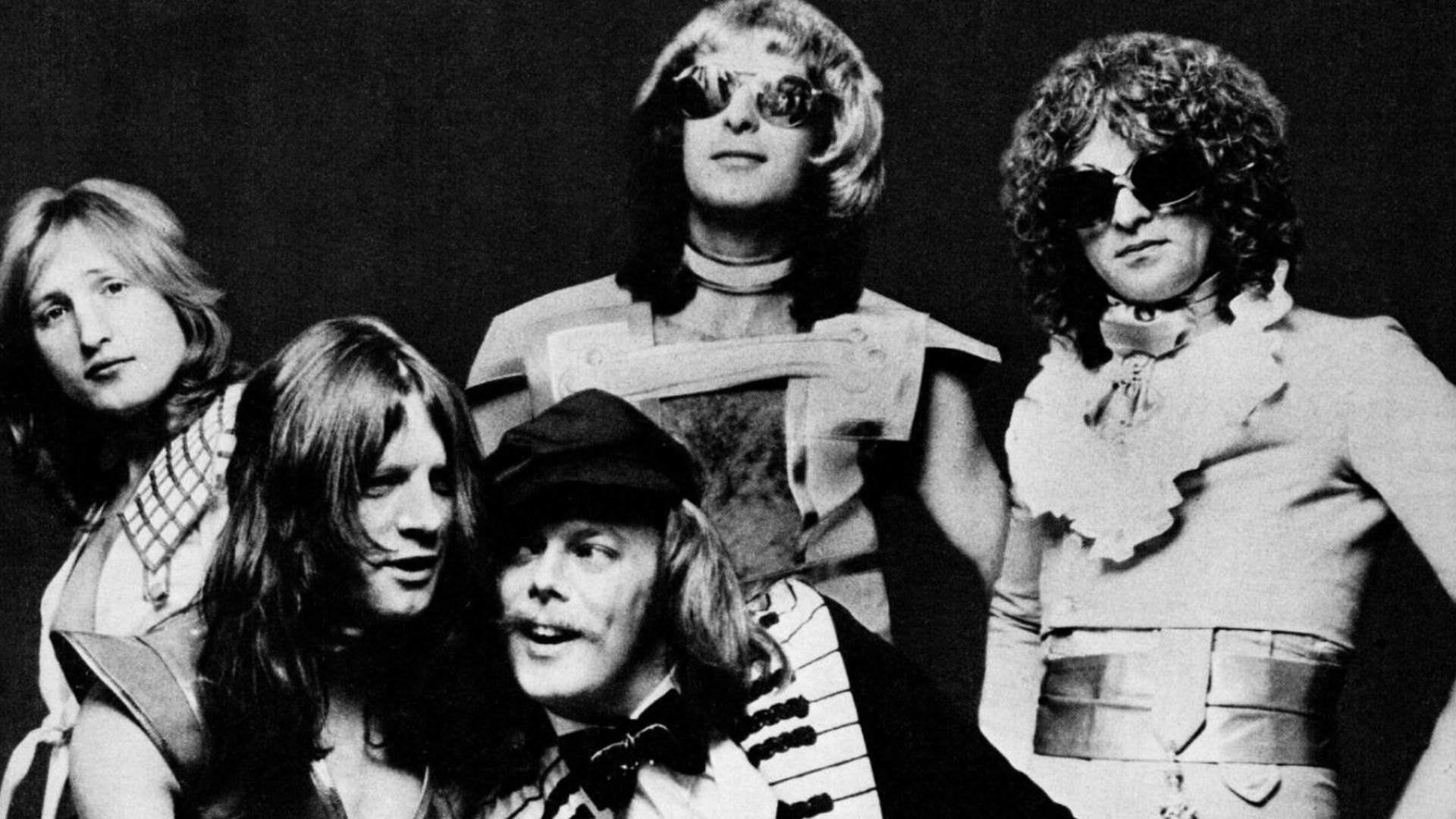
Mott The Hoople — Brain Capers (1971)
Before David Bowie helped transform Mott the Hoople into glam-rock stars, the band recorded four albums that struggled commercially. The fourth, Brain Capers, was a gloriously chaotic collection of hard rock. Producer Guy Stevens captured the group's raw live energy, but the album failed to sell. By 1972, the musicians were considering splitting up when Bowie offered them “All the Young Dudes,” the song that would finally bring them mainstream success.
 Columbia Records, Wikimedia Commons
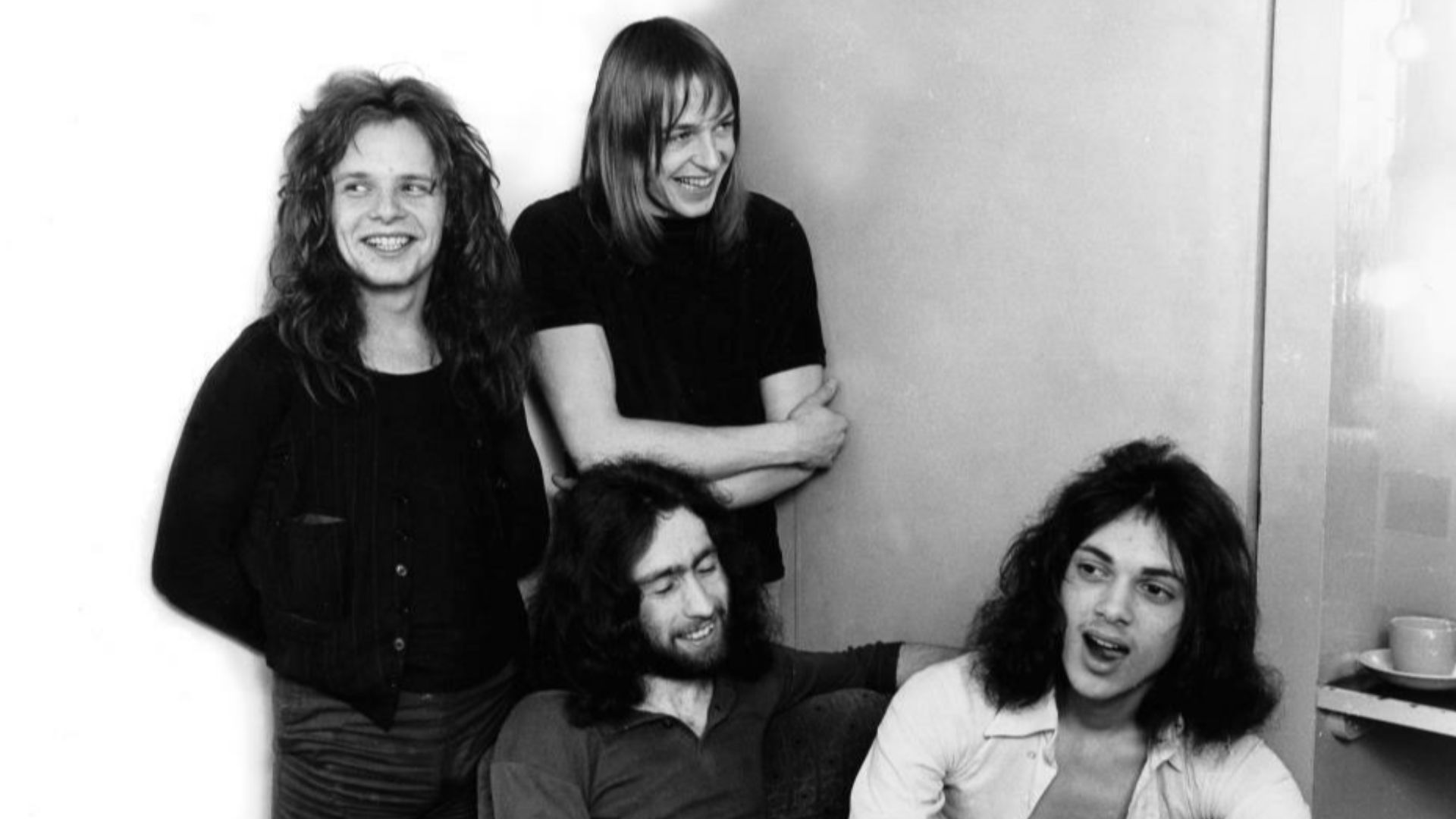
Free — Highway (1970)
Free had just scored an enormous hit with “All Right Now” when they released Highway. Instead of delivering another collection of crowd-pleasing rock anthems, the band recorded a more restrained, soulful album featuring “The Stealer” and “Be My Friend.” Paul Rodgers' magnificent voice and Paul Kossoff's expressive guitar playing remained central attractions. Unfortunately, the record disappointed commercially, contributing to tensions within the group. Today, it offers a revealing glimpse of Free's musical ambitions beyond their biggest hit.
 Simon Kirke, Wikimedia Commons
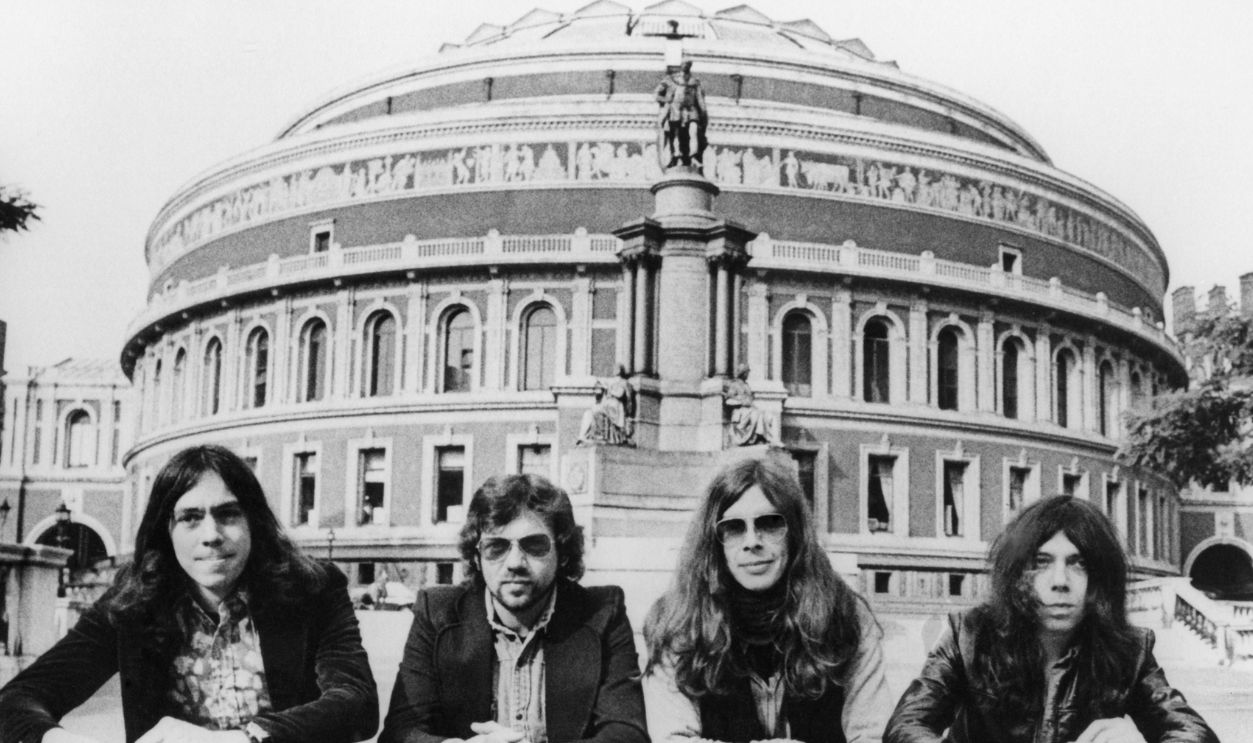
Camel — Mirage (1974)
Camel's second album demonstrated how melodic and imaginative progressive rock could be without becoming unnecessarily bombastic. Guitarist Andy Latimer and keyboardist Peter Bardens created beautifully interwoven arrangements on “Freefall,” “Supertwister,” and the epic “Lady Fantasy.” Latimer's flute playing added another distinctive dimension. Although Camel developed a loyal following, they never reached the commercial heights of Pink Floyd or Genesis. Mirage remains one of the most inviting entry points into the band's impressive catalog.
 Michael Ochs Archives, Getty Images
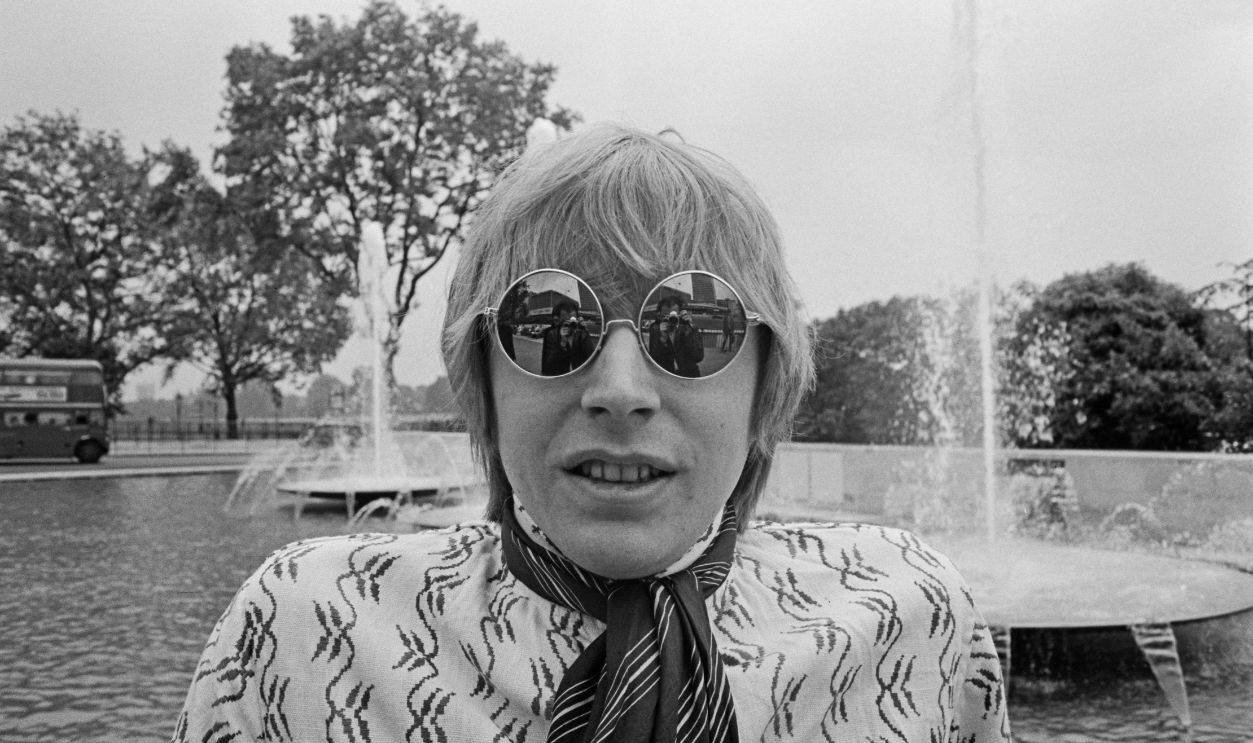
Kevin Ayers — Whatevershebringswesing (1971)
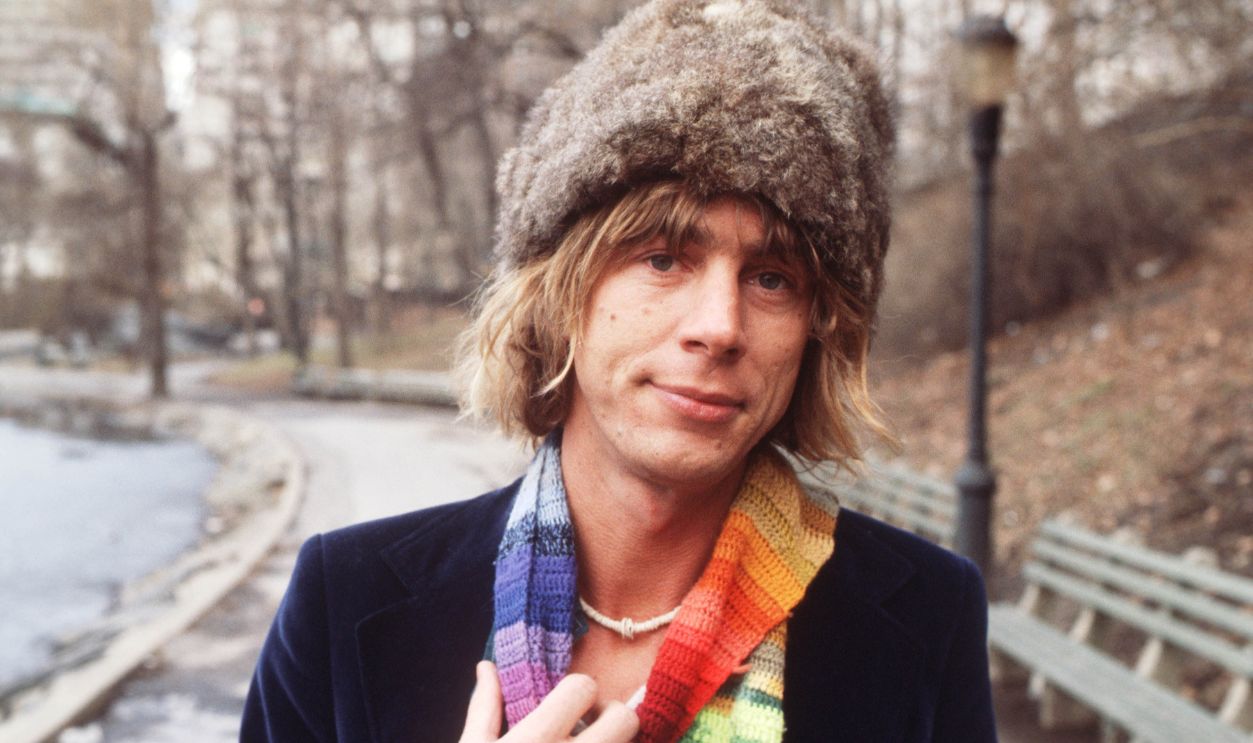
Former Soft Machine bassist and singer Kevin Ayers pursued a wonderfully eccentric solo career that mixed whimsical humor with melancholy songwriting. His third album, Whatevershebringswesing, featured lush arrangements, unconventional melodies, and contributions from musicians including Robert Wyatt and Mike Oldfield. The title track and “There Is Loving” showcase Ayers' ability to make adventurous music sound effortlessly relaxed. Although he remained a cult figure, his recordings influenced generations of musicians who preferred individuality over commercial formulas.
You May Also Like:
1980s Rock Albums You Definitely Never Owned—Are We Wrong?
Forget The Critics: These Are The 50 Greatest Rock Albums Of The 1970s—Do You Agree?
Forgotten Rock Frontmen From The 1970s Who Once Seemed Larger Than Life
Sources: 1, 2, 3, 4, 5, 6, 7, 8, 9, 10, 11, 12, 13, 14, 15, 16, 17, 18, 19, 20, 21, 22, 23, 24, 25, 26, 27, 28