The Real Stories Behind The Music
The 1970s produced some of the most unforgettable songs in music history, but many listeners never knew what inspired them. Some came from major historical events, while others grew out of unexpected encounters, personal heartbreak, or childhood memories. Behind these familiar melodies are fascinating true stories that make the music even more meaningful. ABC Television, Wikimedia Commons
American Pie (1971): Don McLean
Don McLean's famous composition was partly inspired by the 1959 plane crash that claimed the lives of Buddy Holly, Ritchie Valens, and the Big Bopper. McLean was delivering newspapers when he learned about the event. The song also reflected the enormous cultural changes taking place throughout the 1960s.
 Screenshot from American Pie, United Artists Records (1971)
Ohio (1970): Crosby, Stills, Nash & Young
Neil Young wrote this powerful protest anthem following the events at Kent State University on May 4, 1970. Four students lost their lives when National Guardsmen opened fire during campus demonstrations. Young was deeply affected by the news, and the group recorded the song soon afterward.
 Unknown authorUnknown author, Wikimedia Commons
The Wreck Of The Edmund Fitzgerald (1976): Gordon Lightfoot
On November 10, 1975, a massive freighter sank during a fierce storm on Lake Superior, with all 29 crew members losing their lives. Gordon Lightfoot learned about the disaster through news coverage. He turned the event into one of the decade's most memorable storytelling songs.
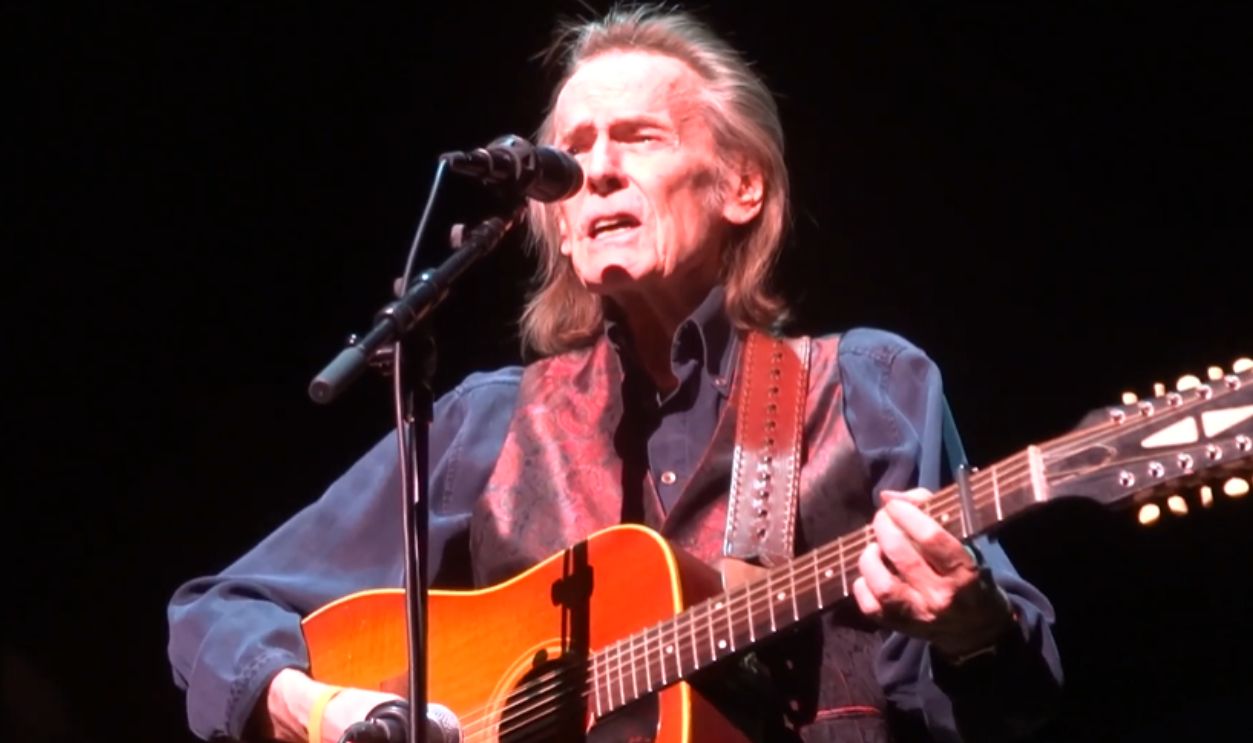 Screenshot from The Wreck of the Edmund Fitzgerald, Reprise Records (1976)
Smoke On The Water (1972): Deep Purple
Deep Purple's famous guitar riff accompanies a surprisingly literal account of an actual event. In December 1971, a fire destroyed the Montreux Casino in Switzerland during a Frank Zappa concert. The musicians witnessed smoke drifting across Lake Geneva, an image that became the inspiration for their signature tune.
 Screenshot from Smoke on the Water, Warner Bros. Records (1972)
What's Going On (1971): Marvin Gaye
This influential soul anthem originated with an incident witnessed by Four Tops member Renaldo Benson in Berkeley, California, in 1969. Benson saw officers confronting demonstrators and was deeply troubled by the experience. Marvin Gaye later helped transform the idea into a moving reflection on social unrest and compassion.
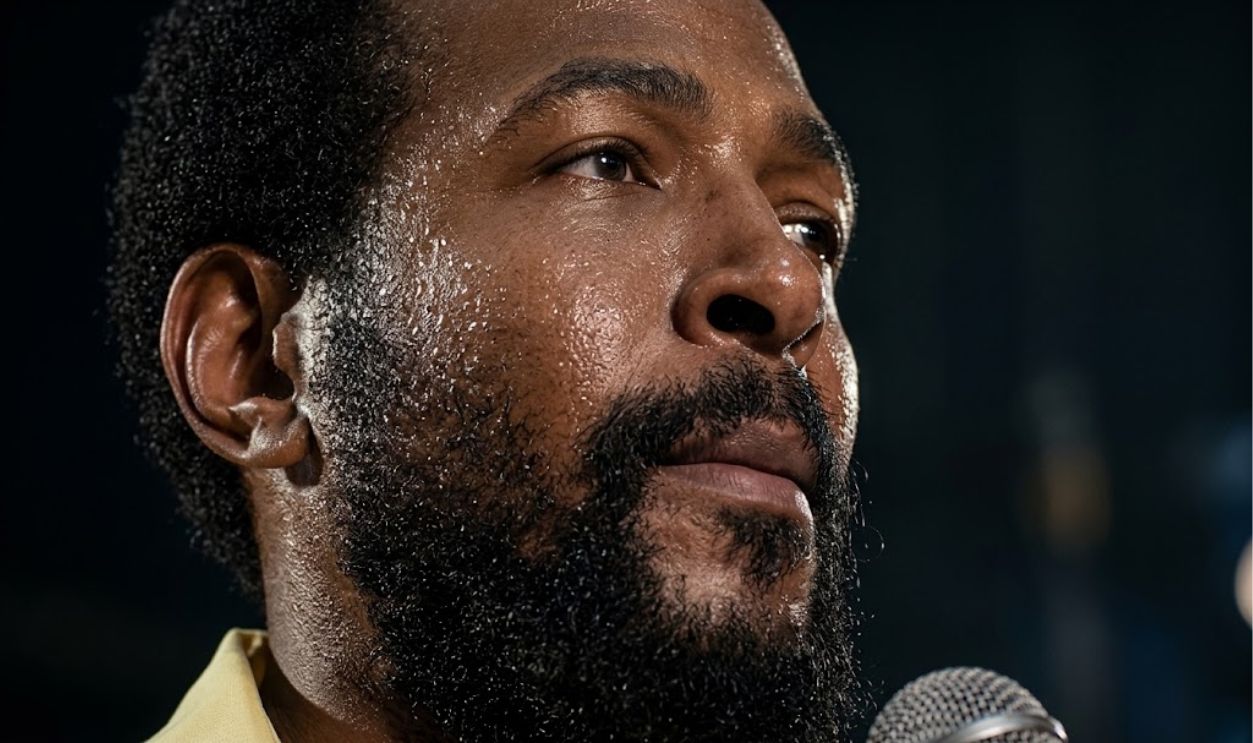 Screenshot from What's Going On, Tamla Records (1971)
I Don't Like Mondays (1979): The Boomtown Rats
The seemingly lighthearted title conceals a deeply unsettling true story. Bob Geldof was inspired by a January 1979 incident at an elementary school in San Diego that left two adults without their lives and several children injured. A teenager named Brenda Spencer reportedly offered a startling explanation that became the foundation for the song.
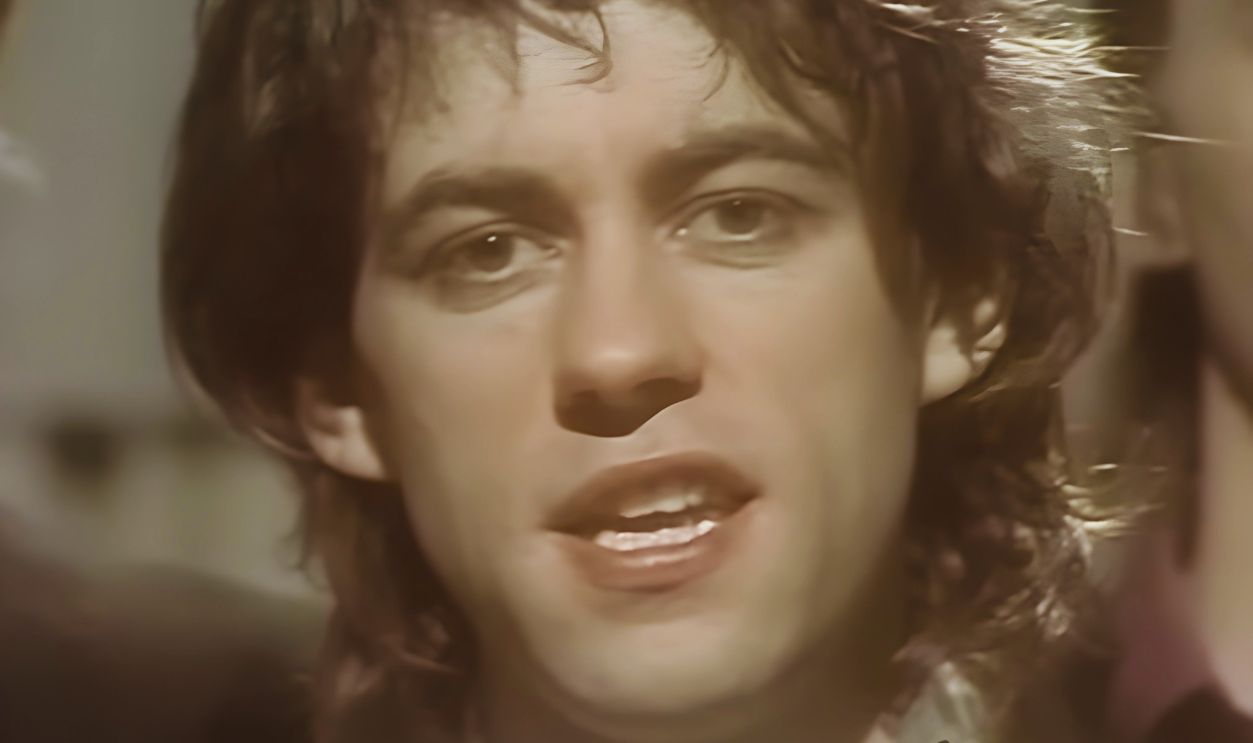 Screenshot from The Boomtown Rats - I Don't Like Mondays, Universal Music Group (1979)
Hurricane (1975): Bob Dylan
Bob Dylan wrote this lengthy composition about Rubin Carter, a professional boxer whose conviction in a controversial New Jersey case was eventually overturned. After reading Carter's autobiography, Dylan visited him and became interested in his circumstances. The resulting song helped bring international attention to Carter's experience.
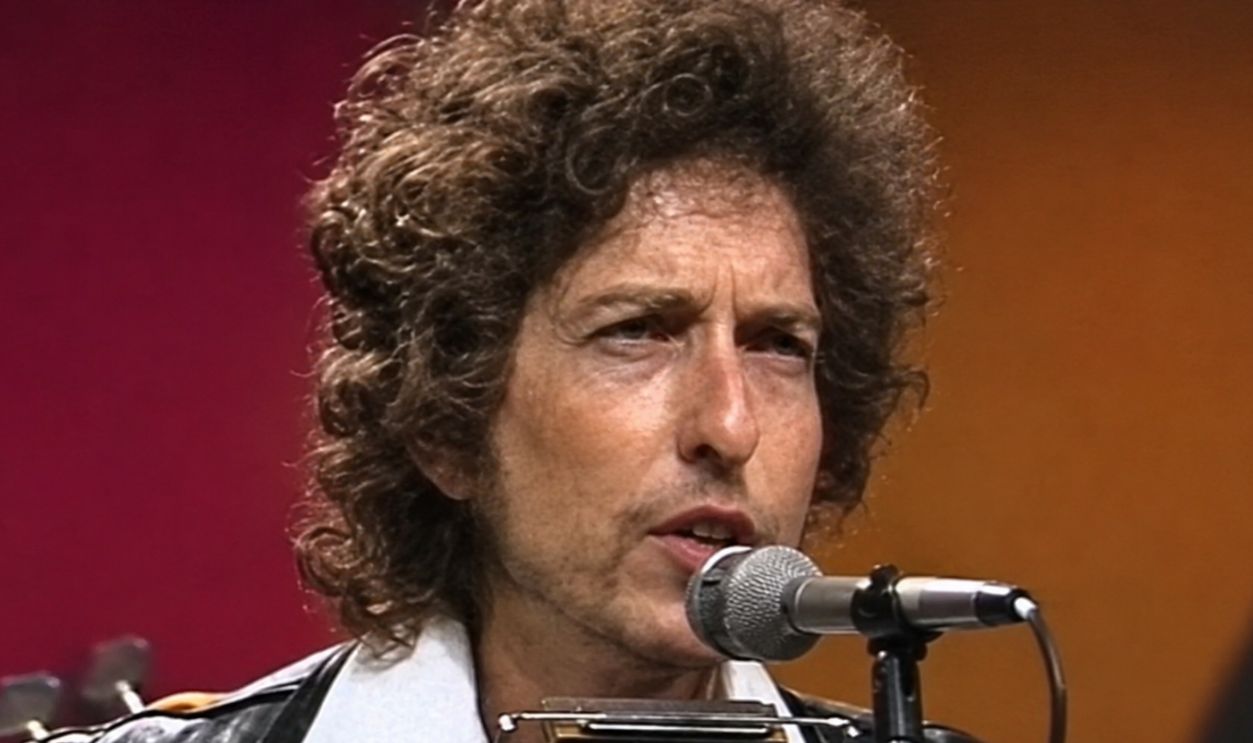 Screenshot from Hurricane, Columbia Records (1975), Modified
Rod Stewart's Georgie (1976)
Rod Stewart based this emotional 1976 ballad on the experiences of a real acquaintance who lost his life in New York. Stewart later explained that the man was particularly close to his Faces bandmate Ian McLagan. Although he adapted certain details, the central story came from an actual event.
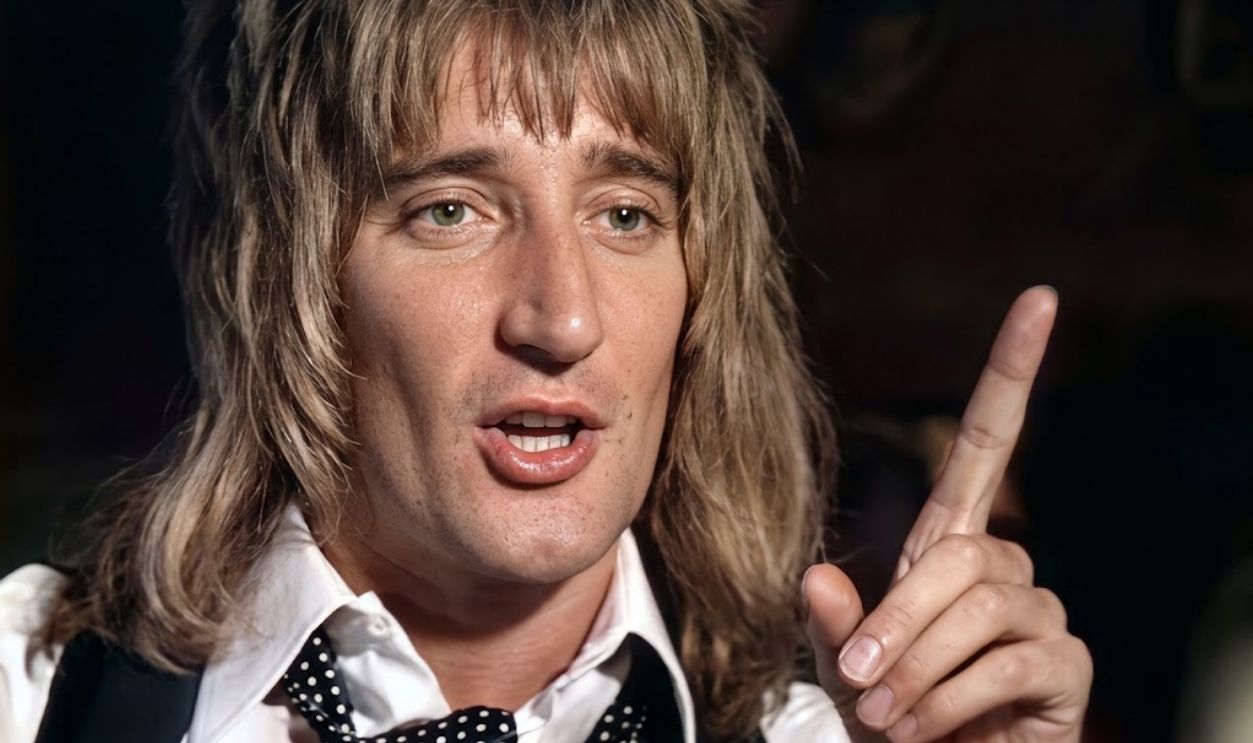 Screenshot from The Killing of Georgie, Warner Bros. Records (1976), Enhanced
Fire And Rain (1970): James Taylor
James Taylor's deeply personal breakthrough hit emerged from several difficult experiences in his life. The opening verse reflects his sorrow over the loss of his friend Suzanne Schnerr, news that had initially been kept from him. Other elements were influenced by his struggles with emotional well-being and personal challenges.
 Screenshot from Fire and Rain, BBC (1970)
Shannon (1976): Henry Gross
Listeners unfamiliar with this song's origins might mistake it for a farewell to a romantic partner. Henry Gross actually wrote it after learning that Beach Boys member Carl Wilson had lost his beloved Irish setter, Shannon, in a car accident. Remarkably, Gross also owned a dog with the same name.
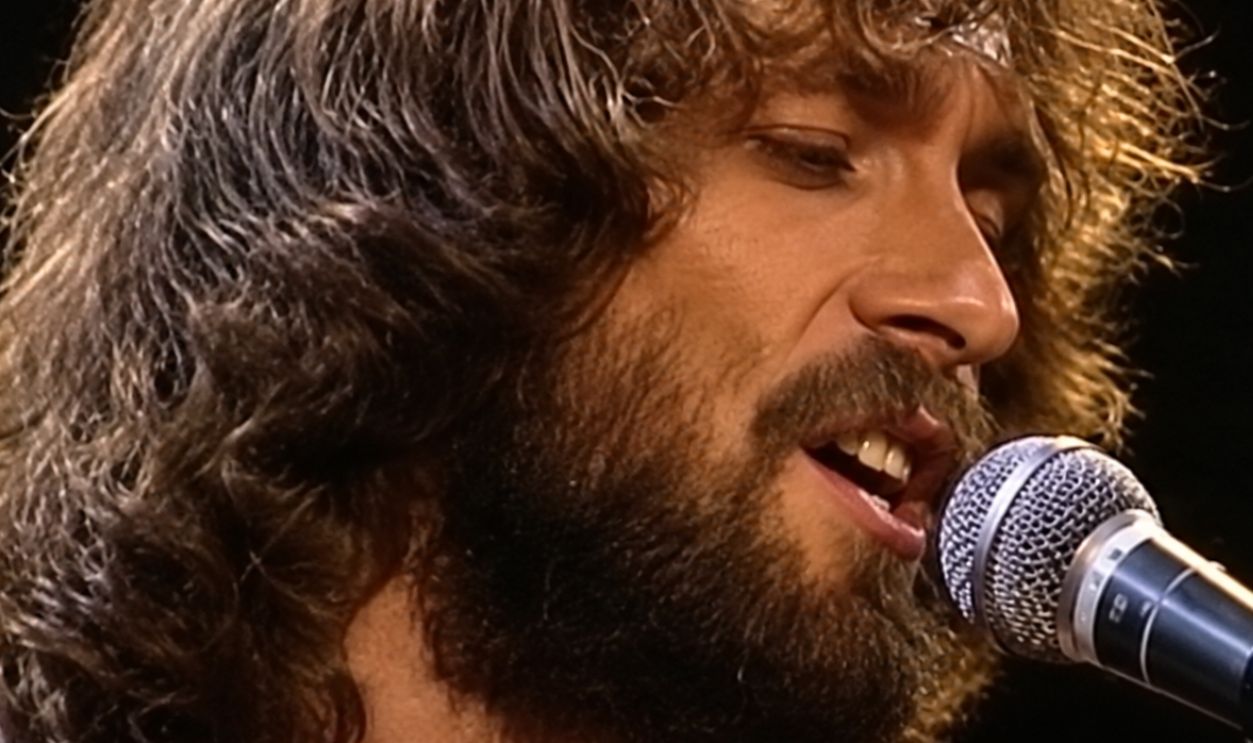 Screenshot from Shannon, Henry Gross, Lifesong Records (1976)., Modified
Big Yellow Taxi (1970): Joni Mitchell
Joni Mitchell's environmental anthem began during her first visit to Hawaii. After waking up at her hotel, she looked toward the beautiful green mountains before noticing an enormous parking lot below. The contrast between natural beauty and commercial development gave her the inspiration for one of her best-known compositions.
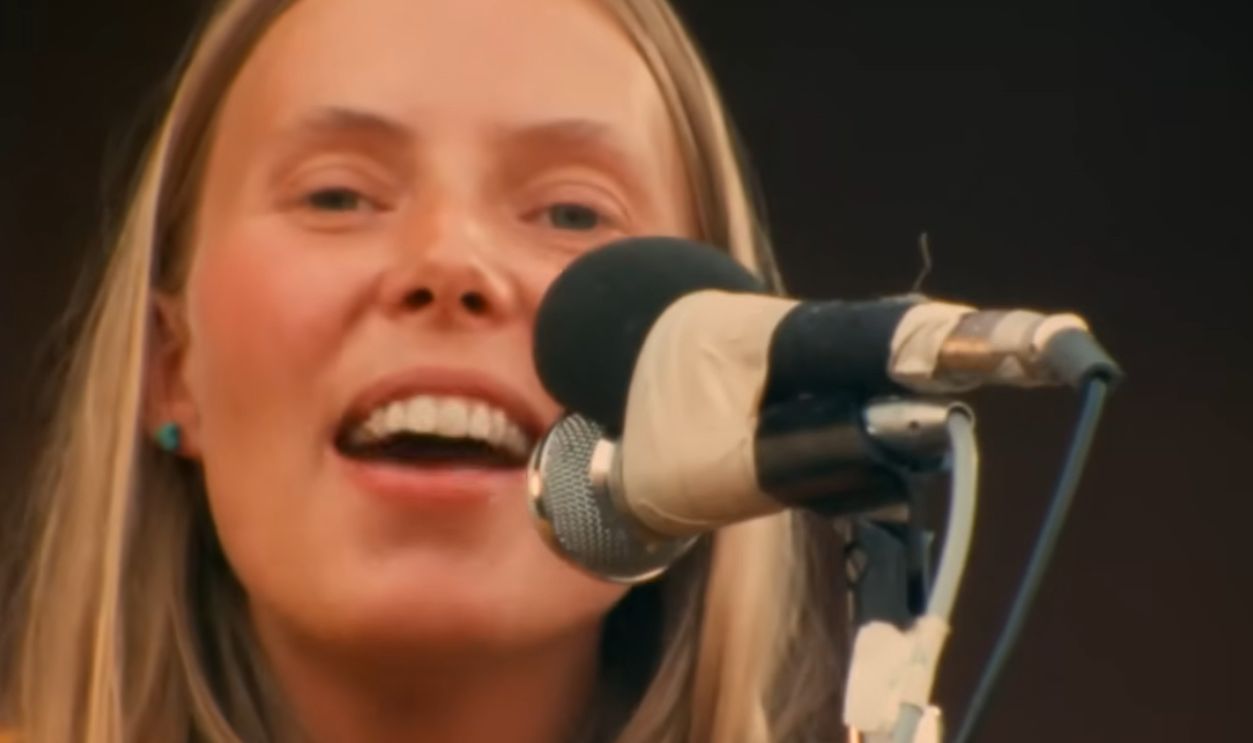 Screenshot from Big Yellow Taxi, Reprise Records (1970)
Woodstock (1970): Crosby, Stills, Nash & Young
Joni Mitchell wrote this famous anthem despite never attending the festival that inspired it. Concerned about returning in time for an appearance on The Dick Cavett Show, she remained in New York and followed the event from afar. Crosby, Stills, Nash & Young subsequently turned her composition into a major hit.
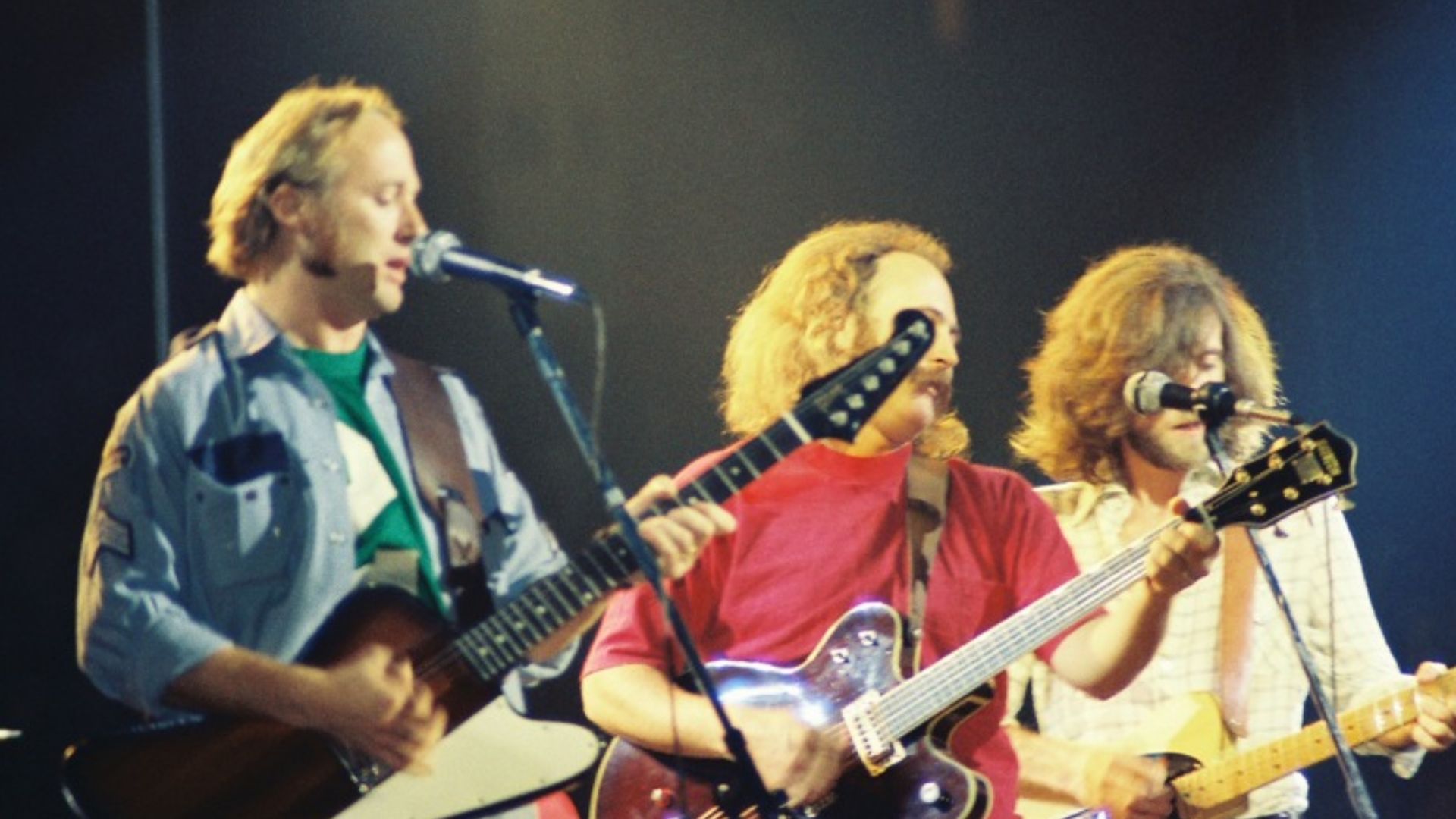 Tony Morelli, Wikimedia Commons
Midnight Train To Georgia (1973): Gladys Knight & The Pips
This beloved soul recording began with an unexpected telephone conversation. Songwriter Jim Weatherly called actor Lee Majors, but Farrah Fawcett answered and mentioned taking a midnight flight to Houston. Weatherly built a song around the remark, although its destination and transportation eventually changed before Gladys Knight recorded it.
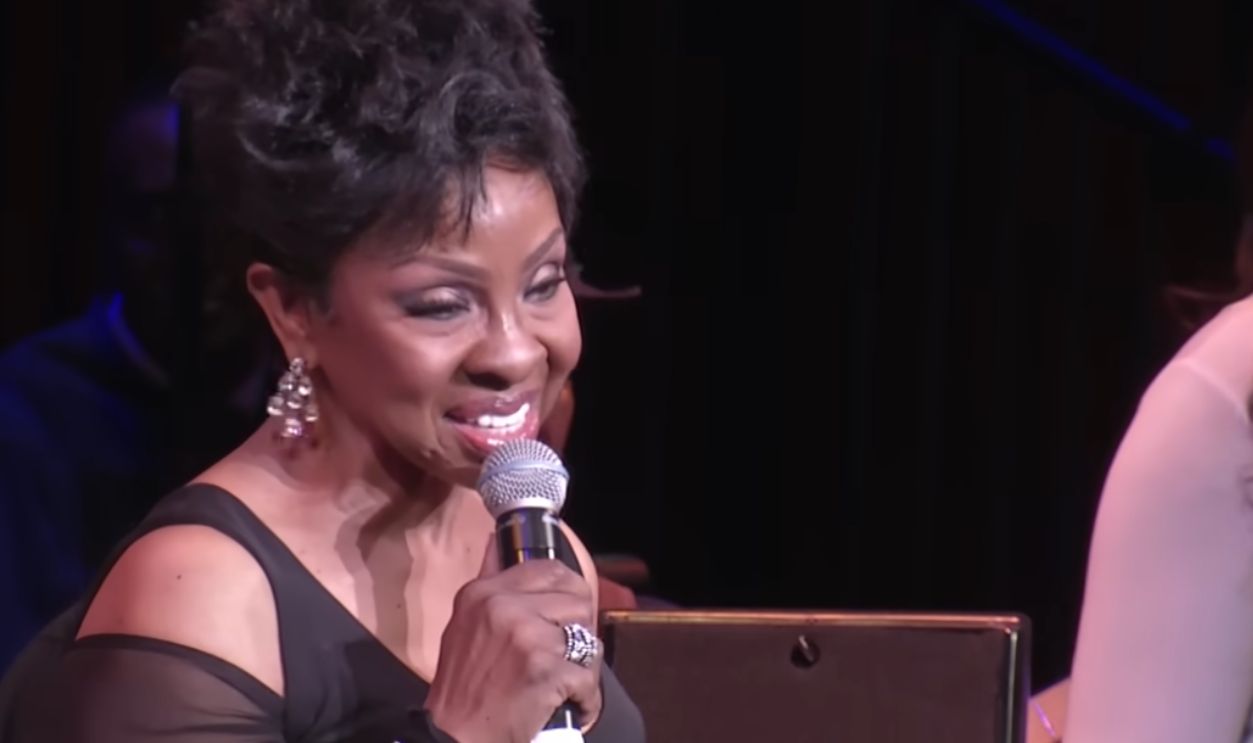 Screenshot from Midnight Train to Georgia, Buddah Records (1973)
Ballroom Blitz (1973): Sweet
Sweet's energetic glam-rock favorite was inspired by the group's increasingly chaotic concert experiences. During a particularly memorable performance in Scotland, audience members hurled objects toward the stage and disrupted the show. Songwriters Mike Chapman and Nicky Chinn transformed the band's experiences into a frantic, theatrical hit.
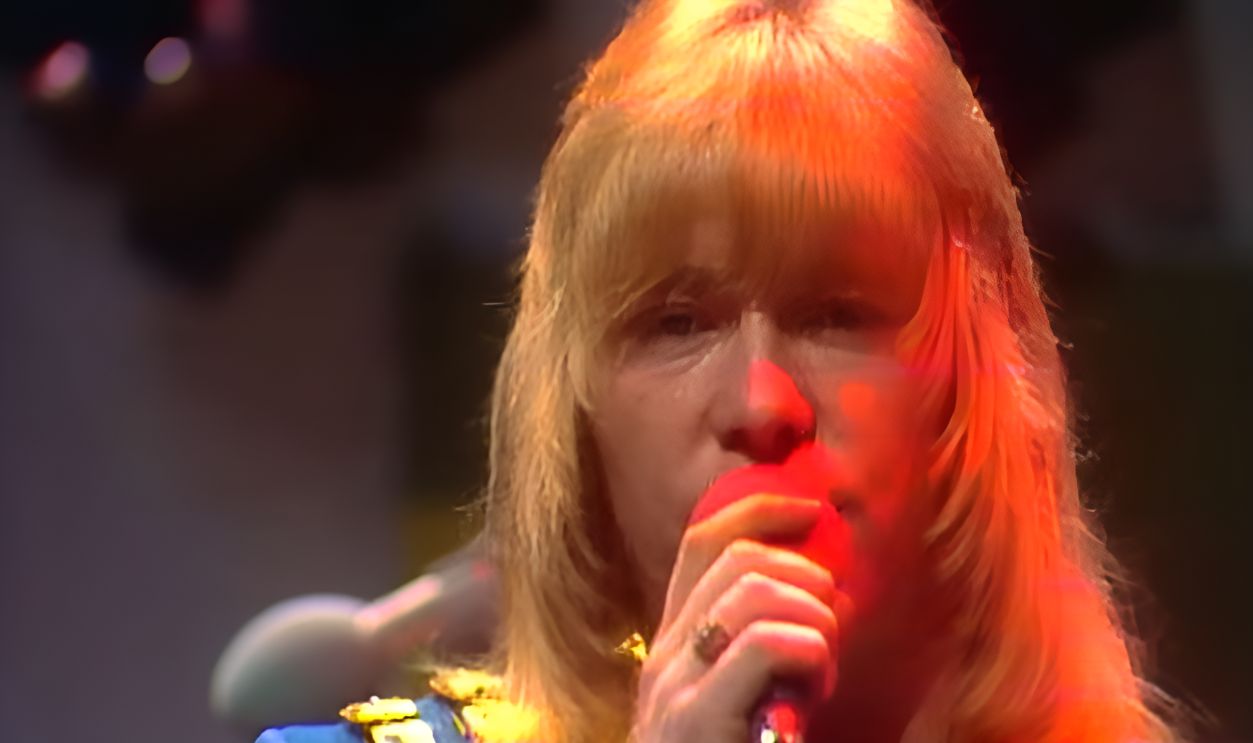 Screenshot from Ballroom Blitz, RCA Victor (1973), Modified
At Seventeen (1975): Janis Ian
Janis Ian found inspiration for this moving composition while reading a newspaper article about a young debutante. The woman's reflections on her disappointing expectations reminded Ian of her own adolescent insecurities. She spent several months developing the song, which eventually became one of her greatest successes.
 Screenshot from At Seventeen, Columbia Records (1975).
Coat Of Many Colors (1971): Dolly Parton
Dolly Parton's beloved country song recalls a genuine childhood experience. Her mother created a colorful coat from scraps of fabric because the family had little money for new clothing. Although other children laughed at her unusual outfit, Parton remembered the coat as a symbol of her mother's love.
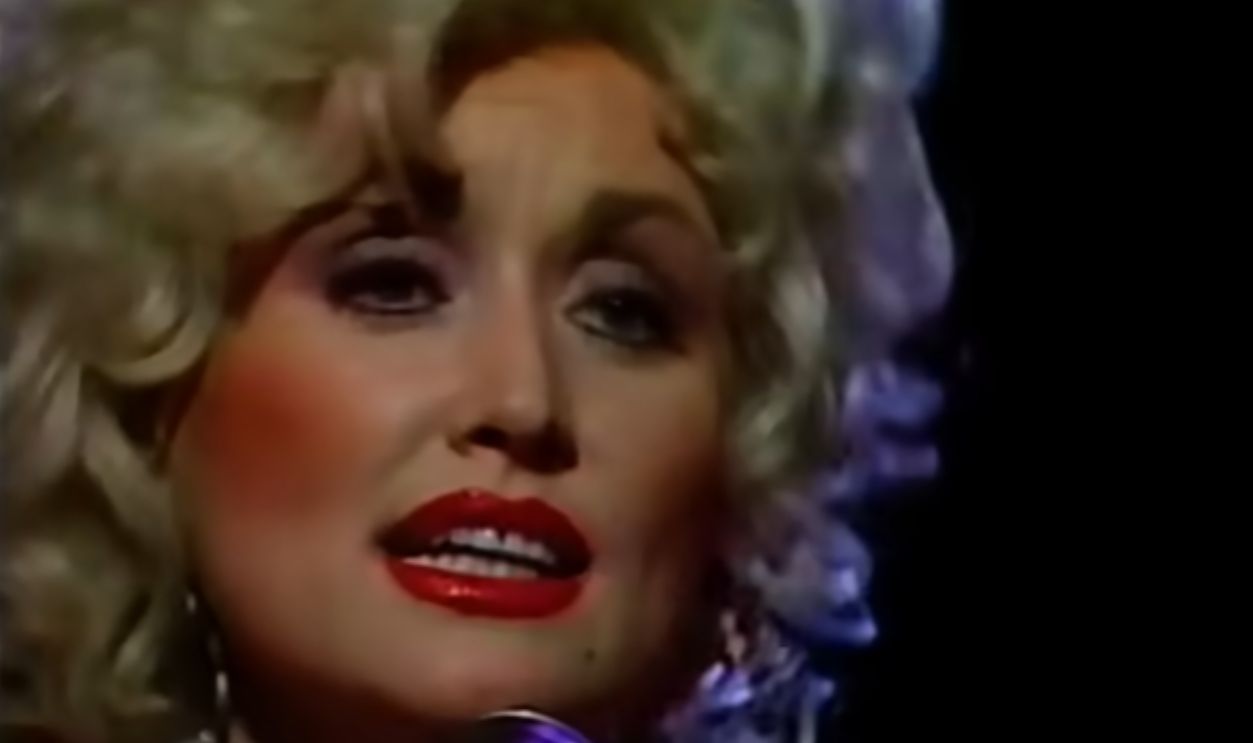 Screenshot from Coat of Many Colors, RCA Victor (1971)
Cat's In The Cradle (1974): Harry Chapin
This famous father-and-son story originated with a poem written by Harry Chapin's wife, Sandy. Her inspiration came partly from the relationship between her first husband and his father. Harry later adapted the poem into a song about family priorities, missed opportunities, and the importance of spending time together.
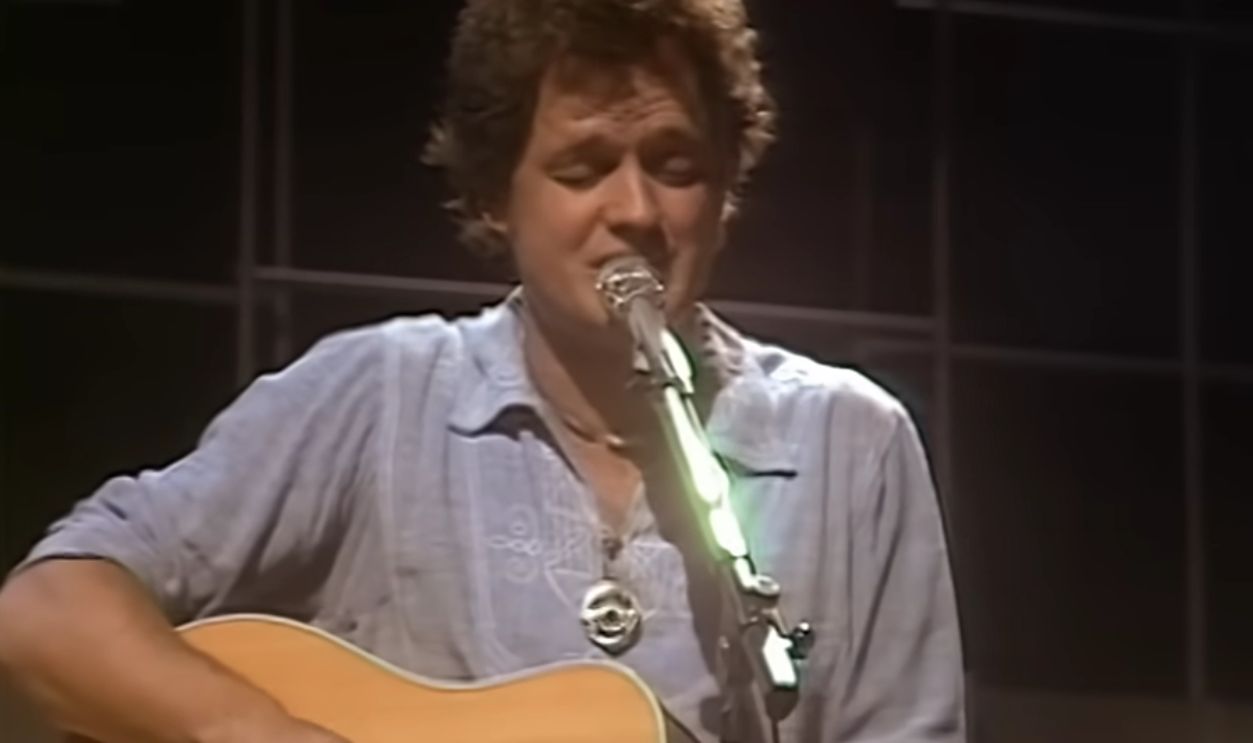 Screenshot from Cat's in the Cradle, Elektra Records (1974)
Sweet Home Alabama (1974): Lynyrd Skynyrd
Lynyrd Skynyrd's Southern-rock anthem was partly a response to Neil Young's criticism of the American South. The band believed Young's songs presented an overly broad picture of the region. Despite their musical disagreement, the musicians maintained considerable admiration for Young and his work.
 Screenshot from Sweet Home Alabama, MCA Records (1974)
You Haven't Done Nothin' (1974): Stevie Wonder
Stevie Wonder's energetic political anthem was inspired by frustration with American leadership during Richard Nixon's presidency. Wonder was particularly concerned about promises made by politicians and the consequences of their decisions. The recording, featuring backing vocals from the Jackson 5, became a major hit.
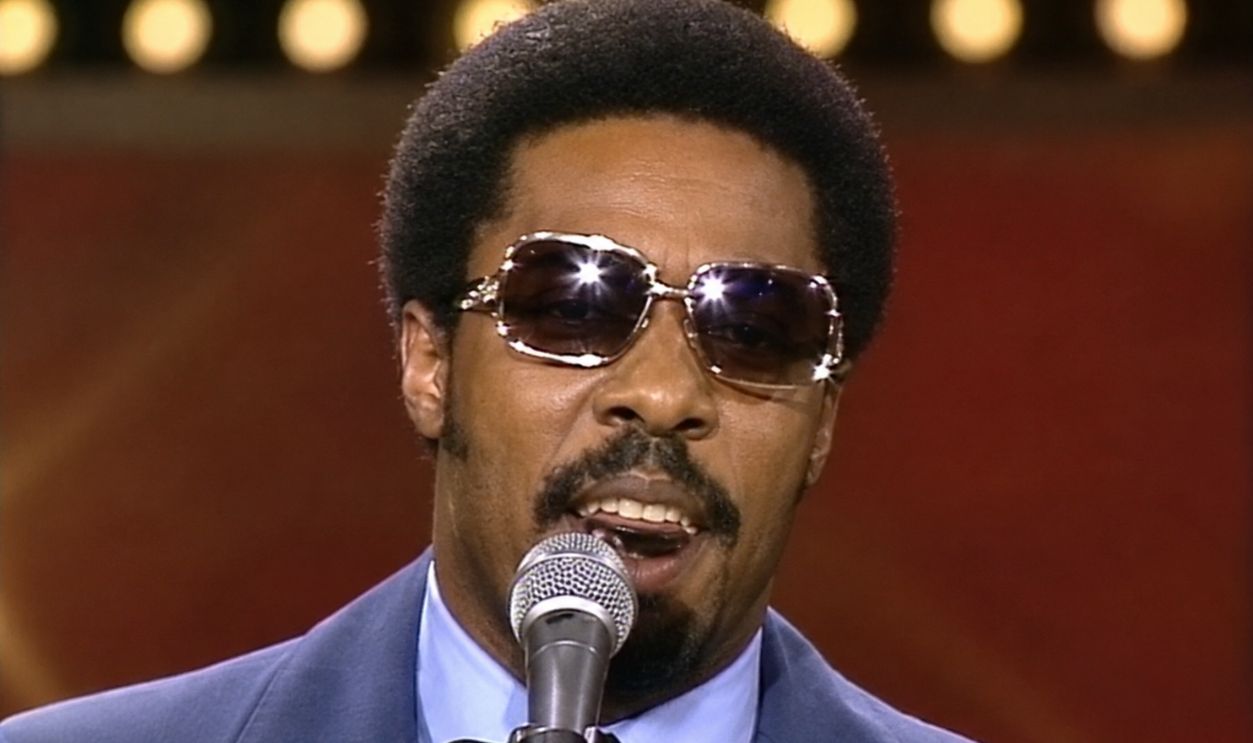 Screenshot from You Haven't Done Nothin', Tamla Records (1974), Modified
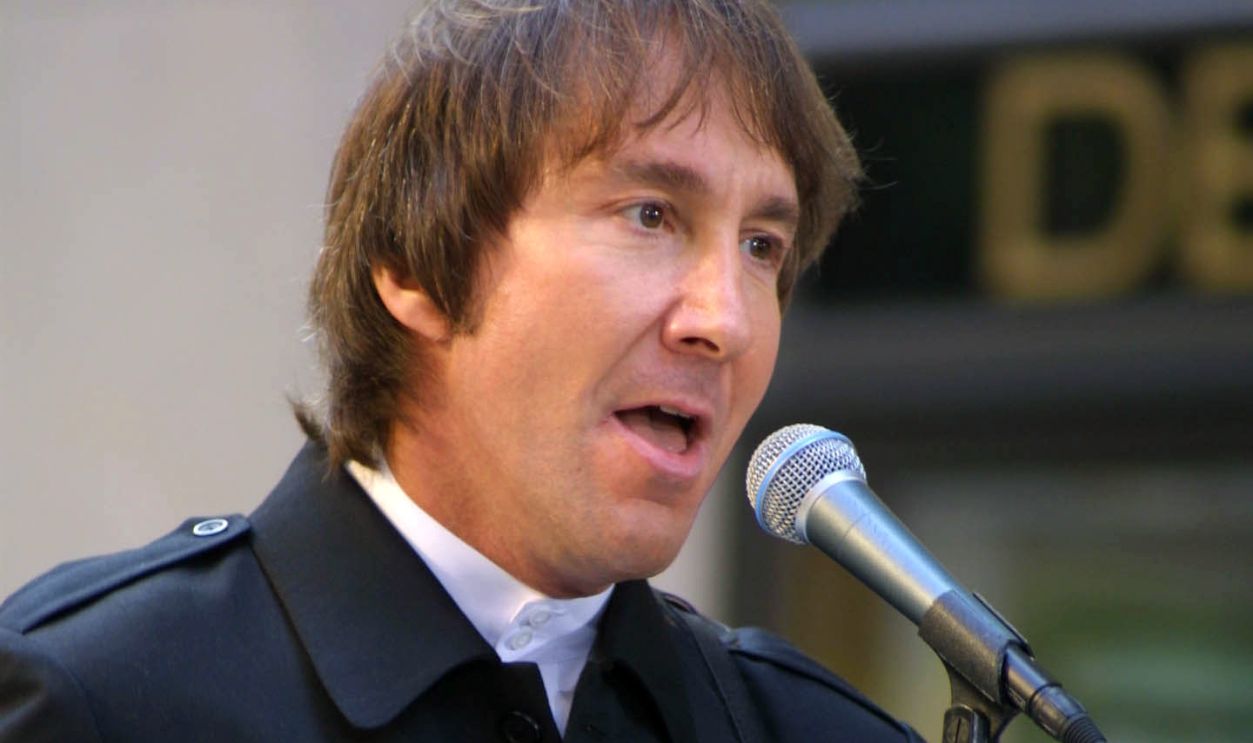
My Sharona (1979): The Knack
The woman behind The Knack's biggest hit was a real person named Sharona Alperin. Lead singer Doug Fieger met her in Los Angeles and became immediately fascinated by her. Their relationship eventually developed into a romance, giving the song one of the decade's most recognizable real-life inspirations.
Lola (1970): The Kinks
Ray Davies drew inspiration for this famous song from an unusual evening at a Paris nightclub. He later recalled his manager dancing with someone whose identity he initially misunderstood. Davies incorporated elements of that experience into a fictional romance that became one of The Kinks' most enduring hits.
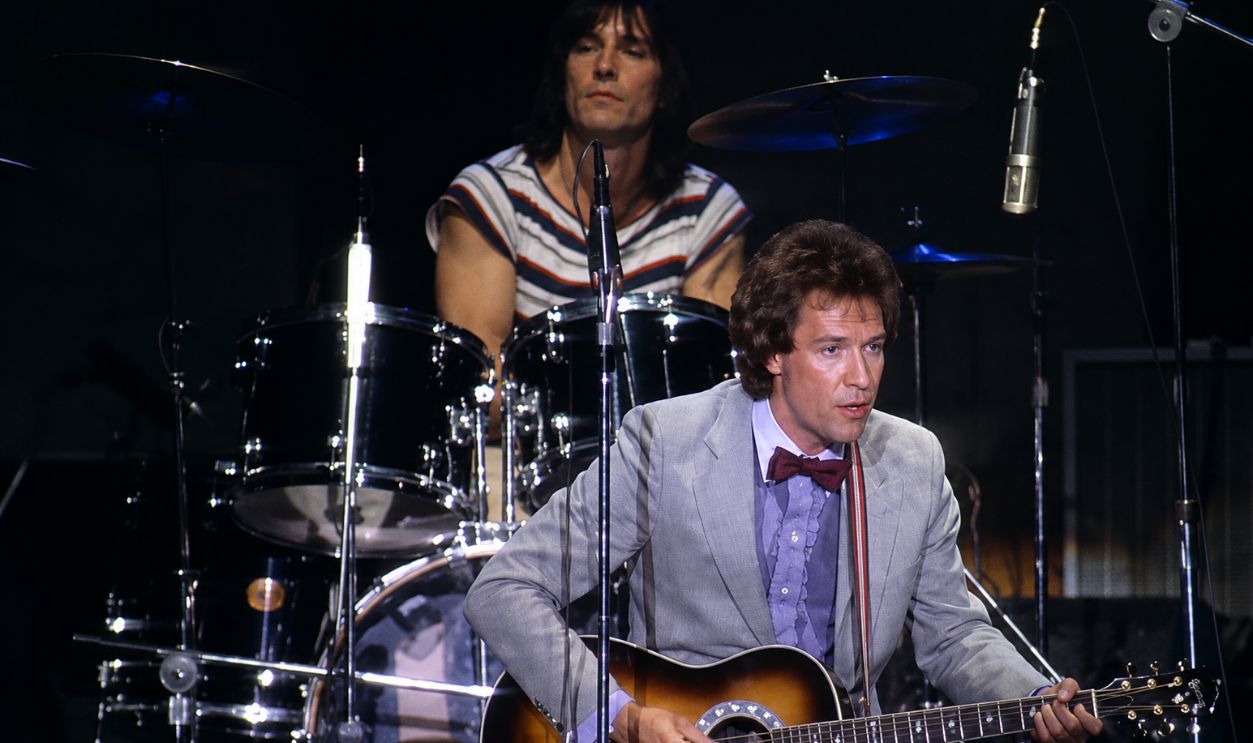 Screenshot from Lola, Pye Records (1970), Modified
Night Moves (1976): Bob Seger
Bob Seger's nostalgic composition drew inspiration from his own youth in Michigan during the early 1960s. Watching the film American Graffiti encouraged him to revisit those formative years through music. The resulting song captured the excitement, uncertainty, and bittersweet memories of young romance.
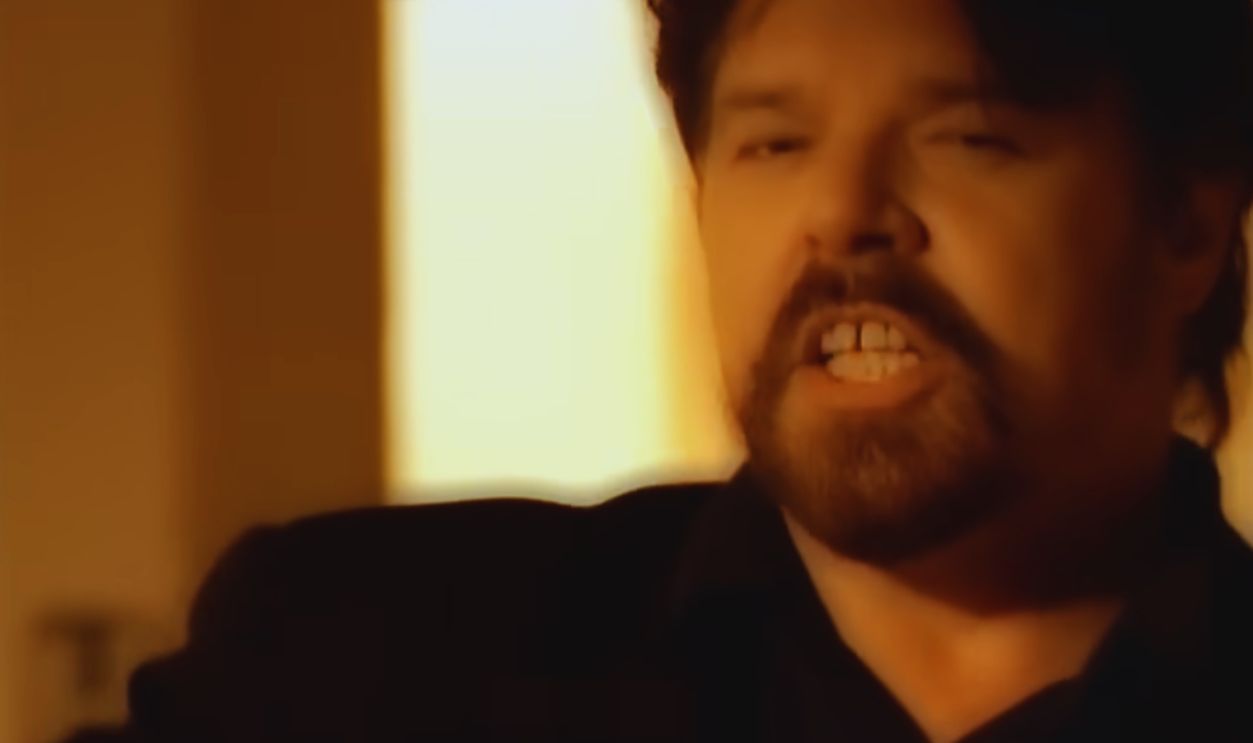 Screenshot from Night Moves, Capitol Records (1976)
Carefree Highway (1974): Gordon Lightfoot
Gordon Lightfoot discovered the title for this song while traveling through Arizona. A roadside sign caught his attention, and he realized the words could become a memorable lyric. The composition also revisited his memories of a real woman named Ann, whom he had known many years earlier.
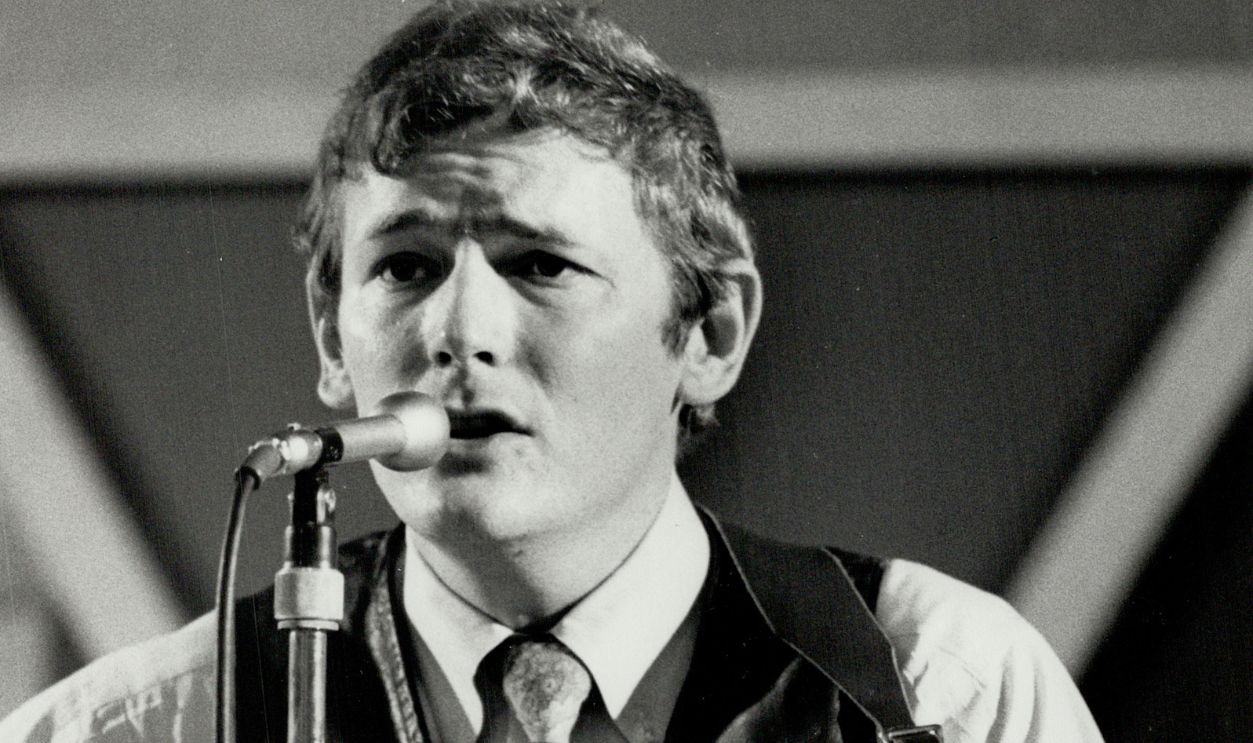
Let It Be (1970): The Beatles
Paul McCartney found inspiration for this comforting song after dreaming about his mother, Mary, whom he had lost during childhood. The experience occurred during a particularly challenging period for the Beatles. McCartney remembered feeling reassured by the dream, which helped inspire one of the group's most beloved recordings.
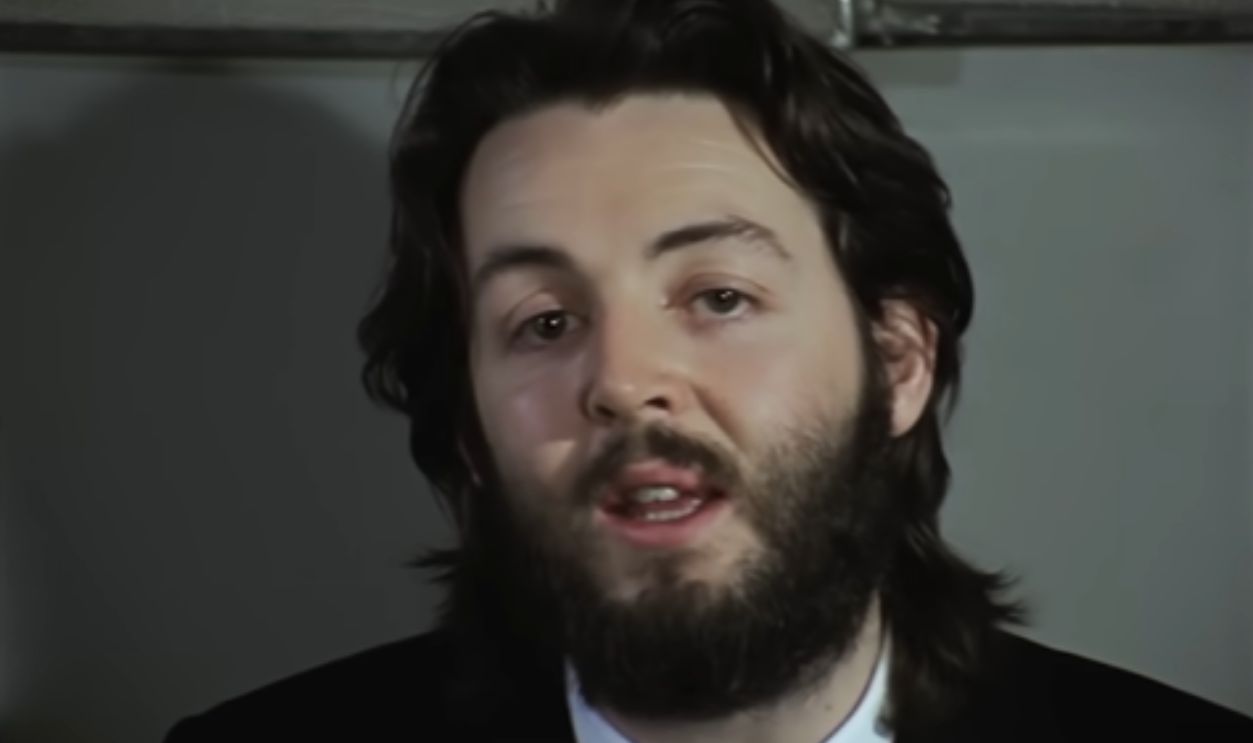 Screenshot from Let It Be, Apple Records (1970)
Comfortably Numb (1979): Pink Floyd
Roger Waters traced part of this memorable composition to an unpleasant experience before a 1977 concert in Philadelphia. Suffering from severe stomach pain, he received an injection from a physician and subsequently felt almost unable to function onstage. The strange sensation helped shape the song's lyrics.
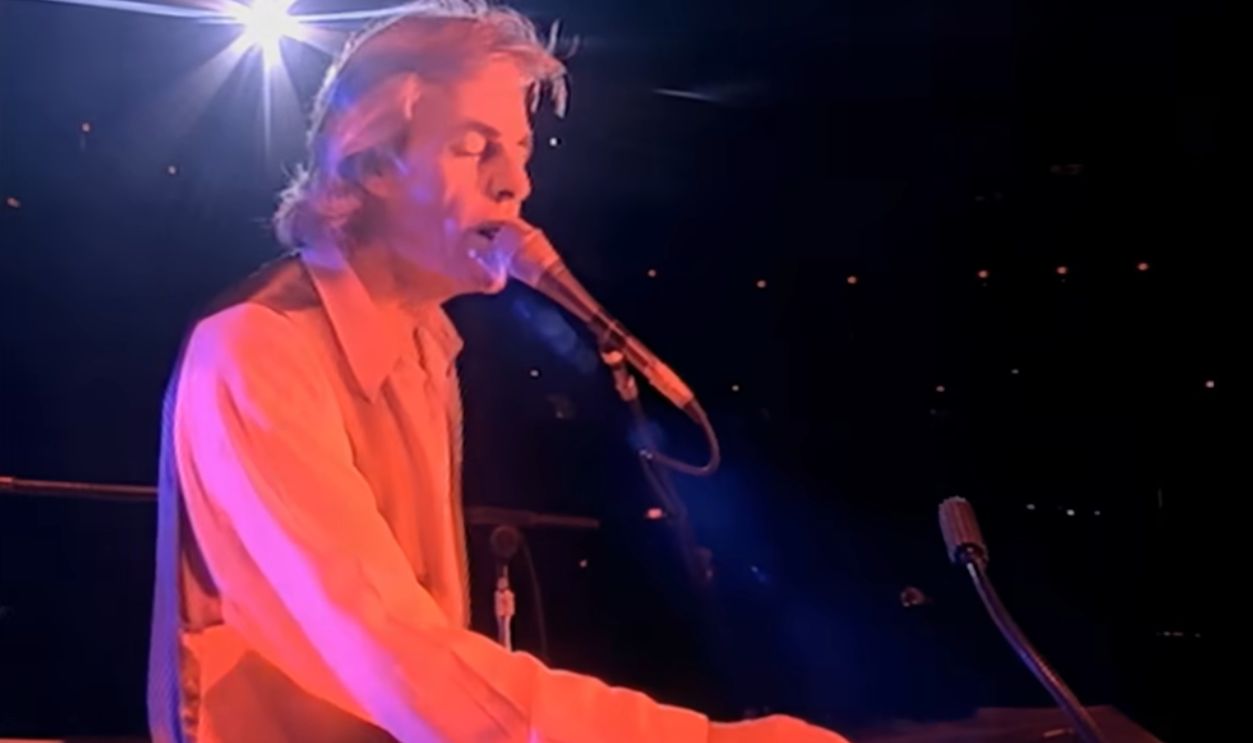 Screenshot from Comfortably Numb, Columbia Records (US) (1979)
Rocky Mountain High (1972): John Denver
John Denver's famous tribute to Colorado grew partly from an unforgettable evening spent camping near Aspen. He witnessed the Perseid meteor shower illuminating the mountain sky. That extraordinary natural spectacle, combined with his affection for the region, inspired one of his most enduring songs.
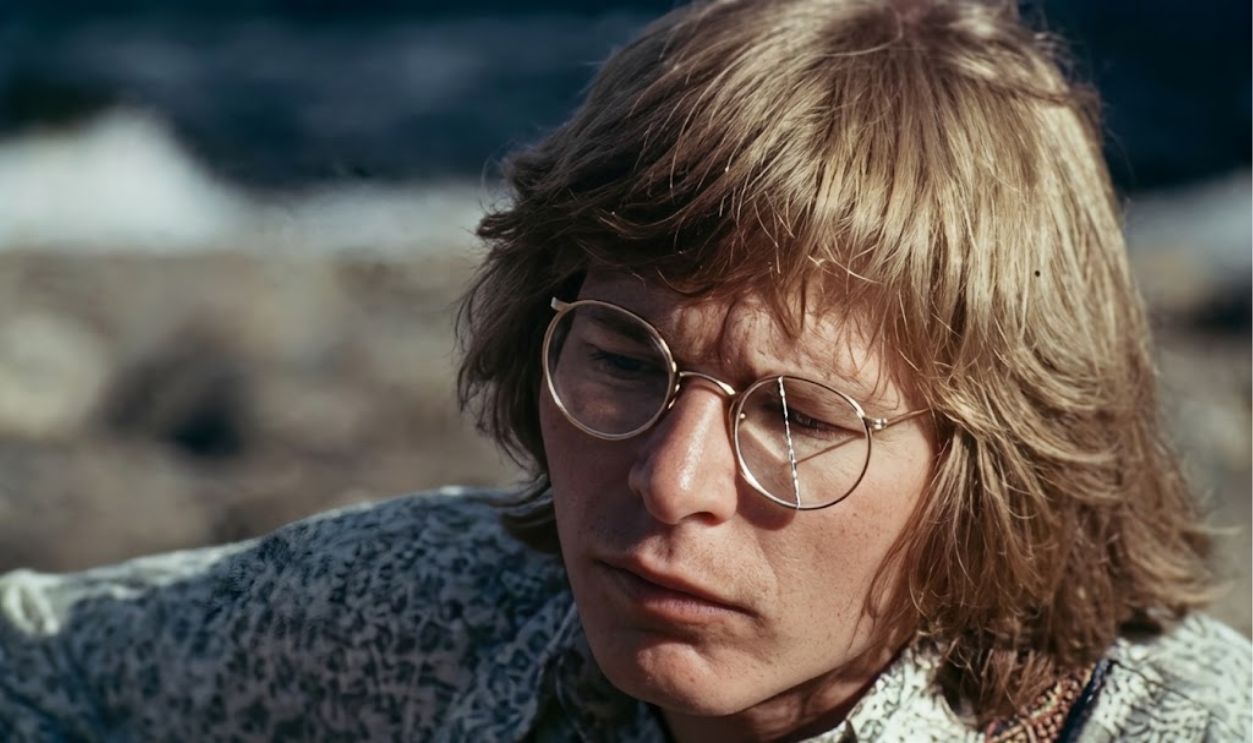 Screenshot from Rocky Mountain High, RCA Records (1972), Enhanced
You May Also Like:
Pop Songs That Were Everywhere In The 1980s—But Now Only Get Played At Throwback Parties
Famous Singers Who Spent Years As Backup Vocalists Before Getting Their Own Hit
Hit Songs From The 1980s That Were Banned By Radio Stations But Became Huge Anyway
Sources: 1, 2, 3, 4, 5, 6, 7, 8, 9, 10, 11, 12, 13, 14, 15, 16, 17, 18, 19, 20, 21, 22, 23, 24, 25, 2