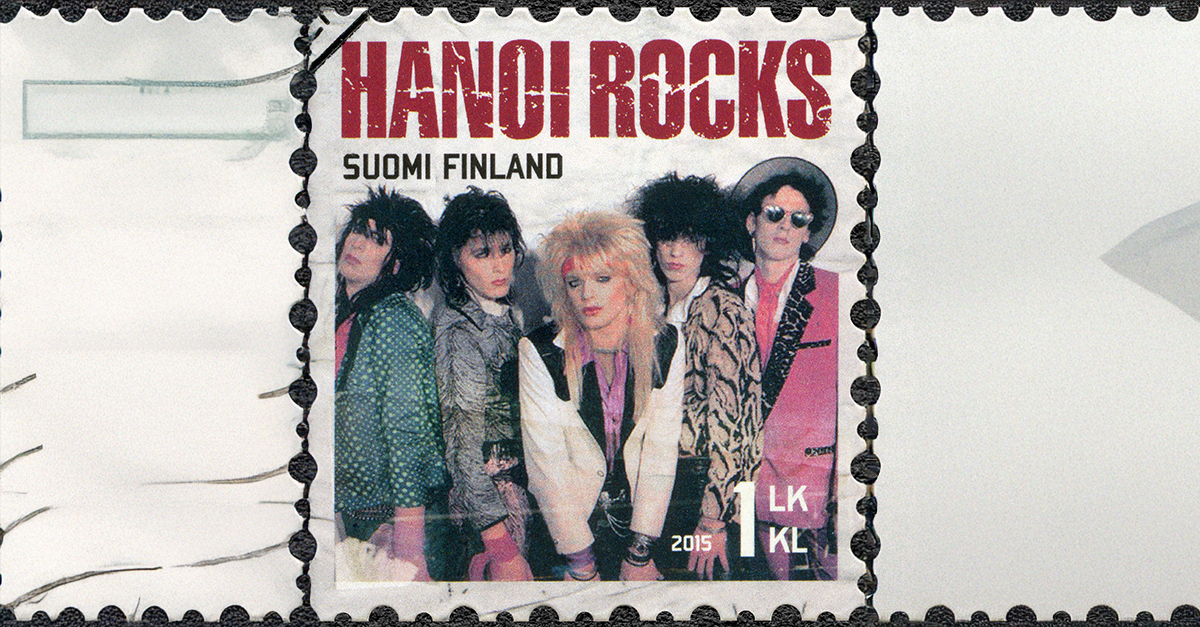
The Breakthrough That Never Came
Hanoi Rocks were on the last stepping stone before a major international breakthrough in the early 80s, blending glam swagger, punk attitude, and melodic hard rock at the best possible time. Years of touring and recording had put the band on the edge of something bigger, which made the shocking tragedy that followed feel especially cruel.
 Fin Costello/Redferns, Getty Images
Finnish Roots, Big Ambitions
Hanoi Rocks formed in Helsinki in 1978, led by vocalist Michael Monroe and guitarist Andy McCoy, using adopted English stage names. Drawing their inspiration from punk, glam, and classic rock, the band aimed well beyond Finland’s small rock ‘n’ roll scene, focusing early on building up an international identity instead of local success.

Early Lineups And Relentless Touring
The band went through several lineup changes before it settled in around Monroe, McCoy, bassist Sami Yaffa, drummer Razzle, and guitarist Nasty Suicide. Constant touring across Europe helped hone their sound into a live hard rock juggernaut while slowly growing a reputation for chaotic, high energy live shows.
 Flickr user techiedog, Wikimedia Commons
Andy McCoy’s Musical Roots And Leadership
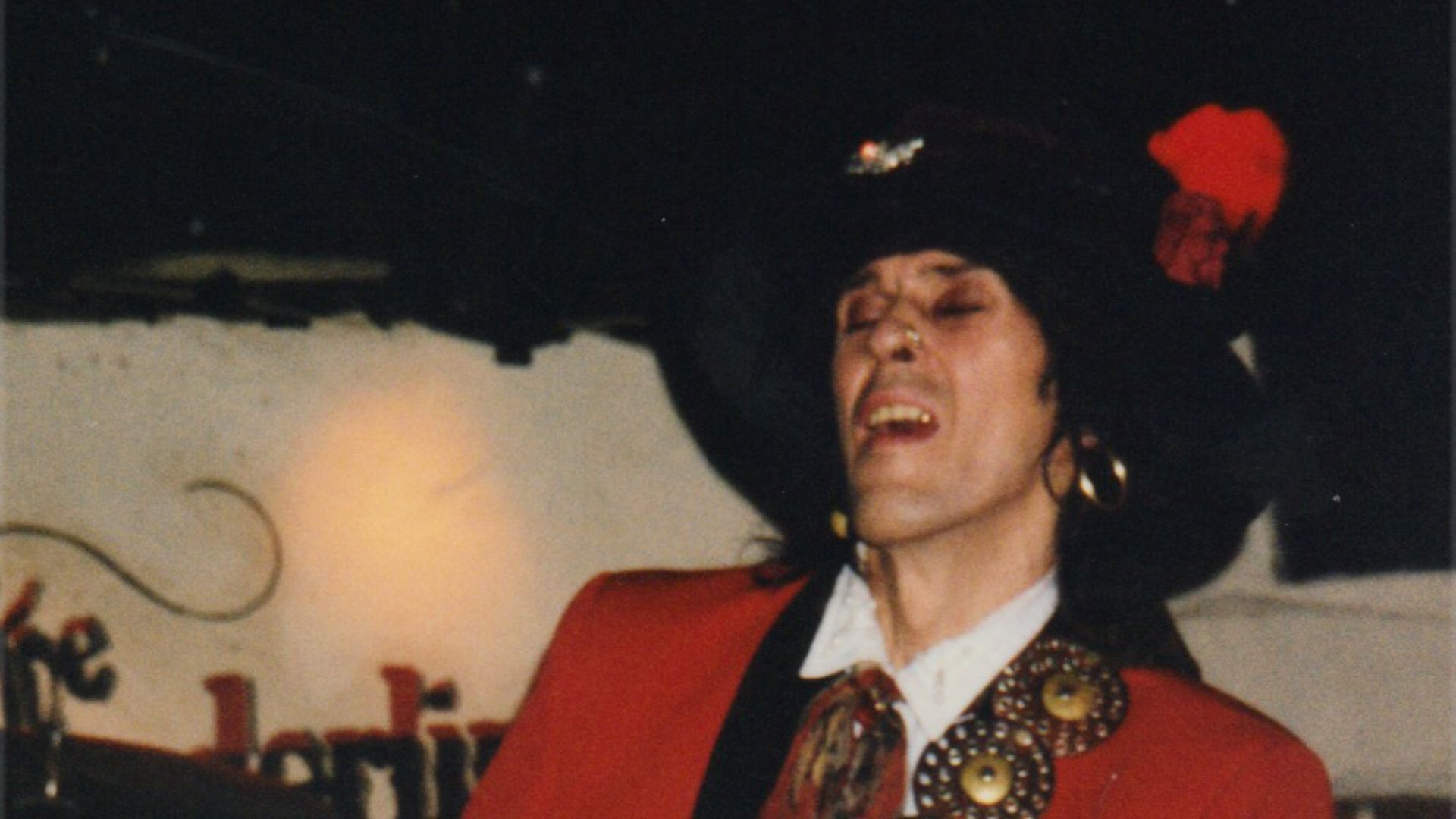
Guitarist Andy McCoy was born Antti Hulkko and raised on classic rock, blues, and punk records long before Hanoi Rocks formed. A prolific songwriter with a chaotic personal style, McCoy became the band’s primary musical architect. His restless creativity helped define Hanoi Rocks’ sound as the group began taking shape.
Michael Monroe’s Frontman Persona Takes Shape
Singer Michael Monroe brought theatricality, attitude, and relentless ambition to Hanoi Rocks. Influenced by glam rock and punk icons, Monroe developed a flamboyant visual identity that matched his high-energy delivery, all great qualities in a lead vocalist. His drive to push beyond Finland helped steer the band toward international exposure and early lineup consolidation.
 Timst at English Wikipedia, Wikimedia Commons
Sammy Yaffa And The Band’s Rhythmic Foundation
Bassist Sammy Yaffa joined Hanoi Rocks after earlier stints in Helsinki’s punk scene. His melodic bass style and steady presence provided balance amid constant lineup changes. As songwriting and touring intensified, Yaffa’s role became crucial to anchoring the band’s increasingly aggressive live performances.
 Tuomas Vitikainen, Wikimedia Commons
Gyp Casino And The Original Drum Chair
Drummer Gyp Casino was part of Hanoi Rocks’ earliest lineup, bringing punk speed and no-nonsense simplicity to their first recordings. Casino’s contributions helped establish the band’s raw early momentum. Casino was always there when the chips were down; his later dismissal from the band reflected Hanoi Rocks’ instability as their ambition began to pick up momentum. But let’s start the tale of this rock odyssey at the beginning.
 Math~commonswiki, Wikimedia Commons
Breaking Through In The UK Underground
Hanoi Rocks found a welcoming audience early on in the United Kingdom, where their look and sound hit home with glam and punk audiences. The British music press began to sit up and look more closely at the attention around Hanoi Rocks, and the band quickly became known as a rising cult favorite, not just a regional novelty act.
 Pavel Rybin from Manchester, UK, Wikimedia Commons
Albums That Grew Momentum
Records like Bangkok Shocks, Saigon Shakes, Hanoi Rocks (1981), Self Destruction Blues (1982) and Back to Mystery City (1983) showcased increasingly polished songwriting without sacrificing a grain of hard rock attitude. Each one of these albums nudged the band closer to mainstream attention, even while their audience ballooned out beyond European shores.
 Steve Knight from Halstead, United Kingdom, Wikimedia Commons
Asian Tour
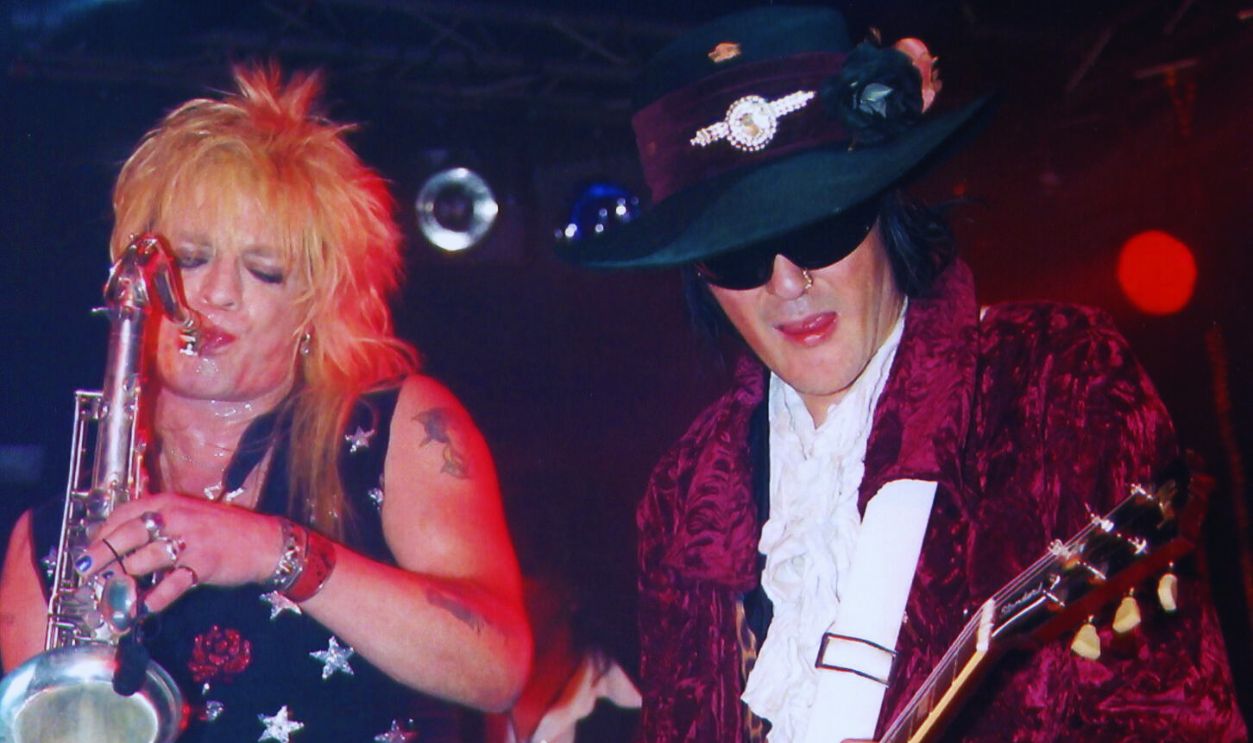
Hanoi Rocks went on an ambitious Asia tour in 1983, playing Japan and neighboring markets where Western rock bands were still a novelty. These shows expanded their audience beyond Europe, boosted record sales, and strengthened their reputation as a global act. The tour’s success reinforced the band’s and the music industry’s belief that an American breakthrough was now within their reach.
 Jadranka Krsteska, Getty Images
Influence On The Sunset Strip
By the early 80s, Hanoi Rocks were drawing a lot of fascinated attention from musicians in Los Angeles. Their image and sound had an influence on emerging glam metal acts of that time that were springing up all over the place like mushrooms after a rain shower. But the band itself was still frustratingly outside the American spotlight.
 Tuomas Vitikainen, Wikimedia Commons
Culture Shock
Not everything was coming up roses. The band encountered hostility in some places, most notably in Israel where people spat on Michael Monroe because of his feminine-looking hair and clothing. It was a reminder that they were still a long way from the Sunset Strip.
 Tuomas Vitikainen, Wikimedia Commons
Razzle’s Role In The Band
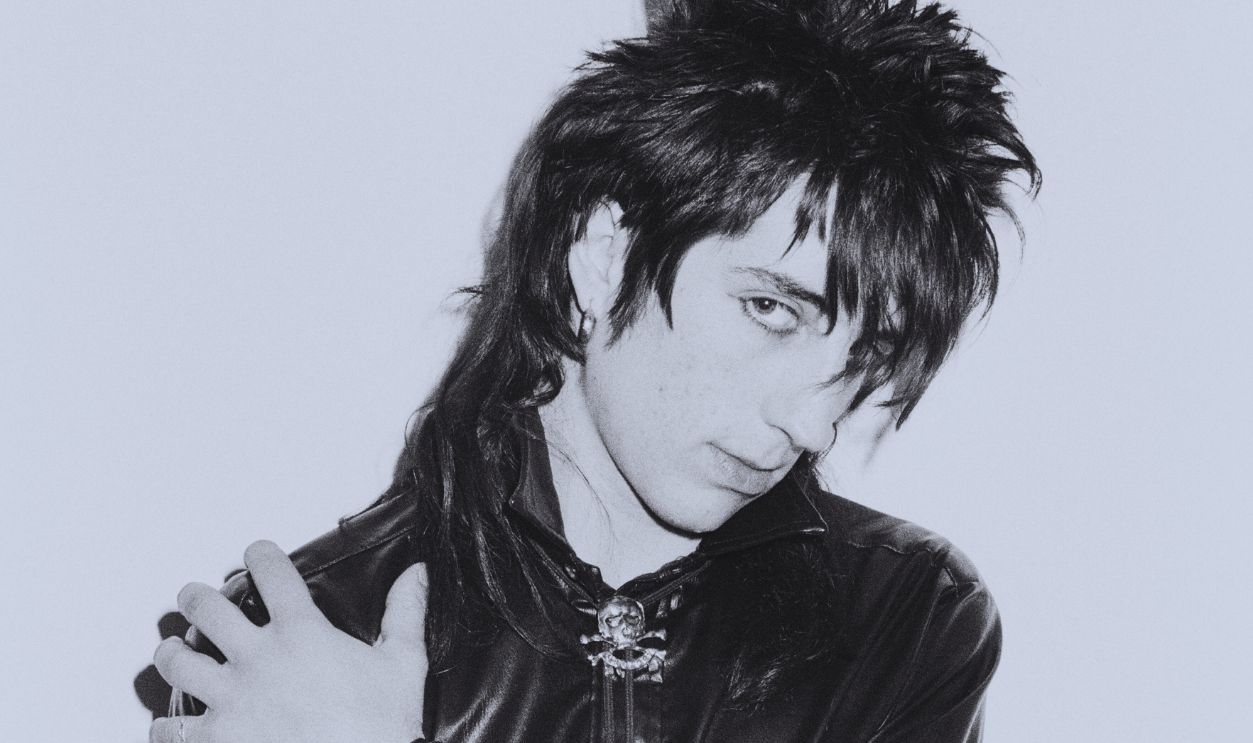
Drummer Nicholas 'Razzle' Dingley joined Hanoi Rocks after seeing one of their concerts in London in 1983. After the show he went backstage and offered to become their drummer. Impressed, Hanoi Rocks replaced Gyp Casino with Razzle. The new percussionist brought both musical drive and chaotic personality to the group. His presence completed the band’s volatile chemistry, making him essential to both their sound and image.
Razzle’s Rise
Born in Royal Leamington Spa, England, Nicholas "Razzle" Dingley began drumming as a teenager, immersing himself in the UK punk scene. Before joining Hanoi Rocks, he played with bands like The Dark and The Necromantics, patiently building a reputation on the local rock scene. His striking appearance matched his aggressive, no-holds-barred playing style.
 MissMarshadow, Wikimedia Commons, Modified
Signing With A Major Label
With the euphoria of the Asian tour still wearing off, the band secured a three-album deal with Columbia Records in June 1983. This step suggested their long climb to the top of rock ‘n’ roll was finally paying off. Industry insiders increasingly viewed Hanoi Rocks as a potential breakout act rather than just another overseas curiosity, here today and forgotten tomorrow. Hanoi Rocks was determined to make good.
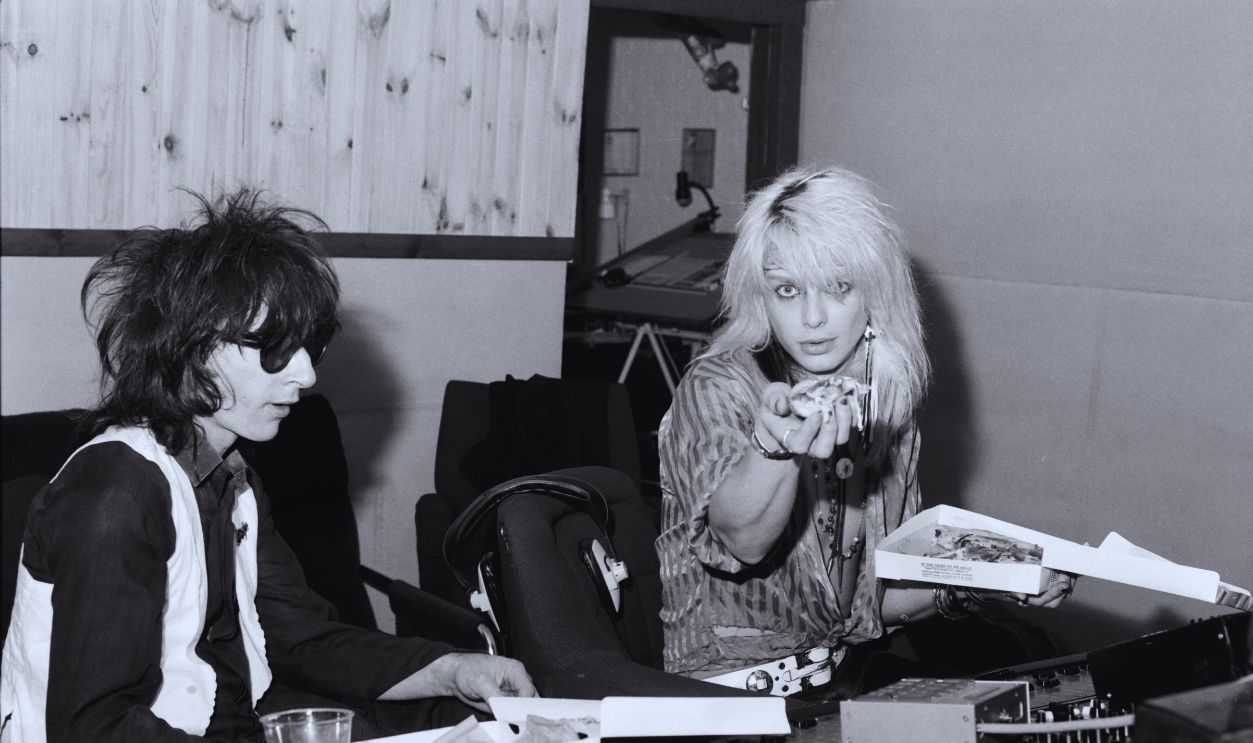
US Tour Plans
Knowing they needed to make a bold move to achieve wider success, Hanoi Rocks started their first US tour in late 1984. With the August release of the album Two Steps from the Move, the tour would stick them front and center before the all-important US rock audience. It was a major turning point, as record label interest grew and expectations rose sharply along with it.
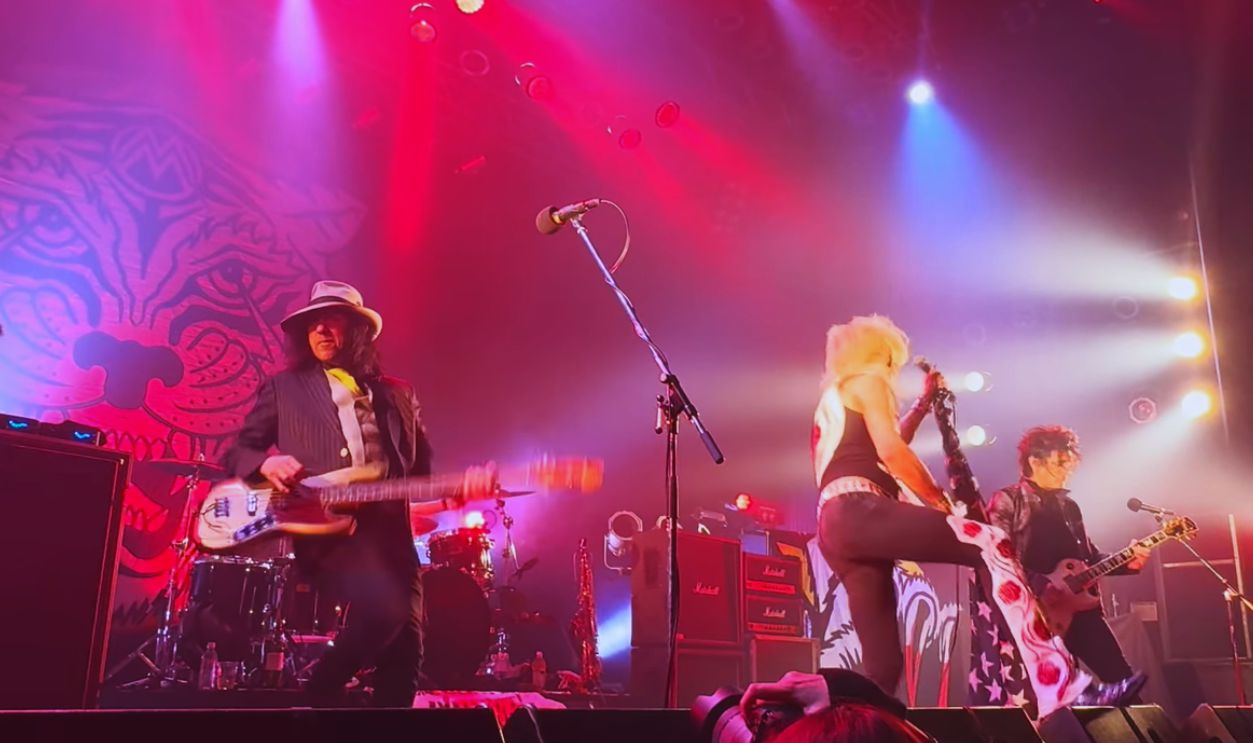 Screenshot from Michael Monroe – Two Steps From the Move, Warner Bros. Records (1984)
In Tough From The Start
The first few stops on the tour went fantastic. Then Michael Monroe broke his ankle during a concert in Syracuse, New York on November 29. Several tour dates were cancelled. The Los Angeles tour dates were sold out in a matter of minutes, amazing news for the anticipation of the band’s arrival in the global capital of Glam Metal.
 Tuomas Vitikainen, Wikimedia Commons
The Night Everything Changed
It was December 8, 1984. Motley Crue were at the top of the LA hard rock scene, and in the spirit of heavy metal camaraderie, they threw a party to welcome Hanoi Rocks to town. At some point Razzle and Motley Crue lead vocalist Vince Neil hopped into Neil’s sports car and took off to get beer. Both men were impaired.
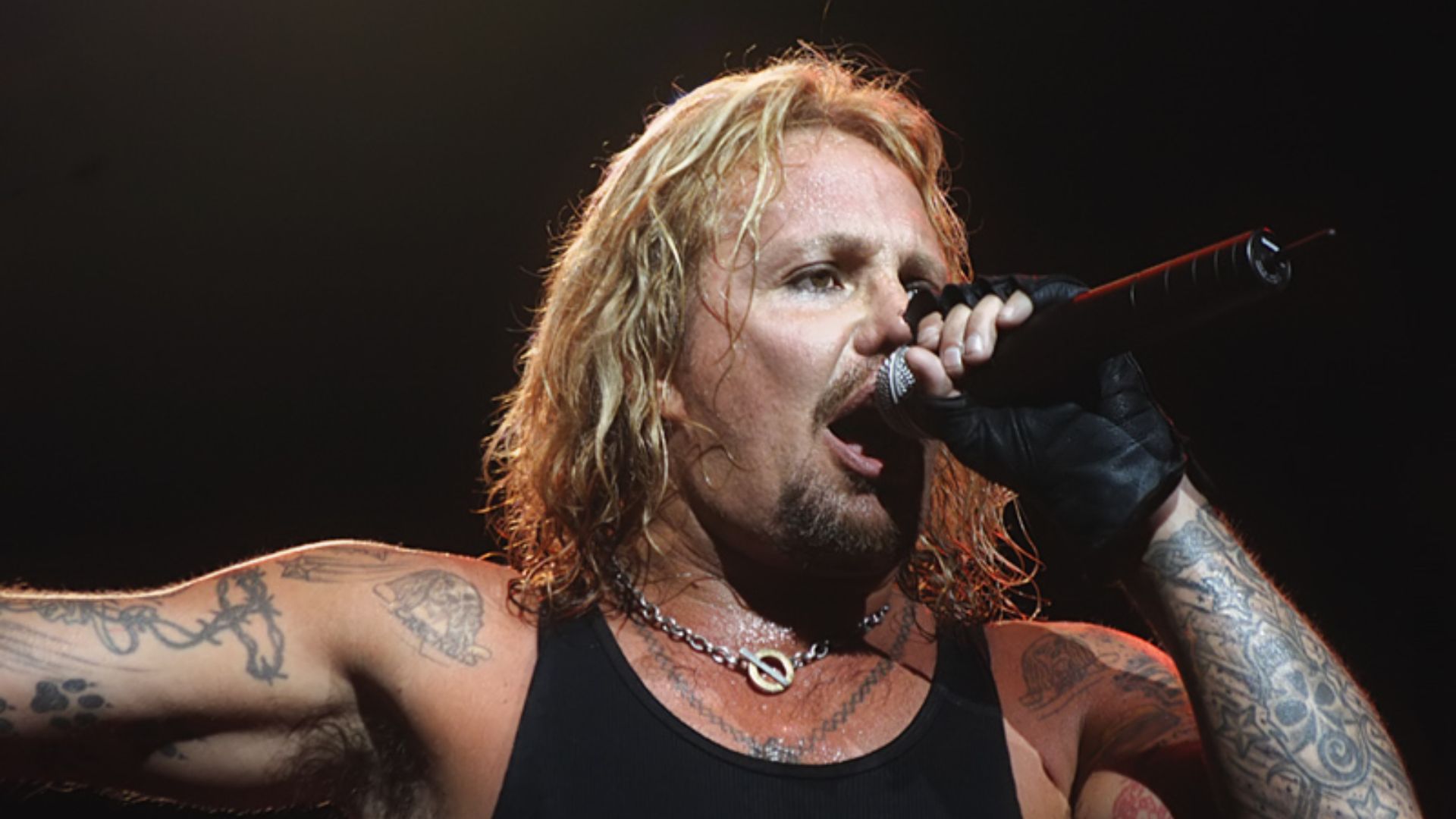 Brad Petersen, Wikimedia Commons
He Was Gone
Barreling down a winding Hollywood road, Vince Neil lost control of his car and smashed into an oncoming vehicle. All four people involved in the accident were seriously hurt. Tragically, Razzle didn’t make it and was declared dead on arrival at the hospital. The loss was too much.
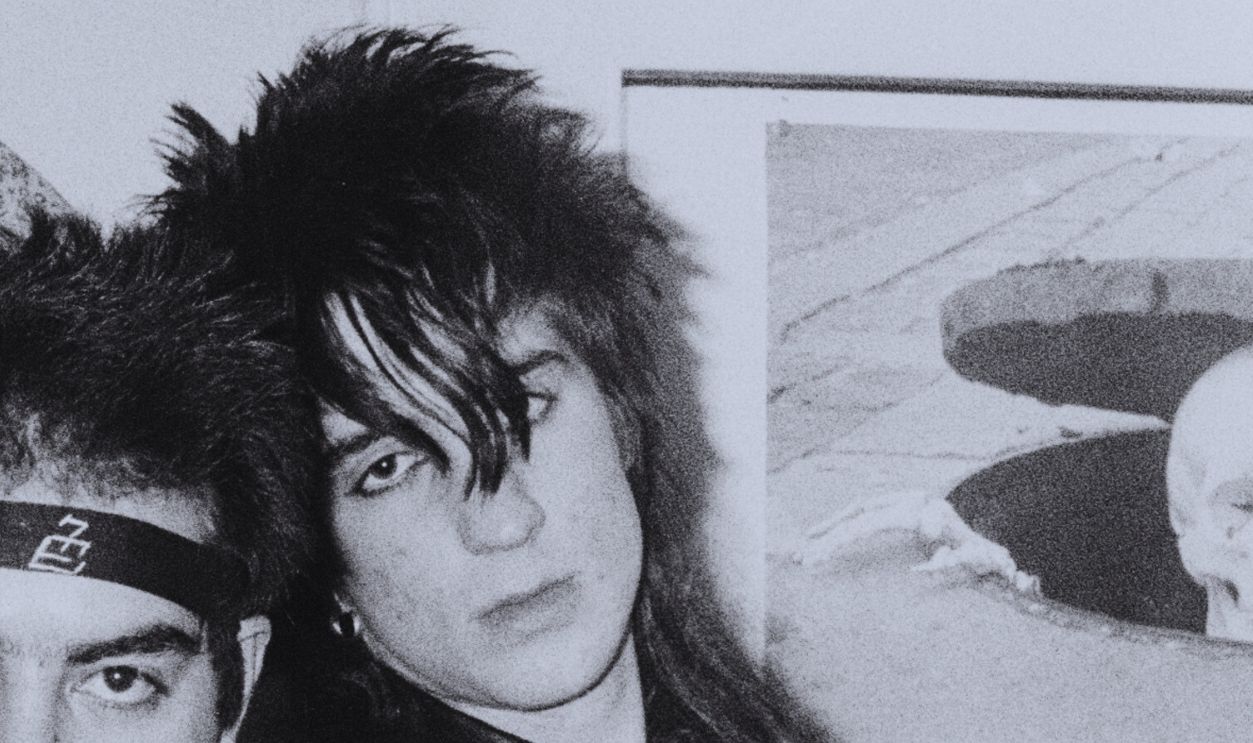
Immediate Fallout
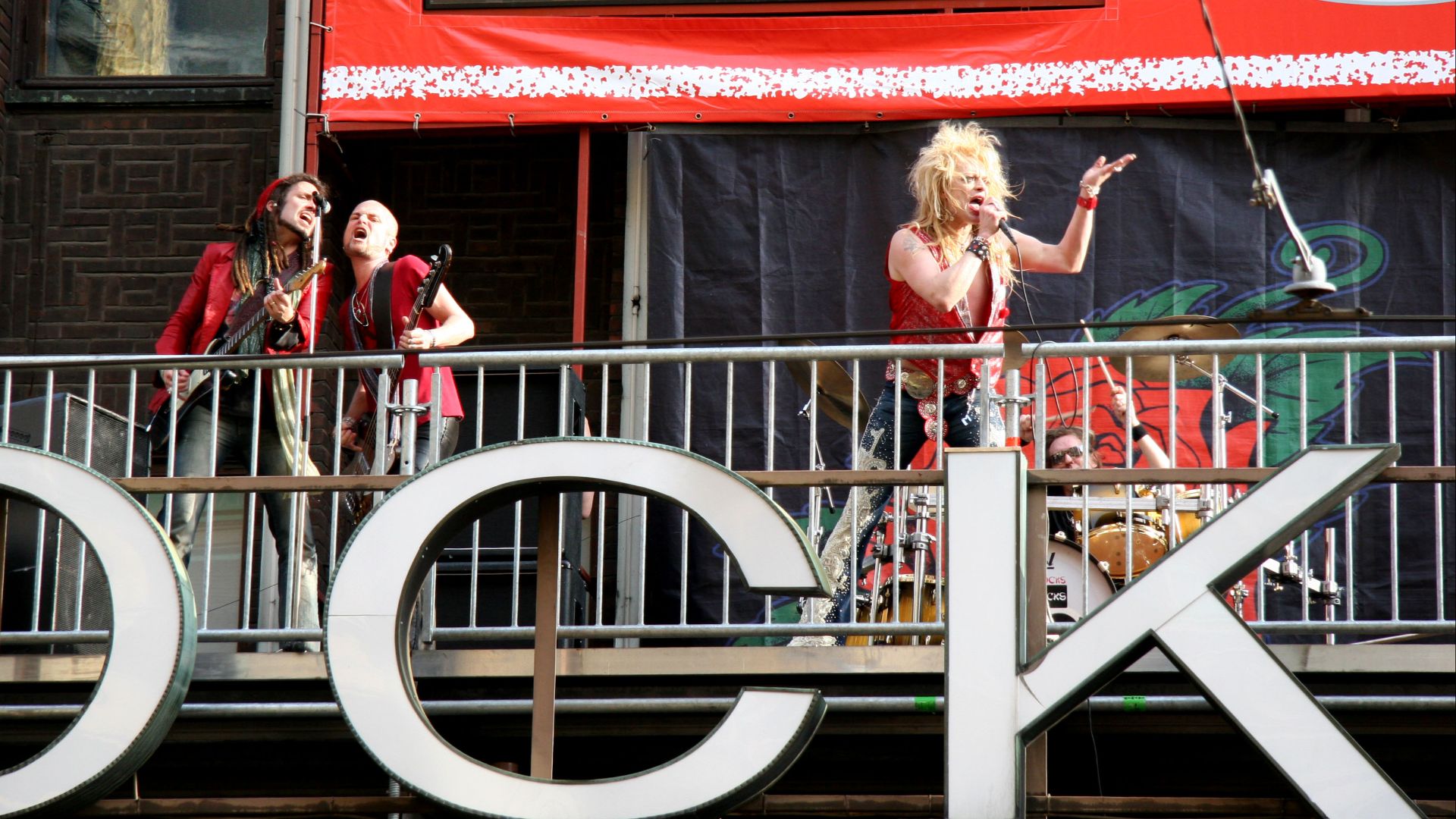
The devastating loss of Razzle left the band reeling emotionally and musically. Tour dates were cancelled, plans evaporated, and the sense of momentum that had built steadily over years of work seemed to evaporate in an instant.
 /kallu from Helsinki, Finland, Wikimedia Commons
Attempting To Continue
Hanoi Rocks attempted to carry on with replacement drummers, but the chemistry and urgency of the music was too far gone. Part of the problem was that public interest had cooled off, and the emotional toll of the loss of such a pivotal musician proved difficult to overcome.
 Steve Knight from Halstead, United Kingdom, Wikimedia Commons
Industry Attention Dries Up
What once looked like a clear path to stardom now became uncertain. Label support weakened, and the band found themselves lurching along and losing ground just as other similar rock bands that they had inspired surged ahead, borne aloft by the updrafts of an 80s glam-rock renaissance.
 Pavel Rybin from Manchester, UK, Wikimedia Commons
Breakup As Momentum Faded
In May 1985, Michael Monroe quit the band. Hanoi Rocks officially disbanded. The decision was a practical and emotional one, rather than any loss of artistic vision or vitality. What had once felt like an accelerating ascent now resembled a sudden dead end, leaving fans and rock observers to wonder what might have been.
 Adrian Perez from Helsinki, Finland, Wikimedia Commons
Influence Seen In Contemporary Glam Bands
Even though Hanoi Rocks were gone, their style remained visible. Bands across the mid-80s glam scene borrowed from their look and swagger, often without direct acknowledgment. Echoes of this influence surfaced through fashion, melodies, and stage presence, keeping Hanoi Rocks indirectly present.
 Adrian Perez from Helsinki, Finland, Wikimedia Commons
Long Gap And Lasting Reputation
For years, Hanoi Rocks existed solely through albums, bootlegs, and the increasingly hazy memories of 80s rock fans. No sustained reunion plans ever emerged throughout the 90s, which were admittedly some lean years for glam metal. Their story became a classic example of interrupted momentum, often referenced in interviews and retrospectives by musicians whose attitudes and music were shaped during that period.
 Flickr user techiedog, Wikimedia Commons
The 2002 Reunion Brings Closure
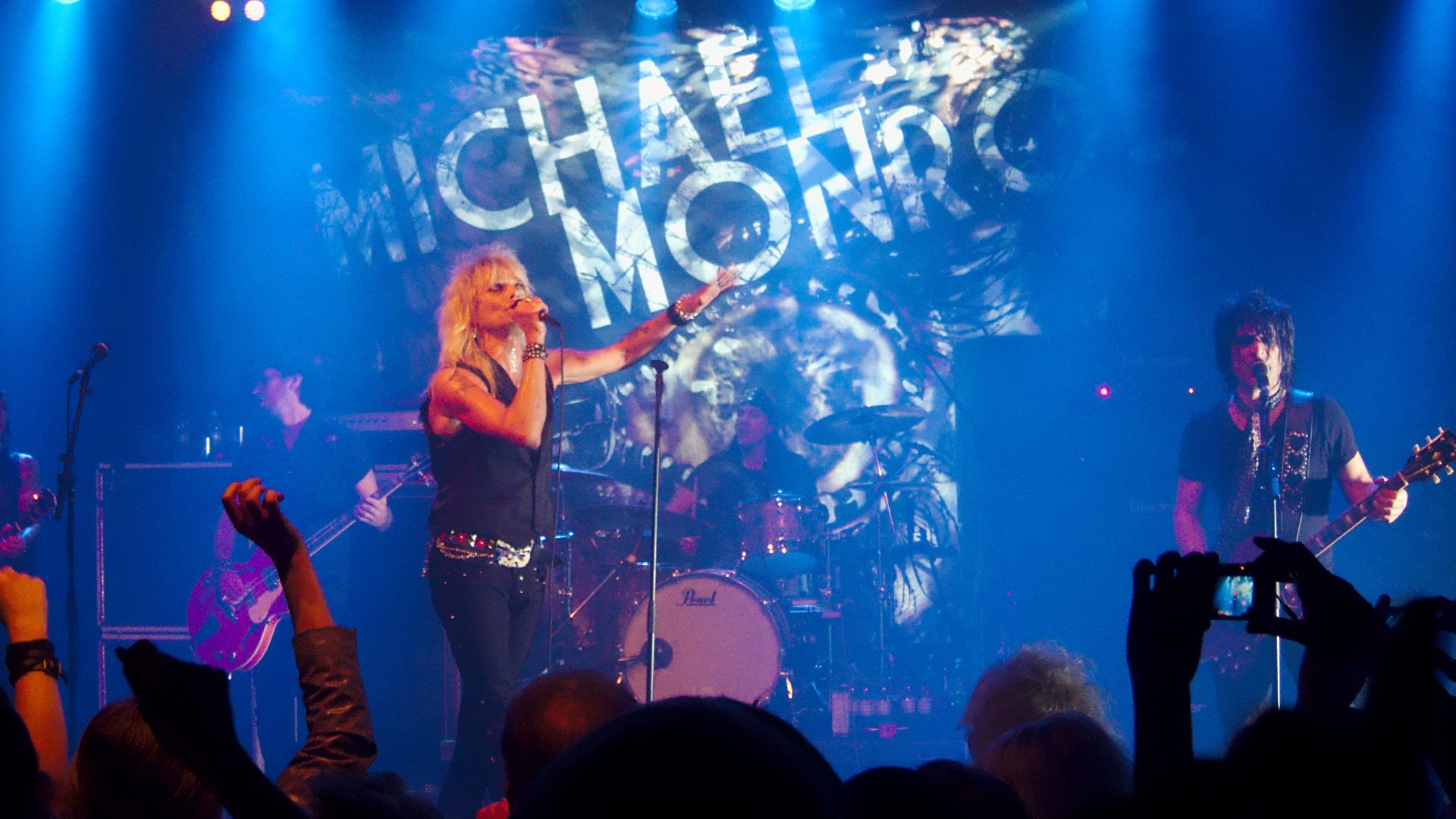
In 2002, Hanoi Rocks reunited with its surviving core members, releasing a new album, Twelve Shots on the Rocks and touring selectively. The reunion was an additional chapter to their unfinished history with no attempt to rewrite it. Instead of chasing trends, the band revisited their catalog, stuck to their core musical vision, and reconnected with longtime supporters.
 Adrian Perez from Helsinki, Finland, Wikimedia Commons
A Brief But Amazing Run
Hanoi Rocks’ career didn’t follow a neat trajectory. Their story is perhaps best understood through a few specific moments of the kind that can change any human being’s destiny forever. The agonizing choices they had to make in the aftermath of the loss of their friend, and the guts to relaunch in the 2000s has assured Hanoi Rocks a special place in the memories of rock fans.
You May Also Like: