When a Title Becomes a Liability
A great song title can launch a hit in seconds. It can also quietly ruin an artist’s life. Some titles were misunderstood. Others aged badly. A few became punchlines the moment they hit radio. For these artists, the title didn’t just sell the song. It became the thing they could never escape.
“Brown Sugar” (The Rolling Stones)
Mick Jagger has acknowledged regret over the song in hindsight, particularly how the title and lyrics have aged. Over time, the discomfort grew impossible to ignore, and The Stones eventually stopped performing it live altogether.
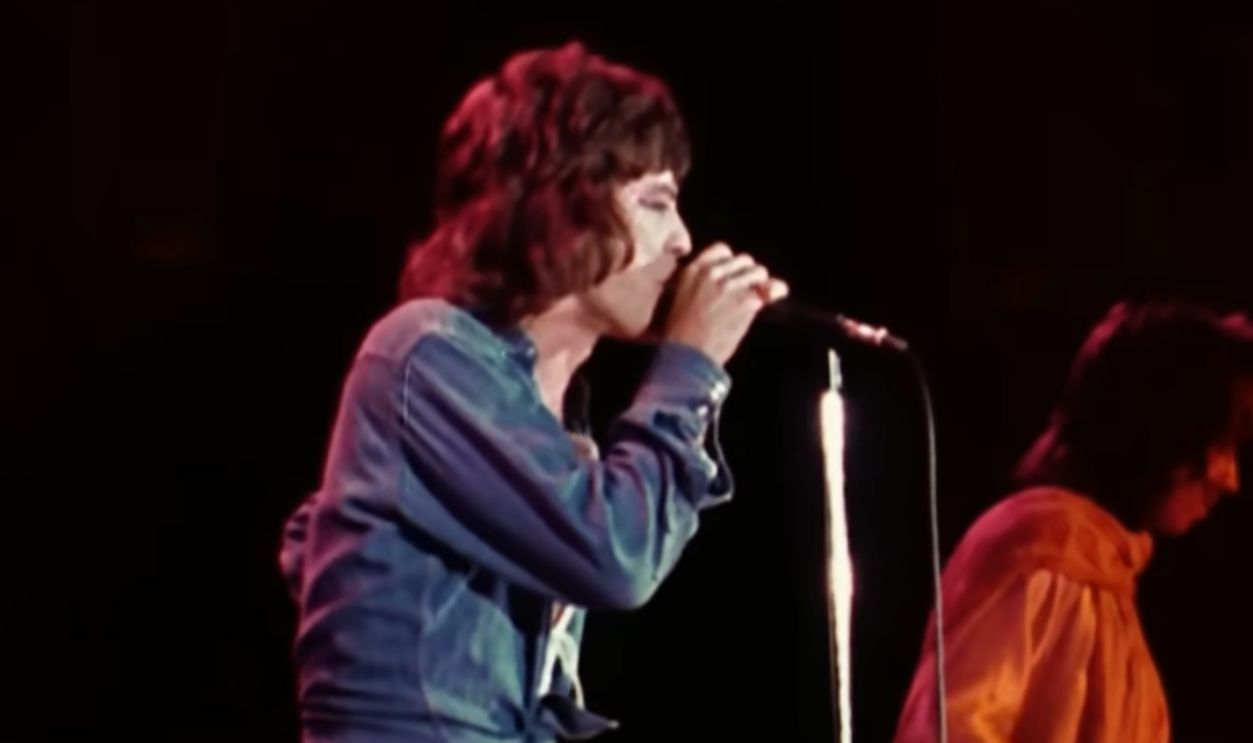 Screenshot from Brown Sugar, Rolling Stones (1971)
“Every Breath You Take” (The Police)
Sting has been blunt about this one, calling it 'a nasty little song' and 'rather evil.' It’s about obsession and control, not love. The title sounds tender and reassuring, which helped turn it into a wedding staple—something Sting has said makes him uneasy.
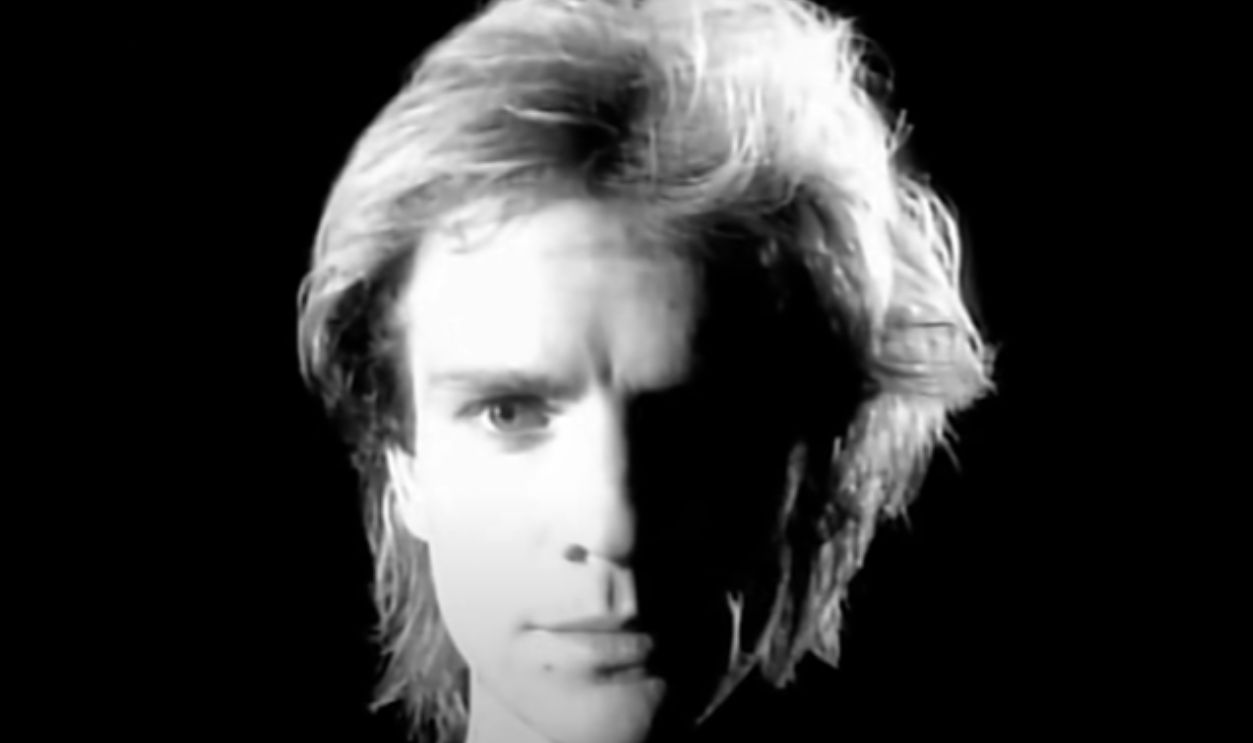 Screenshot from Every Breath You Take, A&M Records (1983)
“Losing My Religion” (R.E.M.)
Michael Stipe has spent decades explaining that the phrase isn’t religious at all. It’s Southern slang for losing your composure. The title immediately pushed listeners toward the wrong meaning, and once the song became a hit, that misunderstanding became permanent.
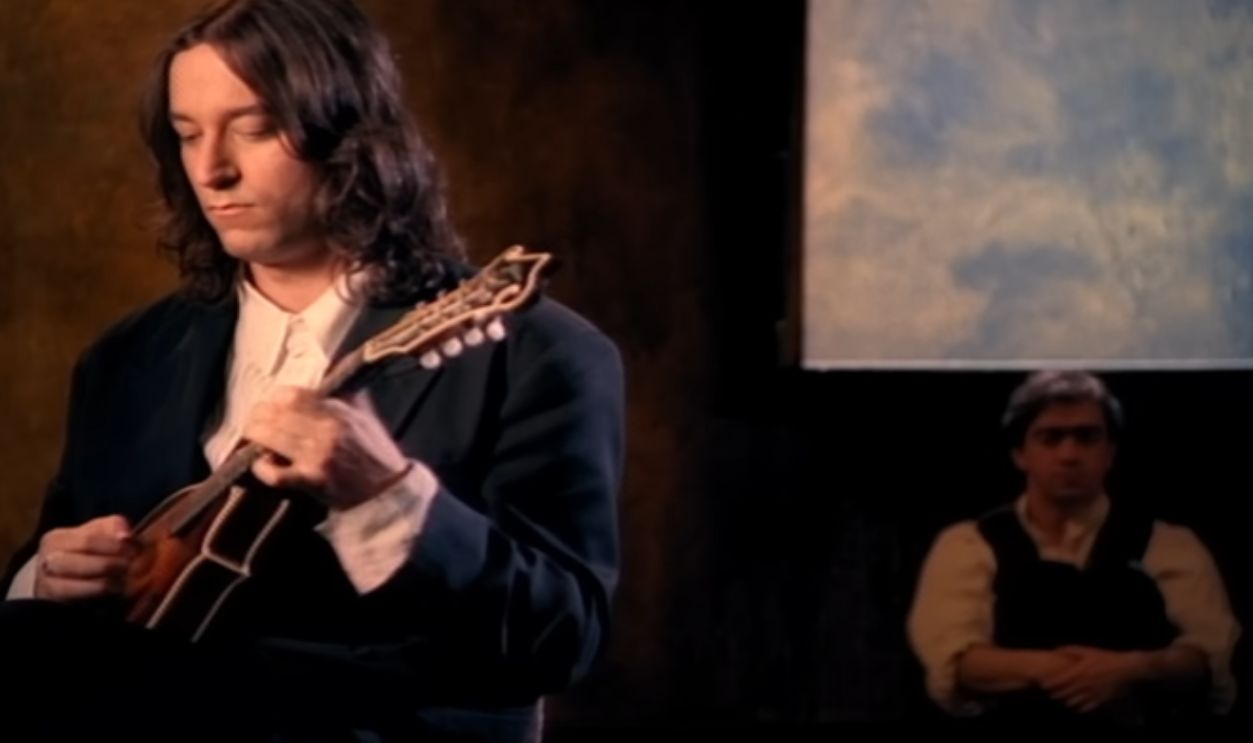 Screenshot from Losing My Religion, Warner Bros. (1991)
“Smells Like Teen Spirit” (Nirvana)
Kurt Cobain didn’t invent the phrase as a cultural statement. It came from graffiti written by Kathleen Hanna referencing a deodorant brand, something Cobain didn’t even realize at first. Once the song exploded, the title became a generational slogan. Cobain later admitted he felt uncomfortable with that weight, saying he felt like he was 'selling out' every time the song was treated as a mission statement instead of an accident.
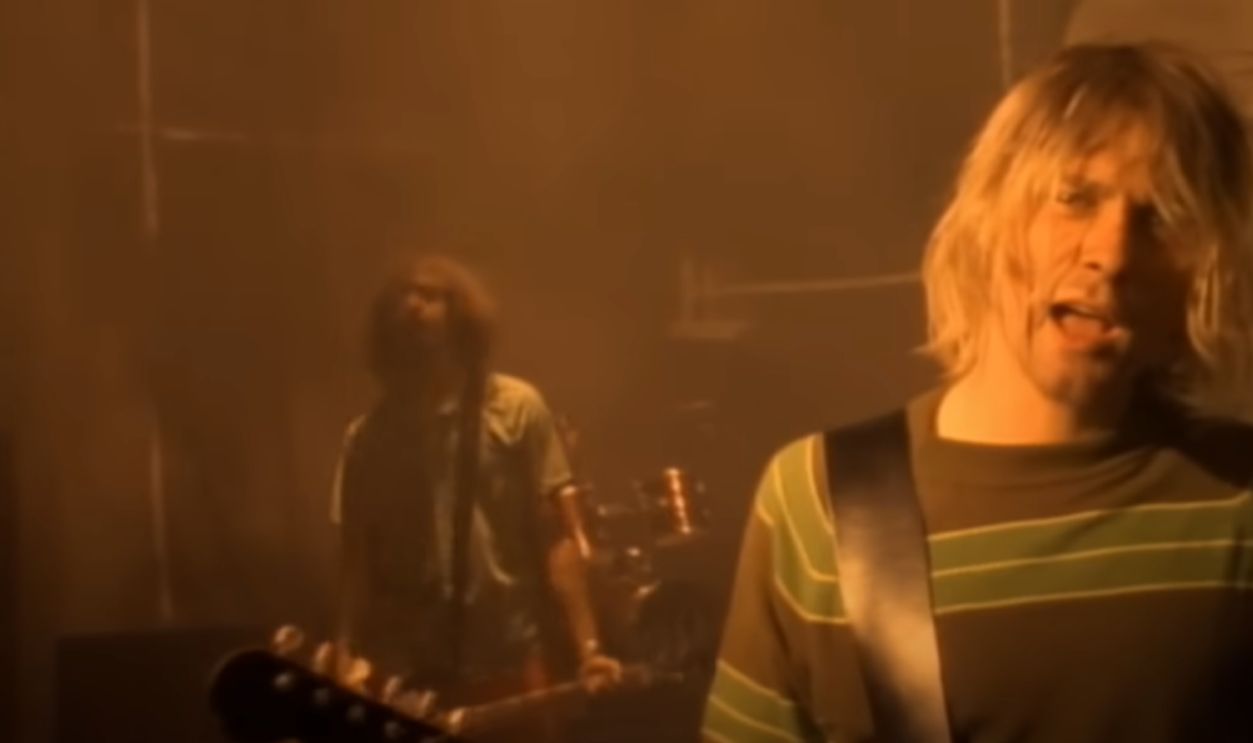 Screenshot from Smells Like Teen Spirit, DGC Records (1991)
“Semi-Charmed Life” (Third Eye Blind)
The upbeat title was intentional—it disguised lyrics about crystal meth addiction and self-destruction. Stephan Jenkins later acknowledged that contrast. It helped the song dominate radio, but it also locked it into a feel-good category that missed the point.
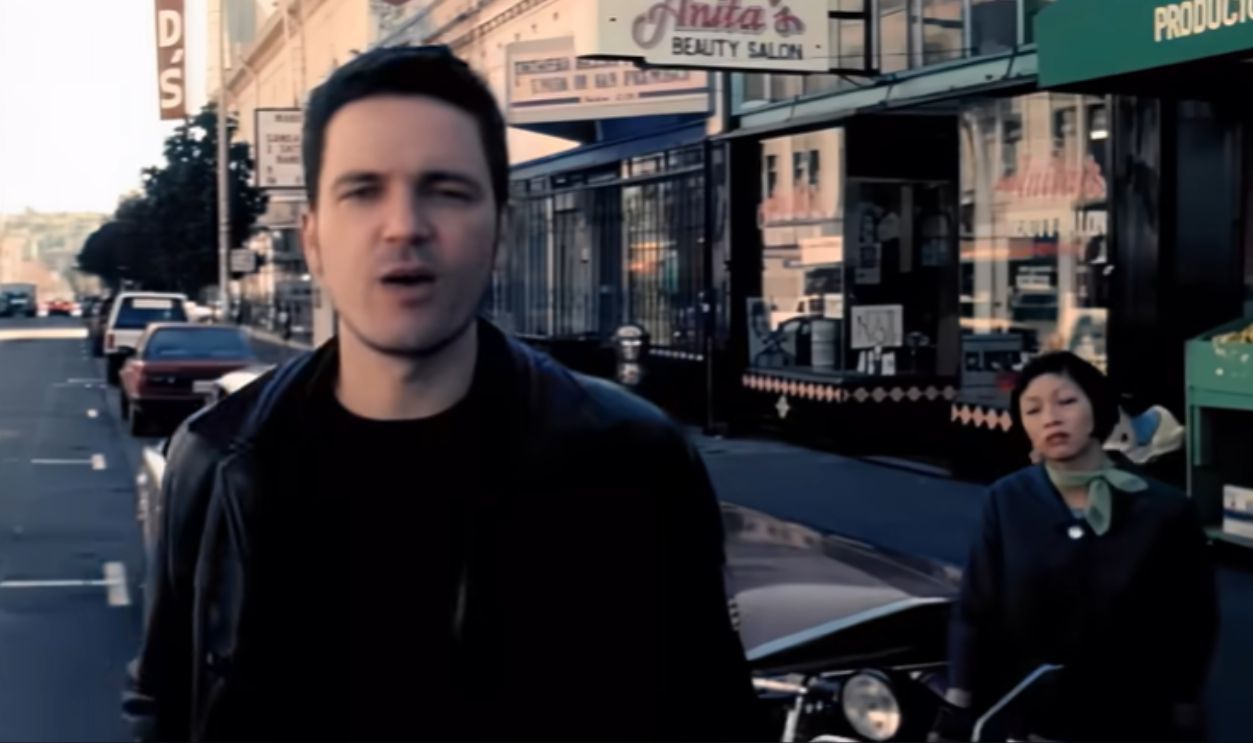 Screenshot from Semi-Charmed Life, Elektra Records (1997)
“Take Me to Church” (Hozier)
Hozier has repeatedly clarified that the song isn’t religious in a literal sense. The title pulled listeners toward interpretations he never intended, forcing constant explanation even as the song launched his career.
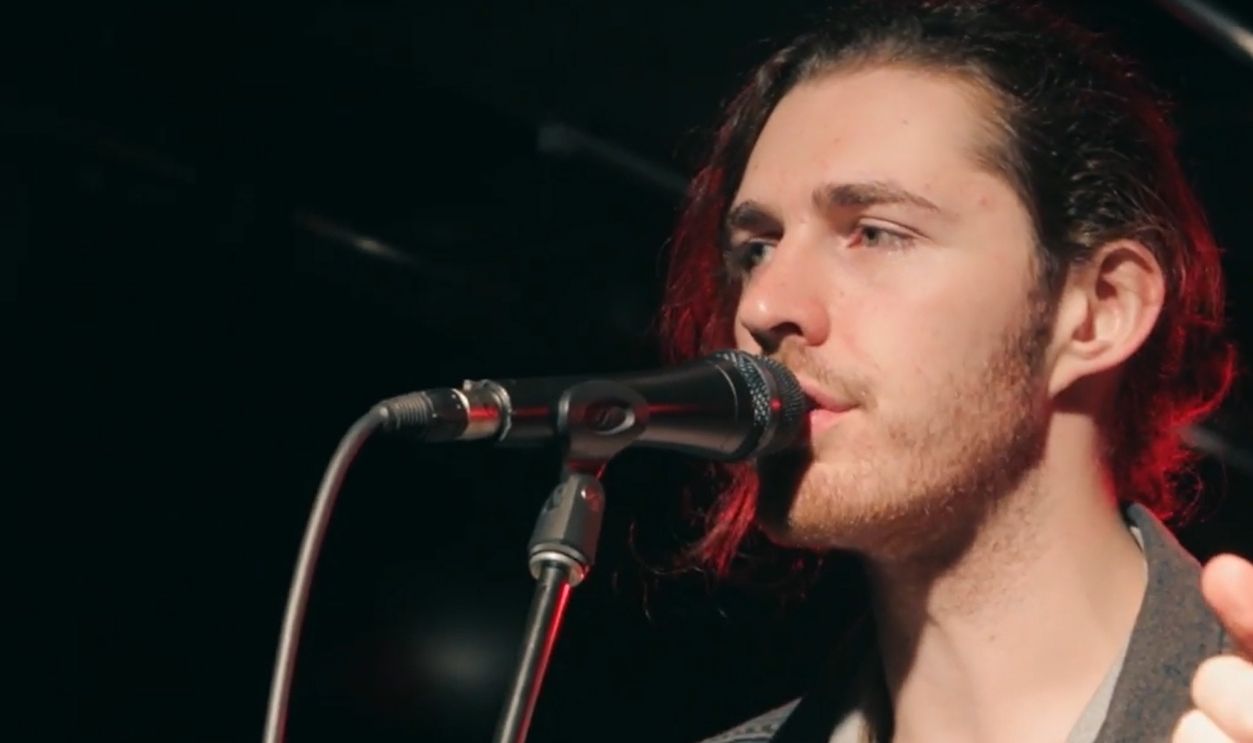 Screenshot from Take Me to Church, Rubyworks Records (2013)
“We Built This City” (Starship)
Grace Slick didn’t hide her frustration, once pointing out that there isn’t a city built on rock and roll. The title became a punchline almost immediately, even though the song itself was a hit.
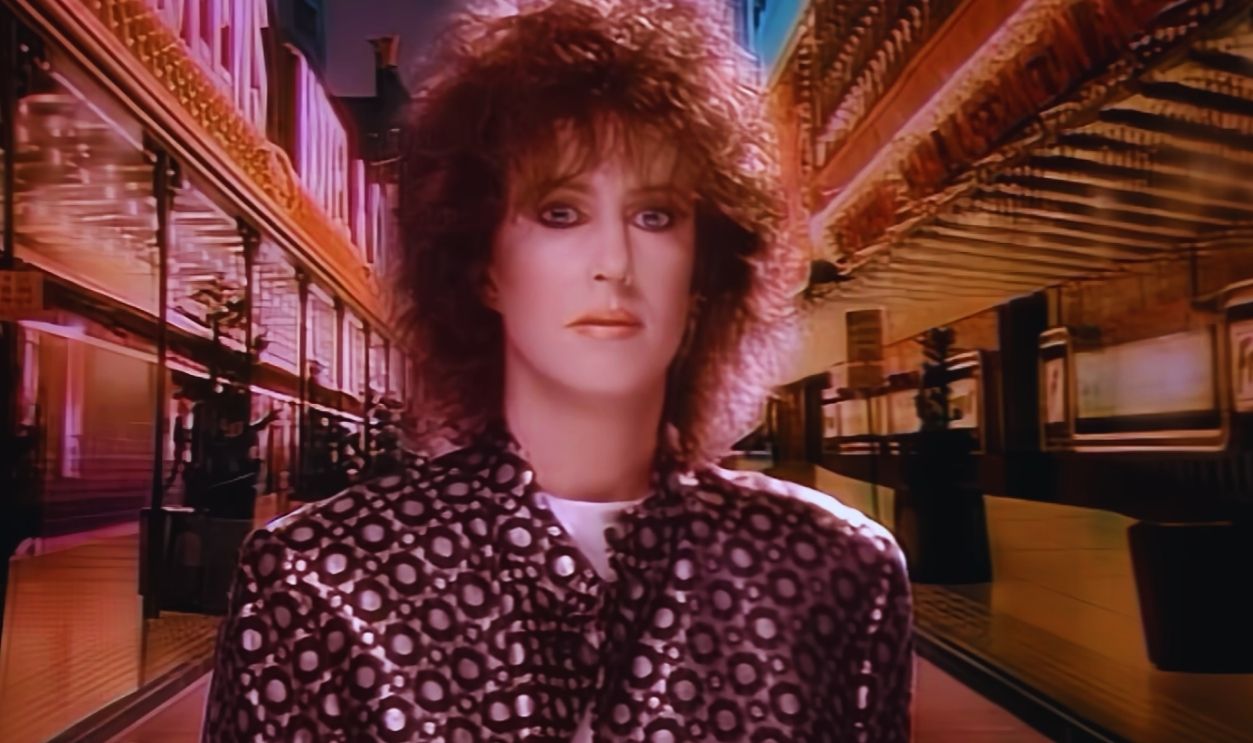 Screenshot from We Built This City, RCA Records (1985)
“You’re Beautiful” (James Blunt)
James Blunt has said the song became annoying due to overexposure and that it was force-fed to audiences. The literal title made it easy to parody and impossible to escape.
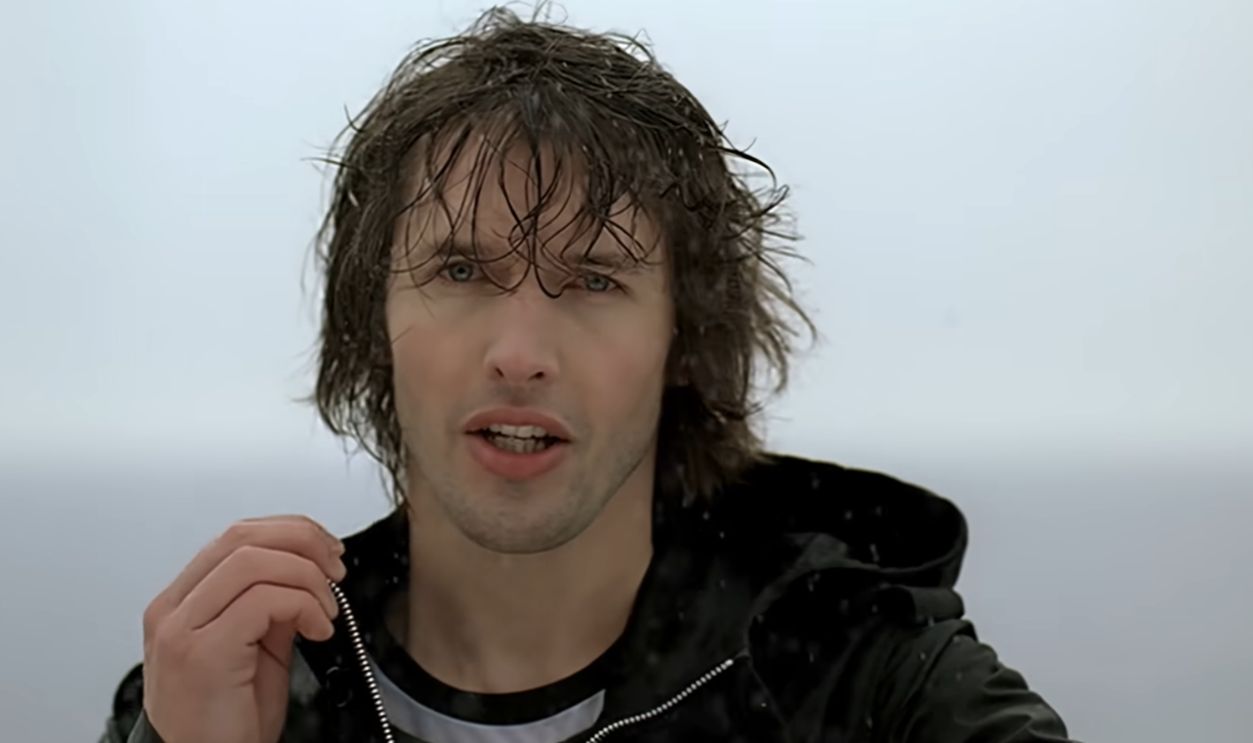 Screenshot from You’re Beautiful, Atlantic Records (2005)
“Wonderwall” (Oasis)
Noel Gallagher has called this one of his least favorite Oasis songs and has said he can’t stand hearing it anymore, not because of the music, but because of what the title came to represent.
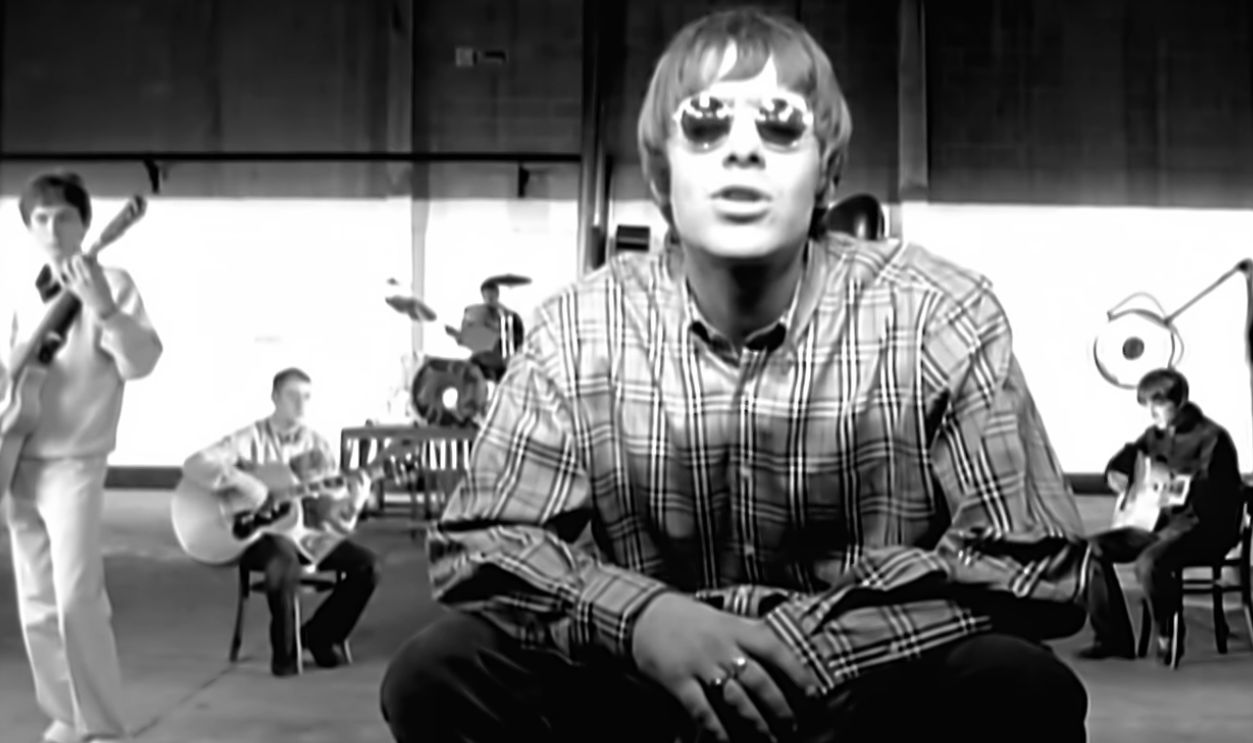 Screenshot from Wonderwall, Creation Records (1995)
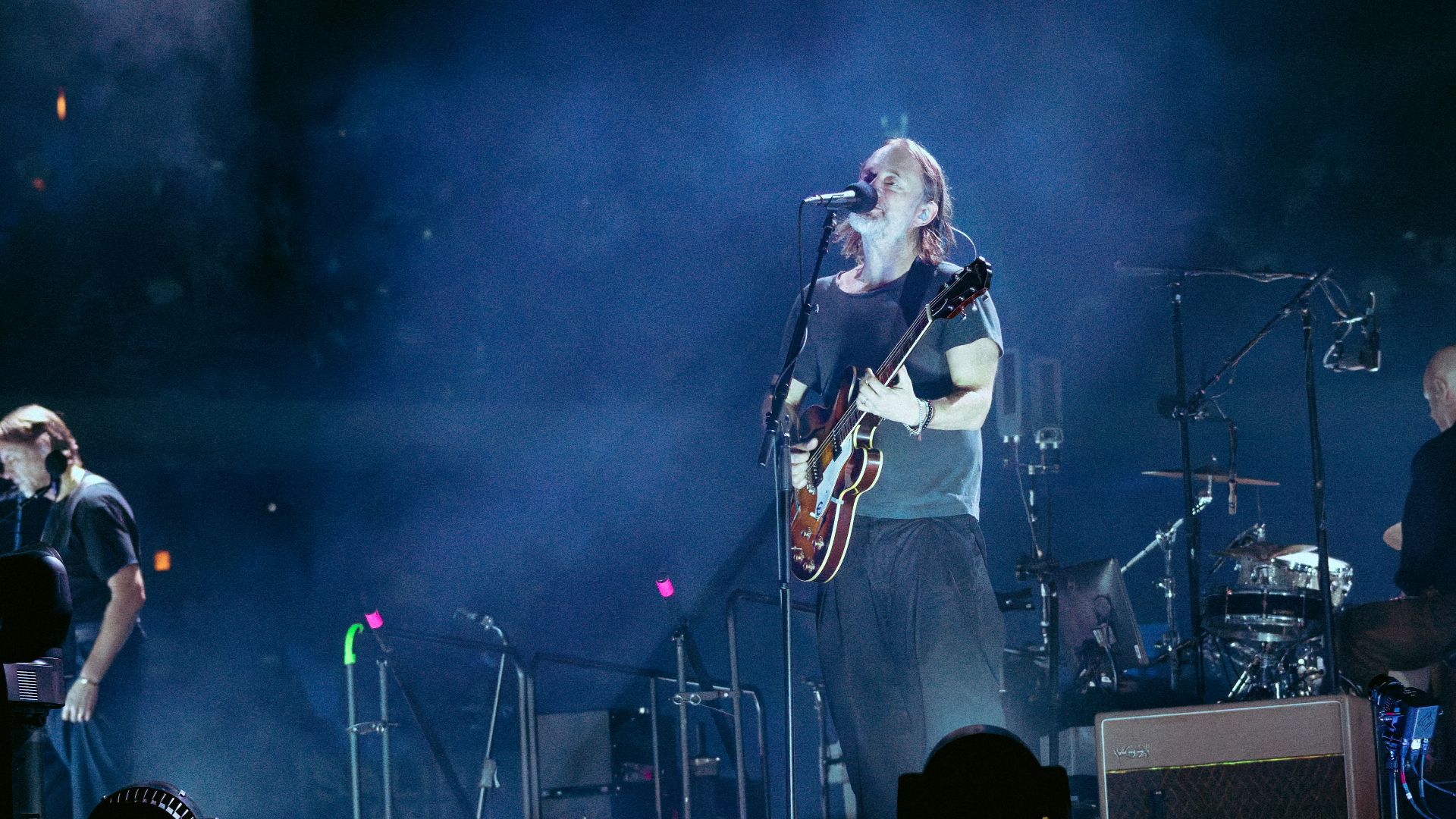
“Creep” (Radiohead)
Radiohead’s discomfort with the song is legendary. The title locked them into an identity they didn’t want, and while it opened doors early on, it became a label they spent years trying to shed.
“Born in the U.S.A.” (Bruce Springsteen)
Springsteen has repeatedly said the song is protest music, not a patriotic anthem. The title drowned out the lyrics, leading to decades of misunderstanding and political misuse.
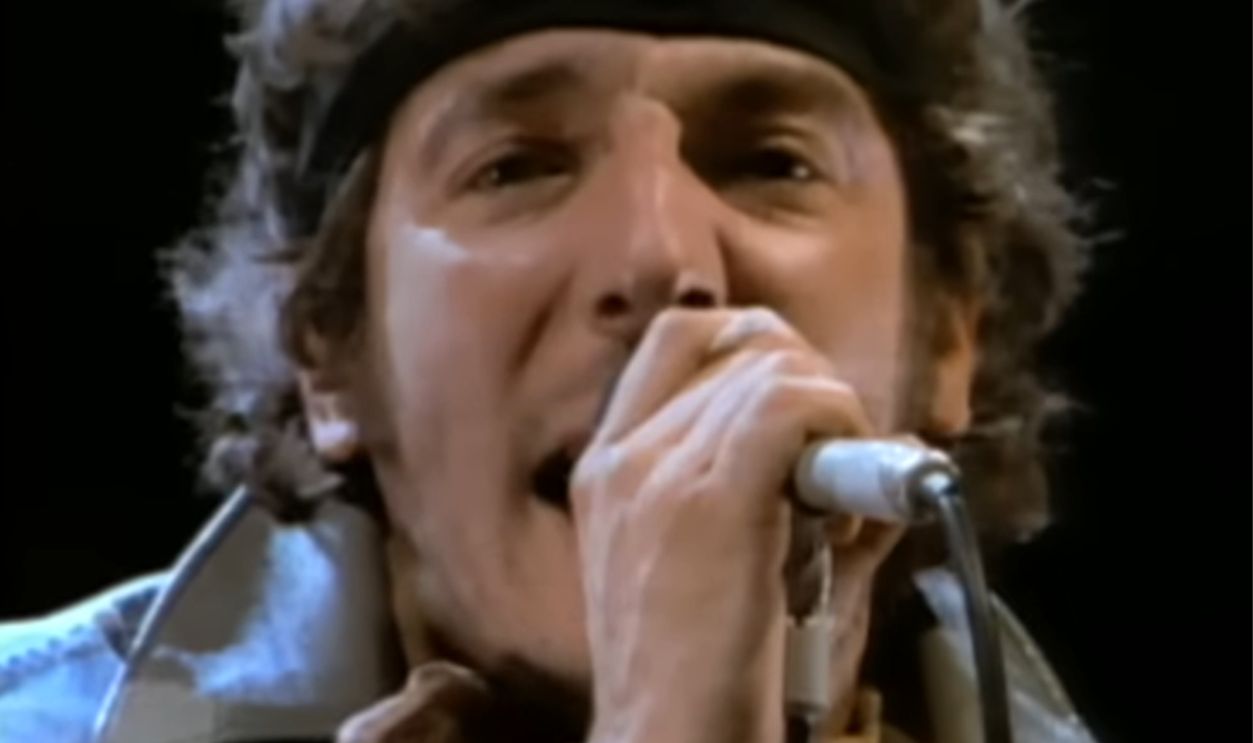 Screenshot from Born in the U.S.A., Columbia Records (1984)
“My Humps” (The Black Eyed Peas)
The group has openly distanced themselves from this one. will.i.am later referred to it as dumb fun that went too far, and the title became shorthand for everything critics disliked about their pop era.
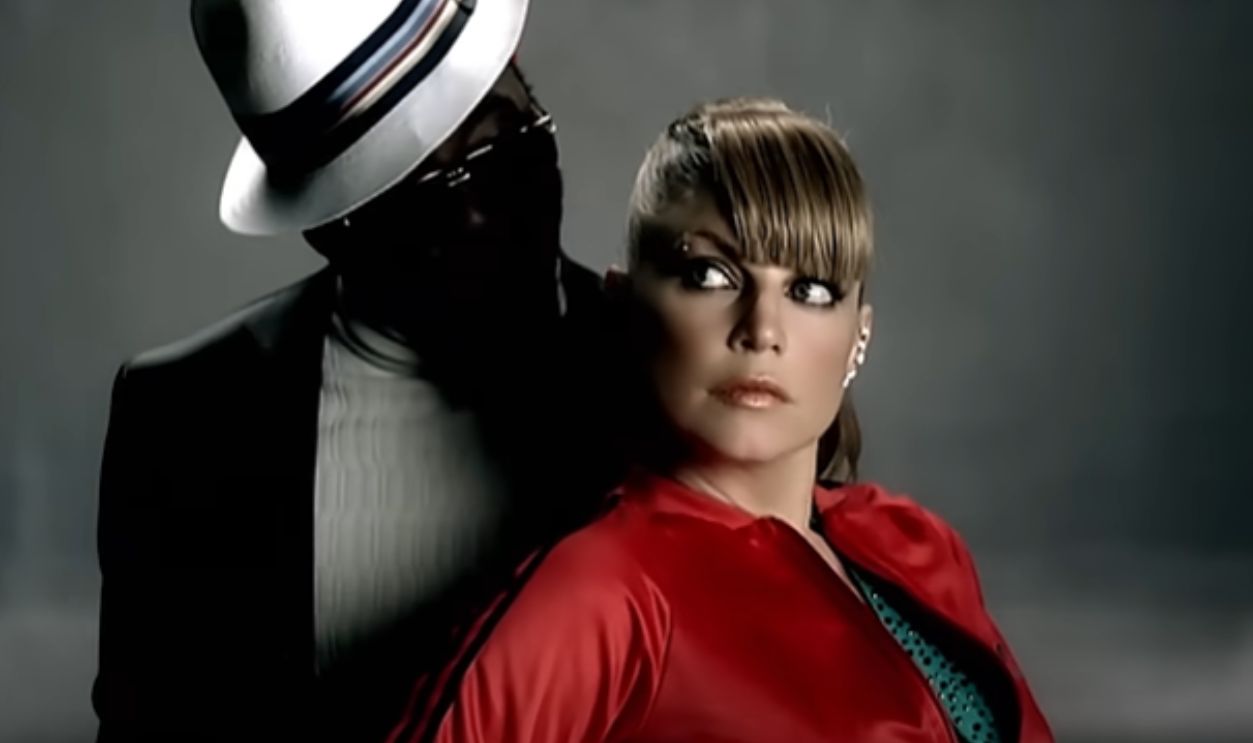 Screenshot from My Humps, Interscope Records (2005)
“You’re So Vain” (Carly Simon)
Carly Simon has said the title unintentionally turned the song into a guessing game about who it was written about. She later joked that people think the song is about them, something she never intended.
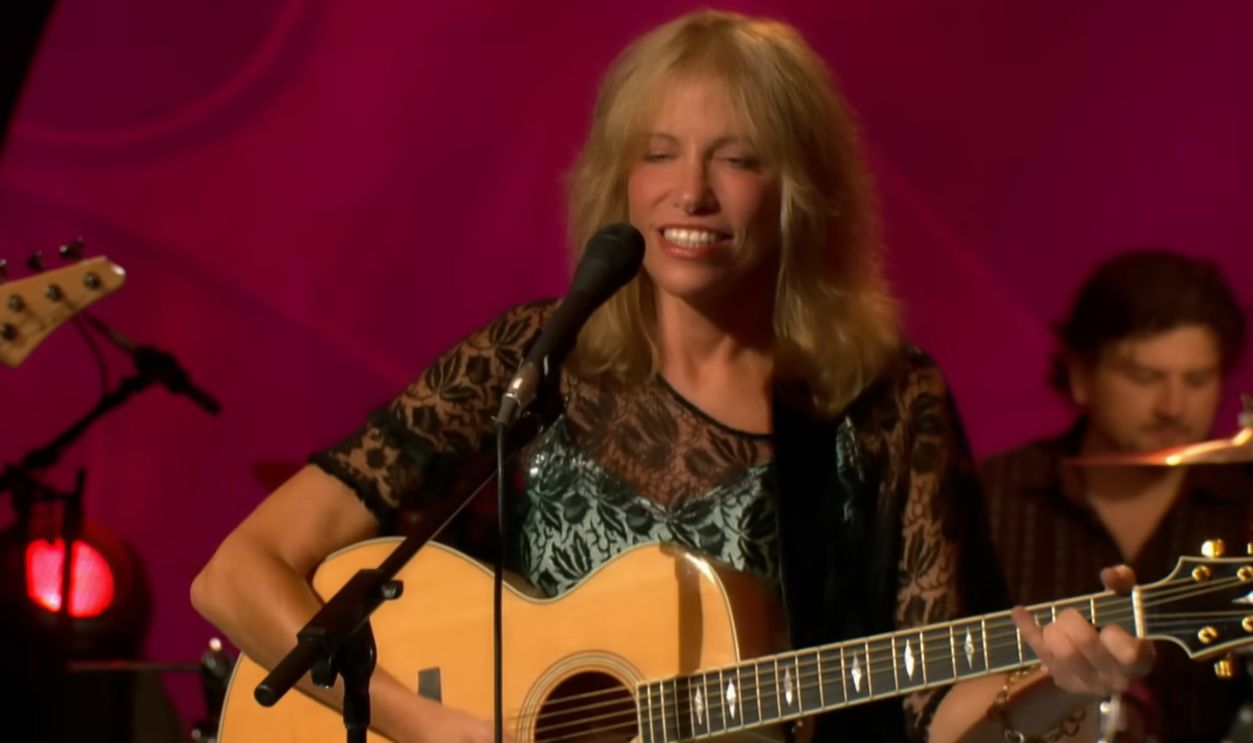 Screenshot from You’re So Vain, Elektra Records (1972)
“Ice Ice Baby” (Vanilla Ice)
Vanilla Ice has acknowledged that the title locked him into novelty status instantly. While the song was a massive hit, the name became inseparable from parody.
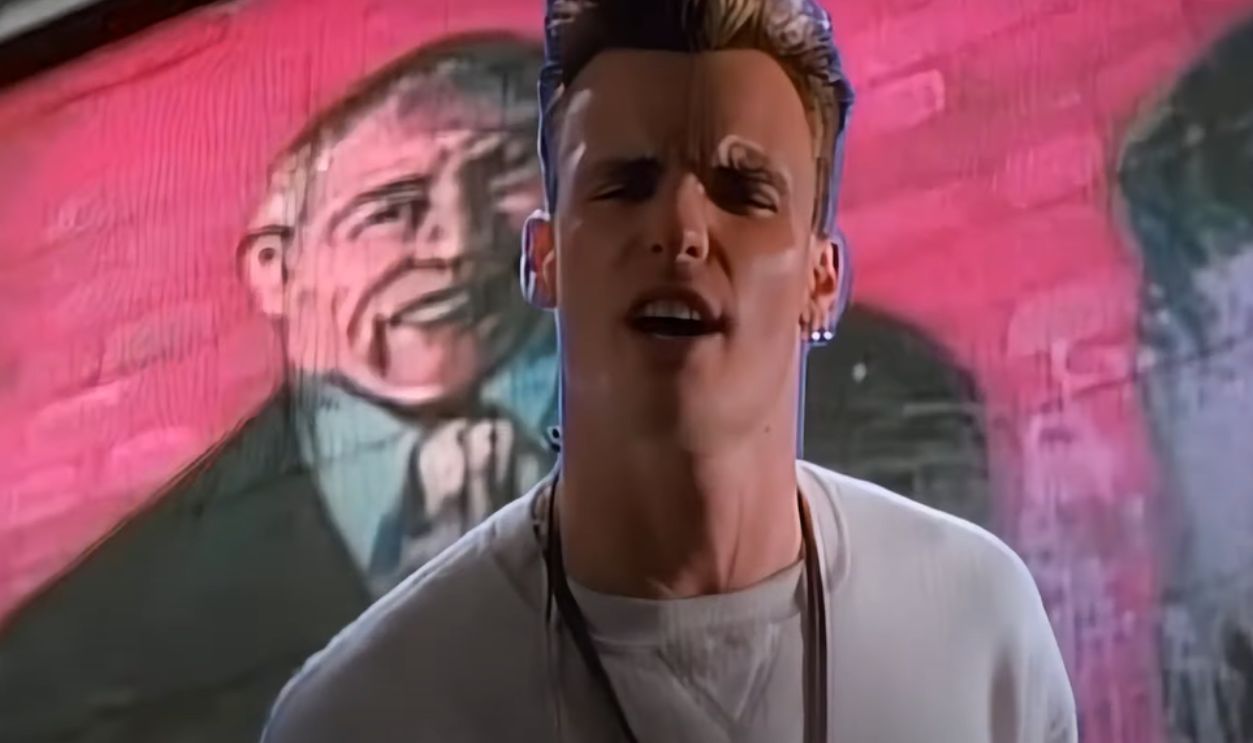 Screenshot from Ice Ice Baby, SBK Records (1990)
“Pumped Up Kicks” (Foster the People)
Mark Foster has spoken openly about discomfort with how the upbeat title and sound masked dark lyrics about violence, especially as the song’s meaning came under greater scrutiny.
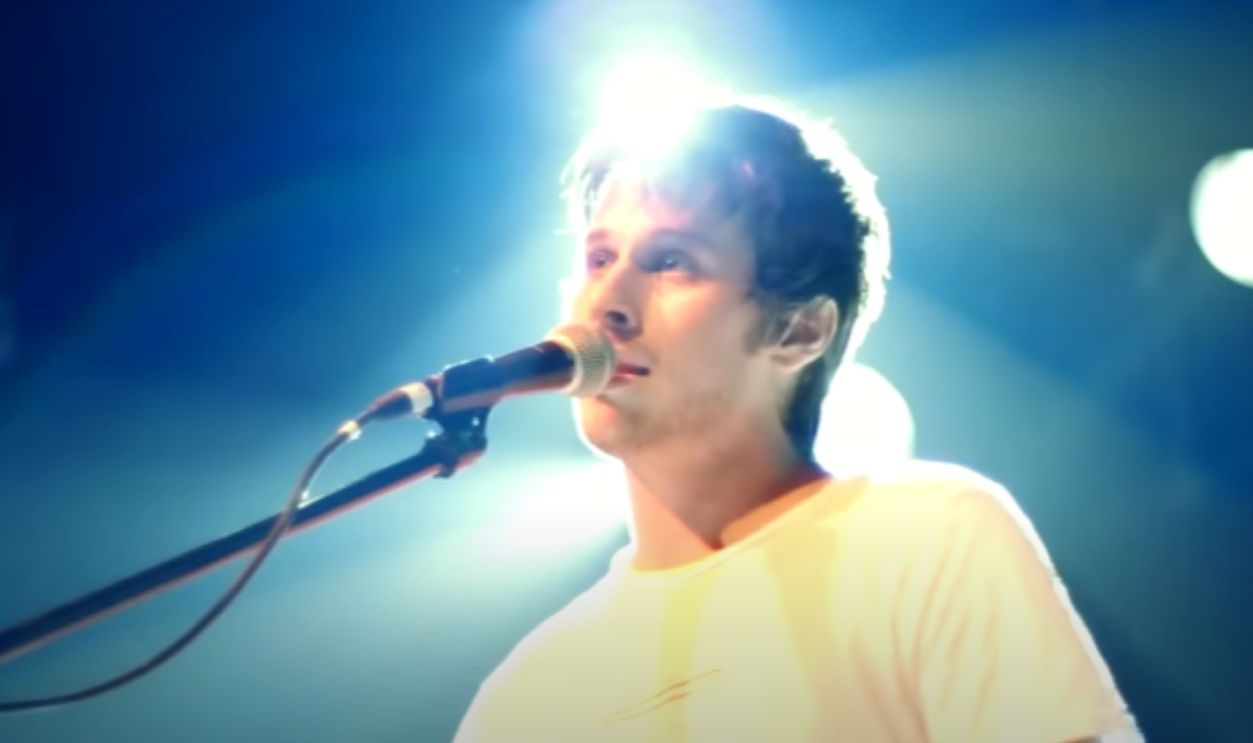 Screenshot from Pumped Up Kicks, Columbia Records (2010)
“Material Girl” (Madonna)
Madonna has said she disliked how the title became a label applied directly to her rather than a character in the song, shaping her public image in ways she later resented.
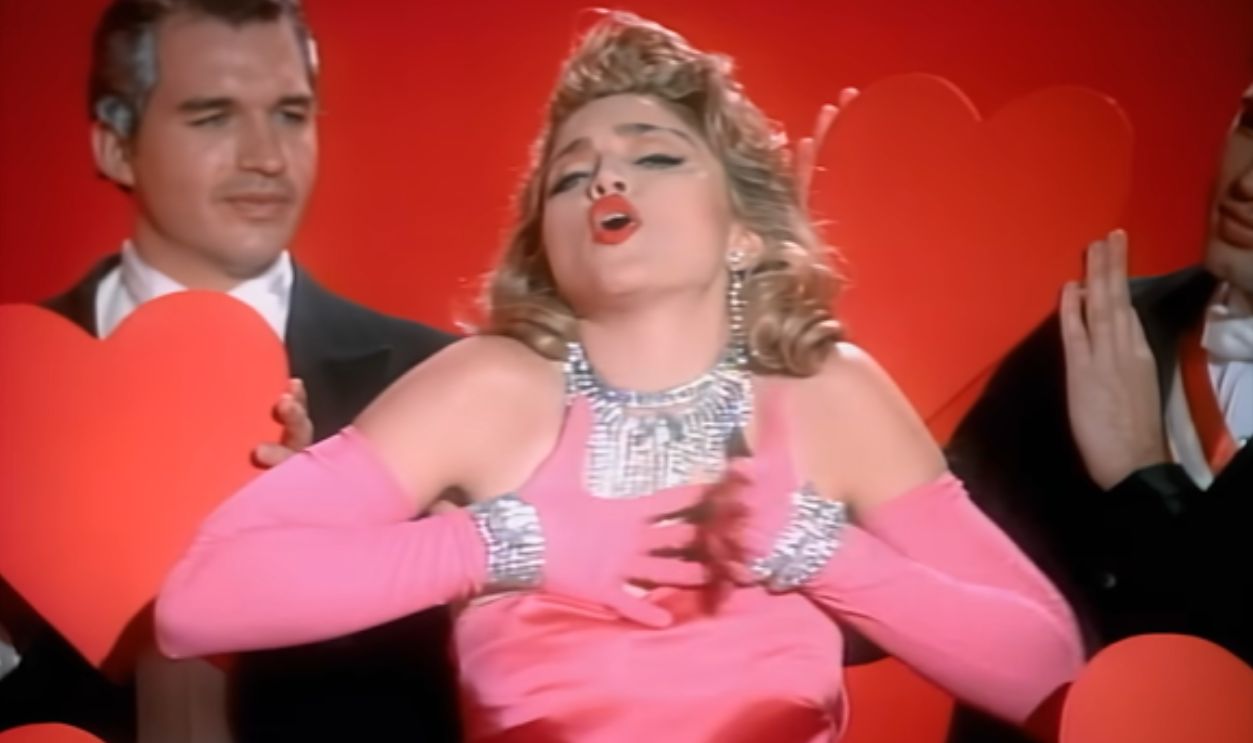 Screenshot from Material Girl, Warner Bros. (1985)
“Blurred Lines” (Robin Thicke)
Robin Thicke later distanced himself from the song and its title, acknowledging regret over how it came to represent him and the controversy attached to the phrase.
 Screenshot from Blurred Lines, Interscope Records (2013)
“Relax” (Frankie Goes to Hollywood)
The simplicity of the title helped disguise the song’s explicit meaning. Once that meaning became clear, backlash was inevitable, and the title played a major role in how the band was defined.
 Screenshot from Relax, ZTT Records (1983)
“Hotel California” (Eagles)
Don Henley has said the song reflects the dark underbelly of the American dream, not a literal place. The title fueled decades of misinterpretation that he’s grown tired of correcting.
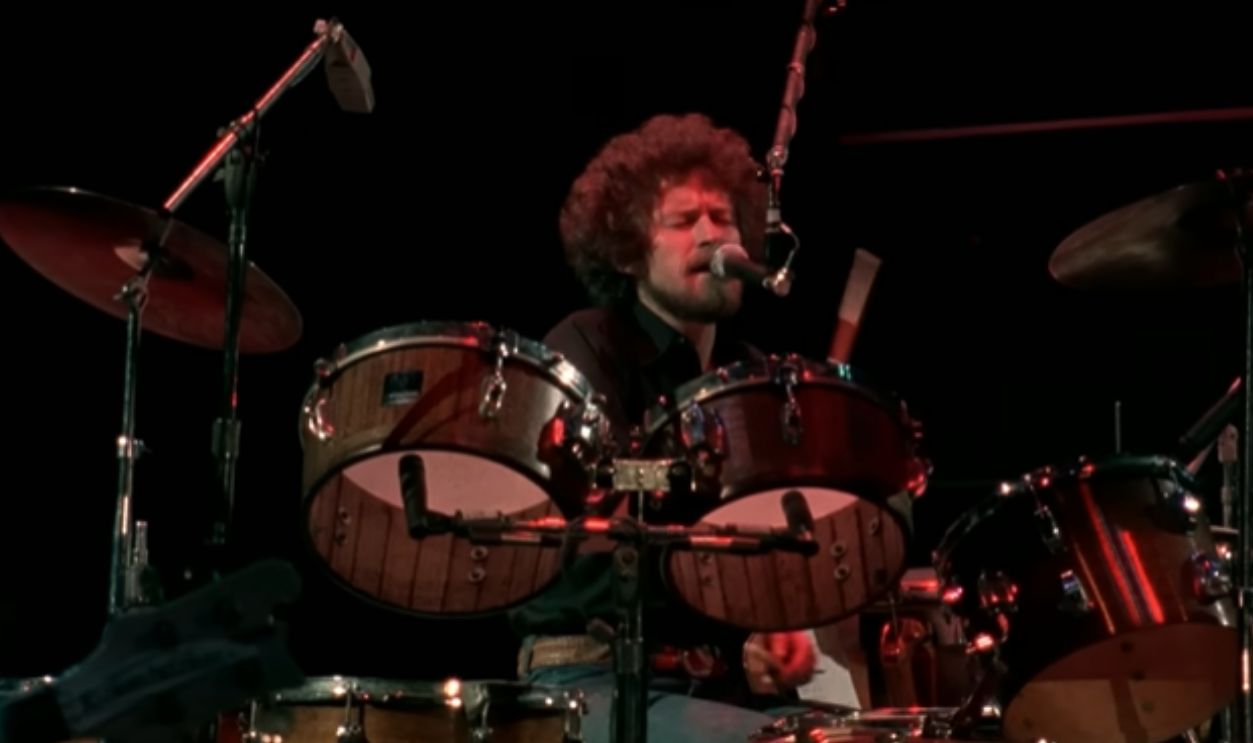 Screenshot from Hotel California, Asylum Records (1976)
“Call Me Maybe” (Carly Rae Jepsen)
Carly Rae Jepsen has joked about how the title boxed her into a lightweight pop persona, even as it brought massive success.
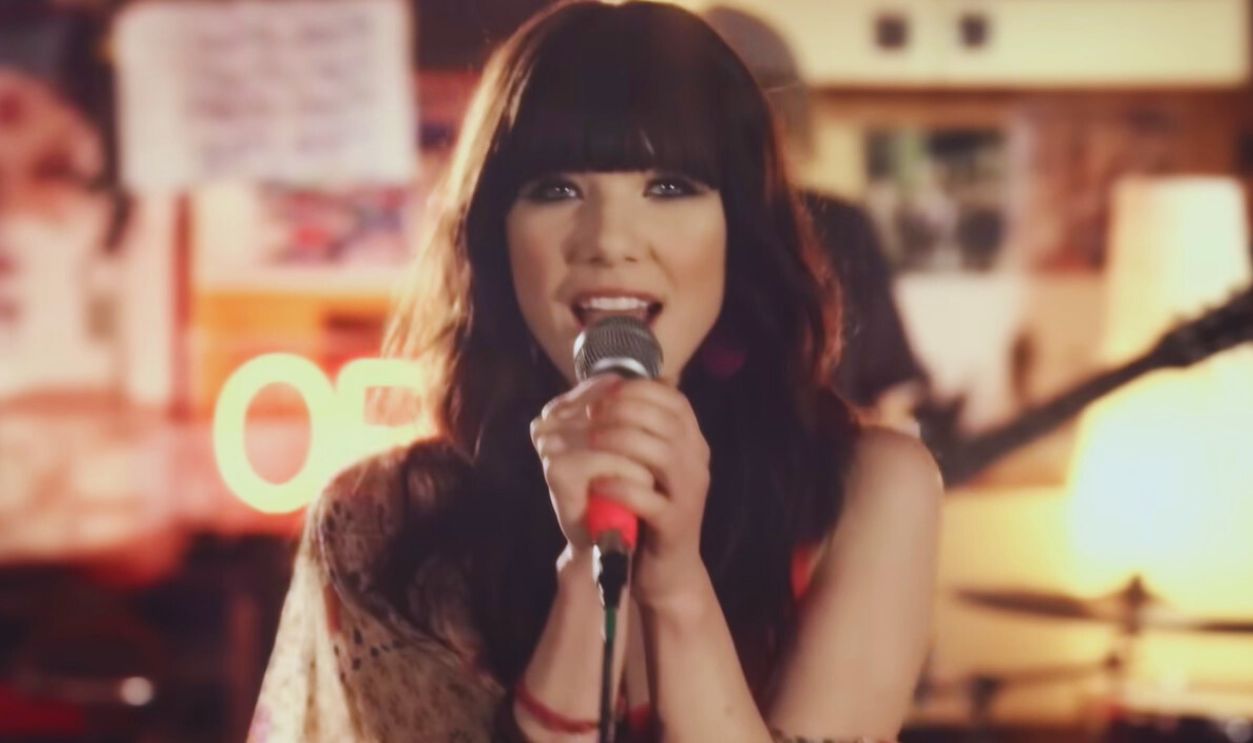 Screenshot from Call Me Maybe, Interscope Records (2011)
“Sweet Caroline” (Neil Diamond)
Neil Diamond has acknowledged that the title eventually outgrew its personal origins. Once it became a chant anthem, the phrase no longer belonged to him.
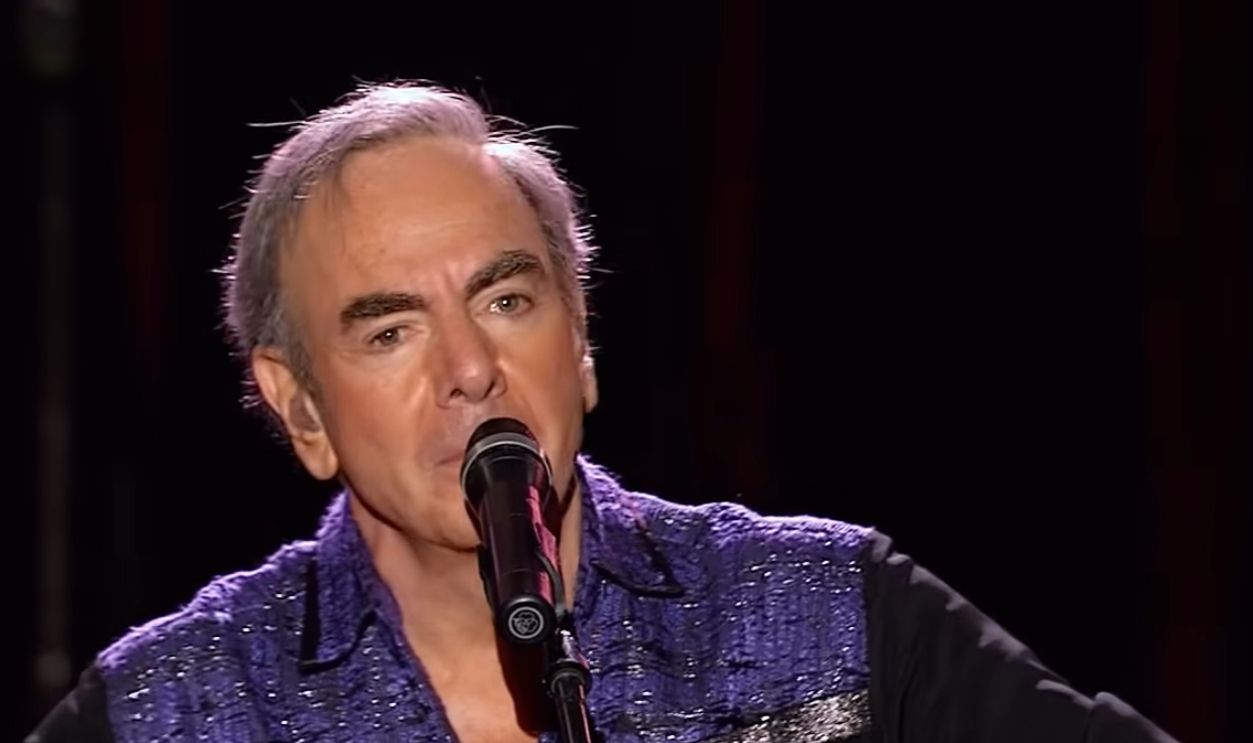 Screenshot from Sweet Caroline, MCA (1969)
When the Title Wins
These titles helped sell millions of records. They also became permanent labels the artists couldn’t escape. Sounds changed. Careers evolved. But the names people remember—and shout from the crowd—never did.
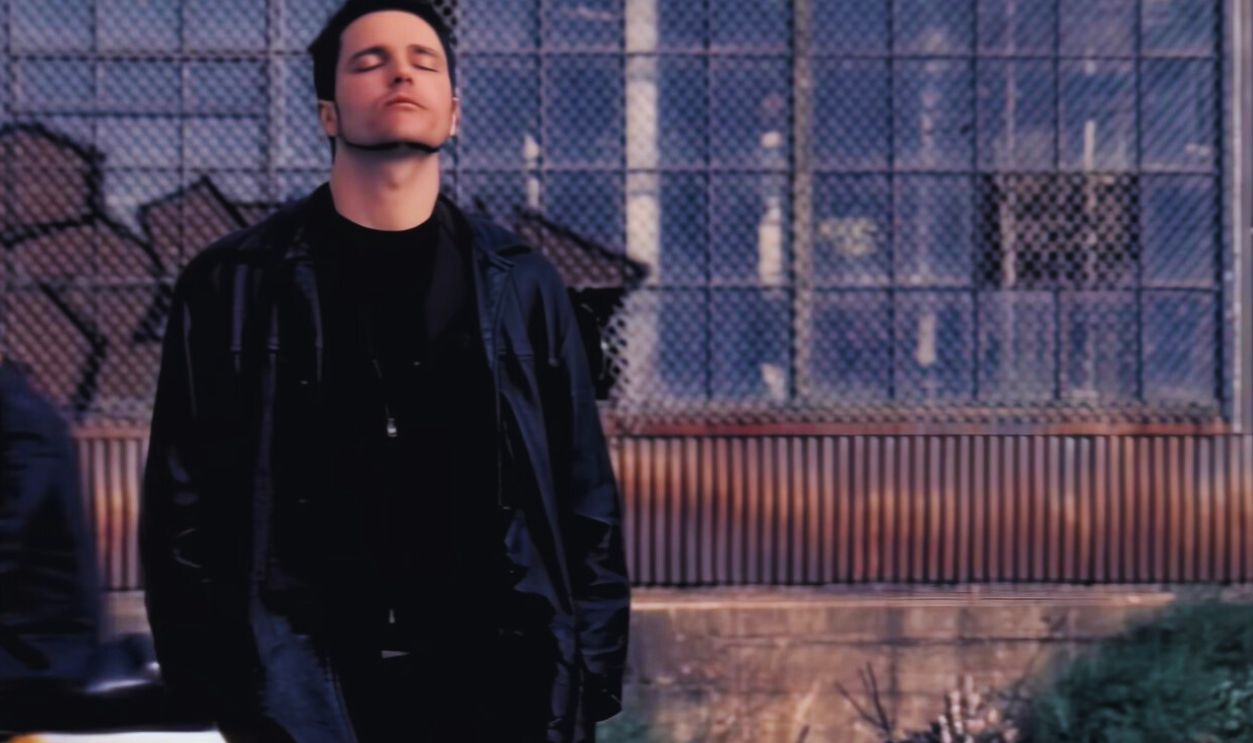 Screenshot from Semi-Charmed Life, Elektra Records (1997)
You Might Also Like: