When Radio Had to Do All the Heavy Lifting
Before MTV turned music into full-blown visual spectacles—with iconic outfits, choreographed dances, and wildly dramatic camera angles—songs had to stand on their own. No videos. No glossy production. No slow-motion hair flips.
Still, plenty of tracks from the 60s and 70s felt tailor-made for the music video era that hadn’t arrived yet. They were theatrical, stylish, weird, moody, or bold enough that there’s no doubt MTV would’ve eaten them up instantly. If MTV had shown up a decade earlier, these songs would have dominated the channel—probably between endless replays of Thriller and Take On Me.
 “Lucy in the Sky with Diamonds” (The Beatles)
This song already feels like a music video—even without cameras. Psychedelic colors, floating imagery, and lyrics that sound like they were written on another planet. If MTV had existed, this would have been a full-on animated fever dream, probably banned once or twice and endlessly analyzed on Pop-Up Video years later.
 Bernard Gotfryd, Wikimedia Commons
“Space Oddity” (David Bowie)
Bowie was already thinking visually before MTV even existed. This video would’ve been iconic—Major Tom drifting, theatrical lighting, and Bowie acting circles around everyone else. It probably would’ve looked low-budget by today’s standards and still felt cooler than everything else.
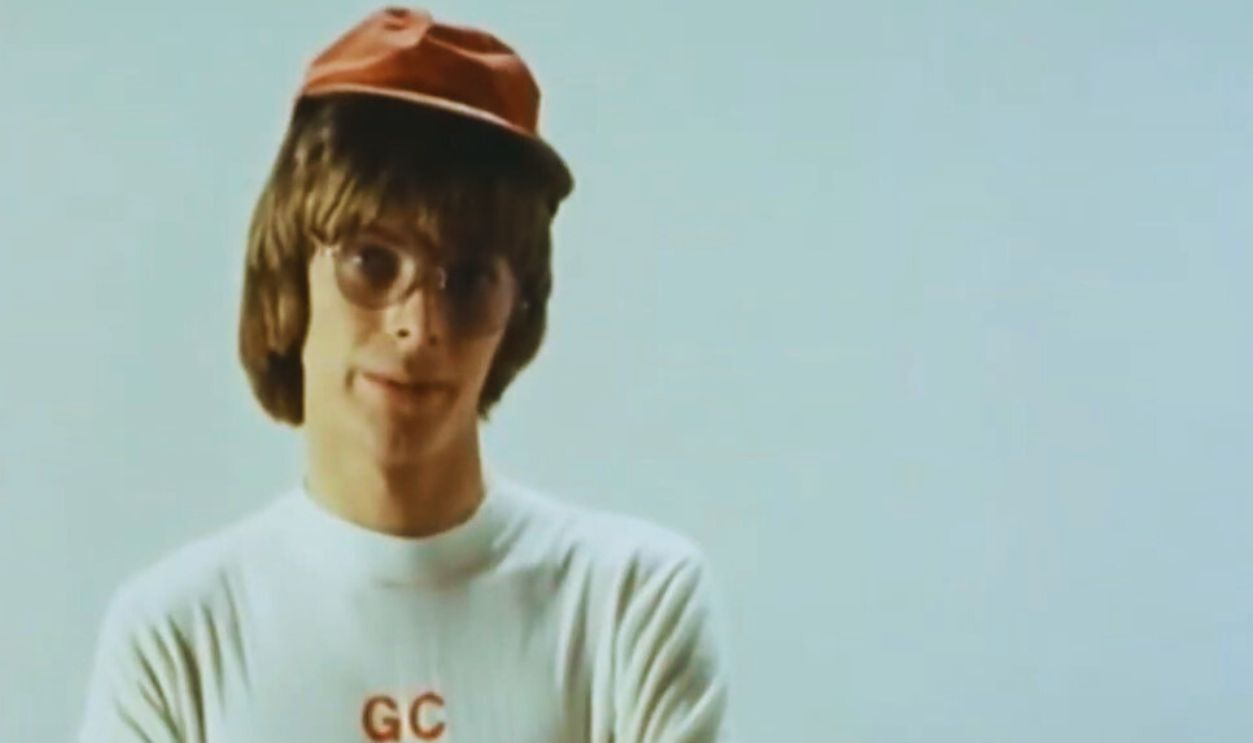 Screenshot from Space Oddity, Mercury Records (1969)
“Light My Fire” (The Doors)
Moody, hypnotic, and begging for dramatic close-ups. Jim Morrison staring straight into the camera while everyone pretends they’re not uncomfortable would have been peak early MTV energy. The keyboard solo alone could’ve stretched into a five-minute slow pan and no one would’ve complained.
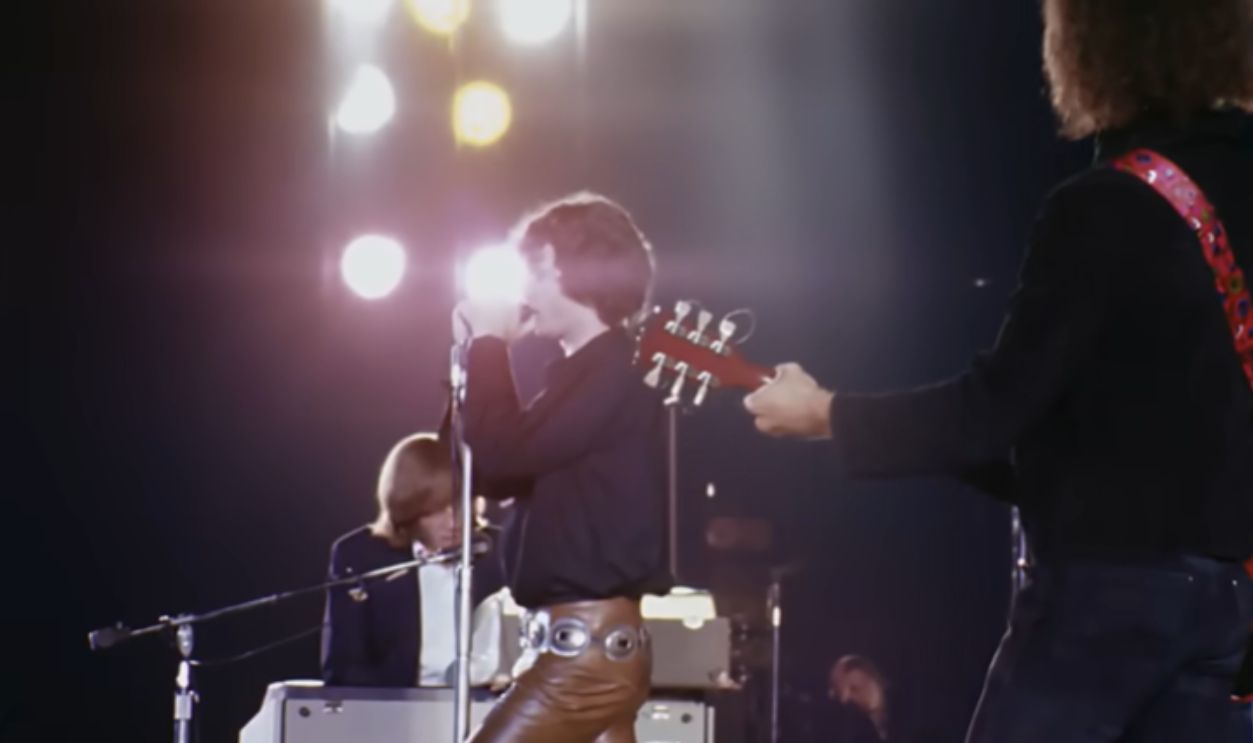 Screenshot from Light My Fire, Elektra Records (1967)
“White Rabbit” (Jefferson Airplane)
This song screams surreal visuals. Overlapping imagery, warped perspectives, and editing that feels slightly unsettling. MTV would’ve happily aired it while parents asked what exactly their kids were watching—and that’s how you knew it was working.
 Screenshot from White Rabbit, RCA Victor (1967)
“Hotel California” (Eagles)
A slow, atmospheric descent into something clearly not right. Long desert shots. Creeping camera movements. That final guitar solo begging for an endless tracking shot. MTV would have treated this like high art—and replayed it constantly.
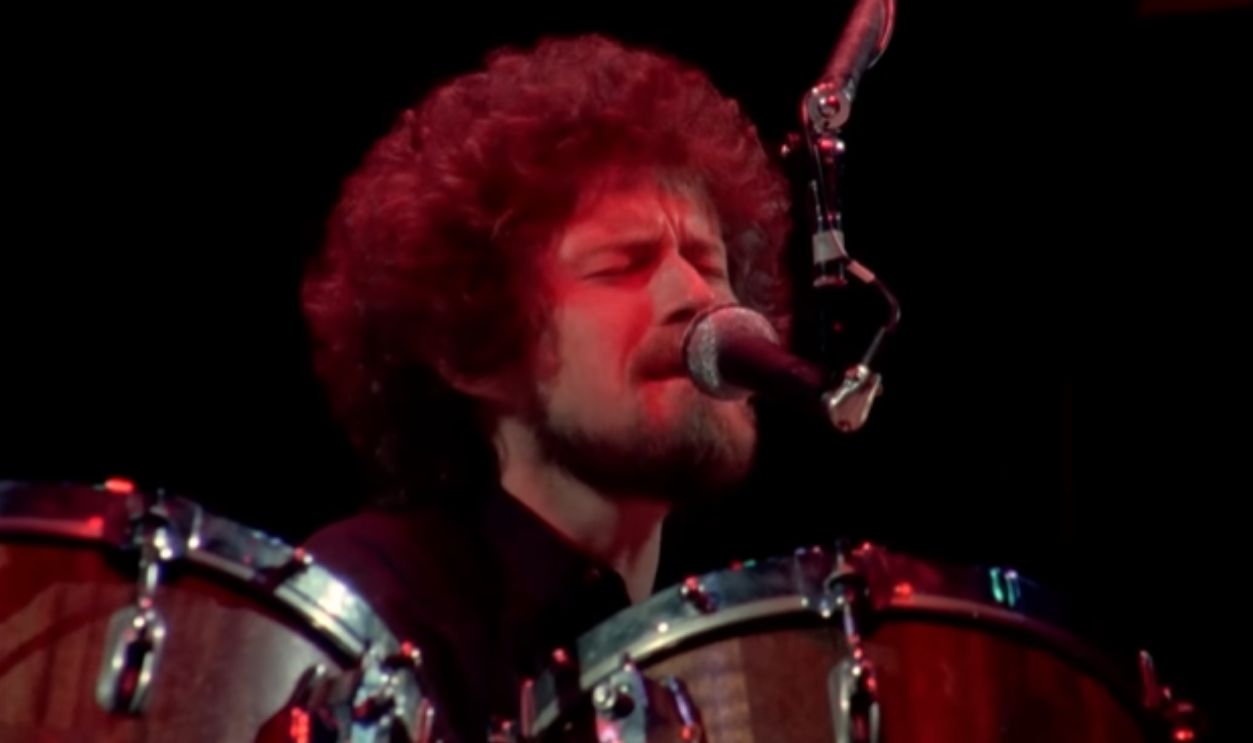 Screenshot from Hotel California, Asylum Records (1976)
“Purple Haze” (Jimi Hendrix Experience)
This one practically directs itself. Psychedelic lighting, distorted visuals, fast cuts, and Hendrix owning every frame. Early MTV loved experimental chaos, and this would’ve felt dangerous in exactly the right way—especially late at night when nothing else made sense anyway.
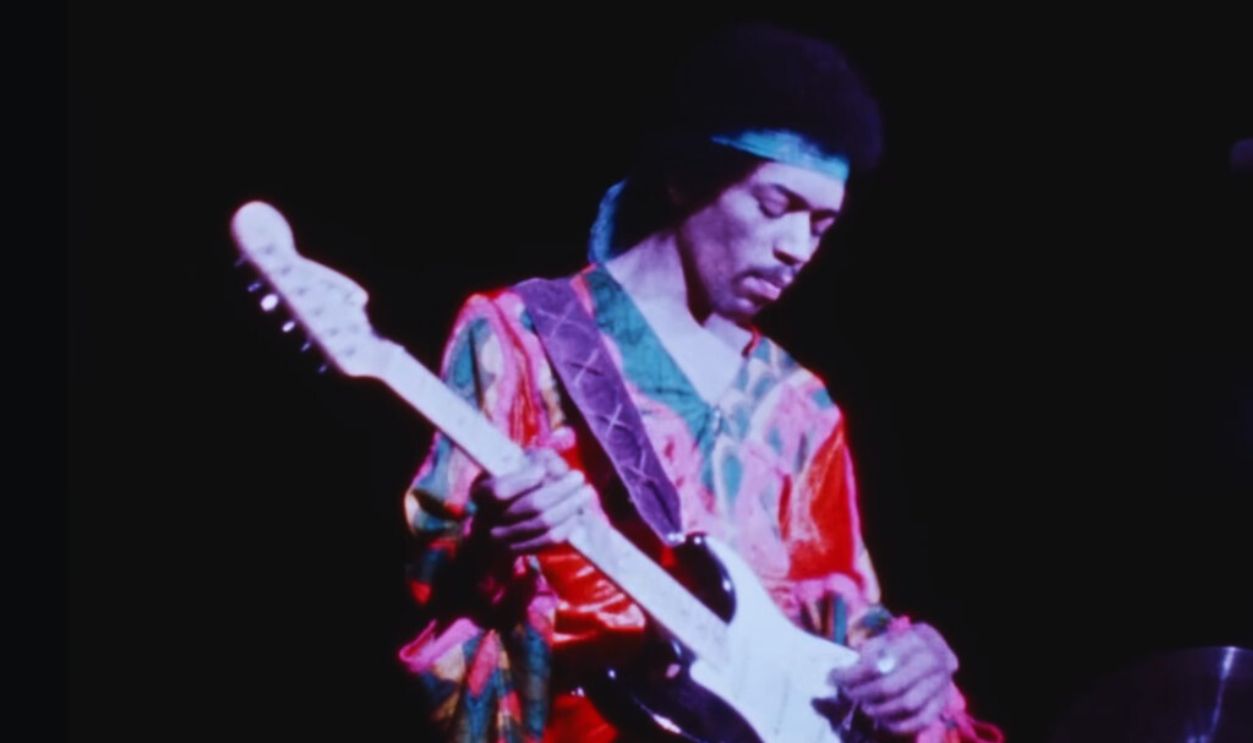 Screenshot from Purple Haze, Reprise Records (1967)
“Paint It Black” (The Rolling Stones)
This one practically demands stark black-and-white visuals. Rapid cuts. Shadowy silhouettes. Mick Jagger looking vaguely haunted. MTV would have replayed it endlessly during its serious rock hours—right before switching back to something completely ridiculous.
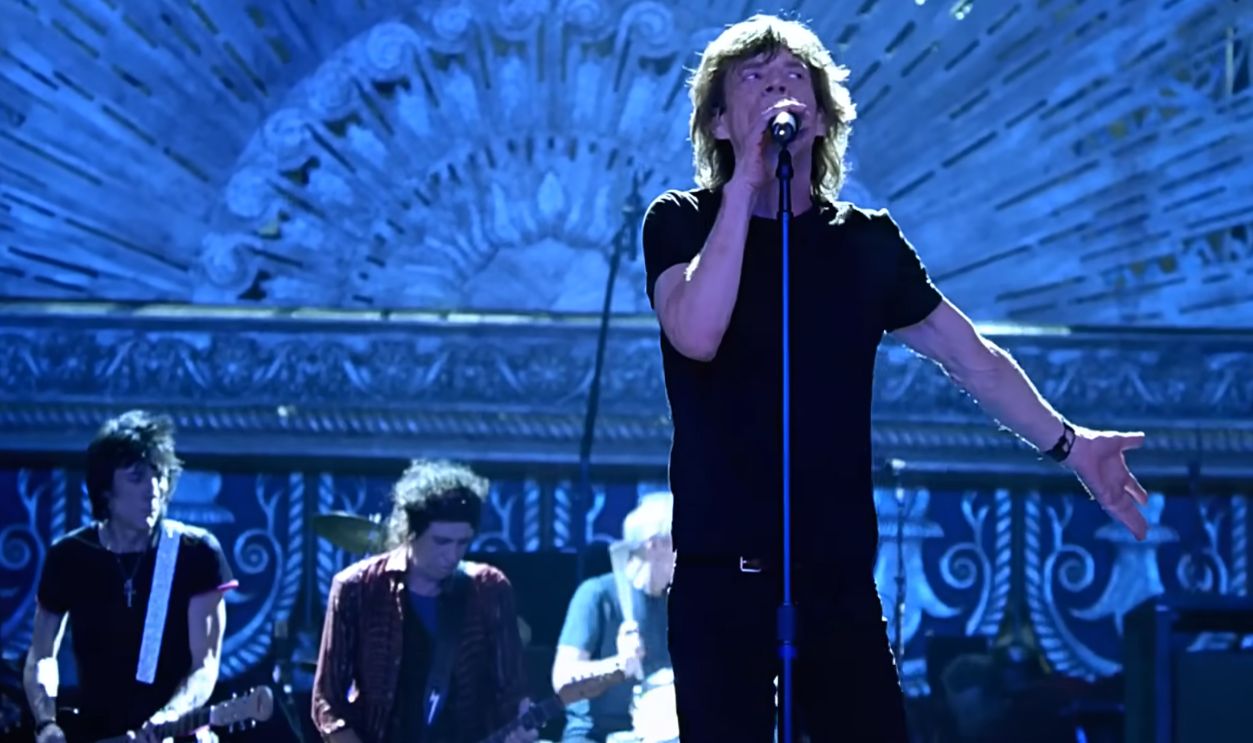 Screenshot from Paint It Black, London Recordings (1966)
“Good Vibrations” (The Beach Boys)
This would’ve been a sunshine-soaked, slow-motion masterpiece. Beach shots, dreamlike editing, and probably at least one very questionable slow zoom. It feels like the missing link between early surf culture and the glossy pop videos MTV later perfected.
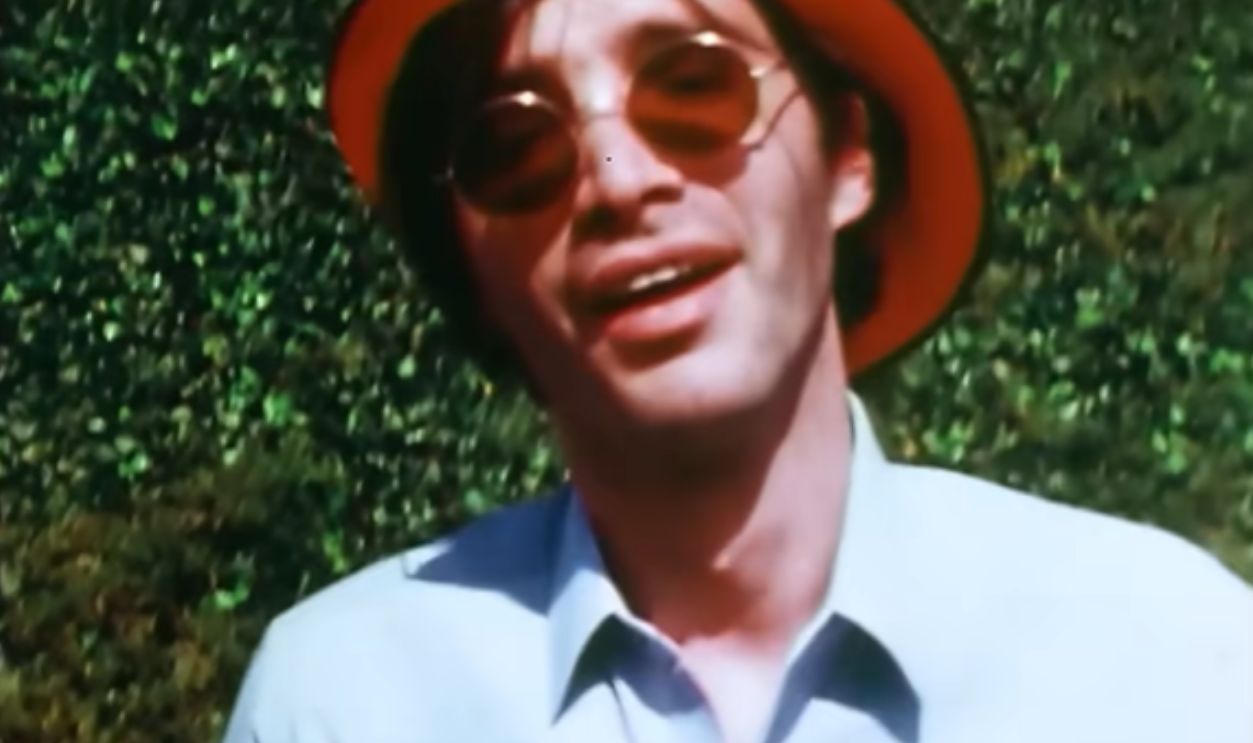 Screenshot from Good Vibrations, Capitol Records (1966)
“Fortunate Son” (Creedence Clearwater Revival)
By the time MTV rolled around, this song was already shorthand for Vietnam footage. An official video would’ve leaned into that hard—archival clips, stark imagery, and zero subtlety. It would’ve been one of MTV’s most replayed serious message songs.
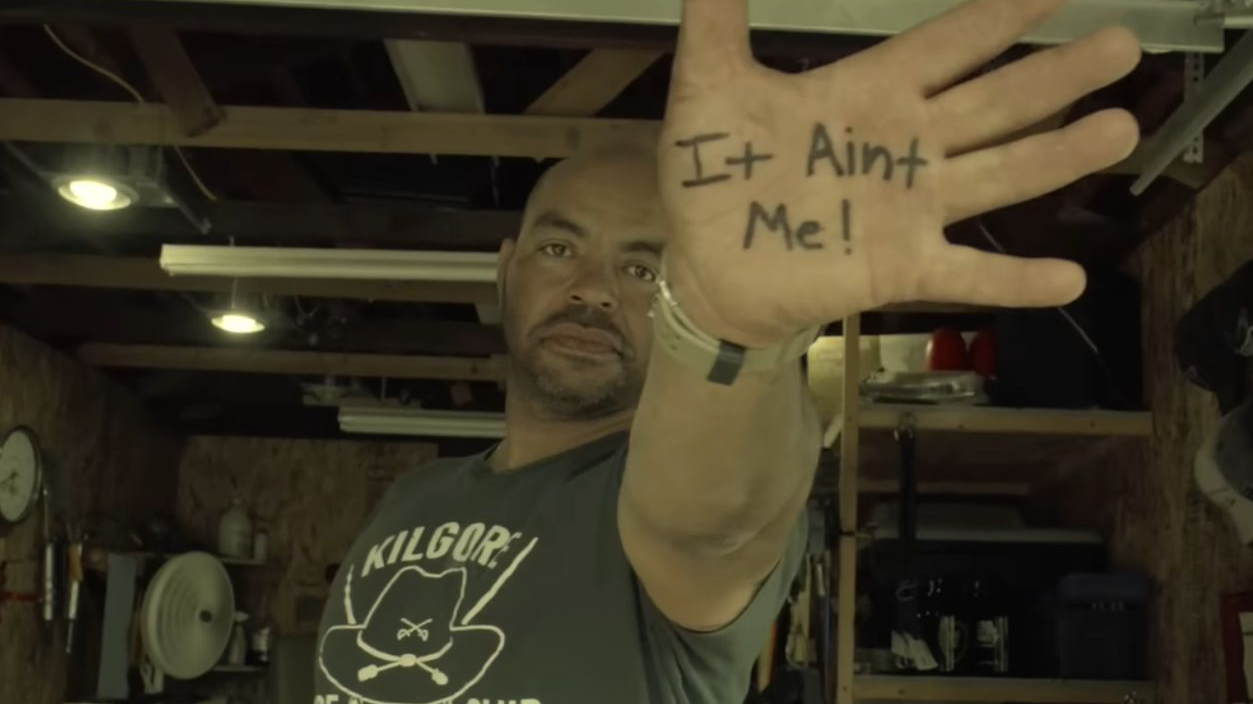 Screenshot from Fortunate Son, Fantasy Records (1969)
“A Day in the Life” (The Beatles)
This would’ve been the ultimate pre-MTV concept video. Quiet, mundane moments colliding with sudden orchestral chaos, surreal transitions, and jarring edits. MTV would’ve treated this like an event—aired sparingly, talked about endlessly, and misunderstood by just enough people to make it legendary.
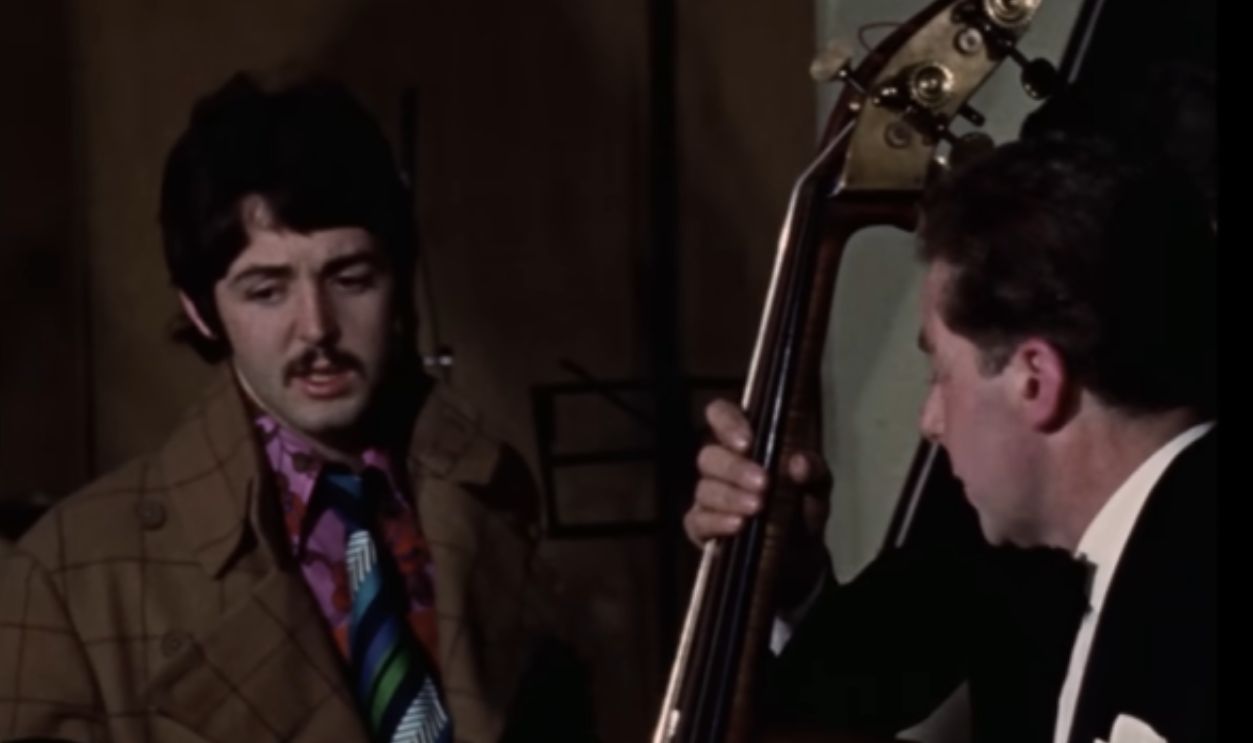 Screenshot from A Day in the Life, Capitol Records (1967)
“Gimme Shelter” (The Rolling Stones)
Dark, gritty, and ominous—this would’ve been a night-time MTV staple. Flashing lights, anxious faces, and that haunting female vocal front and center. The kind of video people remember more for how it made them feel than what actually happened.
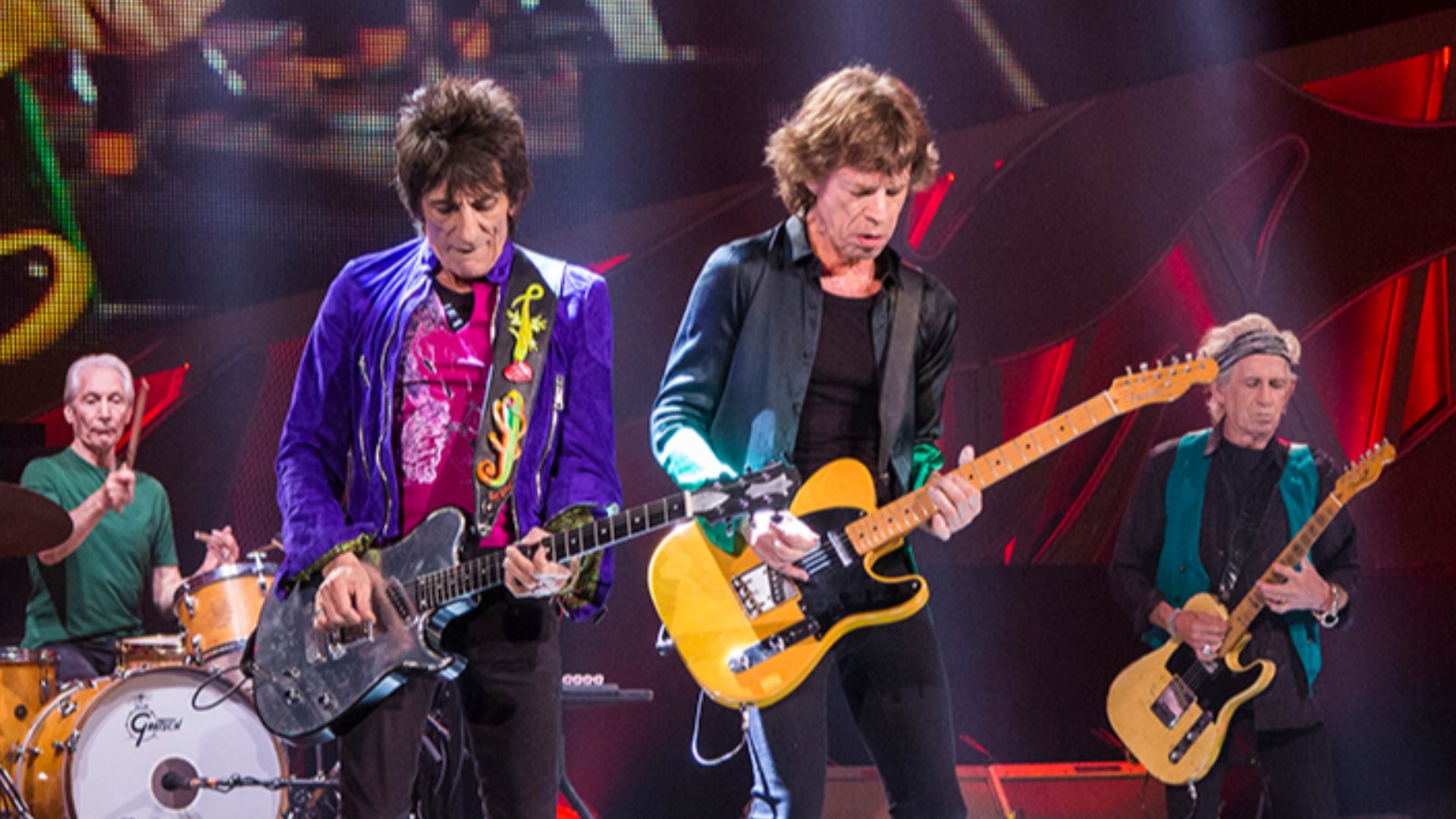 Jim Pietryga, Wikimedia Commons
“Sympathy for the Devil” (The Rolling Stones)
This would’ve been theatrical chaos in the best way. Drums, chanting, sweat, and Mick Jagger playing directly to the camera. It might’ve caused controversy, which only would’ve guaranteed heavier rotation.
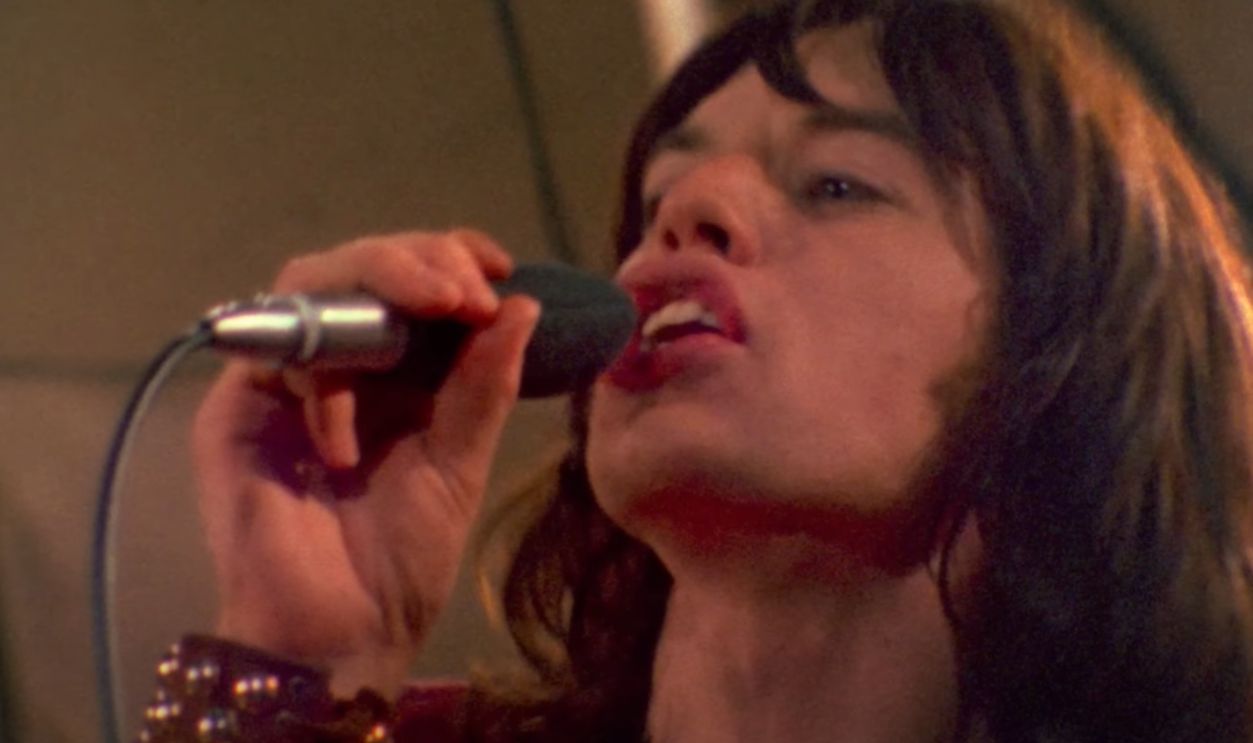 Screenshot from Sympathy for the Devil, Decca Records (1968)
“Bennie and the Jets” (Elton John)
Elton would’ve gone all in. Flashy outfits, fake concert footage, exaggerated crowd shots—the works. It would’ve fit perfectly alongside later glam-heavy MTV videos and probably inspired at least a dozen questionable fashion choices.
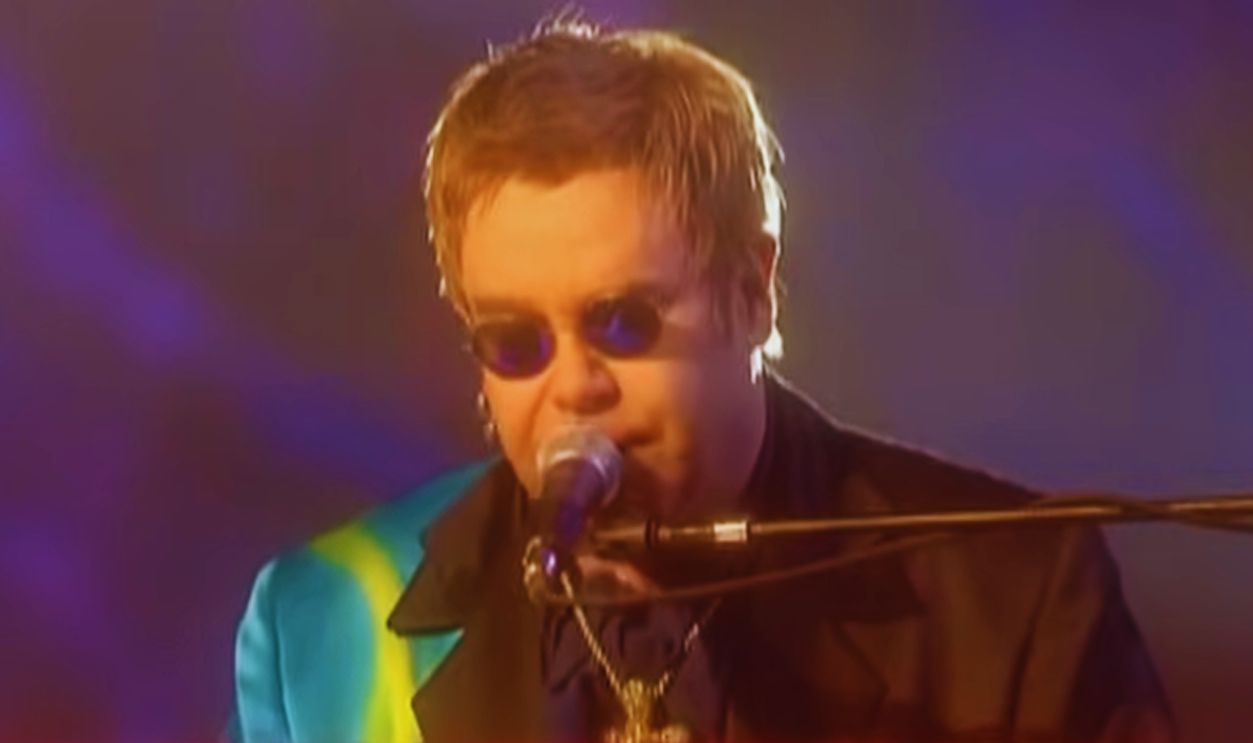 Screenshot from Bennie and the Jets, MCA Records (1974)
“Riders on the Storm” (The Doors)
Rain-soaked visuals. Windshield shots. Moody lighting everywhere. MTV loved videos that felt like mini movies, and this one would’ve been pure late-night rotation fuel—especially during storms, obviously.
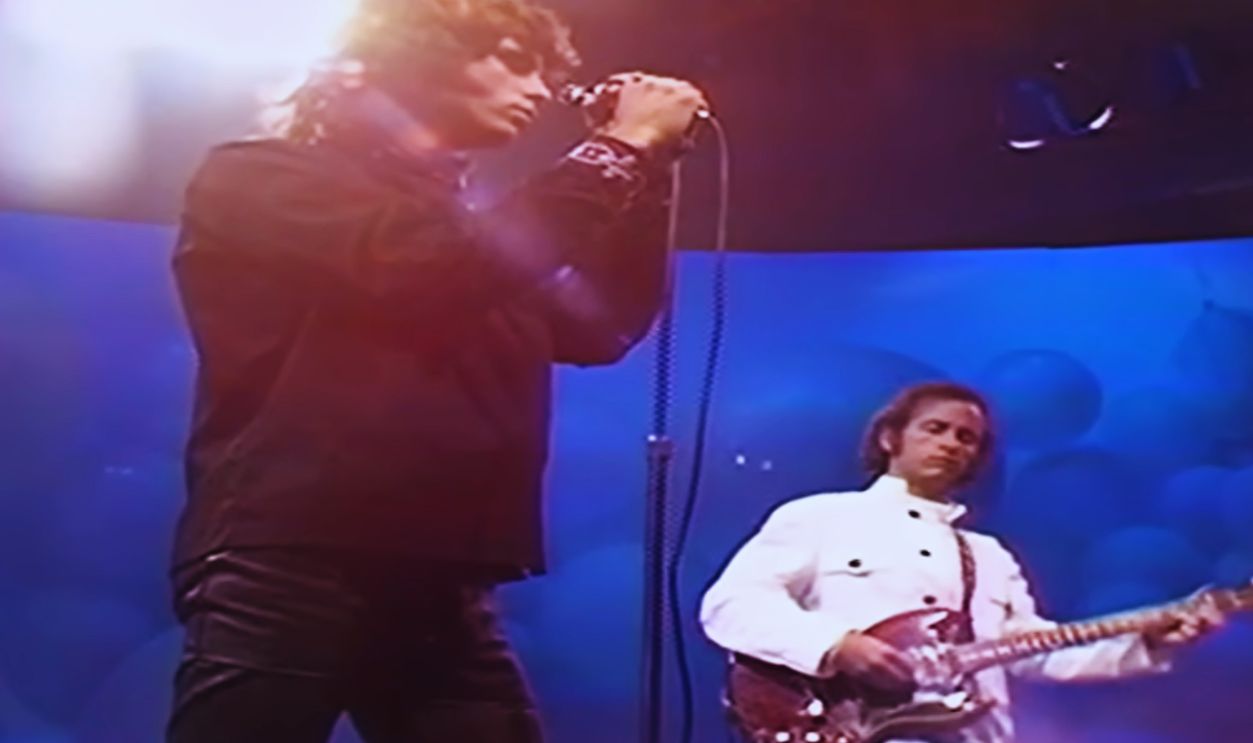 Screenshot from Riders on the Storm, Elektra Records (1971)
“Scenes from an Italian Restaurant” (Billy Joel)
This would’ve been a full mini-movie. Different chapters, shifting tones, and characters aging right before your eyes. MTV would’ve aired it like an event—possibly once a day, with confused teens slowly realizing they’d just watched an eight-minute music video on purpose.
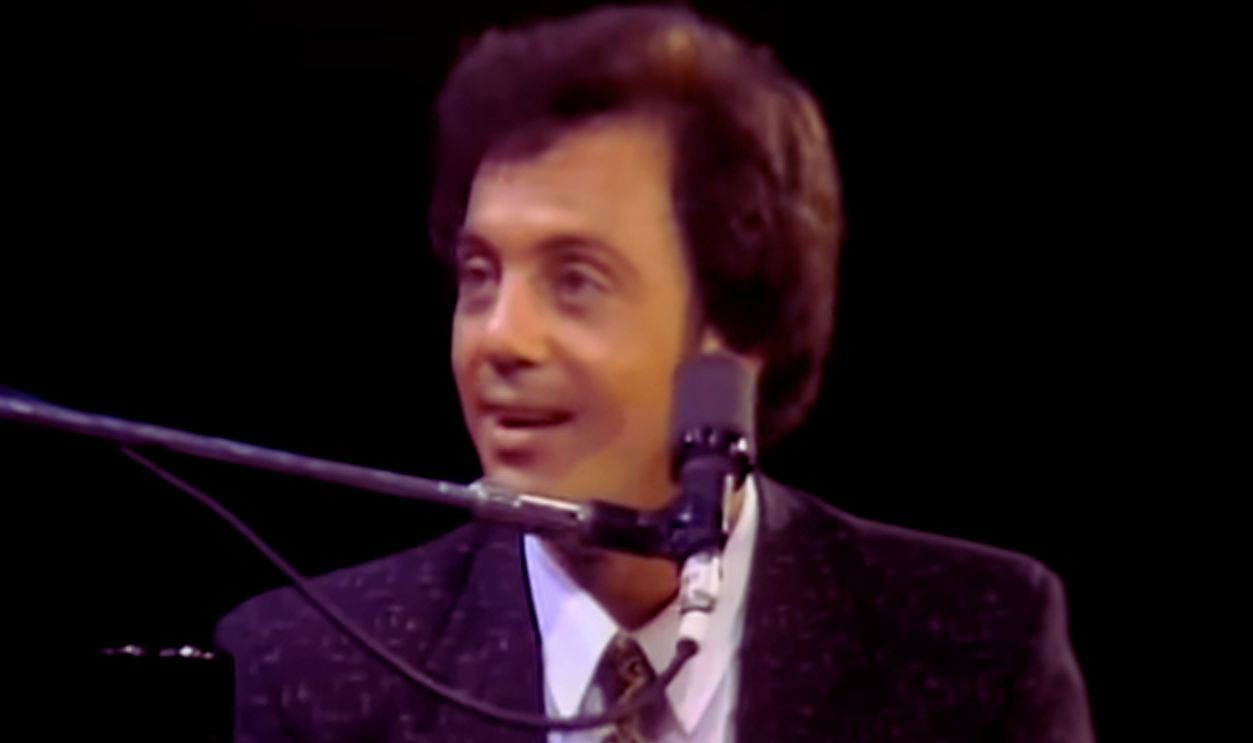 Screenshot from Scenes from an Italian Restaurant, Columbia Records (1977)
“The Sound of Silence” (Simon & Garfunkel)
Quiet, restrained, and deeply visual without trying. An MTV video would’ve been stripped-down—empty streets, lonely figures, maybe a few dramatic pauses. Sometimes the simplest videos are the ones that stick the longest.
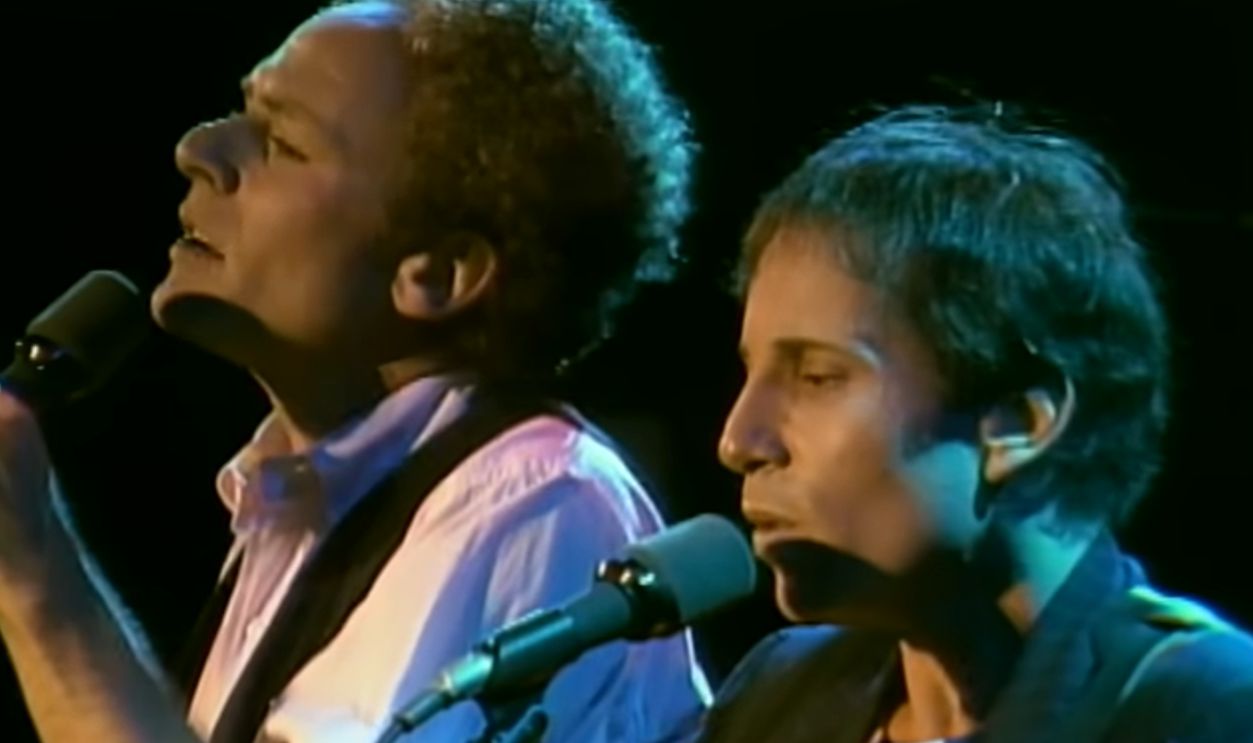 Screenshot from The Sound of Silence, Columbia Records (1965)
“Black Magic Woman” (Santana)
You can already picture it—smoky rooms, swirling colors, endless close-ups of guitar solos. MTV would’ve leaned into the mysticism and let the vibe do the work. No storyline needed.
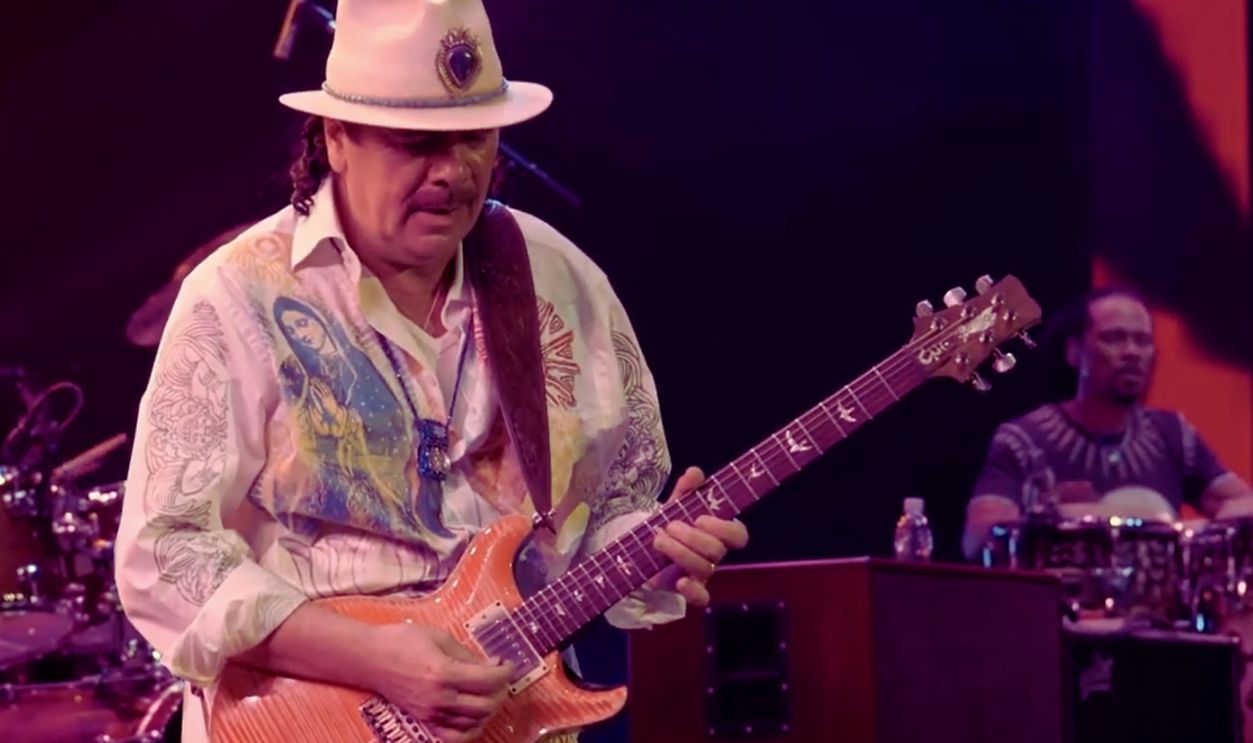 Screenshot from Black Magic Woman, Columbia Records (1970)
“Time” (Pink Floyd)
Clocks. So many clocks. Visual chaos at the start, followed by slow, existential imagery. MTV loved ambitious concepts, and this one would’ve felt massive—especially late at night when it hit a little too hard.
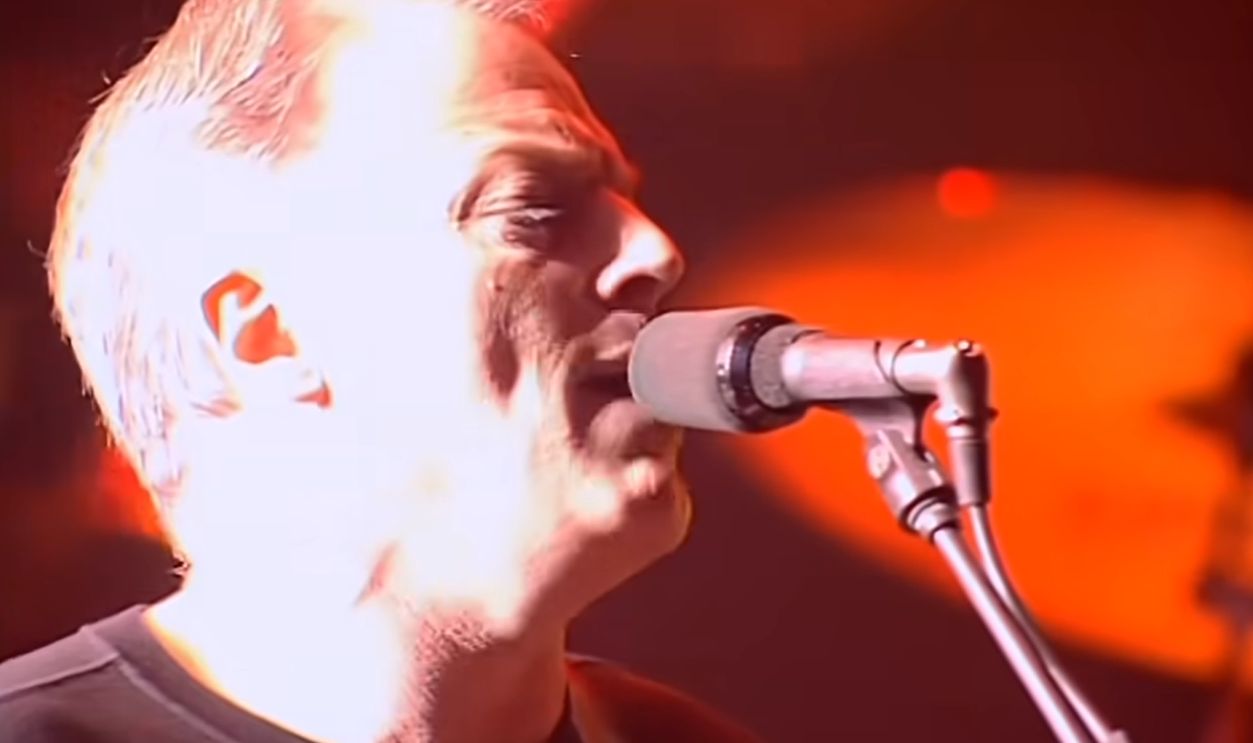 Screenshot from Time, Harvest Records (1974)
“American Pie” (Don McLean)
This would’ve been a nostalgic montage before nostalgia was cool. Symbolic imagery, historical references, and scenes fans would still be debating decades later. MTV probably would’ve cut it down—and fans would’ve complained forever.
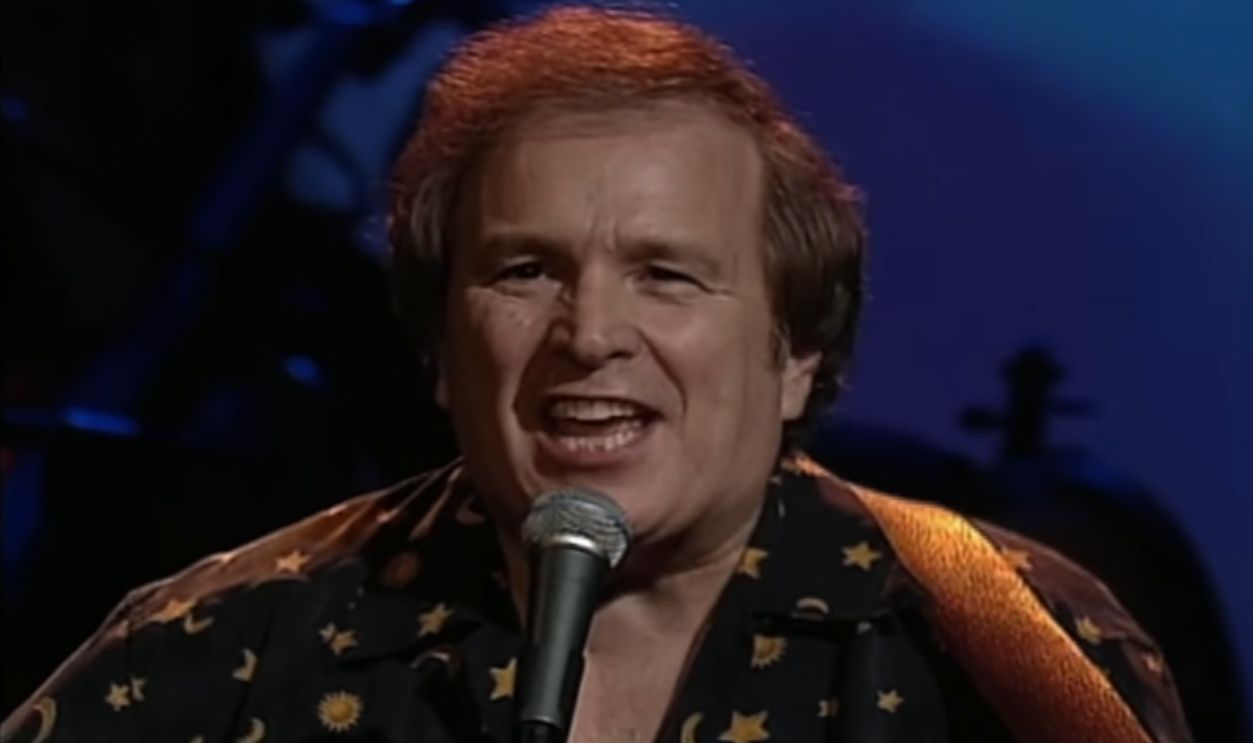 Screenshot from American Pie, United Artists Records (1971)
“Taxi” (Harry Chapin)
This song already has a built-in storyline, which MTV always loved. A quiet, emotionally grounded video showing two lives drifting apart would’ve stood out among flashier clips. It’s the kind of video people stumble into watching—and stay for.
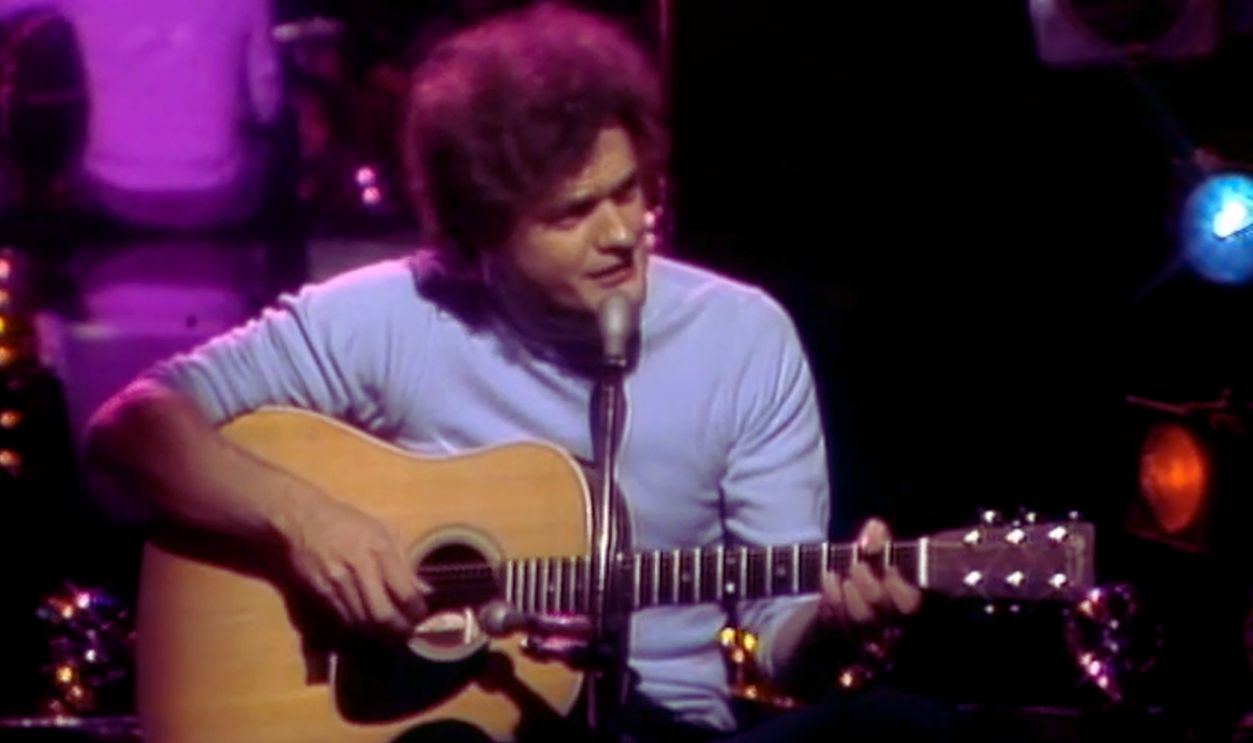 Screenshot from Taxi, Elektra Records (1972)
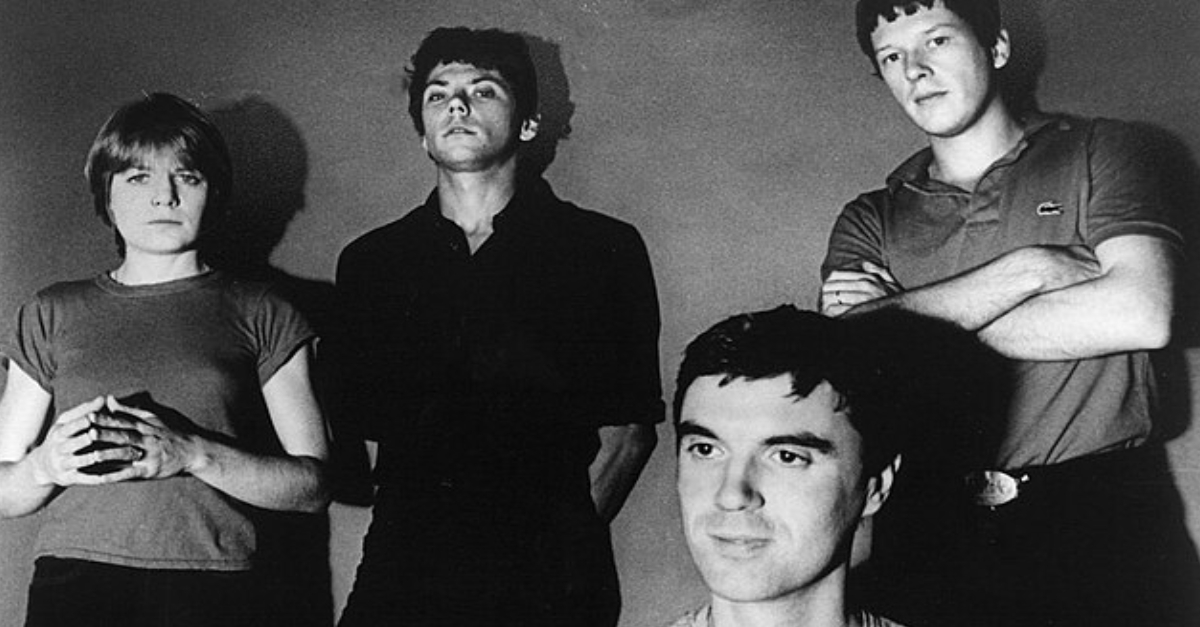
“Take Me to the River” (Talking Heads)
David Byrne on camera before MTV? That’s almost unfair. Quirky movements, awkward energy, and visuals that feel intentionally strange. It would’ve fit right in with MTV’s later love of weirdness.
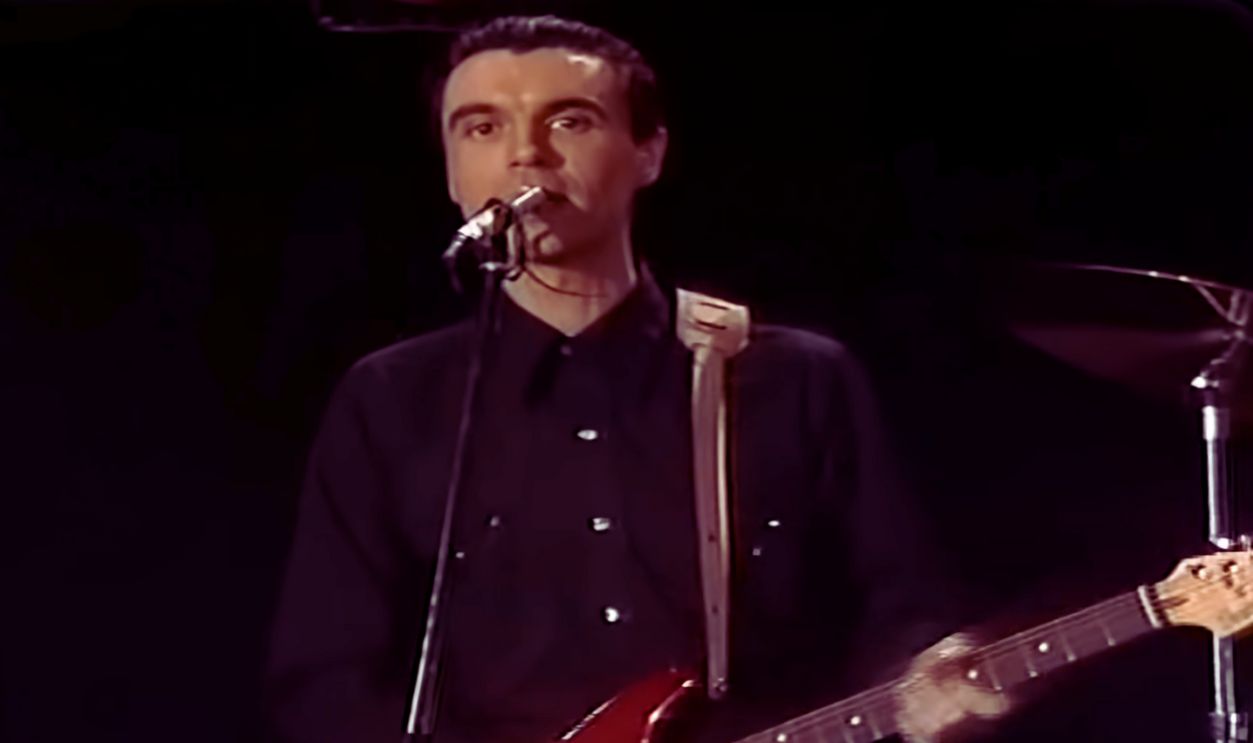 Screenshot from Take Me to the River, Sire Records (1978)
“The Chain” (Fleetwood Mac)
This video would’ve been all tension and atmosphere. Moody band shots, dramatic lighting, and a slow build to that bass line. MTV would’ve treated it like prestige television before prestige television existed.
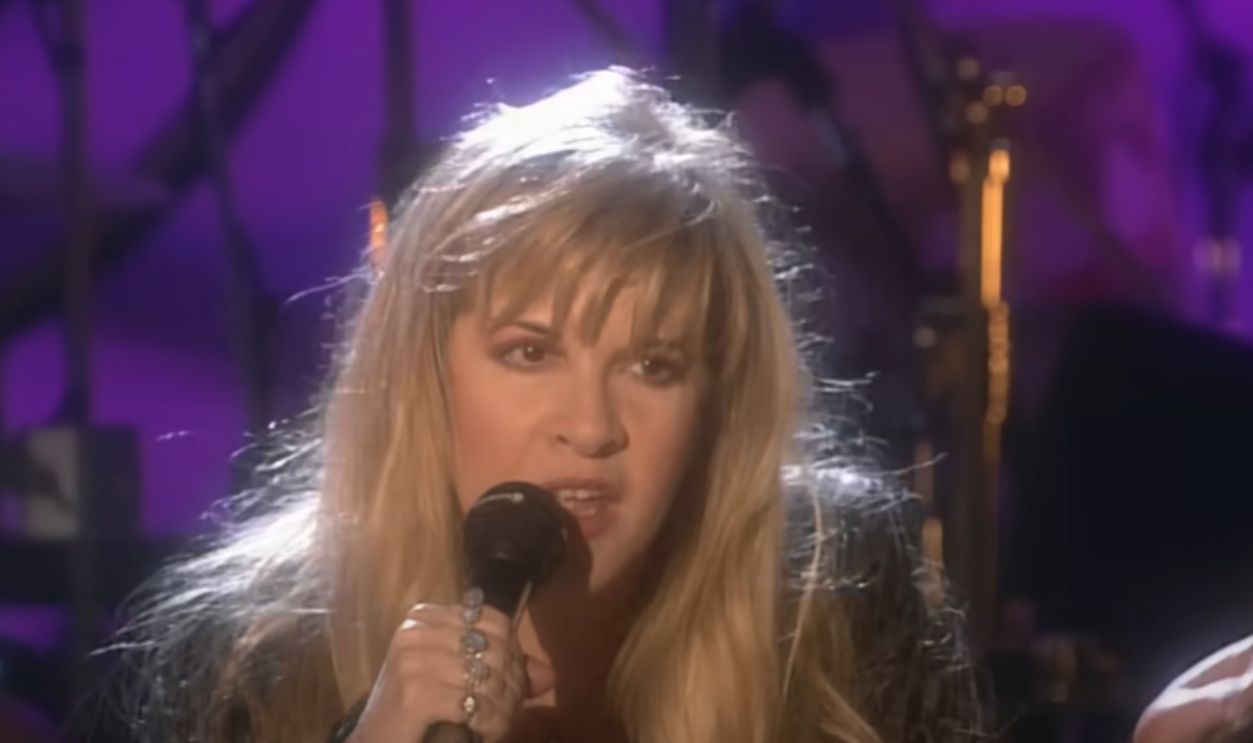 Screenshot from The Chain, Warner Bros. Records (1977)
“Born to Be Wild” (Steppenwolf)
Motorcycles. Leather. Open roads. No subtlety whatsoever. MTV would’ve replayed this whenever they needed instant rebellion—probably sandwiched between much prettier videos that suddenly felt less cool by comparison.
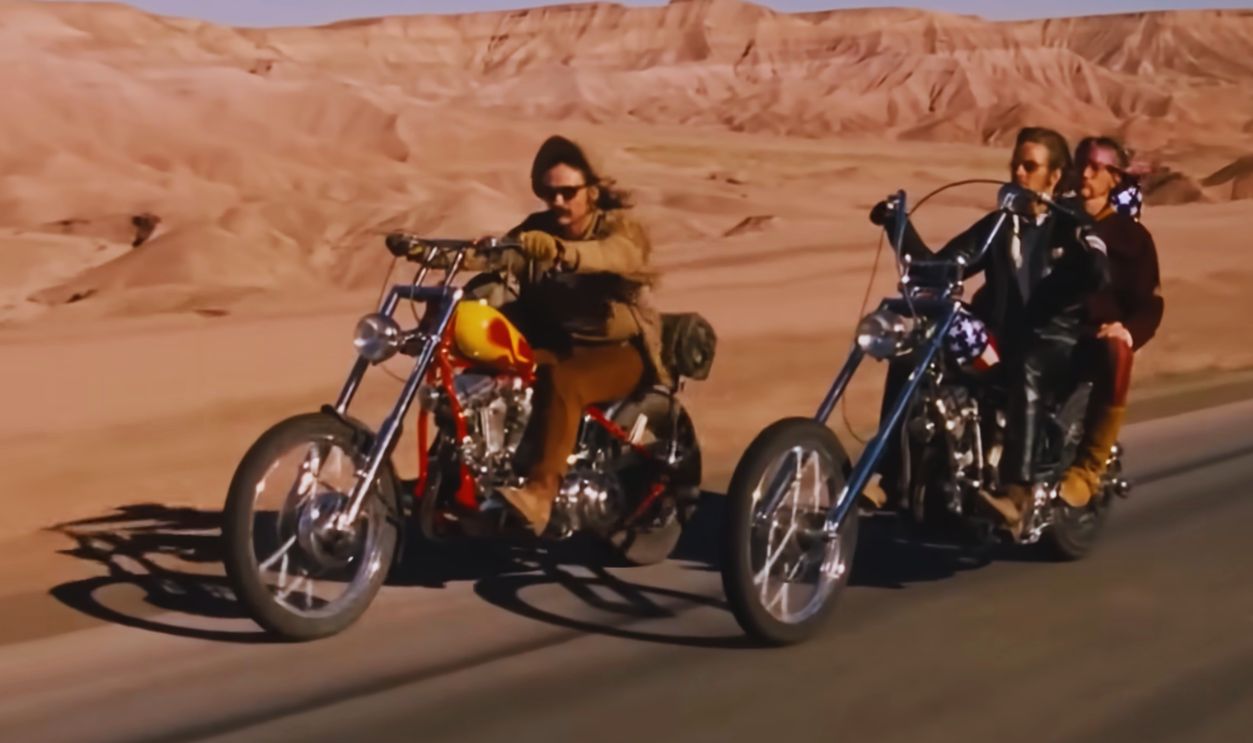 Screenshot from Born to Be Wild, RCA Records (1968)
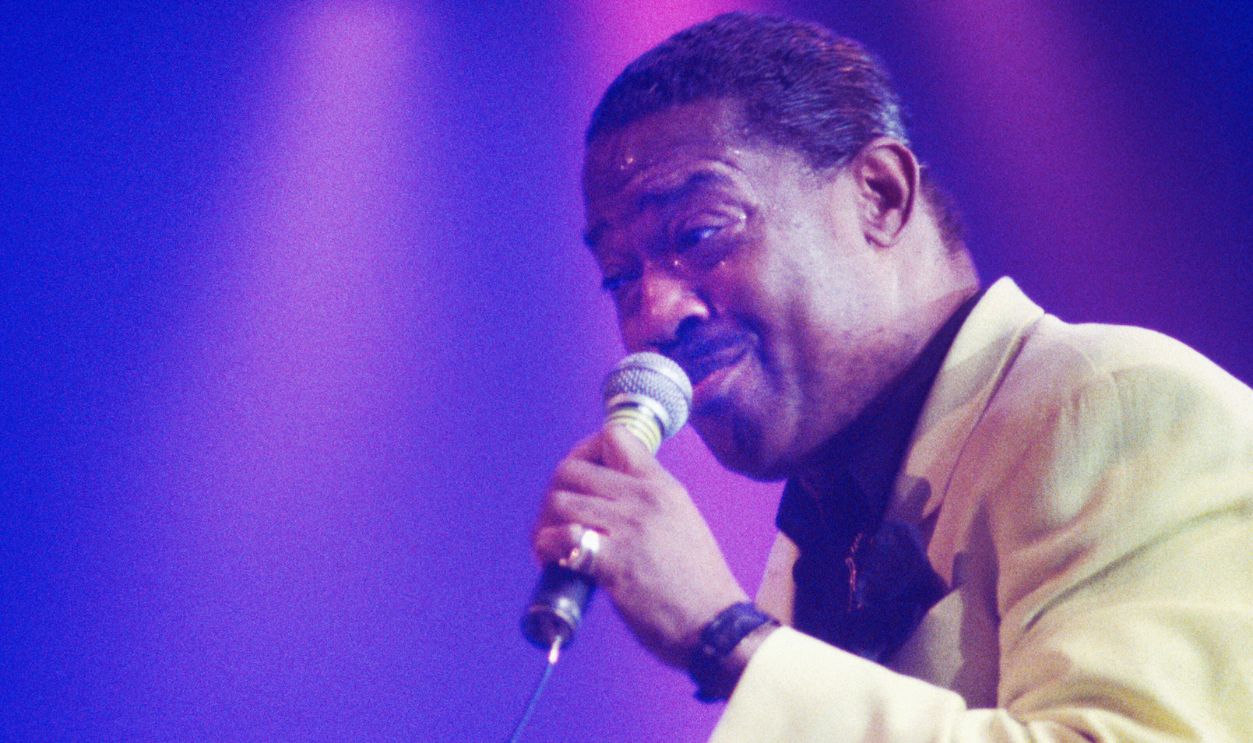
“War” (Edwin Starr)
Direct, bold, and impossible to ignore. An MTV video would’ve leaned into protest imagery hard. It wouldn’t have been subtle—and it wouldn’t have needed to be.
“Bohemian Rhapsody” (Queen)
Yes, it technically got a promo clip—but if MTV had existed? This would’ve been the video. Bigger production, more drama, and probably even more airplay. It would’ve become MTV legend overnight.
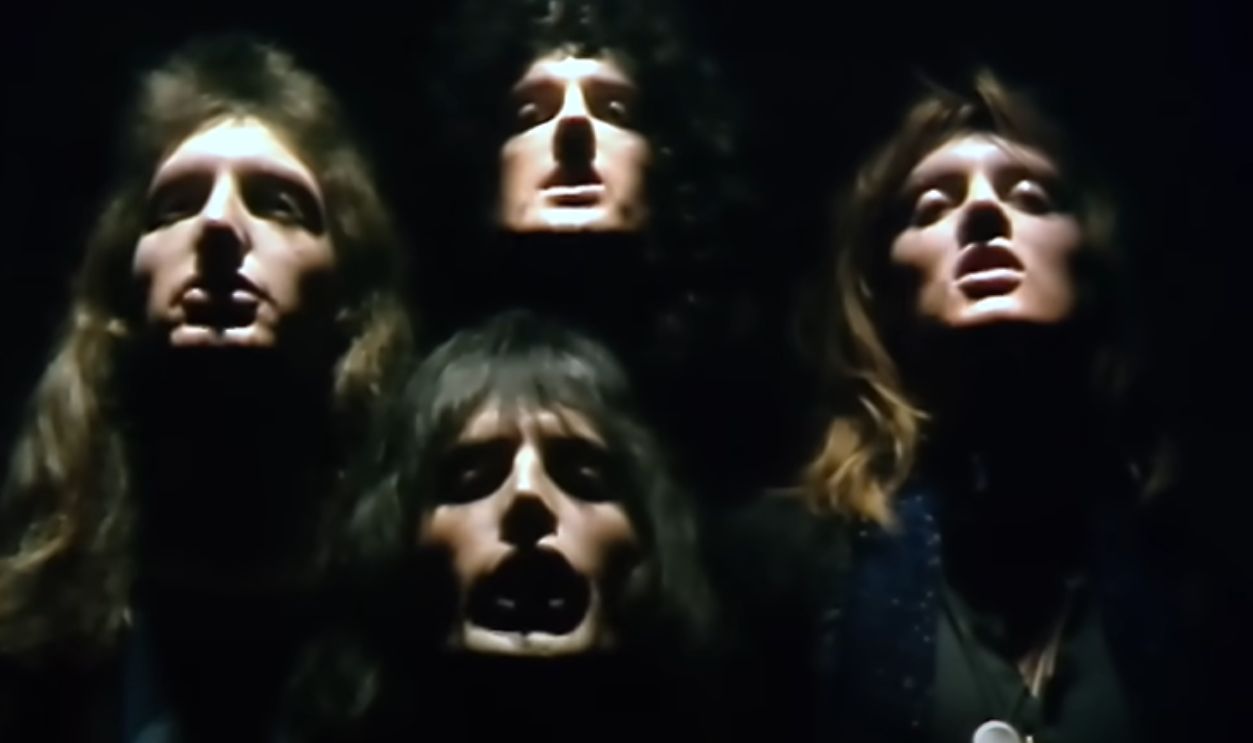 Screenshot from Bohemian Rhapsody, EMI Records (1975)
“Superstition” (Stevie Wonder)
Pure groove. Bright visuals, kinetic editing, and Stevie owning the screen effortlessly. MTV would’ve replayed it endlessly because it just feels good to watch—no explanation needed.
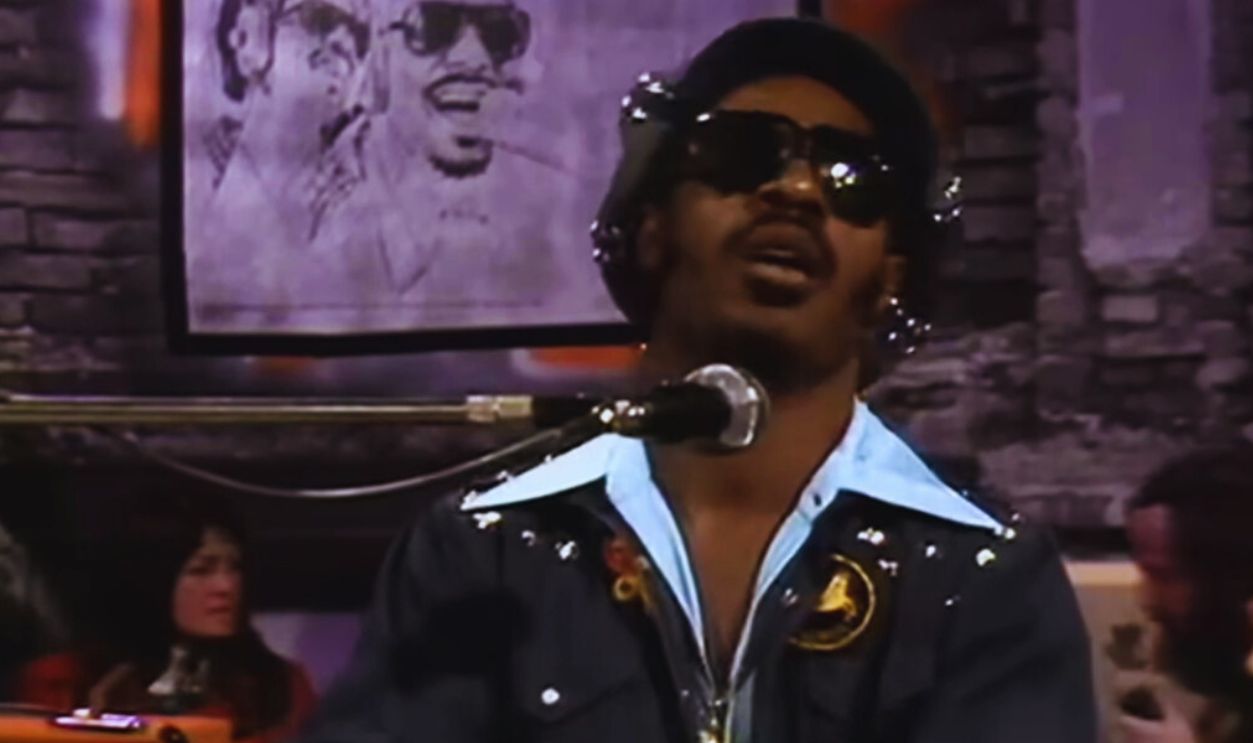 Screenshot from Superstition, Motown (1972)
“Mr. Blue Sky” (Electric Light Orchestra)
Bright, joyful, and wildly visual. This would’ve been a playful, surreal video filled with color, exaggerated movement, and pure optimism. It’s basically the missing link between classic rock and the kind of infectious joy that later gave us dancing cartoon characters—and yes, the energy is very Guardians of the Galaxy Groot-approved.
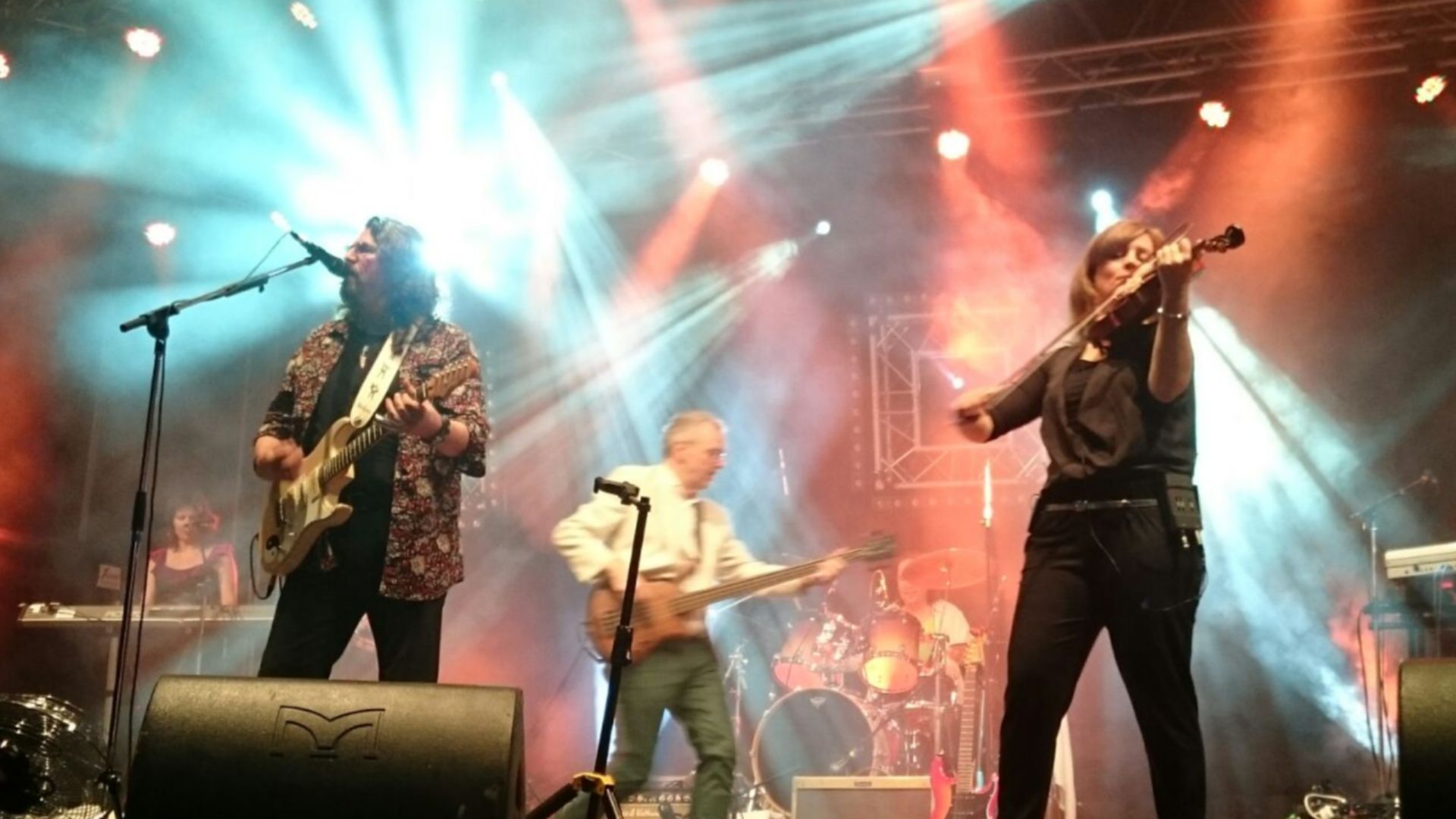
“Dancing in the Moonlight” (King Harvest)
Soft lighting, warm colors, and one of those videos that makes everything feel better for three minutes. MTV would’ve slotted this into the feel-good rotation and never let it go.
 Screenshot from Dancing in the Moonlight, Perception Records (1973)
“Imagine” (John Lennon)
Simple, quiet, and powerful. MTV eventually proved that not every video needed spectacle—and this one would’ve been an early example. Just enough imagery to let the song do what it does best.
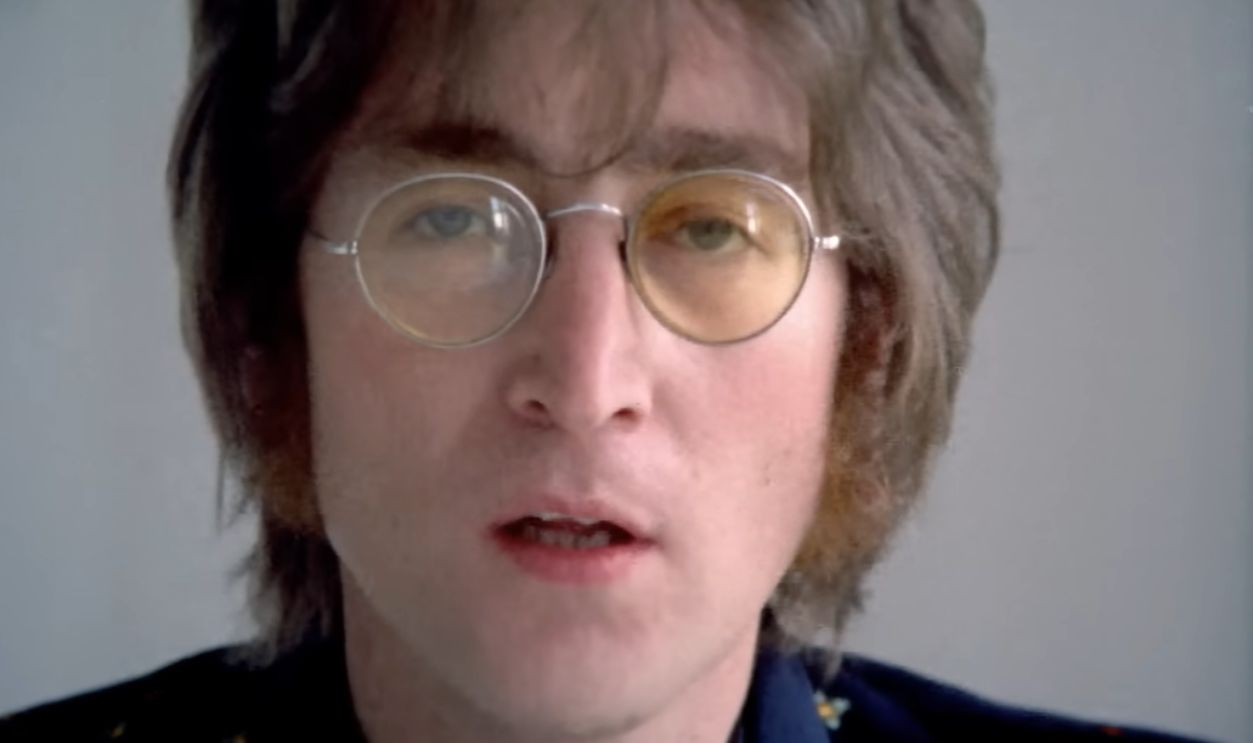 Screenshot from Imagine, Apple Records (1971)
You Might Also Like:
1960s Bands Who Made One Perfect Album…Then Vanished
Bands That Were Too Weird For Radio—And Too Good To Ignore