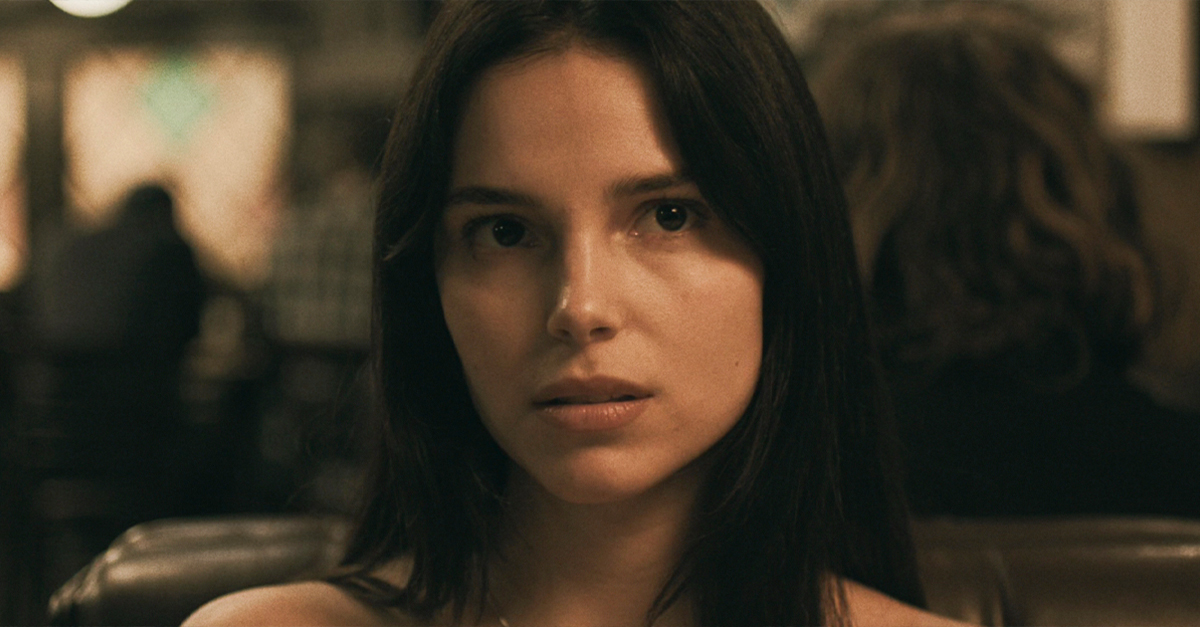
So Far, Horror Is Having An Incredible 2026
We haven't even reached the end of 2026, yet horror has already delivered tiny independent successes, huge theatrical hits, acclaimed franchise entries, internet-born sensations, and movies from filmmakers around the world. Calling this a great year feels easy. But calling horror better than ever? That's a much bigger claim.
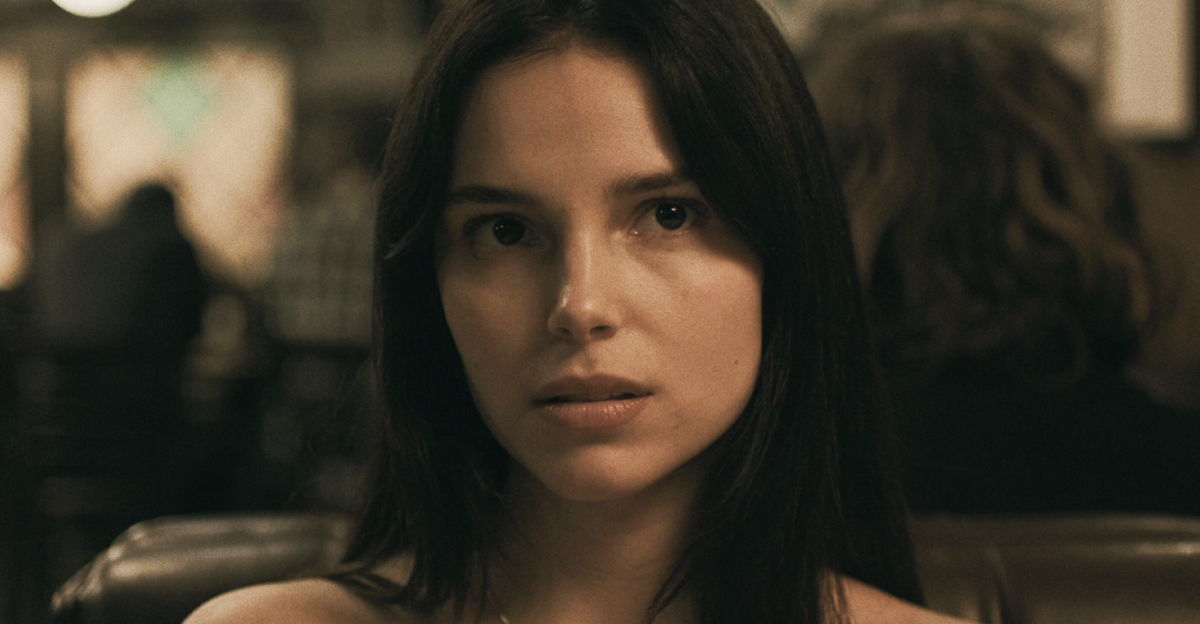 Universal Pictures, Obsession (2025)
Obsession Became A Genuine Phenomenon
Curry Barker's feature debut Obsession is the year's clearest horror success story. Produced for less than $1 million, it had earned roughly $519 million worldwide by late September. Even stranger, its second weekend increased substantially instead of suffering the steep drop usually associated with horror releases.
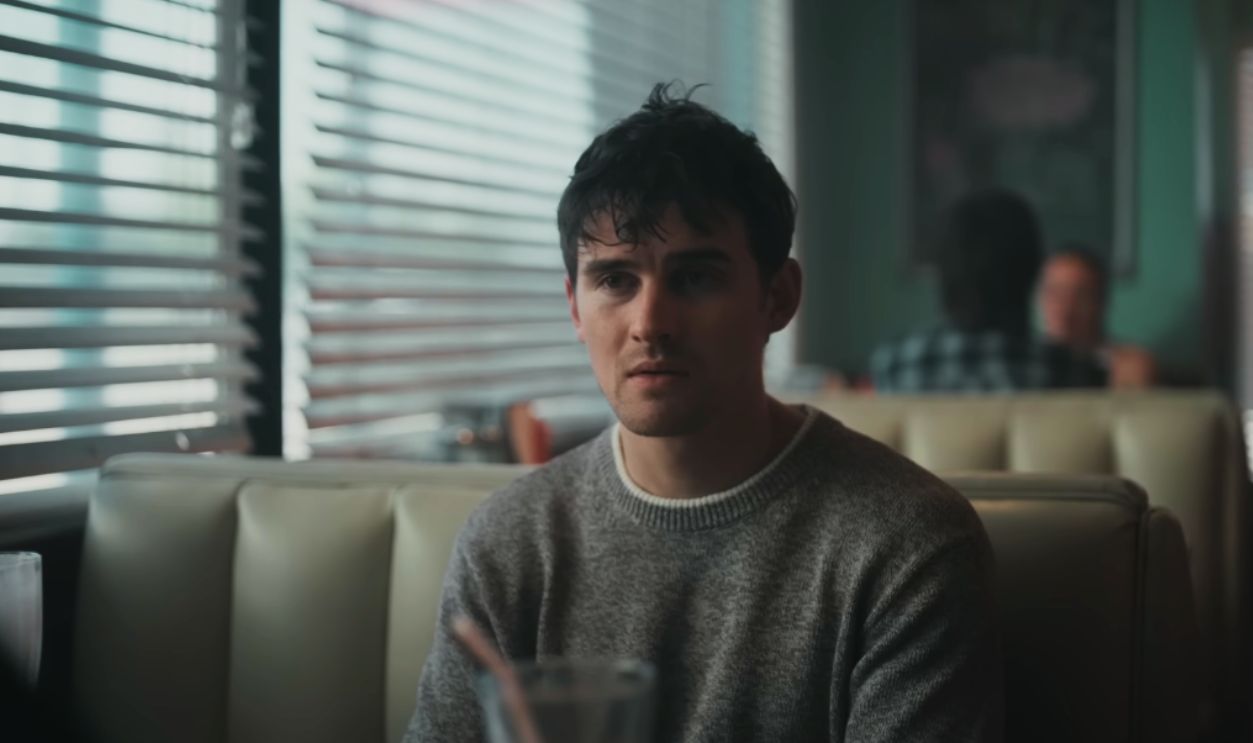 Screenshot from Obsession, Focus Features (2026), Enhanced
Backrooms Took Internet Horror Mainstream
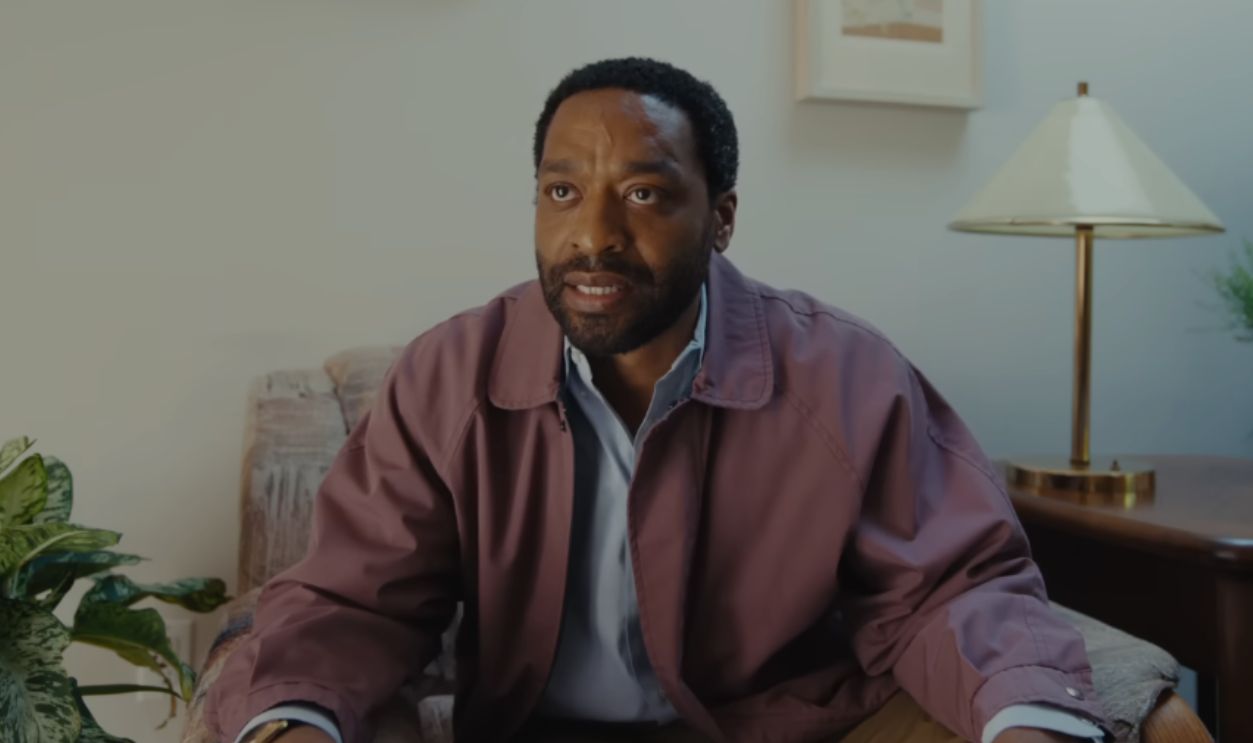
Kane Parsons began Backrooms as a YouTube project inspired by the online mythology of endless liminal spaces. The feature adaptation became A24's highest-grossing movie worldwide, passing $200 million within its first 10 days. A $10 million production had suddenly become a major theatrical event.
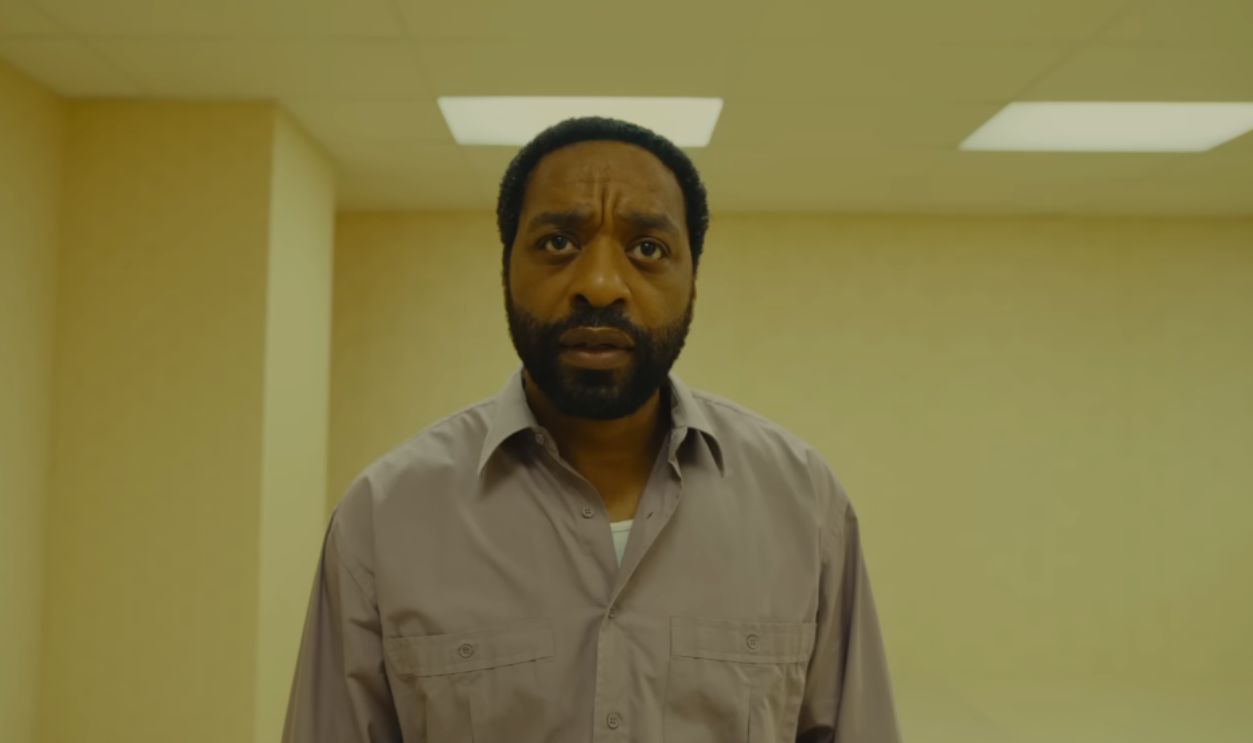 Screenshot from Backrooms, A24 (2026)
Its Director Was Only 20
Parsons also became the youngest filmmaker reported to have opened a movie at No 1 at the North American box office. Backrooms debuted with $81 million domestically, an extraordinary result for a director whose storytelling language was developed online rather than through Hollywood's traditional system.
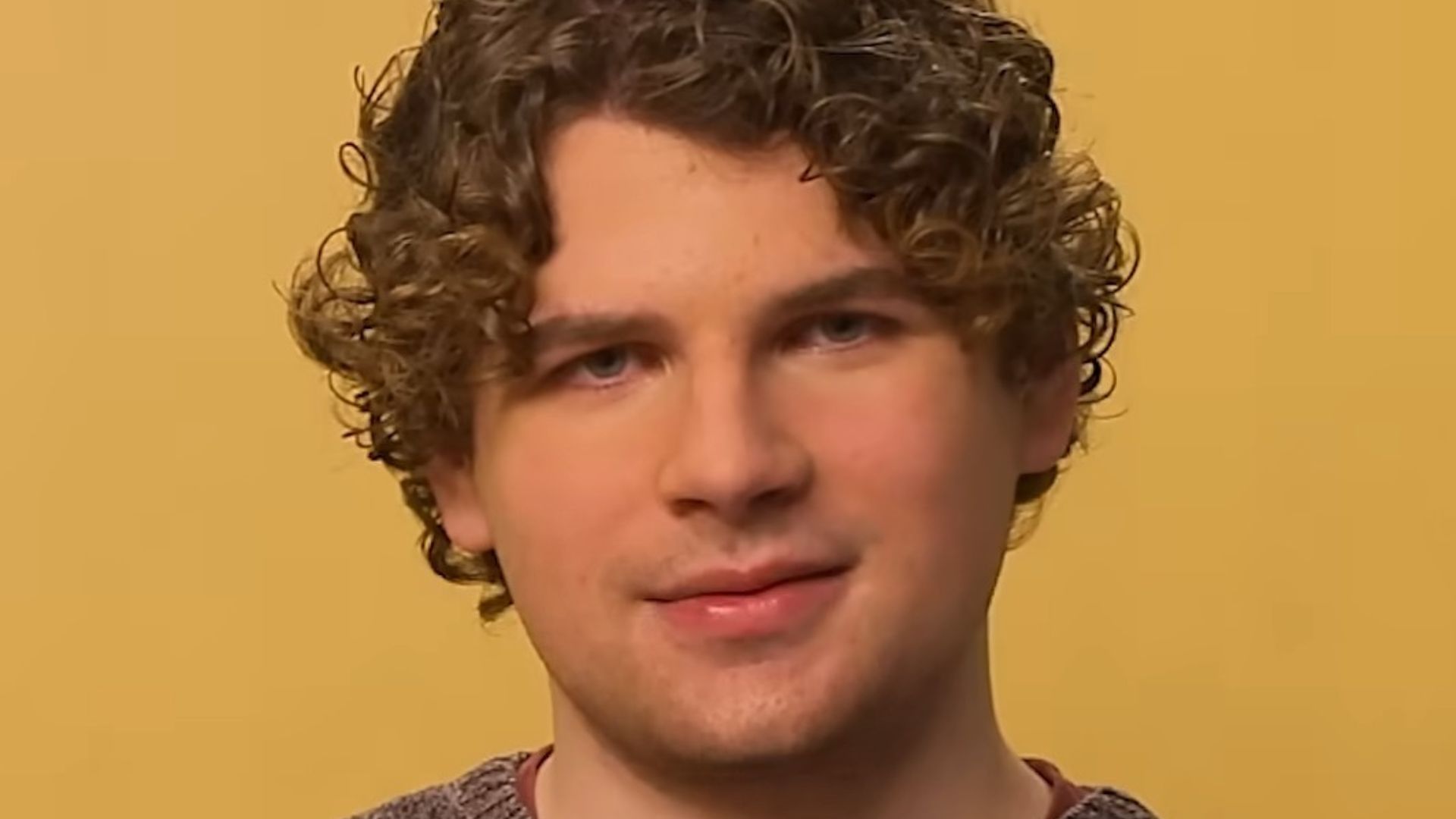 Lachlan and Austin Macfarlane, Wikimedia Commons
Resident Evil Proved Franchises Can Still Surprise Us
By 2026, another Resident Evil reboot could easily have felt unnecessary. Instead, Zach Cregger's version opened to $60 million in North America, the biggest domestic debut in the film franchise's history, while strong word of mouth helped it outperform prerelease expectations.
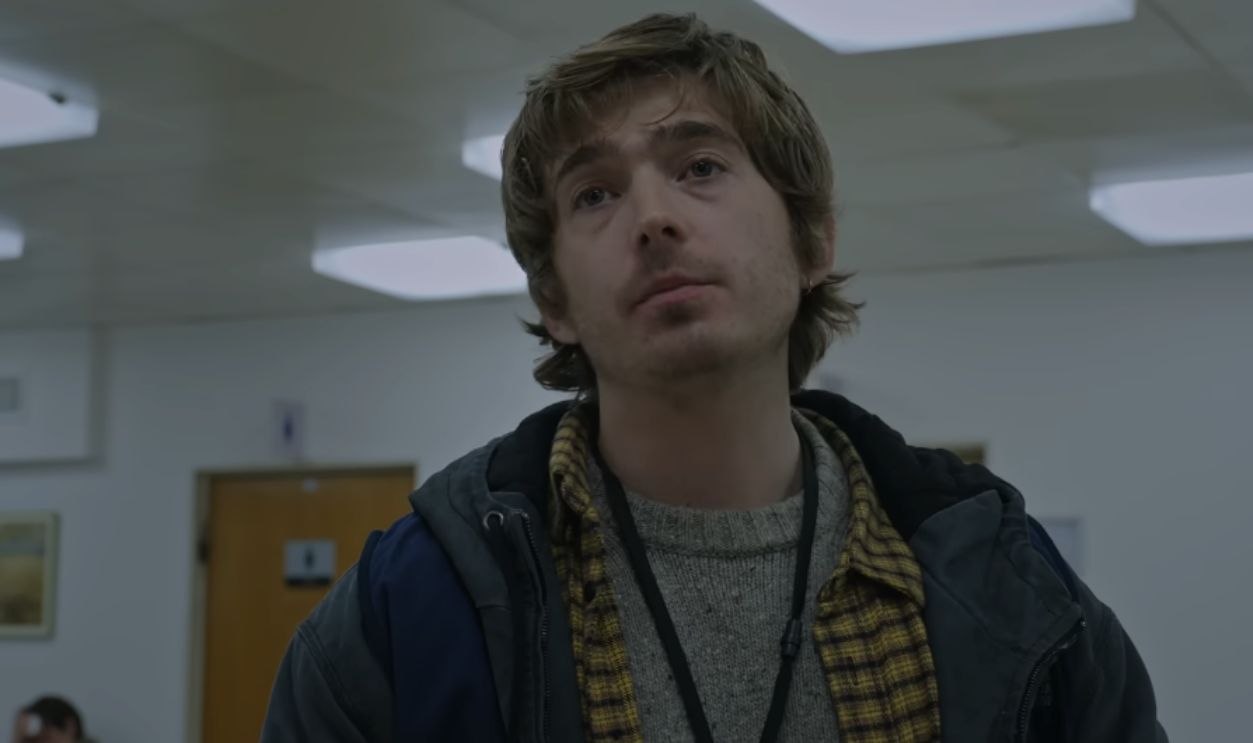 Screenshot from Resident Evil, Columbia Pictures (2026)
The Bone Temple Made A Fourth Film Feel Exciting
Nia DaCosta's 28 Years Later: The Bone Temple faced the difficult task of continuing a decades-old series immediately after another sequel. Critics still found reasons to get excited. The Guardian's Peter Bradshaw went so far as to call it the finest entry in the 28 franchise.
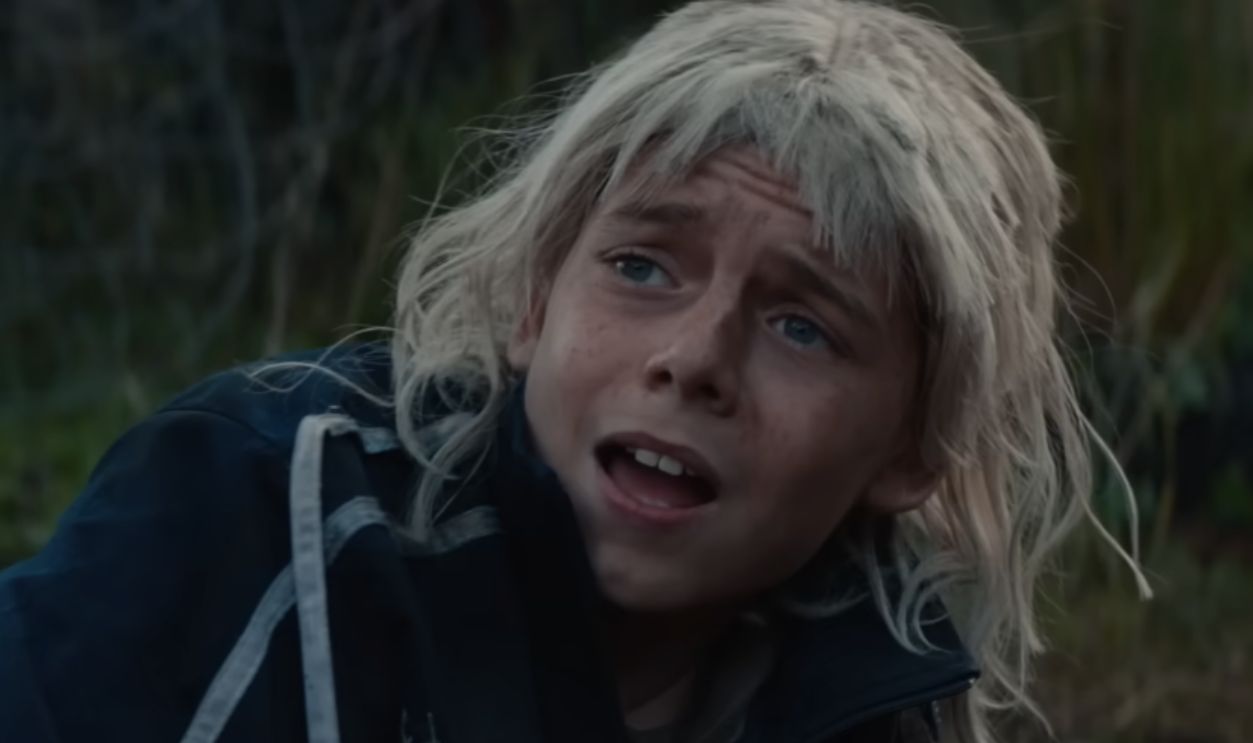 Screenshot from 28 Years Later: The Bone Temple, Sony Pictures Releasing (2026)
Sam Raimi Returned To Horror-Comedy Territory
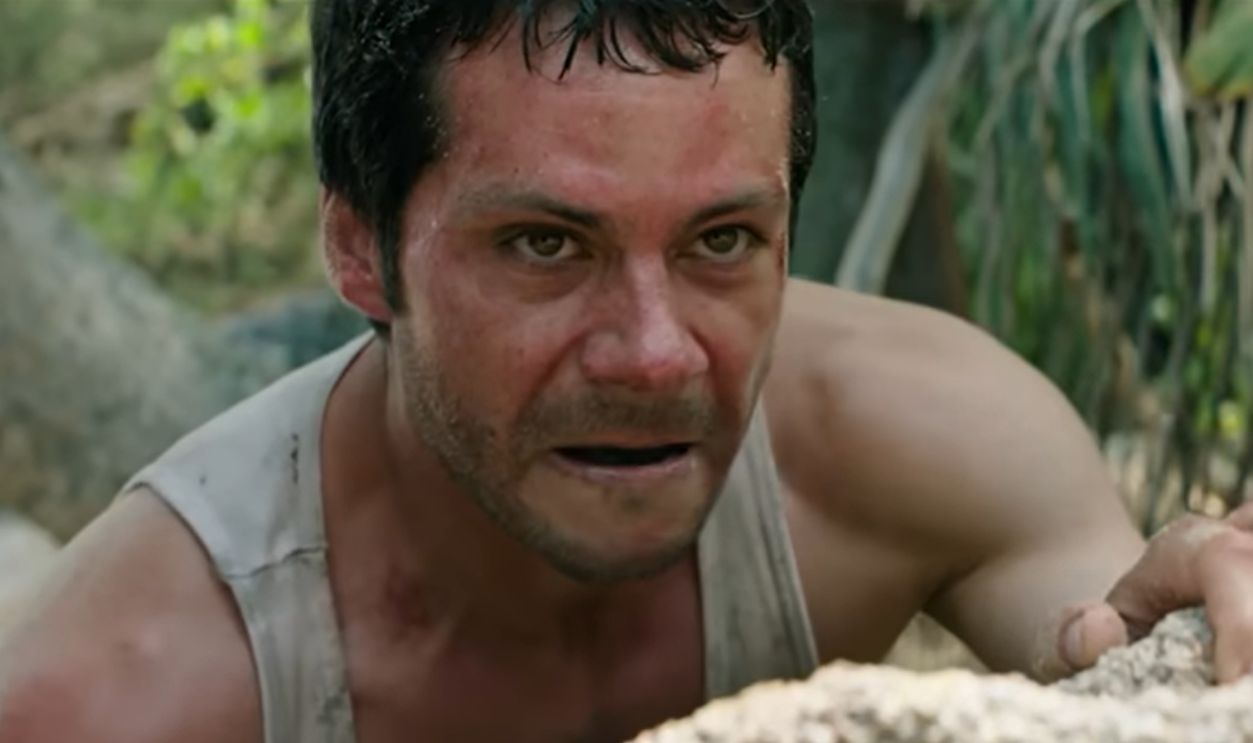
Send Help brought Sam Raimi back with Rachel McAdams and Dylan O'Brien in a bloody survival story about two plane-crash survivors. Reviews were divided rather than universally enthusiastic, but its mixture of comedy, workplace satire, gore, and survival thriller showed how elastic horror-adjacent filmmaking can be.
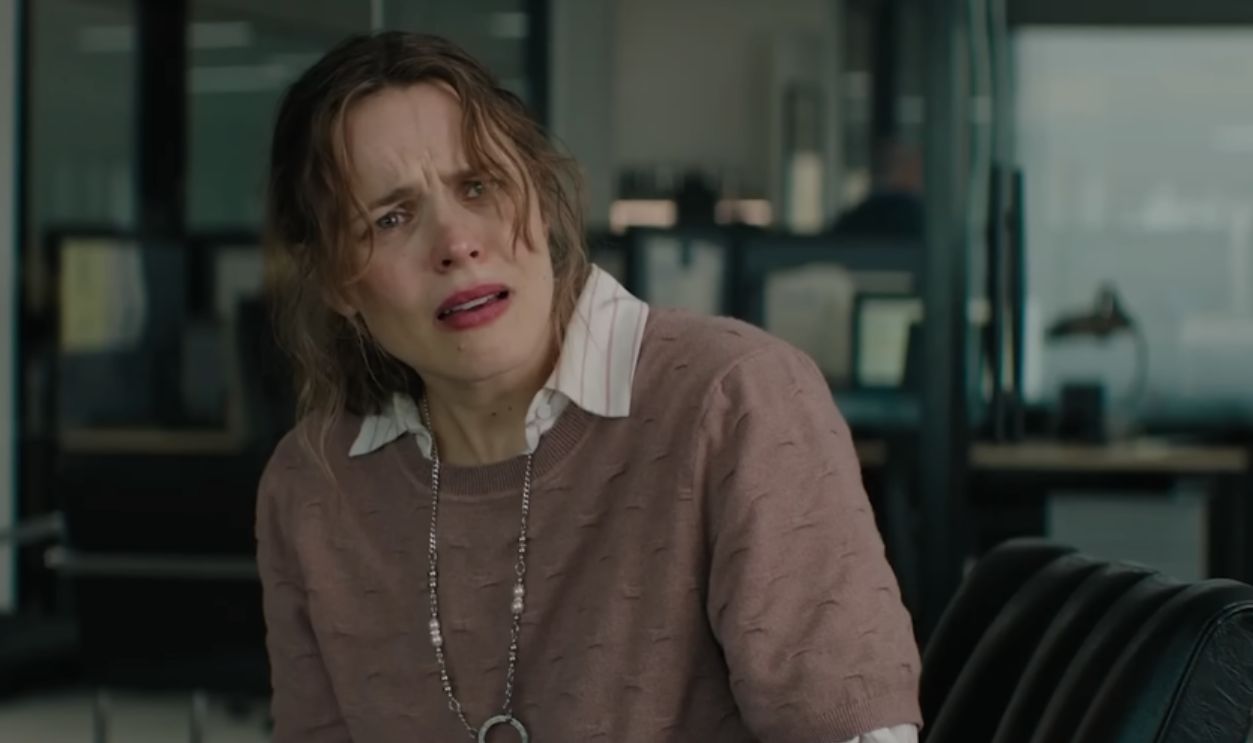 Screenshot from Send Help, 20th Century Studios (2026)
Hokum Offered Something Much Quieter
Damian McCarthy's Hokum went in another direction entirely. Adam Scott plays a troubled writer who travels to a remote Irish hotel and encounters local legends, strange deaths, and supernatural possibilities. Its eerie rural setting and black humor made it another example of how varied this year's horror slate has become.
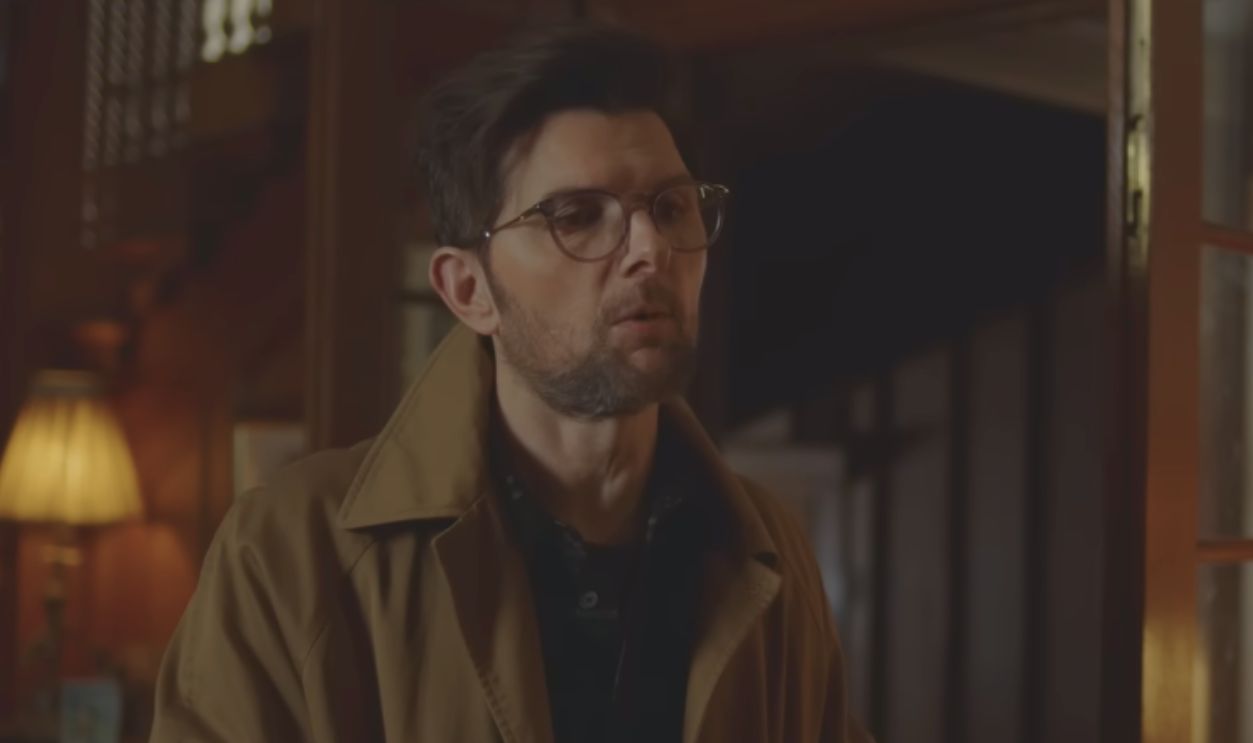 Screenshot from Hokum, Neon (2026), Enhanced
It Ends Did A Lot With Almost Nothing
Alex Ullom's It Ends cost only about $80,000. Its story is equally stripped down: four friends drive down a road that seemingly never ends. The Guardian nevertheless ranked the micro-budget film among 2026's strongest horror releases, showing how little money the genre actually requires when the central idea works.
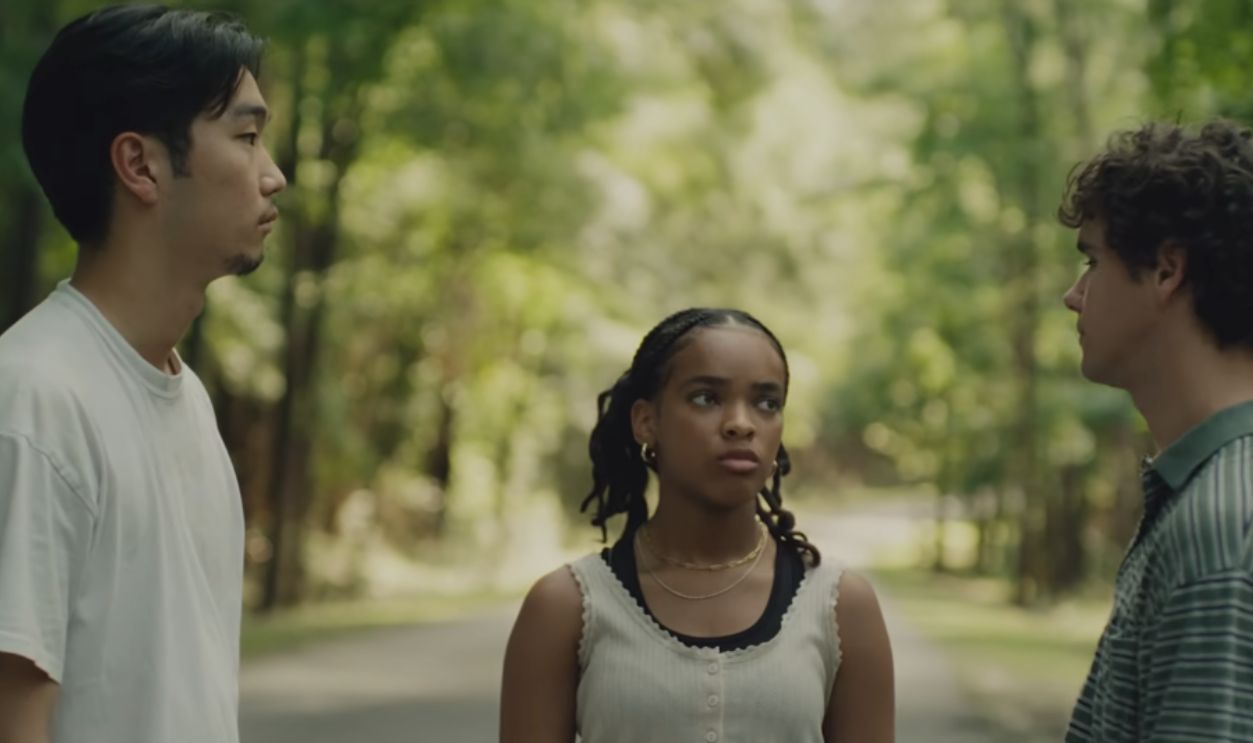 Screenshot from It Ends, NEON (2025)
International Horror Keeps Adding New Ideas
Indonesian filmmaker Joko Anwar's Ghost in the Cell combines supernatural horror with prison drama, social commentary, comedy, action, and extravagant gore. Its arrival in North American theaters is another reminder that today's horror conversation stretches far beyond Hollywood and English-language filmmaking.
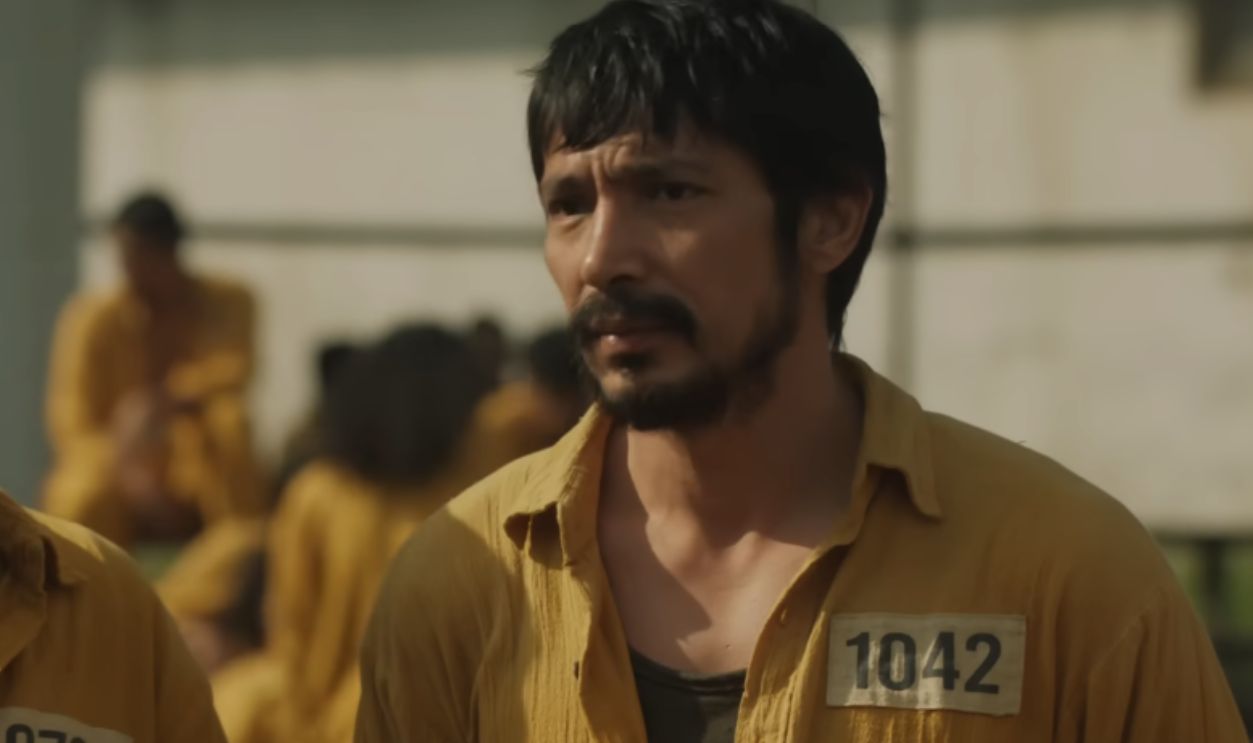 Screenshot from Ghost in the Cell, Well Go USA Entertainment (2026)
Variety May Be 2026's Greatest Strength
A supernatural romance gone horribly wrong, internet liminal spaces, infected Britain, Irish folklore, a cursed road, a prison ghost, and video-game monsters can all thrive under the same genre label. The impressive part of 2026 isn't simply the number of horror movies. It's how little they need to resemble one another.
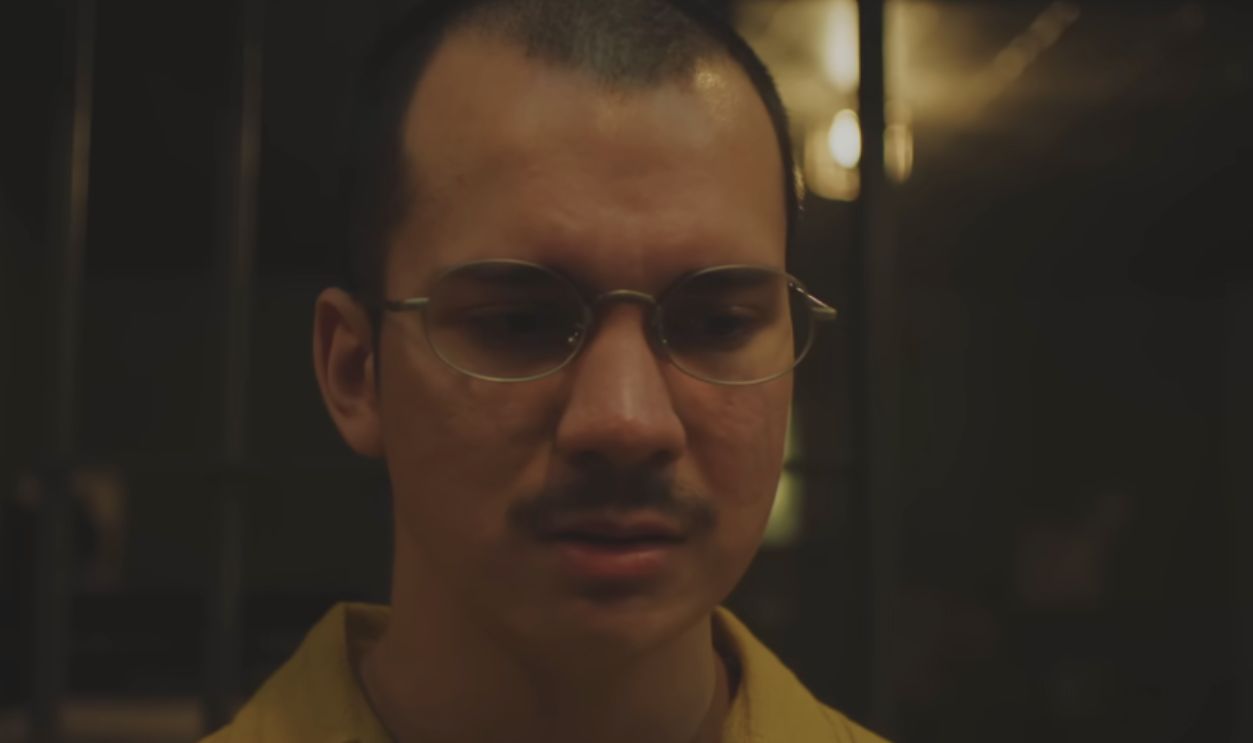 Screenshot from Ghost in the Cell, Well Go USA Entertainment (2026), Enhanced
Horror Still Rewards Small Budgets
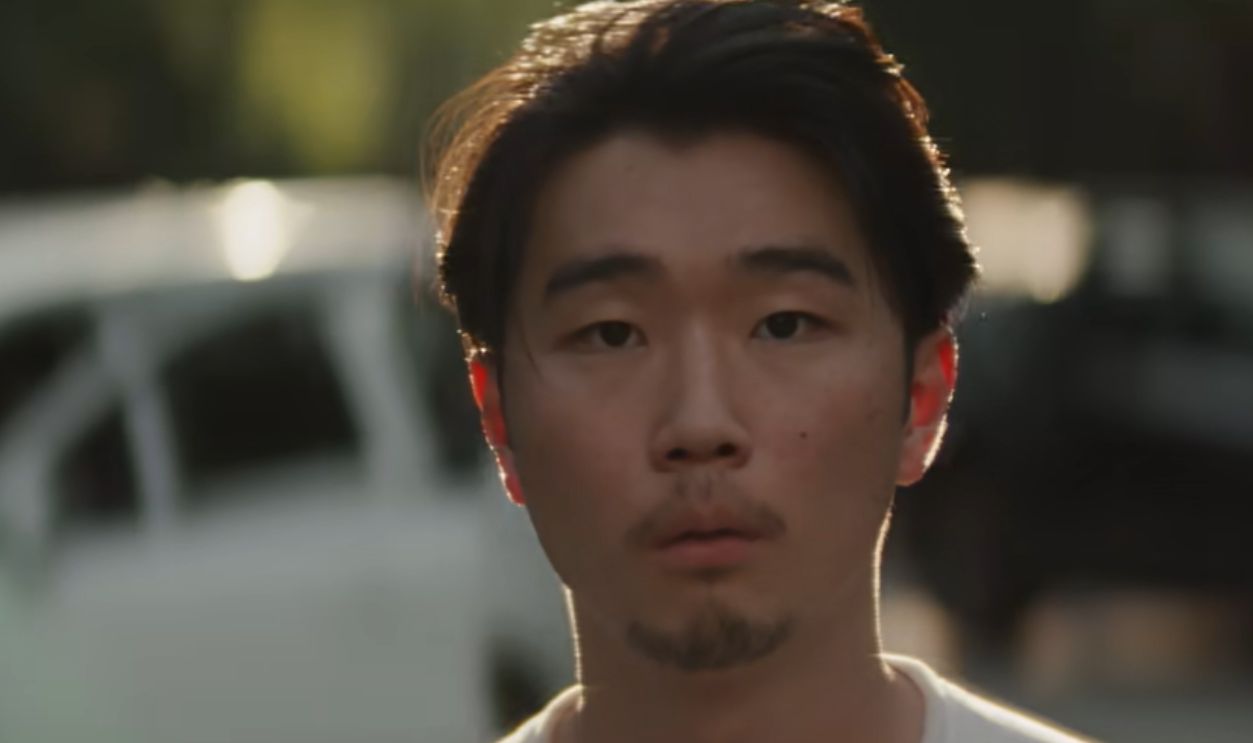
The contrast between Obsession and It Ends tells the story. One turned a sub-$1 million budget into hundreds of millions of dollars. The other reportedly cost around $80,000 and still attracted major critical attention. Horror remains one of the few theatrical genres where financial scale does not determine cultural impact.
 Screenshot from It Ends, NEON (2025)
The Internet Is Becoming A Talent Pipeline
Barker and Parsons didn't emerge from the traditional filmmaking establishment. Both built audiences and developed their instincts through online work before making theatrical breakthroughs. Horror has become particularly good at absorbing internet culture rather than treating it merely as competition for moviegoing.

Of Course, Not Everything Has Worked
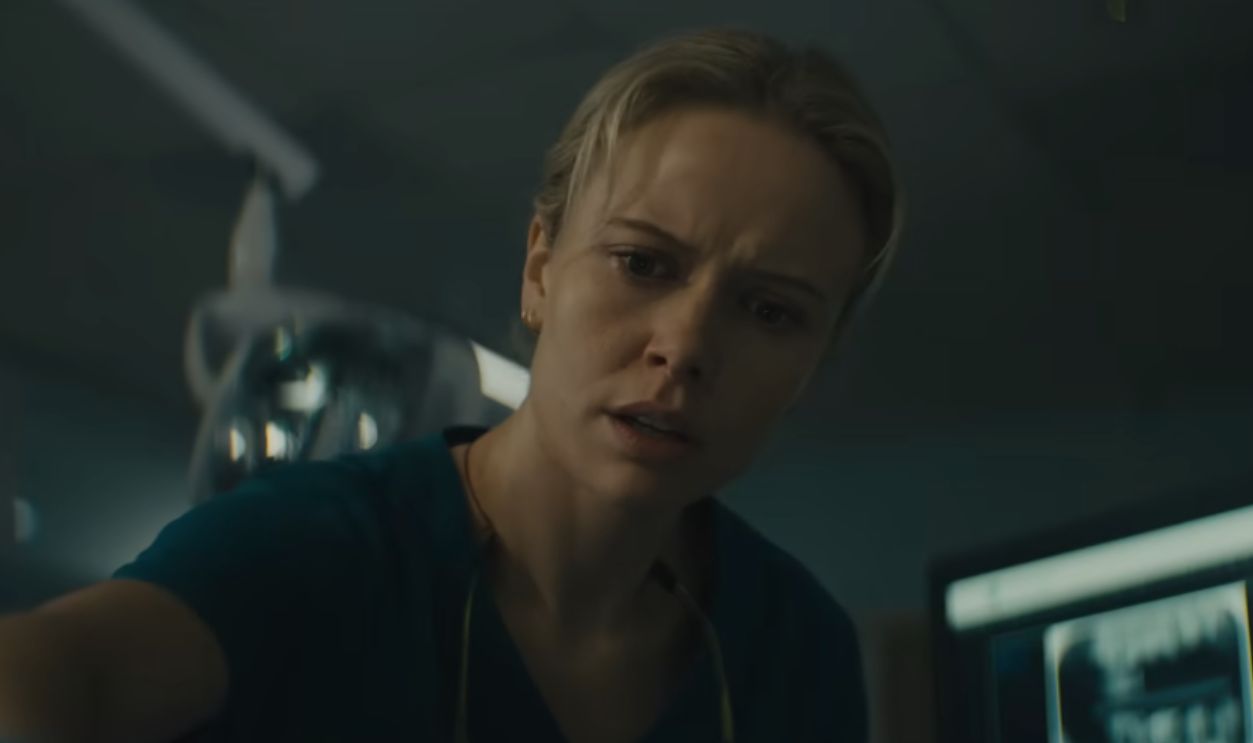
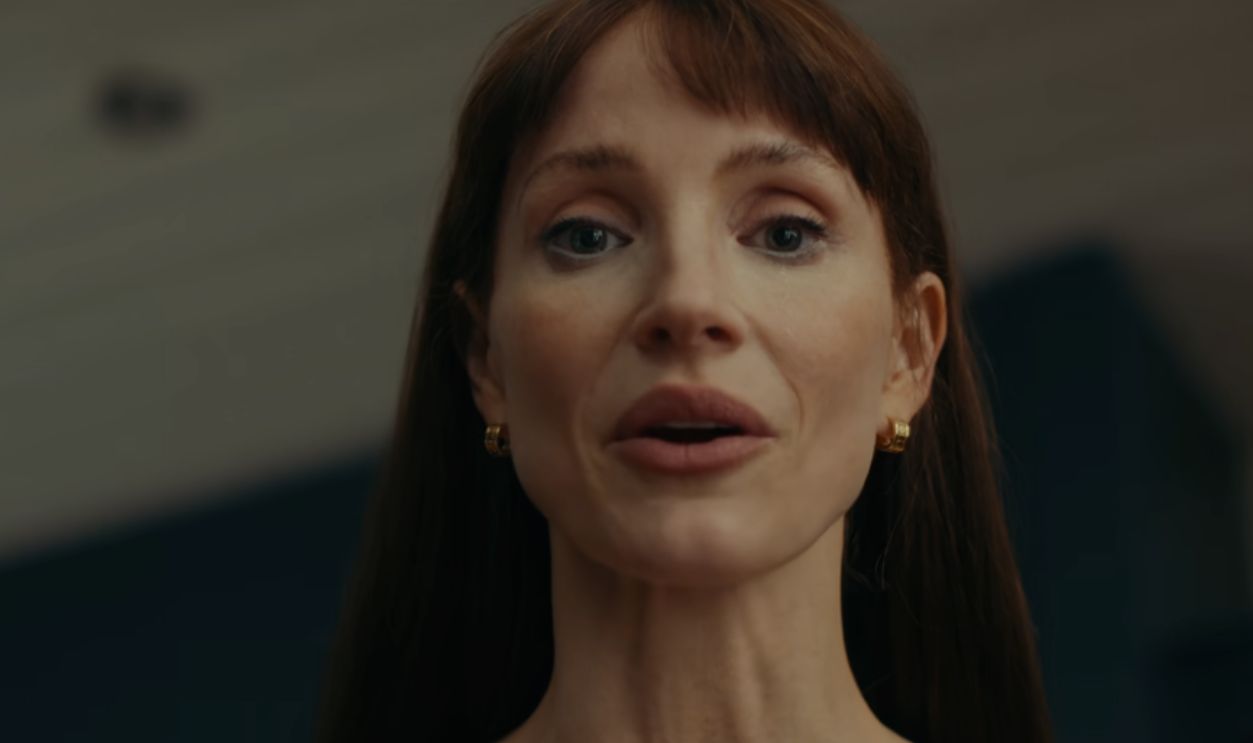
A strong year does not mean an uninterrupted parade of classics. Insidious: Out of the Further received a harsh response from some critics. Additionally, October's Other Mommy earned a cool review despite substantial prerelease attention. Horror is booming, but audiences still get disappointments.
 Screenshot from Insidious: Out of the Further, Sony Pictures Releasing (2026)
That Imperfection Might Actually Be Healthy
A genre becomes stagnant when every movie follows the same safe formula. Horror's current abundance means some experiments miss completely while others become unexpected sensations. The failures matter because they show studios and filmmakers are releasing enough different material for genuine surprises to remain possible.
 Screenshot from Other Mommy, Universal Pictures (2026)
But Is Horror Really Better Than Ever?
This is where the argument becomes harder. 2026 can be excellent without defeating every previous era. Horror has existed for more than a century, repeatedly reinventing itself whenever audiences supposedly became too sophisticated to be scared. Any claim that we've reached its absolute peak has some intimidating history to overcome.
 Screenshot from Send Help, 20th Century Studios (2026)
The 1970s Set An Almost Impossible Standard
Just look at 1973: The Exorcist, Don't Look Now, and The Wicker Man all arrived in the same year. The decade also gave audiences The Texas Chain Saw Massacre, Jaws, Carrie, Suspiria, Halloween, and Alien. Few periods have altered the language of horror so dramatically.
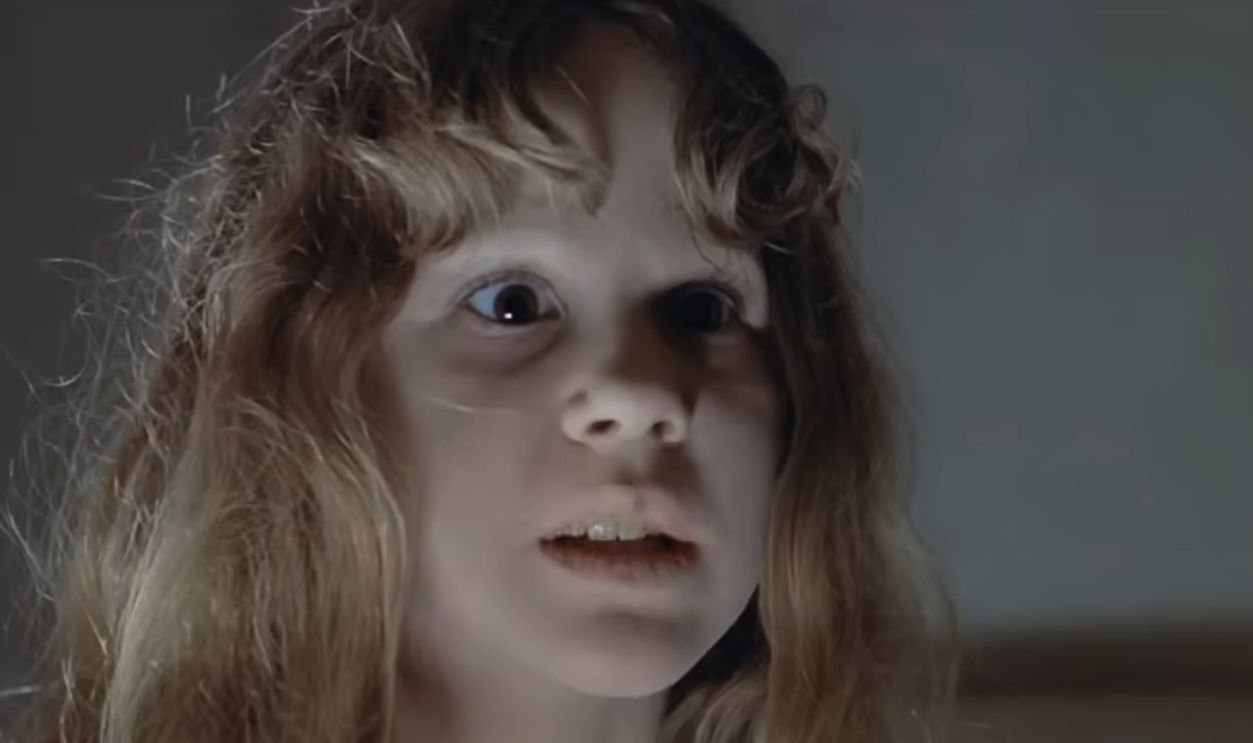 Screenshot from The Exorcist, Warner Bros. (1973)
The 1990s Reinvented Respectability
The Silence of the Lambs opened the decade by winning Best Picture, Best Actor, Best Actress, Director, and Adapted Screenplay at the Oscars. The 1990s also brought prestige Gothic horror, Scream, Japanese horror's international rise, and the found-footage breakthrough of The Blair Witch Project.
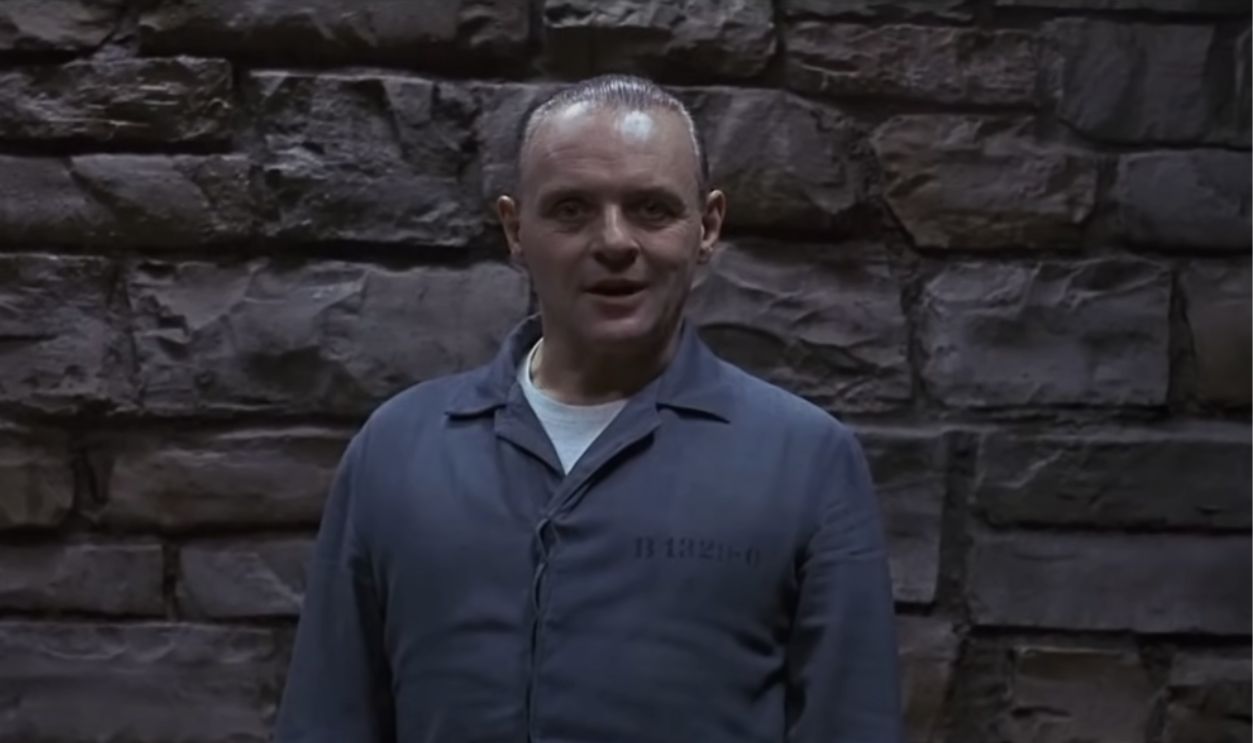 Screenshot from The Silence of the Lambs, Orion Pictures (1991)
The 2010s Had Their Own Renaissance
The previous decade already produced The Babadook, It Follows, The Witch, Get Out, Hereditary, and numerous other acclaimed genre films. BFI has described the 2010s as a particularly fertile horror period, while Jordan Peele's Get Out won the Academy Award for Original Screenplay.
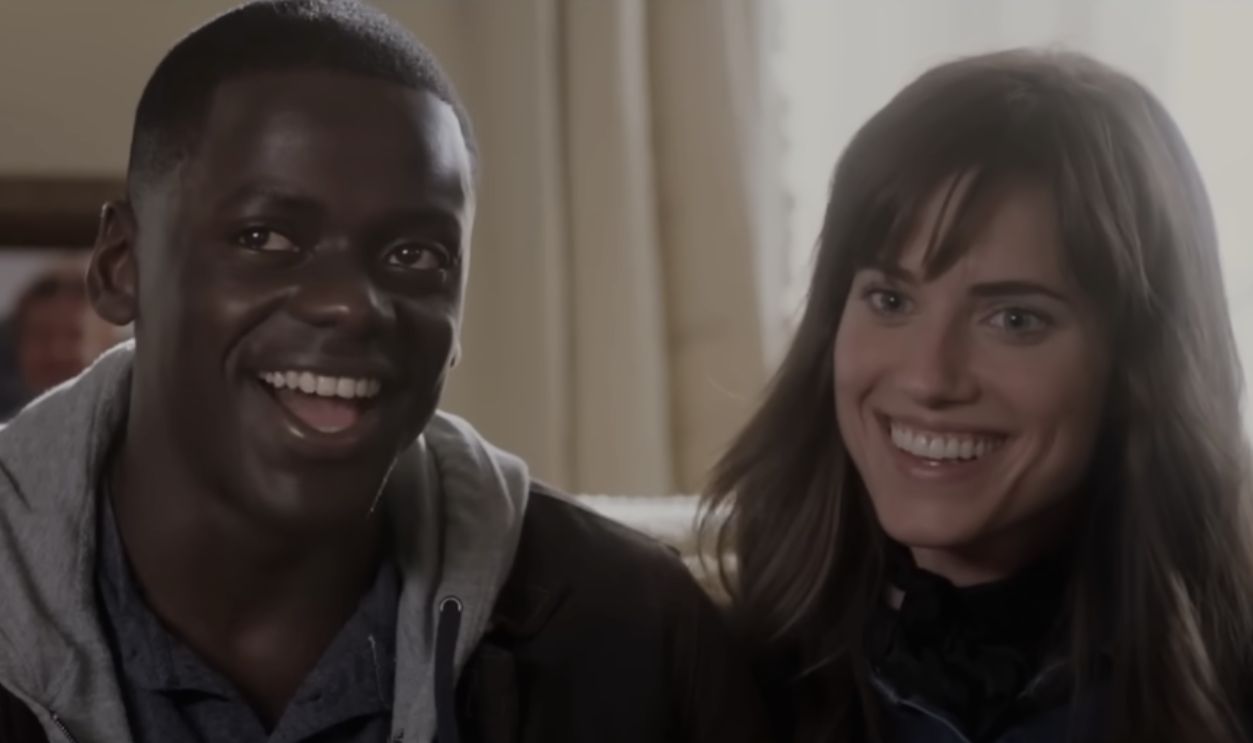 Screenshot from Get Out, Universal Pictures (2017)
So What Actually Makes 2026 Different?
It isn't that thoughtful or inventive horror suddenly appeared this year. What feels unusual is how many forms of horror can coexist commercially. A YouTube creator, a celebrated studio filmmaker, a micro-budget first-timer, an Indonesian auteur, and a decades-old franchise can all become part of the same conversation.
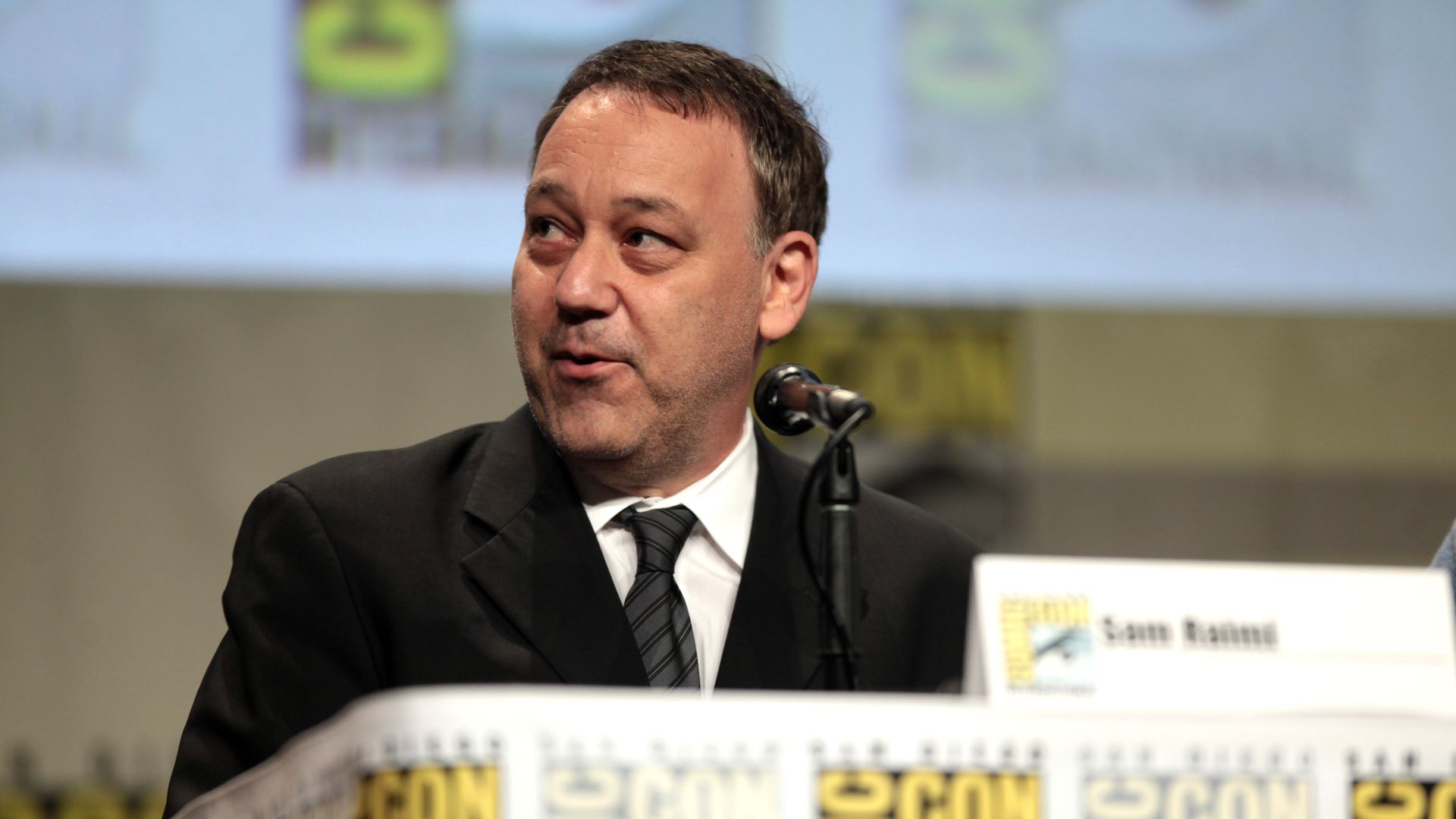 Gage Skidmore from Peoria, AZ, United States of America, Wikimedia Commons
Horror May Be Broader Rather Than Simply Better
Today's films aren't necessarily objectively superior. Horror currently accommodates enormous differences in budget, tone, nationality, distribution, and filmmaking background. The genre doesn't have one dominant formula, which makes it harder to predict where its next major success will come from.
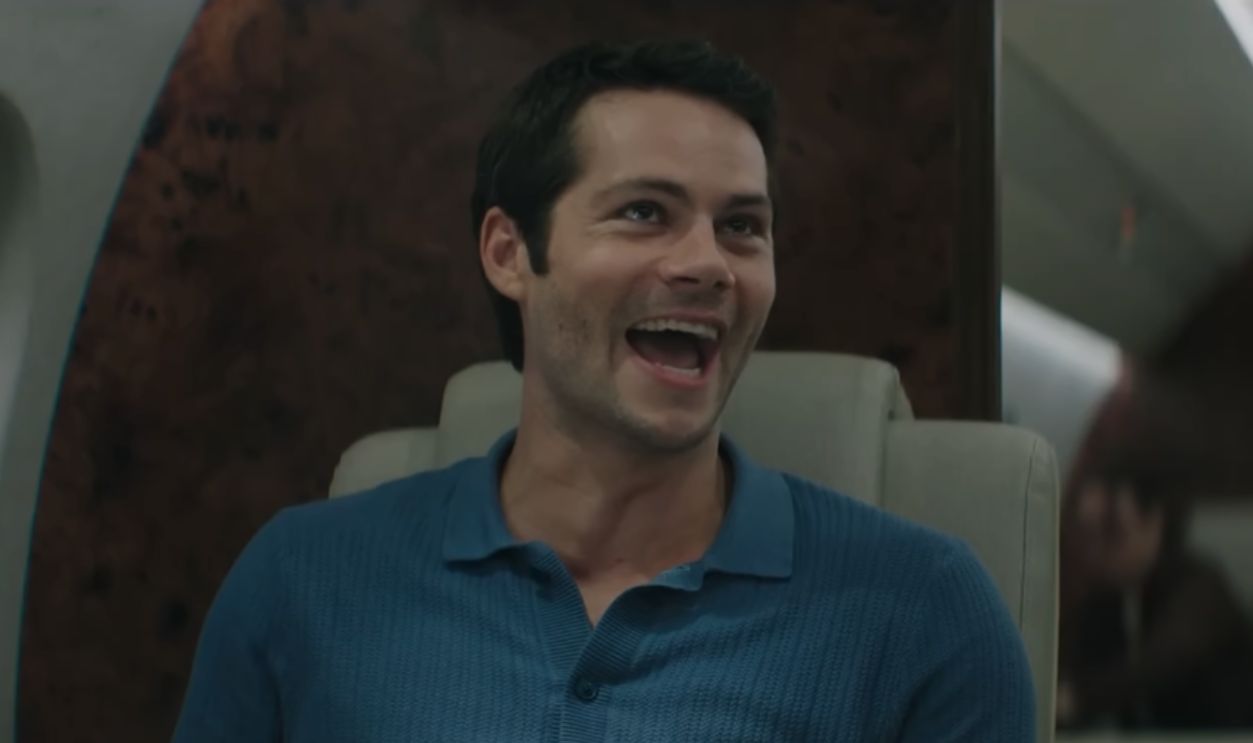 Screenshot from Send Help, 20th Century Studios (2026)
Success Gives Filmmakers Permission To Take Risks
Studios have an obvious reason to keep investing. Obsession and Backrooms demonstrate how profitable unconventional horror can become when it connects with audiences. That commercial upside gives filmmakers room to propose ideas that might look far riskier as dramas, comedies, or expensive action movies.
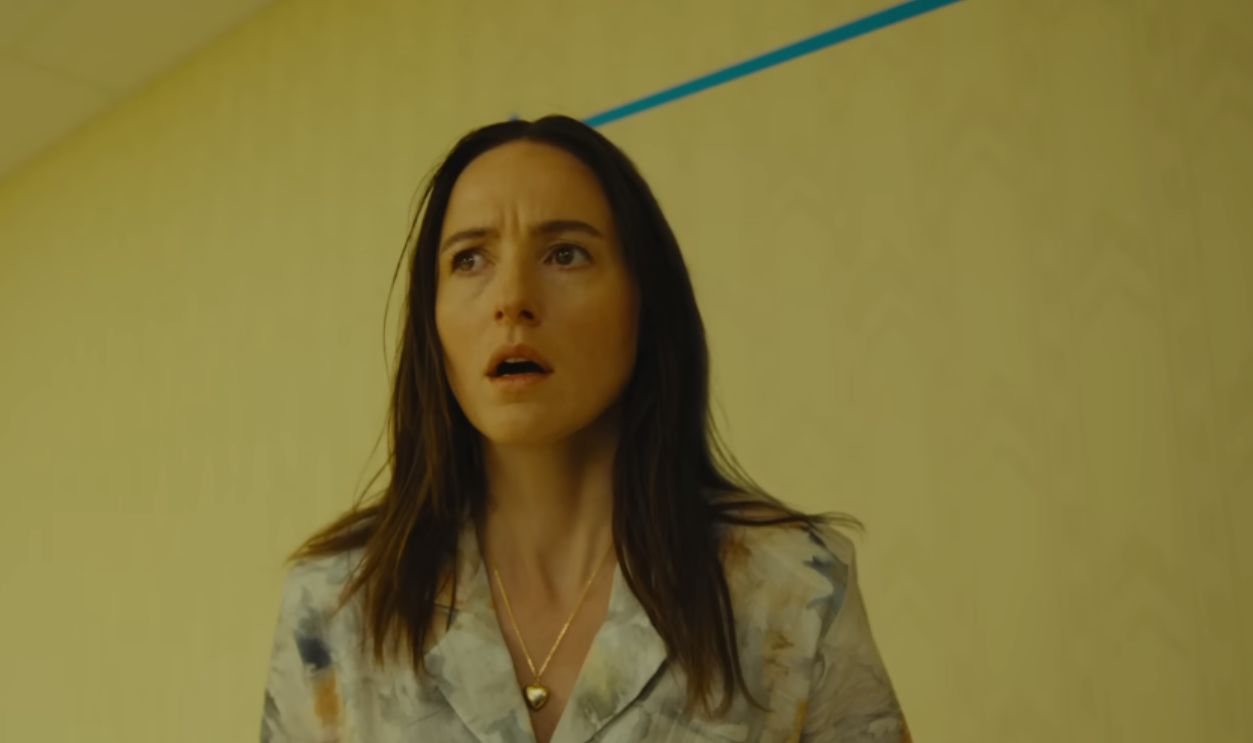 Screenshot from Backrooms, A24 (2026)
Critical Respect Is No Longer An Exception
Horror still fights old assumptions about being disposable entertainment, but the wall has weakened. The Silence of the Lambs and Get Out established major awards precedents, while Obsession has already generated 2026 awards-season discussion. Genre success and prestige increasingly occupy the same space.
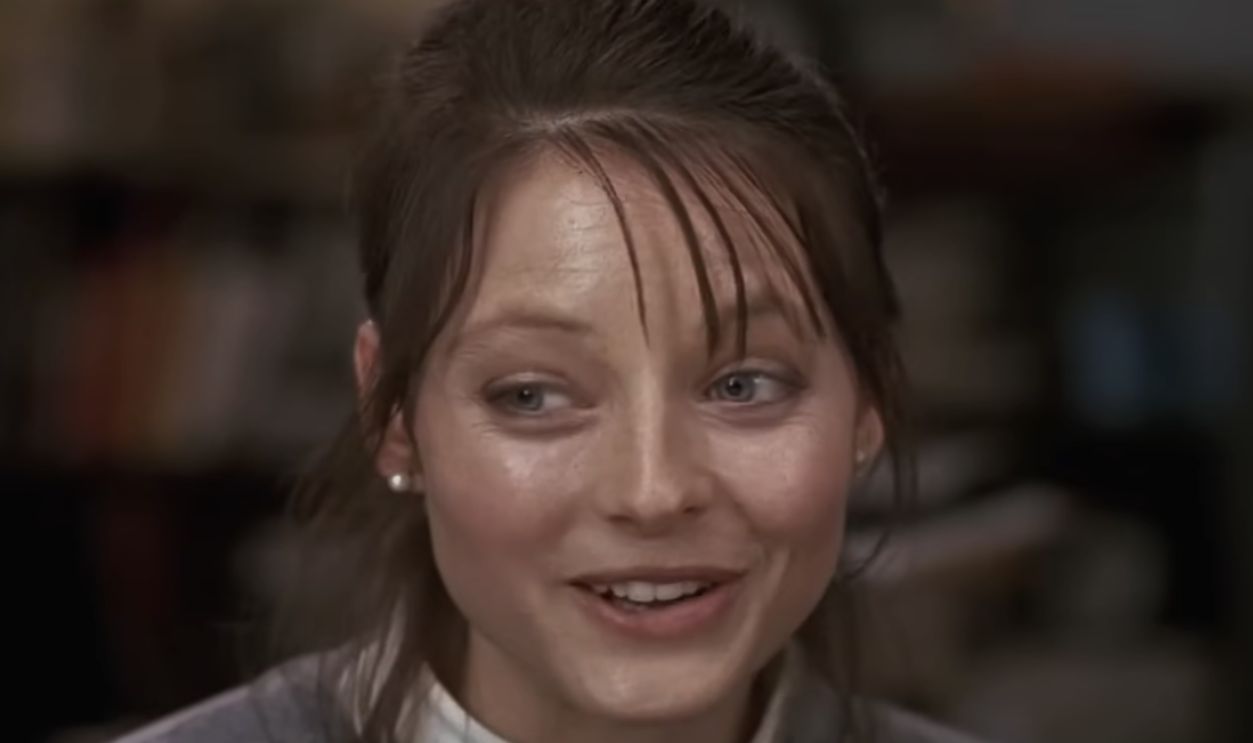 Screenshot from The Silence of the Lambs, Orion Pictures (1991)
Horror Still Gives Theaters Something Special
Scary movies benefit from collective reaction in a way few genres can replicate. A scream, laugh, or nervous silence spreads across an audience. The extraordinary theatrical performances of Obsession and Backrooms, particularly among younger moviegoers, suggest that horror can still turn leaving the house into part of the experience.
 Screenshot from Obsession, Focus Features (2026), Enhanced
We Need More Time Before Crowning 2026
History has the advantage of hindsight. We know Halloween, The Exorcist, and The Silence of the Lambs endured because decades have passed. The biggest films of 2026 have had months. Some will become touchstones. Others may barely be discussed five years from now. And the year itself isn't finished yet.
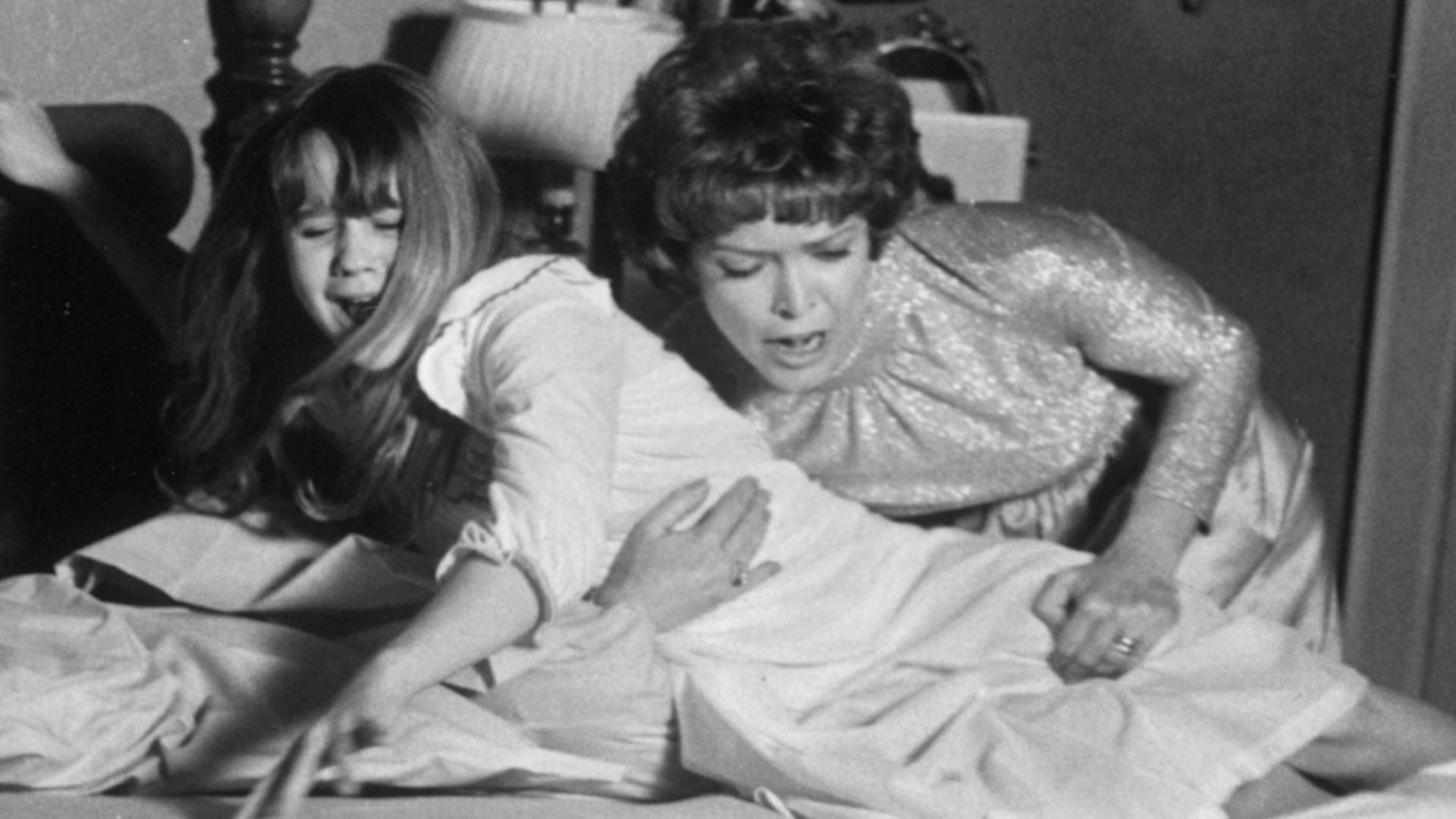 12 Feb 1974, Wikimedia Commons
So, Do I Think Horror Is Better Than Ever?
Not quite. The genre's history is simply too rich to declare one contemporary stretch the undisputed winner. But 2026 makes a convincing case that horror is as healthy, varied, commercially relevant, and open to new voices as it has been in a very long time. That's arguably more exciting than winning an imaginary contest with the past.
 Screenshot from Backrooms, A24 (2026)
You May Also Like:
Times That American Cinema Butchered A Beautiful Foreign Film
1960s TV Stars Who Seemed To Be Everywhere—Until Their Shows Ended
Films That Get Better The Second Time You Watch
Sources: 1, 2, 3, 4, 5, 6, 7, 8, 9, 10, 11, 12, 13, 14, 15, 16