The Comedy That Became Terrifyingly Real
Roar was conceived as a family wildlife adventure with a playful, comic tone. Some distributors even promoted it as a “furr-ocious comedy". Behind the camera, however, there were severe maulings, broken bones, a scalping, natural disasters, and an often-cited estimate of roughly 70 injured cast and crew members.
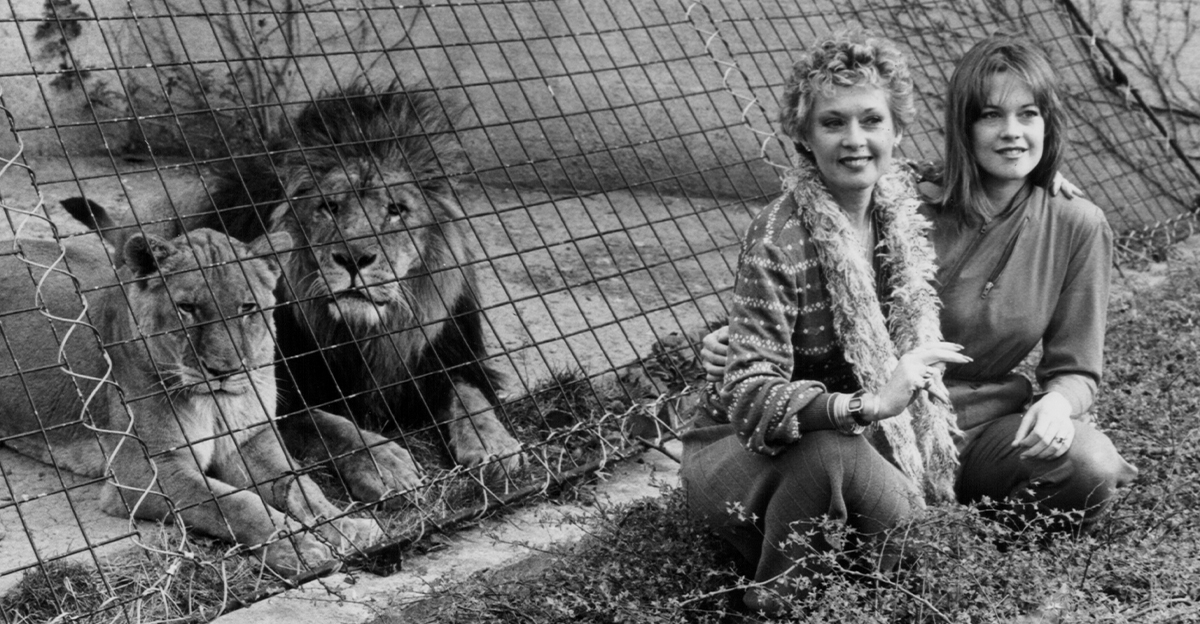 Central Press / Stringer, Getty Images
It Started With An Extraordinary Sight In Africa
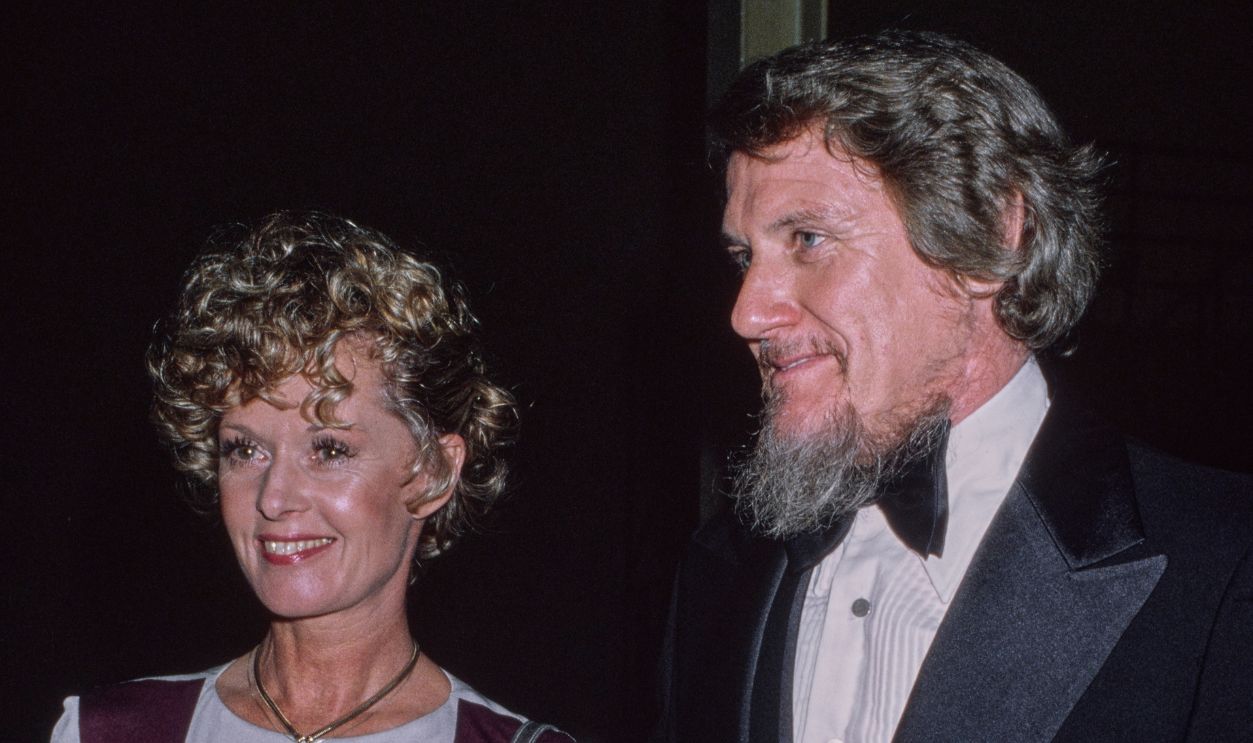
The idea began while Tippi Hedren and her husband, Noel Marshall, were traveling in Africa. In Mozambique, they encountered an abandoned plantation house occupied by a large pride of lions. Marshall was fascinated by the sight and suggested building a movie around humans attempting to share a home with big cats.

Noel Marshall Wasn't Exactly New To Horror
There is an eerie footnote to the story. Before directing Roar, Marshall had served as an executive producer on The Exorcist. Yet nothing in that supernatural blockbuster required him to manage enormous numbers of unpredictable lions, tigers, leopards, and other animals around his own family.

The First Practical Problem Was Enormous
Hedren later explained that conventional animal trainers were reluctant to mix their cats with unfamiliar animals because big cats could fight. Marshall and Hedren concluded that if they wanted large numbers together on screen, they would need animals accustomed to living alongside one another.
 Michael Ochs Archives, Getty Images
Their Solution Was To Raise The Cats Themselves
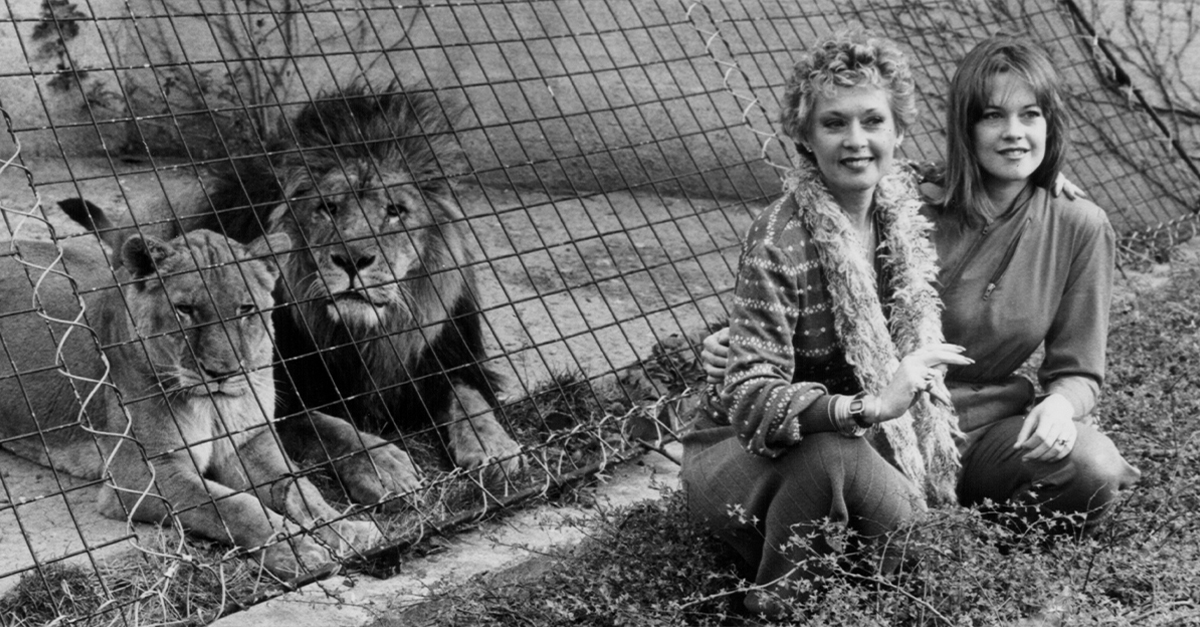
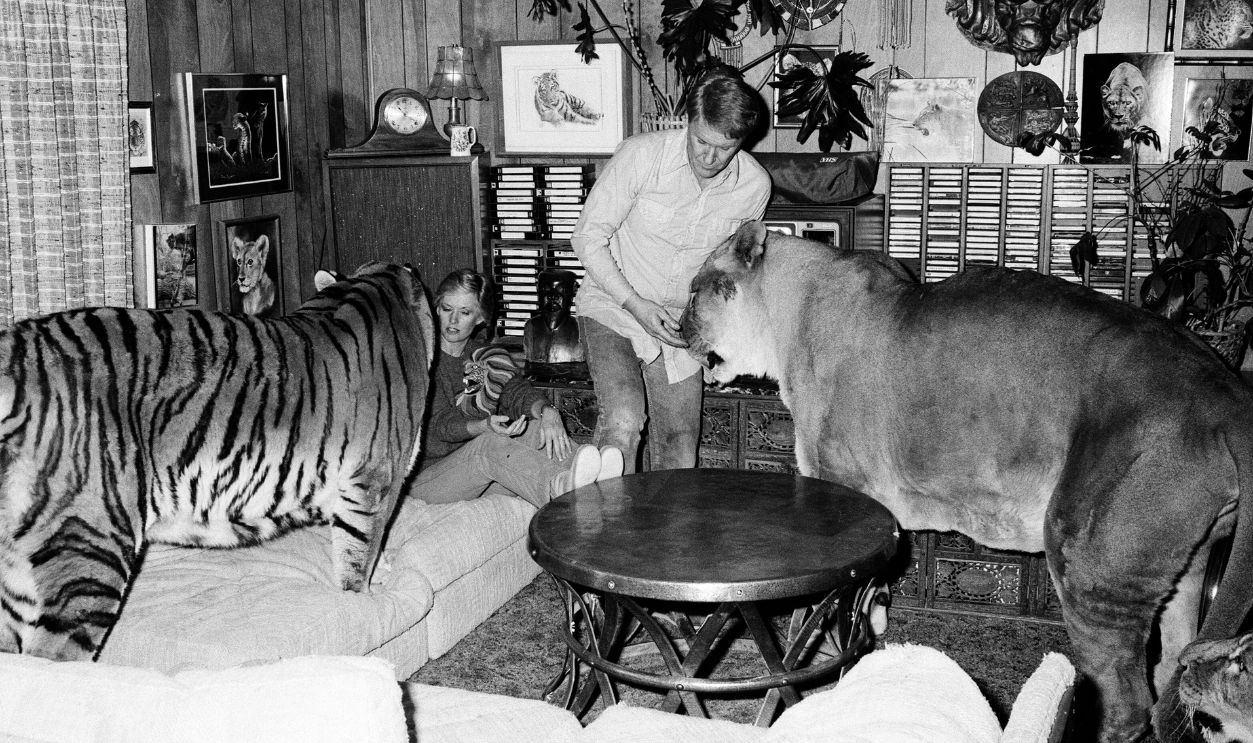
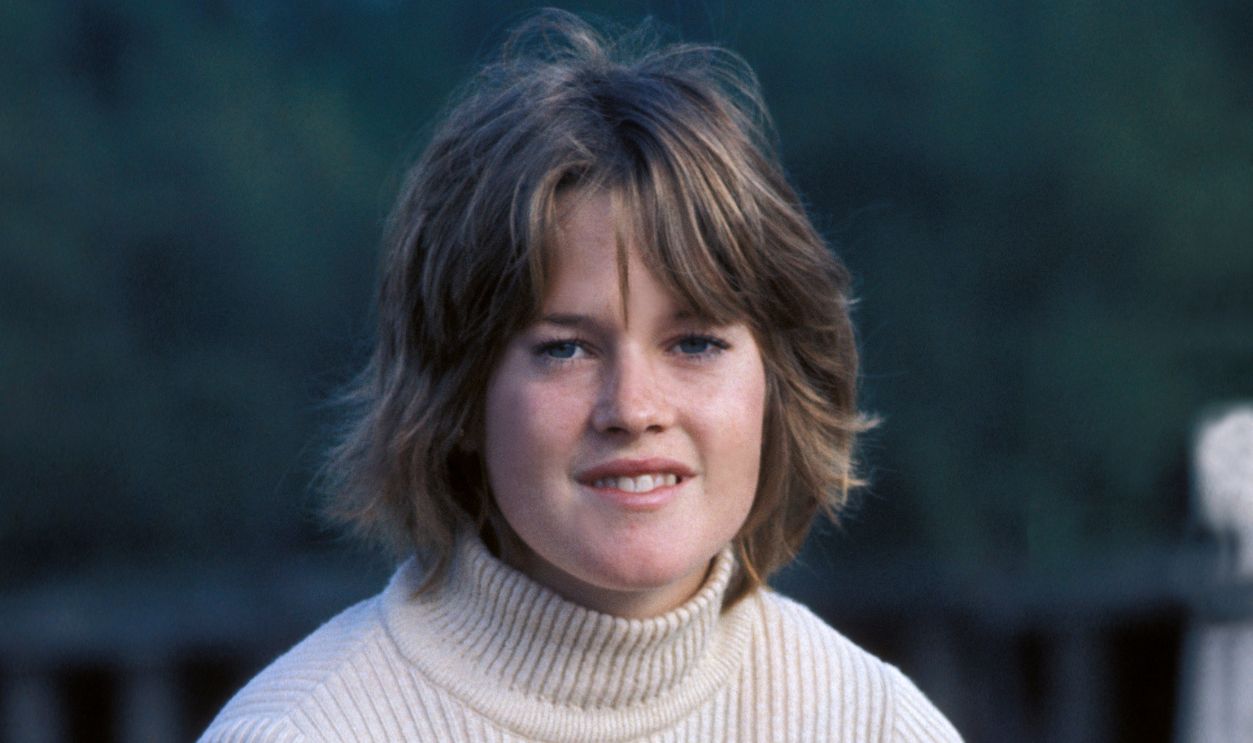
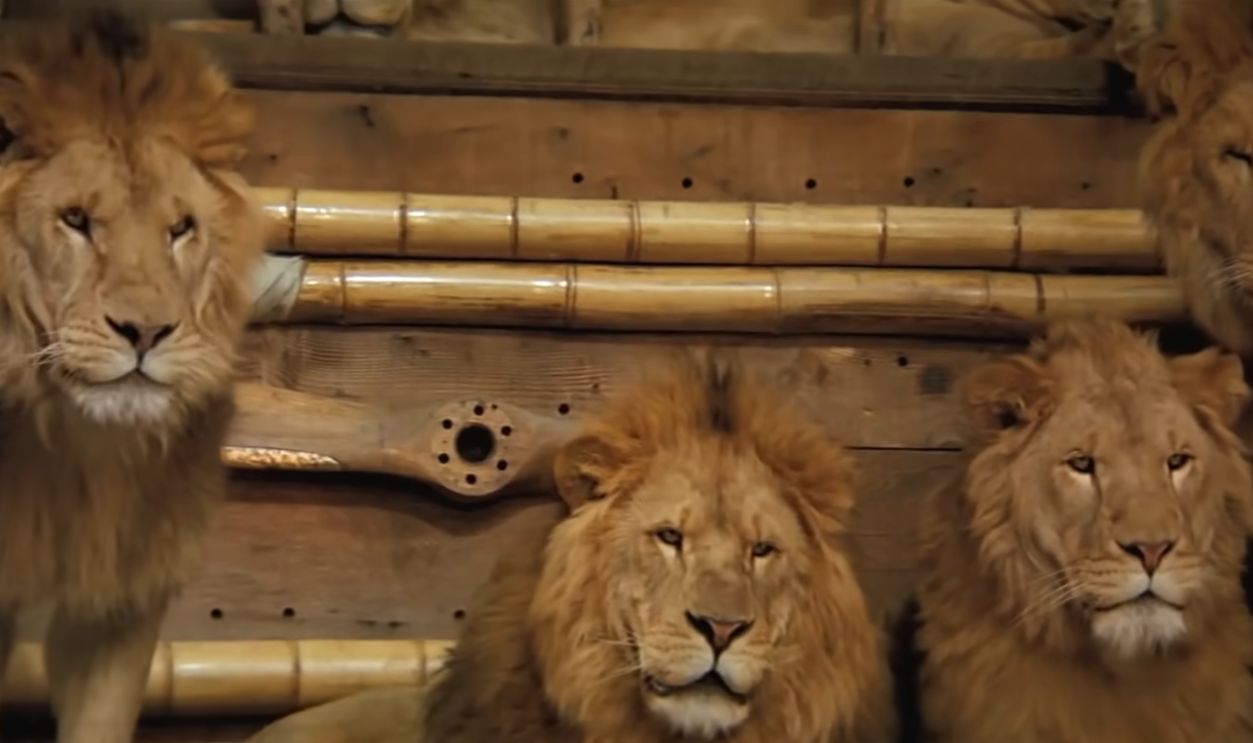
That decision transformed a movie project into a lifestyle. Hedren and Marshall began bringing big cats into their family’s orbit. An adult lion named Neil famously spent time inside their Sherman Oaks home, sleeping on beds and appearing in remarkable photographs alongside a young Melanie Griffith.
Eventually, There Were Far Too Many For A House
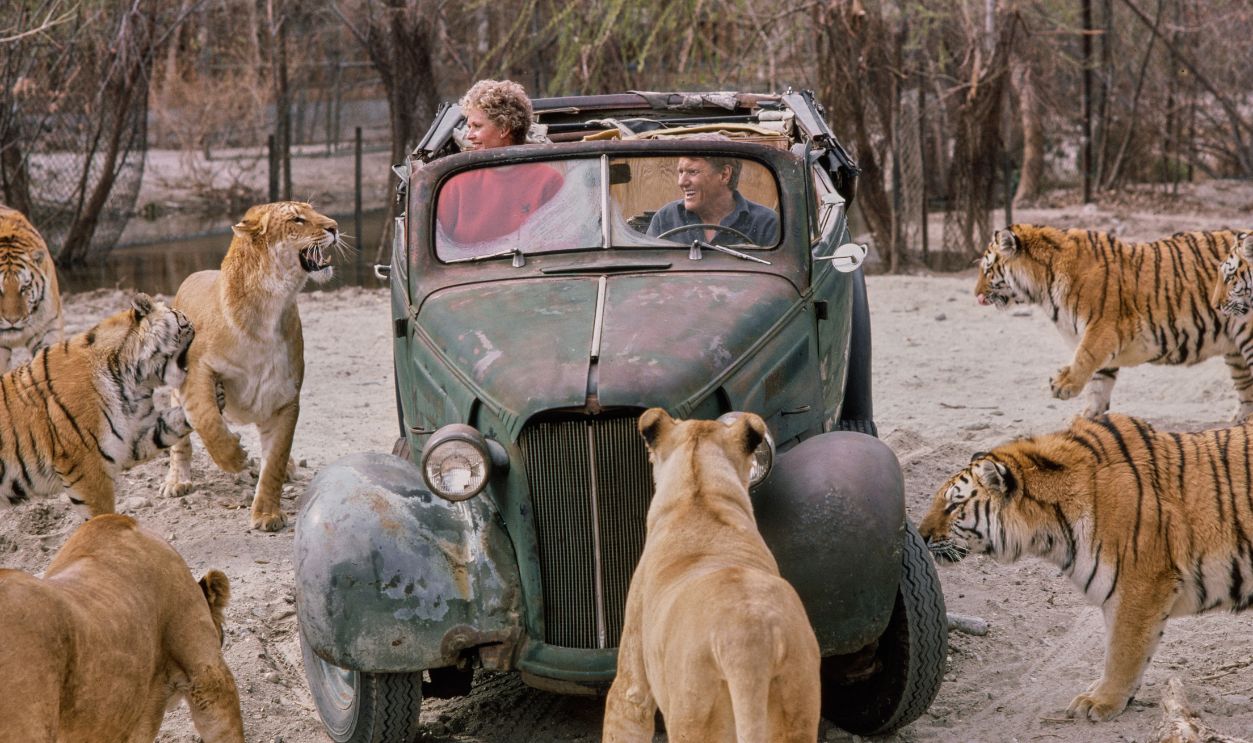
The growing collection was moved to property north of Los Angeles in Soledad Canyon. By the time Roar was being made, more than 100 wild animals were involved. Hedren later wrote that the collection included 132 big cats, plus an elephant and numerous other animals.
 Michael Ochs Archives, Getty Images
They Cast Their Actual Family
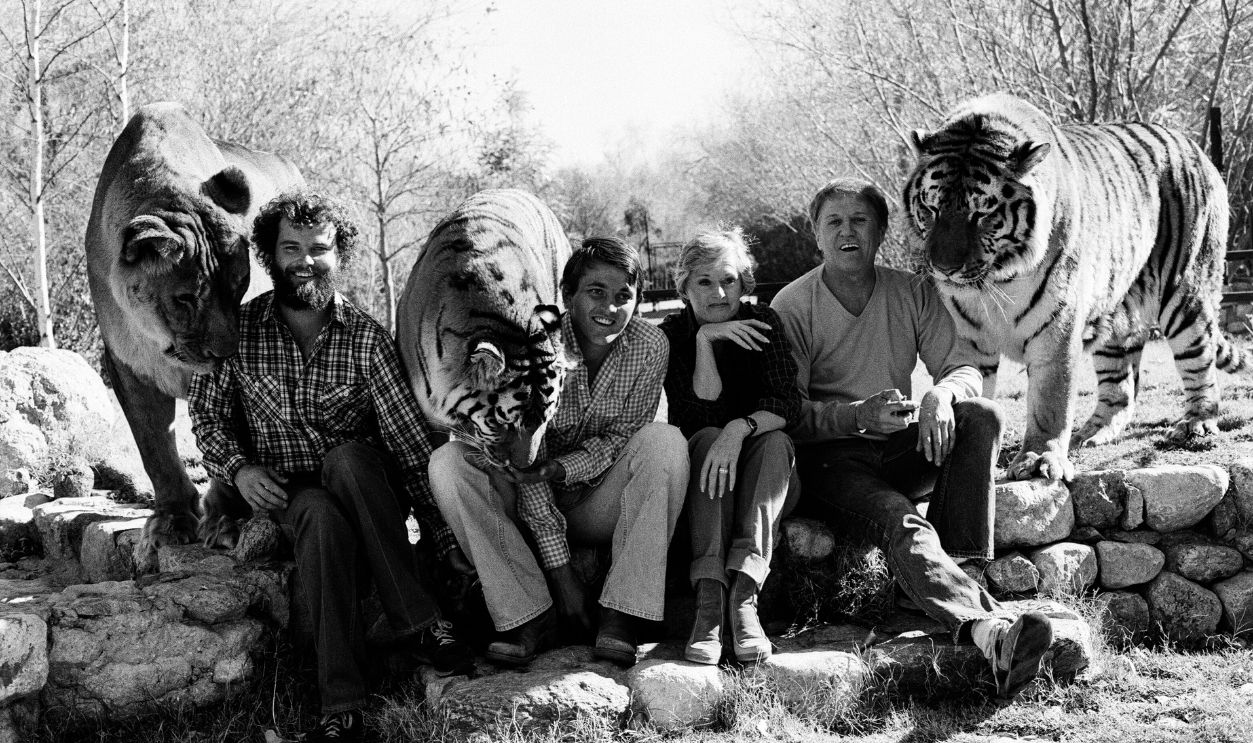
Marshall played wildlife researcher Hank, while Hedren portrayed his wife. Melanie Griffith played their daughter, and Marshall’s sons John and Jerry appeared as their sons. The people fleeing lions on screen were therefore members of the same real family that had spent years living around many of the animals.
The Story Was Supposed To Be Playful
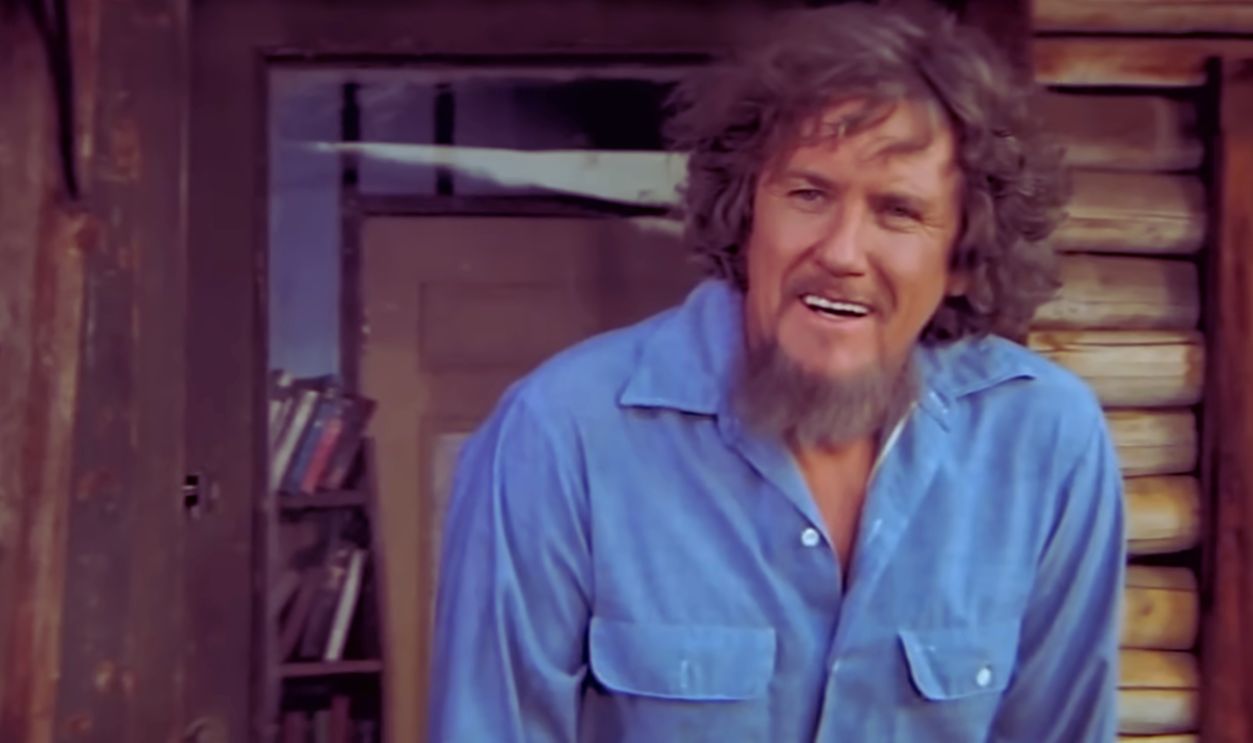
The movie follows Hank, a researcher living among big cats in Africa. His family arrives while he is away and finds the house overflowing with lions and tigers. What follows looks frightening, but the story ultimately argues that the animals are misunderstood rather than malicious.
 Screenshot from Roar, Filmways Pictures (1981)
The Cats Could Not Follow A Conventional Script
The animals could not be directed like human performers. Cameras were positioned while handlers and filmmakers waited for something usable to happen. Scenes could then be shaped around the animals’ behavior. The result was a production in which planning frequently gave way to improvisation.
 Screenshot from Roar, Filmways Pictures (1981)
Some Of The Fear On Screen Was Real
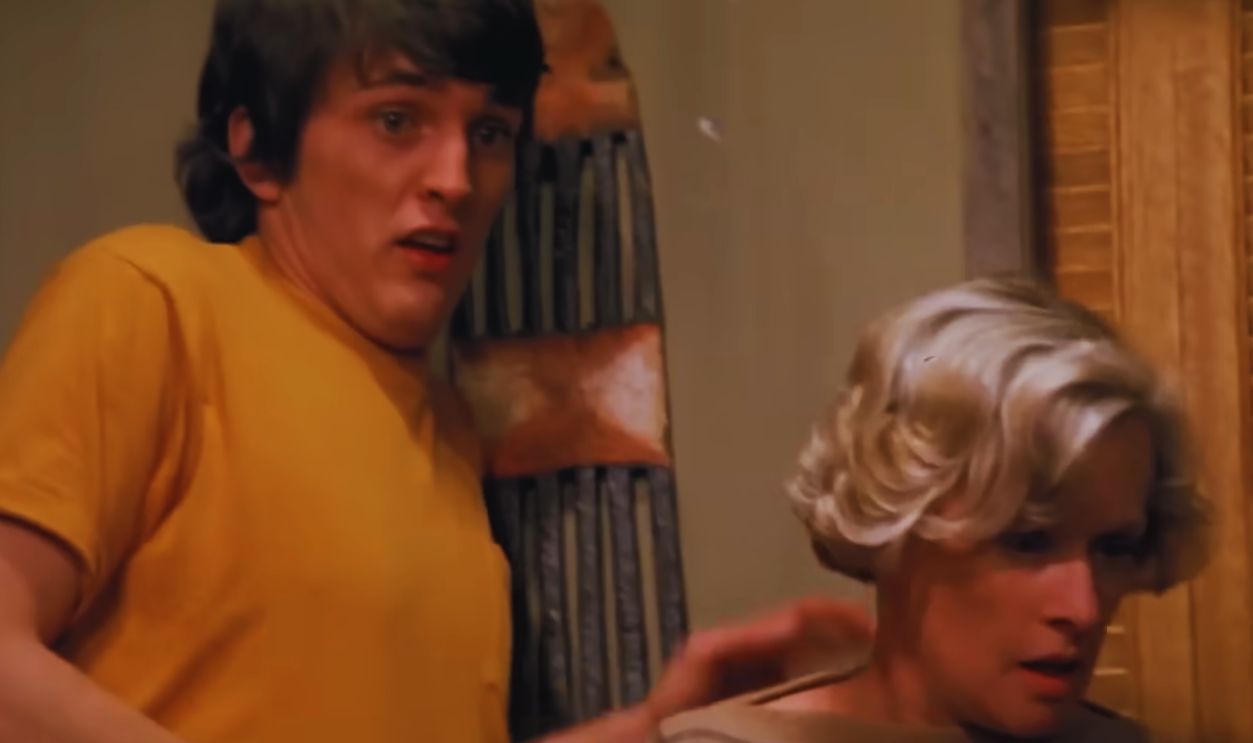
That is what makes Roar so unsettling today. Lions tackle performers, crowd them into corners, grab clothing, and knock people down. The New Yorker noted that the movie contains unmistakably real blood and genuine reactions to injuries. The boundary between a performed scare and an actual emergency became extraordinarily thin.
 Screenshot from Roar, Filmways Pictures (1981)
The Shoot Stretched Into Years
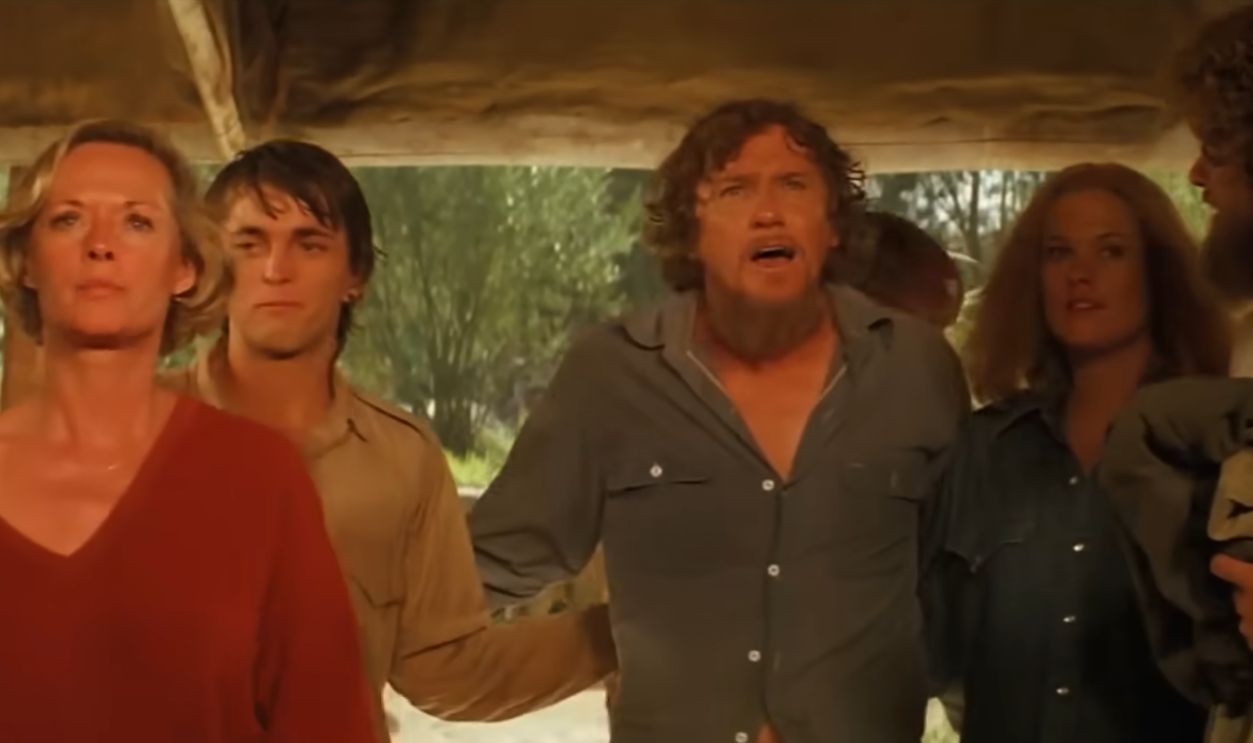
What was supposed to be a manageable production became an extraordinary marathon. Principal photography stretched across roughly five years, while the entire project took about 11 years from its earliest development to theatrical release. Injuries, animal behavior, financing troubles, floods, and fires all contributed.
 Screenshot from Roar, Filmways Pictures (1981)
Noel Marshall Put Himself Directly In The Danger
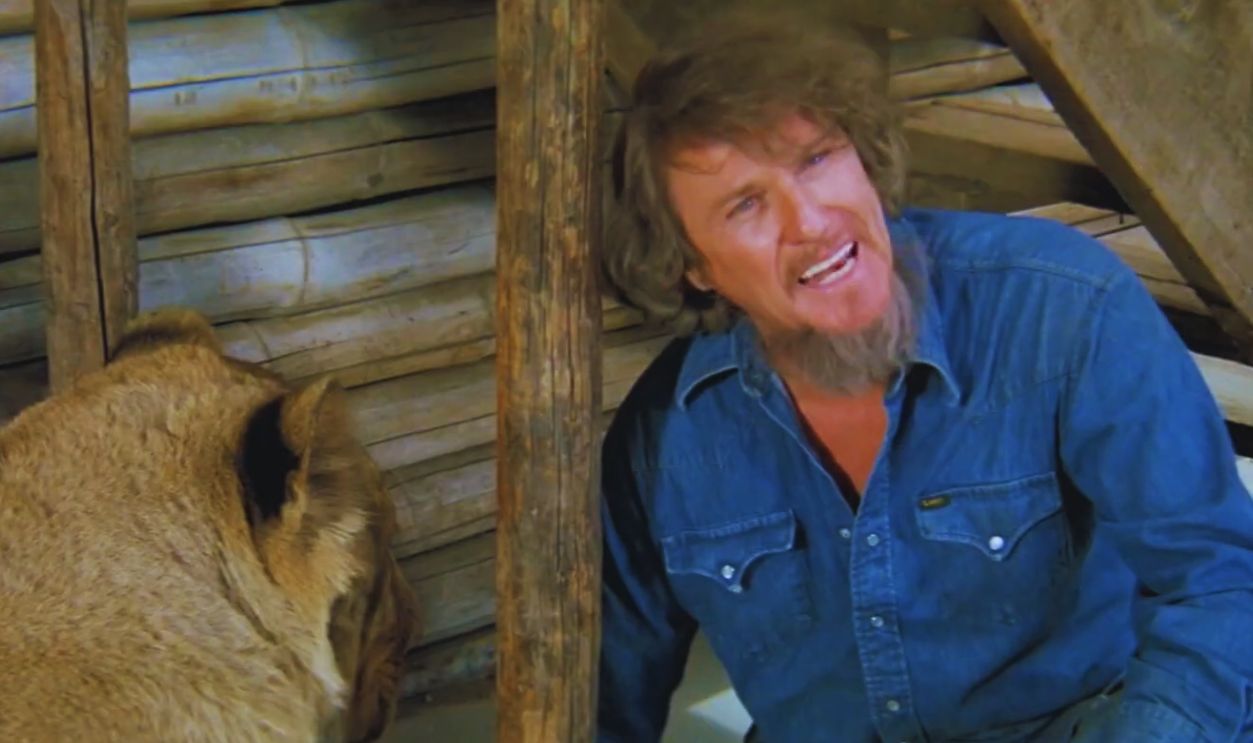
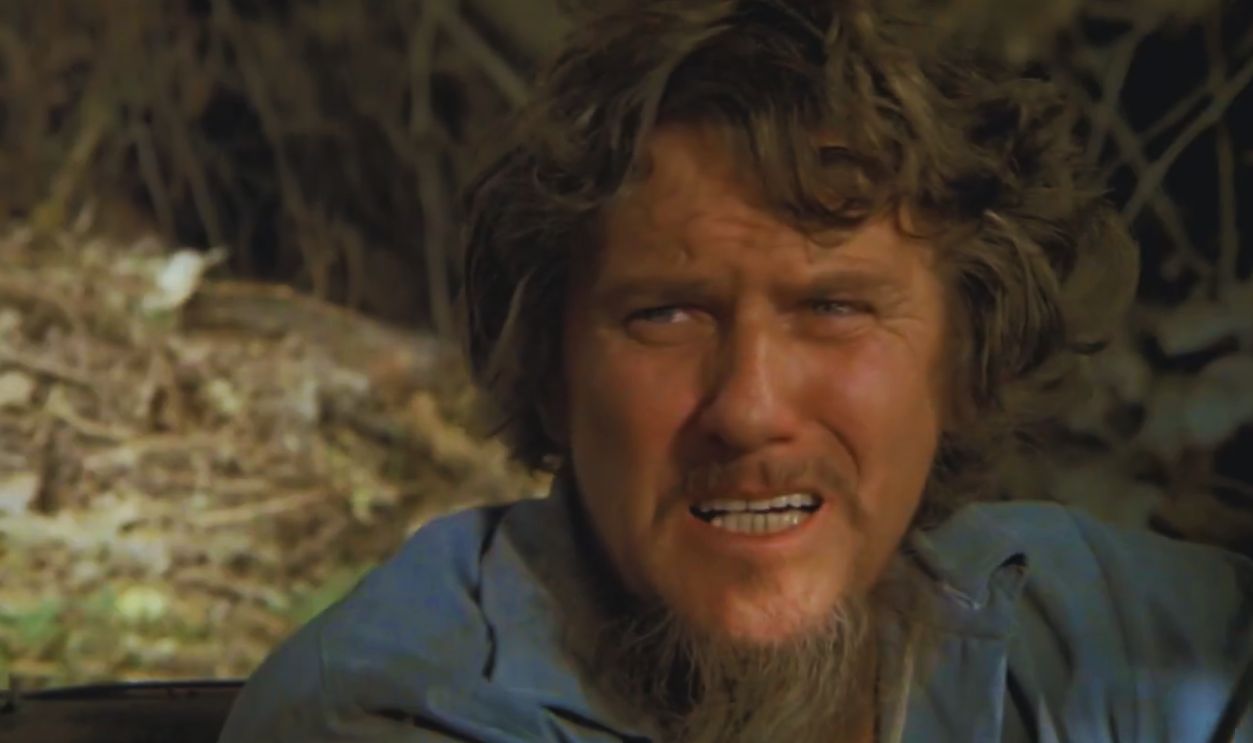
Marshall did not remain safely behind the camera. He repeatedly appeared in close contact with the cats and suffered numerous bites and claw wounds. Some real injuries can be seen in the finished movie. Turner Classic Movies reports that the cumulative damage eventually contributed to him developing gangrene.
 Screenshot from Roar, Filmways Pictures (1981)
Jan De Bont Was Partially Scalped
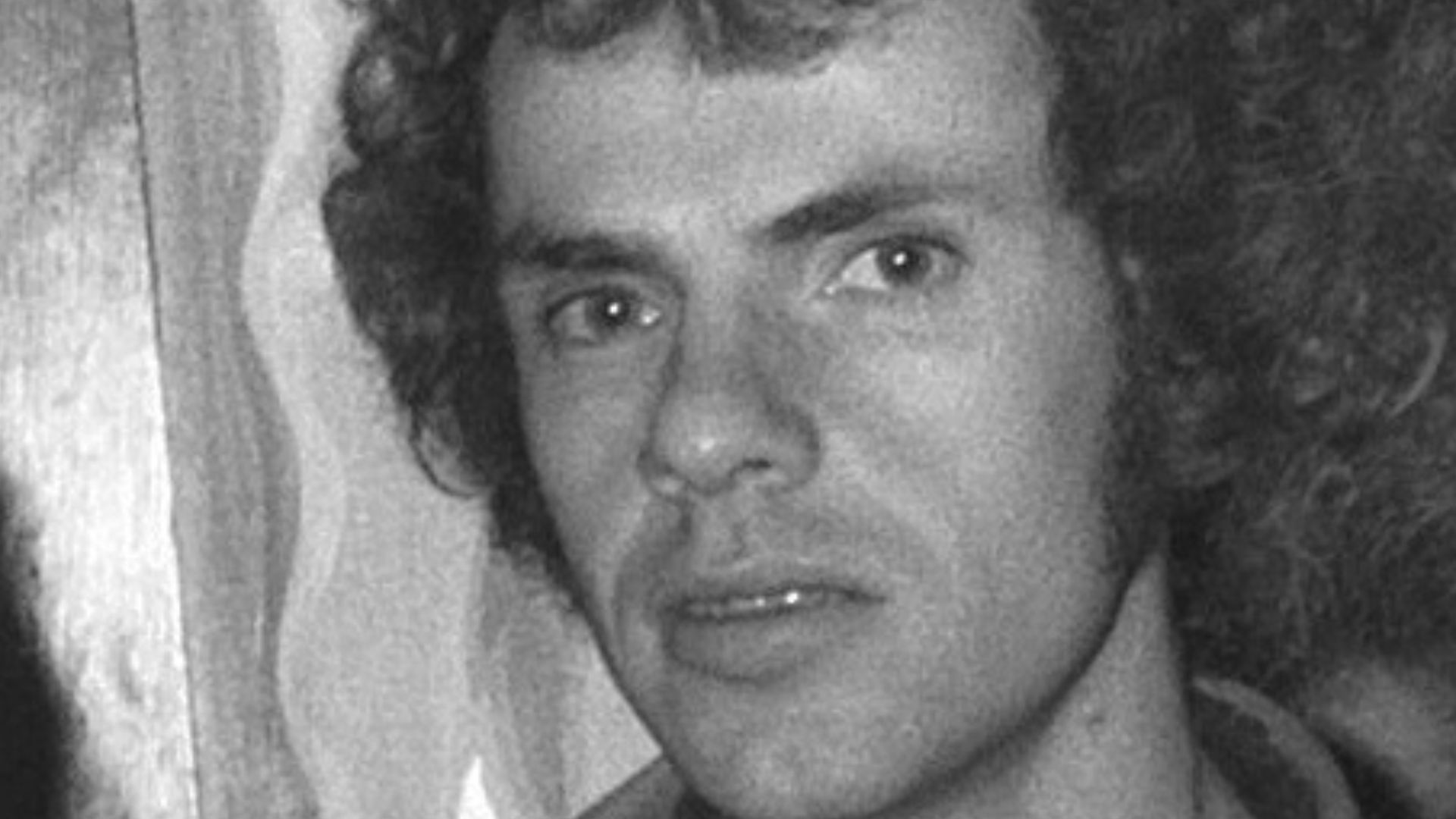
Cinematographer Jan de Bont, years before directing Speed and Twister, suffered one of the most notorious attacks. A lion tore into his scalp badly enough to require extensive suturing. Published accounts disagree on the exact number of stitches, but the seriousness of the injury is not in dispute.
 Hans Peters for Anefo, Wikimedia Commons
Melanie Griffith Was Mauled In The Face
Griffith had grown up around the cats, yet she still feared what could happen during filming. Her fears proved justified when a lioness clawed her face near the eye. She required stitches and reconstructive surgery. Later reports disagree on the exact stitch count, so the safest conclusion is simply that the injury was substantial.
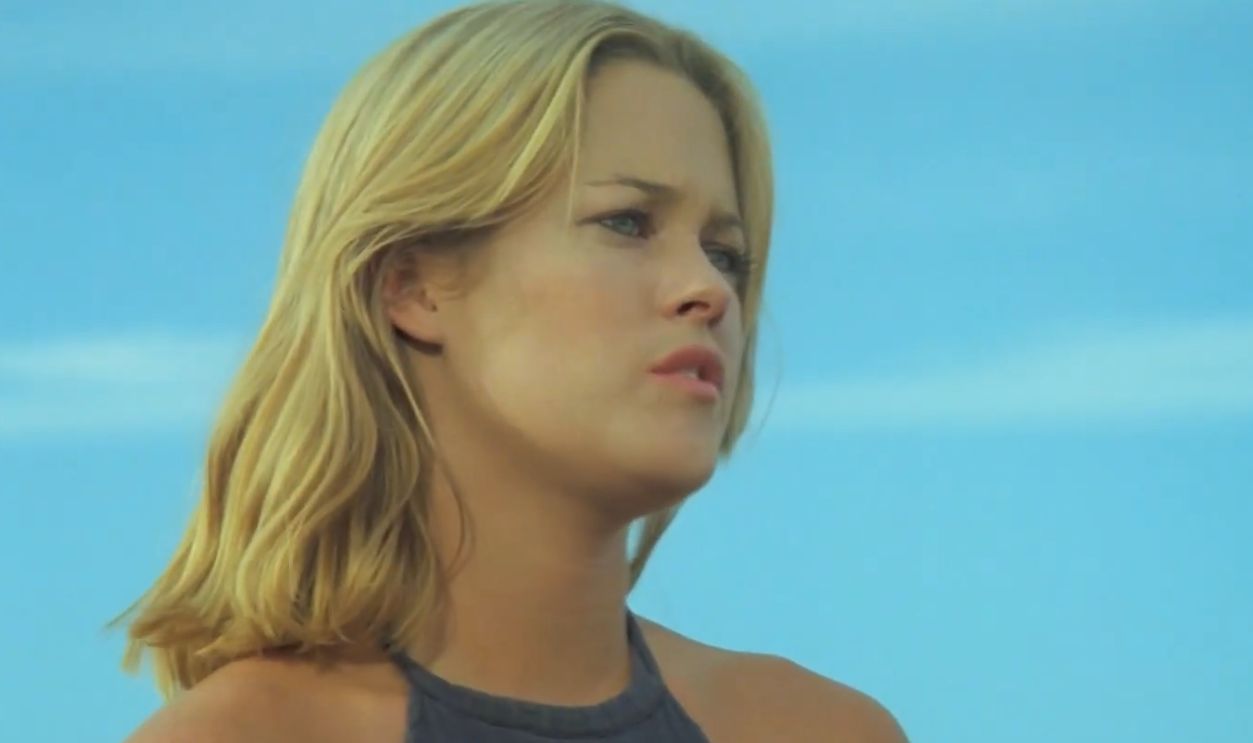 Screenshot from Roar, Filmways Pictures (1981)
She Had Worried About The Danger Beforehand
In an interview published shortly after the film’s release, Griffith admitted she had serious reservations about working with so many lions. She had experience with big cats, but she also understood that familiarity could never eliminate their unpredictability.
Tippi Hedren Was Seriously Hurt Too
One of Hedren’s most serious accidents involved an elephant rather than a lion. During production, she was thrown while working with the animal and suffered fractures to her leg. Contemporary and later accounts describe a lengthy recovery and additional medical treatment.
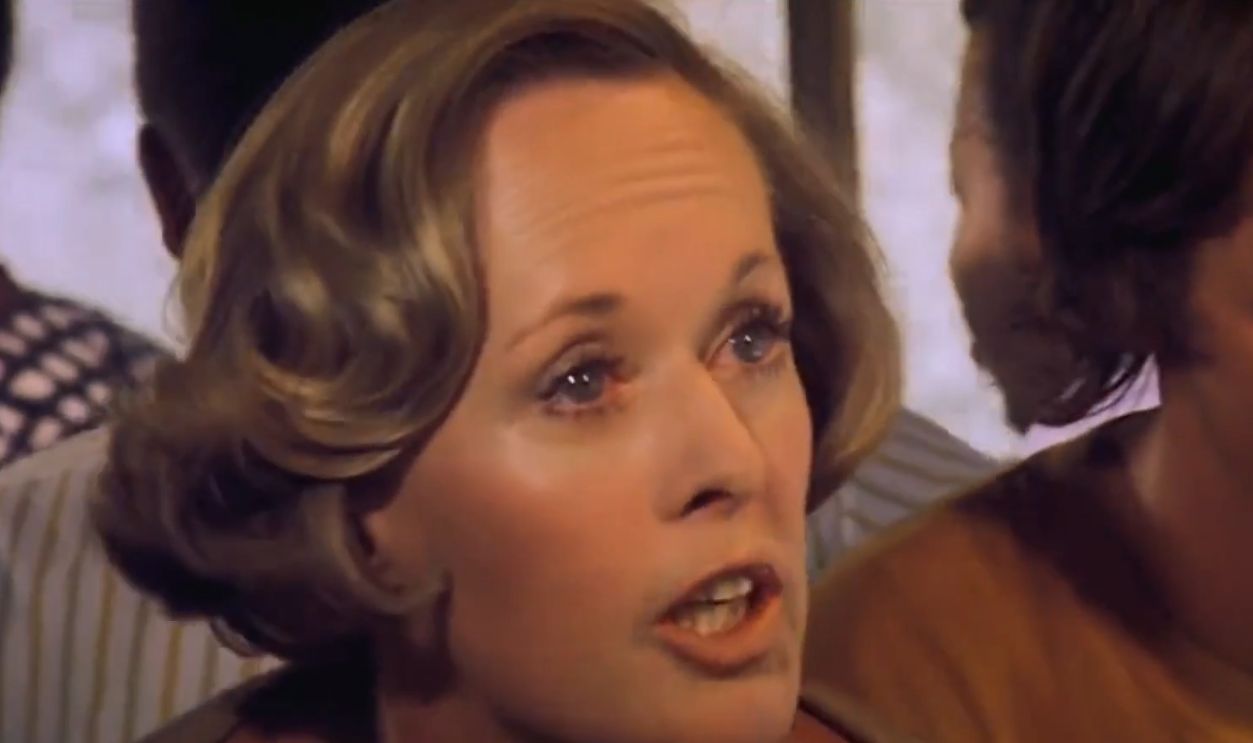 Screenshot from Roar, Filmways Pictures (1981)
John Marshall Had A Lion Clamp Onto His Head
Noel’s son John suffered an extraordinary attack even before principal filming was fully underway. He later recalled that a male lion locked onto his head and that six men spent about 25 minutes freeing him. The wound required 56 stitches. Astonishingly, he returned to the project.
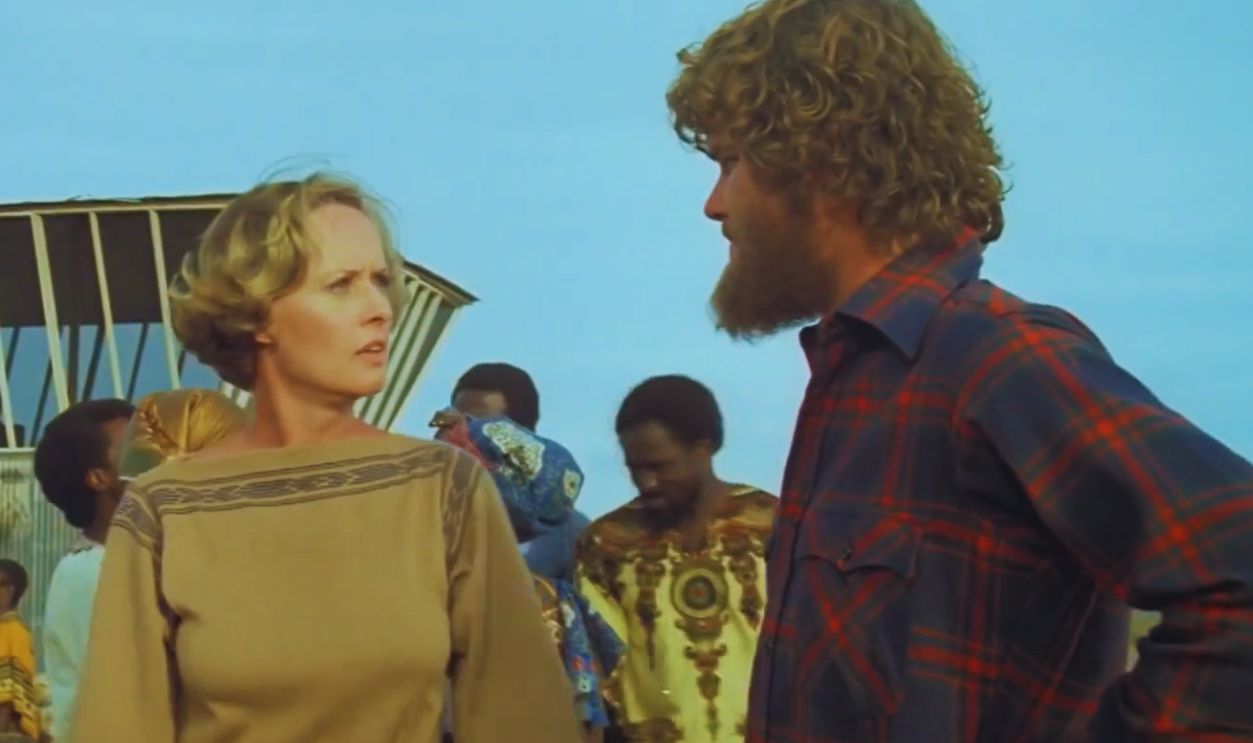 Screenshot from Roar, Filmways Pictures (1981)
Injury Became Part Of The Production Culture
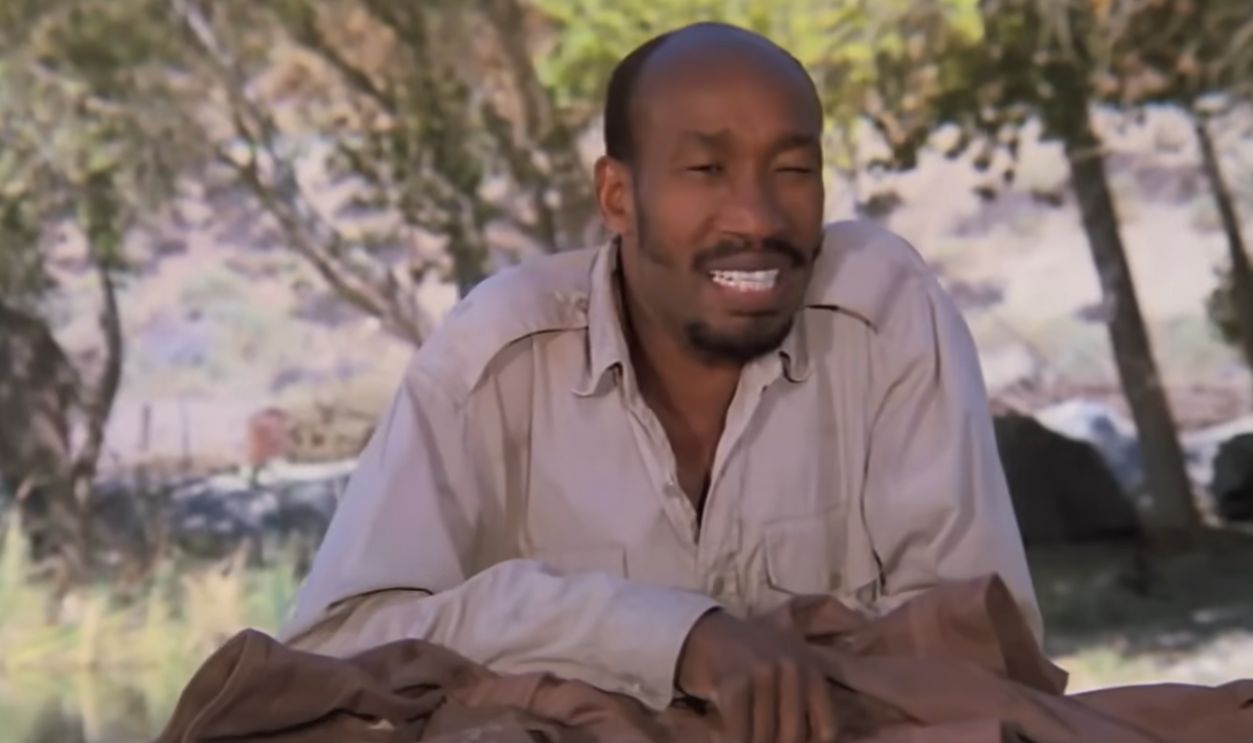
The most disturbing feature of the shoot was how routine danger became. Cast and crew repeatedly returned after bites, scratches, fractures, and other accidents. The 2015 re-release famously advertised that 70 people had been hurt, although contemporary researchers and later reporting note that the exact total is difficult to establish.
 Screenshot from Roar, Filmways Pictures (1981)
Then A Flood Devastated The Property
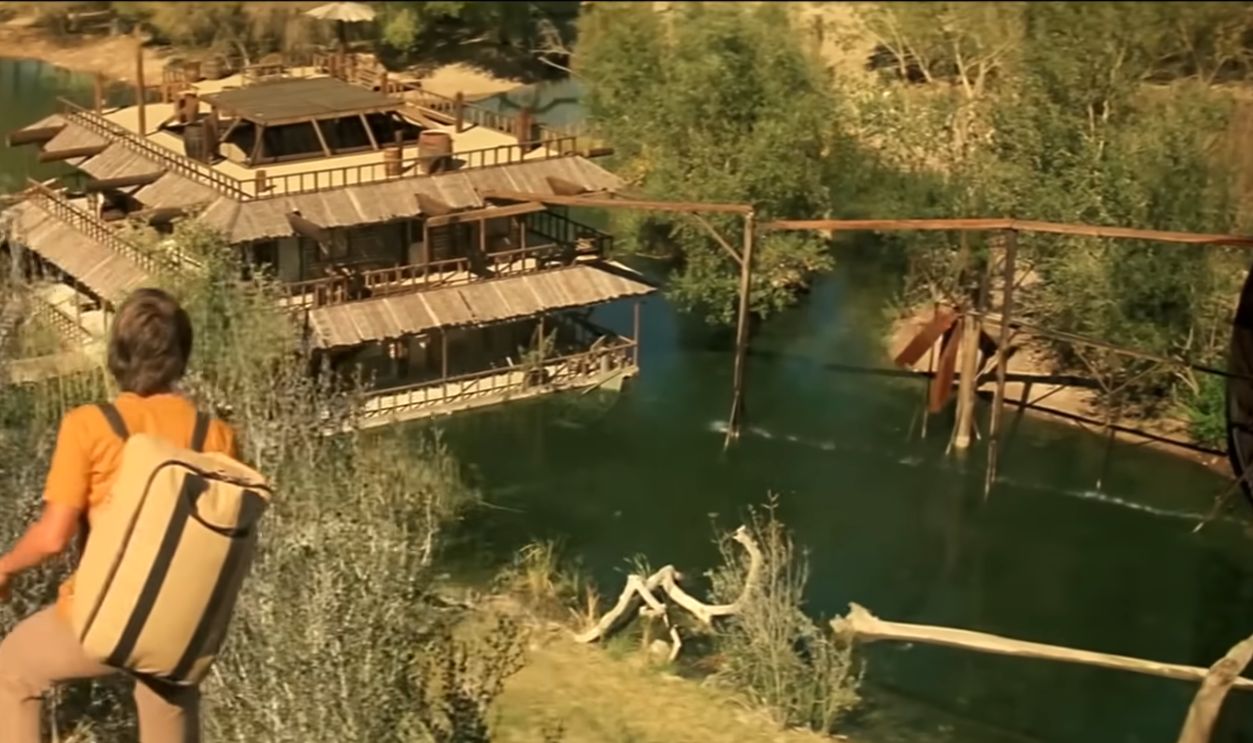
In 1978, severe flooding tore through the Soledad Canyon property and destroyed much of the set. Big cats escaped through damaged enclosures. According to later Associated Press reporting, local law enforcement ultimately killed three escaped lions. The disaster forced the production into another major delay.
 Screenshot from Roar, Filmways Pictures (1981)
Fire Brought More Trouble
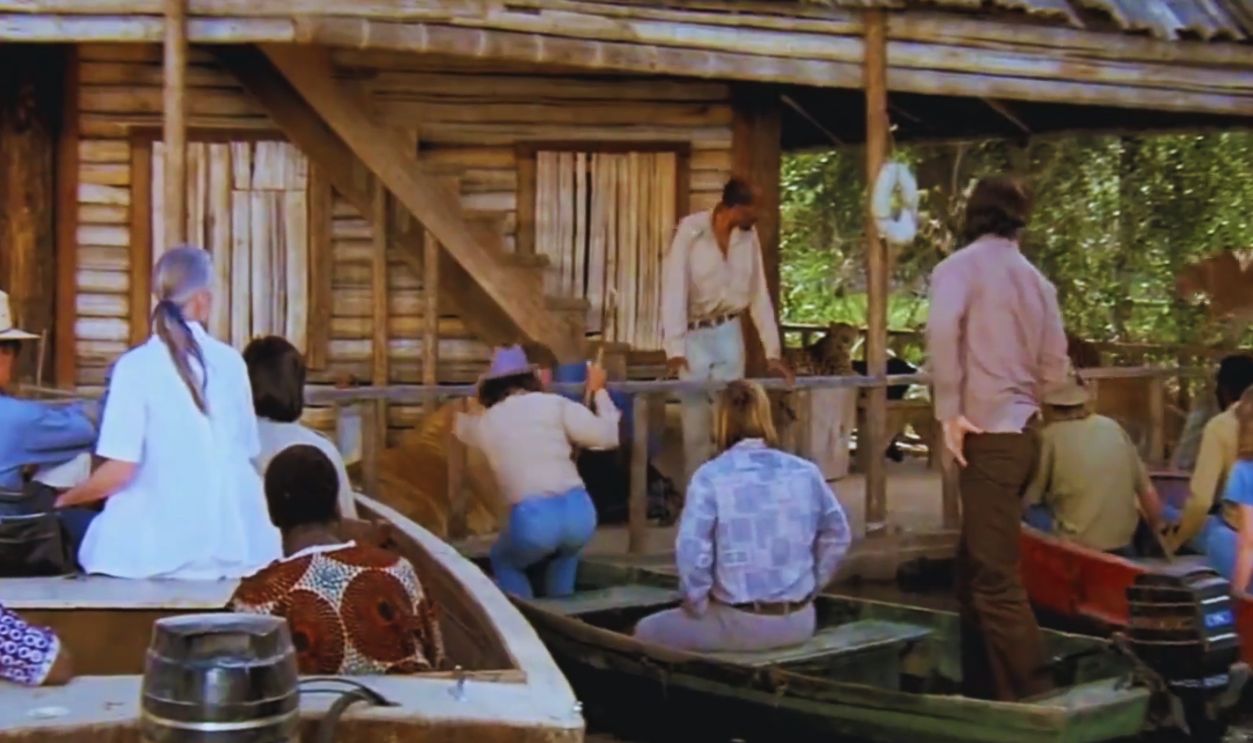
Wildfires also struck or threatened the property during the production years. TCM records a major brushfire in 1979, while later reporting describes multiple fires affecting the location. Somehow, the filmmakers continued rebuilding and trying to finish a movie that seemed increasingly impossible to complete.
 Screenshot from Roar, Filmways Pictures (1981)
The Budget Exploded Along With The Schedule
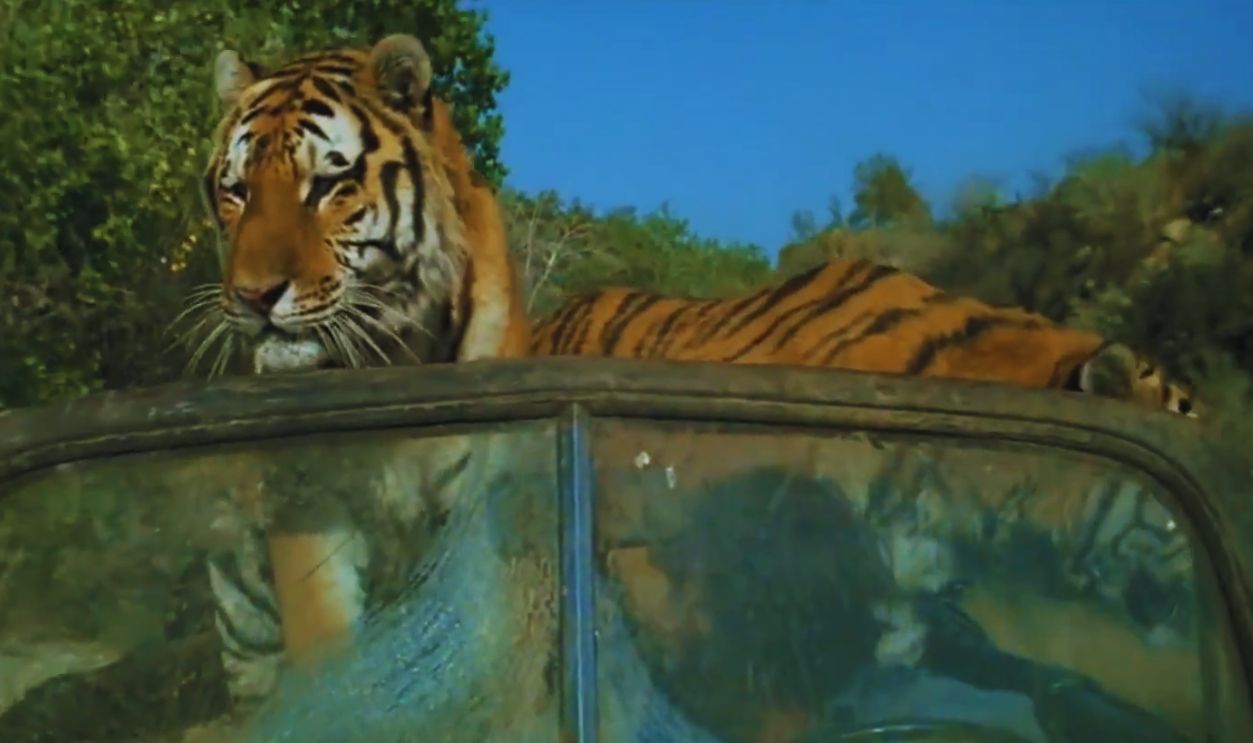
The production ultimately cost about $17 million, vastly more than originally planned. Hedren and Marshall poured personal resources into keeping it alive and sold property as the expenses mounted. What had begun as a wildlife film became an enormous financial gamble.
 Screenshot from Roar, Filmways Pictures (1981)
The Marriage Didn't Survive Much Longer
Hedren later said that by the end of the ordeal, she and Marshall barely knew one another anymore. The years of accidents, financial strain, and obsessive work had taken a toll. They divorced in 1982, shortly after Roar began appearing internationally.
 Michael Ochs Archives, Getty Images
The Movie Finally Emerged In 1981
After years of work, Roar reached international audiences in 1981. Even distributors seemed unsure what exactly they had. It was an adventure movie, a conservation message, a family film, and something that frequently looked like horror. Some English-language marketing chose to call it a “furr-ocious comedy.”
 Screenshot from Roar, Filmways Pictures (1981)
American Audiences Had To Wait 34 Years
Despite being an American production, Roar did not receive a normal US theatrical release in 1981. It remained a cult curiosity until Drafthouse Films brought it to American theaters in 2015, finally putting the bizarre production story at the center of its marketing.
 Screenshot from Roar, Filmways Pictures (1981)
Financially, The Gamble Failed
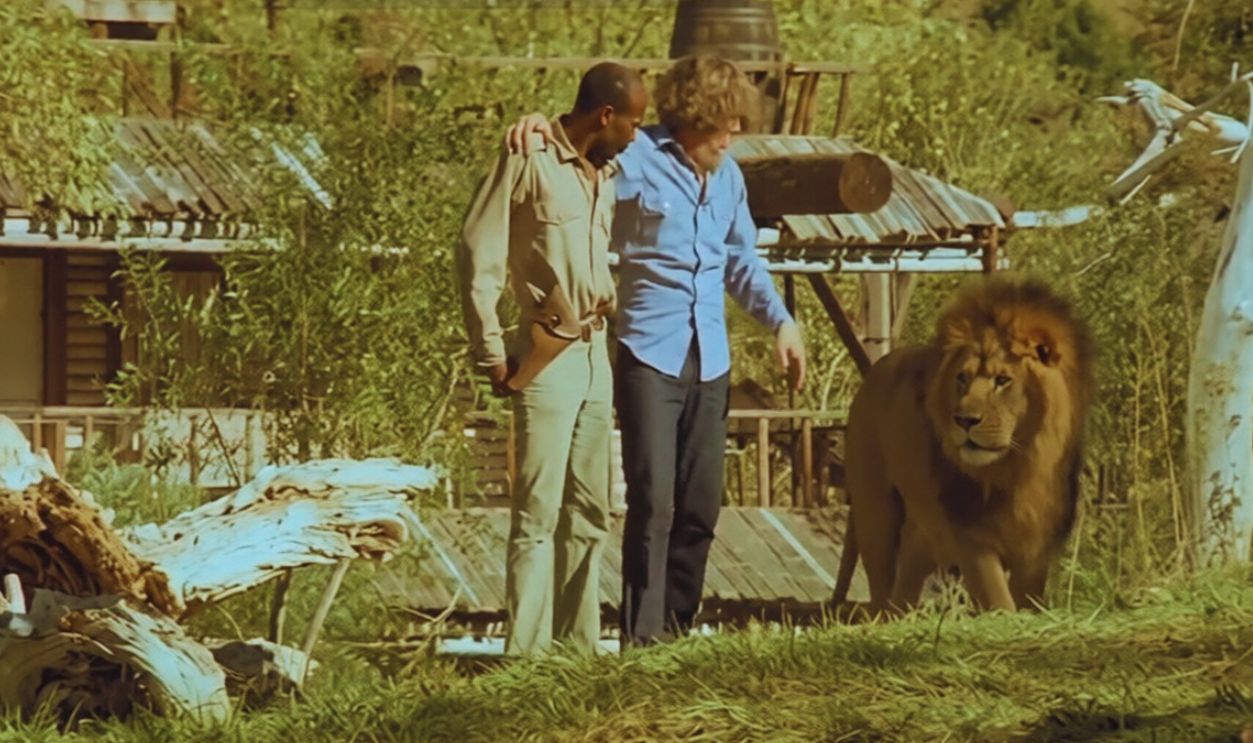
The numbers were brutal. CBS and later Associated Press coverage place the budget at roughly $17 million and the original international gross at only about $2 million. After years of risk, property sales, injuries, and rebuilding, the movie came nowhere close to recovering its costs.
 Screenshot from Roar, Filmways Pictures (1981)
The Re-Release Sold The Real Story
By 2015, nobody needed to pretend Roar was an ordinary animal adventure. Its danger became the attraction. Promotional material focused on the injuries and called attention to how little of the chaos had been simulated. The behind-the-scenes story had effectively become more compelling than the screenplay.
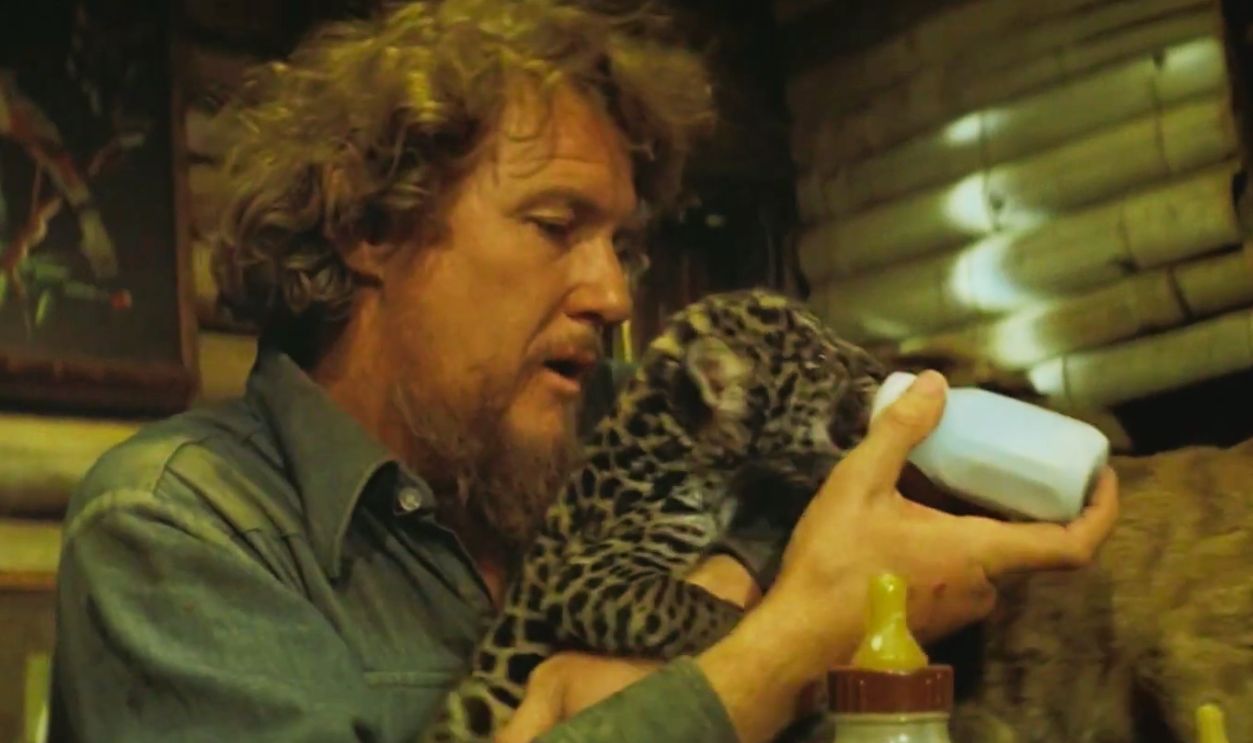 Screenshot from Roar, Filmways Pictures (1981)
Watching It Now Feels Completely Different
The cheerful music and comic rhythm encourage viewers to interpret the cats as mischievous. Once you know what happened, that becomes nearly impossible. Every charging lion or swatting paw raises another question: Is this part of the scene, or are we watching an actual dangerous encounter that the filmmakers simply kept rolling?
 Screenshot from Roar, Filmways Pictures (1981)
Something Lasting Emerged From The Disaster
The Soledad Canyon property evolved into the Shambala Preserve, while Hedren established the nonprofit Roar Foundation in 1982. Over the following decades, she increasingly focused on rescuing captive exotic cats and campaigning against their private ownership and exploitation.
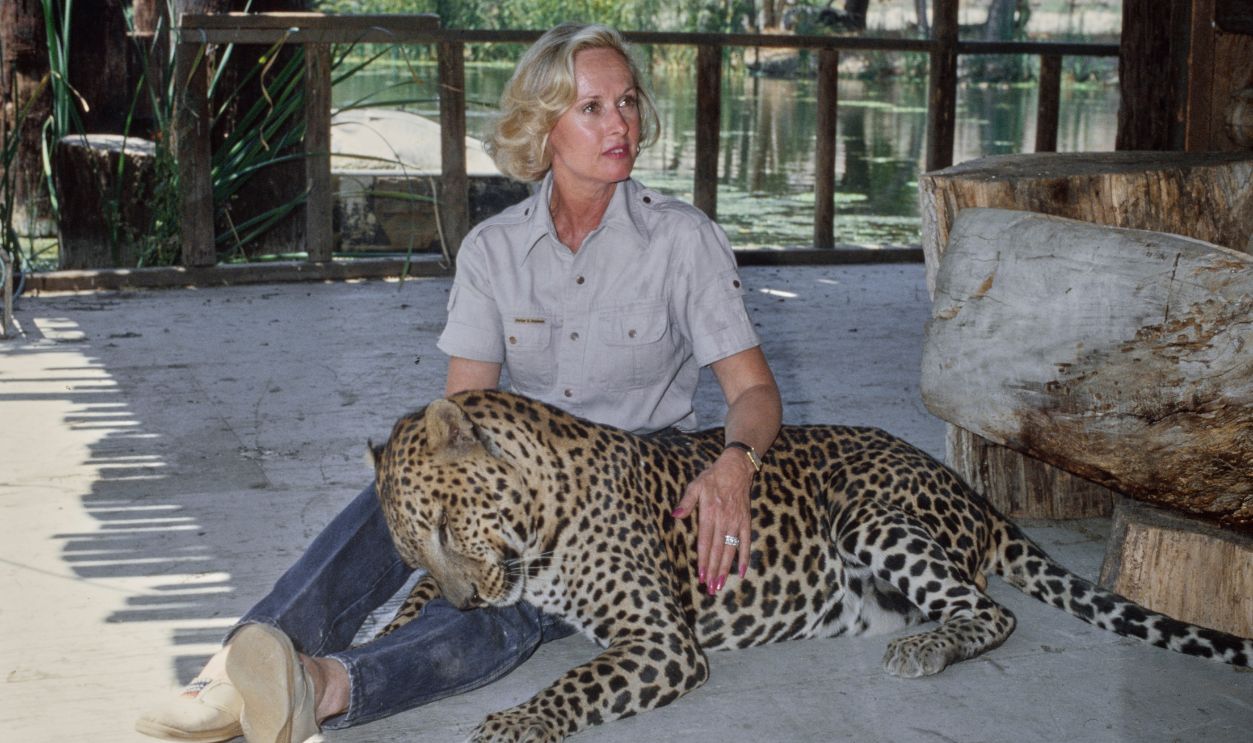 Michael Ochs Archives, Getty Images
Hedren's View Of Big Cats Changed Dramatically
Hedren eventually became a forceful opponent of treating exotic felines as pets. In statements through the Roar Foundation, she stressed that big cats remain powerful predators regardless of human affection or familiarity. CBS also reported that she came to regret having lived so closely with them inside the family home.
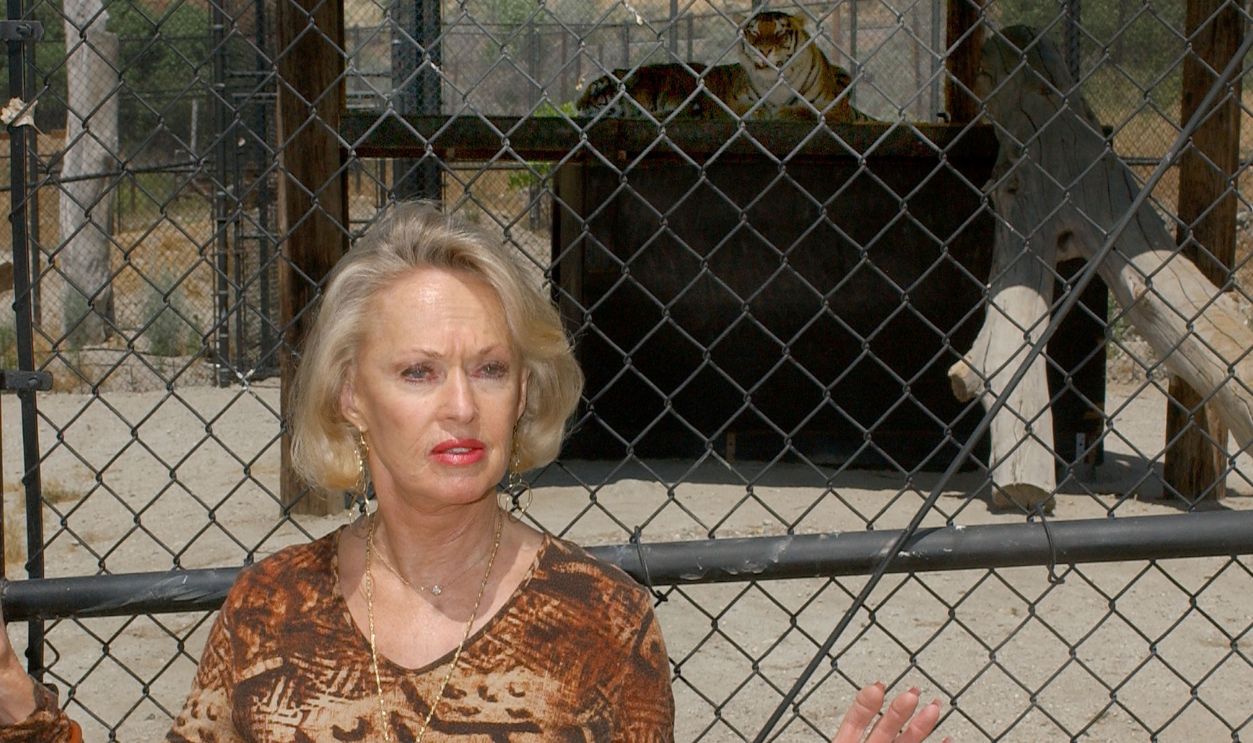
The Horror Story Was The Production Itself
Roar set out to argue that humans and wild animals could coexist more peacefully. Instead, its production became a demonstration of how little control people truly have over powerful predators. John Marshall and Hedren later expressed amazement that nobody lost their lives. The finished film survives as a strange record of risks Hollywood would be unlikely to accept today.
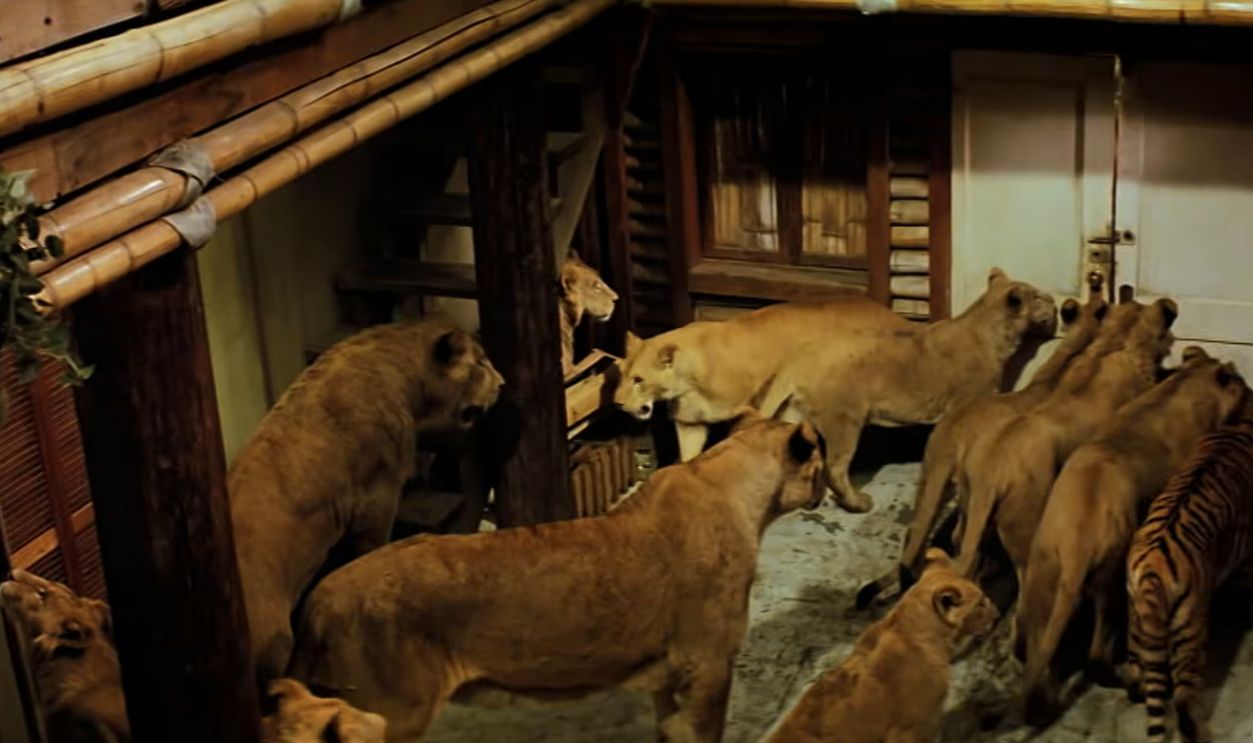 Screenshot from Roar, Filmways Pictures (1981)
You May Also Like:
The Dark Behind-The-Scenes Secrets Of "The Wizard Of Oz"
Times That American Cinema Butchered A Beautiful Foreign Film