
They Ruled The Living Room
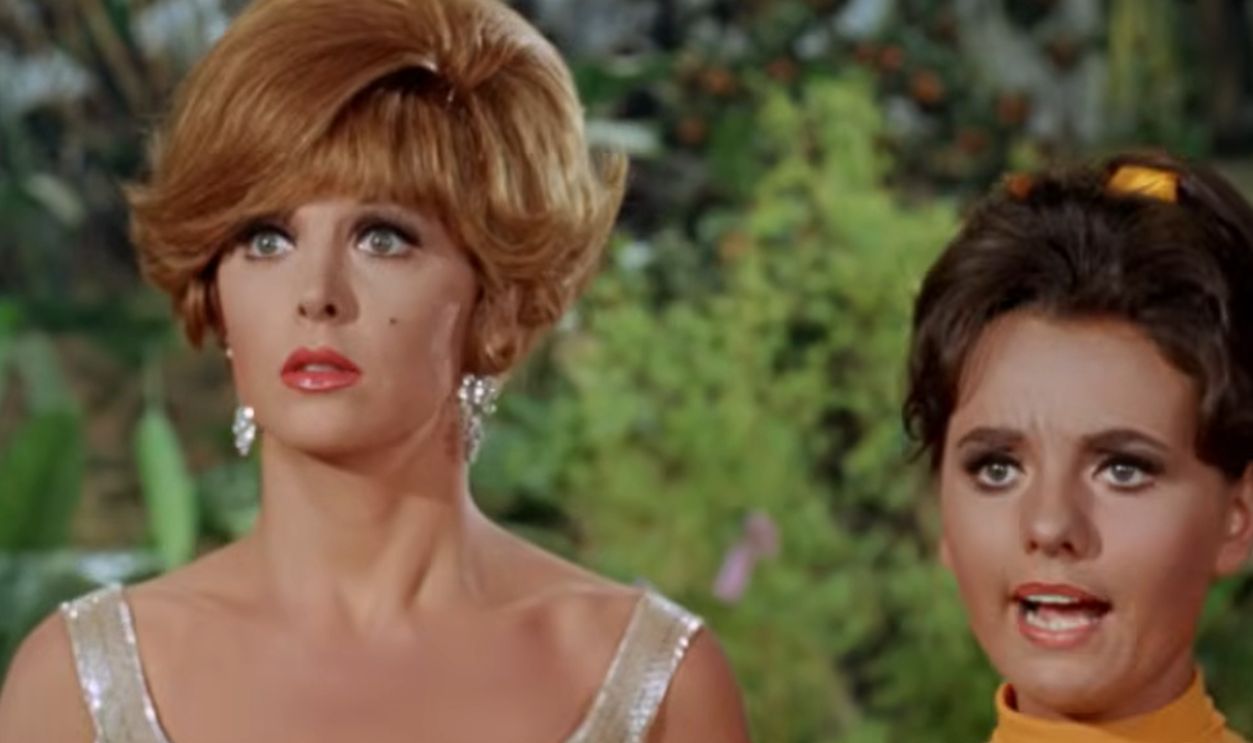
For millions of Americans, these faces were practically members of the family. They appeared every week, became household names, and sometimes seemed destined for lifelong stardom. But television fame could be surprisingly fleeting. Once their signature shows ended, some struggled to escape typecasting, others stepped away by choice, and a few discovered that Hollywood had already moved on.
 Bettmann Archive, Getty Images
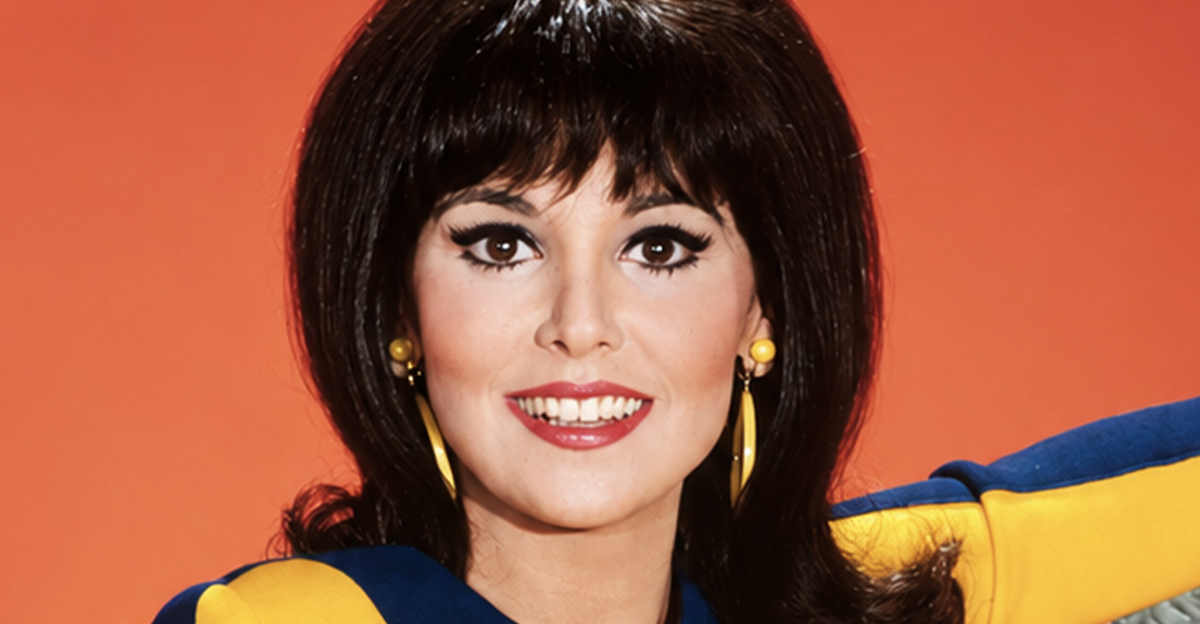
Dwayne Hickman
As the lovestruck title character of The Many Loves of Dobie Gillis, Dwayne Hickman helped define television's idea of American adolescence. Alongside Bob Denver's beatnik Maynard G. Krebs, he became a familiar face between 1959 and 1963. Afterward, Hickman starred in Cat Ballou (1965) with Jane Fonda and Lee Marvin, but another major television hit eluded him. He eventually found lasting work behind the scenes as a CBS programming executive.
 CBS Photo Archive, Getty Images
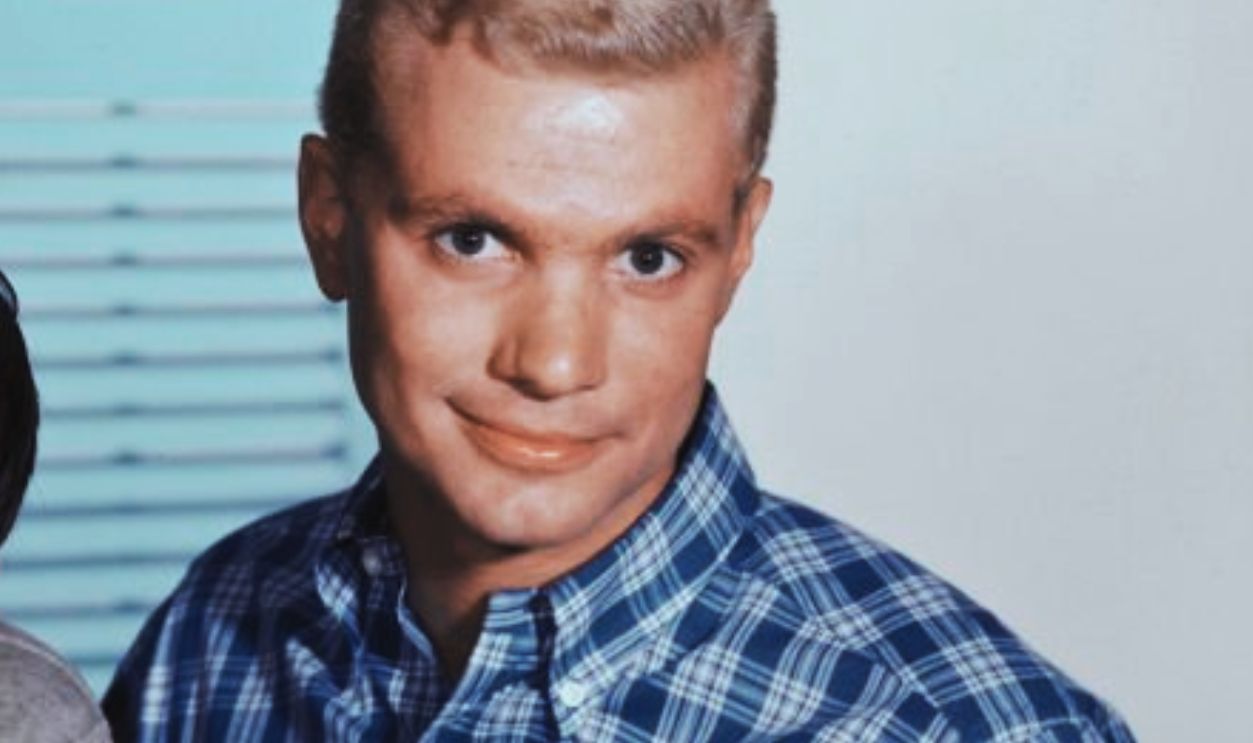
Donna Reed
Donna Reed had already won an Oscar for From Here to Eternity (1953) when she became America's reassuring television mother on The Donna Reed Show. From 1958 to 1966, she starred opposite Carl Betz, with Shelley Fabares and Paul Petersen playing their children. After the series ended, Reed largely stepped away from regular television acting. Her much-publicized return on Dallas in 1984 proved brief and contentious.
 Studio Publicity, Wikimedia Commons
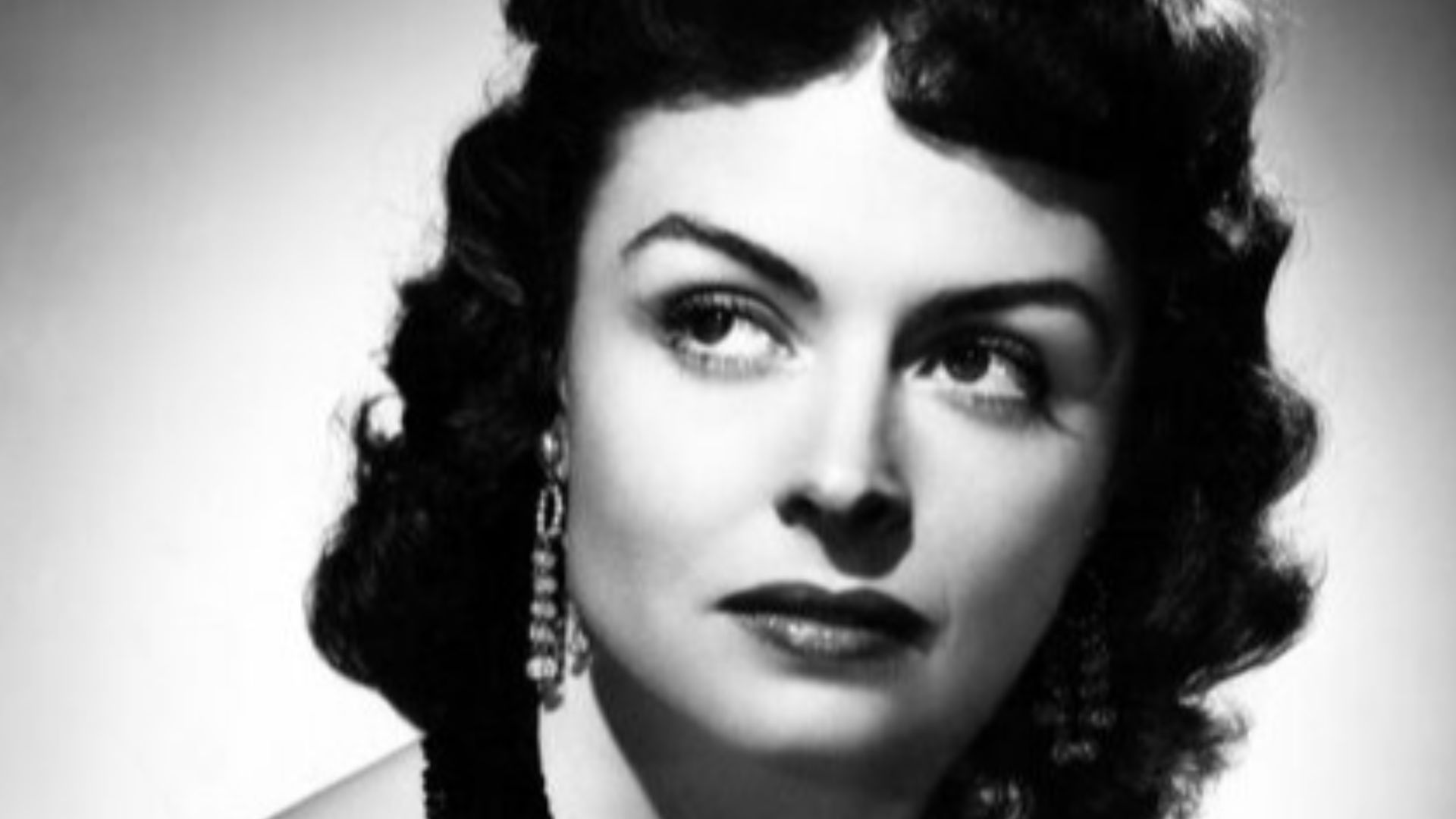
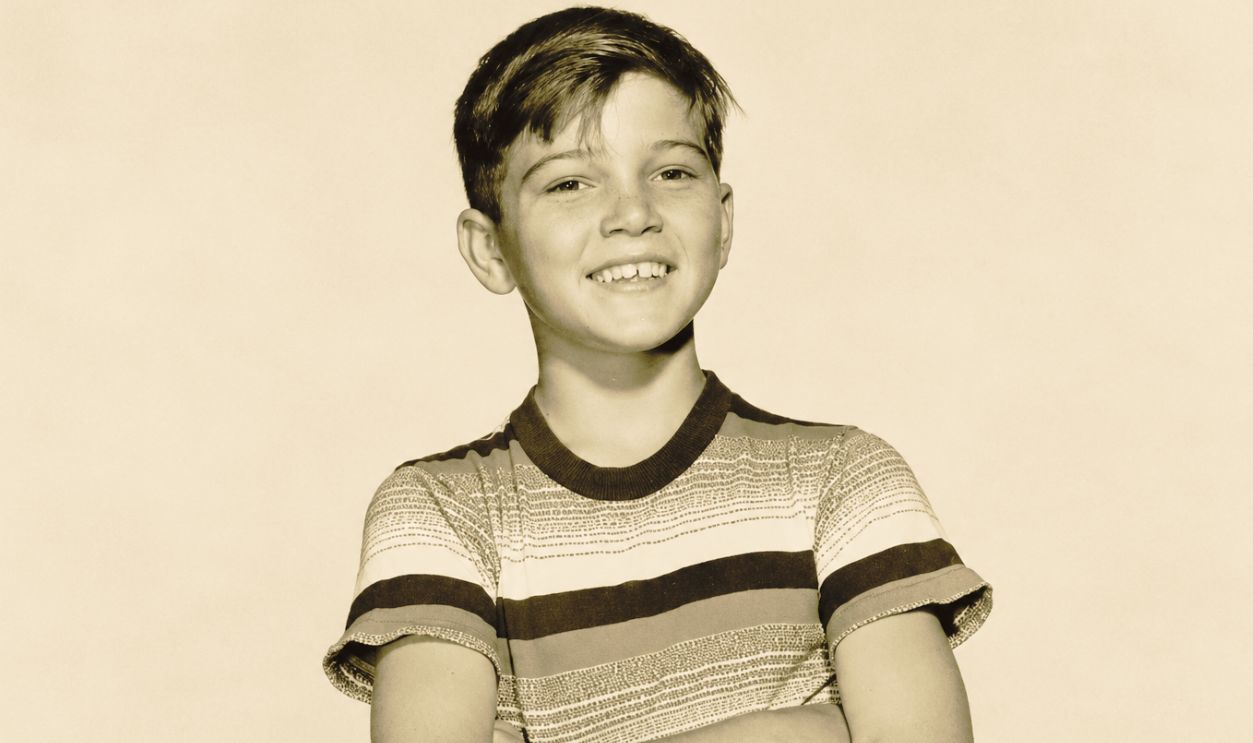
Paul Petersen
Millions watched Paul Petersen grow up as Jeff Stone on The Donna Reed Show. He even enjoyed a recording career during the show's run, scoring a hit with “My Dad” in 1962. When the sitcom ended in 1966, Petersen found that the transition from child star to adult leading man was anything but automatic. He later became an outspoken advocate for young performers through his organization A Minor Consideration.
 Bureau of Industrial Service – A Division of Young and Rubicam, Inc., Wikimedia Commons
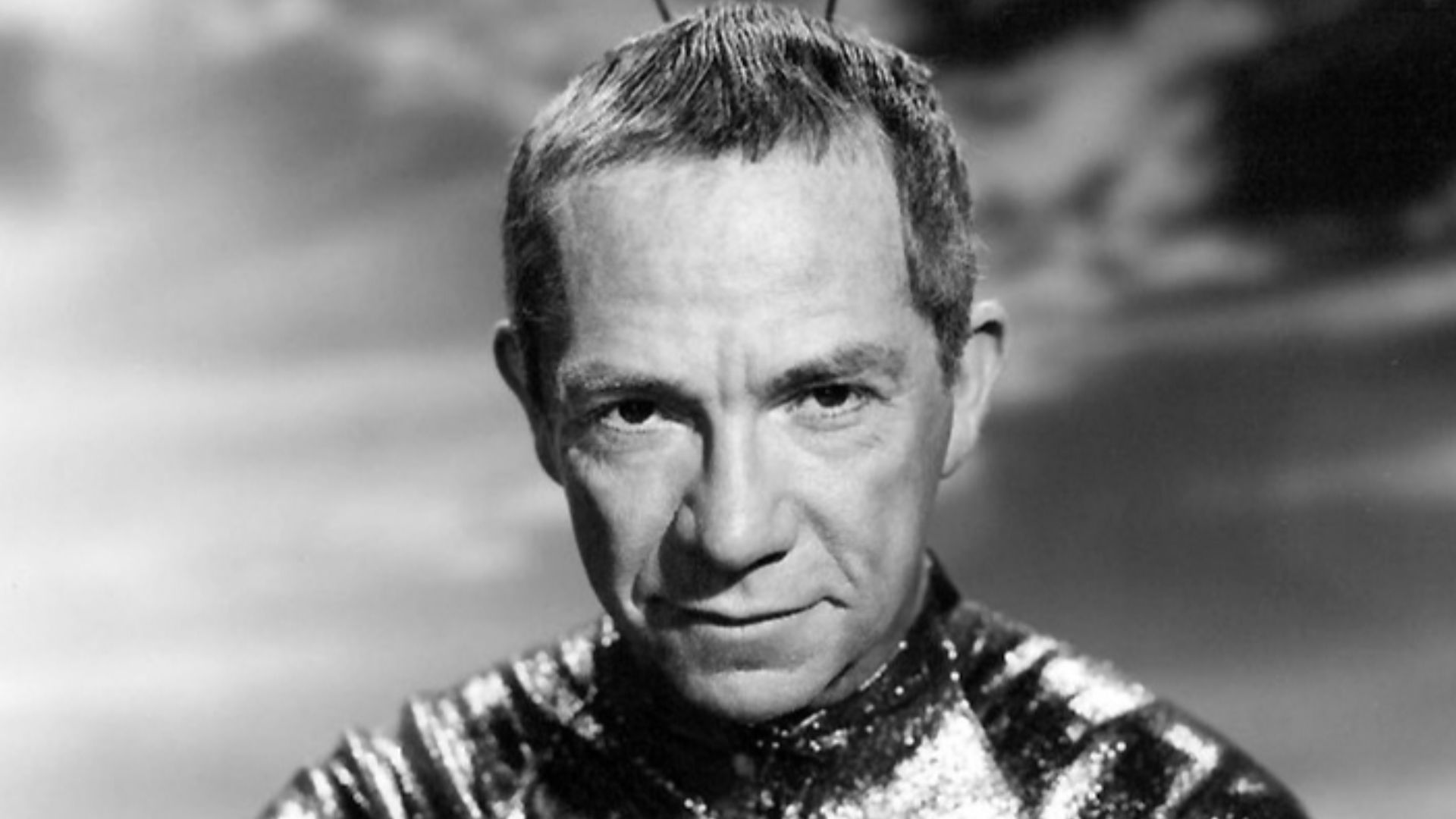
Ray Walston
With his distinctive face and impeccable comic timing, Ray Walston seemed born to play the extraterrestrial Uncle Martin on My Favorite Martian. Opposite Bill Bixby, he made the sitcom a hit from 1963 to 1966. Walston subsequently struggled with being identified as a Martian, although he continued working. He eventually enjoyed a remarkable career revival with Fast Times at Ridgemont High (1982) and the television drama Picket Fences.
 CBS Television, Wikimedia Commons
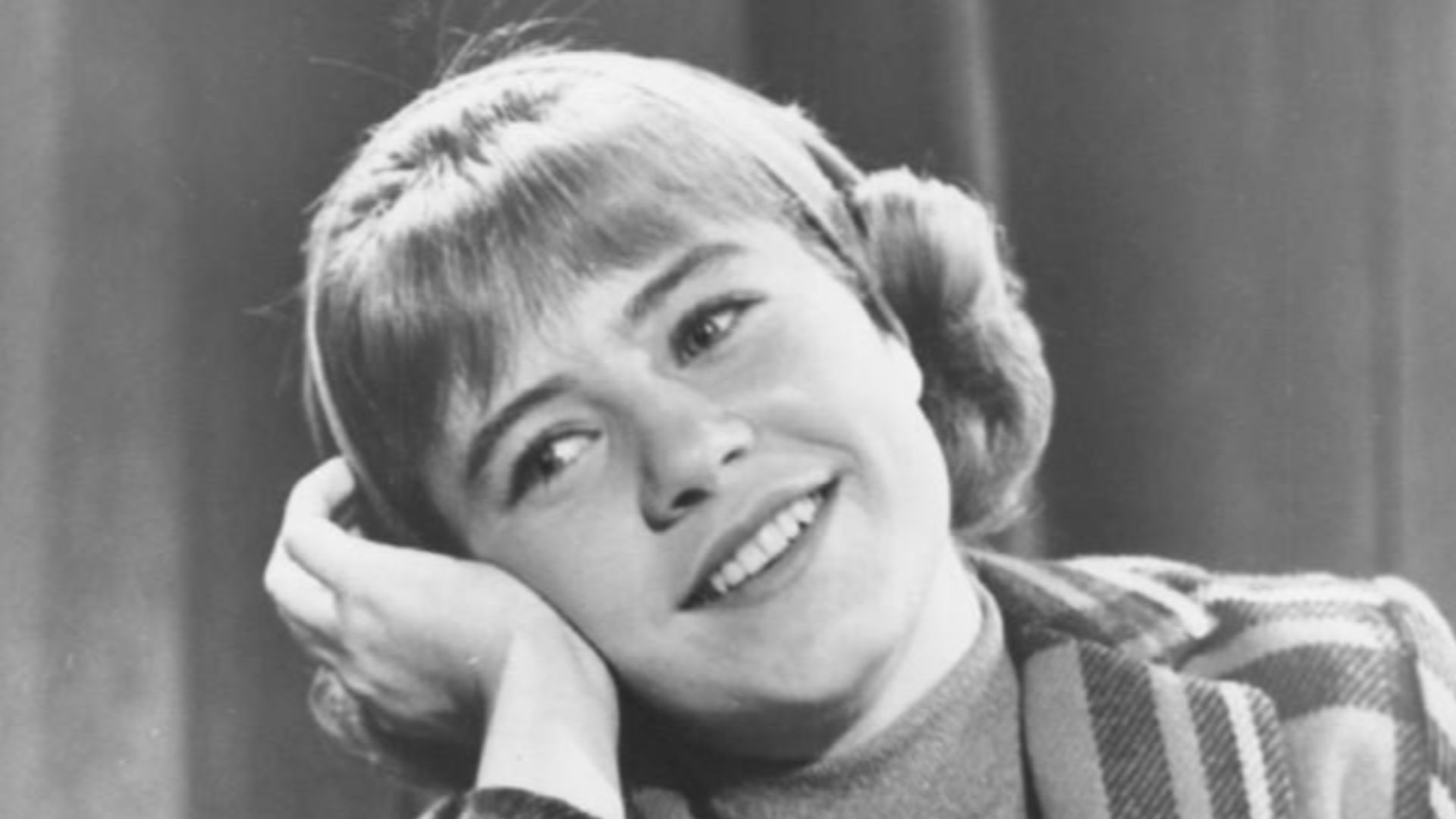
Patty Duke
Patty Duke was already an Oscar winner for The Miracle Worker (1962) when she began playing identical cousins Patty and Cathy Lane on The Patty Duke Show in 1963. The sitcom ended in 1966, leaving Duke to navigate the difficult transition into adult roles. She proved her versatility in Valley of the Dolls (1967) and subsequently built a respected television-movie career, even if her weekly sitcom fame was never quite duplicated.
 ABC Television, Wikimedia Commons
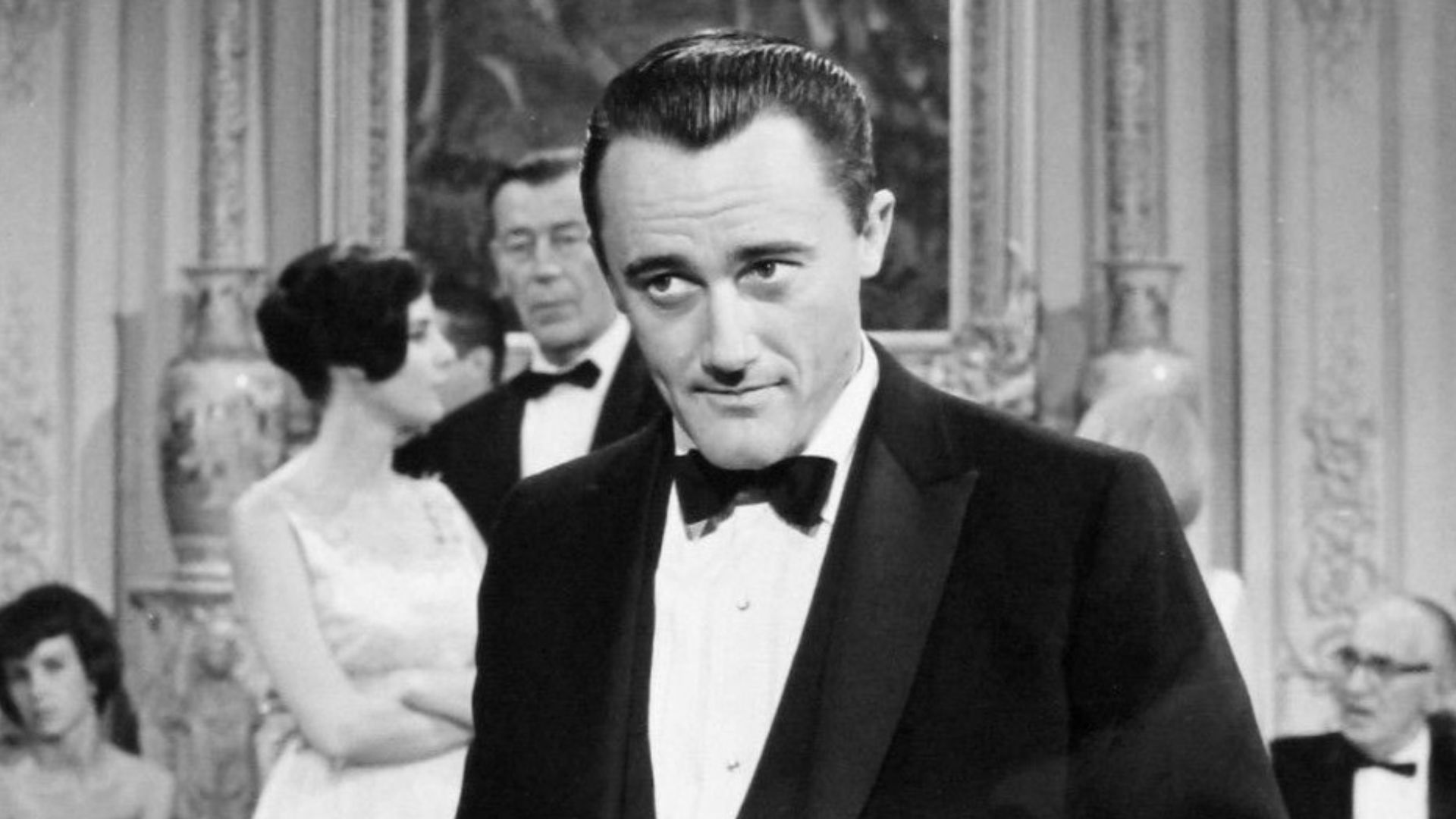
Robert Vaughn
As suave secret agent Napoleon Solo, Robert Vaughn became an international television sensation on The Man from U.N.C.L.E. alongside David McCallum. The spy craze made him seemingly unavoidable between 1964 and 1968. After cancellation, Vaughn returned to movies, including Bullitt (1968), directed by Peter Yates and starring Steve McQueen. He remained a working actor for decades, but Napoleon Solo remained the role most audiences remembered.
 NBC Television, Wikimedia Commons
David McCallum
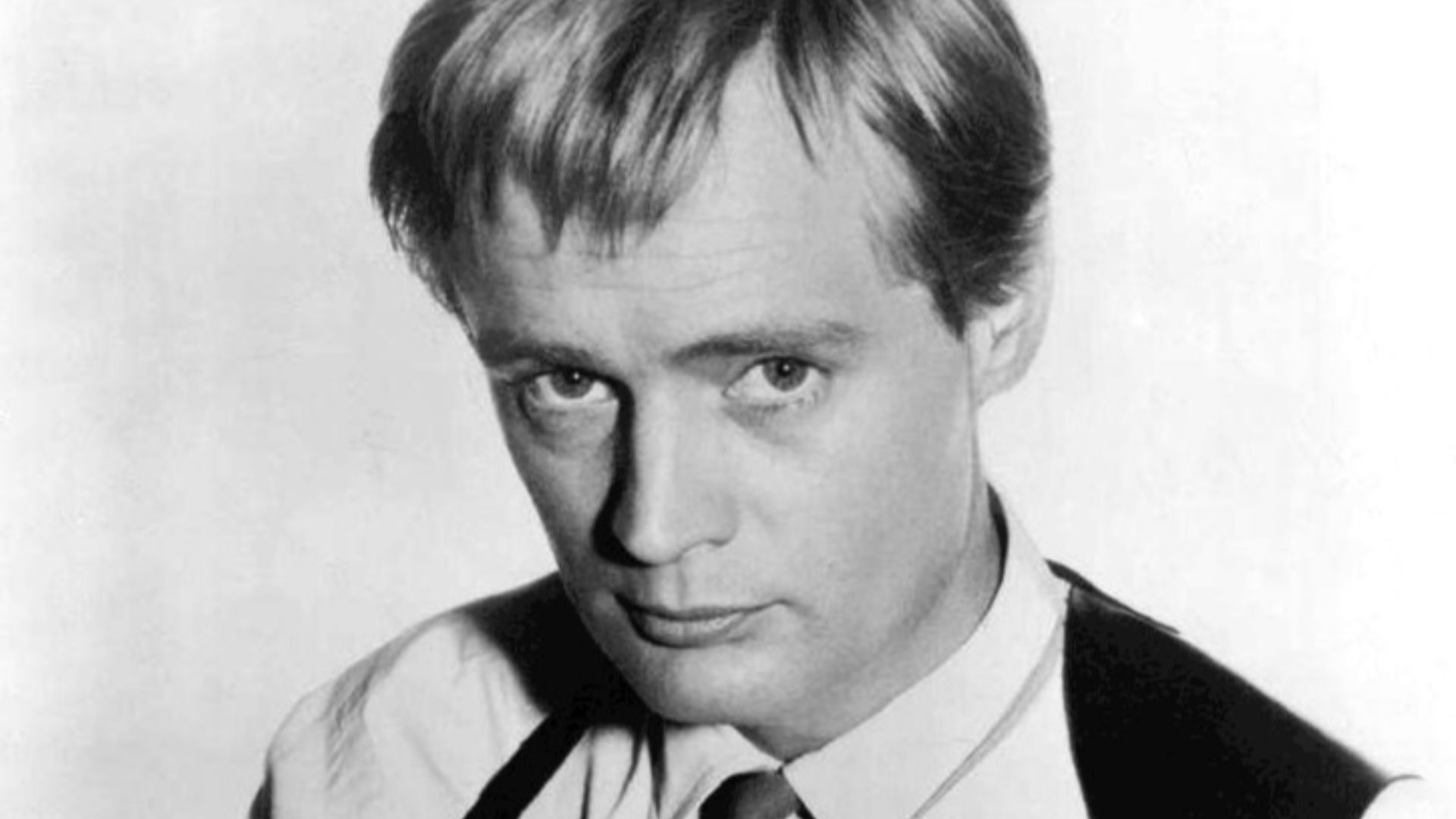
Scottish actor David McCallum became an unexpected heartthrob as Illya Kuryakin on The Man from U.N.C.L.E. His popularity sometimes rivaled that of leading man Robert Vaughn. Following the show's 1968 cancellation, McCallum starred in the short-lived The Invisible Man and continued appearing in television and films. Unlike many contemporaries, he eventually found another long-running hit as Dr. Donald “Ducky” Mallard on NCIS.
 The McDermott Company-public relations-for Chevrolet-a program sponsor., Wikimedia Commons
Richard Crenna
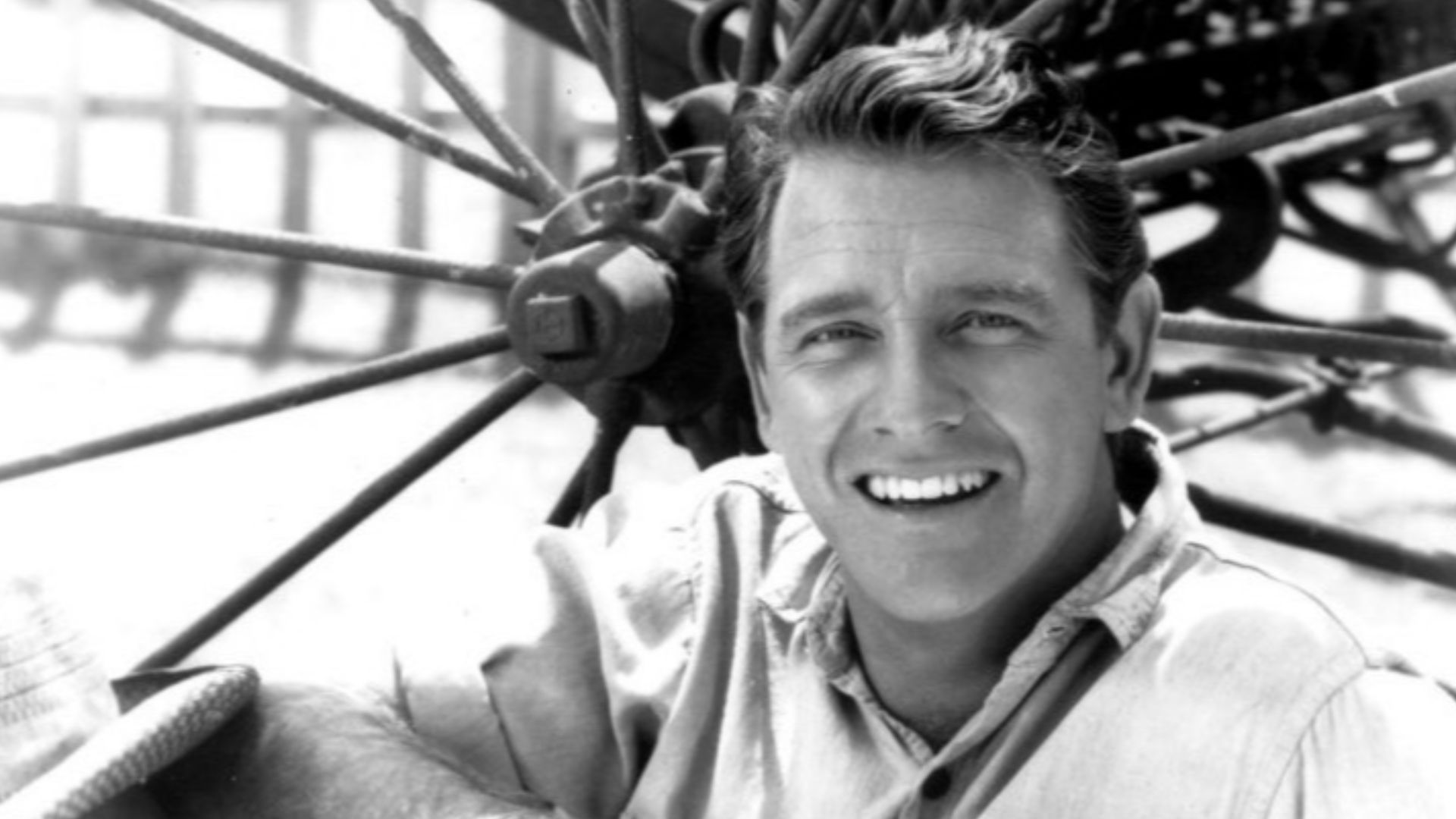
Richard Crenna became a household name playing Luke McCoy on The Real McCoys, then strengthened his television reputation with Slattery's People. The latter series ended in 1965, but Crenna refused to be confined to television comedy. He moved successfully into film, appearing in Wait Until Dark (1967) opposite Audrey Hepburn and later playing Colonel Trautman in First Blood (1982). His career was an exception to the usual typecasting story.
 Rogers and Cowan, public relations, Wikimedia Commons
Elizabeth Montgomery
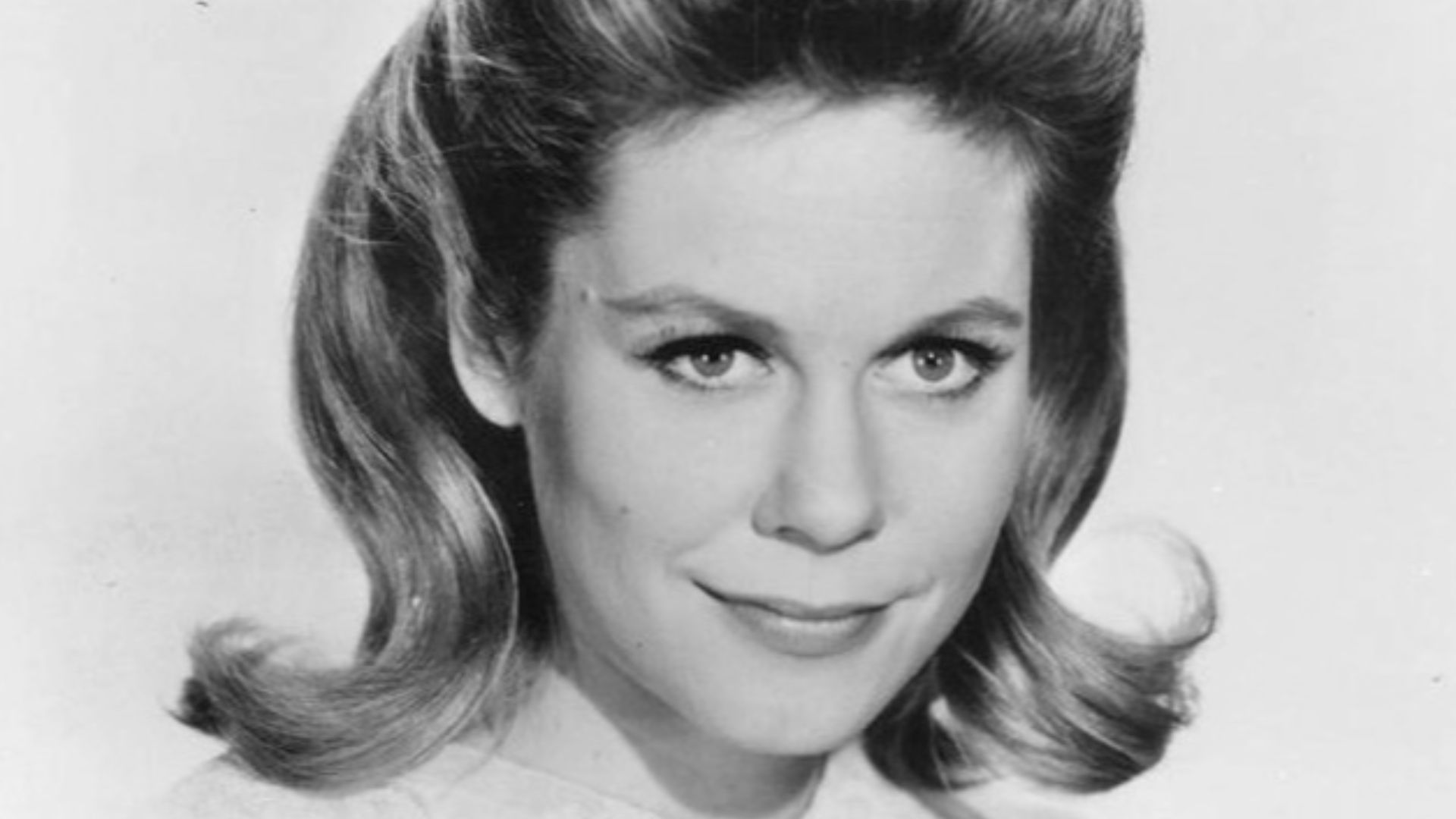
For eight seasons beginning in 1964, Elizabeth Montgomery charmed viewers as Samantha Stephens on Bewitched, opposite Dick York and later Dick Sargent. When the series ended in 1972, she deliberately pursued more challenging dramatic roles. Television movies like The Legend of Lizzie Borden demonstrated her range, although audiences continued associating her with Samantha's famous nose twitch.
 ABC Television
Uploaded by We hope at en.wikipedia, Wikimedia Commons
ABC Television
Uploaded by We hope at en.wikipedia, Wikimedia Commons
Agnes Moorehead
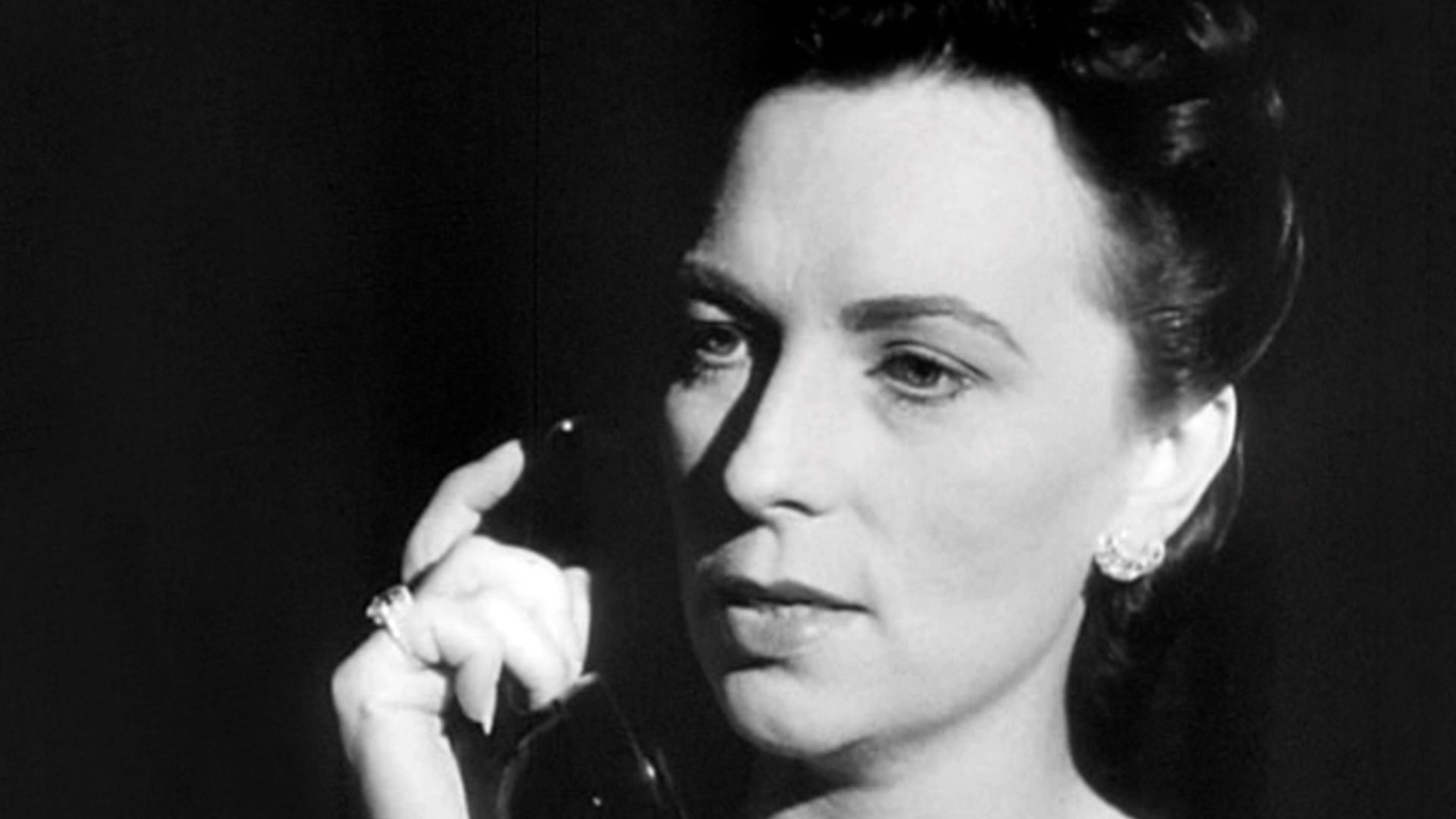
Long before Bewitched, Agnes Moorehead was a formidable dramatic actress, appearing in Orson Welles's Citizen Kane (1941) and The Magnificent Ambersons (1942). Yet an entire generation came to know her as Samantha's disapproving mother, Endora. When Bewitched ended in 1972, Moorehead returned to stage and television work, but her remaining career was brief. She passed in 1974, leaving Endora as one of television's most memorable supporting characters.
 RKO Radio Pictures, Wikimedia Commons
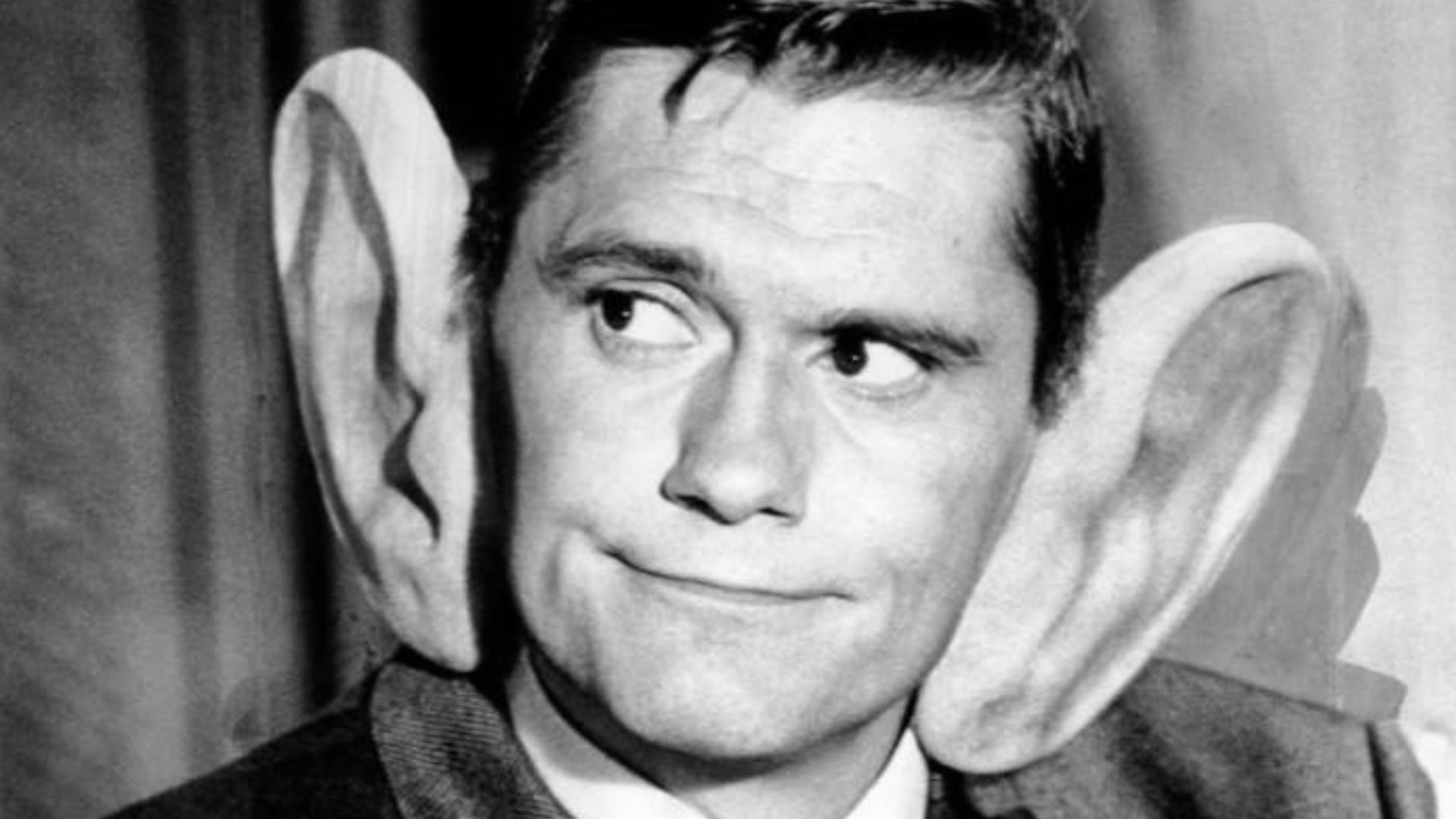
Dick York
Dick York's nervous energy made him the perfect original Darrin Stephens on Bewitched. His exasperated reactions to Samantha's magical relatives helped define the sitcom's early success. Unfortunately, a serious back injury sustained while filming They Came to Cordura (1959) contributed to chronic pain and health problems. York left Bewitched in 1969, and his acting career never recovered its earlier momentum.
 ABC Television, Wikimedia Commons
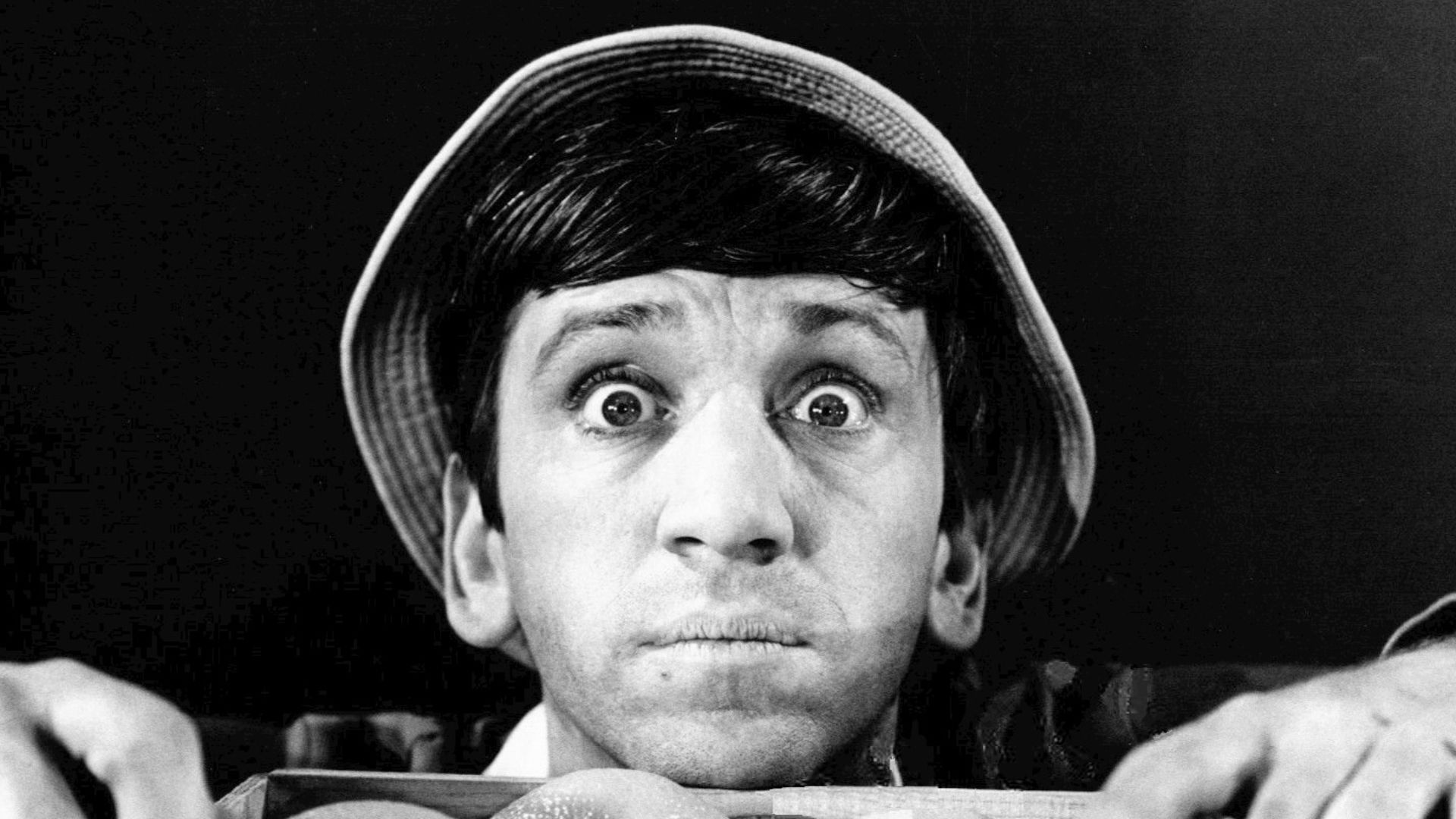
Bob Denver
Bob Denver had already become famous as Maynard G. Krebs on The Many Loves of Dobie Gillis before finding an even bigger role as Gilligan. With Alan Hale Jr., Tina Louise, and Dawn Wells, he helped make Gilligan's Island a television phenomenon from 1964 to 1967. After cancellation, Denver starred in The Good Guys and Dusty's Trail, but neither of these shows was able to recreate the original magic. Syndication ensured Gilligan never really disappeared.
 CBS Television, Wikimedia Commons
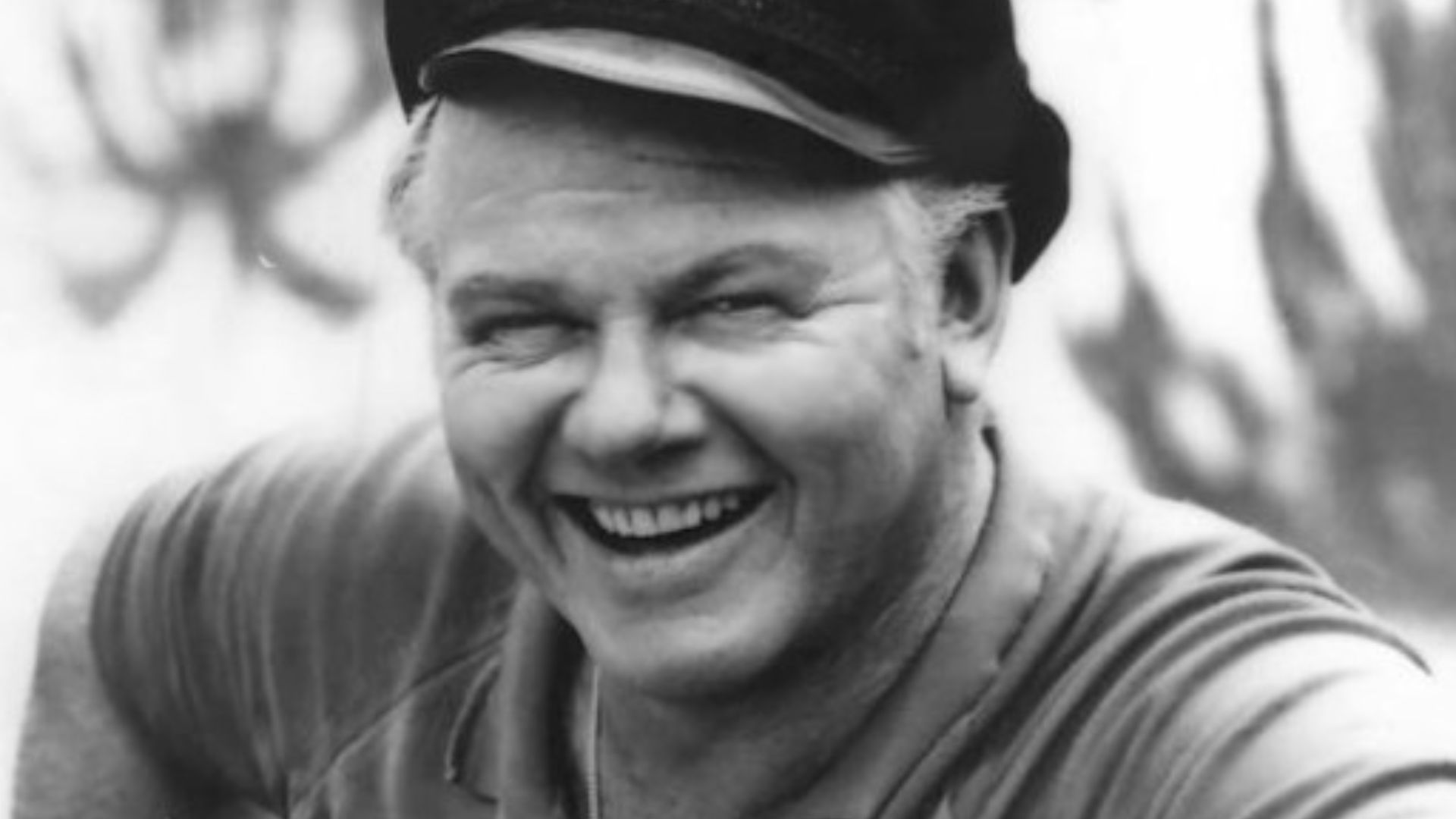
Alan Hale Jr.
Alan Hale Jr. had spent years appearing in Westerns and supporting roles before becoming the lovable Skipper on Gilligan's Island. His chemistry with Bob Denver made the pair one of television's favorite comic duos. Following the show's 1967 cancellation, Hale continued acting and later operated a restaurant in Los Angeles. He happily revisited the Skipper in reunion productions, but the character overshadowed almost everything else in his lengthy career.
 CBS Television, Wikimedia Commons
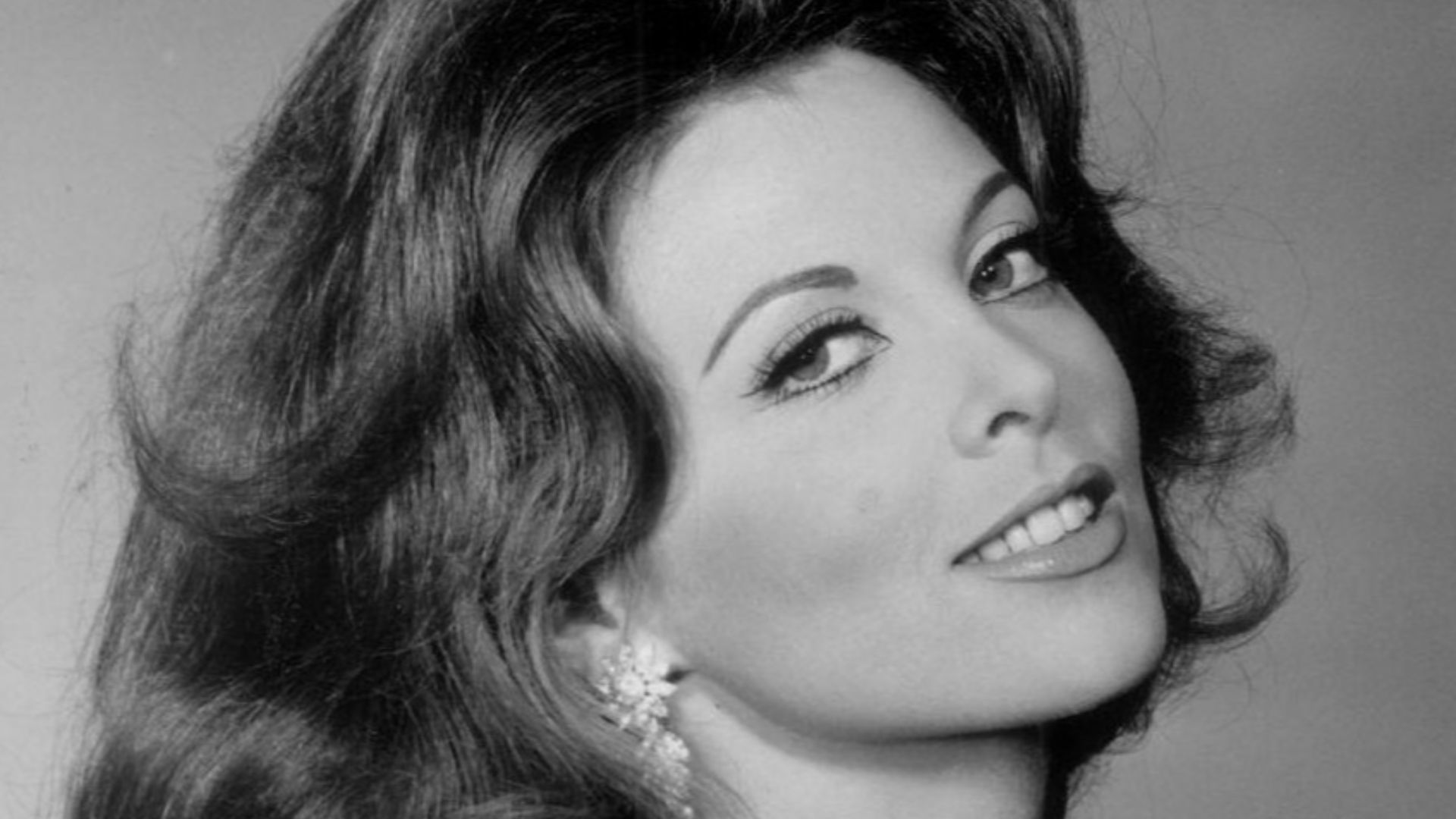
Tina Louise
As glamorous movie star Ginger Grant, Tina Louise brought Hollywood sophistication to Gilligan's Island. Yet the role that made her famous also complicated her ambitions as a serious actress. After the sitcom ended in 1967, she pursued films and dramatic television appearances, including The Stepford Wives (1975), directed by Bryan Forbes. Louise generally avoided the cast's later reunion movies, preferring to concentrate on the other projects from the broader career she had built.
 CBS Television, Wikimedia Commons
Dawn Wells
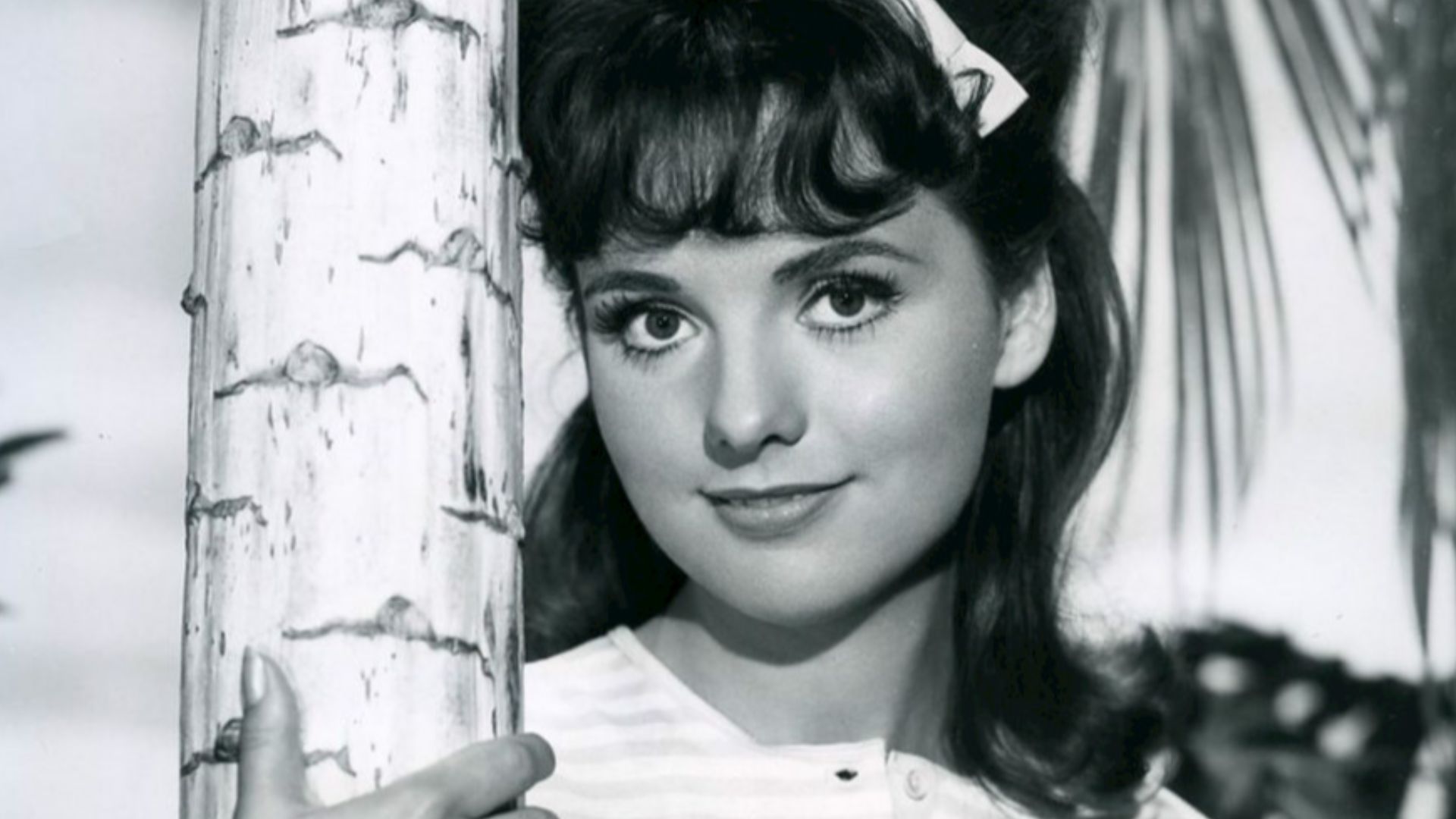
Dawn Wells became America's favorite girl next door as Mary Ann Summers on Gilligan's Island. Her wholesome appeal contrasted beautifully with Tina Louise's glamorous Ginger. When the show ended in 1967, Wells continued performing in theater and television, but leading roles proved elusive. Unlike Louise, she enthusiastically embraced the show's enduring popularity, returning for reunion movies and celebrating the character who had made her famous.
 CBS Television, Wikimedia Commons
Don Adams
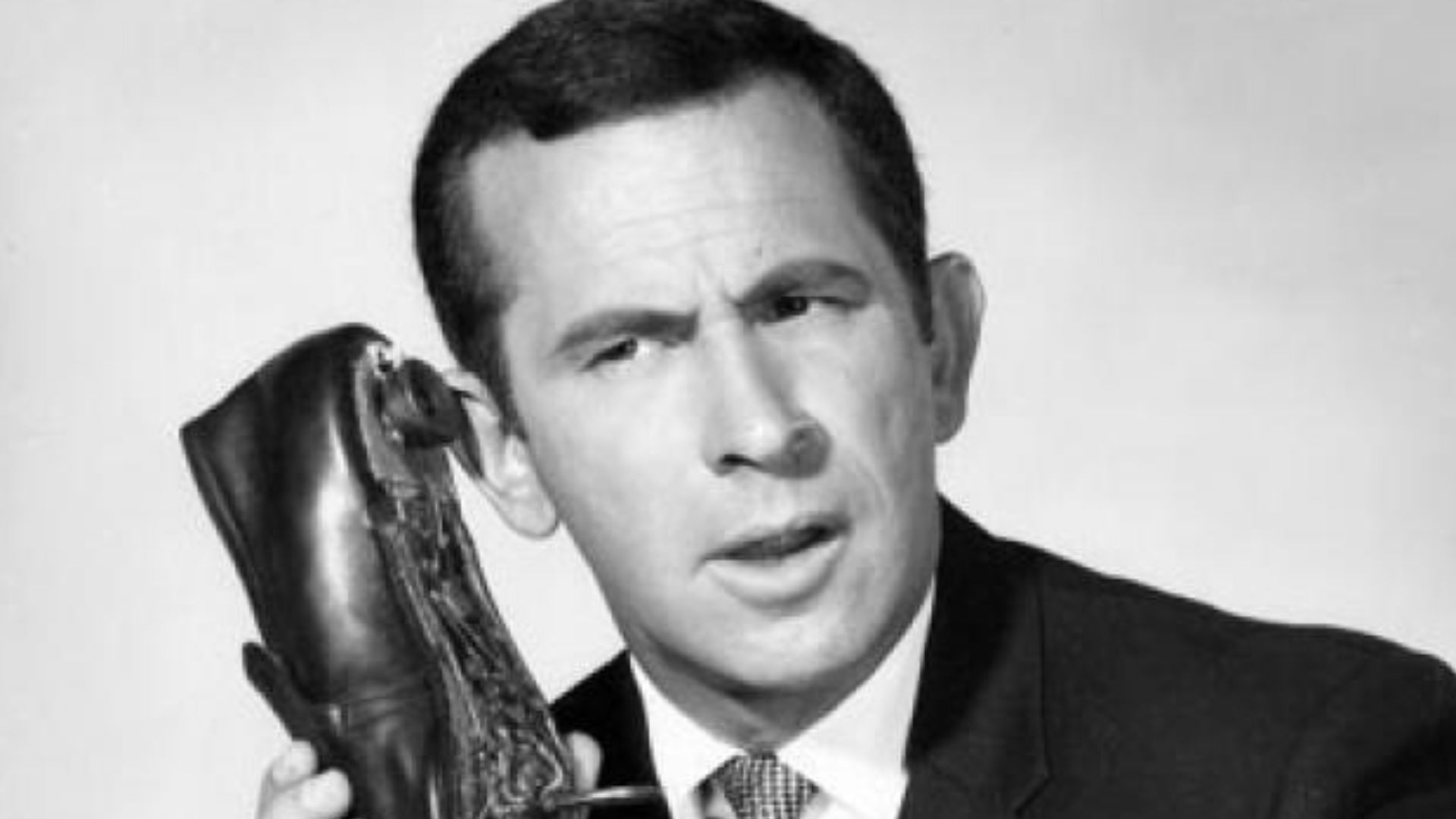
With his deadpan delivery and unforgettable catchphrases, Don Adams became a comedy sensation as Maxwell Smart on Get Smart. Created by Mel Brooks and Buck Henry, the spy spoof ran from 1965 to 1970, pairing Adams with Barbara Feldon's Agent 99. Afterward, Adams struggled to establish another equally successful live-action sitcom. He eventually found a new generation of admirers voicing the title character in Inspector Gadget.
 General Artists Corporation-GAC-management., Wikimedia Commons
Barbara Feldon
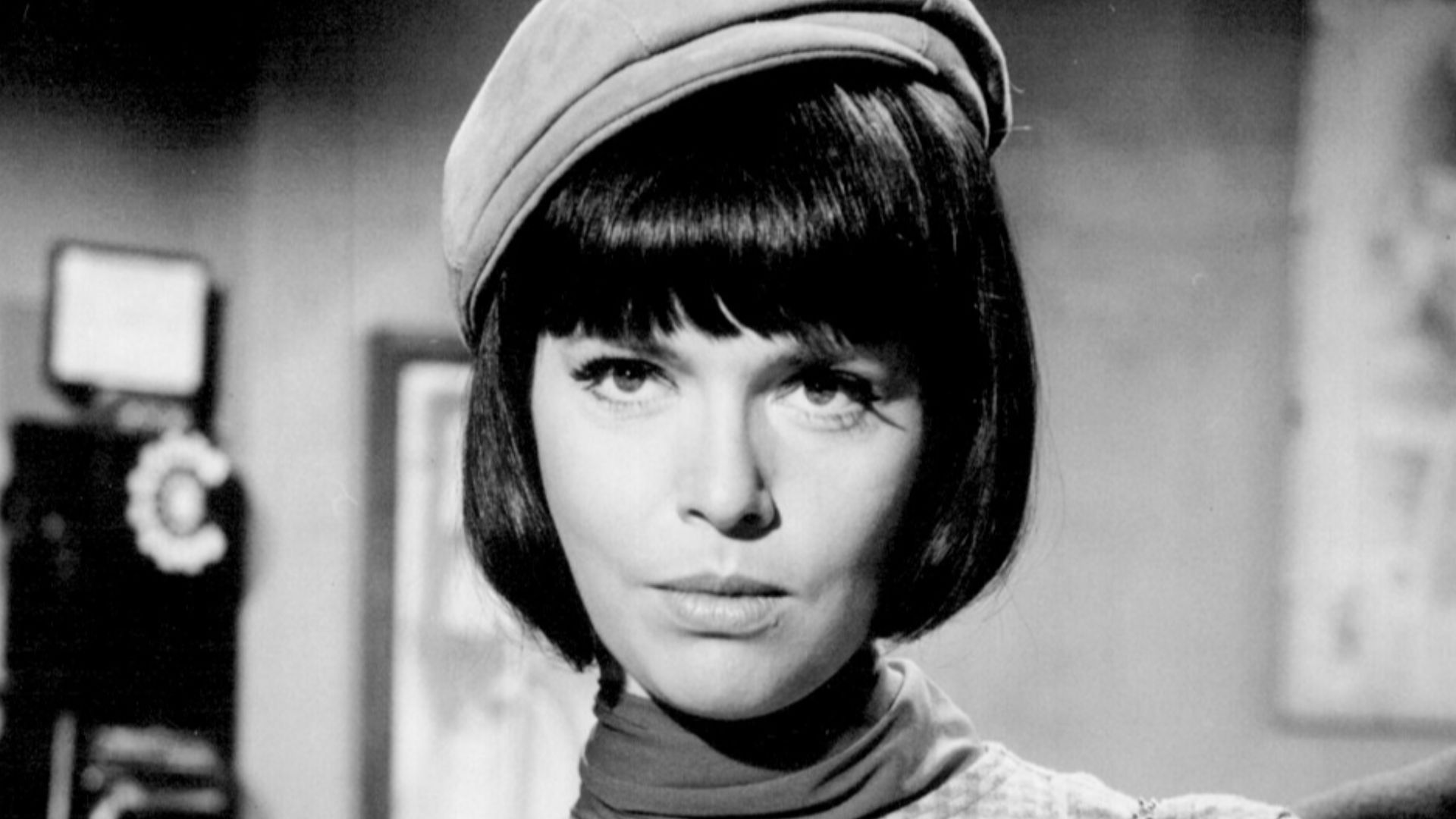
Barbara Feldon's cool, intelligent Agent 99 was the perfect counterpart to Don Adams's bumbling Maxwell Smart. Their chemistry helped make Get Smart a defining comedy of the 1960s. Following its 1970 cancellation, Feldon appeared in television movies, stage productions, and occasional films, including Fitzwilly (1967) with Dick Van Dyke. She continued acting but never found another weekly television role with comparable cultural impact.
 NBC Television, Wikimedia Commons
Fred Gwynne
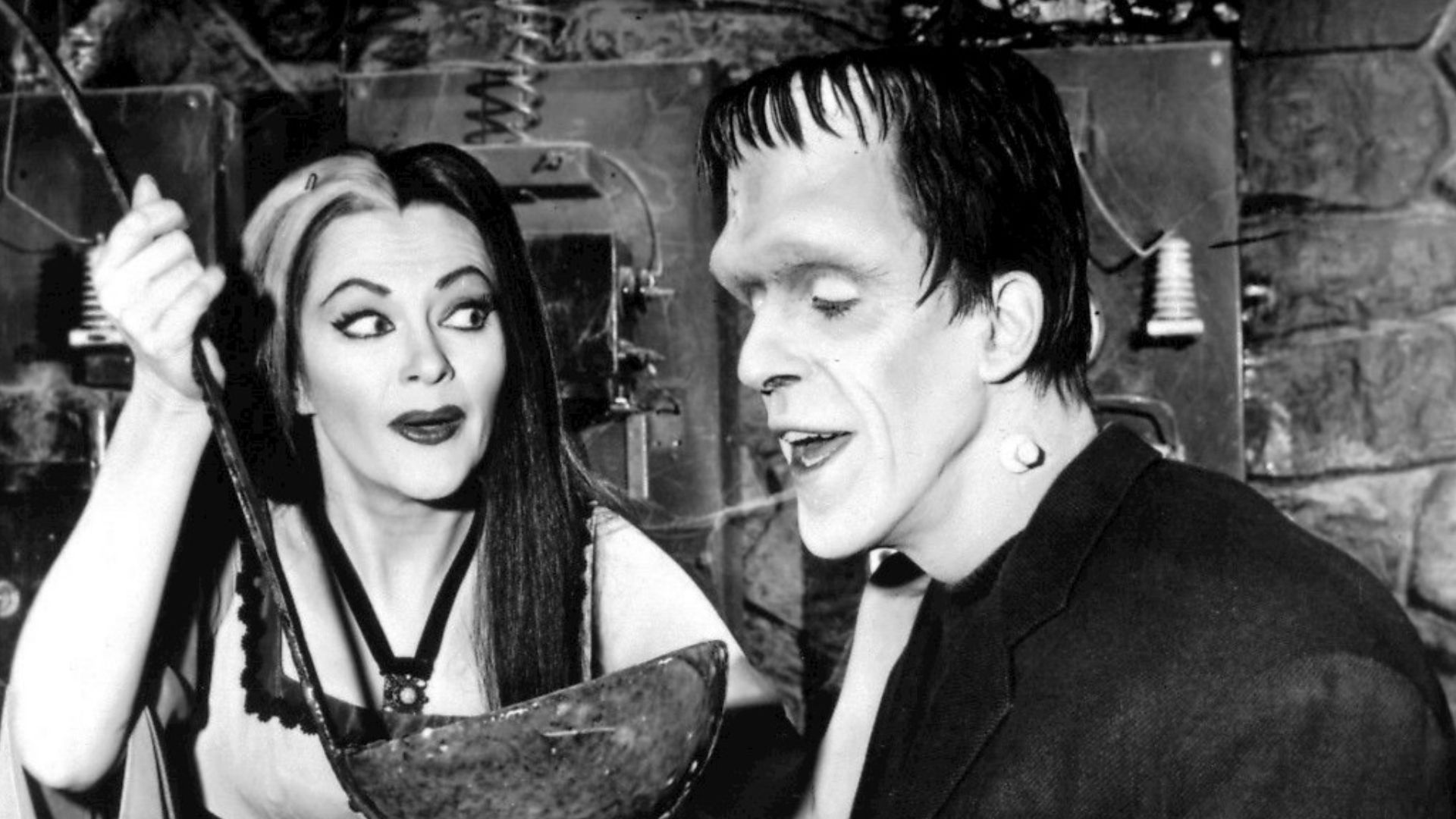
Fred Gwynne was already familiar from Car 54, Where Are You? when he became Herman Munster in 1964. His towering height and expressive face made him unforgettable, but after The Munsters ended in 1966, Hollywood struggled to see him as anything else. Gwynne returned to theater and gradually rebuilt his screen career, eventually delivering memorable performances in Pet Sematary (1989) and My Cousin Vinny (1992), opposite Joe Pesci.
 CBS Television, Wikimedia Commons
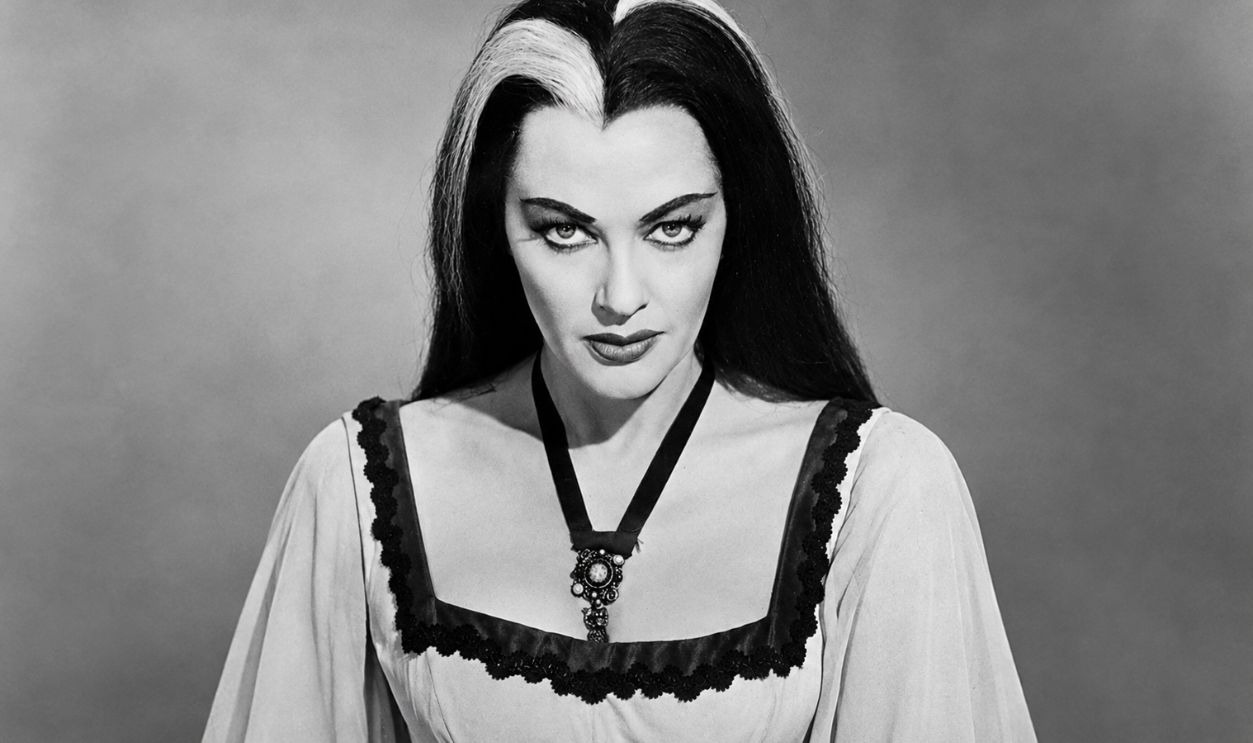
Yvonne De Carlo
Yvonne De Carlo had been a glamorous Hollywood star long before playing Lily Munster opposite Fred Gwynne. Her earlier credits included The Ten Commandments (1956), directed by Cecil B. DeMille. After The Munsters ended in 1966, she appeared in films and television guest roles, then returned to Broadway in Stephen Sondheim's Follies. Yet for younger viewers, Lily Munster eclipsed much of her earlier movie stardom.
 CBS Television, Wikimedia Commons
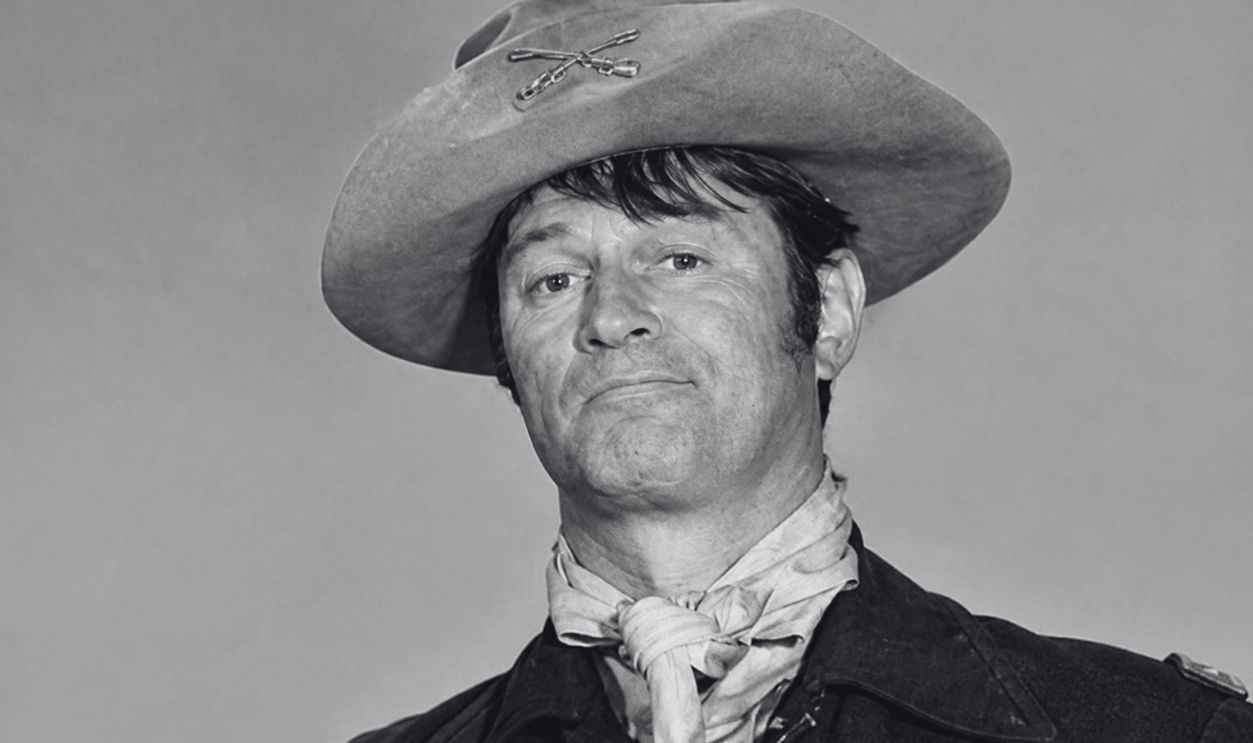
Larry Storch
Larry Storch stole scenes as the scheming Corporal Agarn on F Troop, alongside Forrest Tucker and Ken Berry. The Western comedy lasted only from 1965 to 1967, but Storch's frantic expressions and gift for voices made him unforgettable. Afterward, he went on working in cartoons, guest appearances, and stage productions, including The Ghost Busters with Tucker. Another starring television role as successful as Agarn never materialized.
 ABC Photo-ABC Television, Wikimedia Commons, Enhanced
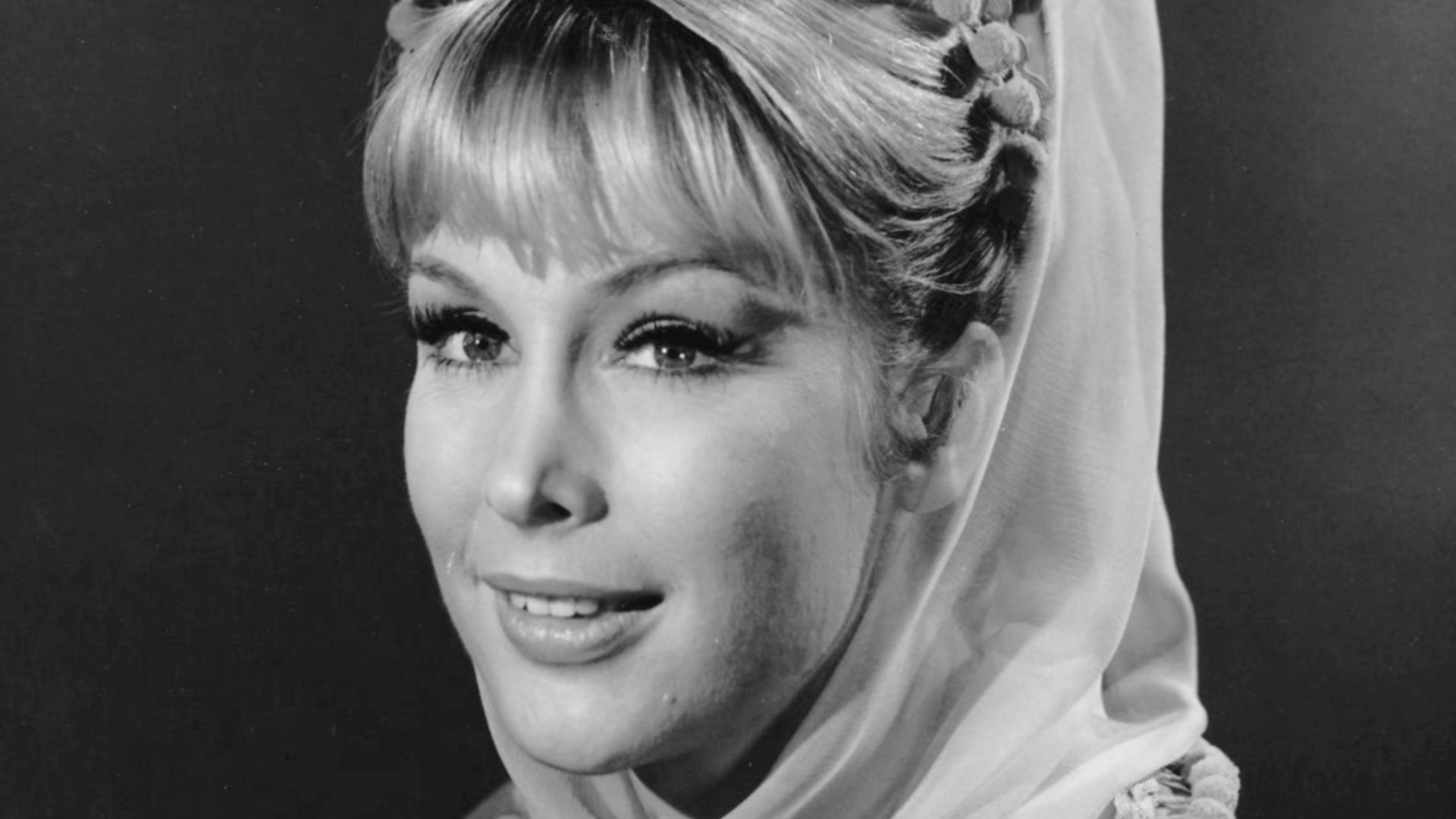
Barbara Eden
Barbara Eden became one of the most recognizable women on television as the magical Jeannie in I Dream of Jeannie. Alongside Larry Hagman's astronaut Tony Nelson, she starred from 1965 to 1970. After cancellation, Eden worked steadily in television movies, stage productions, and later series such as Harper Valley P.T.A. She never completely escaped Jeannie's shadow, but she successfully maintained a performing career long after the famous pink costume disappeared.
 NBC Television
Uploaded by We hope at en.wikipedia, Wikimedia Commons
NBC Television
Uploaded by We hope at en.wikipedia, Wikimedia Commons
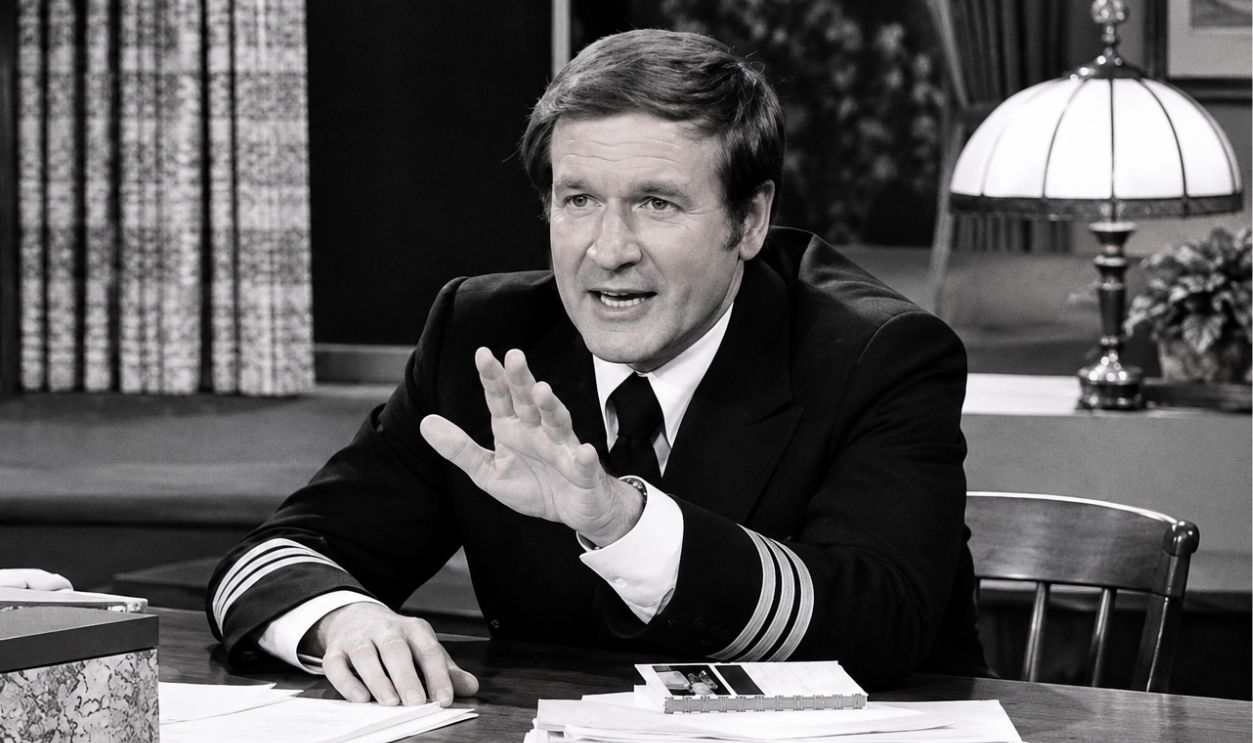
Bill Daily
Bill Daily became a familiar comic presence as astronaut Roger Healey, Larry Hagman's mischievous best friend on I Dream of Jeannie. When the sitcom ended in 1970, he faced the usual challenge of finding another memorable role. Fortunately, he soon joined The Bob Newhart Show as eccentric neighbor Howard Borden. Daily was one of the fortunate supporting players who successfully traded one enduring sitcom identity for another.
 CBS Television, Wikimedia Commons, Enhanced
Marlo Thomas
Marlo Thomas helped change television with That Girl, playing independent aspiring actress Ann Marie opposite Ted Bessell. The series ran from 1966 to 1971, making Thomas a symbol of a changing generation. She chose to end the show rather than continue indefinitely, subsequently concentrating on television movies, stage work, and the influential children's project Free to Be... You and Me. Her fame endured, although her days as a weekly sitcom star were behind her.
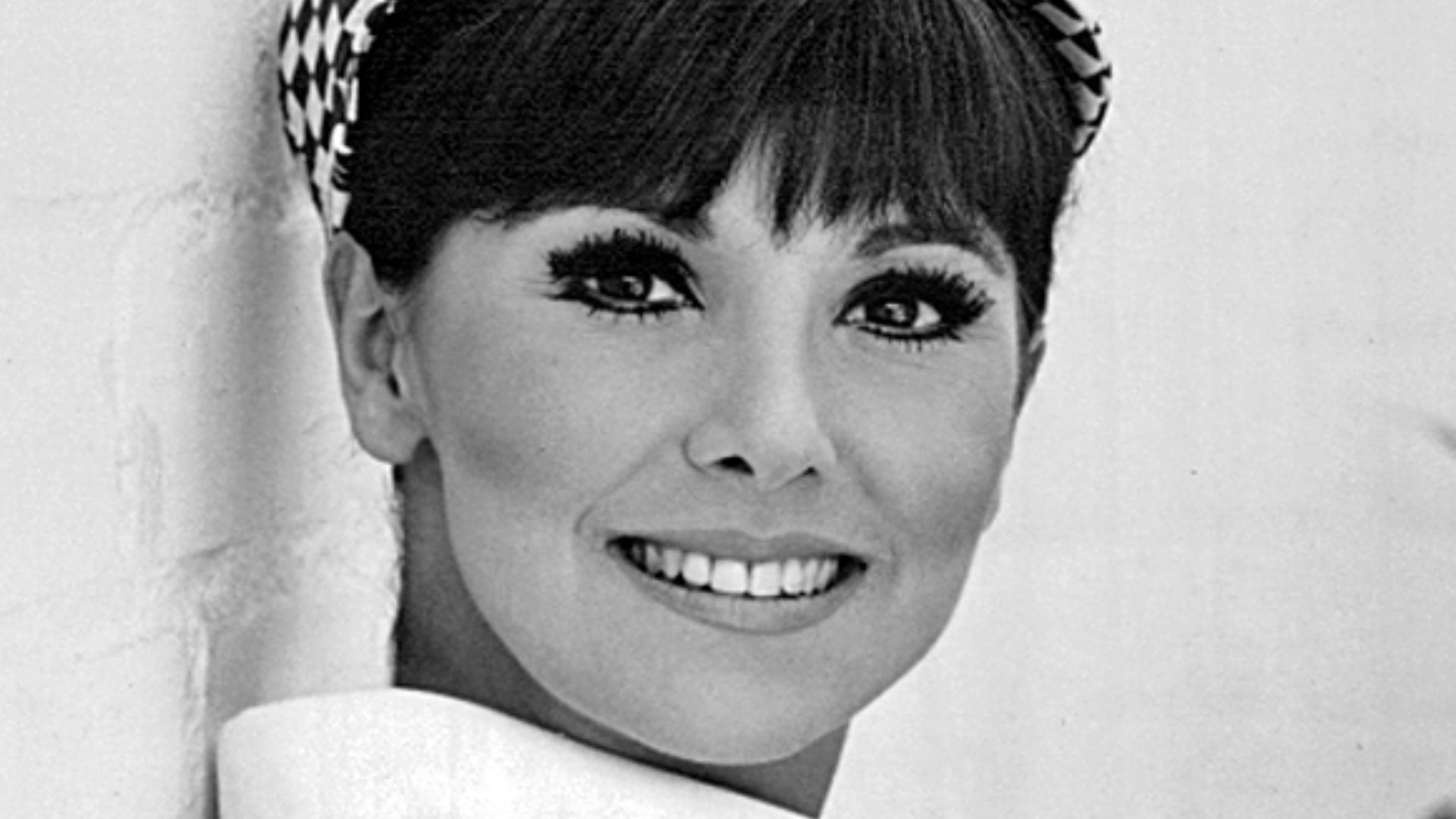
Don Grady
Don Grady spent more than a decade playing Robbie Douglas on My Three Sons, becoming one of television's most familiar young actors. He appeared alongside Fred MacMurray, Stanley Livingston, and William Frawley during the sitcom's long run. Grady departed before the show's 1972 finale and increasingly focused on music. He eventually became a successful composer and arranger, contributing to television and film projects rather than pursuing another major acting role.
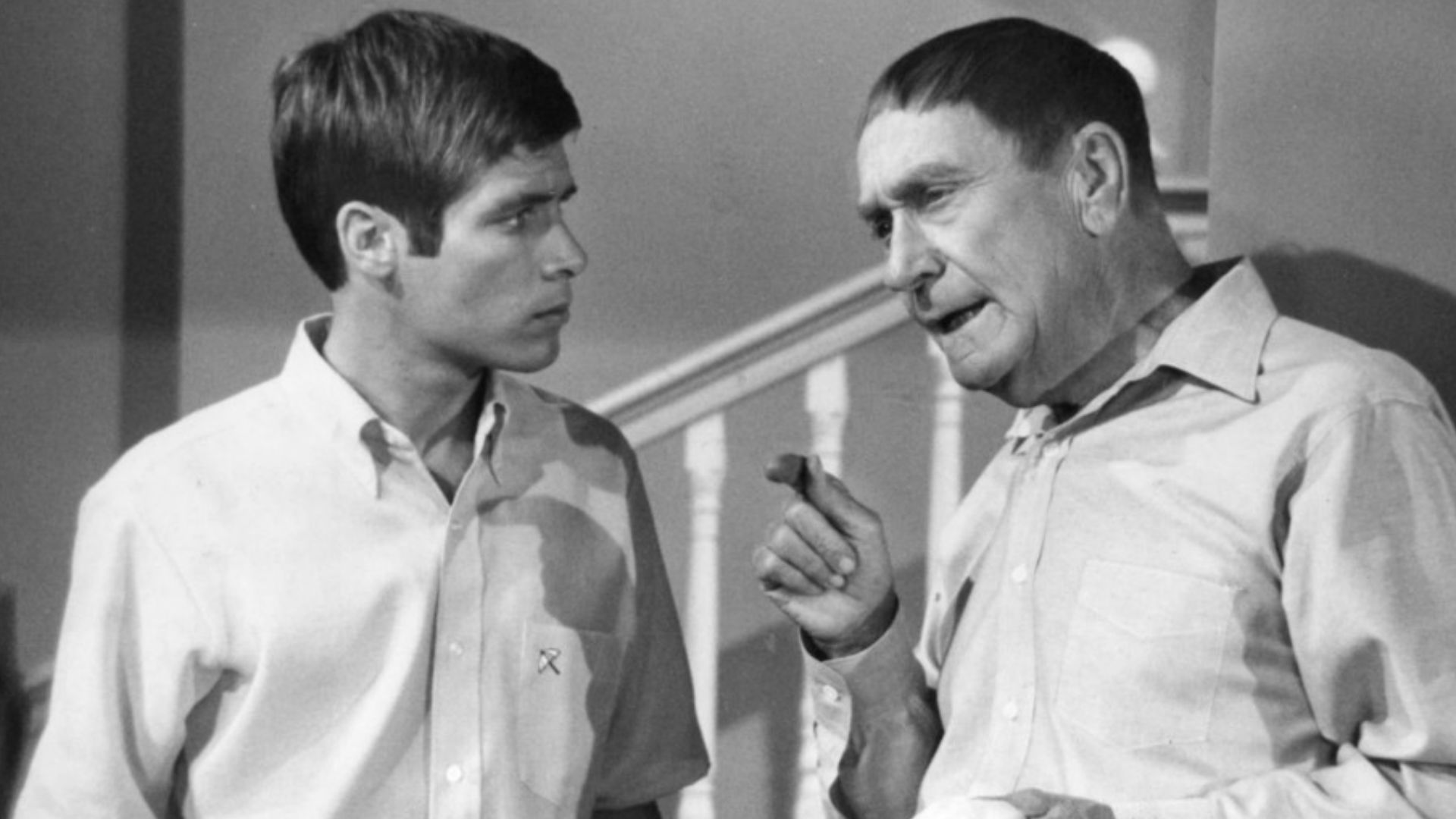 CBS Television, Wikimedia Commons
David White
David White became one of television's most recognizable supporting actors as Larry Tate, the excitable advertising executive on Bewitched. Playing opposite Elizabeth Montgomery, Dick York, and later Dick Sargent, White appeared throughout the sitcom's eight-season run. When it ended in 1972, he continued working in television and films, including The Rockford Files and Brewster's Millions (1985), but never found another role as prominent as Larry Tate.
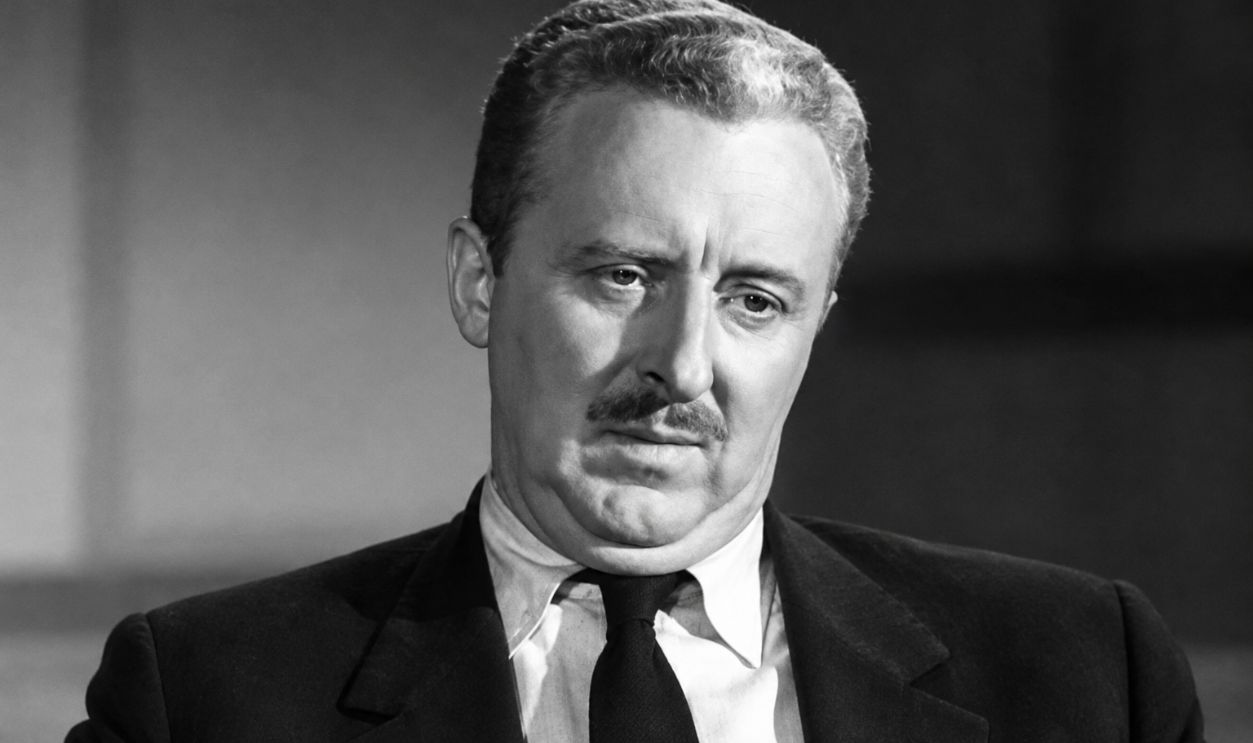 TV episode screenshot (ABC), Wikimedia Commons, Enhanced
Stanley Livingston
Stanley Livingston grew up in front of American audiences as Chip Douglas on My Three Sons. From the show's 1960 premiere until its 1972 conclusion, he was a constant presence in millions of homes. When the series ended, Livingston continued acting occasionally but never found another role with comparable visibility. He later moved into producing and directing, building a career behind the camera while remaining closely associated with the Douglas family.
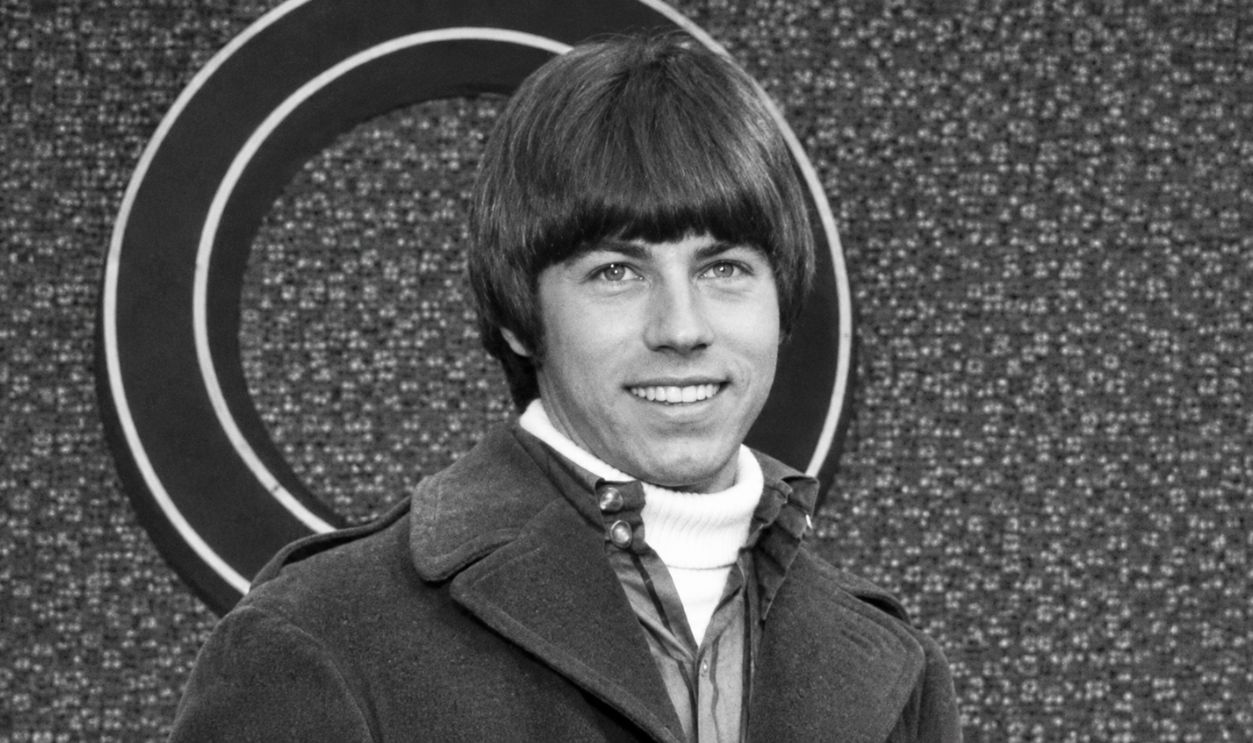 Alan Light, Wikimedia Commons, Enhanced
Mike Lookinland
Mike Lookinland became instantly recognizable as Bobby Brady when The Brady Bunch premiered in 1969. The youngest Brady son appeared alongside Robert Reed, Florence Henderson, and five television siblings. When the sitcom ended in 1974, Lookinland found that more mature roles were limited. He later worked behind the scenes in film production and eventually pursued other interests. Like several Brady castmates, he remained famous for a character he had played as a child.
 ABC Television, Wikimedia Commons
You May Also Like:
TV Character Actors From The 60s And 70s With Faces You Recognize Instantly. How Many Can You Name?
Classy 1960s Actresses Who Should Have Been On TV More
Sources: 1, 2, 3, 4, 5, 6, 7, 8, 9, 10, 11,12, 13, 14, 15, 16



.jpg)
