Everyone Already Has A Favorite
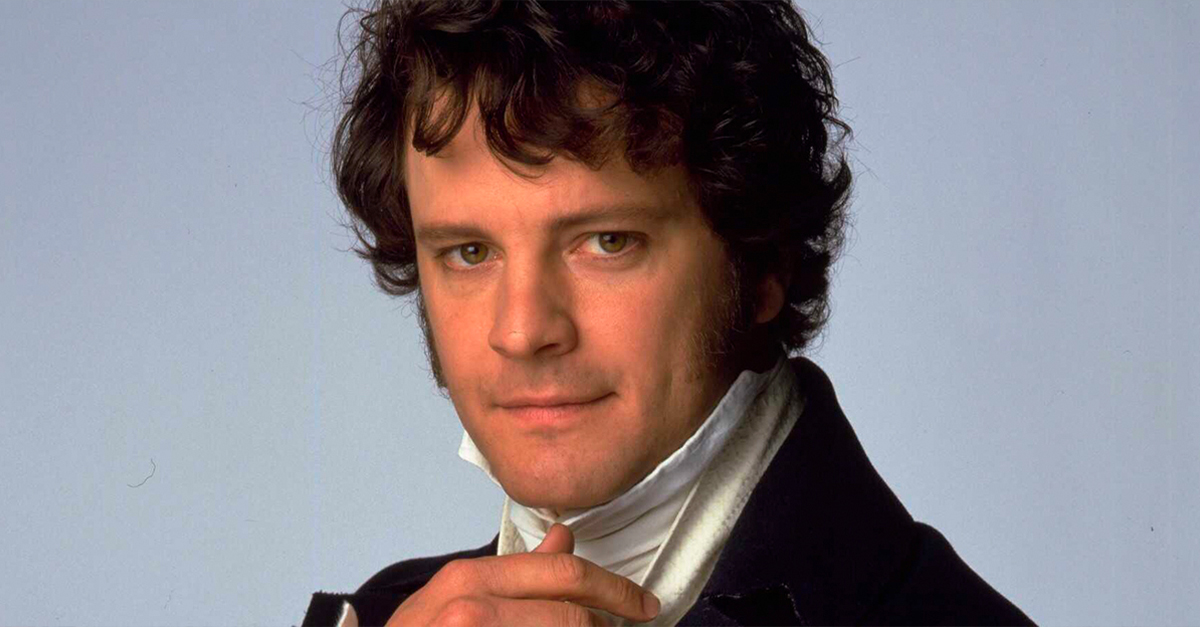
Tell a room full of Jane Austen fans that another Pride and Prejudice adaptation is coming, and the reaction is rarely simple excitement. For many viewers, Elizabeth Bennet and Mr Darcy already have faces. The real question is not whether Austen can survive another adaptation. It is whether audiences actually want one.
The Argument Usually Comes Down To Two
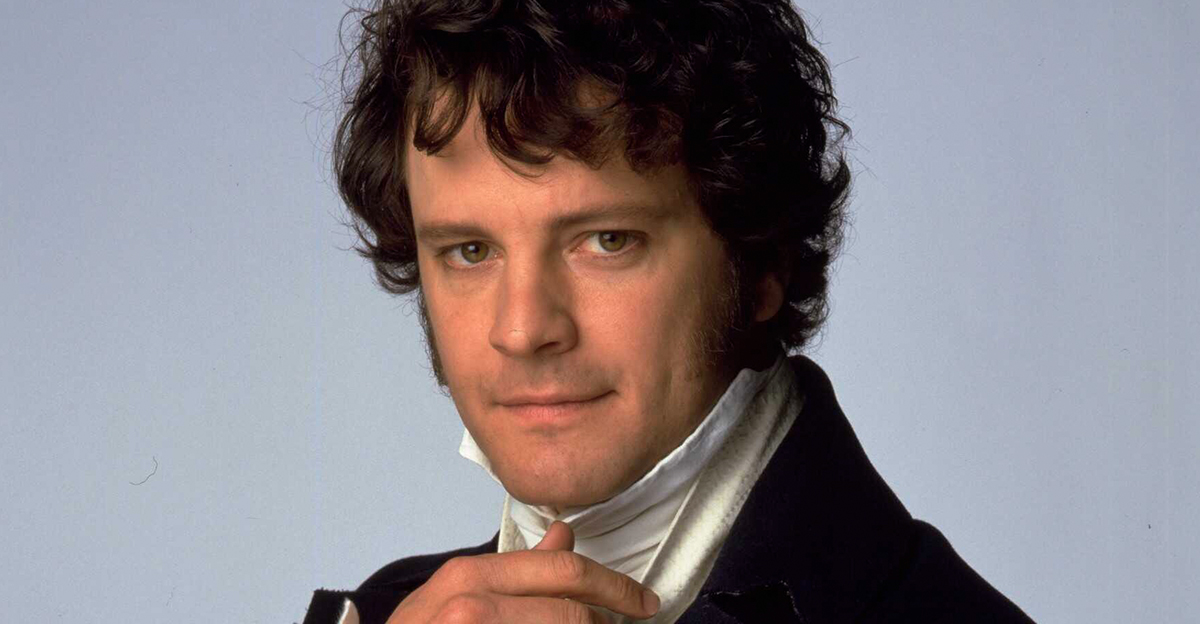
For modern viewers, the debate often settles into two camps. One swears by Jennifer Ehle and Colin Firth in the BBC's 1995 miniseries. The other will defend Keira Knightley and Matthew Macfadyen in Joe Wright's 2005 film with almost alarming intensity. Both tell the same story, but they feel completely different.
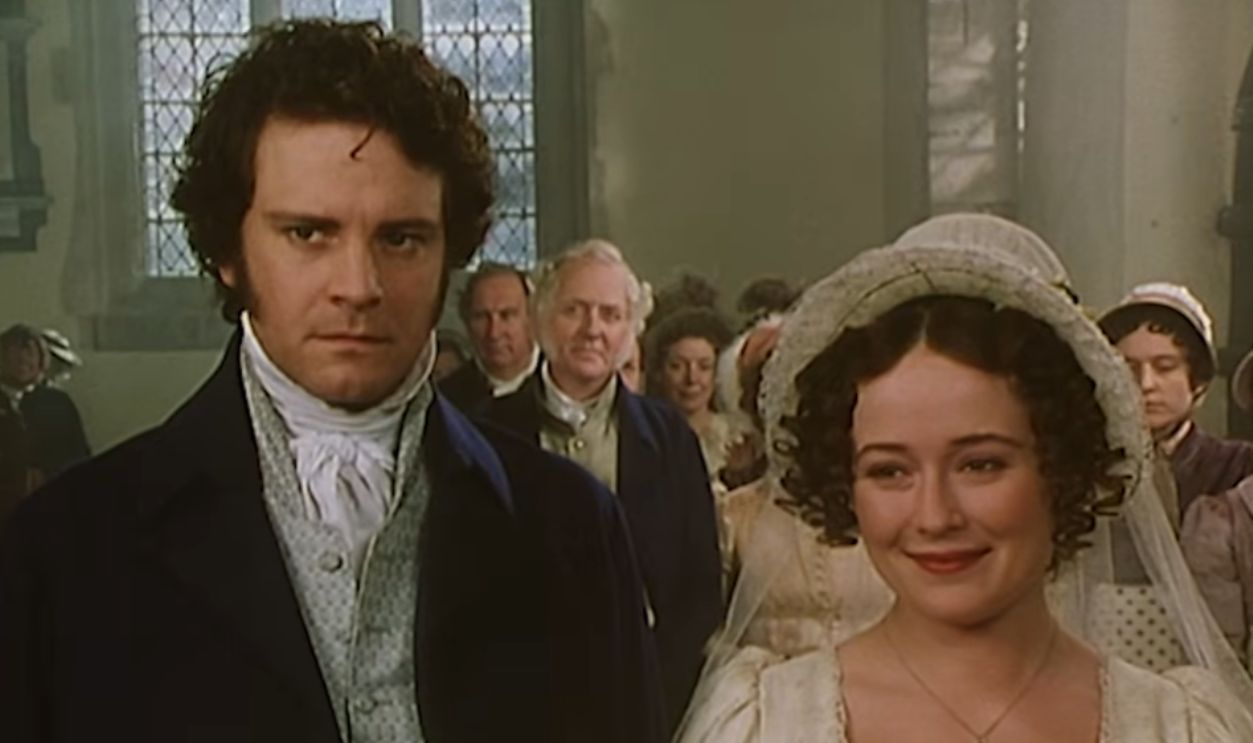 Screenshot from Pride and Prejudice, BBC Studios (1995)
But The Story Was On Screen Long Before Either
Neither version invented screen Austen. The BBC televised Pride and Prejudice as early as 1938, in a live production from Alexandra Palace. No recording survives. Jane Austen's House notes that television recording technology simply did not yet exist in a reliable form, leaving the first screen Elizabeth and Darcy largely lost to history.
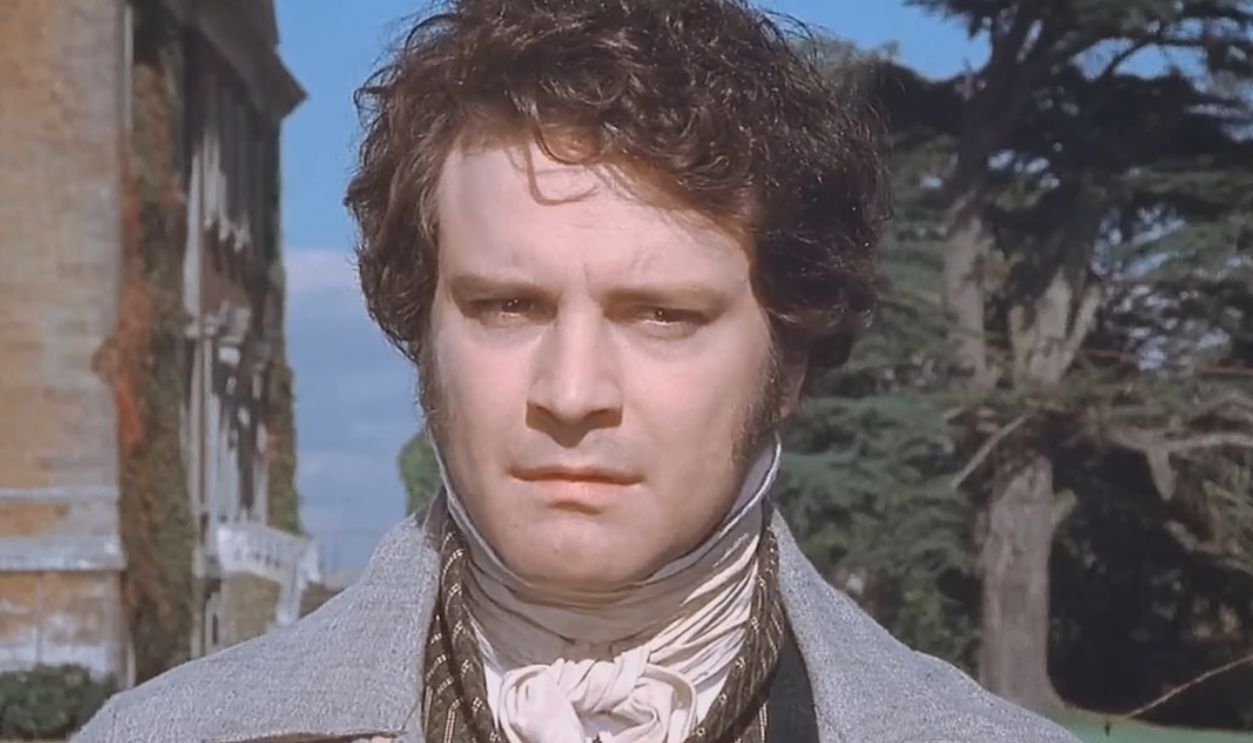 Screenshot from Pride and Prejudice, BBC Studios (1995)
Hollywood Got There In 1940
The earliest version audiences can still readily watch is MGM's 1940 film starring Greer Garson and Laurence Olivier. It was glossy, romantic, and unmistakably Hollywood. The screenplay was written by Aldous Huxley and Jane Murfin, drawing partly from a stage adaptation rather than going directly from Austen's novel alone.
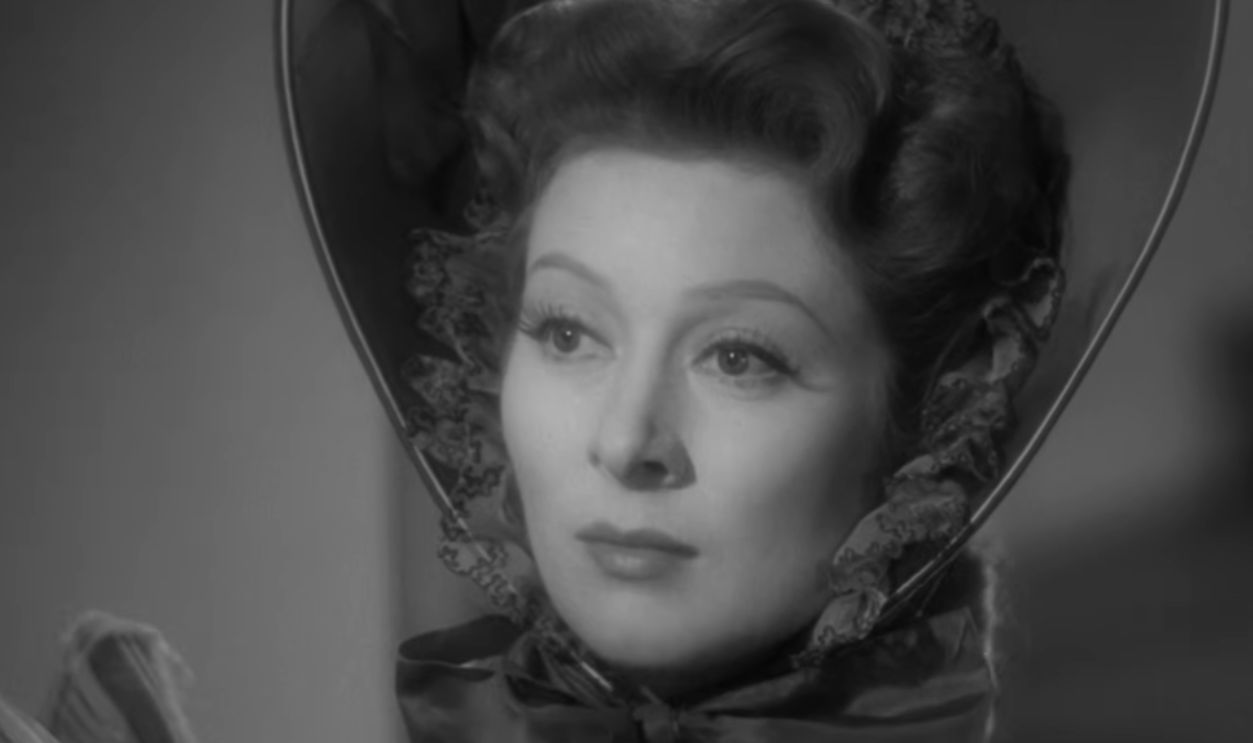 Screenshot from Pride and Prejudice, Warner Bros. (1940)
That Version Took Some Serious Liberties
The 1940 movie is charming, but purists quickly notice its departures. Mr Collins became a librarian rather than a clergyman, partly because Hollywood's production code made satirizing clergy difficult. Its costumes also feel closer to lavish Victorian spectacle than strict Regency authenticity. Accuracy was clearly not the only priority.
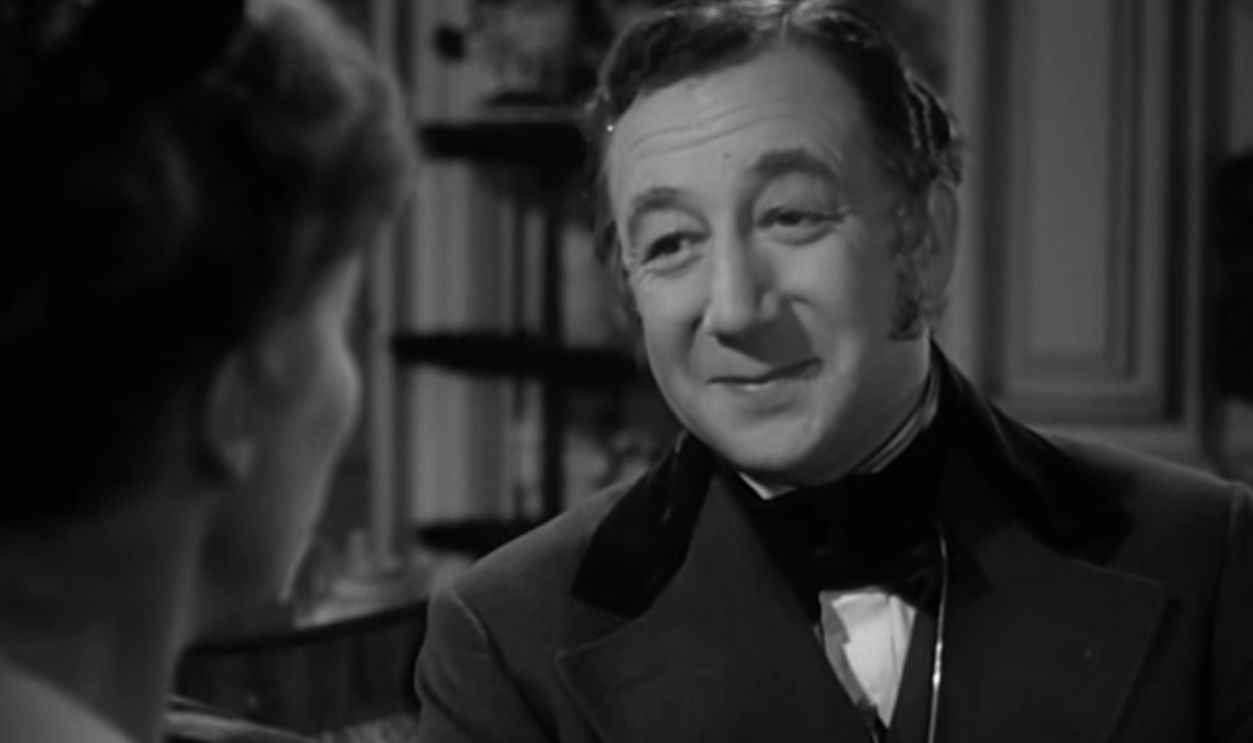 Screenshot from Pride and Prejudice, Warner Bros. (1940)
The BBC Kept Coming Back
The BBC repeatedly returned to Austen over the following decades. A 1967 production starring Celia Bannerman and Lewis Fiander is the earliest BBC television version to survive intact. Another arrived in 1980, this time with Elizabeth Garvie as Elizabeth and David Rintoul as Darcy in a five-part adaptation written by Fay Weldon.
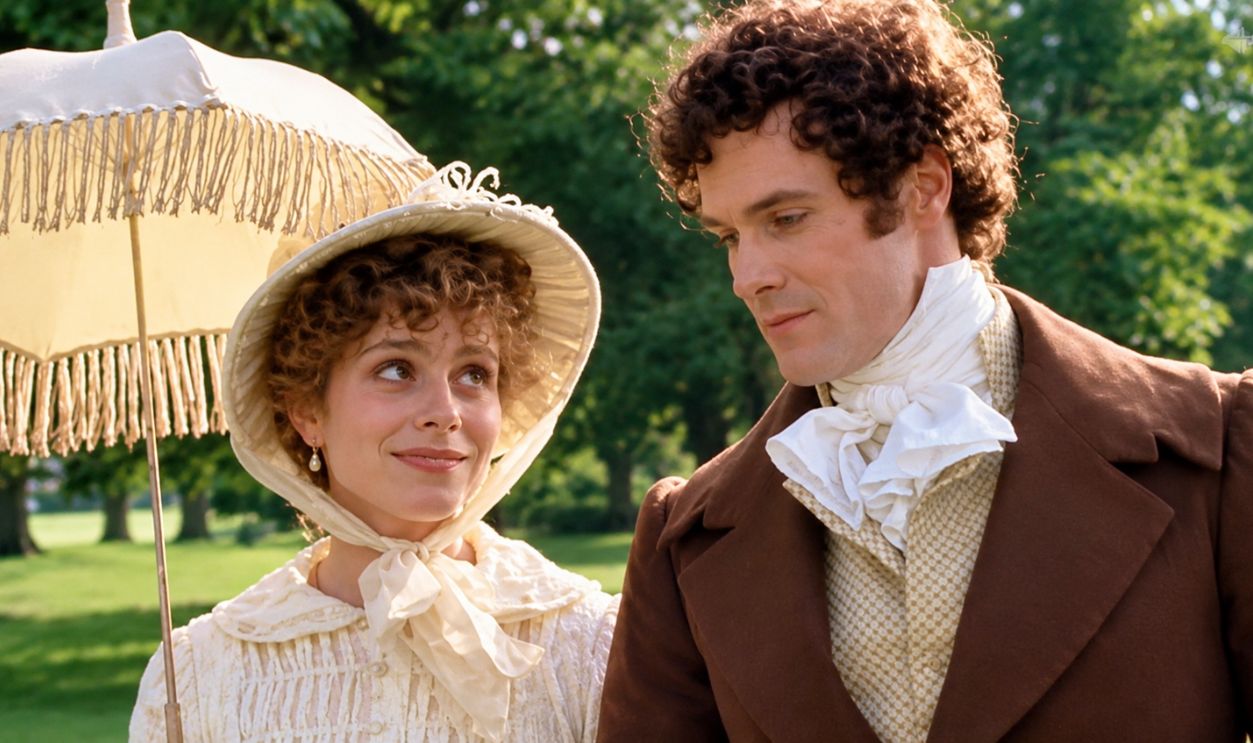 Screenshot from Pride and Prejudice, BBC Studios (1980), Enhanced
The 1980 Version Still Has Its Defenders
The 1980 series rarely dominates today's fan arguments, but it deserves more credit than it gets. Its slower pace leaves room for Austen's dialogue and social observations, while scholars have noted its unusually female-centered perspective and connections to screenwriter Fay Weldon's feminist outlook. It lacks the pop-culture aura of 1995, but it takes Elizabeth's position seriously.
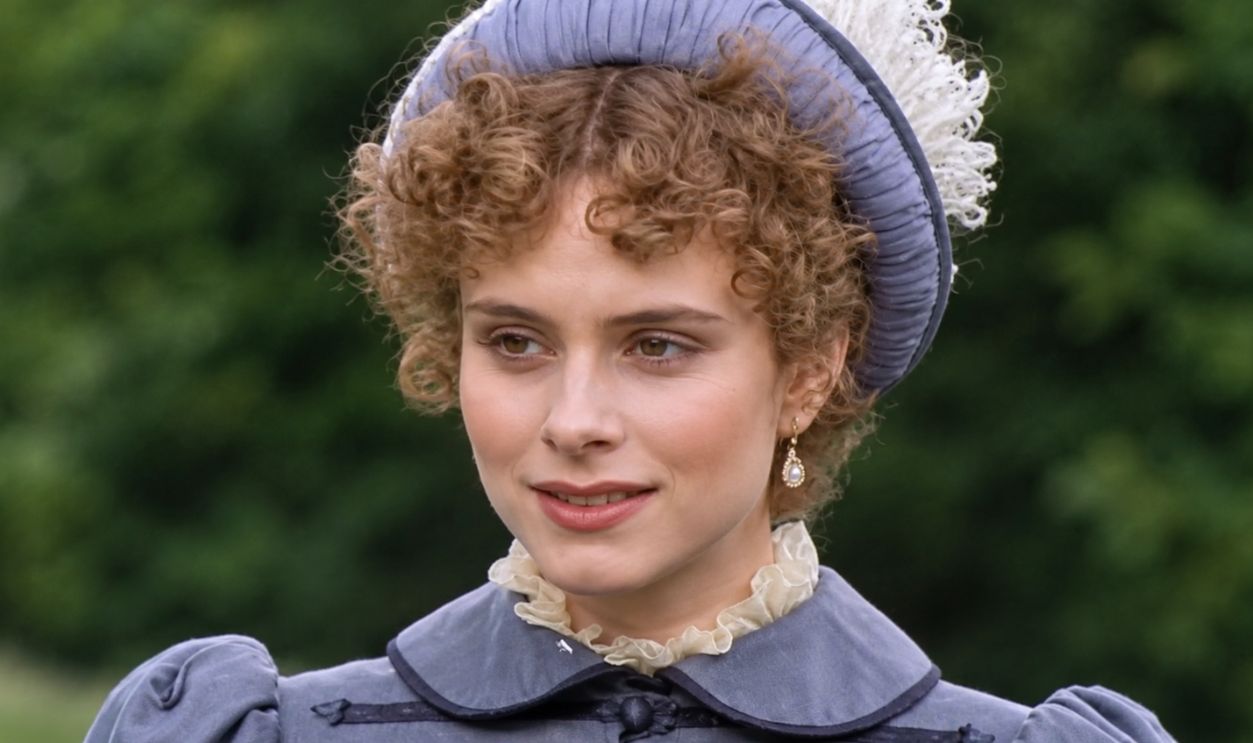 Screenshot from Pride and Prejudice, BBC Studios (1980), Enhanced
Then 1995 Changed Everything
When the BBC aired Andrew Davies's six-part version in 1995, it did more than produce another respectable literary adaptation. It created what Jane Austen's House describes as “Austen fever". Jennifer Ehle's Elizabeth and Colin Firth's Darcy became the standard against which later versions would inevitably be measured.
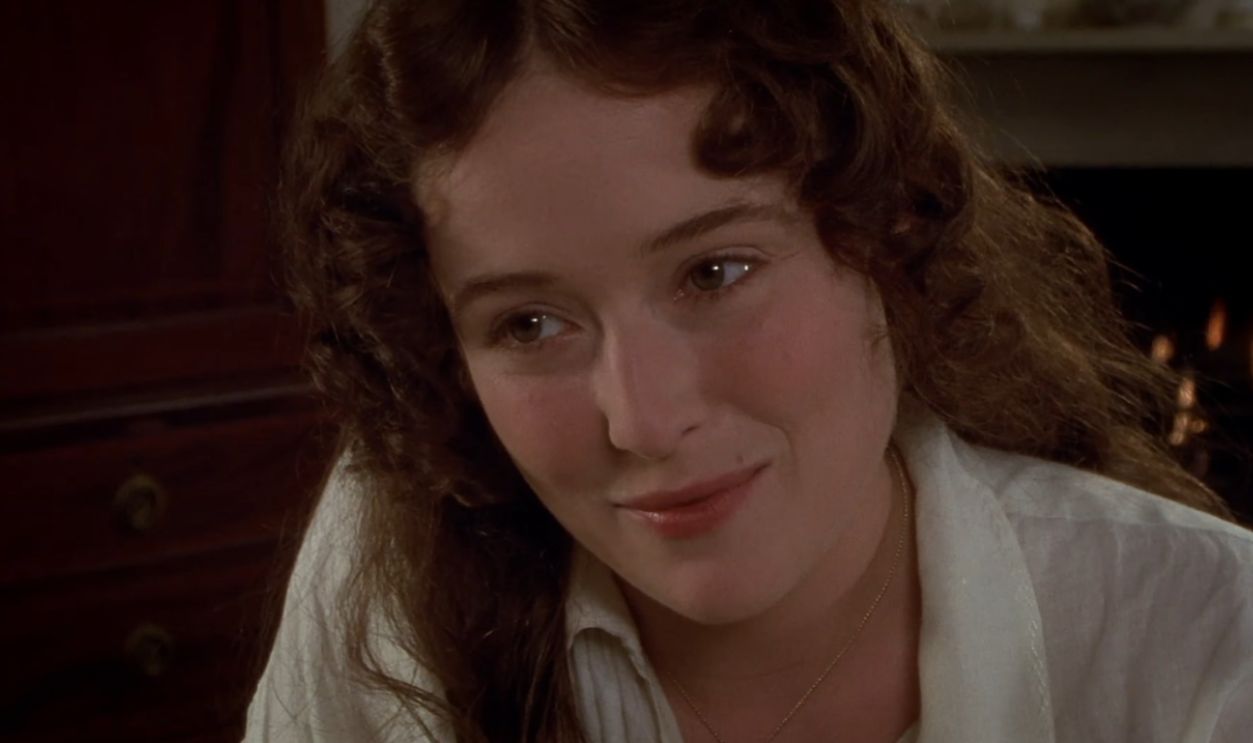 Screenshot from Pride and Prejudice, BBC Studios (1995)
Its Greatest Advantage Was Time
Six episodes meant the 1995 adaptation did not have to race. Charlotte Lucas could matter. Lydia's recklessness could build gradually. Wickham had time to charm before his behavior caught up with him. Even Mr and Mrs Bennet felt like people rather than obstacles standing between Elizabeth and the final proposal.
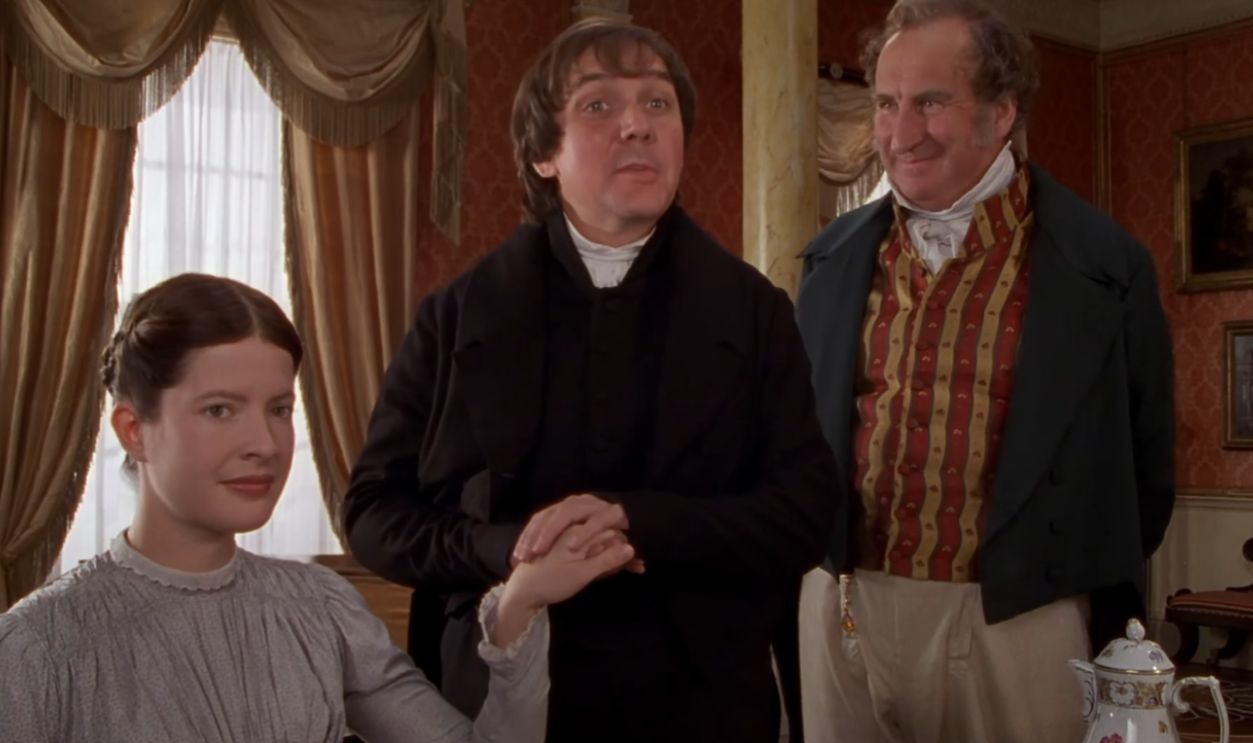 Screenshot from Pride and Prejudice, BBC Studios (1995)
Jennifer Ehle Gets To Let Elizabeth Think
Ehle's Elizabeth is witty without constantly announcing that she is witty. Her expressions often do as much work as the dialogue. She can be amused, judgmental, embarrassed, and wounded without the performance rushing toward romance. That breathing room helps the audience understand why Elizabeth is wrong about Darcy before she understands it herself.
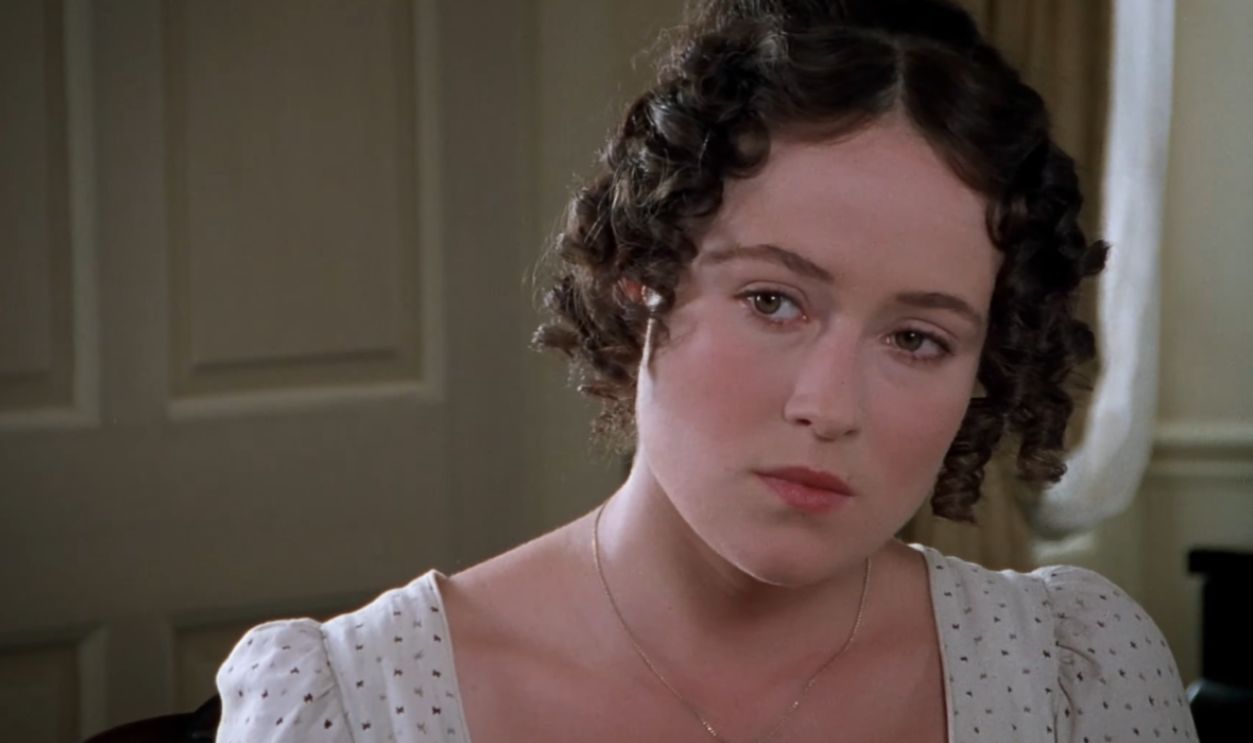 Screenshot from Pride and Prejudice, BBC Studios (1995)
Colin Firth Turned Darcy Into A Phenomenon
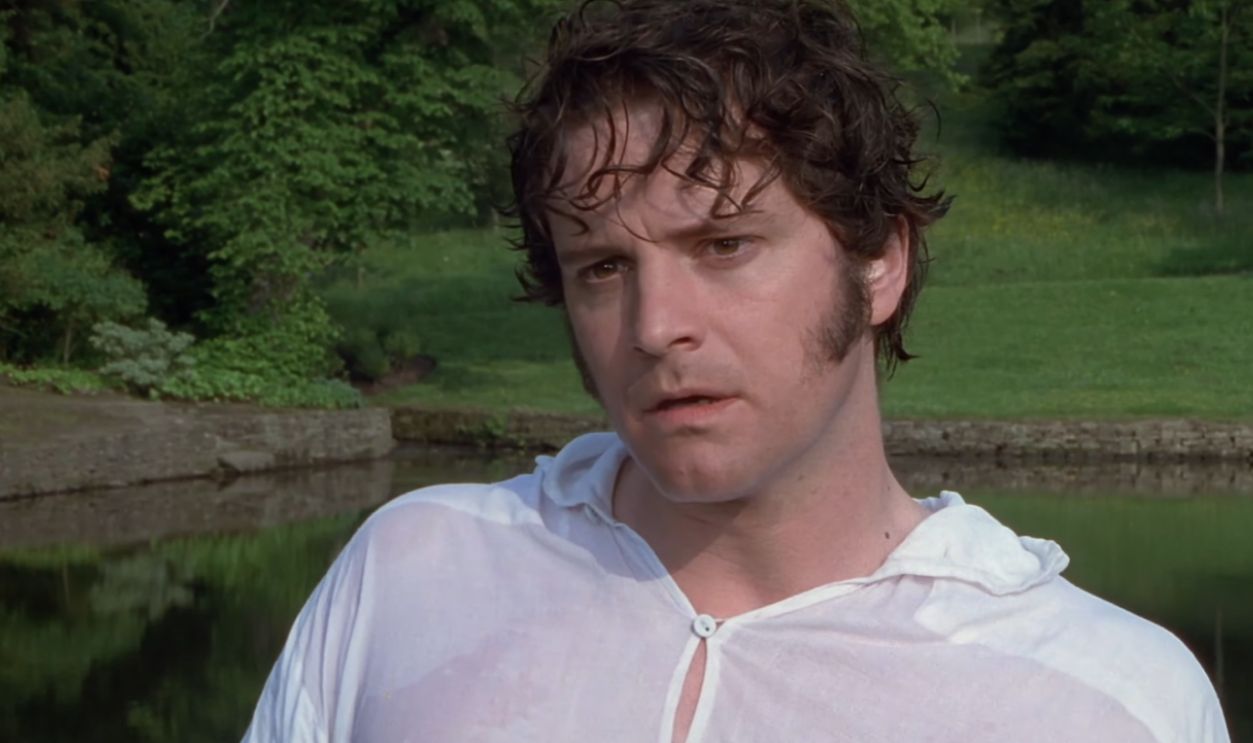
Then there is Colin Firth. Andrew Davies deliberately made Darcy more physically present than Austen had on the page. He fenced, rode, stripped down, and, most famously, emerged from his Pemberley lake in a soaked white shirt. That scene was invented for television, yet it became one of the adaptation's defining images.
 Screenshot from Pride and Prejudice, BBC Studios (1995)
Purists Had A Strange Problem
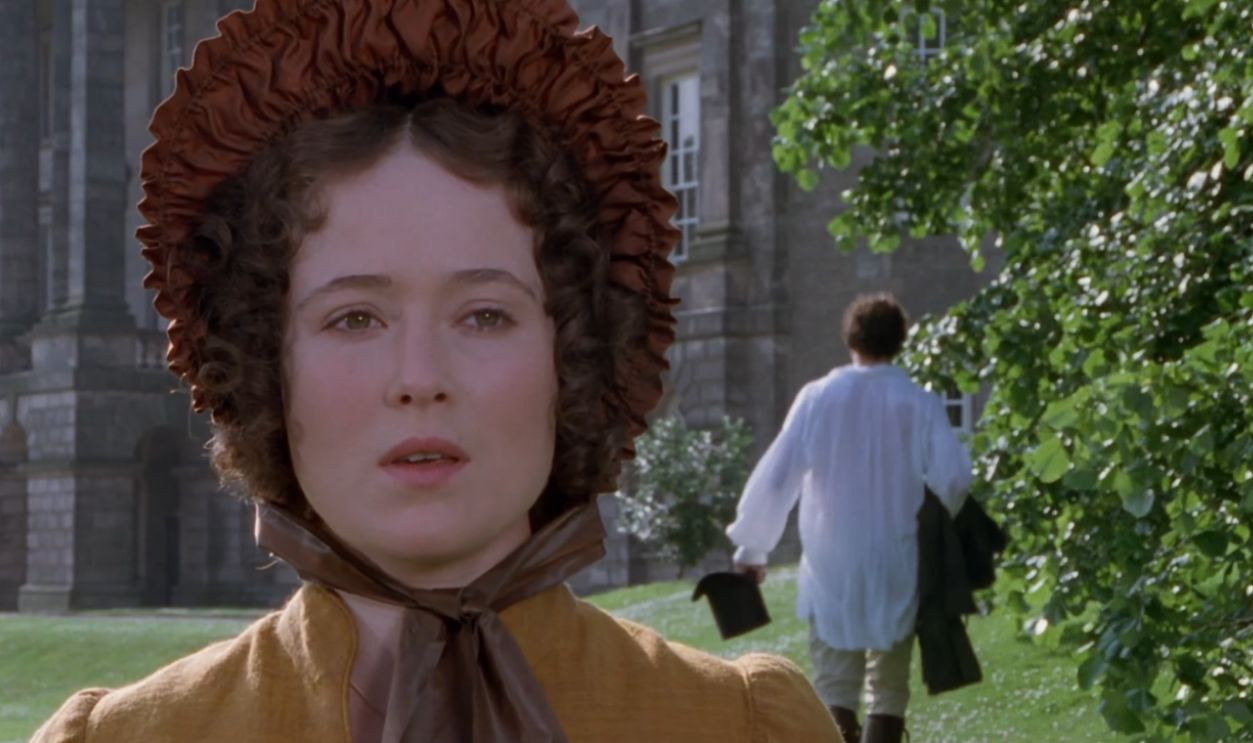
Ironically, the supposedly faithful version became famous for something Jane Austen never wrote. Darcy's swim is precisely why adaptation debates get complicated. Fidelity is not simply a matter of preserving every scene. Sometimes a new invention can capture a character's appeal so effectively that viewers begin treating it as if Austen herself put it there.
 Screenshot from Pride and Prejudice, BBC Studios (1995)
Then 2005 Broke The Spell
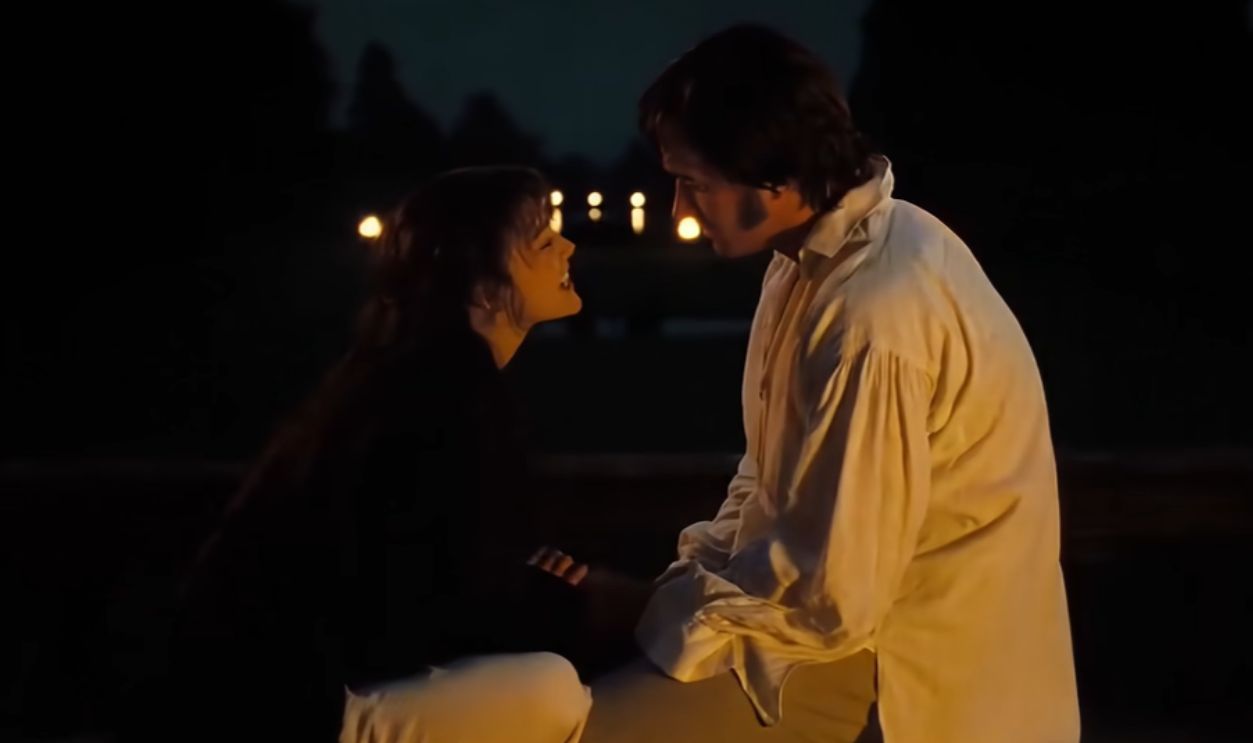
A decade later, Joe Wright faced an almost impossible job. He was making another Pride & Prejudice while the 1995 version was still beloved and culturally dominant. Instead of trying to recreate it, Wright went in another direction. His film was shorter, younger, messier, more physical, and unapologetically romantic.
 Screenshot from Pride and Prejudice, NBCUniversal (2005)
Keira Knightley's Elizabeth Has More Fire
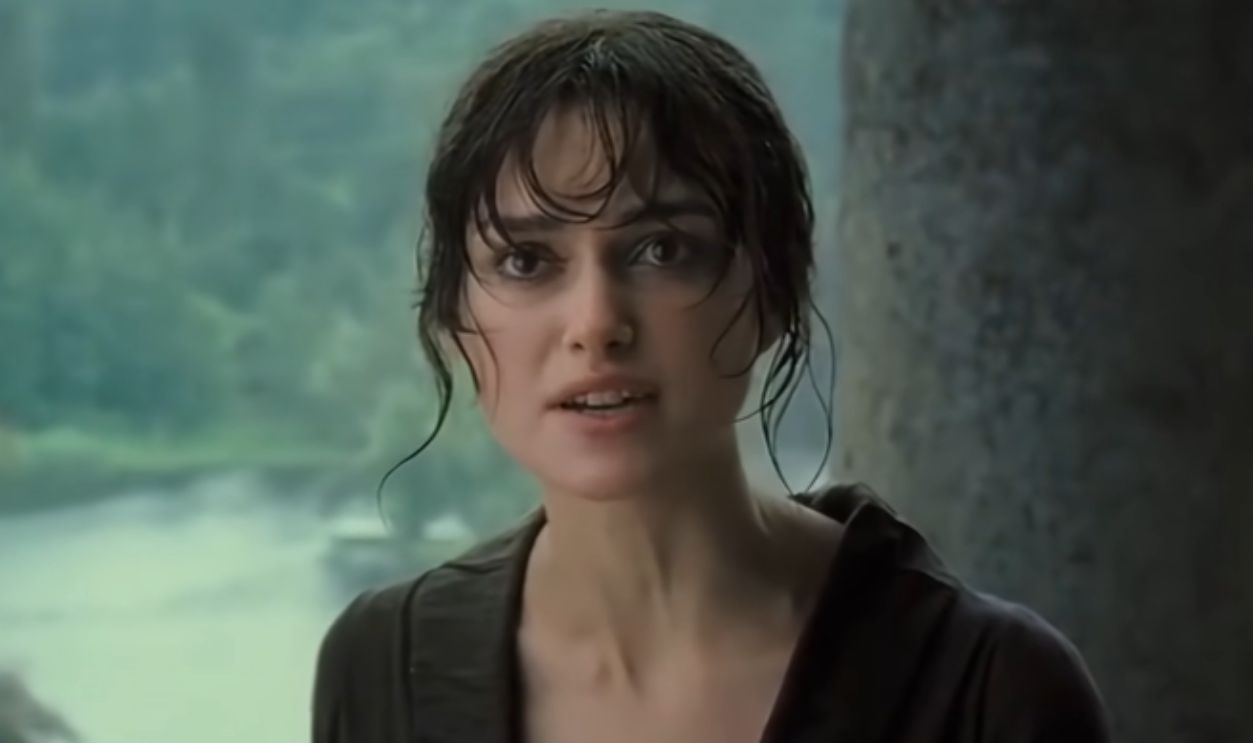
Knightley's Elizabeth moves through the story with restless energy. She walks quickly, laughs openly, argues sharply, and feels slightly less polished than Ehle's version. BFI's contemporary reassessment praised the warmth and confidence she brings to Elizabeth's “lively, playful disposition". She feels younger because she is allowed to behave younger.
 Screenshot from Pride and Prejudice, NBCUniversal (2005)
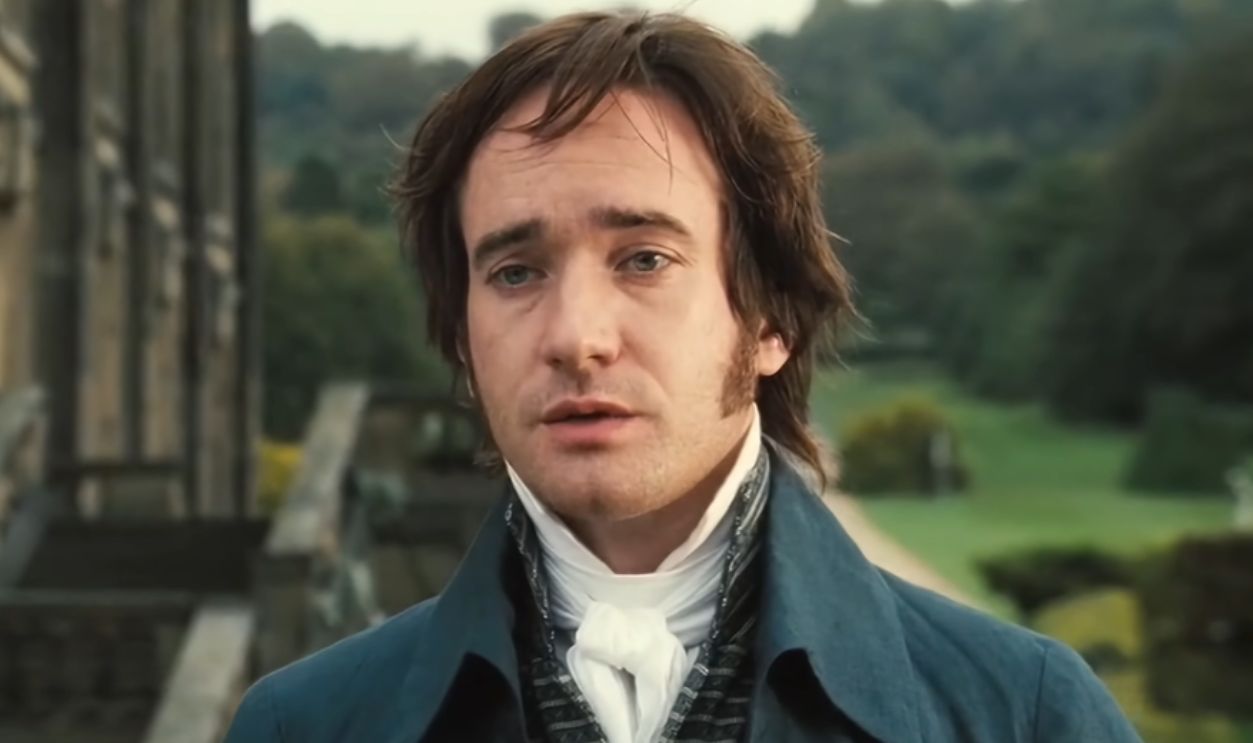
Matthew Macfadyen Made Darcy Awkward
Macfadyen's Darcy is less commanding than Firth's and often far more visibly uncomfortable. He seems trapped inside his own reserve. For some fans, that makes him less imposing. For others, it makes the romance more affecting because his pride looks increasingly like social paralysis rather than effortless superiority.
 Screenshot from Pride and Prejudice, NBCUniversal (2005)
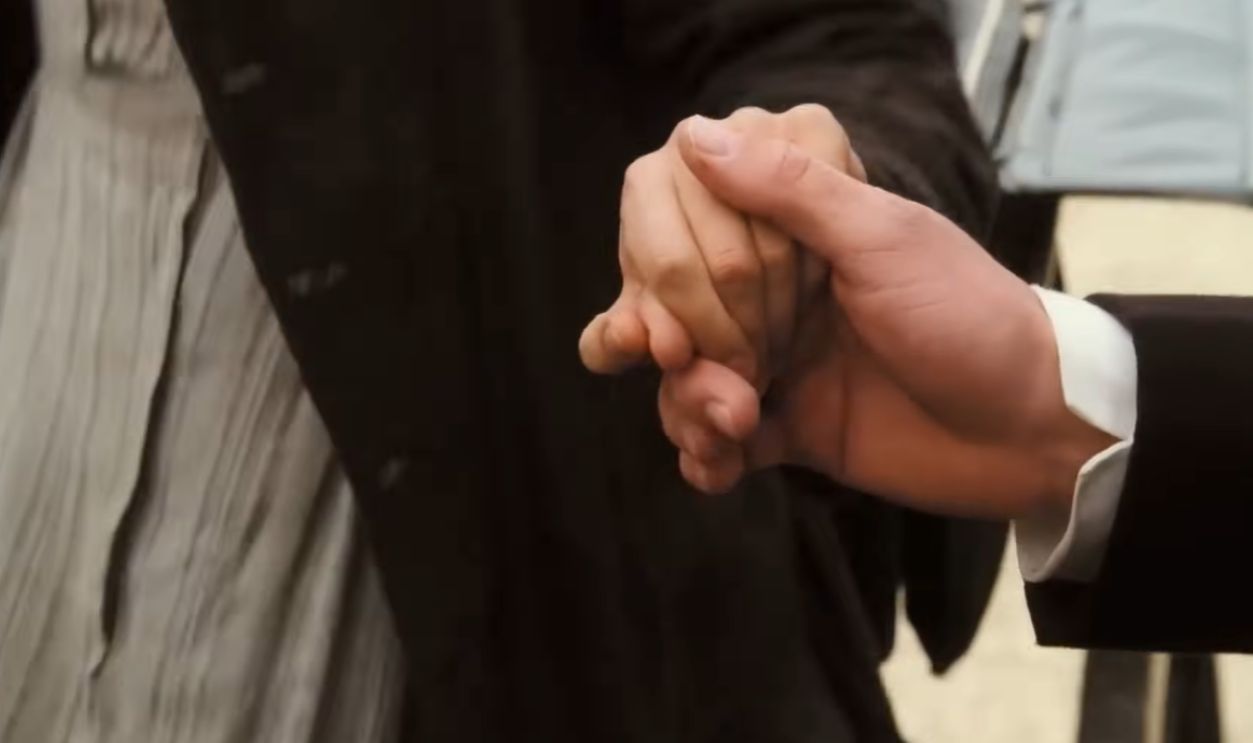
Then Came The Hand Flex
The 2005 film has its own invented piece of Austen mythology. After helping Elizabeth into a carriage, Darcy briefly flexes the hand that touched hers. Nothing is said. Nothing needs to be said. The moment lasts seconds, yet for an entire generation of fans, that tiny gesture carries as much romantic electricity as Firth's famous lake.
 Screenshot from Pride and Prejudice, NBCUniversal (2005)
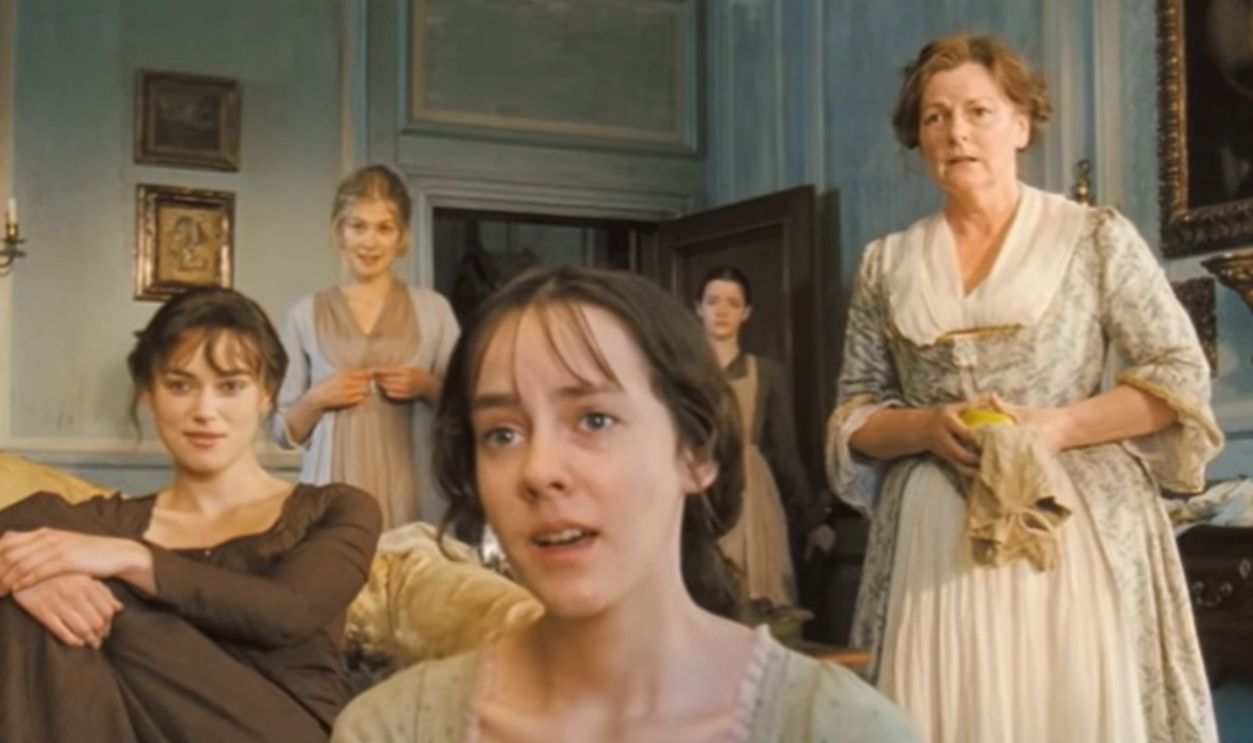
The Movie Looks Like A Memory
The film's great advantage is cinema itself. Wright fills the Bennet home with clutter, animals, mud, noise, and sisters moving through one another's lives. Roman Osin's photography and Dario Marianelli's music turn fields, dawn mist, candlelight, and rain into emotional language.
 Screenshot from Pride and Prejudice, NBCUniversal (2005)
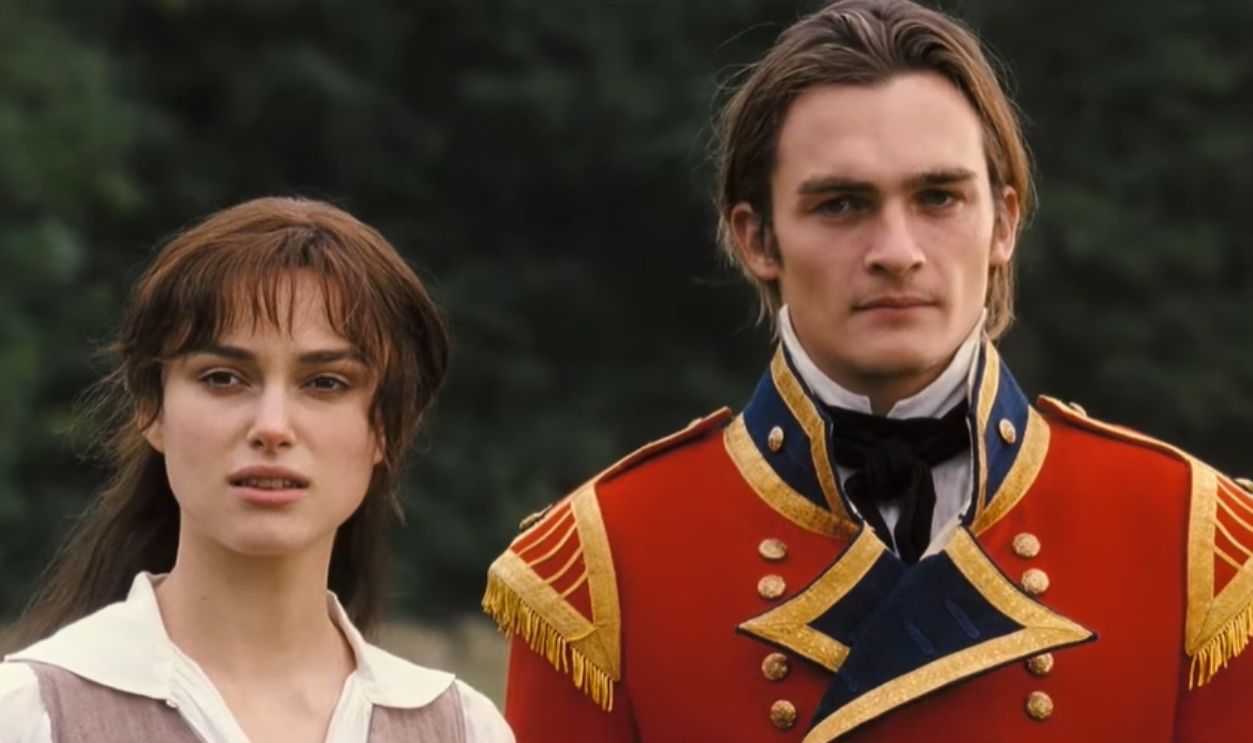
But Two Hours Cost It Something
The official running time is just over two hours, compared with roughly five hours of storytelling in the BBC miniseries. That means compression is unavoidable. Wickham's importance shrinks. Lydia's scandal arrives quickly. Some of Austen's economic and social detail gets pushed aside so the central romance can dominate.
 Screenshot from Pride and Prejudice, NBCUniversal (2005)
That Is Also Why The Movie Works
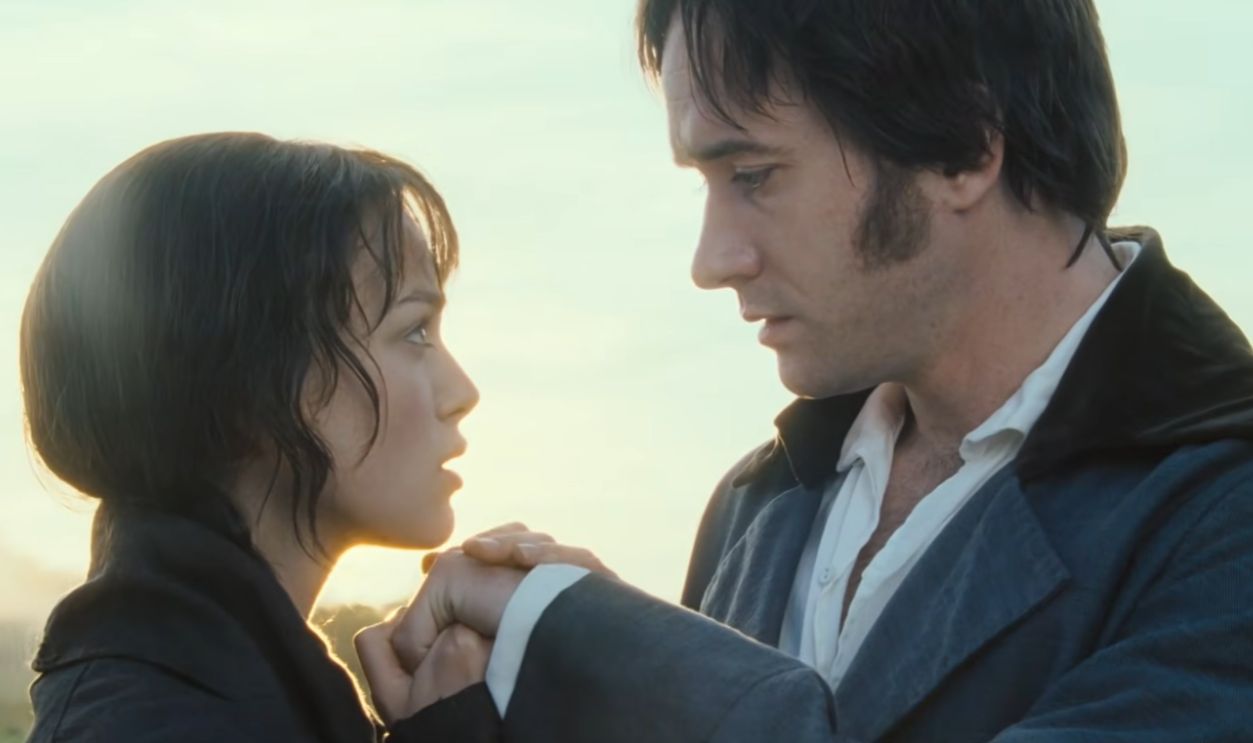
What critics call compression, fans may call momentum. The 2005 version is not trying to reproduce the experience of reading Austen chapter by chapter. It distills the novel into emotional movement: attraction, misunderstanding, humiliation, longing, and release. It may lose some satire, but it gains an almost feverish romantic intensity.
 Screenshot from Pride and Prejudice, NBCUniversal (2005)
Neither Side Is Really Wrong
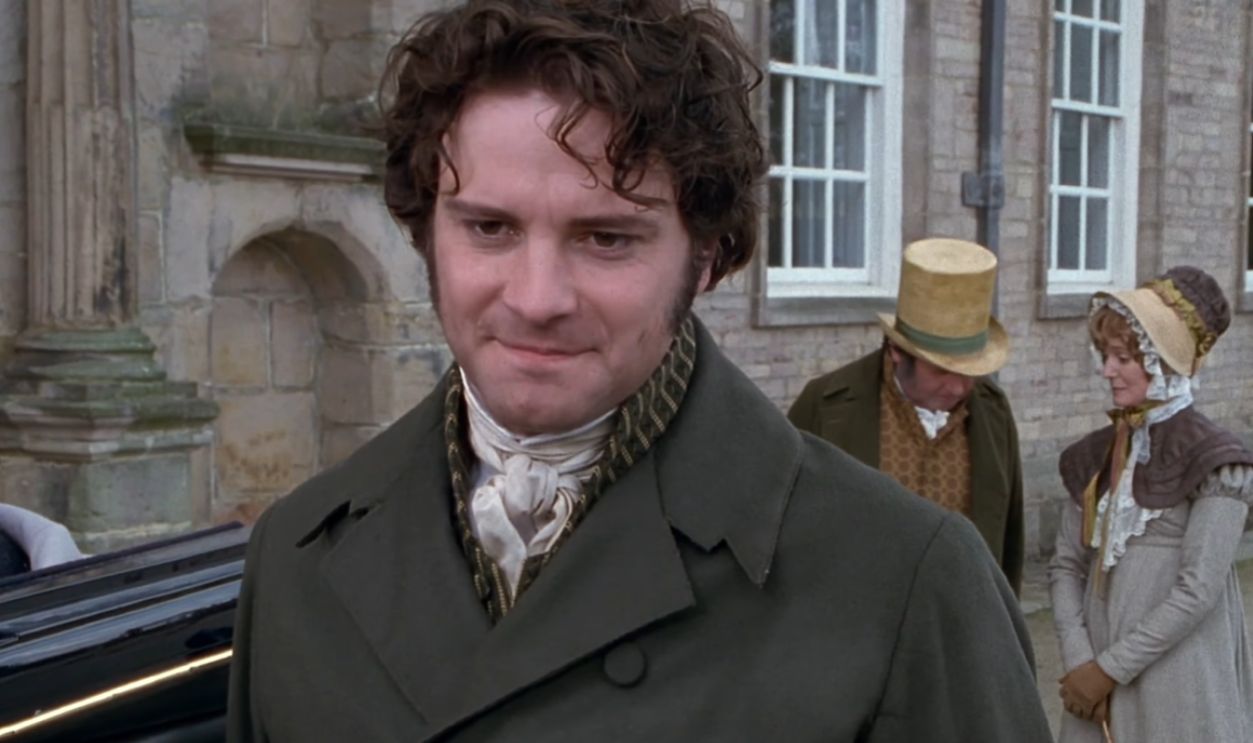
The 1995-versus-2005 battle survives because the two adaptations are accomplishing different things. The BBC version has room to preserve Austen's social machinery. Wright's film translates her romance into visual language. One gives viewers more of the novel. The other demonstrates how much can be communicated without using the novel's words at all.
 Screenshot from Pride and Prejudice, BBC Studios (1995)
Austen Has Survived Stranger Reinventions
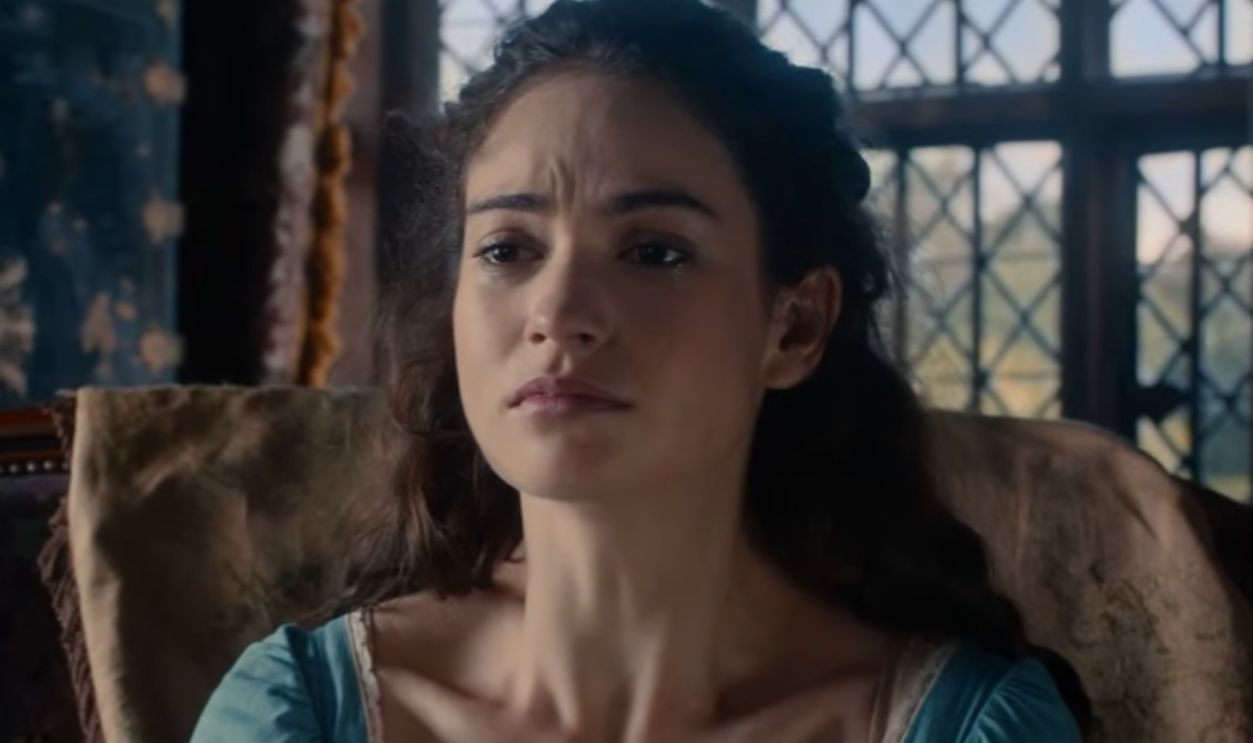
There is also more to the adaptation story than bonnets and country houses. Bride & Prejudice turned Austen into a Bollywood-inspired musical in 2004. The Lizzie Bennet Diaries transformed Elizabeth into a modern-day video blogger in 2012. Even Pride and Prejudice and Zombies found room for Austen beside the undead.
 Screenshot from Pride and Prejudice and Zombies, Sony Pictures Entertainment (2016)
Now Netflix Wants Its Turn
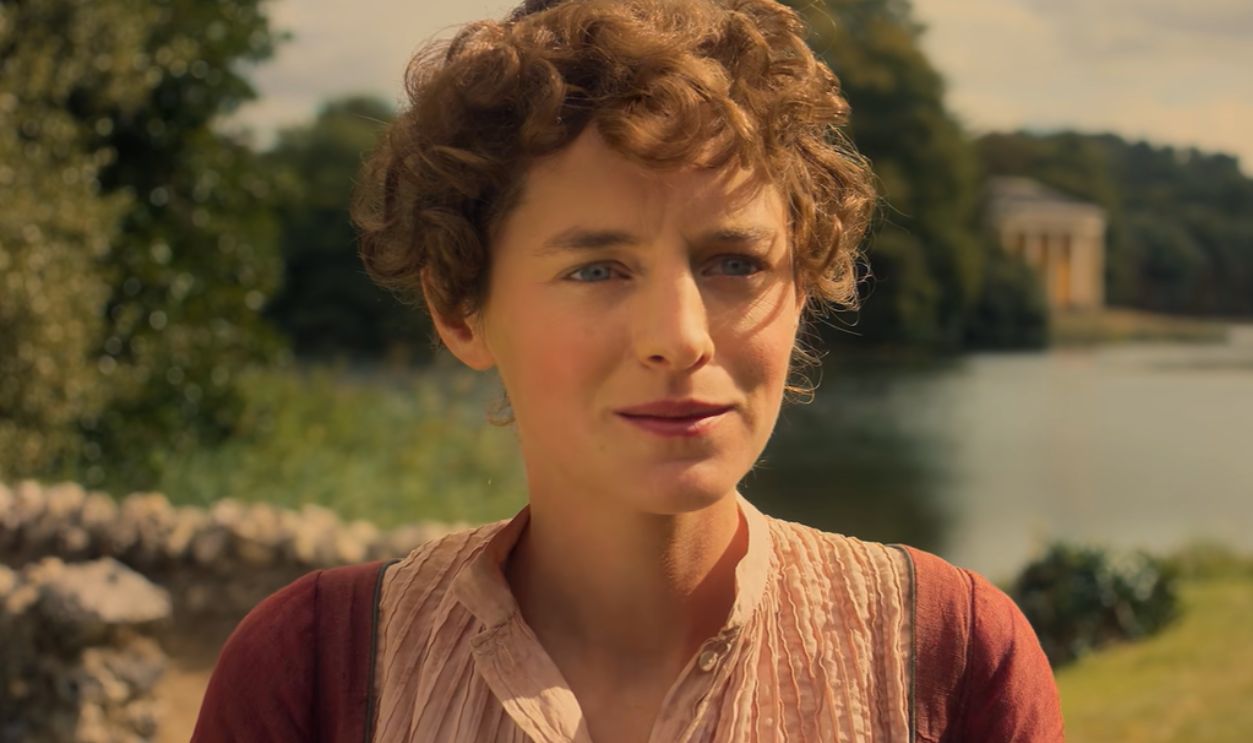
Netflix's new Pride and Prejudice arrives December 3, 2026. The six-part adaptation is written by Dolly Alderton and directed by Euros Lyn, with Emma Corrin as Elizabeth, Jack Lowden as Darcy, Olivia Colman as Mrs. Bennet, and Rufus Sewell as Mr. Bennet. Netflix describes it as a faithful, classic adaptation.
 Screenshot from Pride and Prejudice, Netflix (2026)
It Has One Major Advantage Already
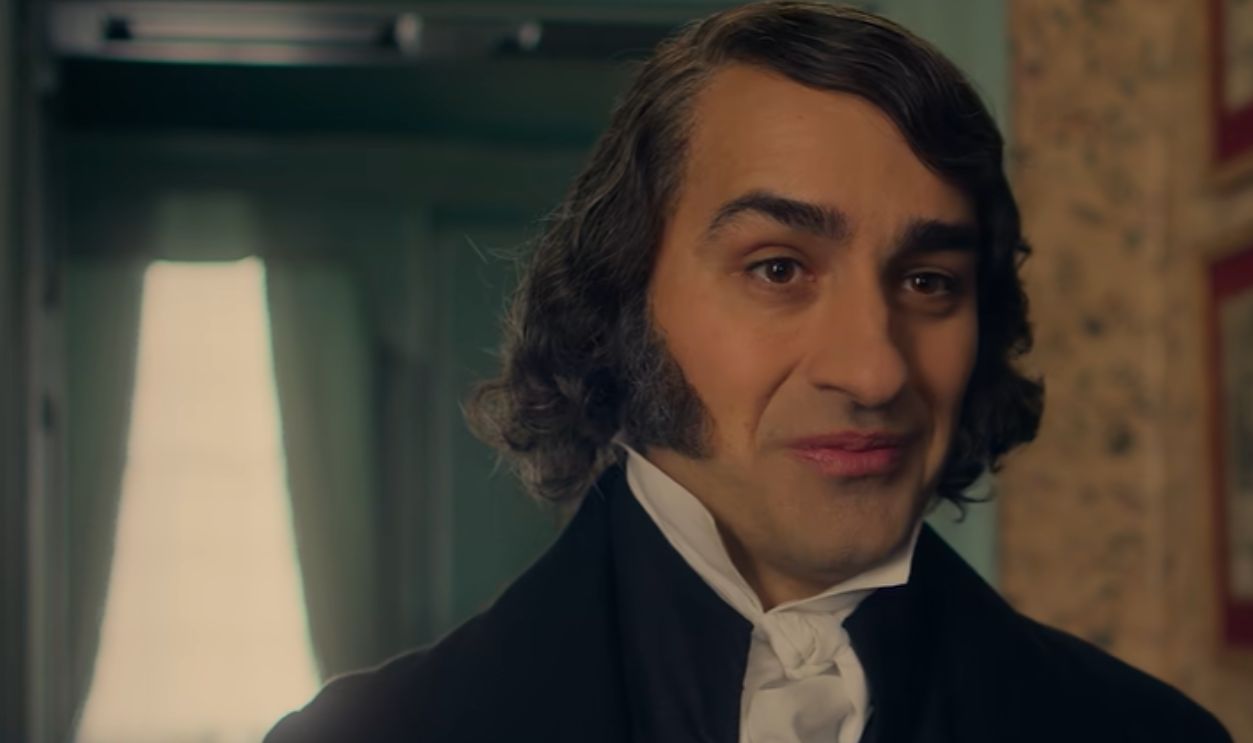
The six-episode format immediately gives the new series something the 2005 movie could never have: time. There is room for Charlotte's practical marriage, Lydia's impulsiveness, Wickham's manipulation, the Bennets' financial vulnerability, and the social calculations behind nearly every romance. Those details are where much of Austen's bite actually lives.
 Screenshot from Pride and Prejudice, Netflix (2026)
But It Also Has An Enormous Problem
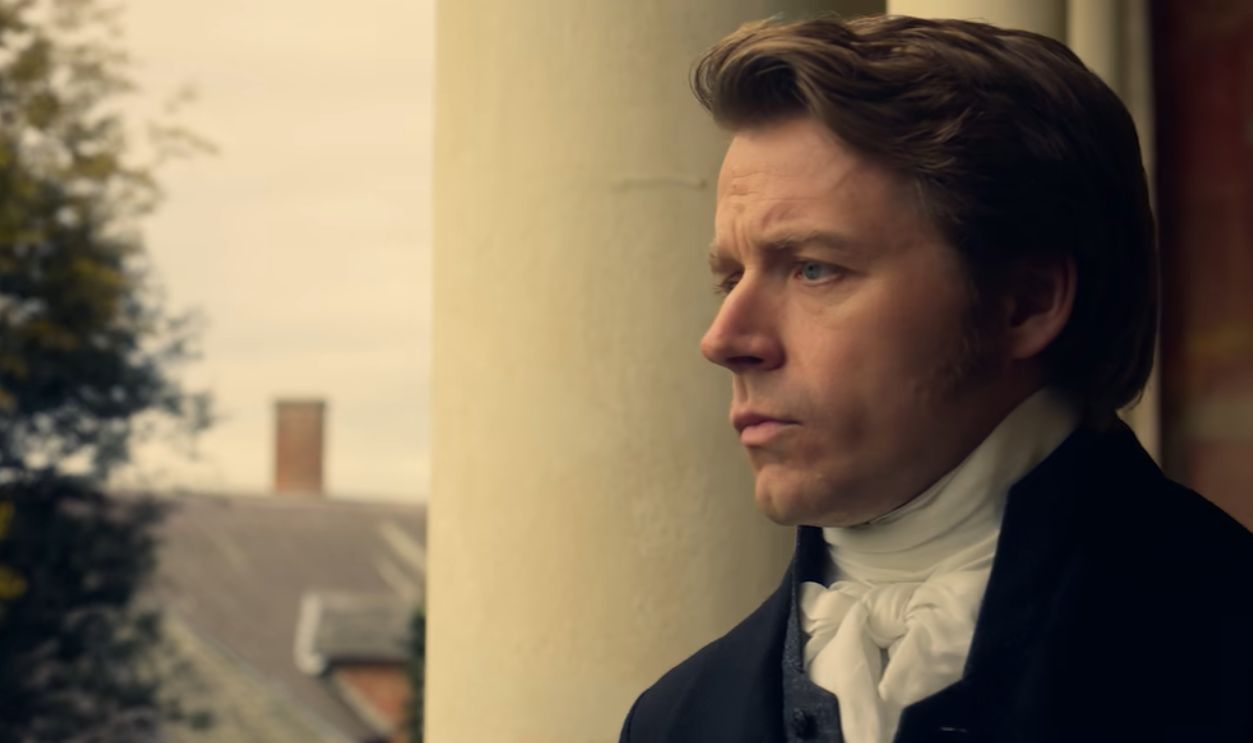
The new version does not enter an empty field. It has to coexist with two adaptations that people have spent decades turning into comfort viewing. Corrin will inevitably be compared with Ehle and Knightley. Lowden will be measured against Firth and Macfadyen before he delivers his first insult at the Meryton assembly.
 Screenshot from Pride and Prejudice, Netflix (2026)
Fans May Be Tired Of The Same Couple
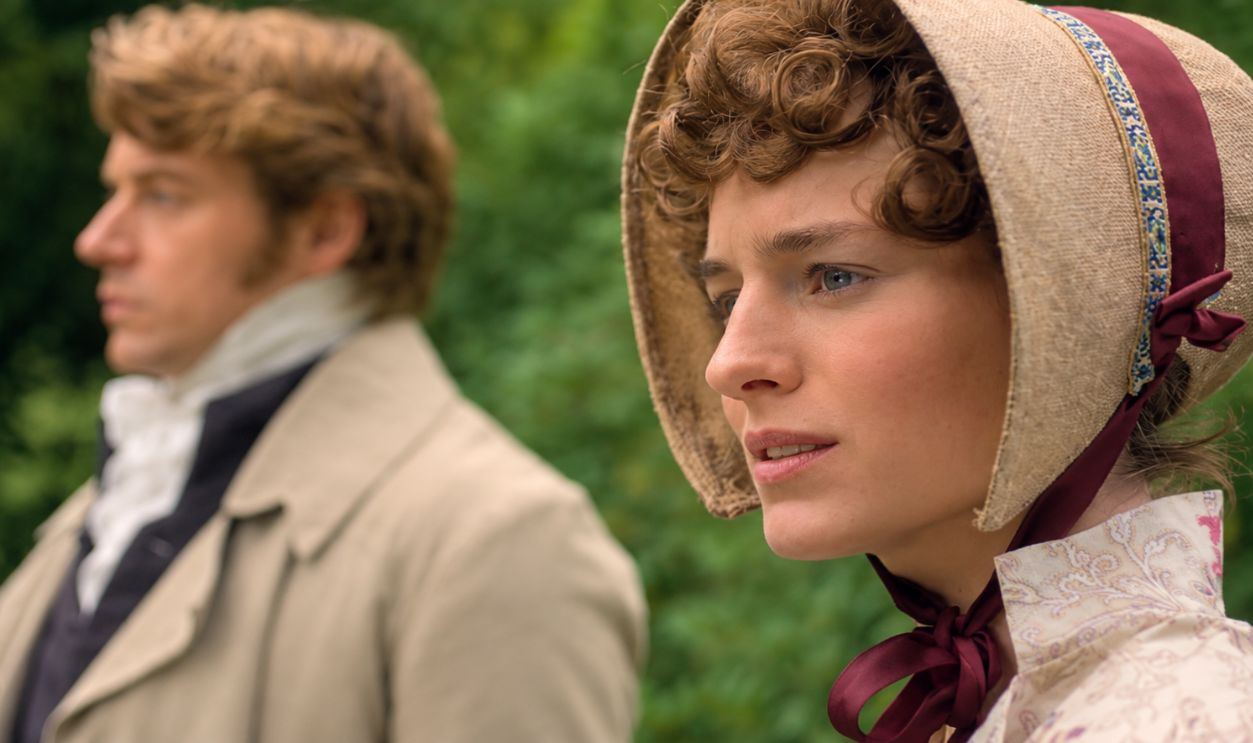
There is a legitimate argument against making it at all. Austen wrote six completed novels, yet Pride and Prejudice repeatedly absorbs the biggest adaptation budgets and cultural attention. Even within Austen's wider world, viewers could reasonably ask whether another Elizabeth-and-Darcy courtship is more necessary than a major new treatment of a less frequently adapted story.
 Screenshot from Pride and Prejudice, Netflix (2026)
Another Adaptation Can Also Reveal Something New
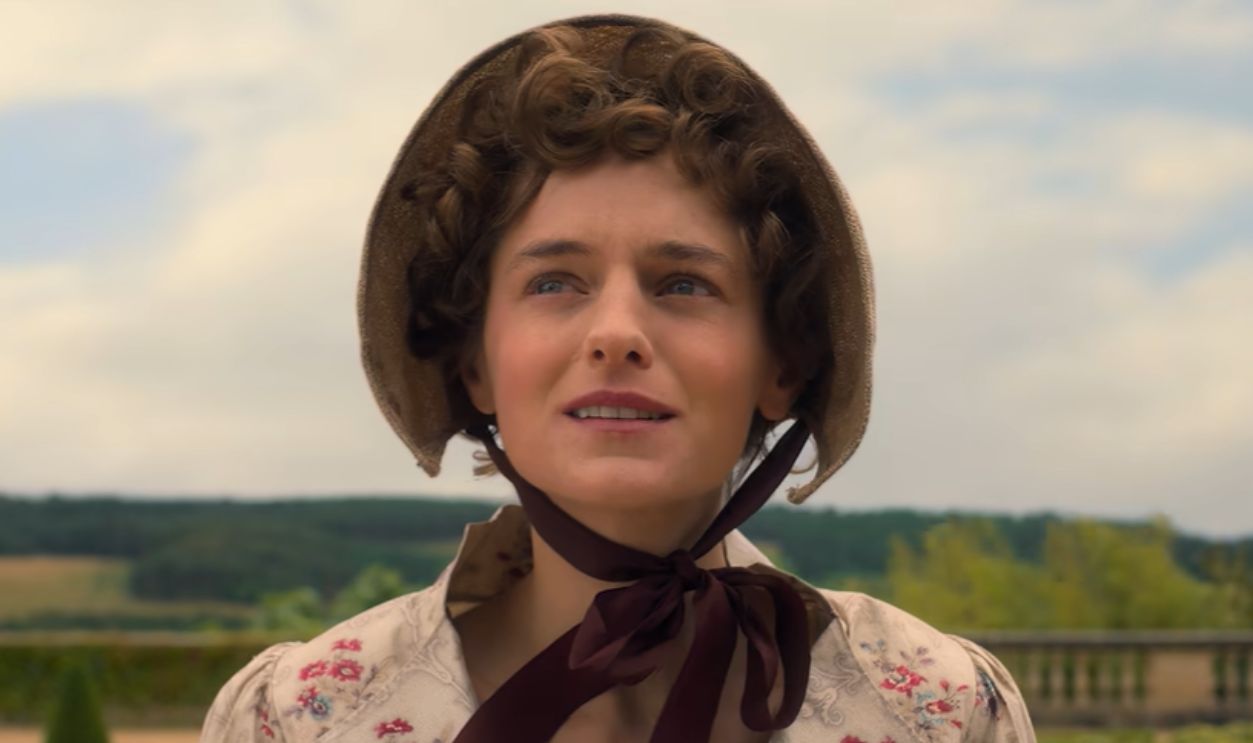
Yet “necessary” may be the wrong test for art. The 1940 movie reflected Hollywood. The 1980 series reflected its era. The 1995 version made Darcy newly physical. The 2005 film emphasized youthful desire. A 2026 production will inevitably reveal something about what contemporary audiences see in marriage, money, class, family, and romantic choice.
 Screenshot from Pride and Prejudice, Netflix (2026)
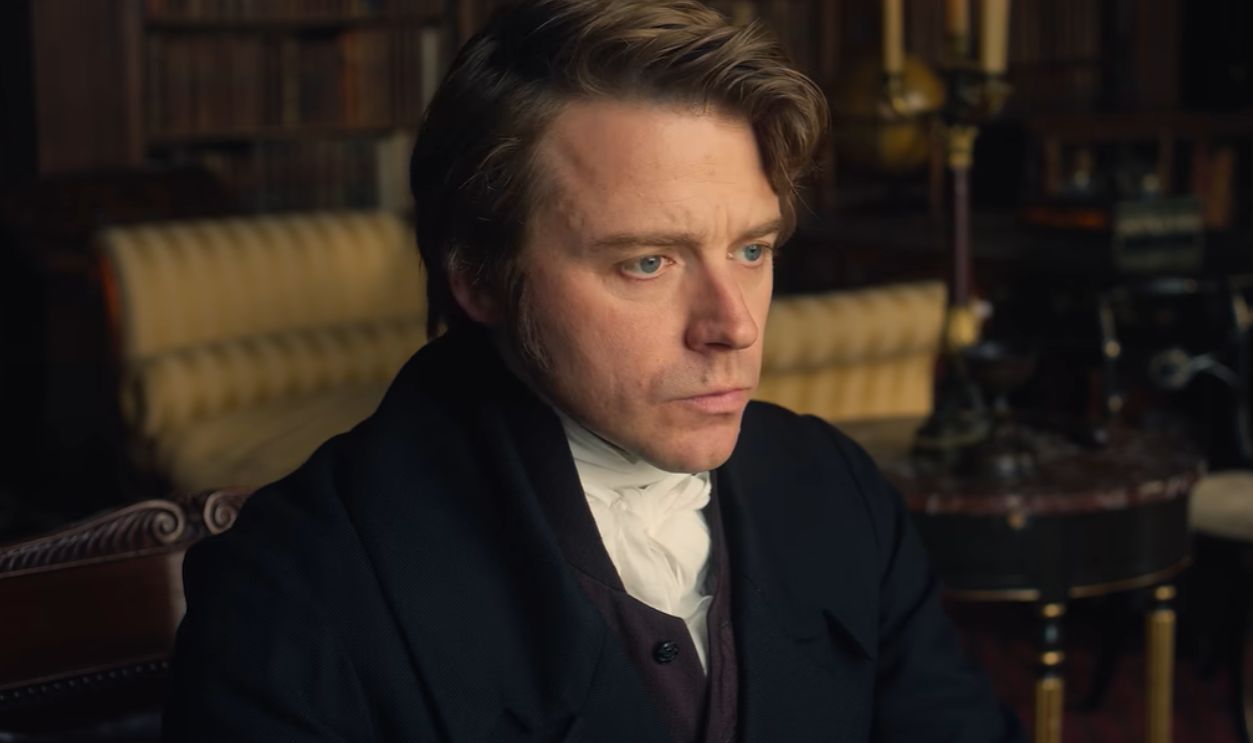
The Greatest Risk Is Trying Too Hard To Be Current
The danger is not that the story is old. The danger is assuming it needs to be rescued from being old. Austen's dialogue, social cruelty, romantic tension, and comedy have survived perfectly well without modern slang or conspicuous winks at the audience. A new version succeeds if it discovers something fresh inside Austen rather than placing something fashionable on top of her.
 Screenshot from Pride and Prejudice, Netflix (2026)
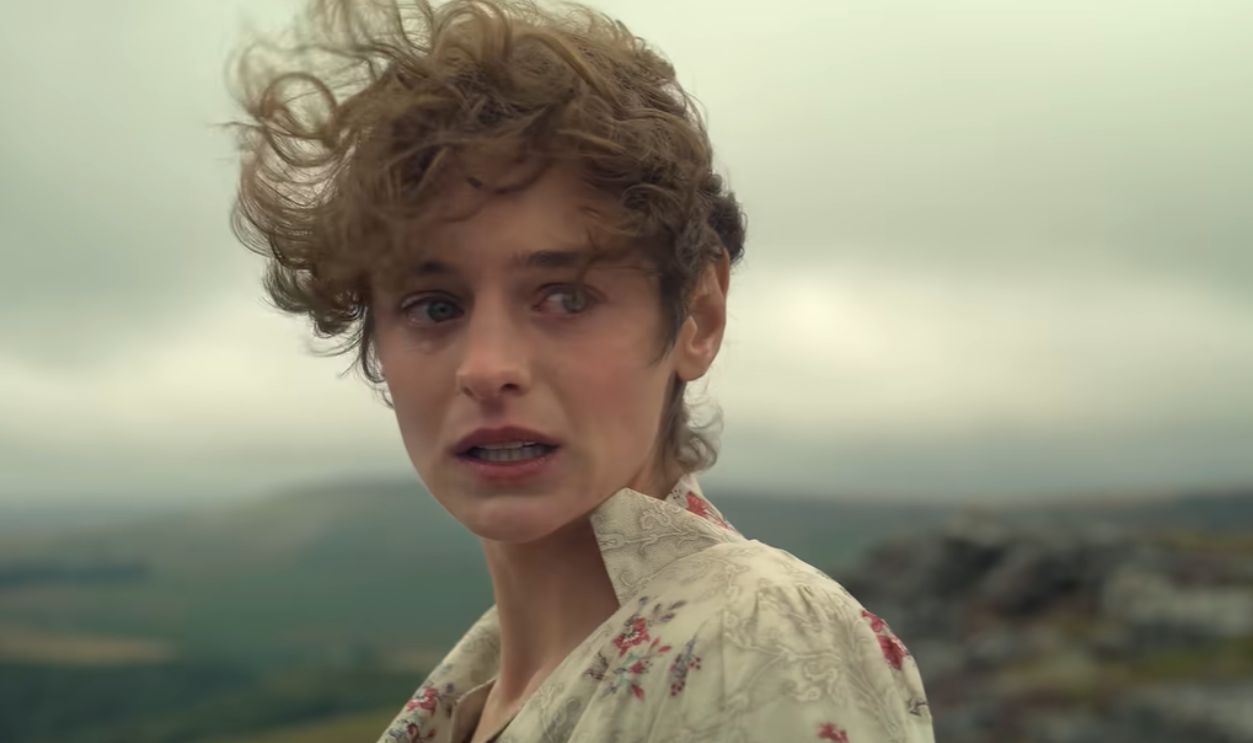
The Trailer Already Suggests A Balancing Act
Netflix and Alderton have emphasized both faithfulness and relevance. Alderton has called the novel a blueprint for romantic comedy while promising familiar and fresh approaches to its characters. That is exactly the challenge. Change too little and viewers may ask why the series exists. Change too much and Austen fans will ask what happened to Austen.
 Screenshot from Pride and Prejudice, Netflix (2026)
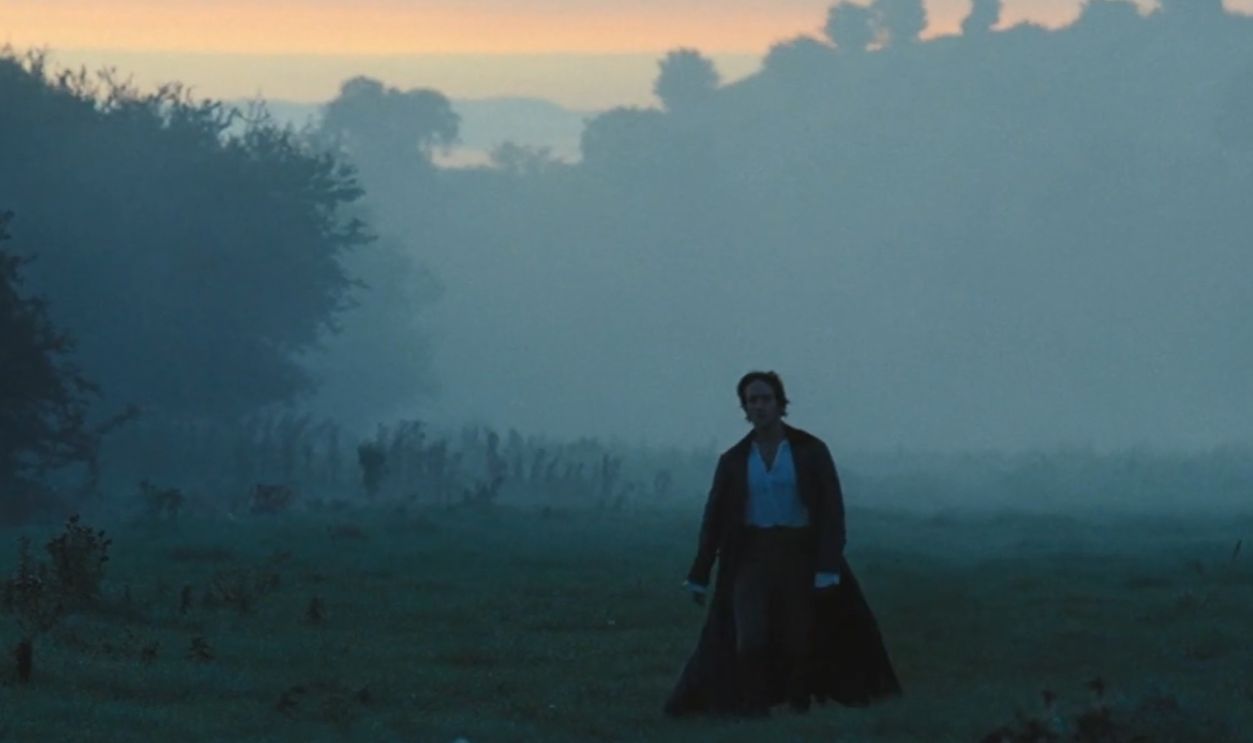
Maybe We Never Needed Any Of Them
Strictly speaking, no adaptation of Pride and Prejudice has ever been necessary. The novel was already there. We did not need Olivier, Firth, Macfadyen, or another Darcy walking moodily across an English field. But each version has given readers another way to see a story they thought they knew.
 Screenshot from Pride and Prejudice, NBCUniversal (2005)
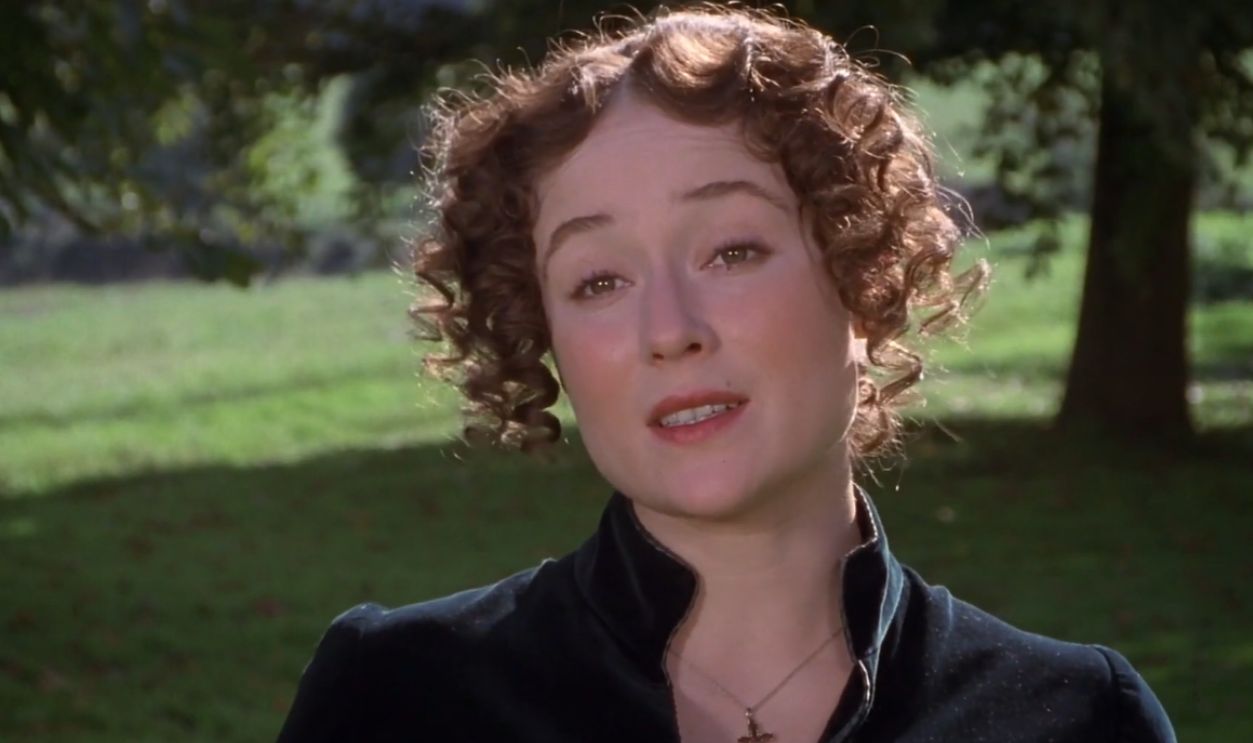
That Is Why The Argument Will Never End
The new Netflix series does not have to defeat 1995 or replace 2005. It probably cannot. Those adaptations belong to viewers now, tangled up with nostalgia as much as artistic judgment. The real test is simpler: when a new generation argues over its favorite Elizabeth Bennet and Mr Darcy, will the 2026 version earn a place in the fight?
 Screenshot from Pride and Prejudice, BBC Studios (1995)
You May Also Like:
The Best And Worst Movie From Every Major Franchise—According To Critics And Audiences
Movies That Ruined Actors' Careers
Horror Movies That Terrified Baby Boomers—But Only Make Young People Today Laugh