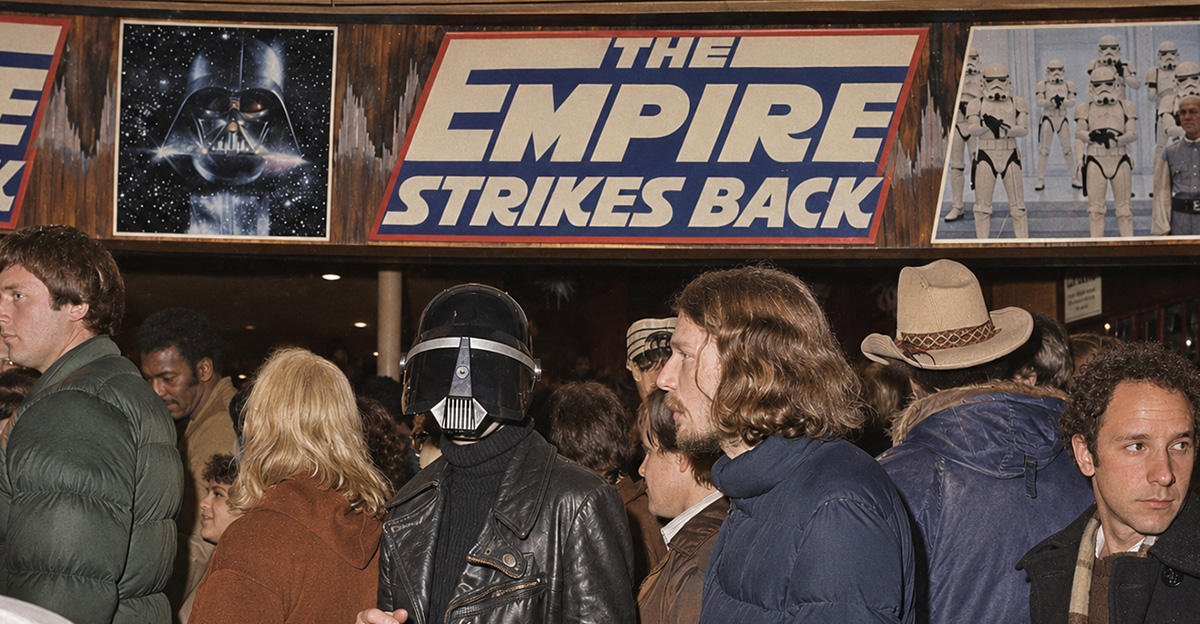
When Going To The Movies Meant Standing In Line
Remember when seeing a big movie meant getting to the theater early, standing outside for ages, and hoping the next showing wasn't sold out? During the 1970s, some films attracted enormous crowds. We're counting down the classics that made a trip to the box office an event in itself.
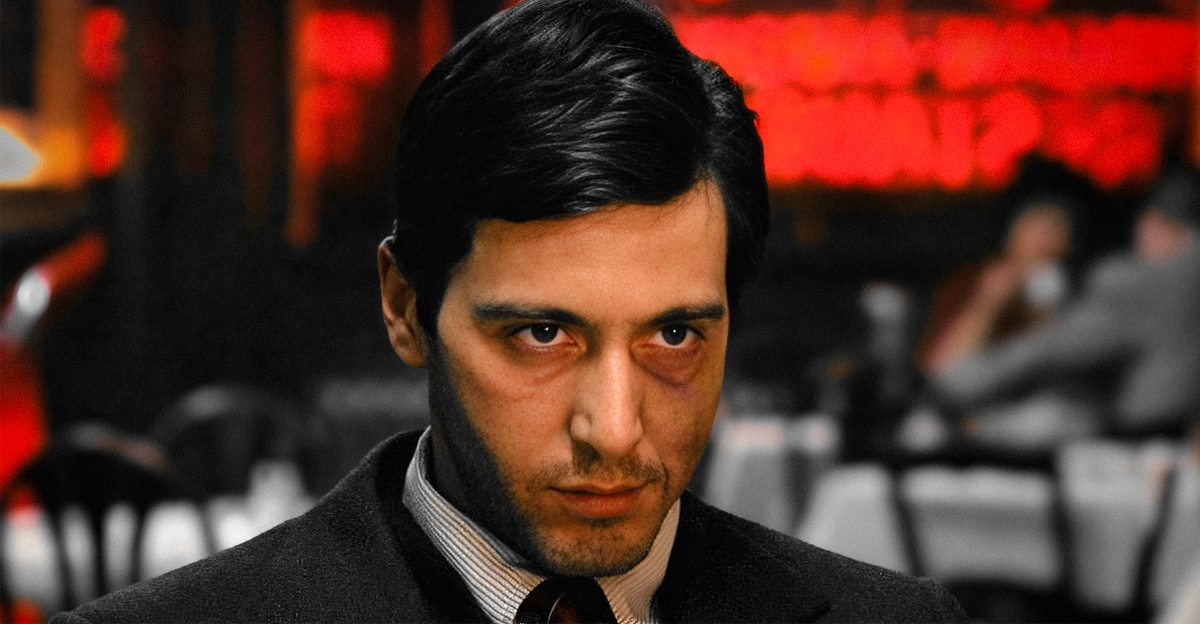 Screenshot from The Godfather, Paramount Pictures (1972)
Fiddler On The Roof (1971)
The musical starring Topol was a major hit, especially with audiences who loved a good old-fashioned Hollywood spectacle. Its lengthy running time also meant fewer showings each day. Getting a desirable seat at a popular theater could require a little patience.
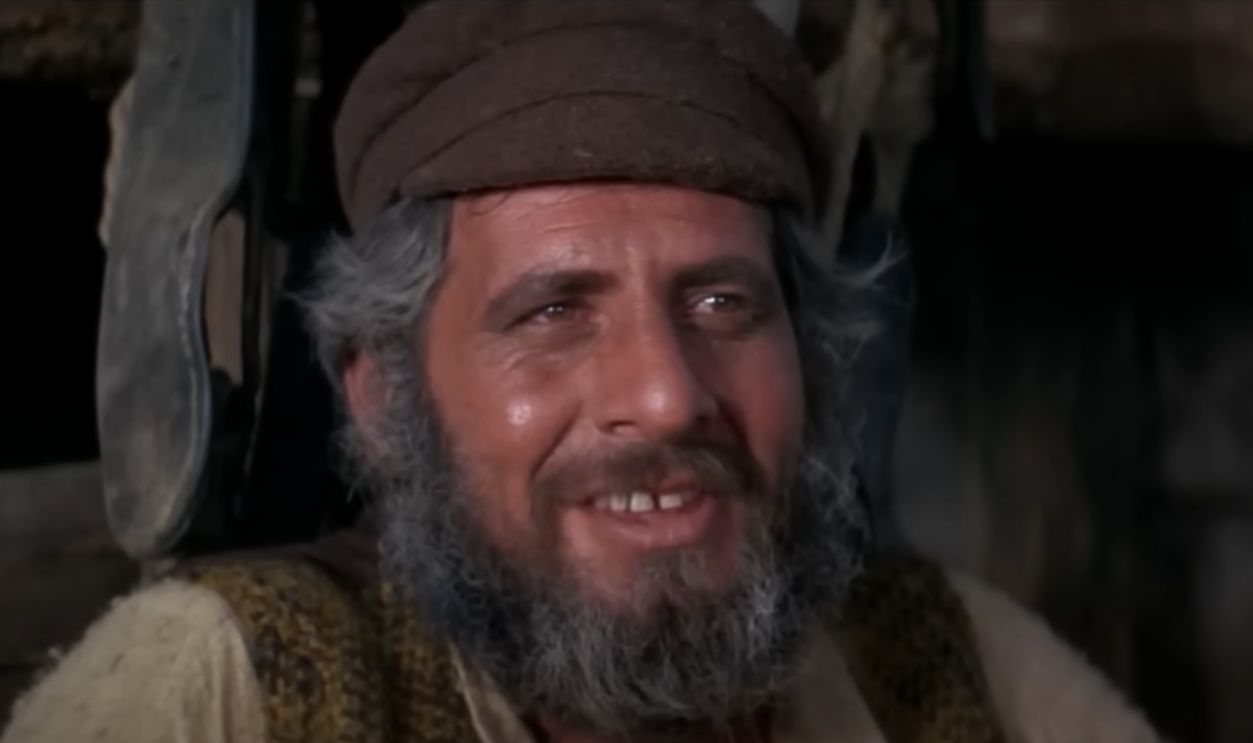 Screenshot from Fiddler on the Roof, United Artists (1971)
Airport (1970)
Before disaster movies became a Hollywood obsession, Airport helped establish the formula. Burt Lancaster, Dean Martin, and a star-studded cast attracted enormous audiences. It became one of 1970's biggest hits, giving moviegoers plenty of reasons to turn up early.
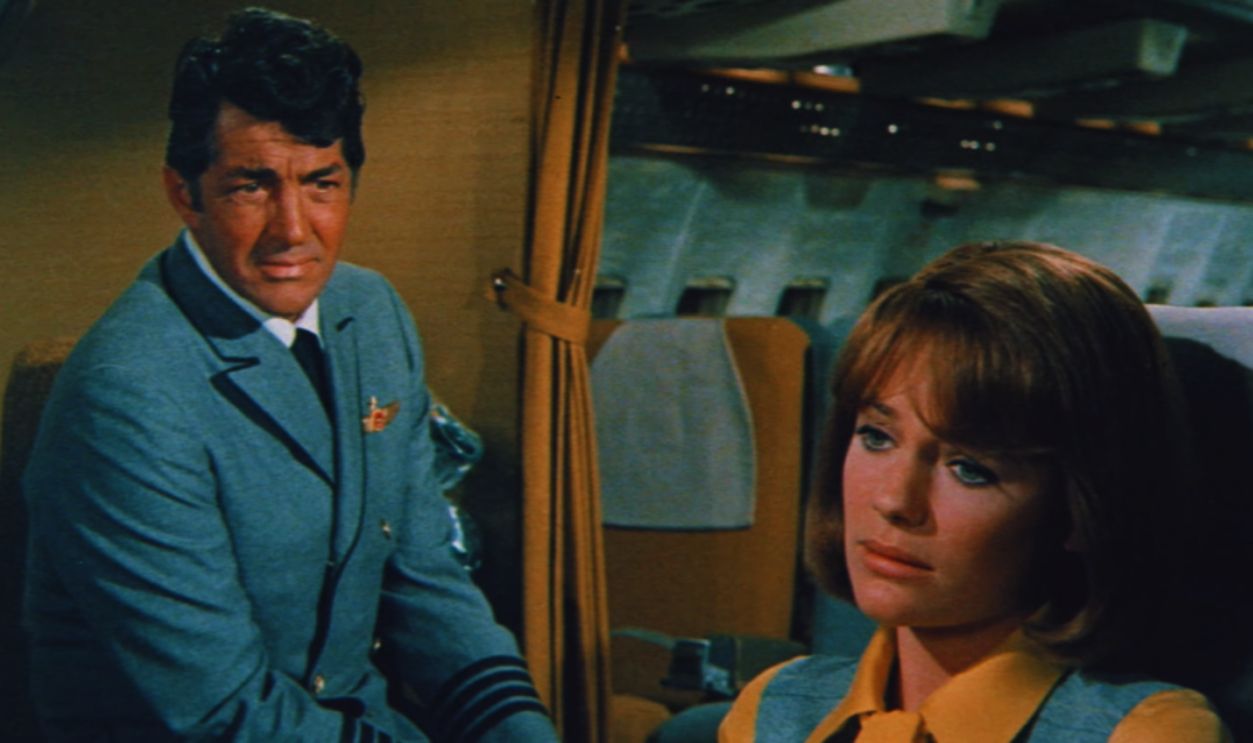 Screenshot from Airport, Universal Pictures (1970)
Love Story (1970)
Ryan O'Neal and Ali MacGraw had audiences reaching for their handkerchiefs in this romantic blockbuster. Based on Erich Segal's bestselling novel, Love Story became a genuine phenomenon. Couples flocked to theaters, although the exact length of their waits wasn't documented consistently.
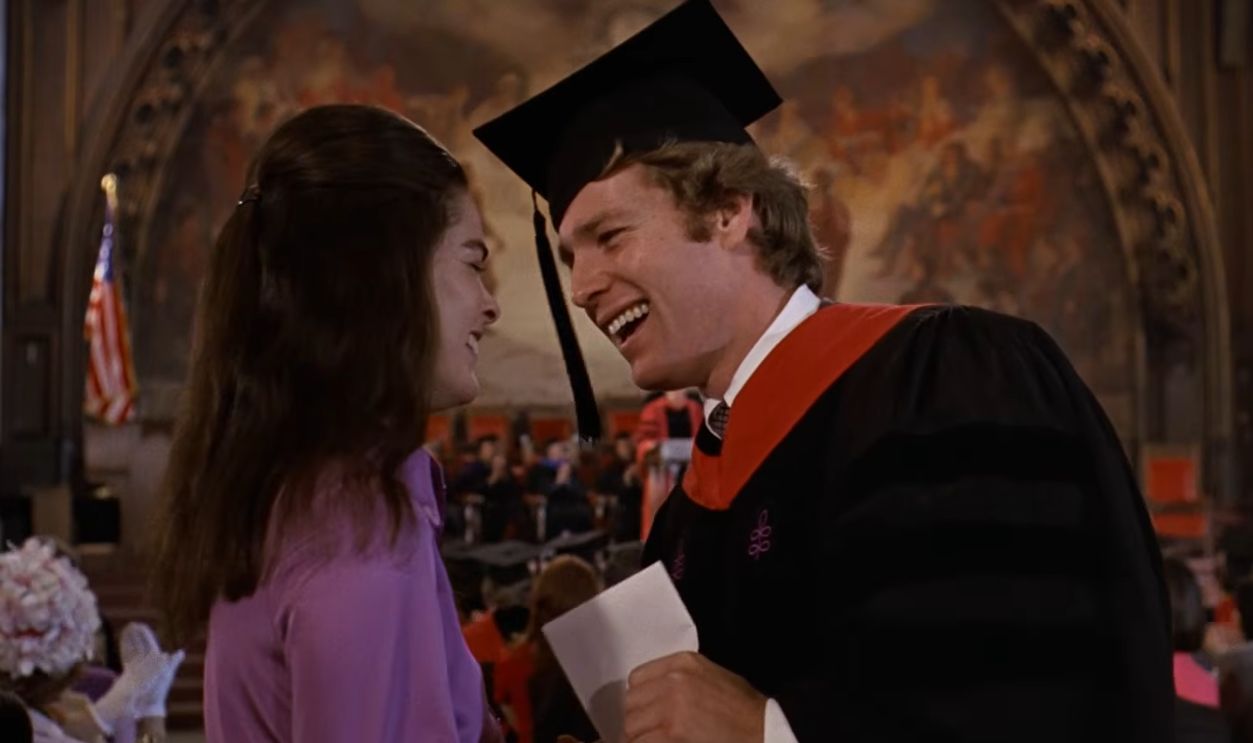 Screenshot from Love Story, Paramount (1970)
American Graffiti (1973)
George Lucas was already making audiences nostalgic before he took them into outer space. American Graffiti brought back cruising, rock and roll, and teenage romance. Its success grew through word of mouth, turning a modestly budgeted movie into a surprise sensation.
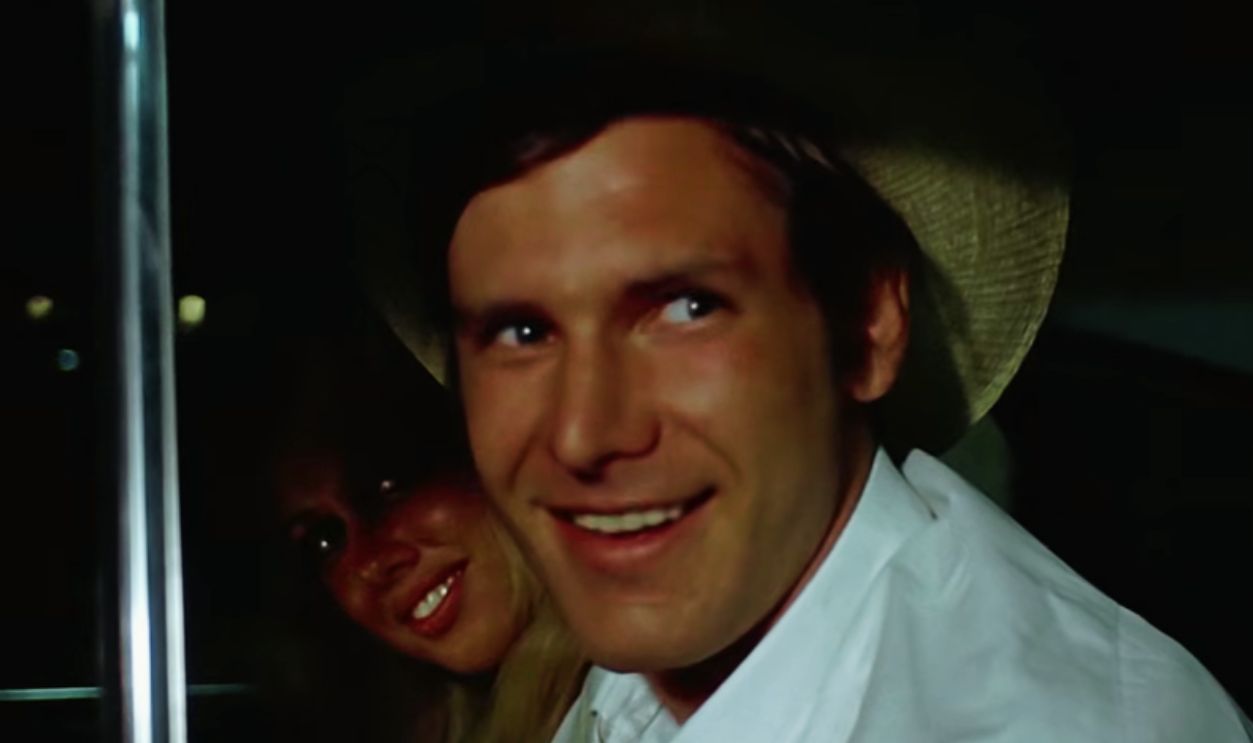 Screenshot from American Graffiti, Universal (1973)
Young Frankenstein (1974)
Mel Brooks delivered one of the decade's funniest movies, with Gene Wilder giving audiences plenty to laugh about. Young Frankenstein became a substantial box-office success. Unlike some of the decade's enormous opening-day spectacles, its reputation grew through its popularity and staying power.
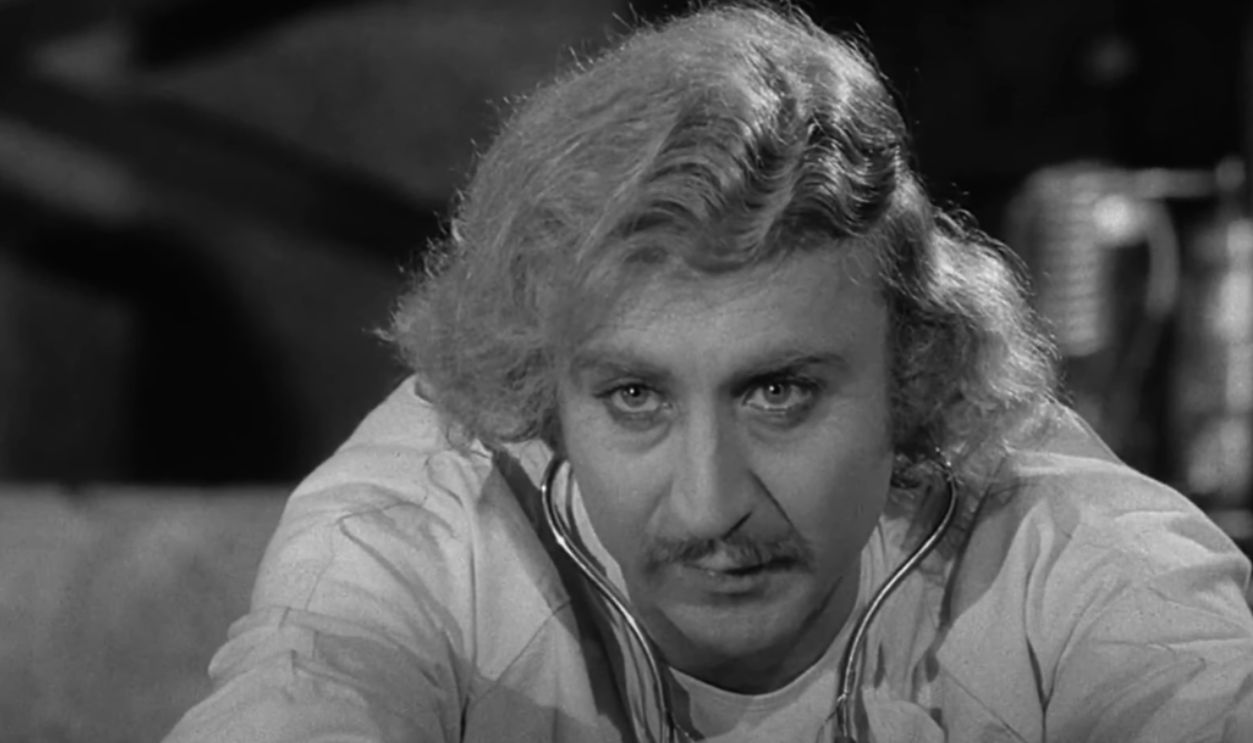 Screenshot from Young Frankenstein, 20th Century Fox (1974)
Blazing Saddles (1974)
Mel Brooks struck gold again with this outrageous Western comedy. Audiences loved its irreverent humor, and the movie became one of 1974's biggest attractions. It was the kind of picture that friends insisted you had to see for yourself.
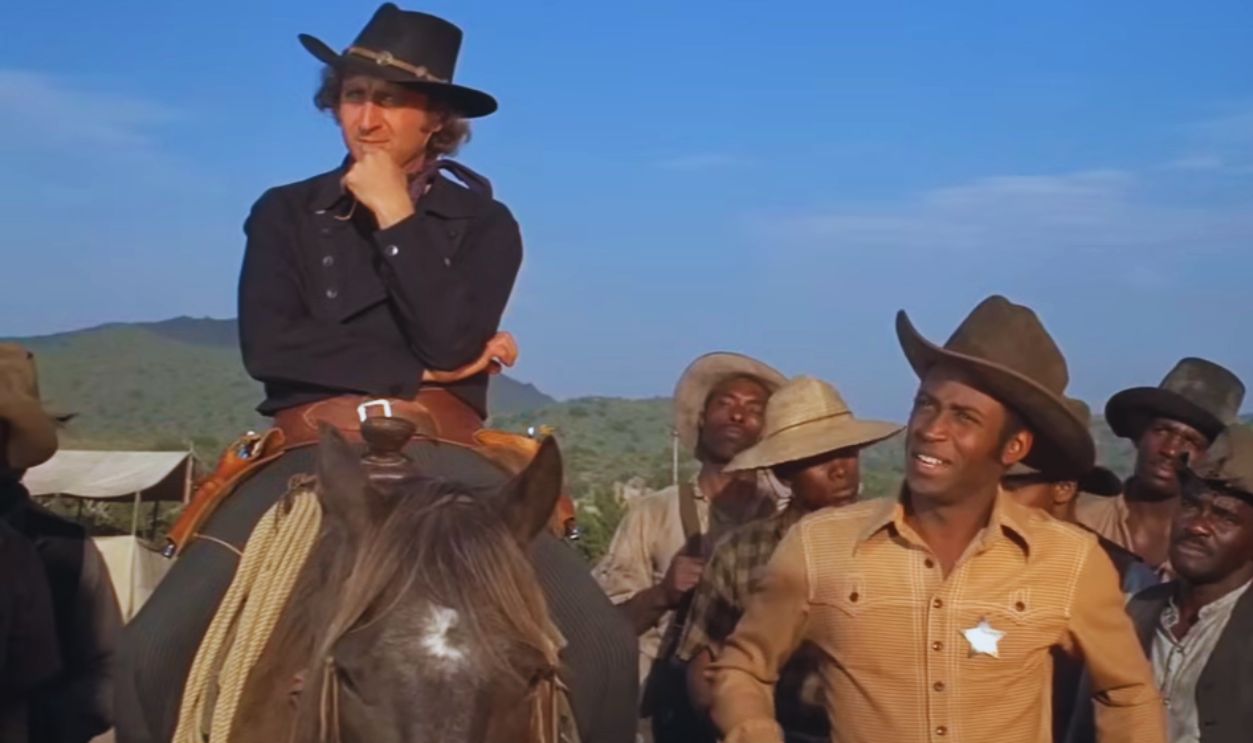 Screenshot from Blazing Saddles, Warner Bros. (1974)
The Poseidon Adventure (1972)
A luxury ocean liner, an enormous wave, and an all-star cast made The Poseidon Adventure irresistible to disaster-movie fans. Its spectacular premise helped turn it into a major commercial success. Those enormous theater screens made the experience especially memorable.
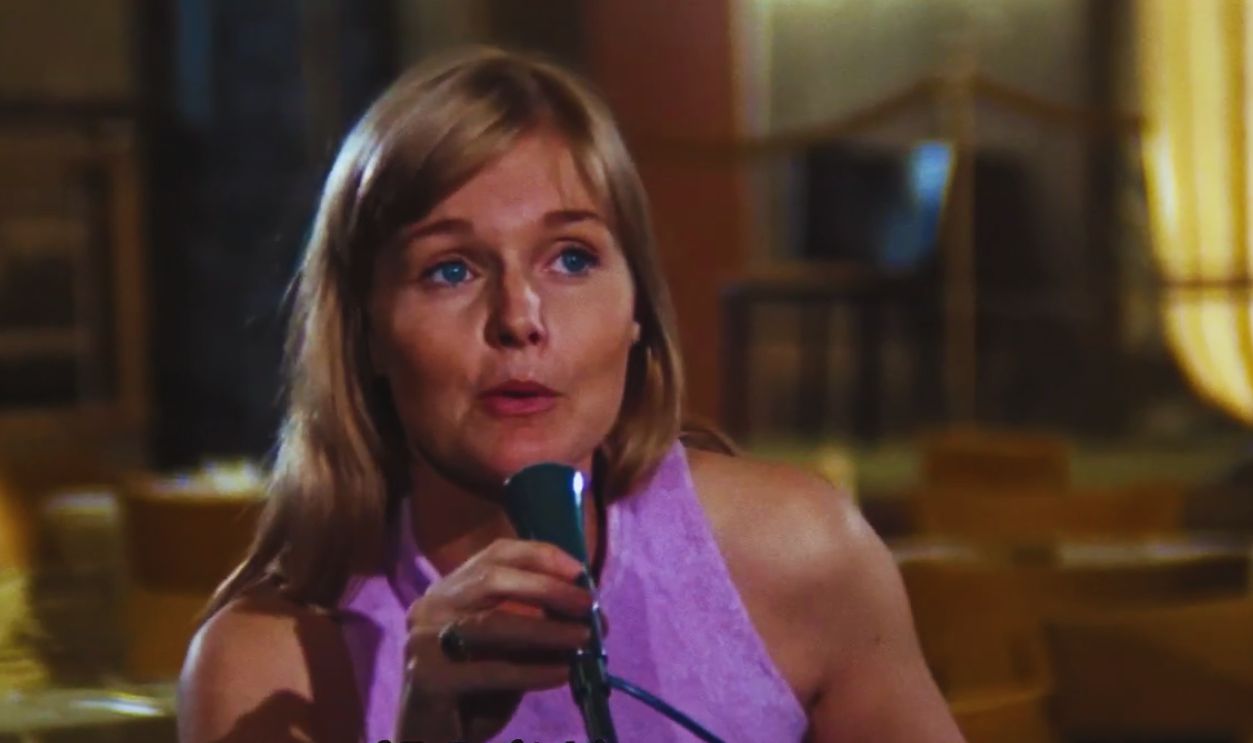 Screenshot from The Poseidon Adventure, 20th Century Fox (1972)
King Kong (1976)
Hollywood's much-publicized remake of King Kong arrived with an enormous advertising campaign. Audiences were curious to see the updated giant ape, even if reviews were mixed. The movie's substantial theatrical rollout demonstrated how studios were beginning to think bigger about blockbuster releases.
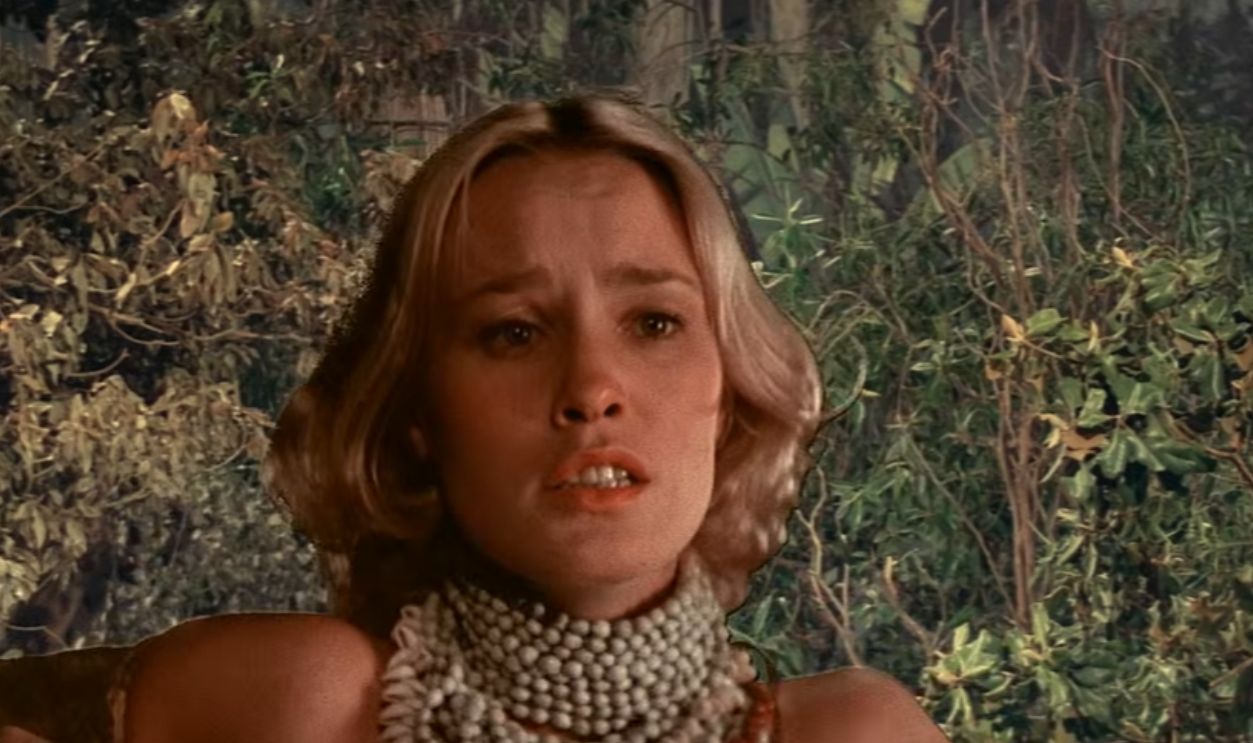 Screenshot from King Kong, Paramount (1976)
The Towering Inferno (1974)
Paul Newman and Steve McQueen sharing the screen? That was enough to sell plenty of tickets. Add a burning skyscraper and spectacular special effects, and audiences had a genuine event movie. The Towering Inferno became one of the year's biggest box-office attractions.
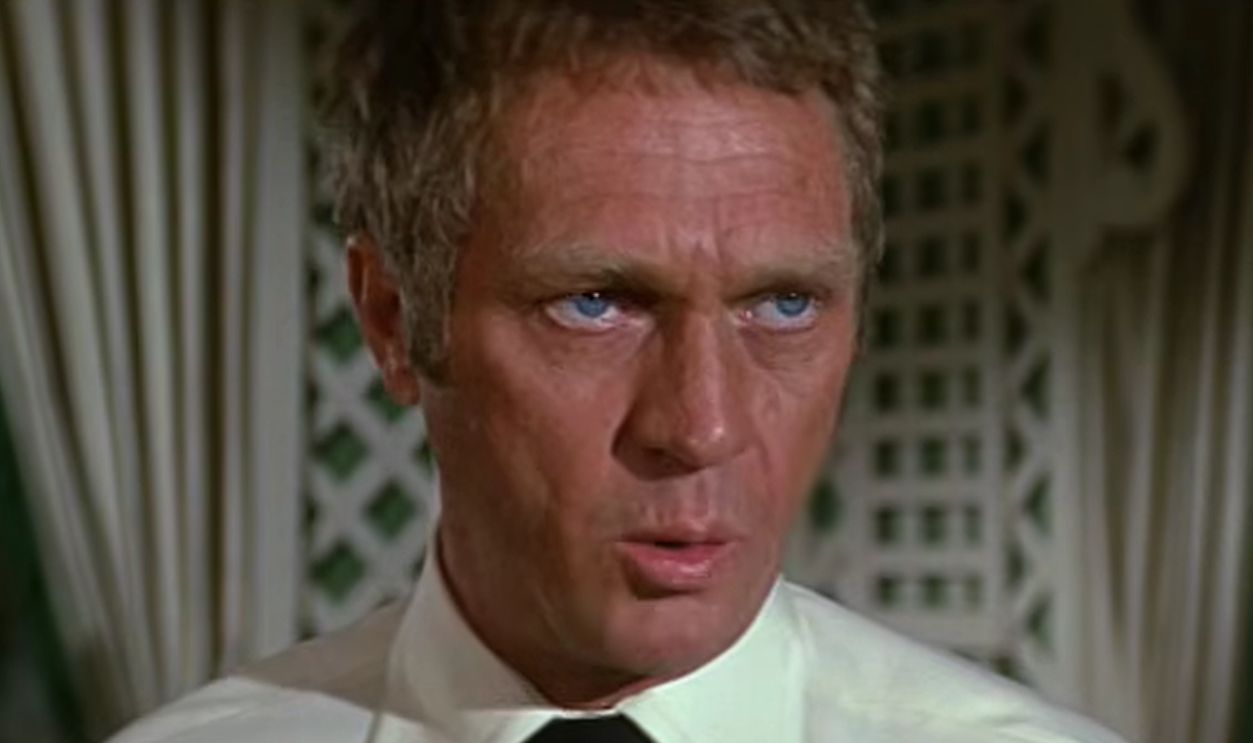 Screenshot from The Towering Inferno, 20th Century Fox (1974)
One Flew Over The Cuckoo's Nest (1975)
Jack Nicholson delivered an unforgettable performance in this acclaimed drama. The film grew into a major theatrical success and eventually swept the five biggest Academy Award categories. Its reputation helped keep audiences interested long after its initial release.
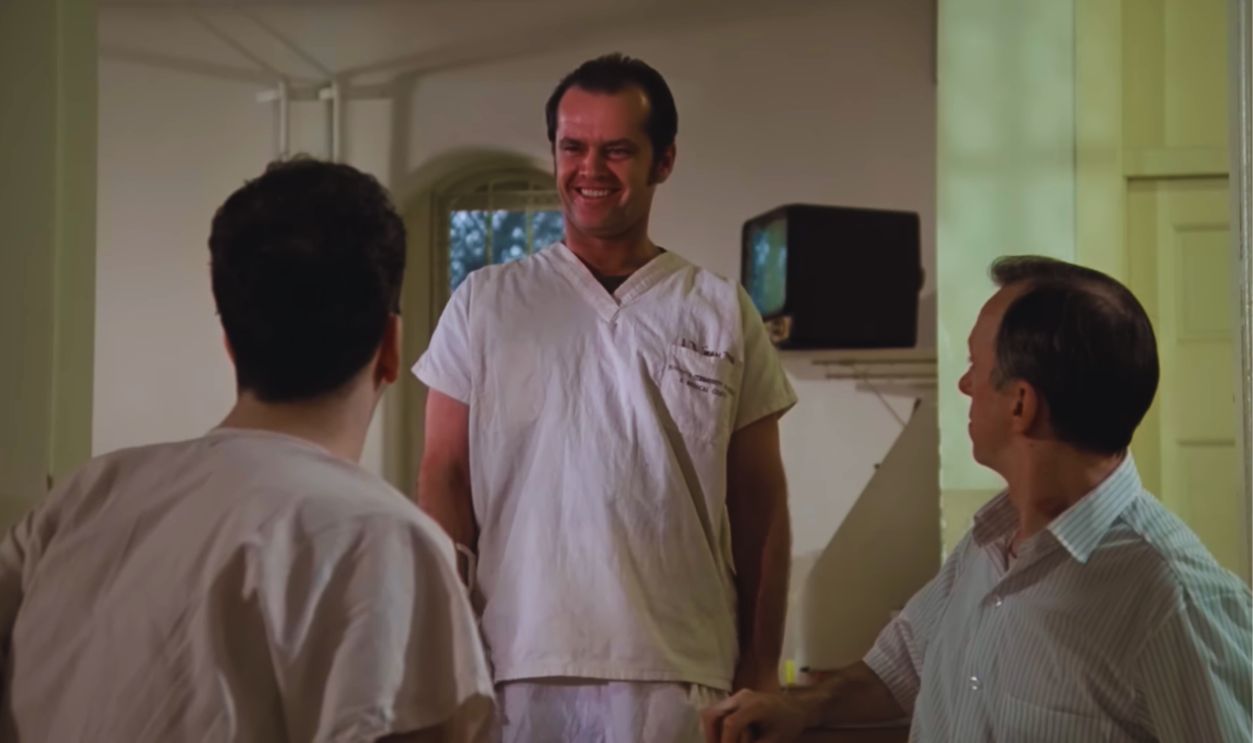 Screenshot from One Flew Over the Cuckoo's Nest, United Artists (1975)
Smokey And The Bandit (1977)
Burt Reynolds, Sally Field, and a black Pontiac Trans Am made box-office magic. Smokey and the Bandit became an enormous hit, finishing behind only Star Wars among 1977's domestic releases. Not bad for a movie about hauling beer across state lines.
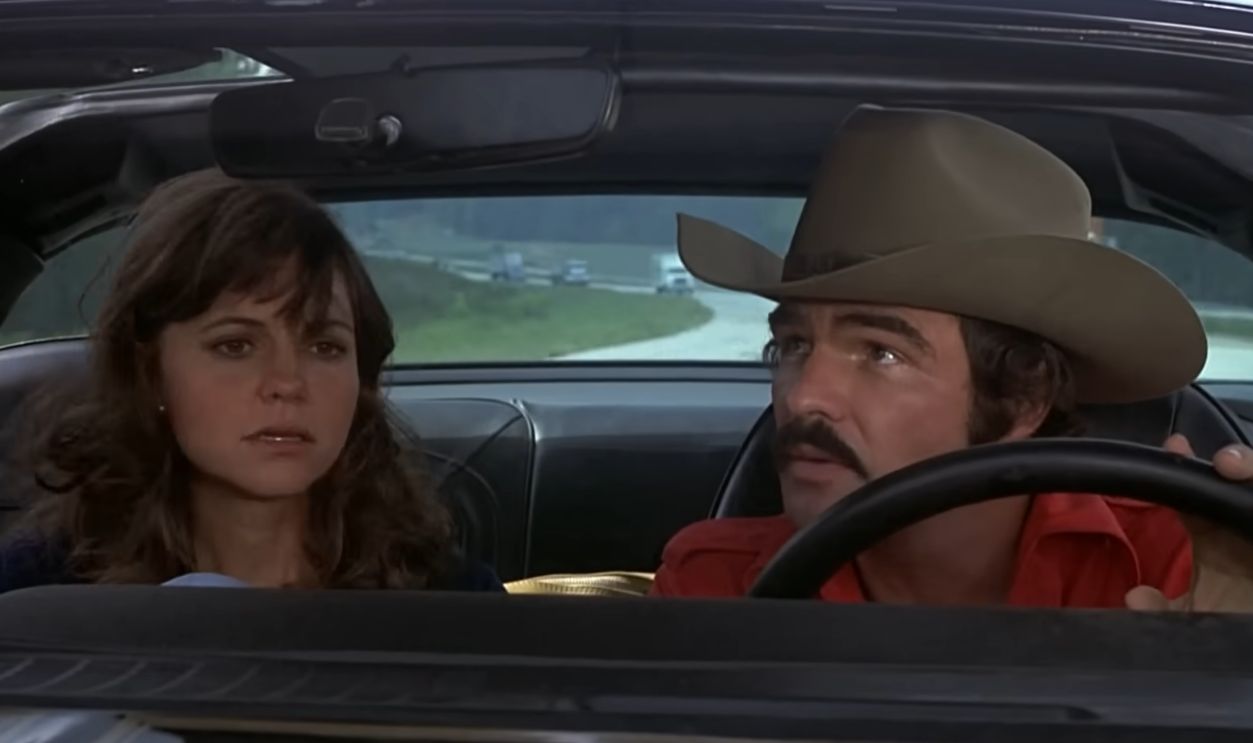 Screenshot from Smokey and the Bandit, Universal (1977)
National Lampoon's Animal House (1978)
John Belushi helped turn Animal House into a comedy phenomenon. Its outrageous college antics attracted an enthusiastic audience, particularly younger moviegoers. The film became one of 1978's major hits and established a formula that Hollywood would imitate for years.
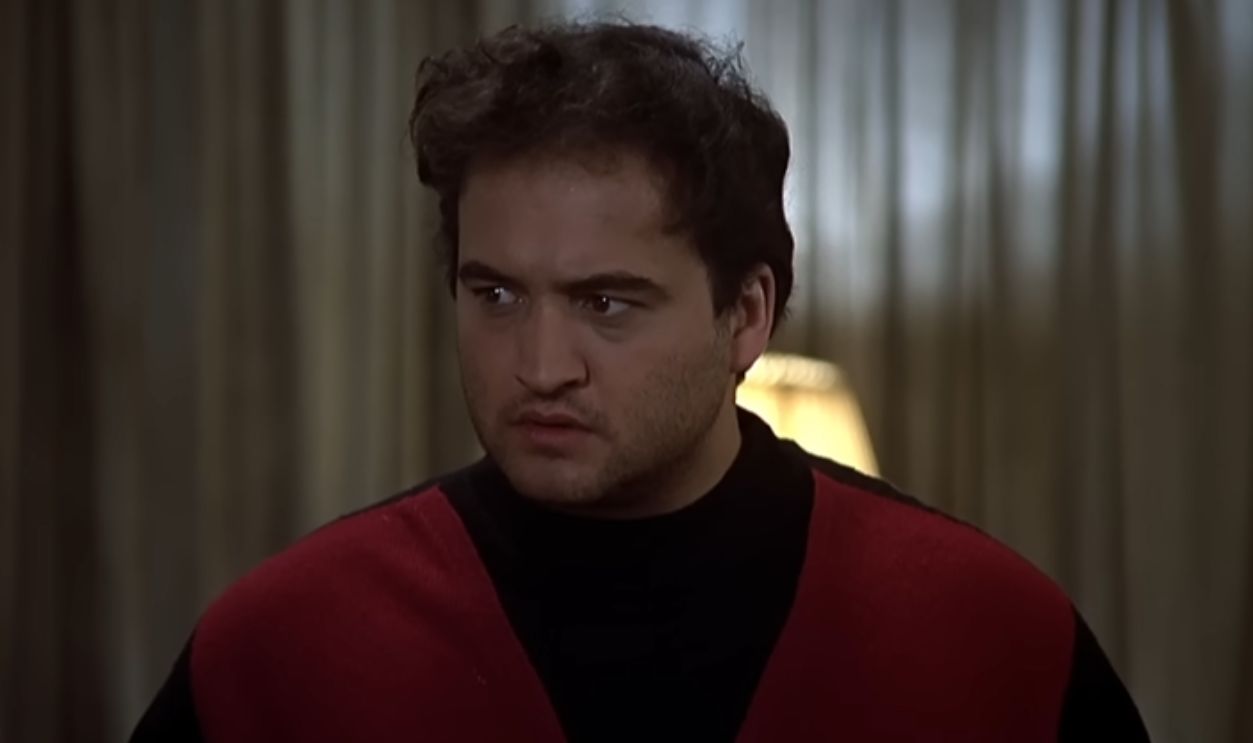 Screenshot from National Lampoon's Animal House, Universal (1978)
The Rocky Horror Picture Show (1975)
Here's a movie where waiting outside eventually became part of the entertainment. Although its original release struggled, midnight screenings transformed Rocky Horror into a cult sensation. Fans dressed up, brought props, and made the theater experience nearly as entertaining as the movie.
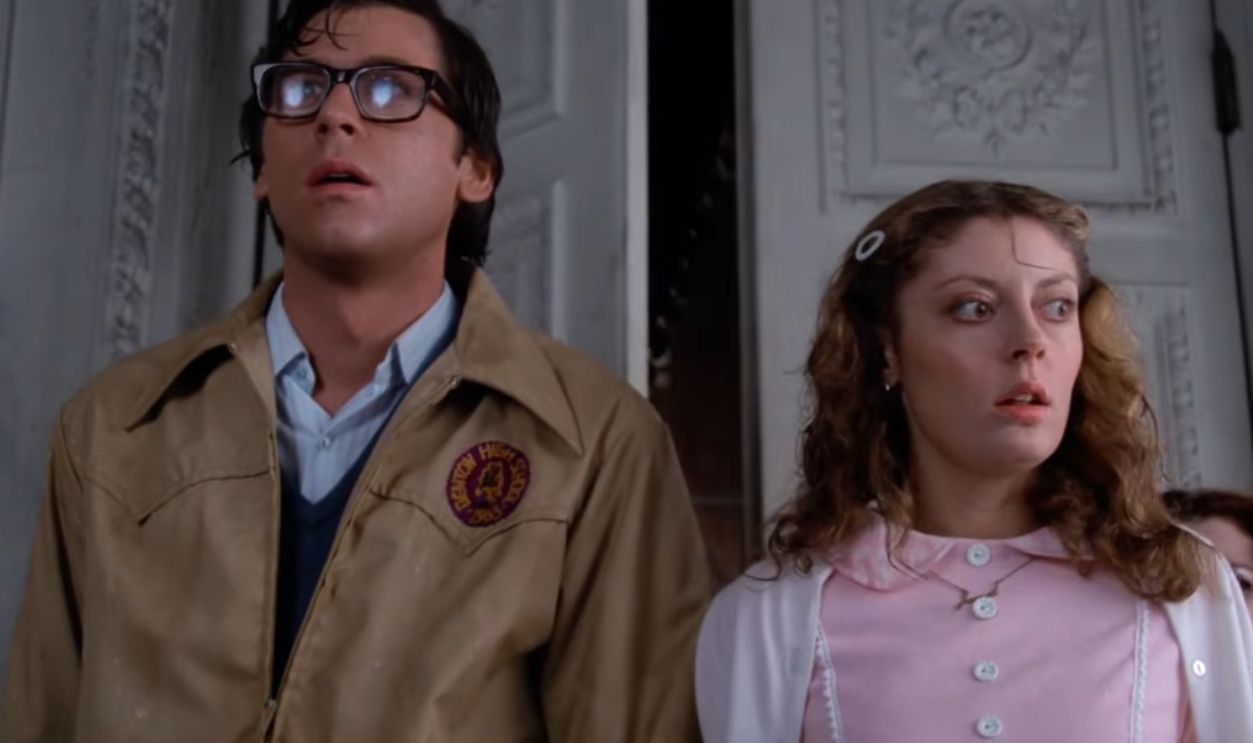 Screenshot from The Rocky Horror Picture Show, 20th Century Fox (1975)
Rocky (1976)
Sylvester Stallone's underdog boxing drama became one of the greatest movie success stories of the decade. Made on a modest budget, Rocky captured audiences' imaginations and won Best Picture. Everybody seemed to be talking about the Italian Stallion.
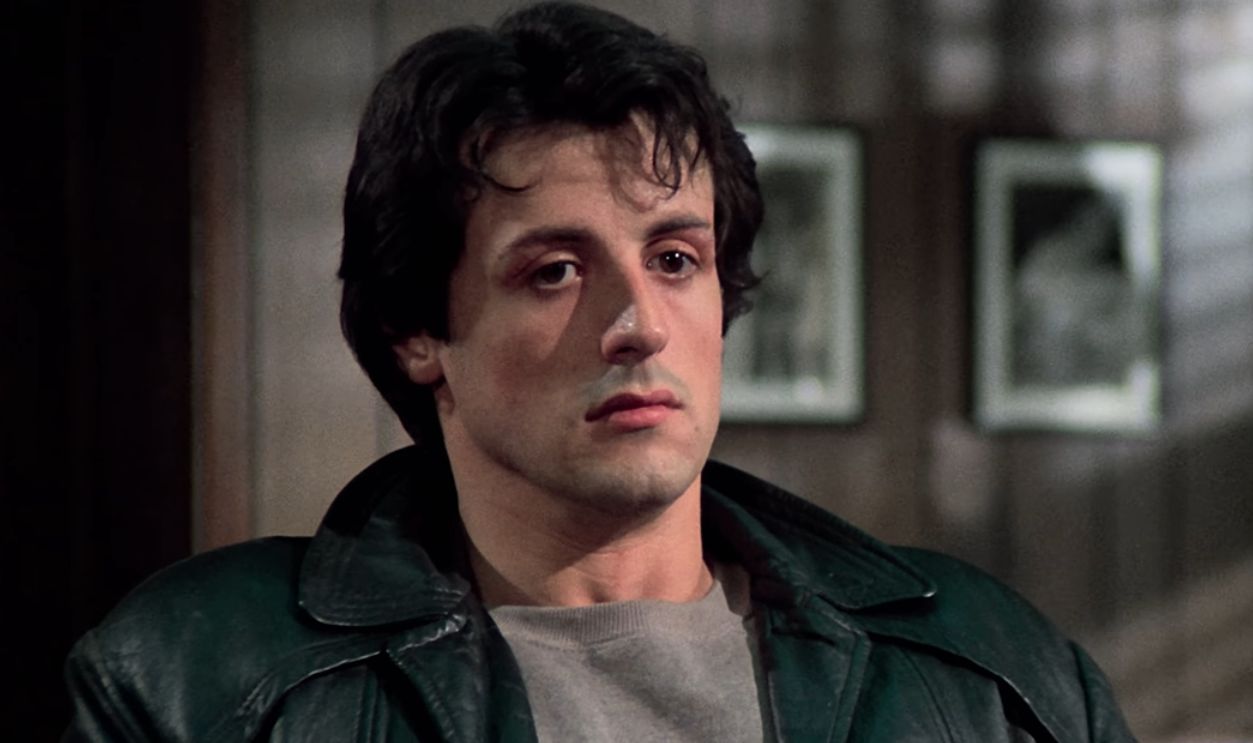 Screenshot from Rocky, United Artists (1976)
The Sting (1973)
Paul Newman and Robert Redford reunited for this delightful Depression-era caper. The Sting became a massive commercial success and won seven Academy Awards, including Best Picture. With two of Hollywood's biggest stars involved, audience enthusiasm was hardly surprising.
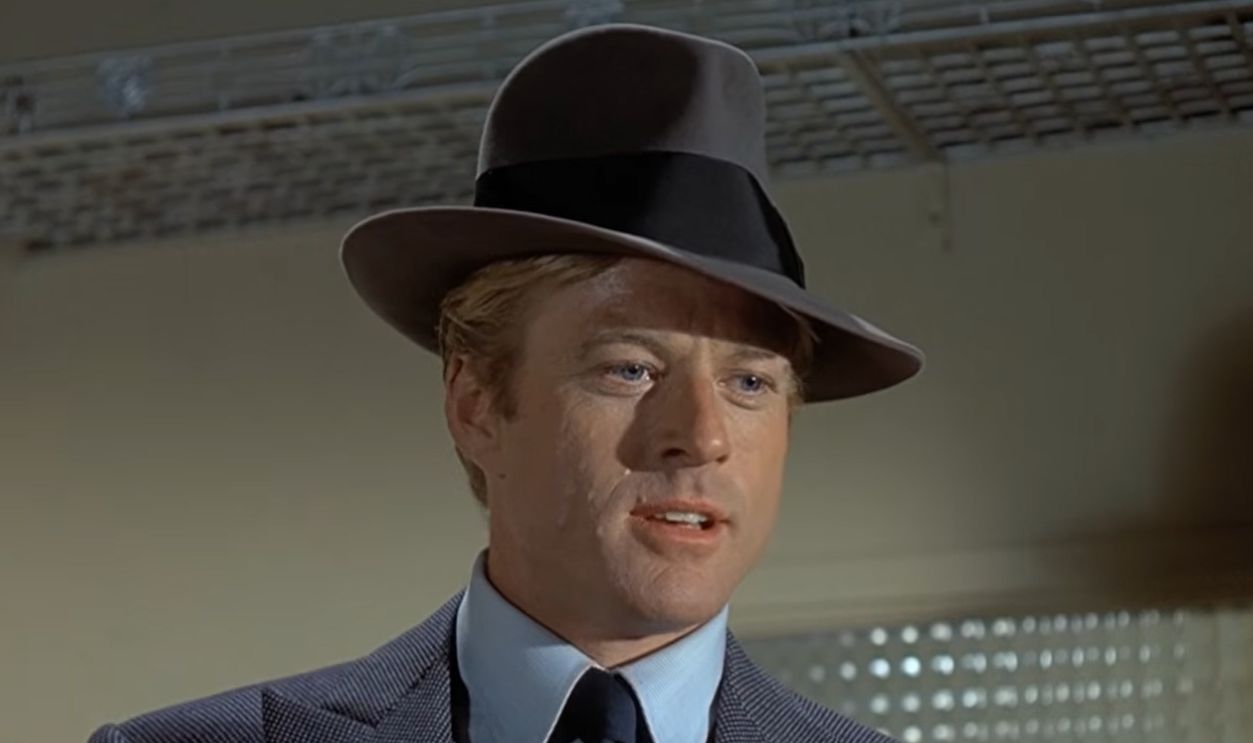 Screenshot from The Sting, Universal (1973)
Saturday Night Fever (1977)
John Travolta made disco irresistible with his performance as Tony Manero. Saturday Night Fever became a cultural sensation, accompanied by a hugely successful Bee Gees soundtrack. By early 1978, the movie was still attracting audiences eager to experience its music and dancing.
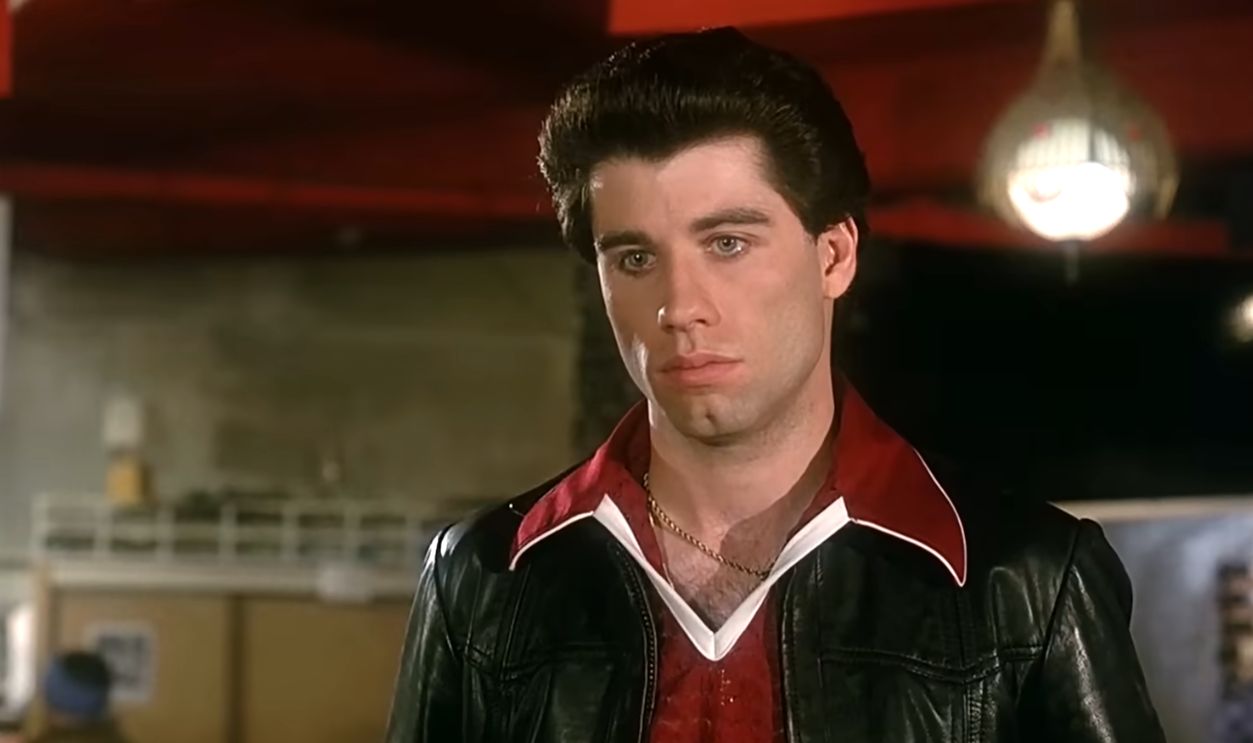 Screenshot from Saturday Night Fever, Paramount (1977)
Close Encounters Of The Third Kind (1977)
Steven Spielberg gave moviegoers another reason to stare at the sky. Released in November 1977, Close Encounters became a major hit. Its spectacular special effects were especially impressive in a theater, where the approaching spacecraft could fill the entire screen.
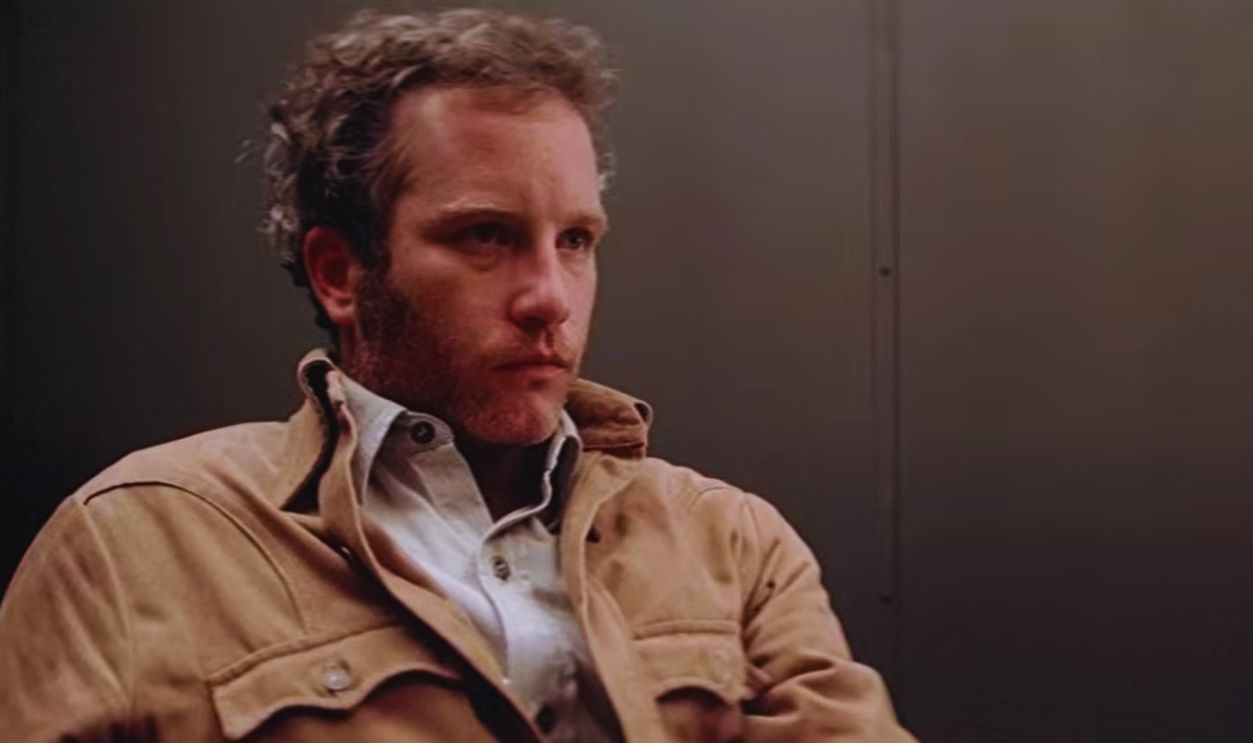 Screenshot from Close Encounters of the Third Kind, Columbia (1977)
Apocalypse Now (1979)
Francis Ford Coppola's ambitious Vietnam War epic received a particularly unusual release. Its initial August 1979 engagements were limited to three North American theaters, including New York's Ziegfeld. Those exclusive 70mm presentations made seeing it a special occasion for serious movie fans.
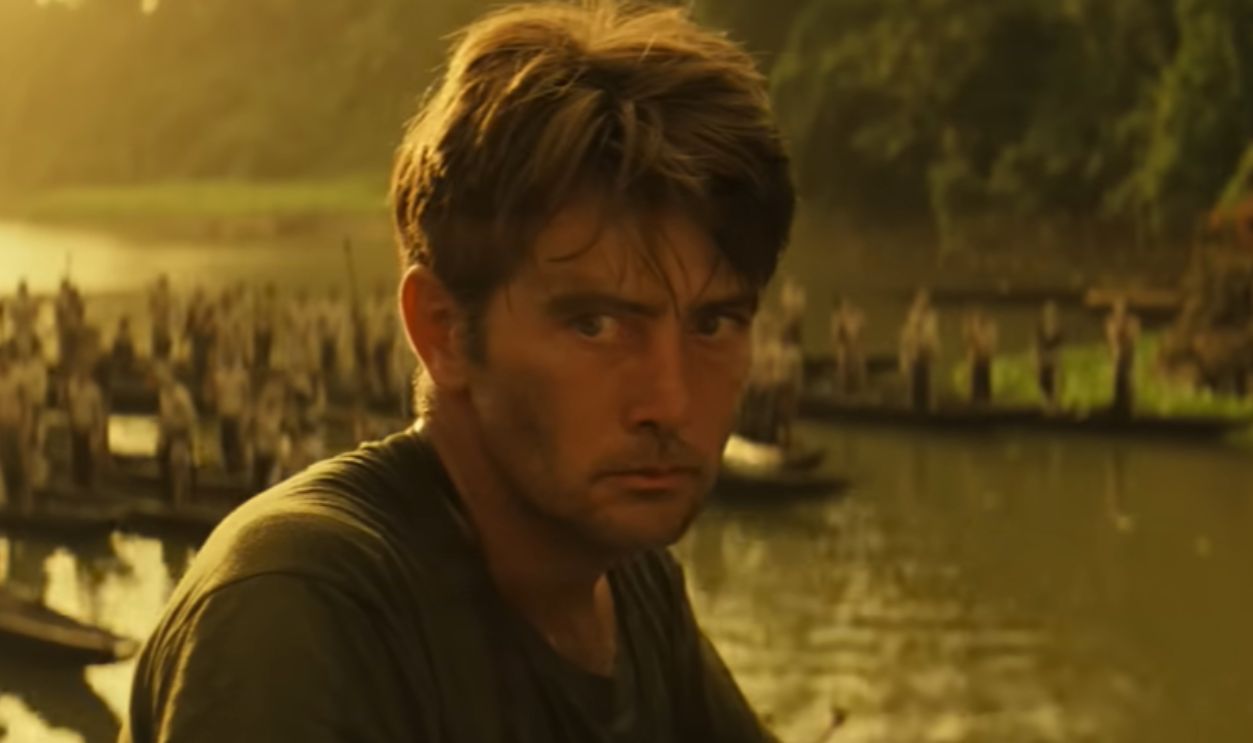 Screenshot from Apocalypse Now, United Artists (1979)
Star Trek: The Motion Picture (1979)
Trekkies had waited a decade to see the original crew return following their television series. When Star Trek: The Motion Picture arrived, fans lined up at theaters across America. Contemporary newspaper photographs documented crowds from California to New York.
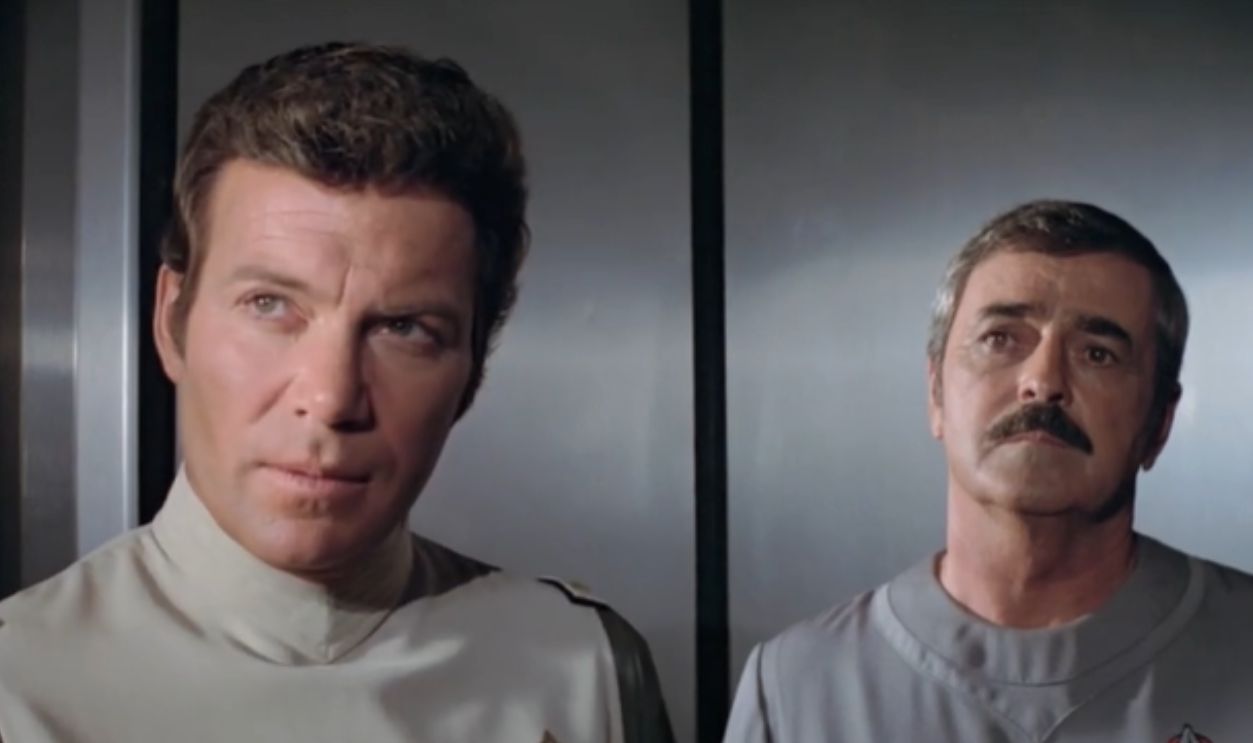 Screenshot from Star Trek: The Motion Picture, Paramount (1979)
Superman (1978)
Christopher Reeve convinced audiences that a man really could fly. Superman attracted considerable opening-weekend excitement. One contemporary newspaper columnist described waiting 30 minutes to buy tickets, then another 45 minutes to enter the theater. That's dedication!
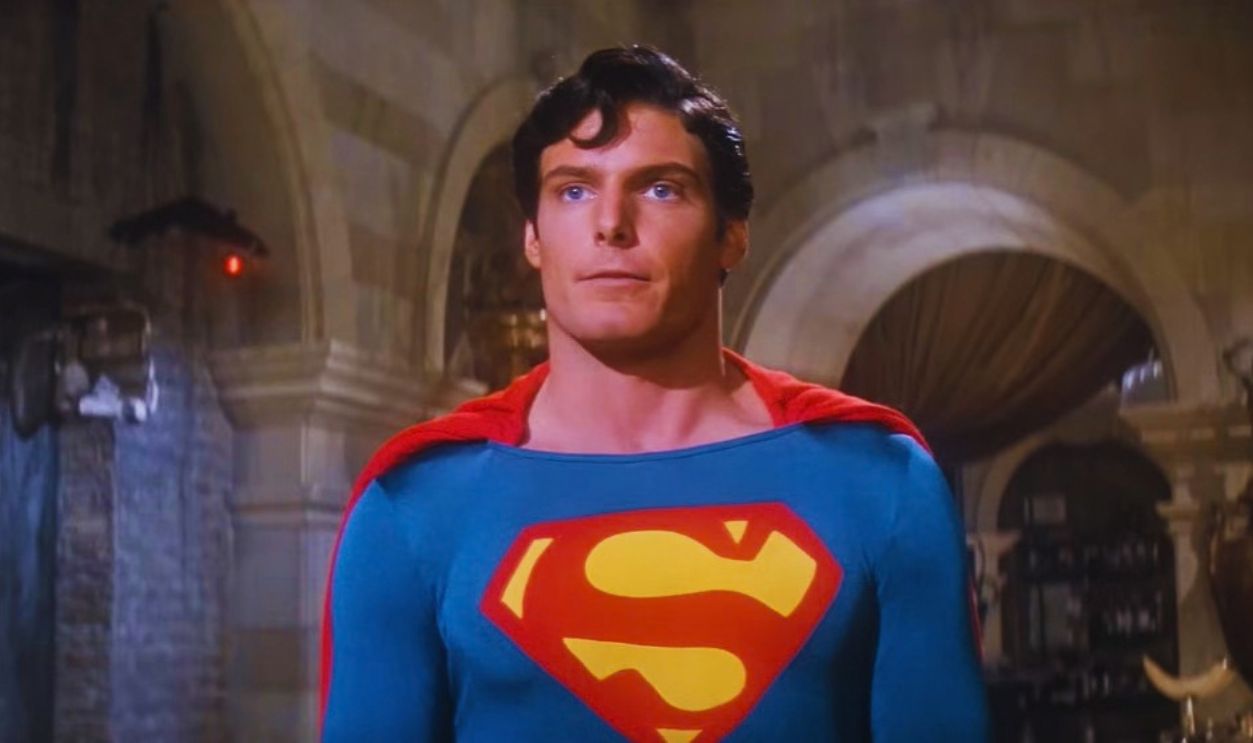 Screenshot from Superman, Warner Bros. (1978)
Grease (1978)
John Travolta and Olivia Newton-John had audiences singing along throughout the summer of 1978. Nearly 3,000 onlookers gathered for the Chicago premiere, according to the American Film Institute. Grease subsequently became the year's biggest domestic box-office hit.
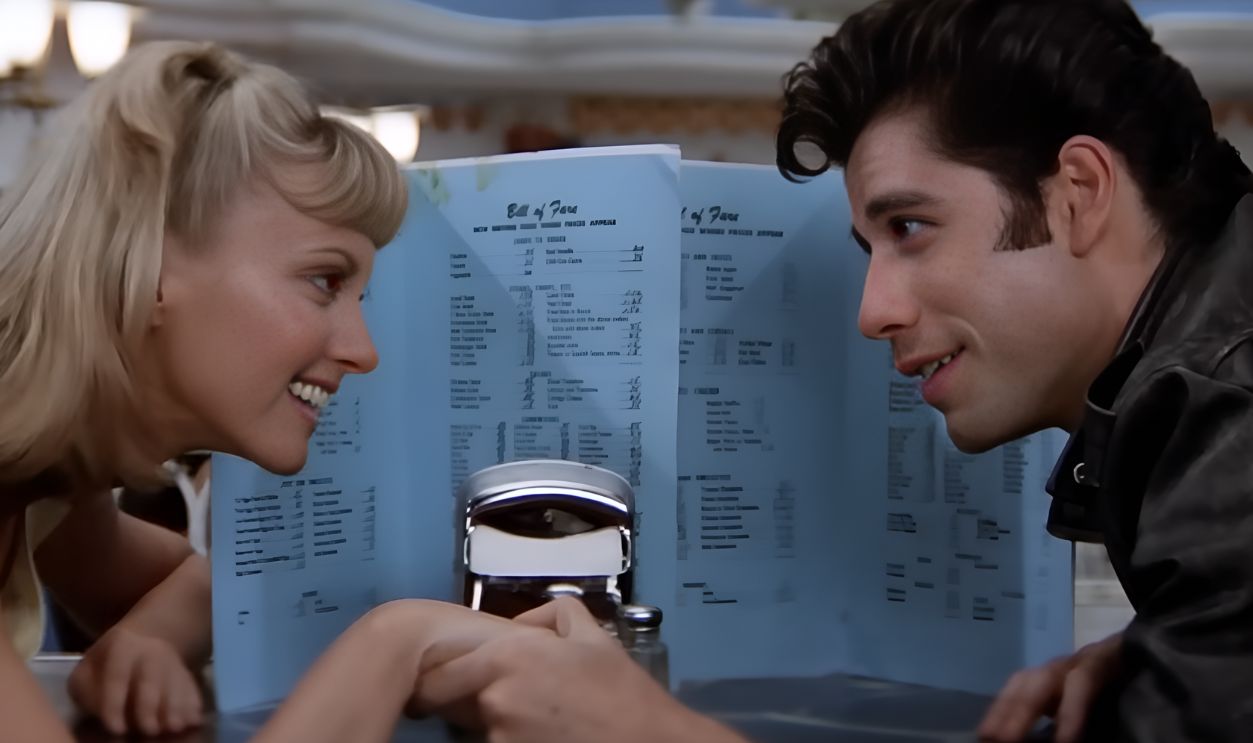 Screenshot from Grease, Paramount (1978), Enhanced
Jaws (1975)
Remember the summer when everybody became afraid of swimming? Jaws practically invented the modern summer blockbuster. Theater lines reportedly stretched around blocks as audiences rushed to experience Spielberg's shark thriller. It became the highest-grossing movie in history at the time.
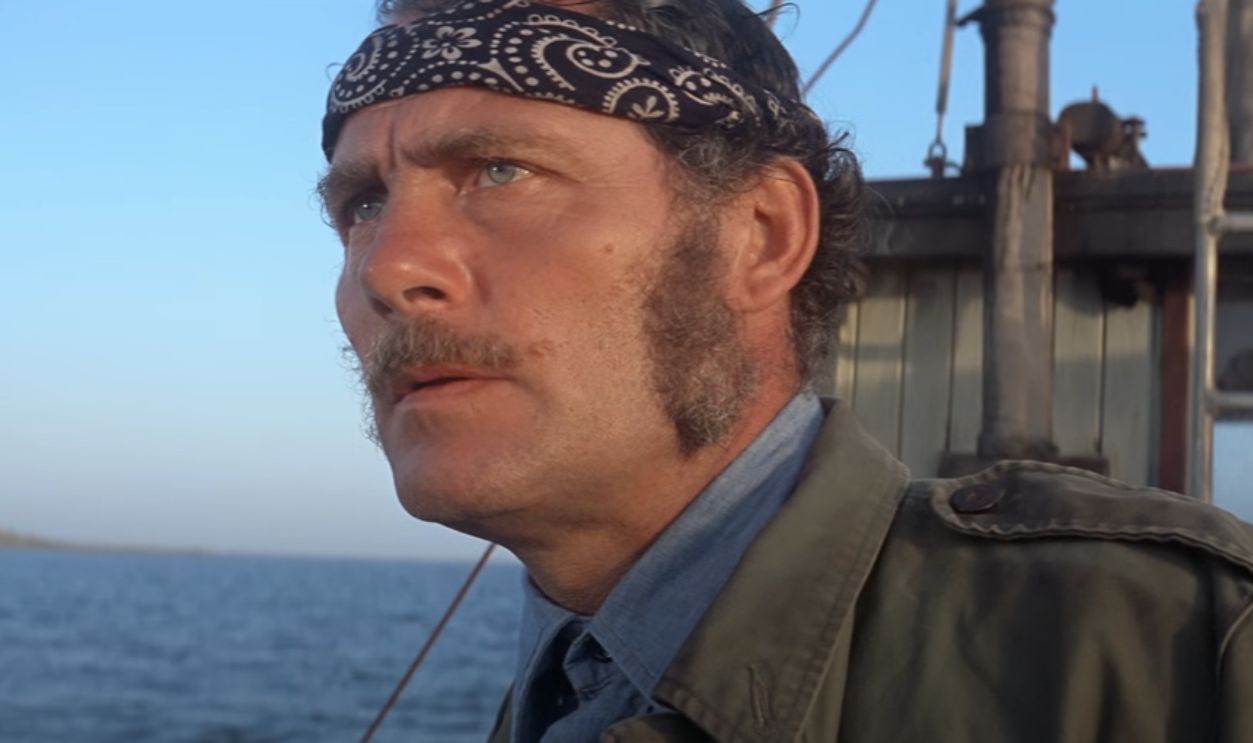 Screenshot from Jaws, Universal (1975)
The Godfather (1972)
Now we're talking about some seriously long waits. The Godfather's initial limited release produced extraordinary demand. A contemporary journalist reported waiting 30 minutes on a weekday afternoon, while evening and weekend queues averaged 90 minutes at the theater observed.
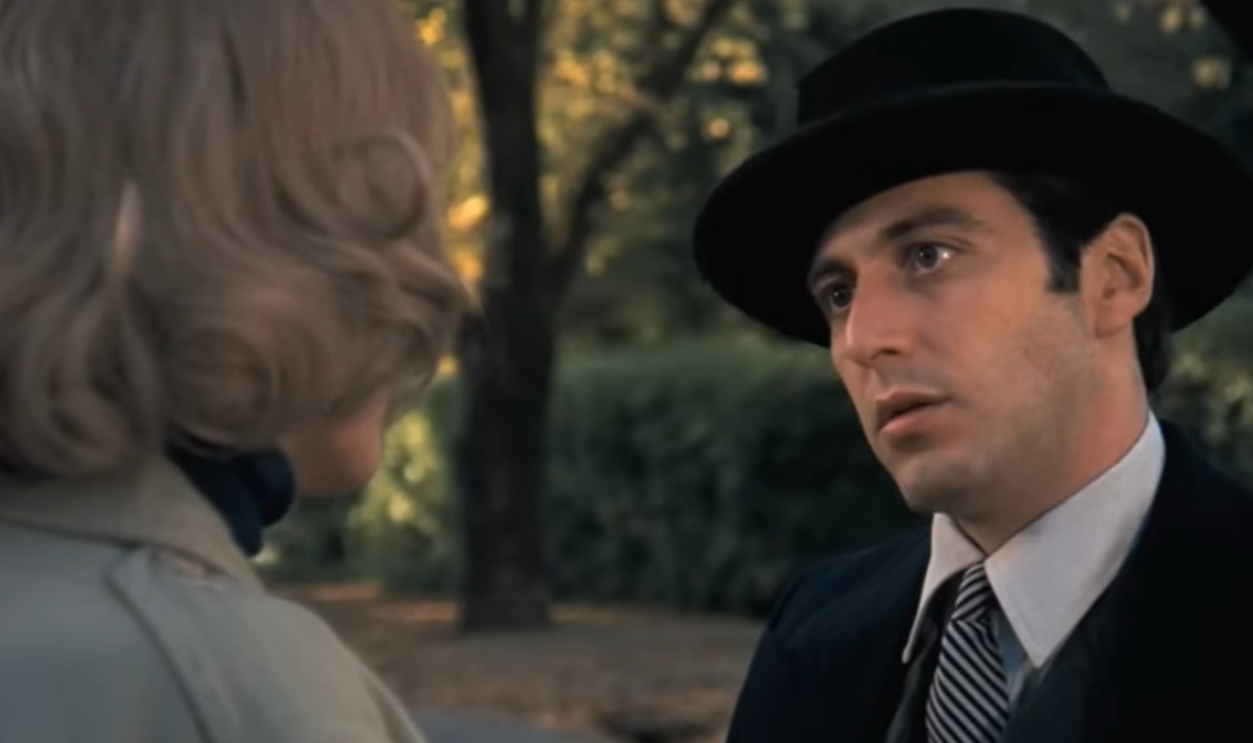 Screenshot from The Godfather, Paramount (1972)
The Exorcist (1973)
Here's one that really tested audiences' patience. When The Exorcist opened after Christmas in 1973, moviegoers reportedly stood outside for hours in winter weather. New York lines sometimes stretched around entire blocks. Apparently, nothing could discourage people from seeing Hollywood's most notorious horror movie.
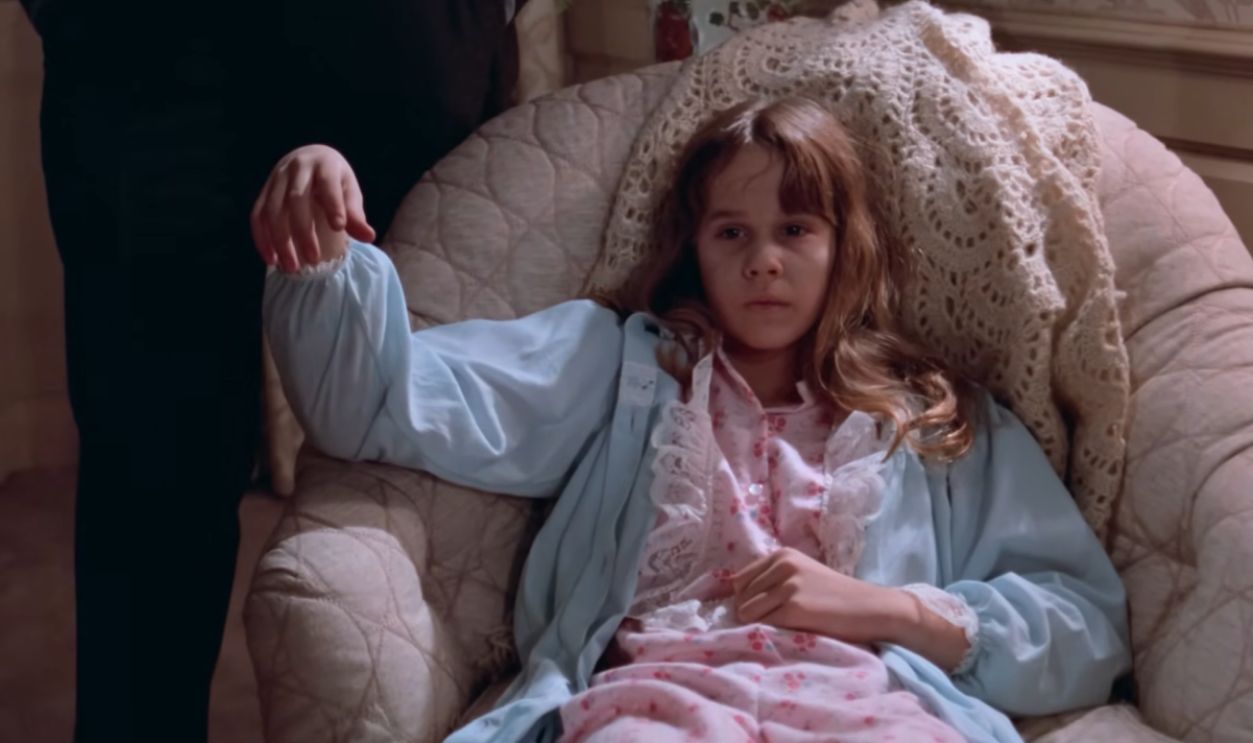 Screenshot from The Exorcist, Warner Bros. (1973)
Star Wars (1977)
Nothing quite compares to the original Star Wars phenomenon. Released in just 43 theaters initially, the movie drew remarkable crowds. At San Francisco's Coronet Theatre, queues stretched around the block. Fans brought chairs and playing cards to survive the wait. For sheer documented line-waiting excitement, this is our winner.
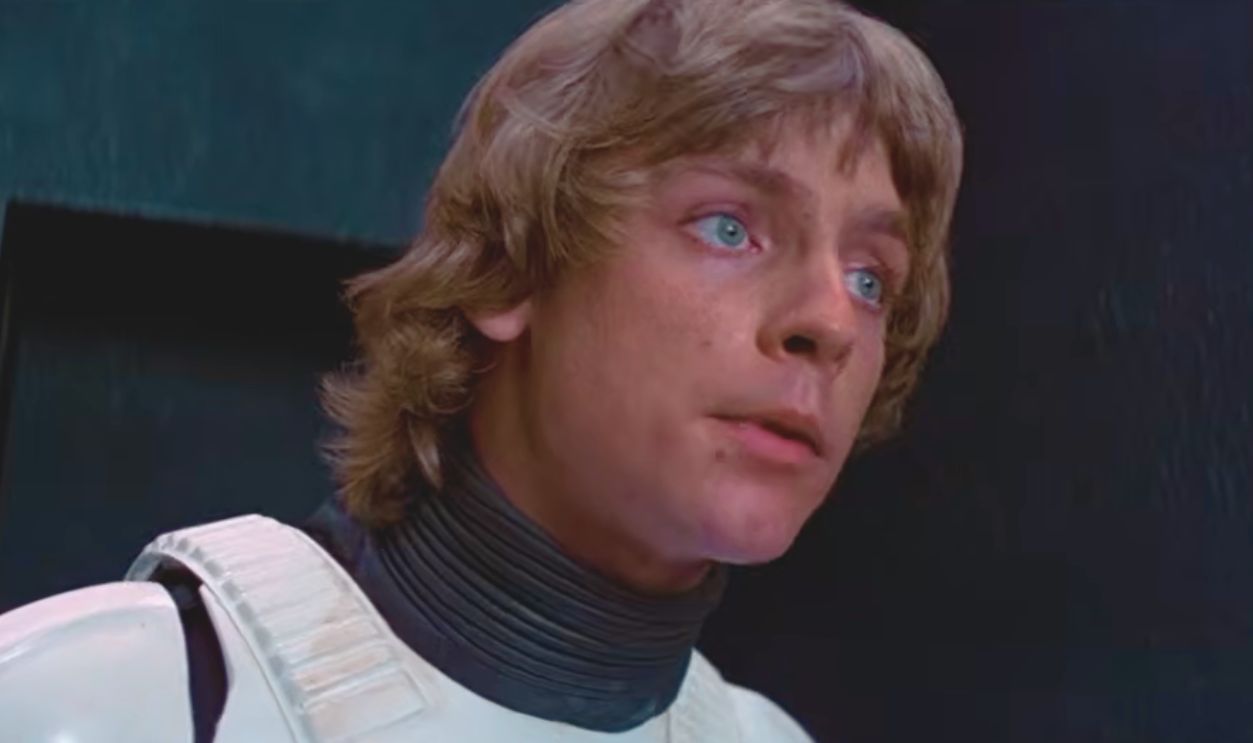 Screenshot from Star Wars, Twentieth Century-Fox (1977)
Was Waiting In Line Half The Fun?
Those long movie lines weren't always pleasant, especially when the weather was miserable or tickets sold out. But they created memories that lasted decades. Sometimes the conversations outside the theater were almost as memorable as the film. So, which 1970s blockbuster had you waiting the longest?
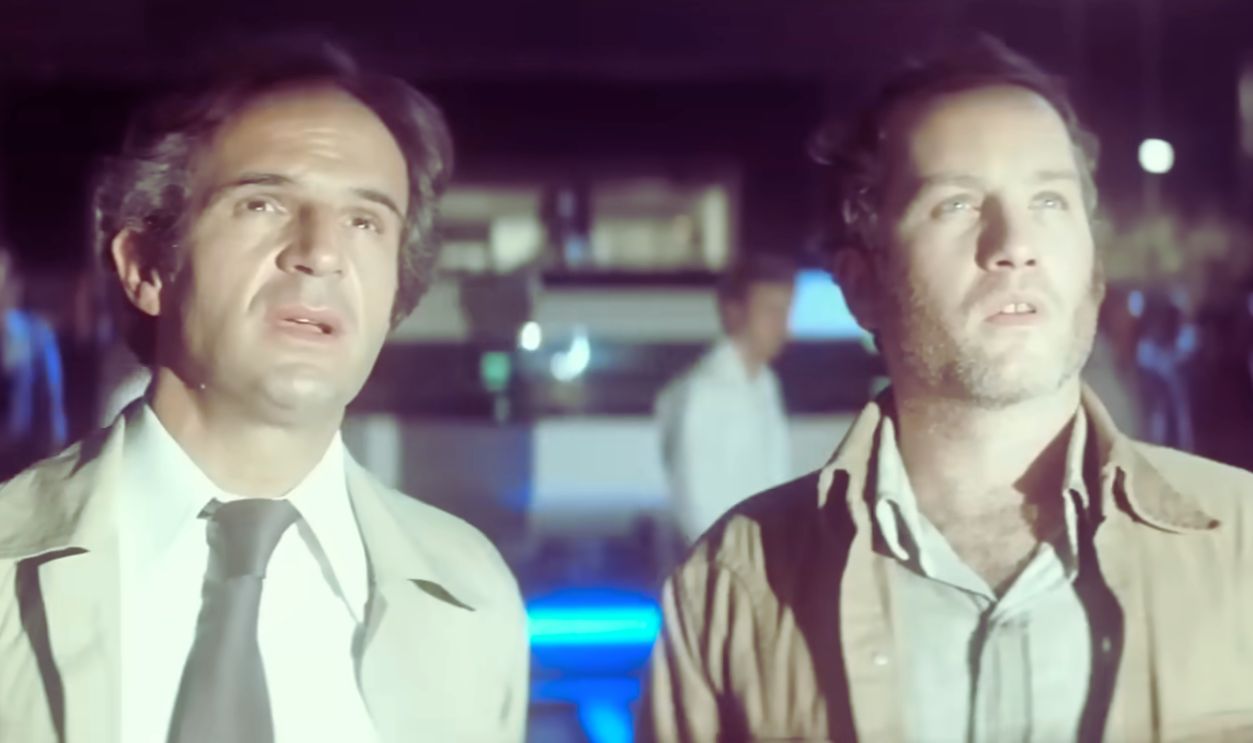 Screenshot from Close Encounters of the Third Kind, Columbia (1977)
You May Also Like:
Forgotten 80s Sitcom Actresses Who Made Millions Laugh—Then Quietly Disappeared From Television
Famous Album Covers That Were Quietly Designed By Legendary Artists—Which One Was Your Favorite?