When The Bad Guys Refused To Stay In The Background
The 1970s gave movie audiences plenty to fear, and not all of it came from monsters or supernatural forces. Some of the decade’s most unforgettable villains were frightening precisely because they felt calculating, unpredictable, or just disturbingly human.
 Stanley Bielecki Movie Collection/Getty Images
Kurt Barlow - Salem’s Lot (1979)
Stephen King’s Barlow was considerably more talkative on the page, but Tobe Hooper’s adaptation transformed him into something closer to the hideous vampire of Nosferatu. Reggie Nalder’s lifeless-like makeup, glowing eyes, and almost complete silence make Barlow seem less like an aristocratic Dracula and more like disease given physical form. James Mason’s Richard Straker handles the civilized conversation while Barlow slowly infects Salem’s Lot. The sight of him materializing inside the Petrie house remains one of the production’s most unforgettable scares.
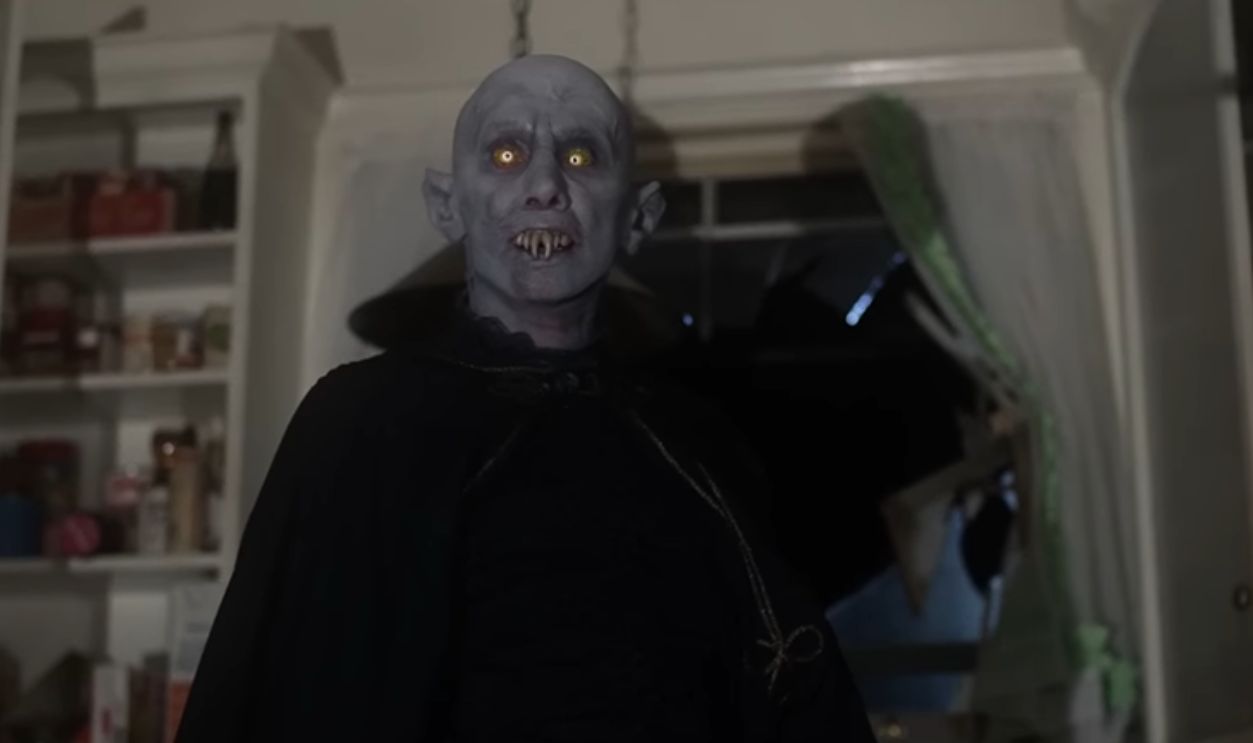 Screenshot from Salem's Lot, Warner Bros. (1979)
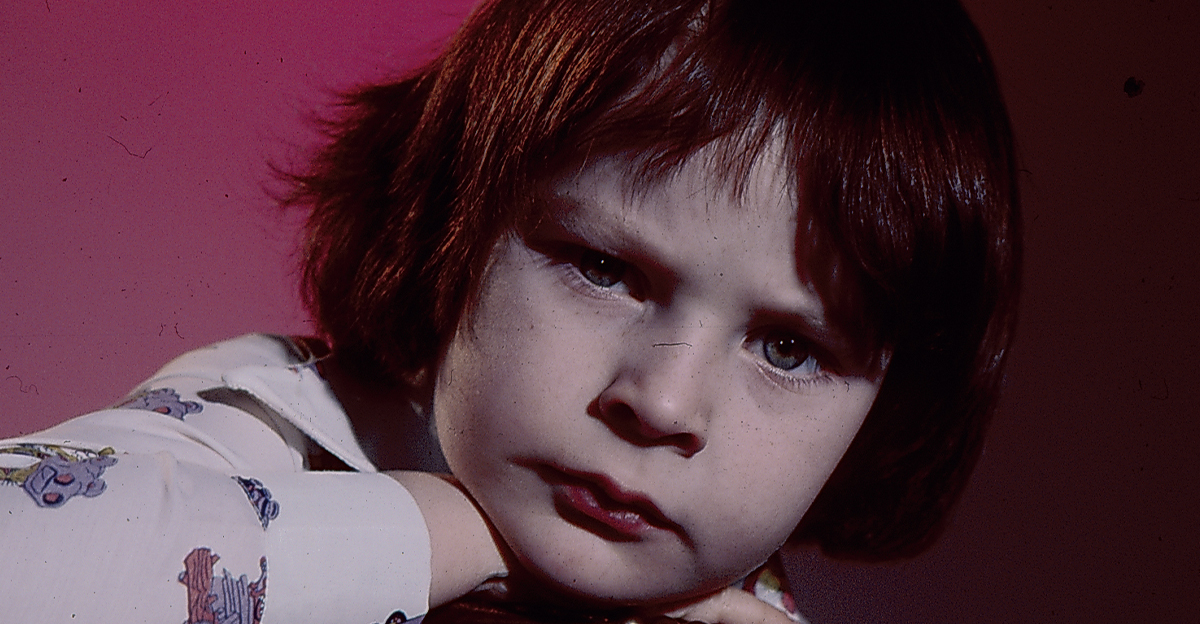
Damien Thorn - The Omen (1976)
Damien spends much of The Omen looking like an ordinary little boy, which is precisely what makes him so unnerving. Gregory Peck’s Robert Thorn gradually discovers horrifying clues suggesting that the child he has been raising is actually the Antichrist. Tragedy seems to follow Damien wherever he goes, yet he rarely has to personally do anything. Other people, animals, and seemingly impossible accidents remove obstacles for him. Harvey Spencer Stephens barely needs dialogue. One strange smile from Damien can make viewers wonder exactly how much the child understands about the carnage surrounding him.
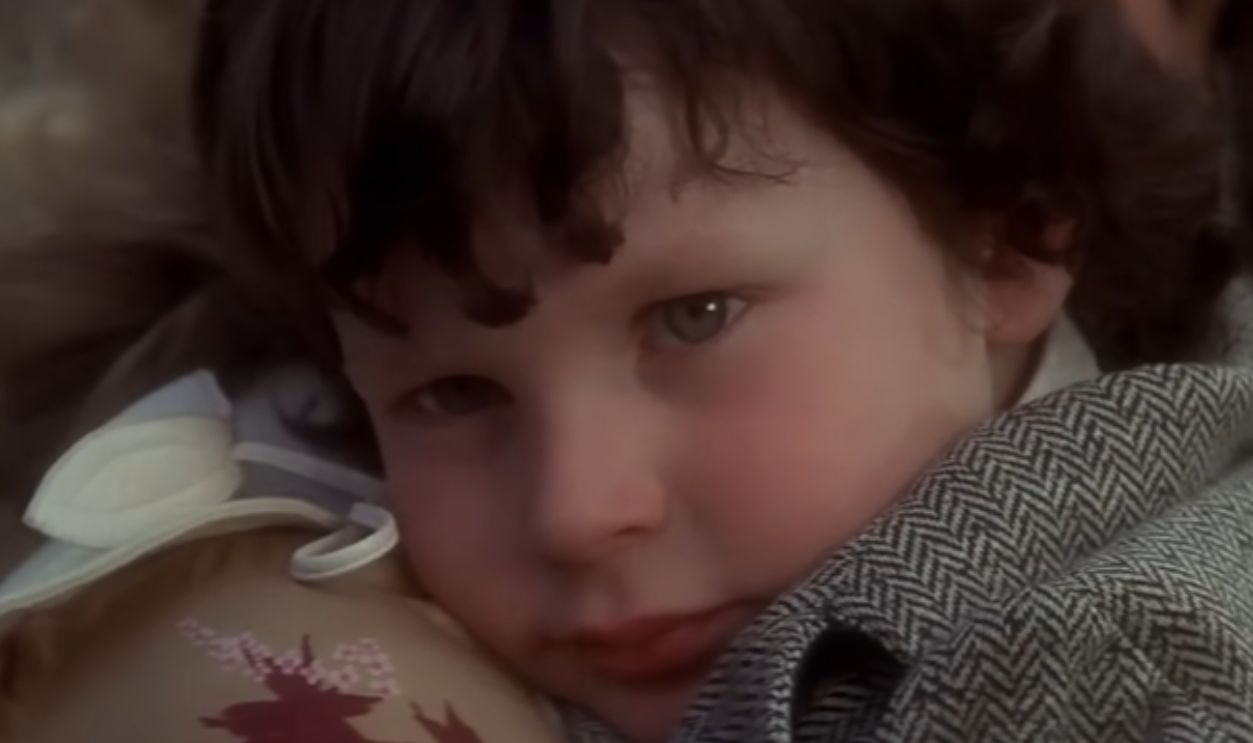 Screenshot from The Omen, 20th Century Studios (1976)
Scorpio - Dirty Harry (1971)
Andy Robinson’s Scorpio is frightening because he enjoys turning everything into a game. Loosely inspired by the Zodiac Killer, he takes the lives of strangers, demands ransom money, kidnaps a school bus, and taunts law enforcement while remaining frustratingly difficult to stop legally. His most devious move comes after Harry Callahan tracks him down and beats information out of him. Scorpio pays someone to assault him, then presents himself to the press as the victim of law enforcement brutality. Robinson makes him pathetic and monstrous at the same time.
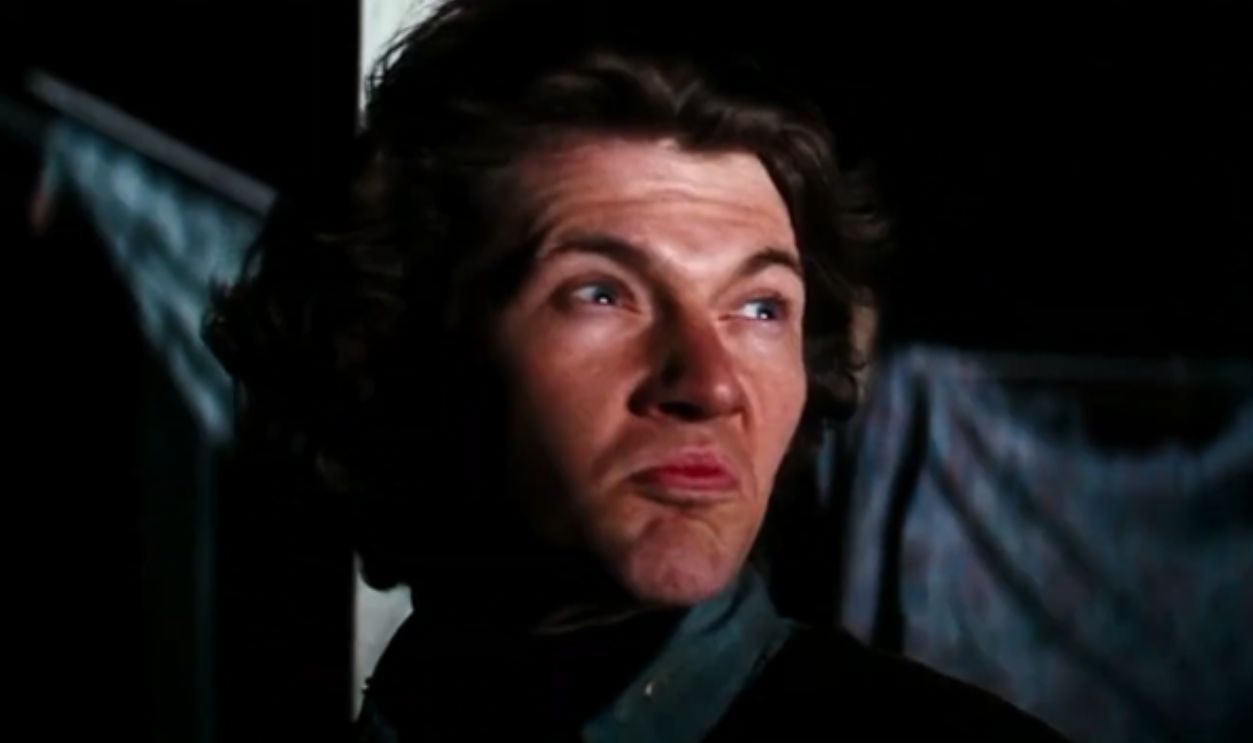 Screenshot from Dirty Harry, Warner Bros. (1971)
Scaramanga - The Man With The Golden Gun (1974)
Christopher Lee gave James Bond an enemy who genuinely seemed worthy of him. Francisco Scaramanga is an elite assassin who charges an enormous fee for each slaying and carries a custom golden pistol that can be assembled from seemingly ordinary objects. More importantly, he sees Bond almost as a professional equal. Scaramanga’s private island, elaborate funhouse, impeccable manners, and obsession with proving who is the superior gunman make him feel less like another disposable henchman and more like Bond’s murderous mirror image.
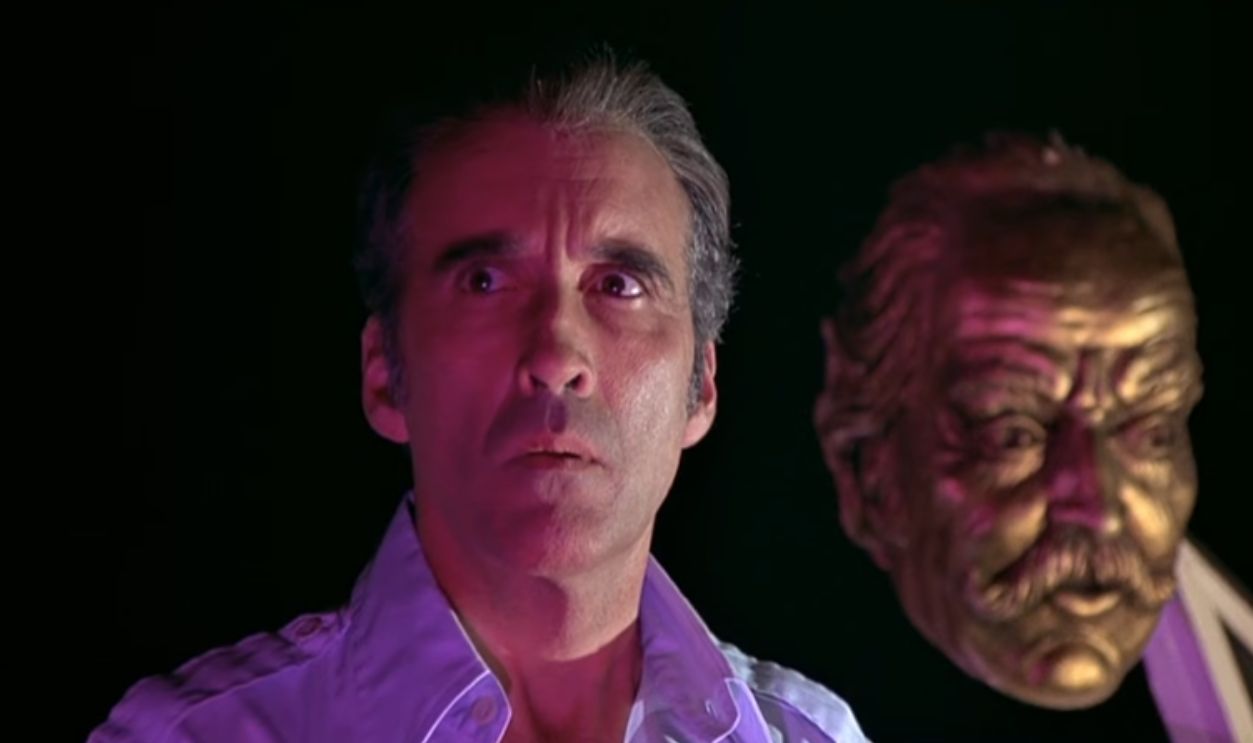 Screenshot from The Man with the Golden Gun, MGM (1974)
Pazuzu - The Exorcist (1973)
The demonic force commonly identified as Pazuzu does far more than physically torment Regan MacNeil. It studies everyone who enters the room and discovers exactly what will hurt them most. Father Karras is already struggling with guilt over his mother’s passing and doubts about his faith, so the demon focuses much of its psychological attack directly on him. It lies, mocks, imitates voices, desecrates religious symbols, and turns an innocent child into the center of a spiritual nightmare. The intelligence behind the malice is what makes the possession so disturbing.
 Screenshot from The Exorcist, Warner Bros. (1973)
Alex DeLarge - A Clockwork Orange (1971)
Alex is technically the protagonist, which makes placing him among the decade’s villains especially uncomfortable. Malcolm McDowell gives him enormous charisma while Stanley Kubrick shows him committing a slew of heinous offenses with almost gleeful enthusiasm. Then the government subjects Alex to the Ludovico Technique, conditioning him to become physically incapable of harm. The movie refuses to offer an easy moral victory. Alex is horrific, but the state’s attempt to remove his ability to choose is disturbing too. Viewers are left trapped between a monstrous individual and a system willing to become monstrous itself.
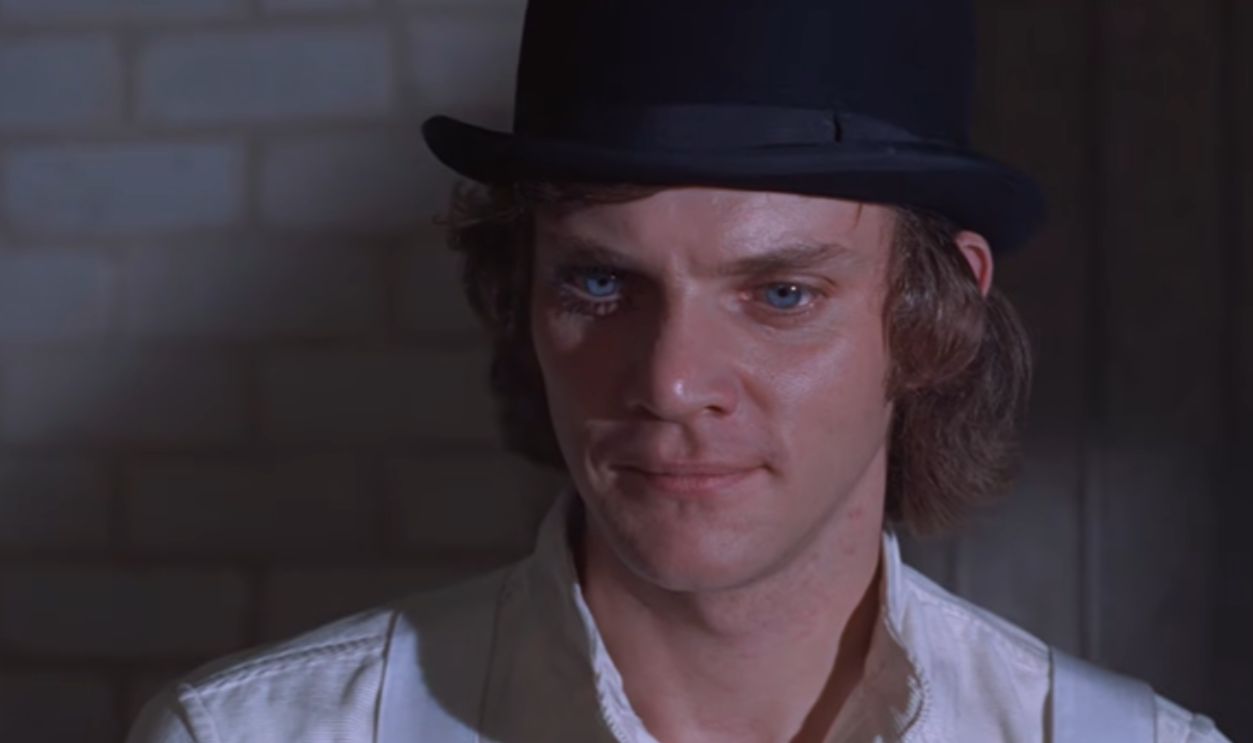 Screenshot from A Clockwork Orange, Warner Bros. (1971)
Sheriff Buford T Justice - Smokey And The Bandit (1977)
Jackie Gleason turns Sheriff Buford T Justice into a villain mostly through sheer determination. After Bandit embarrasses his son and disrupts a wedding, Justice pursues him across state lines with increasingly little concern for jurisdiction, dignity, or the rapidly deteriorating condition of his patrol car. He is loud, furious, petty, and absolutely convinced that he represents law and order. Gleason’s improvisational energy made Justice so funny that the character became nearly as important to the movie’s appeal as Burt Reynolds himself.
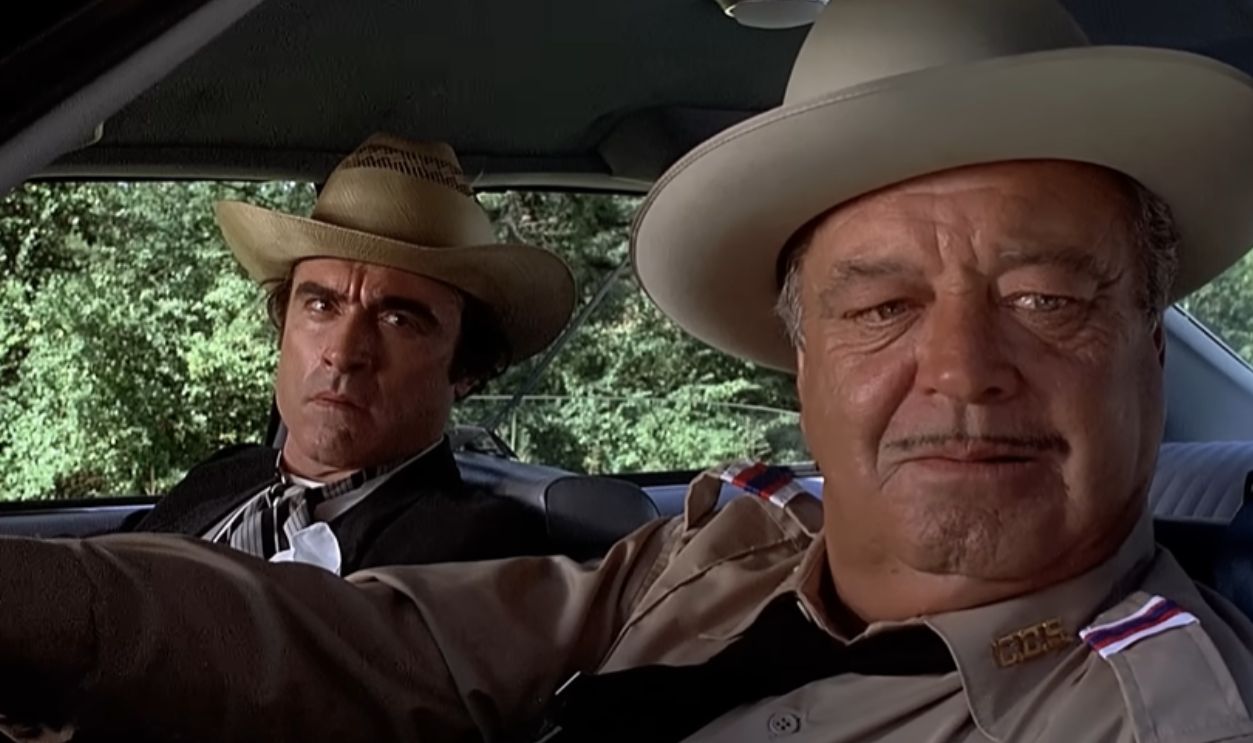 Screenshot from Smokey and the Bandit, Universal Pictures (1977)
Alain Charnier - The French Connection (1971)
Fernando Rey’s Alain Charnier rarely behaves like a conventional movie villain. He is calm, impeccably dressed, and patient enough to let everyone else make mistakes around him. As the mastermind behind a massive shipment of illicit substances entering New York, Charnier spends much of The French Connection staying frustratingly ahead of Gene Hackman’s obsessive Popeye Doyle. Their differences make the pursuit fascinating. Doyle is frantic and increasingly reckless, while Charnier seems almost amused that someone keeps chasing him. Even when the operation collapses, the elusive Frenchman remains extraordinarily difficult to catch.
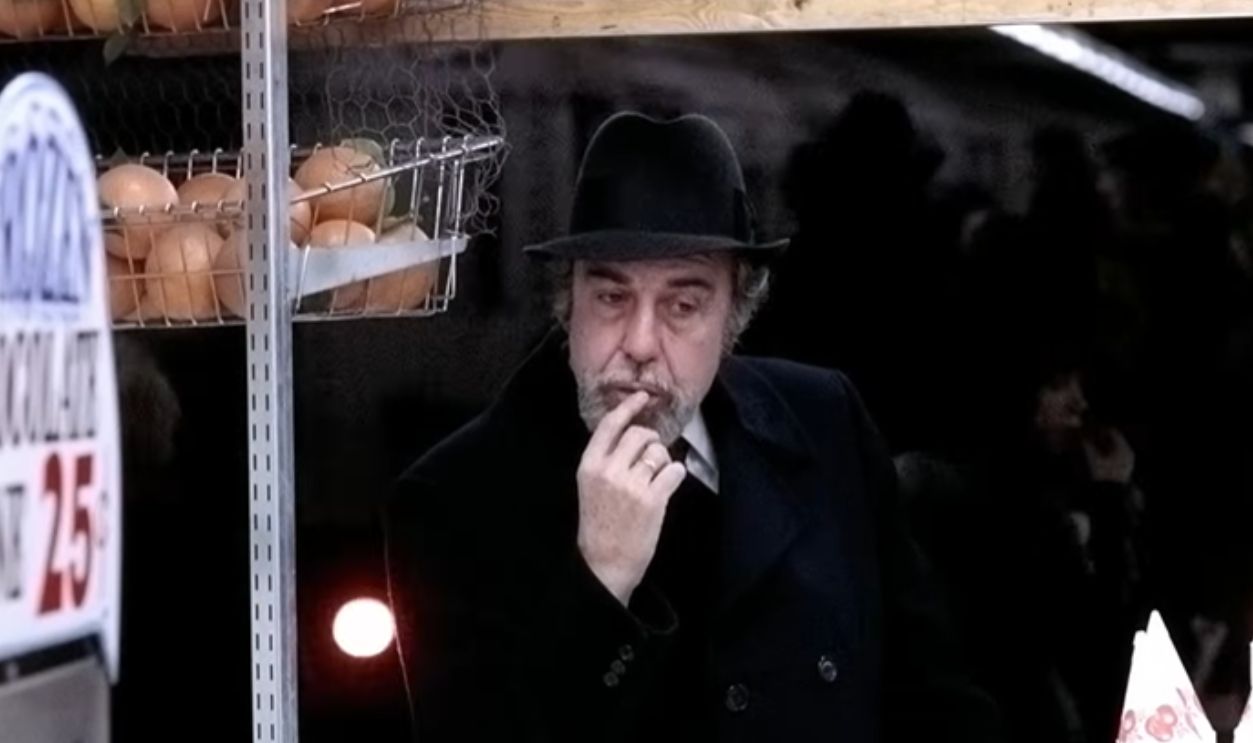 Screenshot from The French Connection, 20th Century Studios (1971)
Lex Luthor - Superman: The Movie (1978)
Gene Hackman’s Lex Luthor is absurdly theatrical, but his actual plan is monstrous. From his luxurious underground headquarters, Luthor intends to manipulate a nuclear missile into detonating along California’s San Andreas Fault, destroying enormous amounts of land so that his worthless desert property suddenly becomes valuable coastline. Hackman plays him with such relaxed comic arrogance that it is easy to momentarily forget the body count involved. He also immediately recognizes Superman’s one physical weakness and arranges a kryptonite trap, proving the jokes never make Luthor stupid.
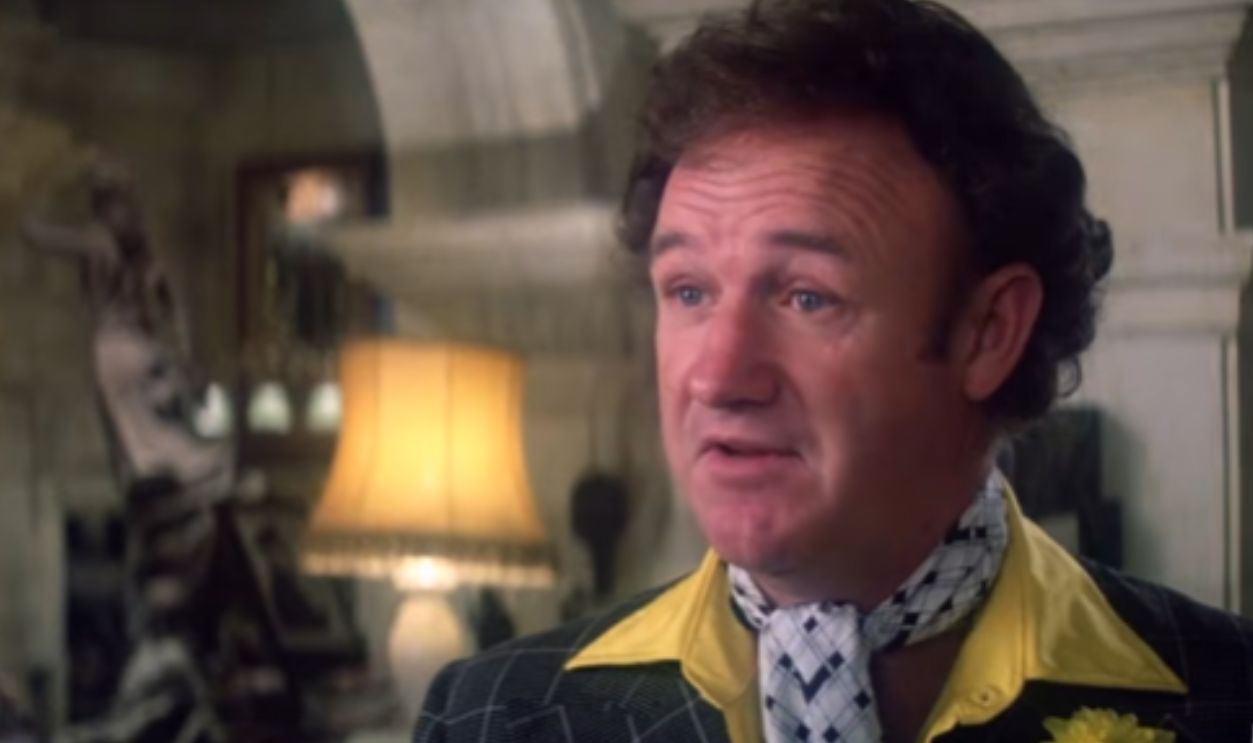 Screenshot from Superman: The Movie, Warner Bros. (1978)
Apollo Creed - Rocky (1976)
Apollo Creed is easily the least evil figure here, but he is the antagonist Rocky needed. Carl Weathers plays the heavyweight champion as charismatic, intelligent, and extremely comfortable turning boxing into show business. When his scheduled opponent drops out of a Bicentennial title fight, Apollo decides giving an unknown local boxer a chance would make fantastic publicity. He assumes Rocky Balboa will provide a colorful exhibition. What he fails to anticipate is Rocky taking the opportunity seriously enough to survive all 15 rounds. Apollo’s confidence makes Rocky’s accomplishment matter.
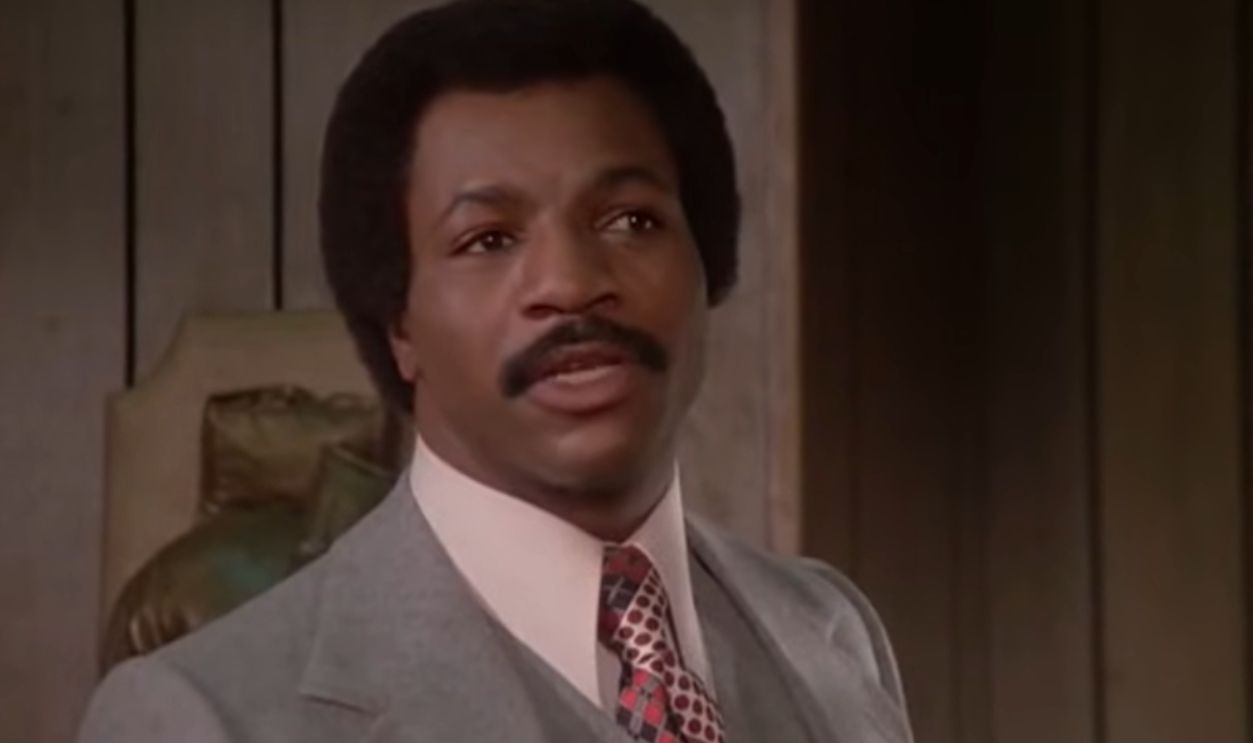 Screenshot from Rocky, MGM (1976)
Billy - Black Christmas (1974)
Billy is terrifying partly because Black Christmas refuses to properly explain him. He hides inside a sorority house, makes obscene and increasingly bizarre telephone calls, and slays women while everyone assumes the danger must be coming from outside. Director Bob Clark gives viewers fragments of Billy rather than a conventional villain biography: an eye through a doorway, muttered voices, strange references to Agnes, and bursts of incomprehensible rage. Even after law enforcement believe the nightmare is over, the movie quietly reveals the truth. Billy is still upstairs.
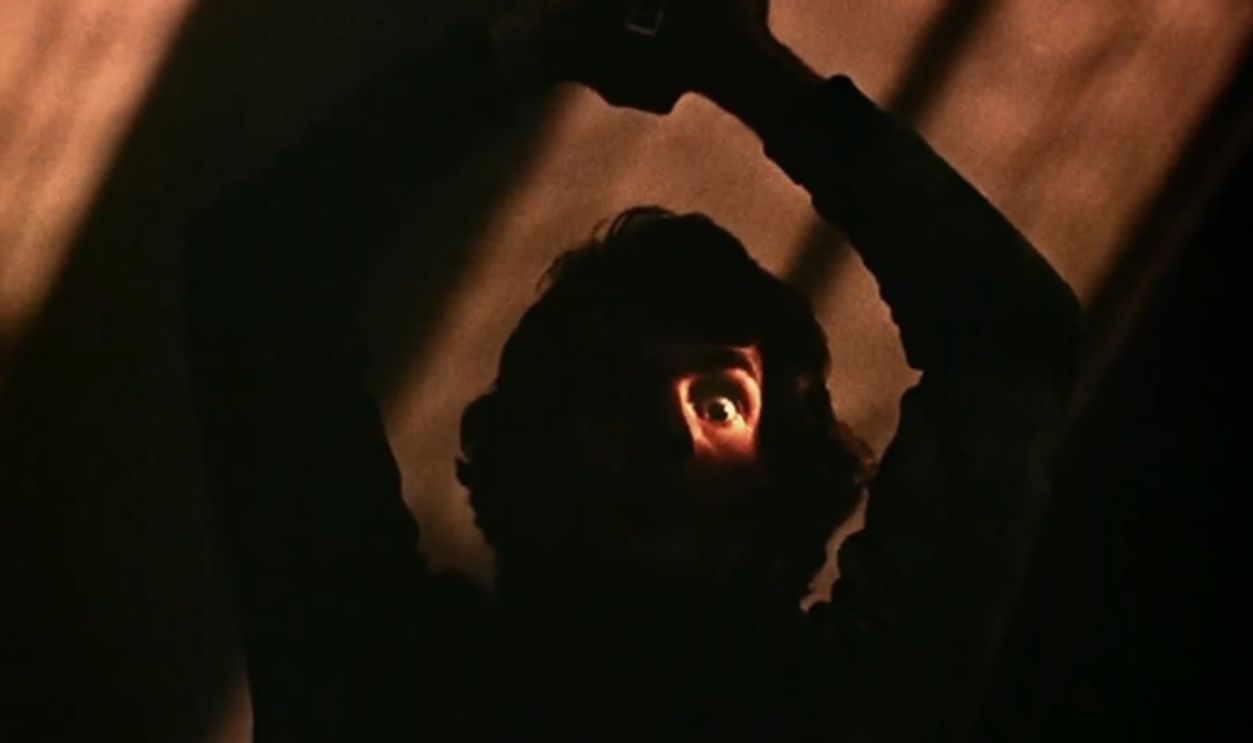 Screenshot from Black Christmas, Warner Bros. (1974)
Dean Wormer - Animal House (1978)
Dean Vernon Wormer does not slay anyone or plot world domination. He simply wants Delta Tau Chi gone, and he pursues that goal with the passion of a supervillain. John Vernon plays Wormer with total seriousness, which makes his escalating conflict with the fraternity even funnier. He places Delta on the immortal “double secret probation,” pressures their rivals to help destroy them, and eventually expels the entire group. The more ridiculous the students become, the more personally offended Wormer seems by their continued existence.
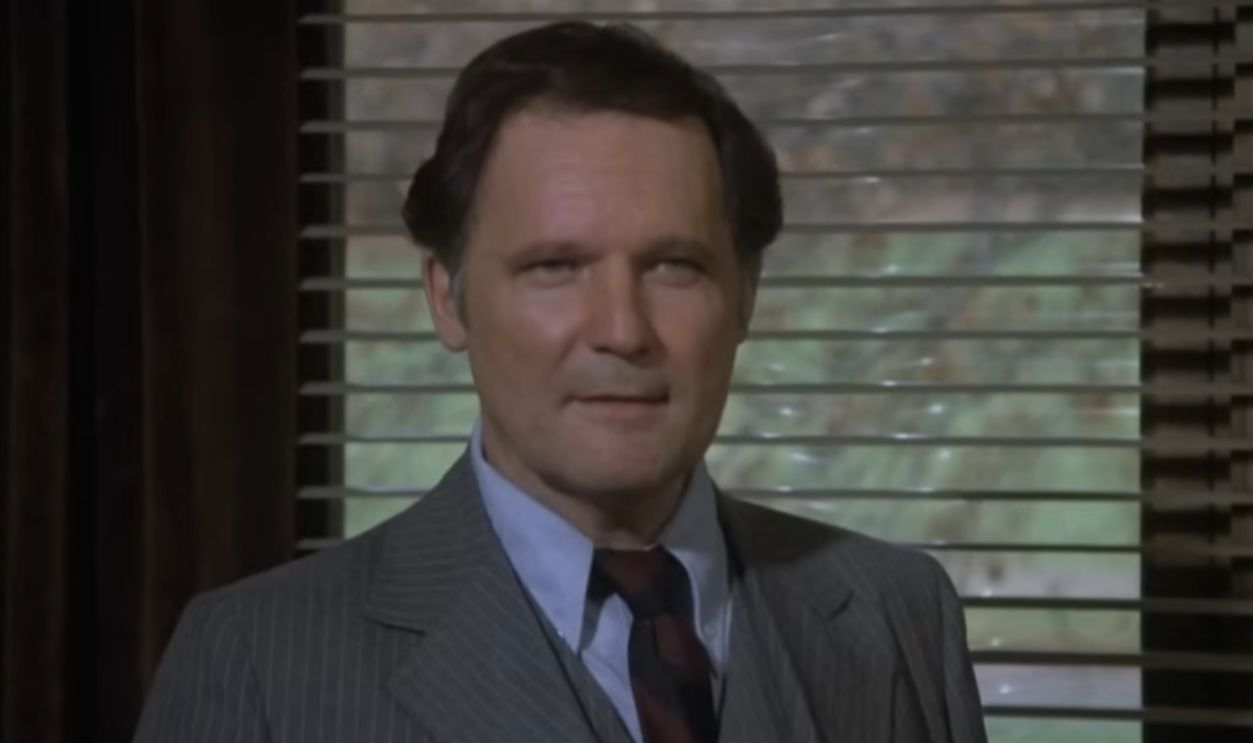 Screenshot from National Lampoon's Animal House, Universal Pictures (1978)
Dr Phibes - The Abominable Dr Phibes (1971)
Vincent Price’s Anton Phibes has one of the decade’s most elaborate revenge schemes. Horribly disfigured and believed to have passed on, the brilliant musician and inventor blames a team of doctors for failing to save his wife during surgery. He begins slaying them one by one using methods inspired by the biblical plagues of Egypt. Frogs, bats, locusts, blood, and other grotesque devices become tools in a murderous theatrical performance. Phibes barely speaks normally, communicating through an electronic apparatus, which only makes Price’s eerie physical performance more memorable.
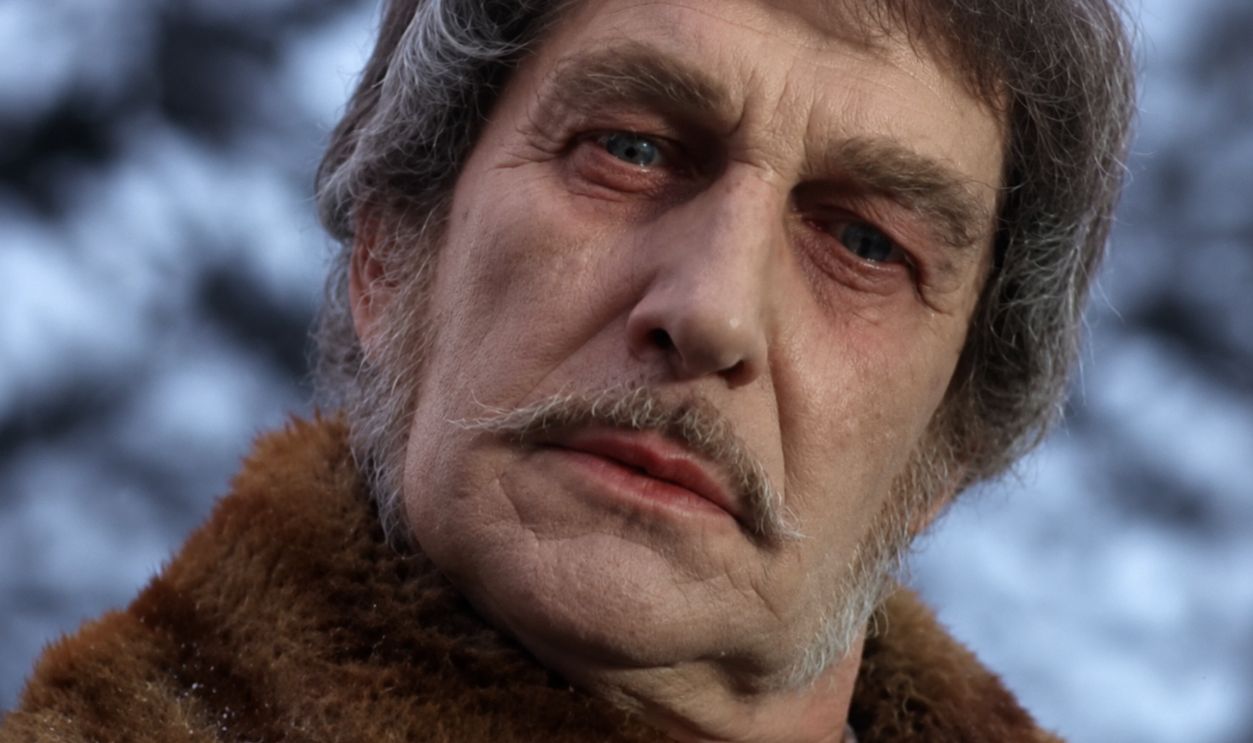 Screenshot from The Abominable Dr. Phibes, American International Pictures (1971), Enhanced
Evelyn Draper - Play Misty For Me (1971)
Jessica Walter’s Evelyn Draper begins as an enthusiastic listener who repeatedly asks radio DJ Dave Garver to play “Misty”. After meeting him at a bar, she turns a one-night encounter into an imagined relationship and refuses to accept that Dave does not share her feelings. Evelyn goes from clingy to manipulative to terrifyingly violent, invading Dave’s home and attacking anyone she sees as competition. Walter never reduces her to a shrieking caricature. Evelyn can appear charming and vulnerable just long enough to make her next eruption more frightening.
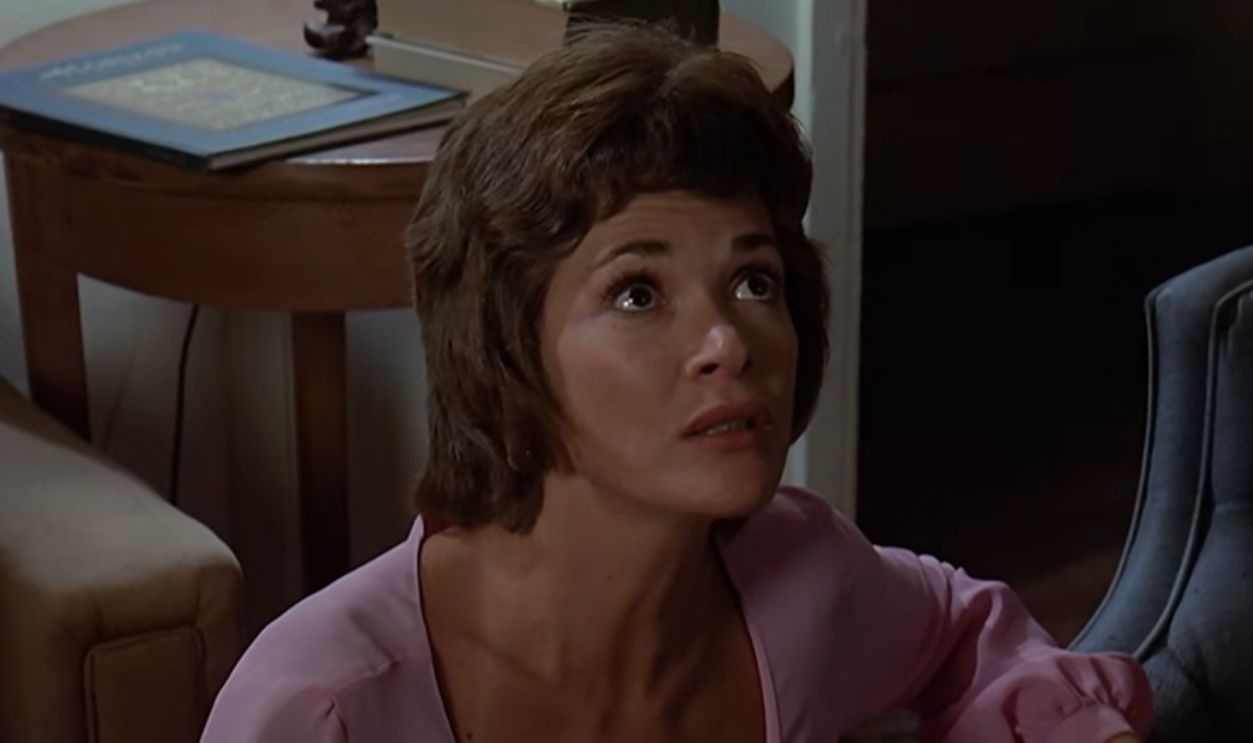 Screenshot from Play Misty for Me, Universal Pictures (1971)
Lord Summerisle - The Wicker Man (1973)
Christopher Lee considered Lord Summerisle one of his favorite roles, and it is easy to understand why. He is charming, intelligent, hospitable, and utterly convinced that the pagan traditions practiced on his island are reasonable. Sergeant Howie arrives believing he is investigating a missing child, only to discover that practically everyone has been participating in an elaborate deception. Summerisle never needs to snarl or threaten him. He simply guides the investigation toward the conclusion he planned from the beginning, culminating in one of horror cinema’s most memorable sacrificial rituals.
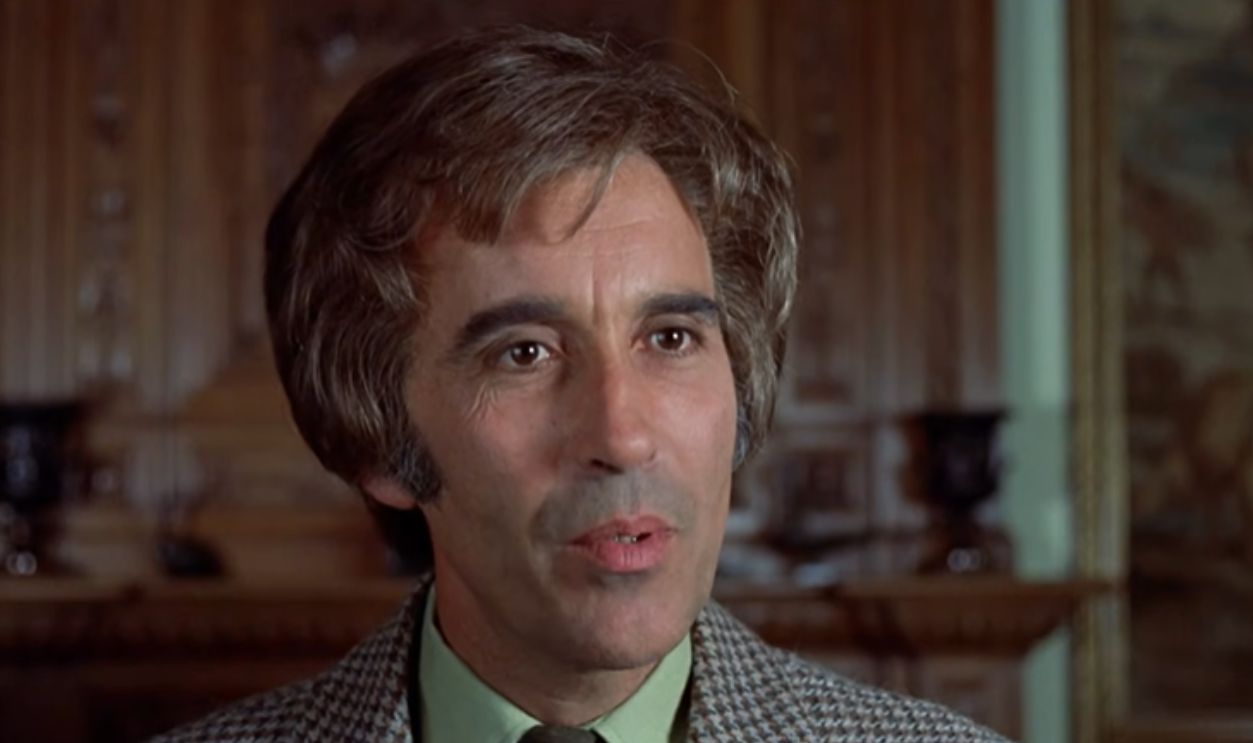 Screenshot from The Wicker Man, StudioCanal (1973)
Emilio Barzini - The Godfather (1972)
Don Emilio Barzini initially seems like just another dignified Mafia leader sitting across from Vito Corleone at meetings. In reality, he has been quietly manipulating much of the conflict from behind the scenes. Vito eventually recognizes that Barzini, not Philip Tattaglia, represents the greater danger to the Corleone family. Richard Conte plays him with controlled confidence, making his power feel structural rather than theatrical. He does not need to shout. Barzini works through alliances, intermediaries, and betrayals, assuming Michael Corleone will never understand the game until it is too late.
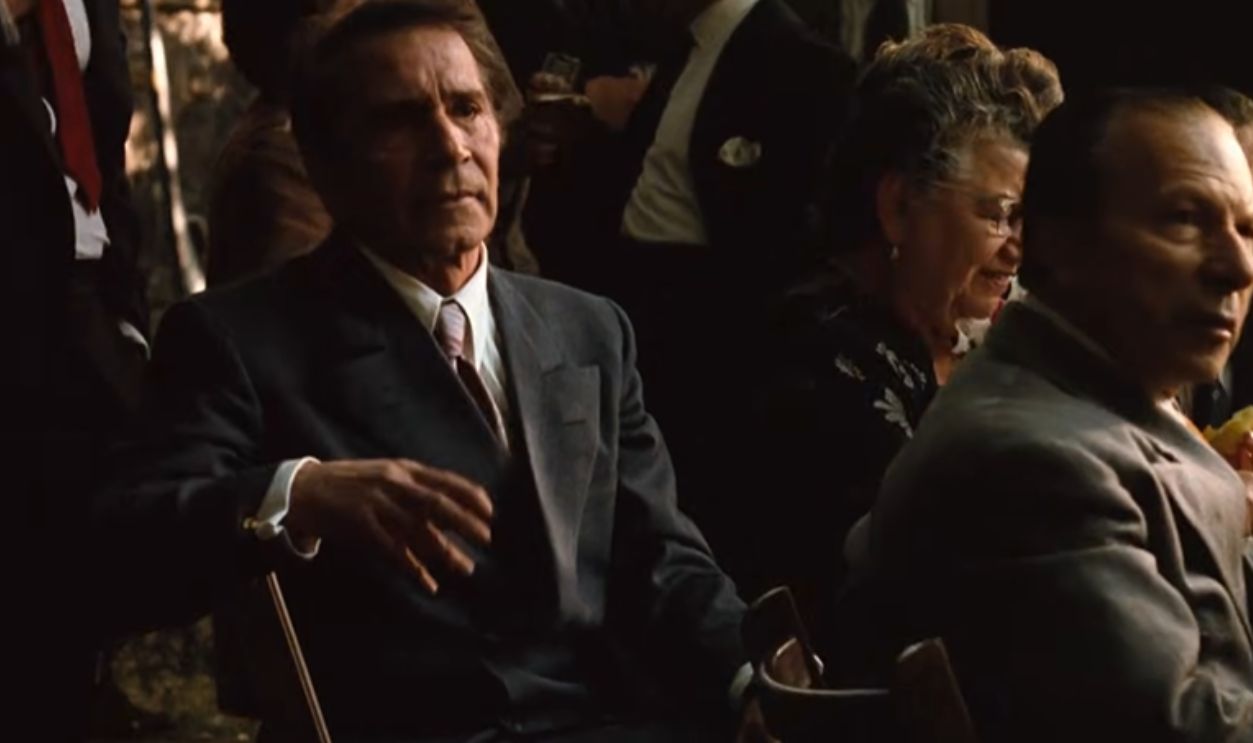 Screenshot from The Godfather, Paramount Pictures (1972)
The Tall Man - Phantasm (1979)
Angus Scrimm only had to walk down a hallway and growl “Boy!” to make the Tall Man unforgettable. Don Coscarelli’s surreal horror film gradually reveals that the sinister mortician is doing much more than preparing bodies for burial. Corpses are being transformed into small hooded servants, mysterious portals lead somewhere beyond normal reality, and deadly silver spheres patrol the mausoleum. The movie deliberately leaves much unexplained, giving the Tall Man the logic of a recurring nightmare. Every answer about him seems to create three more questions.
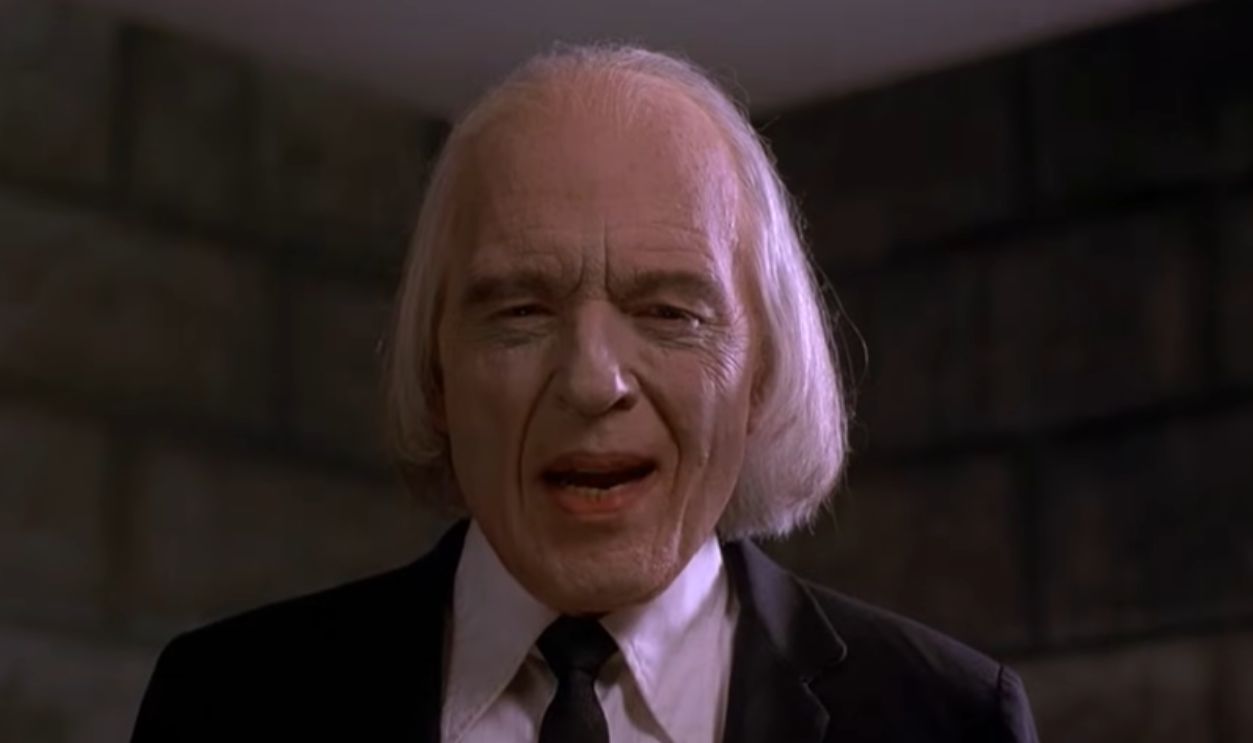 Screenshot from Phantasm, Avco Embassy Pictures (1979)
Han - Enter The Dragon (1973)
Han runs his underworld empire from a private island where he stages an elite martial arts tournament for invited fighters. Beneath the pageantry sits an operation involving illicit substances, exploitation, and an army of loyal guards. Shih Kien gives Han a cold authority that contrasts beautifully with Bruce Lee’s controlled intensity. Han is also missing a hand, allowing him to attach different armaments when a confrontation becomes physical. Their final fight in a hall of mirrors is perfect for him, surrounding a deceitful villain with reflections that make locating the real danger nearly impossible.
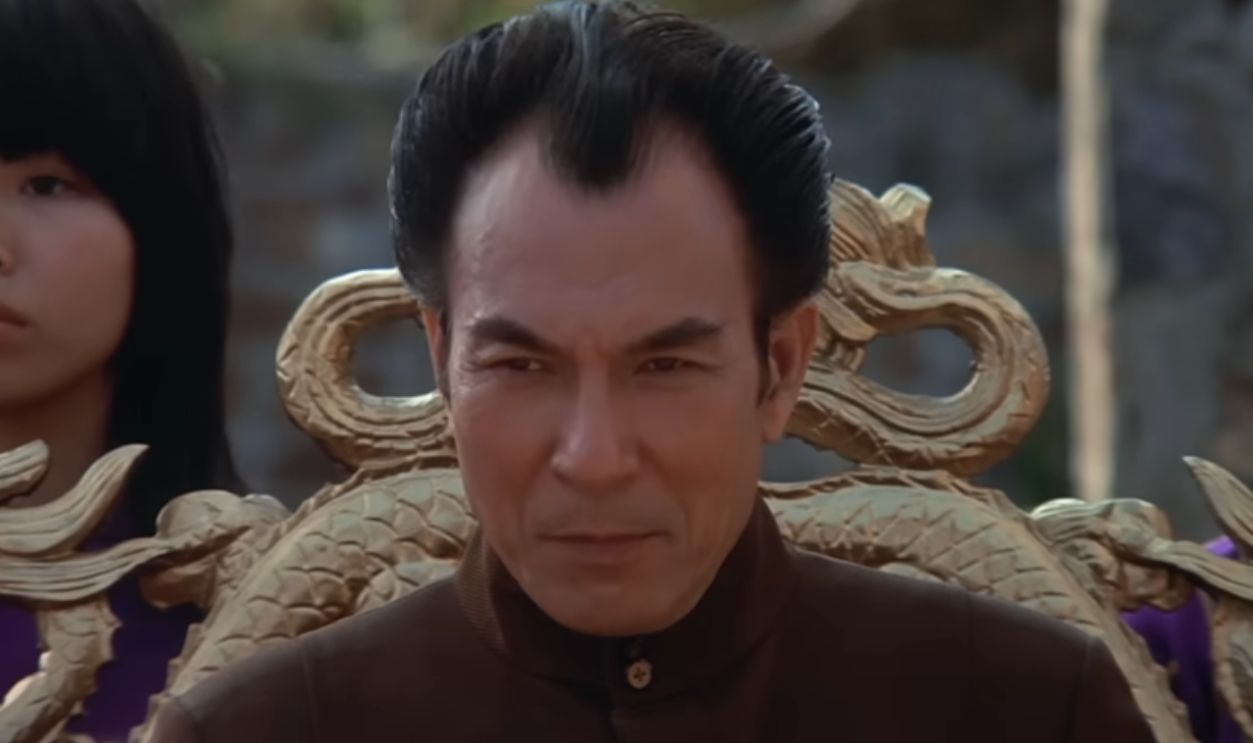 Screenshot from Enter the Dragon, Warner Bros. (1973)
The Alien - Alien (1979)
The creature aboard the Nostromo does not make speeches or formulate elaborate revenge plans. It simply adapts, grows, hides, and kills with horrifying efficiency. Beginning as an egg, attaching itself to Kane as a facehugger, and eventually emerging as the adult creature designed by HR Giger, the Alien seems to break every familiar biological rule. Ash eventually admires it as a nearly perfect organism, which captures why it works so well. The crew cannot negotiate with it, frighten it, or understand it. They are simply trapped inside its hunting ground.
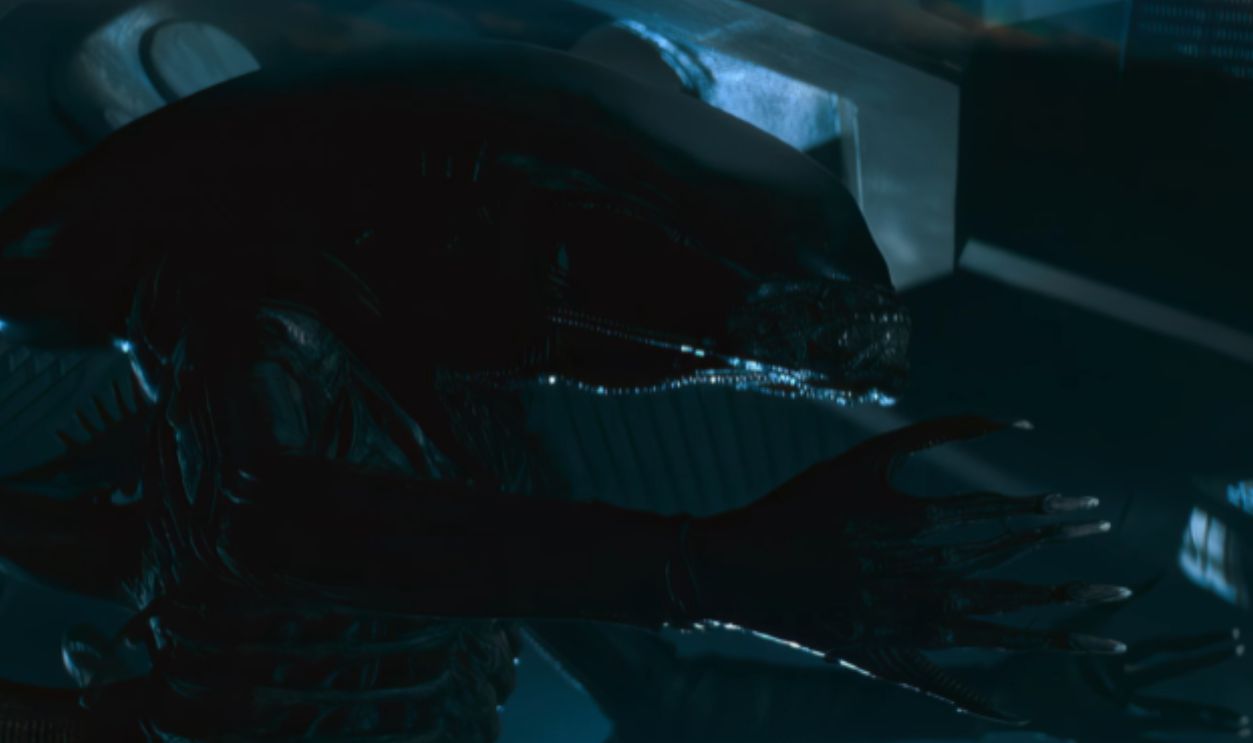 Screenshot from Alien, 20th Century Studios (1979)
Colonel Kurtz - Apocalypse Now (1979)
Colonel Walter E. Kurtz is not a conventional villain, and Apocalypse Now becomes more disturbing because of that ambiguity. Once a highly accomplished American officer, Kurtz has rejected military authority and built his own violent kingdom deep in Cambodia. Captain Willard is sent upriver to end his command, hearing increasingly unsettling stories before finally meeting him. Marlon Brando turns Kurtz into an enormous, shadow-covered presence who speaks with eerie calm about war, morality, and horror. The deeper Willard travels, the less certain it becomes that madness belongs only to Kurtz.
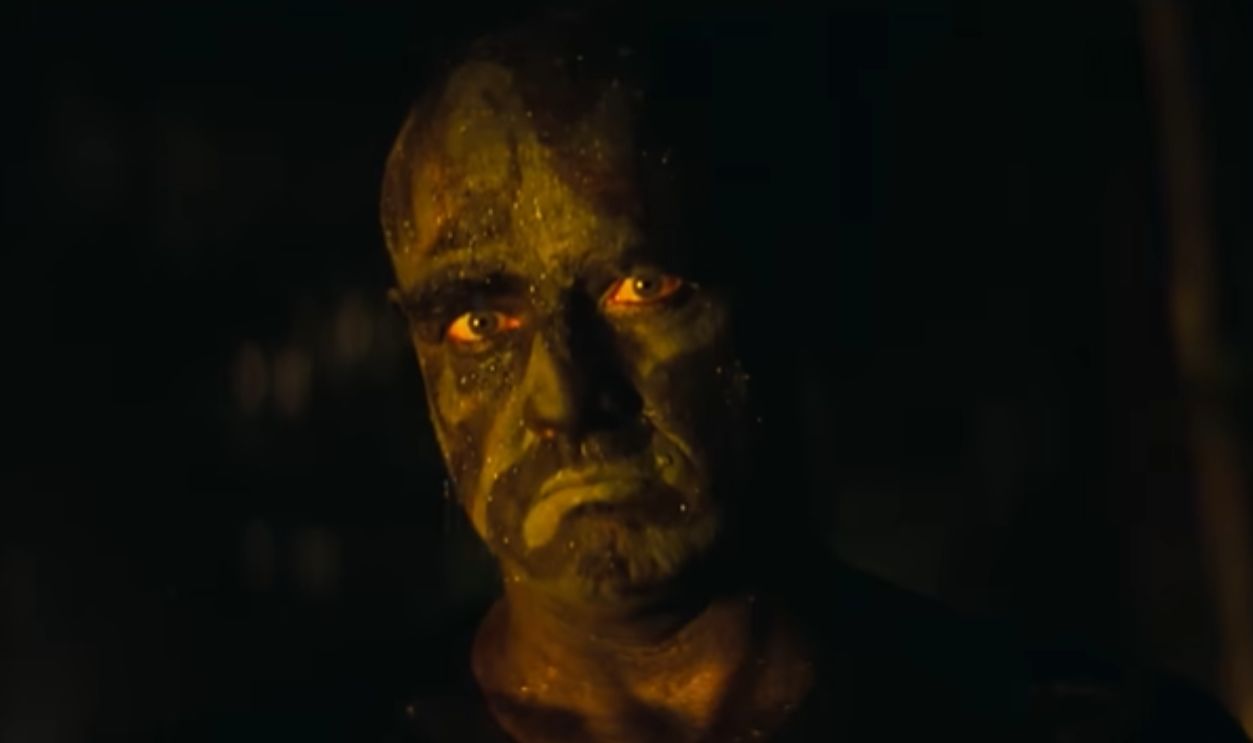 Screenshot from Apocalypse Now, MGM (1979)
Dr Christian Szell - Marathon Man (1976)
Laurence Olivier made the simple question “Is it safe?” permanently terrifying. Christian Szell is a former Third Reich concentration-camp dentist living secretly in South America, drawn back into danger by a cache of diamonds connected to his offenses. When graduate student Babe Levy becomes caught in the conspiracy, Szell treats him exactly as he once treated helpless prisoners. The dental torment scene works because Olivier barely raises his voice. Szell approaches brutality like a professional procedure, calmly inflicting unbearable pain while continuing to ask a question Babe cannot possibly answer.
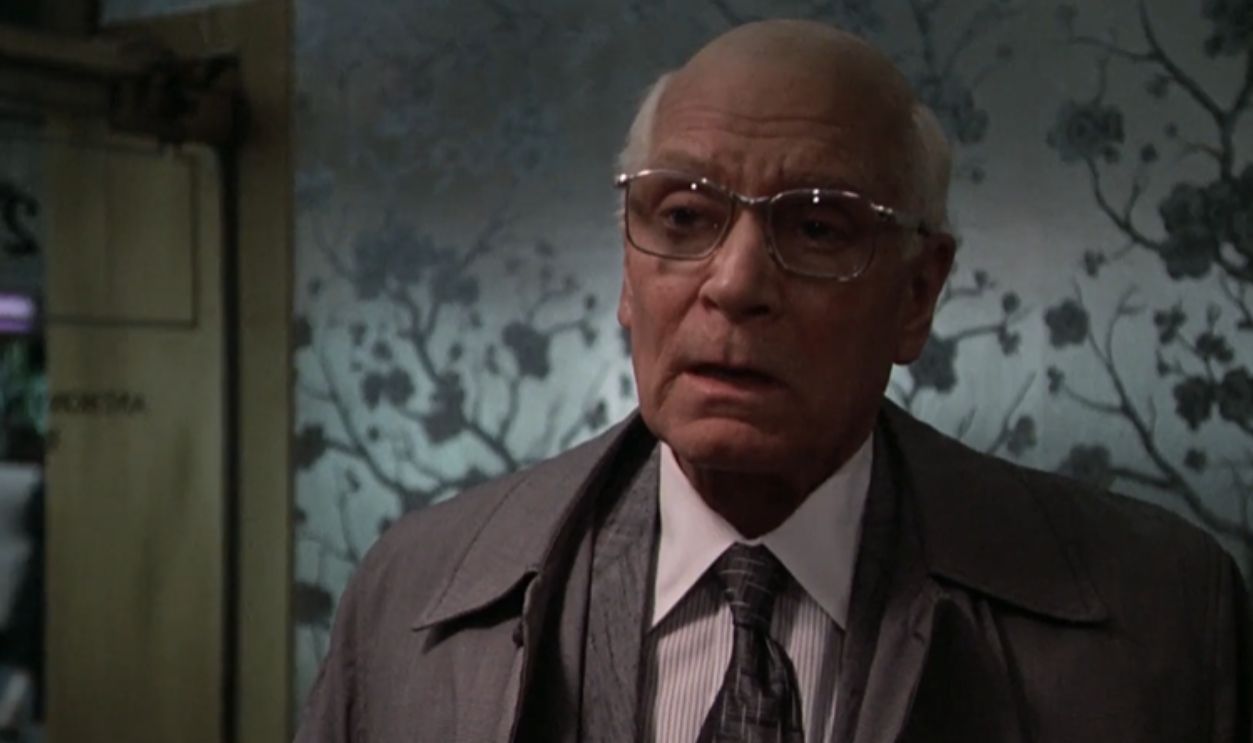 Screenshot from Marathon Man, Paramount Pictures (1976)
Toecutter - Mad Max (1979)
Hugh Keays-Byrne’s Toecutter leads the motorcycle gang that transforms Max Rockatansky’s already unstable world into a personal nightmare. He is theatrical, charismatic, and unpredictably vicious, capable of encouraging brutality while barely appearing to exert himself. The gang’s retaliation against Max and his family pushes the policeman beyond the judicial system he once served. Toecutter works because George Miller does not make him a sophisticated underworld mastermind. He is the leader of a pack that senses civilization collapsing and realizes that nobody powerful enough remains to stop them.
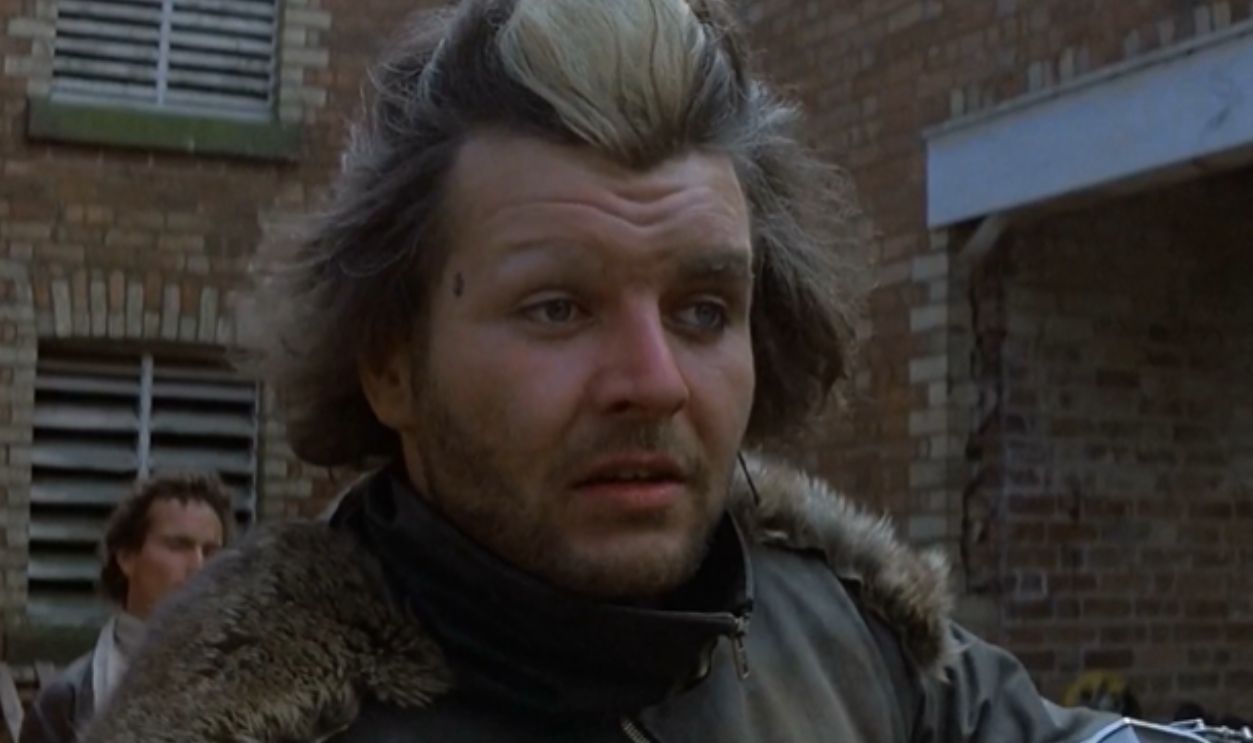 Screenshot from Mad Max, Warner Bros. (1979)
Michael Myers - Halloween (1978)
John Carpenter strips Michael Myers of nearly everything audiences normally use to understand a villain. He barely speaks, his expression is hidden behind a blank white mask, and his motivation remains frustratingly unclear. Fifteen years after murdering his sister as a child, Michael escapes confinement and returns to Haddonfield, silently stalking Laurie Strode and her friends. Donald Pleasence’s Dr Loomis repeatedly insists there is nothing recognizably human behind Michael’s eyes. By the final moments, even several bullets cannot provide the reassuring ending audiences expect.
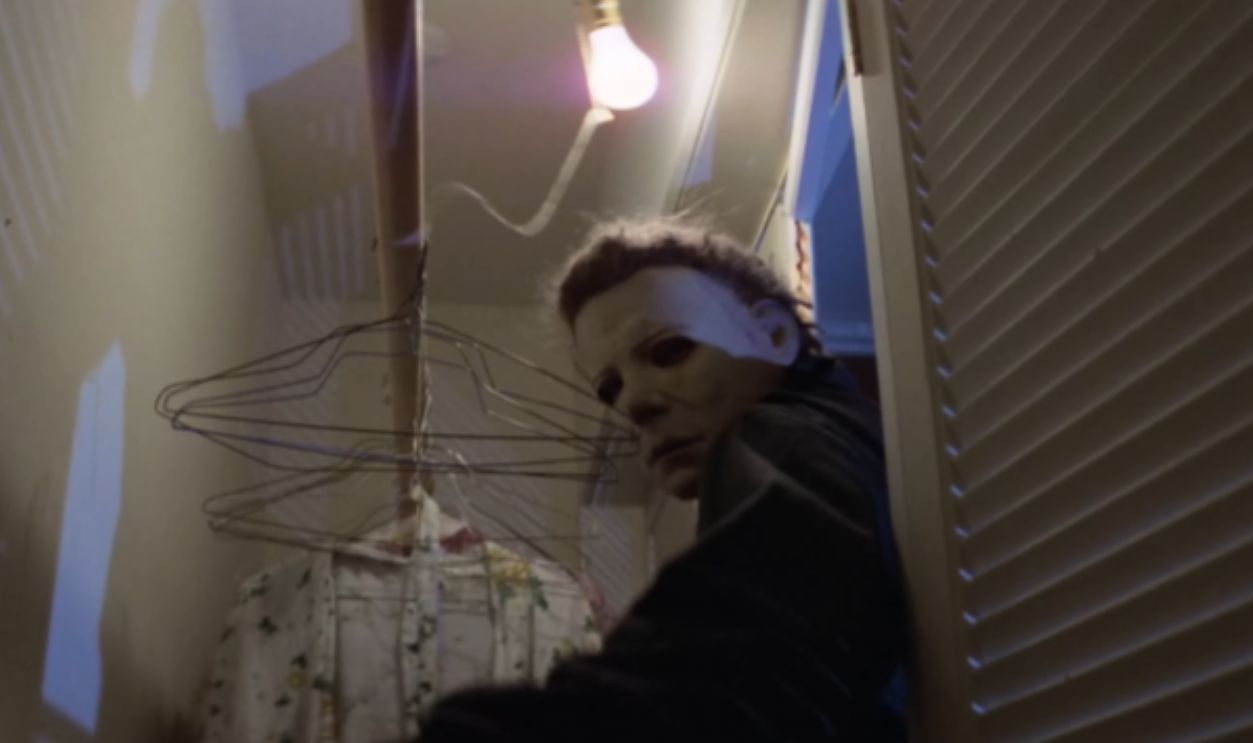 Screenshot from Halloween, Compass International Pictures (1978)
Leatherface - The Texas Chain Saw Massacre (1974)
Leatherface arrives with almost no warning. Gunnar Hansen’s enormous killer suddenly appears in a doorway, strikes one victim with a hammer, and drags another into the nightmare surrounding his family. His human-skin masks and chainsaw became horror icons, but Leatherface is stranger than the unstoppable slasher villains who followed him. He is frightened, excitable, and clearly dominated by his equally grotesque relatives. That almost makes him worse. The brutality doesn't come from some supernatural monster, but rather an entire household with its own horrifying idea of normal family life.
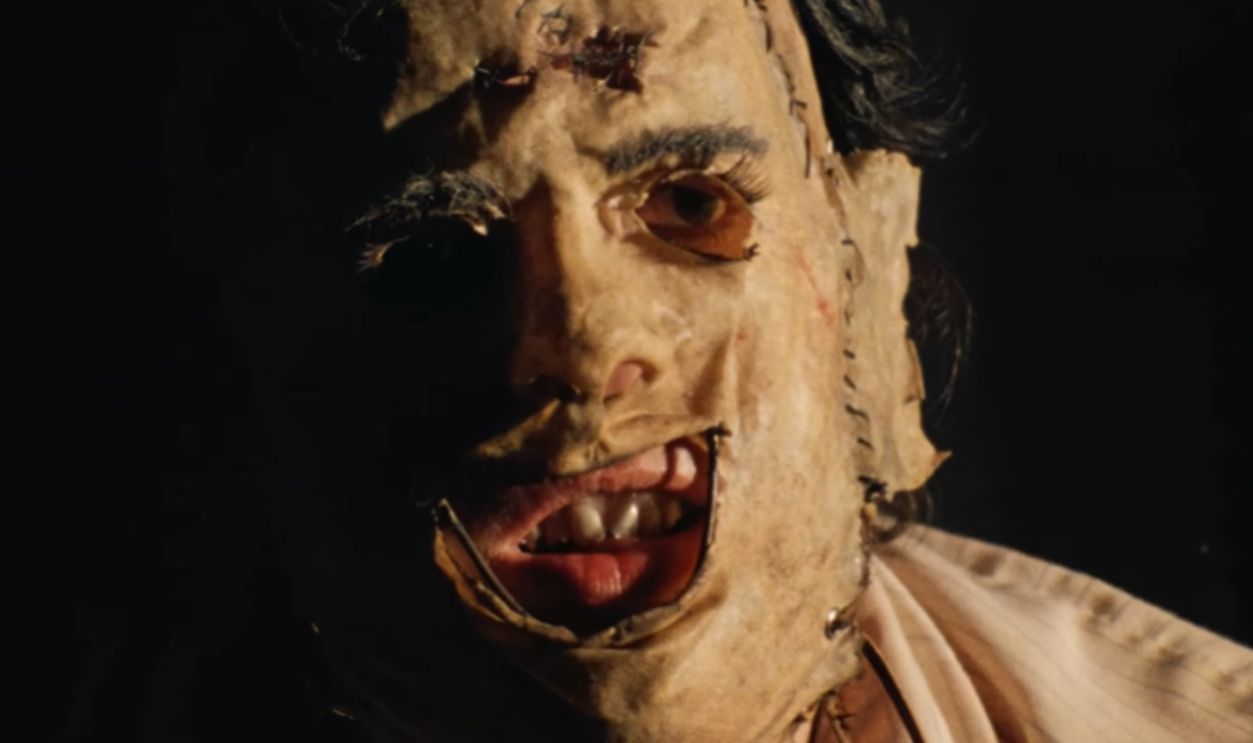 Screenshot from The Texas Chain Saw Massacre, Bryanston Distributing (1974)
Darth Vader - Star Wars (1977)
Before audiences knew anything about Anakin Skywalker, Darth Vader was simply the enormous black figure who walked through smoke and bodies at the beginning of Star Wars. David Prowse supplied the imposing physical performance while James Earl Jones gave Vader one of cinema’s most instantly recognizable voices. He interrogates Princess Leia, casually strangles officers who disappoint him, helps hunt the Rebels, and kills Obi-Wan Kenobi. Even standing beside Imperial commanders, Vader feels different from everyone around him, as though the movie has briefly imported a dark fantasy villain into science fiction.
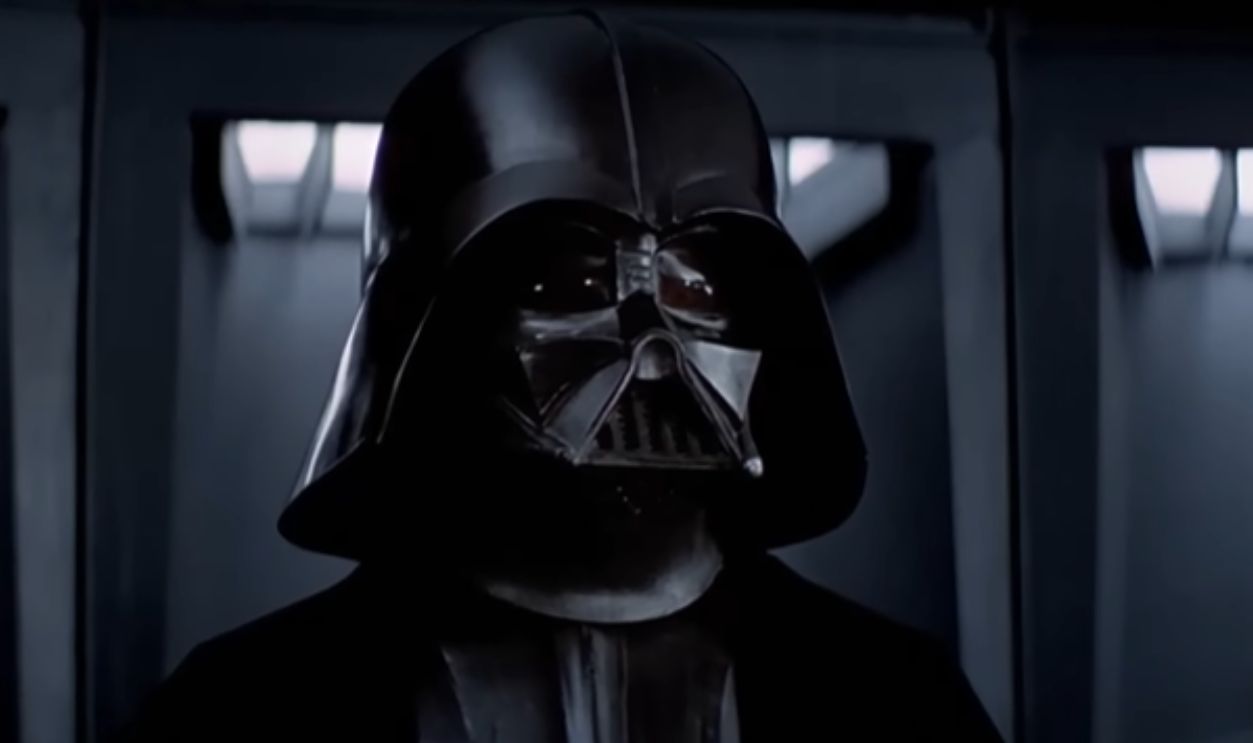 Screenshot from Star Wars, 20th Century Studios (1977)
You May Also Like:
Movie Villains From The 1960s Who Were Too Strange To Forget—Are They Just As Scary Today?