Sometimes Playing Evil Worked Too Well
A great villain can make an actor unforgettable. The trouble starts when audiences and casting directors become so convinced that the performer is dangerous, sinister, or simply bad news that nobody wants to see them any other way.
Bela Lugosi Became Dracula Forever
Bela Lugosi had played leading men and conventional dramatic parts on European stages before Dracula transformed his career in 1931. Within only a few years, he was already complaining that Hollywood had classified him as one very specific type of actor. The cape brought him immortality, but it also pushed him into decades of increasingly repetitive horror roles.
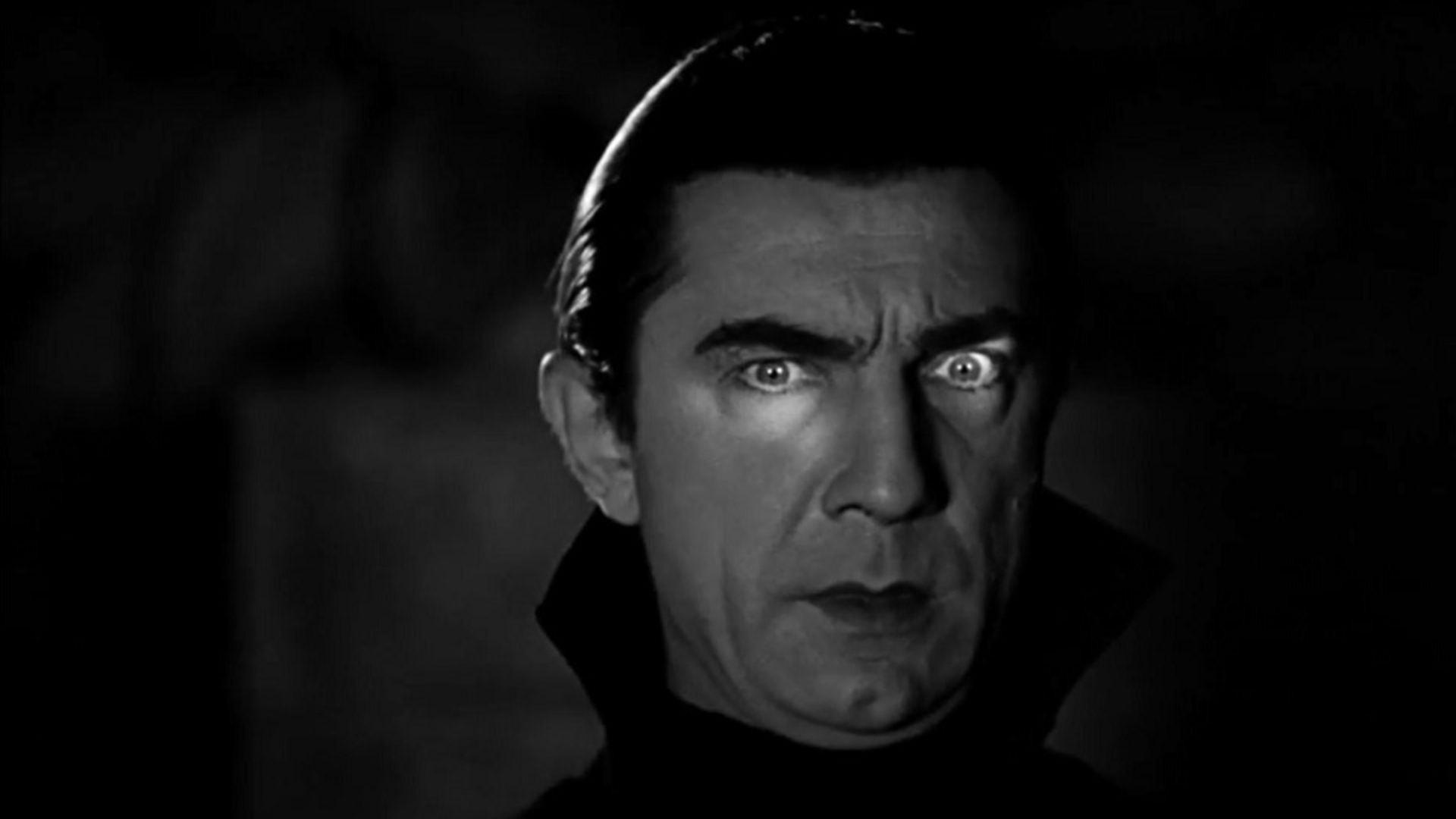 Screenshot from Internet Archive of the trailer for Dracula (1931), Wikimedia Commons
Boris Karloff Knew Nobody Expected A Nice Guy
Frankenstein and The Mummy established Boris Karloff as Hollywood's great face of fear. Karloff later joked that audiences seemed disappointed whenever he played someone who did not eventually do something terrible. Unlike several of his contemporaries, he largely accepted the bargain, reasoning that audiences expected him to be the villain and were willing to keep paying to see it.
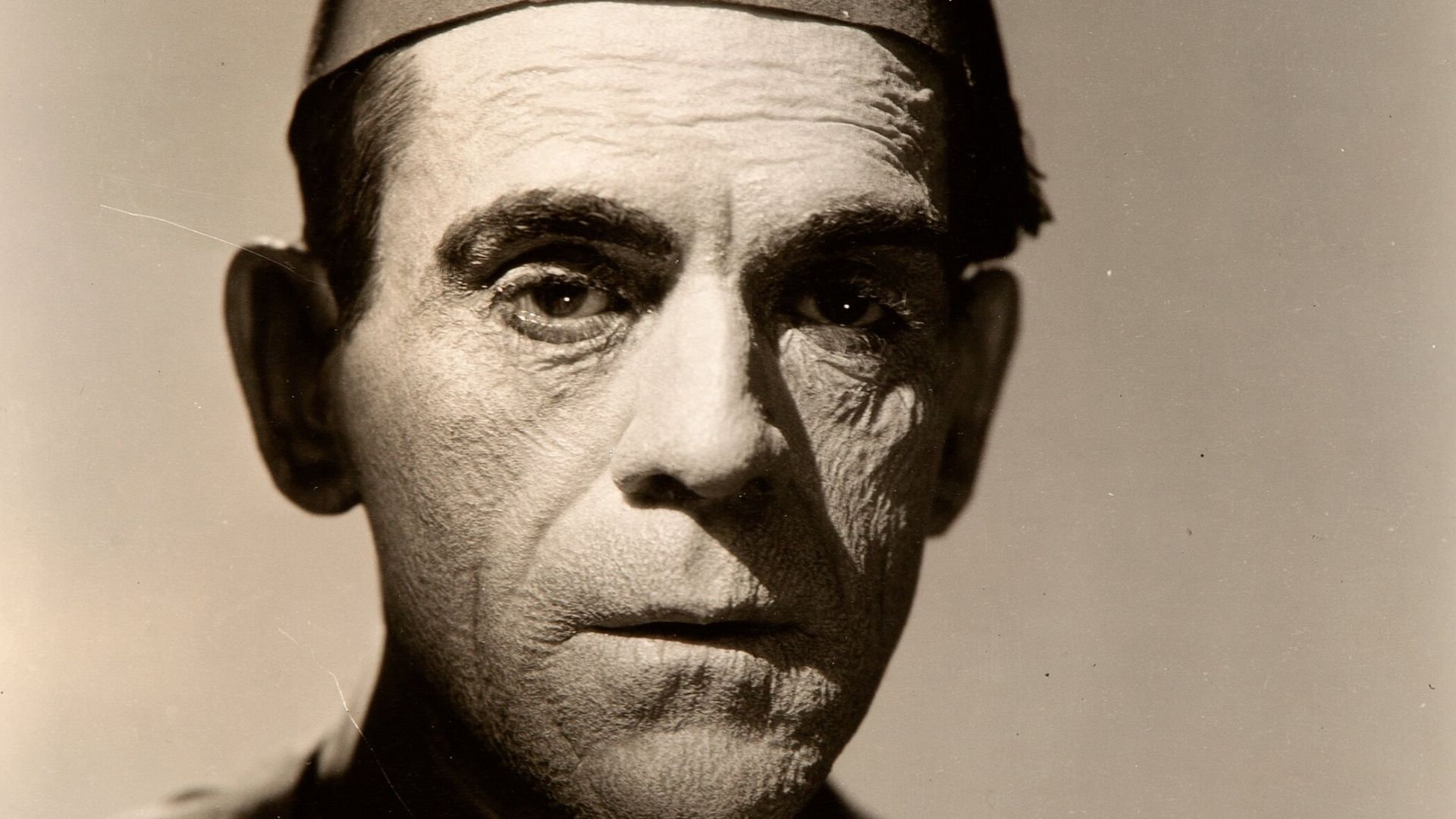 Universal Studios, Wikimedia Commons
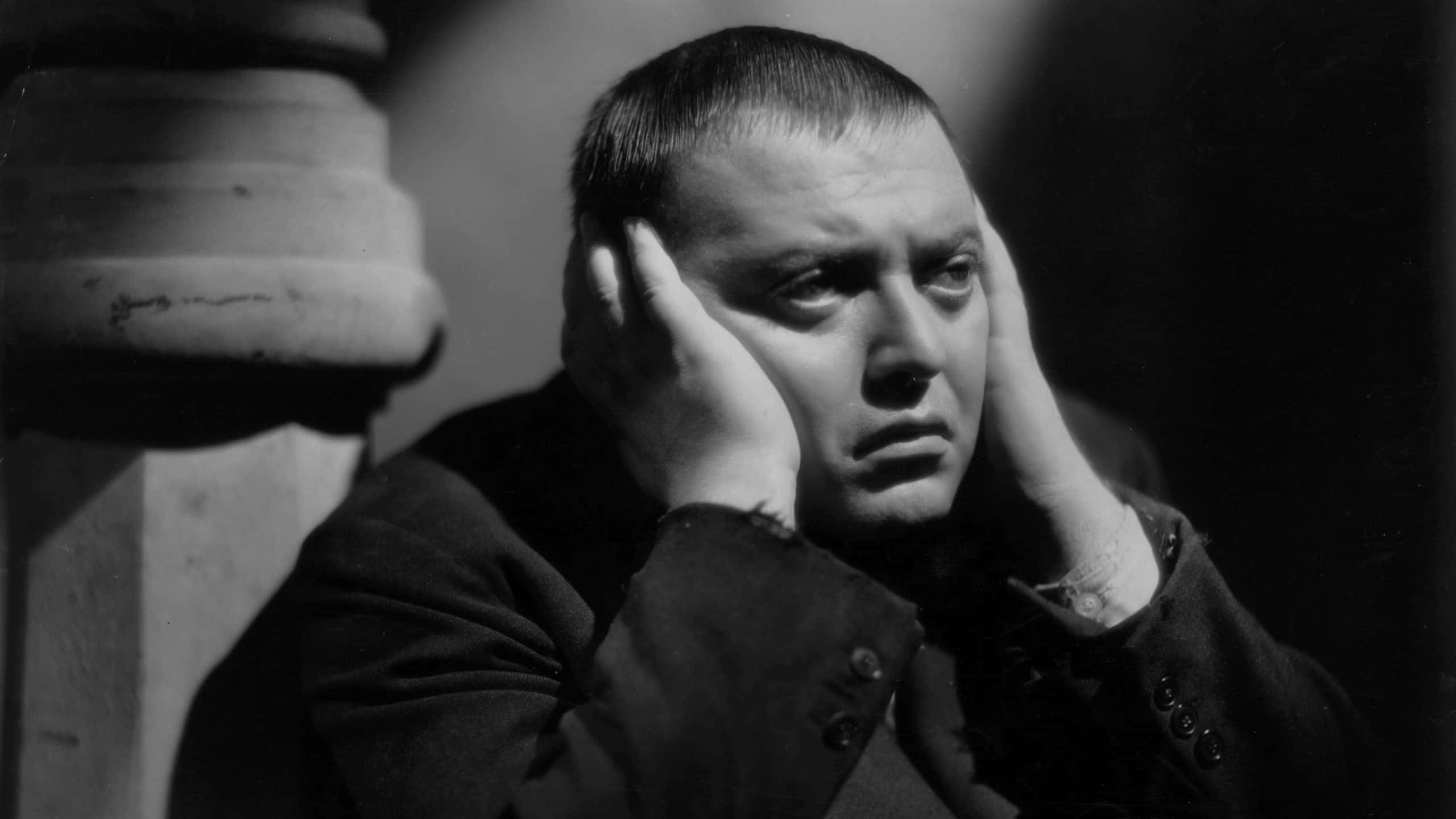
Peter Lorre Never Escaped M
Peter Lorre's astonishing performance in Fritz Lang's M made him internationally famous before he reached Hollywood. It also trapped him inside an image of nervous menace that American studios repeatedly recycled in assassins, criminals, suspicious outsiders, and increasingly exaggerated variations on himself. Turner Classic Movies notes that Lorre eventually became enough of a stereotype that cartoons could parody his appearance and voice without even using his name.
Basil Rathbone Was Always The Man With The Sword
Before Sherlock Holmes rescued him temporarily, Basil Rathbone had become one of Hollywood's favorite elegant villains. He fought heroes in costume adventures so regularly that Rathbone joked about finally getting the opportunity to beat the bad guy when he became Holmes. Then that success created a different problem, because Sherlock Holmes became another role Hollywood struggled to see past.
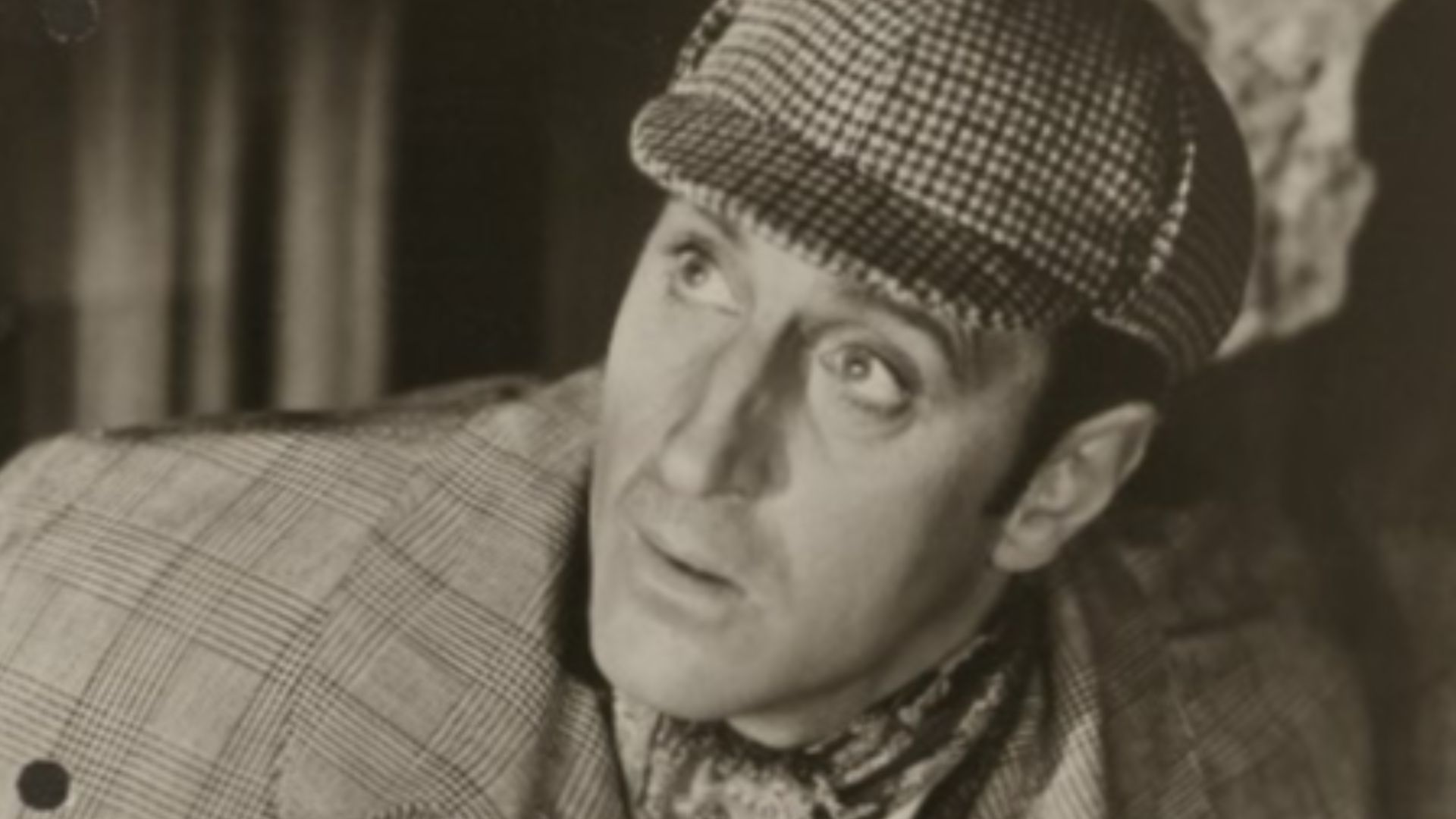 20th Century Fox, photographer not identified, Wikimedia Commons
Margaret Hamilton Frightened Generations Of Children
Margaret Hamilton's Wicked Witch in The Wizard of Oz became so frightening to young viewers that she later appeared on Mister Rogers' Neighborhood to demonstrate that witches were only make-believe. Hamilton loved the movie but admitted the Witch was not the role she most wanted to be remembered for. She had deliberately avoided a restrictive studio contract earlier in her career because she understood how easily a distinctive performer could become trapped in one image.

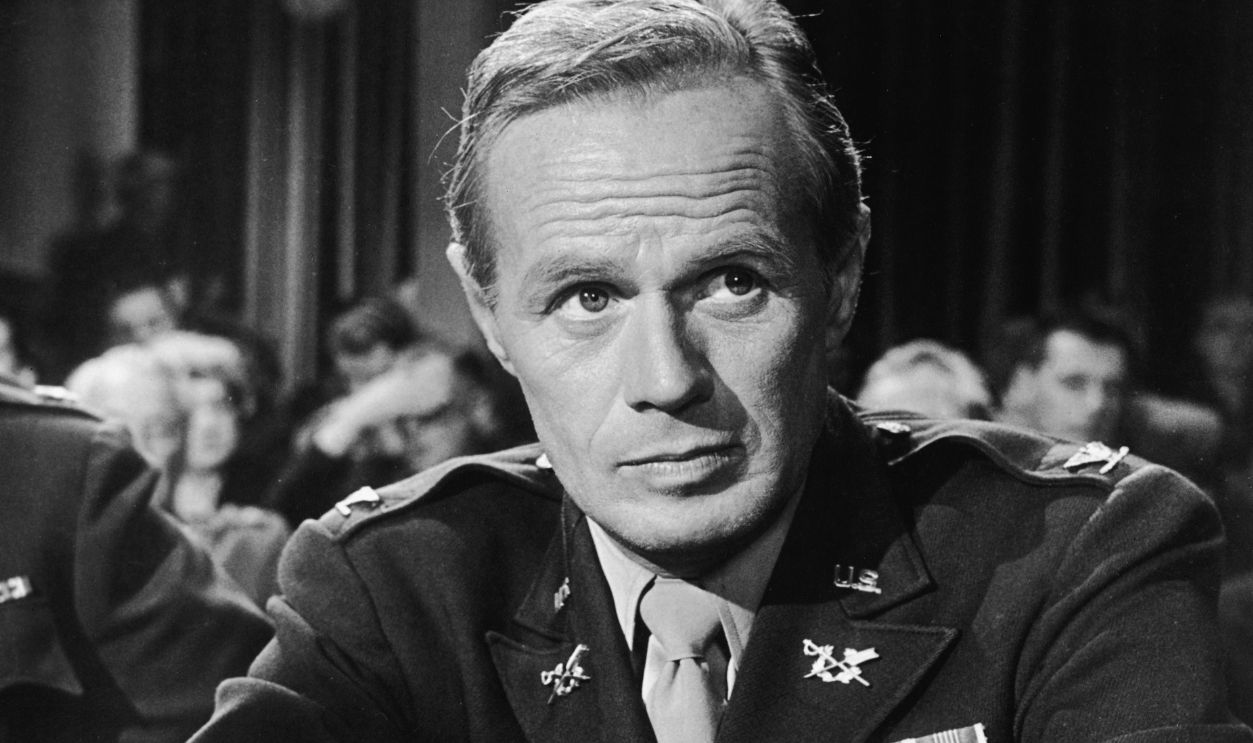
Richard Widmark Terrified People In His First Movie
Richard Widmark made an extraordinary film debut as giggling criminal Tommy Udo in Kiss of Death. The performance earned an Academy Award nomination but immediately caused Hollywood to offer him more unhinged villains. Widmark eventually insisted on playing decent men because, as later retrospectives noted, audiences could still be frightened by him even when he was supposed to be the hero.
Robert Ryan Kept Playing Men He Despised
Robert Ryan earned an Oscar nomination playing a vicious bigot in Crossfire. The irony was enormous because Ryan personally supported civil-rights causes and later observed that many of his screen characters represented beliefs he spent his real life opposing. Ryan believed Crossfire contributed to Hollywood repeatedly casting him as threatening, intolerant, or emotionally damaged men.
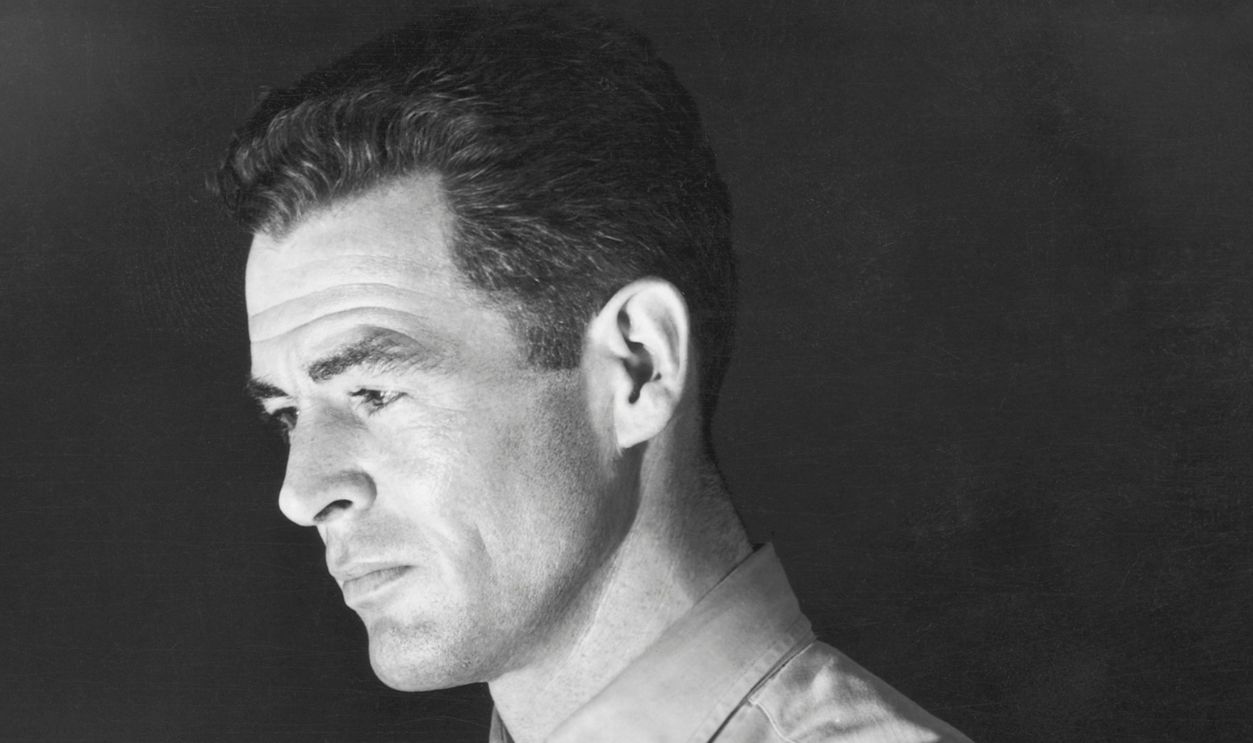 John Springer Collection, Getty Images
Jack Palance Couldn't Outrun His Face
Jack Palance's intimidating features helped him earn consecutive Oscar nominations with Sudden Fear and Shane. Hollywood quickly decided that those sharp features belonged to villains, and Palance eventually grew frustrated by how repetitive the offers became. He went overseas partly to find different opportunities and did not fully overturn his frightening screen image until much later.
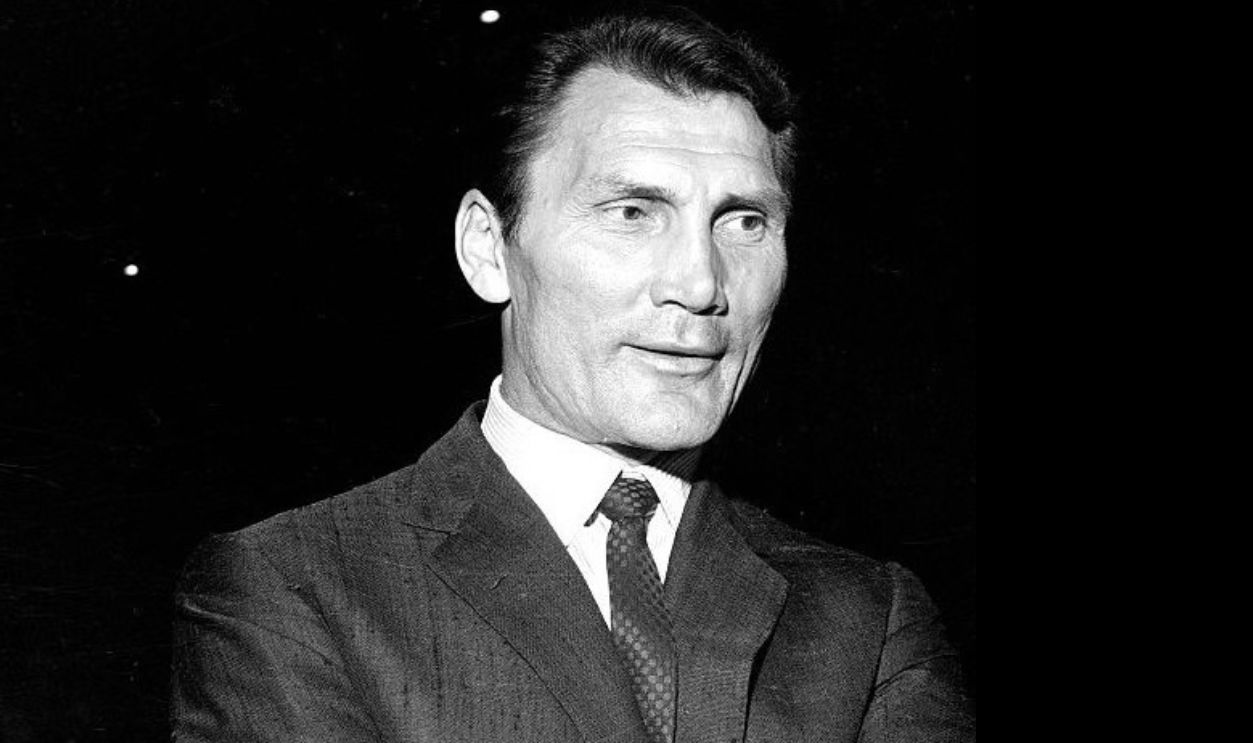 Michael Ochs Archives, Getty Images, Modified
Lee Van Cleef's Eyes Decided His Career
Lee Van Cleef barely needed dialogue to look dangerous. After appearing as one of the threatening gunmen in High Noon, his narrow eyes and severe features turned him into a dependable Hollywood villain. Van Cleef joked that being born with "beady eyes" was the best thing that happened to him, although Europe finally gave him the starring opportunities Hollywood rarely offered.
 Silver Screen Collection, Getty Images
Henry Silva Got Tired Of Being The Heavy
Henry Silva's angular face and unnervingly calm manner made him one of the screen's most recognizable professional villains. Hollywood repeatedly cast him as criminals, killers, and sinister outsiders until the roles became almost automatic. Silva eventually complained openly about being typecast, insisting there was no actual reason he had to spend his career playing heavies.
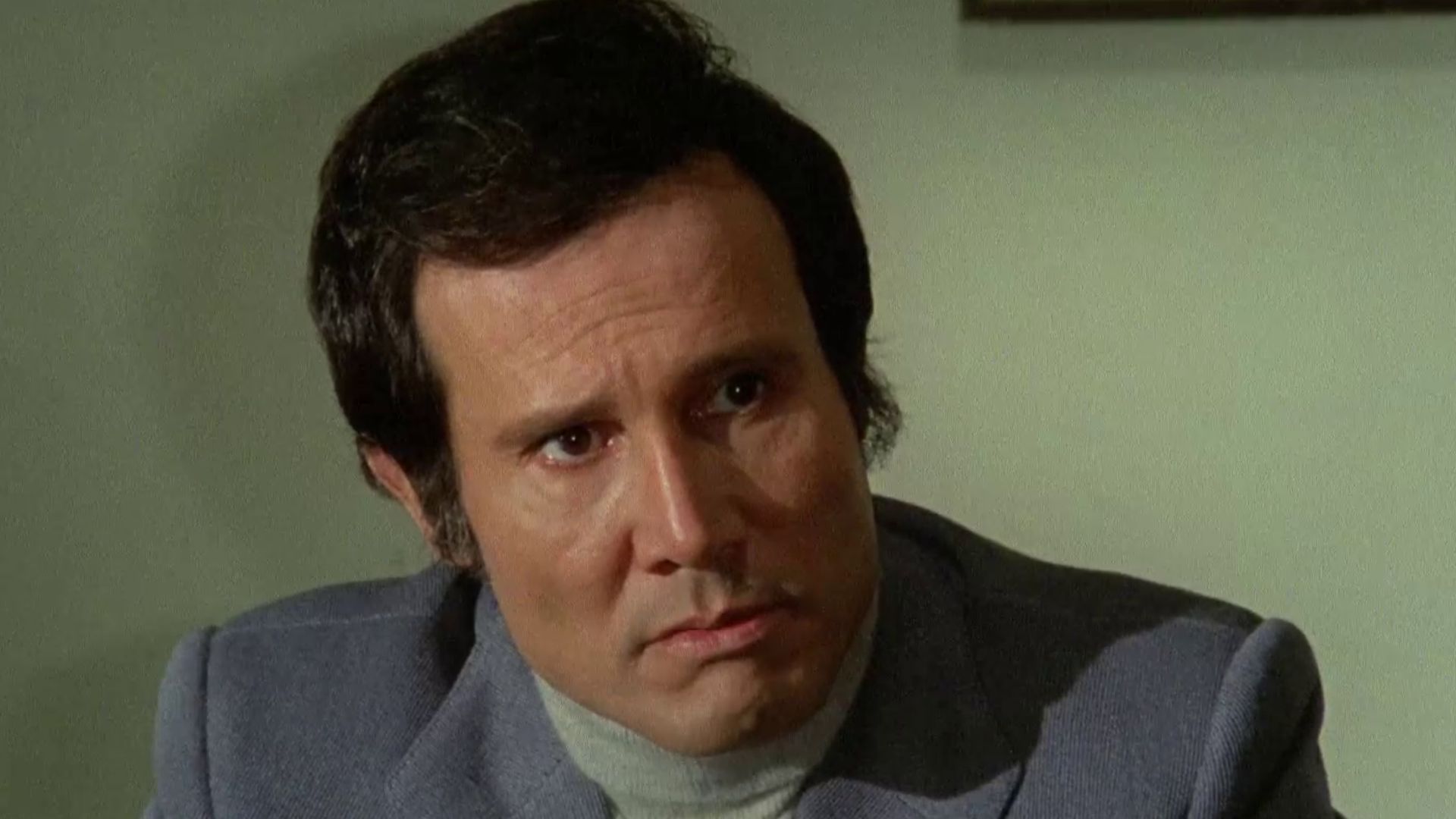 Umberto Lenzi (director) / Federico Zanni (cinematographer), Wikimedia Commons
Christopher Lee Couldn't Get Away From The Darkness
Christopher Lee's towering height and commanding voice made his transformation into Dracula for Hammer Films almost inevitable. Lee later acknowledged that from the late 1950s into 1970 he was heavily typecast as villains and monsters. He kept taking sinister characters when they were worthwhile, but he actively sought comedy and other roles to prove that the man behind Dracula was capable of much more.
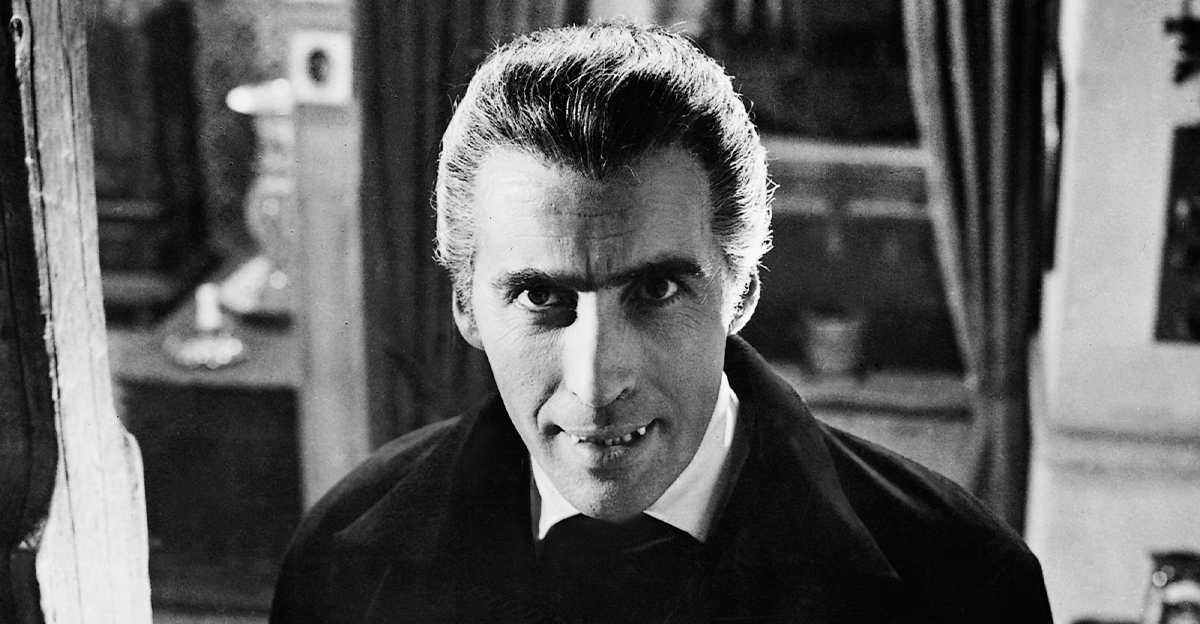 Silver Screen Collection, Getty Images
Vincent Price Became Horror's Permanent Gentleman
Vincent Price began as a conventionally handsome stage and screen actor with a refined voice and aristocratic presence. Horror eventually swallowed his public identity, especially after his collaborations with producer-director Roger Corman. Price enjoyed the genre more than some actors enjoyed their stereotypes, but his cultivated manner became so inseparable from sinister characters that even his comic appearances often played on the audience expecting something wicked.
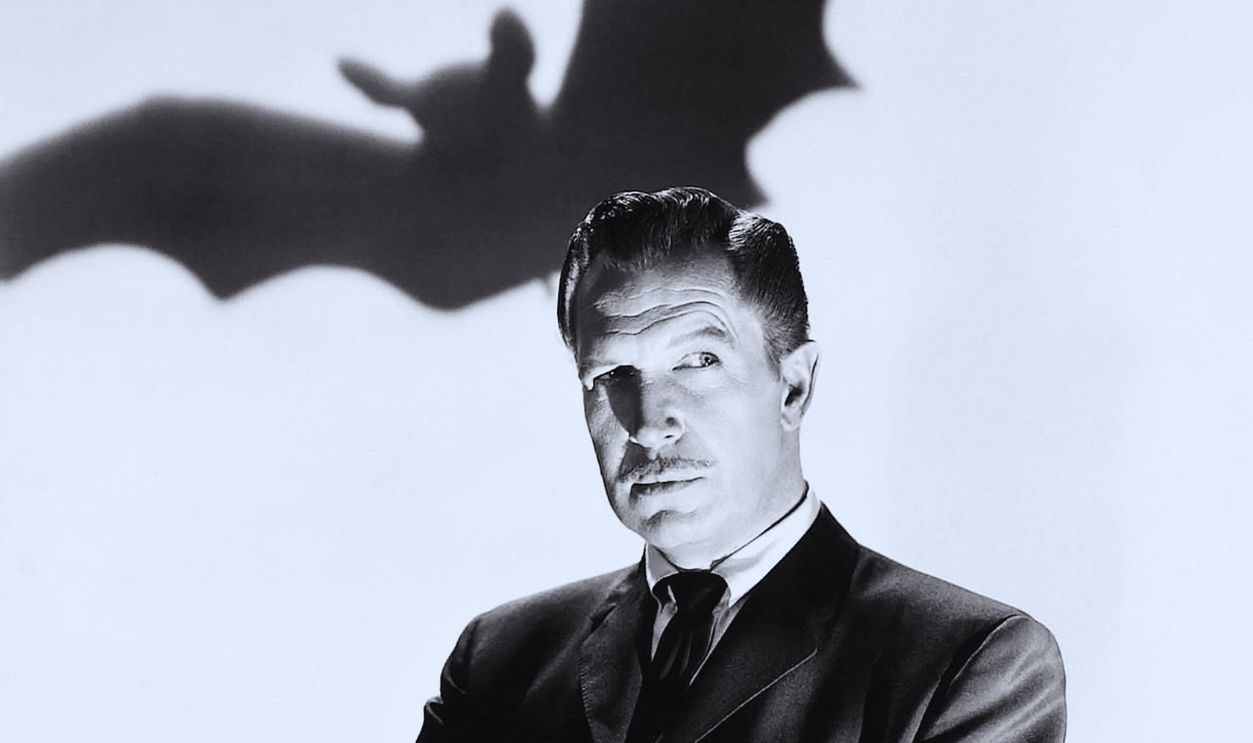 Silver Screen Collection, Getty Images
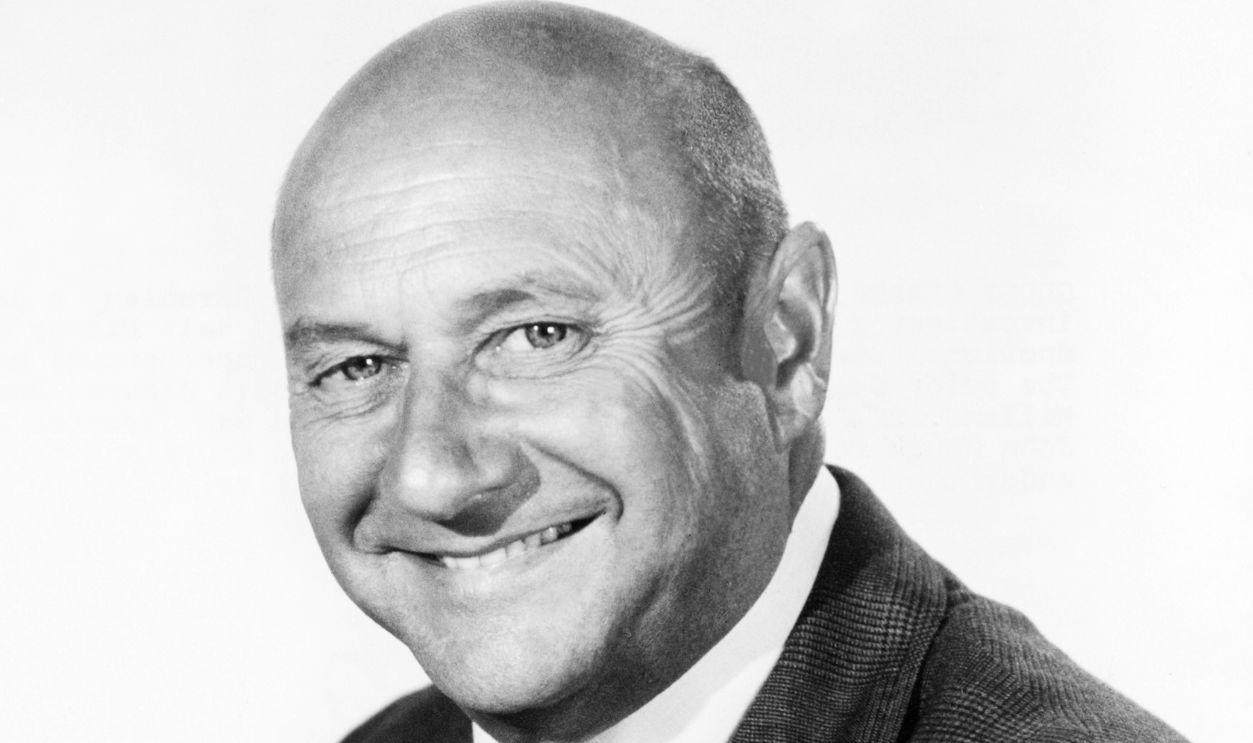
Donald Pleasence Was Hollywood's Shortcut To Unease
Donald Pleasence could make a room uncomfortable simply by becoming quiet. His appearance and unusual voice led to a long succession of unstable villains, sinister officials, and calculating enemies, including the most visually influential version of Bond villain Blofeld. Pleasence later joked that Halloween finally reversed the problem by making him such a convincing hero that he started receiving offers to play avengers and good guys instead.
 Silver Screen Collection, Getty Images
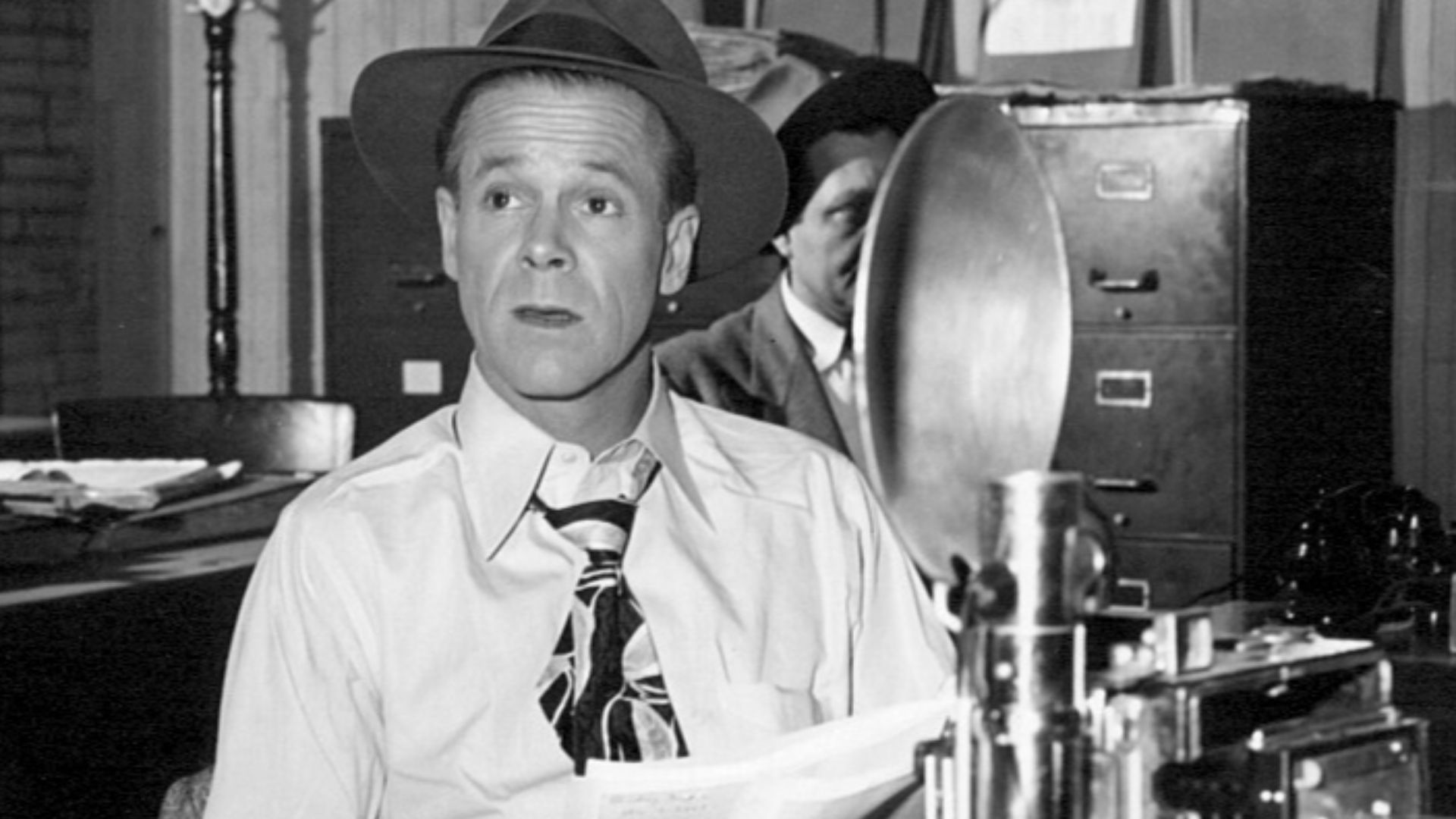
Dan Duryea Couldn't Get Credit For Being Nice
Dan Duryea became one of classic Hollywood's most dependable sneering villains. He played so many unpleasant men that when he finally portrayed a straightforward hero in Sahara, Duryea later joked that practically nobody remembered he was in the movie. Audiences had learned to expect betrayal the moment his face appeared.
 J. Walter Thompson, ad agency for Ford Motor Company, the show's sponsor, Wikimedia Commons
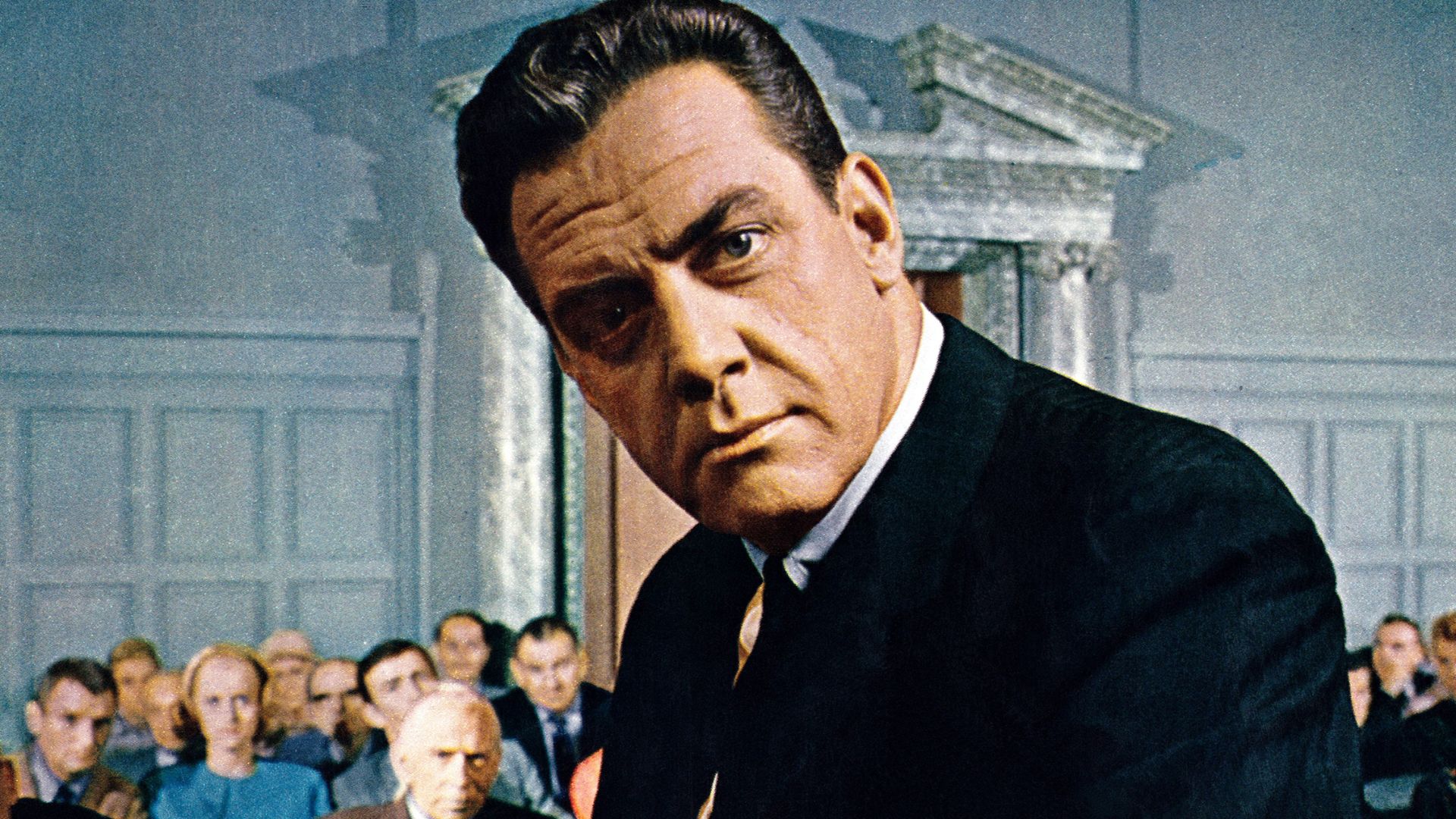
Raymond Burr Became Exhausted By Villainy
Before Perry Mason, Raymond Burr specialized in intimidating criminals and threatening authority figures. By the mid-1950s, he had become so firmly established as a heavy that he was reportedly growing weary of constantly being handed the same type of role. Playing Perry Mason finally transformed the very same size, voice, and intensity that had made him frightening into qualities of authority and reassurance.
 Cowles Communications, Inc.; photograph by Robert Vose, Wikimedia Commons
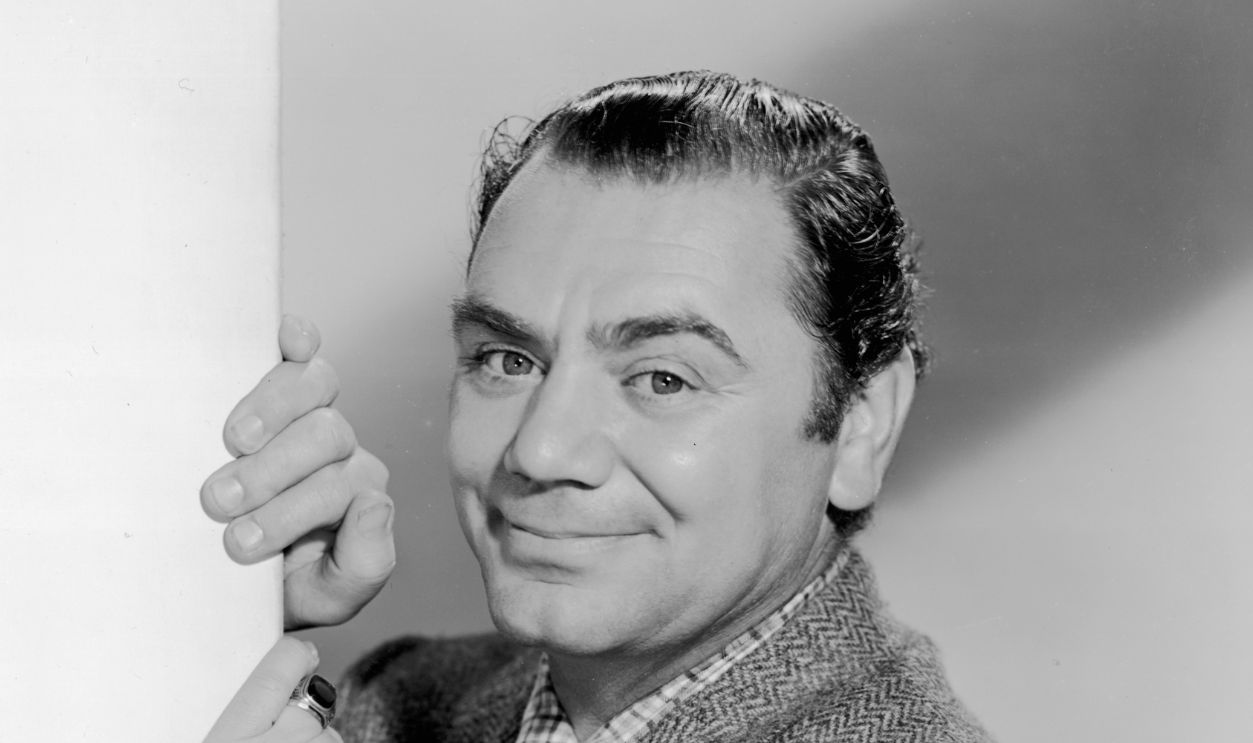
Ernest Borgnine Nearly Stayed A Brute Forever
Ernest Borgnine made an unforgettable impression as the vicious Fatso Judson in From Here to Eternity. A run of additional villains followed, and even the director of Marty initially hesitated to imagine Borgnine as a shy, lonely butcher. Marty changed everything, earning Borgnine an Oscar and saving him from what TCM described as a potentially profitable lifetime of villain typecasting.
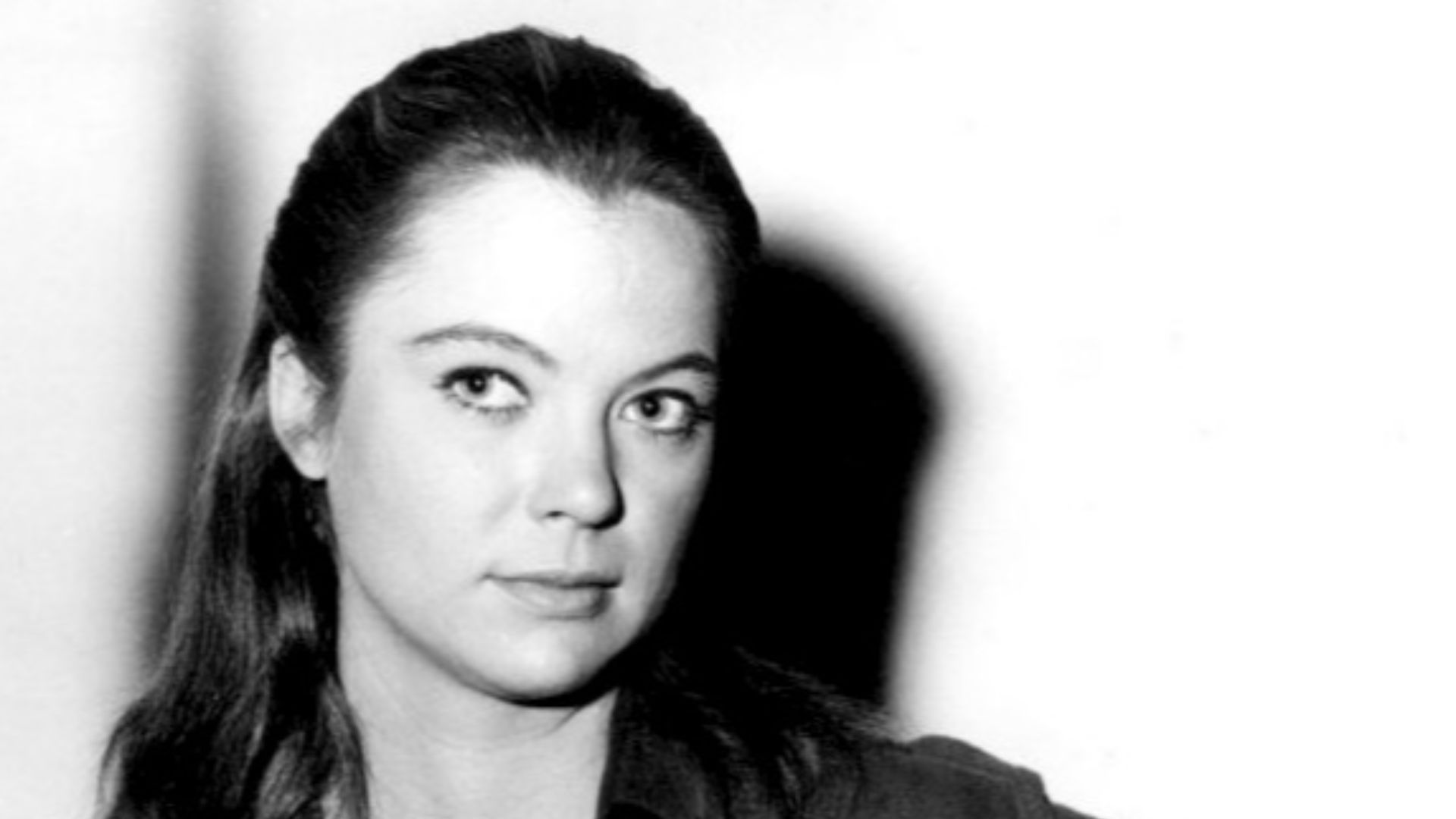
Louise Fletcher Won An Oscar For Being Hated
Louise Fletcher made Nurse Ratched so controlled and chilling in One Flew Over the Cuckoo's Nest that she joked during her Oscar speech that voters must have hated her enough to reward her. The problem arrived afterward. Fletcher later found that many of the roles offered to her were villains, a direct hangover from playing one of cinema's most disliked authority figures.
 ABC Television, Wikimedia Commons
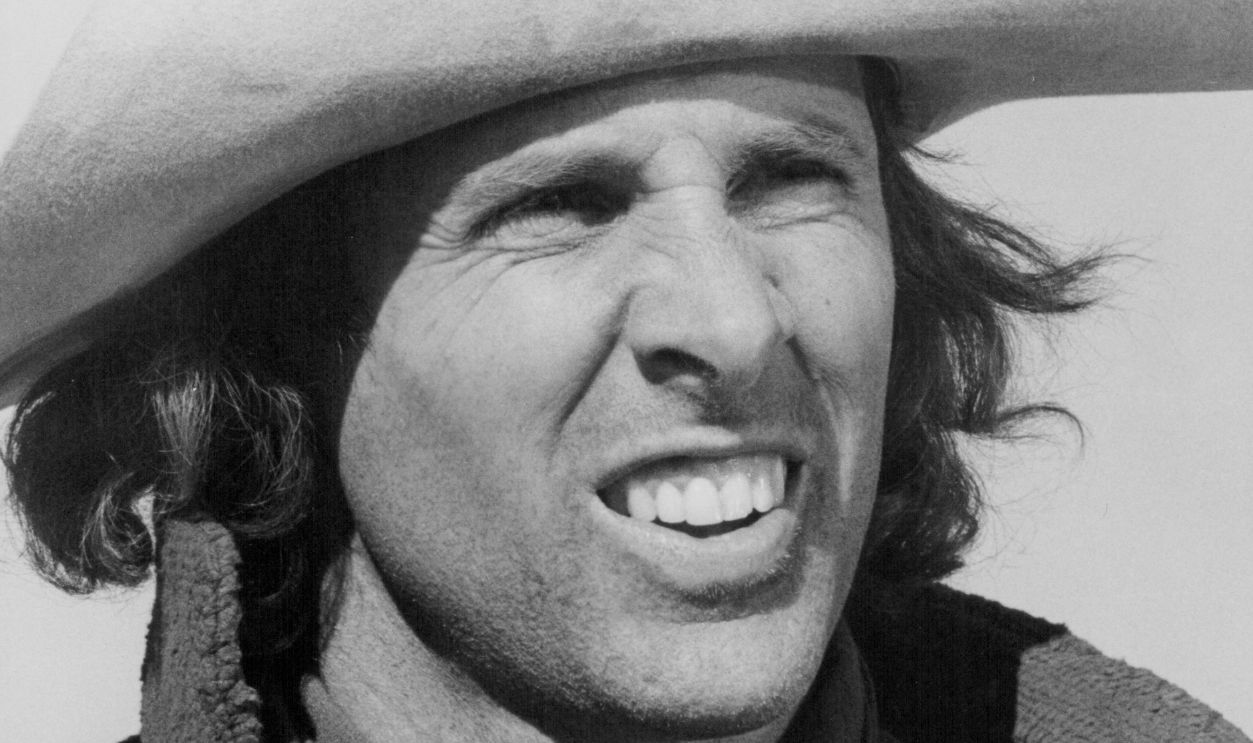
Bruce Dern Did Something Fans Couldn't Forgive
Bruce Dern had already established himself as an unsettling screen presence when The Cowboys gave him the assignment of killing John Wayne's character. For devoted Wayne audiences, that made Dern the man who had crossed an almost sacred Hollywood boundary. Even decades later, interviewers were still asking whether John Wayne fans hated him for it.
 Stanley Bielecki Movie Collection, Getty Images
Terence Stamp Started Seeing The Same Villain Again
Terence Stamp could play elegance and menace at the same time, which made General Zod in the Superman films particularly memorable. As villain offers continued, Stamp became increasingly worried that Hollywood was reducing his range. He later said a friend's warning that he might spend the rest of his career playing Hollywood villains helped persuade him to take the radically different lead role in The Adventures of Priscilla, Queen of the Desert.
 Allan warren, Wikimedia Commons
Richard Kiel Knew Jaws Could Become A Trap
Richard Kiel's enormous height and metal-toothed Jaws made him one of the most instantly recognizable Bond adversaries. Producers quickly realized audiences loved the image and offered him opportunities to repeat it away from the films. Kiel deliberately turned several of them down because, as he told the Los Angeles Times, he was trying to avoid being permanently typecast.
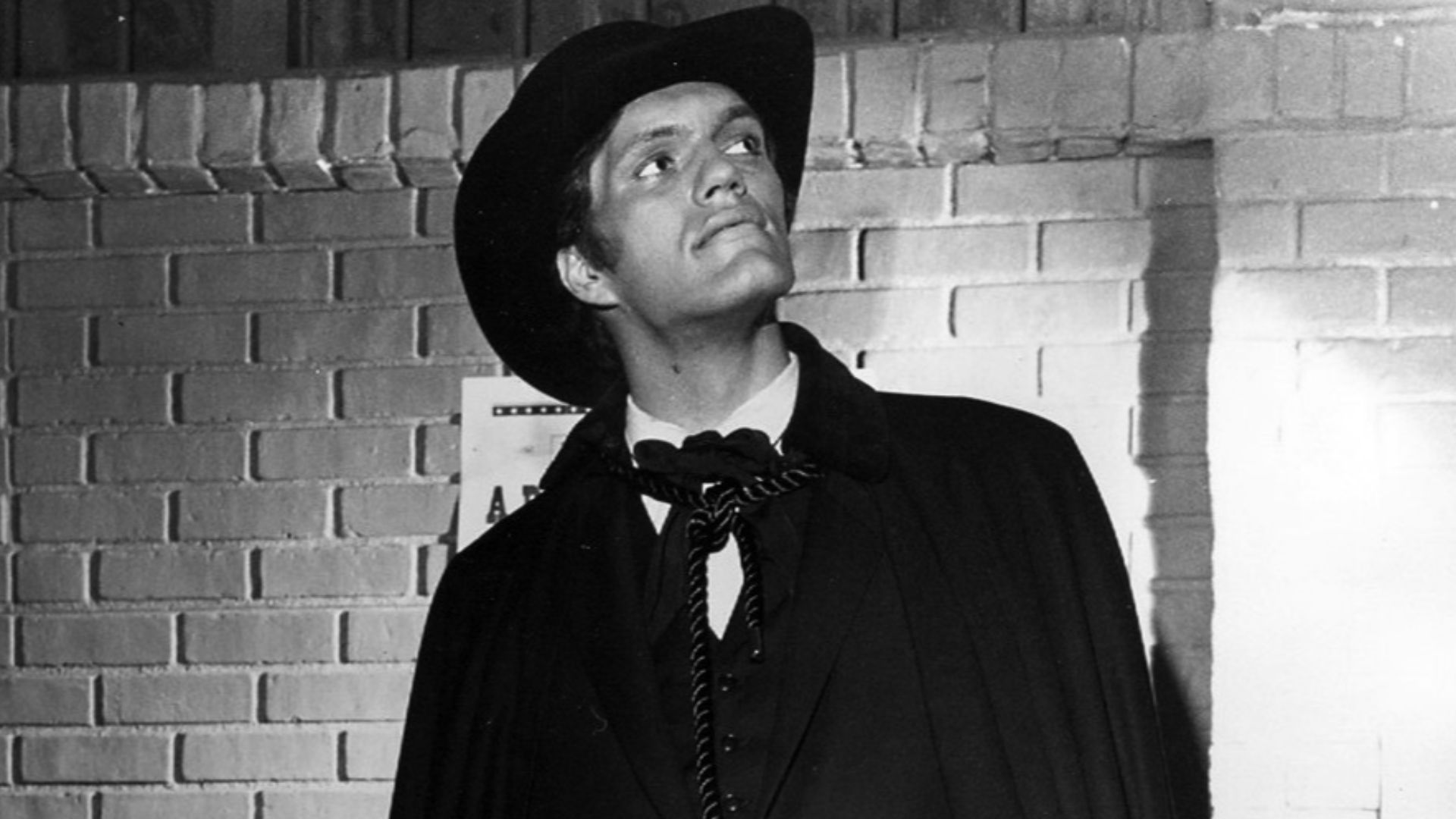
George Macready Became Hollywood's Cultured Villain
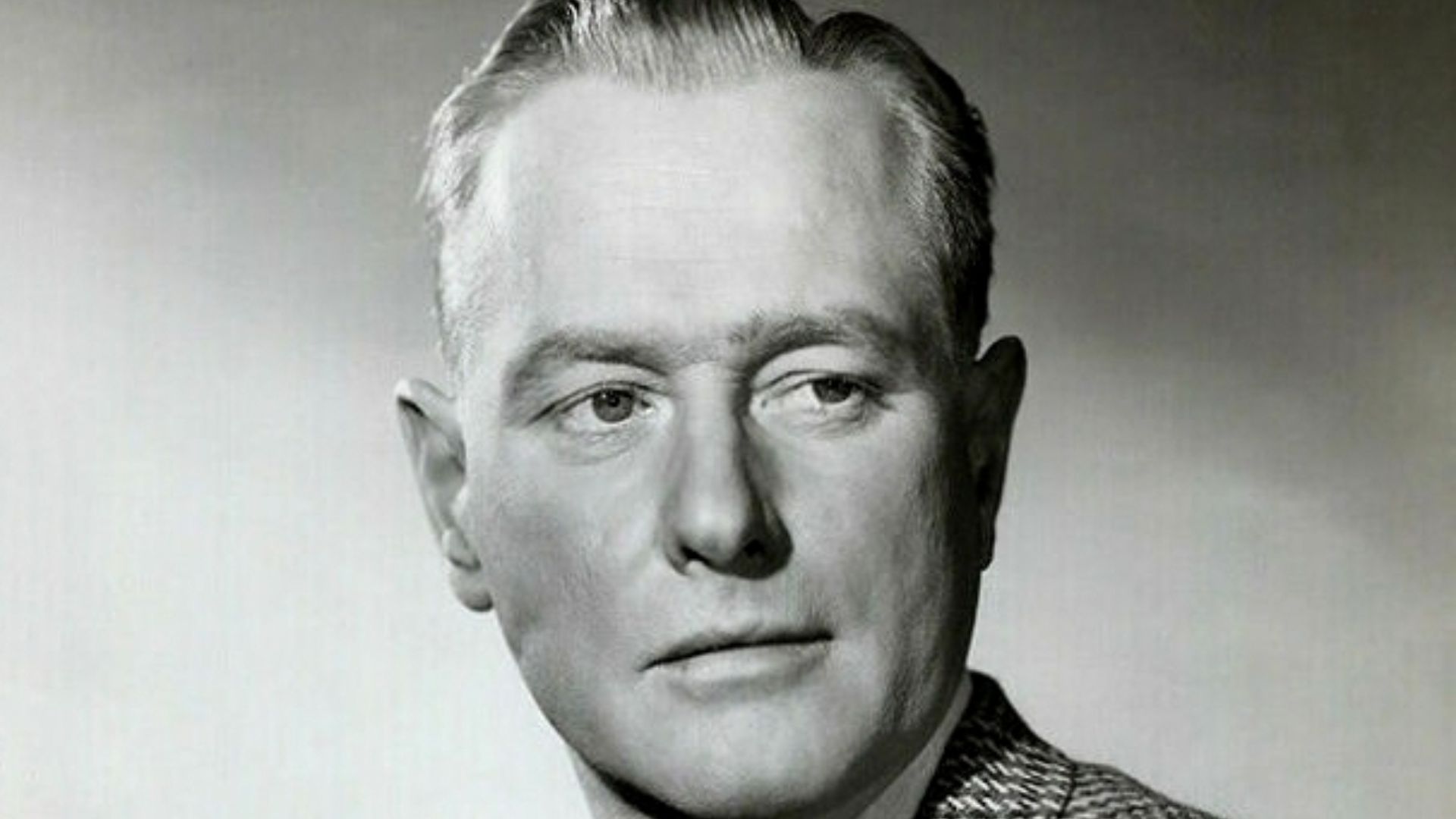
George Macready had a deep voice, a facial scar, and an air of intelligence that filmmakers found perfect for sophisticated villains. After Gilda, such roles became his specialty. Macready was unusually philosophical about the situation, saying heavies frequently received better material than conventional leading men, but his face remained synonymous with refined menace.
 Columbia Pictures, Wikimedia Commons
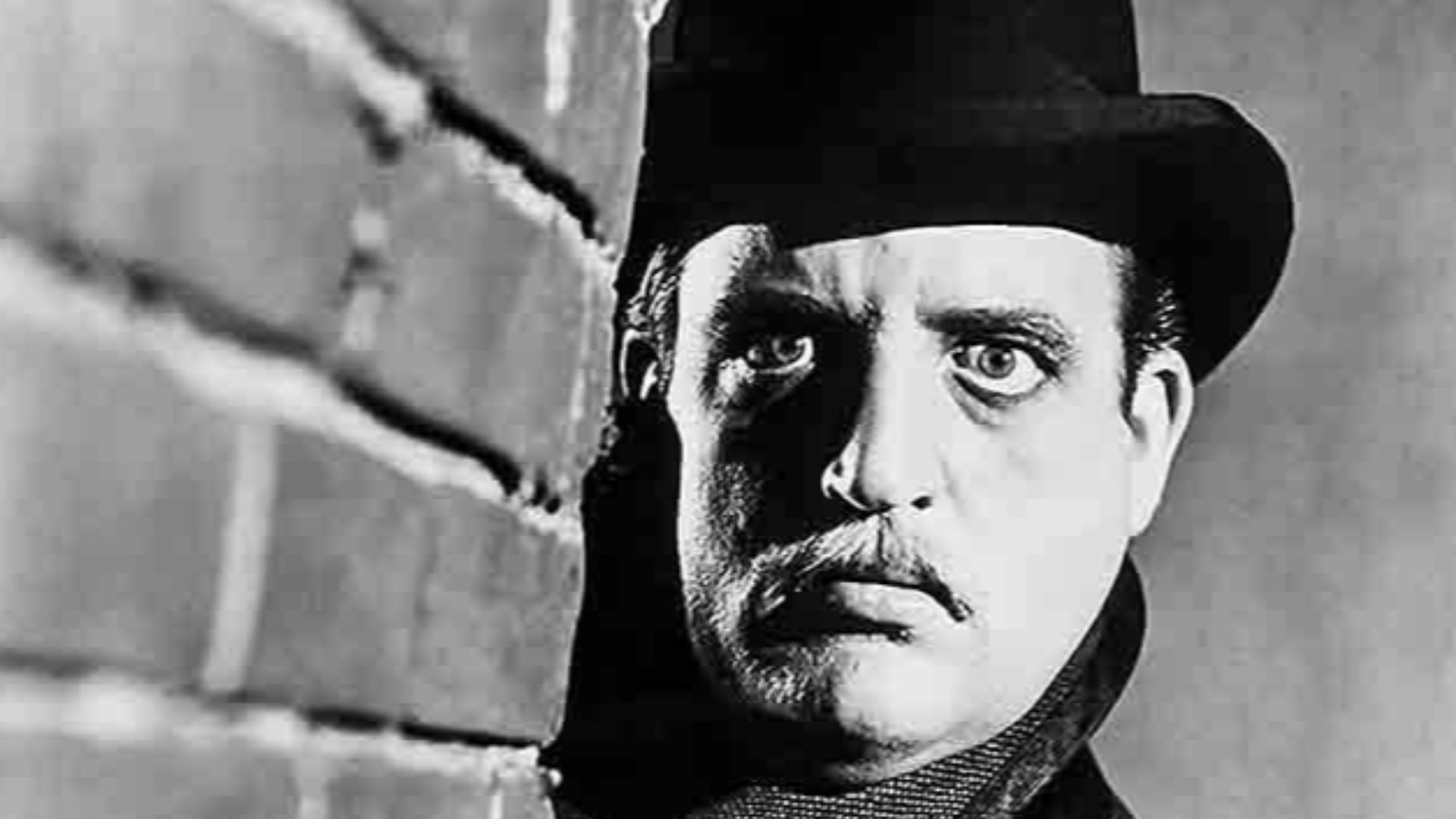
Laird Cregar Tried Desperately To Change His Image
Laird Cregar's size and intensity made his disturbed characters in The Lodger and Hangover Square extraordinarily effective. Cregar, however, became deeply unhappy that Hollywood increasingly viewed him only through those threatening performances. He pursued a dramatic physical transformation in hopes of becoming a conventional leading man, and his health deteriorated catastrophically before Hangover Square was released.
 20th Century Fox, Wikimedia Commons
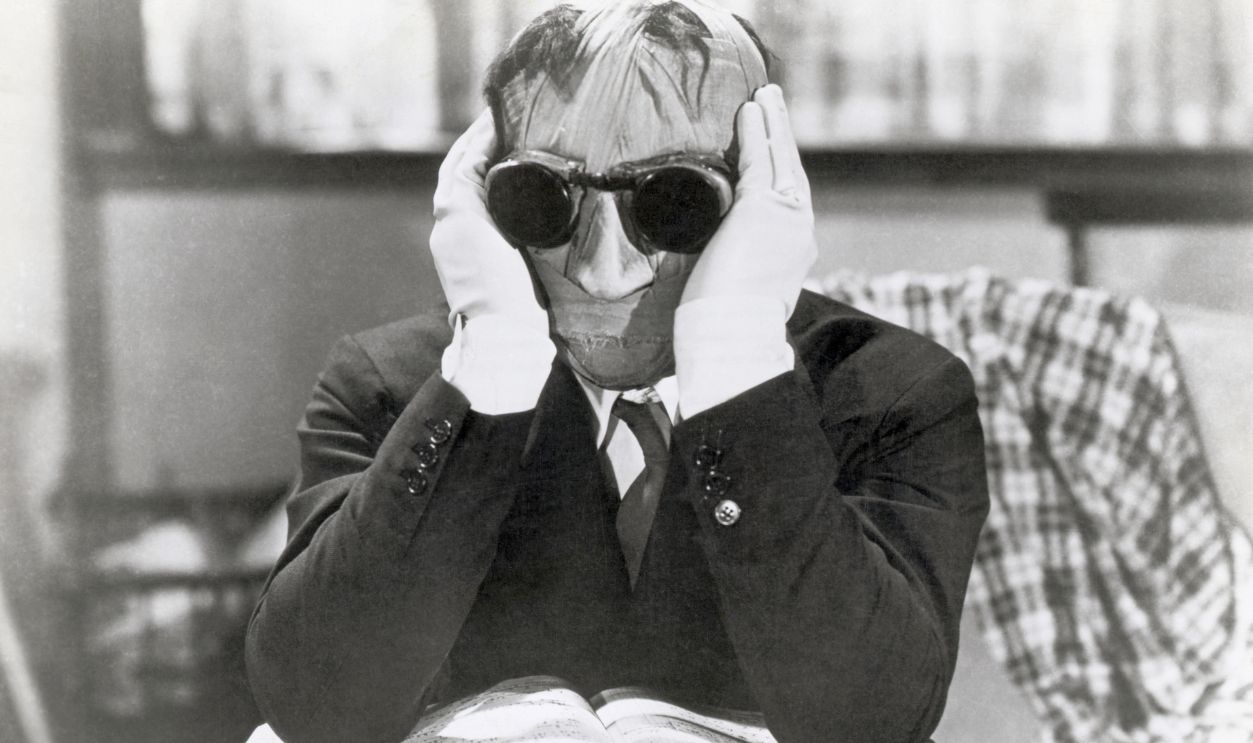
Claude Rains Was Too Good At Being Cruel
Claude Rains possessed one of cinema's most distinctive voices, and Warner Bros. often used it for arrogant, manipulative, or dangerous characters. Rains admitted that Hollywood frequently cast him as cruel men. He claimed not to mind, suggesting that playing villains offered actors a safe outlet for impulses ordinary life required them to suppress.
Neville Brand Settled Into A Lifetime Of Threats
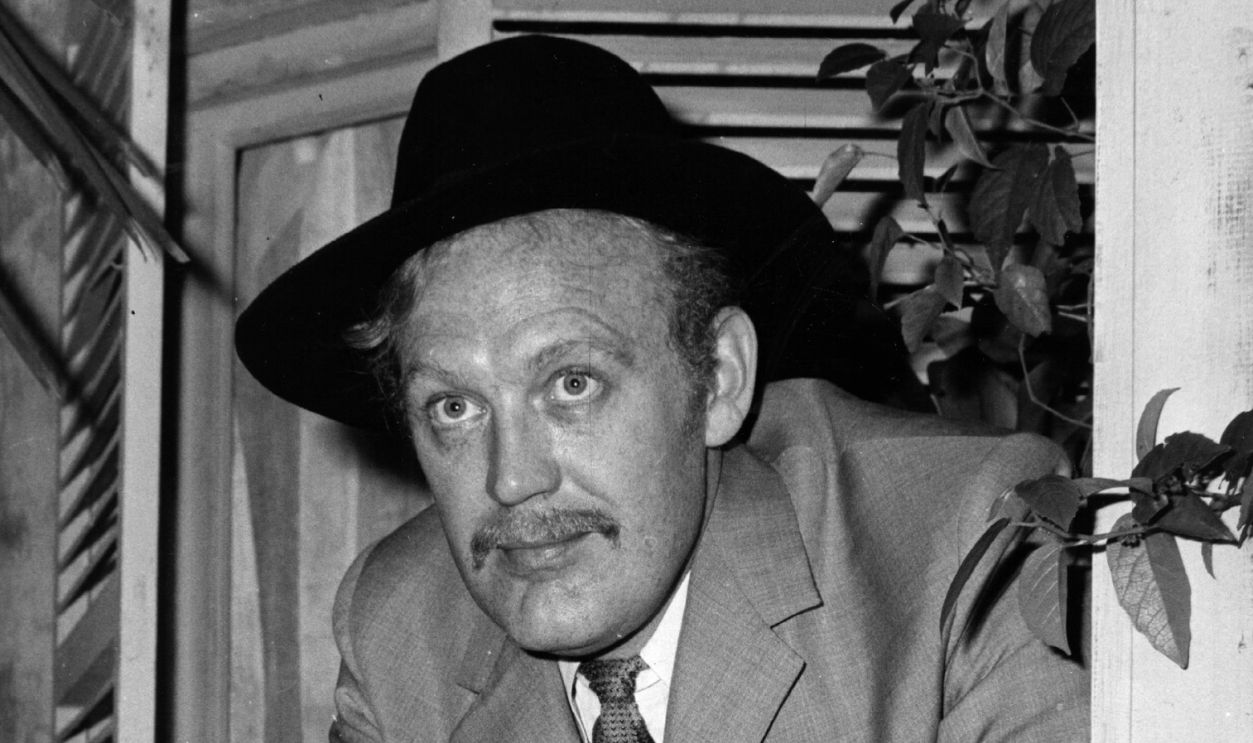
Neville Brand's battered face and intense manner made him a natural screen heavy after World War II. Films such as The Mob helped establish a pattern that followed him through decades of criminals, gunmen, and intimidating outsiders. TCM later described his career as a long stretch of villainy across Hollywood and international productions.
 John Springer Collection, Getty Images
Joss Ackland Became Tired Of Dying Twice
Joss Ackland's booming voice made him ideal for calculating authority figures and sophisticated villains. Eventually, he found himself repeatedly taking similar parts in action pictures, often because the work paid reliably. Ackland later complained that he was tired of stories built around predictable chases and villains who seemed to die more than once.
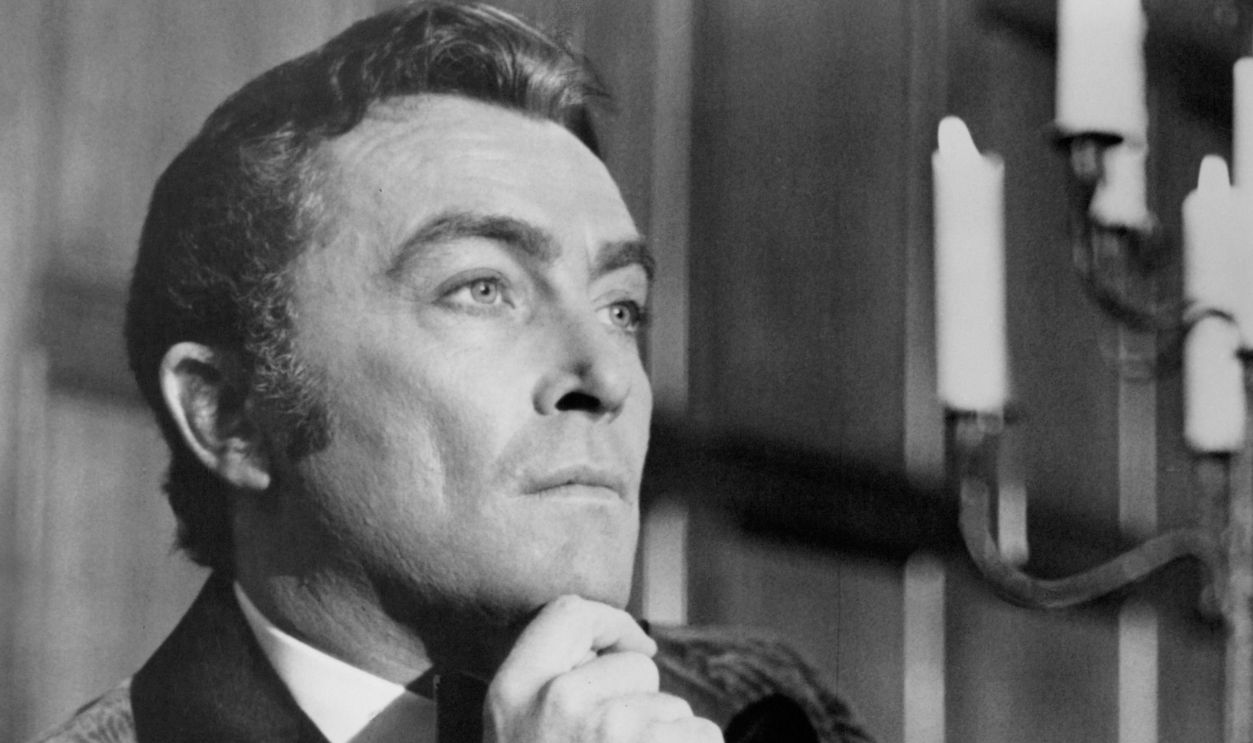
Robert Quarry Said Horror Ended Everything
Robert Quarry finally received a major starring opportunity with Count Yorga, Vampire. Its success led producers to groom him as a potential new horror star in the tradition of Vincent Price. Quarry later said that once Hollywood began viewing him exclusively that way, the typecasting "pretty much ended everything."
 Michael Ochs Archives, Getty Images
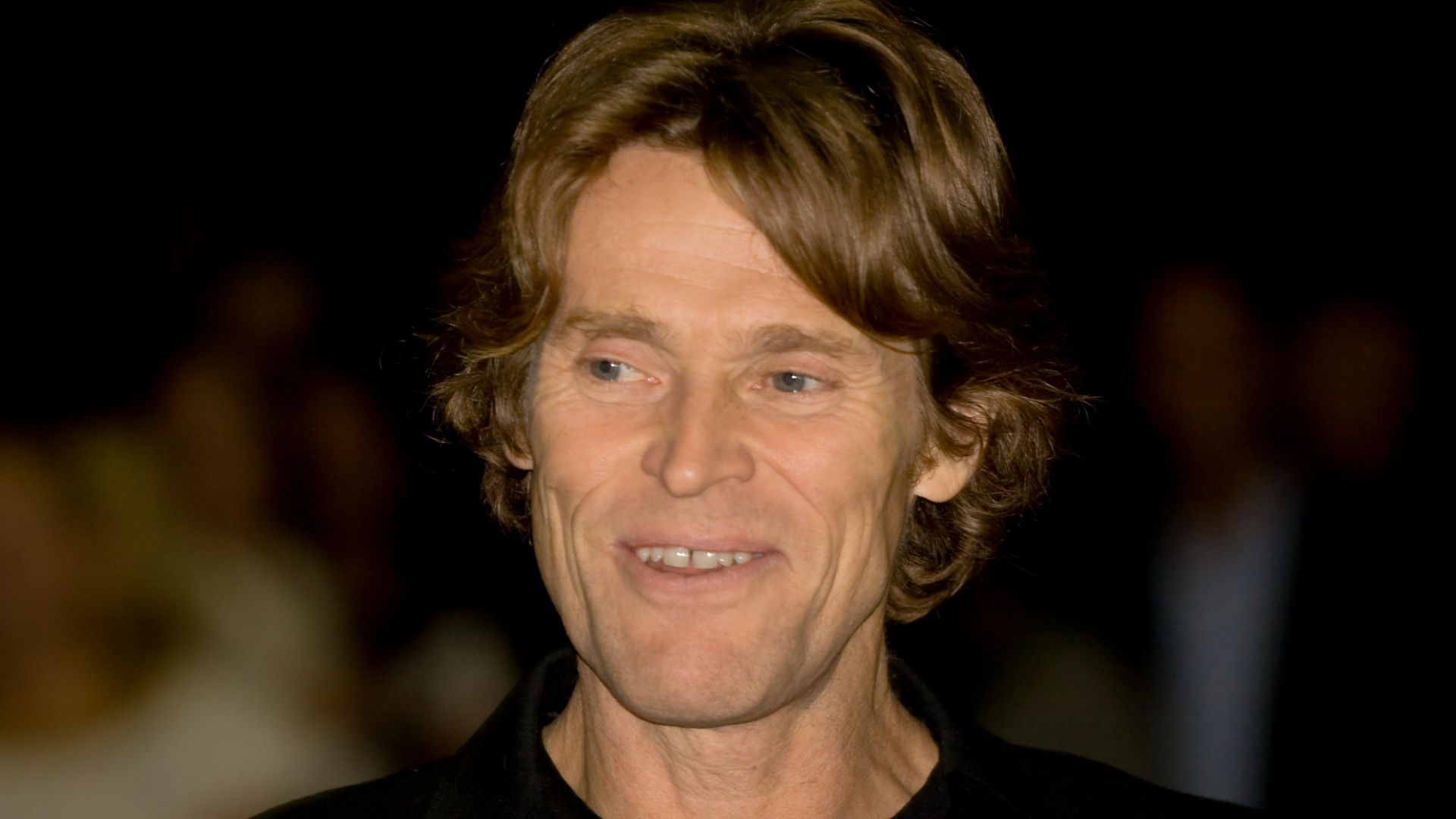
Willem Dafoe Saw The Trap Coming Early
Willem Dafoe's angular features and unusual intensity made filmmakers see villain potential almost immediately. Early performances led one publication to describe him as an embodiment of evil, and Dafoe became acutely aware that Hollywood might keep him there. He deliberately sought a wider range of parts because he could already see typecasting beginning to close around him.
 Josh Jensen from Toronto, Ontario, Canada, Wikimedia Commons
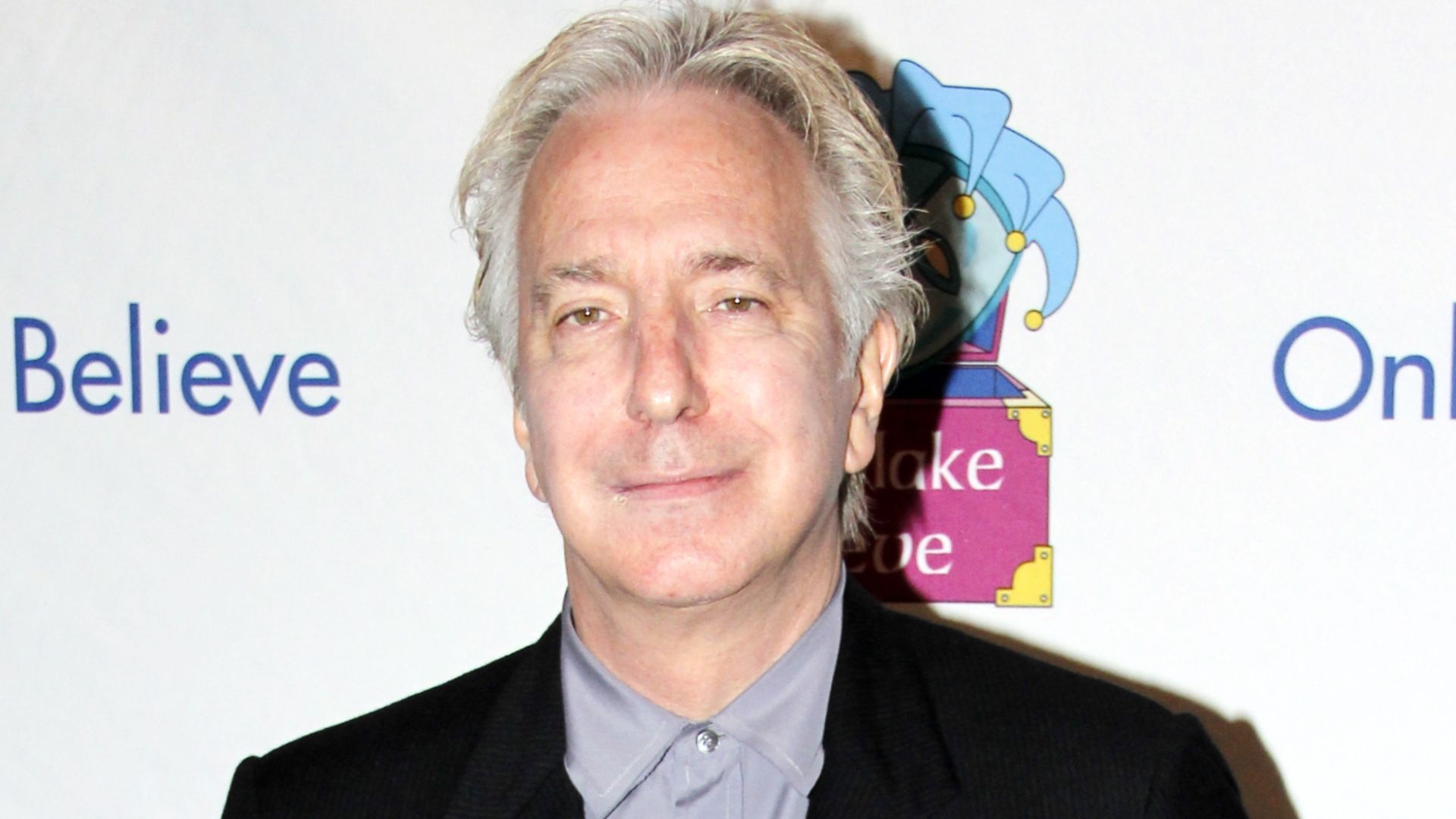
Alan Rickman Almost Rejected The Villain Who Made Him Famous
Alan Rickman made his feature-film debut as Hans Gruber in Die Hard. The performance immediately established him as one of modern cinema's definitive villains, even though Rickman had initially been unimpressed by the idea of beginning a film career with an action-movie heavy. He successfully diversified afterward, but Hollywood repeatedly returned to that remarkable ability to make intelligence sound dangerous.
 Joella Marano, Wikimedia Commons
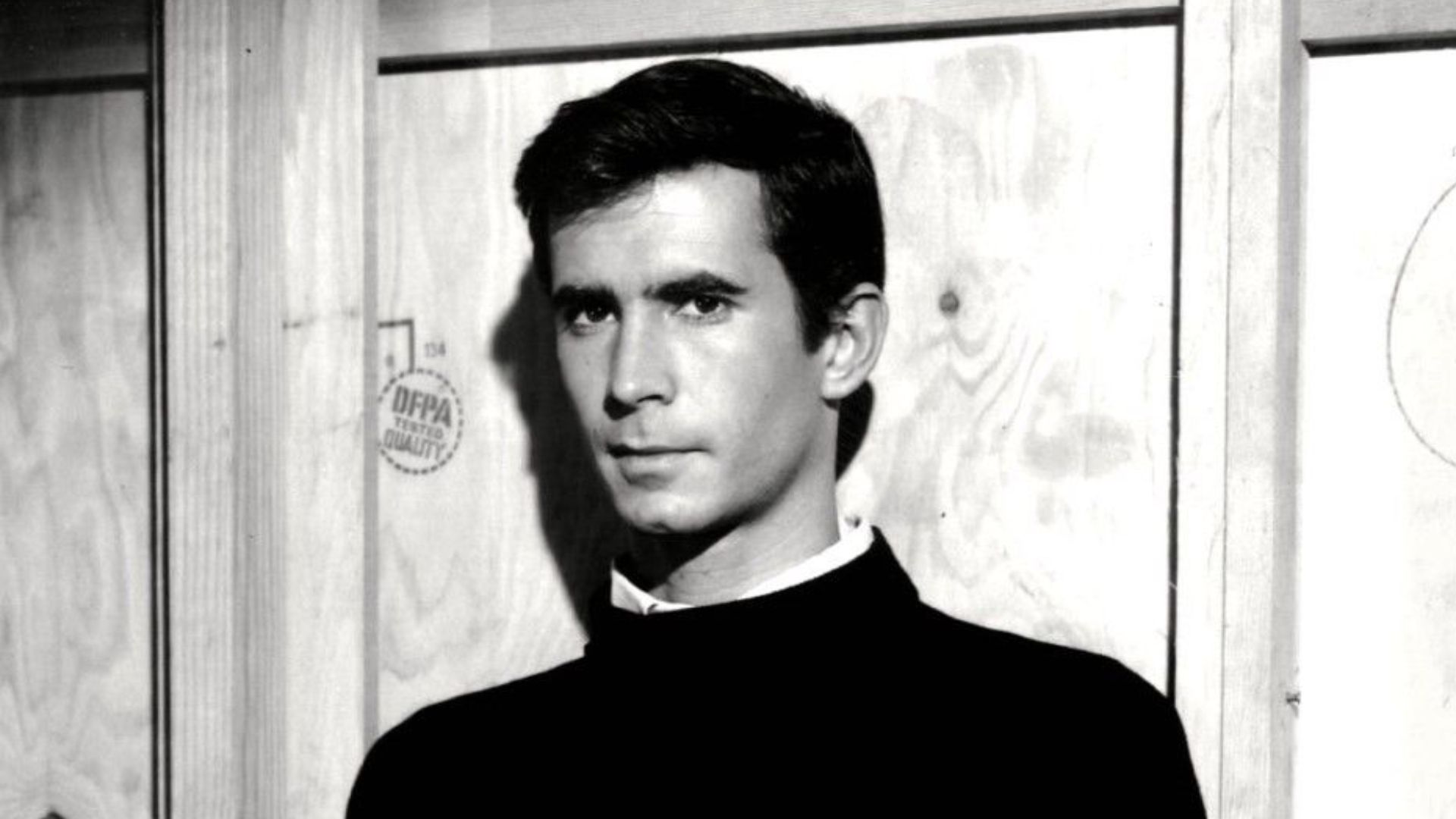
Anthony Perkins Became Norman Bates In The Public Mind
Anthony Perkins entered Psycho after a promising run as a sensitive young leading man. Norman Bates changed the direction of his entire career, with Perkins later saying that after Hitchcock he effectively became a "psycho" in Hollywood's eyes. Strangers called him Norman, similar roles followed, and Perkins spent the rest of his life alternately trying to escape the character and returning to him.
 Paramount Pictures, Wikimedia Commons
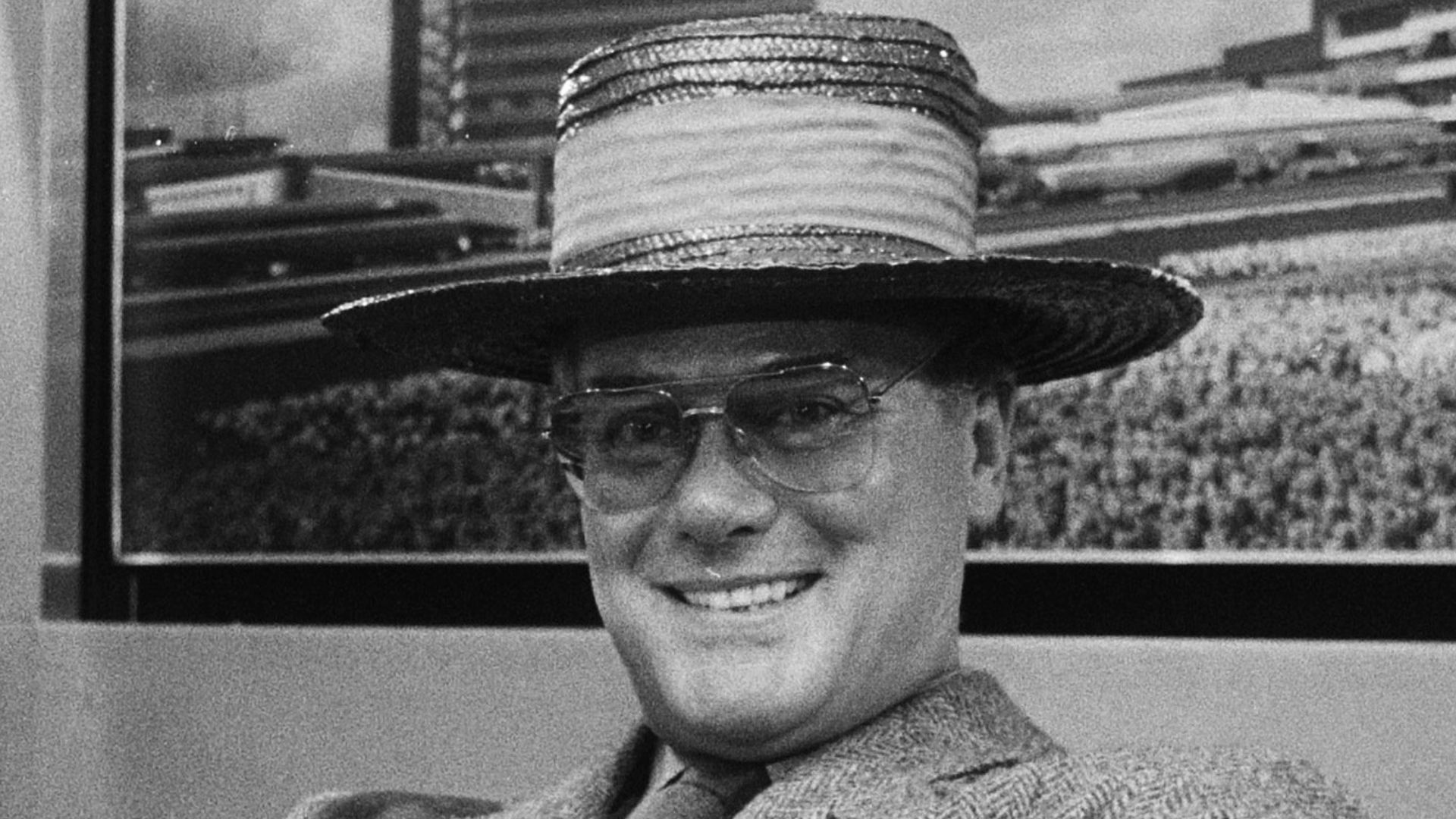
Larry Hagman Became The Man Everybody Loved To Hate
Larry Hagman had spent years playing the friendly Major Nelson on I Dream of Jeannie before Dallas transformed him into J.R. Ewing. J.R. became such an enormous international villain that hundreds of millions of viewers followed the mystery of who had finally retaliated against him. Hagman enjoyed the part enormously, but J.R.'s scheming grin became his permanent public identity in a way few television villains ever managed.
 Rob Bogaerts for Anefo, Wikimedia Commons
You May Also Like:
50-Year-Old Movies That We'd Still Rather See Than What They Put In Theaters Today
Sources: 1, 2, 3, 4, 5, 6, 7, 8, 9, 10, 11, 12, 13, 14, 15, 16, 17, 18, 19, 20, 21, 22, 23, 24, 25, 26, 27, 28, 29, 30, 31, 32, 33, 34, 35, 36, 37, 38, 39, 40, 41, 42, 43, 44, 45, 46, 47, 48