He Made Darkness Look Disturbingly Convincing
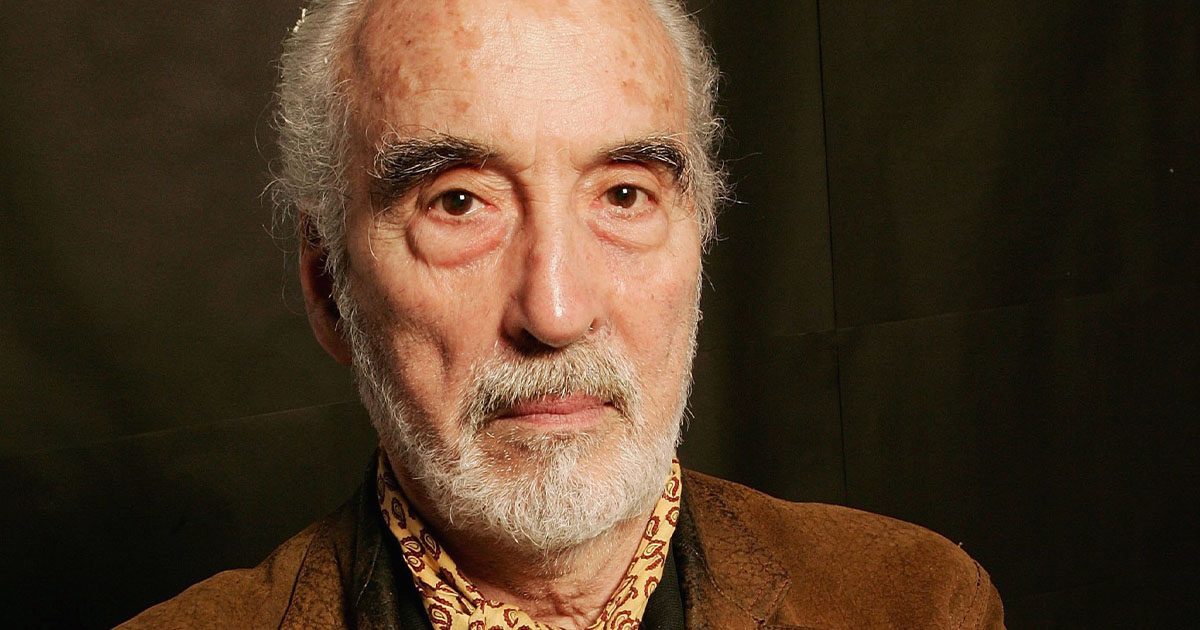
Christopher Lee played vampires, pagan leaders, Satanic priests, fallen wizards, and men who seemed dangerously familiar with forbidden knowledge. His performances were so convincing that rumors eventually transformed him into an occult authority, but Lee’s real relationship with the subject was far darker than anyone knew.
He Was Born Into An Unusual Family
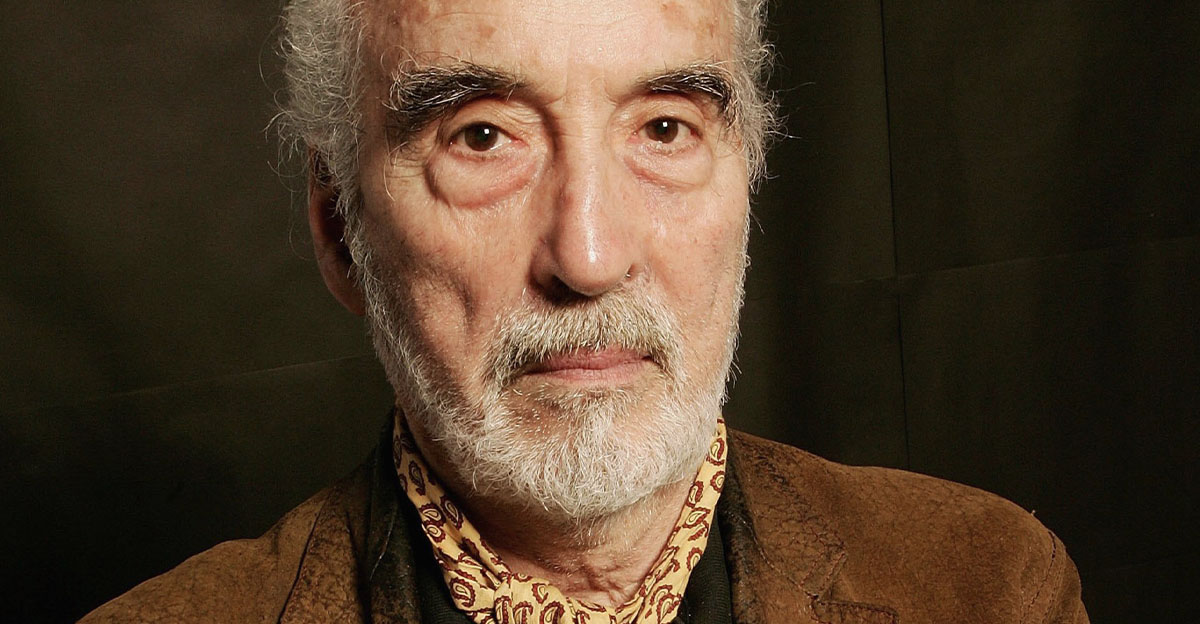
Christopher Frank Carandini Lee was born in Belgravia, London, on May 27, 1922. His father was a British military officer, while his mother descended from the Italian Carandini family. Even before Hollywood discovered him, Lee possessed the imposing height, ancestry, and voice of a Gothic character.

War Came Before Acting
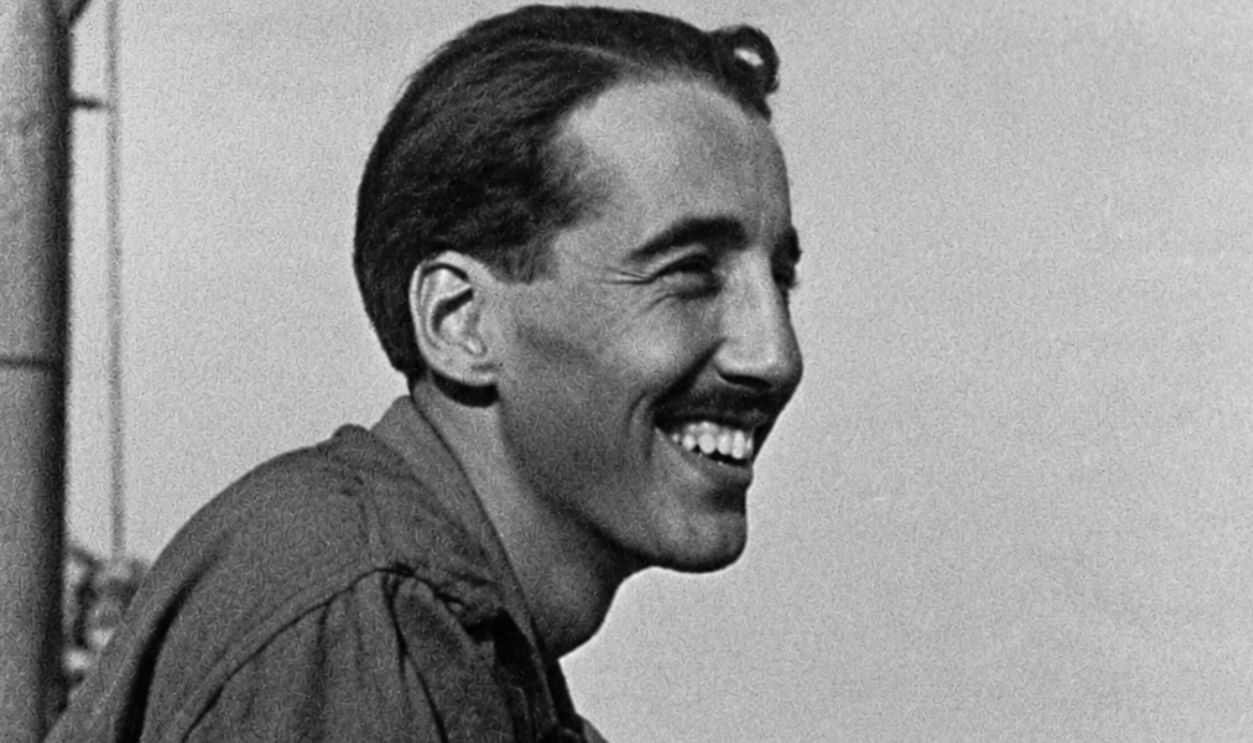
During World War II, Lee served in the Royal Air Force and worked in intelligence-related roles across North Africa and Europe. He remained guarded about certain wartime experiences, which encouraged increasingly extravagant stories about secret missions. What is certain is that the war exposed him to genuine danger long before he began manufacturing it onscreen.
 Unknown author, Wikimedia Commons, Enhanced
His Acting Career Started Slowly
Lee entered the film industry in 1947 and spent years playing small supporting roles. He appeared briefly in Laurence Olivier’s Hamlet in 1948 and accumulated dozens of minor credits. At six-foot-five, he was certainly noticeable, but producers struggled to imagine where such an unusually imposing actor belonged.
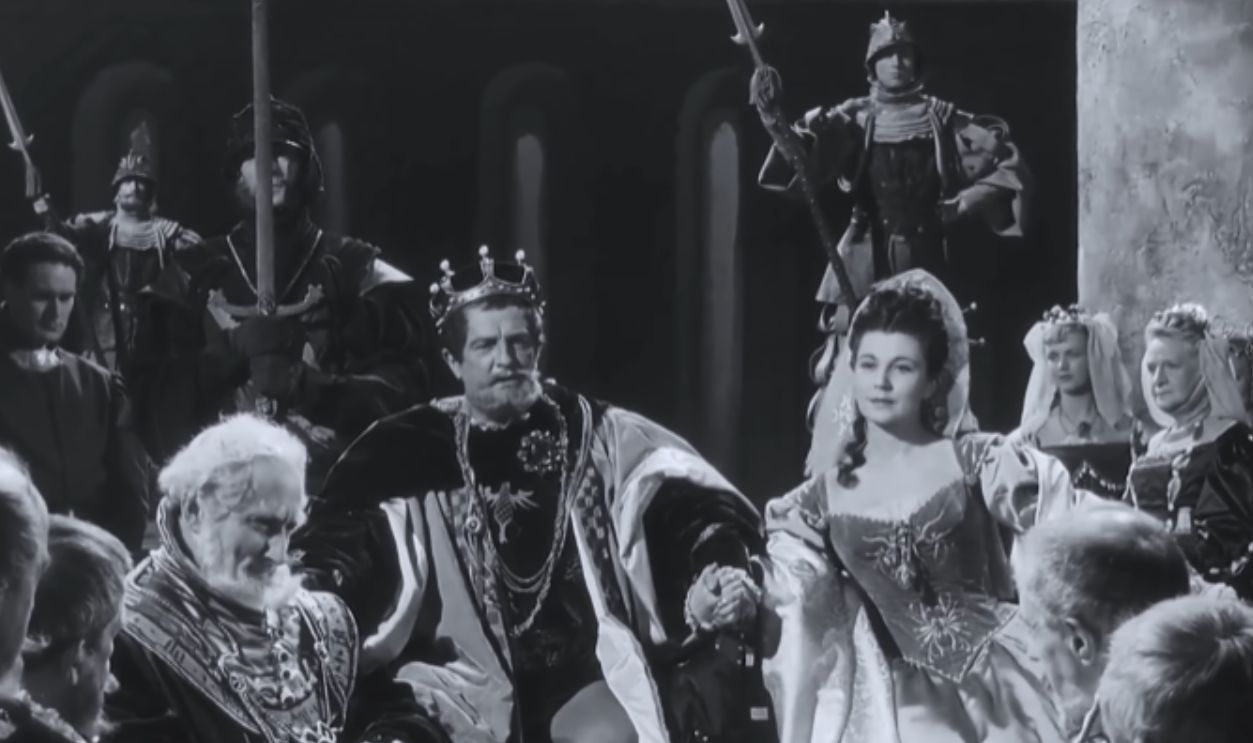 Screenshot from Hamlet, Universal Pictures (1948)
Peter Cushing Became His Greatest Screen Partner
Lee first worked extensively with Peter Cushing at Hammer Film Productions. The two actors frequently portrayed bitter enemies, but they became close friends away from the cameras. Their contrasting styles were perfect: Cushing brought nervous precision, while Lee could make an entire room feel threatened simply by entering it.
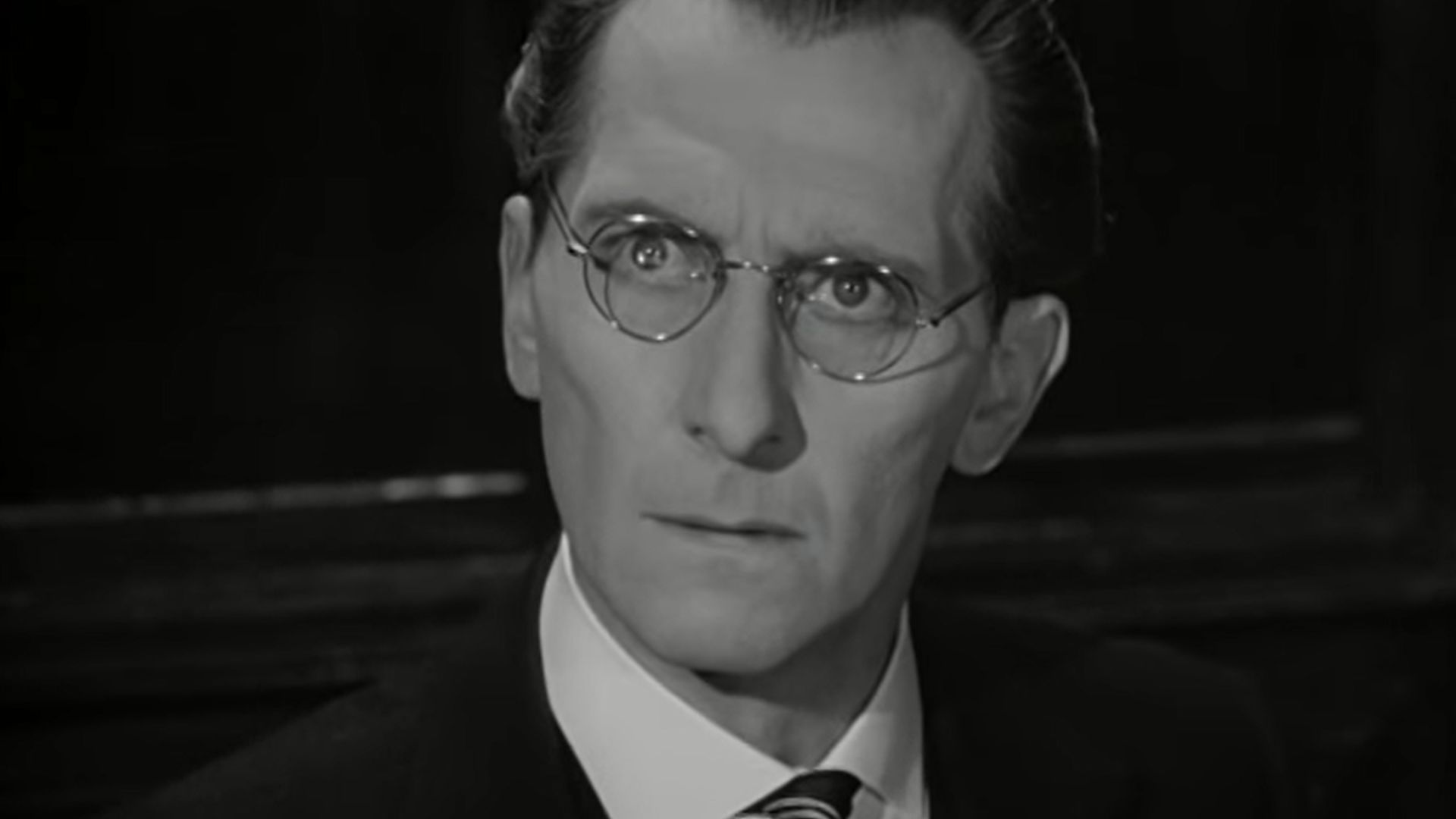
Frankenstein Opened The Door
Hammer cast Lee as the creature in The Curse of Frankenstein, released in 1957. The makeup concealed much of his face, and the character had no dialogue, but Lee’s height and physical presence made him unforgettable. The film’s success gave Hammer another monster to revive.
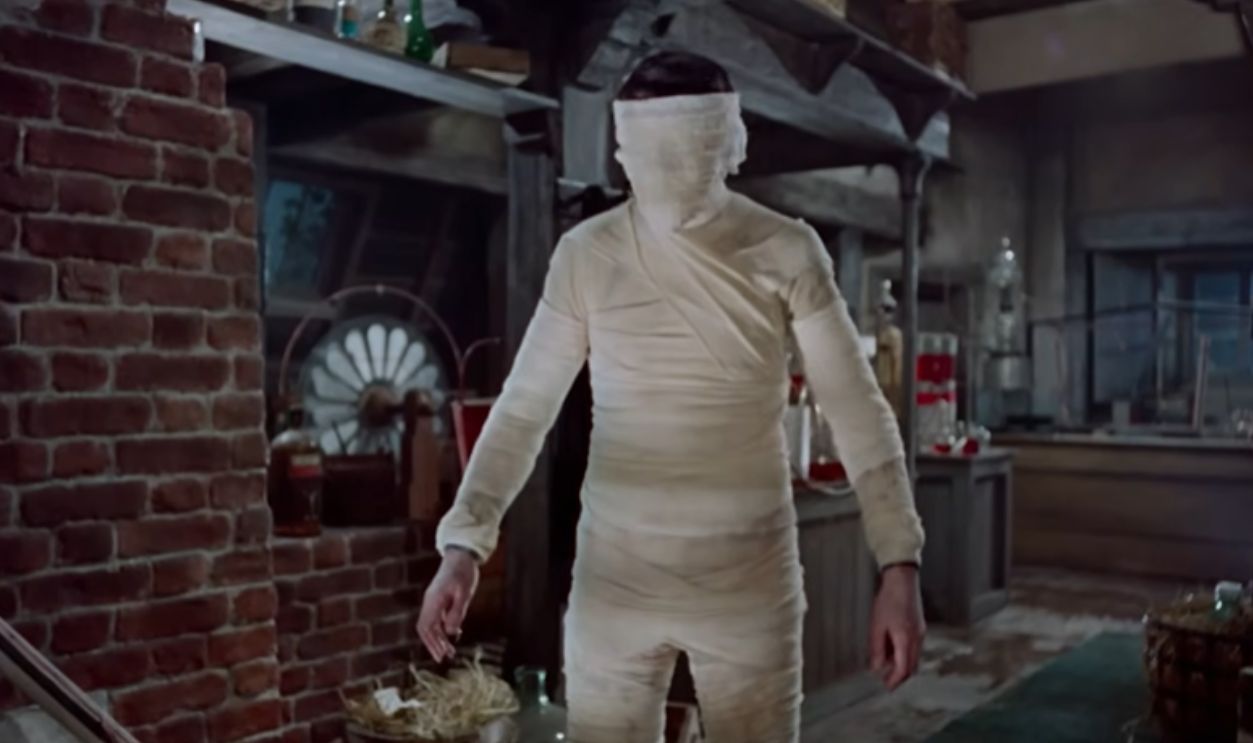 Screenshot from The Curse of Frankenstein, Warner Bros. (1957)
Dracula Made Him A Star
In 1958, Lee played Count Dracula opposite Cushing’s Van Helsing in Hammer’s Dracula, released in America as Horror of Dracula. His vampire was tall, fast, violent, and openly seductive. This was not Bela Lugosi’s courtly count. Lee’s Dracula looked as if he might actually enjoy catching his victims.
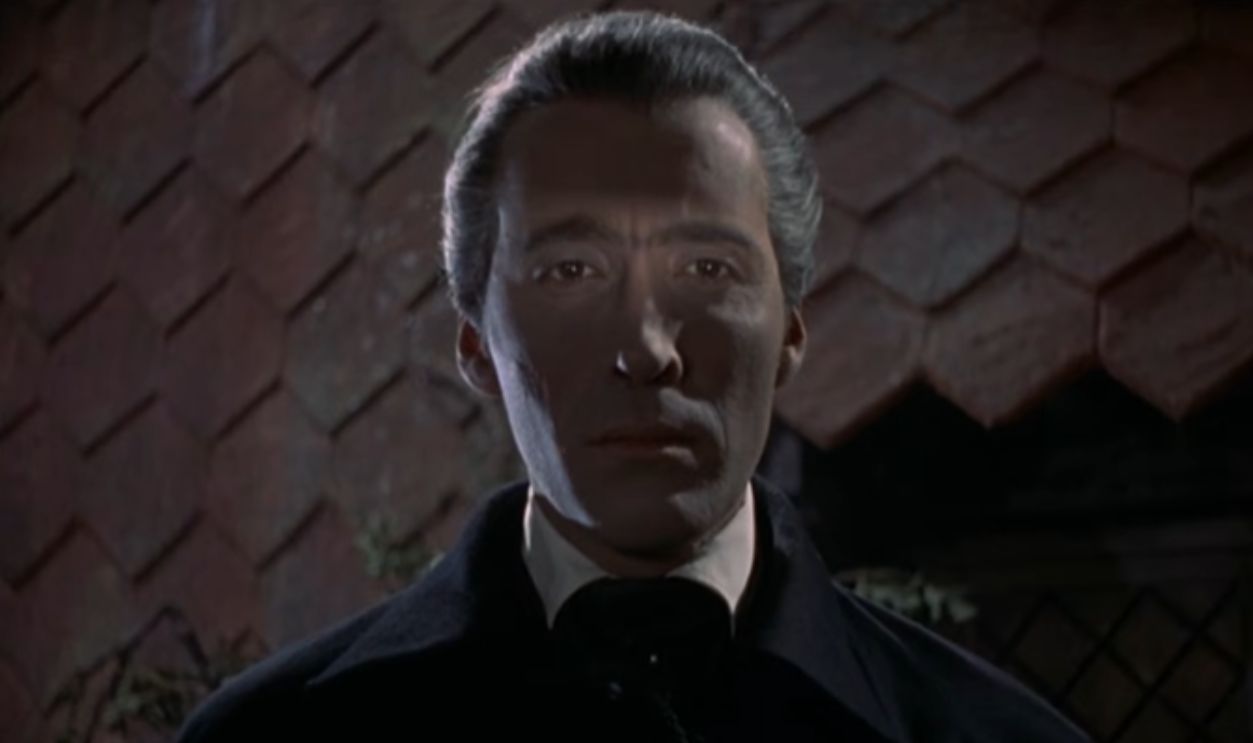 Screenshot from Horror of Dracula, Universal Pictures (1958)
He Took Bram Stoker Seriously
Lee read Bram Stoker’s novel carefully and objected when later scripts reduced Dracula to a silent monster who repeatedly rose from the grave. He wanted the count’s intelligence, loneliness, and commanding dialogue. When possible, Lee reportedly slipped fragments of Stoker’s original language into his performances.
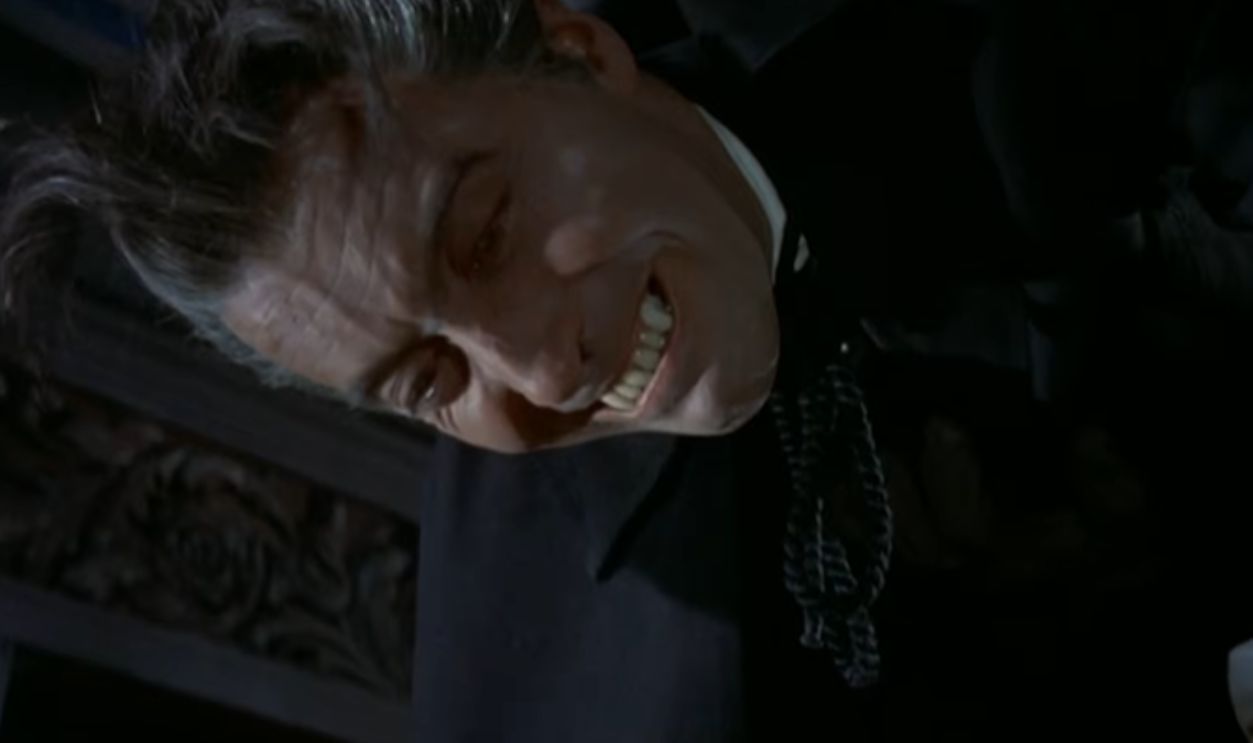 Screenshot from Horror of Dracula, Universal Pictures (1958)
The Sequels Frustrated Him
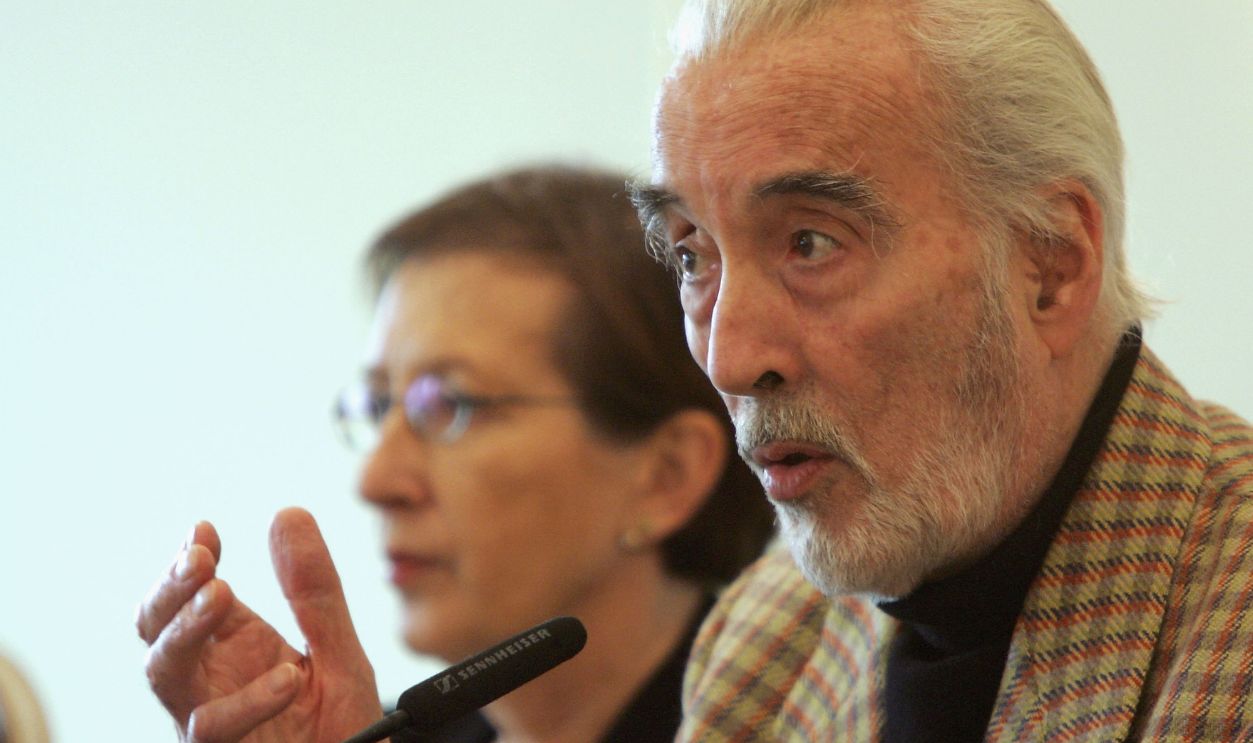
Hammer repeatedly persuaded Lee to return as Dracula, even as the parts became smaller and the scripts moved farther from Stoker. “They gave me nothing to do!” he later complained. His frustration was not with horror itself, but with filmmakers who treated a fascinating character like reusable studio property.
Gothic Horror Was Not Yet Occult Study
Playing Dracula, Frankenstein’s creature, and the Mummy did not automatically make Lee an expert in occult practice. Those roles belonged largely to folklore and Gothic literature. His deeper exposure to ceremonial magic, Satanism, and esoteric belief arrived through one particularly influential friendship.
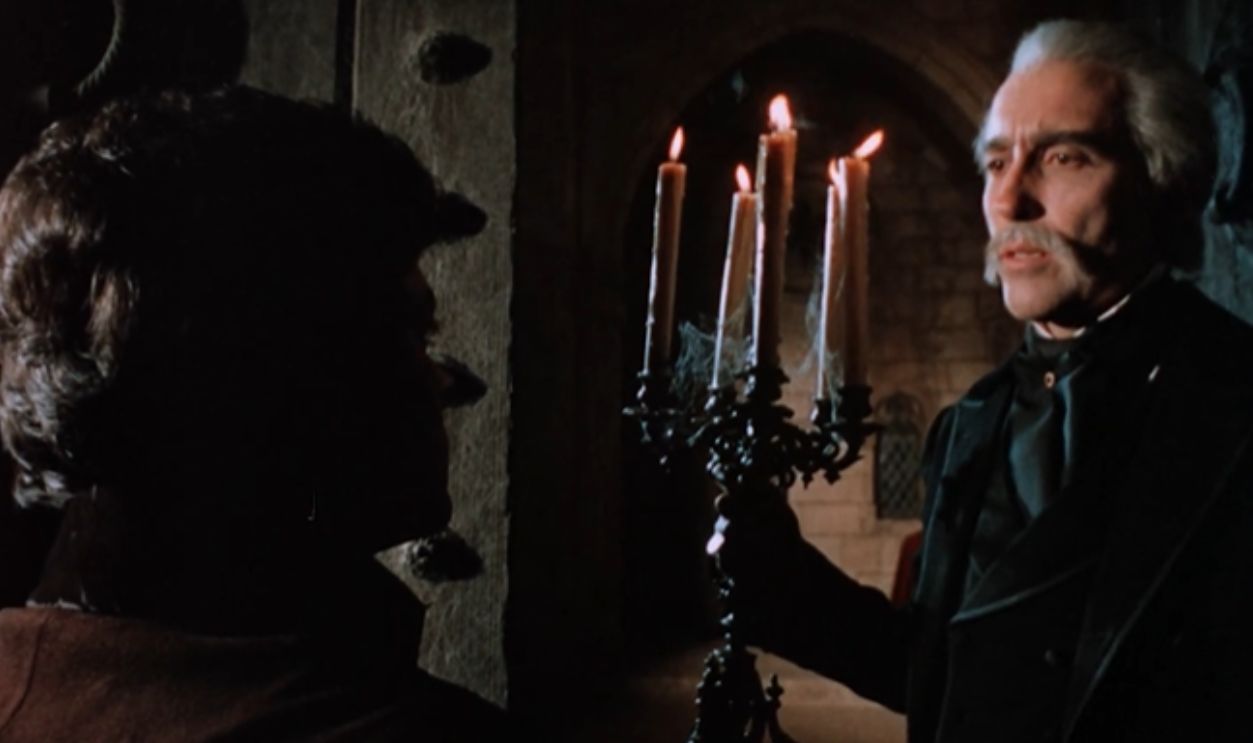 Screenshot from Count Dracula, Gloria Film (1970)
Dennis Wheatley Introduced A Darker World
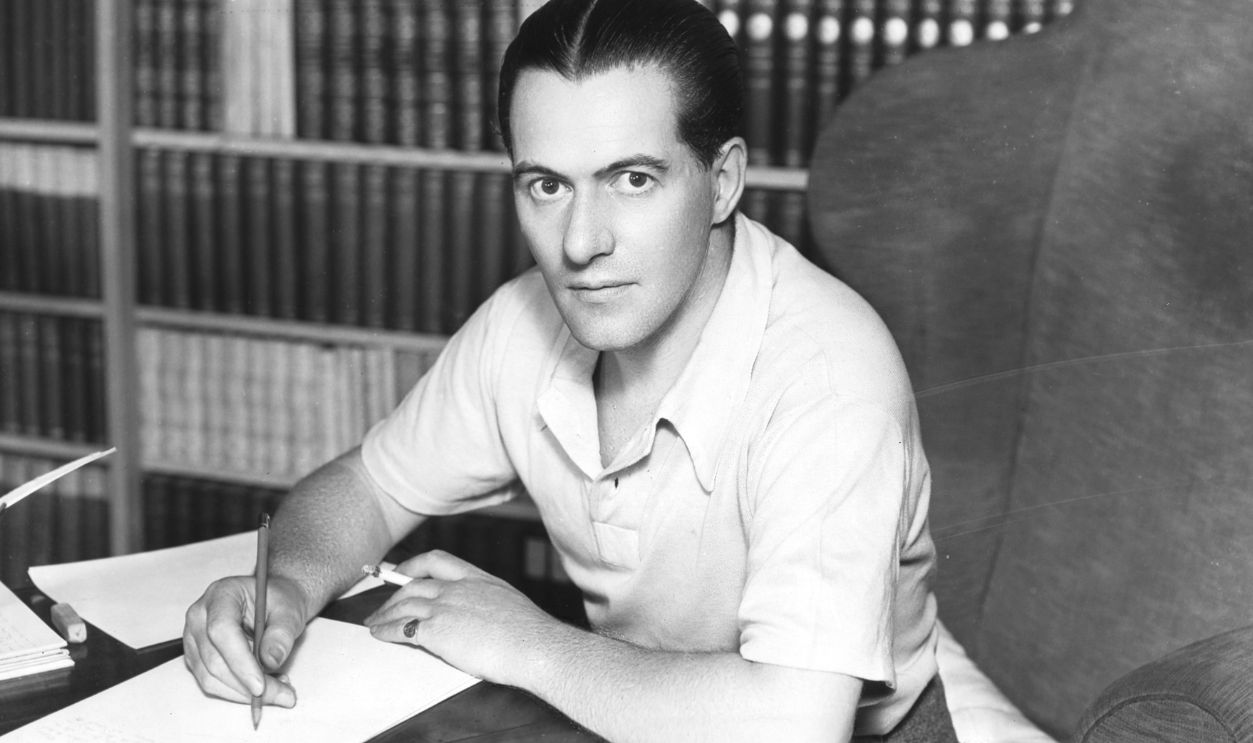
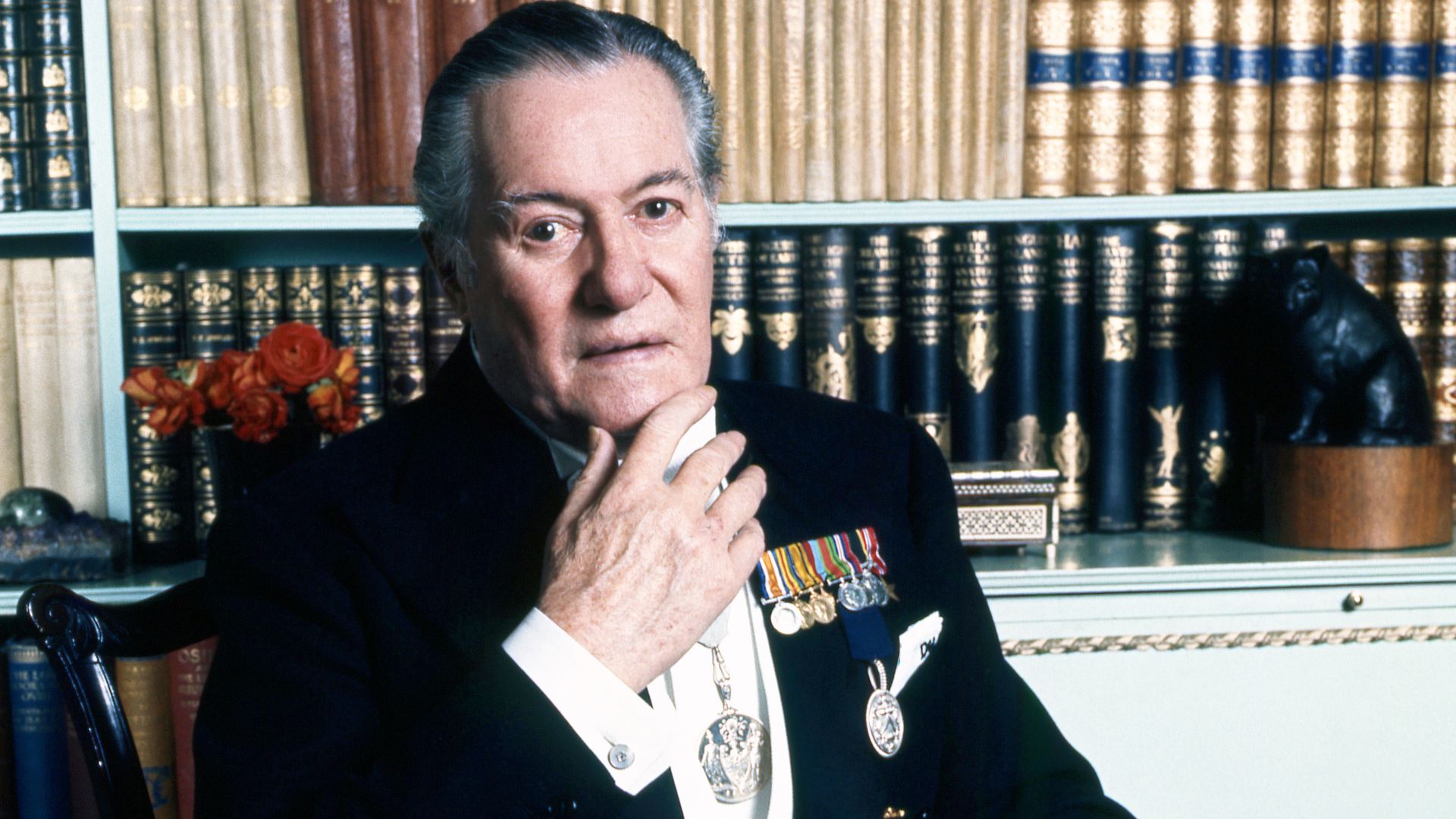
Lee became friends with British novelist Dennis Wheatley, whose thrillers frequently involved secret societies, black magic, and battles between Christianity and Satanism. Wheatley treated those subjects with remarkable seriousness. His stories gave Lee a more detailed vocabulary for discussing the occult, even though neither man viewed it as harmless entertainment.
One Novel Fascinated Him
Wheatley’s 1934 novel The Devil Rides Out follows the Duc de Richleau as he attempts to rescue a young friend from a Satanic group. The story combined adventure with elaborate ceremonies, protective symbols, possession, and supernatural attacks. Lee believed it could become an unusually intelligent horror film.
 Allan warren, Wikimedia Commons
He Pushed Hammer To Adapt It
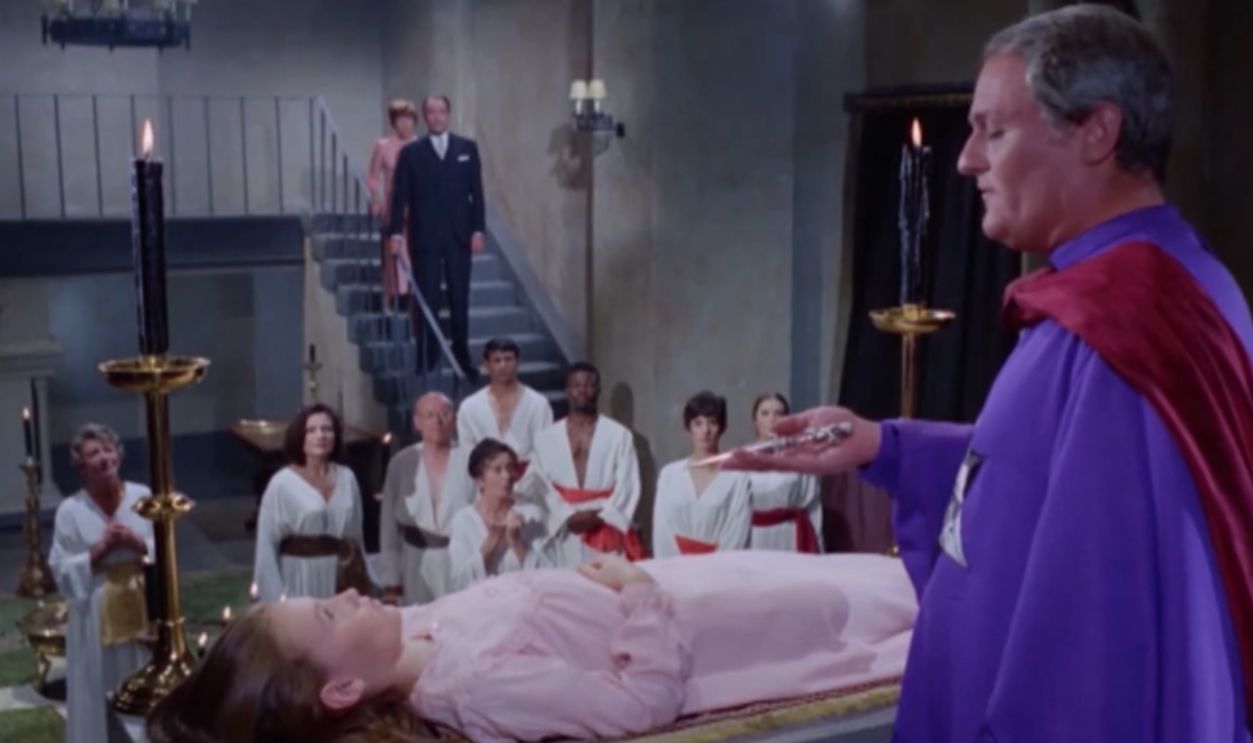
Lee encouraged Hammer to film Wheatley’s novel and wanted the adaptation to respect its source. Production began in 1967 under director Terence Fisher, with a screenplay by Richard Matheson. The completed film reached British theaters in 1968 after earlier concerns about presenting Satanism onscreen had delayed the project.
 Screenshot from The Devil Rides Out, Warner Bros. (1968)
This Time He Played The Hero
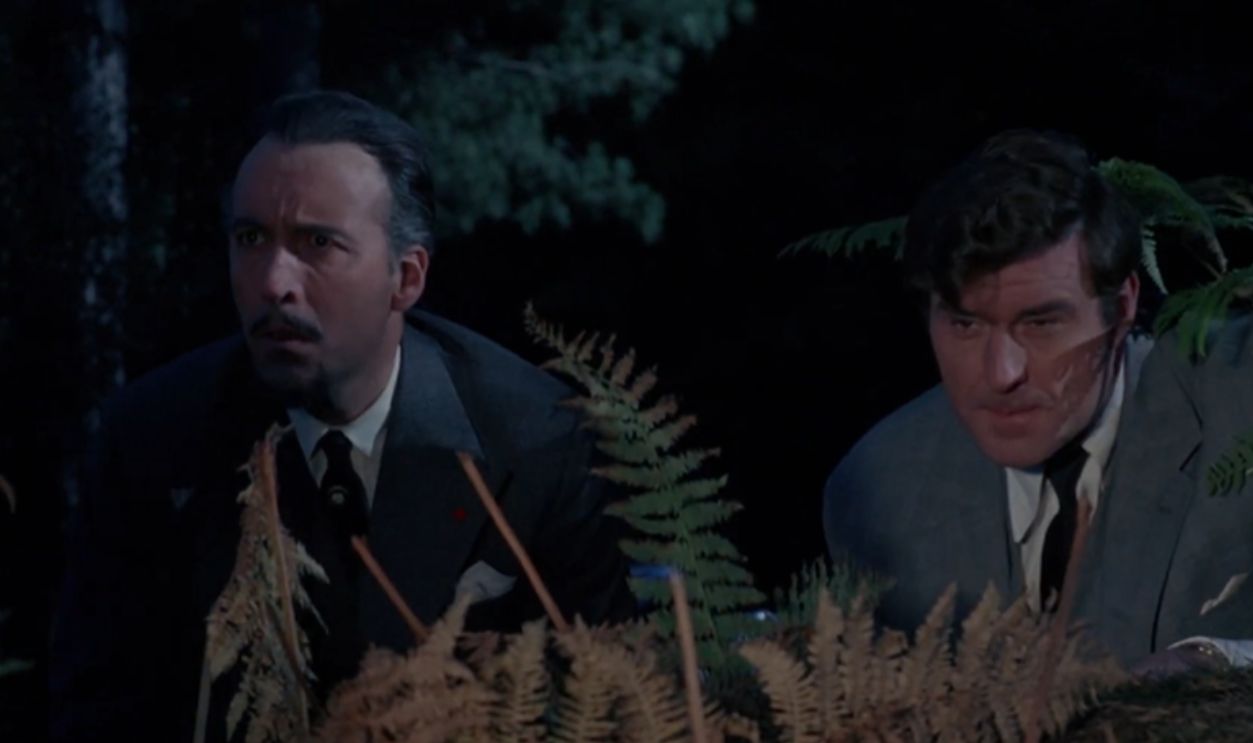
Instead of portraying the supernatural villain, Lee played the Duc de Richleau, an aristocratic scholar who understood dark forces well enough to fight them. It was a rare heroic Hammer role for Lee, although his commanding manner remained intimidating enough to make audiences obey every warning he delivered.
 Screenshot from The Devil Rides Out, Warner Bros. (1968)
The Film Used Detailed Occult Imagery
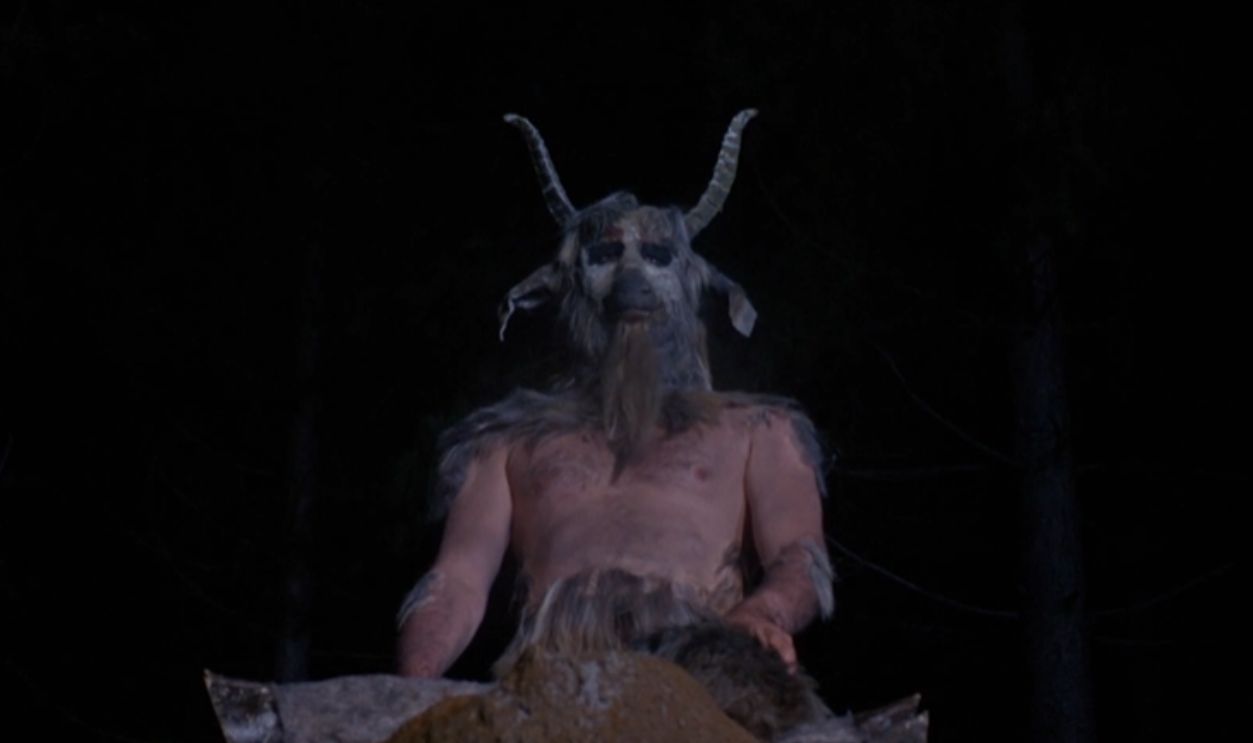
The Devil Rides Out included ritual robes, astrological symbols, invocations, a protective magic circle, and the terrifying Goat of Mendes. The filmmakers drew heavily from Wheatley’s novel and existing occult traditions, although the finished story remained dramatic fiction rather than a reliable guide to ceremonial practice.
 Screenshot from The Devil Rides Out, Warner Bros. (1968)
Lee Had To Sound Like An Authority
The Duc explains supernatural threats with complete confidence, leaving no time for uncertainty or nervous laughter. Lee studied the script’s terminology and Wheatley’s ideas closely enough to make those explanations convincing. His performance suggested decades of forbidden research, even though the actor himself had never performed the rituals.
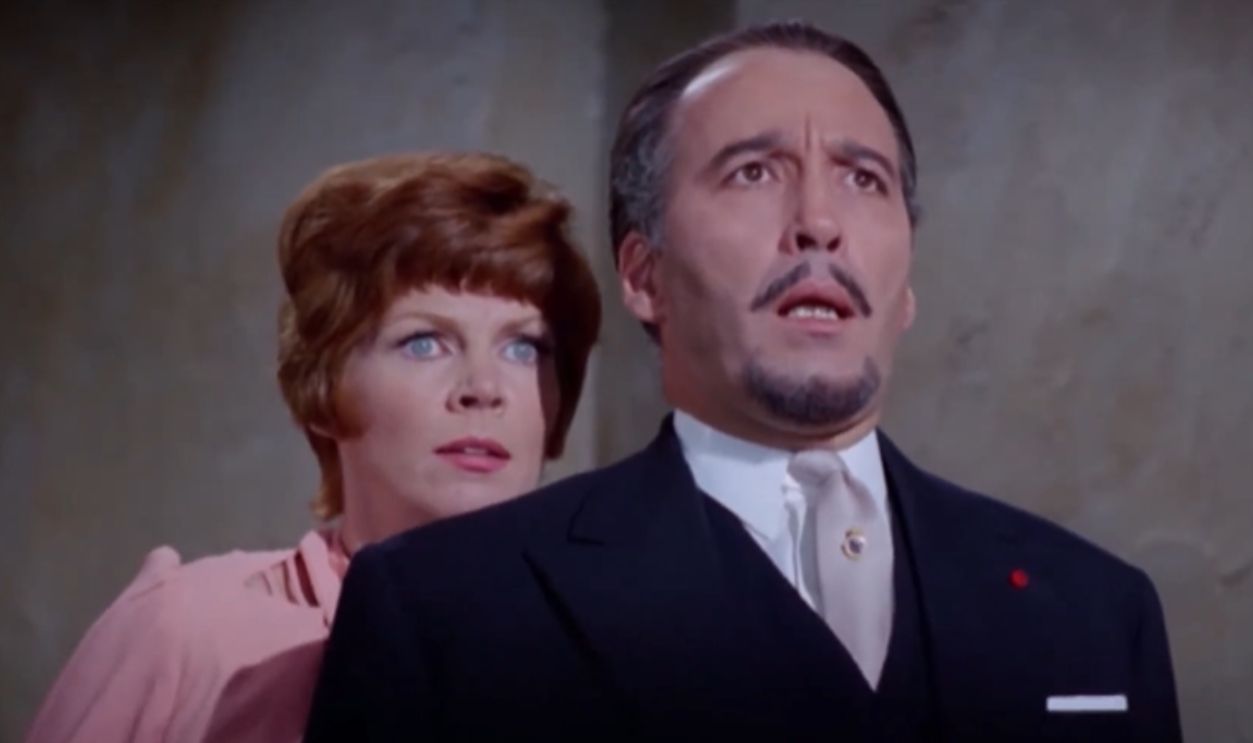 Screenshot from The Devil Rides Out, Warner Bros. (1968)
He Treated The Story As Good Against Evil
Lee did not see The Devil Rides Out as an advertisement for black magic. Its occult ceremonies are presented as dangerous, while the Duc uses knowledge to protect others. The story ultimately places spiritual discipline, loyalty, and faith against manipulation, selfishness, and destructive curiosity.
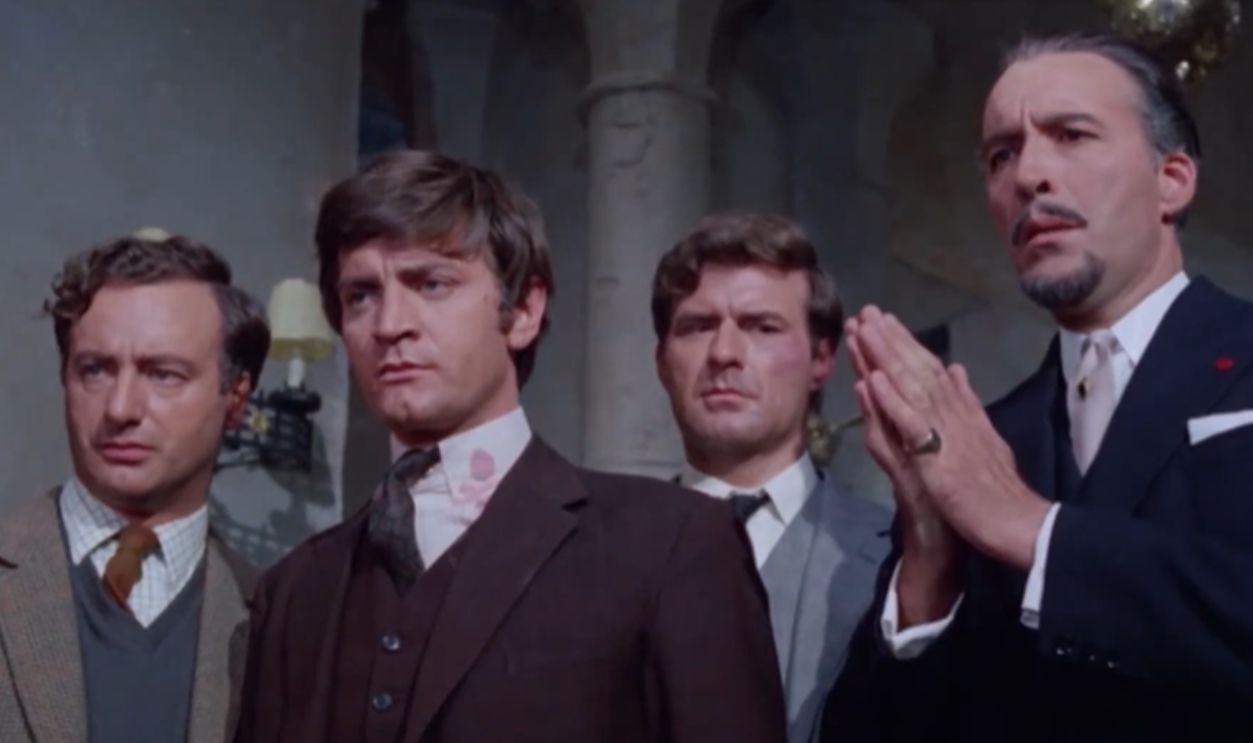 Screenshot from The Devil Rides Out, Warner Bros. (1968)
Wheatley Rewarded His Performance
Dennis Wheatley was pleased enough with the adaptation to give Lee a first edition of The Devil Rides Out bearing a personal inscription. Lee treasured the book. It later became important because it was one of the few genuinely occult-related volumes he publicly acknowledged owning.
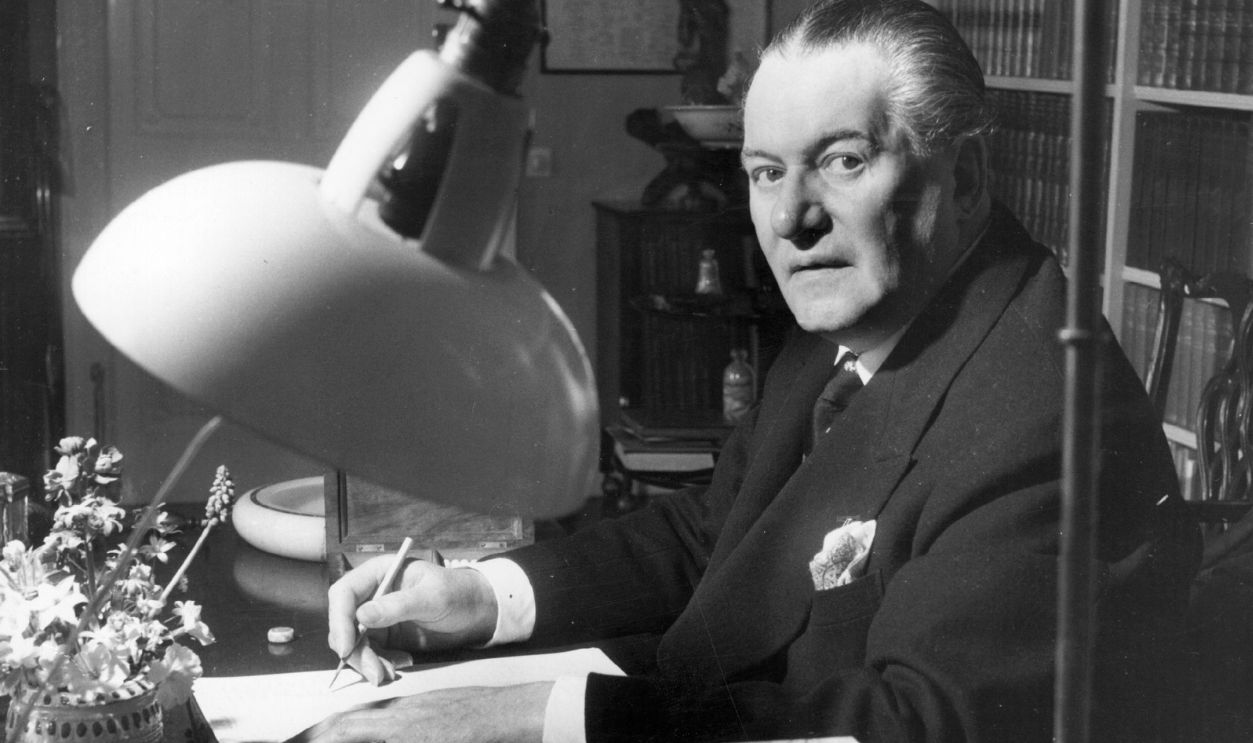
A Wild Library Rumor Began Growing
Over time, articles and fans claimed that Lee possessed one of the world’s largest private collections of occult literature. The number eventually reached 20,000 books. It sounded believable because Lee spoke with such confidence and looked exactly like a man who might own a library accessible only through a moving wall.
 PragueGnosis, Wikimedia Commons
Lee Personally Destroyed The Myth
When a student repeated the claim at University College Dublin in 2011, Lee laughed. If he owned 20,000 books, he joked, “I’d have to live in a bath.” He explained that his collection contained only four or five books specifically concerned with the occult, not thousands.
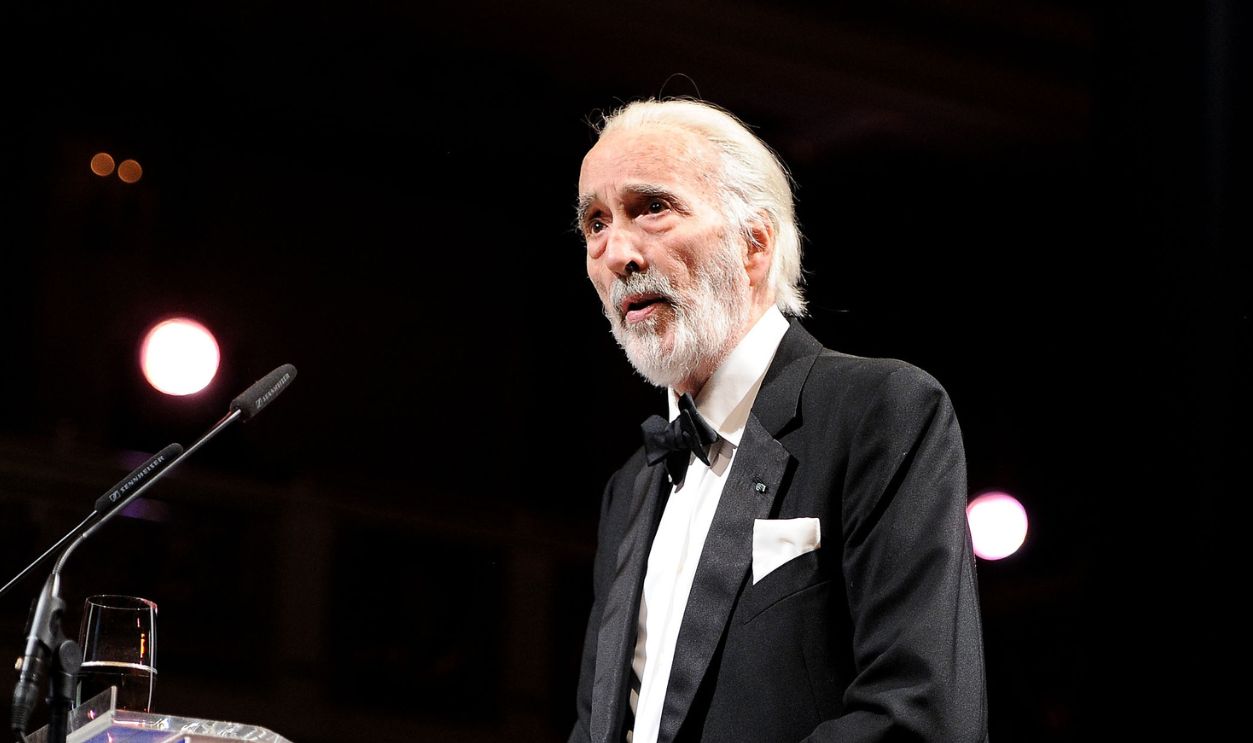 Pascal Le Segretain, Getty Images
His Knowledge Was Real But Limited
Lee had read Wheatley, studied material connected to his roles, and spent decades discussing supernatural stories with writers and filmmakers. He was informed, articulate, and intensely curious. However, he rejected the claim that he was a practicing magician, secret initiate, or academic authority on occult traditions.
He Met Self-Described Practitioners
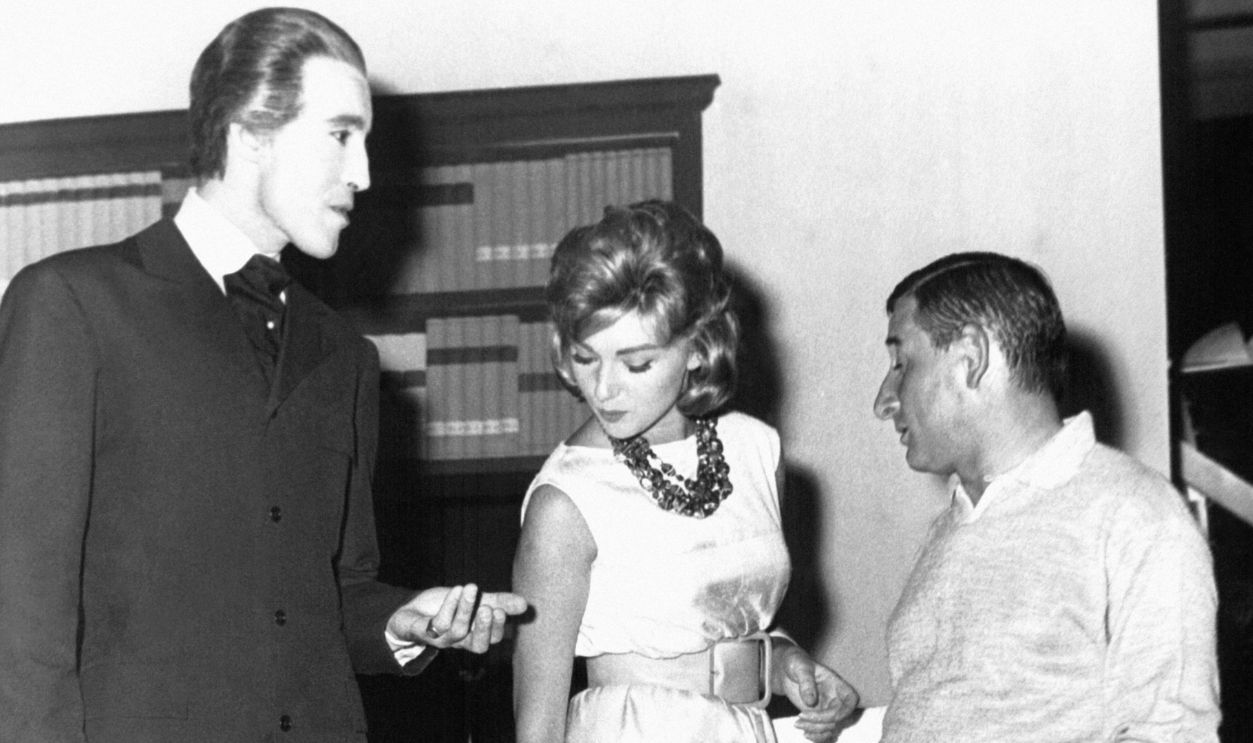
Lee said he had encountered people who claimed to be Satanists or practitioners of black magic. He did not offer names or sensational stories, and he never claimed to have participated in their ceremonies. Meeting such people appeared to make him more wary of the subject, not more eager to join them.
He Drew A Firm Personal Boundary
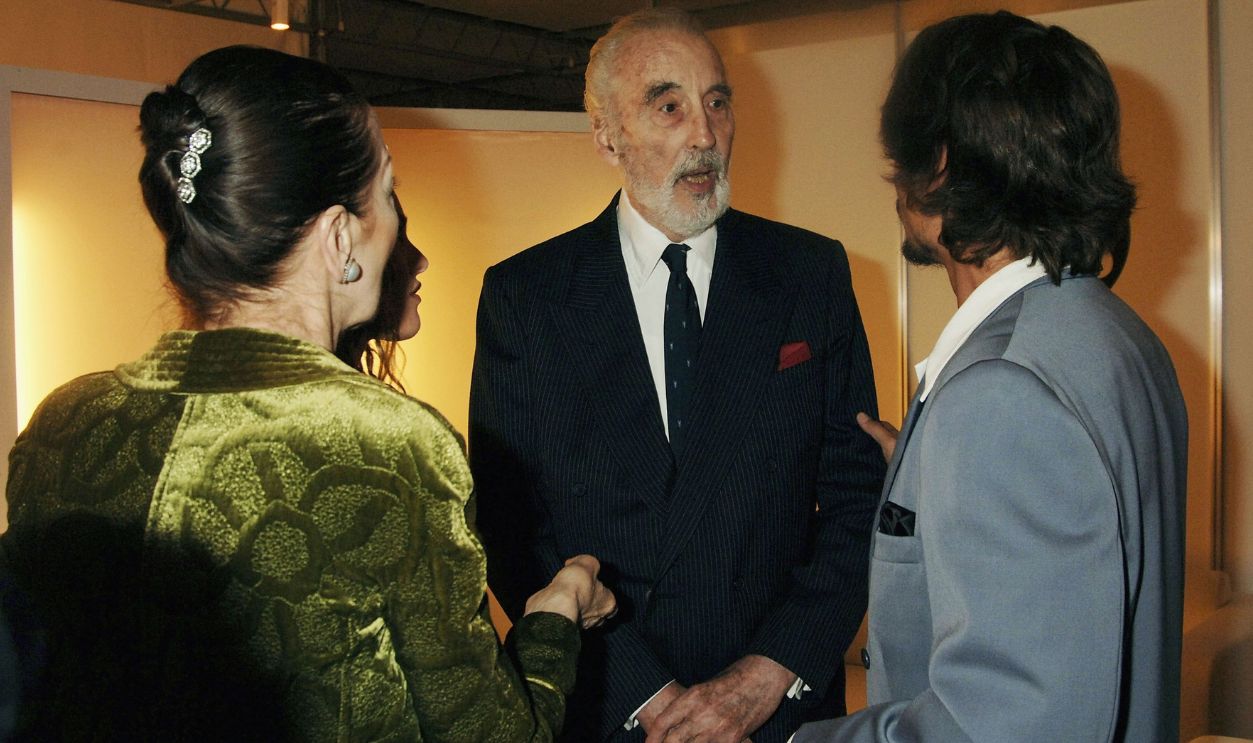
The distinction mattered enormously to Lee. He could read about occultism, discuss it, and portray it onscreen without attempting to practice it. His imagination belonged to the characters, but his personal life remained outside their world. Fans often blurred that boundary; Lee repeatedly restored it.
He Returned To Wheatley’s World
Lee portrayed excommunicated priest Michael Rayner in To the Devil a Daughter, released in 1976. Rayner leads a Satanic group planning to use a young woman in a demonic ritual. Unlike the protective Duc de Richleau, this character used occult knowledge for manipulation and destruction.
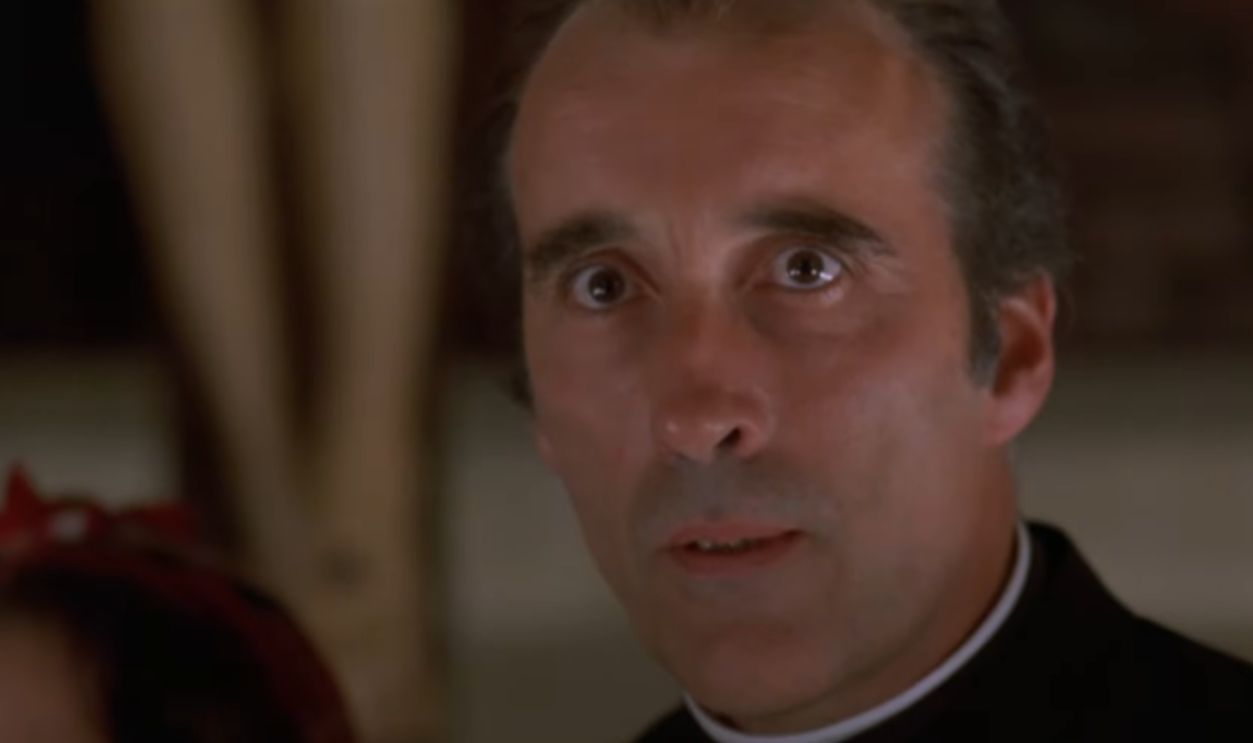 Screenshot from To the Devil... A Daughter, EMI Films (1976)
The Production Became Difficult
The film starred Richard Widmark, Honor Blackman, Denholm Elliott, and a young Nastassja Kinski. Despite its impressive cast, production difficulties and disagreements weakened the adaptation. Wheatley disliked the finished film, and it became Hammer’s final horror feature before the studio’s original production era collapsed.
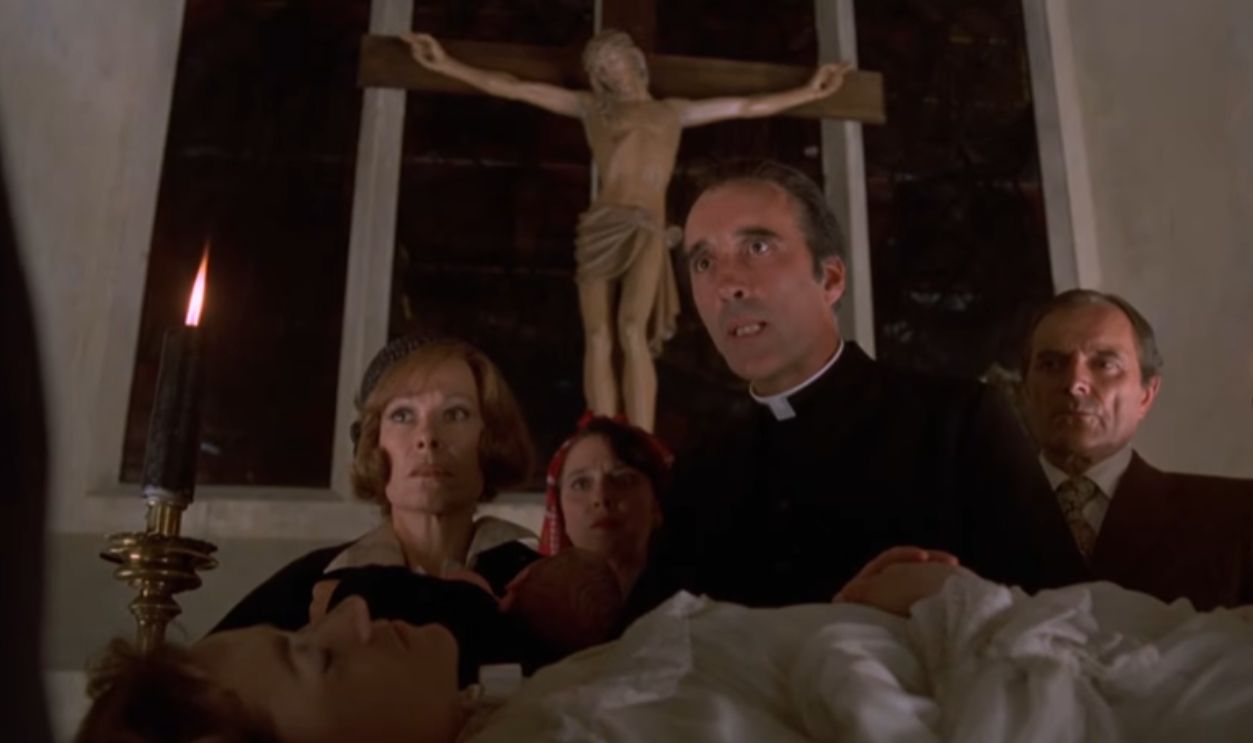 Screenshot from To the Devil... A Daughter, EMI Films (1976)
The Film Made Lee Look Even More Involved
Promotional interviews asked Lee about Satanism and black magic as if portraying Rayner had made him an insider. Lee acknowledged that people practiced such beliefs, but he did not romanticize them. His grave answers made excellent publicity, although they also strengthened rumors about his personal involvement.
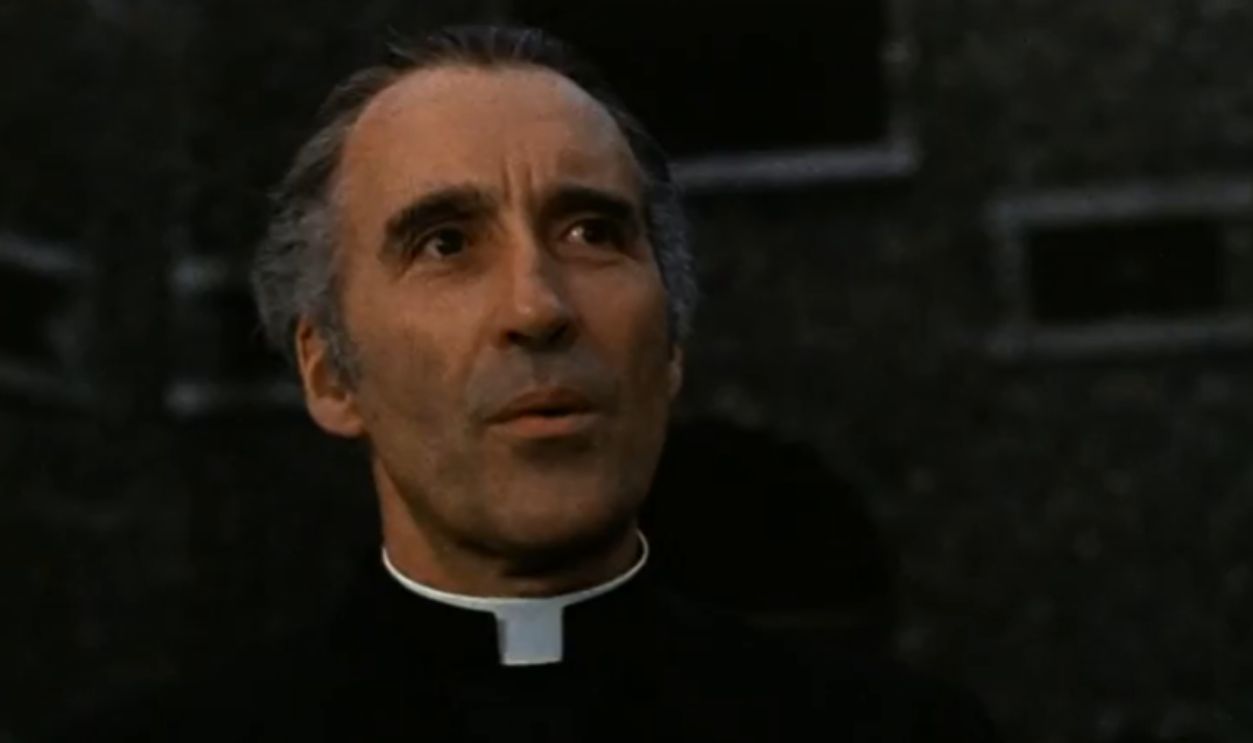 Screenshot from To the Devil... A Daughter, EMI Films (1976)
The Wicker Man Explored A Different Belief System
In 1973, Lee played Lord Summerisle in The Wicker Man. The film follows a devout Christian police officer investigating a disappearance on an island practicing a reconstructed pagan religion. Lee considered it one of his finest films and reportedly worked without his usual fee to help it get made.
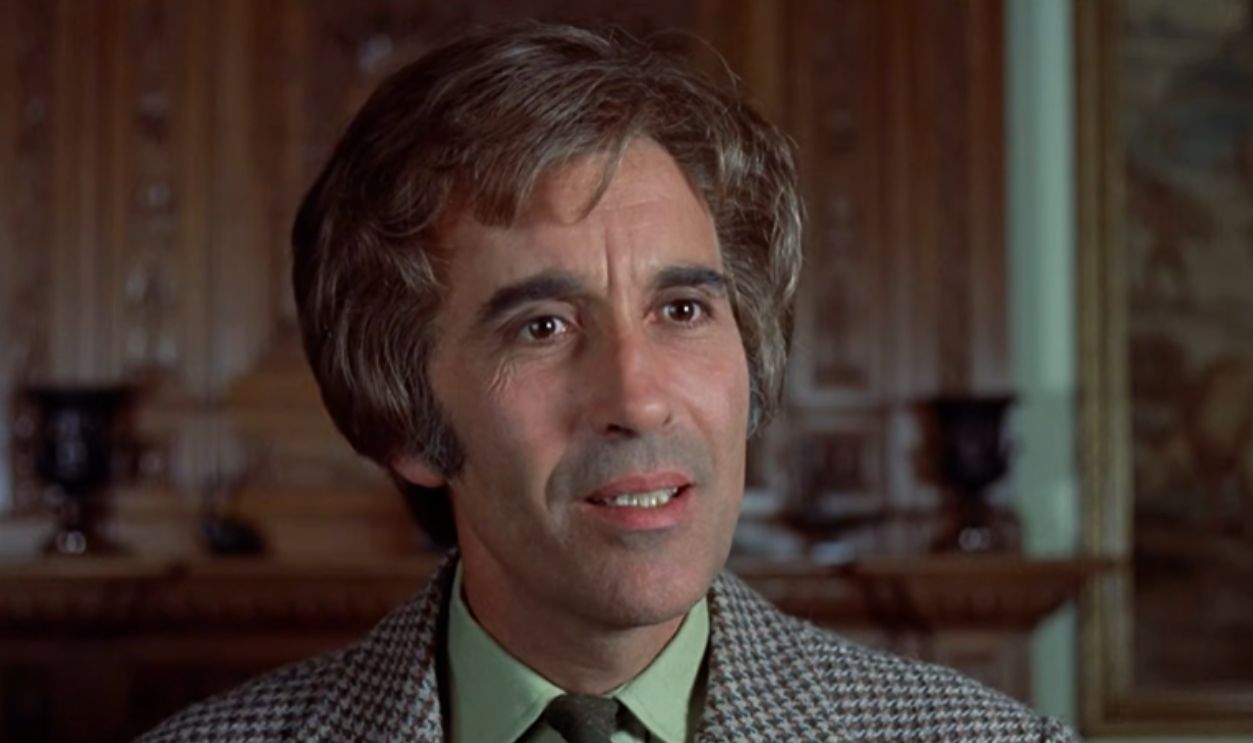 Screenshot from The Wicker Man, British Lion Films (1973)
Its Paganism Was Carefully Constructed Fiction
Screenwriter Anthony Shaffer and director Robin Hardy researched ancient religions, fertility customs, folk songs, and seasonal celebrations while developing Summerisle. However, scholars and the filmmakers have acknowledged that the island’s belief system was a dramatic mixture rather than a historically accurate recreation of one ancient faith.
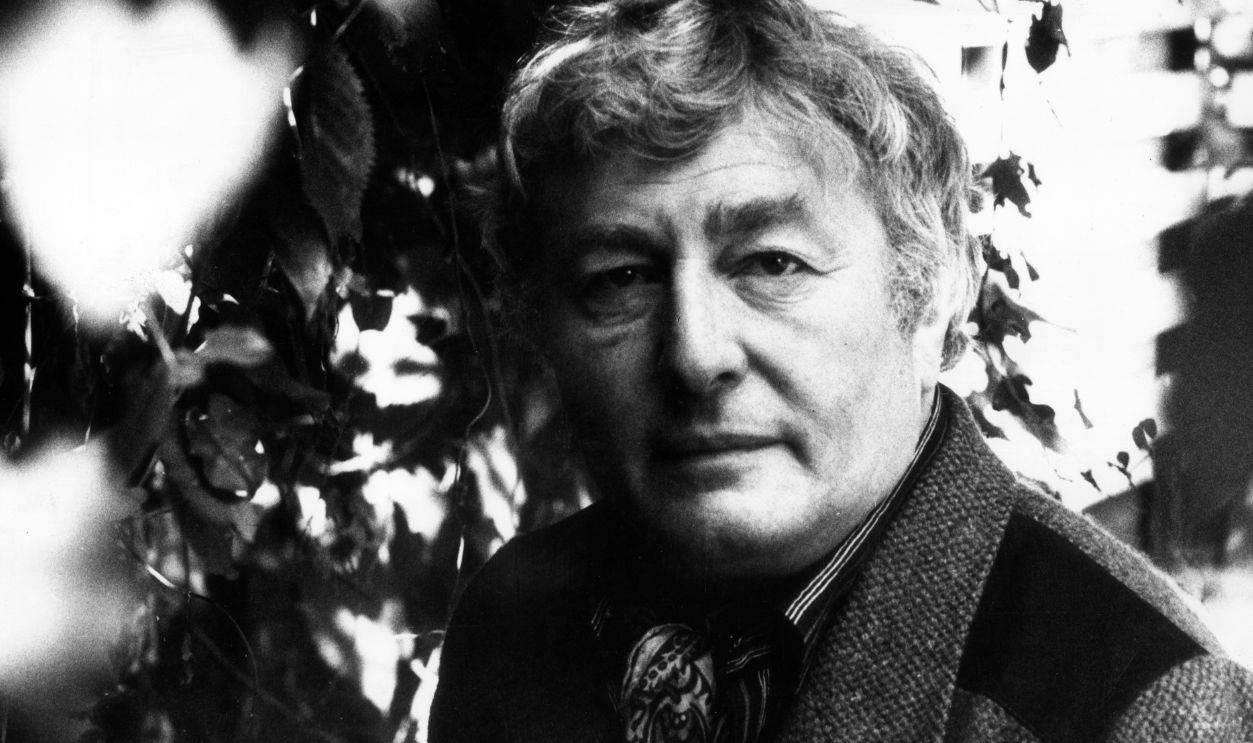 Evening Standard, Getty Images
Lord Summerisle Never Thought He Was Evil
Lee’s performance worked because Summerisle did not behave like a cackling villain. He presented the island’s rituals as reasonable, joyful, and necessary. Lee understood that frightening characters rarely consider themselves frightening. Certainty, delivered politely, could be more disturbing than any theatrical curse.
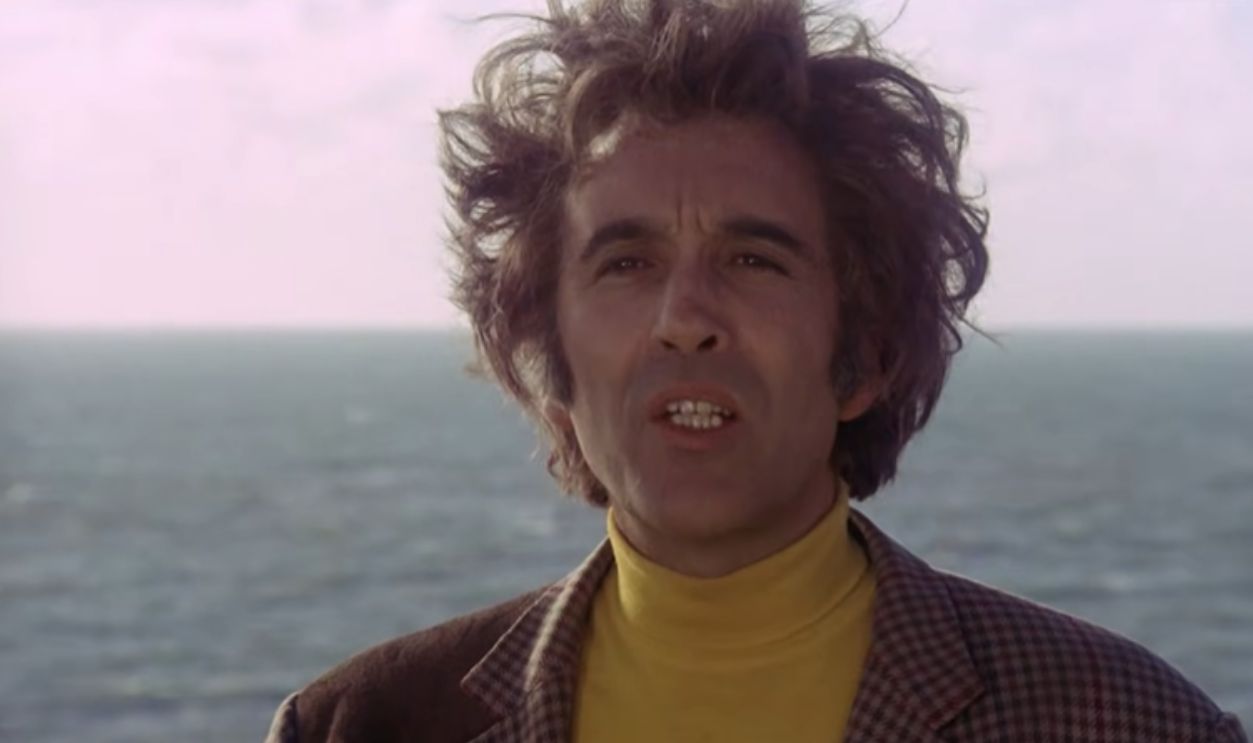 Screenshot from The Wicker Man, British Lion Films (1973)
Dark Books Strengthened His Reputation
During the 1970s, Lee’s name appeared on horror anthologies including Christopher Lee’s X Certificate and Christopher Lee’s Archives of Evil. Anthologist Michel Parry performed much of the editorial work, but Lee’s name and image helped sell the collections. Naturally, the supposed occult library continued expanding in the public imagination.
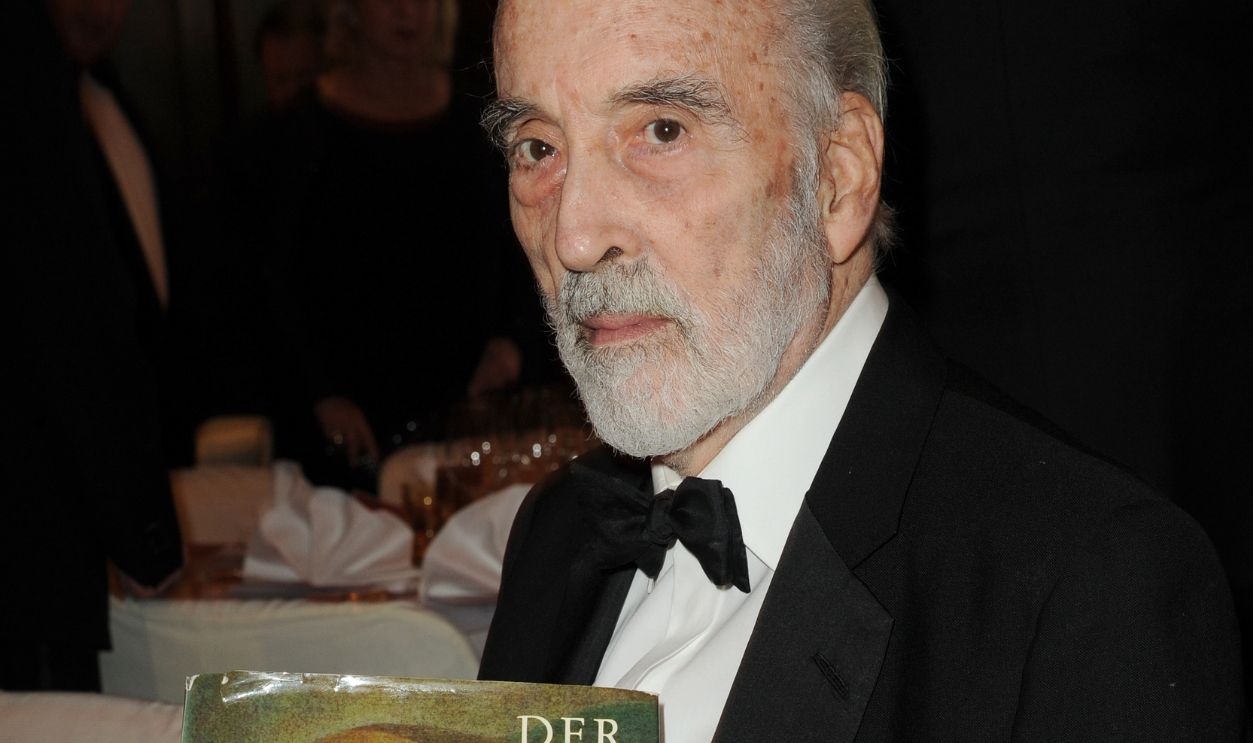 Hannes Magerstaedt, Getty Images
His Real Home Life Was Far Less Sinister
Lee married Danish model and painter Birgit Krøncke in 1961, and they had one daughter, Christina. Their marriage lasted for more than five decades. Away from work, his interests included opera, literature, history, travel, golf, and music rather than secret midnight ceremonies.
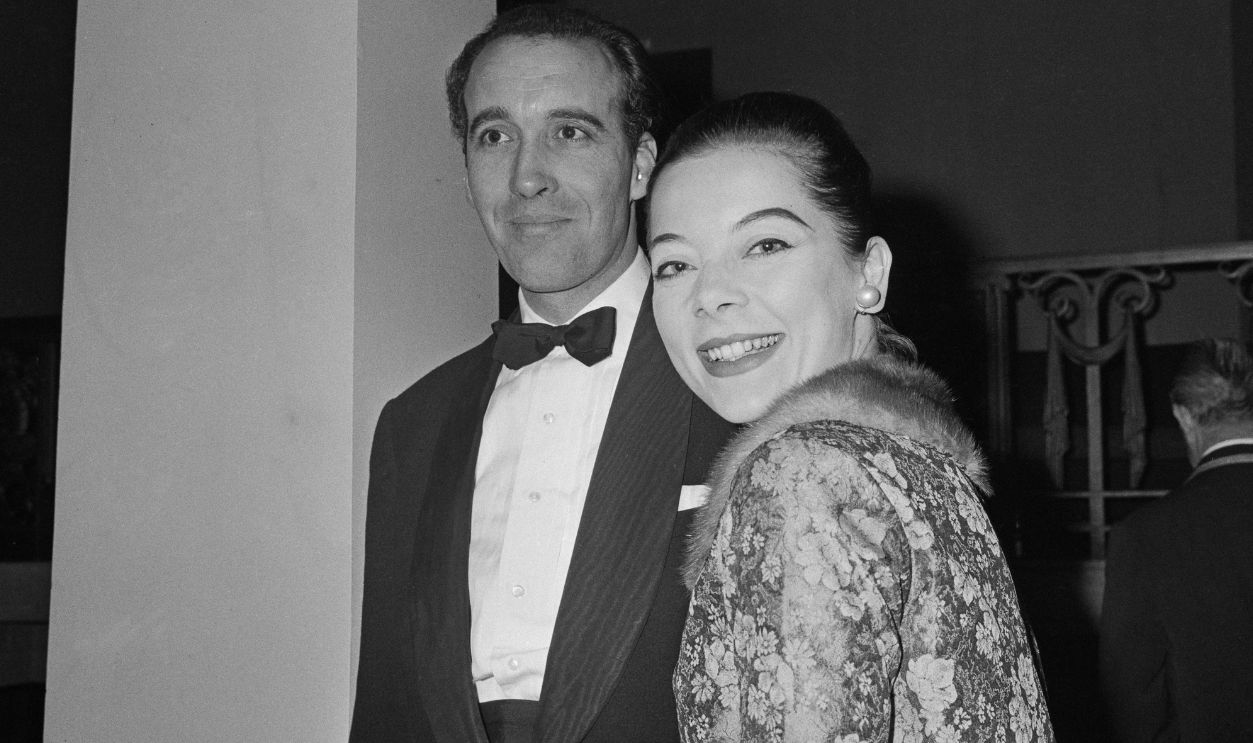 Evening Standard, Getty Images
Saruman Revived The Old Mystique
Peter Jackson cast Lee as Saruman in The Lord of the Rings trilogy, introducing his commanding voice to another generation. Saruman was a corrupted wizard rather than a Satanist, but the performance again relied on Lee’s ability to make ancient knowledge sound completely authentic.
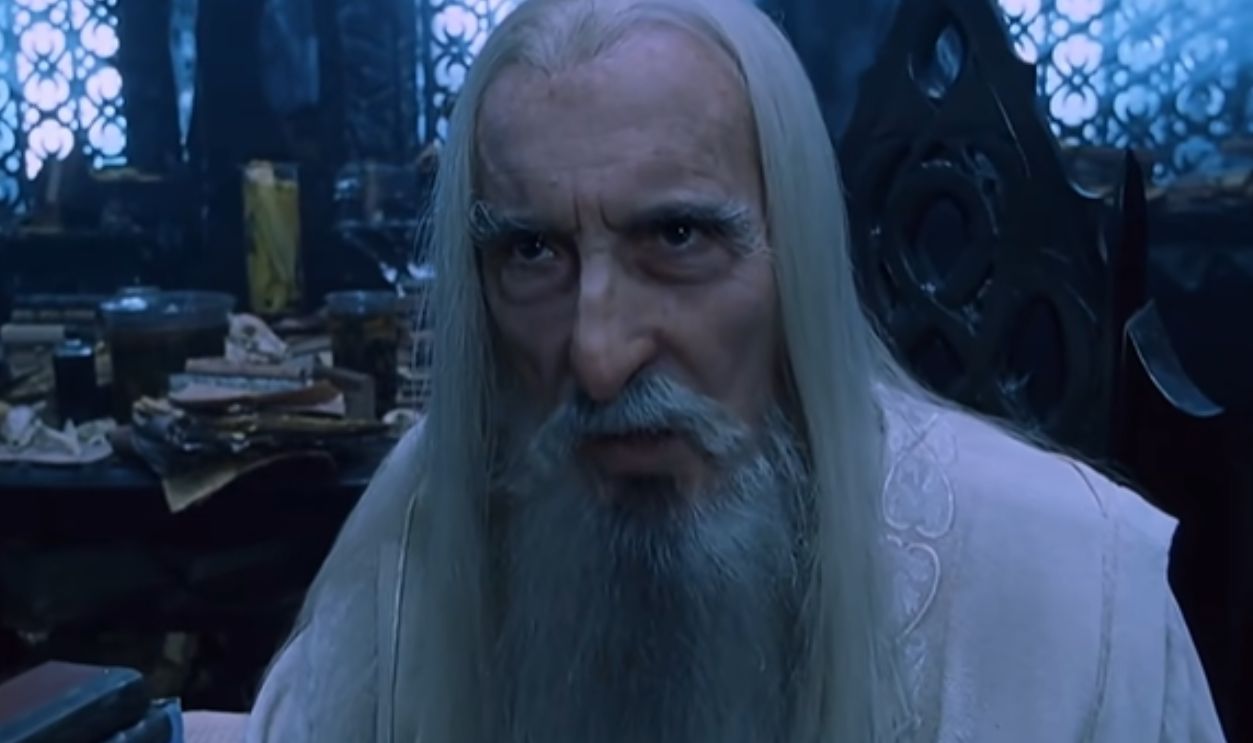 Screenshot from The Lord of the Rings: The Fellowship of the Ring, New Line Cinema (2001)
The Question Followed Him Into His Eighties
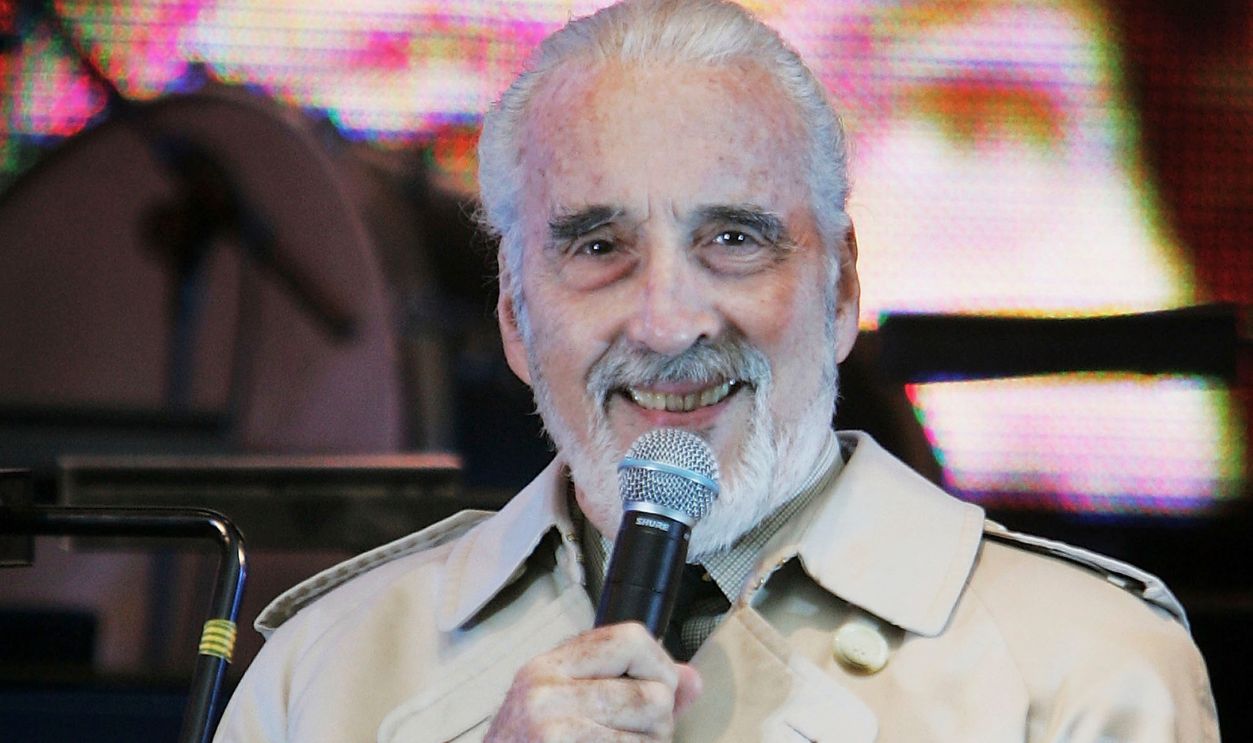
By 2011, Lee had played so many supernatural figures that audiences still wanted to know whether he had experimented with occult practices. During his appearance at University College Dublin, he firmly denied it. He had encountered claims, read certain books, and portrayed rituals, but he said he had never become involved.
His next warning was serious.
His Final Warning Was Completely Serious
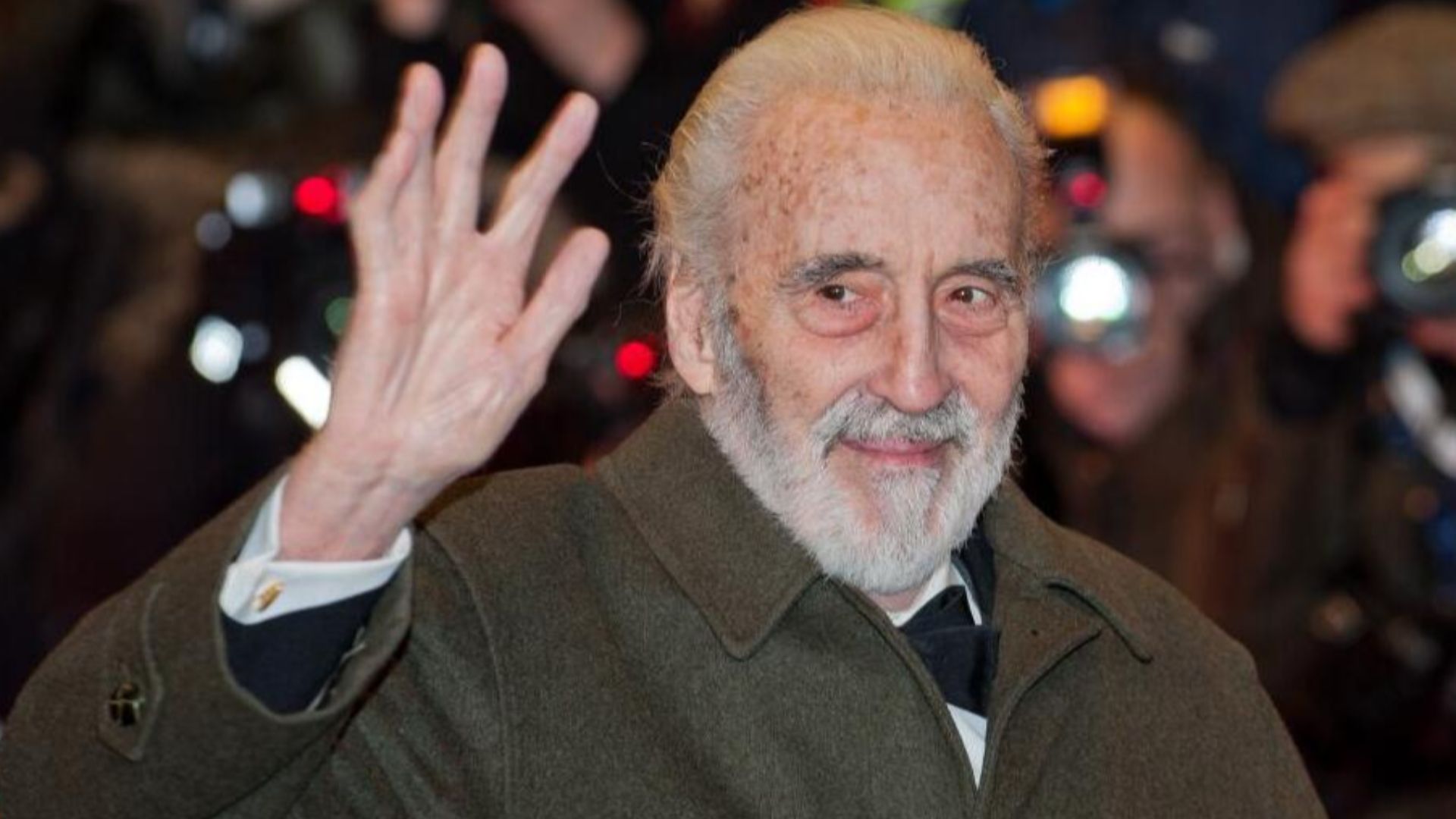
Lee ended the discussion with an extraordinary warning: “Never, never, never.” He told his audience that involvement with the occult could cost a person both mind and soul. Christopher Lee understood dark material well enough to make it terrifying, but his strongest advice was remarkably simple: leave it on the screen.
You May Also Like: