Hollywood's Biggest Casting Mistakes
For decades, television was considered a step down from Hollywood movies, and some major stars wanted nothing to do with it. But that attitude led to some spectacular missed opportunities. John Lithgow dismissed a role that would make Kelsey Grammer a legend, while another movie star reportedly wouldn't even consider playing Don Draper. And those weren't the only actors who watched someone else become famous playing a character they could have had.
 Silver Screen Collection / Getty Images
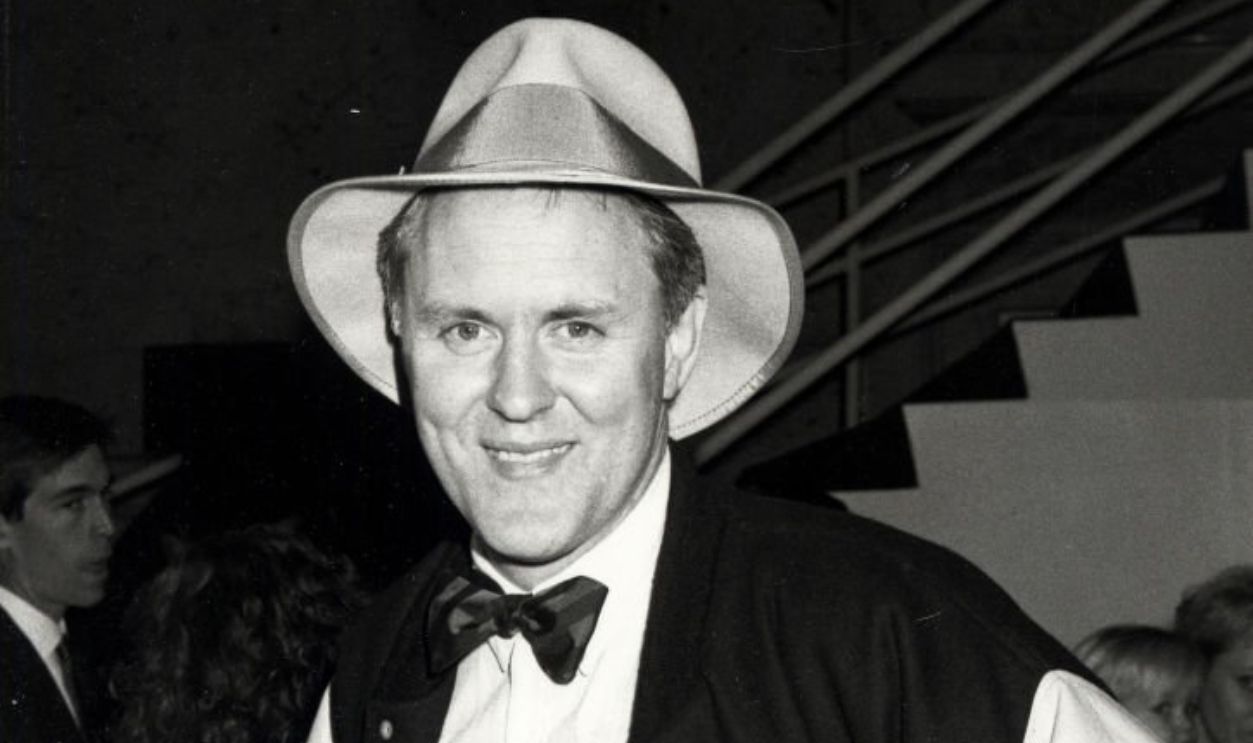
John Lithgow Thought Television Was Beneath Him
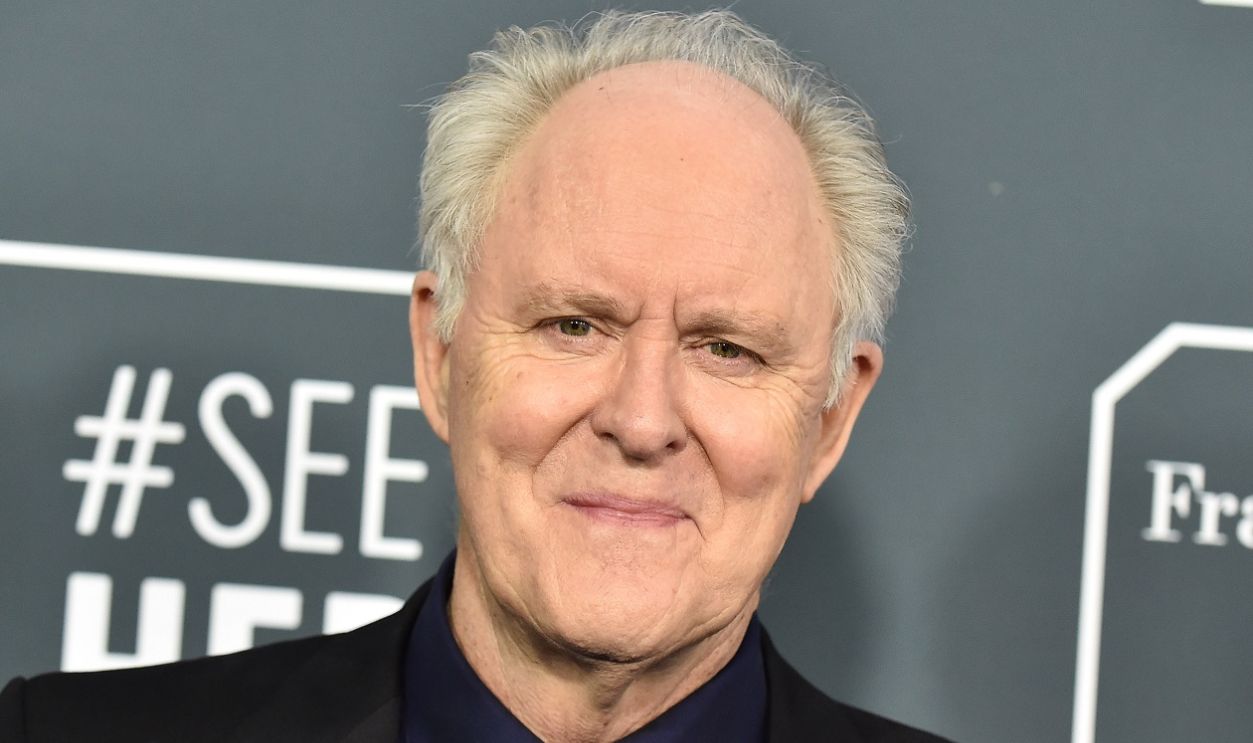
In the early 1980s, John Lithgow was riding high after earning back-to-back Oscar nominations for The World According to Garp and Terms of Endearment. When the creators of Cheers approached him about playing psychiatrist Frasier Crane, he wasn't interested. Lithgow later admitted that he considered a television comedy beneath his dignity at the time. Unfortunately for him, that dismissive attitude cost him one of the most successful characters in television history.
Kelsey Grammer Got The Last Laugh
Kelsey Grammer eventually landed the role, introducing Frasier Crane during the third season of Cheers in 1984. The character became so popular that he received his own spin-off, Frasier, which ran for another 11 seasons. Ironically, Lithgow eventually embraced television himself, starring in 3rd Rock from the Sun and winning three Emmys for his performance. By then, Grammer had already built an extraordinary career around the character Lithgow barely remembered being offered.
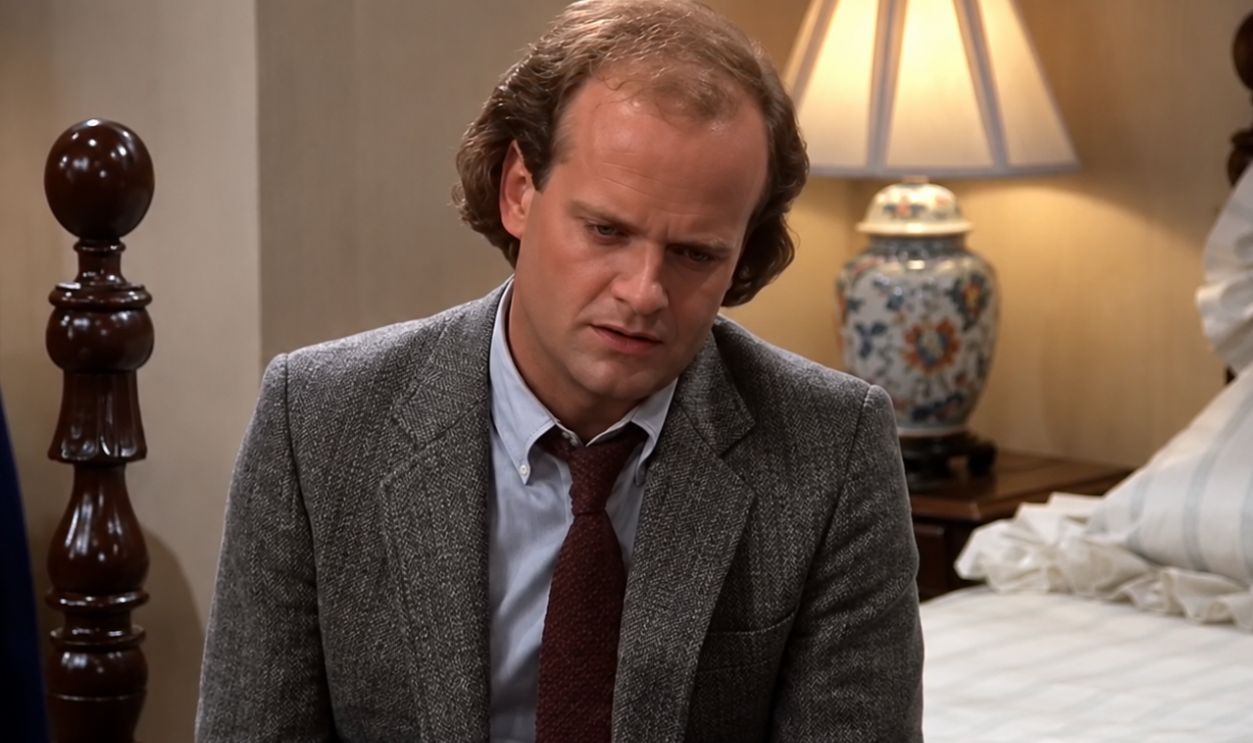 Screenshot from Cheers, Paramount (1982-1993), enhanced
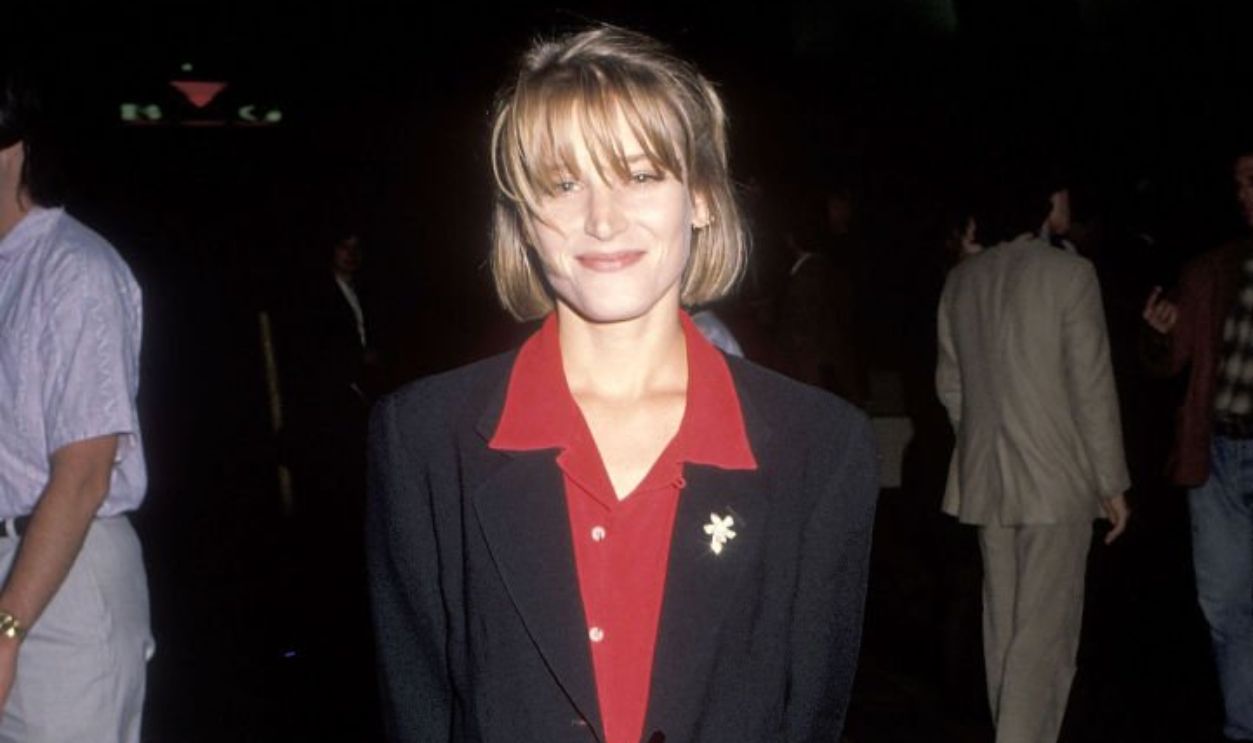
Bridget Fonda Wasn't Ready For Television
During the 1990s, Bridget Fonda was enjoying a successful movie career, appearing in films like Single White Female and Point of No Return. When David E. Kelley was developing Ally McBeal, Fonda was approached about whether she'd be interested in starring. She later clarified that she hadn't formally rejected a finished offer, but simply wasn't interested in committing to a television series. Fonda preferred the flexibility of movies, although the project she passed on would soon become an enormous hit.
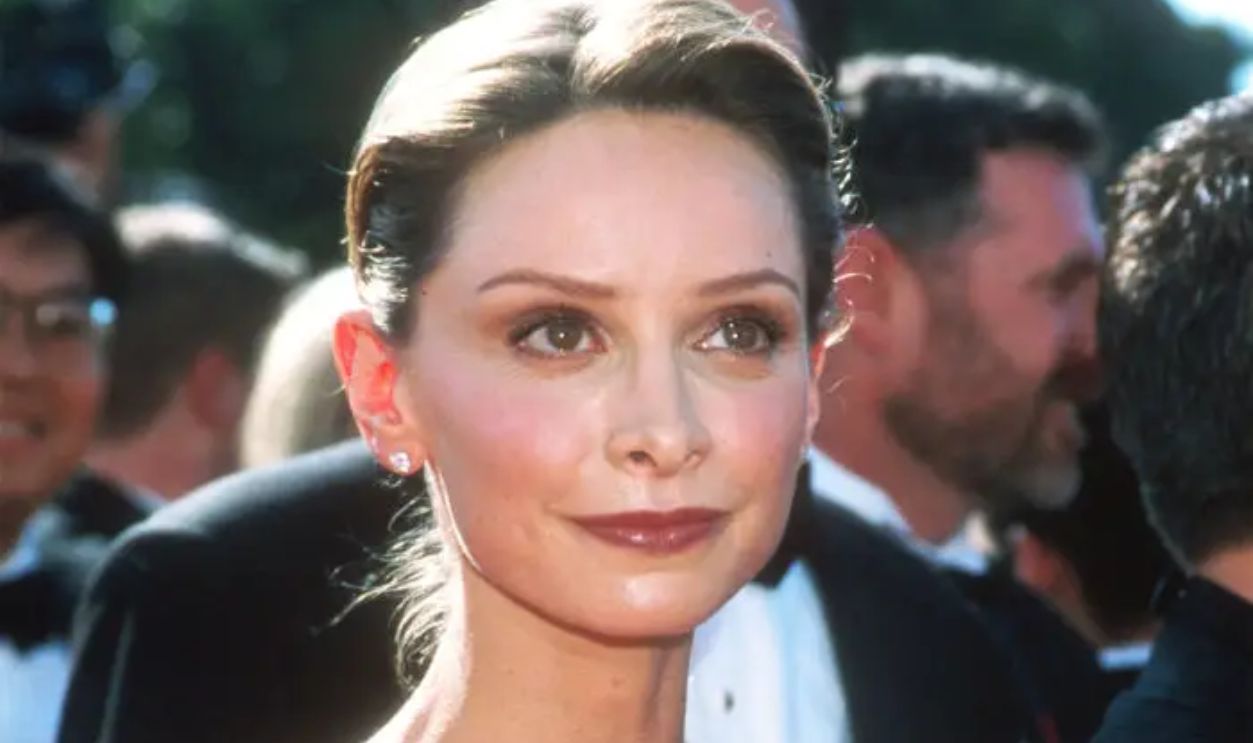
Calista Flockhart Became A Sensation
Calista Flockhart eventually landed the title role in Ally McBeal, which premiered in 1997 and quickly became a cultural phenomenon. Her portrayal of the eccentric Boston lawyer earned her a Golden Globe and made her one of television's most recognizable actresses. Fonda continued making films, including Kelley's Lake Placid, but her career eventually moved away from acting altogether. The woman who wasn't ready to commit to television had unknowingly stepped aside for one of the decade's biggest small-screen stars.
Michael Richards Had Other Plans
After spending years making audiences laugh as Kramer on Seinfeld, Michael Richards was offered another unusual television character. The project was Monk, a detective series developed with Richards in mind, but he decided against taking the part. Richards later explained that he was so occupied with Seinfeld that he hadn't given the new opportunity the attention it deserved. He eventually watched another actor transform that eccentric detective into an award-winning television icon.
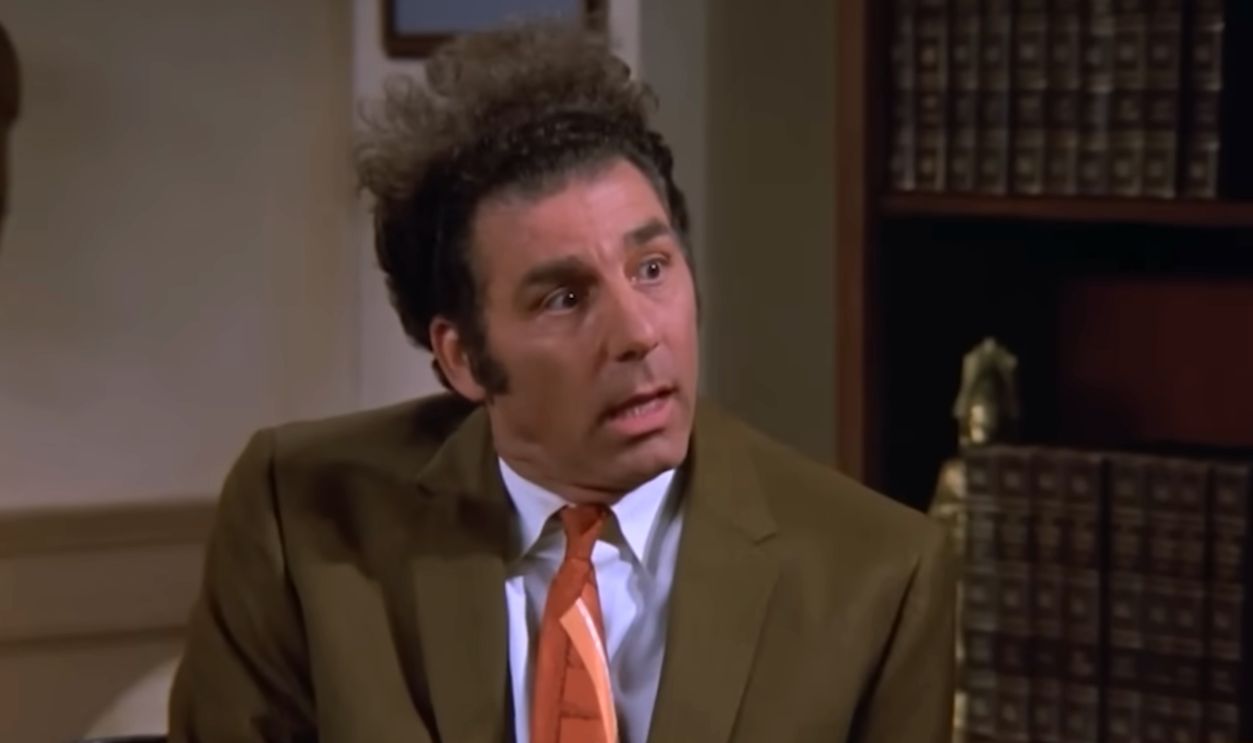 Screenshot from Seinfeld, NBC (1989–1998)
Tony Shalhoub Became Television's Favorite Detective
Tony Shalhoub eventually took the title role in Monk, which premiered on USA Network in 2002. The series followed Adrian Monk, a brilliant detective whose obsessive-compulsive disorder complicated his investigations. Shalhoub's performance earned him three Emmy Awards, and the show ran for eight successful seasons. Richards later acknowledged that Shalhoub had done such remarkable work that he doubted he could have surpassed it.
 Screenshot from Monk, USA Network (2002–2009)
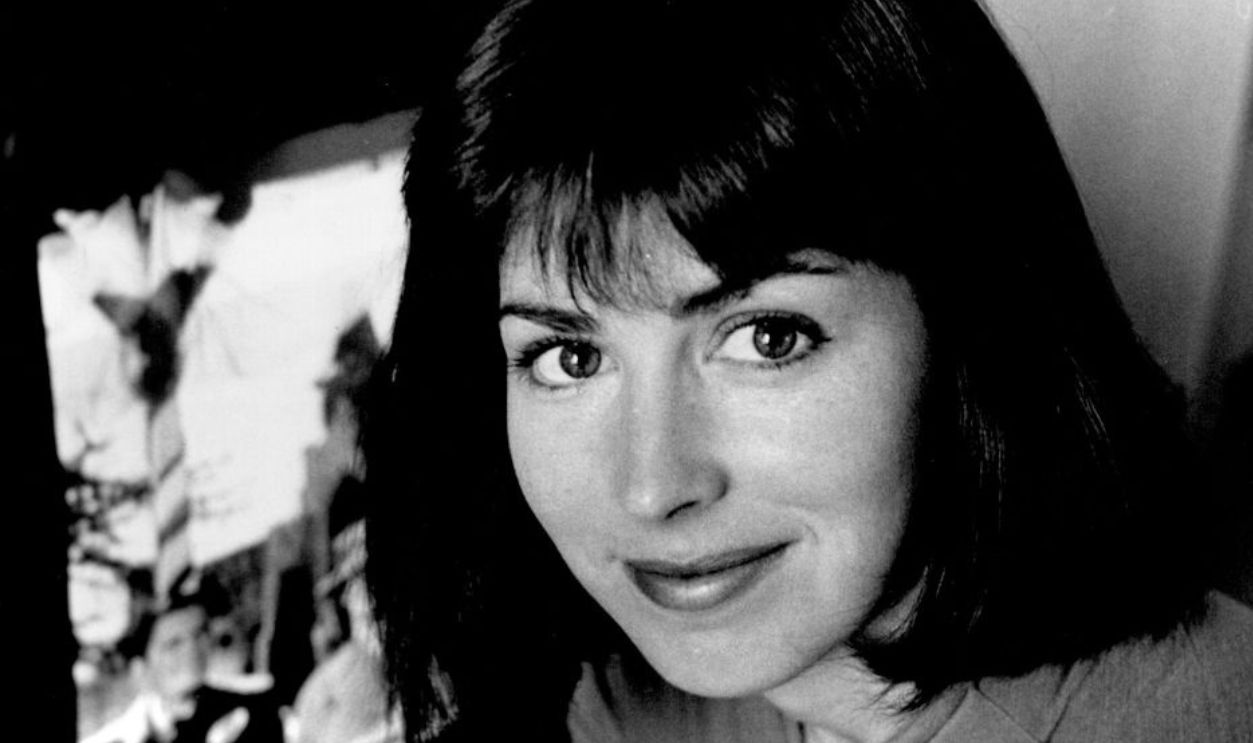
Dana Delany Didn't Want Another Controversy
Dana Delany had already enjoyed considerable television success with China Beach, but a new project made her hesitate. Creator Darren Star approached her about starring in a new HBO comedy that would eventually make Sarah Jessica Parker a household name. Delany had faced criticism after appearing in two provocative films during the 1990s, and she worried about repeating that experience. She turned down the opportunity, not realizing how enormous the show would become.
 Fairfax Media Archives, Getty Images
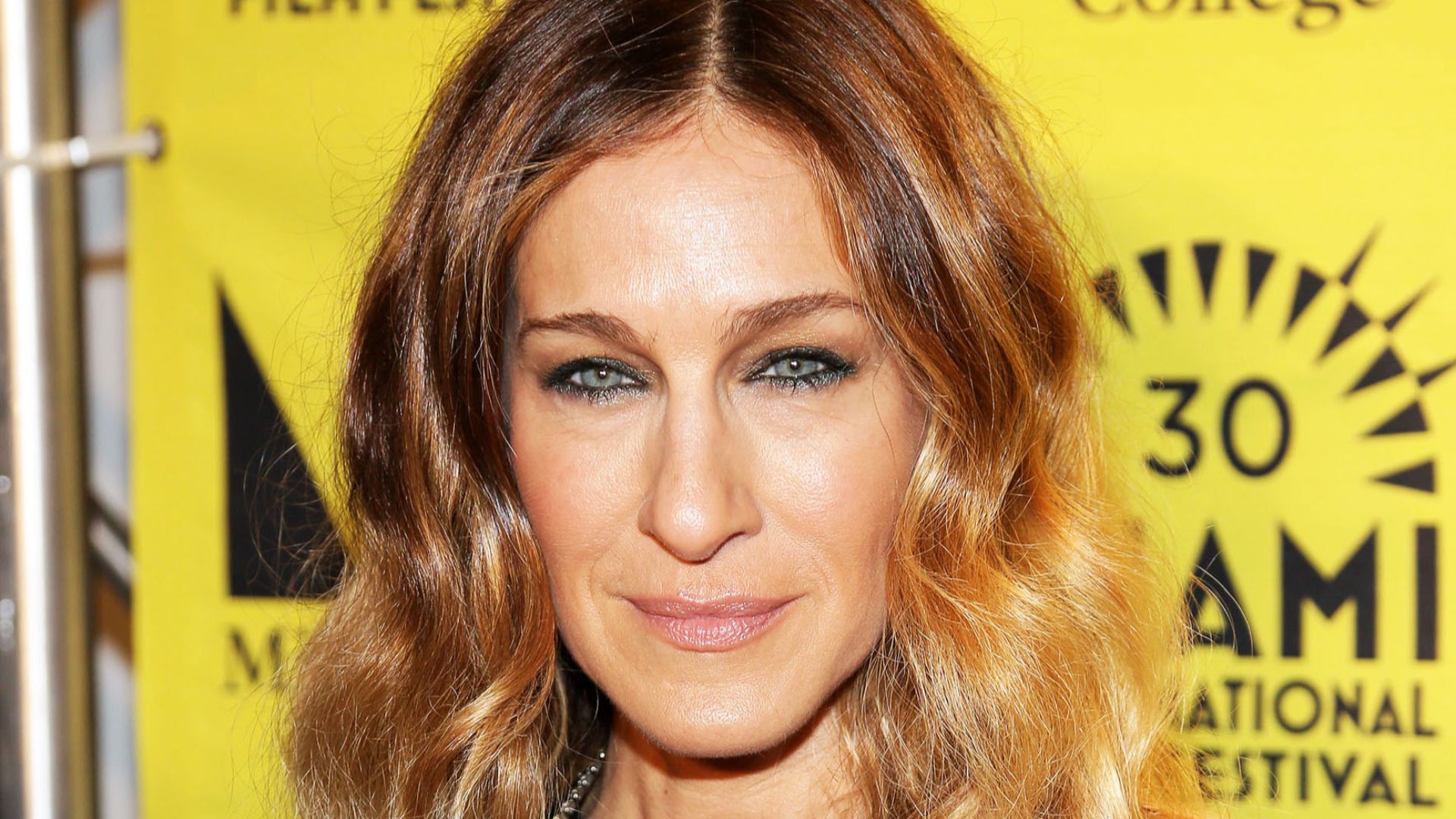
Sarah Jessica Parker Became Carrie Bradshaw
Sarah Jessica Parker eventually became Carrie Bradshaw when HBO's now-iconic comedy about four New York women premiered in 1998. The series ran for six seasons, inspired movies and a sequel series, and turned Parker into an international fashion icon. Delany later explained that her hesitation had been about the subject matter rather than television itself. She even encouraged her friend Kim Cattrall to accept the role of Samantha Jones, helping another actress join the very phenomenon she'd declined.
 MiamiFilmFestival, Wikimedia Commons
Paul Shaffer Ignored A Life-Changing Call
Paul Shaffer was already a familiar television personality thanks to his work as David Letterman's musical director. But when Jerry Seinfeld contacted him about appearing in a new sitcom, Shaffer never returned the call. He later acknowledged that the opportunity involved the role that became George Costanza, although music remained his real passion. That unanswered phone call would become one of the strangest missed opportunities in sitcom history.
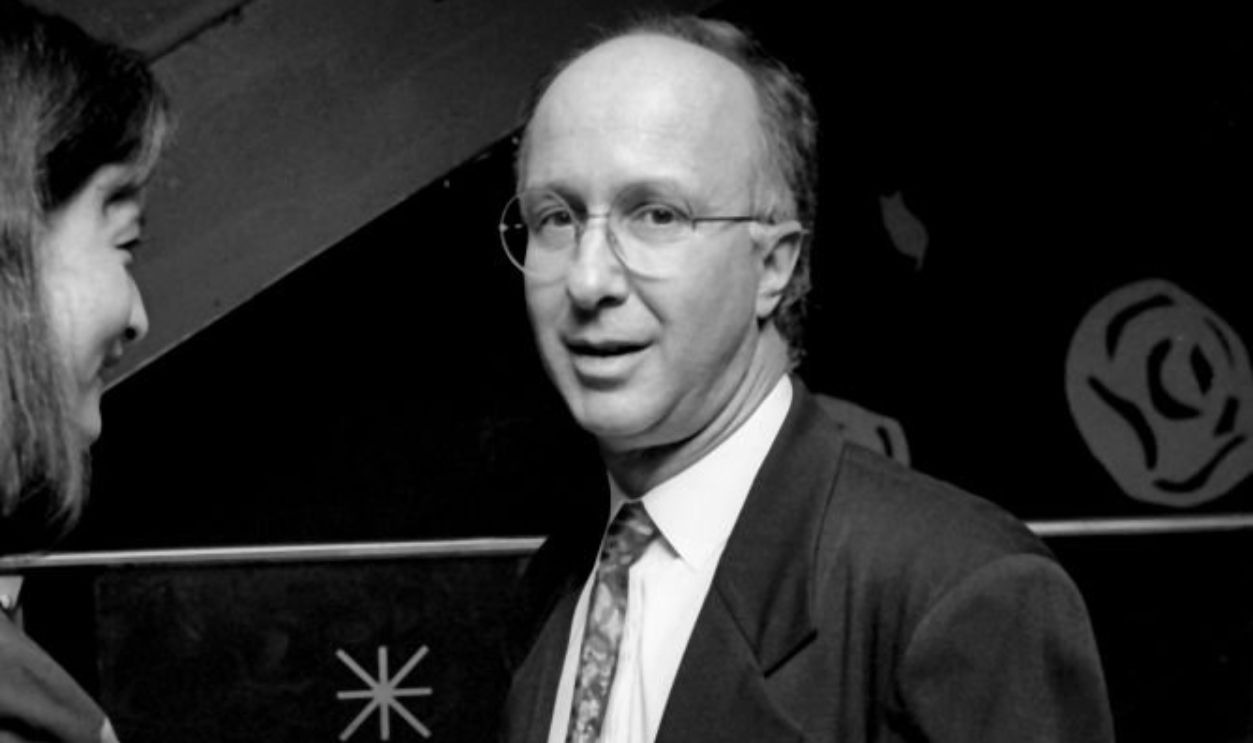
Jason Alexander Got The Role Instead
Jason Alexander eventually became George Costanza, the insecure, neurotic friend whose terrible decisions helped make Seinfeld a comedy classic. The show ran for nine seasons, and Alexander received seven consecutive Emmy nominations for his performance. Shaffer continued his successful career with Letterman, so he certainly didn't disappear from television. Still, the musician had passed up the chance to play one of the most recognizable sitcom characters of all time.
 Screenshot from Seinfeld, NBC (1989–1998)
Paul Giamatti Wasn't Interested In The Office
When NBC was developing the American version of The Office, executives reportedly had their sights set on Paul Giamatti. The actor was already earning considerable acclaim for his movie performances, particularly in American Splendor and Sideways. According to accounts of the casting process, Giamatti was suggested for Michael Scott but declined the opportunity. Whether he considered television beneath him isn't established, but another actor was about to make the character his own.
 Montclair Film, Wikimedia Commons
Steve Carell Became An Unlikely Superstar
Steve Carell eventually landed the role of Michael Scott, the painfully awkward boss at the center of The Office. The series premiered in 2005 and gradually became one of America's most beloved workplace comedies. Carell won a Golden Globe for his performance, while Michael's disastrous attempts at humor became a defining part of the show. Giamatti continued enjoying a distinguished career, but the sitcom role he reportedly declined became one of television's most famous.
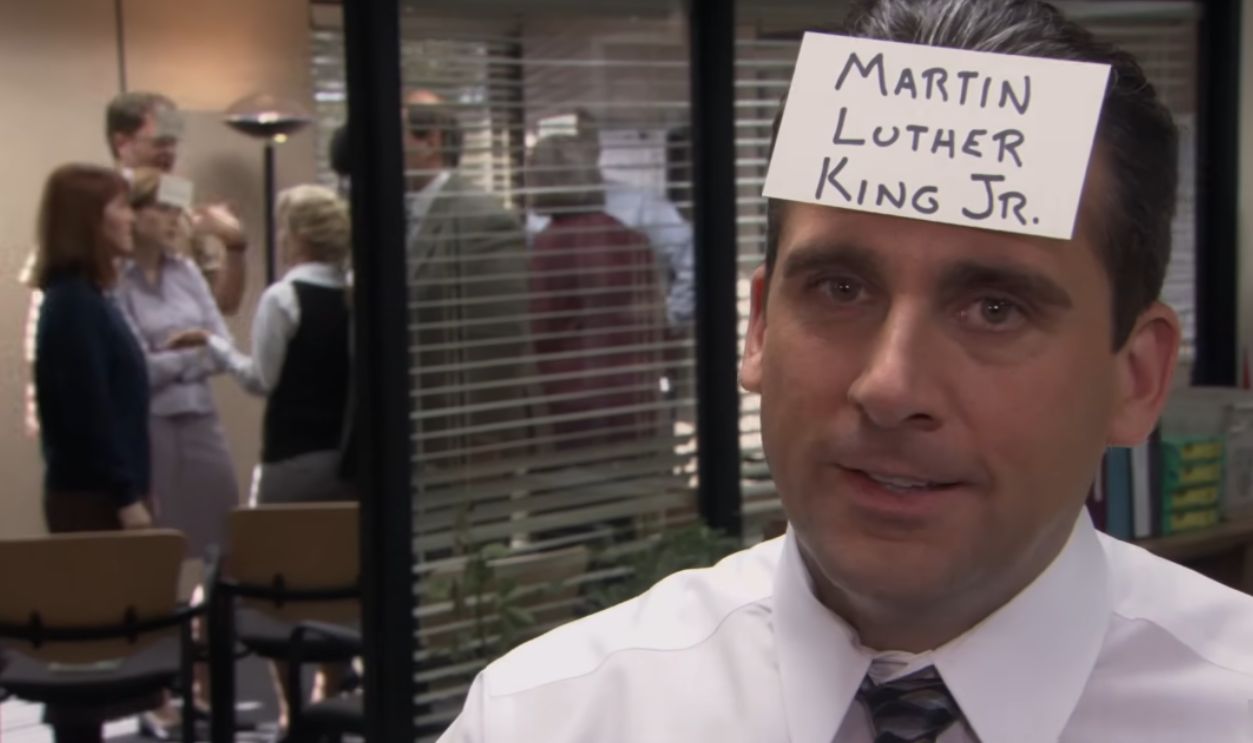 Screenshot from The Office, NBCUniversal (2005-2013)
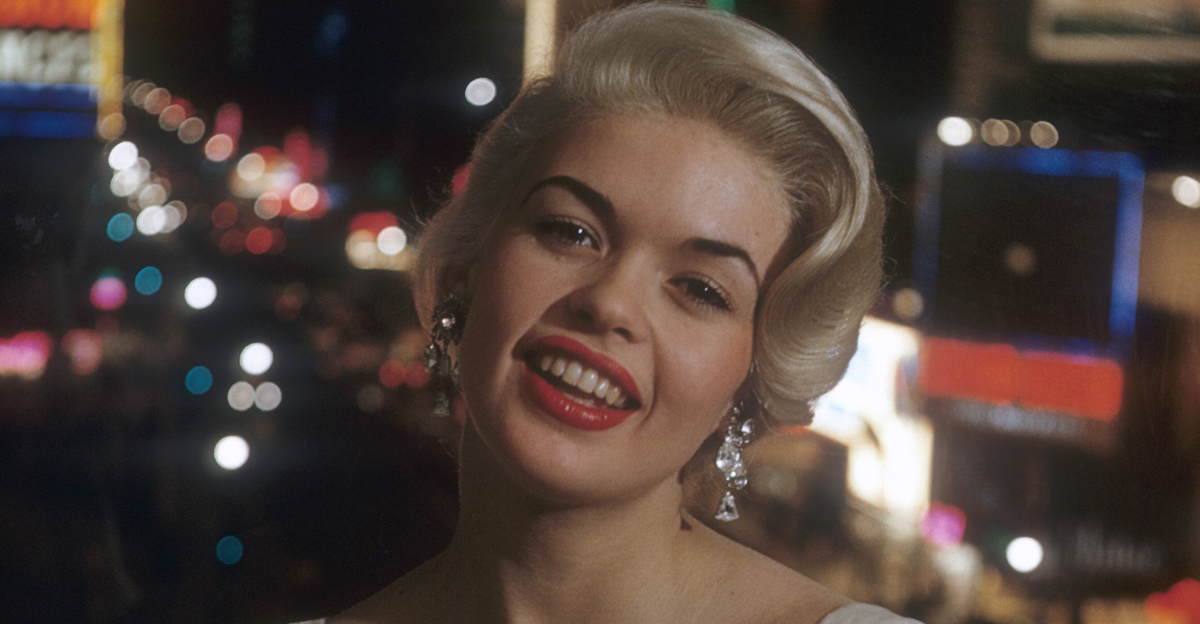
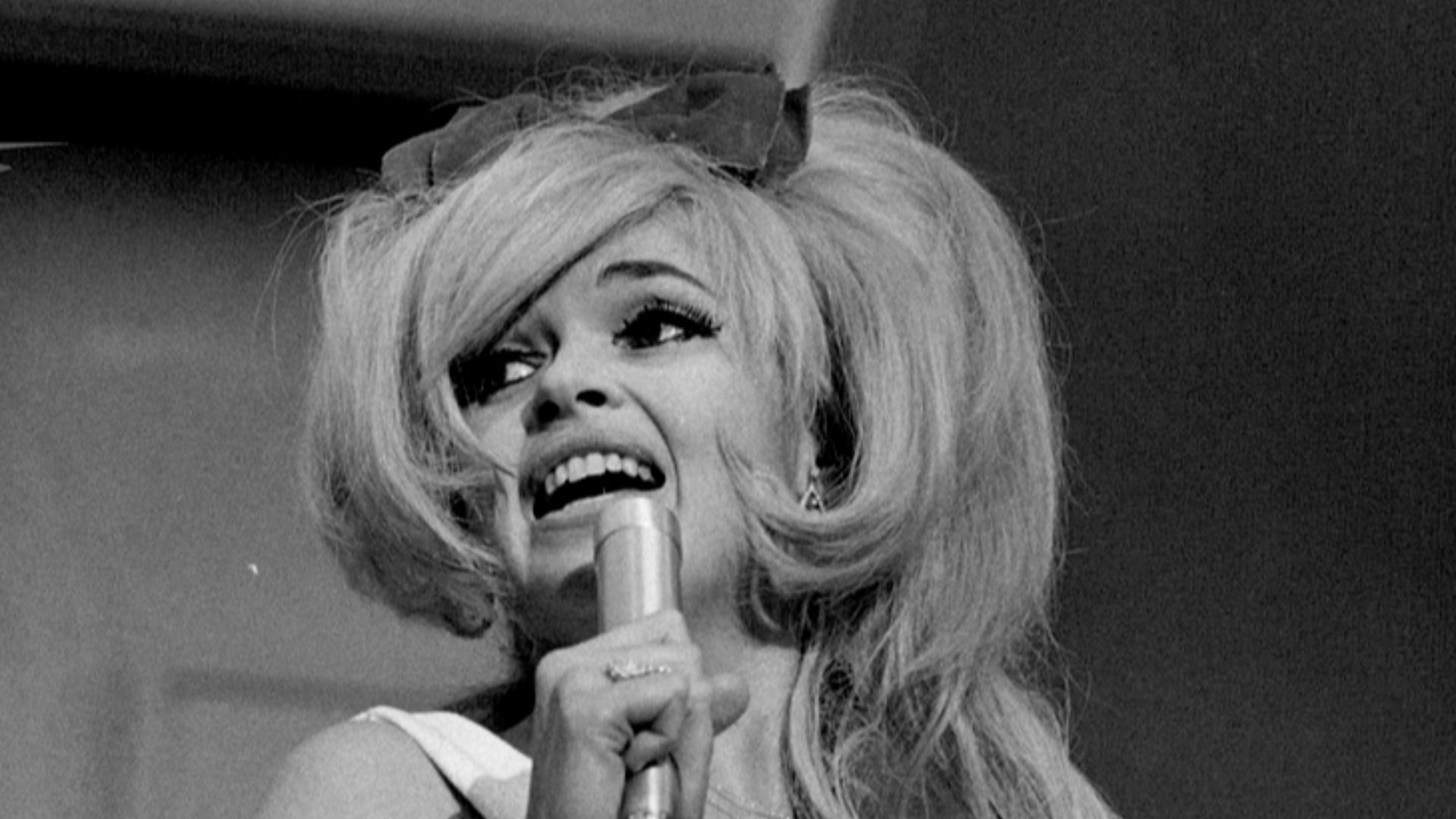
Jayne Mansfield Passed On A Tropical Paradise
During the early 1960s, Jayne Mansfield was already a Hollywood icon, famous for her glamorous image and movie appearances. She was reportedly offered the role of Ginger Grant in a new sitcom called Gilligan's Island. Mansfield declined, although the precise reason for her decision isn't firmly established. Whether the prospect of weekly television seemed less appealing than her other work remains uncertain, but the character would soon become a pop culture fixture.
 Lennart Nygren, Wikimedia Commons
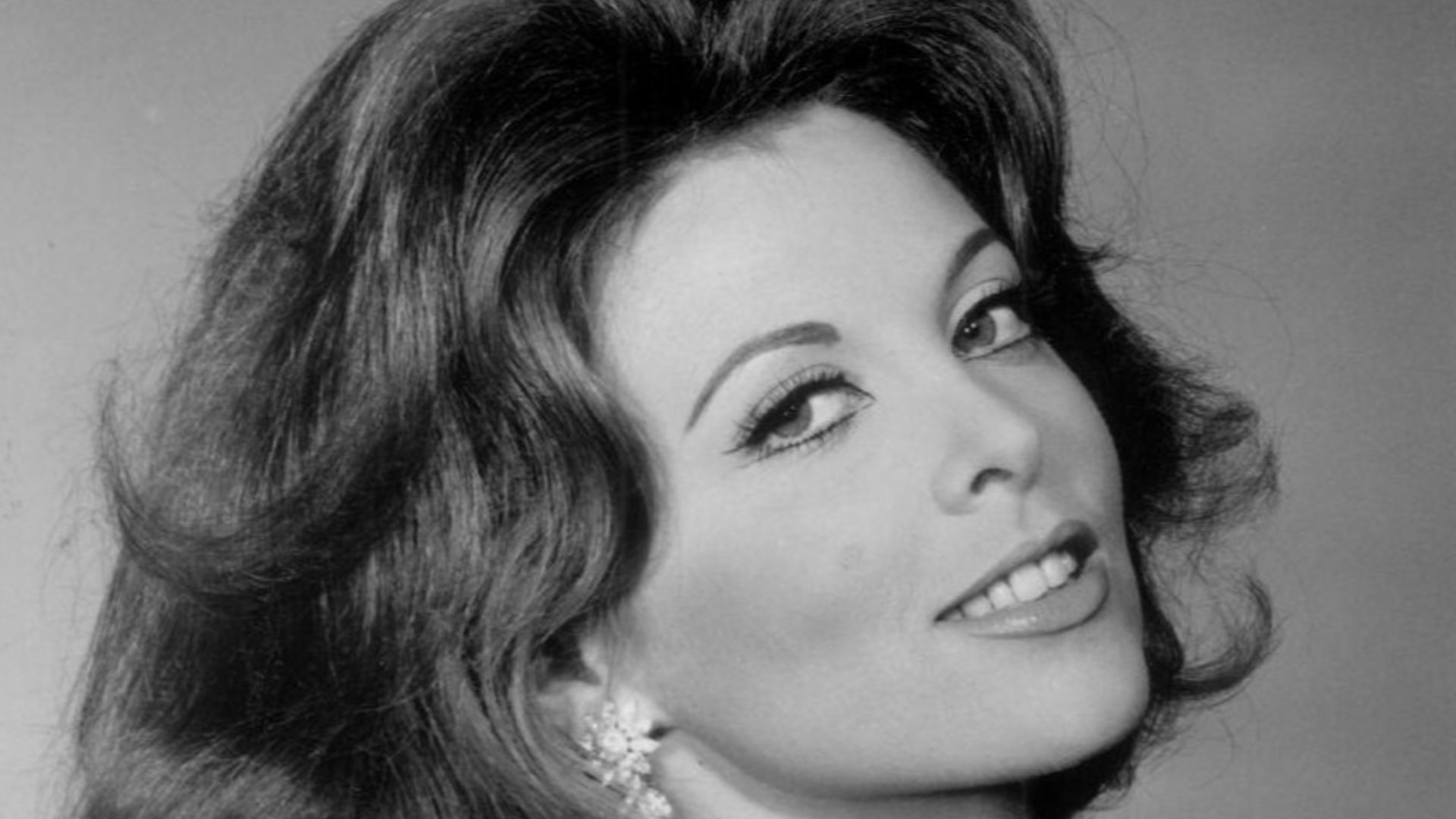
Tina Louise Became An Island Icon
Tina Louise eventually took the role of Ginger Grant, the glamorous movie star stranded alongside six other castaways. Gilligan's Island premiered in 1964 and ran for three seasons before finding an enormous audience through reruns. Louise became permanently associated with Ginger, a character who remained recognizable long after the show's original run ended. Mansfield had passed on the opportunity, but Louise became part of a television phenomenon that survived for generations.
 CBS Television, Wikimedia Commons
Rob Lowe Chose The Wrong Medical Drama
In 2004, Rob Lowe found himself considering two very different medical dramas. One was Grey's Anatomy, where he had the opportunity to play Dr. Derek Shepherd, while the other was CBS's Dr. Vegas. Lowe ultimately chose Dr. Vegas, partly because powerful CBS executive Les Moonves personally encouraged him to join the project. Unfortunately, the two shows were about to experience dramatically different fortunes.
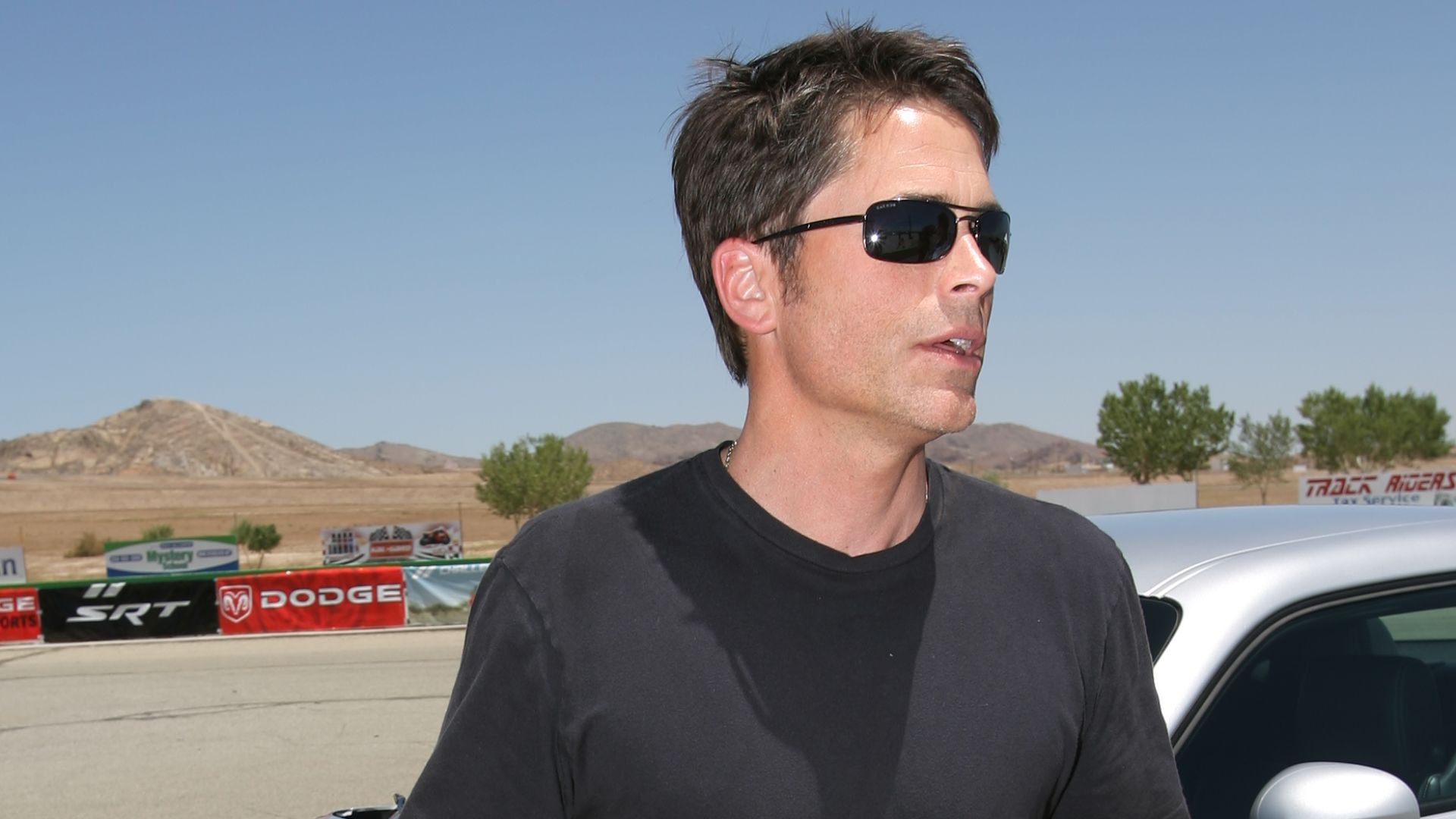 dodge challenger1, Wikimedia Commons
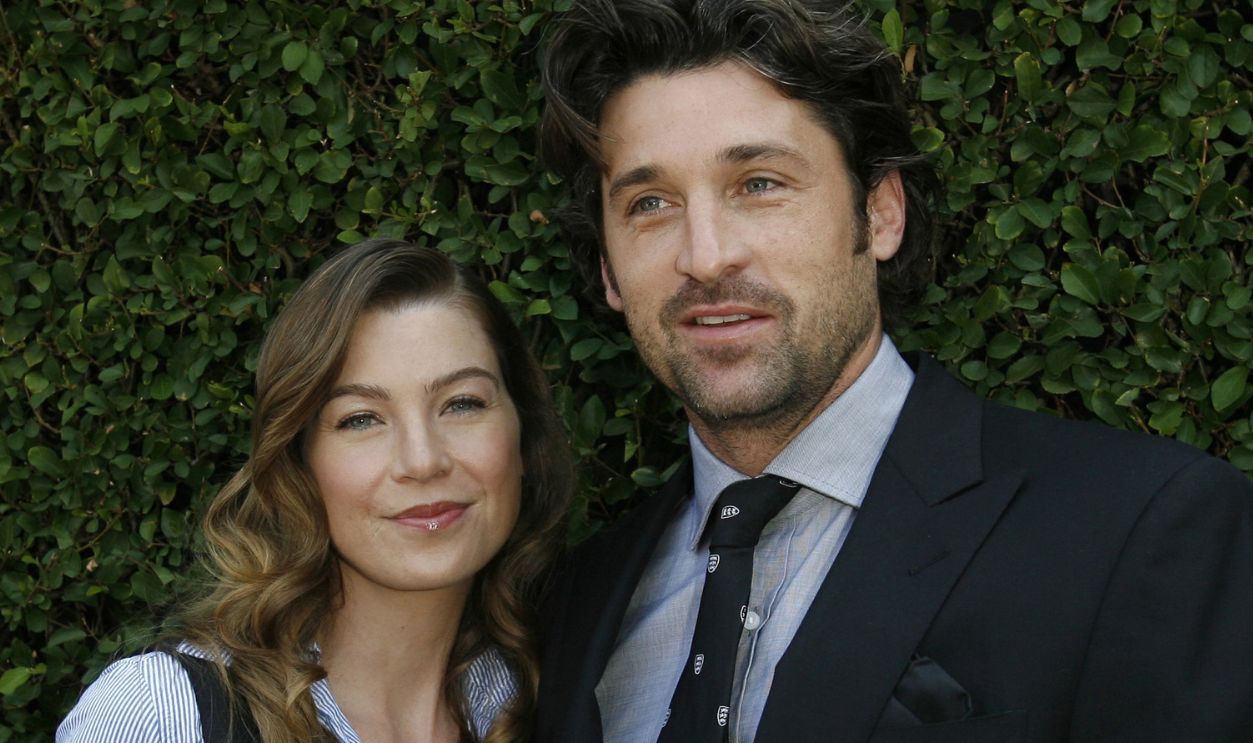
Patrick Dempsey Became McDreamy
Dr. Vegas was canceled after only a handful of episodes, while Grey's Anatomy premiered in 2005 and became a massive success. Patrick Dempsey landed the role of Derek Shepherd, whose romance with Meredith Grey made him one of television's most recognizable leading men. Lowe later laughed about the decision, acknowledging that the long-running medical drama could have earned him considerable money. He eventually found further success with Parks and Recreation, but the missed opportunity remained a memorable Hollywood what-if.
Matt LeBlanc Didn't Want Another Sitcom Role
After becoming a worldwide star as Joey Tribbiani on Friends, Matt LeBlanc received an offer to join another ensemble comedy. The project was Modern Family, and producers wanted him to play Phil Dunphy, the enthusiastic father at the center of one of its households. LeBlanc liked the script but didn't believe he was the right actor for the character, and he was enjoying some time away from work. His decision had nothing to do with looking down on television, but it opened the door for someone whose career was about to change.
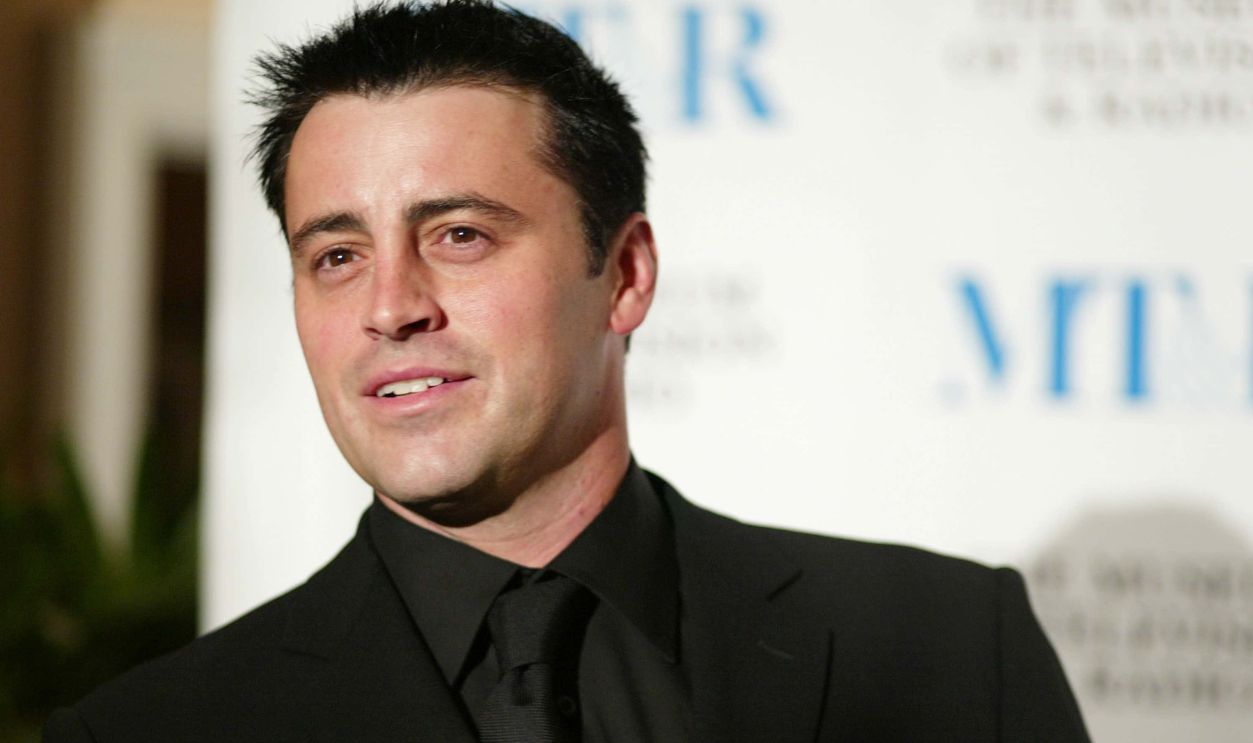 Christopher Polk, Getty Images
Ty Burrell Proved Him Right
Ty Burrell eventually landed the role of Phil Dunphy when Modern Family premiered in 2009. His portrayal of the awkward but lovable father became one of the show's defining attractions, earning him two Emmy Awards. LeBlanc later admitted that he had recognized the script's quality, but felt accepting the part would have been unfair to the project. His judgment about his own suitability may have been correct, because Burrell made Phil almost impossible to imagine anyone else playing.
 Screenshot from Modern Family, The Walt Disney Company (2009-2020)
Michael Keaton Wanted A Quick Exit
When the creators of Lost were developing their mysterious island drama, they initially planned a shocking twist for the pilot episode. Dr. Jack Shephard was supposed to die early in the story, and Michael Keaton was interested in playing the short-lived character. However, the producers eventually decided Jack should survive and become one of the show's central figures. Keaton was no longer interested in the much larger commitment, leaving the creators searching for another leading man.
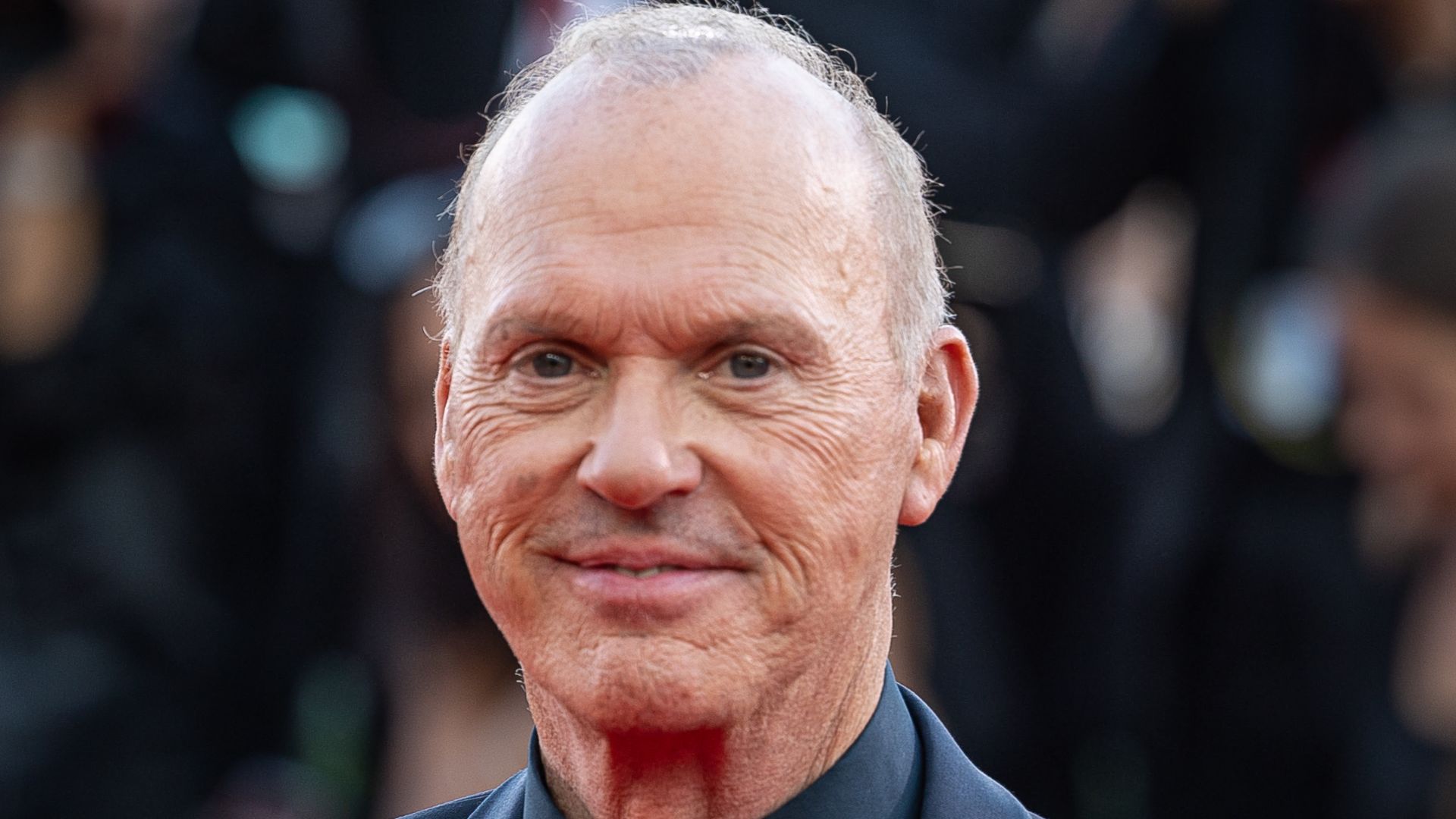 Harald Krichel, Wikimedia Commons
Matthew Fox Became The Face Of Lost
Matthew Fox eventually played Jack Shephard when Lost premiered on ABC in 2004. The mysterious drama became a cultural phenomenon, with Jack serving as one of its most important characters throughout six seasons. Fox earned a Golden Globe nomination and became closely associated with the show's complicated mythology and emotional storylines. Keaton hadn't rejected television because he considered himself above it, but the creative change transformed his potential guest appearance into a career-defining opportunity for Fox.
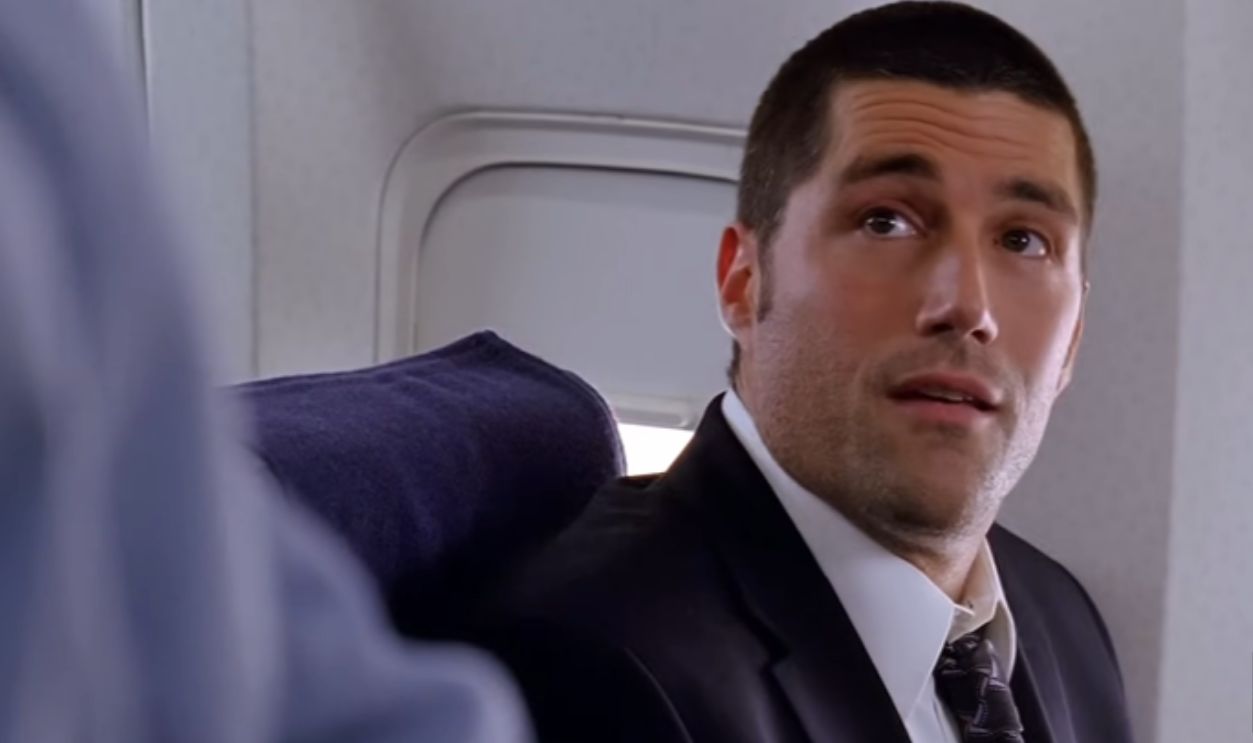 Screenshot from Lost, ABC (2004-2010)
Gillian Anderson Declined A Period Drama
After achieving international fame as Dana Scully on The X-Files, Gillian Anderson had no shortage of television experience. She later acknowledged turning down opportunities connected to Downton Abbey and Game of Thrones, although the precise roles have not been firmly established in the accounts available. Anderson was already an accomplished performer, and her decision shouldn't automatically be interpreted as looking down on television. Nevertheless, one of the projects she passed on became an international sensation.
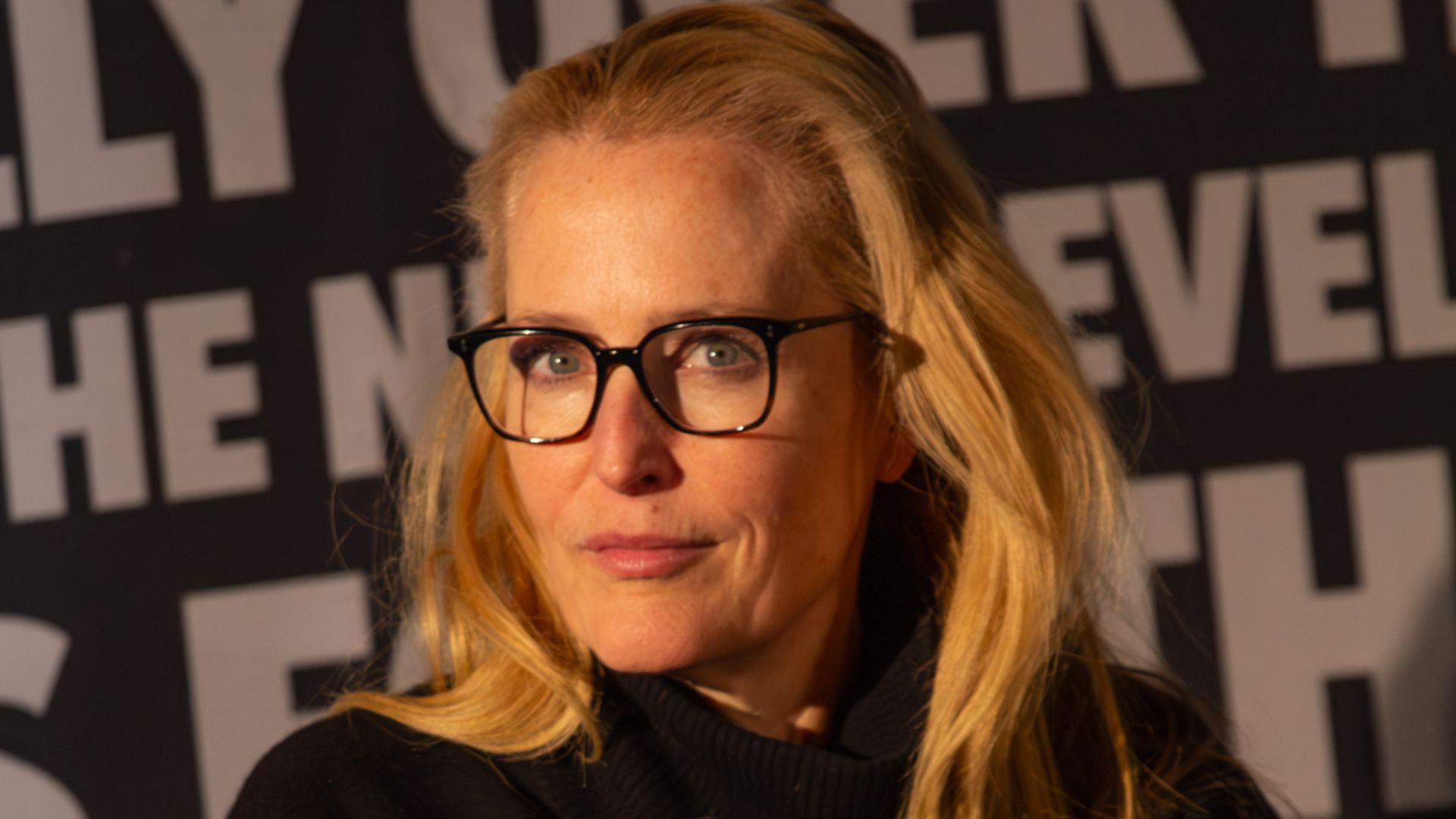 SpiritedMichelle, Wikimedia Commons
Downton Abbey Became A Global Phenomenon
Downton Abbey premiered in Britain in 2010 and quickly became a hit with audiences on both sides of the Atlantic. The period drama introduced viewers to the aristocratic Crawley family and their household staff, eventually inspiring several feature films. Elizabeth McGovern became one of the show's most recognizable performers as Lady Cora Crawley, although it's not established that Anderson was specifically offered that character. Anderson continued enjoying television success herself, but Downton Abbey became another reminder of how difficult it is to predict a show's future.
 Screenshot from Downton Abbey, ITV (2010–2015)
Thomas Jane Didn't Do Television
Before Mad Men made Jon Hamm famous, producers reportedly considered established movie actor Thomas Jane for the role of Don Draper. According to Hamm's recollection of the casting process, they were told that Jane didn't do television. At the time, Jane was known for movies including Boogie Nights and The Punisher, while Hamm was a comparatively unfamiliar performer. The exact circumstances of Jane's rejection remain unclear, but the attitude attributed to him would soon look particularly ironic.
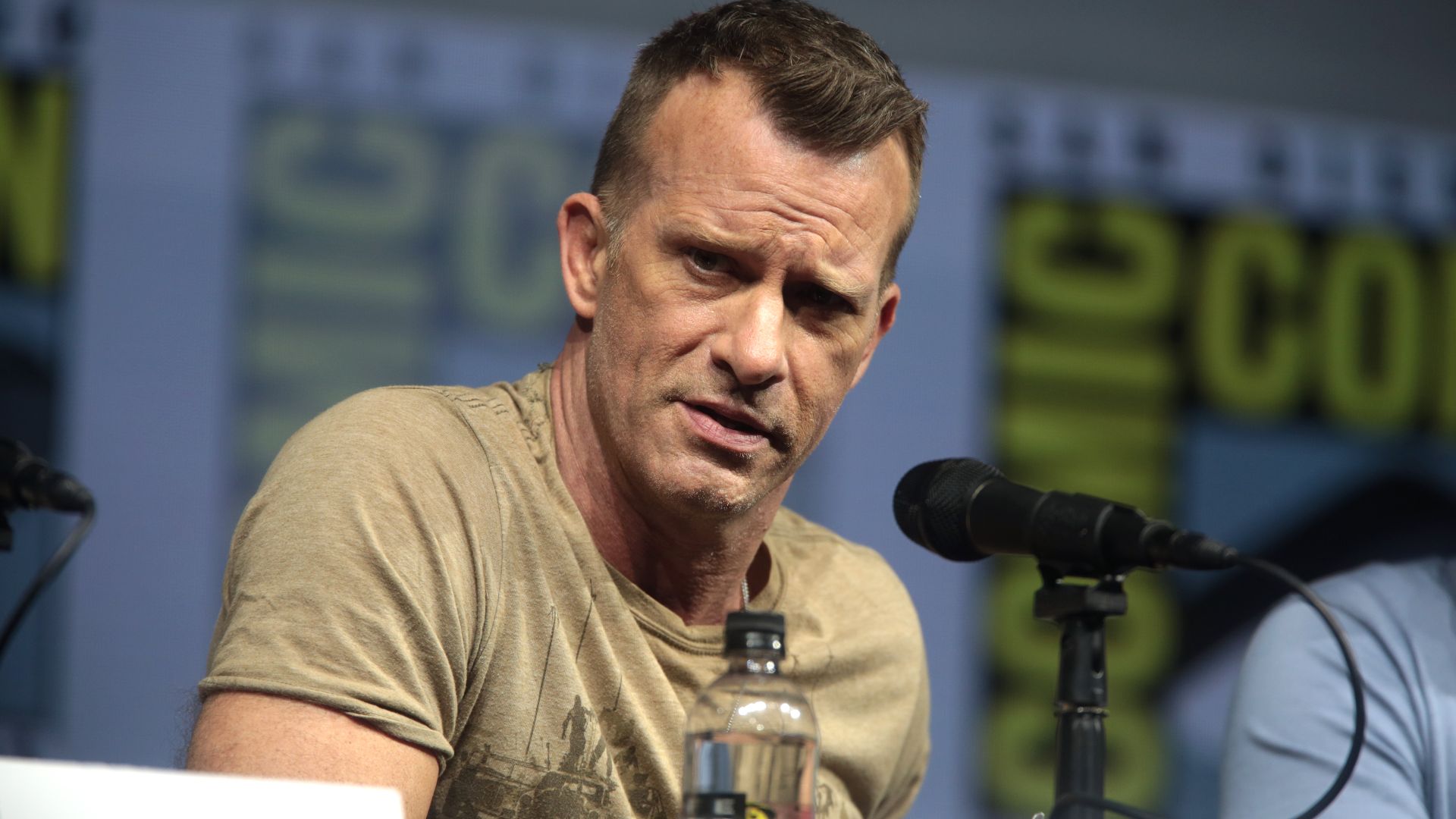 Gage Skidmore from Peoria, AZ, United States of America, Wikimedia Commons
Jon Hamm Became A Television Legend
Jon Hamm eventually landed the role of Don Draper, the mysterious advertising executive at the center of Mad Men. The AMC drama premiered in 2007 and became one of the most acclaimed television series of its generation. Hamm's performance earned him an Emmy and two Golden Globes, transforming him from a relatively unknown actor into a major star. Jane eventually embraced television himself, starring in HBO's Hung, but the character he had reportedly passed on had already changed Hamm's life.
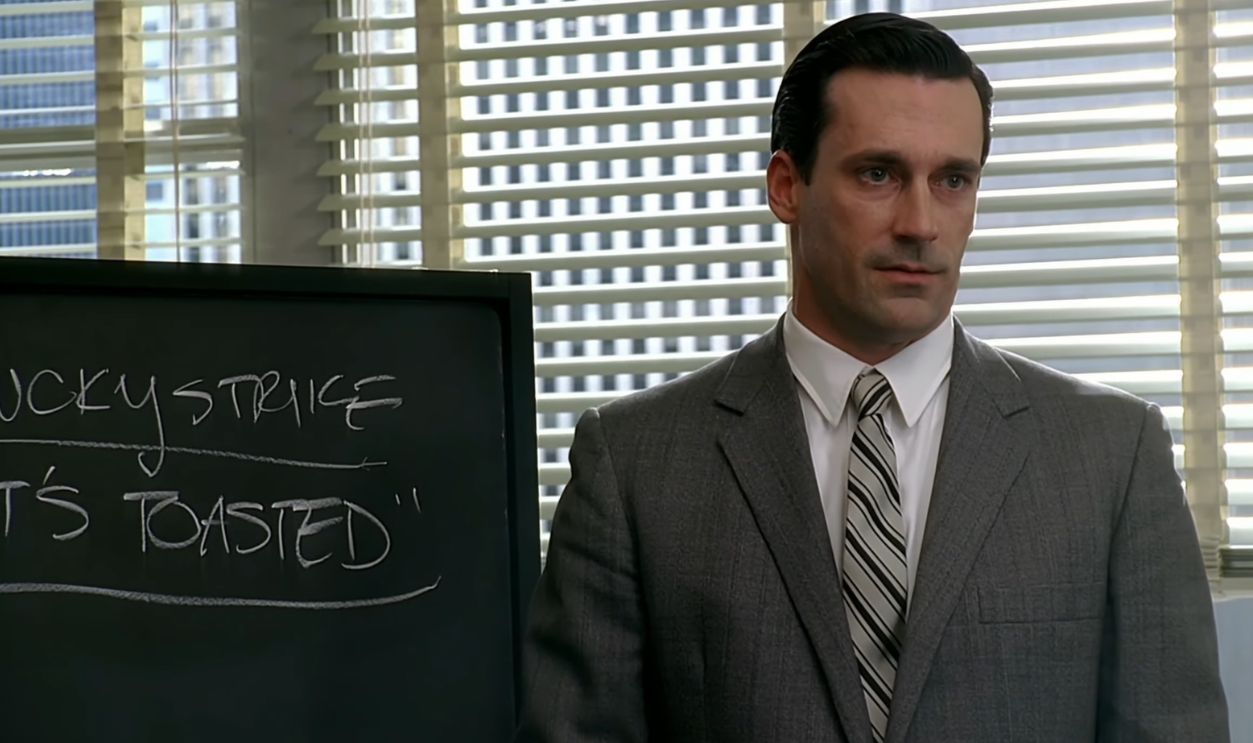 Screenshot from Mad Men, AMC (2007–2015)
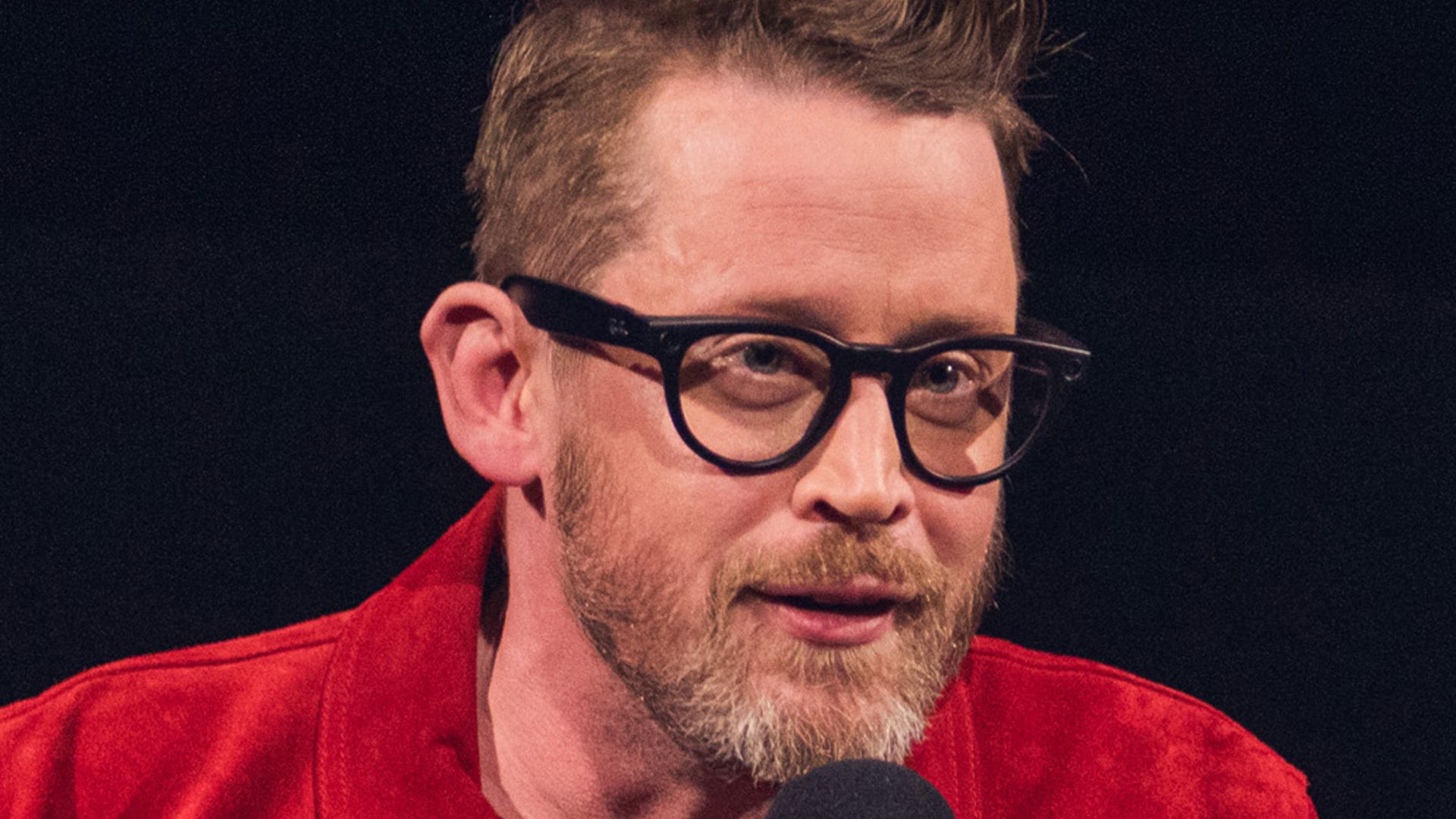
Macaulay Culkin Rejected The Same Show Three Times
Years after becoming one of Hollywood's biggest child stars with Home Alone, Macaulay Culkin was approached about a new television sitcom. The project was The Big Bang Theory, but Culkin wasn't impressed by the premise as it was described to him. Producers reportedly pursued him three separate times, and he rejected the opportunity on each occasion. He didn't specify which character he had been considered for, but his decision would eventually have staggering financial implications.
The Big Bang Theory Made Its Stars Rich
The Big Bang Theory premiered on CBS in 2007 and eventually ran for 12 enormously successful seasons. Its leading actors, including Johnny Galecki, Jim Parsons, and Kaley Cuoco, became some of television's highest-paid performers. Culkin later acknowledged that joining the series could have made him extraordinarily wealthy, but insisted that he didn't regret rejecting it. He believed he would have been miserable working on a show whose premise didn't appeal to him, even if it meant sacrificing a fortune.
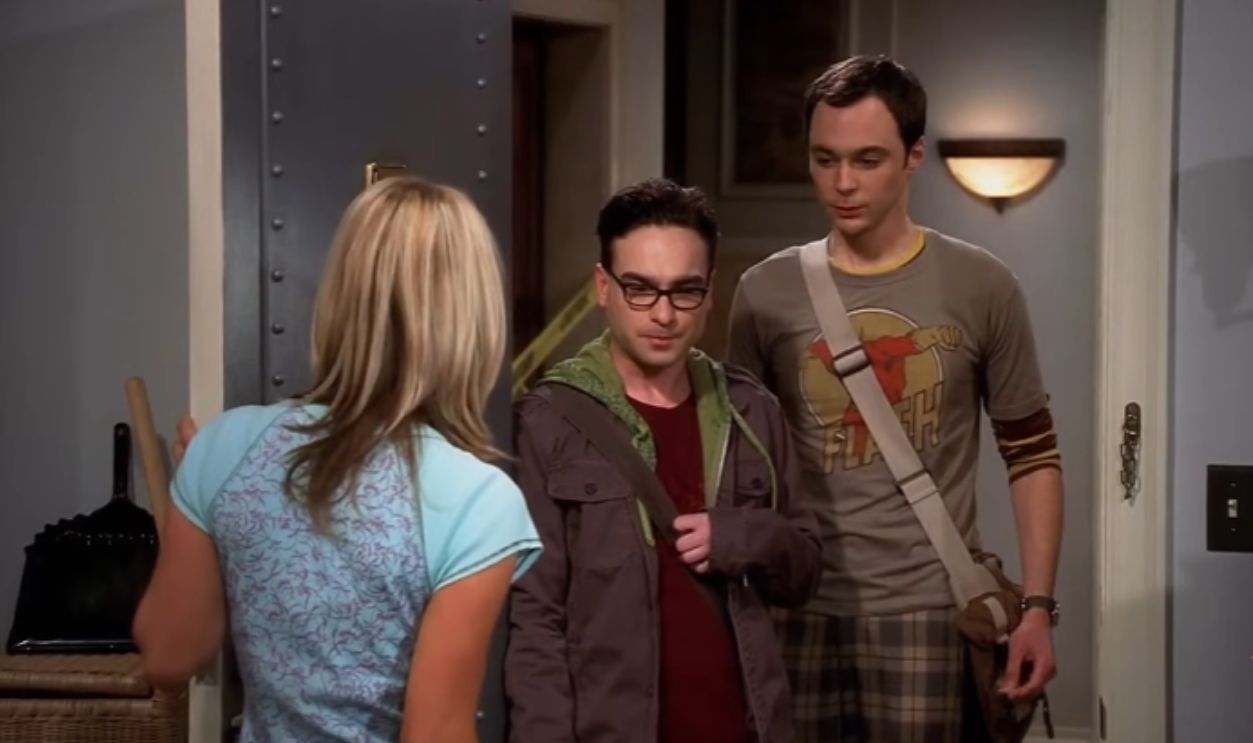 Screenshot from The Big Bang Theory, CBS (2007-2019)
Hollywood's Most Expensive Miscalculations
From John Lithgow dismissing Cheers to Thomas Jane reportedly avoiding television altogether, these stories reveal how dramatically Hollywood's priorities have changed. Some actors genuinely considered the small screen beneath them, while others simply disliked a script, feared typecasting, or preferred different opportunities. The common thread is that none could have known how successful the rejected projects would become. And while some went on to enjoy remarkable careers anyway, a few watched someone else earn fame and fortune from a role they once considered easy to refuse.
You May Also Like:
Actors Who Made Careers From Roles Other Stars Turned Down
Actors Who Turned Down Iconic Roles And Never Looked Back—And Those Who Regretted It
Sources: 1, 2, 3, 4, 5, 6, 7, 8, 9, 10, 11, 12, 13, 14, 15, 16, 17