Hollywood's Greatest What-Ifs
Casting history is filled with accidents. Stars reject scripts, schedules collide, contracts interfere, and actors sometimes simply misjudge a project. Then somebody else steps in and makes the character unforgettable. These 26 performances prove that one actor's disappointing "no" can become another actor's career-defining opportunity.
 Sunset Boulevard/Corbis via Getty Images
Humphrey Bogart — High Sierra
George Raft was a bigger Warner Bros. star when Raoul Walsh's High Sierra (1941) came along, but he refused to play doomed underworld boss Roy Earle. Humphrey Bogart eagerly stepped in opposite Ida Lupino. The film became Bogart's breakthrough as a serious leading man and changed the trajectory of his career.
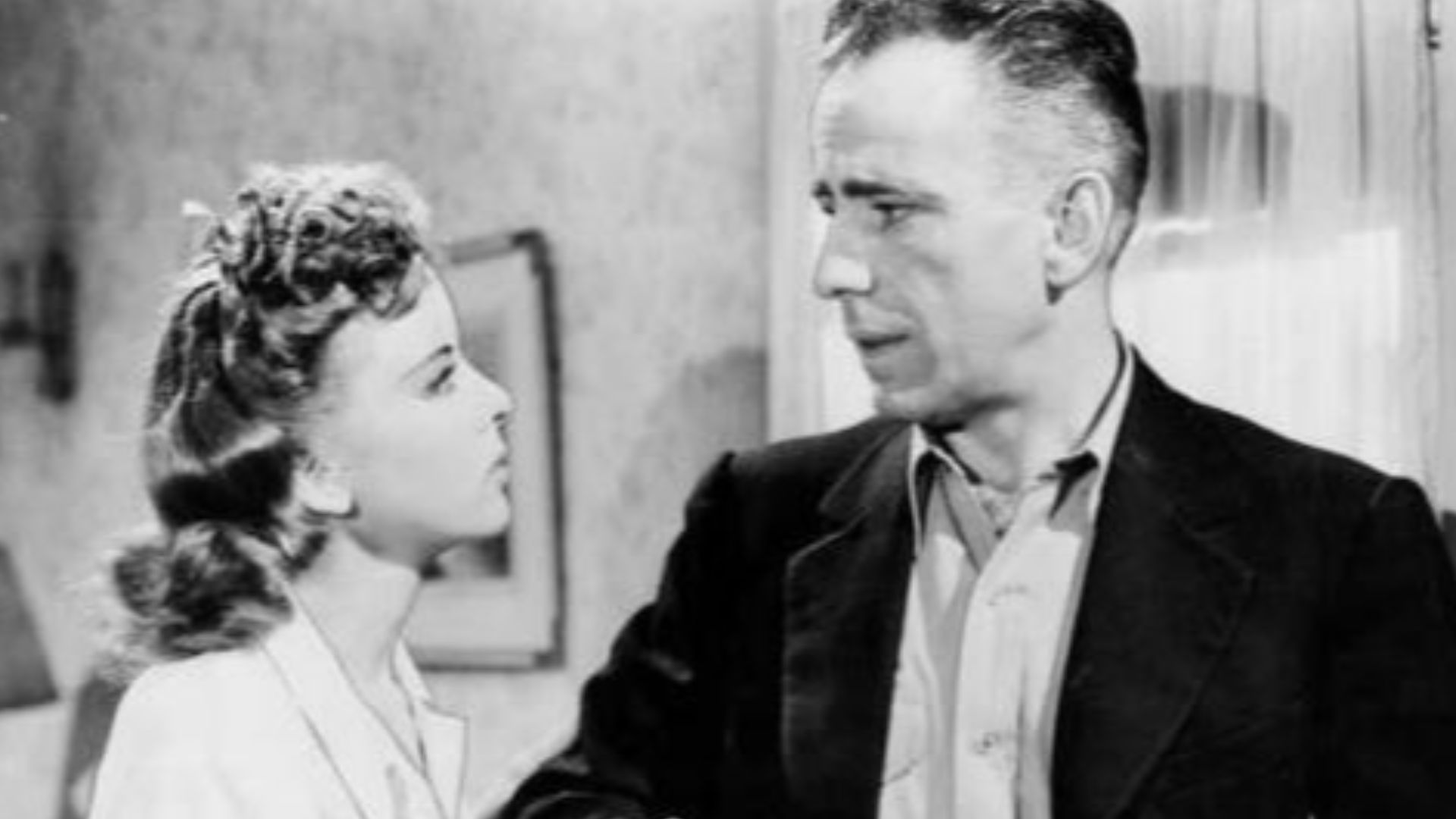 Warner Bros., Wikimedia Commons
Humphrey Bogart — The Maltese Falcon
Raft effectively helped Bogart twice in the same year. He also rejected Sam Spade in John Huston's The Maltese Falcon (1941), reportedly disliking both the material's remake status and the prospect of working with a first-time director. Bogart took the part and helped create a film-noir landmark.
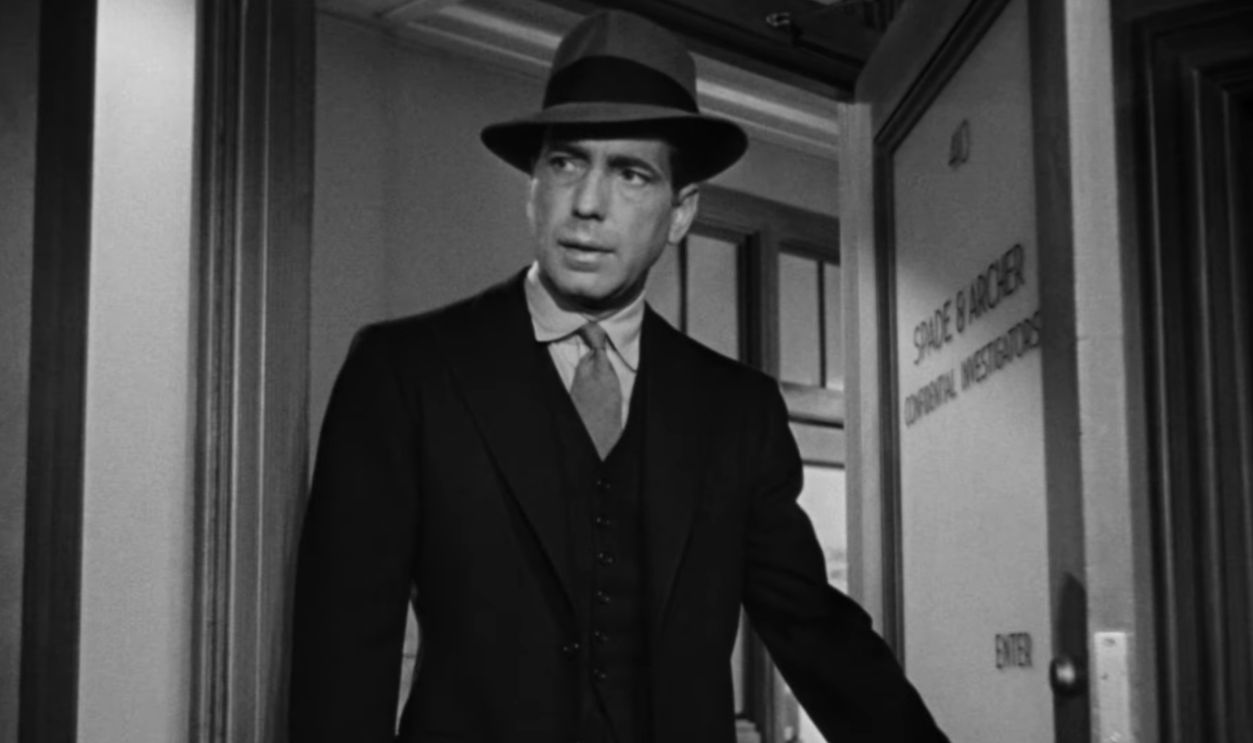 Screenshot from The Maltese Falcon, Warner Bros. (1941)
Ernest Borgnine — Marty
Rod Steiger had already played lonely butcher Marty Piletti in Paddy Chayefsky's acclaimed television drama, but refused to reprise the role when the filmmakers demanded a multiple-picture commitment. Ernest Borgnine replaced him opposite Betsy Blair in Delbert Mann's Marty (1955), which won Best Picture and earned Borgnine the Best Actor Oscar.
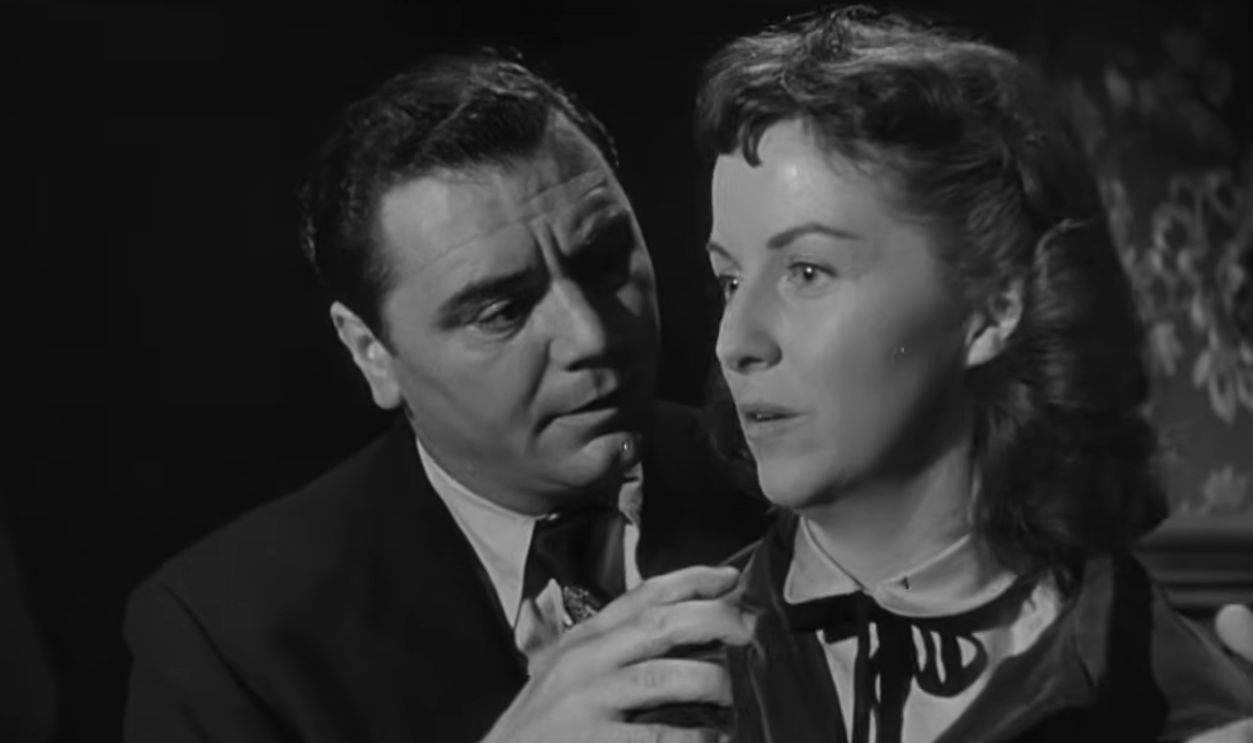 Screenshot from Marty, United Artists (1955)
Jean Simmons — Guys And Dolls
Producer Samuel Goldwyn originally wanted Grace Kelly to play missionary Sarah Brown opposite Marlon Brando in Joseph L. Mankiewicz's Guys and Dolls (1955). Kelly declined because of other commitments, and Deborah Kerr was unavailable. Jean Simmons eventually got the role, sang her own numbers and gave one of her most beloved performances.
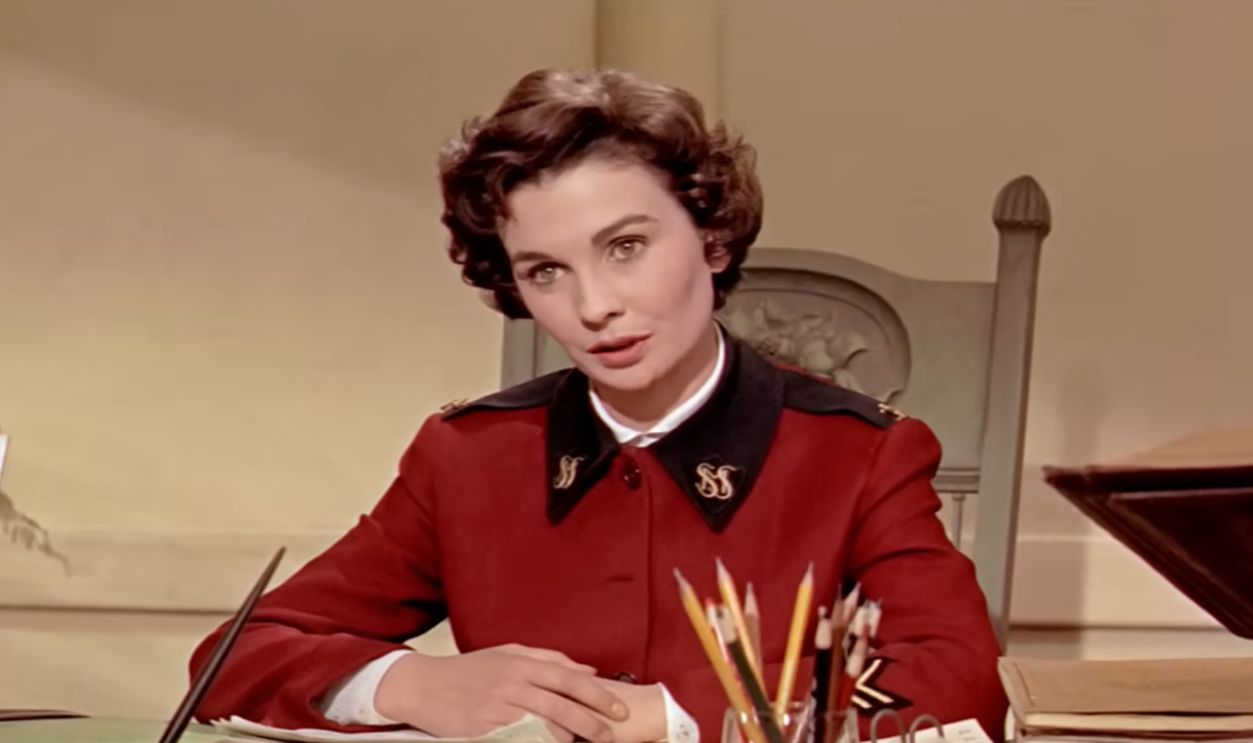 Screenshot from Guys and Dolls, Metro Goldwyn Mayer (1955)
Tony Curtis — The Defiant Ones
Stanley Kramer initially hoped to cast Marlon Brando opposite Sidney Poitier in The Defiant Ones (1958), but scheduling problems ultimately took Brando out of the running. Tony Curtis enthusiastically accepted the role of escaped prisoner John "Joker" Jackson, and both Curtis and Poitier received Best Actor Oscar nominations.
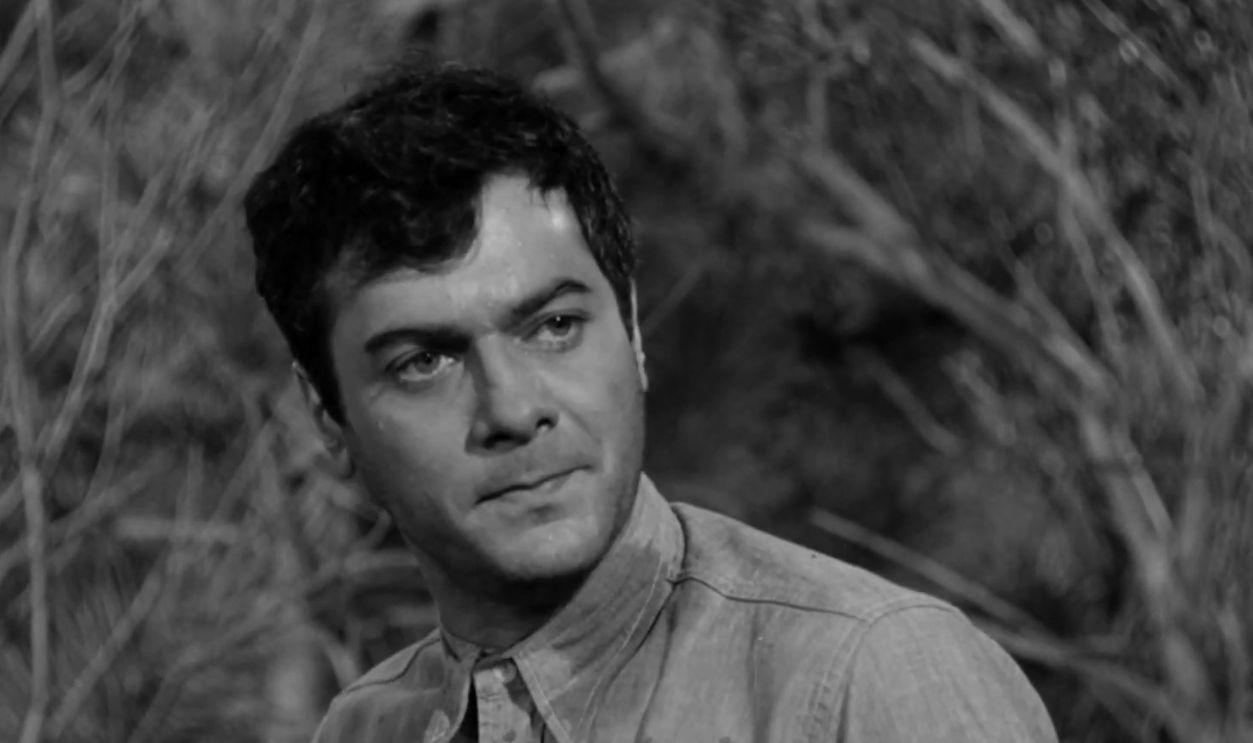 Screenshot from The Defiant Ones, United Artists (1958)
Rex Harrison — My Fair Lady
Warner Bros. initially pursued Cary Grant to play Professor Henry Higgins in George Cukor's My Fair Lady (1964). Grant declined, believing Rex Harrison should retain the role he had created onstage. Harrison eventually did, opposite Audrey Hepburn, and his performance earned him the Academy Award for Best Actor.
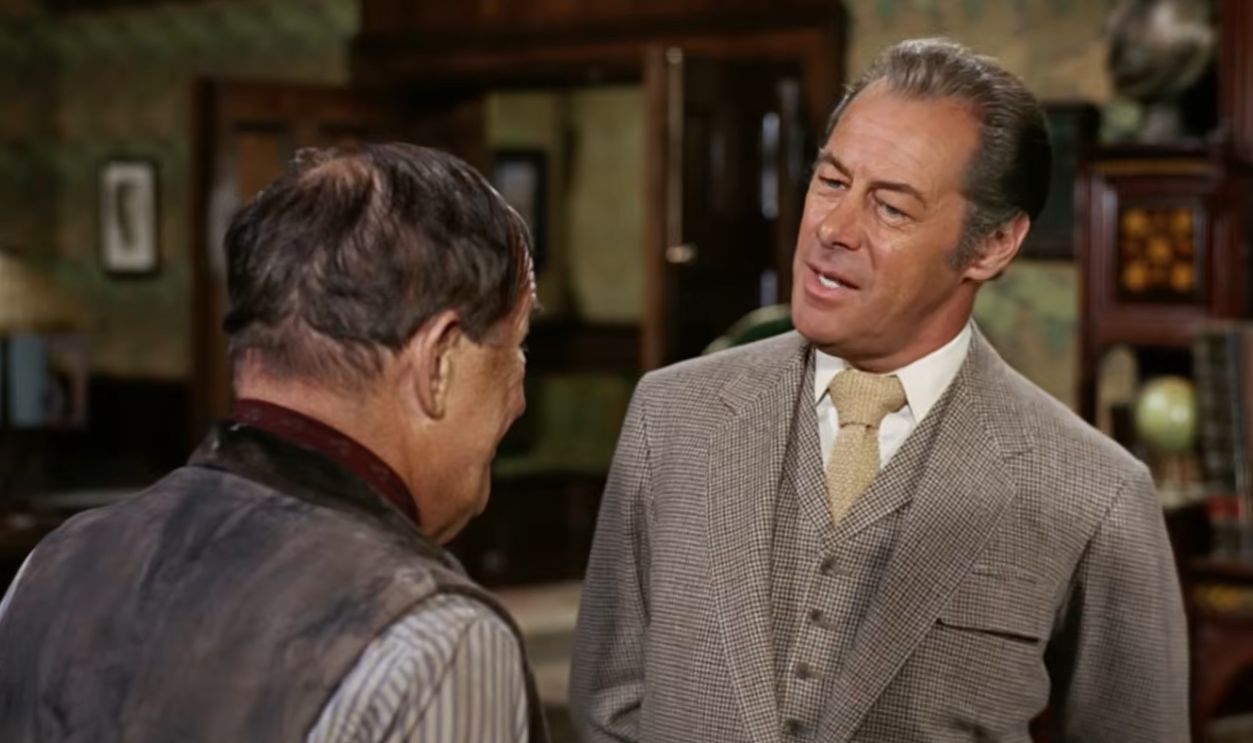 Screenshot from My Fair Lady, Warner Bros. Pictures (1964)
Julie Christie — Doctor Zhivago
Jane Fonda was offered Lara in David Lean's Doctor Zhivago (1965), but balked at spending seven months filming in Spain. She reportedly reconsidered, only to discover Julie Christie had already been signed. Christie starred opposite Omar Sharif in the enormously successful epic, turning Lara into one of the defining romantic heroines of 1960s cinema.
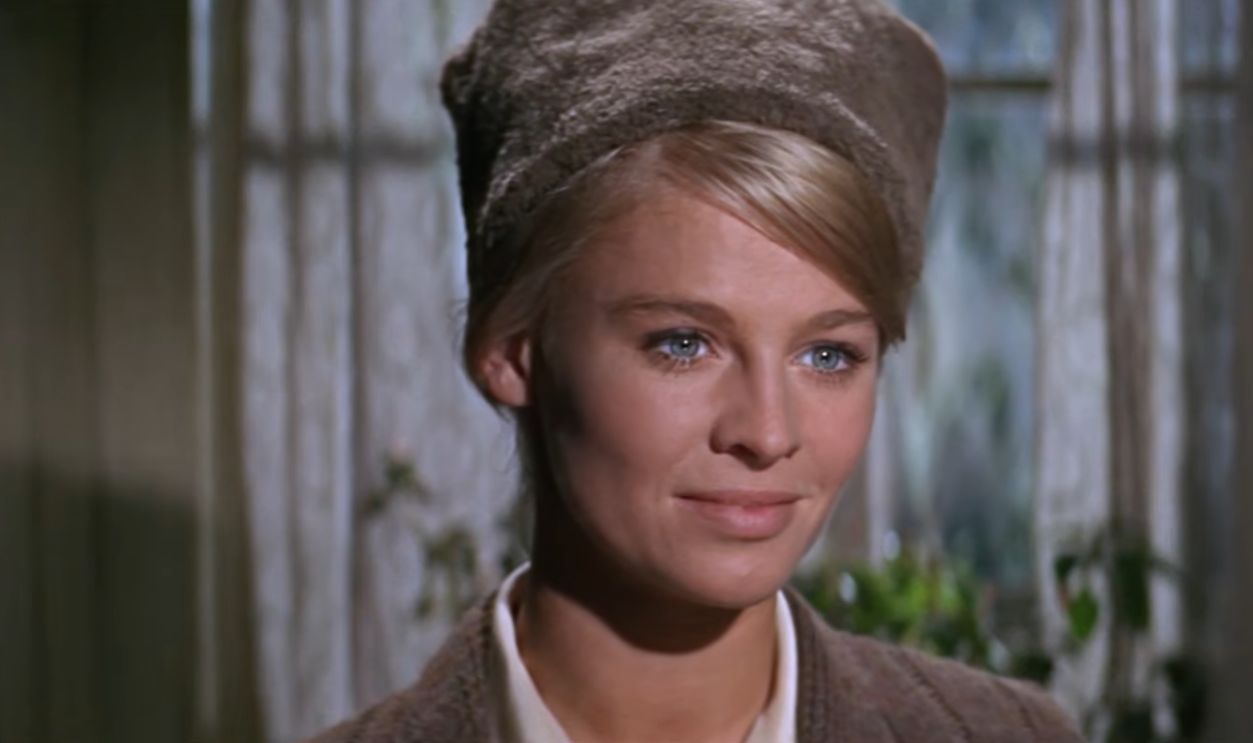 Screenshot from Doctor Zhivago, Metro Goldwyn Mayer (1965)
Faye Dunaway — Bonnie And Clyde
Finding Bonnie Parker was surprisingly difficult. Jane Fonda was among the prominent actresses considered for the role, while Tuesday Weld came close to taking it before ultimately passing. Arthur Penn eventually cast Faye Dunaway opposite Warren Beatty in Bonnie and Clyde (1967), and her electrifying performance made her an international star almost overnight.
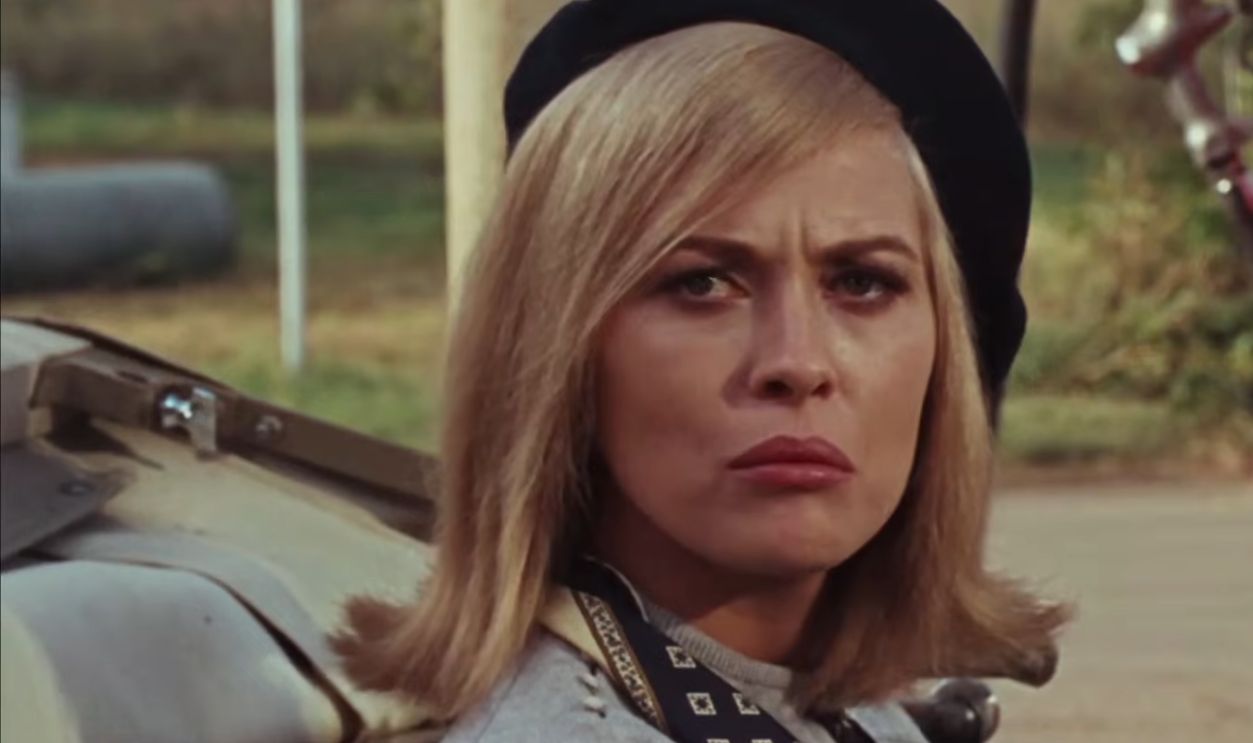 Screenshot from Bonnie and Clyde, Warner Bros. Pictures (1967)
Jacqueline Bisset — Bullitt
Katharine Ross had recently become a major star through The Graduate (1967), but she reportedly turned down the role of Cathy in Peter Yates' Bullitt (1968) because she considered it too small. Jacqueline Bisset took the part opposite Steve McQueen, gaining valuable exposure in one of the decade's most enduring action films.
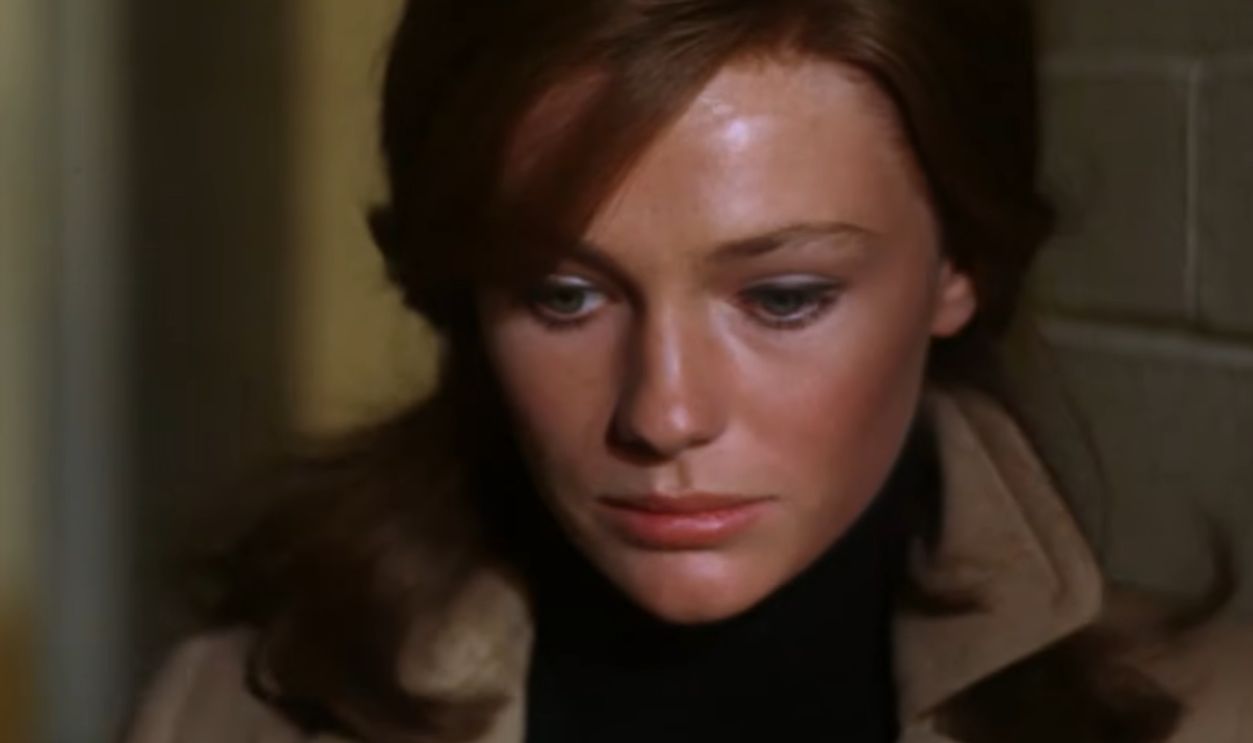 Screenshot from Bullitt, Warner Bros (1968)
George C. Scott — Patton
Rod Steiger was among several stars who declined the title role in Franklin J. Schaffner's Patton (1970), later calling the decision his greatest career mistake. George C. Scott instead delivered the towering performance of General George S. Patton that became inseparable from the film and won him the Best Actor Oscar, which Scott famously refused.
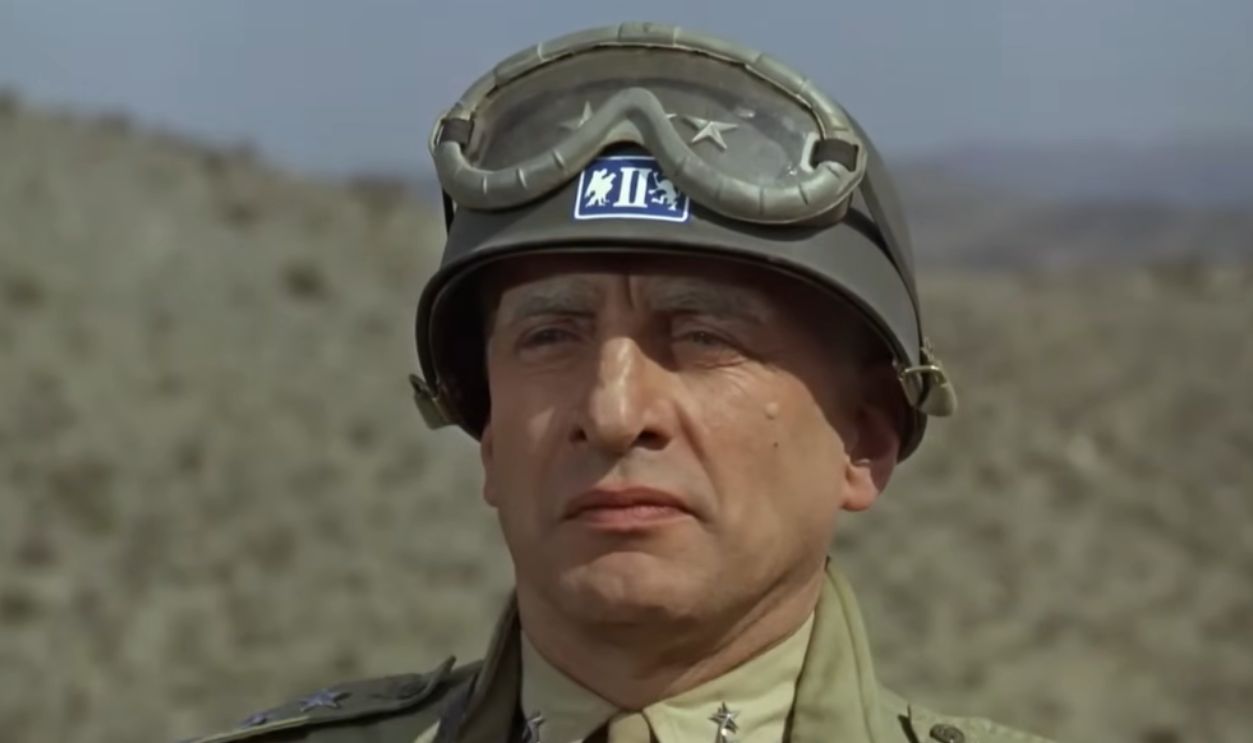 Screenshot from Patton, 20th Century Fox (1970)
Stella Stevens — The Poseidon Adventure
After her Oscar-nominated performance in M*A*S*H (1970), Sally Kellerman suddenly had opportunities everywhere. She later recalled turning down Linda Rogo in Ronald Neame's The Poseidon Adventure (1972) while pursuing her singing ambitions. Stella Stevens got the role opposite Ernest Borgnine in the blockbuster disaster movie.
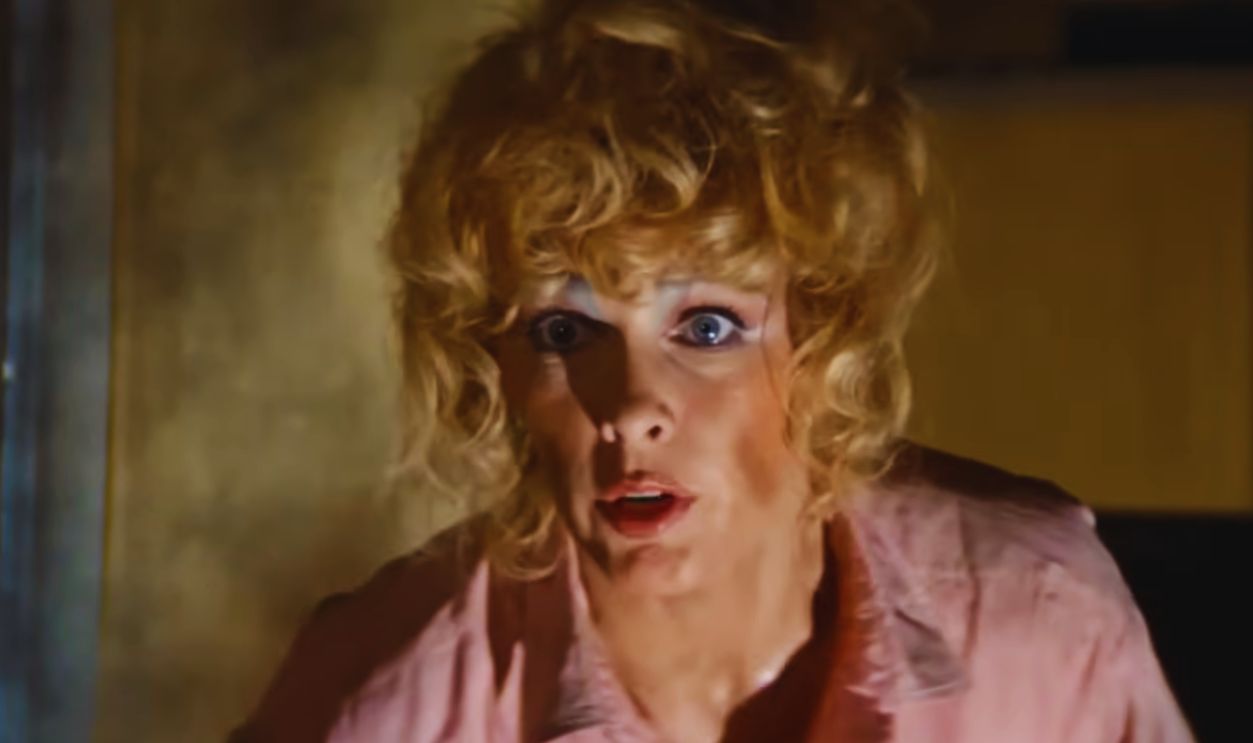 Screenshot from The Poseidon Adventure, 20th Century Fox (1972)
Karen Black — Nashville
Kellerman passed on another tantalizing opportunity when Robert Altman approached her about Nashville (1975). She later regretted her response, particularly because the part would have allowed her to sing. The singing showcase role of Connie White ultimately went to Karen Black, who earned a Golden Globe nomination for the performance.
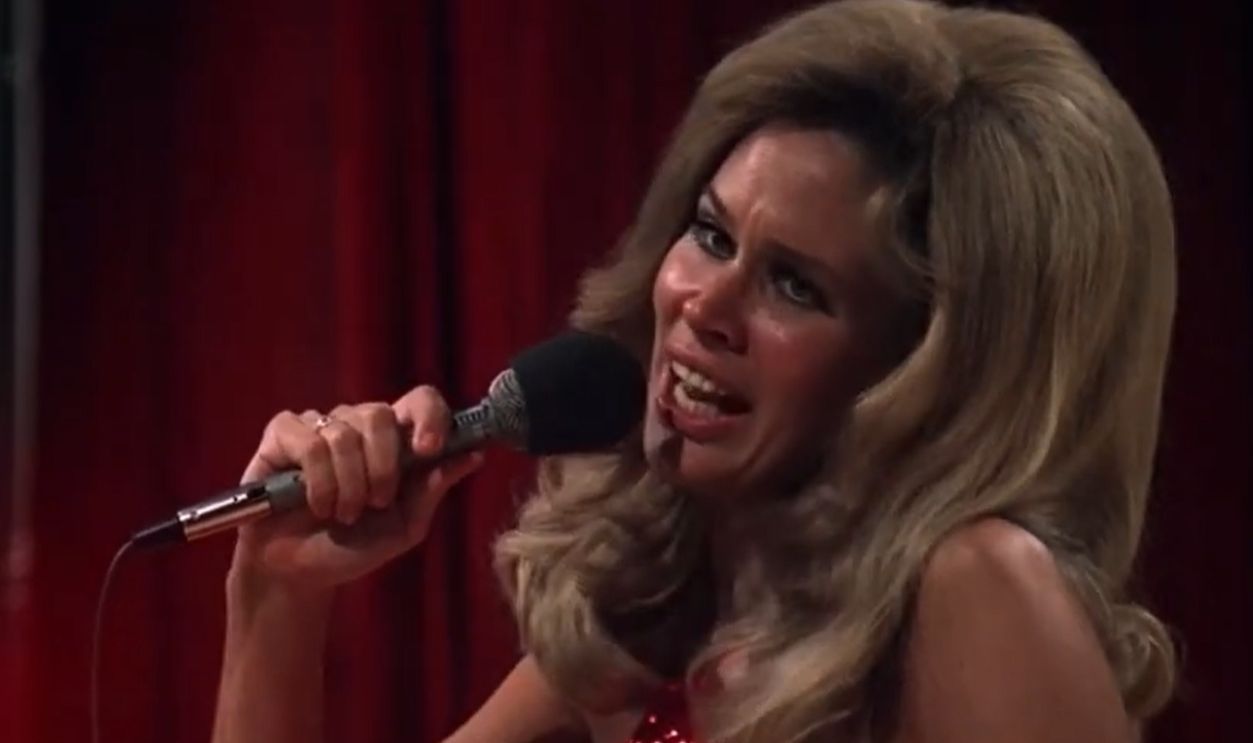 Screenshot from Nashville, Paramount Pictures (1975)
Roy Scheider — All That Jazz
Richard Dreyfuss was originally attached to Bob Fosse's semi-autobiographical All That Jazz (1979), but withdrew from the demanding production. His former Jaws (1975) co-star Roy Scheider stepped into the role of obsessive choreographer-director Joe Gideon. Scheider surprised skeptics and received a Best Actor Oscar nomination for perhaps his most ambitious performance.
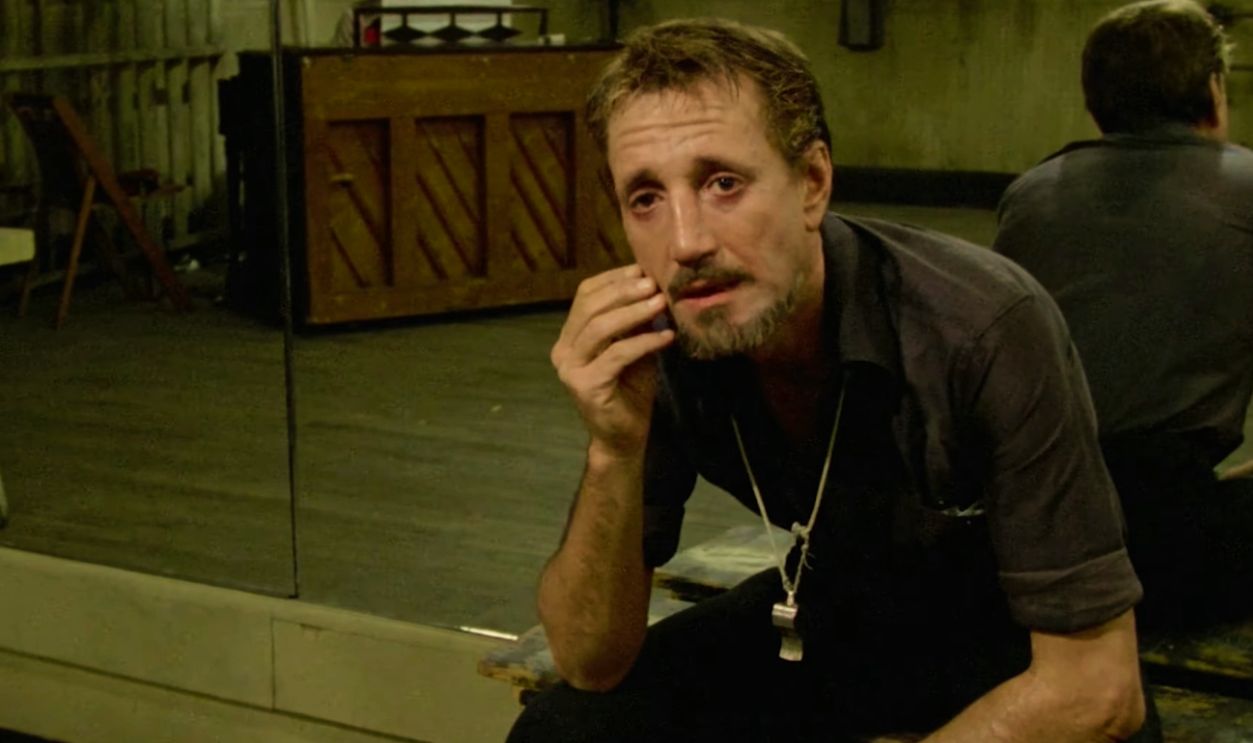 Screenshot from All That Jazz, 20th Century Fox (1979)
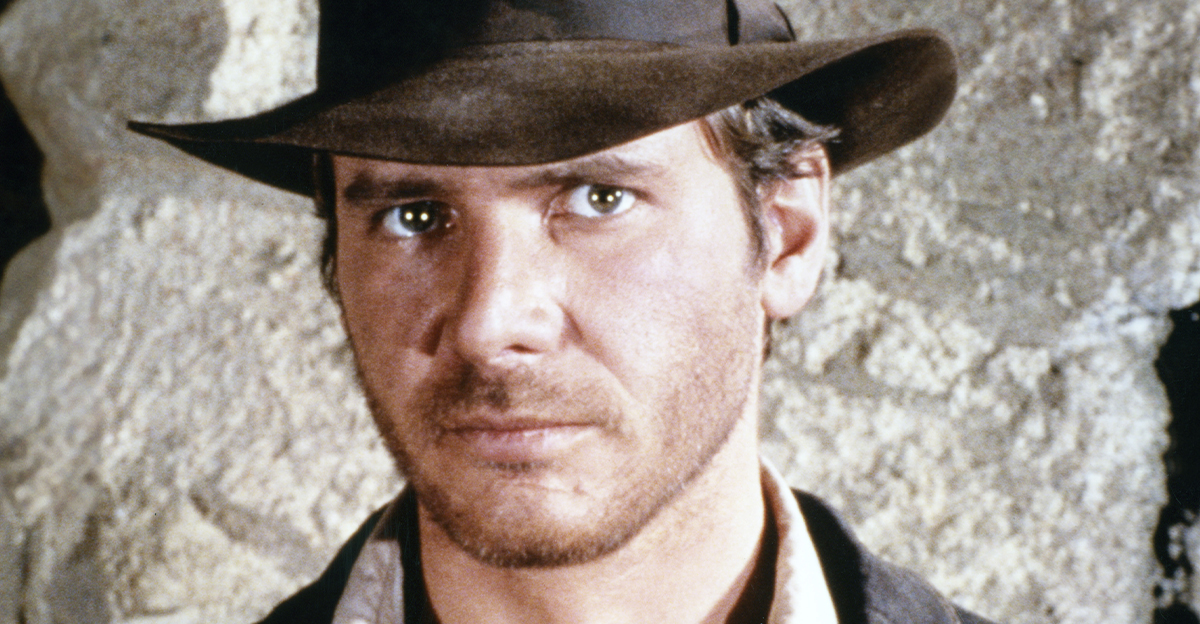
Harrison Ford — Raiders Of The Lost Ark
Steven Spielberg and George Lucas offered Indiana Jones to Tom Selleck, whose screen test had impressed them. Unfortunately, Selleck's commitment to Magnum, P.I. prevented him from accepting. Harrison Ford inherited the fedora and bullwhip in Spielberg's Raiders of the Lost Ark (1981), creating one of cinema's most recognizable adventure heroes.
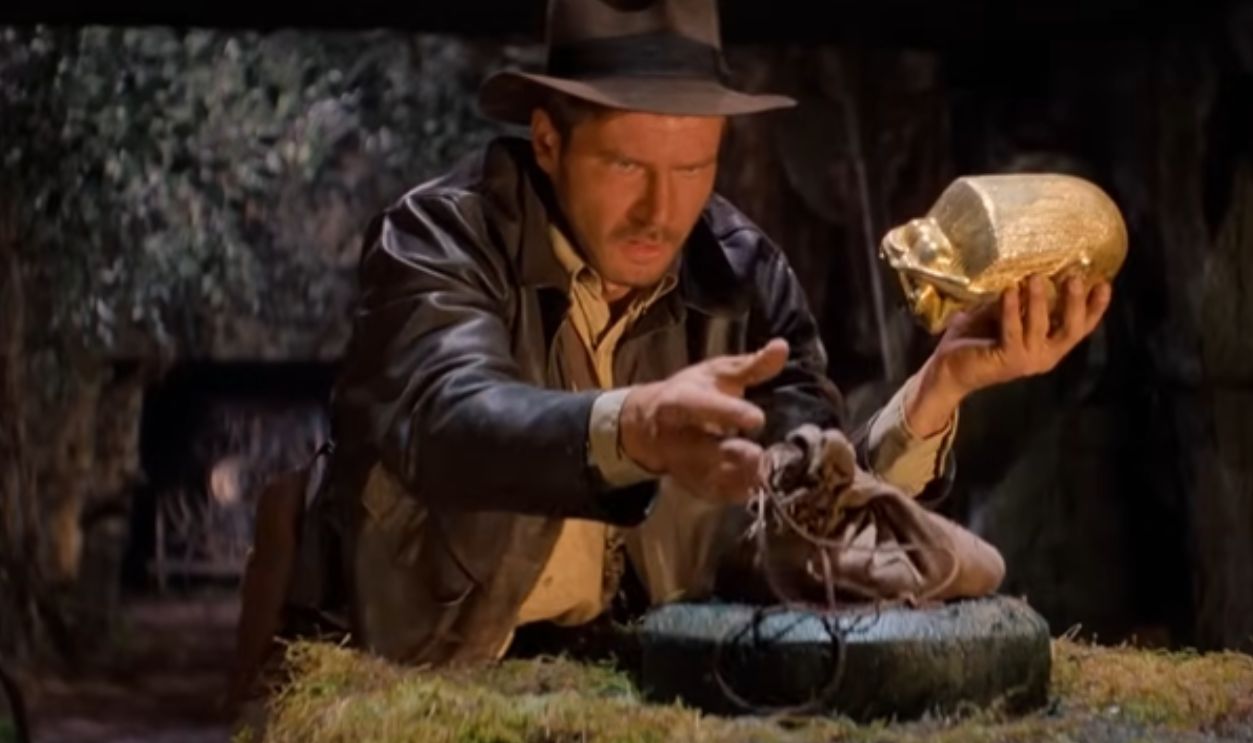 Screenshot from Raiders of the Lost Ark, Paramount Pictures (1981)
Jack Nicholson — Terms Of Endearment
James L. Brooks wrote astronaut Garrett Breedlove with Burt Reynolds in mind, but Reynolds chose to honor a commitment to Stroker Ace (1983). Jack Nicholson eventually took the part opposite Shirley MacLaine in Terms of Endearment (1983) and won the Supporting Actor Oscar. Reynolds later openly regretted his decision.
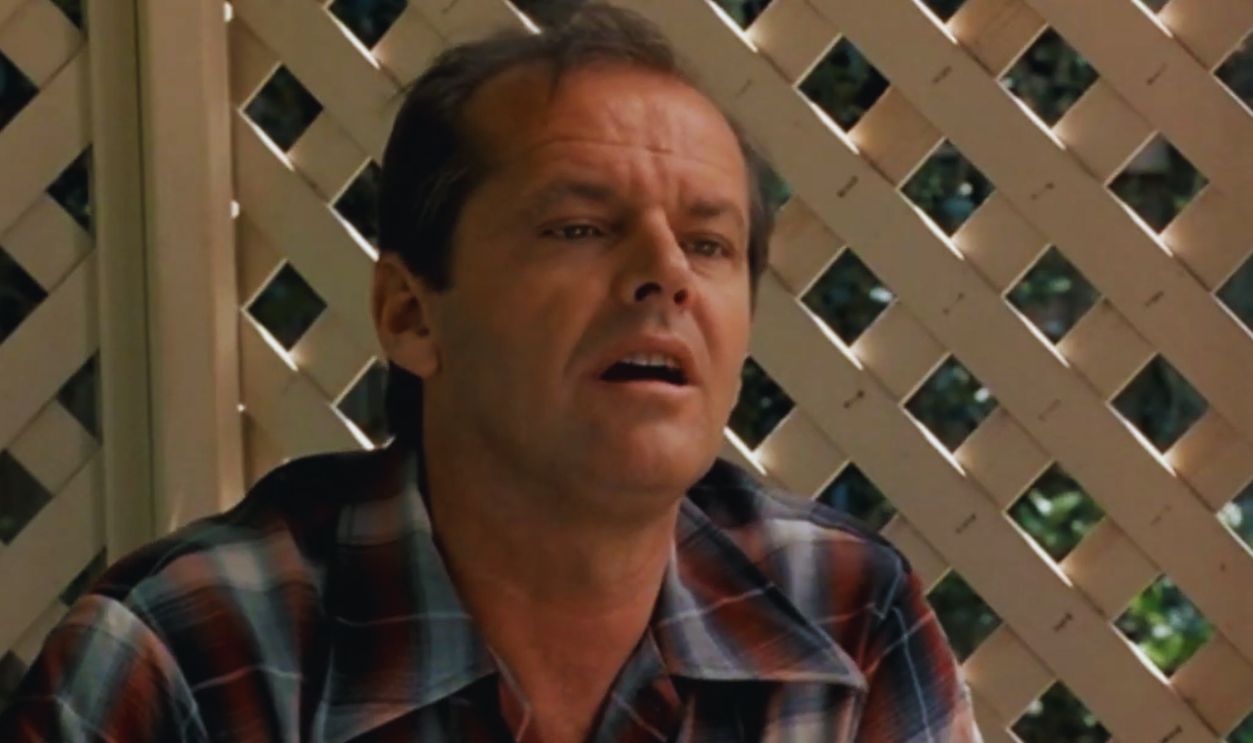 Screenshot from Terms of Endearment, Paramount Pictures (1983)
Julia Roberts — Pretty Woman
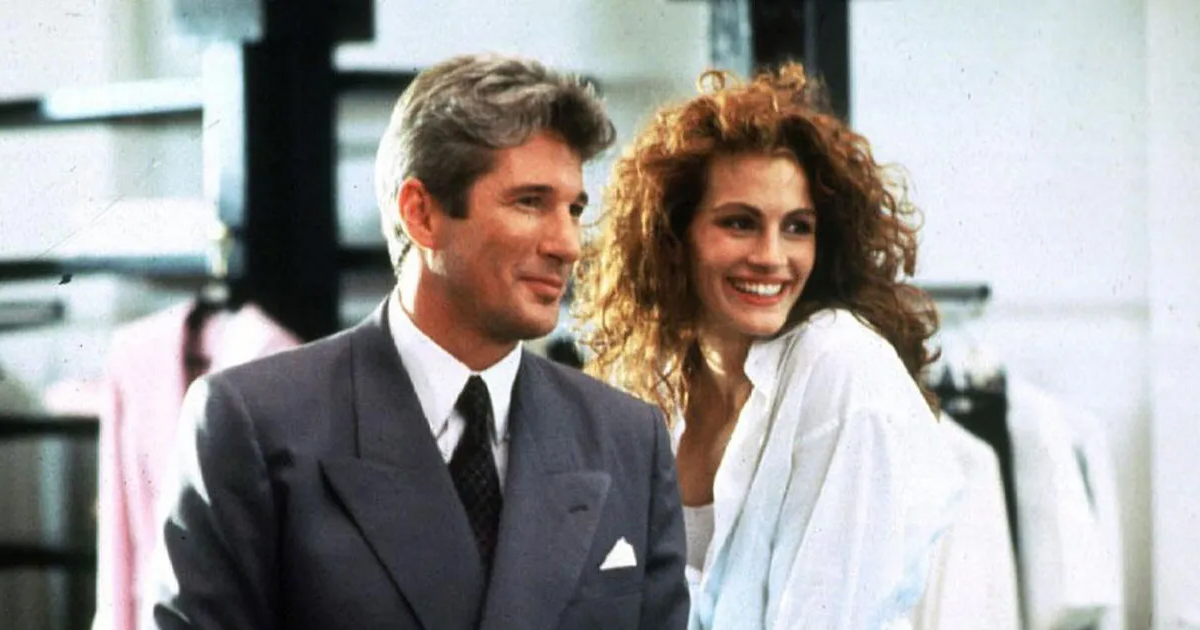
Michelle Pfeiffer has acknowledged passing on Pretty Woman (1990), saying the script's tone didn't appeal to her. Garry Marshall ultimately cast the relatively untested Julia Roberts as Vivian Ward opposite Richard Gere. The romantic comedy became a massive hit, earned Roberts an Oscar nomination and transformed the 22-year-old actress into a superstar.
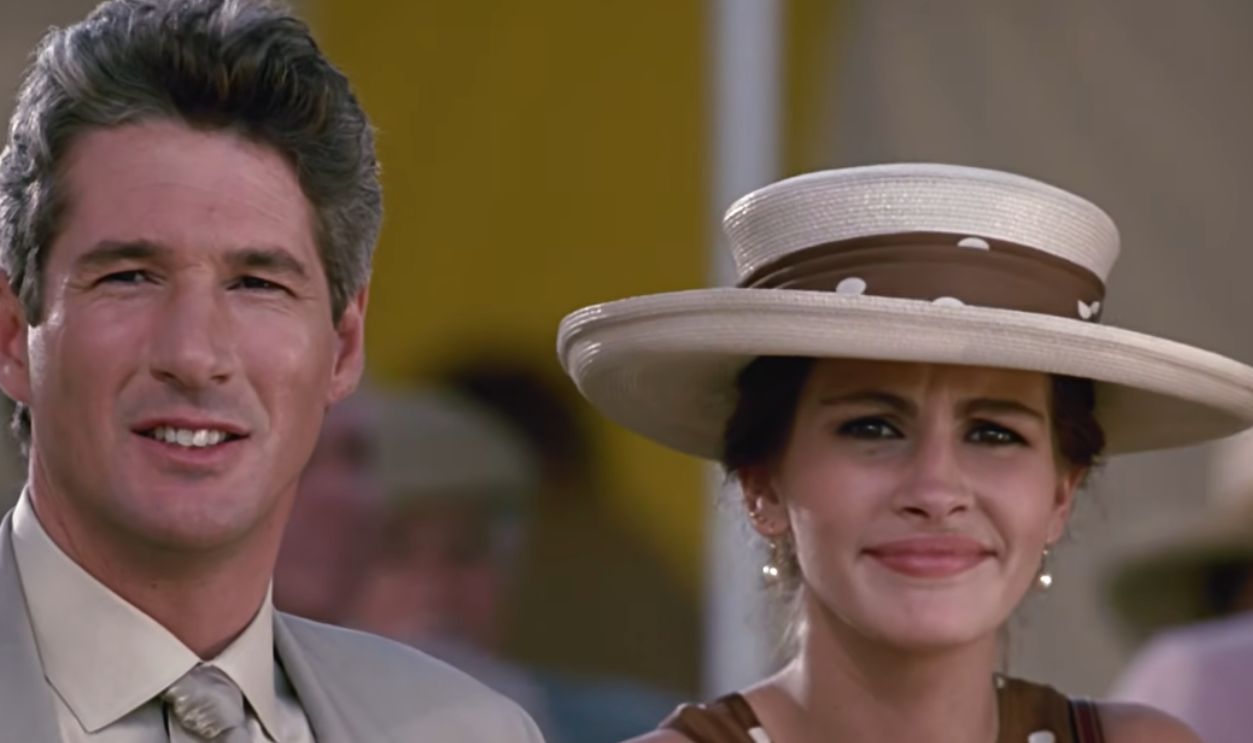 Screenshot from Pretty Woman, Buena Vista Pictures Distribution (1990)
Jodie Foster — The Silence Of The Lambs
Jonathan Demme initially wanted Michelle Pfeiffer as FBI trainee Clarice Starling in The Silence of the Lambs (1991). Pfeiffer declined because she was uncomfortable with the story's darkness. Jodie Foster passionately pursued the role instead, starred opposite Anthony Hopkins, and won her second Best Actress Oscar.
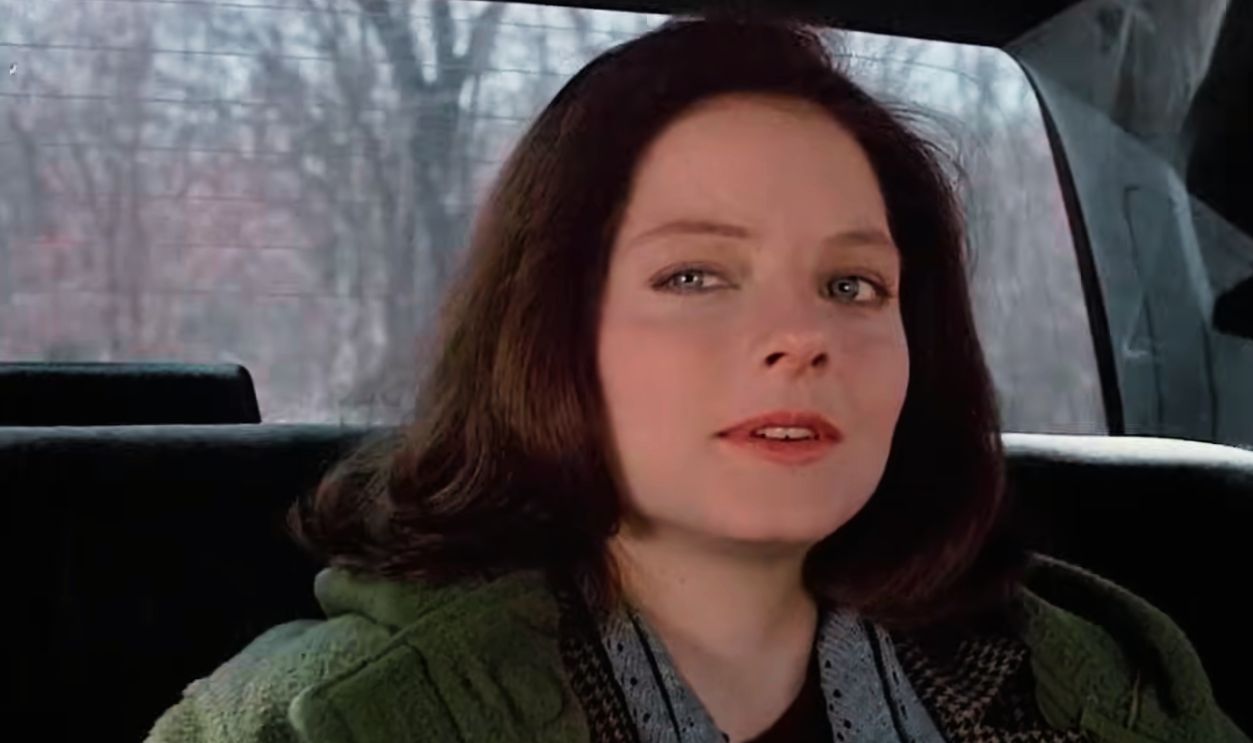 Screenshot from The Silence of the Lambs, Orion Pictures (1991)
Tom Hanks — Forrest Gump
John Travolta was reportedly offered the title role in Robert Zemeckis' Forrest Gump (1994), but passed on it and later acknowledged the missed opportunity. Tom Hanks played Forrest opposite Robin Wright and Gary Sinise instead. The blockbuster won six Academy Awards, including Hanks' second consecutive Best Actor Oscar.
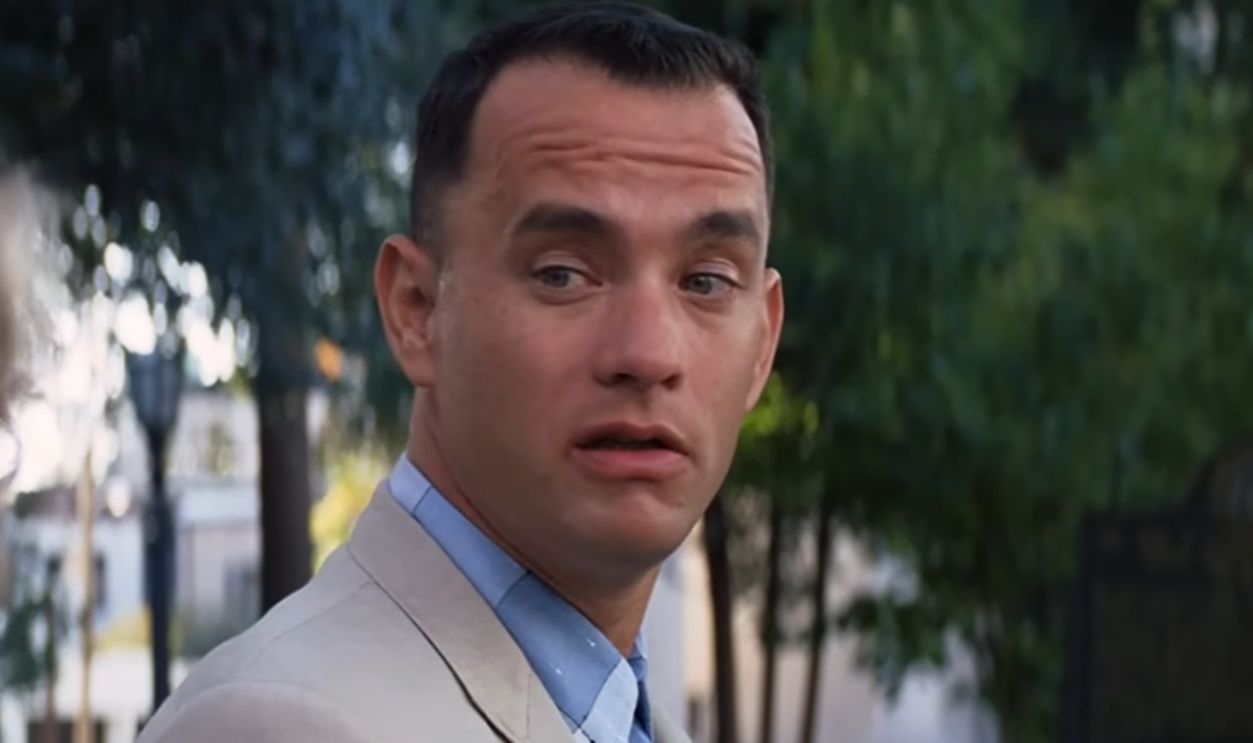 Screenshot from Forrest Gump, Paramount Pictures (1994)
Tim Allen — Toy Story
Pixar's John Lasseter initially wanted Billy Crystal to voice Buzz Lightyear in Toy Story (1995). Crystal declined and later described the decision as one of his biggest professional regrets. Tim Allen supplied Buzz's booming self-confidence instead, creating a character he would voice across multiple films in Pixar's landmark franchise.
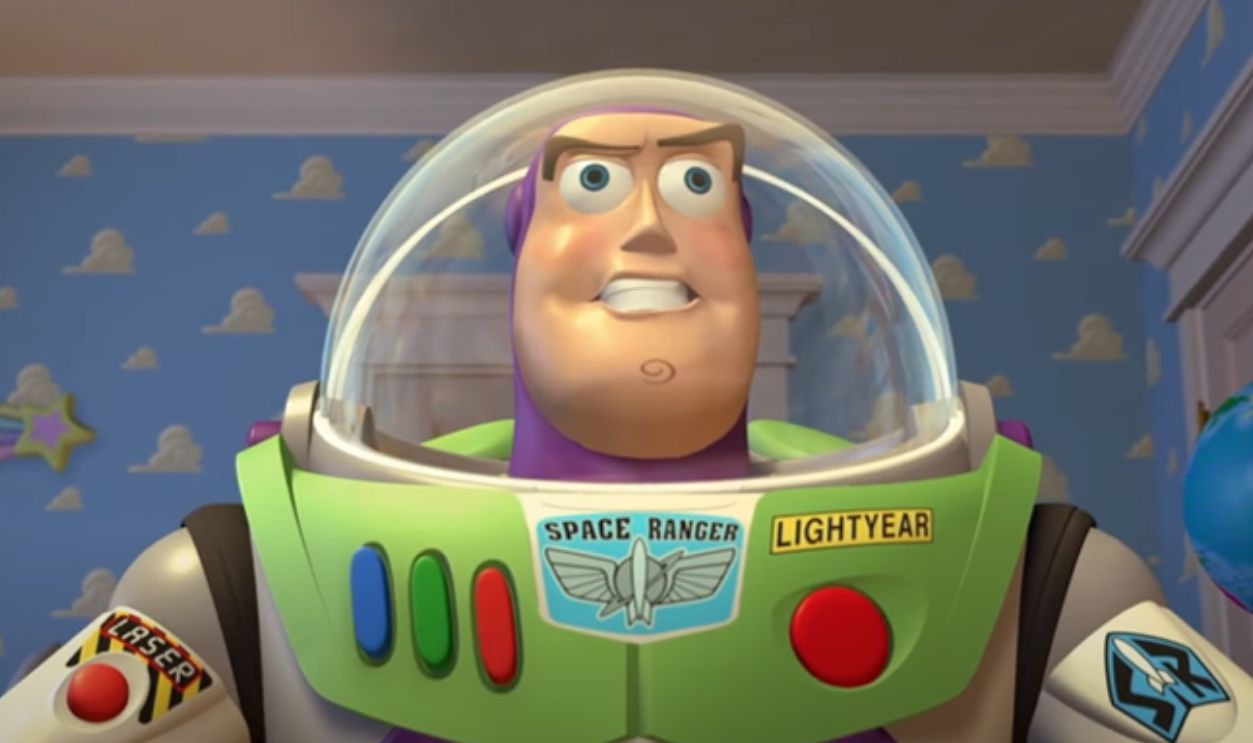 Screenshot from Toy Story, Walt Disney Pictures (1995)
Sarah Jessica Parker — Sex And The City
Dana Delany has confirmed that creator Darren Star approached her about playing Carrie Bradshaw in Sex and the City. Delany declined partly because she had already made projects centered heavily on sex and worried about repeating herself. Sarah Jessica Parker eventually became Carrie, turning the character into a television and fashion icon.
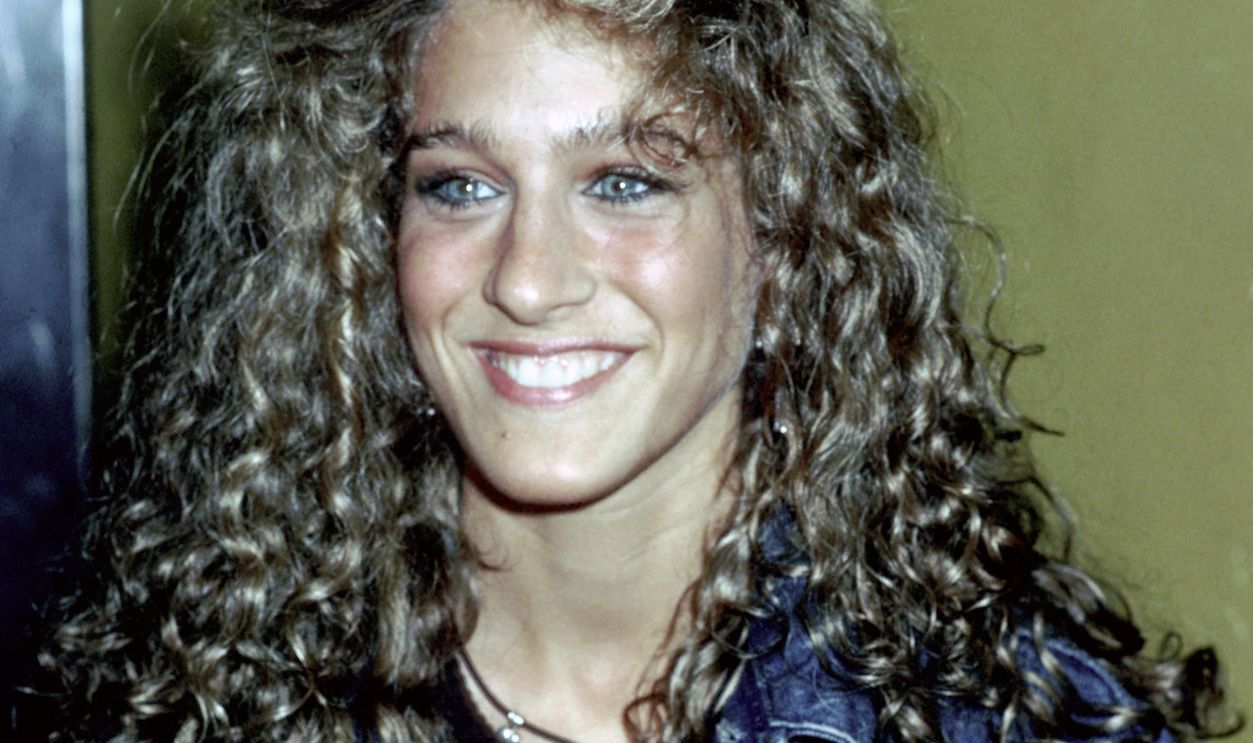
Keanu Reeves — The Matrix
Will Smith has cheerfully admitted that he turned down Neo because the Wachowskis' pitch for The Matrix (1999) failed to convince him. Keanu Reeves took the role opposite Laurence Fishburne and Carrie-Anne Moss instead. Smith later praised Reeves and suggested the movie probably worked better without him anyway.
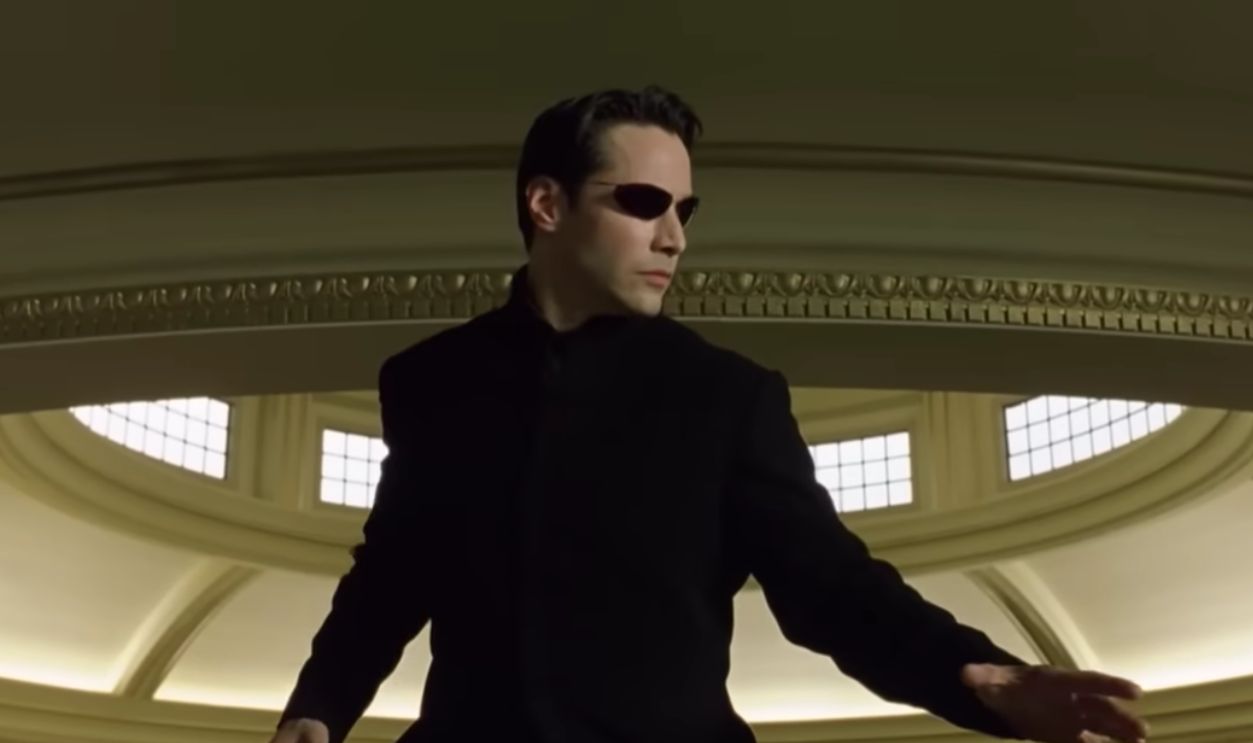 Screenshot from The Matrix, Warner Bros. (1999)
Viggo Mortensen — The Fellowship Of The Ring
Nicolas Cage has said he passed on Aragorn because filming The Lord of the Rings trilogy would have required years away from his family. After further casting changes, including the late replacement of Stuart Townsend, Viggo Mortensen became Aragorn in The Fellowship of the Ring (2001) and made the reluctant king his signature role.
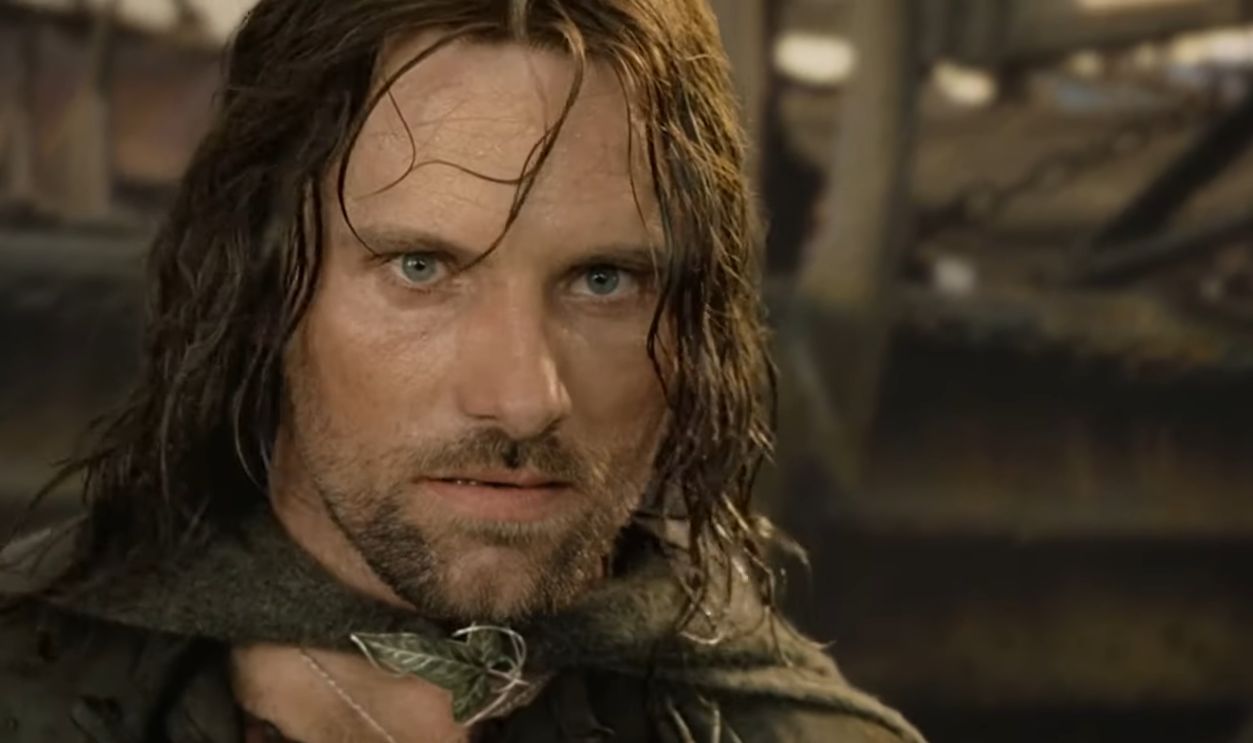 Screenshot from The Lord of the Rings: The Fellowship of the Ring, New Line Cinema (2001)
Sandra Bullock — The Blind Side
Julia Roberts turned down the role of Leigh Anne Tuohy in John Lee Hancock's The Blind Side (2009). Sandra Bullock eventually accepted, despite having serious reservations of her own about portraying the deeply religious character. The film became a huge commercial success and brought Bullock the Academy Award for Best Actress.
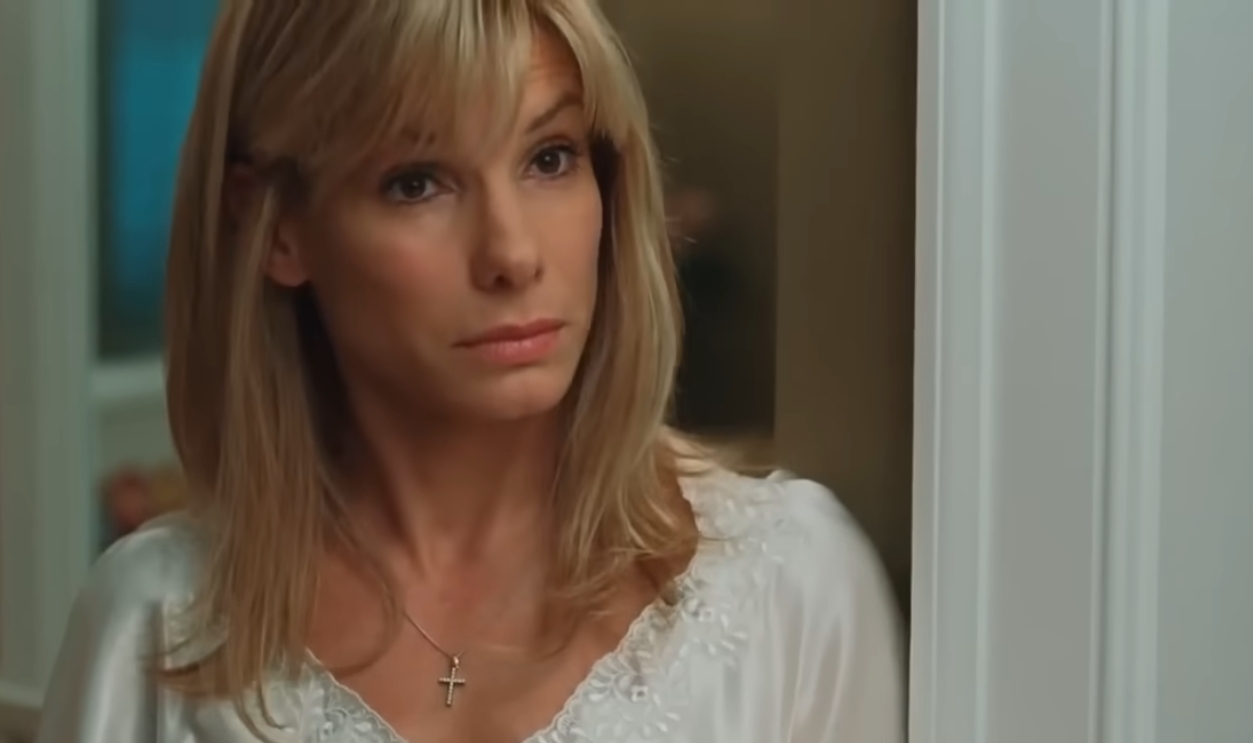 Screenshot from The Blind Side, Warner Bros. Pictures (2009)
Scarlett Johansson — Iron Man 2
Emily Blunt was lined up to play Natasha Romanoff in Jon Favreau's Iron Man 2 (2010), but a contractual obligation forced her to make Gulliver's Travels (2010) instead. Scarlett Johansson inherited Black Widow, turning what began as a supporting role into more than a decade of Marvel appearances.
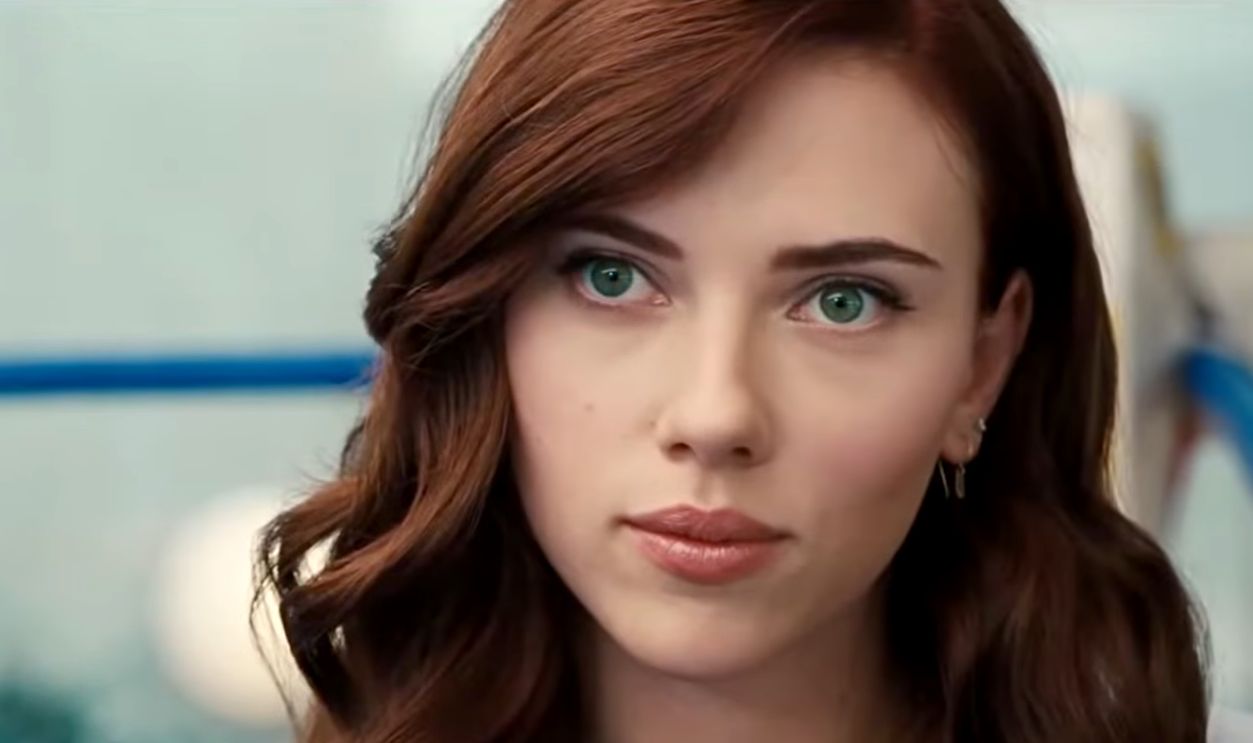 Screenshot from Iron Man 2, Paramount Pictures (2010)
Jennifer Lawrence — Silver Linings Playbook
Anne Hathaway was originally attached to play Tiffany Maxwell in David O. Russell's Silver Linings Playbook (2012), but departed amid scheduling issues and reported creative differences with Russell. Jennifer Lawrence stepped in opposite Bradley Cooper and Robert De Niro. Her funny, volatile and vulnerable performance won the 22-year-old Lawrence the Academy Award for Best Actress.
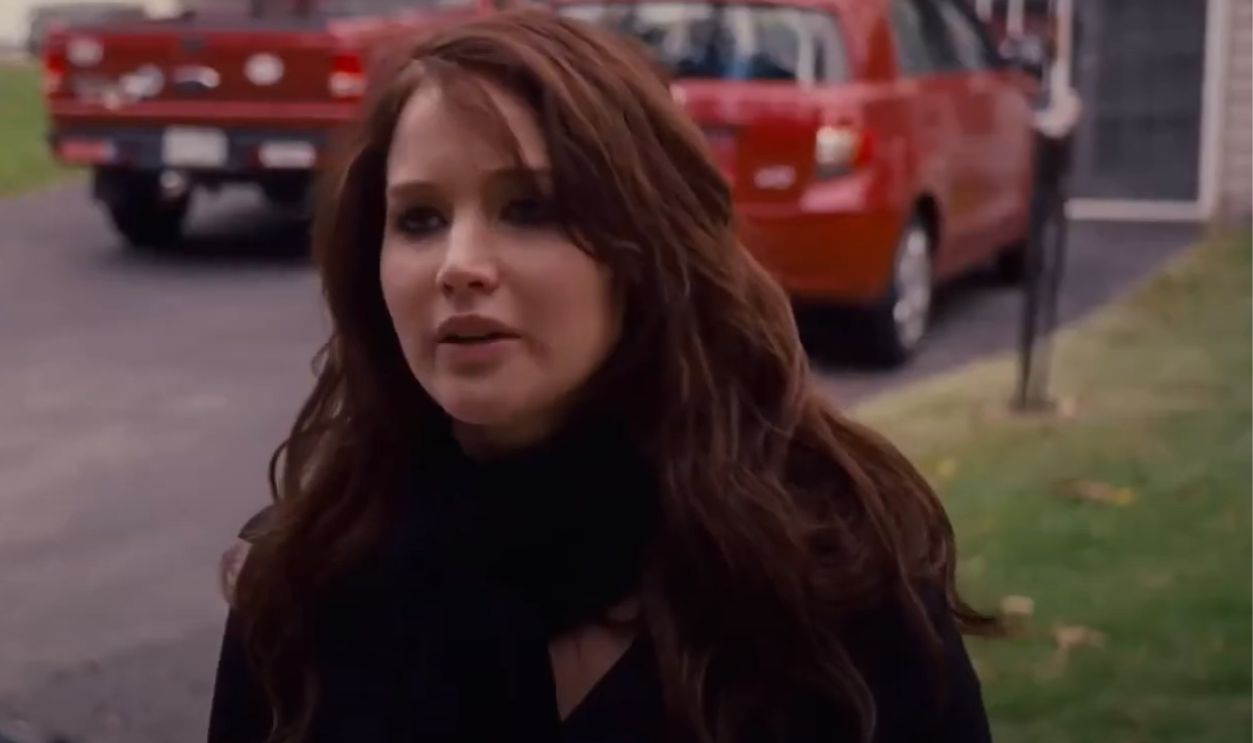 Screenshot from Silver Linings Playbook, The Weinstein Company (2012)
Zoe Saldaña — Guardians Of The Galaxy
Amanda Seyfried was offered Gamora in James Gunn's Guardians of the Galaxy (2014), but disliked the prospect of extensive green makeup and doubted whether audiences would embrace a movie featuring characters like a talking raccoon. Zoe Saldaña accepted and made Gamora a central figure in Marvel's enormously successful cosmic story.
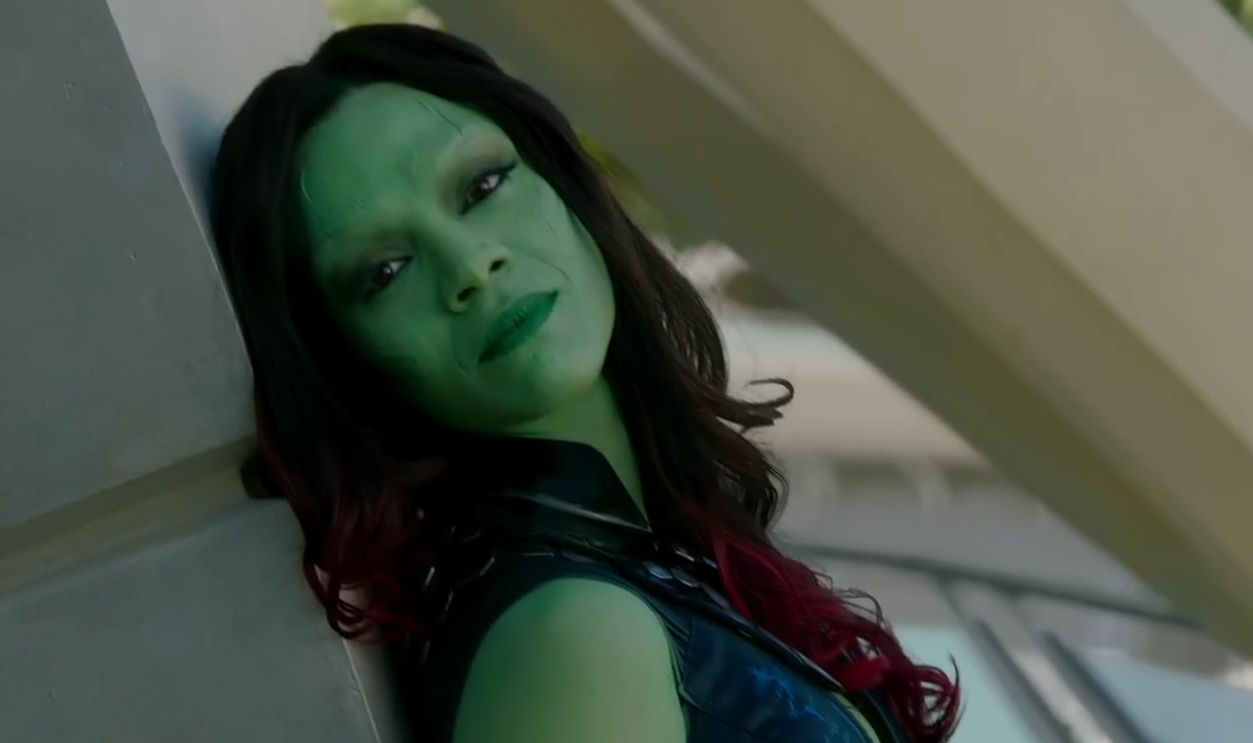 Screenshot from Guardians of the Galaxy, Walt Disney Studios Motion Pictures (2014)
Emma Stone — La La Land
Emma Watson was once in line to play aspiring actress Mia in Damien Chazelle's La La Land (2016), but her demanding commitment to Beauty and the Beast (2017) made the schedules incompatible. Emma Stone took the role opposite Ryan Gosling and ultimately won the Academy Award for Best Actress.
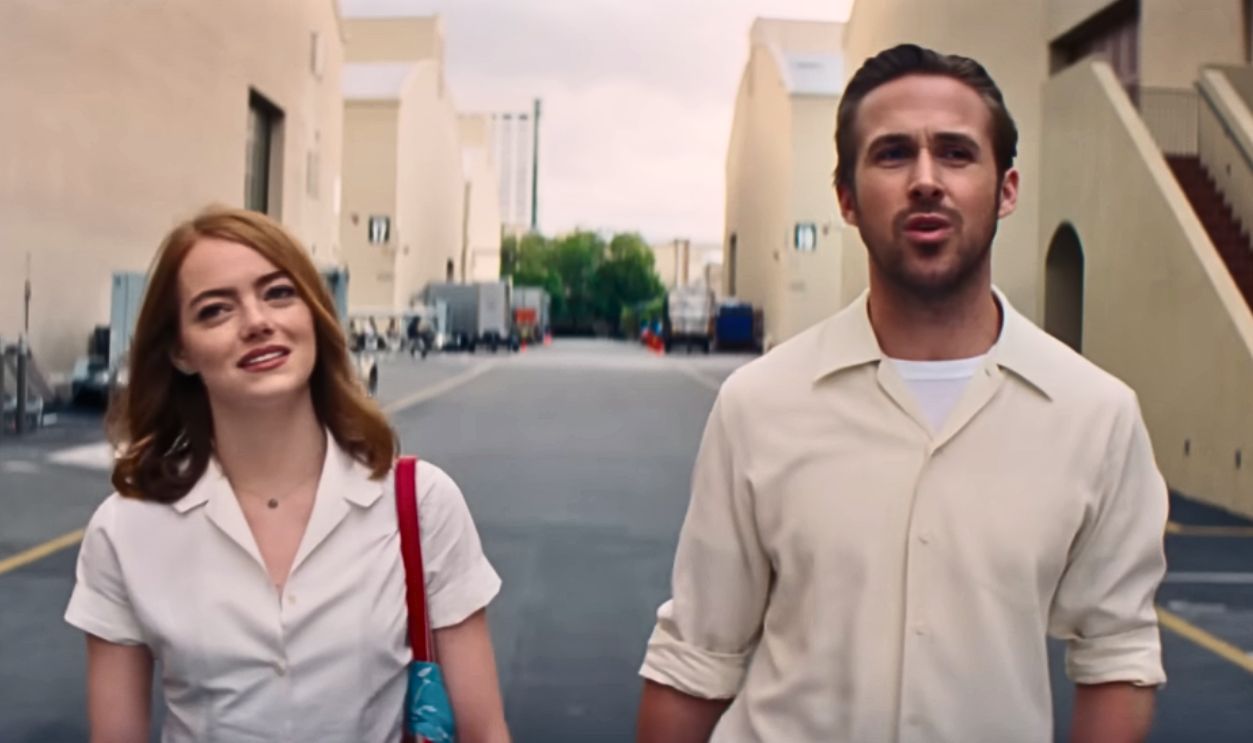 Screenshot from La La Land, Lionsgate (2016)
You May Also Like:
Actors Who Turned Down Iconic Roles And Never Looked Back—And Those Who Regretted It
Hot-and-Cold Facts About Sally Kellerman, M*A*S*H's "Major Hot Lips"