
The Replacement Nobody Could Envy
Priscilla Barnes didn't simply join a hit sitcom. She walked onto Three’s Company after one of television's ugliest contract disputes, replacing a character millions of viewers adored while the show itself was still trying to recover. Barnes knew audiences would compare her with Suzanne Somers before she even said a line. What nobody could know was whether Barnes’ Terri Alden would save the famous trio or become another casualty of the chaos behind it.
Growing Up Meant Constantly Starting Over
Priscilla Barnes was born into a military family at Fort Dix, New Jersey, and spent much of her childhood moving as her father's Air Force career took the family from place to place. They eventually settled in California, where Barnes became interested in dancing, beauty pageants, and performing. Constantly entering new environments may not have seemed like preparation for acting at the time, but Barnes would eventually build a career around adapting quickly, including one particularly intimidating arrival on a television set where nearly everyone already knew one another.

Bob Hope Gave Her An Unexpected Break
Barnes' first significant brush with show business came after Bob Hope noticed her at a fashion event. He invited her to perform with his troupe entertaining military personnel, including an appearance at Walter Reed Army Medical Center. It was a strange but fitting beginning for someone raised in a military family. More importantly, it convinced Barnes that performing could become something more serious than contests and dancing, and she eventually headed toward Los Angeles to see whether Hollywood agreed.
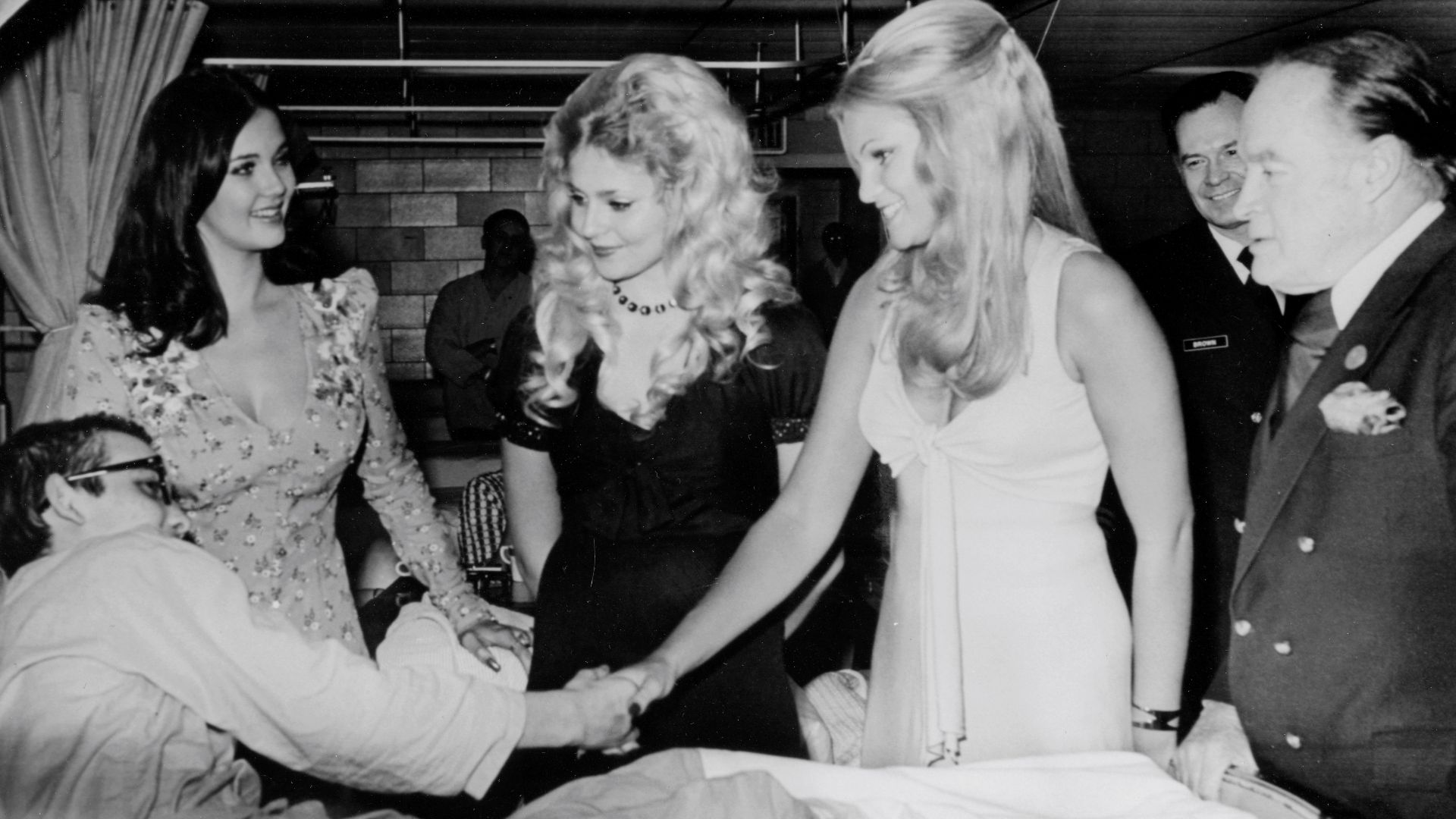 Navy Medicine, Wikimedia Commons
Hollywood Started With Very Small Parts
Like most young actors, Barnes didn't arrive in Los Angeles and immediately land a starring role. She appeared in small television and film parts, including an early appearance on Columbo, then gradually picked up work on shows such as Starsky & Hutch, The Rockford Files, and Vega$. She was getting familiar with television sets without yet becoming familiar to television audiences. The important thing was that she kept working, and by the end of the 1970s her résumé was getting considerably harder to ignore.

Her First Series Didn't Last Long
In 1978, Barnes landed a regular role on The American Girls, a CBS drama about two female television reporters traveling around the country in search of stories. The show gave Barnes the kind of steady exposure she had been chasing, but it was cancelled after only a handful of episodes. She returned to guest roles and television movies rather than disappearing, appearing in projects including A Vacation in Hell. It wasn't a glamorous path to stardom, but Barnes was becoming a dependable working actress.
 Screenshot from The American Girls, CBS (1978)
She Was Building A Career Before Terri Alden
By 1980, Priscilla Barnes had appeared in the romantic comedy Sunday Lovers, alongside a cast that included Roger Moore and Gene Wilder. She had enough experience by this point that she was no longer simply hoping someone might discover her. What she lacked was the role that would make the public remember her name. That opportunity arrived in 1981, although the circumstances surrounding it were so messy that almost any actress might have wondered whether becoming famous was worth the trouble.
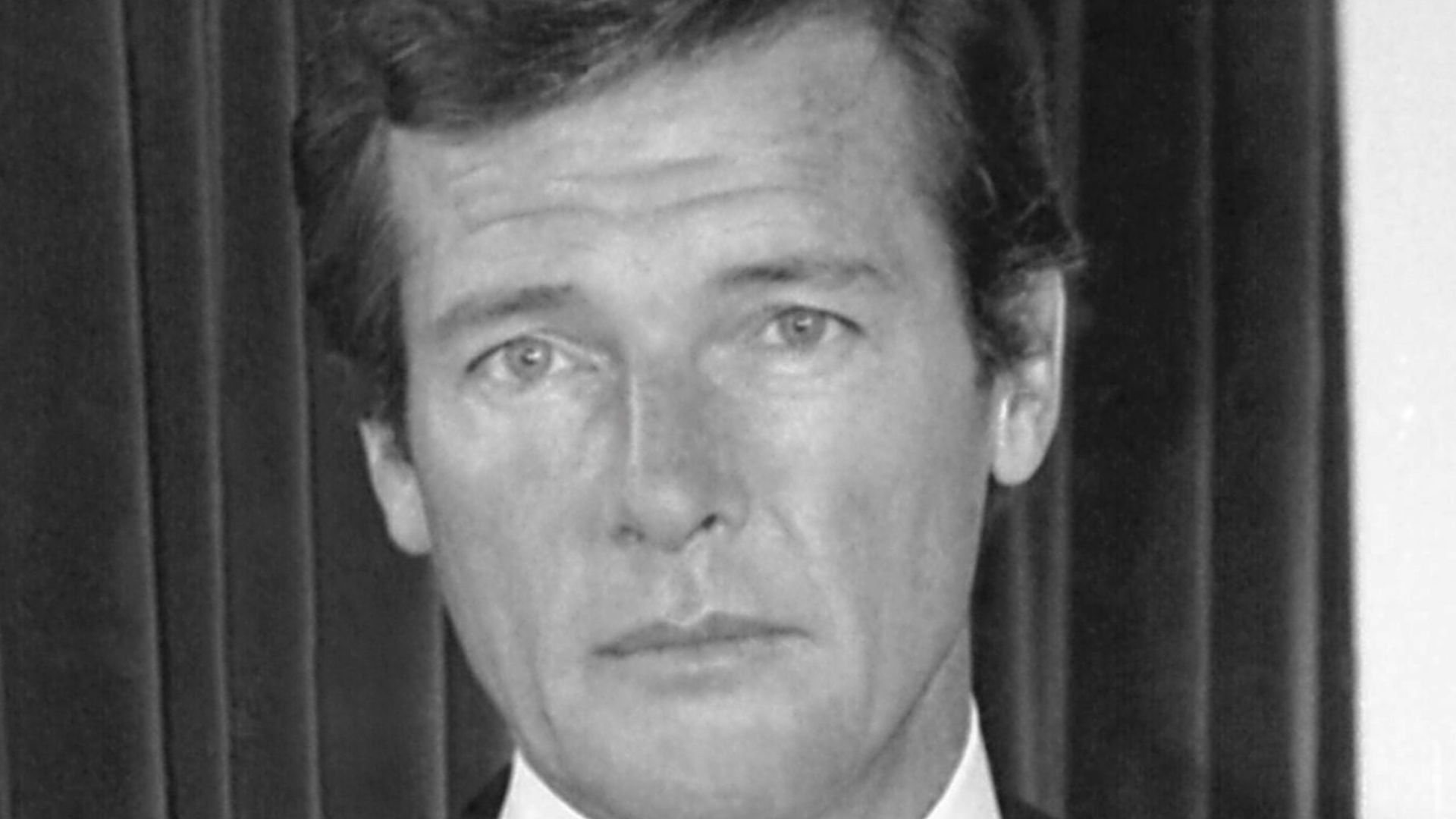 Allan warren, Wikimedia Commons
Three’s Company Had Been A Television Phenomenon
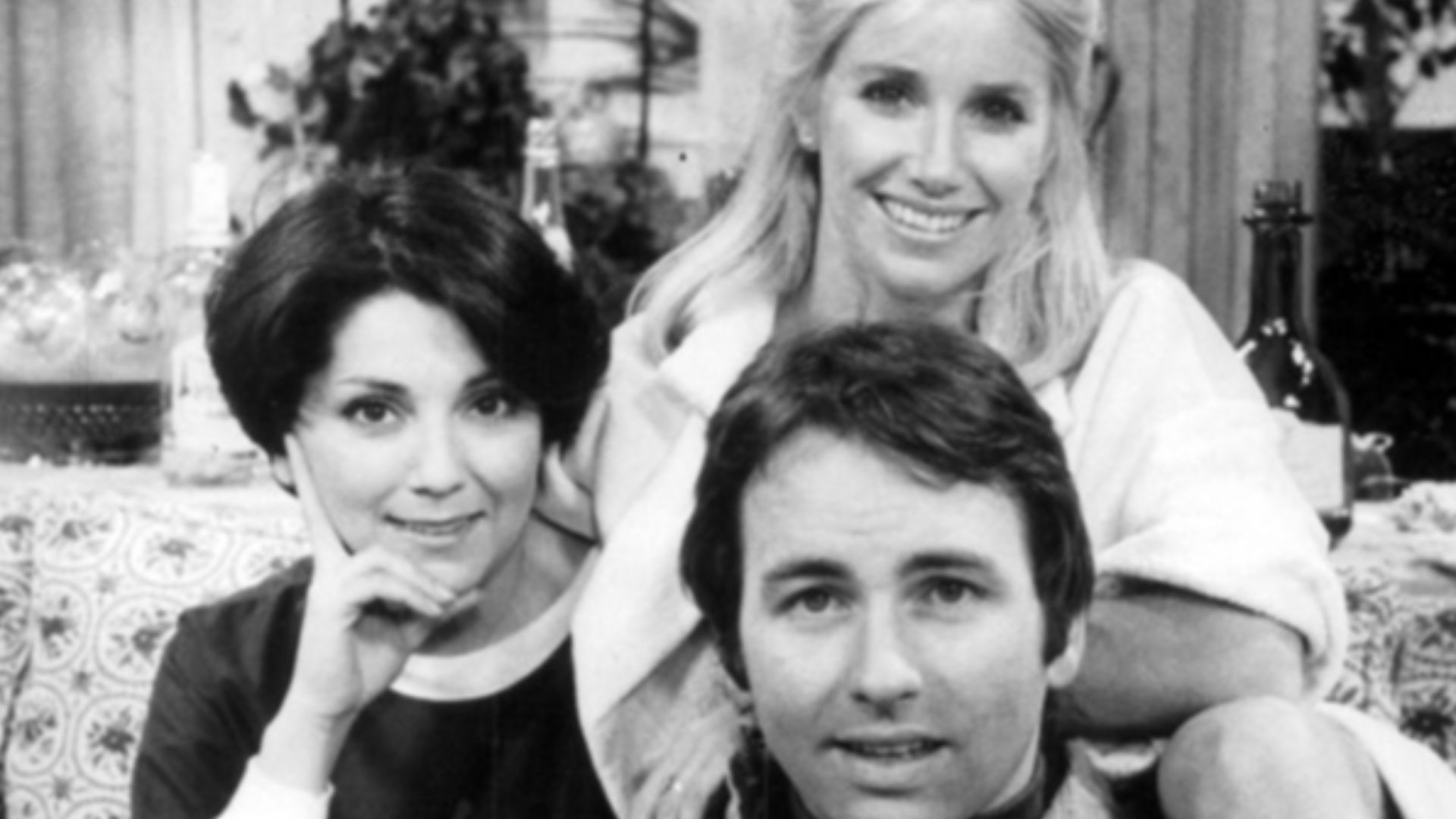
When Three’s Company premiered in 1977, its setup seemed daring for network television: two single women sharing an apartment with a single man who pretended to be gay so their conservative landlord would tolerate the arrangement. John Ritter's physical comedy, Joyce DeWitt's grounded Janet Wood, and Suzanne Somers' wonderfully naïve Chrissy Snow made the formula work. The show quickly became a major ratings success, and Somers in particular became one of television's most recognizable stars. That made what happened next especially explosive.
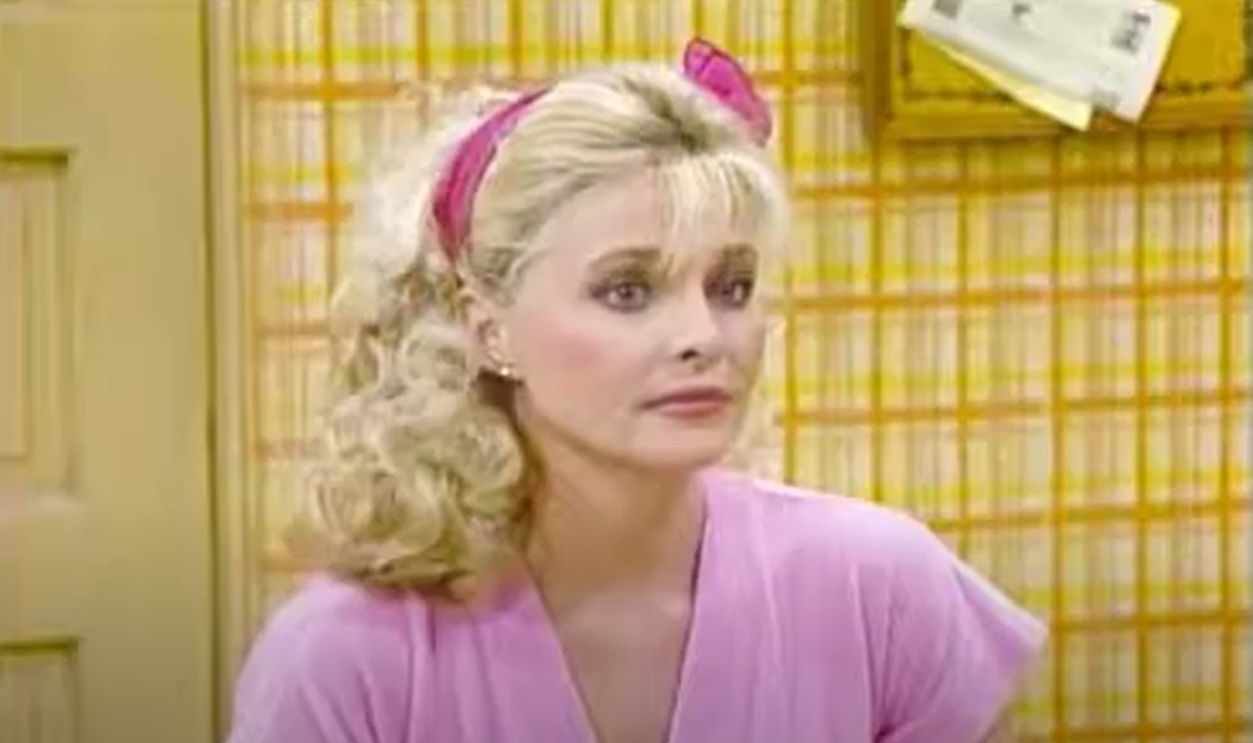 Screenshot from Three's Company, ABC (1977–1984)
Suzanne Somers Wanted A Very Different Contract
During the show's fifth season, Somers and her husband and manager, Alan Hamel, pushed for a dramatic salary increase. Somers later framed the fight as a demand to be compensated on a level closer to male television stars, particularly Ritter, who was earning substantially more. Producers saw the demands very differently and refused to meet them. What might have remained an ordinary Hollywood negotiation quickly became a public showdown involving one of the biggest actresses on one of America's biggest sitcoms.
 ABC Television, Wikimedia Commons
The Dispute Poisoned The Set
The contract fight didn't remain in offices between agents and executives. Somers began missing regular production work as the dispute escalated, leaving writers scrambling and creating resentment among her co-stars. Ritter and DeWitt eventually stopped performing scenes with her. A series built around three people who were supposed to seem like inseparable friends now had one of its stars physically separated from the others. The sunny apartment on television was hiding a thoroughly unhappy workplace.
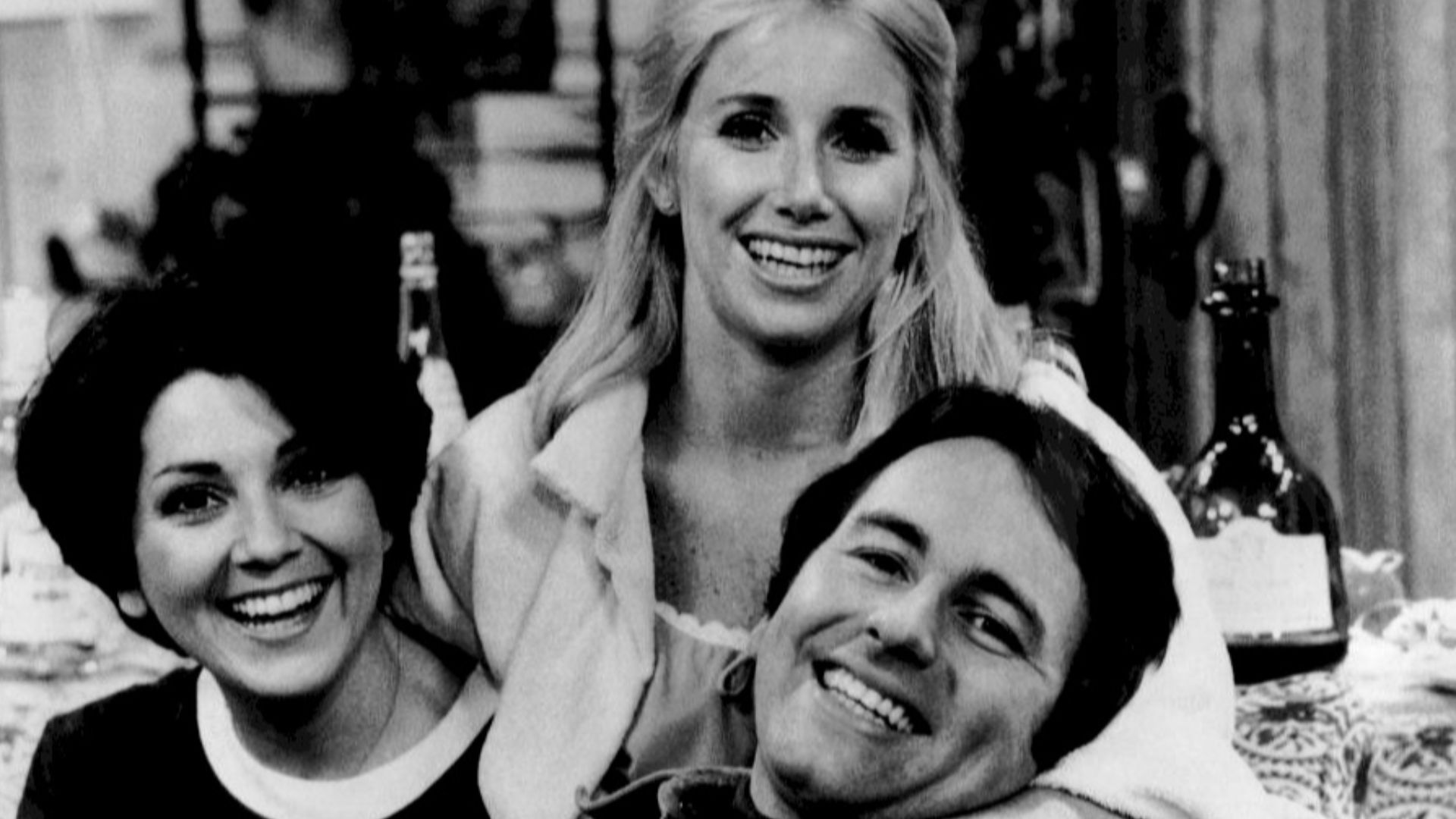 ABC Television, Wikimedia Commons
Chrissy Was Reduced To Phone Calls
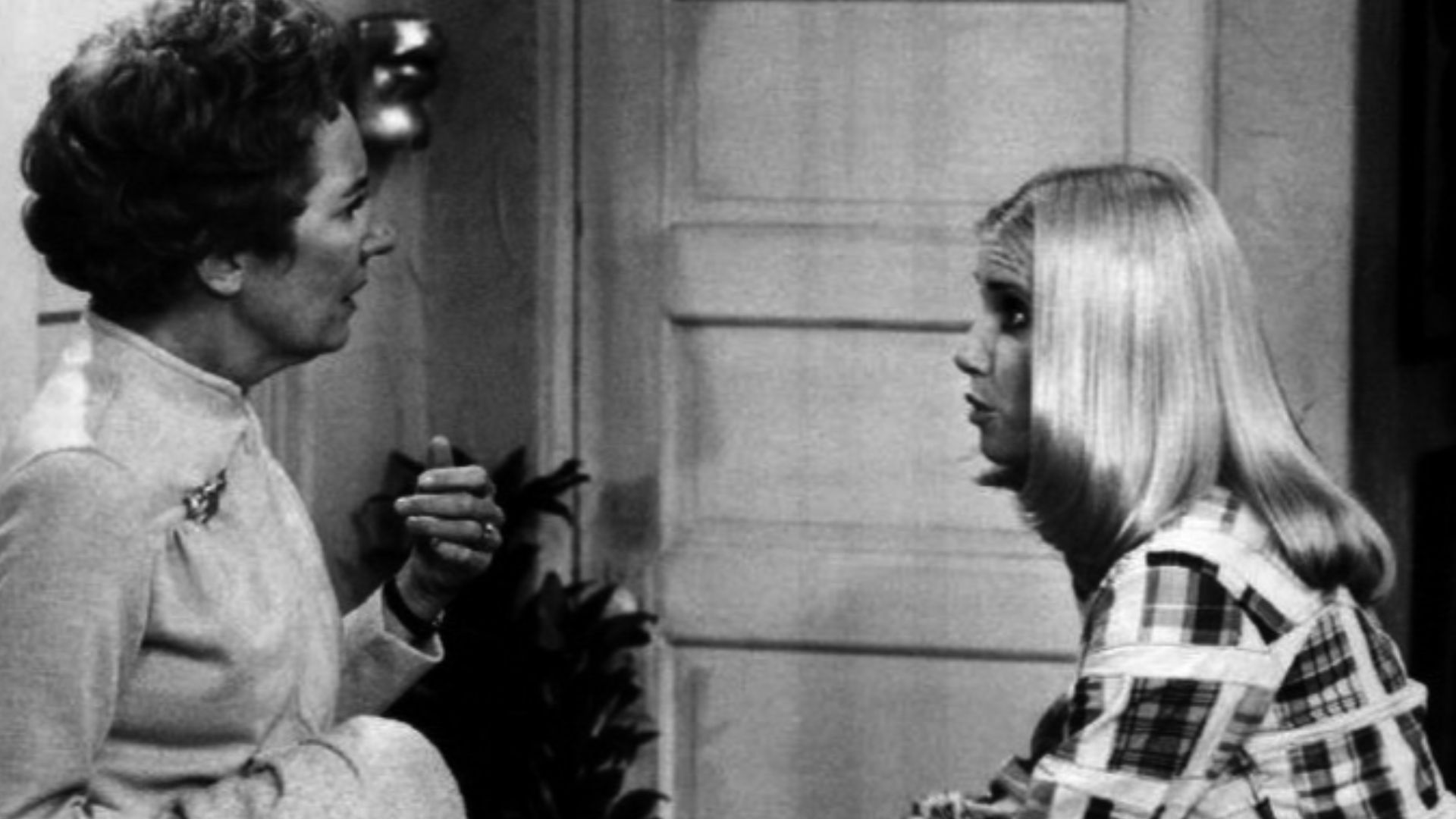
The solution was as awkward as the dispute itself. Chrissy was sent away to care for her mother, and Somers' remaining appearances were reduced to brief telephone conversations filmed separately from Ritter and DeWitt. Watching at home, viewers could tell something fundamental had changed even if they didn't know every detail of the contract battle. By the end of the season, Somers was gone, leaving producers with the uncomfortable task of replacing someone whose personality had become central to the show's success.
 ABC Television, Wikimedia Commons
Cindy Snow Was The First Attempt
Jenilee Harrison arrived as Chrissy's cousin Cindy Snow, providing the apartment with another blonde roommate while the Somers situation played itself out. Cindy was cheerful, clumsy, and considerably younger than Jack and Janet. Harrison proved willing to throw herself into the show's physical comedy, but the character was always positioned more like a transitional solution than a complete reinvention of the trio. When producers began planning the sixth season, they decided they needed another approach.
 ABC television (US) public relations, Wikimedia Commons
Becoming The New Blonde Was A Thankless Job
This was the environment Priscilla Barnes entered. She wasn't merely joining Three’s Company. She was becoming the second blonde roommate introduced after one of the most famous contract disputes on television. Every hairstyle, joke, costume, and line delivery was going to be measured against Suzanne Somers, while viewers were still adjusting to the loss of Chrissy. Even a great performance could easily have been rejected simply because fans resented what the new character represented.

Terri Alden Was Designed To Be Different
Fortunately, producers didn't ask Barnes to imitate Chrissy. Terri Alden was an emergency-room nurse who was smarter, more independent, and generally more worldly than Chrissy or Cindy. Barnes herself welcomed that difference, arguing in a contemporary interview that the show couldn't continue repeating the same "dumb blonde" jokes forever. Making Terri competent gave the writers new possibilities while also giving Barnes a chance to establish an identity that didn't depend on copying the woman she had effectively replaced.
Her First Rehearsal Was Nerve-Racking
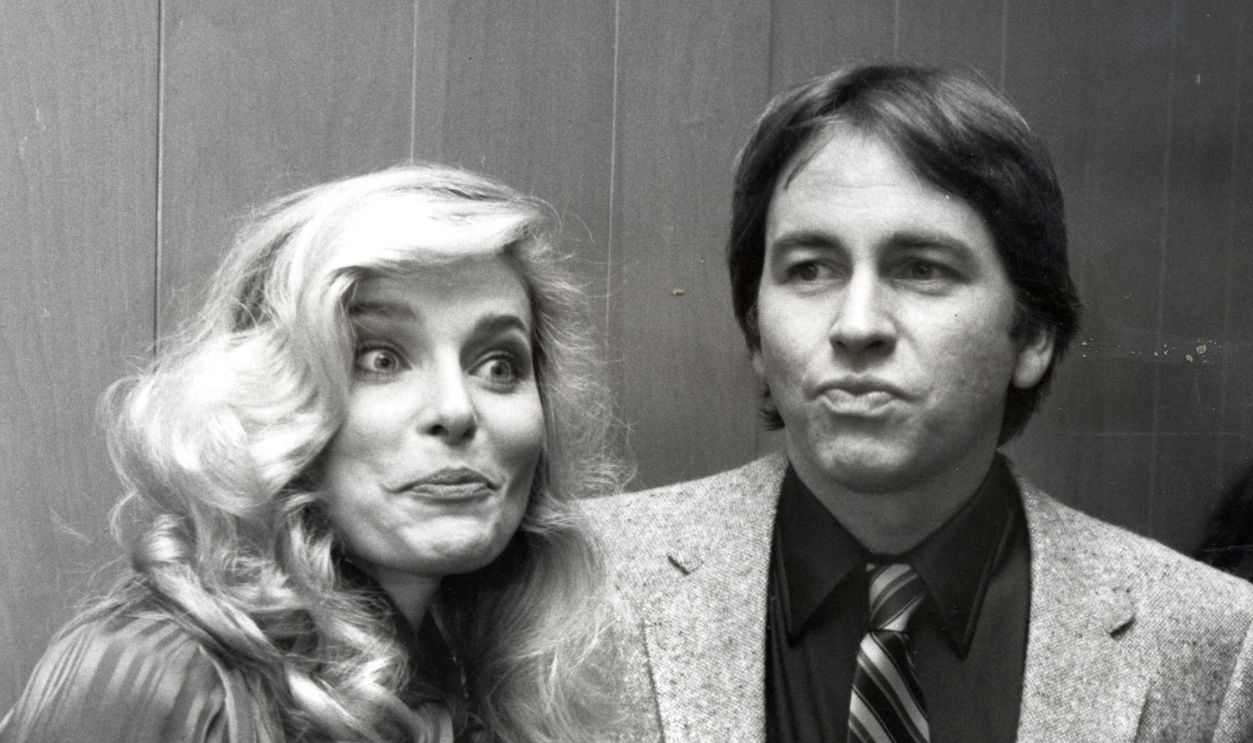
Barnes admitted she was nervous about reporting to an established hit where the cast already had years of history together. She hadn't previously known the people she was about to work beside, and the atmosphere surrounding the production was hardly reassuring. Instead, she later remembered Ritter greeting her warmly with a hug, while Don Knotts helped put her at ease. Within days, the cast had stopped treating her like the nervous newcomer and started including her in the joking and fooling around between rehearsals.
 Screenshot from Three's Company, ABC (1977–1984)
Fans Were Still Comparing Everyone To Chrissy
The larger challenge was outside the studio. Somers had become a major celebrity during Three’s Company, and there were viewers who simply wanted Chrissy back. Cindy had already learned how unforgiving replacement casting could be, and Barnes inherited that same skepticism. The backlash was less about Terri personally than about the feeling that an era of the series had ended. Barnes couldn't erase the audience's attachment to Somers, so her best option was to give them a roommate who worked for completely different reasons.
"Jack Bares All" Introduced The New Roommate
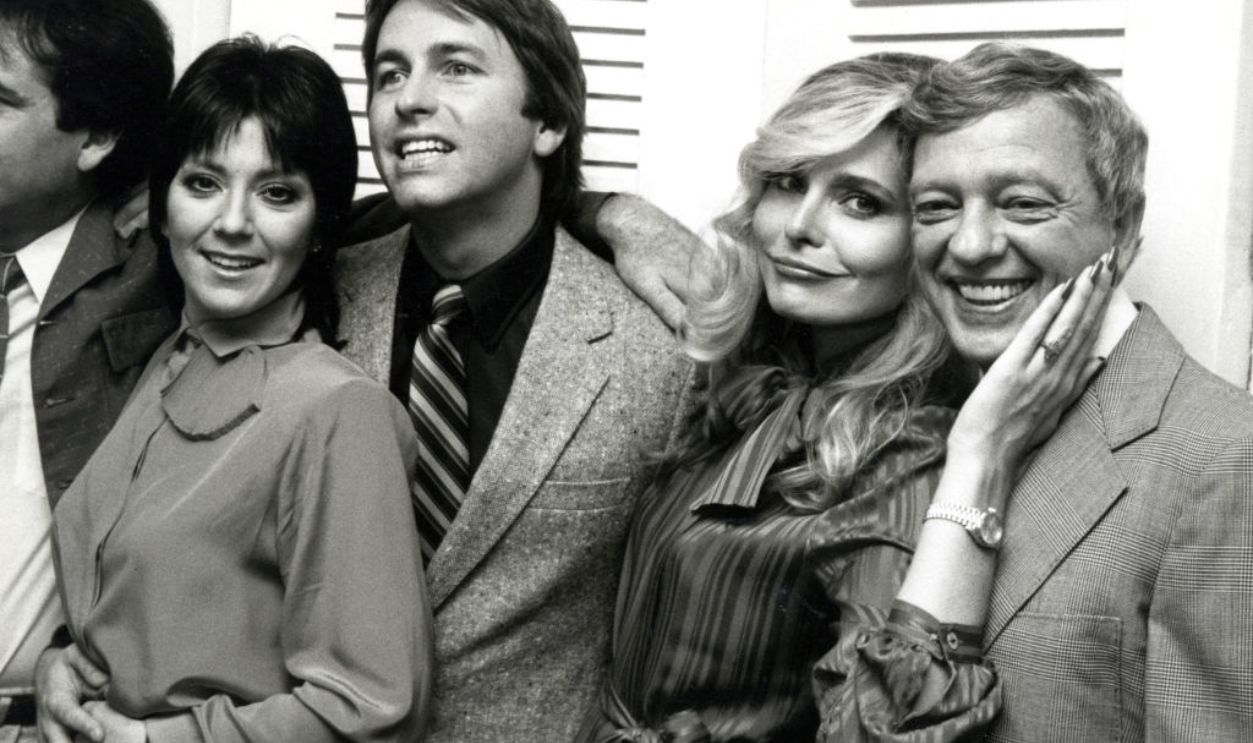
Terri debuted in the sixth-season premiere, "Jack Bares All". Jack encounters her at the hospital after cutting his finger, and their first meeting goes badly enough that he's horrified when Janet later announces Terri will become their new roommate. The story cleverly allowed Terri to enter as an outsider who had to win over Jack, mirroring Barnes' real situation with viewers. By the conclusion, Jack realizes he has misjudged her, and apartment 201 officially has its final trio.

Terri Wasn't Another Chrissy
Barnes' smartest advantage was that Terri wasn't built around innocence. She could recognize Jack's schemes, tease him, argue with him, and participate in misunderstandings without needing to misunderstand everything herself. Her nursing career also gave her a life beyond the apartment, something Barnes hoped would help open up the series. The writers could now place scenes in the hospital and give Terri professional responsibilities that distinguished her from her predecessors. That difference gradually made comparisons with Chrissy less important.

John Ritter Made The Transition Easier
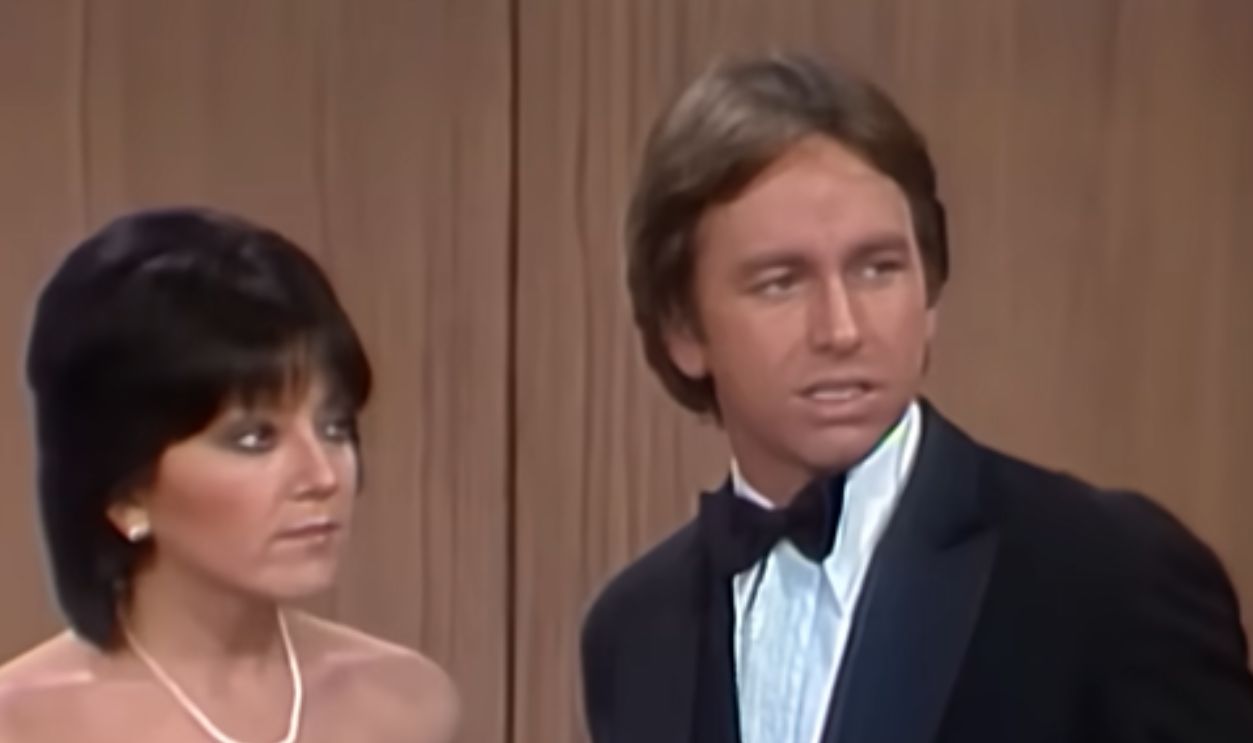
Any newcomer to Three’s Company had one enormous advantage: John Ritter could make almost any comic setup work. Priscilla Barnes quickly became part of the physical chaos surrounding Jack Tripper, whether that meant misunderstandings, pratfalls, romantic confusion, or elaborate attempts to hide something from Mr Furley. Terri's sharper personality gave Ritter a different kind of partner than Chrissy had been, and their comic rhythm grew more comfortable as Barnes settled into the series.
 Screenshot from Three's Company, ABC (1977-1984)
Joyce DeWitt Became More Than A Co-Star
Priscilla Barnes also developed a genuine friendship with Joyce DeWitt, something that eventually lasted far beyond Three’s Company. Their relationship became close enough that after the series ended, Barnes temporarily moved in with DeWitt following the end of a long relationship. What was supposed to be a place to stay for a night became roughly six months as real-life roommates. Decades later, the two could still laugh about the experience together at fan events.

The New Trio Found Its Own Rhythm
Once the novelty of Terri's arrival faded, the show stopped feeling like it was constantly introducing a replacement. Jack, Janet, and Terri developed a rhythm that was less dependent on the original contrast between sensible Janet and naïve Chrissy. Terri could alternate between being the reasonable roommate and participating in the insanity herself, which sometimes freed DeWitt to do more physical comedy. The chemistry wasn't identical to the original trio, but trying to reproduce that trio exactly would probably have been the bigger mistake.
 ABC Television, Wikimedia Commons
The Ratings Proved The Show Had Survived
The strongest answer to fears that Three’s Company couldn't survive without Somers came from the audience itself. Viewership had fallen during the messy transition, but the series remained highly popular after Barnes became the permanent roommate. It stayed in the Nielsen top ten through the 1982-83 season, an impressive achievement for a sitcom that had already endured multiple major cast changes. Barnes hadn't recreated the Chrissy years, but she helped prove that the series still had life after them.

Success On Camera Didn't Mean Happiness Backstage
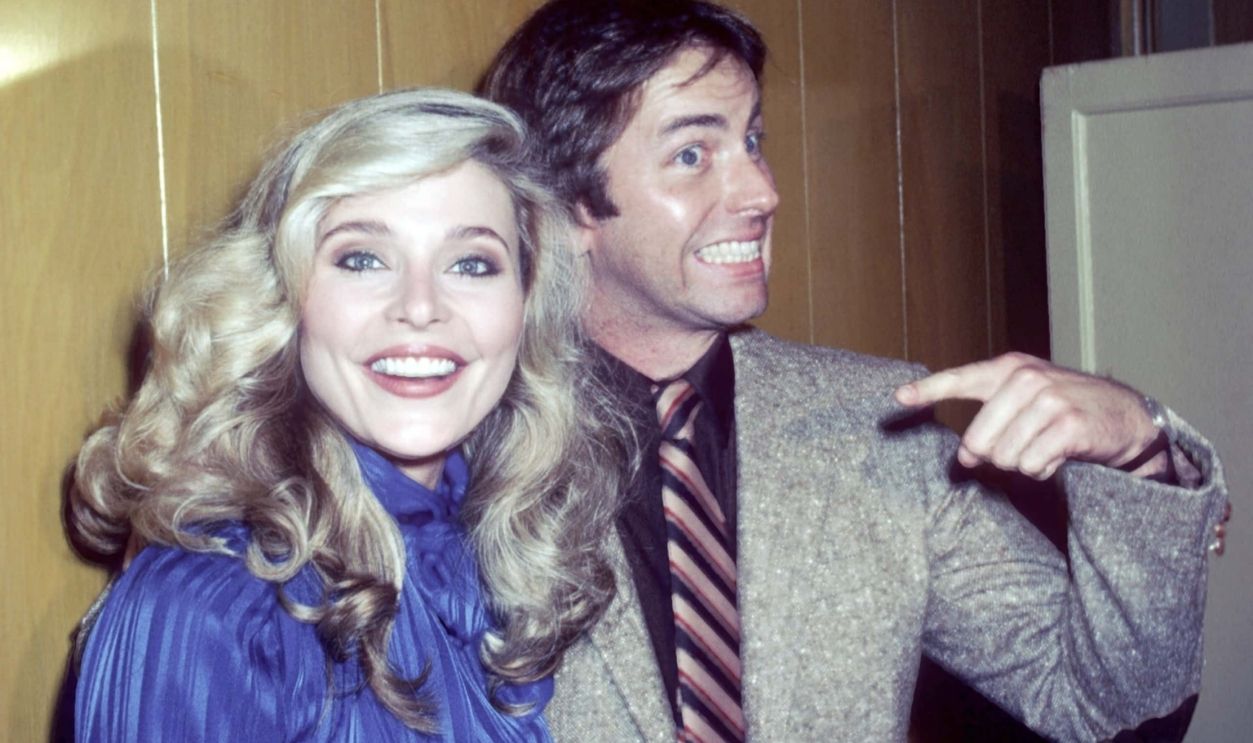
There was a complication viewers couldn't see. Although Barnes had spoken warmly early on about Ritter, DeWitt, Knotts, and the fun of rehearsals, her overall experience became much more negative. Years later, she described her three seasons on Three’s Company as the worst three years of her professional life. The tension that had existed before she arrived hadn't magically vanished, and Barnes grew increasingly uncomfortable with the production environment even while Terri was becoming accepted by audiences.
Barnes Even Tried To Leave
According to Barnes' later recollections, she became unhappy enough after joining the show that she asked to be released from her contract. The request was denied, so she remained through the end of the series. That detail makes her performance look a little different in retrospect. Terri usually seemed cheerful, energetic, and relaxed on screen, even while the actress playing her was counting Three’s Company among the least enjoyable experiences of her career.
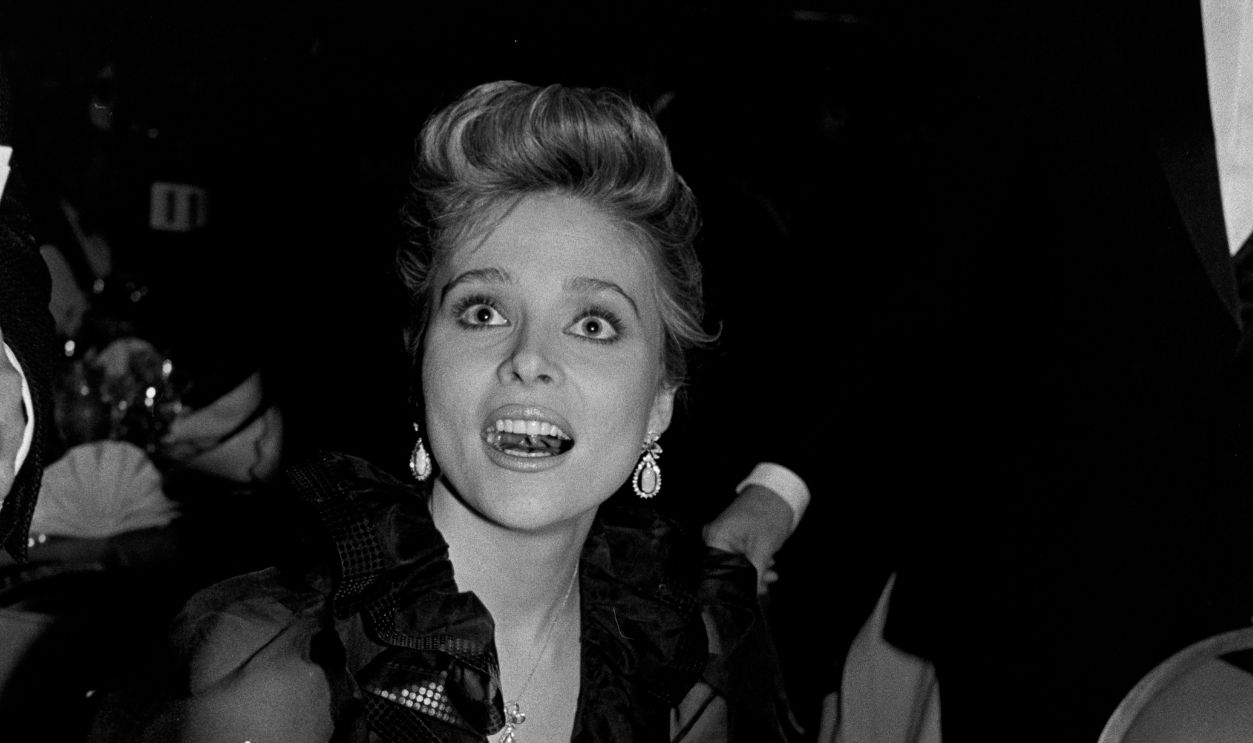
Terri Never Got As Much Development As She Could Have
Even admirers of Barnes have noted that Terri wasn't developed as extensively as she might have been. The character arrived with a profession, intelligence, and a potentially interesting life outside the apartment, yet much of the series understandably remained centered on Jack's misunderstandings and Ritter's physical comedy. Still, Barnes found a place inside that machinery. Later assessments of the show have argued that she meshed particularly well with Ritter and DeWitt and has become underrated among fans who revisit the later seasons.
 ABC Television Uploaded by We hope at en.wikipedia, Wikimedia Commons
The Final Season Closed Apartment 201
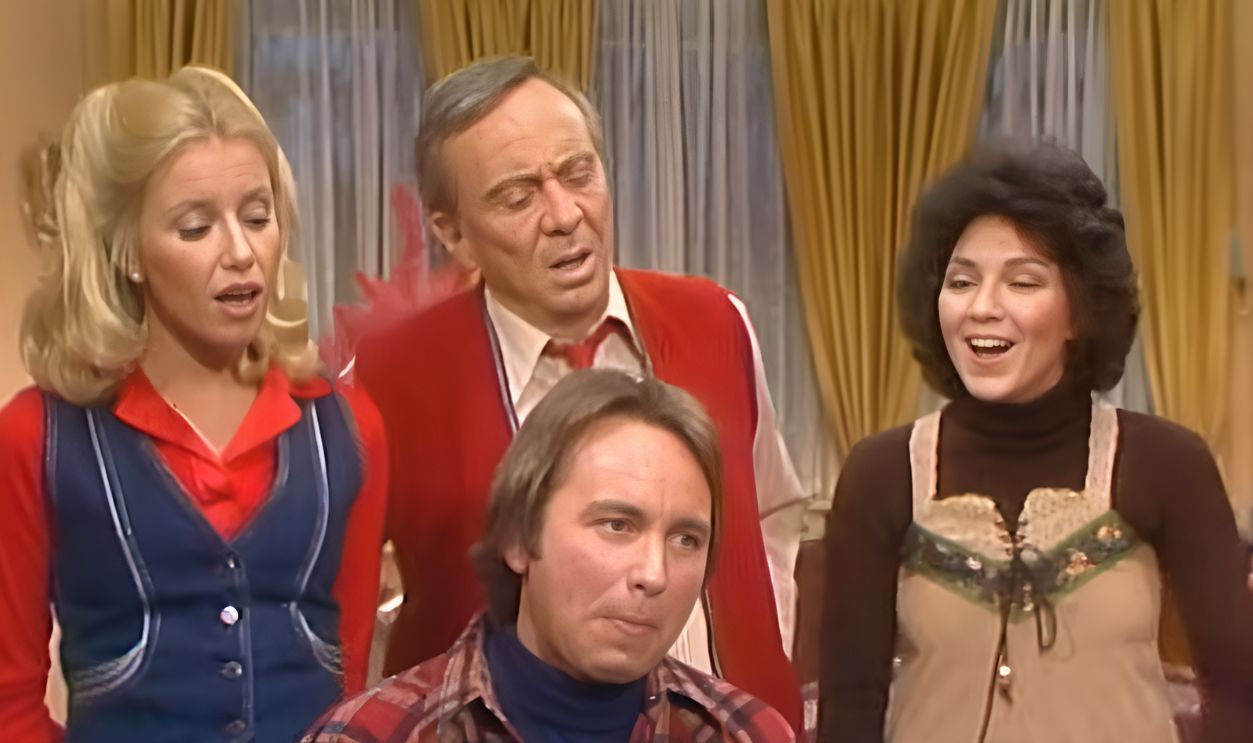
By the eighth season, Three’s Company was finally losing some of its ratings strength after years near the top. The finale, "Friends and Lovers," dismantled the apartment arrangement that had powered the show since 1977. Janet married Phillip Dawson, Jack prepared to move in with Vicky Bradford, and Terri accepted a nursing opportunity in Hawaii. Barnes left with DeWitt as the original series ended, while Ritter continued as Jack in the short-lived spinoff Three’s a Crowd.
 Screenshot from Three's Company, ABC (1977–1984), Modified
Getting Away From Terri Was Harder Than Expected
Priscilla Barnes assumed three seasons on one sitcom wouldn't be enough to define her career. She was wrong. In a 1991 interview with the Los Angeles Times, she said she was surprised to discover how strongly casting directors associated her with Terri. People who hadn't even been working in casting when Three’s Company aired still viewed her through that character. The role that had made Barnes famous now threatened to narrow the kinds of parts Hollywood imagined her playing.

James Bond Offered A Very Different World
One of Barnes' best-known post-sitcom roles arrived in 1989's Licence to Kill, Timothy Dalton's second James Bond film. Barnes played Della Churchill, the newlywed wife of Bond's friend Felix Leiter. Anyone expecting cheerful Terri Alden was in for a shock because Della becomes part of the tragedy that drives Bond's revenge throughout the film. The role was not enormous, but appearing in a Bond movie gave Barnes a durable screen credit far removed from apartment misunderstandings and laugh tracks.

She Kept Finding Work Through The 1990s
Priscilla Barnes spent the following decade bouncing between film and television rather than chasing another long-running sitcom. She appeared in projects including Stepfather III, The Crossing Guard, and Mumford, along with numerous television movies and guest roles. It wasn't the kind of career trajectory that produces another instant household-name character, but it showed exactly how she survived typecasting. Instead of waiting for Hollywood to hand her another Terri, Barnes kept taking parts that moved her into different genres.

Mallrats Introduced Her To Another Generation
In 1995, Priscilla Barnes appeared in Kevin Smith's comedy Mallrats as Miss Ivannah, adding a cult movie to a résumé already associated with classic television and James Bond. The film wasn't a major success during its original release, but it developed a devoted following over time. That gave Barnes yet another audience that might know her without having watched Three’s Company when it first aired.
 Gage Skidmore from Peoria, AZ, United States of America, Wikimedia Commons
The Devil's Rejects Proved She Could Go Much Darker
Barnes made an especially striking break from her sitcom image in Rob Zombie's 2005 horror film The Devil's Rejects. She played Gloria Sullivan in the film's disturbing motel sequence, material about as far removed from Terri Alden as an actress could reasonably travel. Zombie later singled Barnes out for praise, saying the emotional reality she brought to the sequence pushed the other actors to raise their performances as well. For an actress once frustrated by being typecast, it was powerful proof of how much range had been overlooked.

Jane The Virgin Gave Her Another Memorable TV Character
Decades after Three’s Company, Barnes landed another recurring television role as the manipulative Magda Anděl on Jane the Virgin. Magda was abrasive, scheming, unpredictable, and often outrageous, which made her almost the opposite of sunny Terri. Barnes appeared repeatedly across the series, introducing herself to viewers who might not have been born when apartment 201 closed its doors. It was another reminder that her career had continued long after the role most associated with her name.

The Replacement Eventually Became Part Of The Family
Time has been kinder to Barnes' Three’s Company years than the circumstances surrounding her arrival suggested it might be. She continued appearing with former castmates at fan events, remained close with DeWitt, and lived long enough to see viewers reassess the later seasons without the immediate anger surrounding Somers' departure. Some fans will always prefer Chrissy, and Barnes never pretended her years on the show were personally happy ones. Yet Terri Alden survived the comparison that once seemed impossible to escape.
Priscilla Barnes entered a famous sitcom carrying somebody else's controversy, made the final roommate her own, and then spent decades proving that being "Suzanne Somers' replacement" was only one line on a much longer résumé.

You May Also Like:
Joyce DeWitt Became The Calm Center Of Three’s Company—But Then She Walked Away From The Spotlight