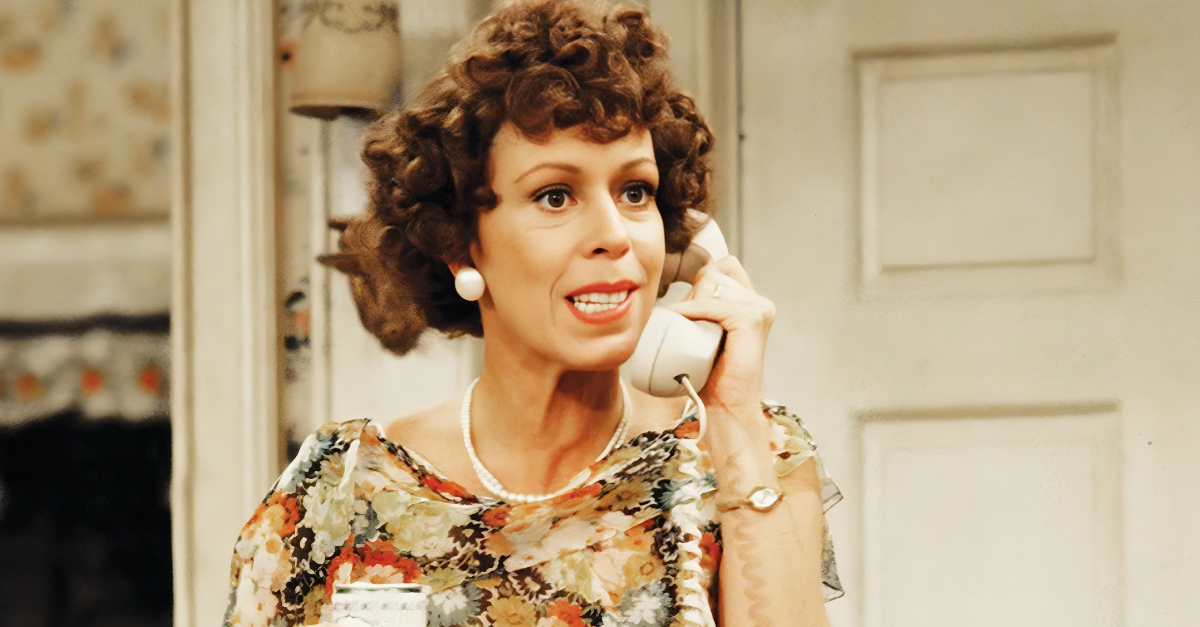
More Than The Sensible Roommate
Joyce DeWitt spent eight seasons keeping Three’s Company grounded while chaos exploded around her. Janet Wood made her famous, but DeWitt never chased celebrity. When the sitcom ended, she surprised Hollywood by walking away.

A Childhood Close To The Speedway
DeWitt was born in Wheeling, West Virginia, in 1949 and grew up in Speedway, Indiana. The town sits beside the Indianapolis Motor Speedway, where she once worked in the ticket office. Hollywood seemed distant, but performance had already started pulling her in another direction.

The Stage Came First
DeWitt began acting while attending high school in Speedway. She continued developing her skills through regional theater, dinner theater, and summer stock productions. Those early experiences created a foundation that was far more theatrical than television-oriented.

UCLA Opened The Next Door
DeWitt earned a theater degree from Ball State University before moving to California for graduate school. She completed an MFA at UCLA, where she received an MFA Fellowship and the Clifton Webb Scholarship. Her goal was to become a serious working actor, not necessarily a television celebrity.

Television Arrived Almost By Accident
While establishing herself in Los Angeles, DeWitt supported herself with secretarial work. Her first television appearance came on the police drama Baretta, and ABC subsequently signed her to a contract. She was rejected for a part on Happy Days, but a much better opportunity soon appeared.

She Found The Right Pilot
in 1976, DeWitt was cast as Janet Wood in the second pilot for Three’s Company. The series adapted the British comedy Man About the House for American television. Within a few years of earning her UCLA degree, DeWitt had landed the role that would define her screen career.
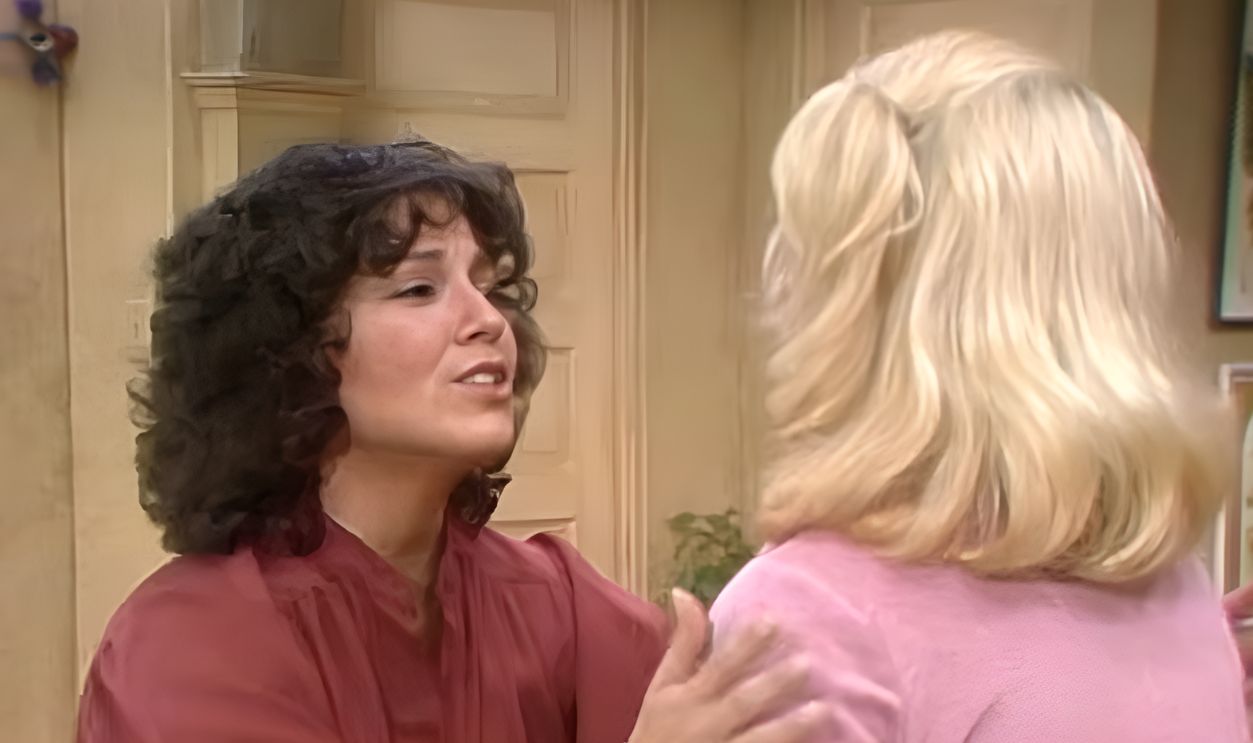 Screenshot from Three's Company, ABC (1977–1984), Modified
The Premise Needed A Steady Hand
The sitcom began with Janet Wood and Chrissy Snow discovering Jack Tripper asleep in their bathtub after a party. They invited him to become their new roommate, then told their conservative landlord that Jack was gay so he would permit the arrangement. That ongoing deception generated misunderstandings, romantic confusion, and increasingly elaborate lies.
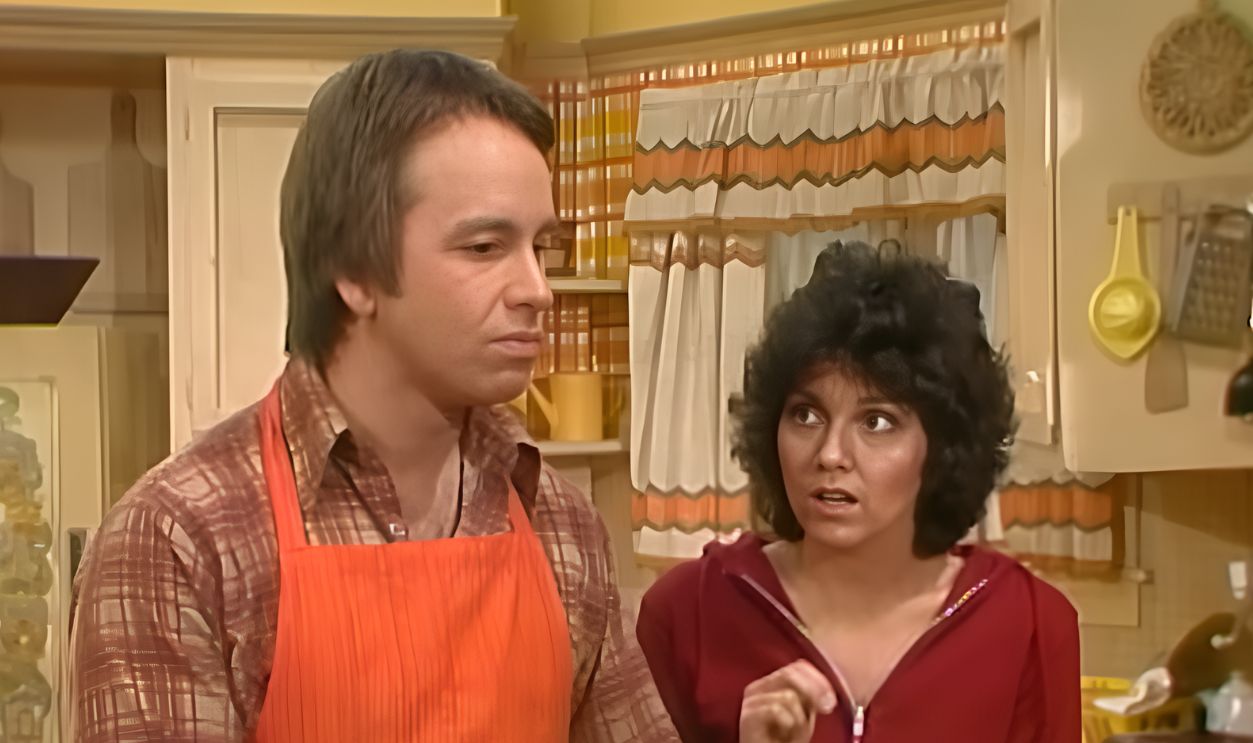 Screenshot from Three's Company, ABC (1977–1984), Modified
Janet Became The Calm Center
John Ritter’s Jack was physically chaotic, while Suzanne Somers made Chrissy sweetly unpredictable. Janet was the practical florist who usually recognized trouble before her roommates did. DeWitt gave the trio balance without turning Janet into a humorless observer.
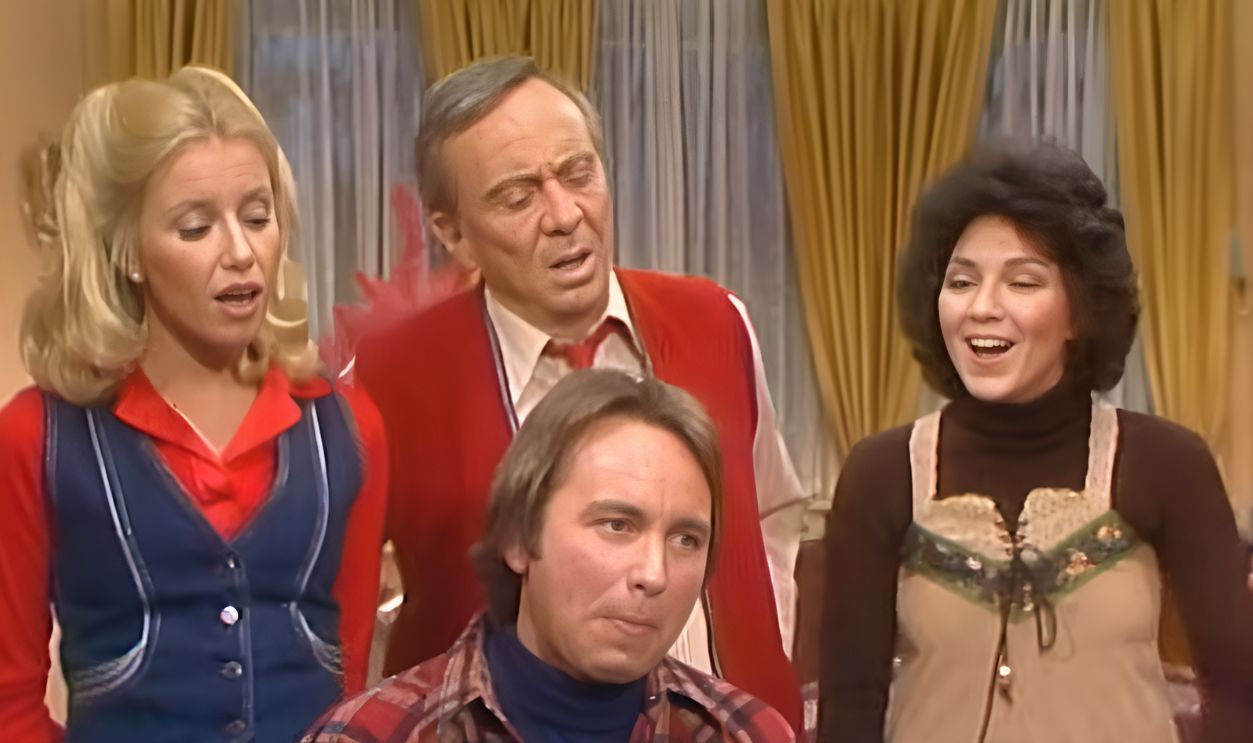 Screenshot from Three's Company, ABC (1977–1984), Modified
The Trio Found Rare Chemistry
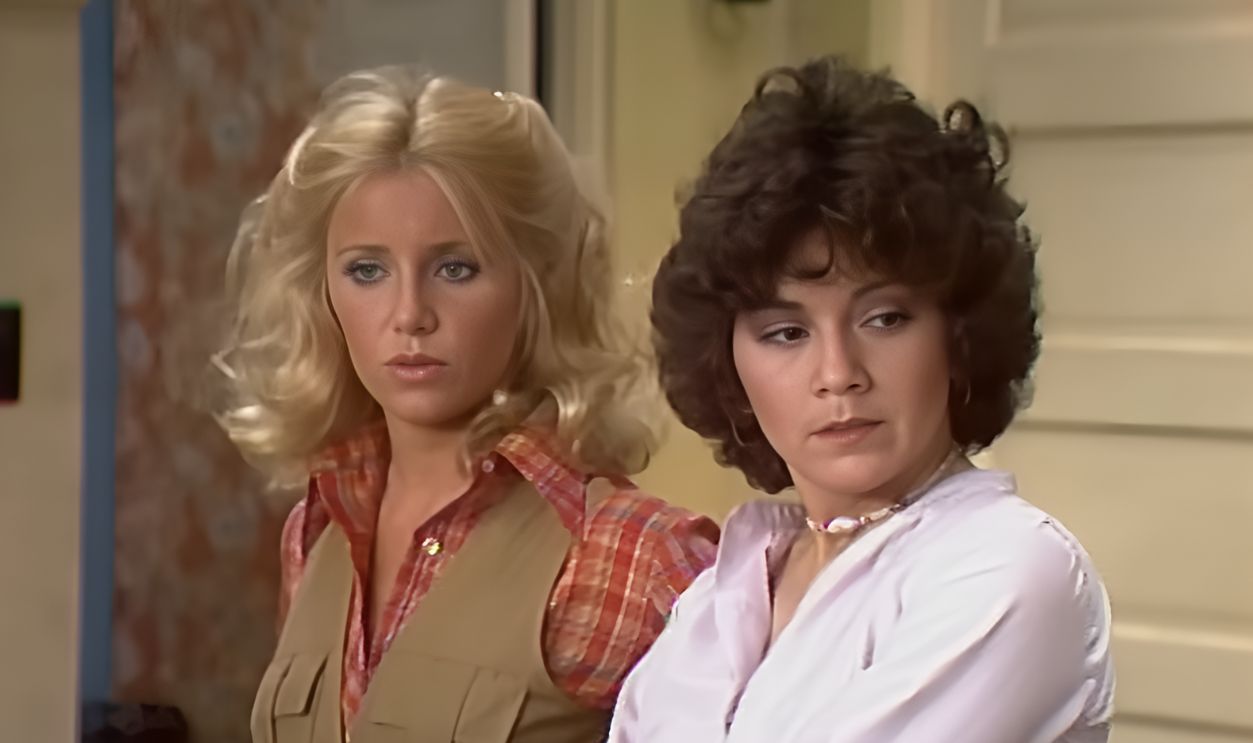
The original cast generated comedy through reactions, timing, and genuine warmth rather than jokes alone. DeWitt later emphasized that the characters supported and trusted one another underneath the weekly misunderstandings. That affection helped make the apartment feel inviting even when the plot became completely ridiculous.
 Screenshot from Three's Company, ABC (1977–1984), Modified
The Comedy Was More Physical Than It Looked
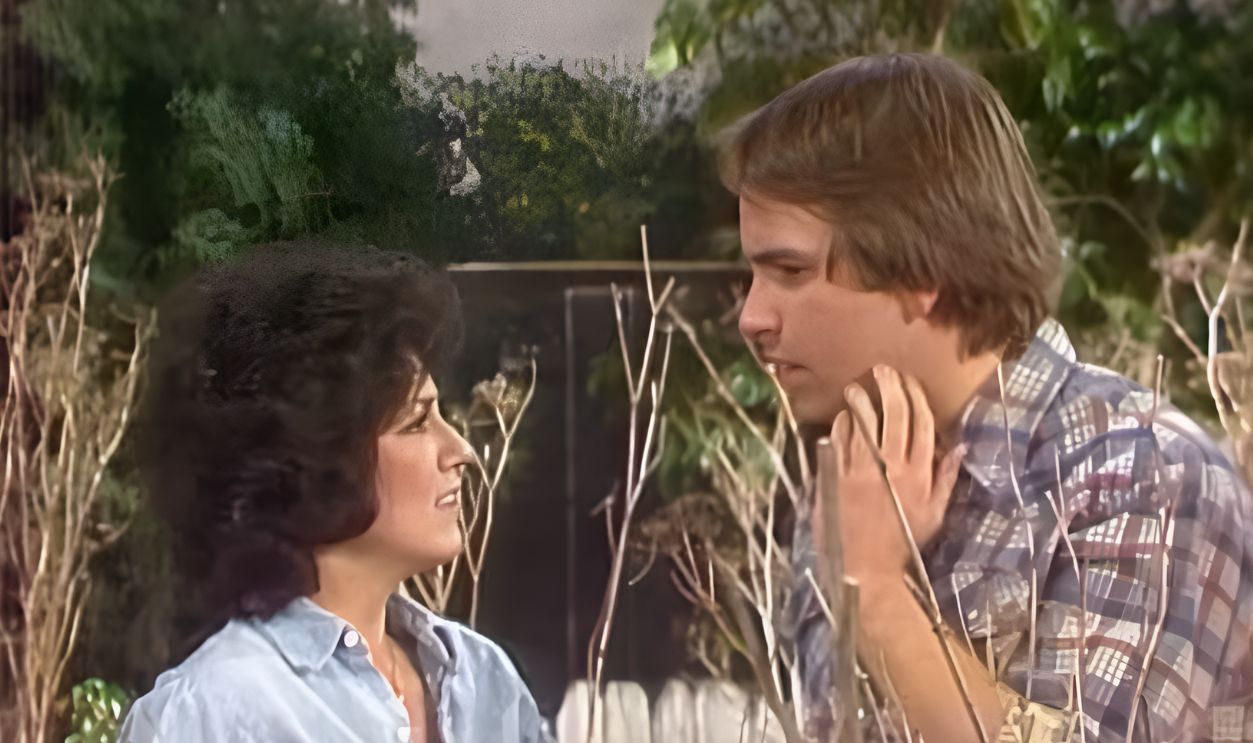
DeWitt and her castmates frequently performed demanding physical comedy without stunt doubles, trainers, or choreographers. She later recalled that the actors invented many of their comic stunts and were willing to try almost anything that might produce a laugh. By the final seasons, she and Ritter were joking backstage that they were becoming too old for the punishment.
 Screenshot from Three's Company, ABC (1977–1984), Modified
The Show Earned Industry Attention
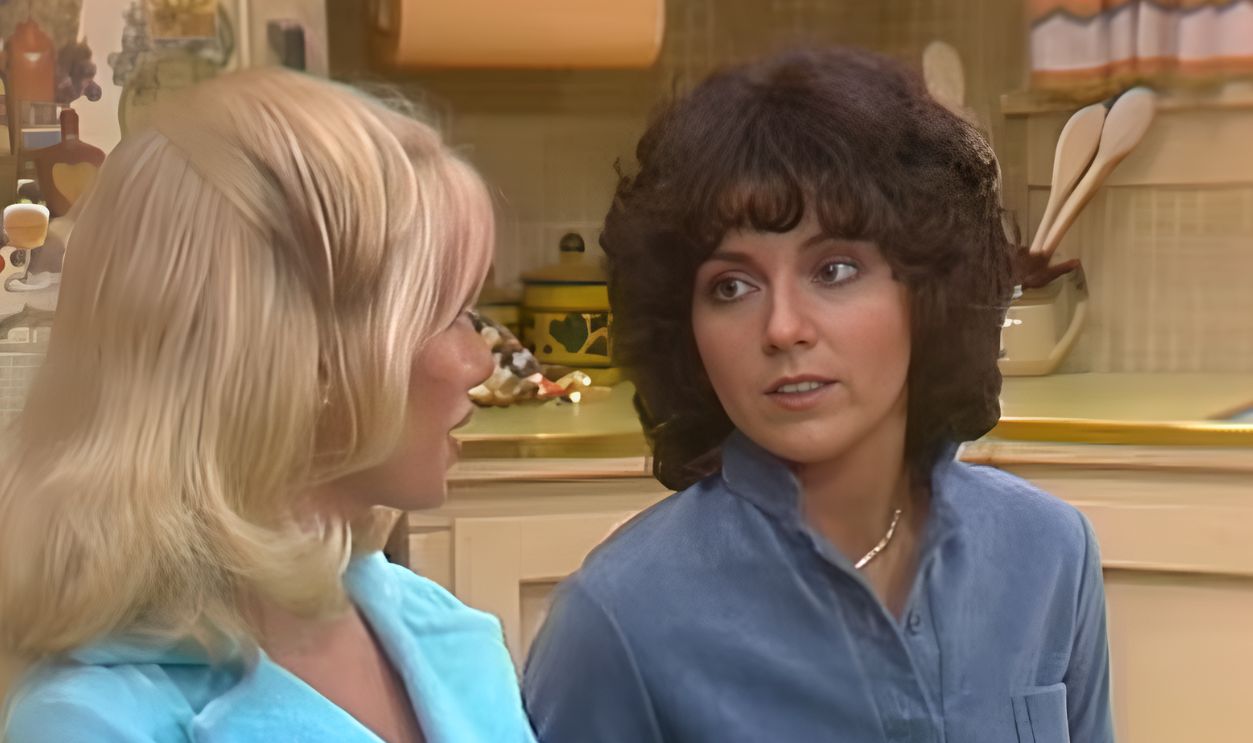
Three’s Company ultimately produced 172 episodes across eight seasons between 1977 and 1984. It received an Emmy nomination for Outstanding Comedy Series in 1978. The show’s long life in syndication then introduced Janet, Jack, and their roommates to generations who missed the original broadcasts.
 Screenshot from Three's Company, ABC (1977–1984), Modified
Fame Never Felt Natural
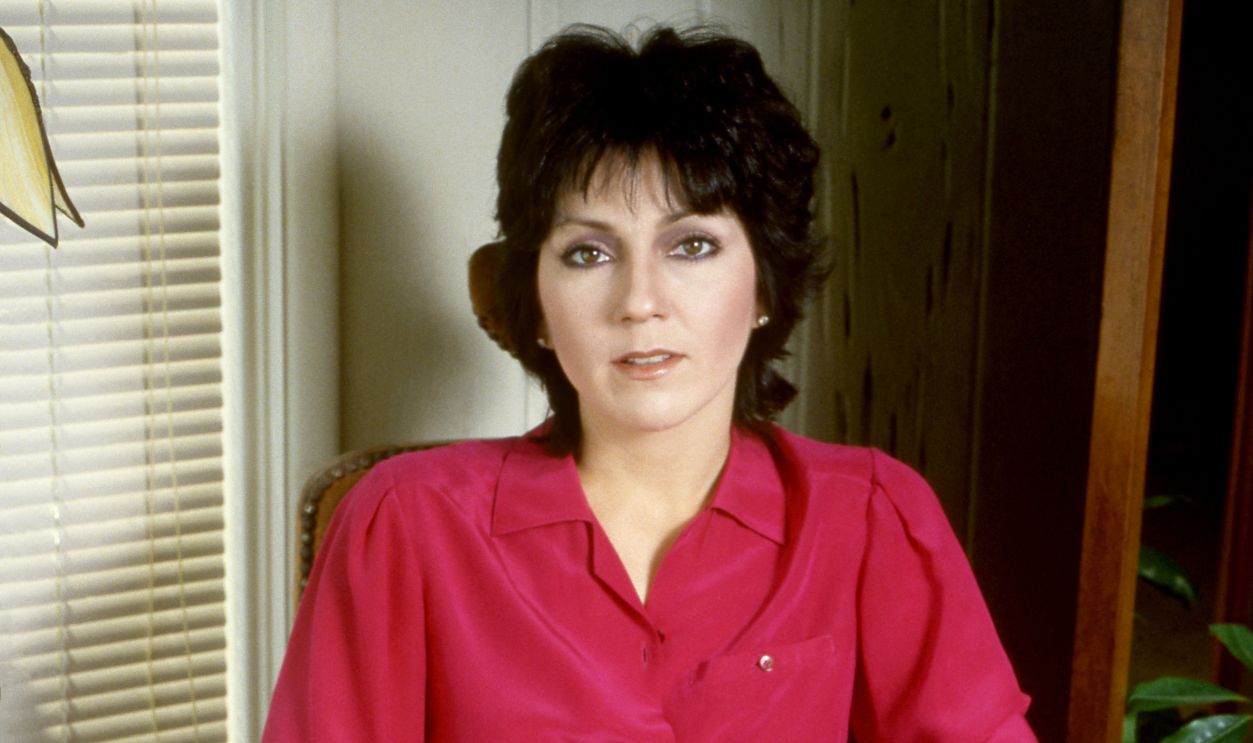
Although Three’s Company made DeWitt instantly recognizable, she never enjoyed being the center of attention. In a 1978 interview, she said she intended to open up “slowly and selectively” and did not need to be the main event. She wanted worthwhile acting roles, but the celebrity surrounding those roles held far less appeal.
 Donaldson Collection, Getty Images
Janet Became A Quiet Role Model
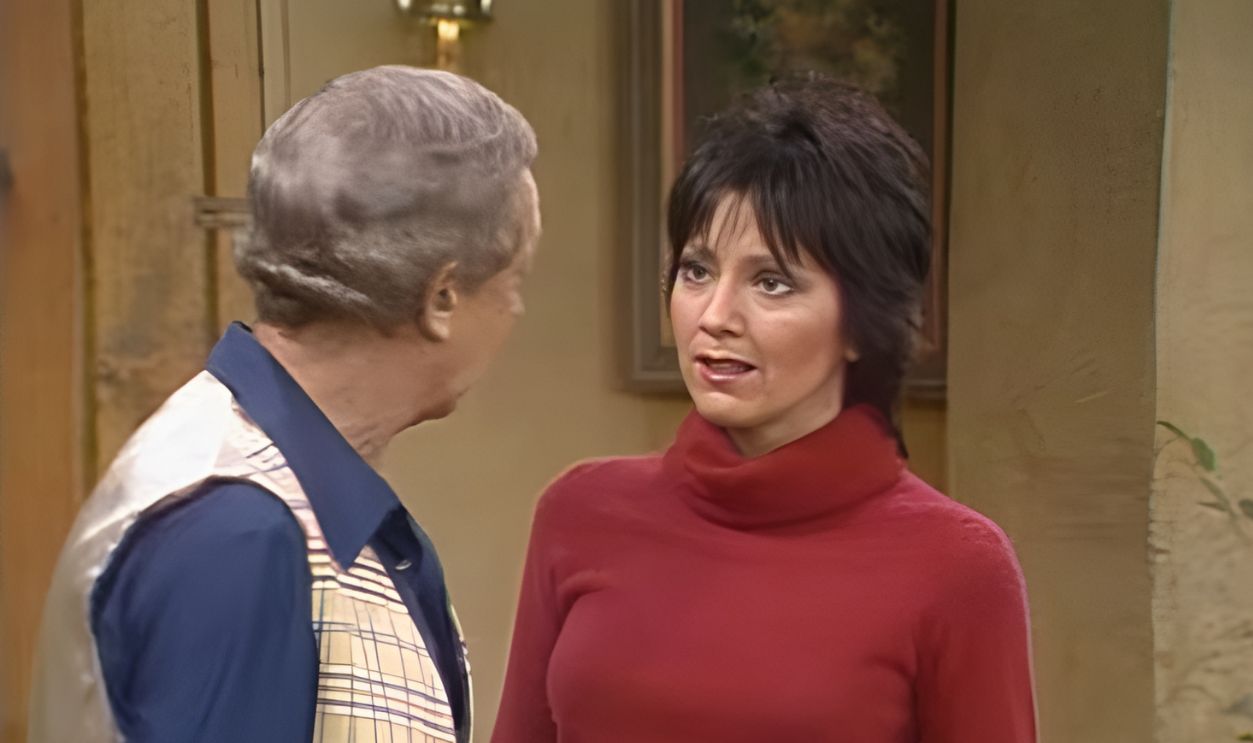
DeWitt worked to keep Janet intelligent, capable, and independent. She later recalled meeting women who said the character helped them believe they could build professional lives, including one who credited Janet with inspiring her to become a lawyer. That response showed DeWitt that even a broad sitcom character could leave a meaningful impression.
 Screenshot from Three's Company, ABC (1977–1984), Modified
A Contract Battle Changed Everything
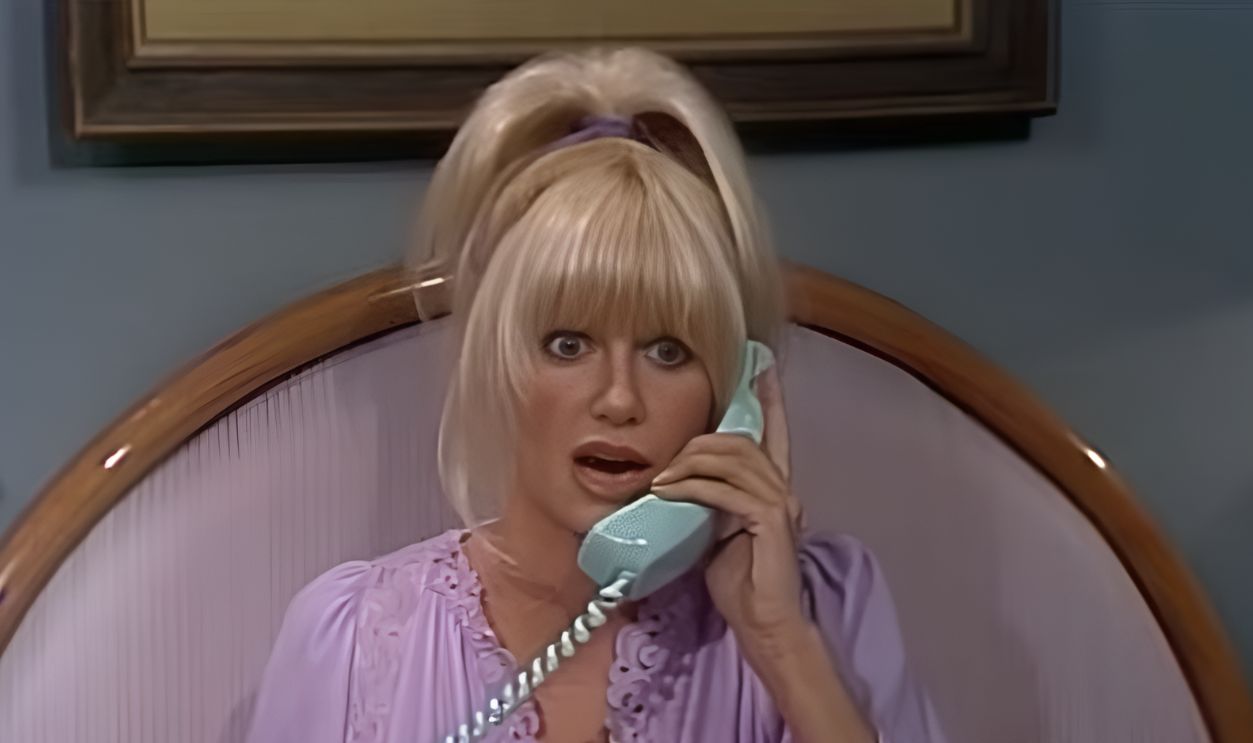
The easy chemistry suffered when Somers sought compensation comparable to Ritter’s during the fifth season. Producers reduced Chrissy’s appearances to brief, separately filmed scenes before letting Somers go. The dispute permanently changed both the cast and the atmosphere surrounding the series.
 Screenshot from Three's Company, ABC (1977–1984), Modified
DeWitt Saw The Conflict Differently
DeWitt and Somers stopped communicating after the painful departure. When they eventually discussed it publicly, they acknowledged that they had approached the series with very different priorities. Somers needed to support her son and viewed the job partly as a business opportunity, while DeWitt had focused almost entirely on the work itself.

The Apartment Kept Changing
Jenilee Harrison arrived as Chrissy’s cousin Cindy during the unsettled fifth season. Priscilla Barnes then joined as nurse Terri Alden and remained through the finale. DeWitt became the one female roommate who stayed for the entire run, giving the changing ensemble an important sense of continuity.
 Screenshot from Three's Company, ABC (1977–1984), Modified
Janet’s Ending Disappointed Her
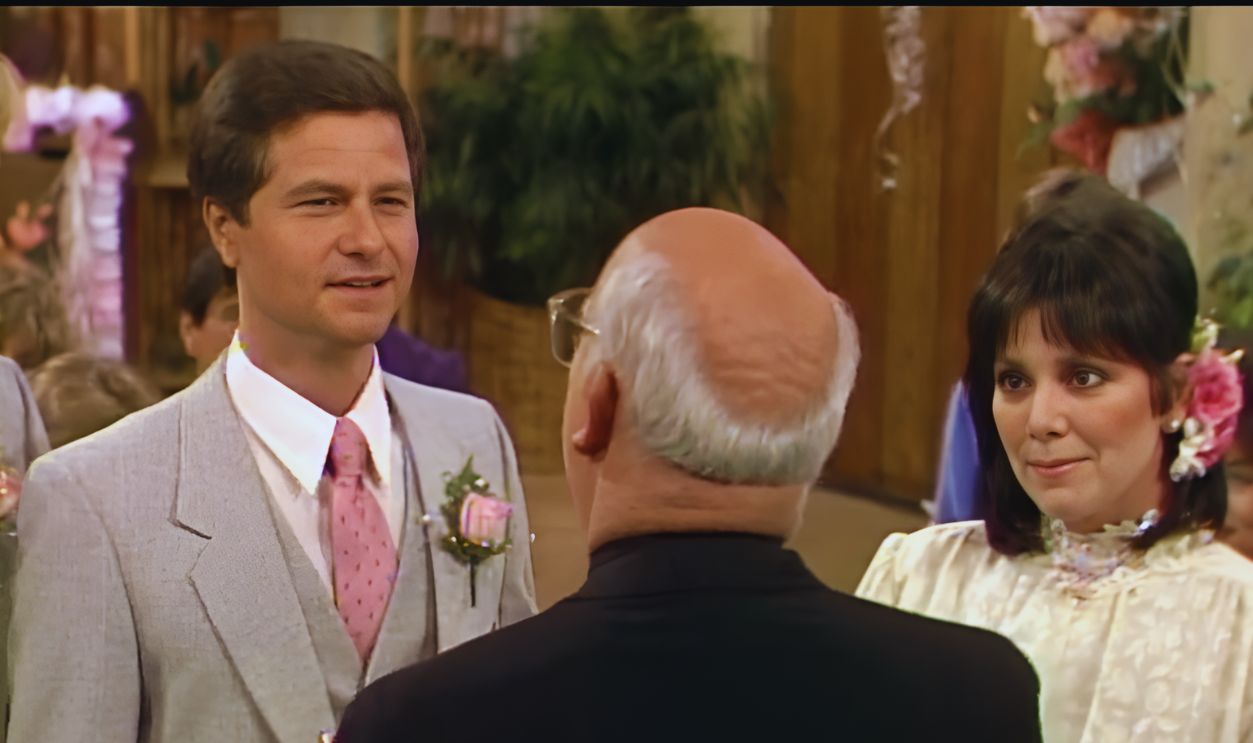
The finale prepared Janet for marriage to art dealer Phillip Dawson. DeWitt later admitted that she was offended by the decision to marry the character off as the show ended. She would have preferred to send Janet to law school, medical school, or the Peace Corps, and she imagined an older Janet eventually working for the ACLU.
 Screenshot from Three's Company, ABC (1977–1984), Modified
Then DeWitt Simply Stepped Away
After the finale, DeWitt initially planned to take approximately six months off. She had become uncomfortable with parts of Hollywood culture and questioned whether she wanted to keep participating in the system. With money saved from the sitcom, she possessed the unusual freedom to stop chasing the next visible role.

The Break Became A Search
DeWitt’s short pause became a much longer withdrawal from television and mainstream Hollywood. She traveled and studied with spiritual teachers while reconsidering what she wanted her life to mean. Instead of treating her absence as a career disaster, she viewed it as an opportunity for reflection and discovery.
 Michael N. Todaro, Getty Images
One Roommate Became A Real Roommate
DeWitt’s connection with Priscilla Barnes continued after the sitcom ended. Following the breakup of Barnes’ long relationship, she asked DeWitt if she could stay for one night. The arrangement lasted six months, making the former television roommates genuine housemates for a time.

The Stage Drew Her Back
DeWitt eventually returned to acting through the medium that had first attracted her. Her first acting job in seven years was a 1991 production of the frantic backstage comedy Noises Off. The choice confirmed that she had not rejected acting itself, only the constant machinery of television fame.
 Gustavo Caballero, Getty Images
Theater Became Her Preferred Home
DeWitt built an extensive stage career that rarely attracted the publicity surrounding a network sitcom. Her productions included Dinner With Friends, The Last Night Of Ballyhoo, Anything Goes, and Olympus On My Mind. Theater allowed her to continue working while maintaining far more control over her public life.
 Nightscream, Wikimedia Commons
Off-Broadway Offered A Fresh Spotlight
In 2011, DeWitt took over the title role in the Off-Broadway comedy Miss Abigail’s Guide To Dating, Mating, And Marriage!. The following year, she appeared opposite Tab Hunter in a limited production of A.R. Gurney’s Love Letters. These projects demonstrated that stepping away from Hollywood had not diminished her interest in ambitious or visible performances.
She Kept Screen Work Selective
DeWitt eventually returned to television, but never attempted to recreate the schedule or exposure of Three’s Company. Her later credits included Spring Fling!, Cybill, Living Single, and Hope Island. The appearances felt like individual acting choices rather than parts of a campaign to regain sitcom stardom.

Fame Also Funded A Larger Purpose
DeWitt used her public profile to support efforts addressing hunger and homelessness. She participated in a Capitol Hill forum, hosted the Presidential End Hunger Awards, and co-hosted a World Food Day Gala with Jeff Bridges at the Kennedy Center. Her charitable work reflected the search for purpose that had shaped her post-sitcom life.

The Reunion Finally Happened
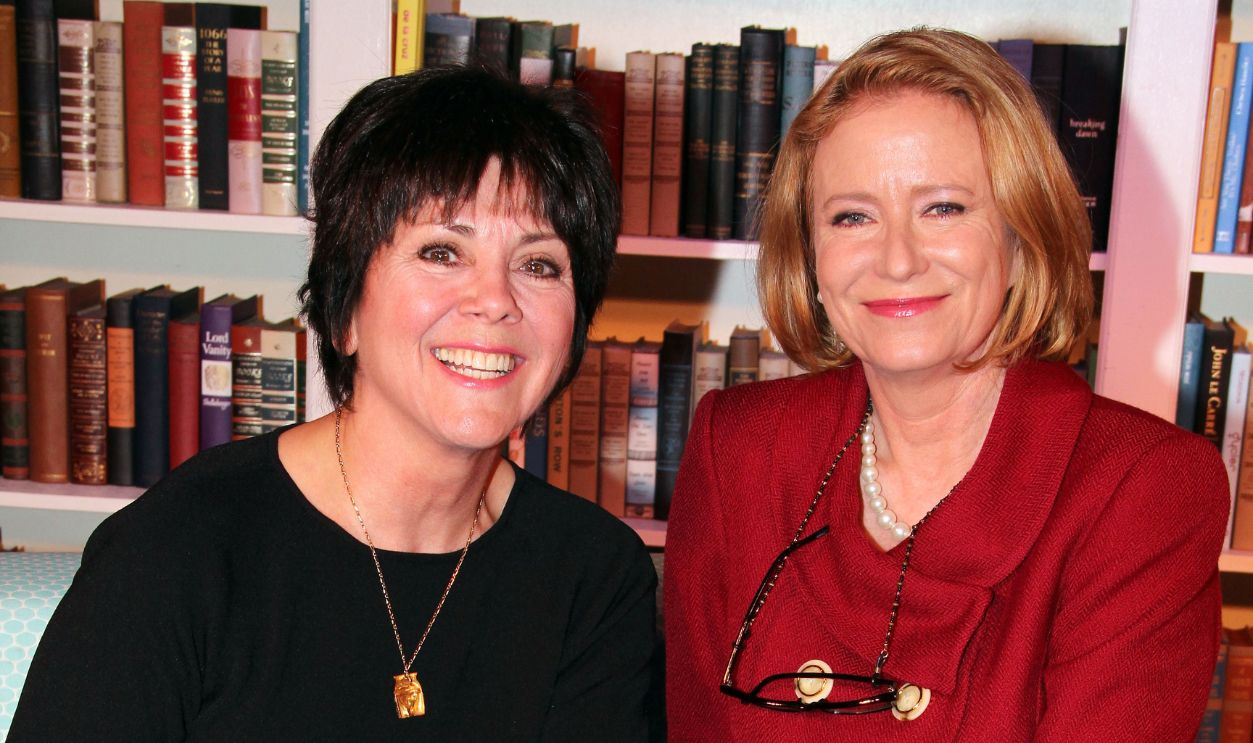
DeWitt and Somers reunited in 2012 on Somers’ online talk show after roughly three decades apart. Their emotional conversation allowed both women to explain the different needs and ambitions that had shaped their decisions. DeWitt also praised what Somers accomplished after leaving the sitcom, replacing old resentment with understanding.
 Screenshot from Suzanne Somers Breaking Through, CafeMom Studios (2012)
She Never Forgot Her Costars
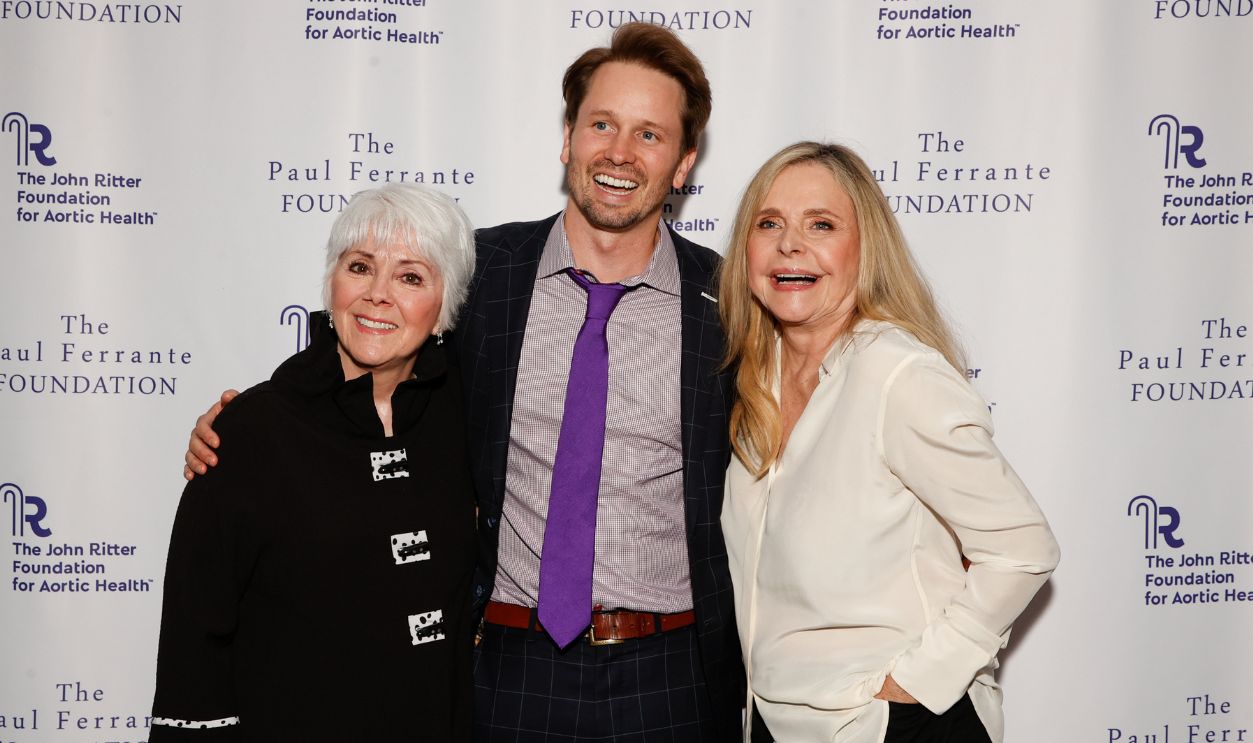
John Ritter died from an aortic dissection in 2003, and DeWitt continued to speak warmly about the joy of working with him. In 2024, she attended a gala supporting the John Ritter Foundation for Aortic Health. After Somers died in 2023, DeWitt offered public condolences to her family and expressed hope that they would find comfort.
The Quiet Choice Became Her Legacy
DeWitt left the spotlight, but she never stopped appreciating what Three’s Company meant to viewers. Many called it a safe haven during difficult years. By choosing life on her own terms, DeWitt proved that Janet’s quiet strength reflected her own.

You May Also Like:
The Most Underrated Sitcom Actors Of The 1970s—Which Was Your Favorite?
Loni Anderson Became A 1970s TV Bombshell, But She Was Always Sharper Than Her Image Suggested