The Performers Who Made Every Scene Better
The biggest sitcom stars of the 1970s often received most of the attention, but they rarely created television magic alone. Supporting actors supplied perfectly timed reactions, unforgettable quirks, and characters who felt real despite limited screen time. These talented performers deserve another moment in the spotlight.
Marcia Wallace
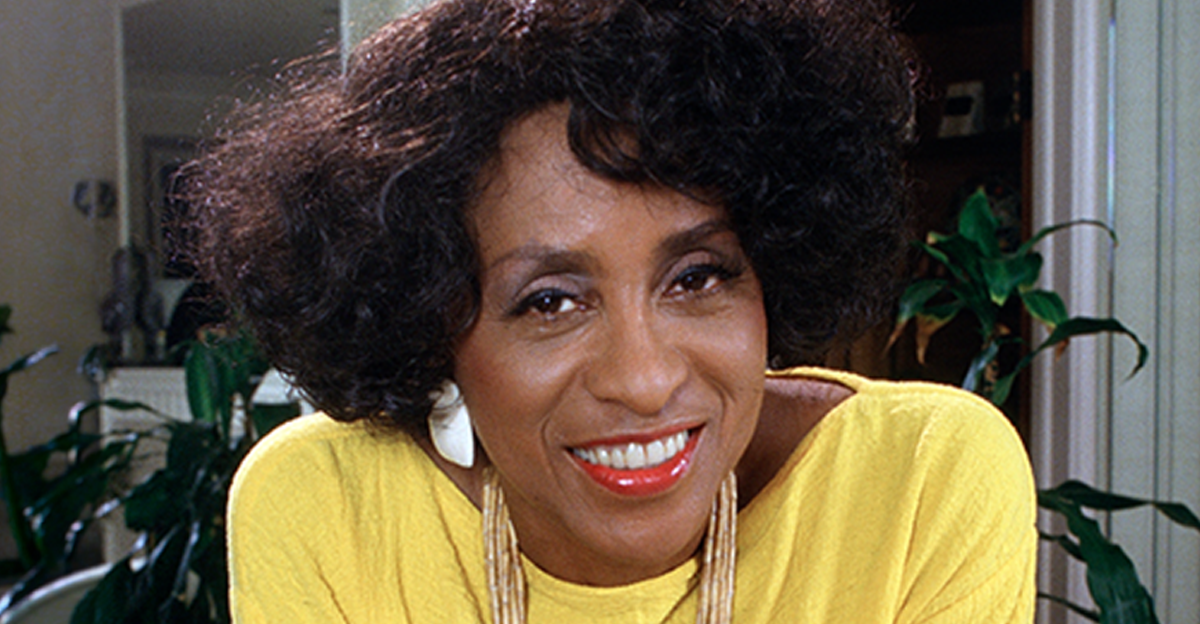
As receptionist Carol Kester on The Bob Newhart Show, Marcia Wallace could brighten an entire scene with a single sarcastic remark. Her distinctive laugh and energetic delivery provided a lively contrast to Bob Newhart’s controlled style. Wallace later introduced herself to another generation as the voice of Edna Krabappel on The Simpsons, winning an Emmy for the role.
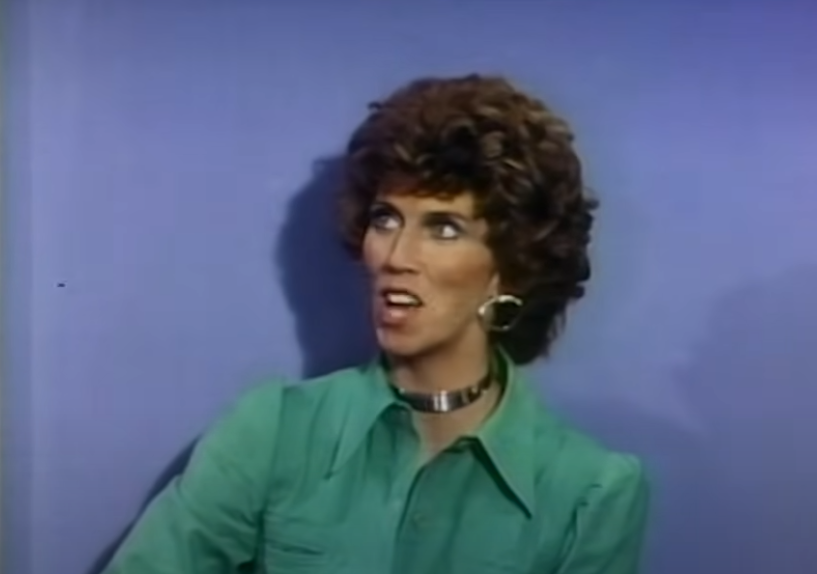 Screenshot from The Bob Newhart Show, CBS (1972–1978)
Bill Daily
Bill Daily had already played Major Roger Healey on I Dream of Jeannie before becoming Howard Borden on The Bob Newhart Show. Howard was a divorced airline navigator who regularly wandered into the Hartleys’ apartment with another problem. Daily never needed to dominate a scene because his warmth and nervous comic rhythm made Howard immediately likable.
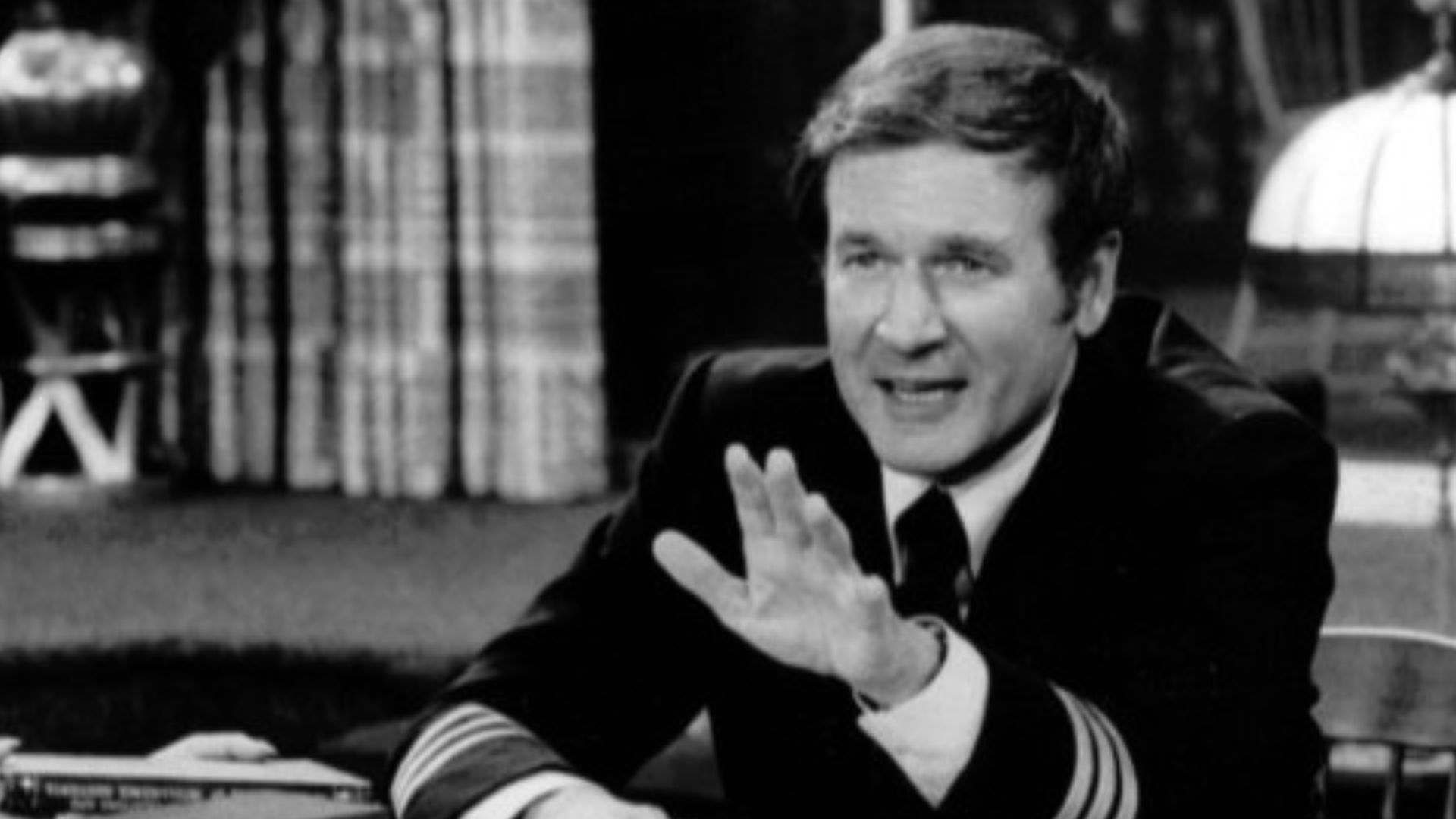 CBS Television, Wikimedia Commons
Jack Riley
Jack Riley turned recurring patient Elliot Carlin into one of the funniest parts of The Bob Newhart Show. Carlin was bitter, suspicious, and seemingly irritated by everyone around him, yet Riley made his unhappiness consistently entertaining. The character appeared frequently enough to become an essential member of the show’s unusual therapy group.
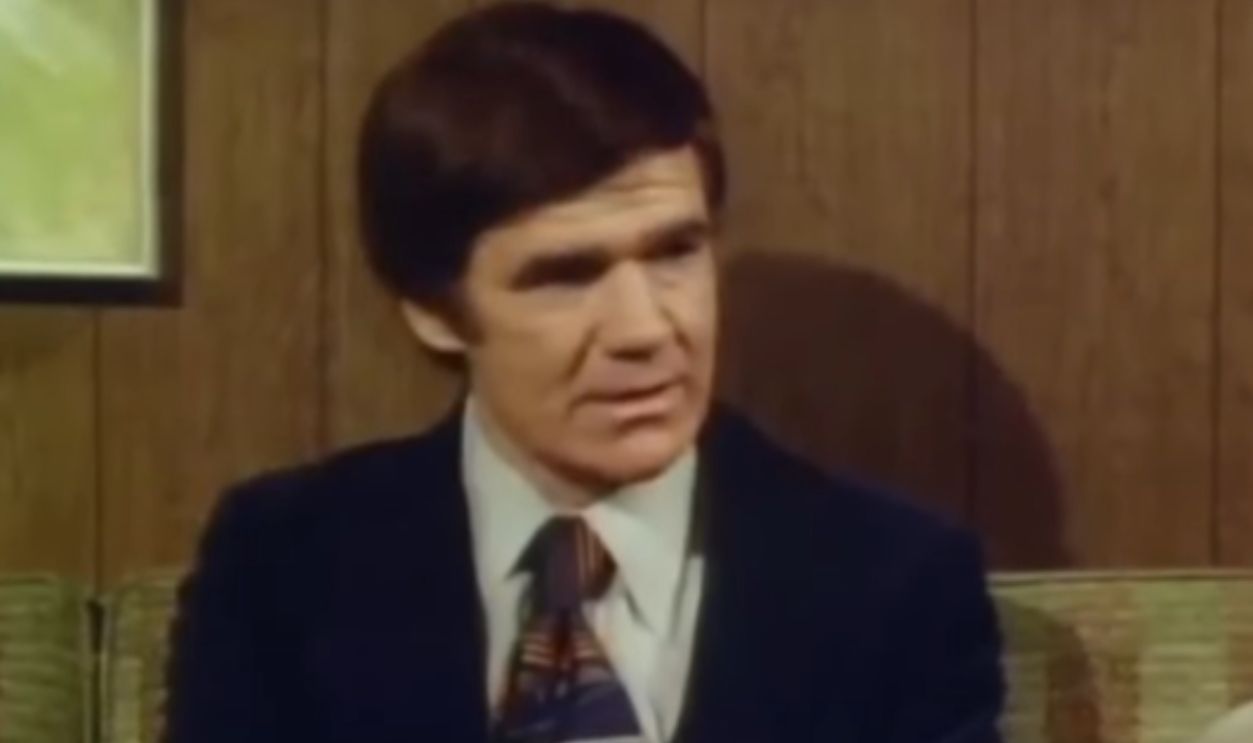 Screenshot from The Bob Newhart Show, CBS (1972–1978)
Peter Bonerz
Peter Bonerz played Jerry Robinson, Bob Hartley’s excitable orthodontist and closest friend. His bigger personality gave Newhart’s quiet reactions something to push against, creating a dependable comic partnership. Bonerz also directed numerous episodes of the series before establishing a successful career directing television comedies.
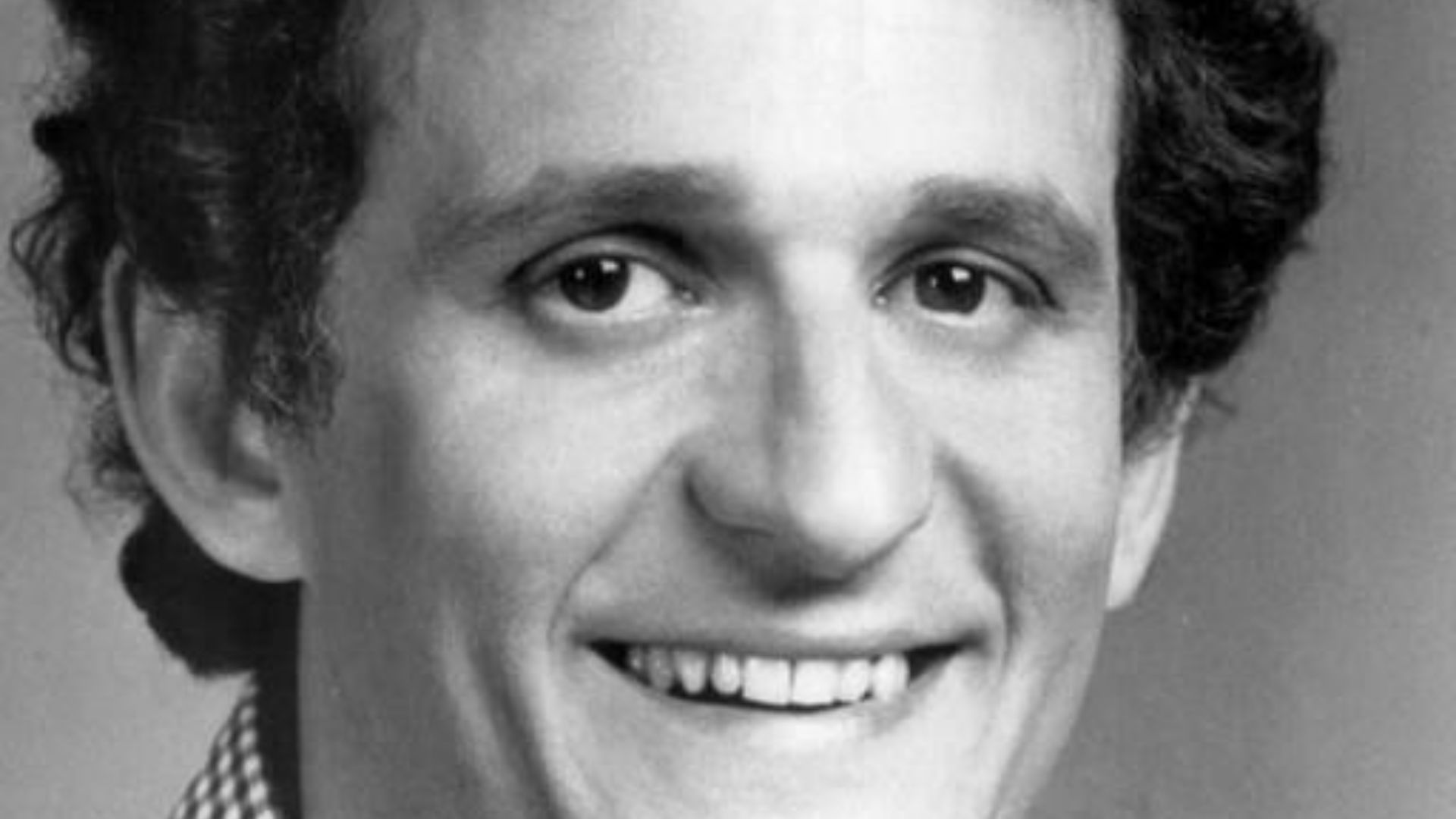 CBS Television, Wikimedia Commons
Nancy Walker
Nancy Walker brought relentless energy to Ida Morgenstern, Rhoda’s overbearing mother on The Mary Tyler Moore Show and Rhoda. Ida could turn an innocent conversation into a full family crisis without pausing for breath. Walker also played the resourceful housekeeper Mildred on McMillan & Wife, earning multiple Emmy nominations for her television work.
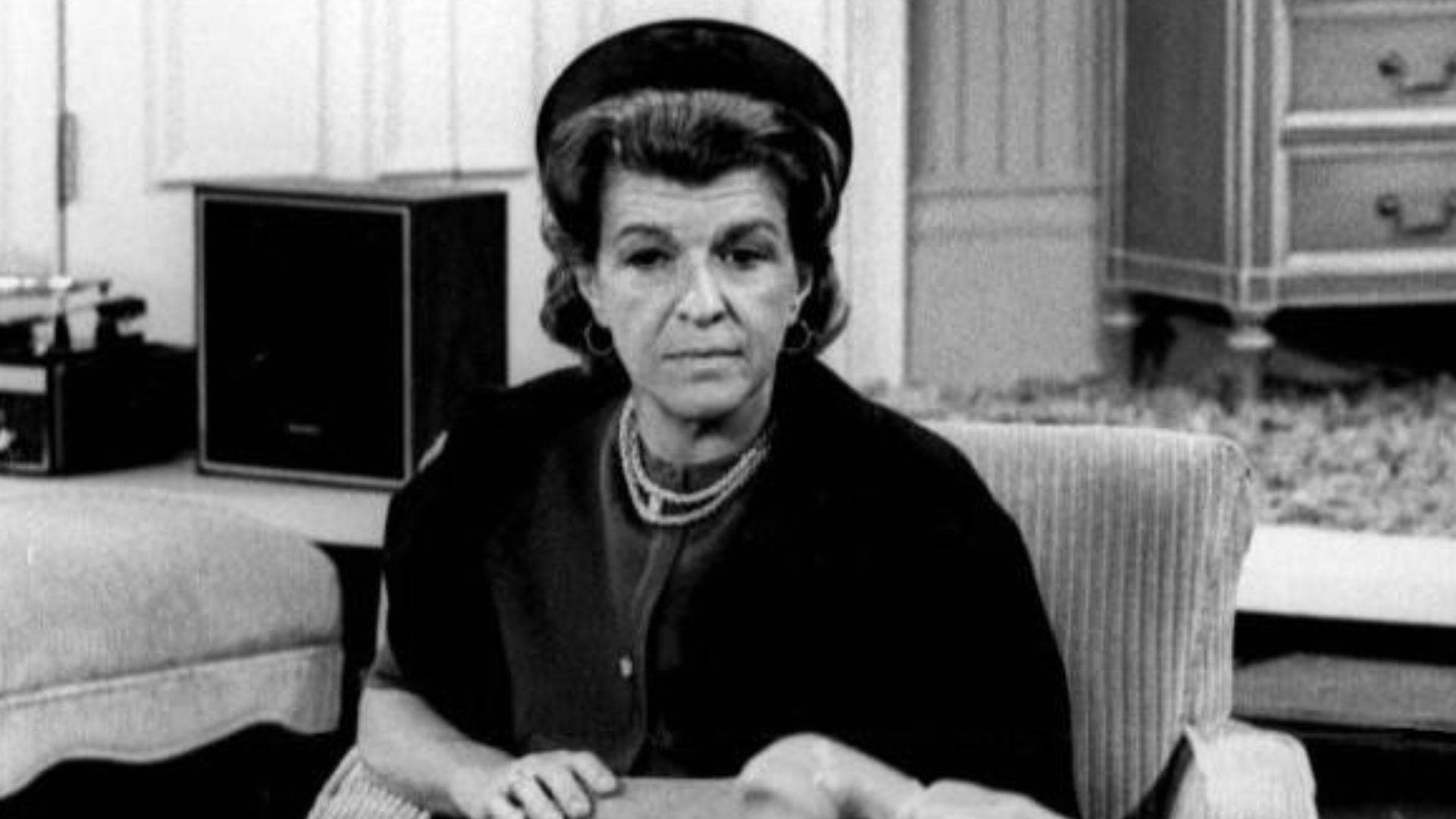 CBS Television, Wikimedia Commons
Alice Ghostley
Alice Ghostley became a familiar sitcom presence through roles including the accident-prone witch Esmeralda on Bewitched. Esmeralda’s magic usually malfunctioned whenever she became frightened, which was often. Ghostley combined theatrical skill with wonderfully flustered reactions, later bringing the same unpredictable energy to Designing Women.
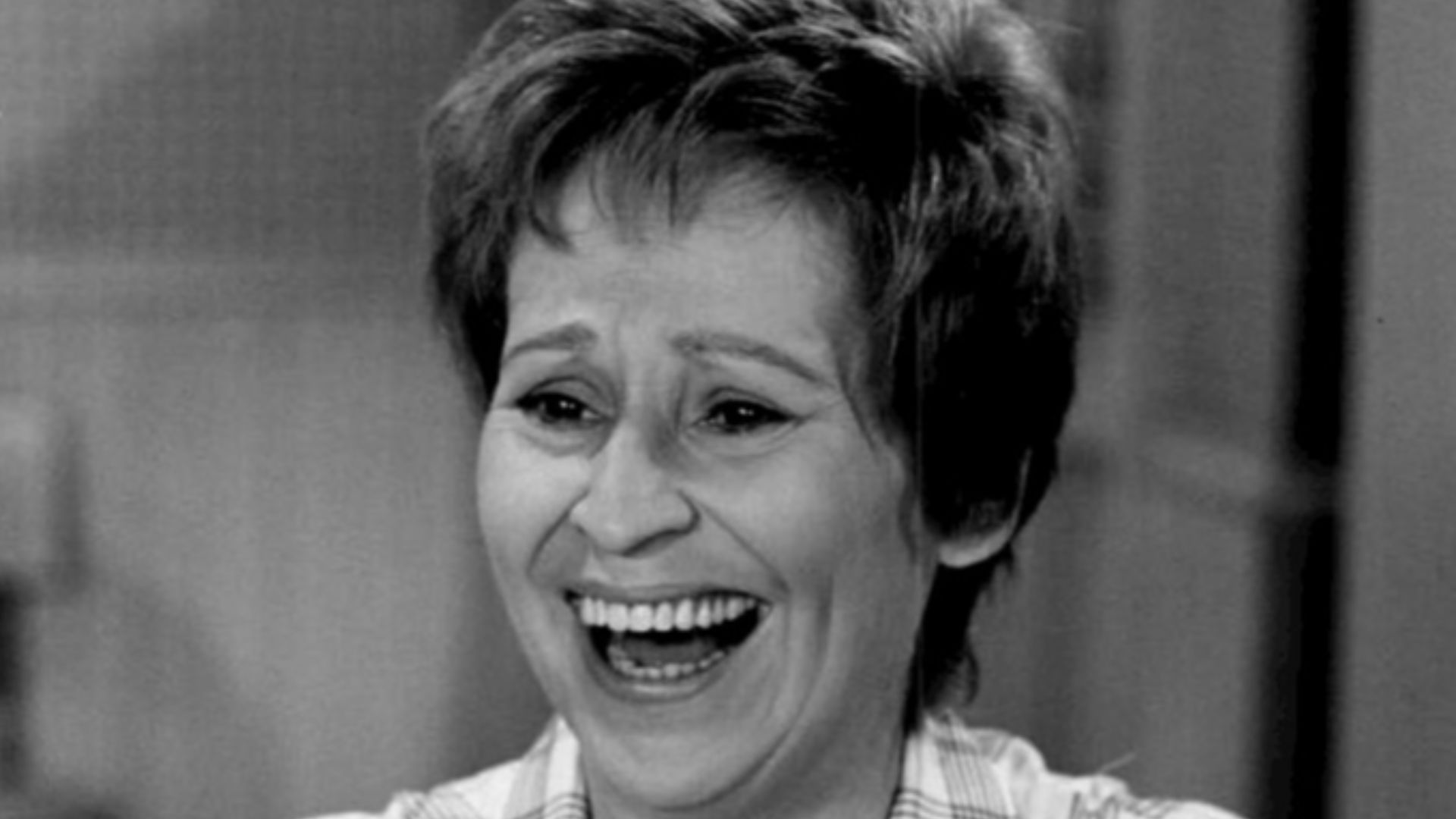 CBS Television, Wikimedia Commons
Ron Glass
Ron Glass played Detective Ron Harris with confidence, ambition, and impeccable style on Barney Miller. Harris dreamed of becoming a successful writer and often behaved as though the police station were only a temporary stop on his way to fame. Glass brought sophistication to the ensemble while still allowing Harris to look wonderfully foolish.
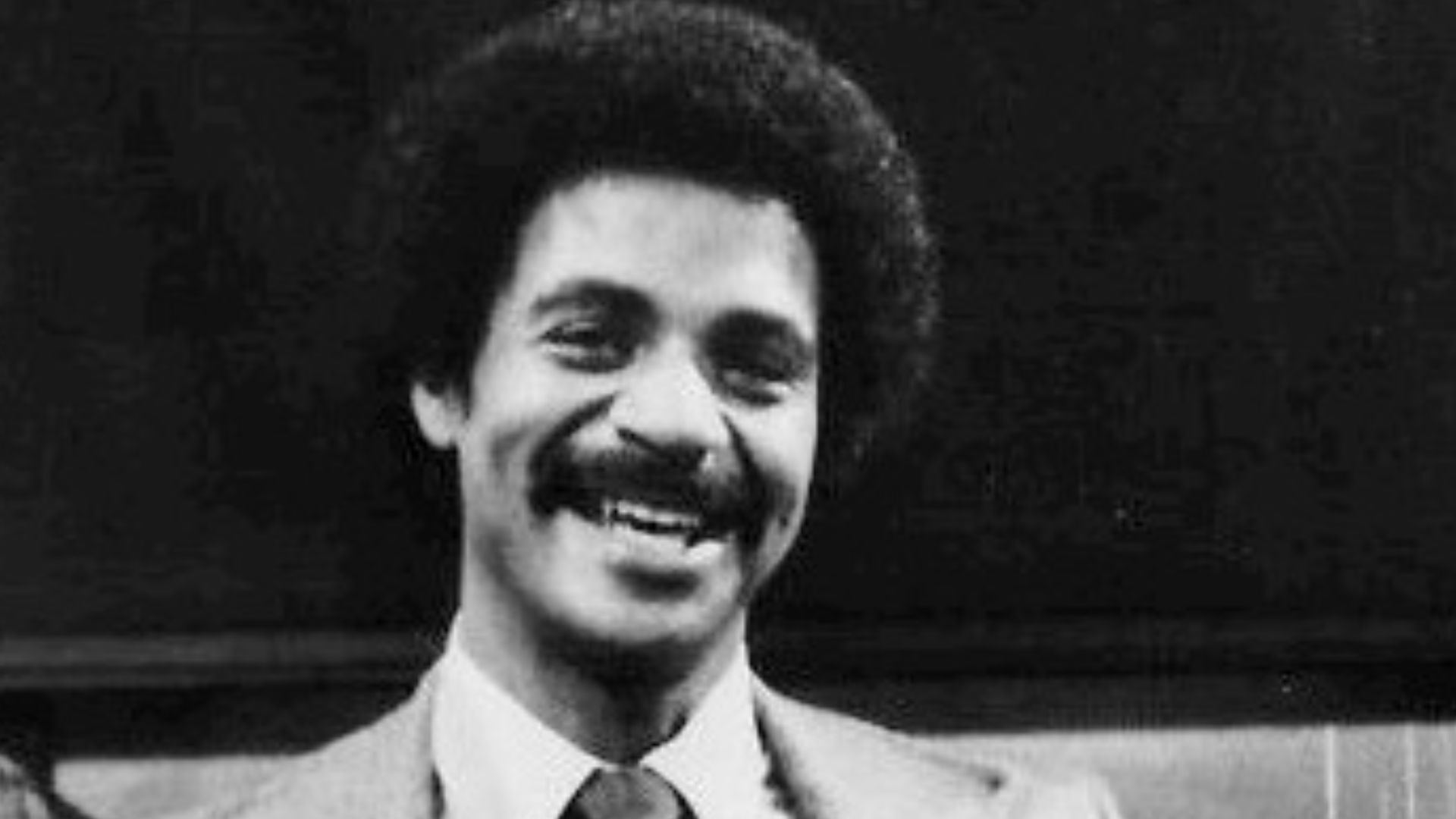 ABC Television, Wikimedia Commons
Jack Soo
Jack Soo’s Detective Nick Yemana rarely needed more than a blank expression and a dry observation to generate a laugh on Barney Miller. One of the show’s recurring jokes involved Yemana’s famously terrible coffee, which his colleagues continued drinking for reasons nobody could explain. Soo’s restrained performance made every understated punchline land perfectly.
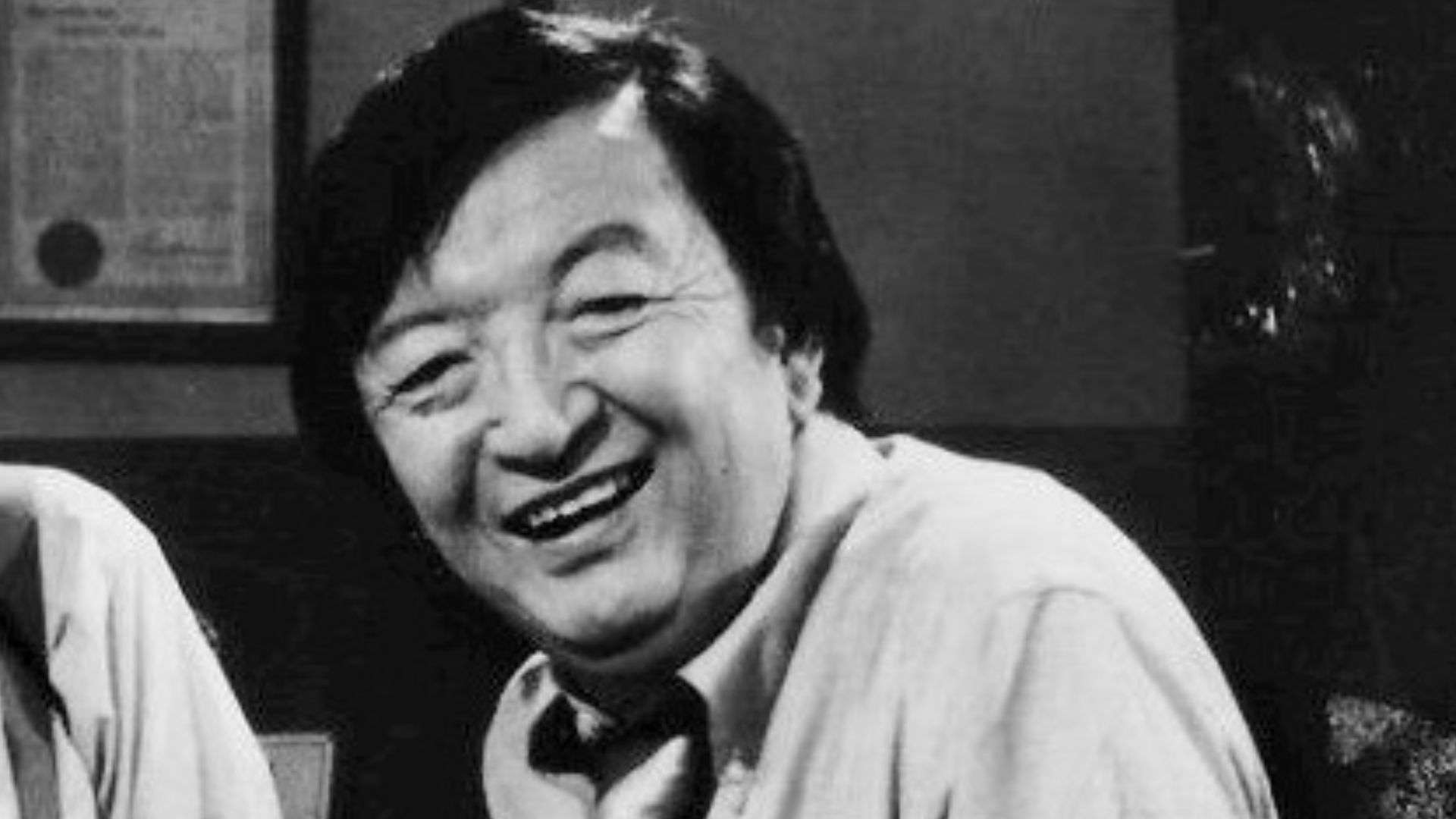 ABC Television, Wikimedia Commons
Steve Landesberg
Steve Landesberg joined Barney Miller as Detective Arthur Dietrich, an officer who seemed to possess detailed knowledge about almost every subject. Dietrich could calmly discuss science, philosophy, or history while chaos unfolded around him. Landesberg’s unhurried delivery earned him three Emmy nominations and gave the precinct another distinctive comic voice.
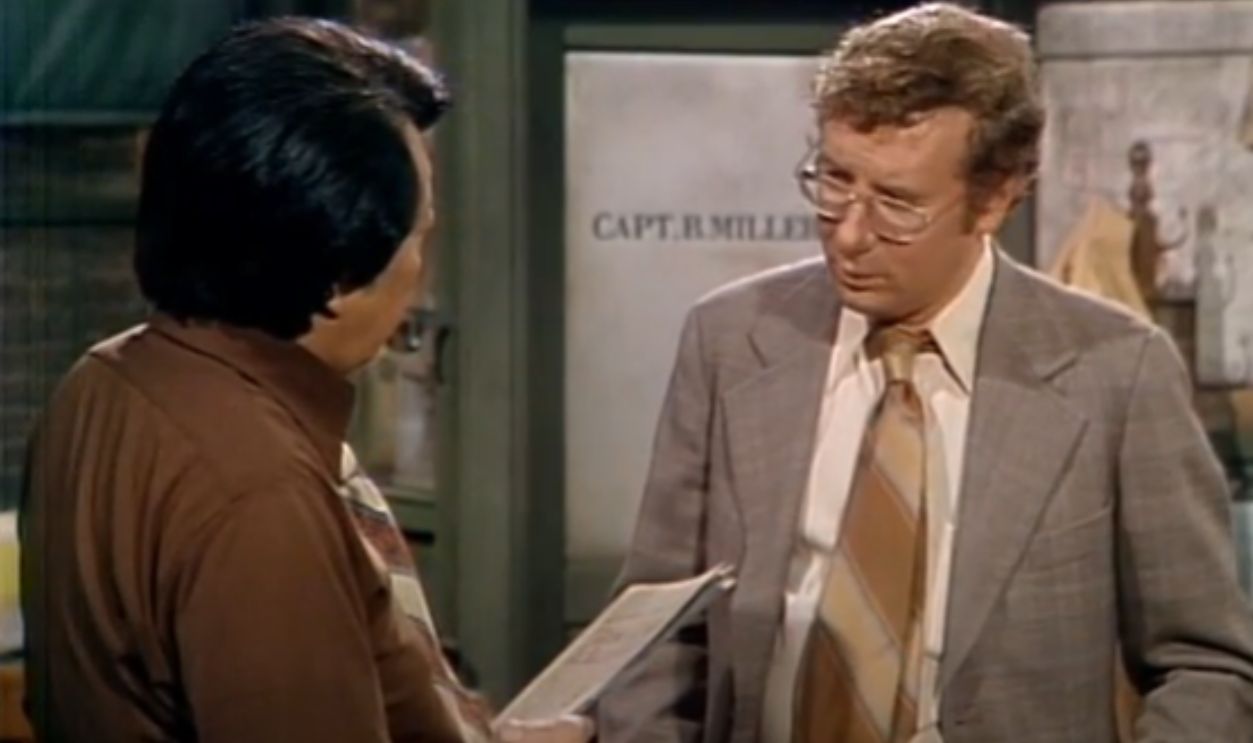 Screenshot from Barney Miller, ABC (1975-1982)
Max Gail
Max Gail played Detective Stan “Wojo” Wojciehowicz as a sincere but occasionally confused former Marine. Wojo could be stubborn and impulsive, yet his concern for victims and fellow officers made him one of the show’s most sympathetic characters. Gail gradually revealed greater sensitivity beneath the detective’s tough exterior.
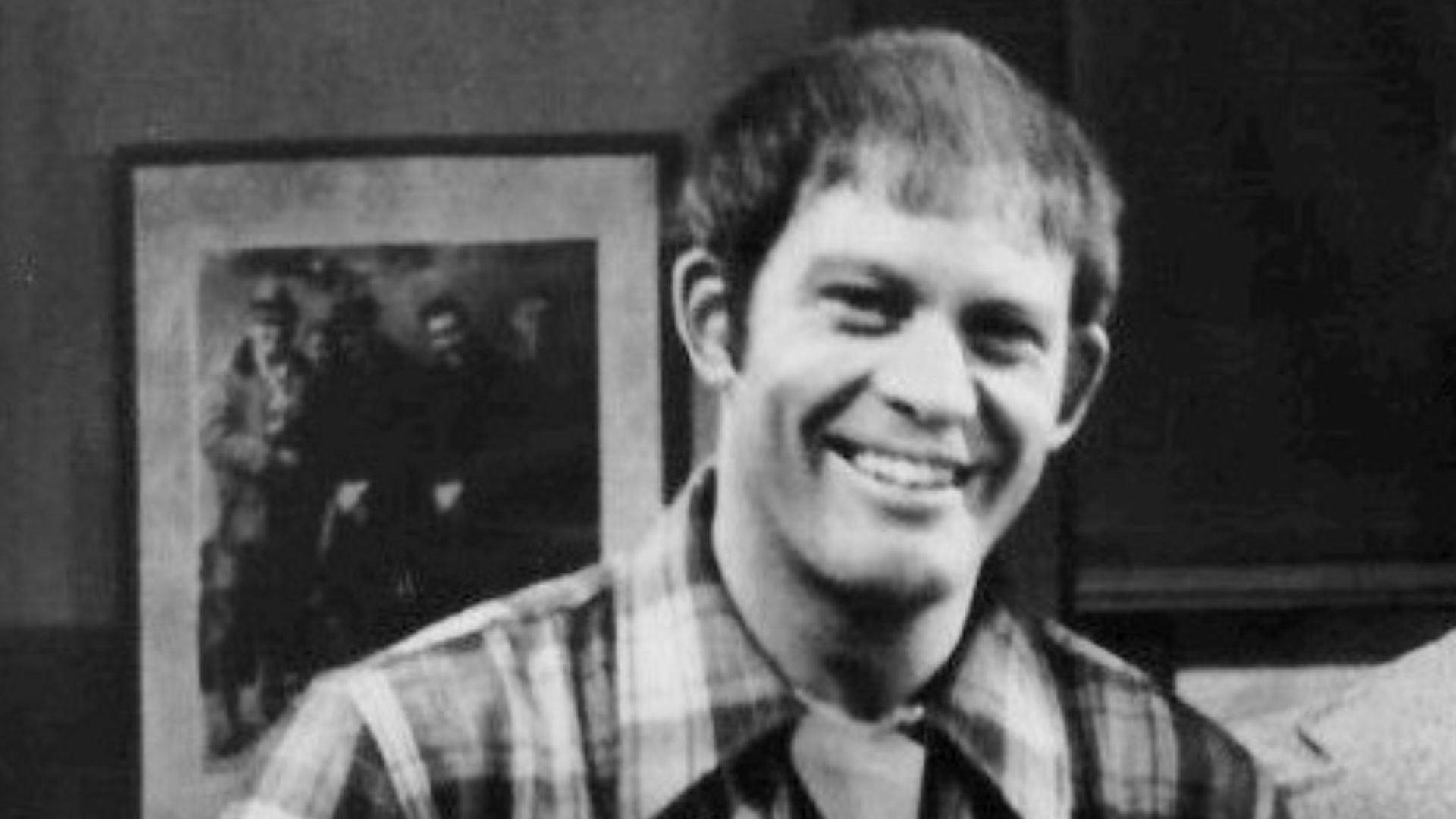 ABC Television, Wikimedia Commons
Marla Gibbs
Florence Johnston may have worked for George Jefferson, but she was never intimidated by him. Marla Gibbs delivered Florence’s insults with such confidence that George often found himself losing arguments inside his own home. The character became so popular that Gibbs eventually received her own short-lived spin-off, Checking In.
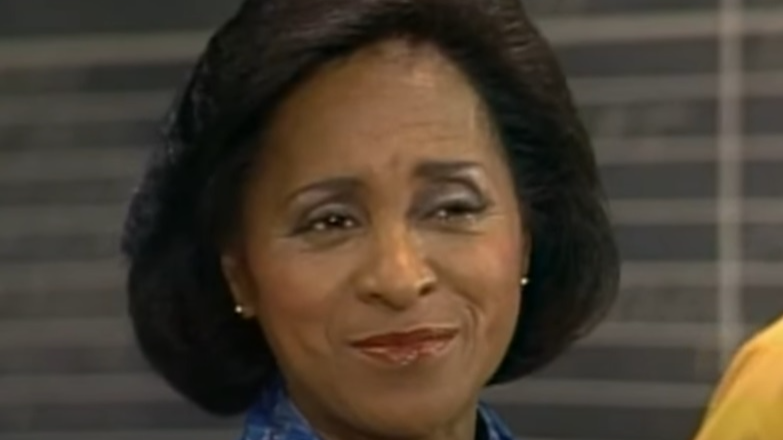 Screenshot from Checking In, CBS (1981)
Roxie Roker
Roxie Roker played Helen Willis, one half of the interracial couple living near the Jeffersons. Helen was warm and composed, but she was fully capable of standing up to George when his prejudices surfaced. Roker brought dignity and humor to a role that represented an important step forward for prime-time television.
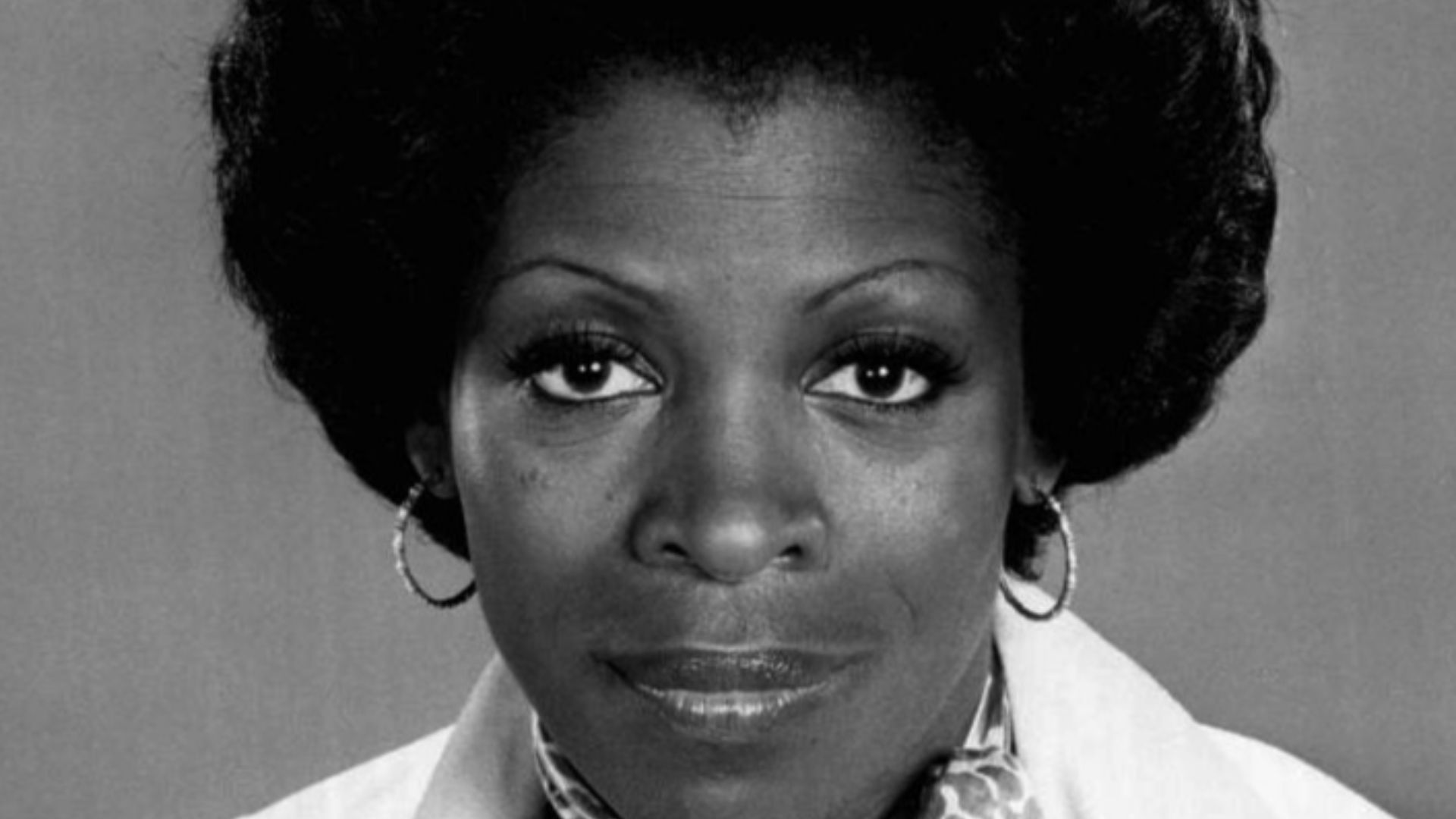 CBS Television, Wikimedia Commons
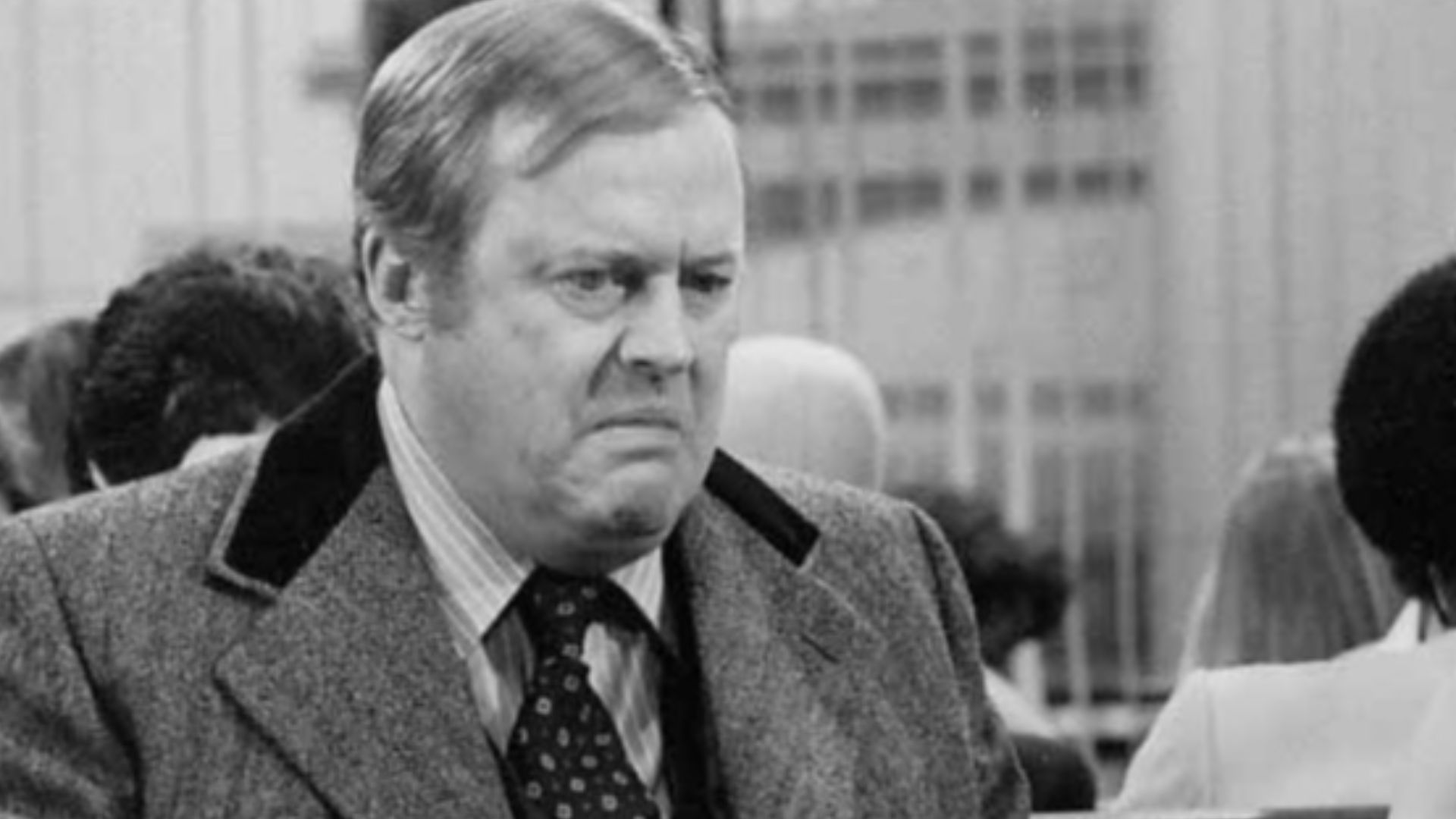
Franklin Cover
As Helen’s husband Tom Willis, Franklin Cover often found himself absorbing George Jefferson’s jokes and insults. Tom remained friendly even when George tested his patience, which made Cover’s occasional bursts of frustration especially funny. His chemistry with Roker helped make the Willises more than symbols of social change.
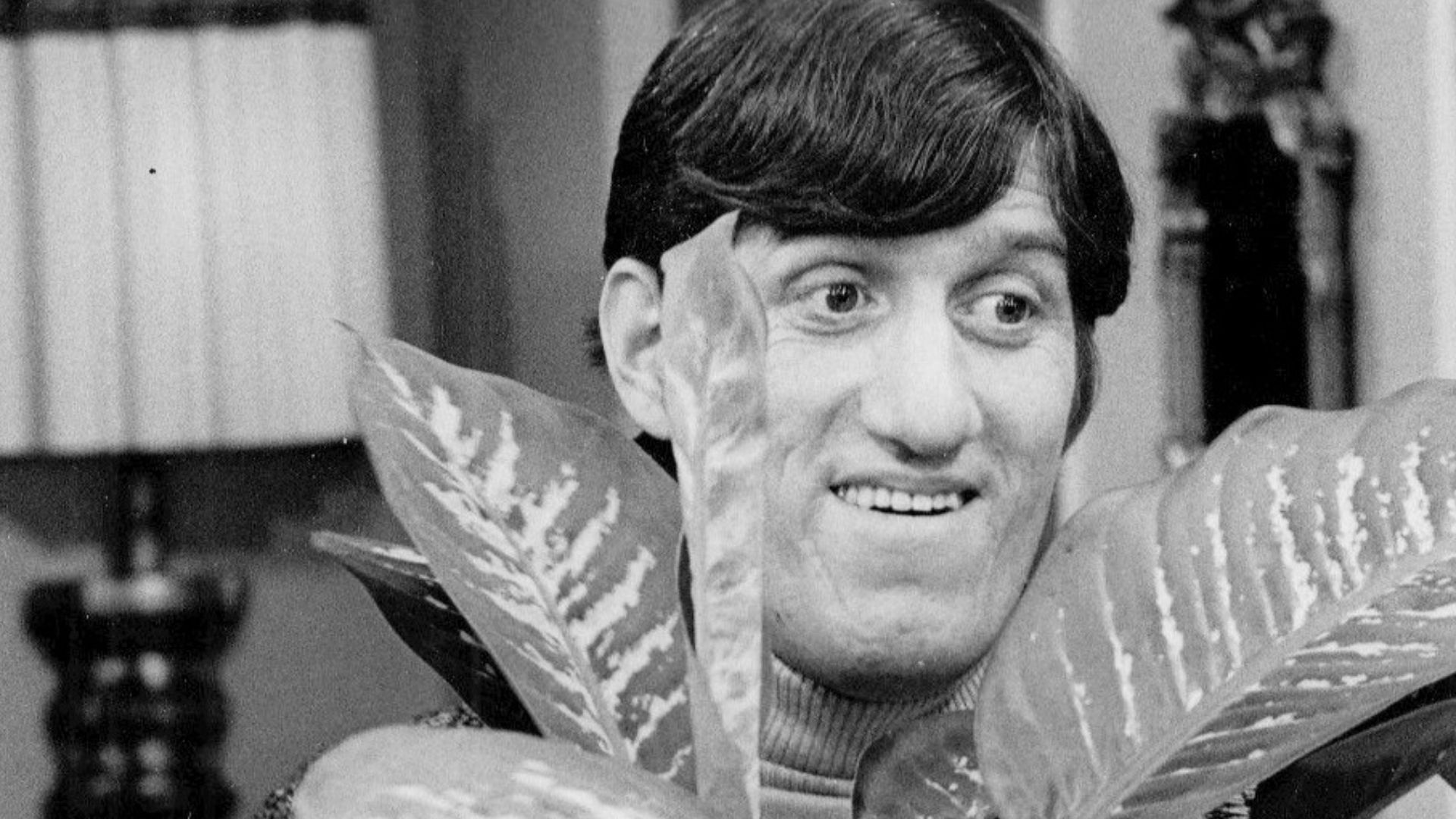
Paul Benedict
Paul Benedict played Harry Bentley, the Jeffersons’ eccentric British neighbor and United Nations interpreter. Bentley frequently arrived with a strange request or a story that tested George’s limited patience. Benedict’s precise speech and unusual physical mannerisms made the character instantly recognizable.
 CBS Television, Wikimedia Commons
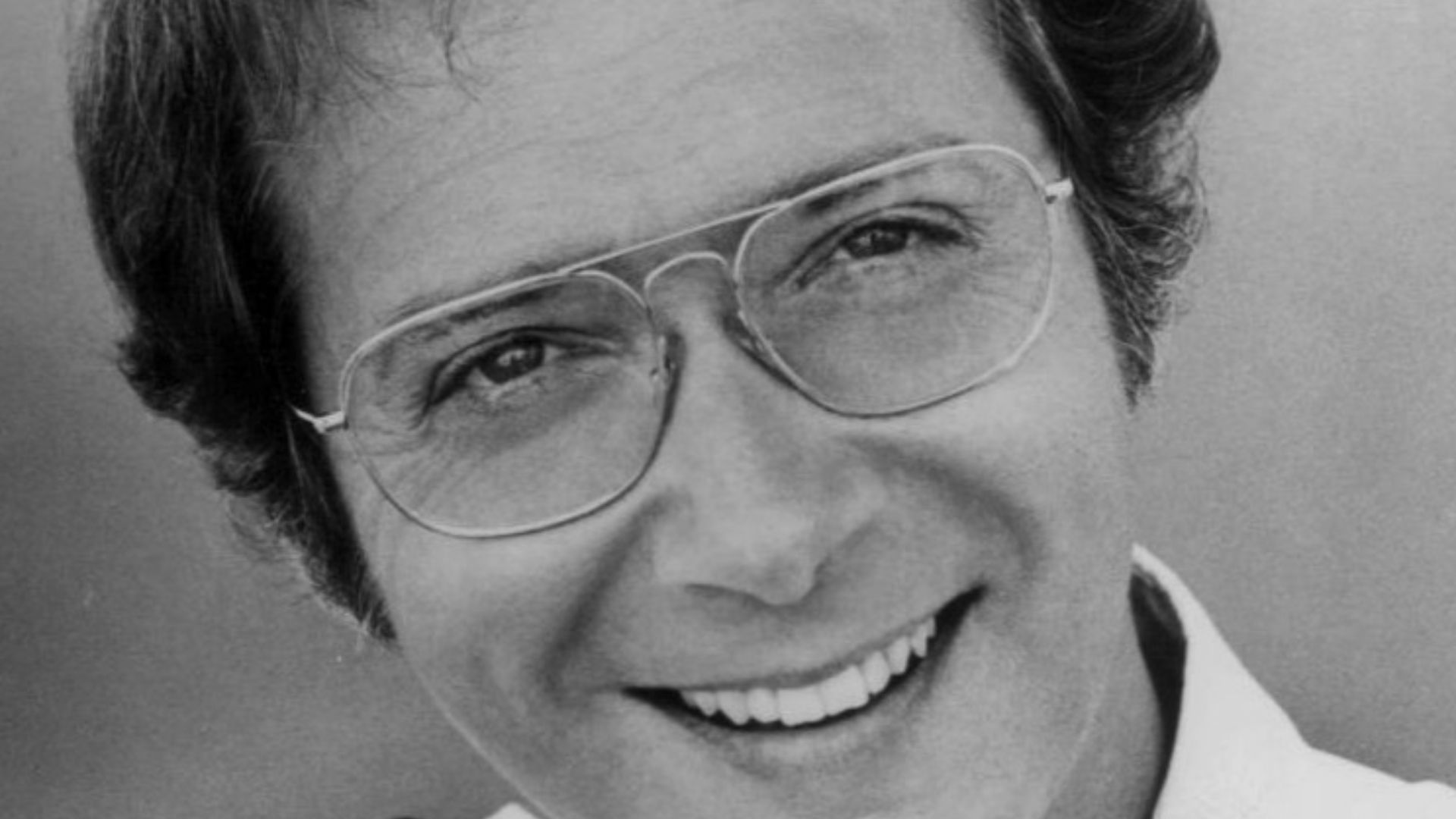
Bernie Kopell
Bernie Kopell played ship doctor Adam Bricker throughout the long run of The Love Boat. Doc could offer medical assistance, romantic advice, or a flirtatious smile depending on what the week’s passengers required. Kopell made the character charming without allowing him to become more polished than the joke demanded.
 ABC Television, Wikimedia Commons
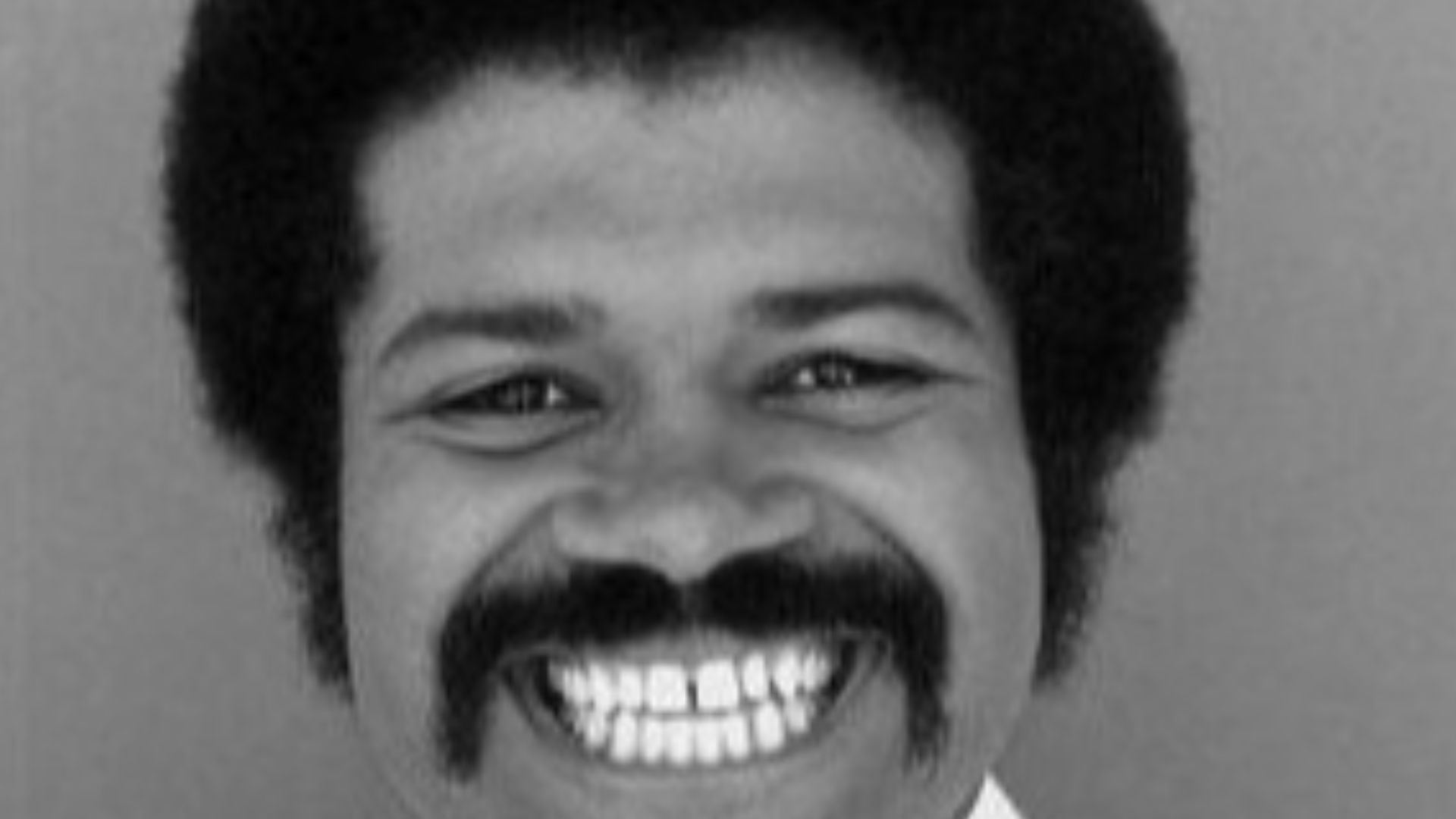
Ted Lange
Ted Lange’s Isaac Washington became famous for smiling at passengers and pointing his signature finger guns from behind the bar. Lange pushed for Isaac to receive more substantial stories instead of remaining in the background. He also built a career as a director and playwright, demonstrating abilities that went far beyond his familiar television role.
 ABC Television, Wikimedia Commons
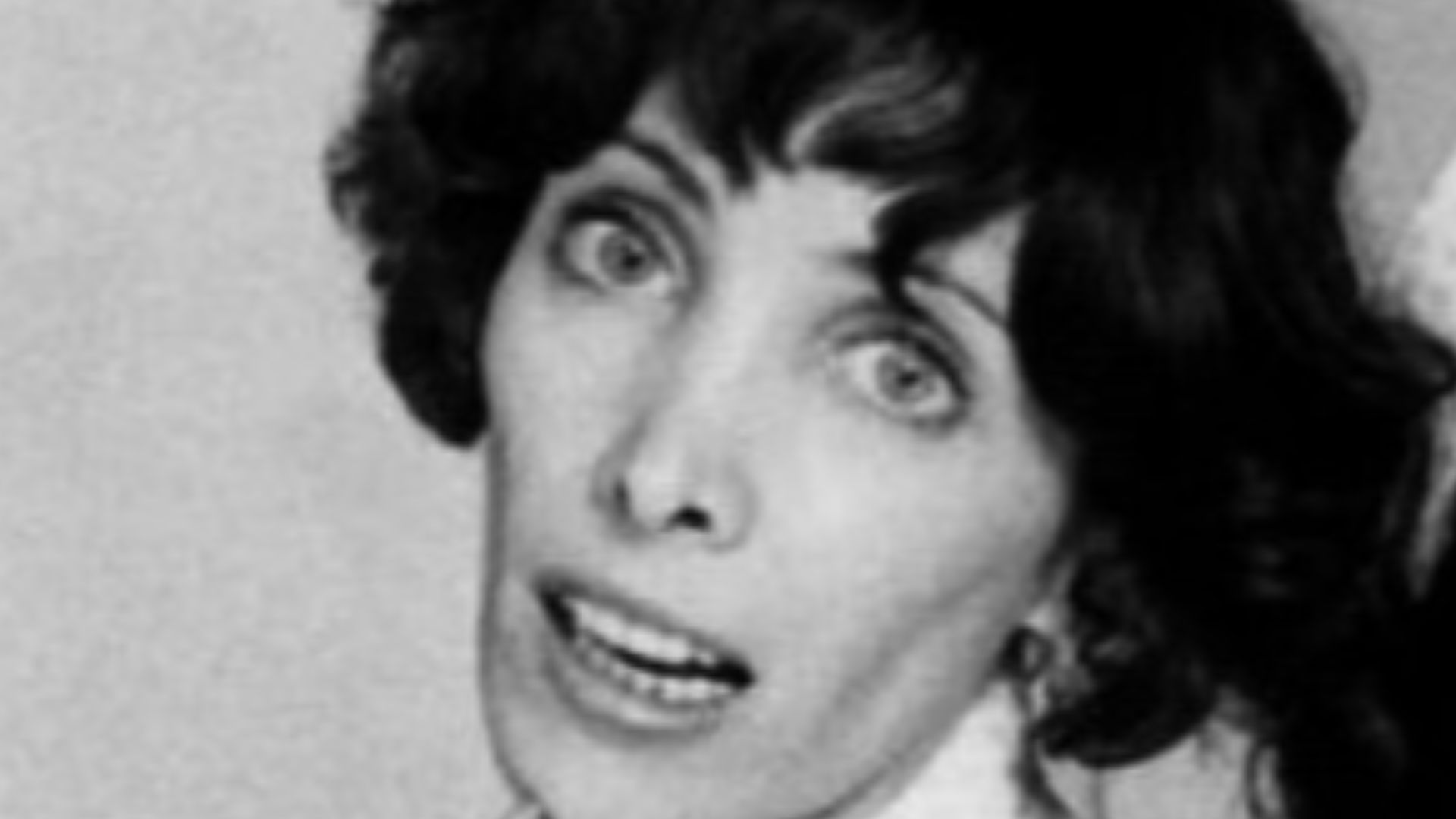
Beth Howland
Beth Howland played the accident-prone Vera Gorman throughout all nine seasons of Alice. Vera’s squeaky voice, nervous manner, and innocent misunderstandings could have become exhausting in less capable hands. Howland instead made her vulnerable, sweet, and surprisingly believable, earning four Golden Globe nominations.
 CBS Television, Wikimedia Commons
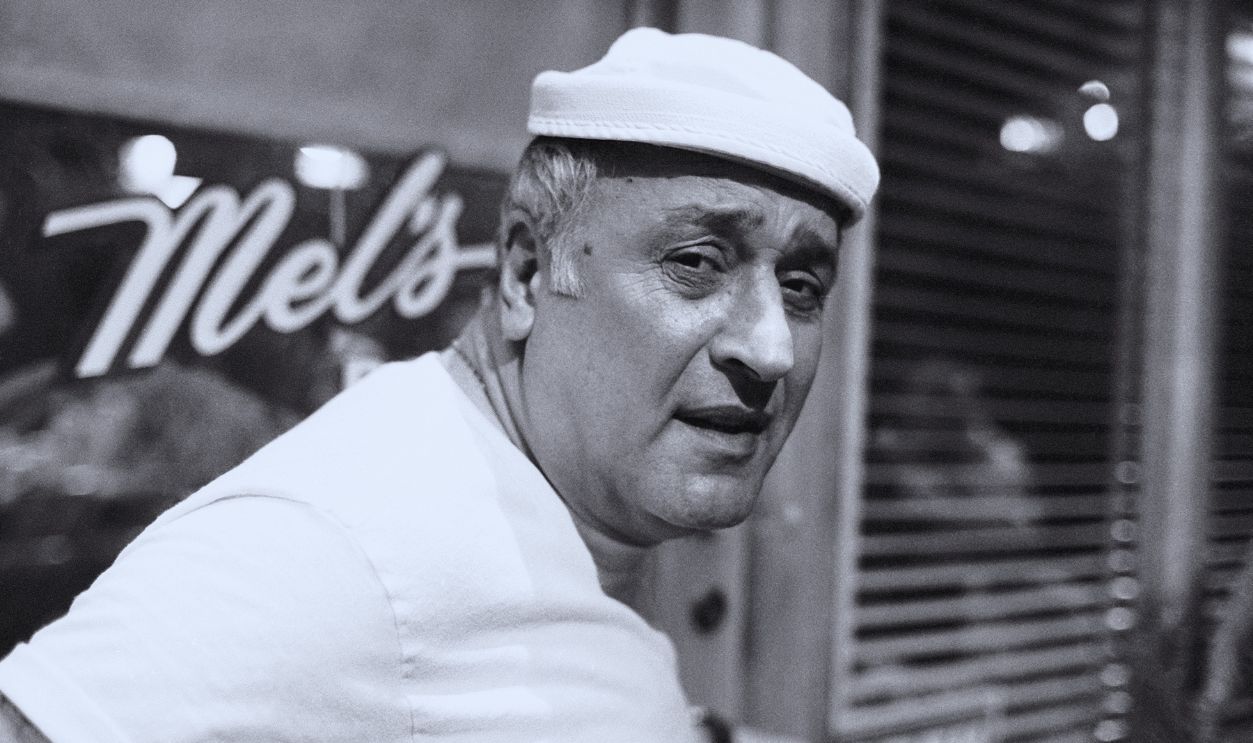
Vic Tayback
Vic Tayback was the only principal actor from the film Alice Doesn’t Live Here Anymore to reprise his role in the sitcom Alice. His Mel Sharples was loud, impatient, and fiercely protective of his diner. Tayback gradually revealed the affection beneath Mel’s gruff behavior and won two Golden Globes for the performance.
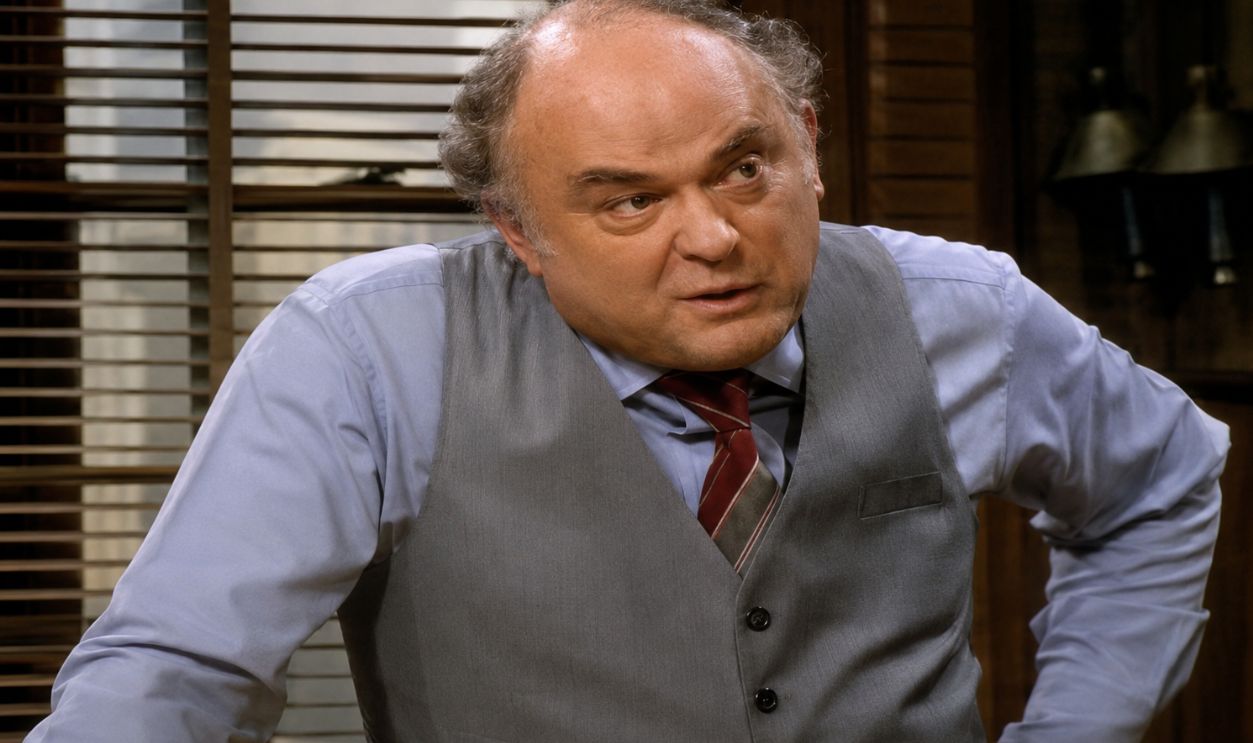
Gordon Jump
Gordon Jump played Arthur Carlson, the well-meaning but frequently overwhelmed station manager on WKRP in Cincinnati. Carlson wanted to appear authoritative, yet he often seemed several steps behind his employees. Jump made the character’s incompetence endearing, especially during the legendary turkey promotion that went spectacularly wrong.
 Screenshot from WKRP in Cincinnati, CBS (1978–1982)
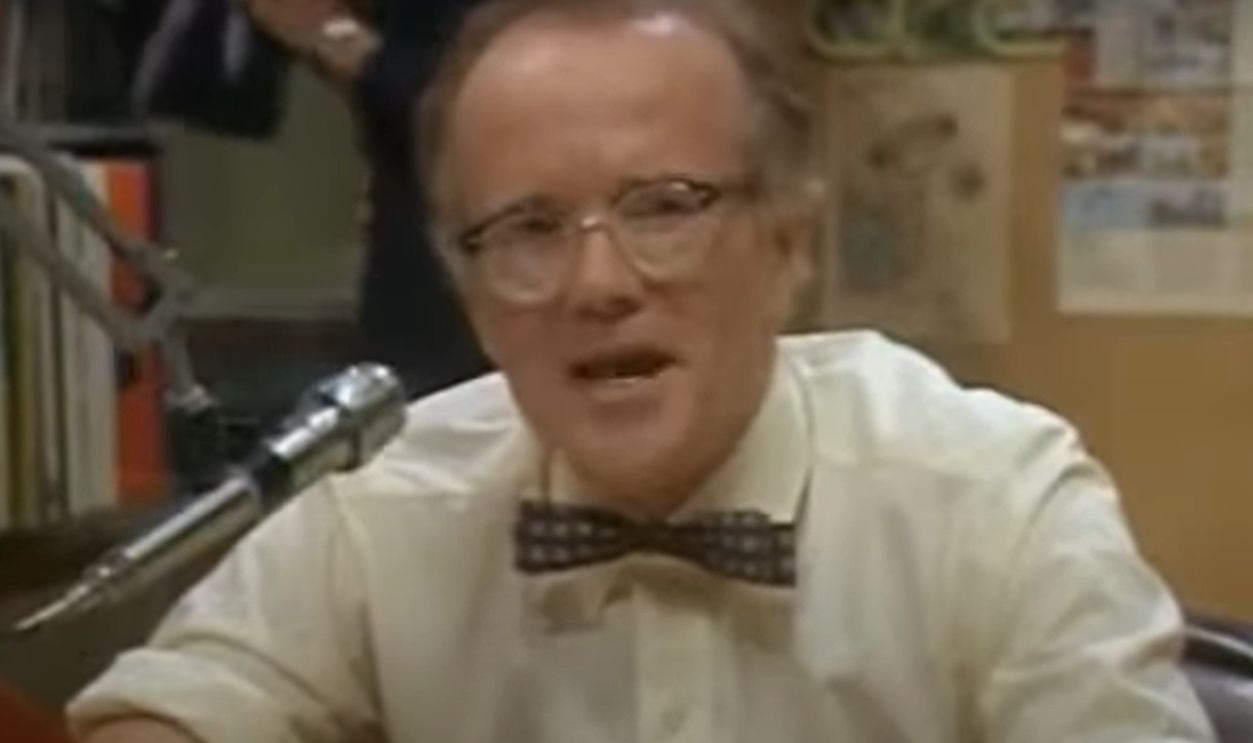
Richard Sanders
Richard Sanders played Les Nessman, WKRP’s intensely serious news director. Les treated routine radio reports as major journalistic events and proudly guarded the imaginary walls surrounding his desk. Sanders also wrote several episodes of the series, giving him an additional role in shaping its offbeat humor.
 Screenshot from WKRP in Cincinnati, CBS (1978–1982)
Tim Reid
Tim Reid brought intelligence and calm confidence to late-night disc jockey Venus Flytrap. Venus often served as the station’s most sensible employee, although he could still become involved in its absurd situations. Reid also helped the series address racial issues without losing its humor or turning Venus into a one-dimensional character.
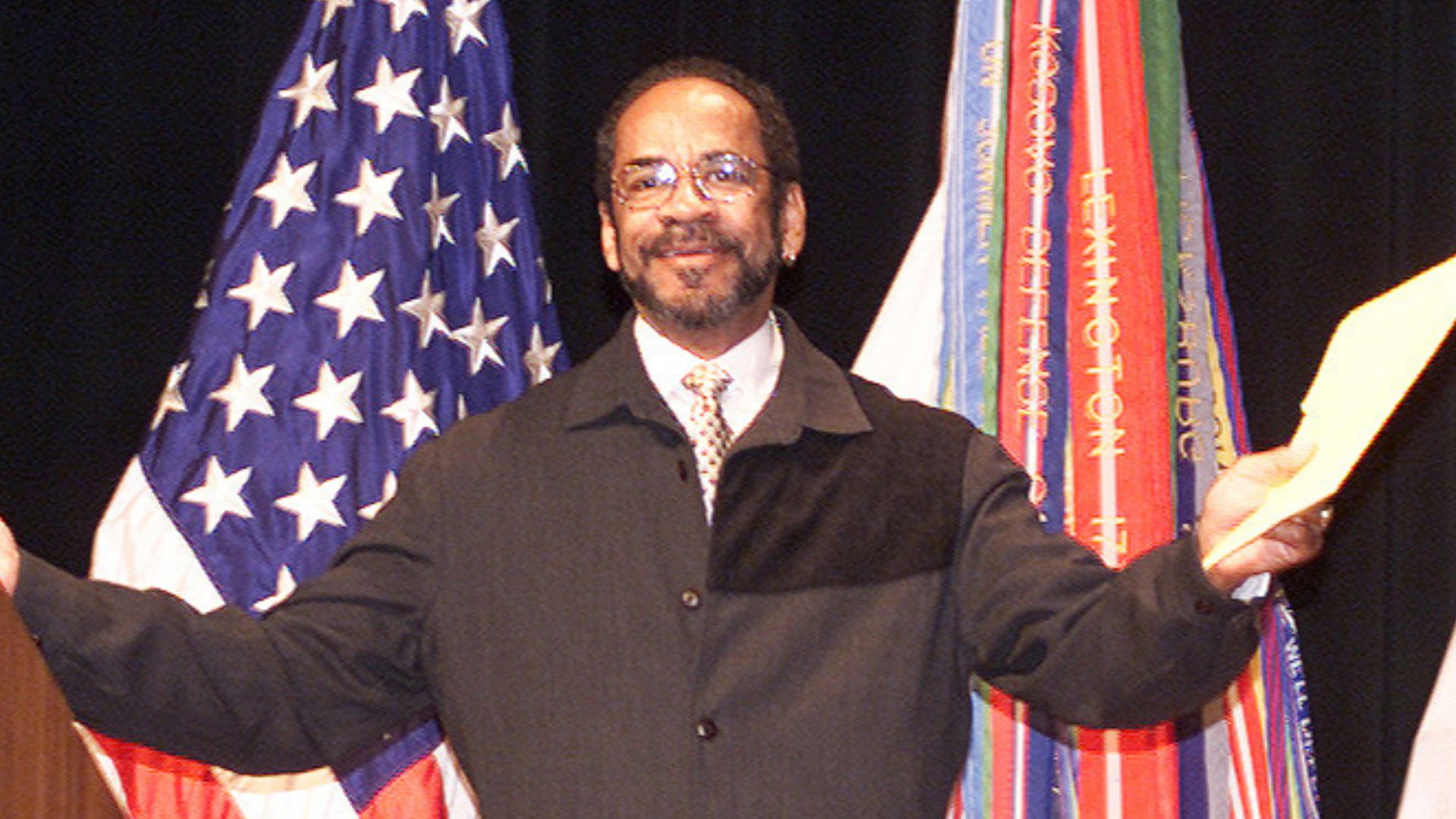 http://www4.army.mil/ocpa/read.php?story_id_key=8448, Wikimedia Commons
Howard Hesseman
Howard Hesseman had worked as a real radio disc jockey before playing Dr. Johnny Fever on WKRP in Cincinnati. That experience gave his performance an authenticity that could not be manufactured. Johnny appeared burned out and rebellious, but Hesseman also revealed the professionalism beneath the character’s chaotic image.
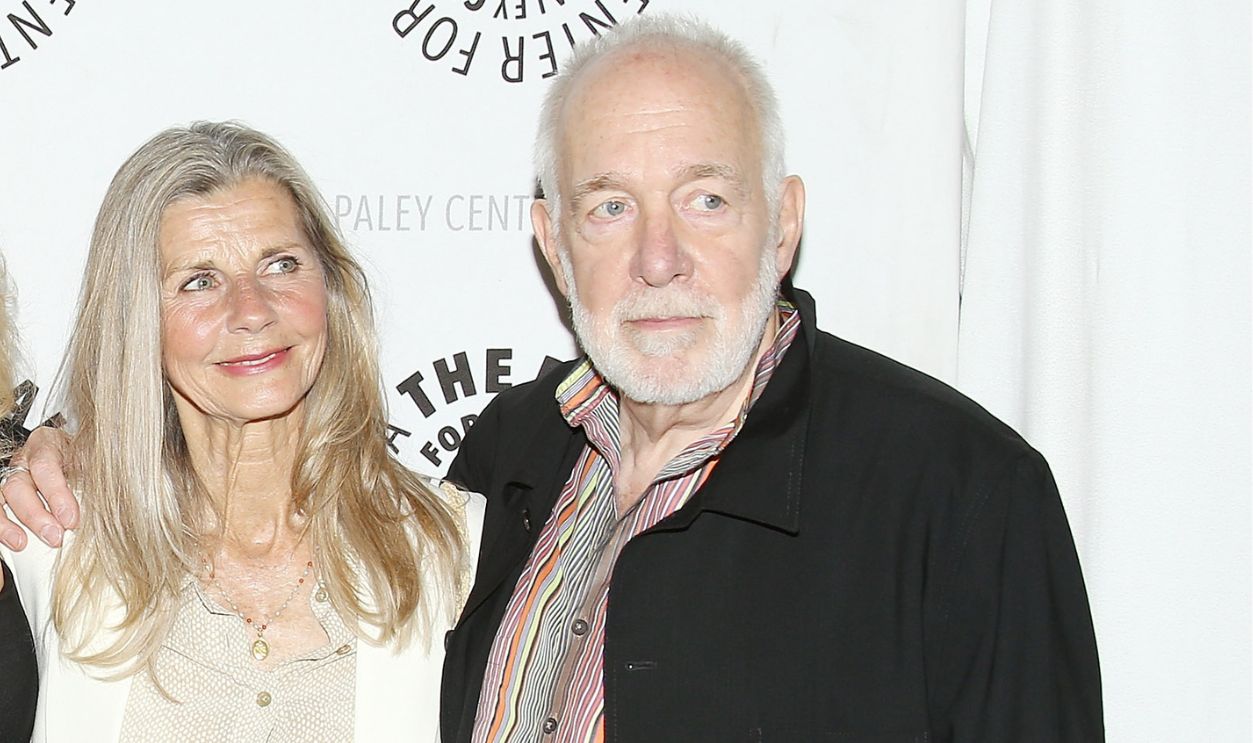
David Ogden Stiers
David Ogden Stiers joined M*A*S*H as Major Charles Emerson Winchester III after the departure of Larry Linville. Winchester was arrogant and privileged, but he was also a brilliant surgeon capable of compassion. Stiers avoided turning him into another simple antagonist, earning two Emmy nominations for the layered performance.
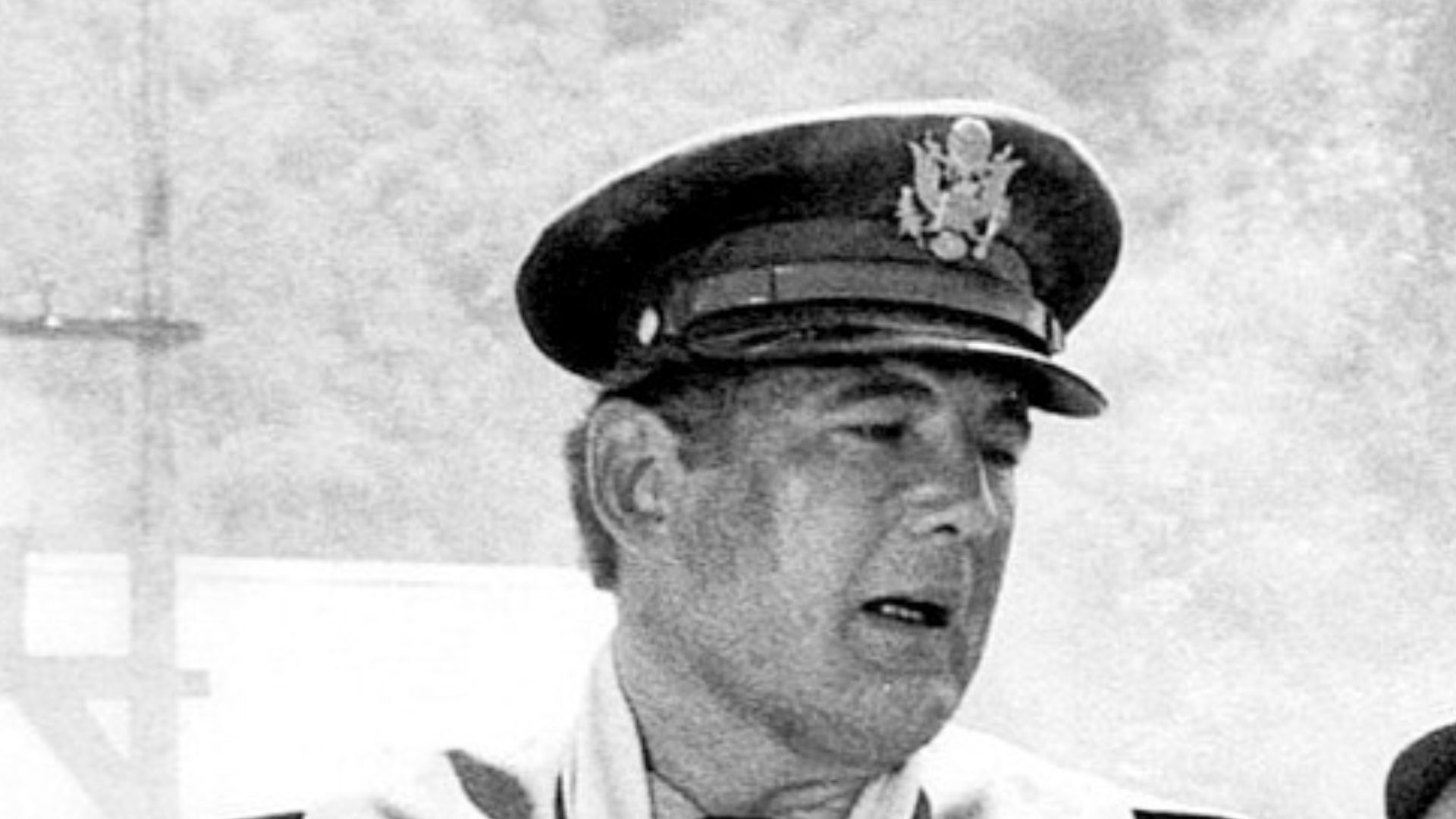 CBS Television, Wikimedia Commons
Jamie Farr
Jamie Farr’s Corporal Maxwell Klinger initially appeared only occasionally as a soldier seeking a discharge through outrageous clothing. The character became so popular that Farr was promoted to the regular cast. Over time, Klinger developed into a resourceful and loyal member of the unit rather than remaining a single recurring joke.
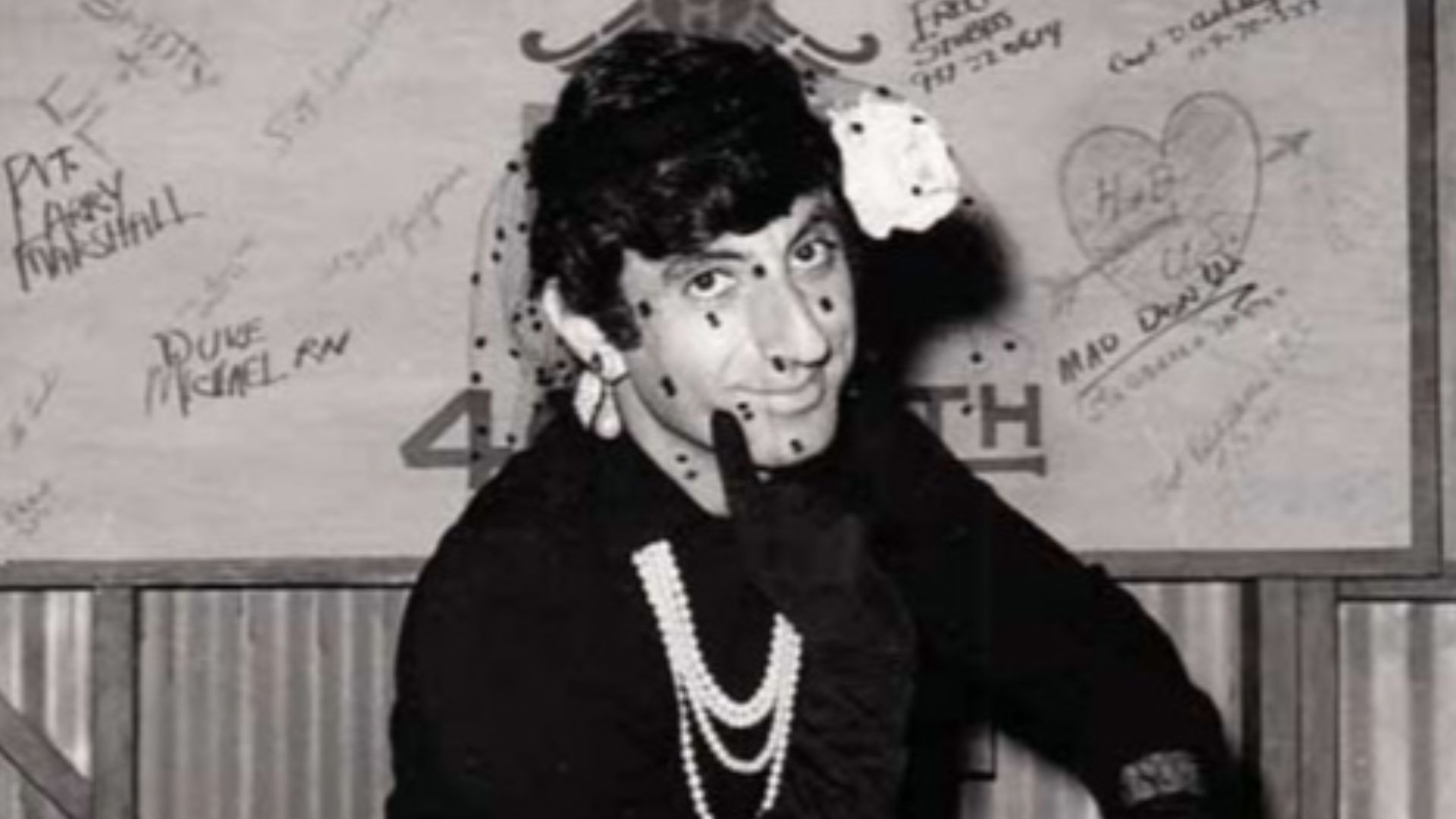 CBS Television, Wikimedia Commons
John Amos
John Amos first became familiar to sitcom audiences as weatherman Gordy Howard on The Mary Tyler Moore Show. He later gave Good Times much of its emotional weight as hardworking father James Evans Sr. Amos brought authority and dignity to the role while fighting for stories that portrayed the Evans family honestly.
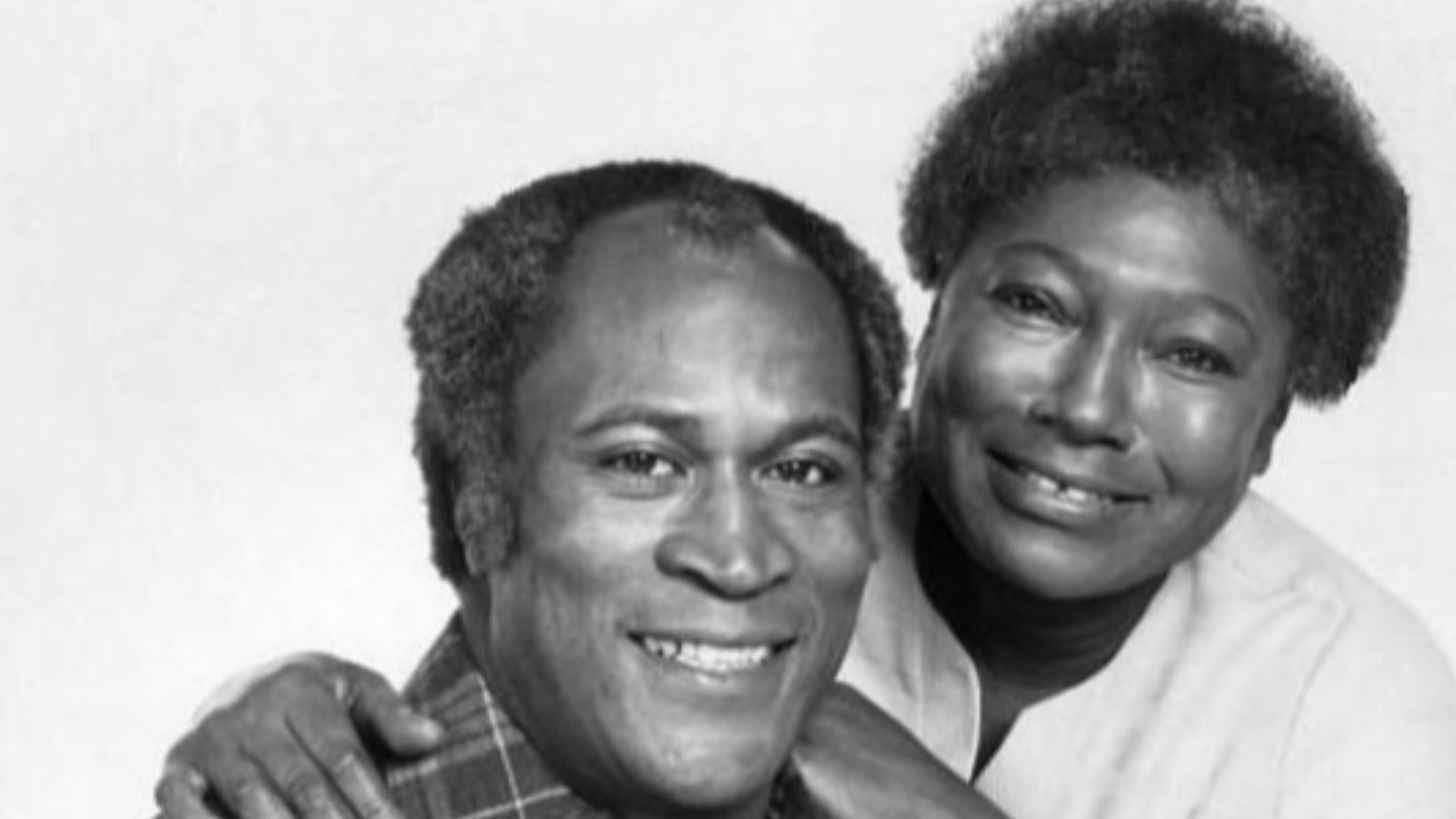 CBS Television. Uploaded by We hope at en.wikipedia, Wikimedia Commons
Great Sitcoms Needed Great Ensembles
These performers rarely received the billing enjoyed by the biggest stars, but their work helped define some of the decade’s most memorable comedies. They could rescue a quiet scene, deepen an emotional moment, or deliver a punchline with only a glance. Which underrated sitcom actor from the 1970s was your favorite?
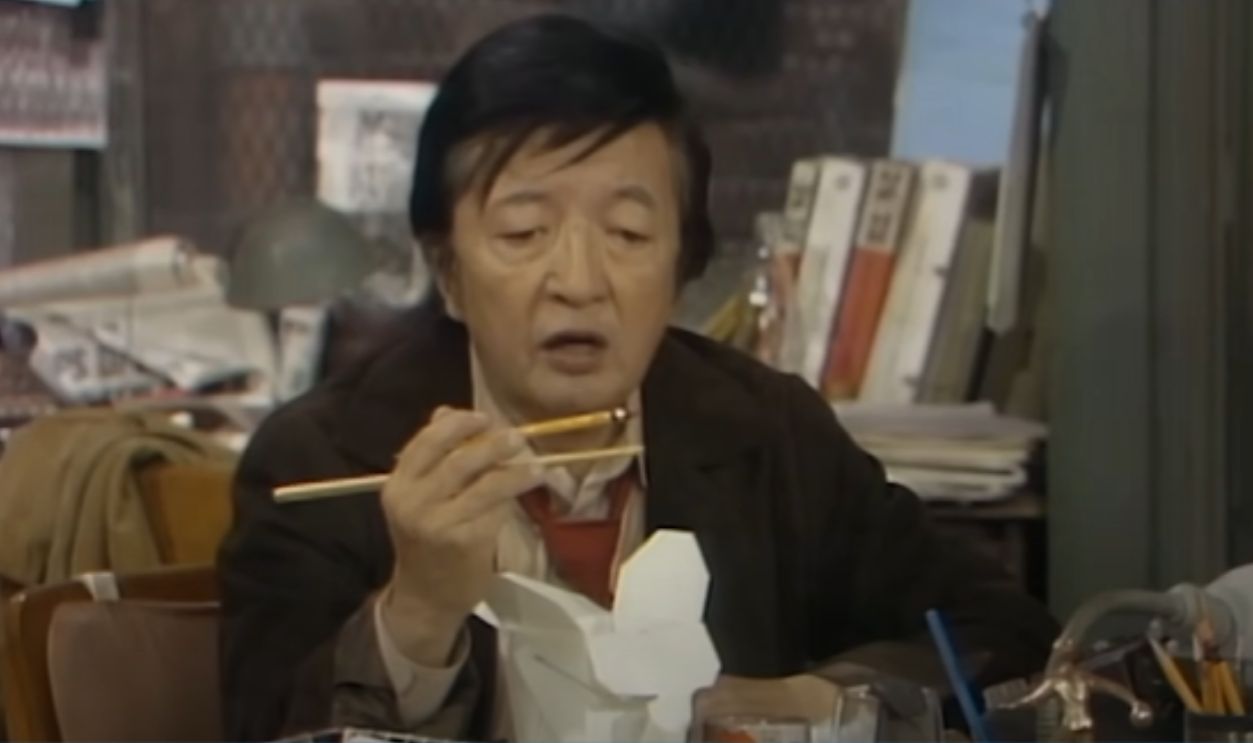 Screenshot from Barney Miller, ABC (1975-1982)
You May Also Like:
Famous TV Sidekicks Who Became Bigger Stars Than Anyone Expected
Sources: 1, 2, 3, 4, 5, 6, 7, 8, 9, 10, 11, 12, 13, 14, 15, 16, 17, 18, 19, 20, 21, 22