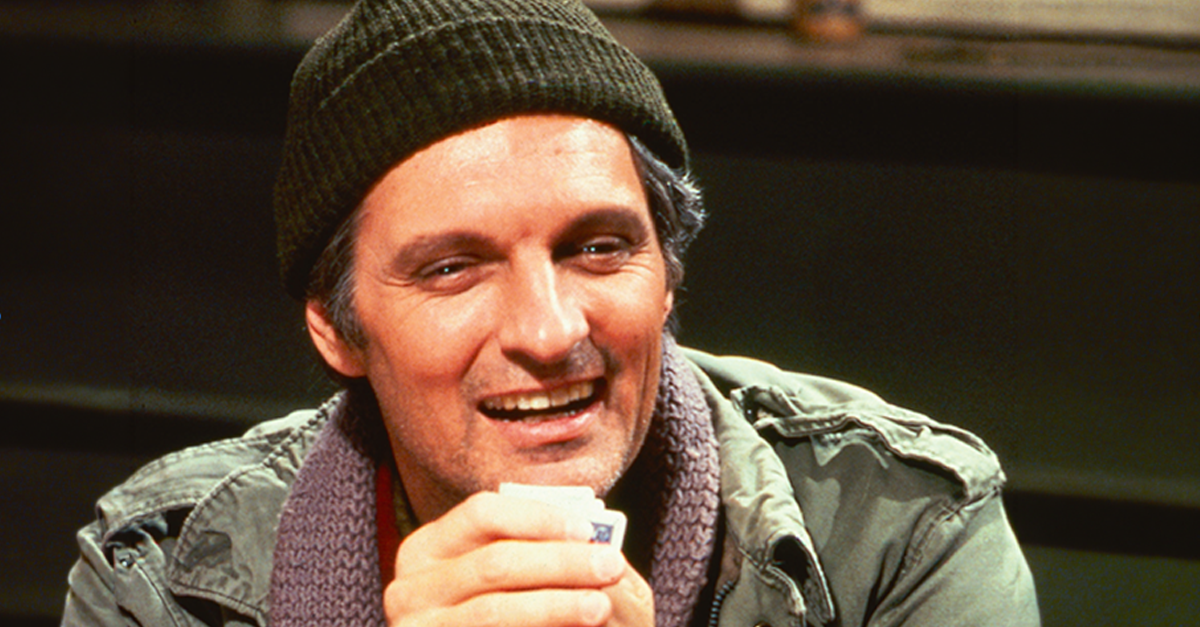
Hawkeye Made Him A Television Legend
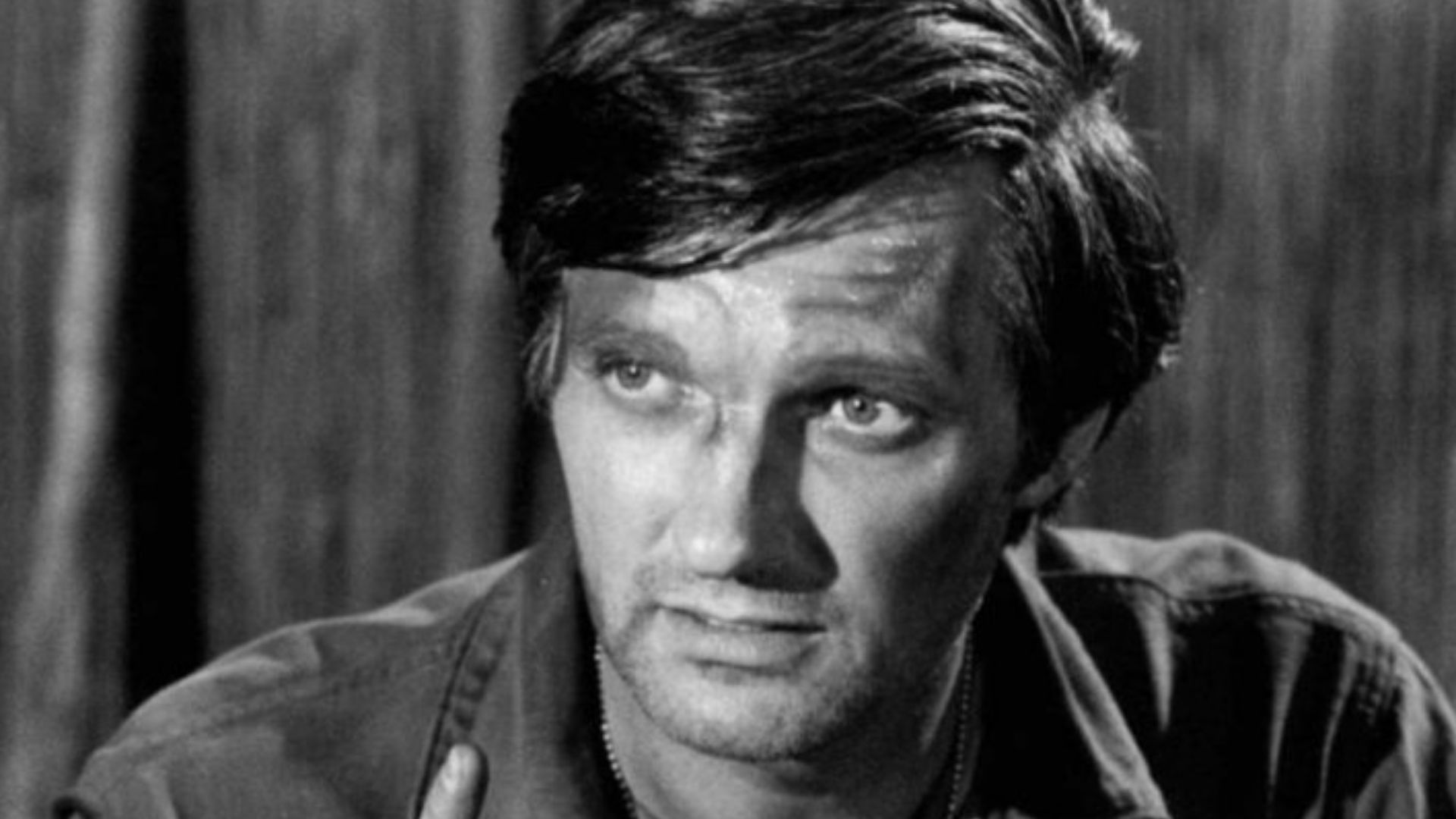
Alan Alda became a household name as Captain Benjamin Franklin “Hawkeye” Pierce on M*A*S*H. The CBS series turned a Korean War field hospital into one of television’s most beloved settings. Alda’s mix of humor, intelligence, and warmth helped make Hawkeye unforgettable. What many fans don't realize is that some of Alda’s most meaningful accomplishments came after he left the operating room behind.
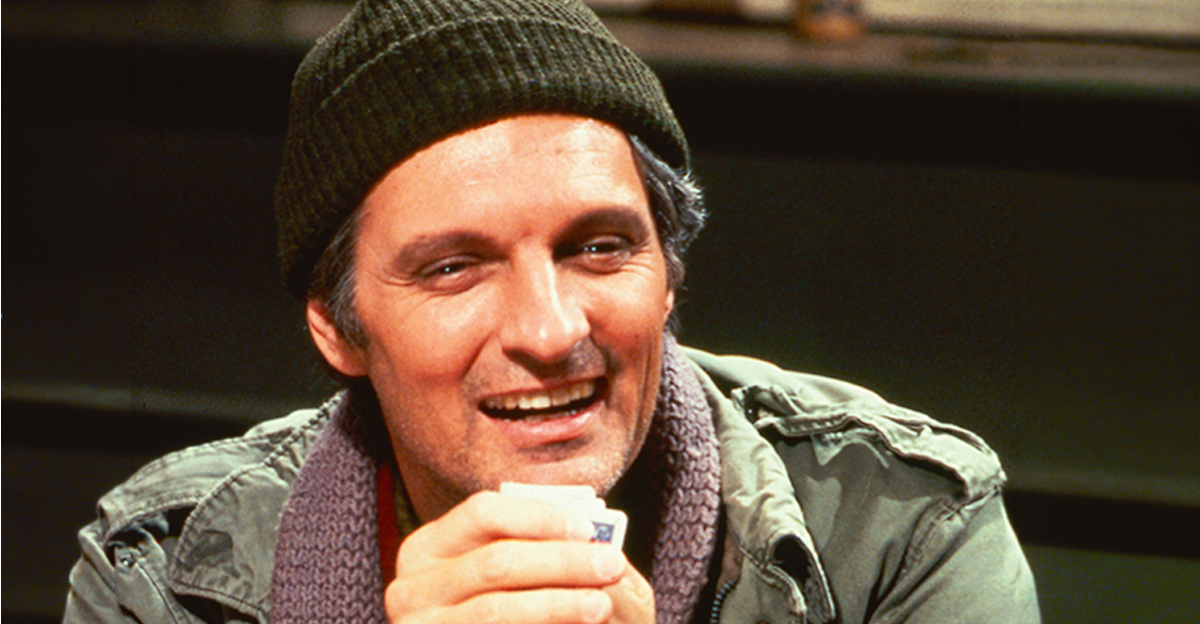 Silver Screen Collection, Getty Images
M*A*S*H Was Bigger Than A Hit
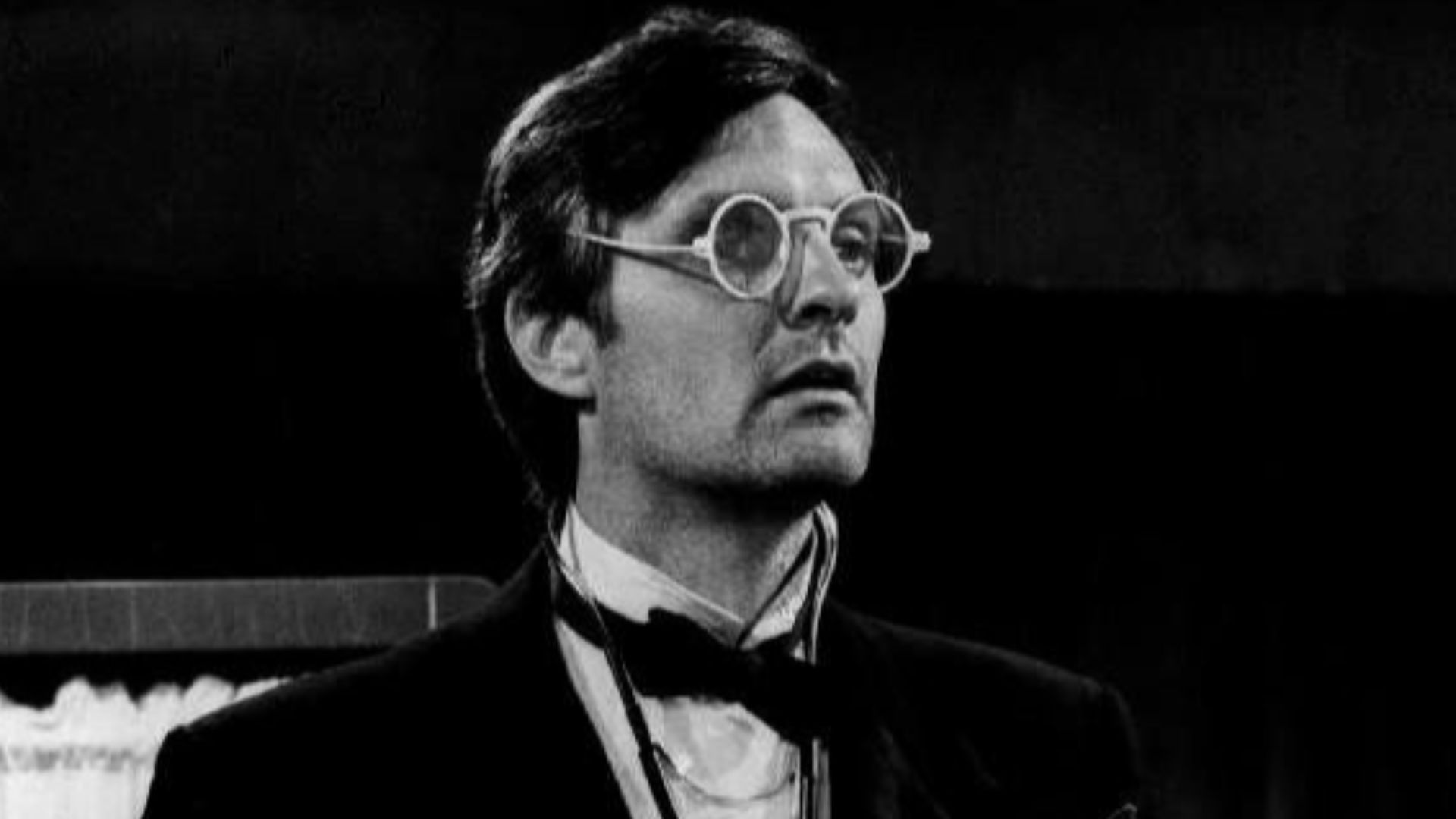
MAS*H ran from 1972 to 1983 and became one of the defining shows of its era. Its finale, “Goodbye, Farewell and Amen,” drew a massive television audience when it aired in 1983. For many viewers, Alda’s face became inseparable from the show’s blend of comedy and heartbreak.
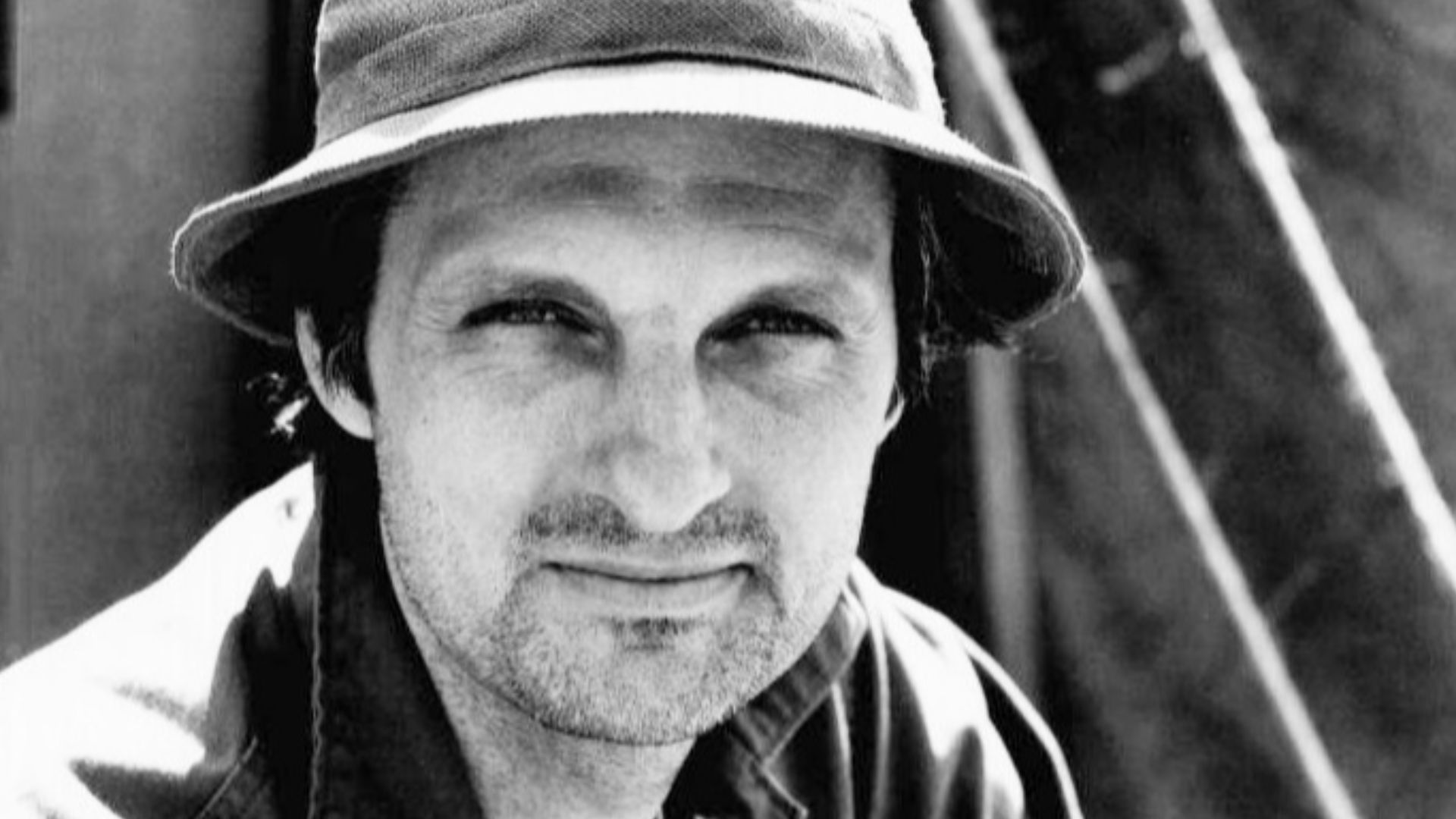 CBS Television, Wikimedia Commons
He Did More Than Star
Alda was not just the man in front of the camera. During M*A*S*H, he also wrote and directed episodes of the series. That creative role helped shape the show’s thoughtful tone as it grew more serious over time.
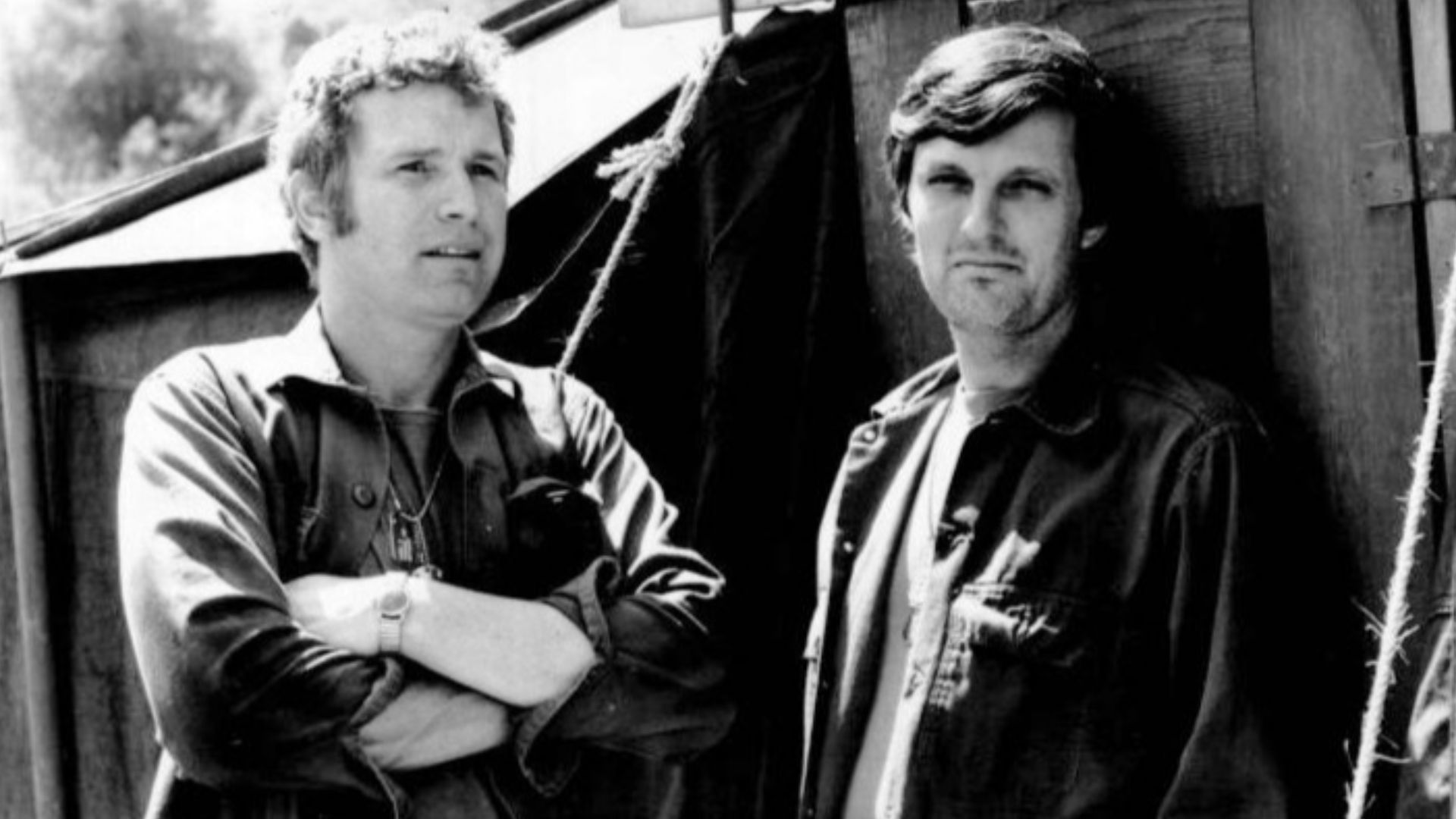 CBS Television, Wikimedia Commons
The Awards Came Early
Alda won multiple Emmy Awards during his television career, including honors tied to M*A*S*H. He also earned Golden Globe recognition for his work on the series. Those trophies confirmed what audiences already knew: he was much more than a sitcom lead.
 Peter Dutton from Forest Hills, Queens, USA, Wikimedia Commons
Then He Refused To Coast
After M*A*S*H ended, Alda could have stayed safely inside familiar territory. Instead, he kept moving into film, theater, writing, science, and public communication. That second act became one of the most interesting parts of his career.
 CBS Television, Wikimedia Commons
He Kept Taking Risks On Screen
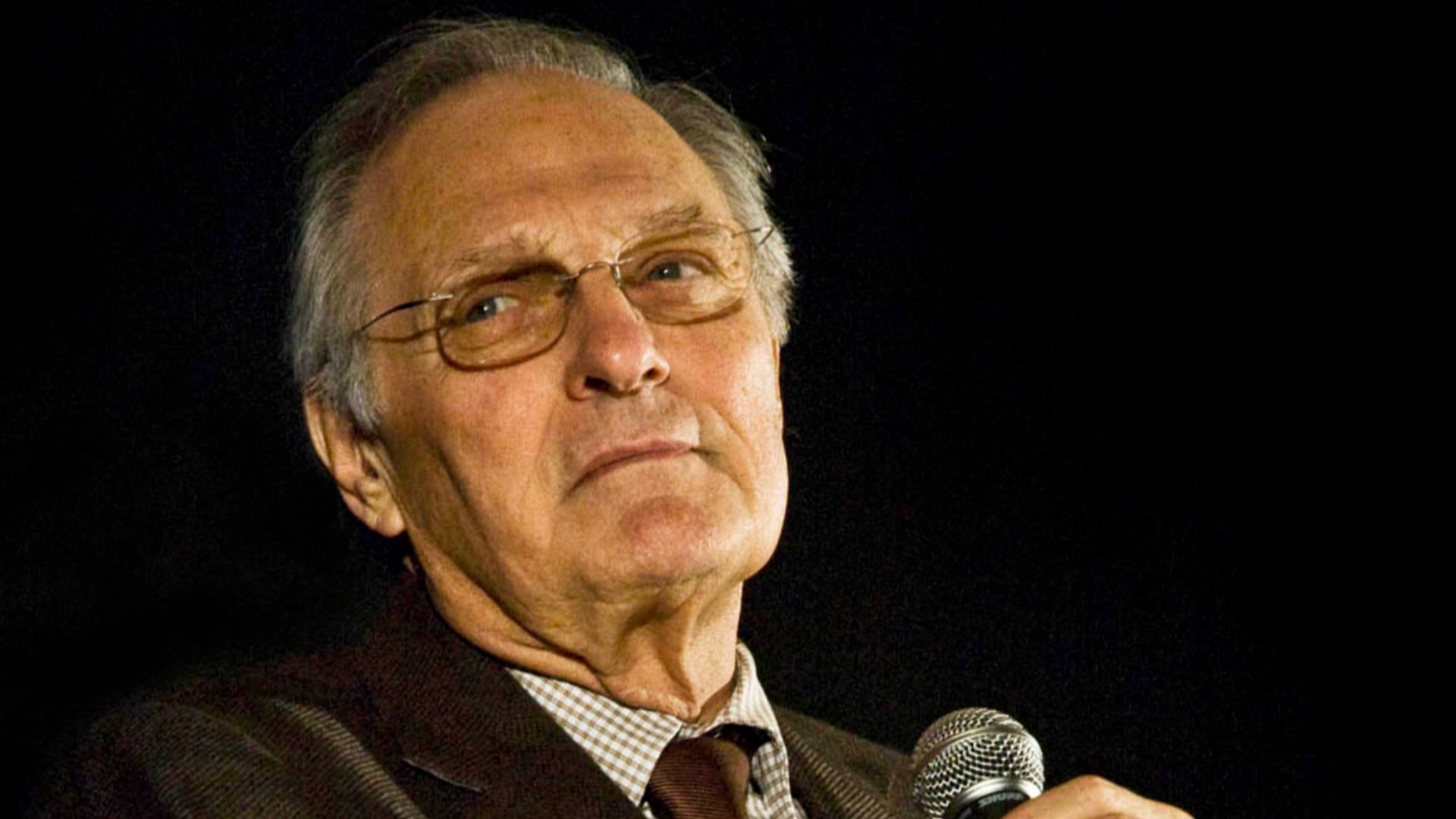
Alda continued acting in films and television after M*A*S*H. He appeared in projects such as Crimes and Misdemeanors, ER, The West Wing, 30 Rock, and The Blacklist. Each role reminded viewers that he could disappear into characters far beyond Hawkeye.
 Bridget Laudien, Wikimedia Commons
The Aviator Brought Oscar Attention
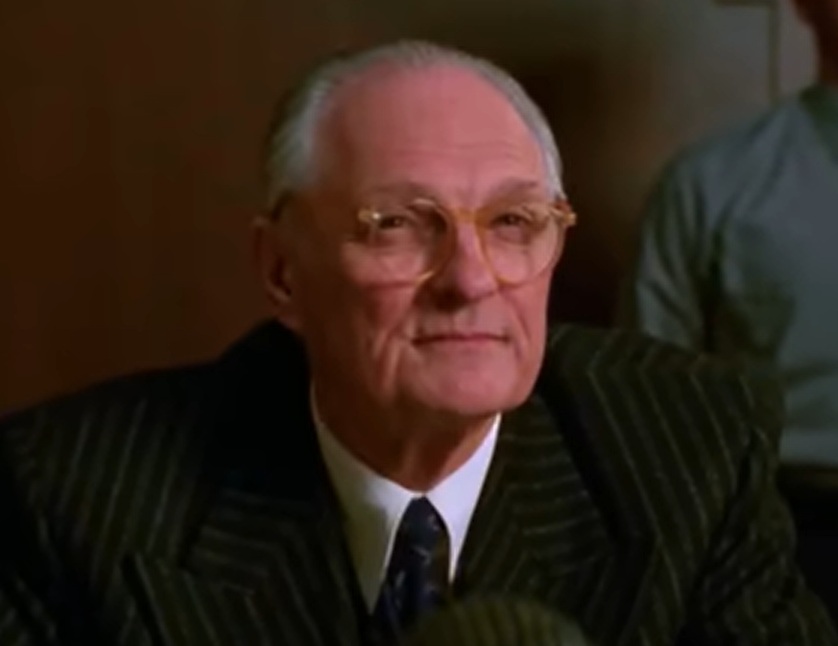
In 2004, Alda played Senator Owen Brewster in Martin Scorsese’s The Aviator. The performance earned him an Academy Award nomination for Best Supporting Actor. It was a major reminder that his career still had serious momentum decades after M*A*S*H.
 Screenshot from The Aviator, Miramax (2004)
The West Wing Gave Him A Late-Career Triumph
Alda joined The West Wing as Senator Arnold Vinick. The role won him an Emmy Award for Outstanding Supporting Actor in a Drama Series in 2006. He brought intelligence, restraint, and dry humor to a character who could have easily felt one-dimensional.
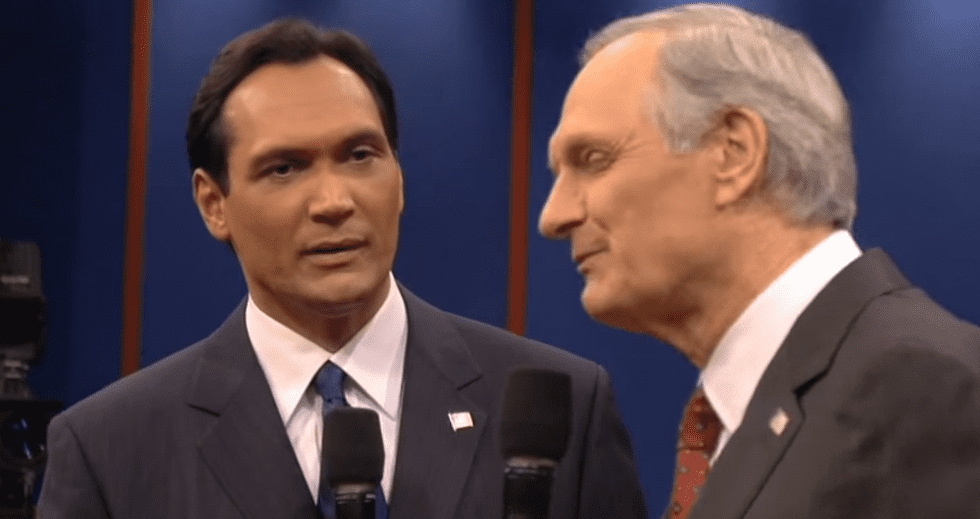 Screenshot from The West Wing, Warner Bros. Television (1999-2006)
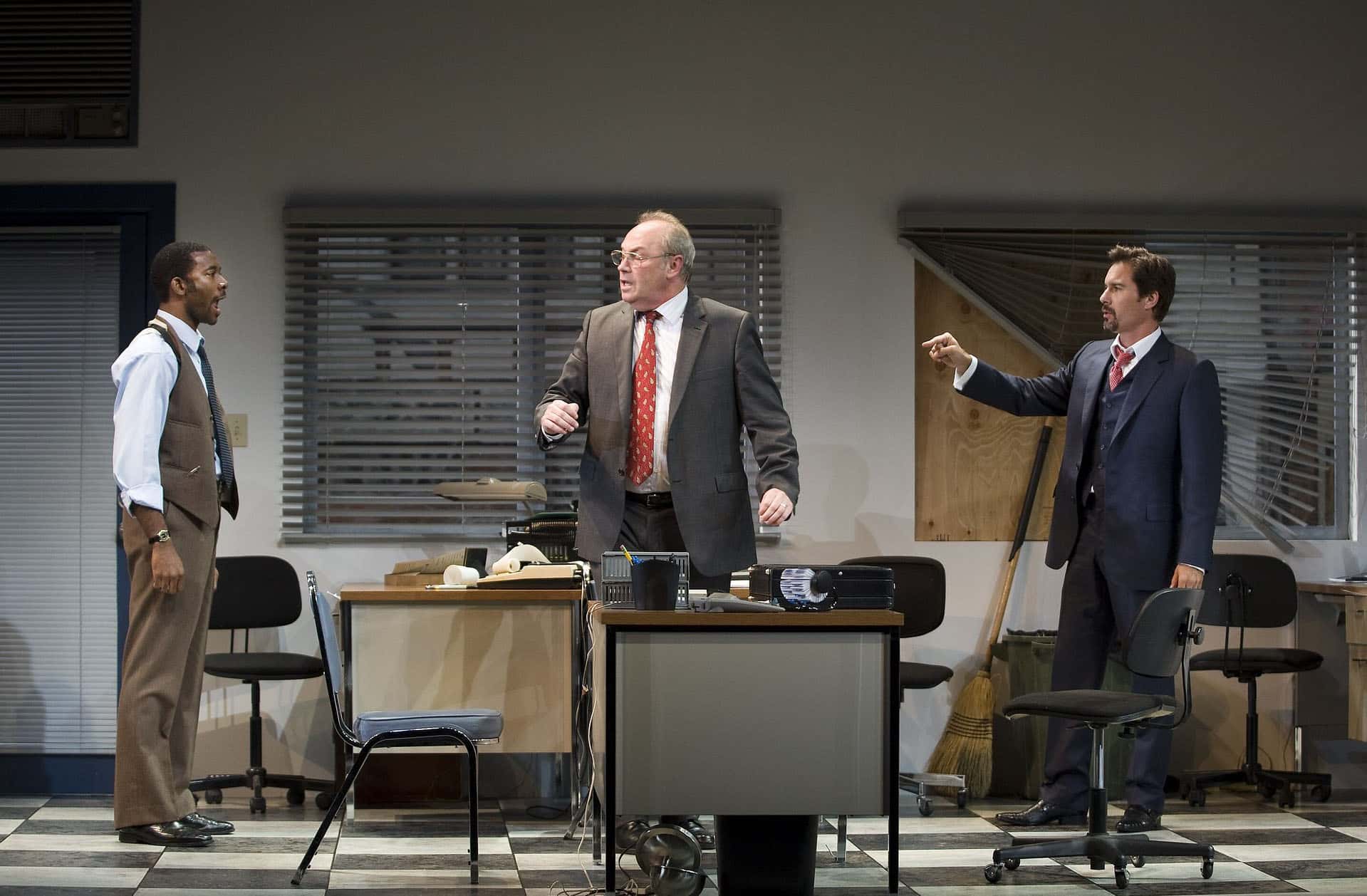
Broadway Stayed In The Picture
Alda also remained active on stage. He earned Tony Award nominations across his theater career, including for Jake’s Women and Glengarry Glen Ross. His stage work proved that his talent was never limited to television timing.
He Became A Trusted Science Guide
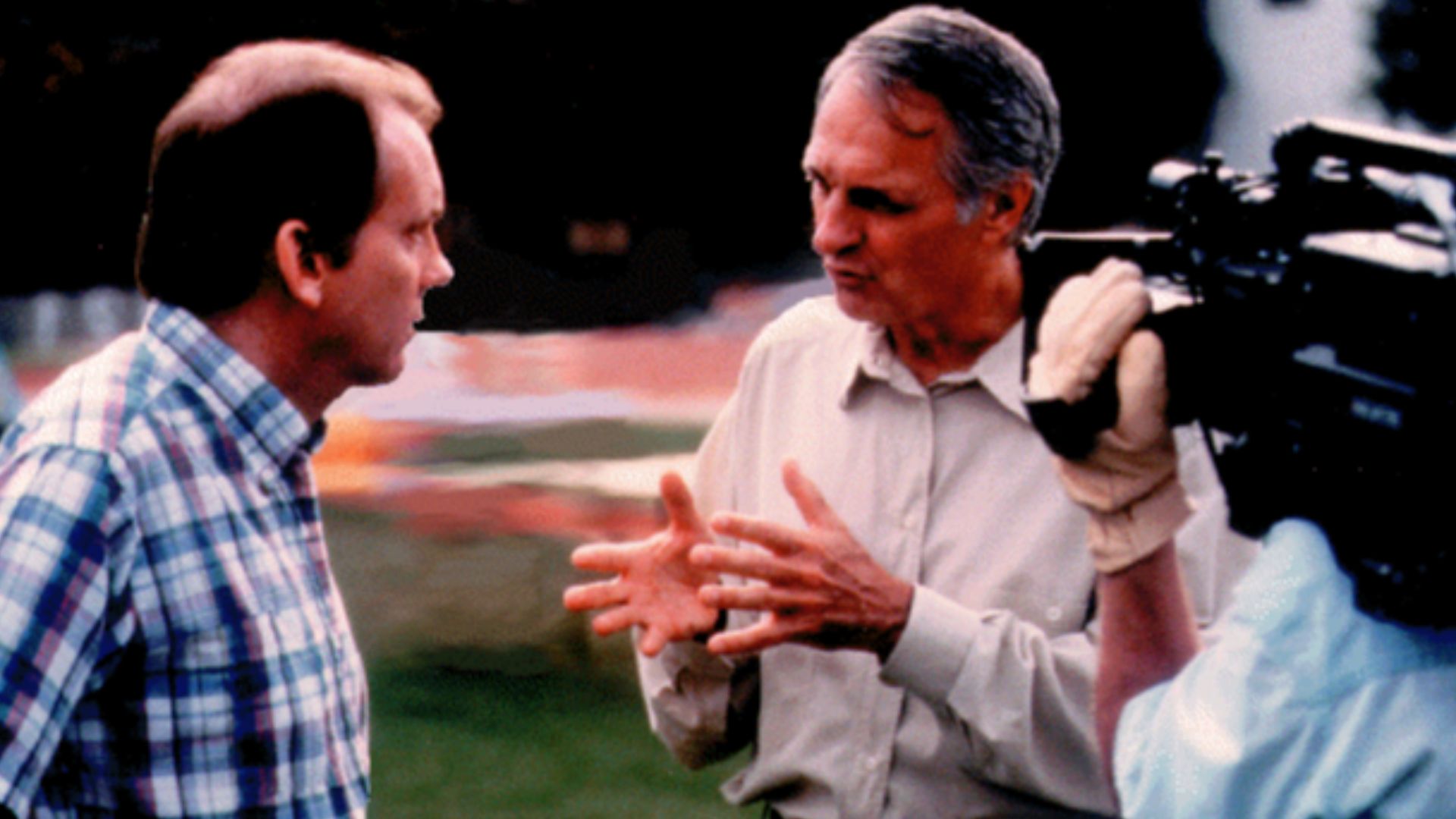
One of Alda’s most surprising turns came through science communication. He hosted Scientific American Frontiers on PBS for years, interviewing scientists and exploring complex ideas for general audiences. His curiosity made the show feel less like homework and more like a lively conversation.
 en:user:Firewall, Wikimedia Commons
Curiosity Became His Superpower
Alda was not pretending to be a scientist. That was part of his appeal. He asked clear questions, listened closely, and helped experts explain their work in ways regular viewers could understand.
He Saw A Bigger Problem
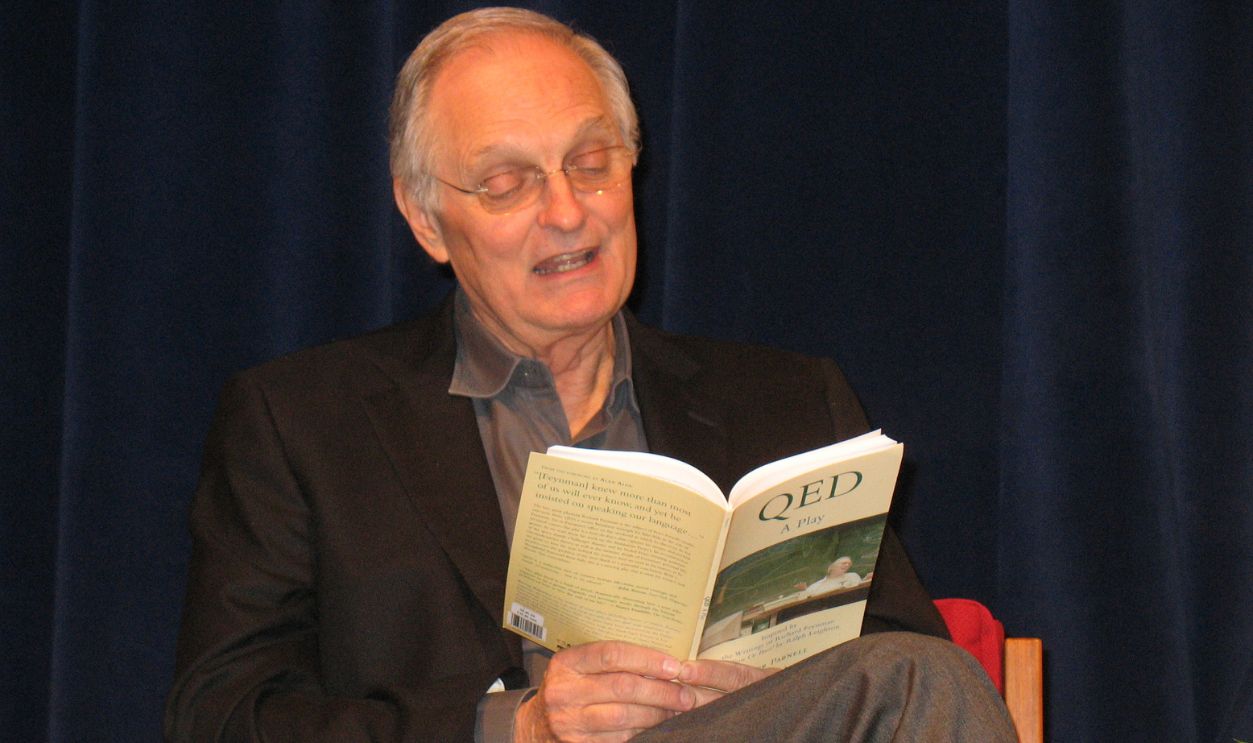
While speaking with scientists, Alda noticed that brilliant people often struggled to explain their own work. He saw that communication could shape whether important discoveries reached the public. That realization changed the direction of his life after acting made him famous.
![Title: Alan Alda [Today Show, New York]
Creator(s): Gotfryd, Bernard, photographer
Date Created/Published: [August 1979]
Medium: 1 photograph : color transparency ; 35mm (slide format)
Reproduction Number: LC-DIG-gtfy-00067 (digital file from original)
Ri](https://www.factinate.com/storage/app/media/theshot/2026/6/24/1782293176b80f6a2ae24f8d8594ba33d3175fd36d17b3db39.jpg) Gotfryd, Bernard, photographer, Wikimedia Commons
Gotfryd, Bernard, photographer, Wikimedia Commons
The Alda Center Put His Ideas Into Action
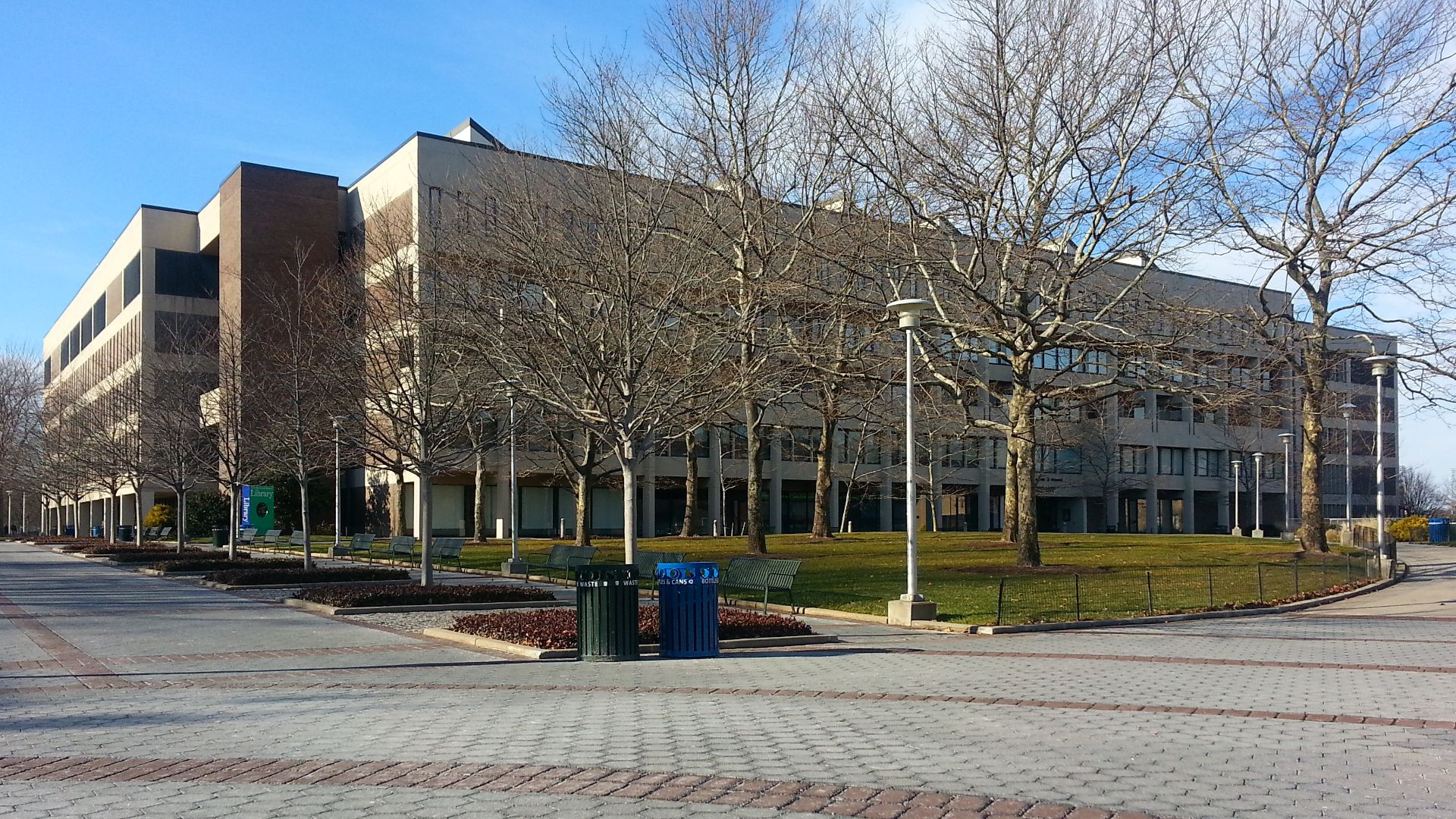
In 2009, the Alan Alda Center for Communicating Science was founded at Stony Brook University. The center trains scientists, researchers, and health professionals to communicate more clearly with the public. It is one of Alda’s most meaningful contributions outside entertainment.
 EdwinCasadoBaez, Wikimedia Commons
He Treats Communication Like A Skill
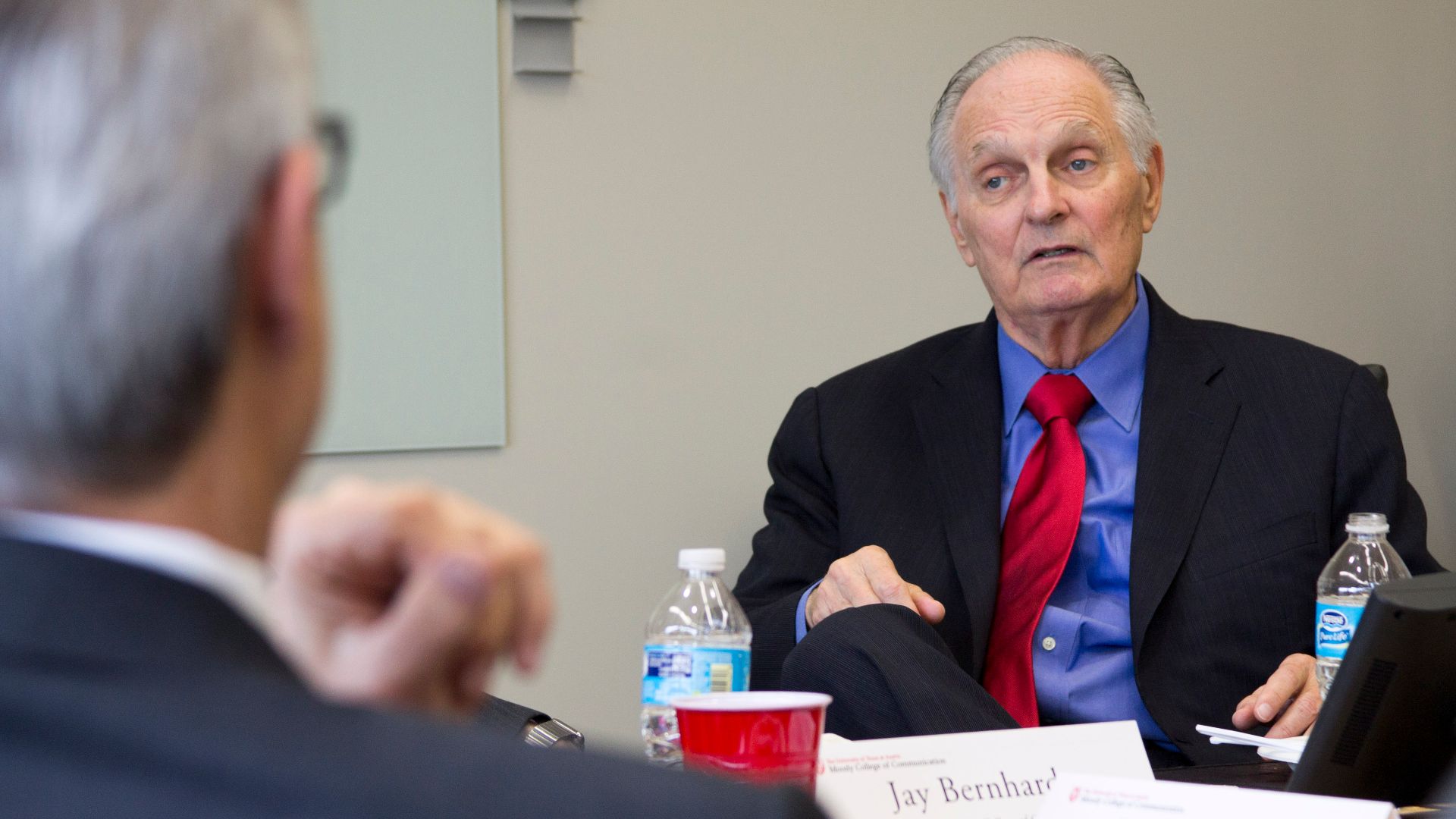
Alda believes communication is not just about simplifying words. It is about empathy, connection, and understanding the person listening. The Alda Center uses techniques inspired by improvisation to help scientists become more vivid and relatable.
 Moody College of Communication from Austin, USA, Wikimedia Commons
He Turned A Childhood Question Into A Challenge
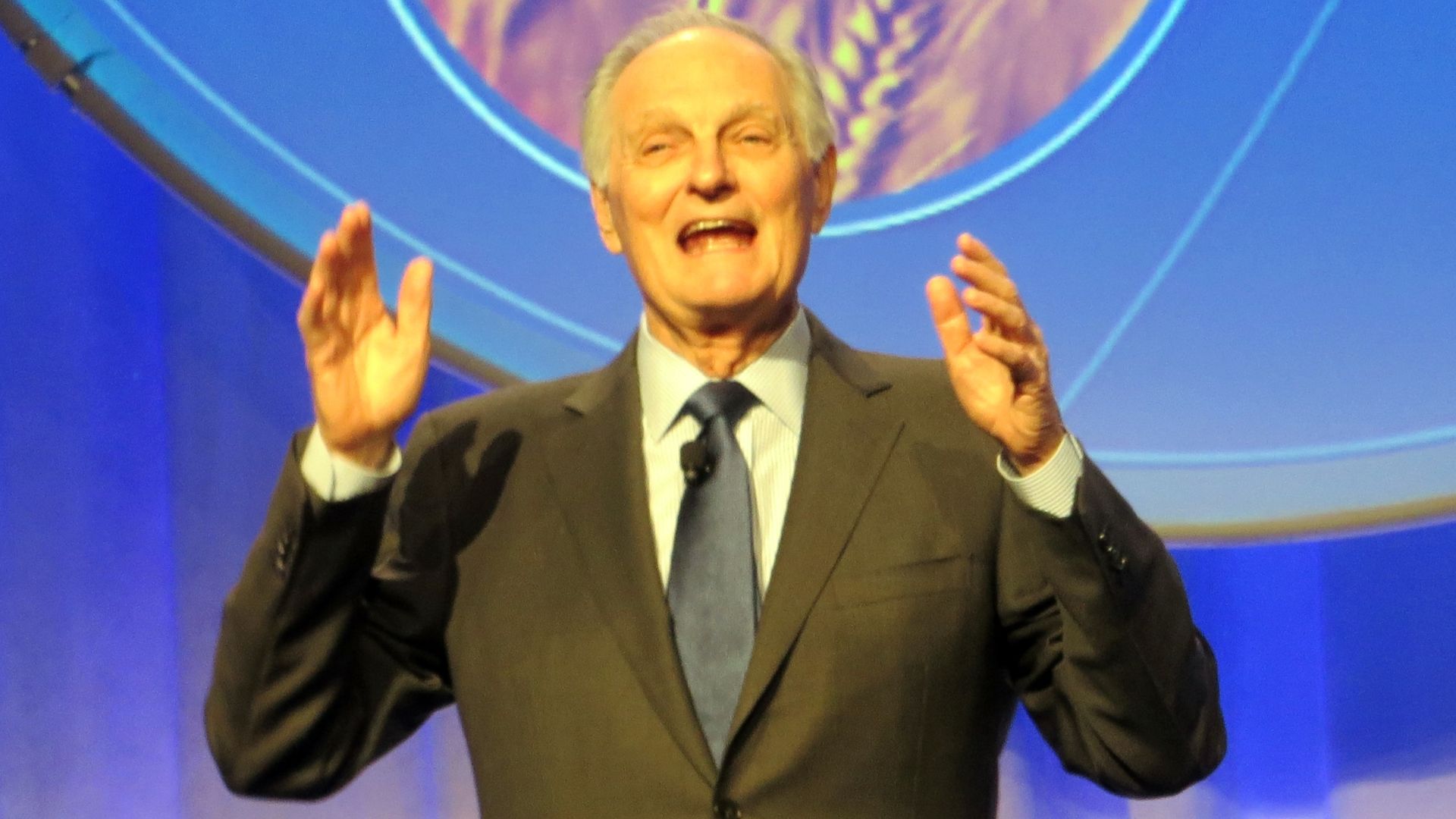
Alda also helped launch The Flame Challenge, which asked scientists to explain a flame in a way an 11-year-old could understand. The idea came from his own childhood memory of being unsatisfied by confusing explanations. It turned a simple question into a public lesson about clarity.
He Wrote About Listening
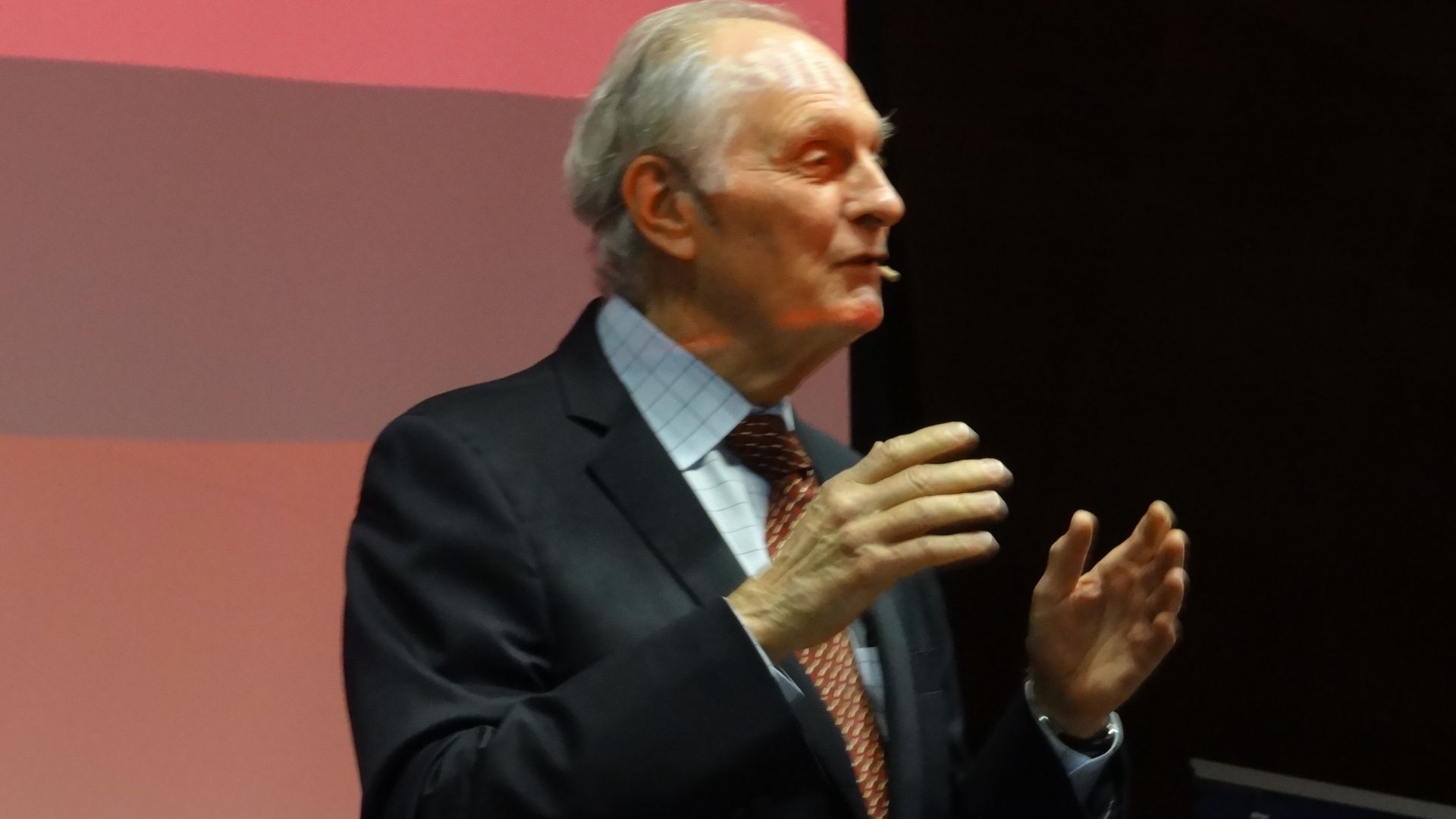
Alda explored these ideas in his book If I Understood You, Would I Have This Look On My Face? The book focused on the art and science of relating and communicating. It became another way for him to bring his post-M*A*S*H mission to a wider audience.
His Memoirs Showed The Person Behind The Charm
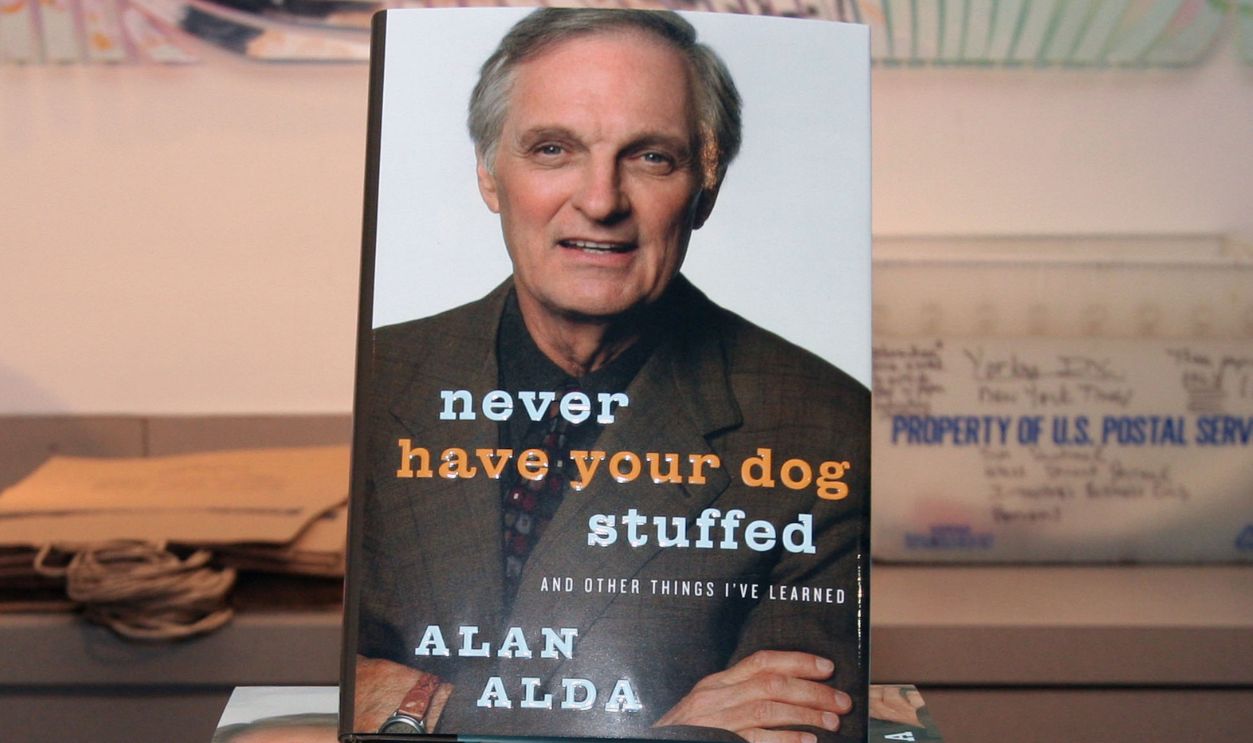
Alda also wrote memoirs, including Never Have Your Dog Stuffed and Things I Overheard While Talking To Myself. These books gave readers a more personal look at his childhood, career, and hard-earned perspective. His writing carries the same warmth and curiosity that made him popular on screen.
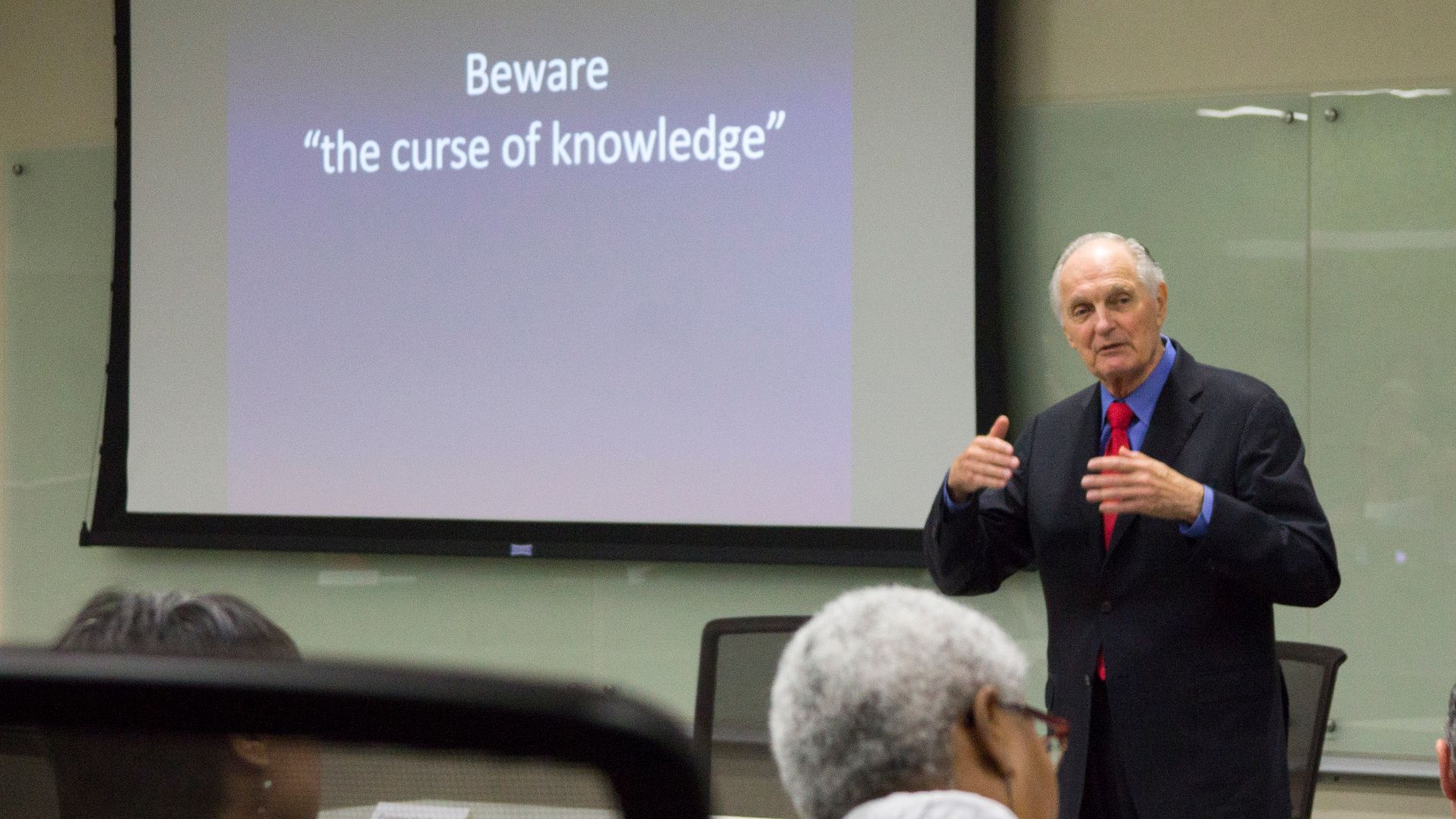
He Built A Podcast Around Better Conversations
Alda later launched Clear+Vivid with Alan Alda. The podcast features conversations with actors, writers, scientists, and other public figures. Its central idea fits perfectly with his larger mission: better communication can make life richer.
 Moody College of Communication from Austin, USA, Wikimedia Commons
He Faced Parkinson’s Publicly
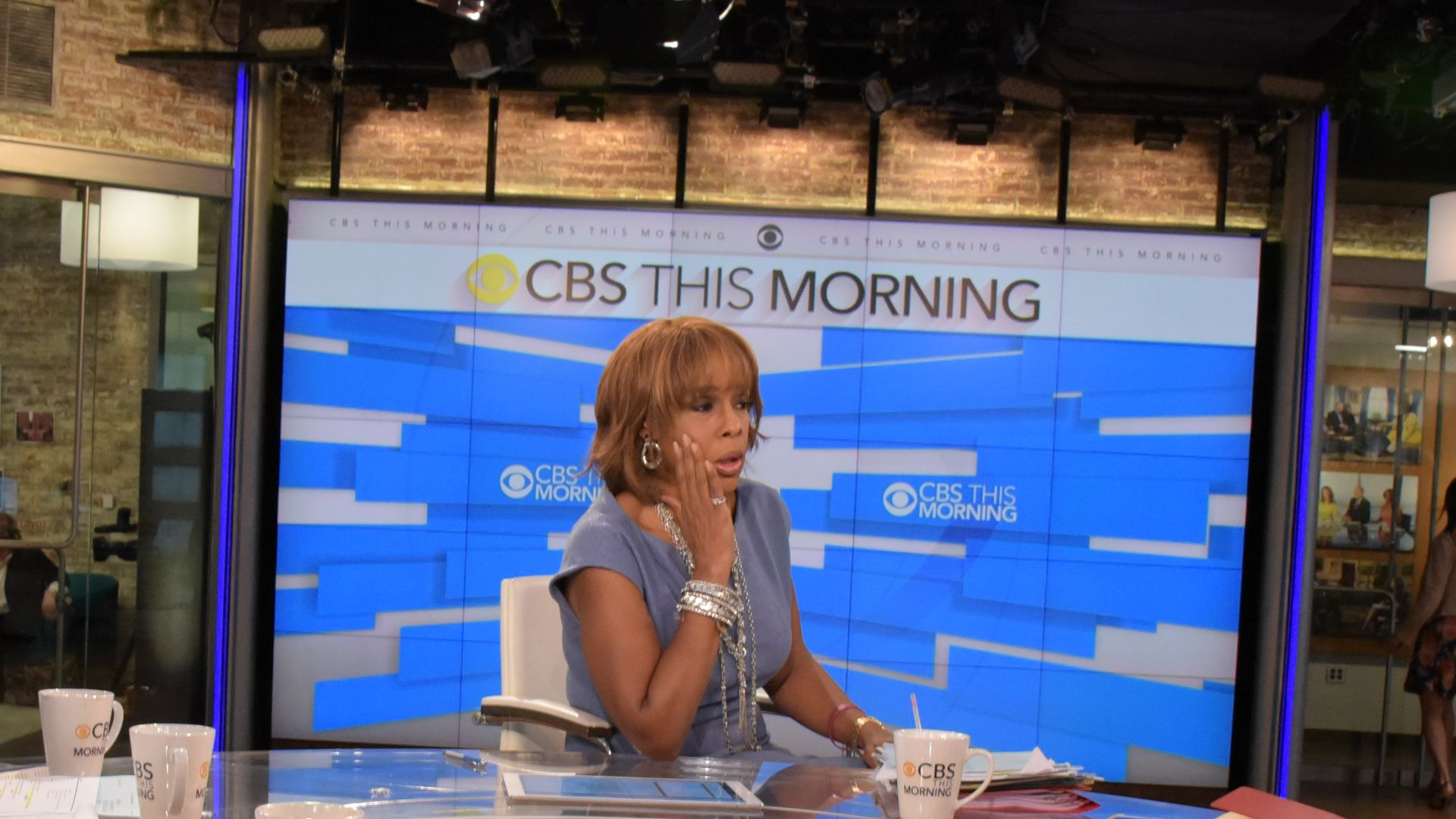
In 2018, Alda revealed on CBS This Morning that he had been diagnosed with Parkinson’s disease several years earlier. He said he had continued acting, giving talks, helping at the Alda Center, and starting his podcast after the diagnosis. His openness helped shift the story away from fear and toward resilience.
 U.S. Department of Homeland Security (DHS), Wikimedia Commons
He Refuses To Let Illness Define Him
Alda has spoken about Parkinson’s with honesty and humor. He has discussed staying active and approaching the condition as something to manage rather than something that erased his life. That attitude has made him even more inspiring to longtime fans.
 Moody College of Communication from Austin, USA, Wikimedia Commons
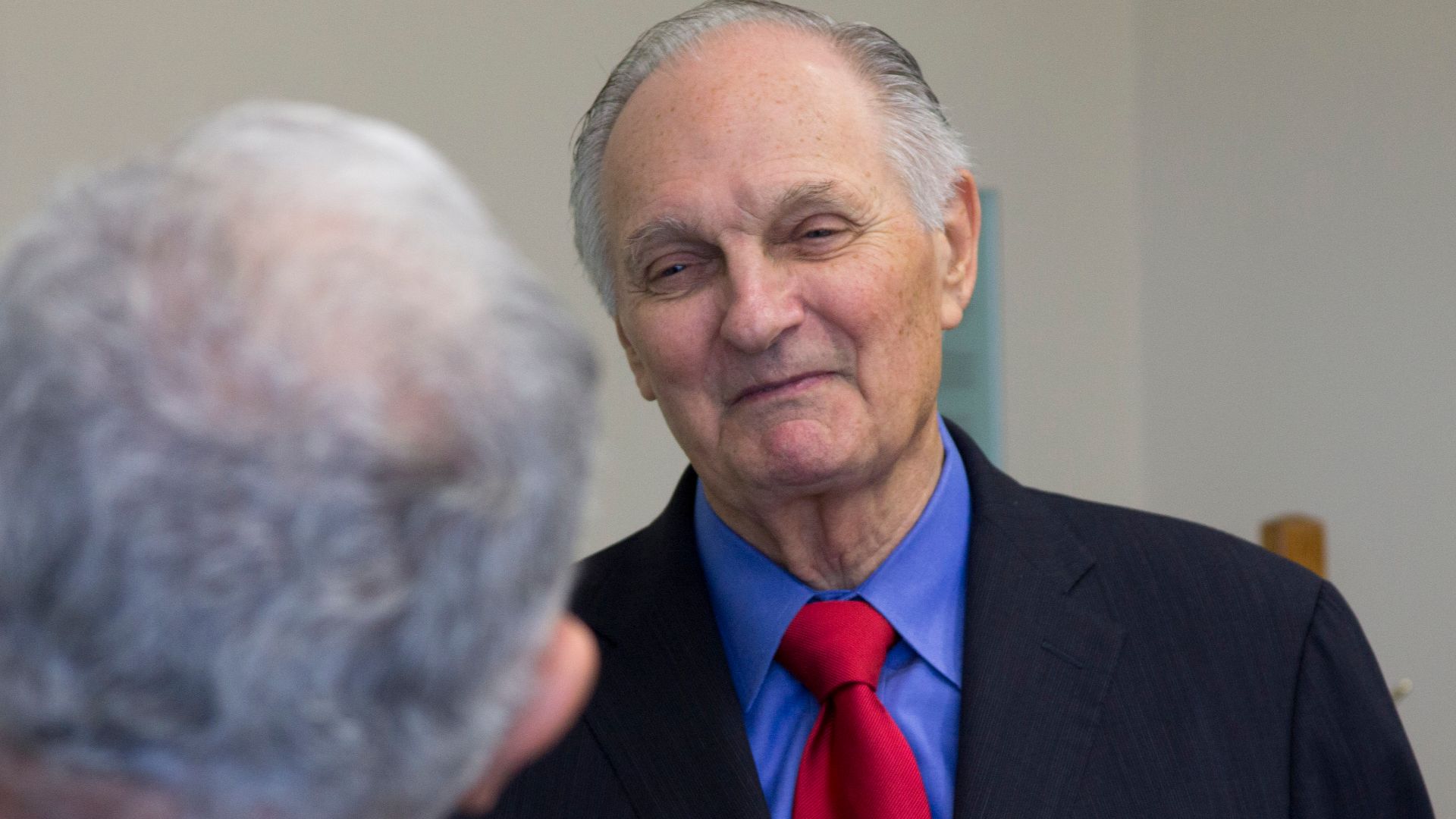
The Industry Honored The Whole Journey
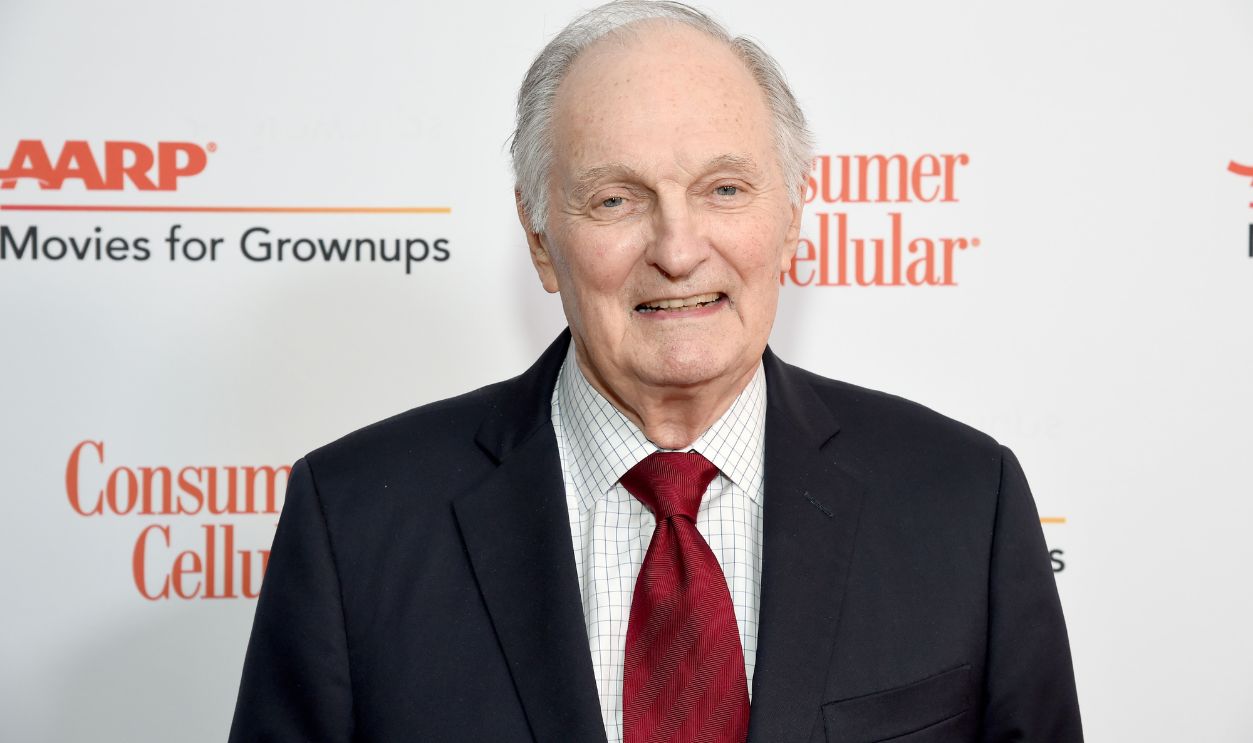
In 2019, Alda received the SAG Life Achievement Award. The honor recognized both his career achievement and humanitarian work. It is the kind of award that looks beyond one famous role and acknowledges the full sweep of an entertainer's impact.
 Moody College of Communication from Austin, USA, Wikimedia Commons
His Greatest Achievement Is About Connection
Hawkeye made Alda famous, but communication has become his life’s larger subject. He has spent decades helping people speak more clearly, listen more closely, and understand each other better. That work reaches beyond Hollywood in a way few acting careers ever do.
 CBS Television, Wikimedia Commons
He Changed What A Second Act Could Look Like
Many stars spend their later careers revisiting old glory. Alda has done something different. He uses his fame as a bridge to science, education, health communication, and deeper public conversation.
Hawkeye Was Only The Beginning
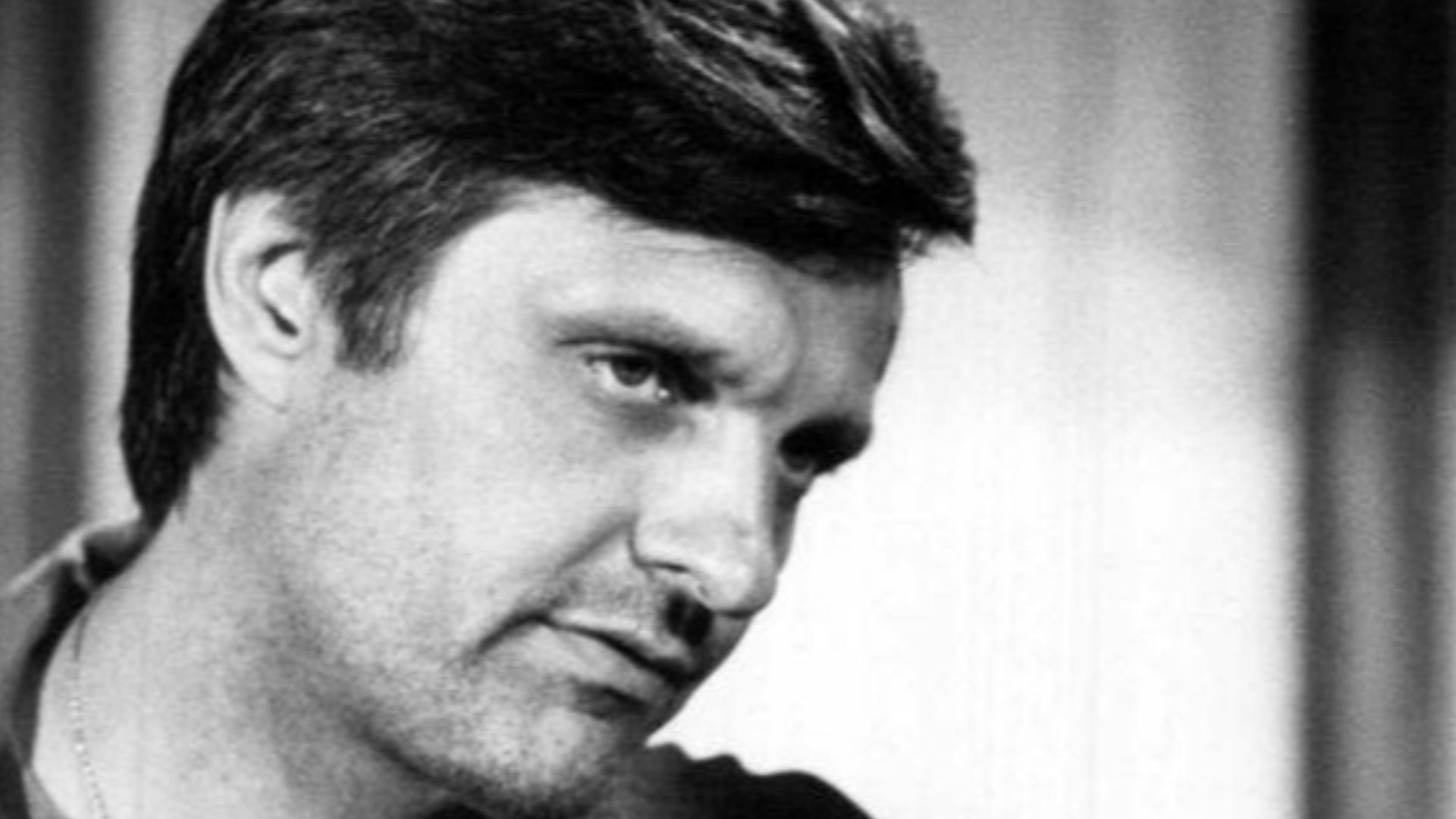
M*A*S*H will always be central to Alan Alda’s story. It gave him a place in television history that few performers ever reach. Yet the years since have shown how much more he wants to do with that platform.
 CBS Television, Wikimedia Commons
His Legacy Keeps Expanding
Alan Alda’s post-M*A*S*H achievements prove that a beloved role does not have to be the end of a story. He built a second career as a writer, teacher, interviewer, advocate, and champion of clearer communication. Hawkeye made him famous, but what he built after the series ended has left an even deeper mark.
You May Also Like:
Everyone loved "Hot Lips" Loretta Swit on M*A*S*H, but where did she go when the show ended?
Why did M*A*S*H star Wayne Rogers leave Hollywood after the show ended?
Why did Sanford and Son star Demond Wilson walk away from Hollywood at the height of fame?