What Actually Happened To Wayne Rogers?
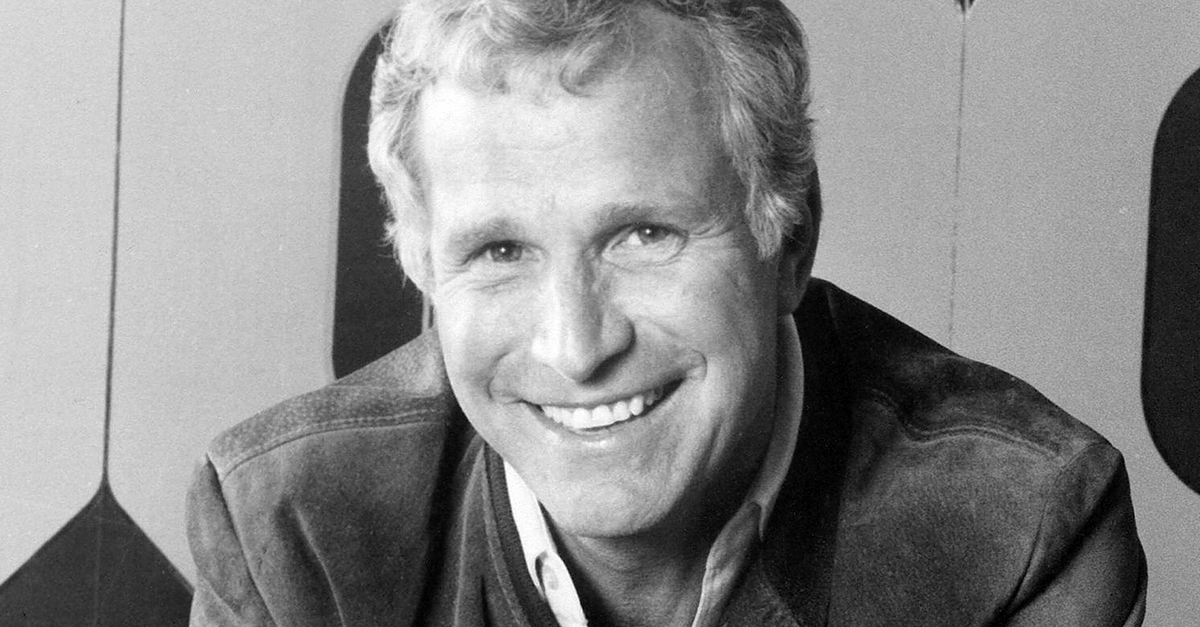
To television audiences in the 1970s, Wayne Rogers was the charming and rebellious Trapper John on M*A*S*H. He seemed perfectly positioned for long-term Hollywood success. But after leaving one of television’s biggest shows, Rogers slowly stepped away from acting and built a very different life outside fame.

Wayne Rogers Wasn’t Supposed To Be Trapper John
Before landing M*A*S*H, Rogers originally auditioned for the role of Hawkeye Pierce. Producers instead cast him as Trapper John McIntyre, the witty surgeon who became Hawkeye’s closest friend. The chemistry between Rogers and Alan Alda helped define the show’s early success.
 CBS Television, Wikimedia Commons
M*A*S*H Became An Unexpected Phenomenon
When M*A*S*H premiered in 1972, nobody expected it to become one of television’s defining series. Blending comedy, war, and emotional drama, the show quickly attracted a loyal audience. Rogers suddenly found himself part of a cultural sensation almost overnight.
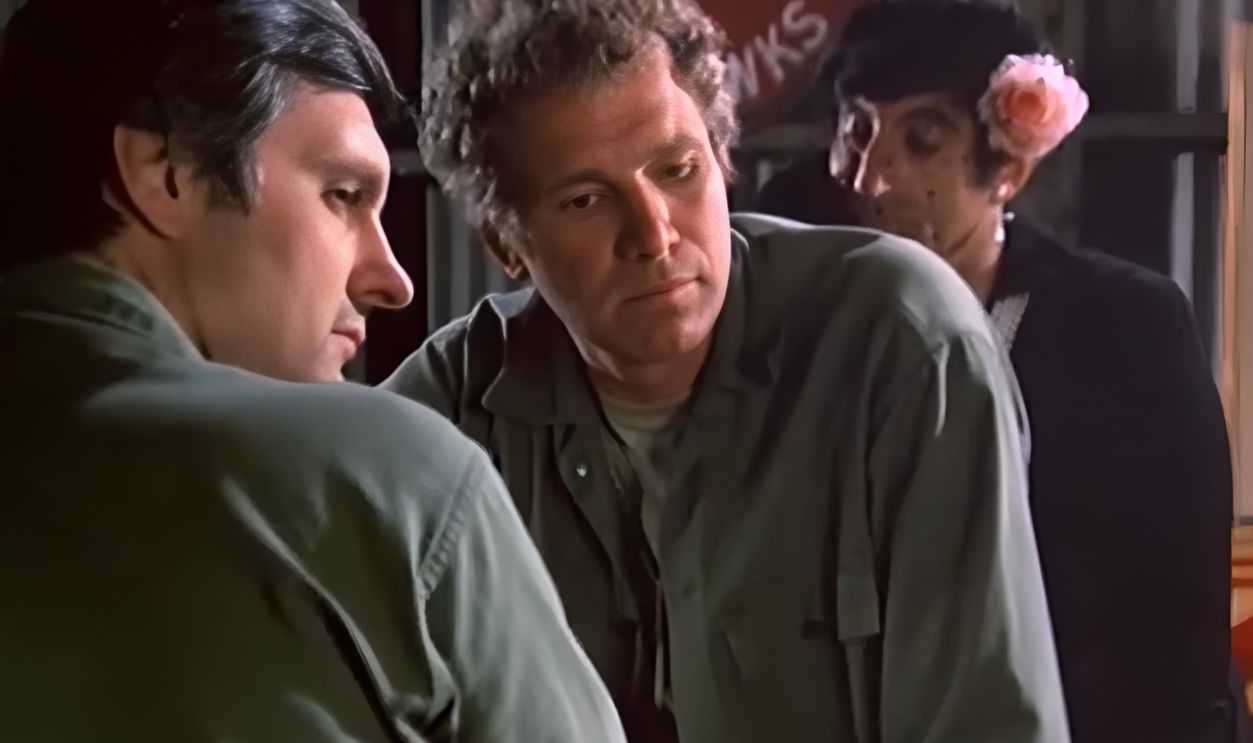 Screenshot from M*A*S*H, CBS (1972–1983), Modified
Fame Came With Frustration
Even as the series succeeded, Rogers grew frustrated behind the scenes. Scripts increasingly focused on Alan Alda’s Hawkeye, leaving Trapper John with fewer meaningful storylines. Rogers reportedly felt his character was becoming secondary despite being one of the show’s original stars.
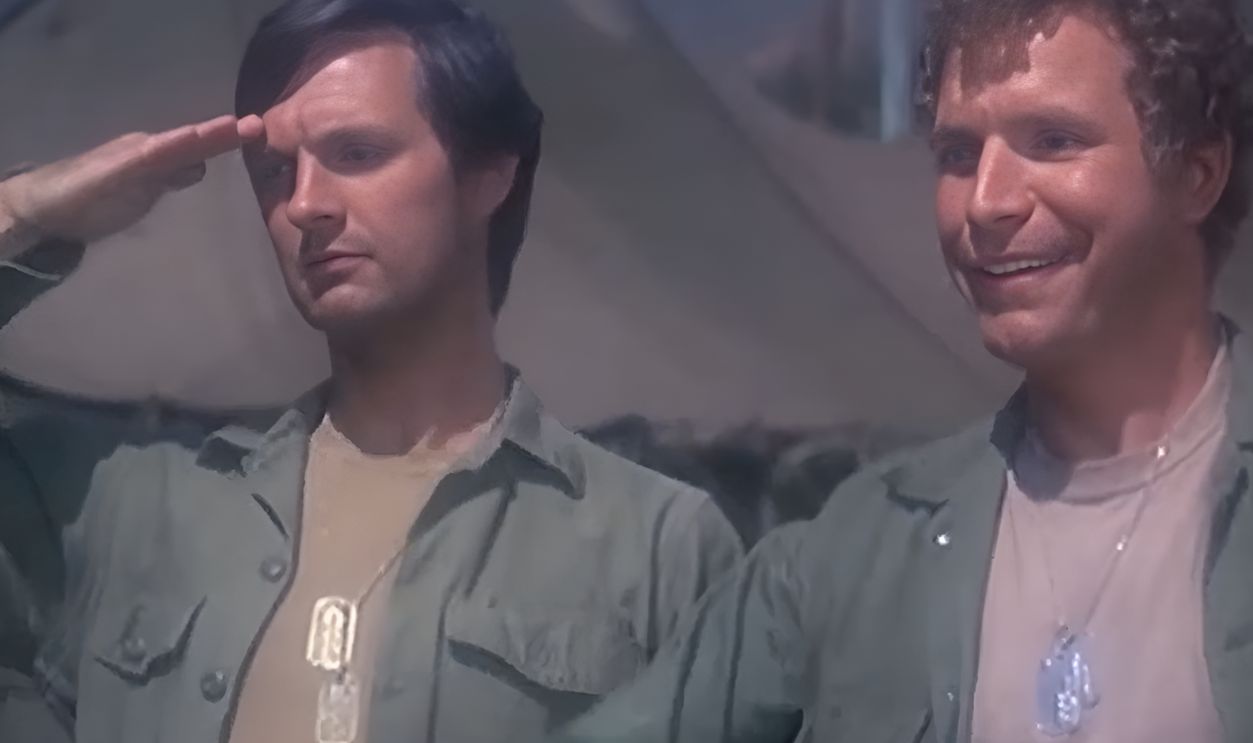 Screenshot from M*A*S*H, CBS (1972–1983), Modified
Feeling Overshadowed By Alan Alda
As M*A*S*H evolved, Alan Alda emerged as the emotional center of the series. Rogers later admitted he worried Trapper John was losing depth and importance. The imbalance created tension and disappointment during what should have been the height of his television career.
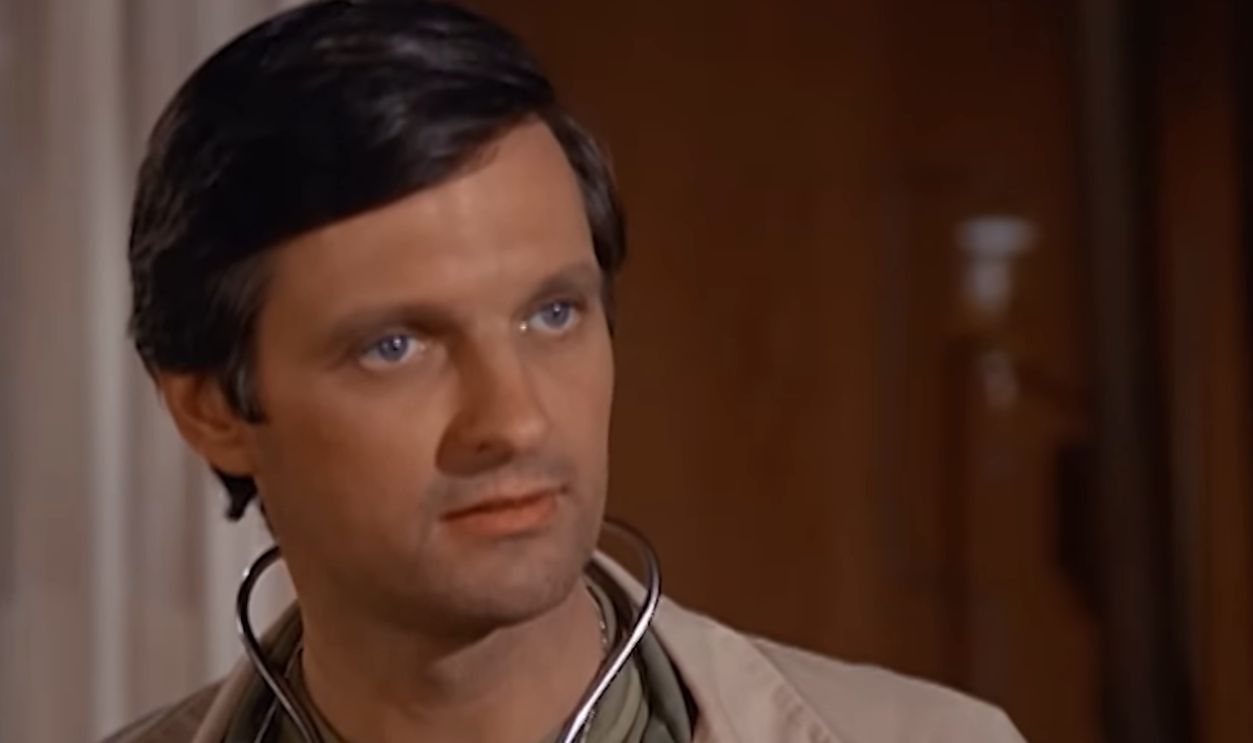 Screenshot from MAS*H, CBS (1972–1983)
Wayne Rogers Walked Away At The Peak
In 1975, Rogers shocked audiences by leaving M*A*S*H after just three seasons. Walking away from one of America’s most successful shows seemed almost unthinkable at the time. But Rogers believed staying would only leave him increasingly unhappy and creatively limited.
He later shared in an interview: “Do I have any regrets leaving the show? I’d have regrets if I hadn’t left.”
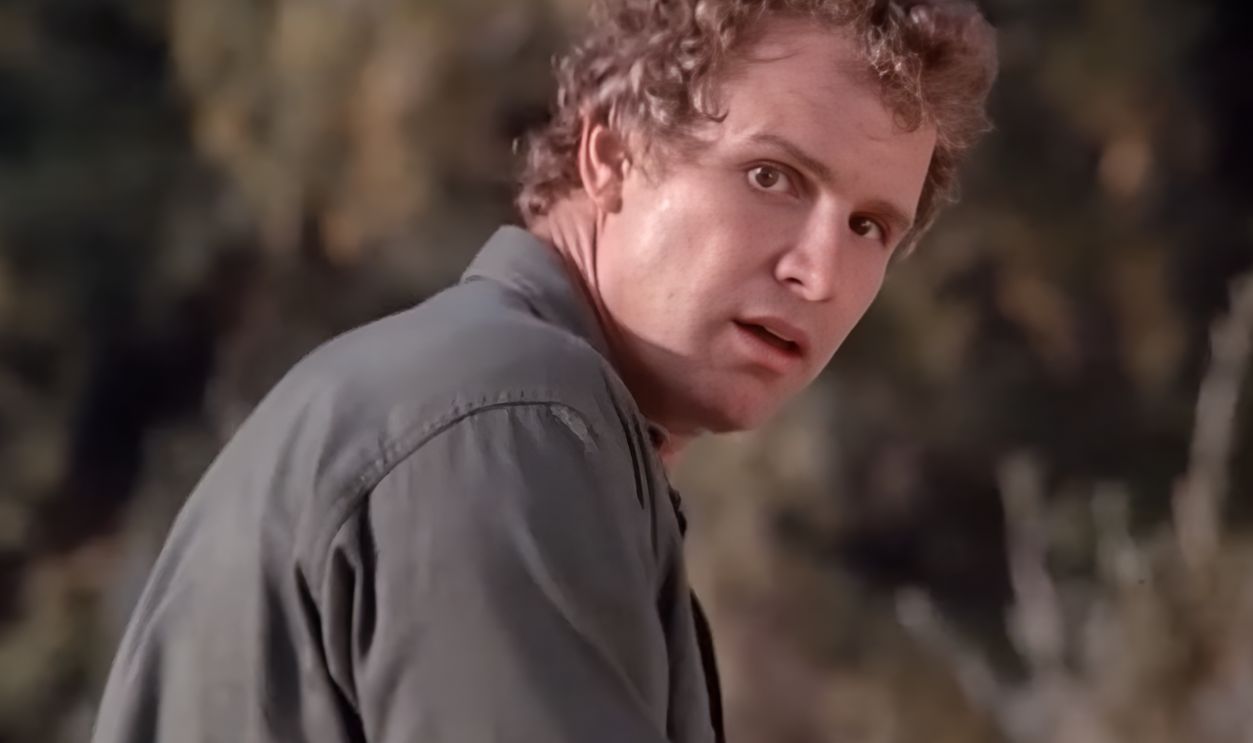 Screenshot from M*A*S*H, CBS (1972–1983), Modified
Contract Disputes Played A Major Role
Part of Rogers’ frustration involved a contract dispute with 20th Century Fox. He argued the studio had failed to honor promises regarding profit participation and creative standing. Legal battles added another layer of bitterness to his growing dissatisfaction with Hollywood television.
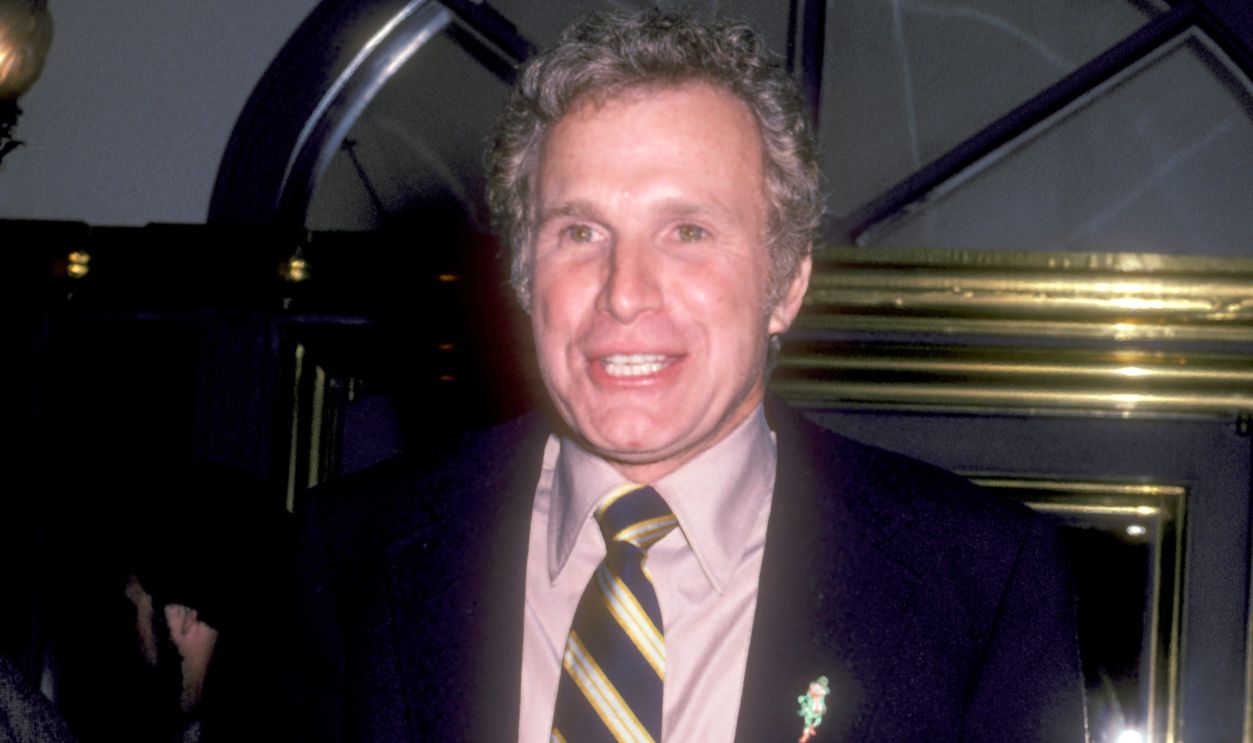
The Studio Sued Him
Wayne Rogers' sudden departure didn't come without consequences. The studio retaliated. Rogers later explained, "I left after three years, and they sued me for three and a half million dollars." Bad blood bubbled up, worse than ever before—but in the end, Rogers won the court case against him.
He walked away and never looked back.

He Refused To Stay Miserable For Fame
Unlike many actors trapped by success, Rogers chose to leave while still famous rather than continue feeling professionally unfulfilled. His decision reflected a larger truth about Hollywood: massive popularity does not always bring happiness or artistic satisfaction to performers.
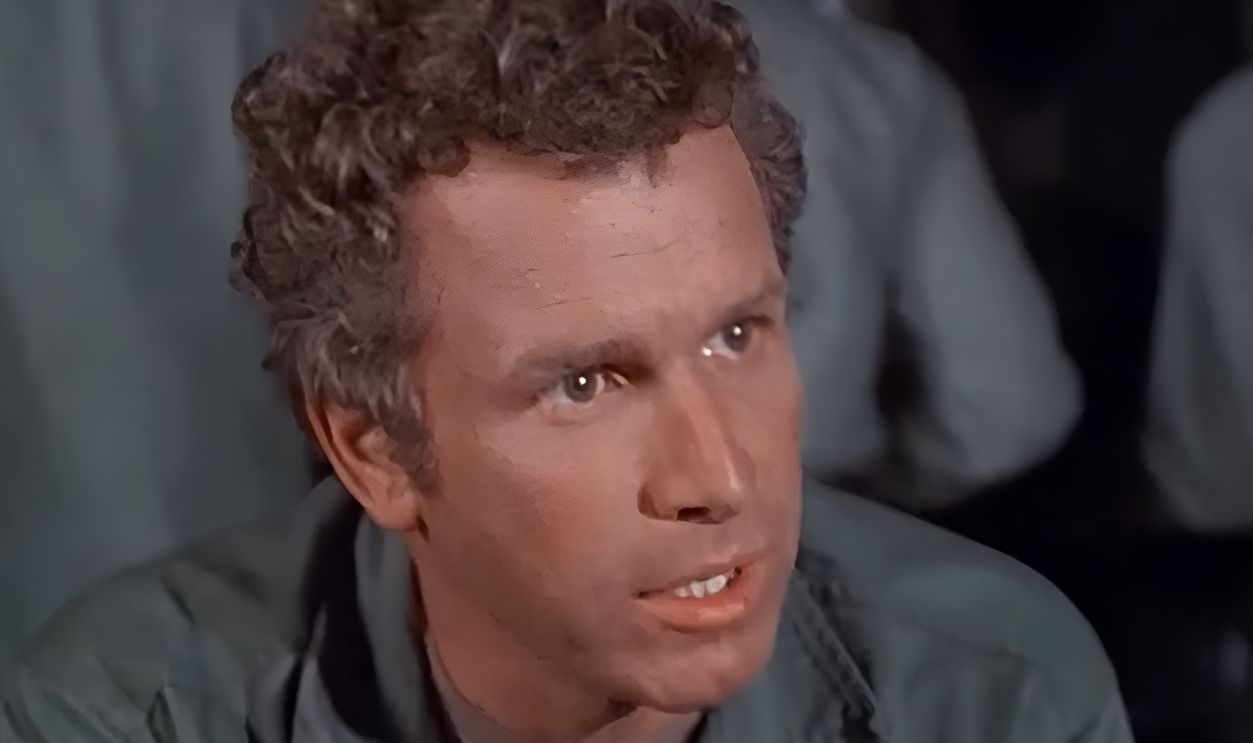 Screenshot from M*A*S*H, CBS (1972–1983), Modified
Hollywood Expected Him To Fail
Many industry insiders believed Rogers had made a terrible mistake by leaving M*A*S*H. Television stars who walked away from hit series often disappeared quickly. There was enormous pressure on Rogers to prove he could survive outside the role that made him famous.
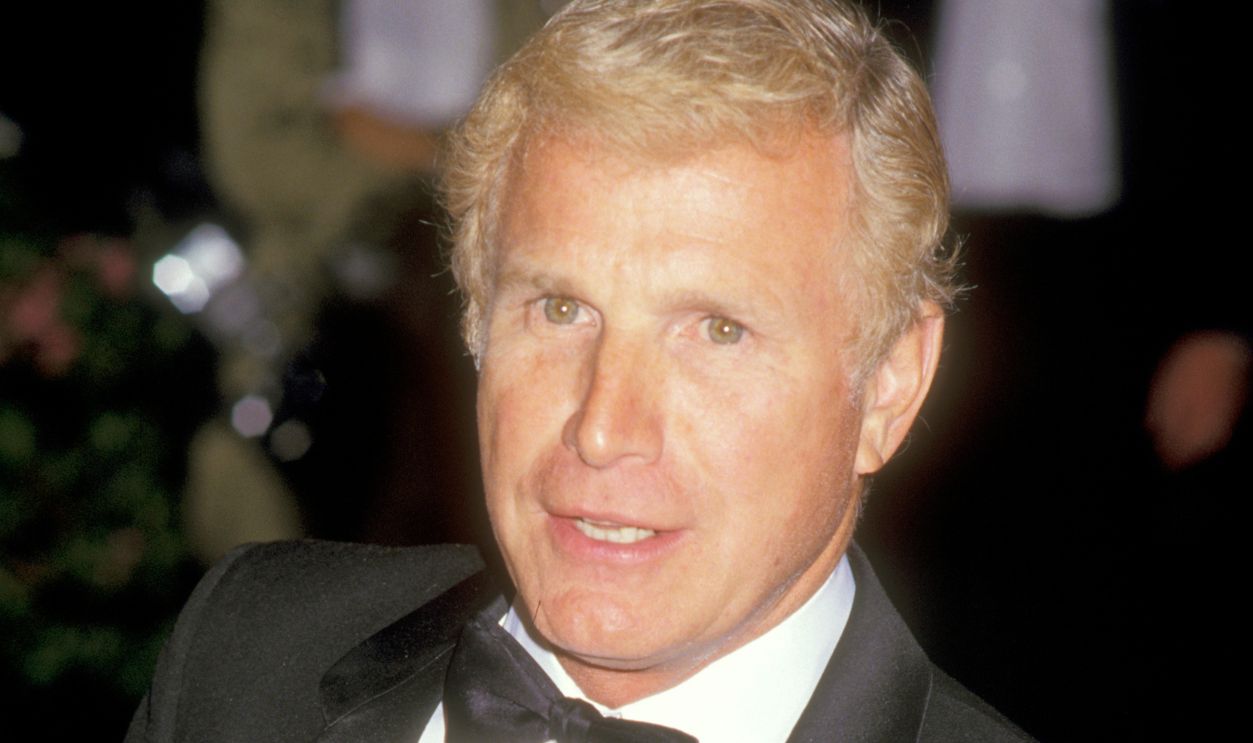
Acting Roles Became Less Frequent
Although Rogers continued acting after M*A*S*H, he never again reached the same level of mainstream fame. He appeared in films, television movies, and guest roles, but the industry increasingly viewed him as a former television star rather than a leading man.
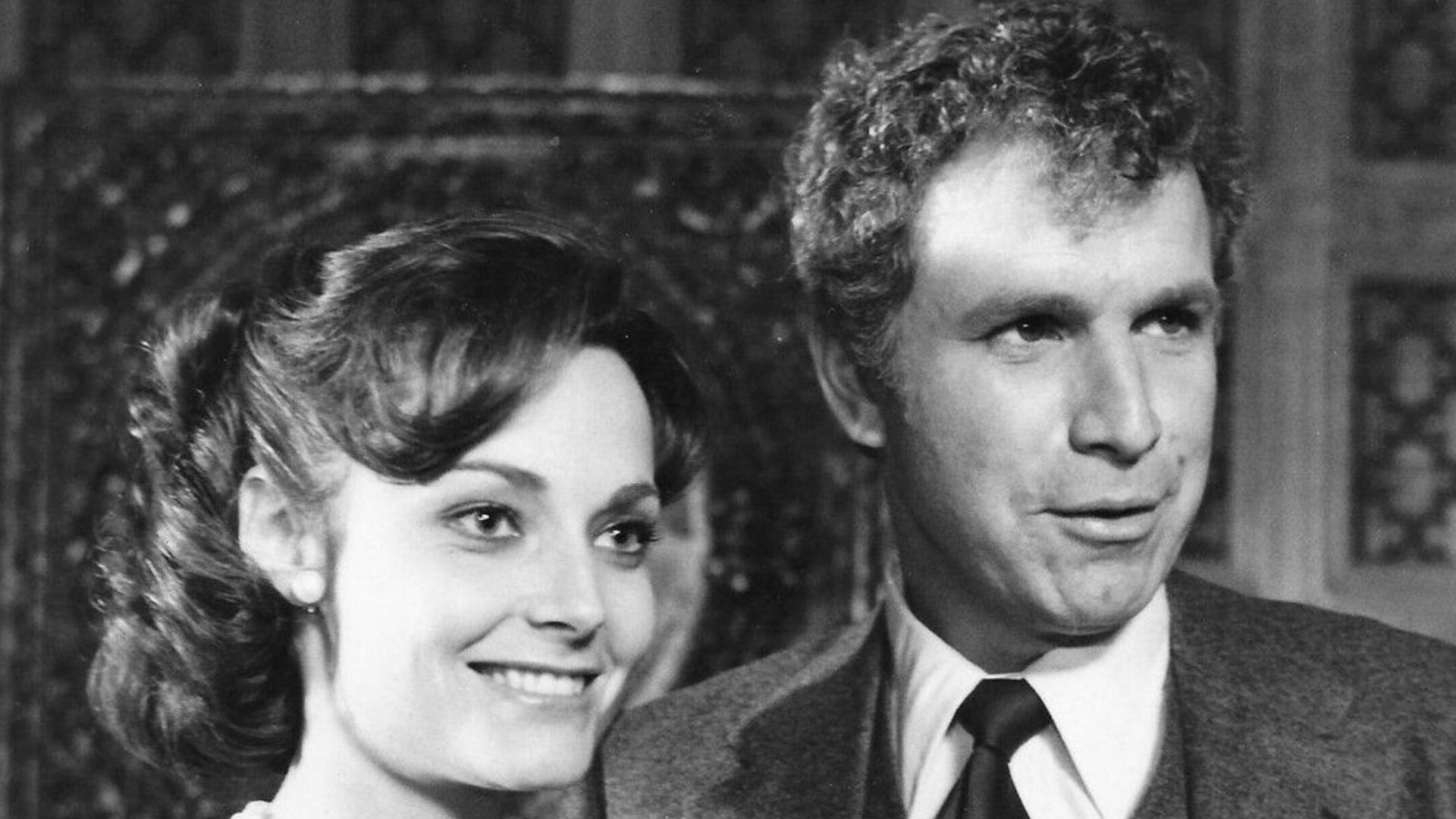 NBC Television, Wikimedia Commons
Wayne Rogers Had Other Ambitions
Unlike many actors who chased fame endlessly, Rogers had strong interests outside entertainment. He became fascinated with finance, investing, and business strategy—and had even begun to explore this interest while acting in M*A*S*H. Over time, those interests began pulling him further away from Hollywood’s unpredictable world.
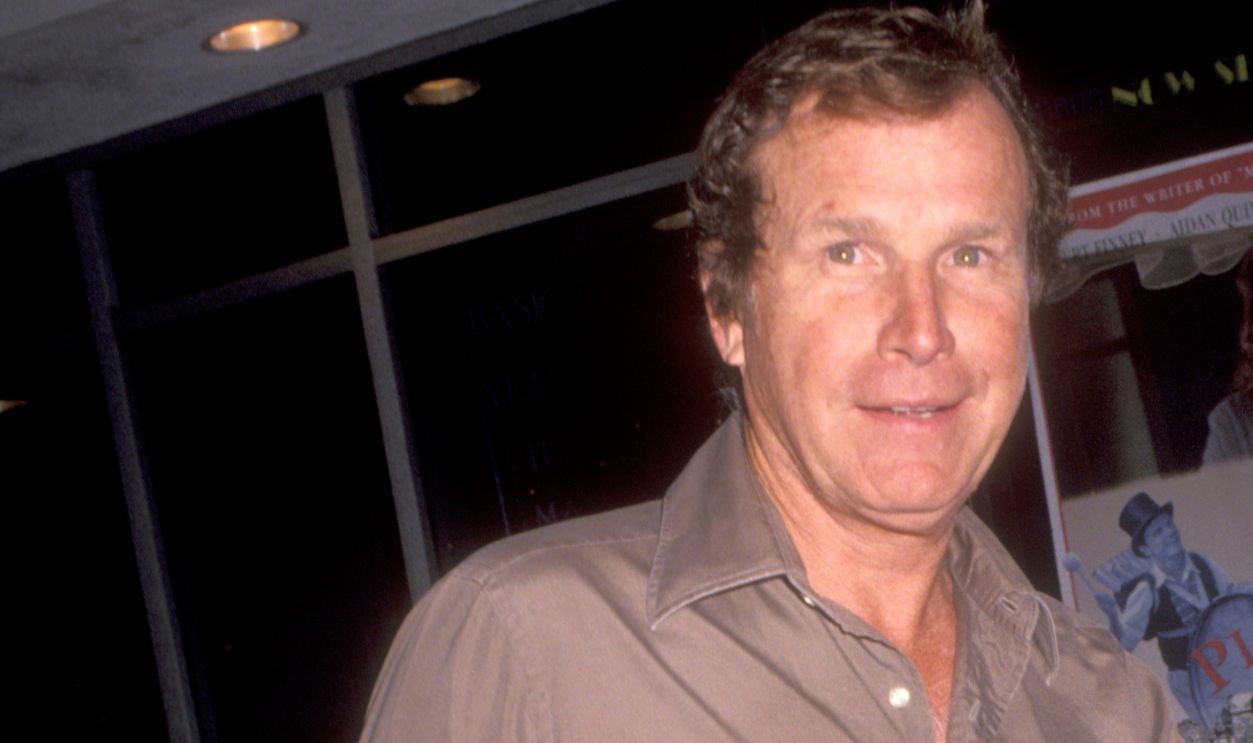
He Reinvented Himself As An Investor
Rogers eventually built a successful second career as an investor and financial strategist. He became known for smart real estate decisions and business ventures that earned him substantial wealth. Ironically, he often found more stability in finance than he ever found in acting.
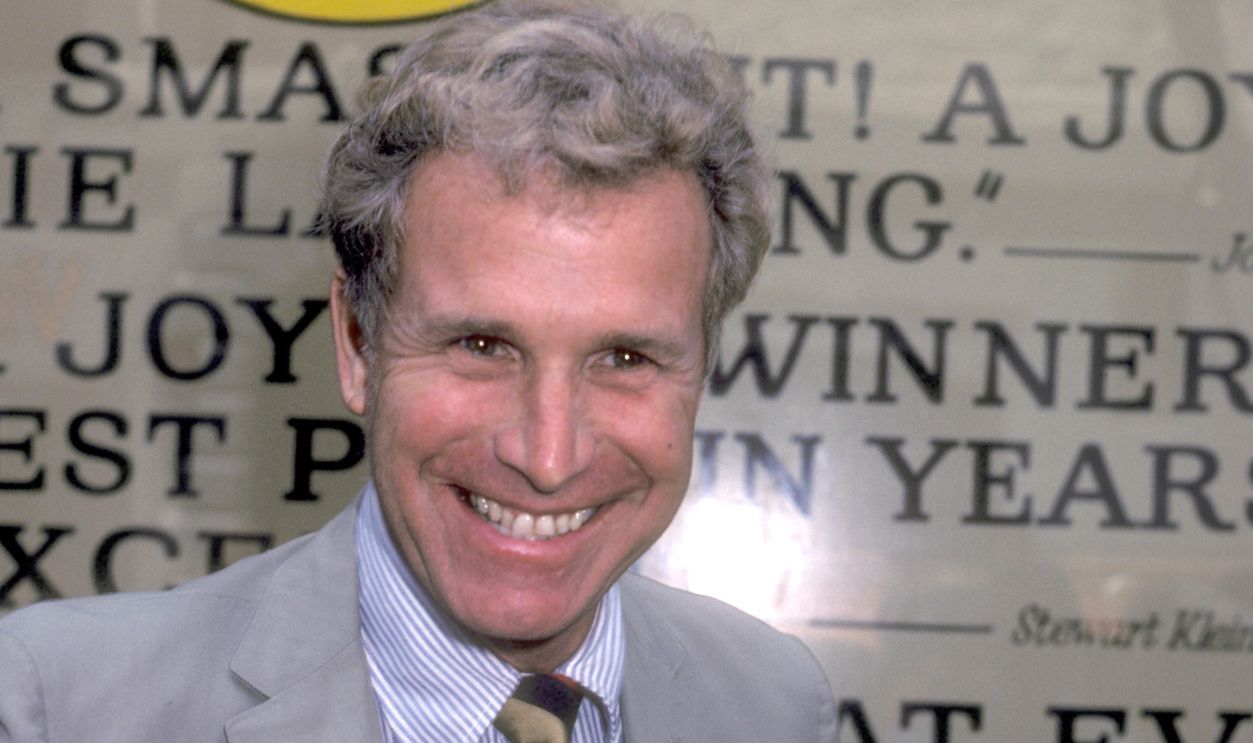
Television Fame Didn’t Define Him Forever
Many actors spend decades trying to recreate their biggest success. Rogers chose a different path. Rather than clinging to Trapper John, he allowed himself to evolve beyond television celebrity, even if that meant stepping away from the spotlight audiences expected him to remain in.

Rogers Became A Familiar Face On Financial TV
In later years, Rogers appeared regularly on financial news programs, including Fox News and business television panels. Viewers who remembered him from M*A*S*H were often surprised to see the former sitcom star confidently discussing economics and investments instead of Hollywood gossip.
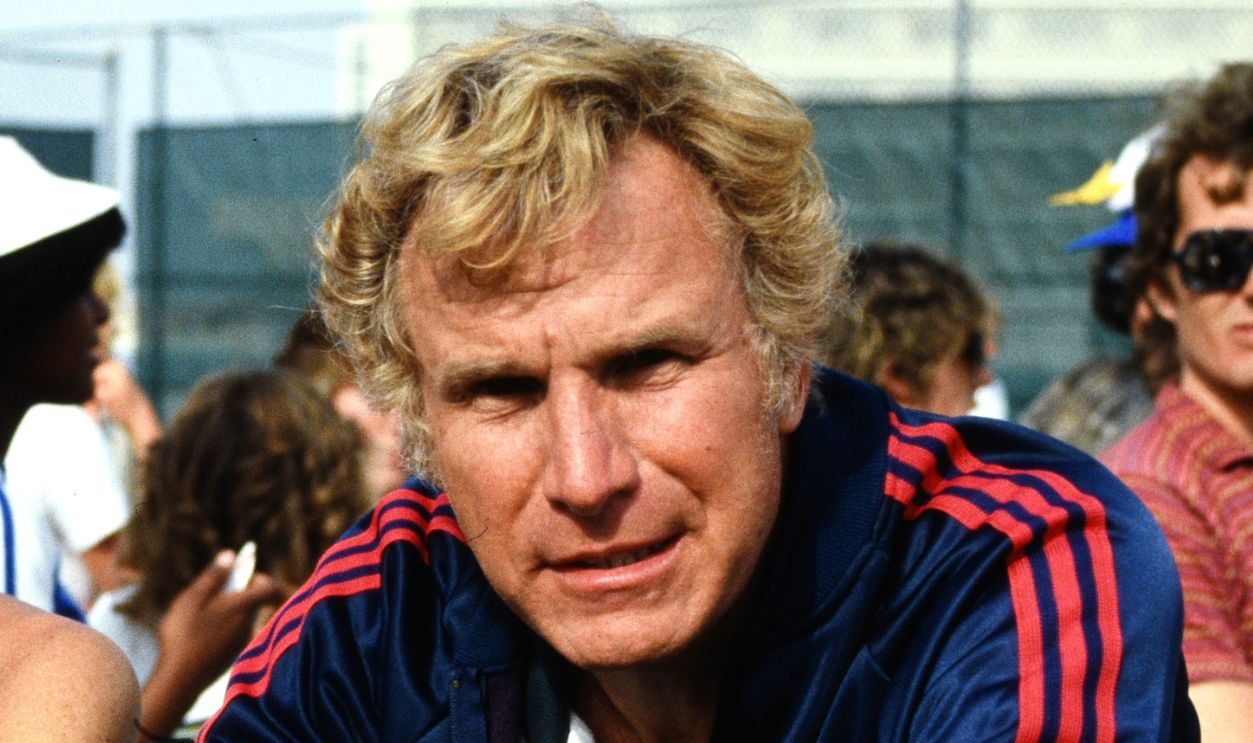
He Quietly Left The Celebrity Lifestyle Behind
As his business career grew, Rogers embraced a far more private life. He avoided the constant publicity cycle that traps many former stars and seemed increasingly uninterested in Hollywood celebrity culture. Fame became something he experienced—not something he chased forever.

The Pressure Of Television Success Can Be Crushing
Rogers’ departure reflected a deeper reality about television stardom. Hit shows can create enormous pressure to remain frozen inside one identity for years. For some actors, the security of success slowly becomes emotionally and creatively suffocating.
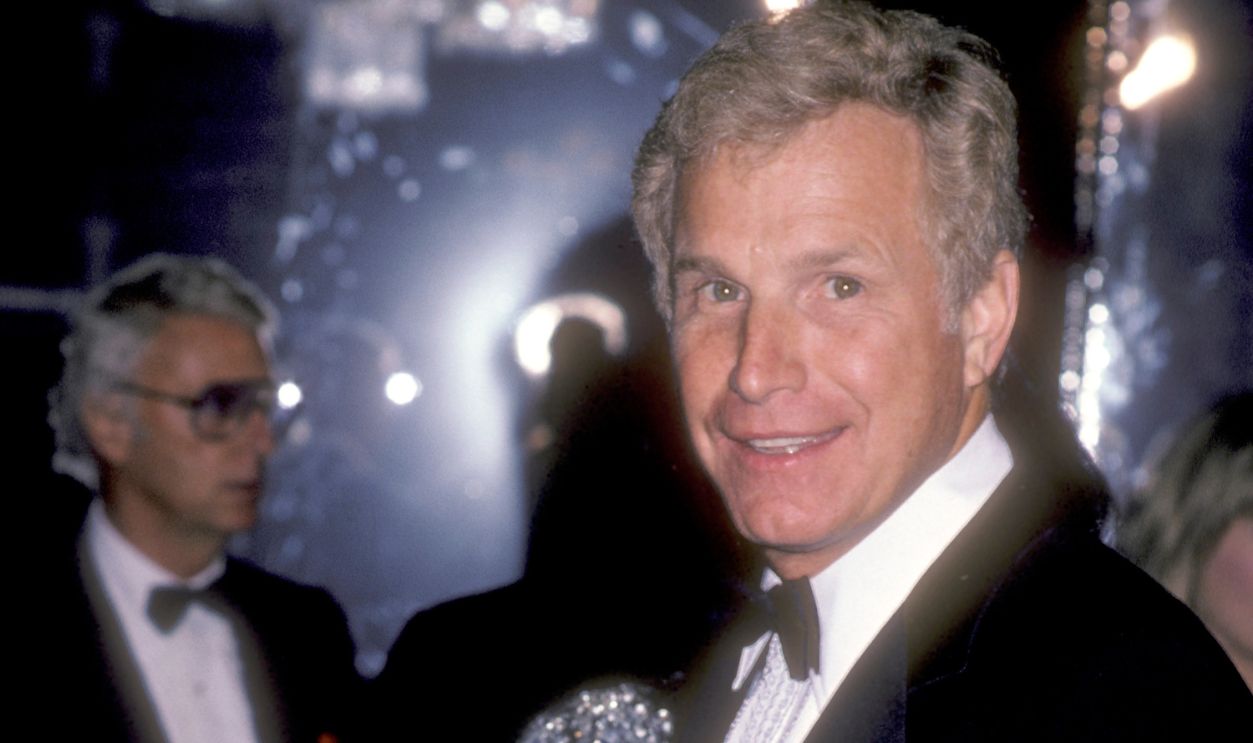
Many Fans Never Understood His Decision
Because M*A*S*H remained hugely popular after Rogers left, many viewers questioned why he walked away at all. But Rogers consistently maintained that personal fulfillment mattered more than remaining attached to a successful show that no longer satisfied him creatively.
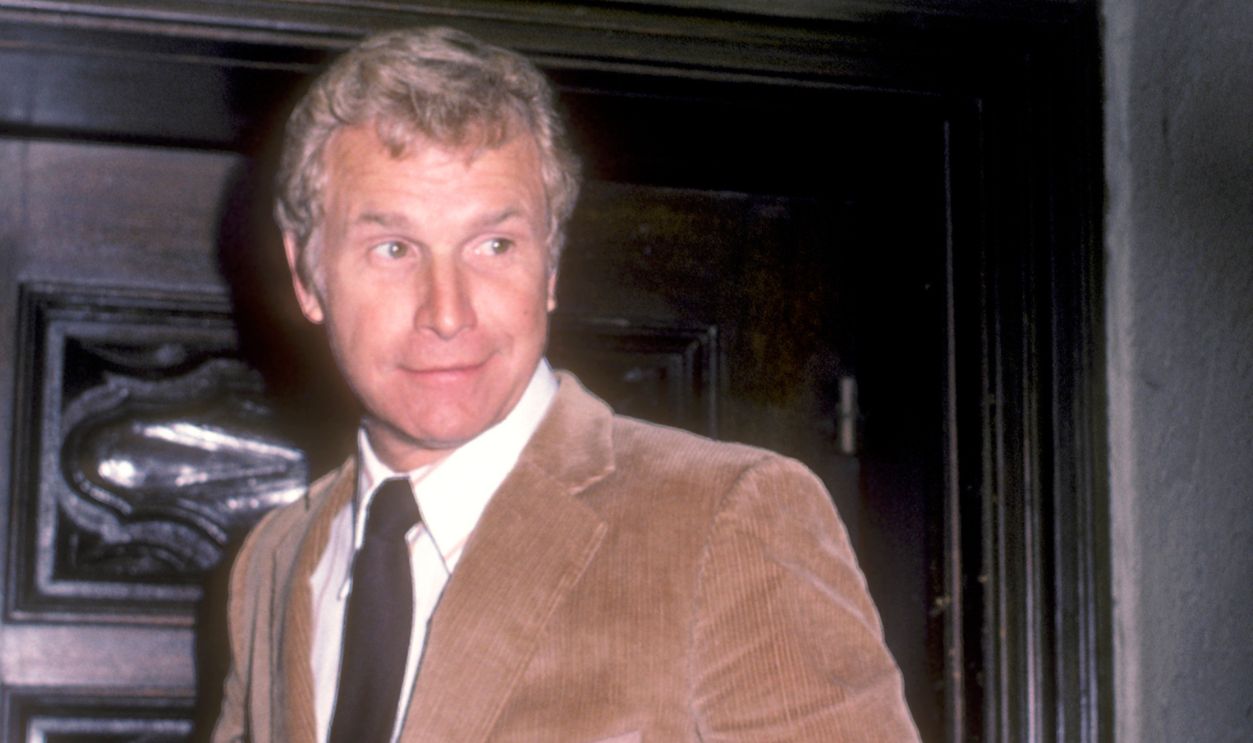
His Exit Changed M*A*S*H Forever
After Rogers departed, actor Mike Farrell joined the series as B.J. Hunnicutt. While the show continued thriving, the dynamic changed permanently. Rogers’ Trapper John represented the lighter, more mischievous spirit of the series’ earliest years.
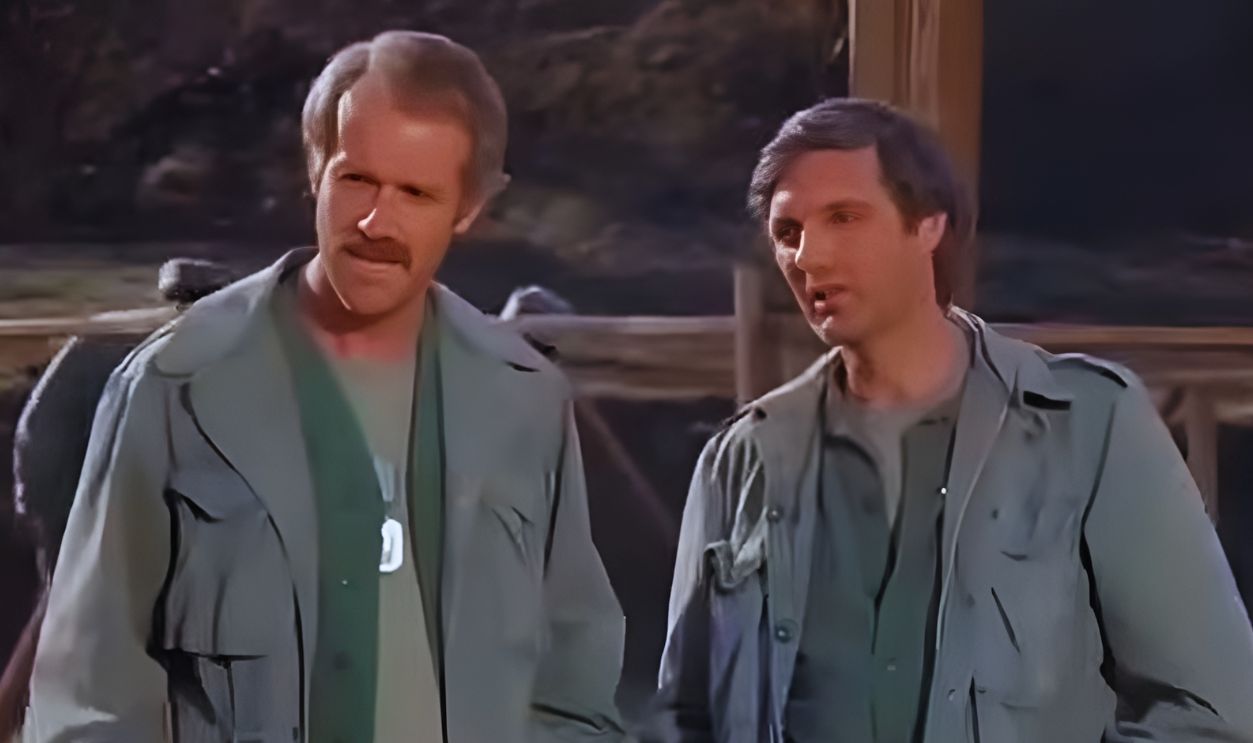 Screenshot from M*A*S*H, CBS (1972–1983), Modified
Wayne Rogers Proved Reinvention Was Possible
Hollywood often treats actors as if their value depends entirely on visibility and fame. Rogers challenged that idea by building a meaningful life beyond acting. His story became less about leaving television and more about refusing to let celebrity define his entire identity.
Behind the fame, contracts, and television applause was a man searching for control, fulfillment, and stability. His journey remains a reminder that walking away can sometimes be its own kind of success.
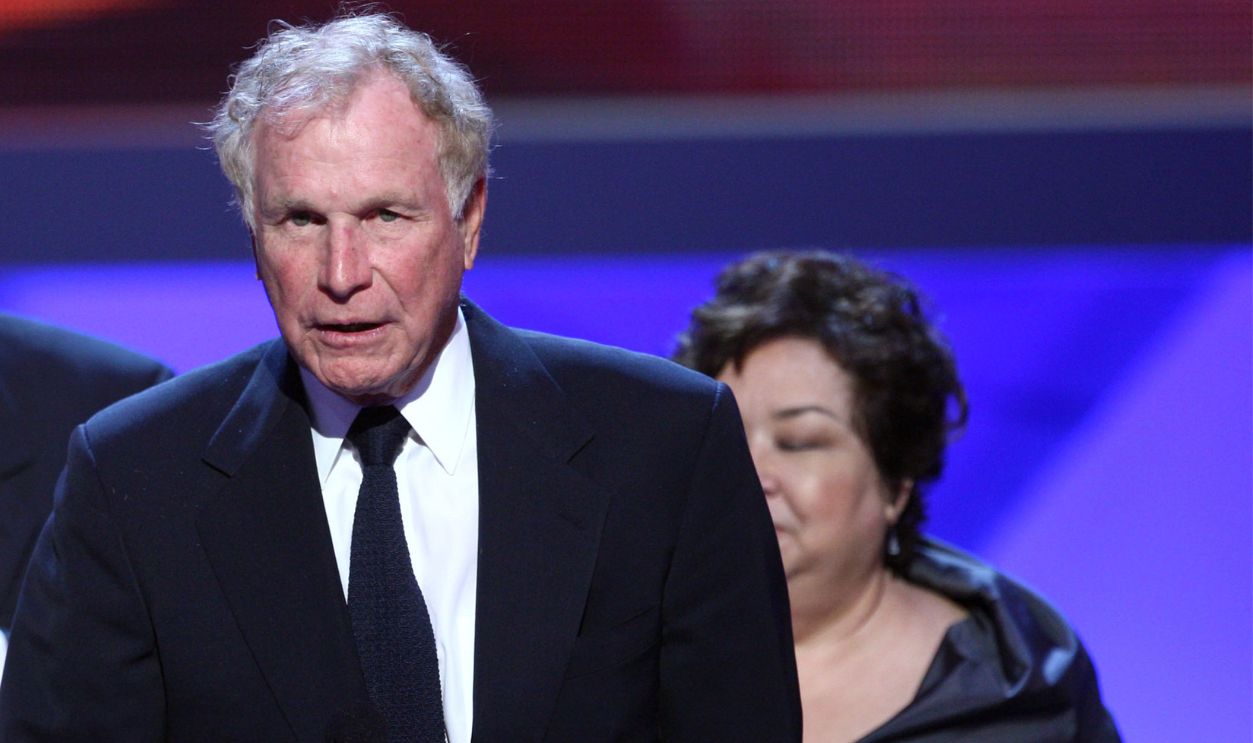 Alberto E. Rodriguez, Getty Images
You May Also Like:
Iconic M*A*S*H Guest Appearances That Everyone Forgot About
Quiz: Can You Name These Classic Television Shows?