The Most Influential TV Shows
Television is sometimes dismissed as frivolous entertainment, but there’s no doubt that it holds a profound influence over our lives. It’s what we relax to, what we talk to our co-workers about, and how we share time with friends and family. It can even influence how we live real life—who hasn’t at least subconsciously gleaned dating advice from a TV show?
The following are television series that have made a significant impact on the medium, and pop culture at large.
 Mondadori Portfolio, Getty Images
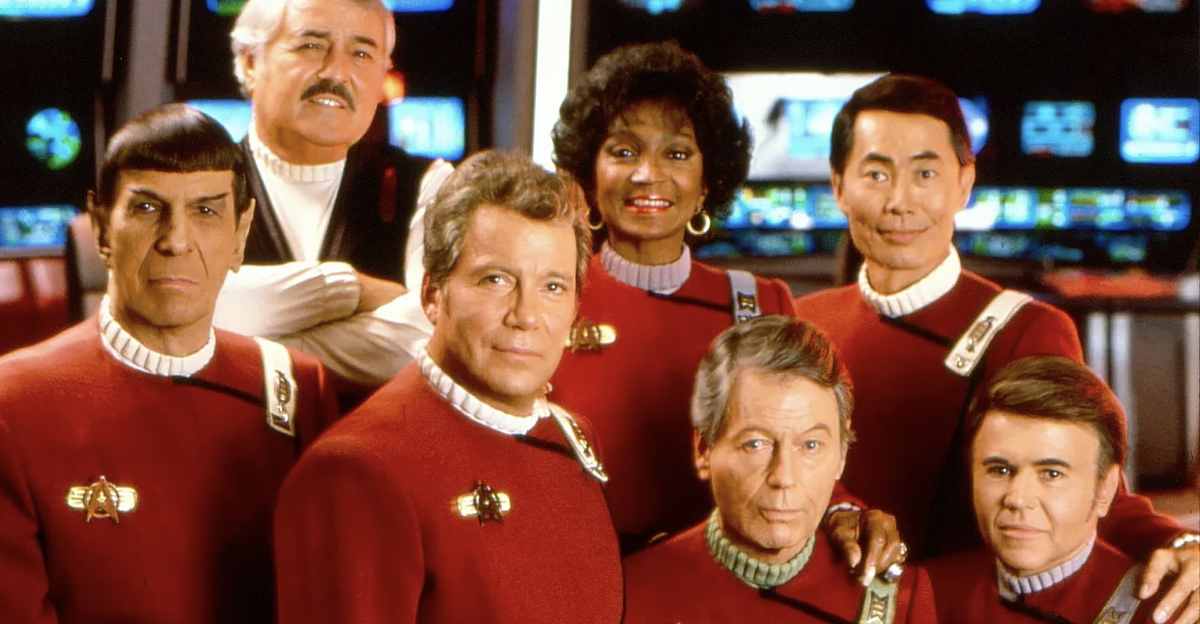
The Queen’s Messenger (1928)
The Queen’s Messenger was the world’s first television show. According to the Golden Globes, it was broadcast from an experimental television system on September 11, 1928 in Schenectady, New York. The show—about a romance between a Russian spy and a British diplomat—had two main actors, the hands of two minor actors, and many more technical crew members.
I Love Lucy (1951-1957)
If there’s a show that consistently makes it into “most influential TV shows of all time” lists, it’s I Love Lucy. The delightful sitcom is beloved and known for its focus on a married woman protagonist—a “refreshing” choice that set it apart from other contemporary sitcoms, writes The Script Lab. Thanks to the show’s success, starring actress Lucille Ball became the first female head of a major television studio.
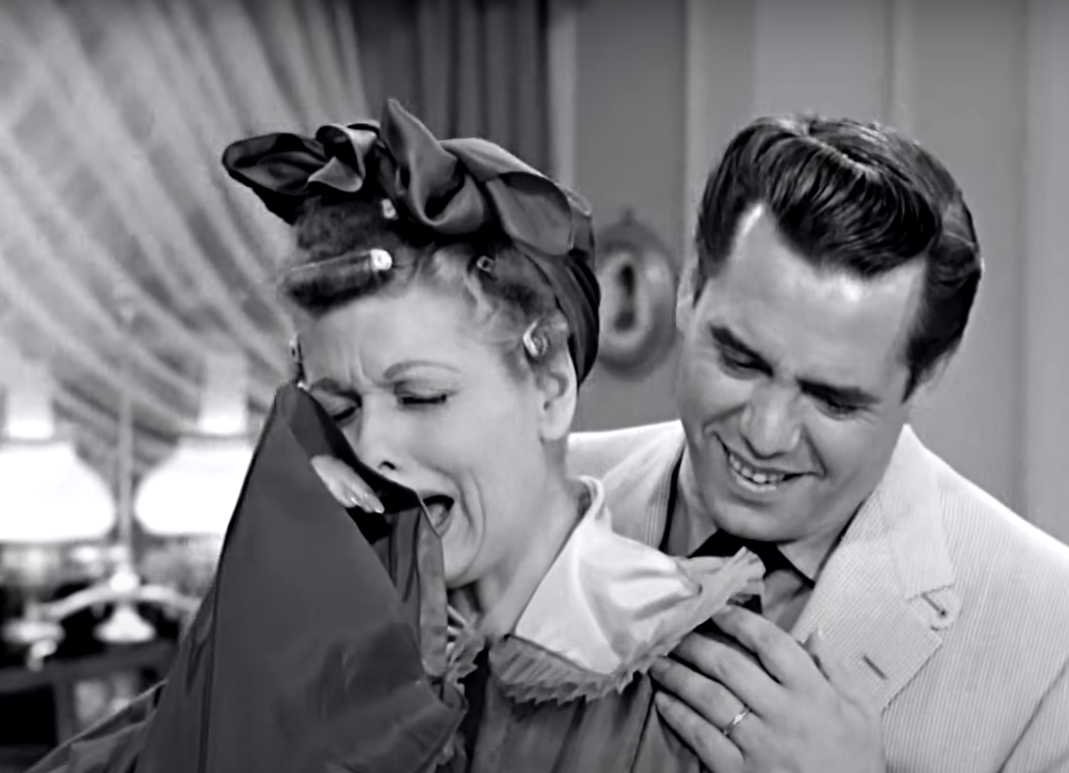 Desilu Productions, I Love Lucy (1951–1957)
The Twilight Zone (1959-1964)
An iconic TV show that gets referenced even today, The Twilight Zone was created by Rod Serling, a WWII veteran who also performed the voiceovers. The show was a collection of stories about average people who find themselves in extraordinary situations. Marc Scott Zicree (author of The Twilight Zone Companion) tells SYFY WIRE that The Twilight Zone allowed Serling to creatively yet underhandedly tackle controversial themes and avoid censorship.
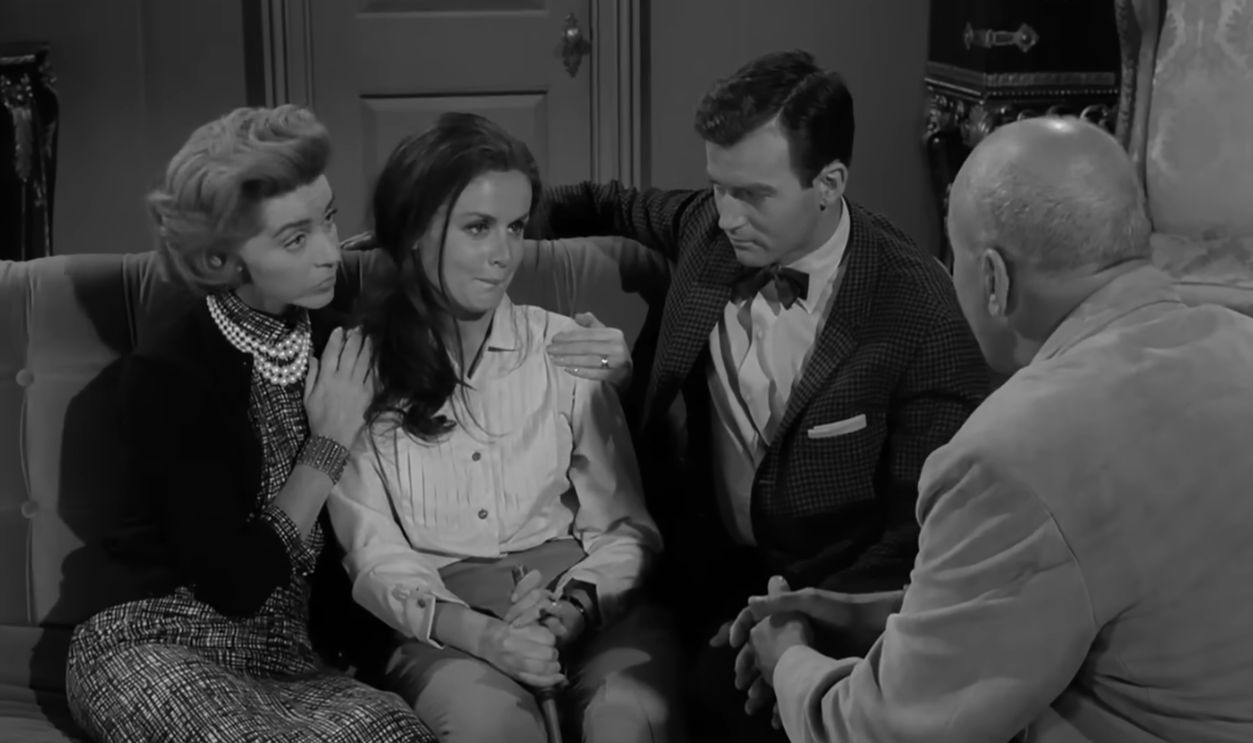 Spur of the Moment - Twilight-Tober Zone by Channel Awesome
The Flintstones (1960-1966)
From vitamin gummies to “yabba-dabba-doo!”, The Flintstones has influenced children and adults alike. The appeal to kids is obvious, but did you know the show was originally aired in the evening for adults? David Barnett of The Guardian argues that it is the ancestor of today’s adult-themed cartoons like Archer and Bojack Horseman. The show was only marketed to kids after its first run.
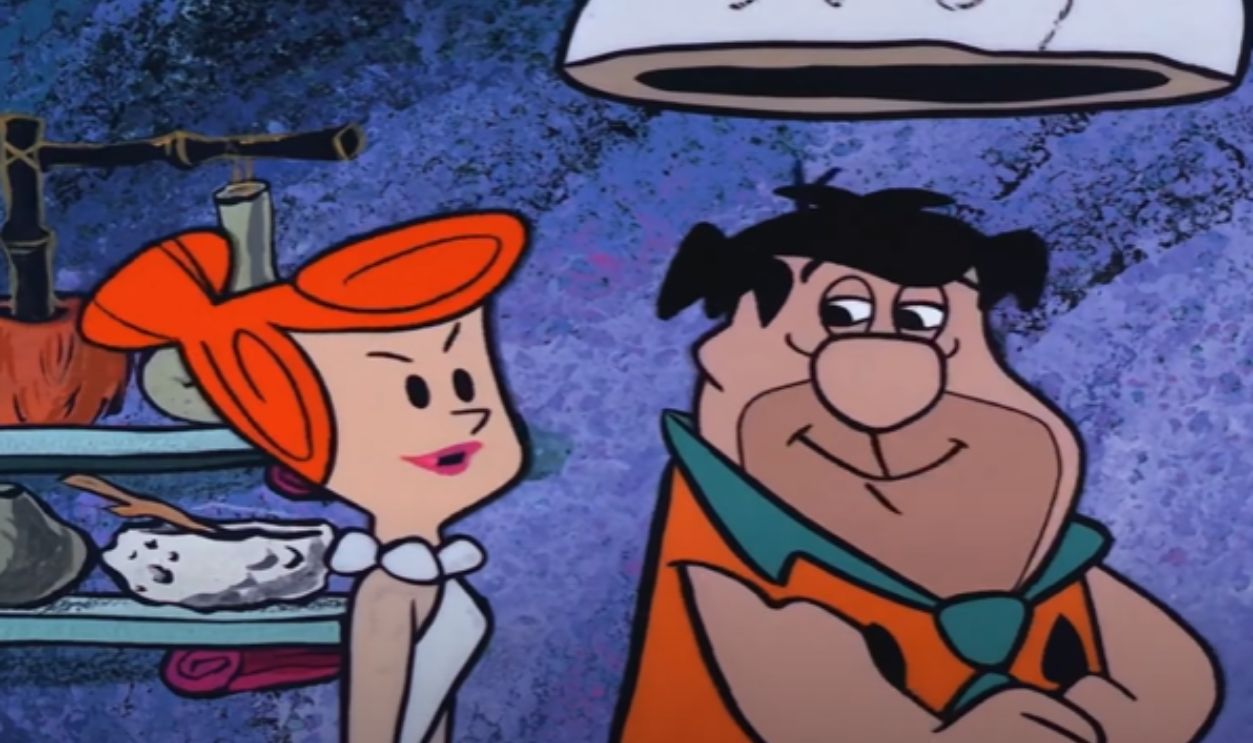 The Flintstones S5 Ep 2 - Body Swaps by TheTransformation&BodySwapChannel
Days Of Our Lives (1964- )
Days of Our Lives is “NBC’s longest scripted daytime drama,” the Smithsonian Magazine reported in 2015, when the show’s scripts and props made their way to the National Museum of American History. In 1976, TIME Magazine called it “the most daring drama” for the breadth of topics it was willing to engage with, such as interracial relationships and artificial insemination.
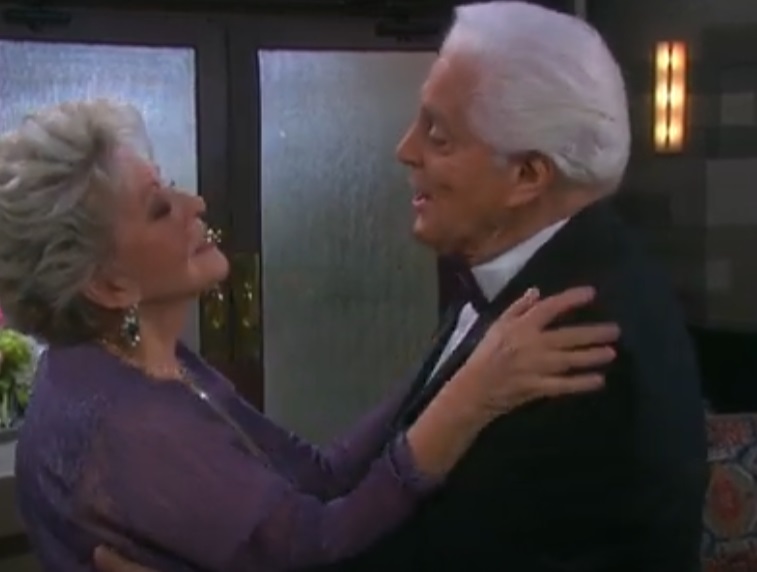 NBC, Days of Our Lives (1965-)
The Addams’ Family (1964-1966)
The delightfully weird Addams family has entertained generations of Halloween lovers. The show provided an alternative to the feel-good, all-American suburban families depicted in most other shows of the time. It was spooky, writes Natalie Mokry of The Film School Rejects, but it was also hilarious and featured a kind and hospitable family. The series first started as a New Yorker cartoon in the late 1930s. Originally created by Charles “Chas” Addams, the franchise is still relevant today, most recently spawning Netflix’s Wednesday.
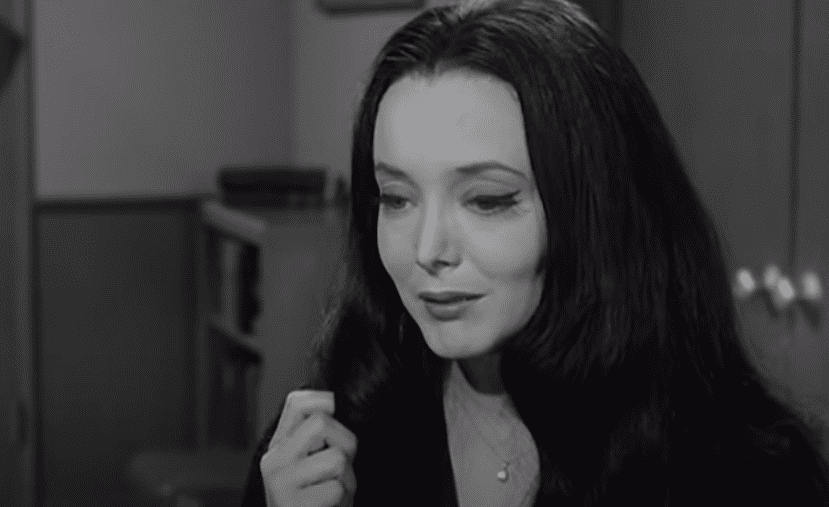 The Addams Family,MGM Television
Star Trek (1966-1969)
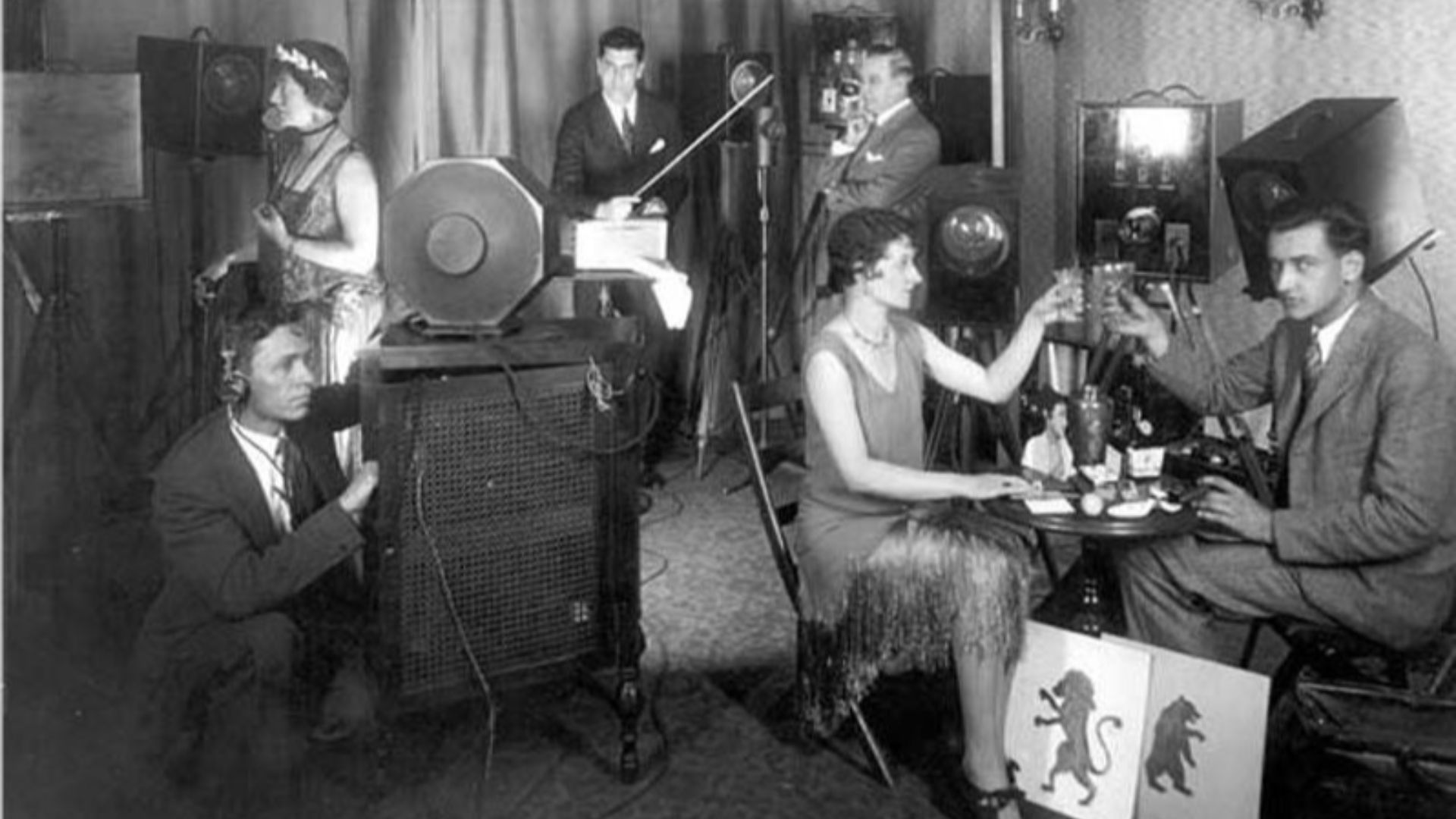
The original Star Trek series is arguably one of the most influential media franchises of all time, and certainly a pillar of science fiction. Writing on the show’s impact, Comic Watch lists the show’s diverse cast, real-world influence on NASA, and effect on fandom and convention culture as its top achievements. With an optimistic air, the show explored complex themes in a high-tech and progressive future bent on discovery.
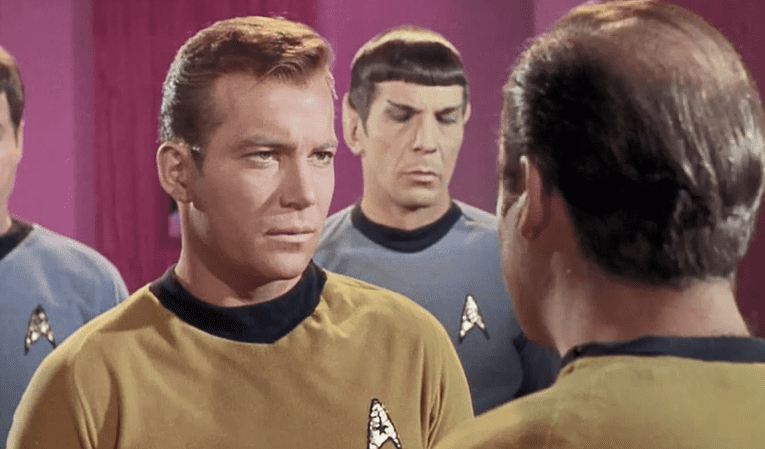 Star Trek: The Original Series, NBC
The Super Bowl (1967- )
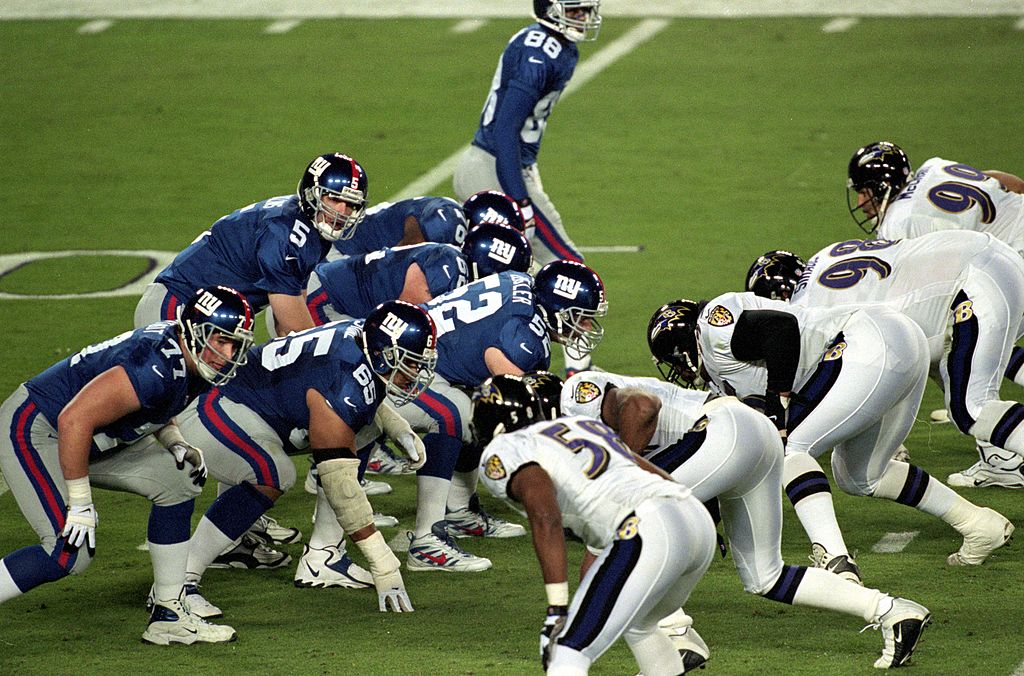
There are few traditions as American as getting your family and friends together to watch the Super Bowl and the memorable advertisements and halftime show that go with it. According to History.com, the series started in 1967 with the Green Bay Packers versus the Kansas City Chiefs. While it drew 61,000 people to the Los Angeles Memorial Coliseum, that first show remains the only Super Bowl to not sell out. Celebrities who have performed at the halftime show include Michael Jackson, Madonna, Lady Gaga, and Beyoncé.
Mister Rogers’ Neighborhood (1968-2011)
With a soothing voice and gentle presence, Mister Rogers’ Neighborhood was a second home in the living room television sets of many children. PBS KIDS describes Fred Rogers as a media pioneer: when his show first came out, television was seen as a “wasteland”. But Mr Rogers saw an opportunity to connect with parents and kids through their screens, no matter where they were in the country. Most importantly, his show made people realize that they mattered. In 2019, Tom Hanks portrayed Fred Rogers in the film A Beautiful Day in the Neighborhood.
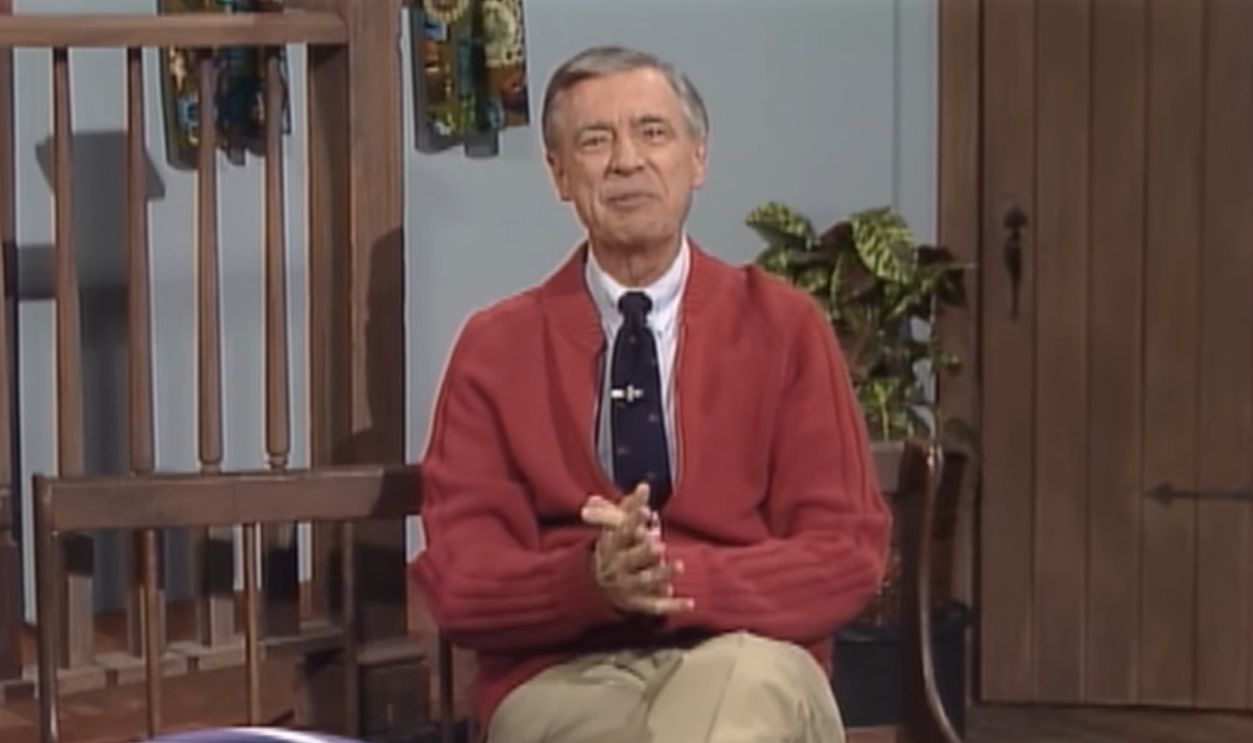 Feeling Good About Who We Are | Mister Rogers' Neighborhood Full Episode by PBS KIDS
The Brady Bunch (1969-1974)
The Brady Bunch was the first show to embrace featuring a blended family, reports Comic Book Review, and it explored issues in family dynamics such as the gap between older and younger generations. The show also nodded to the concurrent Women’s Liberation Movement that was peaking in the 70s. Finally, The Brady Bunch introduced the “Brady Bunch Effect,” which was an opening sequence that involved grids of moving video.
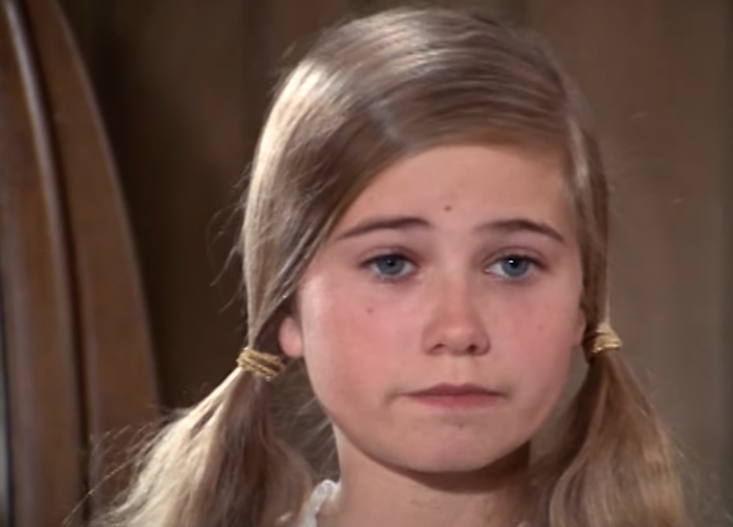 Paramount, The Brady Bunch (1969–1974)
Sesame Street (1969- )
Few children’s programs are as culturally impactful as Sesame Street, which has been running since 1969. But the show didn’t just feature colorful, kid-friendly characters like Big Bird, Elmo, or the Cookie Monster. In 2021, a documentary and Salon retrospective on the show recalls how Sesame Street tackled difficult issues: when a cast member went to a better place, Sesame Street took the opportunity to explore end of life. Sometimes, sad things happen for no good reason.
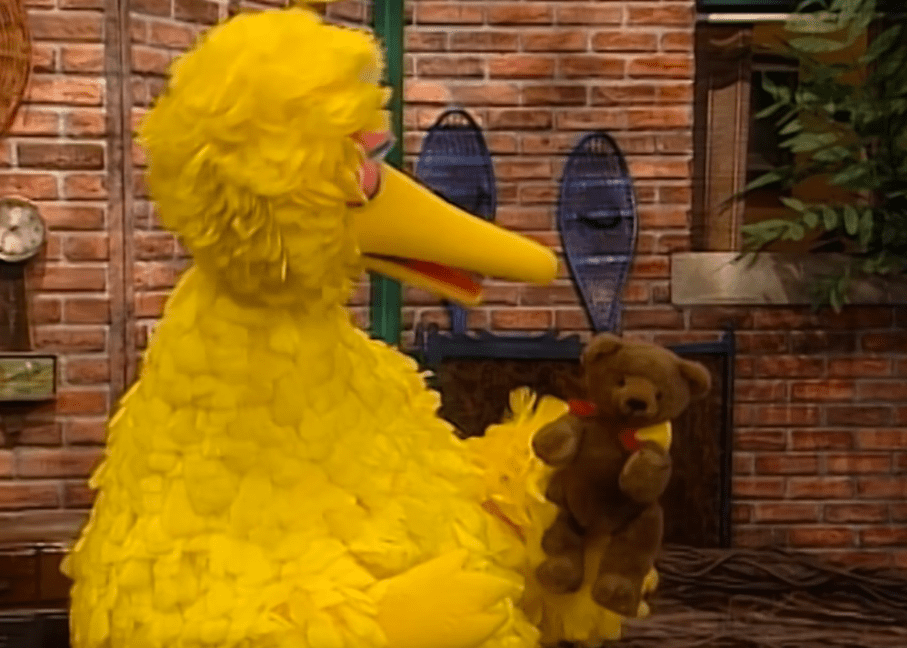 Sesame Street, Sesame Workshop
M*A*S*H (1972-1983)
M*A*S*H featured an ensemble cast working in a “Mobile Army Surgical Hospital” and trying to make the best of things amid hard times. 50 years after its initial release, USA Today lauded the show as a pioneer of dramatic comedy, or “dramedy”. The show’s final episode, “Goodbye, Farewell and Amen”, was watched by around half the country’s population.
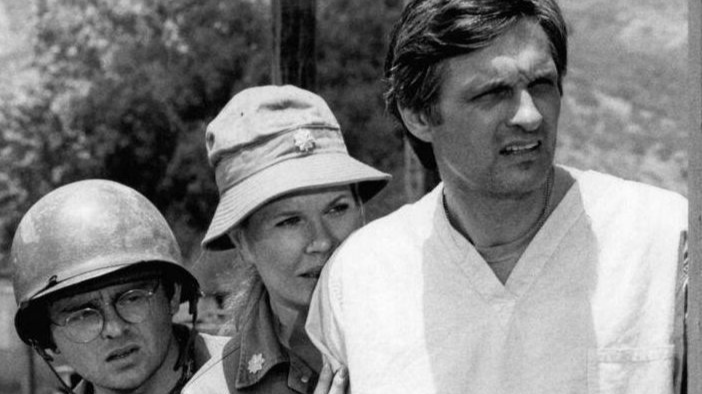 CBS Television, Wikimedia Commons
Happy Days (1974-1984)
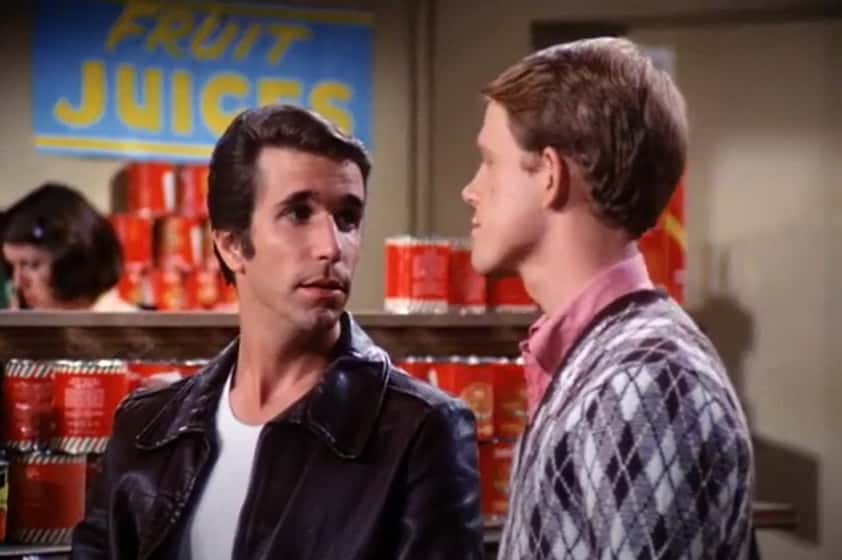
A nostalgic piece of Americana, Happy Days centered on the lives of a Midwest hardware store owner and his family. The show also introduced the iconic Fonzie (aka “The Fonz”) into pop culture consciousness with his iconic catchphrases. At the time, a Washington Post critic called the show nothing new or special; nevertheless, 50 years later, the same newspaper celebrated the show’s popularity and its status as a “source of nostalgia for Gen Xers”. Think about that the next time you hear “exactamundo” or “jumping the shark”.
Saturday Night Live (1975 - )
With A-list hosts, rambunctious sketches, and a sizeable dollop of political commentary, Saturday Night Live (or “SNL”) has remained a comedic powerhouse for decades. Yardbarker notes that today, classic sketches and recent hits rack millions of views on YouTube, and for performers, appearing on SNL is a career milestone. In a 50-year retrospective of the show’s best moments, the Associated Press recalled an episode shortly after 9/11, when then-mayor Rudy Giuliani, along with firefighters and police officers, called it a New York institution.
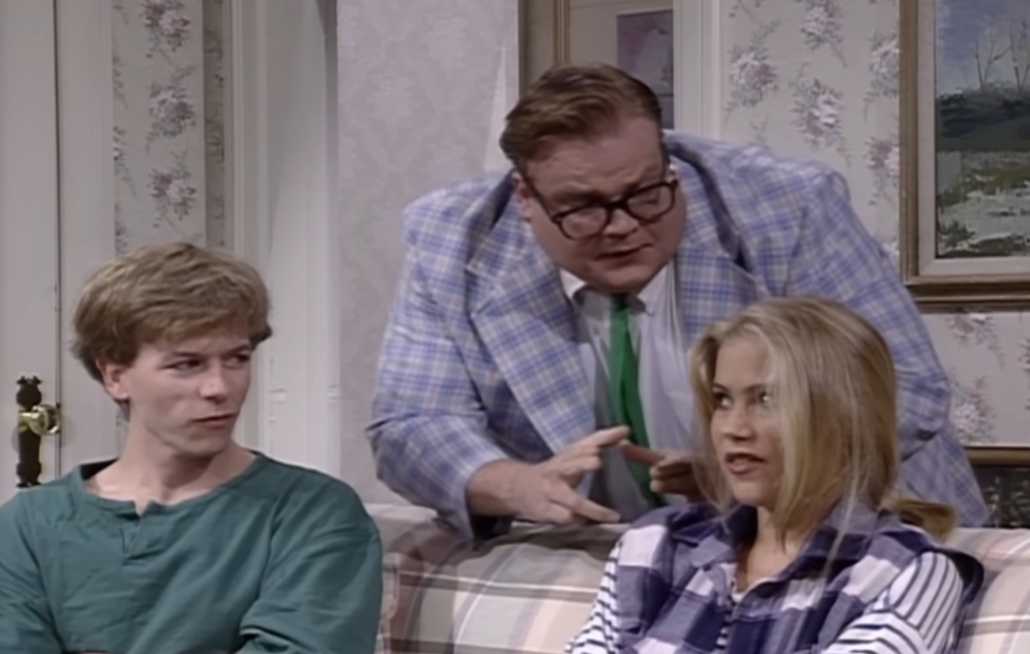 NBC, Saturday Night Live 1975-
Roots (1977)
Roots marked an important point in time for Black representation in American media. Based on a novel by Alex Haley that was inspired by the author’s research into his family tree, Roots showed the brutal truth of slavery on mainstream television. In an interview with CNN, NPR media analyst and critic Eric Deggans shared that the network aired the entire show in one week because they were so afraid it would be unpopular. Thus, this was an early example of binge watching and the now-familiar mini-series format.
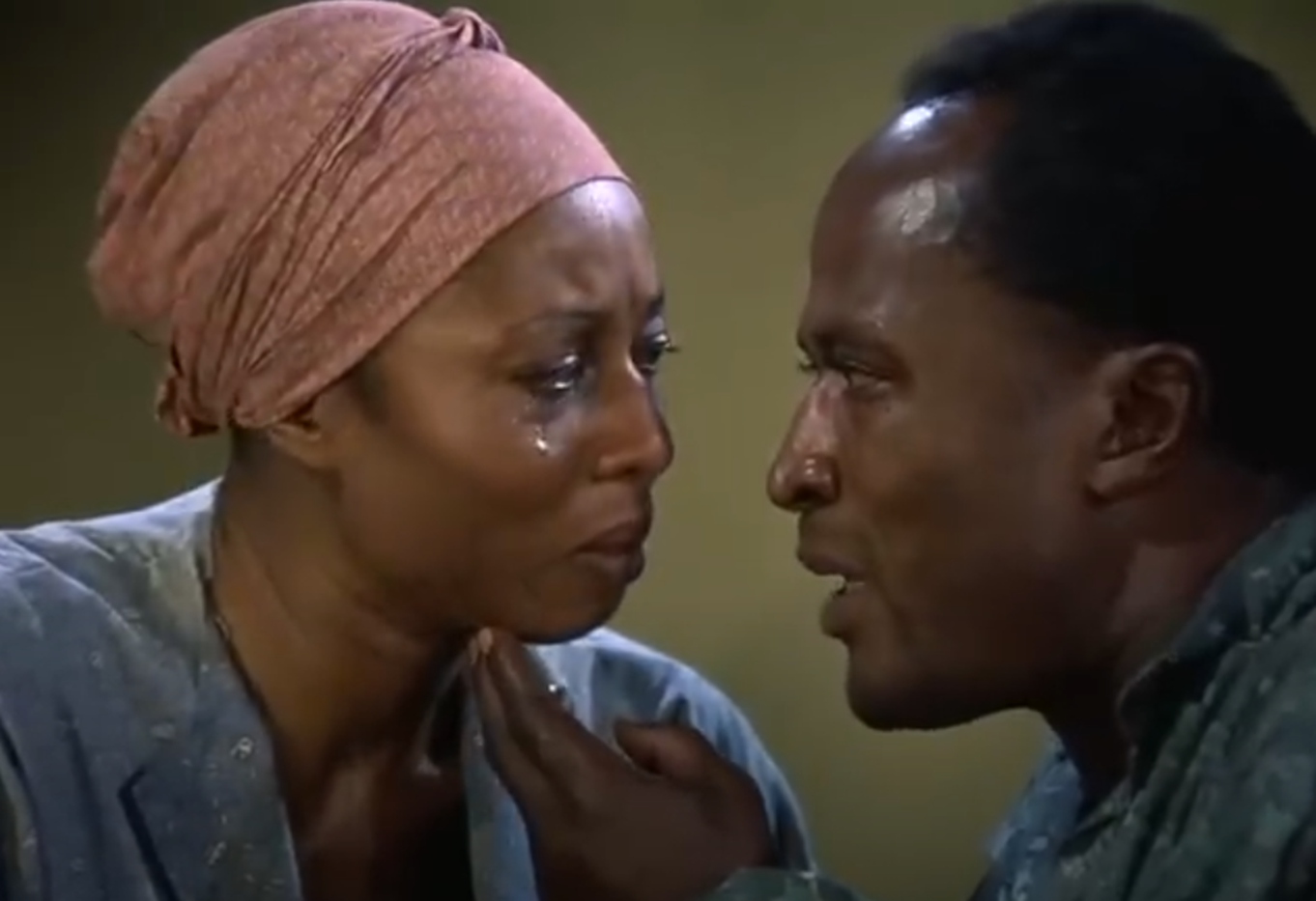
The Golden Girls (1985-992)
Older adults remain strangely under-represented in mainstream media. That is, with the exception of shows like The Golden Girls. The sitcom, featuring four single older women living as roommates, wasn’t just a good laugh. The Guardian called it “a wildly sassy sitcom that will always cheer you up,” but made sure to mention that it dared to cover themes like the AIDS crisis. Today, it remains a favorite among LGBTQ+ viewers.
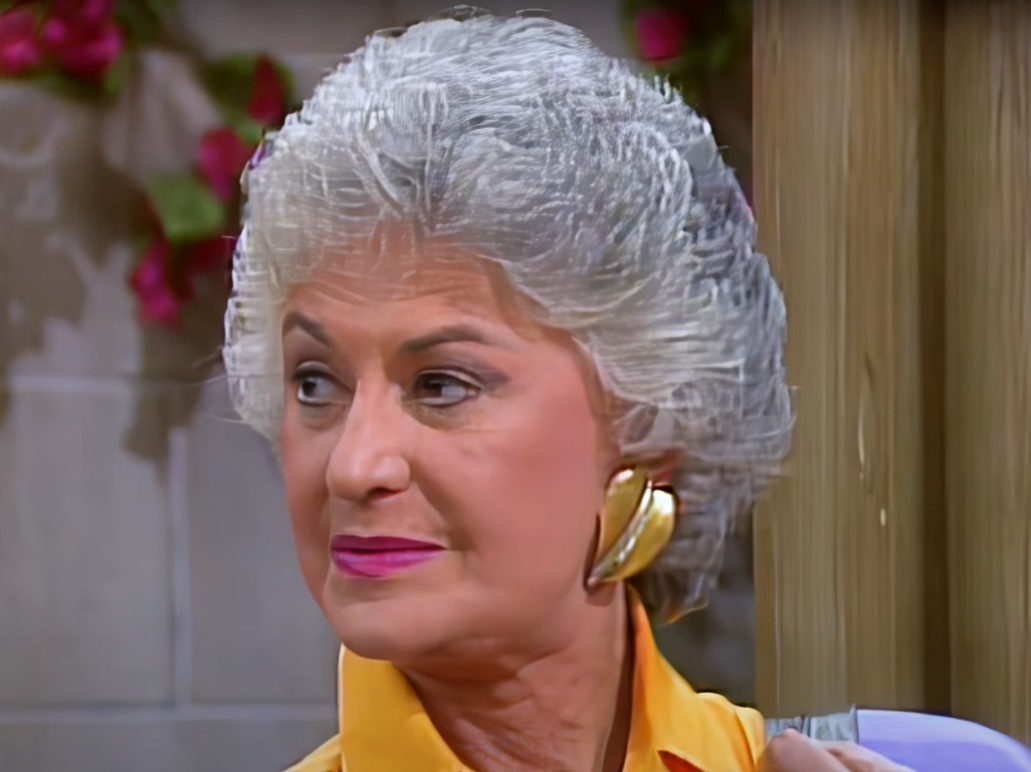 NBC, The Golden Girls (1985-1992)
The Simpsons (1989- )
Few cartoons are as universally known as The Simpsons, the longest-running primetime animated series in the US, according to IMDB. In season 3 episode 14, Lisa even accurately predicts who wins the Super Bowl. This led to FOX airing that episode before the next three Super Bowls with the dialogue updated to include that year’s teams. Lisa accurately named the winner every time. The show has garnered numerous awards and nominations, including 37 Primetime Emmys.
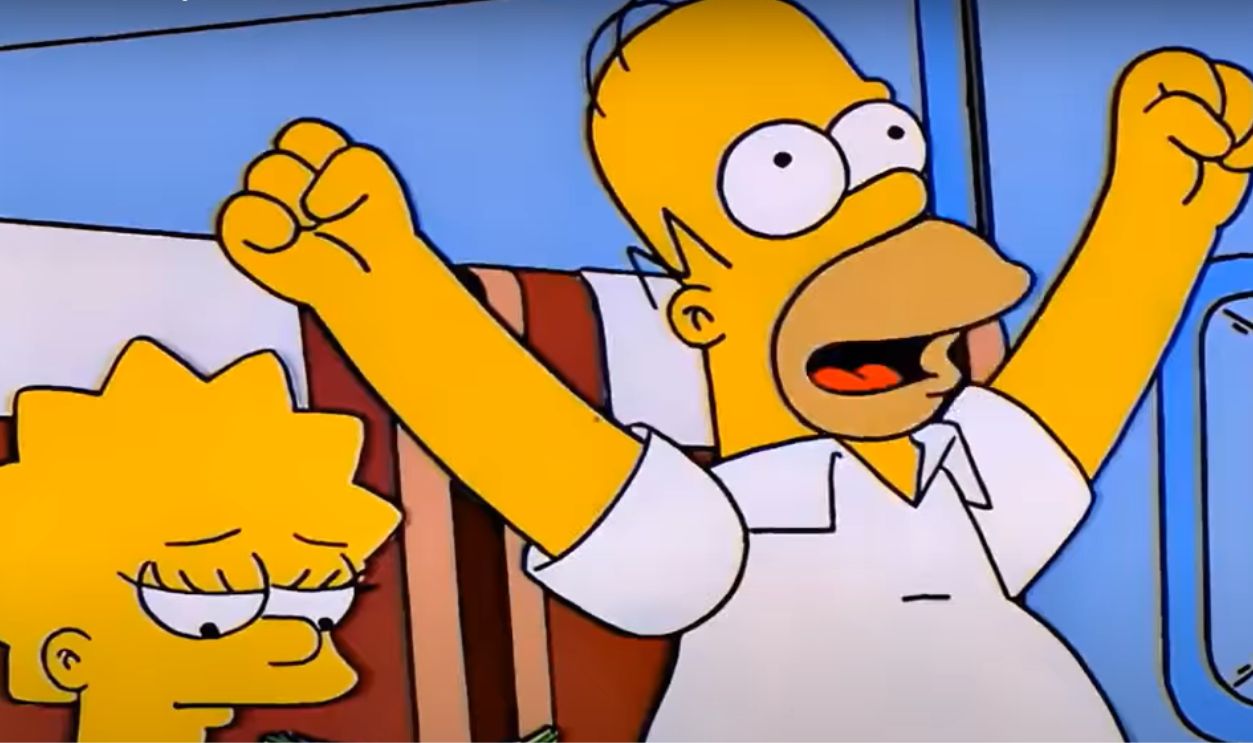 THE SIMPSONS -The Simpsons Travel To Brazil ! by Burns Charming
Seinfeld (1989-1998)
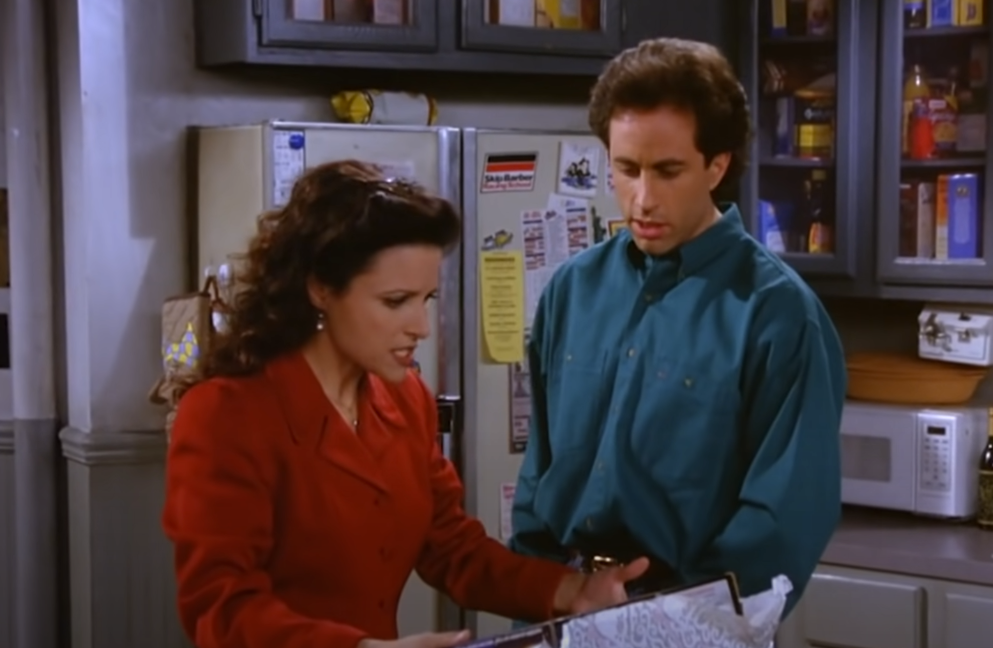
The wildly entertaining misadventures of real-life stand-up comedian Jerry Seinfeld and his friends encapsulate 90s set-in-NYC comedy. Seinfeld was famously about characters who were terrible people, built on creator Larry David’s policy of “no hugging, no learning,” reports The Guardian. The series finale, in which Jerry, Elaine, George, and Kramer go on trial for mocking a robbery victim, was considered a flop. Yet the show remains a cornerstone in sitcom history.
Twin Peaks (1990-1991)
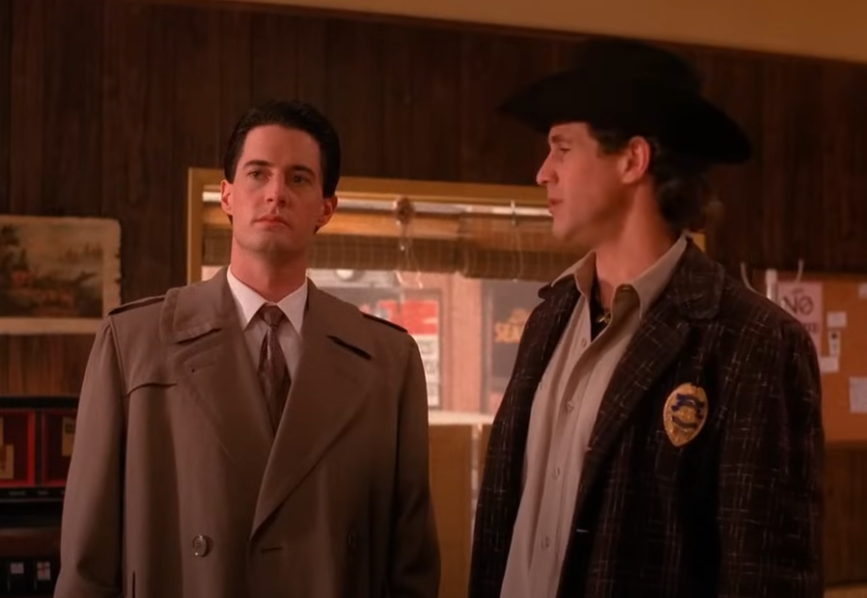
With its haunting music and surreal atmosphere, Twin Peaks was a particular flavor of mystery. The artsy show lasted just two seasons, but it remains a strong memory in the history of television as a series that was just…different. Nerdist notes that the show even featured a positively portrayed transgender character, and while a cisgender actress played her, this could still be considered a step in the right direction for 90s TV. Twin Peaks was nominated for 16 Emmys but won zero.
The X-Files (1993-2018)
Agents Mulder and Scully have entered pop culture consciousness as celebrity characters, nameable even by people who haven’t watched the show. 30 years after its first episode, a CNN retrospective reminds us that many things can be traced back to The X-files: from using “X-files” to mean classified documents to “shipping” characters you think belong in a romantic relationship together.
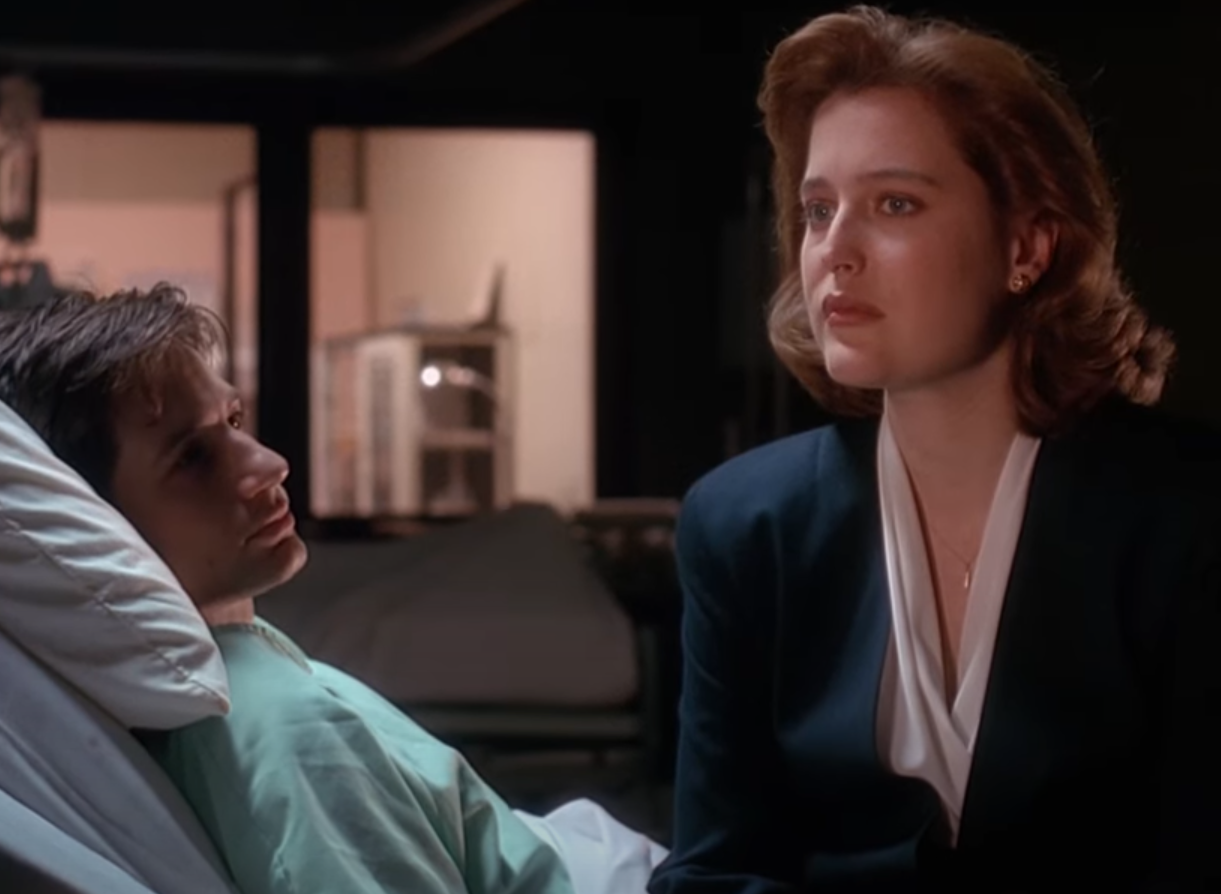 Twentieth Century, The X-Files (1993-2018)
Friends (1994-2004)
Few ensemble casts are as beloved as the cast and characters of Friends. Ross, Rachel, Monica, Chandler, Phoebe, and Joey perfectly captured the trials of finding a job, falling in love, and living in the big city in your 20s. Screenrant acknowledges that while Seinfeld technically used the friend-group-as-family concept earlier, Friends established the premise in a more wholesome, feel-good way.
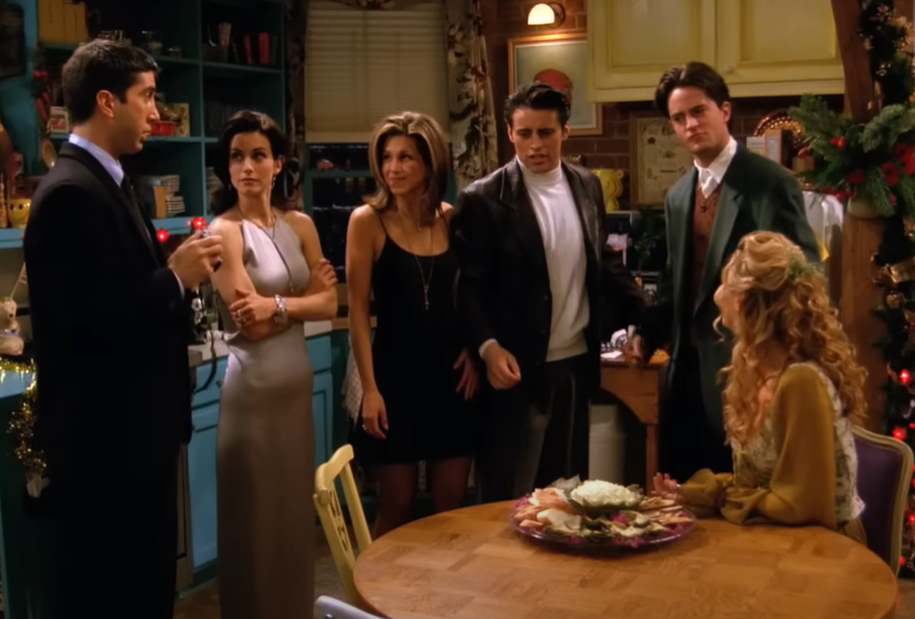 Warner Bros., Friends (1994 - 2004)
Arthur (1996-2022)
Every day when you’re walking down the street, everybody that you meet…has an original point of view! From songs about the humdrum of homework to the joys of having a library card, Arthur, his little sister DW, Buster, and their group of friends raised a generation of kids. According to ComicBook.com, the series was the longest-running animated children’s show in the US until SpongeBob Squarepants beat that record in 2025.
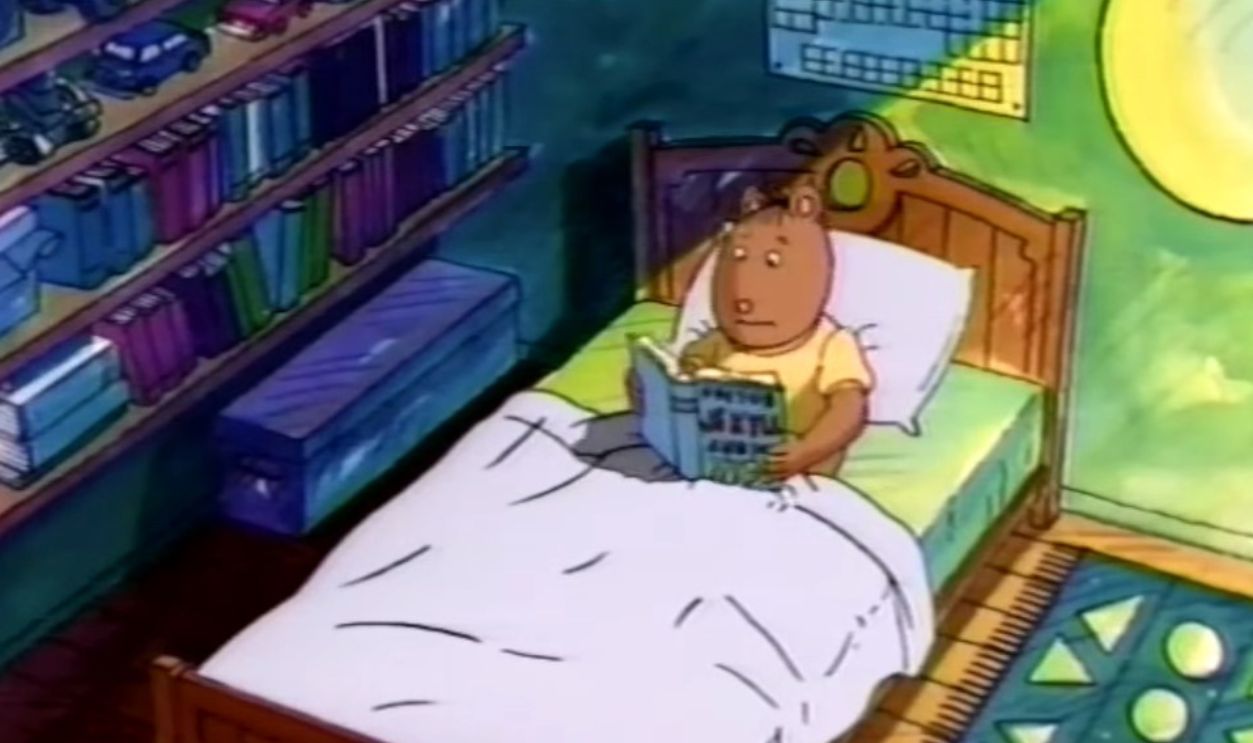 ARTHUR: Jekyll Hyde by Arthur Read
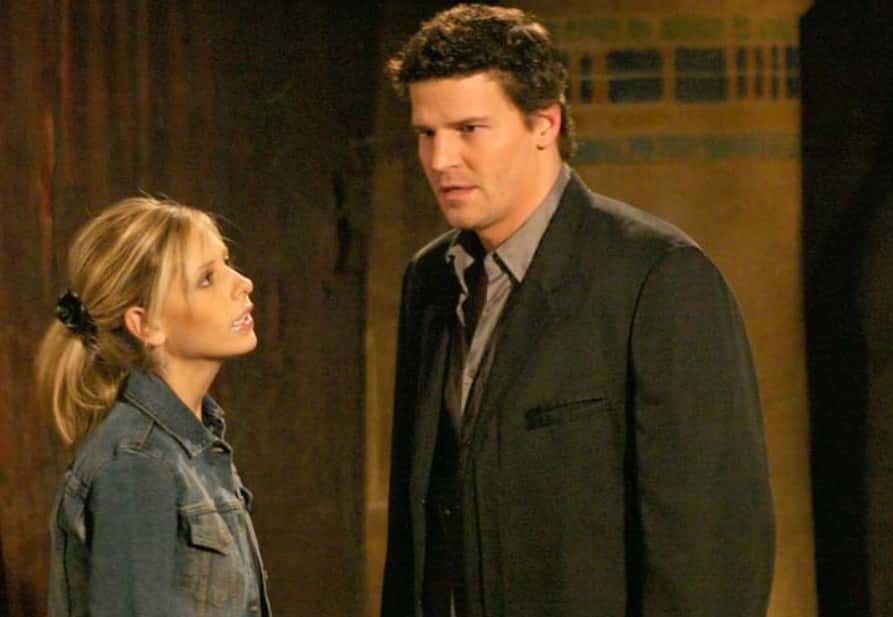
Buffy The Vampire Slayer (1997-2003)
The campy yet emotionally powerful Buffy the Vampire Slayer is often lauded as a groundbreaking piece of television, and for good reason. According to Den of Geek, it not only introduced us to a fierce, stereotype-defying heroine but also led to the creation of TVTropes.org. The Script Lab credits BTVS for pioneering lesbian representation, paving the way for shows like The L Word and Smallville. It even spawned an academic field: Buffy Studies.
South Park (1997- )
This satirical animated series features four badly-behaved middle-schoolers in Colorado. Notorious for its vulgarity and lack of shame, Paste Magazine argues that South Park forever changed adult animation after it aired. The show has been providing irreverent social commentary for nearly 30 decades now—though not without heavy criticism—and, as VICE writes, “made it cool not to care.”
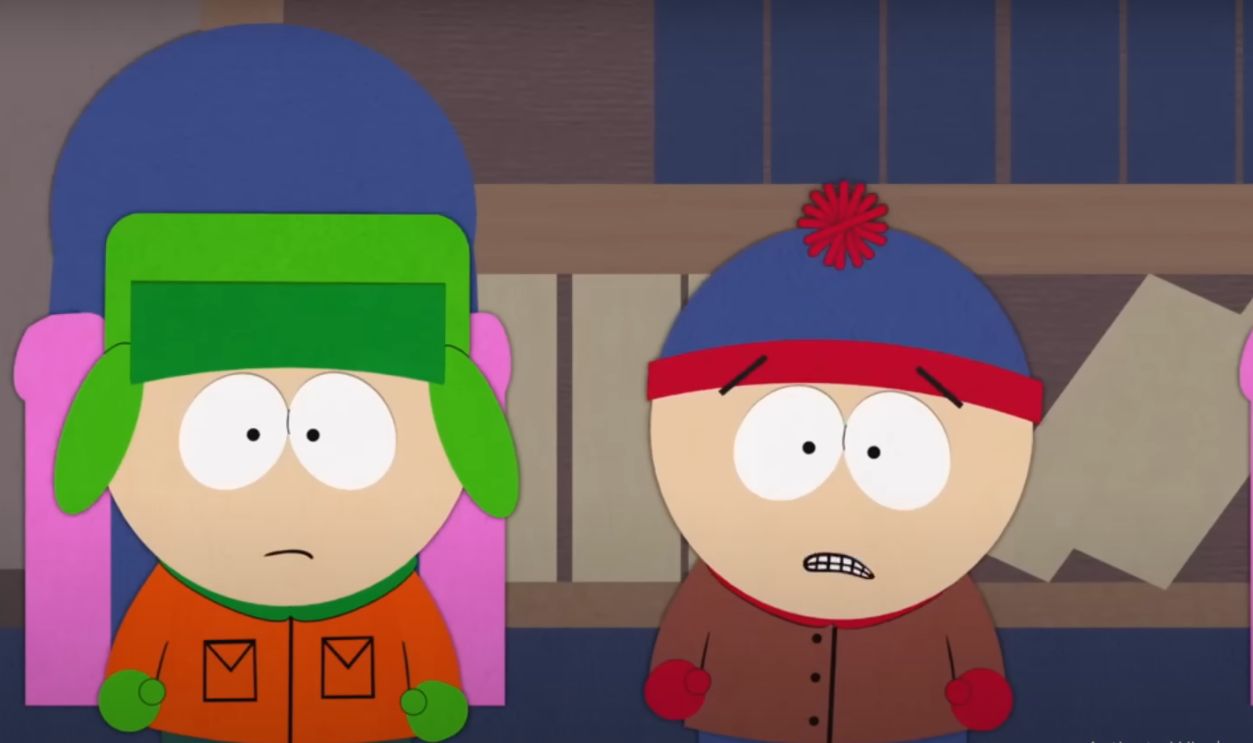 EVERY SINGLE KENNY DEATH IN SOUTH PARK and Chilleyer
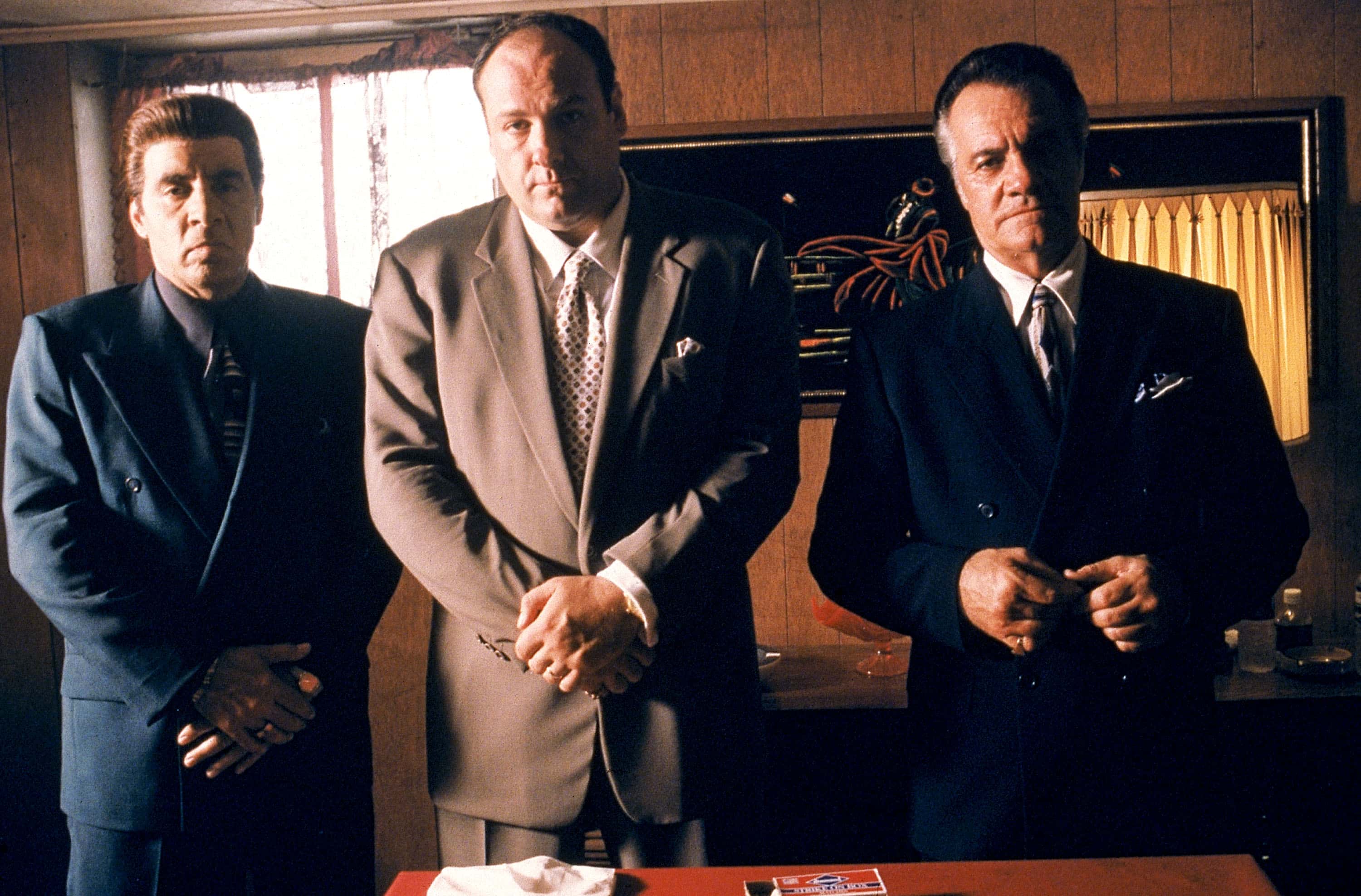
The Sopranos (1999-2007)
Featuring a New Jersey mob boss who checks into therapy, The Sopranos has a reputation as one of the biggest and most influential shows of all time. It paved the way for dark and complex shows like Game of Thrones and Mad Men, according to one BBC writer. Meanwhile, Screenrant argues that it kickstarted HBO’s “prestige era” and popularized the anti-hero.
Survivor (2000- )
You’re stranded in the middle of nowhere with your fellow contestants, and if you last longer than all of them through the given challenges, you win a million dollars. That’s the simple yet risky premise of Survivor. Hosted by Jeff Probst, How Stuff Works calls the reality show the “grandaddy of the genre” that paved the way for other reality shows that feature competition.
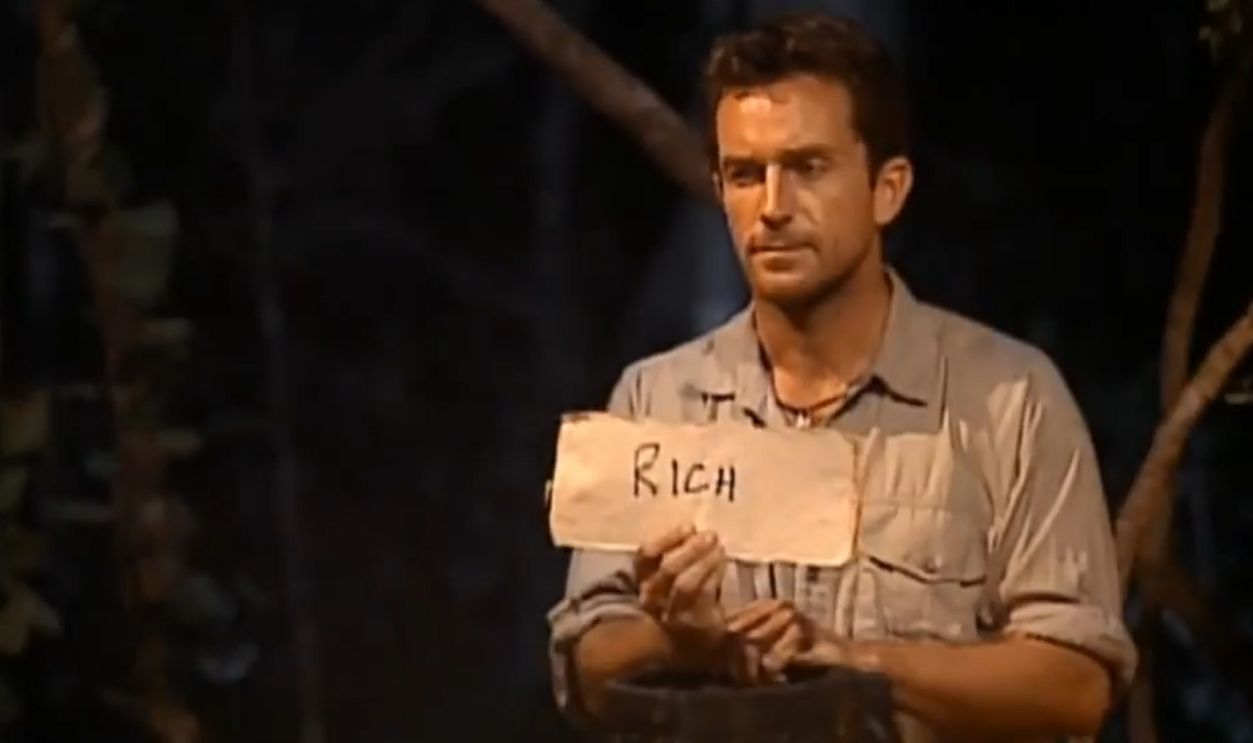 Previously on Survivor - Season 1 - Survivor: Borneo, Survivor Geek
The Wire (2002-2008)
Gritty and critically acclaimed, The Wire laid out the harsh reality of drugs and crime in Baltimore. BBC Culture called the show, which examined heady themes like race, class, and the role of police, “the greatest TV series of the 21st century”. Written by a former journalist and a former police officer, The Wire revealed a brutal side of urban America that hadn’t gotten much representation until now.
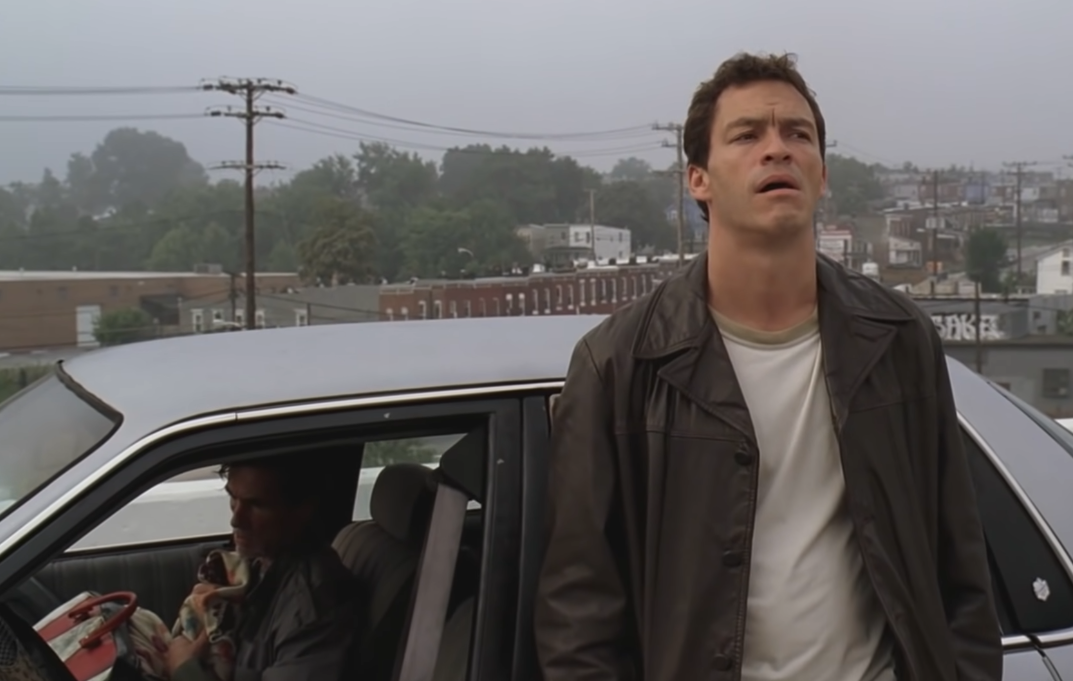
The Office - US Version (2003-2015)
For many Americans, trundling to the office from 9:00 to 5:00 is a brutal, monotonous routine. The Office wasn’t the first mockumentary, but it was definitely a seminal show of that style, featuring first-person interviews of each character as stories progressed. Yardbarker credits it for paving the way for shows like Parks and Recreation. And or more than 10 years, viewers followed the humdrum yet irresistible lives of the Scranton office workers, from Michael Scott the self-proclaimed “best boss” to Jim and Pam the office lovebirds.
 Office COLD OPENS to Watch While You Eat, The Office
Lost (2004-2010)
The survivor drama Lost is another TV show that frequently makes it into numerous best-TV-shows-ever lists. According to Screenrant, it was revolutionary thanks to a combination of a complex storyline and the rise of internet forums. Lost came about when internet communities and podcasts were lifting off, letting fans from around the world deliberate their favorite theories in a common space. The ending’s reveal (if you know it) is still notorious.
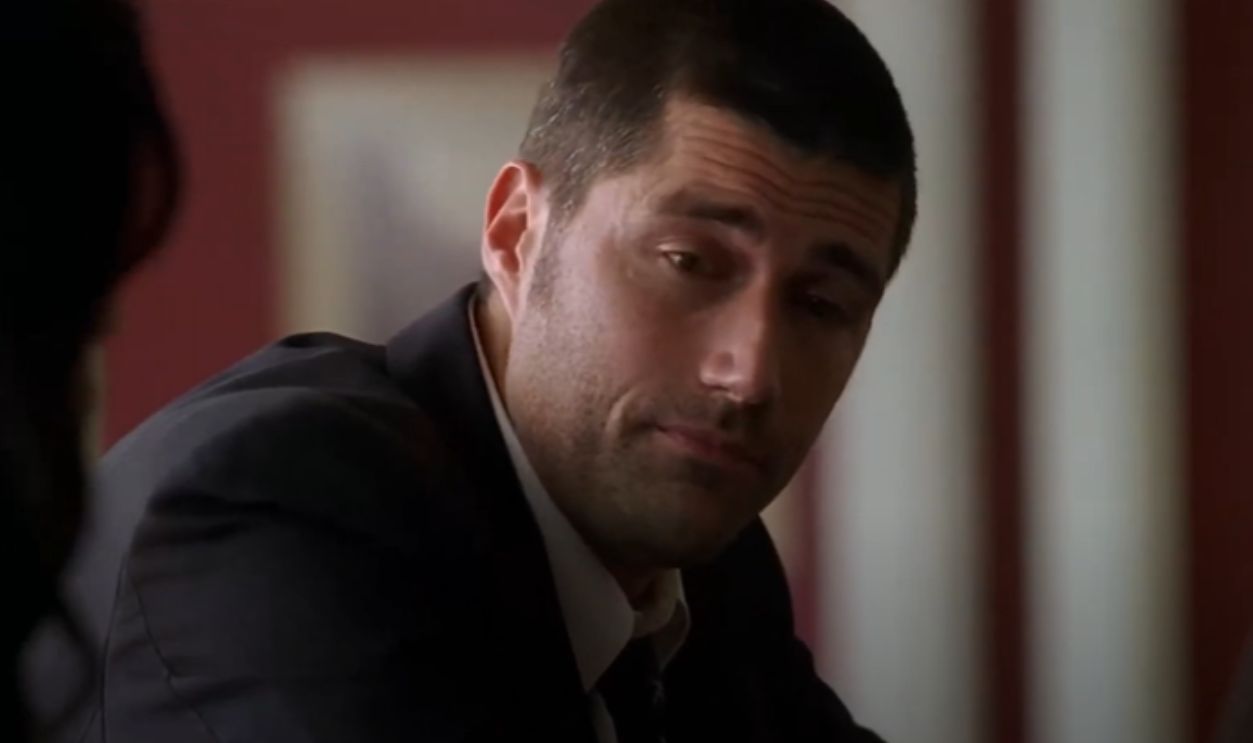 Lost - Jack talks to Ana Lucia at the airport [1x23 - Exodus (Part 1)] by Artem Baranov
Doctor Who (2005-2022)
The Doctor Who universe has a vast legacy. The original series aired 1963-1989, and after it ended, it was considered a “relic” and a “joke,” writes The Indiependent. But the 2005 revival, which would go on to feature stars like David Tennant and Billie Piper, became a hit. It earned millions of viewers each week, was popular across the globe, and even generated spin-offs and merchandise. If you’ve heard of a British telephone booth referred to as a Tardis, you’ve been influenced by Doctor Who.
 Doctor Who - The Fires of Pompeii - The Doctor saves Caecilius and his family by TheOncomingStorm
Breaking Bad (2008-2013)
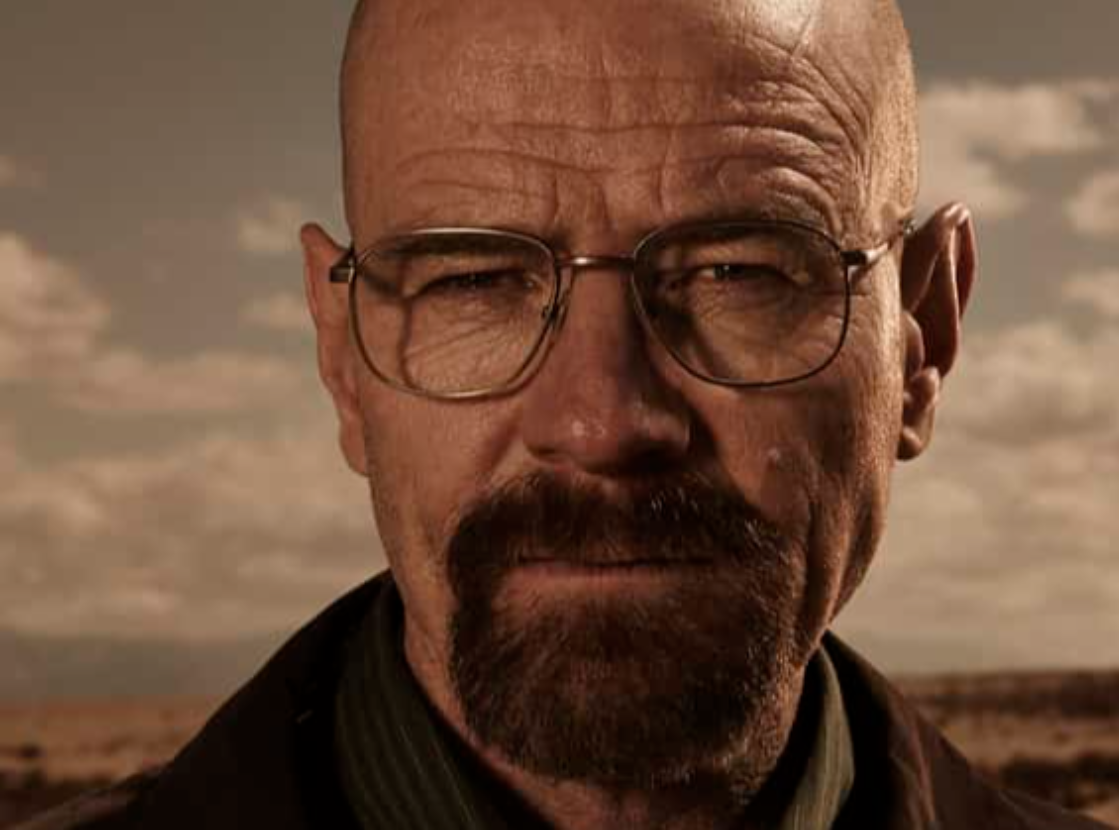
Breaking Bad ranks #1 on IMDB’s “Top 250 TV Shows” list. According to Rotten Tomatoes, the show—about a brilliant high school chemistry teacher who turns to making and selling meth— featured a new kind of antihero, stunning visuals, and an obsessed fandom. The series won 16 Primetime Emmys, two Golden Globes, and a BAFTA award among other prestigious wins and nominations.
Downton Abbey (2010-2015)
A quintessentially British drama about a noble family’s estate in the early 20th century, Downton Abbey became a popular phenomenon in America. It spawned tourism interest in the UK, reports Ringer, and pushed UK production companies to consider international audiences as a viable revenue stream. Perhaps there’s something delightfully escapist about obsessing over the minute details of aristocrats’ lives.
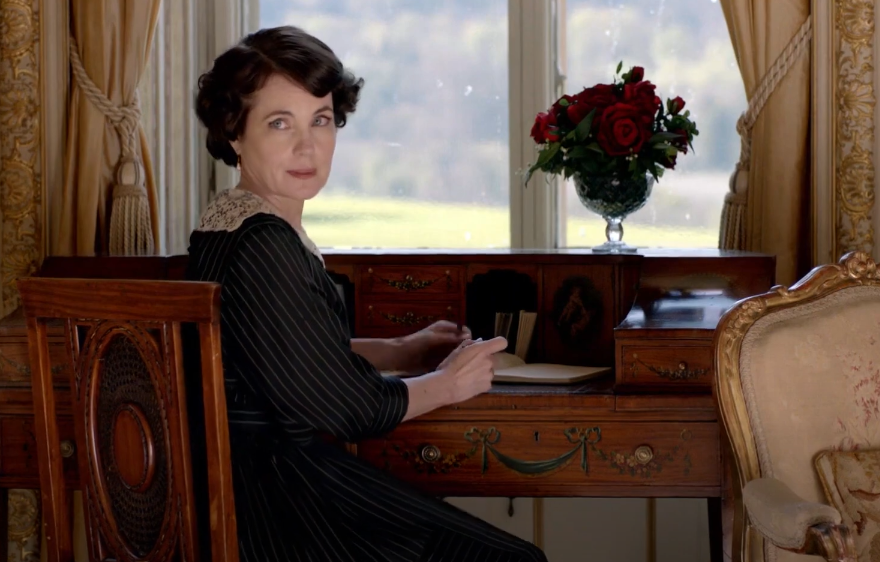 Carnival Film & Television, Downton Abbey (2010-2015)
Sherlock (2010-2017)
BBC’s spin on Arthur Conan Doyle’s classic detective character was an award-winning, cinematographic series featuring an eccentric genius and his good-natured sidekick. Sherlock was unusual in its format: each season (or “series,” as they’re officially known) featured just three or four episodes. But each episode was 90 minutes, making them feel more like movies at times. According to The Guardian, the show was wildly popular around the world and across cultures, showing in over 200 countries and boasting 98 million viewers of the last series in China.
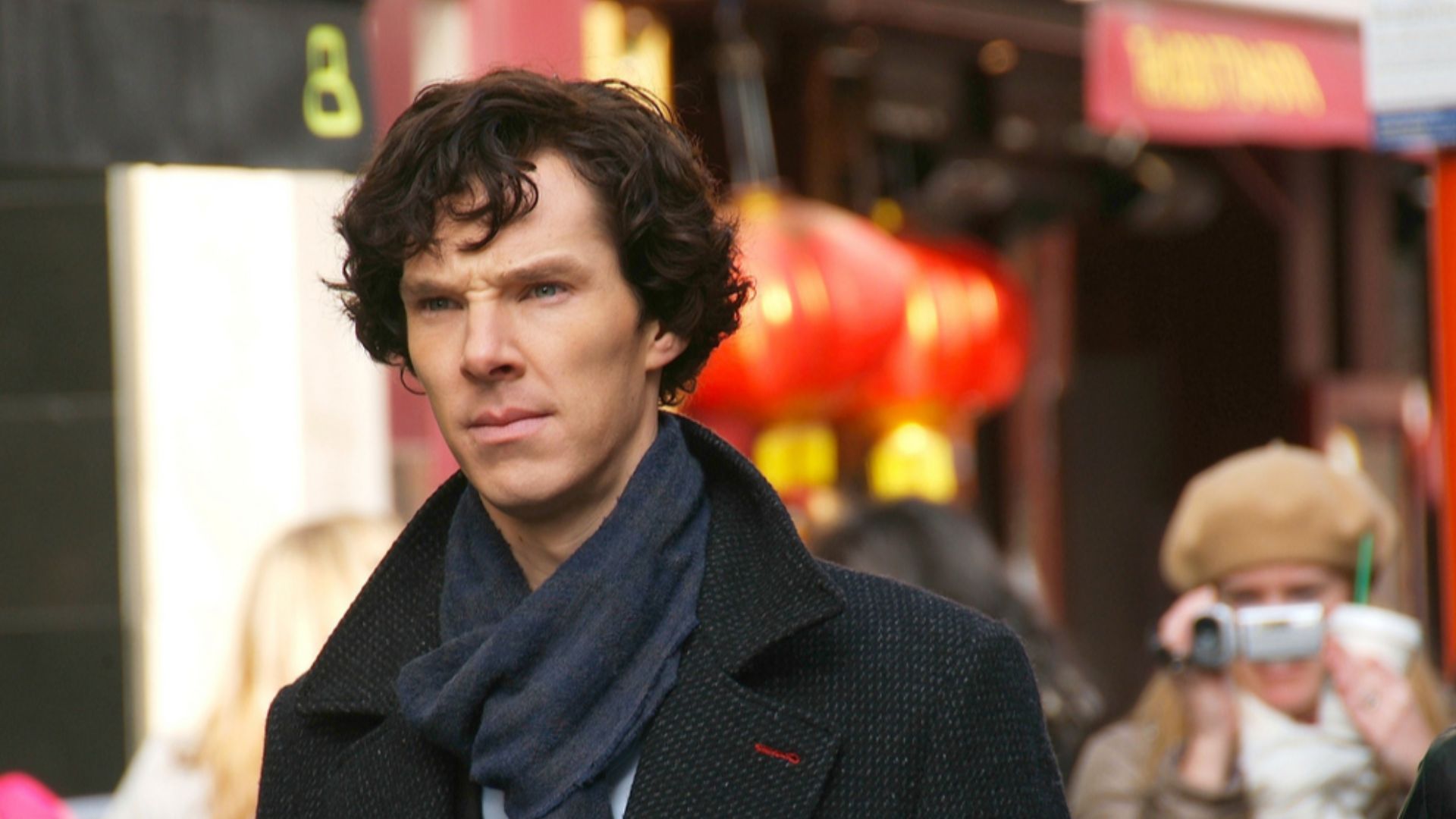 Fat Les (bellaphon) from London, UK, Wikimedia Commons
Game Of Thrones (2011-2019)
Politics. Swords. Dragons. Dirty deeds (in every sense of the term). For a while, it was the show everybody talked about thanks to its unexpected character exits, forbidden romances, and political drama. Screenrant credits it for reviving “event TV” and perhaps instigating a new Golden Age of Television. Indeed, Game of Thrones often felt more like a movie than a television series, with sophisticated animation and a high fantasy setting reminiscent of the most intricate sets on The Lord of the Rings.
 Game of Thrones | Official Daenerys Targaryen Trailer (HBO), GameofThrones
Rick And Morty (2013- )
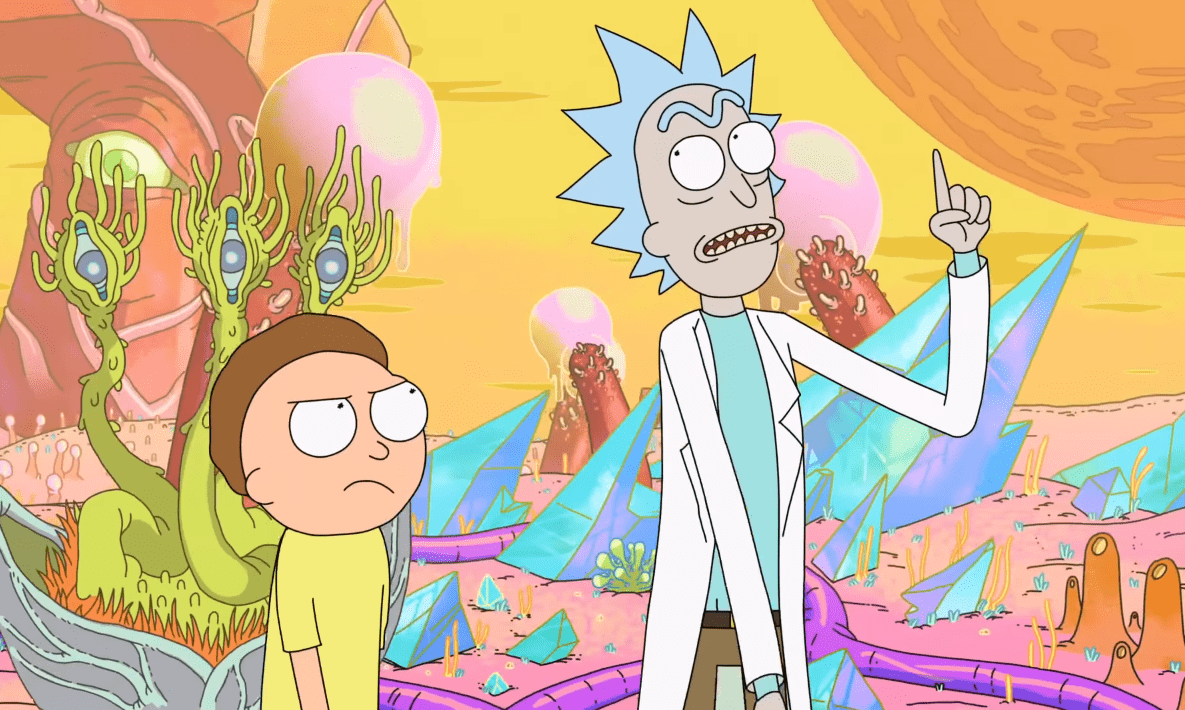
An insecure grandson goes on extraordinary, ridiculous, and often downright gross adventures across parallel universes with his alcoholic, genius grandfather. That premise for the psychedelic adult animation phenomenon known as Rick and Morty has made it a cult favorite. Calling it “TV’s most unlikely hit,” The Guardian reports that when McDonald’s reintroduced a sauce it referenced, fans got so riled up when it sold out that police had to be called in some places.
Orange Is The New Black (2013-2019)
Along with House of Cards, OITNB was part of a generation of Netflix shows that proved the streaming platform was not just a convenient website but a creator of quality entertainment. Orange is the New Black featured the lives of women in prison, exploring themes like incarceration, race, power, and queerness. A gloriously complex show, it was both “the most important TV show of the decade” (TIME Magazine) and it both “celebrated diverse women” and “exploited their stories” (Vox).
 Tilted Productions, Orange Is the New Black (2013-19)
Bojack Horseman (2014-2020)
On the surface, it’s a show about a washed-up, has-been celebrity with a horse’s head, but it goes so much deeper. Bojack Horseman humorously tackled the dysfunctions of America, from celebrity worship culture to depression, addiction, and loneliness. Lauded by BBC as “the 21st century’s best animation,” it also explored contemporary issues like gun control, reproductive rights, and problematic men in power…while never forgetting to make viewers laugh.
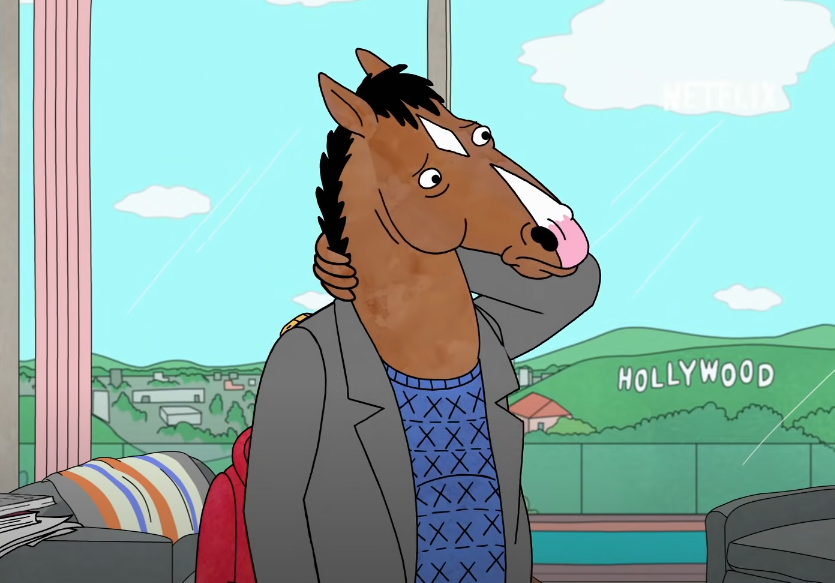 Netflix, BoJack Horseman (2014-2020)
Stranger Things (2016-2025)
One of the more recent television phenomena, Stranger Things brought an utterly addictive horror series to the Netflix accounts of many. It cemented streaming platforms as purveyors of cutting-edge TV, writes The Script Lab. With government secrets, alternate universes, geeky teenagers, and 80s anthems, it was delightfully weird and, well, strange. Overwhelmingly acted by young stars, the cast featured impressive up-and-comers like Millie Bobby Brown alongside established powerhouses like Winona Ryder.
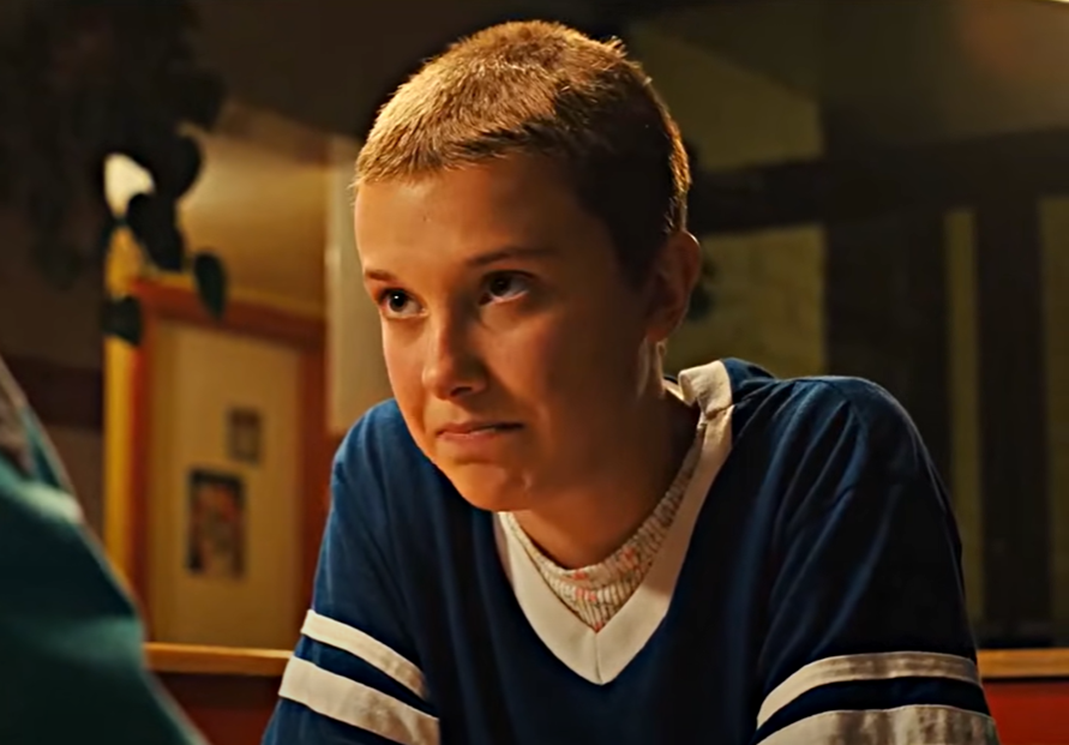 Netflix, Stranger Things (2016-25)
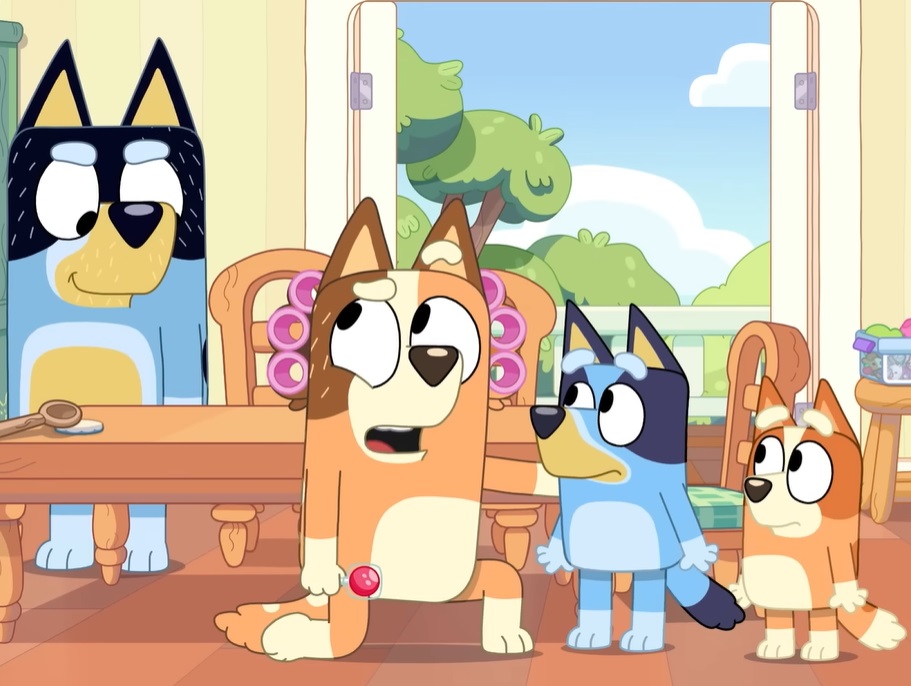
Bluey (2018- )
Beloved Bluey is an Australian animated gem about a blue heeler family. Cherished by children and adults alike, it’s heartwarming, relatable, and at times, it can make you cry. Take the season finale, an extra-long episode called “The Sign,” wherein Bandit the dad accepts a new job elsewhere and the family has to come to terms with leaving their home. In an article for The Week, the writer posits that the show will turn a new page in children’s television, proving that kids can thrive on complex, emotional stories about real life—even if it’s from their parents’ points of view.
You May Also Like:
Sources: 1, 2, 3, 4, 5, 6, 7, 8, 9, 10, 11, 12, 13, 14, 15, 16, 17, 18, 19, 20, 21, 22, 23, 24, 25, 26, 27, 28 29, 30, 31, 32, 33, 34, 35, 36, 37, 38, 39, 40, 41, 42, 43, 44, 45, 46, 47, 48, 49, 50, 51, 52, 53, 54, 55, 56, 57, 58, 59, 60, 61, 62, 63, 64, 65, 66, 67, 68, 69, 70, 71, 72, 73, 74, 75, 76, 77, 78, 79, 80, 81, 82, 83