More Than Larry Dallas
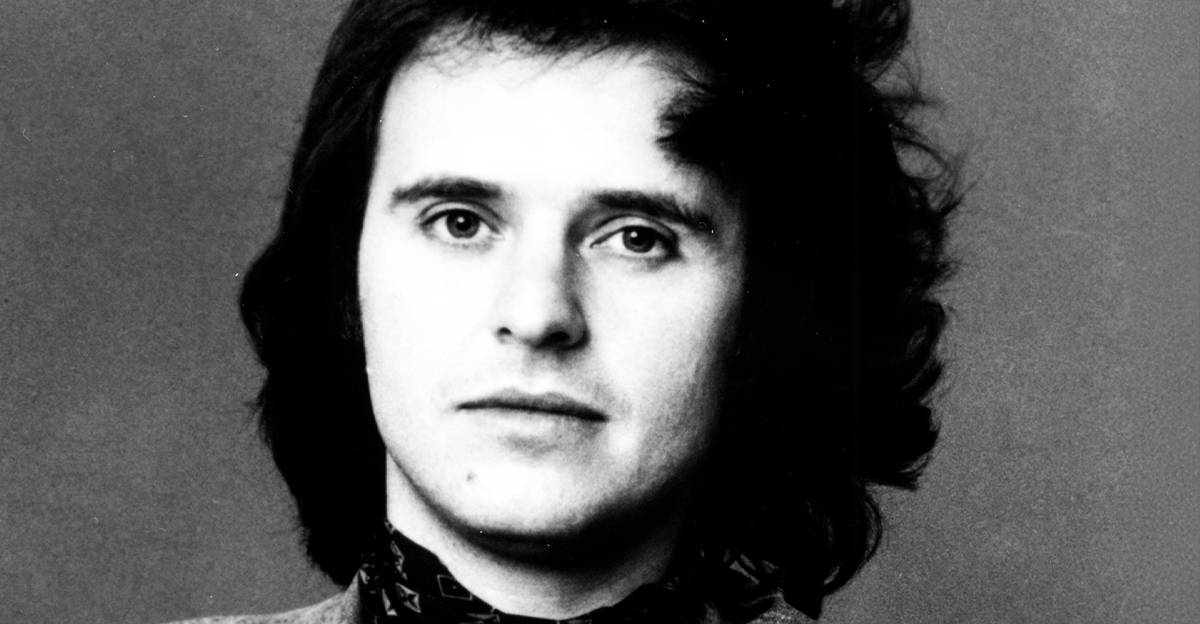
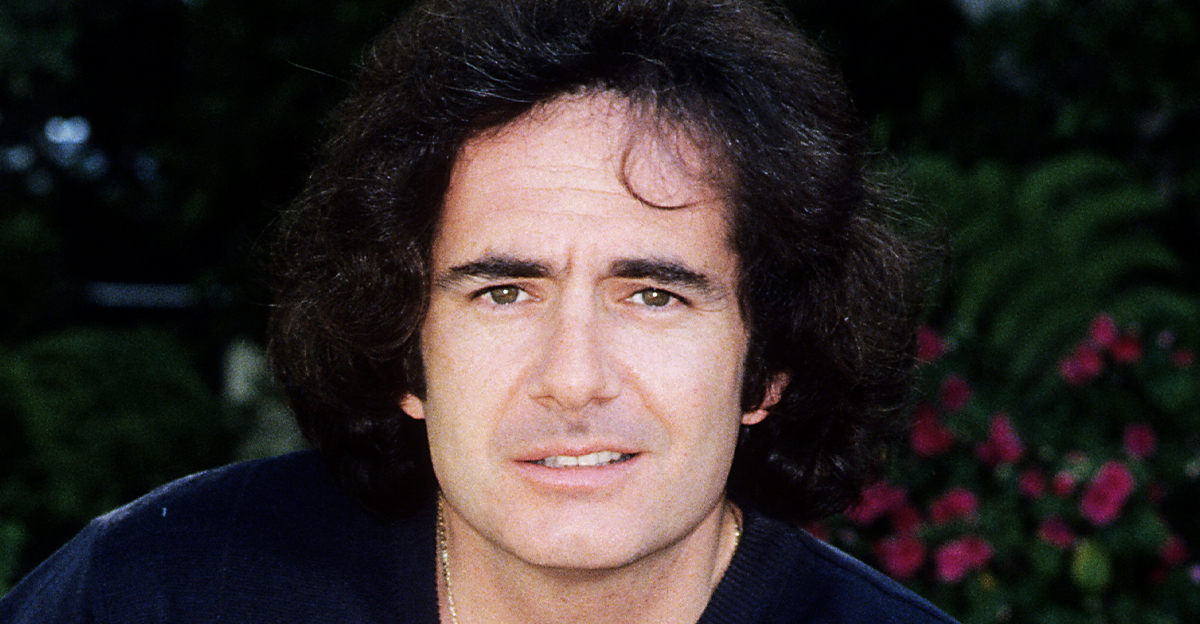
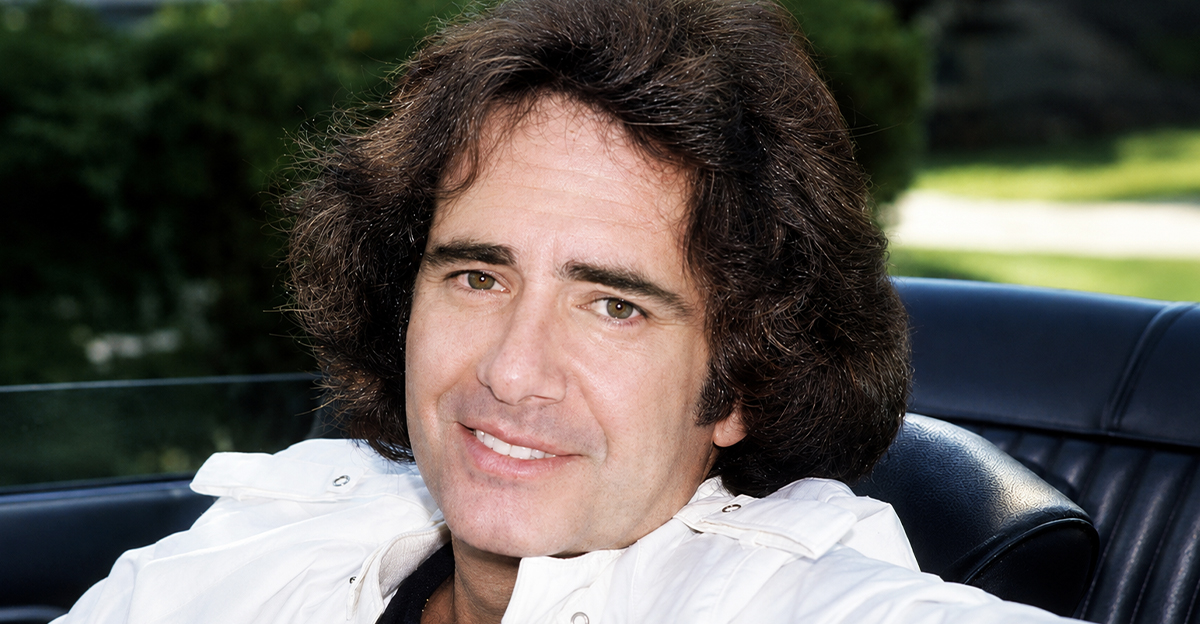
For eight seasons, Richard Kline turned Larry Dallas into the hilariously unreliable best friend every sitcom hero needs. But Kline's life included serious theatrical training, military service in Vietnam, Broadway musicals, television dramas, and decades of stage work. Larry made him famous, but there was a lot more to Kline's career than fast talk, flashy clothes and gold chains.
 Michael Ochs Archives/Getty Images
A New York Childhood
Richard Kline was born April 29, 1944, in New York City and grew up in Queens in a Reform Jewish household. His interest in performing developed early, encouraged partly by watching his older sister's ballet performances. Before television made his face recognizable across America, the youngster was already discovering that performing came naturally to him.
 Screenshot from Three's Company, ABC (1977–1984)
He Discovered Acting Early
A junior-high production of a Thornton Wilder play helped turn Kline's youthful interest into something more serious. According to later accounts of his upbringing, a cousin was moved to tears by his performance. The reaction impressed Kline enormously and helped convince him that acting could become more than simply a childhood diversion.
 Roger Sherman Studio, Wikimedia Commons
He Studied His Craft
Kline didn't simply head for Hollywood hoping somebody would discover him. He studied speech at Queens College before earning a Master of Fine Arts in theater from Northwestern University. He also trained as a classical singer, an ability that wouldn't become widely apparent to television viewers until his later return to musical theater.
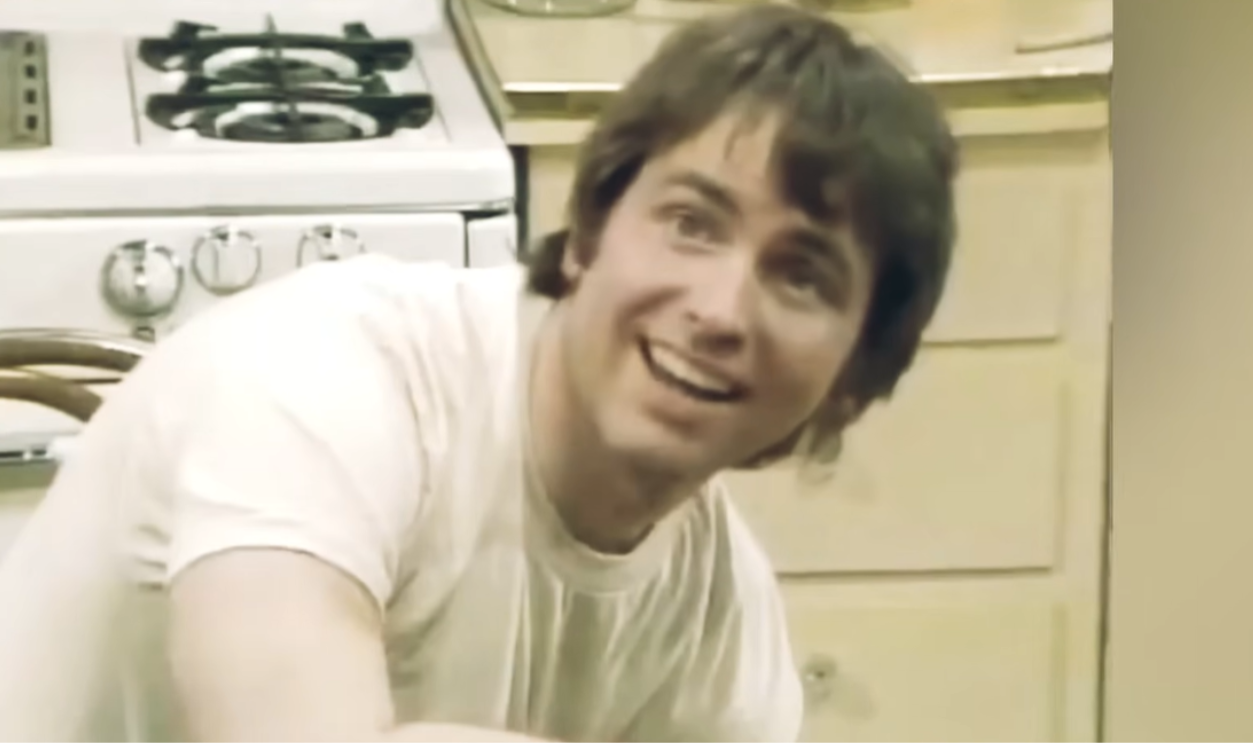 Screenshot from Three's Company, DLT Entertainment (1977–1984)
Vietnam Changed Everything
After graduate school, Kline entered the United States Army. He served from 1969 to 1971, attained the rank of first lieutenant, and served with the 101st Airborne Division during the Vietnam War. For approximately a year, Kline worked as a Special Services officer in Hue, a world far removed from the sitcom sets awaiting him.
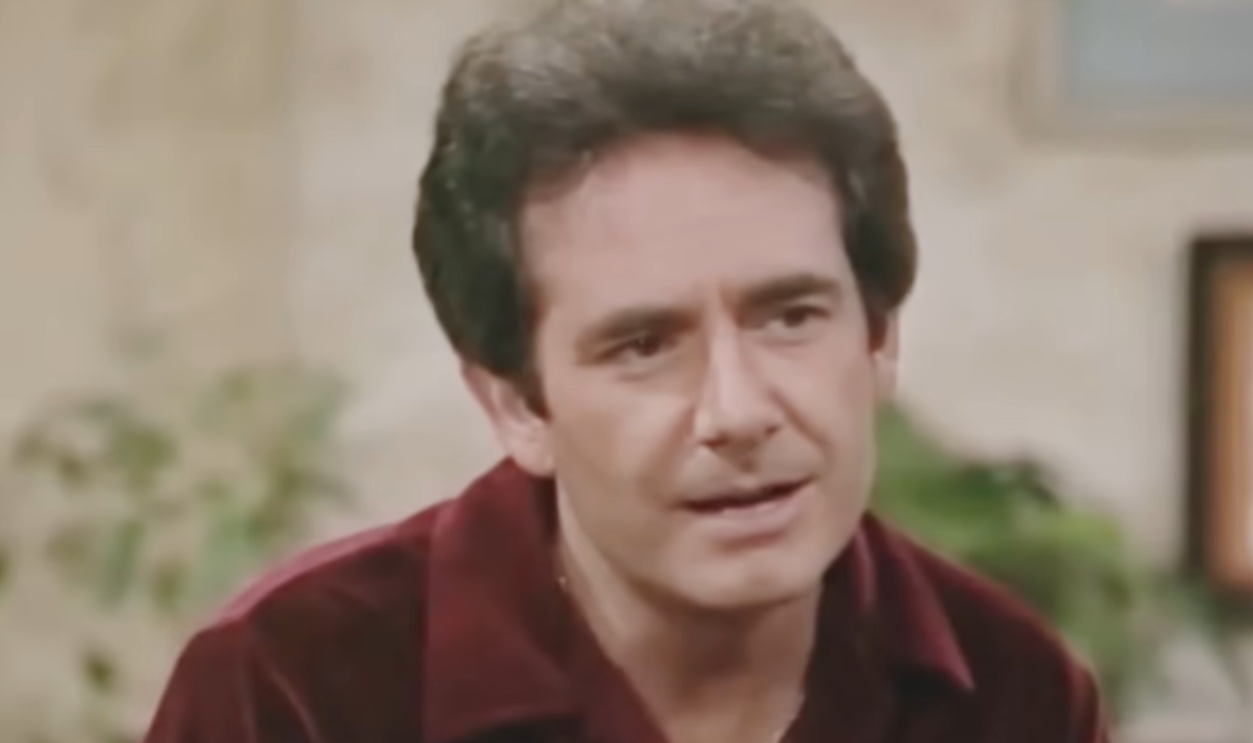 Screenshot from Three's Company, DLT Entertainment (1977–1984)
He Survived Real Danger
Kline's service was hardly an uneventful detour. Accounts of his Vietnam experience describe him surviving multiple rocket attacks while stationed in Hue. Remarkably, he was also reportedly struck by lightning during his military service. Years later, Kline appeared in How I Got That Story, Amlin Gray's stage work exploring America's experience in Vietnam.
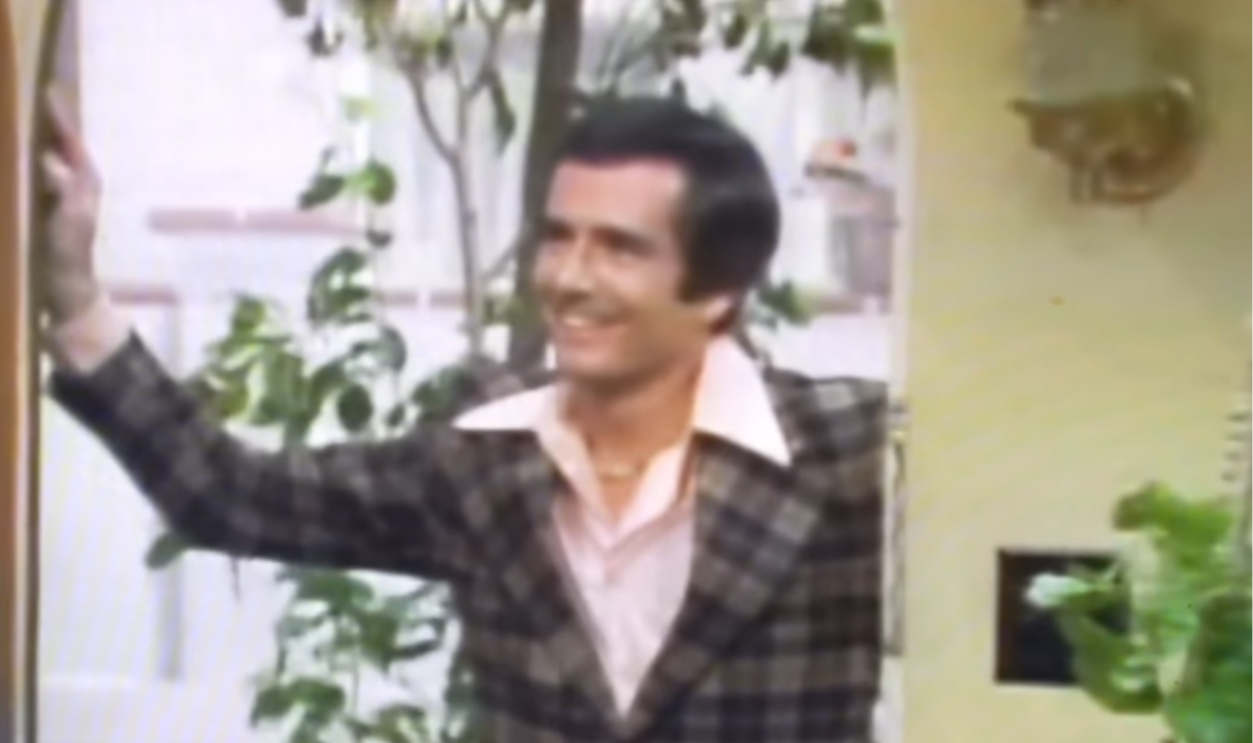 Screenshot from Three's Company, DLT Entertainment (1977–1984)
He Returned To Theater
After leaving the military, Kline returned to the profession he'd trained for. In 1971, he joined the Lincoln Center Repertory Company and began establishing himself onstage. His early theatrical work included Mary Stuart, Twelfth Night, The Crucible, Death of a Salesman, and Love's Labour's Lost, giving him formidable classical foundations before sitcom fame arrived.
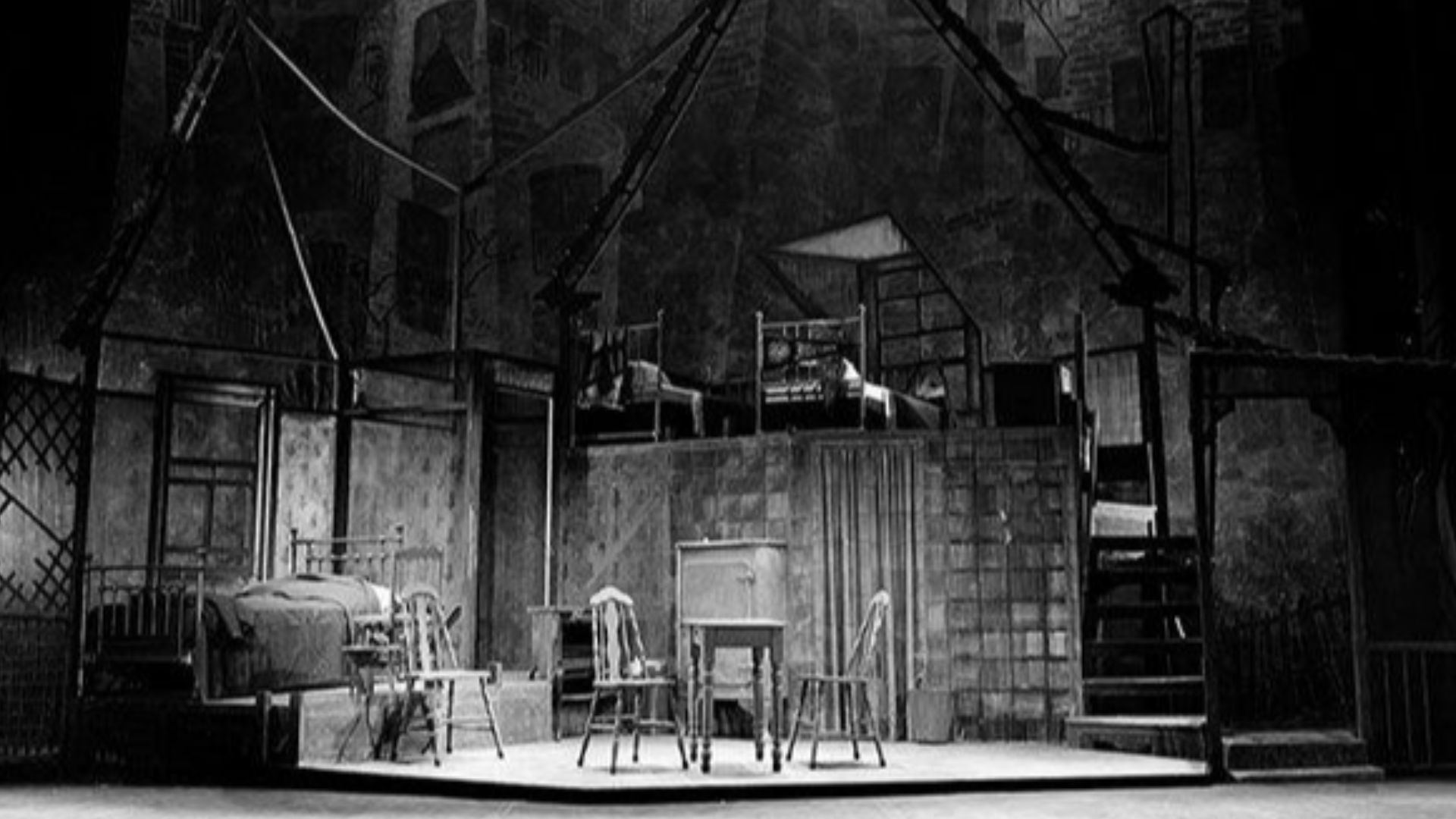 Chelsea Tenenbaum, Wikimedia Commons
Hollywood Came Calling
By the mid-1970s, television began noticing Kline. He appeared on Executive Suite, Serpico, The Mary Tyler Moore Show, Eight Is Enough, Fernwood 2 Night, and Maude. They were comparatively small jobs, but they demonstrated his versatility and put him in exactly the right place for the role that transformed his career.
 Screenshot from An Eight Is Enough Wedding, Warner Bros. Television (1989), Enhanced
Three Became Company
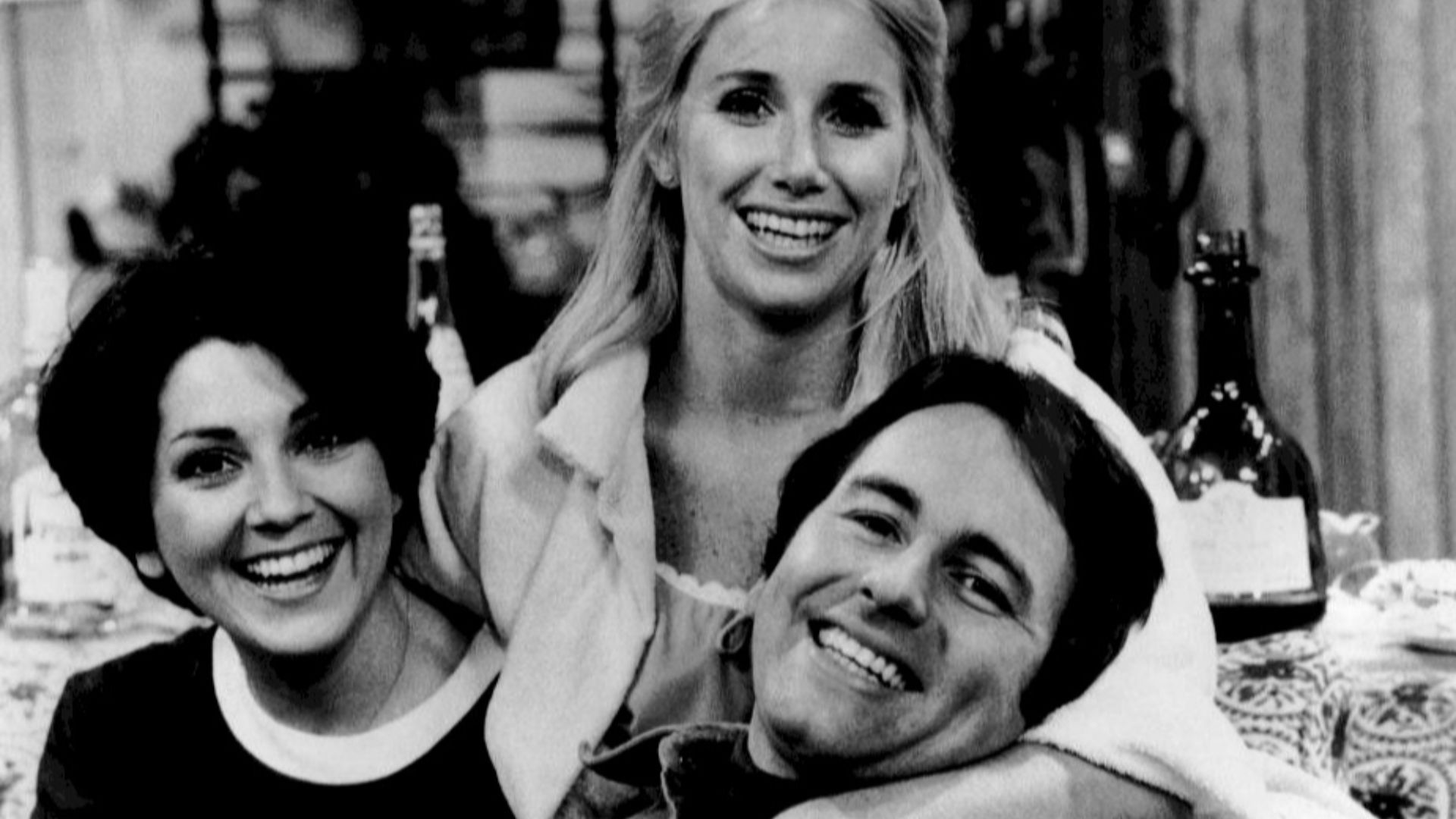
Three's Company debuted in 1977, adapting the British sitcom Man About the House for American audiences. John Ritter played aspiring chef Jack Tripper alongside Joyce DeWitt's Janet Wood and Suzanne Somers's Chrissy Snow. Norman Fell and Audra Lindley completed the original central ensemble as perpetually squabbling landlords Stanley and Helen Roper.
 ABC Television, Wikimedia Commons
Larry Dallas Arrived
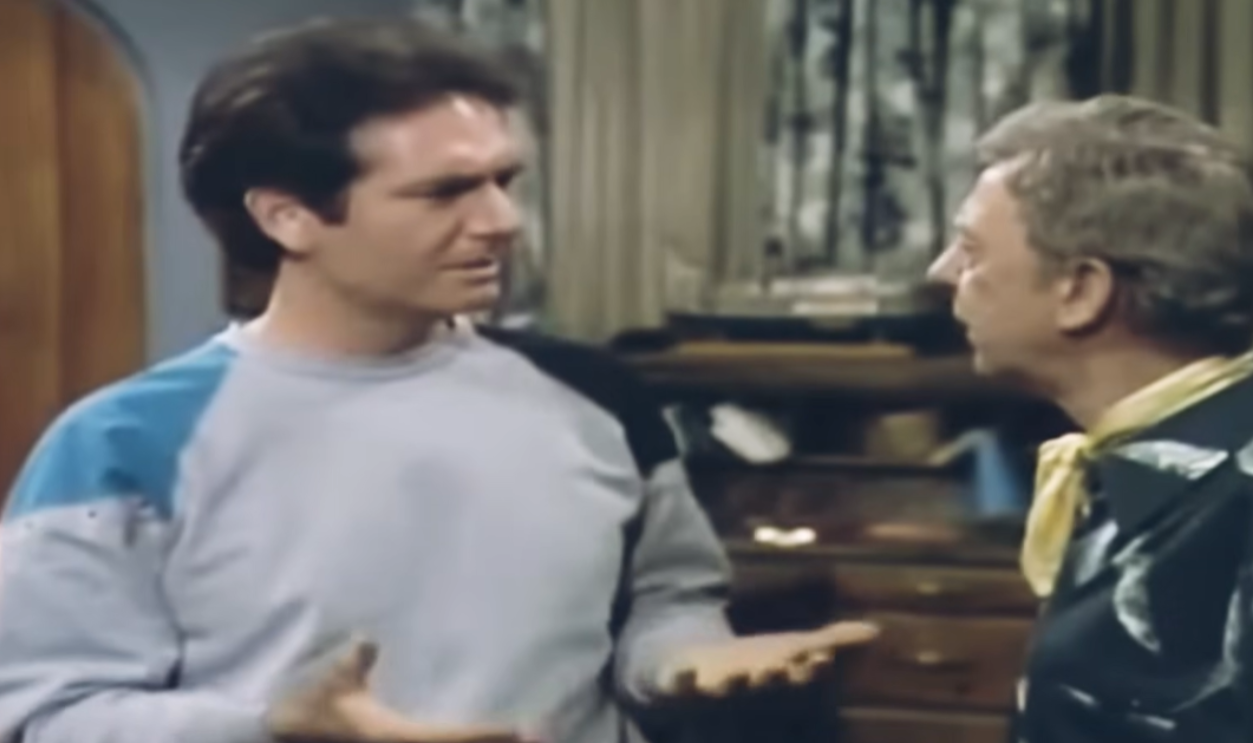
Kline joined Three's Company during its first season as Larry Dallas, Jack's womanizing friend and upstairs neighbor. Larry was a used-car salesman with an endless supply of questionable schemes and an even greater supply of confidence. Kline's chemistry with Ritter quickly made him far more important than another disposable sitcom guest character.
 Screenshot from Three's Company, DLT Entertainment (1977–1984)
He Built Larry Carefully
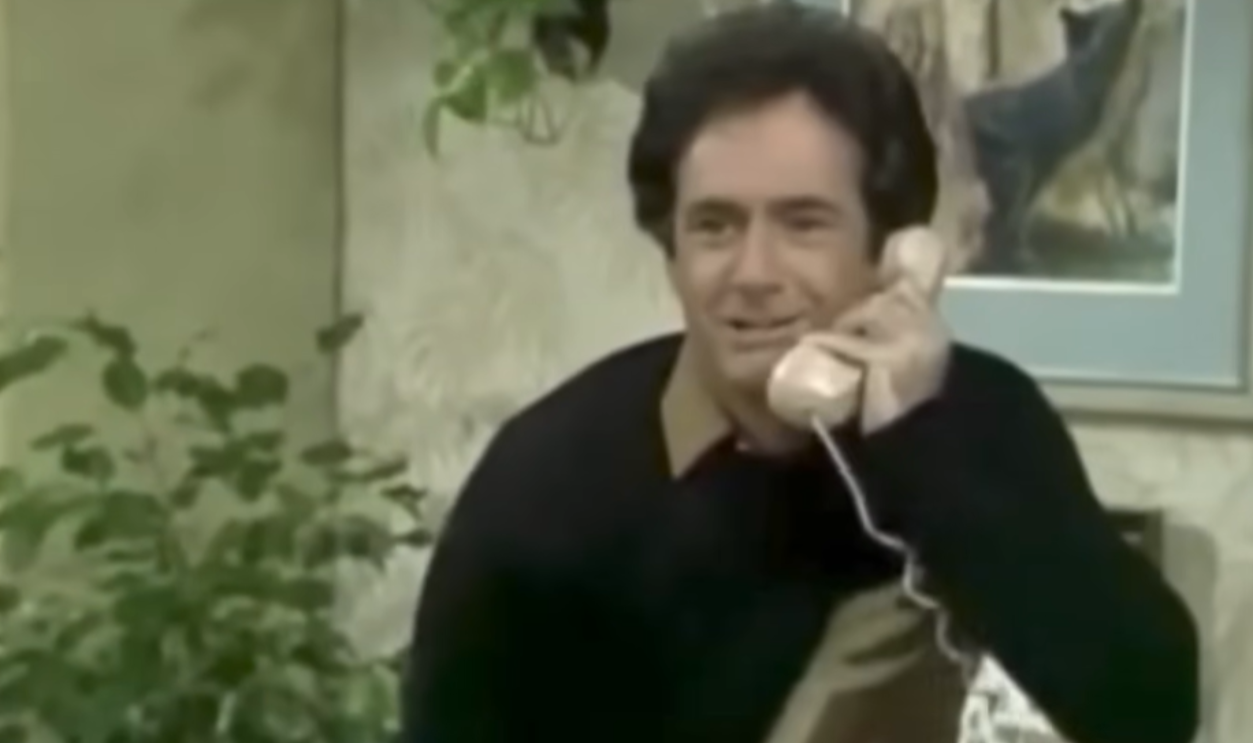
Kline had serious theatrical training, but Larry required a different toolkit. Rather than turning him into a genuinely unpleasant womanizer, Kline found the comedy in Larry's desperation, swagger, and neediness. As Kline later explained, the writers gradually learned his strengths and increasingly tailored the character around what he brought to the part.
 Screenshot from Three's Company, DLT Entertainment (1977–1984)
A Heart Of Gold
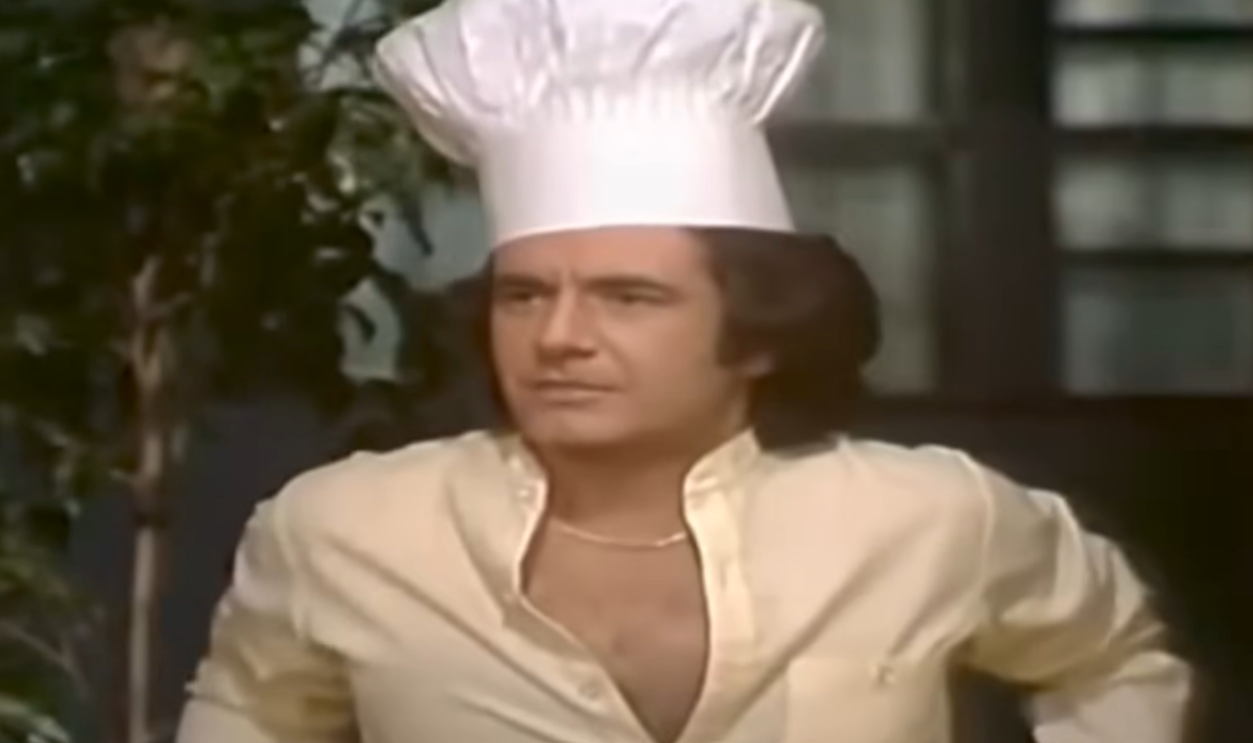
Larry might lie about his occupation to impress women, borrow money, and steer Jack into disastrous situations, but the series avoided making him truly sinister. Kline recalled being introduced to studio audiences as the "used car salesman with a heart of gold." Beneath Larry's bravado, viewers could tell he genuinely cared about Jack.
 Screenshot from Three's Company, DLT Entertainment (1977–1984)
Ritter Became A Friend
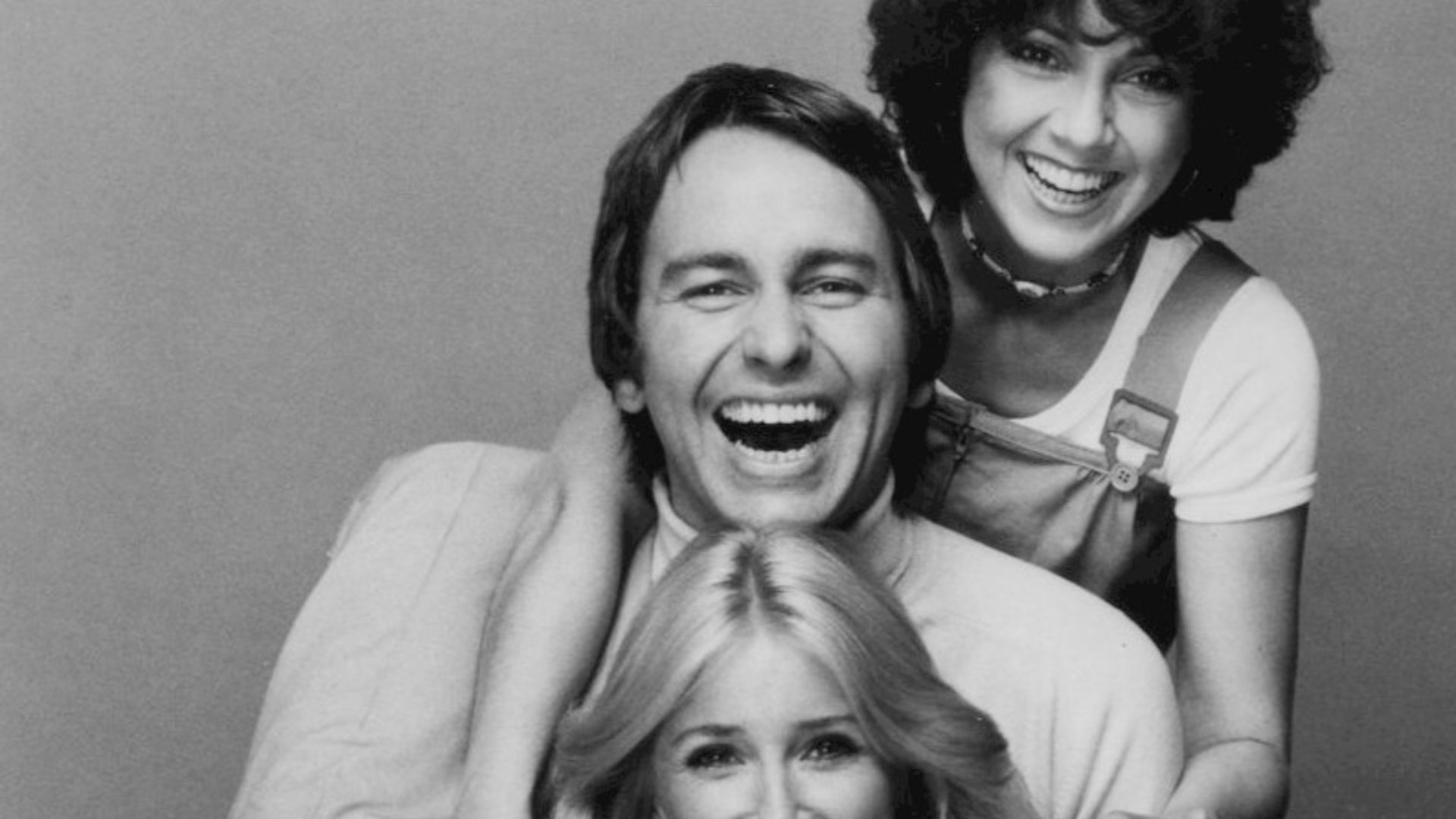
That friendship wasn't entirely acting. Kline and John Ritter developed a close relationship away from the cameras, strengthening the easy chemistry between Larry and Jack. Ritter's extraordinary physical comedy gave Kline plenty to play against, while Larry could initiate precisely the kind of misunderstanding that sent Jack hurtling into another spectacularly complicated predicament.
 ABC Television, Wikimedia Commons
The Show Kept Changing
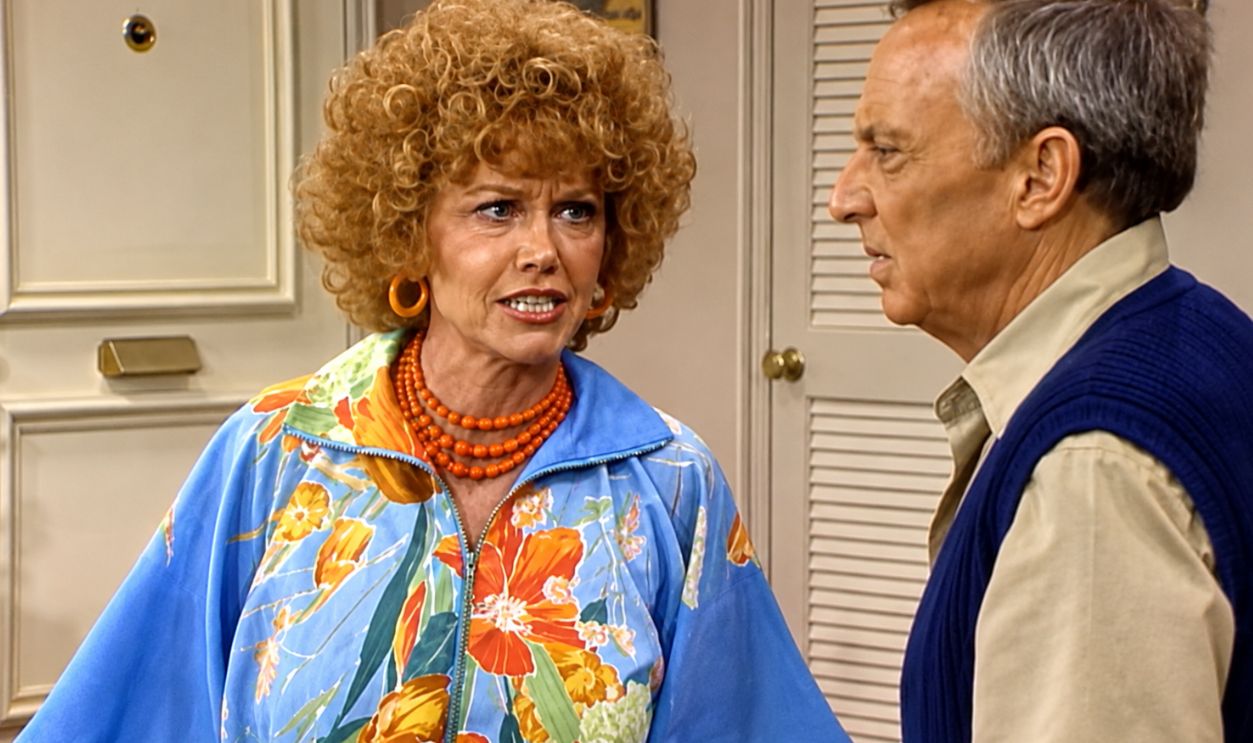
Kline remained while the cast around him evolved. Fell and Lindley departed for The Ropers, Don Knotts arrived as Ralph Furley, Somers left amid a highly publicized contract dispute, Jenilee Harrison appeared as Cindy Snow, and Priscilla Barnes eventually joined as Terri Alden. Through those changes, Larry remained Jack's incorrigible best friend.
 Screenshot from The Ropers, The Walt Disney Company (1979 -1980), enhanced
Larry Visited The Ropers
Kline's importance to the franchise became particularly clear when Larry crossed over to The Ropers, reuniting him with Norman Fell and Audra Lindley. The spinoff sitcom followed Stanley and Helen after they left the apartment building. Kline ultimately became, besides Ritter, the only performer whose character appeared in Three's Company and both of its spinoffs.
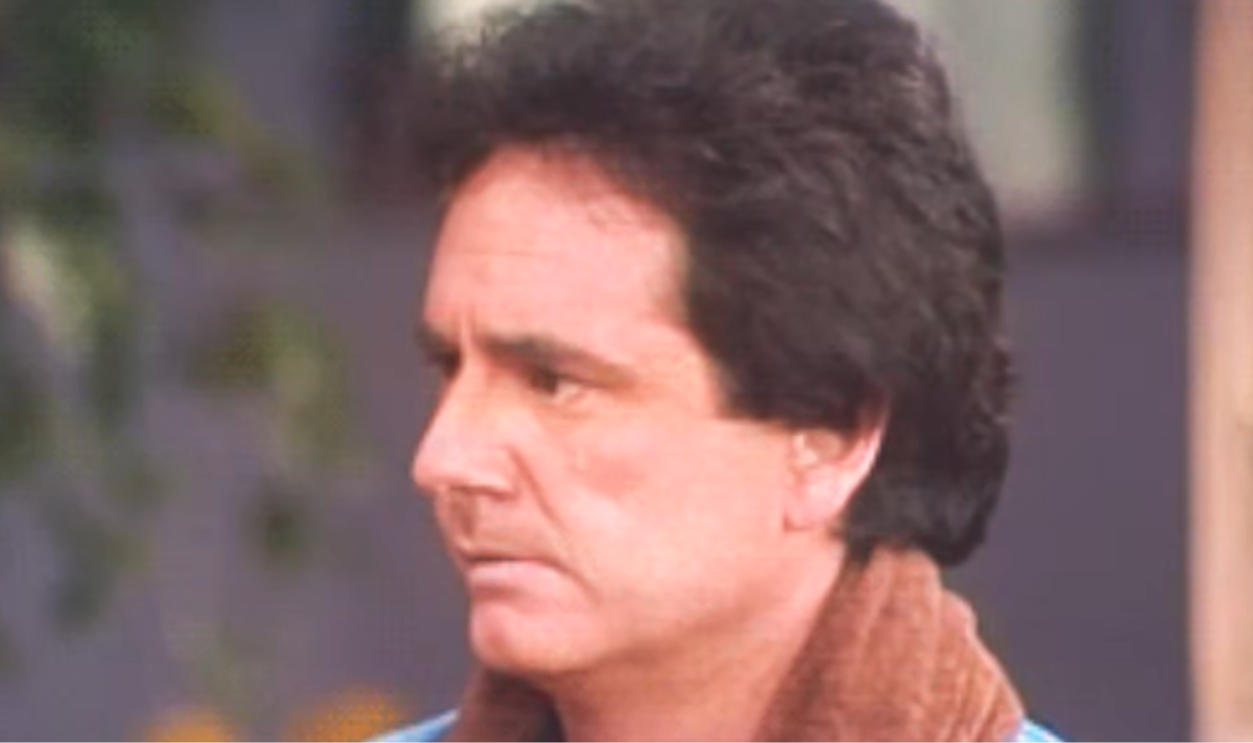 Screenshot from Three's Company, DLT Entertainment (1977–1984)
Eight Seasons Of Larry
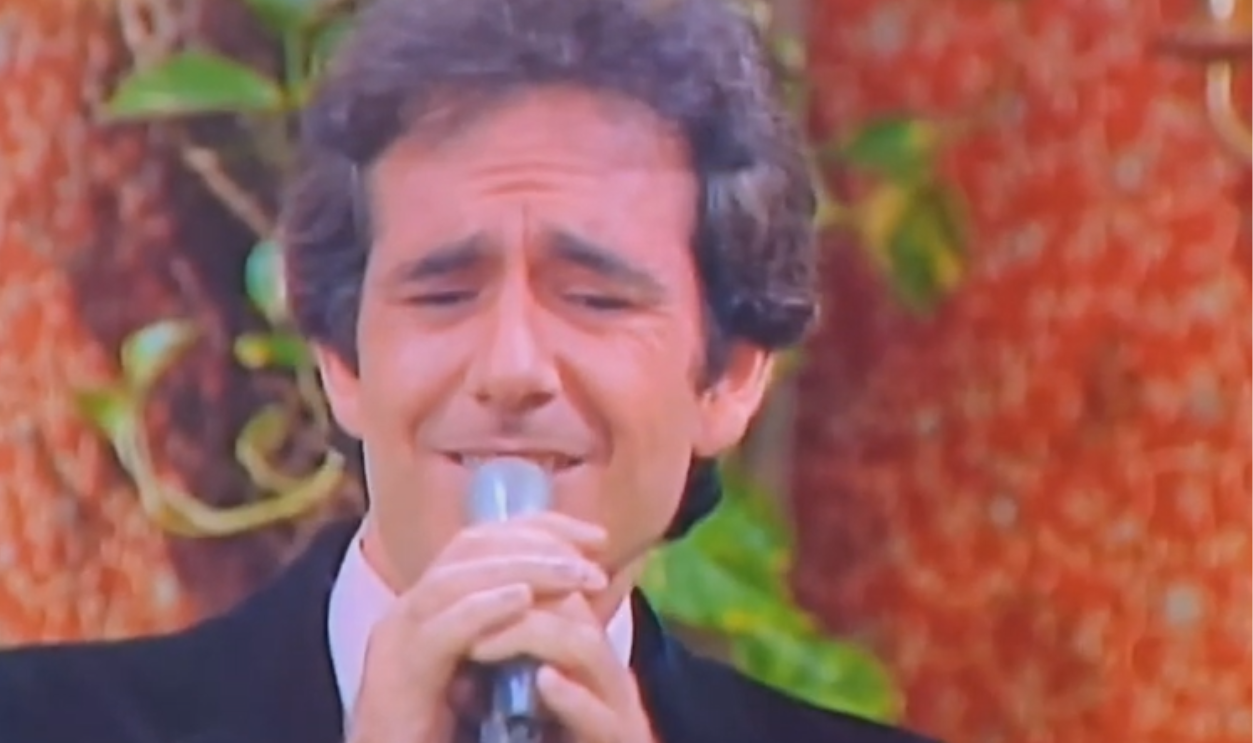
Between 1977 and 1984, Kline appeared in 110 episodes of Three's Company. What began as a supporting role became one of the show's most dependable sources of comedy. Larry never needed to dominate an episode. He could enter, propose something appalling to Jack, ignite the week's misunderstanding, and leave everyone else dealing with the consequences.
 Screenshot from Three's Company, DLT Entertainment (1977–1984)
The Apartment Finally Closed
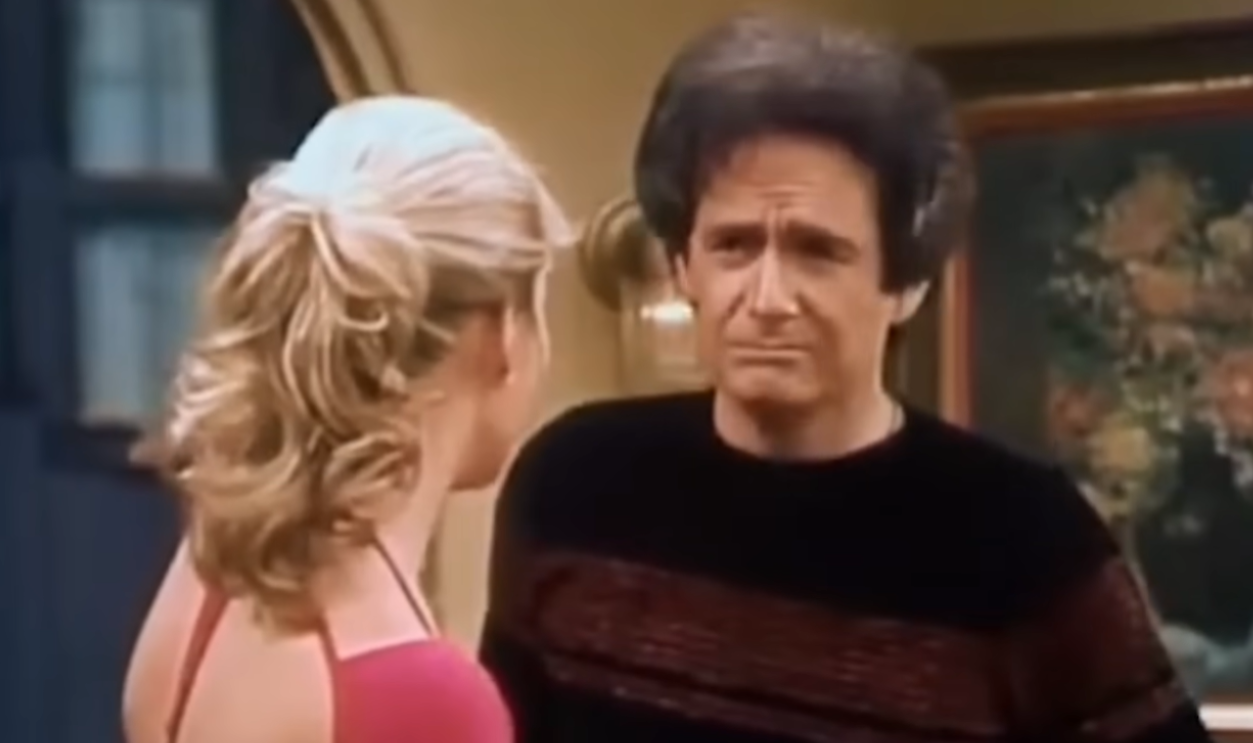
Three's Company ended in 1984 after eight seasons. Jack's story immediately continued in Three's a Crowd, with Mary Cadorette playing his new girlfriend Vicky Bradford and Robert Mandan playing her disapproving father. Kline returned once as Larry in 1985, giving viewers one more glimpse of Jack and Larry's familiar comic partnership.
 Screenshot from Three's Company, DLT Entertainment (1977–1984)
Television Work Continued
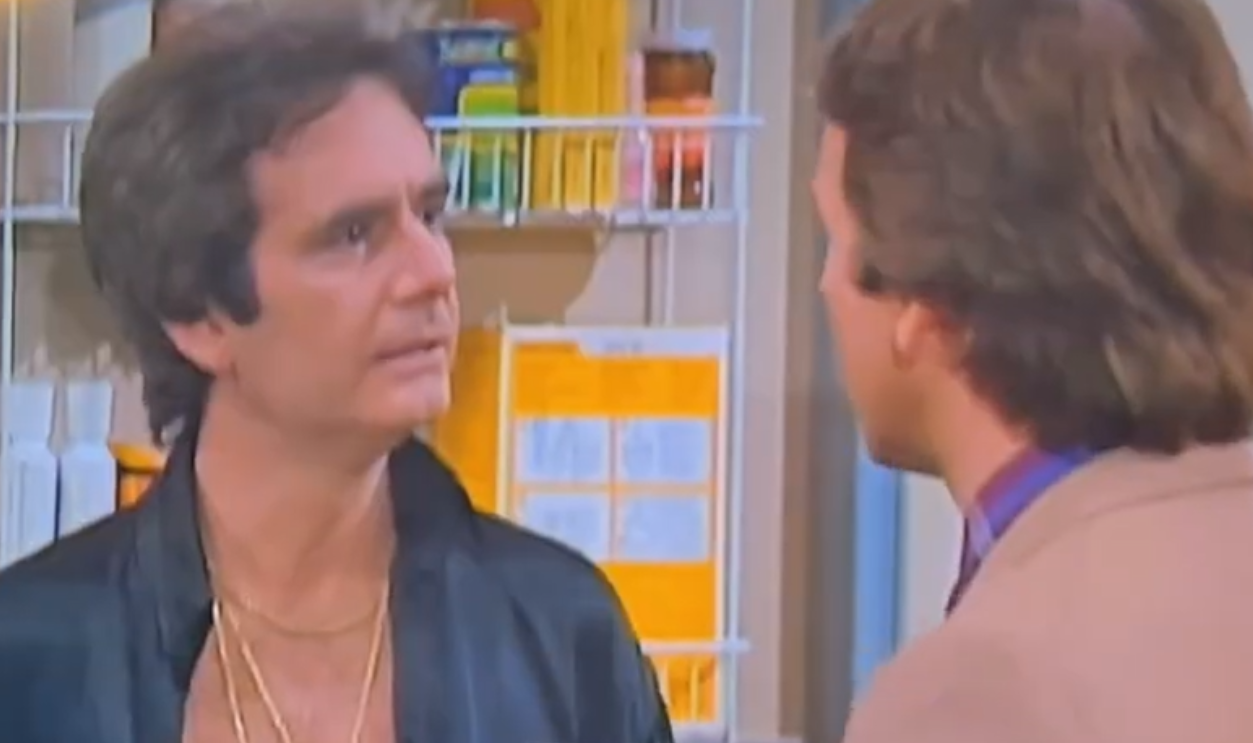
Larry Dallas didn't trap Kline in permanent unemployment. During the 1980s he appeared on The Love Boat, Hotel, Murder, She Wrote, and other series. He also played Richie Gray in several episodes of It's a Living, demonstrating that television producers continued seeing Kline as a useful comic performer rather than merely a sitcom relic.
 Screenshot from Three's Company, DLT Entertainment (1977–1984)
He Tried Game Shows
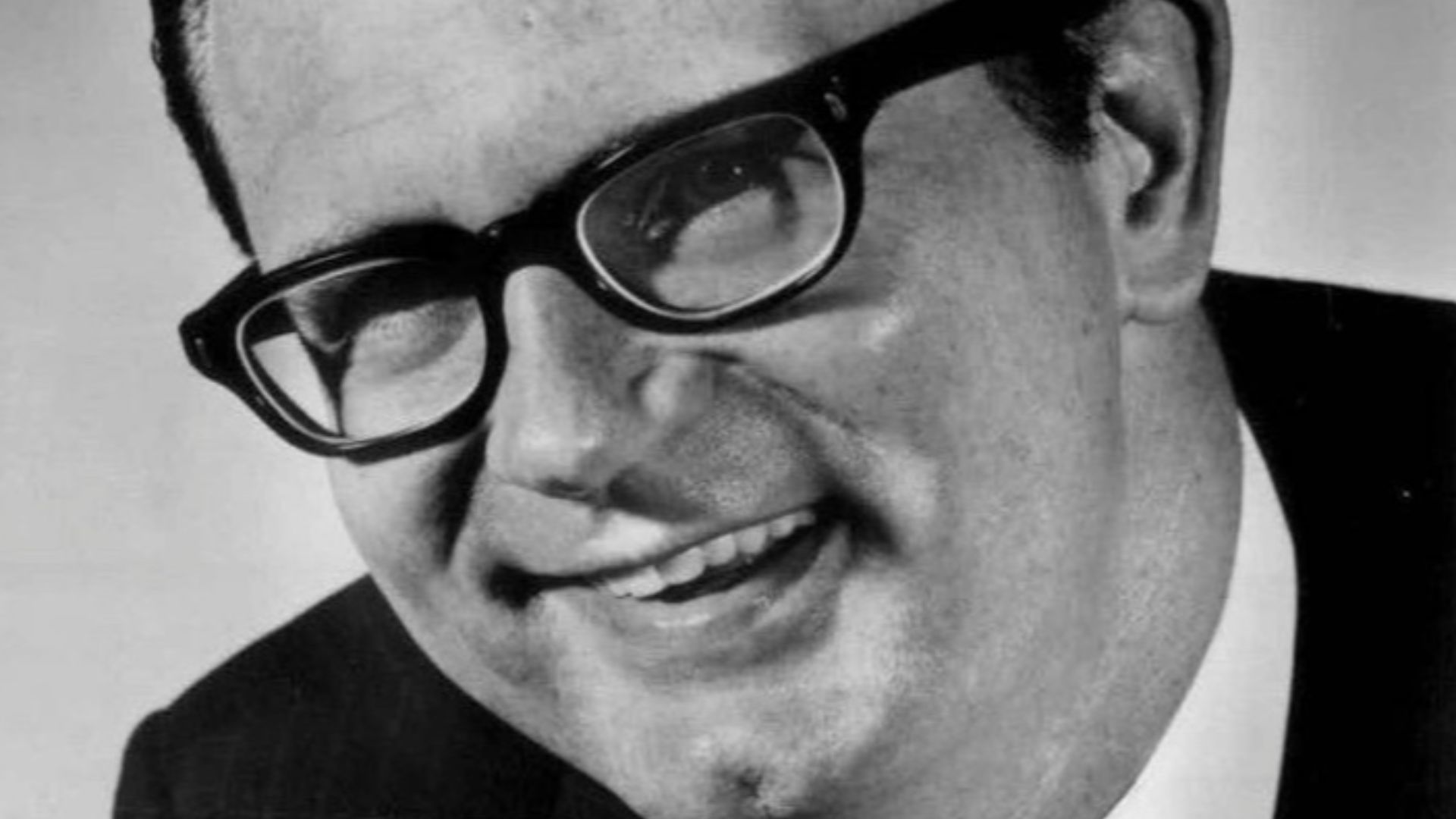
Kline even explored game-show hosting. He hosted a 1988 pilot called Jumble and later taped pilots for a revived To Tell the Truth. Through an unusual broadcasting mistake, one of Kline's pilots actually aired in some markets when the NBC revival premiered in 1990. He also substituted for Charles Nelson Reilly on Sweethearts.
 NBC Television Network., Wikimedia Commons
Broadway Showed Another Side
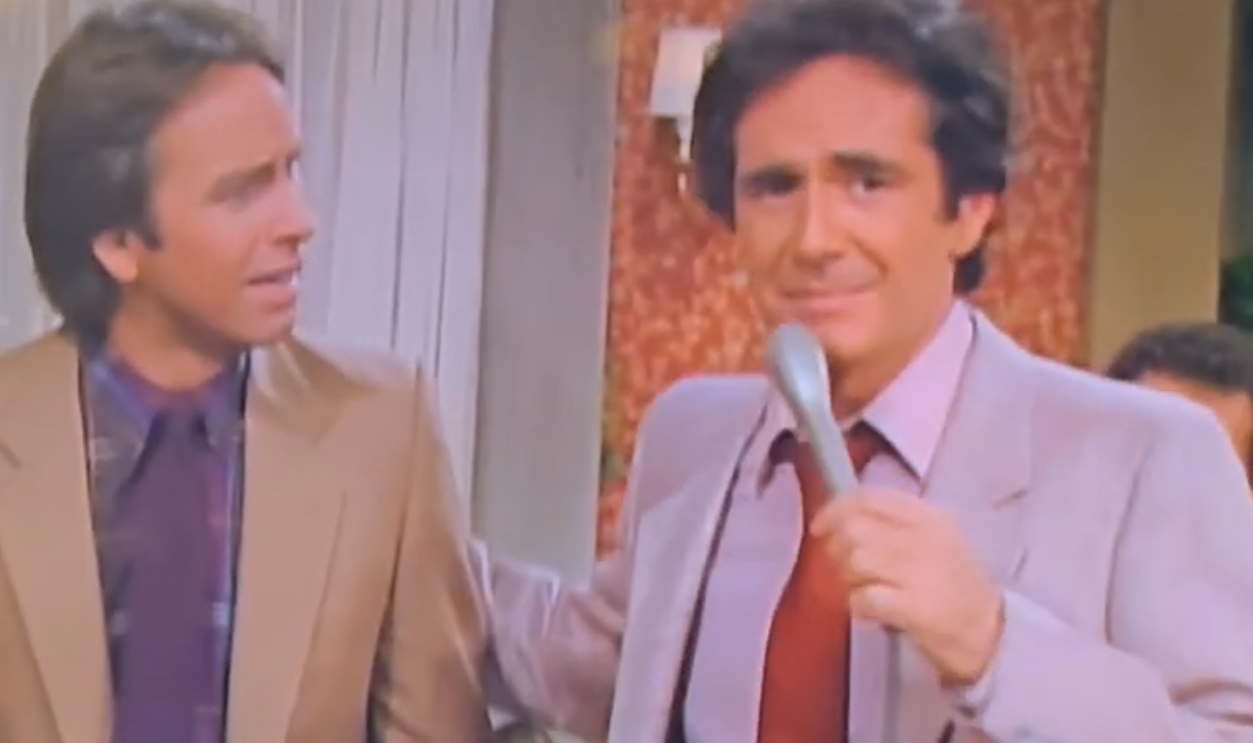
Kline's classical singing training finally received a major showcase when he joined the Broadway musical City of Angels, playing Buddy Fidler and Irwin S. Irving. Although often described as his Broadway musical debut, Kline had actually appeared in Broadway plays and The Rothschilds years earlier. His return demonstrated how much Larry Dallas had obscured his theatrical background.
 Screenshot from Three's Company, DLT Entertainment (1977–1984)
Movies Joined The Résumé
Kline also accumulated film work. He appeared alongside Chris Farley in Dennis Dugan's Beverly Hills Ninja (1997) and in Barry Levinson's Liberty Heights (1999), starring Adrien Brody, Ben Foster, Joe Mantegna, and Bebe Neuwirth. Later credits included I Now Pronounce You Chuck & Larry (2007), directed by Dugan.
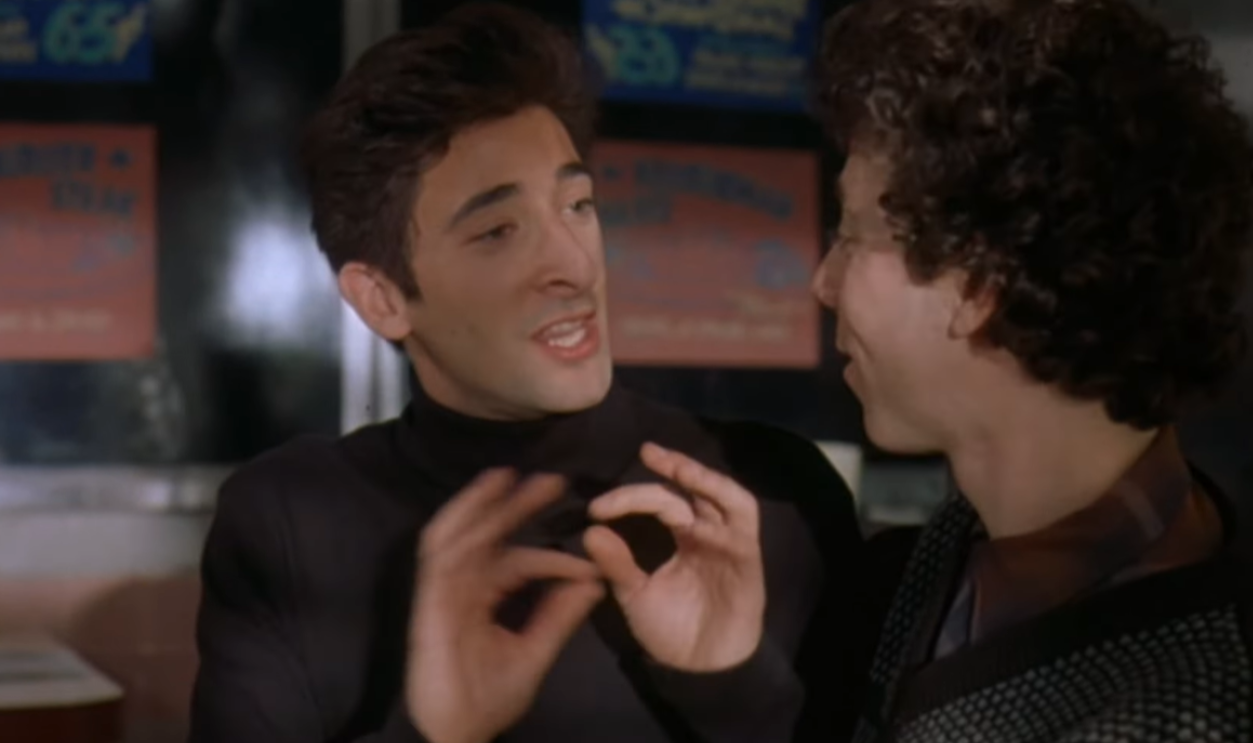 Screenshot from Liberty Heights, Warner Bros. (1999)
Another Television Family
In 2000, Kline became a series regular again on Noah Knows Best, playing Jeff Beznick, father to the title character. The Nickelodeon sitcom was short-lived, but Kline kept working. Judging Amy, Inside Schwartz, Gilmore Girls, ER, and NYPD Blue were among the shows that subsequently added him to their guest casts.
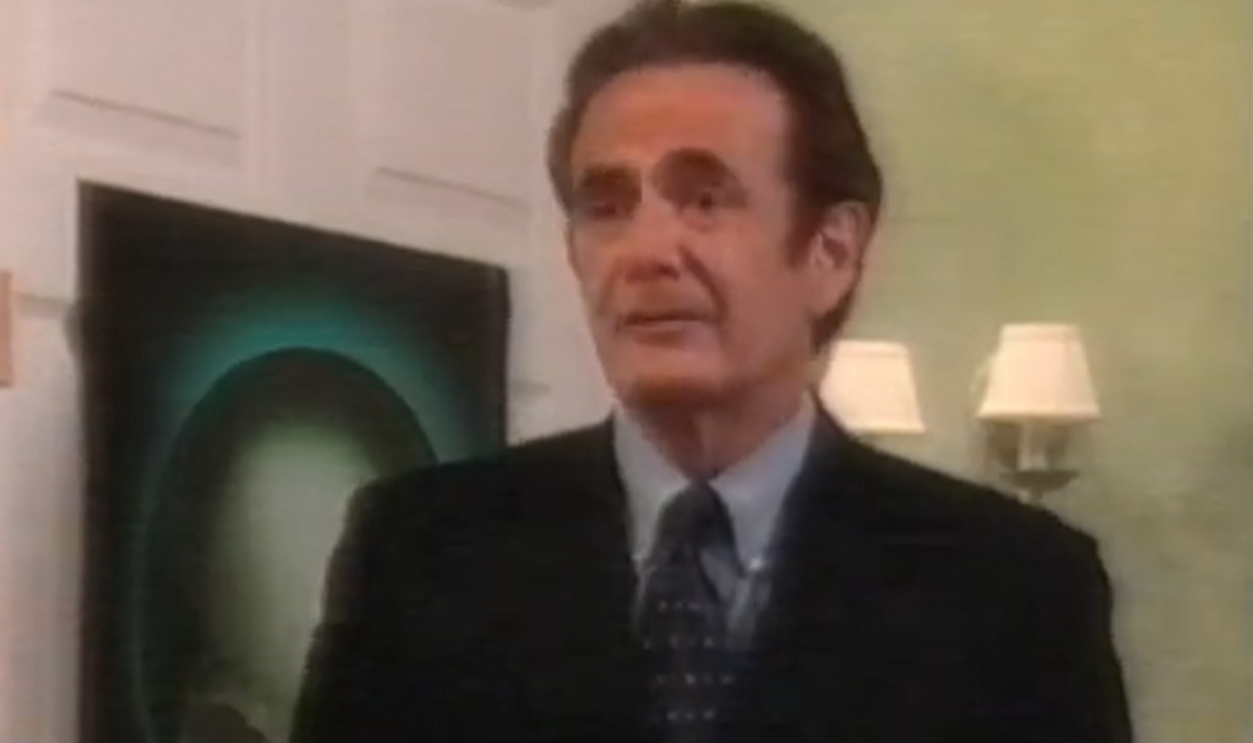 Screenshot from Noah Knows Best, Nickelodeon (2000)
His Personal Life Evolved
Kline's life away from the stage also went through several chapters. He married Kathleen Doyle in 1973, and the marriage ended in 1980. He later married Sandy Molloy, with whom he had daughter Colby Kline. That marriage ended in 2002, and Kline subsequently married Beverley Osgoode, with whom he has remained.
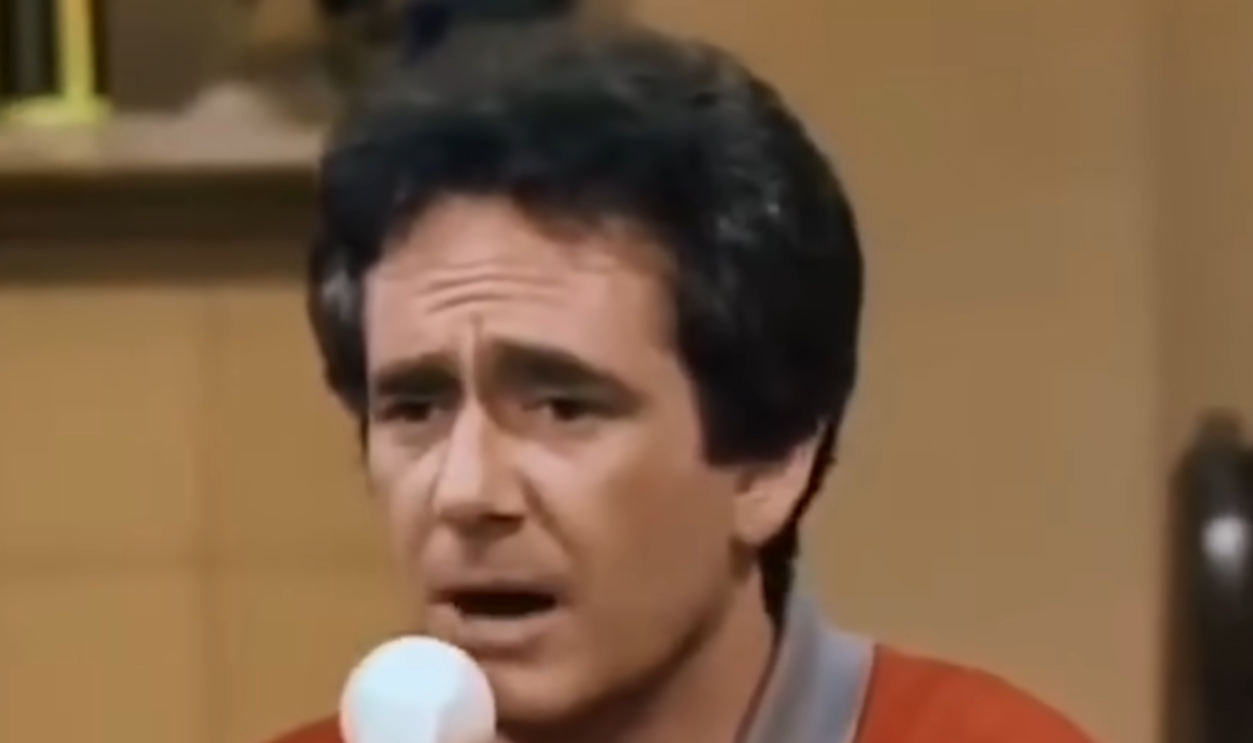 Screenshot from Three's Company, DLT Entertainment (1977–1984)
He Became The Wizard
Musical theater continued providing Kline with some of his most interesting later work. Beginning in 2009, he spent roughly a year touring as the Wonderful Wizard of Oz in Wicked. For anyone who knew him exclusively as Larry Dallas, seeing the classically trained performer command one of America's biggest musicals revealed an entirely different side of his abilities.
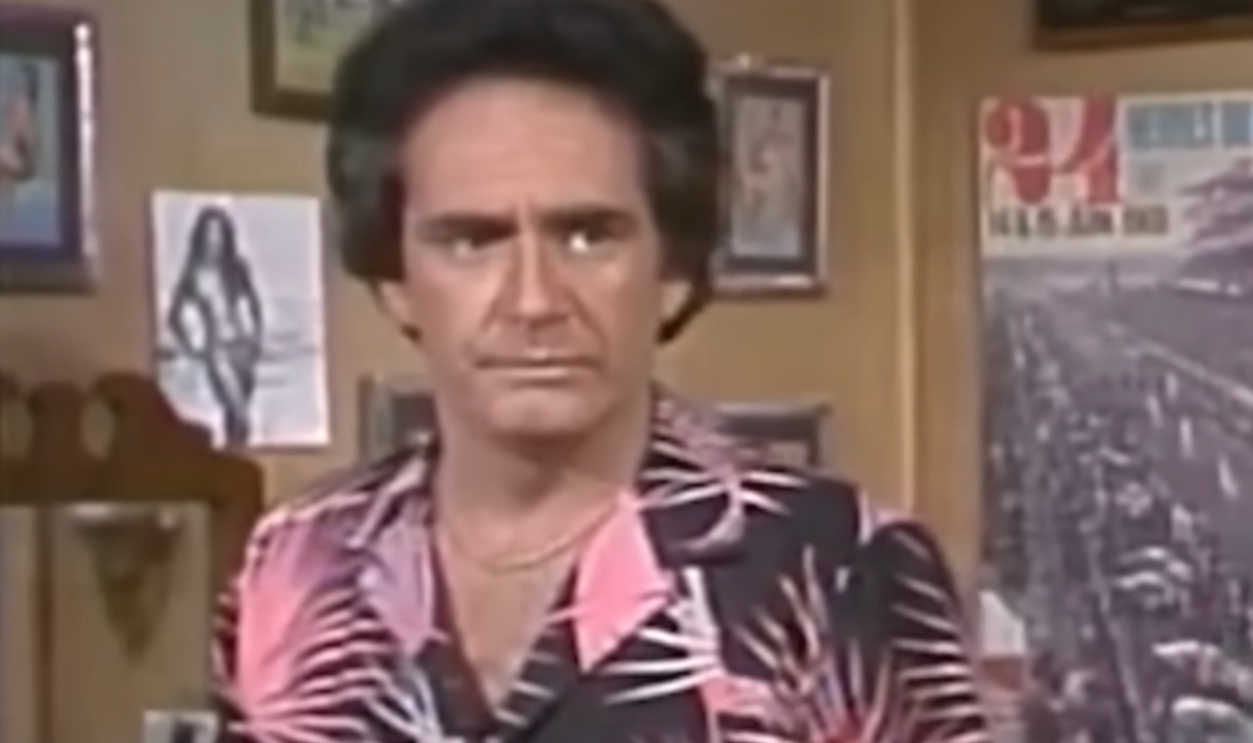 Screenshot from Three's Company, DLT Entertainment (1977–1984)
Broadway Called Again
Kline's later stage career remained remarkably active. His Broadway credits included November, while in 2018 he joined the national tour of Sara Bareilles and Jessie Nelson's Waitress as Joe. In July 2019, he brought the role to Broadway, joining a production directed by Diane Paulus and featuring Alison Luff and Mark Evans.
 savoryexposure from Atlanta, GA, USA, Wikimedia Commons
He Never Left Television
Even while returning repeatedly to the theater, Kline continued appearing on television. He played Bill Hanson on The Americans between 2013 and 2016 and later appeared as Judge Angioli on Blue Bloods. In 2021, he guest-starred on The Resident, extending a television career that had begun nearly half a century earlier.
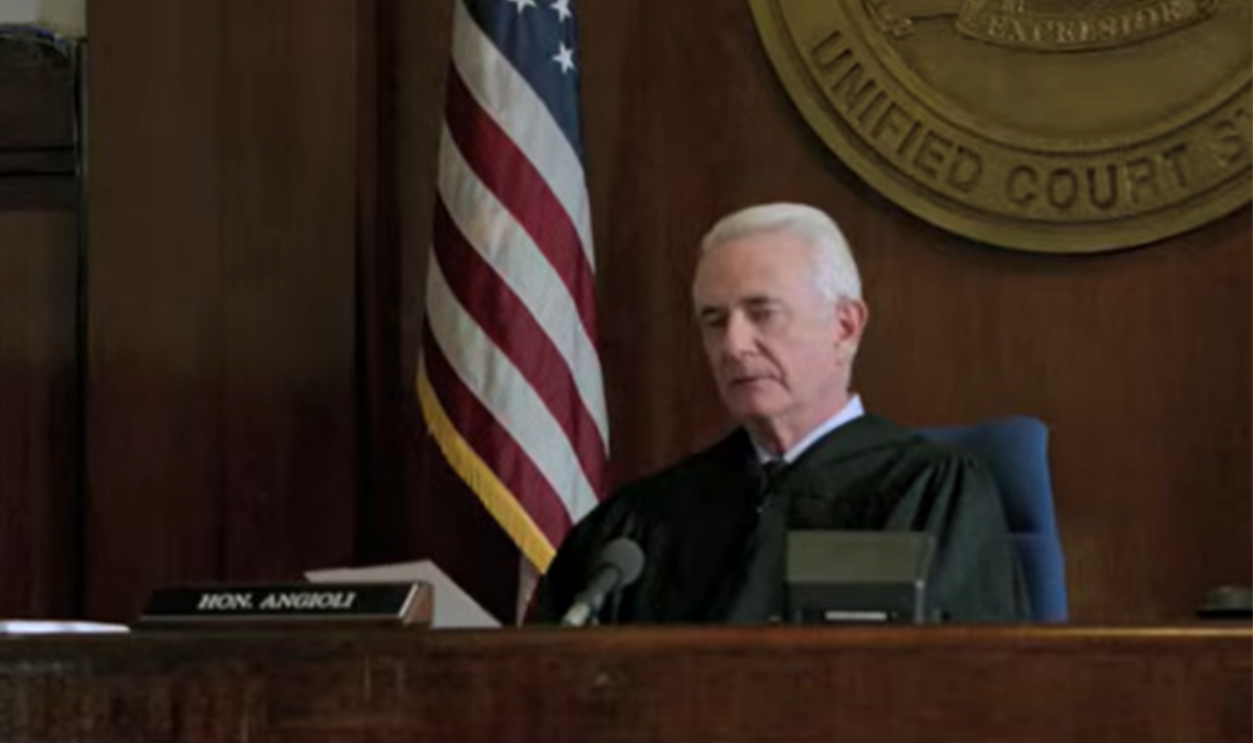 Screenshot from Blue Bloods, Paramount (2010–2024)
Three's Company Never Left Him
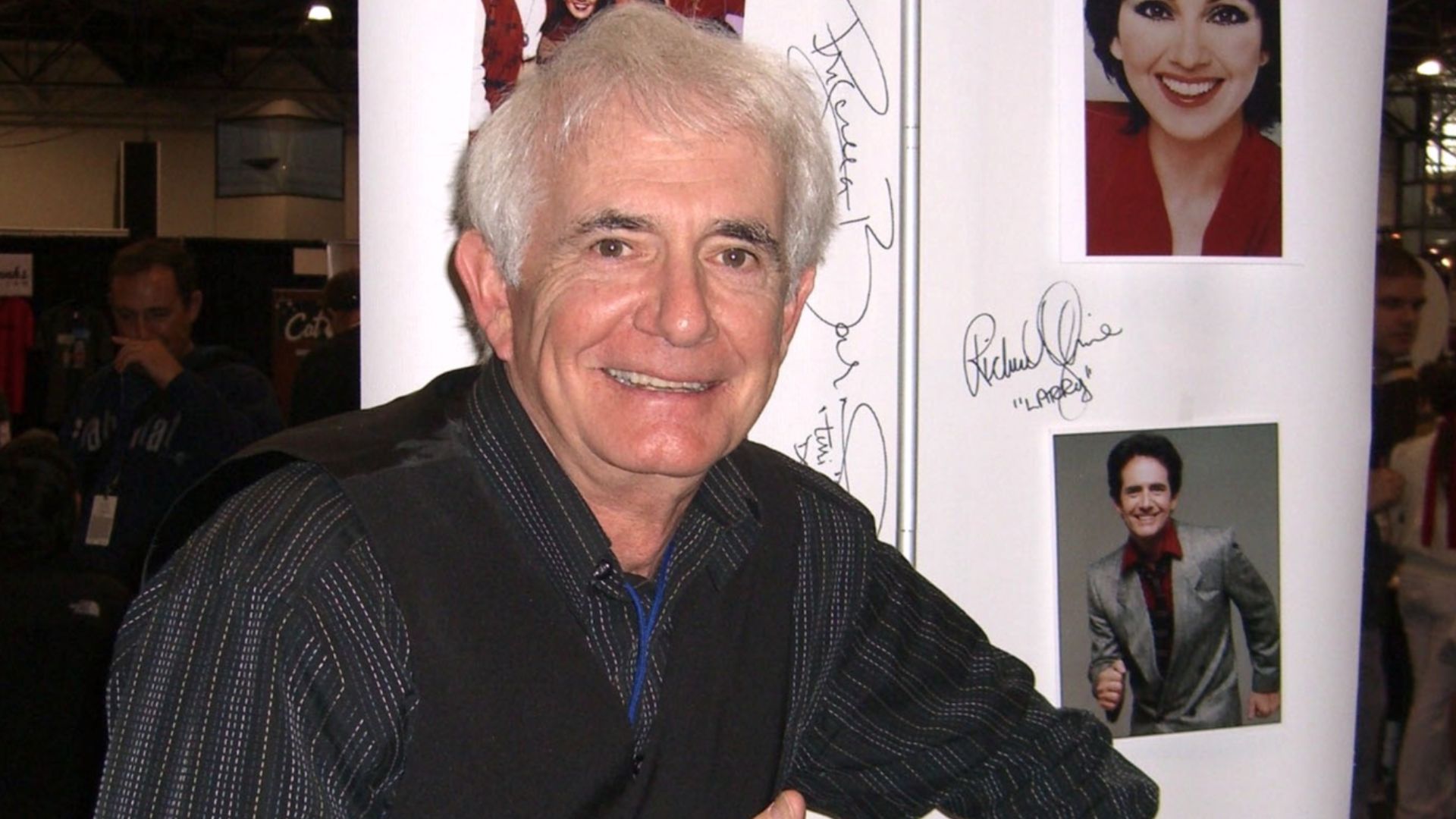
Kline has continued embracing the sitcom that made him famous rather than distancing himself from it. He has participated in reunions, interviews, retrospectives, and tributes, including events honoring John Ritter, who tragically passed in 2003. In 2025, he joined Priscilla Barnes and other performers for a Three's Company table read benefiting the John Ritter Foundation for Aortic Health.
Larry's Still Upstairs
Richard Kline never found another role as famous as Larry Dallas, but that hardly means he disappeared. He survived Vietnam, worked on Broadway, acted across five decades of television, tackled musicals, movies, directing, and game shows, and kept performing into his later years. Larry became immortal in reruns, but Kline quietly moved on to bigger and better things.

You May Also Like: