When Repetition Became Comedy Gold
The 1970s transformed the sitcom landscape by pairing memorable characters with recurring jokes that audiences eagerly anticipated every week. Rather than feeling repetitive, these running gags became comforting traditions, proving that the right combination of timing, writing, and performance could keep the same joke funny for years.
 NBC Television, Wikimedia Commons
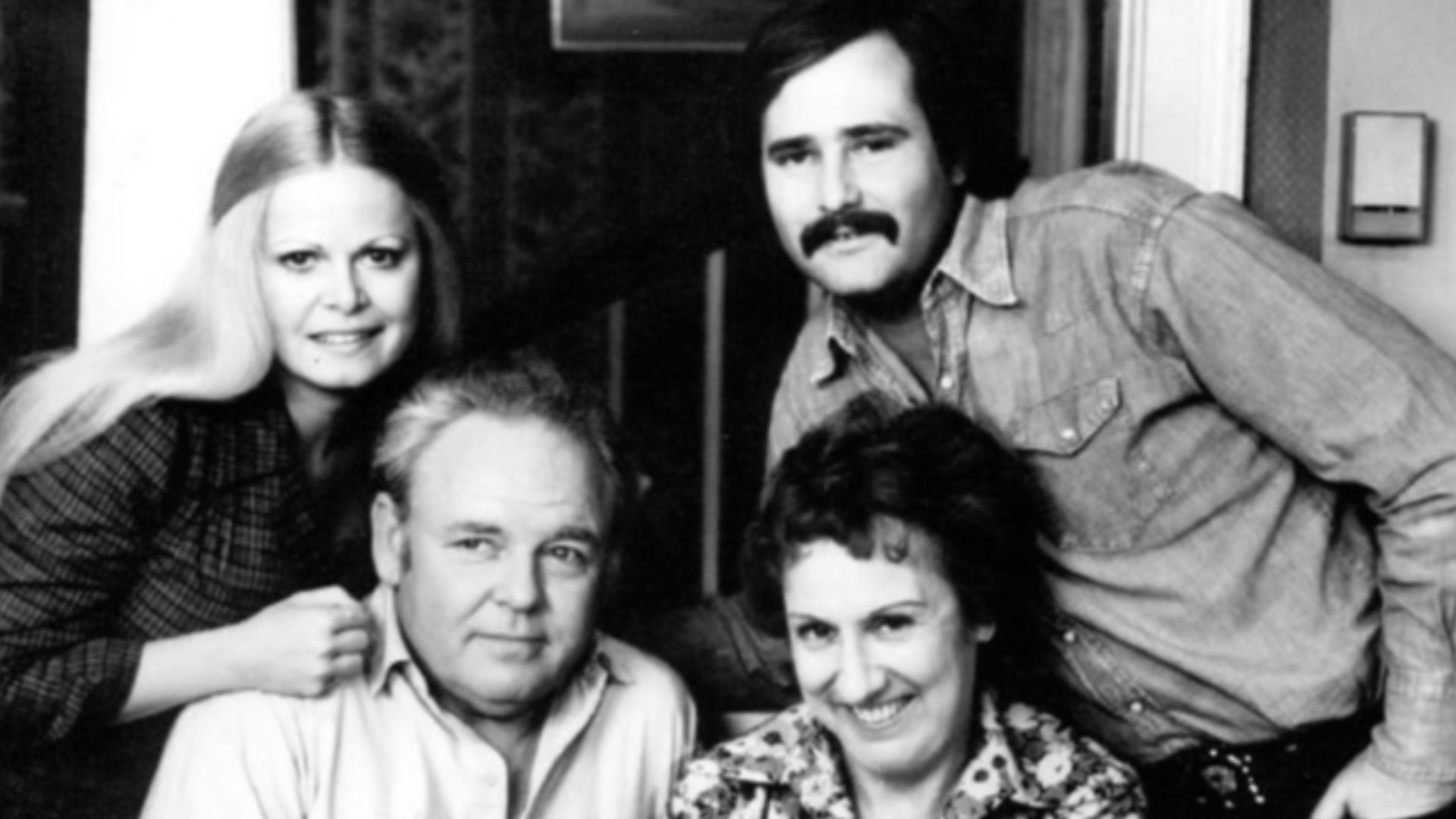
Archie Bunker Butchering People's Names (All in the Family)
Archie Bunker rarely addressed anyone by their actual name if he could invent a more insulting nickname. His habit of calling son-in-law Mike "Meathead" became one of television's most famous recurring insults, perfectly reflecting the characters' ongoing ideological clashes without losing its comic bite.
 CBS Television, Wikimedia Commons
Edith's Cheerful "Oh, Archie!" (All in the Family)
Whenever Archie launched into another loud complaint, Edith Bunker usually responded with a gentle "Oh, Archie!" Her optimistic patience became a reliable counterbalance to Archie's constant grumbling, making their exchanges one of the decade's defining comic rhythms.
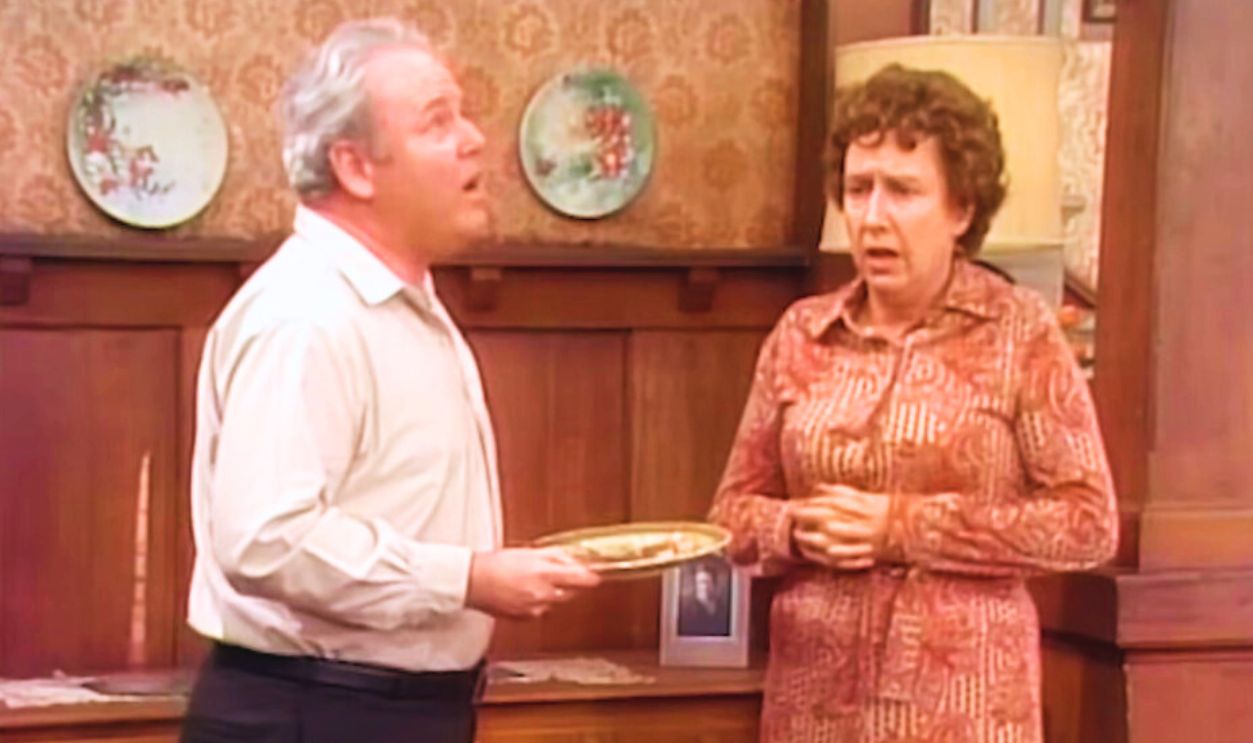 Screenshot from All in the Family, CBS (1971–1979)
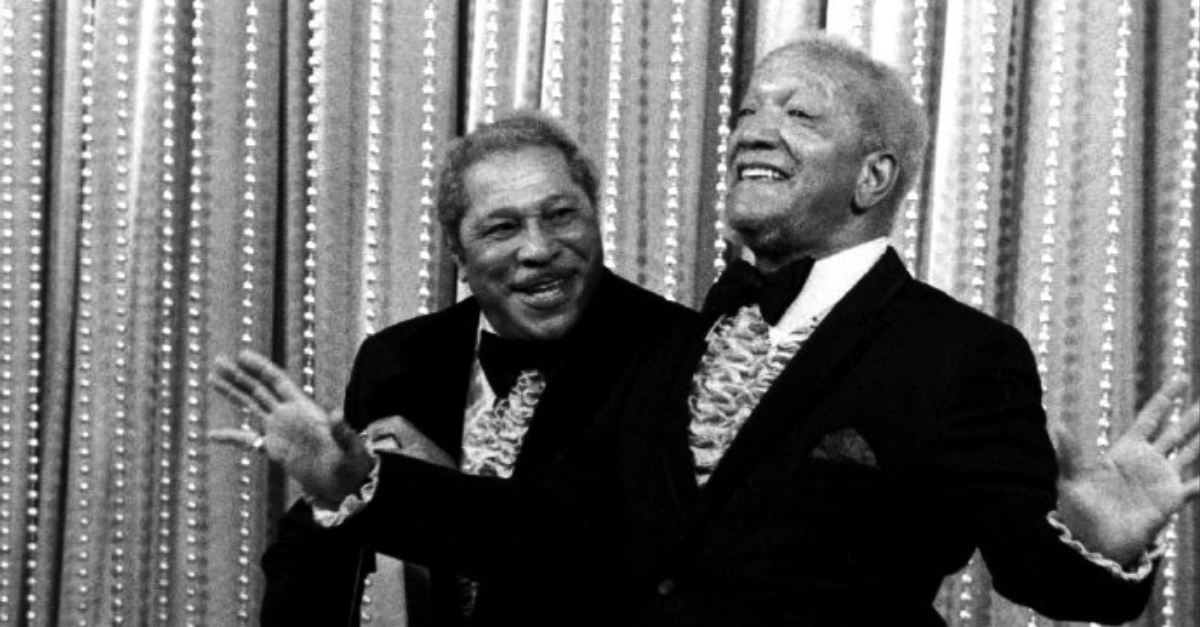
Fred Sanford's Fake Heart Attacks (Sanford and Son)
Whenever life became inconvenient, Fred Sanford clutched his chest and dramatically announced that "This is the big one!" while pretending to suffer another heart attack. Because everyone around him recognized the act, the joke depended less on surprise than on seeing whether anyone would fall for it this time.
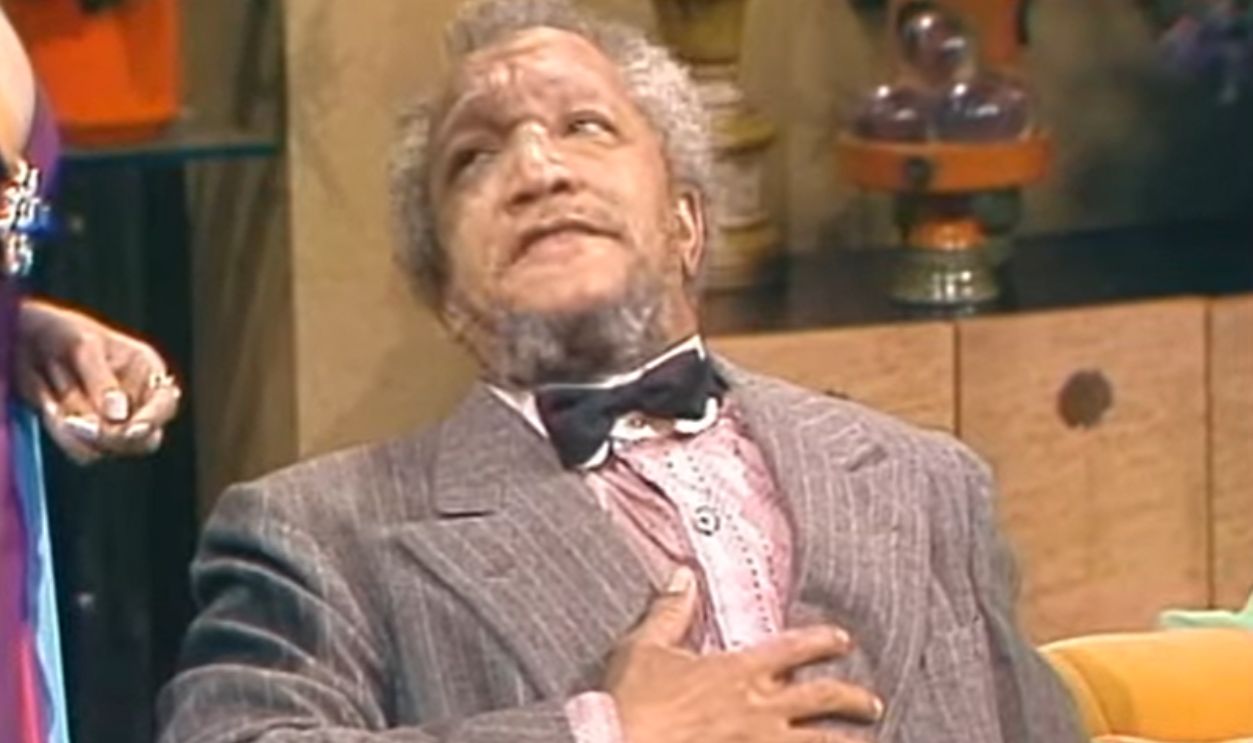 Screenshot from Sanford and Son, NBC (1972–1977)
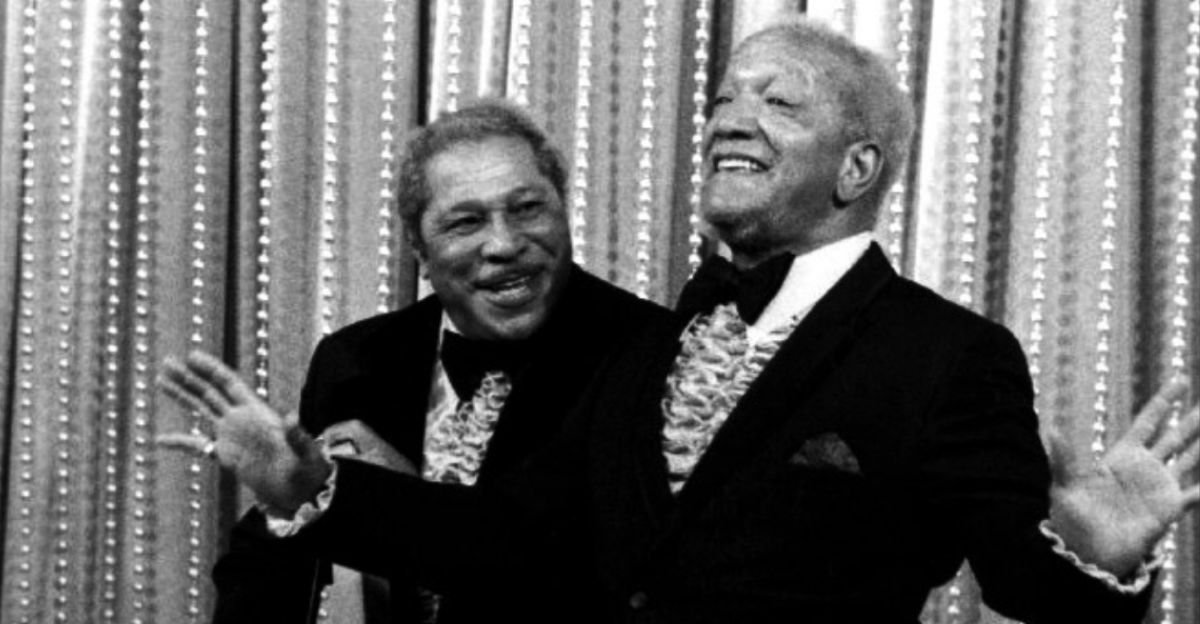
Fred Calling For Elizabeth (Sanford and Son)
Fred frequently looked toward the heavens and called out to his late wife, Elizabeth, convinced that another stressful situation would finally send him to meet her. The exaggerated melodrama never overstayed its welcome because Redd Foxx always delivered it with theatrical conviction.
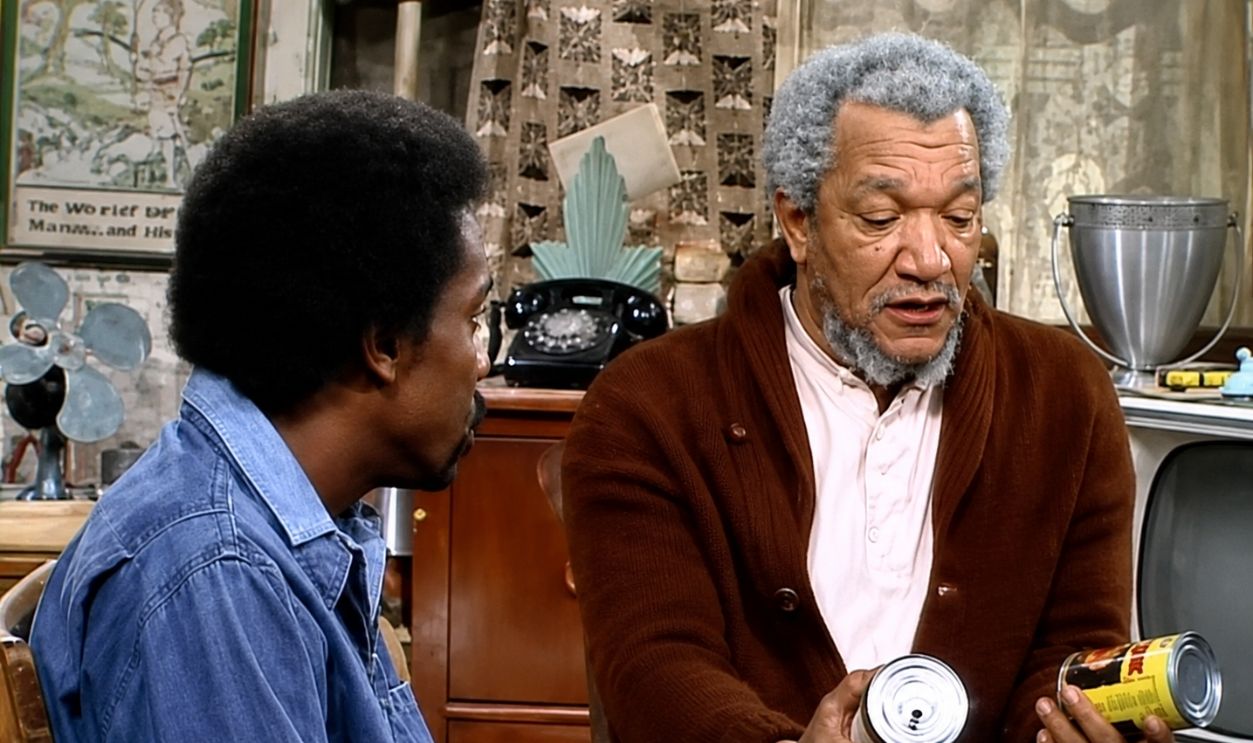 Screenshot from Sanford And Son, NBC (1972-1977), Modified
Fonzie Looking in the Mirror (Happy Days)
Arthur "Fonzie" Fonzarelli famously admired himself in mirrors—only to stop after a quick glance because he already knew he looked perfect. The joke reinforced the character's effortless confidence while poking fun at vanity without ever making Fonzie seem unlikeable.
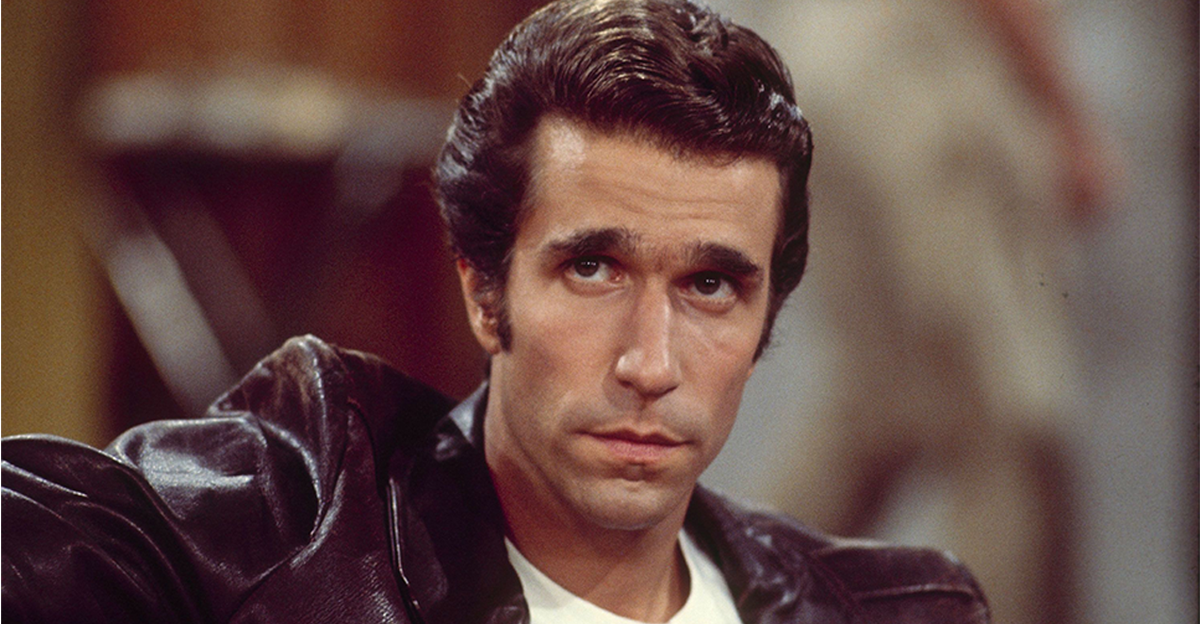 Screenshot from Happy Days (1974-1984), ABC Television
Fonzie's Impossible Cool (Happy Days)
Whether jukeboxes magically started playing when he snapped his fingers or machines sprang to life after a punch, the Fonz developed almost mythical powers. The series leaned into the exaggeration, making his unbelievable coolness part of the fun rather than something to explain.
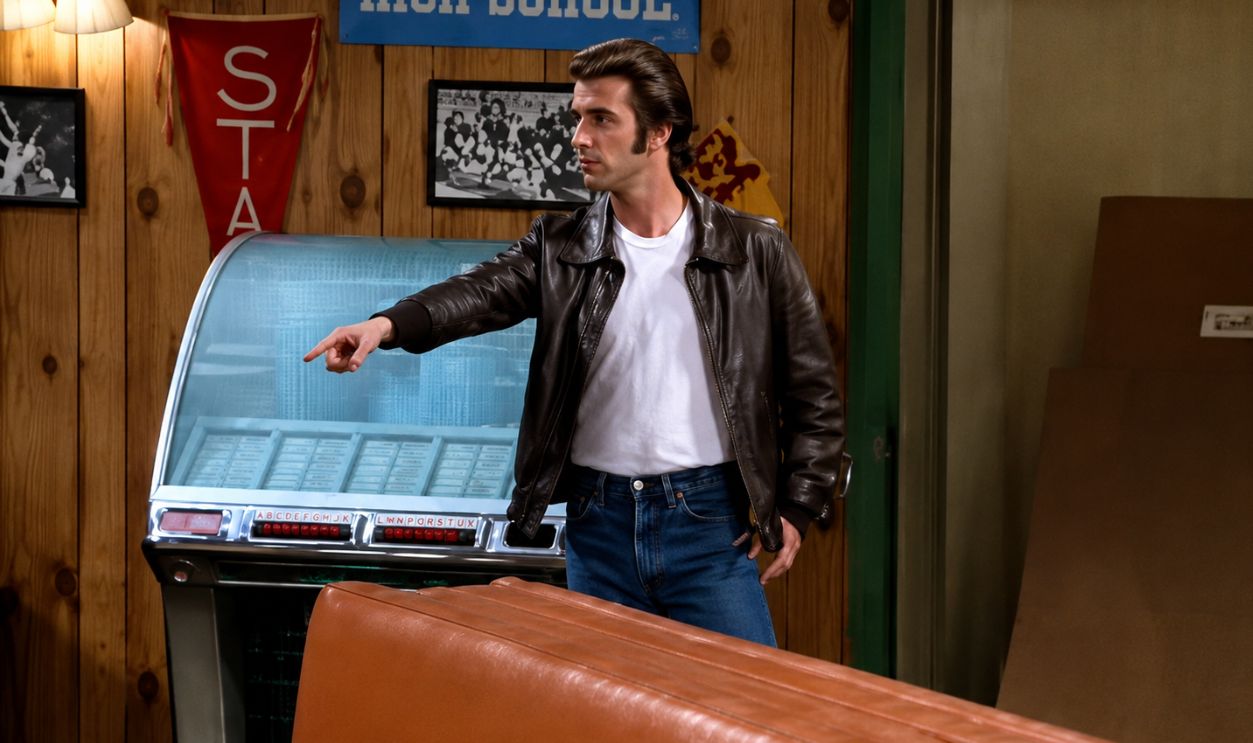 Screenshot from Happy Days, ABC Television(1974-1984), Modified
Jack Tripper's Endless Misunderstandings (Three's Company)
Nearly every episode found Jack accidentally creating chaos because of a misunderstood conversation or unfortunate coincidence. Instead of becoming stale, the writers continually found inventive variations on the farcical formula, allowing John Ritter's physical comedy to do the rest.
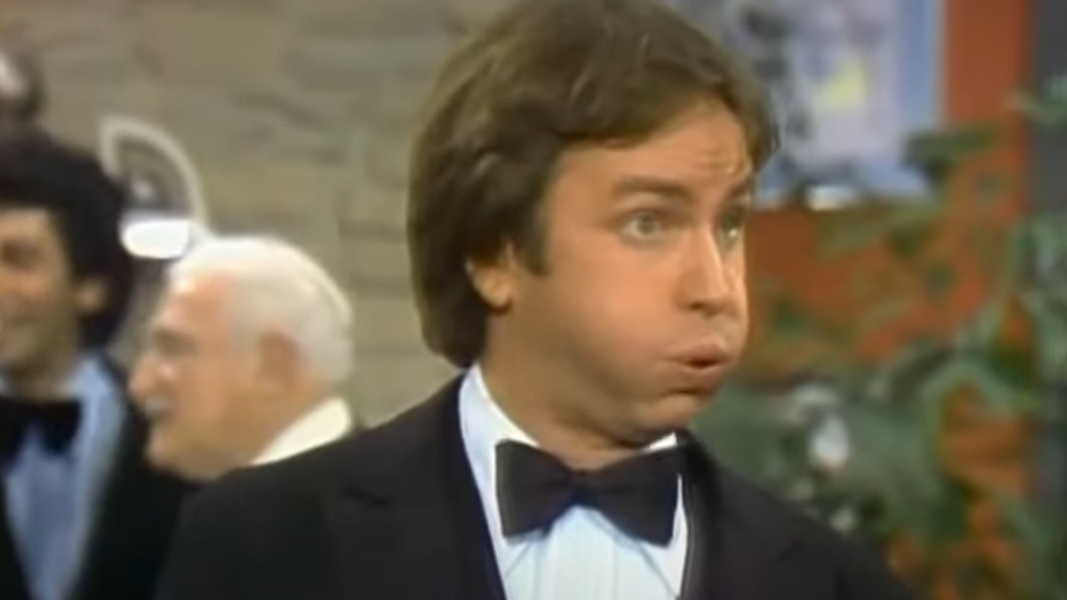 Screenshot from Three's Company, DLT Entertainment (1977-1984)
Mr. Roper's Knowing Grins (Three's Company)
Landlord Stanley Roper constantly suspected that something strange was happening upstairs, especially involving Jack and his roommates. His sly smiles and sarcastic observations became dependable punchlines because he always seemed convinced he knew more than he actually did.
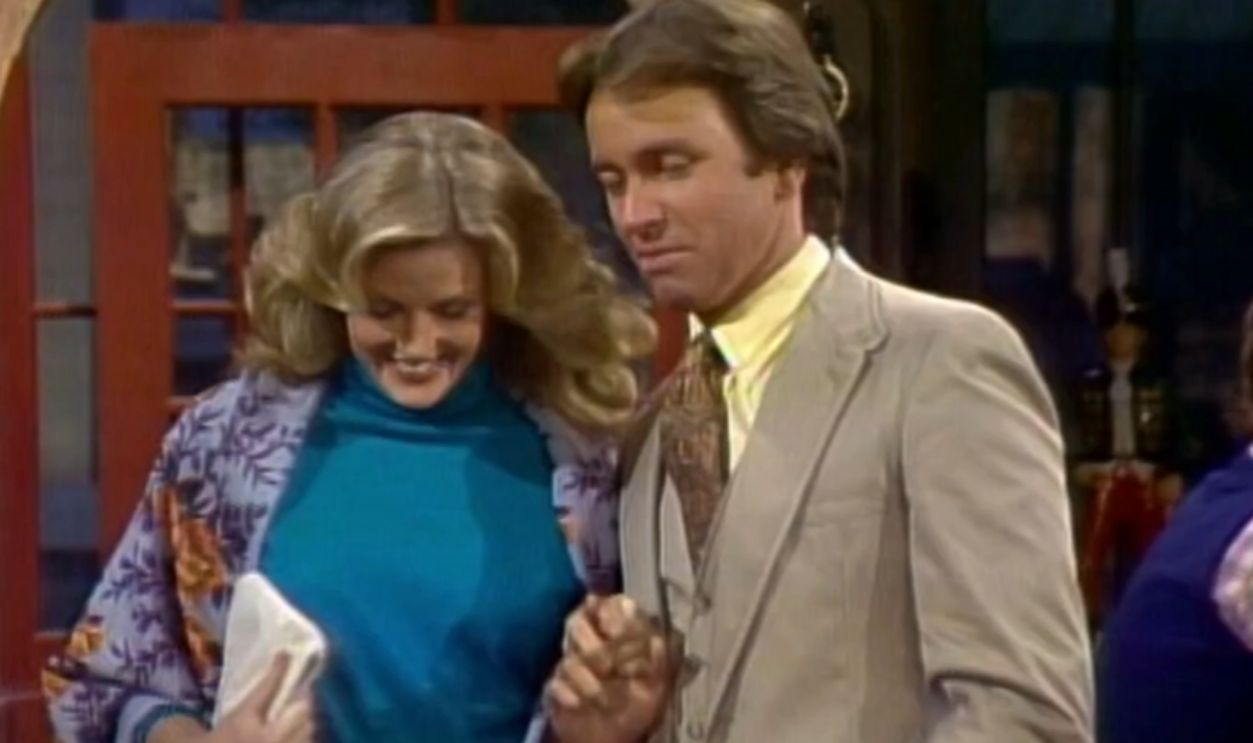 Screenshot from Three's Company, DLT Entertainment (1977-1984)
Laverne's Love for Milk and Pepsi (Laverne & Shirley)
Laverne DeFazio's unusual habit of drinking milk mixed with Pepsi became one of television's most memorable character quirks. The odd beverage perfectly suited her unconventional personality and was referenced often enough to become part of the show's identity.
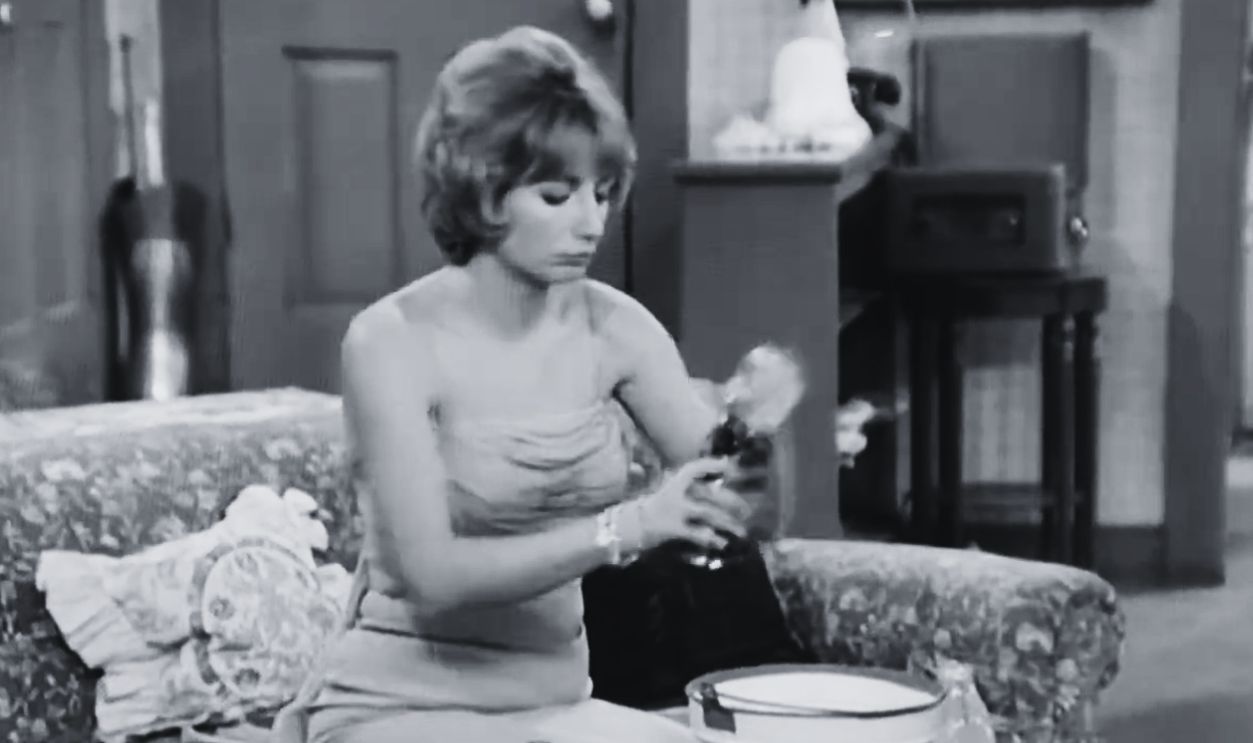 Screenshot from Laverne & Shirley, Paramount Television (1976–1983)
Shirley's Boundless Optimism (Laverne & Shirley)
While Laverne usually expected trouble, Shirley Feeney approached life with relentless positivity. Their contrasting outlooks created recurring comic friction that remained funny because neither woman ever completely changed the other's perspective.
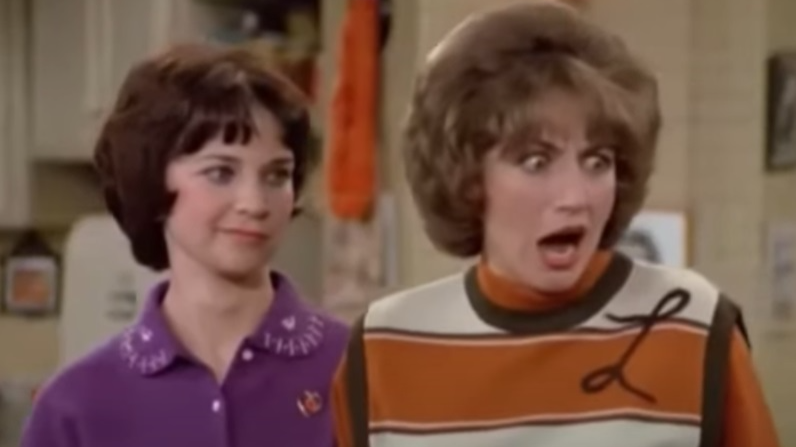 Screenshot from Laverne & Shirley, ABC (1976–1983)
Hawkeye's Constant Wisecracks (MASH*)
Benjamin Franklin "Hawkeye" Pierce responded to the hardships of wartime with nonstop humor. His stream of sarcastic remarks wasn't simply a recurring joke—it also reflected the character's coping mechanism, giving the comedy genuine emotional depth.
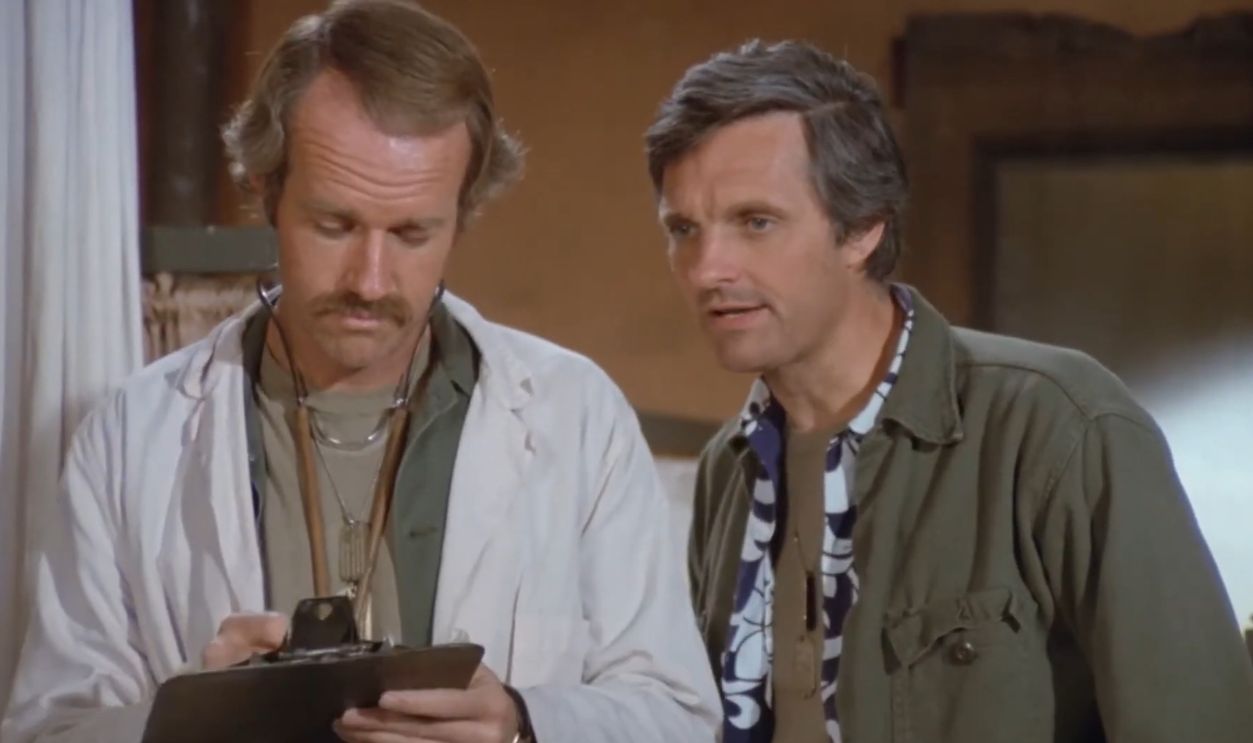 Screenshot from MAS*H, CBS (1972–1983)
Frank Burns Taking Every Joke Seriously (MASH*)
Major Frank Burns rarely understood when Hawkeye and Trapper John were mocking him. His complete lack of self-awareness turned even simple exchanges into recurring comic victories for the rest of the 4077th.
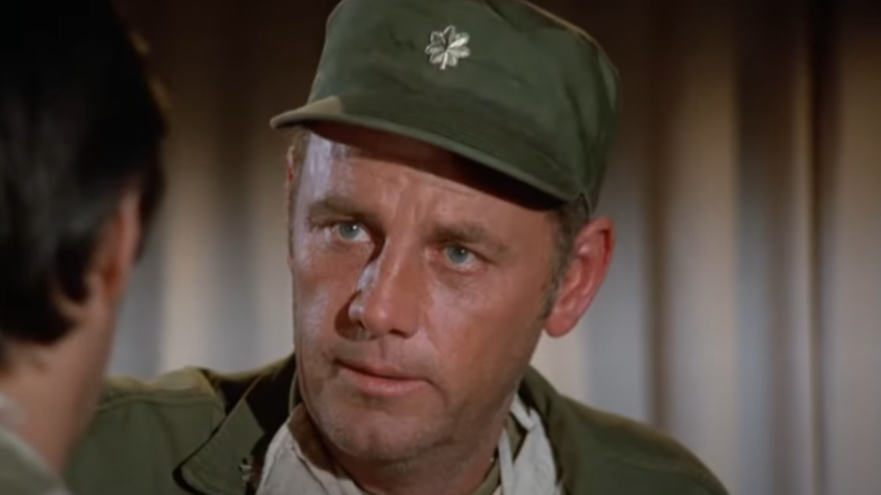 Screenshot from MAS*H, CBS (1972–1983)
Ted Baxter's Overconfidence (The Mary Tyler Moore Show)
News anchor Ted Baxter believed he was an outstanding journalist despite routinely making obvious mistakes. His unwavering confidence made every on-air blunder even funnier because Ted never realized he had embarrassed himself.
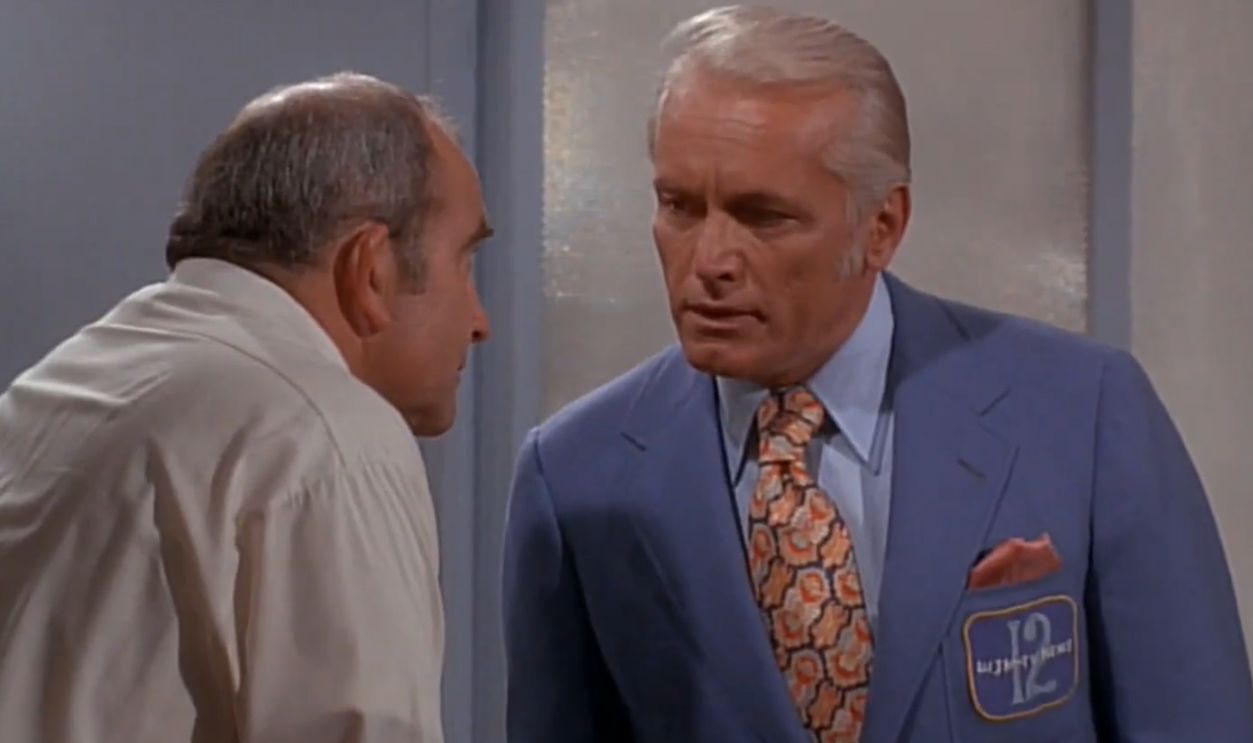 Screenshot from The Mary Tyler Moore Show, CBS (1970–1977)
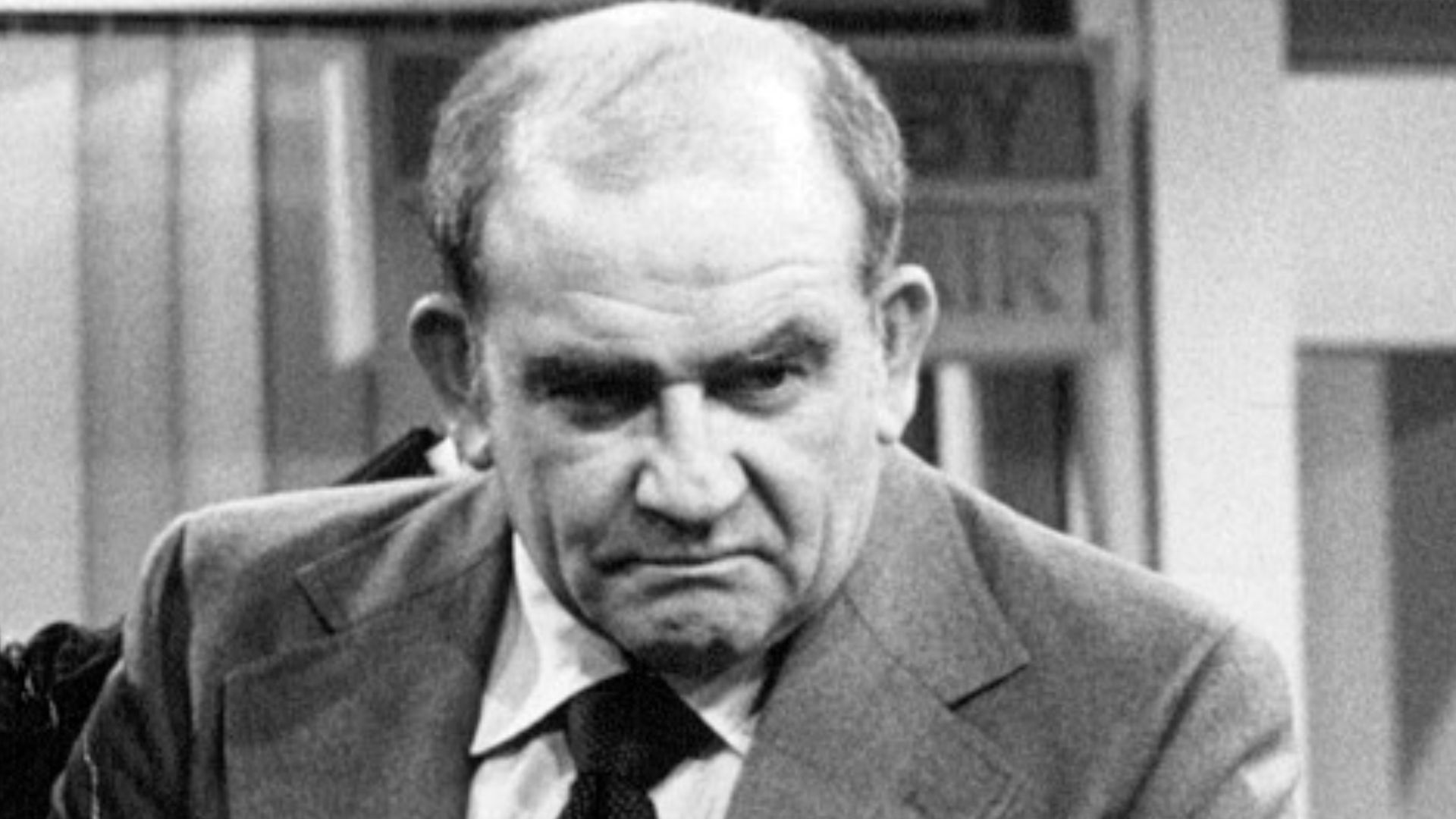
Lou Grant's Gruff Soft Side (The Mary Tyler Moore Show)
Lou Grant often barked orders and acted intimidating around the newsroom, only to reveal genuine kindness underneath. The recurring contrast between his rough exterior and generous heart gave the character lasting appeal.
 CBS Television, Wikimedia Commons
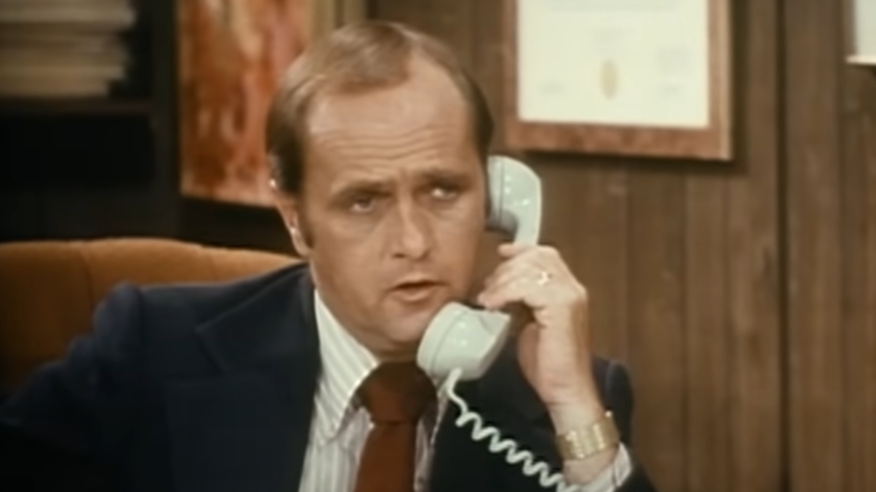
Bob Newhart's Patient Reactions (The Bob Newhart Show)
Psychologist Bob Hartley spent much of each episode listening calmly while patients and friends behaved irrationally. His dry expressions and understated responses became a recurring joke because viewers could always count on Bob to be the most sensible person in the room.
 Screenshot of the TV Show The Bob Newhart Show CBS, (1972–1978)
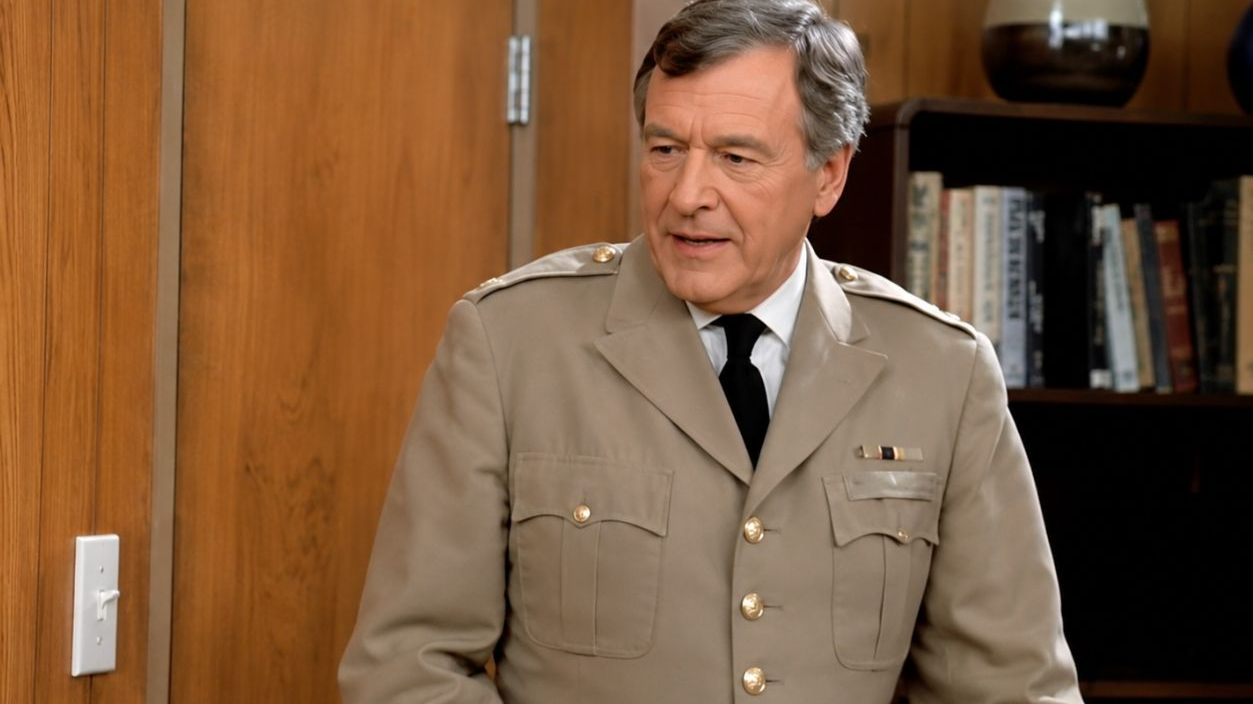
Howard Borden's Loud Entrances (The Bob Newhart Show)
Neighbor Howard Borden frequently barged into Bob's apartment with boundless enthusiasm and little regard for personal space. His dramatic arrivals became instantly recognizable and consistently disrupted otherwise quiet moments.
 Screenshot of the TV Show The Bob Newhart Show CBS, (1972–1978), Modified
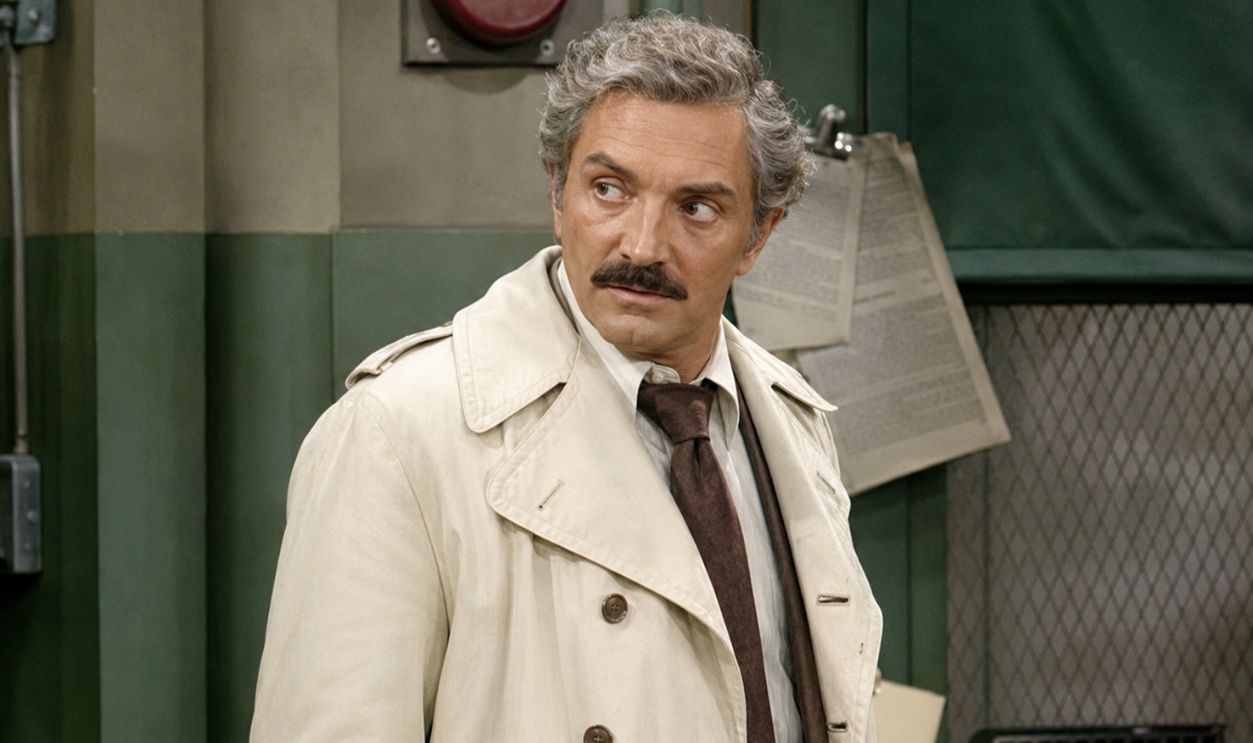
Barney Miller's Exhausted Deadpan (Barney Miller)
Captain Barney Miller managed a police precinct filled with eccentric detectives and even stranger suspects. His exhausted facial expressions and understated reactions became recurring punchlines that grounded the show's more outrageous moments.
 Screenshot from Barney Miller, ABC (1975-1982)
Fish Complaining About His Age (Barney Miller)
Detective Phil Fish rarely missed an opportunity to remind everyone that he was getting older. His endless complaints about aging became funnier because they contrasted with his ability to keep solving cases anyway.
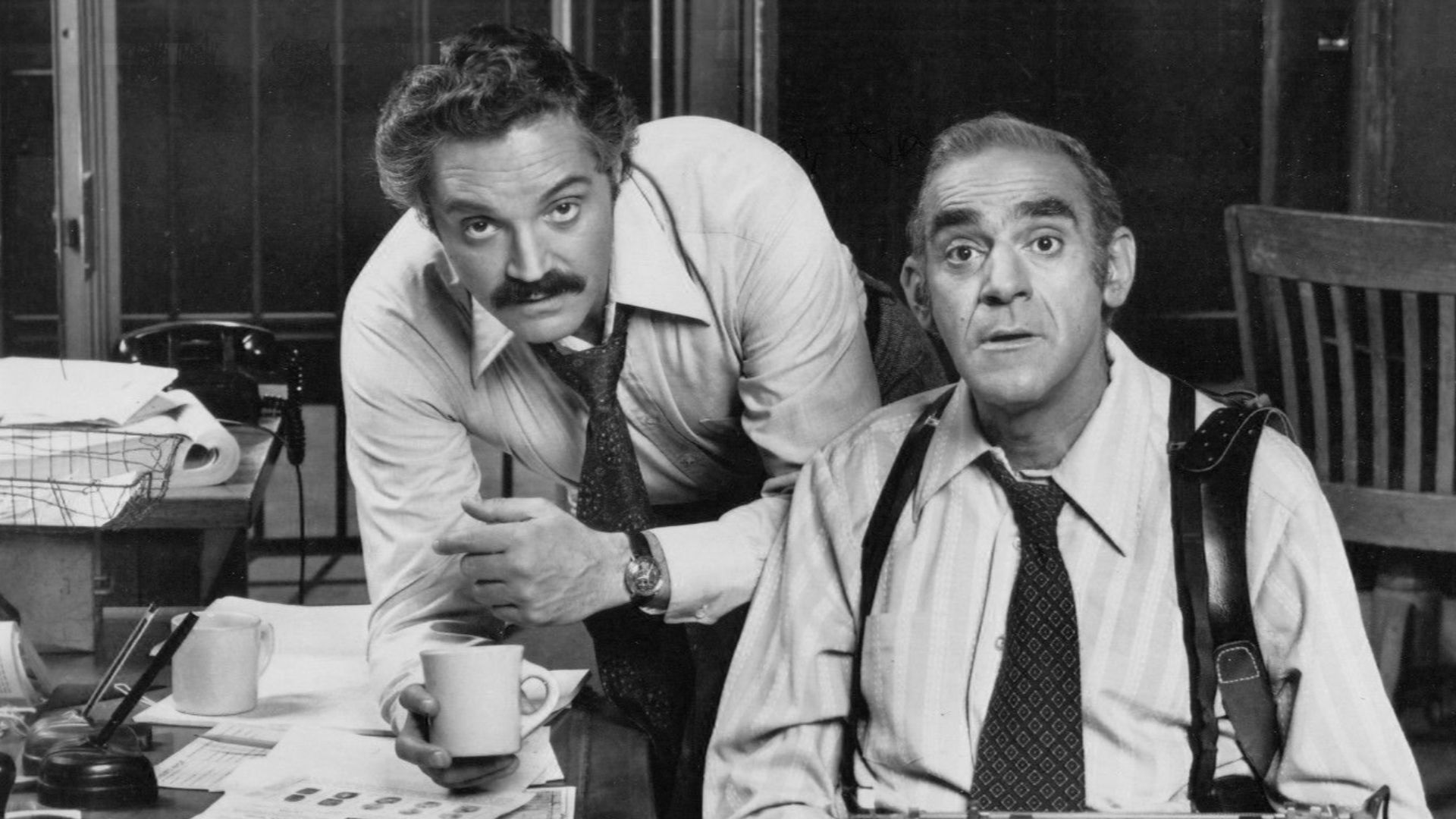 ABC Television, Wikimedia Commons
Herb Tarlek's Terrible Fashion (WKRP in Cincinnati)
Sales manager Herb Tarlek proudly wore loud plaid jackets and outrageously mismatched ties with complete confidence. The joke endured because Herb never questioned his own style, even as everyone else silently judged it.
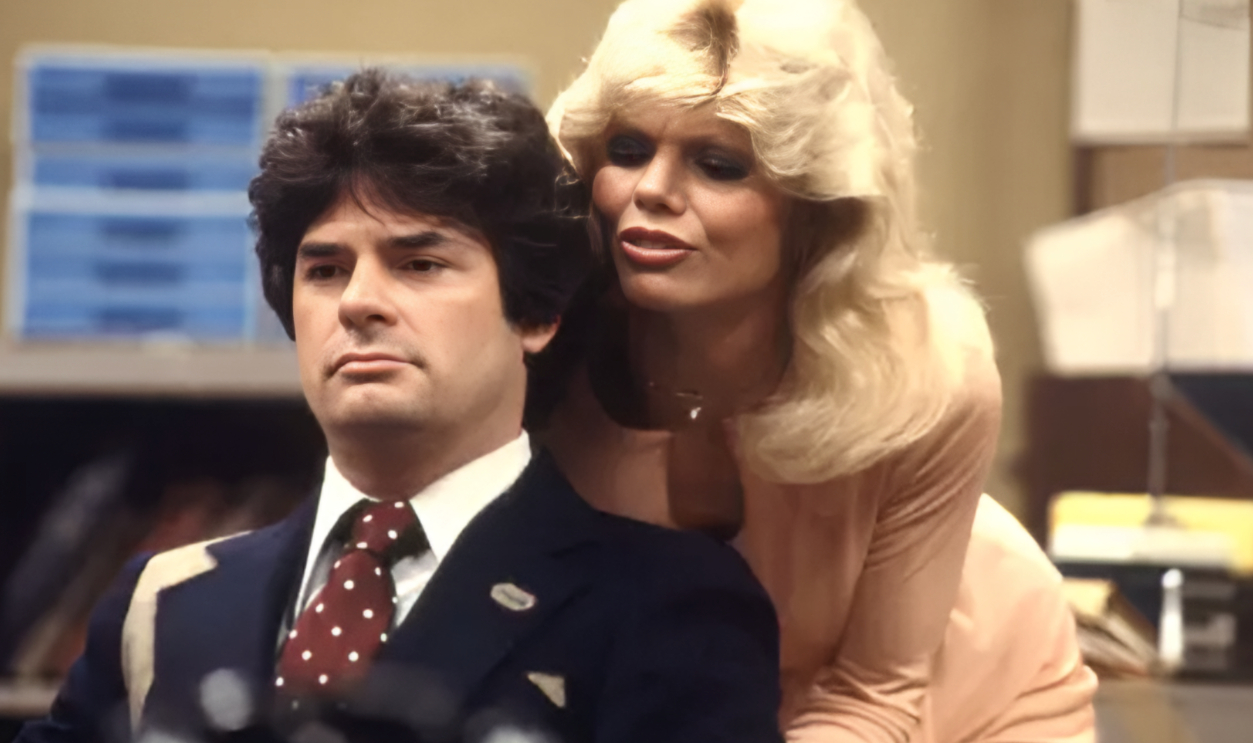 Screenshot from WKRP in Cincinnati, CBS (1978–1982), Modified
Johnny Fever's Relaxed Radio Persona (WKRP in Cincinnati)
Dr. Johnny Fever treated almost every crisis with laid-back indifference behind the microphone. His calm delivery, even during total station chaos, became one of the show's most dependable recurring laughs and perfectly captured the spirit of late-'70s FM radio.
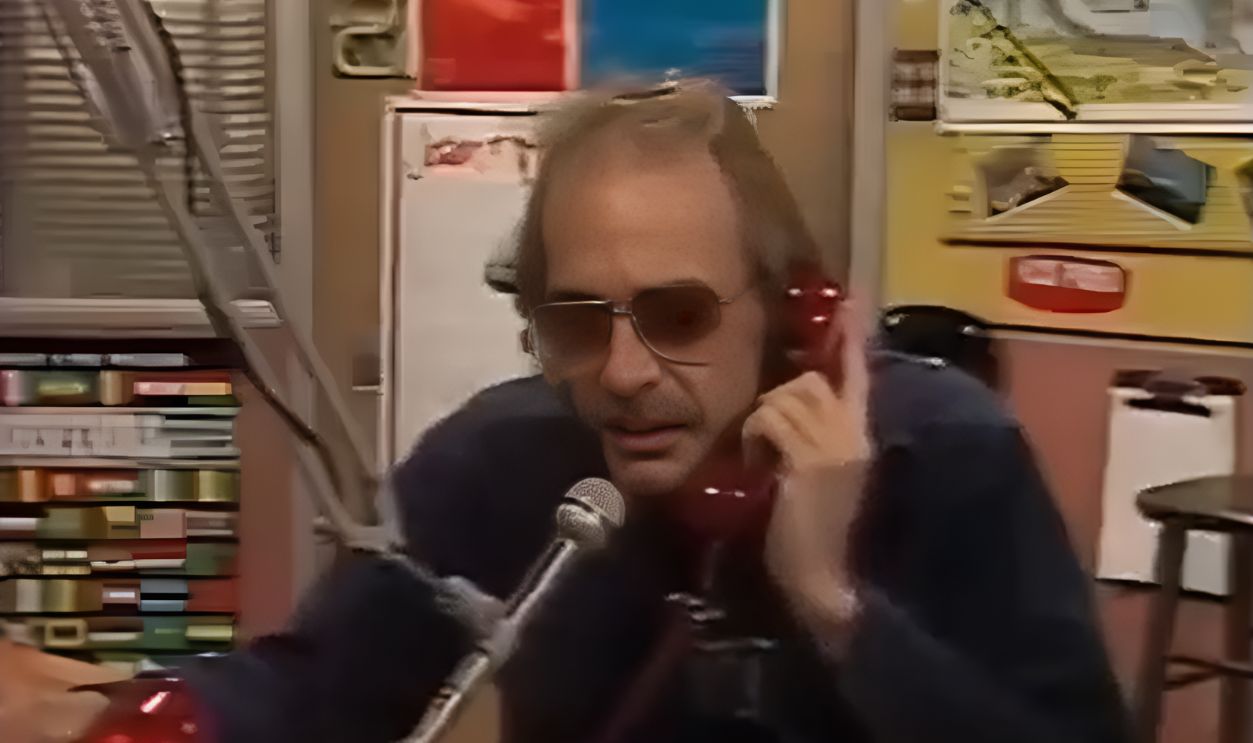 Screenshot from WKRP in Cincinnati, CBS (1978–1982), Modified
Why These Gags Still Work
The greatest sitcom gags from the 1970s succeeded because they grew naturally from the characters instead of existing as random punchlines. Audiences returned week after week not just to hear familiar jokes, but to watch familiar people react in exactly the wonderfully predictable ways that made these sitcoms timeless.
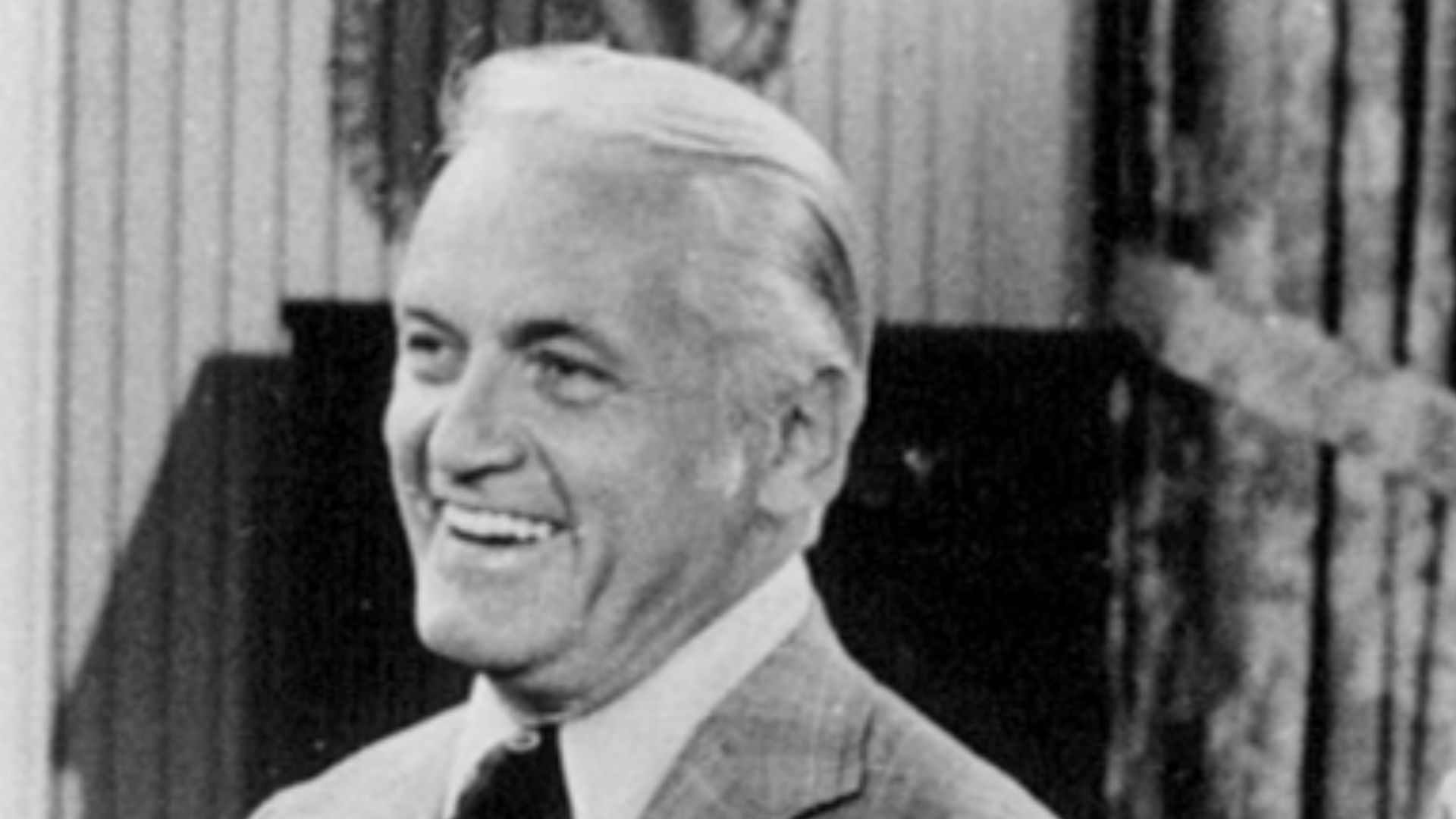 CBS Television Uploaded by We hope at en.wikipedia, Wikimedia Commons
You May Also Like:
Successful Shows Which Were Actually Spinoffs
TV Characters Fans Loved Despite Being Objectively Terrible People
60s TV Guest Stars Who Seemed To Be On Every Show. How Many Do You Remember?