Television Made Us Root For Some Awful People
Television's most unforgettable characters are not always the ones we would want to meet. They lie, manipulate, betray, and sometimes kill, yet audiences still can't look away. From Walter White and Tony Soprano to Villanelle, here are TV characters fans loved despite being objectively terrible people.
 Screenshot from Breaking Bad, AMC (2008–2013)
Tony Soprano
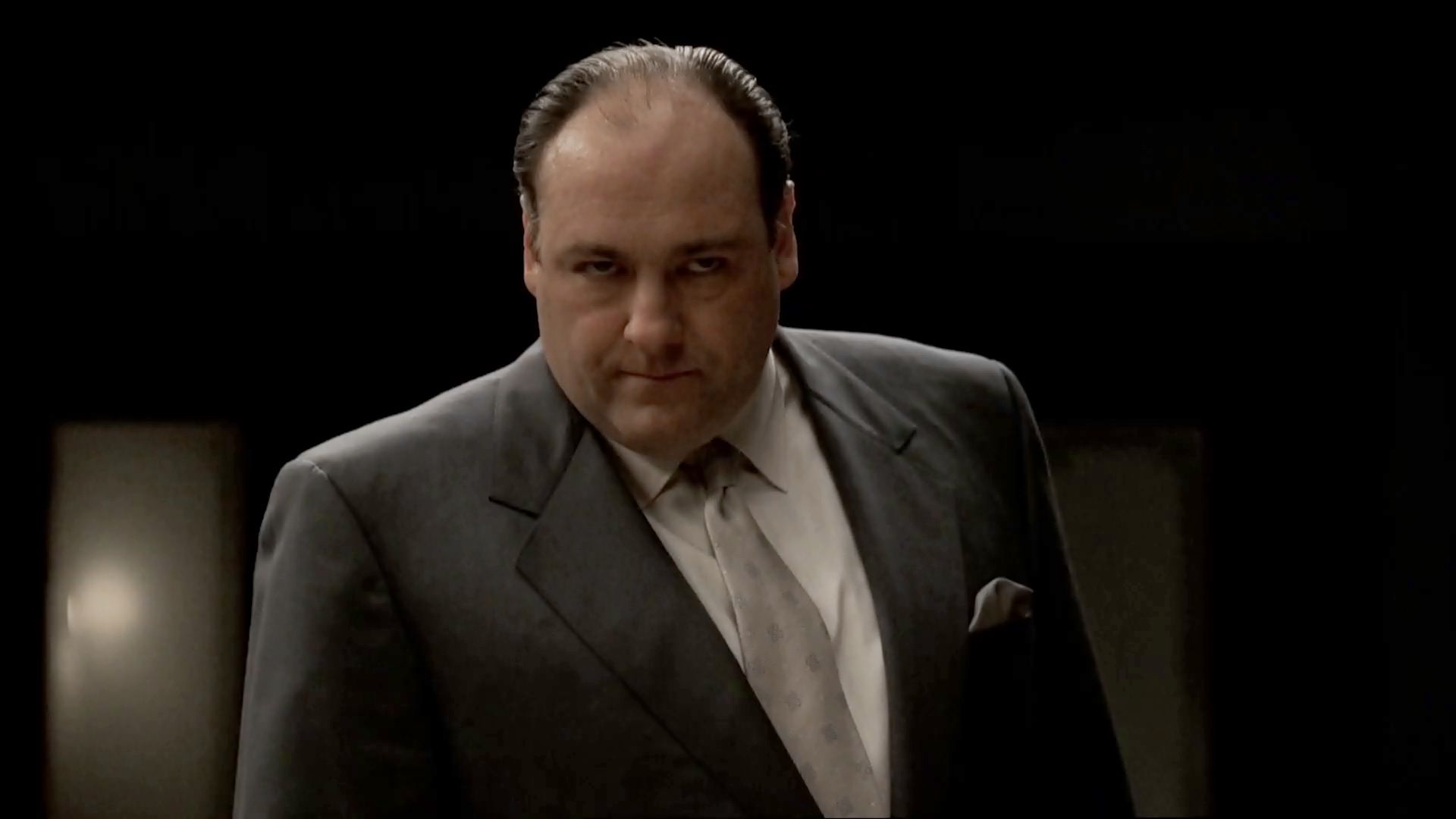
Tony Soprano orders violence, cheats on his wife, intimidates nearly everyone around him, and destroys lives without much hesitation. Yet his panic attacks, family problems, and therapy sessions reveal insecurities that audiences recognize. James Gandolfini made Tony frightening, funny, wounded, and strangely relatable, establishing a model that later television antiheroes repeatedly followed.
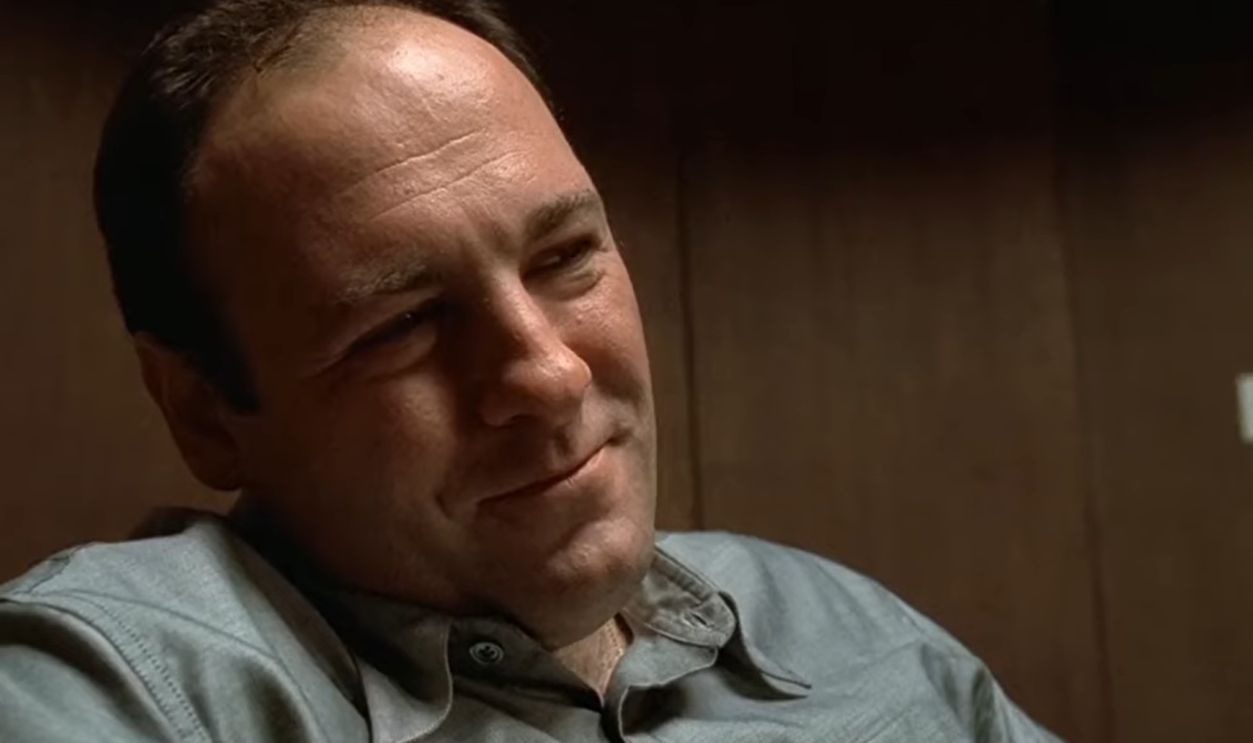 Screenshot from The Sopranos, HBO Entertainment / Chase Films / Brad Grey Television (1999–2007)
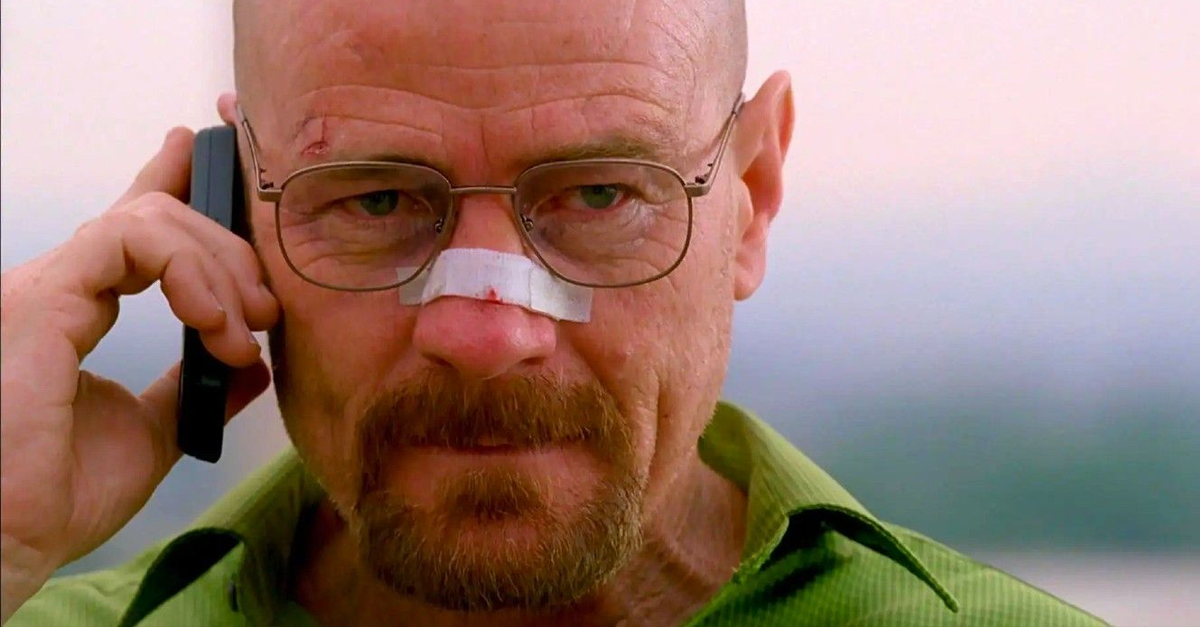
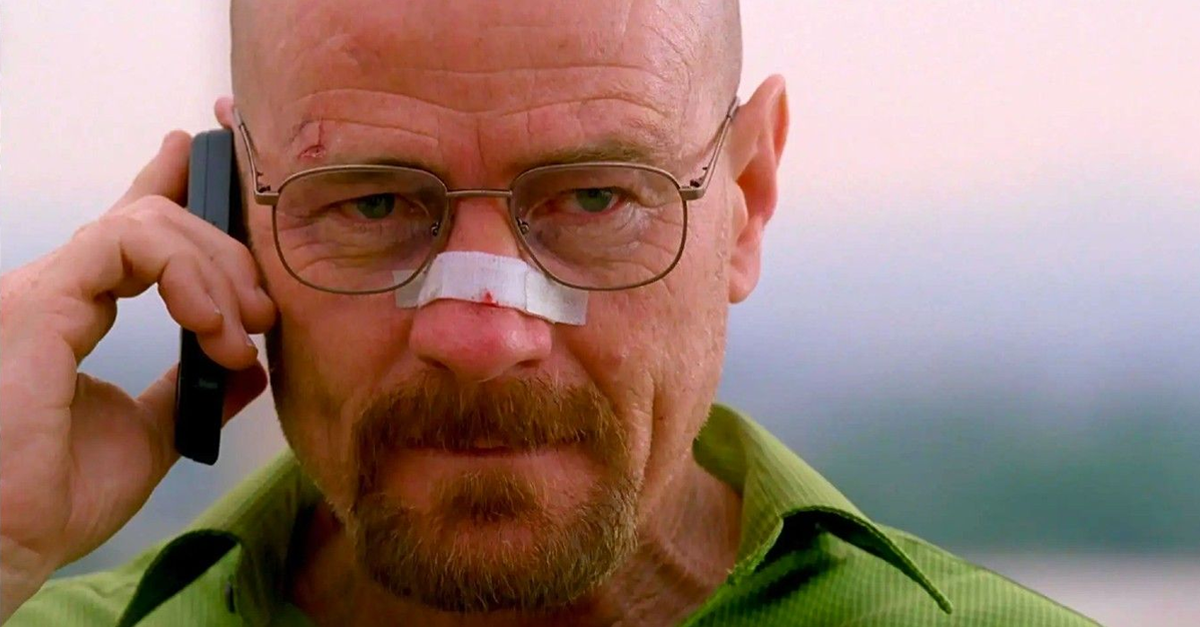
Walter White
Walter White initially claims that he enters the drug trade to provide for his family after receiving a cancer diagnosis. That explanation becomes harder to believe as his operation grows and his decisions become increasingly ruthless. Bryan Cranston’s performance lets viewers watch an ordinary teacher embrace the power and recognition he secretly wanted all along.
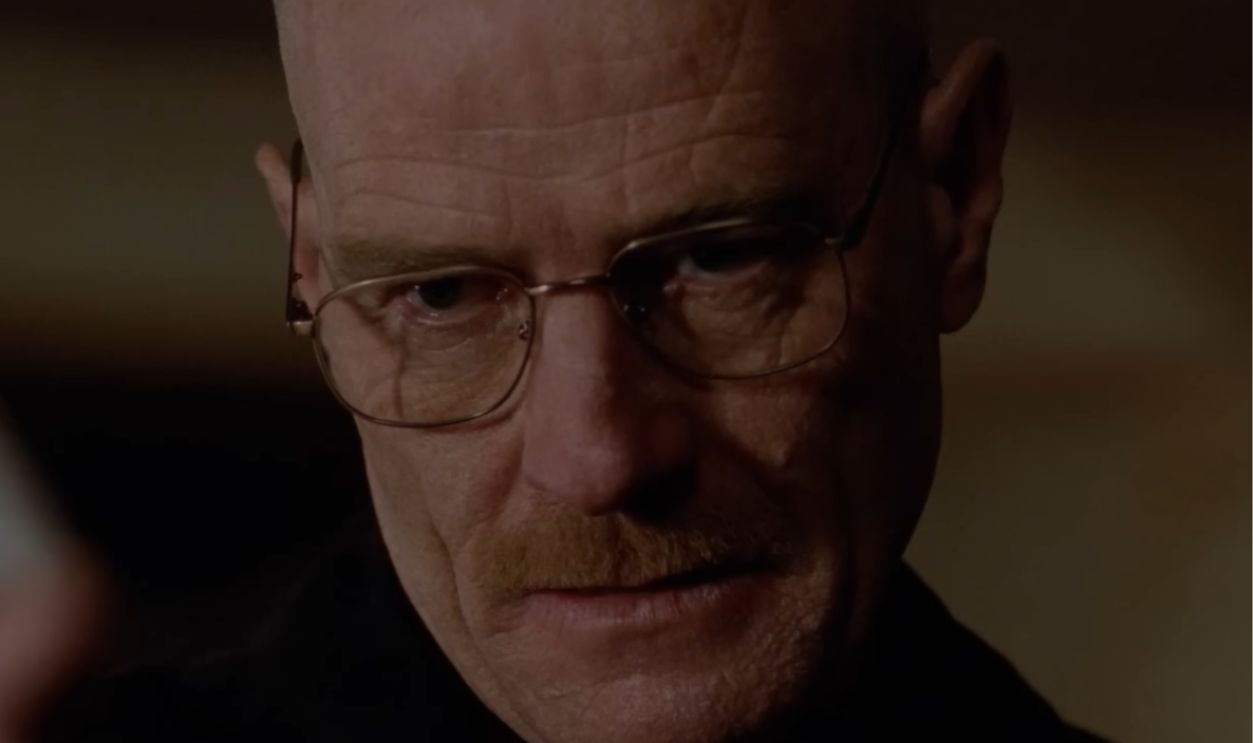 Screenshot from Breaking Bad, AMC (2008–2013)
Dexter Morgan
Dexter Morgan works as a forensic specialist while secretly hunting and killing people who escaped justice. His supposed code makes his actions feel more acceptable, even though he still deceives colleagues, endangers loved ones, and repeatedly acts according to his own impulses. Michael C. Hall’s controlled narration and awkward charm encouraged viewers to treat a serial killer like an unconventional crime-fighting hero.
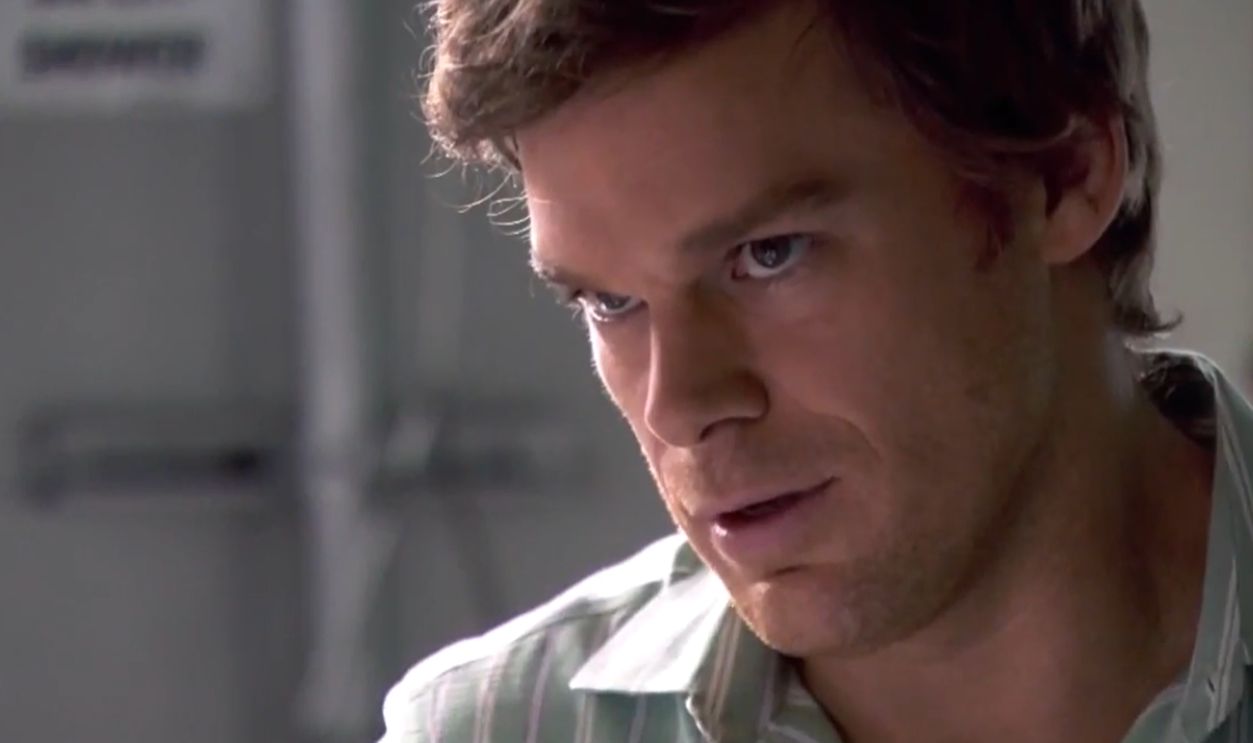 Screenshot from Dexter, Showtime Networks (2006–2013)
Don Draper
Don Draper is talented, stylish, and capable of turning human desire into brilliant advertising. He is also unfaithful, emotionally unavailable, and living under an identity taken from another man. Jon Hamm made Don’s confidence irresistible while gradually exposing the fear, shame, and loneliness hidden underneath it.
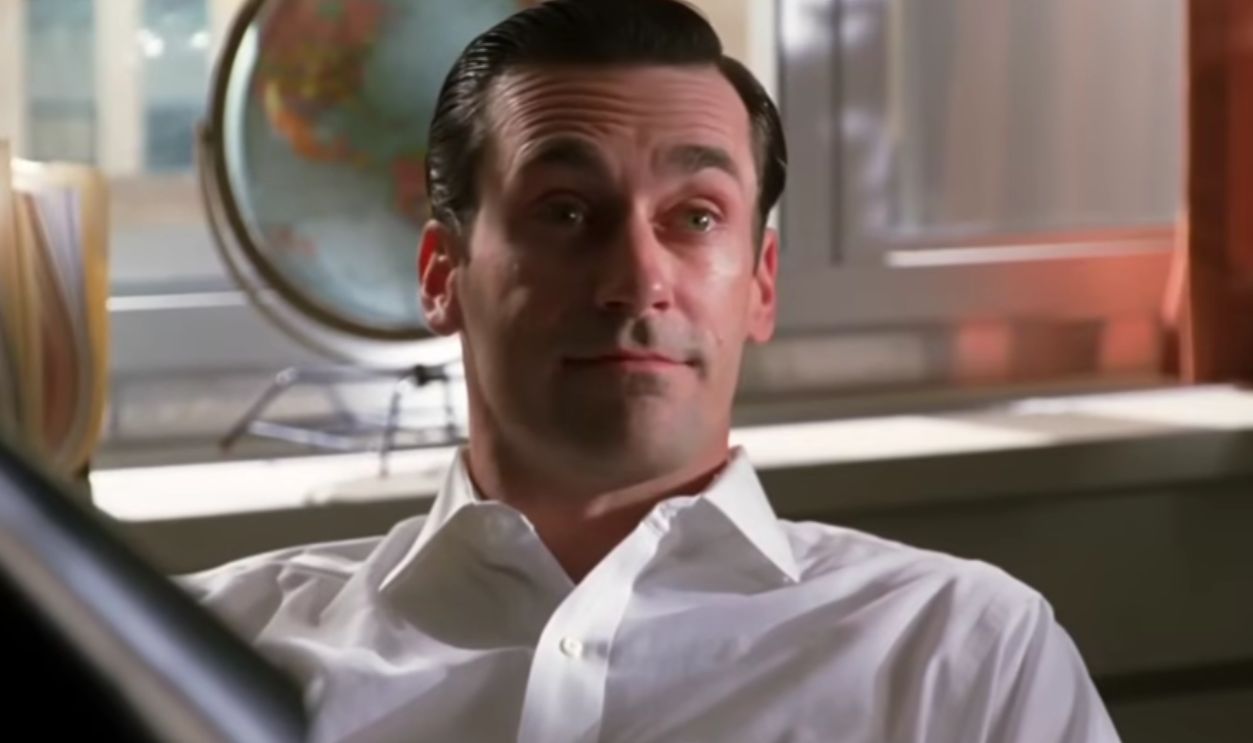 Screenshot from Mad Men, AMC (2007 -2015)
Saul Goodman
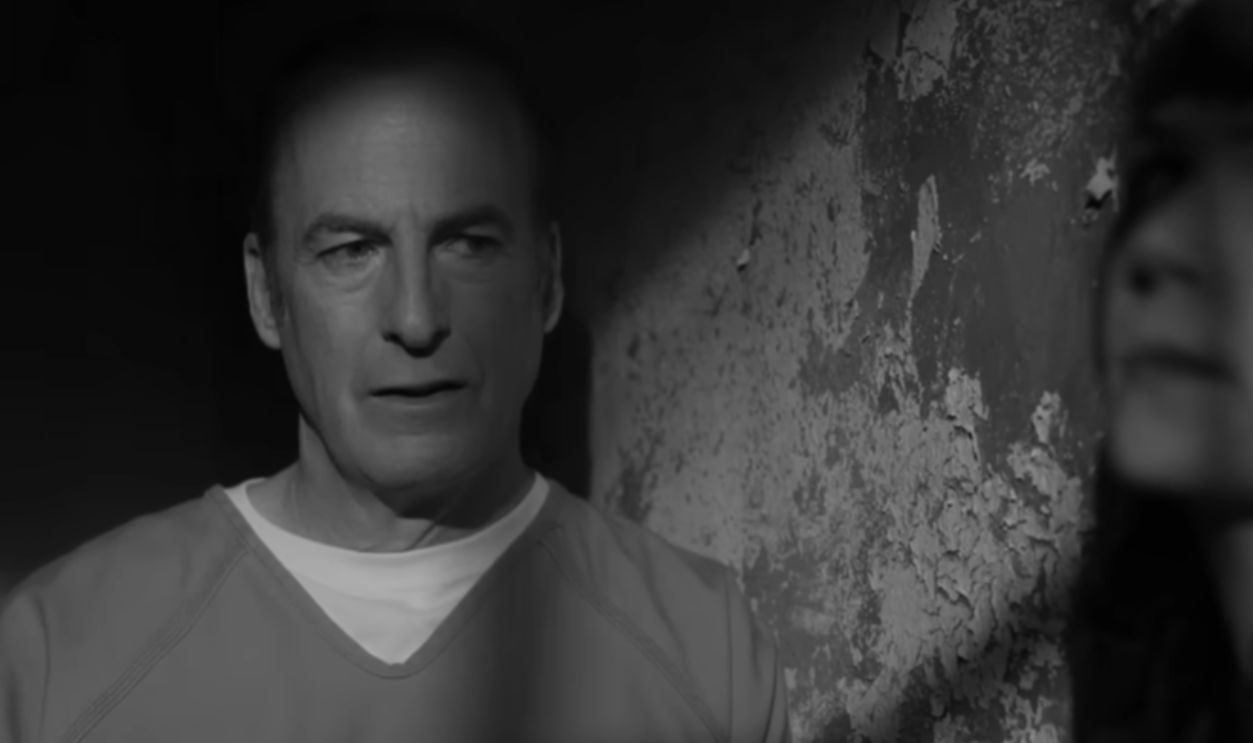
Jimmy McGill begins Better Call Saul as a struggling lawyer who genuinely wants respect and legitimacy. He repeatedly chooses shortcuts, scams, and increasingly dangerous clients until Saul Goodman becomes more than a professional disguise. Bob Odenkirk’s warmth and comic timing made Jimmy easy to love, even as his choices harmed nearly everyone who cared about him.
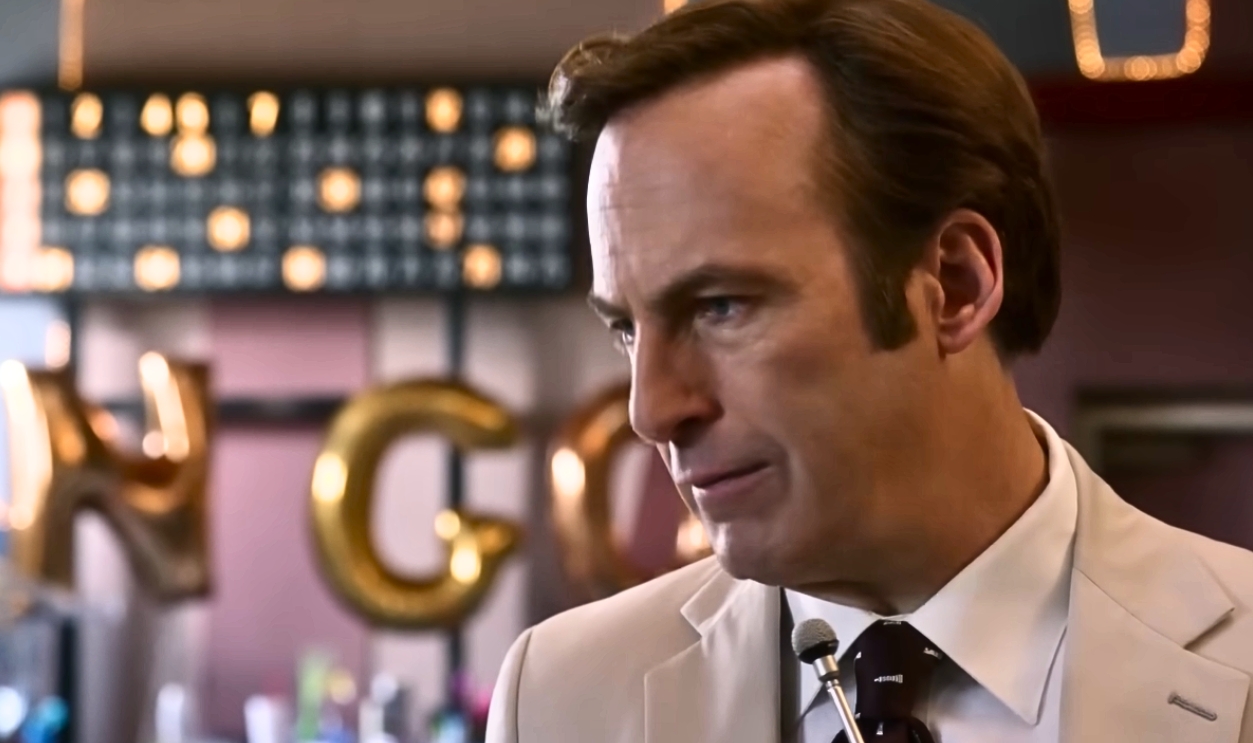 Screenshot from Better Call Saul, Sony Pictures Television / AMC (2015–2022)
Joe Goldberg
Joe Goldberg presents himself as a thoughtful book lover searching for a meaningful relationship in You. In reality, he stalks women, invades their lives, imprisons people, and kills anyone he decides threatens his imagined future. Penn Badgley’s intimate narration places viewers inside Joe’s self-serving logic while the series continually exposes how monstrous that logic is.
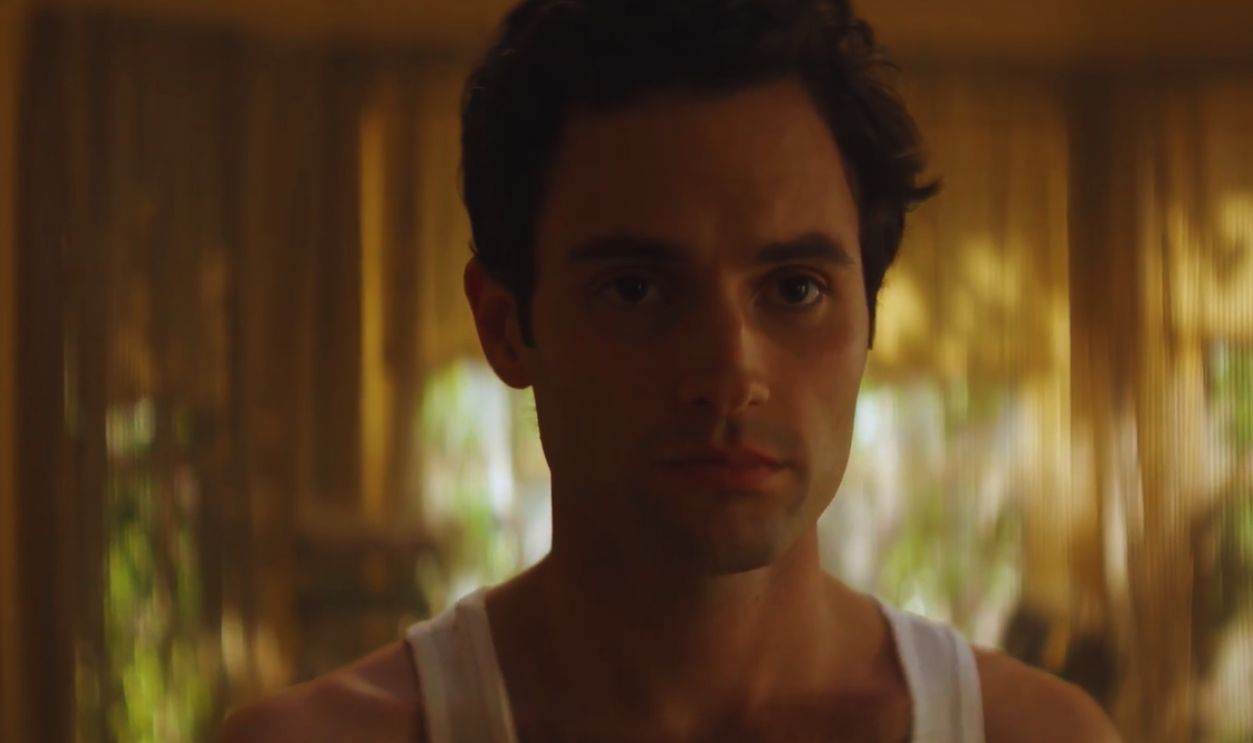 Screenshot from You, Netflix (2018–2025)
Villanelle
Villanelle is a professional assassin who approaches violence with confidence, creativity, and a disturbing sense of fun. Her glamorous clothing, sharp humor, and unpredictable affection for Eve Polastri make her magnetic despite the bodies she leaves behind. Jodie Comer constantly shifts between playfulness and menace, keeping viewers fascinated even when Villanelle behaves horribly.
 Screenshot from Killing Eve, BBC America (2018–2022)
Gregory House
Dr. Gregory House solves medical mysteries that leave other physicians completely baffled. He also insults patients, humiliates colleagues, ignores hospital rules, and manipulates friends whenever it suits him. Hugh Laurie made House’s brilliance entertaining enough that audiences often forgave conduct they would never tolerate from a real doctor.
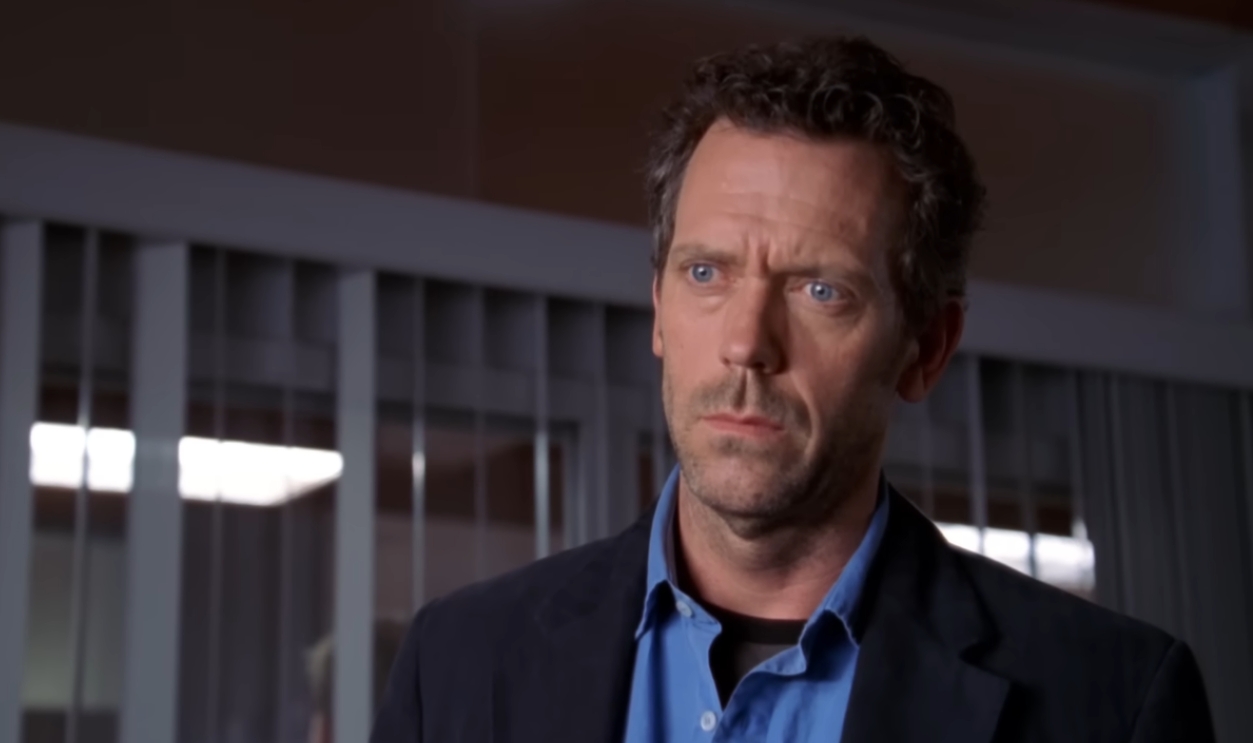 Screenshot from House, Fox (2004–2012)
Hannibal Lecter
Hannibal Lecter presents himself as an elegant psychiatrist with refined tastes and exceptional insight into human behavior. Behind that polished exterior is a calculating killer who manipulates patients, colleagues, and investigators for his own amusement. Mads Mikkelsen’s calm performance makes Hannibal so composed and charismatic that viewers can briefly forget exactly what he is capable of doing.
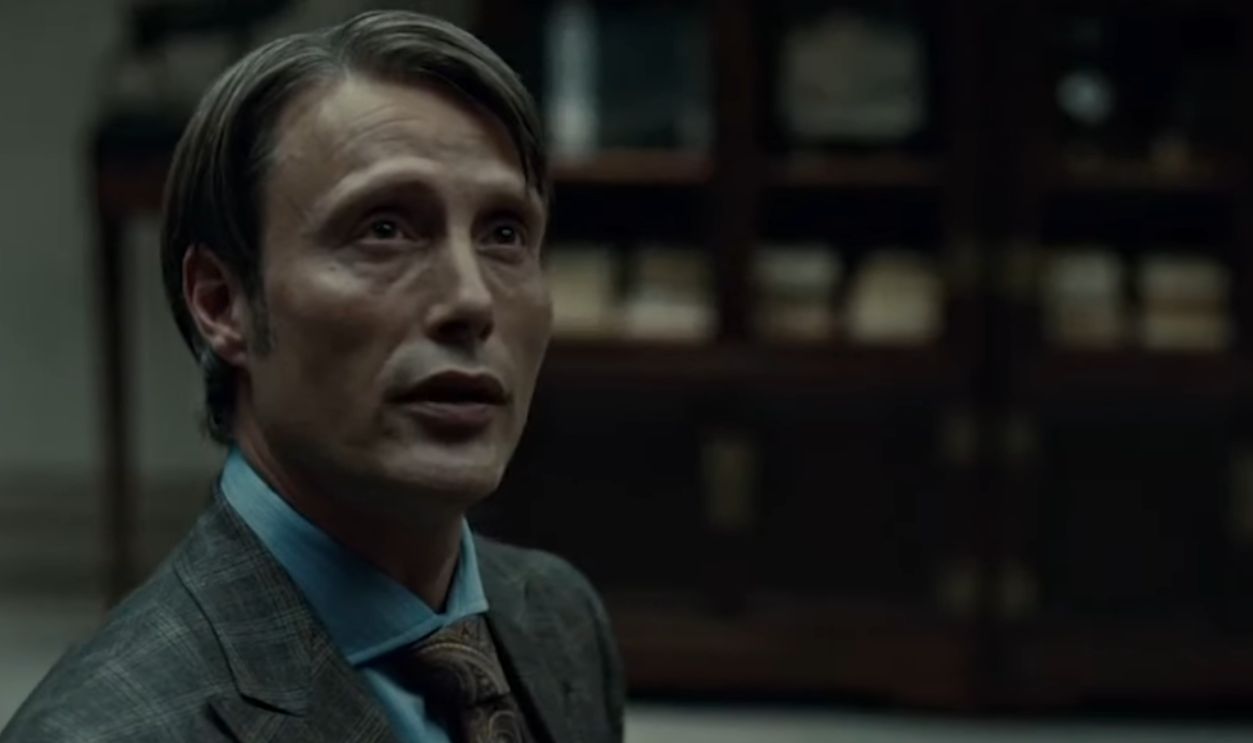 Screenshot from Hannibal, NBC (2013–2015)
Negan
When Negan arrives on The Walking Dead, he rules the Saviors through fear and the constant threat of his baseball bat, Lucille. Jeffrey Dean Morgan's charisma makes Negan entertaining despite his brutality, and the series later explores his regret and vulnerability without erasing his earlier cruelty.
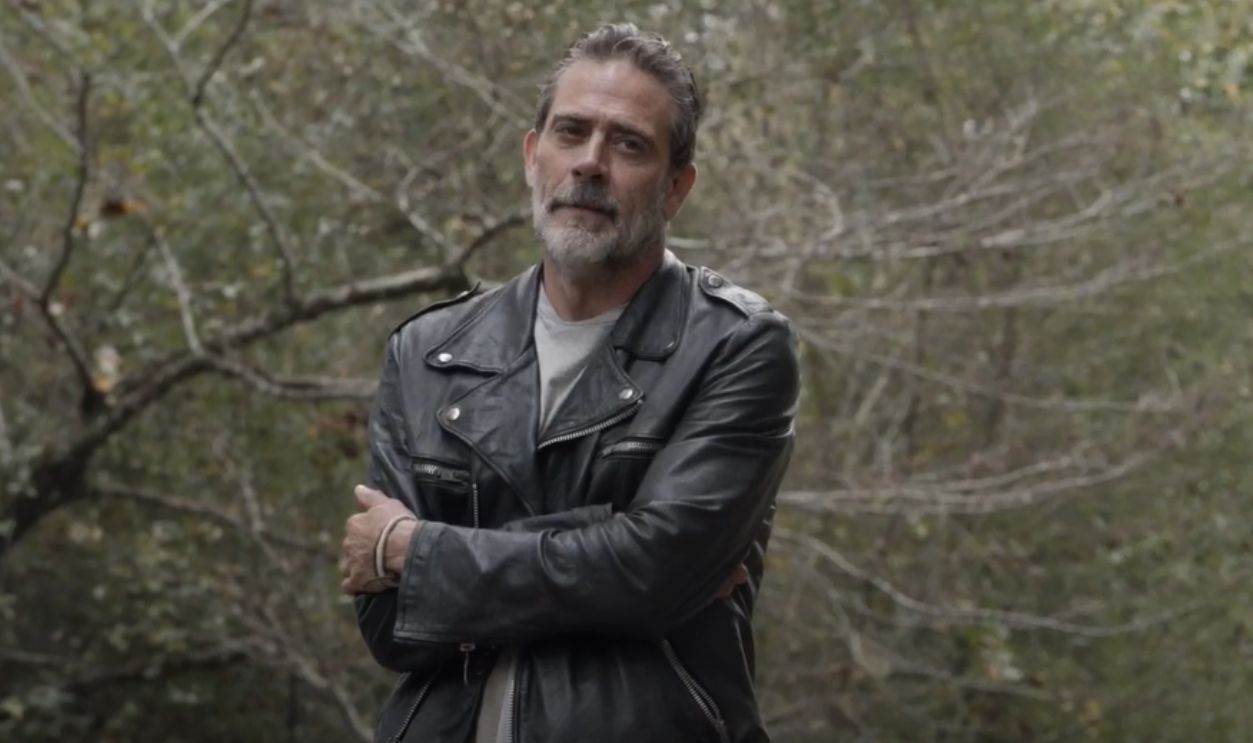 Screenshot from The Walking Dead, AMC Studios / AMC (2010–2022)
Tommy Shelby
Tommy Shelby returns from the First World War and transforms the Peaky Blinders into an increasingly powerful criminal organization. He protects his family, but he also manipulates relatives, eliminates rivals, and accepts devastating consequences in pursuit of control. Cillian Murphy’s quiet intensity makes Tommy appear heroic even when his ambition places everyone around him in danger.
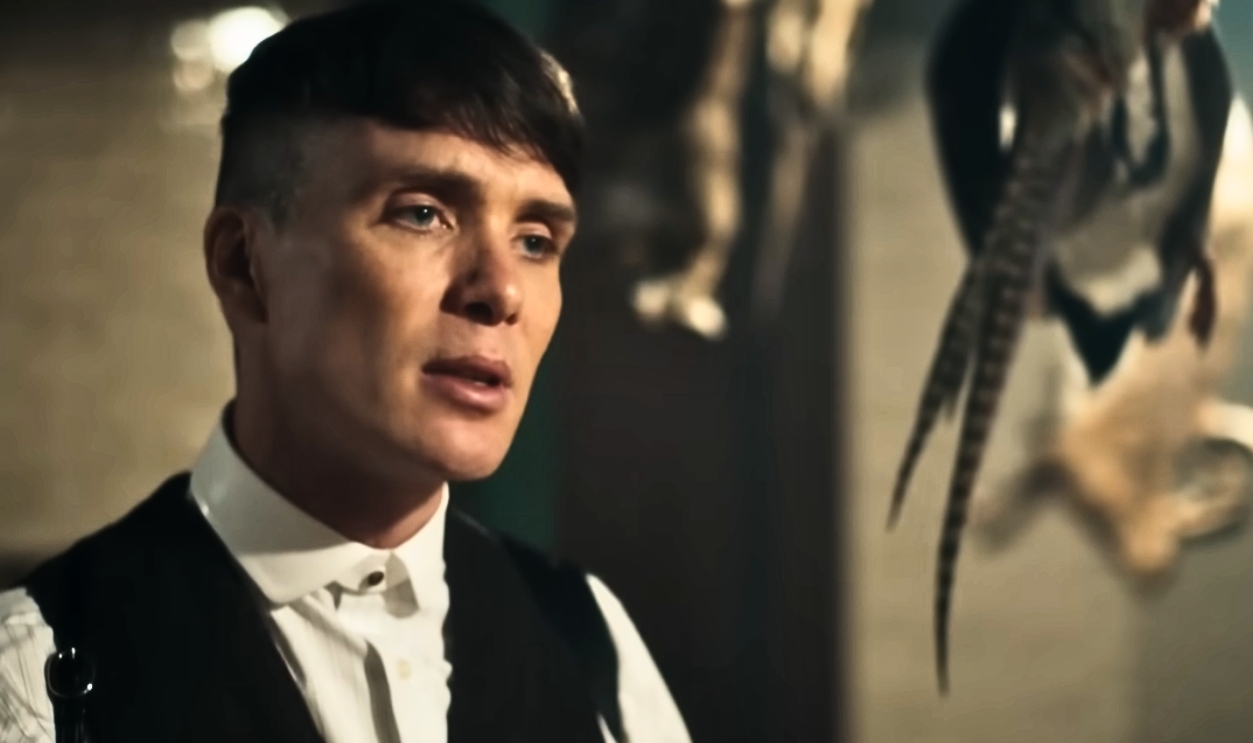 Screenshot from Peaky Blinders, BBC (2013–2022)
BoJack Horseman
BoJack Horseman is a former sitcom star who desperately wants happiness, relevance, and proof that he is not a bad person. He repeatedly hurts friends, exploits unequal relationships, and uses addiction or self-loathing to explain behavior he refuses to change. The series makes his pain understandable while steadily rejecting the idea that pain automatically excuses the damage he causes.
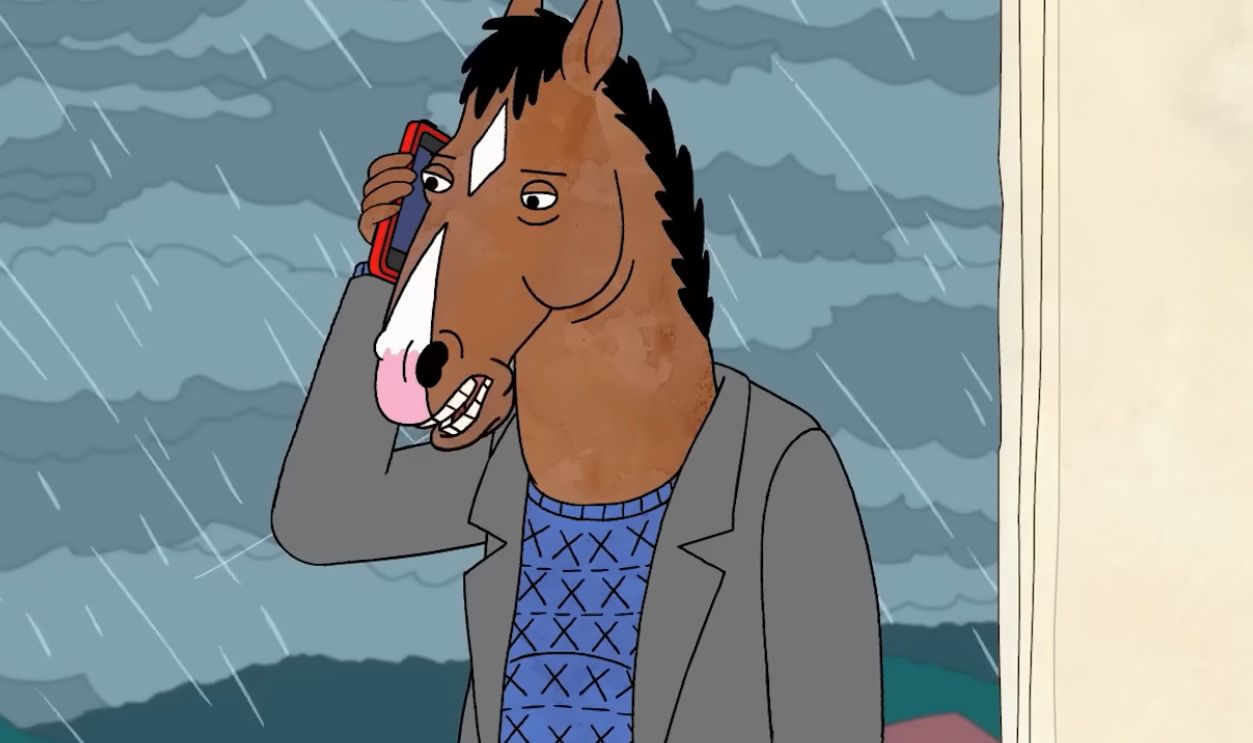 Screenshot from BoJack Horseman, Netflix (2014–2020)
Al Swearengen
On Deadwood, Al Swearengen runs the Gem Saloon while controlling much of the town through violence, bribery, and intimidation. He manipulates allies and enemies alike, yet he also protects the community whenever it serves his long-term interests. Ian McShane's magnetic performance turned Al into one of television's most compelling antiheroes, making viewers root for a man who rarely did the right thing.
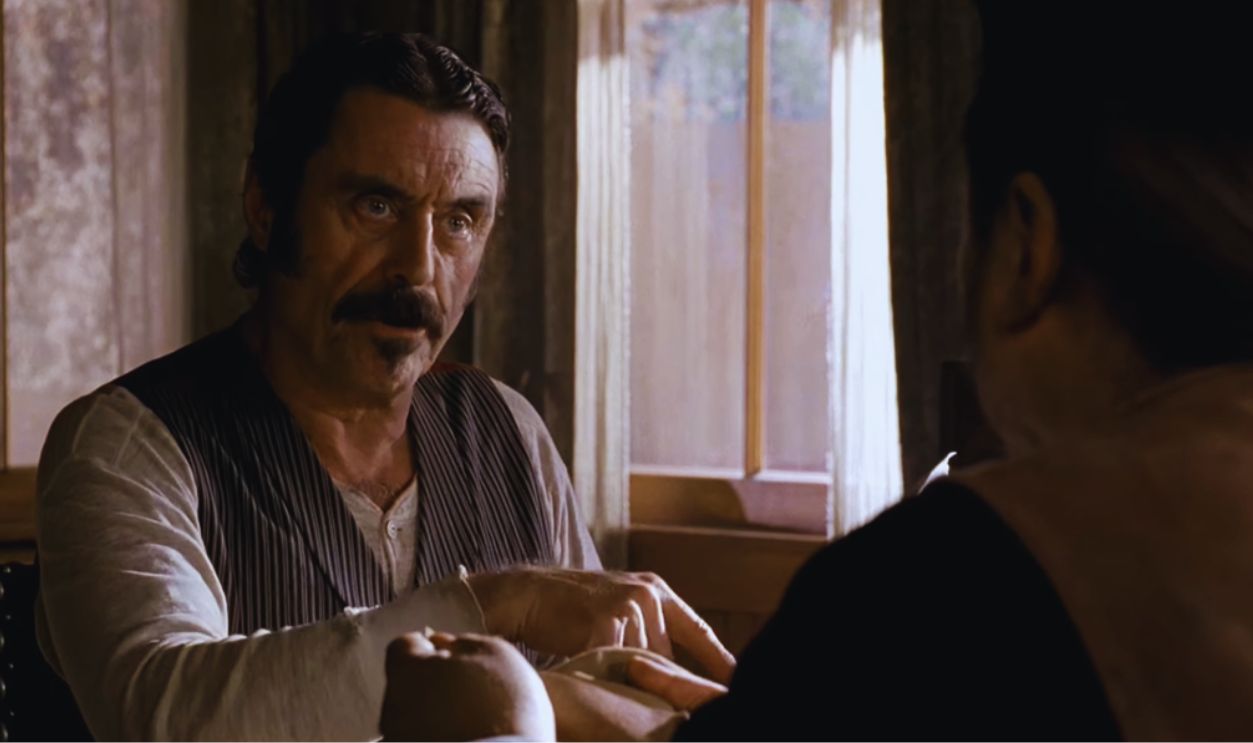 Screenshot from Deadwood, HBO Entertainment (2004–2006)
Damon Salvatore
Damon Salvatore enters The Vampire Diaries as a violent and unpredictable vampire with little concern for human life. He manipulates people, attacks innocents, and repeatedly lashes out when he feels rejected. Ian Somerhalder’s humor and chemistry with the cast helped turn Damon into a romantic favorite despite actions that would make him a clear villain in almost any other story.
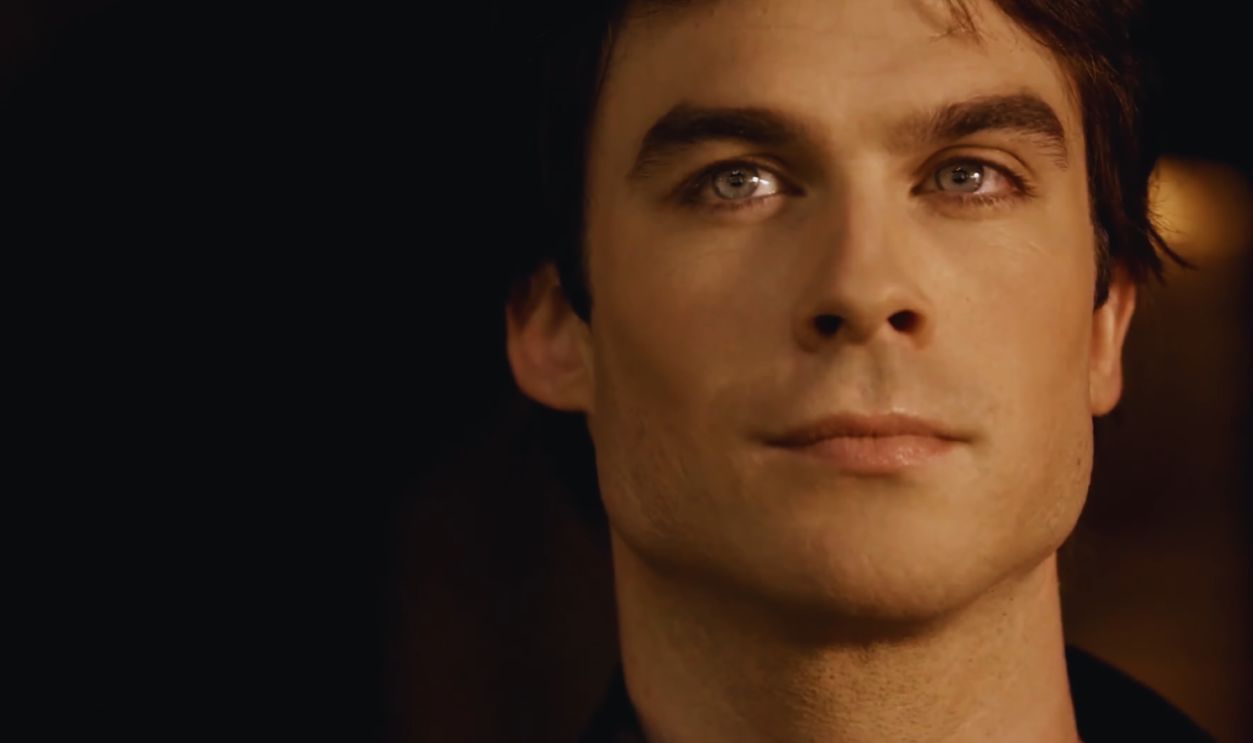 Screenshot from The Vampire Diaries, The CW (2009–2017)
Cersei Lannister
Cersei Lannister is fiercely devoted to her children and deeply resentful of anyone who threatens her family or authority. That devotion does not prevent her from arranging deaths, enabling cruelty, and sacrificing innocent people to protect her position. Lena Headey gave Cersei enough intelligence, pain, and defiance to make audiences understand her even at her most destructive.
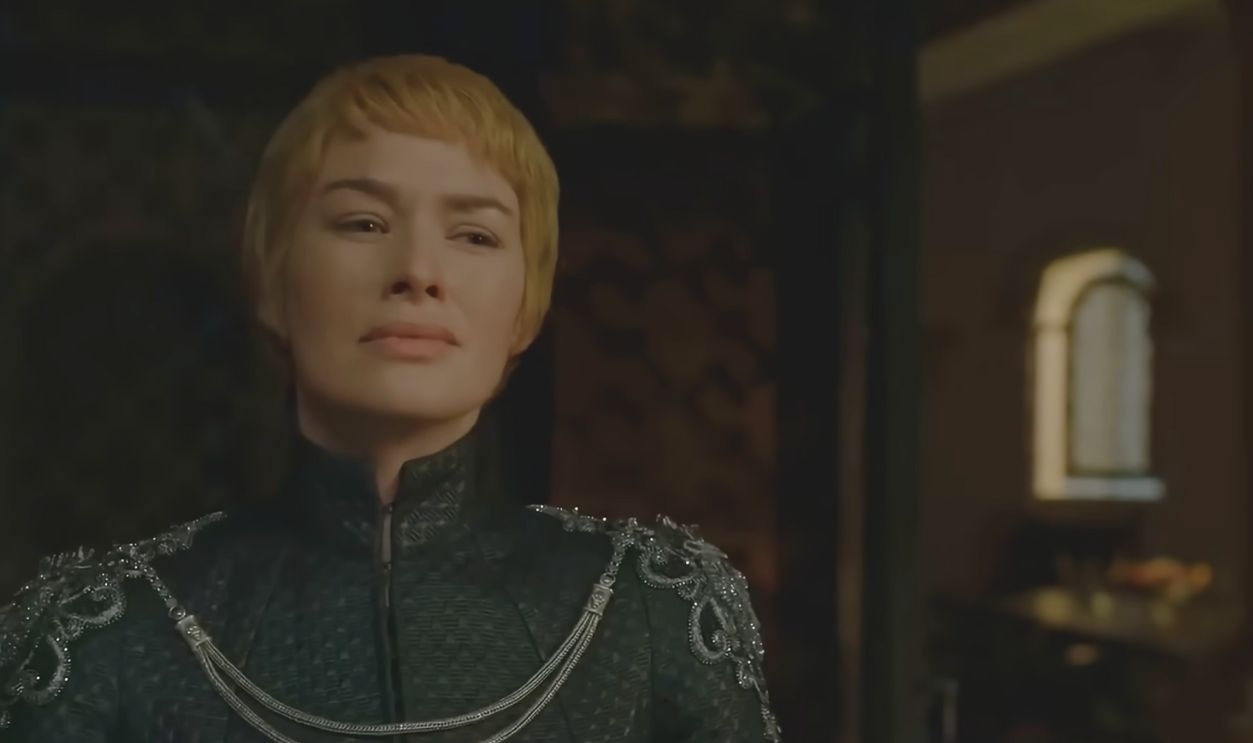 Screenshot from Game of Thrones, HBO (2011–2019)
Selina Meyer
Selina Meyer wants political power far more than she wants to govern responsibly. She humiliates staff members, abandons principles, and treats personal relationships as tools for improving her position. Julia Louis-Dreyfus makes Selina’s selfishness so fast, sharp, and funny that viewers enjoy watching her fail almost as much as they enjoy watching her win.
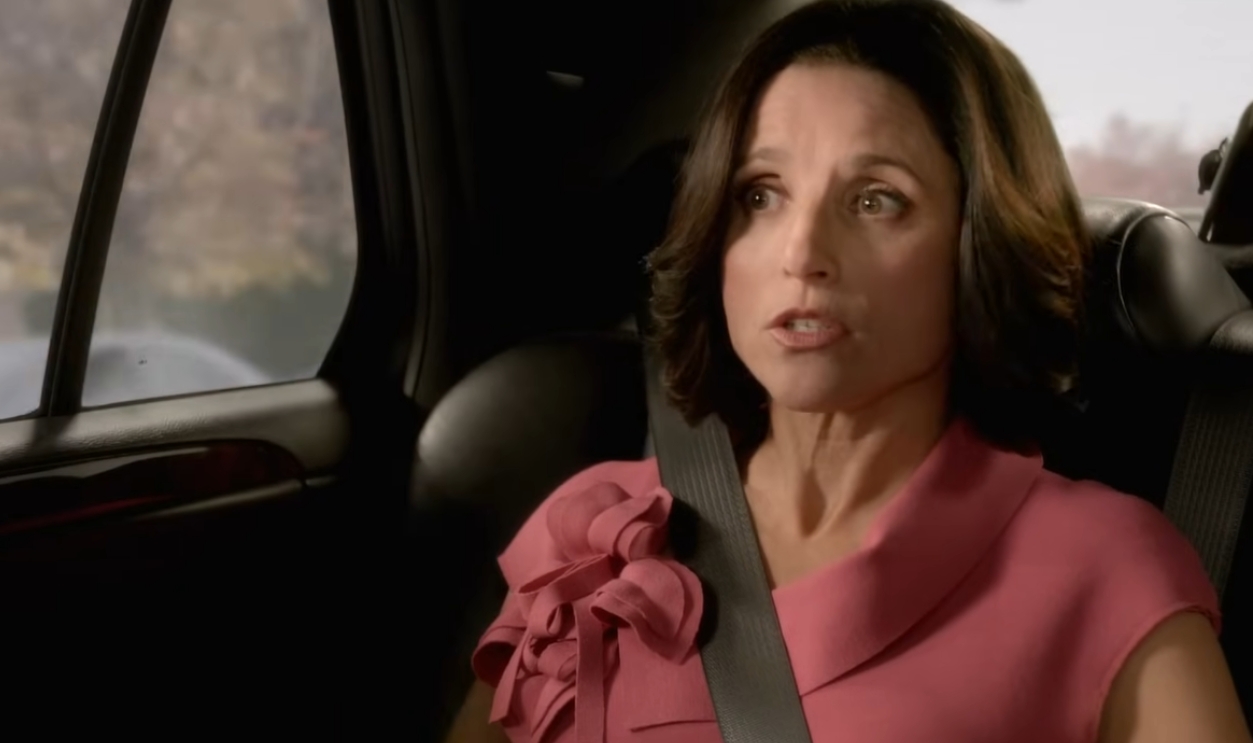 Screenshot from Veep, HBO (2012–2019)
J.R. Ewing
J.R. Ewing schemes against relatives, business partners, and romantic interests while pursuing control of the Ewing oil empire. His betrayals made him one of television’s most recognizable villains and placed him at the center of Dallas. Larry Hagman played J.R. with such obvious delight that viewers returned each week to see what terrible thing he would attempt next.
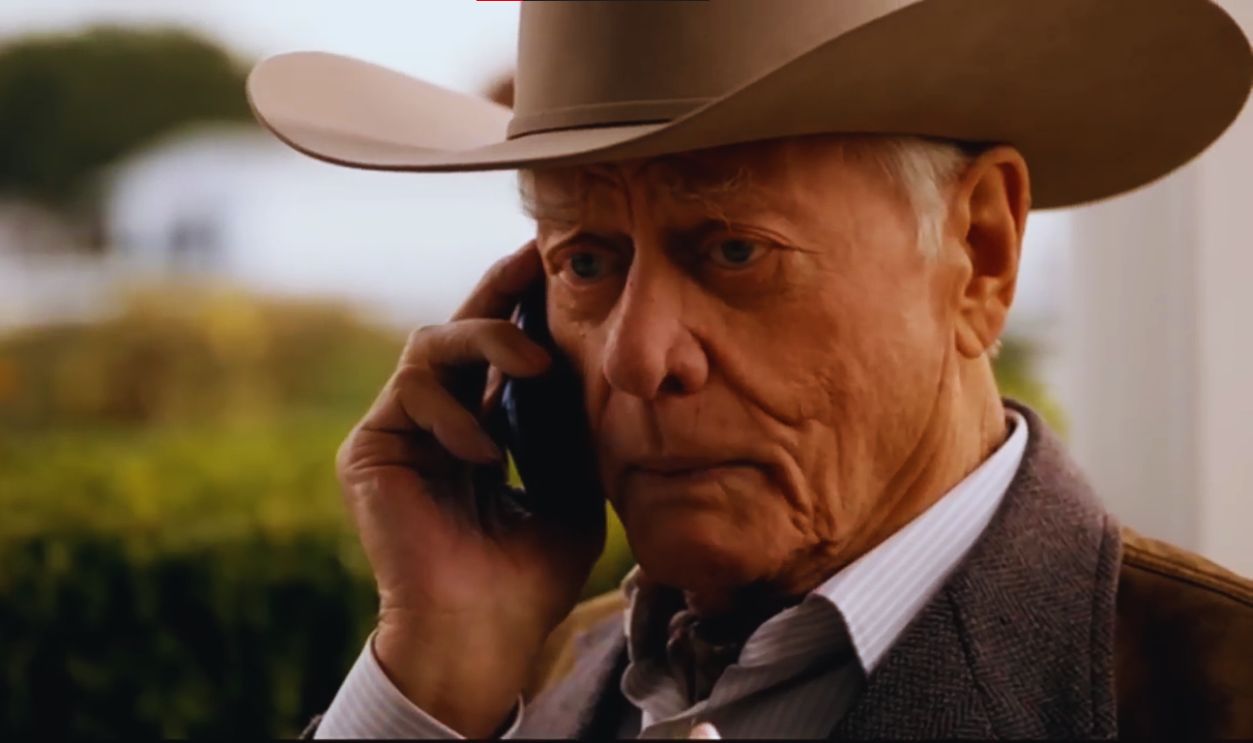 Screenshot from Dallas, Warner Horizon Television / TNT (2012–2014)
Katherine Pierce
On The Vampire Diaries, Katherine Pierce looks like Elena Gilbert but possesses far fewer concerns about loyalty or innocent life. She manipulates both Salvatore brothers, sacrifices allies, and changes sides whenever survival demands it. Nina Dobrev gave Katherine enough confidence, humor, and vulnerability to make her more than a simple supernatural villain.
 Screenshot from The Vampire Diaries, The CW (2009–2017)
Gemma Teller Morrow
Gemma Teller Morrow considers herself the protector of her family and the emotional center of SAMCRO. Her secrecy, manipulation, and willingness to commit violence repeatedly create the very disasters she claims to be preventing. Katey Sagal makes Gemma’s love feel genuine, which makes the consequences of her choices even more tragic.
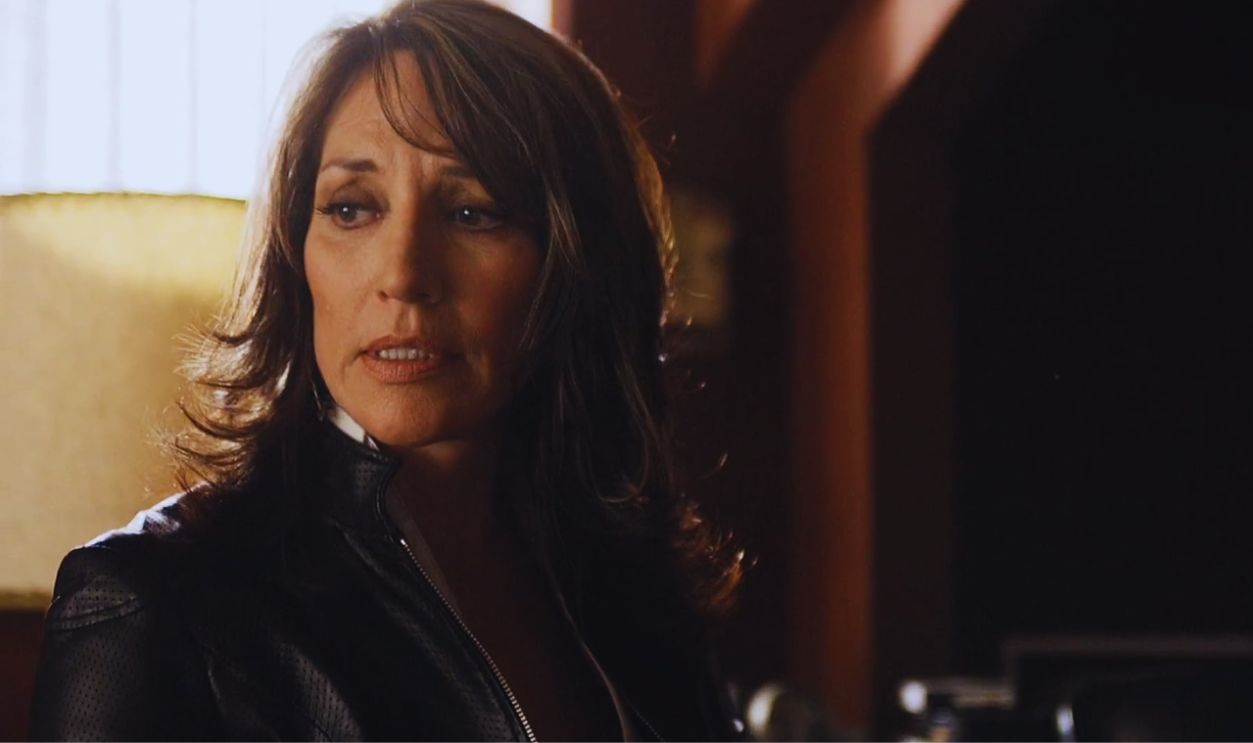 Screenshot from Sons of Anarchy, FX Productions / FX (2008–2014)
Boyd Crowder
Boyd Crowder begins Justified as a violent criminal and remains deeply involved in illegal schemes throughout the series. He constantly reinvents himself as a preacher, businessman, community leader, or outlaw depending on what the moment requires. Walton Goggins gives Boyd such intelligence and verbal flair that every speech becomes compelling, even when it hides another betrayal.
 Screenshot from Justified, Sony Pictures Television / FX Productions / FX (2010–2015)
Lucille Bluth
Lucille Bluth is wealthy, controlling, and openly dismissive of nearly every member of her family. She manipulates her children, mocks their insecurities, and treats affection like a resource that must never be distributed evenly. Jessica Walter’s flawless delivery turned Lucille’s coldest remarks into some of Arrested Development’s funniest moments.
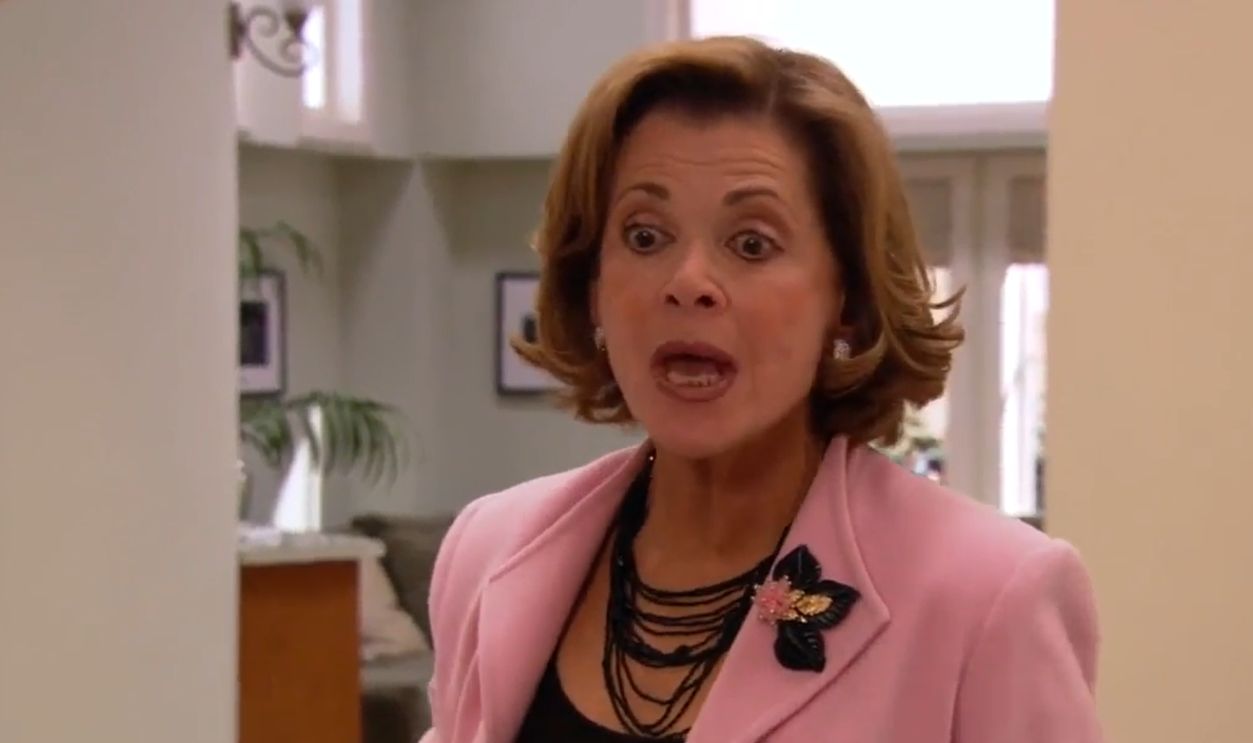 Screenshot from Arrested Development, Imagine Television / 20th Television (2003–2019)
Benjamin Linus
On Lost, Benjamin Linus lies, manipulates, and betrays almost everyone he meets to protect his own interests. He orders killings, exploits people's emotions, and rarely reveals his true intentions until it benefits him. Michael Emerson's quietly unsettling performance made Ben endlessly fascinating, turning one of television's most deceptive villains into an unlikely fan favorite.
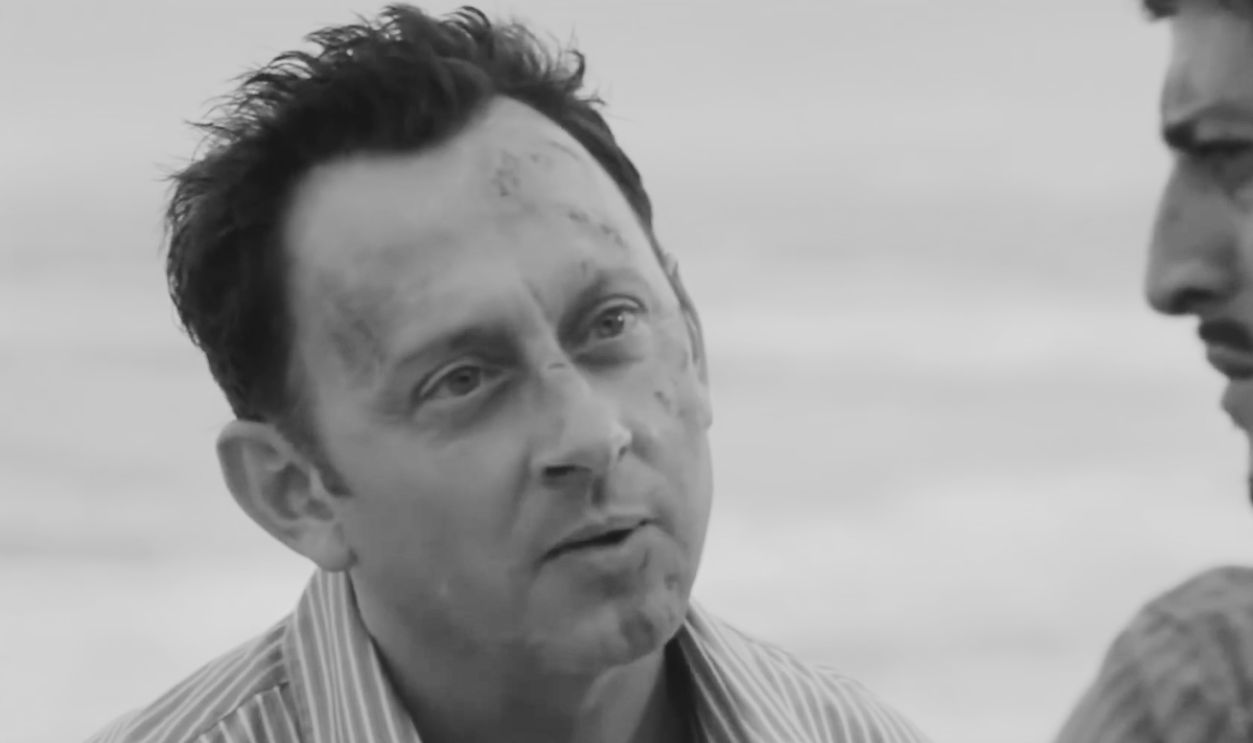 Screenshot from Lost, Bad Robot Productions / Touchstone Television / ABC Studios / ABC (2004–2010)
Frank Reynolds
Frank Reynolds joins the gang on It’s Always Sunny in Philadelphia and quickly proves that he may be the most shameless member of the group. He lies, exploits people, funds reckless schemes, and embraces increasingly filthy living conditions without embarrassment. Danny DeVito’s total commitment makes Frank’s complete lack of dignity strangely lovable.
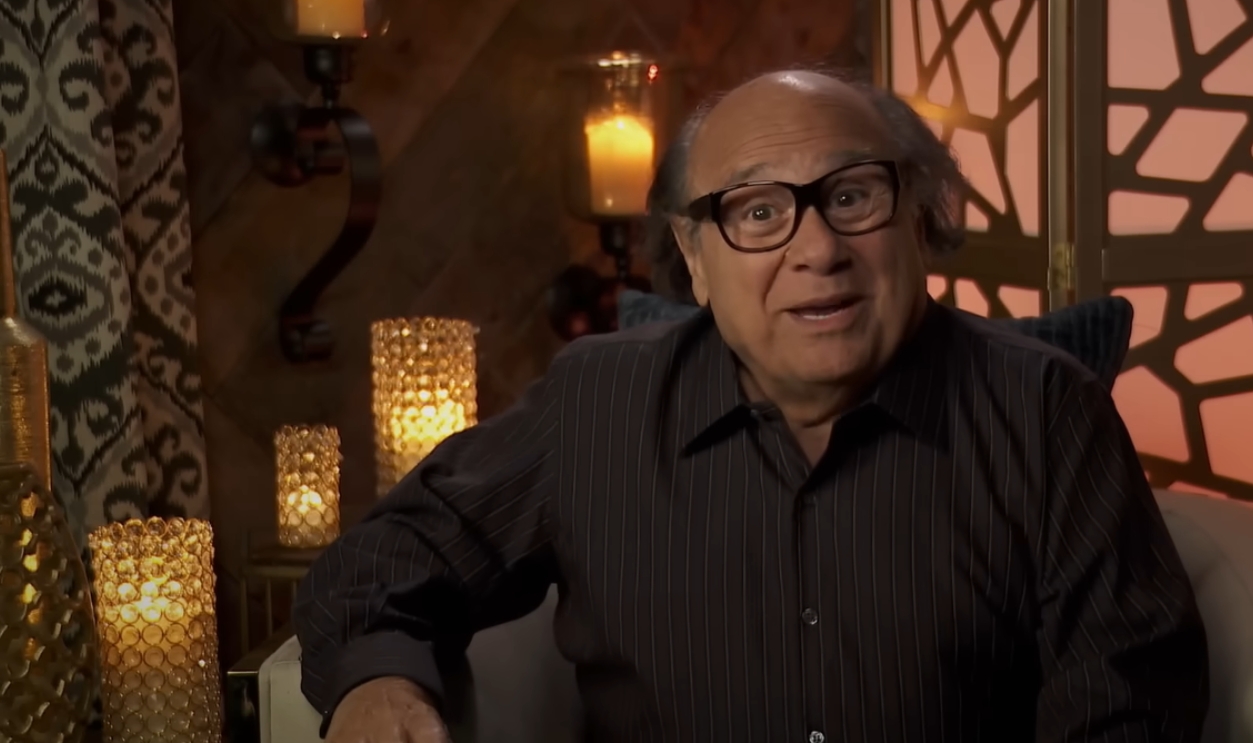 Screenshot from It’s Always Sunny in Philadelphia, FX (2005–Present)
Great Performances Made Bad People Irresistible
These characters work because talented actors refuse to play them as simple monsters. They expose insecurity, humor, intelligence, and occasional tenderness alongside every selfish or violent decision. Viewers may condemn their behavior while still wanting to spend another episode in their company.
 Screenshot from Better Call Saul, AMC, (2015 - 2022)
Loving A Character Is Not The Same As Defending Them
Enjoying Tony Soprano, Villanelle, or Walter White does not require pretending that their actions were justified. Their stories are compelling because they challenge viewers to recognize humanity inside people who repeatedly make unforgivable choices. Which television character did you love even though you knew they were objectively terrible?
You May Also Like:
Character Actors Who Appeared In Dozens Of Classic TV Shows Before Anyone Learned Their Names
How Taxi Helped Launch Some Of Hollywood's Biggest Stars
The Most Underrated Sitcom Actors Of The 1970s—Which Was Your Favorite?
Sources: 1, 2, 3, 4, 5, 6, 7, 8, 9, 10, 11, 12, 13, 14, 15, 16, 17, 18, 19, 20