The Sitcom That Became A Star Factory
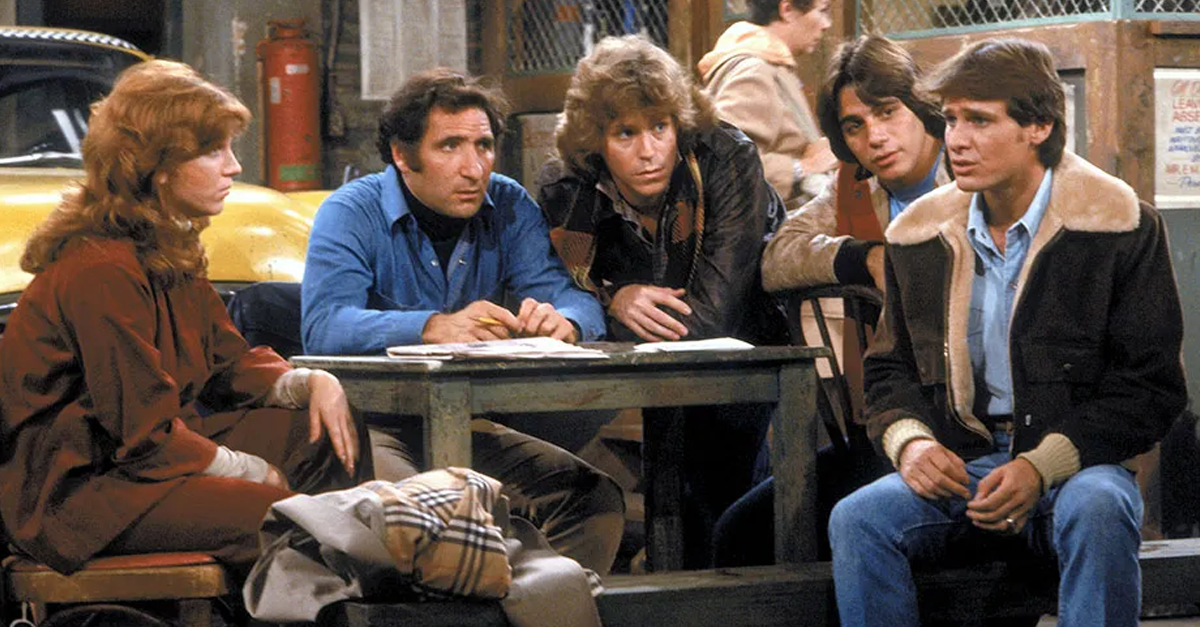
When Taxi premiered in 1978, its characters were mostly working-class New Yorkers waiting for their real lives to begin. The actors playing them were also standing on the edge of much larger careers. Over five acclaimed seasons, the Sunshine Cab Company became one of television’s most unlikely launching pads.
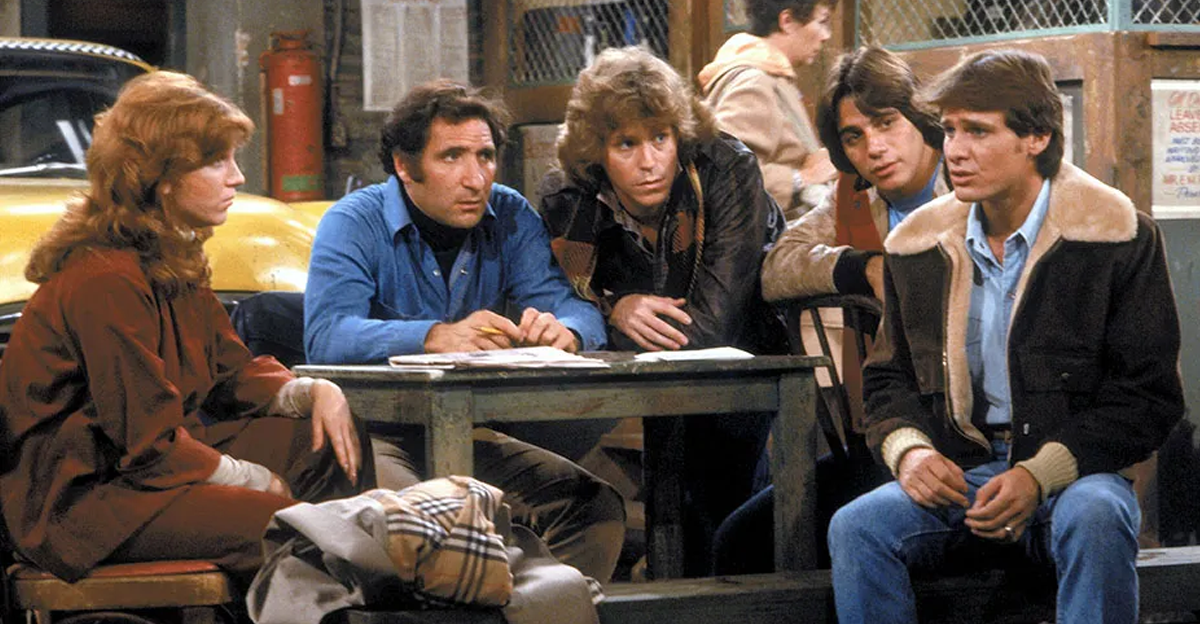 Screenshot from Taxi, Paramount Television (1978–1983)
Welcome To The Sunshine Cab Company
Taxi followed the drivers and employees of a fictional New York City cab company. Most of the cabbies dreamed of succeeding somewhere else, but their friendships kept pulling them back to the garage. That simple setup gave the series room to combine sharp comedy with unusually emotional storytelling.
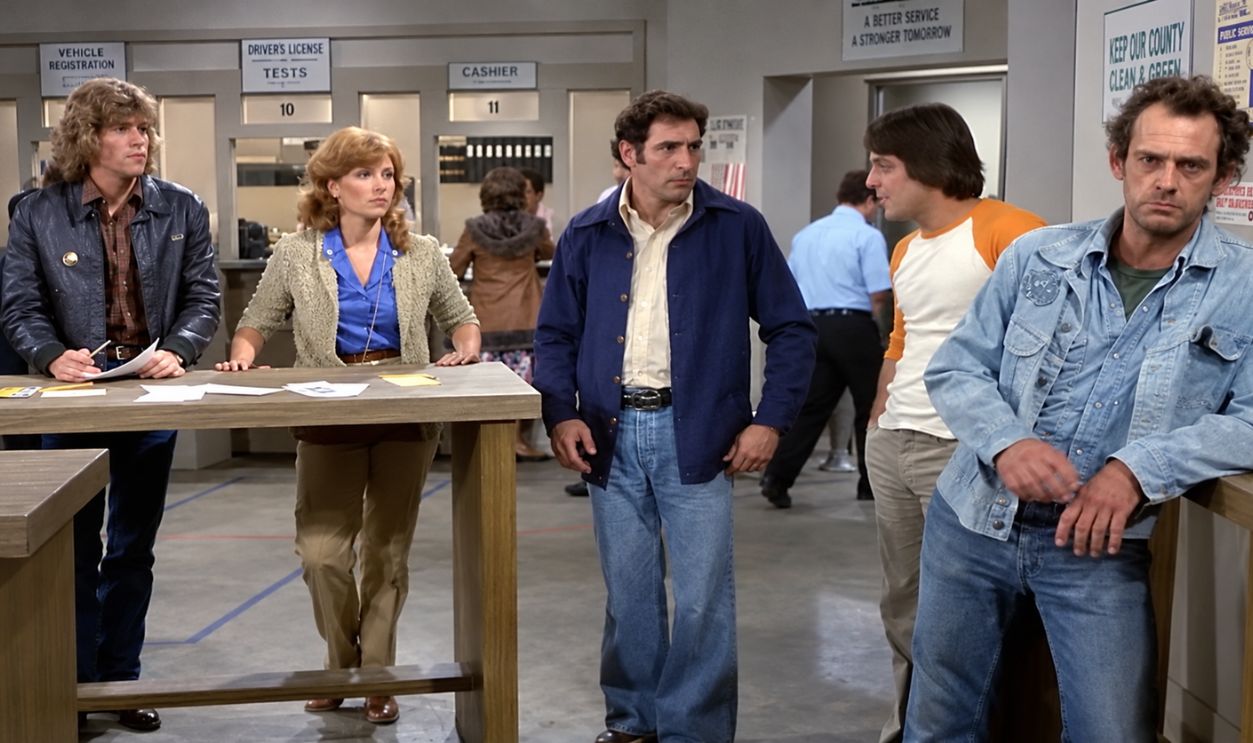 Screenshot from Taxi, Paramount Television (1978-1983), Enhanced
A Remarkable Collection Of Talent
The ensemble included Judd Hirsch, Danny DeVito, Marilu Henner, Tony Danza, Andy Kaufman, Christopher Lloyd, Jeff Conaway, Carol Kane, and several memorable recurring performers. Some were established actors, while others had barely worked on television. Together, they formed a cast whose later credits would stretch across blockbuster films, Broadway productions, and landmark sitcoms.
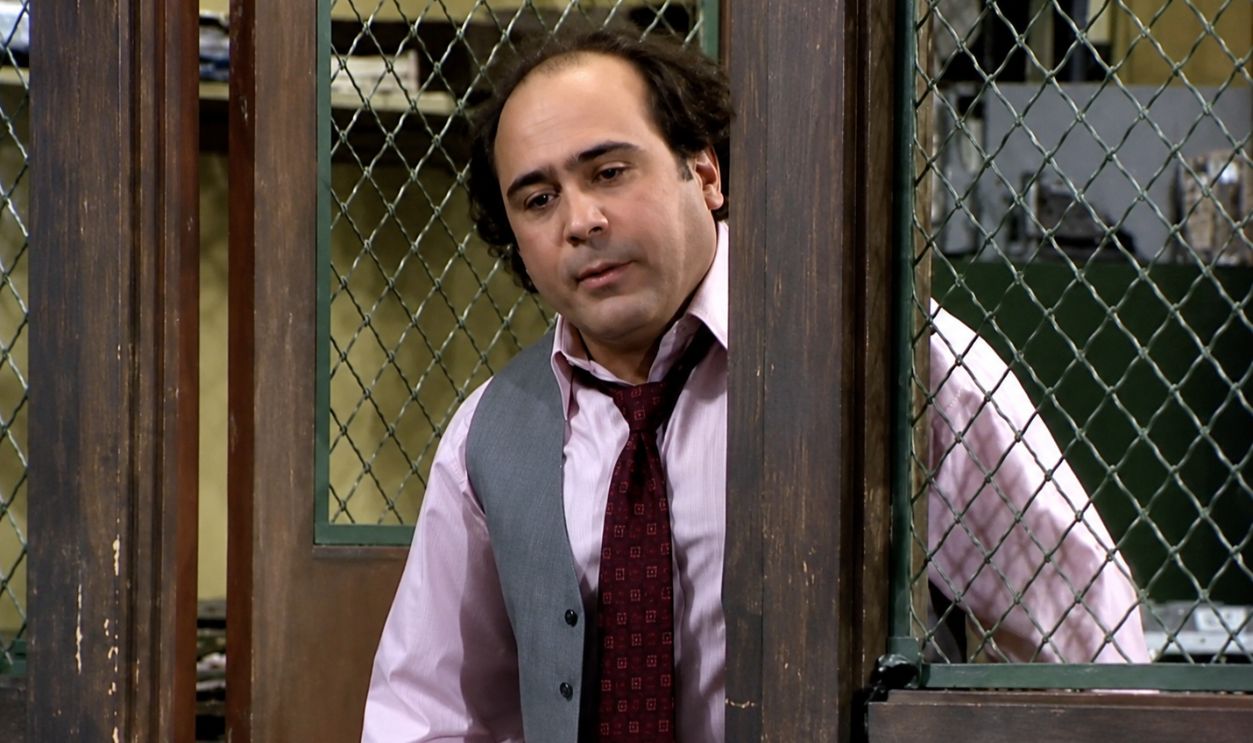 Screenshot from Taxi, Paramount Television (1978-1983), Enhanced
Awards Quickly Confirmed The Show’s Quality
Taxi earned 34 Primetime Emmy nominations and won 18 times during its run. Its victories included three consecutive awards for Outstanding Comedy Series beginning in 1979. The recognition turned the series into one of television’s most respected comedies and brought national attention to its ensemble.
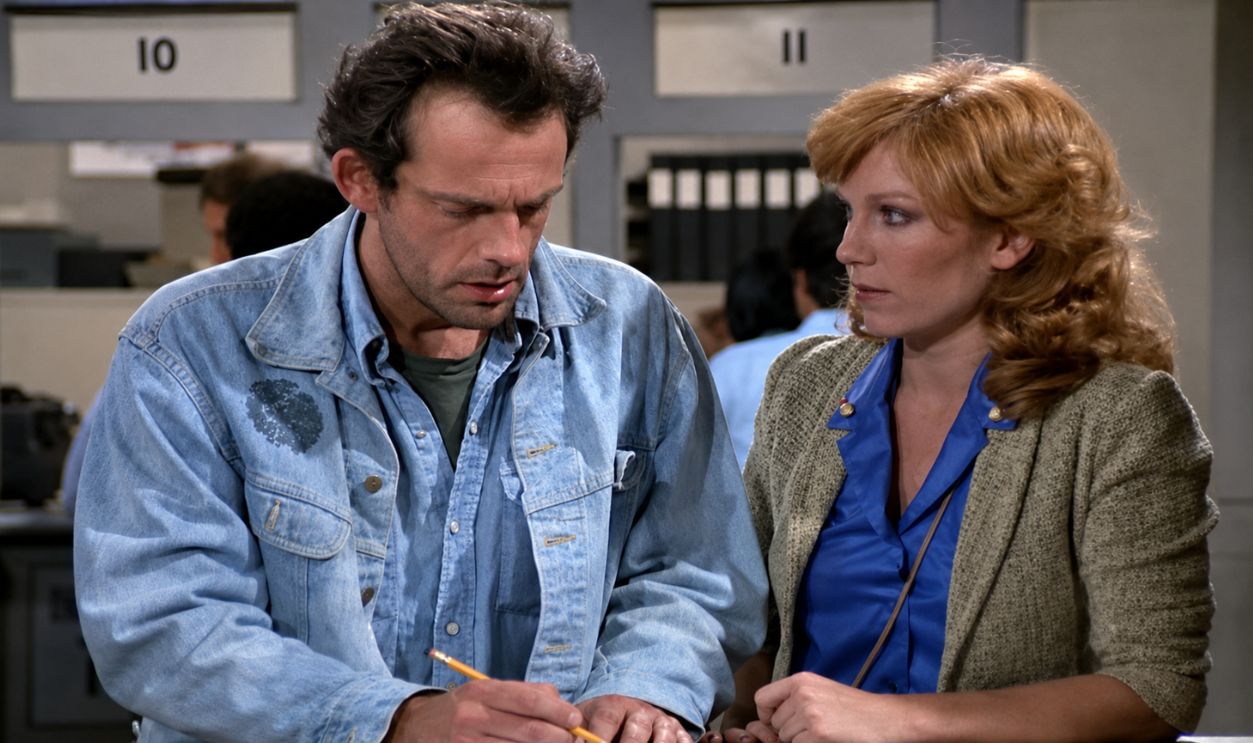 Screenshot from Taxi, Paramount Television (1978-1983), Enhanced
Judd Hirsch Became The Show's Steady Center
Judd Hirsch played Alex Reiger, the practical cabbie who often served as the group's unofficial leader. His thoughtful performance grounded the show's larger personalities and quickly made him a fan favorite. Hirsch won two Emmy Awards for Outstanding Lead Actor in a Comedy Series.
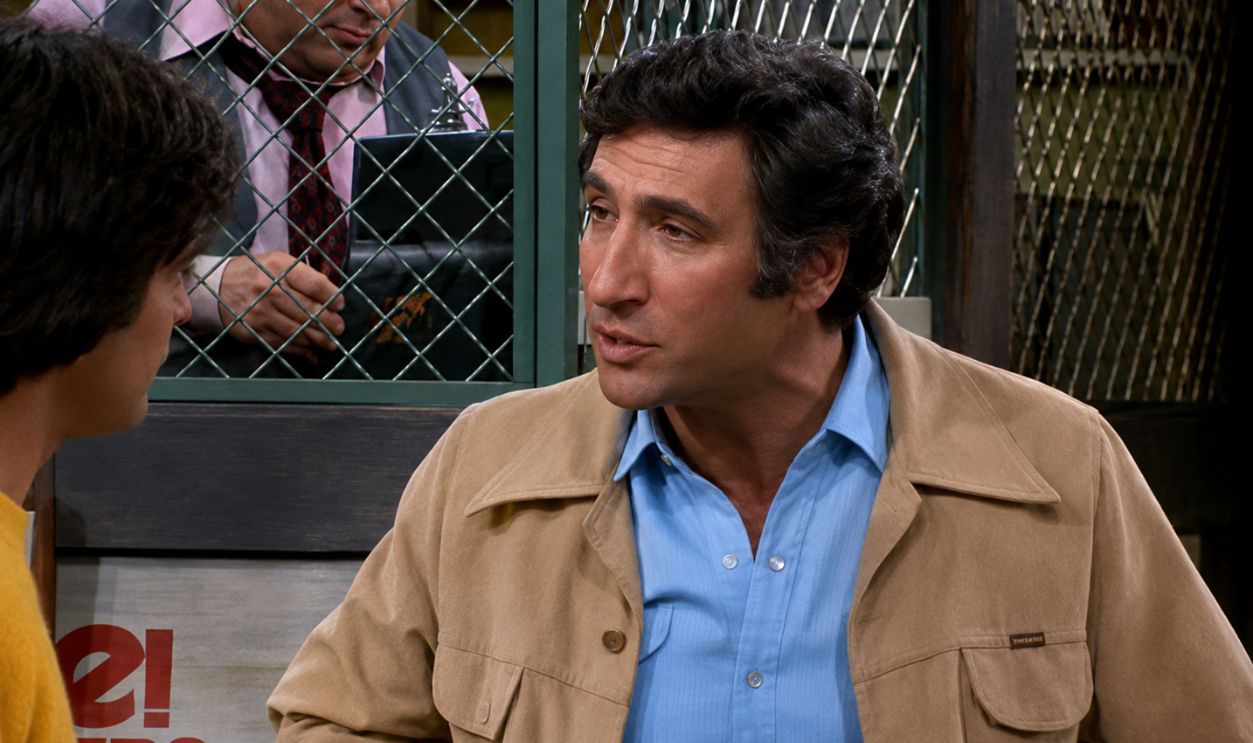 Screenshot from Taxi, Paramount Television (1978-1983), Enhanced
Taxi Made Hirsch A Television Star
Although Hirsch had already built a respected acting career, Taxi made him a household name. During the show's run, he also earned an Academy Award nomination for Ordinary People, proving he could excel in both comedy and drama. The series established him as one of television's most admired actors.
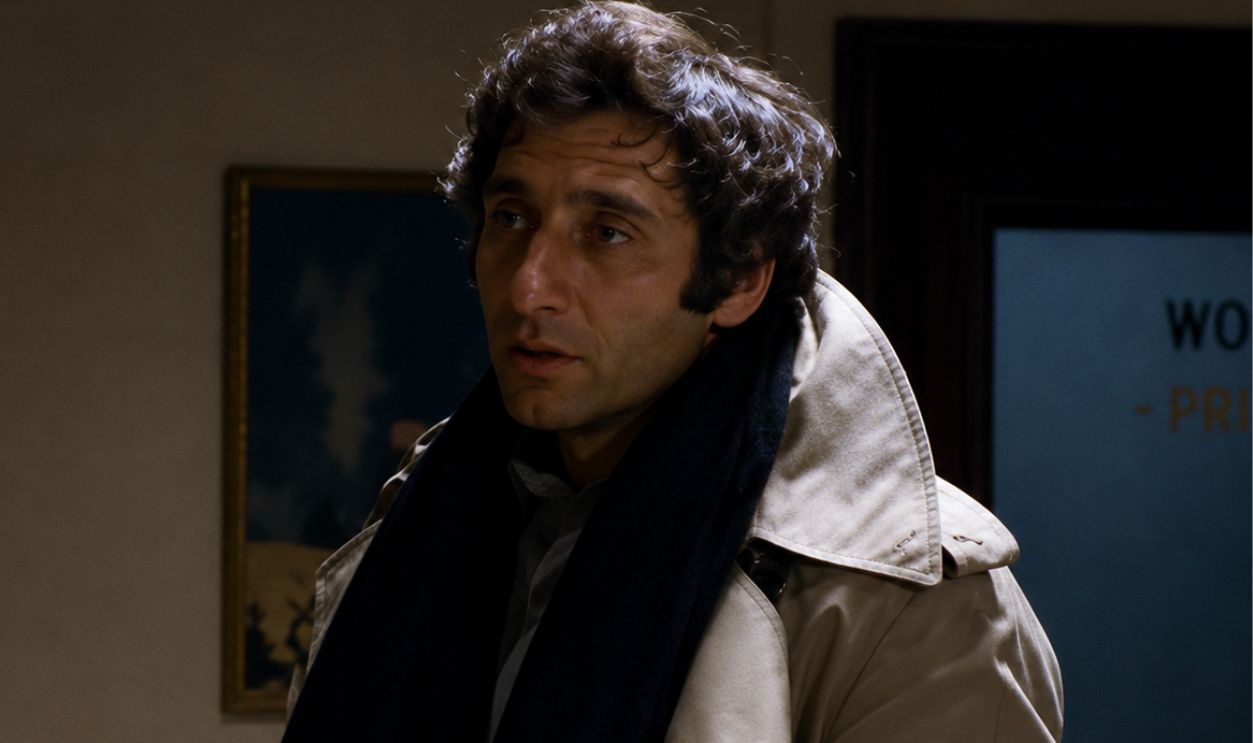 Screenshot from Ordinary People, Paramount Pictures (1980), Enhanced
A Career That Never Slowed Down
Hirsch went on to star in Dear John and appeared in films including Independence Day and A Beautiful Mind. More than 40 years after Ordinary People, he received another Oscar nomination for The Fabelmans in 2023. His success began with the role that made millions know his name.
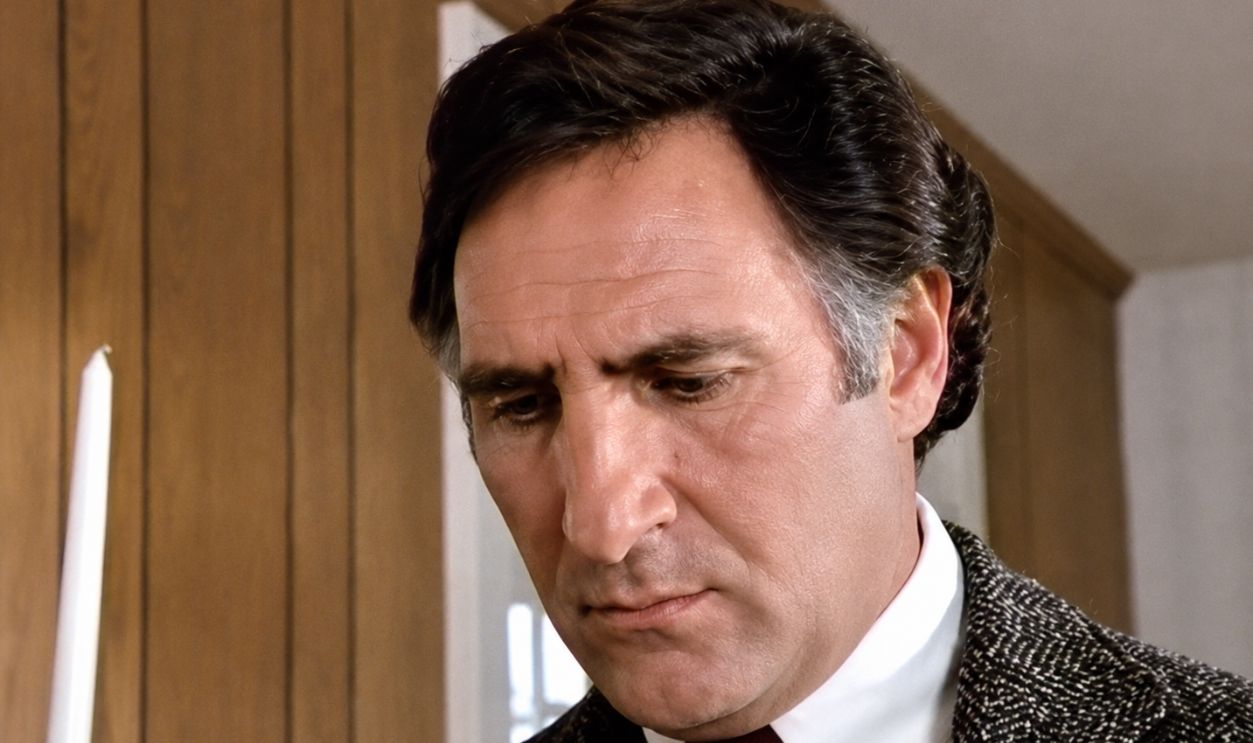 Screenshot from Dear John, Paramount Television (1988-1992), Enhanced
Danny DeVito Stole Every Scene As Louie
Danny DeVito played Louie De Palma, the rude and manipulative dispatcher who ruled the garage. His sharp comic timing made Louie one of television's most unforgettable sitcom characters. DeVito won an Emmy Award for the role in 1981.
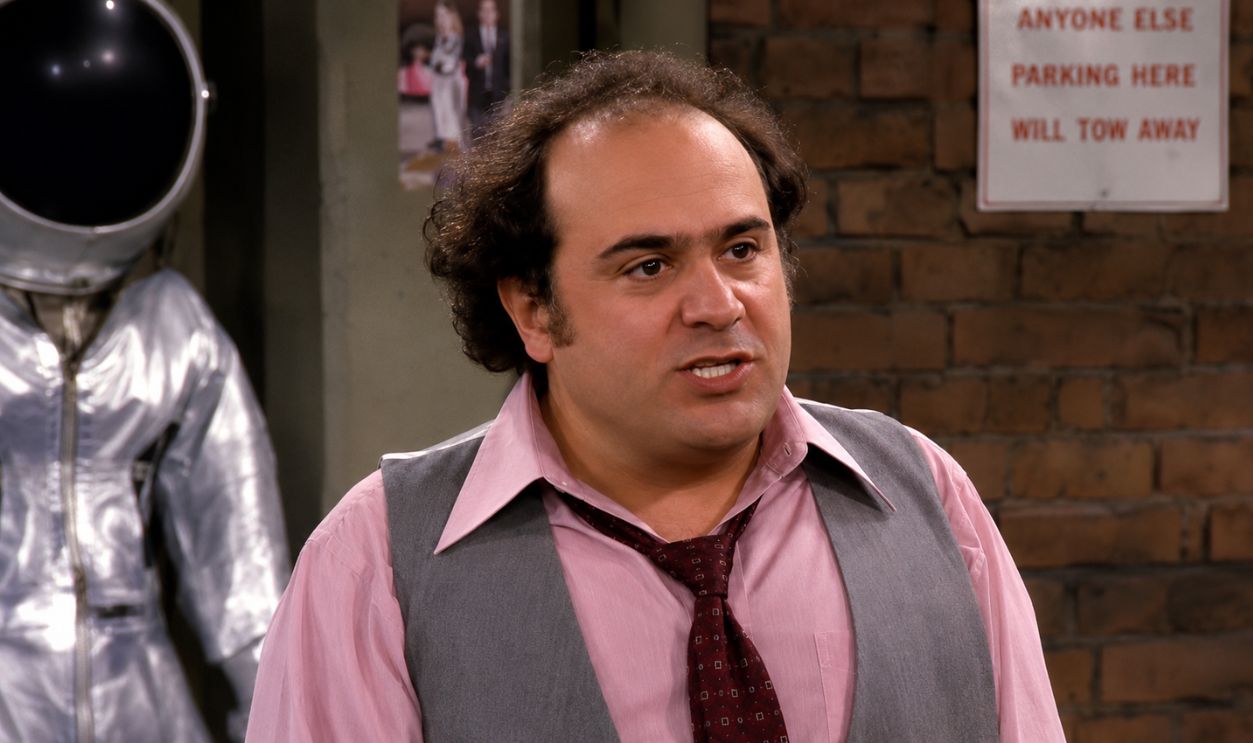 Screenshot from Taxi, Paramount Television (1978-1983), Enhanced
Taxi Launched A Hollywood Career
Taxi introduced DeVito to a national audience and opened the door to major film roles. He quickly appeared in hits including Terms of Endearment, Romancing the Stone, and Ruthless People. The sitcom proved he could become a major Hollywood star.
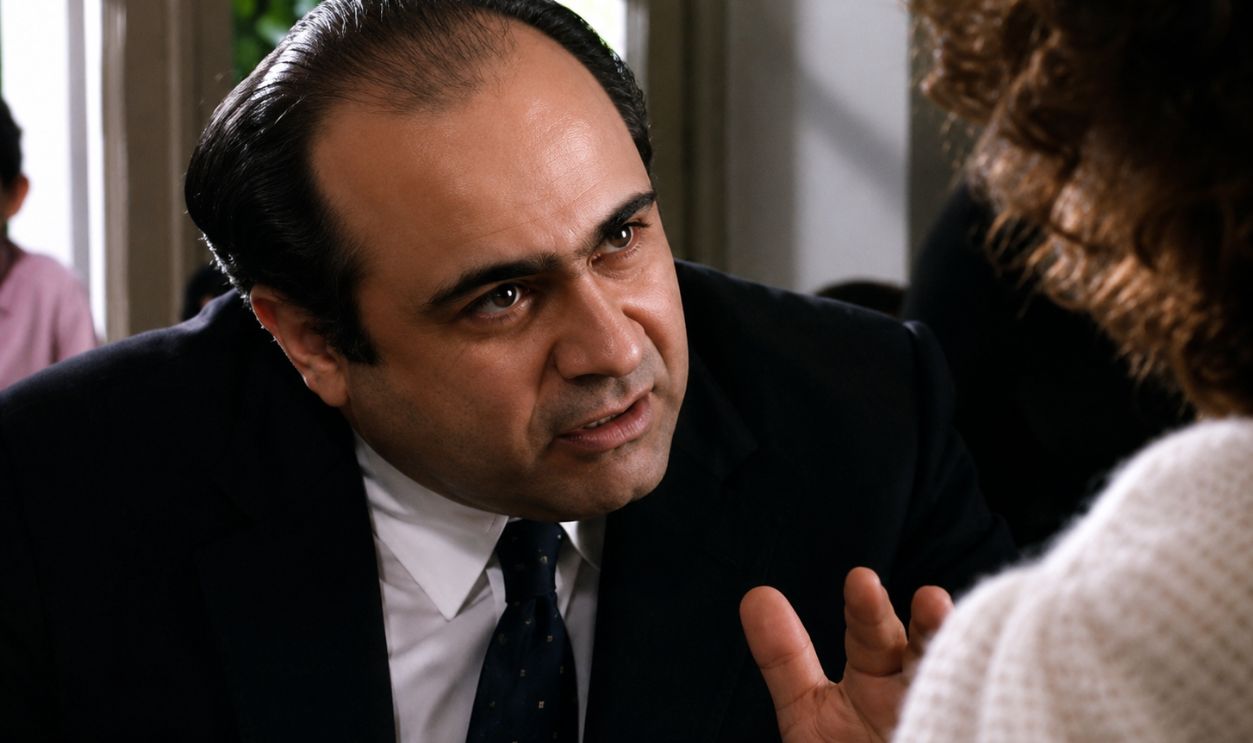 Screenshot from Ruthless People, Touchstone Pictures (1986), Enhanced
Much More Than An Actor
DeVito later directed films including Throw Momma from the Train, The War of the Roses, and Matilda. He also co-founded Jersey Films, which produced acclaimed movies including Pulp Fiction and Erin Brockovich. Taxi became the foundation for one of Hollywood's most versatile careers.
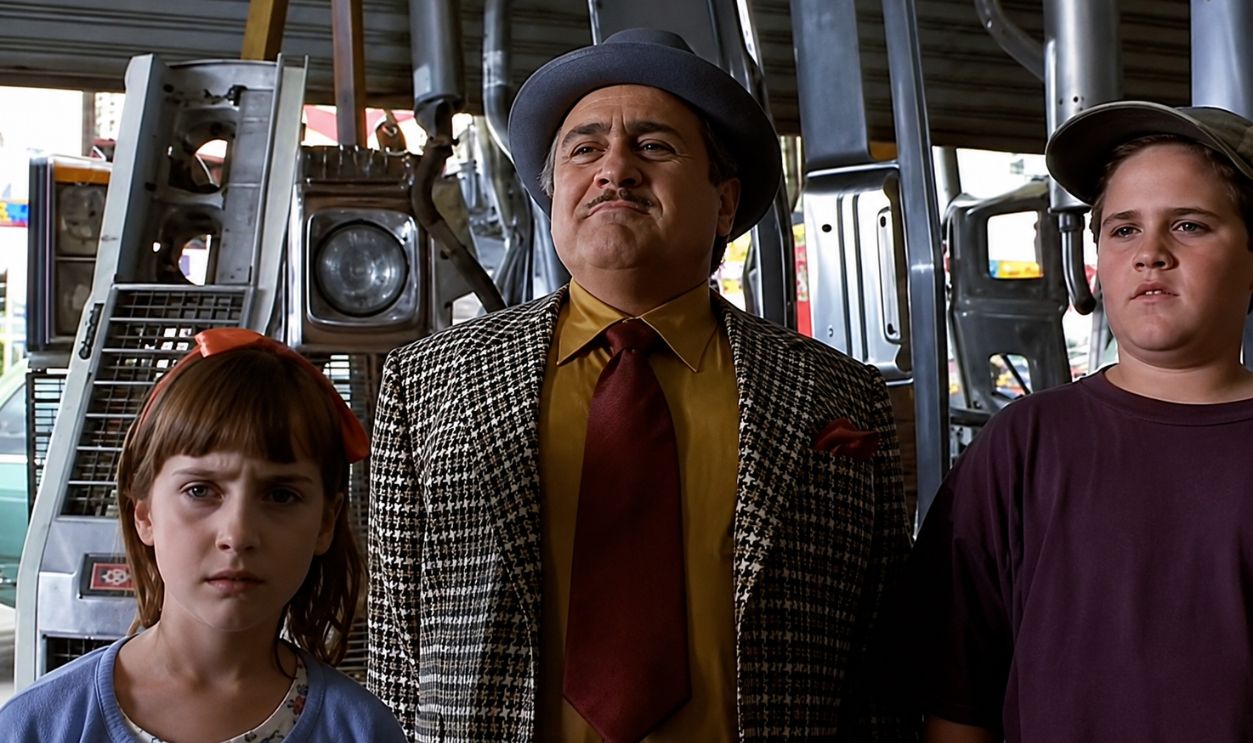 Screenshot from Matilda, Sony Pictures Releasing (1996), Enhanced
Christopher Lloyd Turned One Episode Into A Career
Christopher Lloyd first appeared as Reverend Jim Ignatowski during Taxi's first season. Jim quickly became one of the show's funniest characters, earning Lloyd a regular role. He won two consecutive Emmy Awards for Outstanding Supporting Actor in a Comedy Series for the performance.
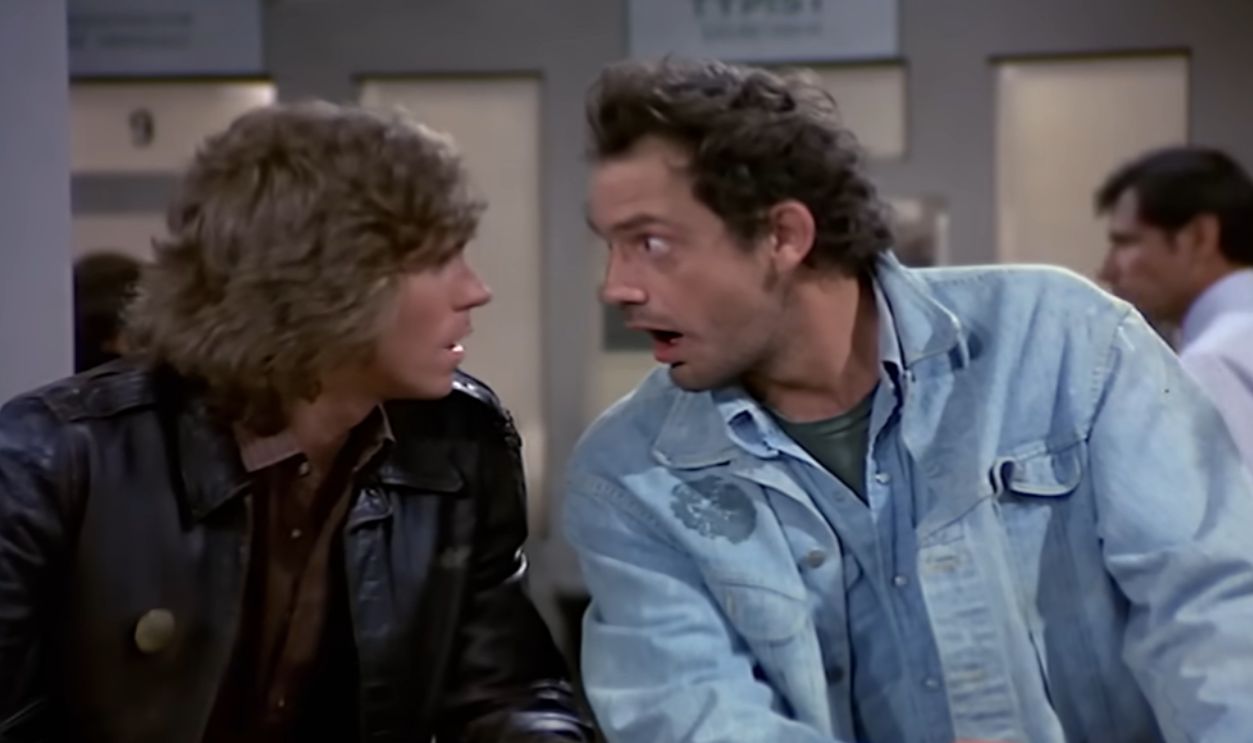 Screenshot from Taxi, Paramount Television (1978-1983)
Reverend Jim Opened Hollywood's Doors
Lloyd's unforgettable performance proved he could make eccentric characters both hilarious and endearing. Hollywood soon cast him in Star Trek III: The Search for Spock before he landed his career-defining role as Doc Brown in Back to the Future. The film turned him into an international star.
 Screenshot from Back to the Future, Universal Pictures (1985)
A Career Filled With Iconic Roles
Lloyd reprised Doc Brown in two Back to the Future sequels and later appeared in Who Framed Roger Rabbit, Clue, and The Addams Family. He remained a sought-after character actor for decades in film, television, and theater. Taxi gave him the breakout role that launched an extraordinary Hollywood career.
 Screenshot from The Addams Family, Paramount Pictures (1991)
Tony Danza Had Almost No Acting Experience
Before Taxi, Tony Danza had worked as a professional boxer and had not built a traditional acting career. A producer noticed him at a New York boxing gym and invited him to audition. The show then shaped Tony Banta around Danza’s background as a fighter.
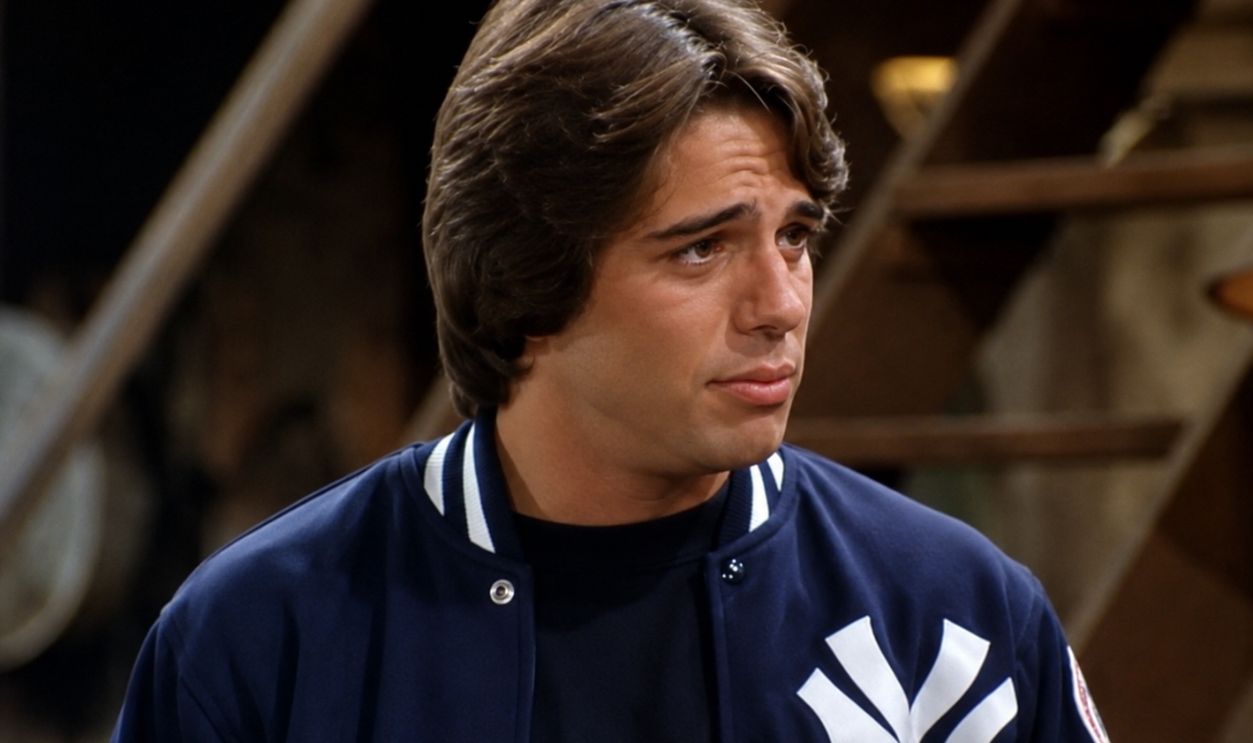 Screenshot from Taxi, Paramount Television (1978-1983), Enhanced
Audiences Immediately Liked Tony Banta
Tony Banta was a struggling boxer whose optimism survived an unimpressive record in the ring. Danza brought warmth and natural charm to the role, even as he learned the mechanics of acting on a major television production. Working alongside experienced performers gave him an education that would have been difficult to find anywhere else.
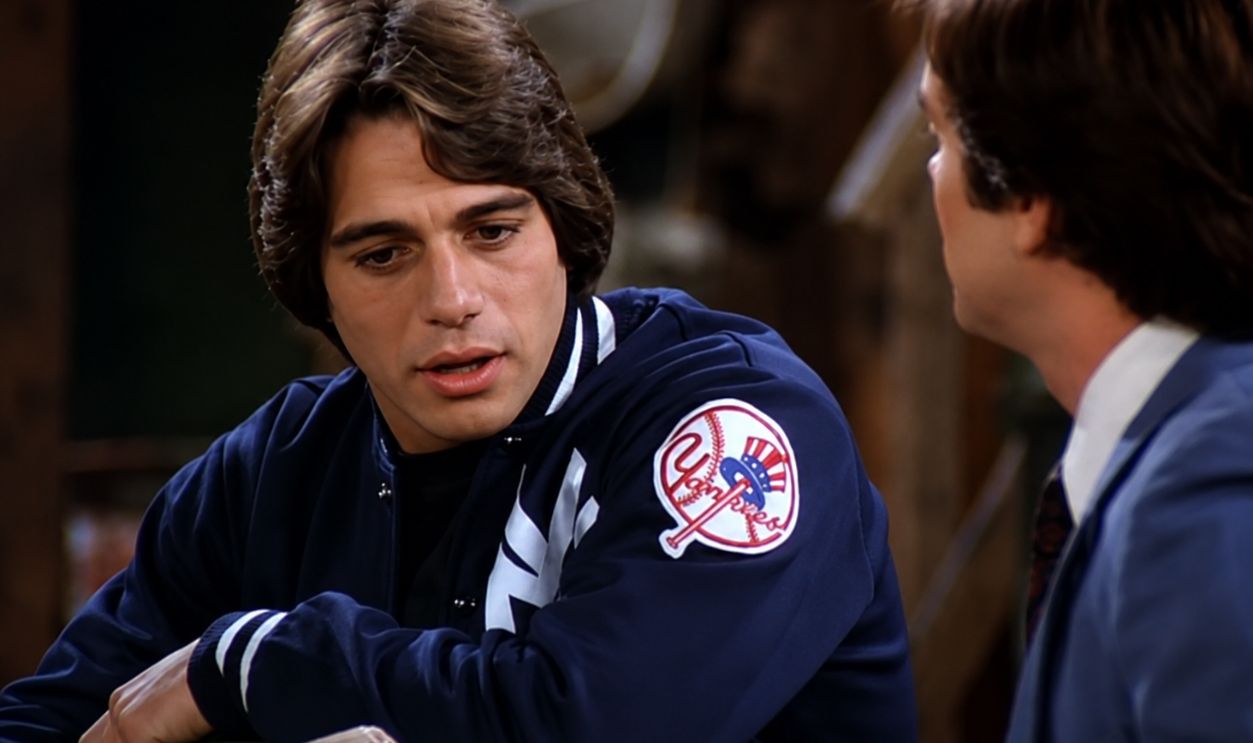 Screenshot from Taxi, Paramount Television (1978-1983), Enhanced
Danza Quickly Landed Another Hit
Only a year after Taxi ended, Danza began starring opposite Judith Light in Who’s the Boss? The family sitcom ran for eight seasons and transformed him from an ensemble player into a television leading man. His success made him one of the clearest examples of a career that Taxi genuinely helped launch.
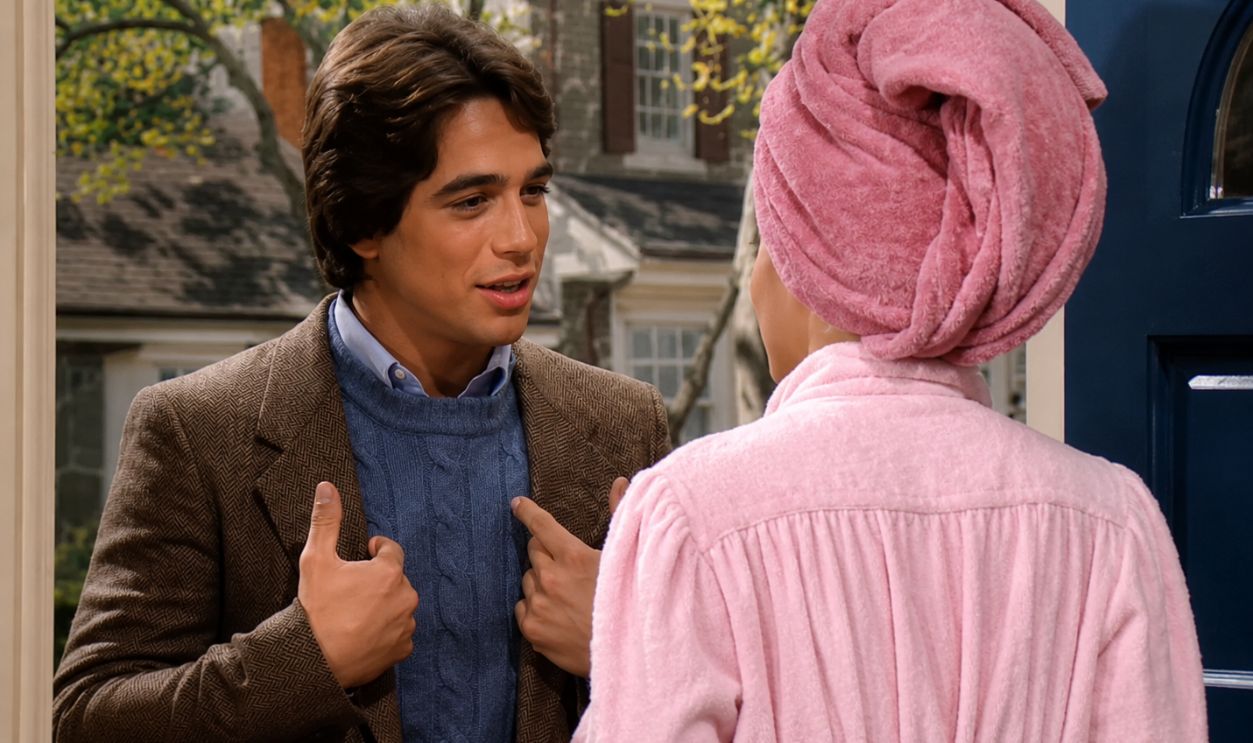 Screenshot from Who’s the Boss?, Columbia Pictures Television (1984-1992), Enhanced
Marilu Henner Chose Taxi Carefully
Marilu Henner had performed in stage productions of Grease and made several films before joining the cast. She has recalled nearly accepting a role on The Paper Chase before holding out for Taxi. That decision gave her the breakthrough character of Elaine Nardo.
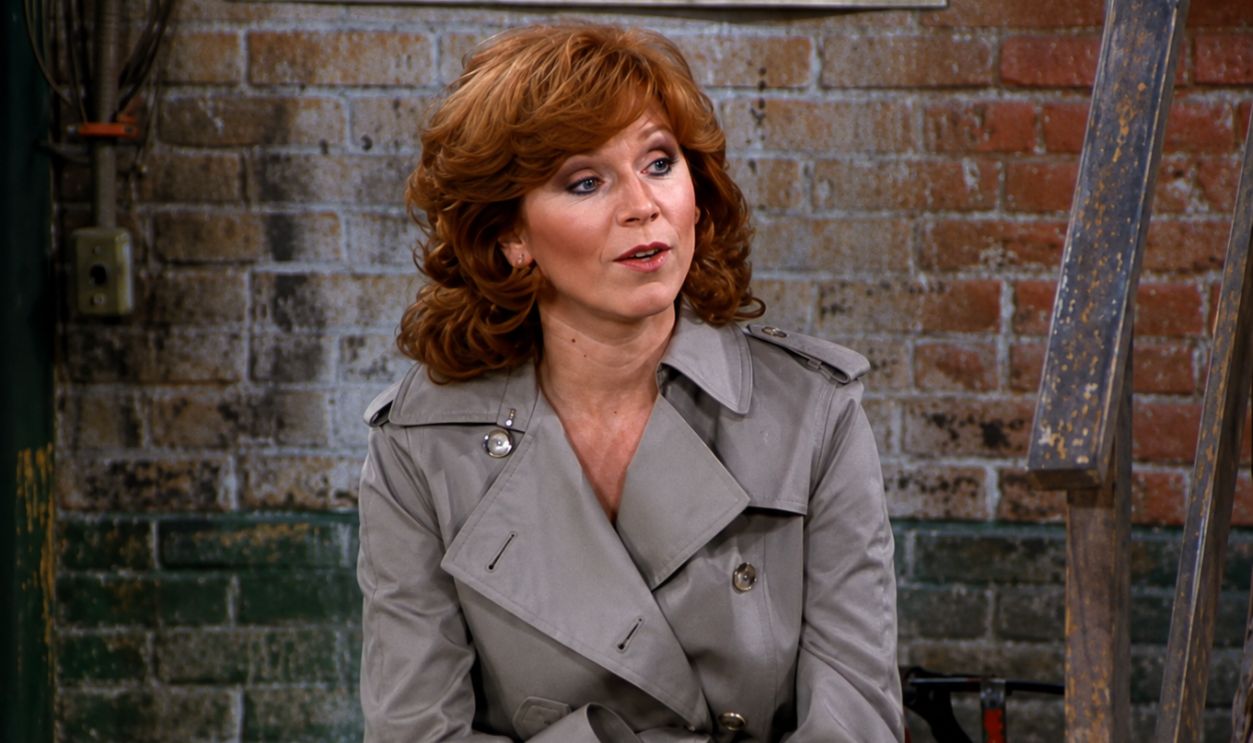 Screenshot from Taxi, Paramount Television (1978-1983), Enhanced
Elaine Had Dreams Beyond The Garage
Elaine was a divorced mother who drove a cab while pursuing a career in the art world. Her ambitions and responsibilities gave the show a perspective that differed from those of her male coworkers. Henner balanced Elaine’s confidence with frustration, earning five Golden Globe nominations during the series.
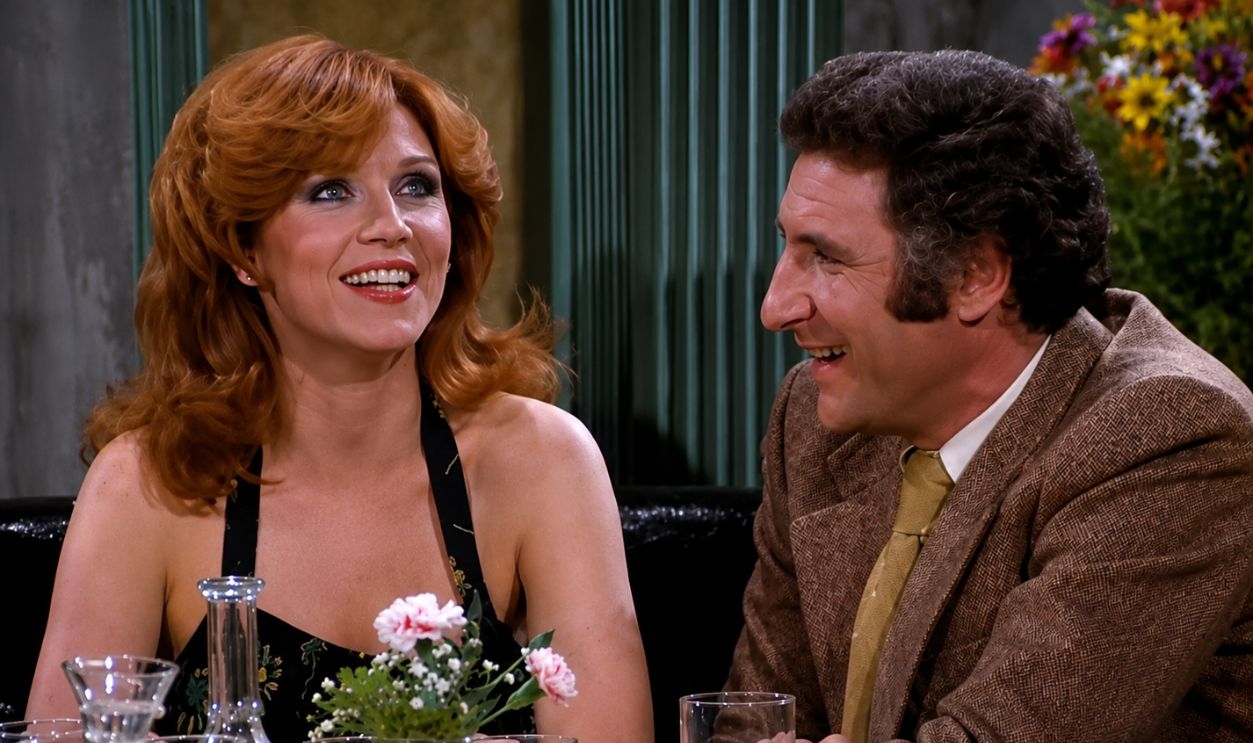 Screenshot from Taxi, Paramount Television (1978-1983), Enhanced
Henner Built A Wide-Ranging Career
After Taxi, Henner appeared in movies including Johnny Dangerously, L.A. Story, and Noises Off. She later returned to series television as a regular on Evening Shade. Henner also became an author and public speaker, expanding her public identity far beyond Elaine Nardo.
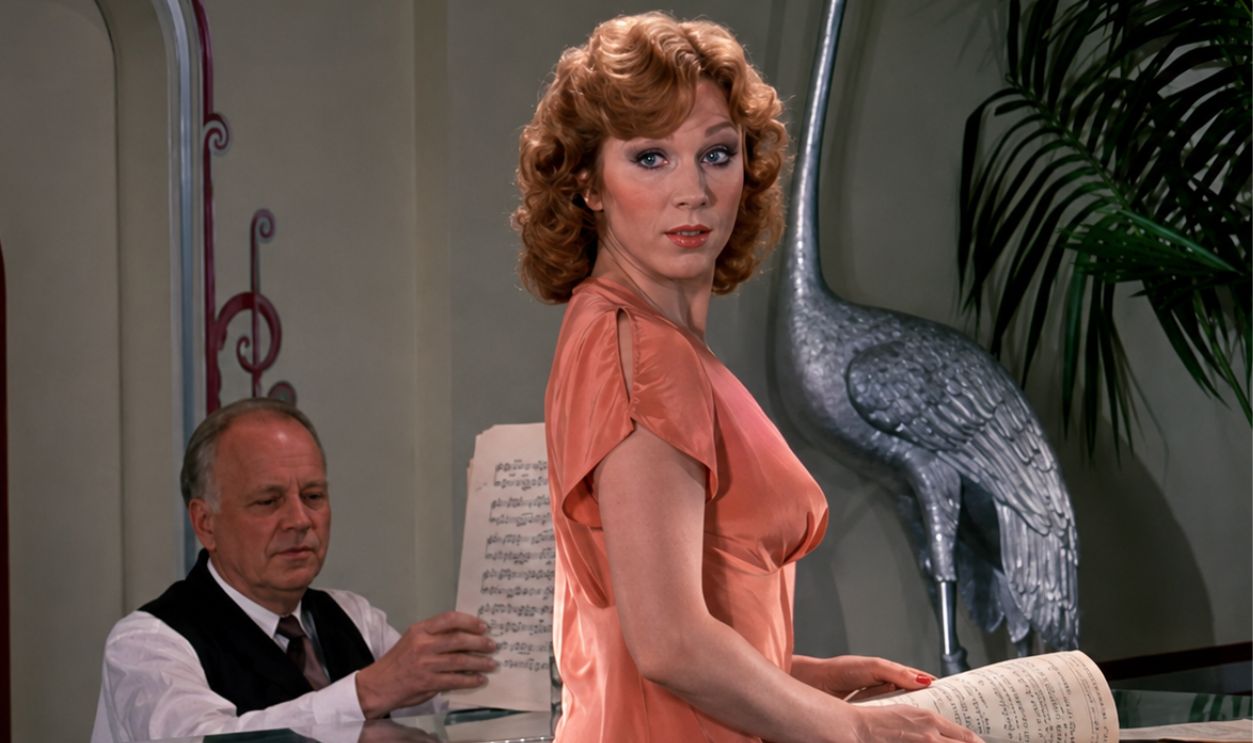 Screenshot from Johnny Dangerously, 20th Century Fox (1984), Enhanced
Andy Kaufman Brought His Own Rules
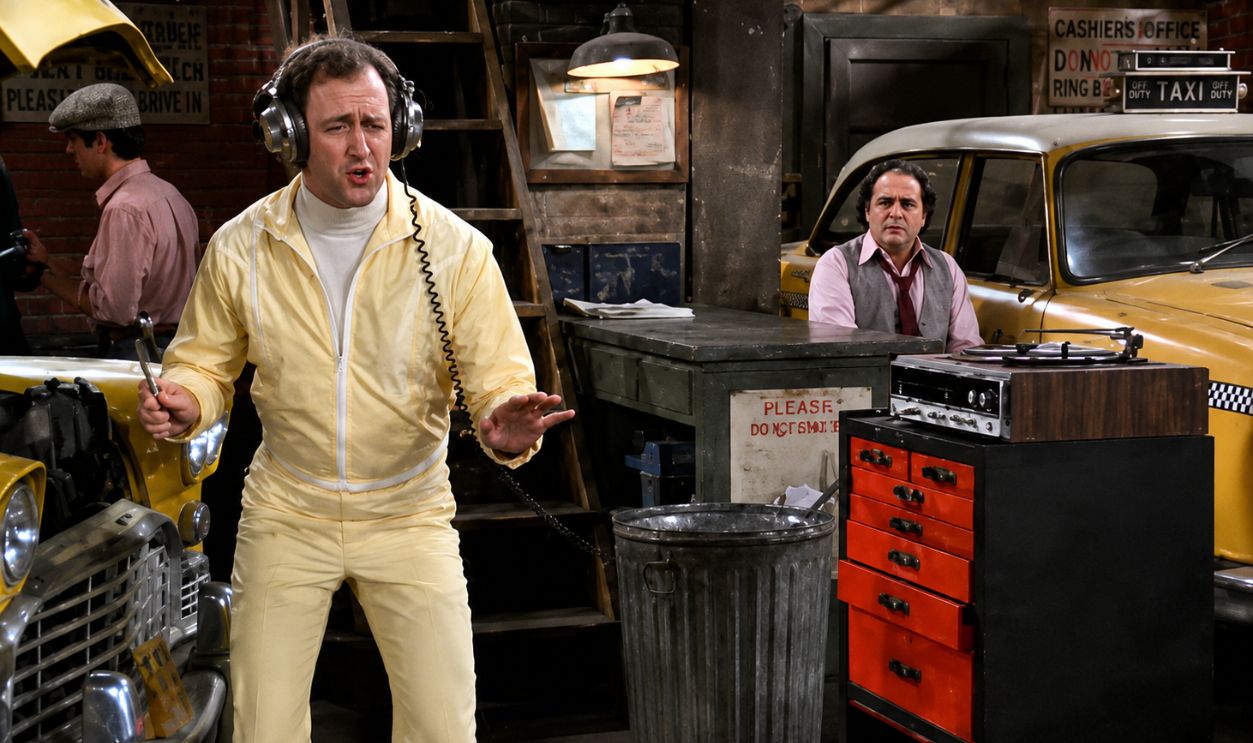
Andy Kaufman was already attracting attention through nightclub performances and appearances on Saturday Night Live. His Foreign Man character became the basis for Latka Gravas, the Sunshine Cab Company’s good-natured mechanic. Kaufman accepted the role while continuing to insist that he was not a conventional comedian.
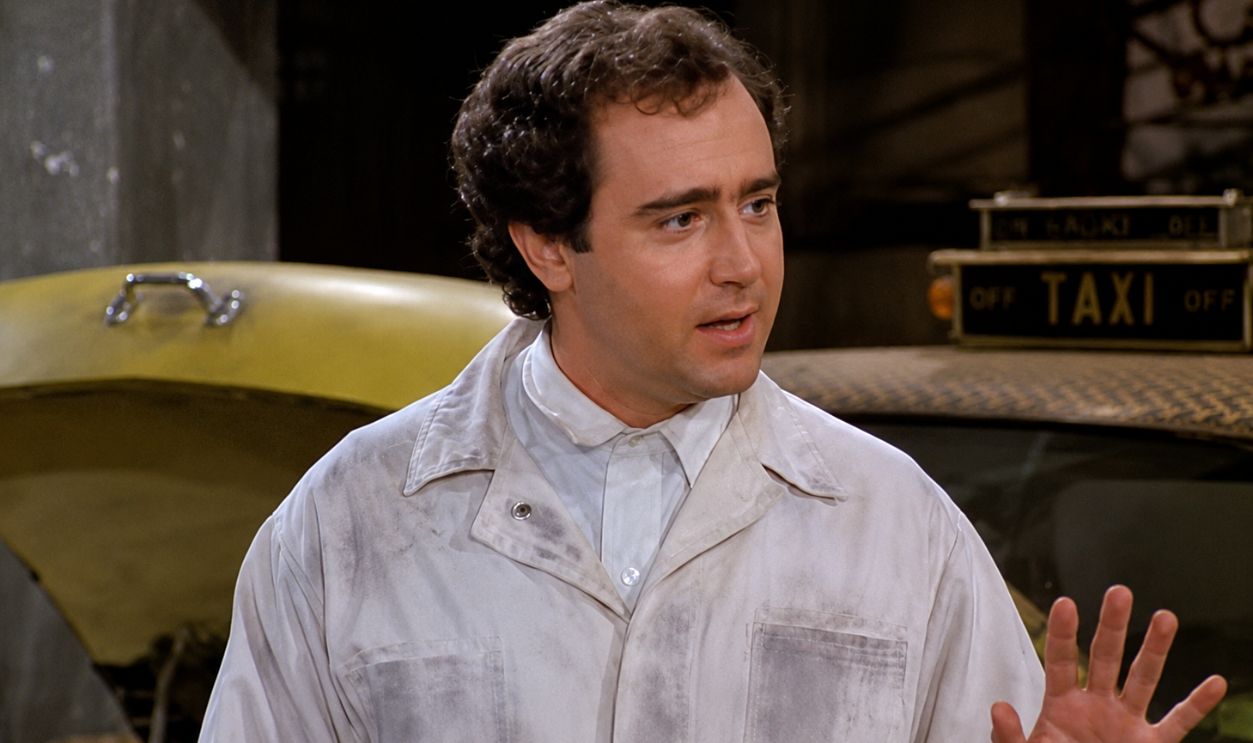 Screenshot from Taxi, Paramount Television (1978-1983), Enhanced
Latka Introduced Kaufman To Millions
The series gave Kaufman a much larger audience without forcing him to abandon his unusual performance style. Latka’s speech patterns and innocence made him one of the show’s most recognizable characters. Kaufman also used the series to introduce the abrasive lounge singer Tony Clifton, maintaining the mystery surrounding who was really behind the persona.
 Screenshot from Taxi, Paramount Television (1978-1983), Enhanced
His Influence Outlived His Brief Career
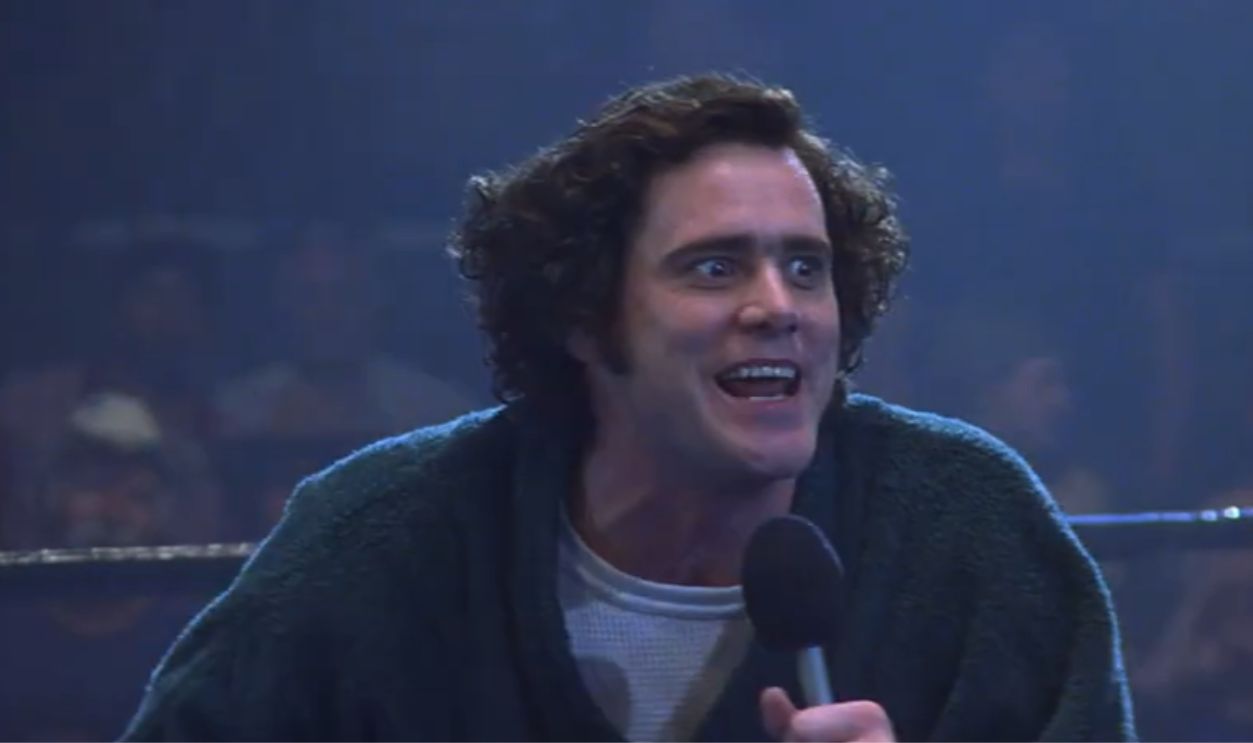
Kaufman continued staging performances that deliberately blurred the line between entertainment and reality. He died from lung cancer in 1984 at the age of 35, less than a year after Taxi ended. His life and work later inspired the film Man on the Moon, with Jim Carrey playing Kaufman and several Taxi cast members appearing.
 Screenshot from Man on the Moon, Universal Pictures (1999)
Carol Kane Made A Huge Impact
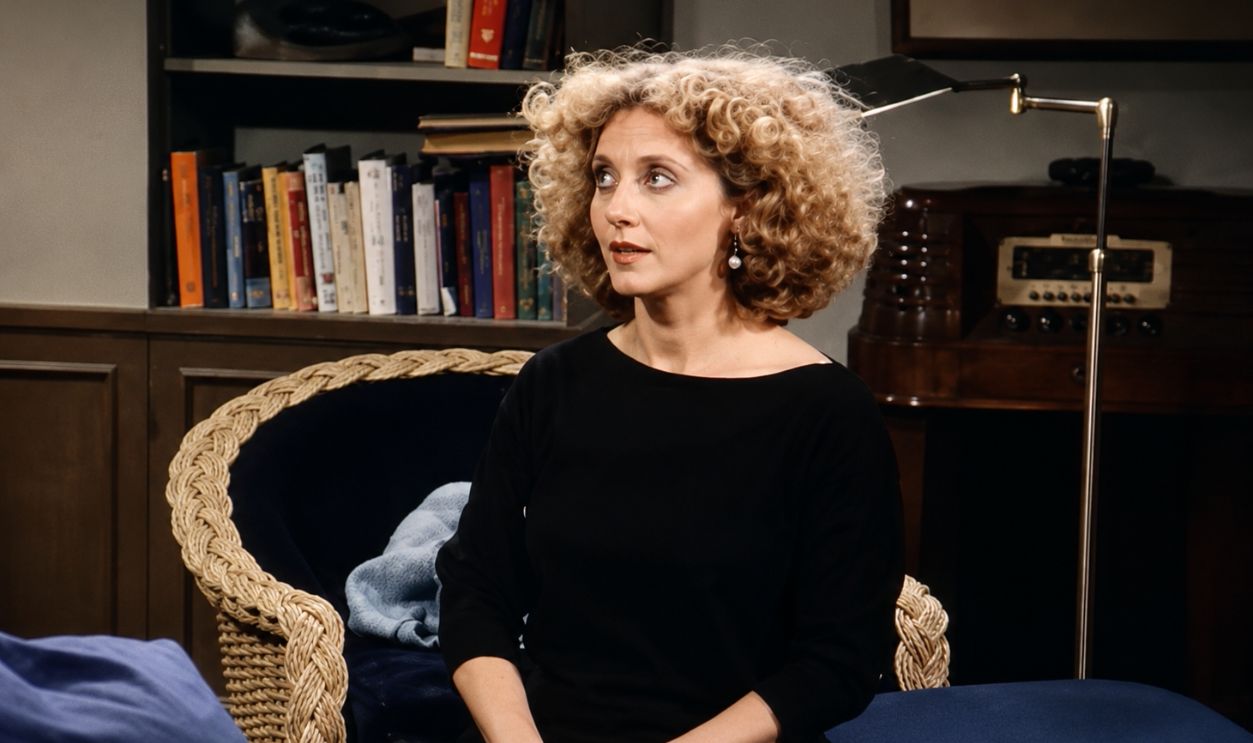
Carol Kane joined the series as Simka Dahblitz, Latka’s equally distinctive romantic partner. Although she appeared in far fewer episodes than many regular cast members, she quickly became essential to Latka’s story. Kane won two Emmys for the role, including one in a lead category and another as a supporting actress.
 Screenshot from Taxi, Paramount Television (1978-1983), Enhanced
Kane Became A Beloved Character Actor
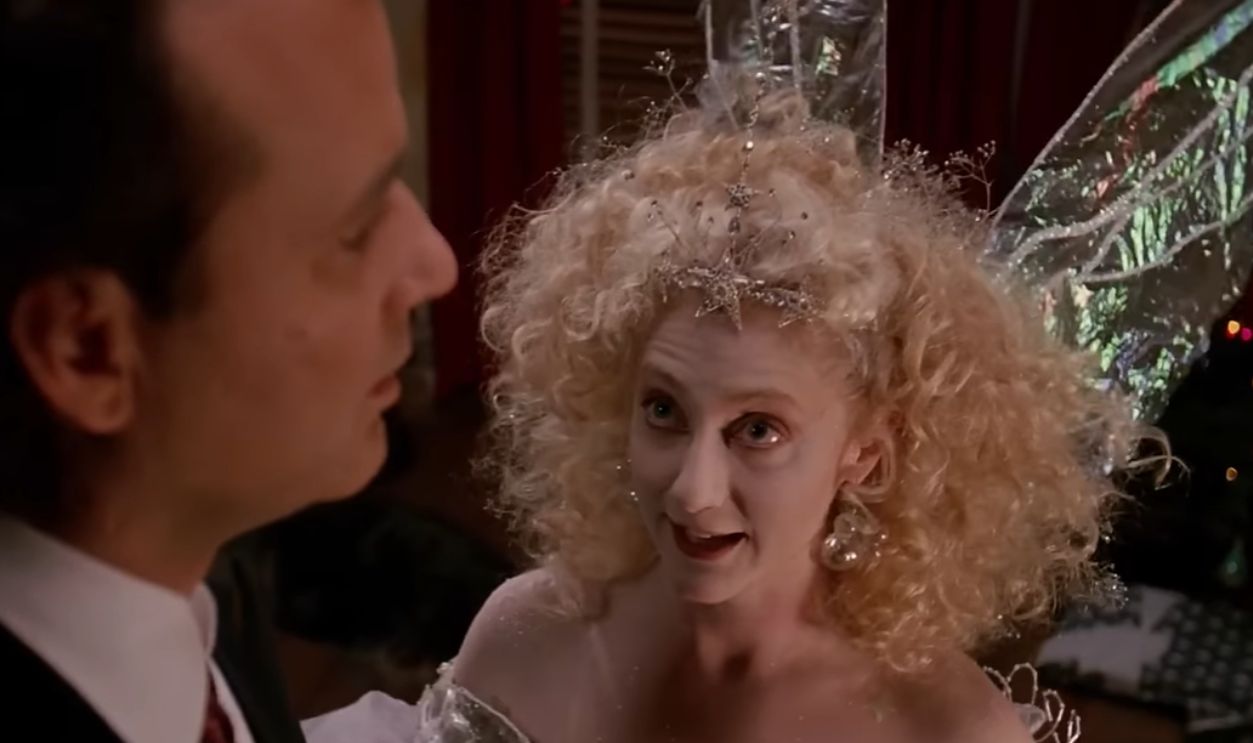
Kane had already earned an Oscar nomination for Hester Street before appearing on Taxi, but Simka introduced her comic abilities to a massive television audience. She later appeared in The Princess Bride, Scrooged, and Addams Family Values. Her television work eventually included memorable roles on Unbreakable Kimmy Schmidt and Star Trek: Strange New Worlds.
 Screenshot from Scrooged, Paramount Pictures (1988)
Rhea Perlman Was Waiting In The Wings
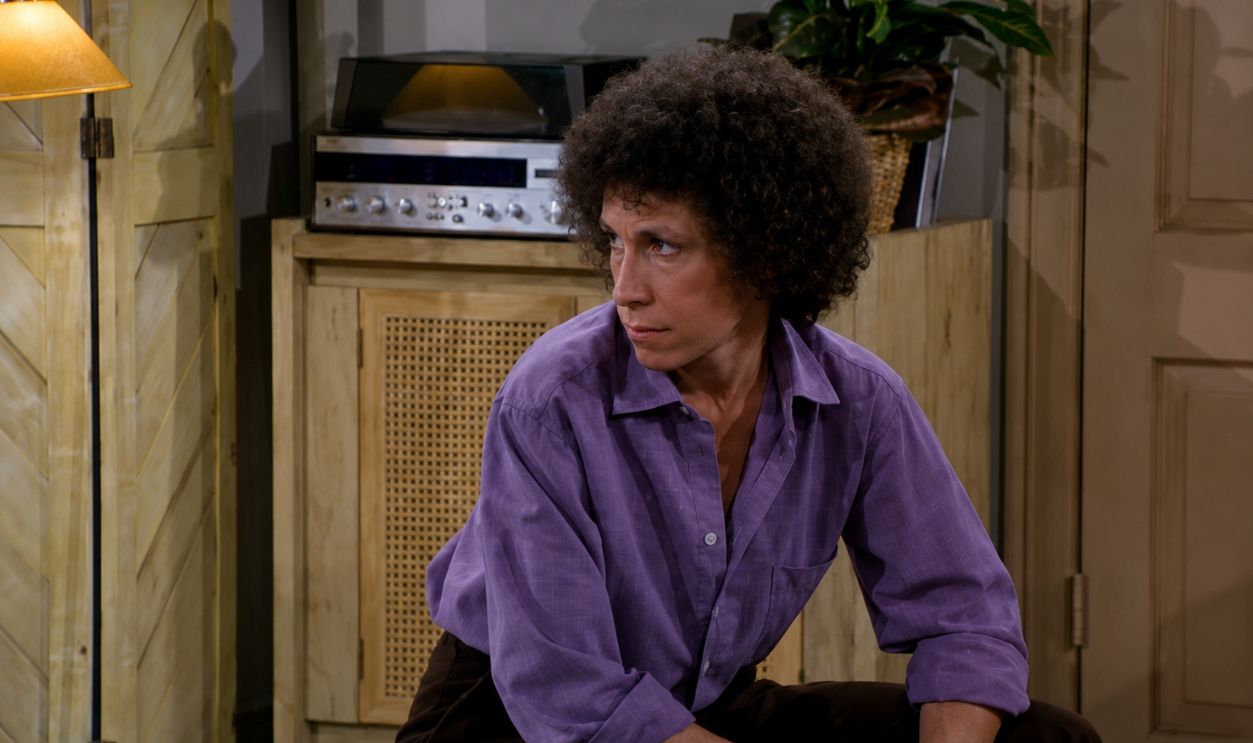
Rhea Perlman appeared in a recurring role as Louie’s girlfriend, Zena Sherman. Her scenes with DeVito gave viewers an early look at the blunt comic style she would soon bring to a much larger part. As Taxi approached its final seasons, Perlman landed the role that would define her television career.
 Screenshot from Taxi, Paramount Television (1978-1983), Enhanced
Cheers Created Another Comedy Legend
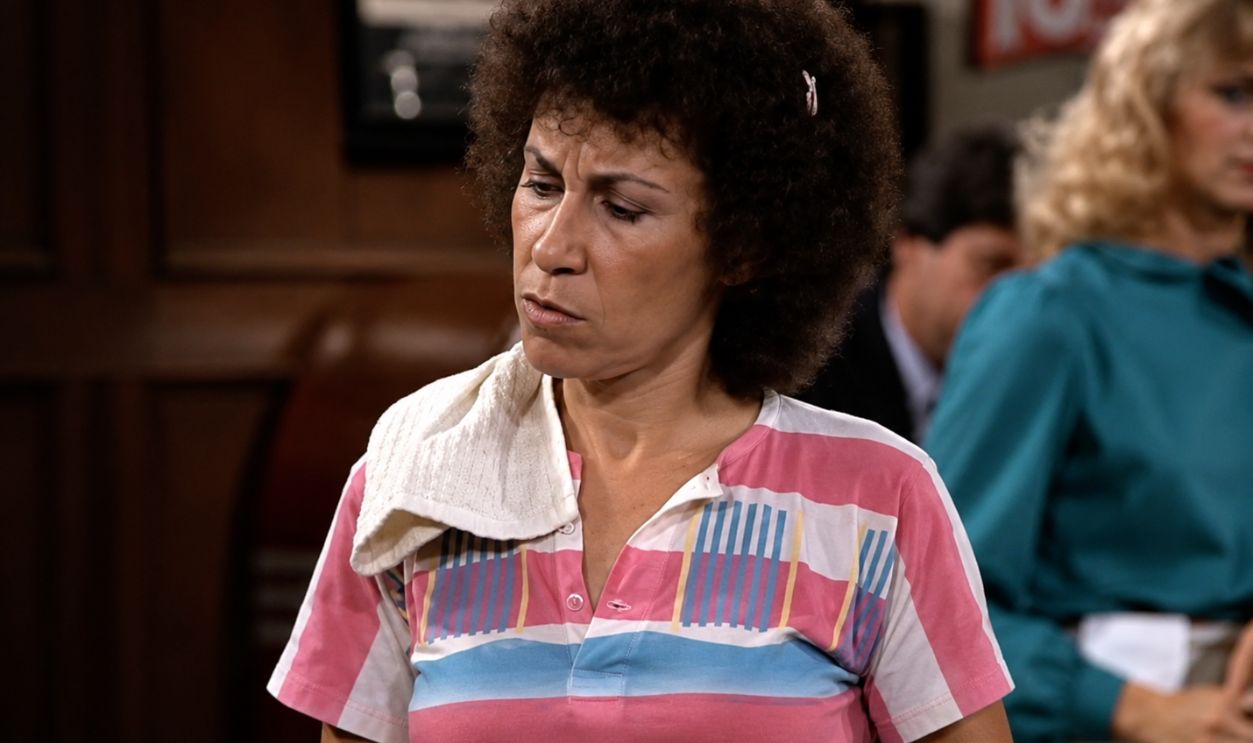
Perlman began playing Carla Tortelli on Cheers in 1982, while Taxi was still on the air. She remained with the series throughout its 11-season run and earned ten Emmy nominations. Her four victories made her one of the most decorated supporting performers in sitcom history.
 Screenshot from Cheers, Paramount Global (1982-1993), Enhanced
Jeff Conaway Arrived With Movie Fame
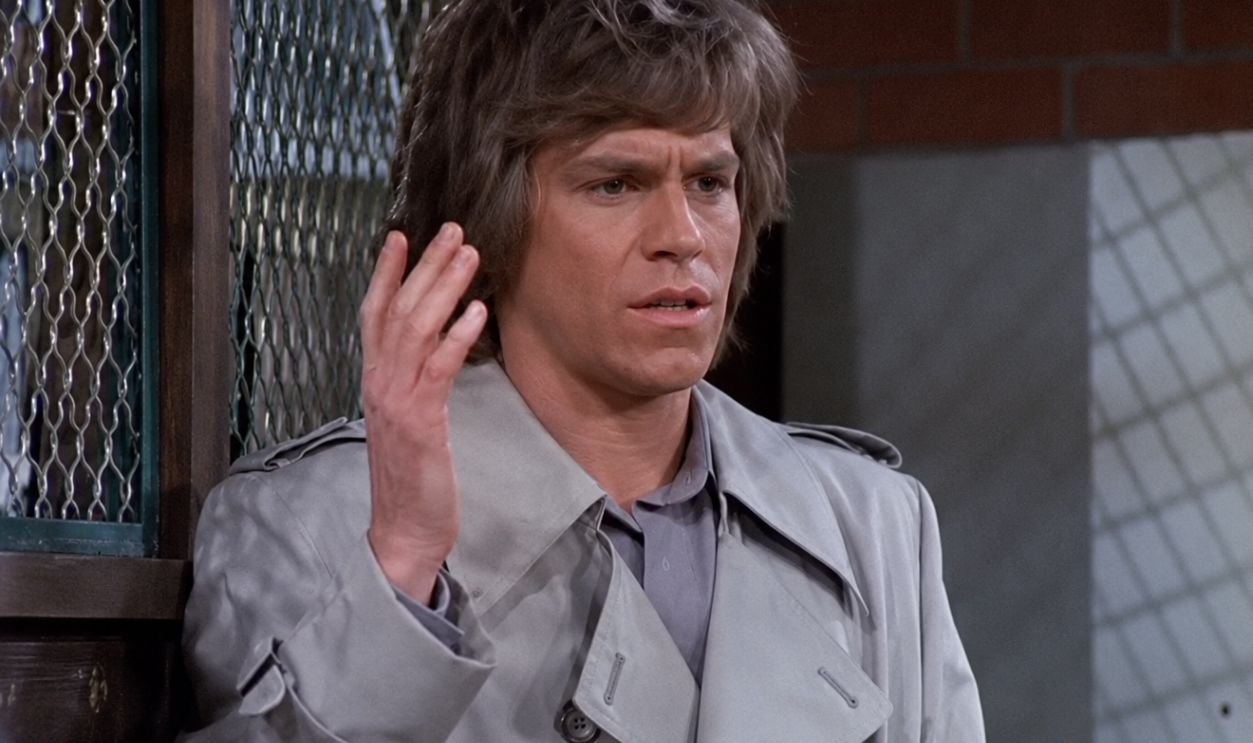
Jeff Conaway played Bobby Wheeler, an actor who drove a cab while waiting for his big break. Conaway had already appeared as Kenickie in the blockbuster film adaptation of Grease. Taxi gave him a regular dramatic and comic showcase rather than leaving him tied to a single movie role.
 Screenshot from Taxi, Paramount Television (1978-1983), Enhanced
Bobby’s Frustrations Felt Real
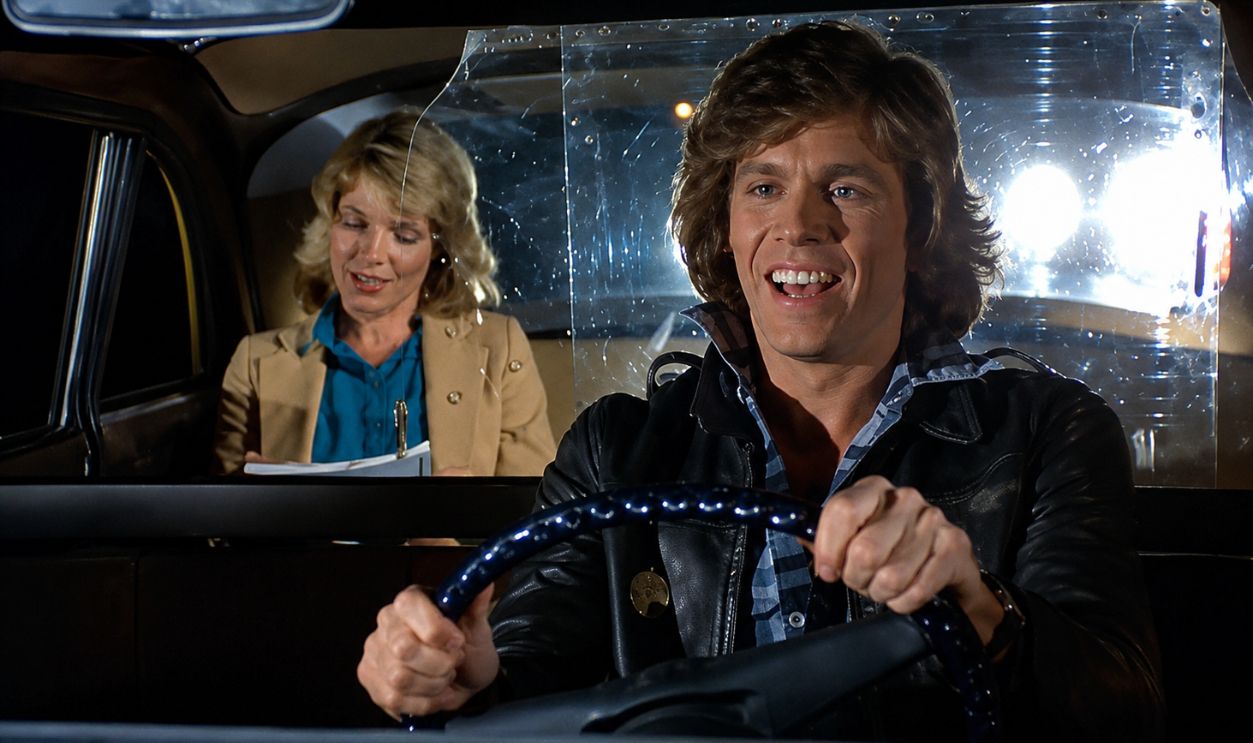
Bobby spent much of the series facing auditions, rejection, and the uncertainty of an acting career. Conaway understood that world, which helped him give the character a believable mixture of confidence and disappointment. He left the regular cast after the third season but returned for several appearances during the fourth.
 Screenshot from Taxi, Paramount Television (1978-1983), Enhanced
Conaway Found Another Long-Running Role
Conaway continued working in film and television after leaving the garage. During the 1990s, he played security chief Zack Allan on the science-fiction series Babylon 5. The role introduced him to another devoted audience and became his most prominent television work after Taxi.
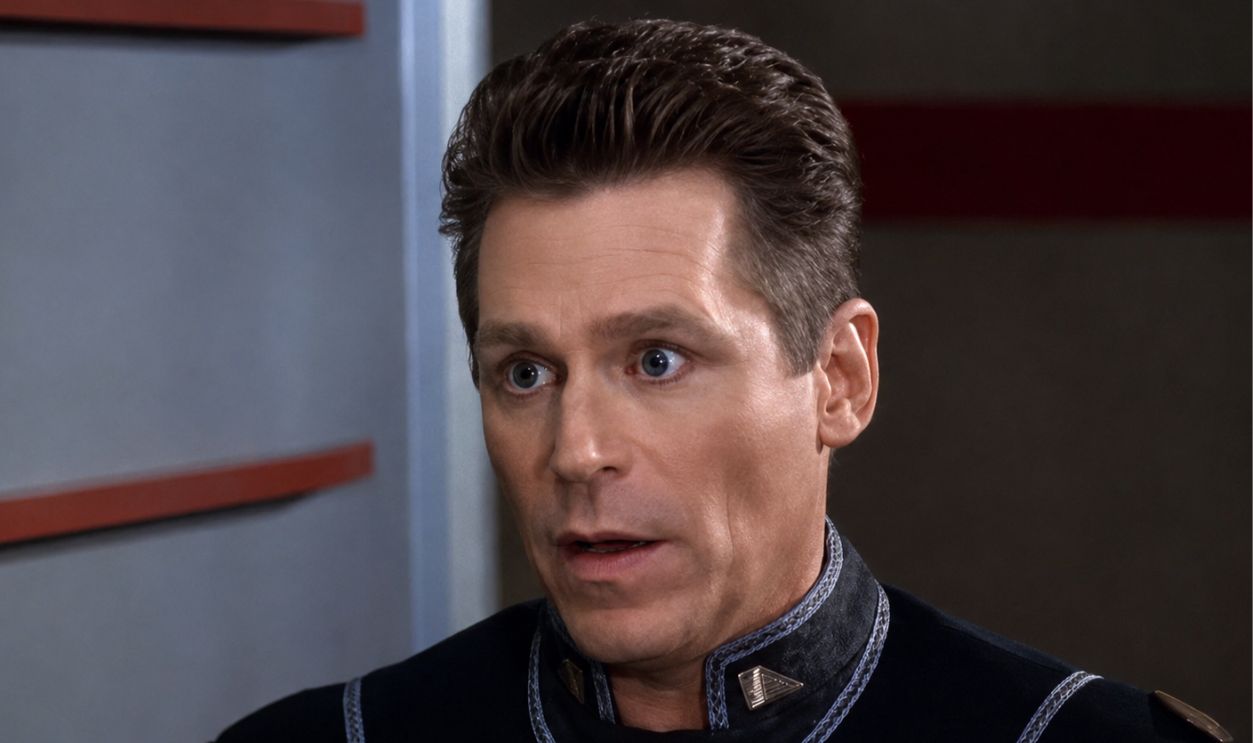 Screenshot from Babylon 5, Warner Bros. Domestic Television (1994-1998), Enhanced
The Garage Was Only The Beginning
Taxi helped transform an extraordinary cast into some of Hollywood's biggest stars. From Emmy winners to blockbuster movie icons and sitcom legends, the series launched careers that lasted for decades. The Sunshine Cab Company may have been fictional, but its impact on television history was very real.
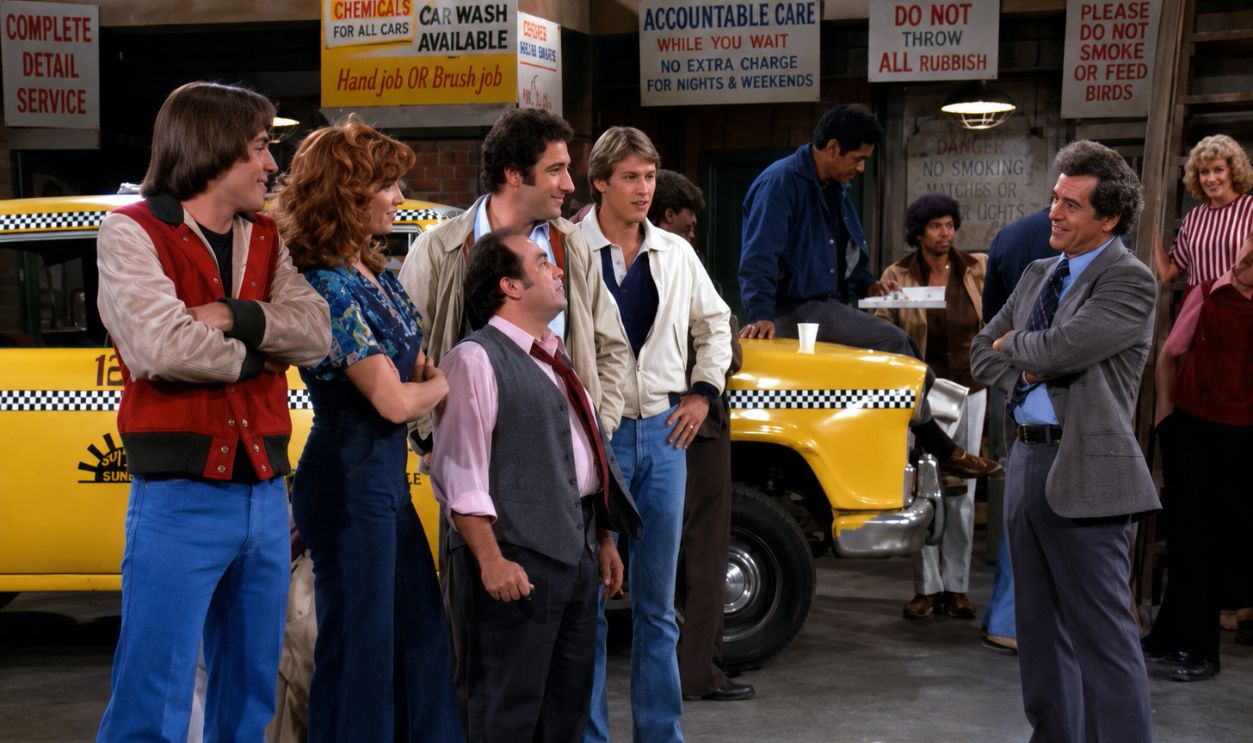 Screenshot from Taxi, Paramount Television (1978-1983), Enhanced
You May Also Like:
What Happened To The Cast Of WKRP In Cincinnati?
Sitcom Neighbors Who Became Just As Memorable As The Main Characters
What Happened To Welcome Back, Kotter Star Ron Palillo After The Sitcom Ended?
Sources: 1, 2, 3, 4, 5, 6, 7, 8, 9, 10, 11, 12, 13, 14, 15, 16, 17, 18, 19