You Knew The Face.
Long before these performers found signature characters, awards, or cult followings, they quietly drifted through Westerns, detective dramas, sitcoms, and anthology shows as doctors, neighbors, crooks, and authority figures. Their names came later, but classic television could hardly have existed without them.
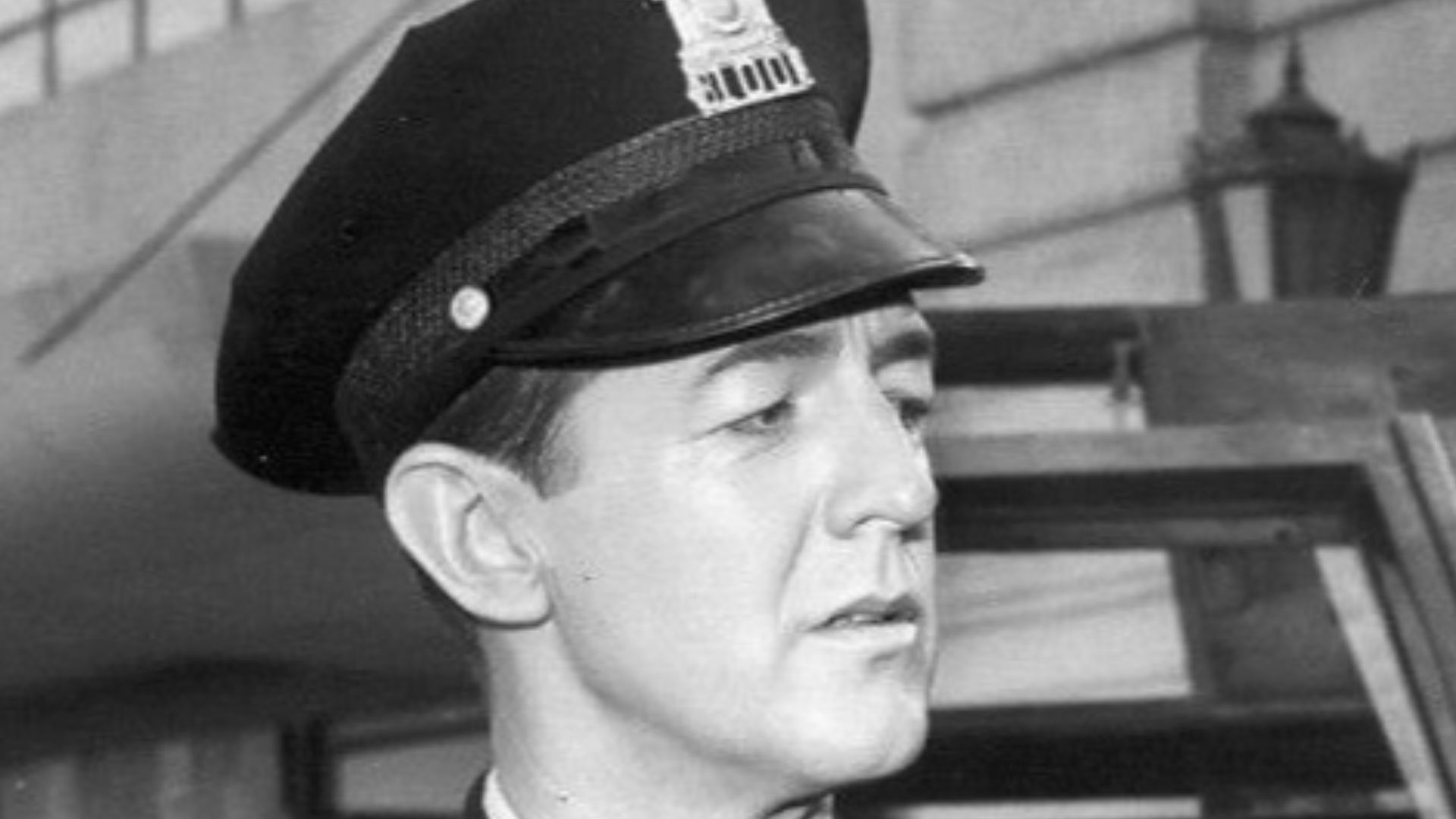
William Schallert Was Television’s Dependable Everyman
William Schallert appeared in dozens of series across a career lasting nearly 70 years. Early viewers encountered him on programs including Space Patrol, Playhouse 90, Wanted: Dead or Alive, and The Many Loves of Dobie Gillis before he became familiar as Martin Lane on The Patty Duke Show. He was the actor producers called whenever a scene needed a believable teacher, father, official, or quietly exasperated professional.
 CBS Television, Wikimedia Commons
Dabbs Greer Seemed To Live In Every Small Town
Dabbs Greer accumulated hundreds of television appearances during six decades of steady work. He repeatedly appeared on Gunsmoke and moved through series such as The Rifleman, Perry Mason, and The Twilight Zone before becoming Reverend Alden on Little House on the Prairie. Greer rarely played the glamorous stranger, but he made every frontier merchant, minister, and worried citizen feel as though he had lived there for years.
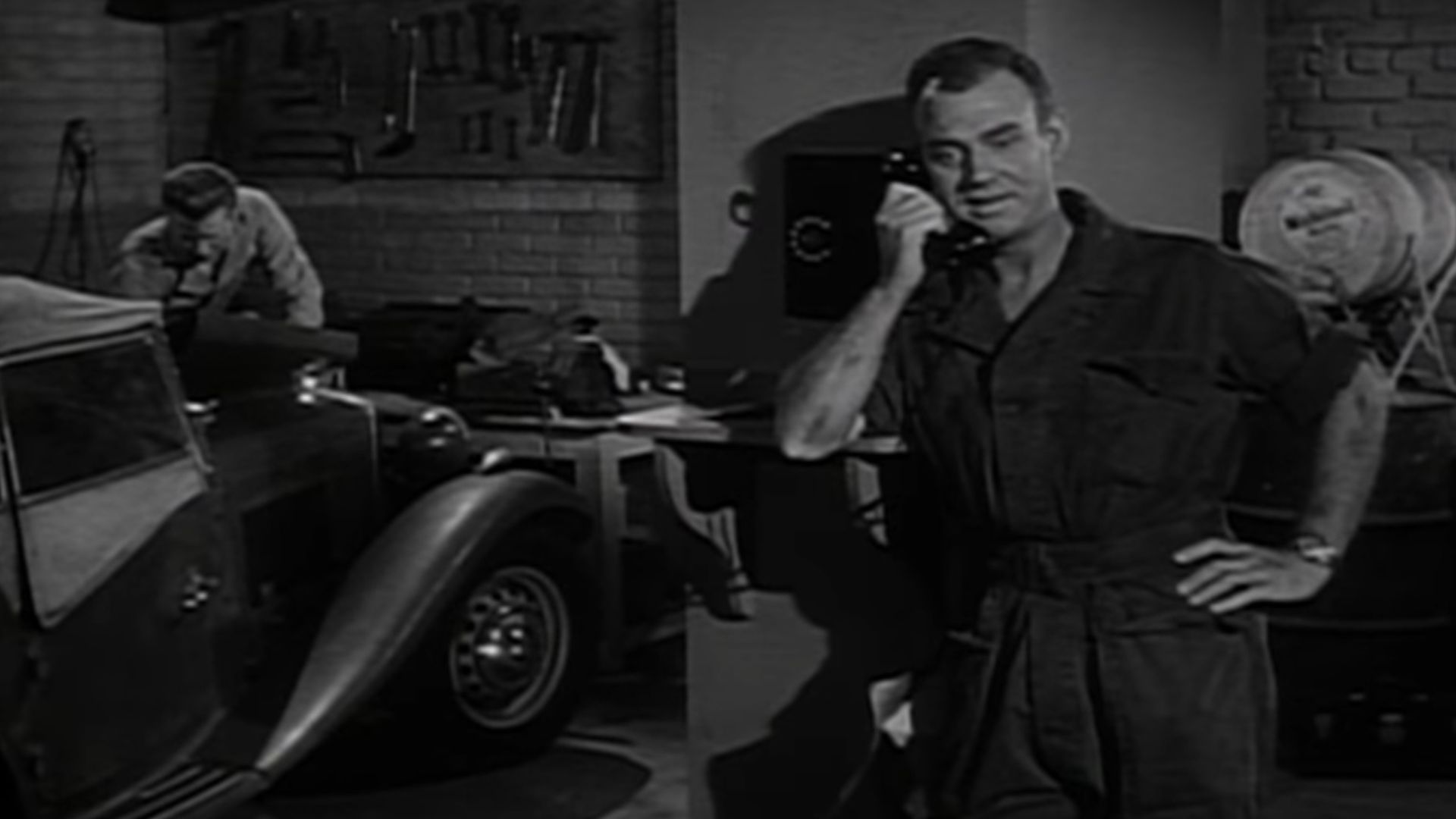 Film screenshot (Nacirema Productions), Wikimedia Commons
Jack Elam Turned One Eye Into A Career
Jack Elam’s wandering eye and weathered face made him an obvious choice for heavies, drifters, and suspicious frontier figures. He spent decades moving through television Westerns and crime programs while becoming one of Hollywood’s most recognizable character actors. Later comic roles revealed that the intimidating face could be just as effective when playing confused, eccentric, or unexpectedly lovable men.
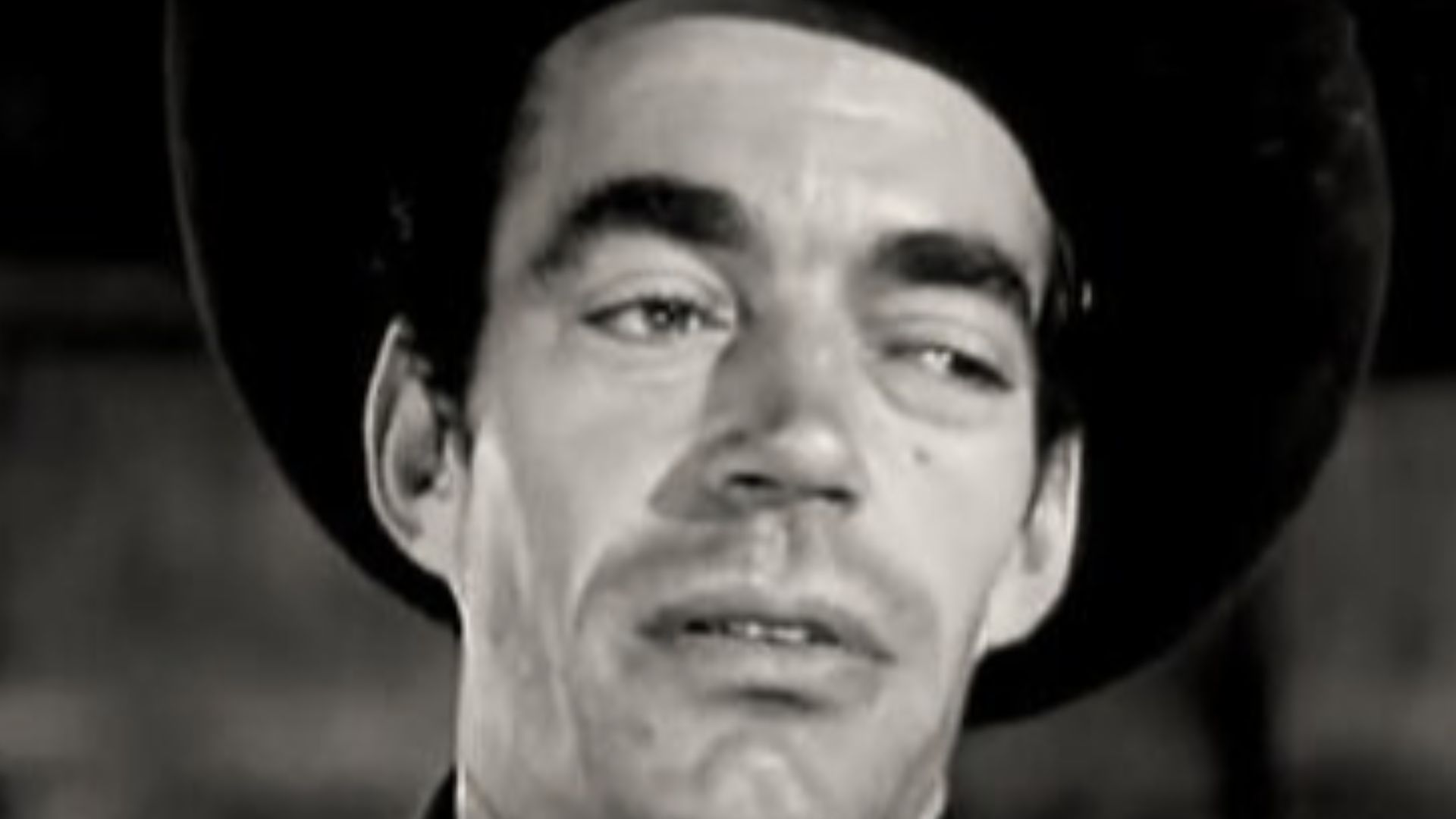 TV series screenshot (Republic Pictures), Wikimedia Commons
Harold Gould Was Always Someone’s Father
Harold Gould spent more than four decades appearing in television, film, and theater. He became especially memorable as Rhoda Morgenstern’s father on Rhoda and as Rose Nylund’s charming boyfriend Miles on The Golden Girls, but those parts followed years of guest work. His intelligence and gentle authority made him ideal whenever a series needed a professor, doctor, judge, or complicated older relative.
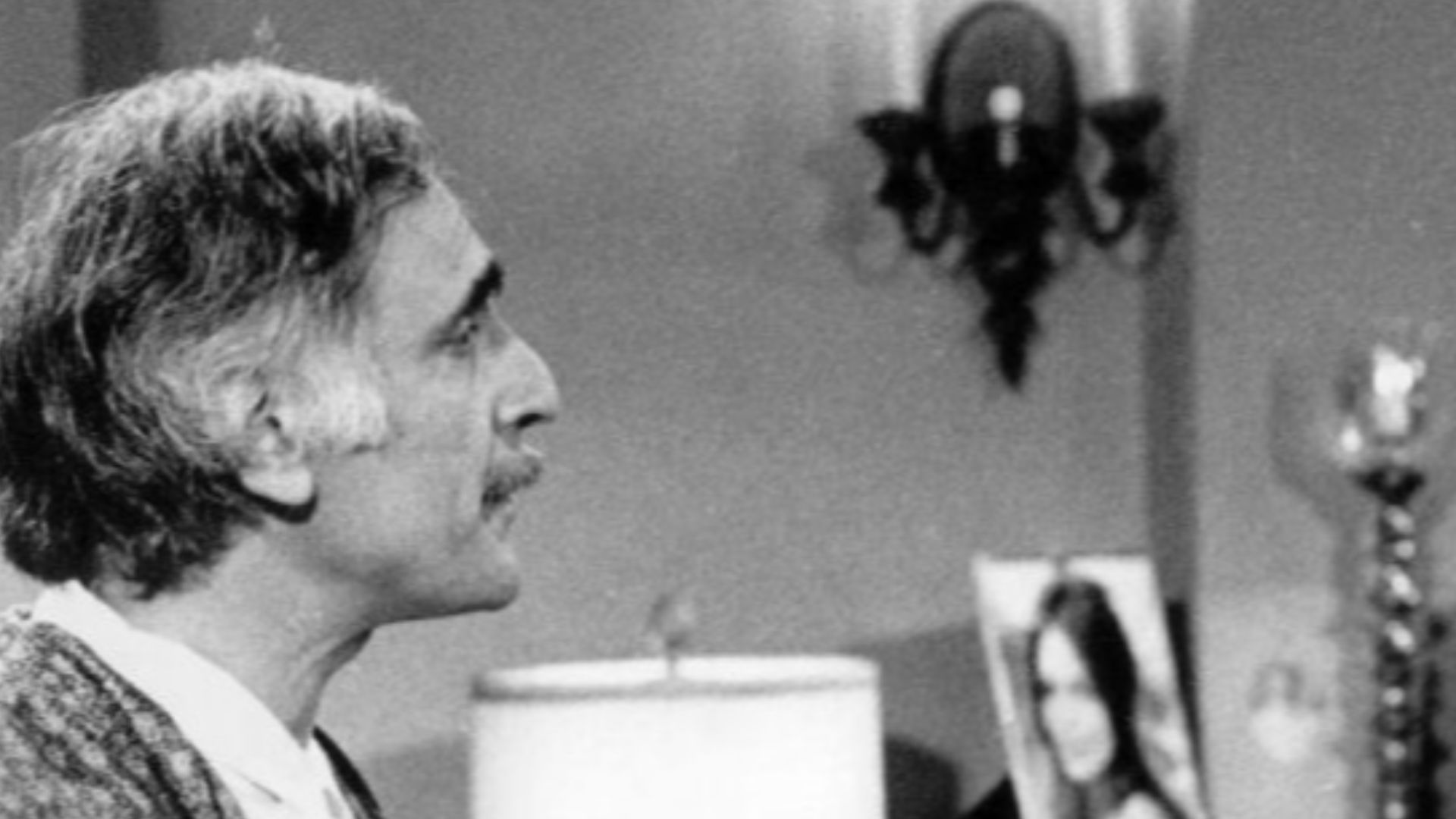 CBS Television, Wikimedia Commons
Henry Beckman Could Become Anyone
Henry Beckman appeared in hundreds of television episodes, films, and commercials in the United States and Canada. His facility with accents frequently led to roles as villains, military men, foreigners, and suspicious authority figures. Viewers often remembered the performance long before they connected the stern face to the name Henry Beckman.
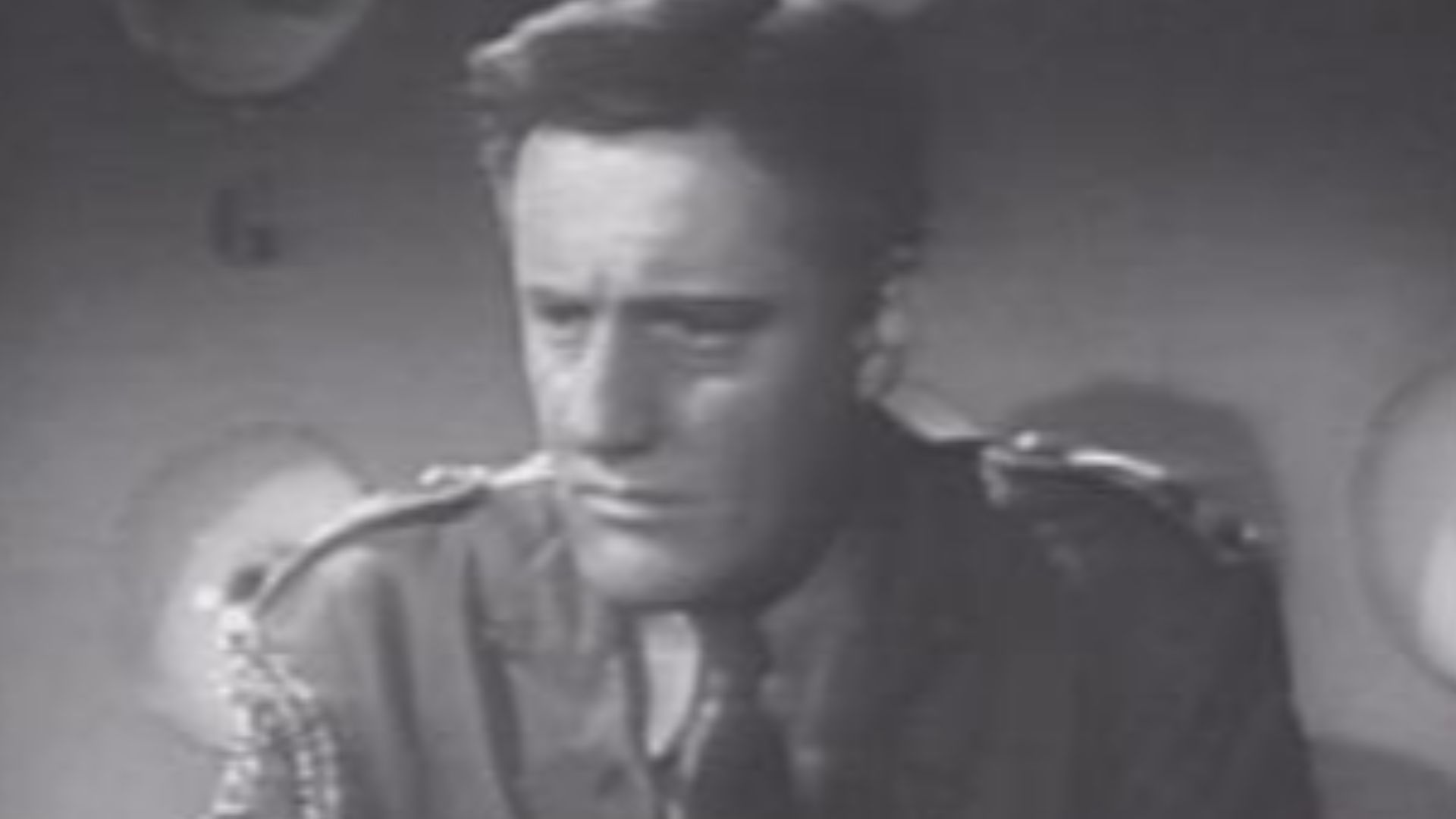 The original uploader was Otto4711 at English Wikipedia., Wikimedia Commons
Lee Bergere Played More Than 200 TV Roles
Lee Bergere became one of television’s most frequently employed guest actors, appearing in more than 200 productions. His credits ranged from Star Trek, where he portrayed Abraham Lincoln, to dramas, Westerns, and prime-time soaps. He eventually became especially familiar as Joseph Anders on Dynasty, but by then audiences had already been seeing him for decades.
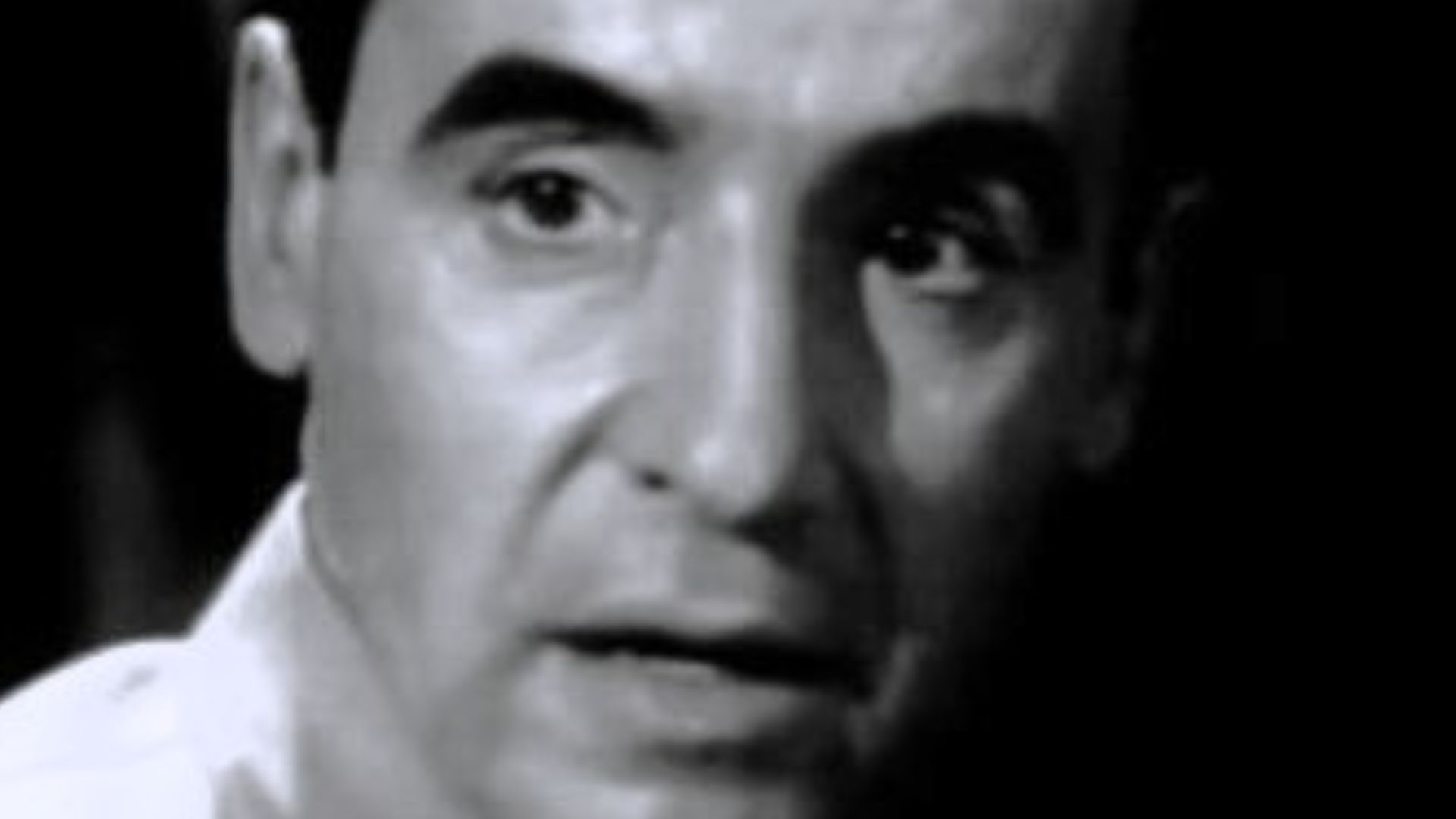 TV episode screenshot (ABC), Wikimedia Commons
Joe Mantell Made Small Parts Feel Essential
Joe Mantell built a long career around supporting characters who immediately seemed nervous, loyal, defeated, or slightly overwhelmed. He appeared in the original television production of Marty and earned an Oscar nomination for repeating his role in the film adaptation. Even when his screen time was brief, Mantell had a gift for making the hero’s friend, colleague, or anxious contact feel like a complete person.
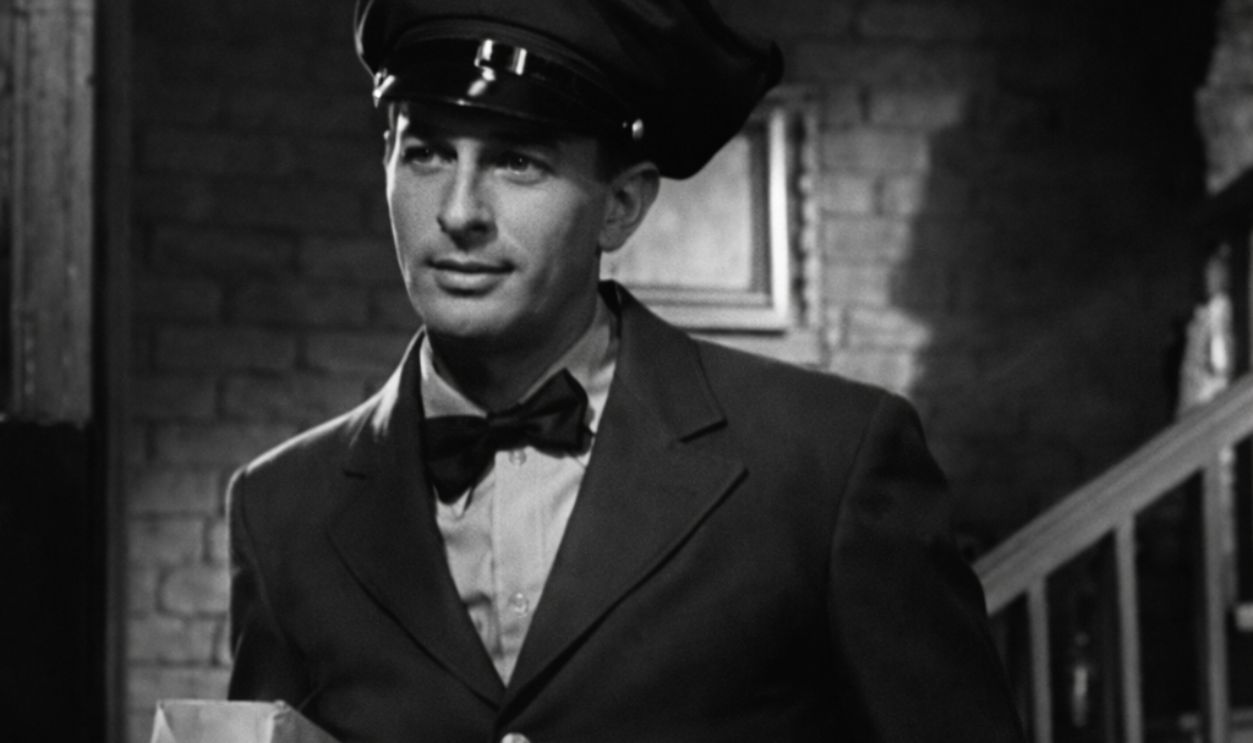 Paulo rsmenezes, Wikimedia Commons
Henry Gibson Made Oddness Look Natural
Henry Gibson first became widely recognizable by reciting strange, deadpan poems on Rowan & Martin’s Laugh-In. He then spent decades moving through sitcoms, dramas, animation, and voice work, frequently appearing as men whose calm exteriors concealed something wonderfully peculiar. His later role on Boston Legal reminded viewers that his offbeat delivery had lost none of its power.
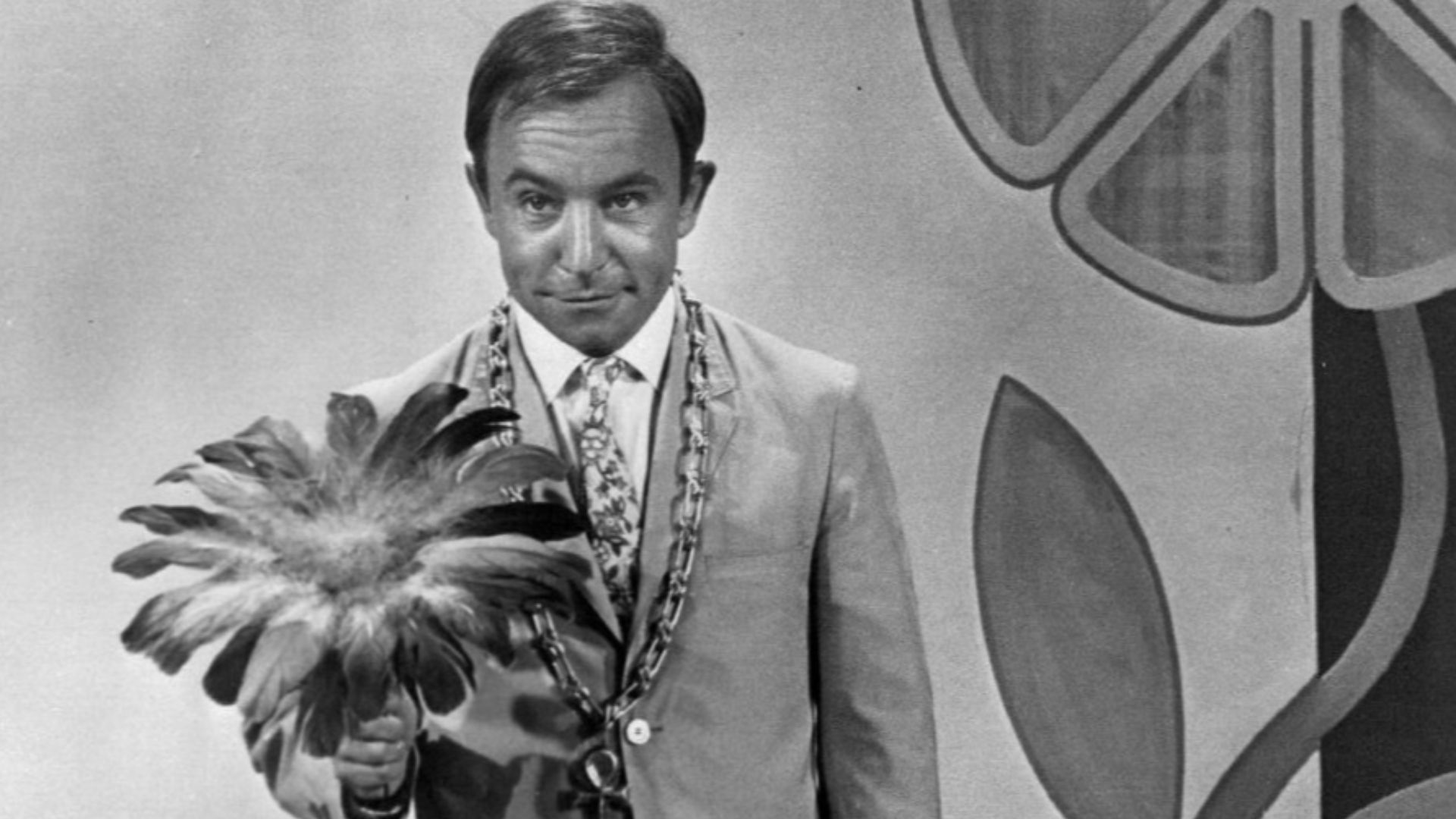 Roy Cummings Inc.-Hollywood, Wikimedia Commons
James Doohan Was More Than Scotty
Before Star Trek, James Doohan developed a reputation as a versatile character actor with a remarkable ability to perform accents. He appeared regularly in Canadian and American television during the 1950s, often changing his voice and personality completely from one role to the next. That vocal flexibility ultimately helped him create Montgomery Scott, the engineer whose name finally made Doohan famous.
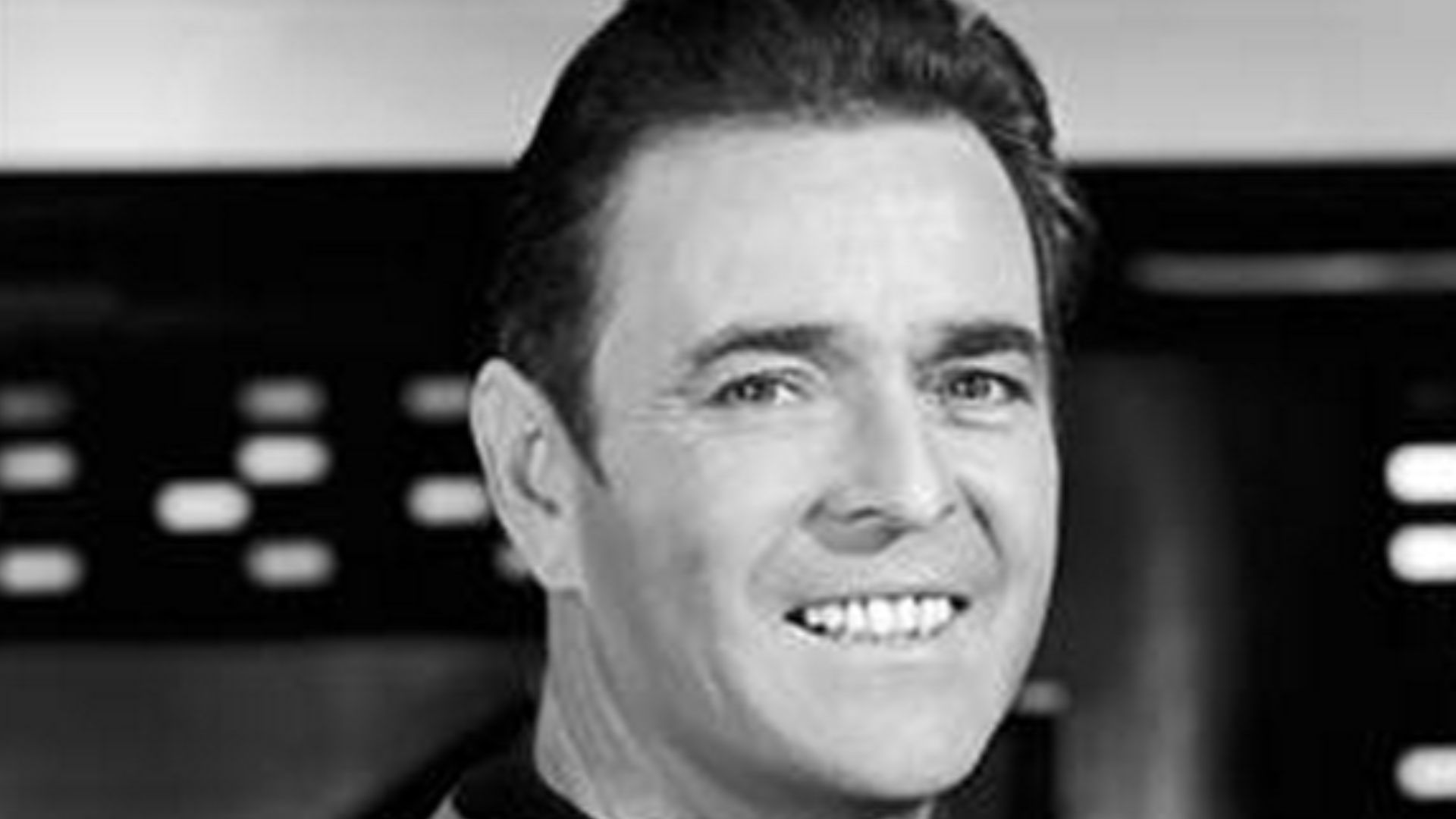 NBC Television, Wikimedia Commons
James Gammon Looked Born For Westerns
James Gammon’s rough voice and battered features made him a natural fit for ranch hands, lawmen, fathers, and men who had spent too long outdoors. He appeared throughout television Westerns before later becoming familiar on Nash Bridges. Gammon never looked as though he had just stepped out of wardrobe, which made his frontier characters unusually convincing.
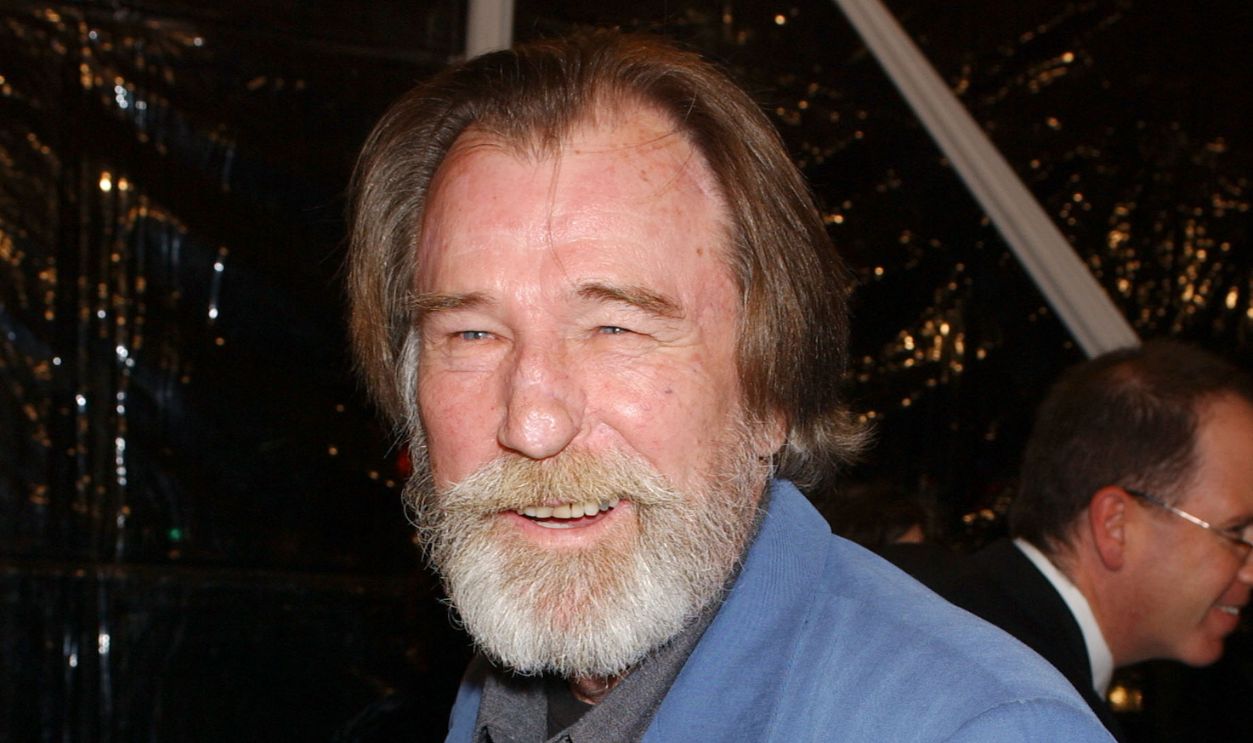 Albert L. Ortega, Getty Images
Barnard Hughes Waited Decades For Recognition
Barnard Hughes began acting professionally in the 1930s and worked steadily across stage, film, and television. He had already spent decades playing priests, doctors, fathers, and judges before his acclaimed stage performance in Da made him an in-demand name. An Emmy-winning guest role on Lou Grant and later sitcoms proved that recognition could arrive long after audiences had learned the face.
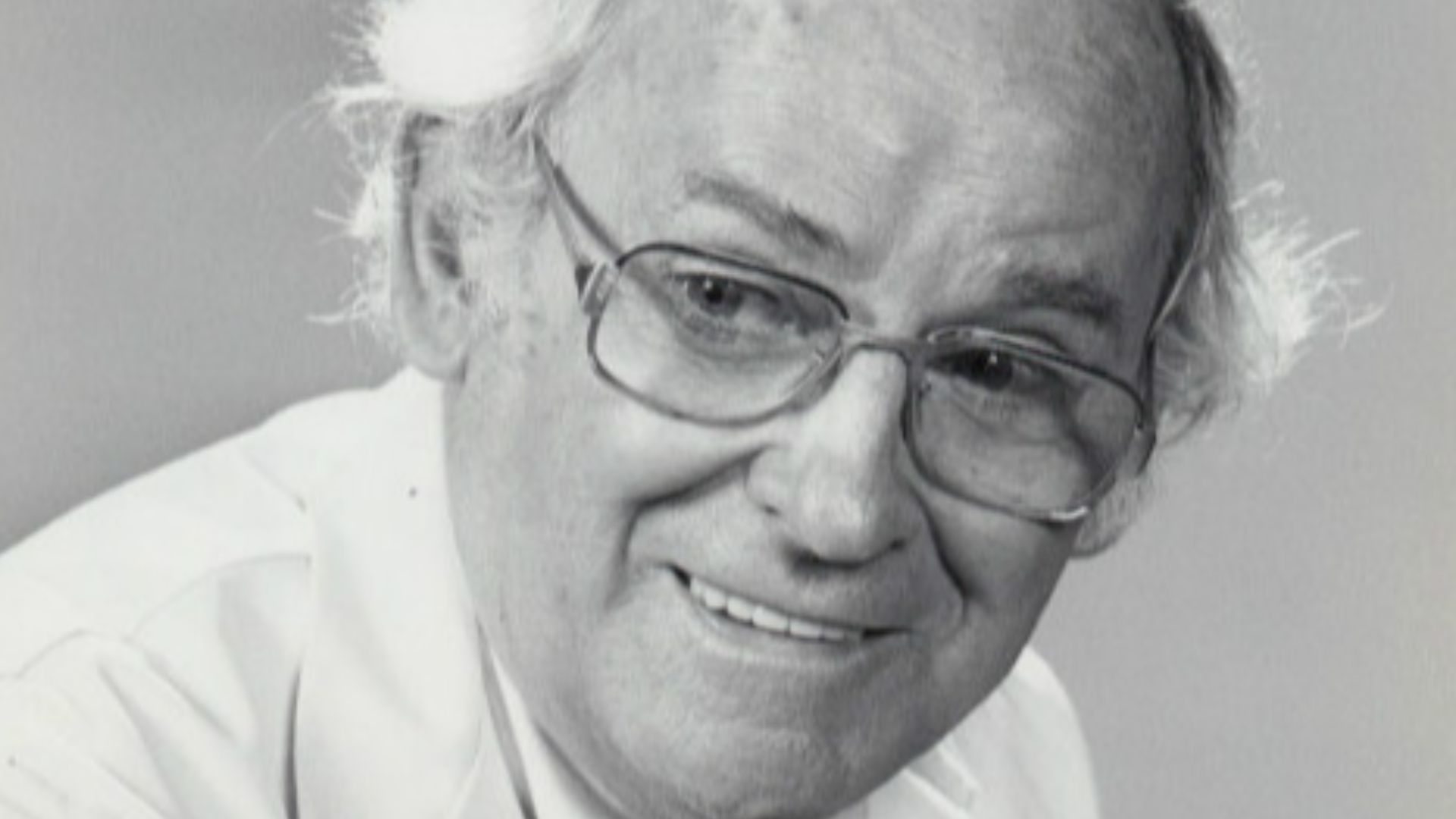 CBS Television Uploaded by We hope at en.wikipedia, Wikimedia Commons
Hal Riddle Quietly Appeared Everywhere
Hal Riddle appeared on a remarkable collection of classic series during the 1960s, 1970s, and 1980s. His credits included The Fugitive, Green Acres, The F.B.I., The Waltons, Little House on the Prairie, and daytime dramas. He rarely received the spotlight, but he represented the vast class of working actors who made fictional communities feel populated and real.
Lou Jacobi Could Find Comedy In Complaint
Lou Jacobi built his career playing supporting characters in theater, movies, and television. He could move between broad comedy and serious drama while retaining the anxious, expressive quality that made him instantly recognizable. Jacobi’s characters often seemed to be arguing with the entire world, and audiences usually understood their frustration within seconds.
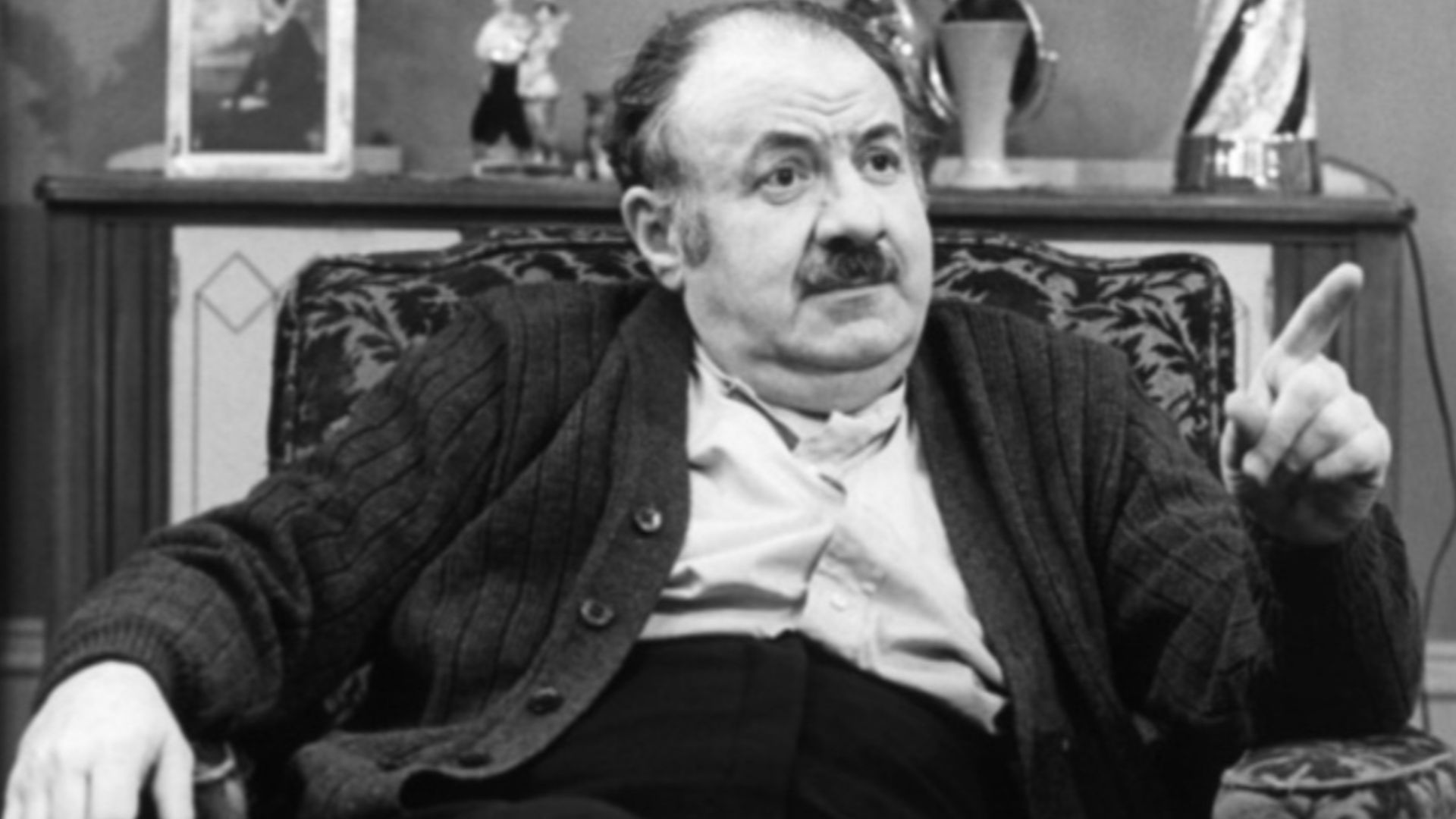 CBS Television, Wikimedia Commons
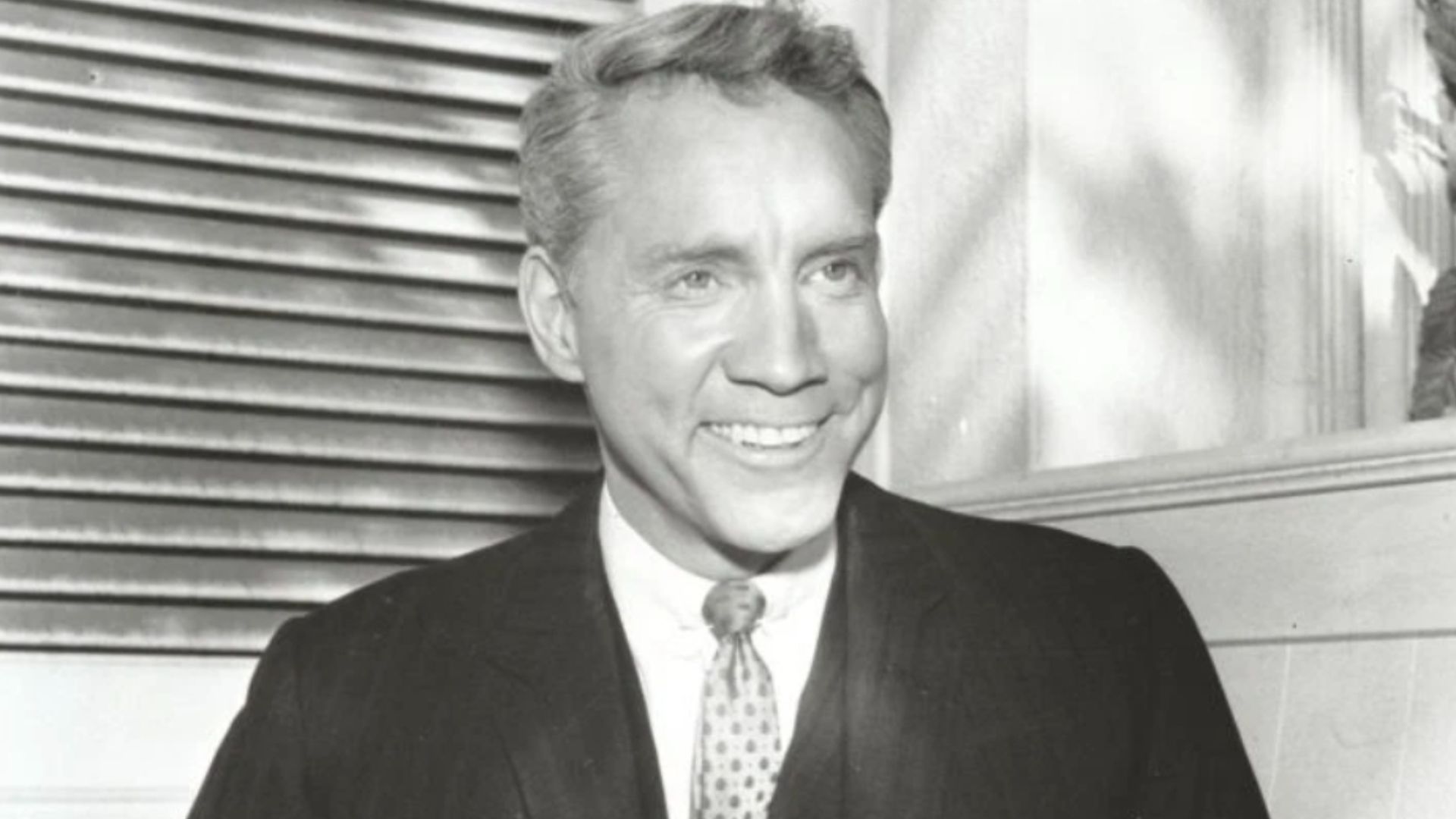
William Smithers Made A Perfect Corporate Enemy
William Smithers appeared across television in series including Peyton Place, Star Trek, Barnaby Jones, and The Six Million Dollar Man. His controlled voice and polished manner made him particularly effective as executives, officials, and men hiding ruthless intentions. He eventually became well known to Dallas viewers as Jeremy Wendell, the corporate rival who could challenge J.R. Ewing without raising his voice.
 ABC Television, Wikimedia Commons
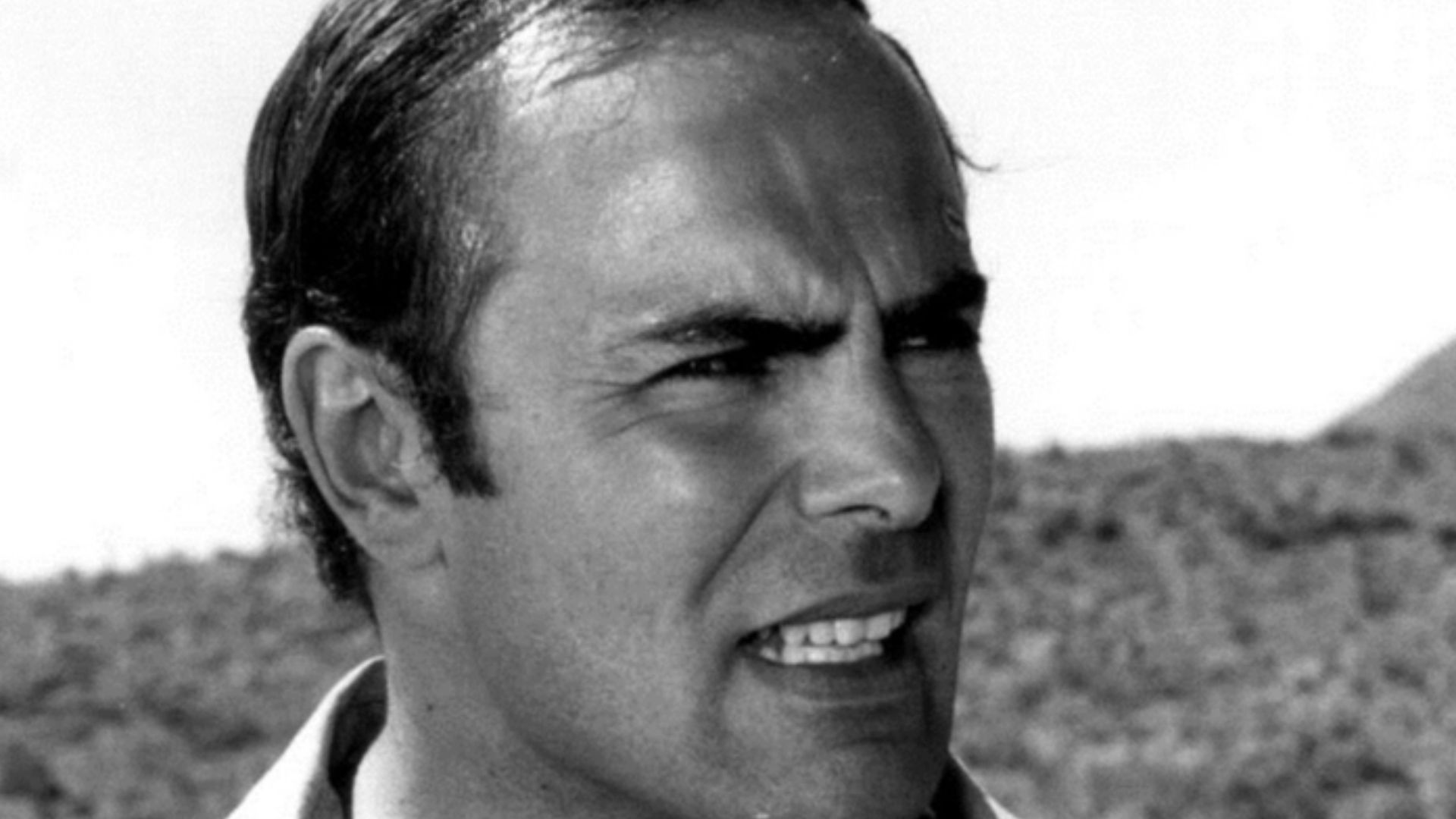
John Saxon Refused To Stay In One Genre
John Saxon appeared in more than 200 productions during a career spanning roughly 60 years. Television repeatedly cast him in Westerns, police shows, science fiction, and adventure dramas before films such as Enter the Dragon and A Nightmare on Elm Street expanded his fame. His intensity worked whether he was playing a hero, suspect, troubled professional, or outright threat.
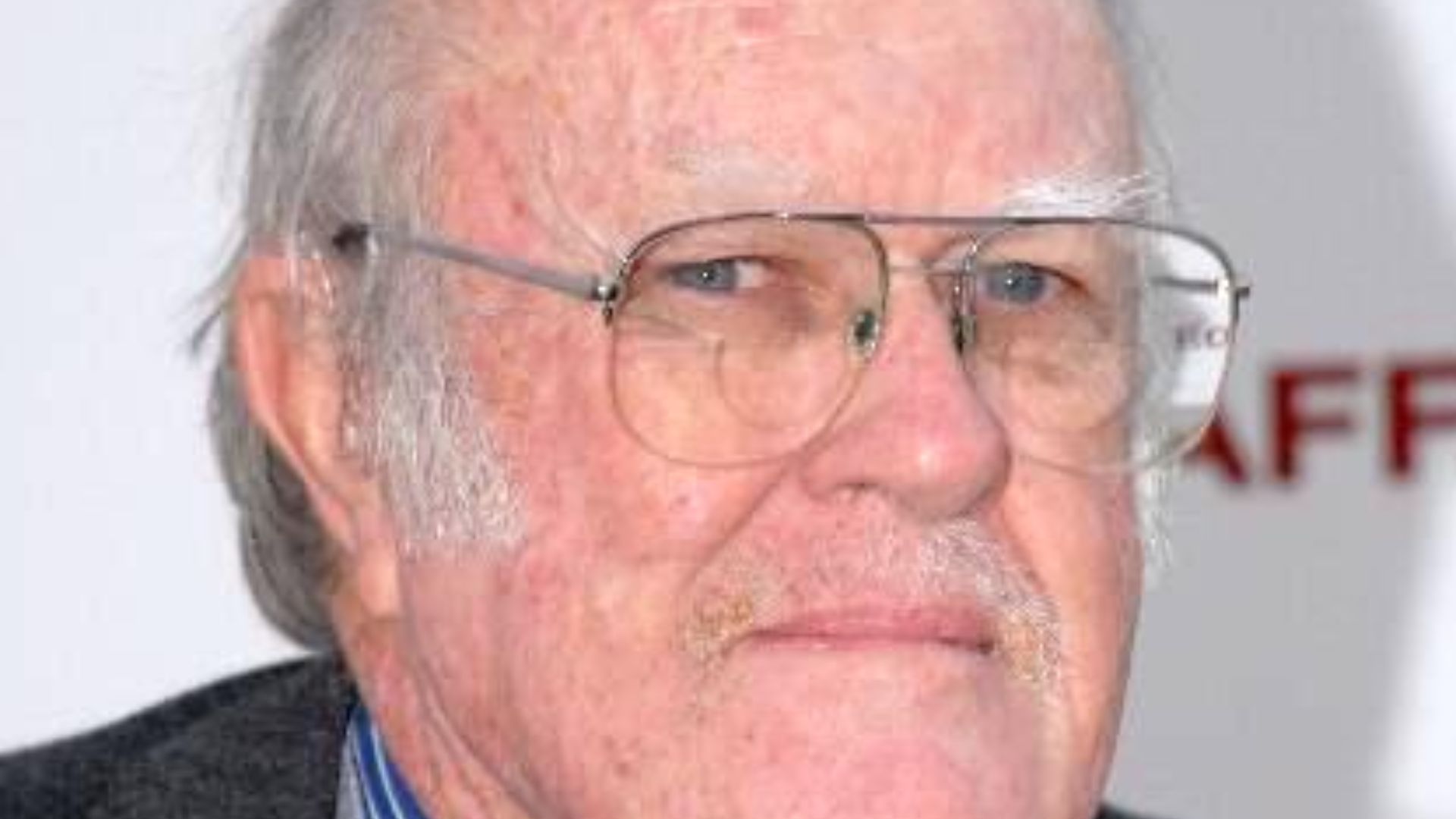
M. Emmet Walsh Made Every Entrance Suspicious
M. Emmet Walsh appeared in well over 100 films and hundreds of television productions. His heavy features and unusual voice made even a friendly greeting sound as though something dishonest might follow. Although films such as Blade Runner and Blood Simple finally gave critics a name for the face, television audiences had already seen him playing policemen, mechanics, doctors, and unpleasant authority figures.
 lukeford.net, Wikimedia Commons
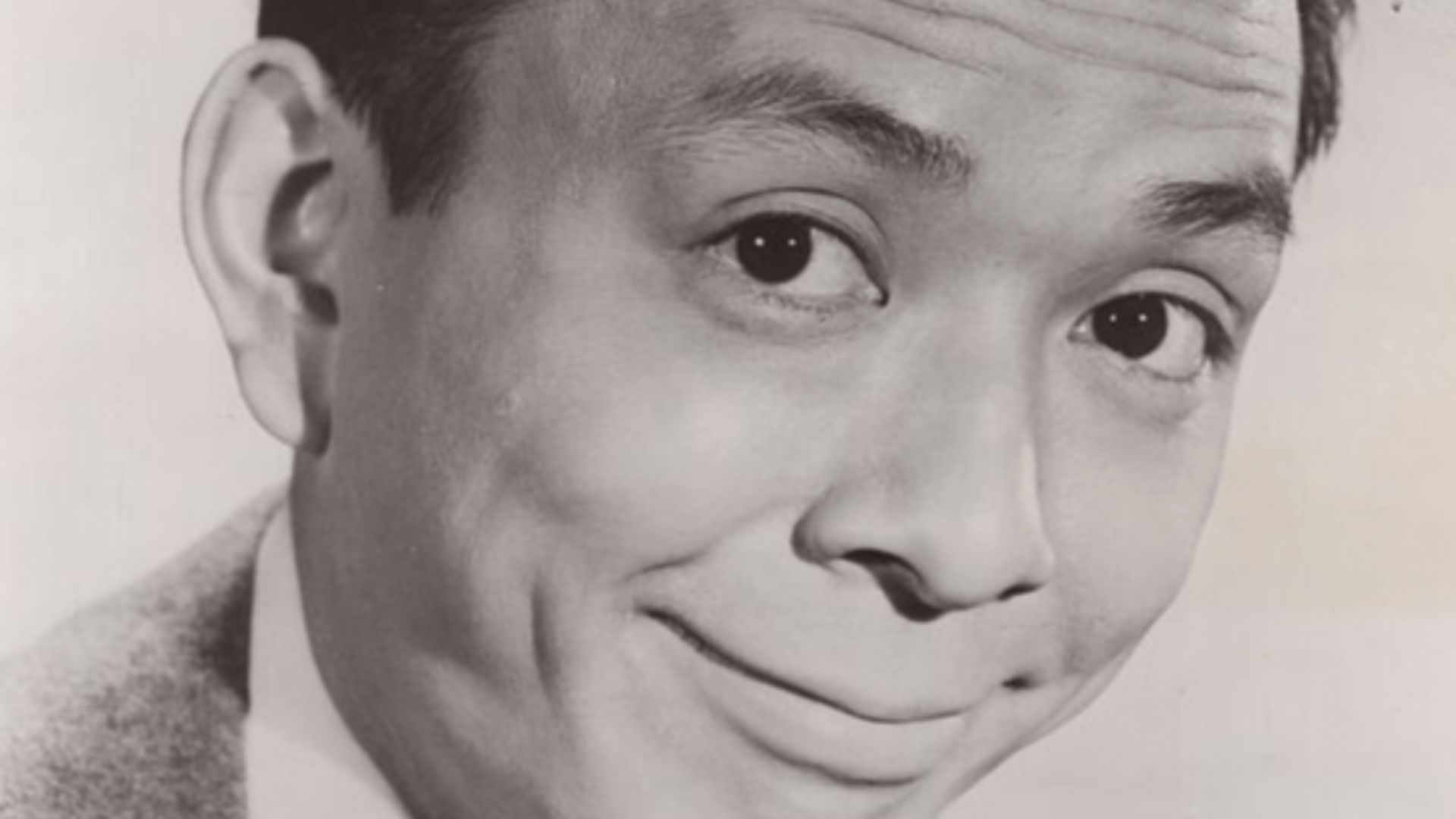
James Hong Worked Until Hollywood Caught Up
James Hong accumulated hundreds of film and television credits across more than seven decades. Early television frequently confined him to stereotypical parts, yet he continued appearing on programs including Perry Mason, The Outer Limits, Hawaii Five-O, and Seinfeld. Broader recognition eventually arrived through projects such as Big Trouble in Little China, Kung Fu Panda, and Everything Everywhere All at Once.
 Television Programs of America, Inc., Wikimedia Commons
Mary Wickes Perfected The Tart Reply
Mary Wickes spent roughly half a century playing nurses, secretaries, housekeepers, nuns, and other women who had little patience for foolishness. Her television career included repeated appearances with Lucille Ball as well as roles on MASH*, The Love Boat, and numerous comedies. Audiences might not always have known her name, but they knew someone was about to receive a devastatingly practical answer when Wickes entered.
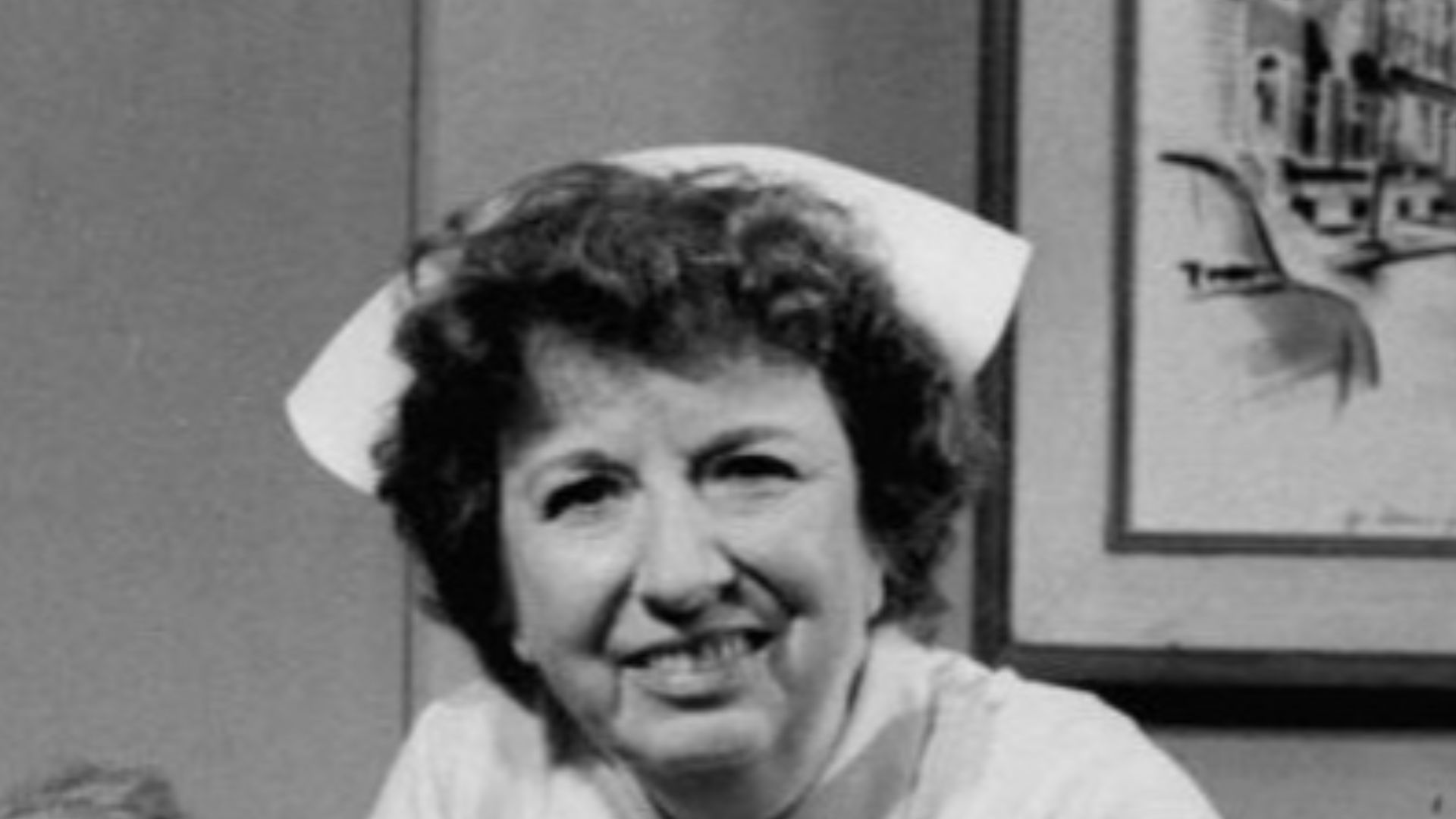 CBS Television, Wikimedia Commons
Alice Ghostley Made Nervousness Hilarious
Alice Ghostley possessed a voice and physical style that made panic instantly funny. After stage success, she became a familiar television guest before finding recurring roles as Esmeralda on Bewitched and Bernice on Designing Women. Those characters finally attached her name to the face viewers had already welcomed into their homes for years.
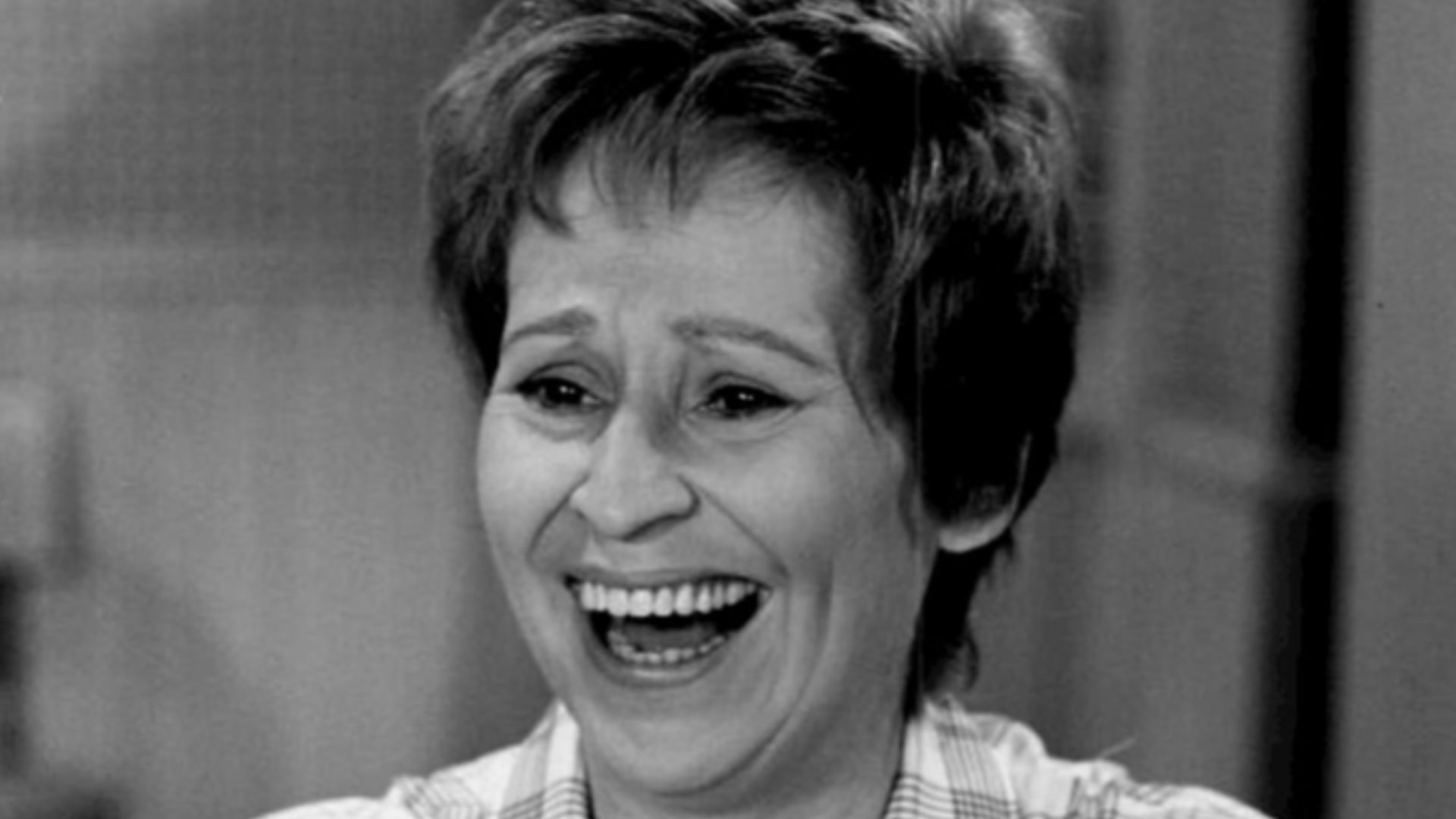 CBS Television, Wikimedia Commons
Kathleen Freeman Played Every Formidable Woman
Kathleen Freeman specialized in maids, teachers, nurses, neighbors, relatives, and secretaries who were rarely impressed by the people around them. Her career lasted more than 50 years and included frequent television comedy appearances alongside an enormous film résumé. She could walk into one scene, scold the star, and leave with the biggest laugh.
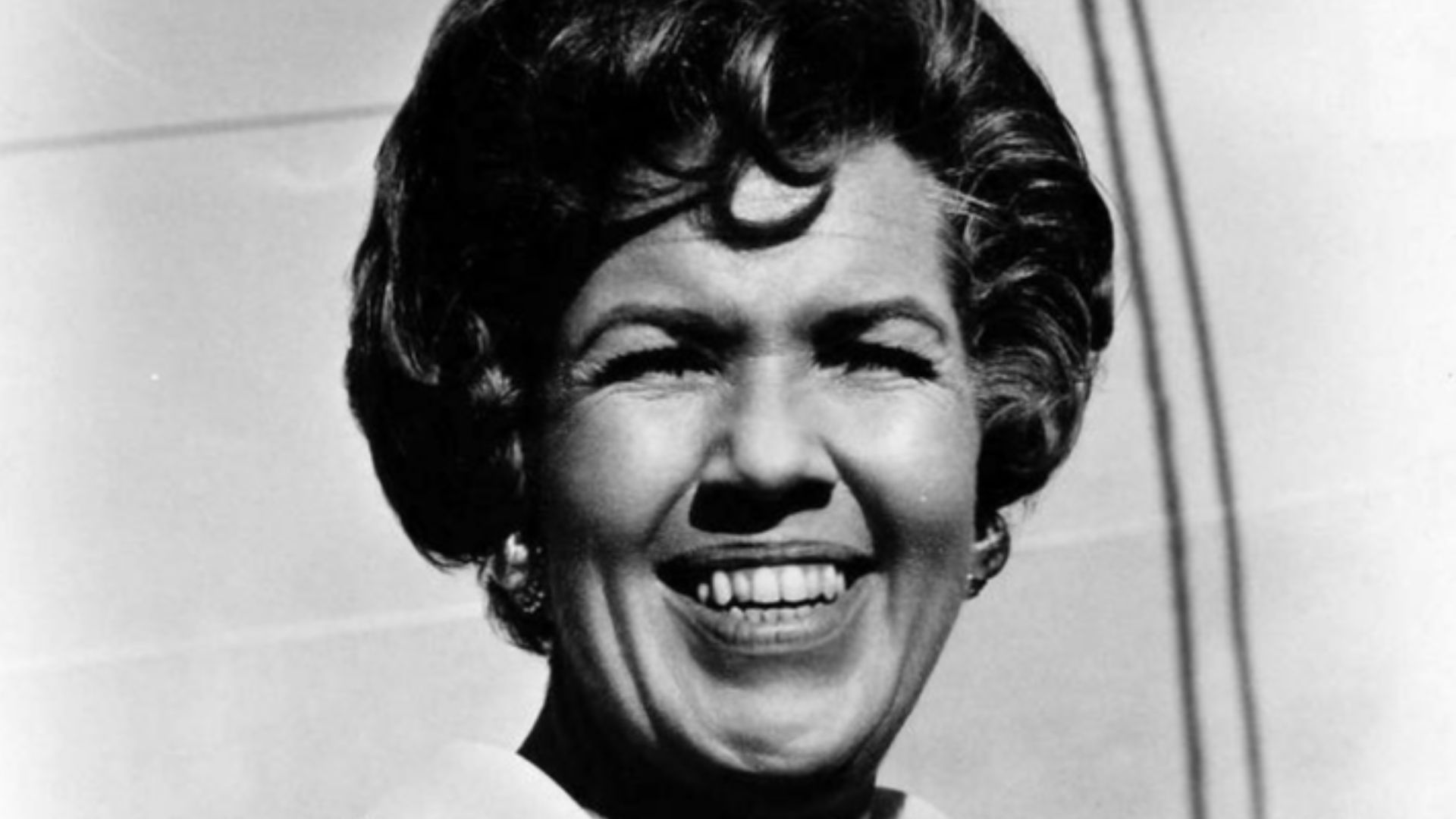 unknown (Columbia Pictures), Wikimedia Commons
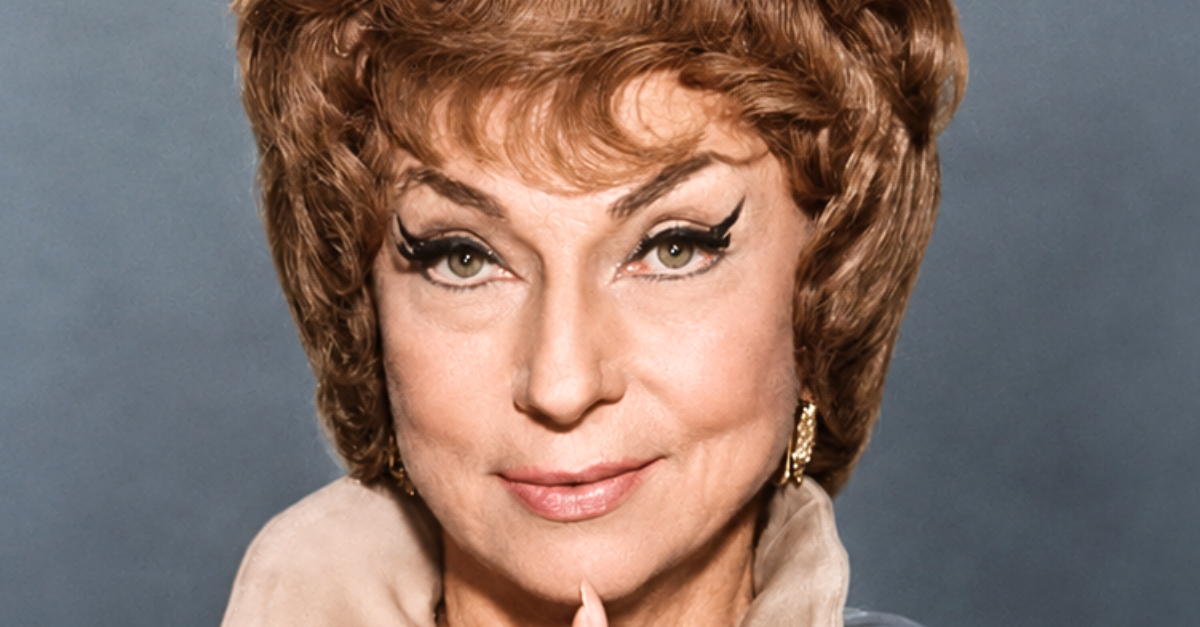
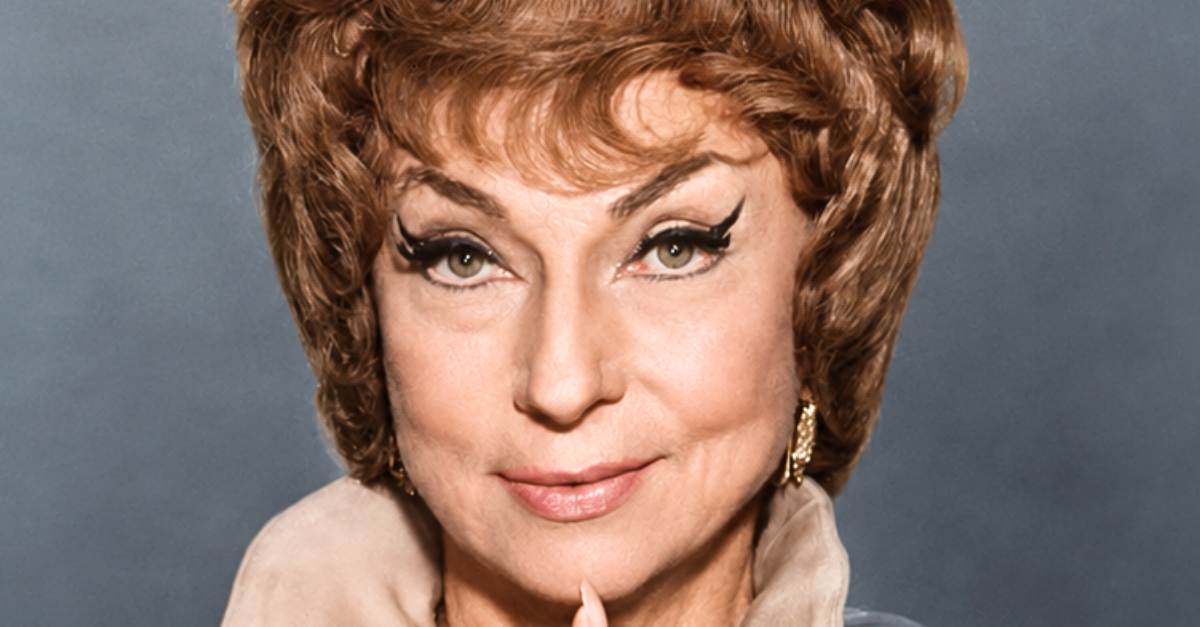
Agnes Moorehead Became The Ultimate Scene-Stealer
Agnes Moorehead’s career covered radio, theater, film, and nearly every variety of television role. She had already spent decades playing forceful character parts before Bewitched made her famous to a new generation as Samantha’s disapproving mother, Endora. Her voice, posture, and ability to communicate contempt with one look meant that supporting status never stopped her from dominating a scene.
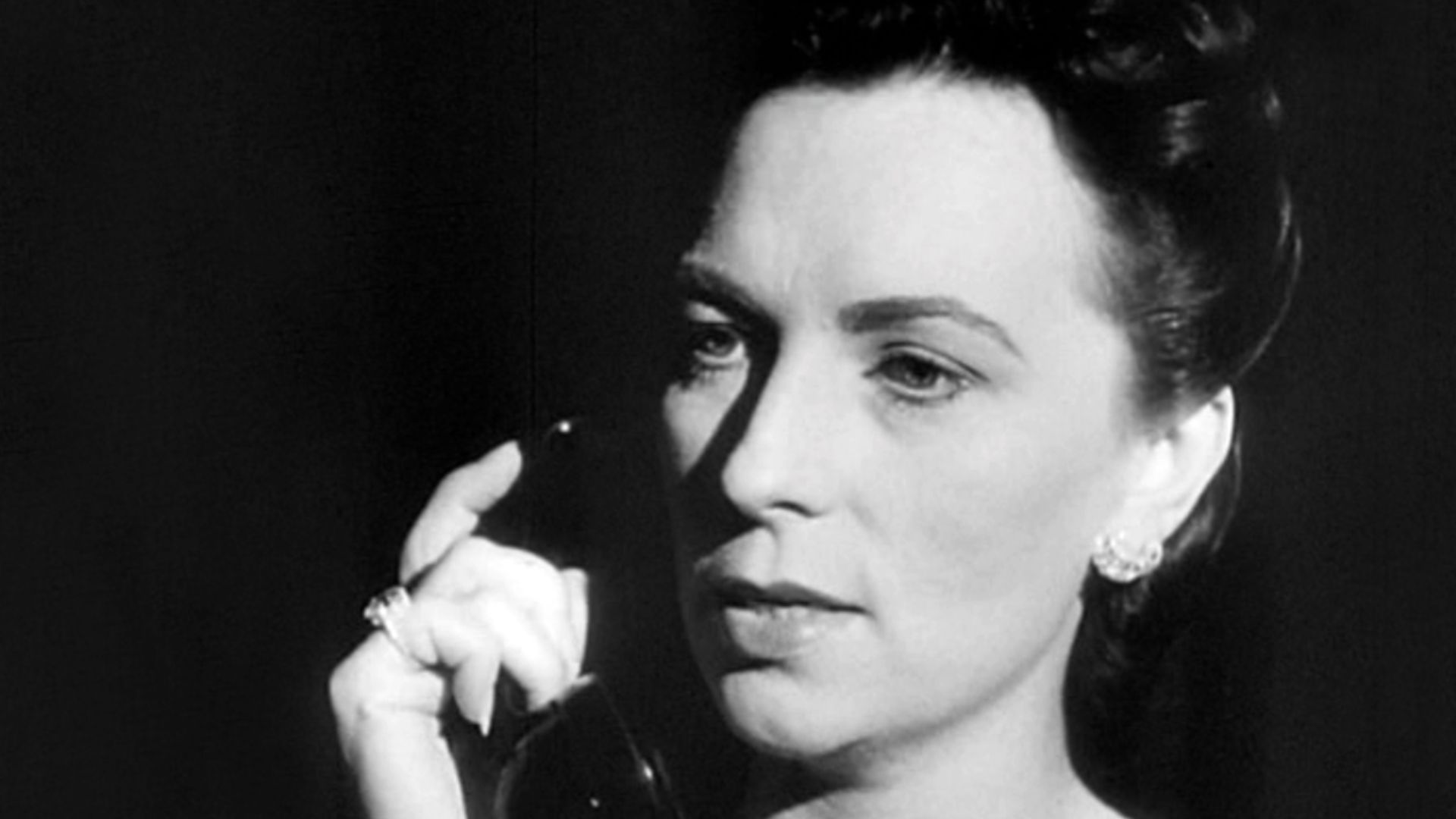 RKO Radio Pictures, Wikimedia Commons
Marion Ross Guest-Starred Before Happy Days
Before becoming America’s beloved Mrs. Cunningham, Marion Ross spent years moving through live television, anthology dramas, Westerns, and sitcoms. She appeared on programs including The George Burns and Gracie Allen Show and Rawhide while balancing acting with raising a family. Happy Days finally gave viewers a recurring name for a performer they had been encountering since television’s early years.
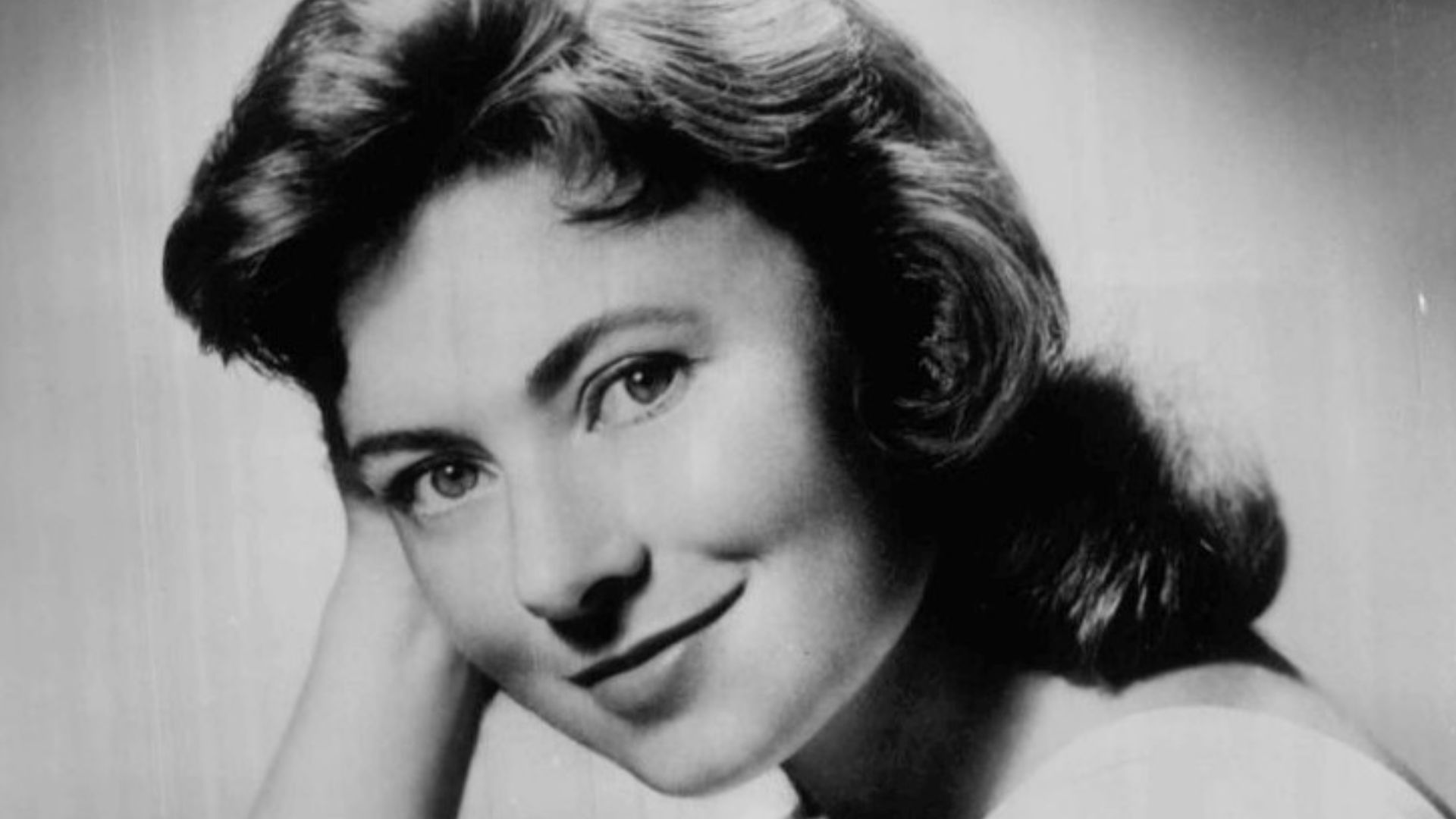
Richard Mulligan Turned Supporting Parts Into Chaos
Richard Mulligan worked in television and film before audiences embraced his wonderfully unstable comic energy. His breakthrough as Burt Campbell on Soap earned him an Emmy and made his rubber-faced reactions impossible to forget. He later won another Emmy for Empty Nest, proving that a former supporting player could become the emotional center of an ensemble comedy.
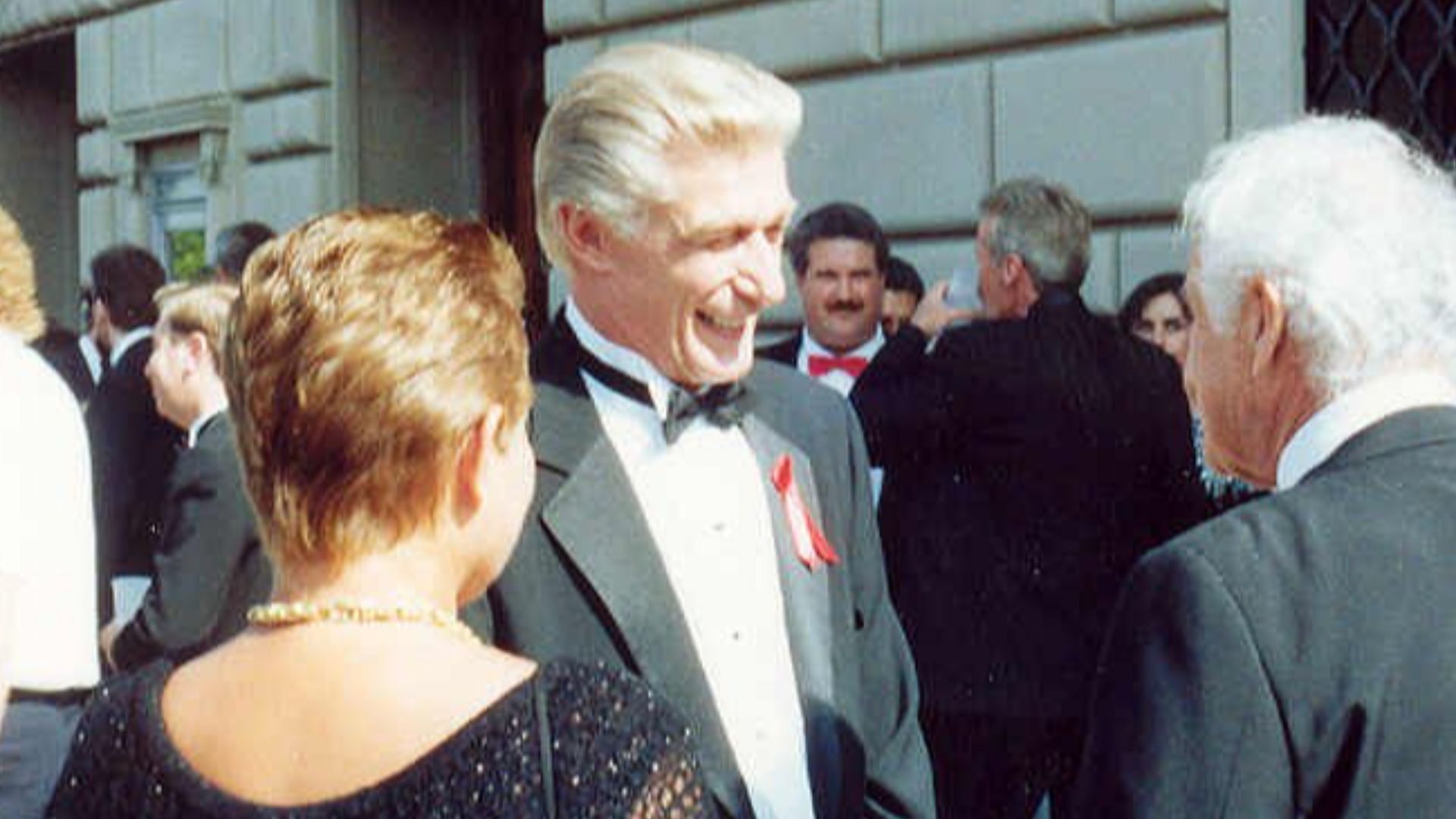
Denver Pyle Became Television’s Favorite Country Uncle
Denver Pyle appeared throughout Westerns and rural comedies long before The Dukes of Hazzard. Viewers saw him as Briscoe Darling on The Andy Griffith Show, Buck Webb on The Doris Day Show, and Mad Jack on The Life and Times of Grizzly Adams. Uncle Jesse finally made his name almost as familiar as his drawl, beard, and quietly authoritative presence.
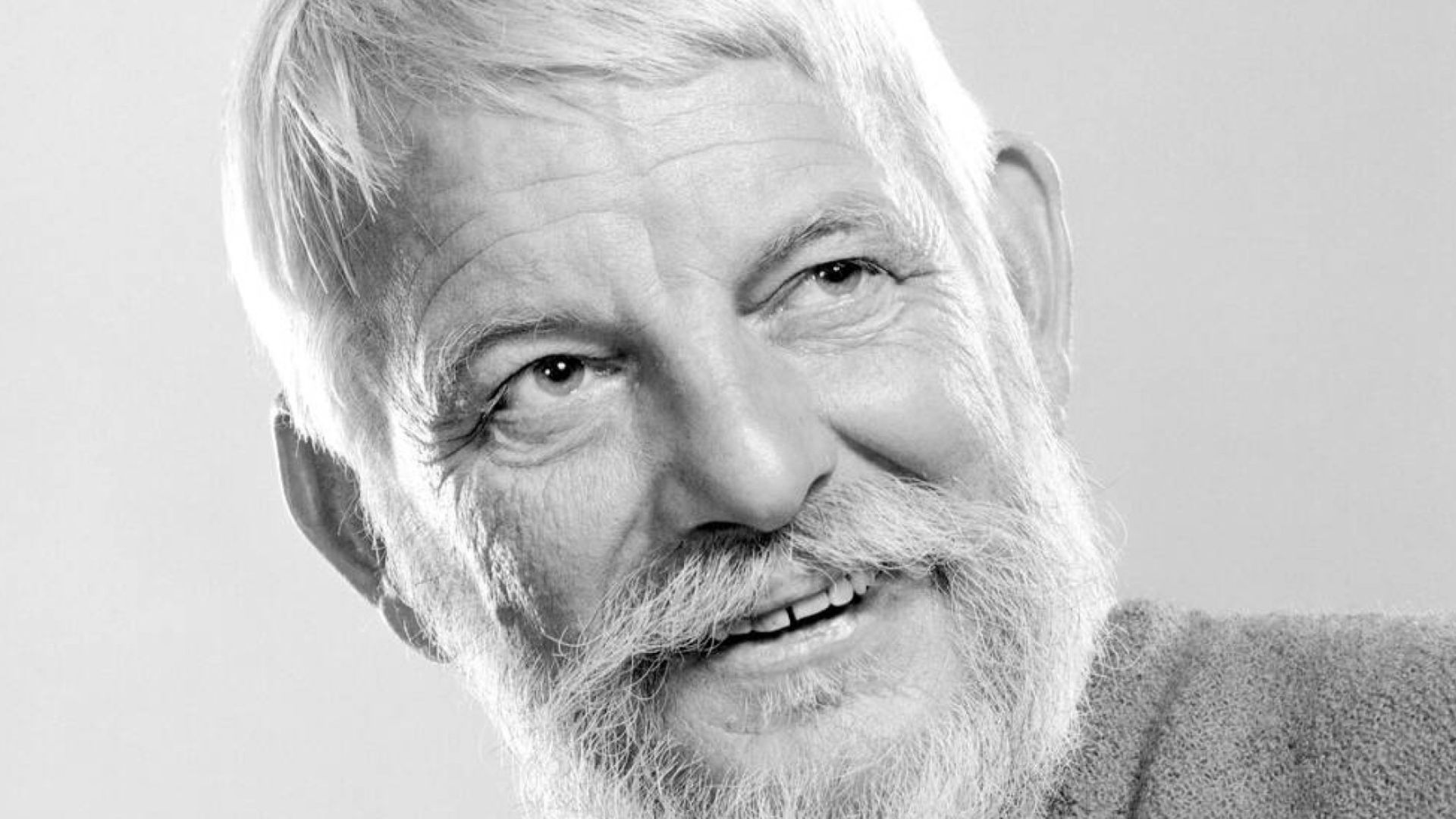 CBS Photo Division, Wikimedia Commons
Nehemiah Persoff Could Belong To Any Country
Nehemiah Persoff became one of television’s most versatile ethnic character actors. His intense features and command of accents carried him through The Twilight Zone, Gunsmoke, The Untouchables, and many other classic programs. Because he could portray gangsters, immigrants, professionals, and patriarchs from widely different backgrounds, viewers often failed to realize they were watching the same performer.
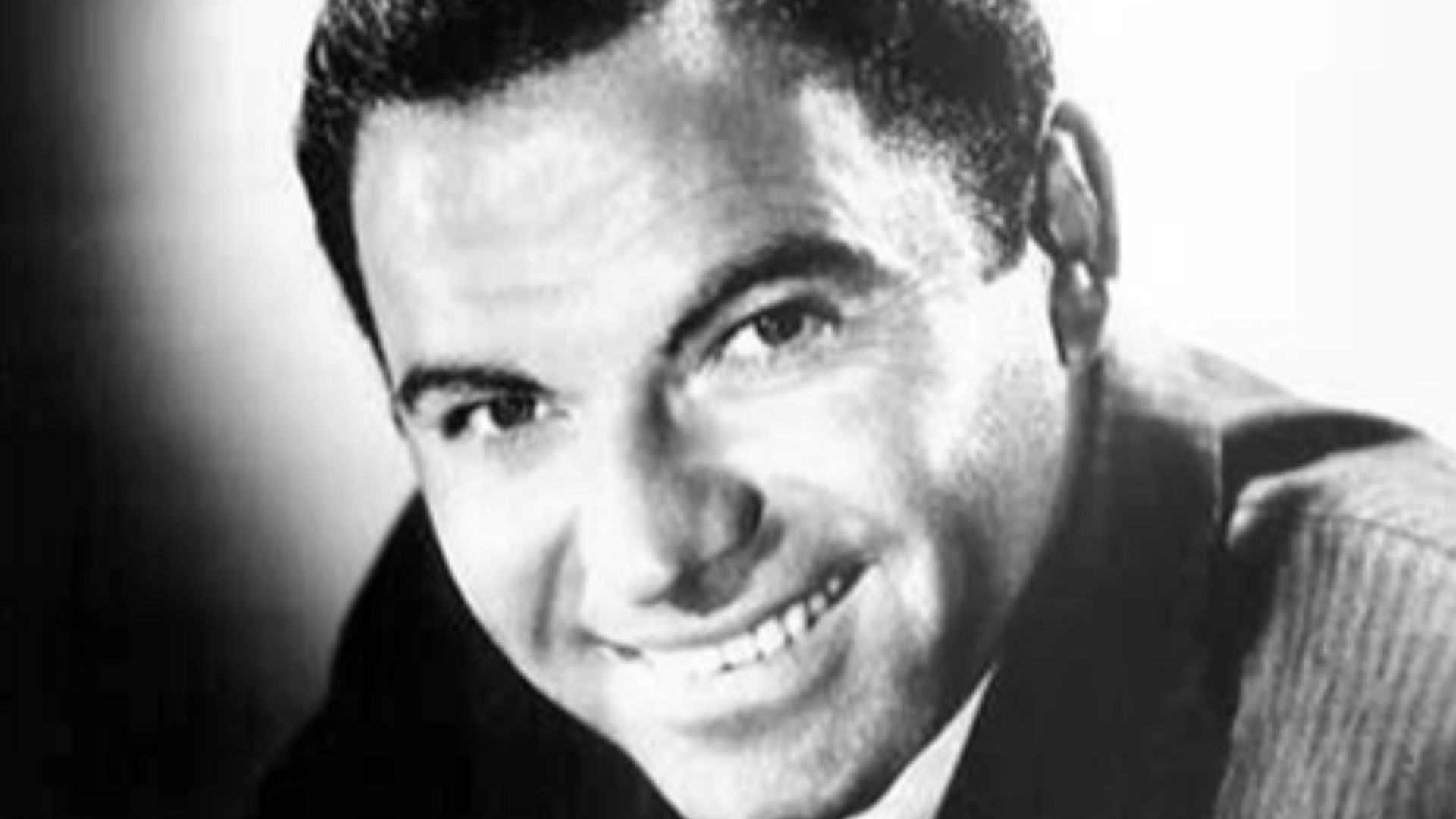 Maureen McCarty, pulbic relations, NYC, Wikimedia Commons
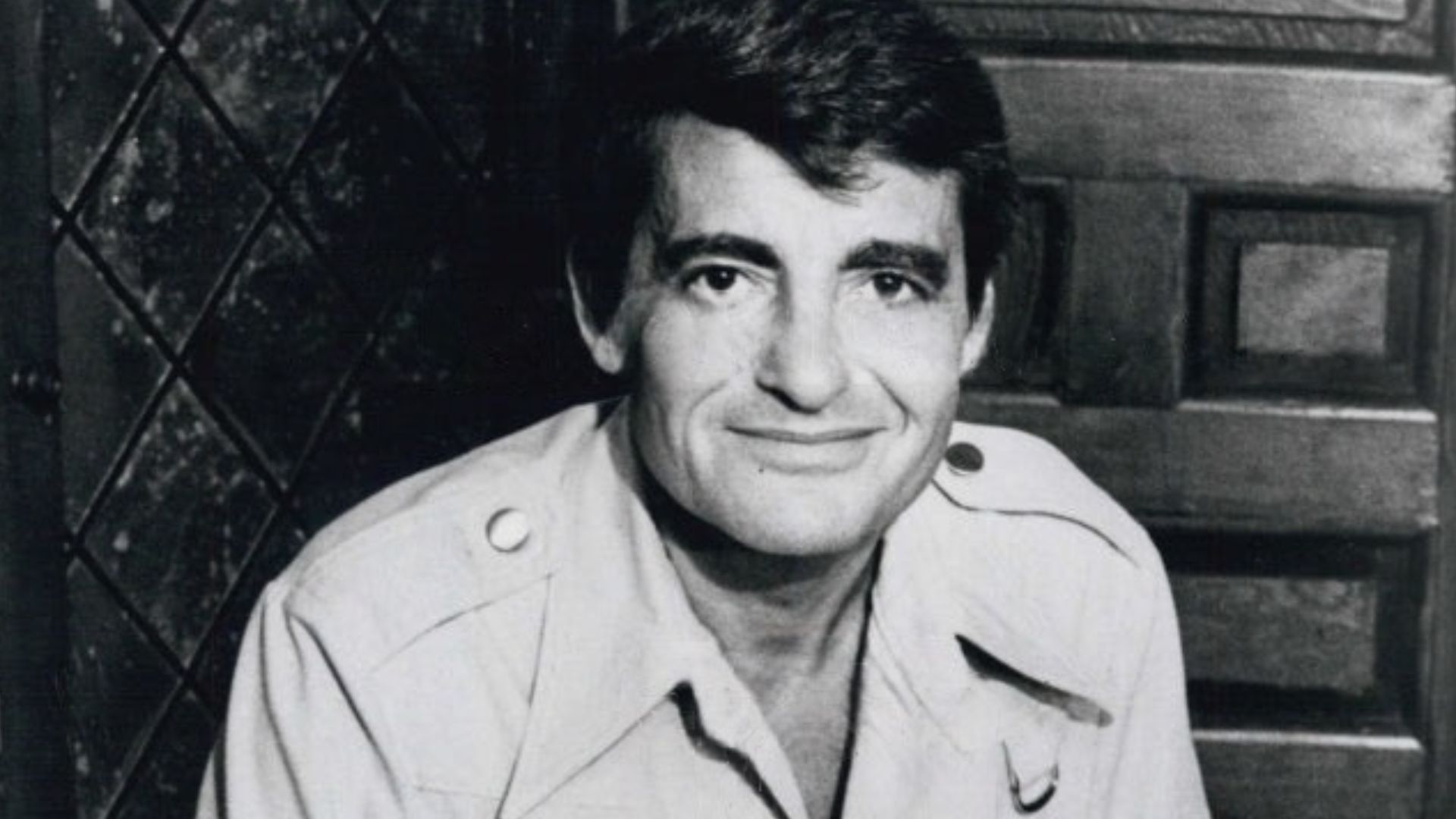
Tom Troupe Built A Career One Episode At A Time
Tom Troupe appeared in dozens of television shows over a career lasting many decades. His guest credits included major series such as Star Trek, Mission: Impossible, and numerous police dramas and Westerns. He exemplified the working character actor whose résumé became enormous even though his name rarely appeared above a title.
 Unknown photographer, Wikimedia Commons
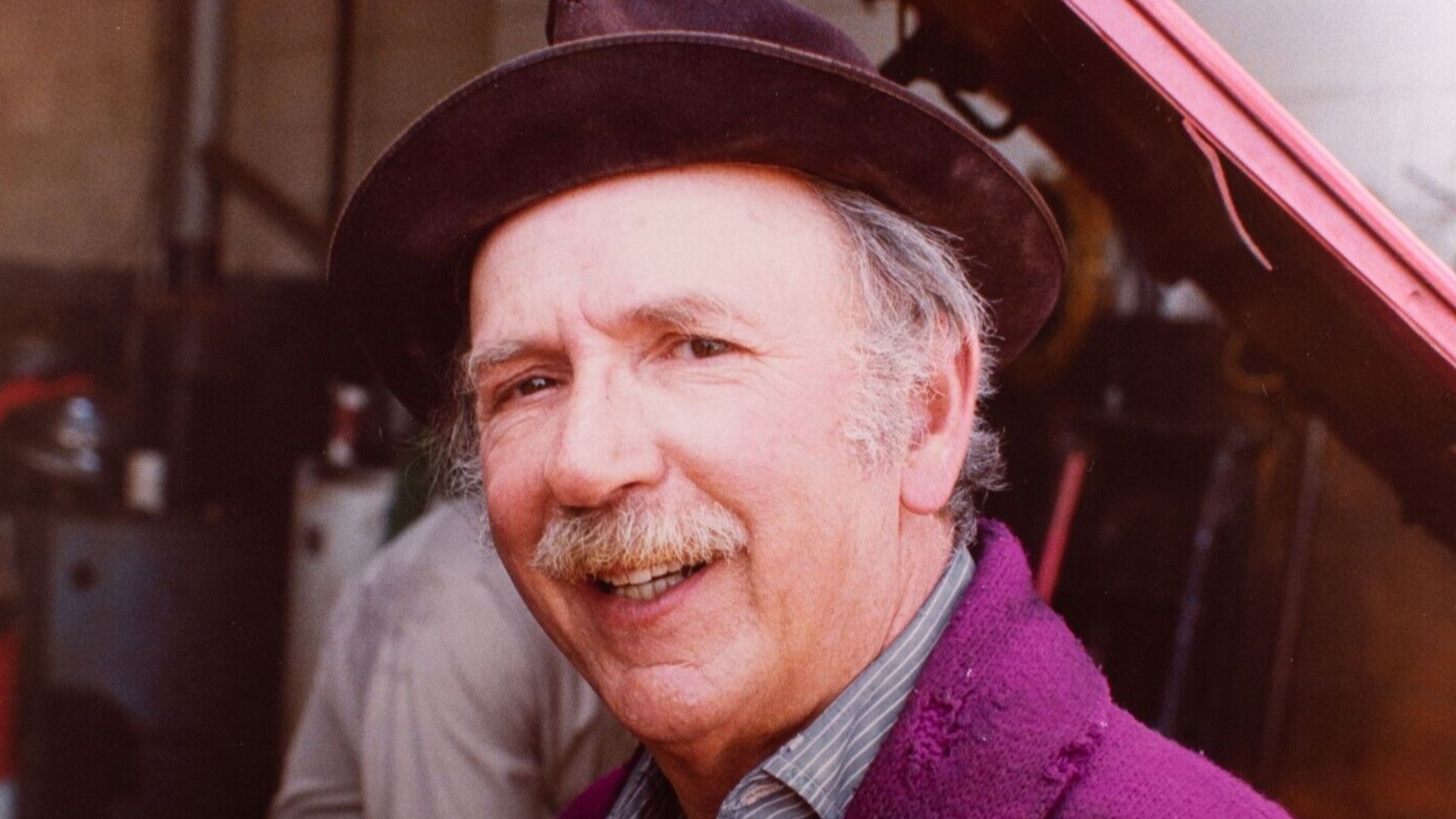
Jack Albertson Finally Became Grandpa Joe
Jack Albertson spent years in vaudeville, burlesque, Broadway, television, and supporting film roles before major awards brought wider recognition. He won a Tony and an Academy Award for The Subject Was Roses, then became beloved as Grandpa Joe in Willy Wonka & the Chocolate Factory and as Ed Brown on Chico and the Man. His late fame rewarded decades spent making other performers look better.
You May Also Like:
"That Guy" Character Actors And How You Know Them
Character Actors No One Knows Today, But You Saw Everywhere In The 1970s—Do You Recognize Them All?
Actors Who Are Famous For One Role
Sources: 1, 2, 3, 4, 5, 6, 7, 8, 9, 10, 11, 12, 13, 14, 15, 16, 17, 18, 19, 20, 21, 22, 23, 24, 25, 26, 27, 28, 29, 30