The Man Who Made Falling Down Look Easy
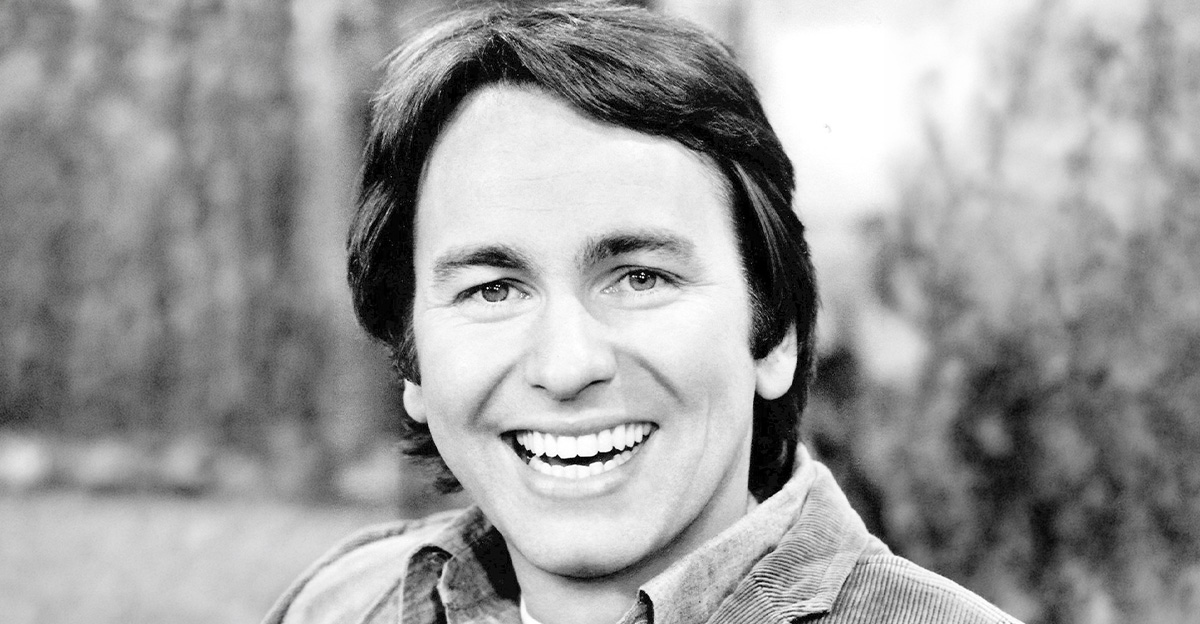
John Ritter could stumble over a couch, crash through a doorway, or turn a simple misunderstanding into complete chaos—and somehow make every second look natural. His gift for physical comedy made him one of television’s biggest stars, but behind those famous pratfalls was an actor with remarkable timing, control, and charm.
 ABC Television, Public domain, via Wikimedia Commons
Comedy Was Practically In His Blood
Born in Burbank, California, in 1948, Ritter grew up around show business. His father was country singer and actor Tex Ritter, while his mother, Dorothy Fay, had also worked in movies. Entertainment was familiar territory, although John initially seemed interested in taking a very different path.
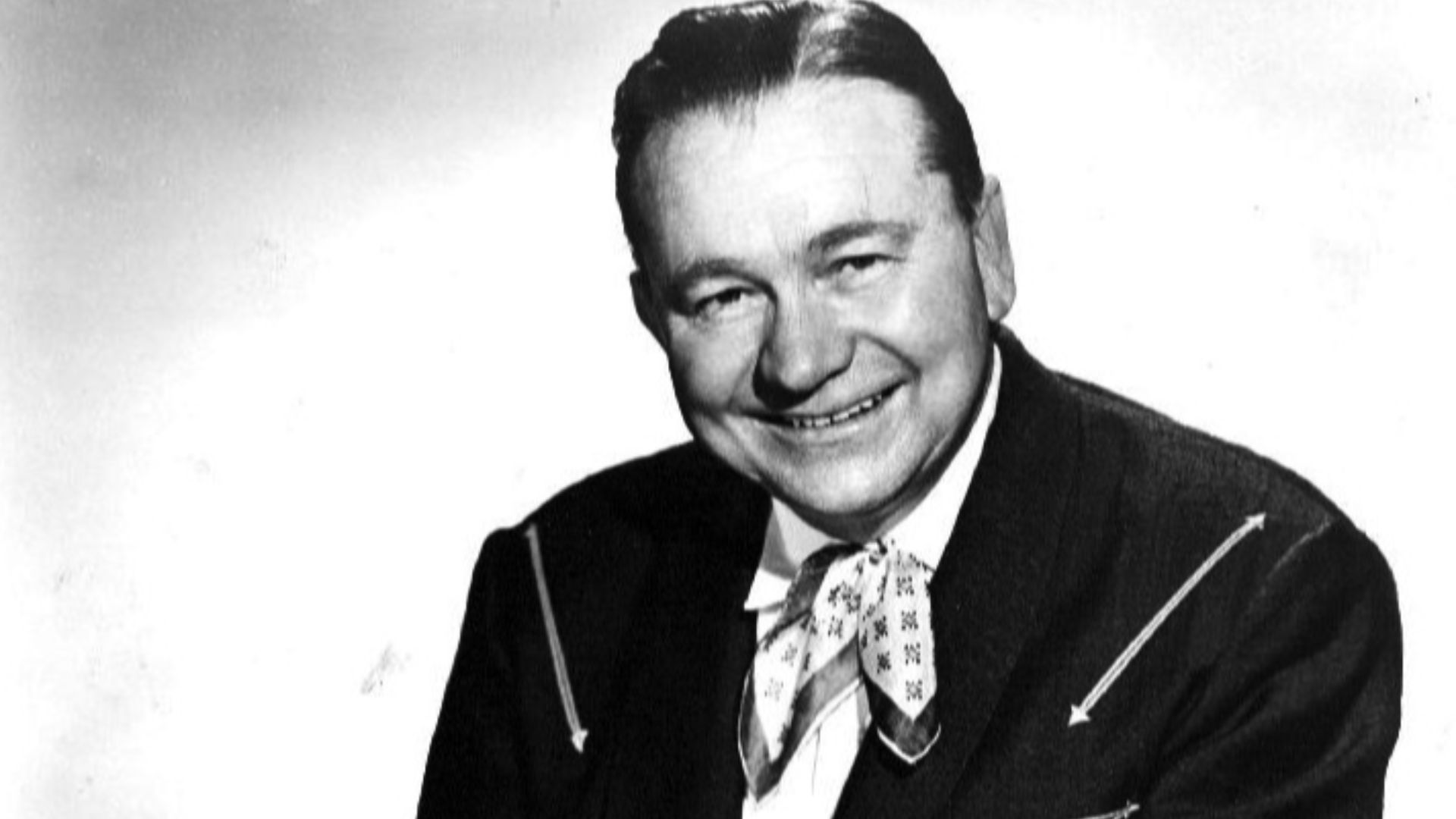 Capitol Records, Wikimedia Commons
Acting Wasn’t The Original Plan
Ritter enrolled at the University of Southern California intending to study psychology. Then acting got his attention. He switched his focus to theater, trained seriously, and discovered that performing suited him perfectly. Before long, Ritter was studying with respected teachers and preparing for a professional career.

Television Came Calling Early
Ritter began landing television roles in the early 1970s, appearing on shows including Hawaii Five-O, MASH*, and The Bob Newhart Show. These weren’t superstar parts yet, but they gave him valuable experience and showed casting directors that the young actor could handle both comedy and drama.
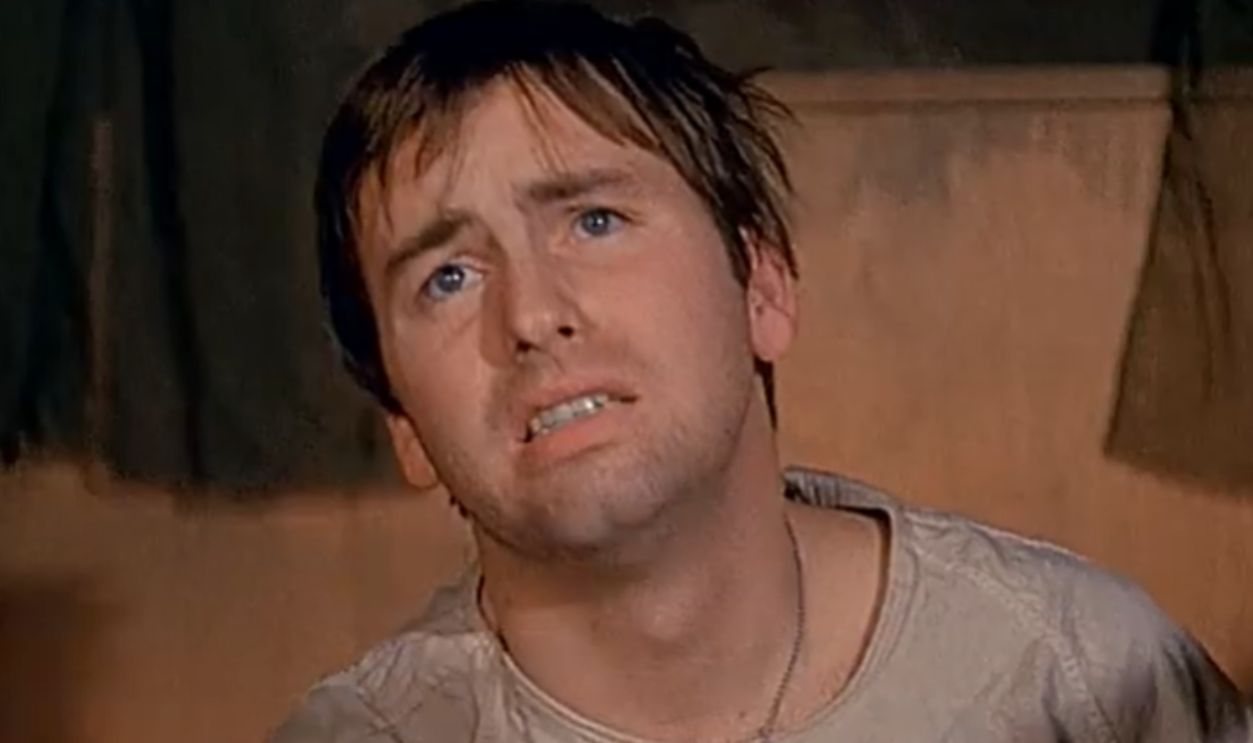 Screenshot from M*A*S*H, 20th Television (1972-1983)
He Had A Memorable Stop In Walton’s Mountain
Before Three’s Company, Ritter became familiar to audiences through The Waltons. He played Reverend Matthew Fordwick, a good-hearted minister who appeared throughout the show’s early seasons. The part wasn’t particularly slapstick-heavy, but it gave Ritter a chance to show the warmth that would become central to his appeal.
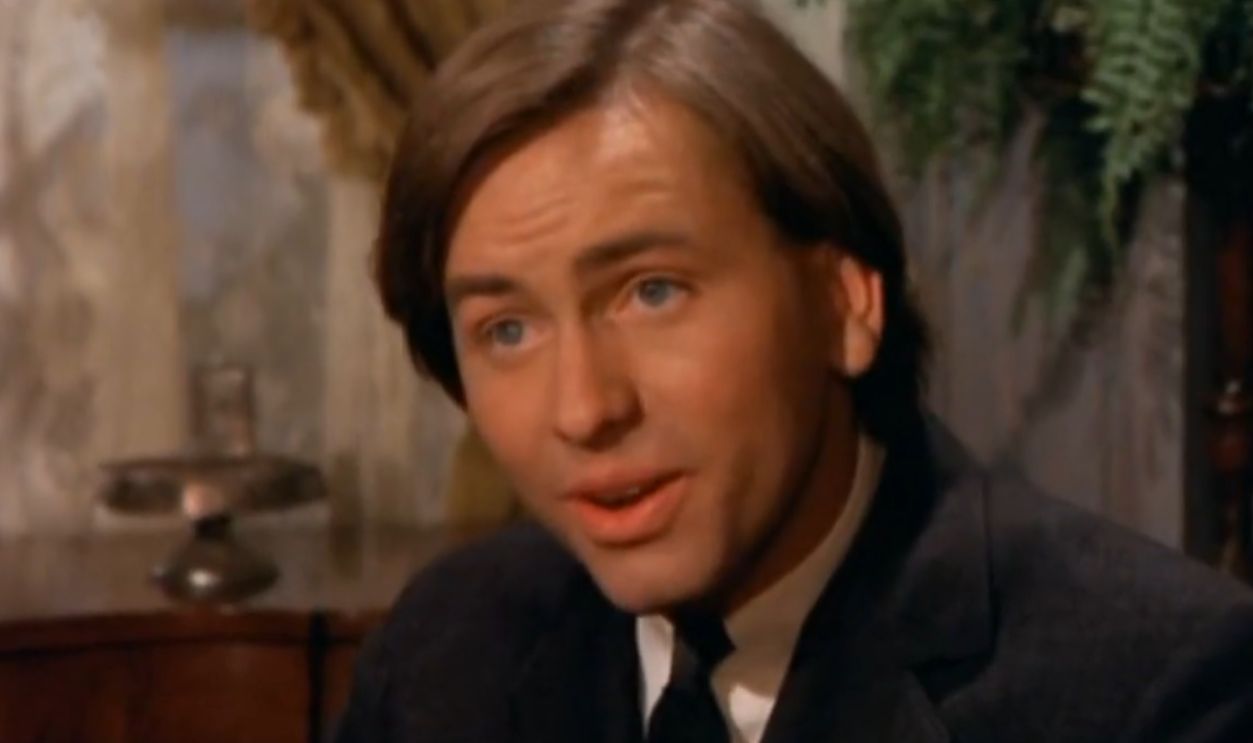 Screenshot from The Waltons, Warner Bros. Television (1972-1981)
Then Jack Tripper Changed Everything
In 1977, Ritter landed the role that made him a household name. Three’s Company centered on Jack Tripper sharing an apartment with two women while pretending to be gay to satisfy their landlord. It was pure sitcom misunderstanding, and Ritter became the wonderfully frantic engine powering the whole thing.
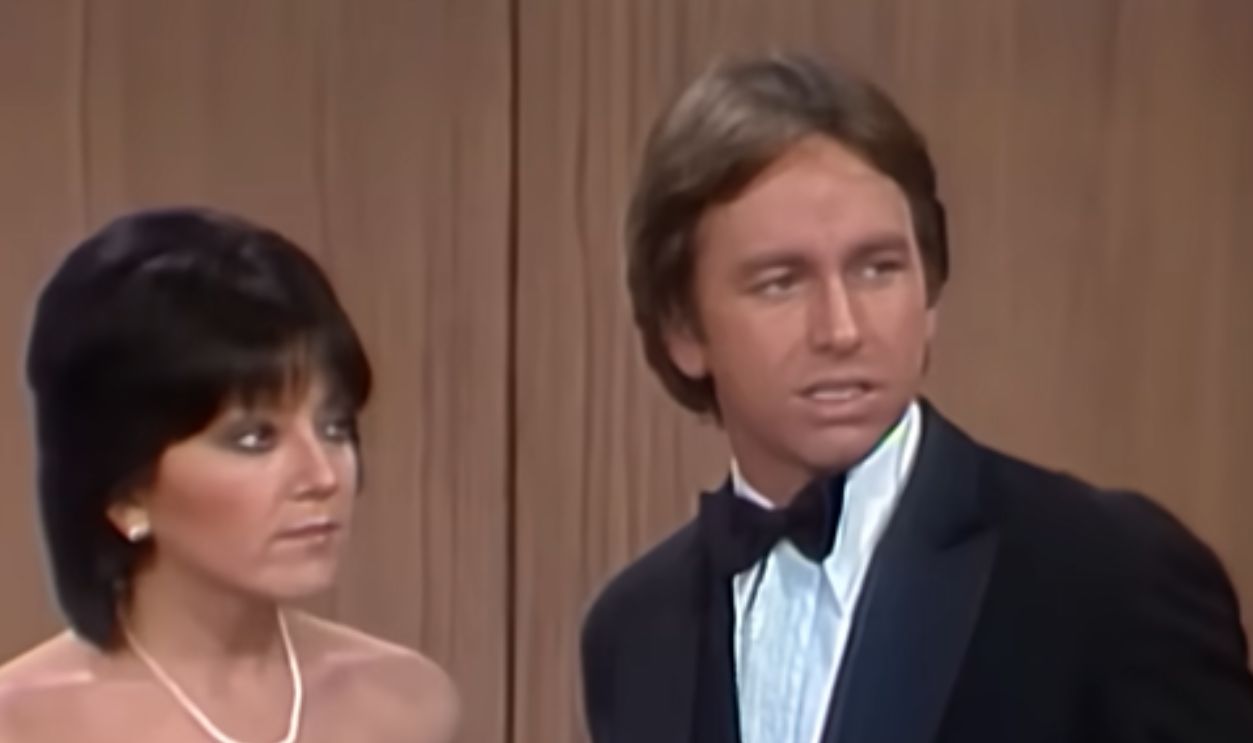 Screenshot from Three's Company, DLT Entertainment (1977-1984)
Jack Tripper Was A Physical-Comedy Machine
Jack didn’t just react to trouble. He twisted, leaped, slipped, ducked, spun, and occasionally seemed to fold himself in half trying to escape it. Ritter understood that his entire body could deliver a punchline. A raised eyebrow could be funny, but so could landing upside down behind a sofa.
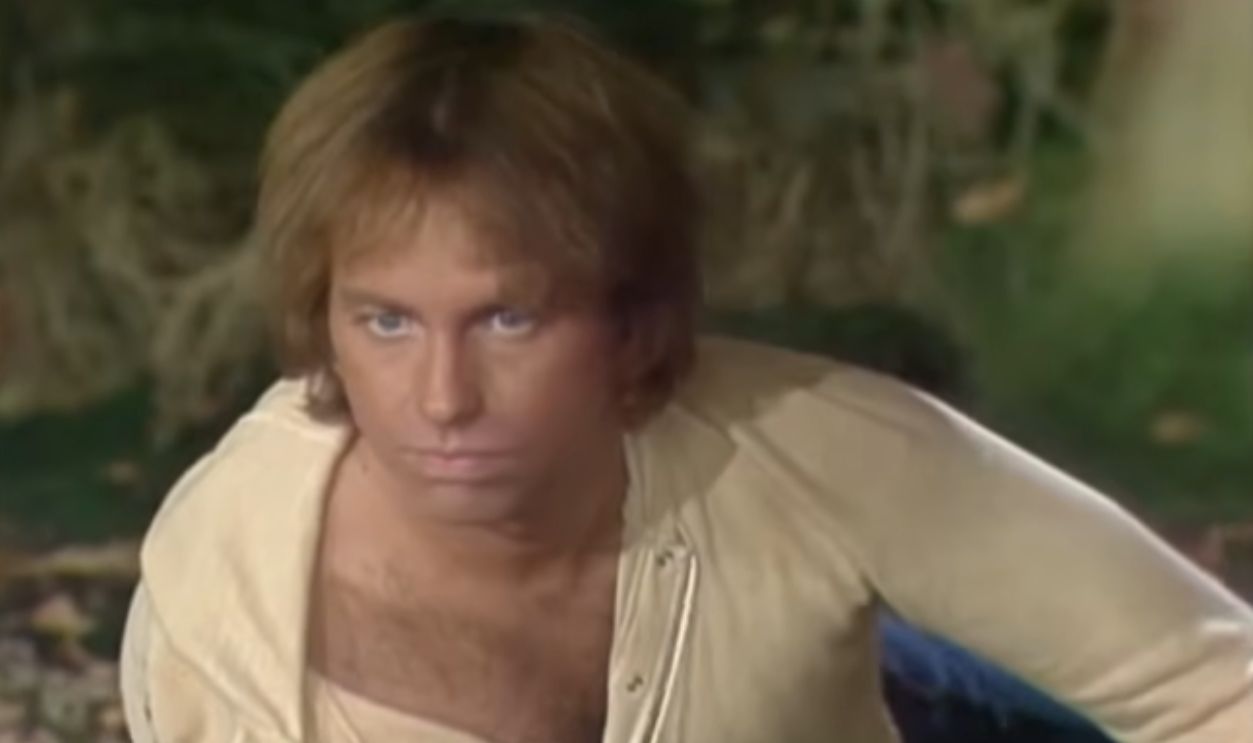 Screenshot from Three's Company, DLT Entertainment (1977-1984)
His Timing Was Almost Ridiculous
Physical comedy looks spontaneous when it works, but great slapstick requires precision. Ritter knew exactly when to pause, when to panic, and when to throw himself across a room. He could build a gag slowly before exploding into motion, giving audiences just enough time to anticipate the disaster.
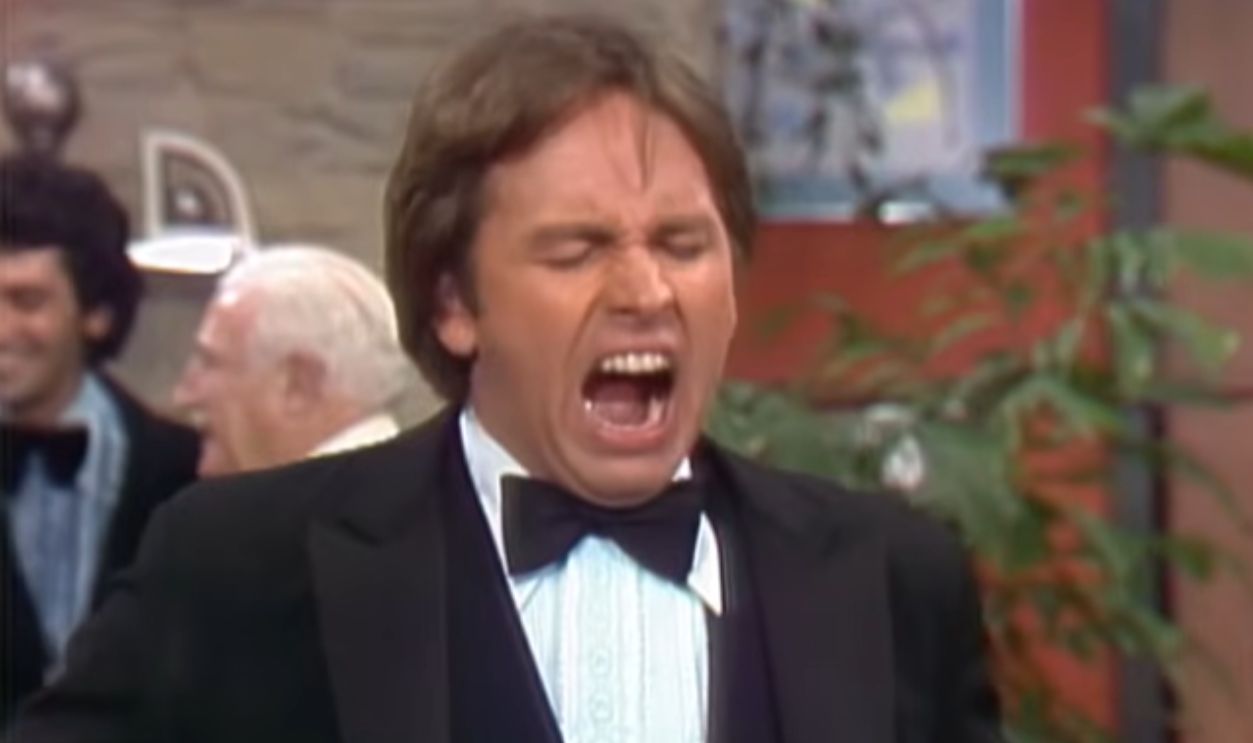 Screenshot from Three's Company, DLT Entertainment (1977-1984)
He Was More Than A Guy Taking Pratfalls
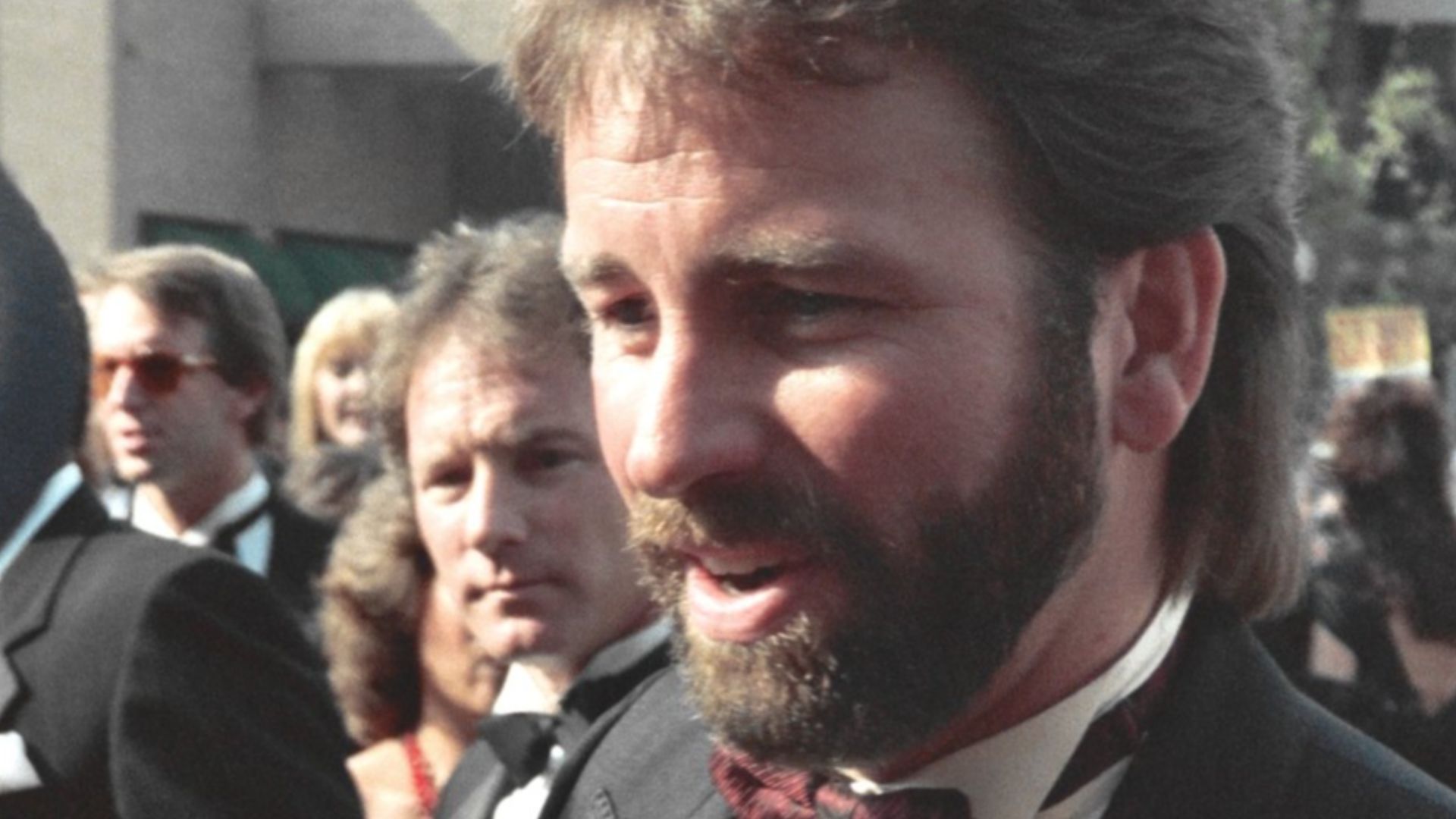
It would have been easy for Jack Tripper to become a cartoon. Ritter never let that happen. Beneath the exaggerated reactions was a sweet, frequently embarrassed guy trying desperately to keep everyone happy. Ritter’s likability made even the show’s most outrageous misunderstandings feel strangely believable.
John Ritter Studied The Greats
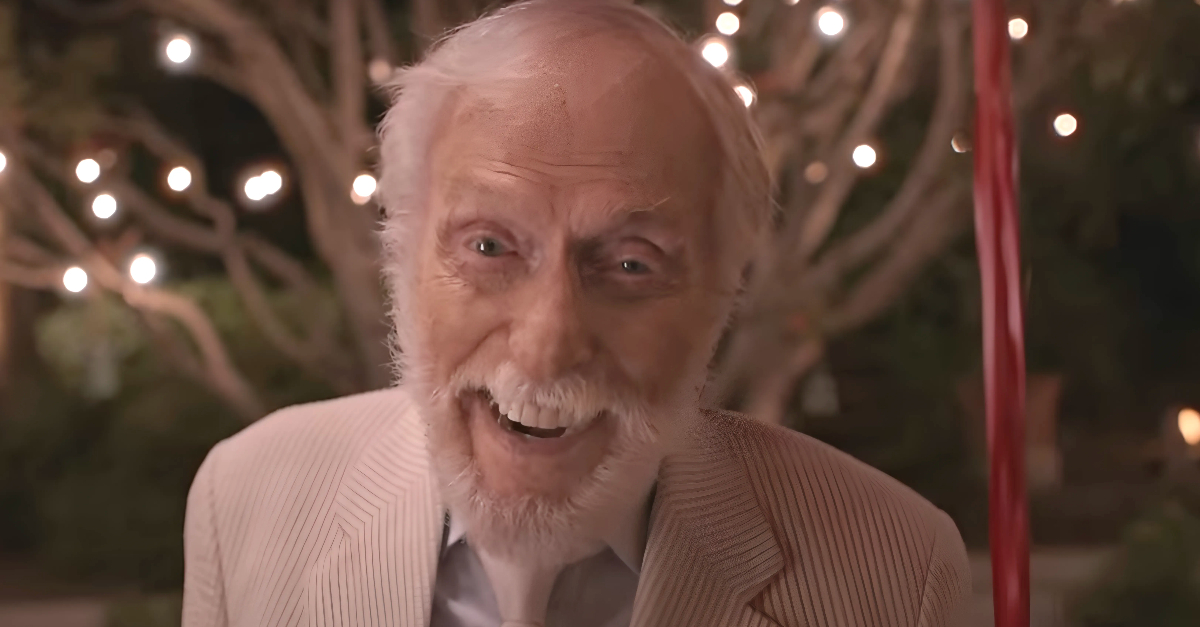
Ritter’s comedy didn’t come from nowhere. He admired legendary physical performers such as Dick Van Dyke, Buster Keaton, and other masters who treated movement like choreography. You can see that influence in Jack Tripper, although Ritter turned those traditions into something unmistakably his own.
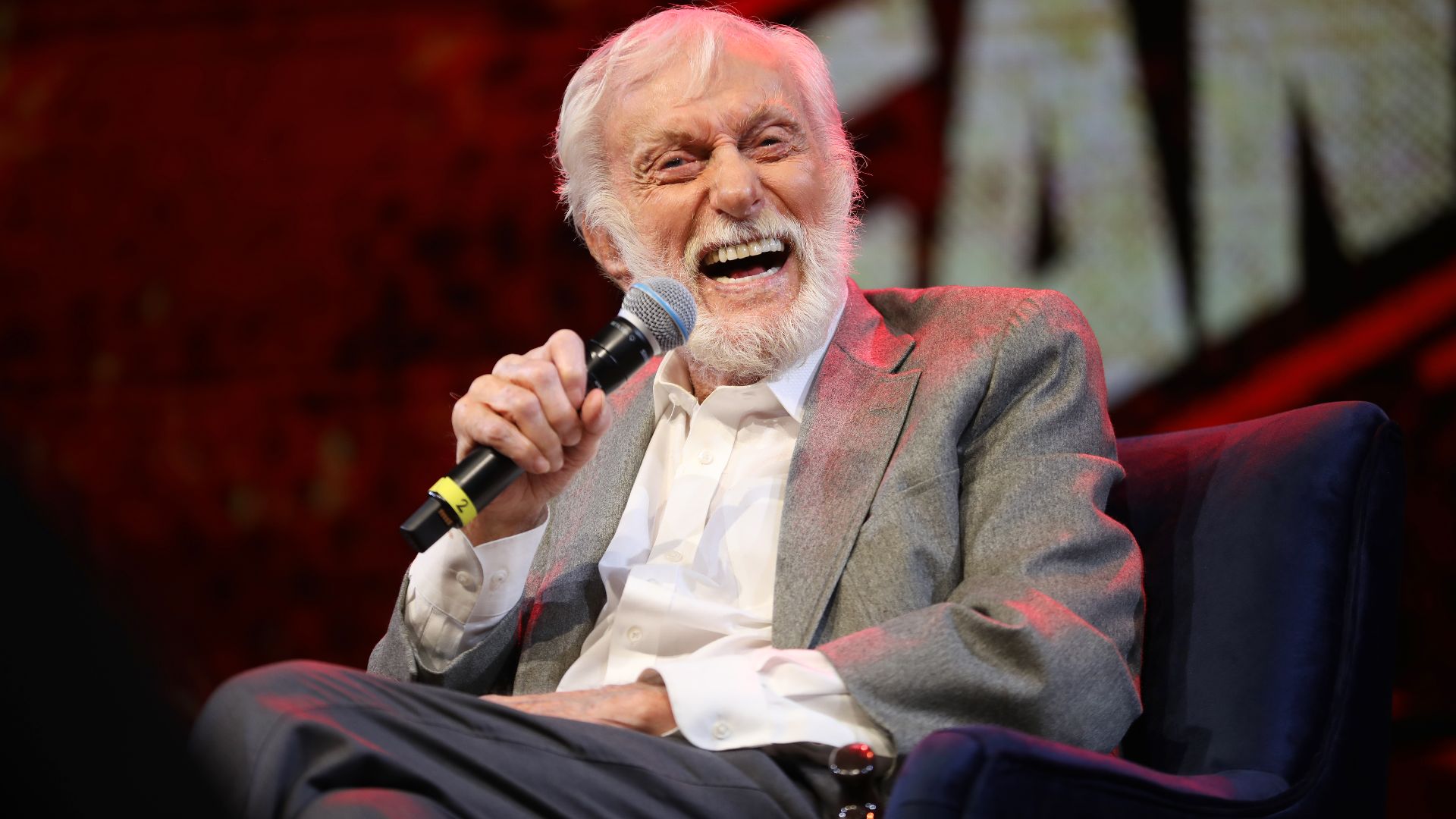 Gage Skidmore from Surprise, AZ, United States of America, Wikimedia Commons
The Emmy Was Well Deserved
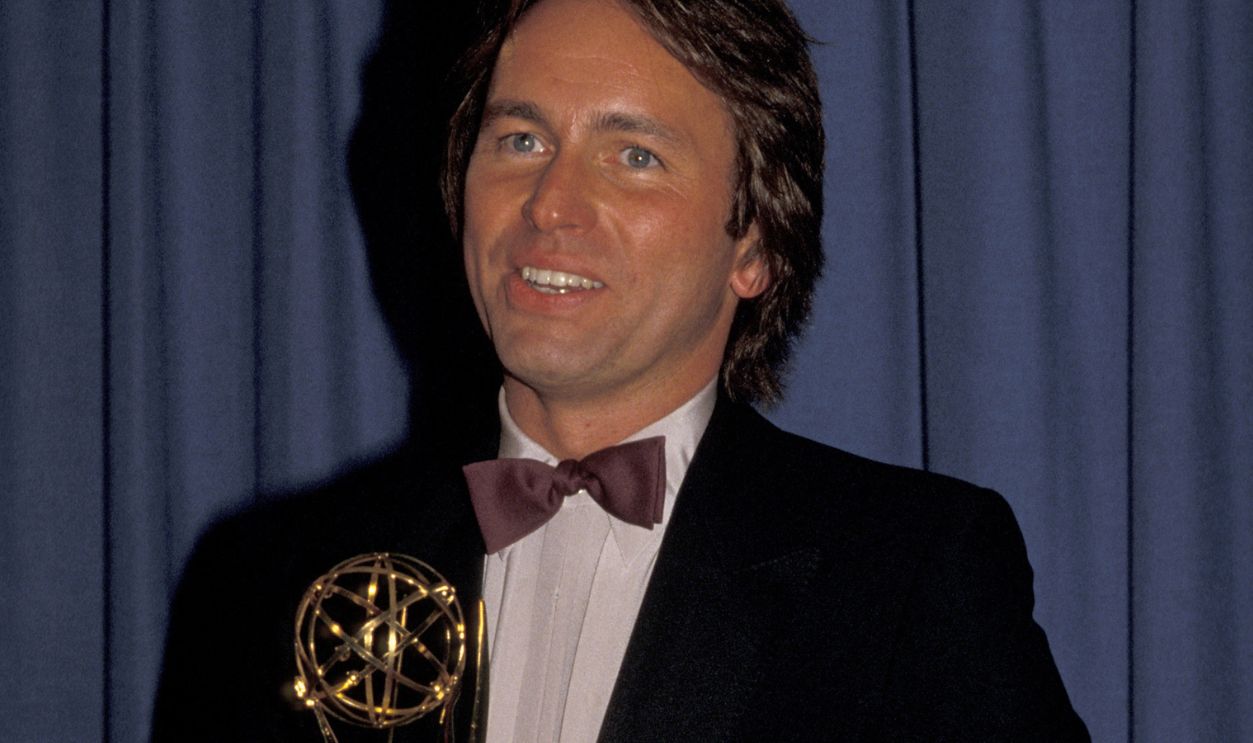
Ritter’s work on Three’s Company earned serious industry recognition. In 1984, he won the Primetime Emmy Award for Outstanding Lead Actor in a Comedy Series. It was proof that what looked like effortless clowning actually required the kind of skill that fellow performers and television professionals understood immediately.
Three’s Company Became A Monster Hit
At its peak, Three’s Company was one of television’s most popular sitcoms. Ritter spent eight seasons at the center of its revolving misunderstandings, romantic mix-ups, and slammed doors. Audiences weren’t merely watching to find out what happened. They were watching to see how Jack Tripper would survive it.
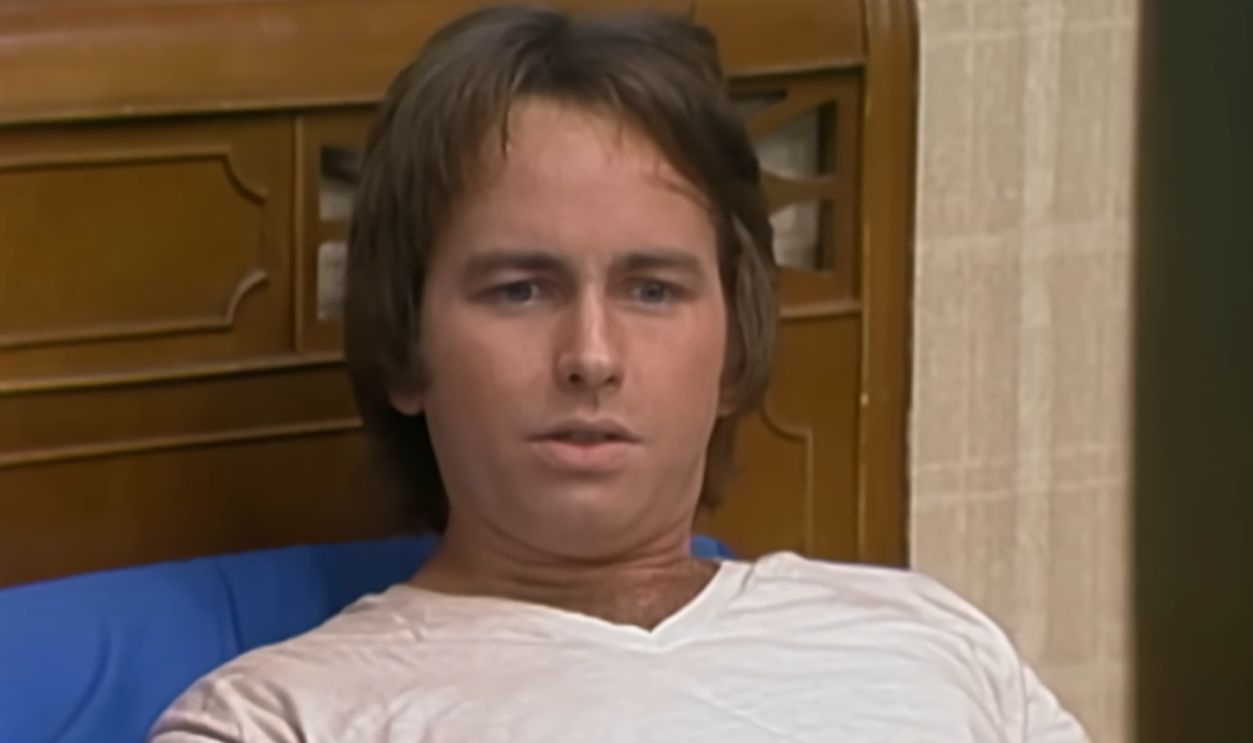 Screenshot from Three's Company, DLT Entertainment (1977-1984)
Ritter Could Play The Straight Man Too
Because he was so talented at broad comedy, people sometimes forget how restrained Ritter could be. He knew when to stop performing and simply listen. That ability made his wild reactions even funnier because he could switch from calm sincerity to full-body panic in a matter of seconds.
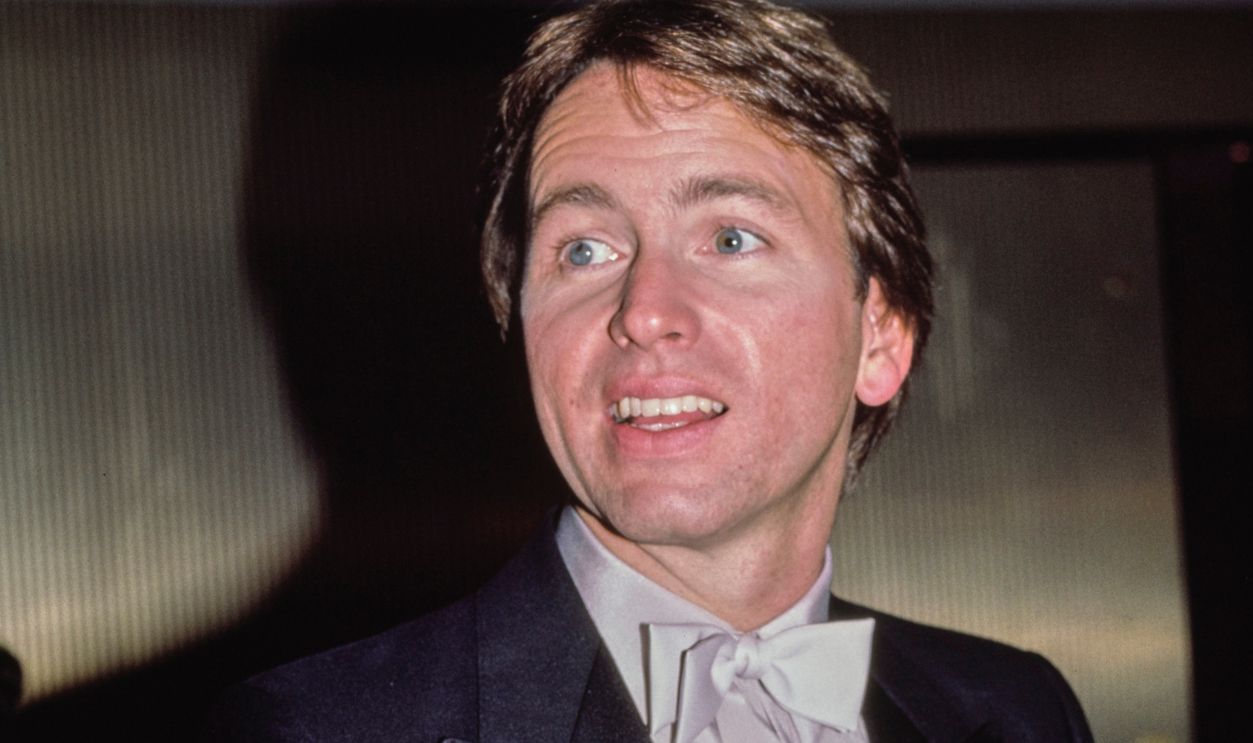
Hollywood Tried To Take Him To The Movies
Naturally, Ritter’s television fame led to film roles. He appeared in movies including Hero at Large, They All Laughed, and Skin Deep. His film career never eclipsed his television stardom, but it gave him opportunities to stretch beyond Jack Tripper’s permanently complicated love life.
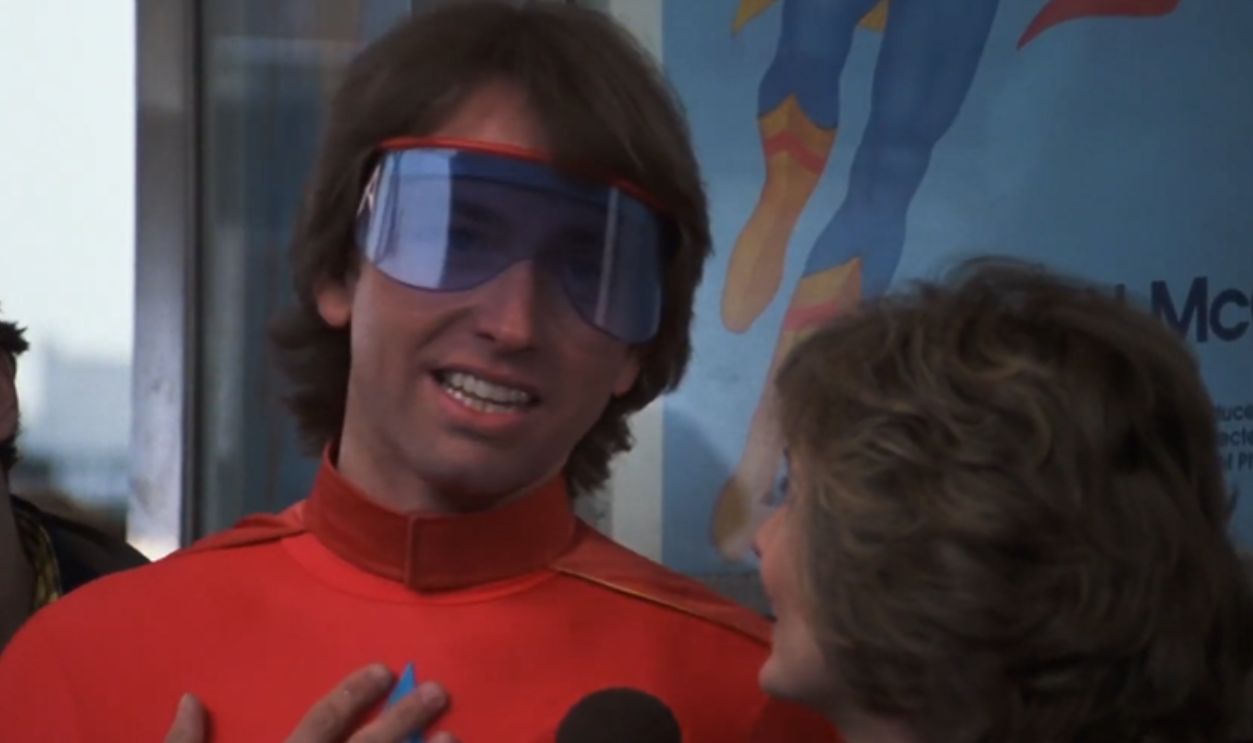 Screenshot from Hero at Large, United Artists (1980)
Problem Child Introduced Him To A New Generation
In 1990, Ritter starred in Problem Child as Ben Healy, the painfully optimistic adoptive father of a truly spectacular troublemaker. The movie wasn’t subtle, but subtlety wasn’t the assignment. Ritter once again proved that few actors could react to escalating disaster with quite as much exhausted comic desperation.
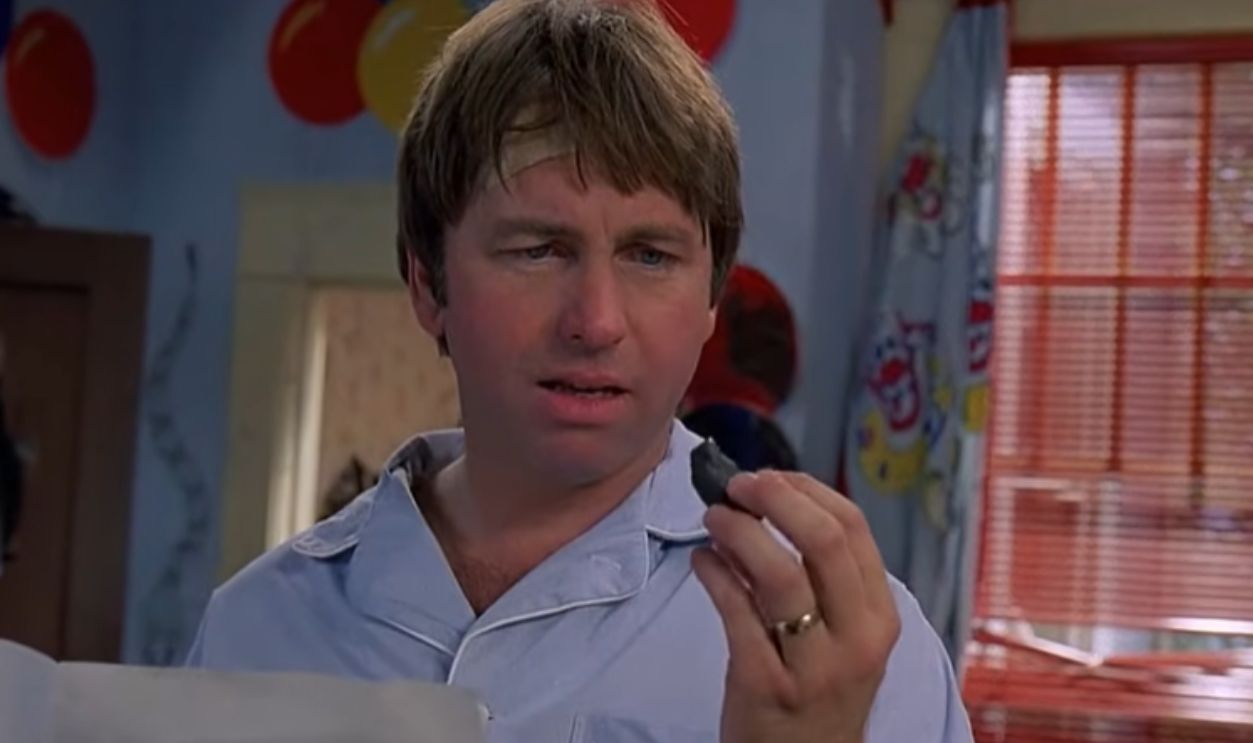 Screenshot from Problem Child, Universal Pictures (1990)
He Could Get Surprisingly Dark
One of Ritter’s strengths was his willingness to step outside comfortable territory. He appeared in Billy Bob Thornton’s Sling Blade as Vaughan Cunningham, a kind and sympathetic gay man. The performance was understated and compassionate, reminding viewers that Ritter’s talent extended far beyond network sitcoms and slapstick.
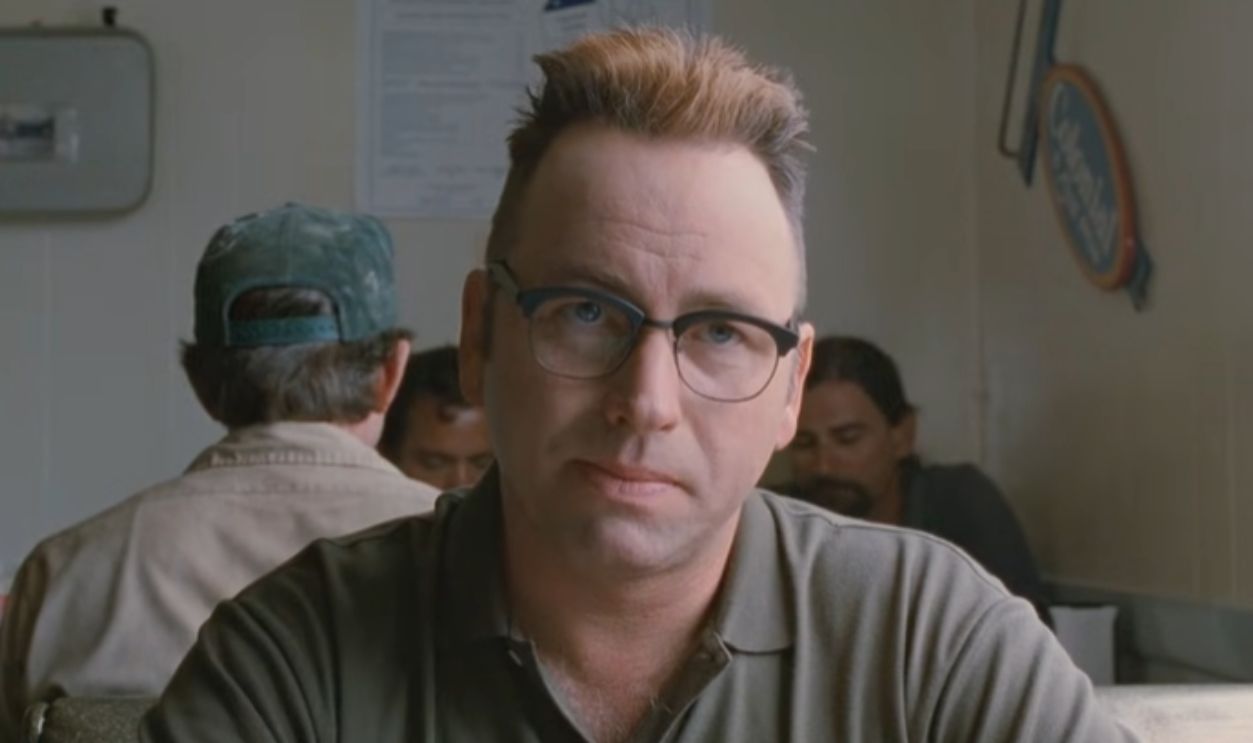 Screenshot from Sling Blade, Miramax Films (1996)
Television Kept Pulling Him Back
After Three’s Company, Ritter continued working steadily on television. He starred in Hooperman, playing a San Francisco police detective whose life becomes increasingly complicated. The series mixed comedy and drama, giving Ritter an ideal showcase for the range audiences didn’t always associate with him.
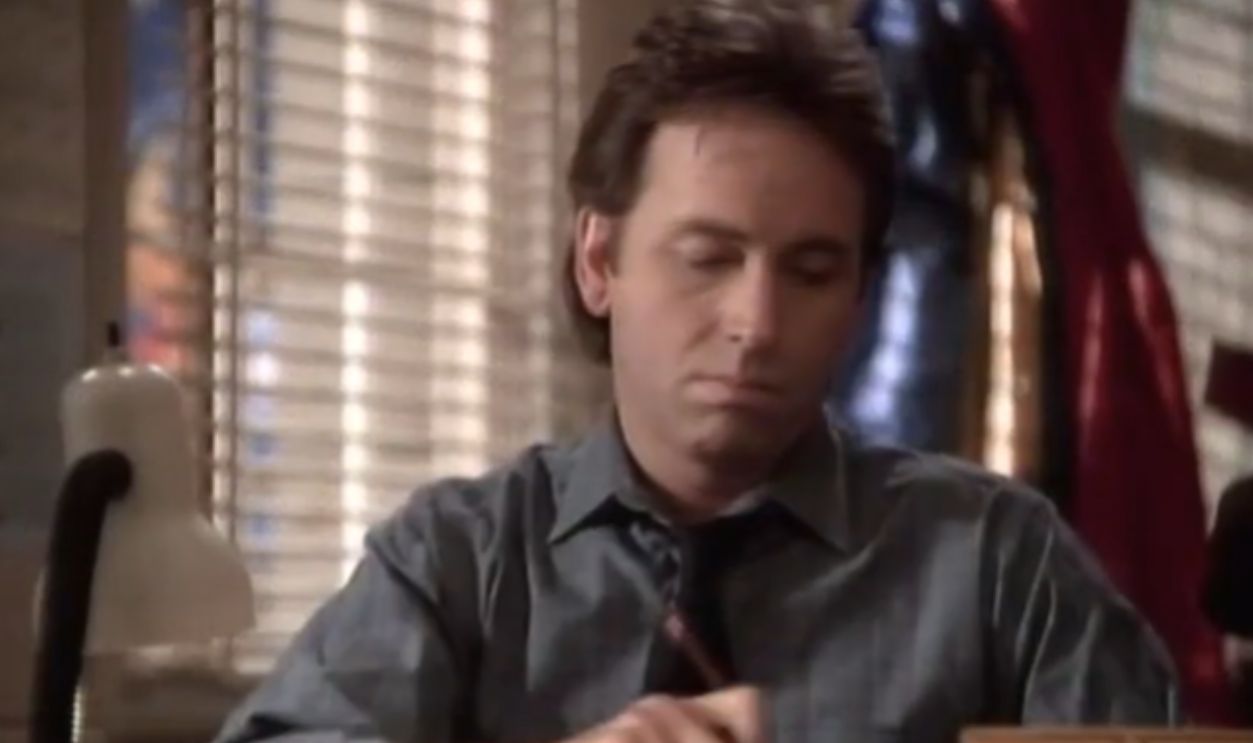 Screenshot from Hooperman, 20th Television (1987-1989)
Hearts Afire Gave Him Another Sitcom Home
In the 1990s, Ritter starred opposite Markie Post in Hearts Afire. The political workplace comedy lasted three seasons and allowed him to return to the ensemble sitcom format. It never became a phenomenon like Three’s Company, but Ritter remained one of television’s most reliable and naturally appealing performers.
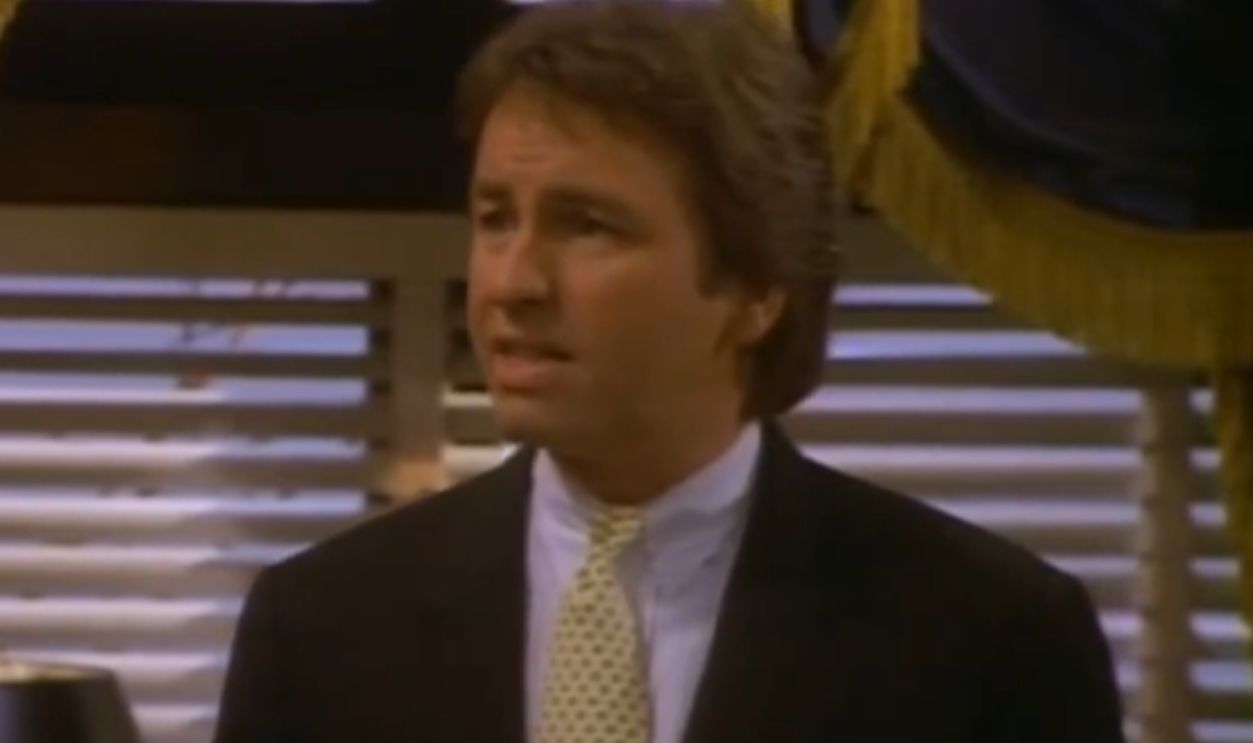 Screenshot from Hearts Afire, CBS (1992-1995)
Guest Roles Showed How Versatile He Was
Ritter became the kind of guest star who could instantly improve an episode. He appeared on shows ranging from Ally McBeal to Scrubs and earned praise for dramatic and comedic performances alike. Even with limited screen time, Ritter had an uncanny ability to make characters feel immediately lived-in.
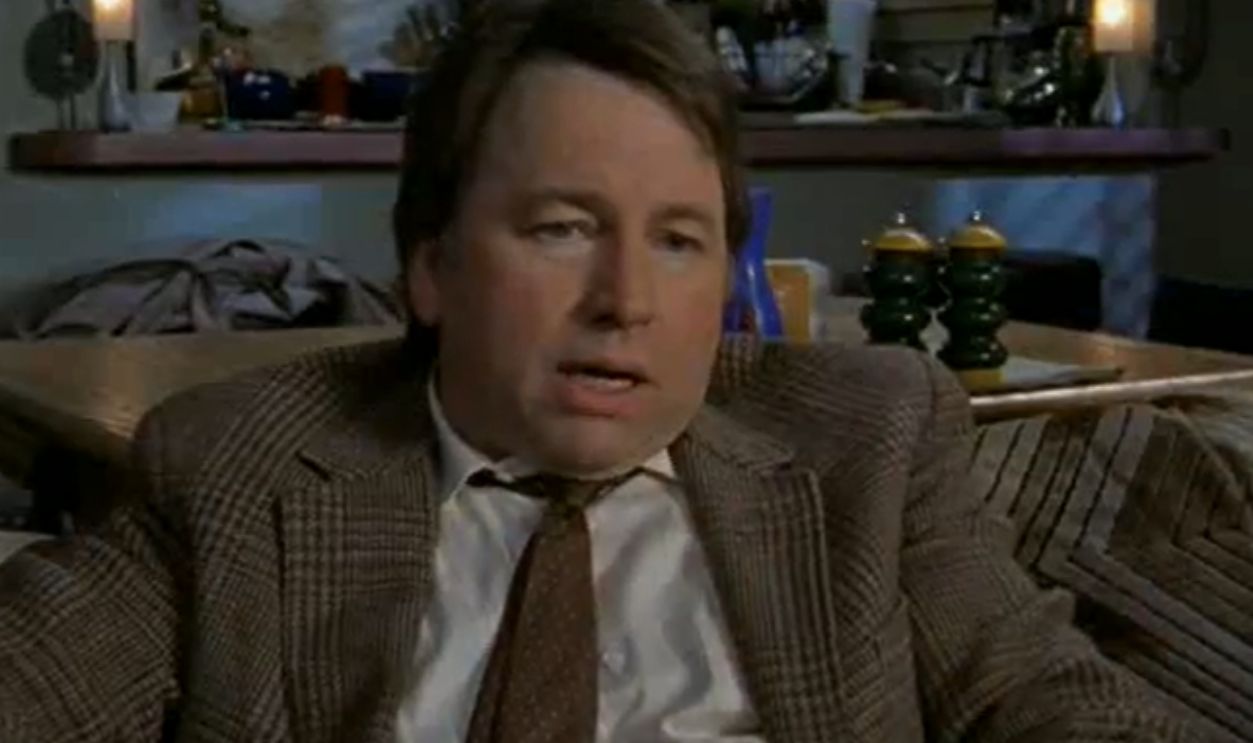 Screenshot from Scrubs, 20th Television (2001-2010)
He Even Became Clifford’s Voice
Children knew Ritter without necessarily seeing his face. He voiced Clifford in the animated series Clifford the Big Red Dog, bringing the famous enormous canine an appropriately warm, gentle personality. Ritter’s vocal work earned multiple Daytime Emmy nominations and showed that his charm worked even without the famous pratfalls.
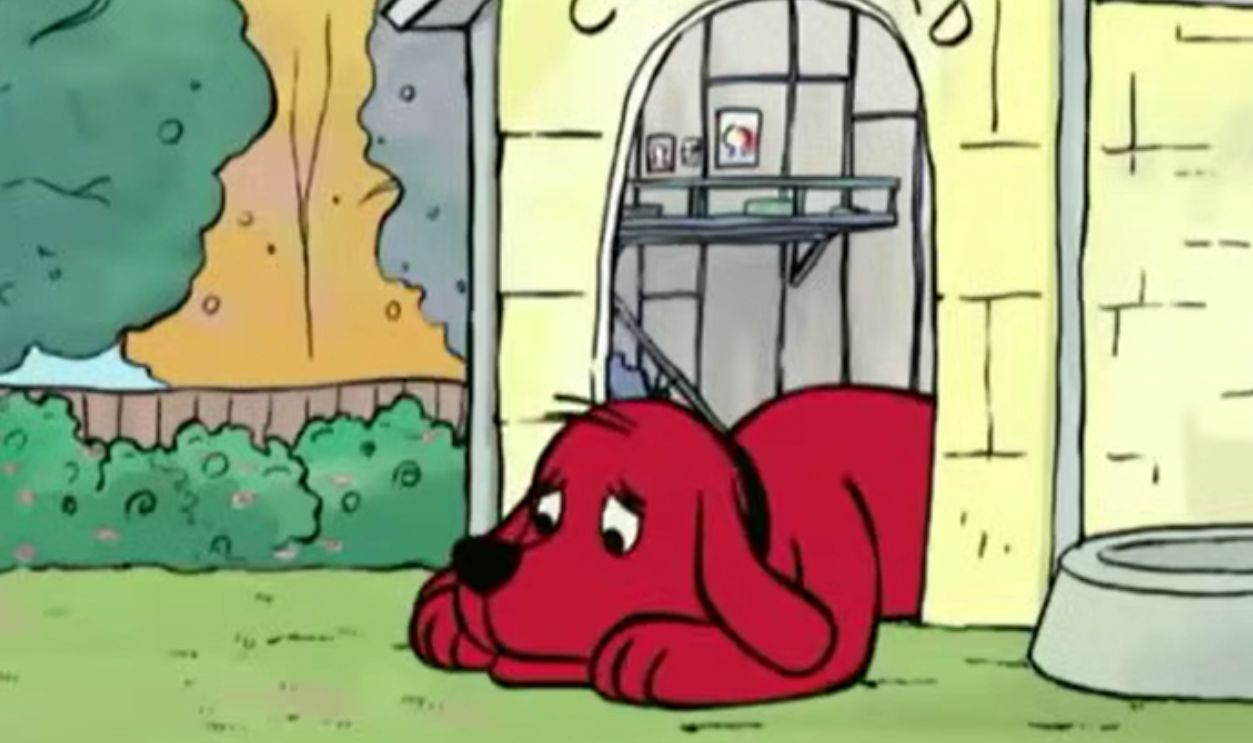 Screenshot from Clifford the Big Red Dog, PBS Kids (2000-2003)
Then Came A Major Sitcom Comeback
In 2002, Ritter returned to network sitcom stardom with 8 Simple Rules for Dating My Teenage Daughter. He played Paul Hennessy, a nervous father struggling with the terrifying realization that his daughters were growing up. The role felt perfect: affectionate, overwhelmed, goofy, and unmistakably Ritter.
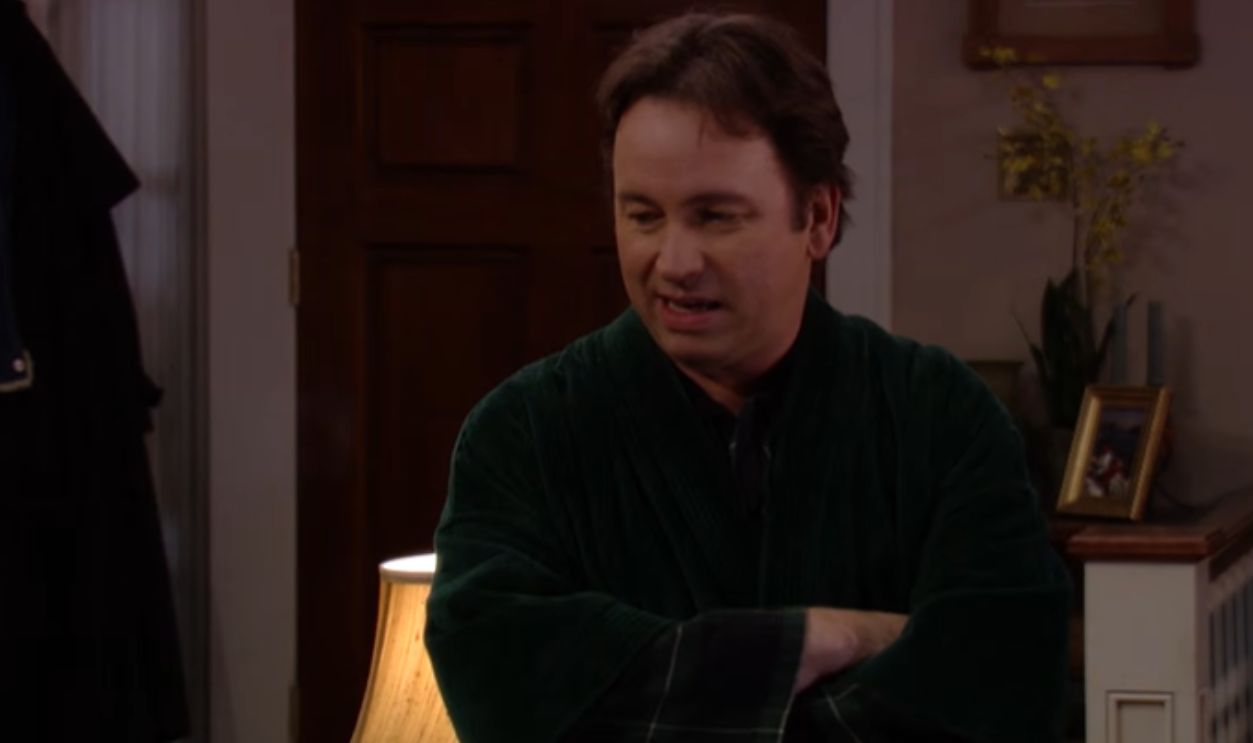 Screenshot from 8 Simple Rules, Touchstone Television (2002-2005)
He Hadn’t Lost A Step
Watching Ritter on 8 Simple Rules, it was clear his instincts were still razor sharp. He could turn parental anxiety into a full comic performance without making Paul feel foolish or cruel. Once again, Ritter found humor by playing a decent man whose life kept moving considerably faster than he could handle.
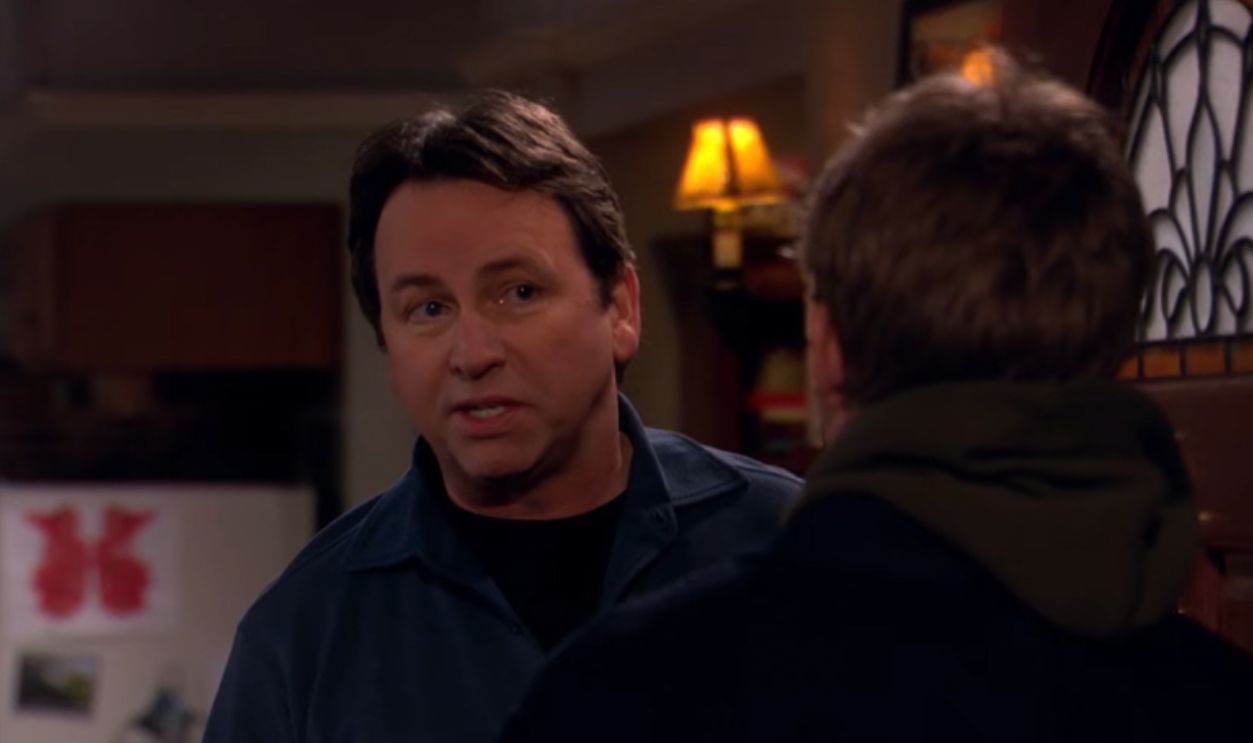 Screenshot from 8 Simple Rules, Touchstone Television (2002-2005)
His Final Years Were Tragically Short
On September 11, 2003, Ritter became seriously ill while rehearsing 8 Simple Rules. He was taken to the hospital and died later that day from an aortic dissection. He was only 54. His sudden death shocked viewers, coworkers, friends, and generations of fans who had grown up watching him.

The Show Faced An Impossible Situation
Rather than simply replacing Ritter, 8 Simple Rules addressed his death directly. Paul Hennessy died within the series, and the characters grieved along with the audience. Those episodes became an unusually emotional moment for a sitcom, underscoring how deeply Ritter’s presence had shaped both the show and its cast.
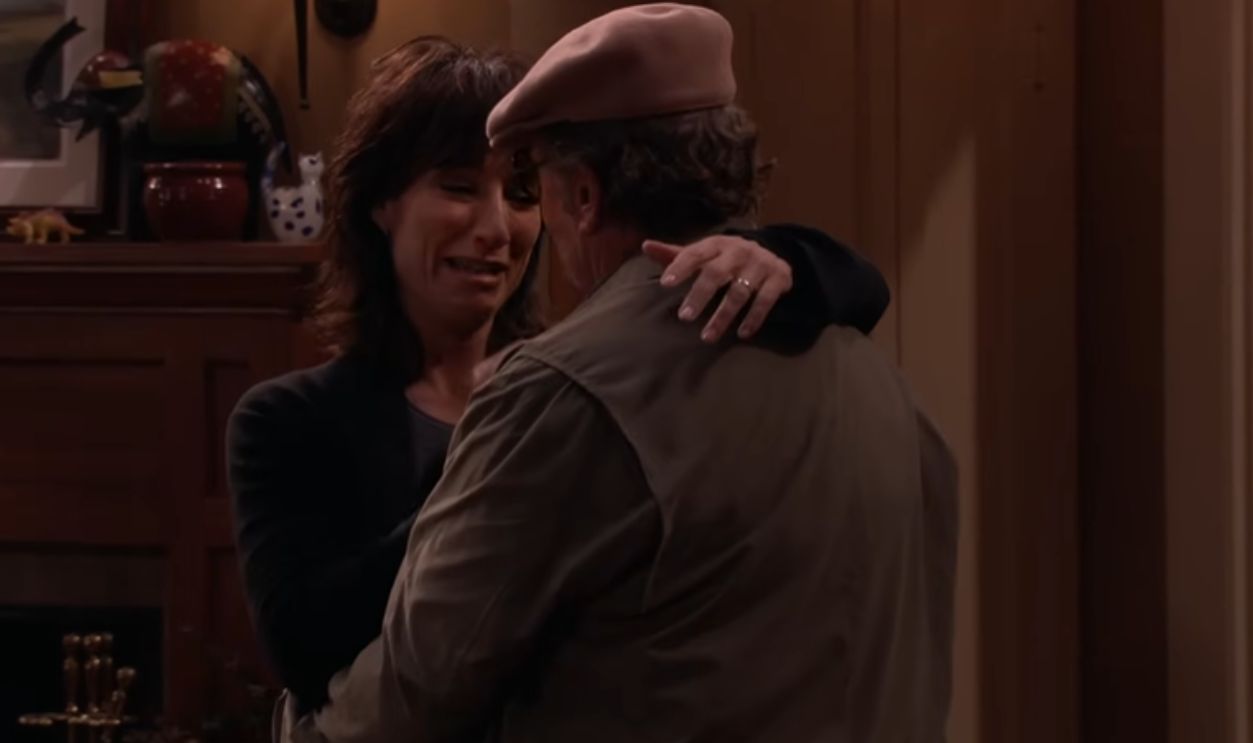 Screenshot from 8 Simple Rules, Touchstone Television (2002-2005)
Fellow Actors Never Stopped Praising Him
Ritter’s reputation among other performers remained extraordinary. Costars often remembered not only his comic talent but also his generosity. Great physical comedians can dominate scenes, yet Ritter had a gift for making everyone around him funnier. He wasn’t simply hunting for his own laugh.
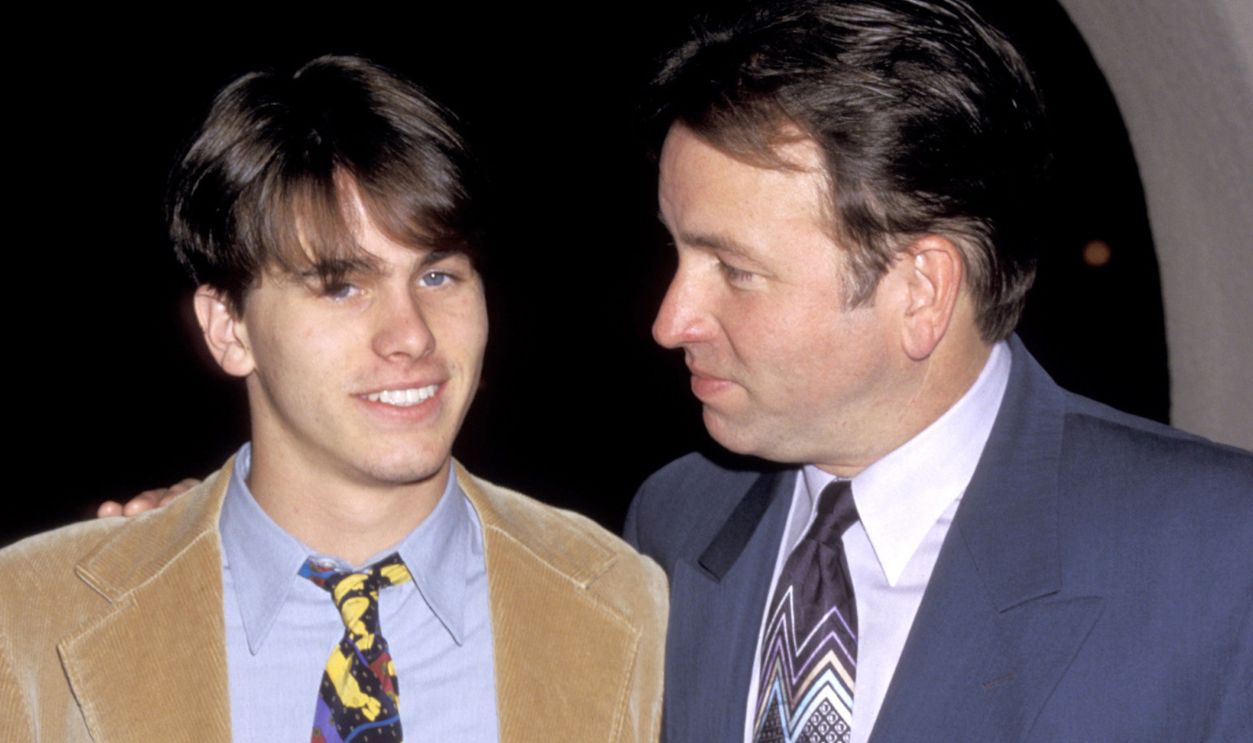
His Comedy Was Harder Than It Looked
That may be Ritter’s greatest trick. His movements looked reckless, but they were controlled. His reactions looked spontaneous, but the timing was exact. He made audiences believe Jack Tripper genuinely had no idea where his feet were going, even though Ritter knew precisely where every limb needed to land.
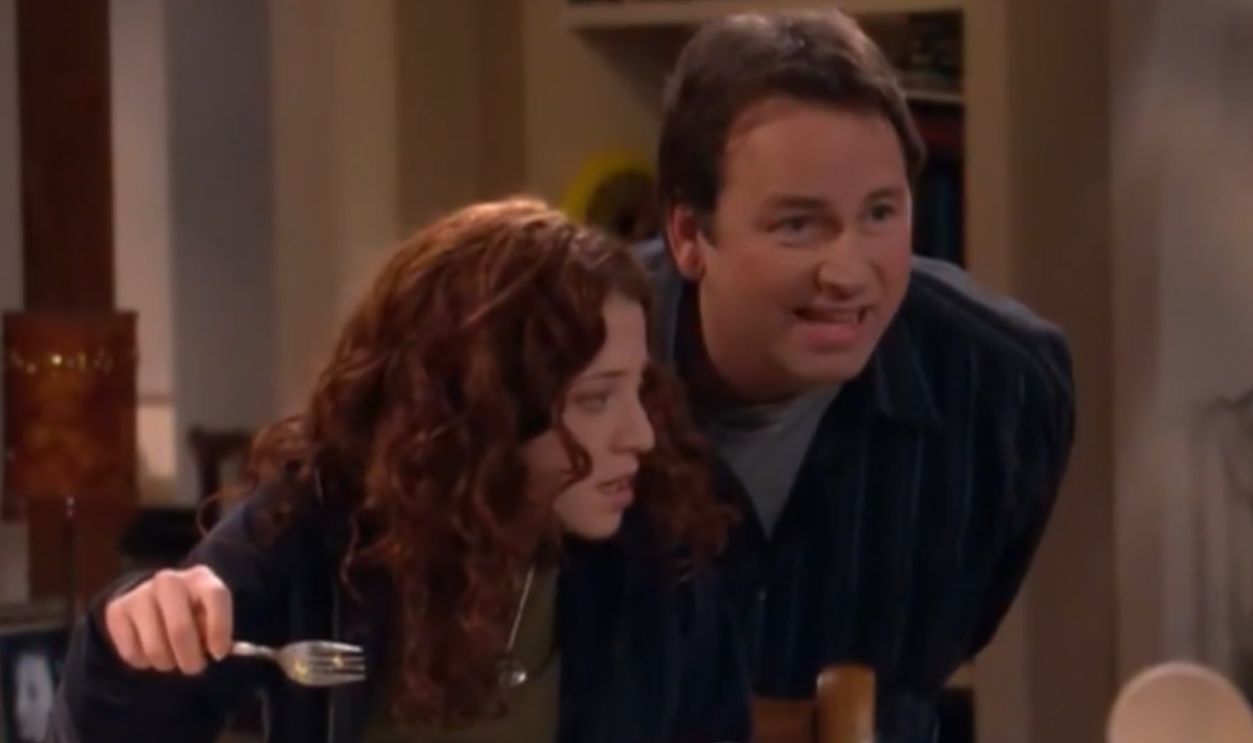 Screenshot from 8 Simple Rules, Touchstone Television (2002-2005)
You Can Still See His Influence
Modern sitcom performers still use the toolkit Ritter mastered: awkward pauses, escalating panic, expressive movement, and sudden bursts of chaos. But few combine them with his warmth. Ritter wasn’t funny because his characters were stupid. He was funny because they were trying incredibly hard to keep impossible situations under control.
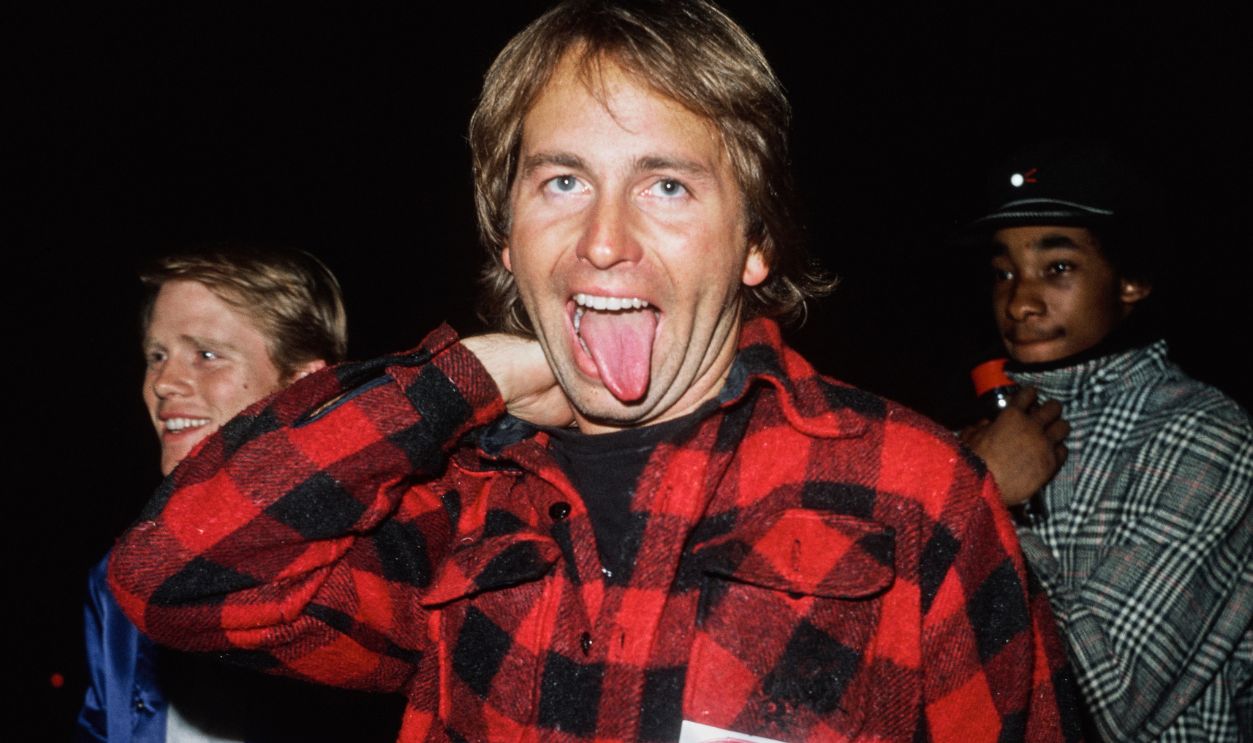 Michael Ochs Archives, Getty Images
John Ritter Made Comedy Look Effortless
John Ritter’s legacy isn’t simply that he starred in a massively popular sitcom. It’s that he made extraordinarily difficult comedy appear completely natural. Whether tumbling across Jack Tripper’s apartment or quietly playing a worried father, Ritter understood something special: sometimes the funniest person in the room is the one trying hardest not to fall apart.
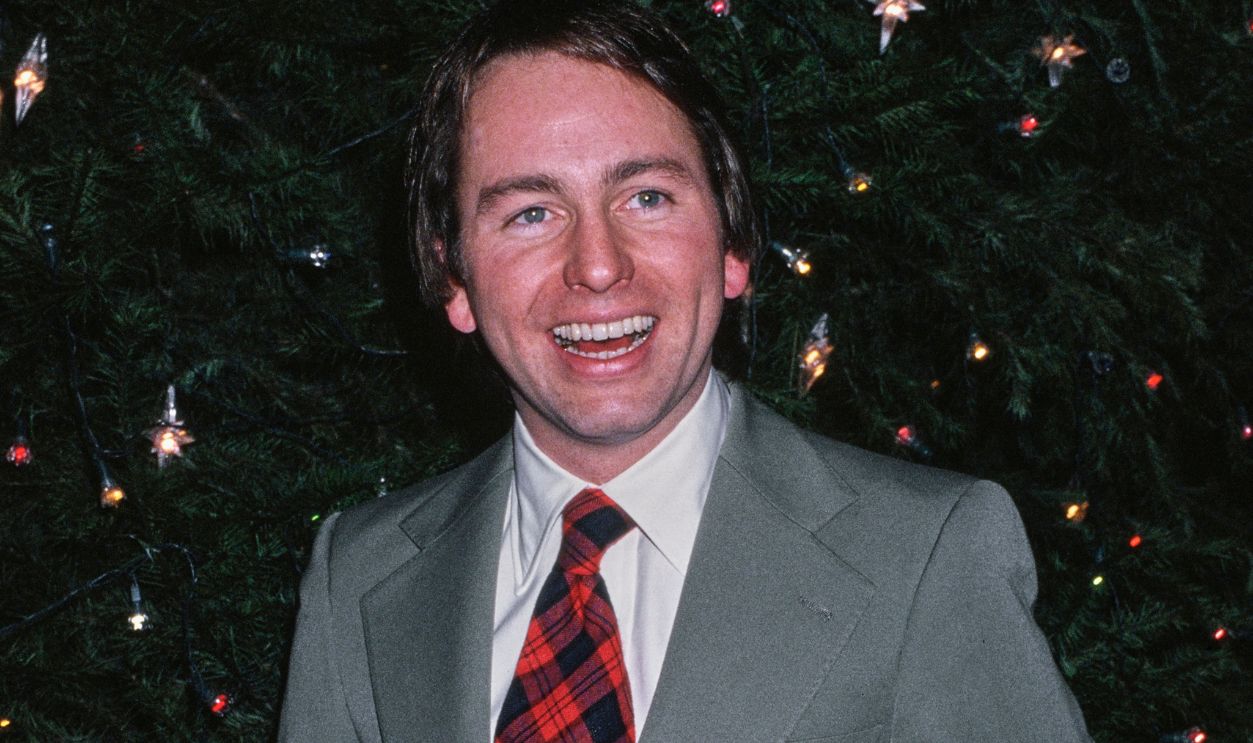 Michael Ochs Archives, Getty Images
You May Also Like:
The Miniseries Boom Of The 70s And 80s Changed TV—How Many Did You Watch?
Can You Identify The Classic Sitcom From Just Three Character Names? Take The Classic TV Quiz
Bobby Driscoll was once America’s biggest child star—so why was he buried in an unmarked grave?