Toughness Wasn't An Act
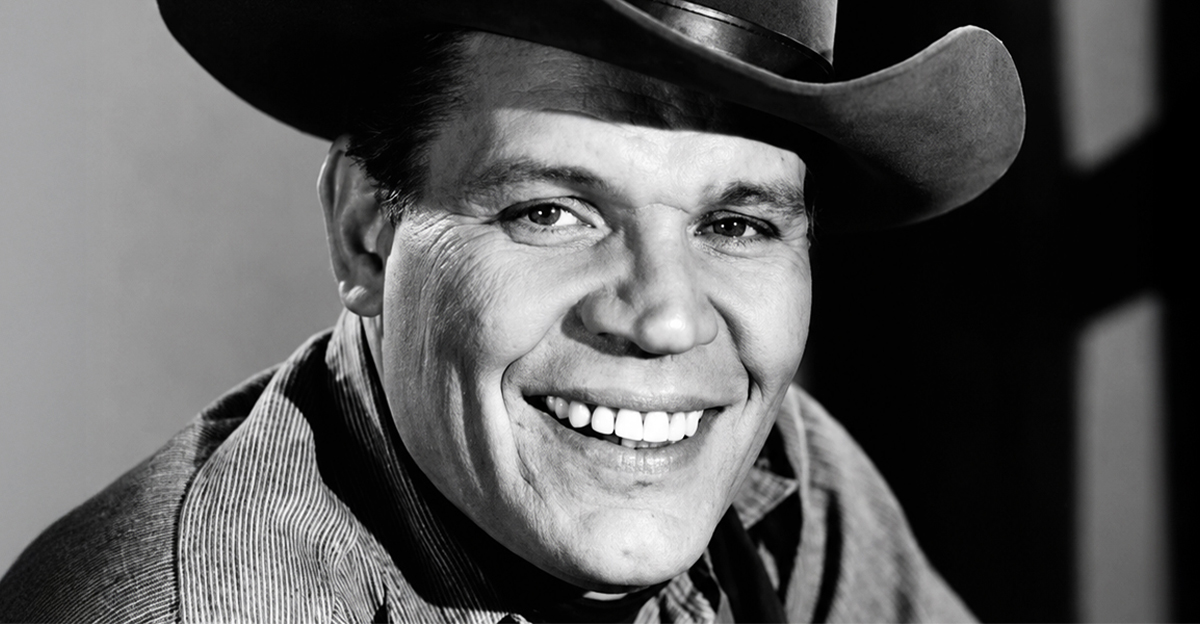
Neville Brand spent decades playing convicts, killers, cowboys, gangsters, and fron-line soldiers, but Hollywood could hardly invent a tougher biography. Before D.O.A. (1950), Stalag 17 (1953), The Untouchables and Laredo, Brand survived brutal combat in Europe. But memories of war and other personal struggles followed him home.
 NBC Television, Public Domain, Wikimedia Commons
An Iowa Beginning
Lawrence Neville Brand was born August 13, 1920, in Griswold, Iowa, and grew up primarily in Kewanee, Illinois. Long before his battered features and gravelly voice made him an instantly recognizable character actor, Brand came from an ordinary Midwestern background far removed from Hollywood.
 Screenshot from Riot in Cell Block 11, Allied Artists Pictures (1954)
He Chose The Army
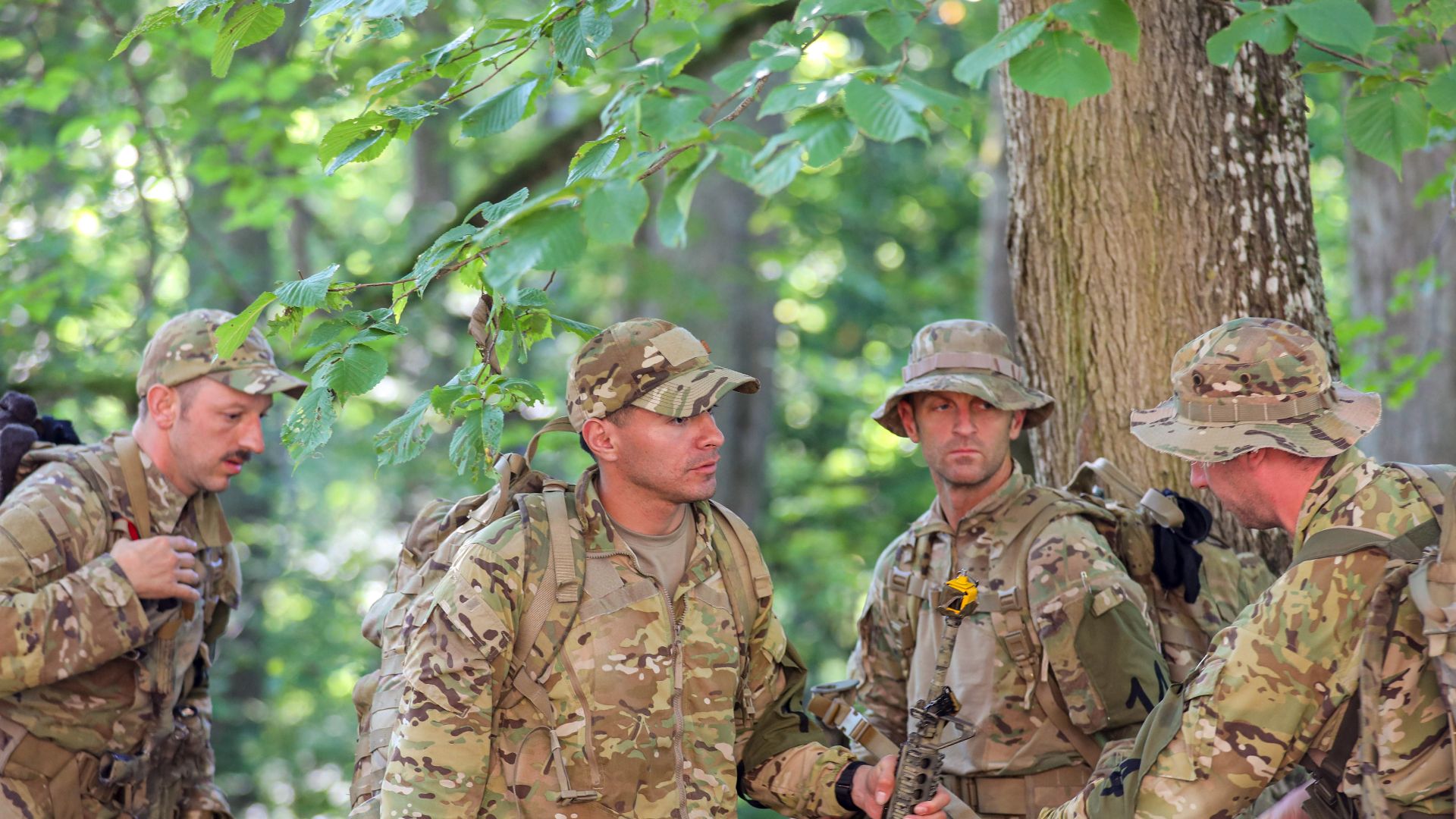
Brand entered the Illinois Army National Guard on October 23, 1939, joining Company F of the 129th Infantry Regiment as a private. In March 1941, with America still months away from Pearl Harbor, Brand entered federal Army service as a corporal, and began the military career that would profoundly shape everything afterward.
 U.S. Army photo by Sgt. Cecil Elliott II, Wikimedia Commons
War Took Him Overseas
Brand eventually served with Company B, 331st Infantry Regiment, part of the Army's 83rd Infantry Division. Fighting in the European theater, he participated in the Ardennes, Rhineland and Central European campaigns. The future Hollywood heavy was experiencing genuine combat years before anyone paid him to imitate it.
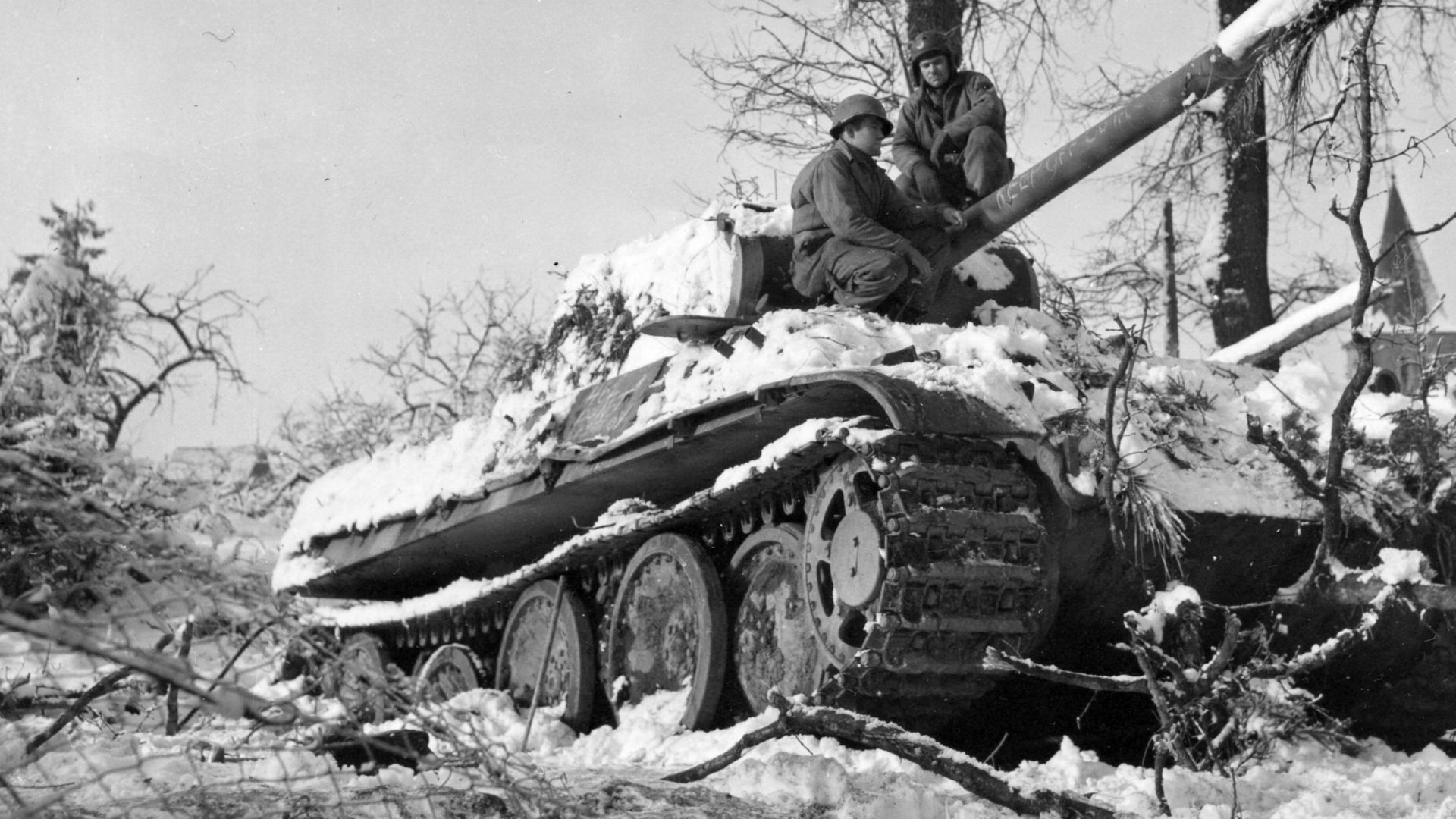 U.S. Army Signal Corps photo 111-SC-198588, Wikimedia Commons
He Earned The Silver Star
Brand received the Silver Star for gallantry in action. Recalling the incident years later, he described German fire from a hunting lodge pinning down his unit before he decided to attack the position. It was the kind of episode Hollywood publicity departments later exaggerated, although Brand himself resisted embellishing his record.
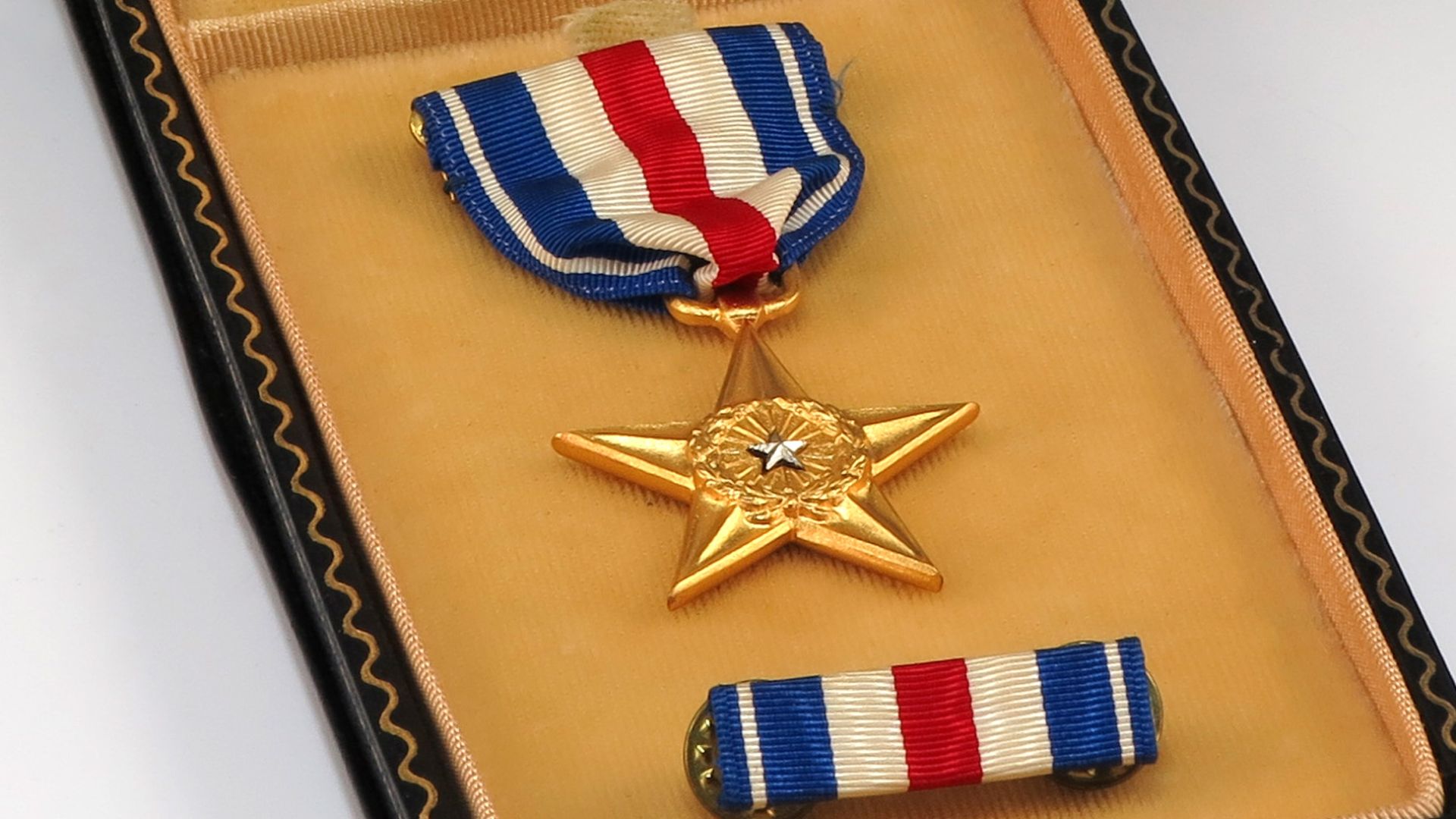 Unknown authorUnknown author, Wikimedia Commons
The Medals Were Real
Brand's documented decorations included the Silver Star, Purple Heart, Good Conduct Medal, American Defense Service Medal, European-African-Middle Eastern Campaign Medal with three battle stars, and Combat Infantryman Badge. Later publicity frequently called him America's “fourth most decorated” WWII serviceman, but that claim was false, and Brand himself denied it.
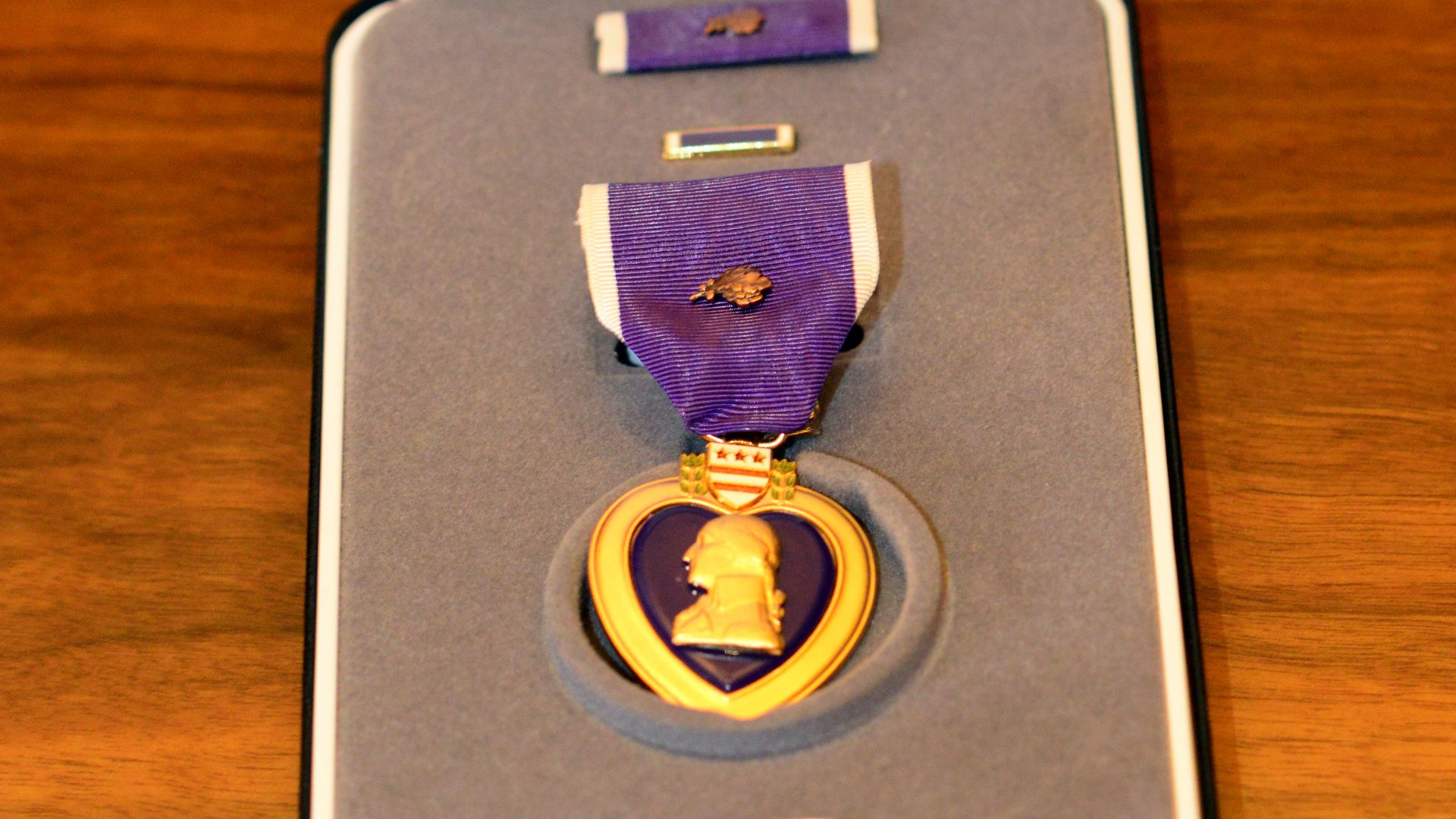 Oregon National Guard from Salem, Oregon, United States, Wikimedia Commons
He Nearly Bled Out
On April 7, 1945, with Germany's defeat only weeks away, Brand was wounded along the Weser River. A round struck his upper right arm, and he reportedly came frighteningly close to not making it alive. He survived, received the Purple Heart and eventually returned to civilian life carrying memories that proved much harder to escape.
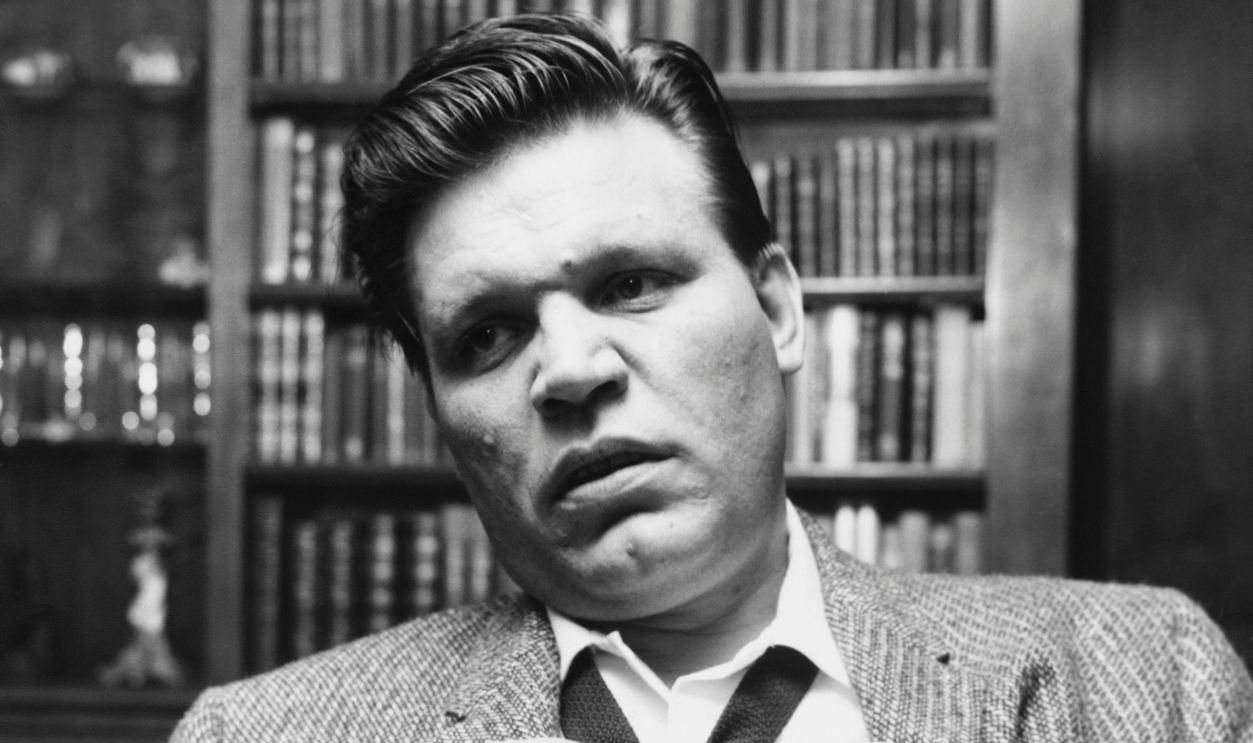 John Springer Collection, Getty Images)
Acting Offered Another Life
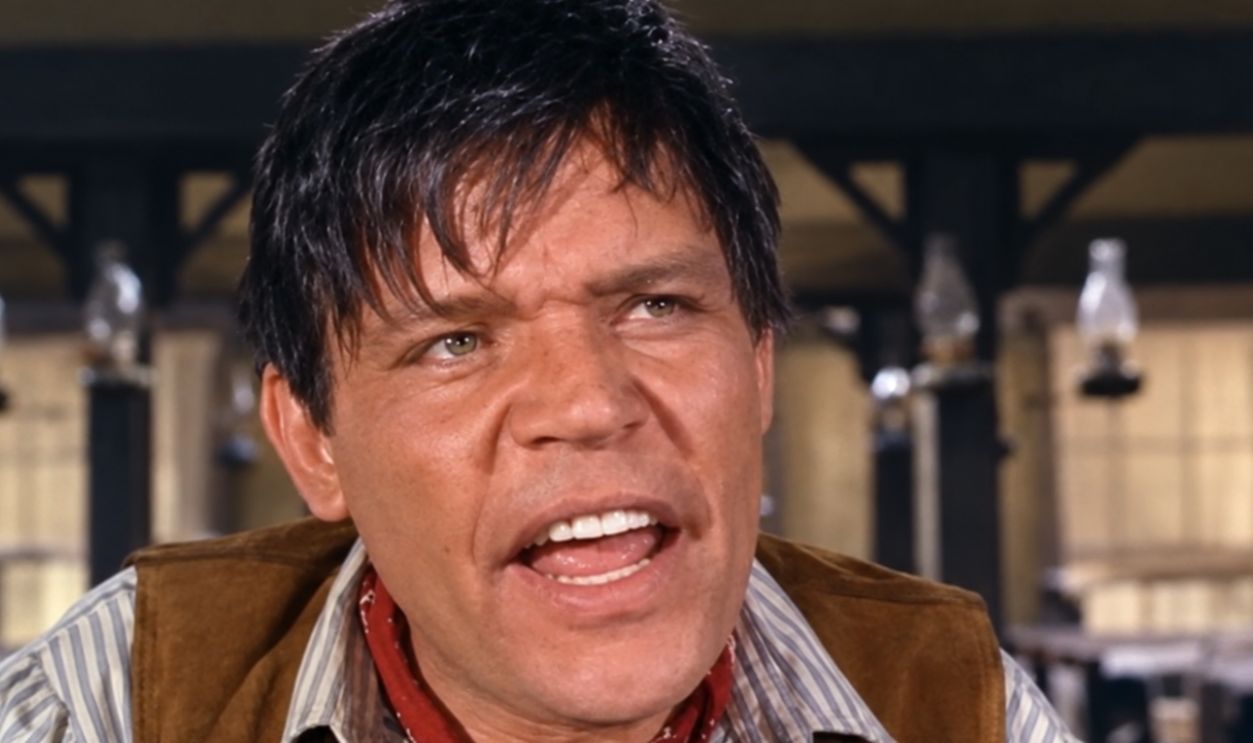
After leaving the service, Brand worked on a 1946 Army Signal Corps film and then pursued acting seriously. He studied at New York's American Theatre Wing, worked off-Broadway, including Jean-Paul Sartre's The Victors, and later attended Los Angeles's Geller Drama School under the GI Bill.
 Screenshot from Laredo, Universal Television (1965–1967), Modified
Hollywood Found Its Heavy
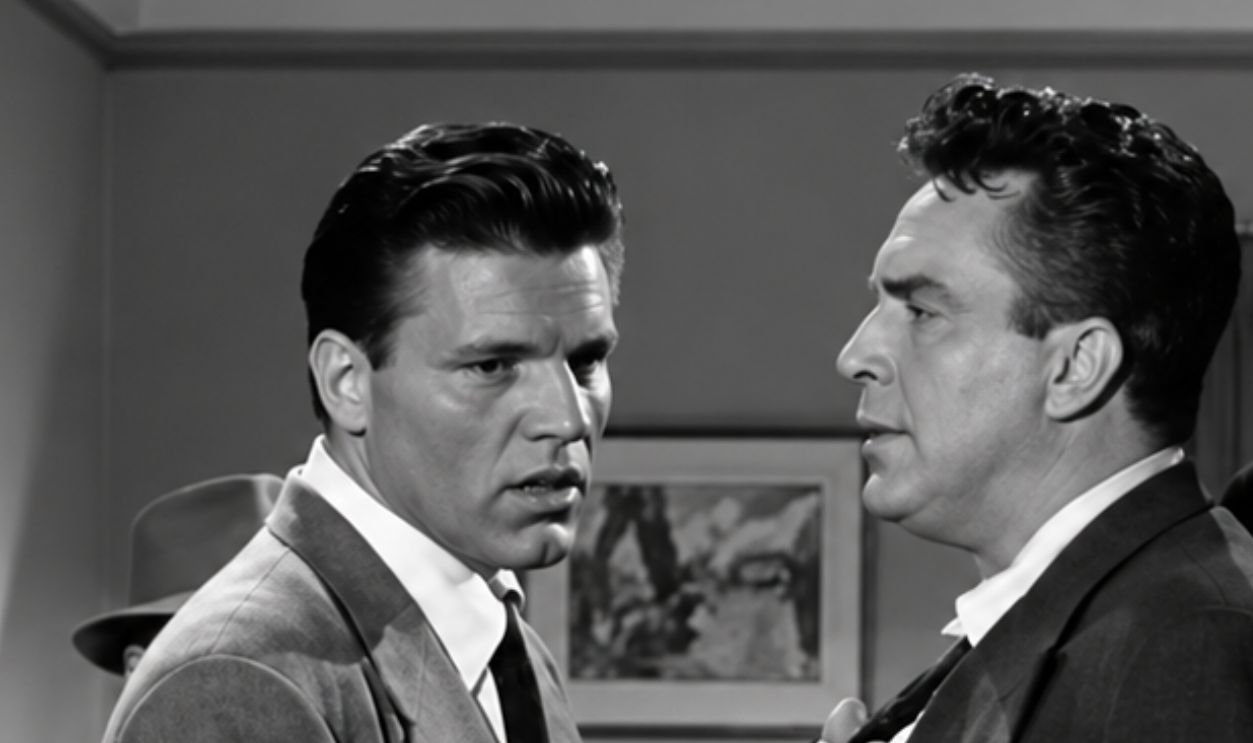
Small, sometimes uncredited movie appearances followed before director Rudolph Maté cast Brand as Chester, a menacing henchman pursuing Edmond O'Brien in the classic film noir D.O.A. (1950). Brand's rough features, physical presence and gravelly voice immediately suggested danger, establishing a screen identity that Hollywood would exploit for decades.
 Screenshot from D.O.A., United Artists (1950), Modified
The Roles Got Bigger
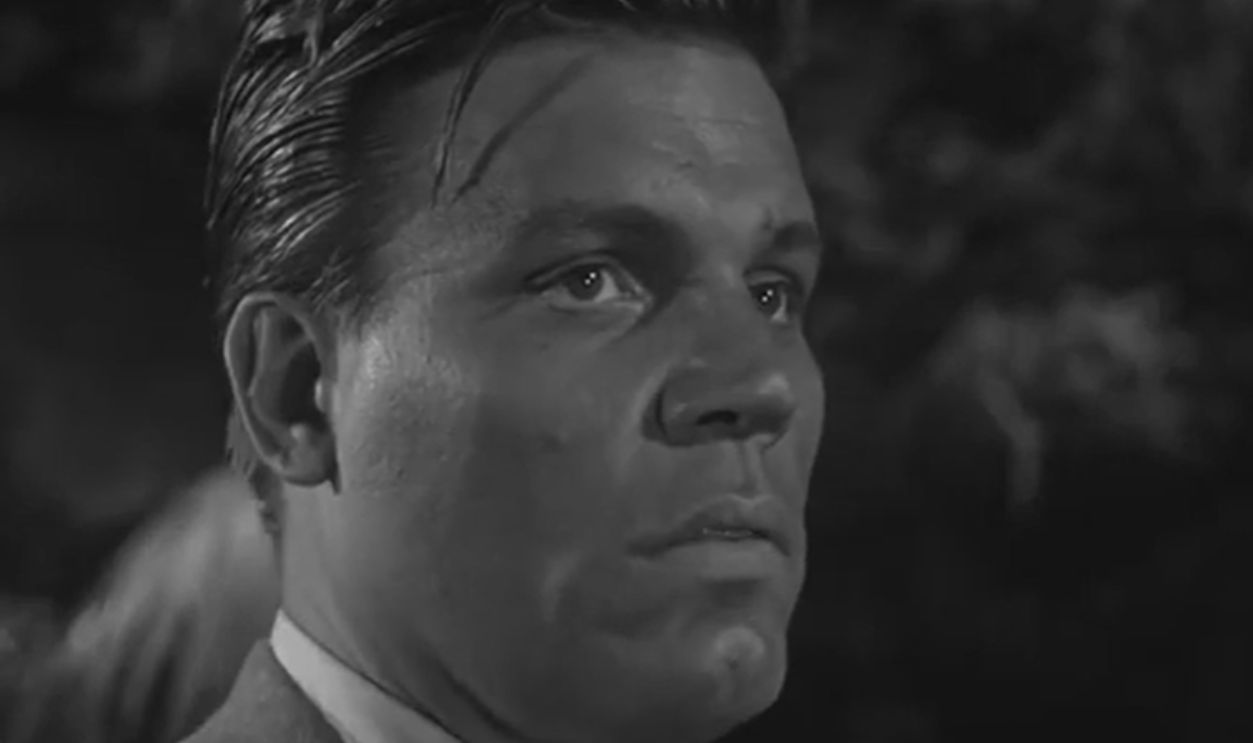
Brand became extremely busy. Lewis Milestone's Halls of Montezuma (1951) put him alongside Richard Widmark and Jack Palance, while Robert Parrish's The Mob (1951) starred Broderick Crawford. In Phil Karlson's hard-boiled Kansas City Confidential (1952), Brand joined John Payne, Preston Foster, Lee Van Cleef and Jack Elam.
 Screenshot from Kansas City Confidential, United Artists (1952)
Stalag Made Him Memorable
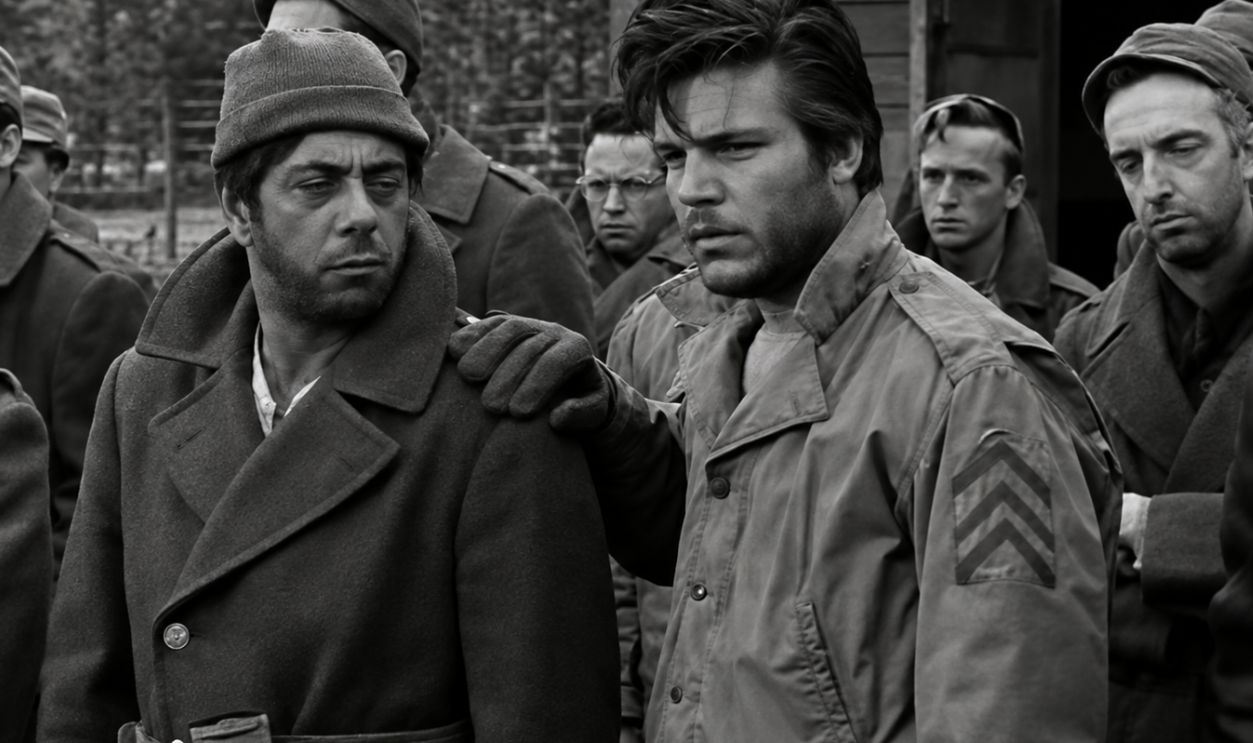
Billy Wilder's Stalag 17 (1953) gave Brand one of his defining early parts. Playing Duke, an angry American POW suspicious of William Holden's cynical Sefton, Brand shared the barracks with Don Taylor, Otto Preminger, Robert Strauss, Harvey Lembeck and Peter Graves. Holden ultimately won the Academy Award for Best Actor.
 Screenshot from Stalag 17, Paramount Pictures (1953), Modified
Prison Brought Acclaim
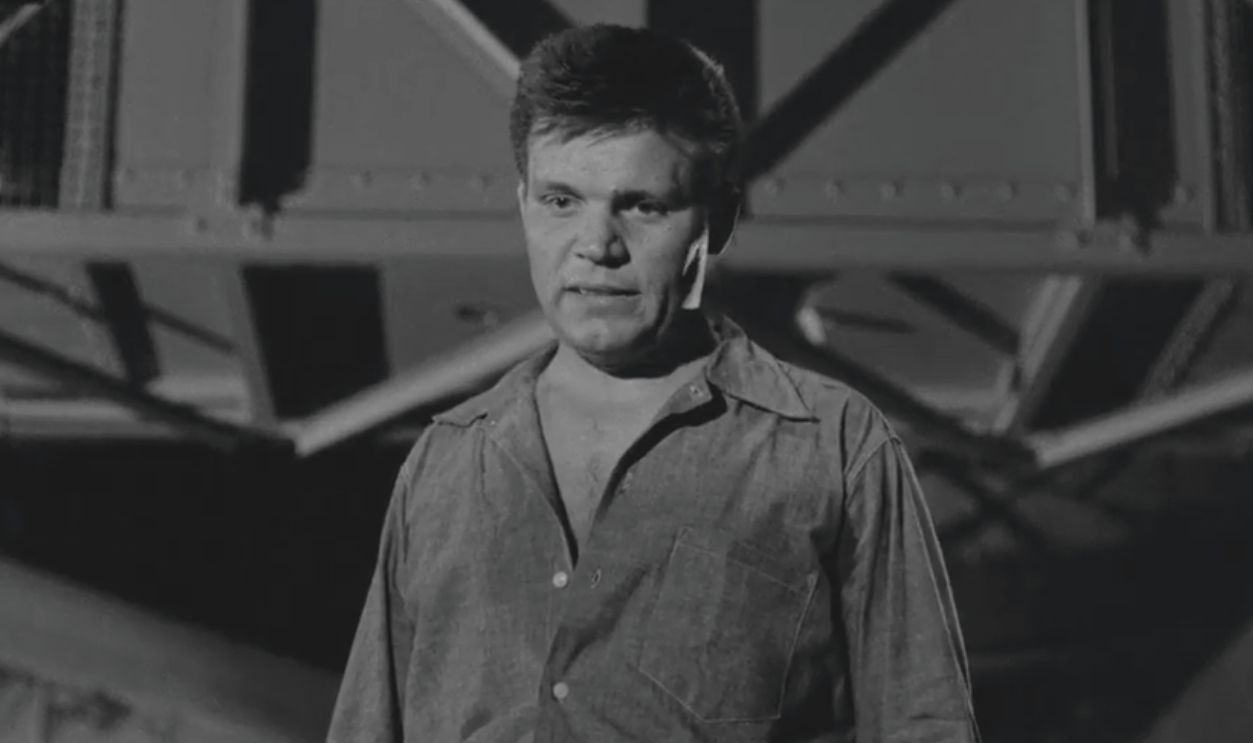
Don Siegel's Riot in Cell Block 11 (1954) gave Brand the demanding role of prisoner James Dunn, who leads an uprising over brutal prison conditions. Produced by Walter Wanger and featuring Emile Meyer and Leo Gordon, the hard-edged drama brought Brand a BAFTA nomination and some of the strongest reviews of his career.
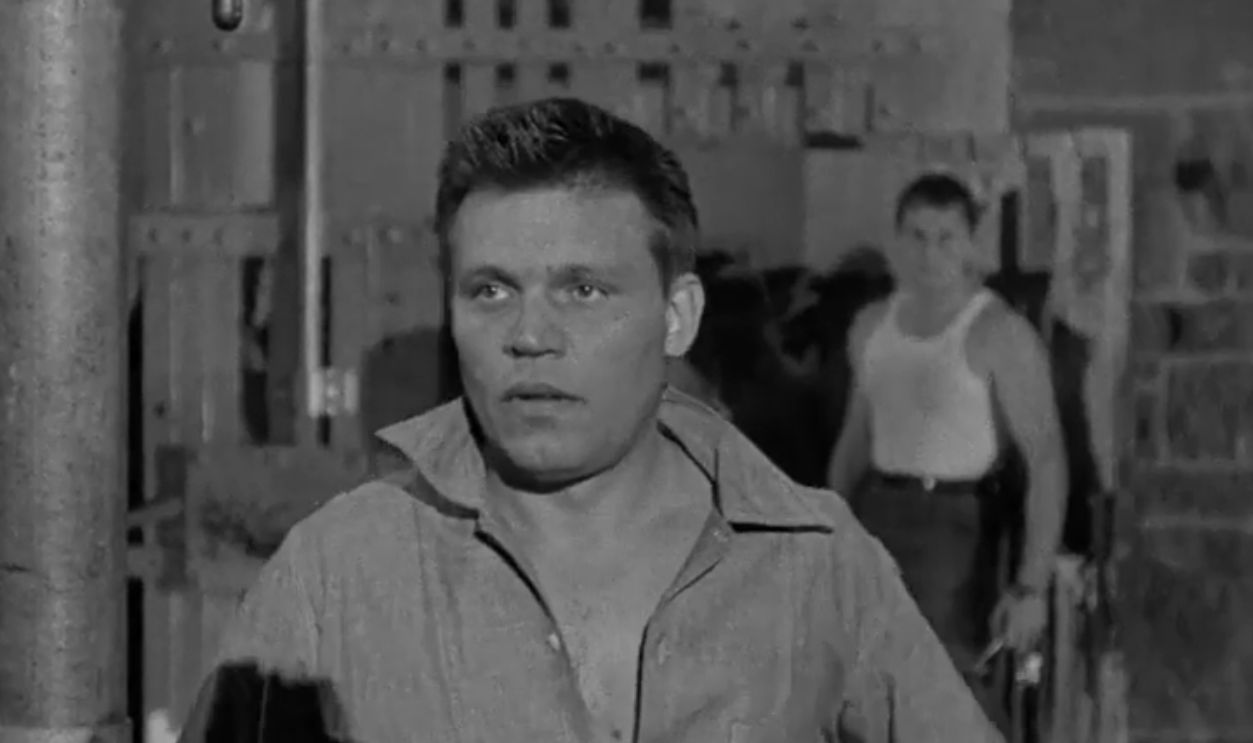 Screenshot from Riot in Cell Block 11, Allied Artists Pictures (1954)
He Could Play Romantic
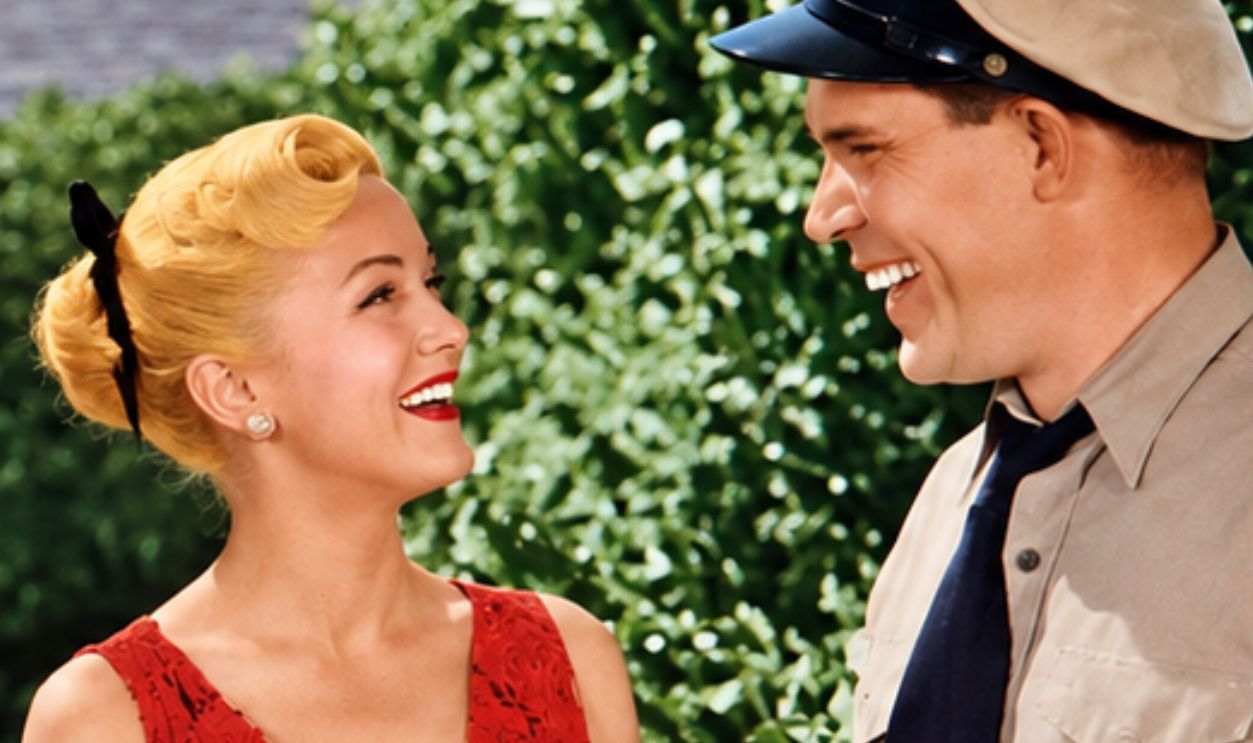
Hollywood briefly tried something different with Return from the Sea (1954), pairing Brand with Jan Sterling. It became his first leading role and, according to his later Los Angeles Times obituary, the only romance he ever made. The experiment demonstrated range, but Hollywood remained much more interested in Neville Brand the tough guy.
Westerns Claimed Him
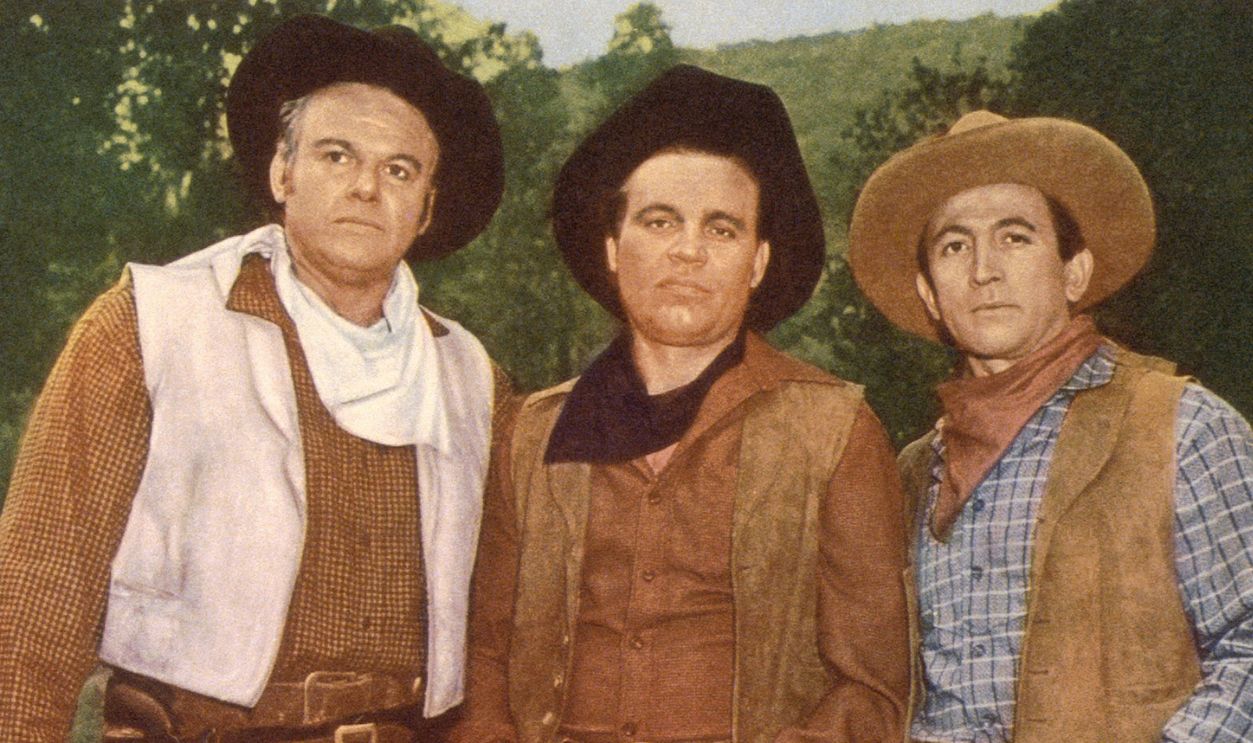
The Western boom suited Brand perfectly. In The Three Outlaws (1956), he played Butch Cassidy opposite Alan Hale Jr.'s Sundance Kid. That year he also appeared with Elvis Presley and Richard Egan in Robert D. Webb's Love Me Tender (1956), playing the character responsible for Presley's on-screen death.
He Faced Henry Fonda
Anthony Mann's The Tin Star (1957) placed Brand opposite Henry Fonda and Anthony Perkins as the threatening Bart Bogardus. By then, Western audiences knew exactly what Brand's arrival usually meant. He could project menace almost immediately, making him invaluable in a genre overflowing onto both movie screens and television.
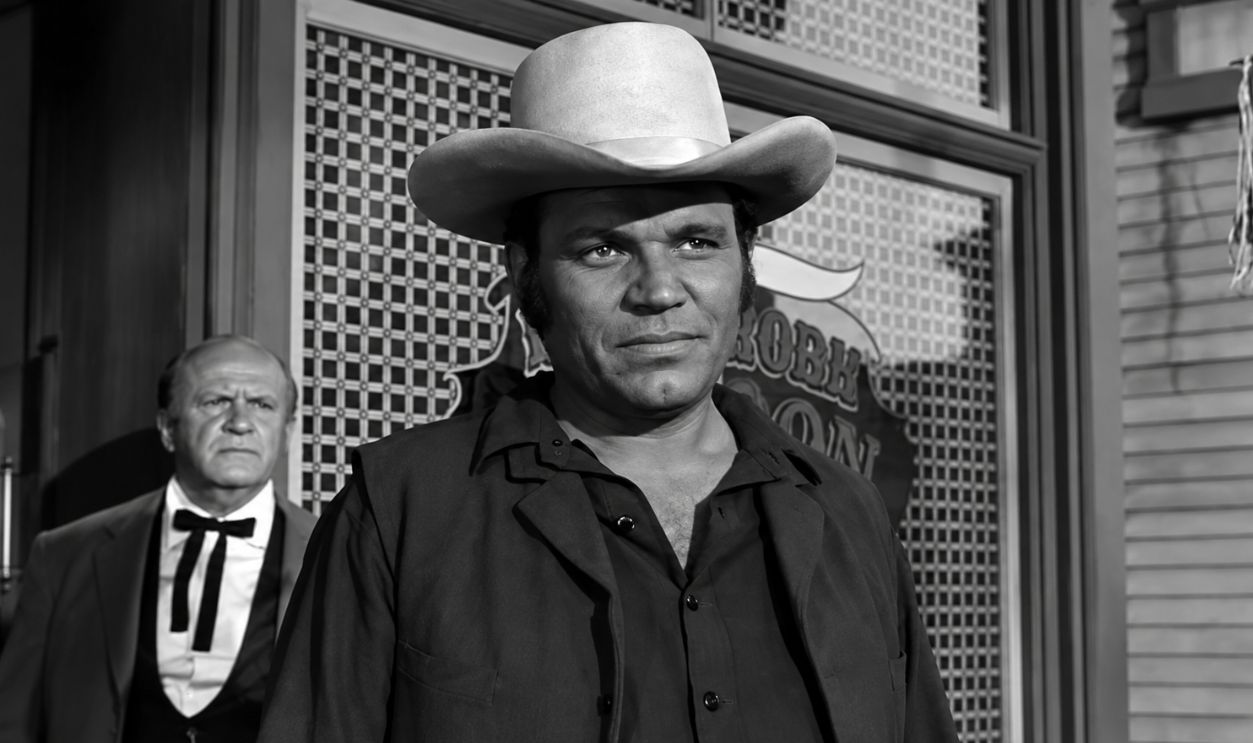 Screenshot from The Tin Star, Paramount Pictures (1957), Modified
Television Showed His Range
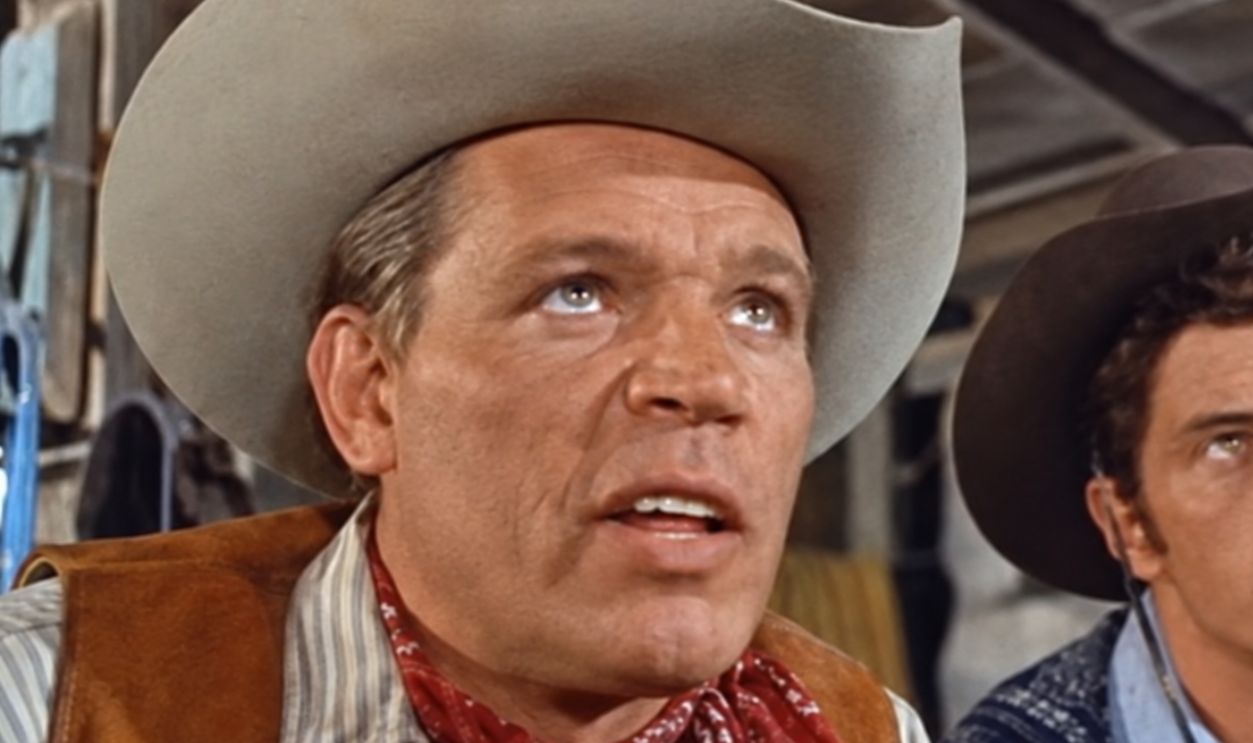
Television increasingly gave Brand opportunities beyond interchangeable heavies. In a 1958 Kraft Television Theatre adaptation of All the King's Men, directed by Sidney Lumet, he played populist politician Willie Stark alongside Maureen Stapleton. Brand won the Sylvania Television Award for outstanding performance by an actor, while Stapleton received the award for best supporting performance by an actress.
 Screenshot from Laredo, Universal Television (1965–1967), Modified
He Became Al Capone
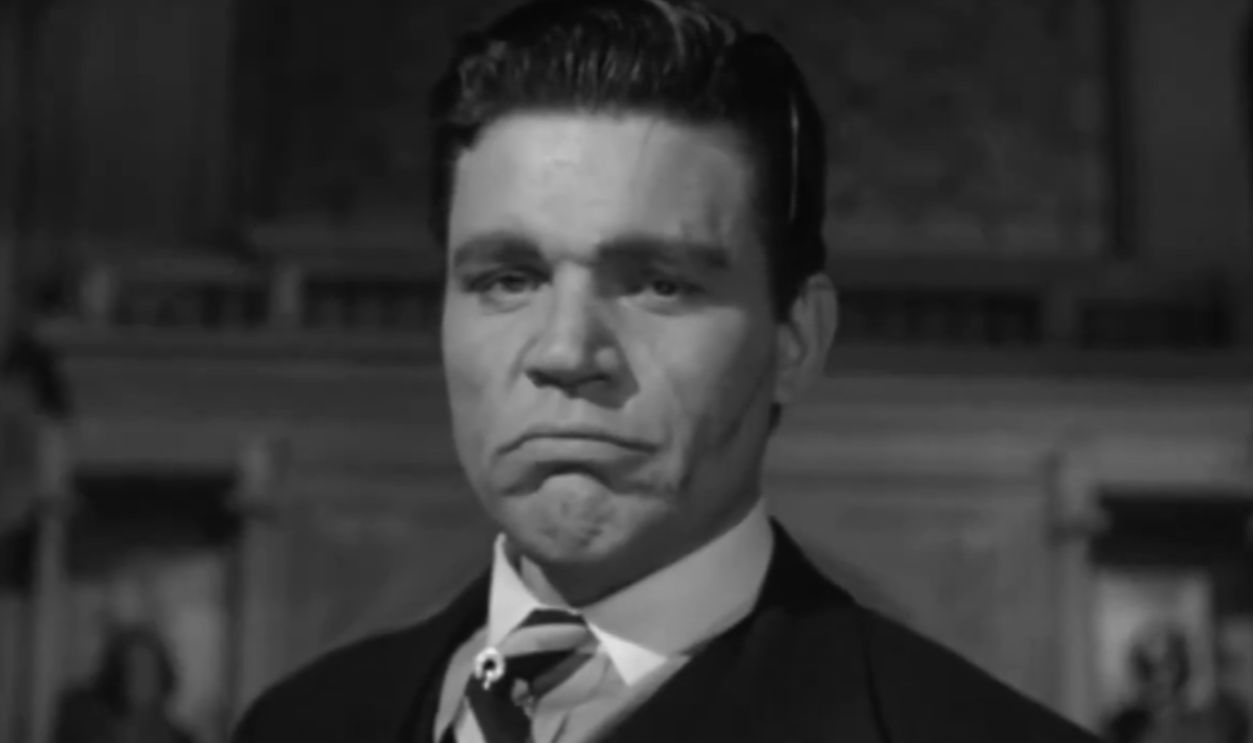
Brand found another signature character when he played Al Capone opposite Robert Stack's Eliot Ness in the two-part 1959 Westinghouse Desilu Playhouse presentation that launched The Untouchables. The episodes were subsequently assembled as The Scarface Mob (1962), while Brand returned to Capone as the enormously successful television series continued.
 Screenshot from The Scarface Mob, Desilu Productions (1962)
Capone Kept Returning
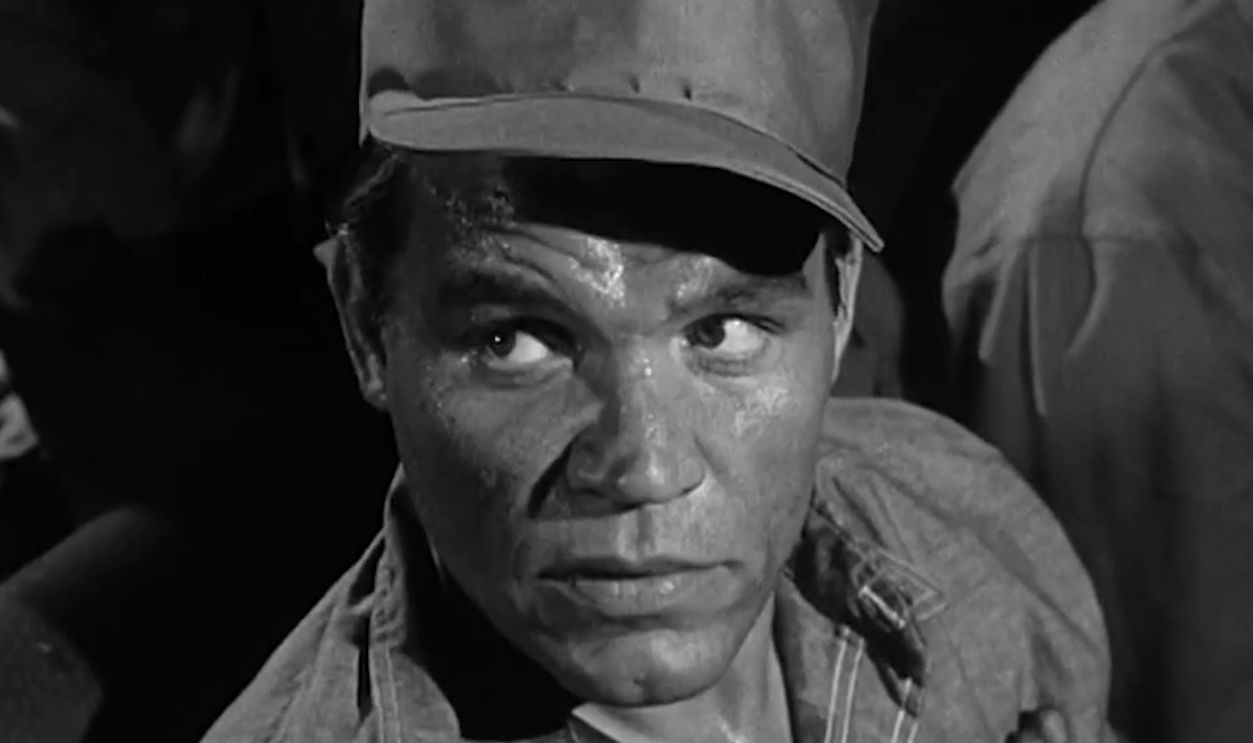
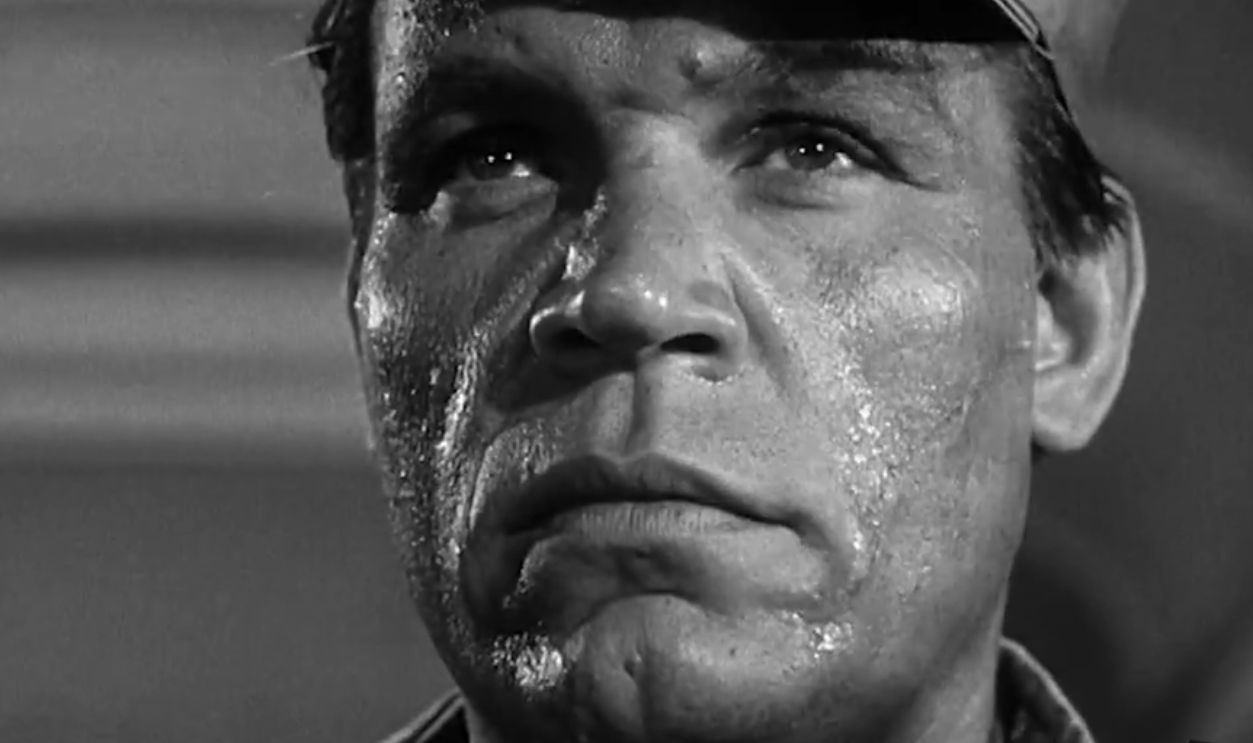
Brand played Capone again in The Untouchables, notably the two-part “The Big Train,” and portrayed him in Joseph M. Newman's The George Raft Story (1961), starring Ray Danton as Raft. His repeated Capone performances made the old prohibition-era kingpin one of Brand's most recognizable roles alongside his cowboys, convicts and soldiers.
 Screenshot from The Untouchables, Desilu Productions (1959–1963)
He Was Everywhere
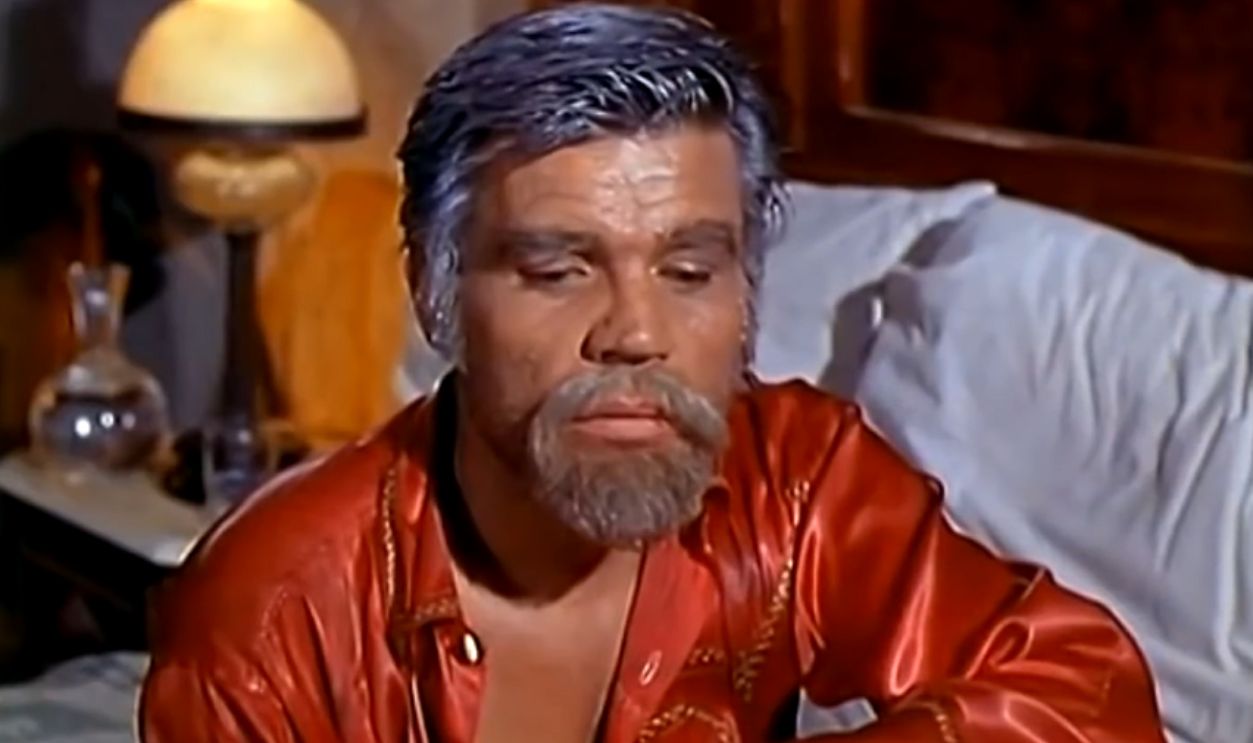
Through the early 1960s, Brand became one of television's great familiar faces. He appeared on Bonanza, Rawhide, Death Valley Days, Ben Casey, Wagon Train, Combat!, Gunsmoke and The Virginian. Viewers might not always remember his character's name, but Brand's battered face was difficult to forget.
 Screenshot from Bonanza, California National Productions (1959–1973)
Alcatraz Brought Lancaster
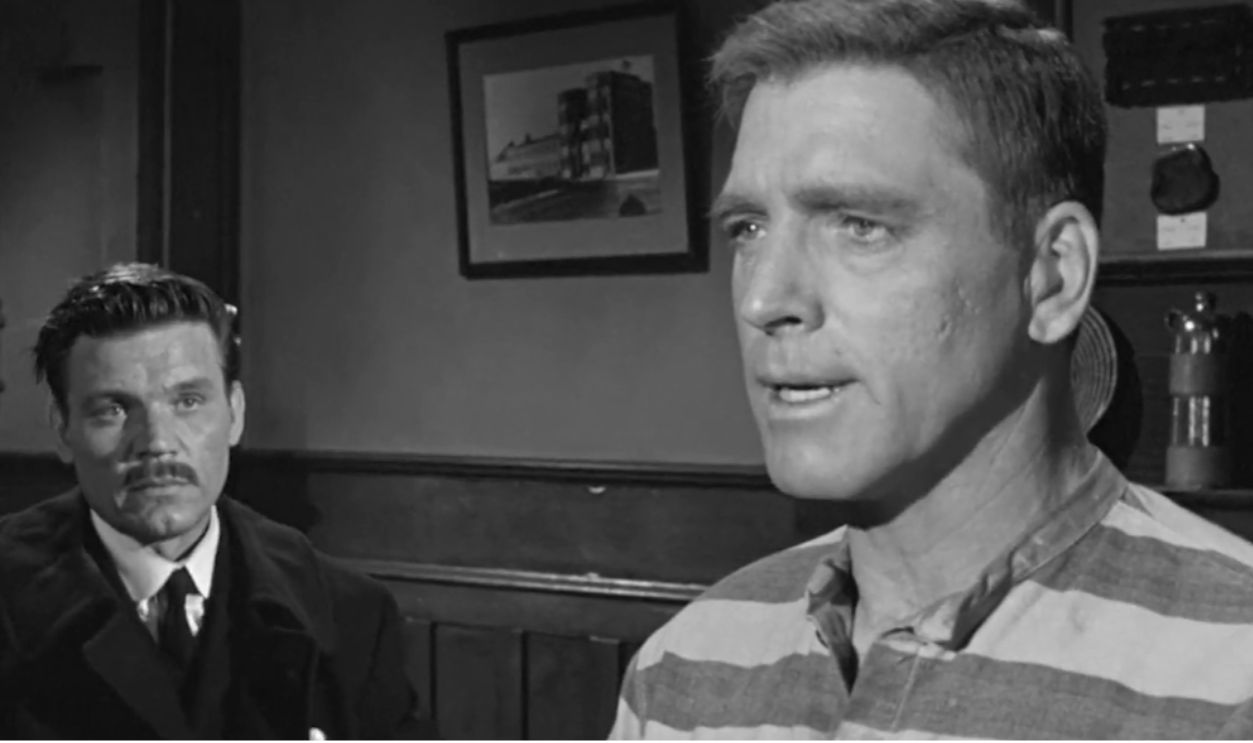
John Frankenheimer's Birdman of Alcatraz (1962) gave Brand another memorable prison role, this time as guard Bull Ransom opposite Burt Lancaster's Robert Stroud. The acclaimed drama also featured Karl Malden, Thelma Ritter and Telly Savalas, keeping Brand prominent in prestige filmmaking even as television consumed more of his schedule.
 Screenshot from Birdman of Alcatraz, United Artists (1962)
Twilight Zone Got Personal
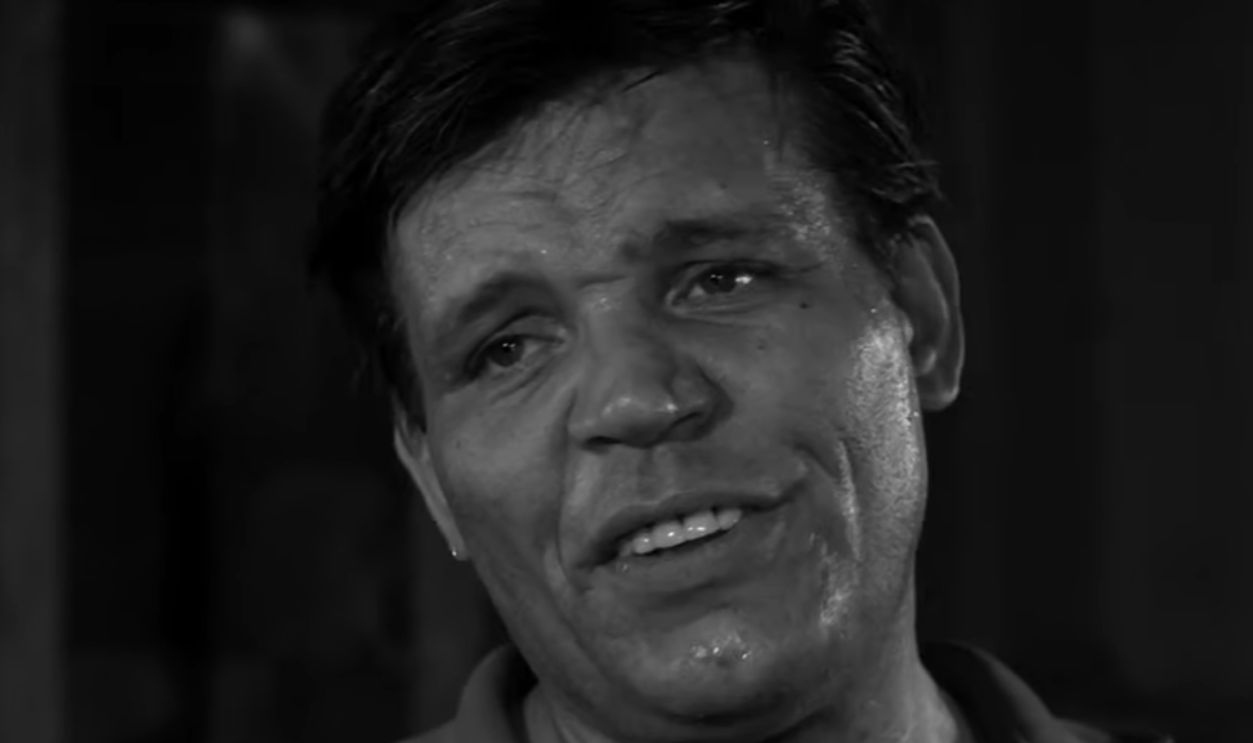
In The Twilight Zone episode “The Encounter,” Brand played Fenton, a troubled American WWII veteran locked in an attic with a Japanese American gardener played by George Takei. The 1964 episode confronted wartime hatred and guilt, themes carrying an uncomfortable resonance given Brand's own harrowing experiences fighting overseas.
 Screenshot from The Twilight Zone, CBS Productions (1959–1964)
Laredo Changed His Image
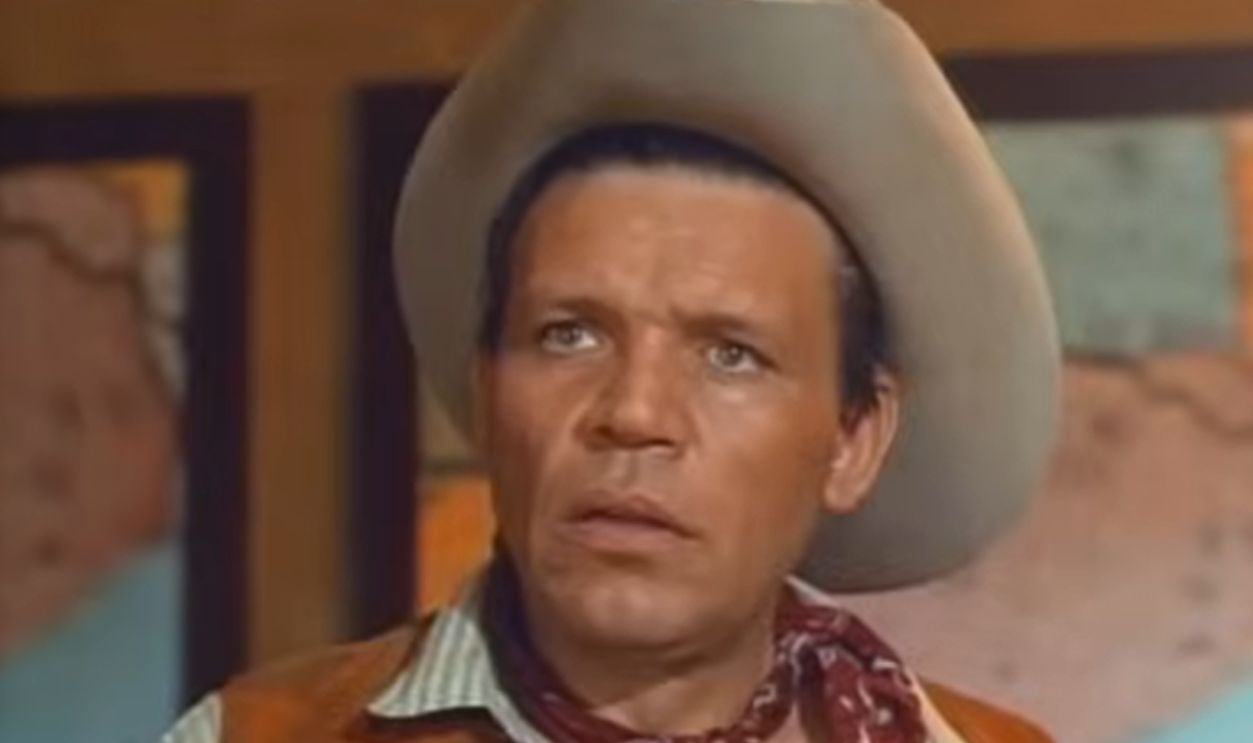
NBC's Laredo finally let audiences laugh with him. From 1965 to 1967, Brand starred as boisterous Texas Ranger Reese Bennett alongside Peter Brown, William Smith and Philip Carey. The Western retained his tough-guy credentials but added broad comedy, and his daughter later recalled how much he enjoyed that change of pace.
 Screenshot from Laredo, Universal Television (1965–1967)
Drinking Became A Battle
Behind the success, Brand's drinking had become destructive. Later accounts connected his alcoholism to the aftermath of wartime experiences, although modern diagnostic labels should be applied cautiously to retrospective biographies. Brand himself described drinking as “medicine” and told the Los Angeles Times in 1975 that his addiction had consumed most of his fortune.
 Screenshot from The Untouchables, Desilu Productions (1959–1963)
He Was Secretly Bookish
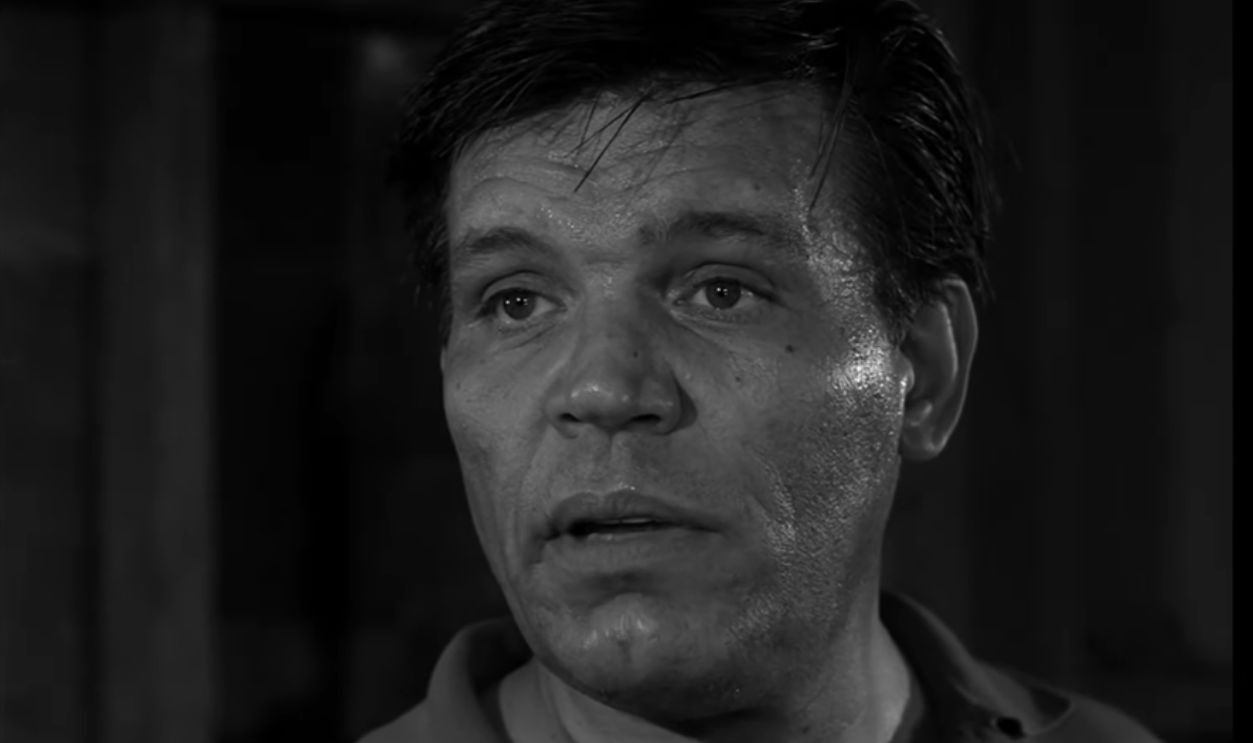
The frightening screen heavy was also a voracious reader with remarkably broad interests. Brand reportedly accumulated as many as 30,000 books, creating one of Los Angeles's largest private libraries. The contrast was striking: audiences saw a man seemingly born to throw punches, while at home he surrounded himself with thousands of volumes.
 Screenshot from The Twilight Zone, CBS Productions (1959–1964)
Work Carried Into Seventies
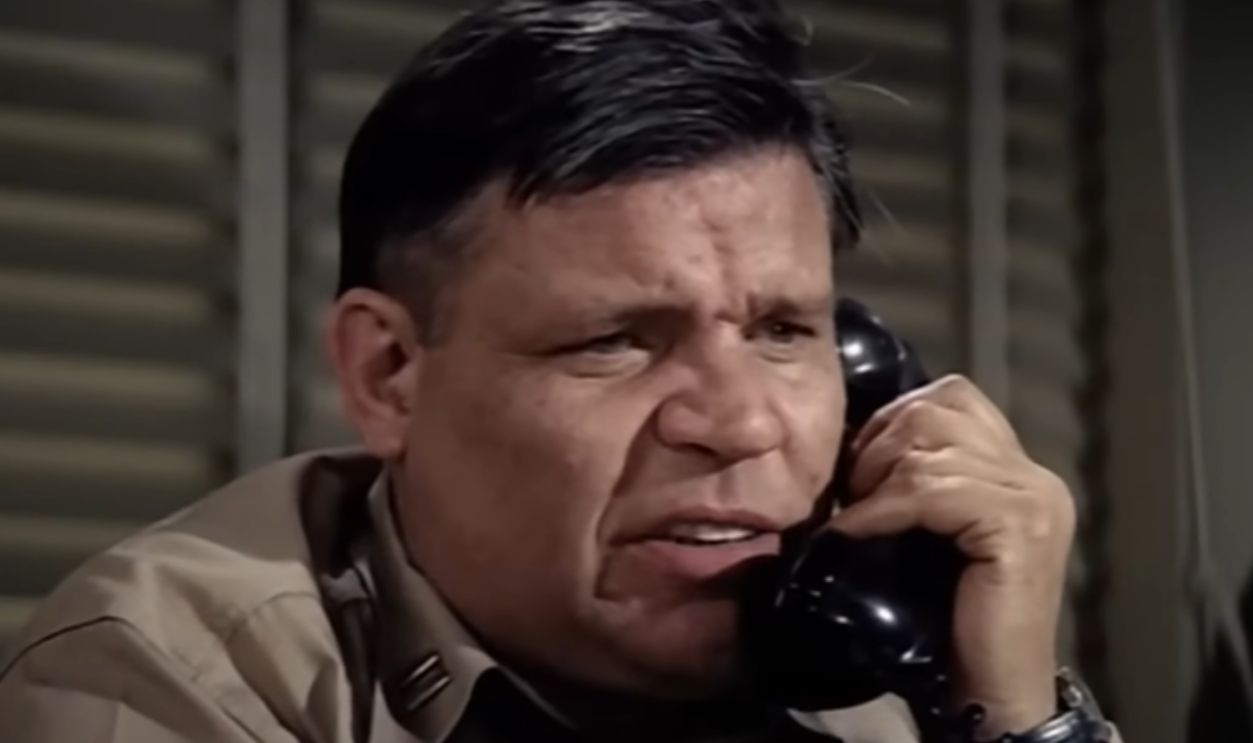
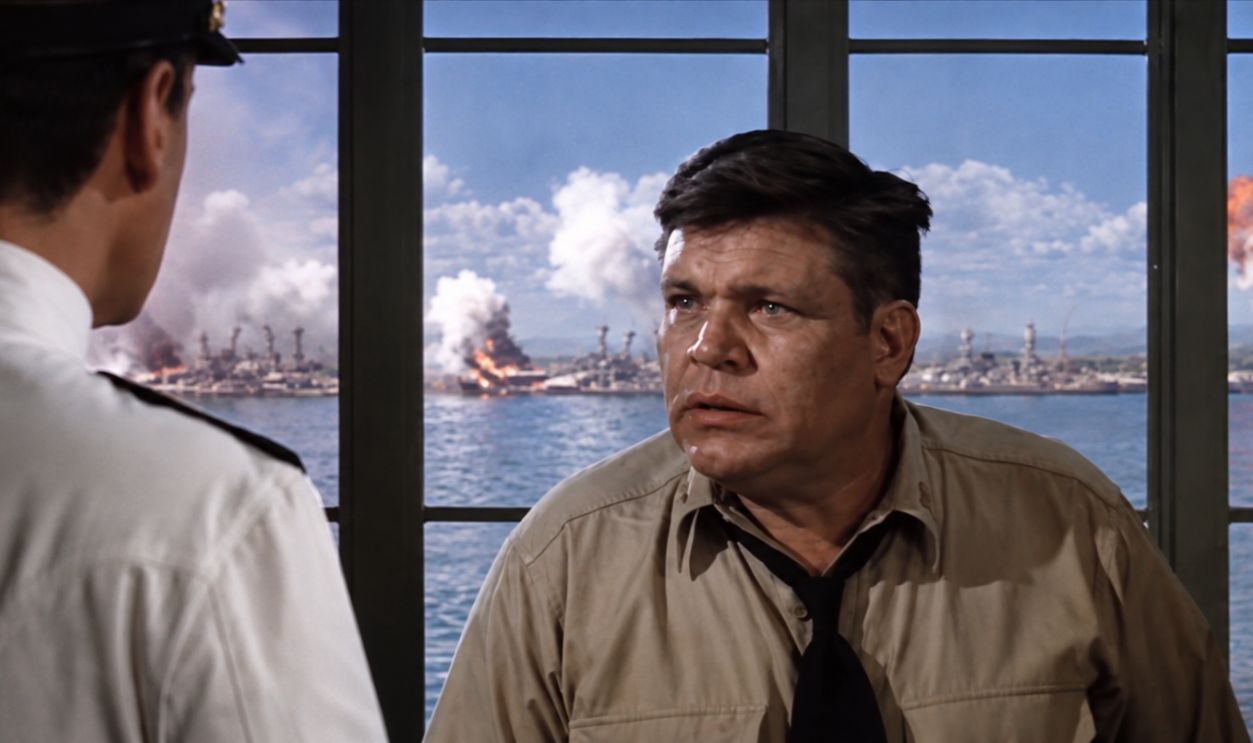
Brand remained busy as Hollywood changed around him. He played Lieutenant Kaminsky in Richard Fleischer, Kinji Fukasaku and Toshio Masuda's epic Tora! Tora! Tora! (1970), then appeared in television staples including Alias Smith and Jones, Marcus Welby, M.D., McCloud, Kojak and Police Woman.
 Screenshot from Tora! Tora! Tora!, 20th Century-Fox (1970)
Fire Destroyed His Library
In 1978, fire struck Brand's Malibu home and destroyed most of the enormous book collection he had spent years assembling. Sources differ over the library's size at different points, but accounts commonly place the collection at roughly 30,000 volumes before the fire. For an obsessive reader, the loss was devastating.
 Screenshot from Tora! Tora! Tora!, 20th Century-Fox (1970), Modified
His Family Life Shifted
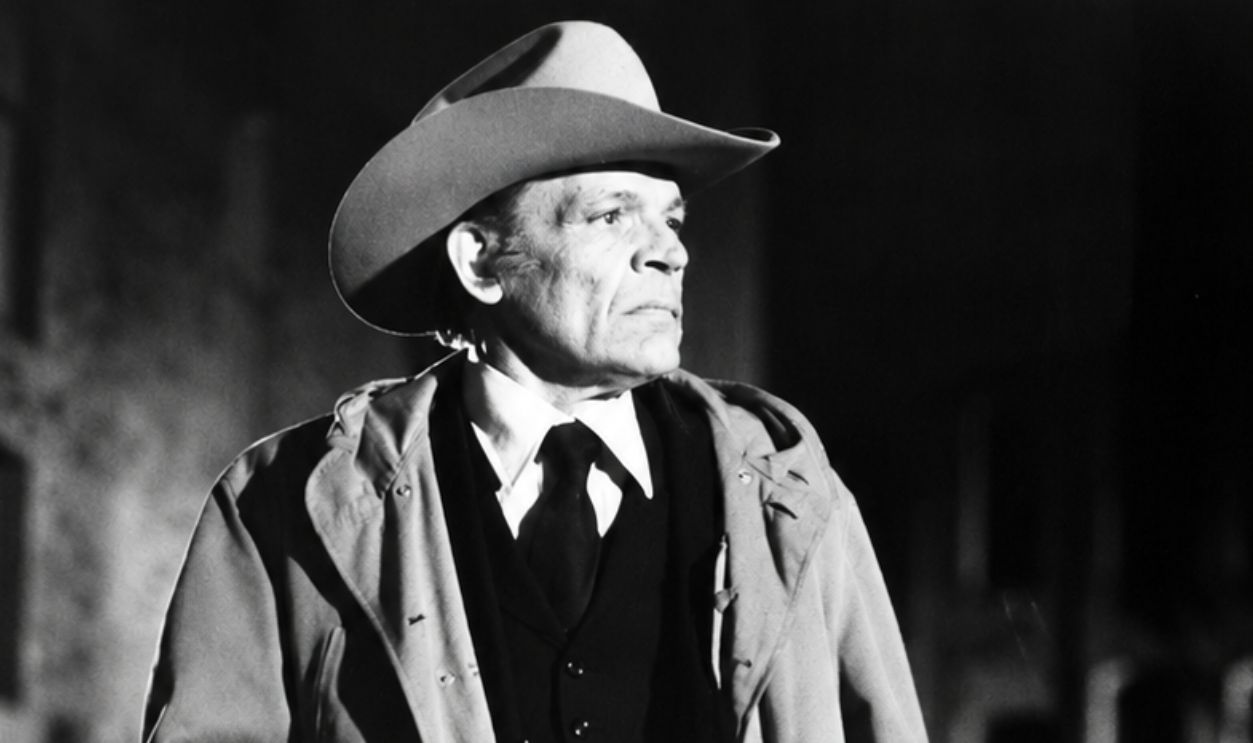
Brand's personal life was complicated, and published accounts disagree on parts of his marital history. His marriage to Jean Enfield ended in divorce, as did his 1957 marriage to Laura Rae Araujo. He was survived by his wife, identified in contemporary obituaries as Rae, and daughters Mary, Michelle and Katrina.
 Michael Ochs Archives, Getty Images, Modified
The Tough Guy Faded
Brand's later credits included Tobe Hooper's horror film Eaten Alive (1976) and William Peter Blatty's unusual psychological drama The Ninth Configuration (1980), alongside Stacy Keach and Scott Wilson. His screen work gradually diminished, and after decades of near-constant employment, he effectively retired during the mid-1980s.
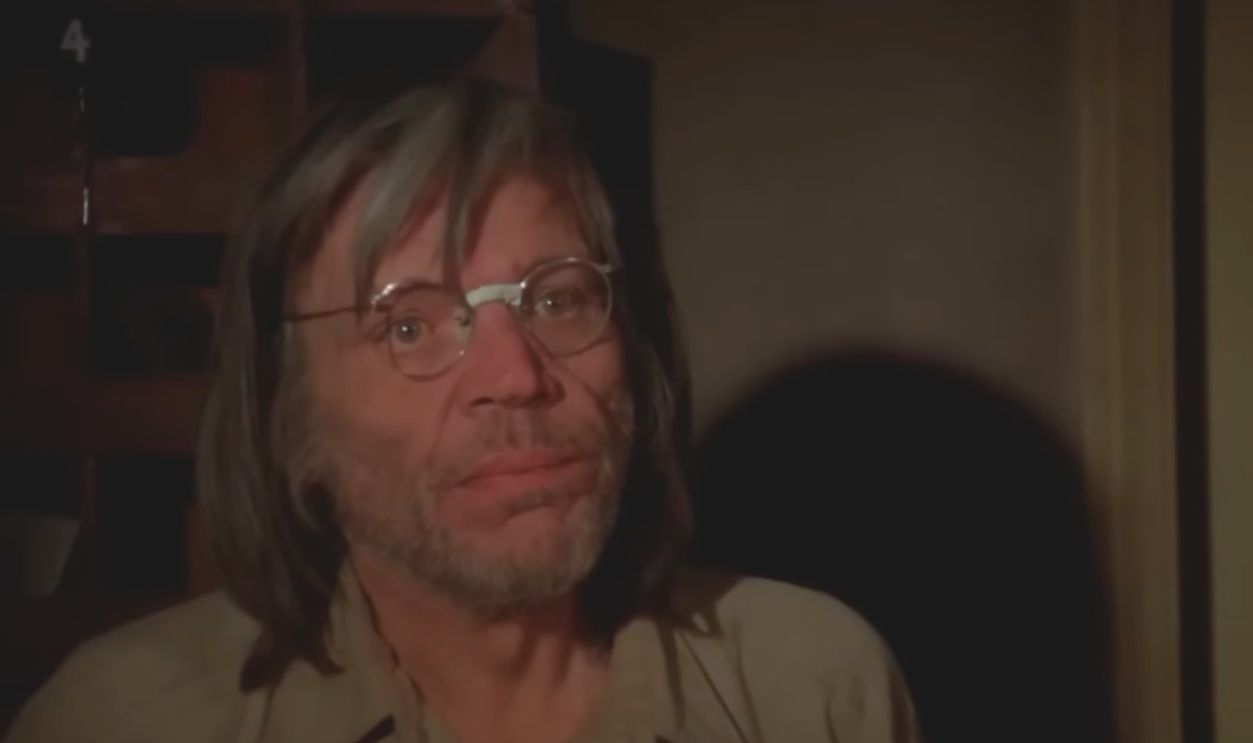 Screenshot from Eaten Alive, Virgo International Pictures (1976)
A Tough Legacy
Neville Brand died of emphysema at Sutter General Hospital in Sacramento on April 16, 1992. He was 71. His legacy stretches far beyond the bad guys he played on-screen: a Silver Star veteran, acclaimed character actor, and a contemplative, thoughtful man whose most difficult battles continued long after the shooting stopped.
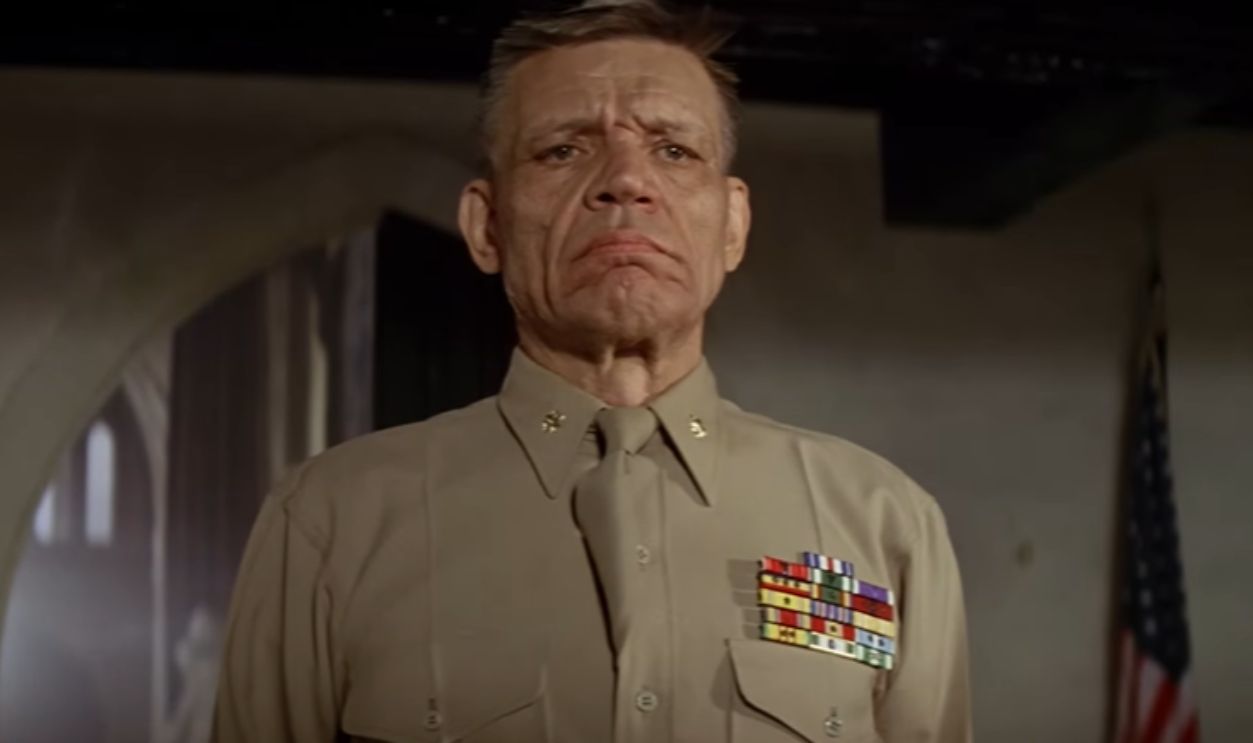 Screenshot from The Ninth Configuration, Warner Bros. Pictures (1980)
You May Also Like:
The Western Legend Of Ben Johnson