America’s Most Decorated Hero Had a Battle No One Saw
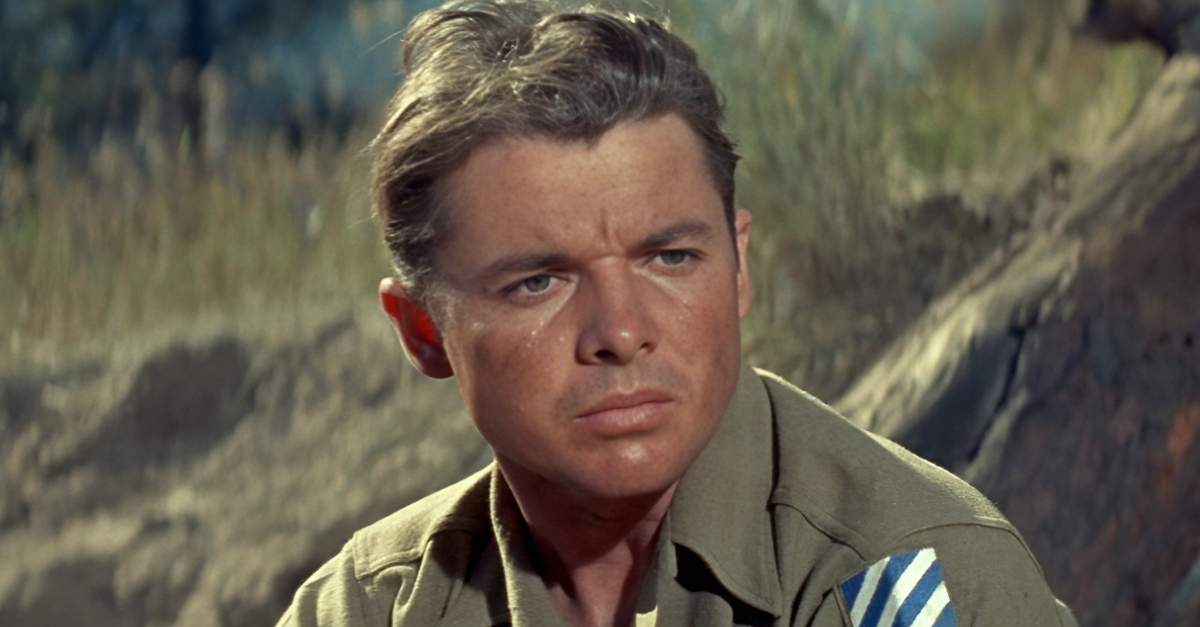
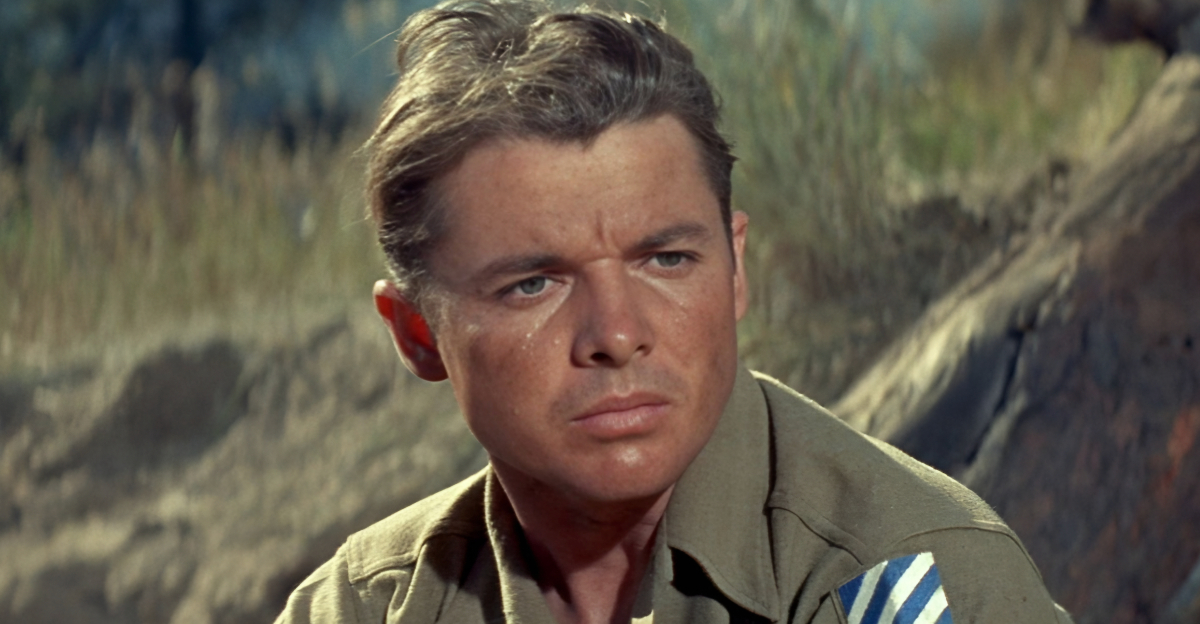
He looked too young. Too small. Too soft-spoken to survive a world war—let alone become its most decorated American soldier. But Audie Murphy survived enemy fire, artillery, and some of the bloodiest fighting of WWII. By 19, he was already a legend.
Hollywood turned him into a star. Yet behind the medals and movie cameras was a battle no one could see. The most relentless enemy he faced didn’t wear a uniform—and it didn’t stay overseas.
Rejected—But Not Stopped
At 17, Murphy was too small, too light, and legally too young to fight. The Marines and Navy sent him home. The Army did too. Determined to get in, his sister altered his birth certificate, and once he scraped past the minimum weight requirement, the Army finally took him.
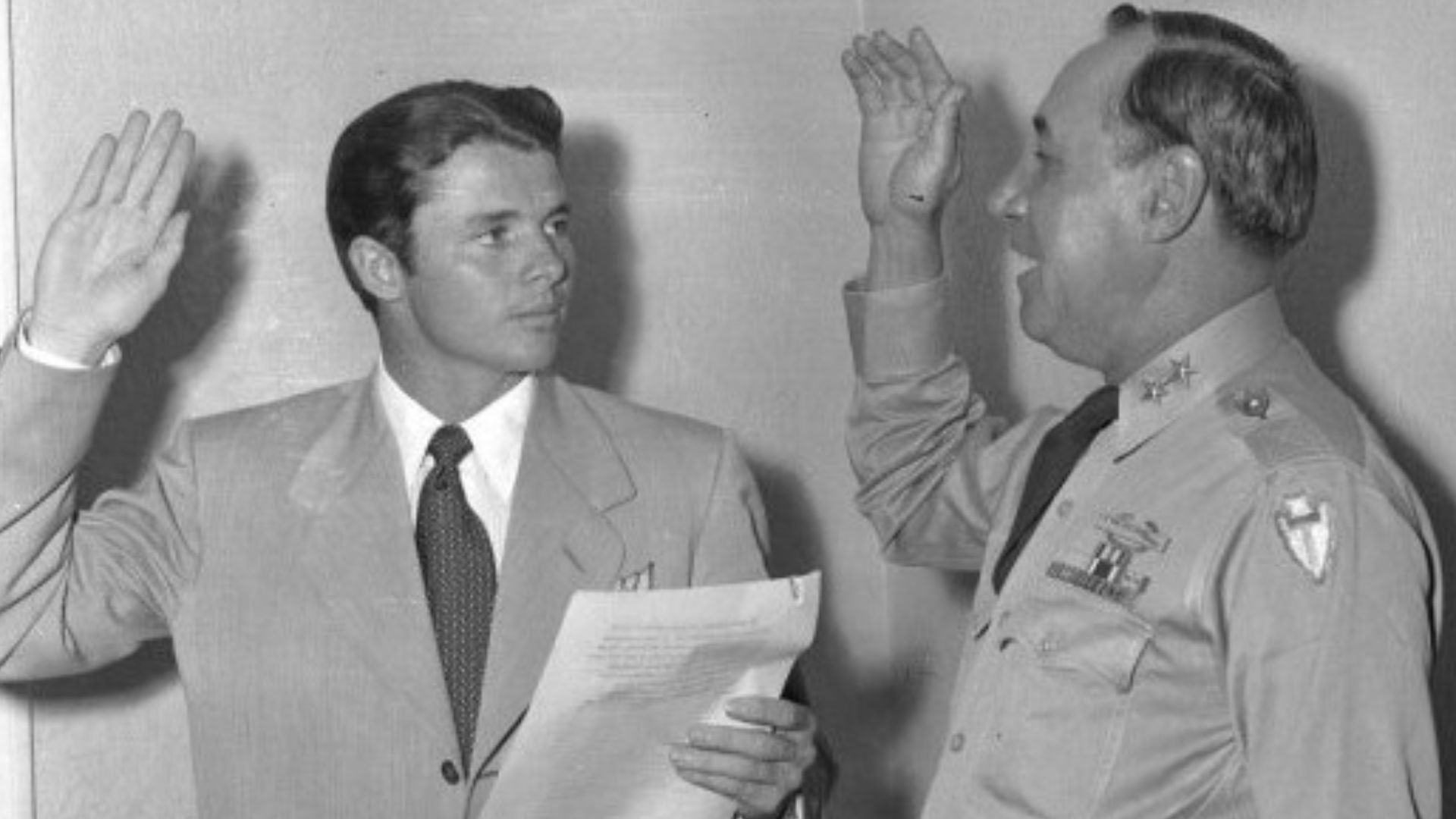 United States Army Texas National Guard, Wikimedia Commons
Thrown Into Brutal Combat
By 1943, Murphy was fighting in North Africa, landing in Sicily, and advancing through Italy—some of the war’s harshest campaigns. He was wounded that year but returned to combat. The fighting was close, chaotic, and relentless. Men he trained with were suddenly gone.
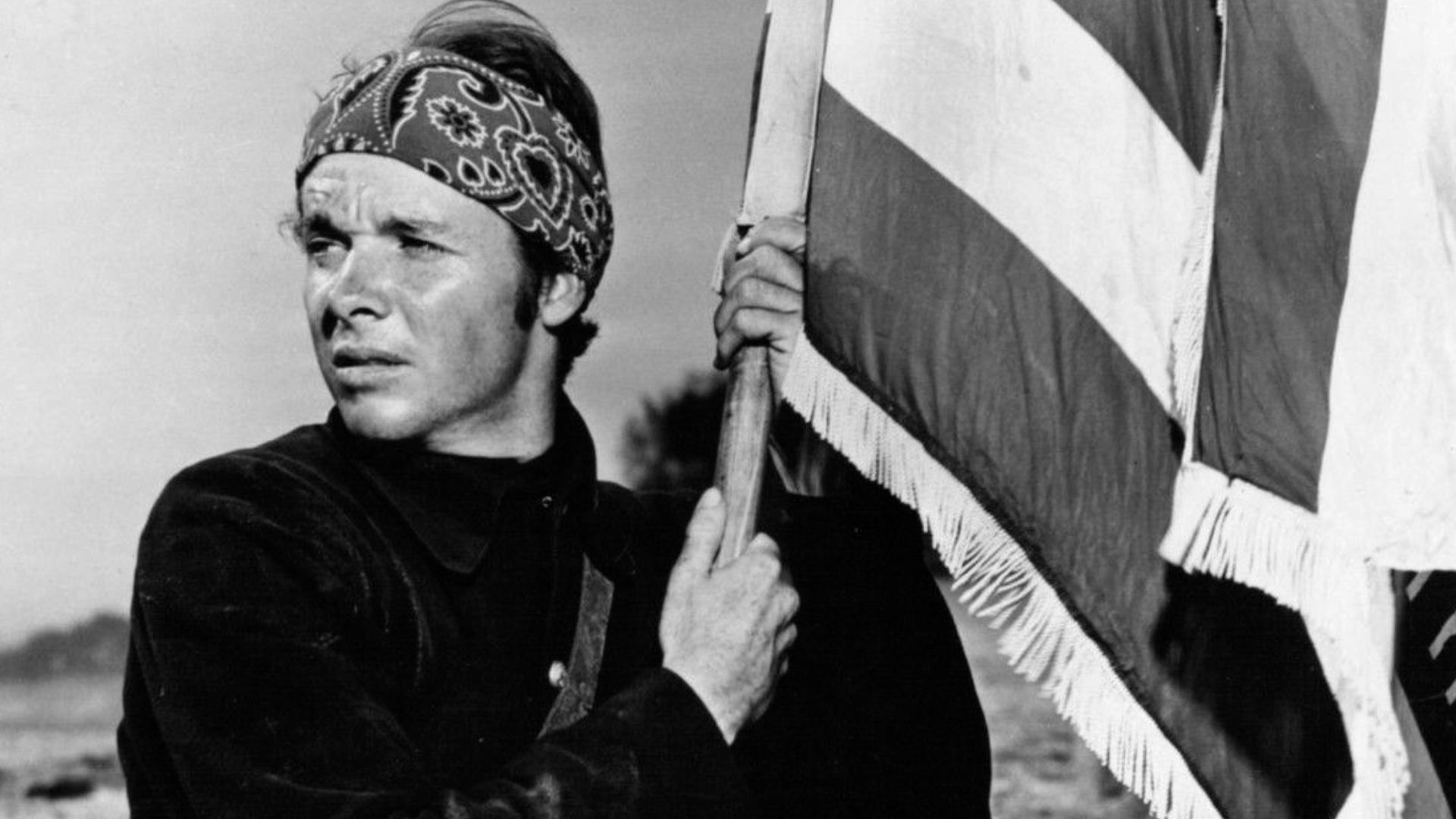
When Leaders Fell, He Stepped Forward
Casualties among officers and NCOs were constant. When superiors were killed or wounded, Murphy took command. He led counterattacks and exposed himself to enemy fire to direct his men. He kept surviving. Promotions followed. In 1945, he was battlefield commissioned to second lieutenant.
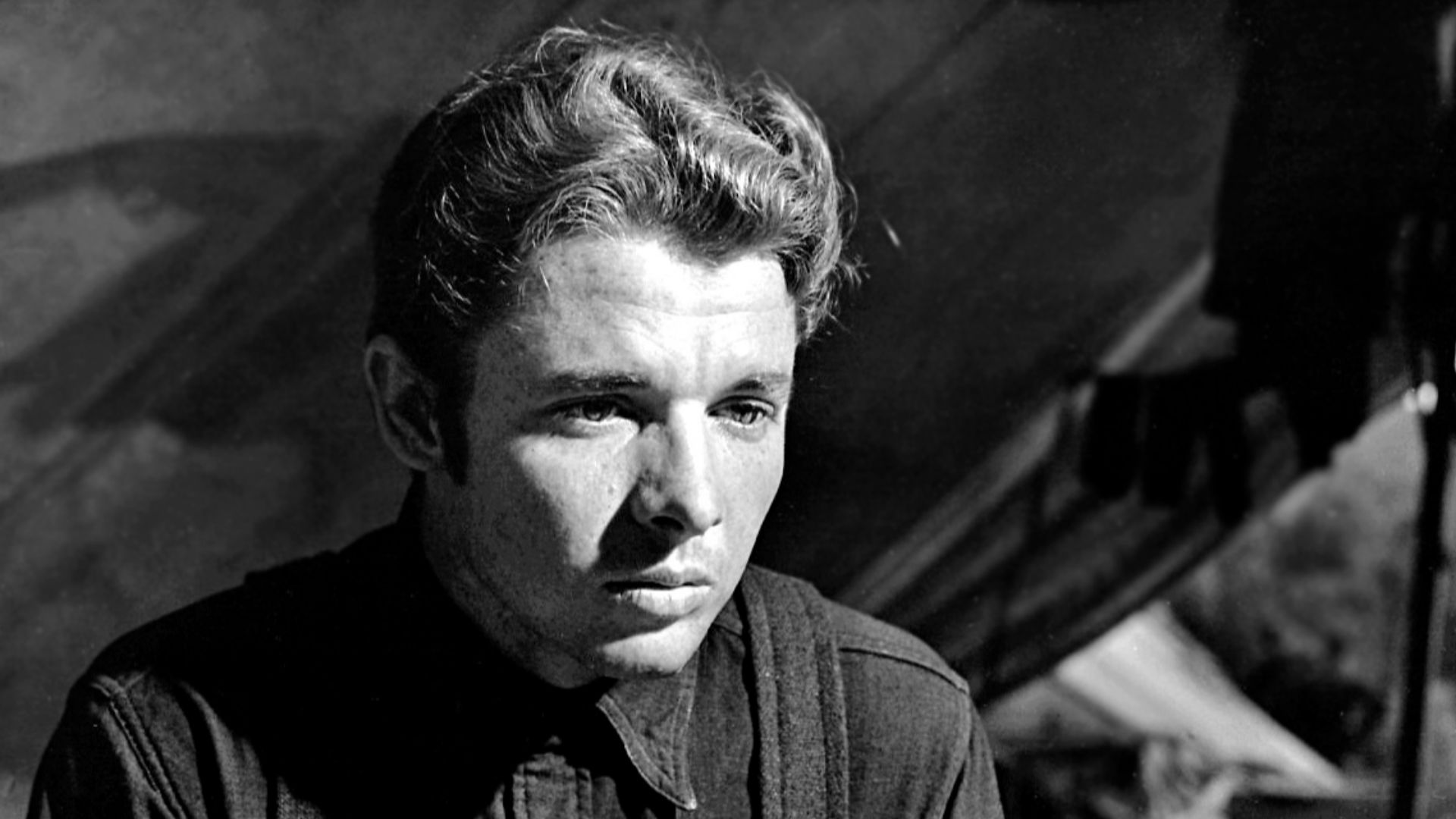
France Changed Everything
In southern France in 1944, Murphy’s unit faced fierce resistance and heavy casualties as Allied forces pushed inland. The fighting was close and costly. He continued leading patrols and assaults under intense fire, earning additional decorations for bravery as the war moved deeper into Europe.
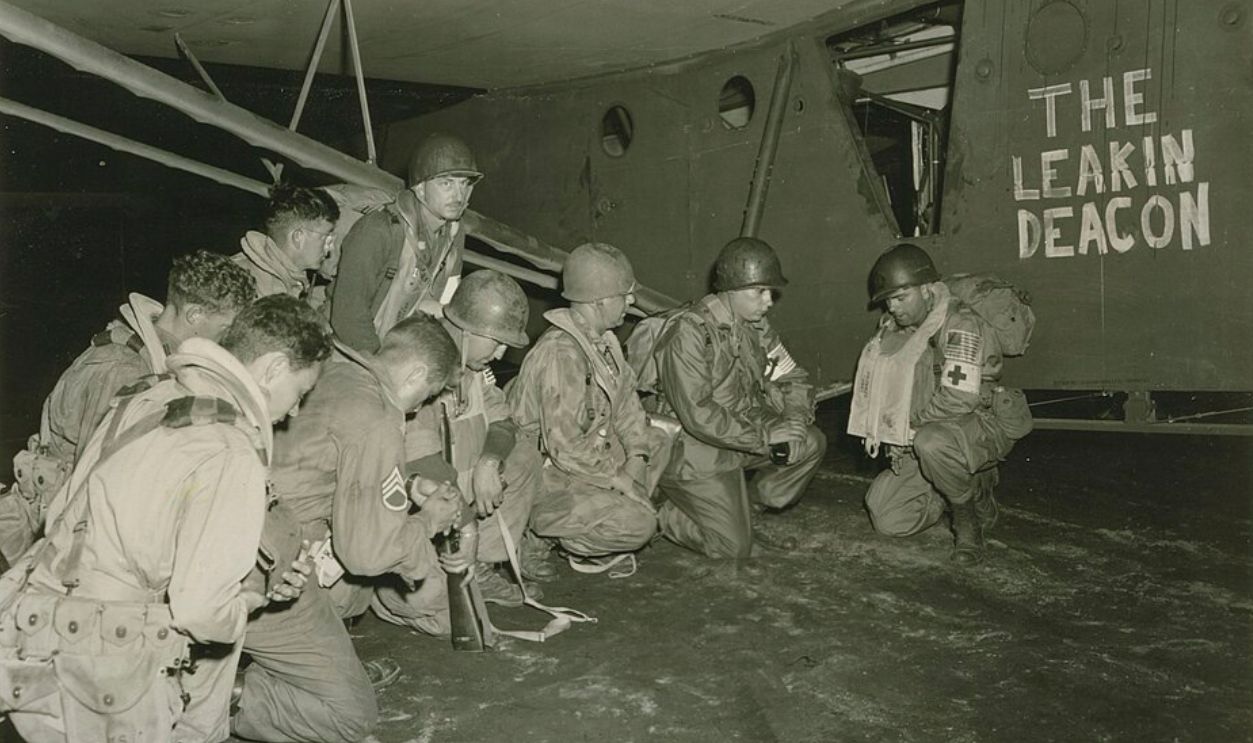 Signal Corps Archive from Ireland and United States, Wikimedia Commons
The Hour That Made Him a Legend
Outnumbered and wounded, Murphy climbed onto a burning tank destroyer and began firing at advancing German troops. For nearly an hour, he stood alone behind a mounted .50-caliber weapon, holding his position until reinforcements arrived. He was 19 years old.
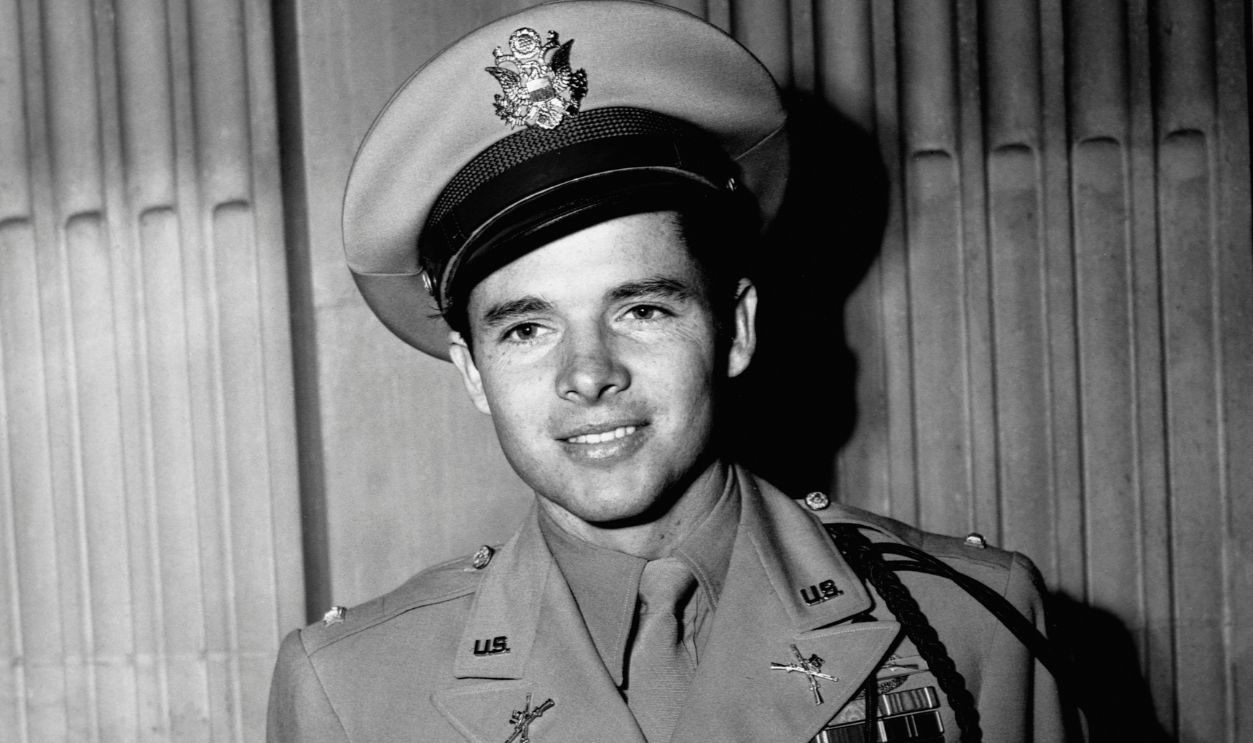
The Medal of Honor at 19
For his actions in France, Murphy received the Medal of Honor at just 19 years old. It was the culmination of repeated acts of bravery—he had already earned the Distinguished Service Cross, two Silver Stars, two Bronze Stars, and multiple Purple Hearts. By war’s end, he had earned 33 American and allied decorations. He later downplayed it all, saying, “We were not heroes. We were only doing our jobs.”
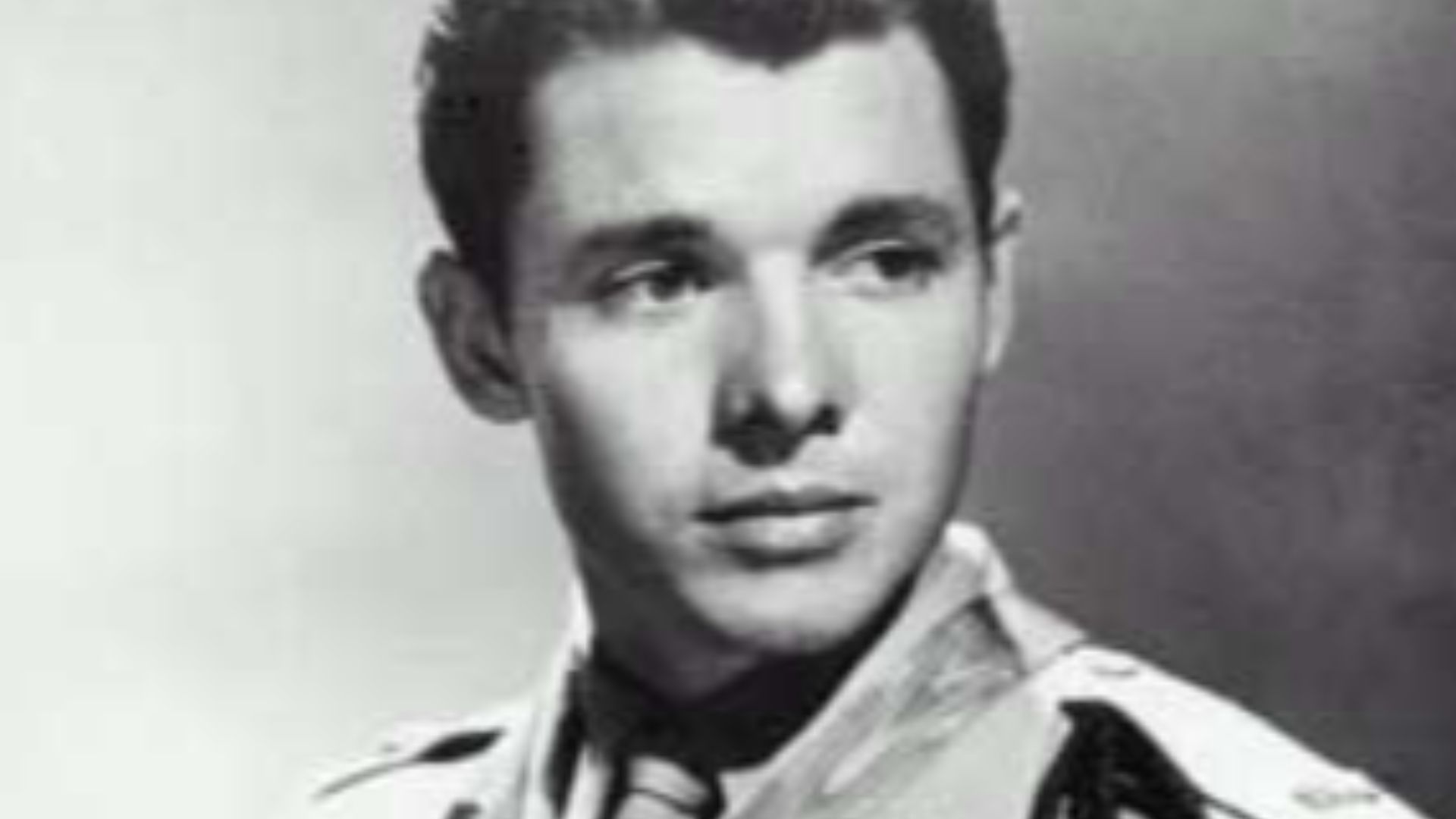 U.S. Army (http://www.detrick.army.mil/samc/index.cfm), Wikimedia Commons
Not the Myth
As newspapers labeled him America’s greatest hero, Murphy resisted the title. He once said, “I never killed a German who wasn’t trying to kill me.” It wasn’t bravado. It was blunt realism. The legend sounded larger than life. The man did not.
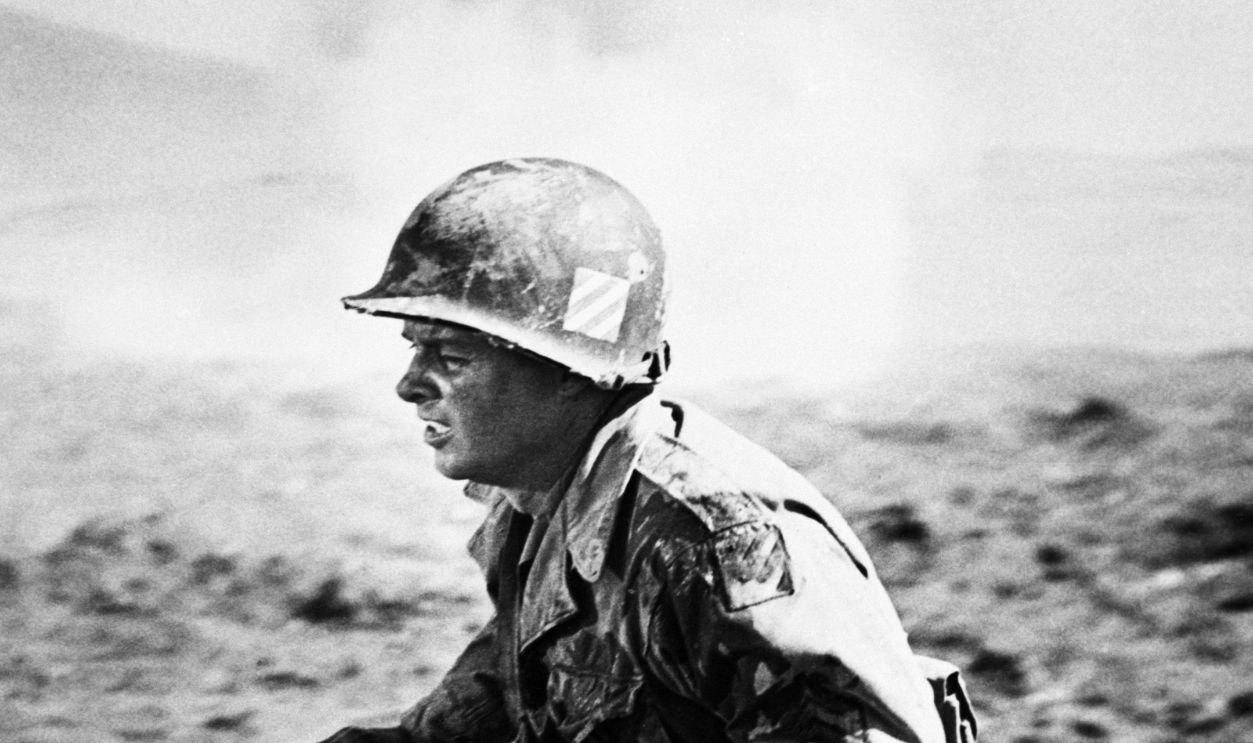
He Looked Like a Teen Idol
When he returned home, Americans were shocked. The nation’s greatest war hero looked like a shy high school kid. Baby-faced, slight, soft-spoken. The image didn’t match the legend.
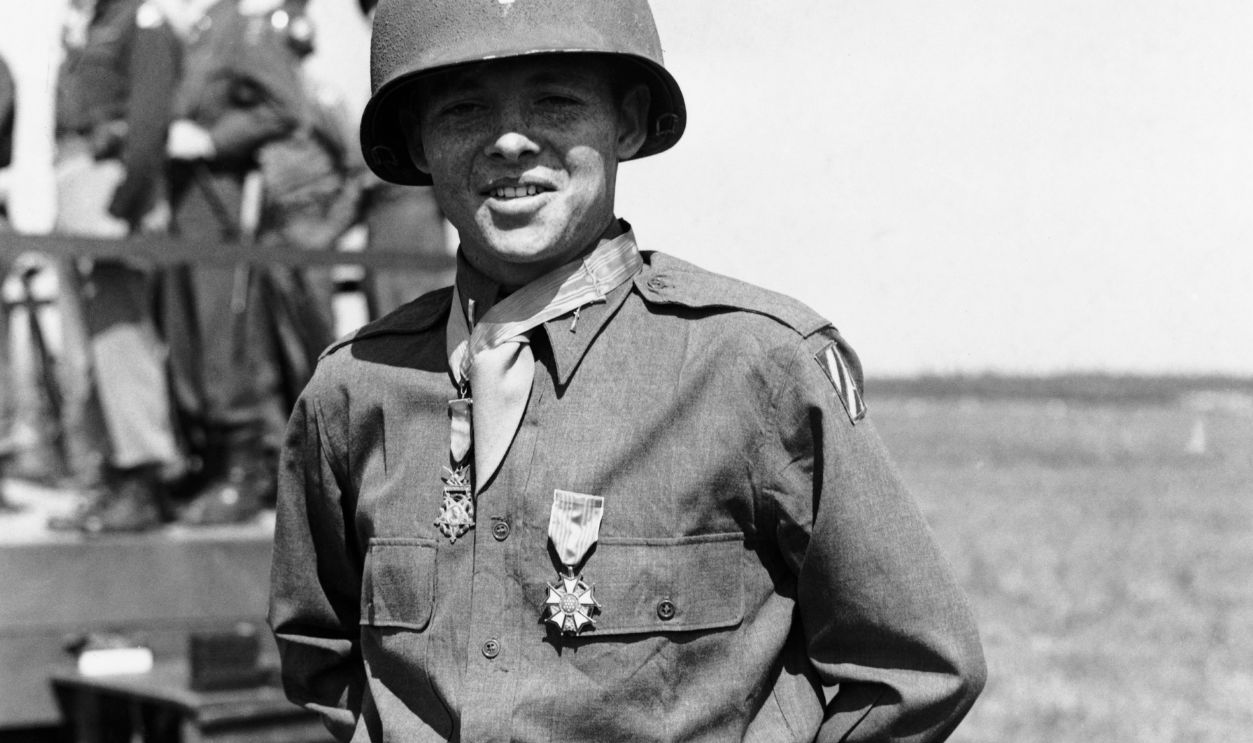
Hollywood Came Calling
Actor James Cagney noticed Murphy in a magazine and invited him to Hollywood. Studios saw something compelling—authenticity you couldn’t fake. Murphy signed with Universal and slowly began landing film roles.
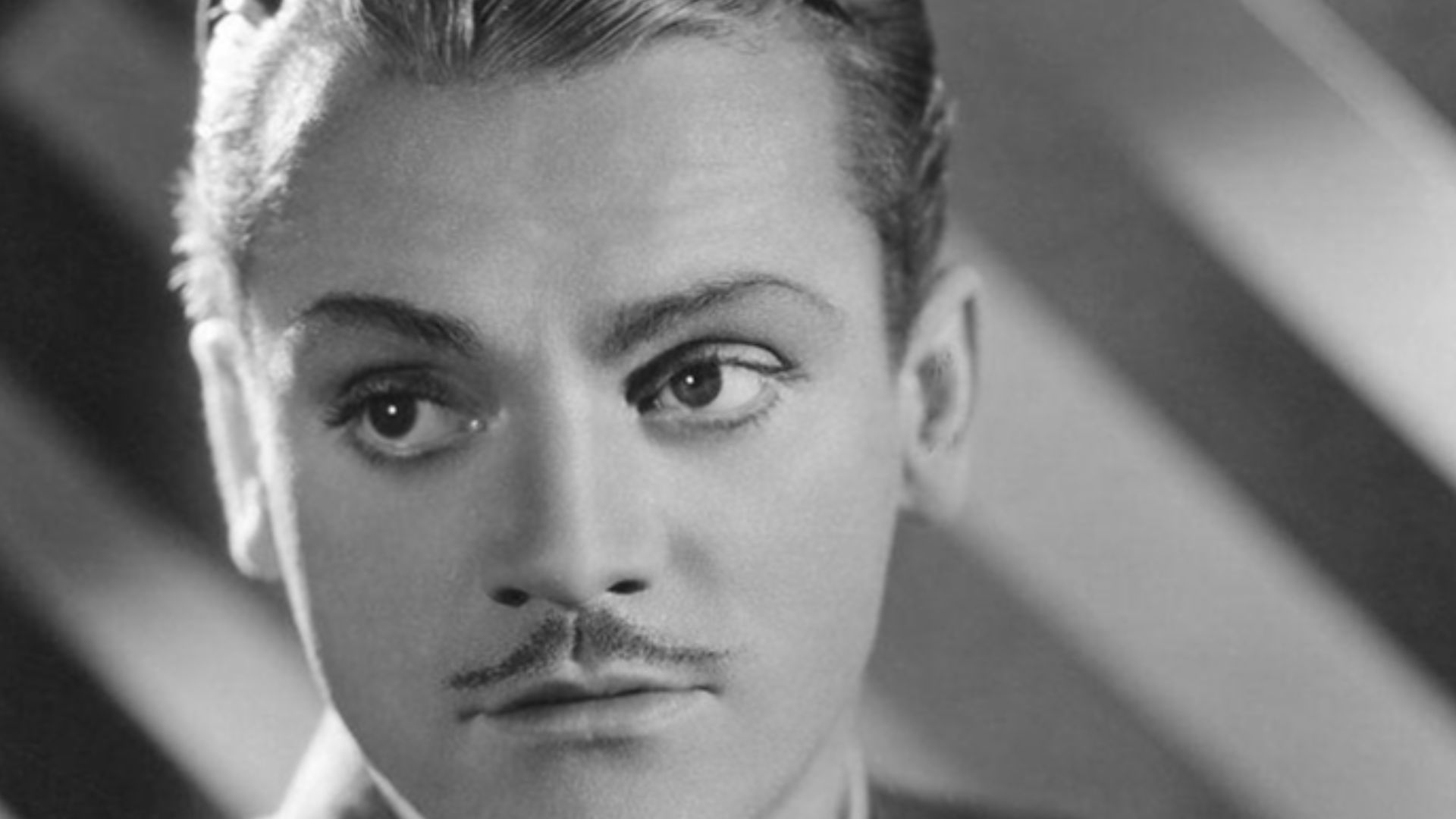 Elmer Fryer, Wikimedia Commons
Learning to Be an Actor
Murphy wasn’t theatrically trained. Early roles were small and stiff. But directors realized his quiet presence worked onscreen. He didn’t overact. He didn’t posture. He just stood there—and it felt real.
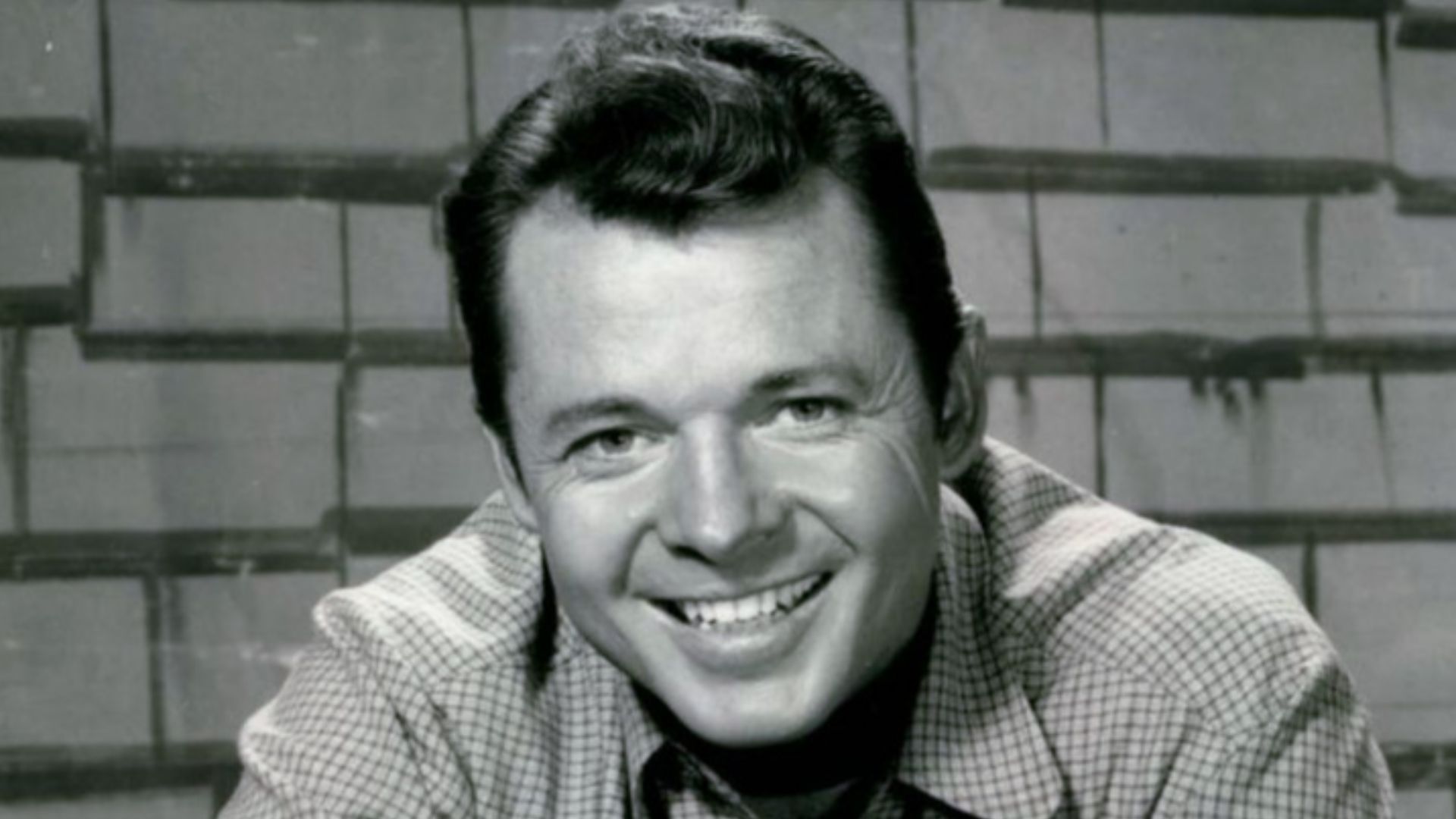 NBC Television, Wikimedia Commons
Becoming a Western Star
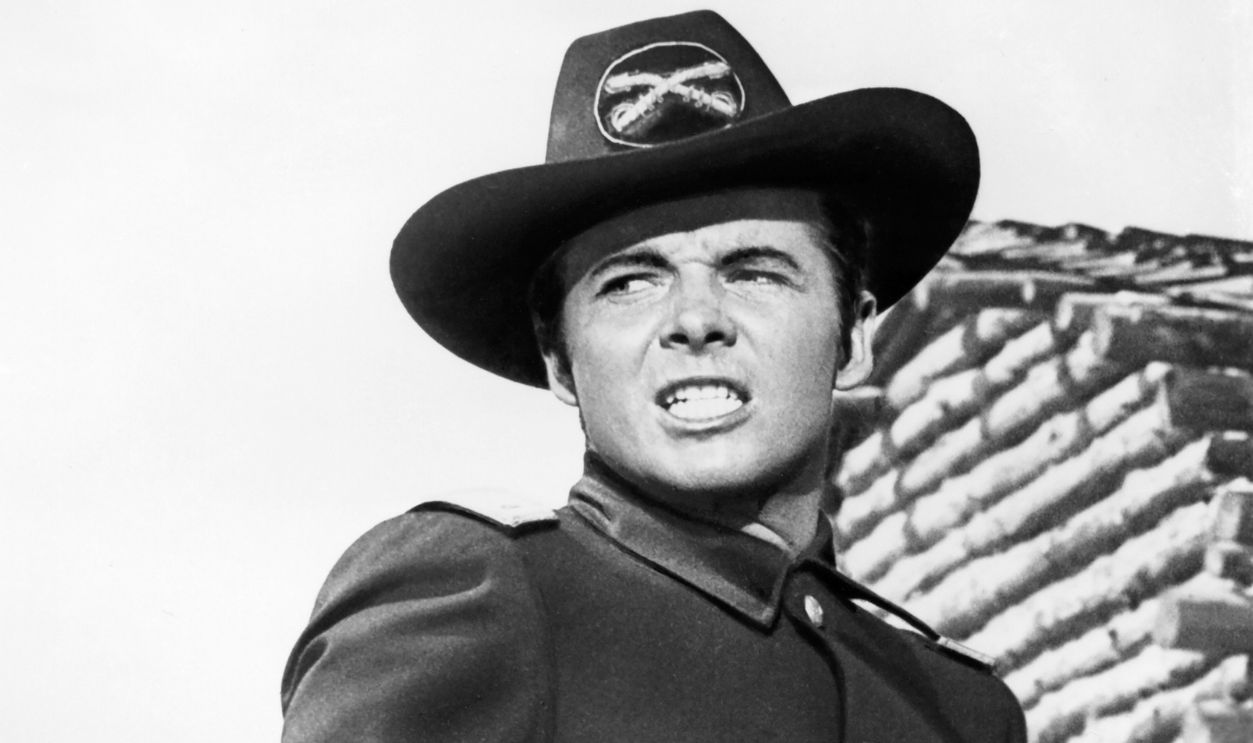
Through the 1950s, Murphy became a steady Western lead. Films like The Kid from Texas, Destry, and Ride Clear of Diablo made him a reliable box-office draw. Not flashy. Not loud. Just solid.
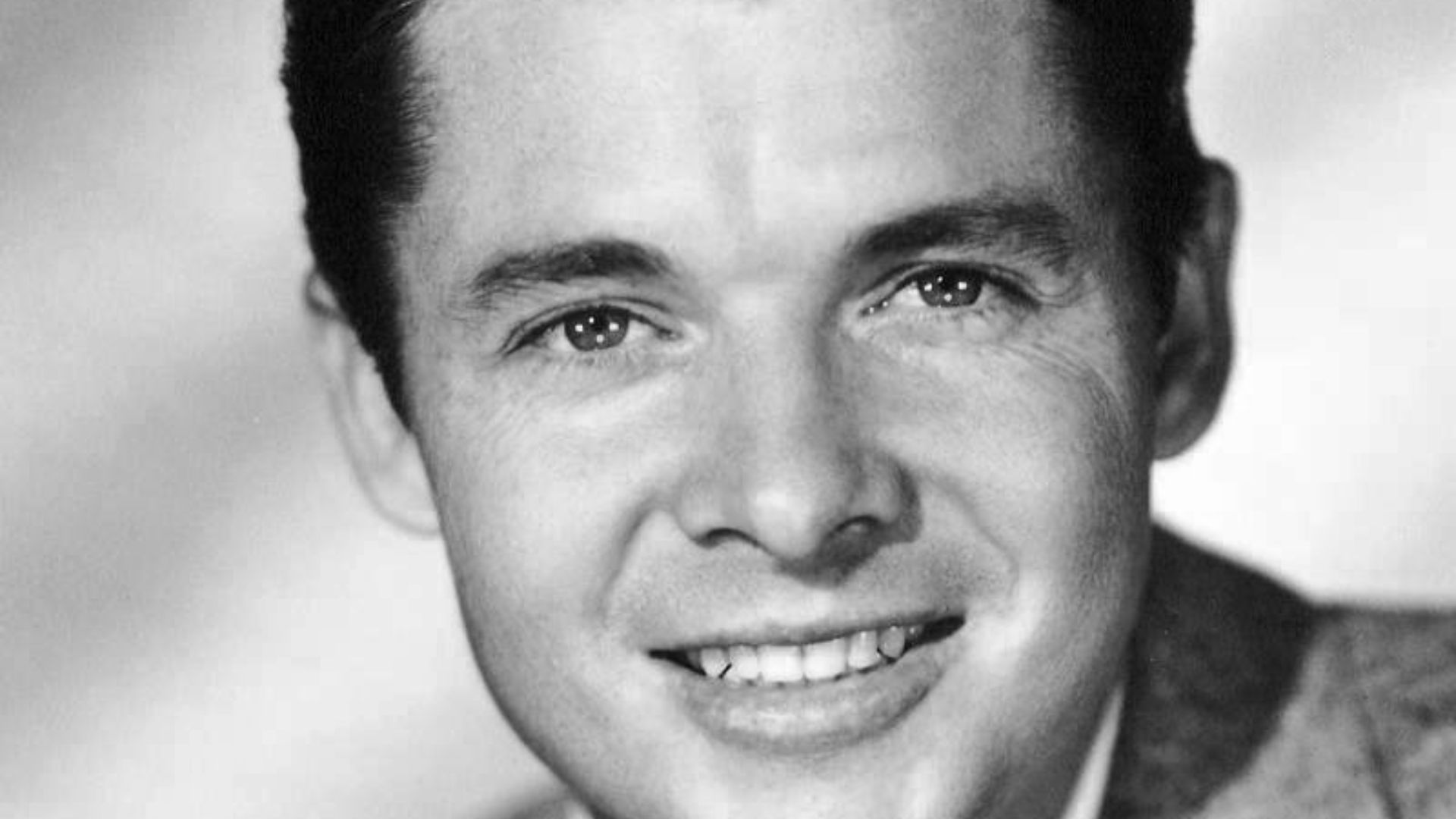 No author, no company, Wikimedia Commons
He Wrote To Hell and Back at 24
At just 24 years old, Murphy published his autobiography, To Hell and Back. The war was barely behind him, yet he was already reliving it on paper. Writing it forced him to revisit moments most soldiers spend a lifetime trying to forget.
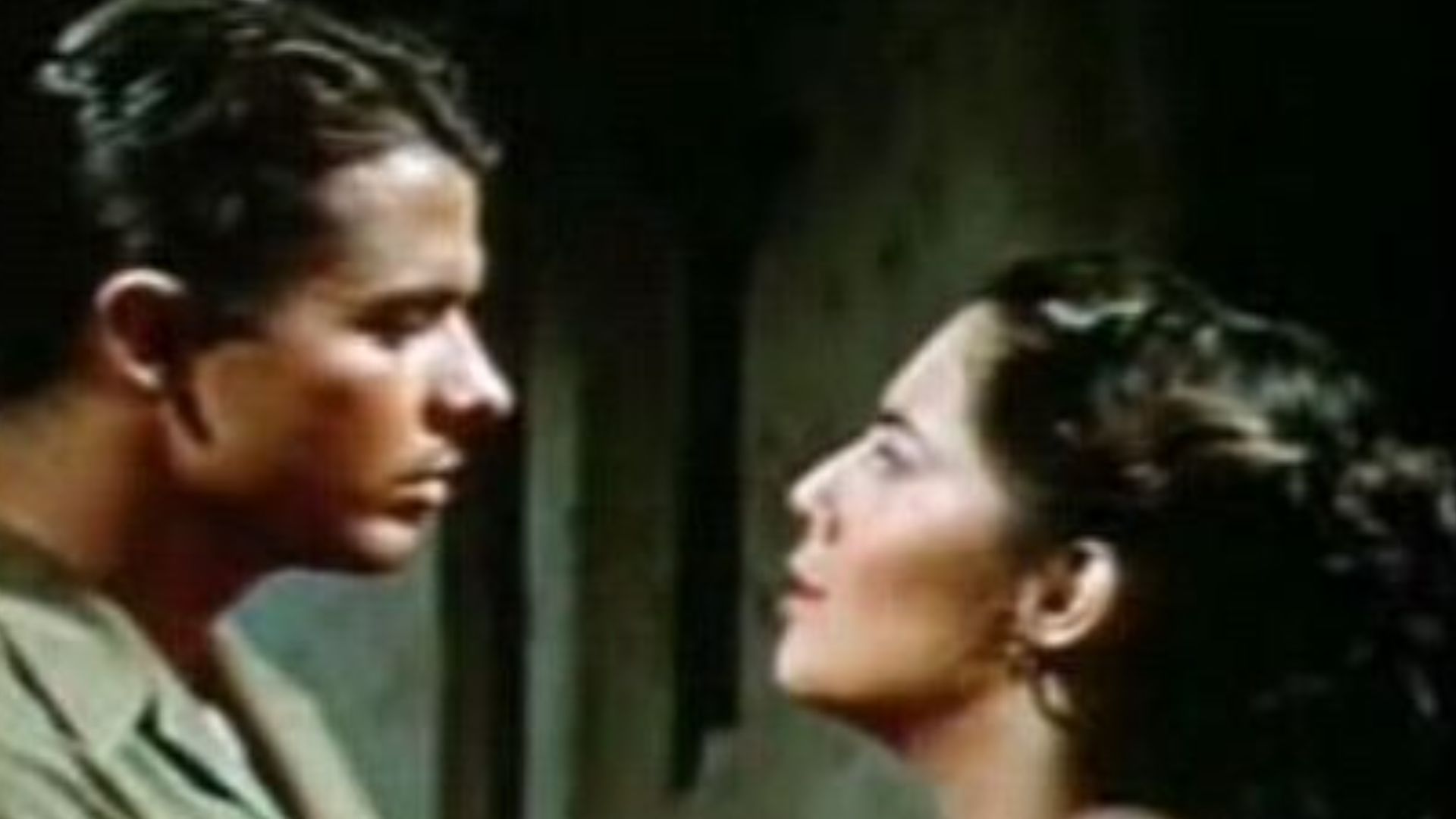 Universal Studios, Wikimedia Commons
Playing Himself
In 1955, Murphy starred as himself in To Hell and Back, based on the book he had written nearly a decade earlier. It became Universal’s highest-grossing film at the time. A war hero playing his own trauma on screen—while still living with it.
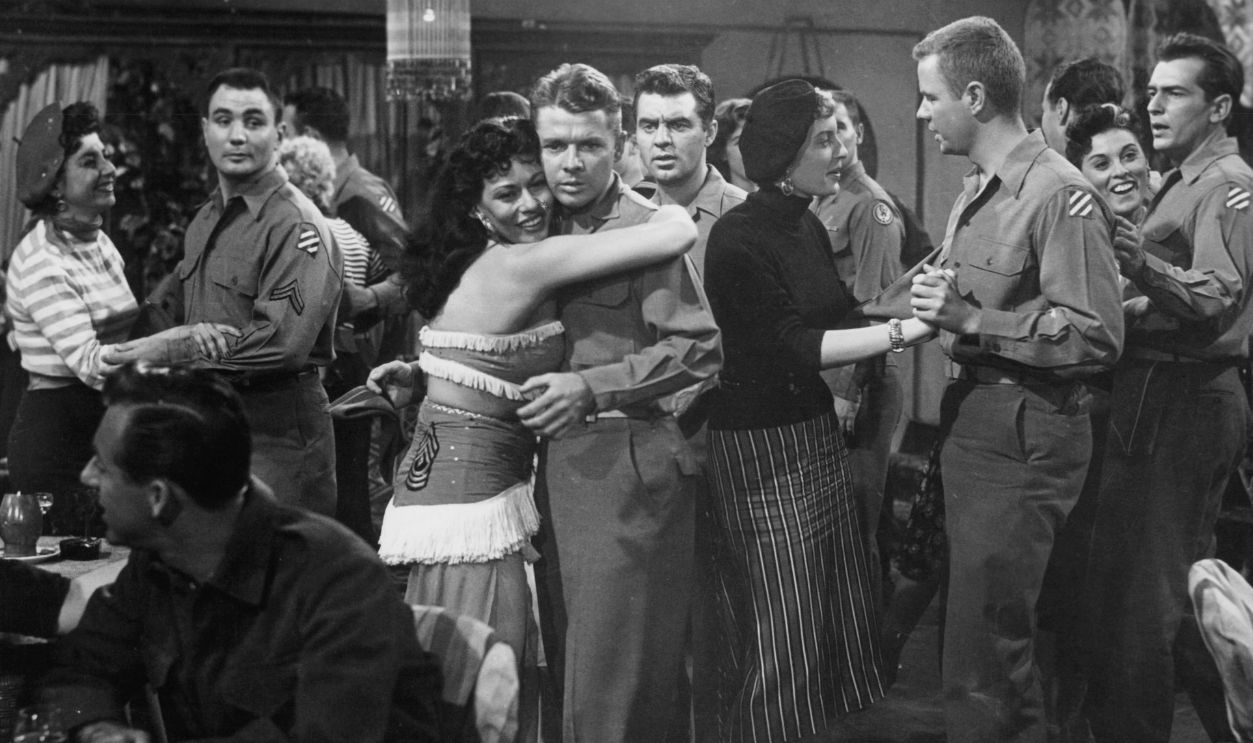
The War Didn’t End
Behind the scenes, Murphy struggled with severe insomnia and recurring nightmares. He reportedly slept with a loaded pistol under his pillow. Years later, he admitted, “I still have nightmares, but I have learned to live with them.” The medals didn’t quiet anything.
 Silver Screen Collection, Getty Images
Battle Fatigue
The term PTSD wasn’t commonly used then. Doctors called it “battle fatigue.” Murphy didn’t hide it completely. He later spoke publicly about veterans needing better mental health support—a rare stance in the 50s and 60s.
A Private Addiction
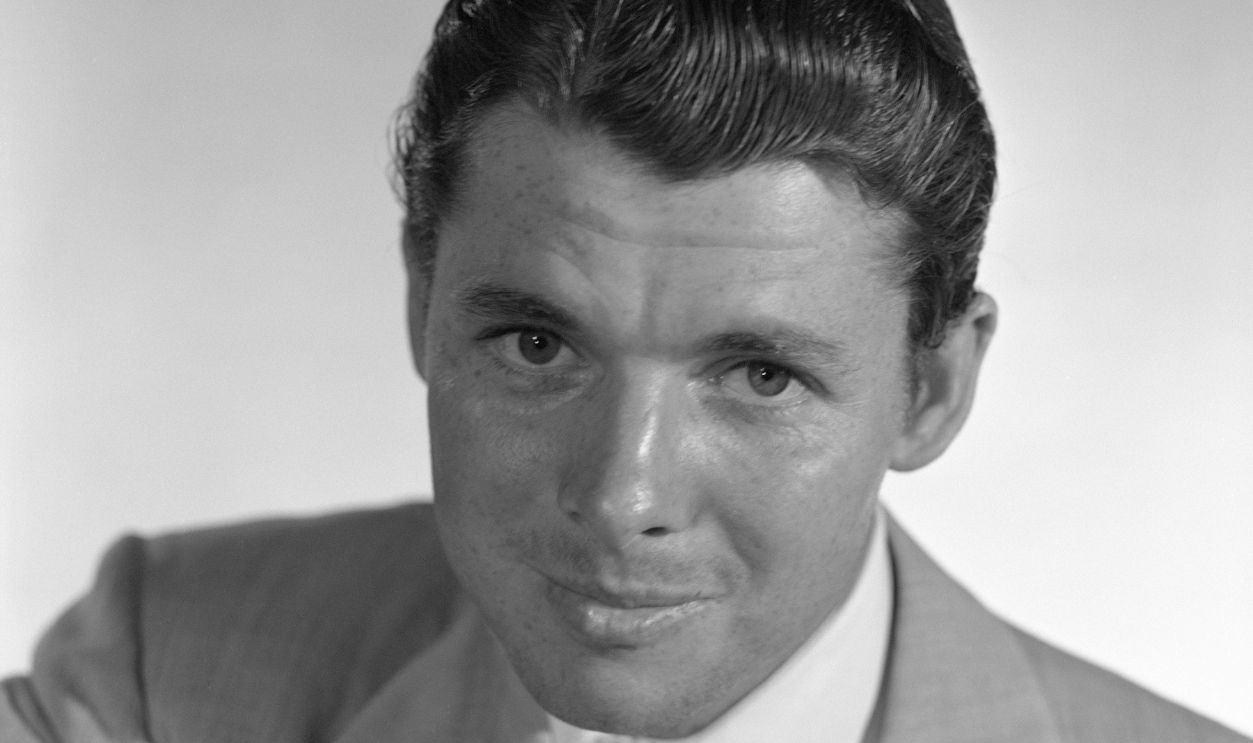
To cope with sleeplessness, Murphy became dependent on prescription sleeping pills. At one point, he locked himself in a motel room for a week to quit cold turkey. He eventually overcame the addiction.

Sudden Anger
Murphy could be intensely protective and quick-tempered. In 1951, he was arrested after striking a man who reportedly insulted his wife; the charges were later dropped. Friends said he carried constant tension. The war’s edge never fully dulled.
Financial Trouble
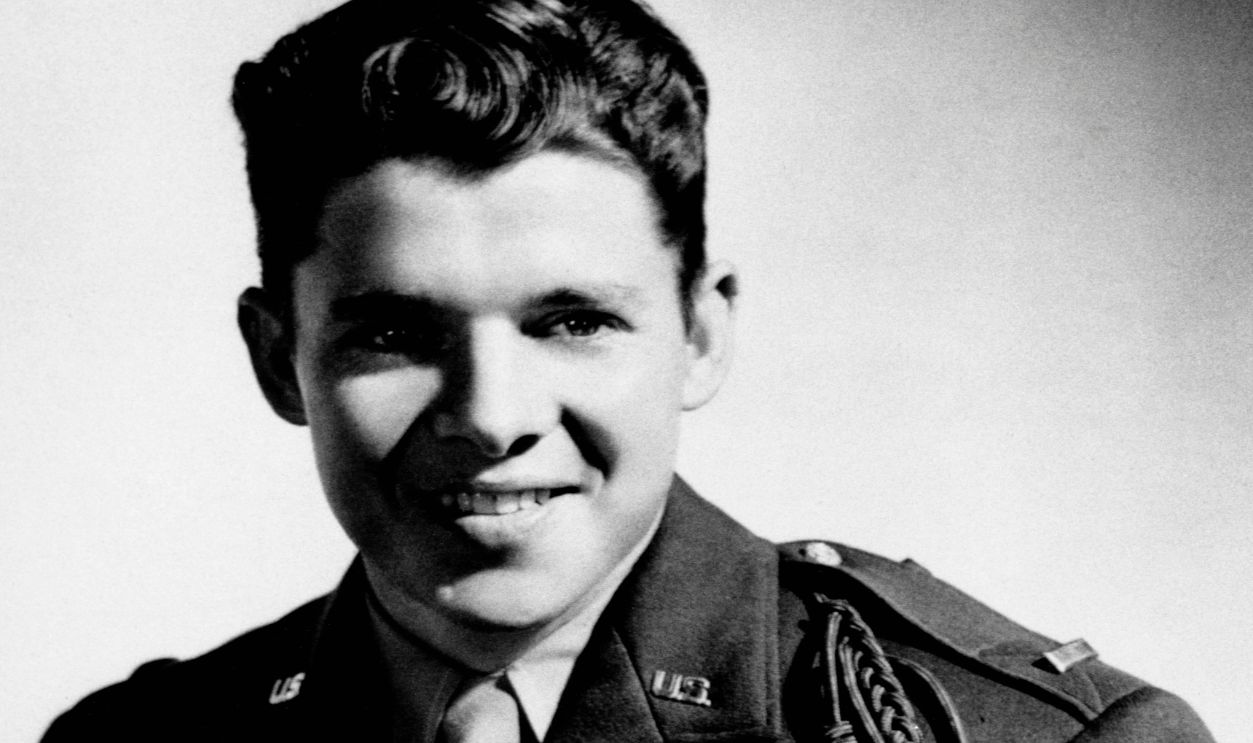
As Western roles declined in the late 60s, Murphy invested heavily in oil ventures that collapsed. He reportedly lost large sums and faced mounting debt. Rather than declare bankruptcy, he insisted on repaying what he owed—quietly shouldering the strain.
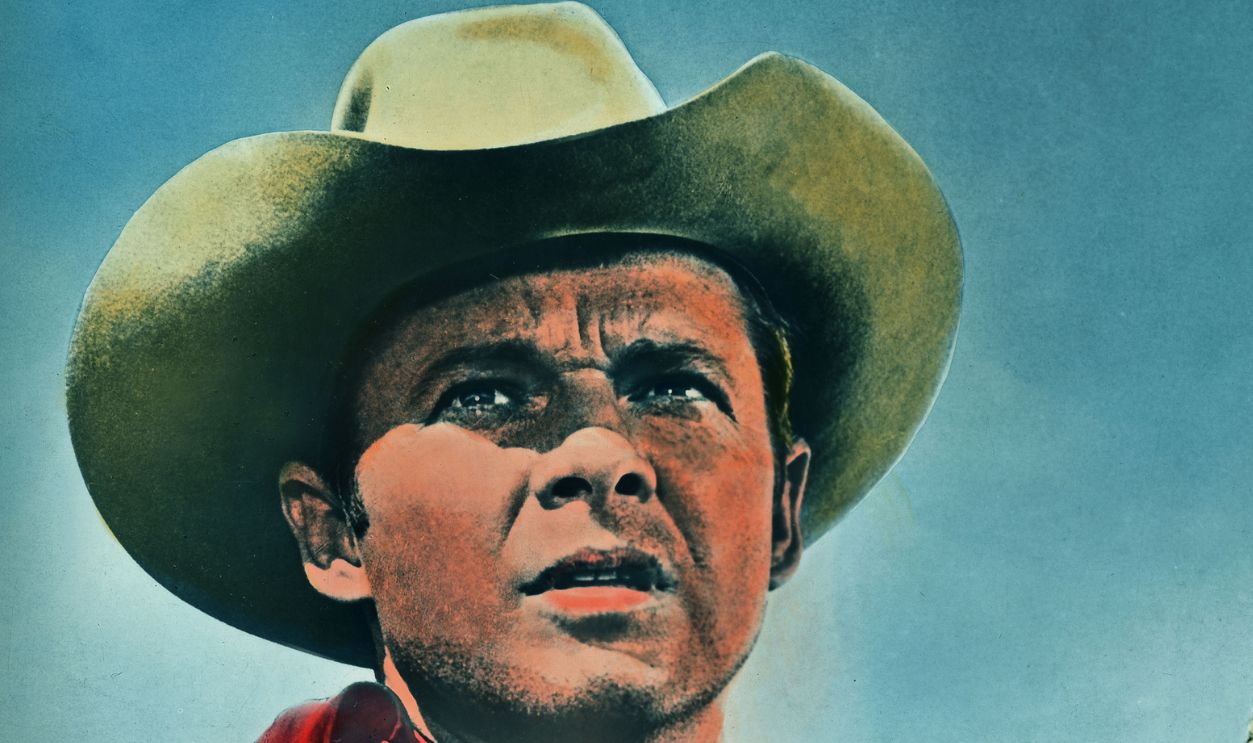
Struggling in Silence
Murphy rarely framed his pain dramatically. He just kept working. Kept filming. Kept appearing composed. The man who once held off German troops alone now faced something quieter—and far less visible.
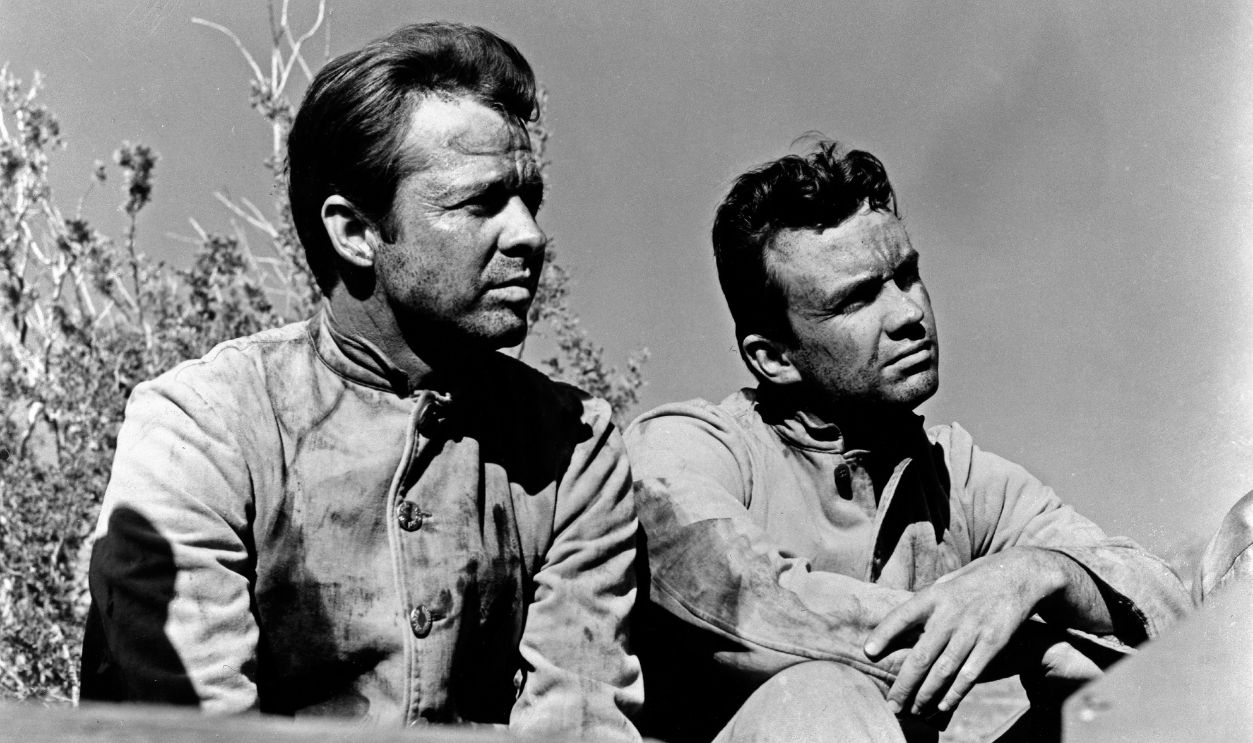
Advocating for Veterans
In later years, Murphy used interviews to push for better treatment of combat veterans. He urged them to seek help instead of hiding their struggles. He was speaking from experience.
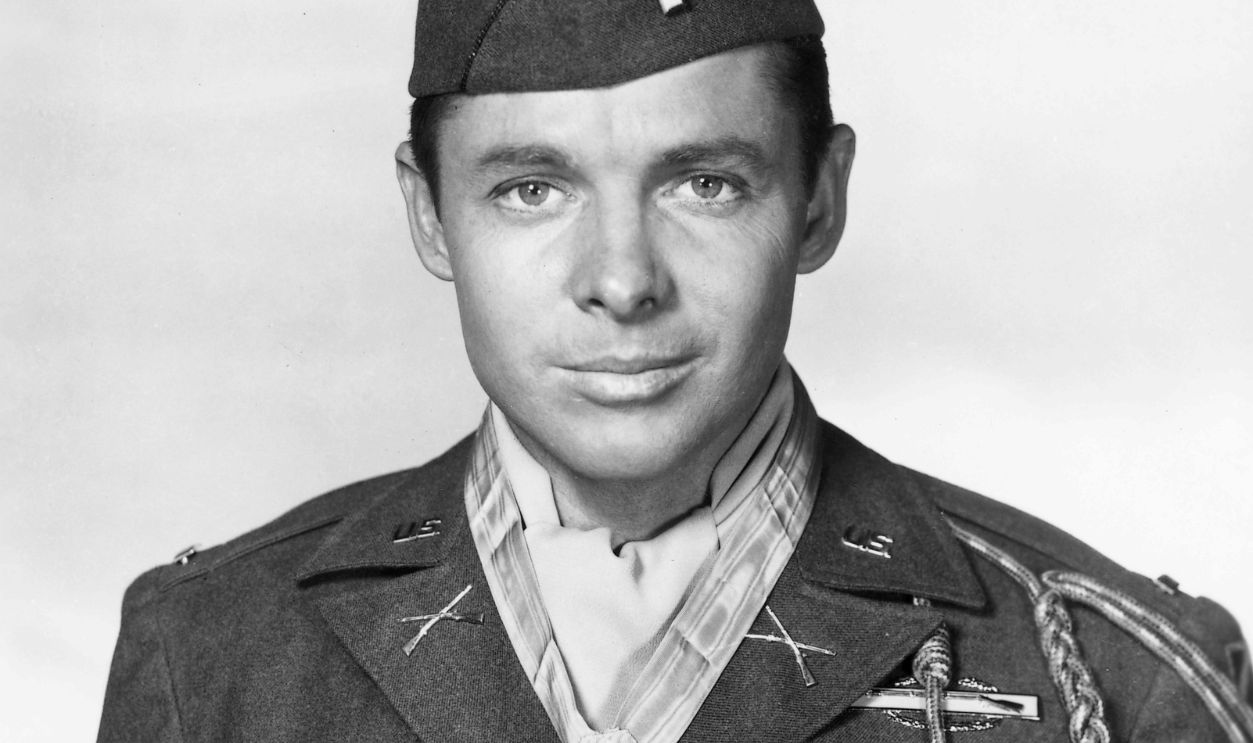 Silver Screen Collection, Getty Images
A Life Cut Short
On May 28, 1971, Murphy died in a private plane crash near Brush Mountain, Virginia. He was 45 years old. The aircraft went down in heavy fog, killing all six people onboard. Murphy was traveling for a business meeting. There was no scandal—just tragedy and sudden finality.
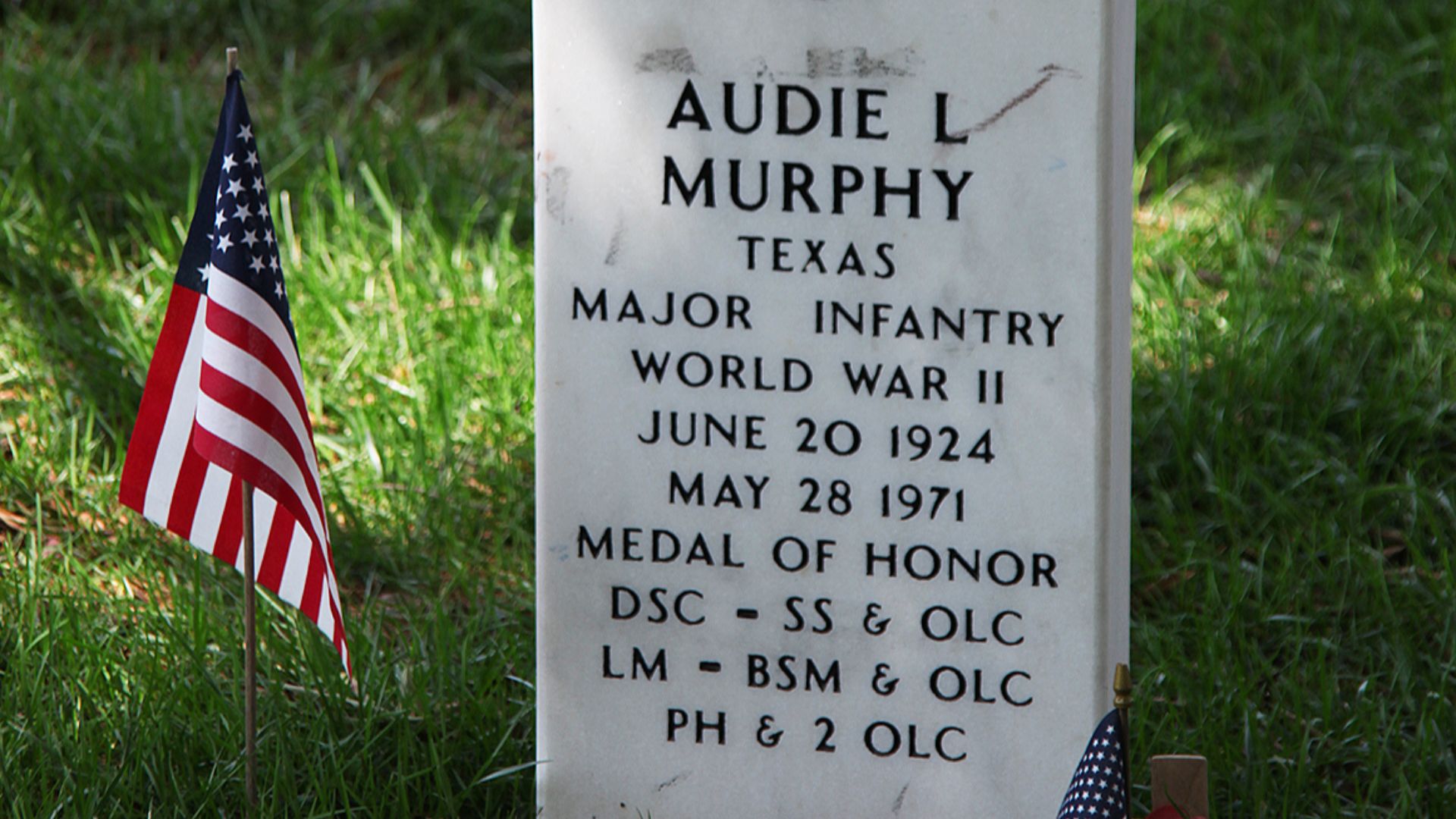
Arlington
Murphy was buried with full military honors at Arlington National Cemetery. At his request, his grave bears a simple government-issued headstone. It remains one of the most visited graves there. Visitors still leave coins, flags, and notes—honoring the teenager who became a legend.
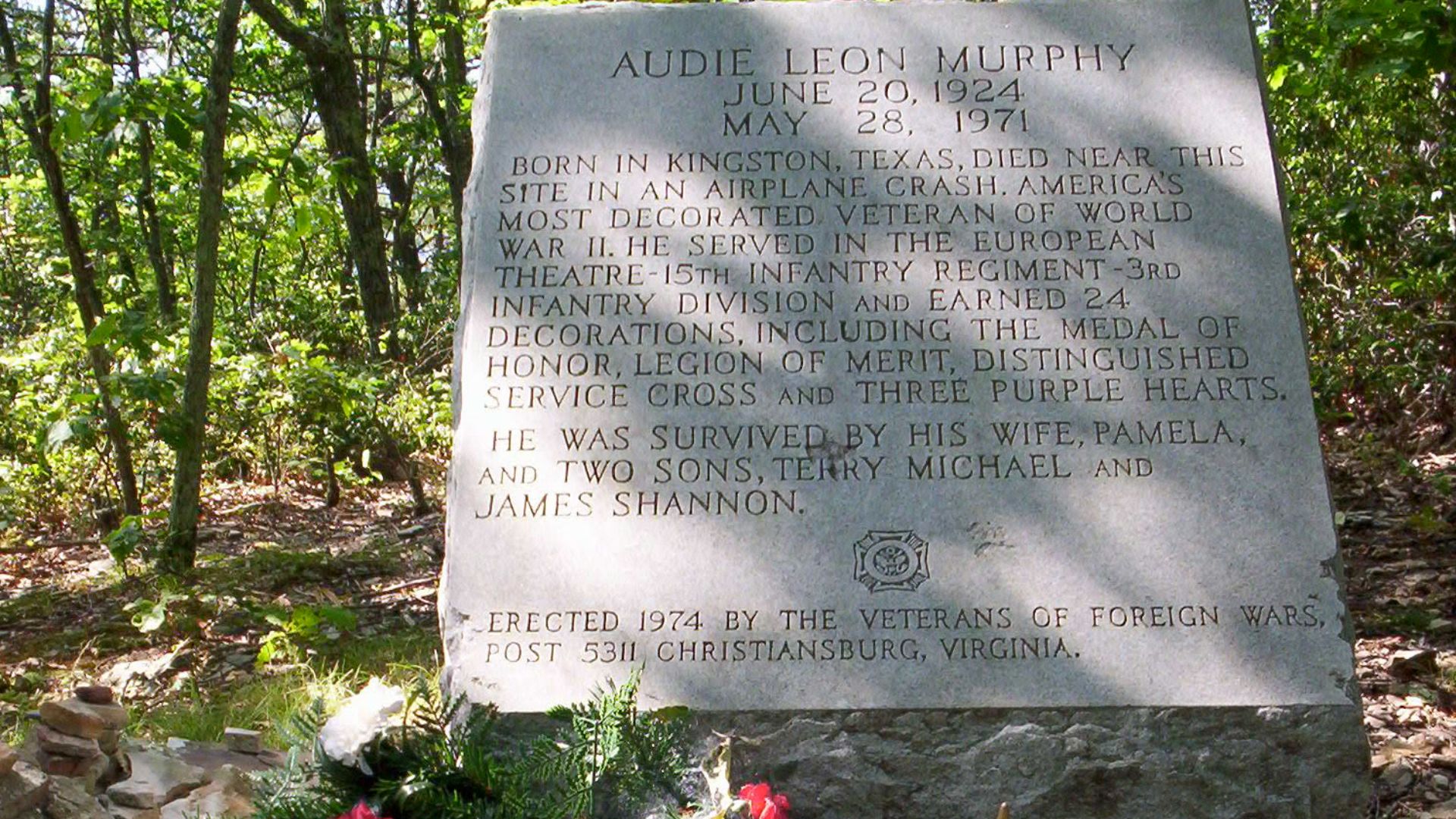
The Public Hero vs. The Private War
Audie Murphy defeated enemy forces in some of WWII’s fiercest battles. He became a movie star. A national symbol. But the demons the war left behind proved harder to conquer than any battlefield opponent.
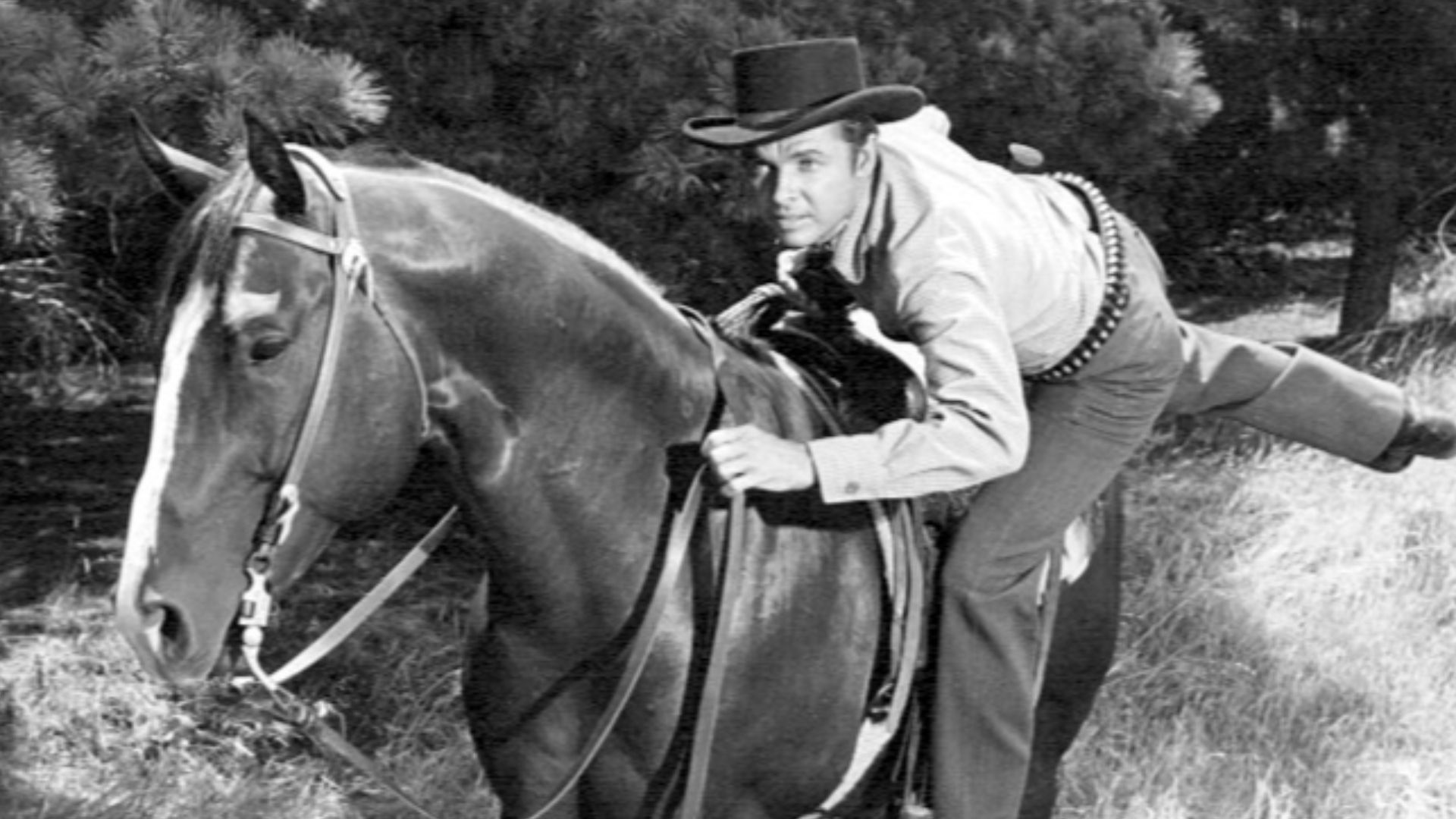 NBC Television, Wikimedia Commons
The Enemy No One Could See
He fought Germany and survived. He fought Hollywood and adapted. But the quiet war inside him lasted far longer than the one history books record. And that may have been his toughest battle of all.
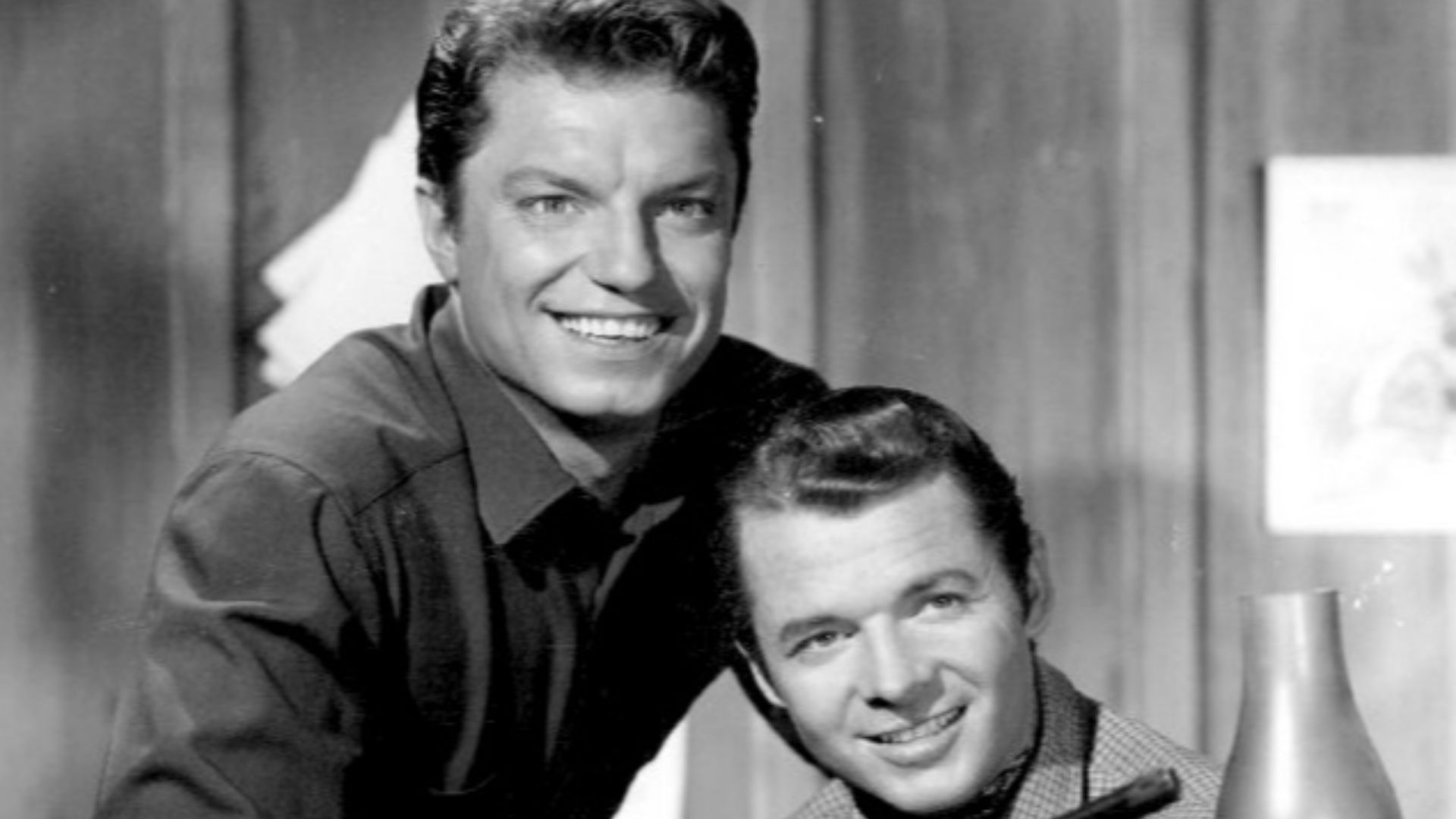 NBC-NBC Photo by Elmer Holloway, Wikimedia Commons
You Might Also Like:
Lonely Facts About Omar Sharif, The Smouldering Egyptian Bad Boy