From Western Tough Guy to Comedy Star
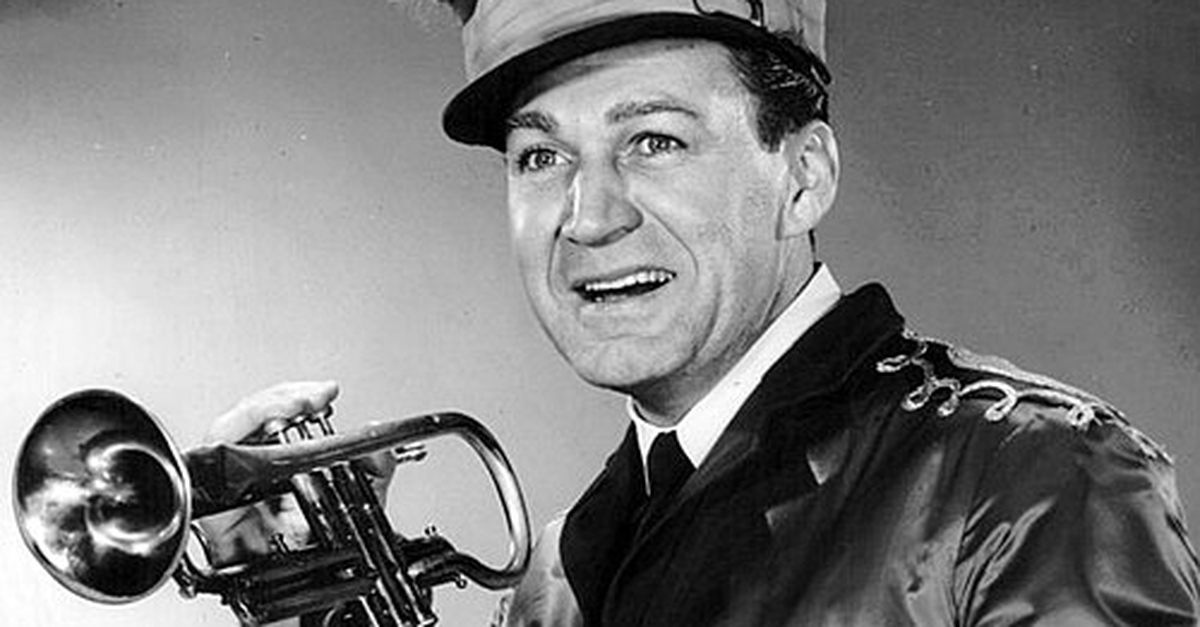
Forrest Tucker spent decades looking perfectly at home in saddles, military uniforms, and rough frontier towns. Then television audiences discovered that the towering Western veteran could also deliver fast dialogue, physical comedy, and cheerfully dishonest schemes. His path from dependable movie tough guy to the comic center of F Troop became one of Hollywood’s more unexpected reinventions.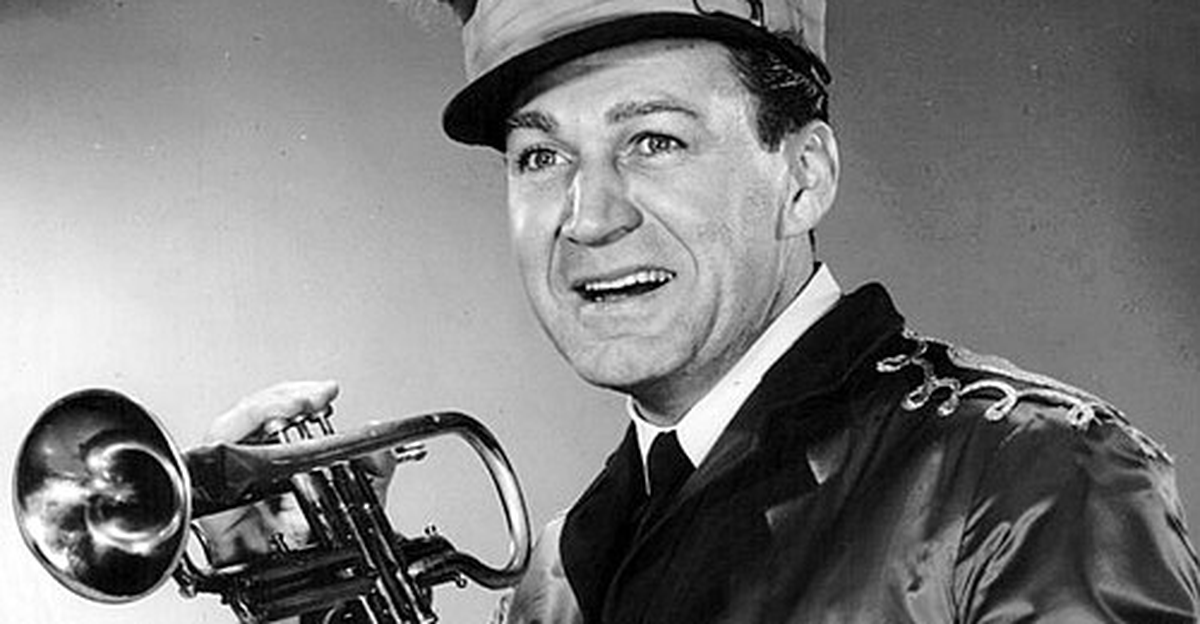 Lowell State Teachers College, Wikimedia Commons
His Career Was Much Bigger Than One Sitcom
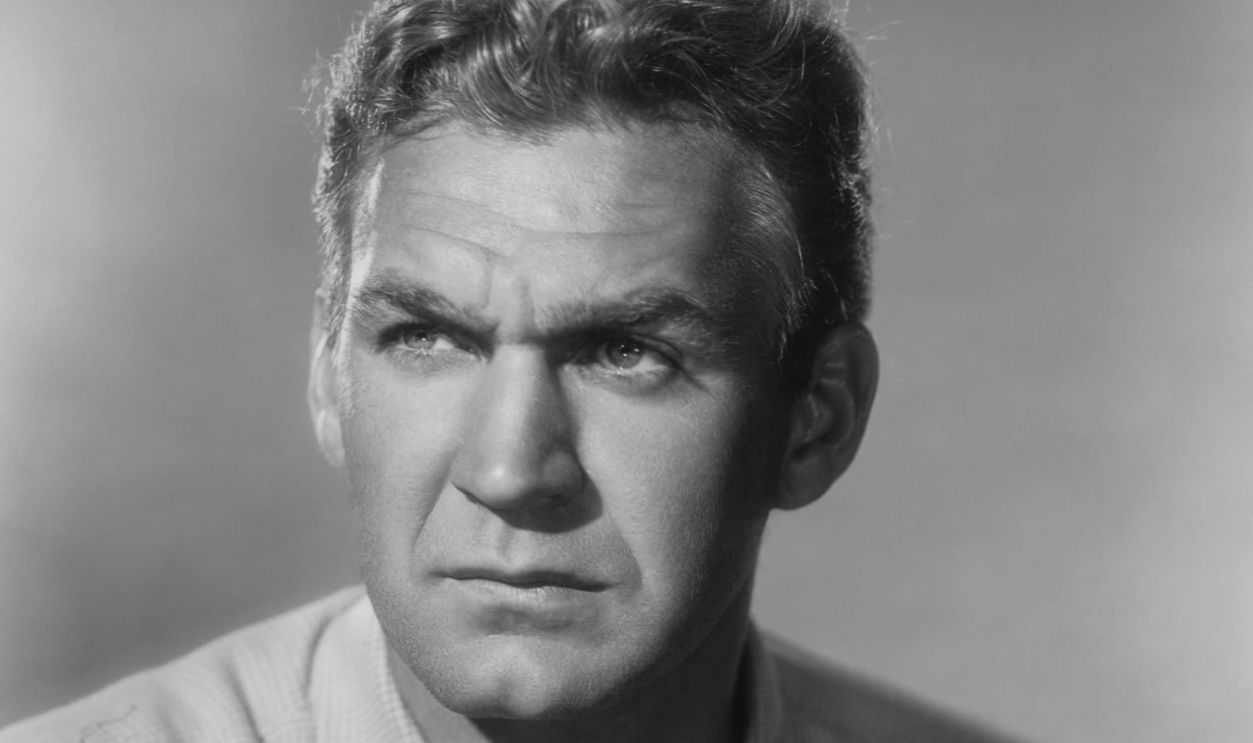
Forrest Tucker is most widely remembered as Sergeant Morgan O’Rourke on F Troop, but that role arrived after roughly 25 years of screen work. He had already appeared in dozens of Westerns, war pictures, adventures, and dramas before entering Fort Courage. That long apprenticeship gave him the authority to play a frontier soldier while gleefully making fun of the entire genre.
 Universal History Archive, Getty Images
He Started Entertaining Crowds As A Teenager
Tucker was born in Plainfield, Indiana, on February 12, 1919. At 14, he worked at Chicago’s 1933 Century of Progress exposition, where he pushed tourist chairs during the day and performed as a singer at night. The unusual job introduced him to the practical business of attracting and holding an audience long before Hollywood entered the picture.
Washington Gave Him Another Early Stage
After his family moved to Washington, D.C., Tucker entered amateur competitions at the Old Gaiety burlesque theater. His performances earned him work as a master of ceremonies, although his age eventually became an issue. The experience helped him become comfortable addressing live audiences instead of relying only on the camera.
Hollywood Quickly Noticed His Size
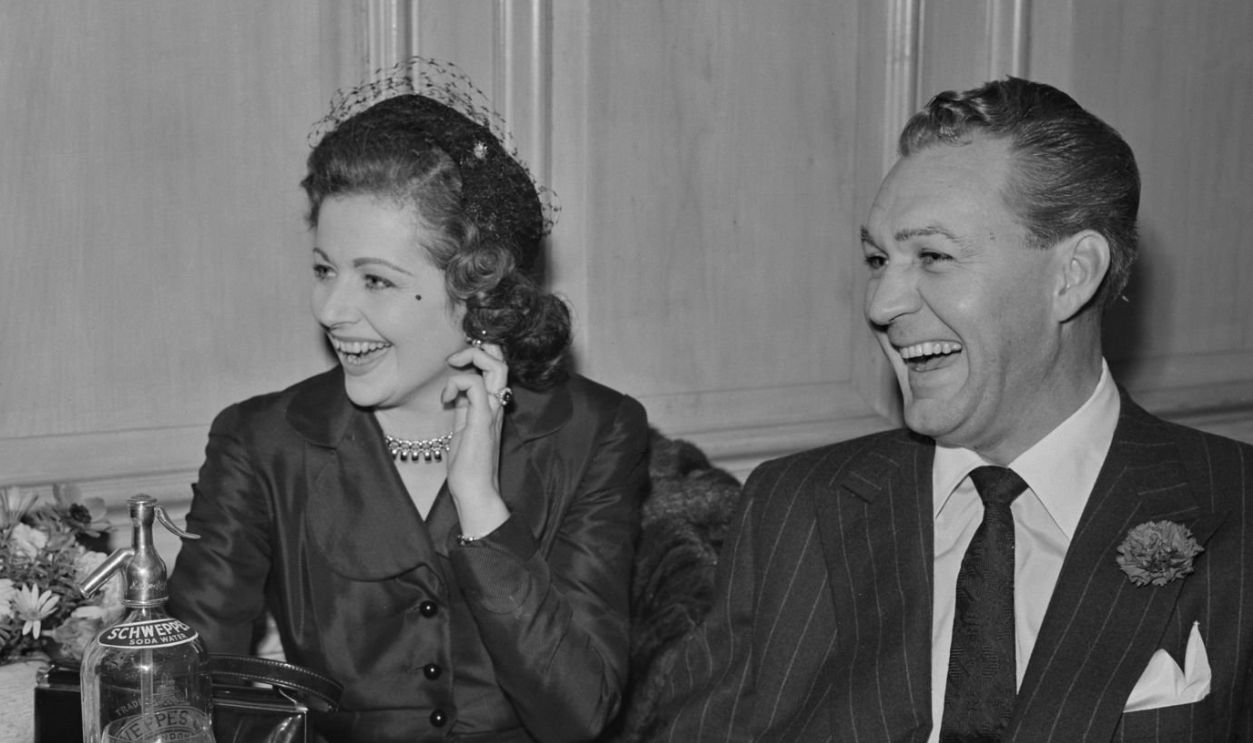
Tucker was tall, broad-shouldered, and naturally suited to characters who appeared physically imposing. Rather than trying to become a delicate romantic lead, he understood that he belonged in the tradition of powerful character actors such as Victor McLaglen and Ward Bond. Hollywood soon began casting him as farmers, soldiers, cowboys, villains, and men who could start a convincing fight.
 Evening Standard, Getty Images
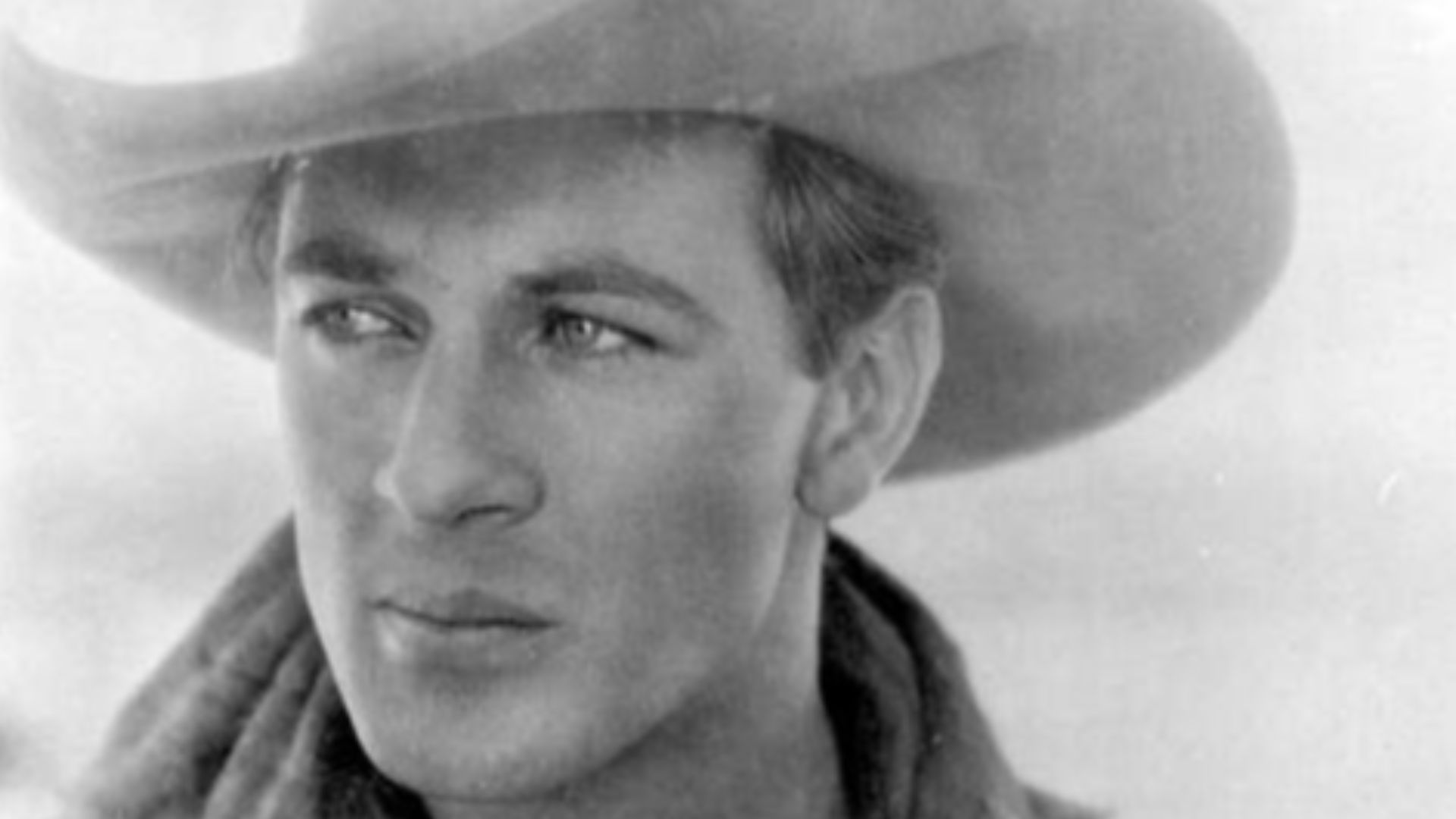
Gary Cooper Helped Launch His Film Career
Tucker made his credited feature-film debut in The Westerner, the 1940 production starring Gary Cooper and Walter Brennan. He played Wade Harper, a farmer who comes into conflict with Cooper’s character. Appearing in a major Western immediately placed Tucker inside the genre that would define much of his early career.
 Paramount Pictures, Wikimedia Commons
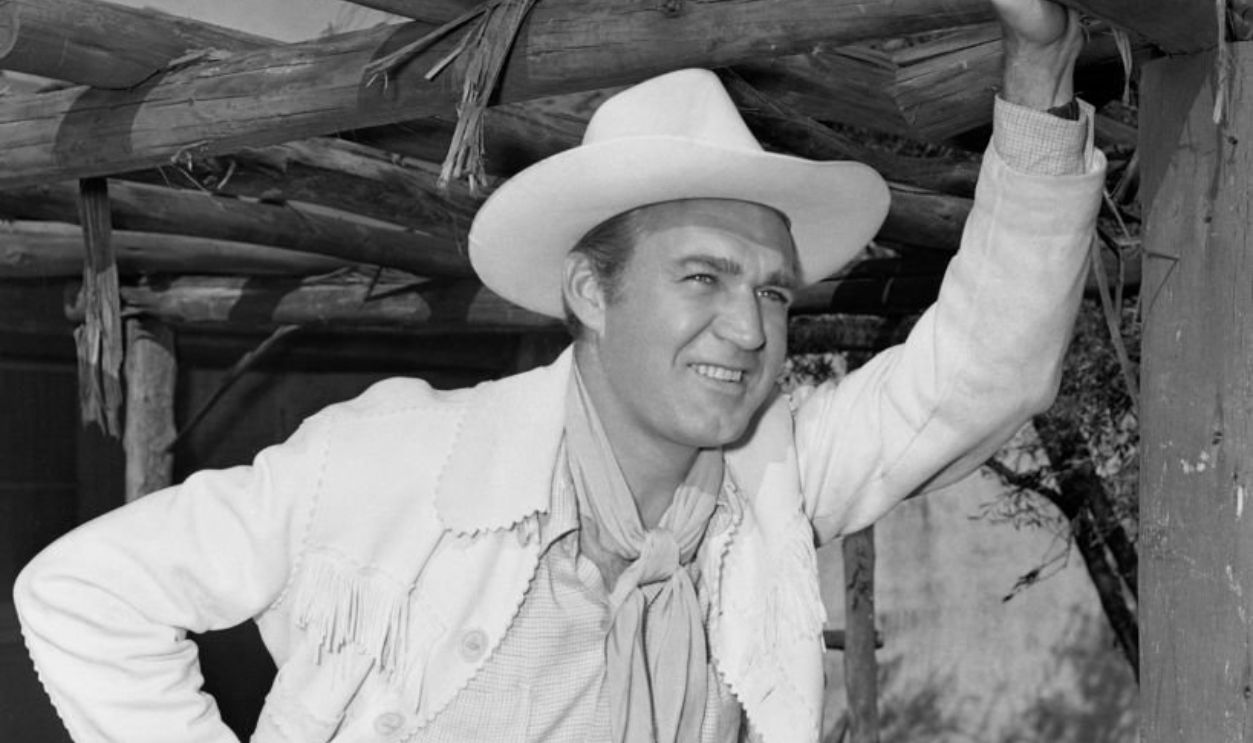
A Small Role Made A Strong Impression
Tucker’s part in The Westerner was not the film’s central attraction, but it demonstrated that he could hold the screen beside established stars. The movie’s combination of frontier conflict, colorful characters, and physical confrontation suited his strengths. More Western assignments followed as studios recognized how easily he fit into rugged settings.
 Silver Screen Collection, Getty Images
He Refused To Stay In The Background
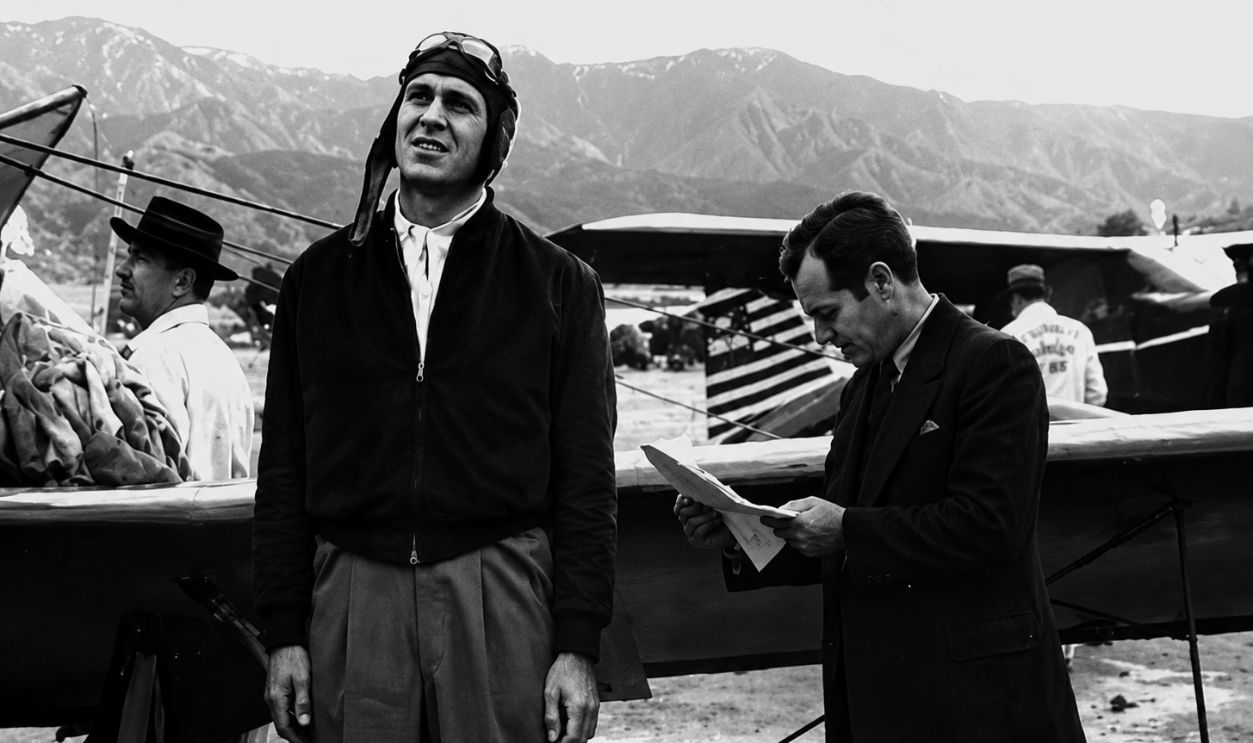
By 1941, Tucker was already receiving leading roles in lower-budget productions such as Emergency Landing. He also worked for Columbia Pictures in crime films, comedies, and wartime stories. Those varied assignments kept him employed while teaching him how to adjust his performance to very different tones.
 Screenshot from Emergency Landing, PRC (1941), Enhanced
Military Service Interrupted His Momentum
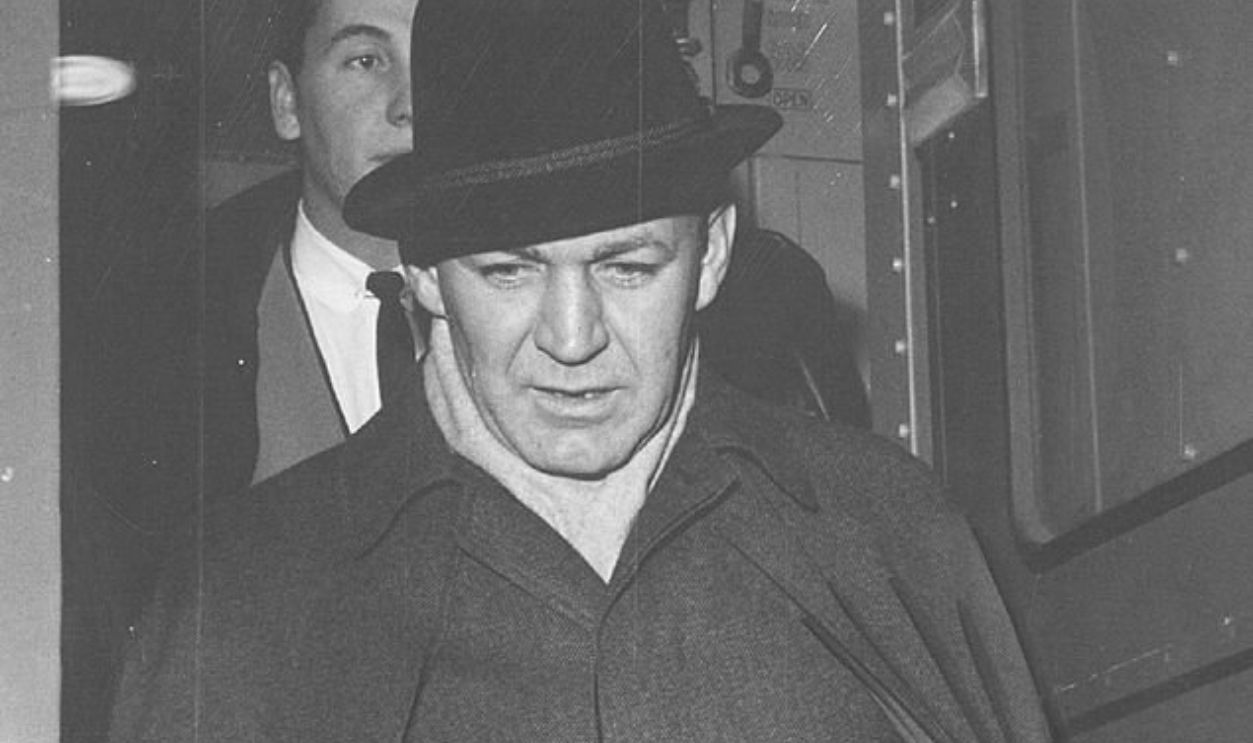
Tucker served in the United States Army during World War II after his film career had begun. Once he returned to civilian life, he resumed acting and rebuilt his place in the studio system. His postwar credits soon included prominent dramas, adventures, and an increasing number of Westerns.
The Yearling Showed His Dramatic Range
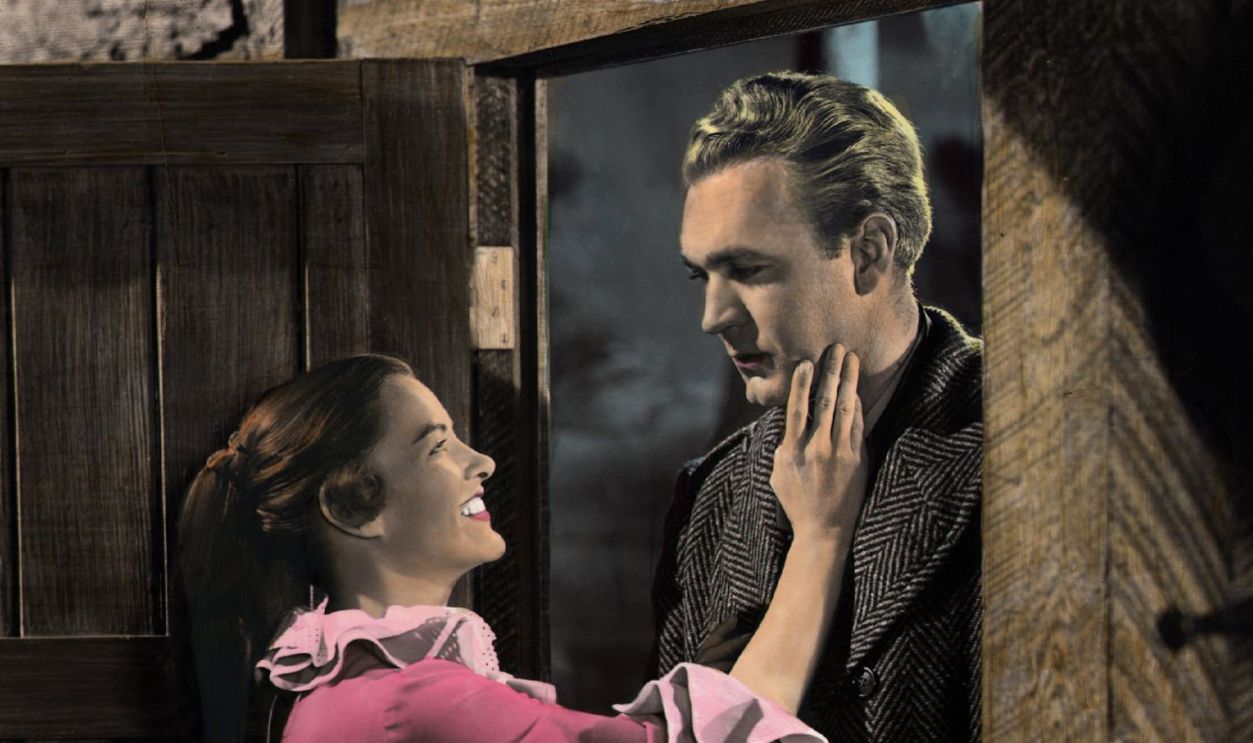
Tucker appeared in the 1946 adaptation of The Yearling, starring Gregory Peck and Jane Wyman. His role as Lem Forrester placed him in a prestigious literary drama rather than a routine action picture. The film became another indication that Tucker could contribute to emotionally serious material as well as frontier entertainment.
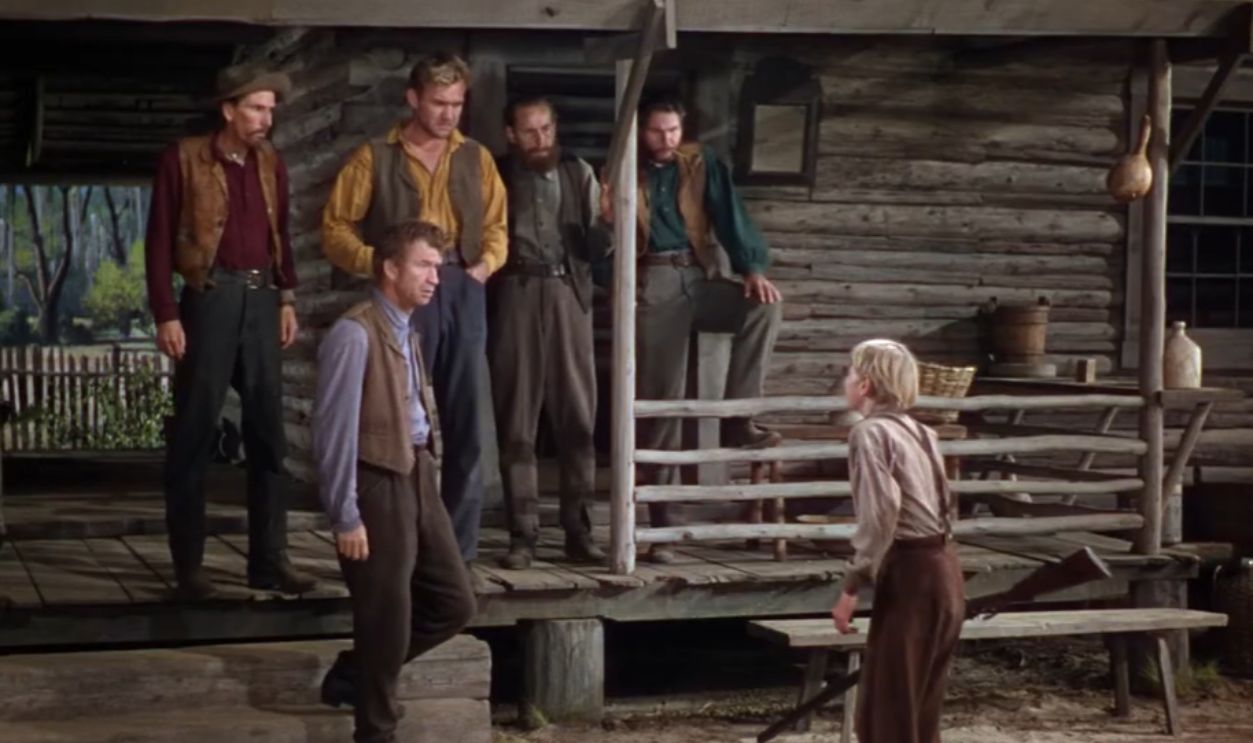 Screenshot from The Yearling, Metro-Goldwyn-Mayer (1946)
Westerns Became His Reliable Territory
During the late 1940s and 1950s, Tucker accumulated credits in films such as Gunfighters, Coroner Creek, The Nevadan, California Passage, Flaming Feather, and Pony Express. Some roles made him heroic, while others used his commanding presence for antagonists or morally complicated figures. His flexibility allowed studios to keep placing him in Westerns without forcing him to play exactly the same man every time.
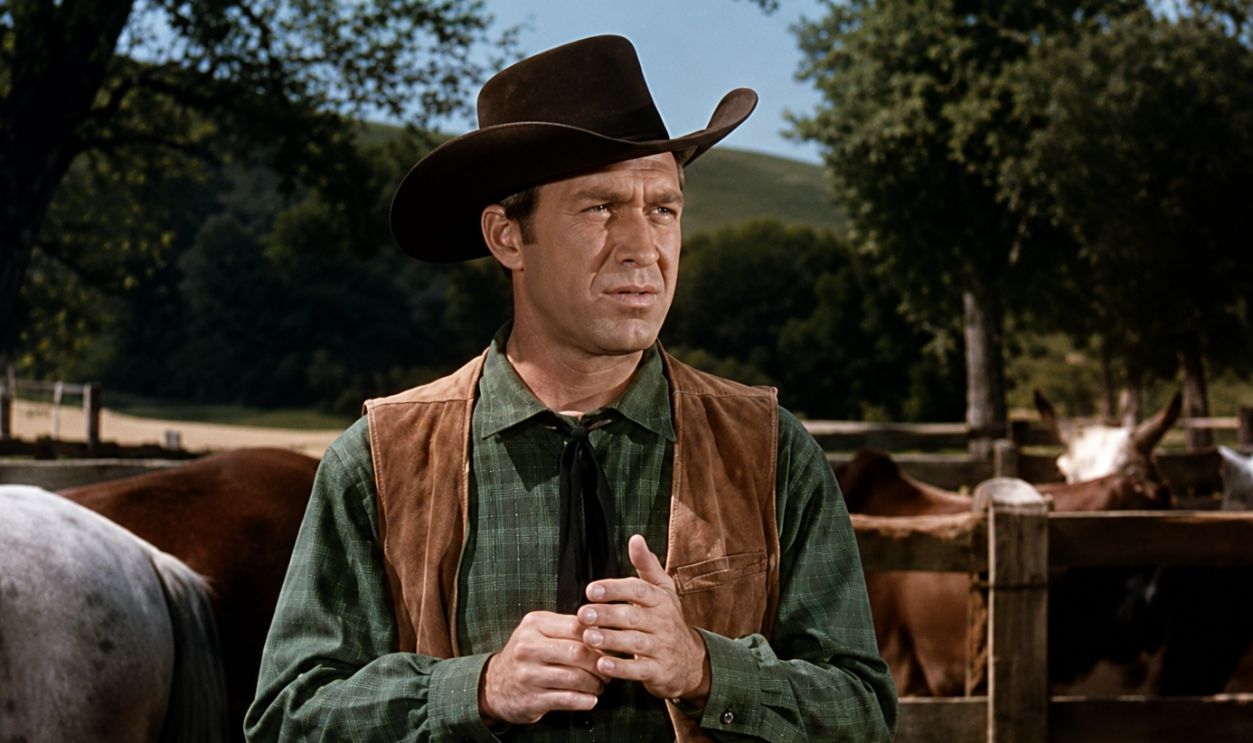 Screenshot from Gunfighters, Columbia Pictures (1947)
He Also Went To War On Screen
Tucker appeared in military pictures including Sands of Iwo Jima, which starred John Wayne, and The Wild Blue Yonder. His height and confident delivery made him believable as an officer, enlisted man, or battle-tested authority figure. These performances strengthened the screen persona that F Troop would later transform into comedy.
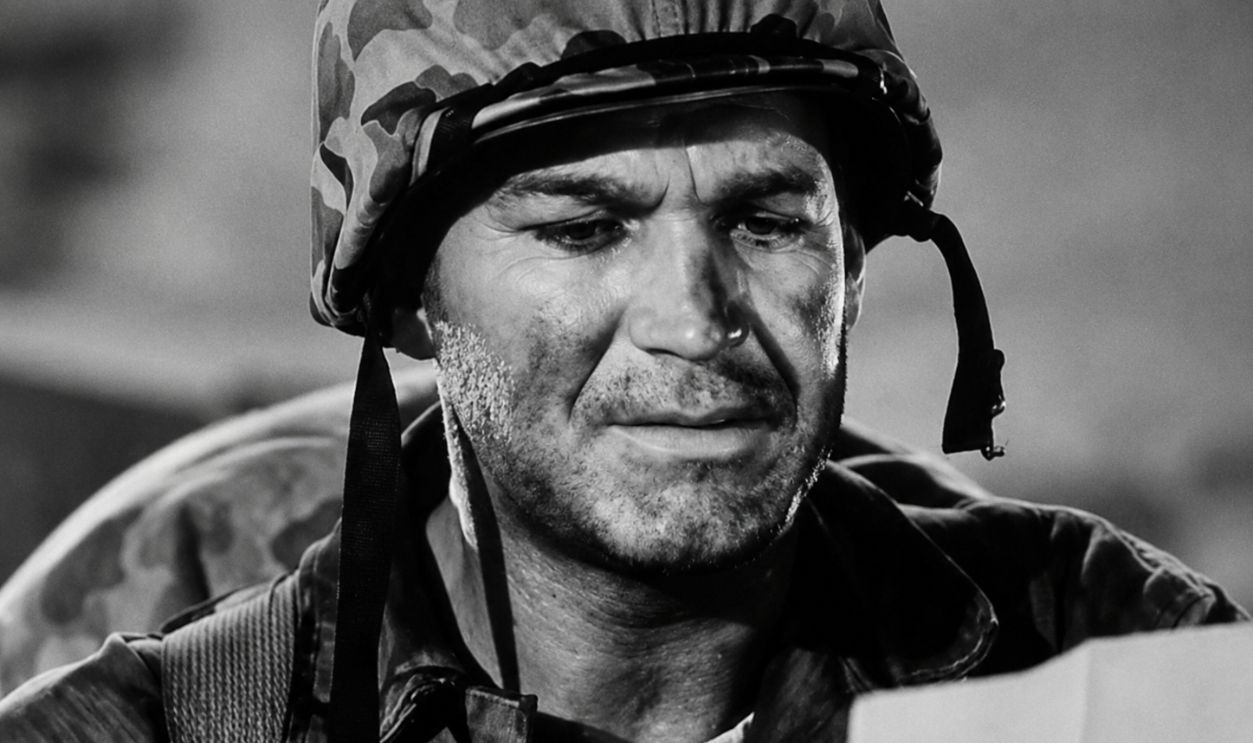 Screenshot from Sands of Iwo Jima, Republic Pictures (1949)
British Filmmakers Saw Something Different
Tucker traveled to Britain during the 1950s and took leading roles in science-fiction and adventure productions. His films there included The Abominable Snowman, The Strange World of Planet X, and The Trollenberg Terror, which was released in the United States as The Crawling Eye. The projects proved that his rugged image could work against monsters and scientific mysteries as effectively as it worked against Western outlaws.
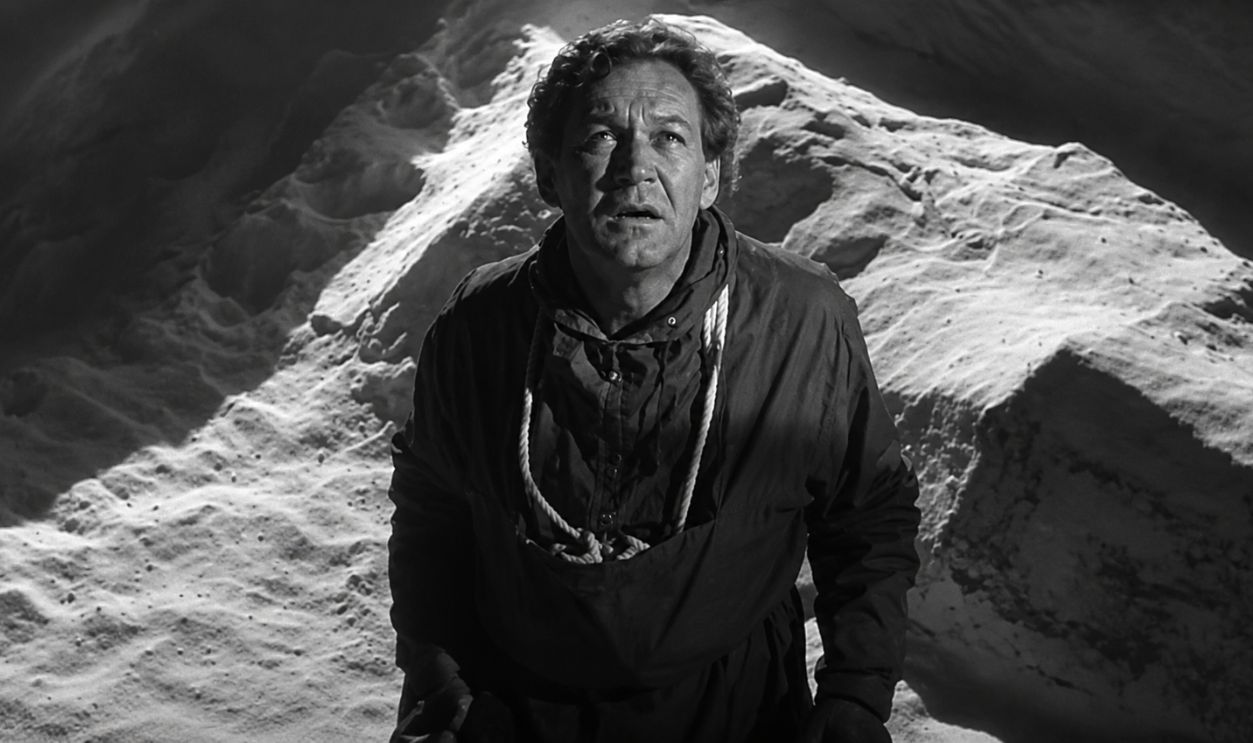 Screenshot from The Abominable Snowman, Warner Bros. Pictures (1957)
Auntie Mame Revealed A Lighter Side
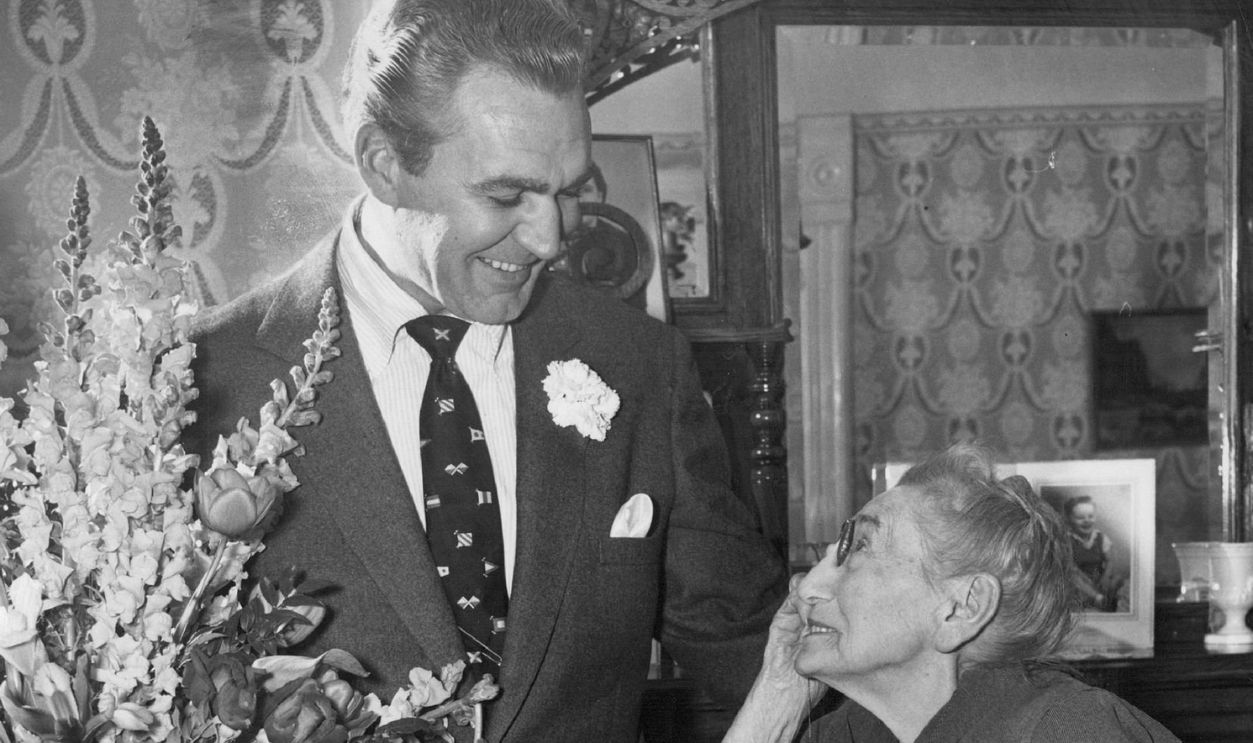
In 1958, Tucker played Beauregard Jackson Pickett Burnside in Auntie Mame, starring Rosalind Russell. Beauregard was a wealthy Southern gentleman whose romance with Mame allowed Tucker to display warmth and an easy comic touch. The successful film helped audiences and producers see that the familiar Western actor could be genuinely funny.
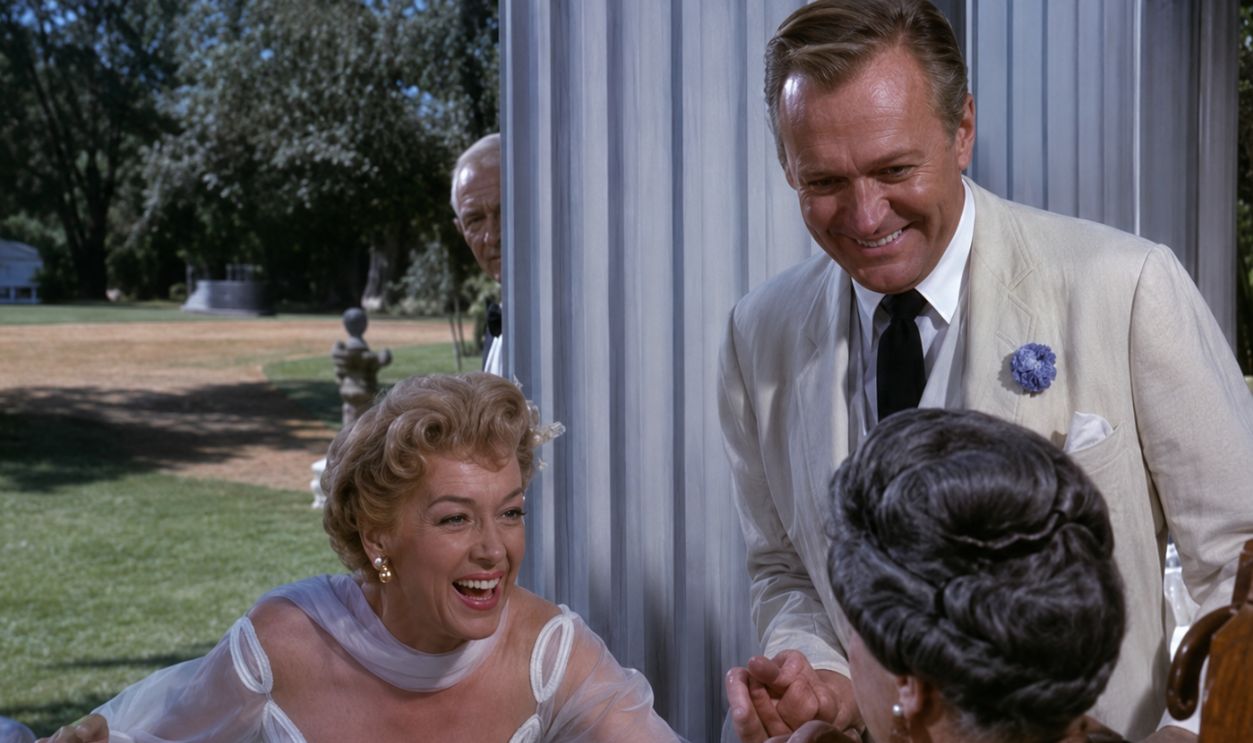 Screenshot from Auntie Mame, Warner Bros. Pictures (1958)
Harold Hill Changed Everything Again
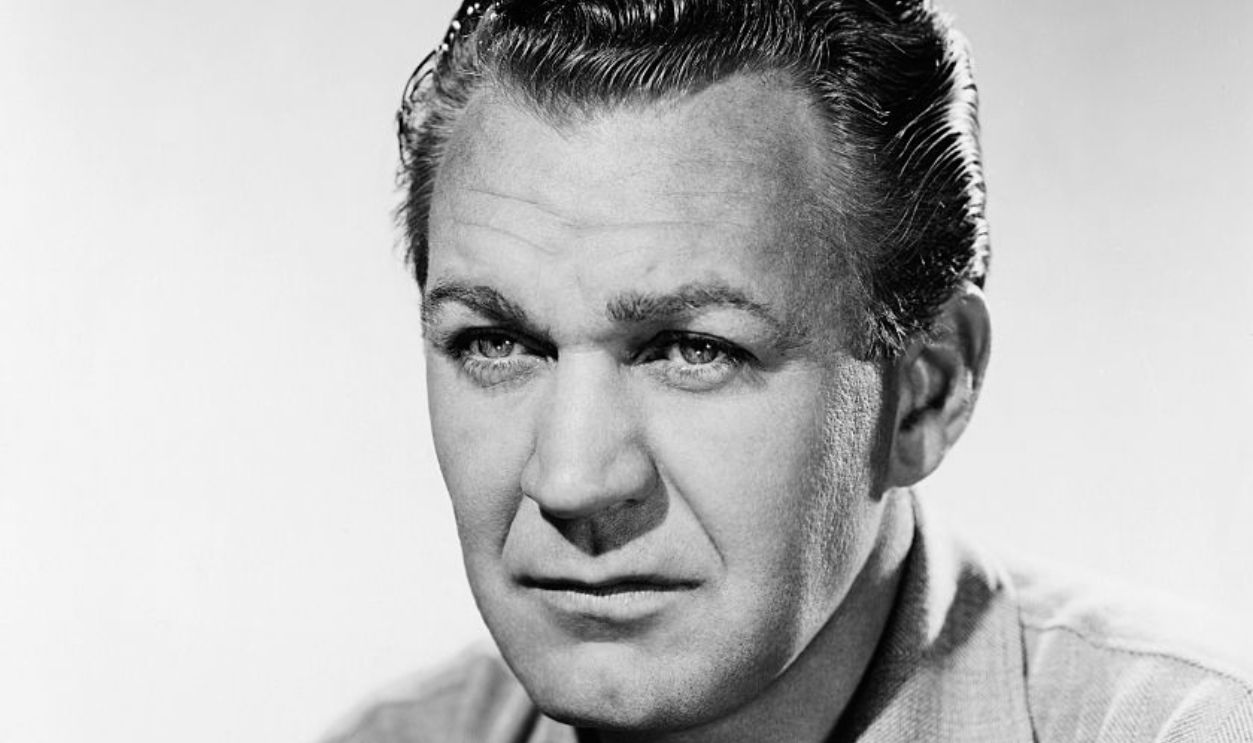
Tucker soon took over the role of Professor Harold Hill in a touring production of The Music Man. The part demanded singing, dancing, comic timing, romantic charm, and the energy to carry a full theatrical production. Tucker’s association with the tour stretched across several years and established a major second career onstage.
 John Springer Collection, Getty Images
Live Theater Sharpened His Comic Timing
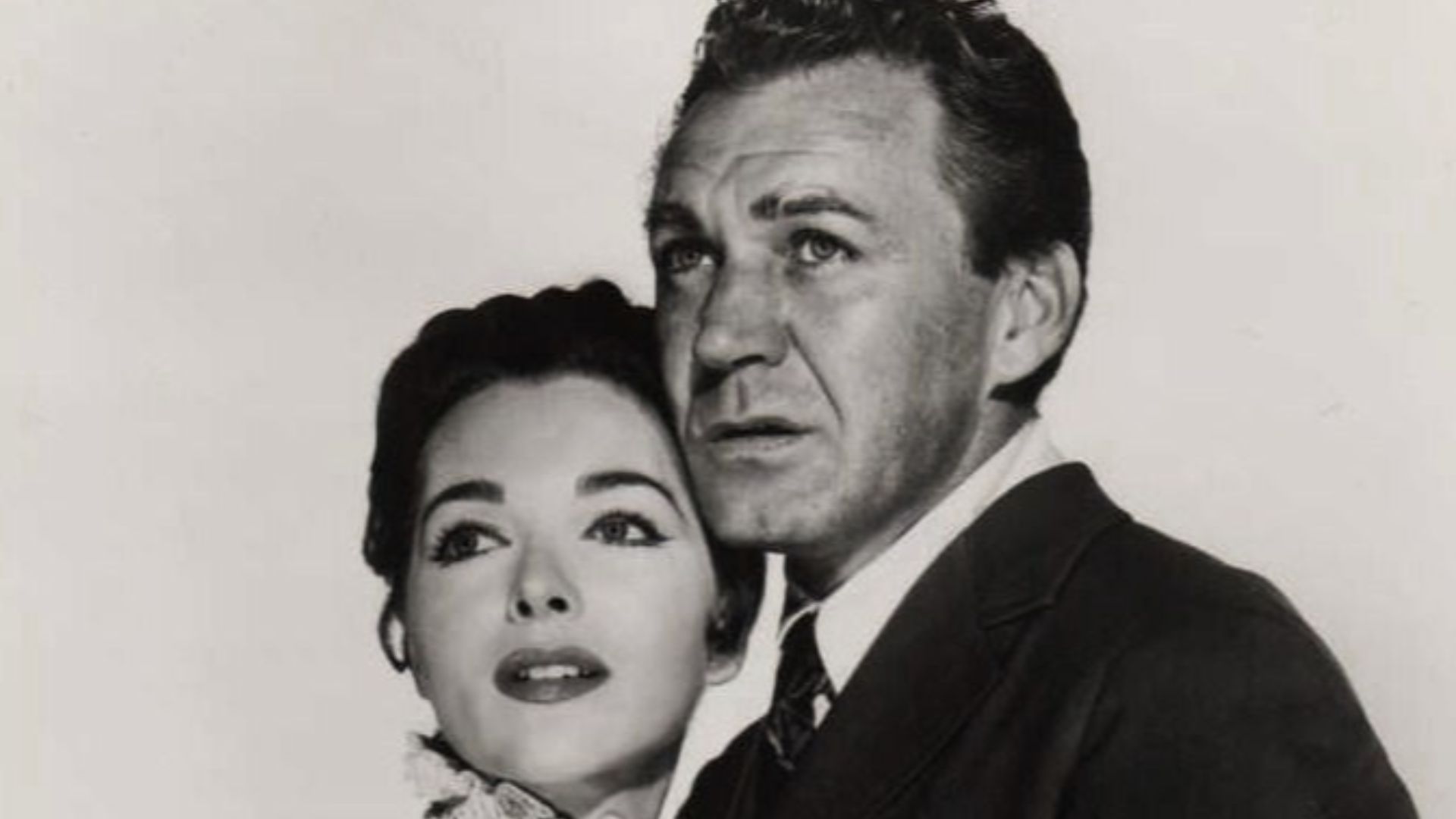
Performing Harold Hill repeatedly required a different discipline from making movies. Tucker had to control the rhythm of jokes, songs, and audience reactions in real time rather than relying on editing. That experience prepared him for television comedy, where quick exchanges and precise timing mattered as much as physical presence.
 John E. Hall studio, Wikimedia Commons
Fort Courage Offered The Perfect Reinvention
F Troop premiered on ABC in 1965 and followed the misadventures of soldiers stationed at the fictional Fort Courage after the Civil War. Ken Berry played the well-meaning but accident-prone Captain Wilton Parmenter, while Larry Storch portrayed the excitable Corporal Randolph Agarn. Tucker completed the central trio as Sergeant Morgan O’Rourke, the fort’s confident and highly entrepreneurial operator.
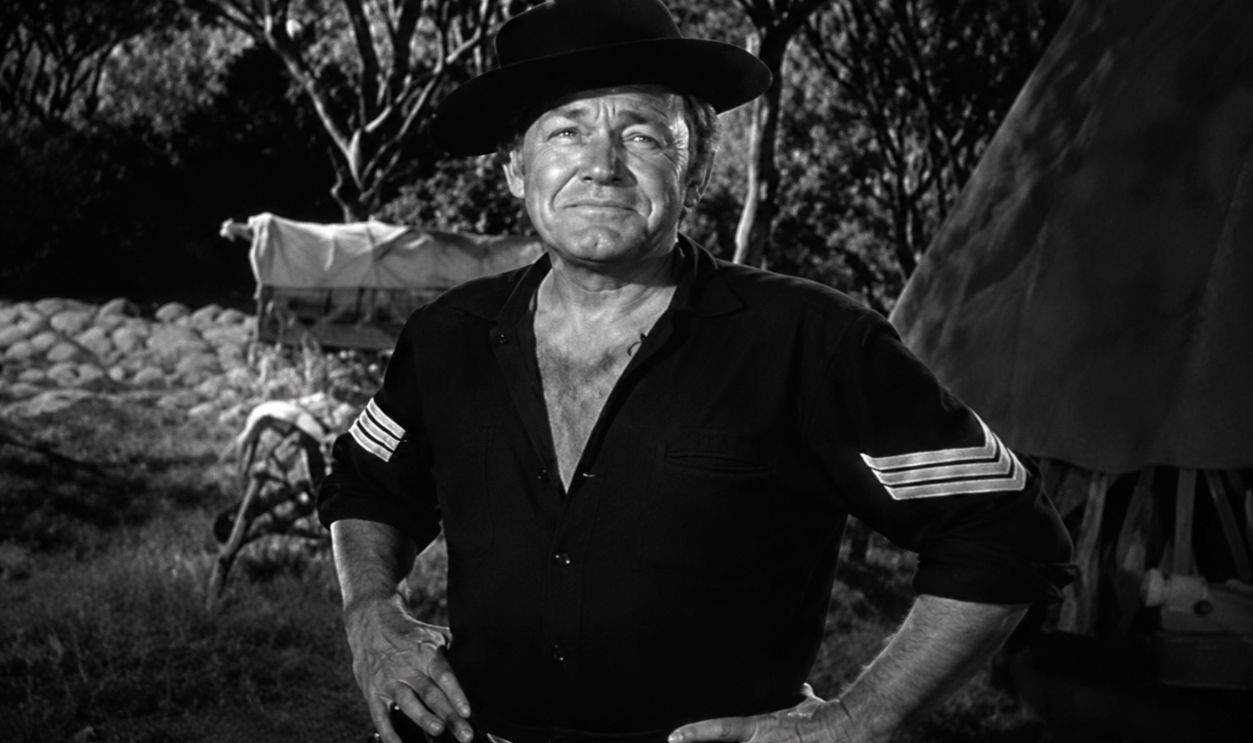 Screenshot from F Troop, Warner Bros. Television (1965-1967)
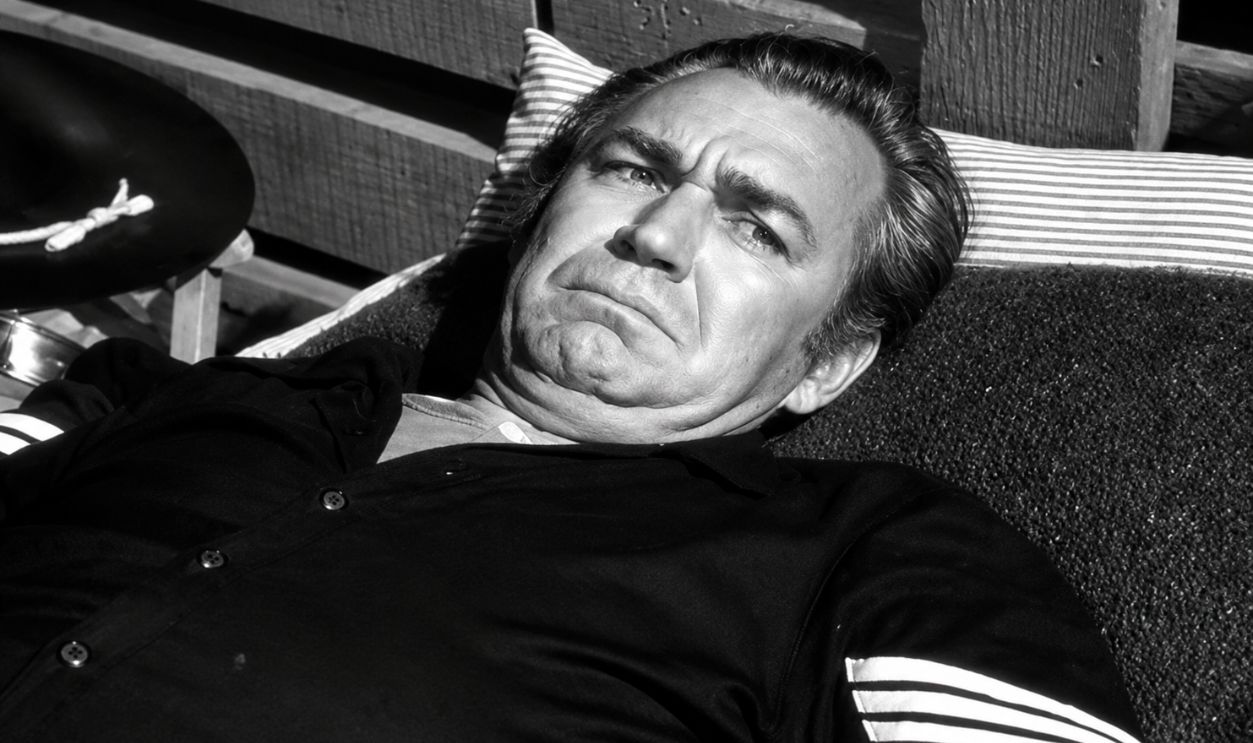
O’Rourke Always Had Another Scheme
Sergeant O’Rourke was technically responsible for maintaining order, but he devoted considerable attention to his secret business interests. Working with Agarn and the nearby Hekawi tribe, he sold souvenirs and pursued various money-making plans through O’Rourke Enterprises. Tucker made the character slippery enough to generate trouble while keeping him likable enough to remain the show’s steady center.
 Screenshot from F Troop, Warner Bros. Television (1965-1967)
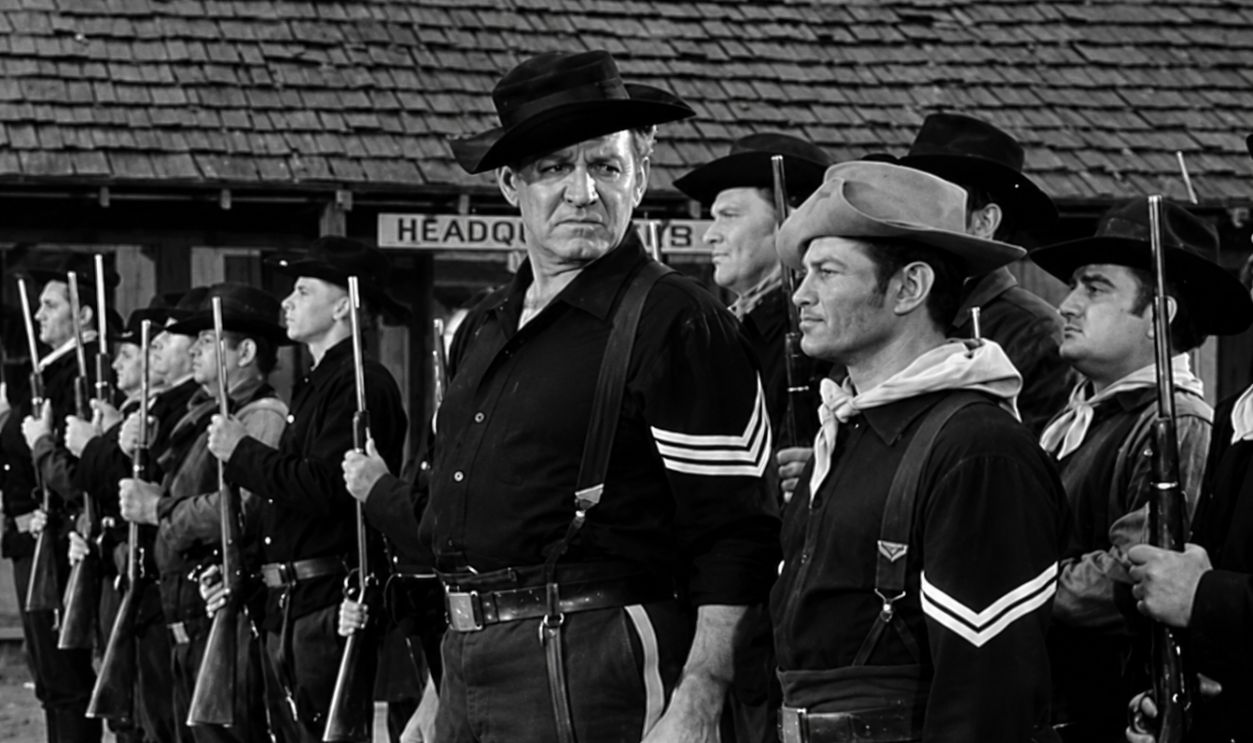
His Western Experience Became Part Of The Joke
Tucker looked more like a conventional frontier hero than almost anyone else in the cast. That appearance made O’Rourke’s behavior funnier because he projected complete authority while quietly undermining military rules. The show could parody familiar Western situations without needing to explain why Tucker belonged in a cavalry uniform.
 Screenshot from F Troop, Warner Bros. Television (1965-1967)
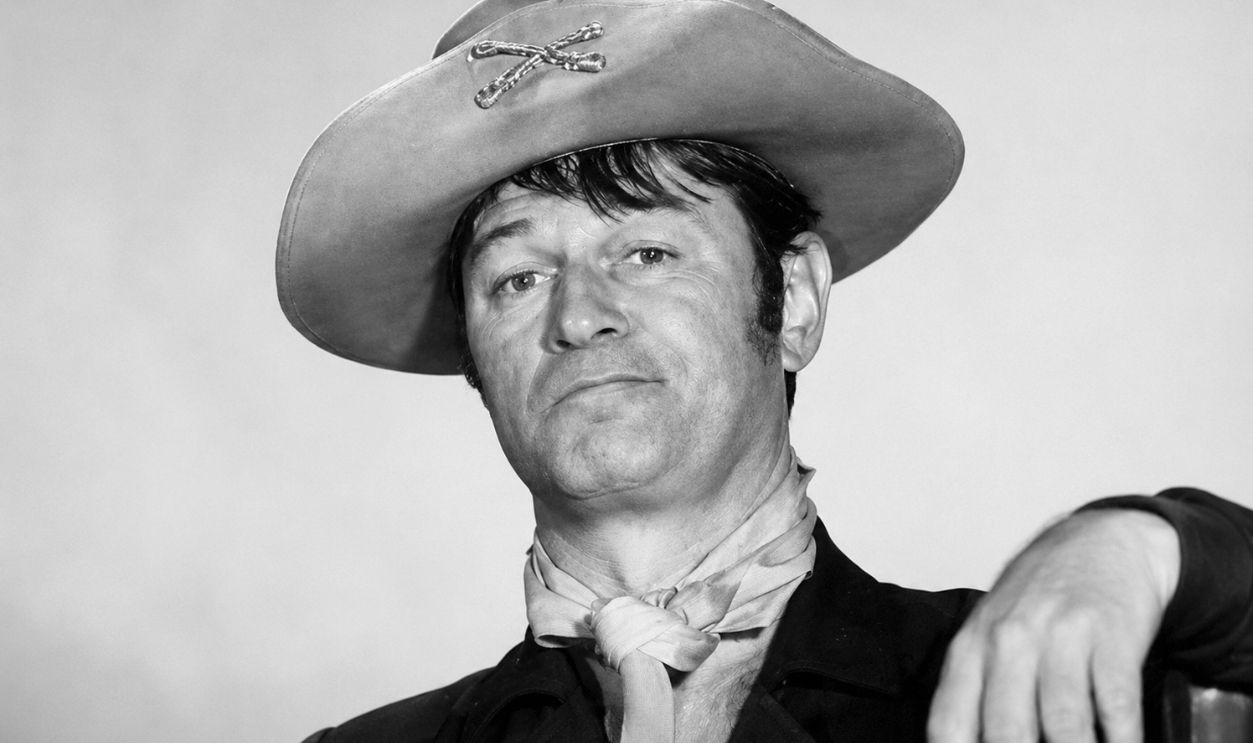
Larry Storch Gave Him A Perfect Partner
O’Rourke usually created the plan, while Corporal Agarn supplied panic, confusion, and unpredictable reactions. Tucker’s controlled delivery gave Storch room to perform impressions and energetic physical comedy. Their contrasting styles became one of the defining elements of F Troop, and Storch received an Emmy nomination for the show in 1967.
 ABC Photo-ABC Television,Wikimedia Commons, Modified
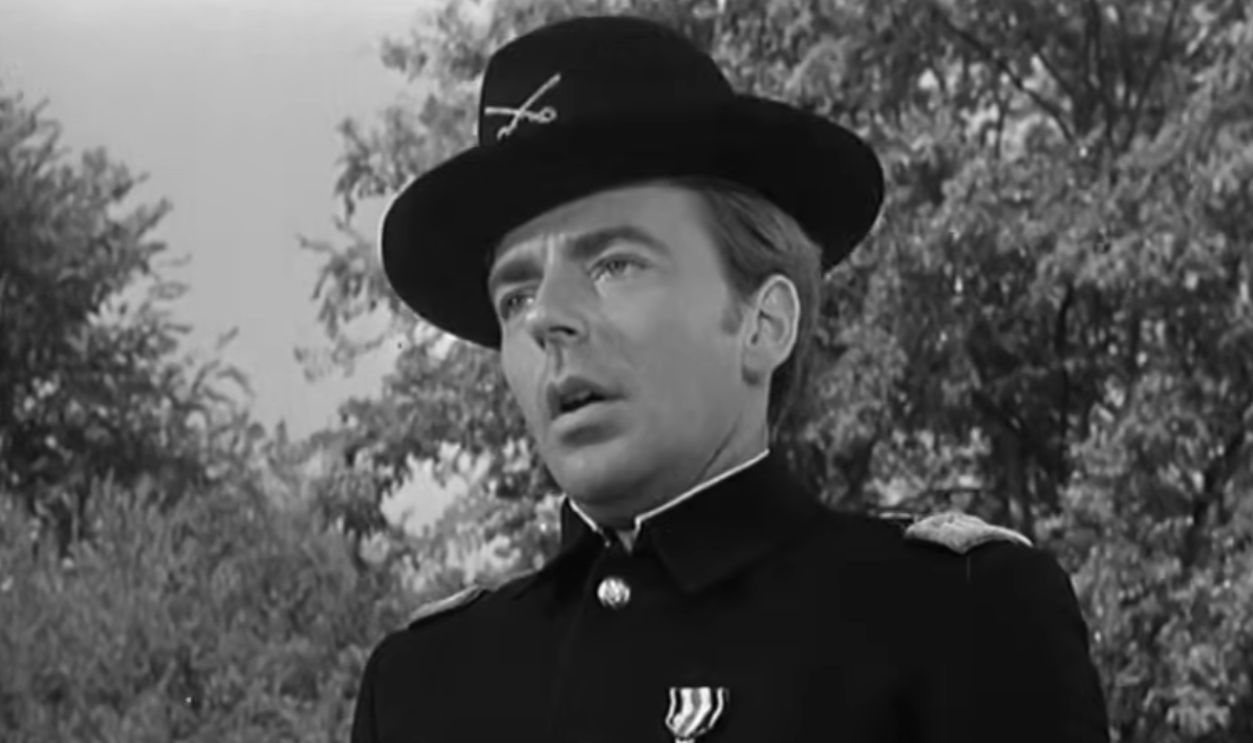
Ken Berry Completed The Comic Triangle
Captain Parmenter believed he was running Fort Courage, although O’Rourke often seemed to understand the outpost far better. Ken Berry’s gift for physical comedy made the captain innocent, clumsy, and surprisingly endearing. Tucker responded by playing O’Rourke as both a schemer and a practical protector who usually kept the fort from collapsing completely.
 Screenshot from F Troop, Warner Bros. Television (1965-1967)
The Supporting Cast Added More Disorder
The regular ensemble included Melody Patterson as Wrangler Jane, Frank DeKova as Chief Wild Eagle, James Hampton as Hannibal Dobbs, and Don Diamond as Crazy Cat. Their characters expanded the comedy beyond the central military trio and gave O’Rourke more allies, customers, and complications. Paley Center records for surviving episodes confirm how large and varied the show’s recurring cast became.
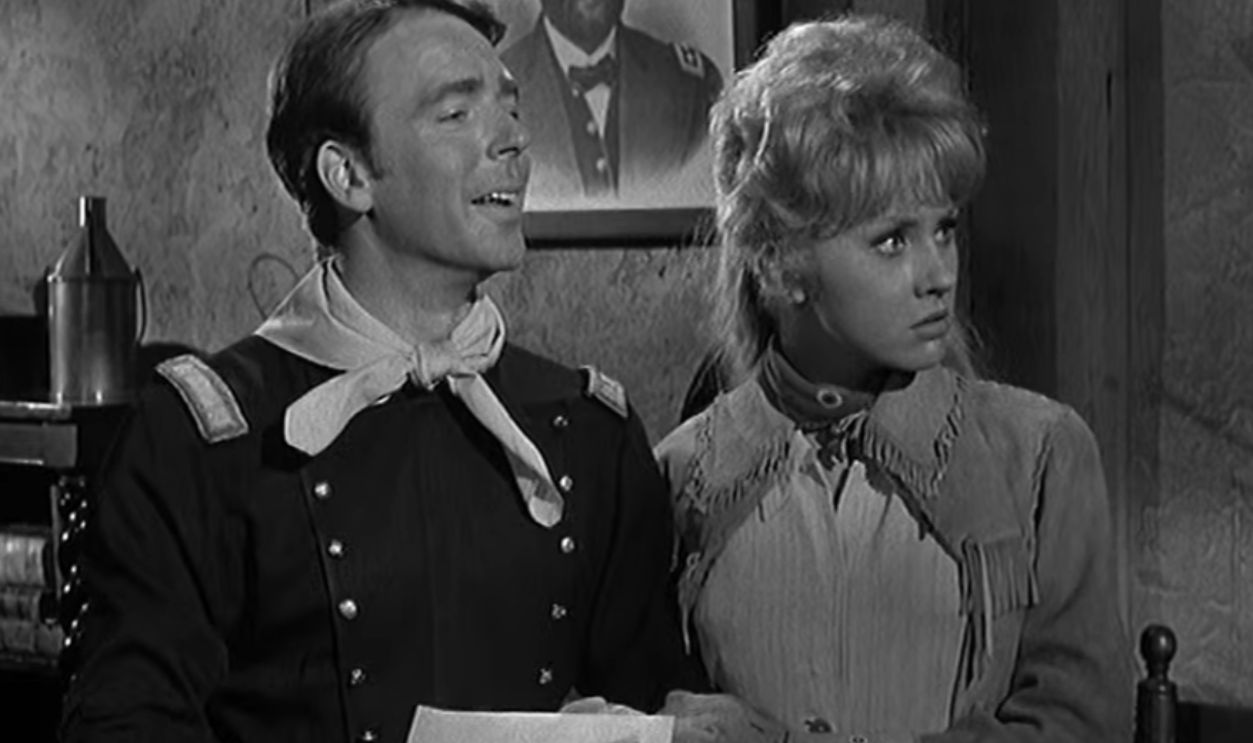 Screenshot from F Troop, Warner Bros. Television (1965-1967)
The Series Lasted Only Two Seasons
ABC broadcast F Troop from 1965 until 1967. Despite its relatively short original run, the series continued reaching viewers through reruns and syndication. Its afterlife helped make O’Rourke the role most closely associated with Tucker, even though it represented only a small portion of his lengthy career.
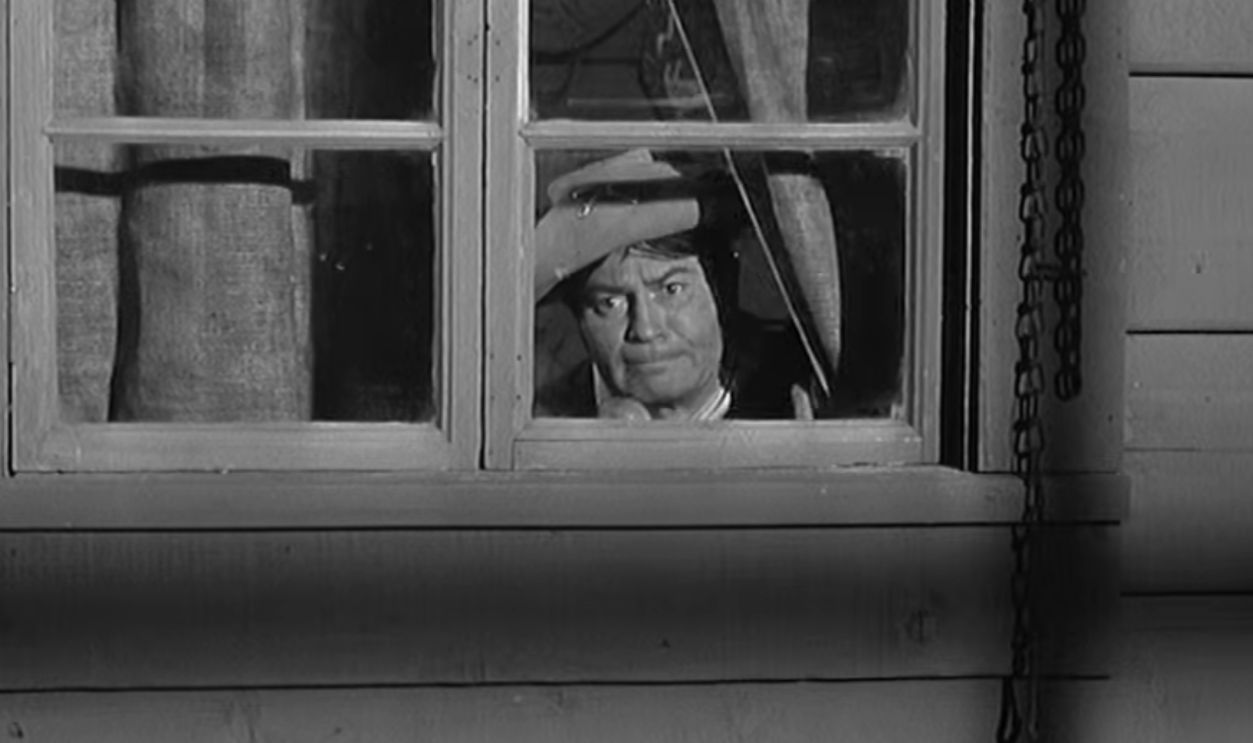 Screenshot from F Troop, Warner Bros. Television (1965-1967)
The Comedy Has Clearly Dated Elements
Like several television Westerns of its era, F Troop used broad caricatures and fictionalized Indigenous characters as sources of comedy. Those portrayals can feel uncomfortable or offensive to modern viewers, even when the characters were presented as smarter than the soldiers around them. Remembering the show’s popularity does not require ignoring the limitations of how 1960s television represented Native people.
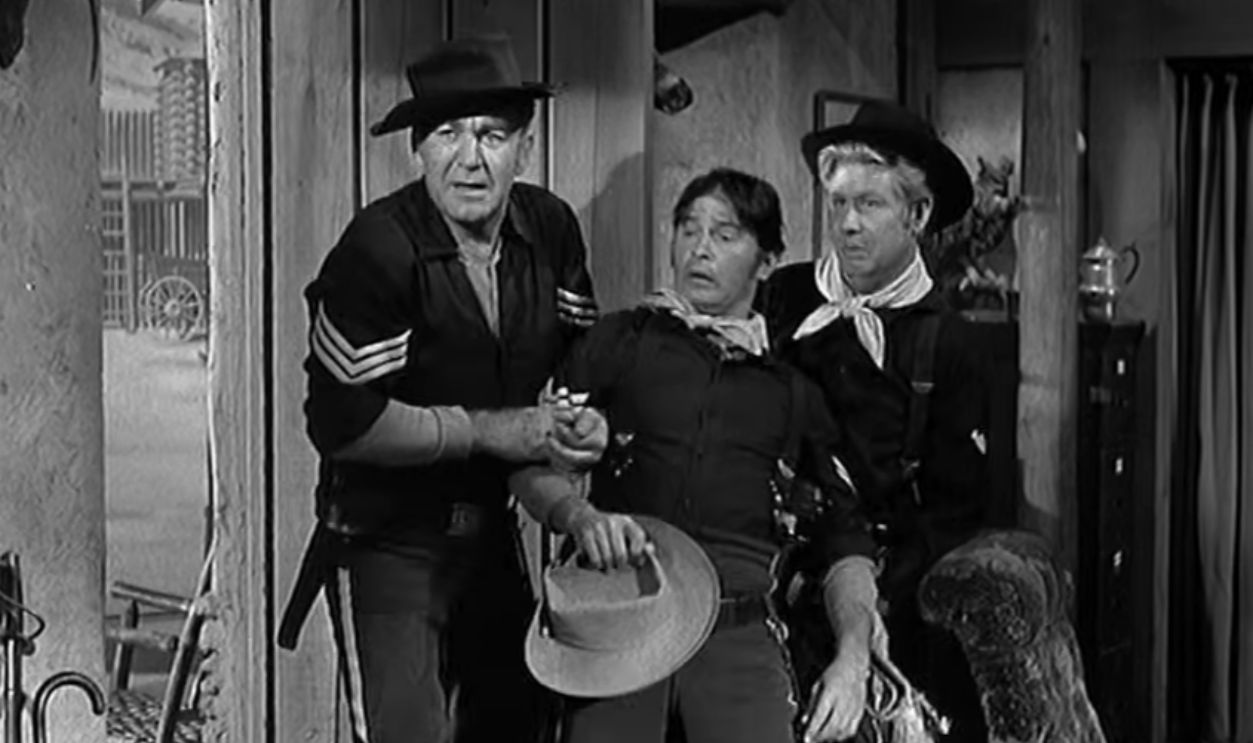 Screenshot from F Troop, Warner Bros. Television (1965-1967)
Tucker Kept Returning To Westerns
After F Troop, Tucker resumed appearing in films and television productions that drew on his established frontier image. His movie credits included Barquero and Chisum, the latter of which reunited him with the Western world alongside John Wayne. He also made several appearances on Gunsmoke, demonstrating that comedy had expanded his career without erasing his dramatic identity.
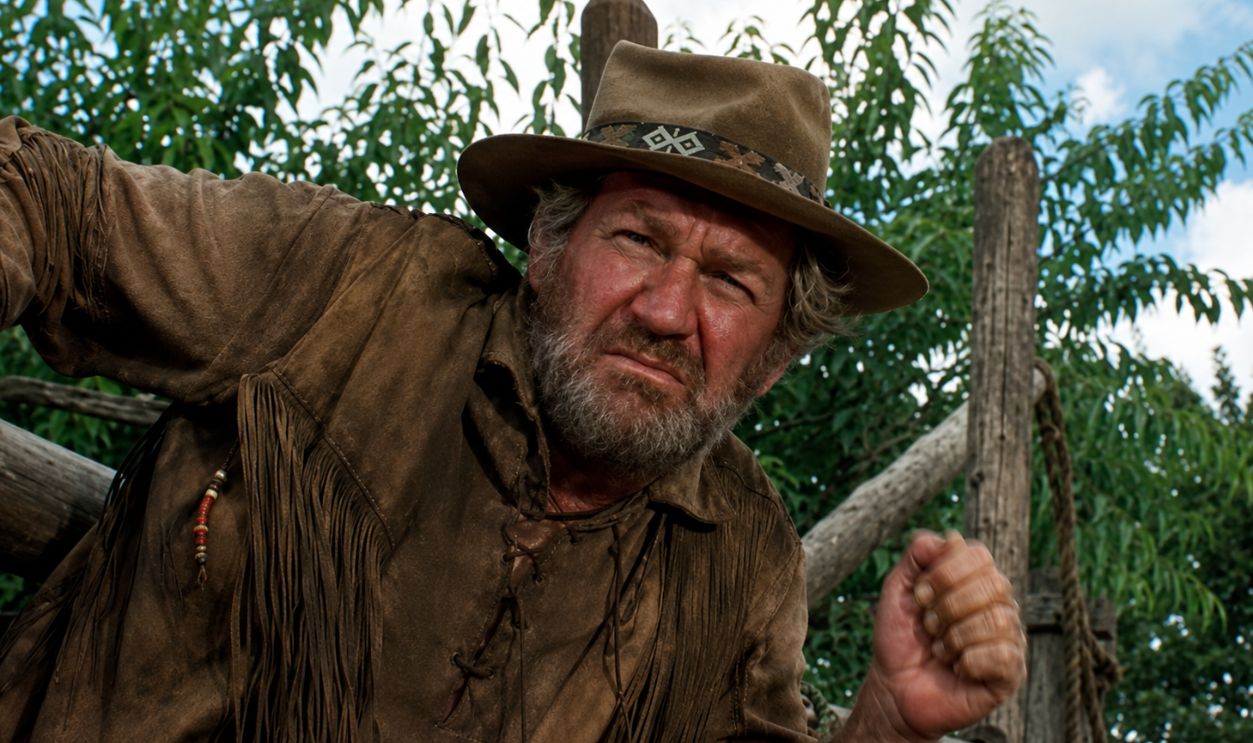 Screenshot from Barquero, United Artists (1970)
More Sitcoms Tried To Recreate The Formula
Tucker returned to series comedy in Dusty’s Trail, a Western spoof starring Bob Denver. He later reunited with Larry Storch for the Saturday morning series The Ghost Busters, in which they encountered supposedly supernatural threats. Neither program matched the cultural staying power of F Troop, but both showed that producers still trusted Tucker to anchor broad comedy.
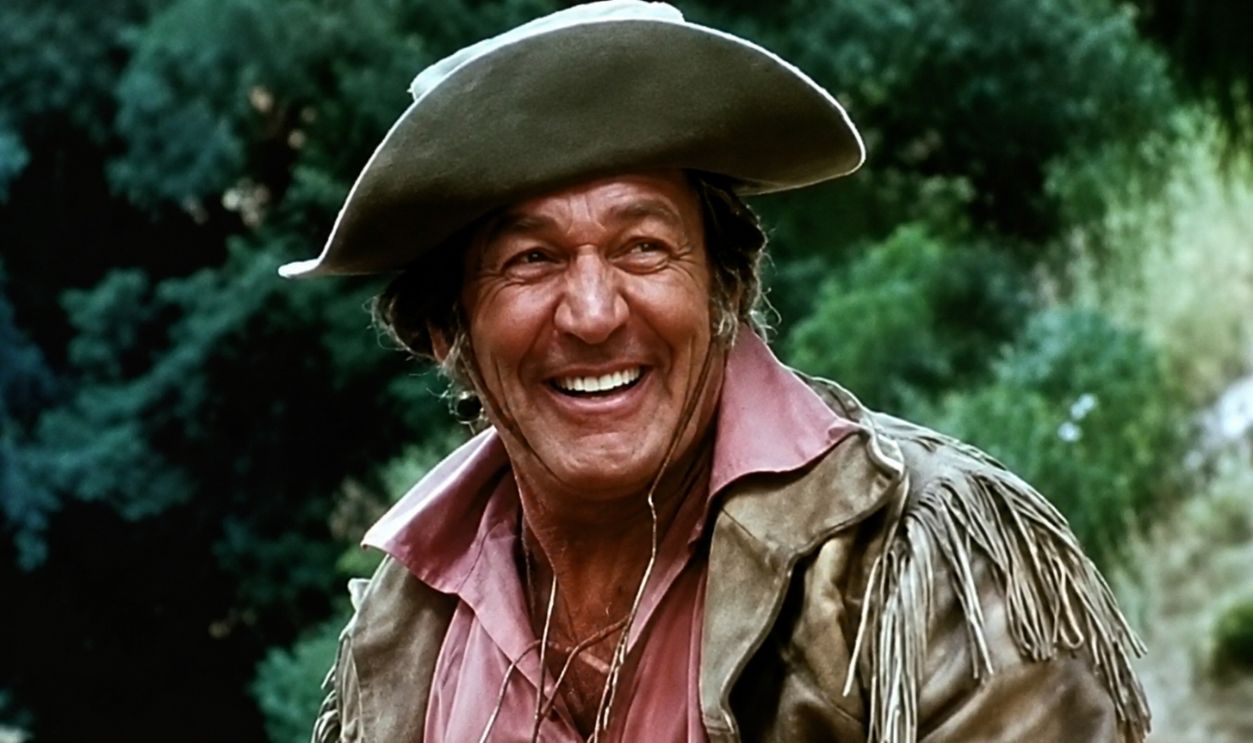 Screenshot from Dusty’s Trail, 20th Century Fox Television (1973-1974)
He Never Abandoned The Stage
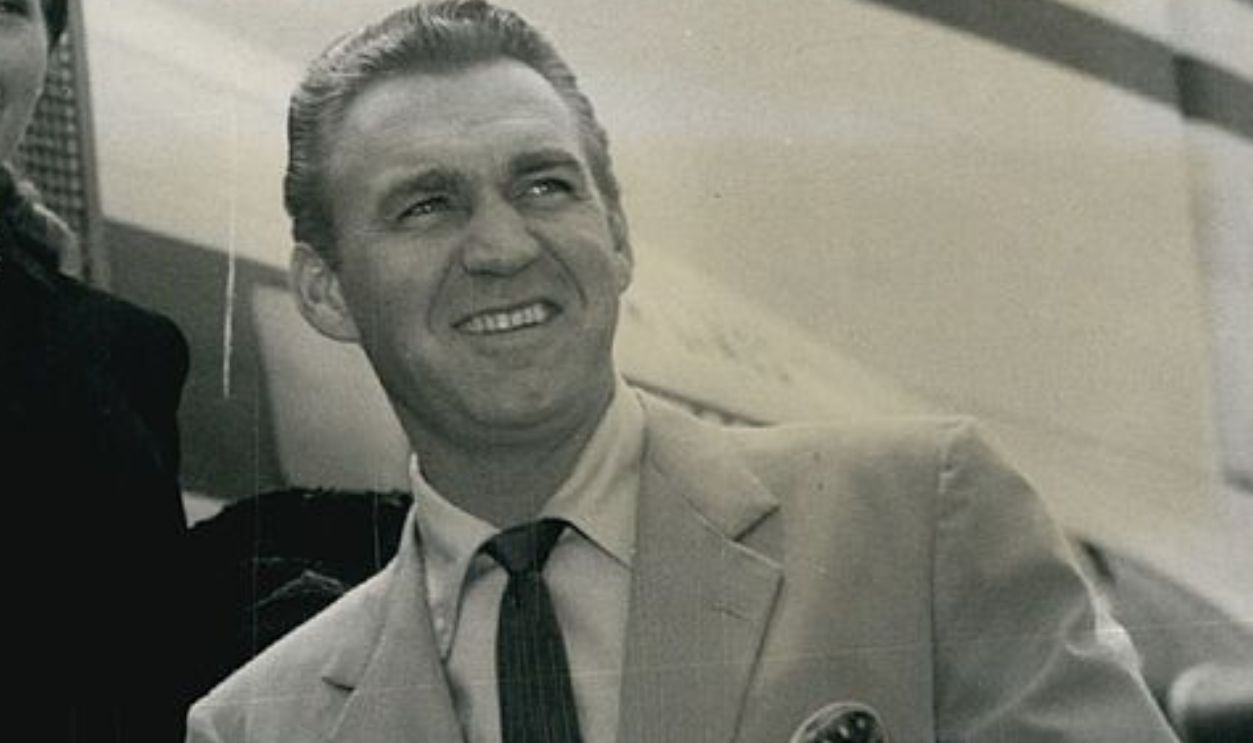
Tucker continued working in theatrical productions after becoming a familiar television personality. His stage credits included Plaza Suite, Fair Game for Lovers, and touring work connected with That Championship Season. The Internet Broadway Database records his unusually broad career as a performer in musicals, comedies, and serious drama.
Later Roles Kept Mixing Toughness And Humor
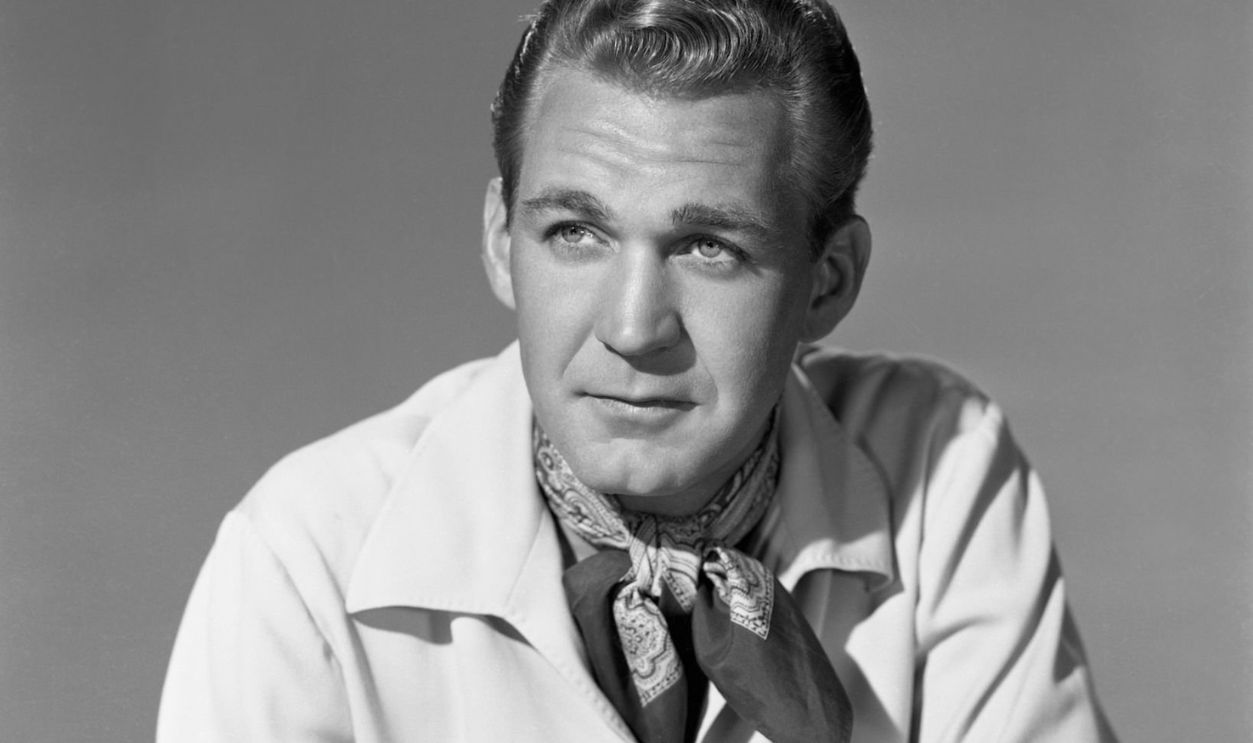
During his later career, Tucker appeared in television programs such as Alice, Flo, The Bionic Woman, and Murder, She Wrote. He also joined the cast of the comedy Filthy Rich, playing the imposing family patriarch known as Big Guy Beck. These roles continued using the contrast that had served him so well, pairing his formidable appearance with eccentric or comic behavior.
 Silver Screen Collection, Getty Images
He Finished With Another Action Hero
Tucker returned to the big screen in the 1986 action film Thunder Run. He played Charlie Morrison, a veteran truck driver given a dangerous transportation assignment. The leading role allowed the actor, then in his sixties, to finish his film career by once again playing a resourceful man of action.
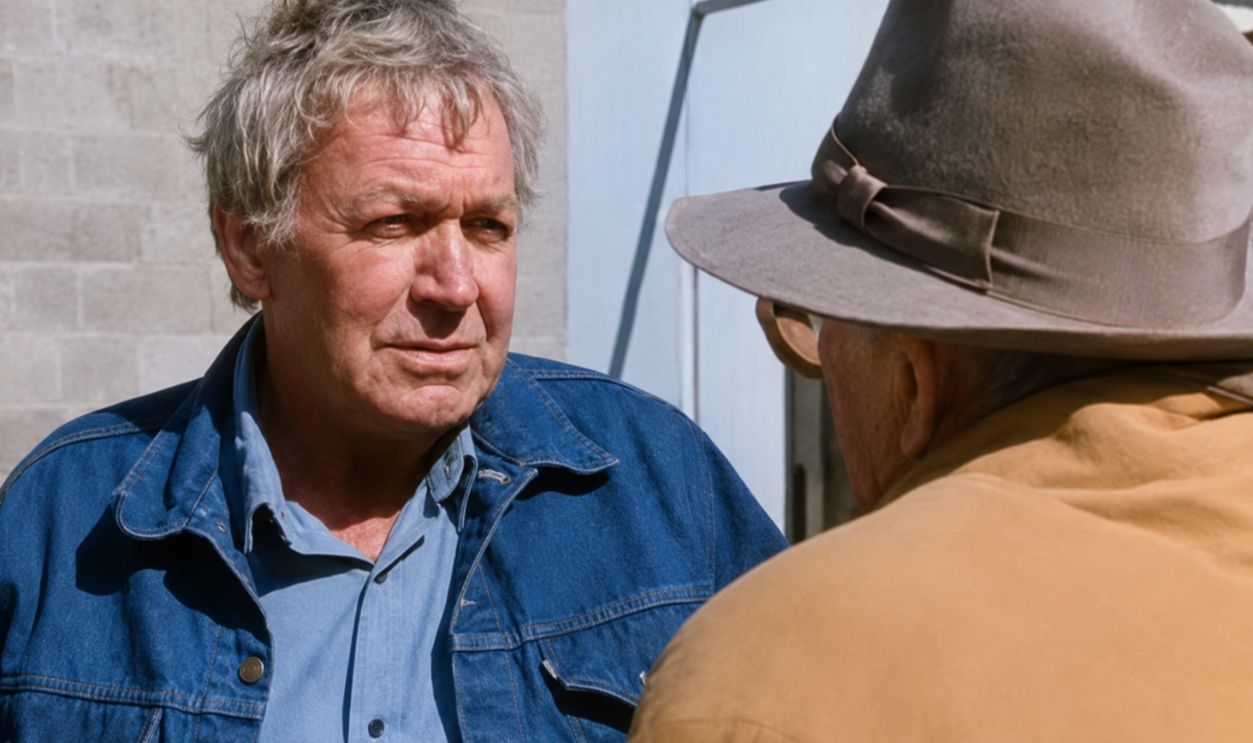 Screenshot from Thunder Run, Cannon Film Distributors (1986)
His Final Year Brought Recognition
Tucker received a star on the Hollywood Walk of Fame for his work in motion pictures. He was seriously ill by the time of the ceremony and died from lung cancer on October 25, 1986, at age 67. Contemporary reports remembered him as both a veteran of Western and war films and the unforgettable Sergeant O’Rourke of F Troop.
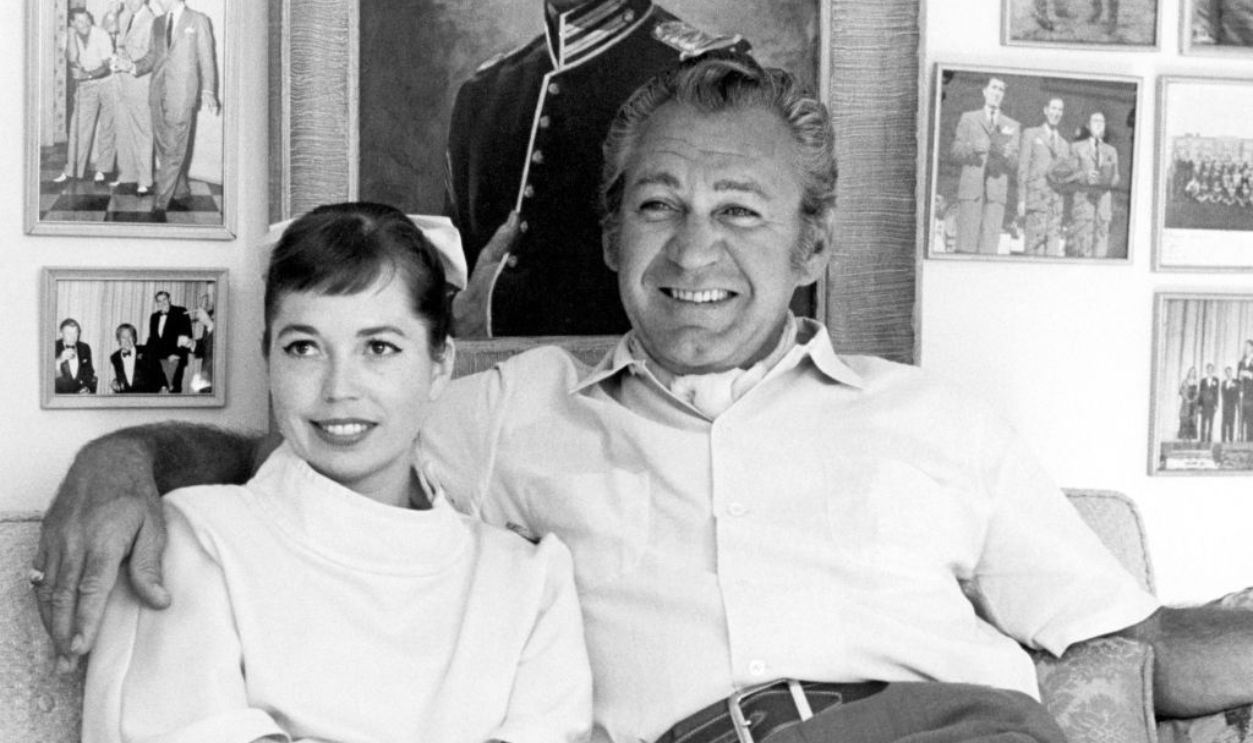
Two Careers Were Really One Long Performance
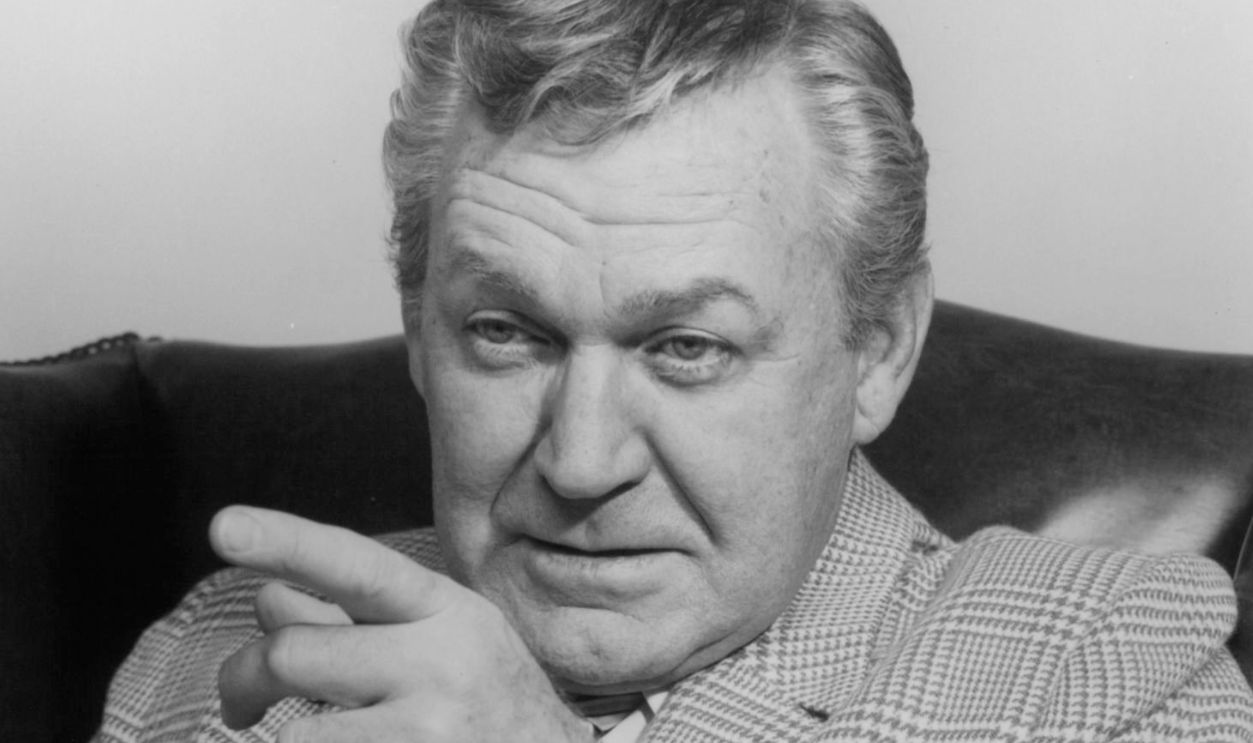
Tucker’s move into comedy was not a rejection of the Westerns that made him successful. His military posture, booming confidence, physical scale, and knowledge of genre conventions became essential ingredients in his sitcom work. He made both careers function because he understood that the same commanding presence could inspire tension in a drama or laughter in a farce.
 Michael Ochs Archives, Getty Images
You May Also Like:
Facts About Classic TV Shows That Will Make You Nostalgic
The Most Influential TV Shows Of All Time
Actors Who Appeared In More Classic TV Shows Than You Realized—How Many Do You Remember?