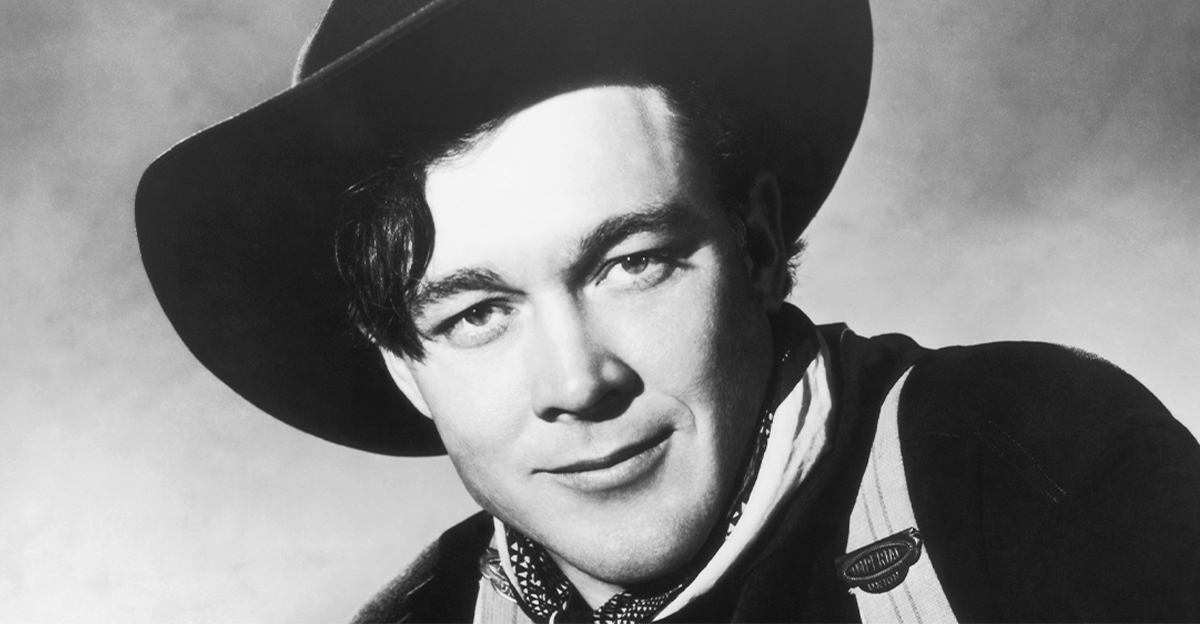
Hollywood's Real Cowboy
Ben Johnson never had to learn how to look convincing on a horse. He'd already been riding, roping and working cattle long before Hollywood knew his name. Over six decades, that authenticity carried him from stunt work to classic Westerns, a rodeo championship, an Oscar, and one of the most respected careers in Western movies.
 Argosy Pictures/RKO Radio Pictures/Sunset Boulevard/Sunset Boulevard/Corbis via Getty Images
Born In Oklahoma
Francis Benjamin Johnson Jr. was born June 13, 1918, in Foraker, Oklahoma, in Osage County. His father, Ben Johnson Sr., was a rancher and champion rodeo cowboy. The younger Johnson consequently grew up around livestock, horses and working cowboys rather than discovering Western culture after becoming an actor.
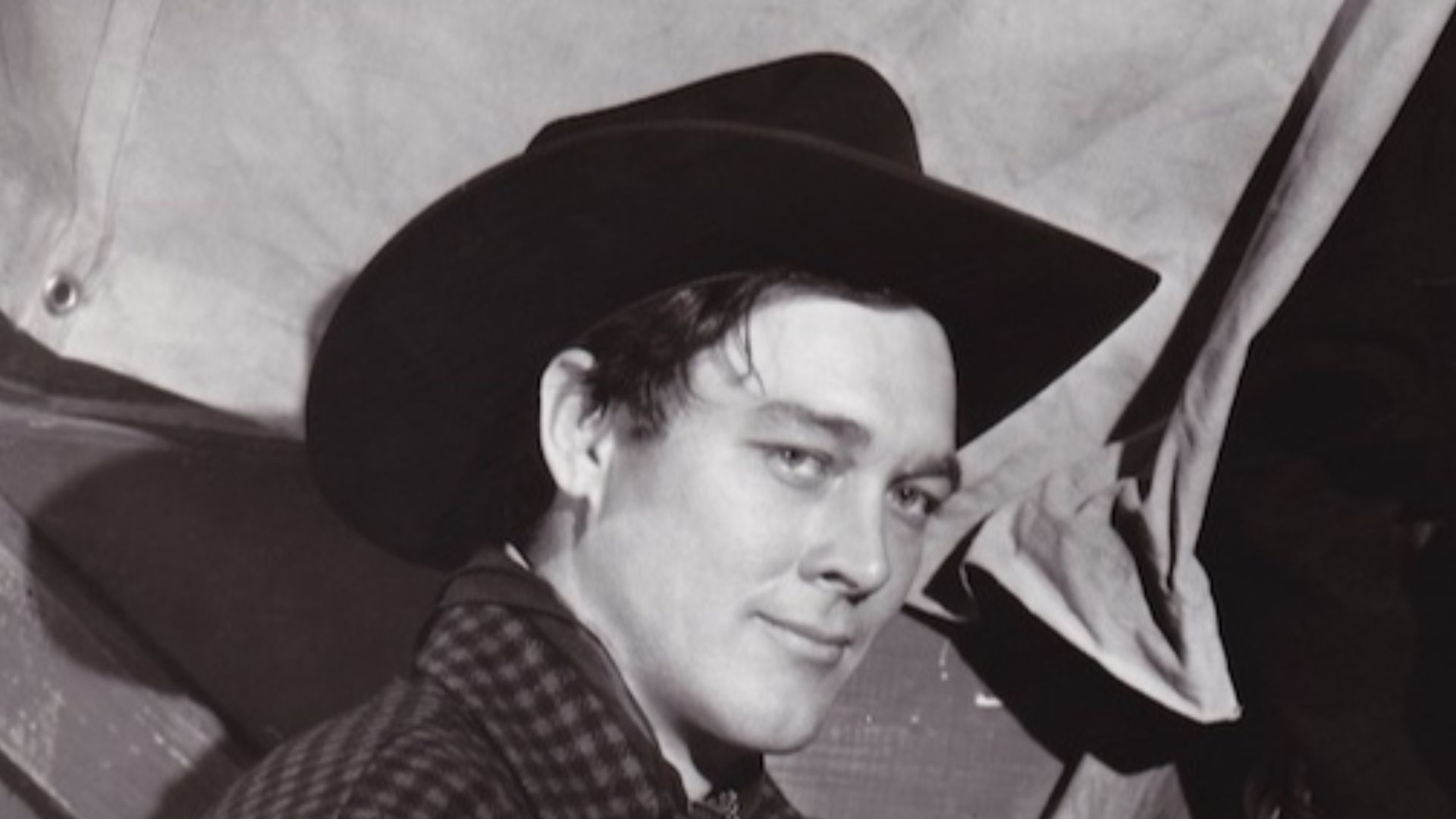 Unknown RKO-radio photographer., Wikimedia Commons
A Cowboy Before Hollywood
Johnson worked as a ranch hand from an early age and became an exceptional horseman. Riding wasn't a recreational skill he later polished for movie cameras; it was part of everyday life. That distinction would become his great advantage in Hollywood, where directors constantly needed performers capable of making difficult riding look effortless.
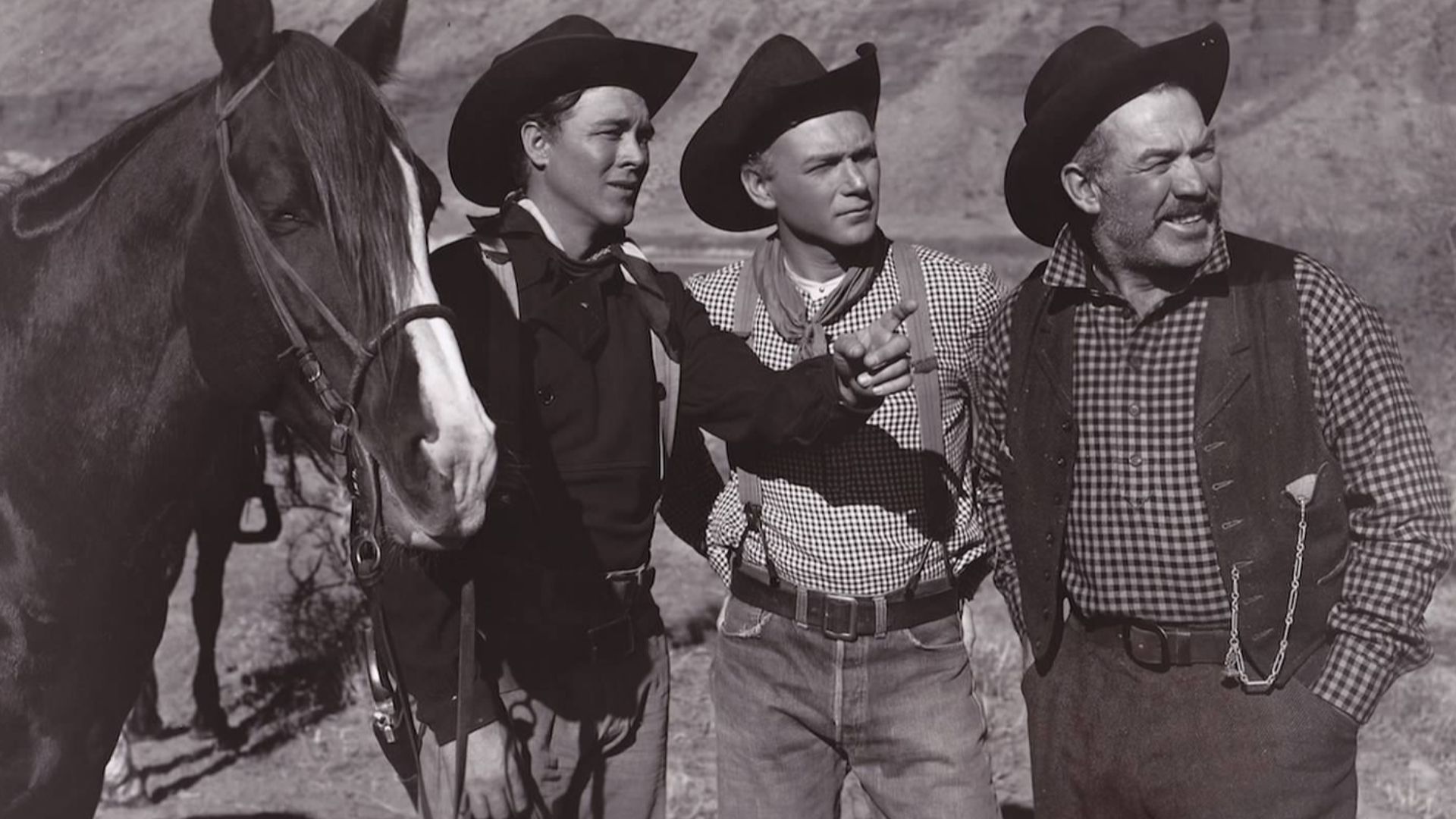 Photographer unknown; copyright by RKO-Radio Pictures, Inc.., Wikimedia Commons
He Married A Wrangler's Daughter
In 1941, Johnson married Carol Elaine Jones, daughter of respected Hollywood horse wrangler Clarence "Fat" Jones. The marriage lasted more than half a century, until Carol's death in 1994. They had no children. Horses, ranching and the Western movie business would remain intertwined throughout Johnson's personal and professional life.
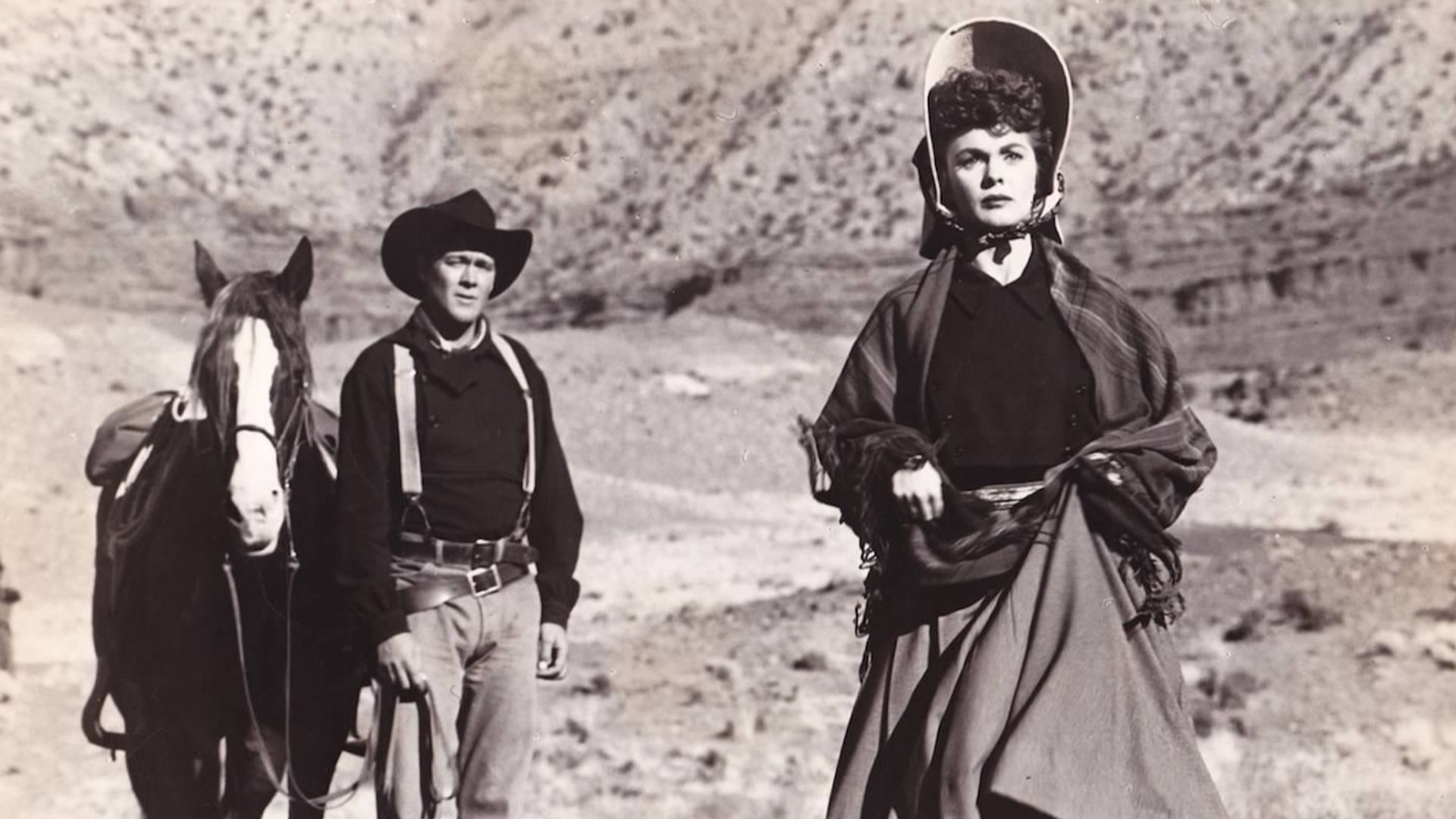 Photographer unknown. Copyright notice by RKO-Radio Pictures, Inc.., Wikimedia Commons
Hollywood Needed Horses
Johnson's route into movies sounds almost too appropriate. He came west while accompanying horses intended for a film production and later joked that he arrived in Hollywood "in a carload of horses." Howard Hughes subsequently employed him as a horse wrangler and stuntman on The Outlaw (1943), starring Jane Russell.
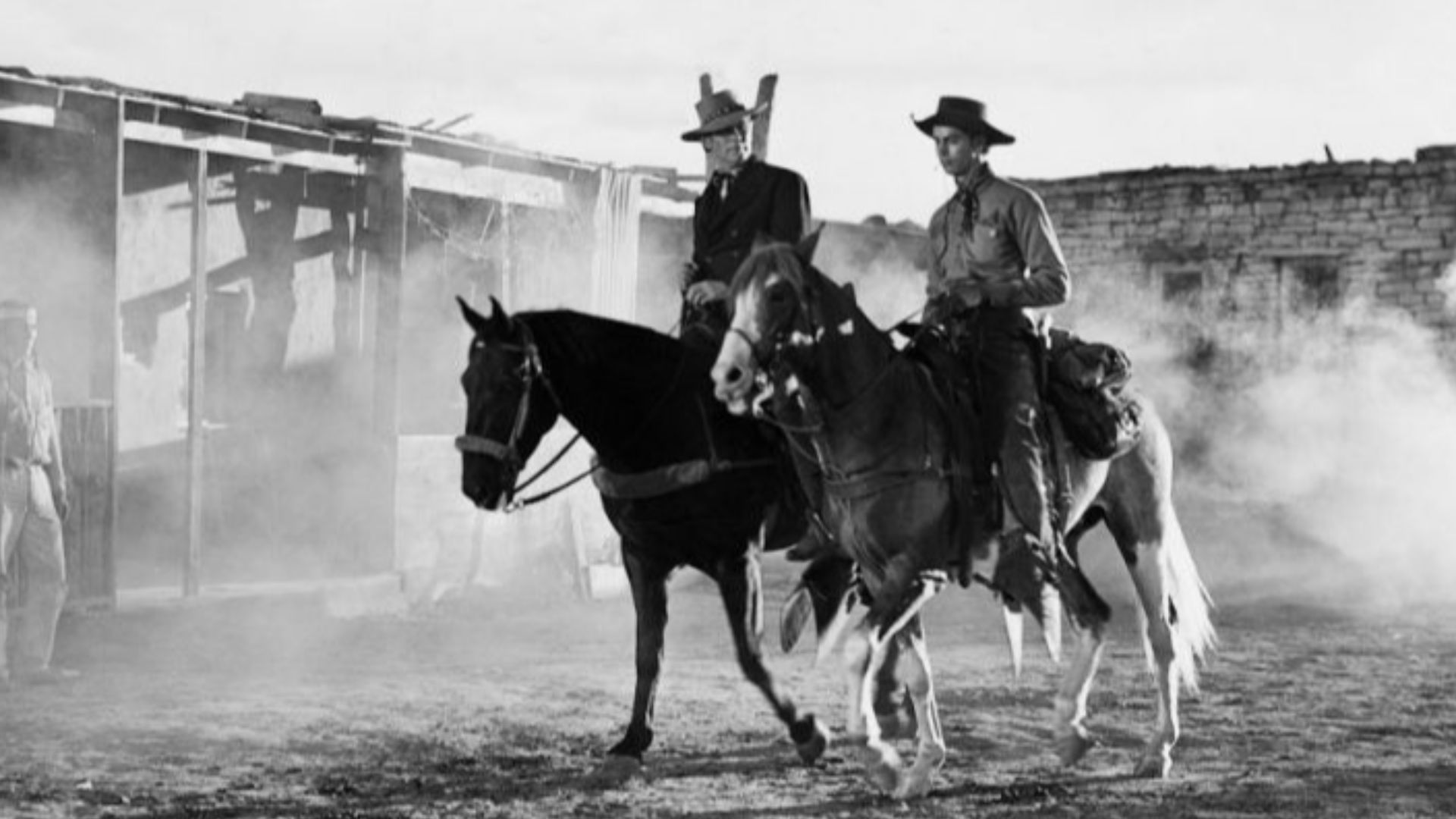 film screenshot (Howard Hughes Productions), Wikimedia Commons
Learning Movies From Horseback
Johnson spent much of the 1940s doing the work audiences weren't supposed to notice: wrangling horses, performing stunts and doubling actors. His expertise put him around major Western productions, including Howard Hawks' Red River (1948), starring John Wayne and Montgomery Clift, where Johnson worked as a stuntman rather than a featured actor.
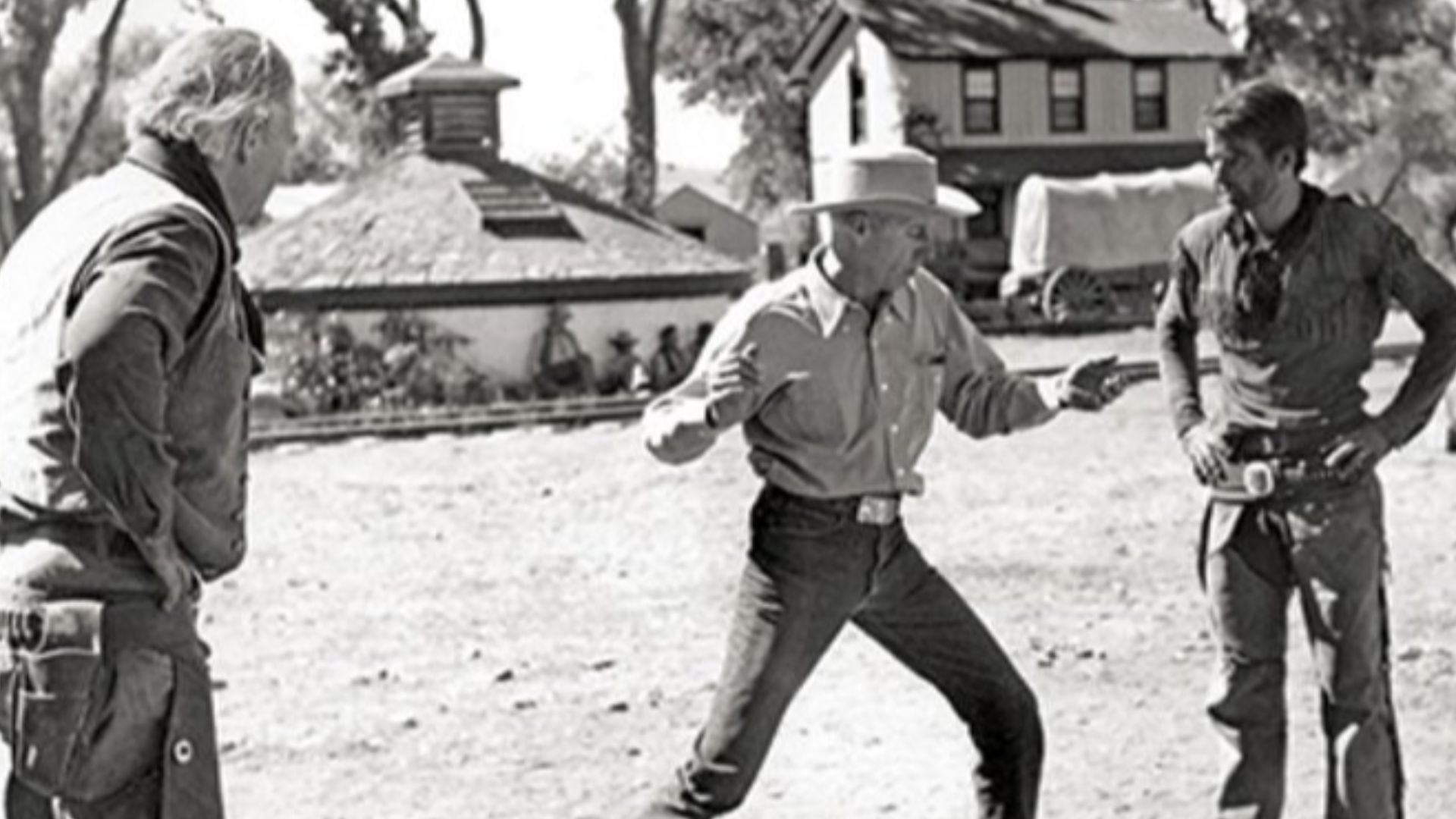 Unknown authorUnknown author, Wikimedia Commons
John Ford Noticed
The decisive break came while Johnson was doing stunt work on John Ford's Fort Apache (1948), starring John Wayne and Henry Fonda. Johnson also doubled Fonda on horseback. When a team pulling a wagon reportedly bolted during production, Johnson rode after it and stopped the runaway, saving the men aboard.
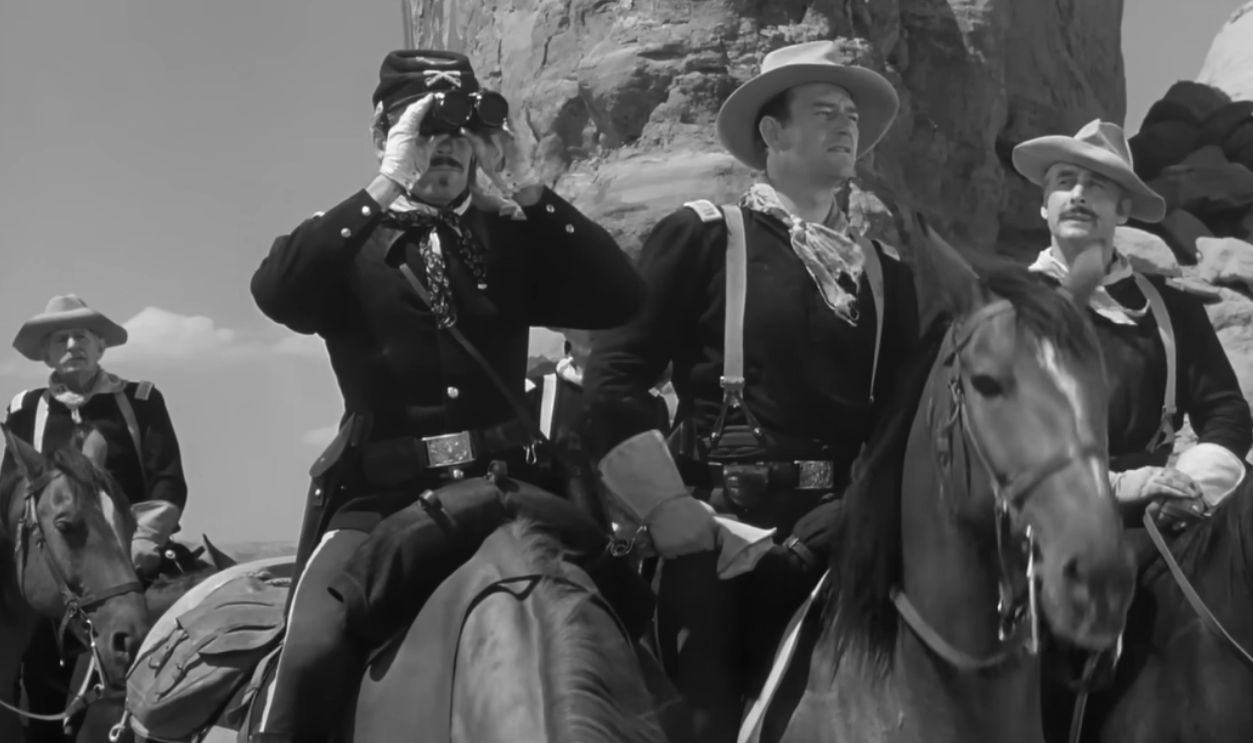 Screenshot from Fort Apache, RKO Radio Pictures (1948)
Ford Gave Him A Contract
Johnson expected Ford's promised reward might be another stunt job or perhaps a small speaking part. Instead, Ford offered him an acting contract. Johnson later recalled beginning to read it, spotting the salary, and quickly signing. The Oklahoma cowboy was suddenly becoming a member of John Ford's celebrated company of Western performers.
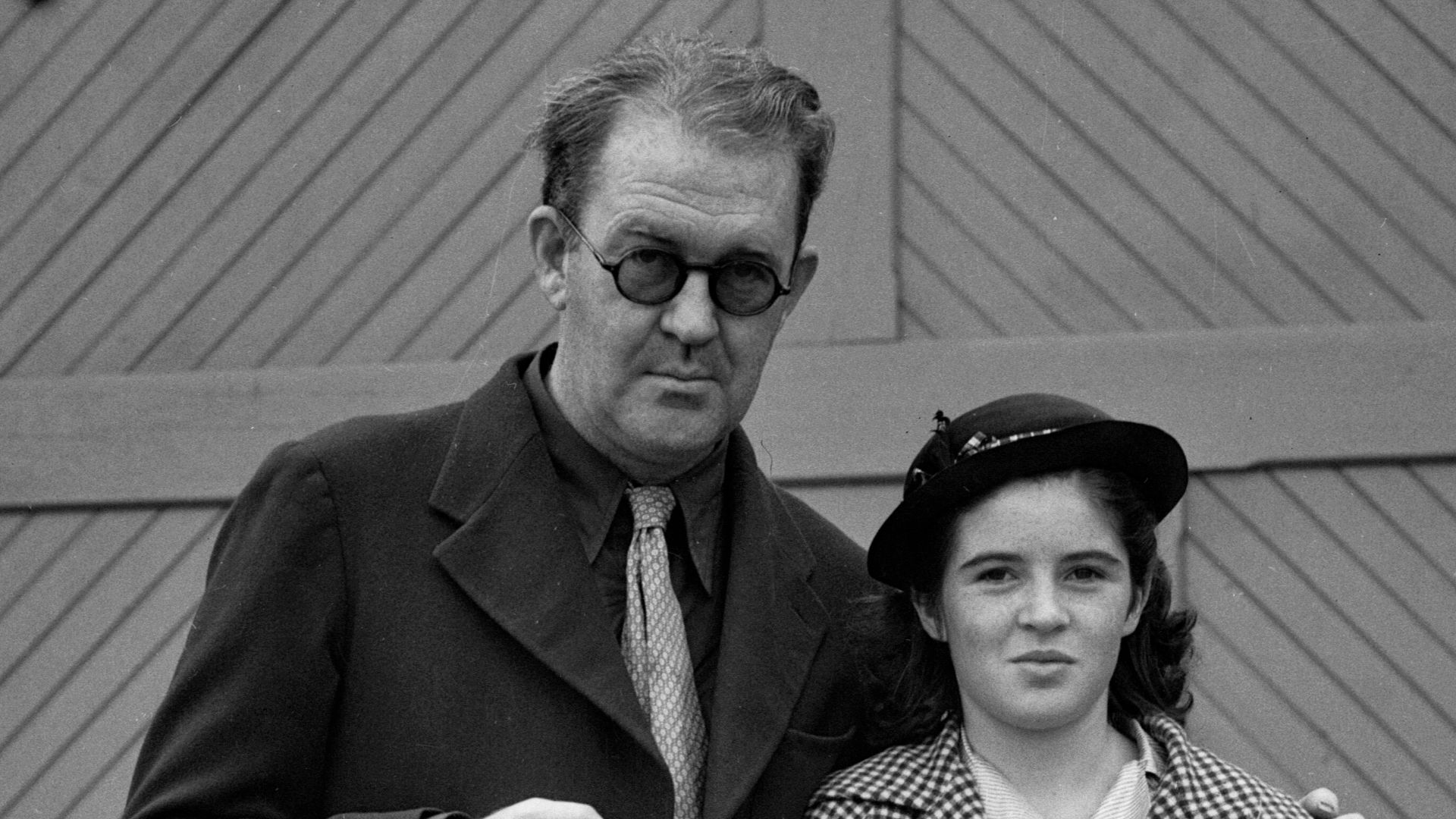 Los Angeles Times, Wikimedia Commons
His First Ford Western
Johnson appeared briefly as Posse Man #1 in Ford's 3 Godfathers (1948), starring John Wayne, Pedro Armendáriz and Harry Carey Jr., while also performing stunt work. It was another small step in front of the camera, but Ford was preparing something considerably larger for his gifted Oklahoma horseman.
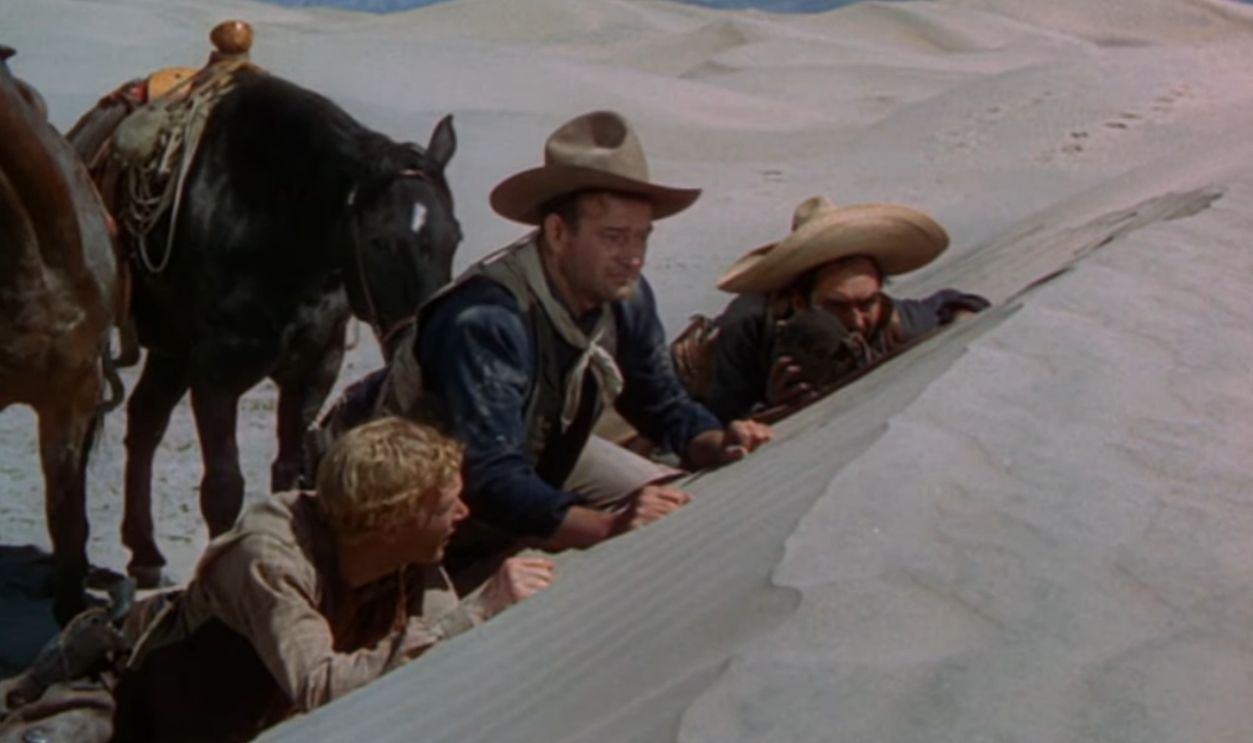 Screenshot from 3 Godfathers, Metro-Goldwyn-Mayer (1948)
Mighty Joe Young
A much larger opportunity arrived with Mighty Joe Young (1949), directed by Ernest B. Schoedsack and produced by Merian C. Cooper, with John Ford involved as an executive producer. Johnson played Gregg opposite Terry Moore, giving the emerging actor a substantial romantic-adventure role far removed from anonymous stunt doubling.
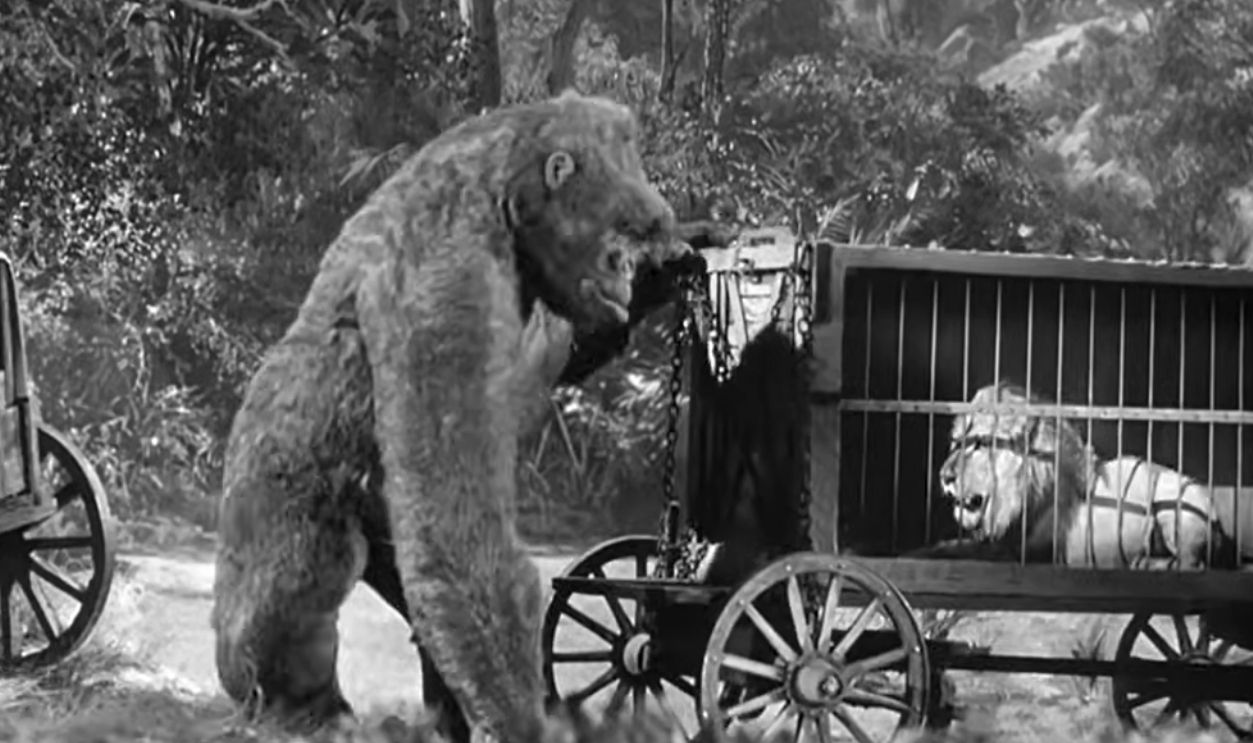 Screenshot from Mighty Joe Young, RKO Radio Pictures (1949)
Riding With John Wayne
Ford next used Johnson memorably in She Wore a Yellow Ribbon (1949), starring John Wayne as Captain Nathan Brittles. Johnson played Sgt. Tyree, sharing the film with Joanne Dru, John Agar, Victor McLaglen and Harry Carey Jr. His effortless riding made him look less like an actor playing cavalry than the genuine article. The 2026 biography of Johnson Tall in the Saddle identifies this role as John Ford's reward for Johnson's heroics during Fort Apache.
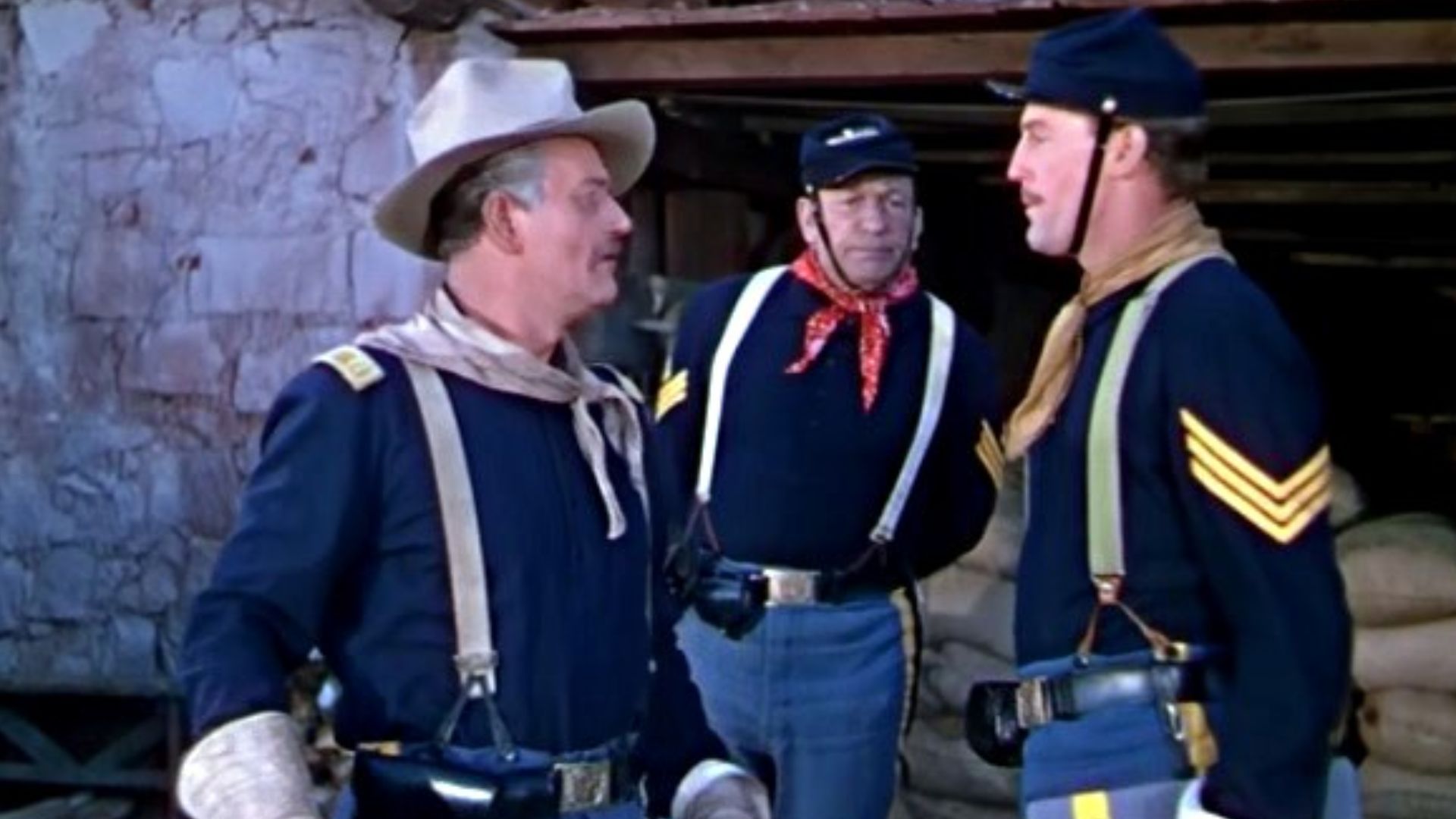 Screenshot by Wayne77, Wikimedia Commons
Wagon Master
Johnson received one of his defining early roles in Ford's Wagon Master (1950), playing horse trader Travis Blue opposite Harry Carey Jr., Joanne Dru and Ward Bond. Johnson effectively carried the picture, and Ford later identified the understated Western as one of the films that came closest to what he wanted to achieve as a filmmaker.
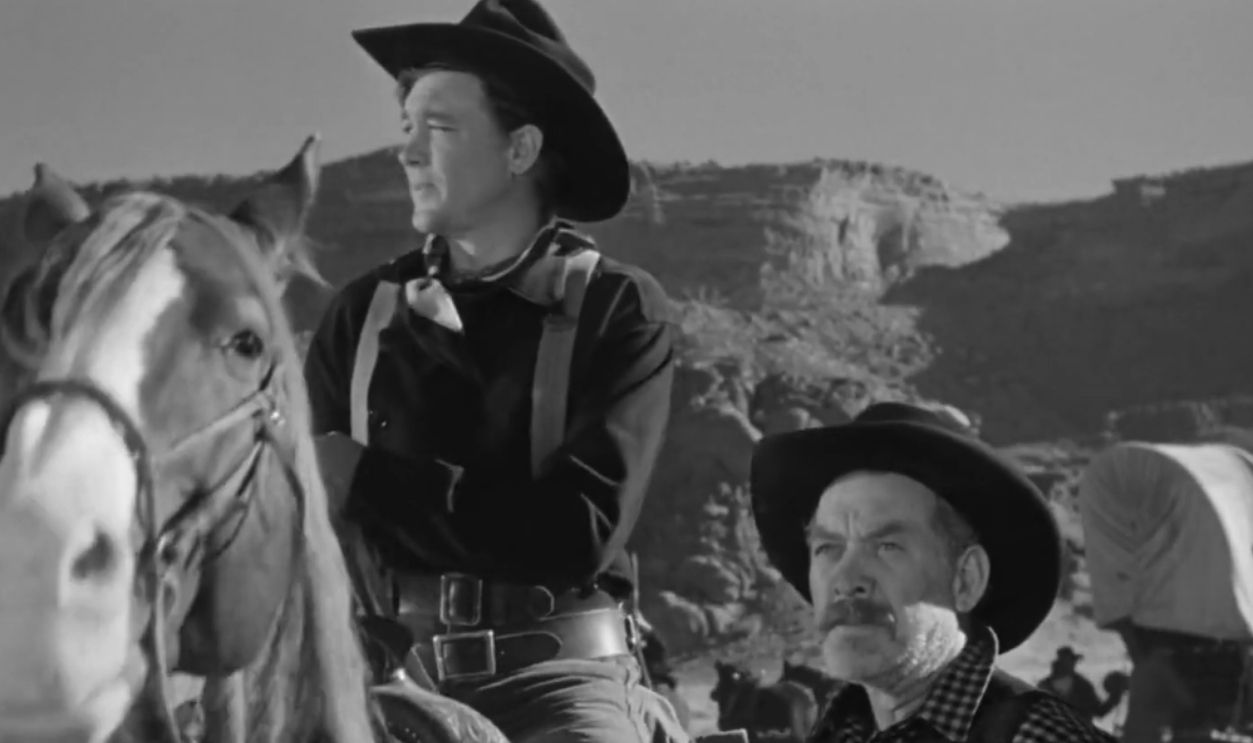 Screenshot from Wagon Master, RKO Radio Pictures (1950)
Ford Pushed Too Far
Johnson's relationship with Ford wasn't always easy. During Rio Grande (1950), again starring John Wayne, Ford's notoriously abrasive directing style apparently pushed the normally even-tempered Johnson too far. Johnson reportedly told Ford to go to hell. He thought the disagreement was over. Ford apparently remembered it rather longer.
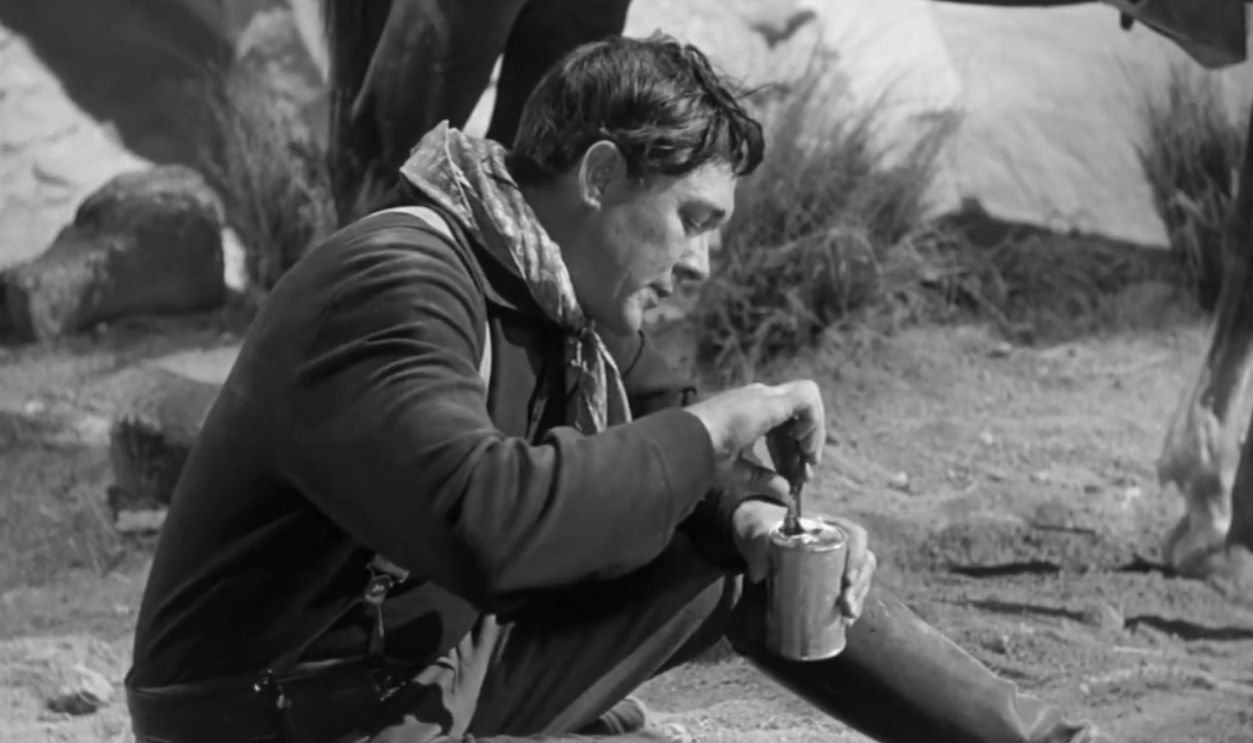 Screenshot from Rio Grande, Republic Pictures (1950)
Ford Stopped Calling
Johnson wouldn't appear in another Ford picture until Cheyenne Autumn (1964). Harry Carey Jr. later suggested the estrangement may also have involved Johnson's agent demanding a large salary for another proposed Ford project without Johnson's knowledge. Whatever the precise cause, Johnson simply kept working rather than begging Ford to take him back.
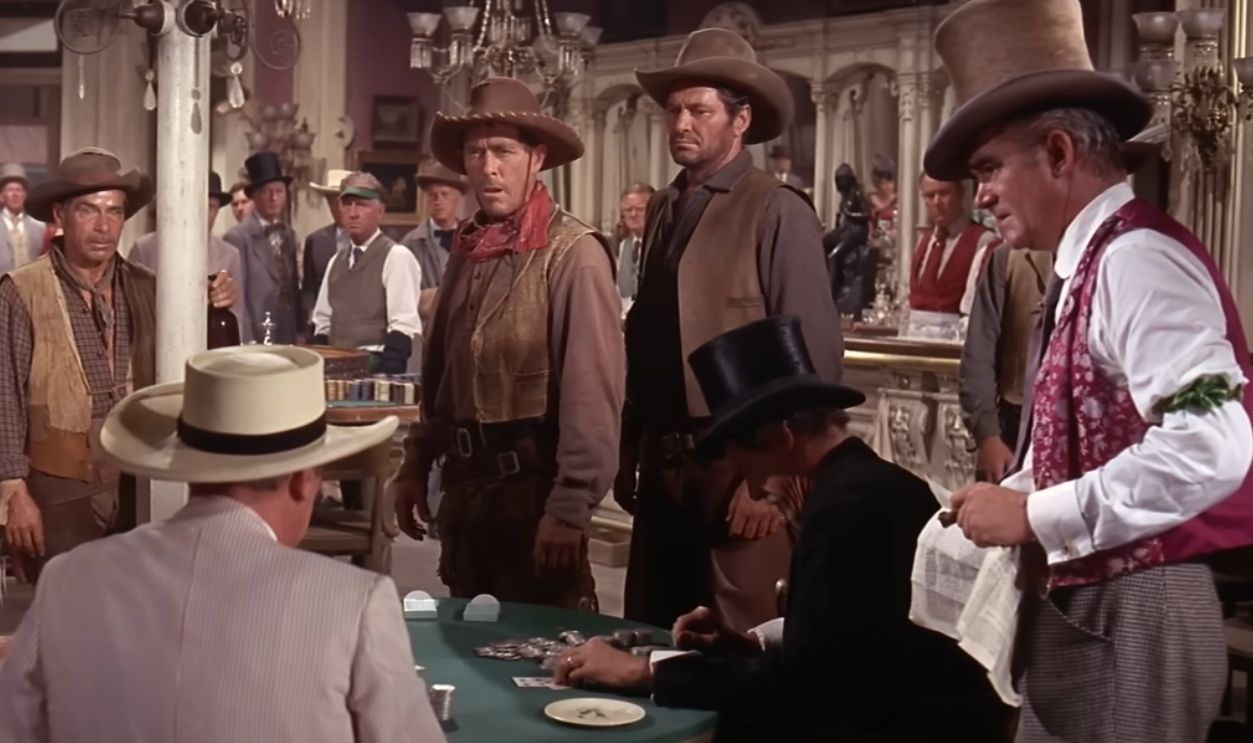 Screenshot from Cheyenne Autumn, Warner Bros. Pictures (1964)
Shane
George Stevens cast Johnson as Chris Calloway in Shane (1953), starring Alan Ladd, Jean Arthur, Van Heflin and Jack Palance. Calloway begins as one of the hired antagonists and gets demolished by Shane in a famous saloon fight, but eventually warns him about an ambush, becoming a bad man who ultimately does something decent.
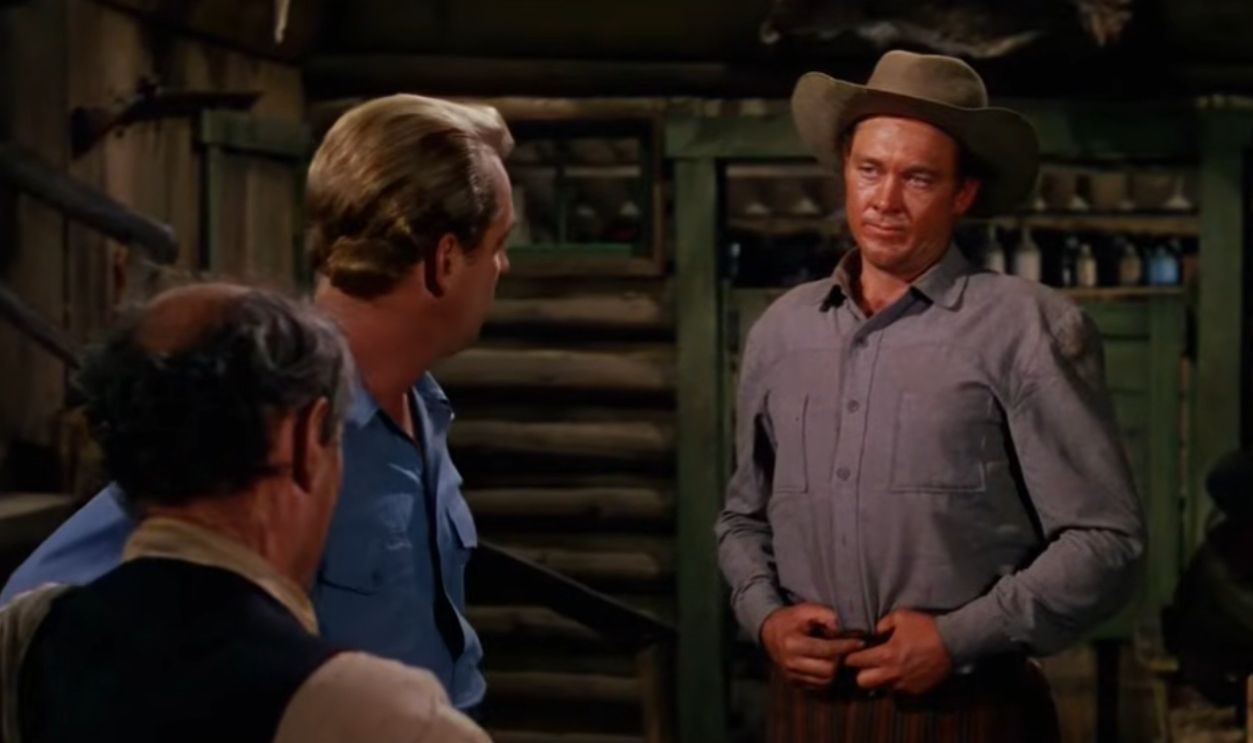 Screenshot from Shane, Paramount Pictures (1953)
World Champion Cowboy
That same year, Johnson stepped away from well-paid movie work to pursue something that mattered enormously to him: professional rodeo. Competing in the Rodeo Cowboys Association, he became the 1953 Team Roping World Champion. Remarkably, despite winning the championship, Johnson later said he essentially broke even financially that year.
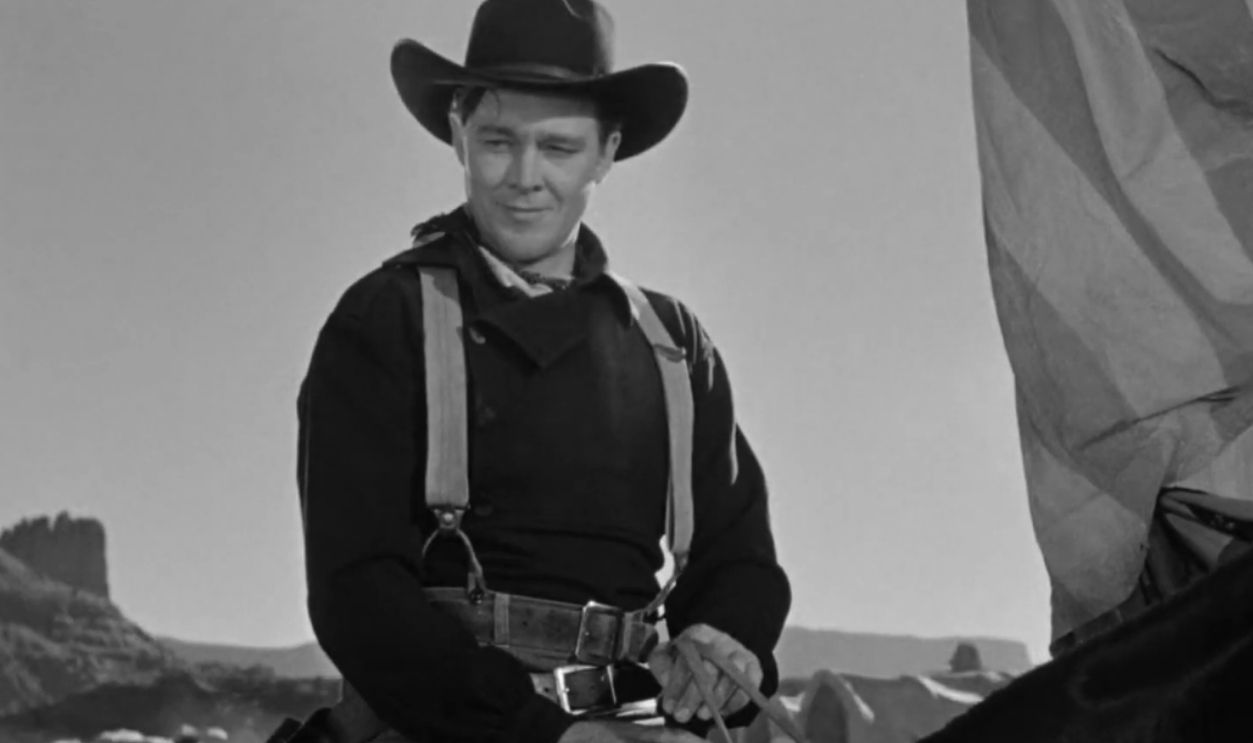 Screenshot from Wagon Master, RKO Radio Pictures (1950)
The Championship Meant More
His later Oscar win would eventually make Johnson famous far beyond Western audiences, but the rodeo championship occupied a special place in his heart. When he was inducted into the ProRodeo Hall of Fame in 1979, Johnson was quoted as saying that he was prouder of winning the world championship than anything else he had ever accomplished.
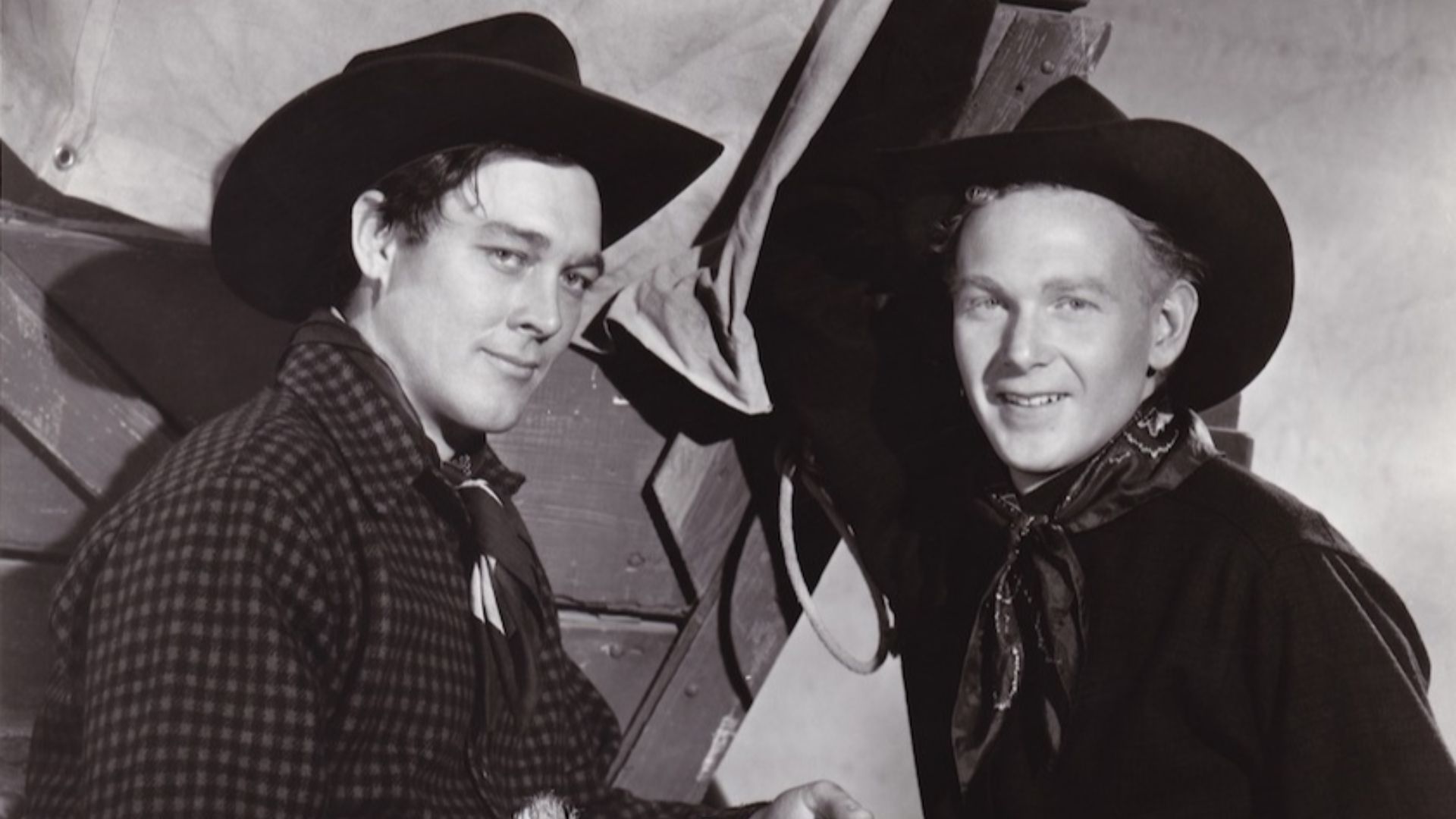 Unknown RKO-radio photographer., Wikimedia Commons
A Working Actor Again
Movies remained the more reliable way to earn a living. Johnson spent the later 1950s and early 1960s moving among Westerns, adventure films and television. He appeared in Marlon Brando's only directorial effort, One-Eyed Jacks (1961), alongside Brando, Karl Malden, Katy Jurado and Slim Pickens.
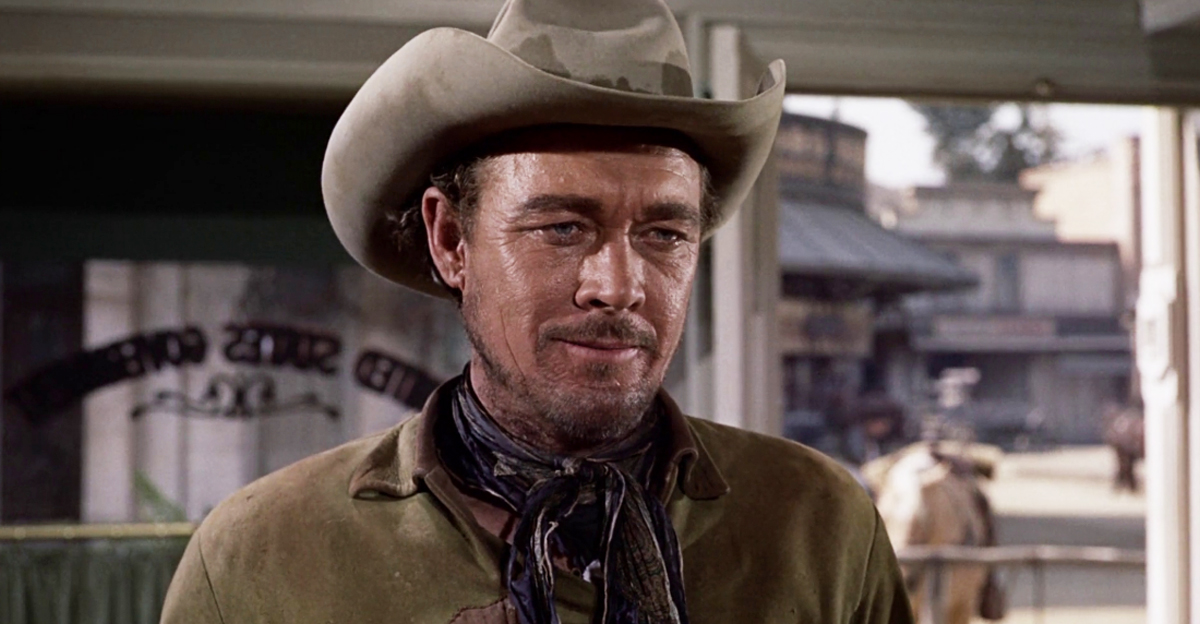 Screenshot of Ben Johnson from 'One-Eyed Jacks' (1961), Paramount Pictures
Television Kept Him Riding
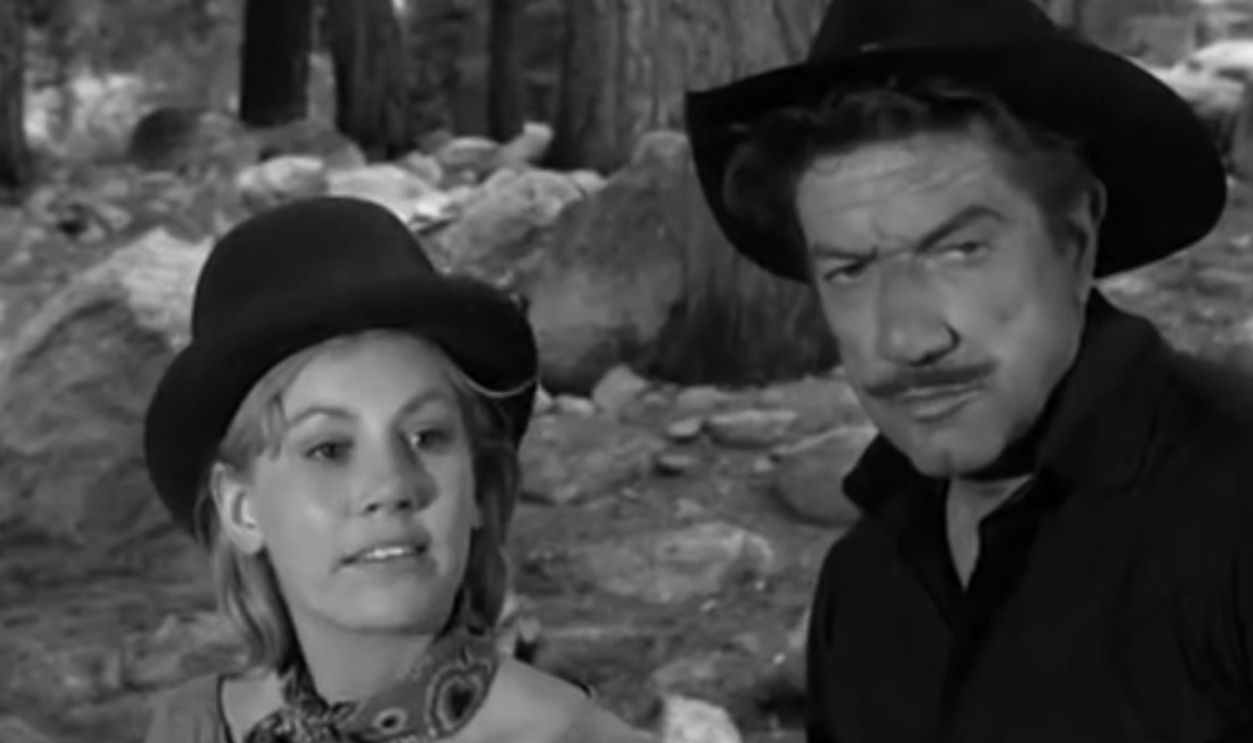
Johnson also became a familiar television Westerner. He appeared on Have Gun – Will Travel and The Virginian, then took a regular role as Sleeve on The Monroes, appearing alongside Michael Anderson Jr. and a young Barbara Hershey. Television helped keep his weathered cowboy persona in front of a changing audience.
 Screenshot from Have Gun – Will Travel, CBS (1957–1963)
Ford Finally Called Again
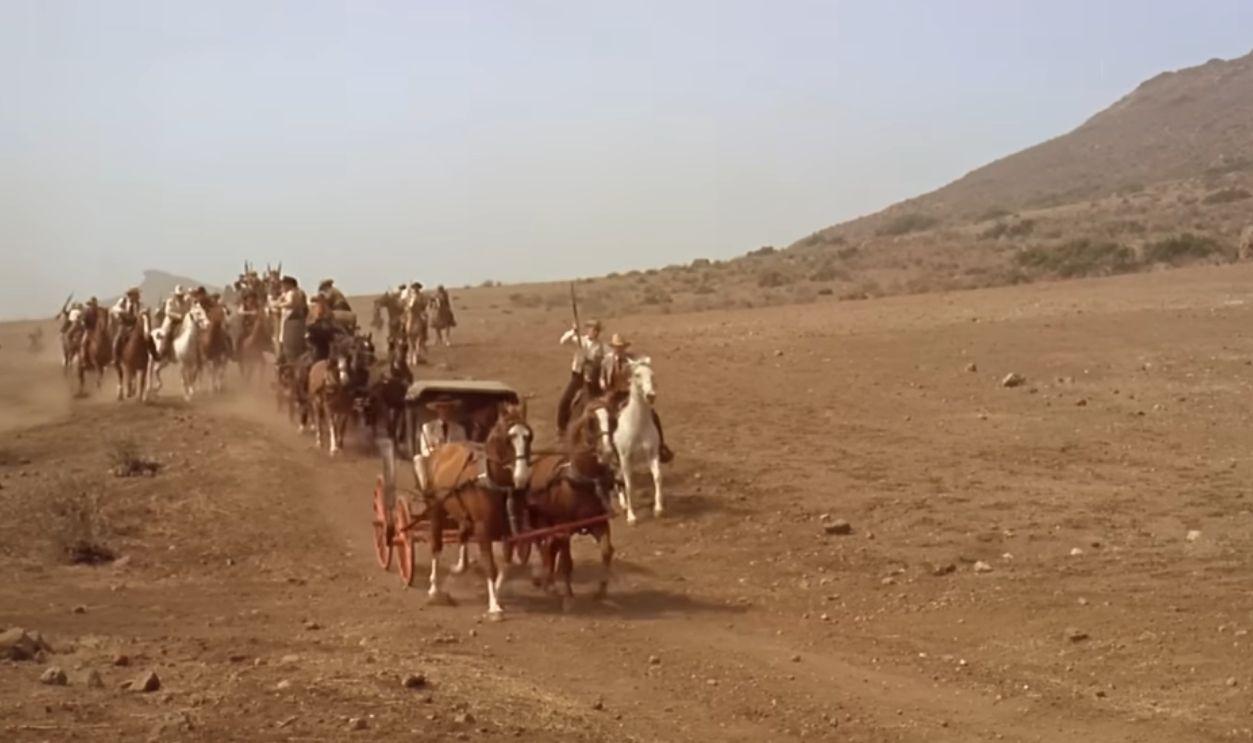
Fourteen years after Rio Grande (1950), Johnson rejoined Ford for Cheyenne Autumn (1964), an ambitious late Western starring Richard Widmark, Carroll Baker, James Stewart and Edward G. Robinson. The reunion suggested that whatever resentment had existed between director and cowboy had finally cooled enough for them to work together again.
 Screenshot from Cheyenne Autumn, Warner Bros. Pictures (1964)
Peckinpah Understood Him
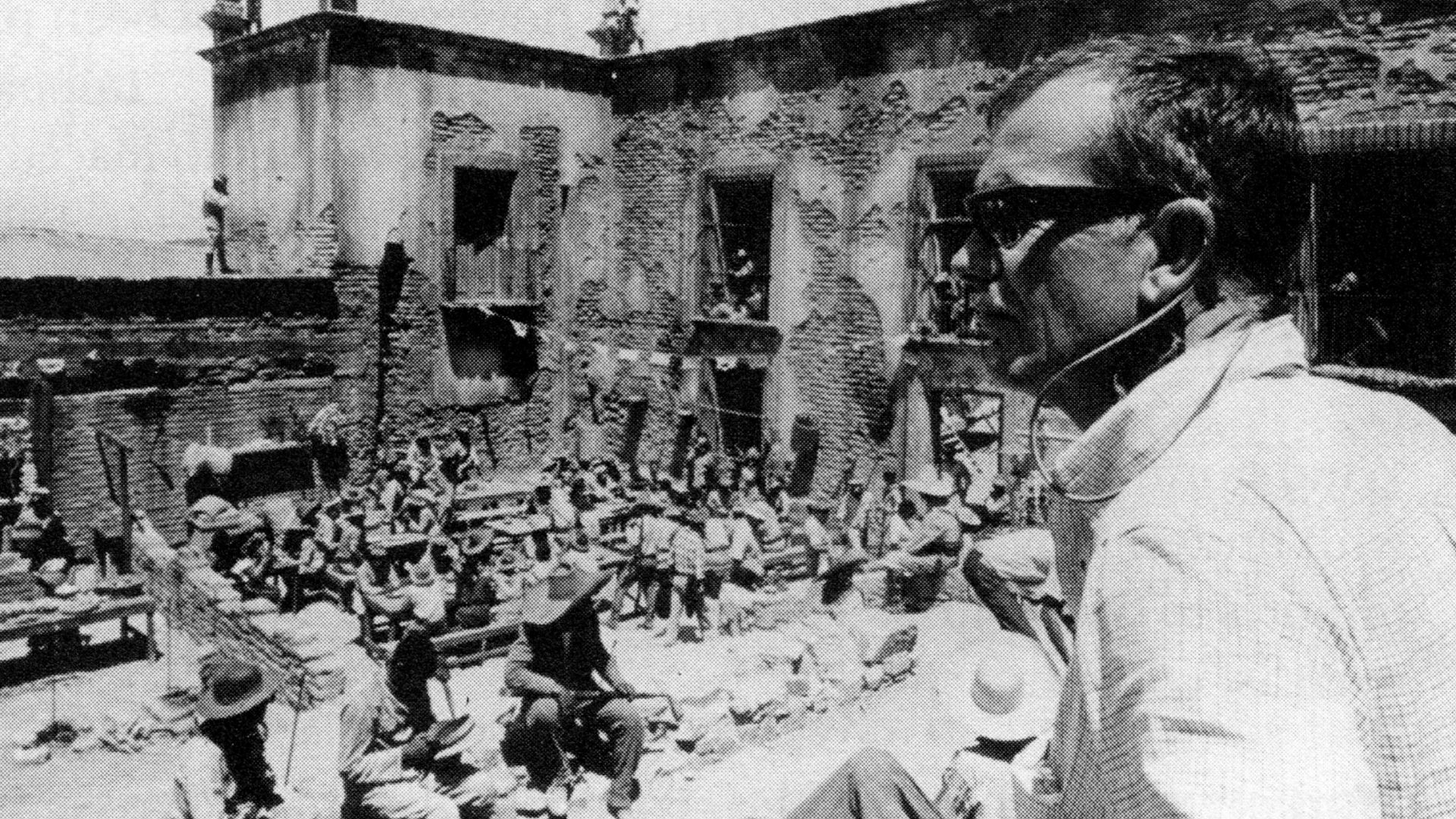
Johnson found another important director in Sam Peckinpah, beginning their film collaboration with Major Dundee (1965), starring Charlton Heston and Richard Harris. Their personalities might have seemed an unlikely fit, but the two worked well together.
 Unknown authorUnknown author, Wikimedia Commons
The Wild Bunch
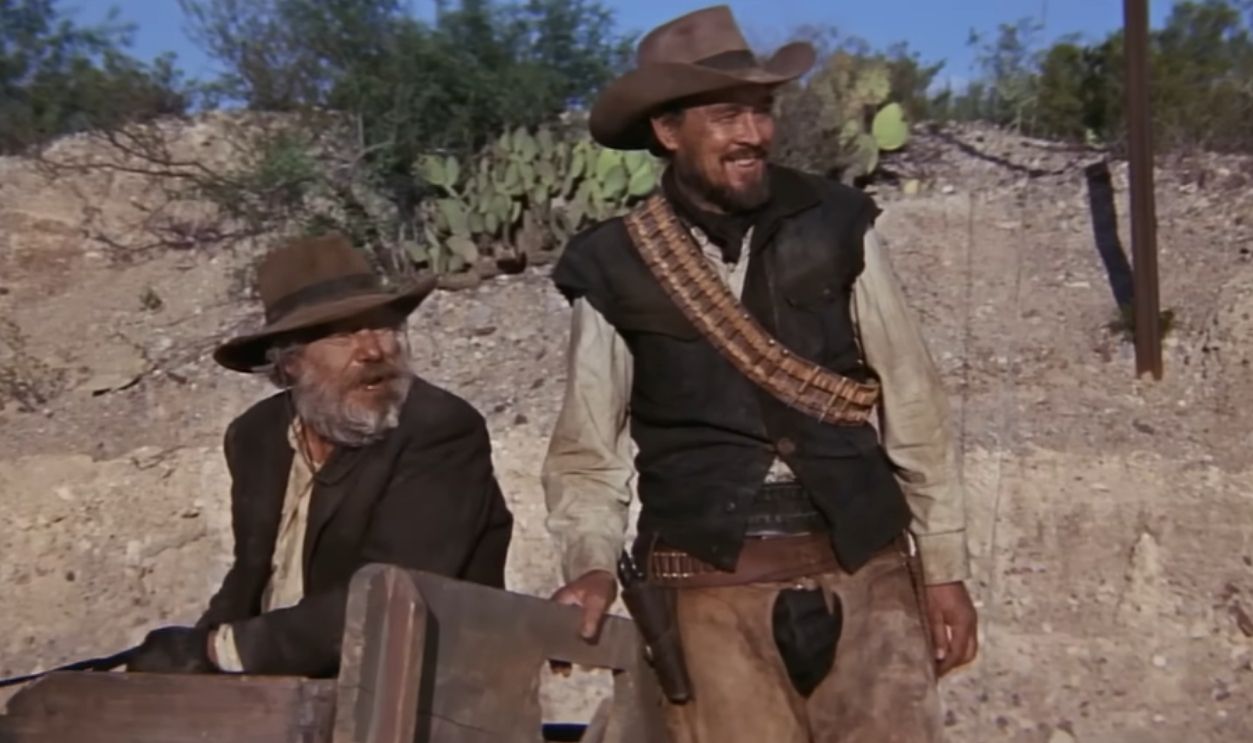
Peckinpah's The Wild Bunch (1969) gave Johnson one of his greatest Western roles. As Tector Gorch, he joined William Holden, Ernest Borgnine, Warren Oates and Robert Ryan in a violent elegy for aging outlaws stranded in a changing world. Few actors were better suited to a Western about the old West disappearing.
 Screenshot from The Wild Bunch, Warner Bros.-Seven Arts (1969)
Back With John Wayne
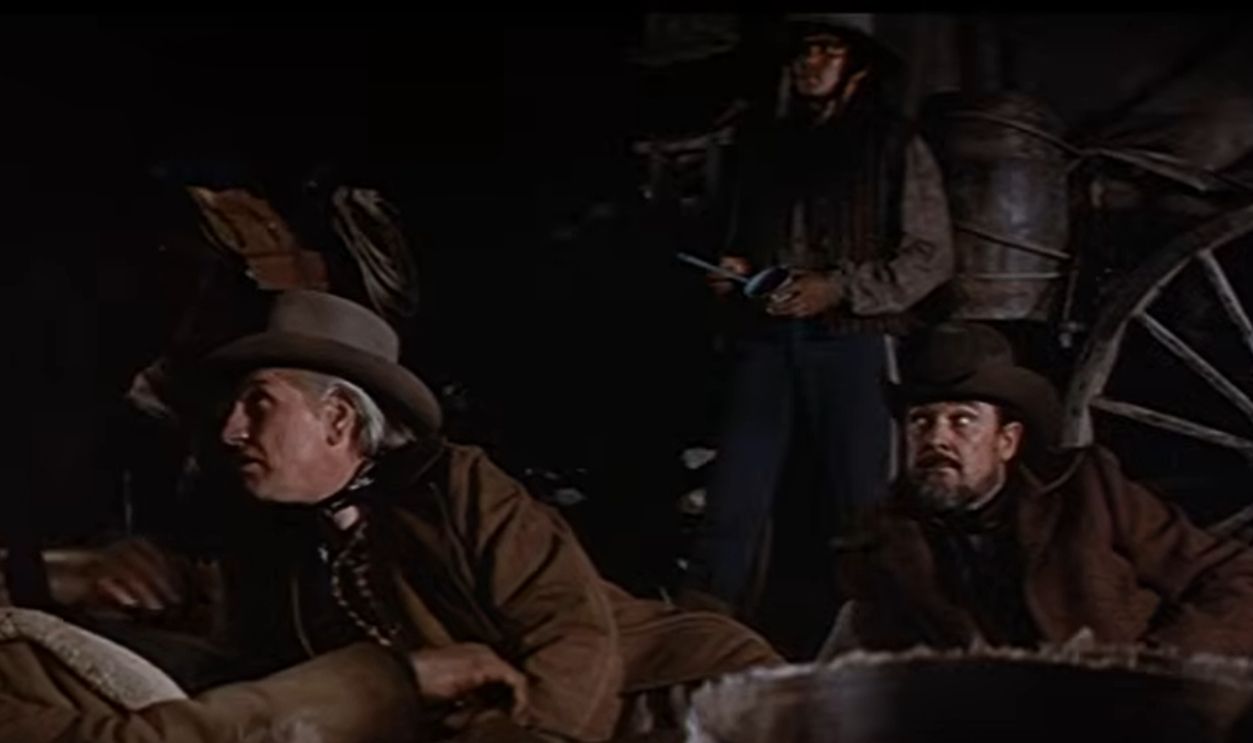
Johnson reunited with John Wayne in Andrew V. McLaglen's The Undefeated (1969), which also starred Rock Hudson, and again in McLaglen's Chisum (1970). Johnson had come a long way from doubling stars on horseback: by now his face, voice and relaxed authority immediately told audiences they were watching a genuine Westerner.
 Screenshot from The Undefeated, 20th Century-Fox (1969)
He Almost Refused The Oscar Role
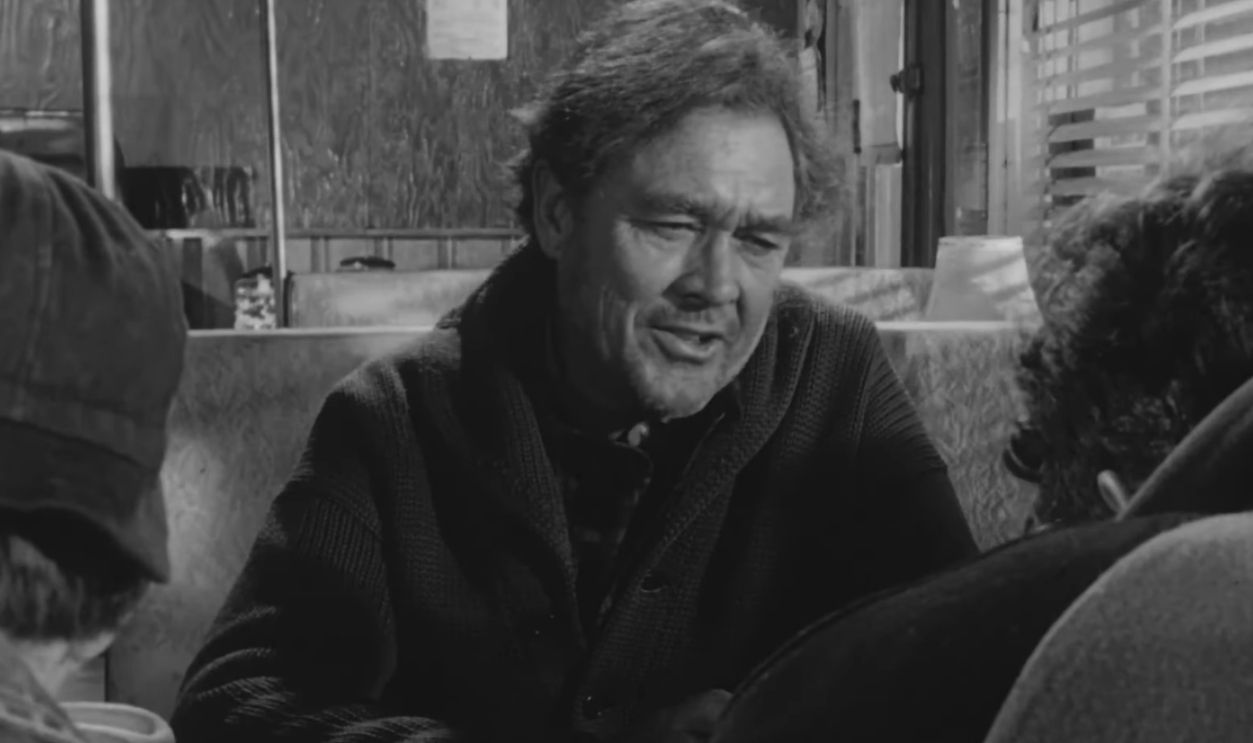
Peter Bogdanovich wanted Johnson to play Sam the Lion in The Last Picture Show (1971), alongside Timothy Bottoms, Jeff Bridges, Cybill Shepherd, Cloris Leachman and Ellen Burstyn. Johnson disliked the script's profanity and initially refused. His old mentor John Ford reportedly persuaded him to do Bogdanovich the favor. Johnson rewrote his own dialogue to remove the profanity he disliked, with Bogdanovich's permission. He later took pride in winning major awards without saying the offending words.
 Screenshot from The Last Picture Show, Columbia Pictures (1971)
Sam The Lion
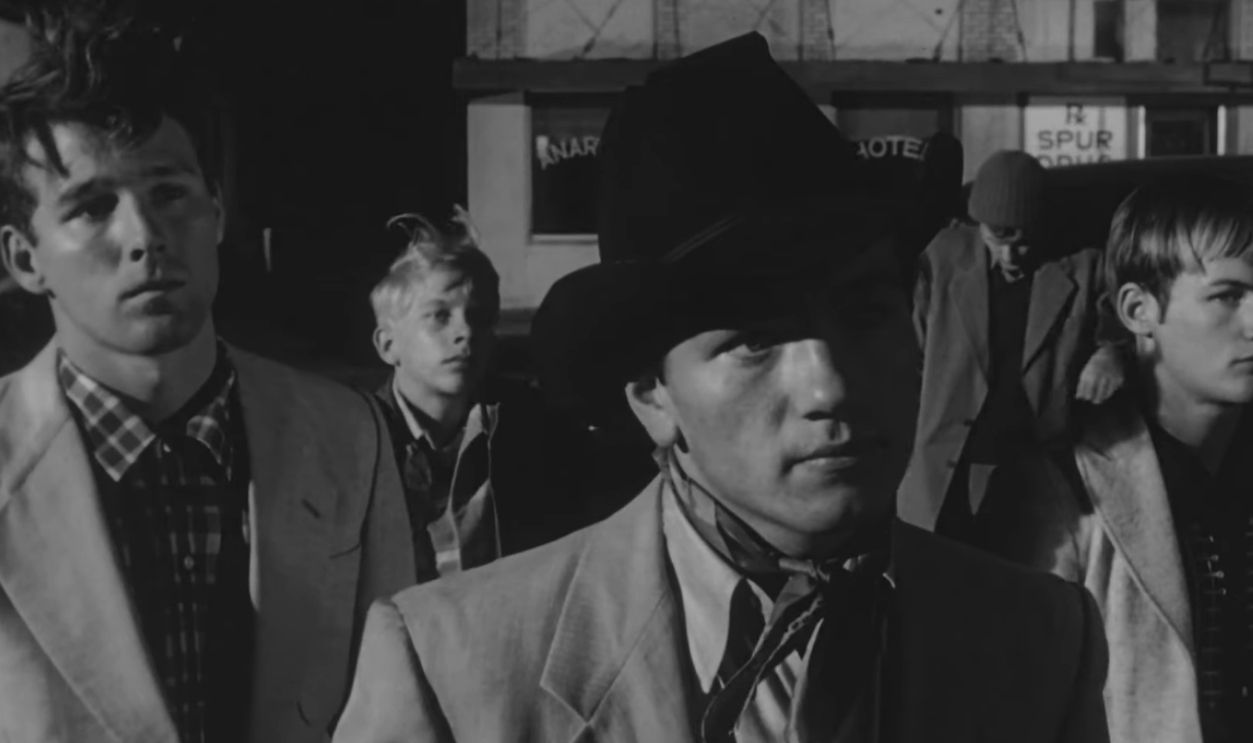
Johnson's Sam owns the pool hall, café and movie theater in the dying Texas town, but his importance goes far beyond those businesses. He becomes the film's moral center: an aging cowboy watching young people make mistakes while recognizing that his own past contains losses, compromises and regrets they cannot yet understand.
 Screenshot from The Last Picture Show, Columbia Pictures (1971)
That Famous Monologue
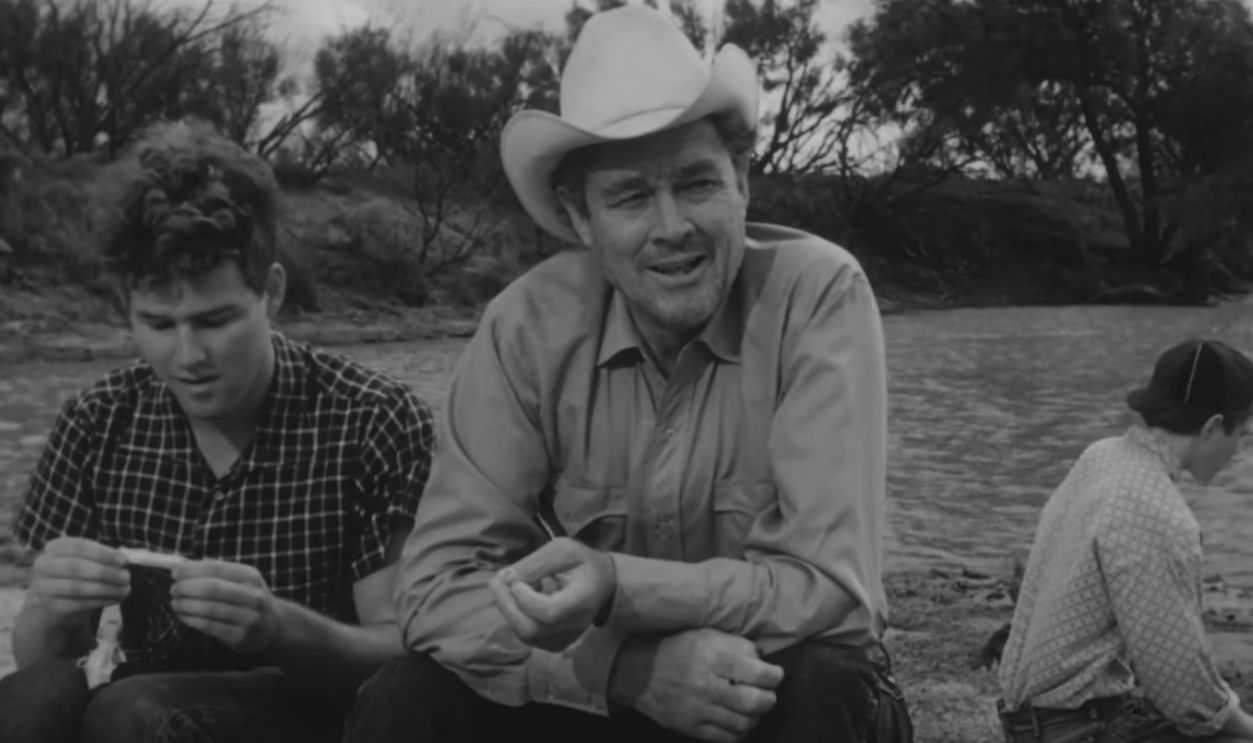
Johnson's signature scene comes beside a stock tank, where Sam reminisces about swimming there years earlier with a married woman he loved. Nothing spectacular happens; Johnson simply looks across the landscape and remembers youth disappearing. His unforced delivery turns the speech into an extraordinary meditation on love, aging and the passage of time.
 Screenshot from The Last Picture Show, Columbia Pictures (1971)
The Cowboy Won An Oscar
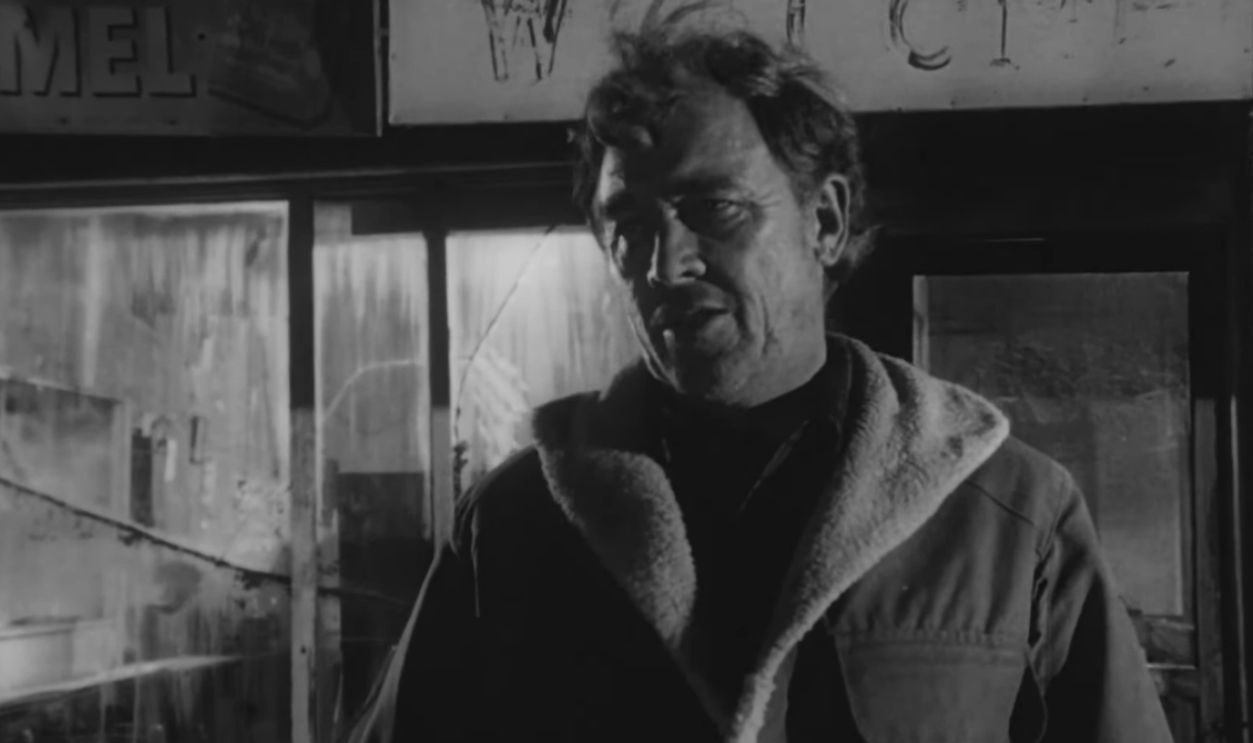
The performance won Johnson the Academy Award for Best Supporting Actor, along with a Golden Globe and the British Academy's supporting-actor award (equivalent to today's BAFTA). He also took home the New York Film Critics Circle Award. His Oscar competition even included co-star Jeff Bridges. Johnson's acceptance speech was appropriately modest, thanking everyone from Bogdanovich to Ford before joking that the honor couldn't have happened to a nicer fellow.
 Screenshot from The Last Picture Show, Columbia Pictures (1971)
Junior Bonner
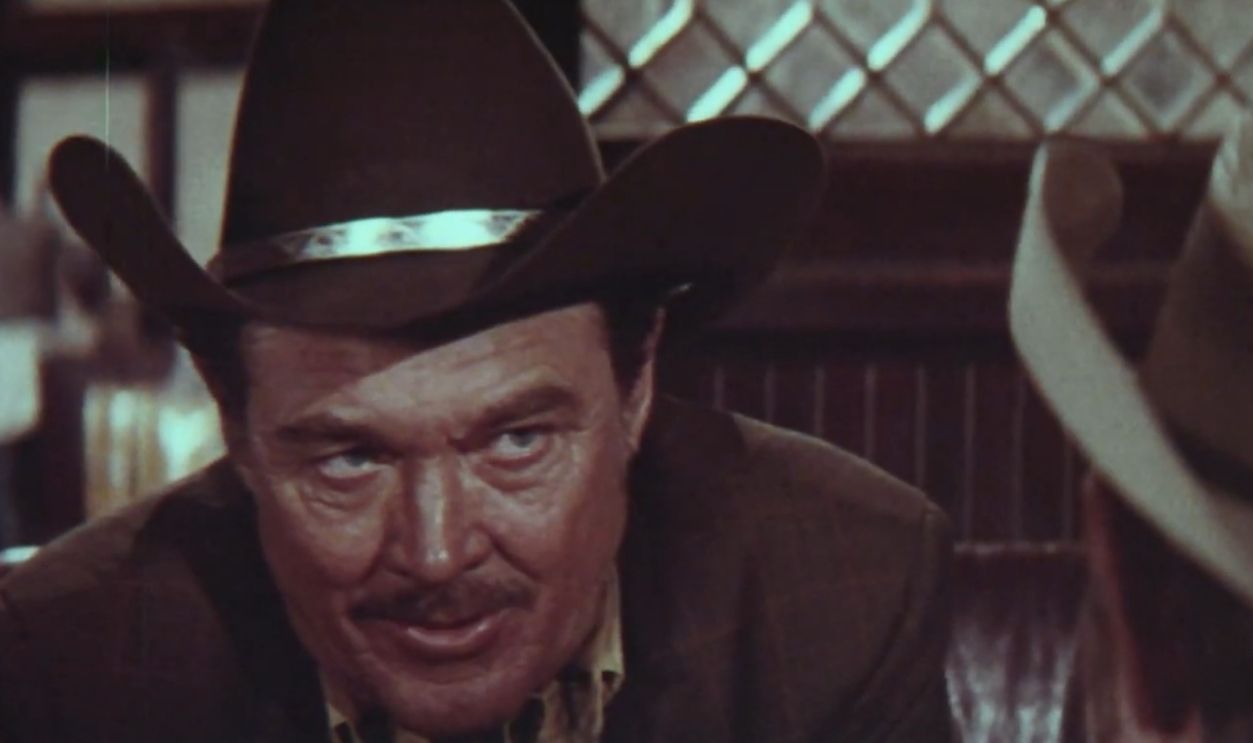
Fresh from his Oscar-winning triumph, Johnson returned to Peckinpah for Junior Bonner (1972). Steve McQueen starred as aging rodeo rider Junior Bonner, with Robert Preston and Ida Lupino as his parents and Joe Don Baker as his brother. Johnson played wealthy rodeo promoter Buck Roan, another role rooted in a world he genuinely understood.
 Screenshot from Junior Bonner, 20th Century Fox (1972)
The Oscar Changed Little
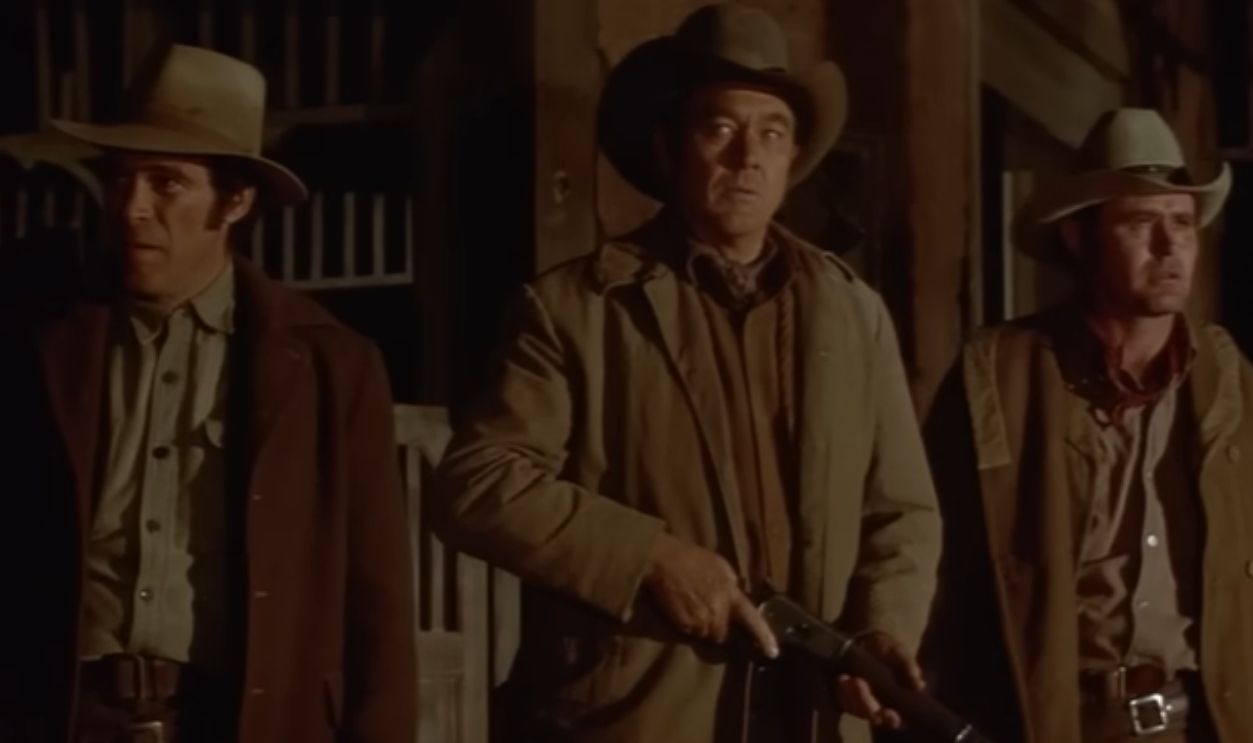
Johnson insisted the Academy Award wouldn't turn him into somebody else. While making The Train Robbers (1973) with John Wayne, Ann-Margret and Rod Taylor, he said he wasn't planning to inflate his salary demands. He knew livestock, knew Westerns and preferred sticking with the things he understood.
 Screenshot from The Train Robbers, Warner Bros. (1973)
Dillinger
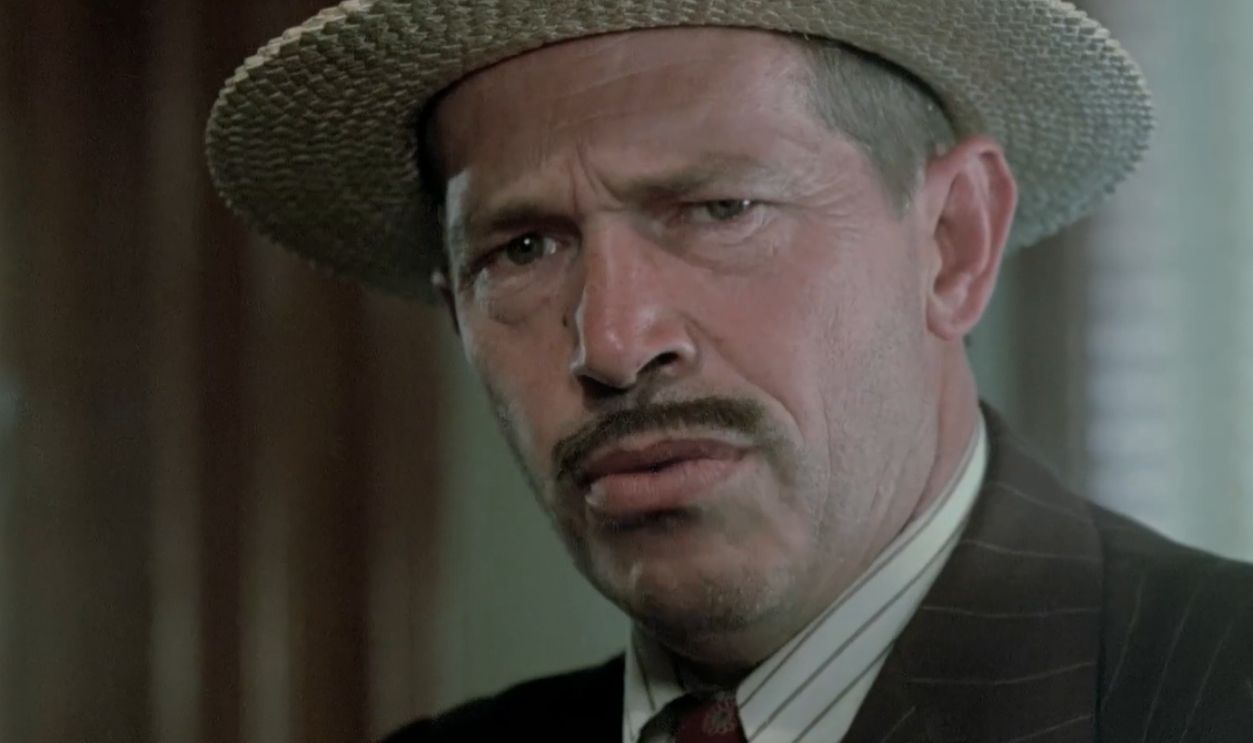
John Milius gave Johnson another terrific part in Dillinger (1973). Warren Oates played gangster John Dillinger, while Johnson portrayed FBI agent Melvin Purvis, the lawman pursuing him. Michelle Phillips, Richard Dreyfuss, Harry Dean Stanton and Cloris Leachman rounded out a formidable cast of 1970s character actors.
 Screenshot from Dillinger, American International Pictures (1973)
Still Riding Through Hollywood
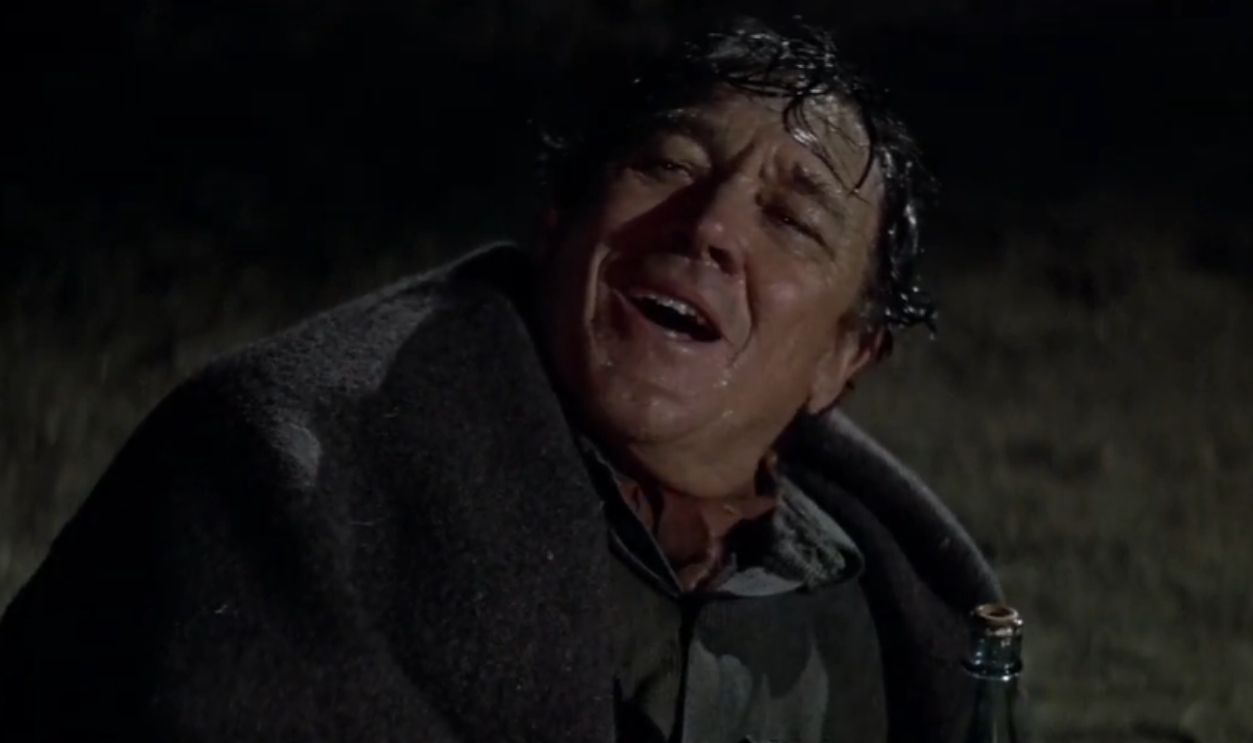
Johnson remained busy through the decade, appearing with Gene Hackman, James Coburn and Candice Bergen in Richard Brooks' Bite the Bullet (1975), and with Charles Bronson in Tom Gries' Breakheart Pass (1975). He also played Cap Roundtree in the television Western miniseries The Sacketts.
 Screenshot from Bite the Bullet, Columbia Pictures (1975)
Hollywood Changed Around Him
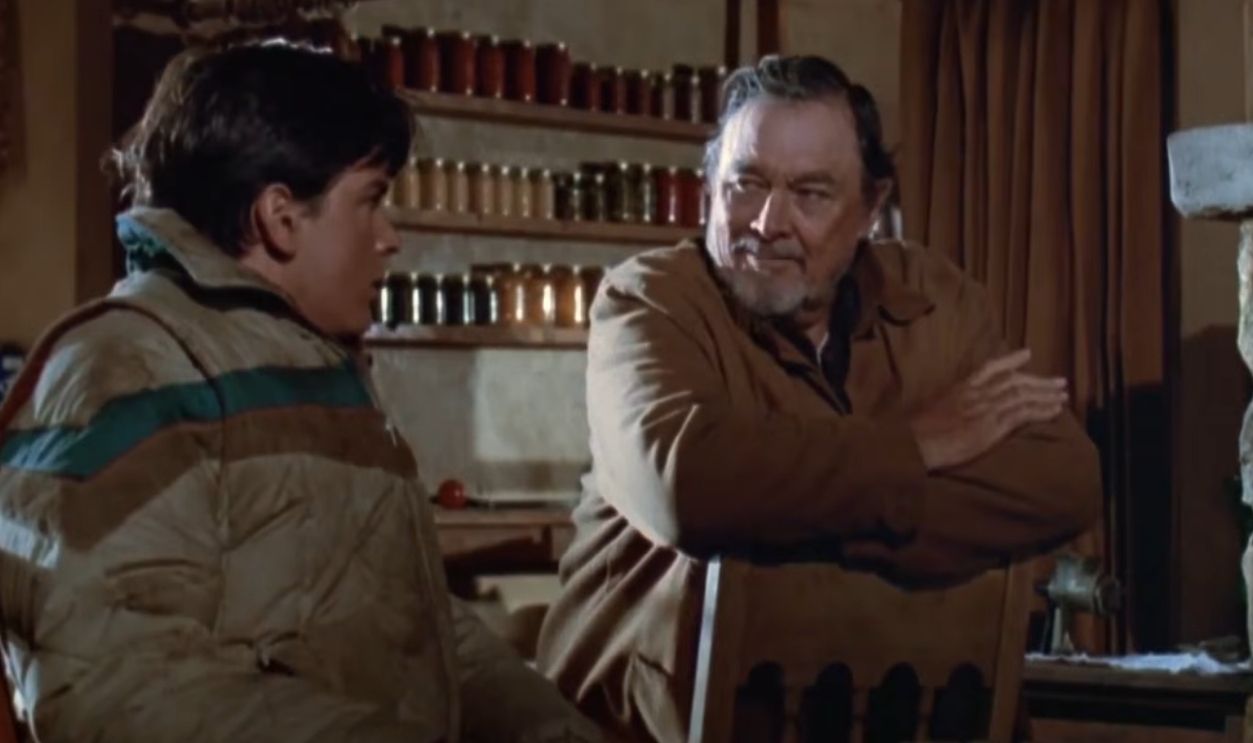
The Western's dominance faded, but Johnson adapted without surrendering his identity. He appeared in Red Dawn (1984), directed by John Milius and starring Patrick Swayze, C. Thomas Howell, Lea Thompson and Charlie Sheen. By then, Johnson represented an older America even when the movie surrounding him was thoroughly contemporary.
 Screenshot from Red Dawn, MGM (1984)
Cowboy Honors Followed
The entertainment industry honored Johnson, but cowboy institutions claimed him just as proudly. He entered the ProRodeo Hall of Fame in 1979 and the Hall of Great Western Performers at the National Cowboy & Western Heritage Museum in 1982. The honors reflected two careers that, for Johnson, had never really been separate.
He Never Became Hollywood
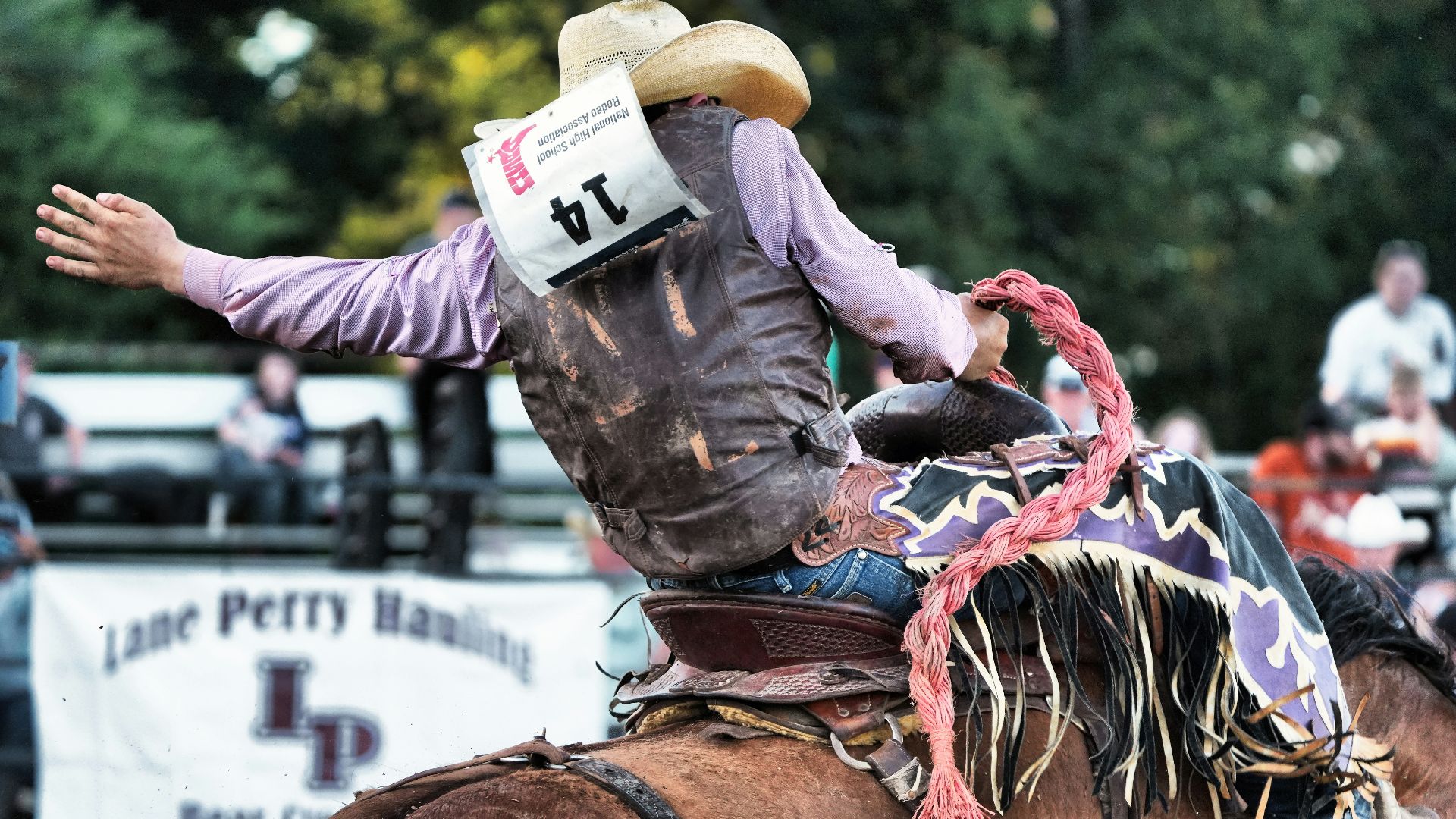
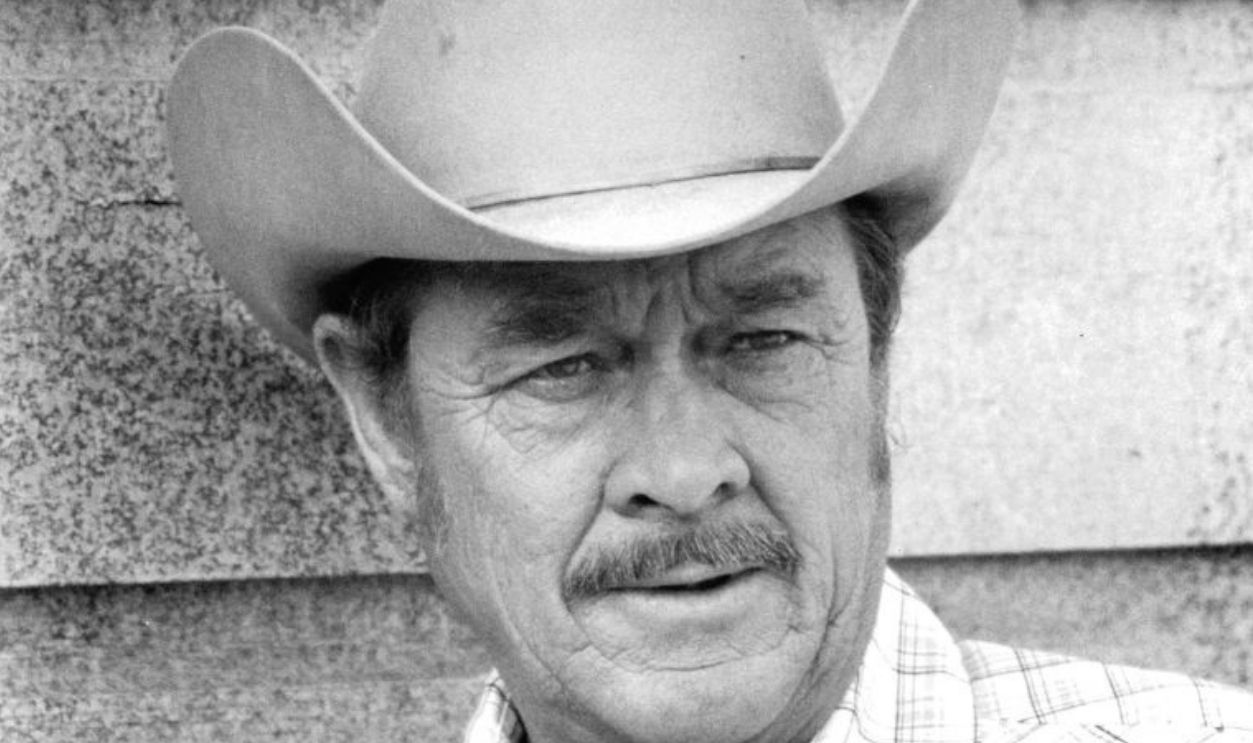
Johnson continued riding and remained closely associated with ranching and rodeo throughout his life. He also proved financially shrewd, investing his earnings rather than living like a conventional movie star. The Oscar may have increased his prestige, but Johnson continued presenting himself essentially as what he had always been: an Oklahoma cowboy who happened to act.
 Michael Ochs Archives, Getty Images
One Final Film
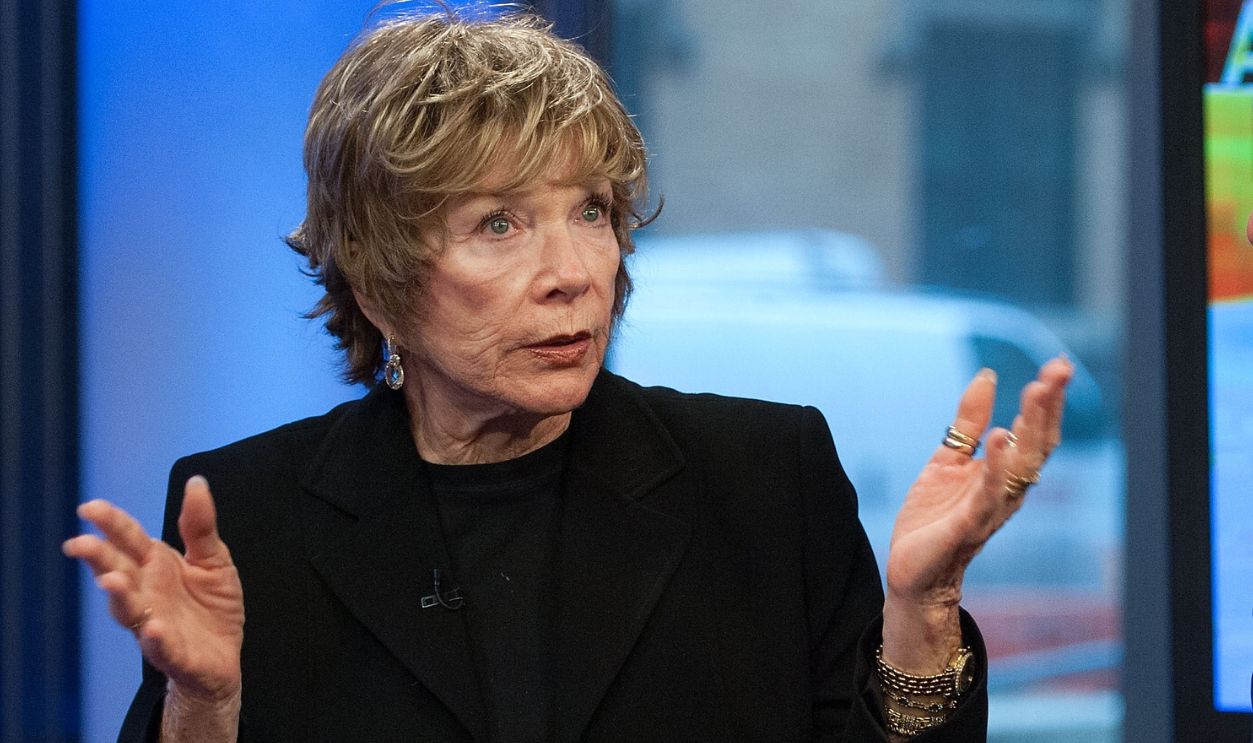
Johnson continued working into his late 70s. His final film role was in Robert Harling's The Evening Star (1996), the sequel to Terms of Endearment (1983), starring Shirley MacLaine with Bill Paxton, Juliette Lewis, Miranda Richardson and Jack Nicholson. Johnson died before the movie reached theaters, and it was dedicated to him.
A Cowboy To The End
On April 8, 1996, Johnson was visiting his 96-year-old mother Ollie at the retirement community in Mesa, Arizona, where they both lived when he collapsed. He died after suffering a heart attack. Johnson was 77.
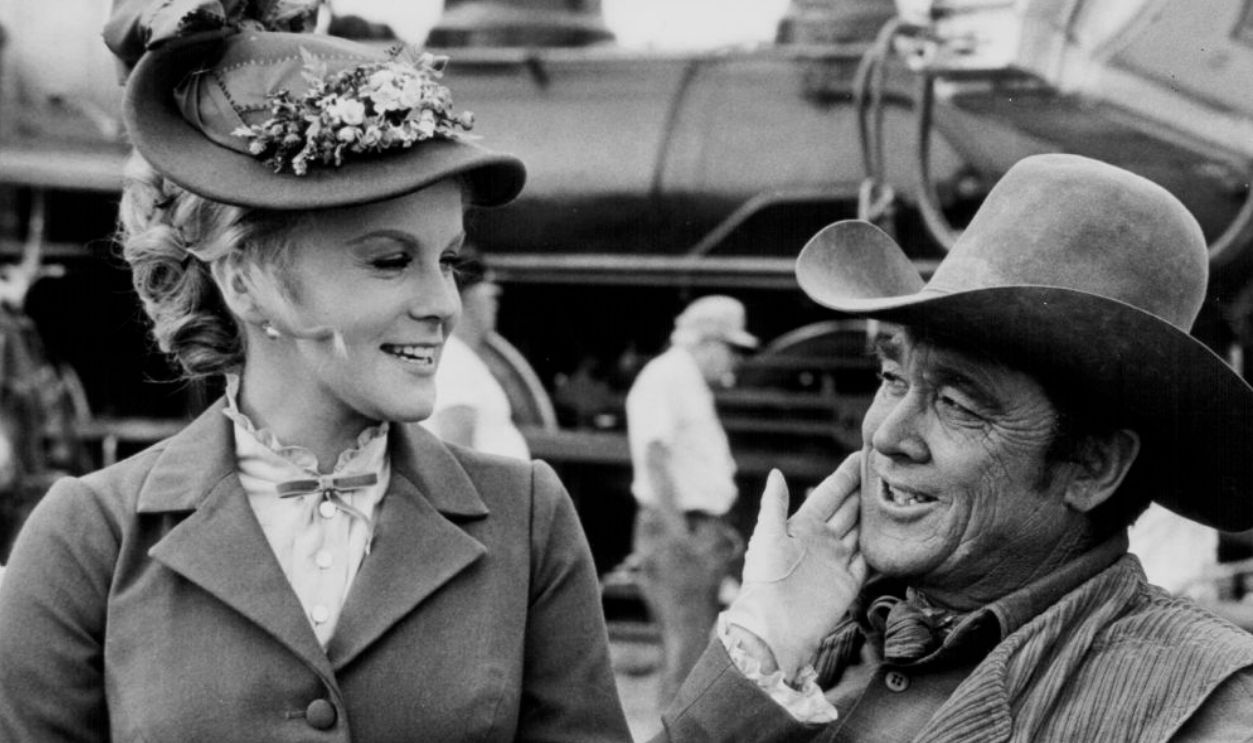 Stanley Bielecki Movie Collection, Getty Images
Two Worlds Claimed Him
Ben Johnson left behind something genuinely unusual. He had been a working cowboy, Hollywood stuntman, John Ford leading man, Western character actor, rodeo world champion and Academy Award winner. He could stand beside John Wayne or Steve McQueen without seeming like their sidekick because Johnson possessed something Hollywood couldn't manufacture: he had lived the life his movies were trying to recreate.
You May Also Like:
The Toughest Cowboys In Hollywood History
Why The High Chaparral Star Leif Erickson Became One Of Television’s Most Convincing Cowboys