The Men Who Made The Myth
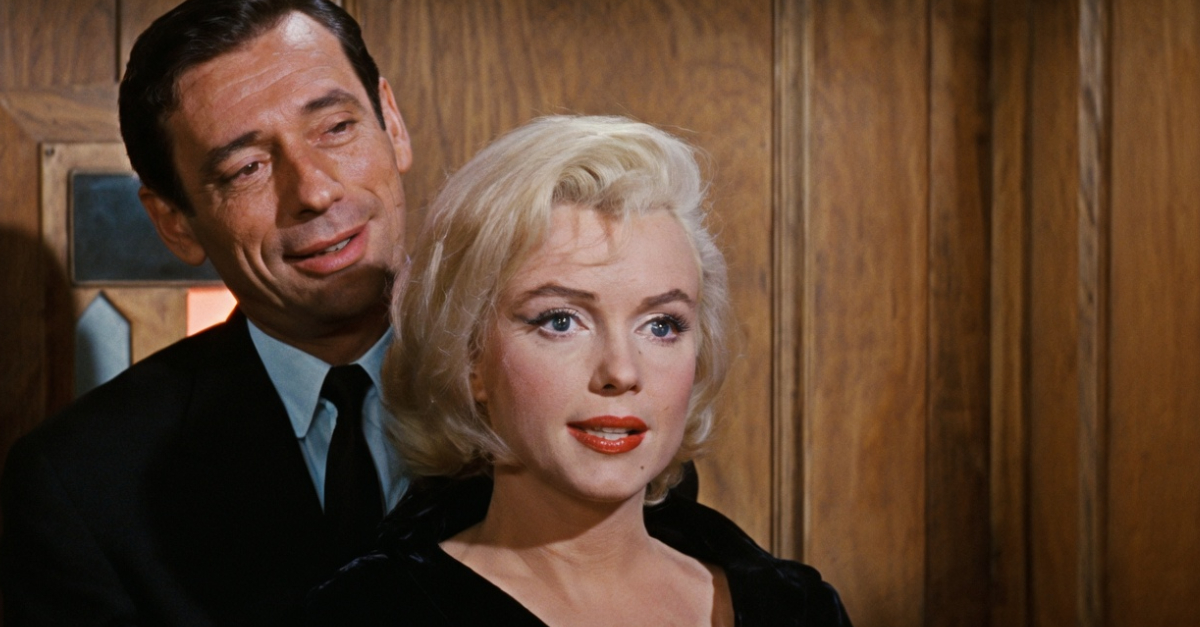
Hollywood has produced countless gunslingers, ranchers, drifters, and lawmen over the decades, but only a select few cowboys truly felt larger than life. Whether they were stoic heroes, ruthless outlaws, or grizzled survivors, these hardscrabble characters basically defined the mythology of the American West, turning the actors behind them into legends in the process.
Ben Johnson - Sam The Lion
Ben Johnson brought real rodeo experience and cowboy authenticity to nearly every Western he appeared in. His role as Sam the Lion in The Last Picture Show (1971) showed quiet strength and wisdom, while decades of riding and ranch work gave him one of the most believable cowboy personas Hollywood ever produced.
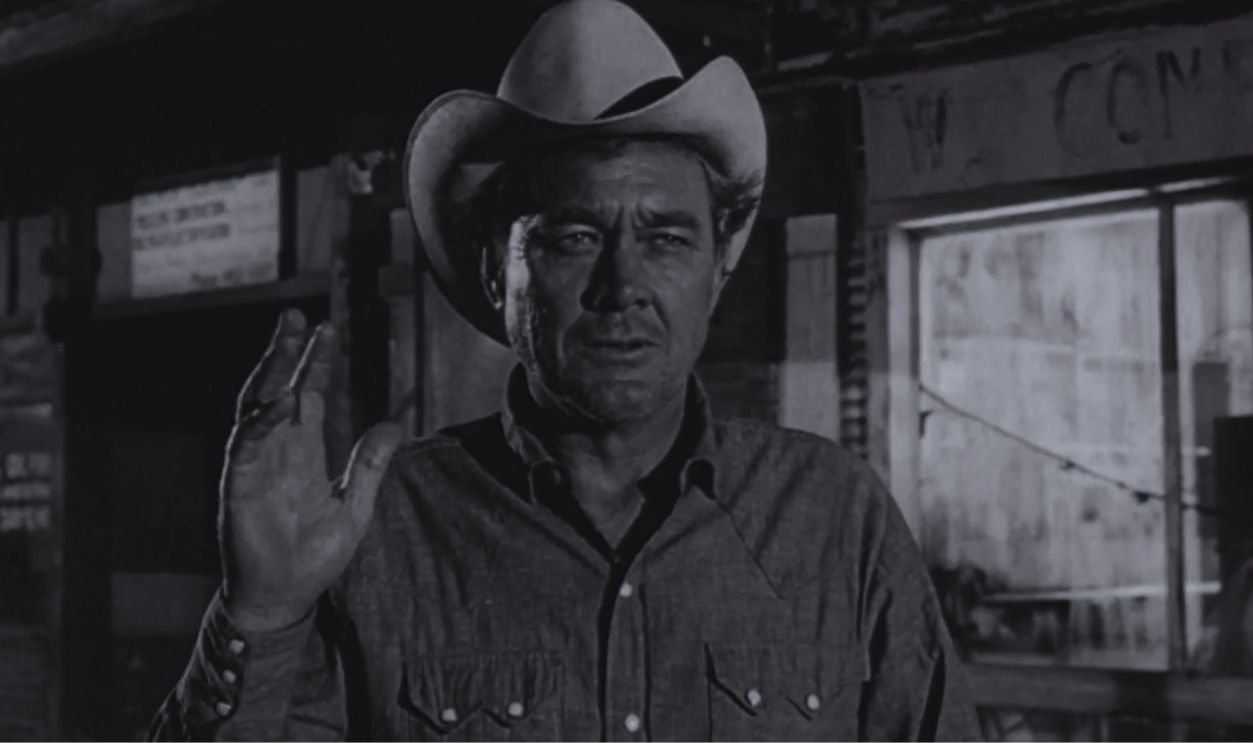 Screenshot from The Last Picture Show, Columbia Pictures (1971)
Alan Ladd - Shane
Alan Ladd became immortal as mysterious gunfighter Shane in Shane (1953). Soft-spoken but deadly when provoked, Shane embodied the lonely drifting hero who tries to leave violence behind but cannot escape his reputation. Ladd’s calm intensity made the character unforgettable.
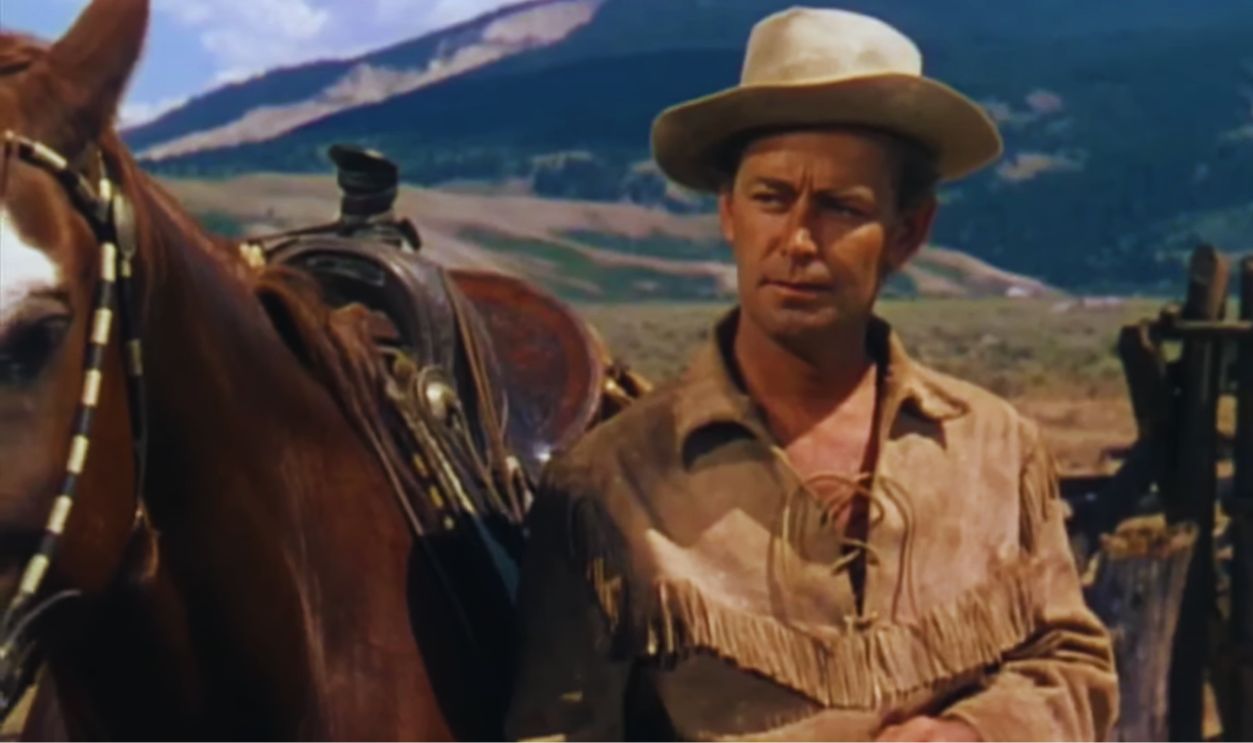 Screenshot from Shane, Paramount Pictures (1953)
Randolph Scott - Ben Stride
Randolph Scott spent decades playing stoic Western heroes, but his performance as bounty hunter Ben Stride in Ride Lonesome (1959) remains especially iconic. Scott specialized in hard-eyed cowboys driven by revenge, duty, and personal codes that often mattered more than the law itself.
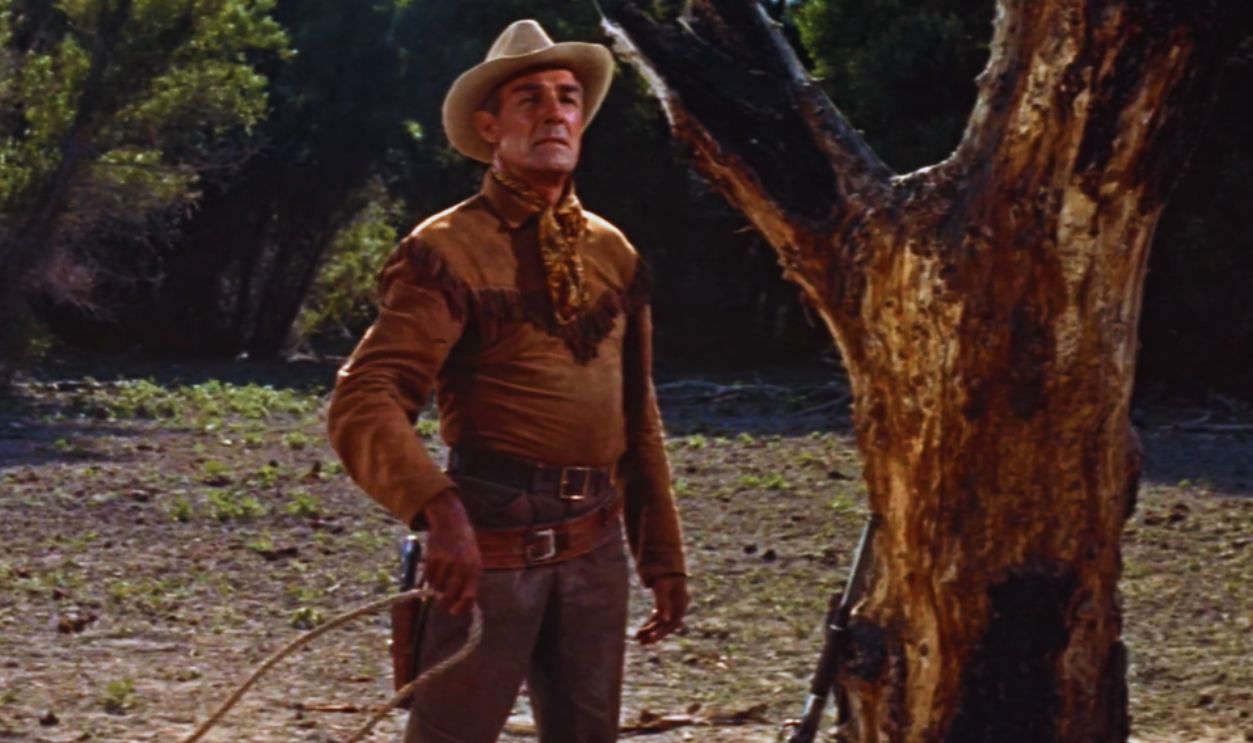 Screenshot from Ride Lonesome, Columbia Pictures (1959)
Clint Walker - Cheyenne Bodie
Towering at six foot six, Clint Walker looked born to play cowboys. As Cheyenne Bodie in Cheyenne (1955-1963), he became one of television’s first major Western stars. His physical presence and deep voice made him seem capable of handling any outlaw or barroom brawl without effort.
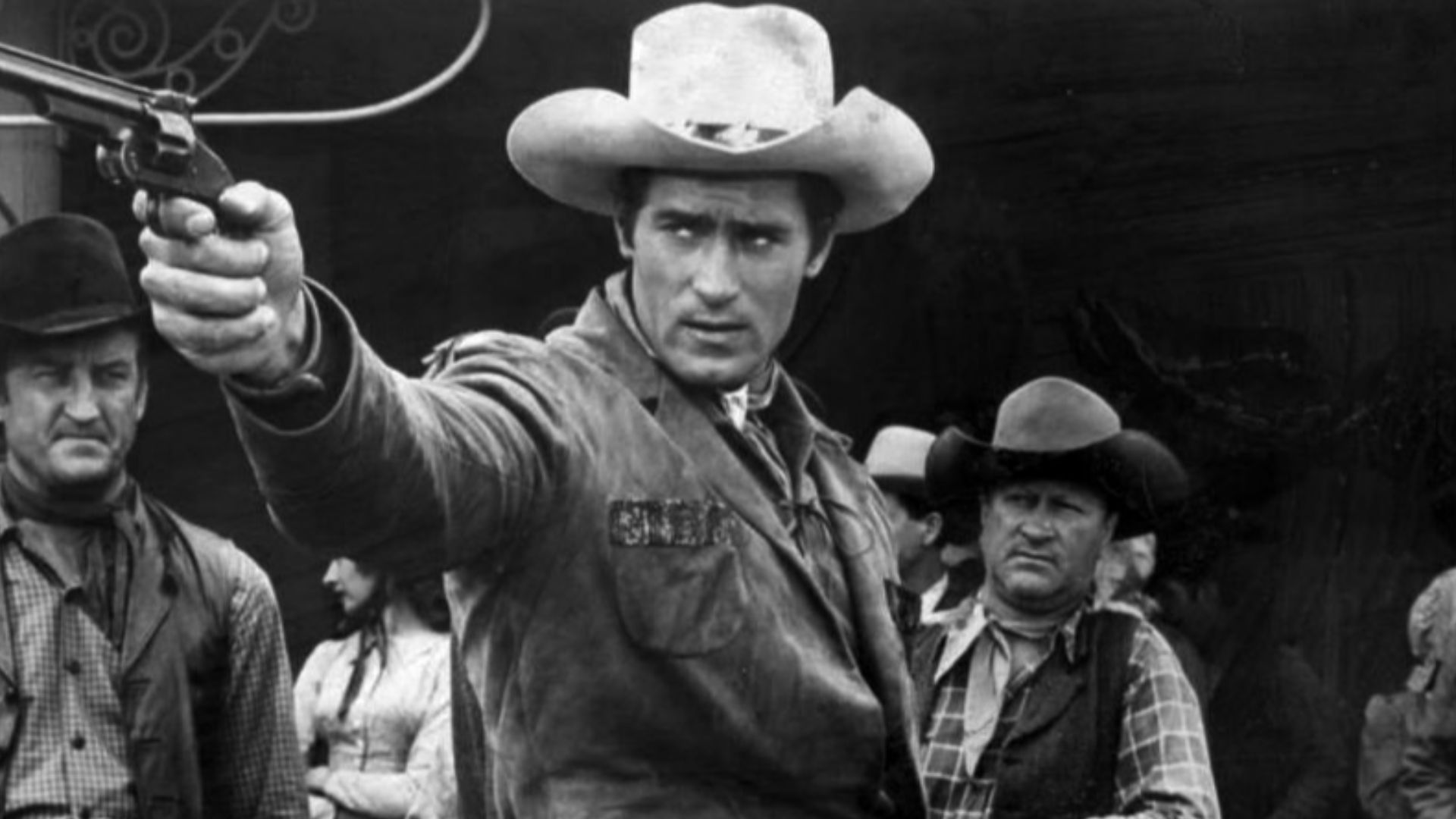 ABC Television, Wikimedia Commons
James Arness - Matt Dillon
James Arness played Marshal Matt Dillon in Gunsmoke (1955-1975) for two decades, turning the character into one of television’s definitive lawmen. Dillon was calm, fair, and physically intimidating, often relying on quiet authority rather than flashy violence to control the dangerous town of Dodge City.
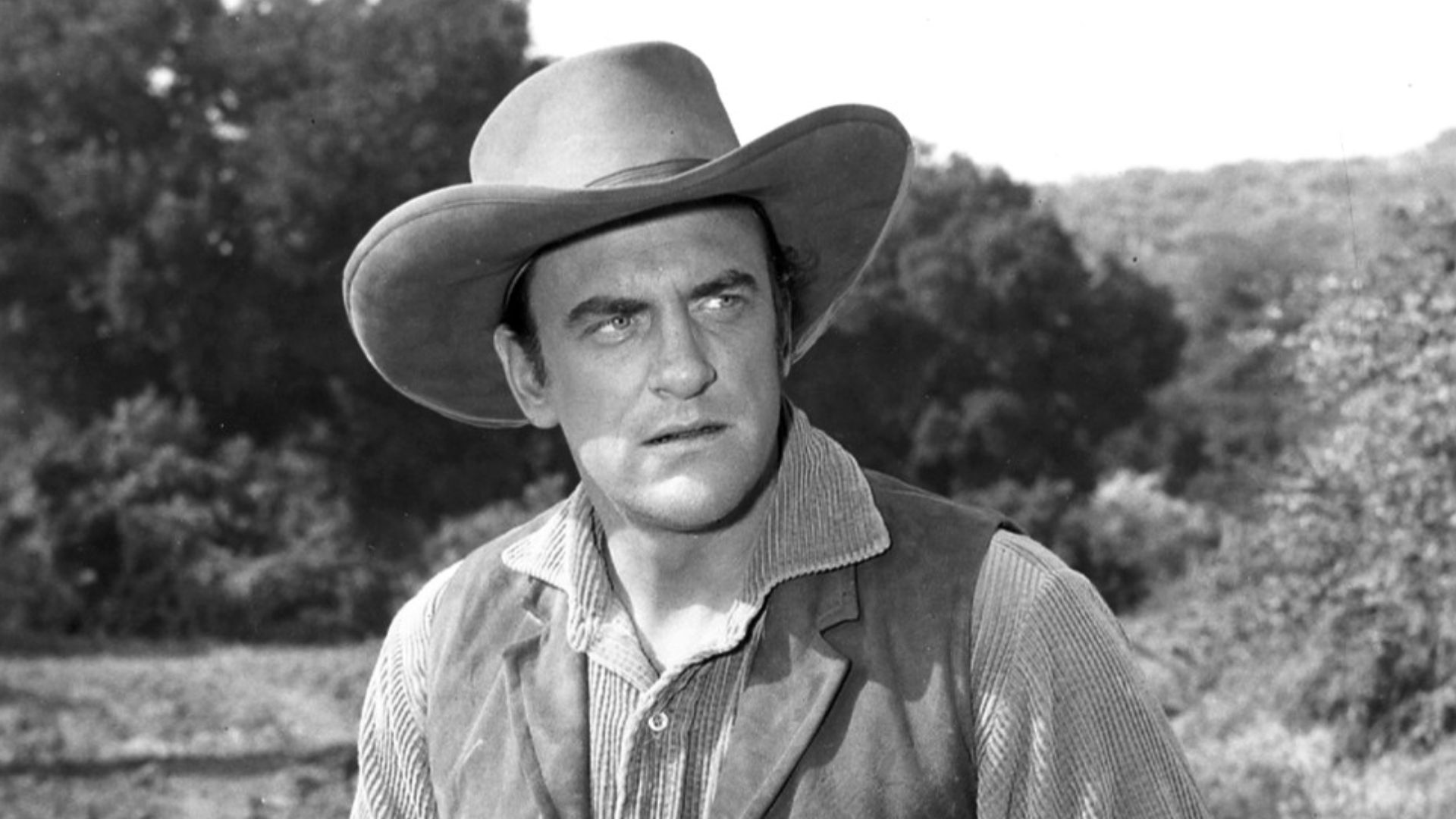 CBS Television, Wikimedia Commons
Chuck Connors - Lucas McCain
With his modified Winchester rifle and imposing frame, Chuck Connors became a legend as Lucas McCain in The Rifleman (1958-1963). McCain balanced frontier toughness with fatherly compassion, though enemies quickly learned how dangerous he could be when they pushed him too far.
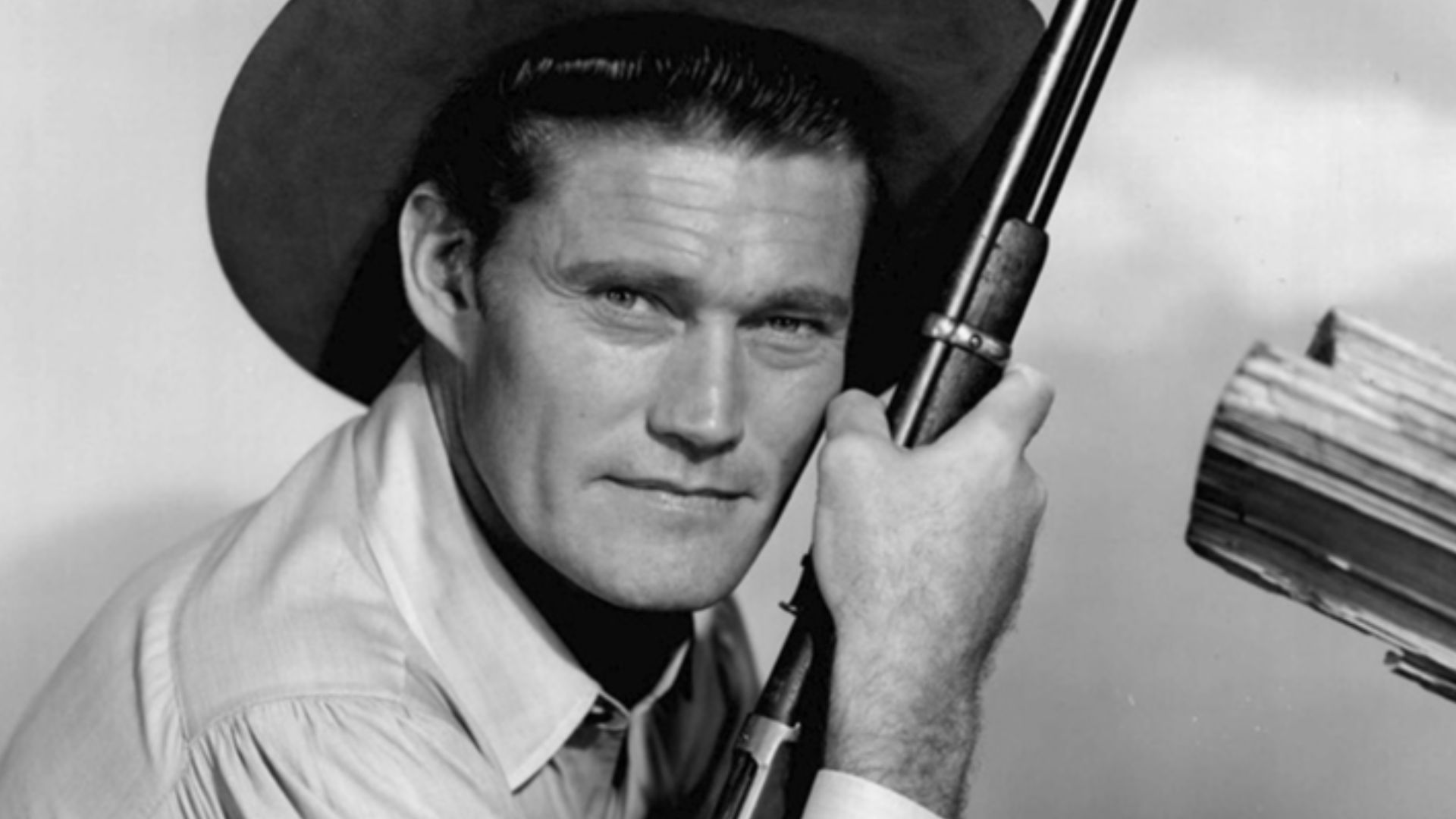 Rogers & Cowan, public relations, Beverly Hills, CA., Wikimedia Commons
Hugh O’Brian - Wyatt Earp
Hugh O’Brian gave television one of its first sleek and fast-drawing Western heroes in The Life and Legend of Wyatt Earp (1955-1961). His version of Wyatt Earp was polished, disciplined, and fearless, helping turn the historical lawman into a pop culture icon for a new generation.
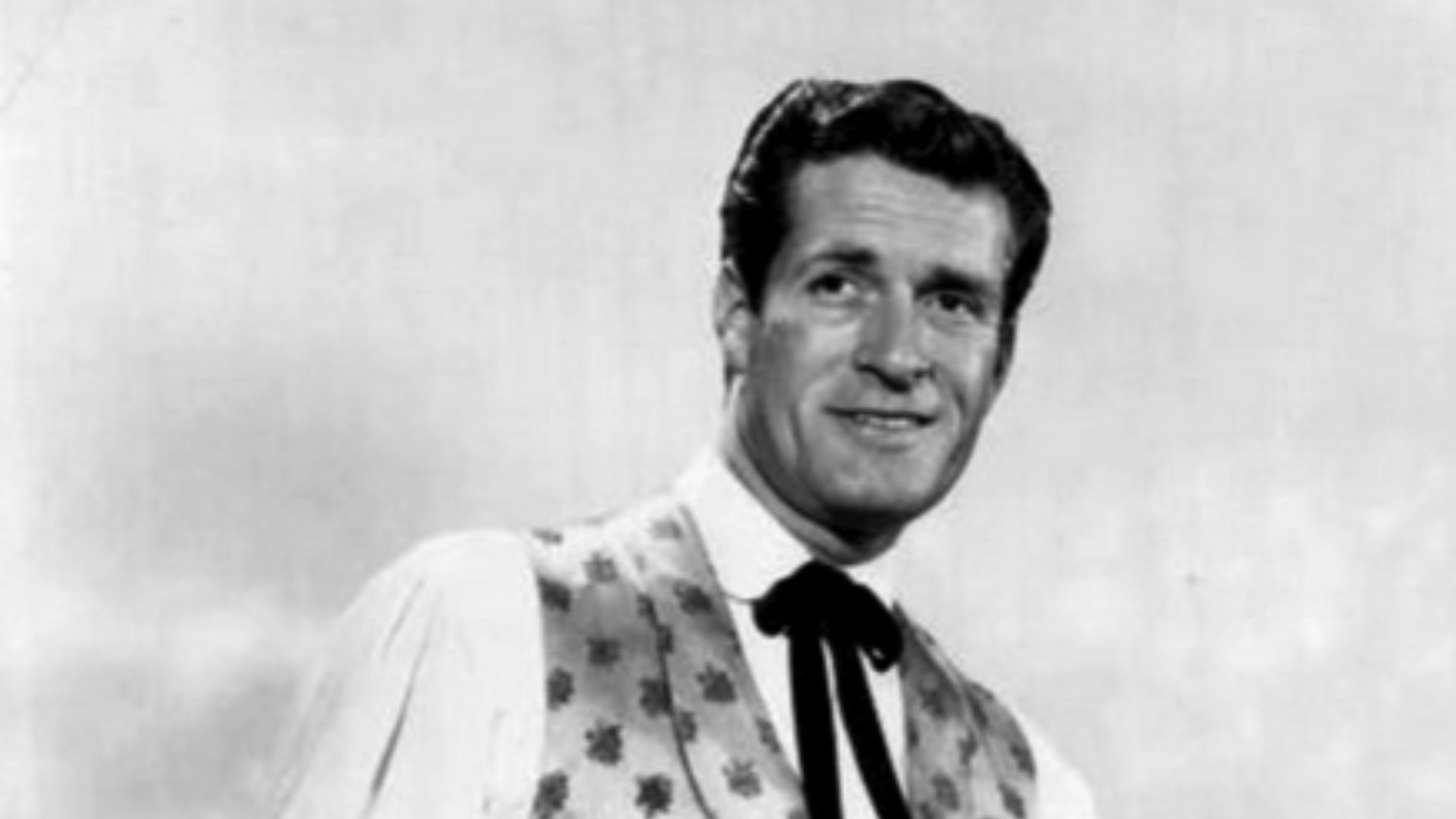 ABC Television, Wikimedia Commons
Richard Boone - Paladin
Dressed in black and operating out of San Francisco, Richard Boone brought sophistication and menace to gunfighter Paladin in Have Gun – Will Travel (1957-1963). Unlike many television cowboys, Paladin felt intellectual and worldly, though his skill with a revolver was just as deadly.
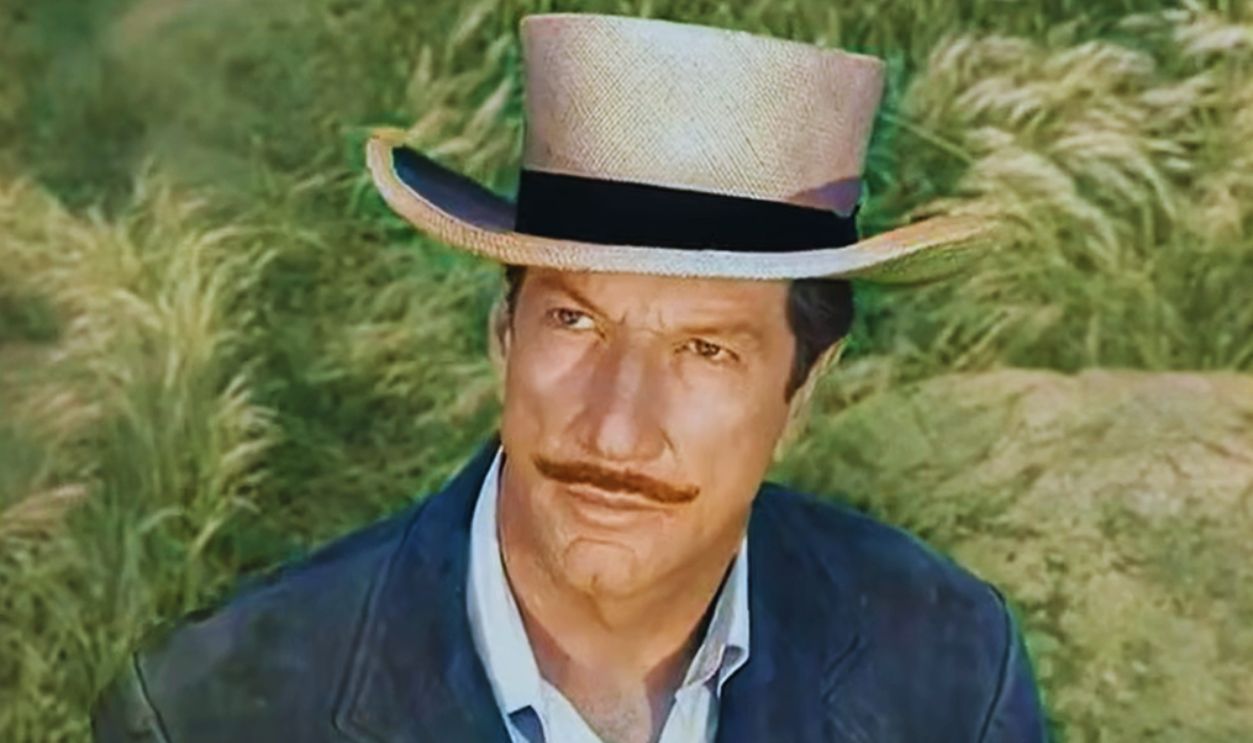 Screenshot from Have Gun – Will Travel, CBS Television Network (1957–1963)
Robert Conrad - James West
Though The Wild Wild West (1965-1969) mixed espionage with Western action, Robert Conrad still created one of television’s toughest frontier heroes as James West. Conrad performed many of his own stunts and brought athletic swagger to a cowboy who fought villains with fists, gadgets, and guns alike.
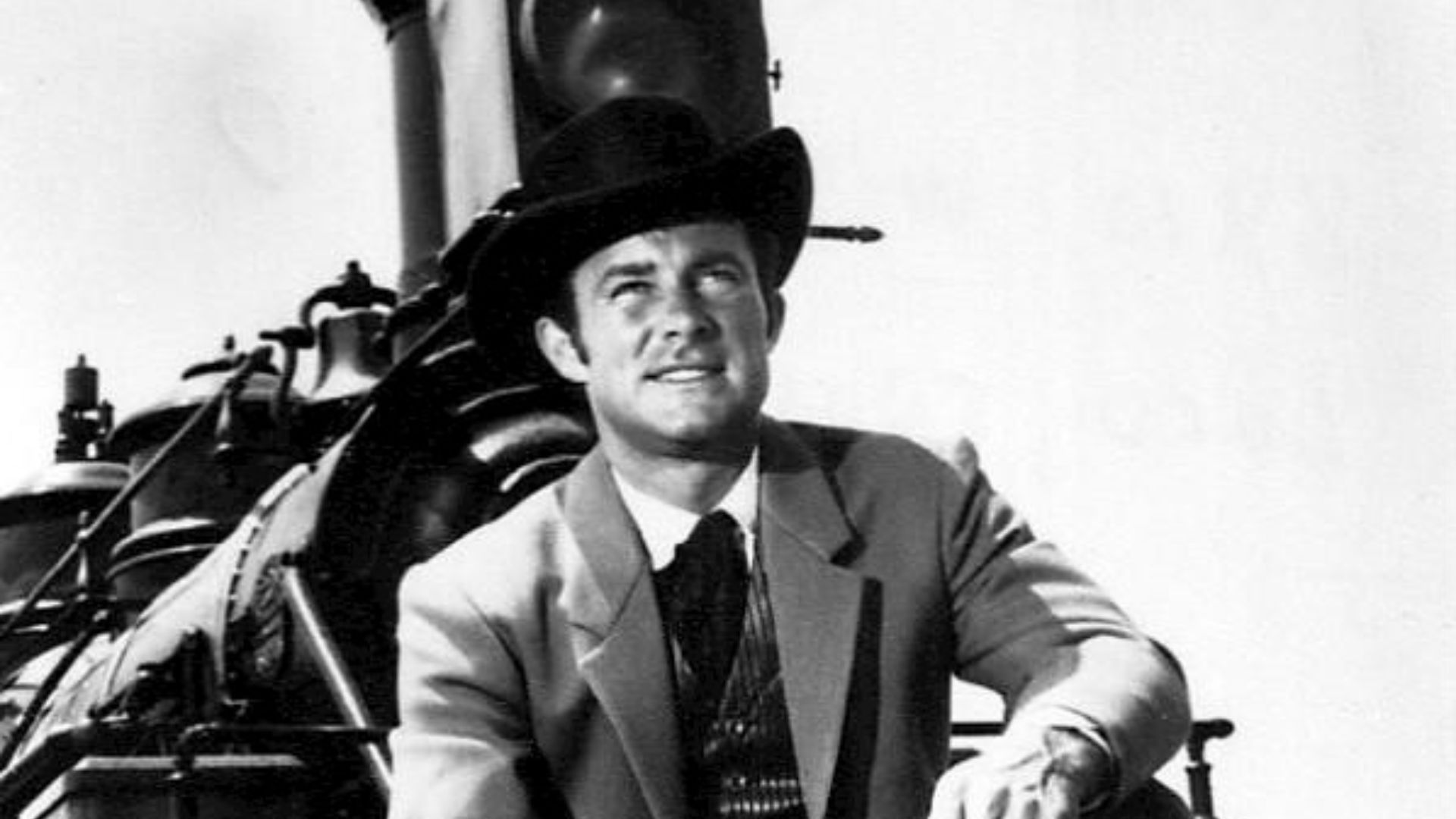 CBS Television, Wikimedia Commons
Sam Elliott - The Stranger
No actor sounds or looks more naturally Western than Sam Elliott. As The Stranger in The Big Lebowski (1998), he turned a brief narration role into something mythic. Combined with performances in films like Tombstone (1993), Elliott became one of Hollywood’s last authentic cowboy figures.
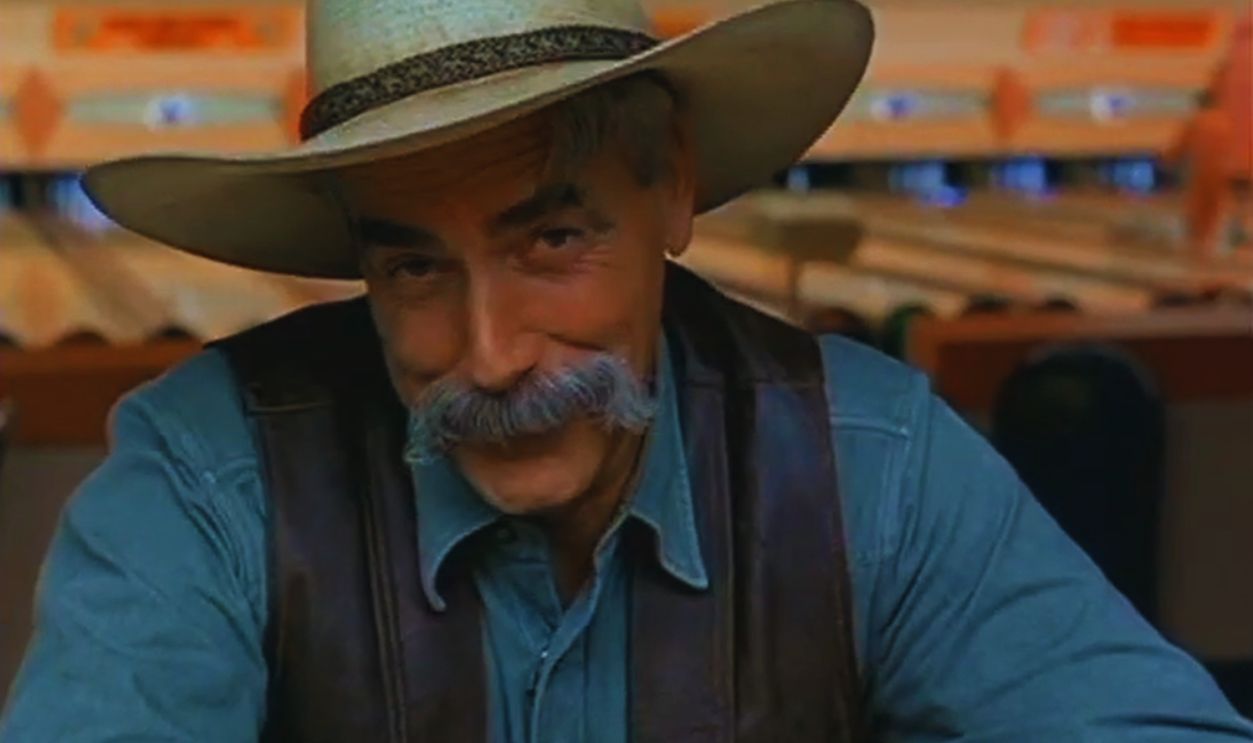 Screenshot from Have Gun – Will Travel, CBS Television Network (1957–1963)
Tom Selleck - Orrin Sackett
Tom Selleck embraced traditional Western heroism in The Sacketts (1979), where he played Orrin Sackett alongside Sam Elliott and Jeff Osterhage. Selleck’s deep voice, mustache, and physical confidence made him a natural fit for Louis L’Amour’s frontier stories, and helped him to transcend beyond his more famous detective roles.
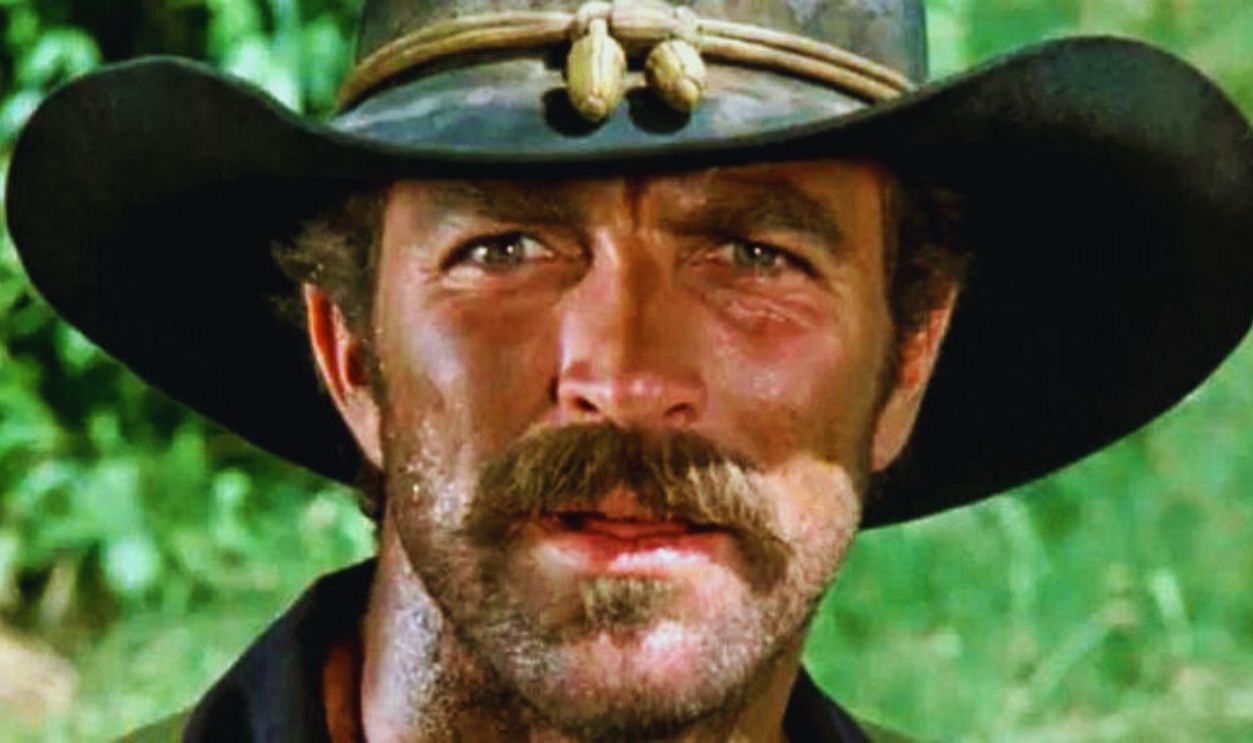 Screenshot from The Sacketts, NBC / Universal Television (1979)
Kevin Costner - John Dutton
Kevin Costner brought modern cowboy toughness back into popular culture through ranch patriarch John Dutton in Yellowstone (2018-2024). Dutton combines old-fashioned ranch values with ruthless business instincts, creating a character who feels both contemporary and deeply rooted in classic Western traditions.
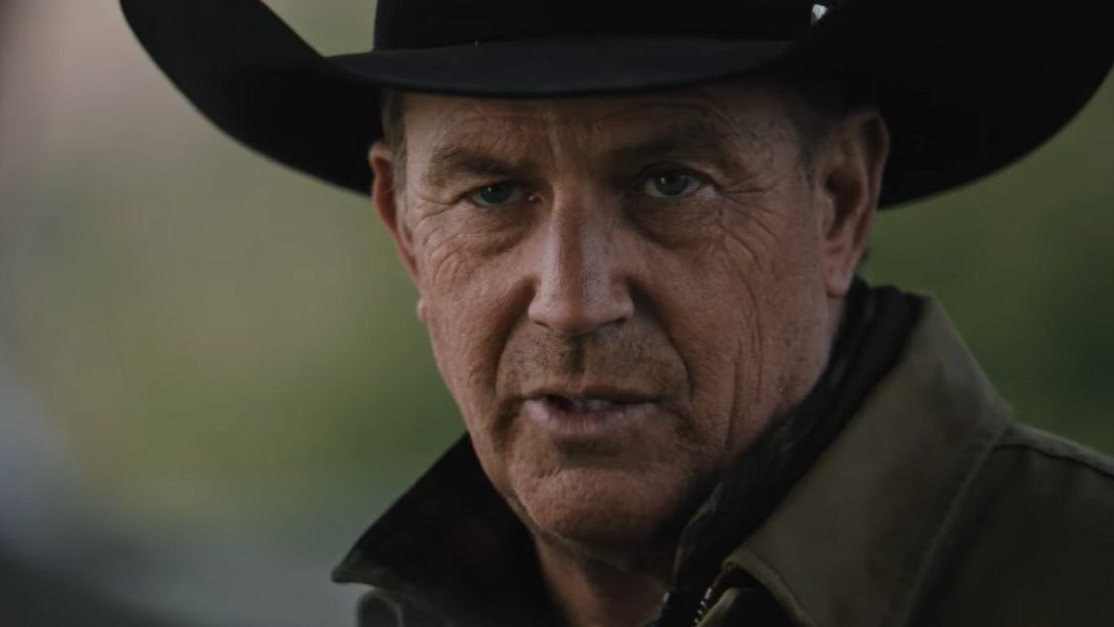 Screenshot from Yellowstone, Paramount Network (2018–2024)
Cole Hauser - Rip Wheeler
As Rip Wheeler in Yellowstone (2018-2024), Cole Hauser became one of television’s most intimidating modern cowboys. Loyal, violent, and emotionally guarded, Rip handles enemies with brutal efficiency while remaining fiercely devoted to the Yellowstone ranch and the Dutton family.
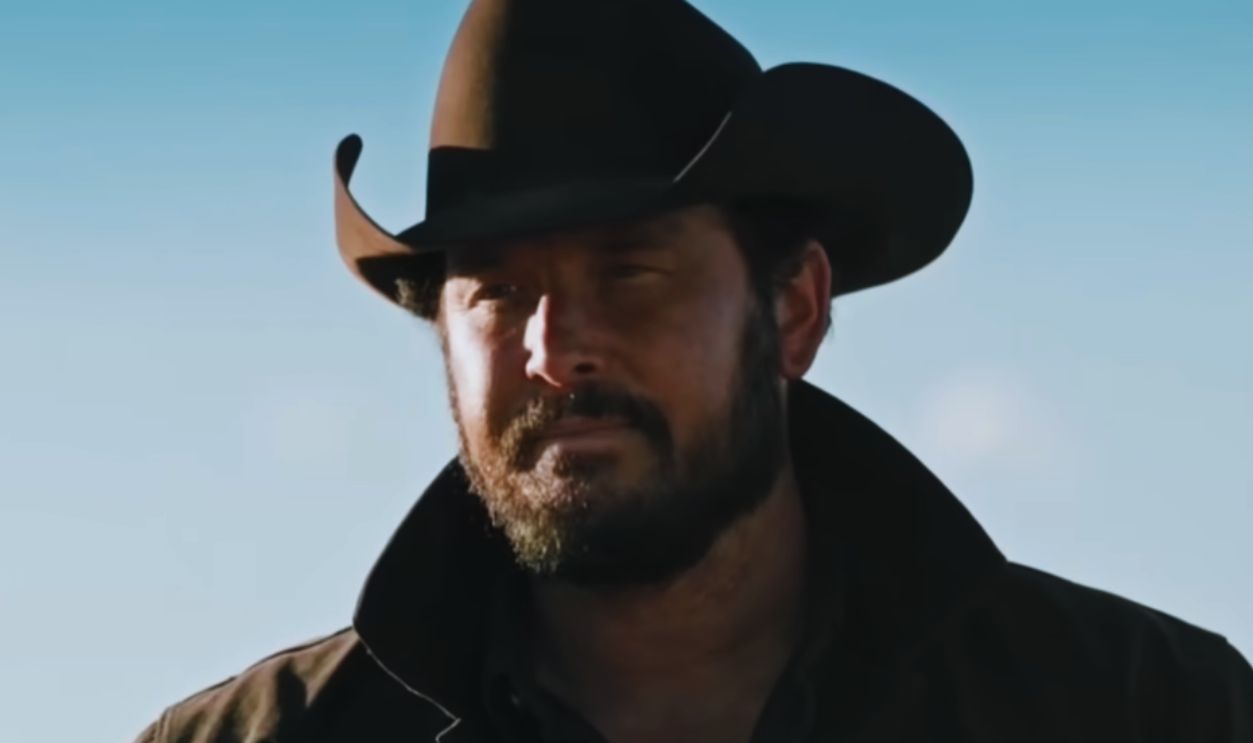 Screenshot from Yellowstone, Paramount Network (2018–2024)
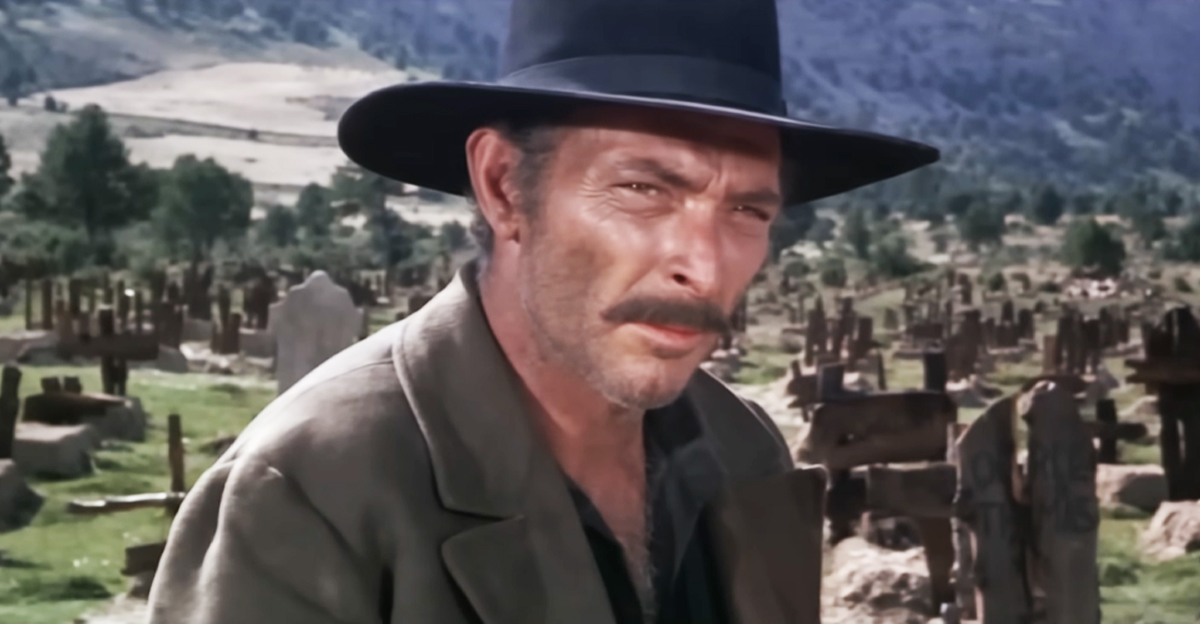
Lee Van Cleef - Angel Eyes
Lee Van Cleef possessed one of the coldest faces in Western history. As Angel Eyes in The Good, the Bad and the Ugly (1966), he created a terrifying bounty hunter whose calm professionalism made him more frightening than many outright villains.
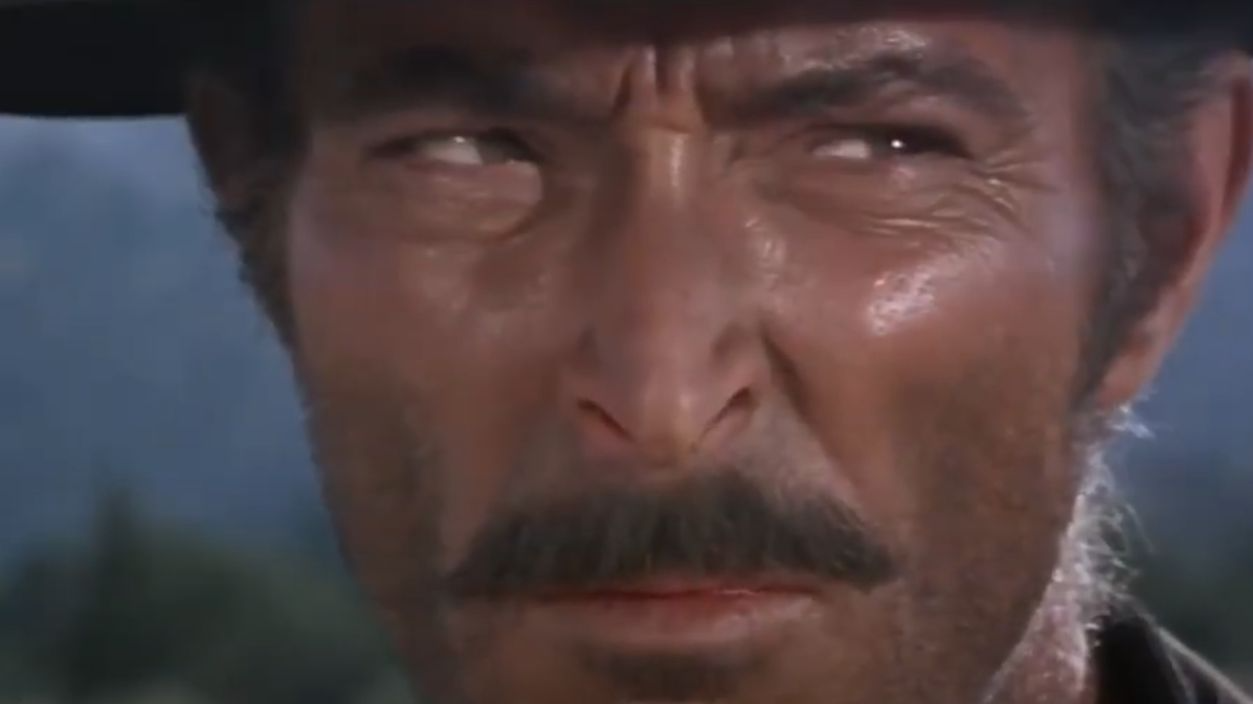 Screenshot from The Good, the Bad and the Ugly, United Artists (1966)
Yul Brynner - Chris Adams
Dressed entirely in black, Yul Brynner projected authority and danger as Chris Adams in The Magnificent Seven (1960). Leading a group of hired gunfighters against ruthless bandits, Brynner’s controlled intensity helped elevate the film into one of the defining Westerns of the 1960s.
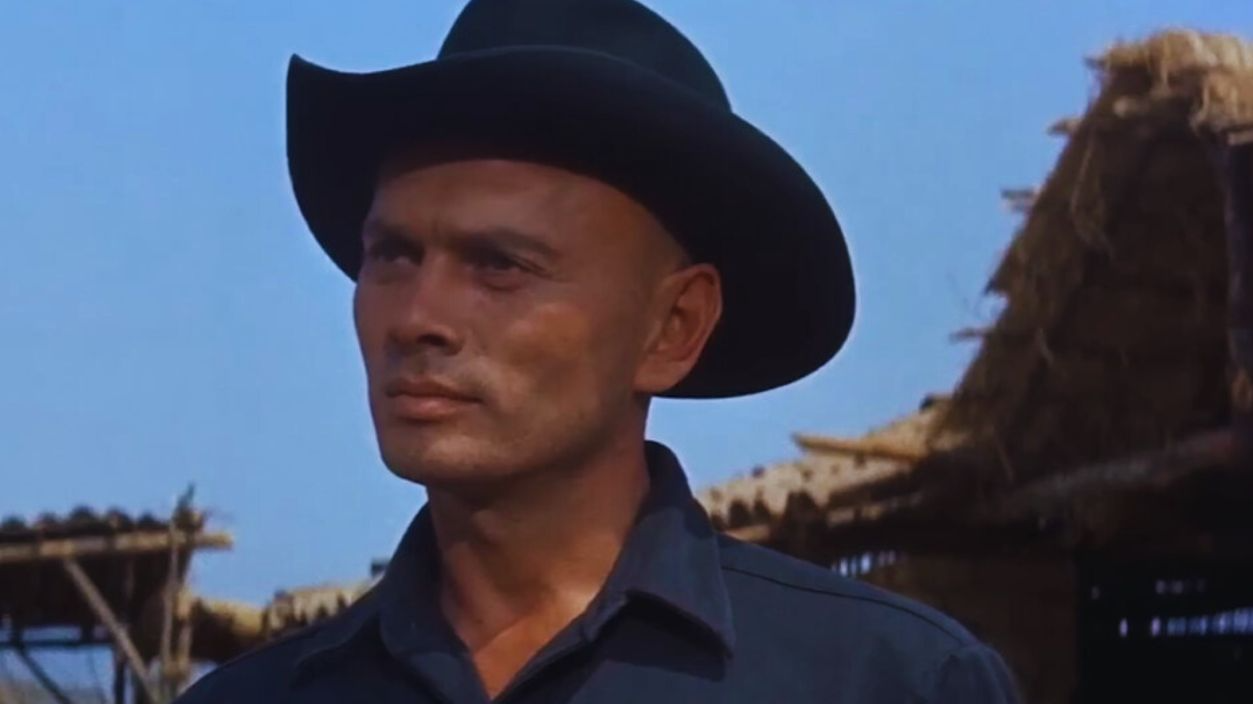 Screenshot from The Magnificent Seven, United Artists (1960)
Steve McQueen - Vin Tanner
Steve McQueen nearly stole The Magnificent Seven (1960) from the rest of its legendary cast through pure charisma. As Vin Tanner, he played a restless drifter with quick reflexes and cool confidence. McQueen’s relaxed swagger made him one of Hollywood’s ultimate cowboy antiheroes.
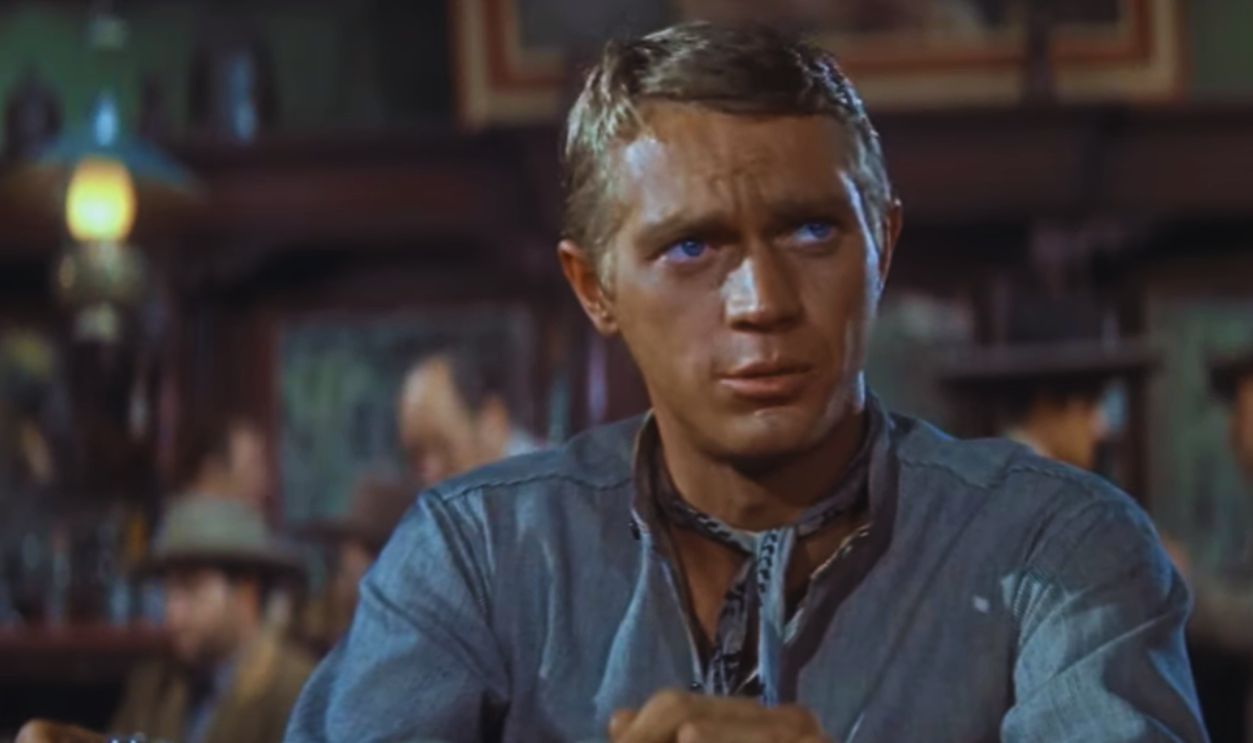 Screenshot from The Magnificent Seven, United Artists (1960)
Charles Bronson - Harmonica
In Once Upon a Time in the West (1968), Charles Bronson delivered one of cinema’s most intimidating performances as Harmonica. Barely speaking for much of the film, Bronson relied on silence, piercing stares, and explosive violence to create a haunting revenge-driven cowboy.
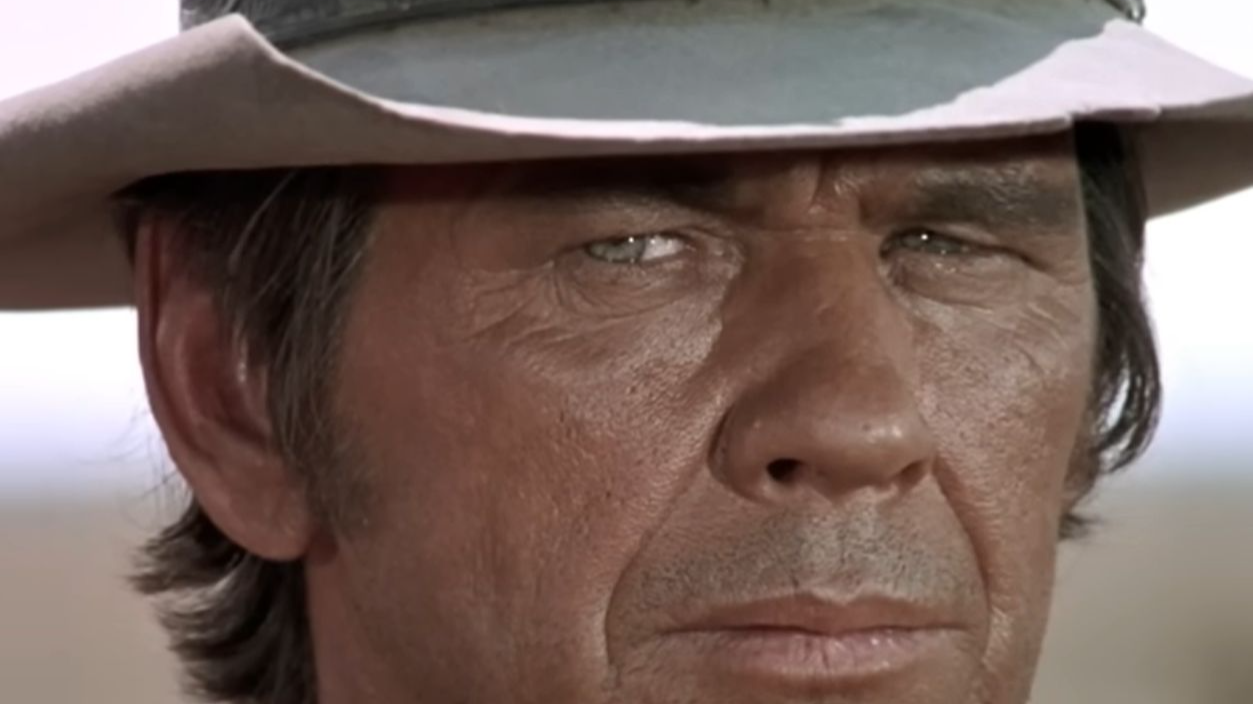 Screenshot from The Magnificent Seven, United Artists (1960)
Jack Palance - Jack Wilson
Jack Palance terrified audiences as gunslinger Jack Wilson in Shane (1953). Tall, skeletal, and menacing, Palance looked genuinely dangerous in ways many Western actors never quite managed. His eerie calm before violence helped redefine what a cinematic gunslinger could feel like.
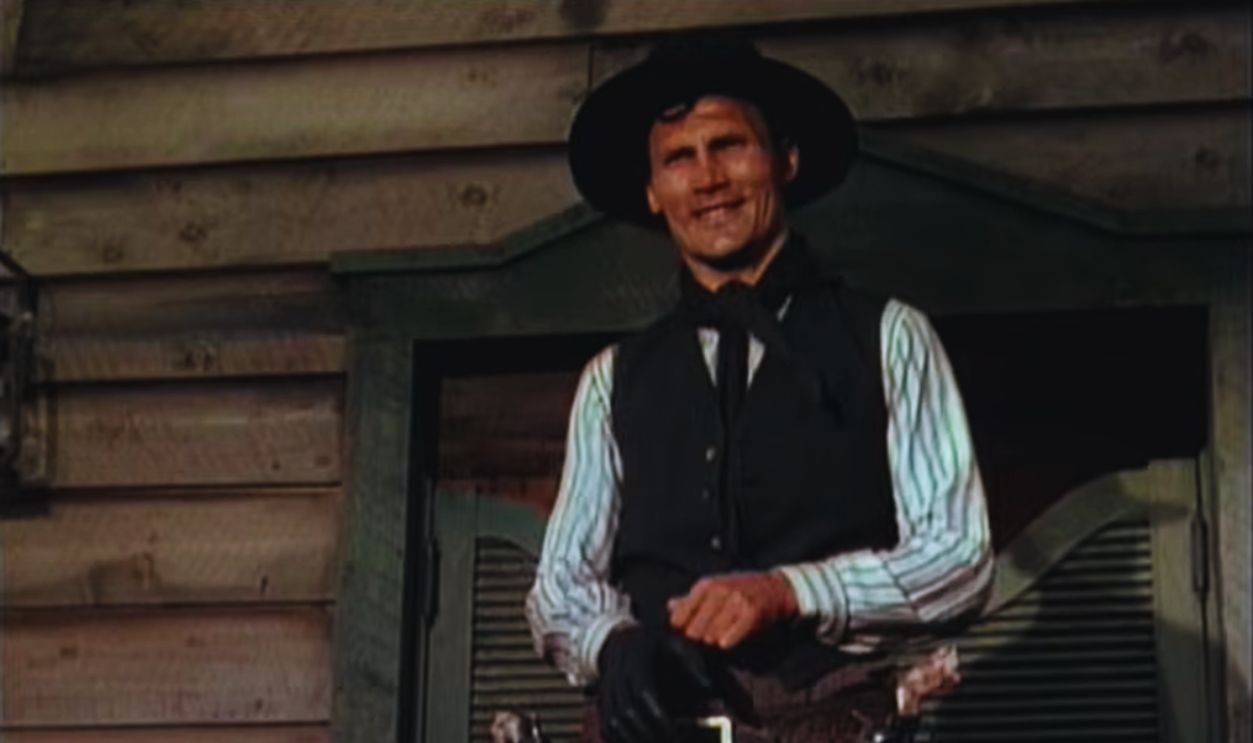 Screenshot from Once Upon a Time in the West, Paramount Pictures (1968)
Gary Cooper - Will Kane
Gary Cooper brought exhausted moral courage to Marshal Will Kane in High Noon (1952). Facing killers alone while his town abandoned him, Kane became one of Hollywood’s ultimate portraits of lonely frontier heroism. Cooper’s restrained performance gave the role enormous emotional weight.
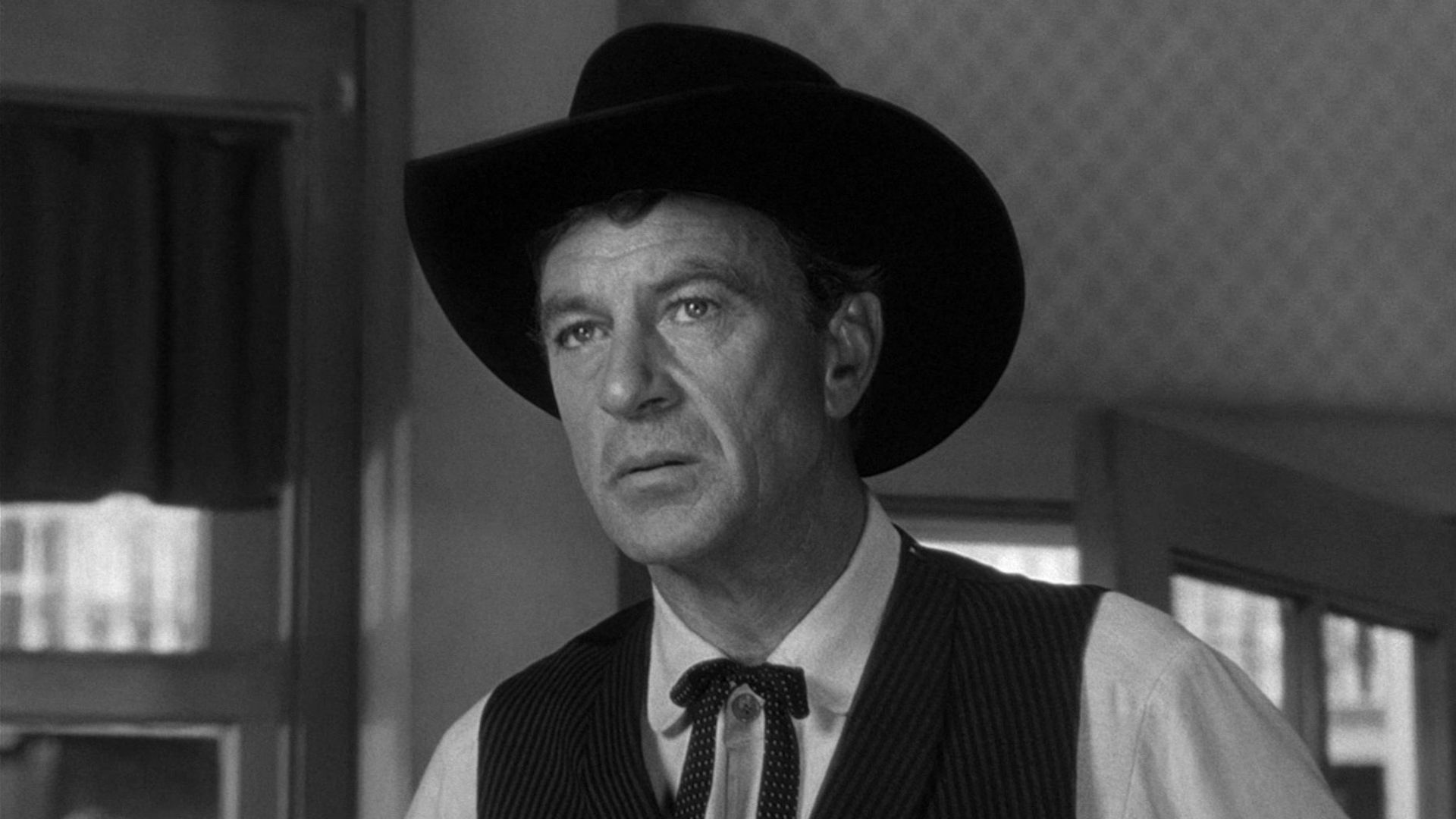 United Artists, Wikimedia Commons
Robert Duvall - Augustus McCrae
Robert Duvall delivered one of television’s greatest cowboy performances as Gus McCrae in Lonesome Dove (1989). Warm, fearless, funny, and dangerous, Gus embodied both the romance and harsh realities of frontier life during one of the genre’s greatest late-period masterpieces.
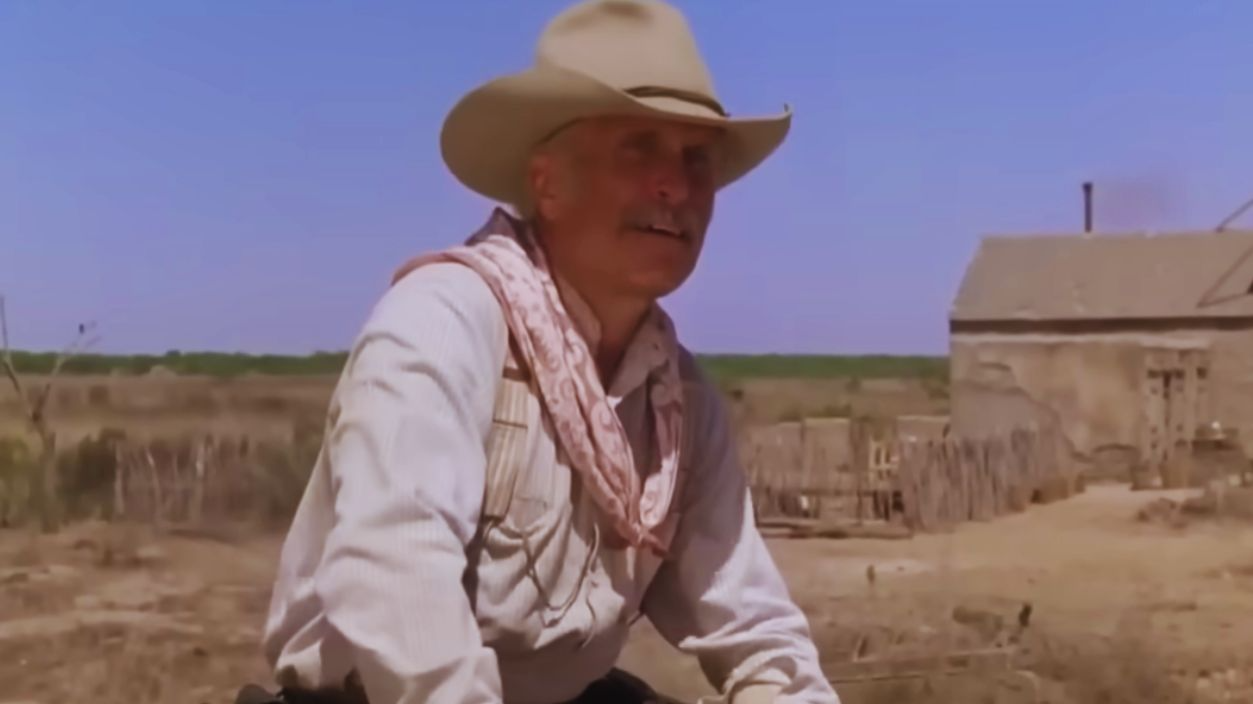 Screenshot from Lonesome Dove, RHI Entertainment / CBS (1989)
John Wayne - Rooster Cogburn
No cowboy list would feel complete without John Wayne. As hard-drinking Marshal Rooster Cogburn in True Grit (1969), Wayne delivered perhaps the defining performance of his career. The grizzled lawman combined stubborn toughness, frontier humor, and a therapeutic release of violence in classic Wayne fashion.
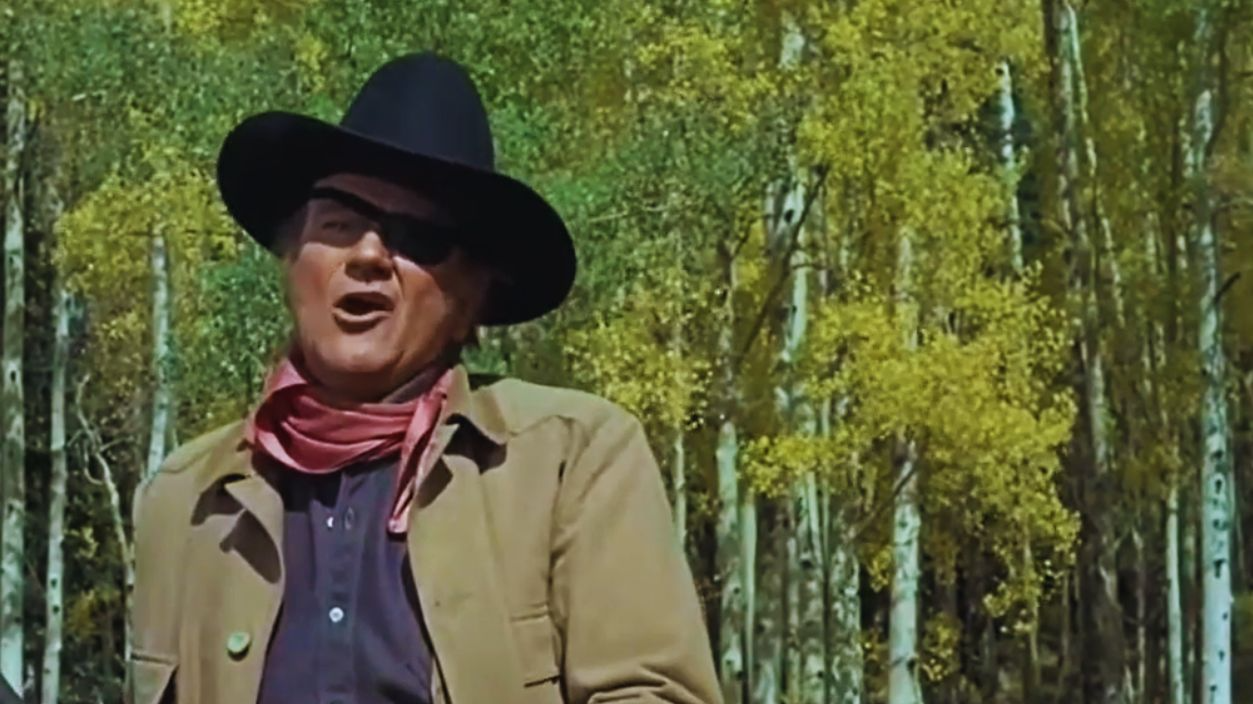 Screenshot from True Grit, Paramount Pictures (1969)
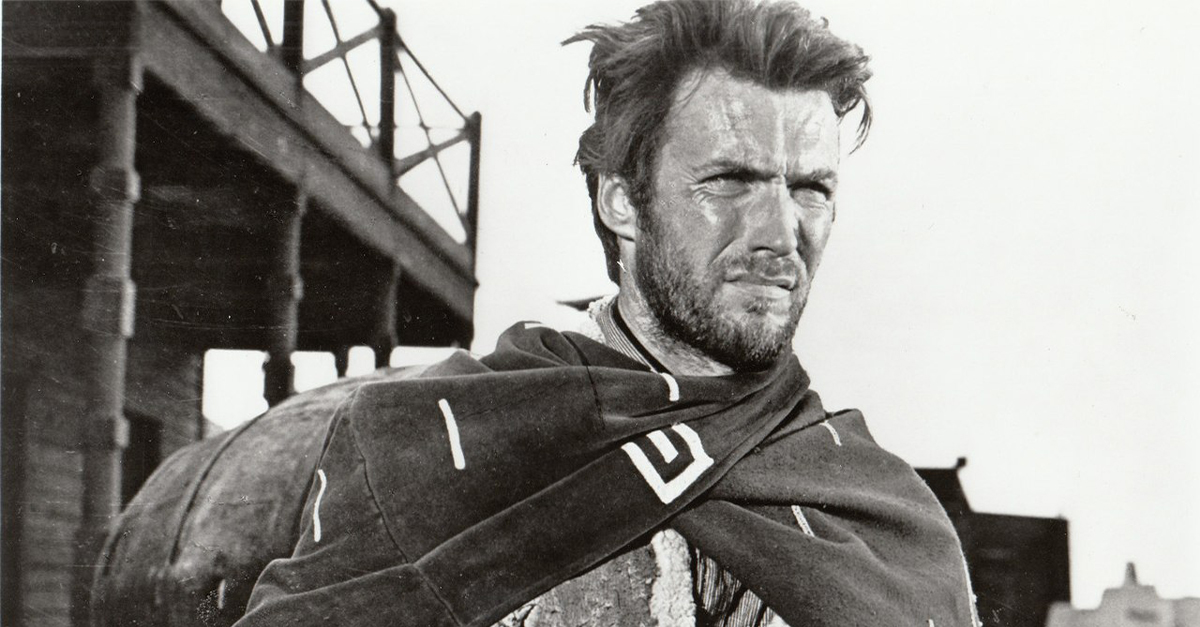
Clint Eastwood - The Man With No Name
Clint Eastwood changed Westerns forever through Sergio Leone’s Dollars Trilogy beginning with A Fistful of Dollars (1964). The mysterious Man With No Name barely spoke, showed little mercy, and carried himself with icy confidence. Eastwood’s antihero transformed cowboy mythology into something darker and cooler.
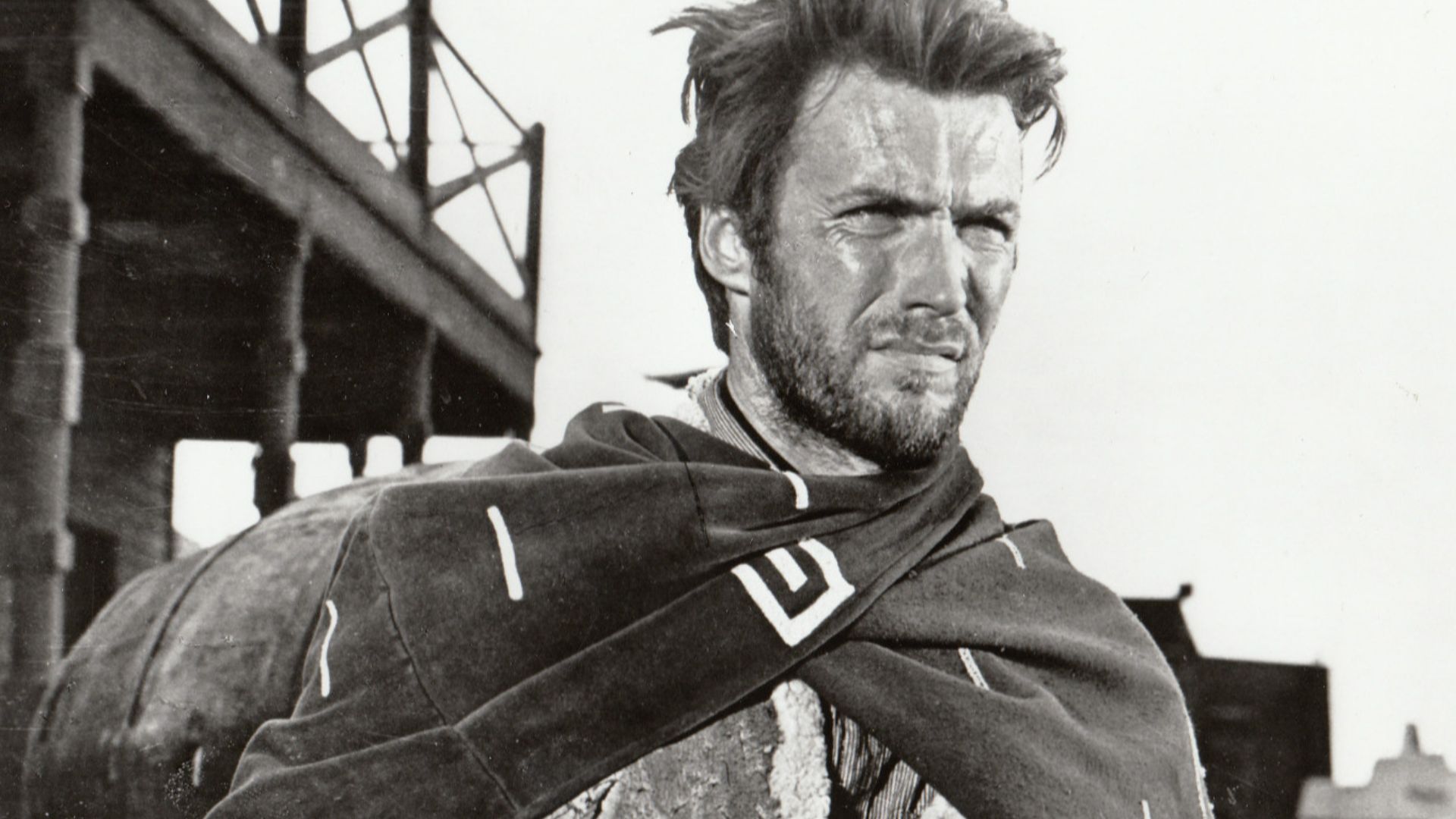 movie studio, Wikimedia Commons
Henry Fonda - Frank
Long associated with noble heroes, Henry Fonda shocked audiences by playing ruthless killer Frank in Once Upon a Time in the West (1968). Leone weaponized Fonda’s familiar face to create one of the most chilling villains in Western history, proving true toughness could also look terrifyingly cold.
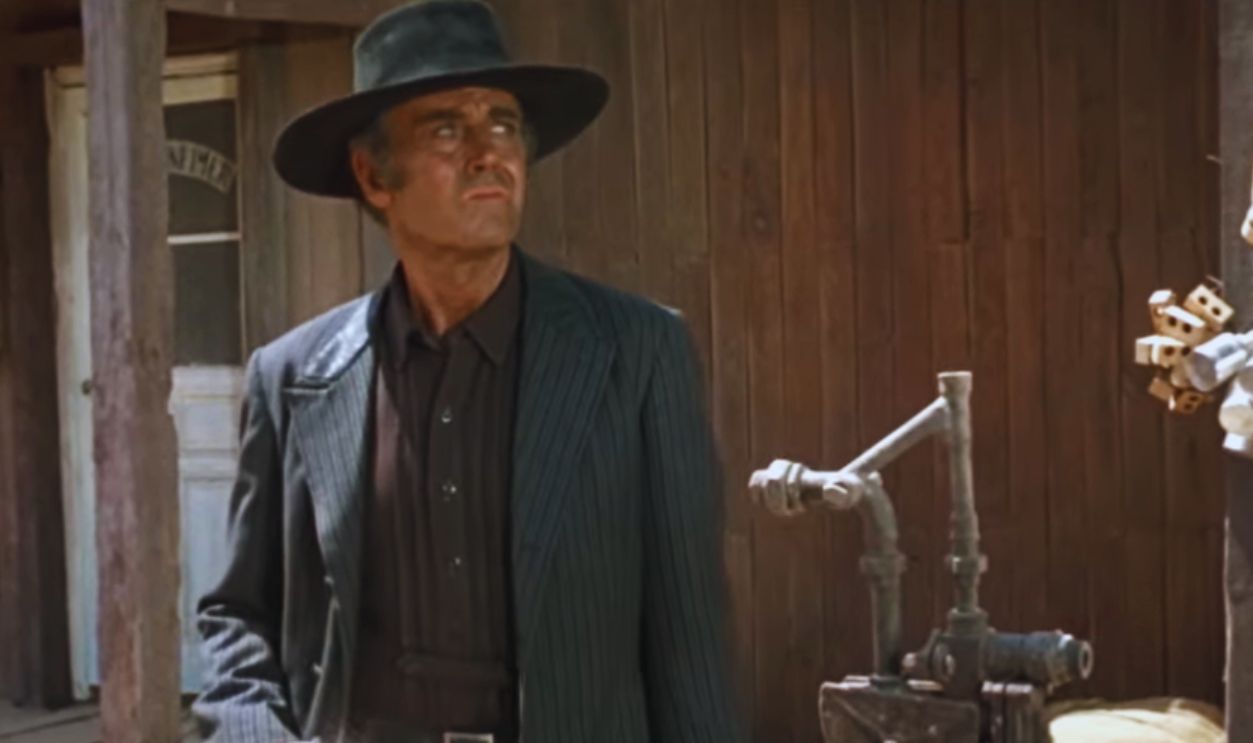 Screenshot from Once Upon a Time in the West, Paramount Pictures (1968)
Lee Marvin - Kid Shelleen
Lee Marvin combined genuine war hero toughness with screen charisma throughout his career. In Cat Ballou (1965), his drunken gunfighter Kid Shelleen balanced comedy with lethal unpredictability. Offscreen, Marvin’s combat experience during World War II gave his Western characters added authenticity and danger.
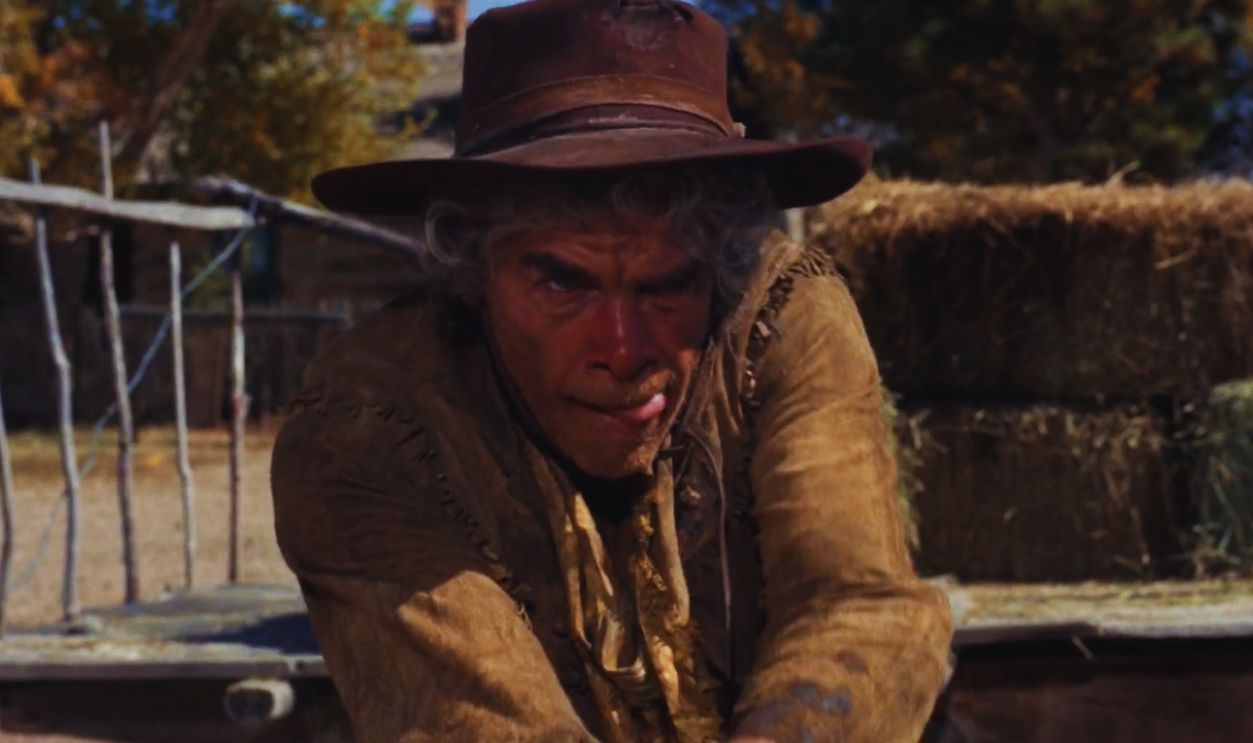 Screenshot from Cat Ballou, Columbia Pictures (1965)
Kurt Russell - Wyatt Earp
Kurt Russell helped revive the Western genre through his commanding performance as Wyatt Earp in Tombstone (1993). Russell’s version of Earp felt worn down, intelligent, and quietly lethal, especially during the film’s explosive revenge sequences following the death of his brother.
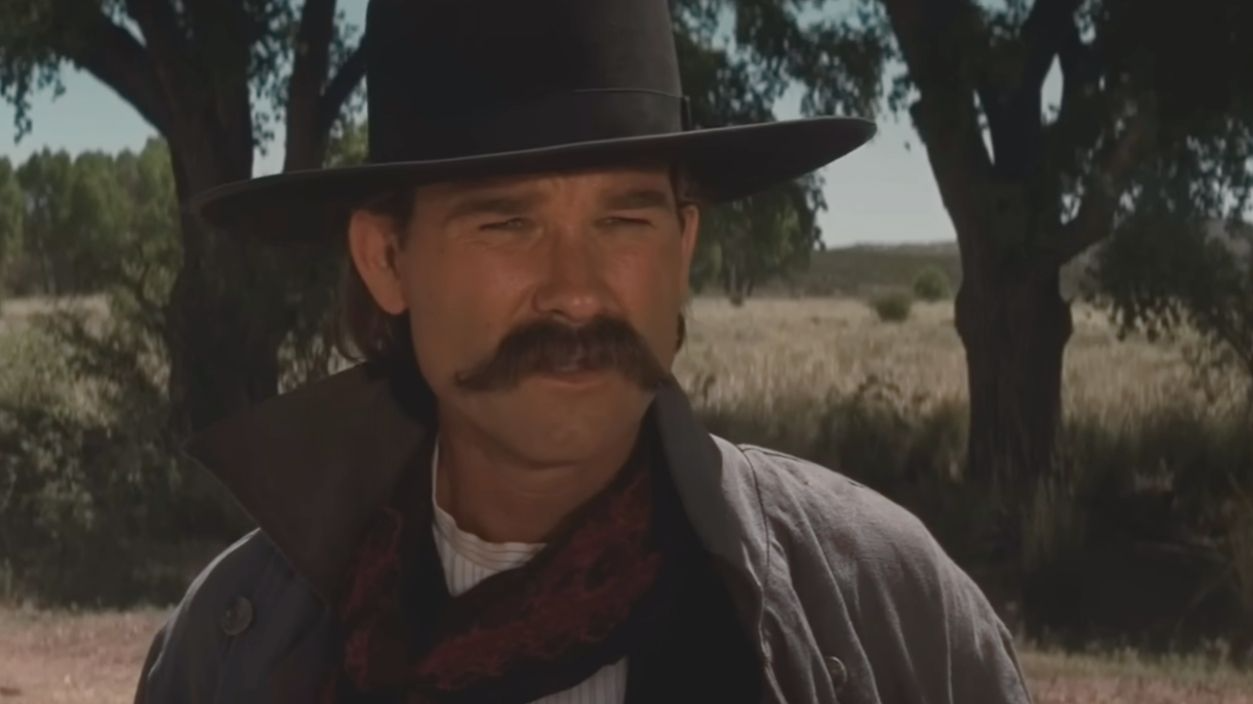 Screenshot from Tombstone, Buena Vista Pictures (1993)
Clint Eastwood - William Munny
Eastwood returned to the genre one final time with William Munny in Unforgiven (1992), perhaps the toughest and bleakest cowboy ever portrayed onscreen. Munny is an aging killer trying unsuccessfully to escape his violent past. Eastwood stripped away romantic Western mythology and replaced it with brutality, regret, and terrifying realism.
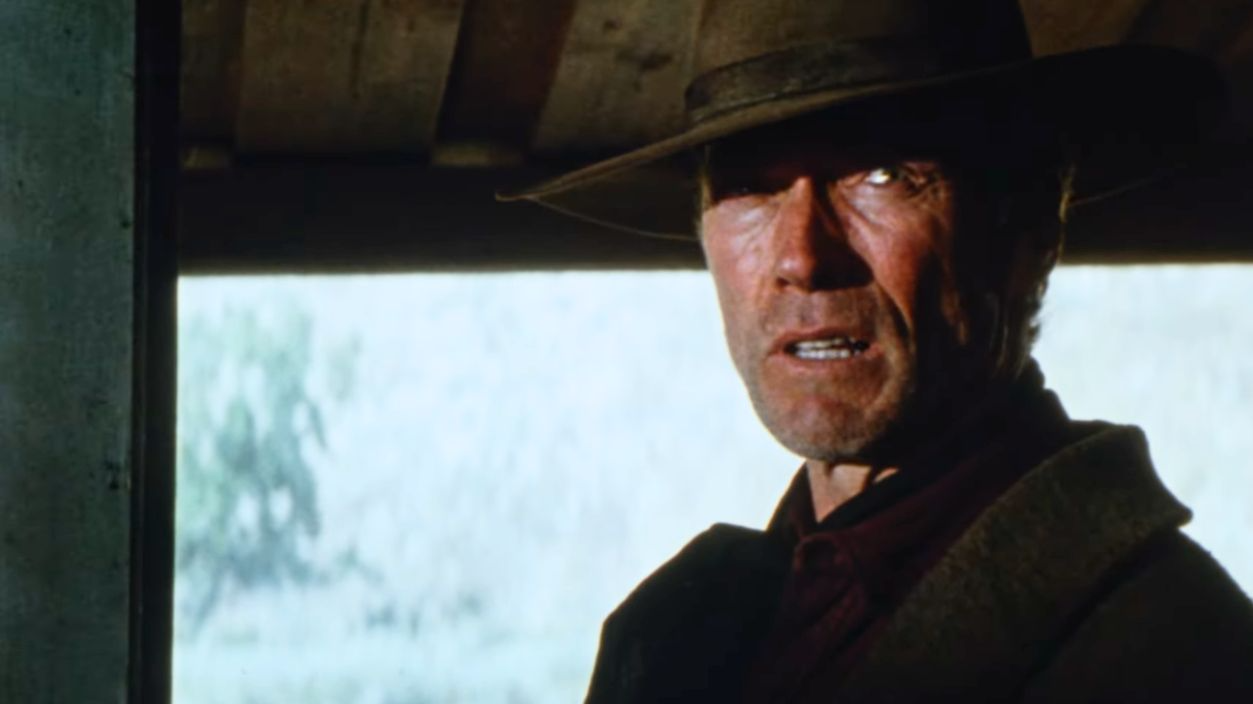 Screenshot from Unforgiven, Warner Bros. (1992)
You May Also Like:
The Surprising Accomplishments Of TV’s “Rifleman,” Chuck Connors
TV Westerns Wrote The Blueprint For Great Television. Here’s The Proof
15 Incredible New Westerns That Prove The Genre Is Still Alive