The Real Deal
Hollywood had no shortage of actors who looked convincing in a saddle. Slim Pickens was different. Long before Dr. Strangelove (1964) or Blazing Saddles (1974), he was riding broncos, wrestling steers, fighting bulls, and entertaining rodeo crowds. When Hollywood finally discovered him, Pickens didn't have to learn how to play a cowboy. He already was one.
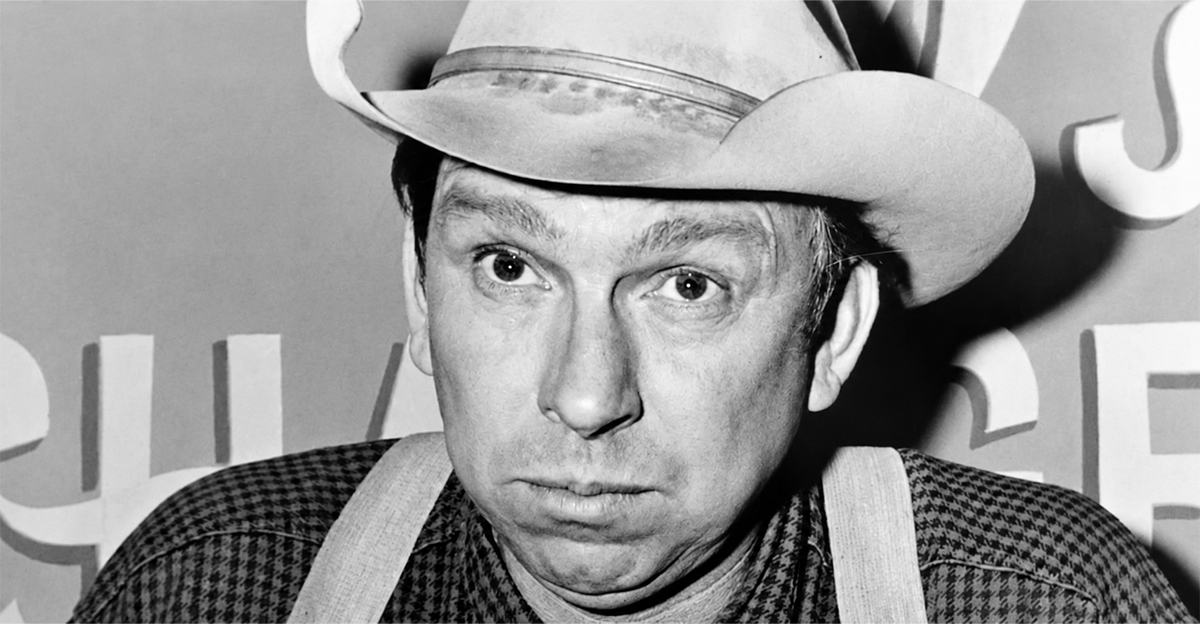 Michael Ochs Archives/Getty Images
California Cowboy
He was born Louis Burton Lindley Jr. on June 29, 1919, in Kingsburg, California. His father was a dairy farmer, but young "Burt" preferred horses to the family business. An accomplished rider while still young, he began earning money riding broncos and roping steers in his early teens.
 Silver Screen Collection, Getty Images
Dad Said No
His father strongly disapproved of rodeo and forbade his son from competing. Lindley responded by doing it anyway, secretly entering rodeos under different names. He began competing at just 14, establishing a pattern that would define his life: whatever sensible people thought he should do, the young cowboy generally preferred the more interesting alternative.
 Michael Ochs Archives, Getty Images
A Name Stuck
Eventually he asked a rodeo official to give him a good alias. The man reportedly suggested "Slim Pickens," joking that slim pickings were all the youngster could expect from rodeo. Instead, Pickens reportedly won $400 that afternoon. Louis Lindley eventually disappeared from public view, while the wonderfully improbable Slim Pickens became his permanent professional identity.
 Michael Ochs Archives, Getty Images
He Wasn't Playing
Pickens became a legitimate roughstock competitor, riding bareback and saddle broncs and wrestling steers. At the 1942 Prescott rodeo, he was reportedly so determined to compete that he pawned his boots to pay the entry fees. This wasn't Hollywood's romanticized version of cowboy life. Pickens had actually lived it.
Bring In The Clown
His career changed when a rodeo clown failed to appear and Pickens stepped in. He loved the job and eventually became a professional rodeo clown and bullfighter, wearing an elaborate Spanish-style torero costume while distracting charging bulls. It required comedy, athleticism, timing, and the willingness to put himself directly between an angry bull and a fallen rider.
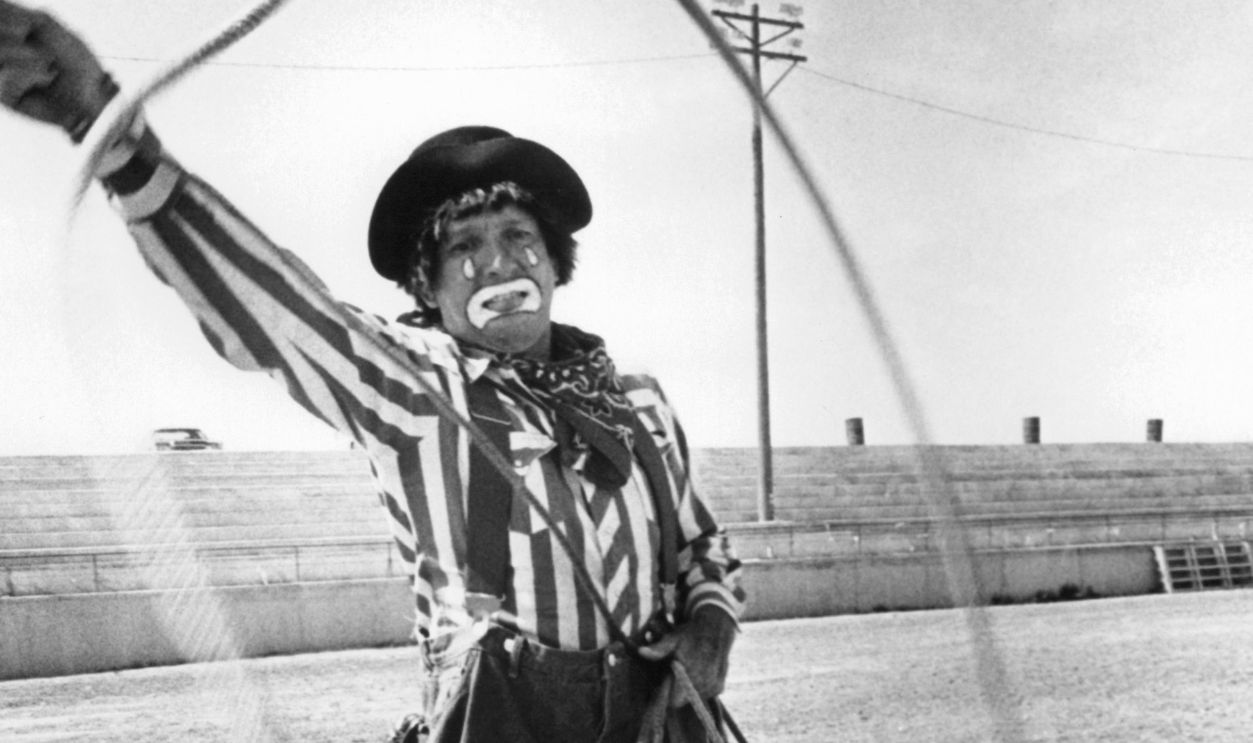 Michael Ochs Archives, Getty Images
Rodeo Was His World
Pickens worked major rodeos including the Calgary Stampede, Cheyenne Frontier Days, the Pendleton Round-Up, and San Francisco's Cow Palace. His rodeo career continued from the 1940s until 1962, meaning that even after becoming a working Hollywood actor, he continued returning to the arena. Acting hadn't replaced his cowboy life yet.
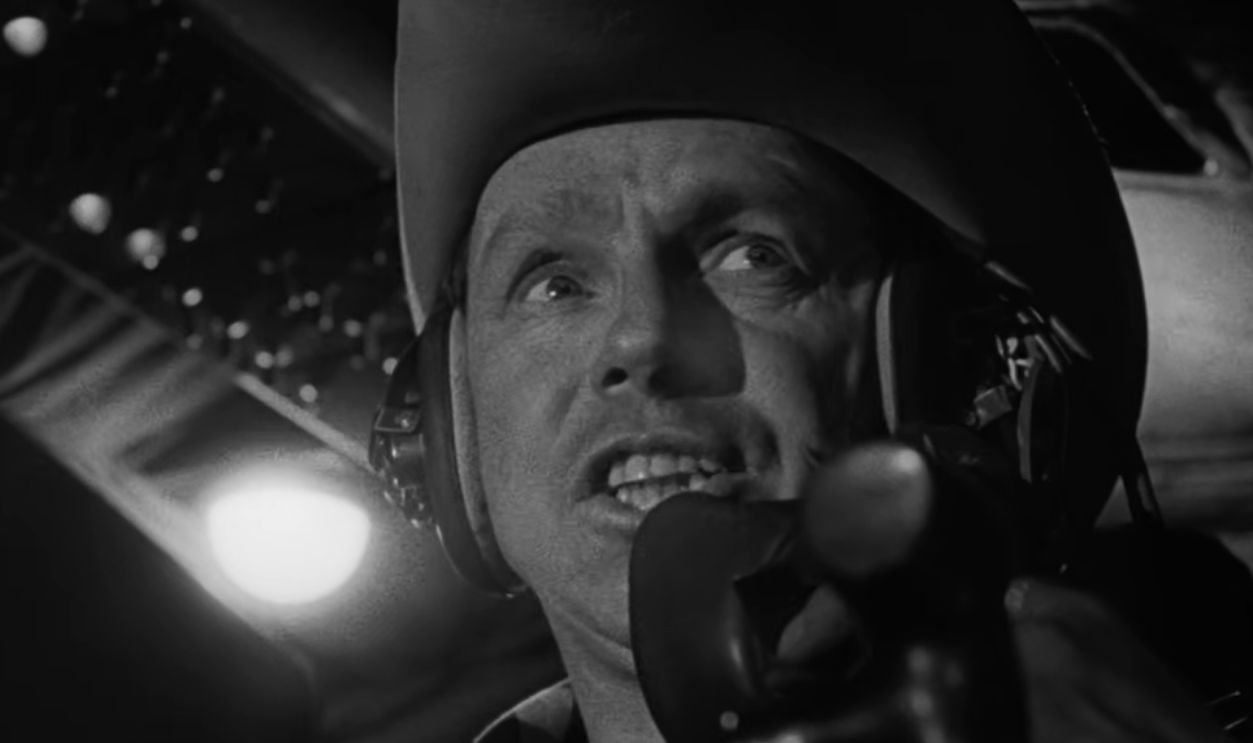 Screenshot from Dr. Strangelove, Columbia Pictures (1964)
A Strange War
World War II reportedly gave Pickens one of his strangest stories. After enlisting in the Army Air Forces, he listed his occupation as "rodeo." According to the oft-repeated account, somebody interpreted it as "radio," and the cowboy consequently spent his military service working at a radio station in the Midwest rather than performing duties involving horses.
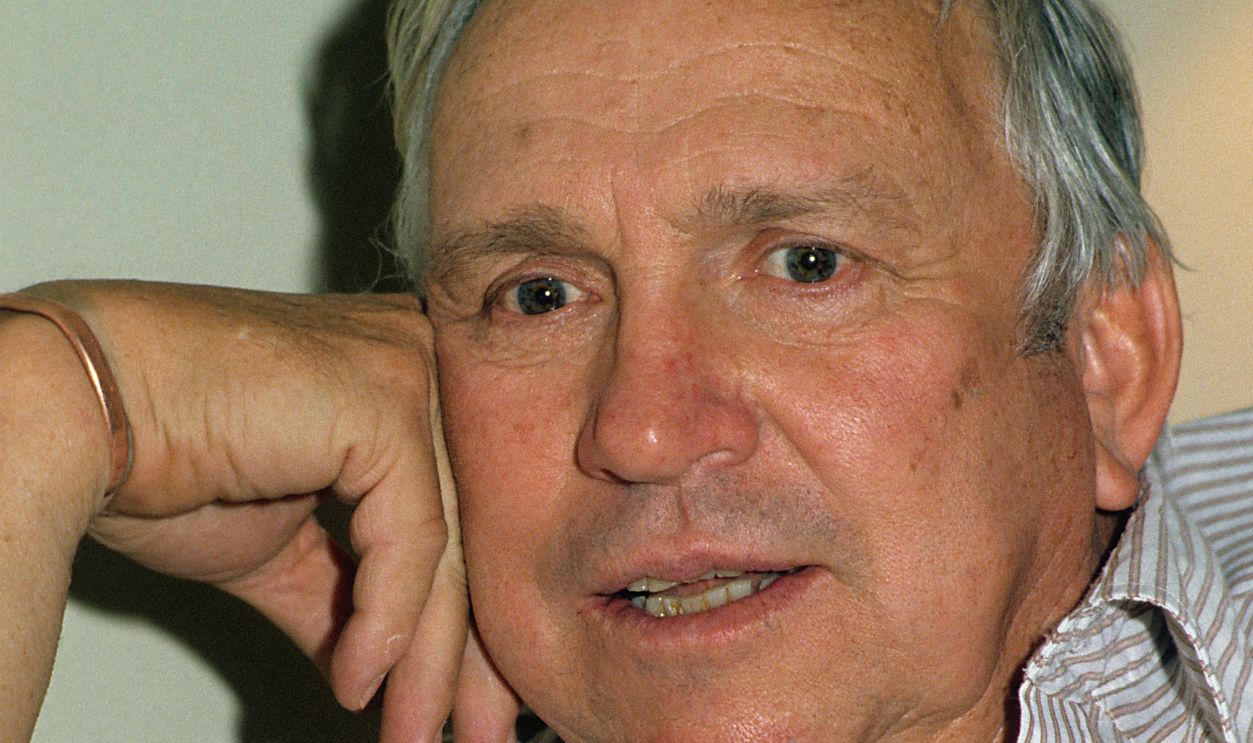 Michael Ochs Archives, Getty Images
Hollywood Found Him
Pickens didn't arrive in Hollywood as an aspiring dramatic actor. Director William Keighley reportedly saw the imposing cowboy performing at a rodeo and recognized that his distinctive face, towering presence, natural humor, and unmistakable voice belonged onscreen. Pickens soon received a screen test and entered an entirely new profession without abandoning the old one.
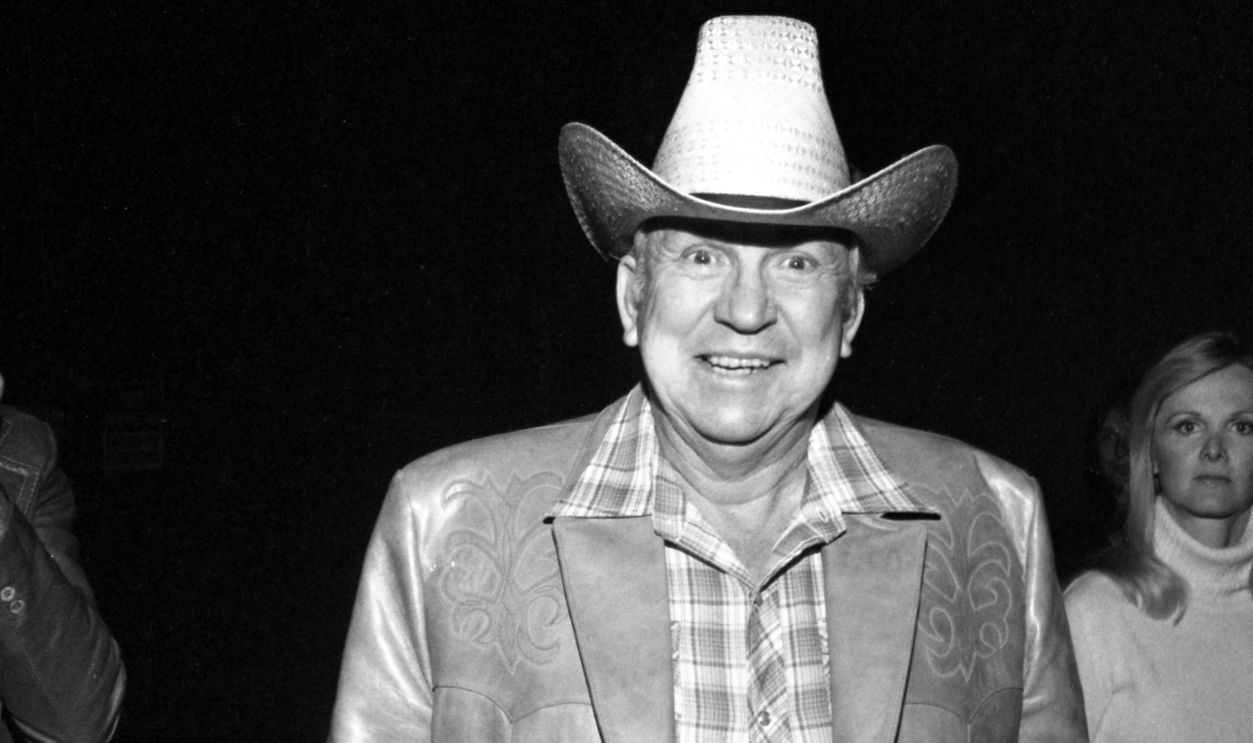
His First Movie
Pickens made his feature debut opposite Errol Flynn in the Western Rocky Mountain (1950). Hollywood quickly realized what it had found. Here was a character actor who looked and sounded completely authentic because virtually everything studios normally had to teach Western performers was already second nature to him.
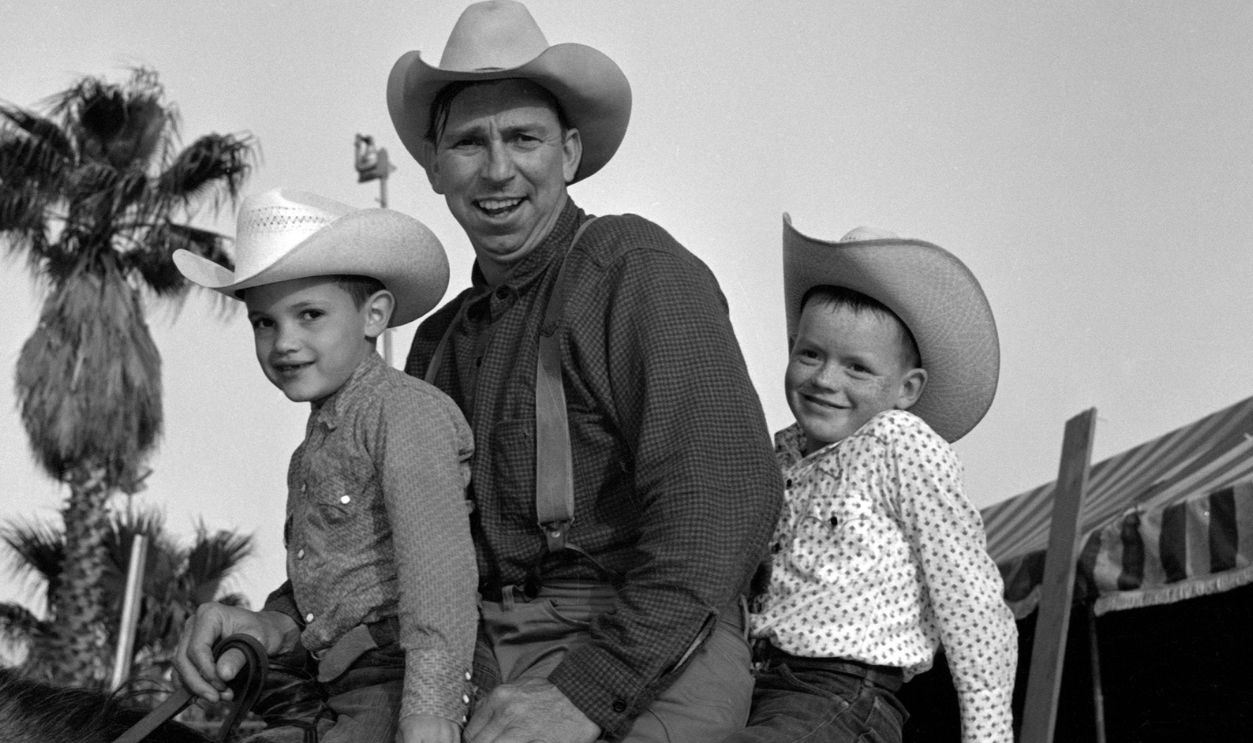 Silver Screen Collection, Getty Images
No Stuntman Needed
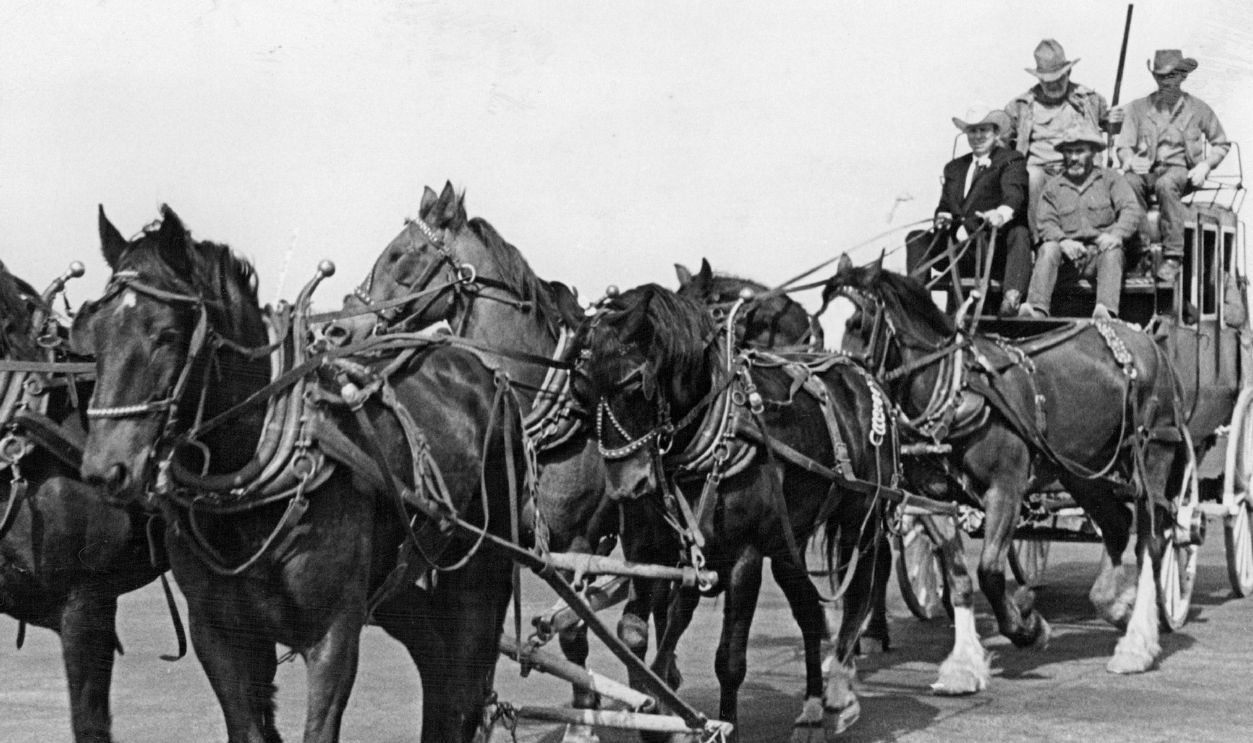
Pickens could gallop his own Appaloosas across the desert and handle a six-horse stagecoach team. He generally didn't need another rider substituted for demanding horseback scenes. After years of paying rodeo entry fees to risk injury, he reportedly found it remarkable that Hollywood would actually pay stunt performers to fall off horses.
Westerns Needed Him
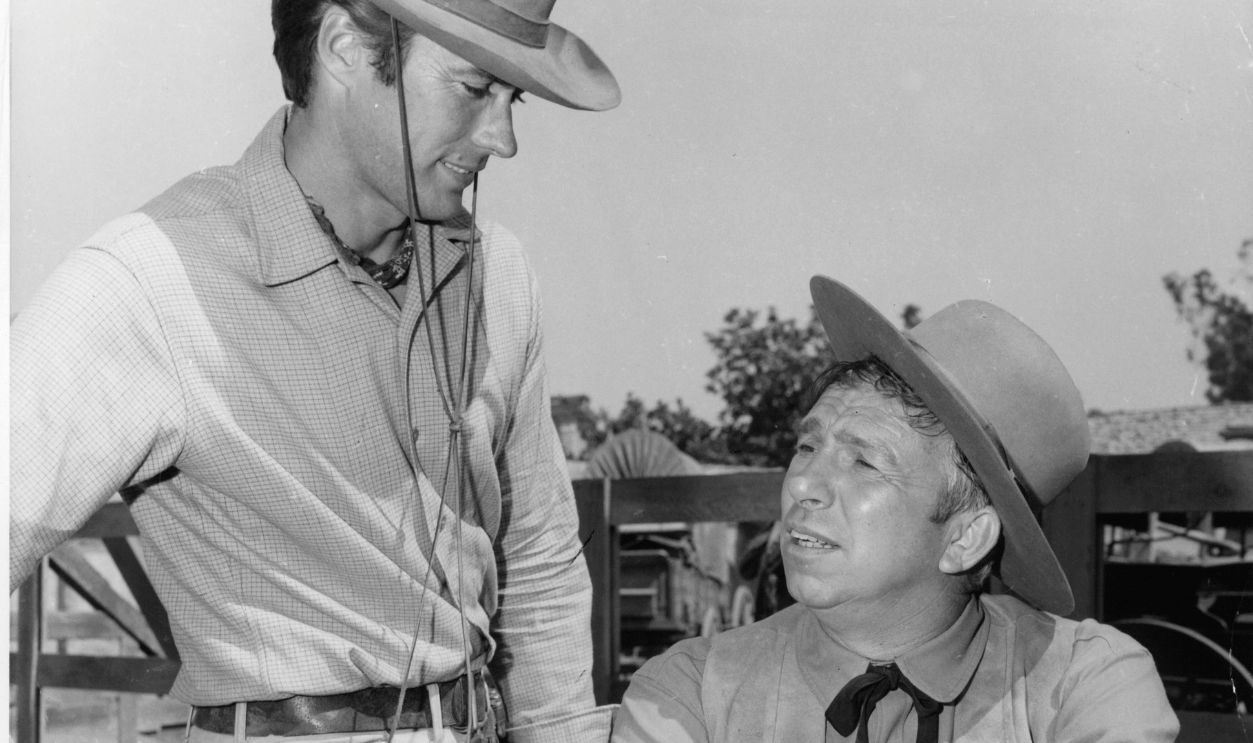
Throughout the 1950s, Pickens accumulated roles in films including Old Oklahoma Plains (1952), The Boy From Oklahoma (1954), The Great Locomotive Chase (1956), and Tonka (1958). He could be a sidekick, heavy, ranch hand, outlaw, or comic relief, and filmmakers knew audiences would immediately believe that he'd spent his life around horses.
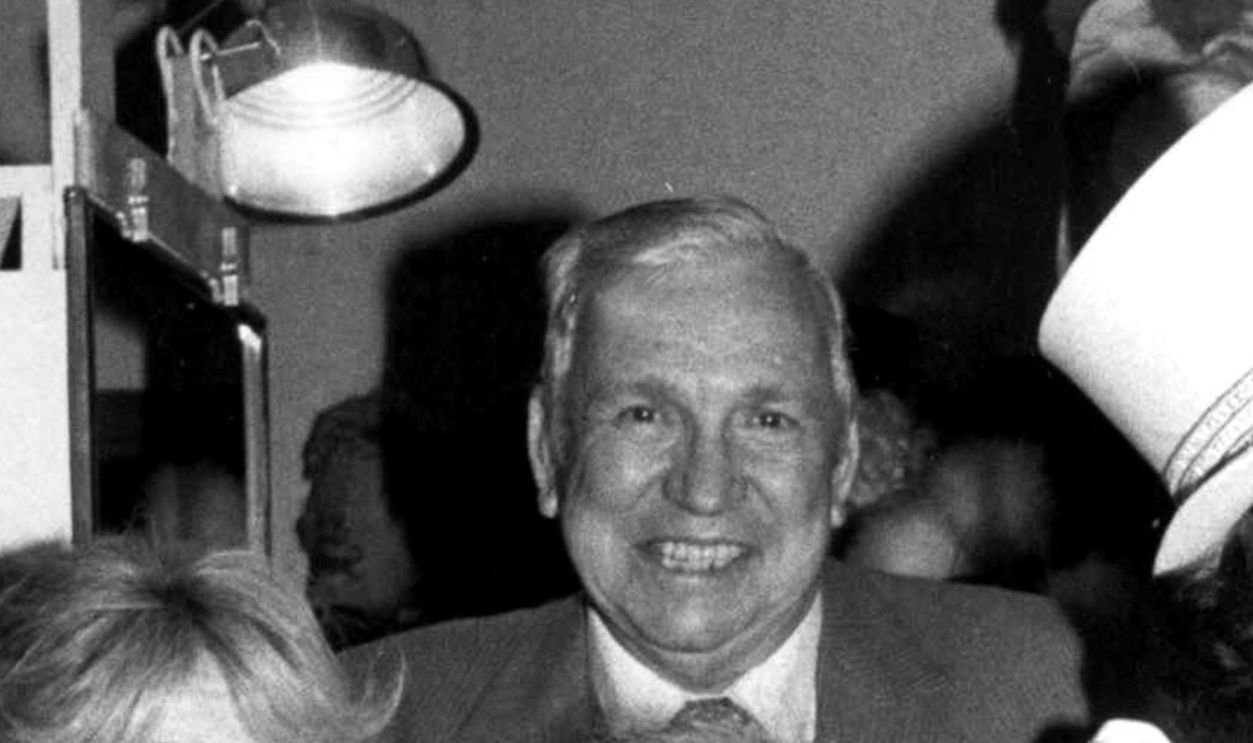 Donaldson Collection, Getty Images
Television Wanted Him Too
The 1950s explosion of television Westerns created even more work. Pickens appeared on Annie Oakley, The Lone Ranger, Cheyenne, Sugarfoot, Maverick, Gunsmoke, The Tall Man, and many others. In Stories of the Century, he even played the Sundance Kid, years before Robert Redford made the outlaw one of Hollywood's most famous Western characters.
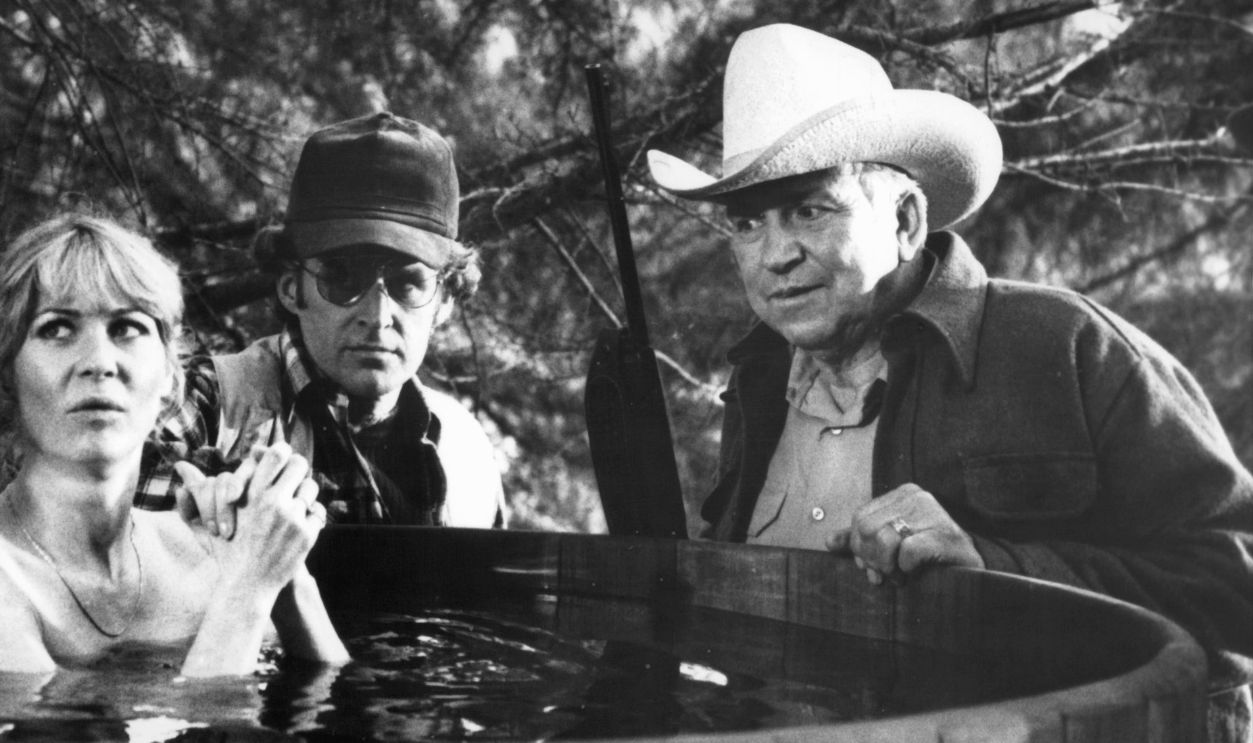 Michael Ochs Archives, Getty Images
One-Eyed Jacks
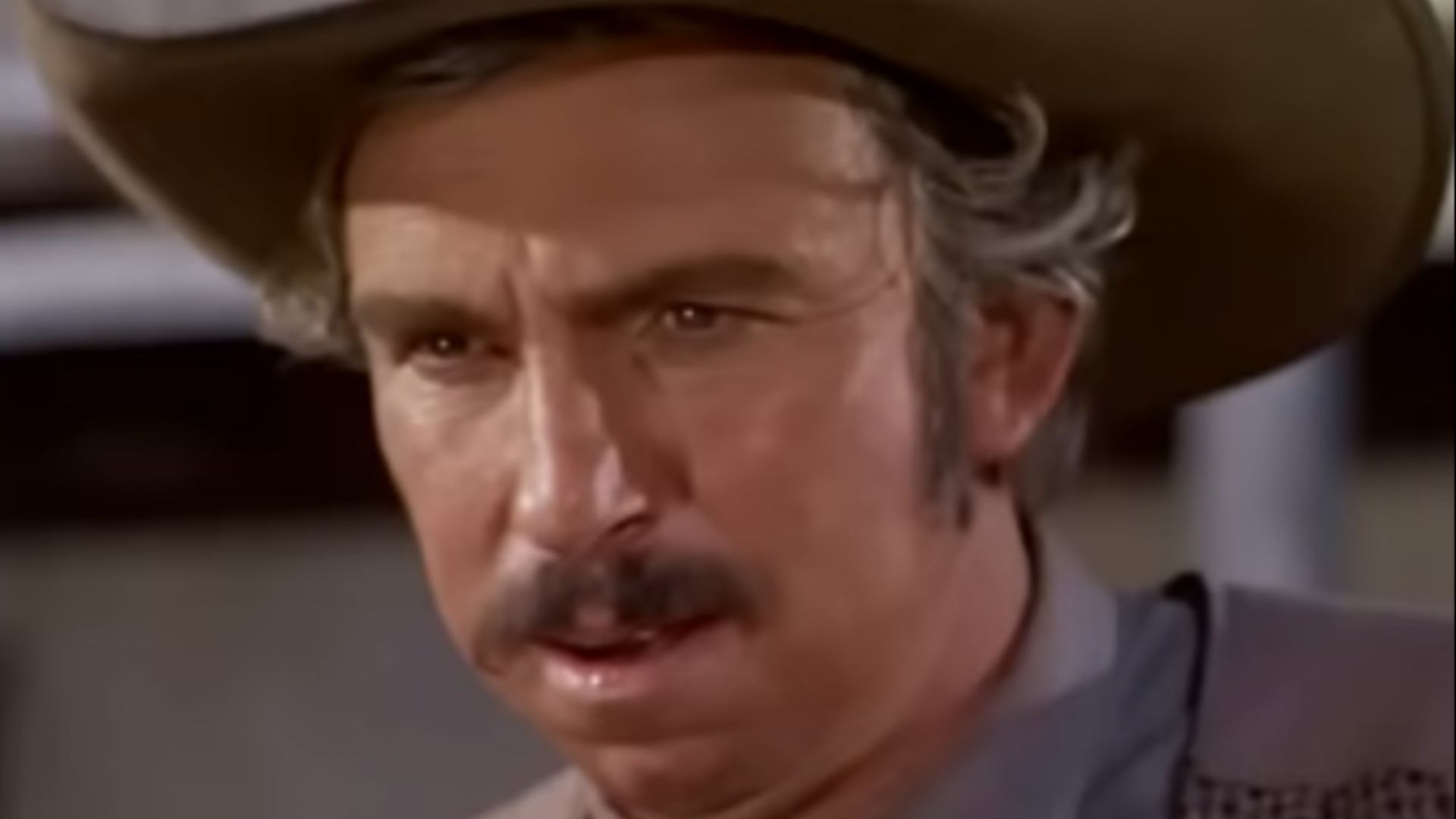
Pickens got one of his most memorable early dramatic roles in Marlon Brando's One-Eyed Jacks (1961). As deputy Lon Dedrick, he showed a considerably nastier side than audiences accustomed to his folksy characters might have expected. The unusual Western also proved unexpectedly important for Stanley Kubrick, who had originally directed One-Eyed Jacks before giving way to Brando. Kubrick later came looking for exactly Pickens's particular brand of authenticity.
 Film screenshot (Paramount Pictures), Wikimedia Commons
An Accidental Opportunity
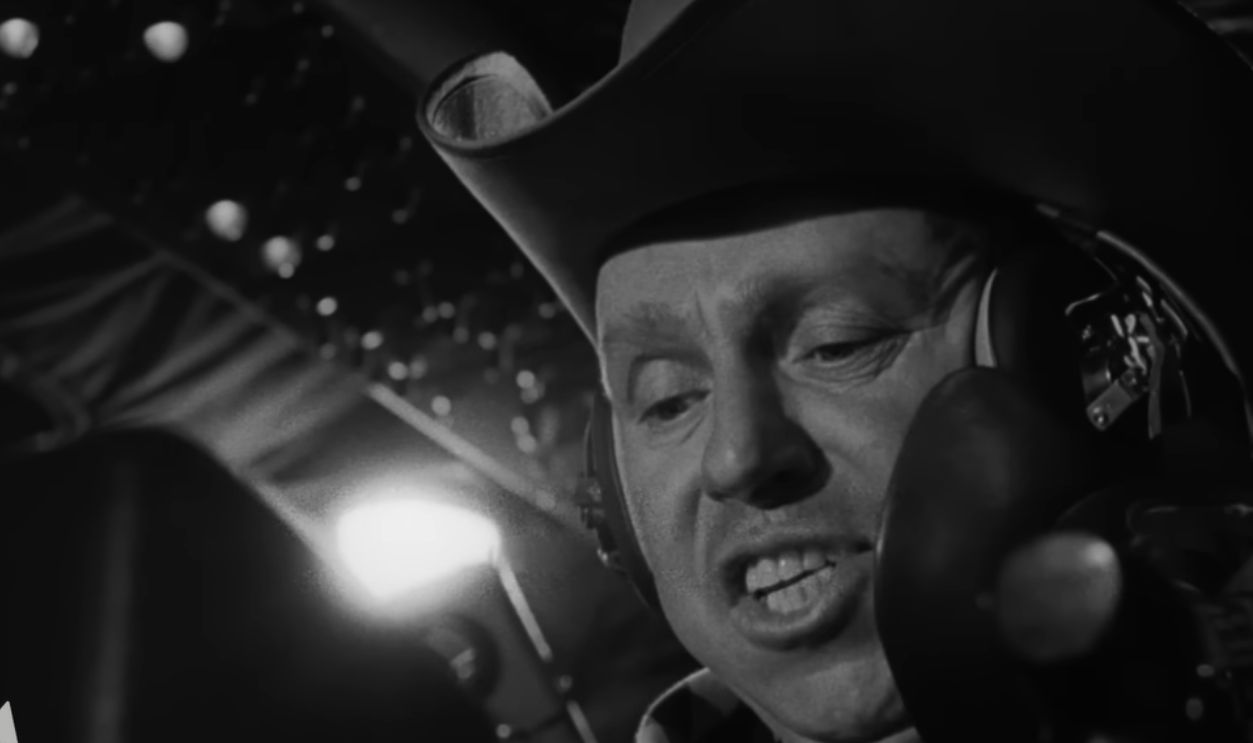
Peter Sellers was originally supposed to play four characters in Stanley Kubrick's Dr. Strangelove (1964), including B-52 commander Major T.J. "King" Kong. After Sellers was unable to continue with the part, Kubrick turned to Pickens, whose work he knew from his earlier involvement with One-Eyed Jacks.
 Screenshot from Dr. Strangelove, Columbia Pictures (1964)
Nobody Told Slim
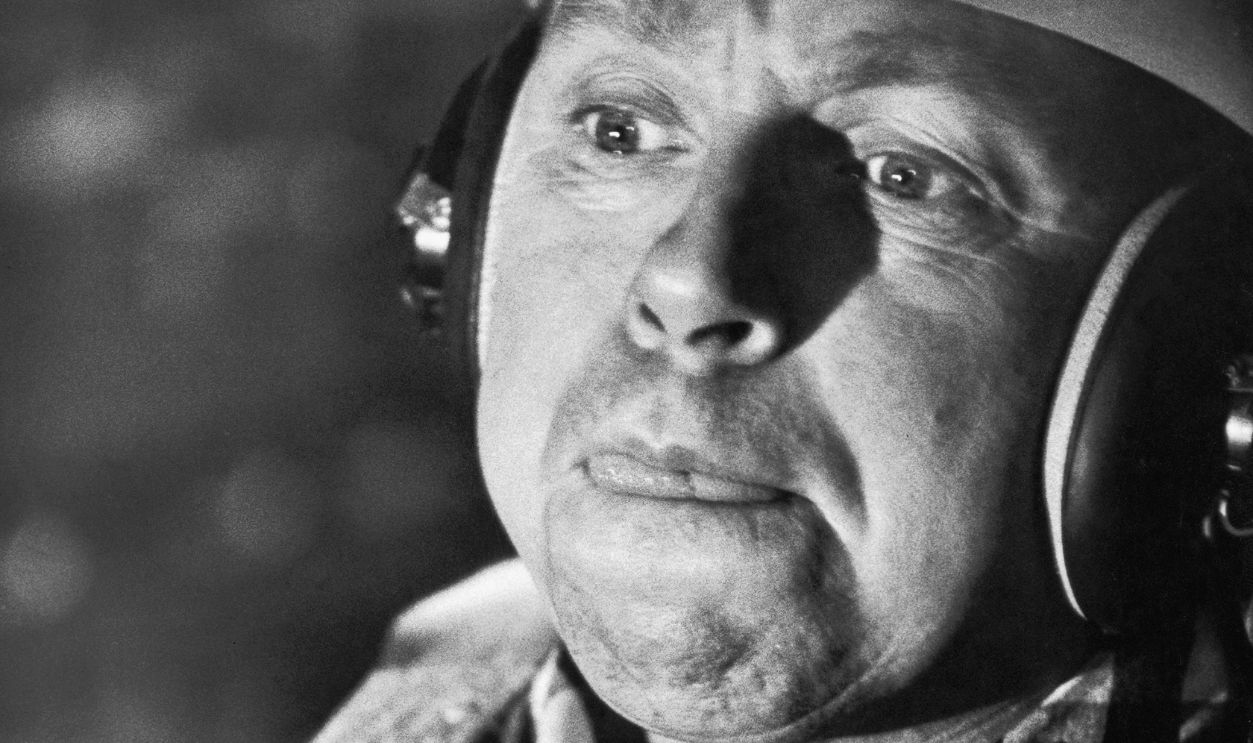
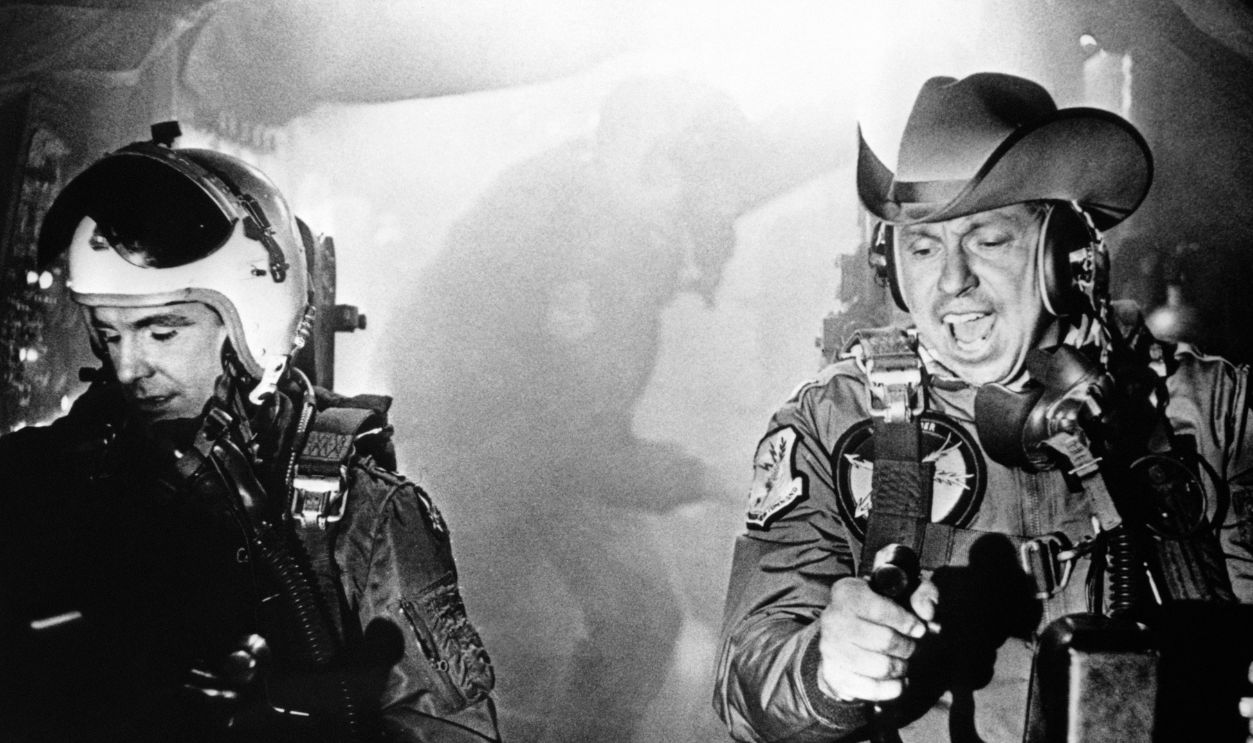
Kubrick made an extraordinary choice: Pickens reportedly wasn't told that Dr. Strangelove was a black comedy. He received only the portions of the screenplay containing his character and played Major Kong completely straight. James Earl Jones later recalled that Pickens essentially remained the same authentic cowboy personality both on and off the set.
 Sunset Boulevard, Getty Images
Riding The Bomb
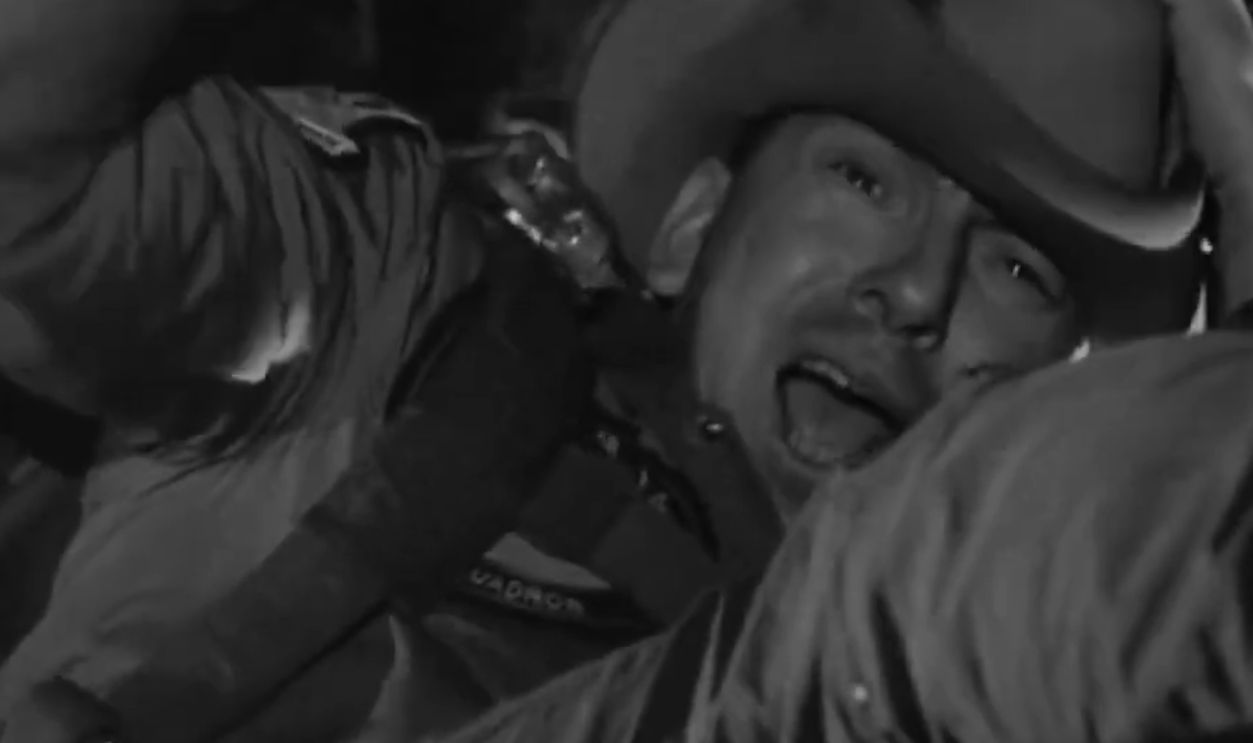
Then came the image that made him immortal. Major Kong straddles a falling nuclear bomb like a bucking bronco, waving his cowboy hat as he plunges toward the Soviet Union. The gag worked partly because the man riding the bomb wasn't imitating a rodeo cowboy. Pickens had spent years being one.
 Screenshot from Dr. Strangelove, Columbia Pictures (1964)
Everything Got Bigger
Dr. Strangelove transformed Pickens from a familiar Western character actor into something considerably more valuable. He later joked that afterward the roles, dressing rooms, and checks all became bigger. His utterly straight performance in one of cinema's darkest comedies made his distinctive personality recognizable far beyond traditional Western audiences.
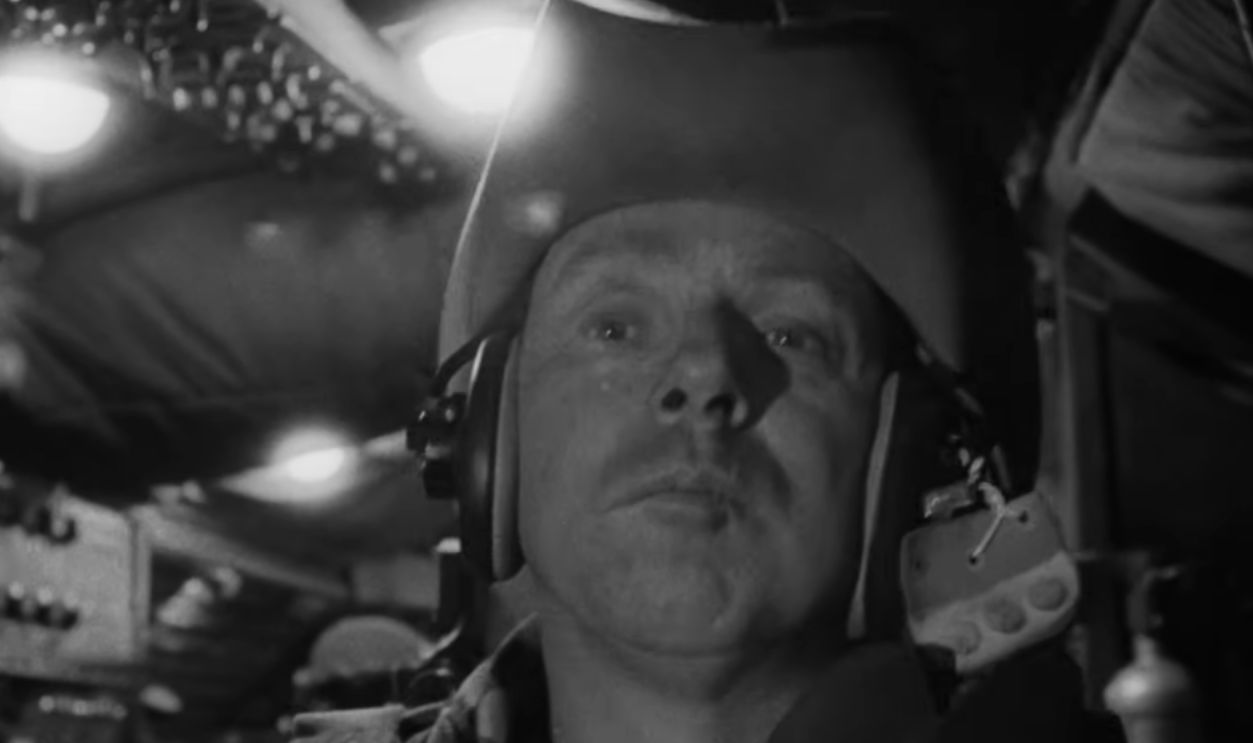 Screenshot from Dr. Strangelove, Columbia Pictures (1964)
Enough Takes, Stanley
Pickens admired what Dr. Strangelove did for his career, but Kubrick's perfectionism apparently tested his patience. The bomb-riding sequence reportedly required more than 100 takes. When Pickens was later considered for Dick Hallorann in The Shining (1980), he reportedly insisted that Kubrick agree to keep his scenes below 100 takes. The role went to Scatman Crothers.
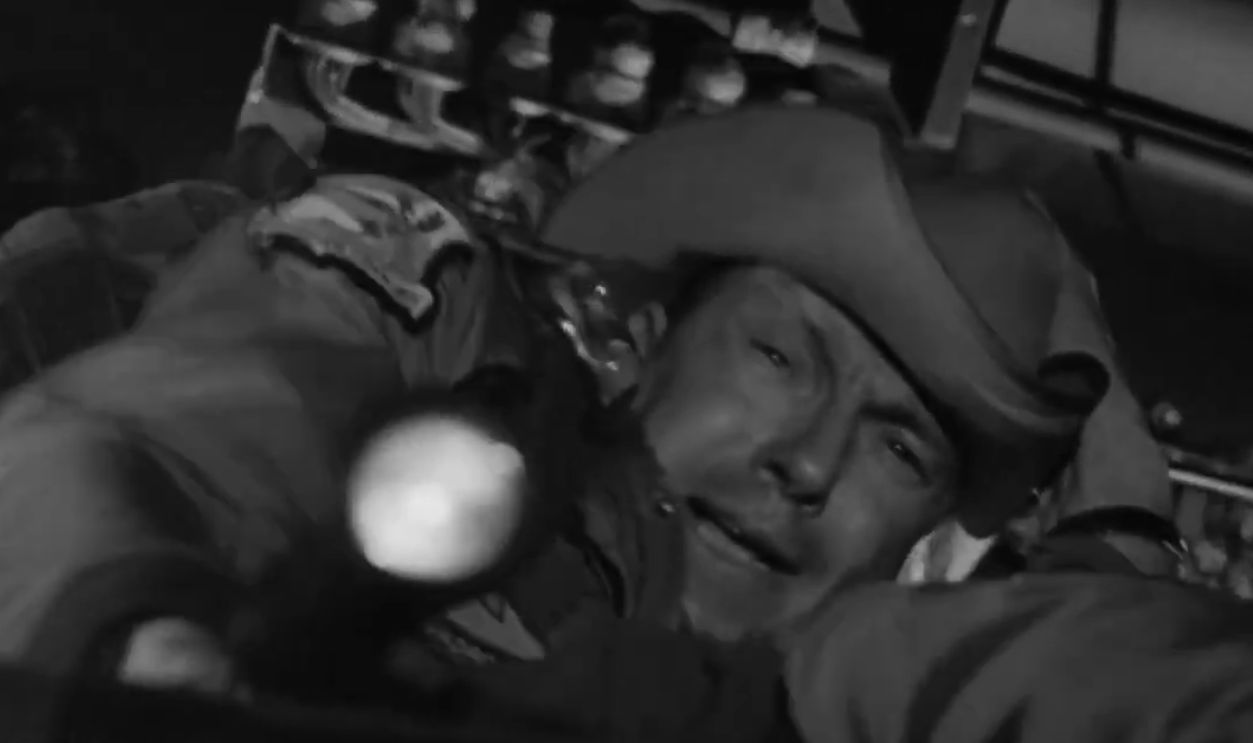 Screenshot from Dr. Strangelove, Columbia Pictures (1964)
Riding With The Greats
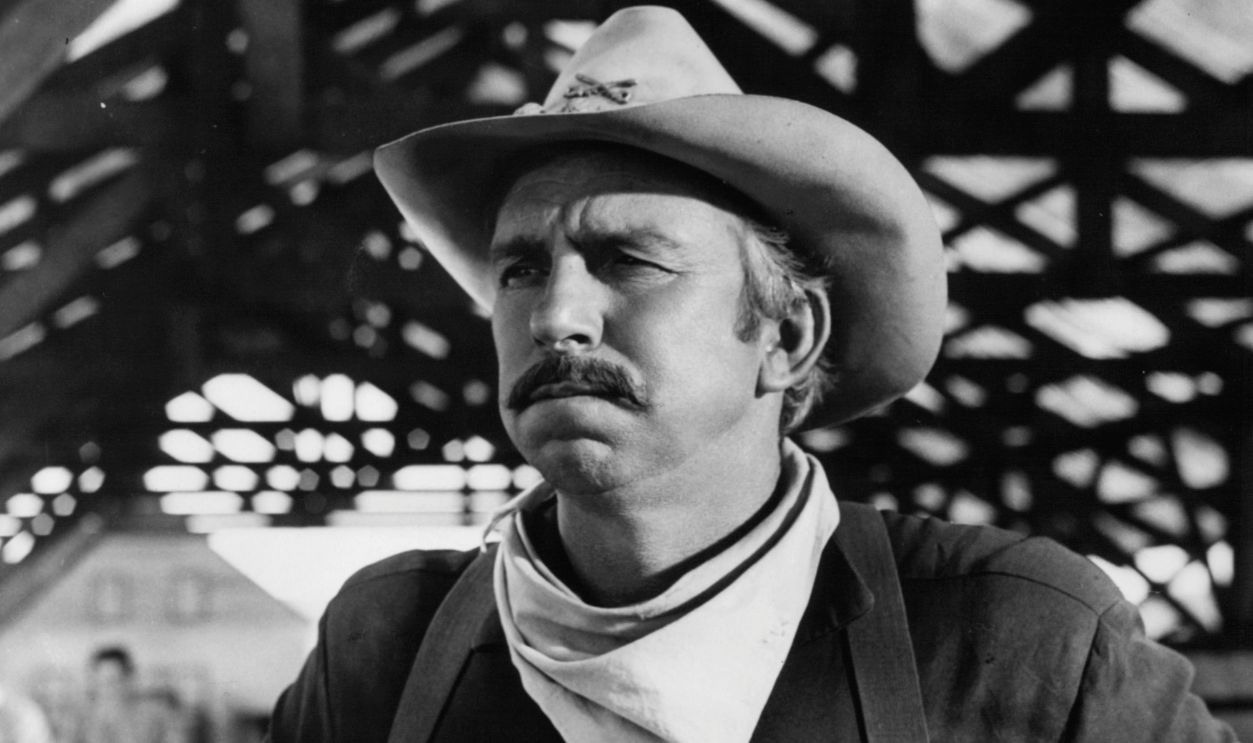
The 1960s and early 70s kept Pickens alongside some of Hollywood's biggest stars. He appeared with Charlton Heston in Major Dundee (1965), drove the stagecoach in Stagecoach (1966), worked with John Wayne in The Cowboys (1972), and appeared opposite Steve McQueen in The Getaway (1972).
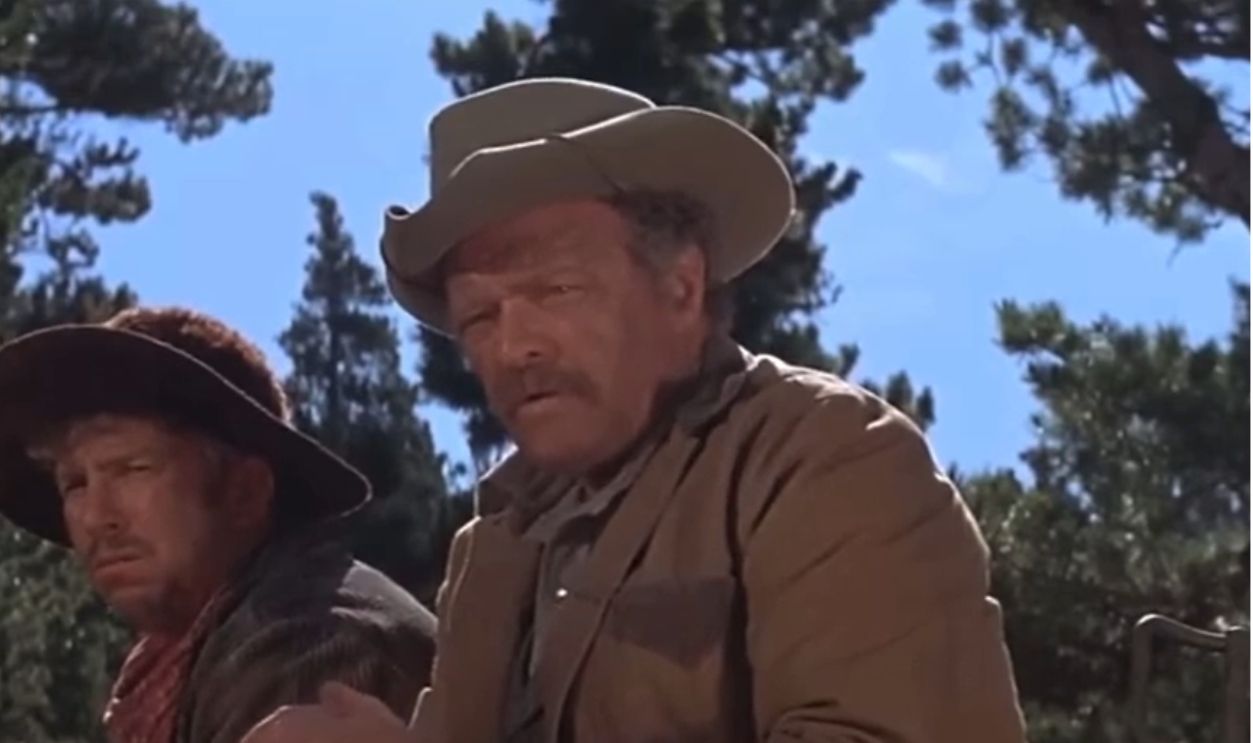 Screenshot from Stagecoach, United Artists (1939)
Blazing Saddles
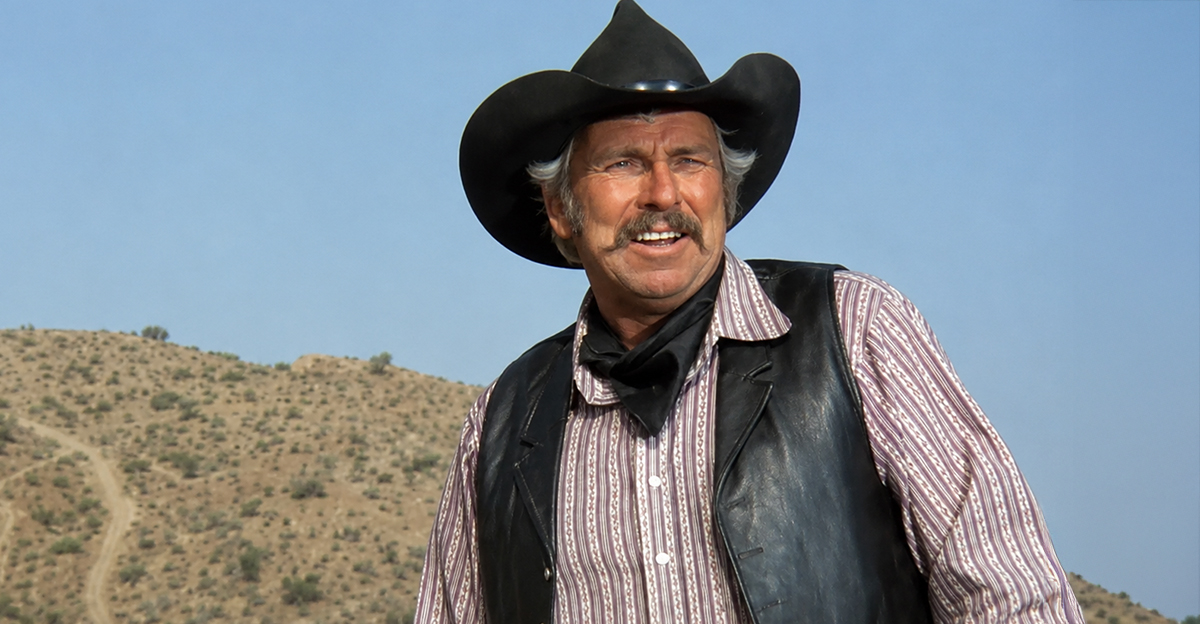
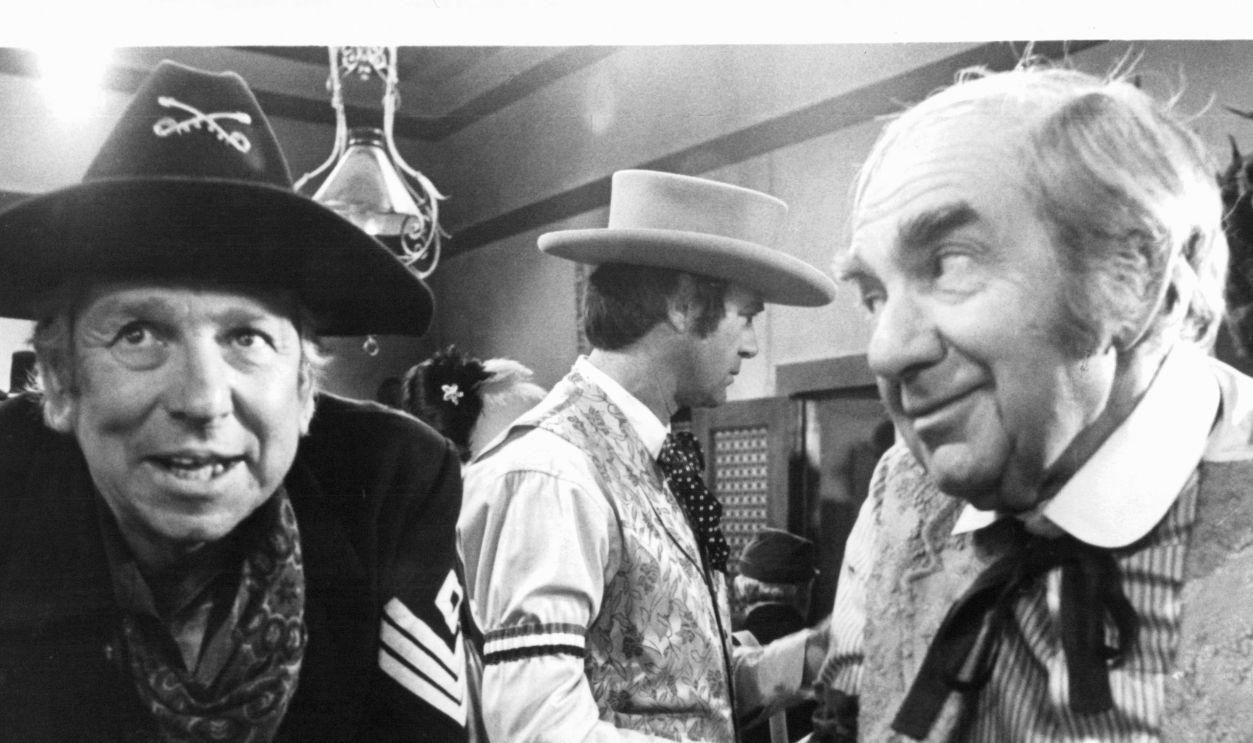
Mel Brooks found the perfect use for Pickens in Blazing Saddles (1974), casting him as Taggart, the coarse foreman working for Harvey Korman's villainous Hedley Lamarr. Pickens's genuine Western persona made the parody even funnier. He wasn't an outsider spoofing cowboy movies; he was one of the men who had helped populate them.
 Screenshot from Blazing Saddles, Warner Bros. Pictures (1974)
He Kept Surprising
Pickens refused to remain confined to conventional Westerns. He appeared in The Apple Dumpling Gang (1975), Beyond the Poseidon Adventure (1979), and Steven Spielberg's 1941 (1979), and voiced the robot B.O.B. in Disney's The Black Hole (1979). He even played a werewolf sheriff in The Howling (1981).
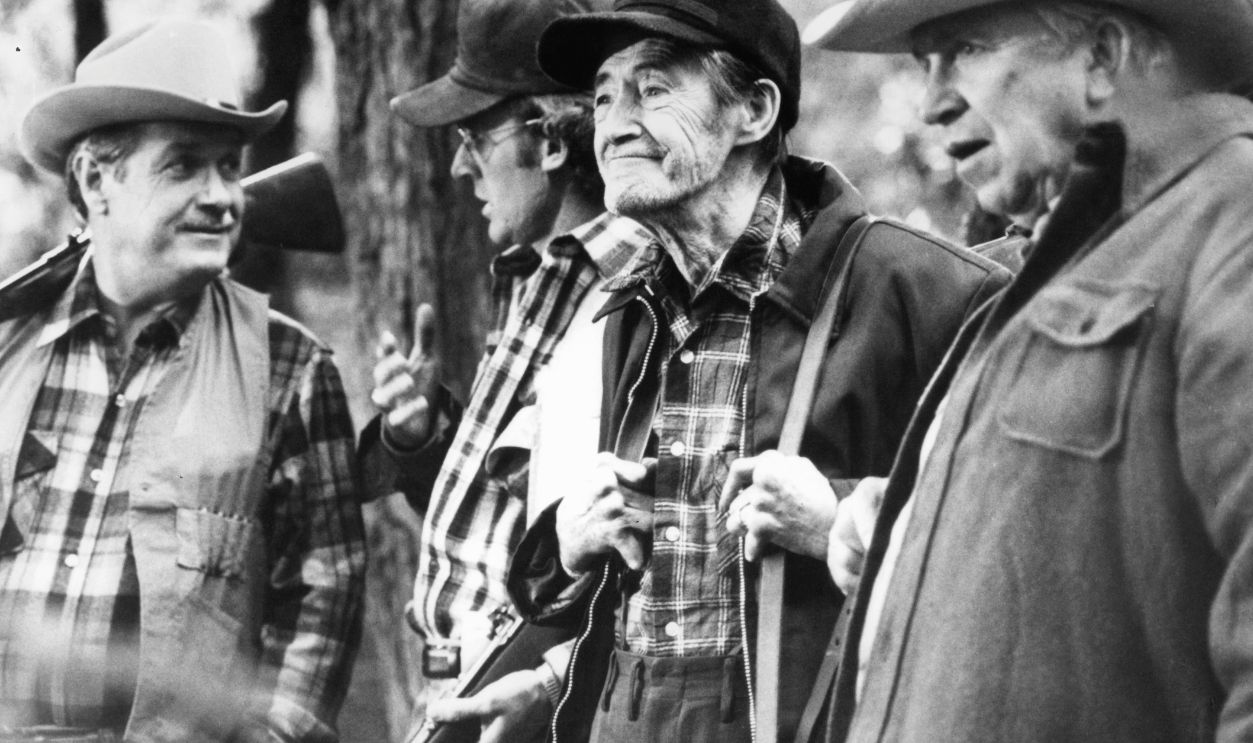 Michael Ochs Archives, Getty Images
Television Never Stopped
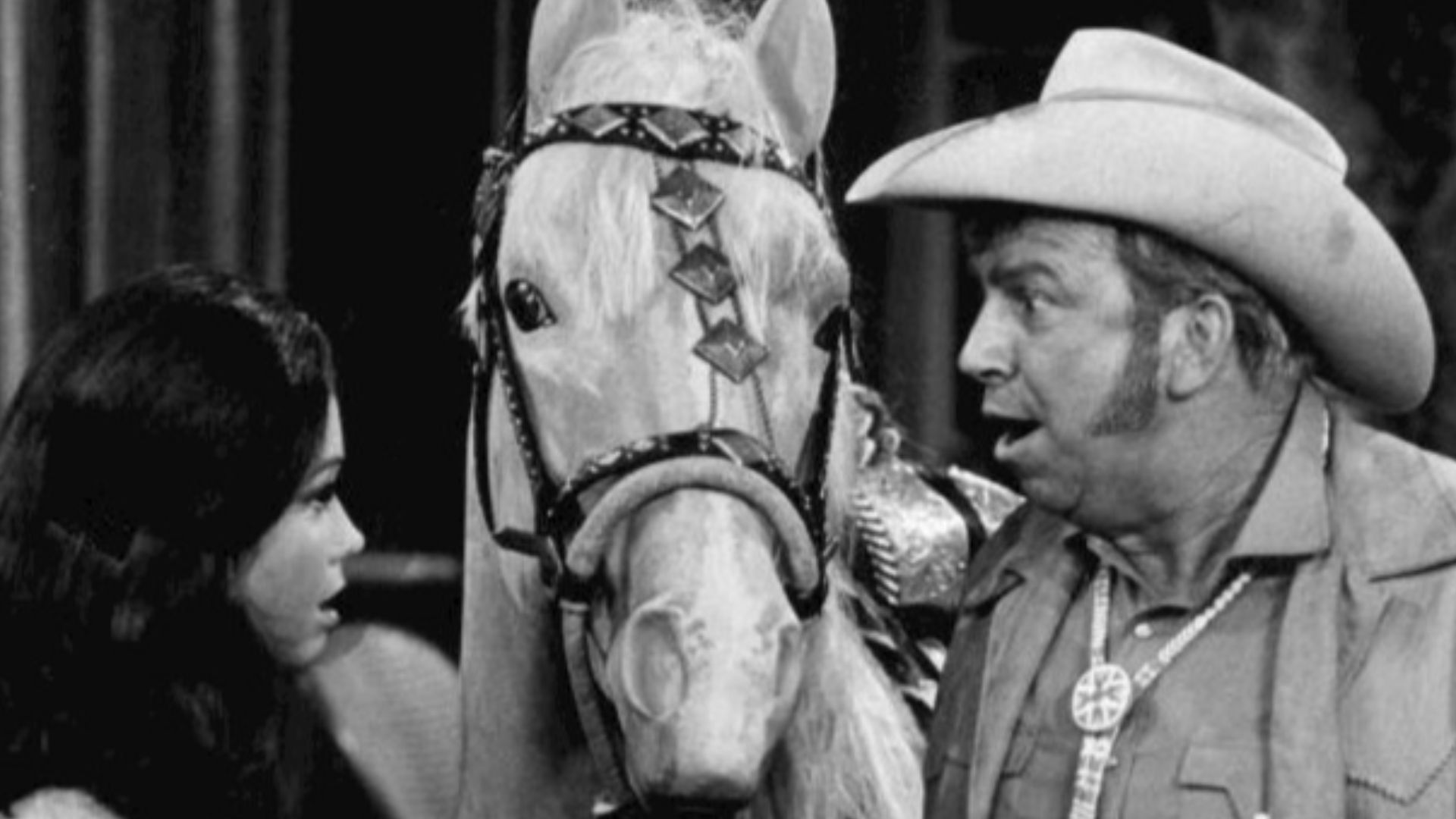
Pickens remained almost constantly visible on television, appearing on The Fugitive, Daniel Boone, The Virginian, Night Gallery, Hawaii Five-O, The Mary Tyler Moore Show, Baretta, Vega$, and The Love Boat. Later audiences knew him from recurring work on B.J. and the Bear, Filthy Rich, and the country variety show Hee Haw.
Home With Margaret
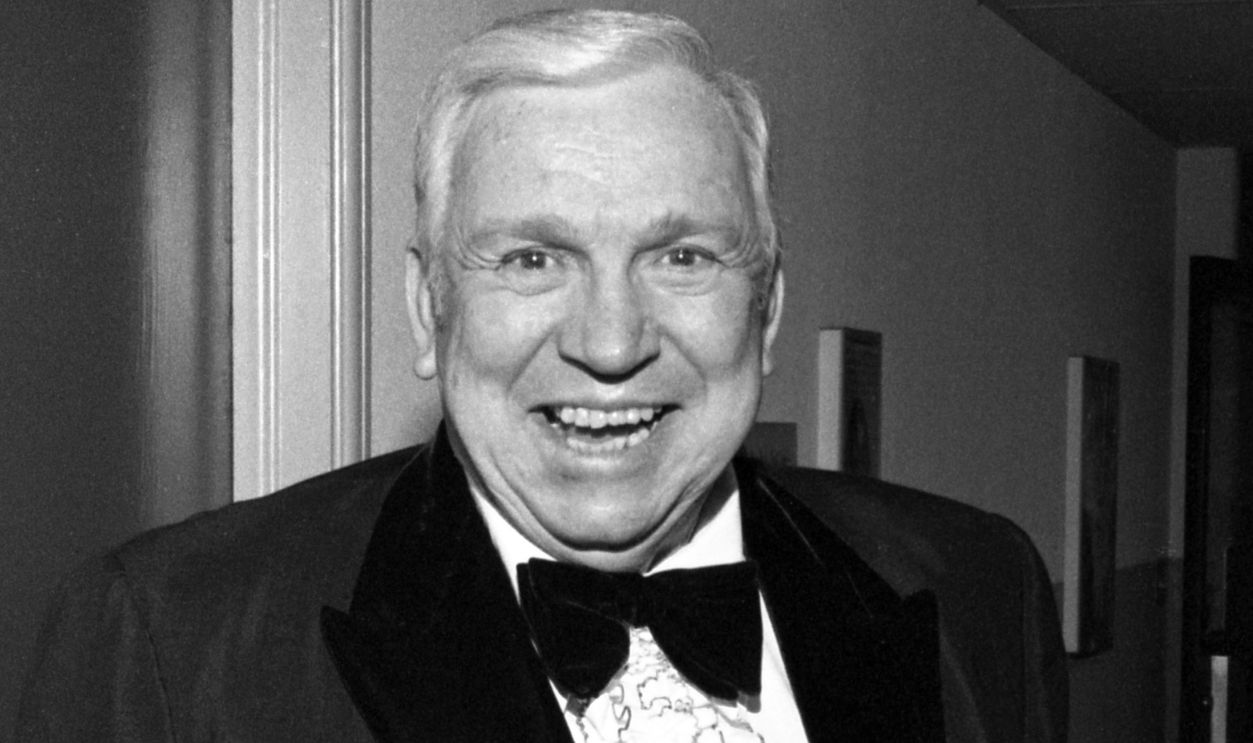
Behind the larger-than-life persona was a long marriage. Pickens married Margaret "Maggie" Harmon in 1950, and they raised three children, including a stepdaughter he treated as his own. In later years, Slim and Margaret made their home in Columbia, California, where horses and the outdoors remained important parts of his life.
Cowboy To The End
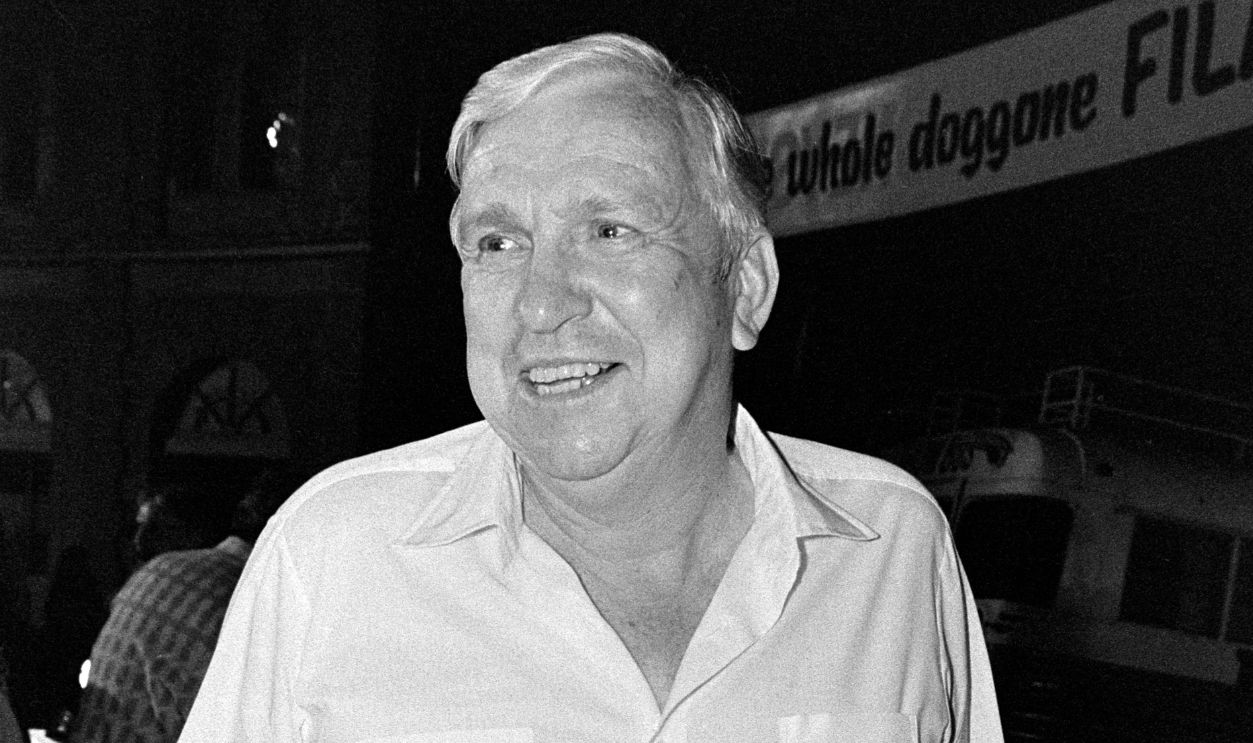
Pickens never seemed interested in reinventing himself as a polished Hollywood celebrity. He remained an outdoorsman, horseman, and unmistakably Western personality. His brother Samuel even followed him into acting under the inspired stage name Easy Pickens. Slim's authenticity wasn't simply a useful screen gimmick. It remained central to who he was away from the camera.
 CBS Television, Wikimedia Commons
A Final Hard Ride
Pickens underwent surgery for a brain tumor during his final years. He died in Modesto, California, on December 8, 1983, at only 64. His funeral was held at the Presbyterian Church of the Forty Niners in Columbia, and his ashes were scattered across some of his favorite trail country.
Still A Cowboy Legend
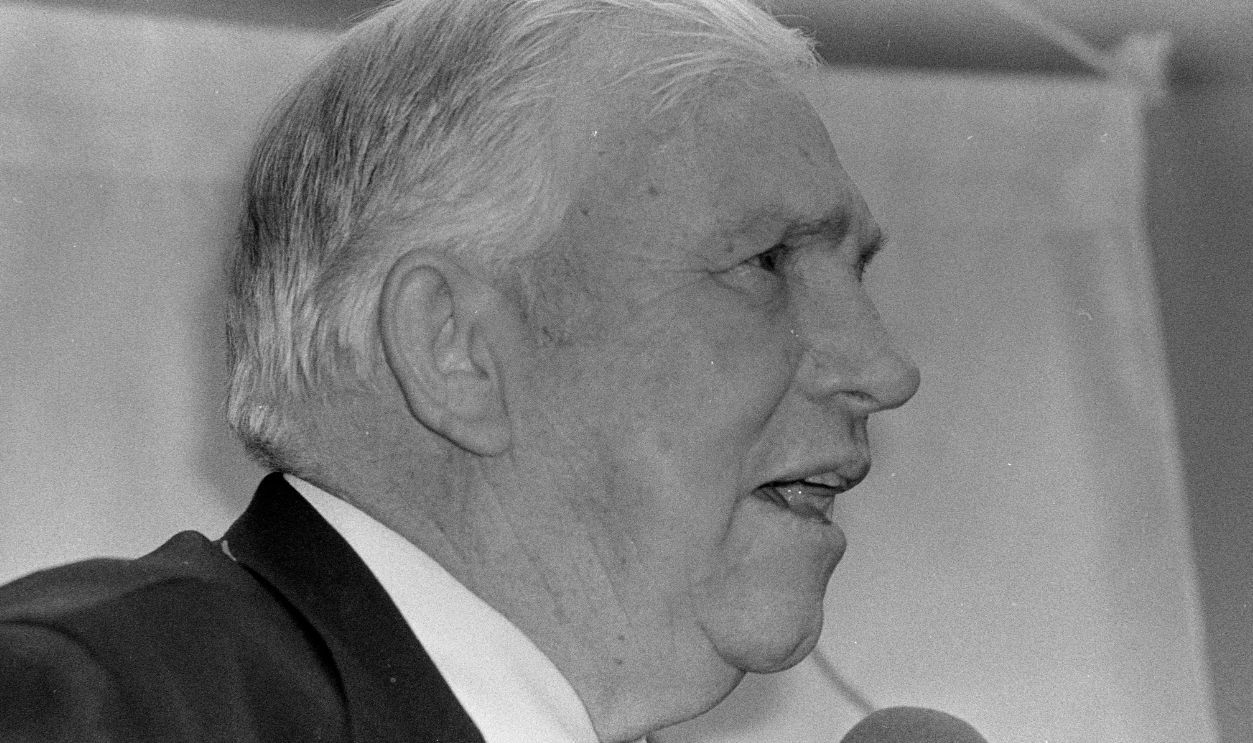
Pickens received recognition from both halves of his extraordinary career. He entered the Hall of Great Western Performers in 1982, the National Rodeo Hall of Fame posthumously in 1986, and the ProRodeo Hall of Fame in 2005. Few Hollywood cowboys could claim comparable credentials because Slim Pickens never merely portrayed the West. He brought his own piece of it with him.
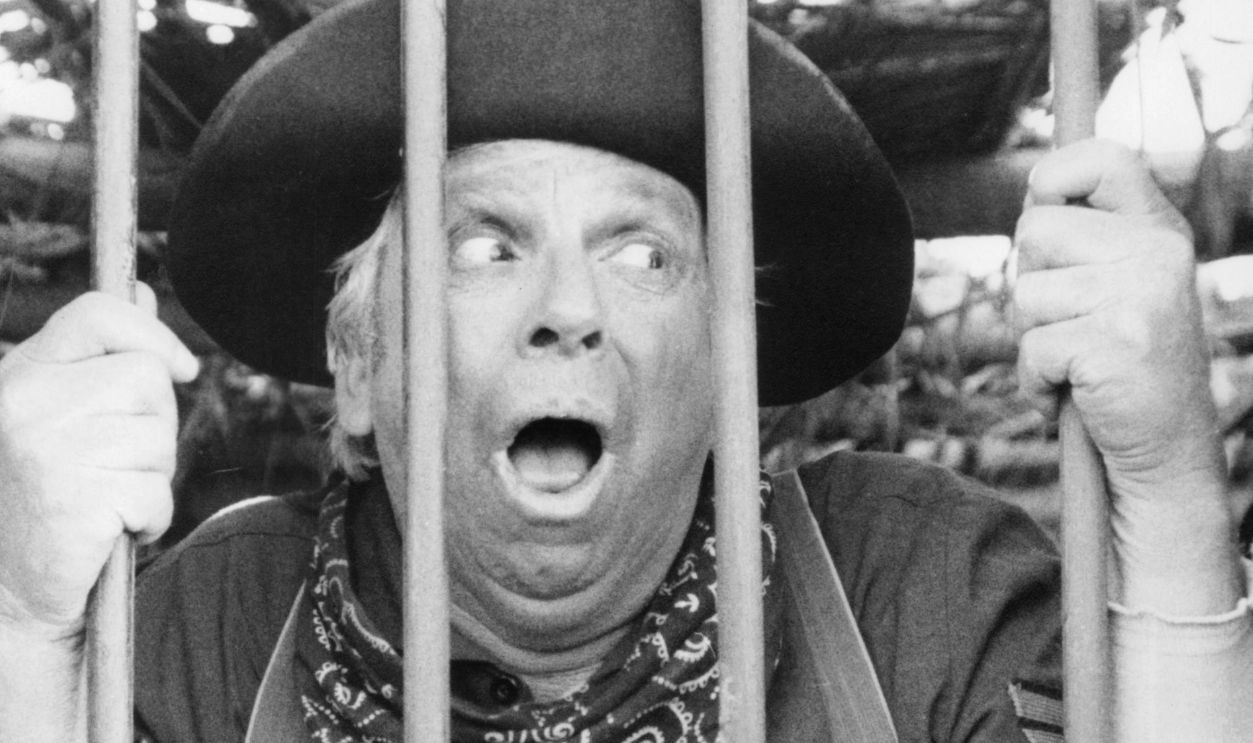 Michael Ochs Archives, Getty Images
You May Also Like:
These Actors Appeared In Nearly Every TV Western Of The 1950s And 60s—How Many Do You Remember?
Katharine Ross became a Western legend, but her fierce independence came at a cost.
Actors Who Appeared In The Most Classic TV Westerns. How Many Do You Remember?