He Looked Completely At Home.
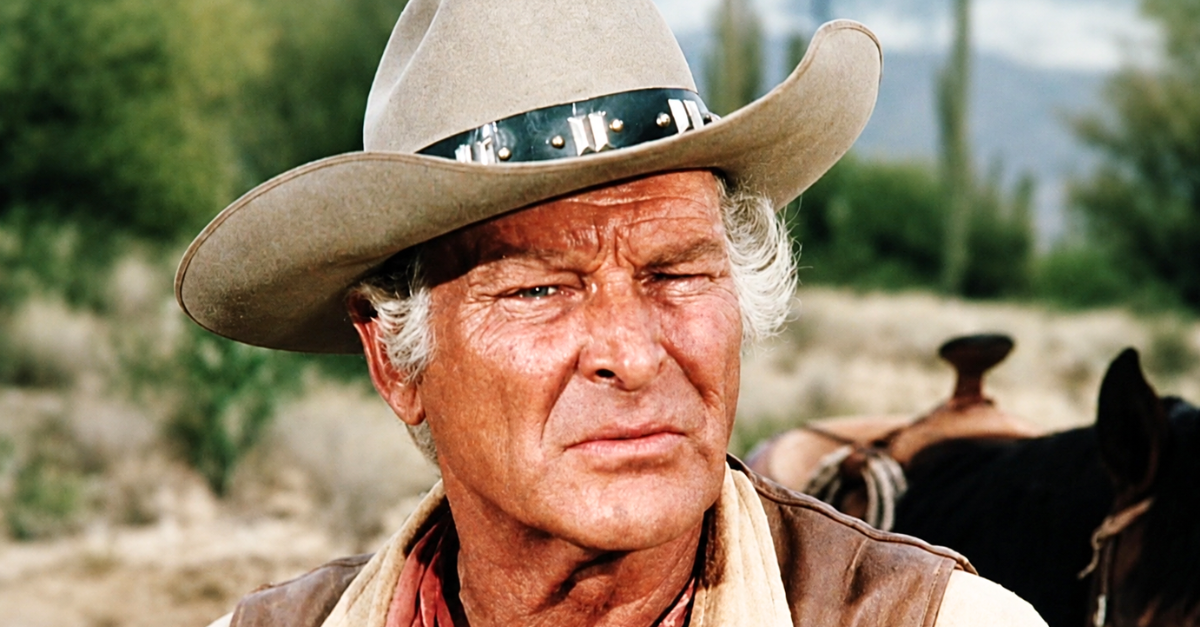
Long before Leif Erickson became Big John Cannon, he had spent decades playing soldiers, lawmen, ranchers, and other hard-edged men who rarely wasted words. The High Chaparral finally combined that experience with a demanding frontier role that seemed almost tailor-made for him.
He Had Been Preparing For Decades
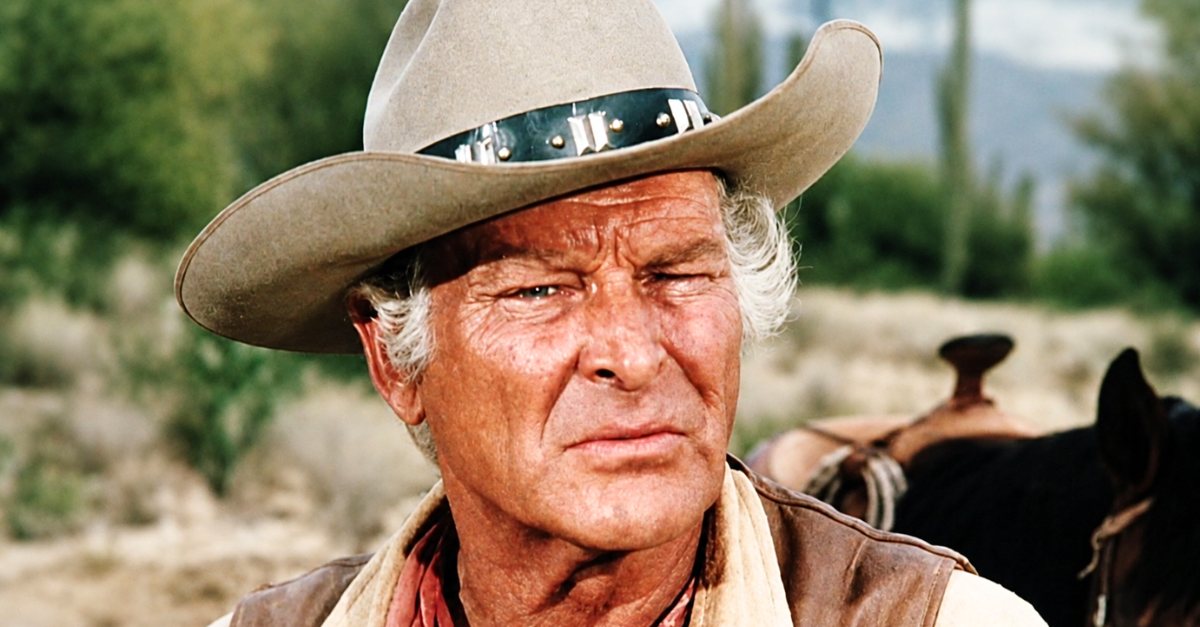
Erickson did not enter The High Chaparral as an actor trying his first Western. His early film work included several adaptations of Zane Grey stories during the 1930s, followed by more frontier roles across film and television. By the time NBC cast him as John Cannon, the genre’s rhythms were already second nature to him. That long preparation helped his performance feel lived-in rather than rehearsed.
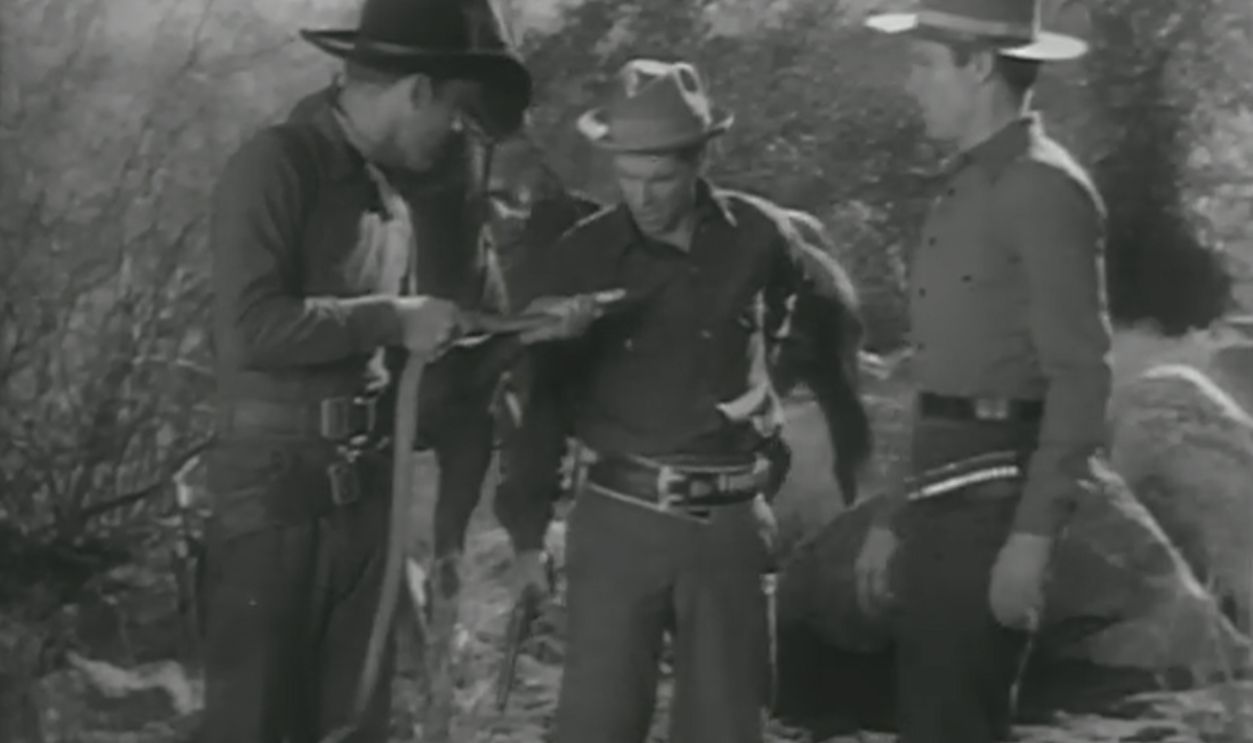 Screenshot from Desert Gold, Paramount Pictures (1936)
David Dortort Already Saw A Patriarch
Series creator David Dortort had previously created Bonanza, so he understood the importance of finding a believable ranching patriarch. Dortort later discussed selecting Erickson as John Cannon and Cameron Mitchell as his brother Buck. According to production history preserved by the show’s longtime archival site, Erickson had impressed Dortort in an earlier Bonanza appearance. John Cannon therefore began with a producer who already believed Erickson could command a Western family.
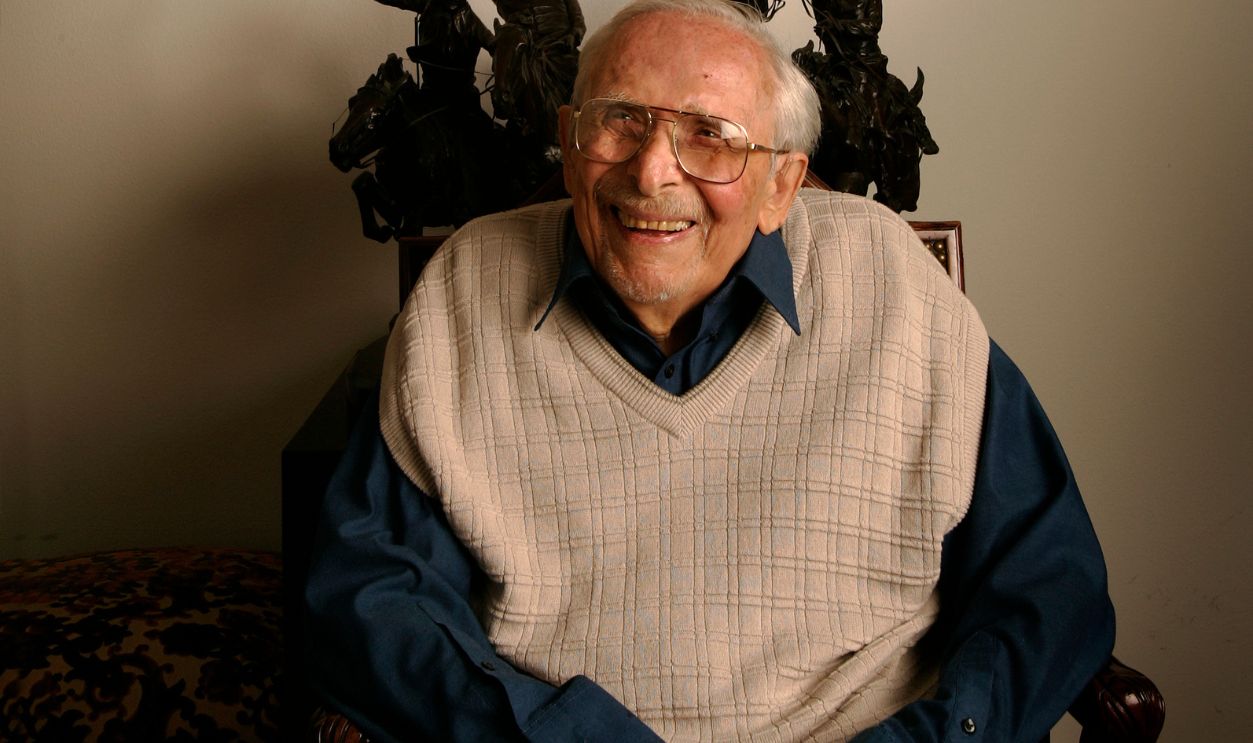 Ricardo DeAratanha, Getty Images
Big John Was More Than A Gunfighter
John Cannon was not simply a wandering hero looking for the next showdown. He was building a cattle ranch in the Arizona Territory while protecting his family, workers, land, and increasingly complicated alliances. That gave Erickson practical concerns to play alongside the action. He felt convincing because John usually behaved like a rancher with responsibilities, not a performer waiting for a dramatic entrance.
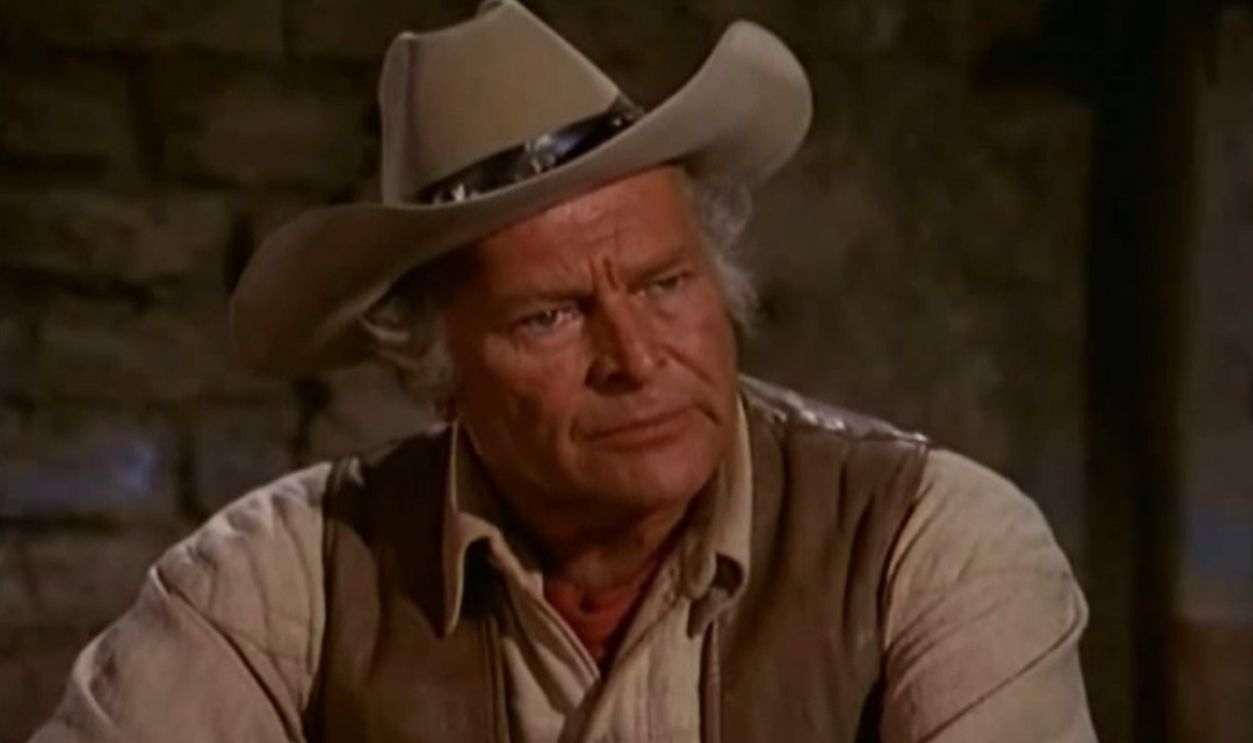 Screenshot from The High Chaparral, NBC Productions (1967–1971)
His Authority Never Looked Forced
Erickson rarely needed to shout to establish that John Cannon was in charge. His stillness, direct gaze, and deliberate speech suggested a man accustomed to being obeyed. Even when other characters challenged him, he carried himself like the person who would ultimately make the decision. That quiet authority separated him from more theatrical television cowboys.
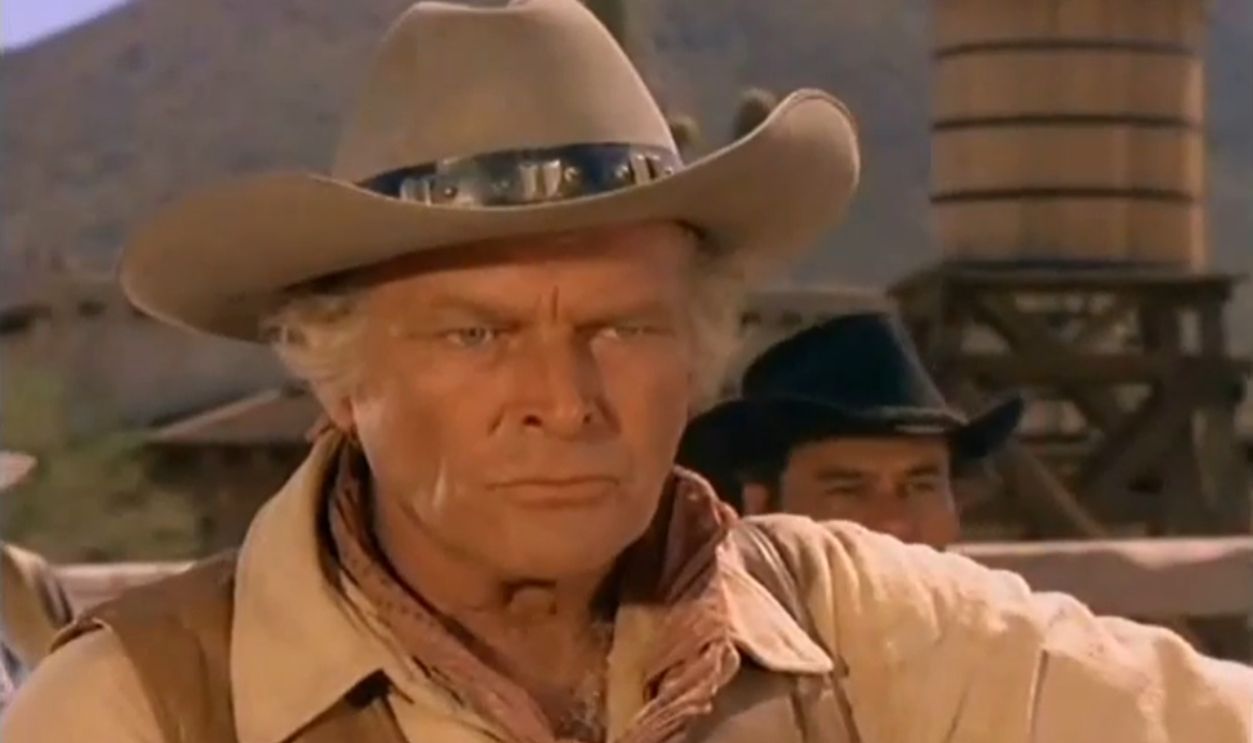 Screenshot from The High Chaparral, NBC Productions (1967–1971)
He Looked Weathered By The Territory
Many Western leads appeared suspiciously polished for men supposedly living on remote ranches. Erickson’s rugged features and mature presence made John look as though the desert had genuinely worn him down. He did not seem dressed for a costume party. He looked like someone who had spent years squinting into Arizona sunlight and calculating whether the next season would ruin him.
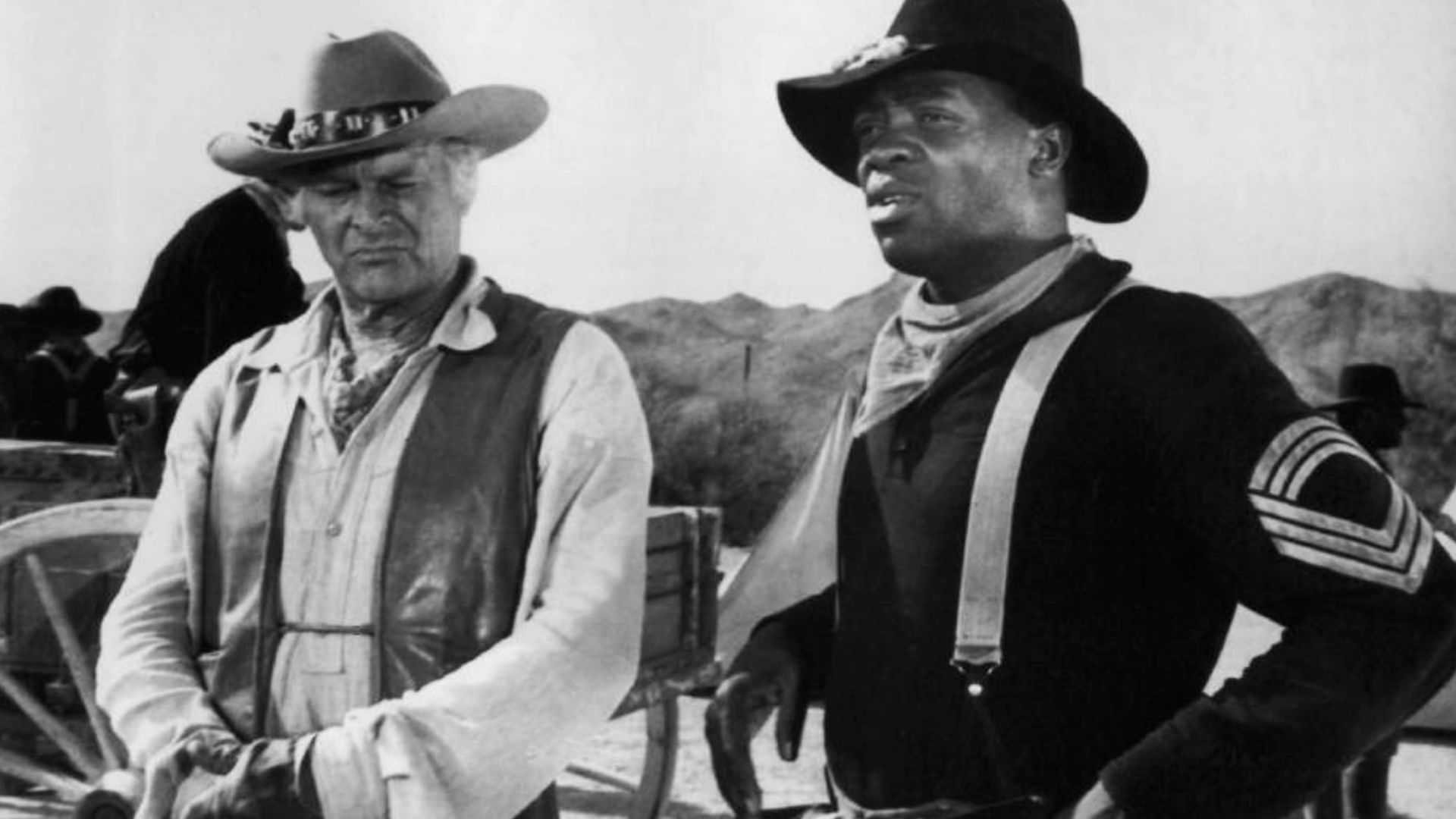 NBC Television, Wikimedia Commons
The Desert Did Half The Acting
The High Chaparral was filmed extensively around Old Tucson and the surrounding Arizona landscape. Its ranch exterior sat against real desert, mountains, dust, and harsh sunlight rather than a painted studio horizon. Erickson’s understated performance fit naturally into that environment. The landscape made John Cannon’s struggle believable before he even spoke.
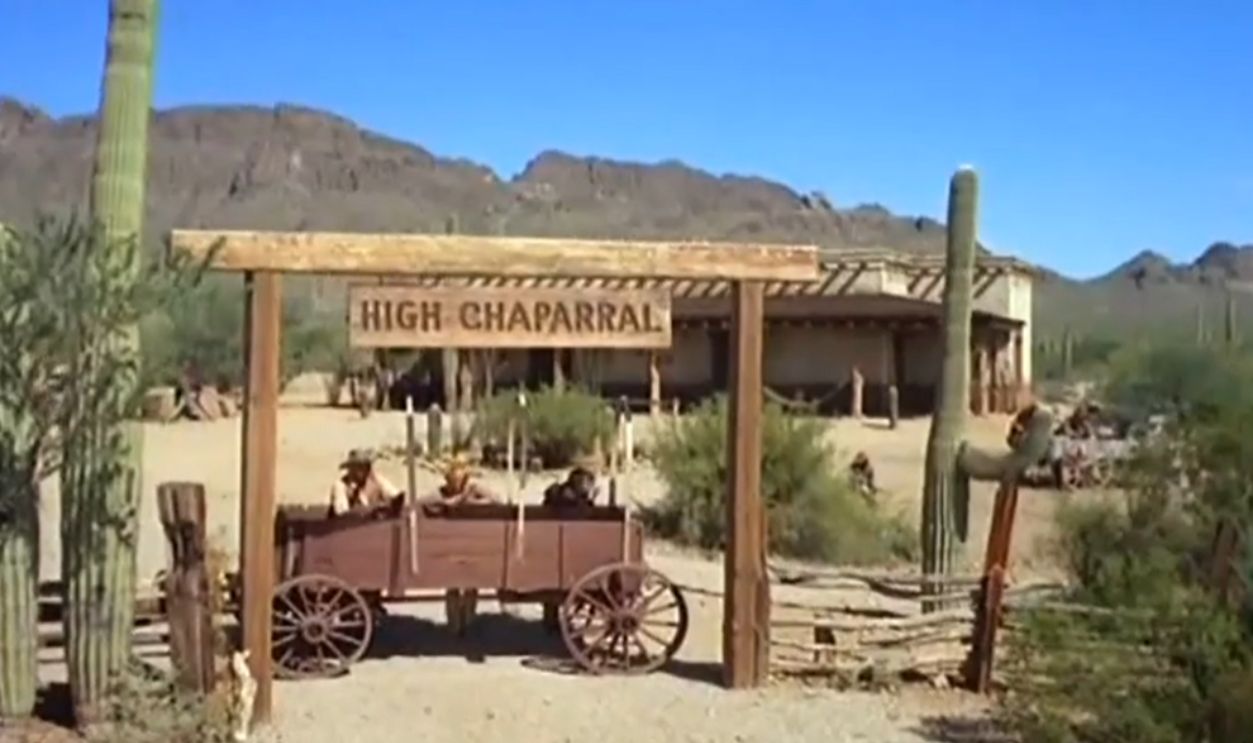 Screenshot from The High Chaparral, NBC Productions (1967–1971)
The Ranch Felt Like A Working Place
The High Chaparral ranch was presented as an operation that required labor, planning, armed defense, and cooperation. Production accounts note that the series’ sets were particularly detailed, with most exterior work completed in Arizona and many interiors filmed in Hollywood. Those textures gave Erickson objects, spaces, and routines that supported the illusion. John did not merely live on a Western set because he appeared to manage a functioning ranch.
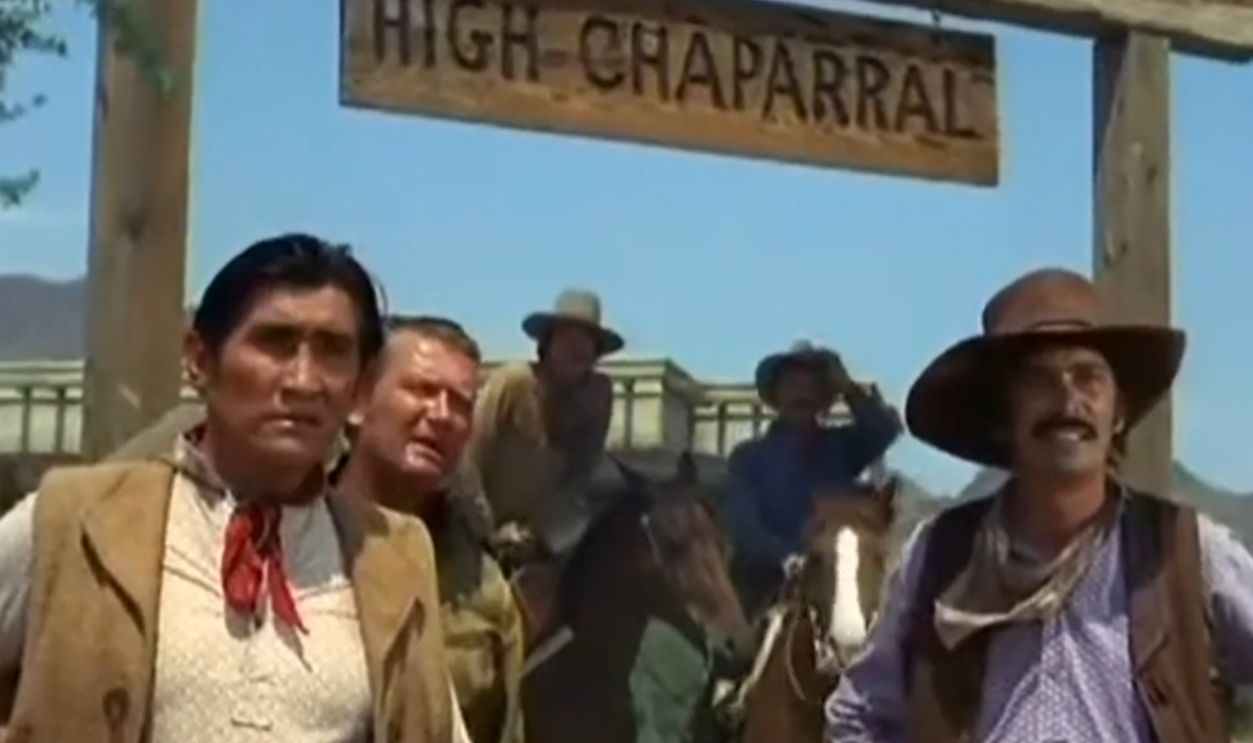 Screenshot from The High Chaparral, NBC Productions (1967–1971)
He Understood Physical Risk
Erickson performed in a production that regularly used horses, rugged terrain, outdoor locations, and action sequences. One contemporary account describes him being seriously injured during a stunt while filming in the Arizona desert. The incident underlined how physically demanding the series could be. His cowboy credibility came partly from working inside the danger rather than merely standing near it.
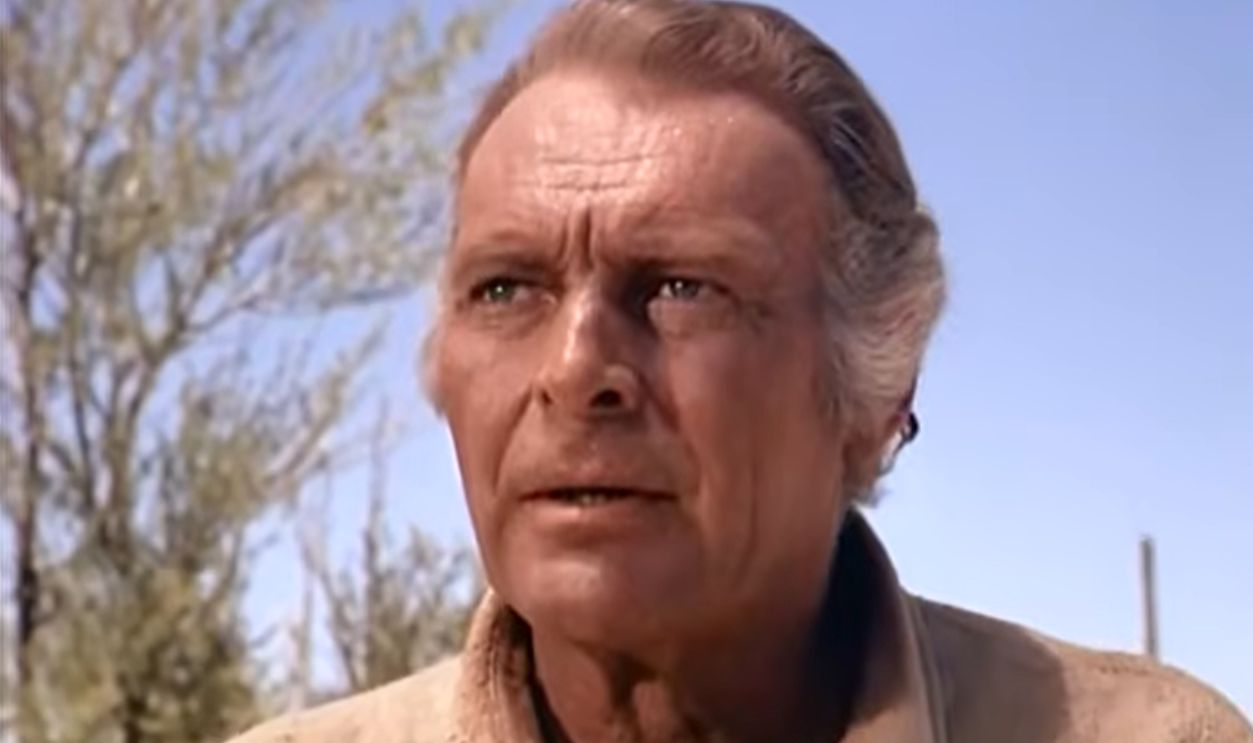 Screenshot from The High Chaparral, NBC Productions (1967–1971)
His Earlier Westerns Gave Him Instincts
Before The High Chaparral, Erickson had appeared in films including Wanderer of the Wasteland, Nevada, Desert Gold, Dallas, and The Cimarron Kid. He also accumulated television appearances in Westerns such as Rawhide, Bonanza, Gunsmoke, and The Rifleman. Those jobs exposed him to different kinds of frontier characters and production styles. Big John felt specific because Erickson had already learned what generic Western acting looked like and moved beyond it.
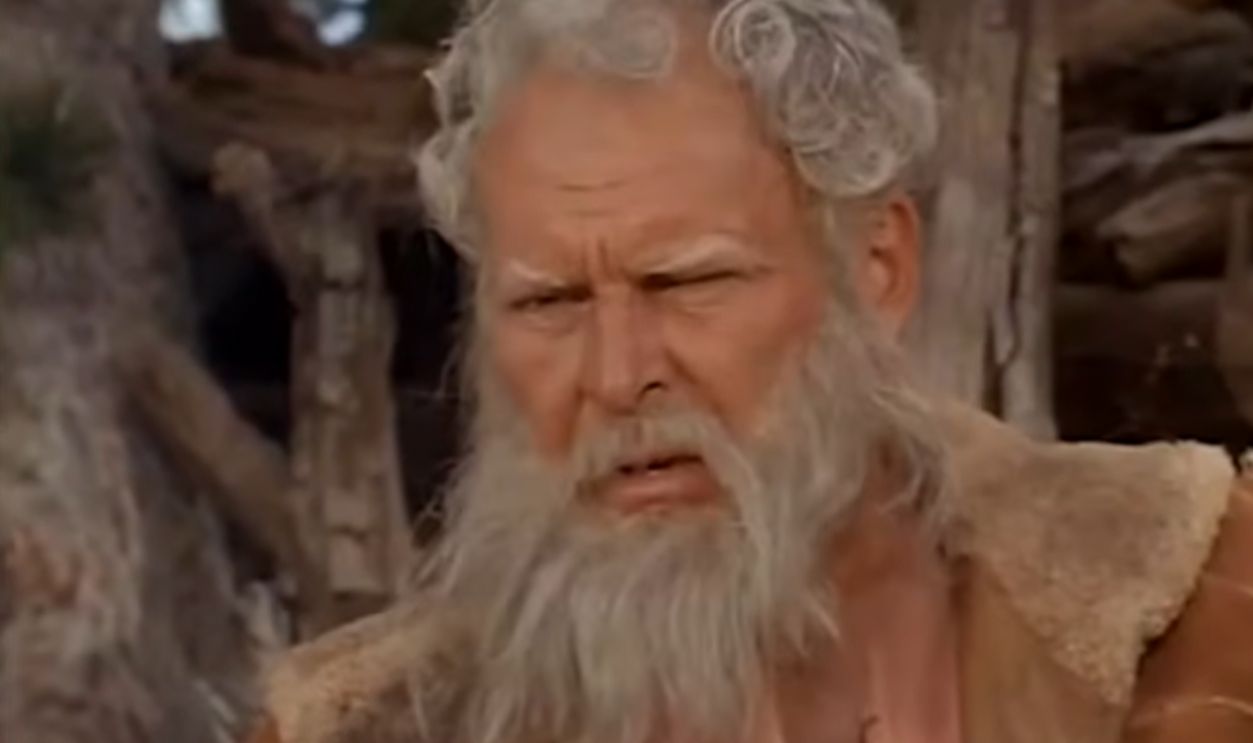 Screenshot from Bonanza, NBC (1959–1973)
He Could Play Hard Without Becoming Hollow
John Cannon was stubborn, ambitious, and capable of making decisions that hurt people around him. Erickson did not soften those qualities until the character became unrealistically agreeable. Instead, he allowed flashes of concern and vulnerability to emerge beneath the hard surface. That balance made John feel like a difficult man shaped by difficult conditions.
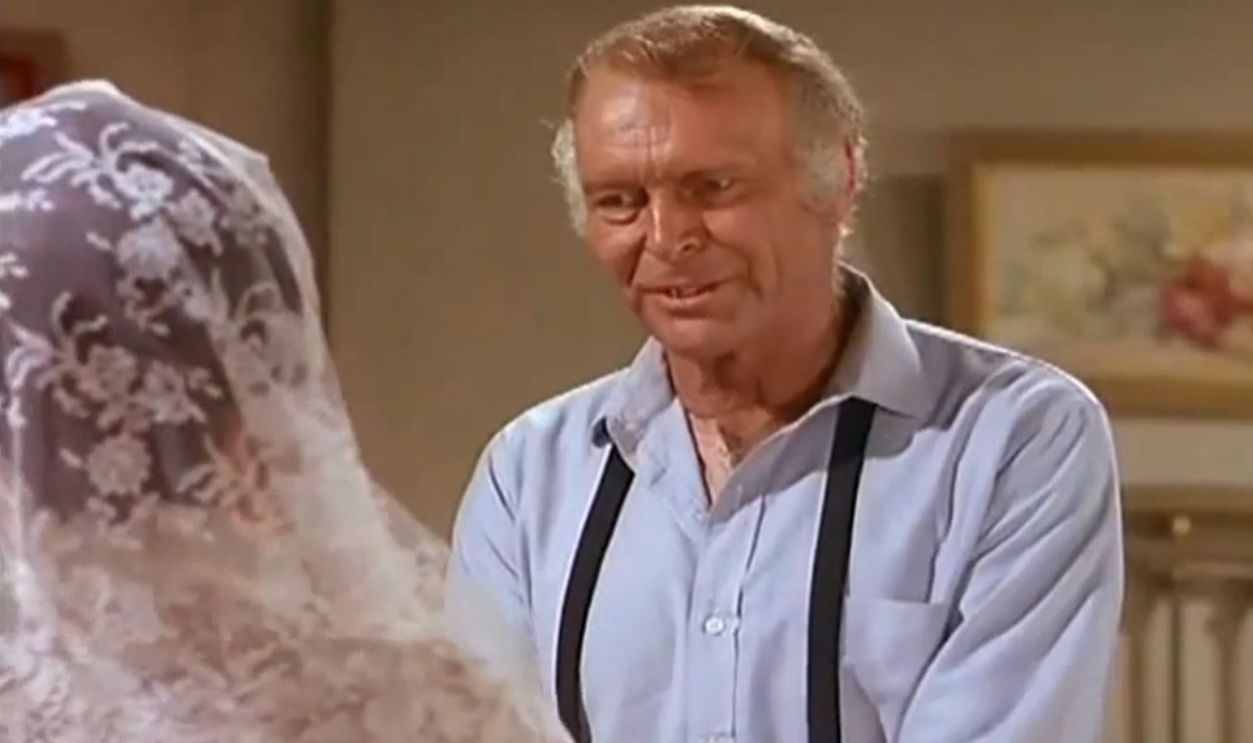 Screenshot from The High Chaparral, NBC Productions (1967–1971)
His Family Gave The Cowboy Depth
The series surrounded John with his brother Buck, his son Billy Blue, his second wife Victoria, and her brother Manolito. Their conflicting temperaments prevented John from functioning as a lone hero who always had the last word. Erickson had to play grief, fatherhood, marriage, rivalry, and compromise alongside frontier survival. Those domestic pressures made his cowboy feel more human.
 Screenshot from The High Chaparral, NBC Productions (1967–1971)
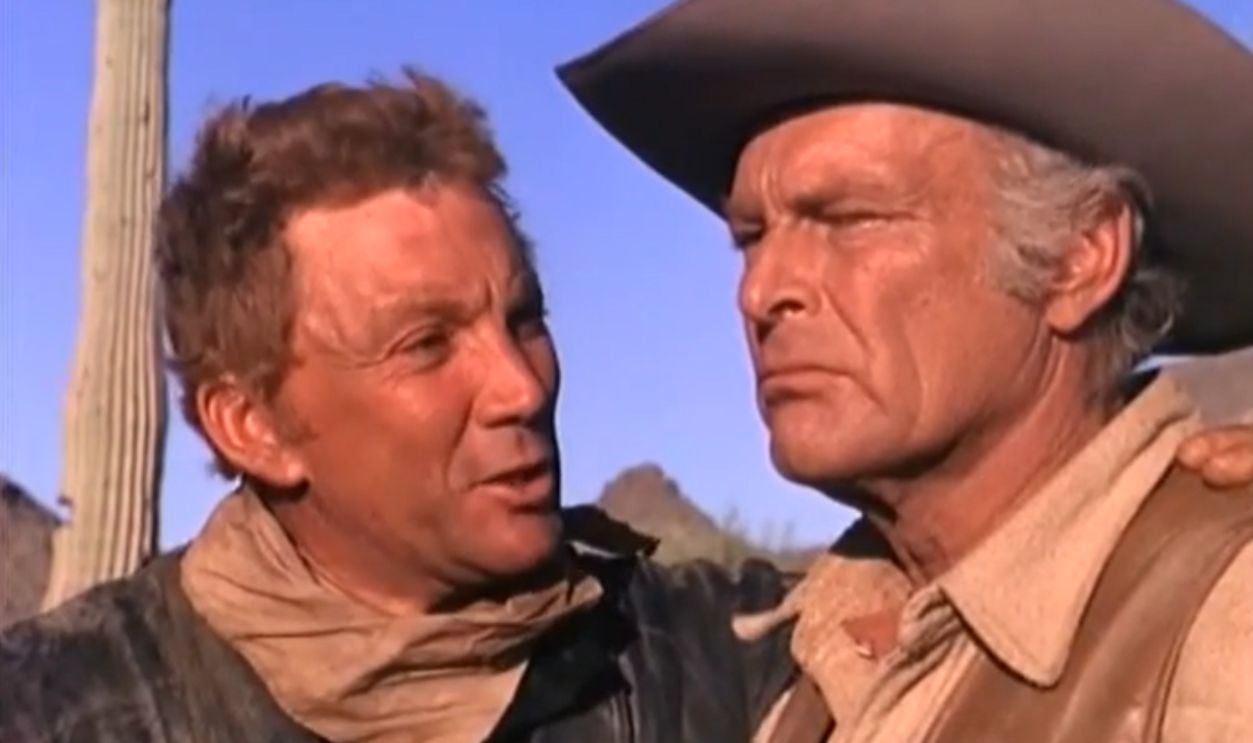
Cameron Mitchell Made Him Seem Even Straighter
Cameron Mitchell’s Buck Cannon was impulsive, lively, and unpredictable. Erickson responded by making John more controlled and disciplined, creating a persuasive contrast between the brothers. Their scenes suggested years of affection mixed with frustration. Buck’s wildness made John’s restraint look like hard-earned survival rather than a lack of personality.
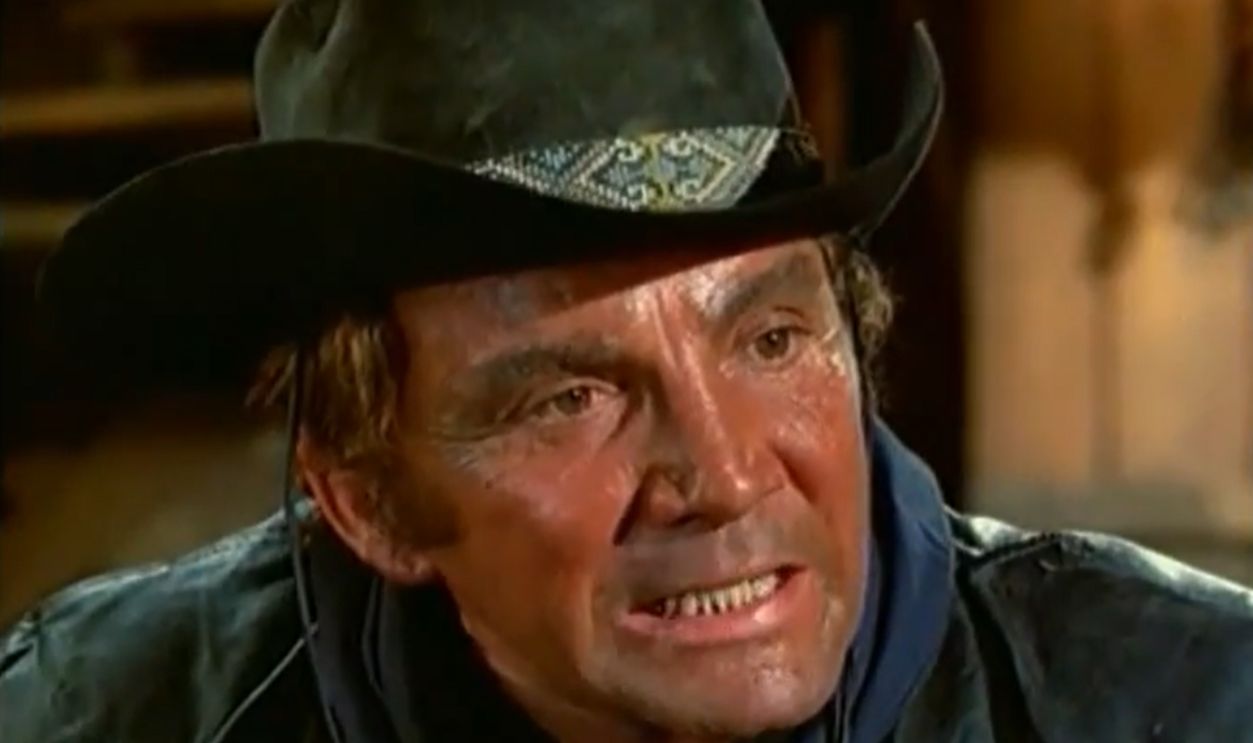 Screenshot from The High Chaparral, NBC Productions (1967–1971)
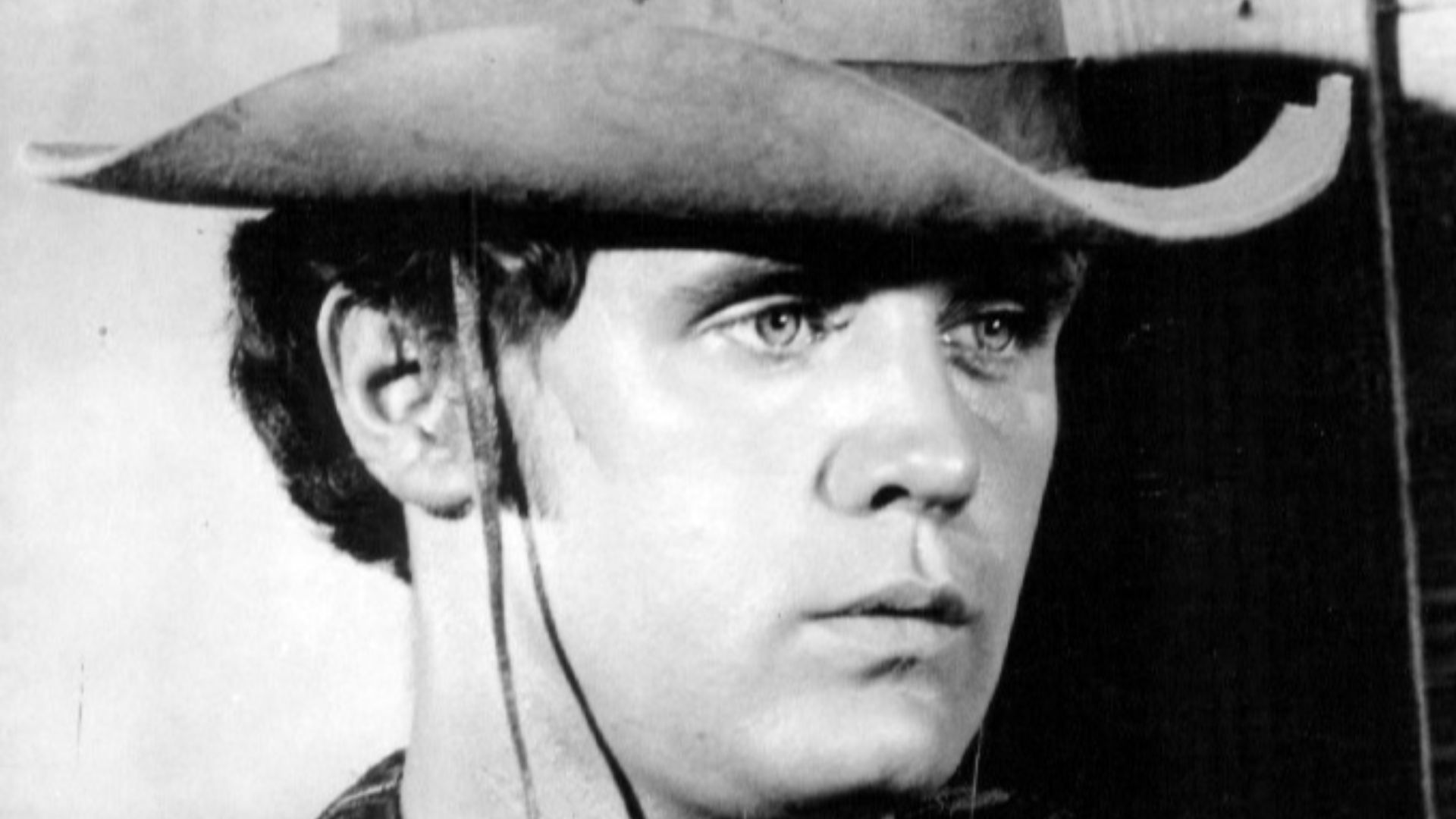
Mark Slade Brought Out His Severity
Billy Blue often challenged his father’s judgments and emotional reserve. That tension allowed Erickson to show how John’s determination could become inflexibility. He loved his son, but he did not always know how to communicate that love gently. The awkwardness made their relationship feel more credible than an idealized television bond.
 NBC Television-there is enough of the logo left on the back to identify., Wikimedia Commons
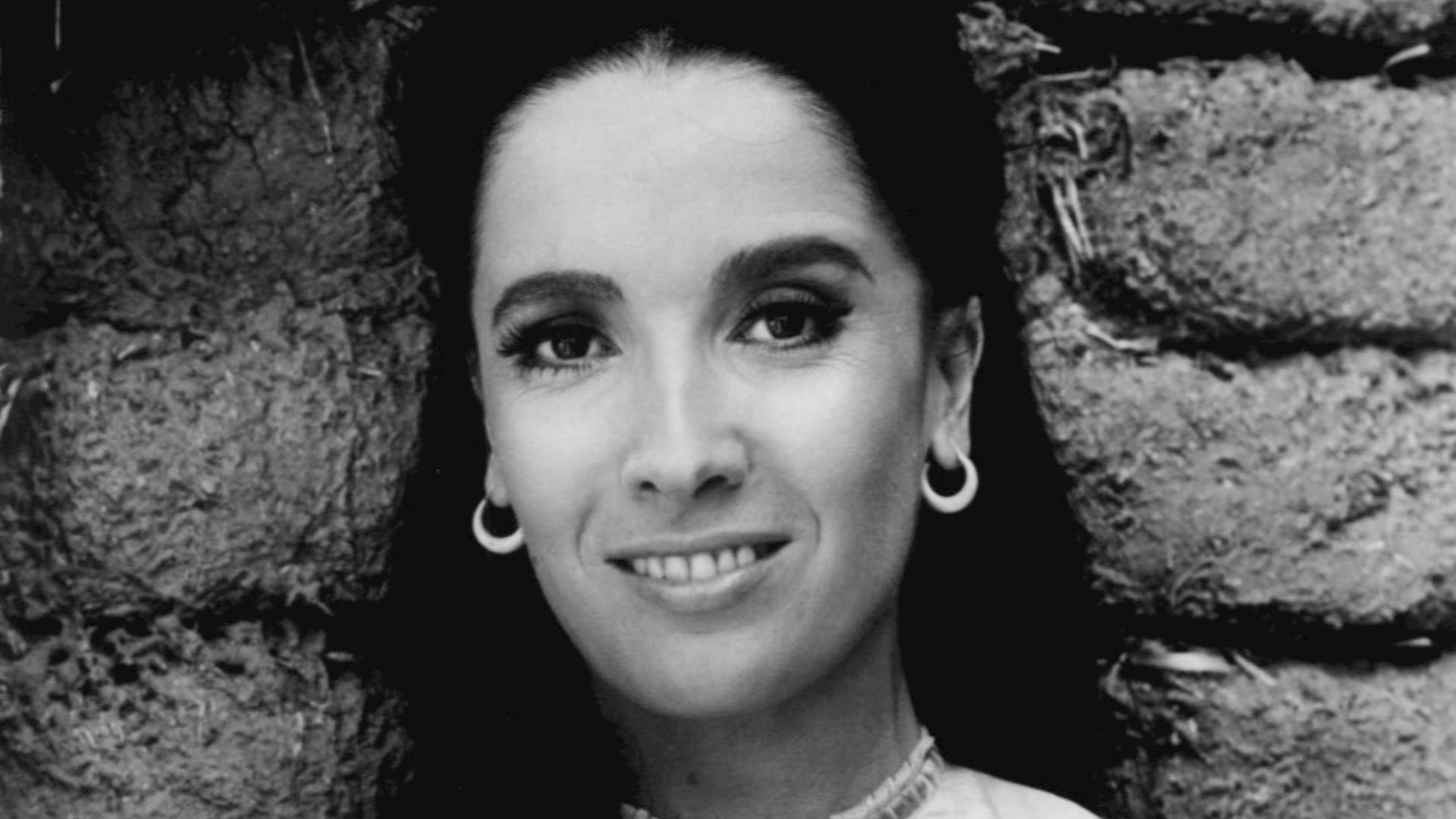
Linda Cristal Challenged His Certainty
Victoria entered John’s life through an arrangement connected to peace and ranch survival, but she became much more than a decorative ranch wife. Linda Cristal earned Emmy nominations for her work on the series, reflecting the importance of Victoria’s perspective. Her intelligence and independence forced John to reconsider assumptions he might otherwise have carried unquestioned. Erickson’s willingness to let Victoria challenge him strengthened both characters.
 NBC Television, Wikimedia Commons
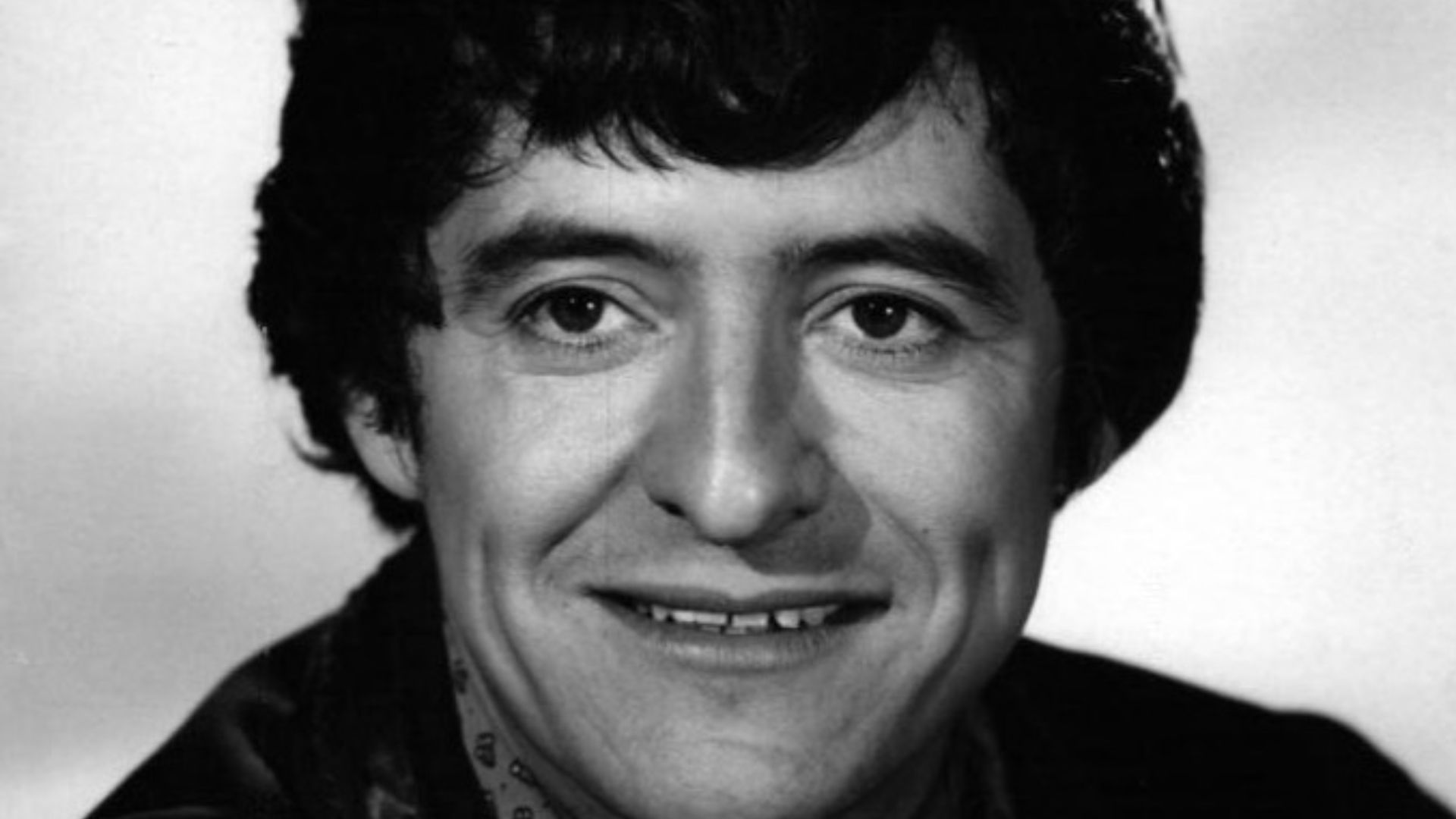
Henry Darrow Expanded The Western World
As Manolito Montoya, Henry Darrow brought humor, cultural tension, and an unpredictable energy into the Cannon household. The character’s Mexican background and connections across the border helped the series look beyond the standard Anglo ranching family. Erickson’s John had to negotiate with Manolito rather than simply command him. Their differences made the frontier feel socially complicated instead of neatly divided.
 NBC Television, Wikimedia Commons
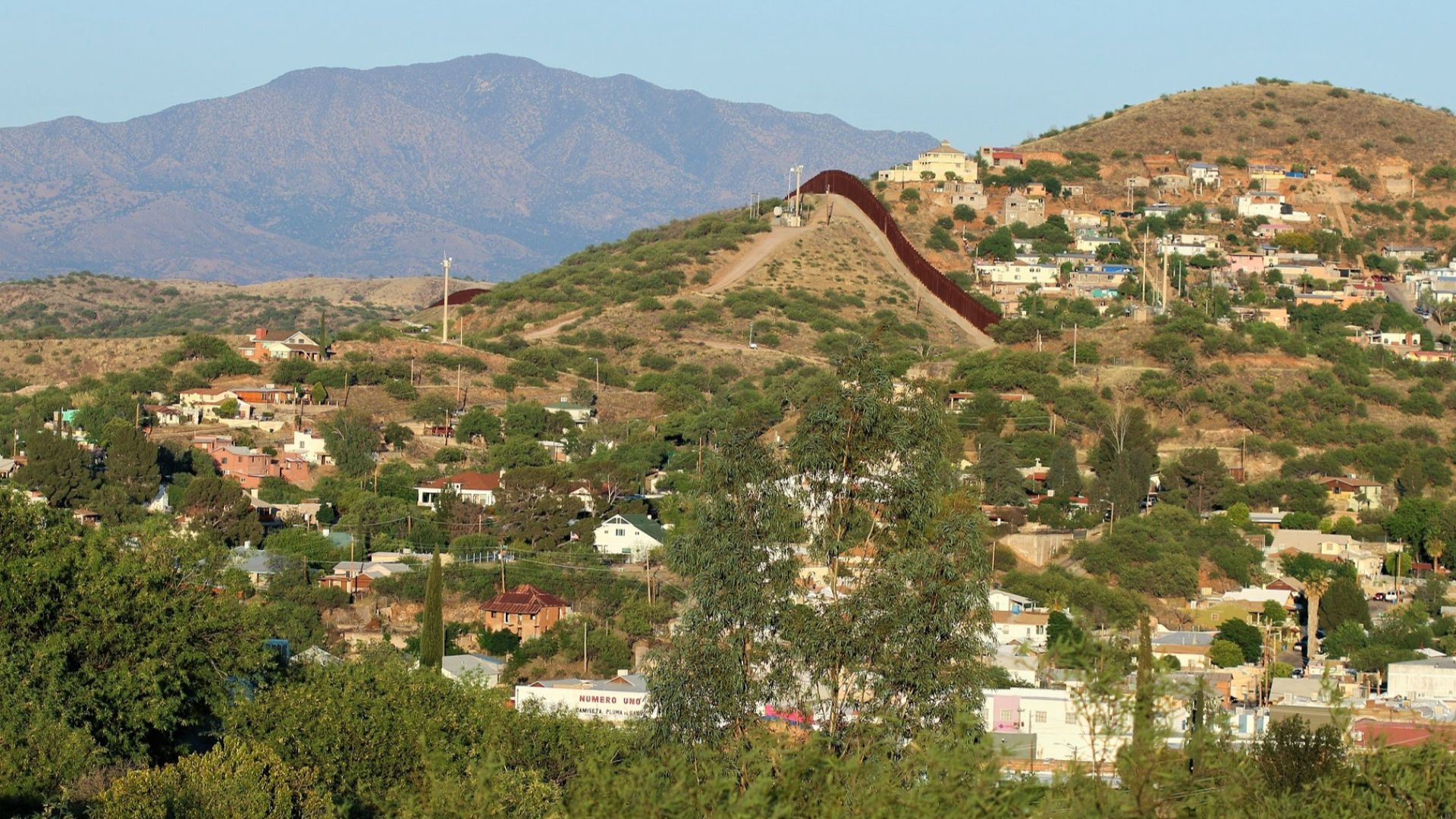
The Border Setting Changed The Formula
The High Chaparral stood near the Mexican border in the Arizona Territory, placing the ranch between American, Mexican, and Apache interests. That setting made diplomacy as important as marksmanship. John often needed alliances to preserve what he was building. Erickson therefore played a cowboy who survived through negotiation, marriage, and uneasy compromise as well as force.
 Salvador Vitanza, Wikimedia Commons
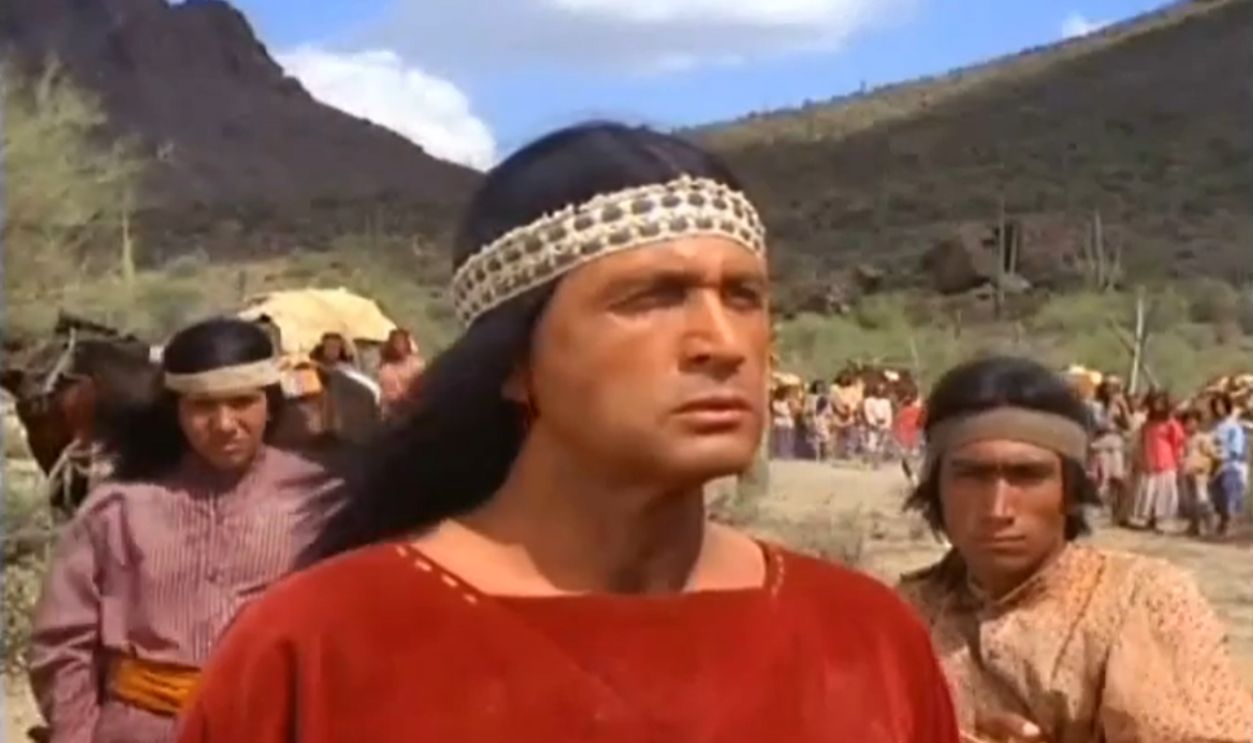
The Series Took Apache Conflict Seriously
John’s dream of a cattle empire existed on land where Apache communities already had their own interests and power. The series dramatized conflict, negotiation, raids, and efforts at coexistence, even though its treatment remained shaped by 1960s television conventions. This required Erickson to play a man whose determination could not simply erase everyone around him. That friction gave his rancher more moral complexity than a straightforward conqueror.
 Screenshot from The High Chaparral, NBC Productions (1967–1971)
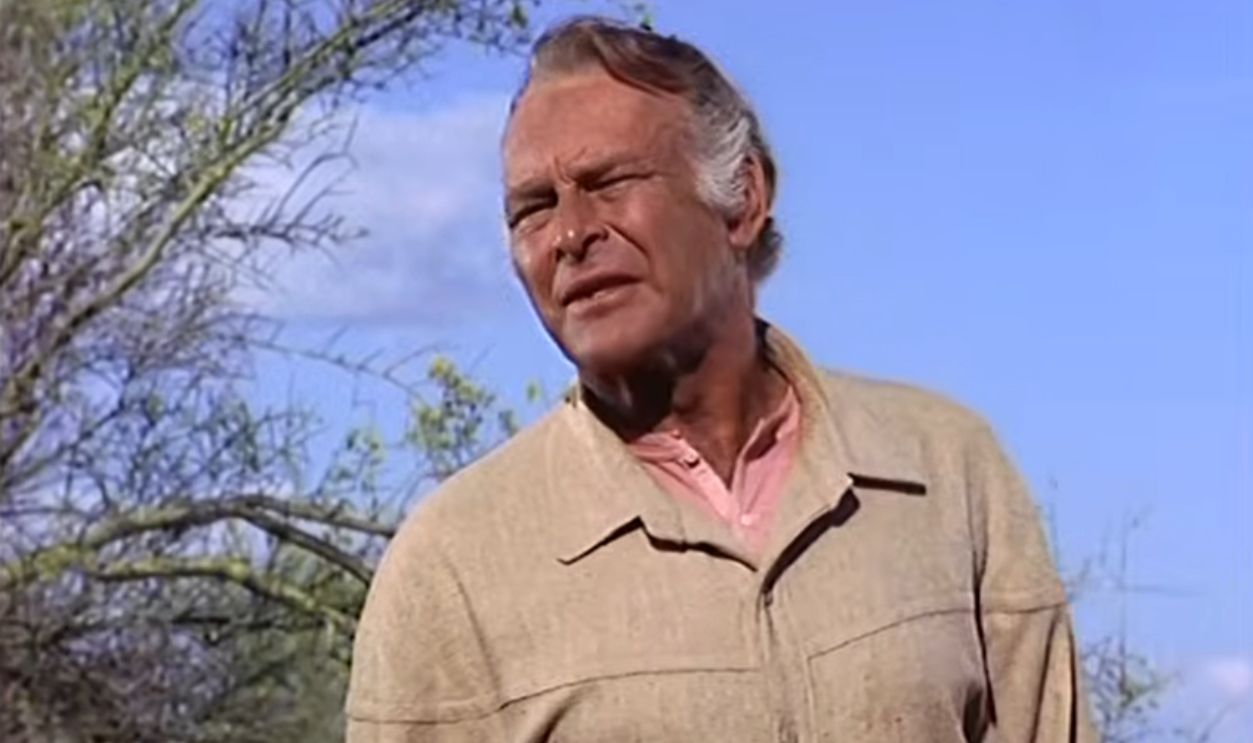
He Was Not Trying To Be Young
Erickson was in his mid-50s when The High Chaparral premiered. The series did not disguise that maturity or pretend John Cannon was an inexperienced gunslinger. His age suggested accumulated losses, old habits, and years of hard work. Television audiences could believe that this man had already lived a substantial life before arriving at the ranch.
 Screenshot from The High Chaparral, NBC Productions (1967–1971)
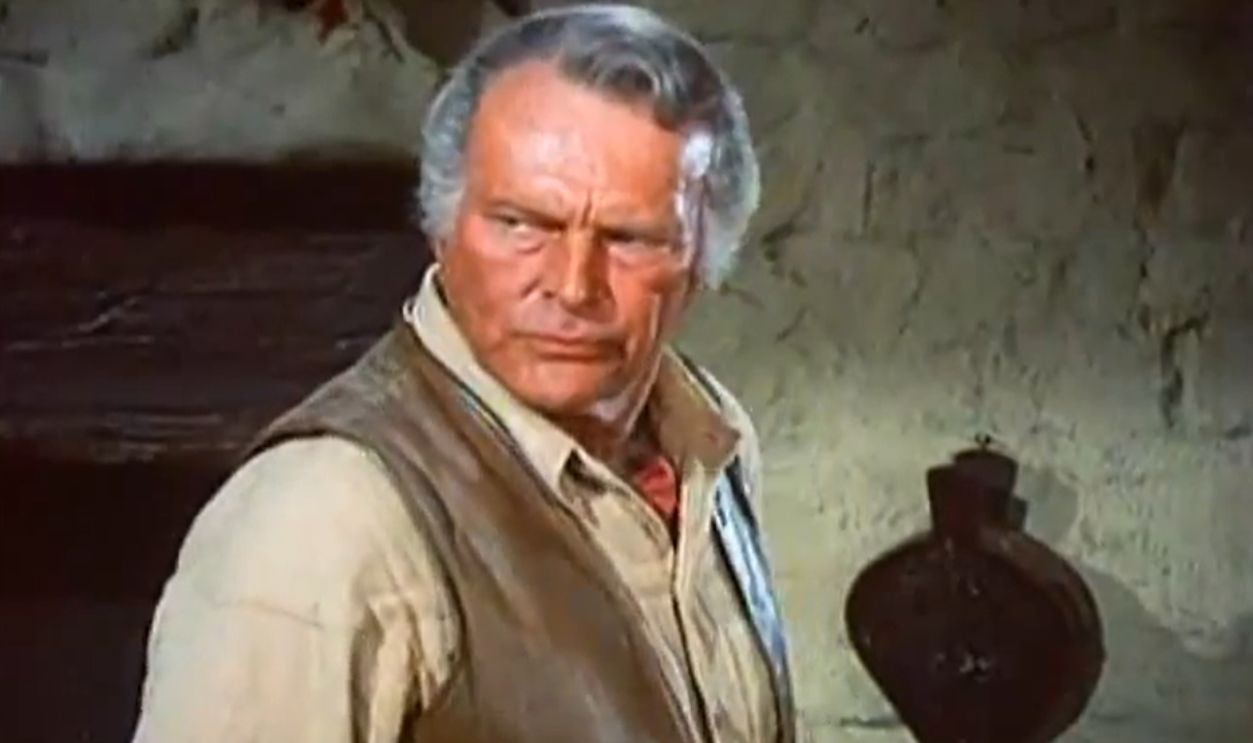
His Voice Carried Frontier Weight
Erickson spoke with a steady, grounded delivery that suited John’s practical nature. He did not decorate every line with exaggerated Western toughness. His pauses often made the character appear to be weighing consequences before speaking. That restraint allowed ordinary instructions about cattle or security to carry real authority.
 Screenshot from The High Chaparral (1967–1971)
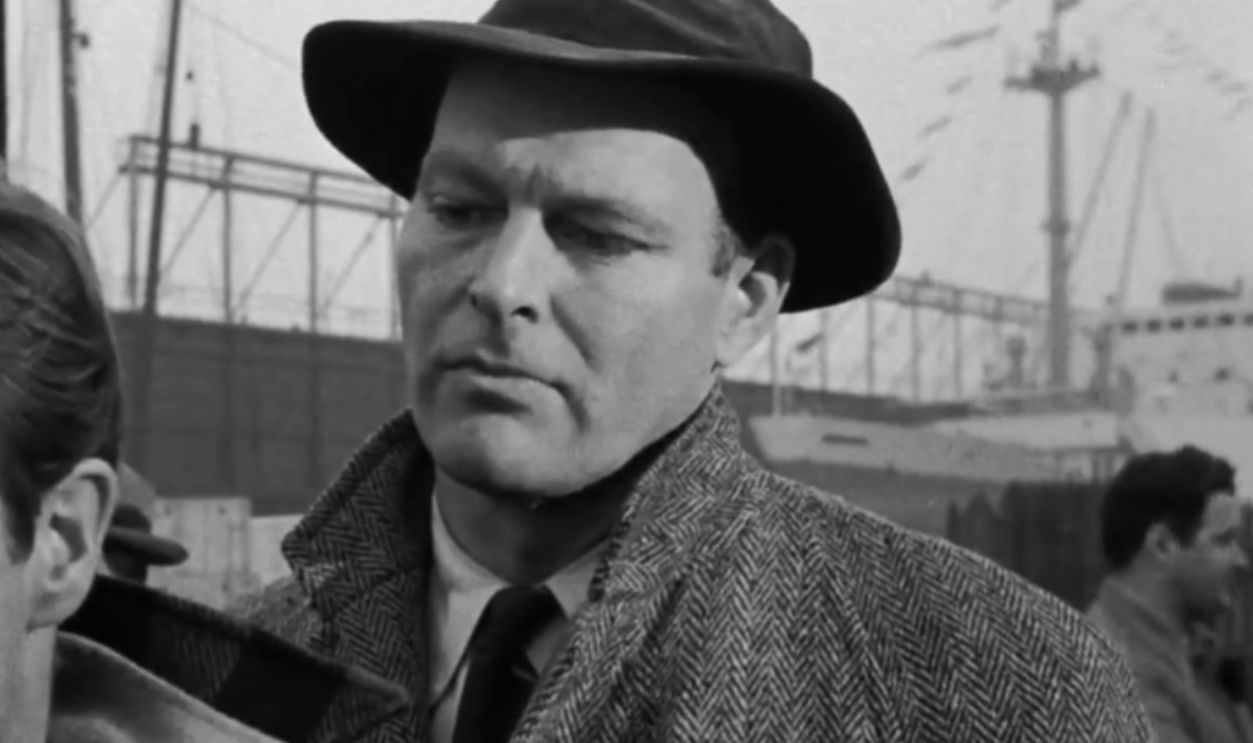
His Film Career Added Gravitas
Erickson had worked in major productions long before taking the television role. His credits included The Snake Pit, Sorry, Wrong Number, Show Boat, On the Waterfront, Tea and Sympathy, and The Carpetbaggers. Those films required him to play troubled husbands, villains, authority figures, and complicated supporting characters. He brought all of that dramatic experience to a genre sometimes dismissed as simple television adventure.
 Screenshot from On the Waterfront, Columbia Pictures (1954)
He Knew How To Disappear Into An Ensemble
Although Erickson played the central ranch owner, The High Chaparral depended on a large ensemble. He did not need every episode to become a showcase for John Cannon. At times, Buck, Victoria, Manolito, Billy Blue, or ranch hands carried the emotional center. Erickson’s willingness to support other performers made the family and ranch feel larger than one star.
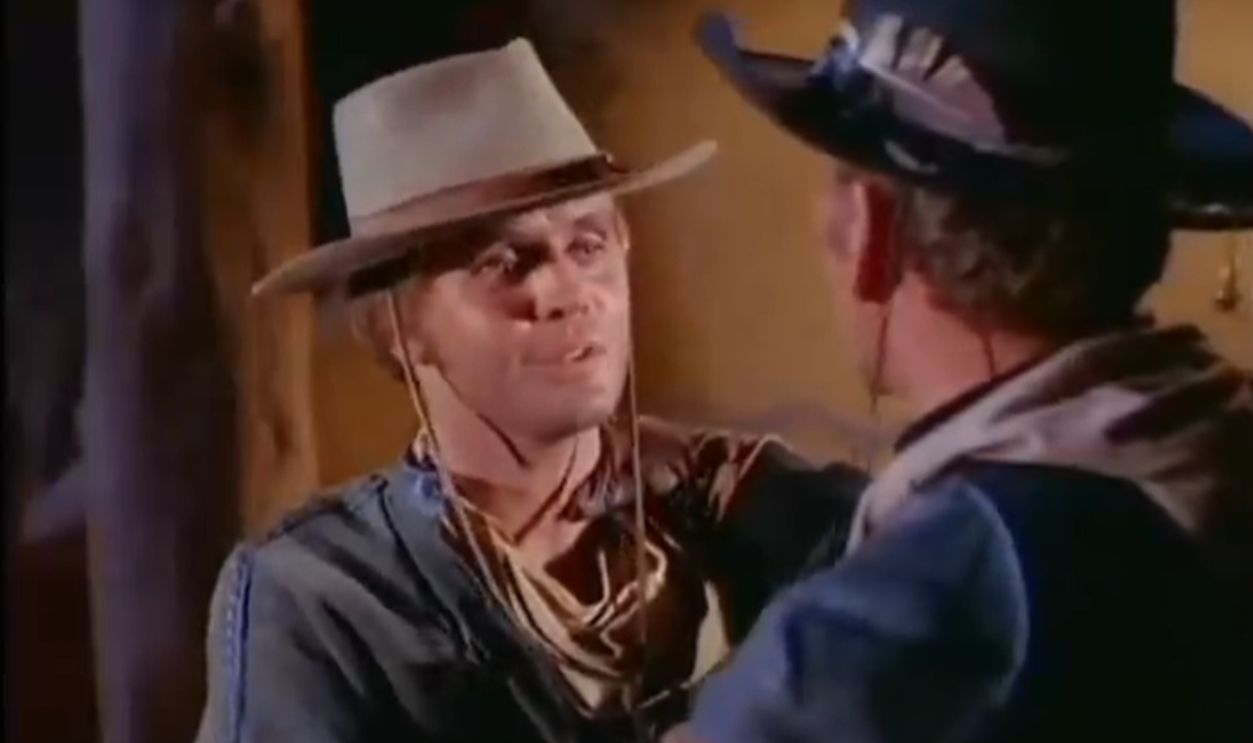 Screenshot from The High Chaparral (1967–1971)
Four Seasons Created Familiarity
NBC aired The High Chaparral from 1967 through 1971, producing four seasons and 98 episodes. That gave Erickson years to accumulate small behavioral details rather than defining John through a single adventure. Viewers saw the character under financial strain, family pressure, physical danger, and political tension. Repetition turned his cowboy mannerisms into something that felt instinctive.
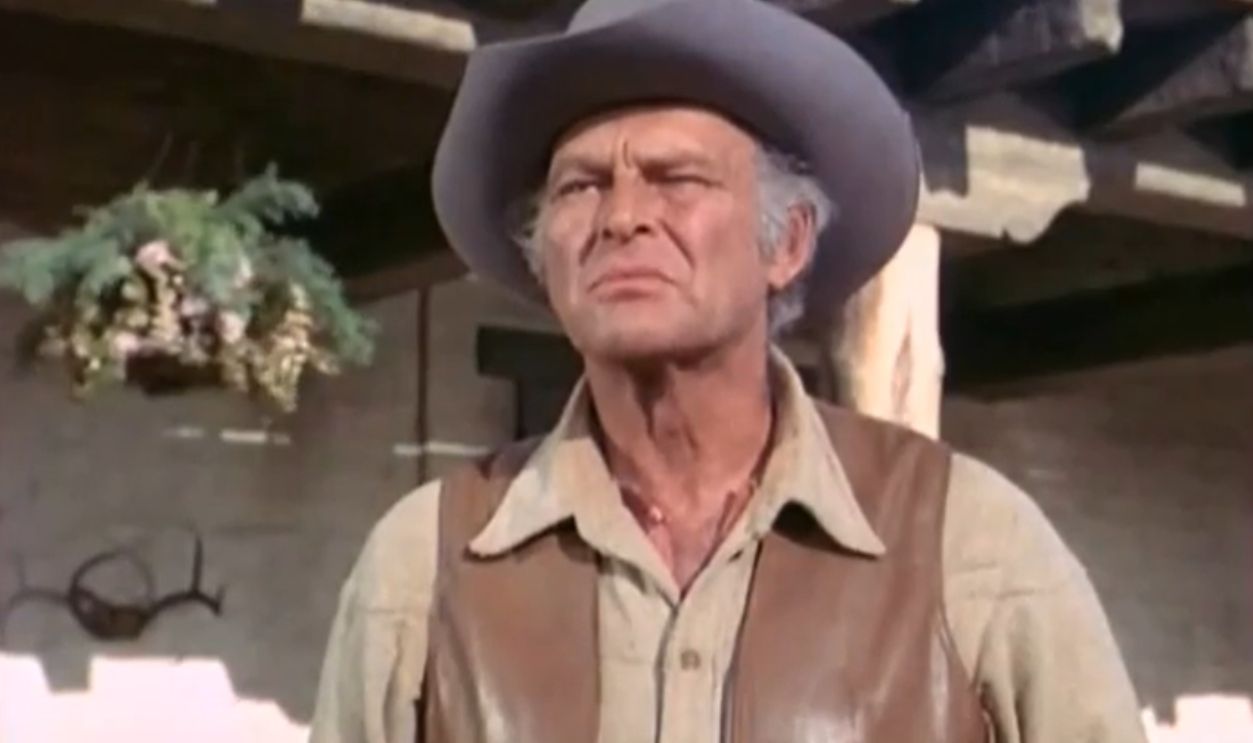 Screenshot from The High Chaparral, NBC Productions (1967–1971)
The Show Came From A Western Expert
Dortort had already turned the Cartwright family into television institutions through Bonanza. With The High Chaparral, he developed another family-based Western but placed greater emphasis on the desert borderlands and a ranch surrounded by competing cultures. Erickson benefited from scripts and production choices shaped by someone deeply familiar with weekly Western storytelling. The creator knew that believable cowboys needed problems that could not always be solved by drawing a gun.
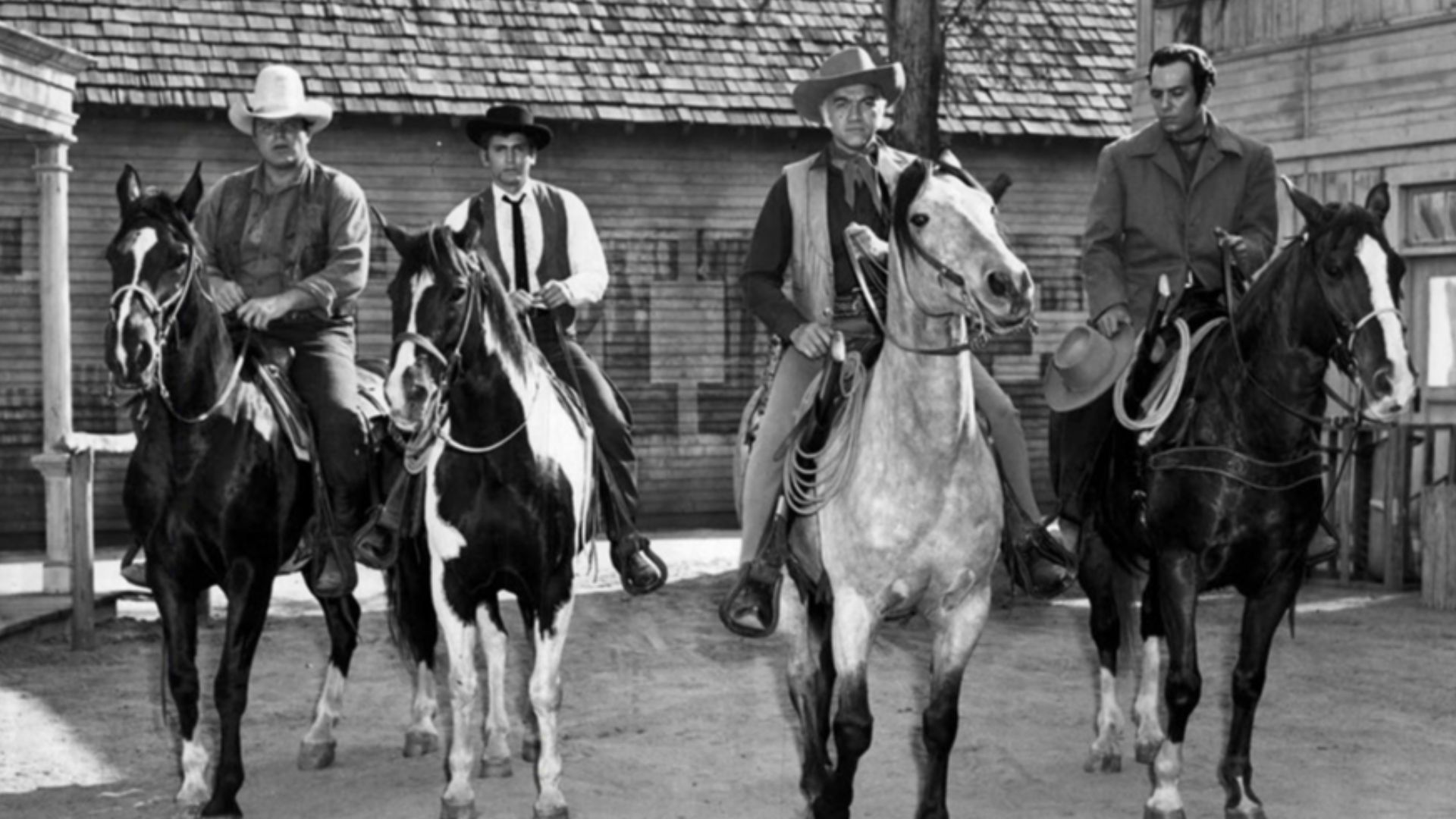 NBC Television, Wikimedia Commons
John Cannon Had Something To Lose
A drifting gunfighter can leave town after the final confrontation. John could not, because his land, family, livestock, workers, and future were all tied to the High Chaparral. Every threat therefore carried practical and emotional consequences. Erickson’s guarded performance made sense for a man who understood how quickly one mistake could destroy everything.
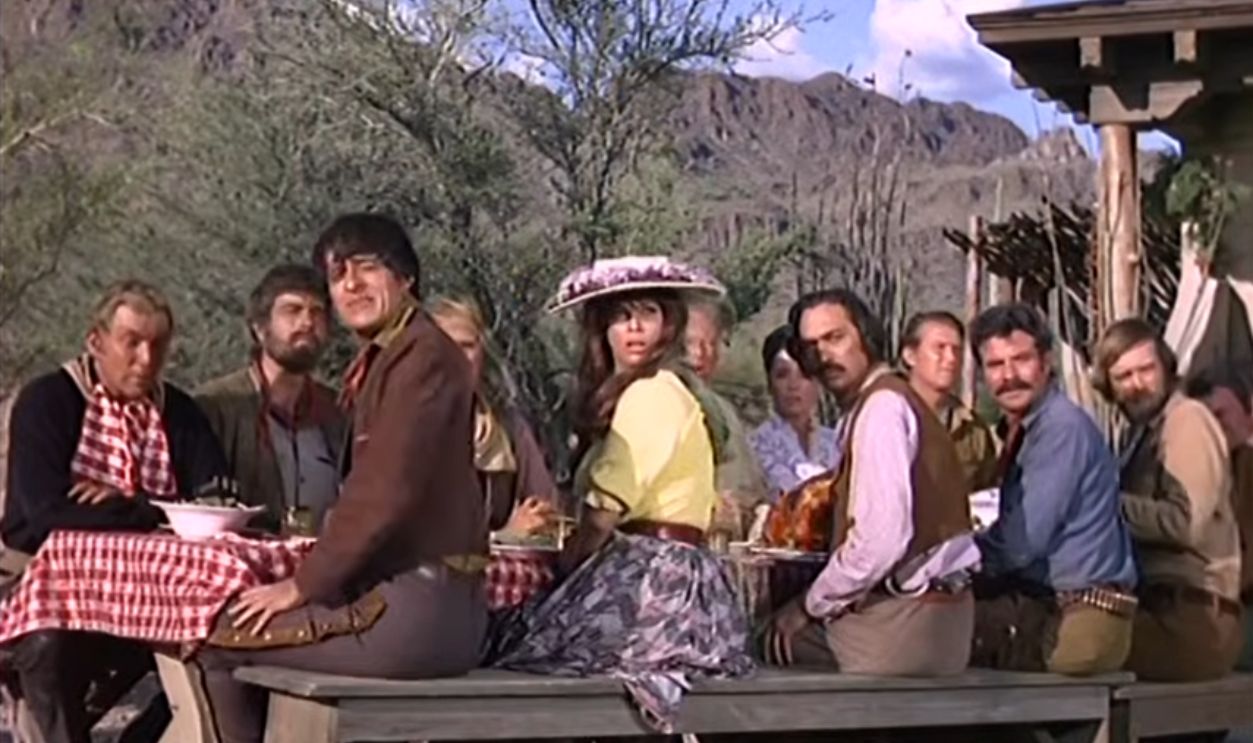 Screenshot from The High Chaparral, NBC Productions (1967–1971)
The Costume Never Wore Him
Erickson looked comfortable in work clothes, hats, boots, and gun belts because he did not treat them as symbols of heroism. They appeared to be tools and ordinary pieces of clothing. His movements were usually functional rather than posed for maximum drama. That ease helped viewers forget they were watching an actor dressed as a rancher.
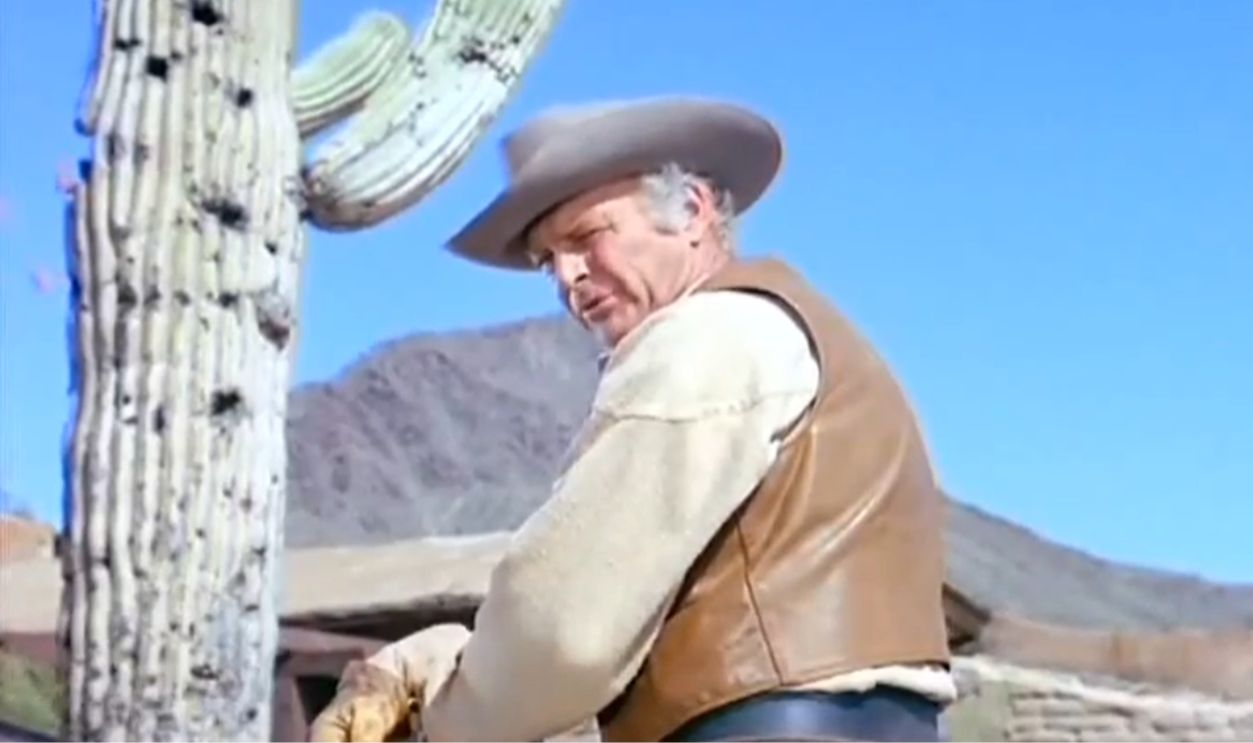 Screenshot from The High Chaparral, NBC Productions (1967–1971)
The Role Became His Lasting Identity
Erickson worked in entertainment from the 1930s into the 1980s, appearing on stage, in films, and across many television series. Yet contemporary obituaries and reference accounts continued identifying The High Chaparral as the role for which he was best remembered. Big John Cannon distilled his rugged appearance, dramatic experience, and restrained authority into one enduring image. The cowboy did not erase the rest of his career, but he became its clearest symbol.
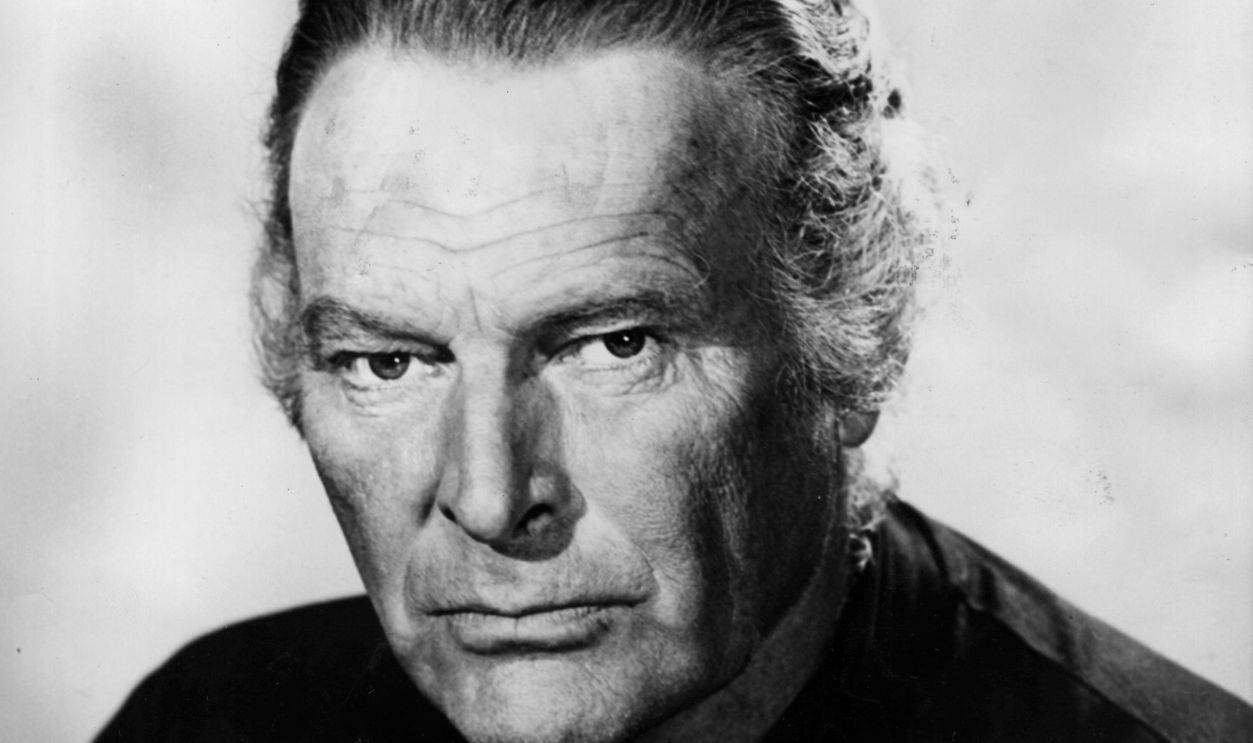
He Never Needed To Show Off
Some television Western heroes were built around speed, charm, or spectacular marksmanship. Erickson’s strength was making John appear dependable even when he was angry, mistaken, or emotionally closed off. The performance rarely called attention to technique. That lack of visible effort is one of the main reasons it remains so convincing.
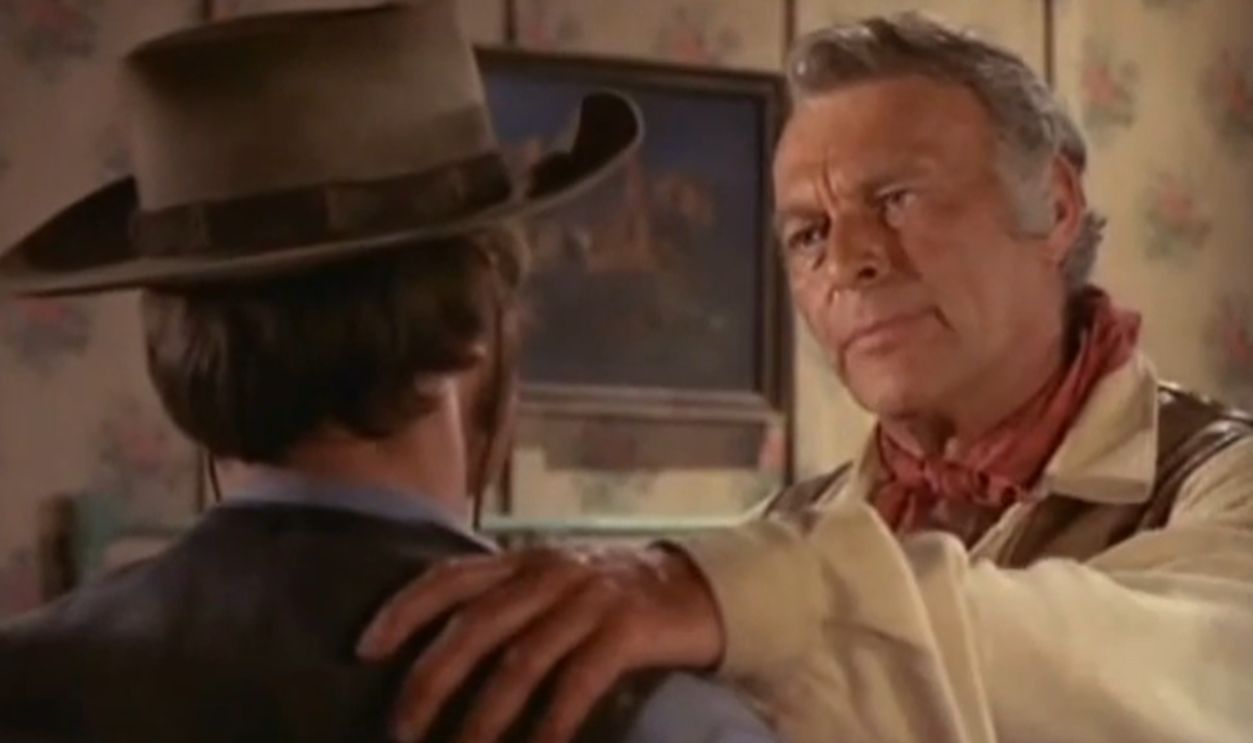 Screenshot from The High Chaparral, NBC Productions (1967–1971)
He Made The Frontier Feel Heavy
Erickson played ranch ownership as a burden as much as a dream. John Cannon’s ambitions brought responsibility, conflict, compromise, and constant fear of losing what he had built. The Arizona locations, detailed sets, mature ensemble, and Erickson’s hard-earned restraint all supported that interpretation. He became one of television’s most convincing cowboys because he made frontier life look exhausting, complicated, and real.
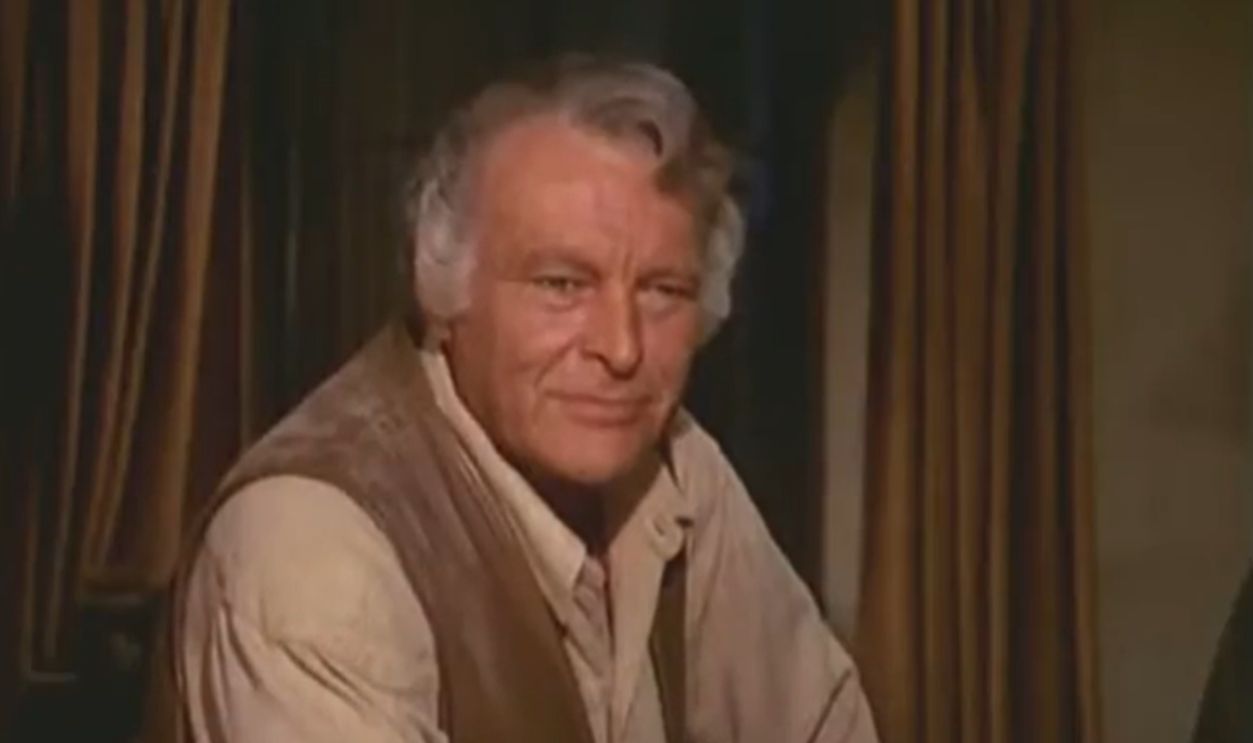 Screenshot from The High Chaparral, NBC Productions (1967–1971)
You May Also Like:
Classic 1960s Westerns That No One Recognizes Today—Seriously, Do You Recognize Any Of These Shows?
These Photos Show Life On The Set Of Classic American Westerns
Western Movies And TV Shows Fans Swear By—And The Ones They Say “Ruined” The Genre
Sources: 1, 2, 3, 4, 5, 6, 7, 8, 9, 10, 11, 12, 13, 14, 15, 16, 17, 18