The Man Behind The Impossible Missions
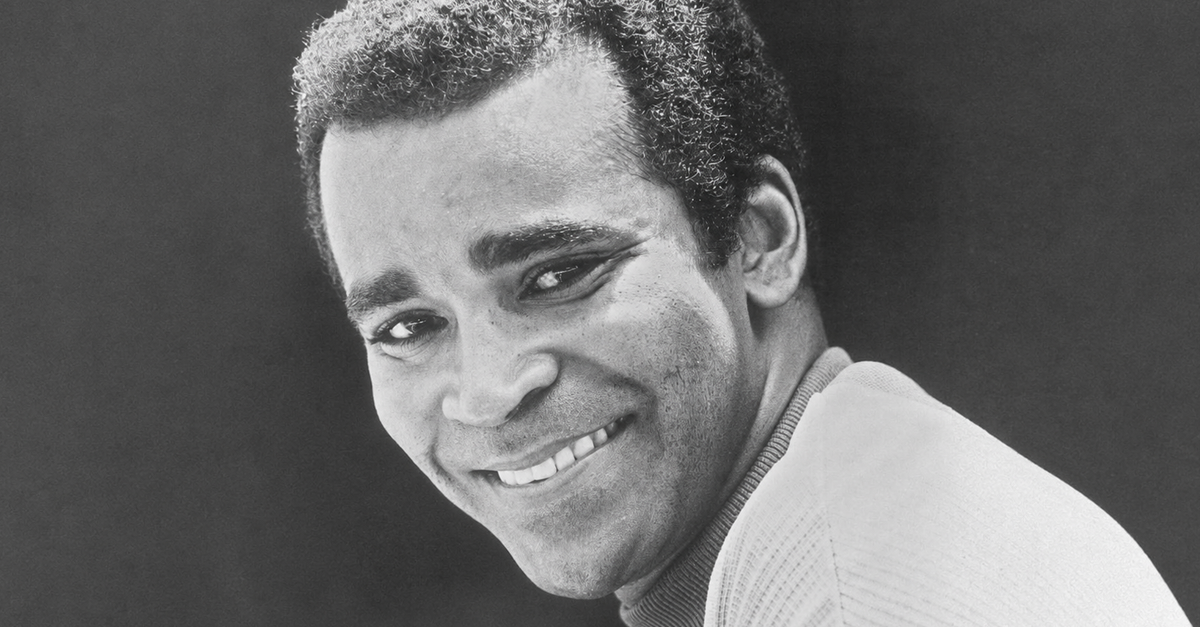
Mission: Impossible became famous for exploding tapes, elaborate disguises, and operations that unfolded with clockwork precision. Greg Morris gave that machinery its calm, intelligent center as electronics expert Barney Collier. His performance helped change what a Black character could represent on prime-time television, even if Morris rarely received recognition equal to his importance.
His Story Began In Cleveland
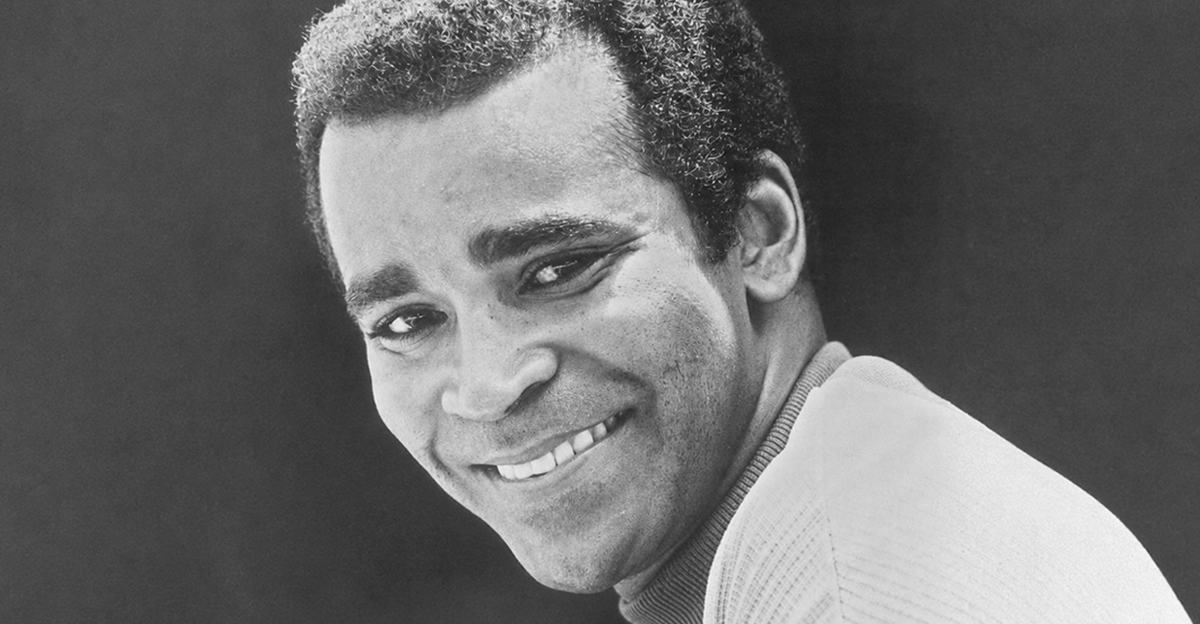
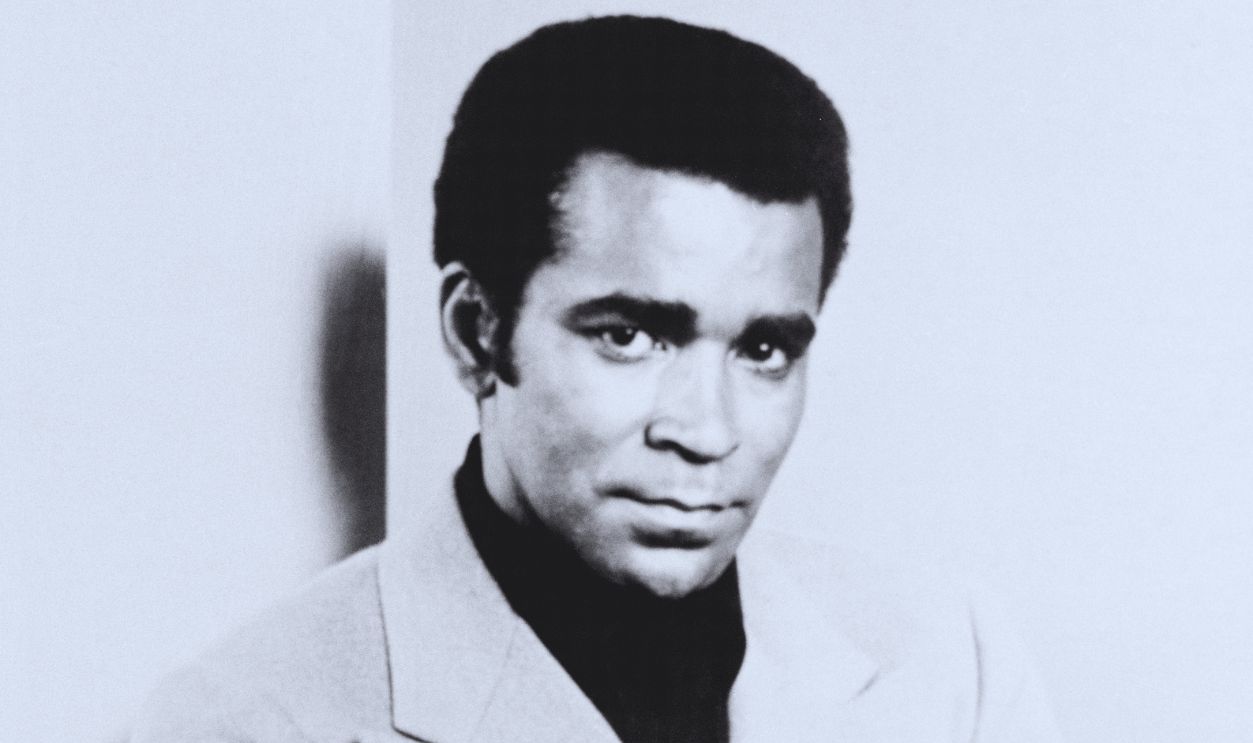
Morris was born in Cleveland, Ohio, and attended both Ohio State University and the University of Iowa. He became involved in theater before pursuing acting professionally. Those early experiences prepared him for an industry that offered Black performers relatively few substantial opportunities.
He Found His Footing Onstage
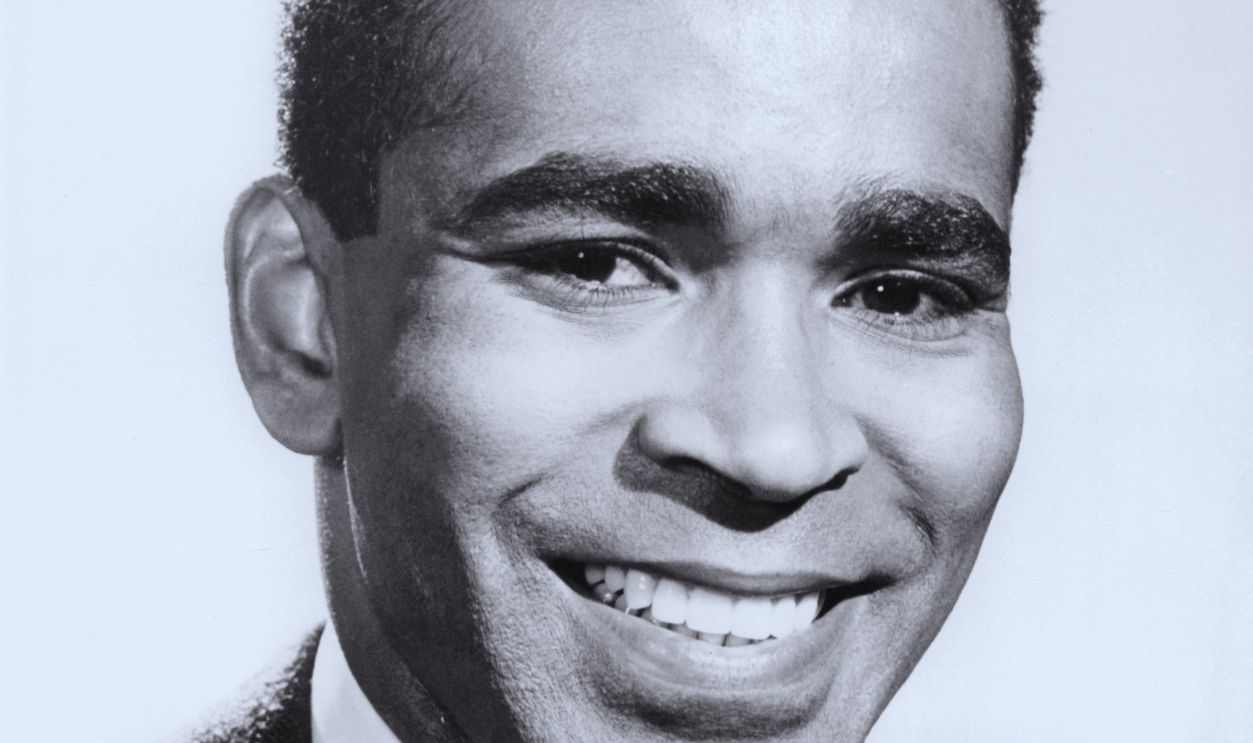
Before reaching Hollywood, Morris gained stage experience in Seattle. Television was expanding rapidly, but meaningful dramatic roles for Black actors remained scarce. Morris entered the business at a moment when simply appearing as a capable professional could challenge familiar stereotypes.
 Michael Ochs Archives, Getty Images
Television Offered Small Openings
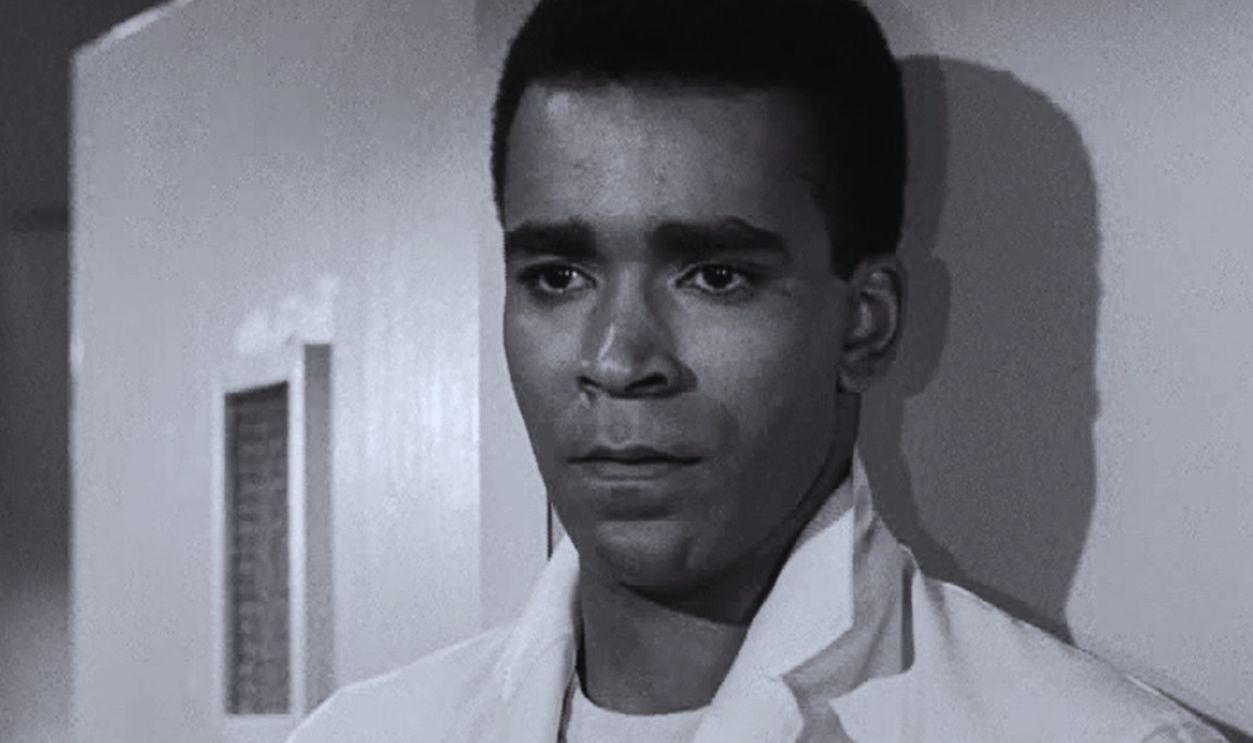
Morris began landing guest roles during the early 1960s. His credits included popular programs such as Dr. Kildare, The Alfred Hitchcock Hour, and The Fugitive. These appearances gave him visibility, although they did not yet provide the security of a regular series.
 Screenshot from The Fugitive, Warner Bros (1993)
The Twilight Zone Added To His Résumé
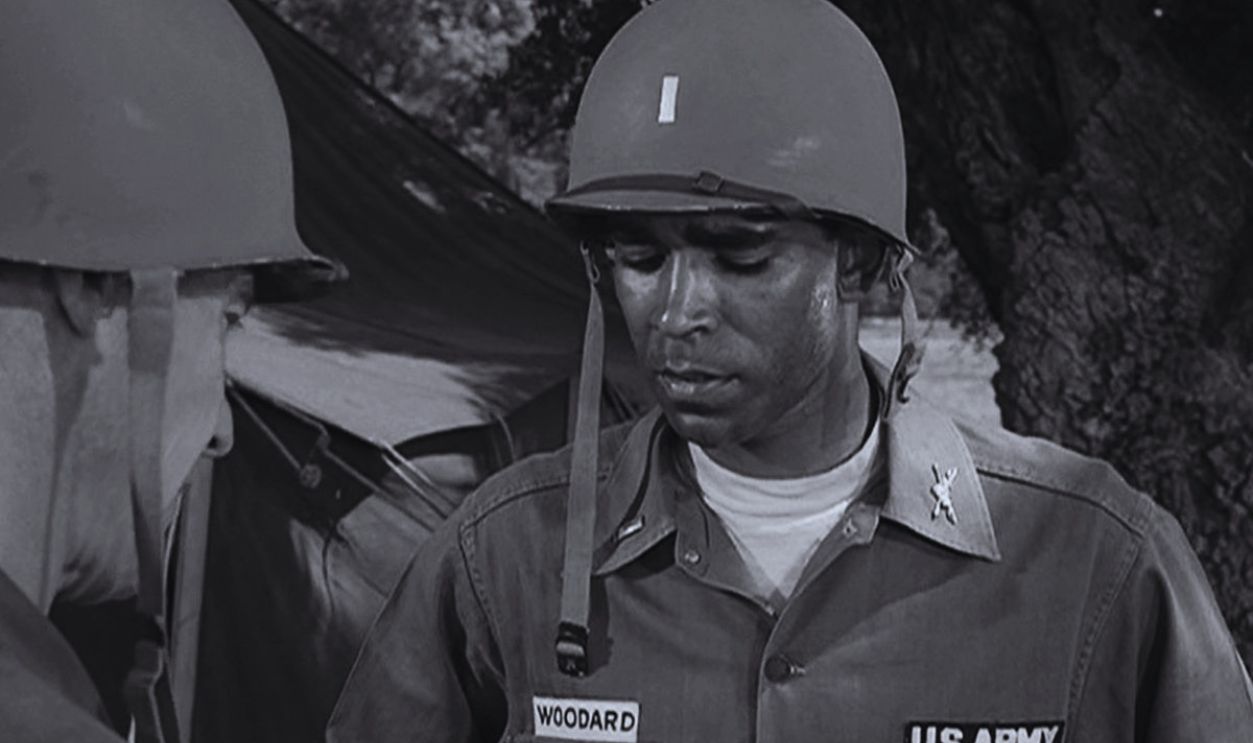
Morris appeared in the 1963 Twilight Zone episode “The 7th Is Made Up of Phantoms.” He played Lieutenant Woodard in the story of National Guard soldiers confronting a mystery connected to the Battle of Little Bighorn. The role was another step toward making Morris a familiar face across network television.
 Screenshot from The Twilight Zone, CBS Productions / CBS (1959–1964)
The Dick Van Dyke Show Used Him Brilliantly
Morris also appeared in the memorable Dick Van Dyke Show episode “That’s My Boy??” Rob Petrie becomes convinced that the hospital accidentally switched his newborn with another couple’s baby. Morris’s arrival as the other father delivers the joke while exposing the assumptions behind Rob’s suspicion.
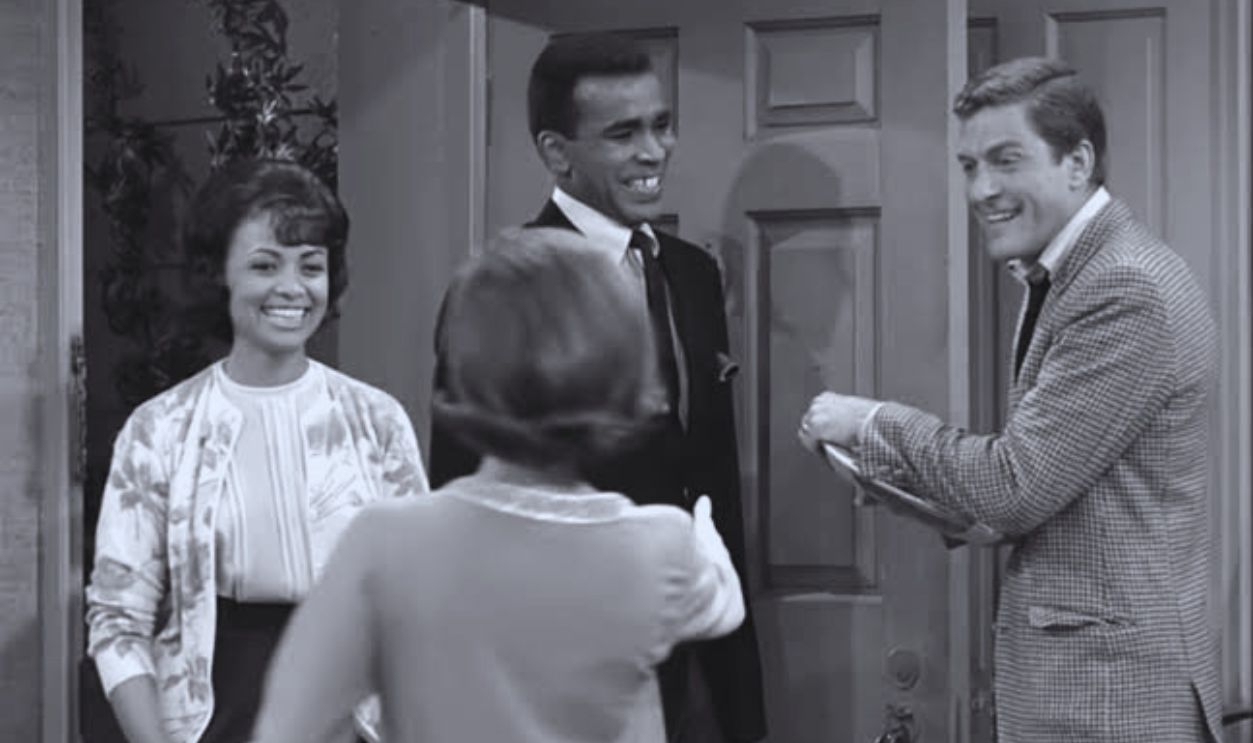 Screenshot from The Dick Van Dyke Show, CBS (1961–1966)
He Showed His Dramatic Range
A 1963 episode of Ben Casey gave Morris a much more confrontational role. He played a Black doctor whose anger brings him into conflict with a character played by Sammy Davis Jr. The performance demonstrated an intensity far removed from the composed screen presence he later brought to Barney Collier.
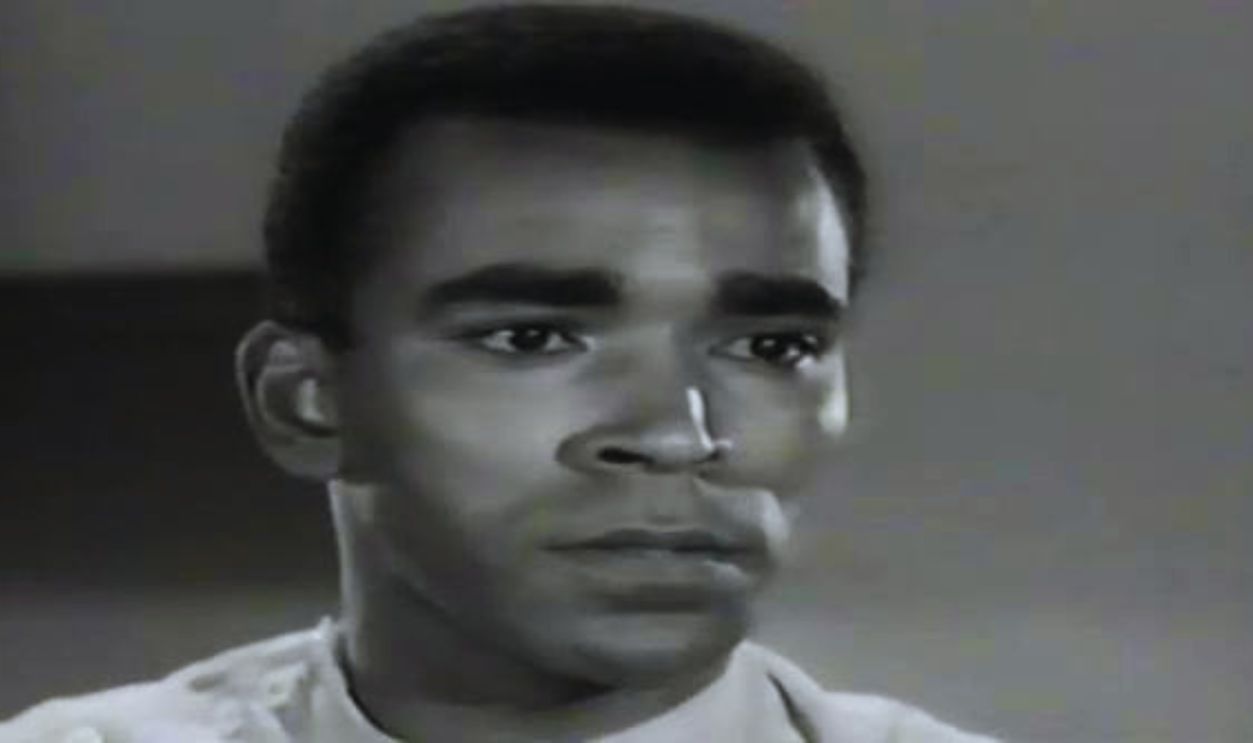 Screenshot from Ben Casey, ABC (1961–1966)
Mission: Impossible Changed Everything
CBS premiered Mission: Impossible in September 1966. The series followed a secret team that used deception, technology, and careful planning to defeat dangerous targets. Morris joined the original cast as Barney Collier, the man responsible for making many of those complicated plans work.
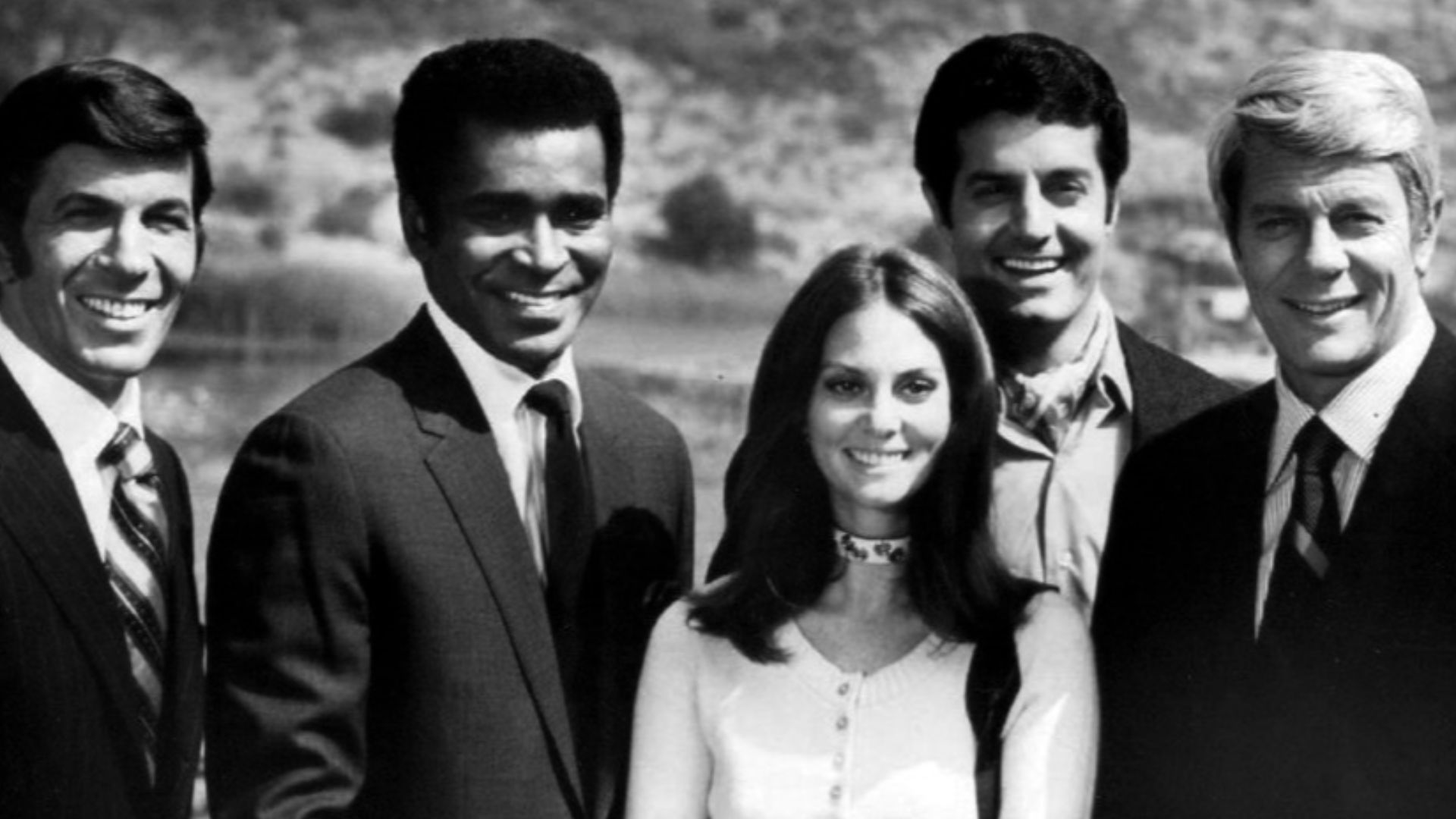 CBS Television, Wikimedia Commons
Barney Collier Was A Technical Genius
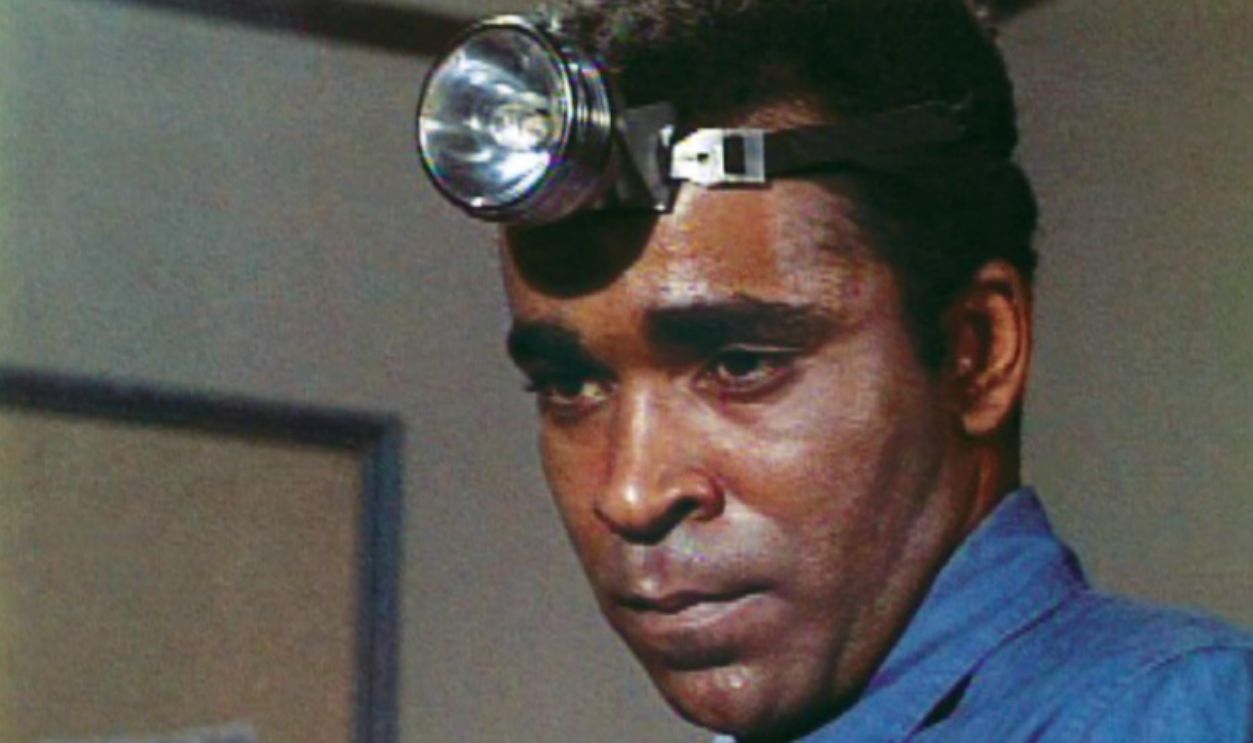
Barney was introduced as an electronics expert with an extraordinary talent for building specialized equipment. He installed hidden cameras, bypassed security systems, and created devices tailored to each assignment. Morris played him as a true authority whose expertise was never treated as a joke.
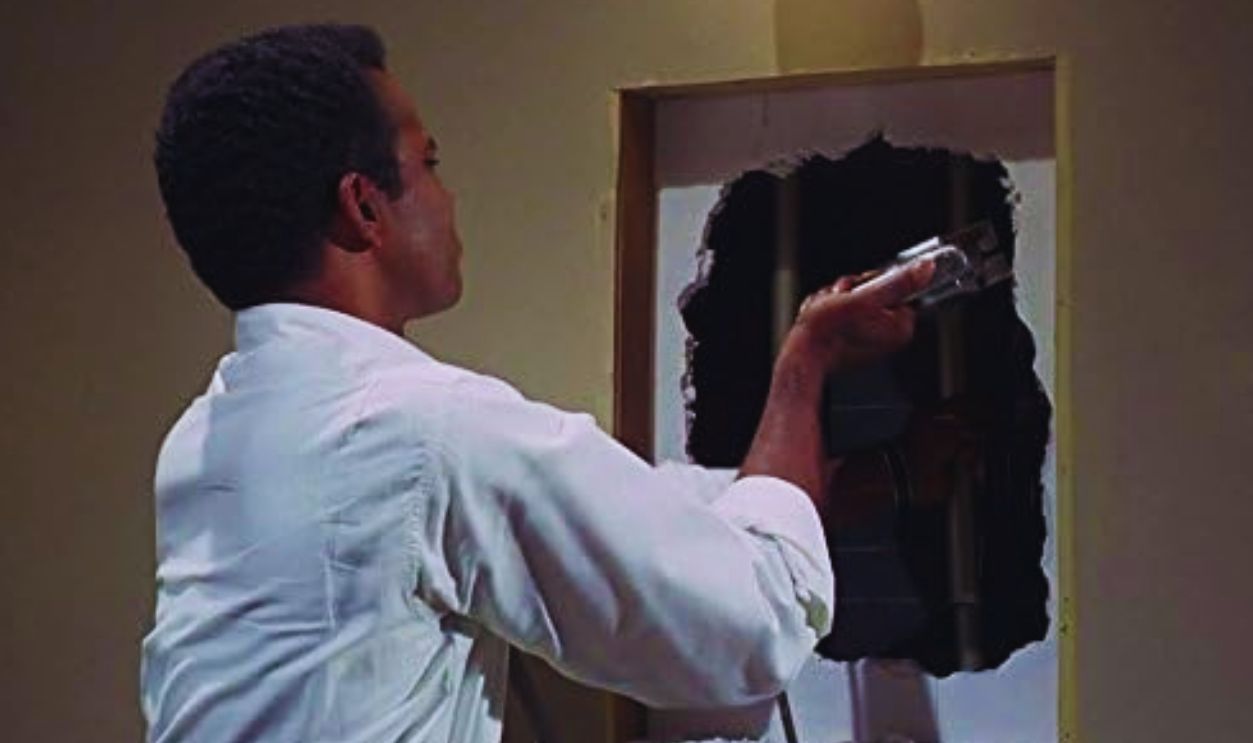 Screenshot from Mission: Impossible, Paramount Television / CBS (1966–1973)
His Intelligence Was Never In Doubt
Many earlier television programs had restricted Black characters to stereotypes or supporting roles with little power. Barney was thoughtful, disciplined, and trusted with the operation’s most delicate technical work. The team regularly depended on his judgment, making him far more than a symbolic addition to the cast.
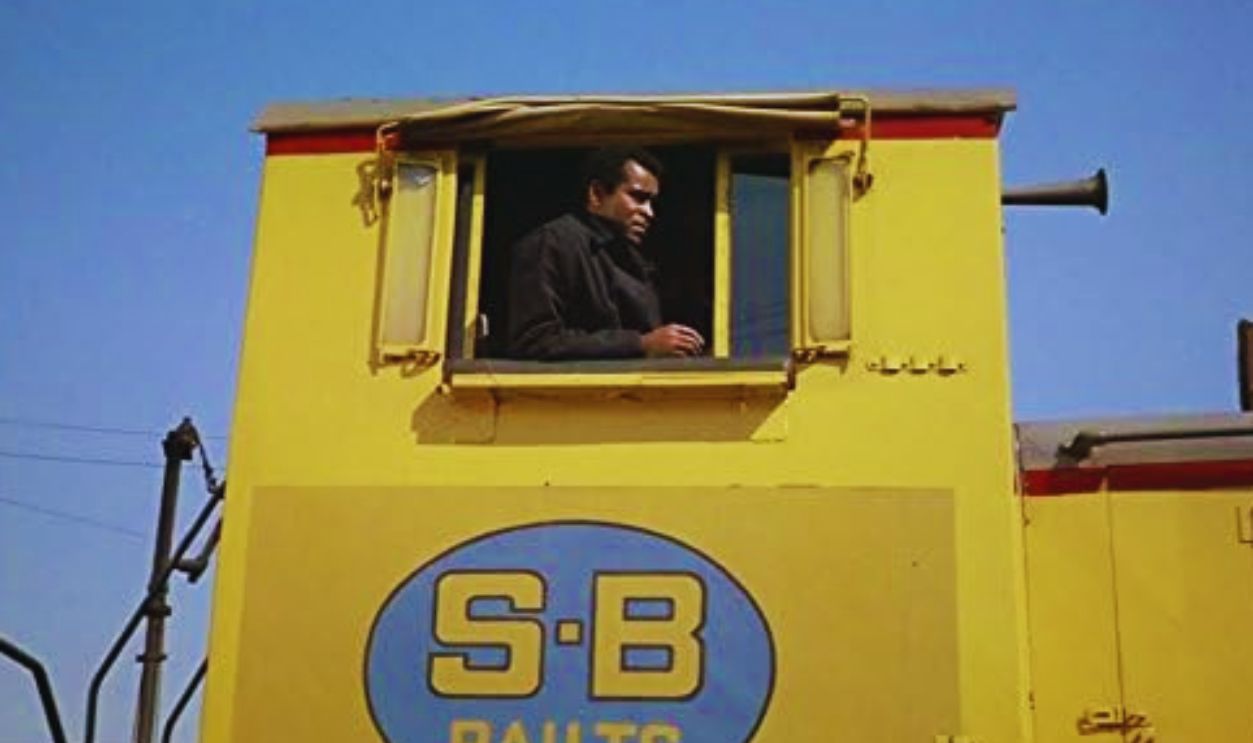 Screenshot from Mission: Impossible, Paramount Television / CBS (1966–1973)
Morris Made Restraint Look Cool
Barney rarely needed theatrical speeches to command attention. Morris used quiet confidence, precise movements, and an unhurried delivery to suggest that the character was always thinking ahead. His controlled style became especially effective beside the show’s elaborate disguises and last-second escapes.
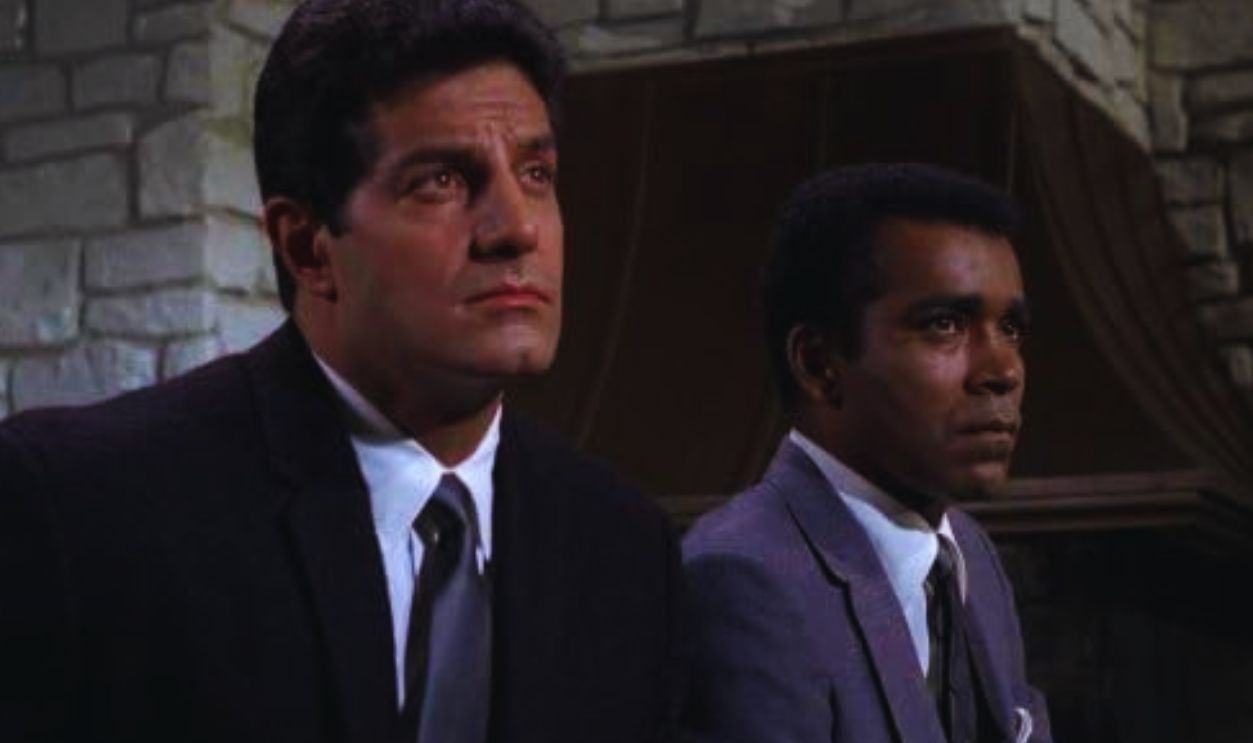 Screenshot from Mission: Impossible, Paramount Television / CBS (1966–1973)
He Became Essential To The Formula
Most missions required the team to control what its target could see, hear, or believe. Barney supplied the technology that made those illusions convincing. Even when another character received the dramatic confrontation, his equipment often made the entire operation possible.
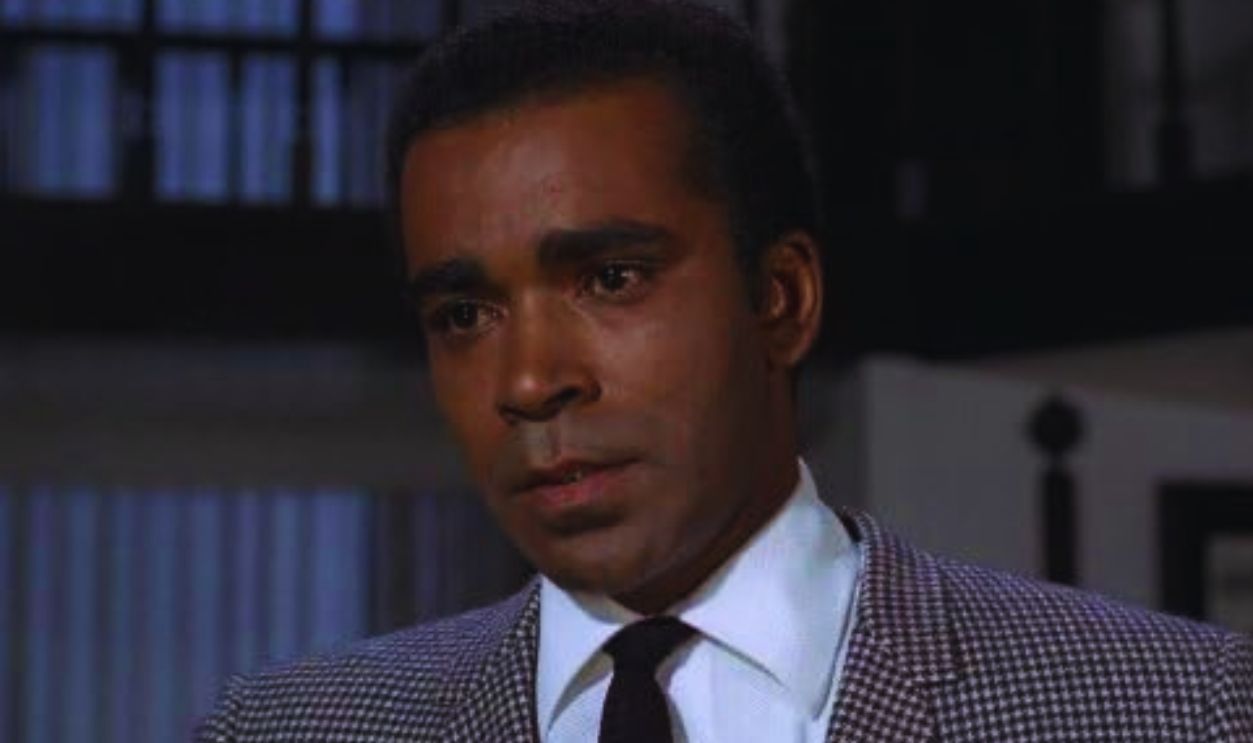 Screenshot from Mission: Impossible, Paramount Television / CBS (1966–1973)
He Could Handle The Physical Danger
Barney was not confined to a laboratory or control room. He entered hostile buildings, operated under false identities, and faced the same dangers as the rest of the Impossible Missions Force. Morris made the character believable as both an engineer and a field operative.
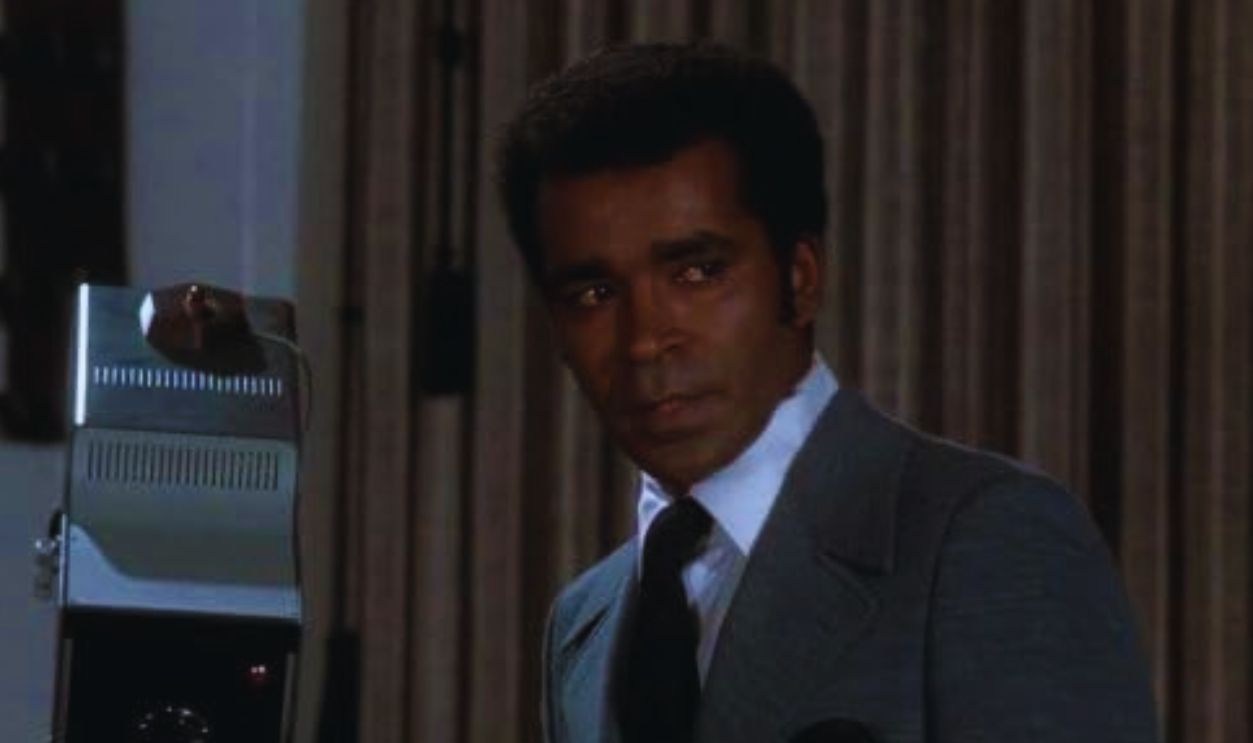 Screenshot from Mission: Impossible, Paramount Television / CBS (1966–1973)
The Cast Kept Changing Around Him
Steven Hill led the team during the first season before Peter Graves took over as Jim Phelps. Other prominent cast members, including Martin Landau, Barbara Bain, Lesley Ann Warren, and Leonard Nimoy, came and went. Morris remained a steady presence while the series repeatedly adjusted its lineup.
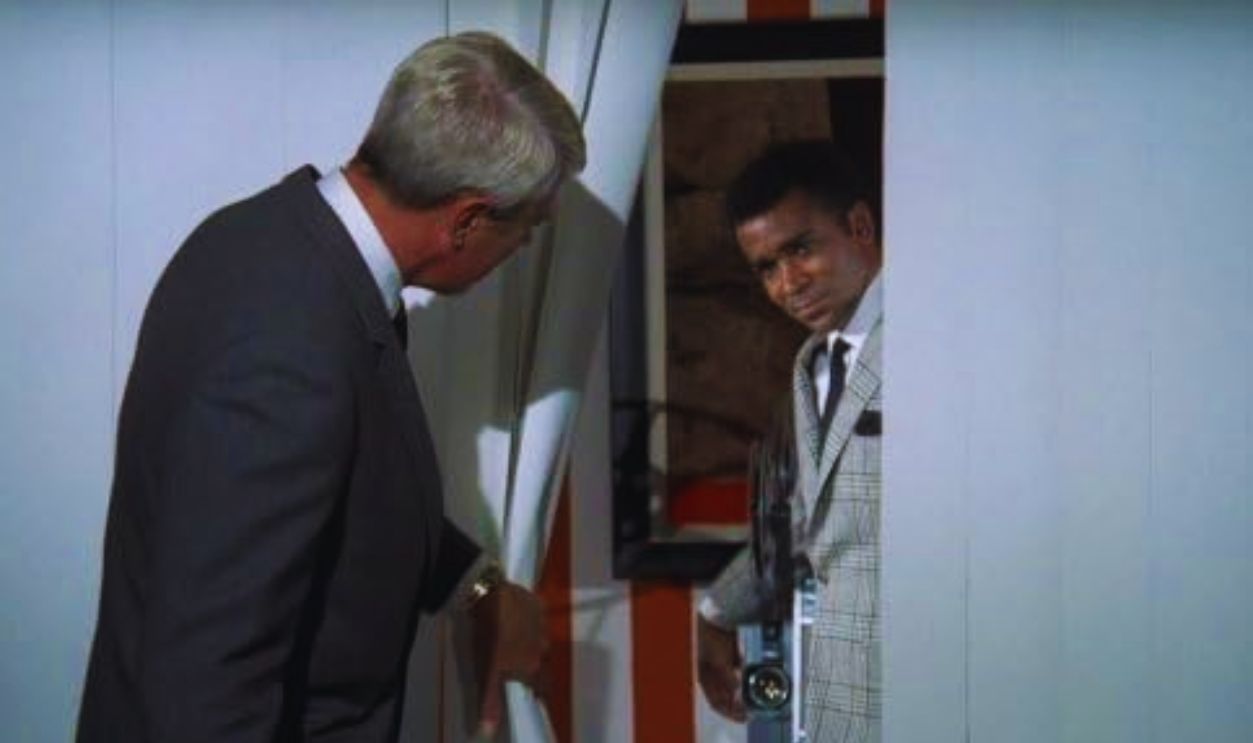 Screenshot from Mission: Impossible, Paramount Television / CBS (1966–1973)
Barney Survived Every Season
Morris appeared throughout the show’s original seven-season run from 1966 to 1973. That longevity made Barney one of the characters most closely associated with the original series. Viewers could trust that when a plan required technical ingenuity, he would be there.
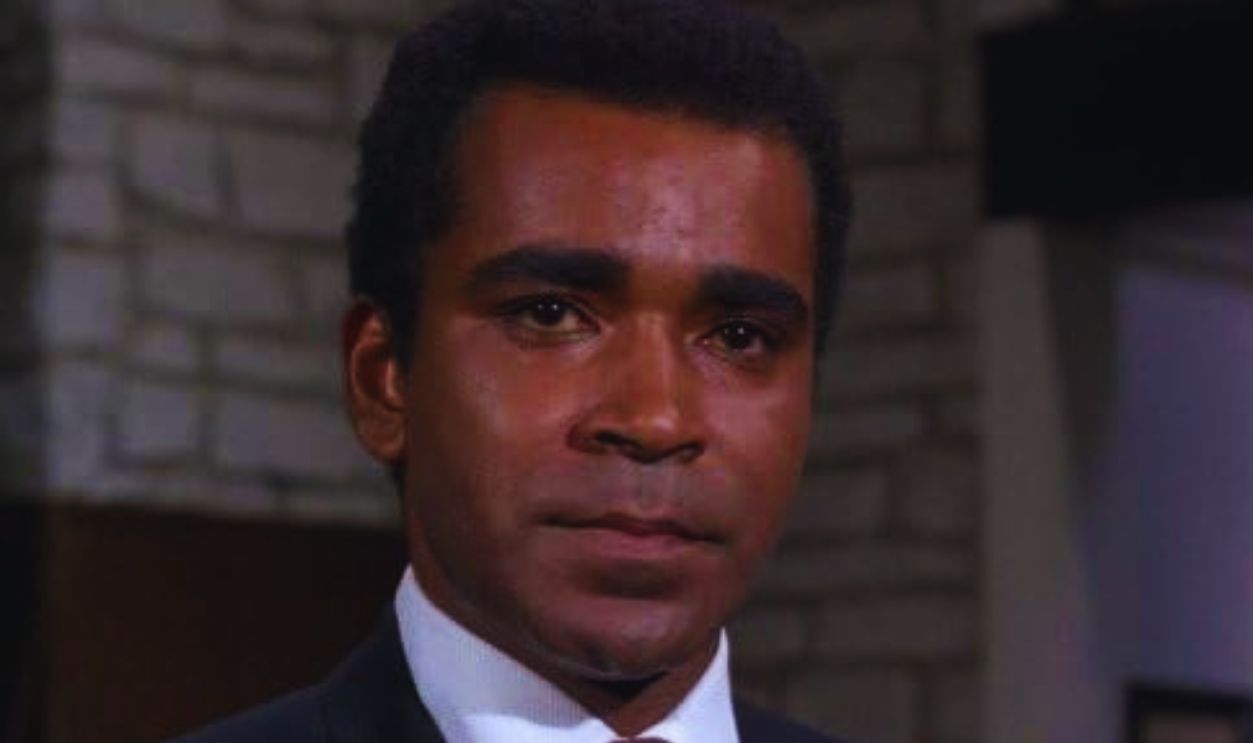 Screenshot from Mission: Impossible, Paramount Television / CBS (1966–1973)
The Role Quietly Broke Ground
Morris was among a generation of Black performers gaining important recurring parts in major network dramas. Barney appeared during the same broad period that brought audiences Bill Cosby on I Spy and Nichelle Nichols on Star Trek. His competence mattered because millions of viewers saw it presented as completely natural every week.
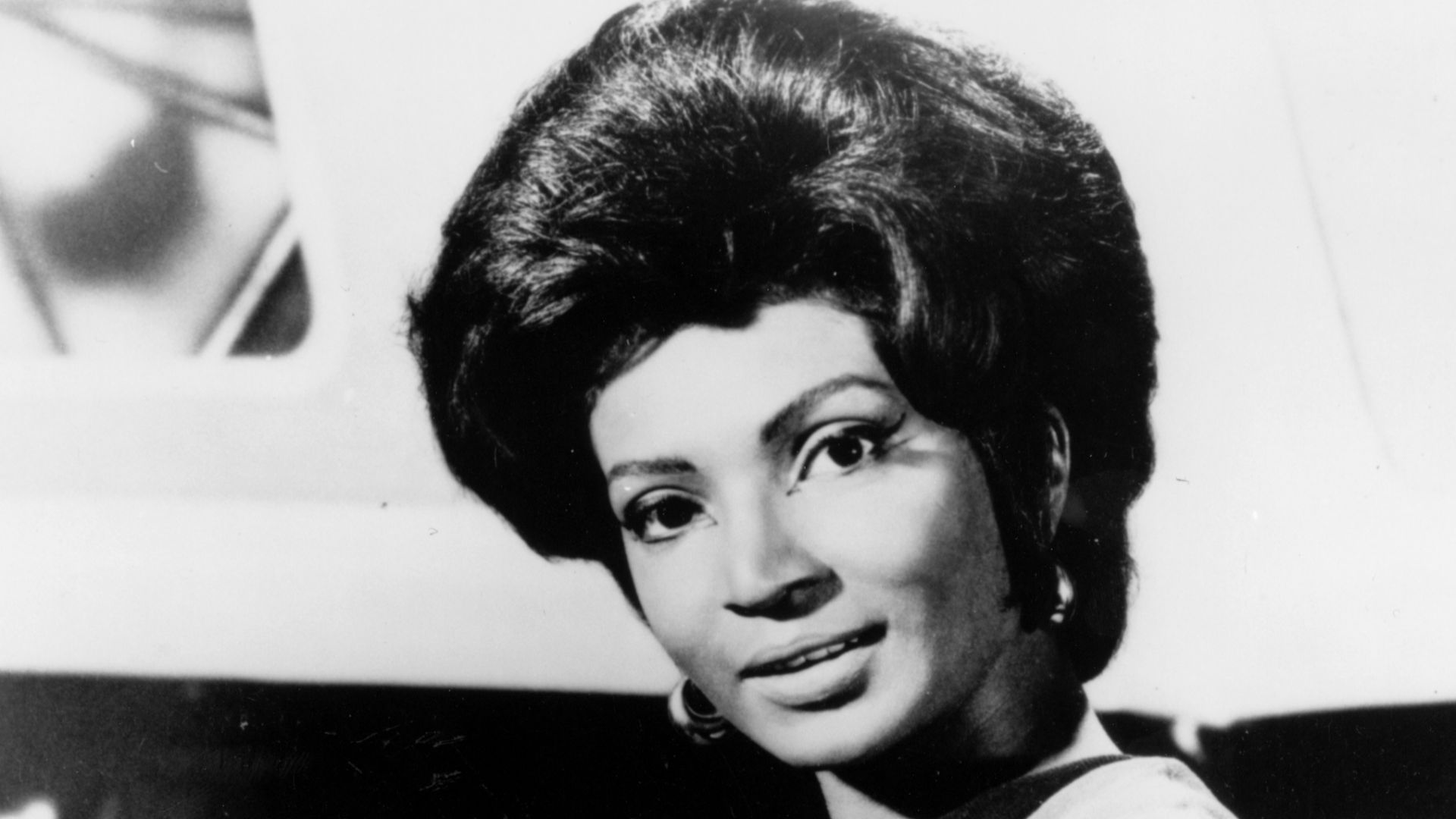
The Show Avoided Discussing Race
Mission: Impossible did not usually acknowledge Barney’s racial identity or give him stories rooted in Black American life. That colorblind approach protected him from many stereotypes, but it also limited his background and personal development. The series embraced his professional abilities while revealing very little about the person outside the missions.
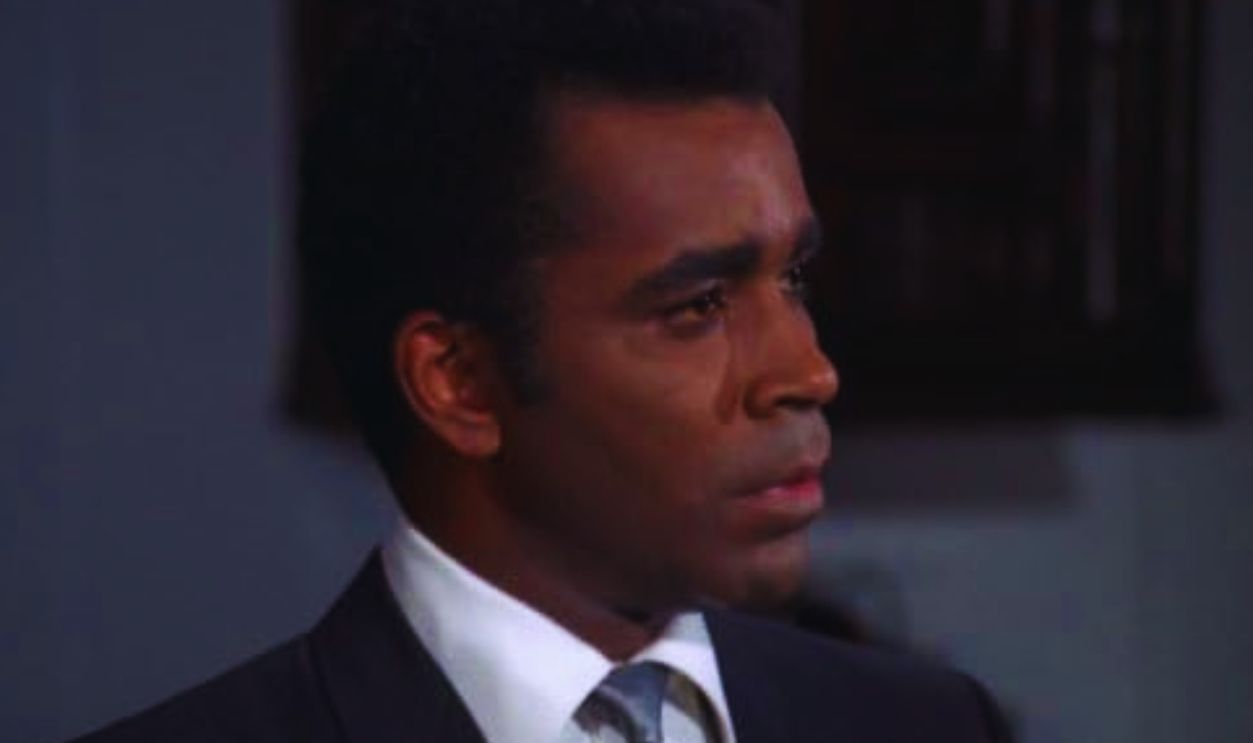 Screenshot from Mission: Impossible, Paramount Television / CBS (1966–1973)
Romance Was Largely Off The Table
Television historian Donald Bogle later observed that Morris had the appeal of a heartthrob, yet Barney was generally kept away from romantic storylines. Other characters received more opportunities for flirtation and emotional intrigue. Morris therefore became popular despite scripts that rarely explored a major part of his screen appeal.
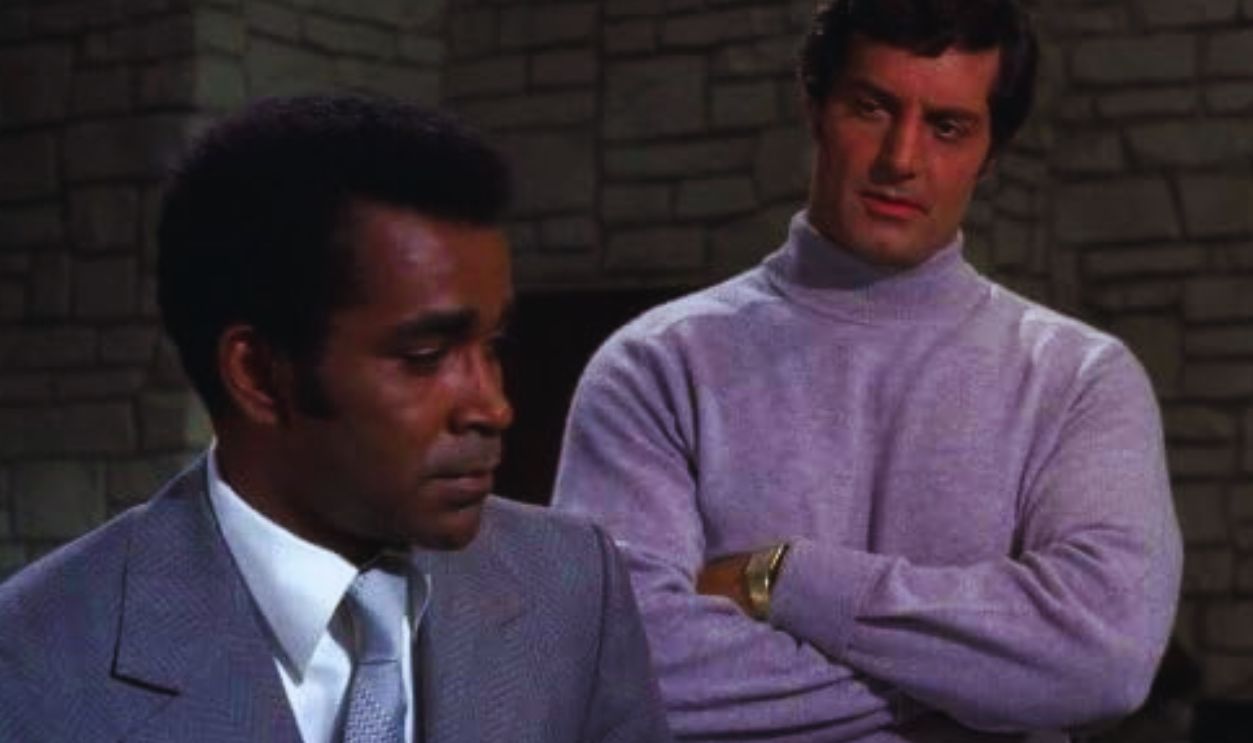 Screenshot from Mission: Impossible, Paramount Television / CBS (1966–1973)
Barney Rarely Controlled The Story
Barney was indispensable to the team, but he was not usually positioned as its leader. The series often gave its biggest confrontations and dramatic decisions to Jim Phelps or the guest target of the week. Morris brought depth to a role whose personal life and ambitions remained largely unwritten.
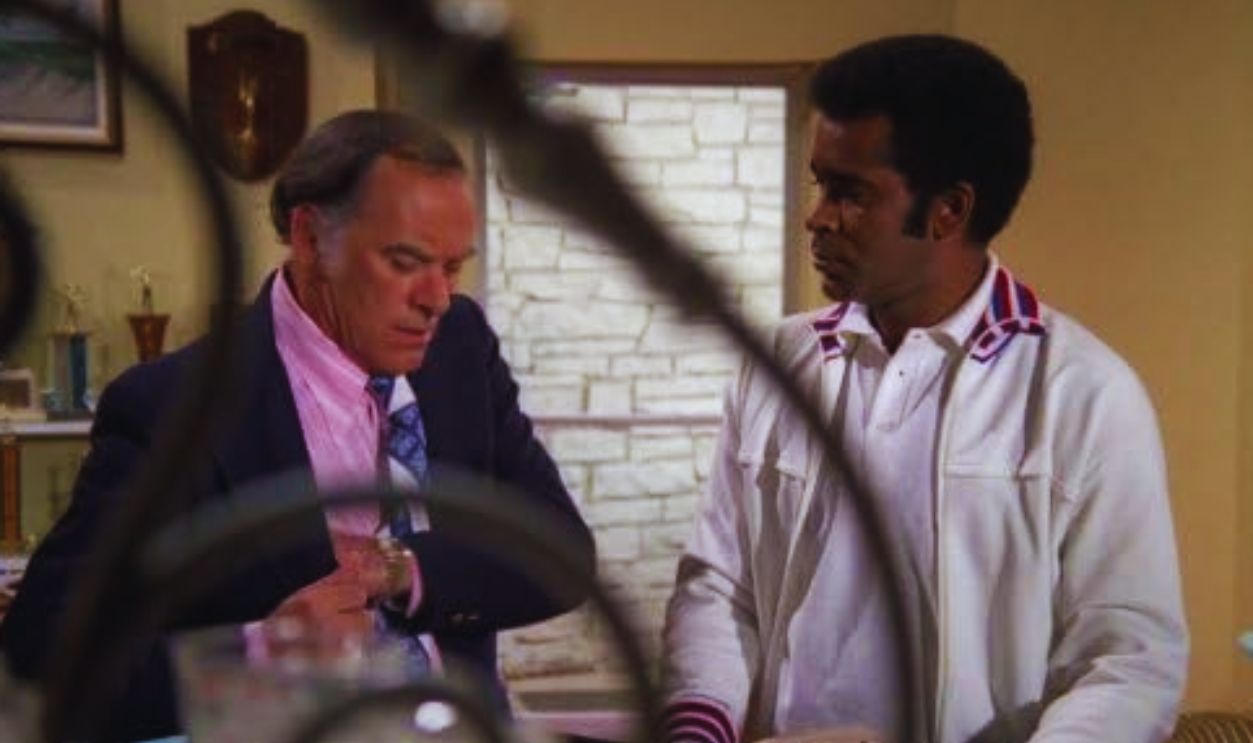 Screenshot from Mission: Impossible, Paramount Television / CBS (1966–1973)
The Emmys Recognized His Work
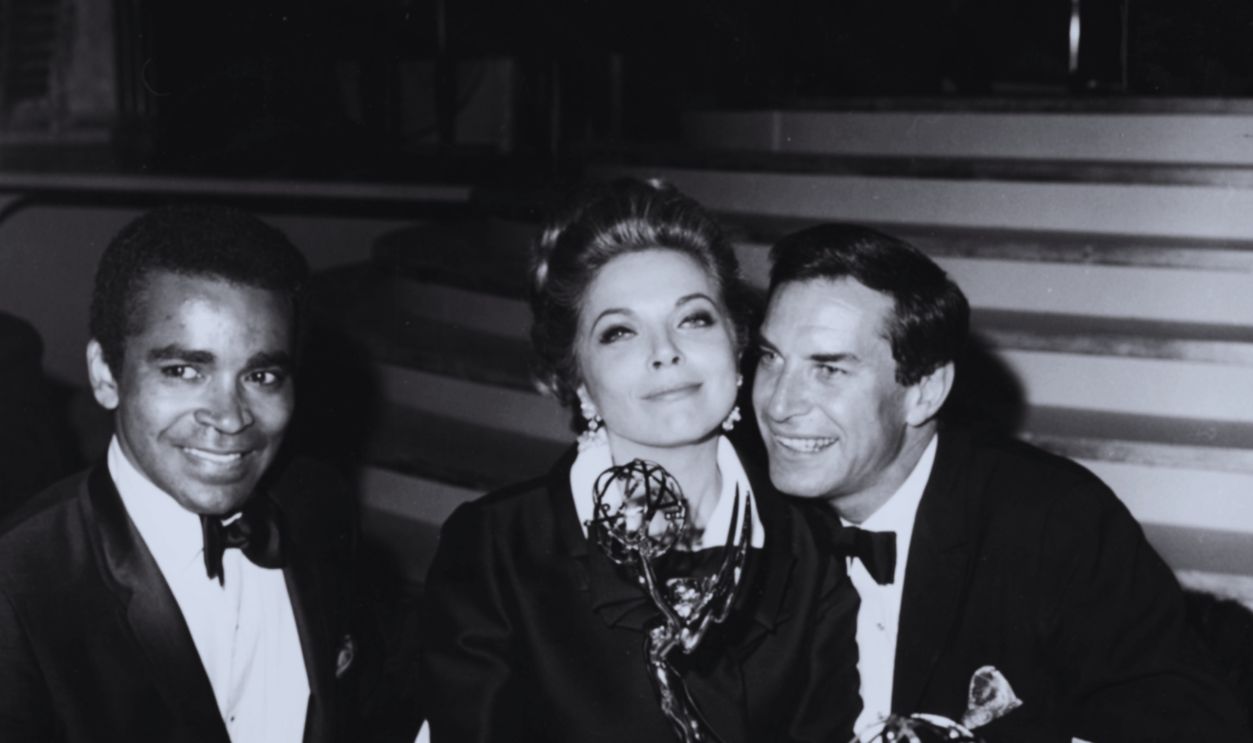
Morris earned three Emmy nominations for his performance on Mission: Impossible. The Television Academy nominated him in 1969, 1970, and 1972 for supporting dramatic performance. He never won, but the repeated nominations confirmed that his understated work had attracted serious industry attention.
The Series Ended Without A Grand Farewell
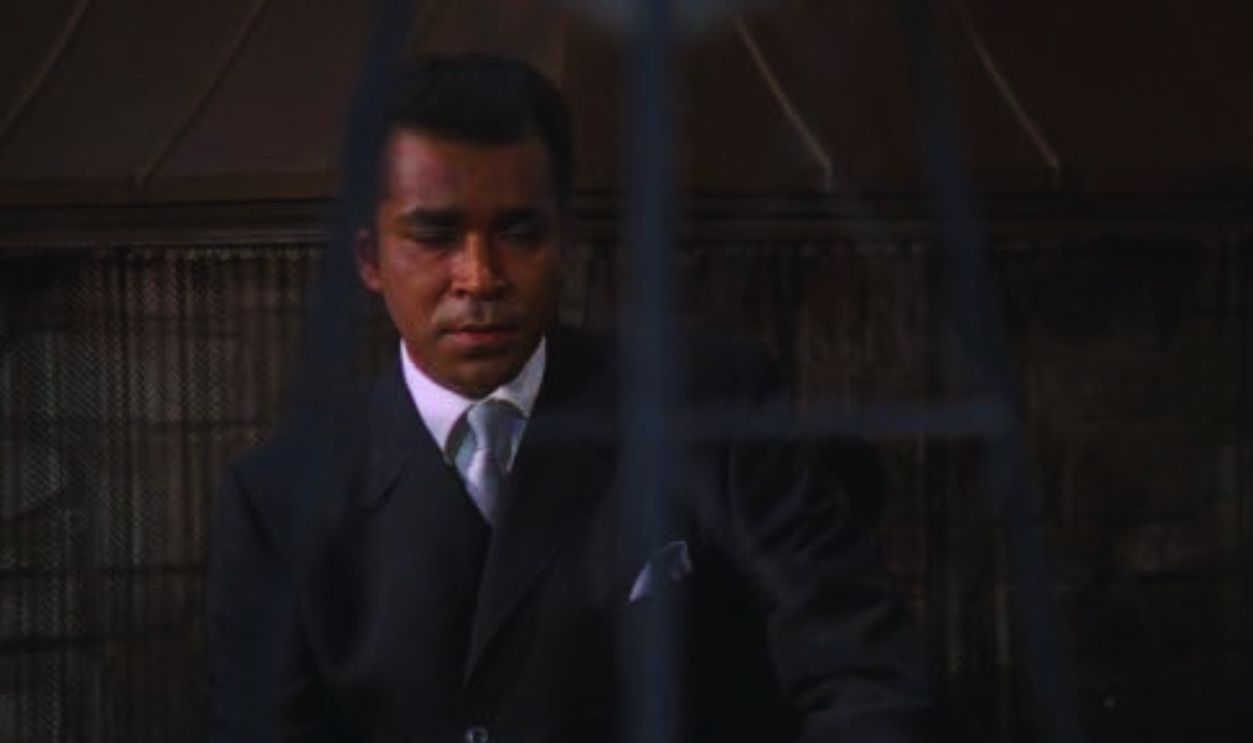
CBS ended Mission: Impossible in 1973 after seven seasons. Like many television programs of the period, it concluded without an elaborate finale designed to resolve every character’s story. Morris left behind a famous role but entered a television landscape that still offered Black actors too few comparable parts.
Strong Guest Roles Followed
Morris continued working in film and television after the series ended. He appeared on programs including The Streets of San Francisco, Quincy, M.E., and The Six Million Dollar Man. He also took part in Roots: The Next Generations, connecting him with another important landmark in American television.
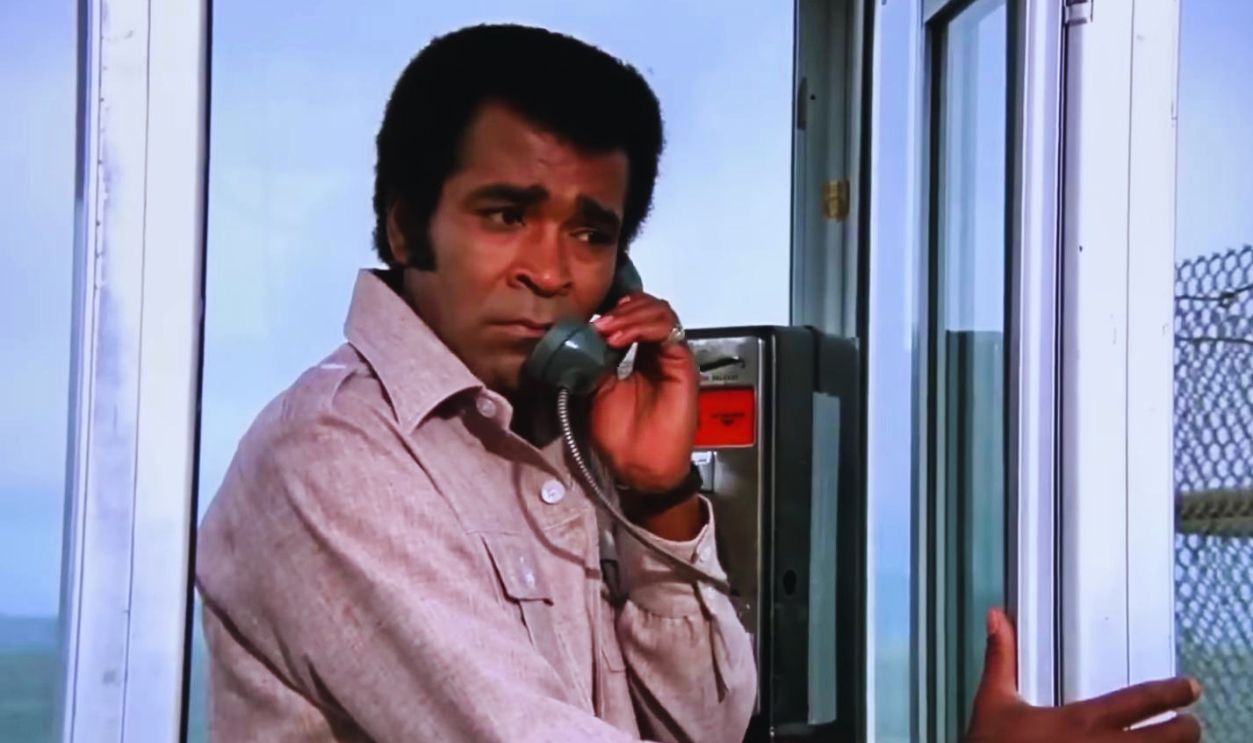 Screenshot from The Streets of San Francisco, ABC (1972–1977)
Vega$ Gave Him Another Regular Role
Morris returned to a continuing television part on the ABC crime drama Vega$. He played Lieutenant David Nelson, a police officer who worked with Robert Urich’s private detective Dan Tanna. The role again presented Morris as an intelligent professional, although he remained a supporting figure.
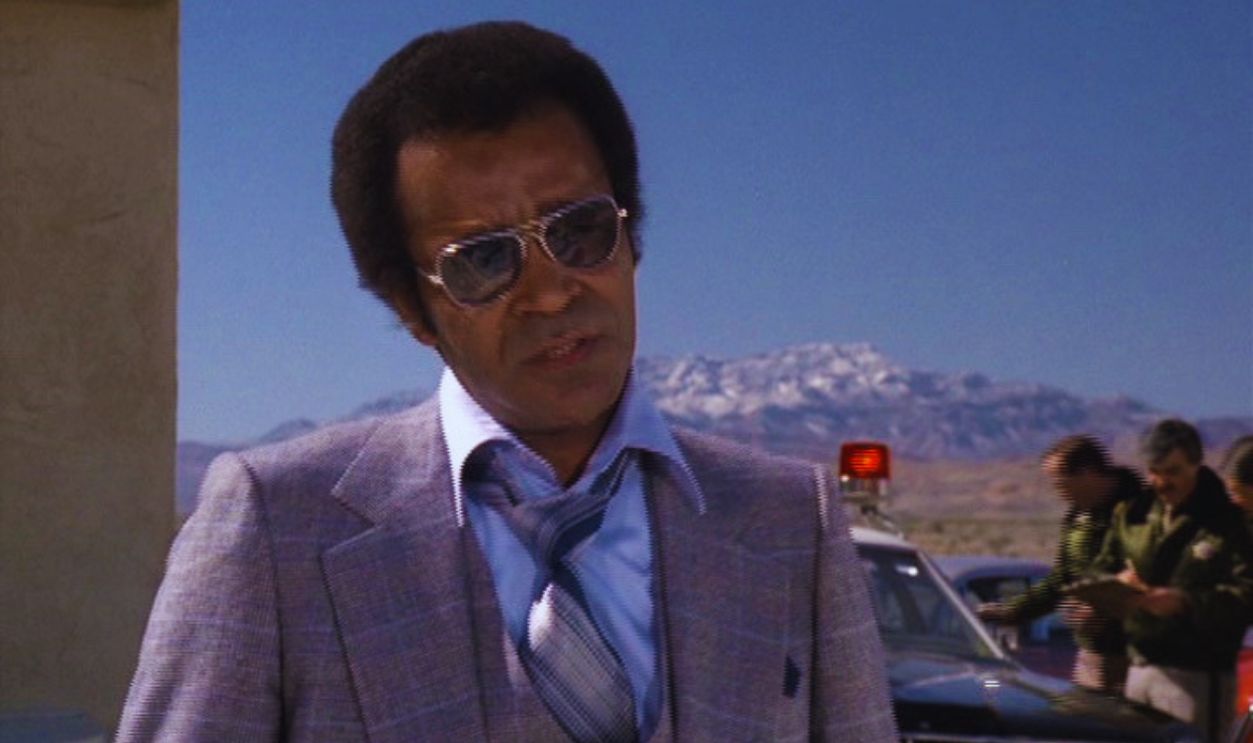 Screenshot from Vega$, ABC (1978–1981)
A Car Accident Interrupted His Career
Morris was seriously injured in a car accident near Las Vegas in 1981. The accident occurred around the end of his time on Vega$ and disrupted his career. He later resumed acting, but the steady momentum of his earlier television work had been broken.
Mission: Impossible Became A Family Legacy
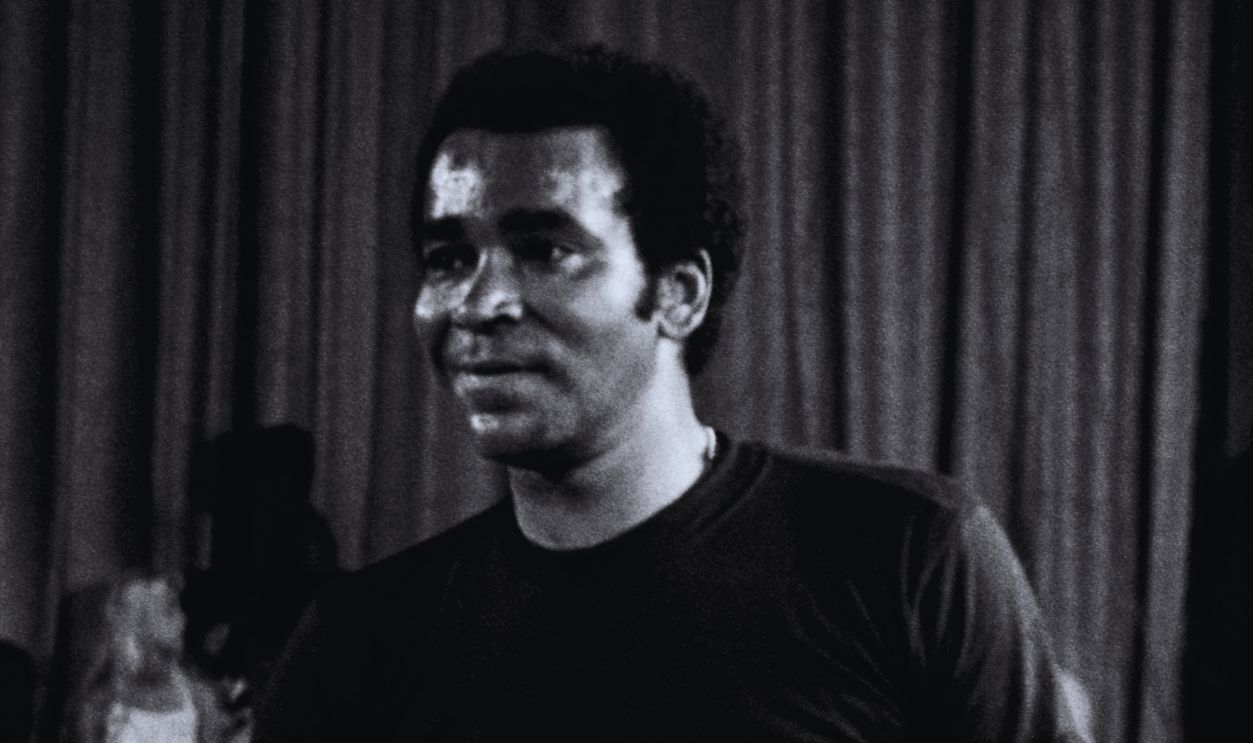
The series returned to television in 1988 with a new version starring Peter Graves. Morris’s son, Phil Morris, played Grant Collier, who was presented as Barney’s son and shared his technical abilities. Greg Morris later guest-starred as Barney, placing two generations of the family inside the same fictional world.
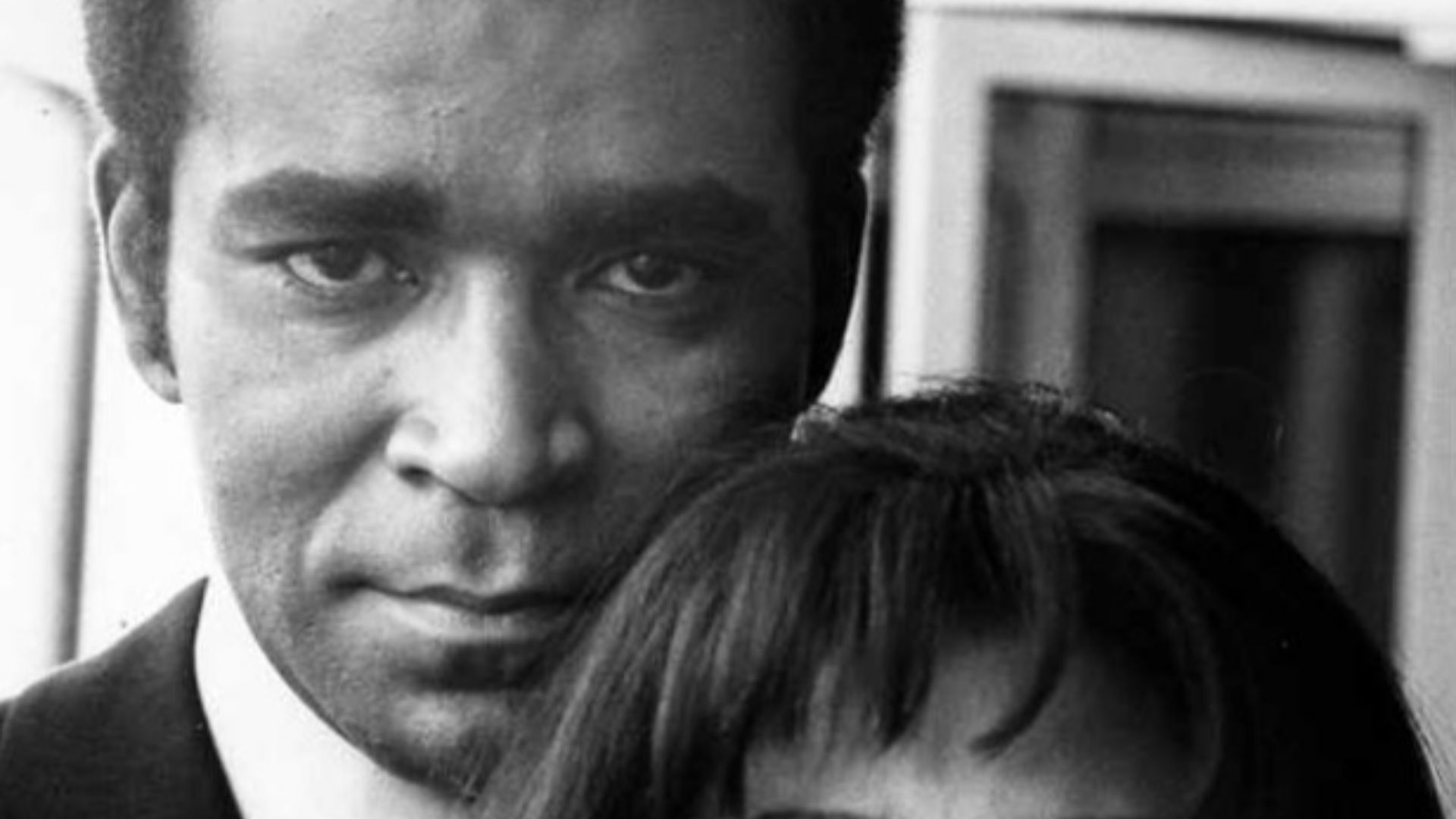 CBS Television, Wikimedia Commons
The Movie Left Him Deeply Disappointed
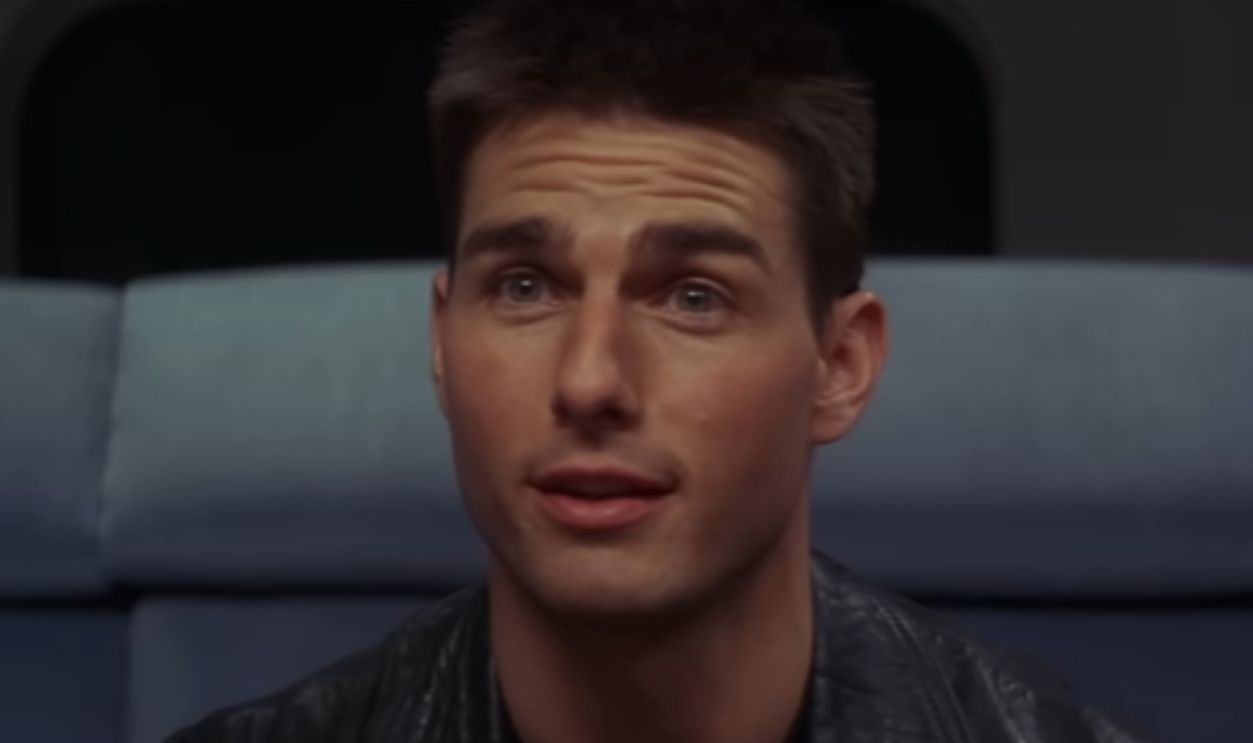
Morris went to see the Tom Cruise film adaptation of Mission: Impossible in 1996. He walked out after about 40 minutes and publicly called the movie “an abomination.” His reaction reflected the frustration several original cast members felt over a film that transformed their familiar television world without including them.
 Paramount Pictures, Mission: Impossible (1996)
His Importance Has Only Grown Clearer
Morris died in Las Vegas on August 27, 1996, but Barney Collier remains one of classic television’s most quietly influential characters. Morris portrayed a Black man whose intelligence, composure, and technical authority were essential rather than exceptional. The industry often kept him at the edge of the story, yet his presence helped move television forward.
 Screenshot from Mission: Impossible, Paramount Television / CBS (1966–1973)
You May Also Like:
How Peter Graves Built A Television Career That Lasted More Than 50 Years
Why Barbara Bain Refused To Stay On Mission: Impossible Even After It Made Her A Star