The Man Behind The Chase
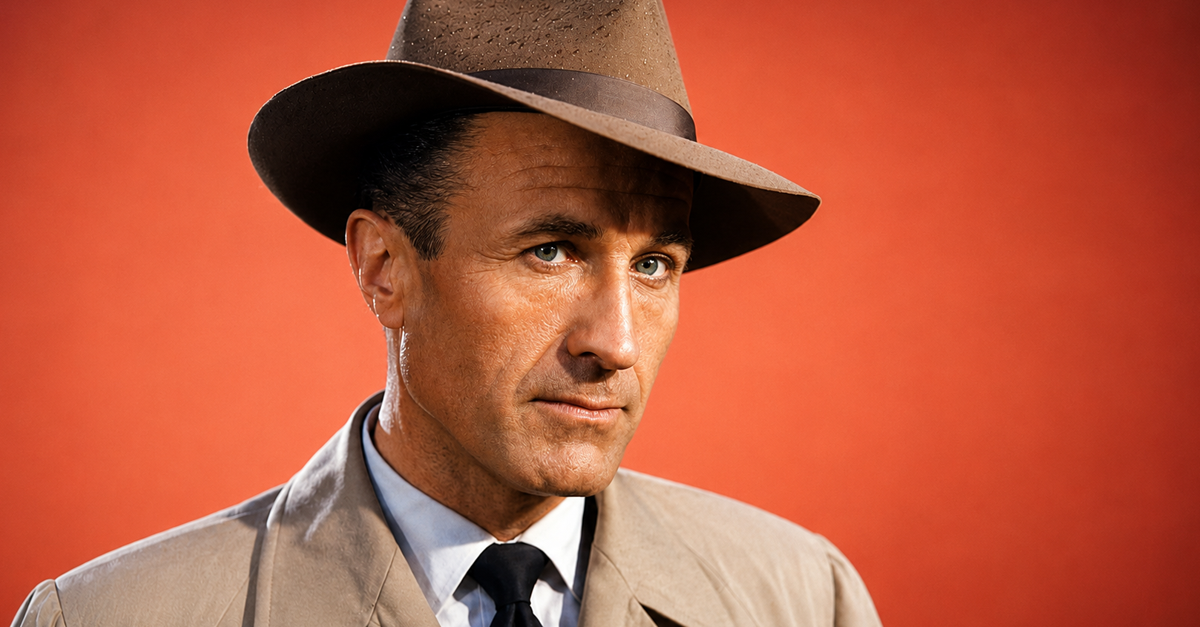
Barry Morse became unforgettable to American TV viewers as Lieutenant Philip Gerard on The Fugitive. He played the relentless officer pursuing Dr. Richard Kimble, the wrongly convicted man at the center of the hit series. Yet Morse was never just one famous role. His career stretched across stage, radio, film, and television for more than seven decades.
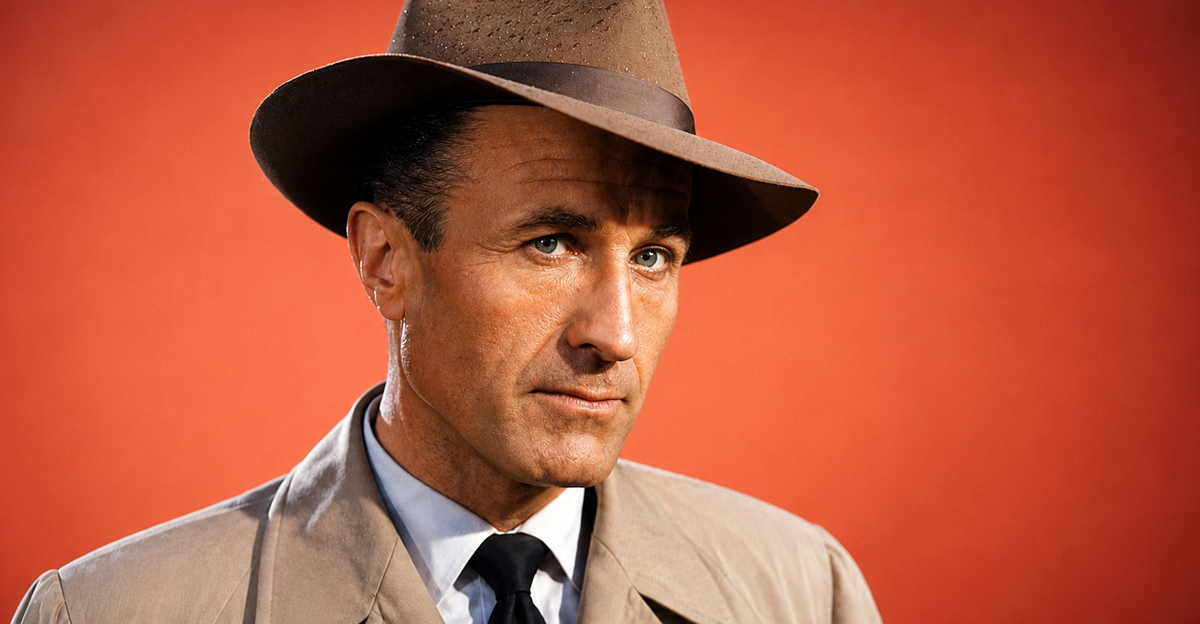 Screenshot from The Fugitive, ABC (1963-1967), modified
A London Beginning
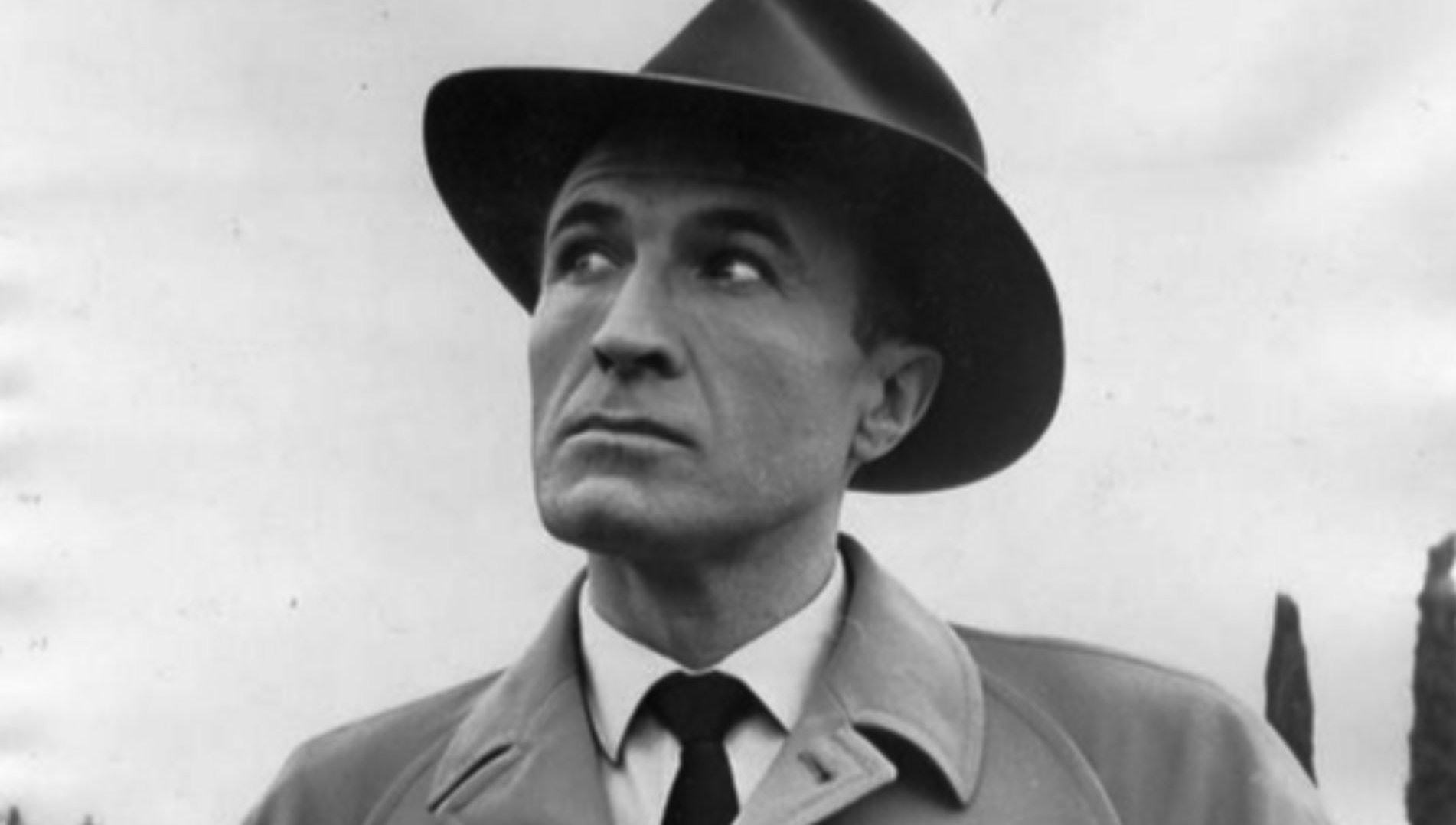
Morse was born Herbert Morse in London on June 10, 1918. Long before television made him recognizable, he trained at the Royal Academy of Dramatic Art. His stage background gave him the precision and authority that later became his screen trademark. That training helped him move easily between Shakespeare, thrillers, science fiction, and modern drama.
He Started Young
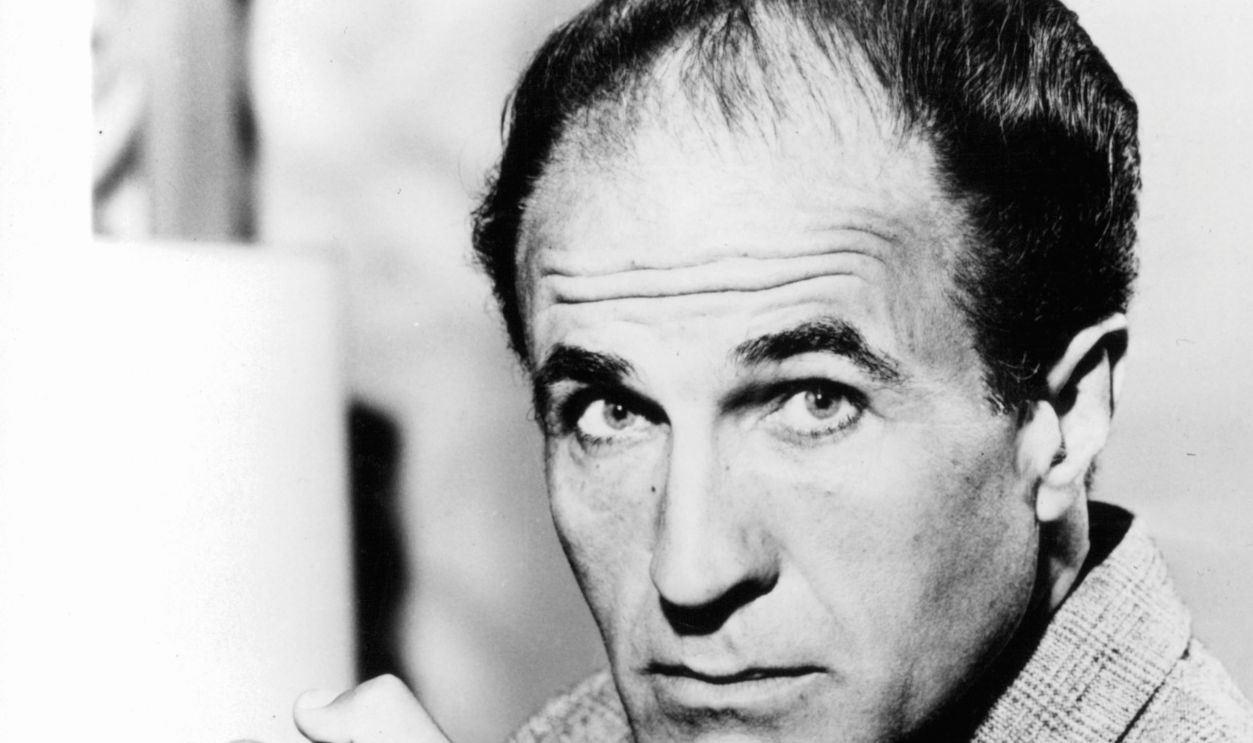
Morse entered professional acting while still very young. He appeared in repertory theatre and worked in early British broadcasting before the Second World War. Those years gave him experience in live performance, where actors had to be sharp and reliable. It also helped explain why directors trusted him with demanding roles later on.
 Michael Ochs Archives, Getty Images
The Stage Came First
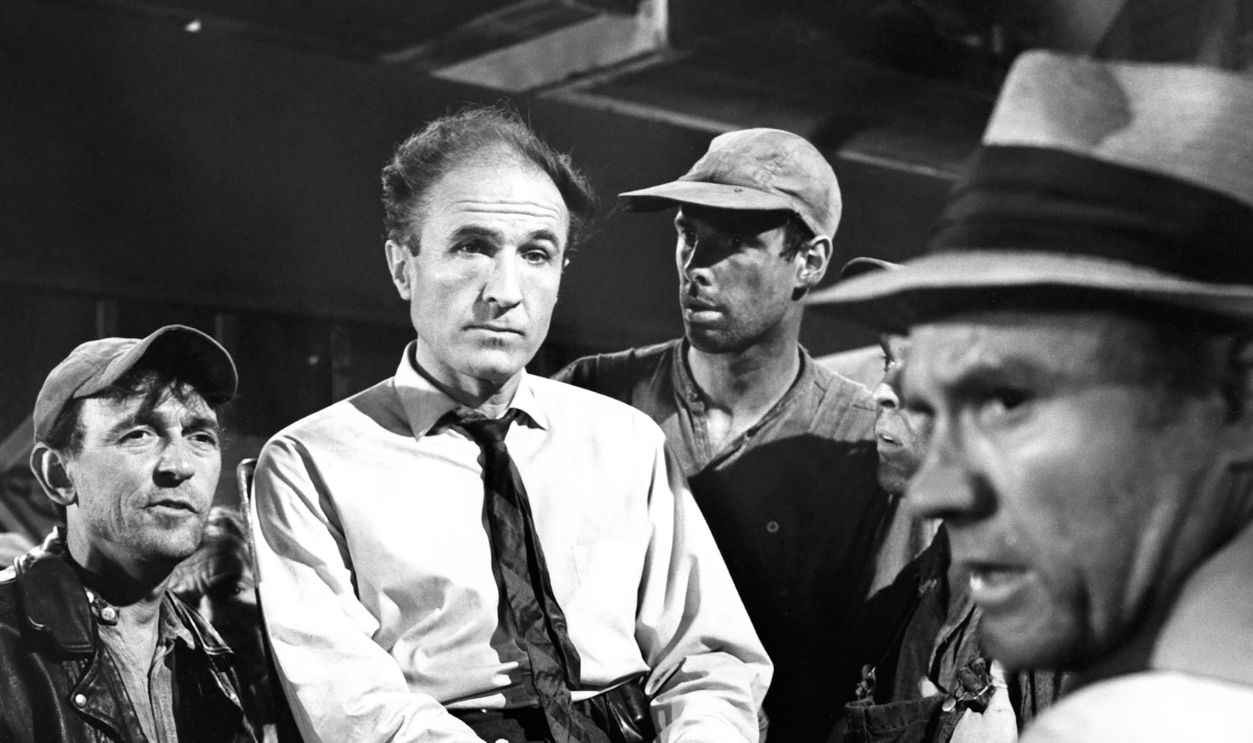
Before The Fugitive, Morse had already built a serious theatre career. He worked in Britain, Canada, and the United States, often taking on challenging classical and contemporary material. He did not arrive in television as a newcomer chasing fame. He arrived as a seasoned actor who knew exactly how to command a scene.
 Silver Screen Collection, Getty Images
Canada Changed His Career
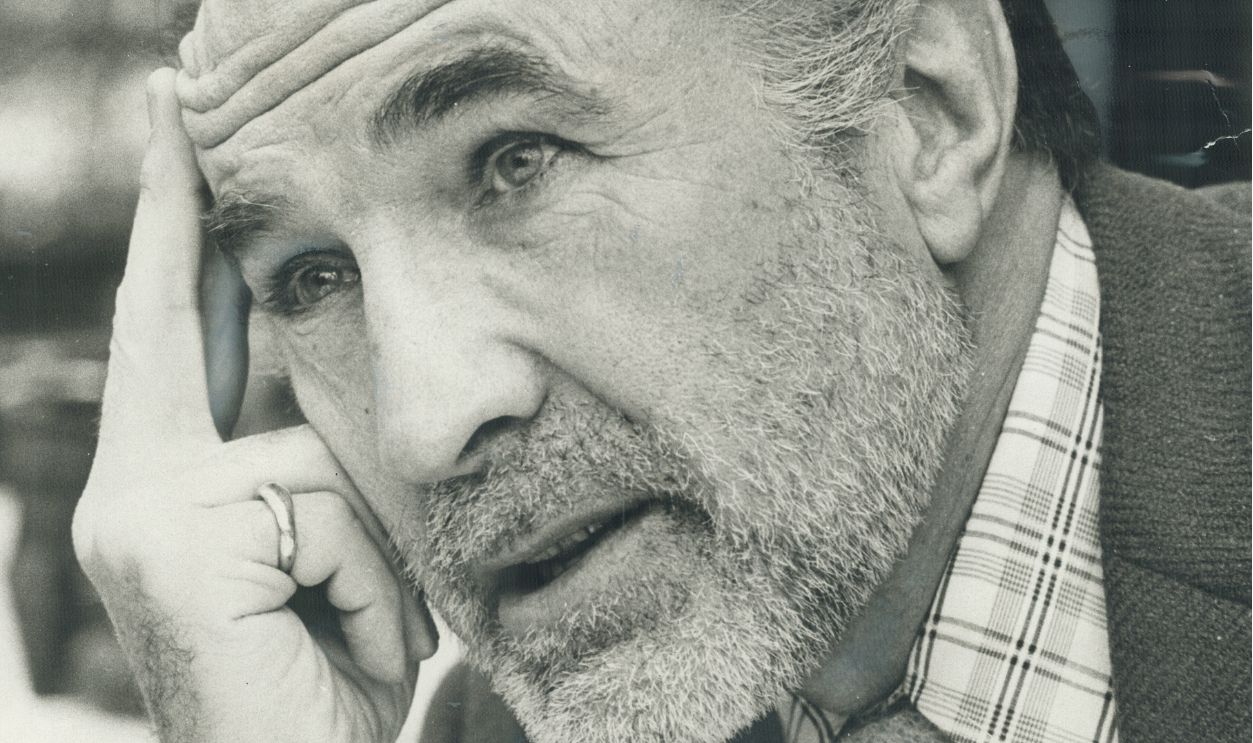
Morse moved to Canada in the early 1950s with his wife, actress Sydney Sturgess. He became active in Canadian radio, theatre, and early television. He appeared during CBC Television’s formative years and became a familiar presence in Canadian broadcasting. That period broadened his career and made him a key figure in Canadian performance history.
A Familiar Face Before Fame
By the time American viewers met him on The Fugitive, Morse had already done a remarkable amount of work. He appeared in anthology dramas and guest roles during television’s golden age. His credits included respected programs such as The Twilight Zone, The Untouchables, and The Alfred Hitchcock Hour. The famous chase only made a wider audience notice what working actors already knew.
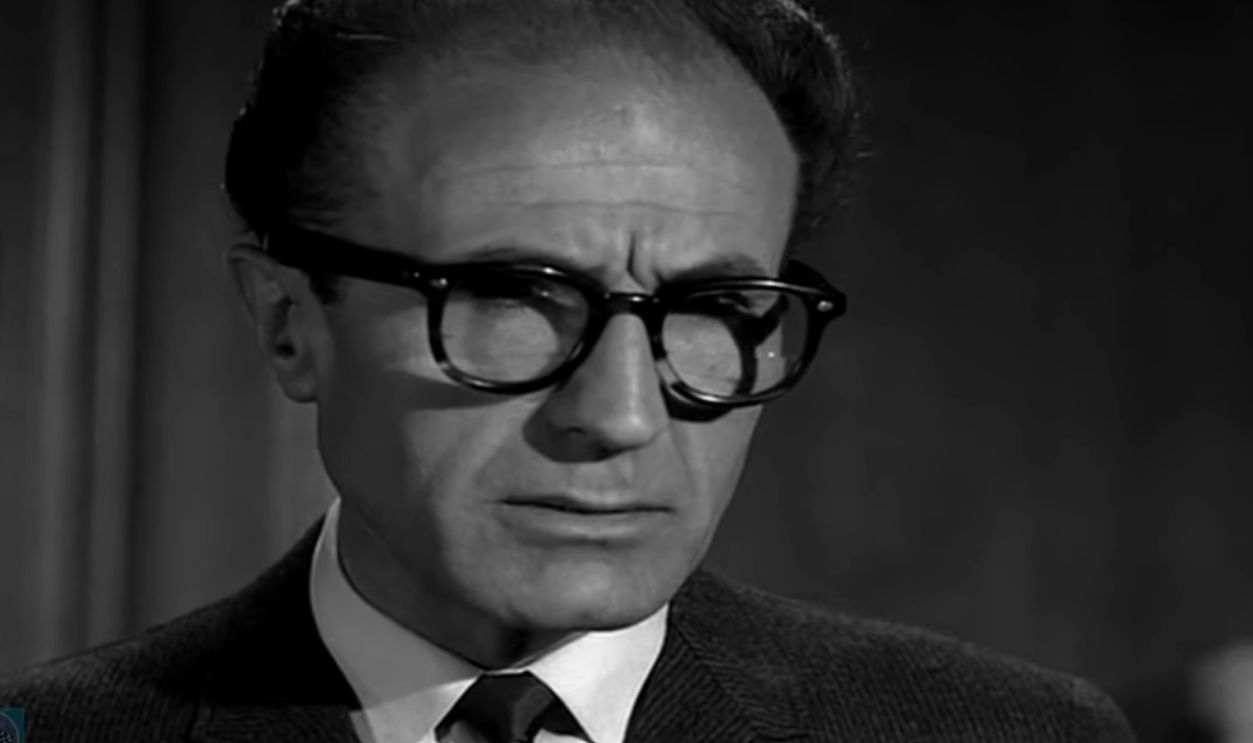 Screenshot from The Fugitive, ABC (1963–1967)
The Fugitive Needed A Force
The Fugitive premiered in 1963 and quickly became one of television’s defining dramas. David Janssen played Dr. Richard Kimble, a man searching for the one-armed man who killed his wife. Morse played Lieutenant Gerard, the officer determined to bring Kimble back into custody. The show needed Gerard to feel relentless, and Morse gave him an icy sense of duty.
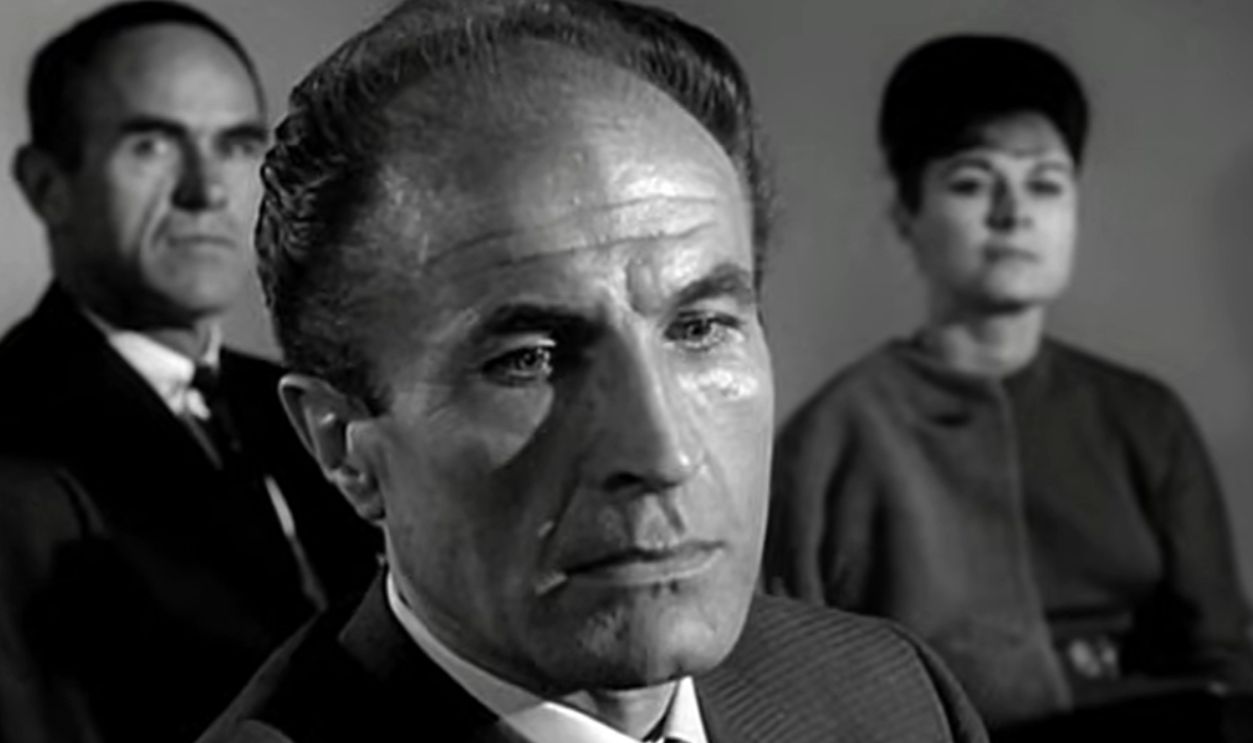 Screenshot from The Fugitive, ABC (1963–1967)
Gerard Was Not A Simple Villain
Morse made Gerard more complicated than a one-note pursuer. The character believed he was enforcing the law, even as viewers knew Kimble was innocent. That tension made Gerard frustrating, memorable, and strangely compelling. Morse understood that the role worked best when the audience could see both conviction and doubt.
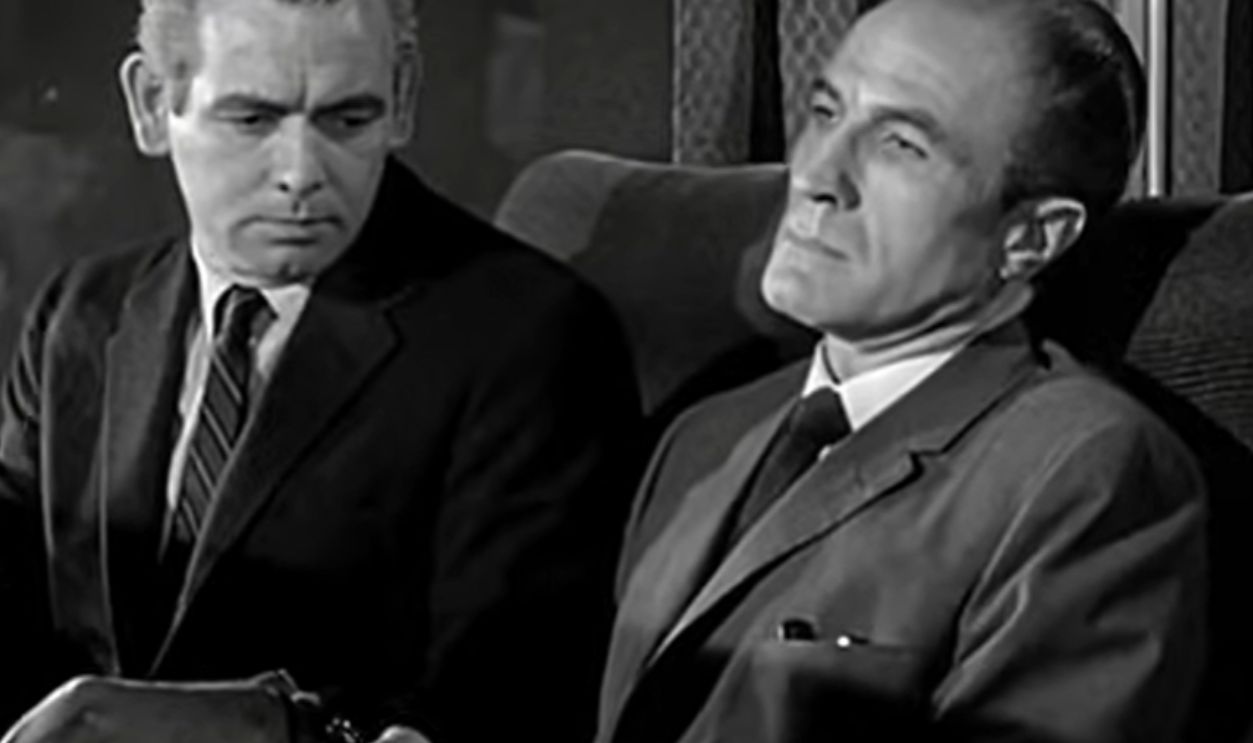 Screenshot from The Fugitive, ABC (1963–1967)
He Became Television’s Great Pursuer
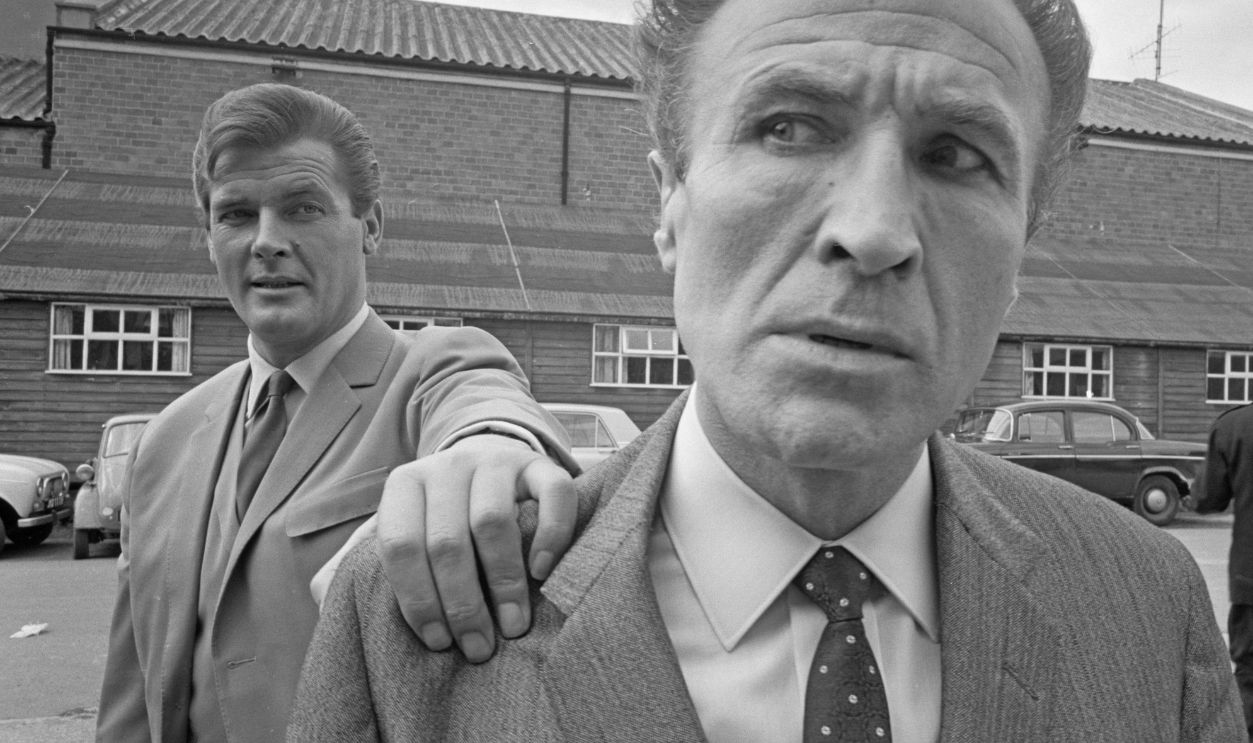
Gerard appeared in fewer episodes than many viewers might remember, but his presence hung over the entire series. Morse’s face and voice helped define the show’s pressure. Every time Kimble seemed close to safety, Gerard represented the danger of being found. It was a master class in making limited screen time feel enormous.
Fame Arrived In A Strange Form
The role made Morse famous, but not always comfortably. Viewers sometimes associated him so strongly with Gerard that they reacted to him as if he were the character. That was a sign of how convincing his performance had been. It also showed the unusual power of television in the 1960s.
The Finale Became TV History
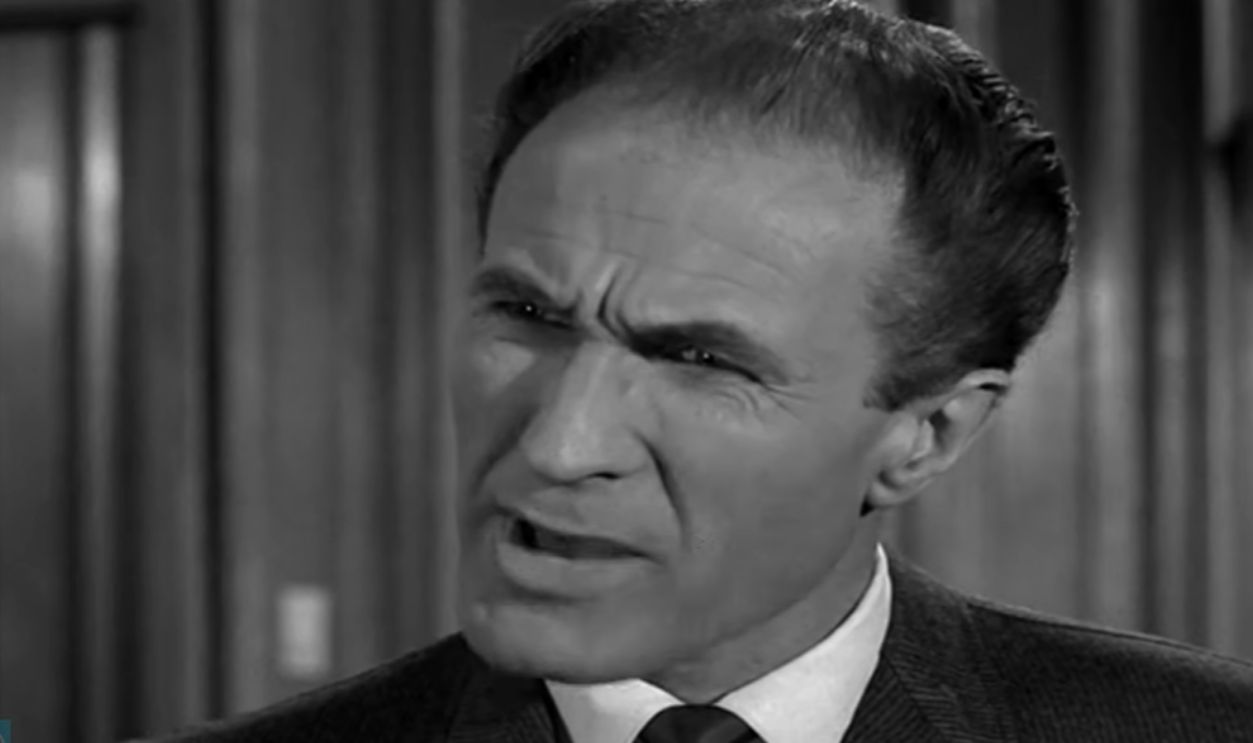
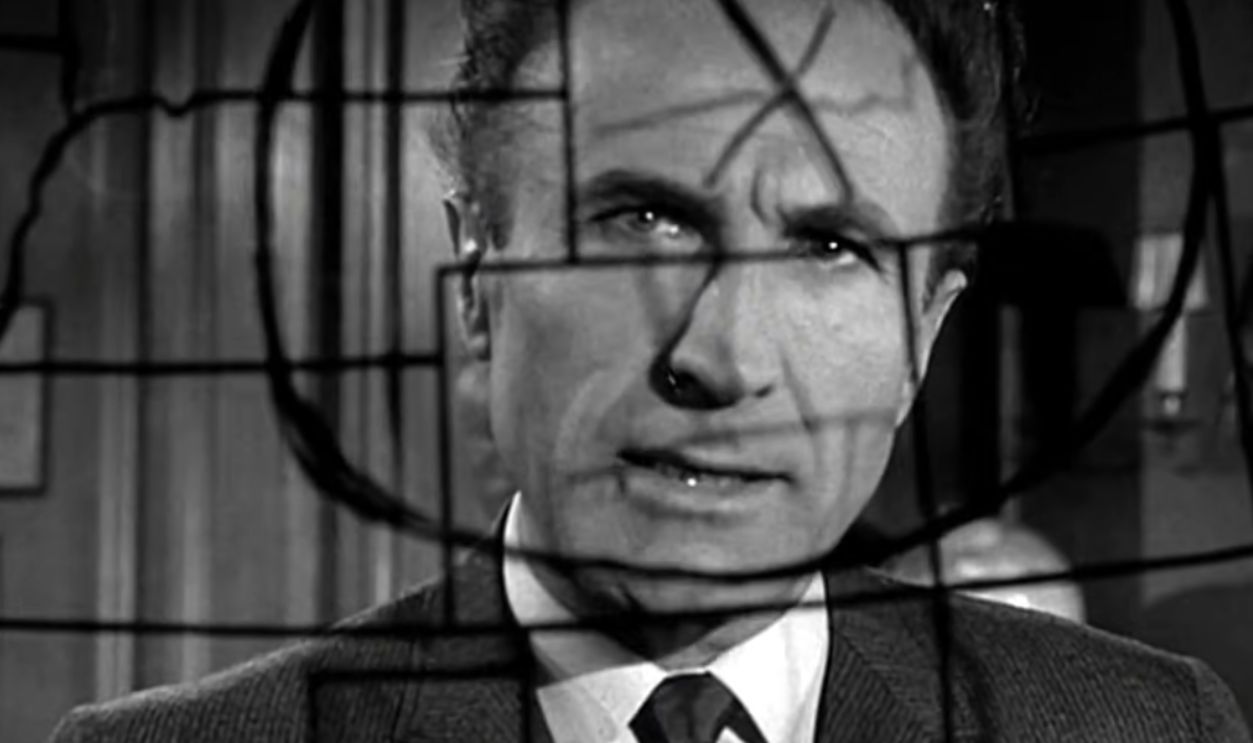
The Fugitive ended in 1967 with a finale that became a major television event. Audiences tuned in to see whether Kimble would finally clear his name. Gerard’s role in that ending mattered because the chase had always depended on his refusal to let go. Morse helped turn the finale into one of classic TV’s most discussed moments.
 Screenshot from The Fugitive, ABC (1963–1967)
He Refused To Be Trapped
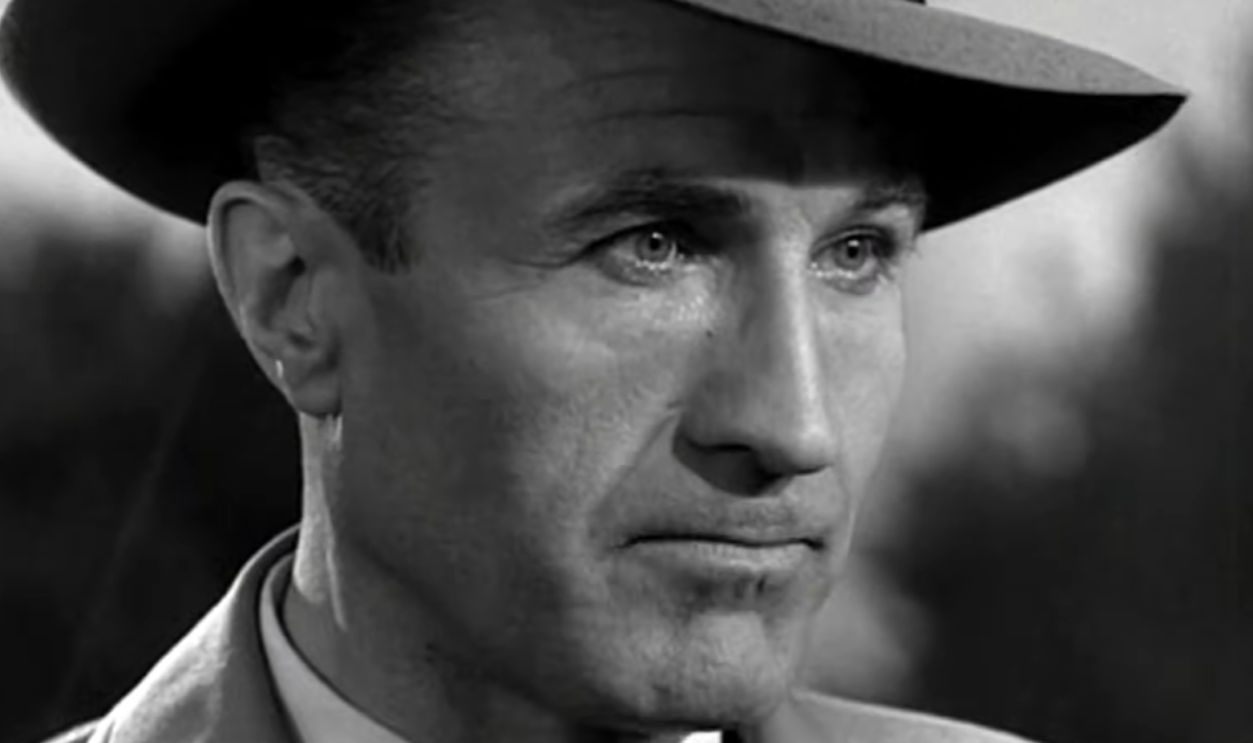
After The Fugitive, Morse could easily have been typecast as stern authority figures. Instead, he kept moving across genres and countries. He accepted television, stage, and film work that showed different sides of his talent. That choice helped him become known as a true character actor rather than a one-role celebrity.
 Screenshot from The Fugitive, ABC (1963–1967)
Broadway Took Him Seriously
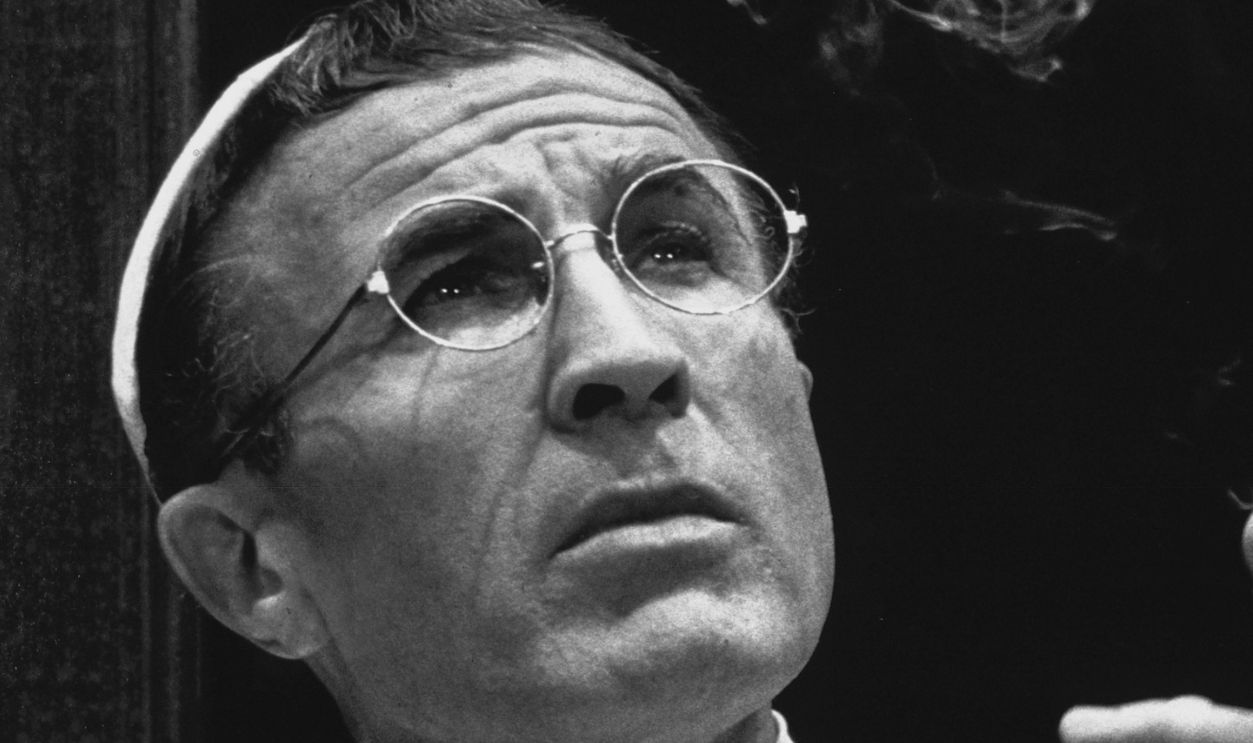
Morse also made his mark on Broadway. He performed in Hide and Seek and Hadrian VII, and he directed the Broadway production of Staircase. His Broadway credits showed that his reputation extended well beyond television. He was a performer and director with serious stage credentials.
He Helped Shape The Shaw Festival
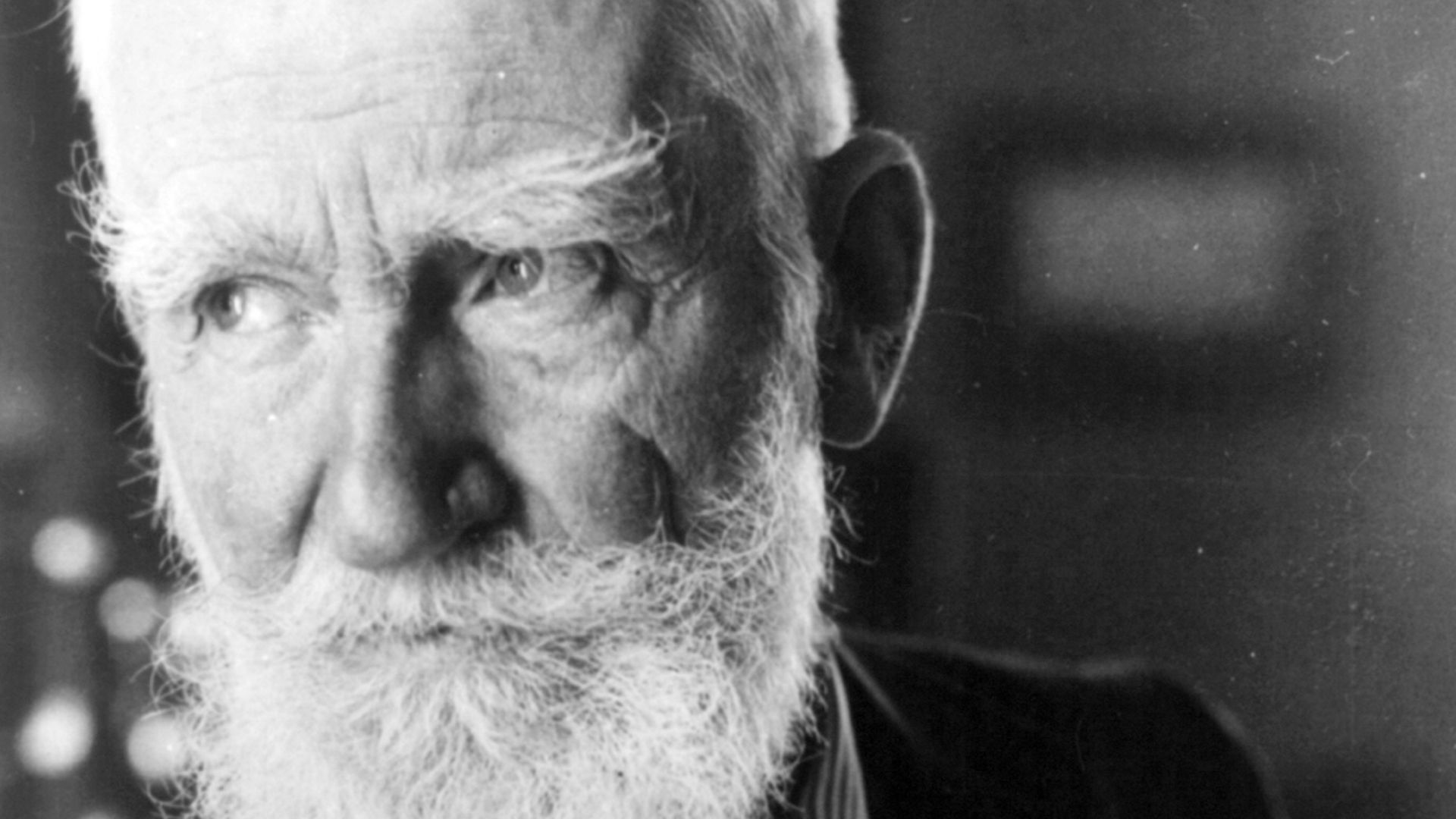
Morse had a deep connection to George Bernard Shaw’s work. In 1966, he served as artistic director of the Shaw Festival in Niagara-on-the-Lake, Ontario. His association with Shaw remained important throughout his life. He later performed Shaw-related works and became closely identified with that theatrical tradition.
 Davart Company, New York City, USA, Wikimedia Commons
Science Fiction Found Him
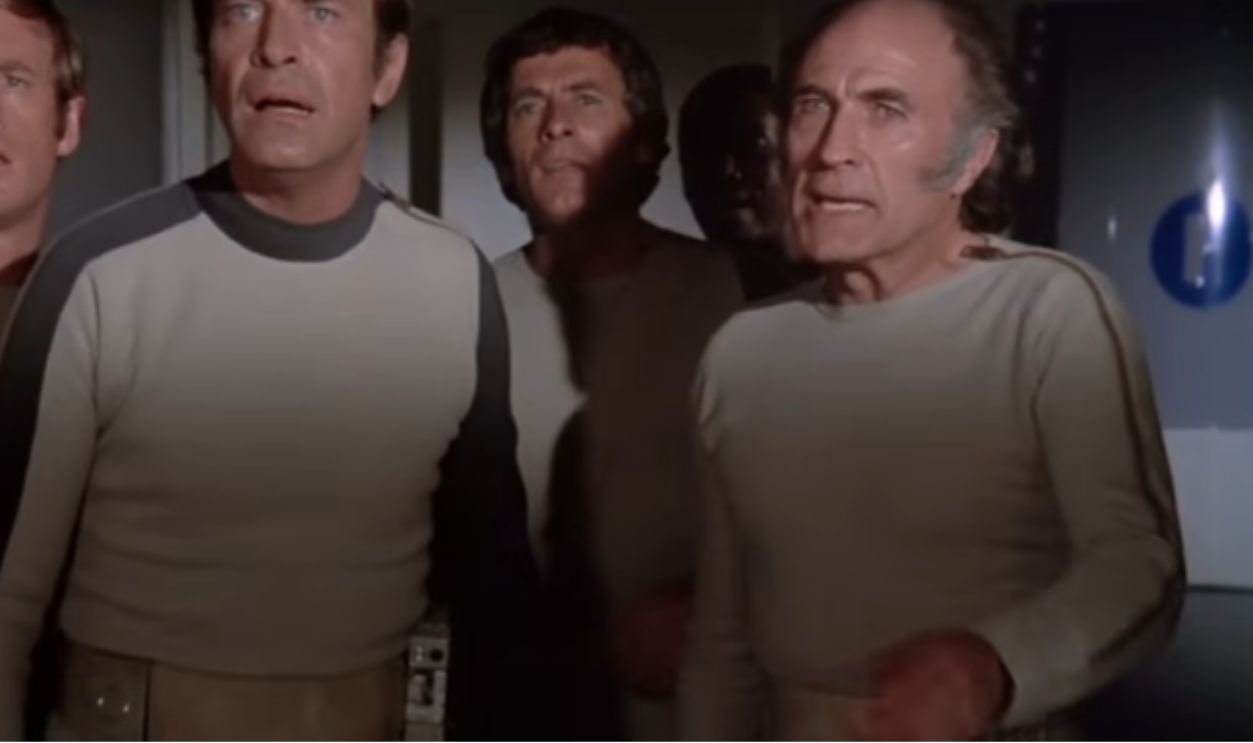
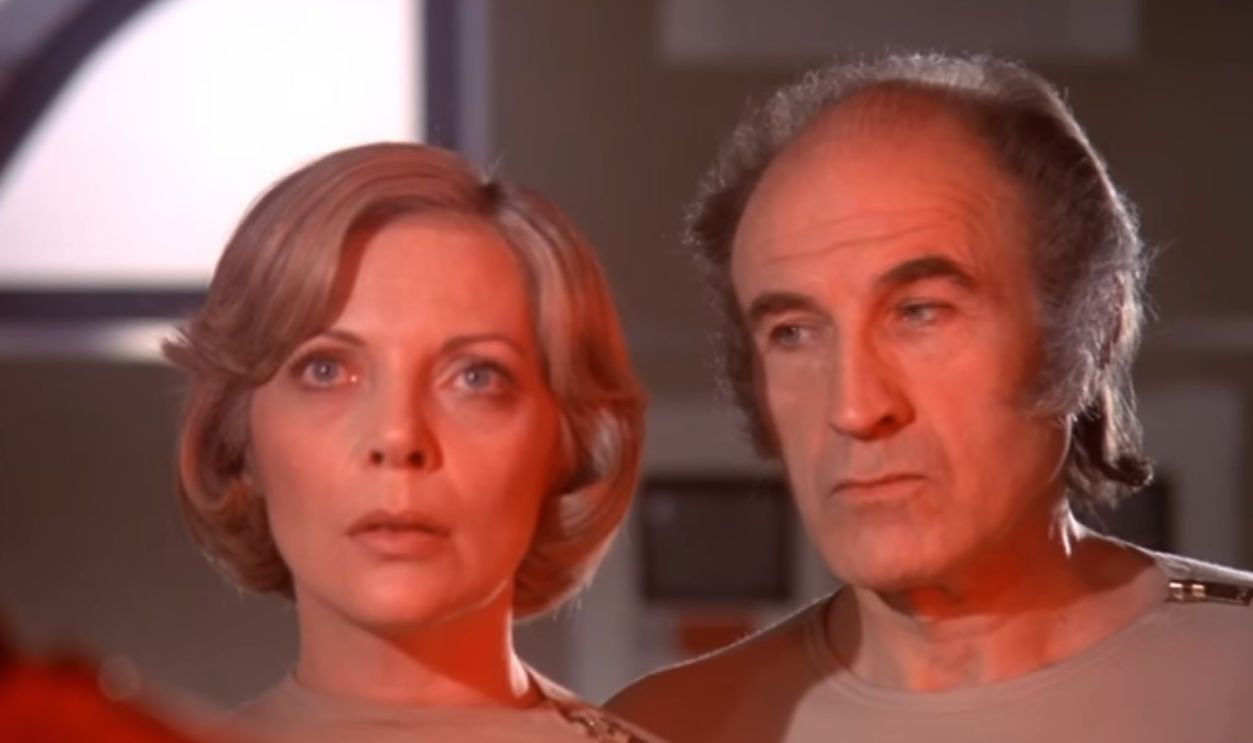
In the 1970s, Morse reached a new generation through Space: 1999. He played Professor Victor Bergman, the thoughtful scientist aboard Moonbase Alpha. The series starred Martin Landau and Barbara Bain and became a cult favorite. Morse brought warmth, intelligence, and theatrical polish to the role.
 Screenshot from Space: 1999, First-run syndication (U.S.) (1975–1977)
Victor Bergman Was A Different Kind Of Role
Professor Bergman was far removed from Lieutenant Gerard. Instead of chasing a fugitive, Morse played a calm scientific mind in a dangerous future. That contrast reminded viewers how much range he had. It also helped keep him visible in pop culture after The Fugitive ended.
 Screenshot from Space: 1999, First-run syndication (U.S.) (1975–1977)
He Became A Cult TV Favorite
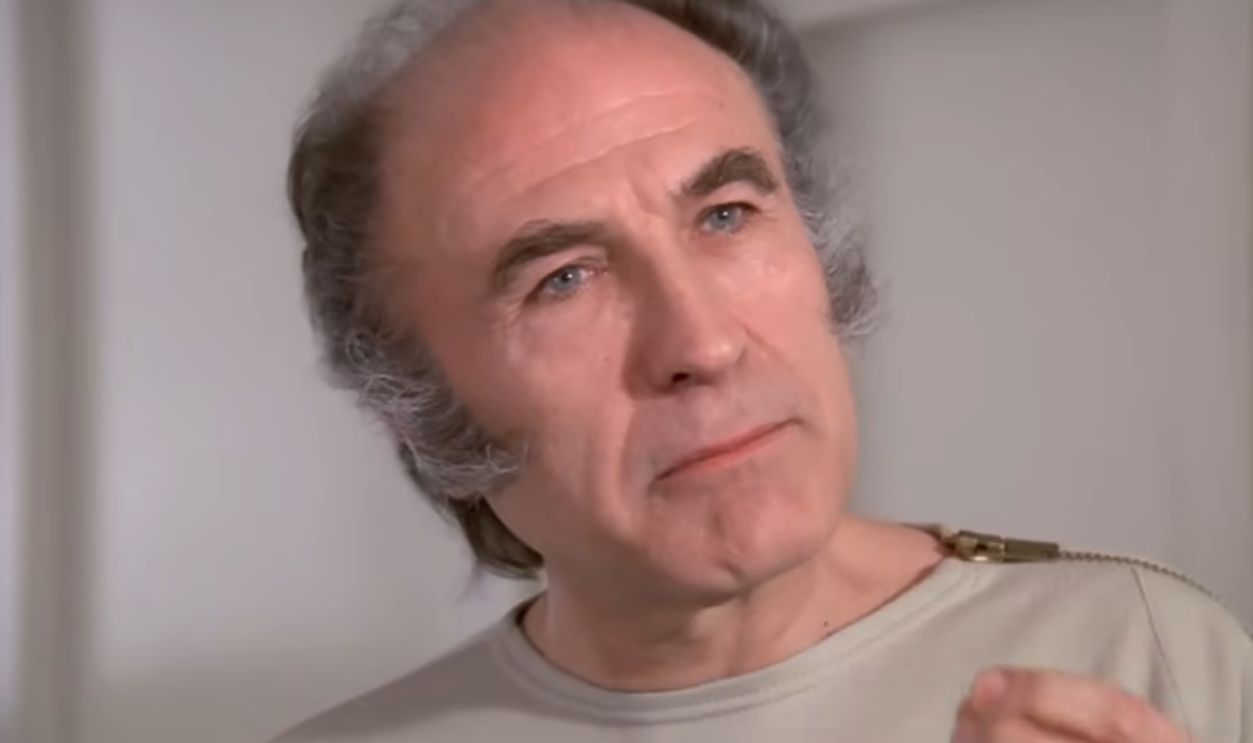
Space: 1999 gave Morse lasting recognition among science fiction fans. The show’s visual style and ambitious premise kept it alive in reruns, books, and fan discussions. Morse’s performance stood out because he made the futuristic setting feel grounded. He gave the series a human center amid all the spectacle.
 Screenshot from Space: 1999, First-run syndication (U.S.) (1975–1977)
He Kept Taking Guest Roles
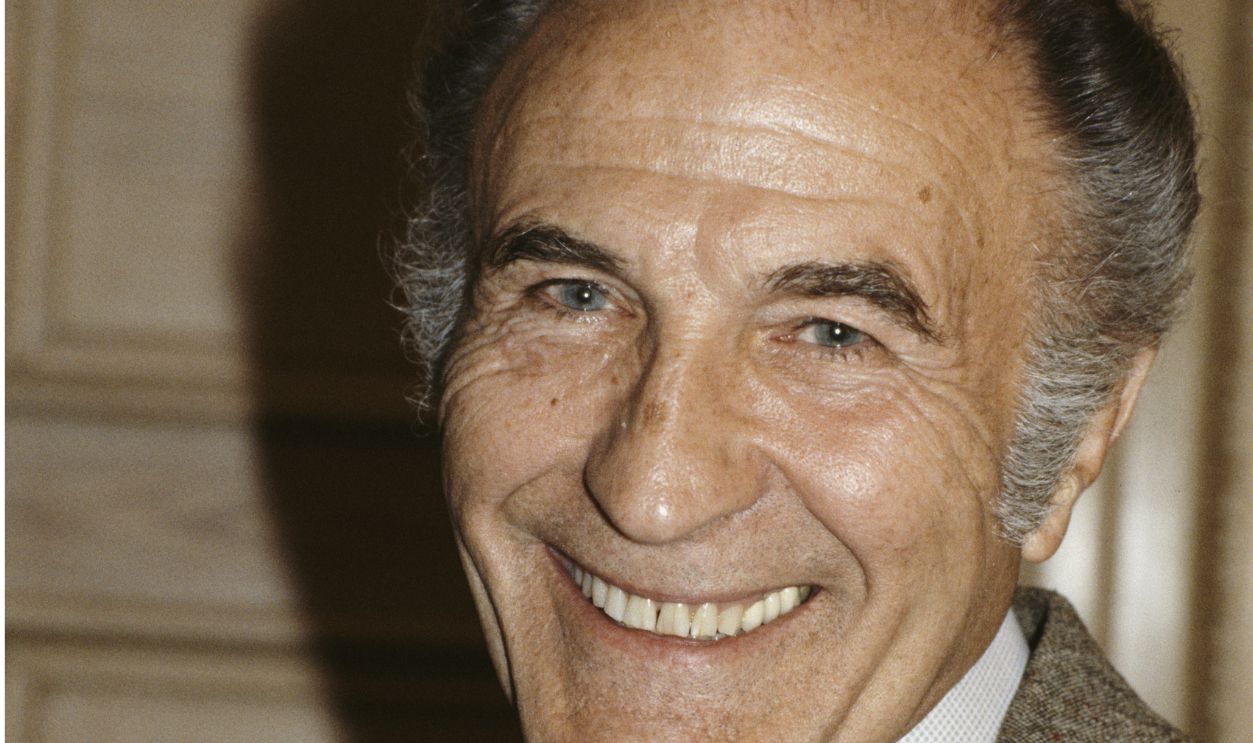
Morse continued appearing in a wide range of television projects. His credits included dramas, thrillers, science fiction, and miniseries. He could play authority, eccentricity, menace, or warmth depending on the role. That flexibility is exactly what made him so valuable to producers.
Miniseries Gave Him New Audiences
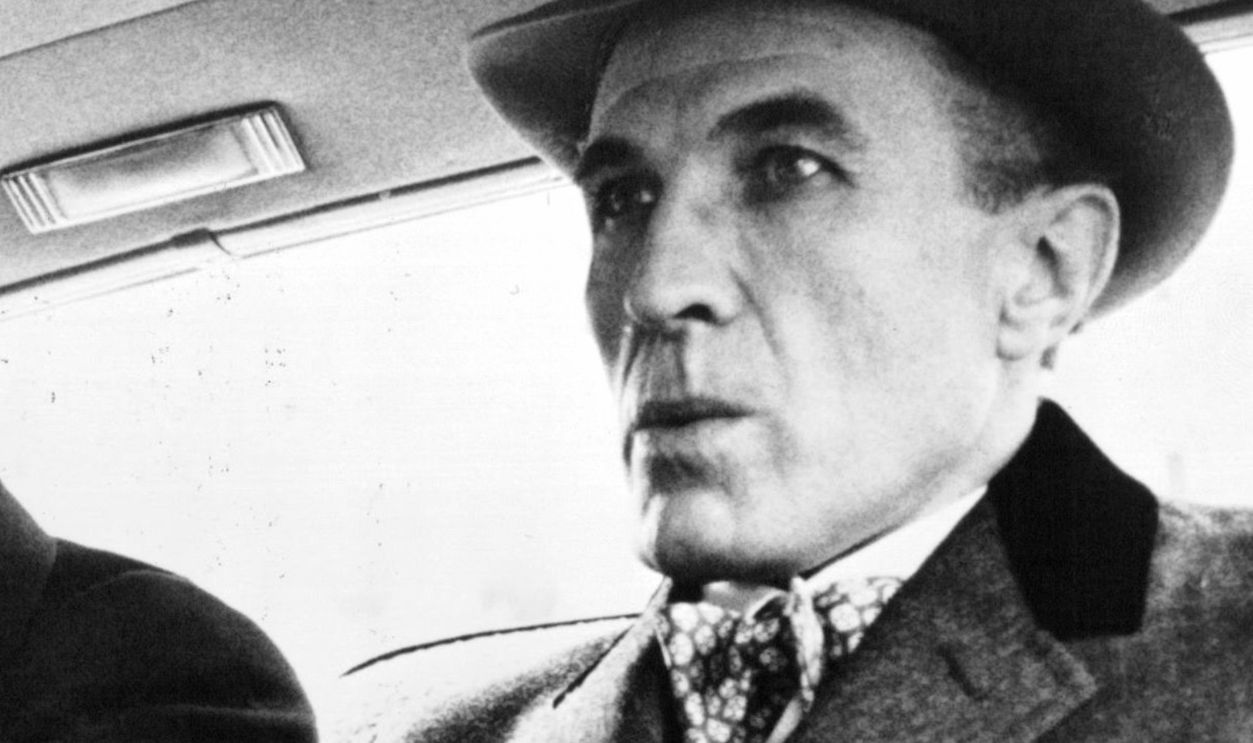
In later decades, Morse appeared in major television miniseries and event productions. His credits included The Martian Chronicles, The Winds of War, and War and Remembrance. These projects suited actors who could create vivid characters quickly. Morse had spent his whole career perfecting that skill.
 Universal Pictures, Getty Images
He Never Left The Theatre Behind
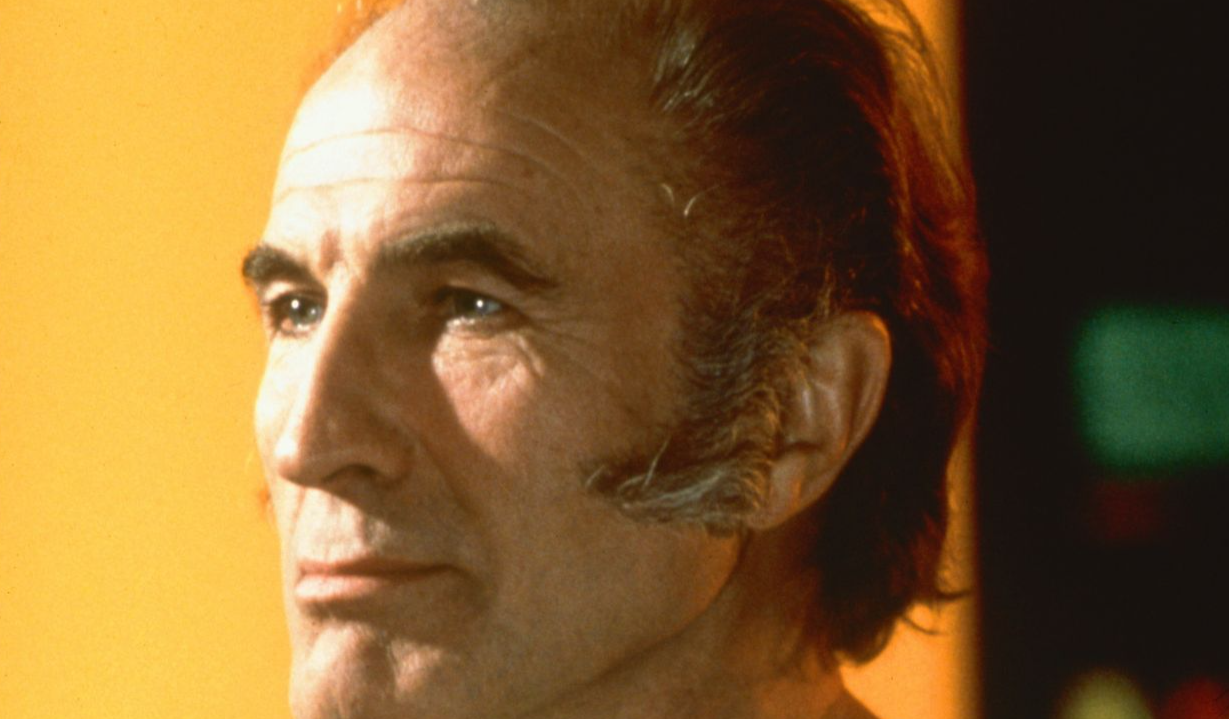
Even with television fame, Morse remained committed to live performance. He toured with his one-man show Merely Players, which explored the lives and stories of actors. The show reflected his lifelong love of theatrical history. It also proved that Morse could hold an audience without a famous co-star or franchise.
 Silver Screen Collection, Getty Images
He Was Also A Director
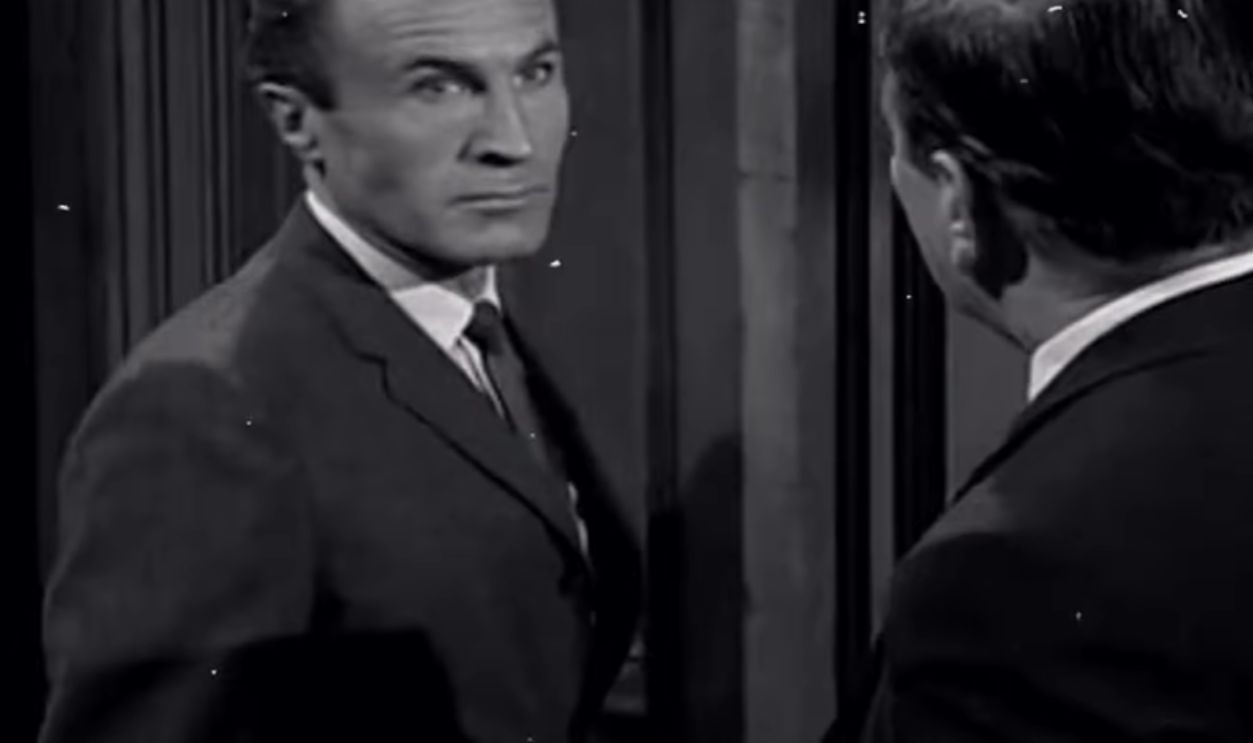
Morse’s career was not limited to acting. He directed stage productions and television episodes, including an episode of The Fugitive. His directing work showed his understanding of performance from both sides of the camera. That experience likely helped make his acting so disciplined.
 Screenshot from The Fugitive, ABC (1963–1967)
His Marriage Was Part Of His Story
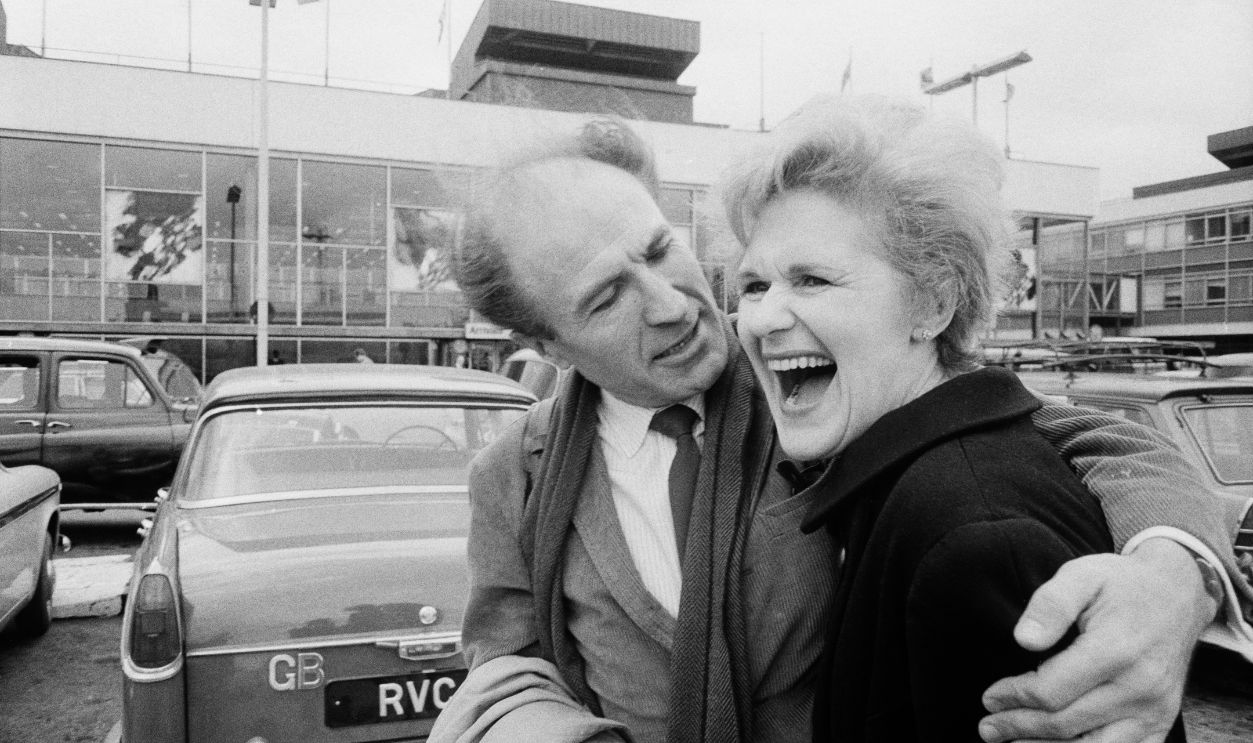
Morse married actress Sydney Sturgess in 1939. They remained together until her death in 1999. Their long partnership spanned decades of professional travel, stage work, and family life. Later accounts of their letters and journals helped show the personal side of two working actors’ lives.
He Gave Back
Morse supported several charitable causes during his life. Parkinson’s disease awareness became especially important to him after Sydney Sturgess lived with the illness. He used performances and public appearances to raise support. That work added another dimension to a career already known for craft and longevity.
He Looked Back In Print
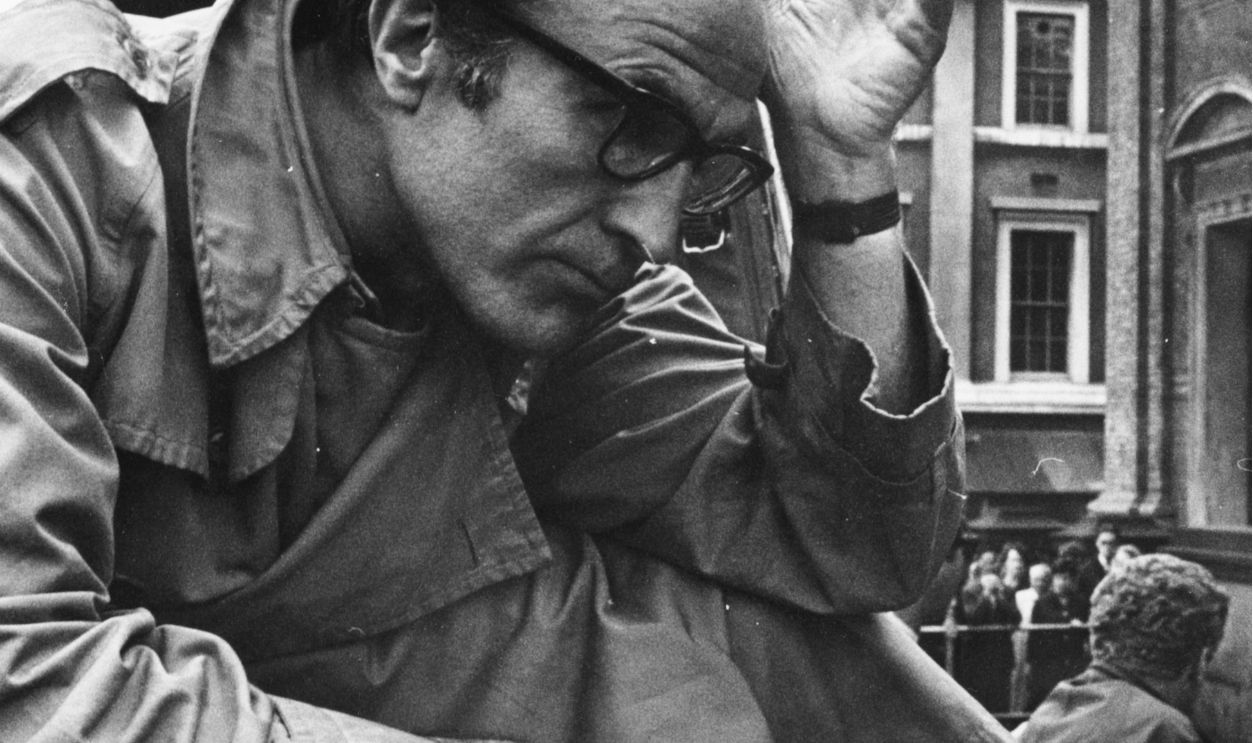
Late in life, Morse reflected on his career through books and memoir projects. Remember With Advantages explored his acting life, including The Fugitive and his long theatrical journey. These works helped preserve the perspective of an actor who had seen entertainment change dramatically. Few performers had witnessed so many eras from the inside.
 Starparty at English Wikipedia, Wikimedia Commons
A Career That Outlasted One Role
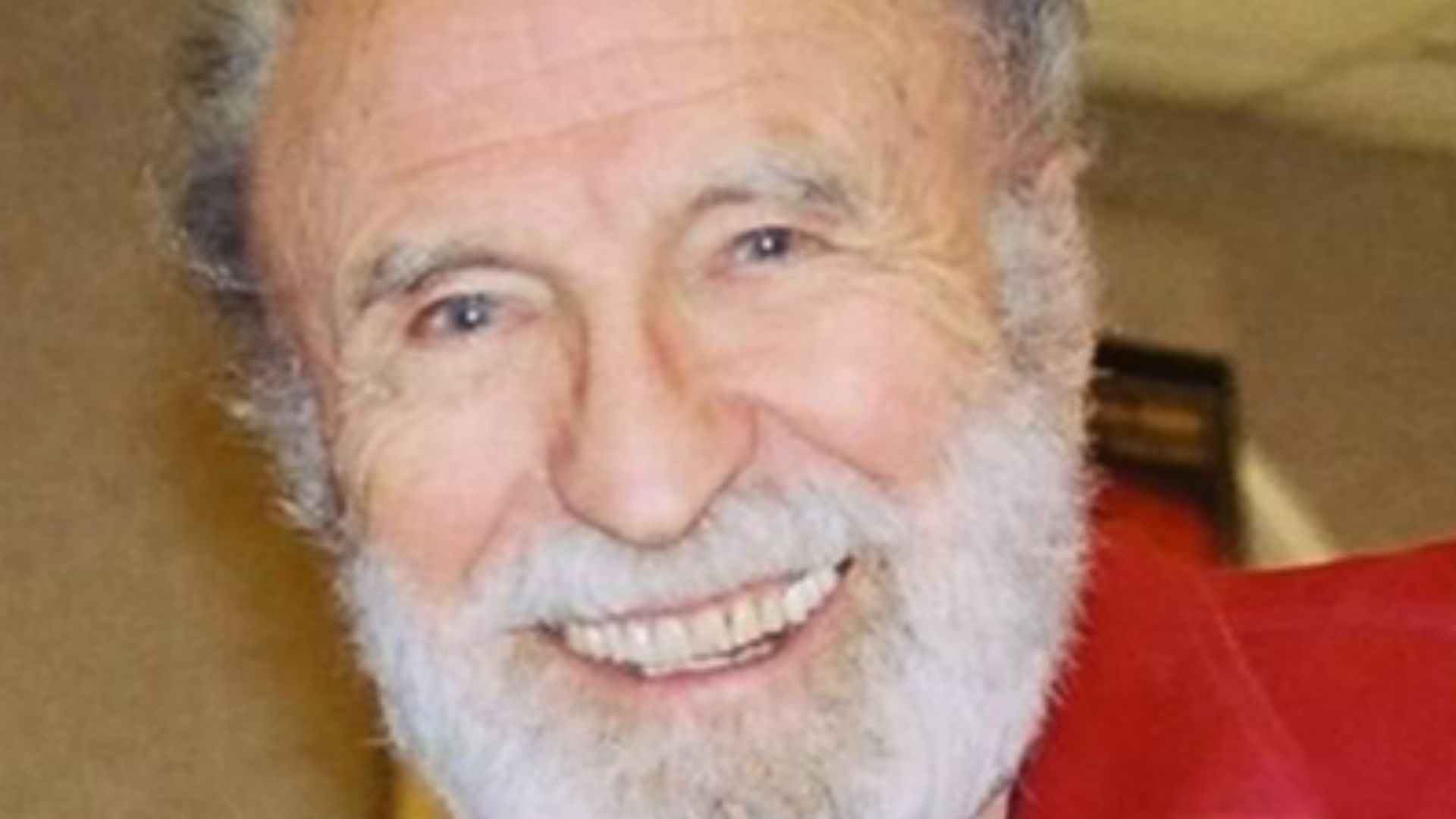
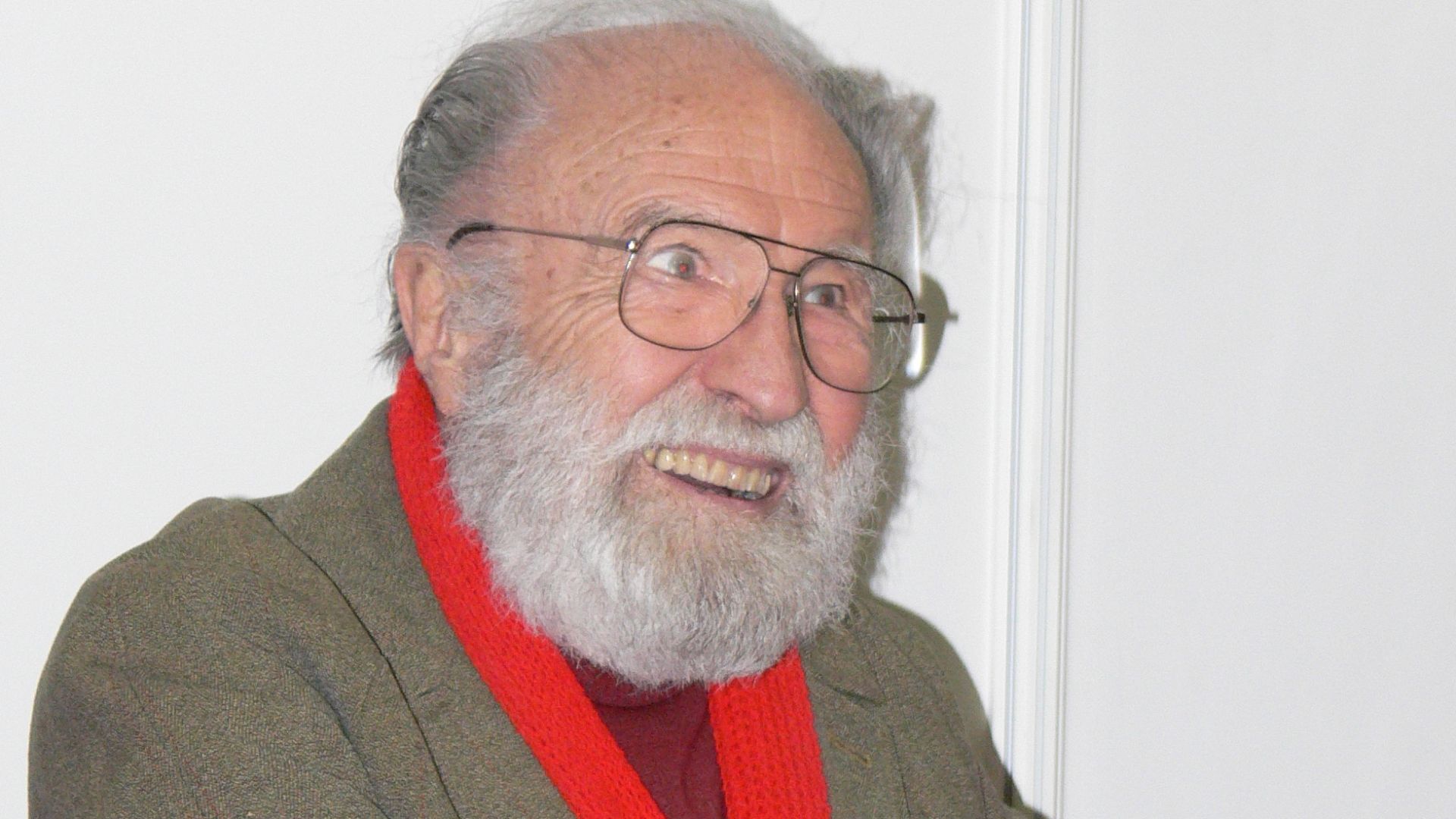
Barry Morse died in London on February 2, 2008, at age 89. For many viewers, he will always be Lieutenant Gerard. Yet that role was only one chapter in a much larger career. Morse became respected because he kept proving that a great character actor can make every part feel essential.
 Tim Drury from Cambridge, Cambridgeshire, Wikimedia Commons
You May Also Like:
How Peter Graves Built A Television Career That Lasted More Than 50 Years
The Surprising Way The Rockford Files Revived James Garner's Career
Why William Shatner's Career Survived Challenges That Would End Most Actors