One More Show
Ricky Nelson had spent most of his life showing up for an audience. On radio and television, then on records and stages across the country. On the last day of 1985, another crowd was expecting him.
Getting to the show was supposed to be the easy part.
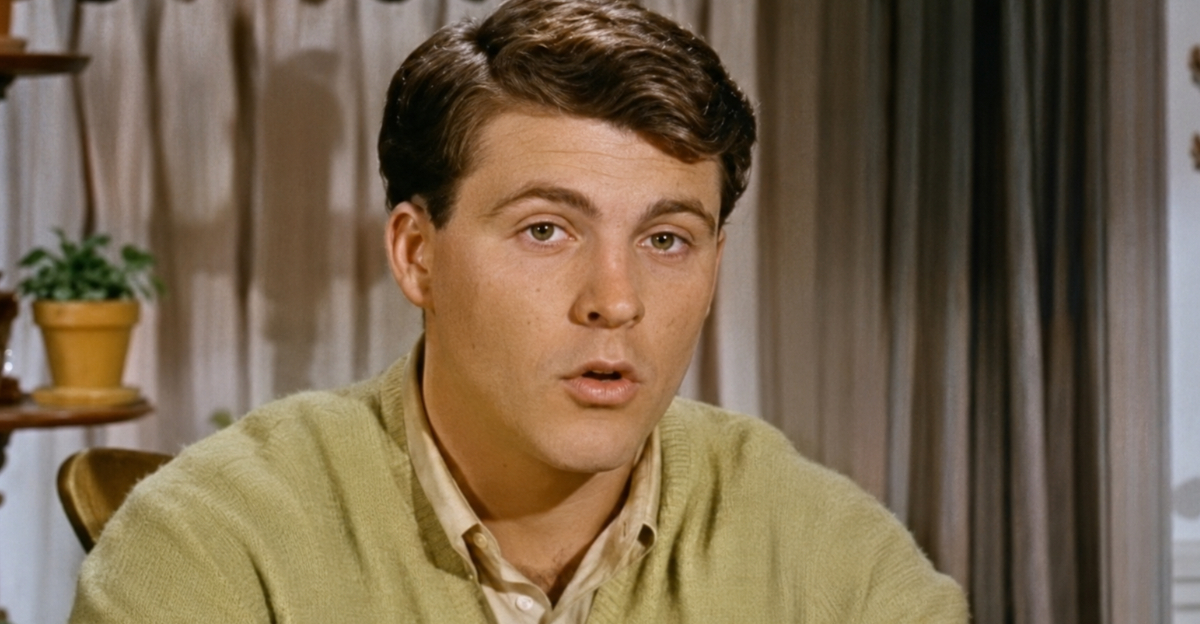 The Adventures of Ozzie and Harriet (1952-1966), ABC
The Boy America Watched Grow Up
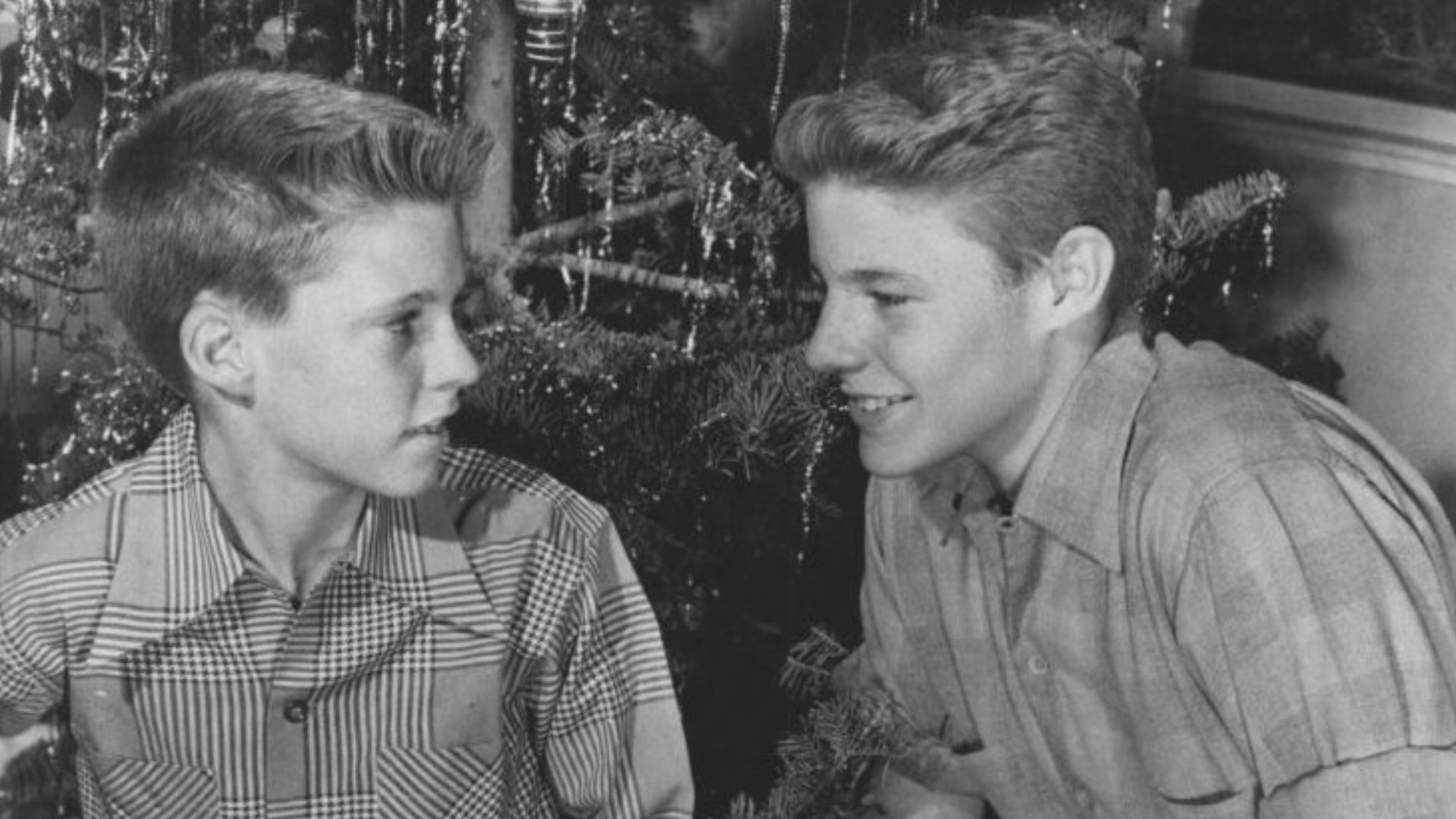
On "The Adventures of Ozzie and Harriet," viewers watched Ricky grow from the family's younger boy into a teenage heartthrob. Then came "Poor Little Fool," "Travelin' Man," and "Hello Mary Lou." By 1985, he was 45 and professionally known as Rick. But to millions of Americans, he was still Ricky.
One More Show Before Midnight
On December 30, Rick performed at P.J.'s Alley in Guntersville, Alabama, a club owned by his friend and former bandmate Pat Upton. The next engagement was a New Year's Eve show in Dallas. His biggest chart years were behind him, but he was still doing what working musicians do: heading to the next audience.
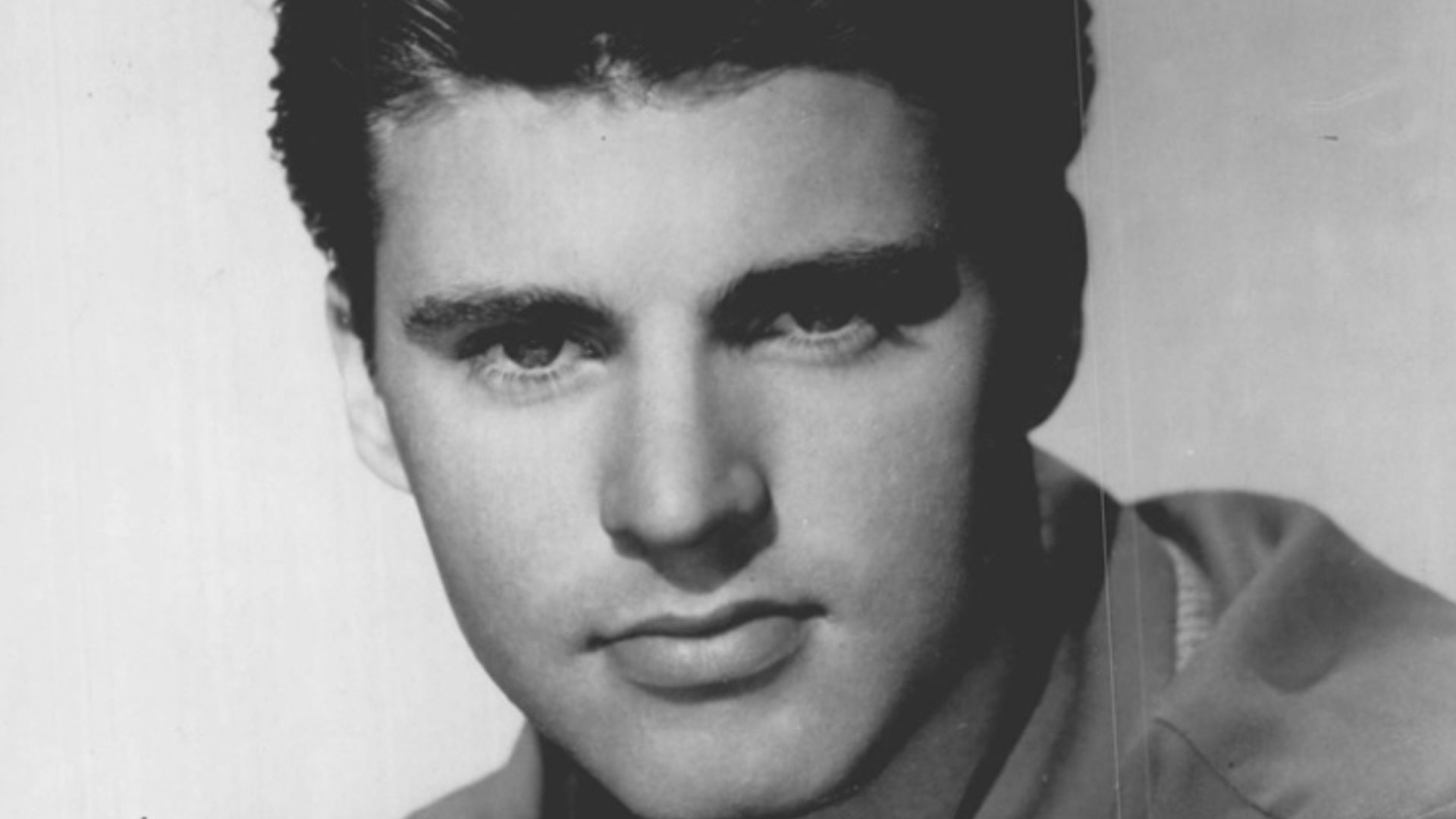 Decca Records, Wikimedia Commons
Nine People Boarded The Plane
On December 31, Rick boarded a Douglas DC-3 bound for Dallas' Love Field. With him were his fiancée, Helen Blair, four musicians, sound technician Clark Russell, and two pilots. Their luggage and musical equipment were loaded aboard. Seven passengers and two crew members were making the trip.
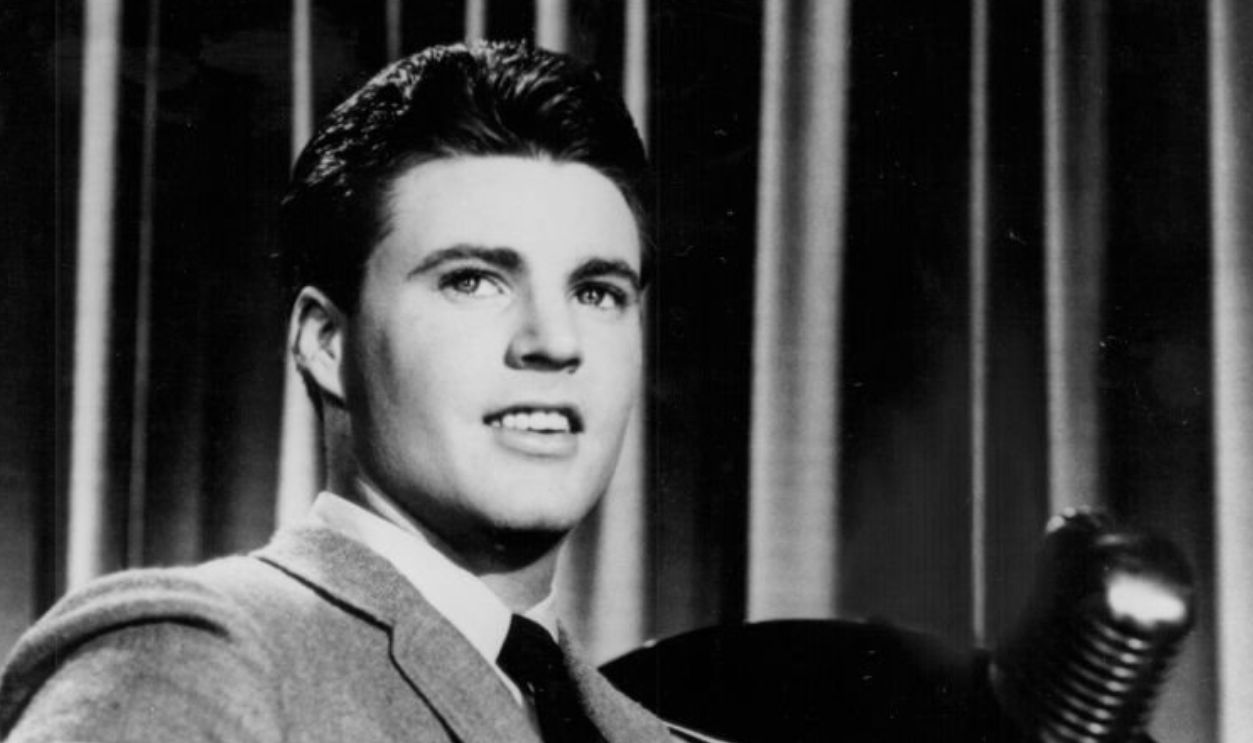 Michael Ochs Archives, Getty Images
The Aircraft Was Already Four Decades Old
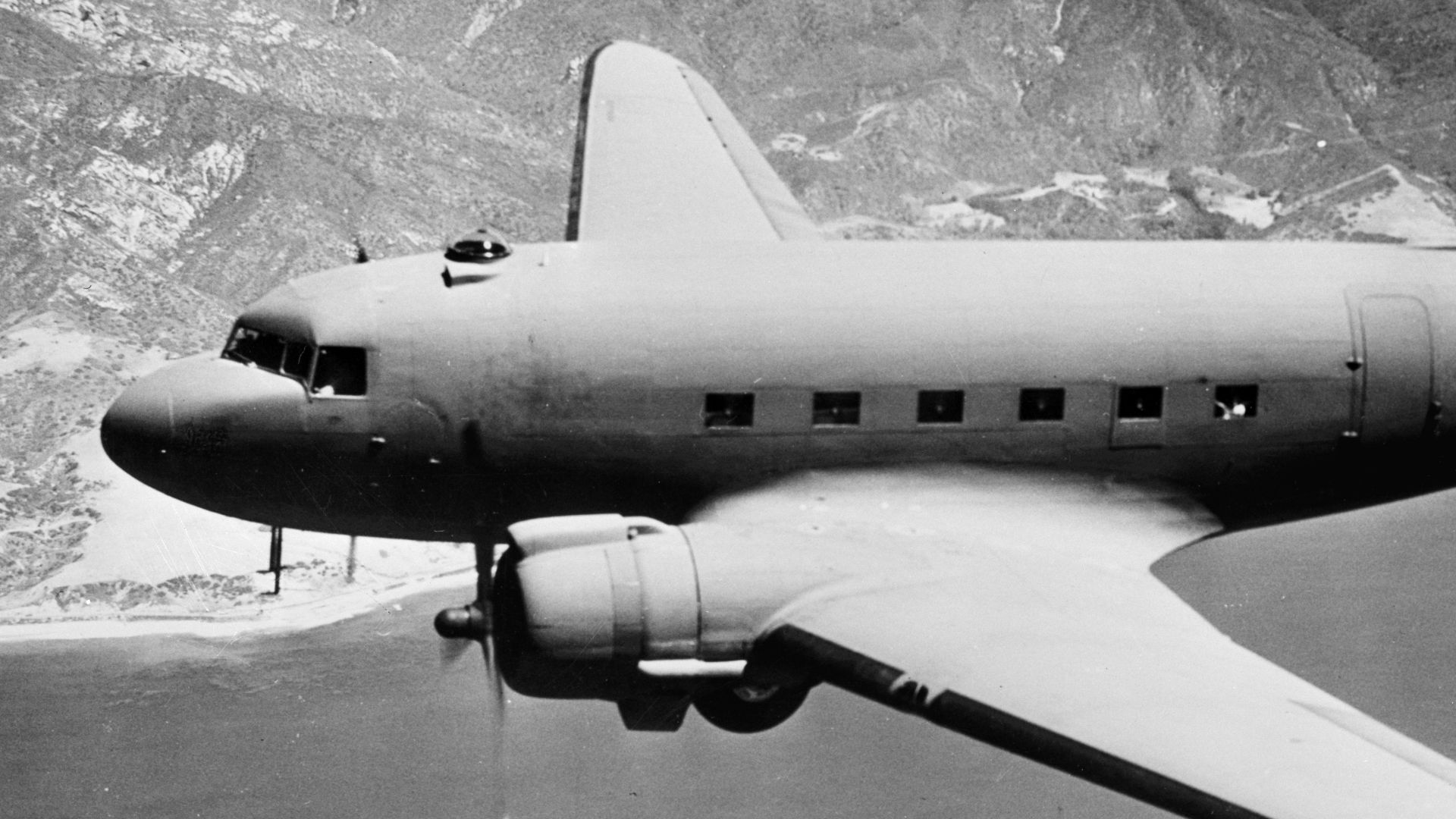
The twin-engine aircraft had been built in 1944 as a military C-47 and later converted for civilian use. Rick had purchased it in May 1985 to travel between engagements. It was an aircraft from another era, carrying a performer whose own career stretched back to the early days of television.
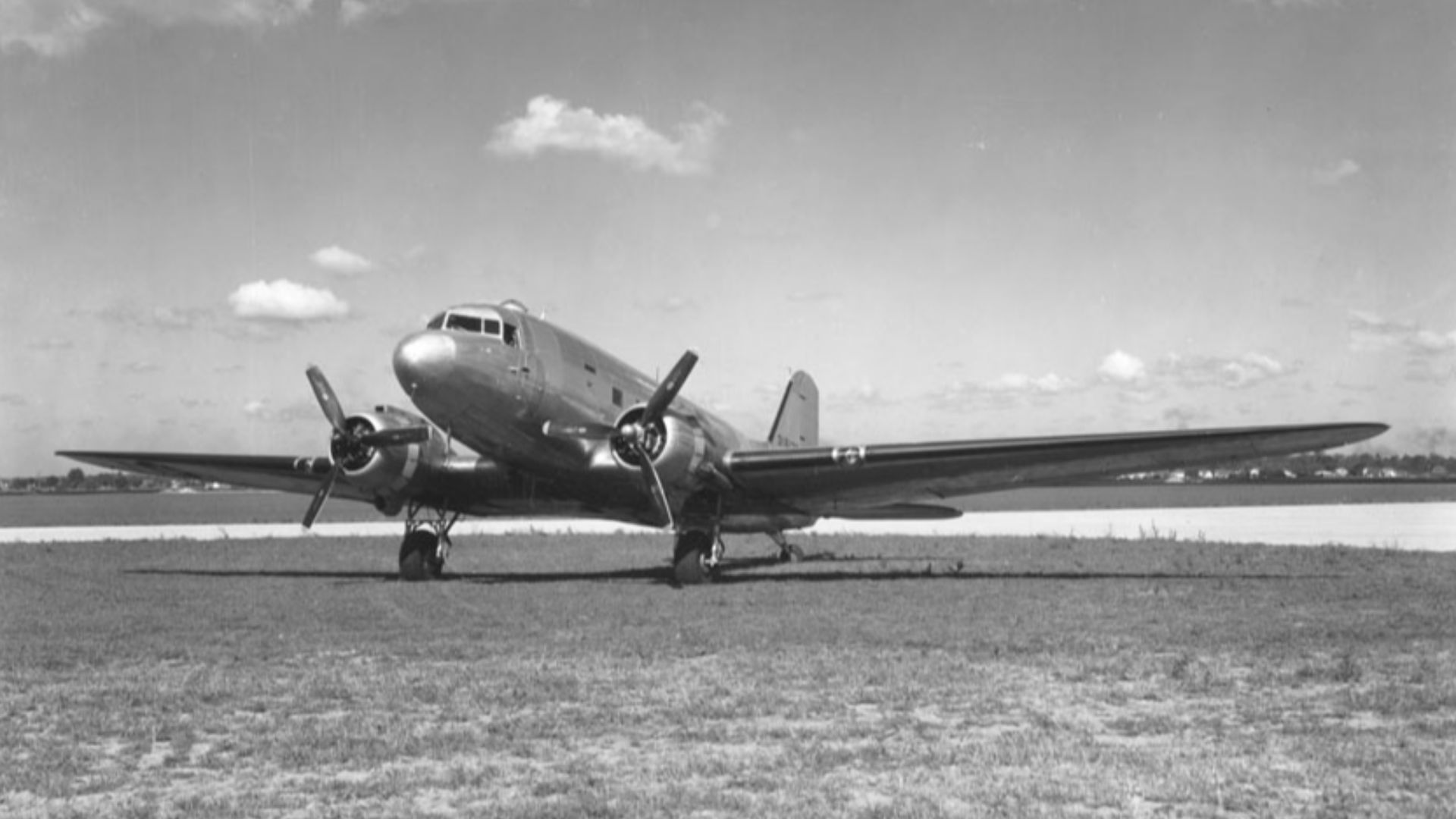 Historicair, Wikimedia Commons
A Problem At 6,000 Feet
At approximately 5:08 p.m., while cruising at 6,000 feet over northeast Texas, one of the pilots contacted air traffic control. He requested a turn toward Texarkana, explaining that there was a problem. Controllers began providing headings and distances to nearby airports. The crew needed somewhere to land.
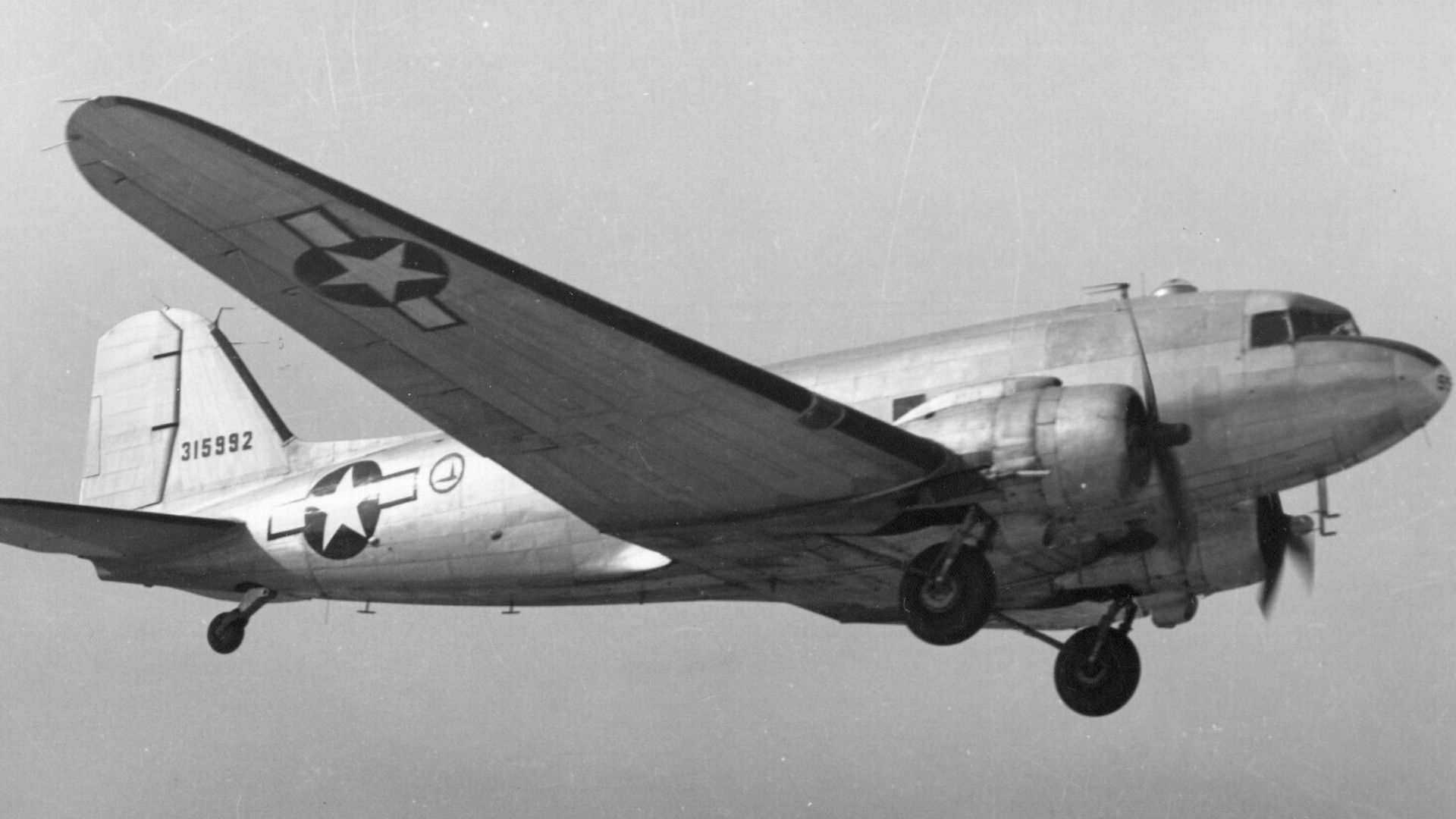 Unknown authorUnknown author, Wikimedia Commons
Then Came The Smoke Report
At approximately 5:11 p.m., the crew reported smoke in the cockpit. The emergency was developing quickly. A problem aboard the aircraft had become a threat to the pilots' ability to see, navigate, and bring everyone down safely. There were only minutes left before the flight ended.
They Couldn't Reach An Airport
Controllers had offered possible airports, but the crew reported that they would be unable to reach them. The pilots now had to get the aircraft onto the ground somewhere else. Near De Kalb, Texas, they lined up with a farm field while smoke trailed from the plane.
 https://www.thisdayinaviation.com/, Wikimedia Commons, Enhanced
The Pilots Could Barely See
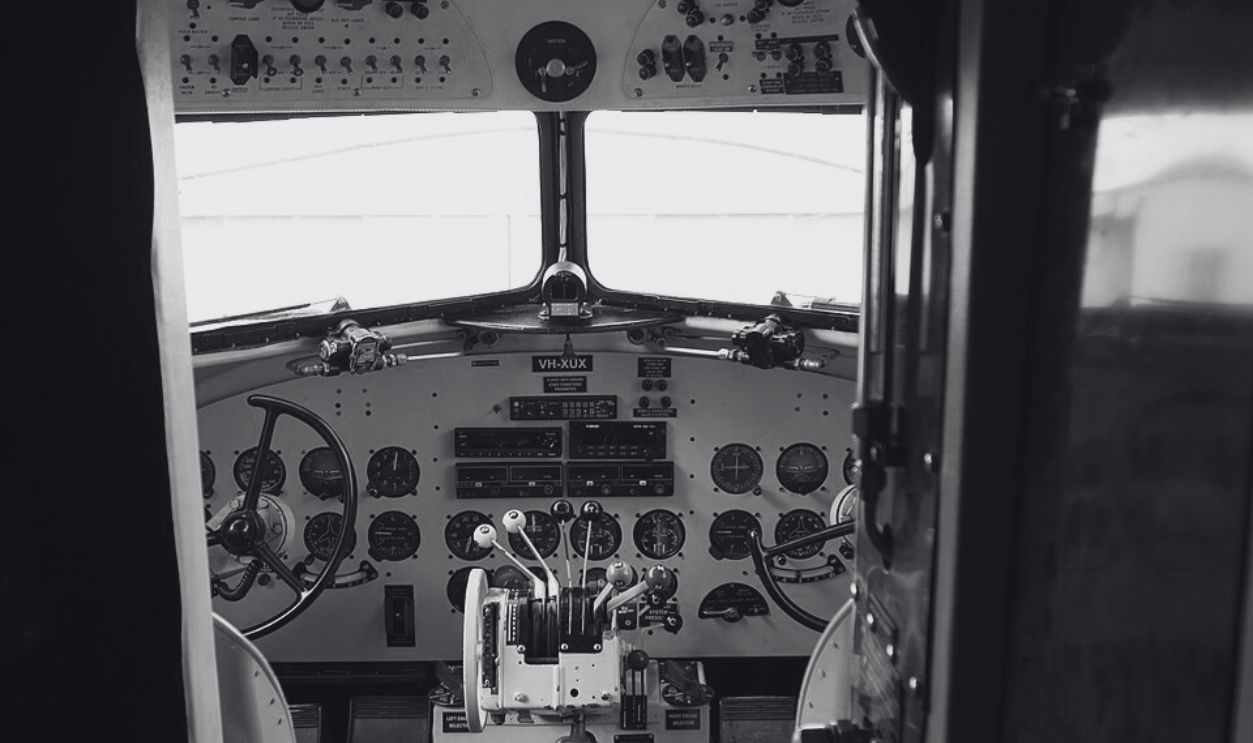
Opening windows and fresh-air vents hadn't cleared the smoke. The captain later told investigators that it had become impossible to see through the forward cockpit windows. He leaned toward an open side window to find enough of a view to choose a landing site and bring the aircraft down.
The Plane Came Down In A Field
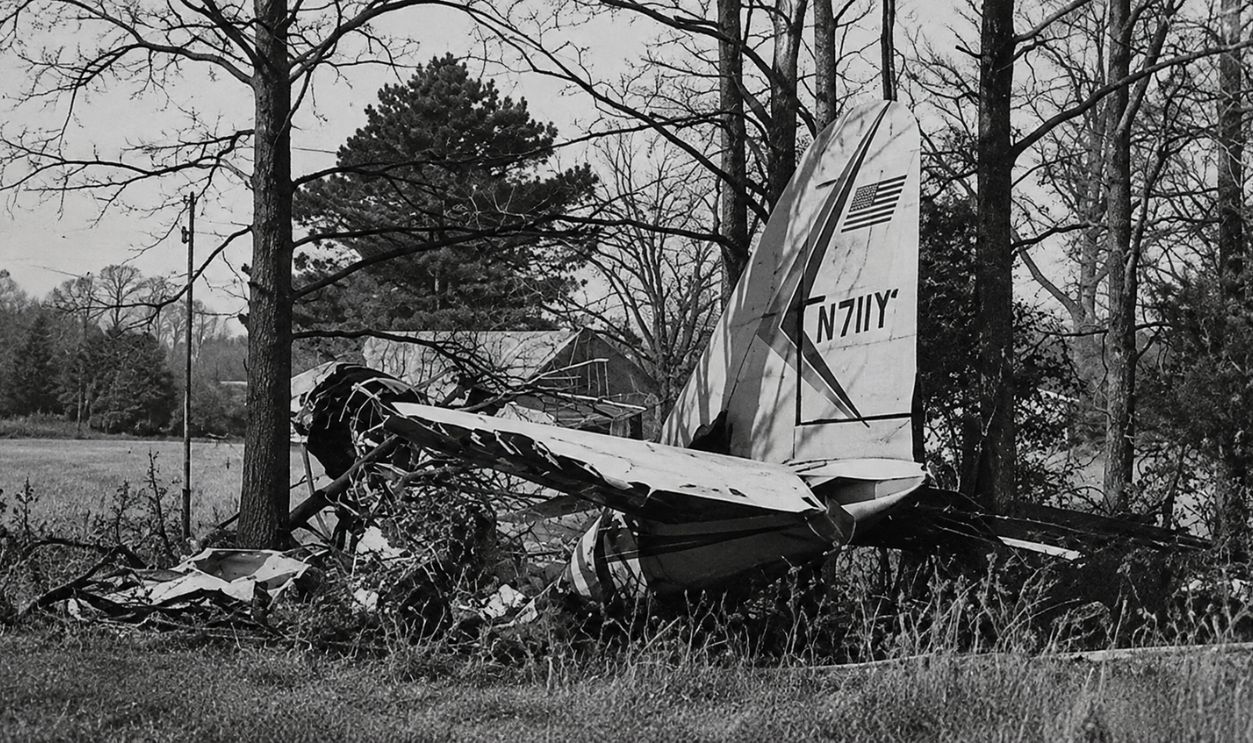
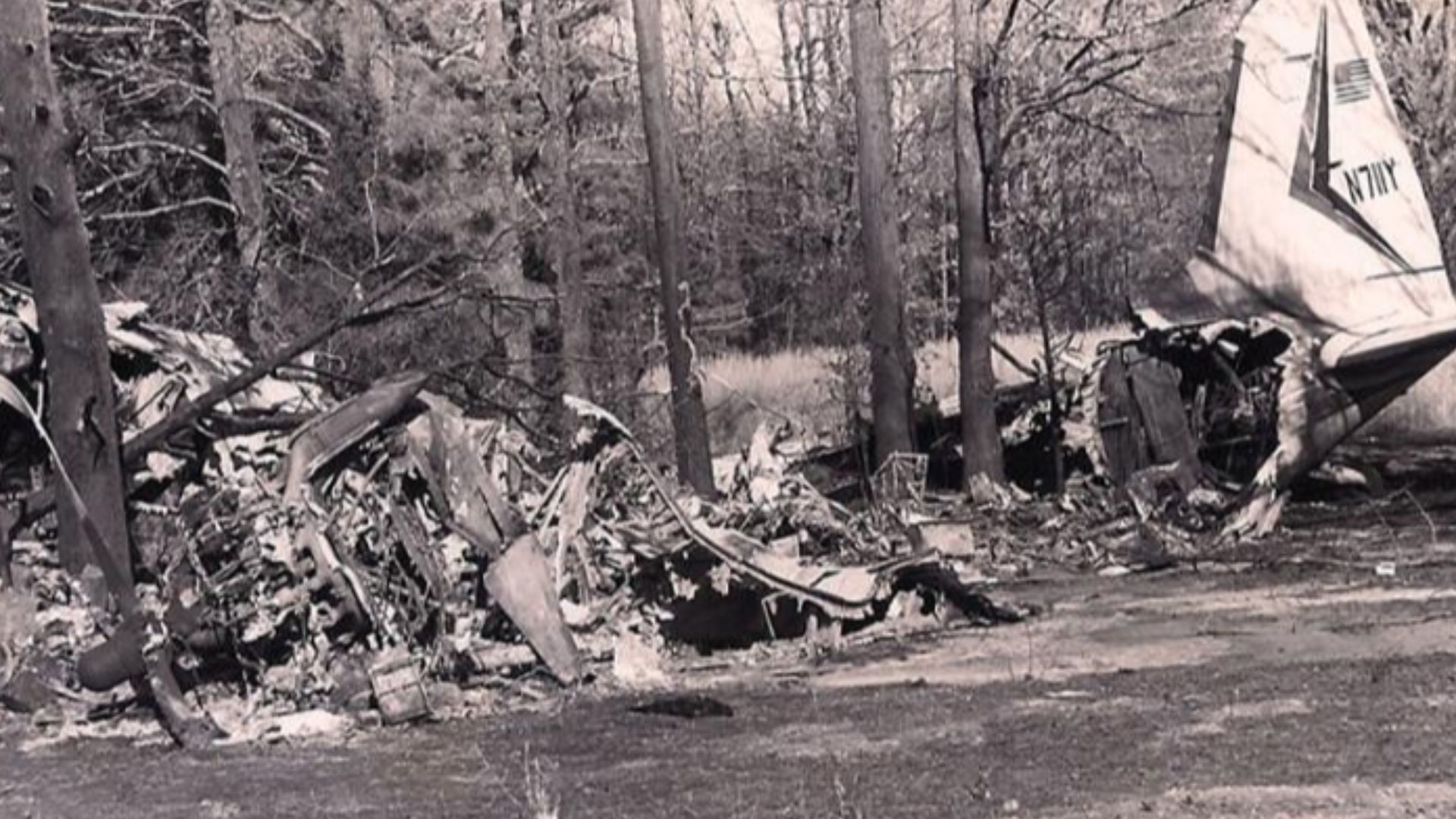
At about 5:14 p.m., the aircraft struck power lines and a utility pole during the emergency landing, then continued into trees. It was extensively damaged by impact and fire. Roughly six minutes had passed since the first radio report of trouble.
 Unknown authorUnknown author, Wikimedia Commons
Only The Pilots Escaped
The pilot and copilot escaped through their cockpit windows with serious injuries. None of the seven passengers escaped. The medical examiner determined that they died from smoke inhalation and burns. Reaching the ground had not been enough to save the people traveling in the cabin.

Seven People Never Reached Dallas
Rick and Helen were among those lost. So were guitarist Bobby Neal, bassist Patrick Woodward, drummer Rick Intveld, keyboardist Andy Chapin, and sound technician Clark Russell. The famous name dominated the headlines, but six other people had been making that same trip to Dallas. None of them came home.

Investigators Turned To The Heater
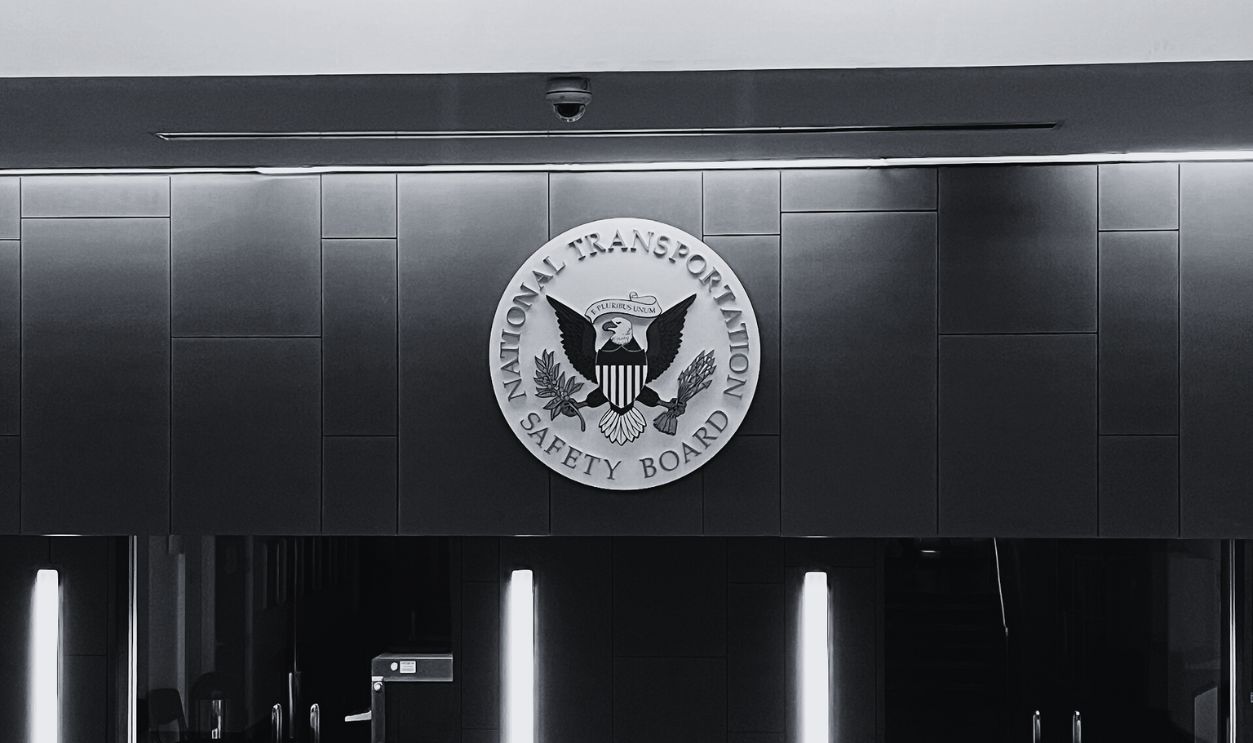
The National Transportation Safety Board examined the wreckage and the surviving pilots' accounts. A gasoline-fueled cabin heater near the rear of the aircraft became a central focus. The most severe fire damage was concentrated in that area. What happened before the smoke appeared was now a crucial question.
The Copilot Described Repeated Problems
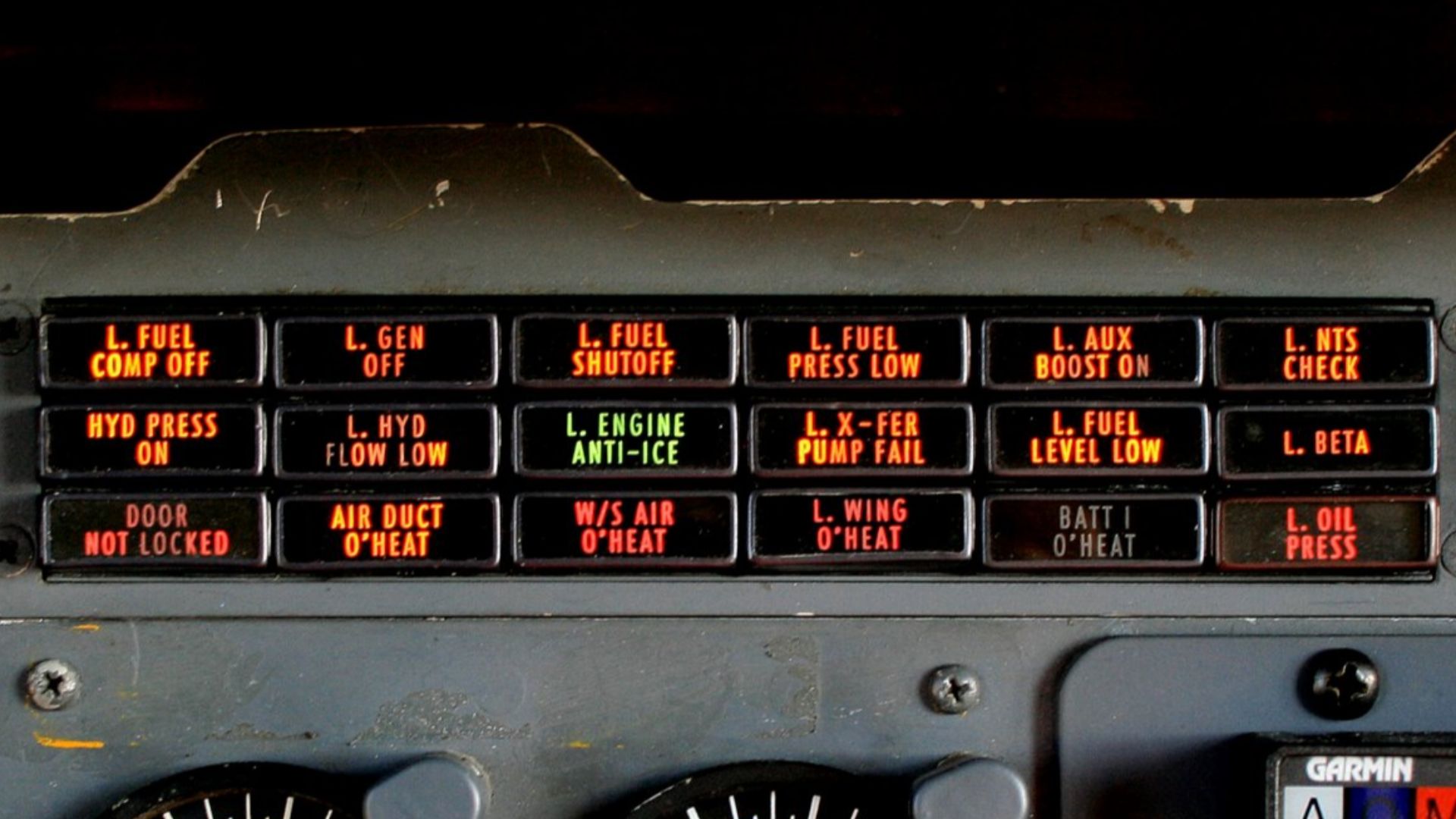
According to the copilot, the heater's warning light had come on during the flight, and there were repeated attempts to get it working. He said he became nervous enough to refuse one request to switch it back on. After a later attempt, a passenger reported smoke in the cabin.
 en:User:YSSYguy, Wikimedia Commons
The Pilots' Accounts Didn't Match
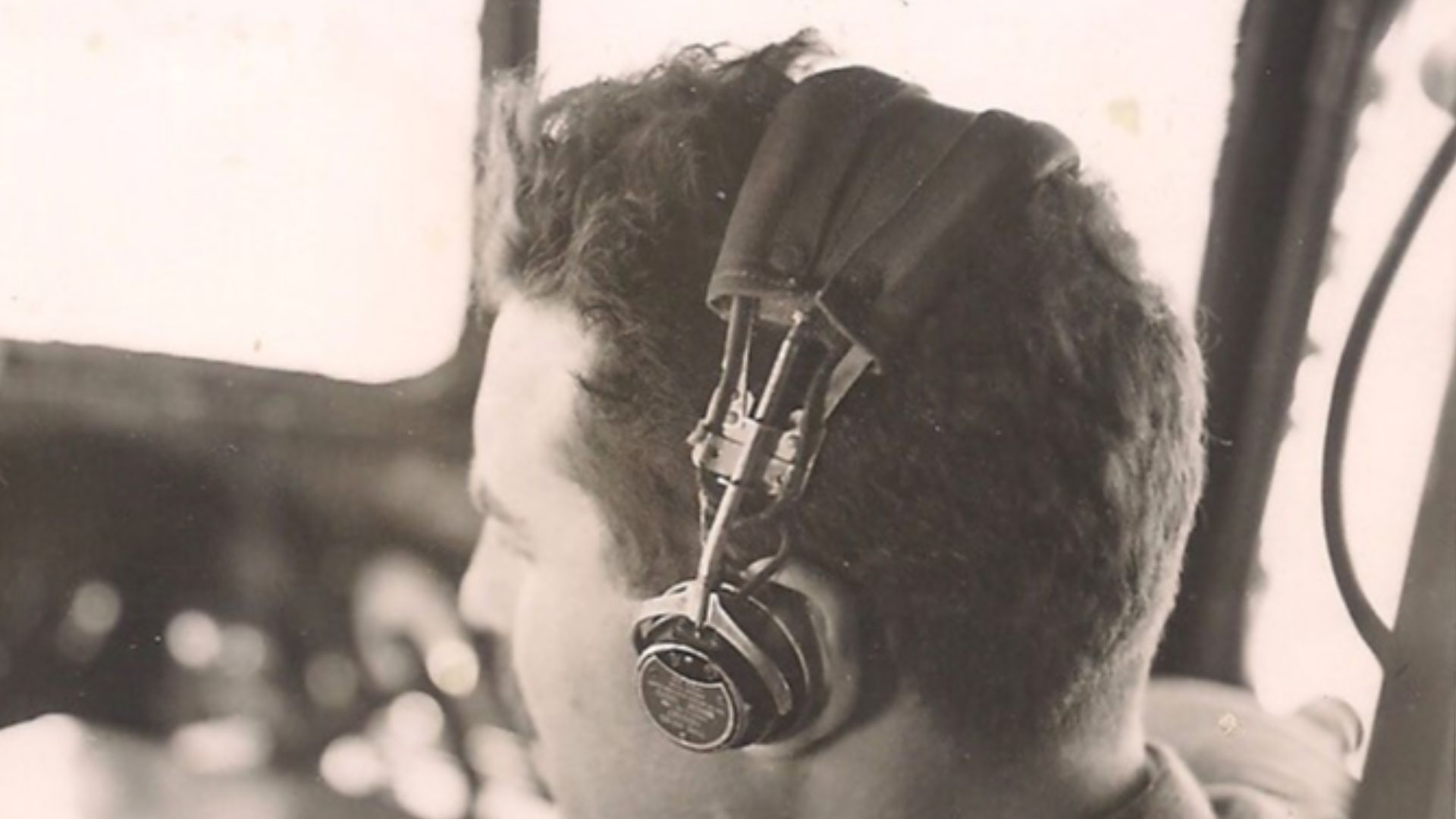
The captain gave a different account, describing smoke near the passengers and a heater that felt cool when he checked it. The copilot also alleged that, after they escaped, the captain told him, "Don't tell anyone about the heater." Investigators documented the conflicting testimony but couldn't resolve every contradiction.
 Aristo Class, Wikimedia Commons
The Exact Ignition Source Remained Uncertain
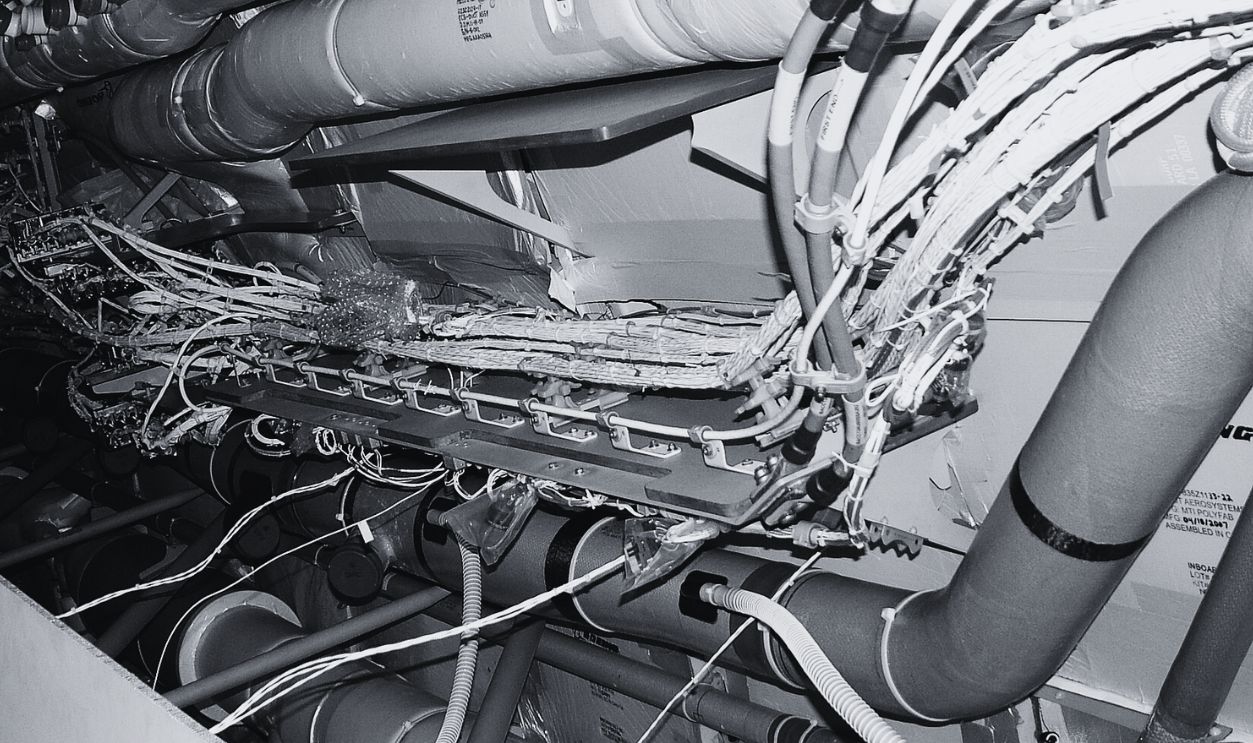
Investigators concluded that the fire originated in the area of the cabin heater. They could not conclusively establish that the heater itself started it, however. Nearby electrical wiring was another possible source. Much of the relevant equipment had been destroyed, leaving a limit on what the wreckage could prove.
The Emergency Procedures Weren't Followed
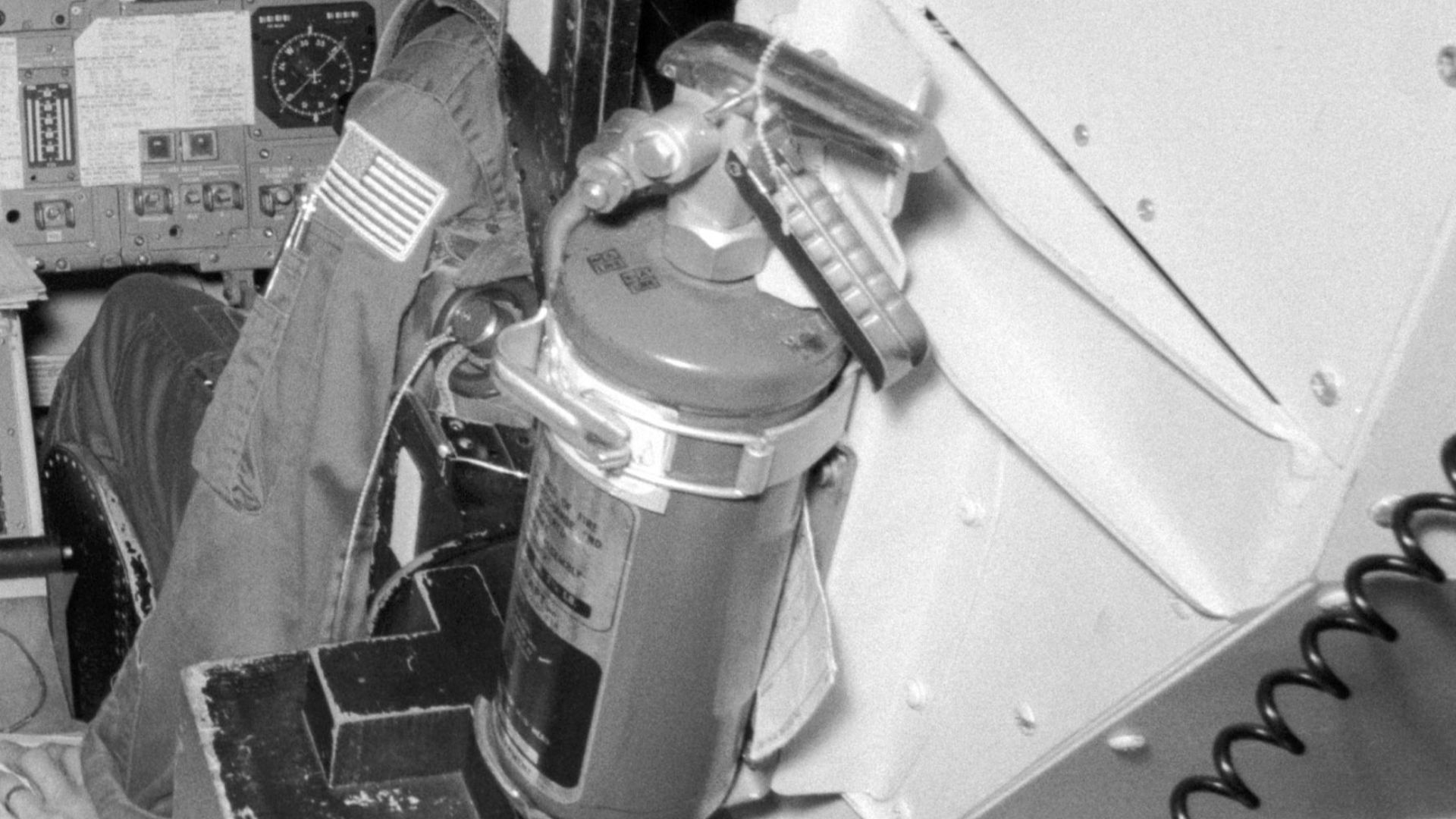
The NTSB also found that the in-flight fire checklist hadn't been used. Fresh-air vents were opened when the checklist called for closing them. Supplemental oxygen and the handheld cockpit extinguisher weren't used. Proper action might not have saved the aircraft, investigators said, but could have improved the passengers' chances.
A Damaging Rumor Was Never Established
Early speculation suggested that substance use by passengers had started the fire. Investigators found no evidence supporting that explanation. The precise ignition source remained undetermined, but that did not turn the rumor into a finding. The investigation never established it as the cause of the tragedy.

Recognition Came After He Was Gone
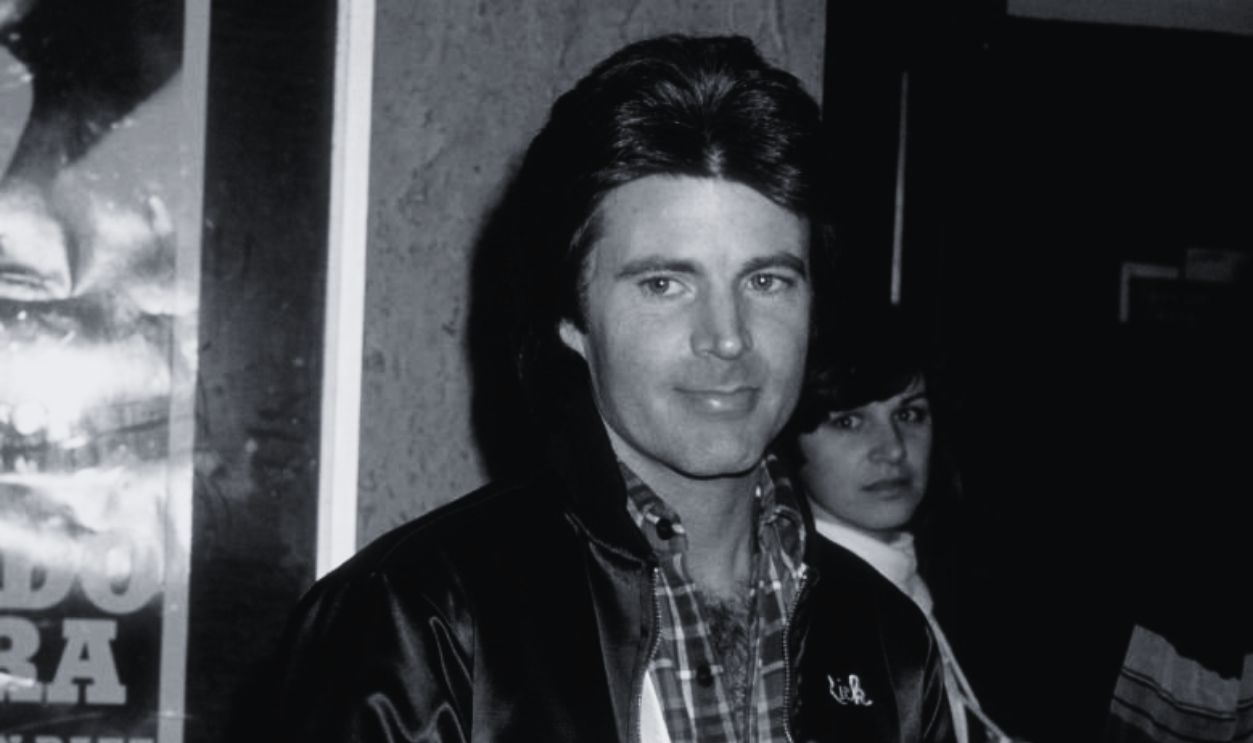
In 1987, Ricky Nelson was inducted into the Rock & Roll Hall of Fame, with John Fogerty presenting the honor. It recognized a career that extended far beyond the family sitcom, from his early rock-and-roll records to the country rock of his later years. He wasn't there to receive it.
Dallas Was Supposed To Be Another Stop
Rick Nelson was 45. He had grown up on television, made records that defined teenage years, and kept performing long after his first fans became adults. Dallas was supposed to be another stop on that journey.
You Might Also Like:
Why Pernell Roberts Walked Away From Bonanza While It Was Still A Massive Hit
Serious Movie Performances From Actors That America Knew Only As Sitcom Comedians