He Walked Away
In 1965, Bonanza was one of the biggest shows on American television, and Pernell Roberts was one of its most recognizable stars. But after six seasons playing Adam Cartwright, Roberts did something almost unheard of in Hollywood: He walked away from a hugely successful series. His decision baffled fans, frustrated his colleagues, and threatened his career. Yet Roberts had reasons that went far beyond simply wanting a change.
A Serious Actor From Georgia
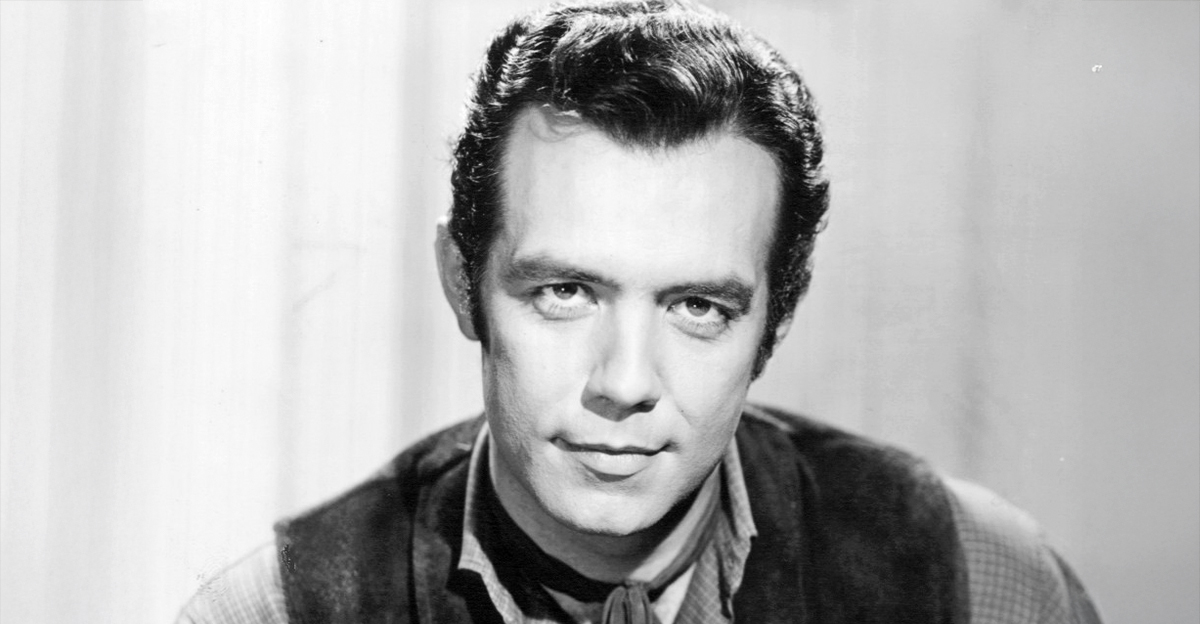
Born in Waycross, Georgia, on May 18, 1928, Roberts developed an early interest in acting and music. After serving in the Marines, he pursued theater, appearing in classical productions before making his way to New York. His performance in Macbeth earned him a prestigious theater award in the mid-1950s, establishing his reputation as a serious actor with ambitions beyond television.
 NBC Television, Public Domain, Wikimedia Commons
Broadway Came Before Hollywood
Roberts appeared in several Broadway productions, including The Lovers, The Taming of the Shrew, and The Duchess of Malfi. He moved into films with appearances in Desire Under the Elms (1958), starring Sophia Loren and Anthony Perkins, and The Sheepman (1958), alongside Glenn Ford. He also appeared with Randolph Scott in the Western Ride Lonesome (1959), shortly before landing the role that would make him famous.
The Ponderosa Changed Everything
When Bonanza premiered on NBC in September 1959, Roberts played Adam Cartwright, the eldest son of wealthy Nevada rancher Ben Cartwright, portrayed by Lorne Greene. Dan Blocker played the gentle giant Hoss, while Michael Landon portrayed the impulsive Little Joe. Adam was the thoughtful, educated brother, frequently providing a voice of reason during the family's adventures on the Ponderosa.
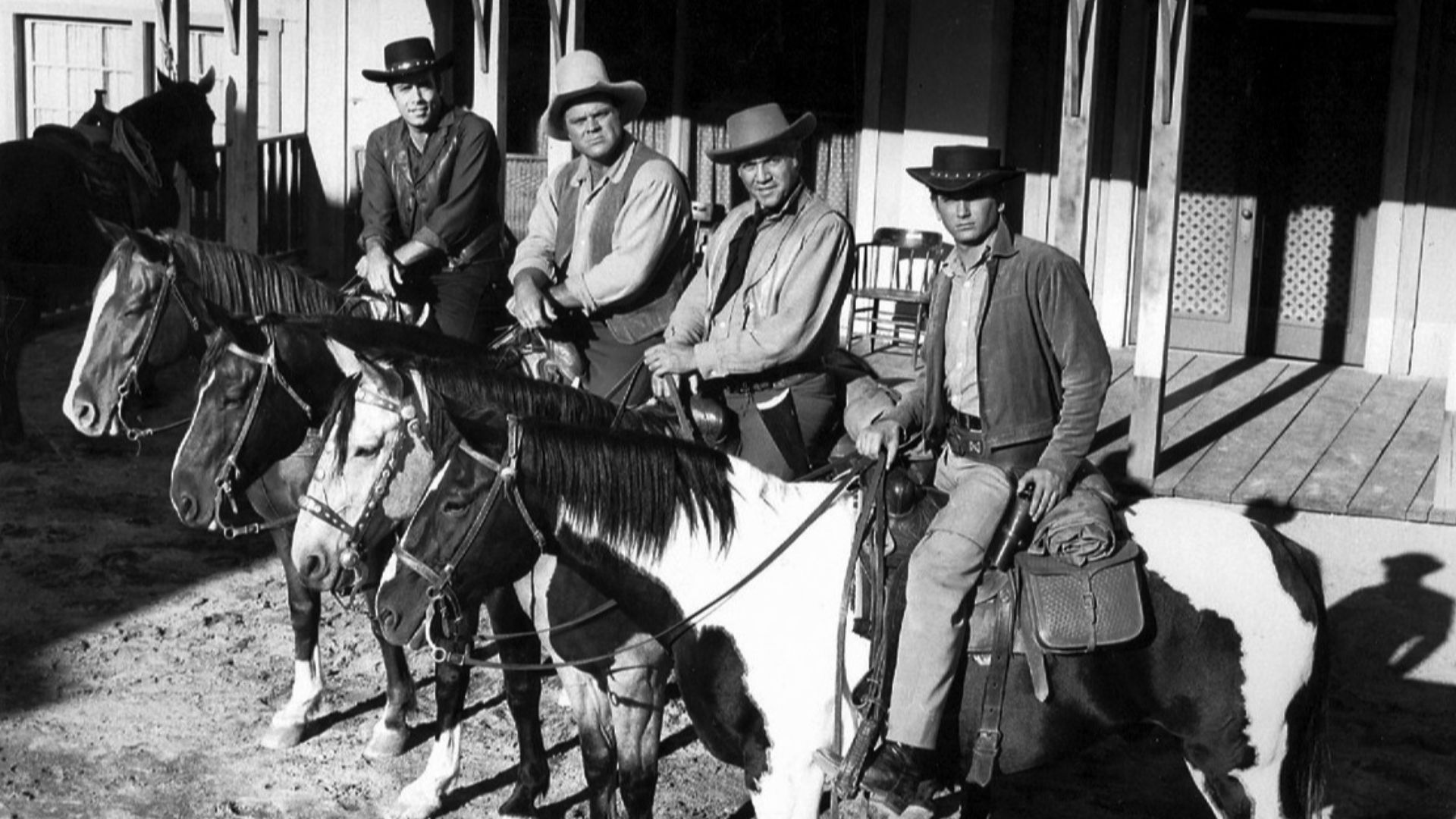 NBC Television, Wikimedia Commons
Success Came With Frustration
Although Bonanza eventually became a ratings phenomenon, Roberts was growing increasingly dissatisfied with his character. He believed Adam had little opportunity to develop beyond the dutiful eldest son. Roberts particularly disliked the idea that three grown men continually deferred to their father. In a 1963 interview with The Washington Post, he complained that his character had barely developed since the series began.
He Wanted Better Scripts
Roberts also believed the show's producers had failed to deliver the sophisticated storytelling he expected. He wanted stronger characterization, more challenging material, and stories that treated the Cartwright sons as independent adults. His disagreements with the writers and producer David Dortort became increasingly difficult. Although the show occasionally tackled serious social issues, Roberts believed its overall approach was too conventional and its characters too restricted.
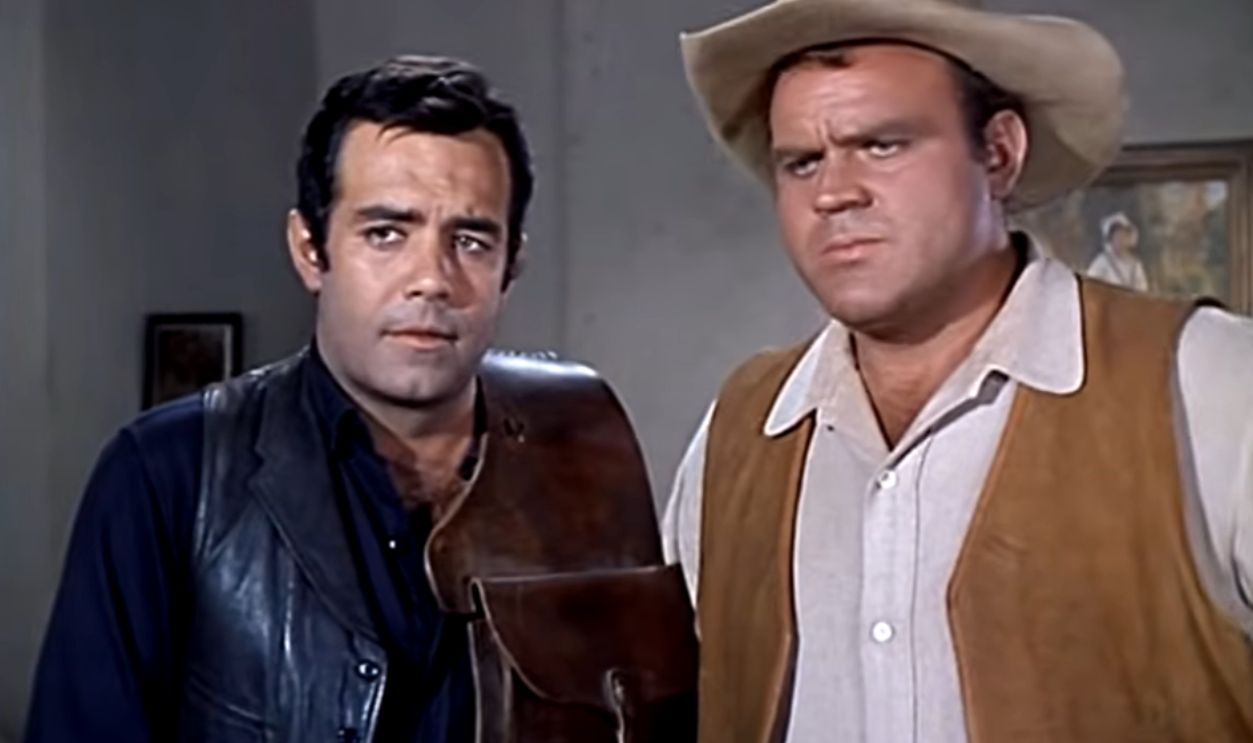 Screenshot from Bonanza, Paramount Global (1959-1973)
His Principles Created More Conflict
Roberts was also outspoken about racial inequality and the lack of opportunities for minority performers in Hollywood. He supported the civil rights movement and participated in the 1965 Selma voting-rights campaign alongside Martin Luther King Jr. His willingness to challenge prevailing attitudes reflected the independence he demonstrated throughout his career. However, his documented reasons for leaving Bonanza centered primarily on dissatisfaction with the scripts, characterization, and creative limitations of his role.
He Refused To Reconsider
By 1964, Roberts had publicly expressed his disappointment with Bonanza. Nevertheless, he honored his original six-year contract, which expired after the 1964–65 season. When the opportunity came to continue, he refused. Producer David Dortort later recalled Roberts approaching him after a late-night shoot and announcing that he wanted to leave. In 1965, Roberts departed the series, despite its extraordinary popularity.
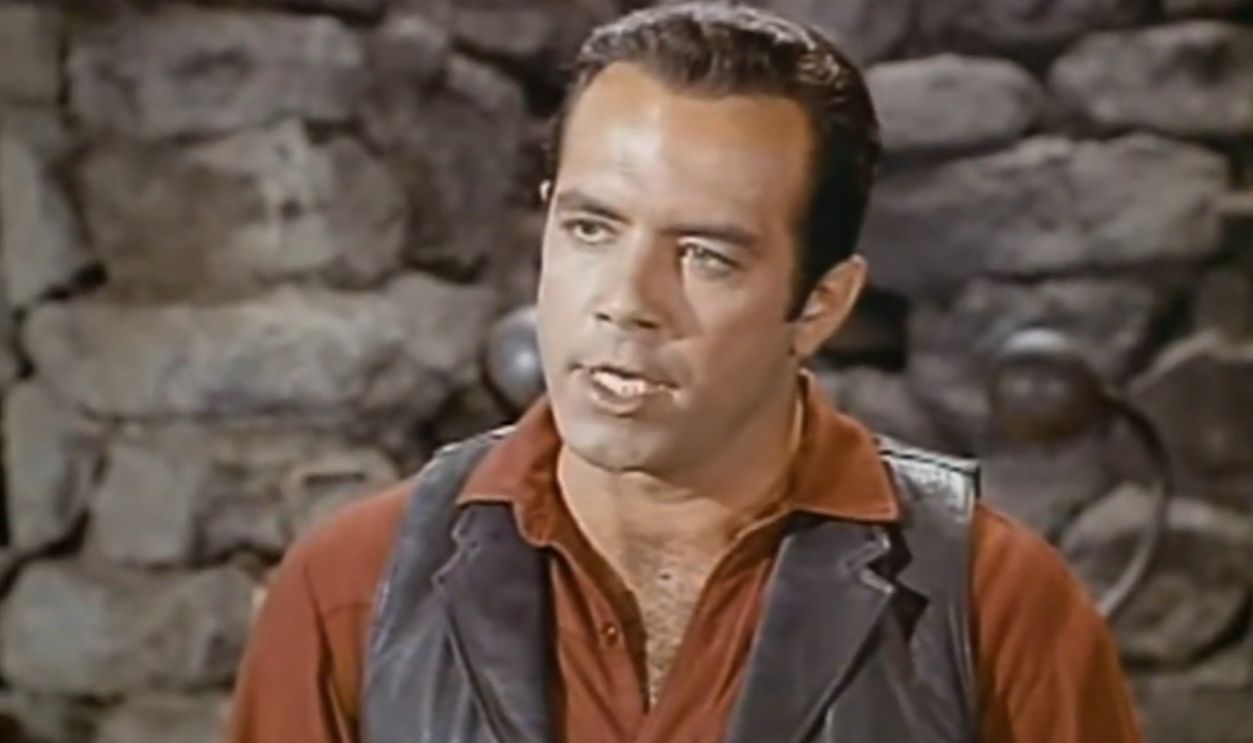 Screenshot from Bonanza, NBC (1959–1973)
Bonanza Survived Without Him
Roberts' departure did not destroy Bonanza. His character was written out with the explanation that Adam had moved away, and the remaining Cartwrights continued their adventures. In fact, the series reached number one in the Nielsen ratings during the 1964–65 season and maintained that position for the following two seasons. It remained on NBC until 1973, becoming one of television's longest-running Westerns.
Freedom Came At A Price
Roberts initially returned to theater and accepted guest appearances on television series including Gunsmoke, The Big Valley, and The Virginian. He also appeared in the television production of Carousel in 1967 and later played Rhett Butler in a stage musical adaptation of Gone with the Wind. However, escaping Adam Cartwright's shadow proved difficult. The steady work and enormous exposure he had enjoyed on Bonanza were no longer guaranteed.
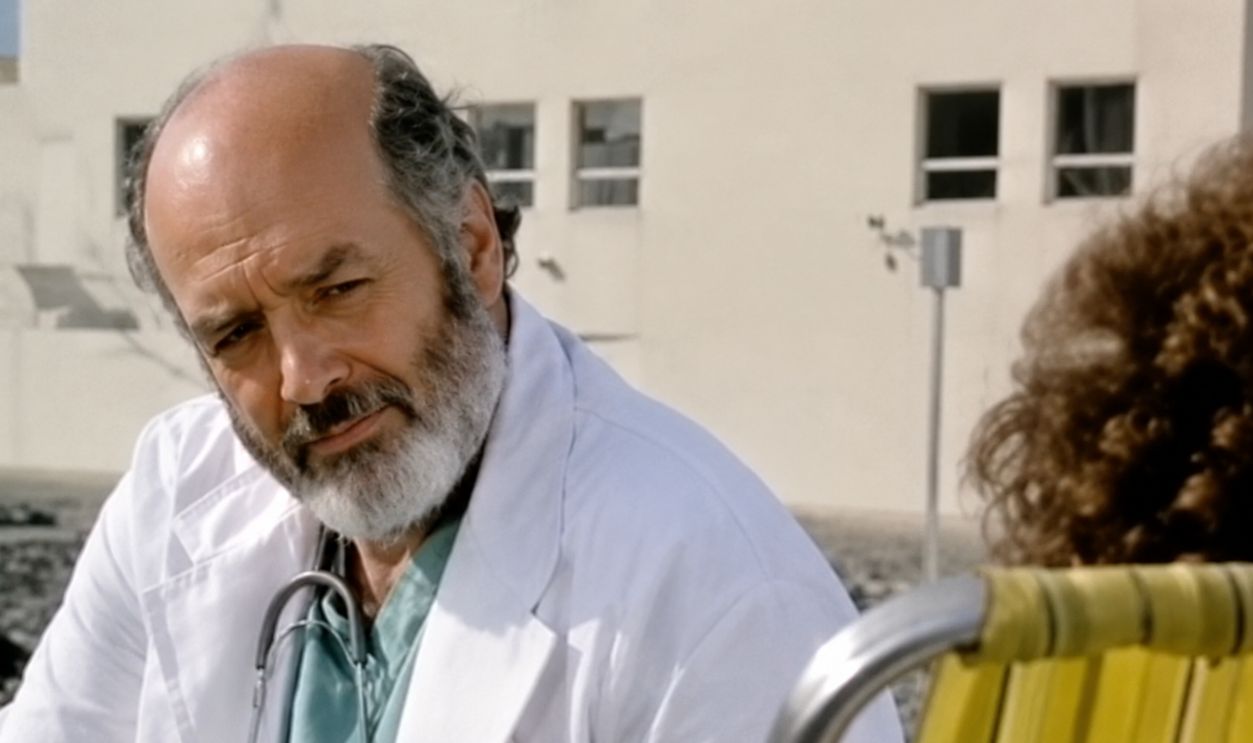 Screenshot from Trapper John, M.D., The Walt Disney Company (1979-1986), enhanced
A Second Television Triumph
In 1979, Roberts finally found another starring role when CBS cast him as Dr. John McIntyre in Trapper John, M.D., a medical drama featuring an older version of the character from M*A*S*H. The series became a success, running for seven seasons until 1986. Roberts earned an Emmy nomination in 1981, proving that he could establish a major television career beyond the Ponderosa.
He Never Regretted Leaving
Roberts continued acting occasionally before retiring in the late 1990s. He died of pancreatic cancer on January 24, 2010, at his Malibu home, aged 81. Although leaving Bonanza meant surrendering a starring role on one of television's most successful shows, he consistently defended his decision. Roberts maintained that he had left for his own good, believing that remaining in a role he found creatively stifling was simply too high a price to pay.
You May Also Like:
How Bonanza star Michael Landon became one of television’s most influential producers
Dan Blocker was Bonanza’s most popular star, but his story ended in sudden tragedy.
TV Western Characters Who Deserved Their Own Spinoffs. How Many Do You Remember?