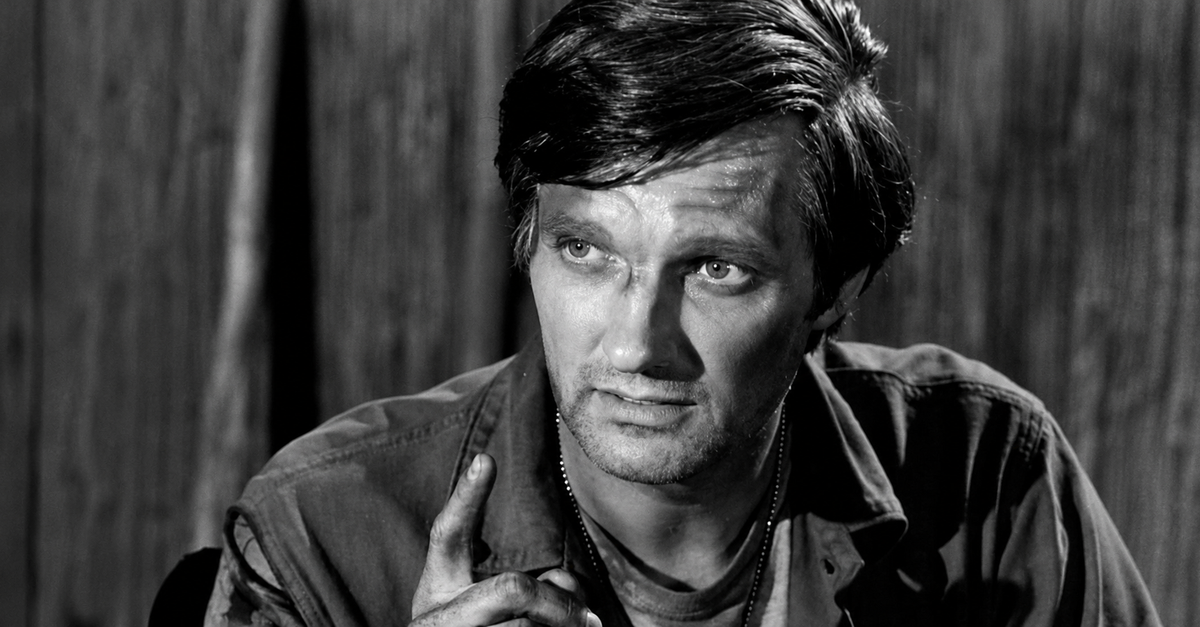
The Doctors Who Started It All
Long before ER, Grey's Anatomy, and House dominated television, fictional doctors were already becoming household names. These early characters introduced audiences to hospital life through heartfelt stories, moral dilemmas, and memorable personalities. They helped create the blueprint that later medical dramas would refine and expand.
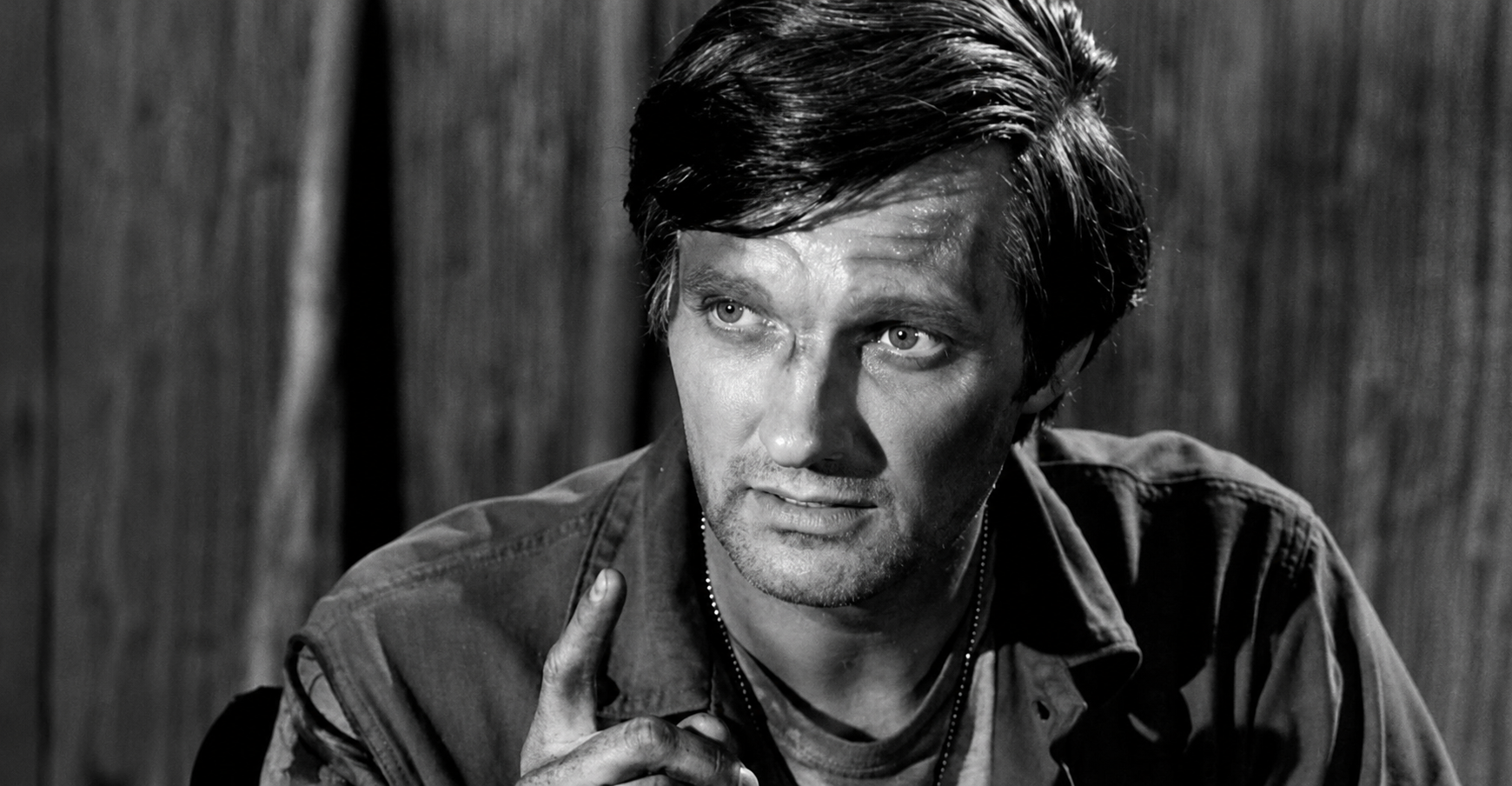
Dr. James Kildare Became America's Favorite Young Physician
Richard Chamberlain turned Dr. James Kildare into one of television's first medical heartthrobs when the NBC series premiered in 1961. As an idealistic intern learning under an experienced mentor, Kildare balanced medical cases with personal growth. The show's enormous popularity proved that viewers would eagerly tune in for stories centered on doctors and hospitals.
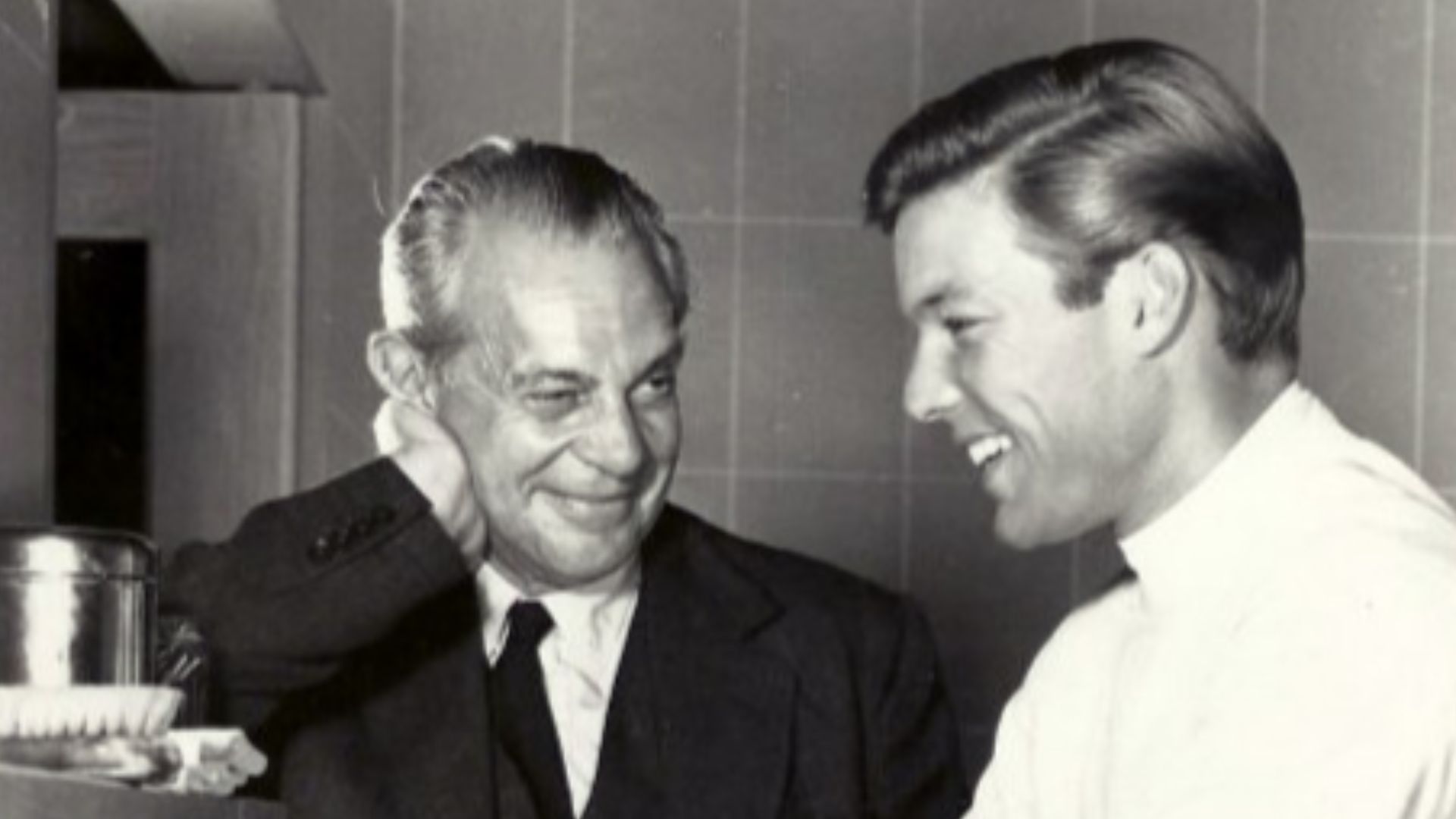 NBC Television, Wikimedia Commons
Dr. Leonard Gillespie Showed The Value Of Experience
Raymond Massey's Dr. Leonard Gillespie served as Kildare's stern but wise mentor. He represented old school medicine, emphasizing discipline, professionalism, and responsibility. The relationship between mentor and student became one of television's earliest successful doctor partnerships.
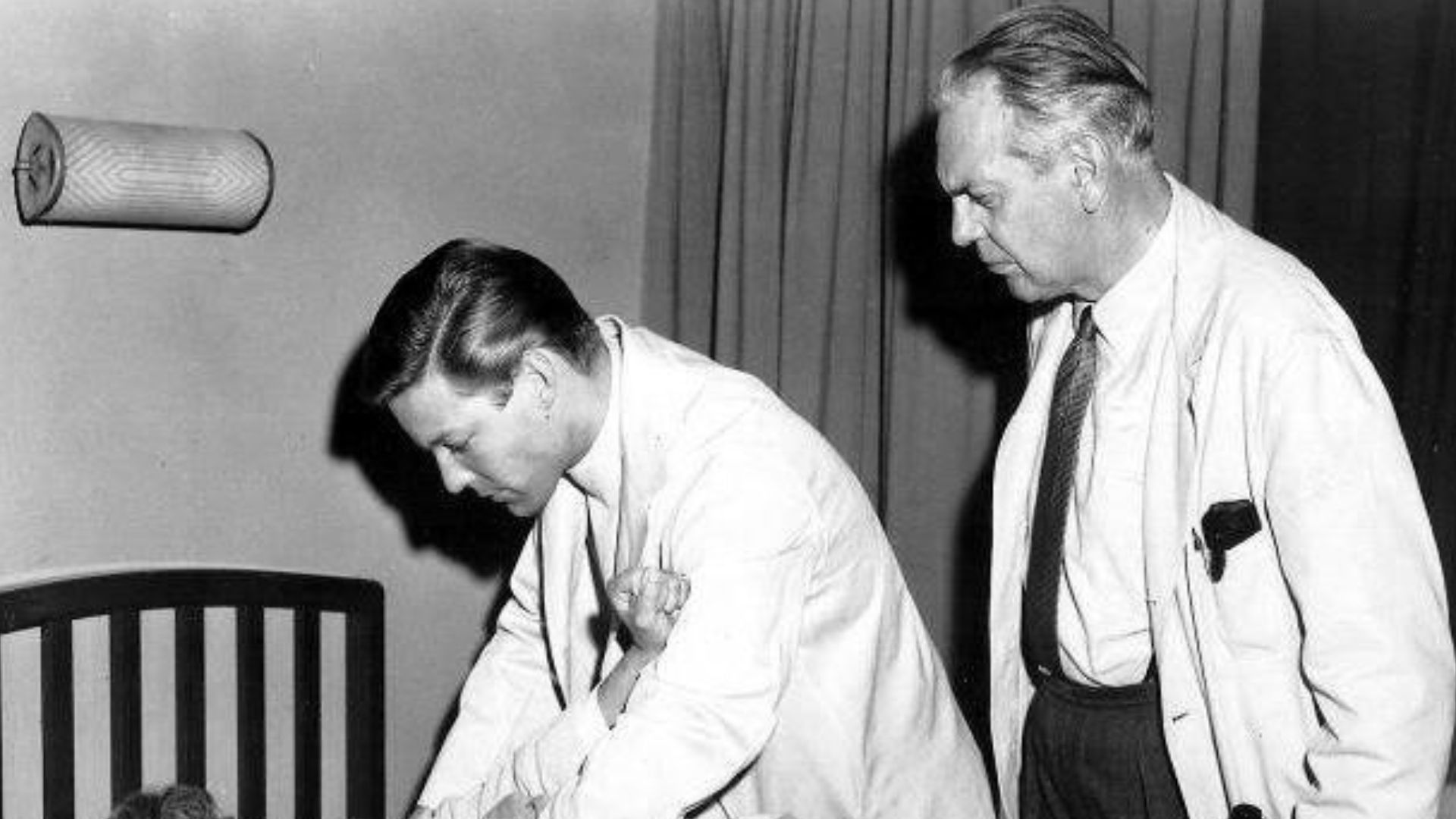 NBC Television, Wikimedia Commons
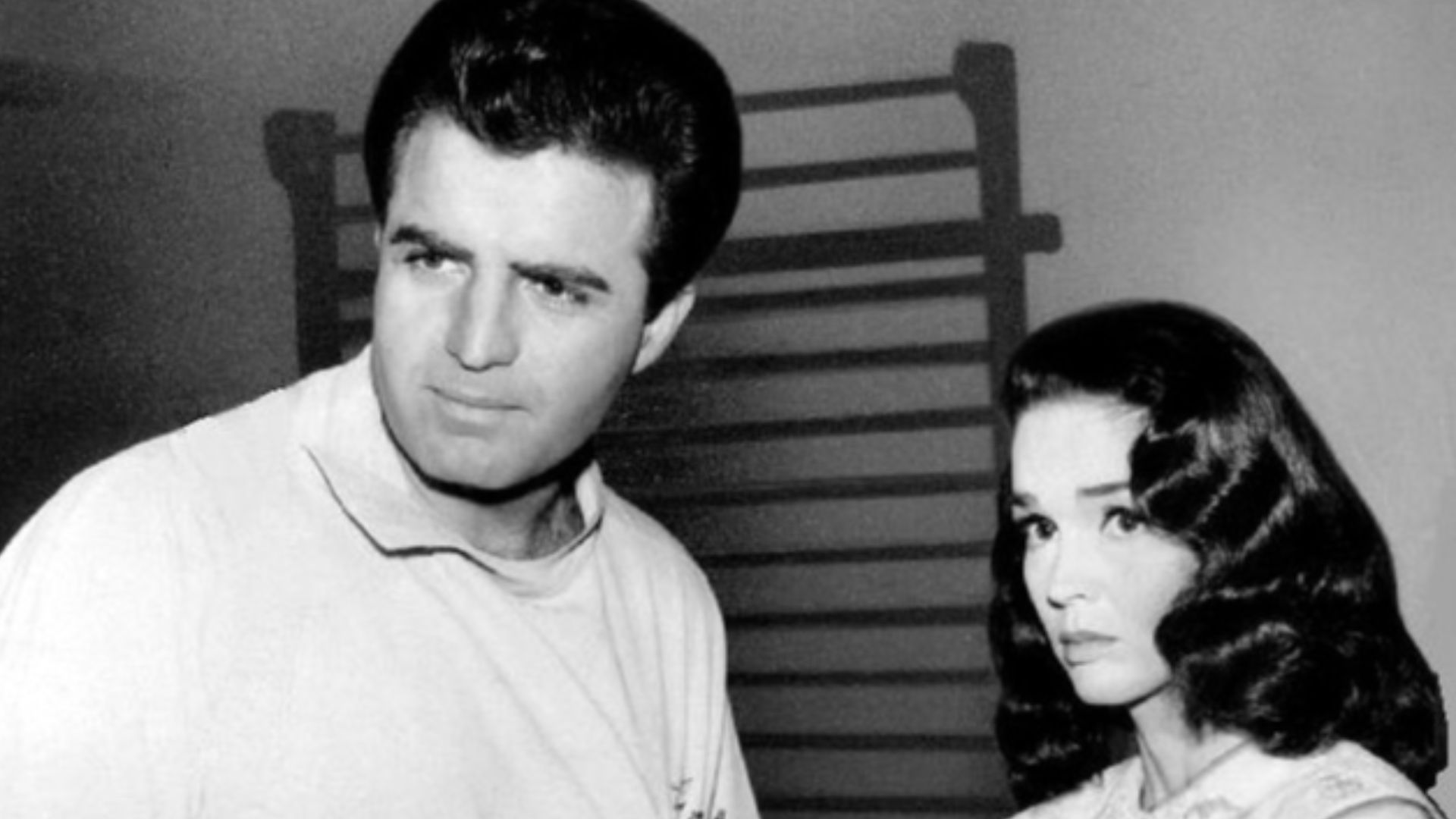
Dr. Ben Casey Took A Tougher Approach
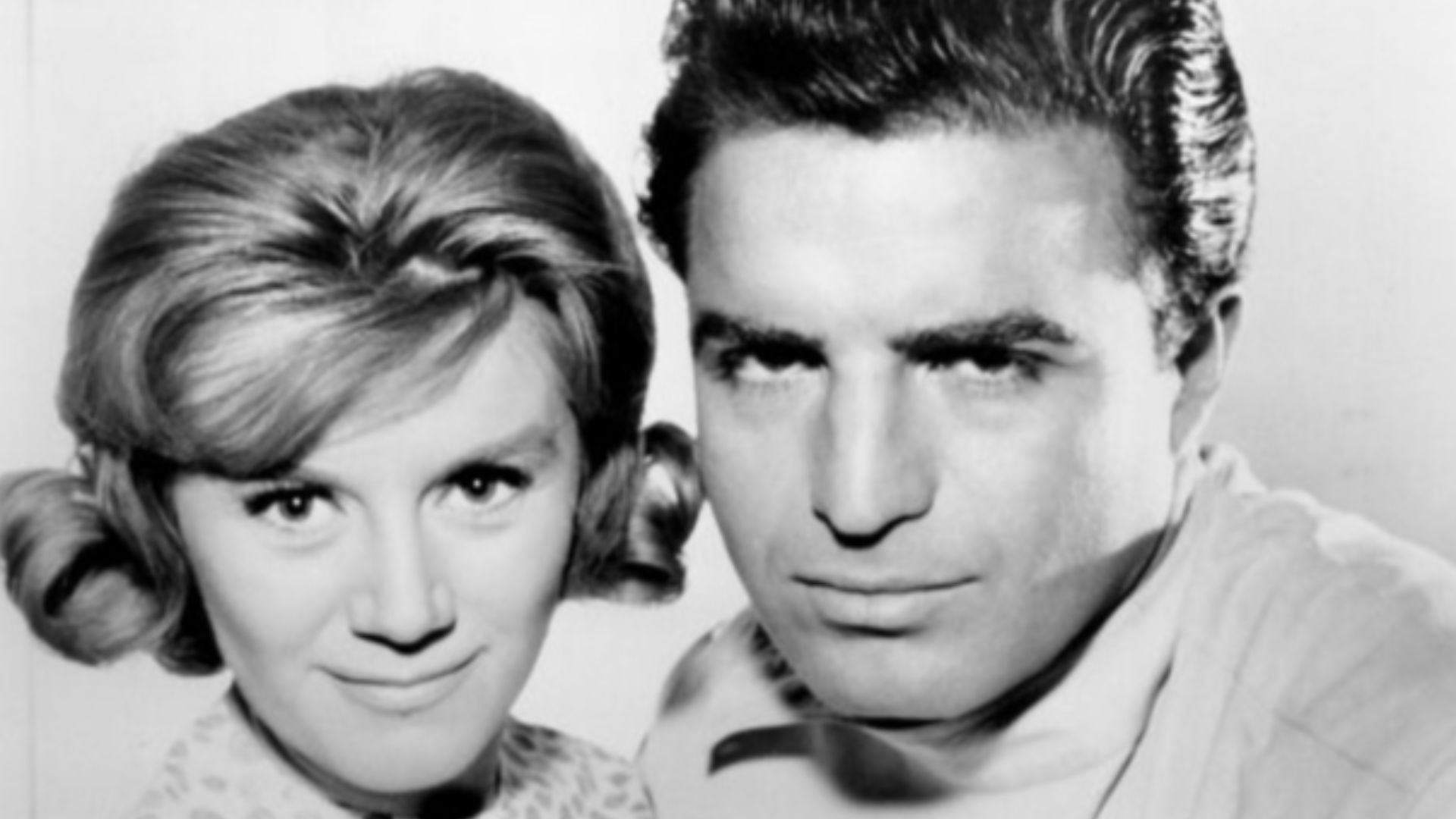
ABC responded to Dr. Kildare with Ben Casey, starring Vince Edwards as a brilliant but rebellious neurosurgeon. Casey often challenged authority while fighting passionately for his patients. His intense personality offered a dramatic contrast to Kildare's softer bedside manner.
 ABC Television, Wikimedia Commons
Ben Casey Made Medicine Feel Dramatic
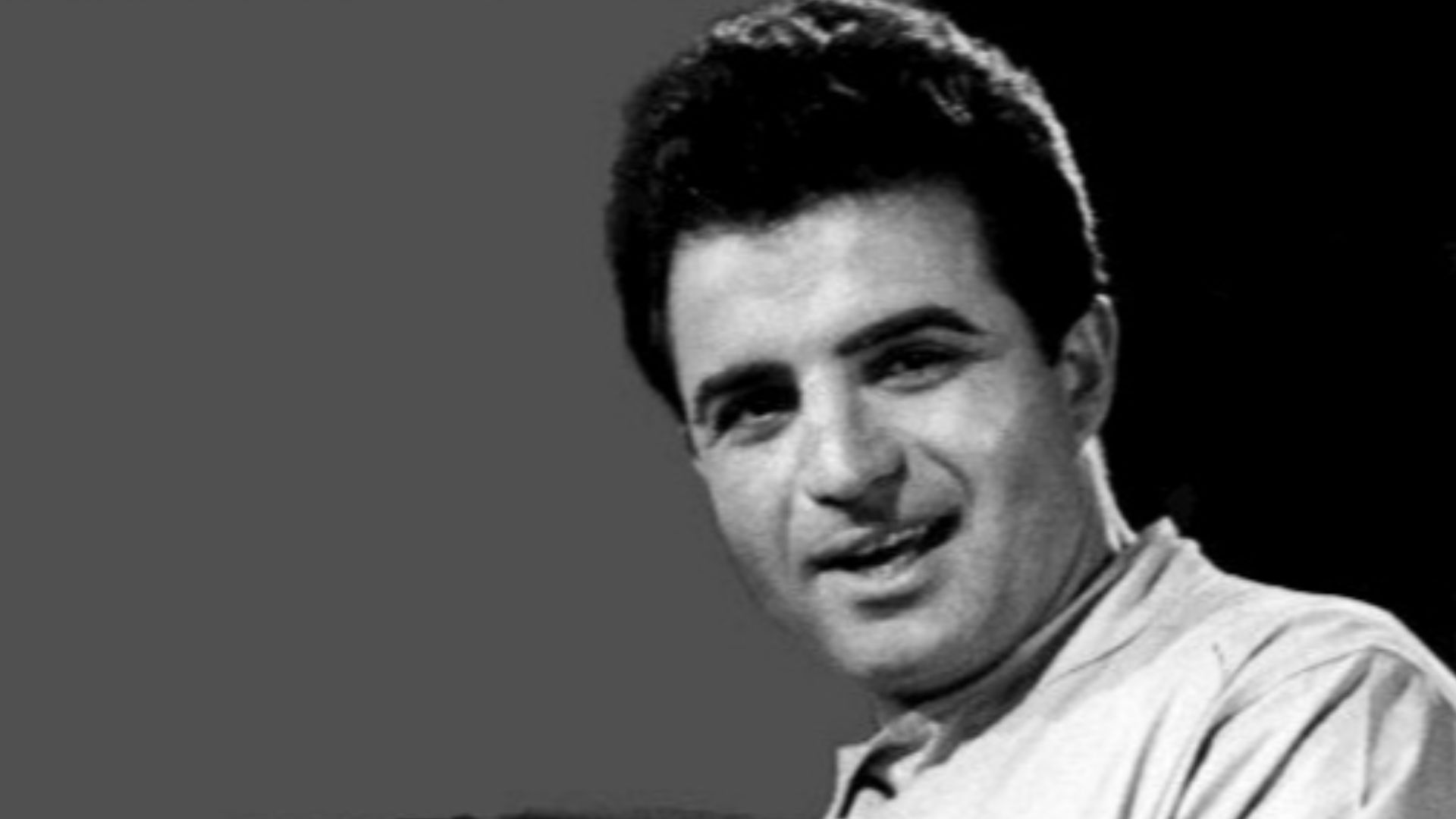
Every episode of Ben Casey opened with symbolic images representing life, death, and infinity. Those memorable introductions helped establish the show's serious tone. Audiences embraced its emotional stories and complex ethical questions throughout its five-season run.
 ABC Television-photo by Leigh Wiener, Wikimedia Commons
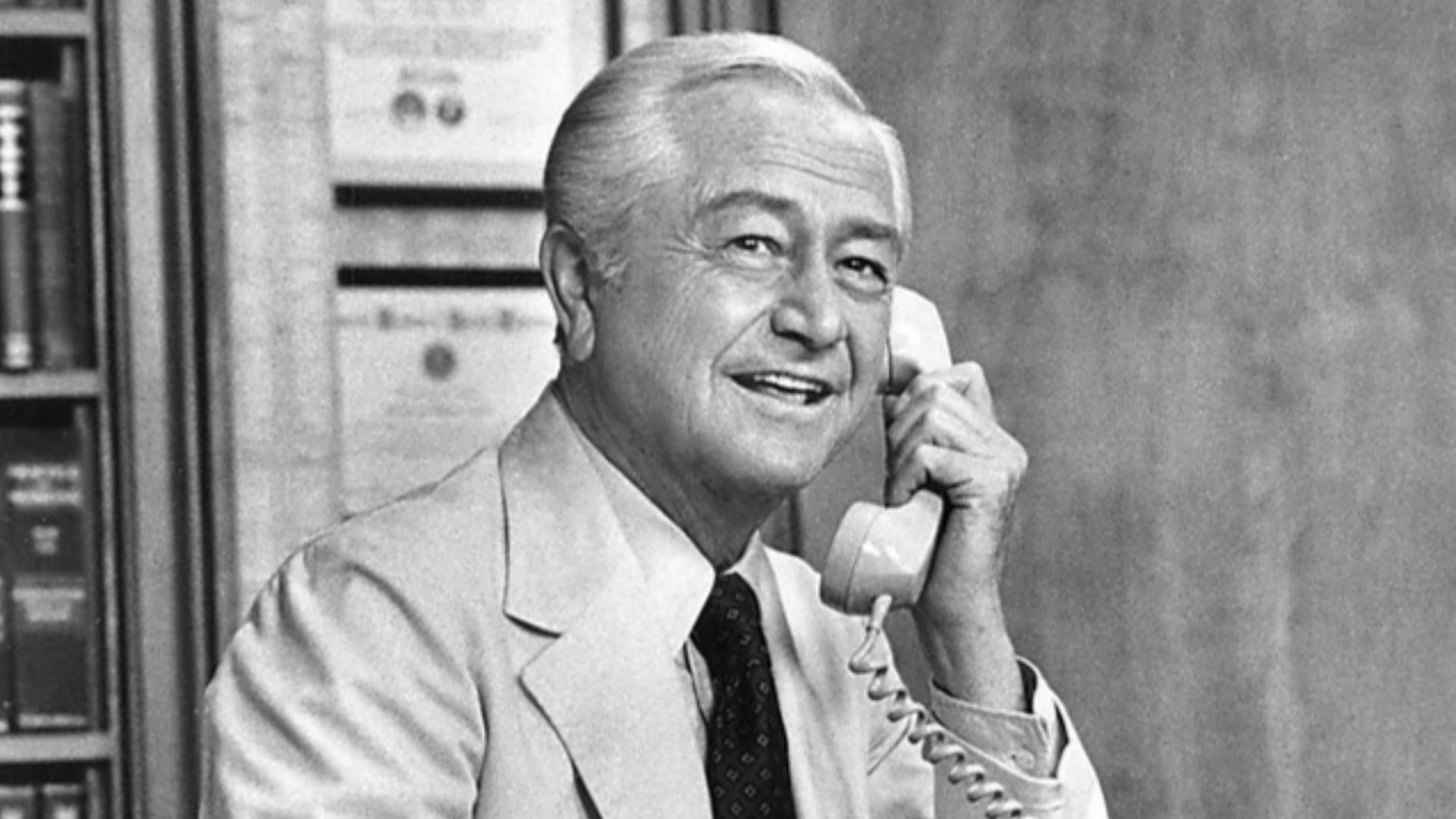
Dr. Marcus Welby Redefined The Family Doctor
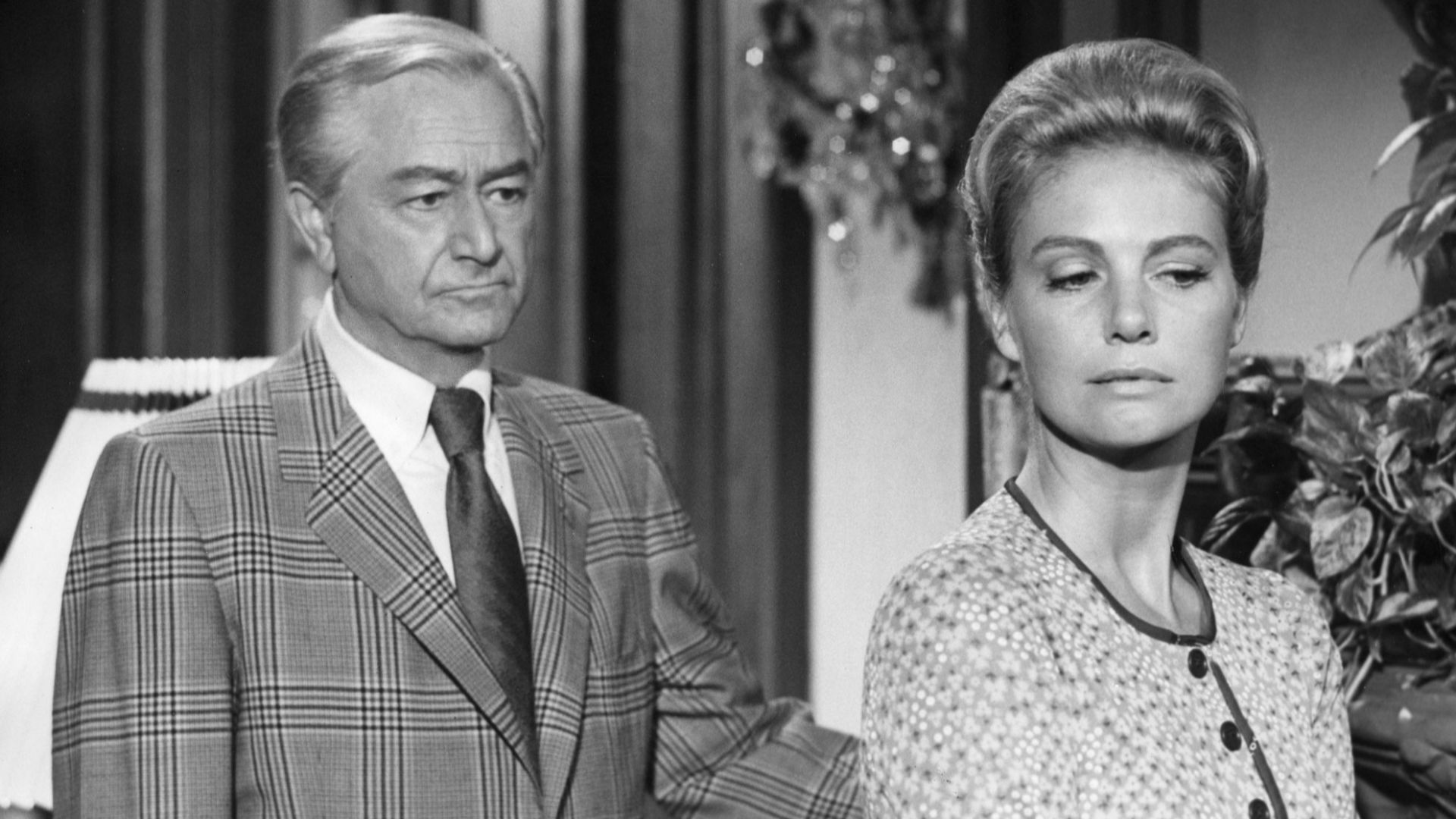
Robert Young starred as Dr. Marcus Welby beginning in 1969. Unlike many hospital physicians, Welby worked as a community family doctor who often treated emotional struggles alongside physical illnesses. His compassionate approach made him one of television's most beloved medical figures.
 unknown (Universal TV/ABC), Wikimedia Commons
Dr. Steven Kiley Represented A New Generation
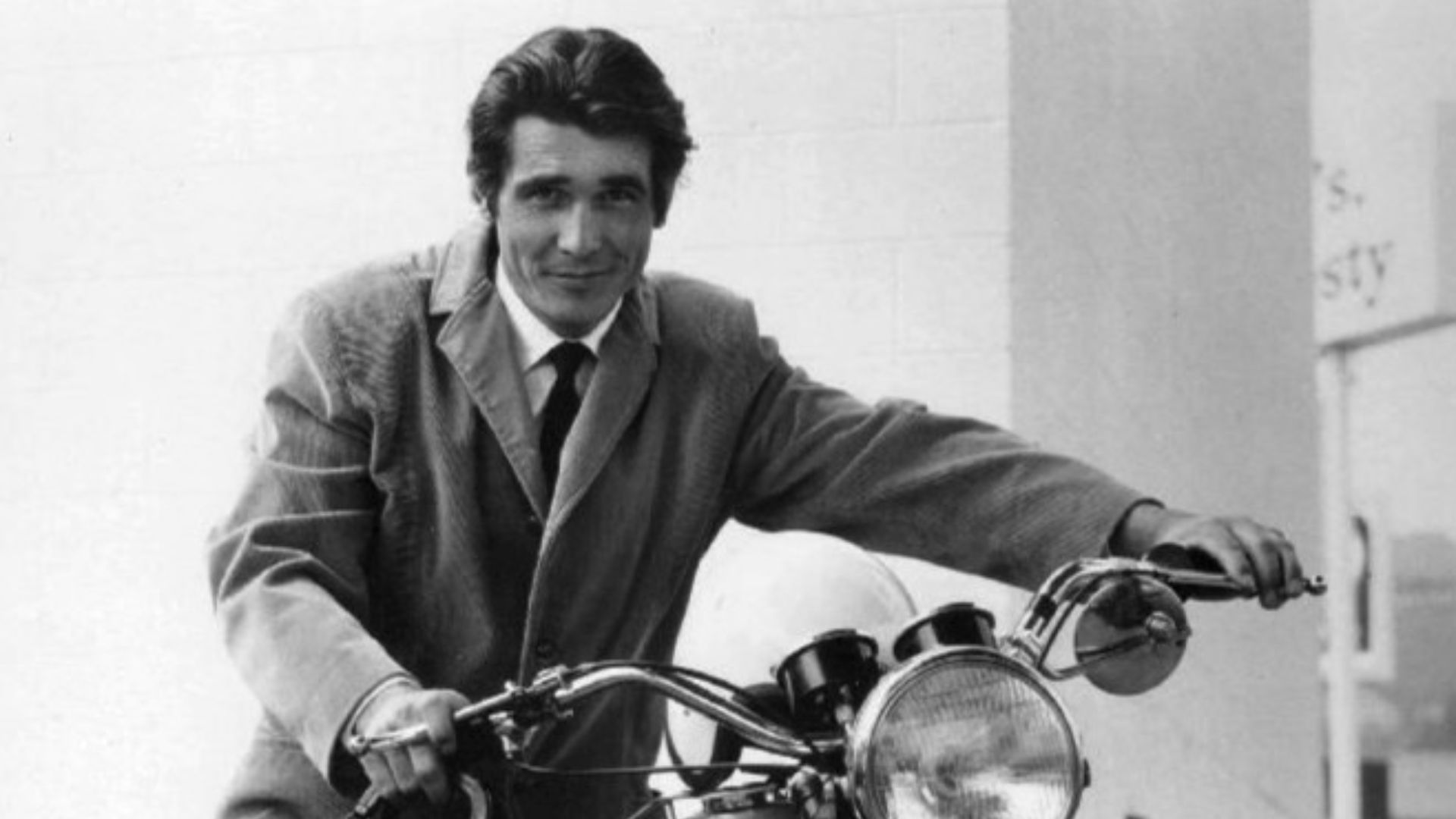
James Brolin played Dr. Steven Kiley, Marcus Welby's younger colleague. The partnership frequently contrasted textbook medicine with Welby's experience and intuition. Their respectful disagreements added warmth and realism to the series.
 ABC Television, Wikimedia Commons
Dr. Joe Gannon Brought Modern Medicine To Prime Time
Chad Everett portrayed Dr. Joe Gannon on Medical Center, which also debuted in 1969. Gannon was a talented surgeon balancing difficult medical cases with complicated personal decisions. The series remained popular throughout much of the 1970s.
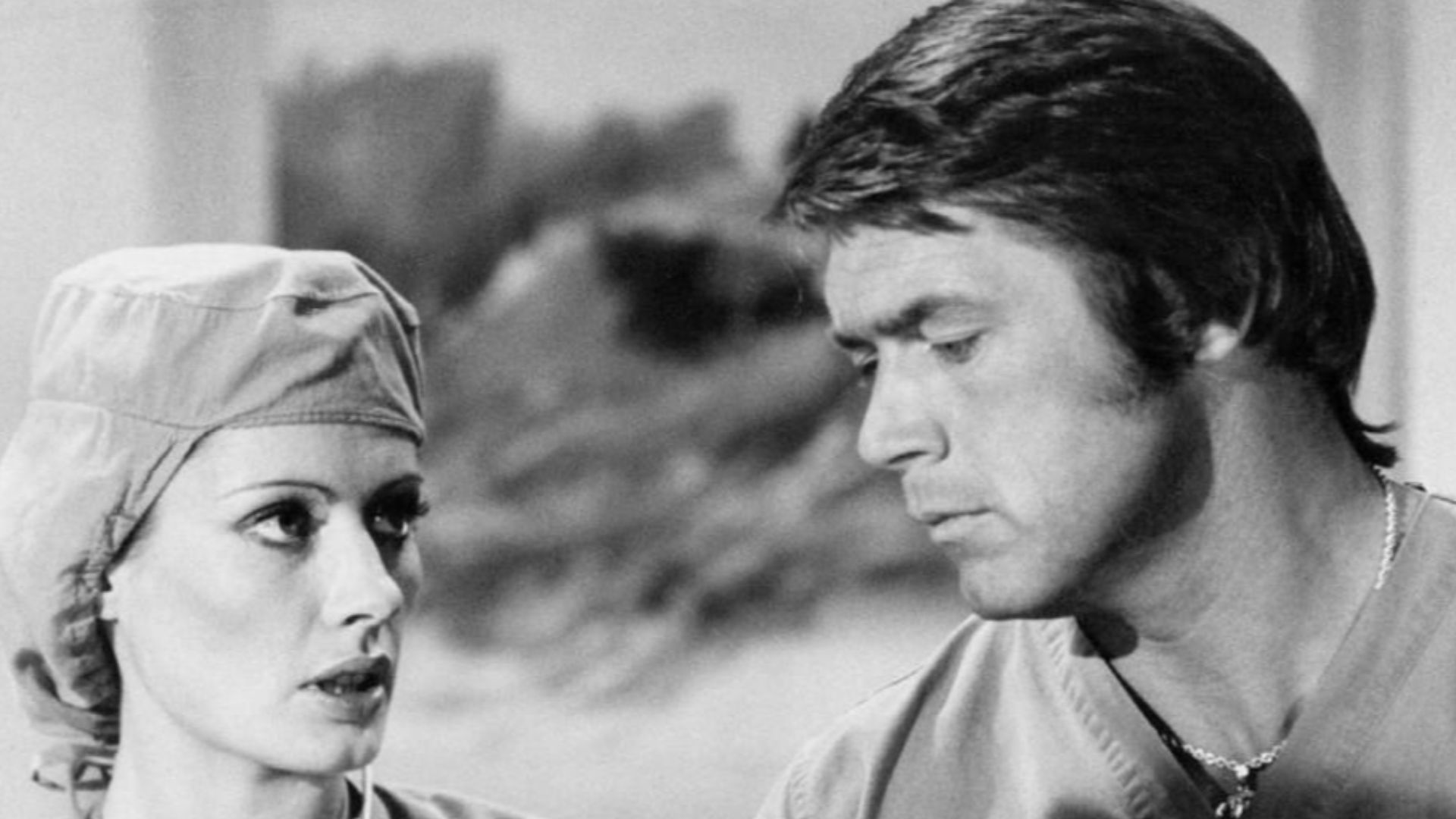 CBS Television, Wikimedia Commons
Dr. Paul Lochner Anchored Medical Center
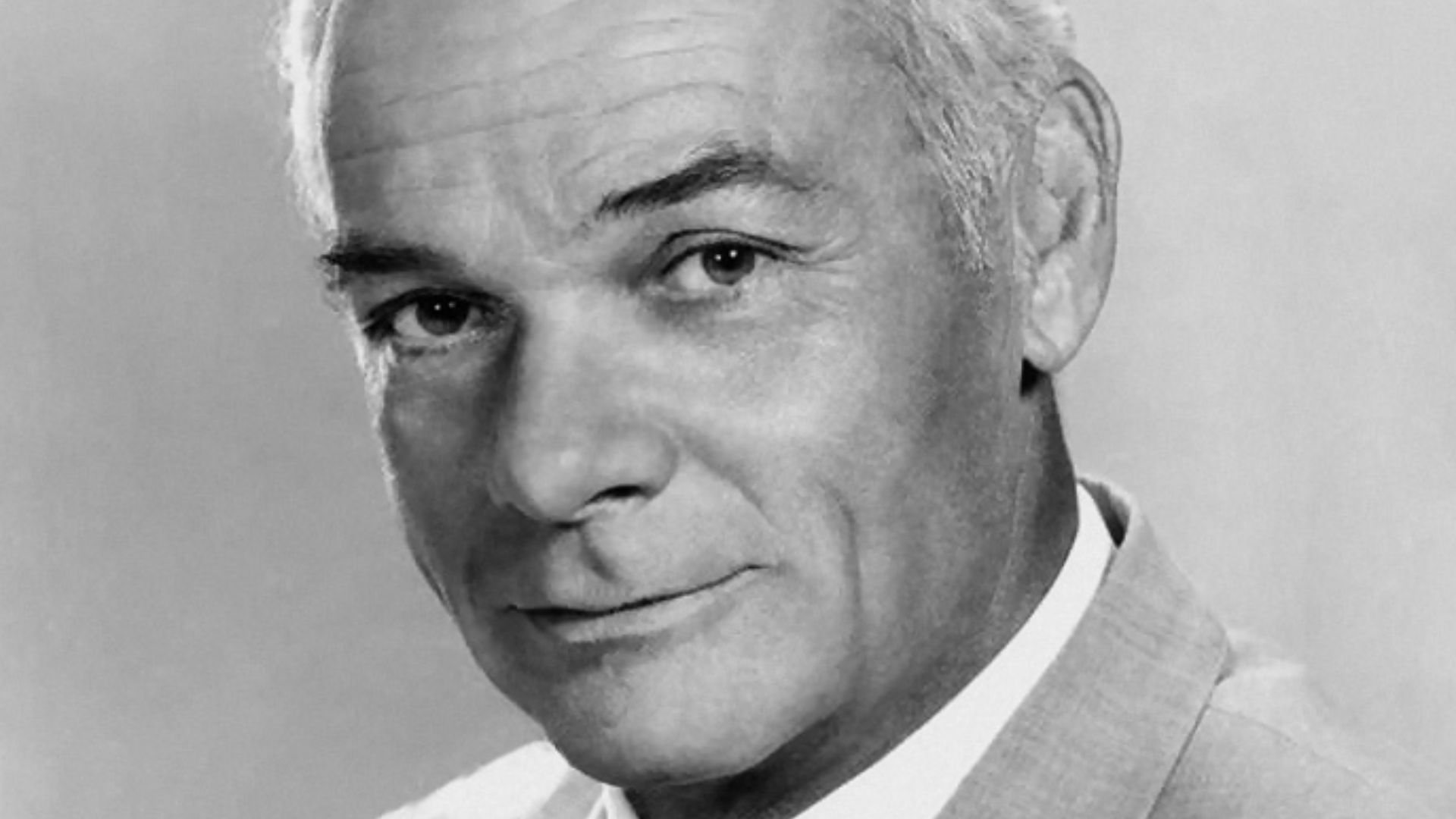
James Daly played senior physician Dr. Paul Lochner, who regularly guided younger doctors through difficult situations. His calm leadership balanced Gannon's ambition and confidence. Together they gave viewers another memorable medical partnership.
Dr. Konrad Styner Added Authority
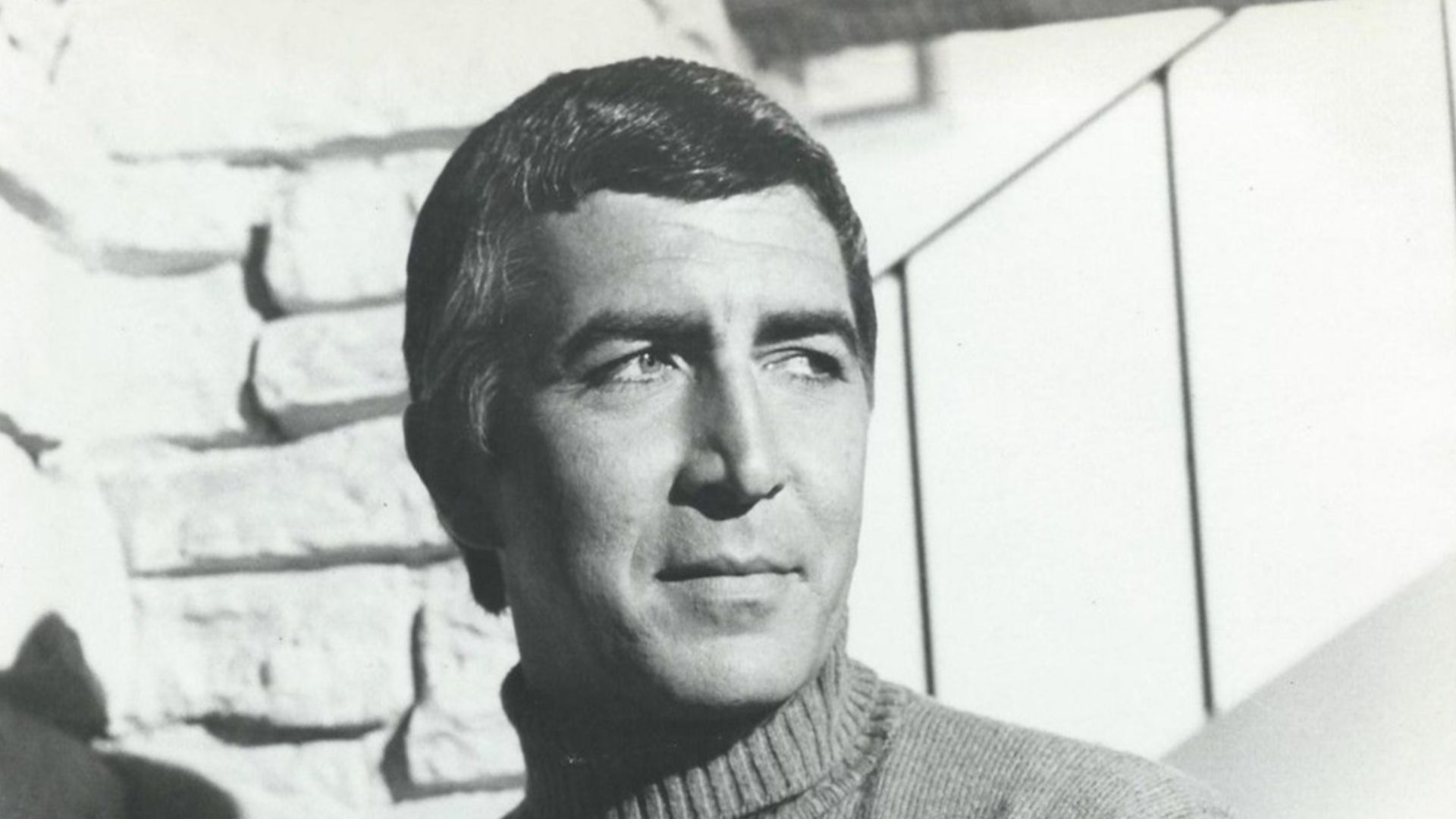
Patrick O'Neal appeared as Dr. Konrad Styner during the later seasons of Medical Center. His arrival refreshed the series while maintaining its focus on patient care and ethical medicine. The show continued attracting viewers until 1976.
Dr. David Craig Worked Behind The Scenes
James Franciscus starred in The Doctors, a 1963 anthology series that explored different medical cases each week. Rather than following one hospital, the program presented stand alone stories involving physicians and patients. It demonstrated that medical storytelling could succeed in several formats.
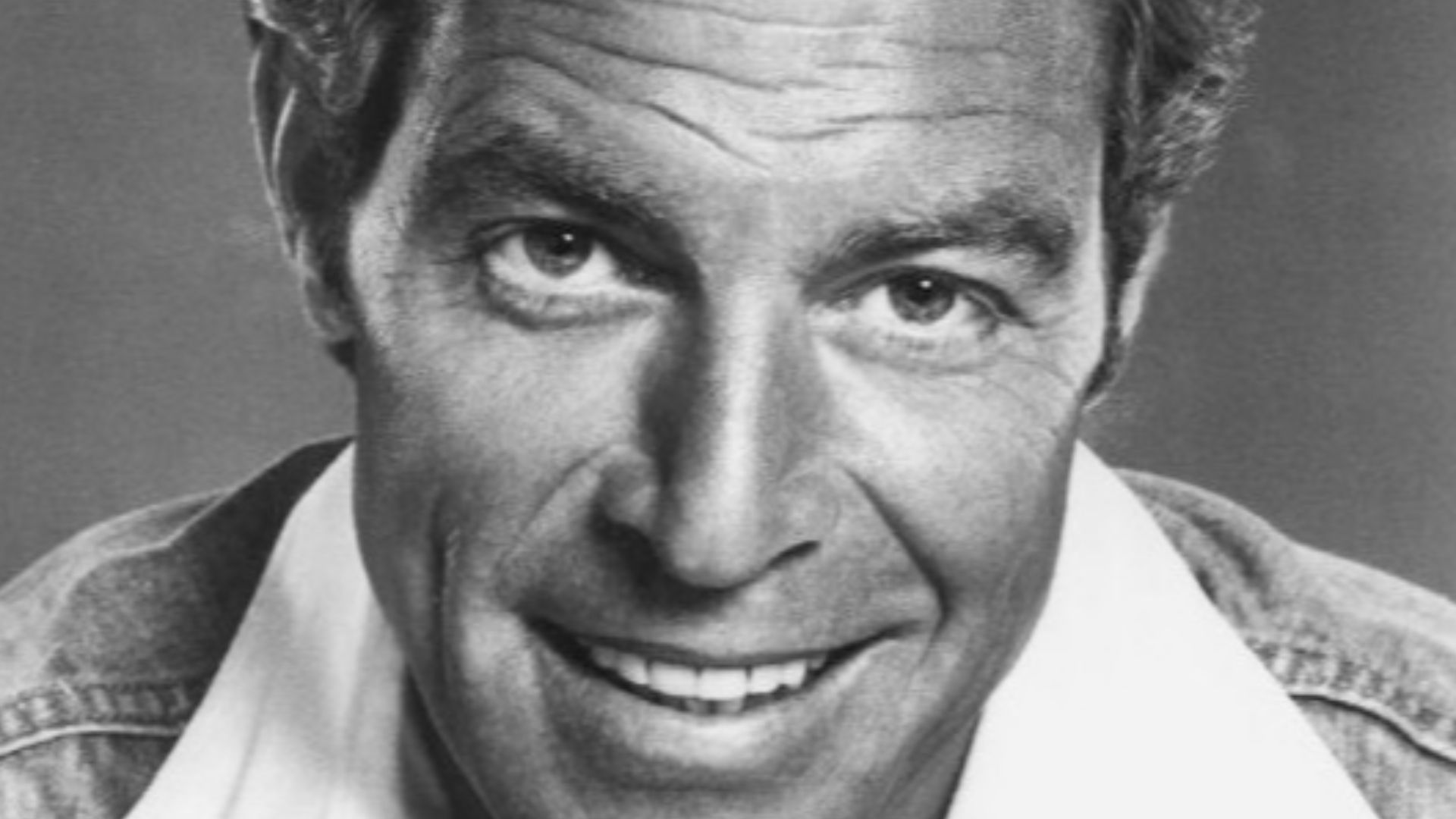 CBS Television, Wikimedia Commons
Dr. Joe Early Tackled Everyday Medicine
Jack Albertson starred in The Jimmy Stewart Show as a physician friend, but The Bold Ones: The New Doctors focused directly on young physicians facing contemporary medical issues. Among its central doctors was David Hartman's Dr. Paul Hunter. The series addressed social changes alongside advances in medicine.
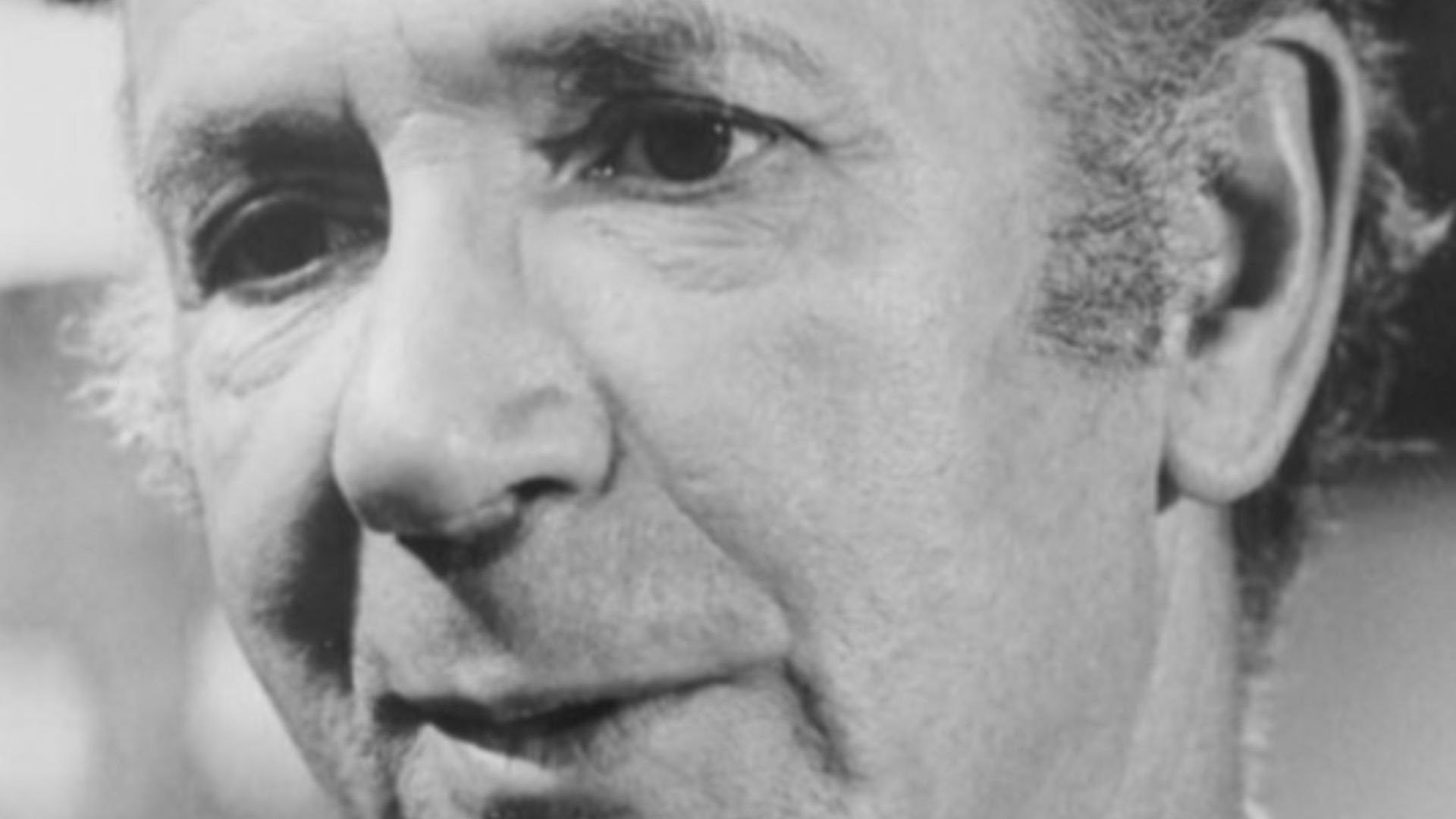 WMAQ-TV (Chicago), Wikimedia Commons
Dr. Paul Hunter Reflected Changing Times
David Hartman's Dr. Paul Hunter frequently encountered issues involving medical ethics and evolving healthcare practices. The series explored topics that were becoming increasingly important during the early 1970s. It showed television becoming more willing to examine difficult questions.
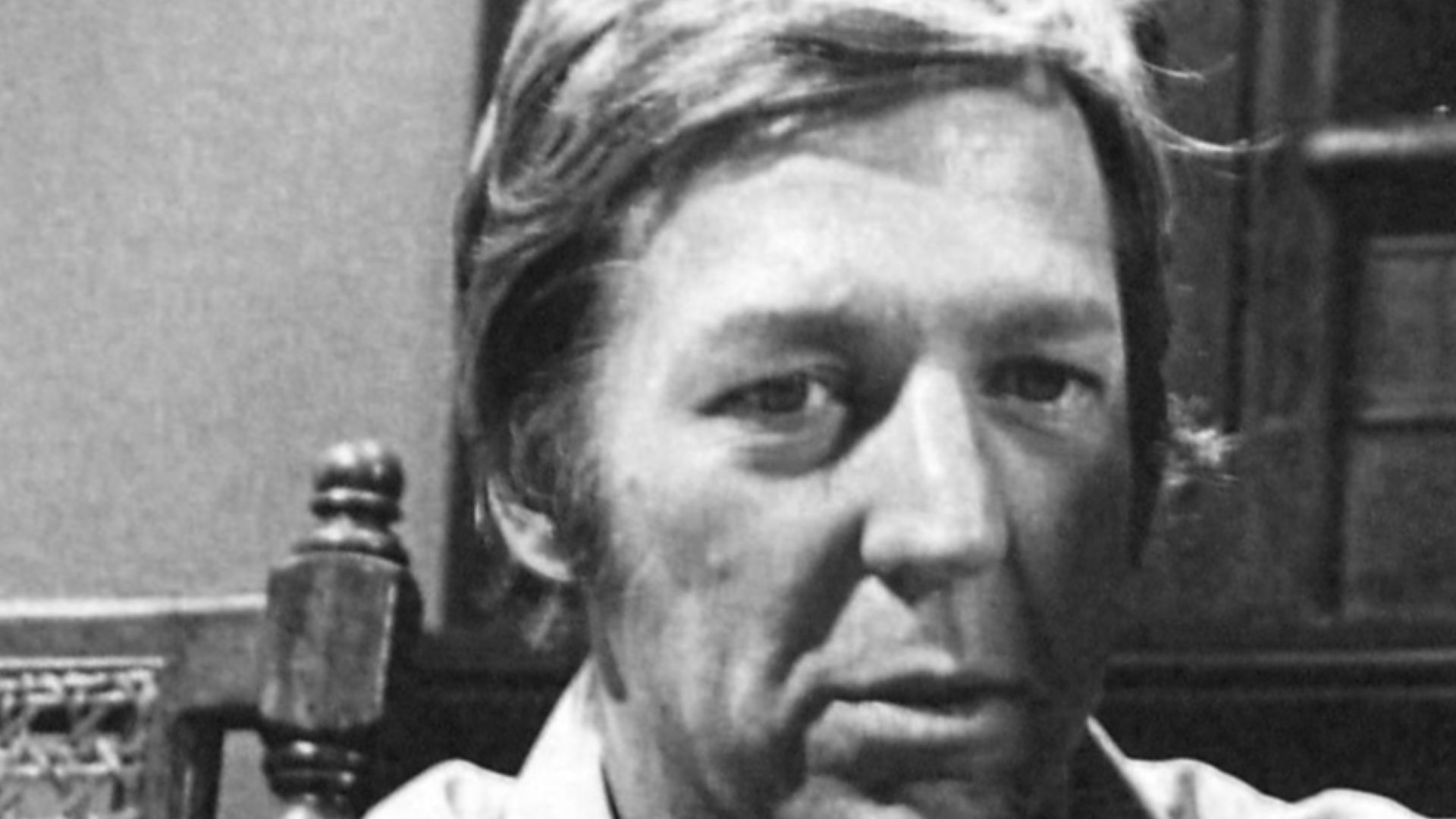 NBC Television, Wikimedia Commons
Dr. Finlay Crossed The Atlantic
British audiences embraced Dr. Alan Finlay in Dr. Finlay's Casebook. Bill Simpson portrayed the compassionate Scottish physician who cared for an entire rural community. The series highlighted family medicine rather than fast paced hospital emergencies.
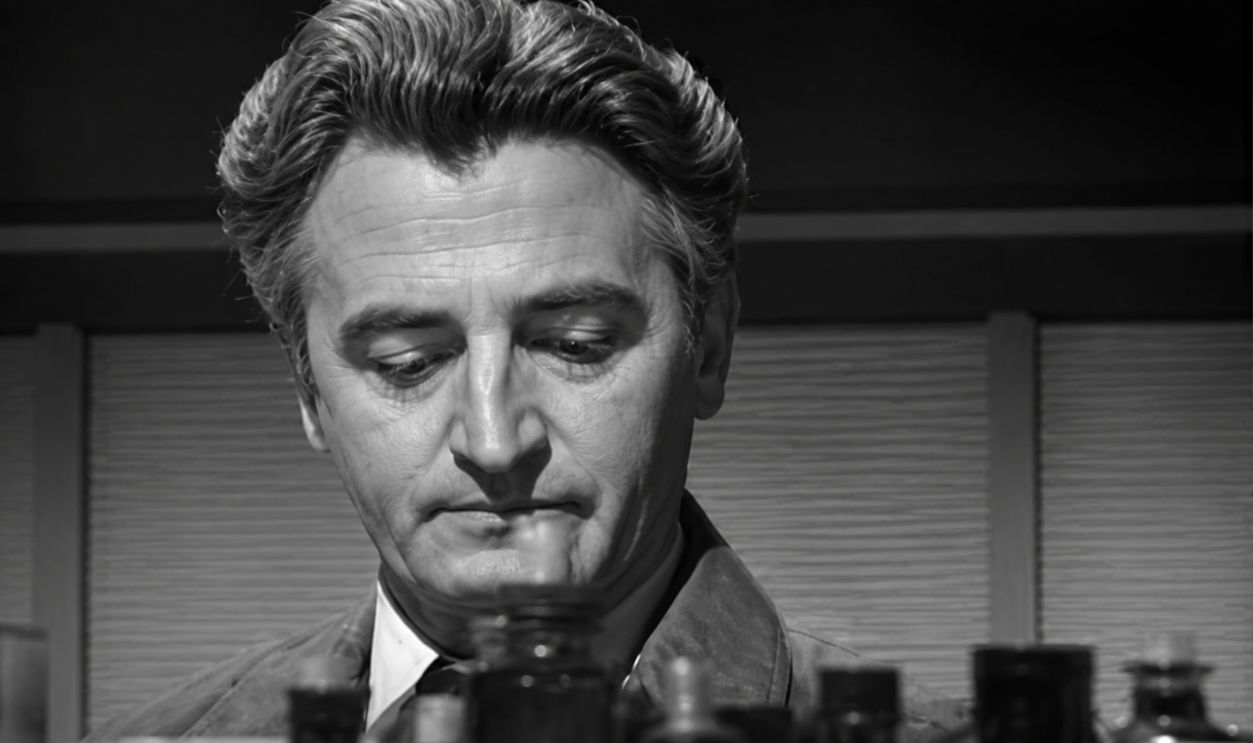 Screenshot from Dr. Finlay's Casebook, BBC One (1962 -1971)
Dr. Cameron Brought Warmth To Rural Scotland
Andrew Cruickshank played Dr. Cameron, Finlay's senior partner. His experience and steady judgment grounded the practice while mentoring younger physicians. Their partnership became one of British television's most enduring medical relationships.
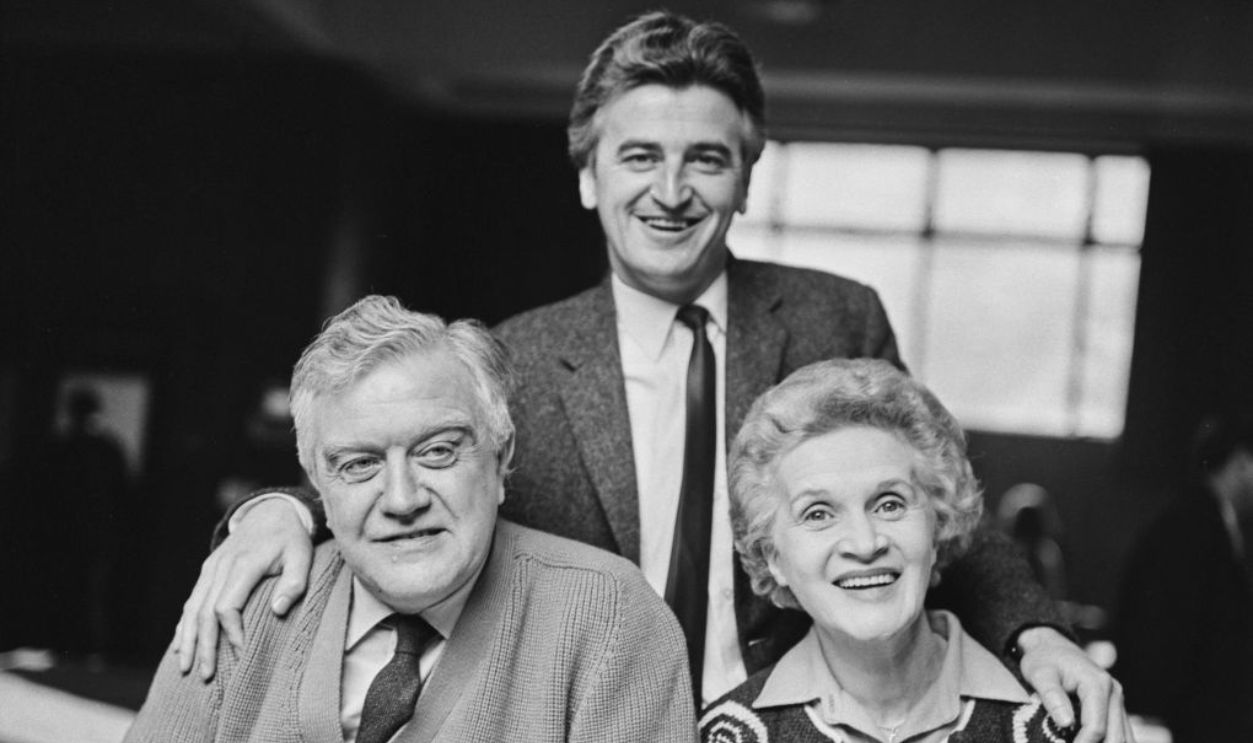 Evening Standard, Getty Images
Dr. Richard Kimble Never Stopped Running
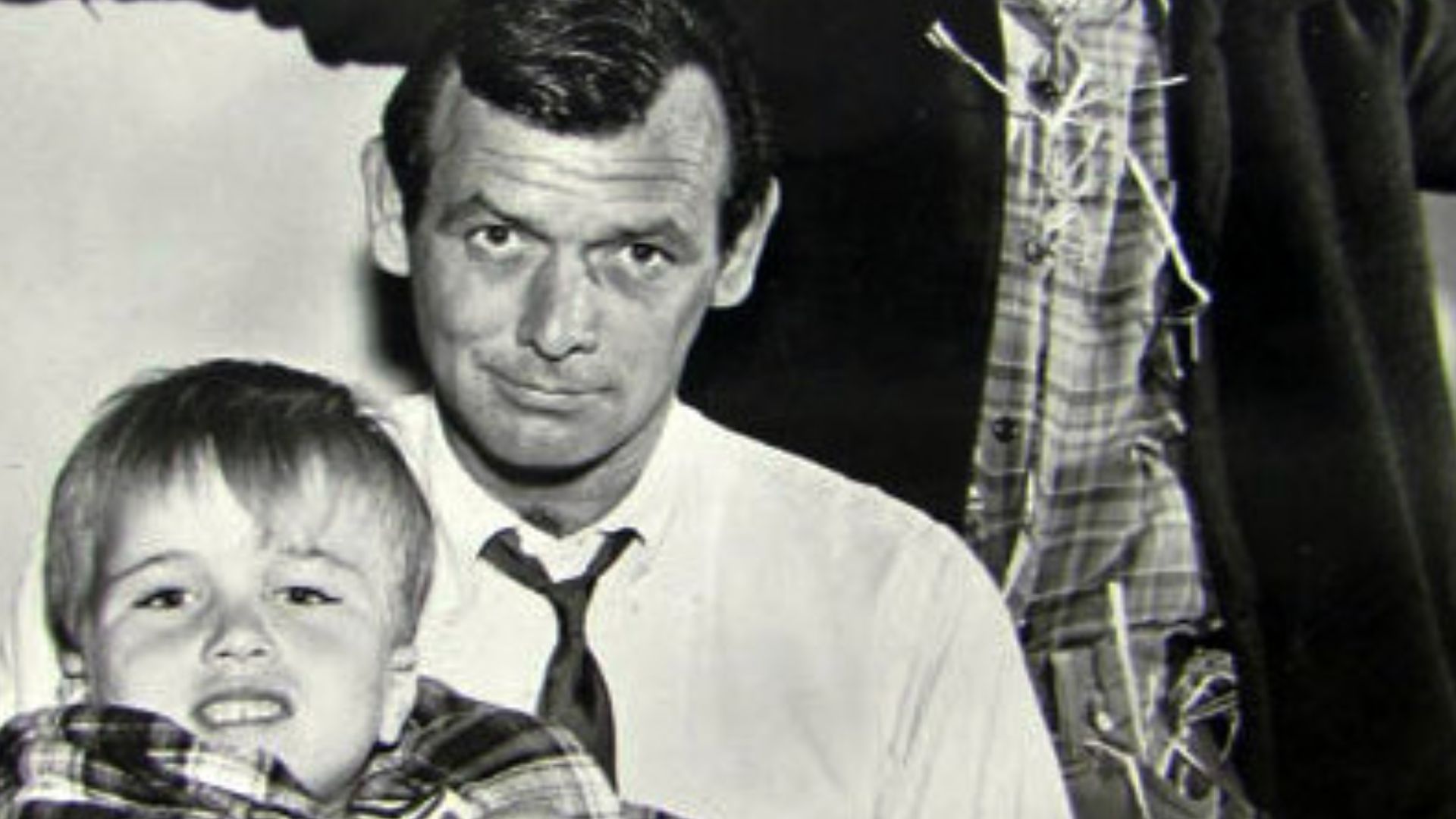
Although The Fugitive centered on a man wrongly convicted of murder, David Janssen's Dr. Richard Kimble remained a physician throughout the series. He repeatedly used his medical knowledge to help strangers while avoiding capture. His profession defined his compassion even under extraordinary circumstances.
 ABC Television, Wikimedia Commons
Dr. Adam Tobias Solved Medical Mysteries
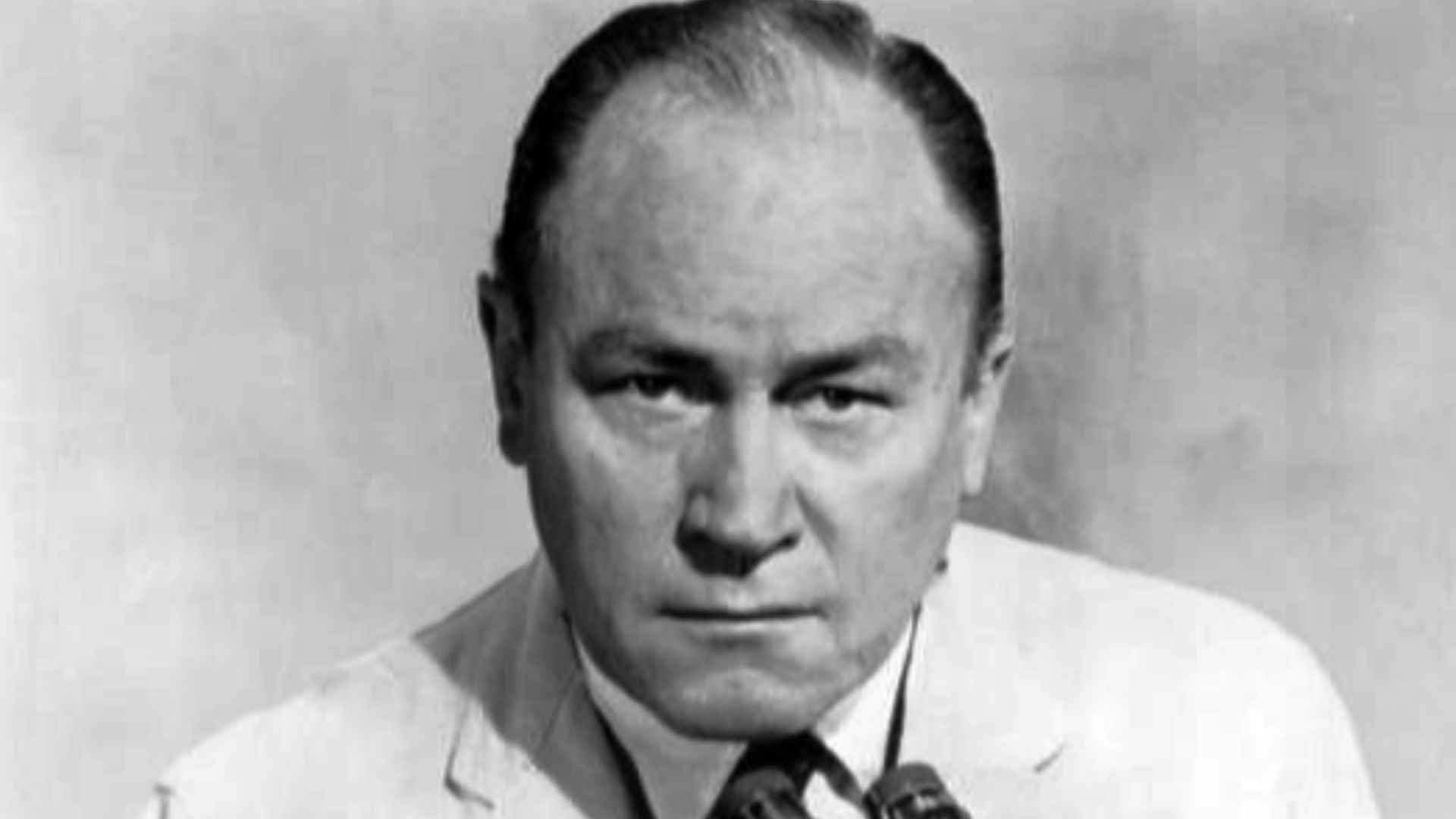
The Bold Ones: The New Doctors featured E. G. Marshall as Dr. David Craig alongside younger physicians. The series mixed complex diagnoses with discussions about healthcare policy. It reflected medicine's rapidly changing landscape during the era.
 Universal Television, Wikimedia Commons
Hawkeye Pierce Changed Everything
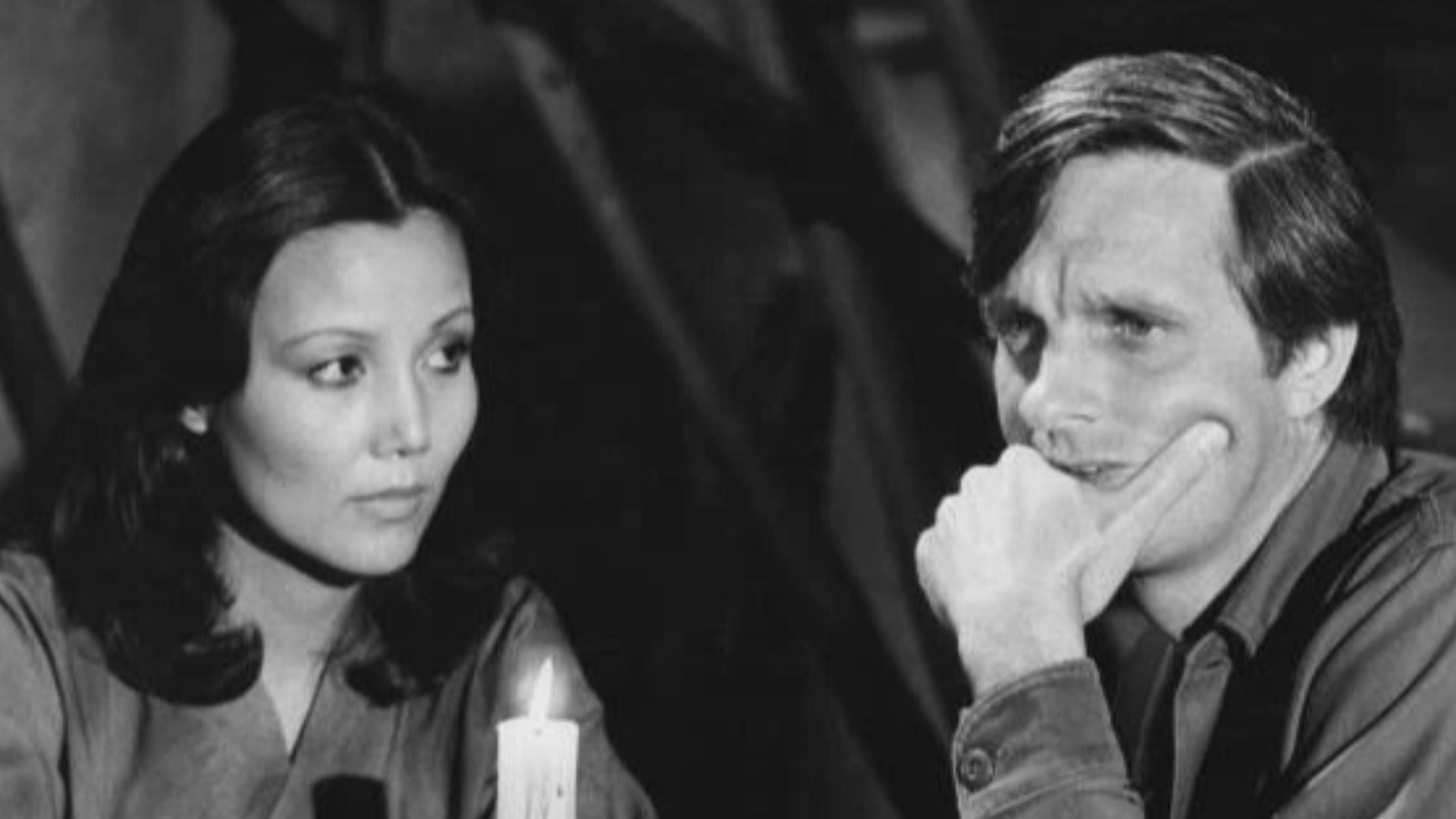
Alan Alda's Captain Benjamin Franklin "Hawkeye" Pierce became television's most famous military doctor on MASH*. Premiering in 1972, the comedy drama blended humor with serious examinations of war and medicine. Hawkeye showed that doctors could be deeply flawed while remaining heroic.
 CBS Television, Wikimedia Commons
Trapper John Balanced Humor And Skill
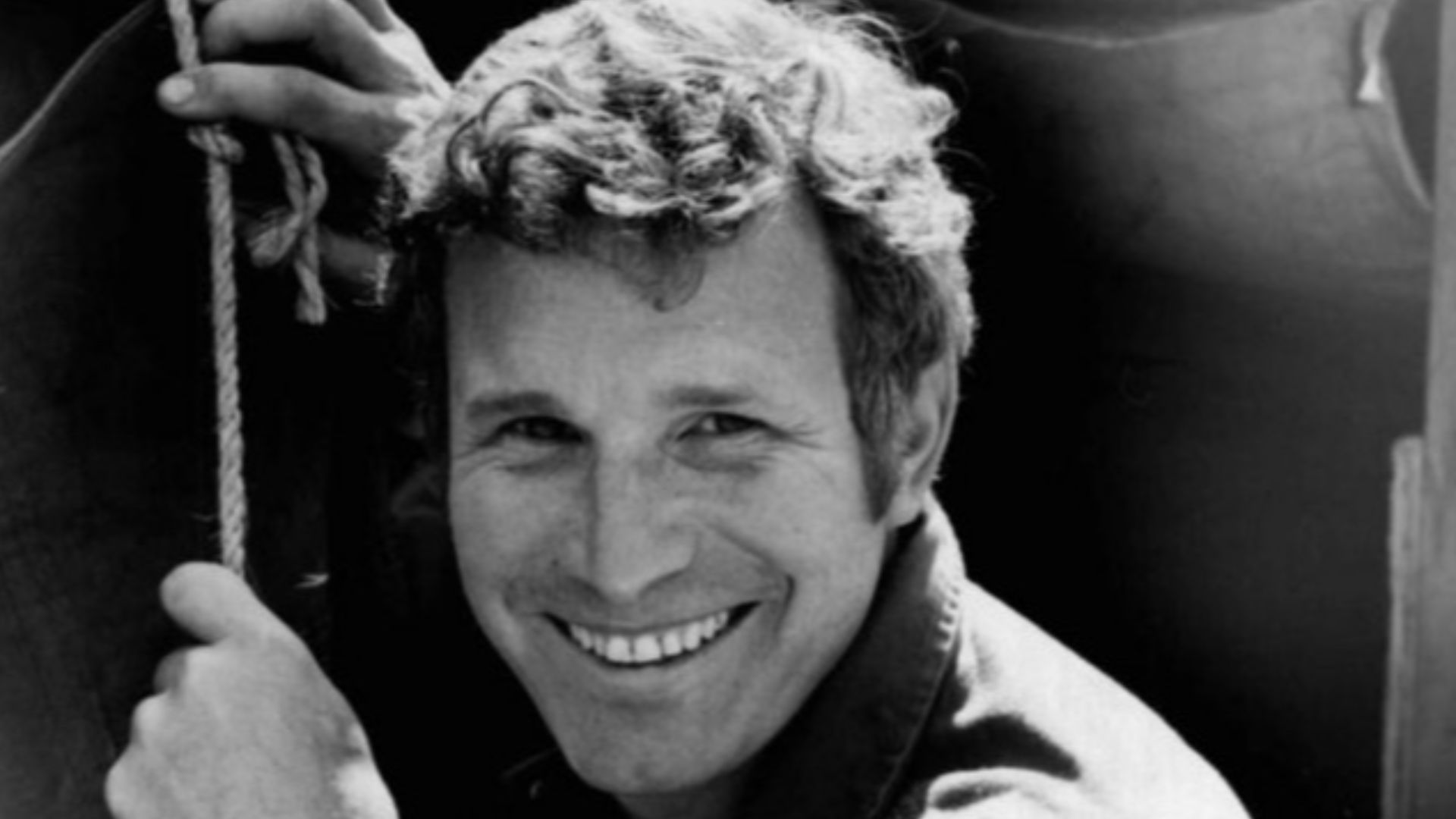
Wayne Rogers portrayed Trapper John McIntyre during the early seasons of MASH*. His easygoing personality complemented Hawkeye's wit while both surgeons performed lifesaving procedures under impossible conditions. Their friendship became central to the show's early success.
 CBS Television, Wikimedia Commons
Colonel Potter Earned Universal Respect
Harry Morgan joined MASH* as Colonel Sherman Potter in 1975. Unlike the stern commanders before him, Potter combined military discipline with genuine kindness. He became both a respected physician and a trusted father figure.
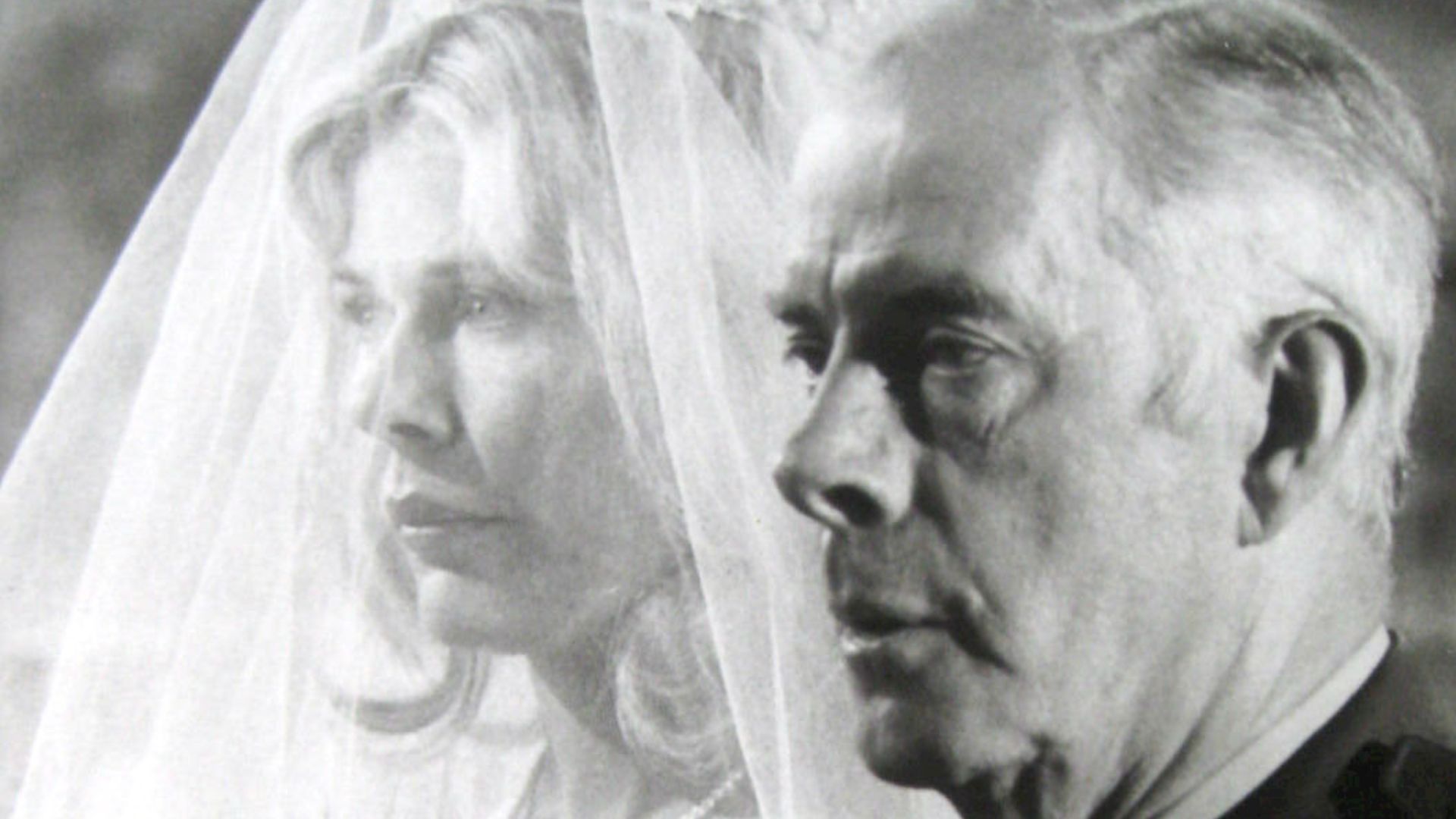 CBS Television, Wikimedia Commons
B.J. Hunnicutt Brought Quiet Compassion
Mike Farrell replaced Trapper John as Captain B.J. Hunnicutt. B.J. balanced surgical excellence with empathy and unwavering loyalty to his friends. His grounded personality helped the series mature during its later seasons.
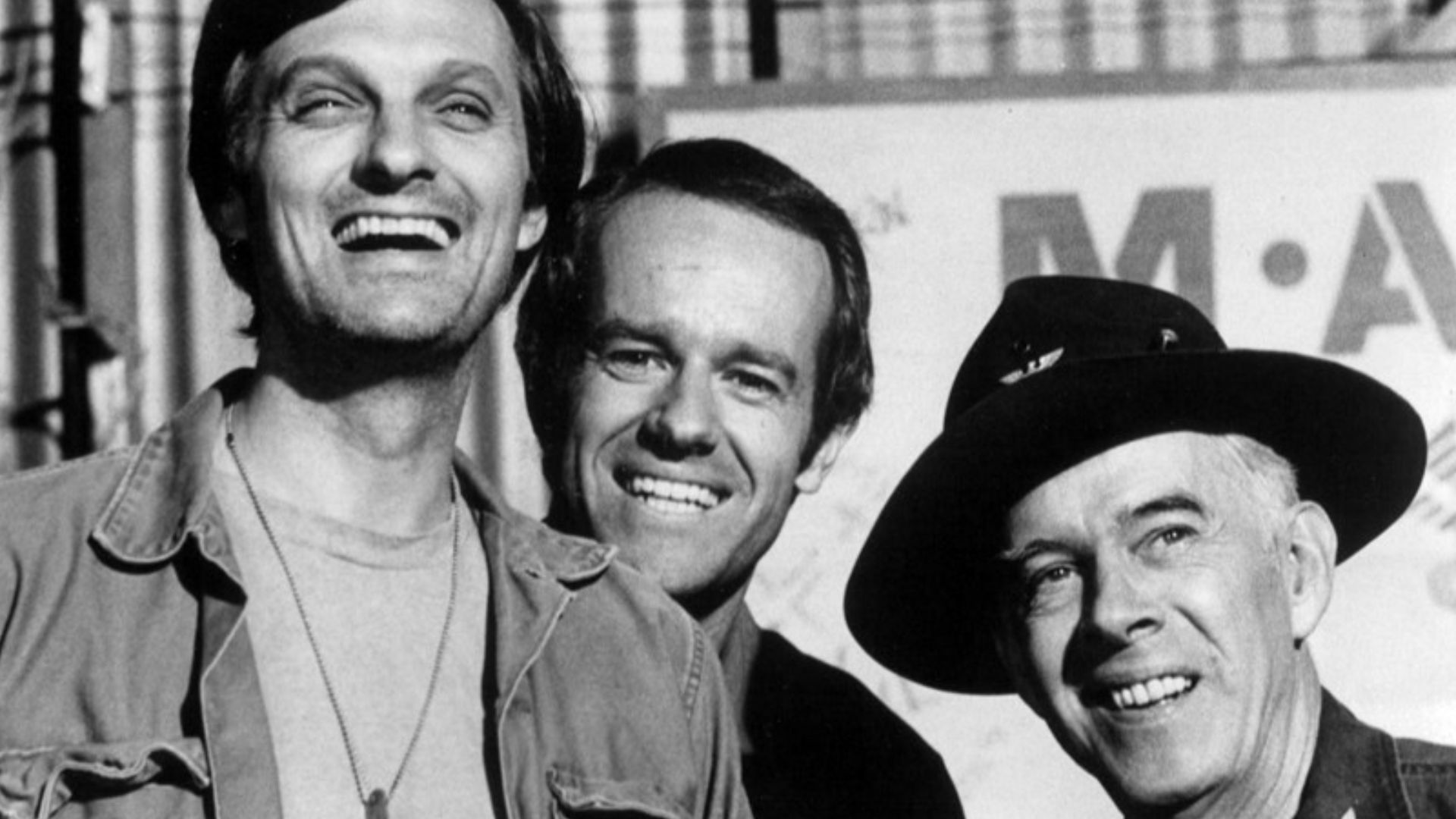 CBS Television, Wikimedia Commons
Dr. Quincy Used Science To Find The Truth
Jack Klugman starred as Dr. Quincy in Quincy, M.E. beginning in 1976. As a medical examiner, Quincy solved suspicious deaths while exposing social problems and public health failures. The series expanded the definition of television doctors beyond hospitals.
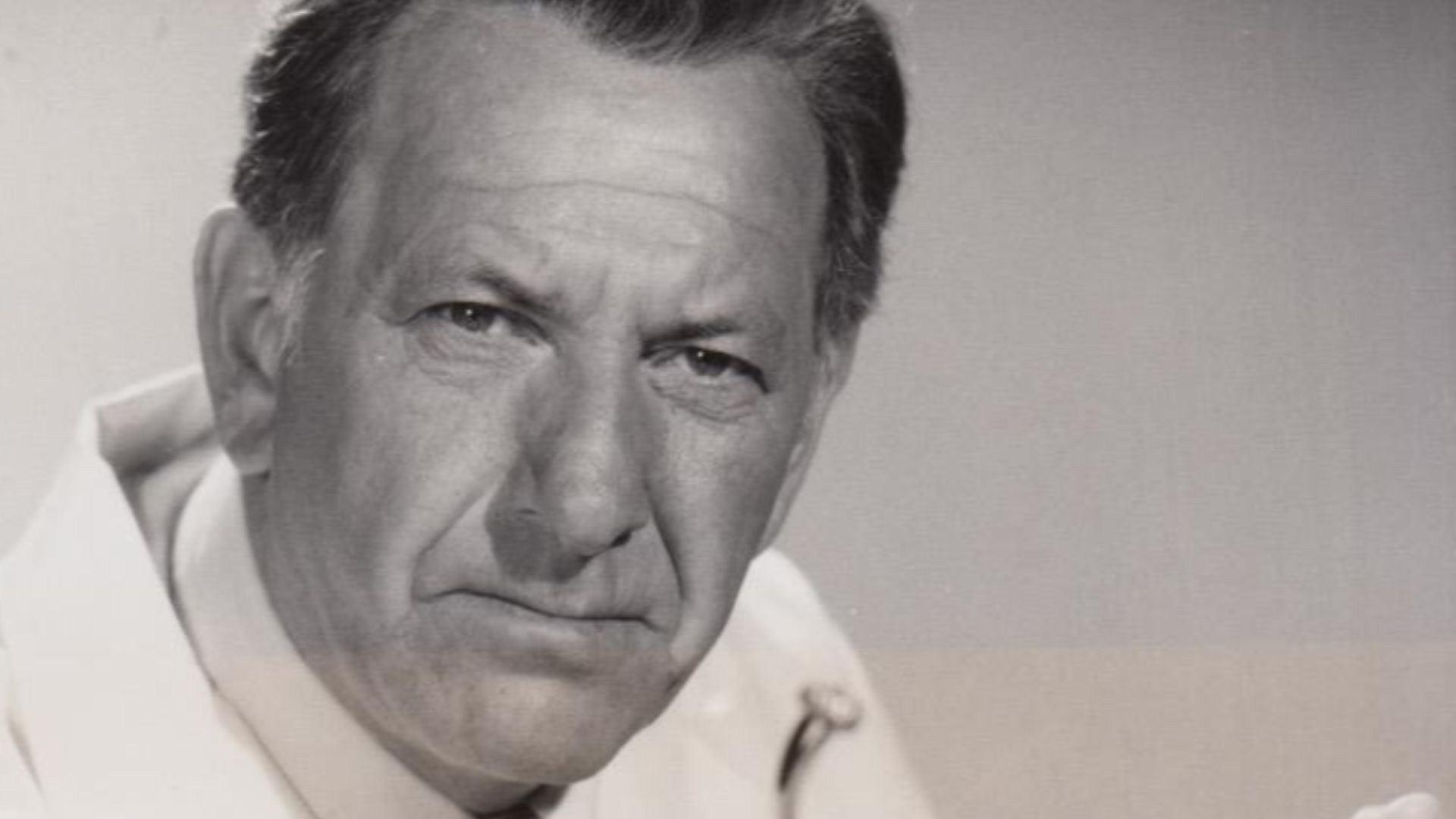 NBC Television, Wikimedia Commons
Dr. Quincy Inspired Future Investigators
Unlike traditional physicians, Quincy frequently challenged officials when evidence pointed toward injustice. His commitment to science and truth influenced countless later forensic dramas. The character demonstrated that medicine could drive compelling detective stories.
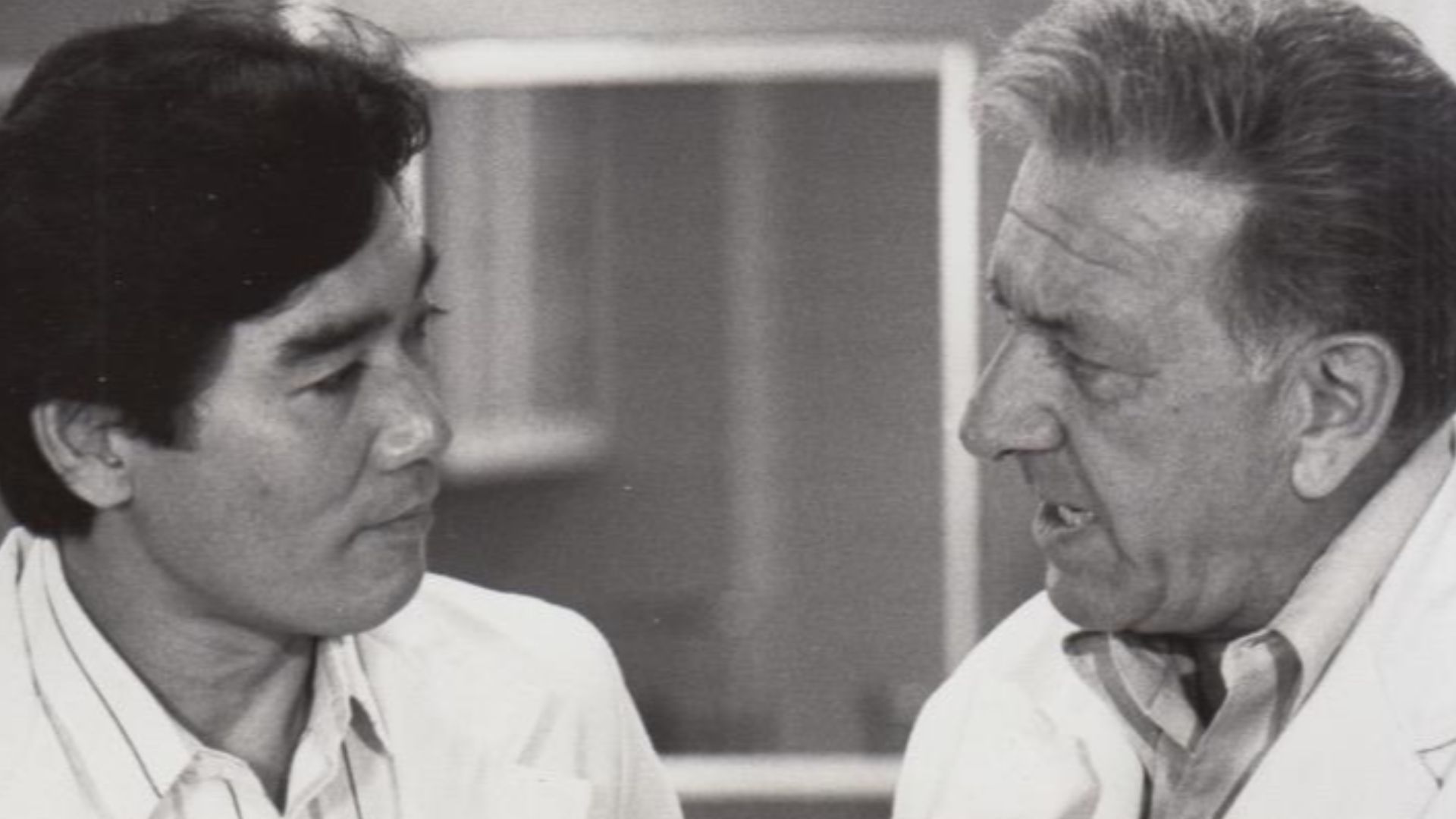 NBC Television, Wikimedia Commons
These Doctors Helped Shape Public Expectations
Early television doctors often appeared highly ethical, endlessly dedicated, and remarkably capable. While later dramas embraced more flawed characters, these pioneers established the image of physicians as trusted community figures. Their influence remained visible for decades.
 ABC Television, Wikimedia Commons
Their Legacy Lives On Today
Modern medical dramas owe a tremendous debt to these pioneers. They proved audiences cared about medical ethics, personal sacrifice, and emotional storytelling long before blockbuster hospital series arrived. Without these unforgettable television doctors, today's biggest medical dramas might never have existed.
 ABC Television, Wikimedia Commons
You May Also Like:
The Best Medical Dramas Of All Time
The Best Workplace Comedies Of All Time